
Contemporary artistic evocation of writing materials and a river valley associated with Syriac literary culture; neither a portrait of Jacob nor an actual manuscript or verified historical reconstruction
Persona
Jacob of Serugh (c. 451–521), Syriac poet, preacher, and bishop of Batnae, known for biblical metrical homilies, letters, and an attributed homily on the youths of Ephesus.
Variantes del nombre: Jacob of Serugh, Jacob of Sarug
Contexto y fuentes →
Persona
Egyptologist and ancient-art scholar studying Amarna, gender and religious power.
Variantes del nombre: Jacquelyn Williamson
Contexto y fuentes →

Jaffa port on 3 October 2013, photographed by Noam.armonn. Modern buildings and vessels show the present place, not the harbor’s appearance in Jonah’s narrative setting
Yacimiento
A Mediterranean coastal city and port from which Jonah begins his voyage toward Tarshish.
Variantes del nombre: Jaffa / Joppa, historic port
Contexto y fuentes →
Persona
James George Frazer (1854–1941) studied classical literature, anthropology and comparative religion and was associated with Trinity College, Cambridge.
Variantes del nombre: James George Frazer
Contexto y fuentes →
Persona
Egyptologist and Old Testament scholar, author on Akhenaten and monotheism.
Variantes del nombre: James K. Hoffmeier
Contexto y fuentes →
Persona
James Mellaart (1925–2012): British archaeologist who excavated Çatalhöyük in 1961–65; his identification of decorated buildings as shrines is a historically influential but contested interpretation.
Variantes del nombre: James Mellaart, Mellaart
Contexto y fuentes →

University Hall at Brown University, Rhode Island, in a photograph dated 1 April 1997. It illustrates the university that Egyptologist James P. Allen joined in 2007
Persona
Egyptologist and Brown professor emeritus, studying ancient Egyptian language, literature and religion, including the Pyramid Texts.
Variantes del nombre: James Allen, James P. Allen
Contexto y fuentes →
Persona
German Egyptologist and cultural-memory scholar, born 1938, died 2024.
Variantes del nombre: Jan Assmann
Contexto y fuentes →
Persona
Scholar of Biblical Hebrew and the Septuagint, author of a 2019 study on the linguistic dating of Joseph.
Variantes del nombre: Jan Joosten, Hebrew scholar, Jan Joosten
Contexto y fuentes →
Persona
Scholar of the Bible and its ancient Near Eastern context, specializing in Israelites and Judeans in Assyrian and Babylonian sources.
Variantes del nombre: Jan Safford
Contexto y fuentes →
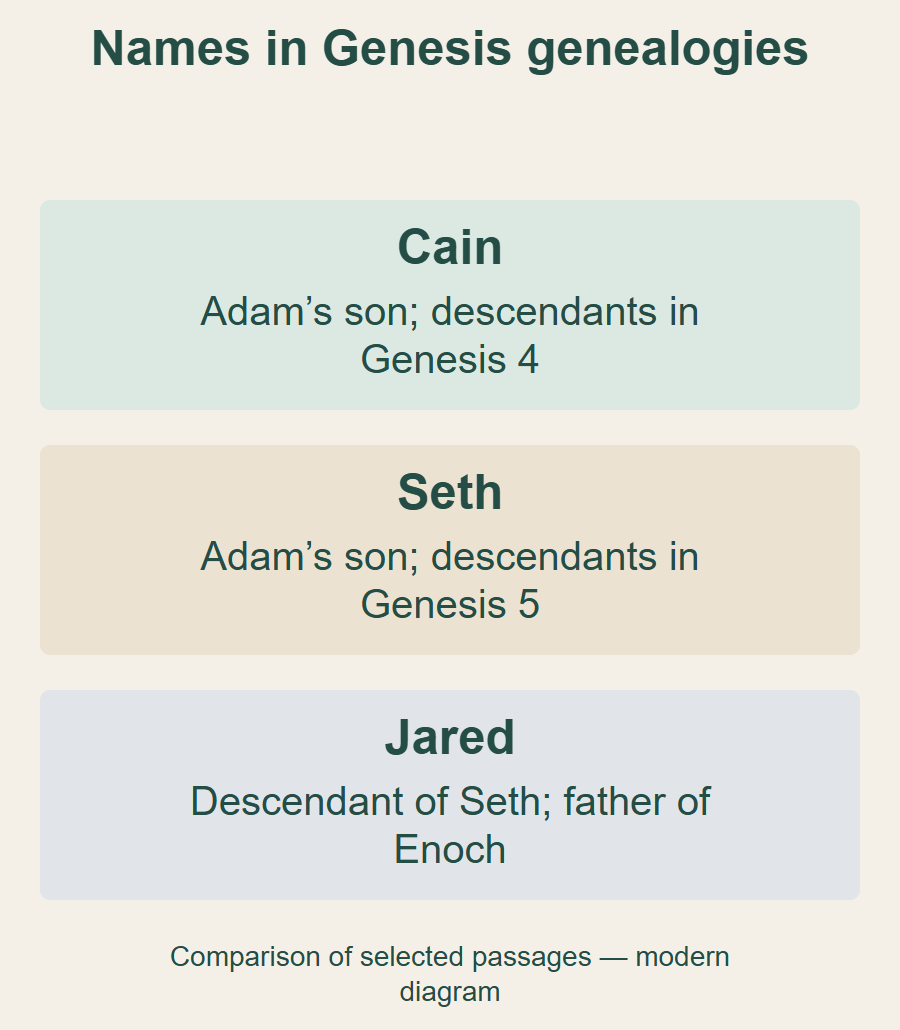
Modern chart distinguishing the Cain and Seth branches in Genesis and Jared’s position; textual relationships, not a reconstructed historical genealogy
Persona
Jared is Enoch’s father in Genesis 5; the Watchers’ descent is set in his days.
Variantes del nombre: Jared
Contexto y fuentes →
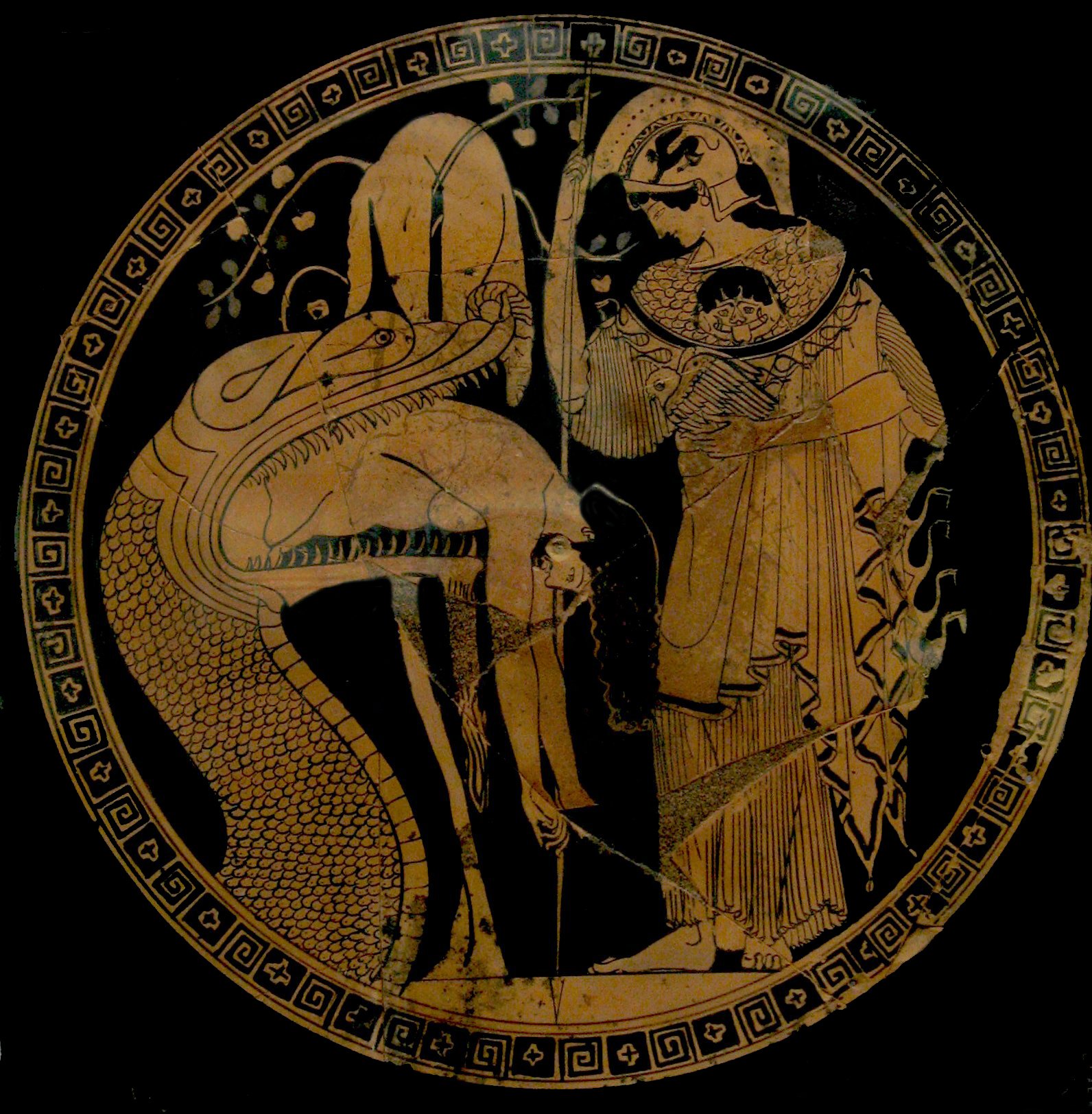
Jason emerging from the serpent, Athena at right, and the hanging Golden Fleece; Attic cup attributed to Douris, about 480–470 BCE, Vatican Museums 16545. Photograph of the cup, neither Jonah nor a portrait of its painter
Persona
A Greek hero of Golden Fleece narratives, shown on an ancient cup emerging from a serpent’s mouth with Athena’s aid.
Variantes del nombre: Jason, hero of the Golden Fleece
Contexto y fuentes →
Persona
Scholar of the Avesta and Indo-Iranian languages and religions; held their Collège de France chair, 1993–2014.
Variantes del nombre: Jean Kellens
Contexto y fuentes →
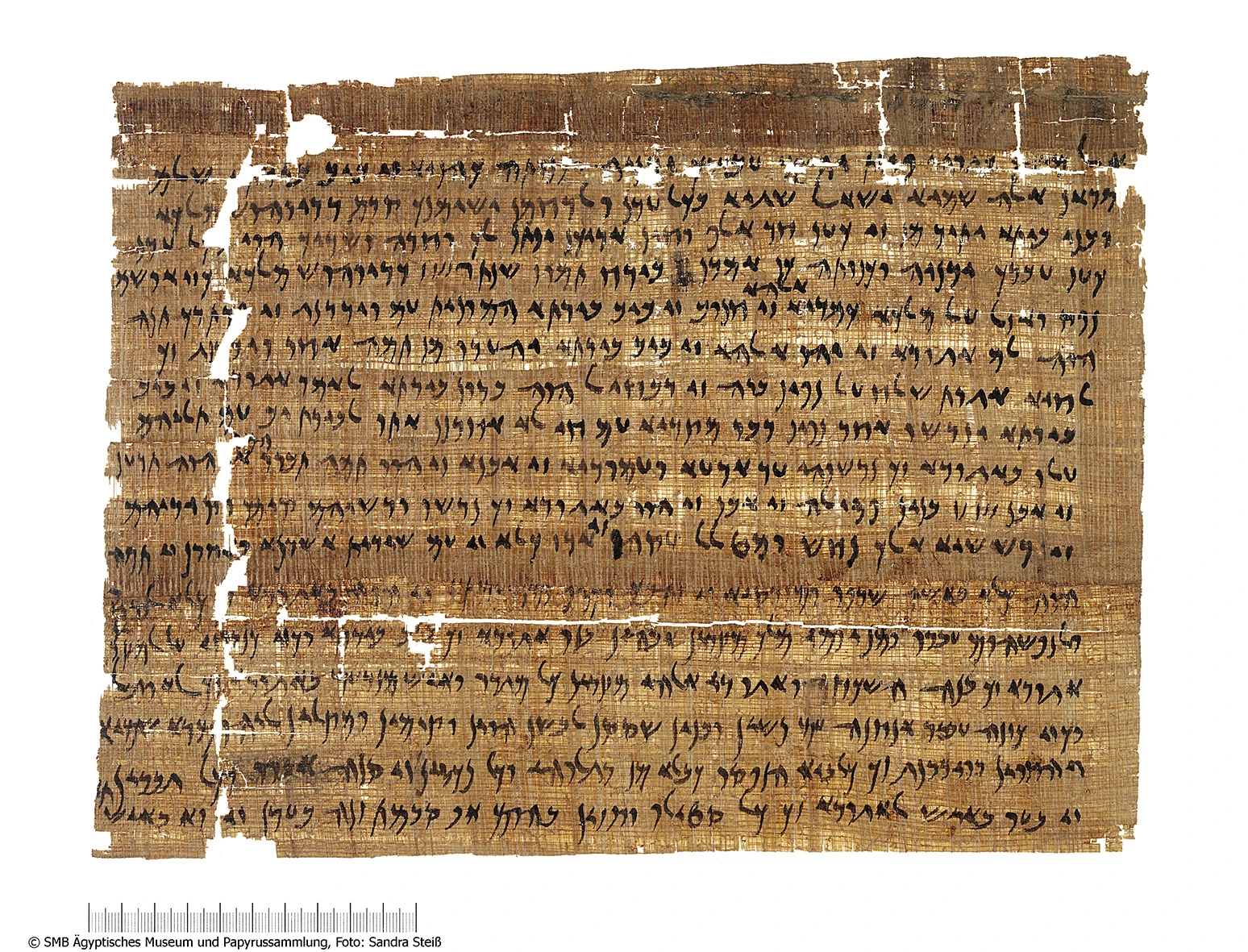
Recto of petition P.13495, dated 25 November 407 BCE, from Elephantine’s priestly community. A document, not a portrait of Jedaniah. Photograph Sandra Steiß, Staatliche Museen zu Berlin
Persona
An Elephantine priest named with his colleagues in the temple-rebuilding petition of 407 BCE.
Variantes del nombre: Jedaniah son of Gemariah
Contexto y fuentes →

The Rotunda and Lawn, University of Virginia, Charlottesville, 14 March 2011. Institutional context for Jenny Strauss Clay; a campus view, not her portrait
Persona
Professor emerita at the University of Virginia, specializing in early Greek poetry and its gods and human–divine relations.
Variantes del nombre: Jenny Strauss Clay
Contexto y fuentes →
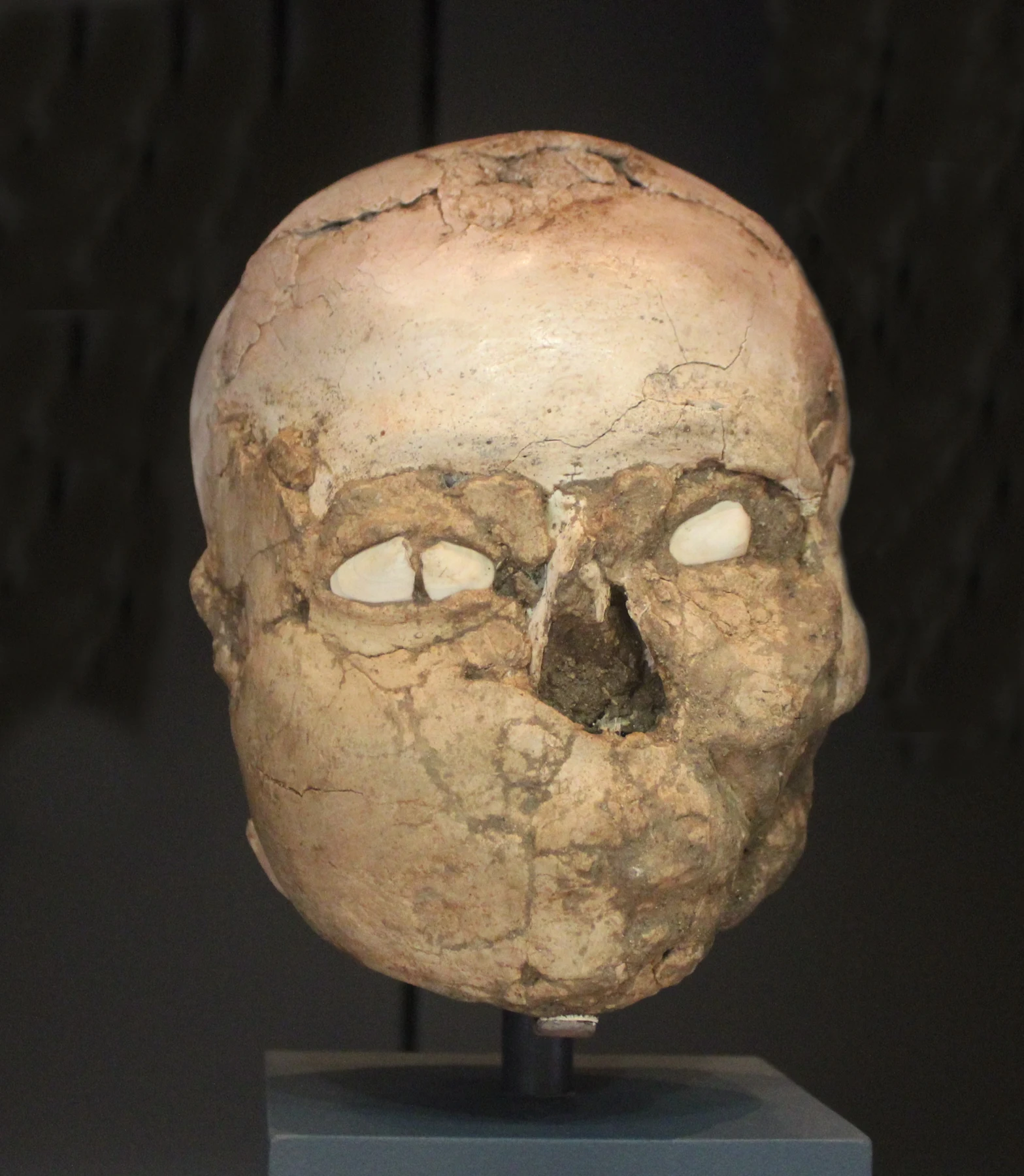
Plastered skull from Jericho, Pre-Pottery Neolithic B, displayed at the British Museum. An ancient modeled face on human remains, not a modern facial reconstruction
Yacimiento
Archaeological mound near present-day Jericho in Palestine’s Jordan Valley, preserving early Neolithic settlement and Bronze Age layers.
Variantes del nombre: Tell es-Sultan
Contexto y fuentes →
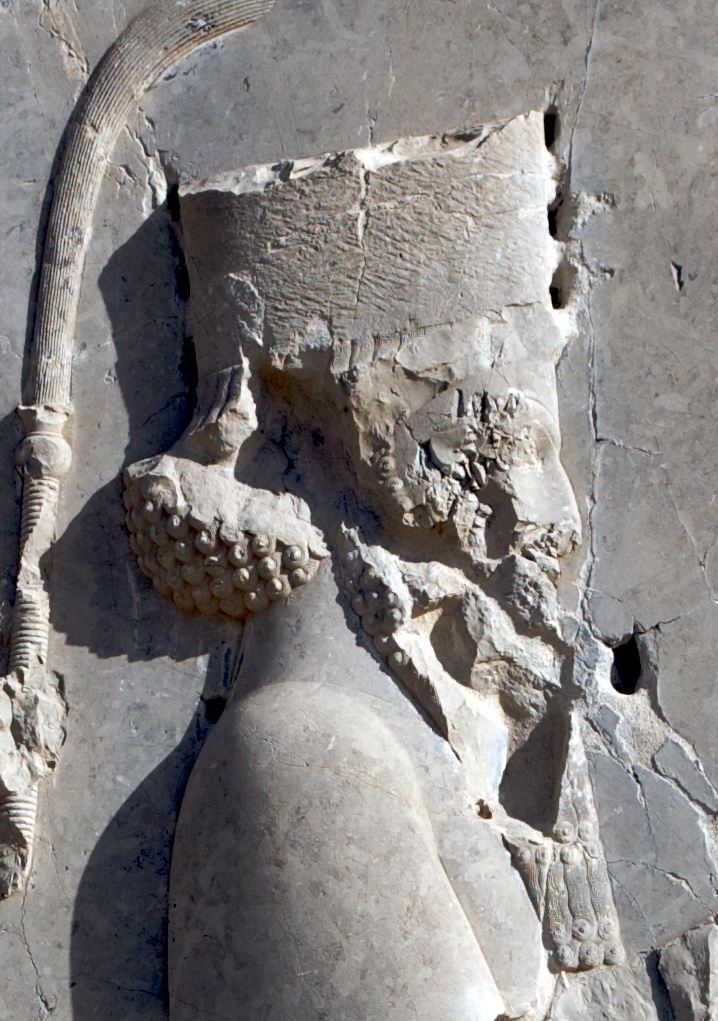
Royal figure in a Persepolis relief,identified as Xerxes in the image record; photograph by Nick Taylor,28 November 2018. Ancient royal representation, not a verified personal likeness
Persona
Achaemenid king, 486–465 BCE, usually identified by name with Ahasuerus in Hebrew Esther.
Variantes del nombre: Xerxes I and Ahasuerus, Xerxes I, Xerxes, Ahasuerus
Contexto y fuentes →
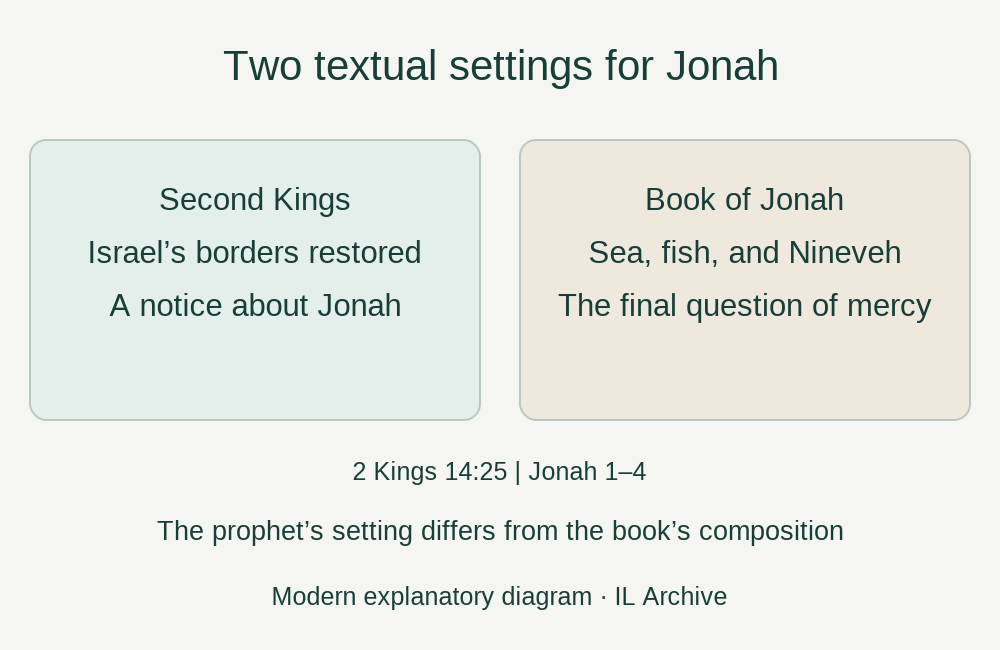
Second Kings14:25 concerns restored borders and Jonah son of Amittai; Jonah1–4 concerns the sea, Nineveh, and mercy. Modern comparison distinguishing the figure’s setting from composition, not a portrait of king or prophet
Persona
An eighth-century BCE northern king; Second Kings 14:25 links restored borders to the word of Jonah son of Amittai.
Variantes del nombre: Jeroboam II, king of Israel
Contexto y fuentes →

Jerusalem’s Old City seen from the north, photographed on 20 July 2012. The Dome of the Rock and the Mount of Olives appear in the background. This modern view brings together landmarks from several periods; it differs from the city in the time of the kingdom of Judah
Yacimiento
Jerusalem is a city of religious importance in Judaism, Christianity and Islam
Variantes del nombre: Jerusalem
Contexto y fuentes →
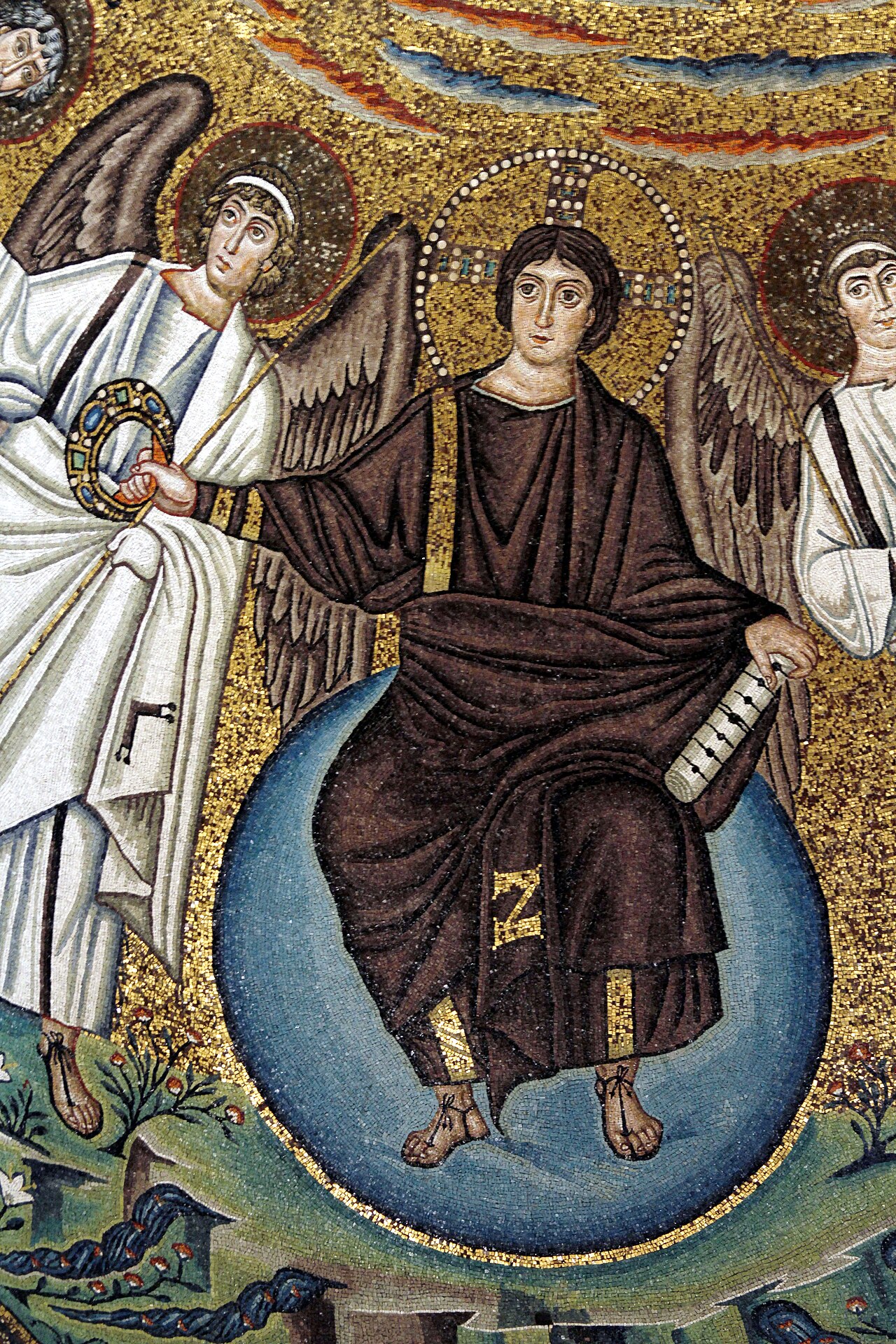
Christ between two angels in a sixth-century mosaic at the Basilica of San Vitale in Ravenna, Italy. He is shown seated above a blue sphere in a cosmic scene. Photograph by José Luiz, 17 September 2016
Persona
Jesus Christ is Christianity’s central figure, who lived in the first century CE
Variantes del nombre: Jesus Christ
Contexto y fuentes →
Persona
Hebrew Bible and reception scholar at the University of Gothenburg, studying Esther’s reinterpretation across time.
Variantes del nombre: Jill Middlemas
Contexto y fuentes →
Persona
Scholar of biblical reception who studies the Queen of Sheba across Jewish, Christian and Muslim traditions.
Variantes del nombre: Jillian Stinchcomb
Contexto y fuentes →
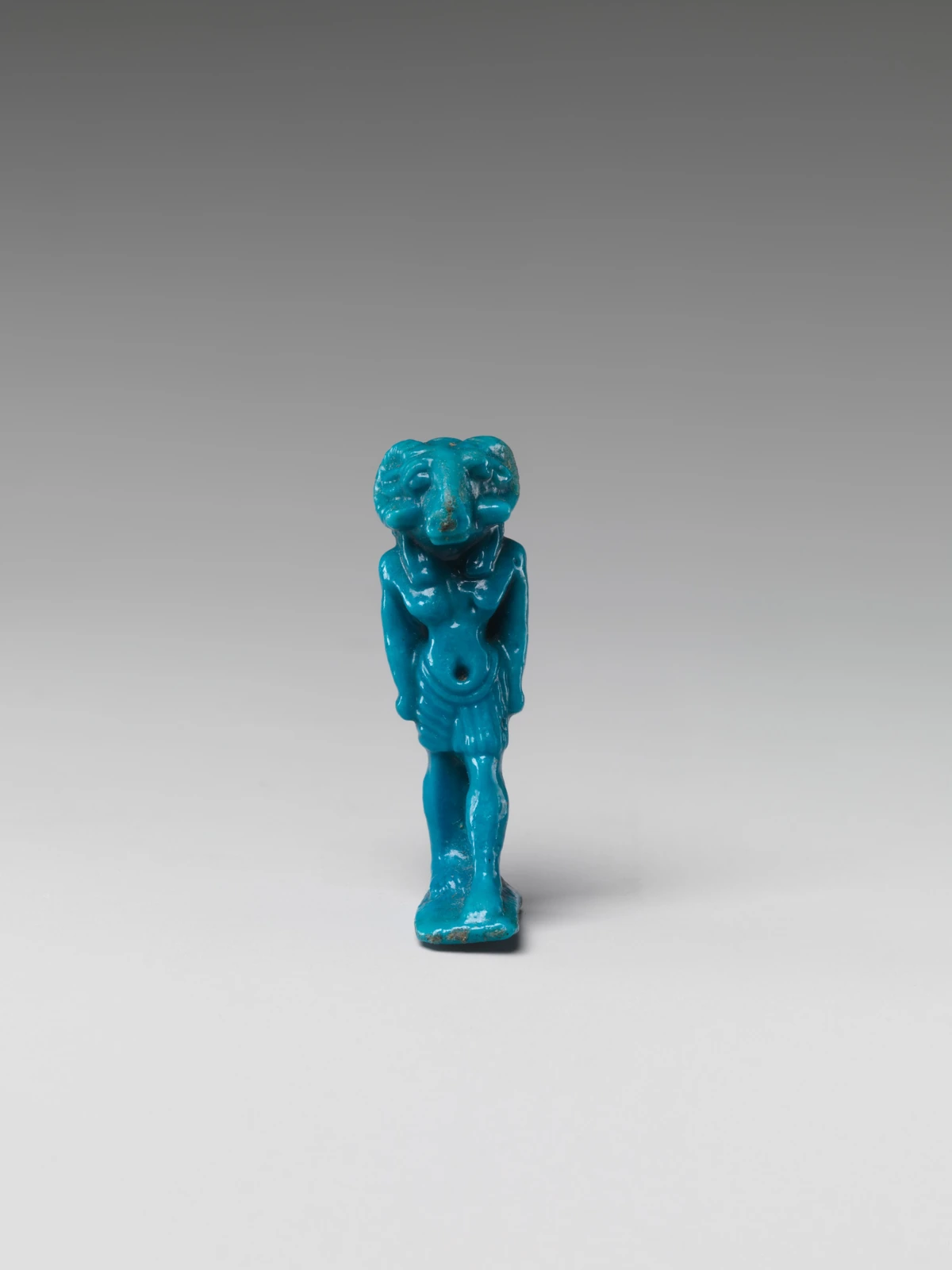
Faience amulet of Khnum from Thebes, Ptolemaic Period, 332–30 BCE, Metropolitan Museum 26.7.884. Later than the Elephantine petition and from another location; it illustrates the ram-headed god
Entidad
Egyptian god represented with a ram’s head; his priests appear in the Elephantine petition’s account of the 410 BCE destruction.
Variantes del nombre: Khnum
Contexto y fuentes →
Persona
Ancient Near East scholar studying water ordeals, Mari letters and testimony.
Variantes del nombre: Joanna Töyräänvuori
Contexto y fuentes →
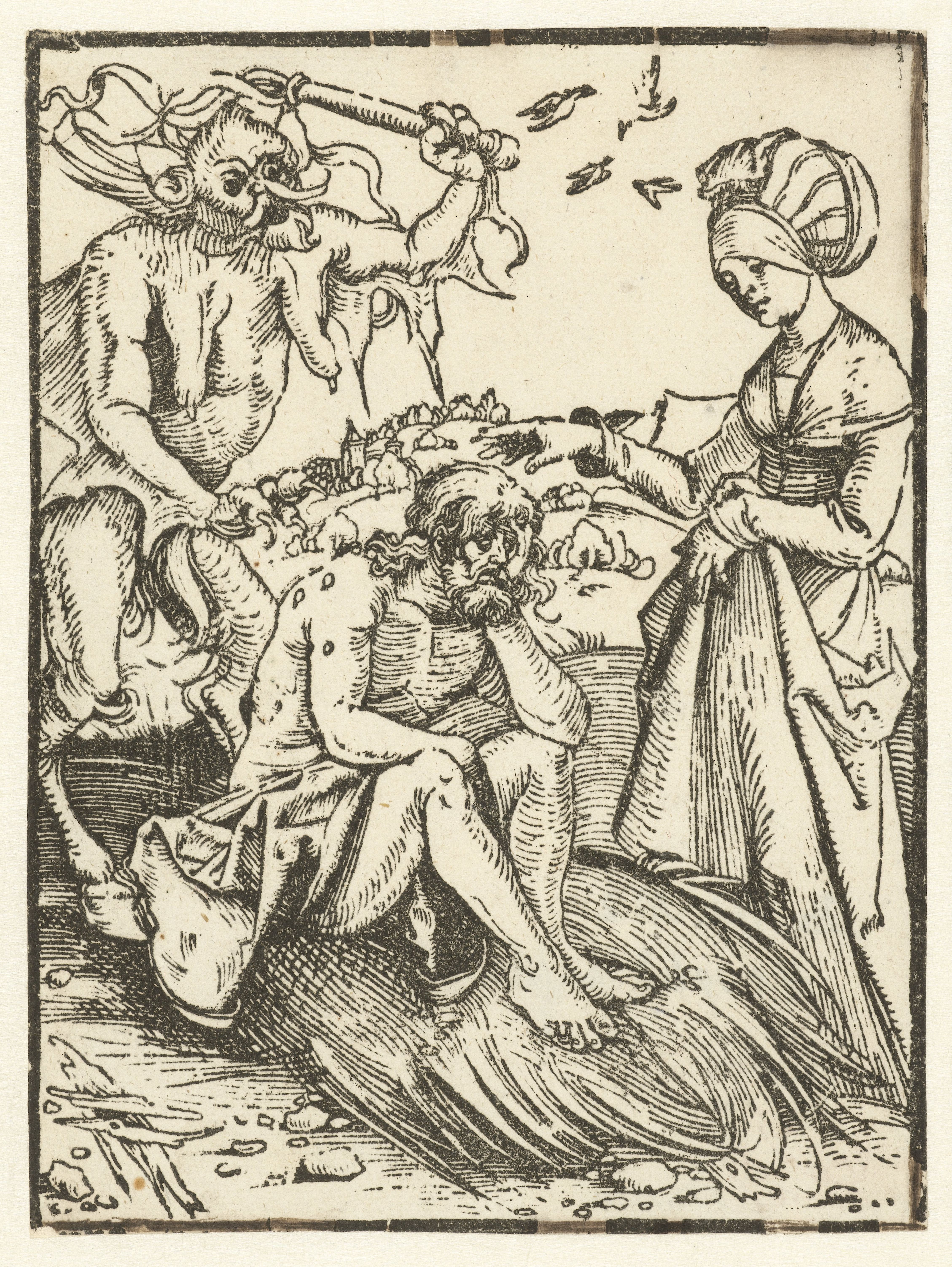
Job on the dunghill with his wife and a devil; woodcut from Albrecht Dürer’s school, Nuremberg, 1509, RP-P-OB-1550, Rijksmuseum. A later rendering, not a historical portrait
Persona
Central figure of the Book of Job, introduced as upright and subjected to suffering after a heavenly discussion of his fidelity.
Variantes del nombre: Job
Contexto y fuentes →
Persona
New Testament and Christian origins scholar and Duke emeritus professor, studying the Gospels in their Jewish context.
Variantes del nombre: Joel Marcus
Contexto y fuentes →
Persona
Hebrew Bible and Pentateuch scholar who developed a renewed argument for the Documentary Hypothesis.
Variantes del nombre: Joel S. Baden, Joel Baden
Contexto y fuentes →
Persona
Old Testament scholar who discussed Eden’s serpent and Babylonian traditions in a 2015 article.
Variantes del nombre: John Day, Old Testament scholar, John Day
Contexto y fuentes →
Persona
Semitic and historical linguist and emeritus professor at the University of Texas at Austin.
Variantes del nombre: John Huehnergard
Contexto y fuentes →
Persona
Hebrew Bible scholar and Yale emeritus professor who writes on proportionality in the talion formula.
Variantes del nombre: John J. Collins
Contexto y fuentes →
Persona
Jon D. Levenson studies the Hebrew Bible, its interpretation and Jewish traditions.
Variantes del nombre: Jon D. Levenson
Contexto y fuentes →
Persona
Hebrew Bible and ancient Judaism scholar at the University of Texas at Austin studying jubilee interpretation.
Variantes del nombre: Jonathan Kaplan
Contexto y fuentes →
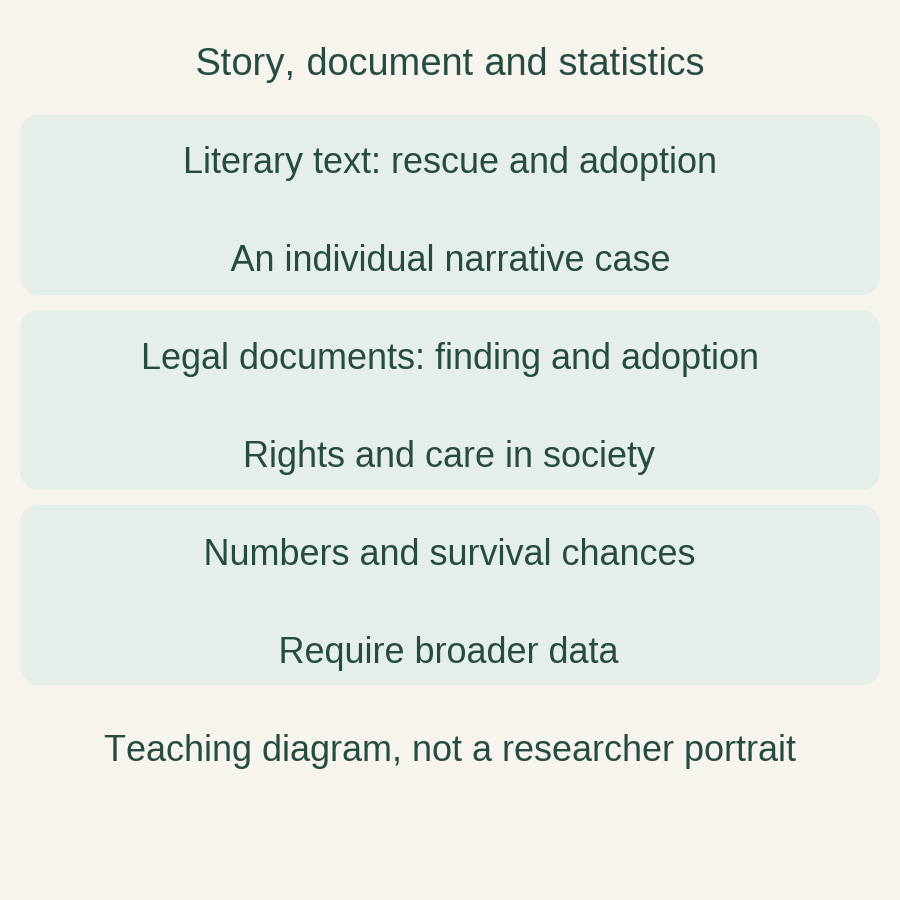
Modern diagram distinguishing a literary case, legal evidence and population statistics; not a portrait of Valk
Persona
Scholar of Mesopotamian history and Assyriology, whose work includes a 2016 study of infant loss in Mesopotamia.
Variantes del nombre: Jonathan Valk
Contexto y fuentes →
Persona
Jonathan Z. Smith (1938–2017) was a historian of religions and scholar of comparative method at the University of Chicago.
Variantes del nombre: Jonathan Z. Smith
Contexto y fuentes →
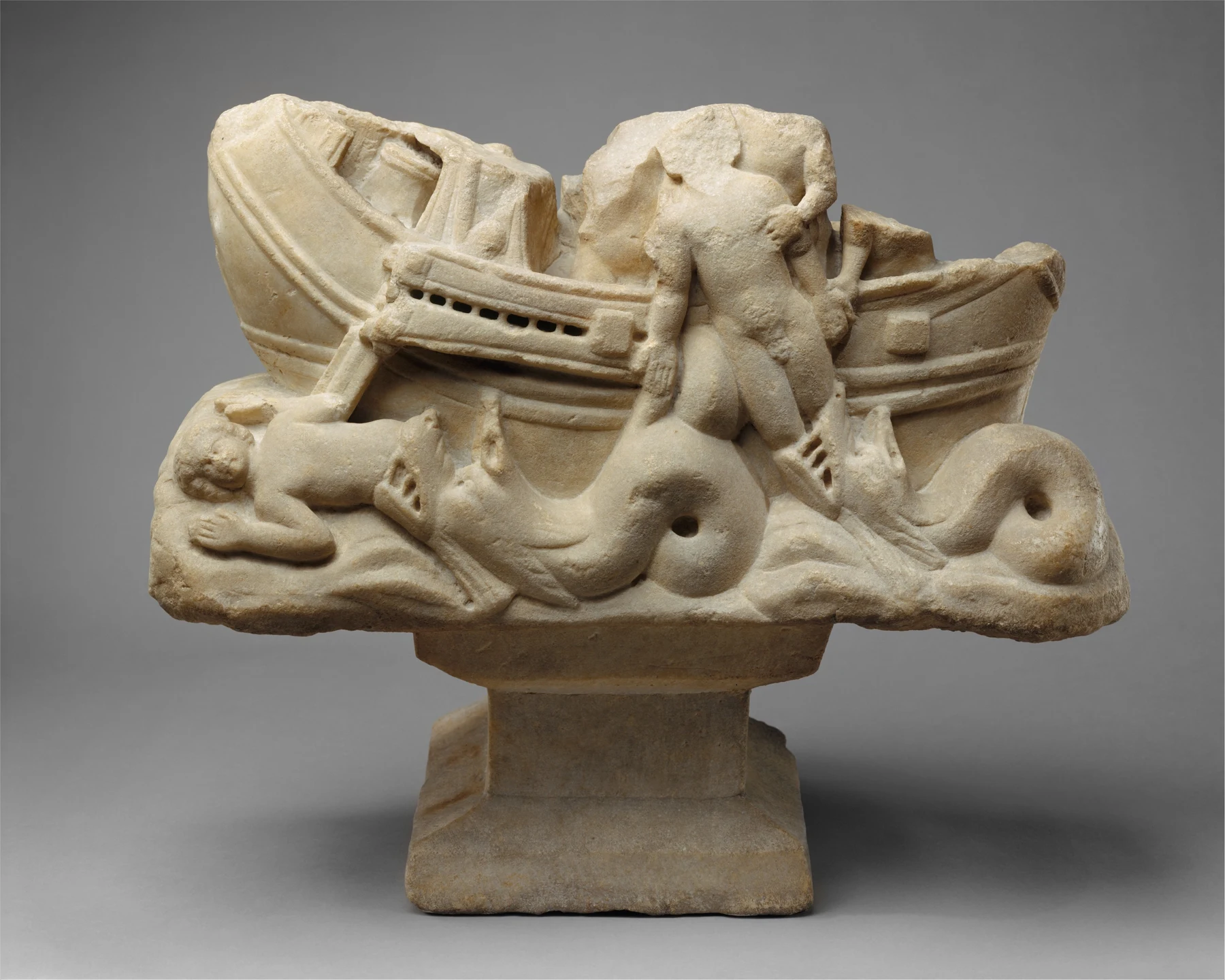
Jonah and the sea creature on a Roman marble table base, early fourth century CE. The Metropolitan Museum of Art, New York, 77.7. Evidence for Christian artistic reception, not an image from the prophet’s lifetime. Museum photograph: public domain
Entidad
Prophetic figure named Jonah son of Amittai in Kings and the Book of Jonah, corresponding to Yunus in the Qur’an; distinguish each narrative, its composition and reception.
Variantes del nombre: Jonah son of Amittai, prophet Jonah, Yunus
Contexto y fuentes →
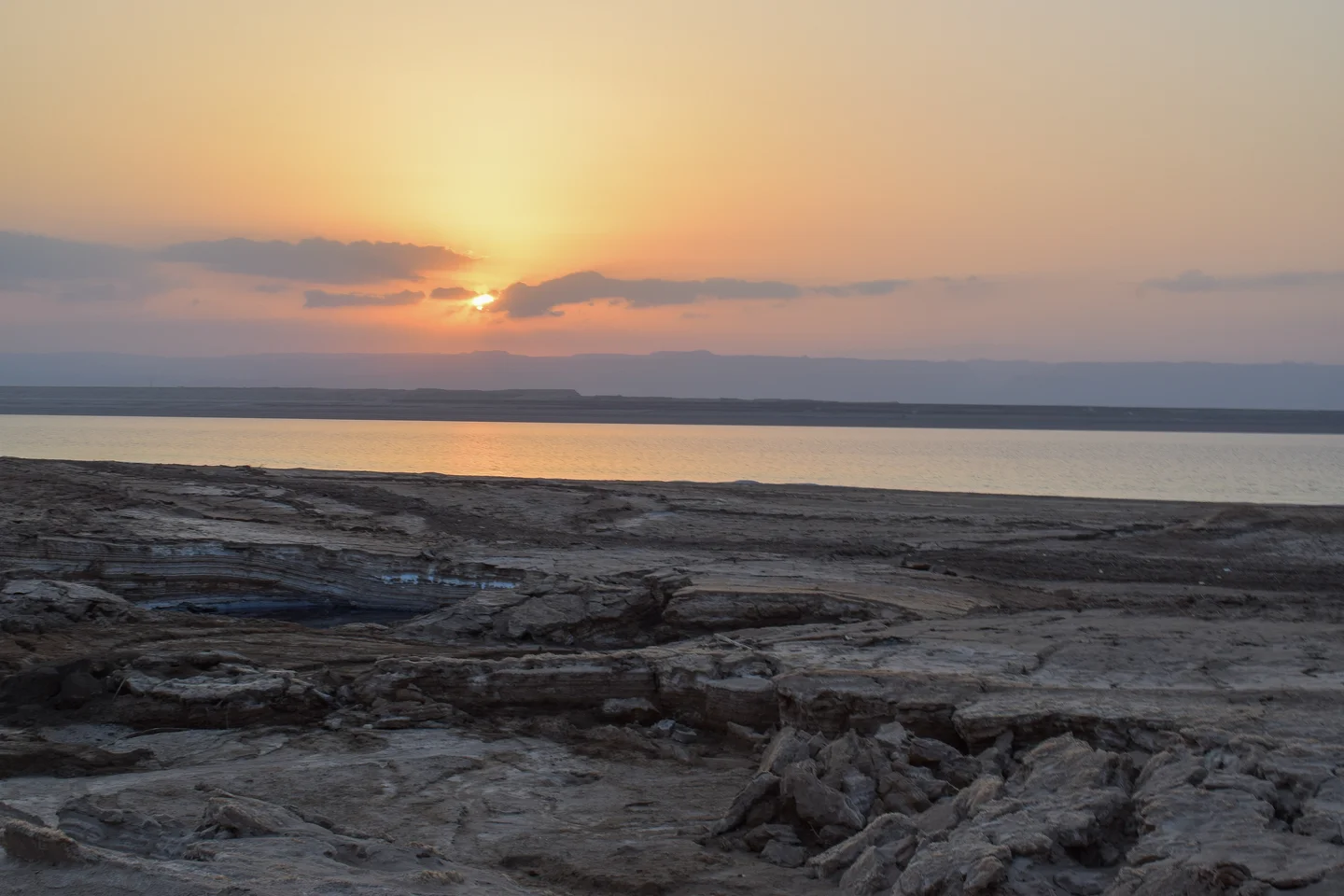
Eastern Dead Sea shore at Ghor Al Haditha, Jordan, 26 October 2018. Westward view from the modern country, not a map of its borders or a reconstruction of ancient Moab
Yacimiento
Modern Levantine country independent as a kingdom in 1946, whose present territory includes Dhiban and ancient Moabite sites.
Variantes del nombre: Jordan
Contexto y fuentes →
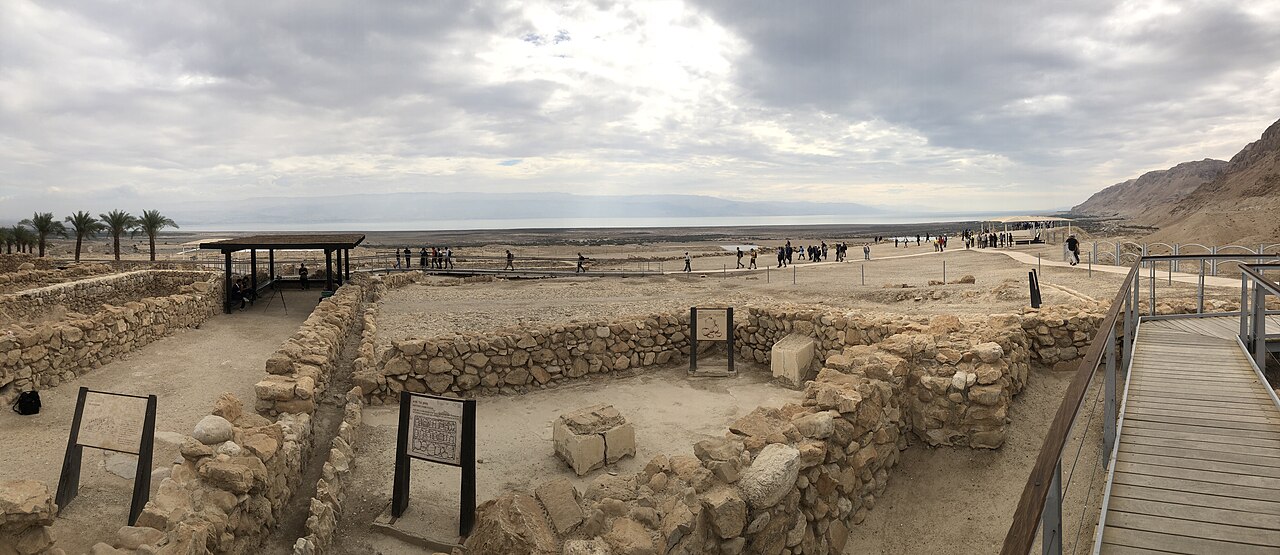
Modern view of the Qumran archaeological site, the setting of scroll research; not a portrait of Fitzmyer or an image of manuscript 4Q225
Persona
American biblical and Dead Sea Scrolls scholar (1920–2016), who studied Qumran retellings of Abraham’s test.
Variantes del nombre: Joseph Fitzmyer
Contexto y fuentes →
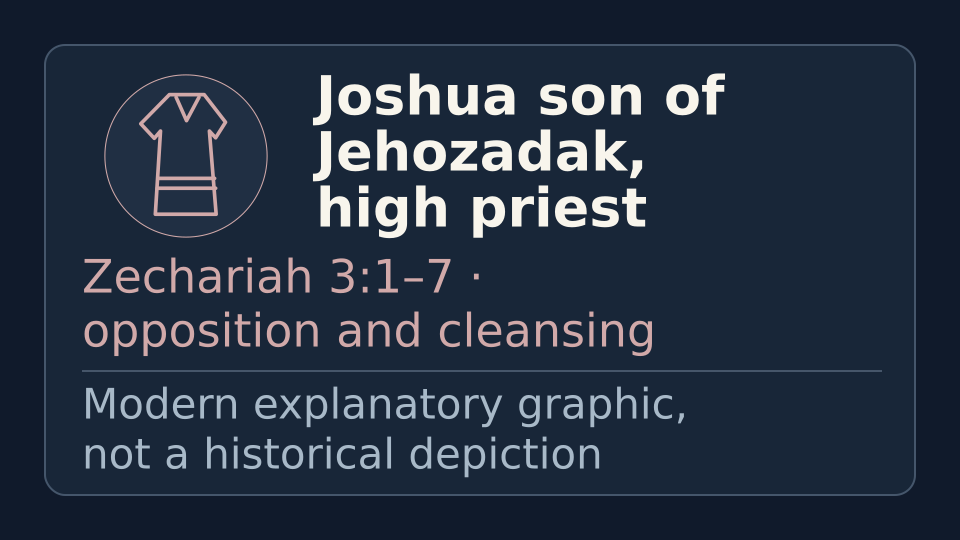
Contemporary explainer; it is not an ancient artifact or historical likeness
Persona
High priest opposed by ha-satan and ritually reclothed in Zechariah 3.
Variantes del nombre: Joshua the high priest
Contexto y fuentes →
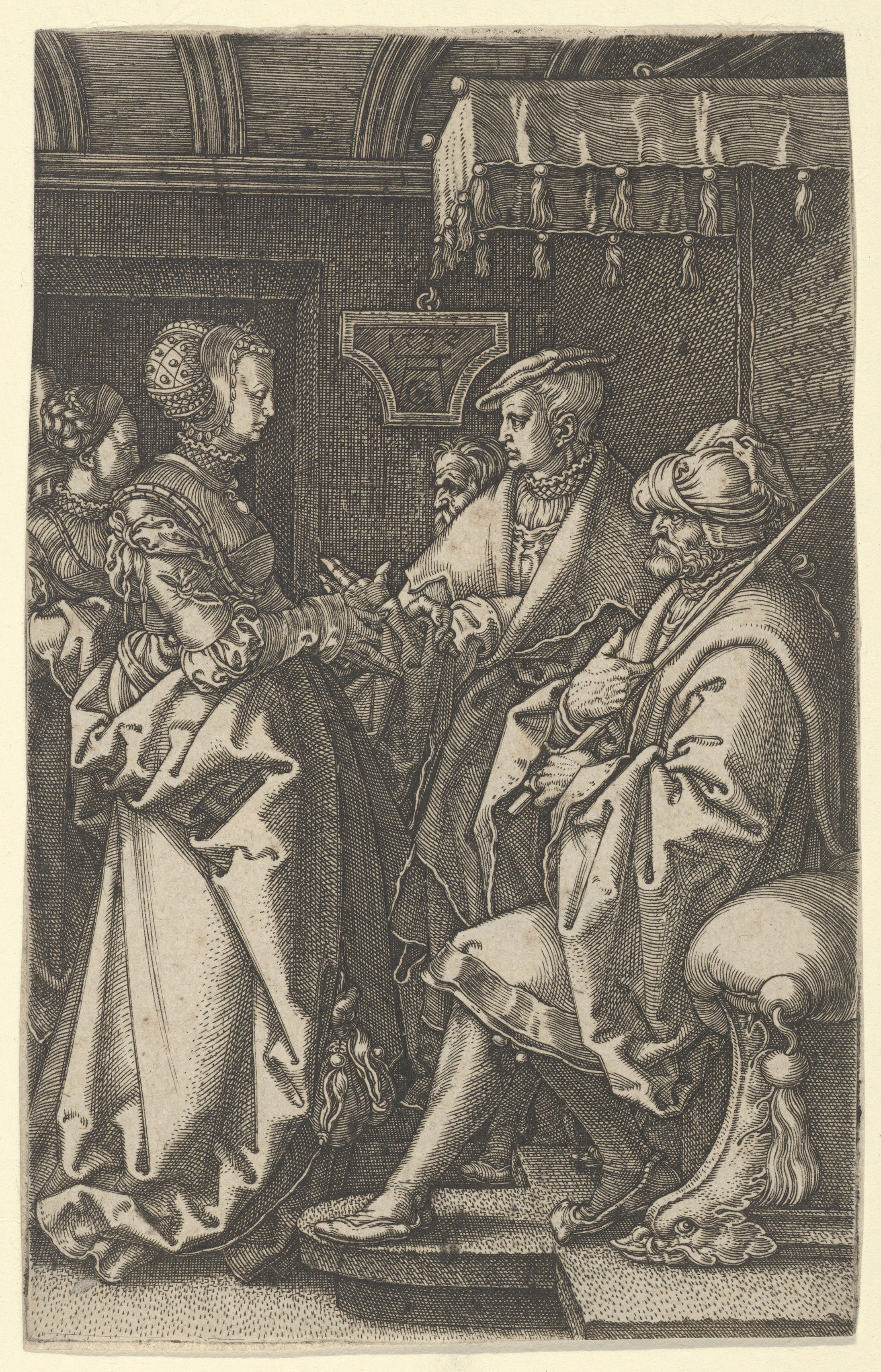
Potiphar’s Wife Accusing Joseph, Heinrich Aldegrever engraving, 1532; Met 49.132.83. Wife at left, seated Potiphar at right, Joseph behind him: artistic reception of Genesis 39:17, not historical portraits
Persona
Figure whose story in Genesis and Sūrat Yūsuf combines enslavement, accusation, prison and advancement in Egypt.
Variantes del nombre: Joseph in Genesis and the Qur’an, Joseph in Genesis
Contexto y fuentes →
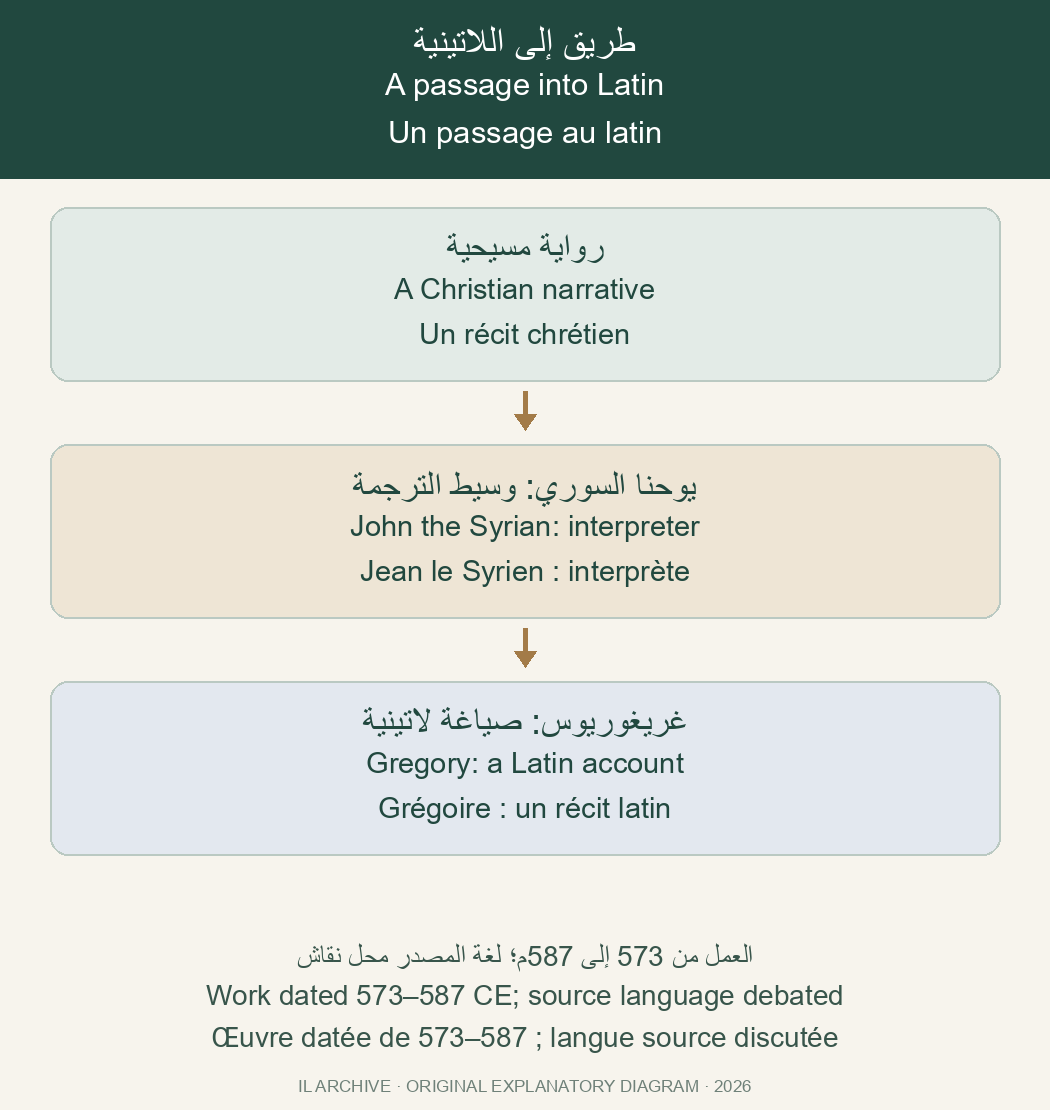
Modern diagram of John the Syrian's role in the Latin narrative's ending: an interpreter assisting Gregory. Greek or Syriac as the source language remains debated. This is neither a portrait nor a chain of transmission to the Qur'an
Persona
Interpreter named in the ending of the Latin Sleepers of Ephesus account, dated to the sixth century CE.
Variantes del nombre: John the Syrian
Contexto y fuentes →