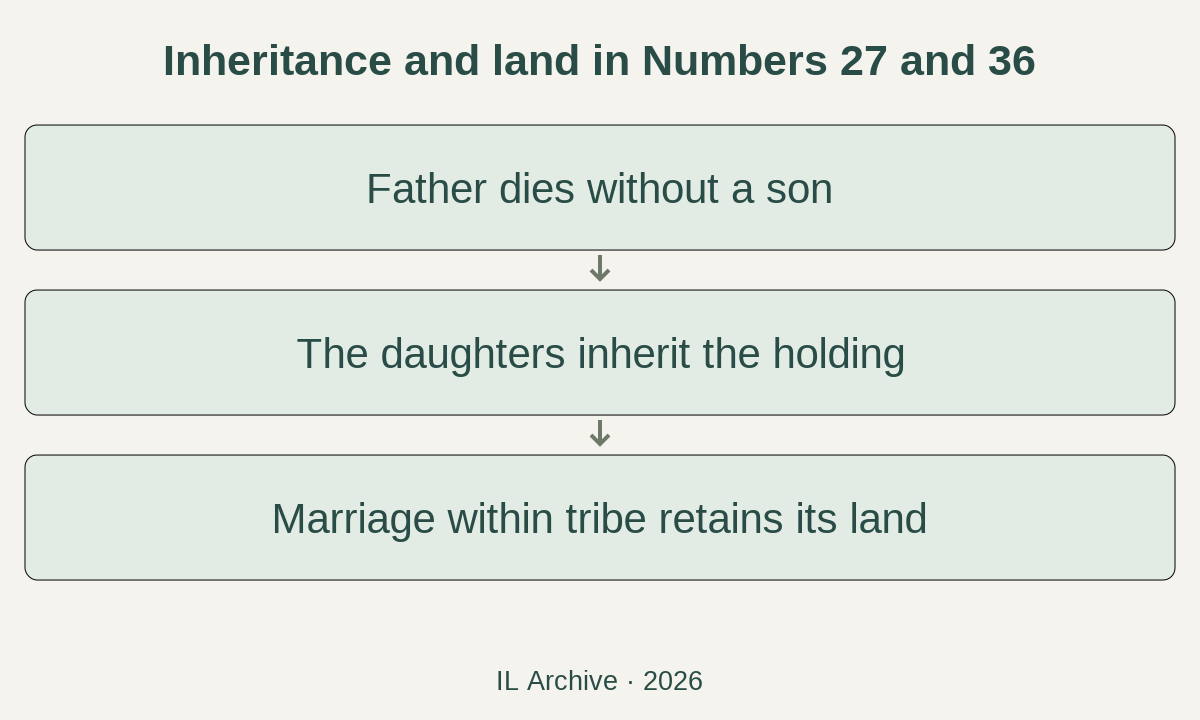
Modern explanatory diagram of relationships or cases in the specified witnesses; not portraits, a legal tablet or an ancient manuscript
Persona
Daughters petitioning for inheritance in Numbers 27, with marriage and land addressed in 36.
Variantes del nombre: Daughters of Zelophehad
Contexto y fuentes →
Modern imaginative scene of workers constructing a metal gate between mountains, inspired by the enclosed-nations motif, not documentary evidence of a historical structure
Entidad
Literary and apocalyptic motif of peoples held behind a barrier until an appointed release. The gate appears in the Syriac Alexander Legend and Quran 18, but not in every account mentioning Gog and Magog.
Variantes del nombre: Enclosed nations
Contexto y fuentes →
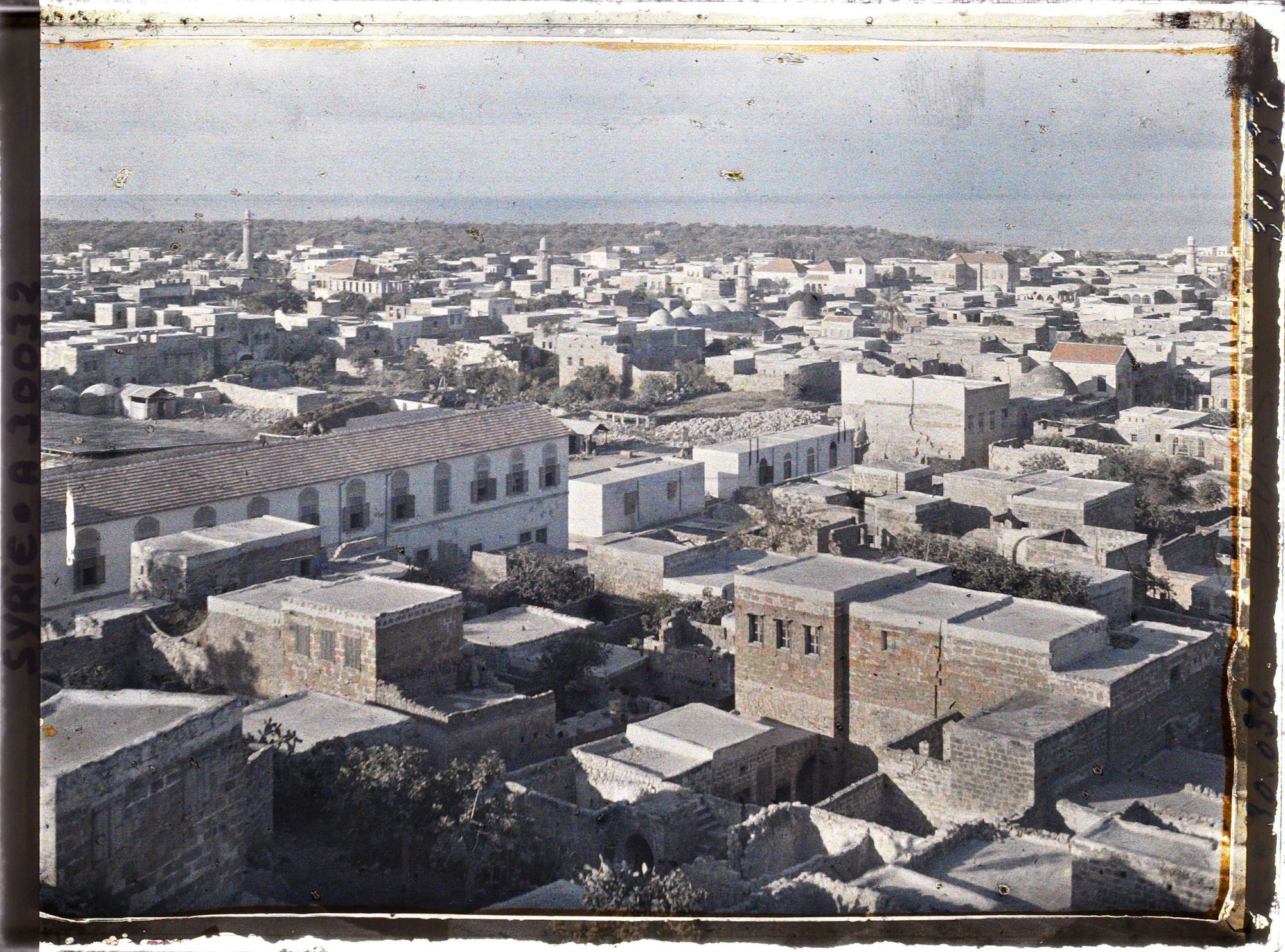
Latakia photographed by Frédéric Gadmer on 27 October 1921, an autochrome, A30032S. A historical city view, rather than the ruins of Ugarit. Musée Albert-Kahn, Département des Hauts-de-Seine
Yacimiento
A coastal city in Syria, south of ancient Ugarit at Ras Shamra.
Variantes del nombre: Latakia, Lattakia
Contexto y fuentes →
Persona
Egyptologist studying the erasure of divine names and images in the Amarna period.
Variantes del nombre: Laura Taronas
Contexto y fuentes →
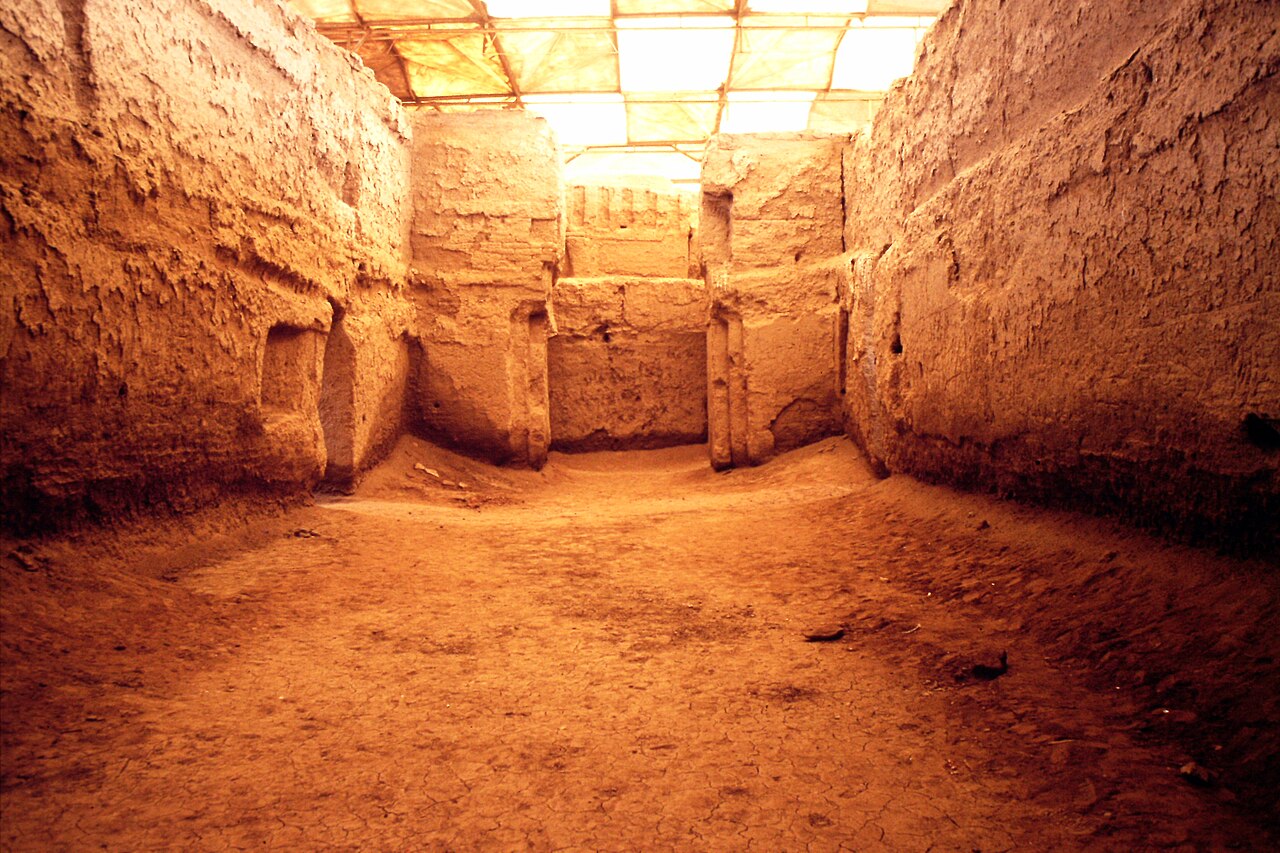
Photograph of the ruins of Mari, the setting of documents preserving Amorite names. The place explains the context of preservation; the photograph itself is not a text in the Amorite language
Entidad
A West Semitic language studied especially through personal names, much of whose evidence comes from the Old Babylonian period (ca. 2000–1600 BCE).
Variantes del nombre: Amorite language
Contexto y fuentes →
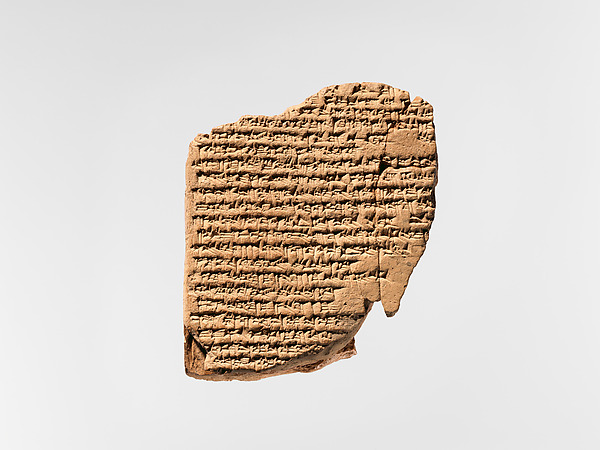
Tablet of a Sumerian lament with Akkadian translations of many lines, about the second–first centuries BCE; Met 86.11.286a. A late witness to the language’s continued scribal and ritual use
Entidad
Ancient language of southern Mesopotamia, clearly attested in third-millennium BCE texts and maintained in learning and ritual after its spoken use declined.
Variantes del nombre: Sumerian language, Sumerian
Contexto y fuentes →
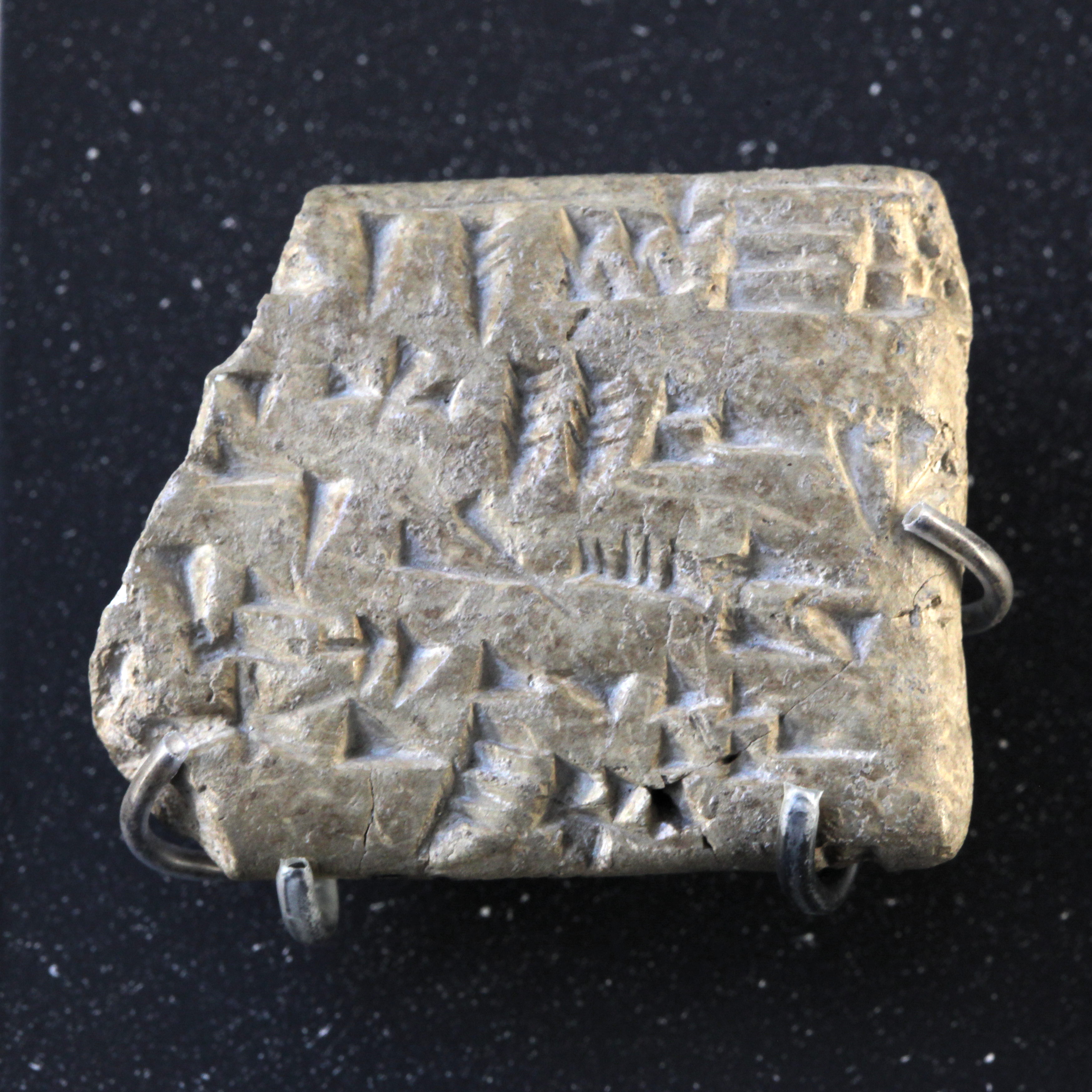
Fragment bearing the sequence of Ugaritic alphabetic letters, about 1400–1200 BCE in the Louvre catalogue; AO 19992. A photograph of an actual witness from Ugarit
Entidad
Ancient Semitic language preserved in Ugarit’s tablets on the Syrian coast, from the fourteenth–twelfth centuries BCE, written in a cuneiform alphabet.
Variantes del nombre: Ugaritic language, Ugaritic
Contexto y fuentes →
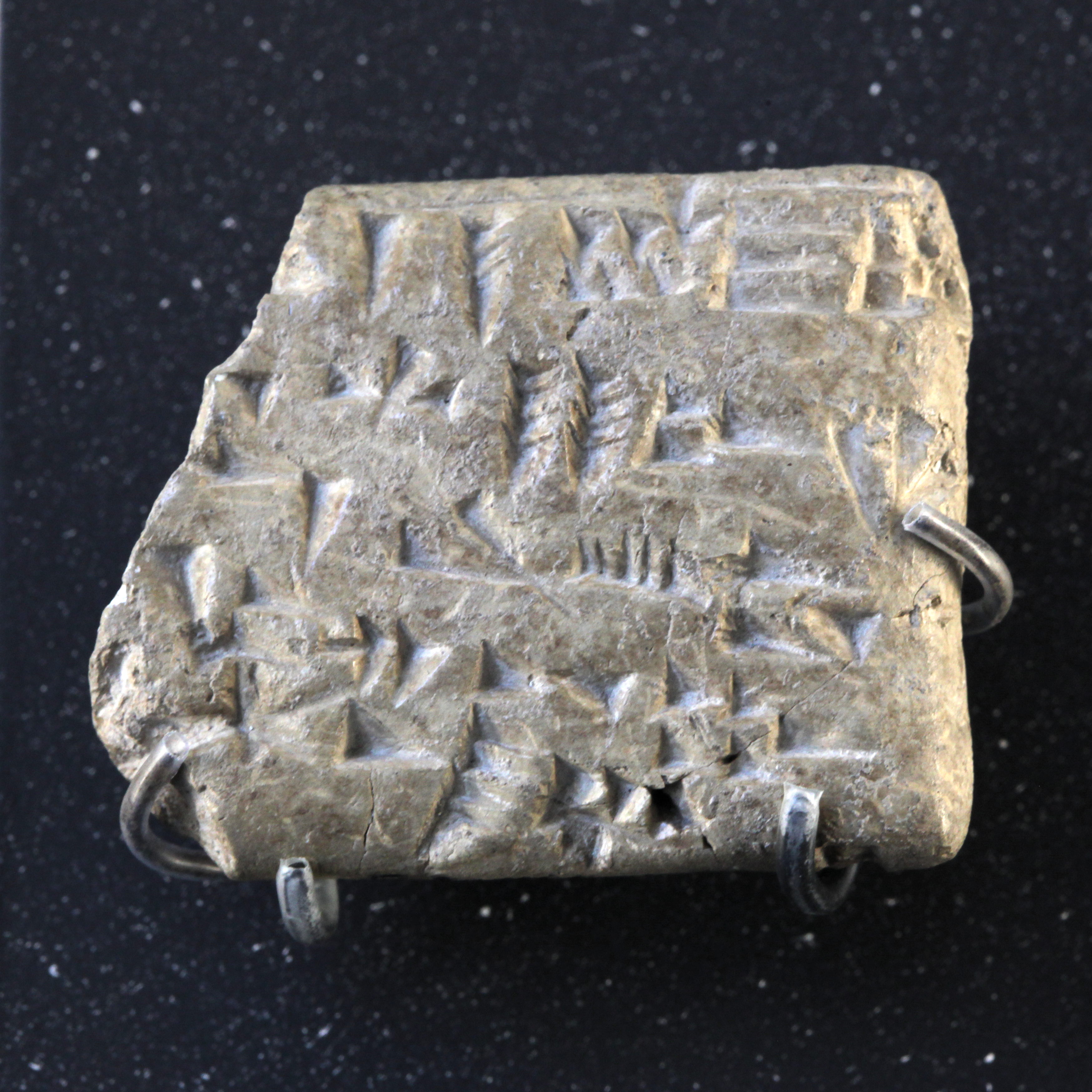
Fragment of a Ugaritic alphabet tablet in alphabetic cuneiform, from Ras Shamra, c. 1400–1200 BCE; Louvre, AO 19992 / RS 10.087. Evidence for one Semitic writing system, not the “source” of all Semitic languages
Entidad
A branch of the Afroasiatic language family, including Akkadian, Ugaritic, Hebrew, Aramaic, Arabic, Ethio-Semitic and South Arabian languages; a linguistic, not racial or religious, classification.
Variantes del nombre: Semitic languages, Semitic language family
Contexto y fuentes →
Persona
Leon Goldman is a scholar of Avestan texts and author of Rašn Yašt.
Variantes del nombre: Leon Goldman, Iranian-text scholar
Contexto y fuentes →
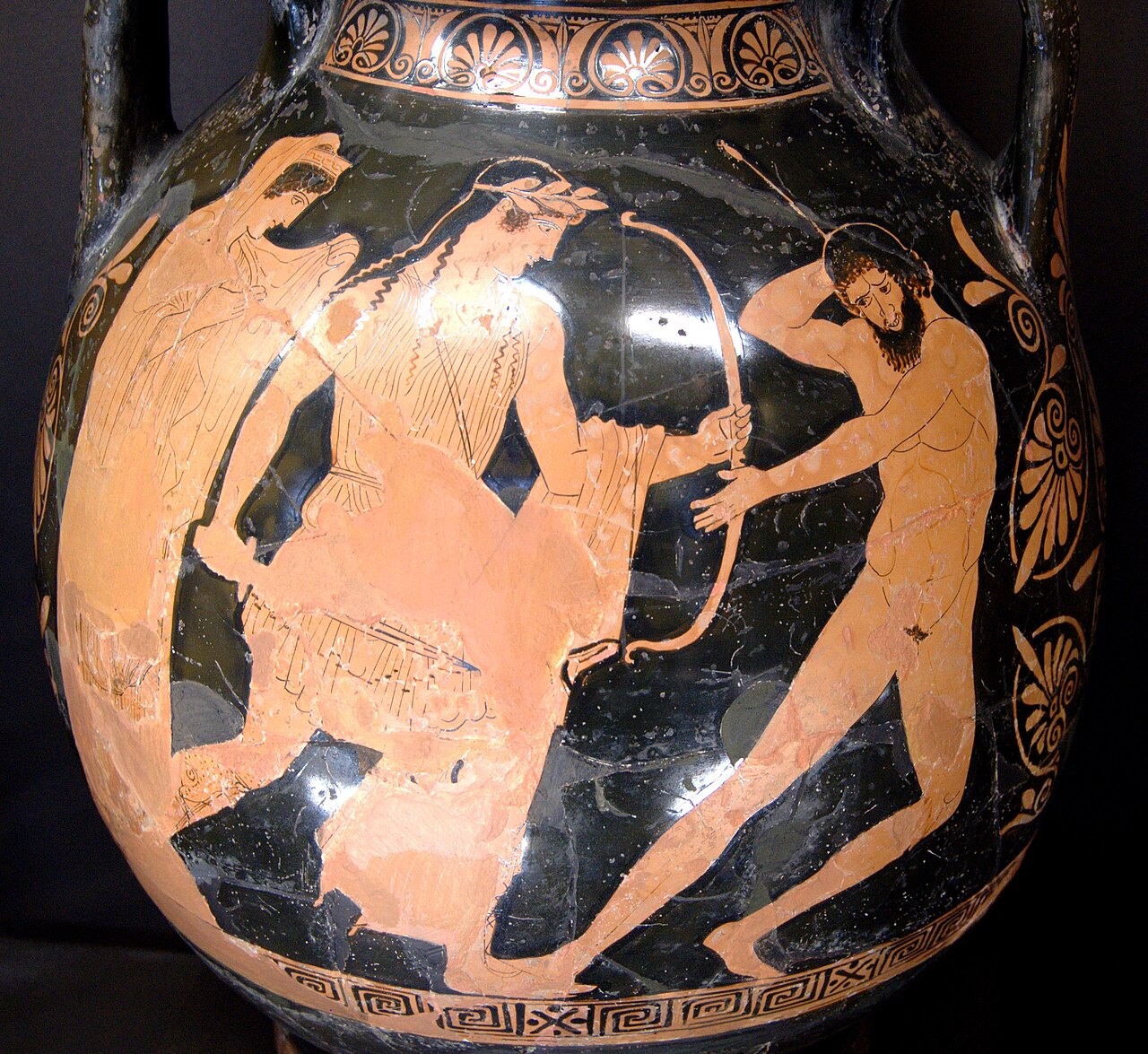
Leto, Apollo and Tityos on an Attic vase, about 450–440 BCE; Louvre G 375, attributed to Polygnotos. The image belongs to the story of the assault on Leto and Tityos’s punishment
Entidad
Greek goddess and Apollo’s mother in the Iliad, appearing among the gods supporting the Trojans.
Variantes del nombre: Leto
Contexto y fuentes →
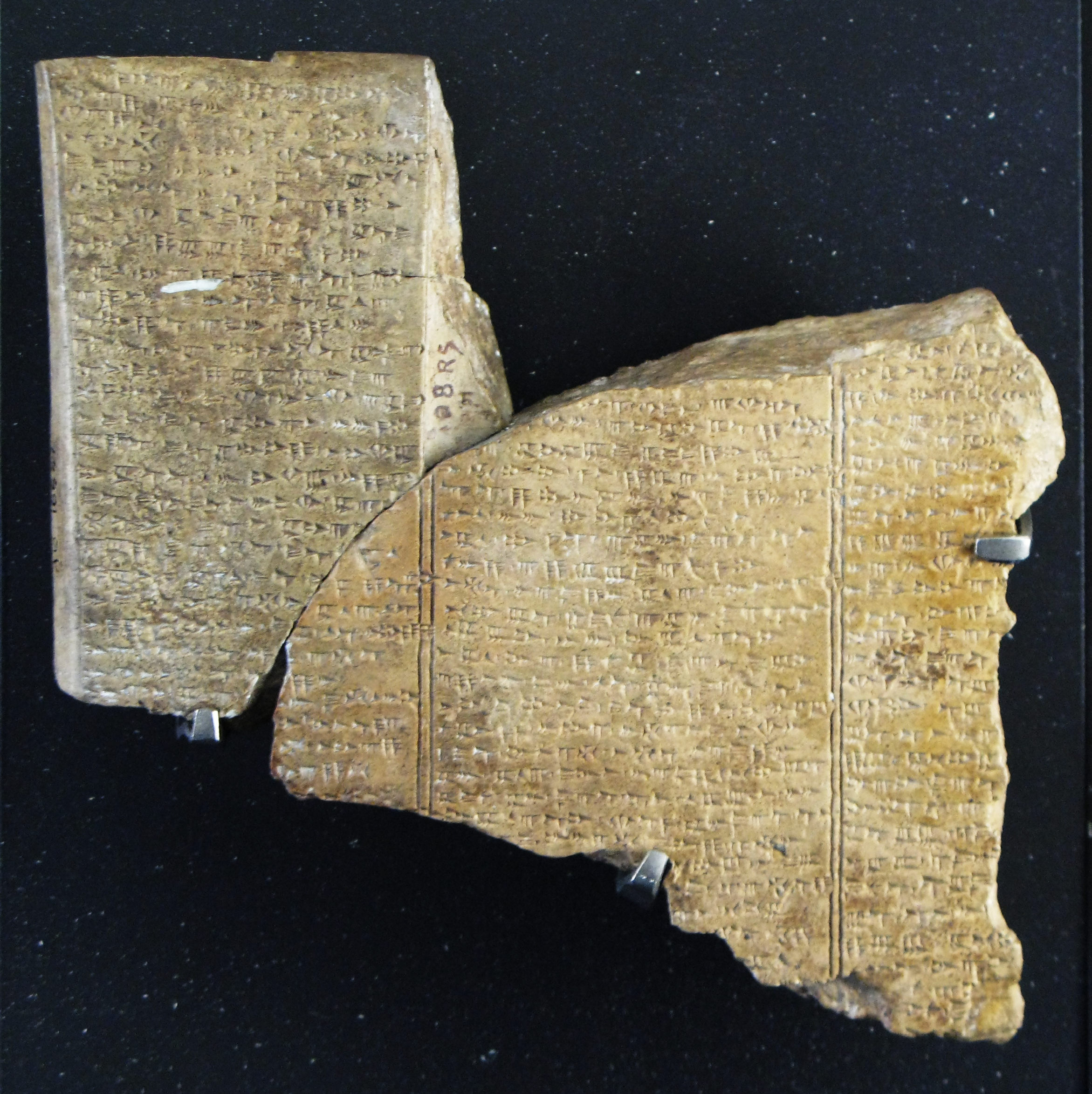
Two fragments of an alphabetic-cuneiform Ugaritic Baal Cycle tablet from Ras Shamra, ca. 1400–1200 BCE; Louvre AO 16641 and AO 16642. A modern photograph of a textual witness, not a depiction of Leviathan or a battle
Entidad
Leviathan, a poetic sea creature: its heads are crushed in Psalm 74, it belongs to creation in Psalm 104, and its daunting strength figures in Job. Ugaritic Lotan is a close parallel, not proof of a single fixed myth.
Variantes del nombre: Leviathan
Contexto y fuentes →
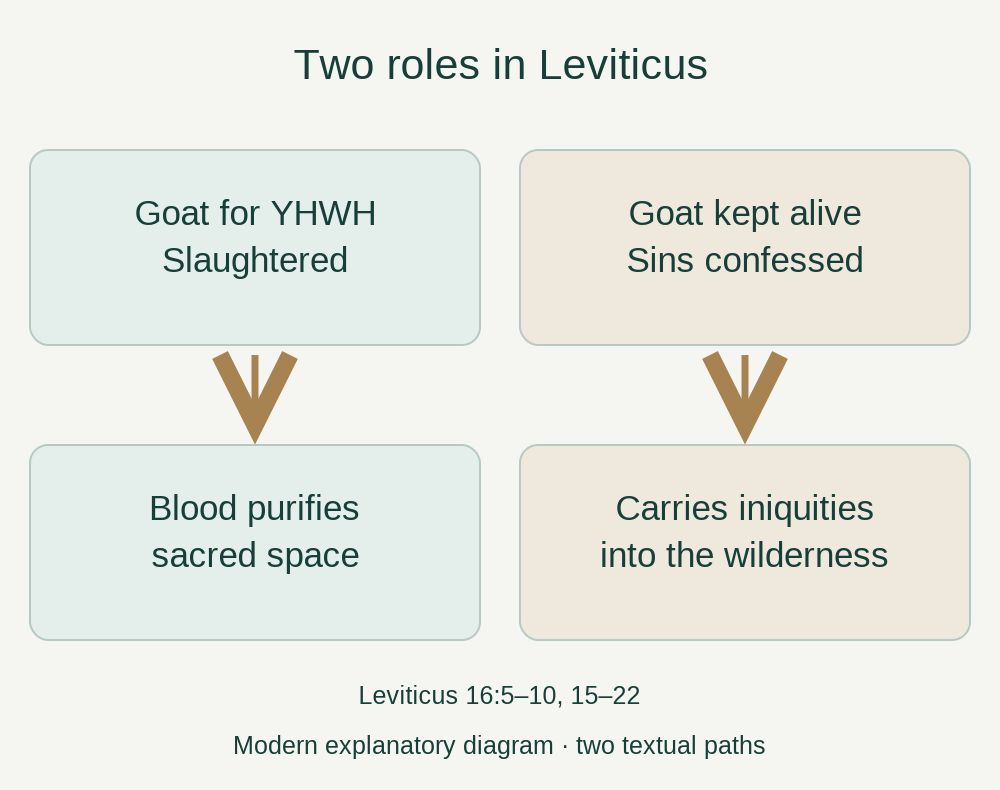
The two goats’ paths in Leviticus 16: the slaughtered goat’s blood purifies sacred space; the living goat carries iniquities into the wilderness. Modern explanatory diagram, not an ancient image
Texto antiguo
A Torah book concerning offerings, priesthood, and purity; chapter 16 describes sanctuary purification and a living goat carrying iniquities away.
Variantes del nombre: Leviticus
Contexto y fuentes →
A modern symbolic balance with an eye-shaped stone and a metal weight, evoking matching penalty and monetary compensation. Generated for IL Archive in 2026; neither a historical artifact nor a depiction of an actual ancient judgment
Entidad
Principle matching consequence to harm (“eye for an eye”). Ancient texts variously prescribe bodily injury, payment, manumission, or a penalty for malicious testimony; the phrase alone proves neither literal enforcement nor textual borrowing.
Variantes del nombre: lex talionis, eye for an eye, law of retaliation
Contexto y fuentes →

Newly AI-generated interpretive image of a gate across a mountain pass, inspired by the Syriac narrative; not a manuscript, discovered monument, or historically verified reconstruction
Texto antiguo
Anonymous Syriac Christian prose work about Alexander’s journeys and barrier against northern peoples, with Roman-Persian prophecies. Distinct from the long Syriac Romance and the metrical Poem; a sixth-century core and seventh-century revision remain debated.
Variantes del nombre: Syriac Christian Alexander Legend, Neṣḥānā
Contexto y fuentes →
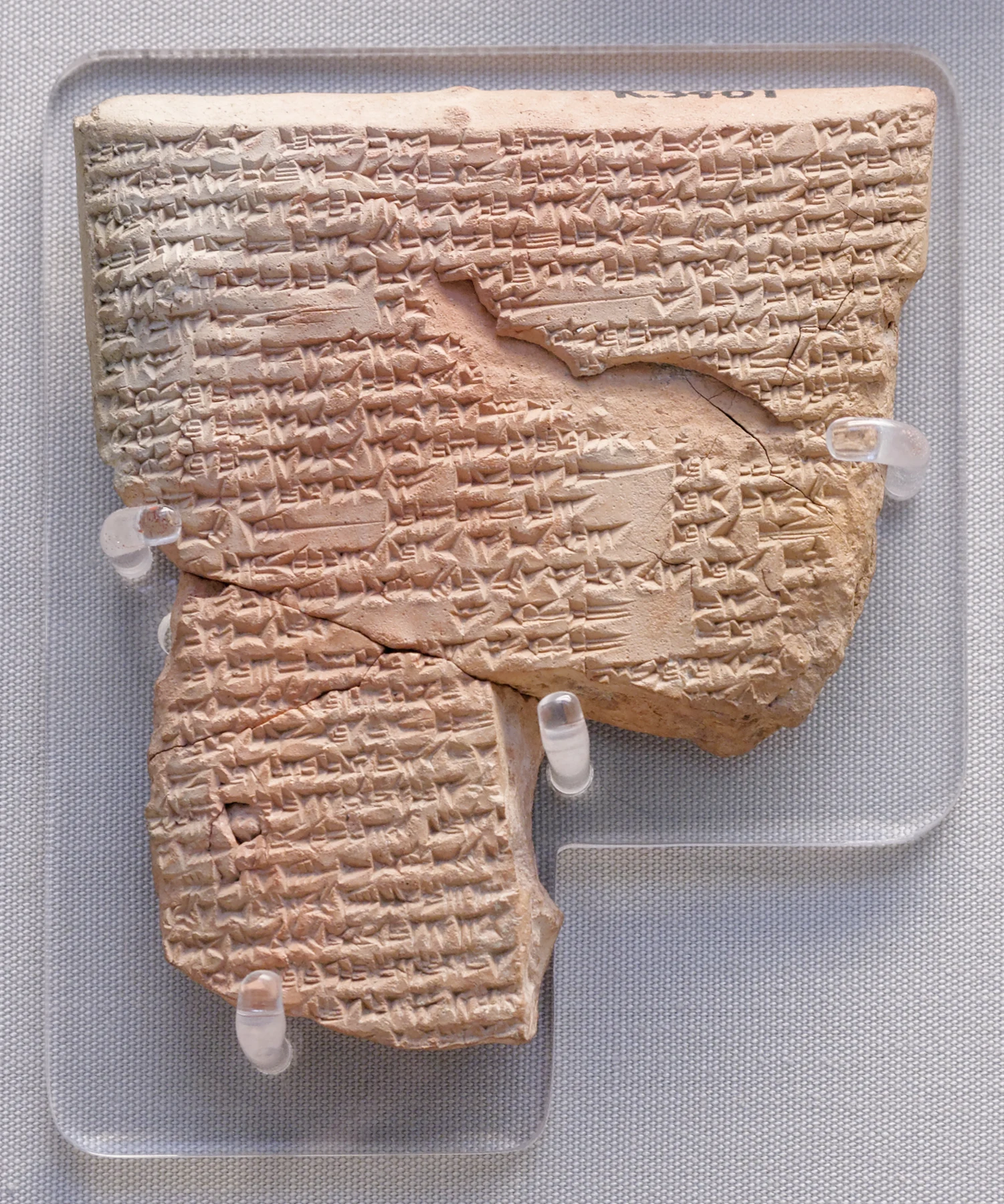
K.3401 from Nineveh, a Neo-Assyrian cuneiform witness to the Sargon Birth Legend, held by the British Museum. The manuscript postdates the king; it does not depict the infant or basket
Texto antiguo
An Akkadian pseudo-autobiography of Sargon’s concealed birth, basket rescue and rise to kingship; its manuscripts are late and the date of composition disputed.
Variantes del nombre: Sargon Birth Legend
Contexto y fuentes →
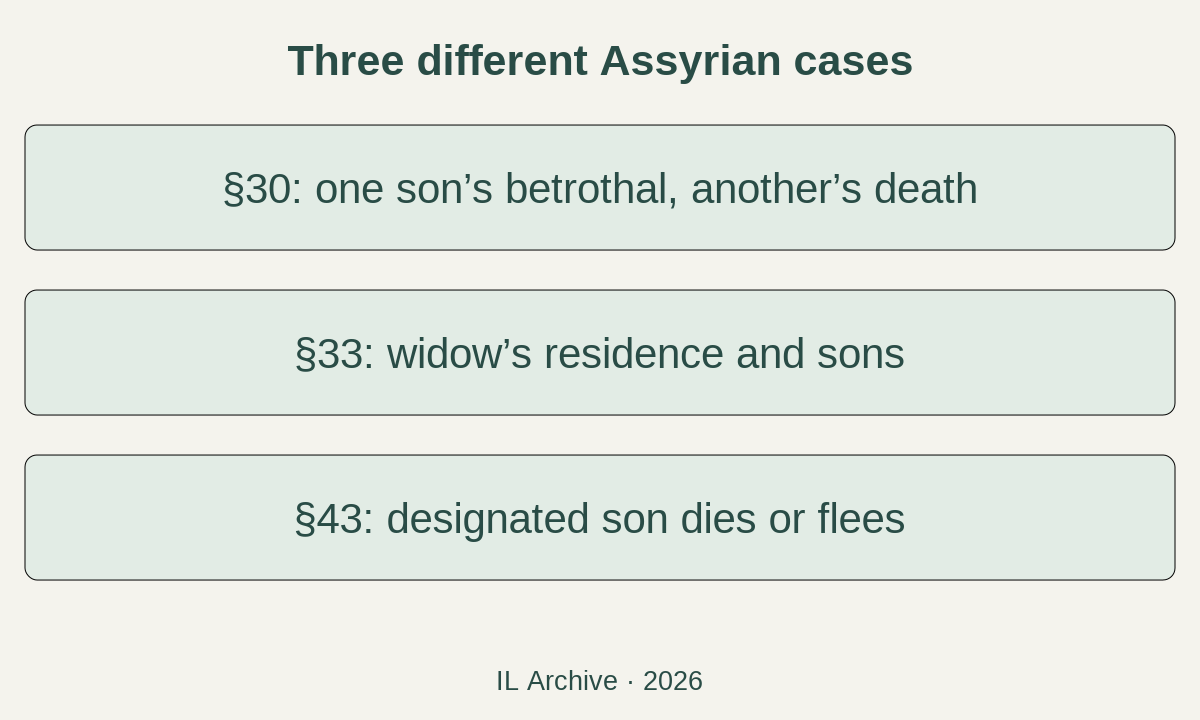
Modern explanatory diagram of relationships or cases in the specified witnesses; not portraits, a legal tablet or an ancient manuscript
Texto antiguo
Cuneiform marriage and household provisions distinguishing widowhood, betrothal and residence.
Variantes del nombre: Middle Assyrian Laws A
Contexto y fuentes →
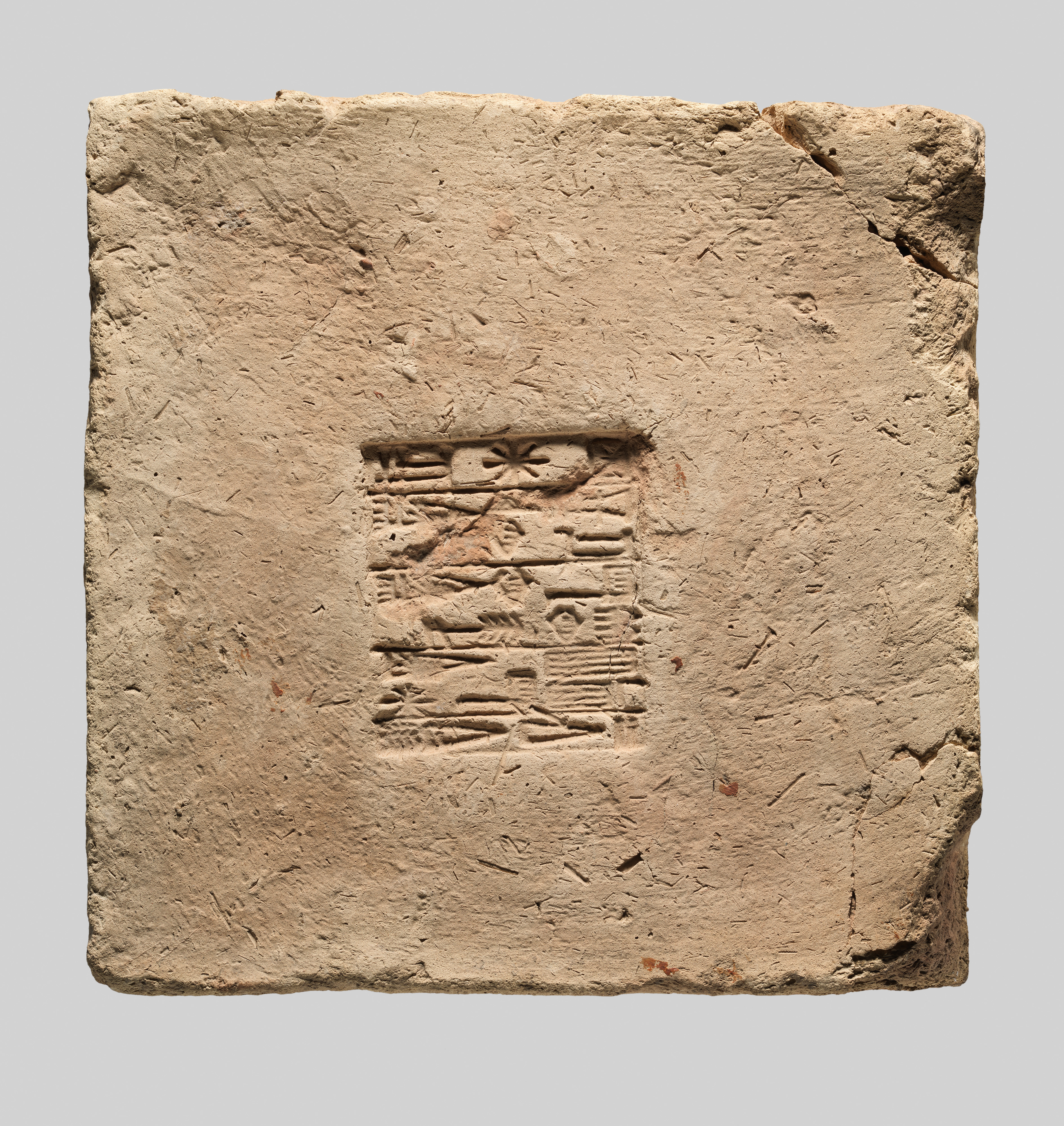
Brick naming Ur-Nammu, ca. 2112–2095 BCE, Met 59.41.86. A royal building inscription, not a copy of the laws or the brother’s-wife clause
Texto antiguo
Sumerian laws attributed to Ur-Namma, read through witnesses and composite editions.
Variantes del nombre: Laws attributed to Ur-Namma
Contexto y fuentes →
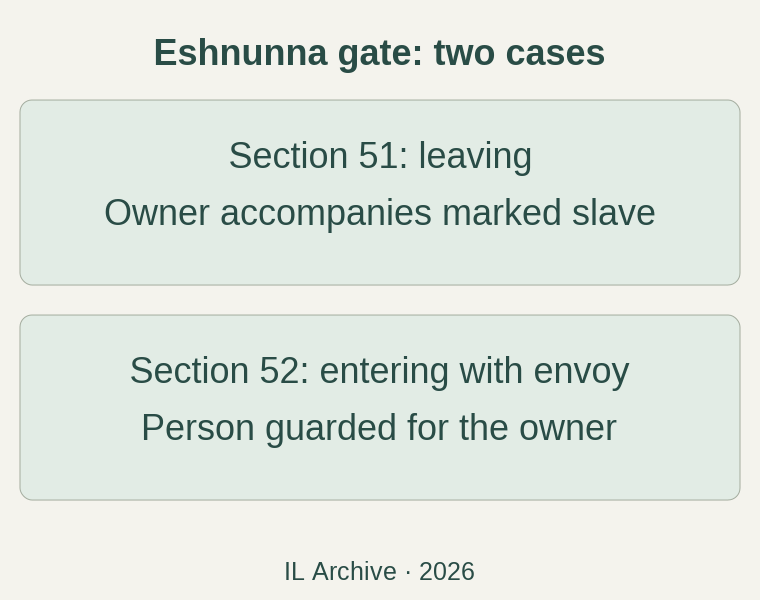
Modern diagram of the specified cases or direction of action, not an artifact photograph or portraits and not reconstruction of documented practice
Texto antiguo
Old Babylonian Akkadian legal collection addressing transactions, injury and dependence.
Variantes del nombre: Laws of Eshnunna
Contexto y fuentes →
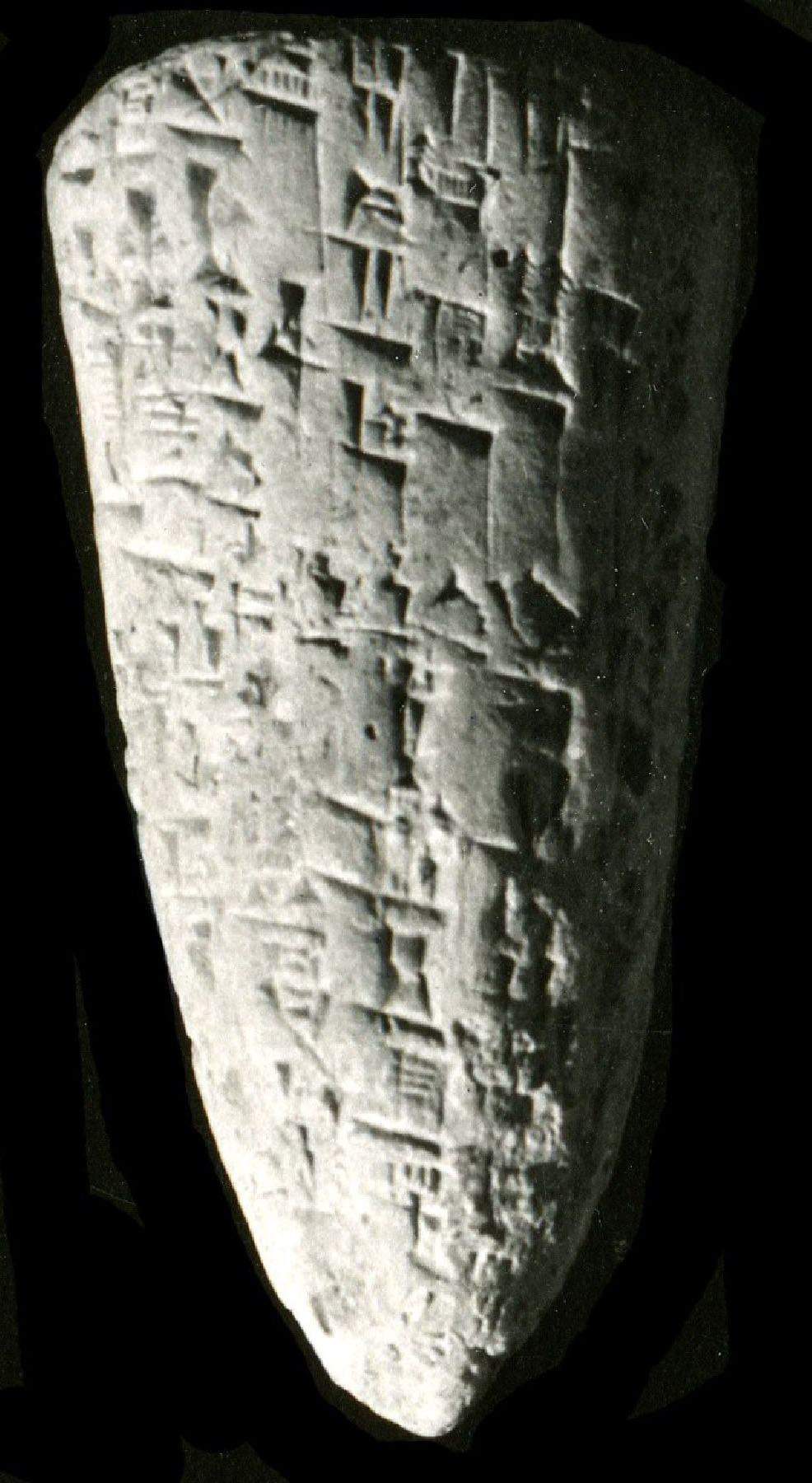
Votive cone of Lipit-Ishtar,ca.1934–1924 BCE; Walters 48.1455. A royal-period inscription, not a law-collection tablet or portrait of the king
Texto antiguo
Sumerian law collection associated with Lipit-Ishtar of Isin in the twentieth century BCE.
Variantes del nombre: Laws of Lipit-Ishtar
Contexto y fuentes →
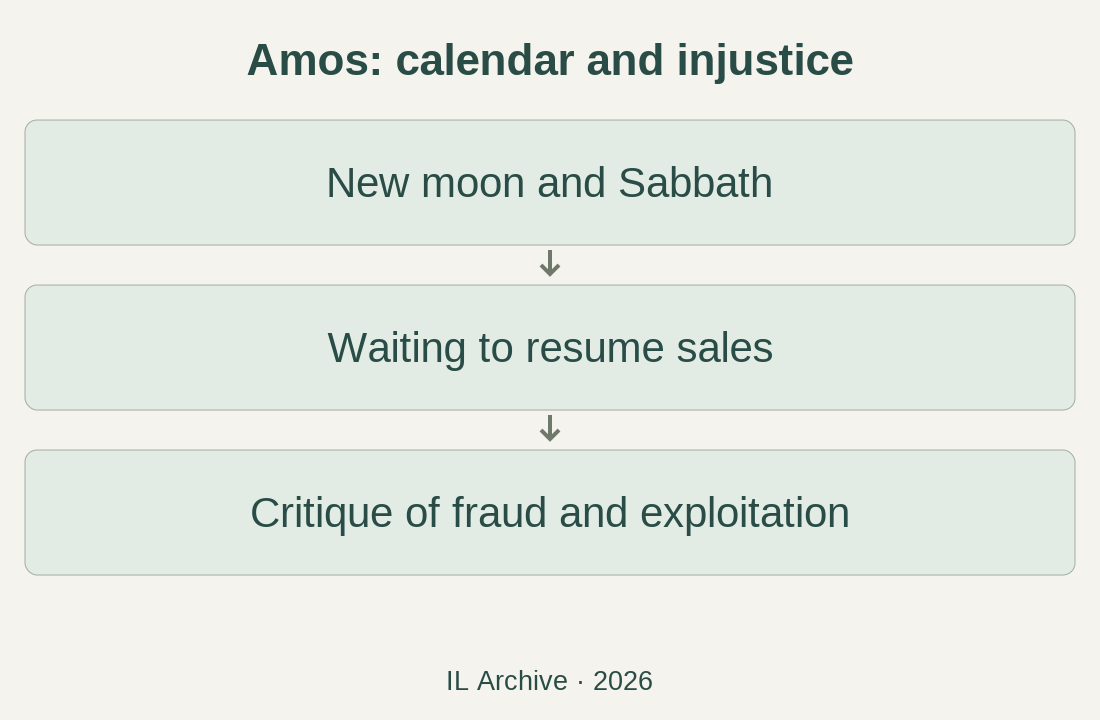
Modern diagram explaining the selected passage’s argument and sequence; not a manuscript image or archaeological reconstruction
Texto antiguo
Hebrew prophetic book criticizing exploitation of the poor and merchants impatient for new moon and Sabbath to pass.
Variantes del nombre: Book of Amos
Contexto y fuentes →
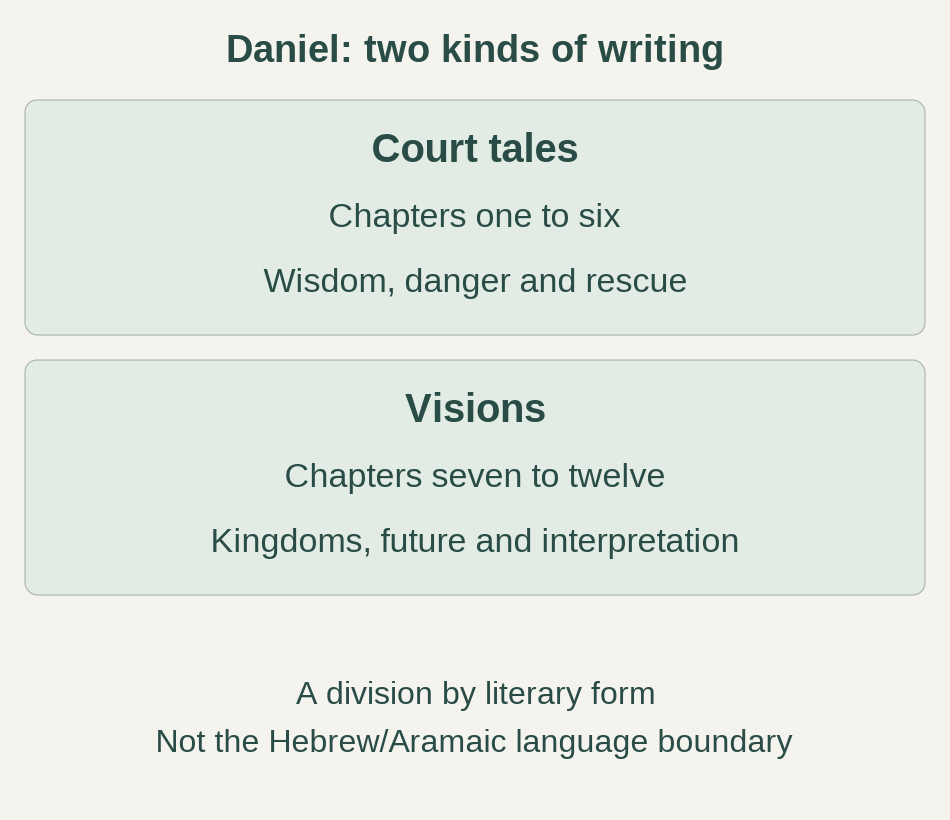
Modern explanatory diagram of Daniel’s tales and visions. Chapter seven is Aramaic despite belonging to the visions; this does not map the book’s language divisions
Texto antiguo
A book combining court tales of wisdom and deliverance with visions of kingdoms and the future, formed in stages.
Variantes del nombre: Book of Daniel, Book of Daniel
Contexto y fuentes →
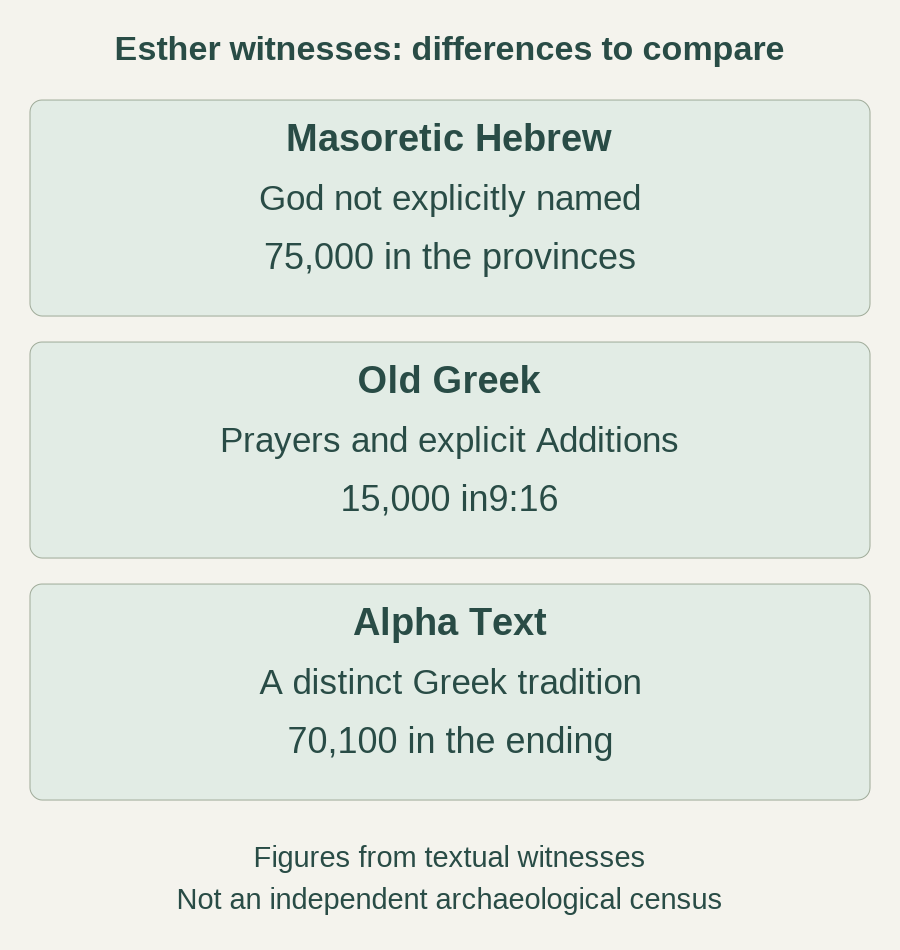
Modern comparison of divine reference and ending figures in Hebrew,Old Greek and Alpha,from Hebrew and NETS. It does not represent manuscript dates or an established genealogy of versions
Texto antiguo
A book narrating Jewish communal survival at a Persian court and connecting its ending with Purim, preserved in differing Hebrew and Greek forms.
Variantes del nombre: Book of Esther
Contexto y fuentes →
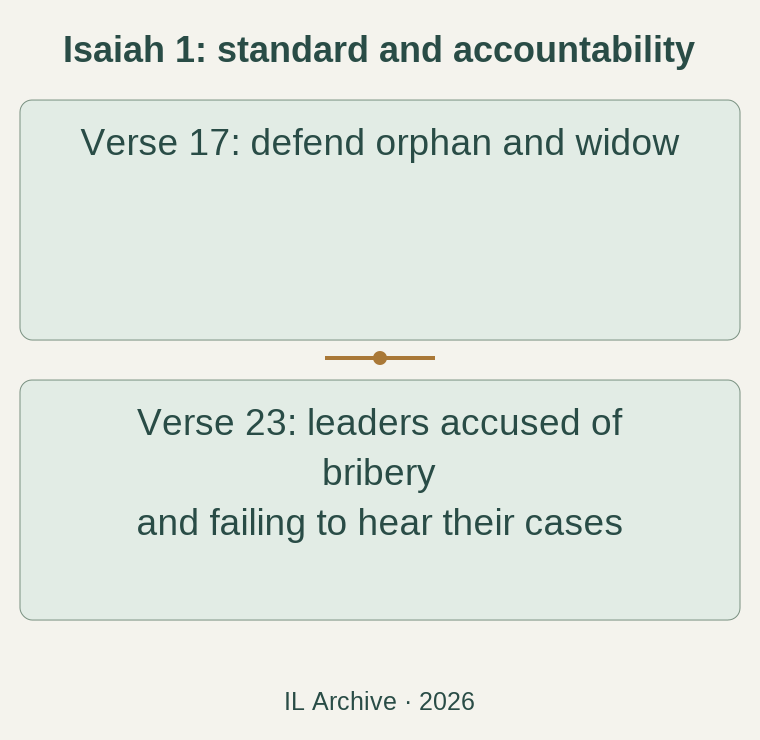
Modern diagram of the relationship or demand in the specified text; not an artifact photograph, a divine likeness or a portrait
Texto antiguo
Prophetic collection in the Hebrew Bible; its first chapter addresses justice and the cases of the fatherless and widow.
Variantes del nombre: Book of Isaiah
Contexto y fuentes →
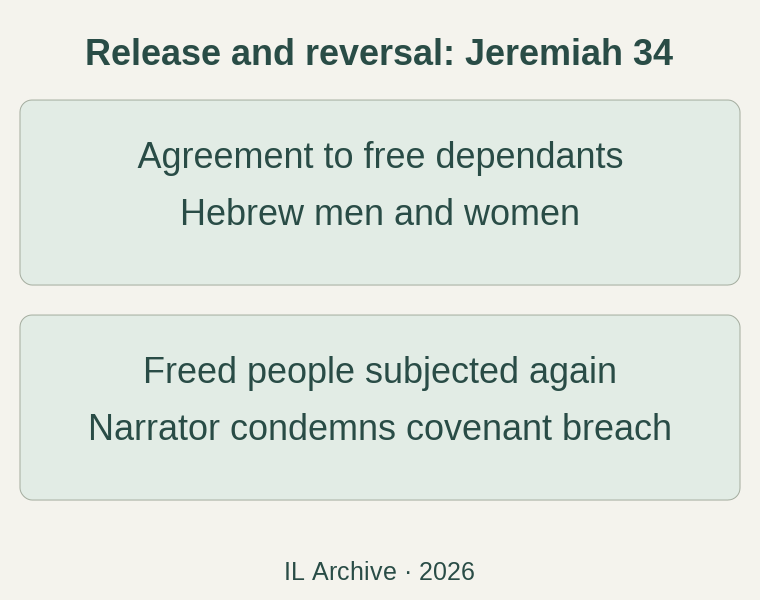
Modern diagram of the specified cases or direction of action, not an artifact photograph or portraits and not reconstruction of documented practice
Texto antiguo
Prophetic book addressing Judah and the Babylonian crisis; chapter 34 recounts liberation followed by renewed subjection.
Variantes del nombre: Book of Jeremiah
Contexto y fuentes →
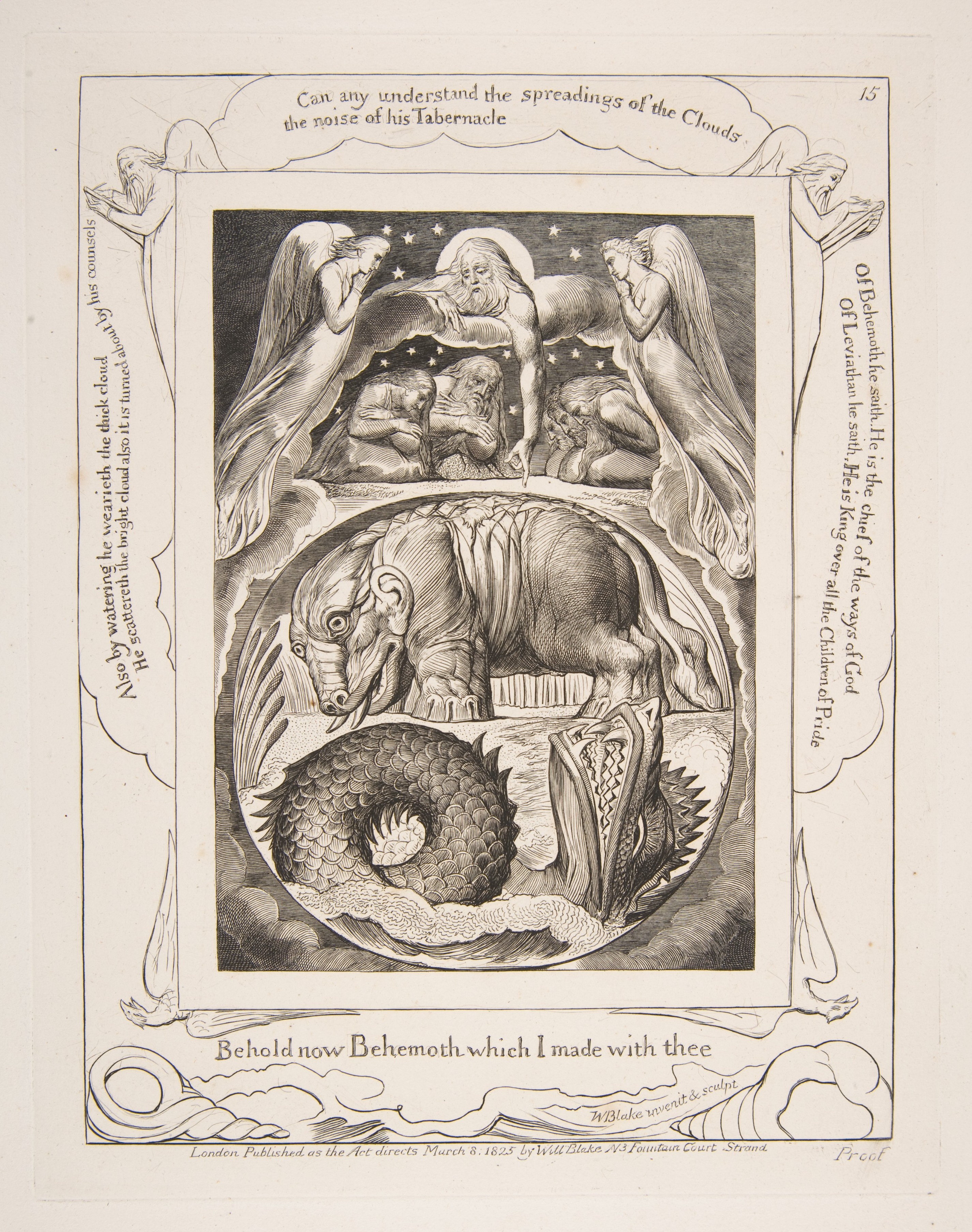
William Blake, Behemoth and Leviathan, 1825–26, engraving from Illustrations of the Book of Job; Met 17.17.1–15. Later artistic reception, not a likeness from the text’s period
Texto antiguo
Hebrew wisdom text exploring suffering, justice and the limits of human knowledge through dialogue and poetry.
Variantes del nombre: Book of Job
Contexto y fuentes →
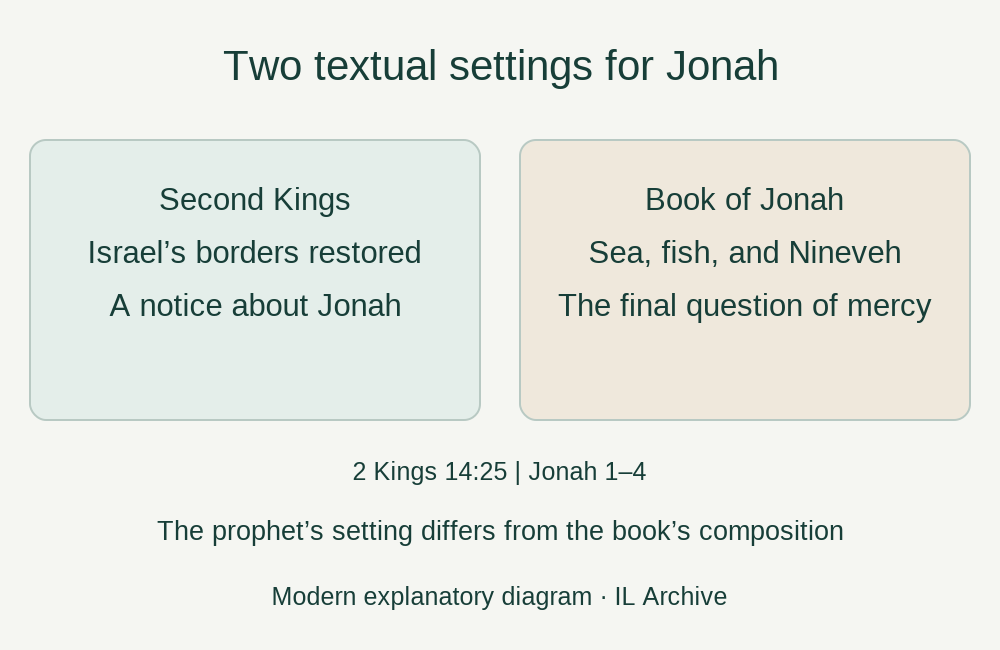
Second Kings14:25 concerns restored borders and Jonah son of Amittai; Jonah1–4 concerns the sea, Nineveh, and mercy. Modern comparison distinguishing the figure’s setting from composition, not a portrait of king or prophet
Texto antiguo
A four-chapter Hebrew book about a fleeing prophet, rescue, Nineveh’s mission, and the final question of mercy.
Variantes del nombre: Book of Jonah
Contexto y fuentes →
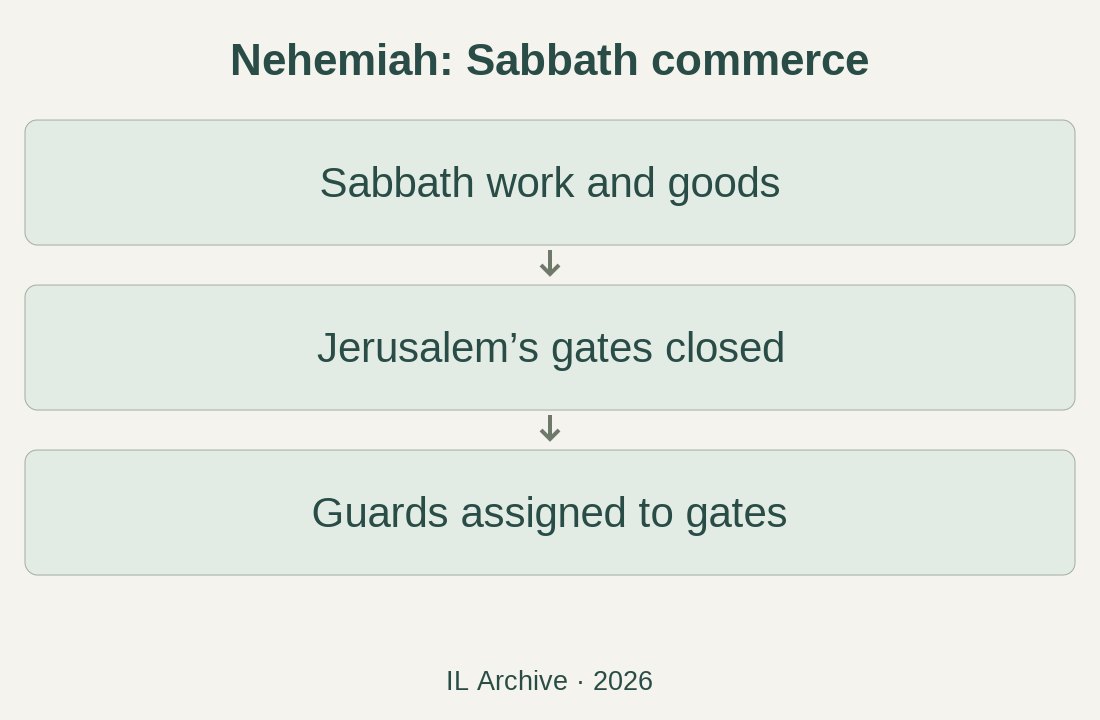
Modern diagram explaining the selected passage’s argument and sequence; not a manuscript image or archaeological reconstruction
Texto antiguo
Hebrew book presenting Nehemiah’s reforms in Persian-period Judah, including regulation of Sabbath commerce.
Variantes del nombre: Book of Nehemiah
Contexto y fuentes →
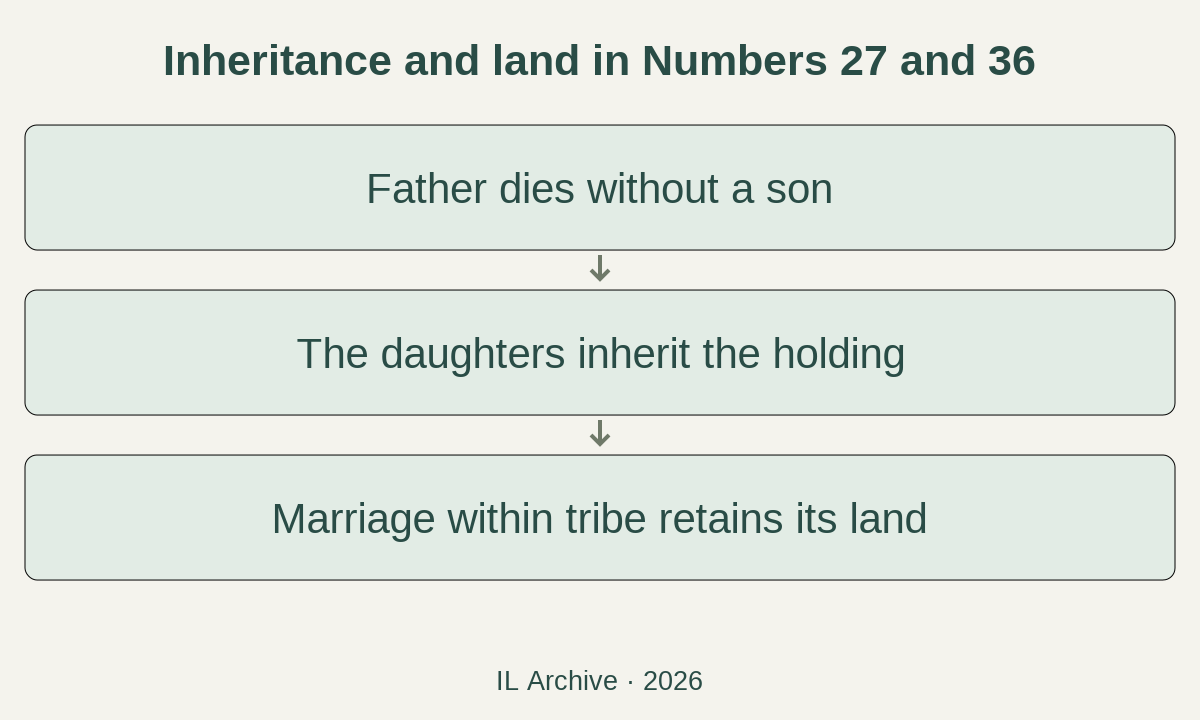
Modern explanatory diagram of relationships or cases in the specified witnesses; not portraits, a legal tablet or an ancient manuscript
Texto antiguo
Torah book addressing daughters’ inheritance and tribal retention of land.
Variantes del nombre: Book of Numbers
Contexto y fuentes →
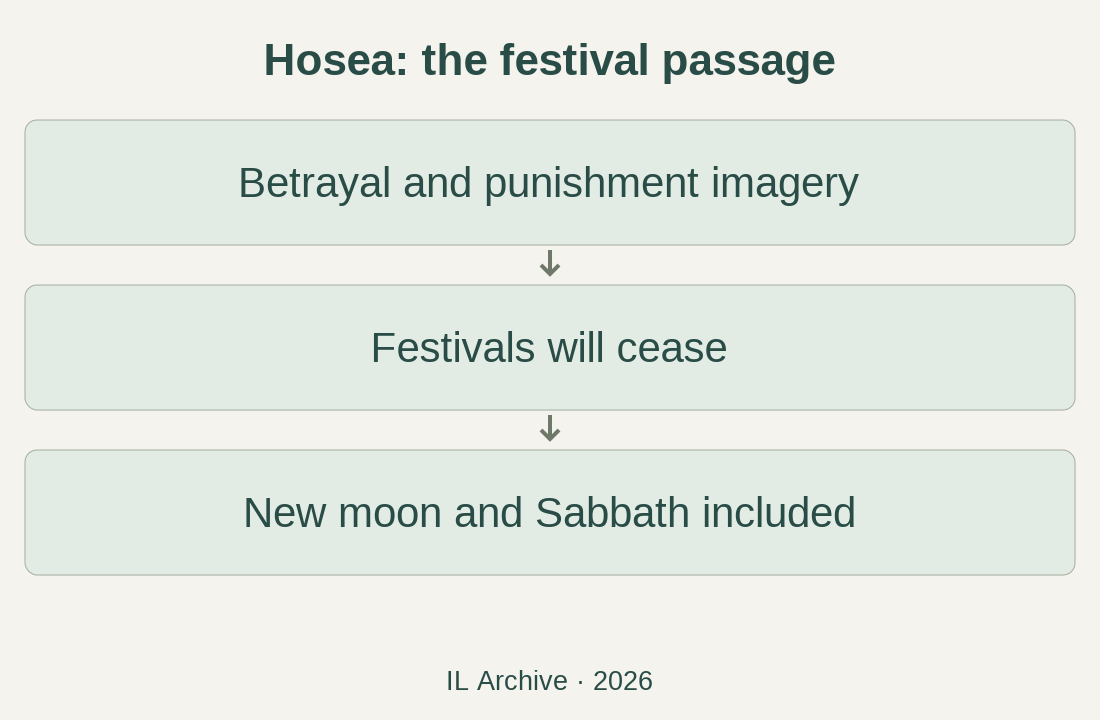
Modern diagram explaining the selected passage’s argument and sequence; not a manuscript image or archaeological reconstruction
Texto antiguo
Hebrew prophetic book listing new moon and Sabbath among festivals whose cessation is announced.
Variantes del nombre: Book of Hosea
Contexto y fuentes →
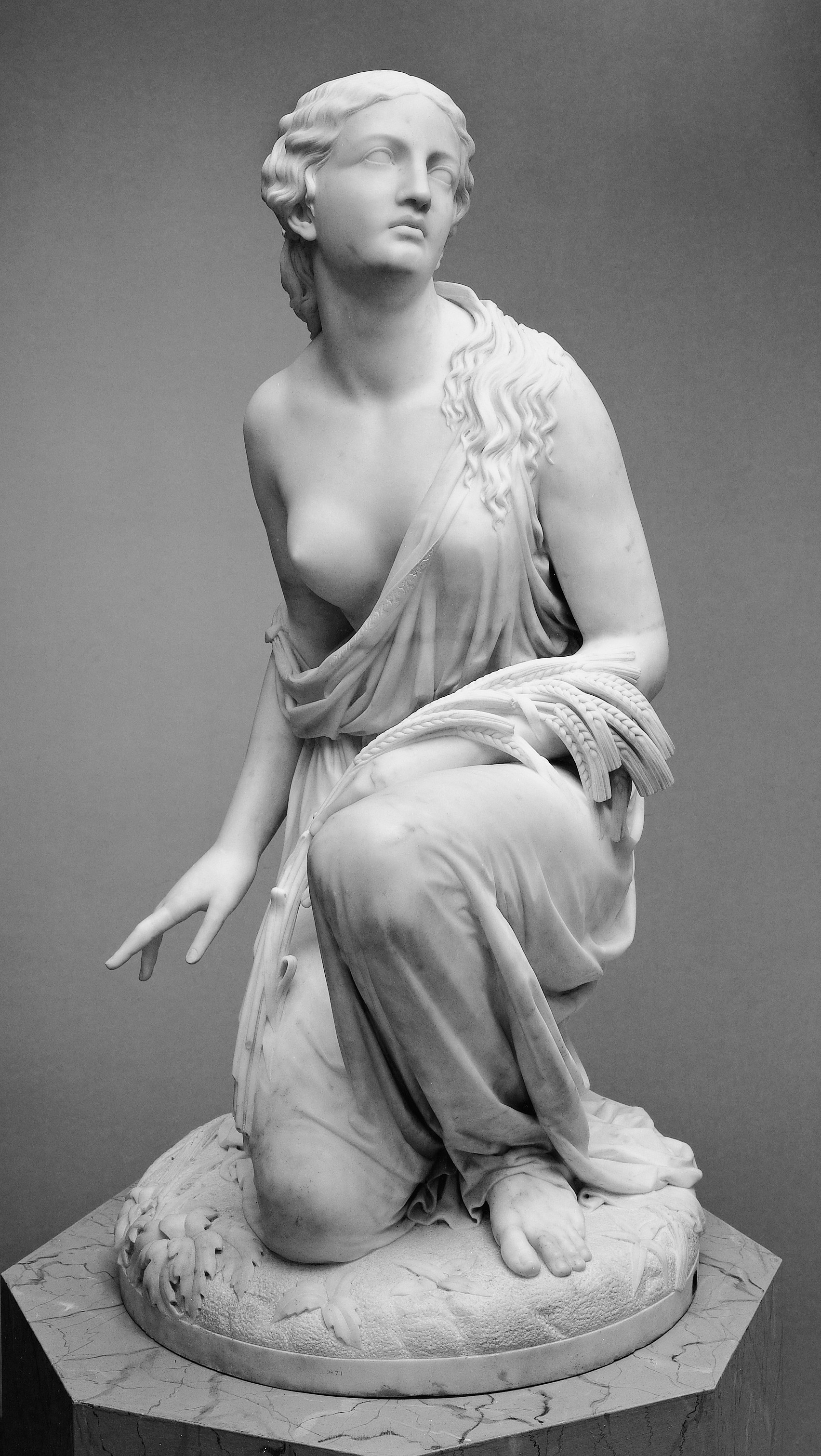
Ruth Gleaning, marble by Randolph Rogers: 1850 design, carved 1855 or 1856; Met 99.7.1. Artistic reception of Ruth 2, not a historical portrait or the chapter 4 redemption scene
Texto antiguo
Hebrew narrative whose ending joins land, redemption, marriage and name preservation.
Variantes del nombre: Book of Ruth
Contexto y fuentes →
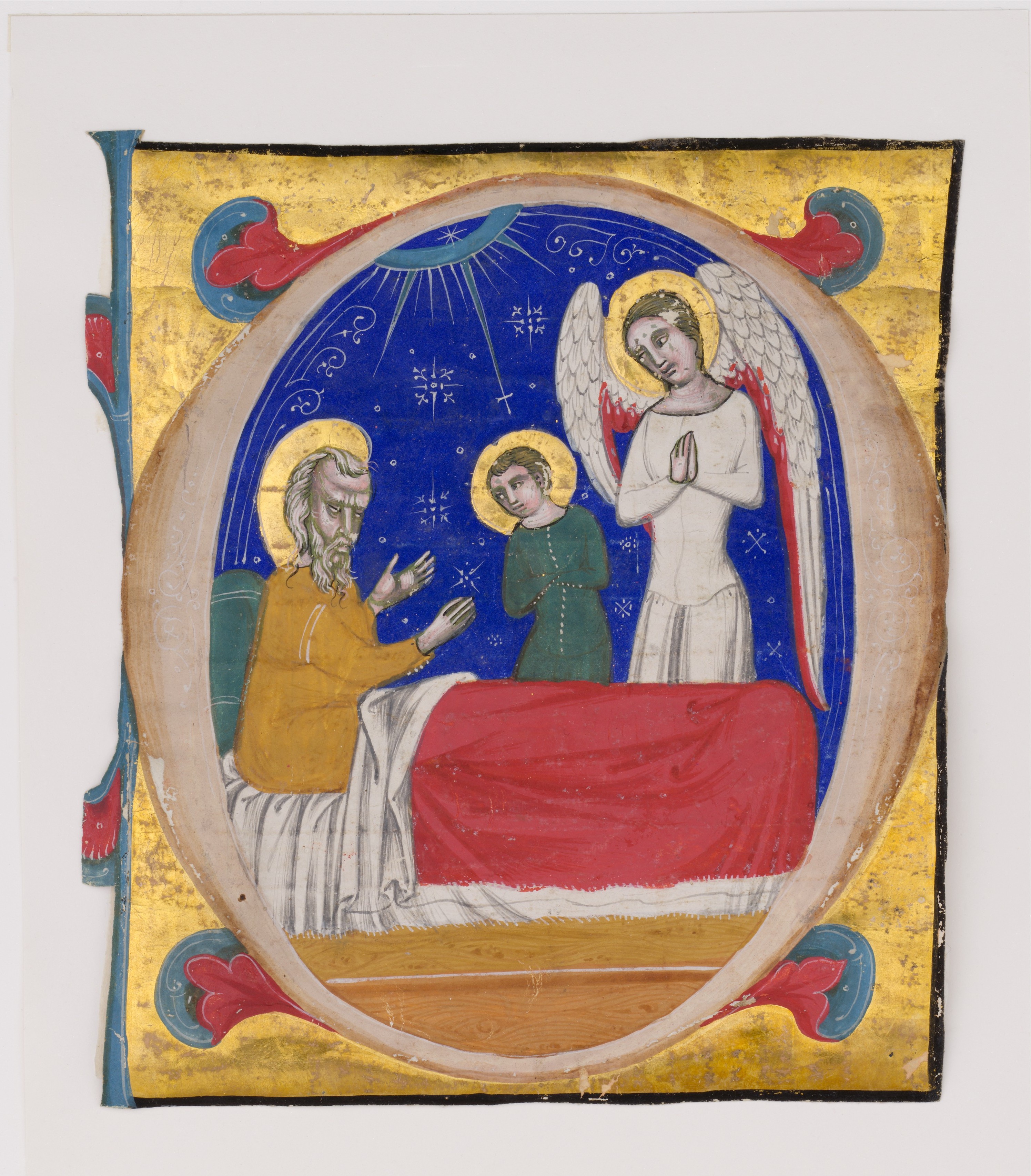
Tobit, Tobias and Raphael in an illuminated initial O from an antiphonary, Bologna, mid-fourteenth century; Met 31.134.6. Later artistic reception, not an ancient manuscript of the Ahiqar passage
Texto antiguo
Jewish story of a family in Assyria, combining adversity, prayer, journey and almsgiving, and naming Ahiqar.
Variantes del nombre: Book of Tobit, Book of Tobit
Contexto y fuentes →
Contemporary explainer; it is not an ancient artifact or historical likeness
Texto antiguo
Prophetic book of the Hebrew Bible whose third chapter depicts the high priest and an adversary.
Variantes del nombre: Zechariah (book)
Contexto y fuentes →

Modern AI-generated conceptual cover: an imaginary scroll and circular sky above desert mountains evoke revelation and the division of time in Jubilees. Neither an ancient manuscript nor a photograph of historical Sinai
Entidad
Jewish retelling of Genesis and Exodus framed as angelic teaching to Moses, adding chronology, narratives and interpretation.
Variantes del nombre: Book of Jubilees, Jubilees
Contexto y fuentes →
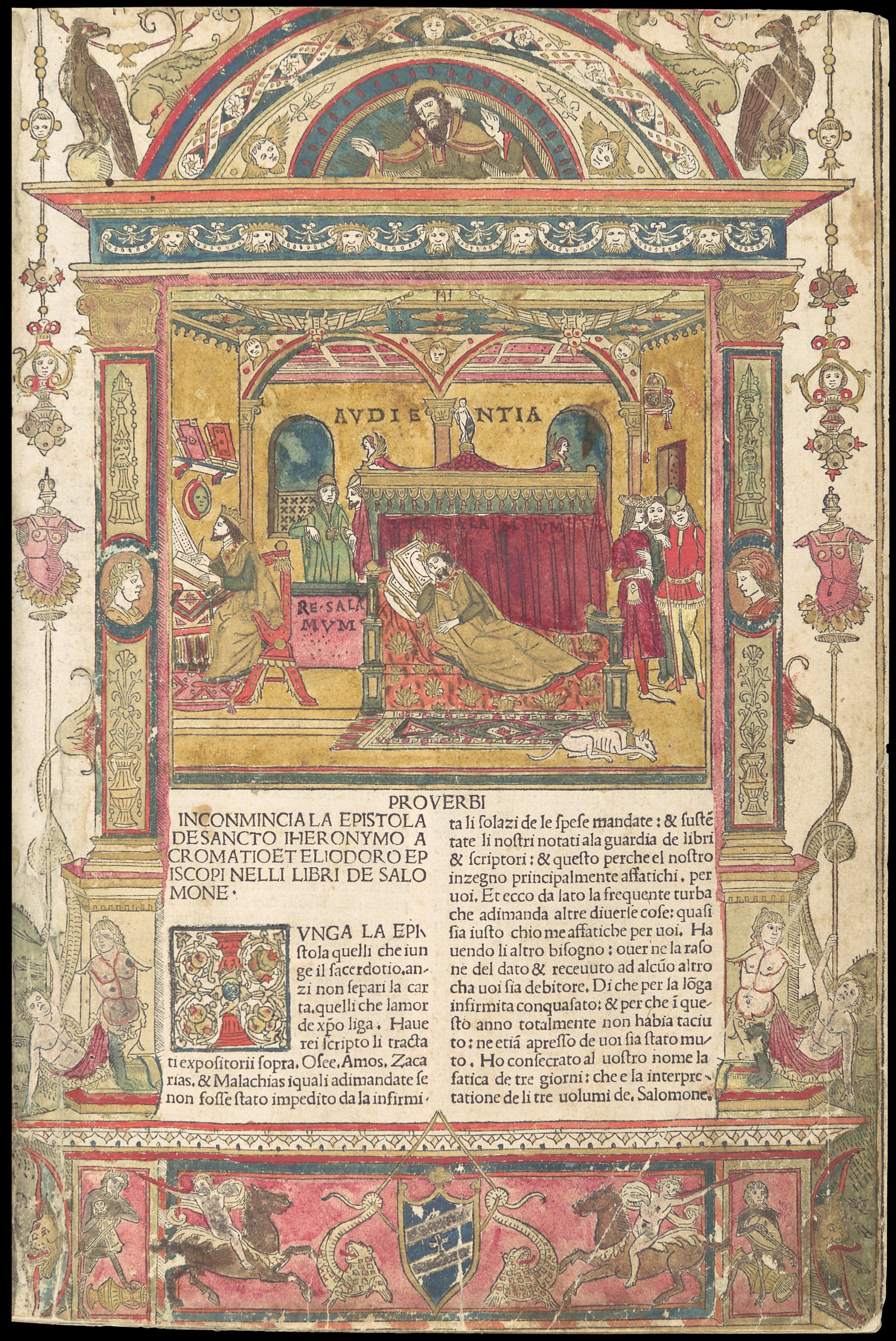
Opening of the Proverbs section in the Italian Malermi Bible, Venice, 15 October 1490, Met 33.66. It includes Jerome’s letter and Solomon writing and receiving an audience. Later European print reception, not Proverbs 22:17–23:11 or a historical portrait of the author
Texto antiguo
The Book of Proverbs collects wisdom texts in the Hebrew Bible on learning, conduct and social relationships.
Variantes del nombre: Book of Proverbs
Contexto y fuentes →
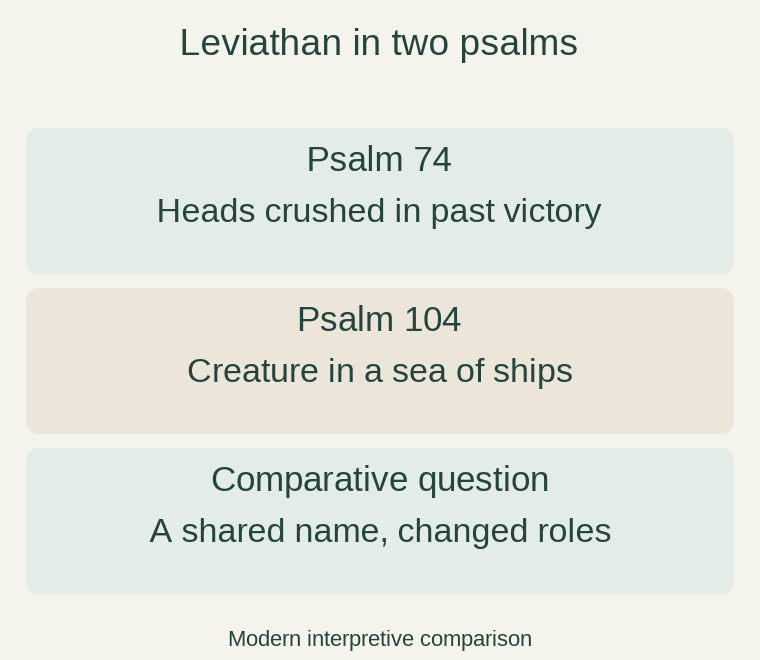
Modern comparison of specified passages and literary roles; not a manuscript or an authenticated likeness
Texto antiguo
Collection of ancient Hebrew poems and prayers; Leviathan has different roles in Psalms 74 and 104.
Variantes del nombre: Book of Psalms
Contexto y fuentes →

Modern AI-generated interpretive cover: a symbolic landscape for Enoch’s journey and the horizon of judgment; not a manuscript, ancient artifact or verified reconstruction
Entidad
Opening unit of 1 Enoch (chapters 1–36), concerning the Watchers’ descent, offspring and judgment, Enoch’s mission and cosmic journeys; a composite work with multiple textual witnesses.
Variantes del nombre: Book of the Watchers
Contexto y fuentes →
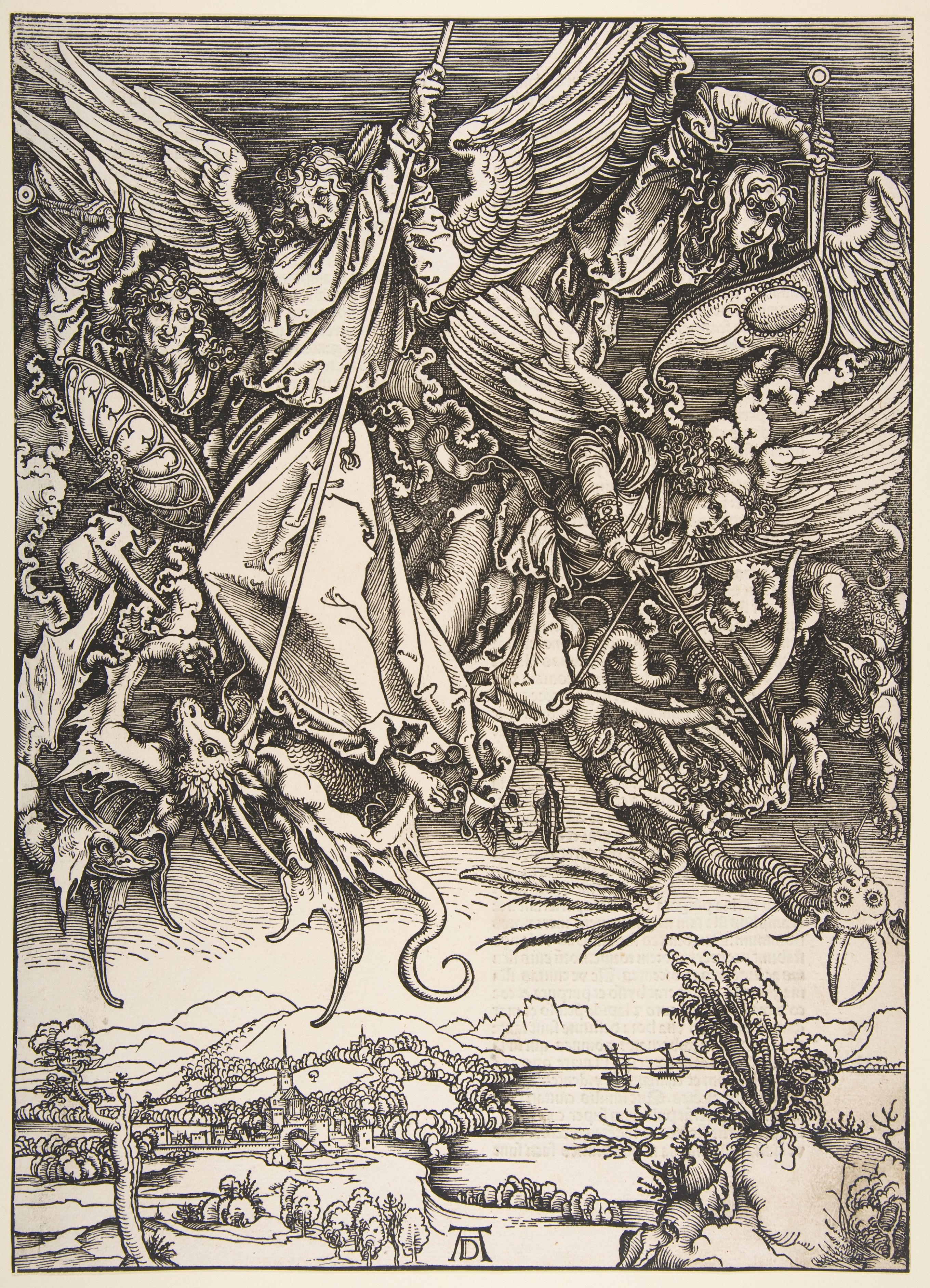
Saint Michael Fighting the Dragon, after Albrecht Dürer, 1498, woodcut; Met 40.139.6(12). Later European reception of Revelation 12, not Bronze Age Lotan imagery
Texto antiguo
Christian apocalypse commonly dated in its present form to the late first century CE, reusing earlier scriptural imagery.
Variantes del nombre: Book of Revelation
Contexto y fuentes →
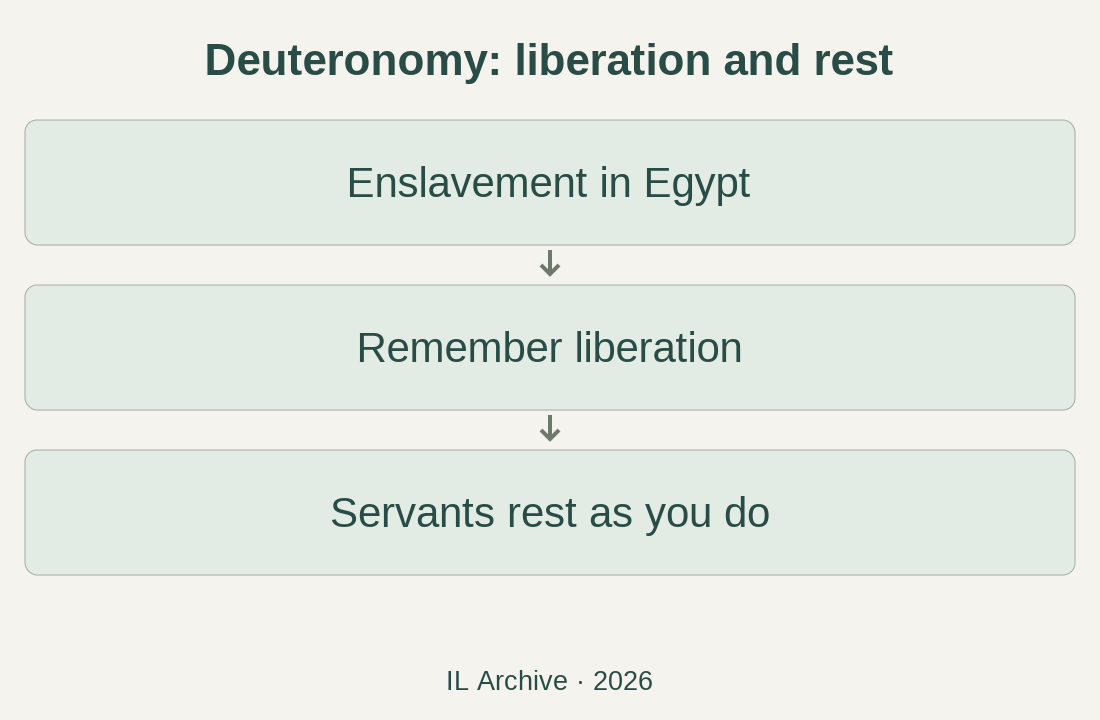
Modern diagram explaining the selected passage’s argument and sequence; not a manuscript image or archaeological reconstruction
Texto antiguo
Torah book presenting commandments in Moses’ discourse and grounding Sabbath rest in slavery and liberation from Egypt.
Variantes del nombre: Book of Deuteronomy
Contexto y fuentes →
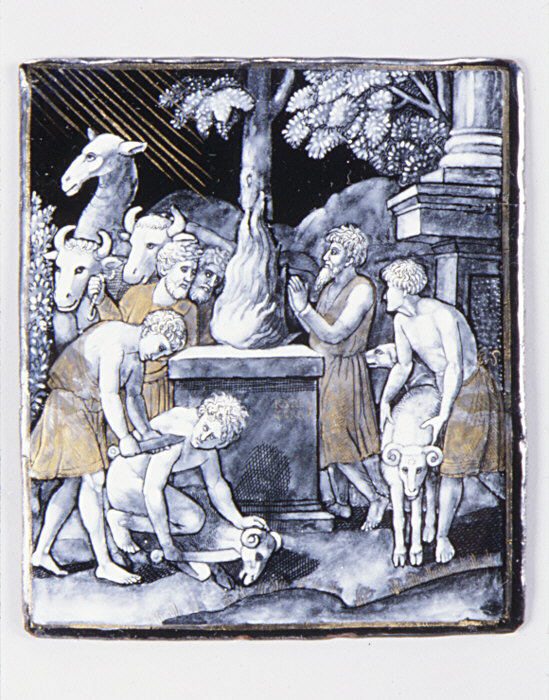
The Sacrifice of Noah, painted enamel on copper, Limoges, Master K.I.P., mid-sixteenth century, Met 32.100.269a, b. Later artistic reception of Genesis 8:20, not archaeological evidence of the flood
Texto antiguo
Hebrew book of the Torah containing Noah’s flood, survival offering and covenant with living creatures.
Variantes del nombre: Book of Genesis
Contexto y fuentes →

Modern interpretive image of Mary’s repose, with a book, palm and symbolic heavens; AI-generated, not an ancient manuscript, artifact or historical record of the event
Texto antiguo
Apocryphal “Palm” family account of Mary’s death and assumption, fully transmitted in Ethiopic with earlier fragments; distinct from the Six-Books Dormition.
Variantes del nombre: Book of Mary’s Repose, Book of Mary's Repose
Contexto y fuentes →