Persona
Mary Boyce
Scholar of Zoroastrianism and Iranian languages, 1920–2006, and SOAS professor of Iranian studies.
Variantes del nombre: Mary Boyce
Contexto y fuentes →Una herramienta de lectura
Definiciones breves de nombres, conceptos y lugares. Abra un registro para leer su contexto, sus fuentes y los materiales relacionados.
1047 definiciones
Persona
Scholar of Zoroastrianism and Iranian languages, 1920–2006, and SOAS professor of Iranian studies.
Variantes del nombre: Mary Boyce
Contexto y fuentes →Persona
Medieval-literature scholar who studied Jesus and clay birds across traditions.
Variantes del nombre: Mary Dzon
Contexto y fuentes →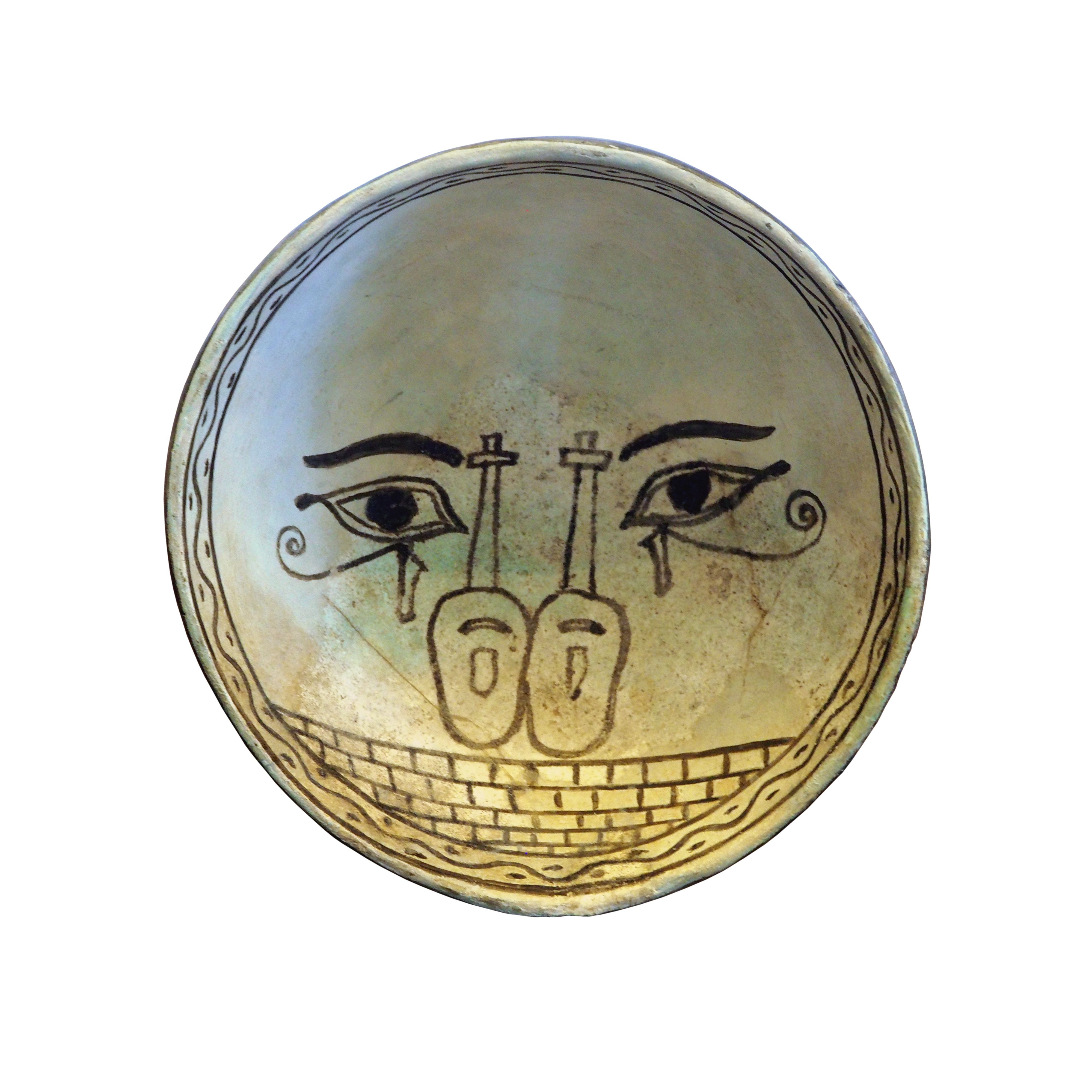
Cup of faience, a glazed silica-based material, with Egyptian signs, from tomb VI at Minet el-Beida, 1400–1200 BCE; Louvre AO 15727 (RS 4.104). Regional material context, not direct evidence that the cup was used in a marziḥu
Entidad
A banqueting institution or association in Ugaritic documents, with religious functions not reducible to one ritual.
Variantes del nombre: marziḥu, marzihu, marzeaḥ
Contexto y fuentes →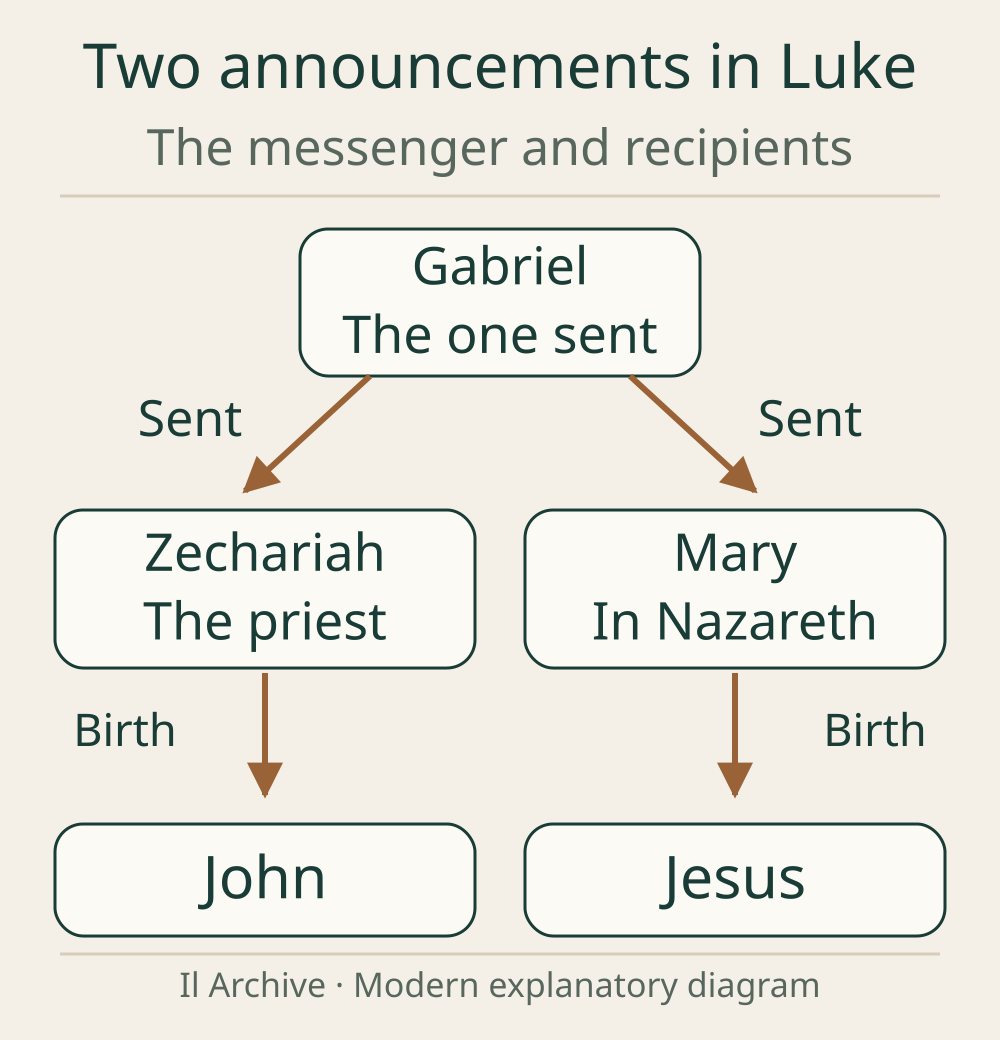
Modern diagram of the two announcements in Luke 1:5–38: Gabriel is sent to Zechariah to announce John’s birth and to Mary to announce Jesus’s birth. Lower arrows show the announcement’s subject, not descent from the angel. No faces or physical appearances are reconstructed
Persona
The recipient of Gabriel’s announcement of Jesus’s birth in Luke 1.
Variantes del nombre: Mary mother of Jesus
Contexto y fuentes →
Modern conceptual rendering of confined spirits and a remaining portion in Jubilees 10. AI-generated cover, not an authentic depiction of Mastema, an ancient manuscript, an archaeological site, or a verified reconstruction
Entidad
Figure in Jubilees called Mastema or “prince of hostility”; leader of harmful spirits and proposer of trials under divine permission. Not automatically identical with every Satan or Belial tradition.
Variantes del nombre: Mastema, Mastêmâ
Contexto y fuentes →
Modern conceptual illustration: a sandal, an uninscribed clay tablet and model fields symbolize kinship and inheritance. No documented artifact or historical scene is depicted. IL Archive / CC0
Entidad
A defined kinship arrangement in which a man marries his deceased brother’s widow; obligations, refusal procedures and offspring attribution vary among traditions.
Variantes del nombre: levirate, levirate marriage, brother-in-law marriage
Contexto y fuentes →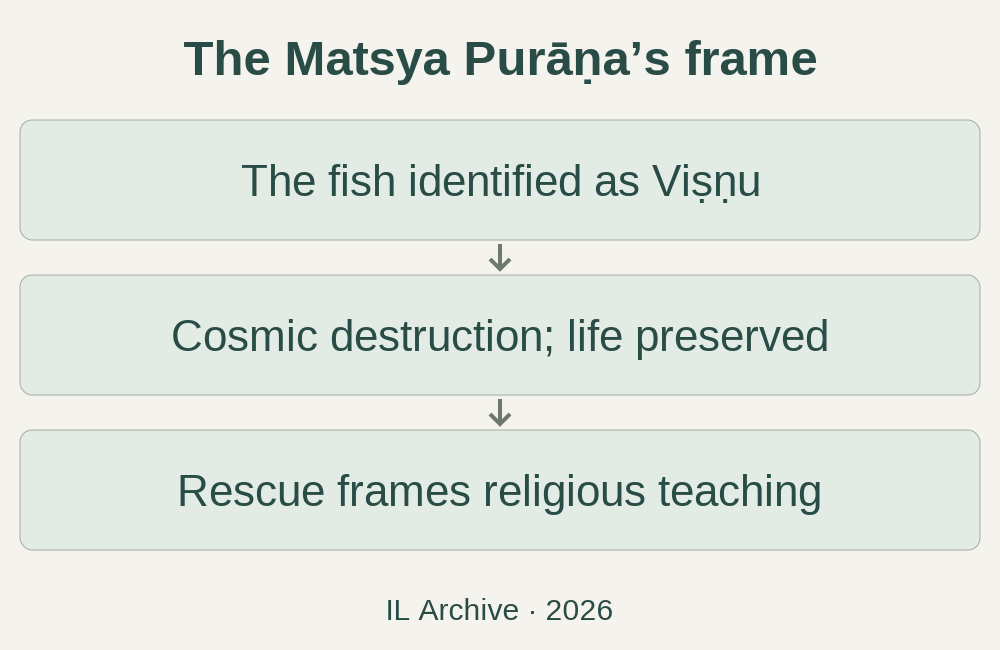
Modern explanatory diagram of narrative sequence and relationships, not a manuscript reproduction or portrait
Texto antiguo
Sanskrit Purāṇic text framing religious instruction through the divine fish’s dialogue with Manu.
Variantes del nombre: Matsya Purāṇa, Matsya Purana
Contexto y fuentes →
Modern conceptual illustration evoking the boat, horned fish, seeds and mountain in Manu traditions, especially the epic version; not an ancient artifact or documented location. © IL Archive, CC0
Entidad
The fish saves Manu from a flood. The Śatapatha Brāhmaṇa does not name its deity; the Mahābhārata calls it Brahmā, while the Purāṇic versions examined identify Viṣṇu and vary in survivors and renewal.
Variantes del nombre: Matsya, Matsyāvatāra
Contexto y fuentes →Persona
German Old Testament scholar (born 1960), studying Isaiah’s monotheism, its Babylonian context, ancient astronomy and Qumran texts.
Variantes del nombre: Matthias Albani
Contexto y fuentes →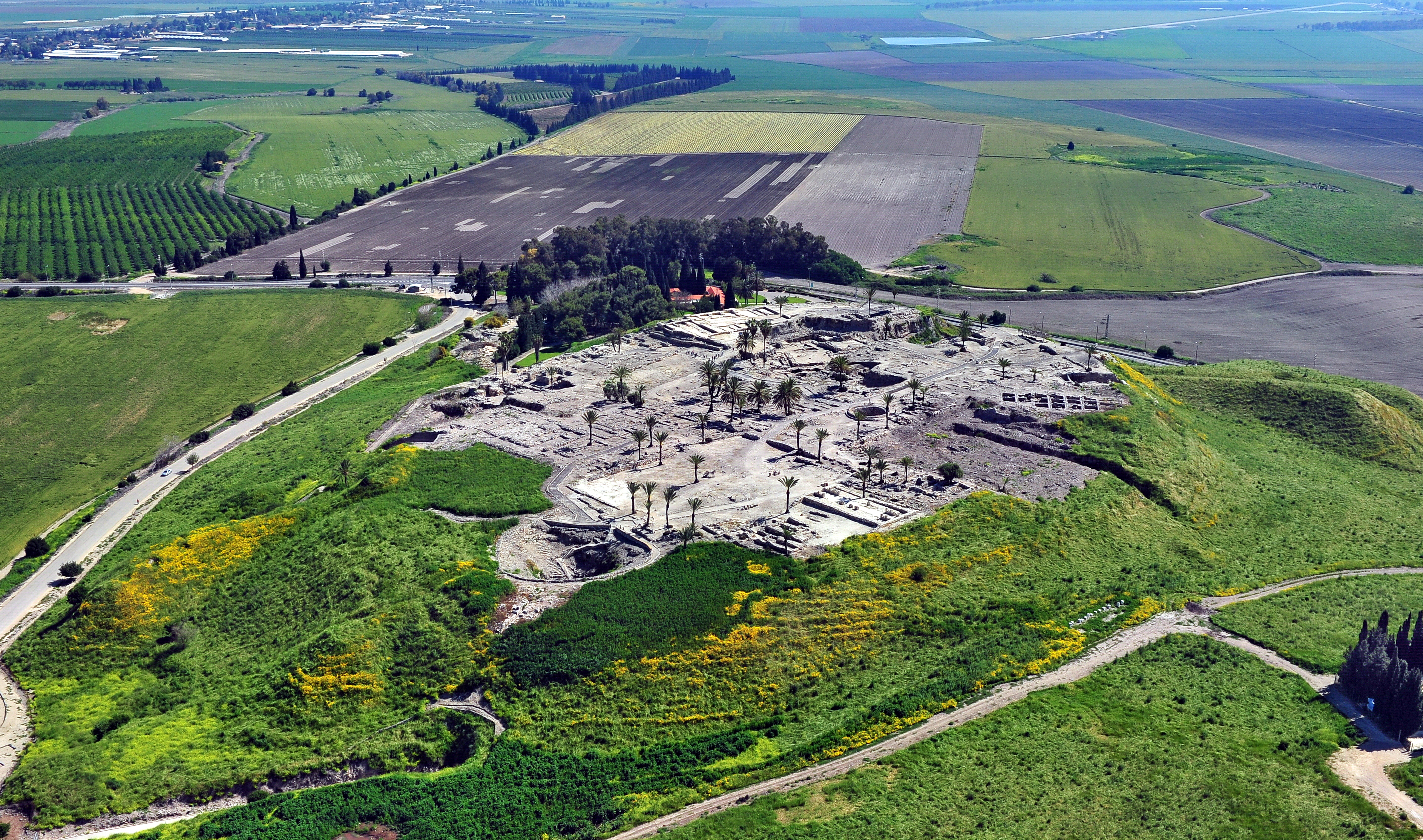
Aerial view of Tel Megiddo, Avram Graicer, 15 April 2011. Visible excavated remains do not identify the findspot of the Gilgamesh fragment
Yacimiento
Archaeological mound in present-day northern Israel with Bronze and Iron Age cities, associated with a Gilgamesh fragment.
Variantes del nombre: Megiddo, Tell el-Mutesellim, Megiddo
Contexto y fuentes →Persona
Researcher in ancient texts and ritual, studying Aramaic tradition and Deuteronomic curses.
Variantes del nombre: Melissa Ramos
Contexto y fuentes →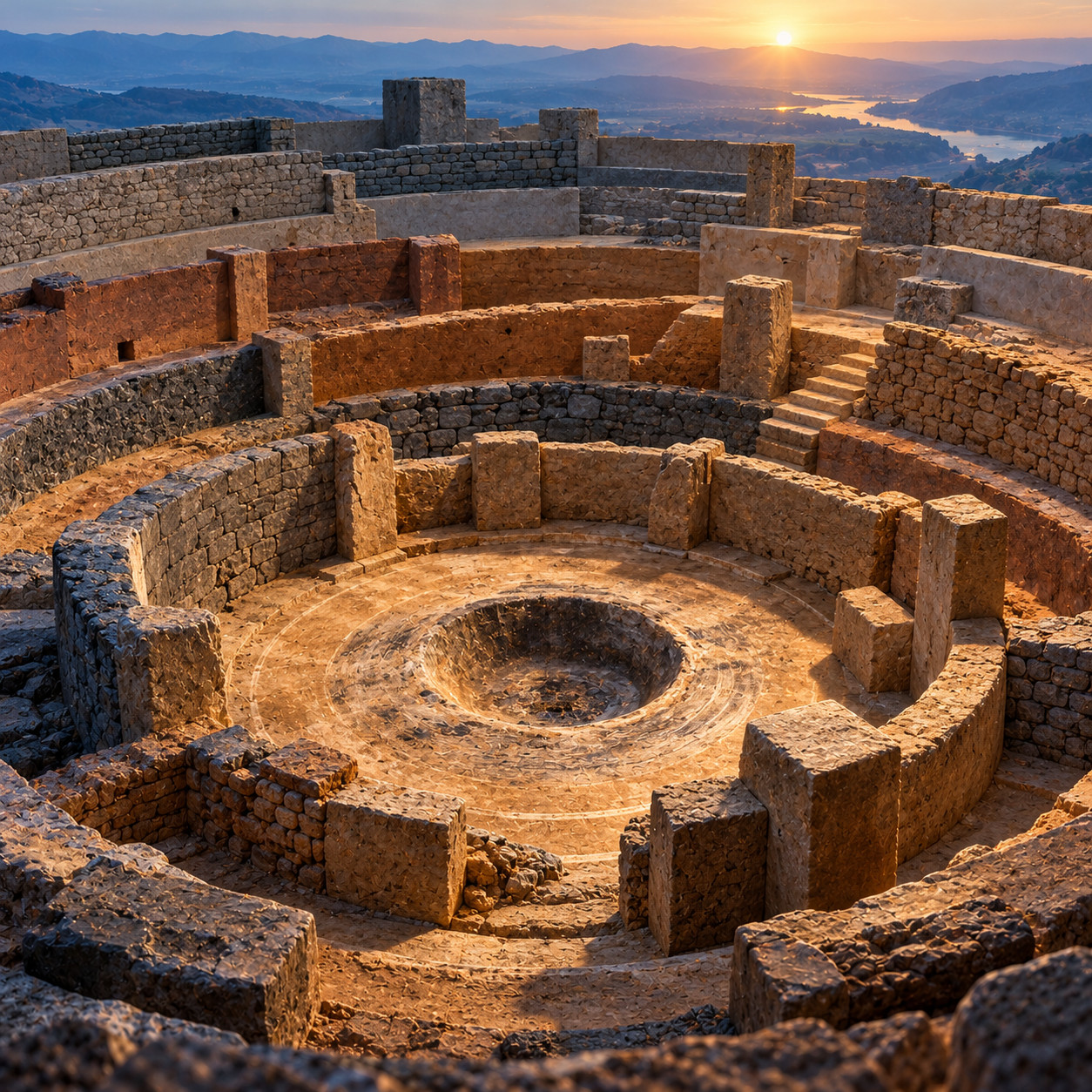
Modern AI-generated interpretive cover using layered masonry as a metaphor for accumulated practice and memory; fictional scene, not Çatalhöyük or a documented archaeological site
Entidad
A concept for how groups shape, transmit and revise relationships to the past through narratives, rites, objects and places, without assuming unanimous recollection or fixed meanings for material traces.
Variantes del nombre: social memory
Contexto y fuentes →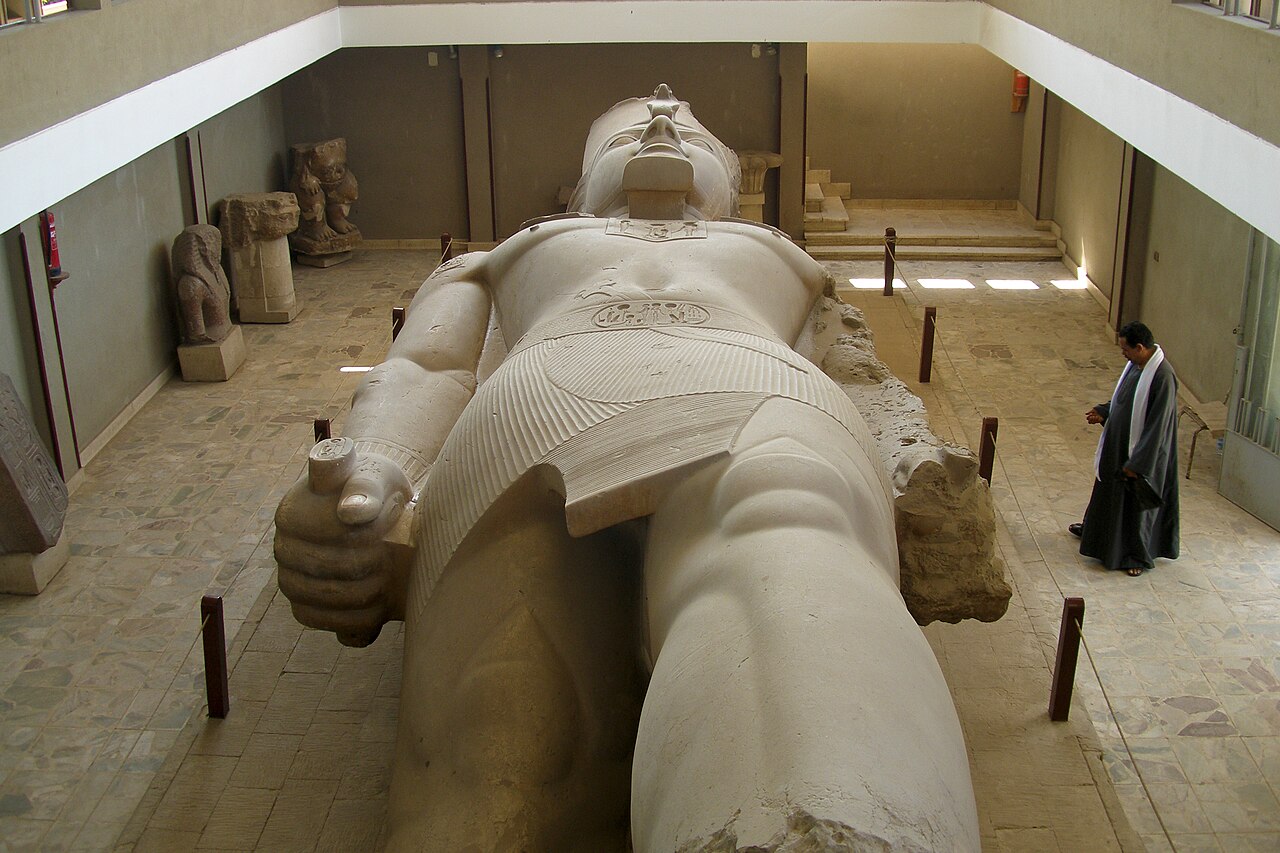
The large statue of Ramesses II at Memphis/Mit Rahina, Egypt, photographed on 17 June 2007. It belongs to the New Kingdom in the thirteenth century BCE, one of the later phases in the city’s long history
Yacimiento
Memphis is an ancient Egyptian city near Mit Rahina south of present-day Cairo
Variantes del nombre: Memphis
Contexto y fuentes →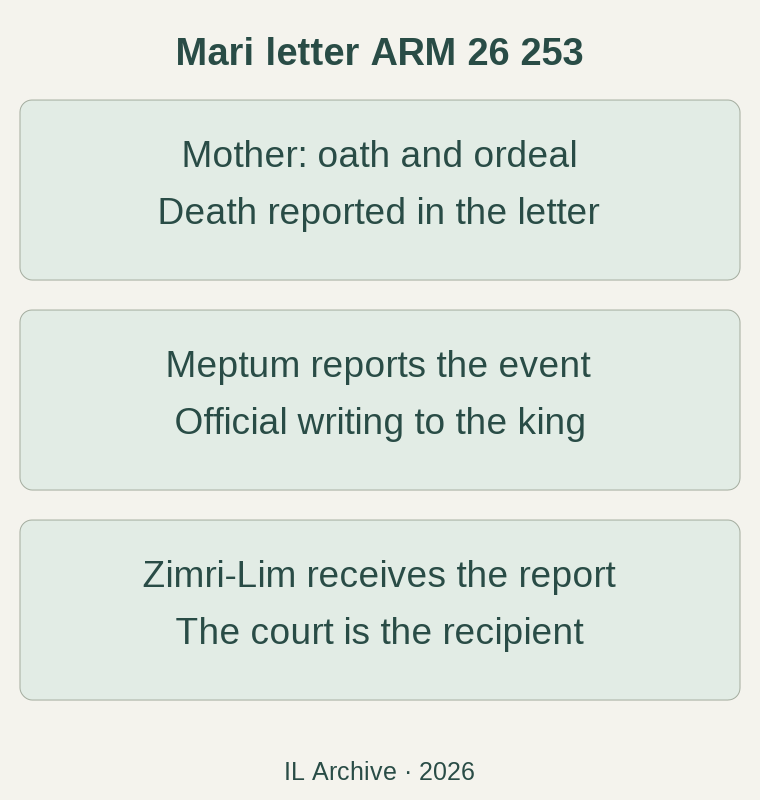
Modern diagram explaining roles in the specified source, not portraits or an ancient tablet. Row order explains relationships rather than reconstructing every ritual step
Persona
Official and commander reporting river ordeals in Zimri-Lim’s correspondence.
Variantes del nombre: Meptum, Mari correspondent
Contexto y fuentes →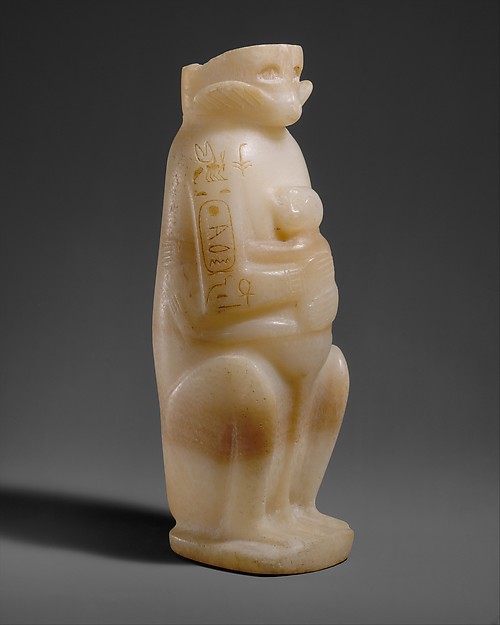
Egyptian-alabaster vase shaped as a mother monkey holding her young, inscribed with King Merenre I’s name. The Met dates it to about 2255–2246 BCE; object 30.8.134. The royal inscription appears on the shoulder
Persona
Merenre I was an Egyptian king of the Sixth Dynasty in the late third millennium BCE
Variantes del nombre: Merenre I
Contexto y fuentes →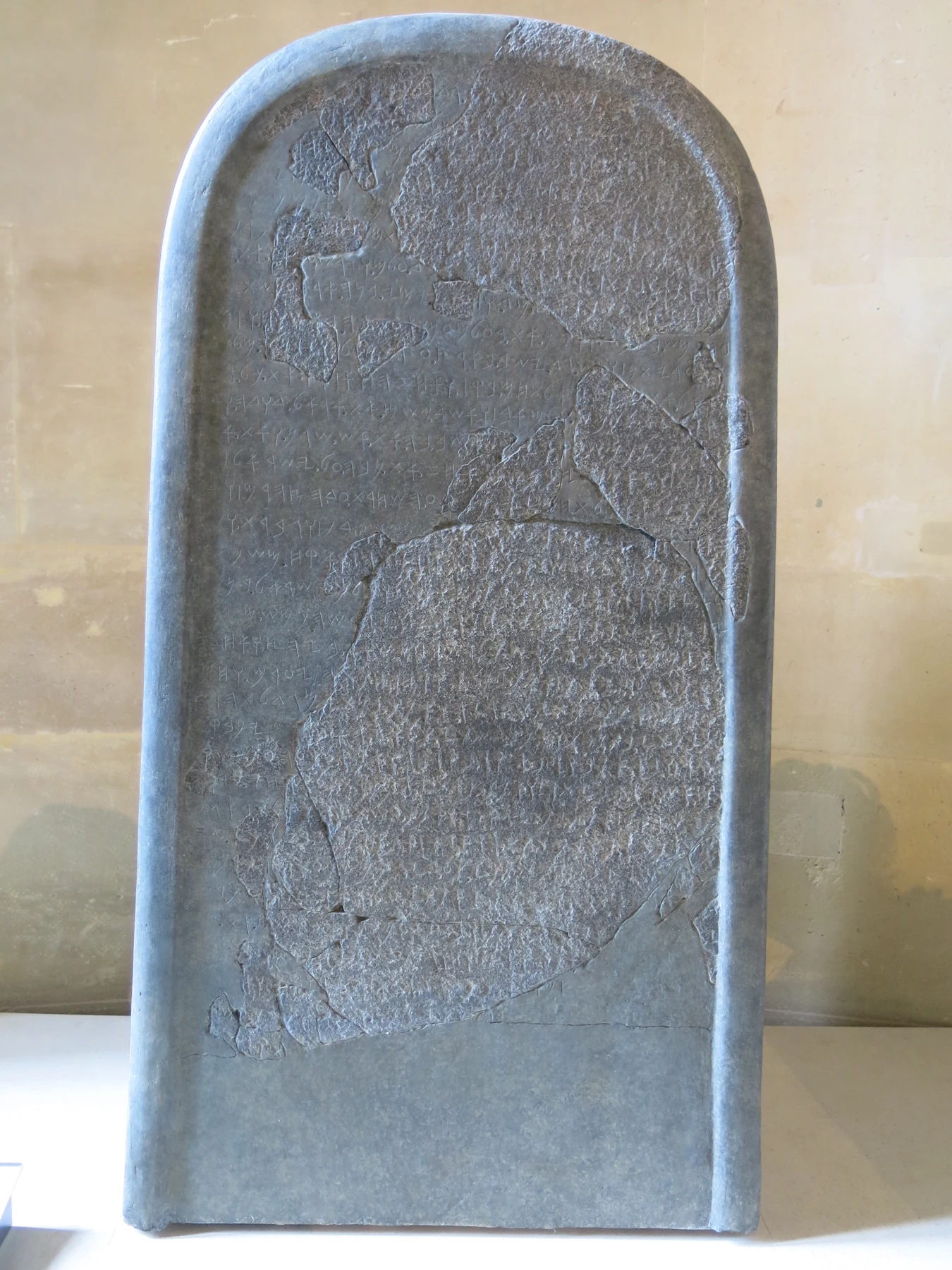
Mesha Stele, ninth century BCE, Louvre AO 5066. Photograph of the reassembled stone with modern infill, not a portrait of the king
Persona
Ninth-century BCE king of Moab whose inscription recounts conflict, territorial recovery and construction.
Variantes del nombre: Mesha
Contexto y fuentes →
Modern conceptual scene of two winding rivers and an alluvial plain, generated by AI; not a geographical map or genuine archaeological photograph of Mesopotamia
Yacimiento
Historical region associated with the Tigris and Euphrates: Uruk, Ur, Eridu, cuneiform, Sumer, Akkad, Babylon and Assyria, their languages and cults, and the limits of archaeological evidence.
Variantes del nombre: Mesopotamia
Contexto y fuentes →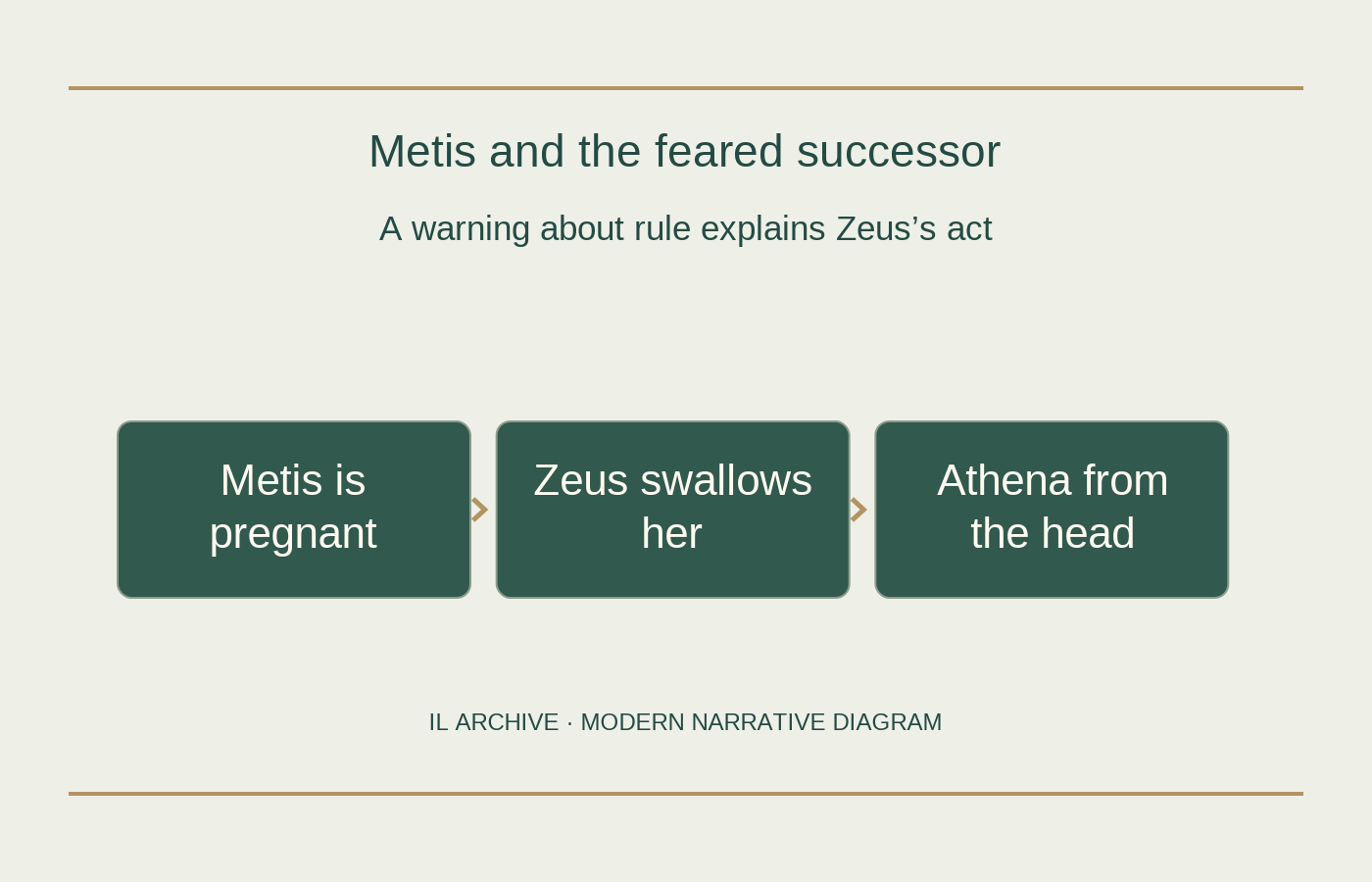
Modern diagram of Metis’s role in Hesiod: pregnancy, a warning about succession, swallowing by Zeus and Athena’s birth from the head. Arrows order events; not an ancient image of the goddess
Entidad
Divine figure and Athena’s mother in Hesiod; Zeus swallows her while pregnant to forestall a possible successor.
Variantes del nombre: Metis
Contexto y fuentes →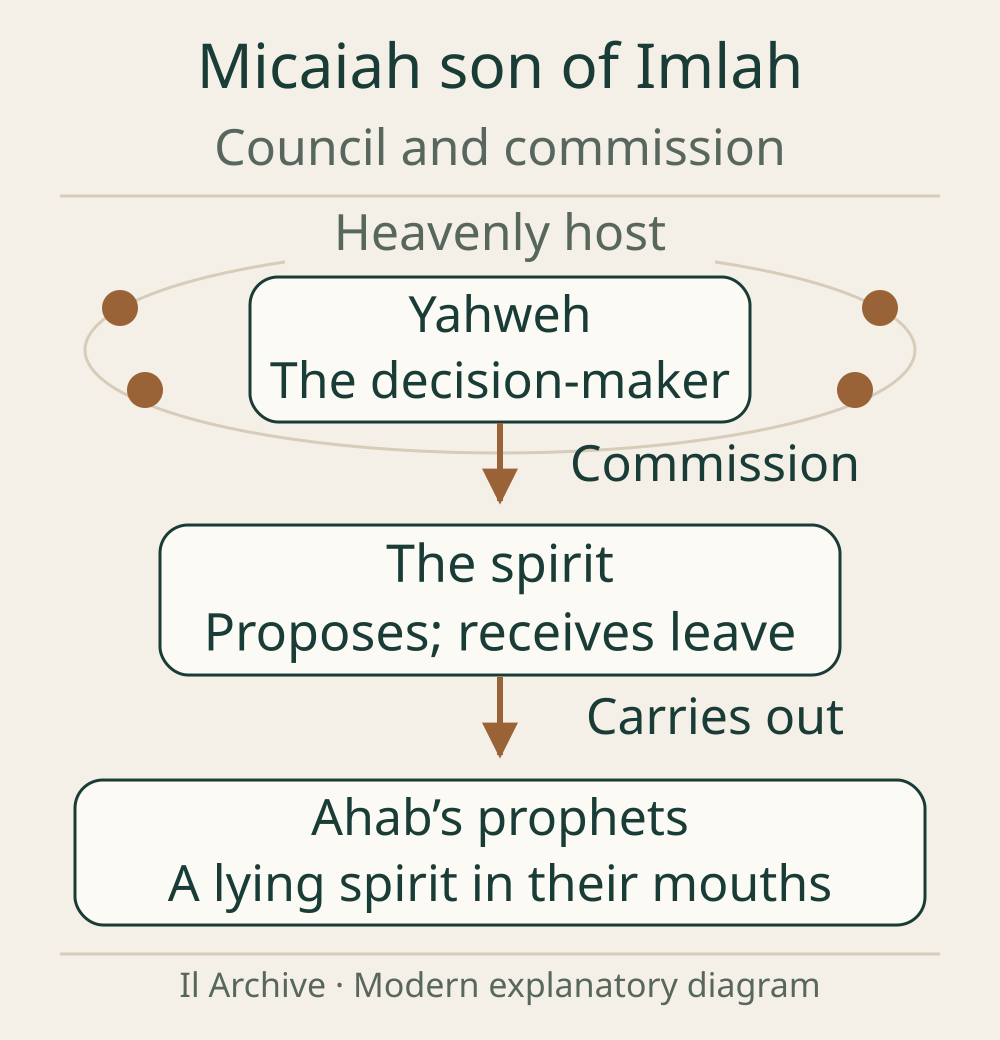
Modern diagram of Micaiah’s vision in 1 Kings 22:19–23: throne and host, with a spirit proposing and receiving a commission. Dots symbolize the group, not its head count. Not a historical depiction of the scene or its figures
Persona
The prophet who recounts the throne and heavenly-host scene in 1 Kings 22.
Variantes del nombre: Micaiah son of Imlah
Contexto y fuentes →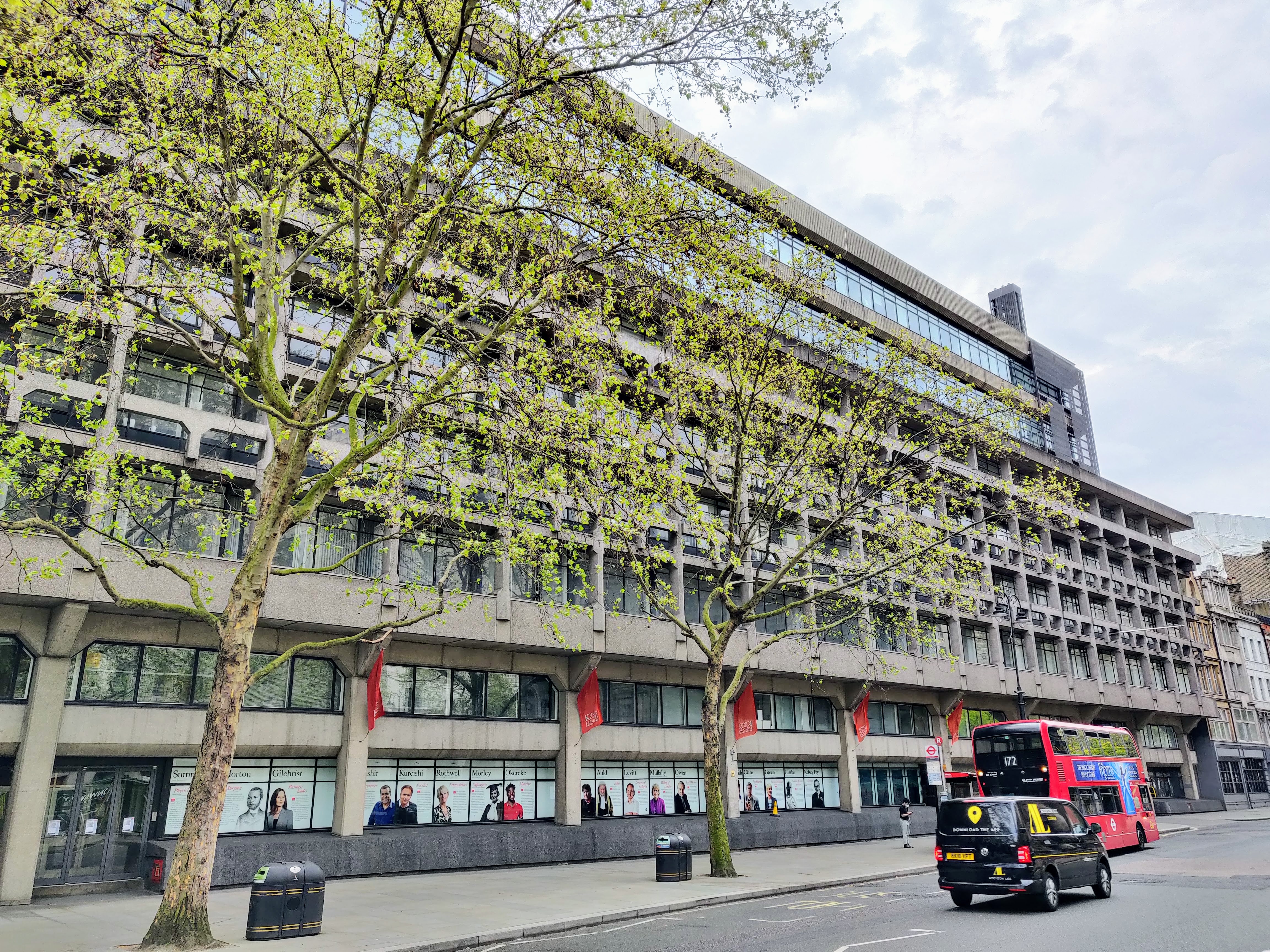
The Strand Building of King’s College London on 17 April 2020. The photograph illustrates the university setting associated with Michael Knibb’s work on the Old Testament and Ethiopic literature. He joined the college in 1964 and retired in 2001
Persona
British scholar of early Jewish literature, Ethiopic versions and the Septuagint (1938–2023), known for work on Enoch.
Variantes del nombre: Michael Knibb, Michael A. Knibb
Contexto y fuentes →Persona
Co-author with Bernard Levinson of a 2013 study of remission and jubilee interpretation in a Qumran manuscript.
Variantes del nombre: Michael Bartos
Contexto y fuentes →Persona
Scholar of late-antique religions who studies traditions about Mary and Solomon across communities.
Variantes del nombre: Michael Beshay
Contexto y fuentes →Persona
A scholar of Greek literature affiliated with University College Dublin; his 2025 article examines death, return to life, and dramatic construction in Euripides’ Alcestis.
Variantes del nombre: Michael Lloyd, scholar of Greek literature
Contexto y fuentes →Persona
Scholar of the Bible and Semitic languages whose work examined the divine council and divine plurality in Hebrew texts.
Variantes del nombre: Michael S. Heiser
Contexto y fuentes →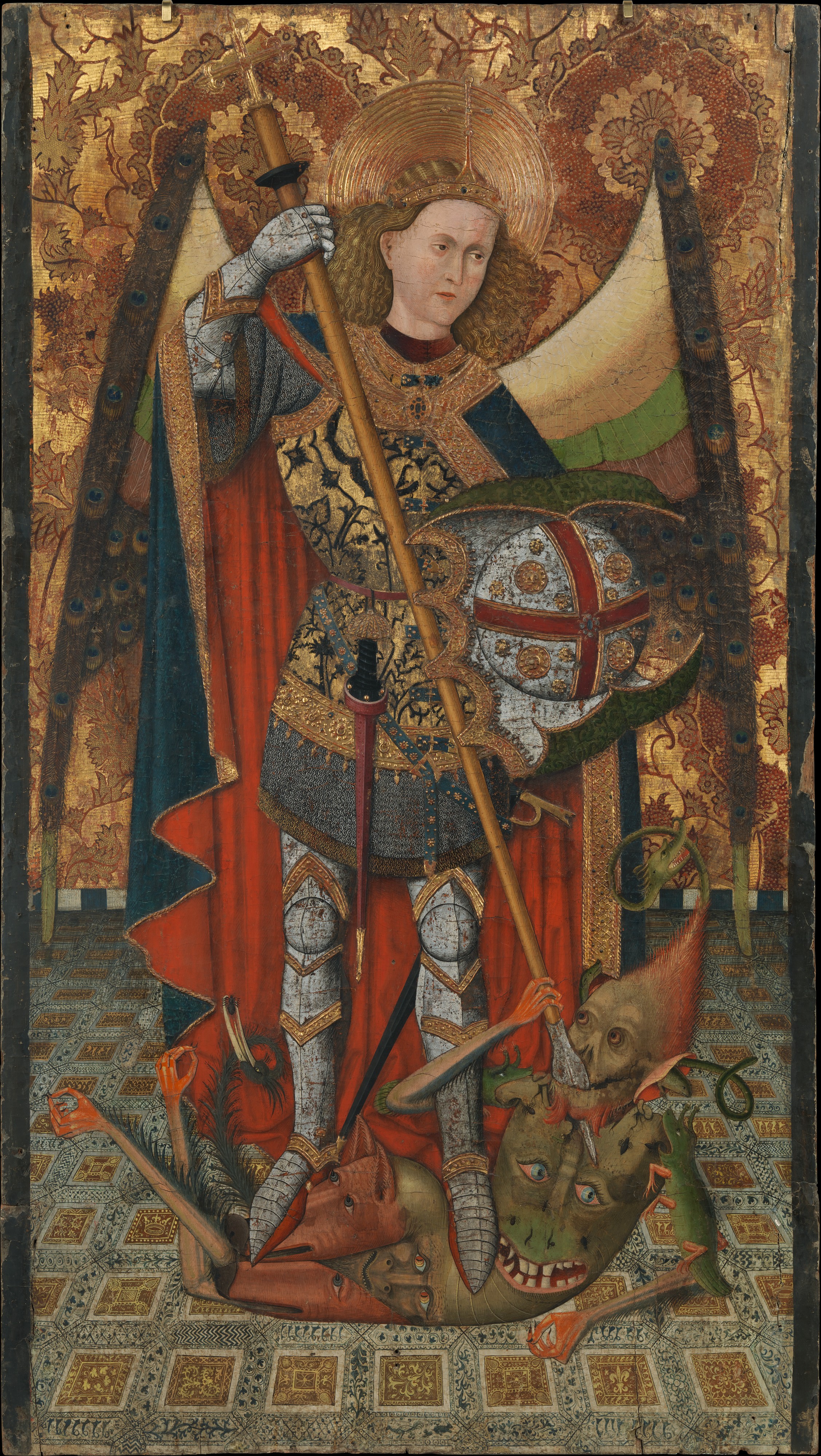
Saint Michael, Master of Belmonte, northern Spain, 1450–1500, tempera and oil on wood (55.120.2). A later Christian image of the heavenly warrior, not a historical portrait or evidence of his appearance in Daniel or the Qurʾan
Entidad
A name meaning “Who is like God?”, borne by humans and an angel. The angel protects Daniel’s people, is called archangel in Jude and fights the dragon in Revelation. The Qurʾan names Mīkāl without assigning a task; later traditions develop different roles.
Variantes del nombre: Michael, Mīkāl
Contexto y fuentes →Persona
Egyptologist and translator of ancient Egyptian literature (1914–2004), including the Tale of the Two Brothers.
Variantes del nombre: Miriam Lichtheim, Miriam Lichtheim
Contexto y fuentes →Persona
Scholar of the Bible and Second Temple literature, examining the Watchers and Asael/Azazel traditions.
Variantes del nombre: Dr Miryam Brand
Contexto y fuentes →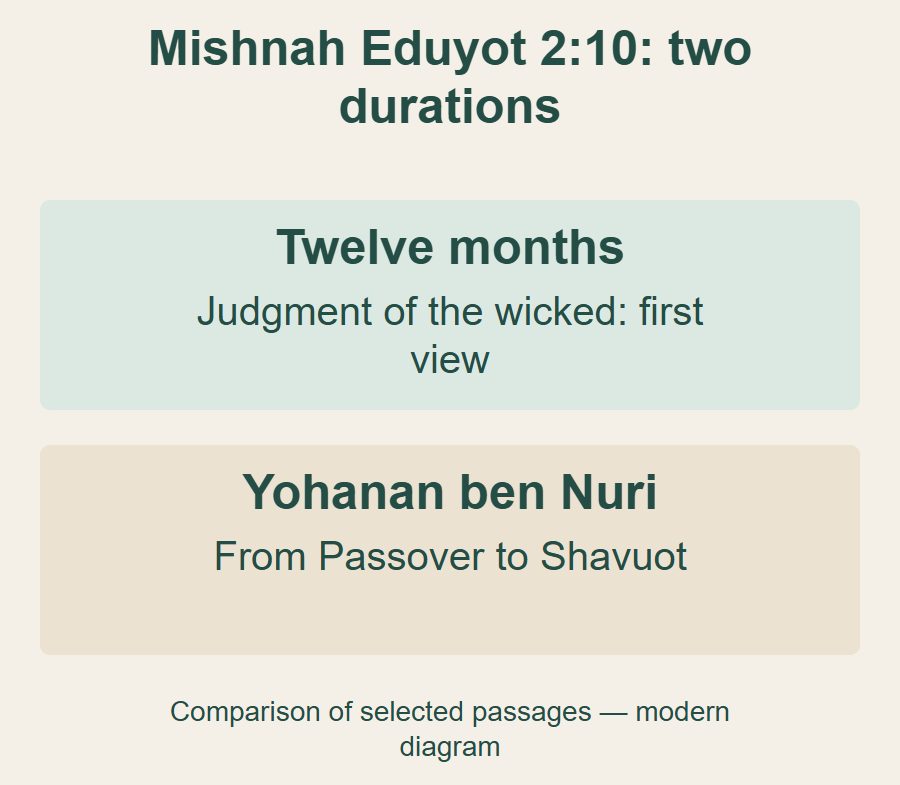
Modern comparison of two durations in Mishnah Eduyot 2:10: twelve months, and Passover to Shavuot in Yohanan ben Nuri’s view; not every rabbinic view of destiny
Texto antiguo
The Mishnah is a rabbinic compilation assembled around 200 CE, organizing teachings and discussions by topic.
Variantes del nombre: Mishnah
Contexto y fuentes →Persona
Mladen Popović studies the Hebrew Bible, ancient Judaism and the Dead Sea Scrolls.
Variantes del nombre: Mladen Popović
Contexto y fuentes →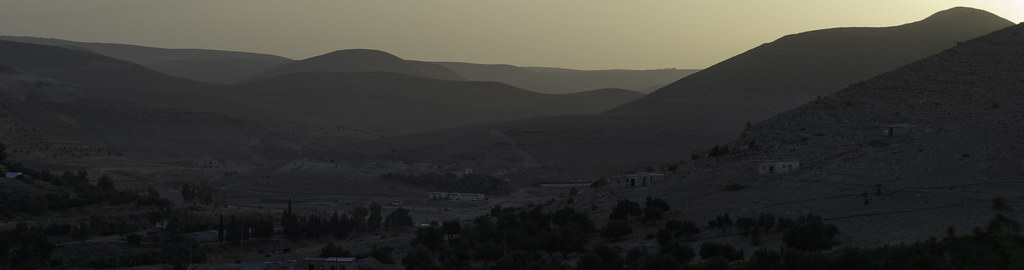
Wadi Mujib landscape, 21 June 2010, in the Dhiban project photo collection. Regional context east of the Dead Sea; houses and roads are modern and the image does not define Moab’s borders
Yacimiento
An ancient land and kingdom in present-day Jordan, with Mesha's ninth-century BCE inscription a major local witness.
Variantes del nombre: Moab
Contexto y fuentes →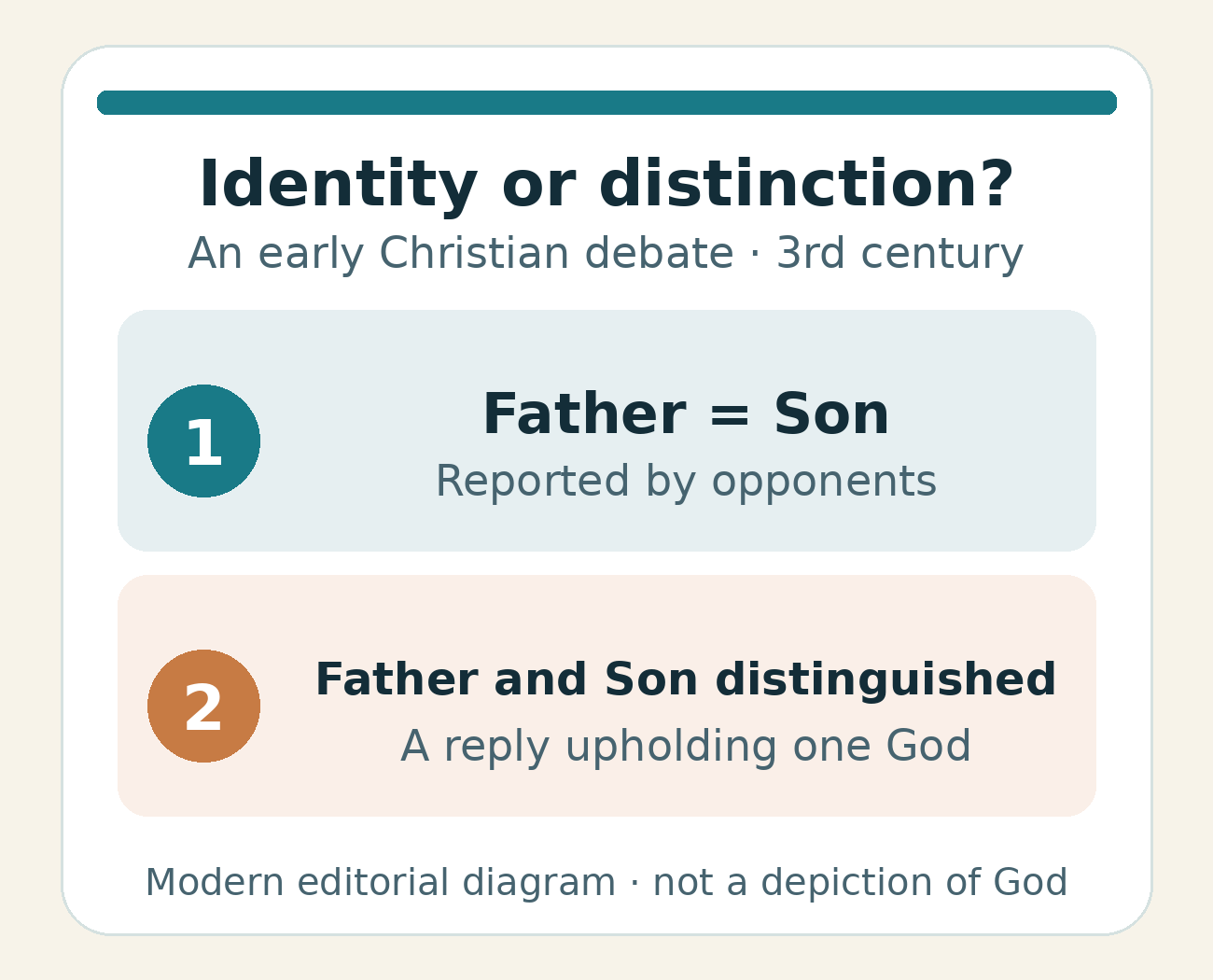
Modern interpretive diagram contrasting a reported identity formula with a distinction maintained within divine unity. It is not a universal account of the ancient positions or an image of God
Entidad
Later analytical label for early Christian disputes about divine unity and Father–Son–Spirit relations; not necessarily a single self-attested ancient system.
Variantes del nombre: modalism
Contexto y fuentes →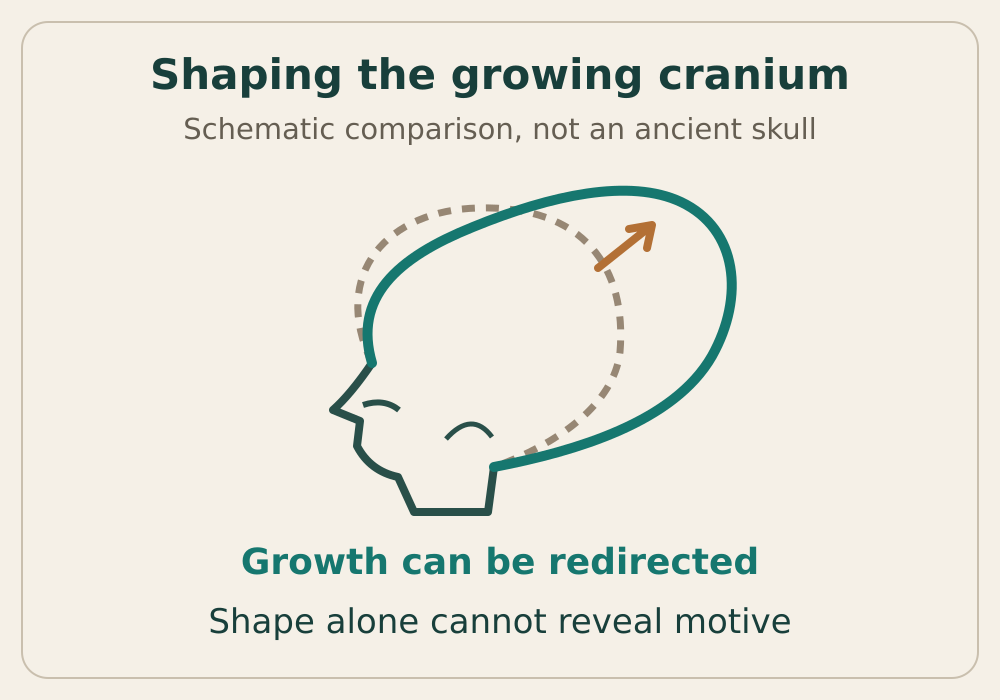
Modern explanatory adaptation of an earlier IL Archive graphic. A dashed outline is compared with a higher, backward-extended vault to illustrate a possible direction of change. Not anatomical measurements, an archaeological skull or one person’s growth stages; no procedure is depicted
Entidad
A pattern of early-growth head shaping associated with circumferential constraint and an elevated or extended vault.
Variantes del nombre: circumferential head shaping, circumferential modification
Contexto y fuentes →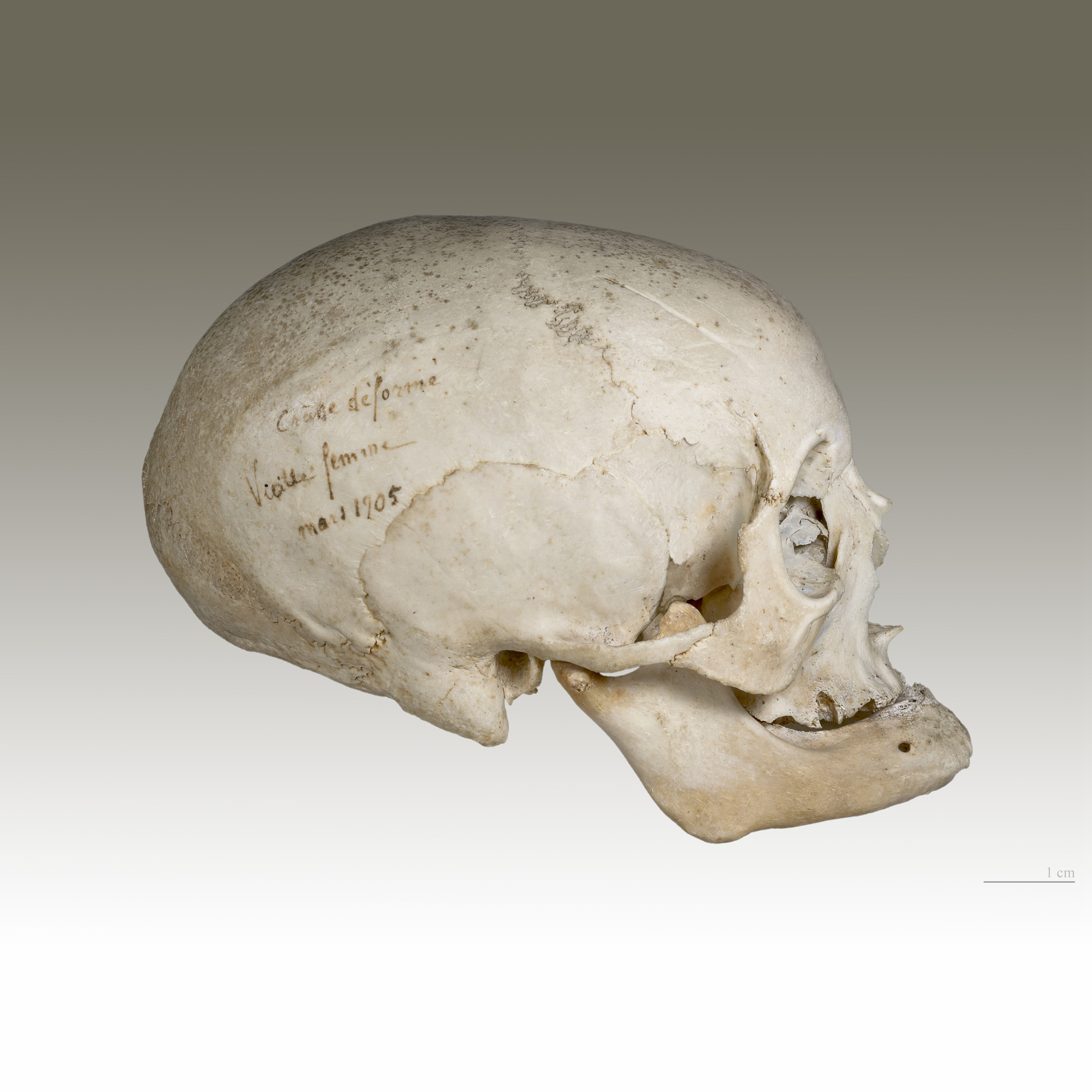
Square-format photograph of a Toulouse-type modified skull held at the Muséum de Toulouse, MHNT.ANT.2003.85. Not Ubaid evidence; the source does not give its findspot. Only the photographic backdrop was extended, without altering the skull
Entidad
Reshaping a child’s growing cranial vault through pressure or restraint. Techniques and meanings vary; it differs from postmortem skull treatment and cannot be inferred from a figurine alone.
Variantes del nombre: cranial modification, artificial cranial modification, head shaping, headshaping
Contexto y fuentes →
Newly generated modern symbolic illustration for this entry: a reed basket by water, symbolic tablets and imagined mountains. It brings together motifs from Moses narratives; it is neither an ancient object nor a verified historical or geographical reconstruction
Persona
Central figure in Exodus, Torah traditions and the Qur’an; childhood accounts differ in detail.
Variantes del nombre: Moses, Moshe
Contexto y fuentes →
Newly generated modern conceptual illustration combining books, astronomy, and medicinal plants to evoke Maimonides’ legal, philosophical, and medical work; not a historical artifact, manuscript, or portrait
Persona
Jewish jurist, philosopher, and physician (c. 1138–1204). Wrote the Commentary on the Mishnah and Guide in Judeo-Arabic, and the Mishneh Torah in Hebrew; practiced in Egypt.
Variantes del nombre: Maimonides, Moses Maimonides, Moses ben Maimon, Rambam
Contexto y fuentes →
Modern AI-generated conceptual cover: one illuminated circle among other circles, a metaphor for exclusive devotion. Not an artifact, a historical pantheon diagram or a reconstruction of an ancient ritual
Entidad
Exclusive worship of one deity, without automatically denying the existence of others; a modern term for allegiance, not necessarily a dated religious stage.
Variantes del nombre: monolatry
Contexto y fuentes →
Modern AI-generated imaginary architecture: three pathways converge beneath a single circular opening towards the horizon. A visual metaphor for oneness, not an archaeological object, real location or documented emblem of any religion
Entidad
Belief that only one God possesses divinity in its fullest sense. Historically distinct from exclusively worshipping one deity without denying others; its theological forms vary.
Variantes del nombre: monotheism
Contexto y fuentes →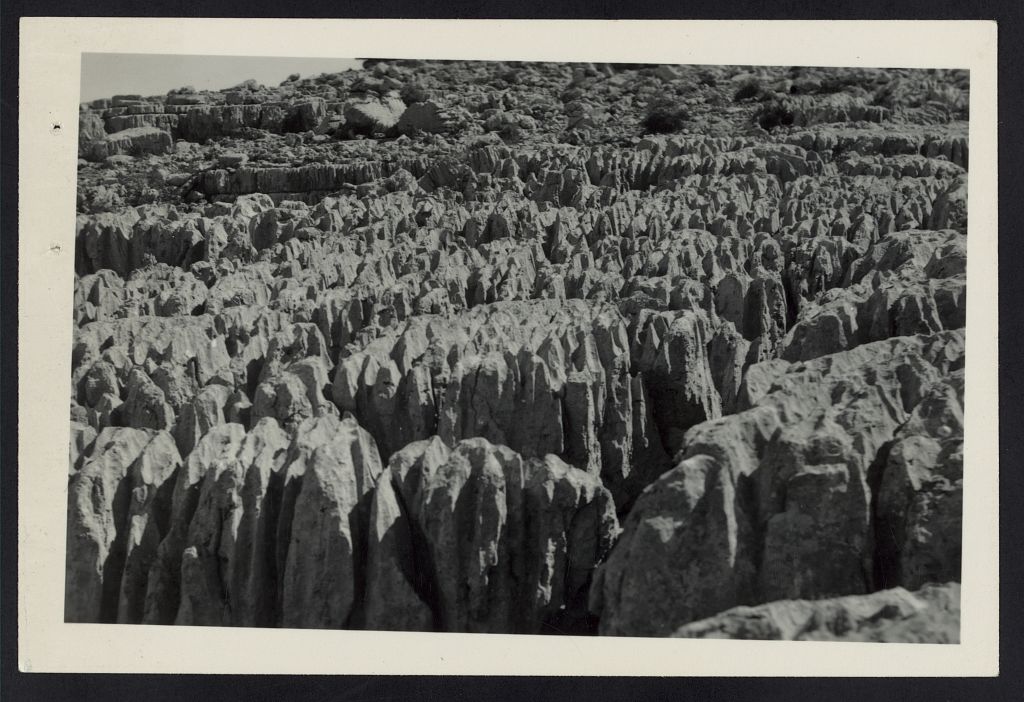
Rock formations on Mount Hermon’s summit, between 1934 and 1947. Matson photograph; Library of Congress LC-DIG-ppmsca-13204. A modern terrain record of the mountain associated with the Watchers’ descent in the narrative
Yacimiento
Hermon, also Jabal al-Shaykh, is a Levantine mountain linked to the Watchers’ descent in 1 Enoch 6.
Variantes del nombre: Hermon, Mount Hermon
Contexto y fuentes →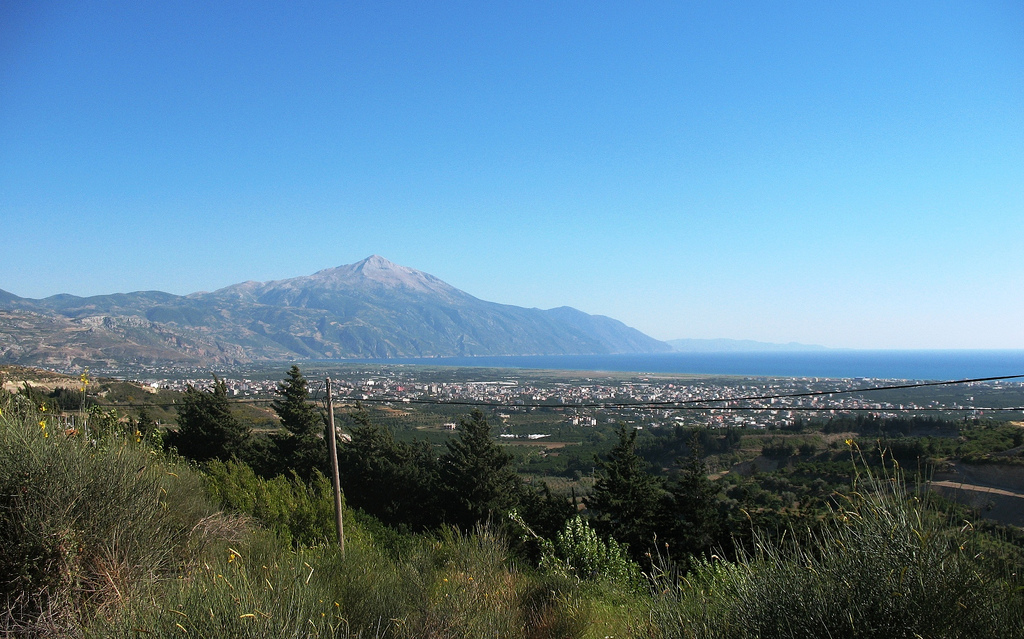
Jebel Aqra, also known as Mount Kasios, with the Mediterranean coast in the Syrian–Turkish area. Summer 2008 according to the photographer, Anthiok; the original August upload date does not establish the day of capture
Yacimiento
Coastal mountain in the Syrian–Turkish border area, known as Jebel Aqra and by ancient names including Kasios.
Variantes del nombre: Mount Kasios, Jebel Aqra
Contexto y fuentes →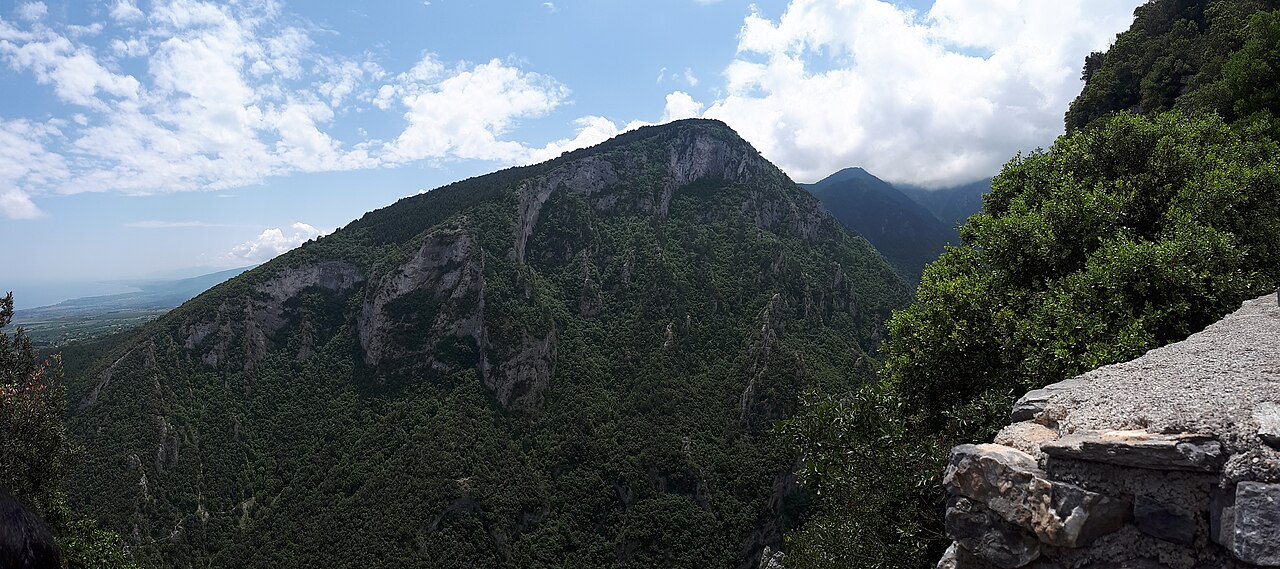
Slopes of Mount Olympus, Greece, photographed in 2018. A geographical view; the gods’ residence in the epics belongs to their poetic representation of the world
Yacimiento
Mountain in northern Greece associated in ancient traditions with the divine community’s dwelling.
Variantes del nombre: Mount Olympus
Contexto y fuentes →