
Modern AI-generated symbolic cover evoking layers of a name’s circulation; blank stones are not a documented artifact
Entidad
Quranic divine designation co-referring with Allah.
Variantes del nombre: al-Raḥmān, al-Rahman, the Merciful
Contexto y fuentes →
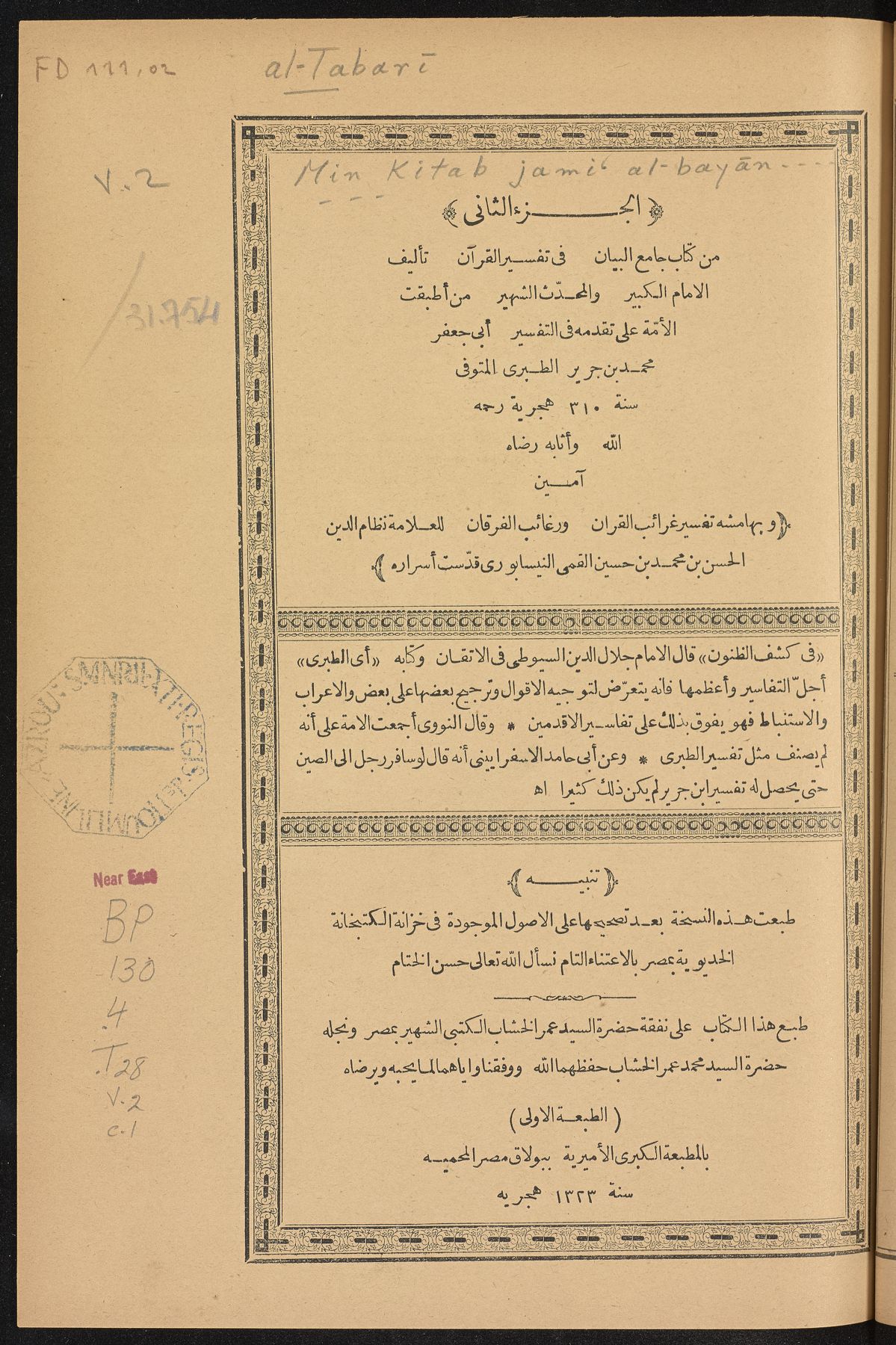
Title page of volume 2 of an Egyptian printed edition of al-Tabari's Jamiʿ al-bayan, 1323 AH/c. 1905 CE. It is a later edition, not his manuscript or portrait
Persona
Abbasid-era historian and Qur'anic exegete (c. 839–923 CE). His commentary records competing views on Abraham's son, then favors Isaac.
Variantes del nombre: Muhammad ibn Jarir al-Tabari, al-Ṭabarī
Contexto y fuentes →

Modern conceptual digital illustration of writing and textual transmission accompanying “Alāhā.” It is not an authentic Syriac manuscript, an archaeological find, or a historically verified reconstruction
Entidad
Alāhā (ܐܠܗܐ): a Syriac masculine singular common noun for “a god” or “God,” with Eastern and Western pronunciations; linguistic kinship does not itself establish shared doctrines.
Variantes del nombre: Alaha, Alāhā, Aloho
Contexto y fuentes →
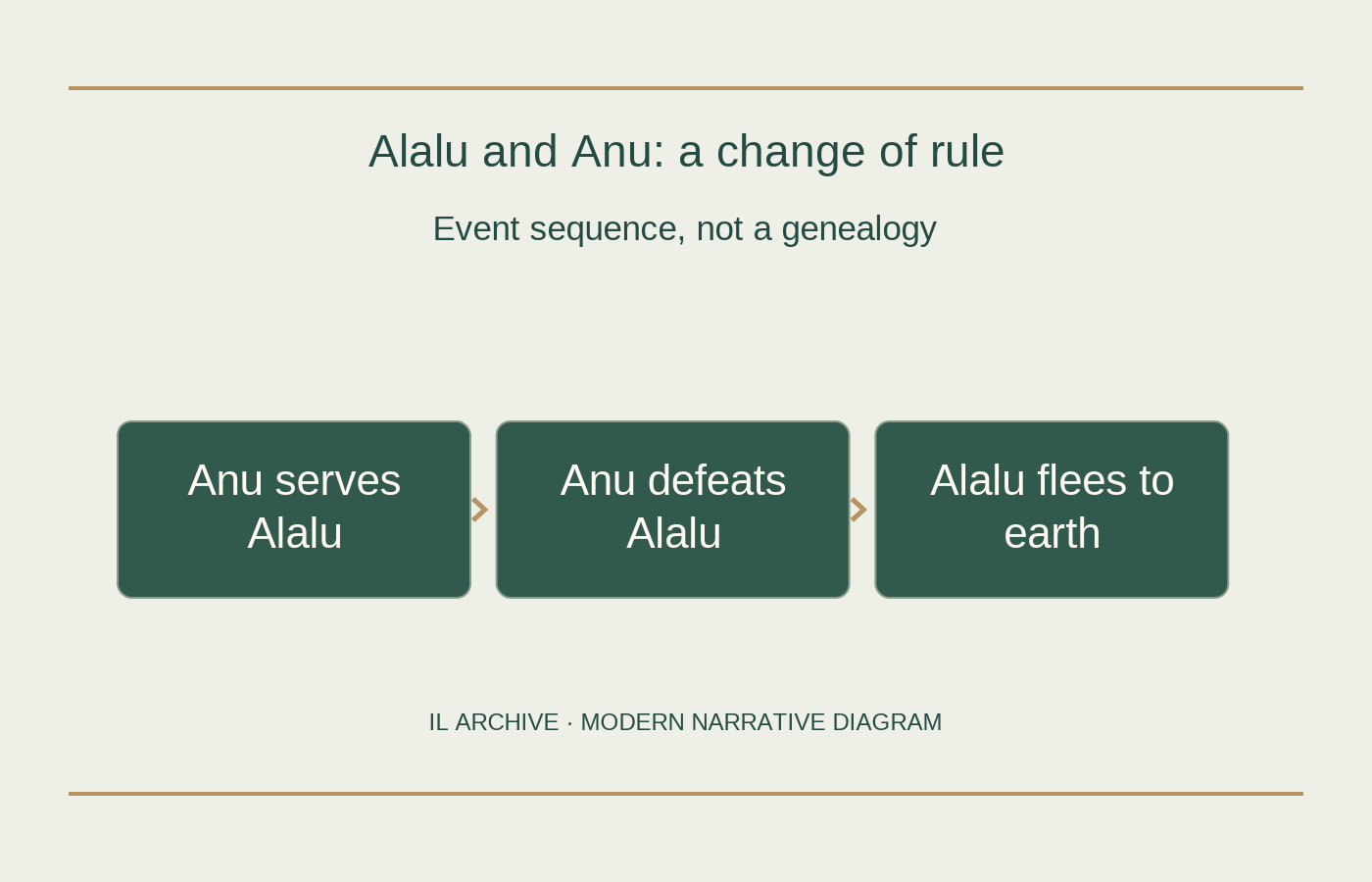
Modern diagram of the surviving Alalu–Anu account: service, defeat and flight to the dark earth. Arrows do not establish genealogy; no ancient divine likeness is invented
Entidad
First heavenly ruler in the surviving Kumarbi song; defeated by Anu, he flees to the dark earth.
Variantes del nombre: Alalu
Contexto y fuentes →
Persona
Alan Lenzi studies Babylonian literature and religion and the Hebrew Bible, and is a professor at the University of the Pacific in Stockton.
Variantes del nombre: Alan Lenzi
Contexto y fuentes →
Persona
Scholar of Hebrew and ancient Semitic languages, formerly a Liverpool professor, who studied Eden’s etymology.
Variantes del nombre: Alan Ralph Millard, 1937–2024
Contexto y fuentes →
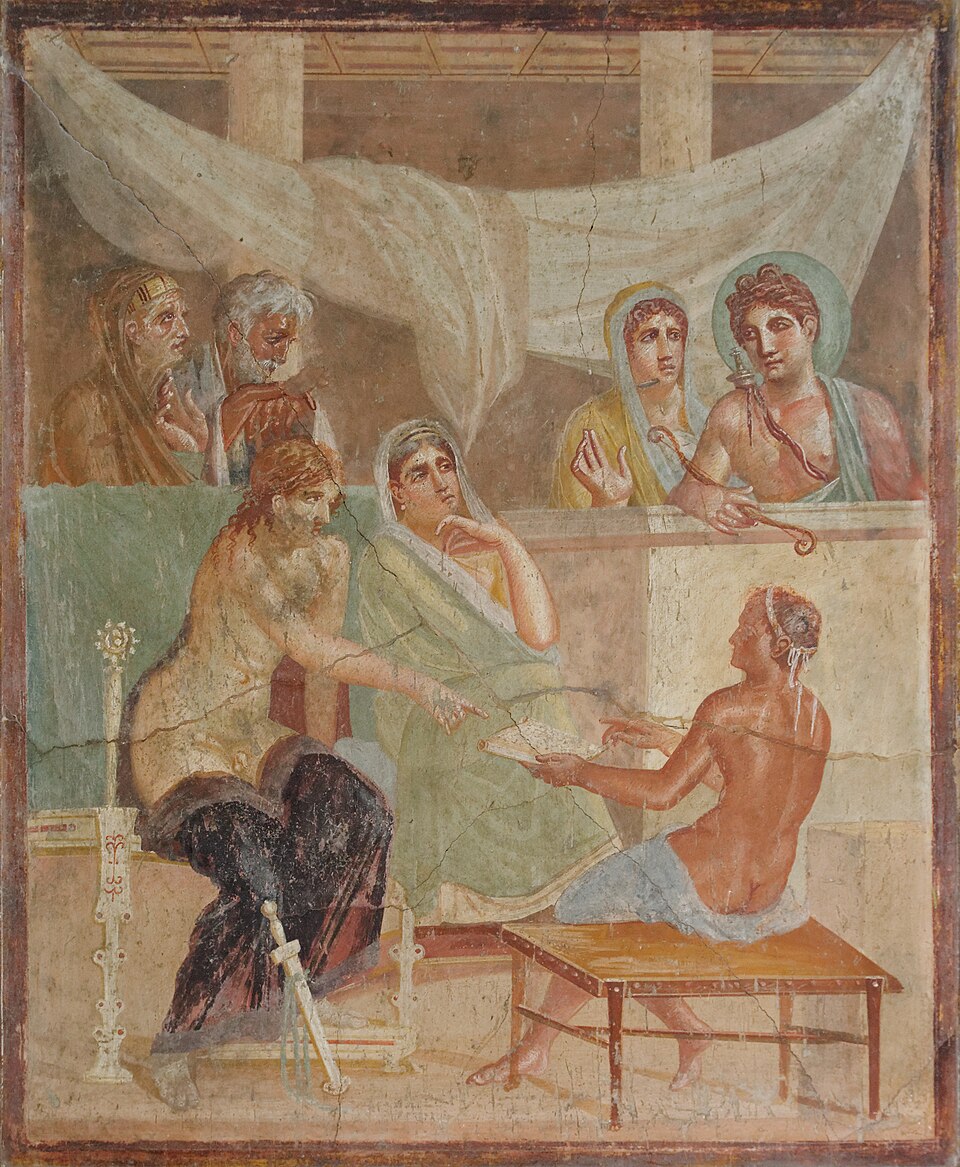
Admetus and Alcestis, first-century CE Roman fresco from the House of the Tragic Poet, Pompeii; Naples Archaeological Museum 9026. Later reception of the story, not a record of the 438 BCE performance. Published 960 px preview
Persona
A Greek narrative figure who accepts death for her husband Admetus and returns at the end of Euripides’ play, performed in 438 BCE.
Variantes del nombre: Alcestis in Euripides’ play
Contexto y fuentes →
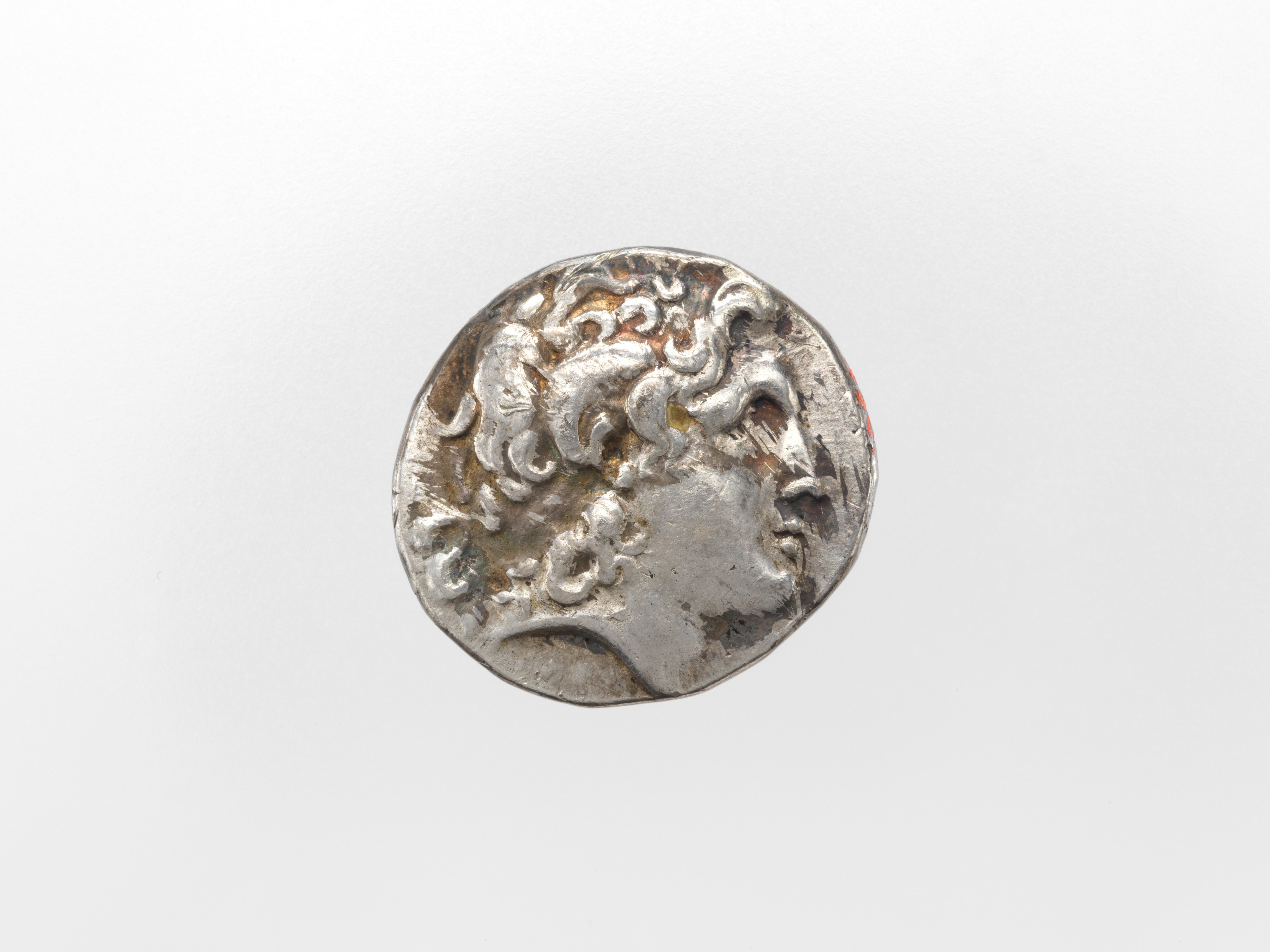
Alexander’s head with ram’s horn on Lysimachos coin, 297–281 BCE; Met 05.44.430. Posthumous Hellenistic image, not an identified Dhul Qarnayn portrait
Persona
Macedonian king who lived from 356 to 323 BCE and became a hero of stories in different languages and traditions after his death.
Variantes del nombre: Alexander the Great
Contexto y fuentes →
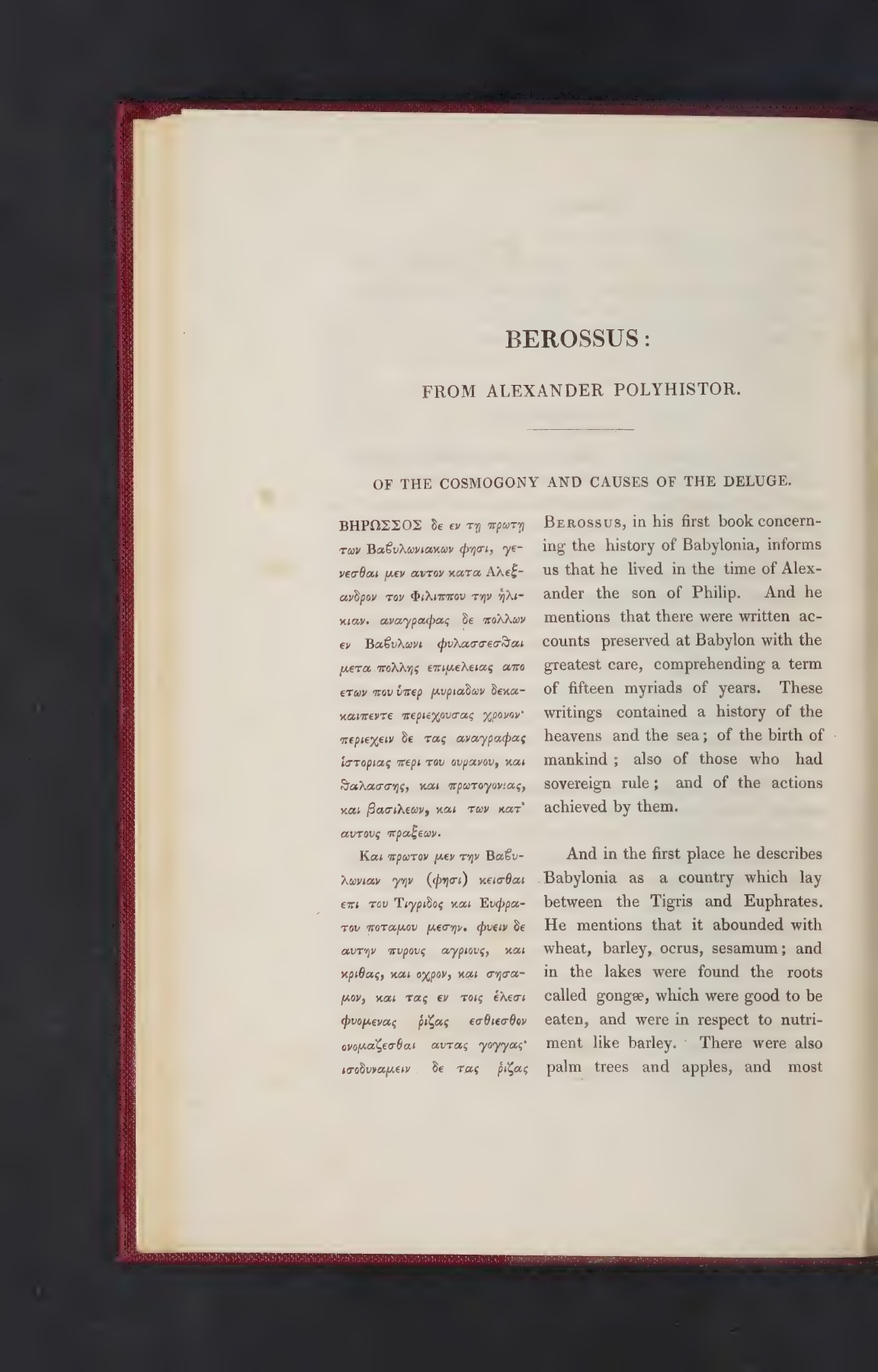
Heading identifying Alexander Polyhistor as transmitter, Cory’s edition, London, 1828; a page documenting transmission, rather than a portrait
Persona
Alexander Polyhistor was a Greek author of the first century BCE who compiled accounts of many peoples and countries.
Variantes del nombre: Alexander Polyhistor
Contexto y fuentes →
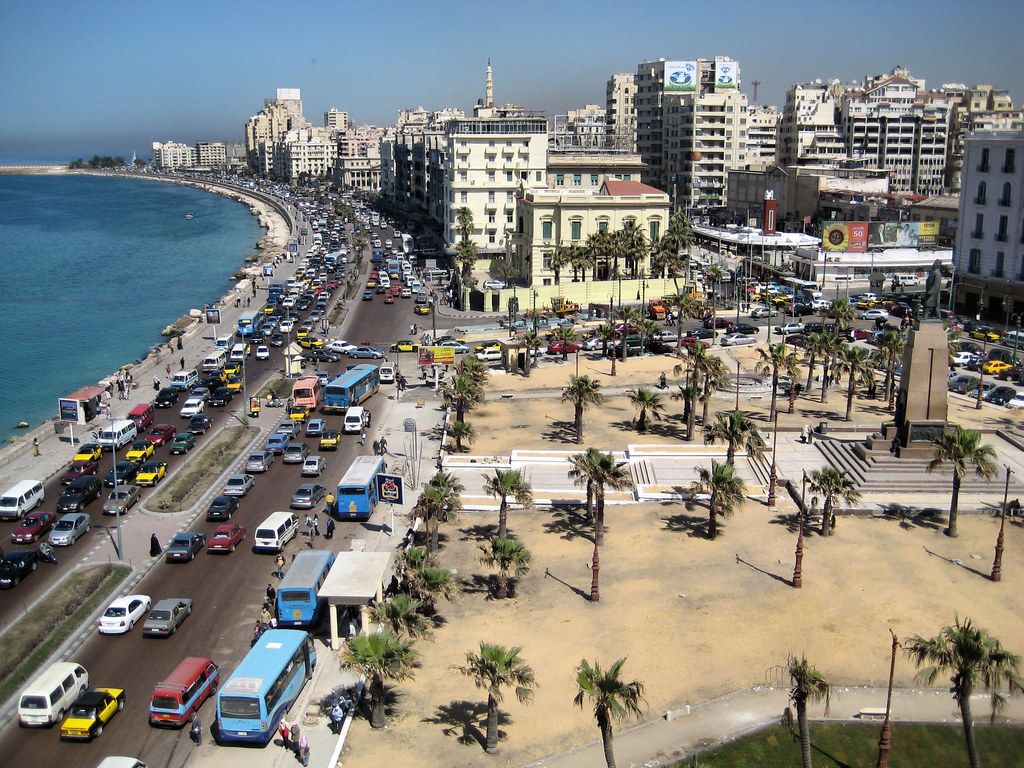
Alexandria Corniche and Saad Zaghloul Square,18 March2008; the modern city, not the Ptolemaic festival or ancient library
Yacimiento
Alexandria is a city on Egypt’s Mediterranean coast, founded by Alexander the Great in 331 BCE and an important center of trade and culture.
Variantes del nombre: Alexandria
Contexto y fuentes →
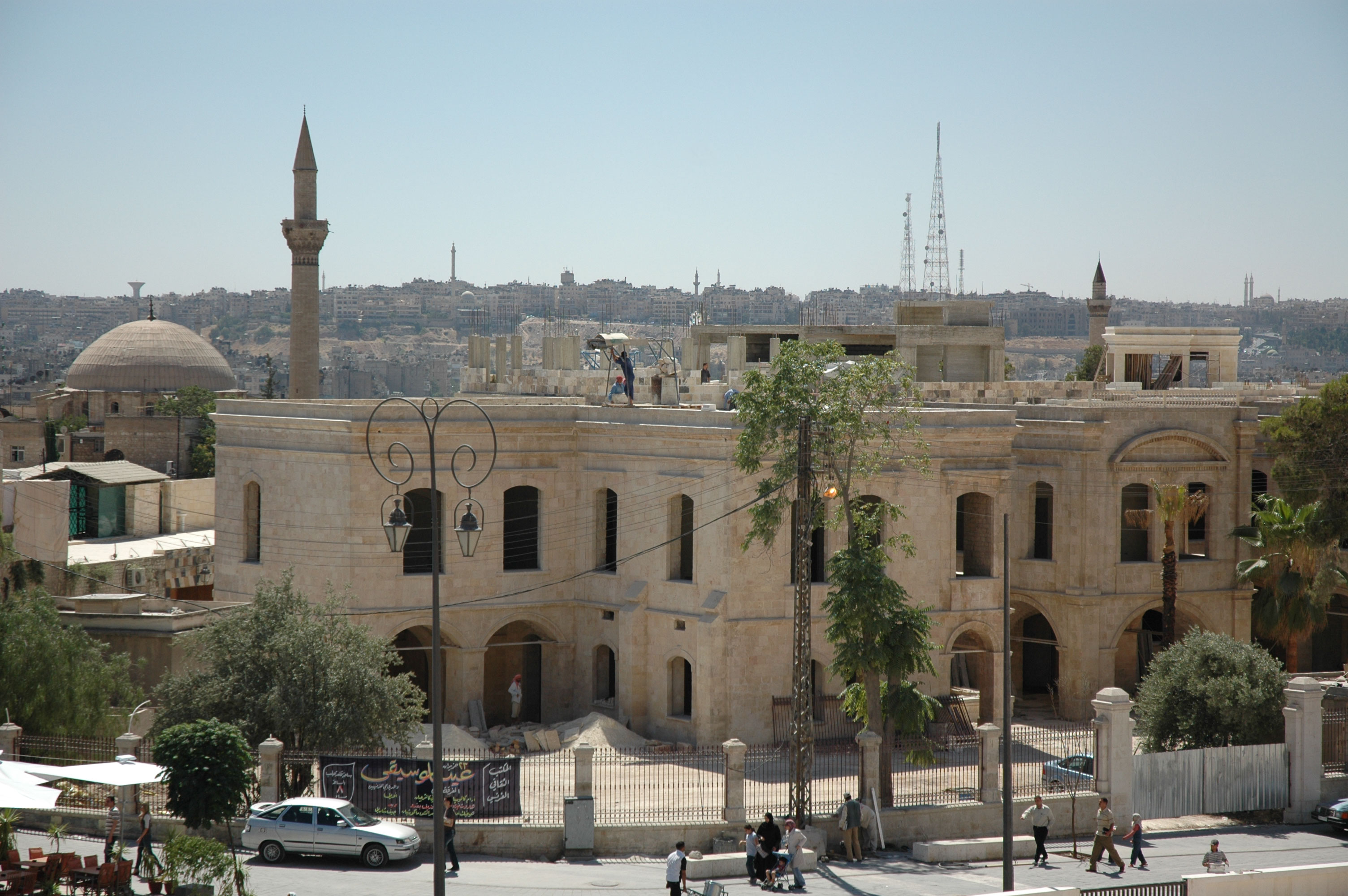
View of Aleppo’s old city by Ron Van Oers for UNESCO; capture date unestablished. The visible architecture postdates the Mari letters and does not depict the ordeal site or participants
Yacimiento
Northern Syrian city whose region appears in Mari reports, with architecture from multiple periods.
Variantes del nombre: Aleppo, historical city
Contexto y fuentes →
Persona
Assyriologist who wrote The Gilgamesh Epic and Old Testament Parallels, second edition 1949.
Variantes del nombre: Alexander Heidel, Heidel
Contexto y fuentes →
Persona
Nineteenth-century English translator of several apocryphal infancy narratives.
Variantes del nombre: Alexander Walker
Contexto y fuentes →
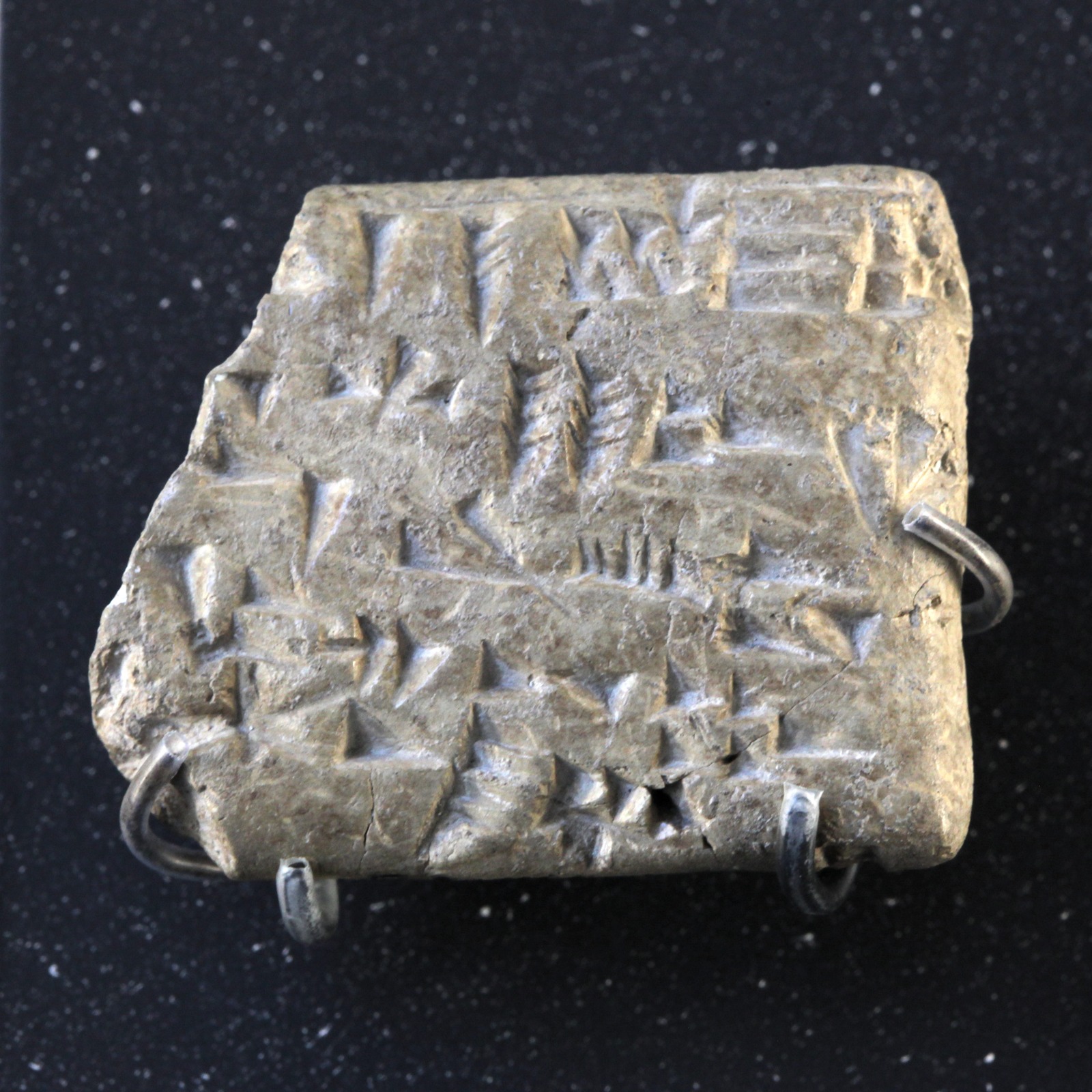
Incomplete Ugaritic abecedary tablet, Louvre AO 19992 / RS 10.087 (KTU 5.4). Found in 1938 with seven letters missing; museum date broadly 1400–1200 BCE. Not the complete abecedary found in 1948
Entidad
Alphabetic cuneiform system of Late Bronze Age Ugarit, using thirty chiefly consonantal written signs, distinct from Akkadian syllabic cuneiform.
Variantes del nombre: Ugaritic alphabet, alphabetic cuneiform, Ugaritic abjad
Contexto y fuentes →
Persona
Scholar of the Hebrew Bible, Northwest Semitic languages and ancient Levantine scribal practices.
Variantes del nombre: Alice Mandell
Contexto y fuentes →

Modern symbolic illustration of a writing setting; not an ancient inscription or a documented reconstruction of the name Allāh
Entidad
Allāh: the Arabic designation of the one God in Islam, also used in other Arabic-speaking traditions. Its pre-Islamic attestations vary in context and historical meaning.
Variantes del nombre: Allah, Allāh
Contexto y fuentes →
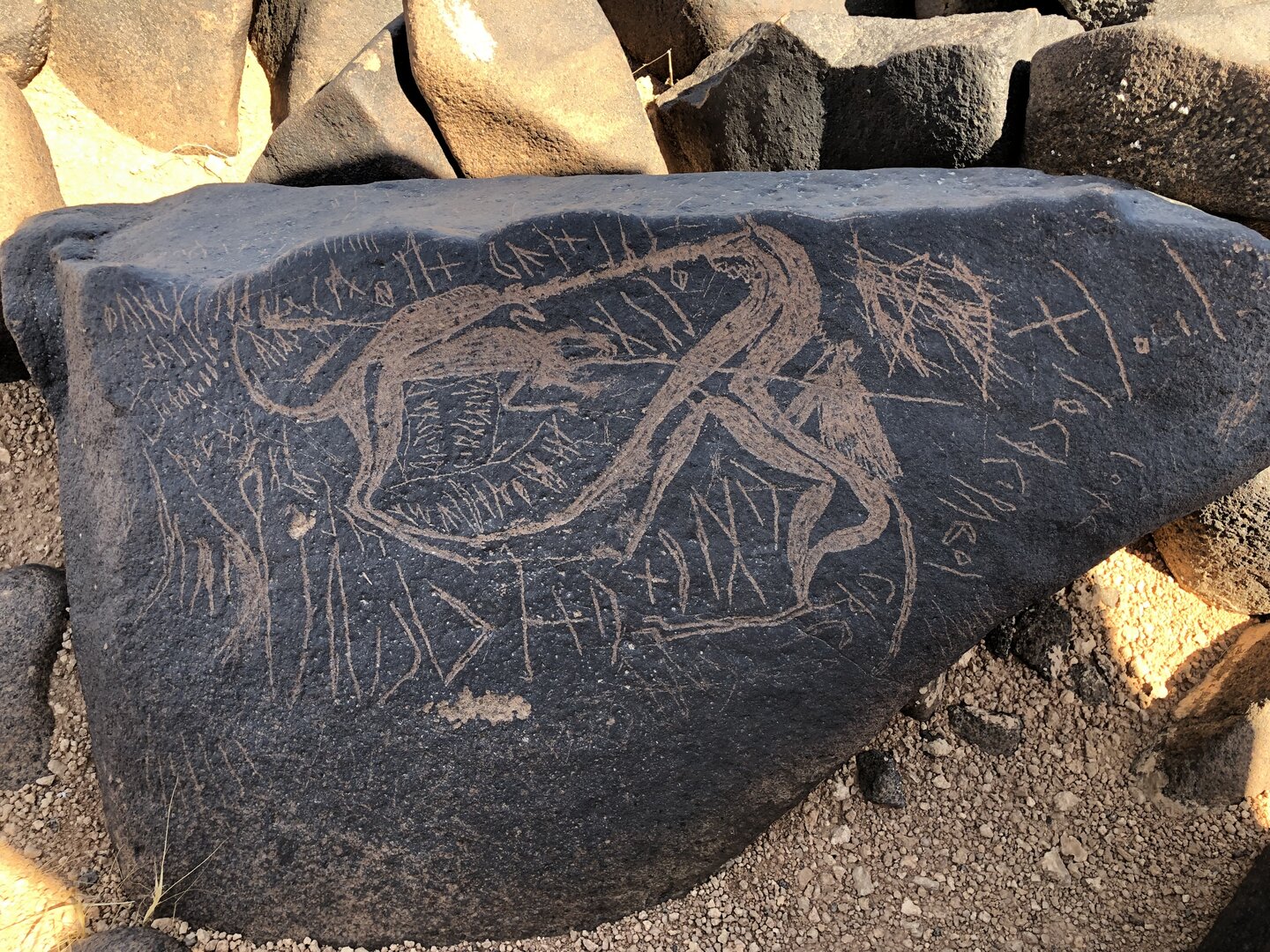
BES19s 77.1, Firʿ Wadi al-Khudari, Mafraq, Jordan. Its reading invokes Allat and then Allah. This photograph shows stone and writing; animal and human drawings are not identified as depictions of these deities. Original preserved without cropping or alteration
Entidad
An ancient Arabian goddess attested by Safaitic and Nabataean inscriptions, monuments in Palmyra, and the Quran; her roles and interpretations vary with period and context.
Variantes del nombre: Allāt, al-Lāt, Allat
Contexto y fuentes →
Persona
Almut Hintze studies ancient Iranian languages, the Avesta and Zoroastrian traditions.
Variantes del nombre: Almut Hintze
Contexto y fuentes →
Persona
Amar Annus is a scholar of ancient Near Eastern religions at the University of Tartu, Estonia.
Variantes del nombre: Amar Annus
Contexto y fuentes →

Modern AI-generated conceptual cover evoking a Nile horizon and desert cliffs in Middle Egypt; not a photograph of Amarna or an archaeologically established reconstruction of Akhenaten’s city
Yacimiento
Amarna is the archaeological site of Akhetaten, Akhenaten’s fourteenth-century BCE capital in Middle Egypt, preserving royal boundary stelae, temples, houses and cemeteries.
Variantes del nombre: Amarna, Tell el-Amarna, Akhetaten, Akhet-Aten
Contexto y fuentes →

Modern AI-generated conceptual illustration of natural elements and care for creation; not an ancient artifact or historical likeness of the Amesha Spentas
Entidad
Benevolent beings and concepts in Iranian tradition, approximately “holy/bounteous immortals.”
Variantes del nombre: Amesha Spentas, Aməša Spənta, bounteous immortals
Contexto y fuentes →
Smolarz Auditorium at Tel Aviv University, 30 June 2012. Context for the university associated with Amir Gilan; not his department’s building or his portrait
Persona
Tel Aviv University scholar of Hittite texts and ancient Anatolia, studying religion, ritual, literature and historiography.
Variantes del nombre: Amir Gilan
Contexto y fuentes →
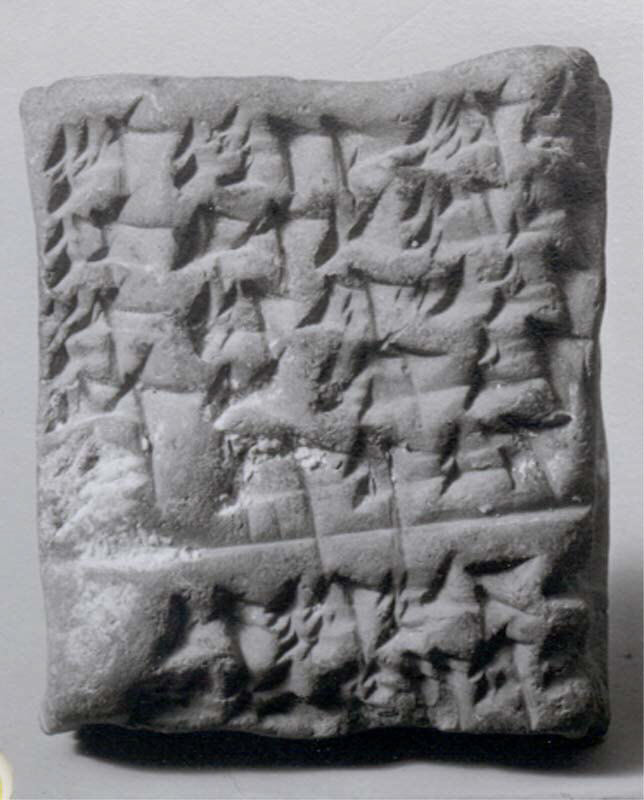
Old Babylonian silver-loan tablet,ca.1646BCE; Metropolitan Museum86.11.224. Evidence of period transactions, not a release-edict copy or proof this loan was cancelled
Persona
Babylonian king of the seventeenth century BCE in the Middle Chronology, whose edict provides selective debt and dependency relief.
Variantes del nombre: Ammisaduqa
Contexto y fuentes →
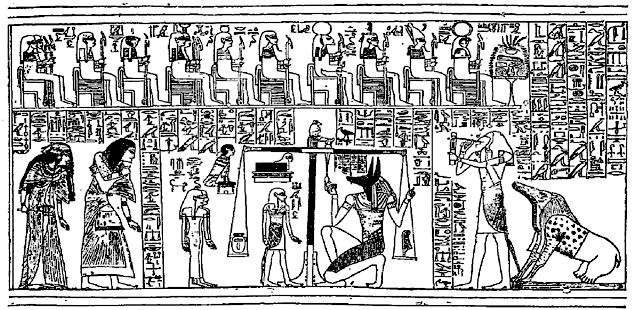
Historical facsimile of Ani’s heart-weighing, Budge’s third edition1908, illustration4. Ammit is at the far right, with Thoth before her; reproduction of an Egyptian witness
Entidad
Ammit is a composite being in Egyptian judgment imagery, associated with devouring those who fail the trial.
Variantes del nombre: Ammit
Contexto y fuentes →
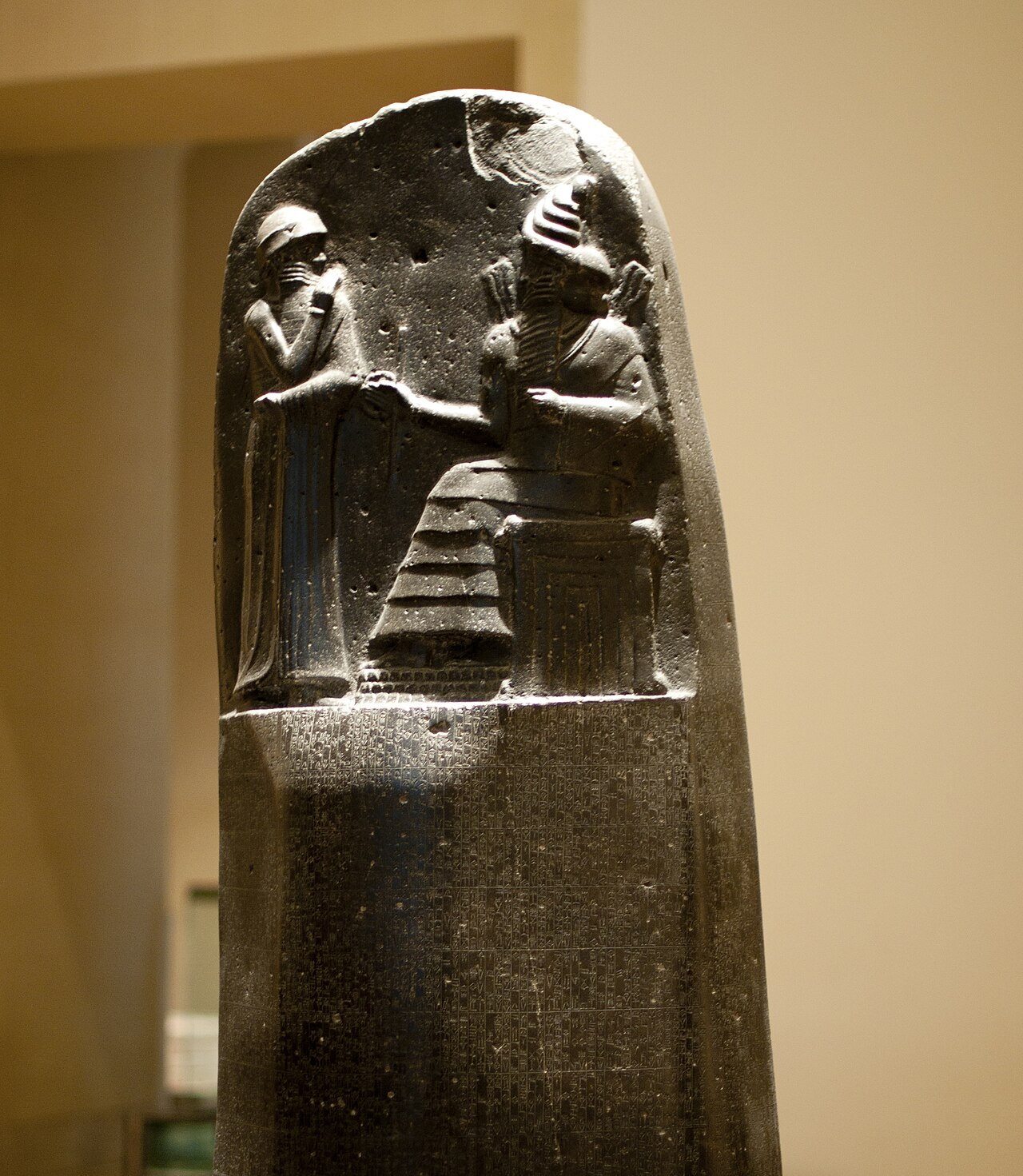
Top of Hammurabi’s stele, showing the Babylonian king before Shamash; eighteenth century BCE; Louvre, SB 8. An example from the world of Amorite-period kingdoms, not a collective portrayal of Amorites or their beliefs
Entidad
Groups associated with West Semitic speech in the Levant and Mesopotamia, whose dynasties were particularly prominent in the nineteenth and eighteenth centuries BCE (ca. 1900–1700 BCE).
Variantes del nombre: Amorites, Amorite groups
Contexto y fuentes →
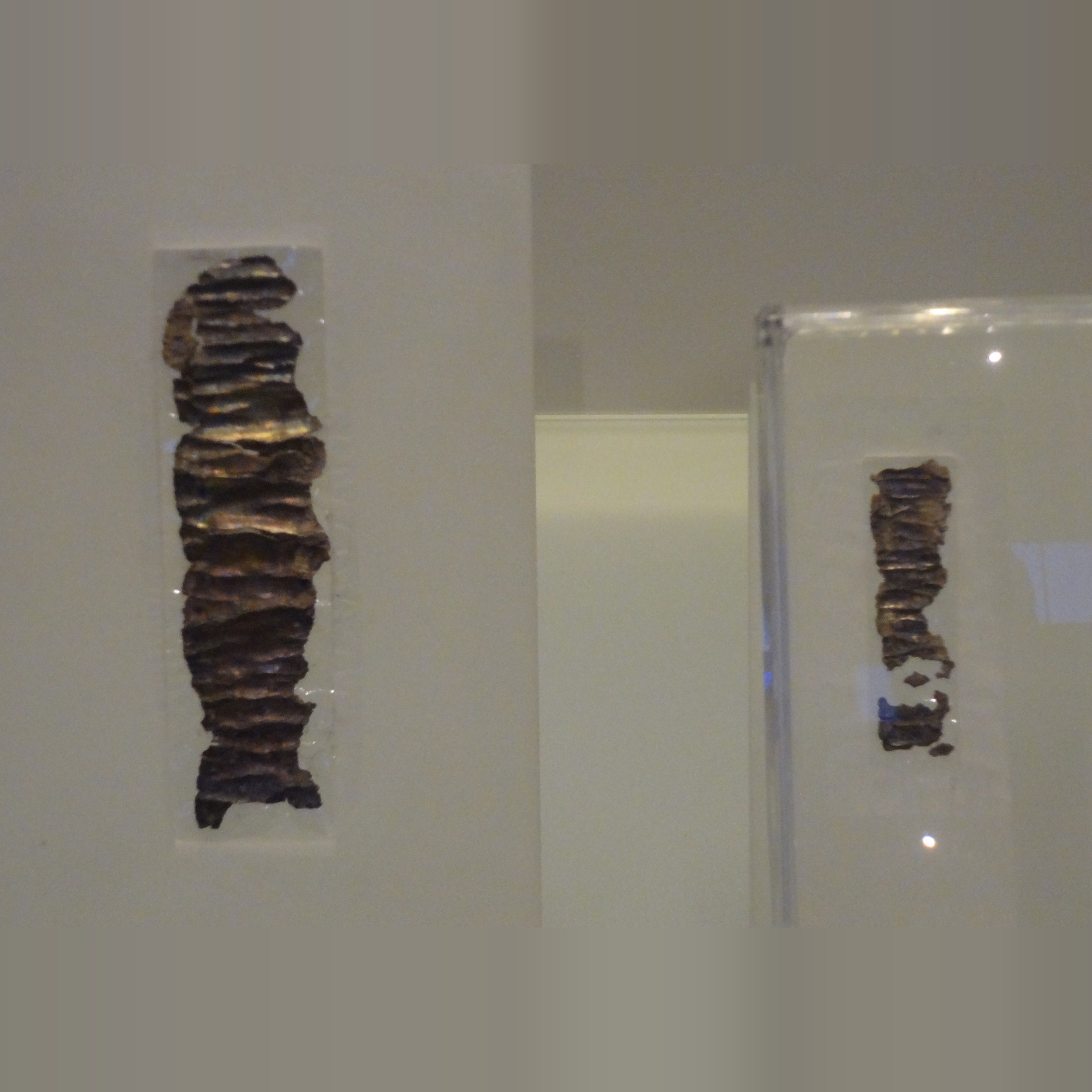
The unrolled Ketef Hinnom silver amulets displayed at the Israel Museum, Jerusalem, with the larger at left and the smaller at right. Modern square presentation of Bachrach44’s 2012 photograph: extended borders above and below, with neither artifact cropped
Pieza
Two inscribed silver amulets found at Ketef Hinnom near Jerusalem in 1979, bearing protective blessings parallel to Numbers 6:24–26. Generally dated to the late seventh or early sixth century BCE, though disputed; they do not date the entire book.
Variantes del nombre: Ketef Hinnom amulets, Ketef Hinnom silver scrolls
Contexto y fuentes →
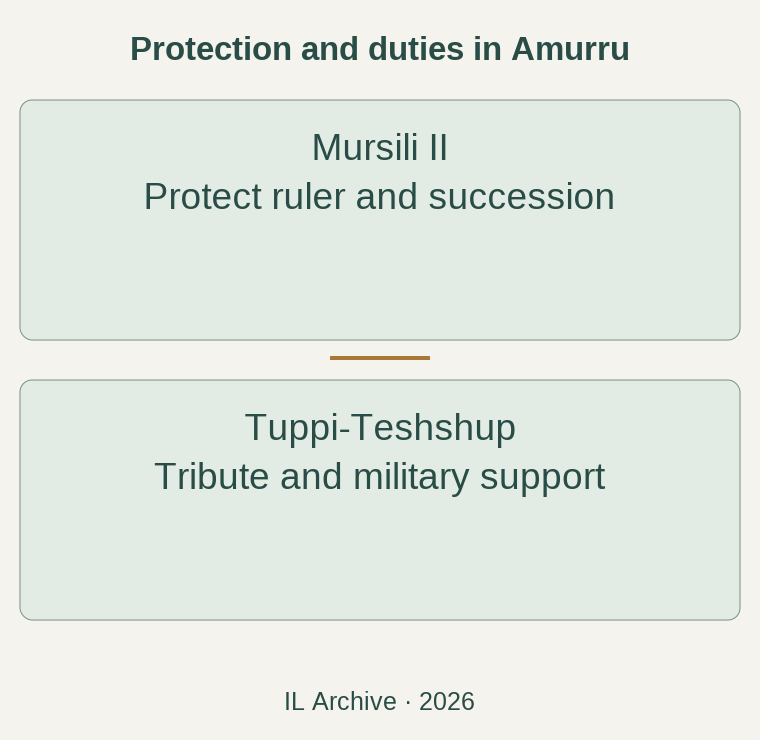
Modern diagram explaining the specified relationship in the witness; not an ancient tablet or portrait, or a boundary map
Yacimiento
Levantine kingdom in Hittite treaties; its political name differs from the broader designation Amorites.
Variantes del nombre: Amurru, Late Bronze Age kingdom
Contexto y fuentes →
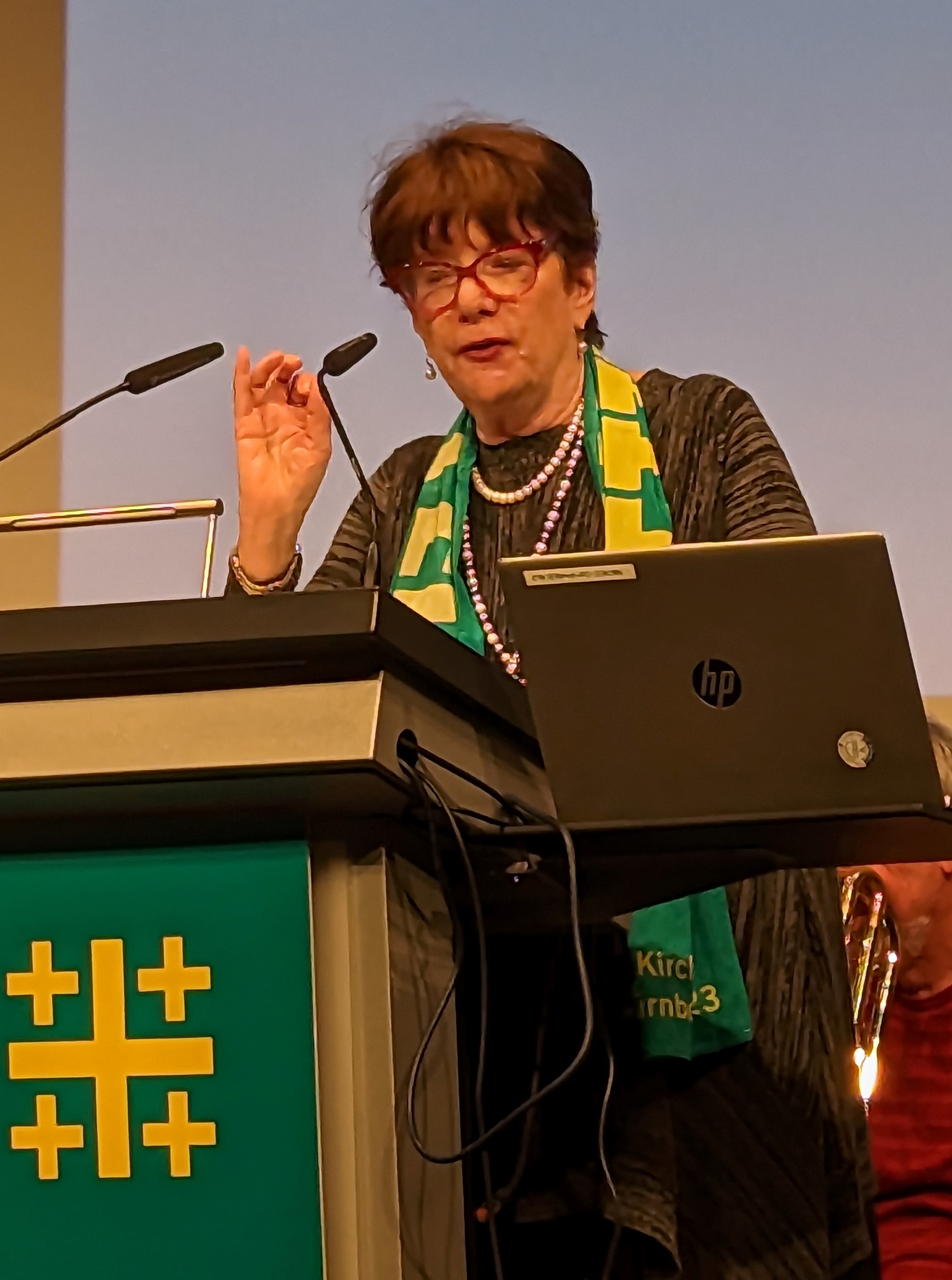
Amy-Jill Levine speaking at the German Protestant Kirchentag gathering in Nuremberg on 8 June 2023. Her photograph accompanies the introduction to her research on the New Testament and Jewish–Christian relations
Persona
New Testament and Jewish studies scholar at Hartford International University, studying Jewish contexts of early Christianity.
Variantes del nombre: Amy-Jill Levine, Amy Jill Levine
Contexto y fuentes →
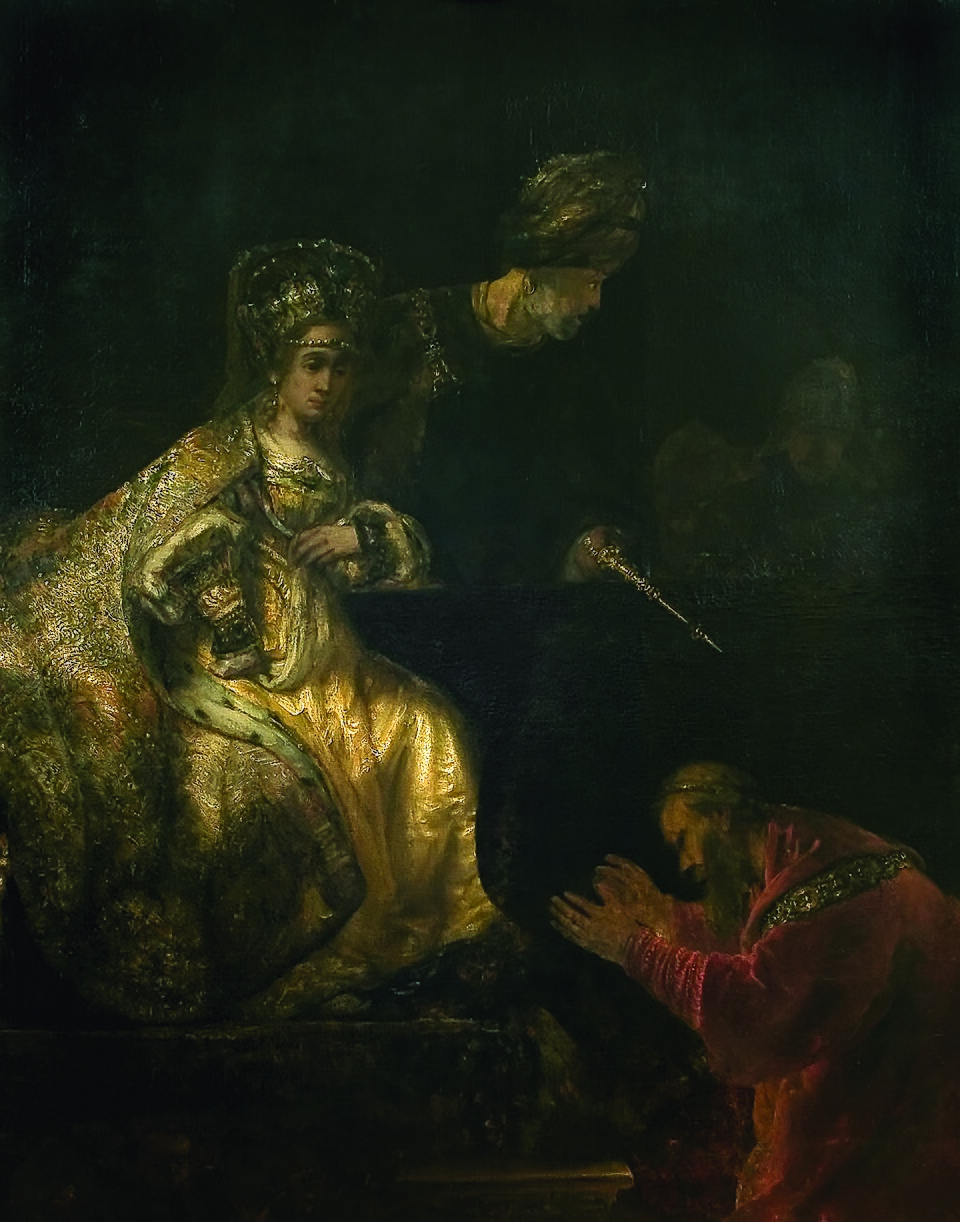
Haman before Esther,attributed to Rembrandt and his studio,1660 s; National Museum of Art of Romania 8187/221. Artistic interpretation of Esther 7, not historical portraits of the characters
Persona
The powerful court official opposing Esther and Mordecai, whose scheme to kill the Jews turns against him.
Variantes del nombre: Haman in Esther
Contexto y fuentes →
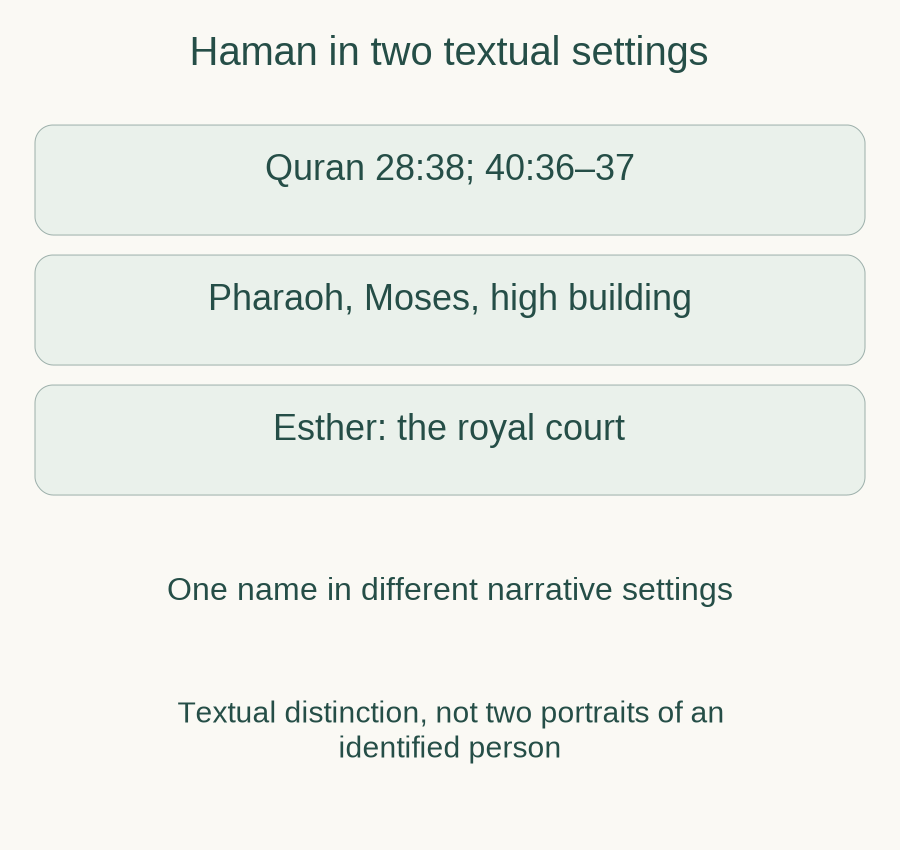
Modern IL Archive explanatory diagram: Haman in two textual settings. Not a reproduction of an ancient artifact
Persona
Haman is addressed by Pharaoh in the Quran to build a high structure in Moses’s story; this entry identifies that narrative context.
Variantes del nombre: Haman in the Quran
Contexto y fuentes →
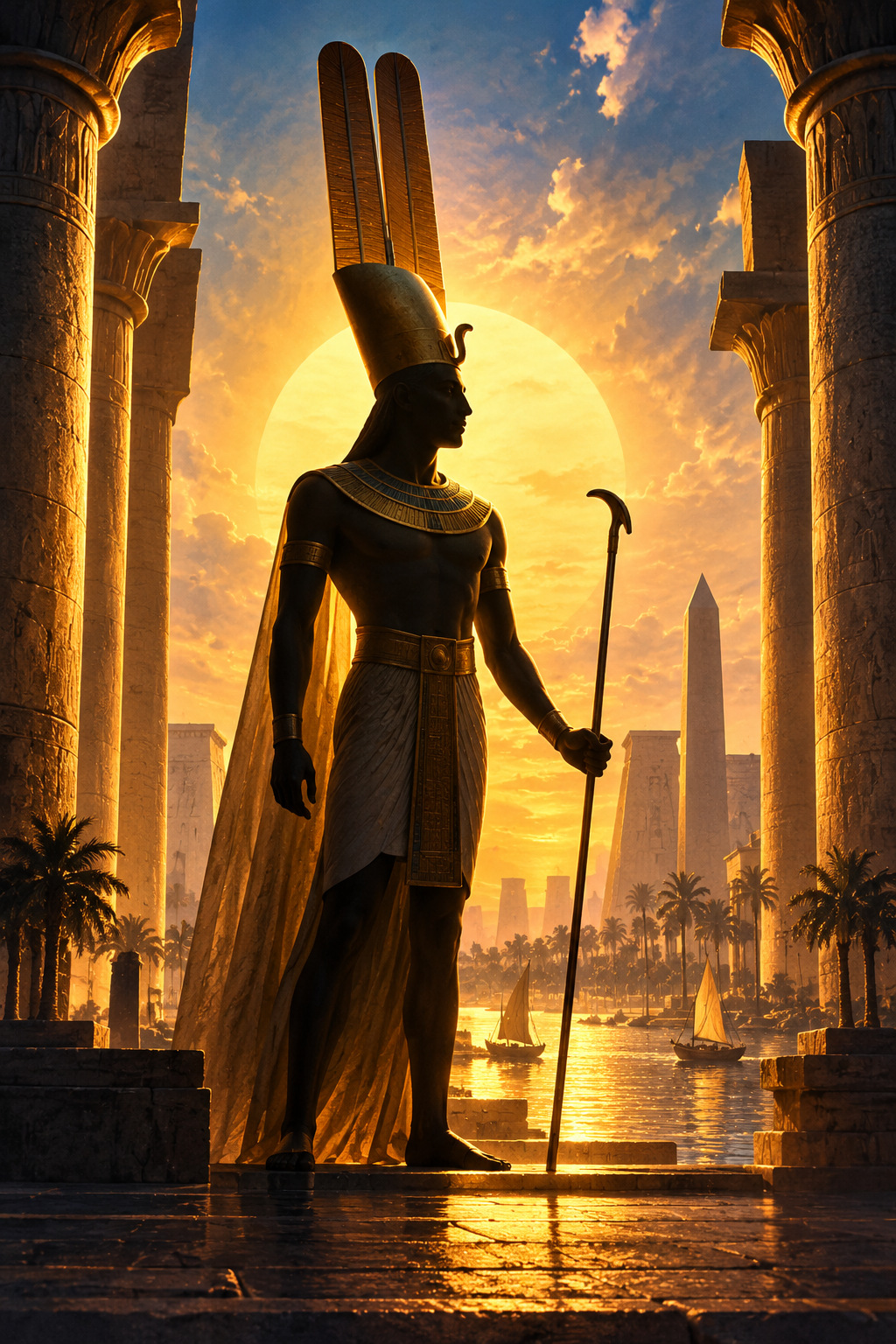
Modern AI-generated imaginative illustration (2026), inspired by Amun’s double-plumed crown and a Theban setting. Not an Egyptian artifact, portrait of a historical person, or established reconstruction of the god or Karnak
Entidad
Amun is an Egyptian deity centered on Thebes and Karnak, the “hidden one,” also worshipped as Amun-Re. His names and images were targeted under Akhenaten before royal support resumed.
Variantes del nombre: Amun, Amon, Amun-Re
Contexto y fuentes →

AI-generated modern imaginative cover: a horned crown and sky above an imagined Mesopotamian city. Not a portrait of An/Anu, an ancient artefact, or a documented reconstruction
Entidad
An is the Sumerian sky god, called Anu in Akkadian. The sign AN by itself does not identify him: it also denotes sky or divinity.
Variantes del nombre: Anu, An (sky god)
Contexto y fuentes →
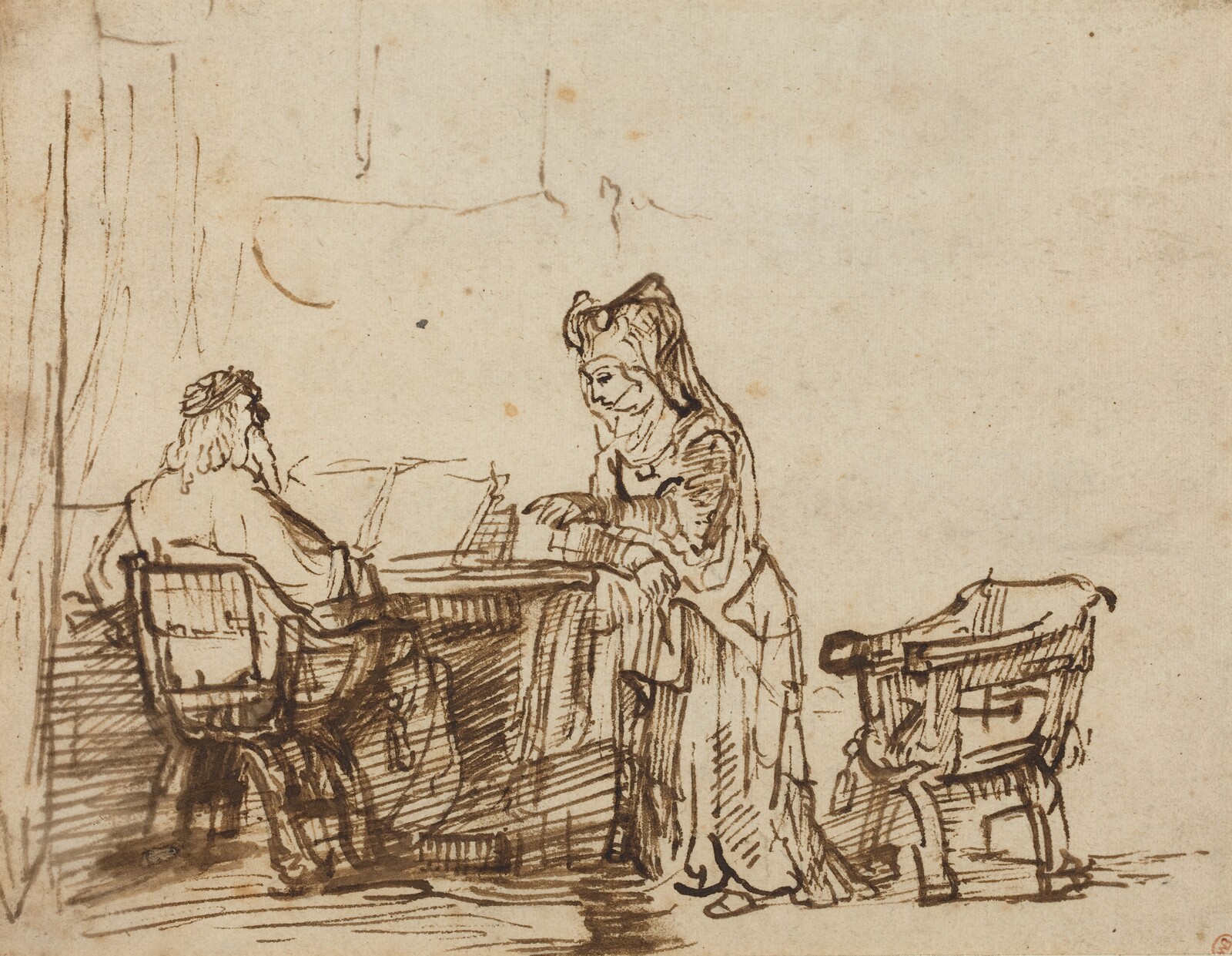
Hannah answering Eli, an anonymous drawing after Rembrandt (1606–1669). A later European rendering, not contemporary portraiture. National Gallery of Art, 1942.9.667
Persona
Figure in 1 Samuel who prays for a son and answers Eli’s suspicion of drunkenness; “daughter of Belial” describes conduct in her reply.
Variantes del nombre: Hannah, mother of Samuel
Contexto y fuentes →
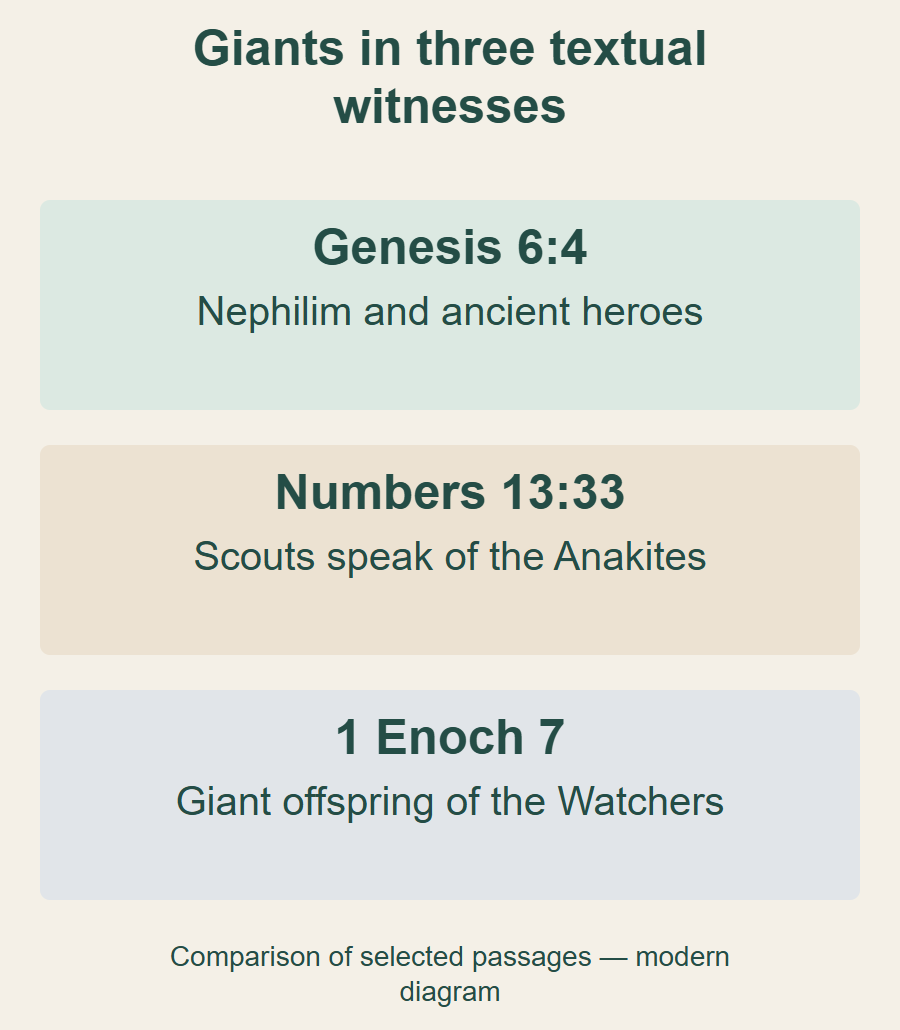
Modern textual comparison of Genesis 6, Numbers 13 and 1 Enoch 7, preserving differences between their giant traditions
Entidad
The Anakites are a group the scouts in Numbers describe as powerful and large.
Variantes del nombre: Anakites, sons of Anak
Contexto y fuentes →
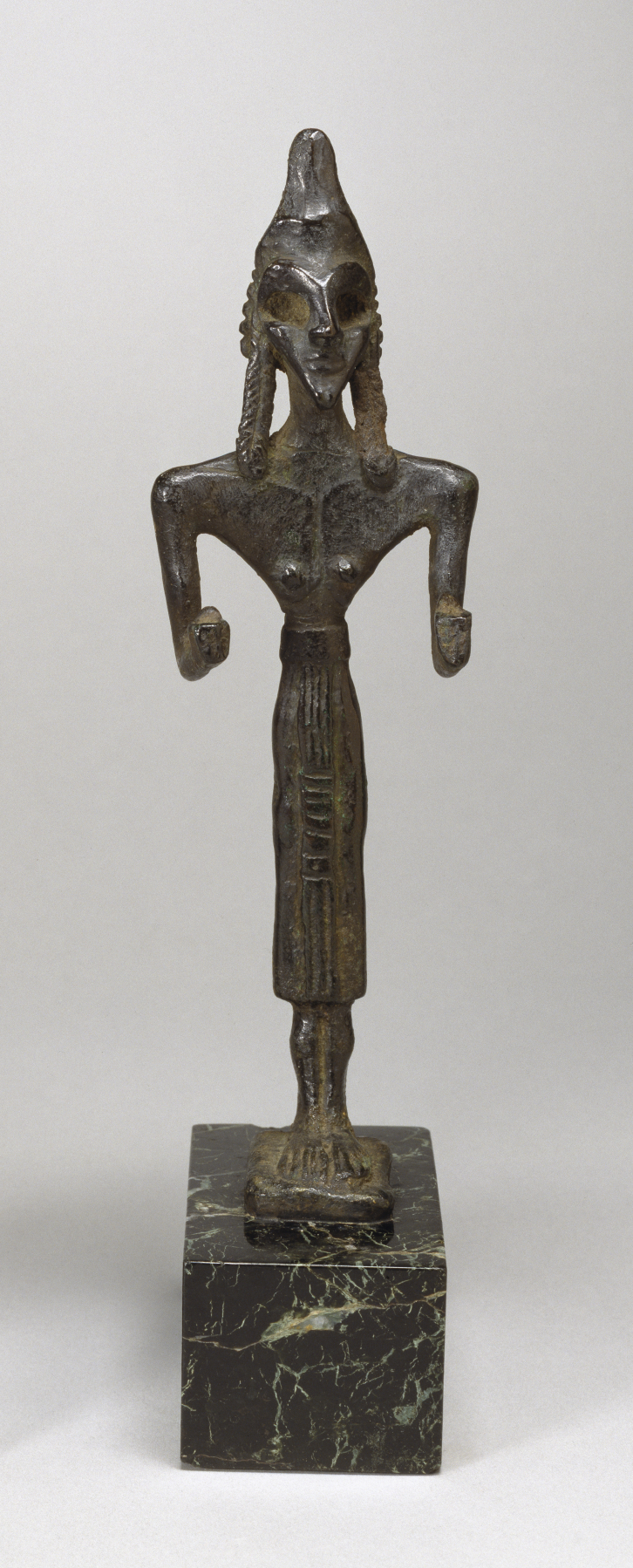
Bronze female votive figurine, early second millennium BCE; Walters Art Museum, accession 54.2487. Catalogued by the museum as Anat; this image neither depicts Baal’s palace episode nor independently establishes the goddess’s appearance at Ugarit
Entidad
Anat is an ancient Near Eastern goddess attested at Mari, Ugarit and in Egypt. In Ugaritic narratives she is a warrior, Baal’s ally and a mourner for him; her roles vary by tradition and context.
Variantes del nombre: Anat
Contexto y fuentes →
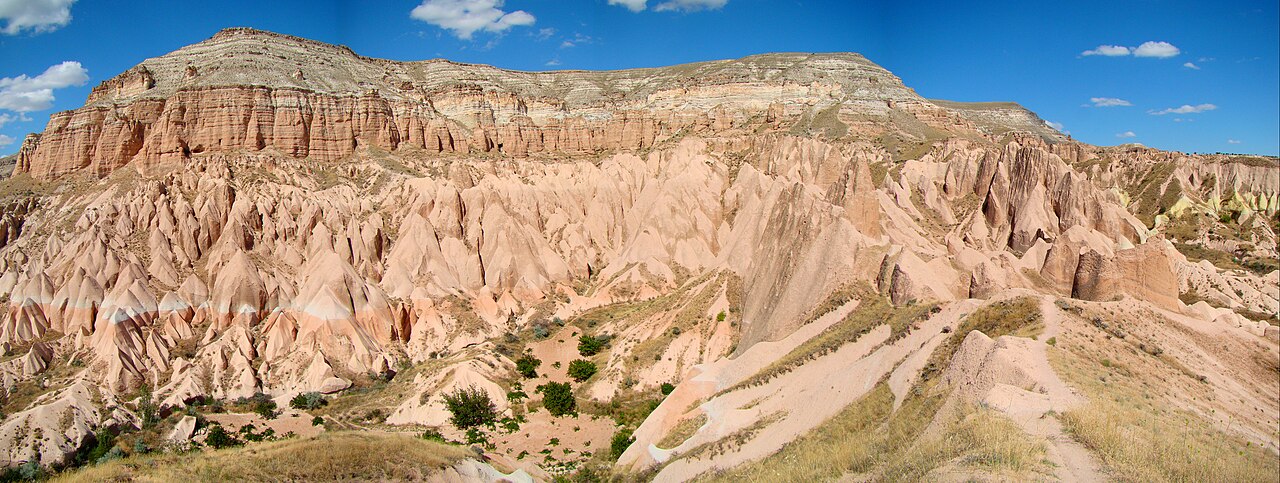
Aktepe Hill near Göreme in Cappadocia, central Anatolia in present-day Turkey, 31 July 2009. A landscape photograph, not a representation of one particular ancient kingdom or people
Yacimiento
Anatolia is the region occupying the Asian part of present-day Turkey
Variantes del nombre: Anatolia
Contexto y fuentes →

Modern AI-generated symbolic image of throne, fire and books in Daniel 7; imaginative artwork, not an artifact, verified reconstruction or portrait of El
Entidad
Aramaic title of the enthroned divine judge in Daniel 7:9–14, associated with white head hair, a fiery throne and books of judgment; the text mentions no beard.
Variantes del nombre: Ancient of Days, Ancient One (Daniel 7)
Contexto y fuentes →
Persona
Marquette University scholar of ancient Judaism and Christianity, specializing in Jewish apocalypticism and mysticism in relation to Christian origins.
Variantes del nombre: Andrei Orlov, Andrei A. Orlov
Contexto y fuentes →
Persona
Independent biblical and philosophy scholar studying New Testament interpretation.
Variantes del nombre: Andrew Perry
Contexto y fuentes →
Persona
Assyriologist and editor of Gilgamesh, and emeritus professor of Babylonian at SOAS.
Variantes del nombre: Andrew R. George, Andrew George
Contexto y fuentes →