Persona · Mythic figure
Ifigenia
- Región
- Mito griego / Táuride
Traducción automática. Lea el original en inglés.
Hija mítica y dramática de Agamenón. En Ifigenia entre los tauros, Ártemis la salva en el altar y pone un ciervo en su lugar.
Última revisión:
Texto
Ifigenia es un personaje de la mitología y el drama griegos, presentado como hija de Agamenón, jefe de la expedición griega contra Troya. Ningún documento histórico independiente la establece como persona histórica. [1]
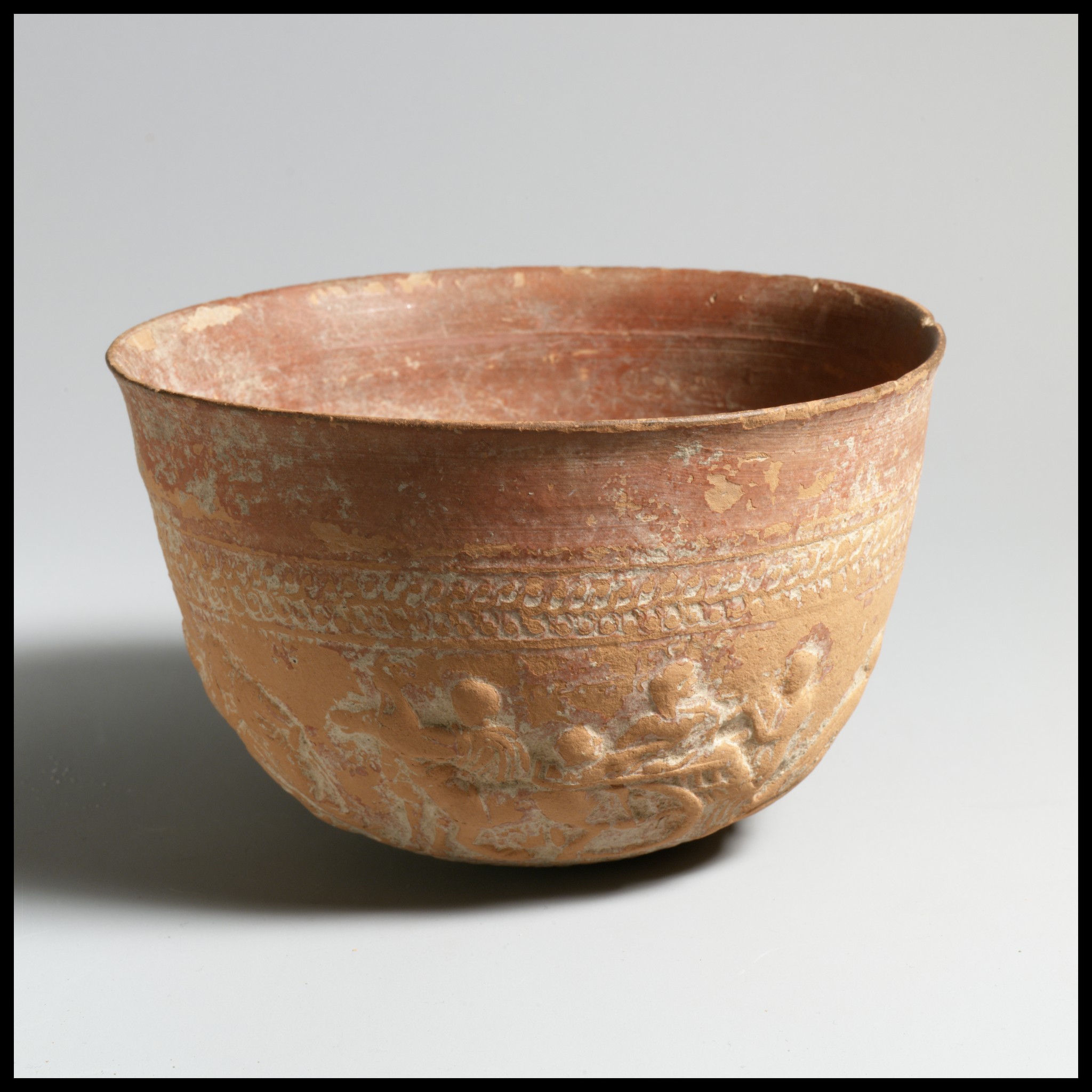
Al inicio de la Ifigenia entre los tauros de Eurípides (c. 414–412 a. n. e.), dice que una falsa promesa de matrimonio la llevó a Áulide. En el altar, Ártemis la salvó, dejó un ciervo que debía ser sacrificado en su lugar y la llevó a la tierra de los tauros. Este desenlace de una obra no debe atribuirse a todas las versiones del mito, y una imagen posterior no es prueba de que el suceso narrado ocurriera. [1][2]
Referencias y notas
- Opening speech in English translation; not the entire play. Opening of Iphigenia among the Taurians, Gilbert Murray translation, lines 92–119; read 14 October 2026. Volver al texto ↑
- Second-century BCE Boeotian bowl showing scenes from Iphigenia at Aulis, not the rescue in the other play. The Met, object 31.11.2, curatorial description and rights; read 14 October 2026. Volver al texto ↑
Proponer una corrección · Proponga una fuente para este registro
Citar este registro
IL Archive, «Ifigenia», https://ilarchive.com/es/people/iphigenia