La teodicea babilónica Capítulo 1
La teodicea babilónica
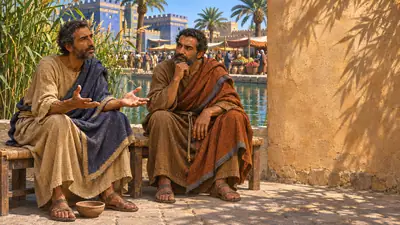
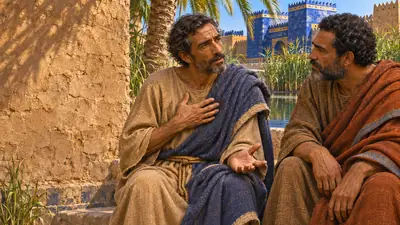
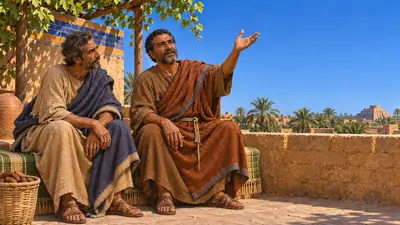
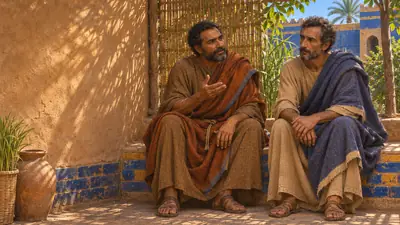
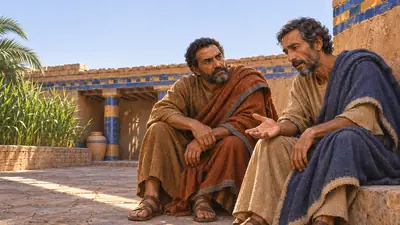
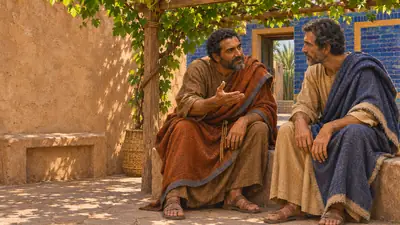
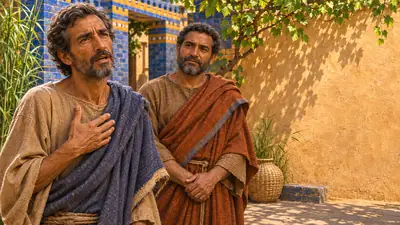
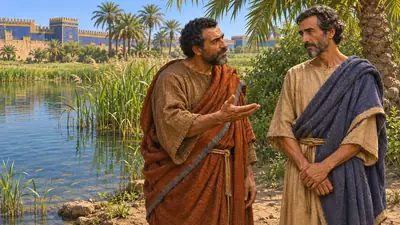
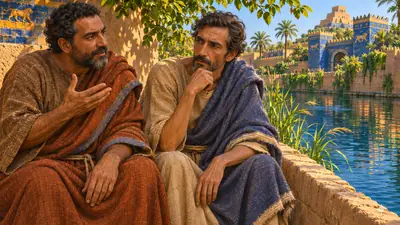
Un hombre que ha perdido a sus padres y su posición pregunta a un amigo por qué prosperan los injustos mientras quienes rinden culto pueden caer en la pobreza. El amigo habla de designios divinos que el ser humano no alcanza a comprender. Las últimas palabras del hombre piden ayuda y misericordia.
FuentesPase las páginas con las flechas, el teclado o deslizando el dedo.
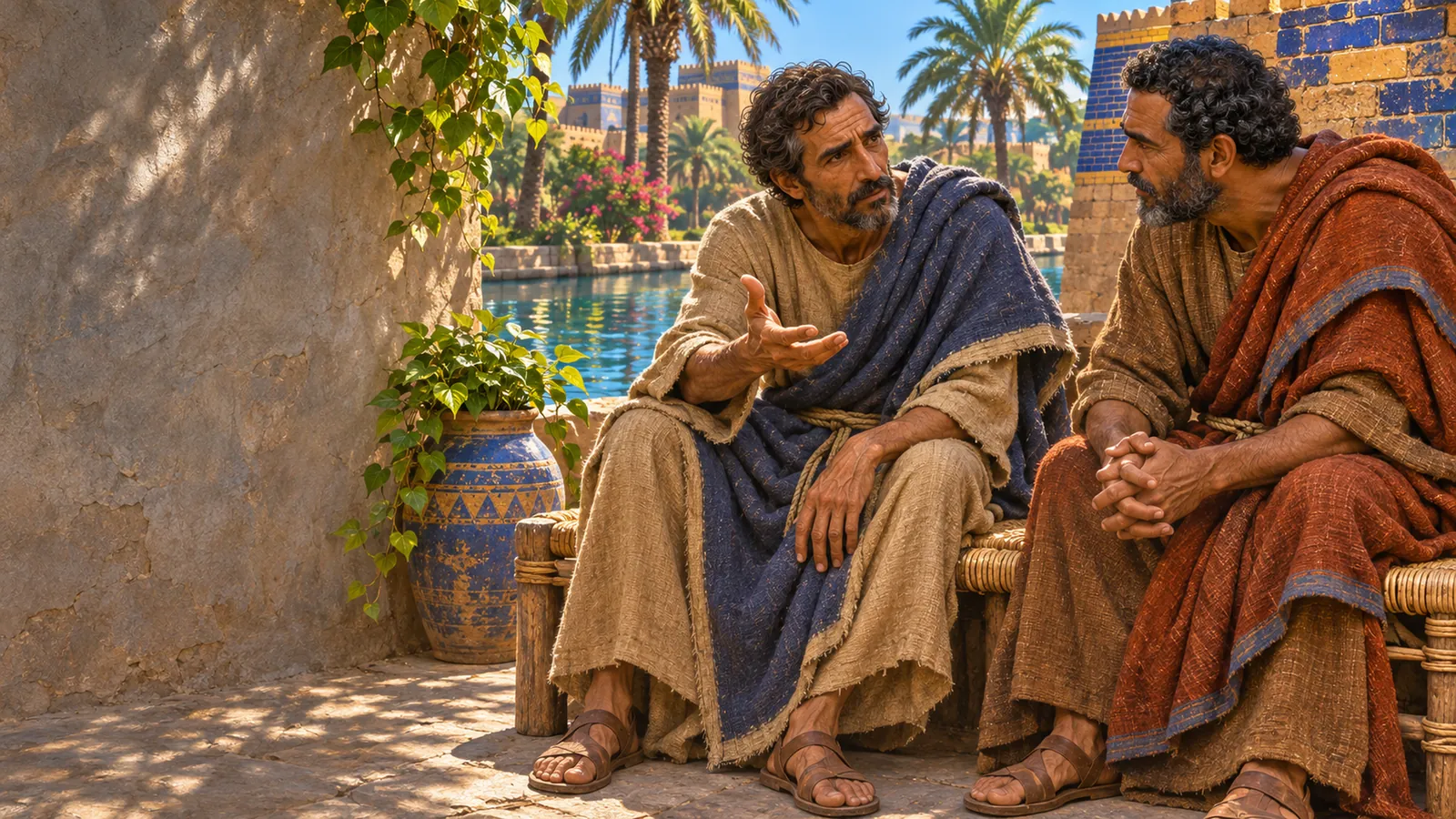
TEODICEA
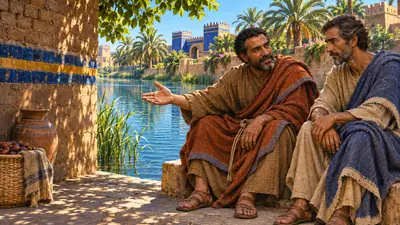
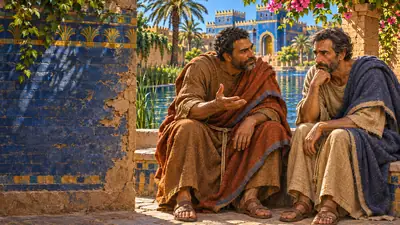
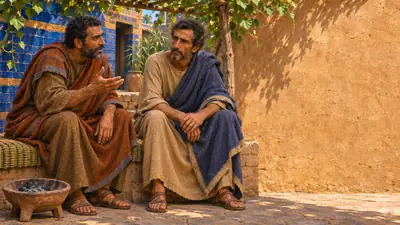
El poema comienza con un hombre que le pide a su amigo que lo escuche. Elogia su buen juicio y busca a alguien a quien contarle sus penas.
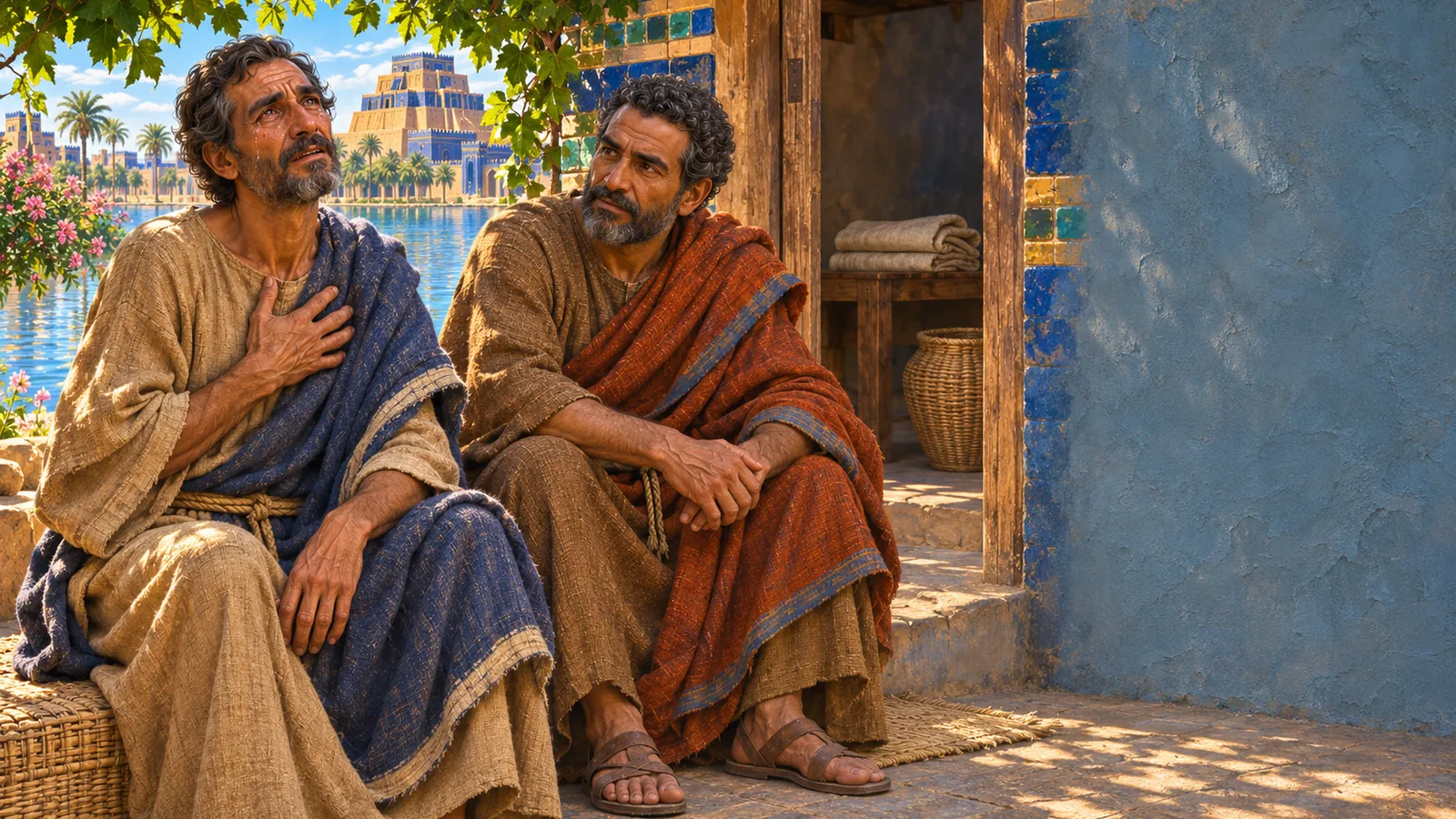
Recuerda el momento en que lo venció la pena. Era el hijo menor cuando murió su padre. Su madre también murió, y dice que nadie quedó para cuidarlo.
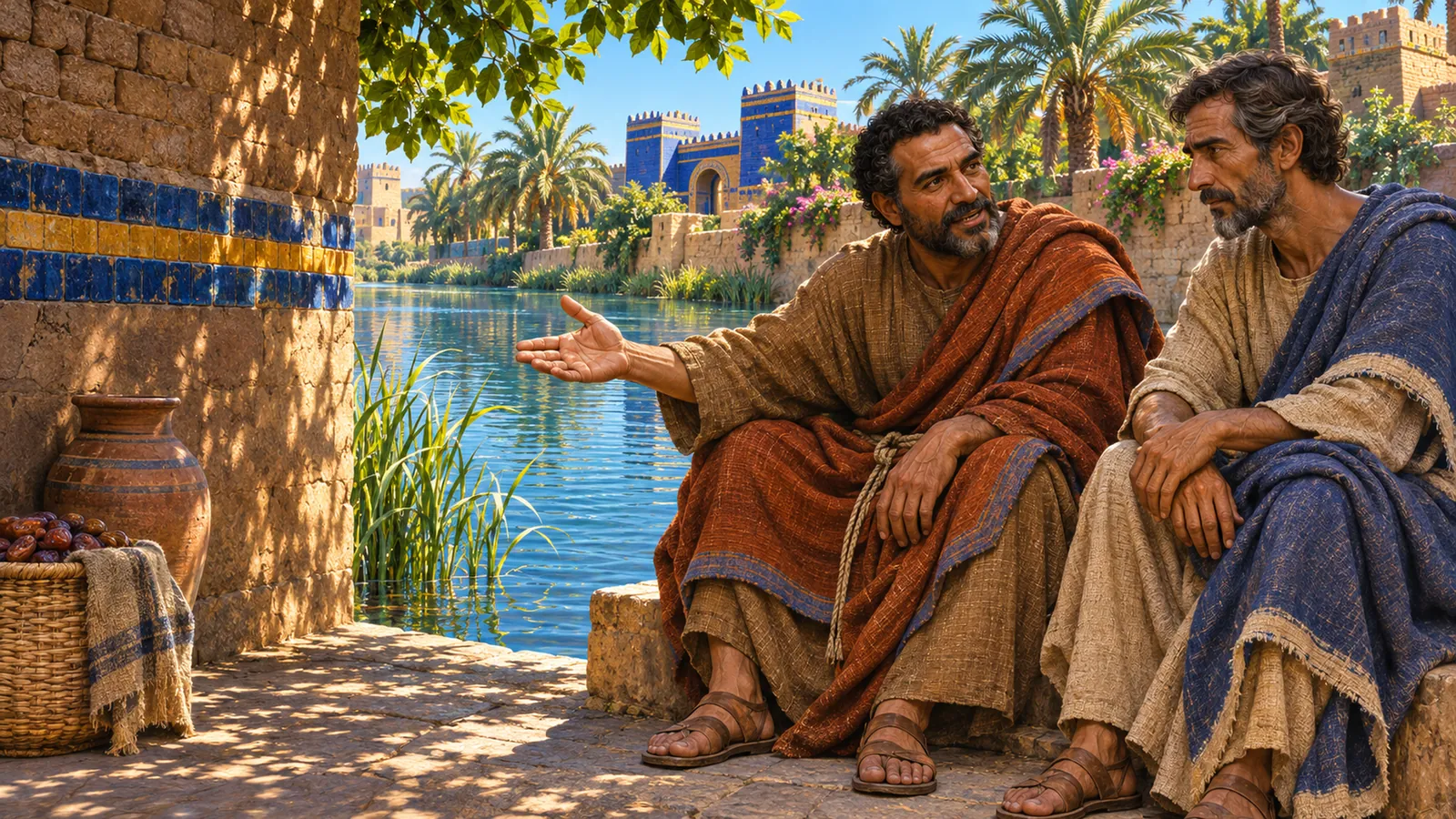
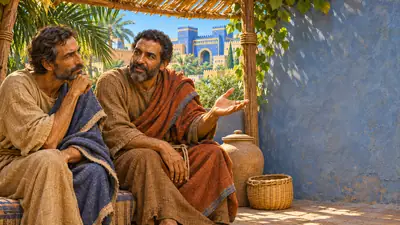
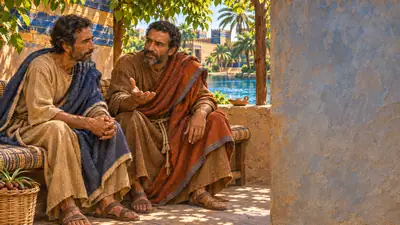
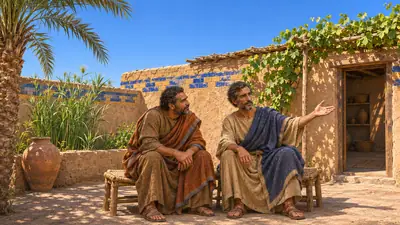
El amigo dice que el relato es triste, pero que su compañero ha dejado que su mente se incline al mal y ha debilitado su propio buen juicio. Habla de los padres que toman el camino de la muerte y cruzan el río Hubur, tal como se dispuso hace mucho.
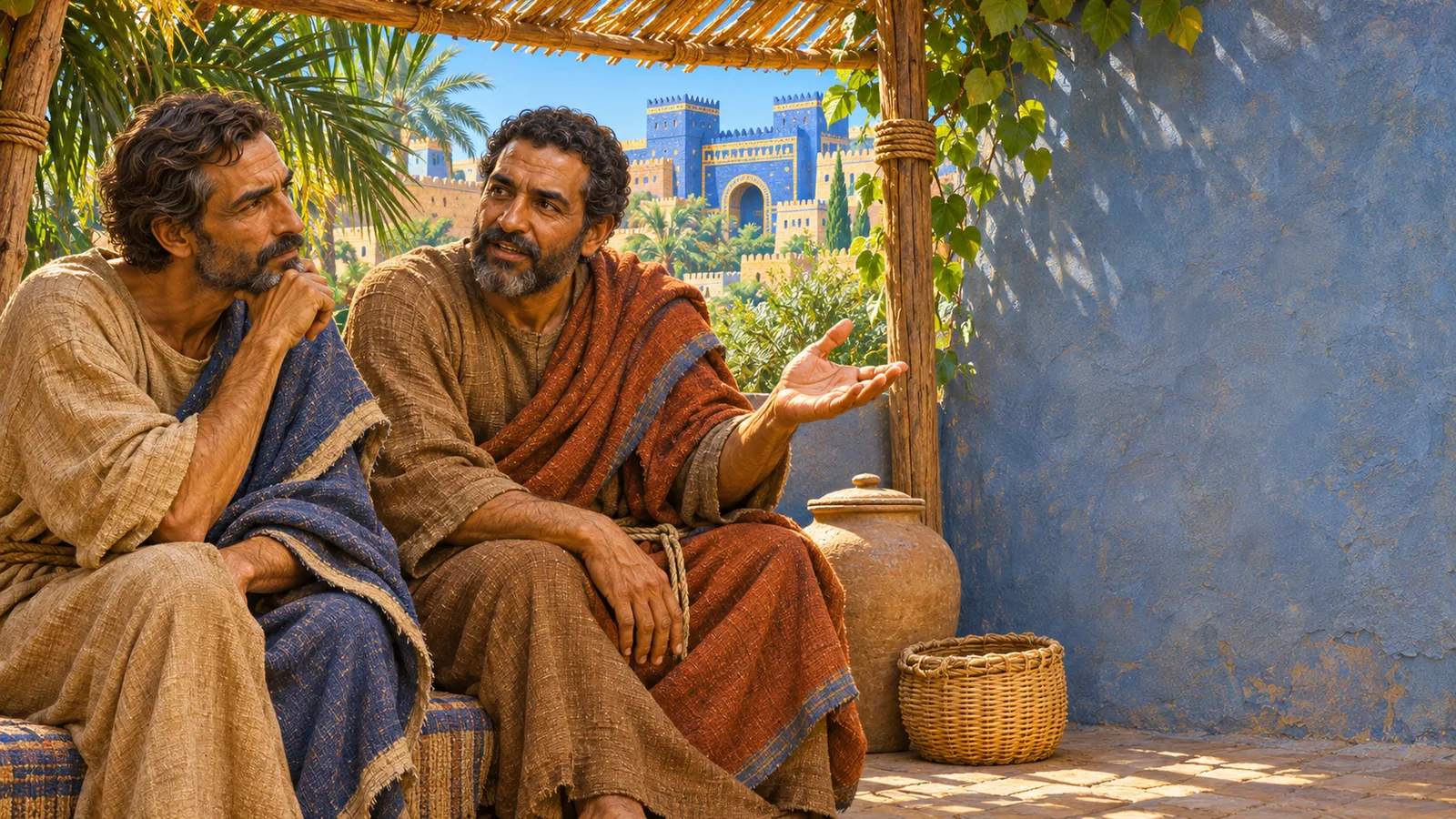
El amigo pregunta quién ayudó a prosperar al hijo del pobre y quién favoreció a los ricos. Dice que quien busca a un dios halla un protector y que quien venera a una diosa obtiene riqueza.
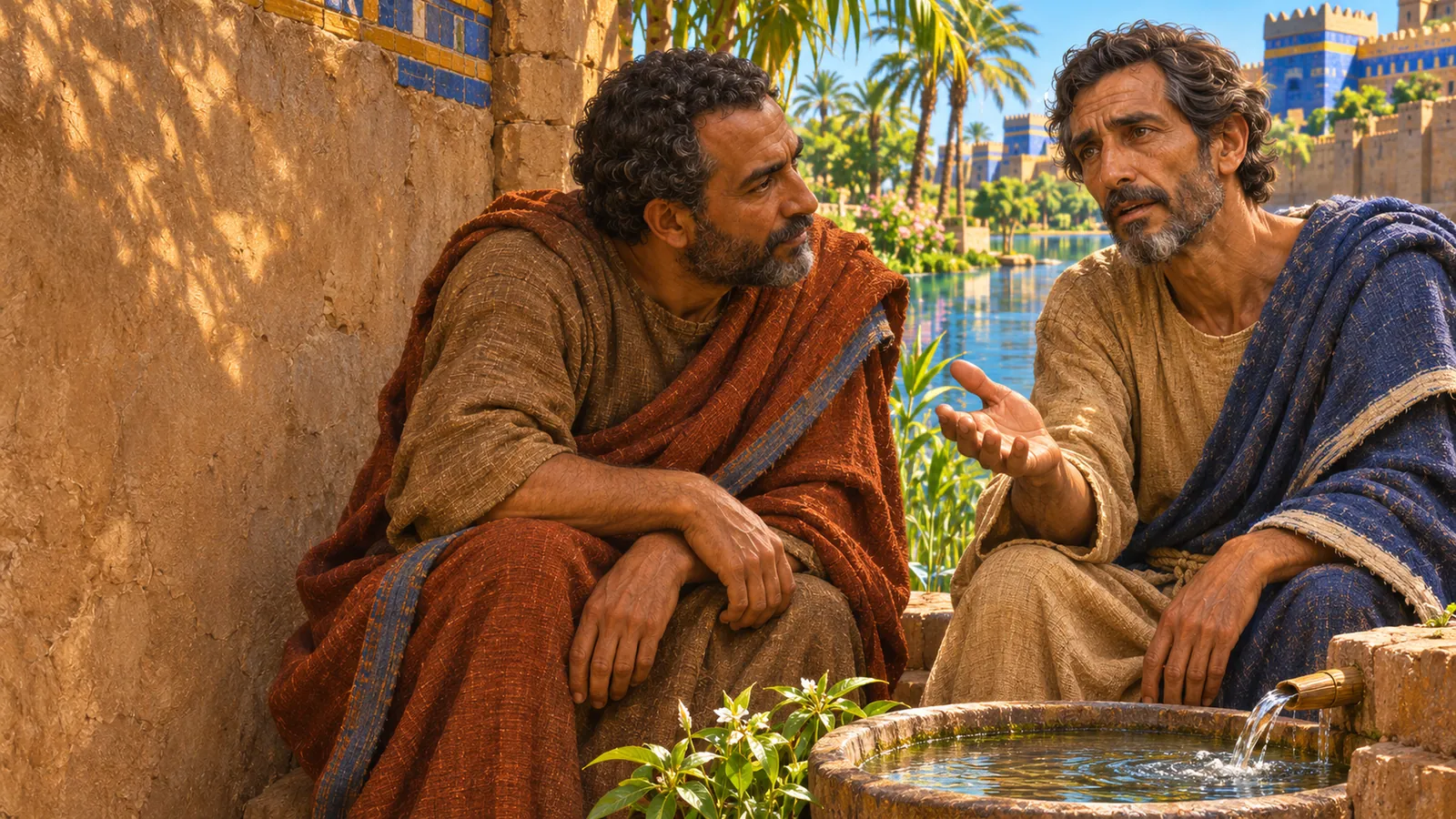
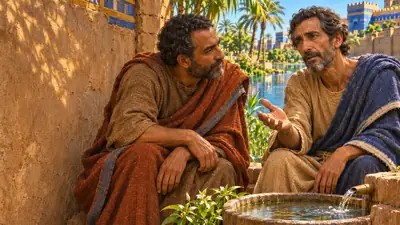
El hombre compara la mente de su amigo con un manantial de profundidad insondable. Le pide un momento más para poder formular sus preguntas.
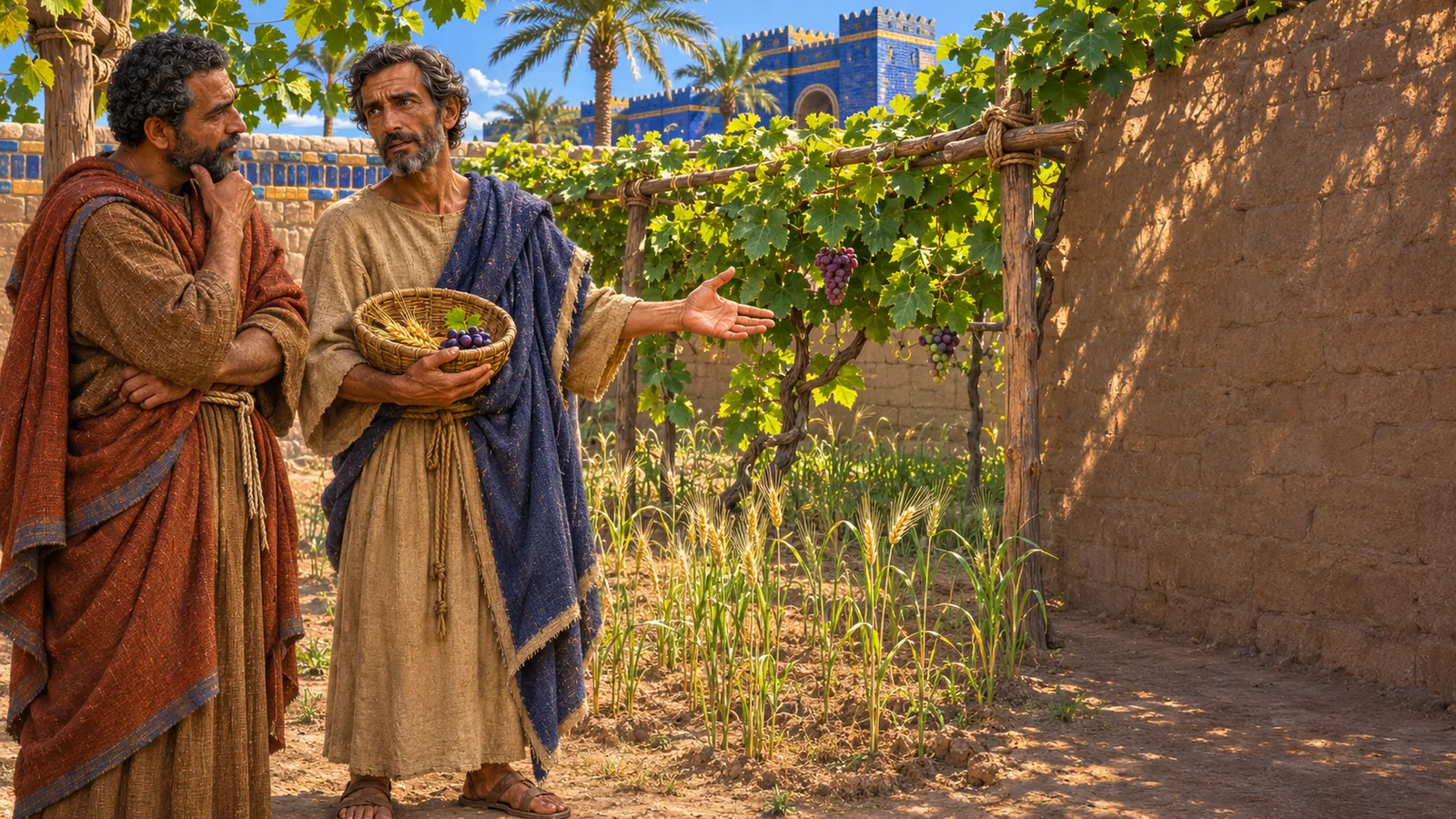
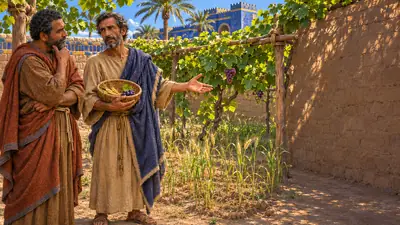
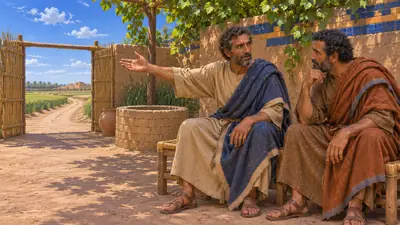
Dice que sus fuerzas han menguado y que ha perdido la prosperidad. Su campo y su viña producen demasiado poco para mantenerlo. Se pregunta si algún día llegarán tiempos mejores.
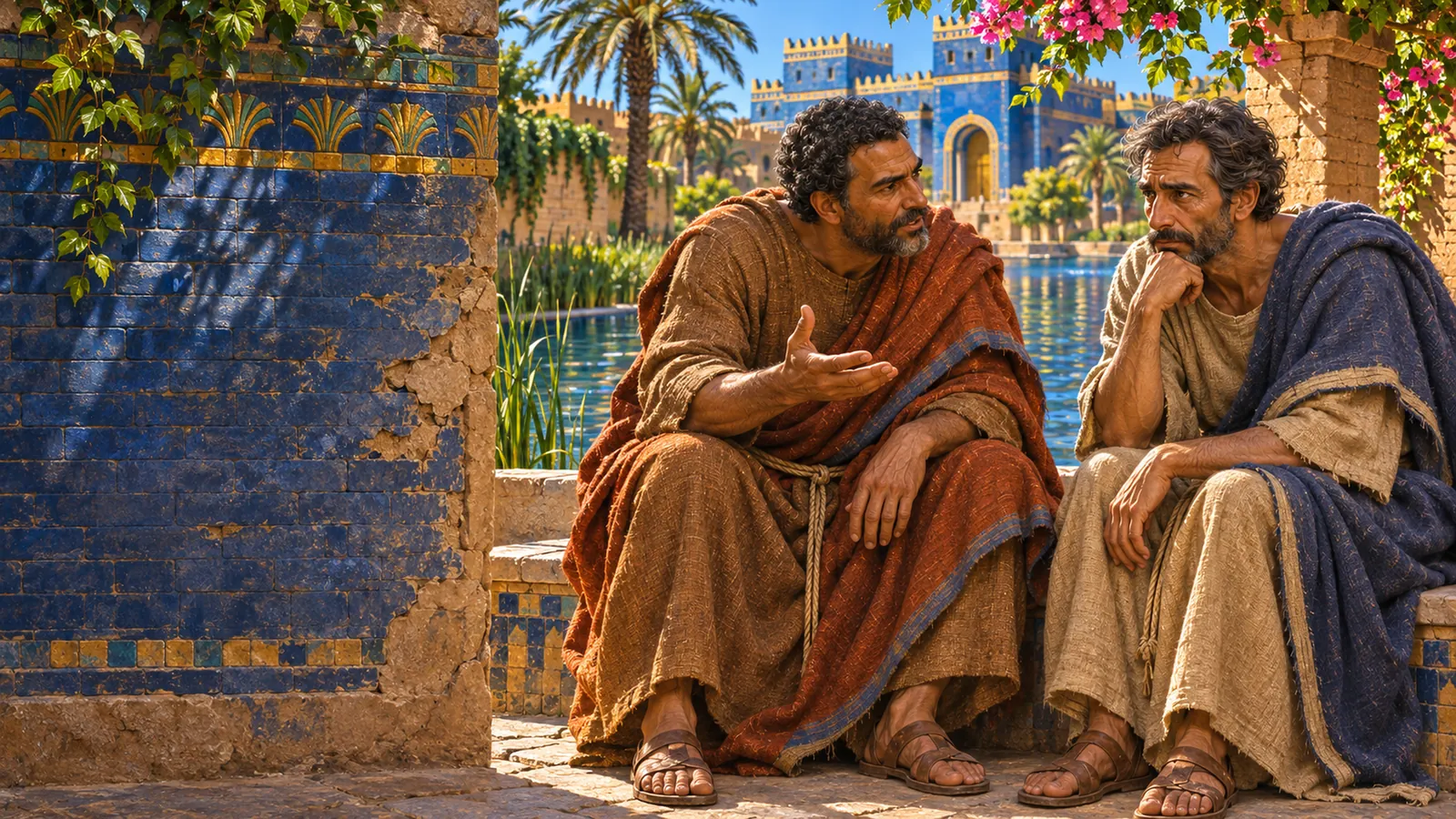
El amigo defiende el consejo que ha dado. Dice que su compañero ha dejado que las palabras precipitadas sustituyan al buen juicio. La línea que habla de lo que anhela está dañada.
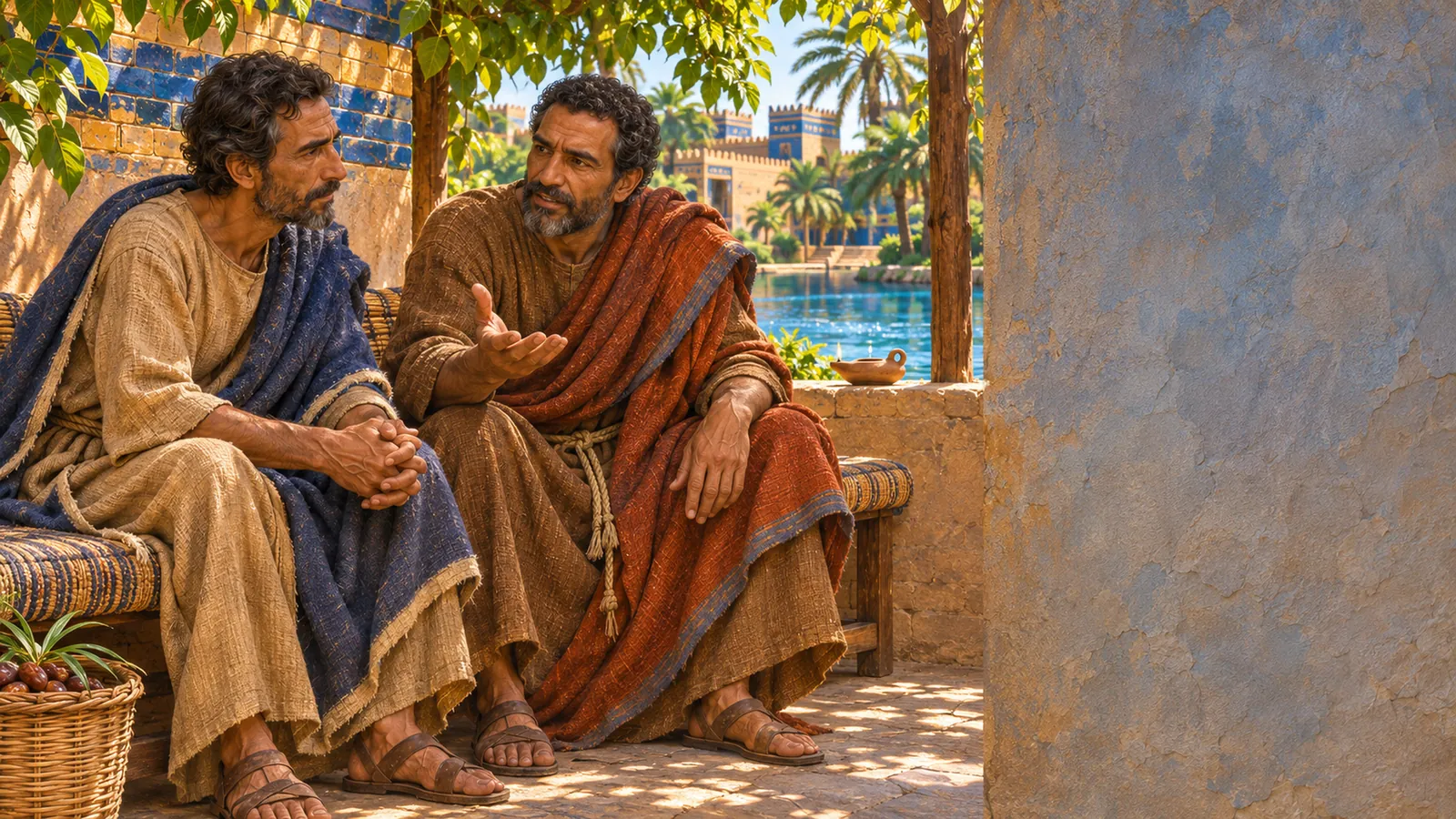
El amigo lo insta a rezar y a buscar lo justo. La respuesta se conserva incompleta, pero sus palabras hablan de una diosa que regresa al ser suplicada y de la clemencia que se concede.
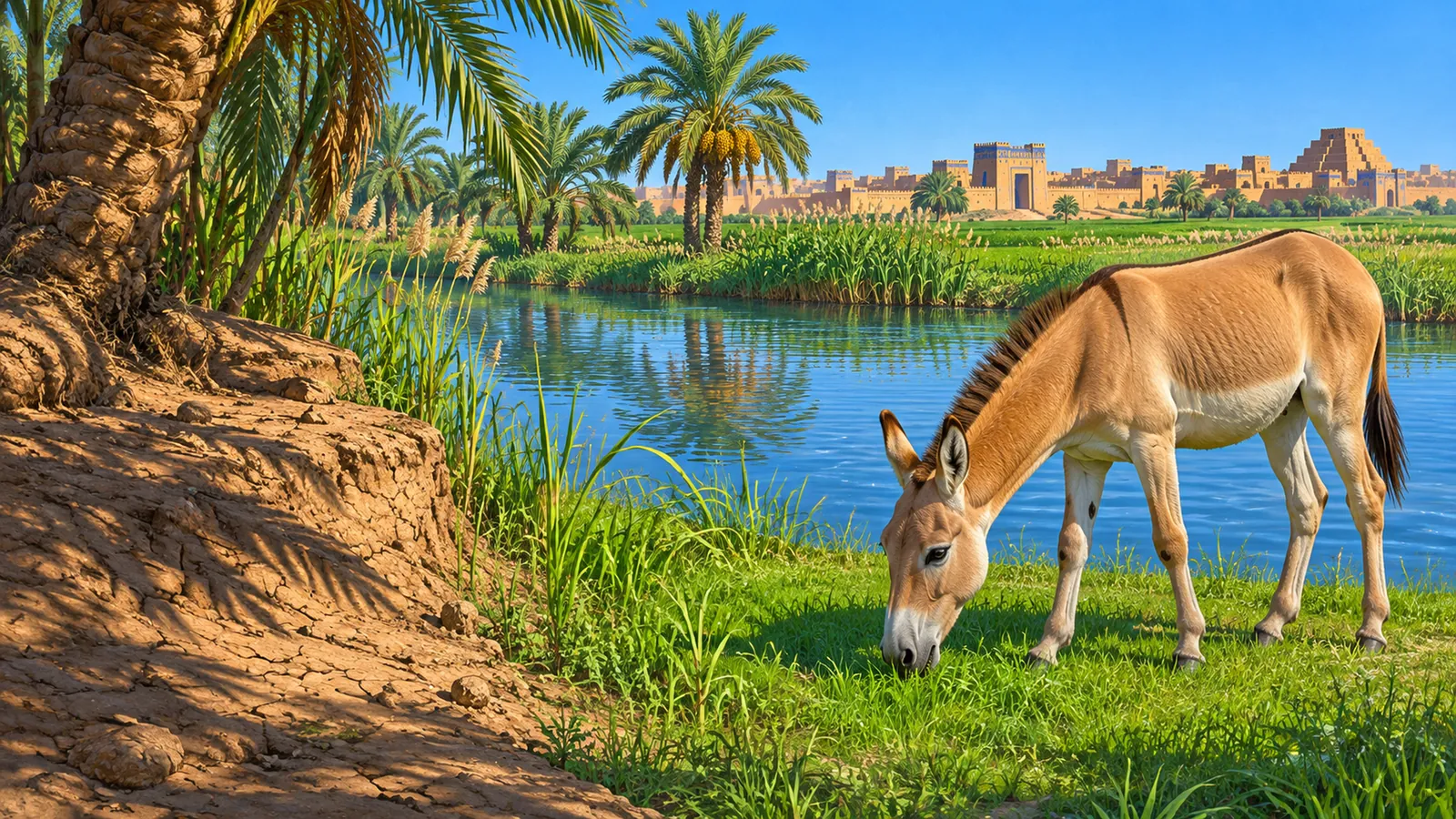
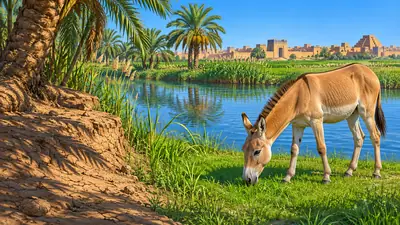
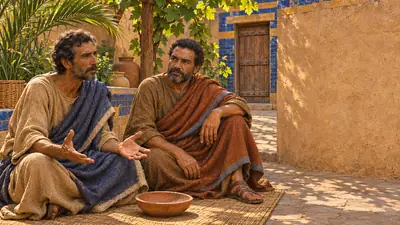
El hombre dice que ha escuchado el consejo de su amigo. Luego pregunta si el asno salvaje que come hierba hasta saciarse presta atención a la sabiduría de los dioses.
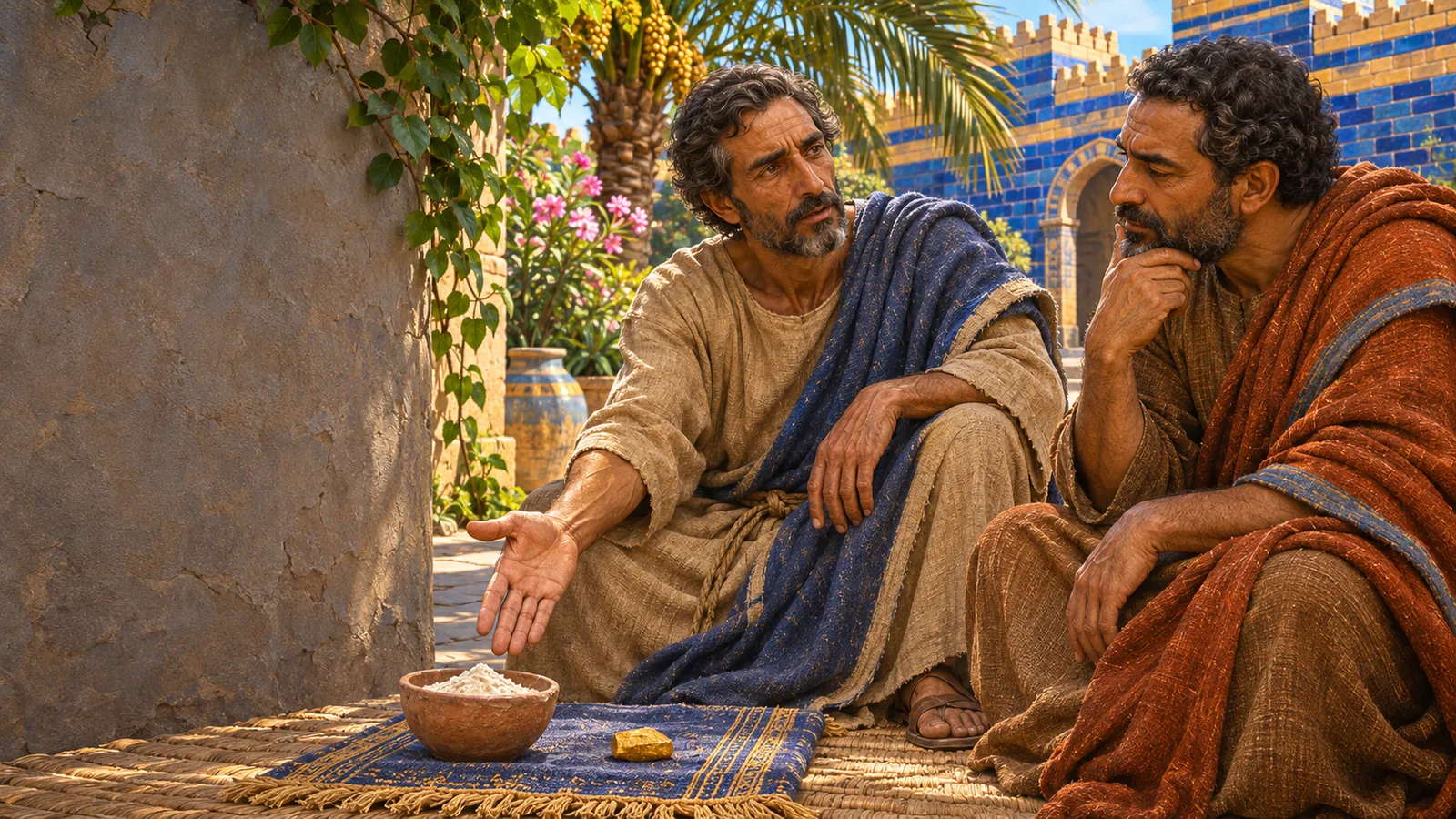
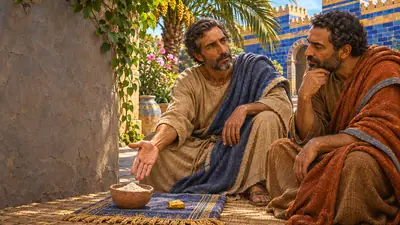
Pregunta si el león ha ofrecido alguna vez harina para apaciguar a una diosa, o si el magnate cuya riqueza sigue creciendo ha pesado oro precioso para la diosa madre.
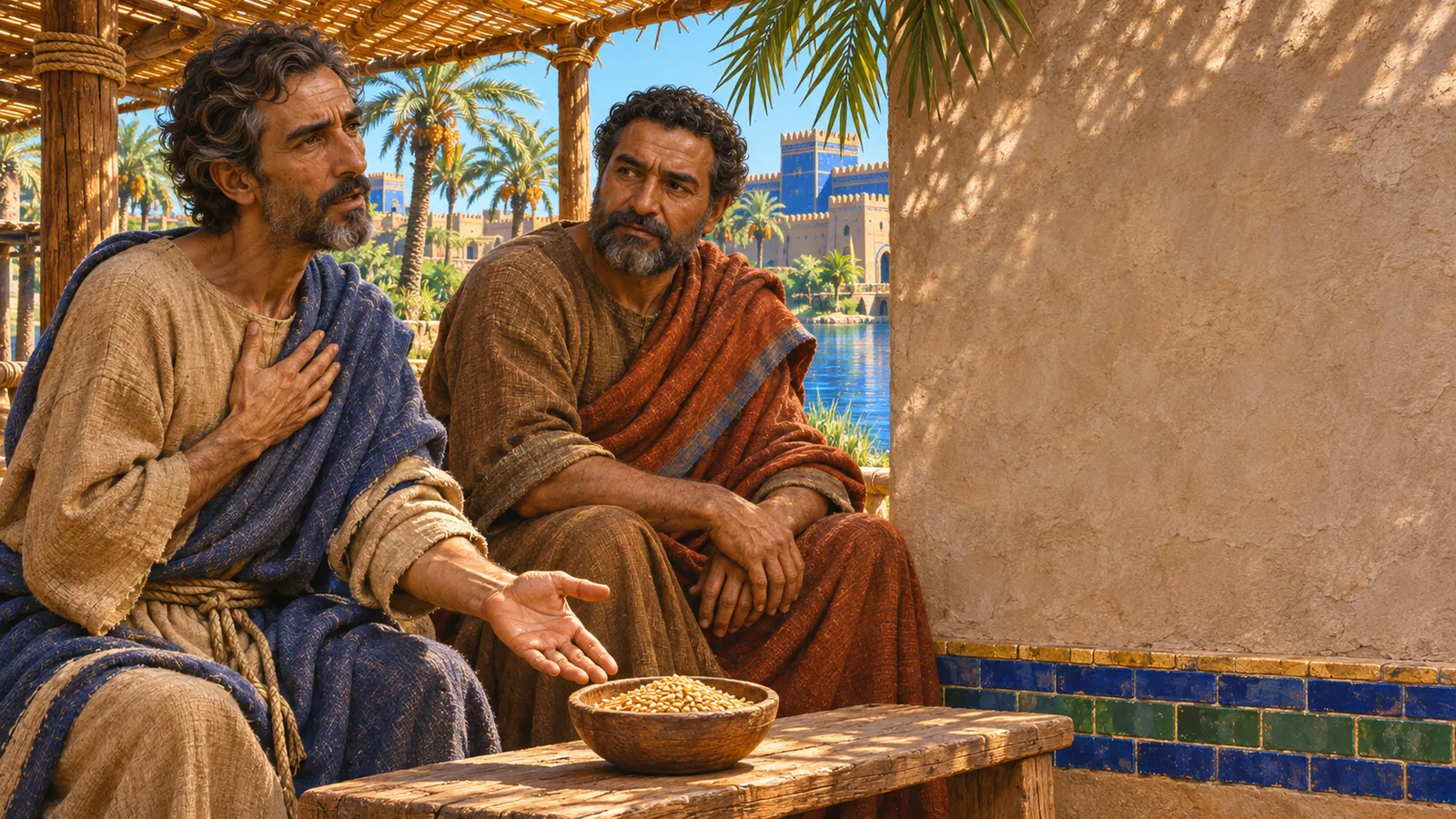
Vuelve la pregunta hacia sí mismo. ¿Ha retenido alguna vez una ofrenda a su dios, o ha faltado a su deber al bendecir el sacrificio habitual para su diosa?
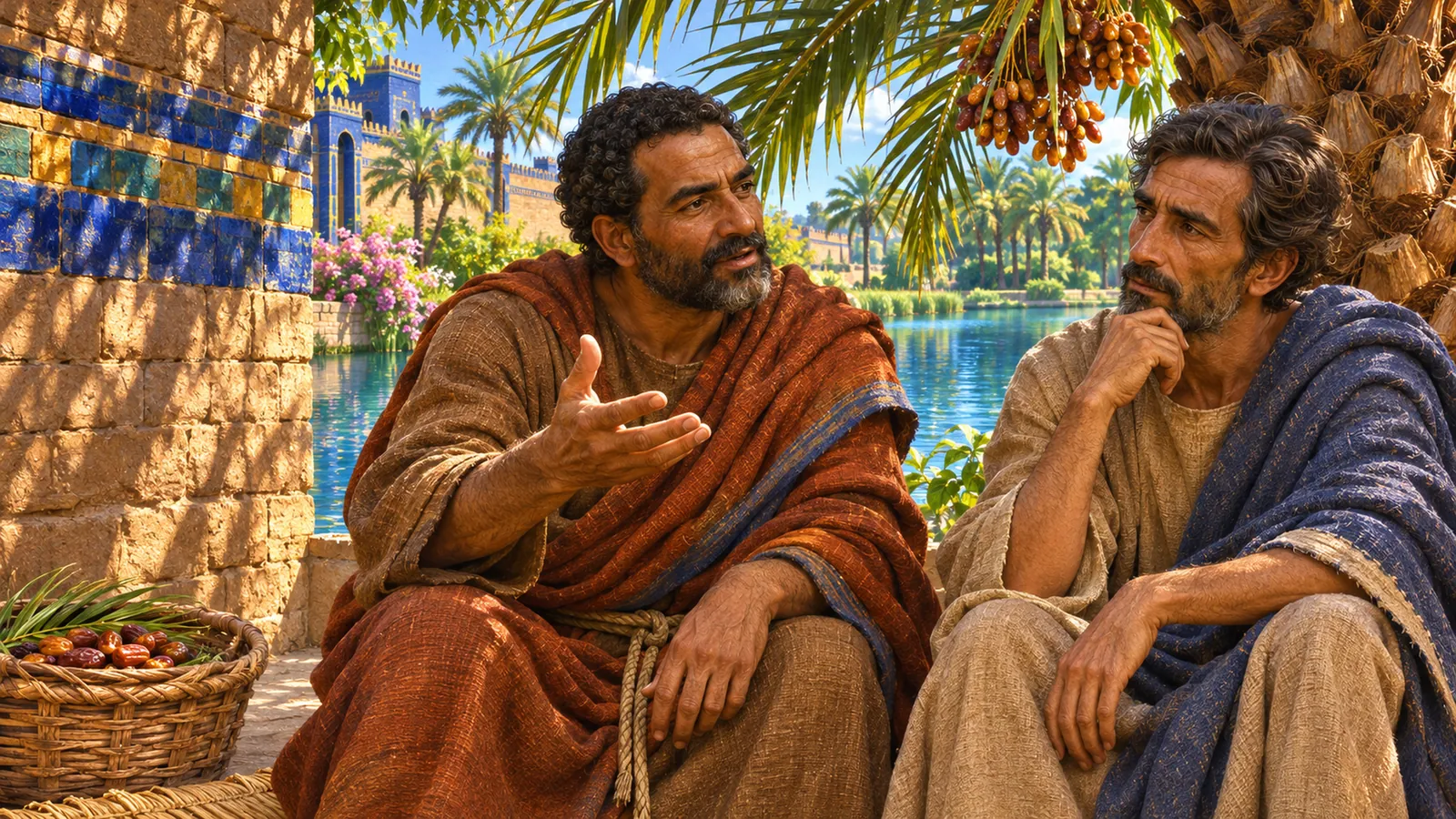
El amigo lo compara con una palmera datilera que procura riqueza y lo llama joya de sabiduría. Luego dice que el razonamiento de los dioses está fuera de su alcance.
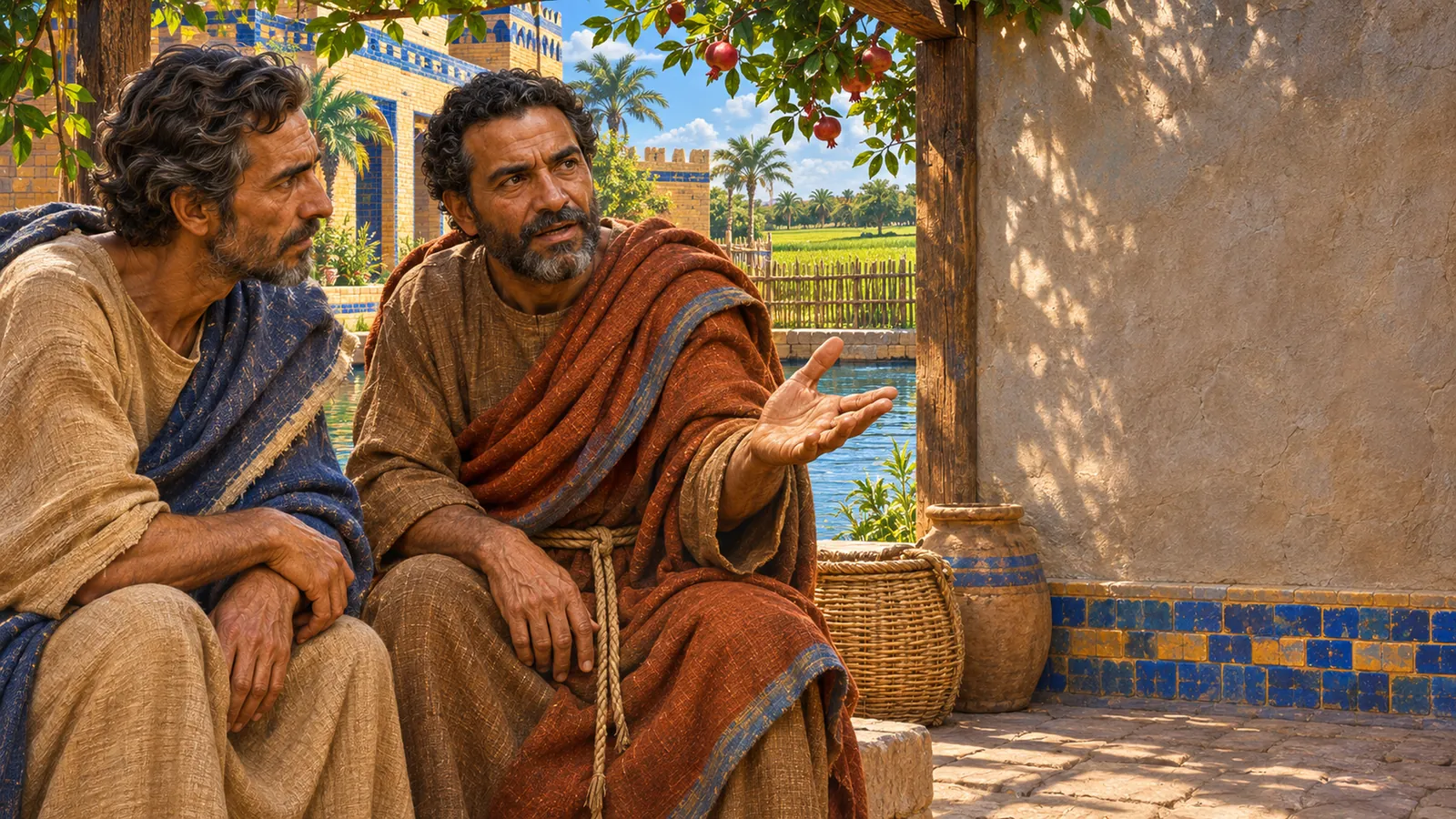
El amigo dice que al asno salvaje lo espera una flecha y que al león que atacaba al ganado lo espera un foso. Esos son los peligros que expone ante su compañero.
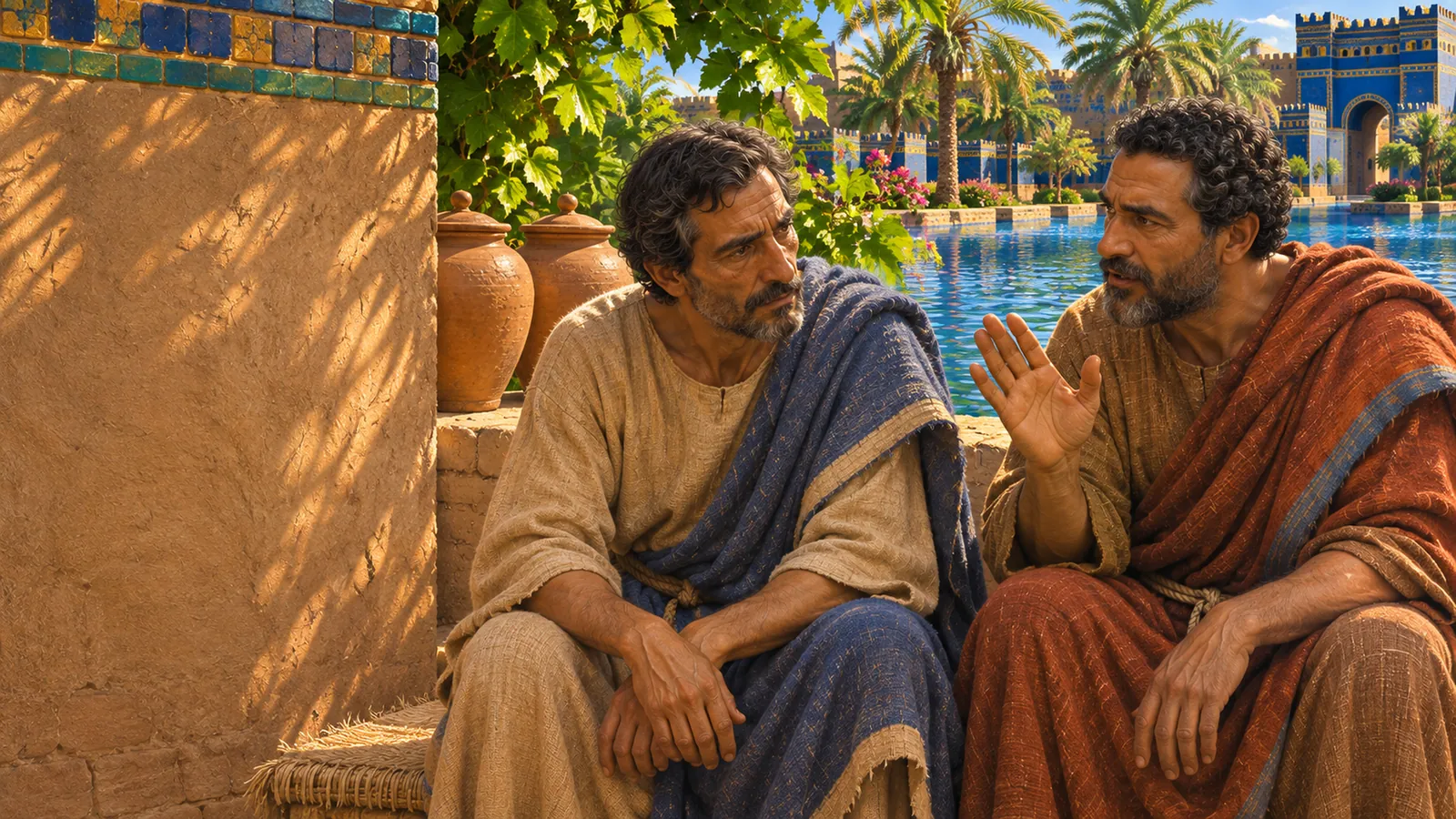
El amigo dice que un soberano arrojará a las llamas al rico que ha acumulado bienes. Le pregunta a su compañero si desea correr la misma suerte y lo insta a buscar la recompensa de la virtud.
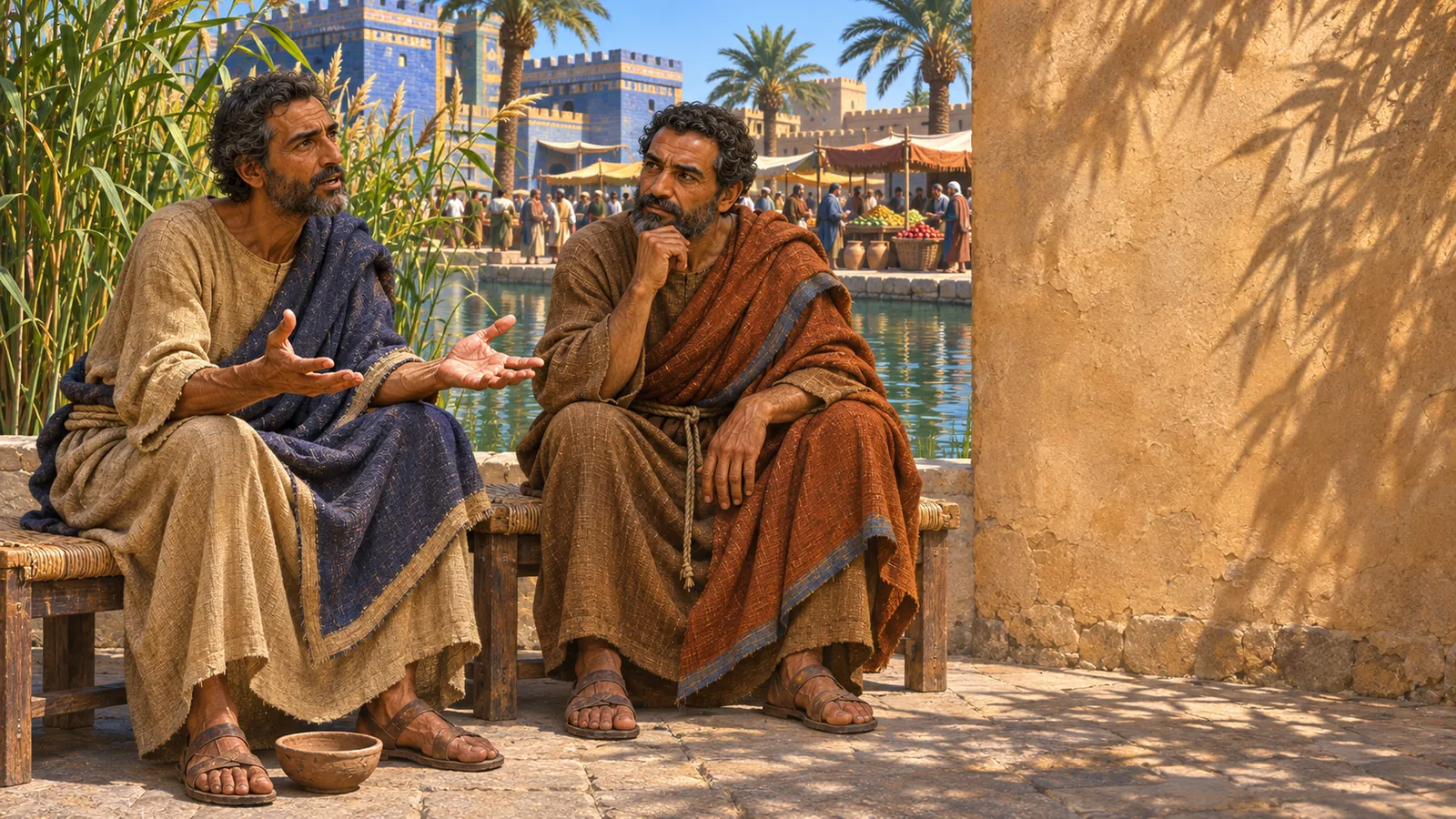
El hombre compara el consejo de su amigo con un soplo de aire fresco. Aun así, dice que quienes descuidan a un dios a veces prosperan, mientras que quienes rezan a una diosa pueden empobrecer.
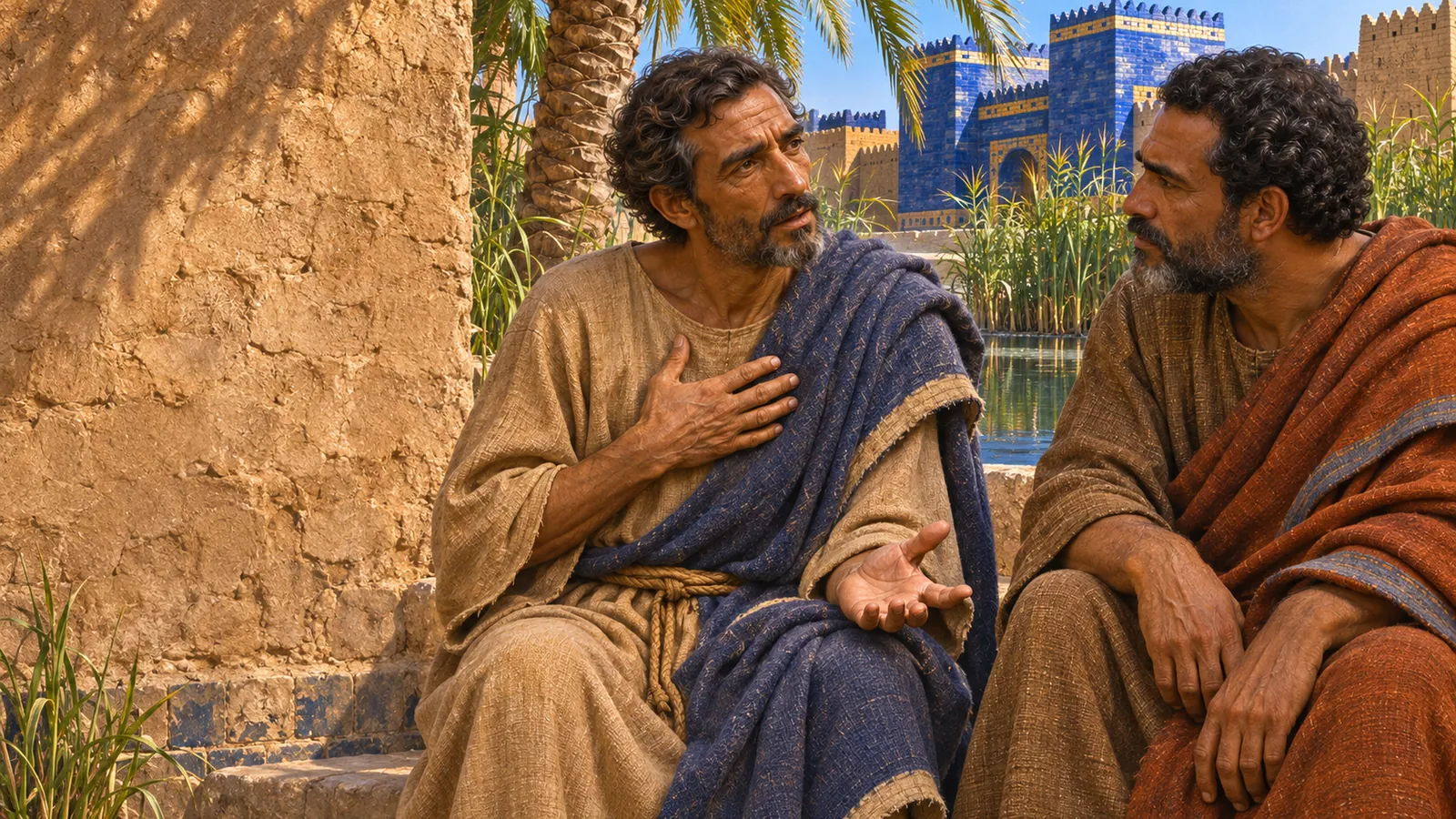
En su juventud obedeció a su dios y rezó a su diosa. Dice que su dios le dio pobreza en vez de riqueza y que personas a las que juzgaba indignas se adelantaron a él.
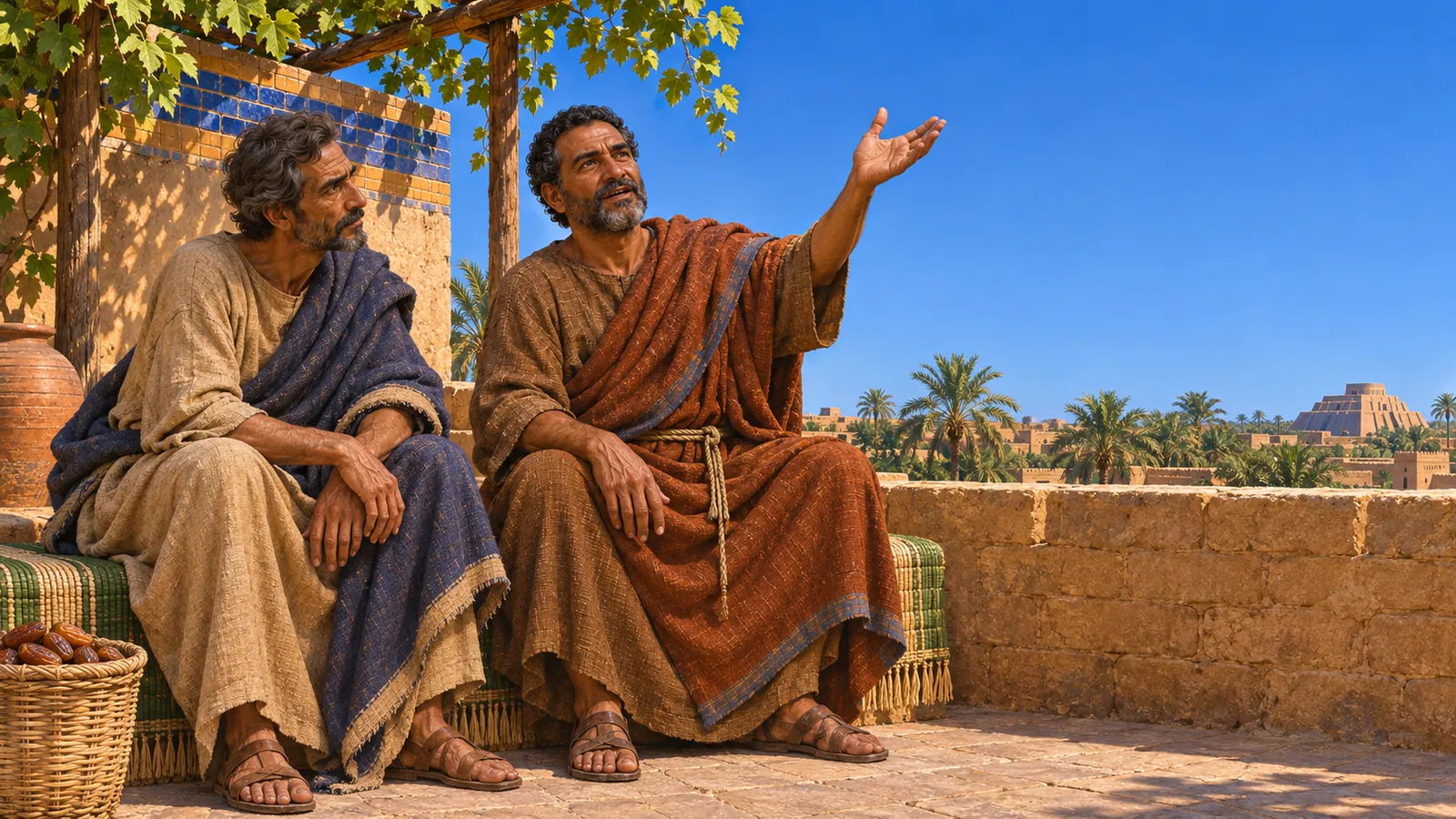
El amigo lo acusa de descuidar las observancias debidas a su dios y a su diosa. Dice que el designio de un dios está tan lejos como lo más recóndito del cielo y que la orden de una diosa no se puede oír.
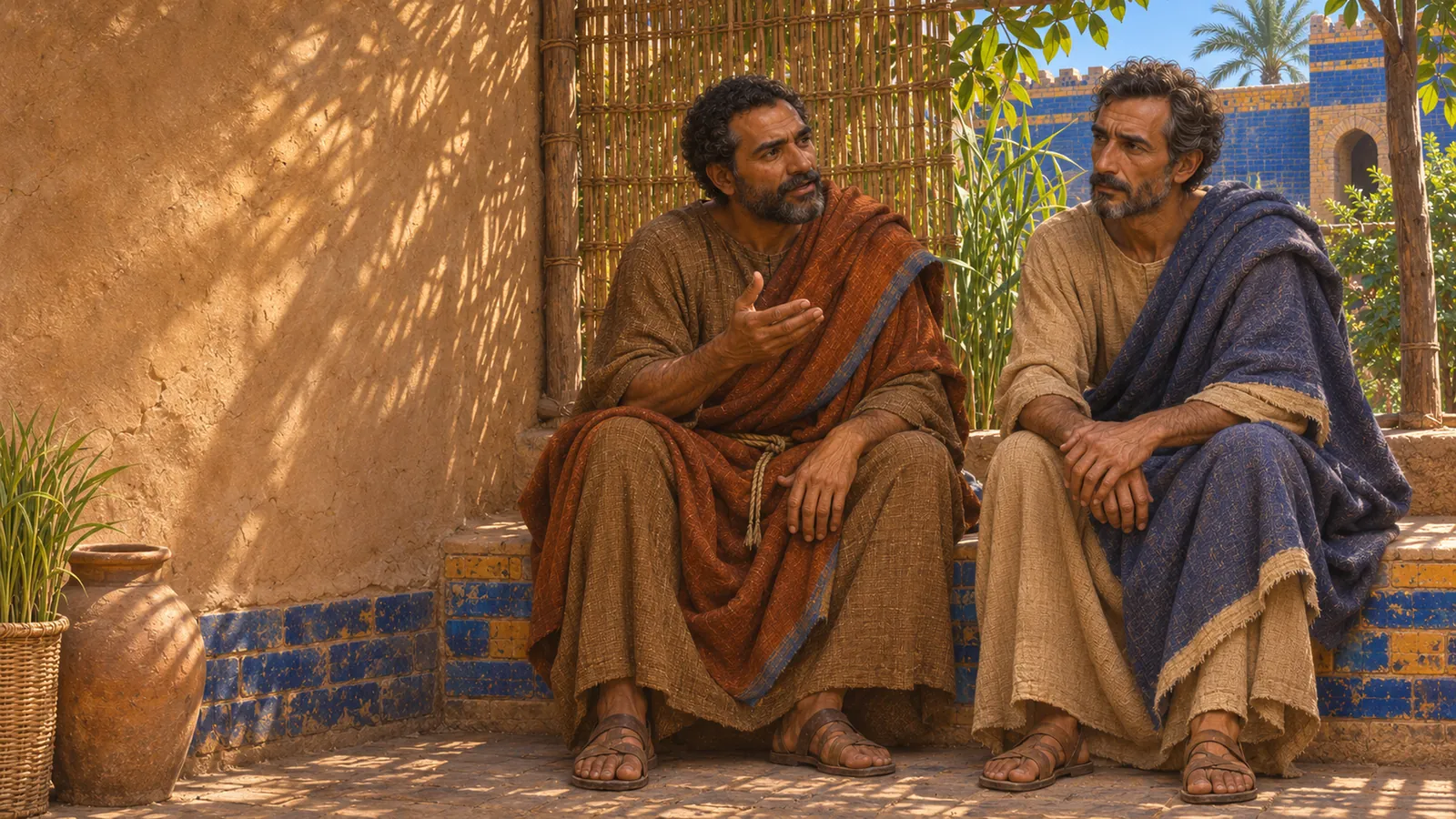
El amigo dice que las personas comprenden las normas de conducta. El resto de su respuesta se conserva en fragmentos sobre lo que planea la gente y sobre la enseñanza de los caminos de una diosa.
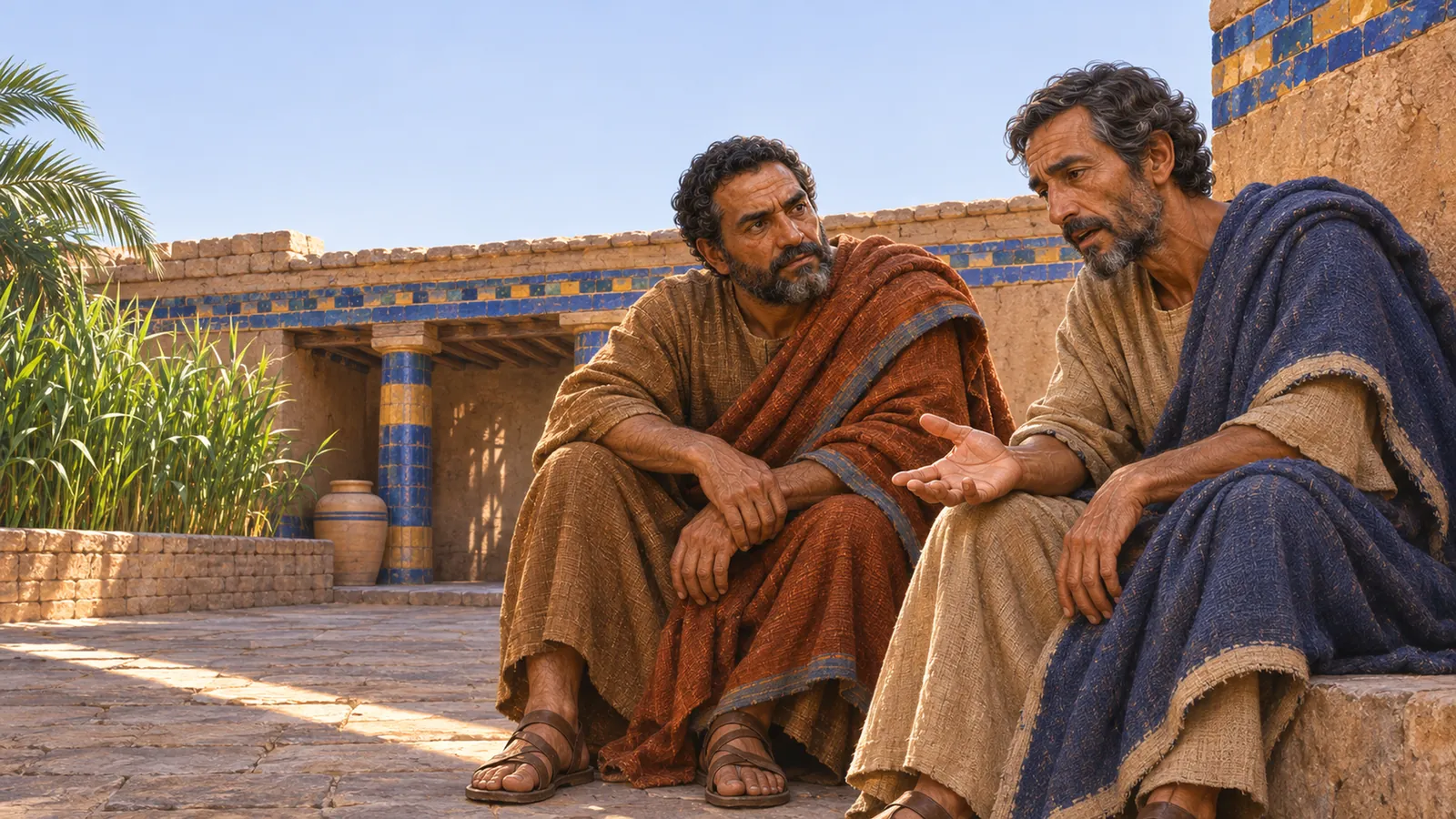
FRAGMENTOS
De la respuesta del hombre afligido quedan palabras sueltas sobre el sueño y los rayos. Un fragmento habla de alguien muerto a manos de otro. Las palabras perdidas dejan sin identificar a la víctima y al responsable.
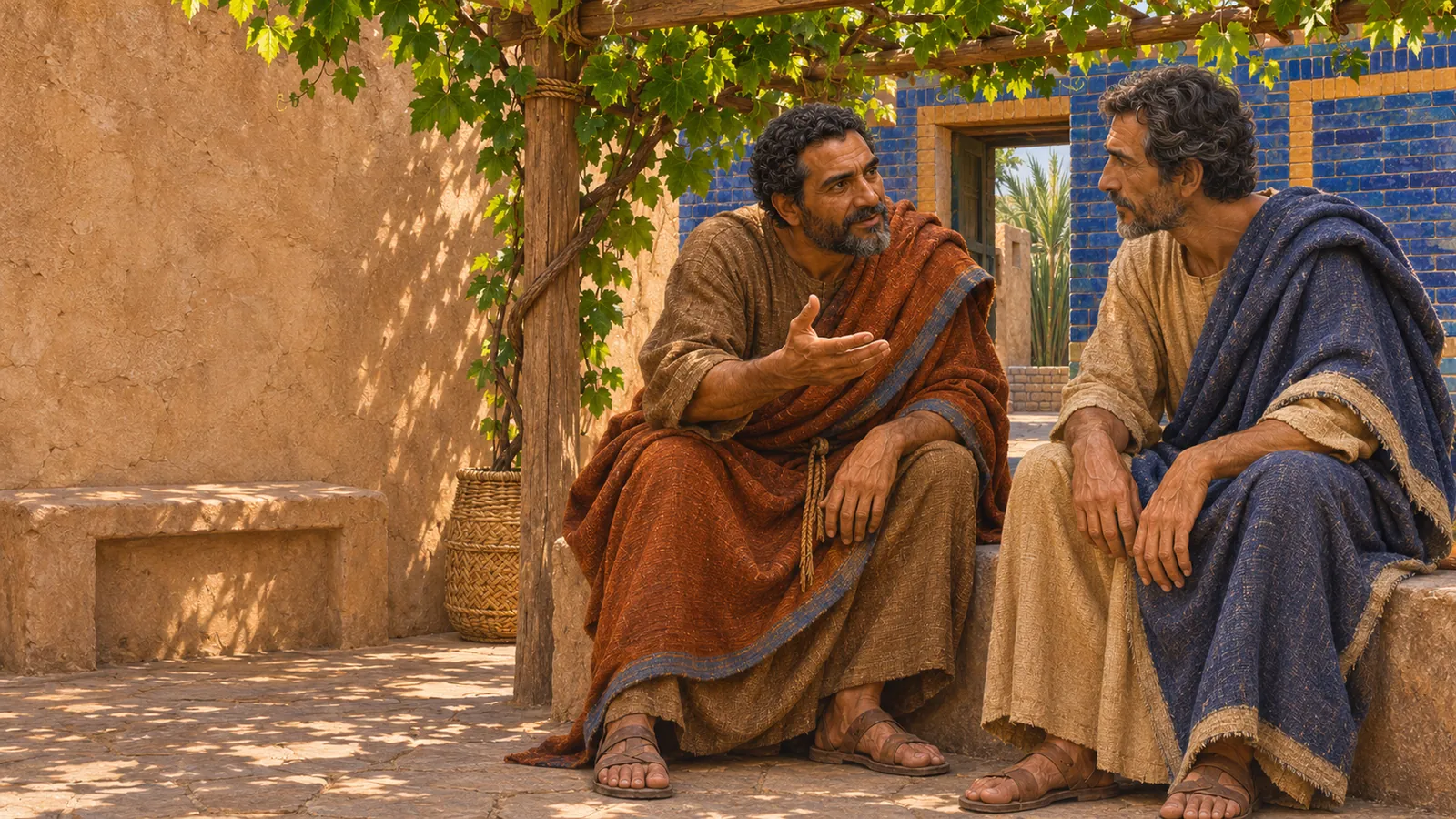
Solo es legible el comienzo de la respuesta del amigo. Le pide a su compañero que preste atención y mire. Las palabras que explicarían lo que quiere decir están dañadas.
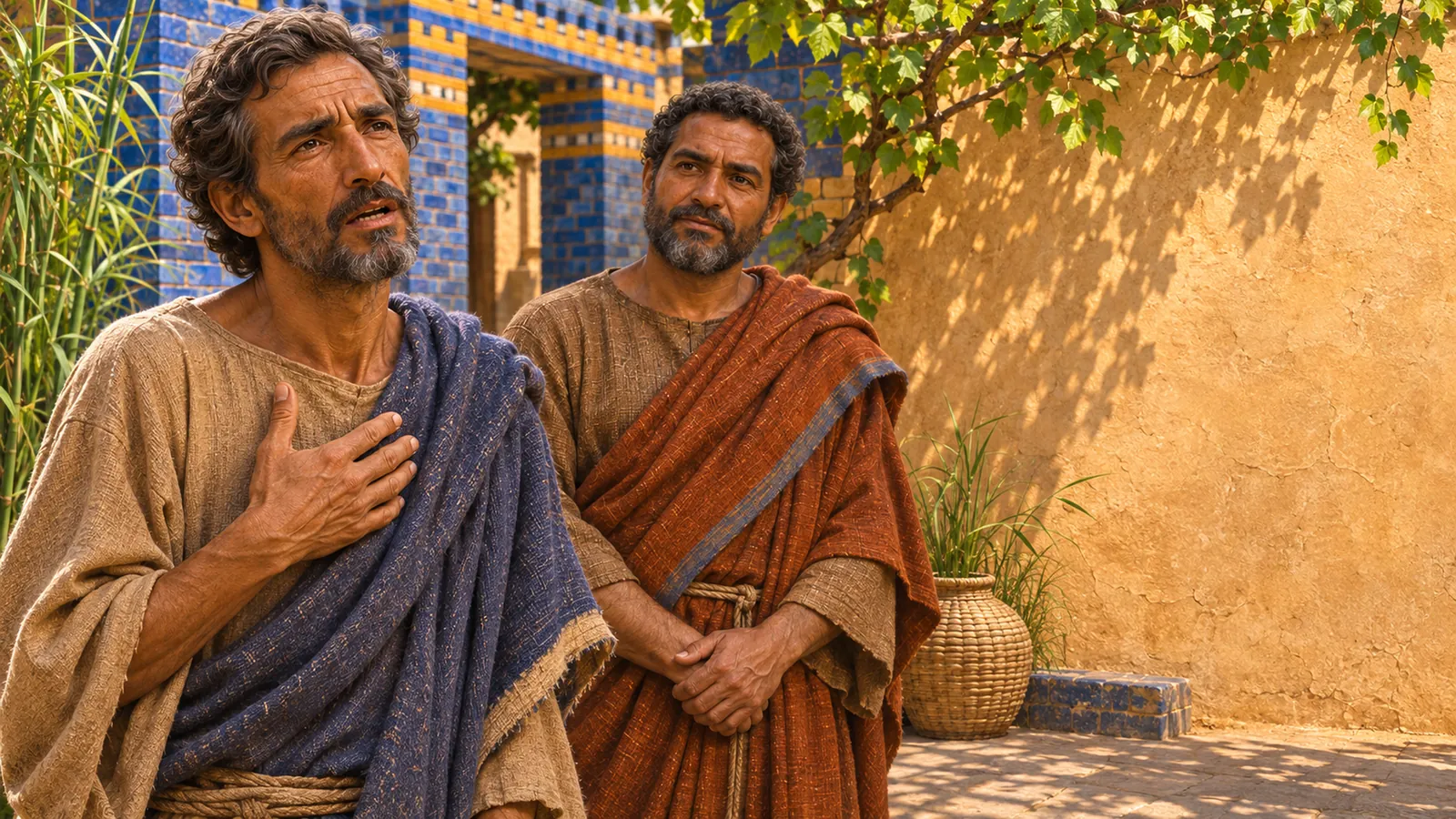
La siguiente intervención del hombre afligido se ha perdido casi por completo. Cerca del final, la edición lee «conmigo» en una línea dañada.
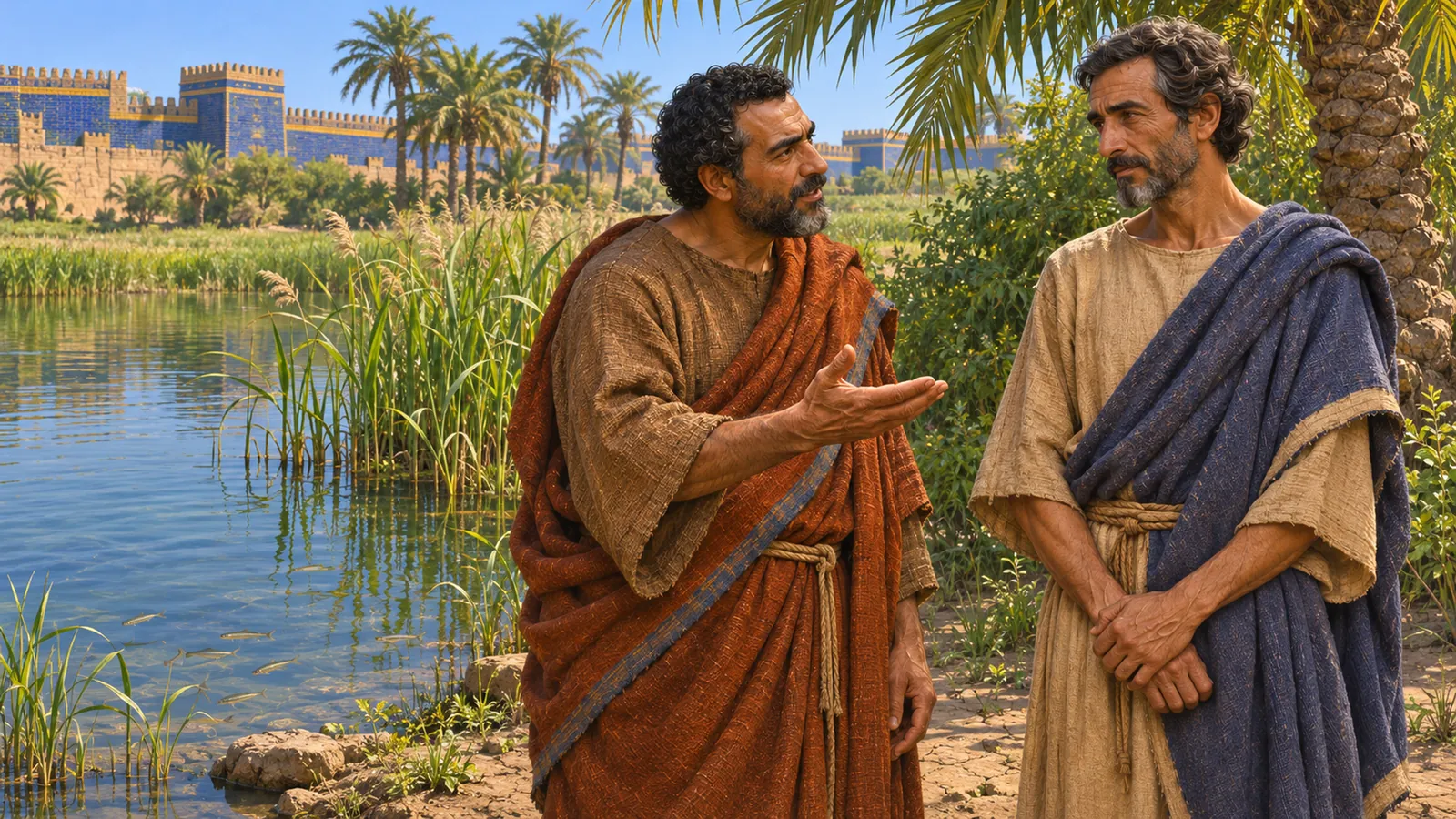
El amigo se dirige a su compañero y parece reprocharle su razonamiento. Otras frases fragmentarias mencionan un pez de la marisma y una espalda quebrada. Se ha perdido lo que las unía.
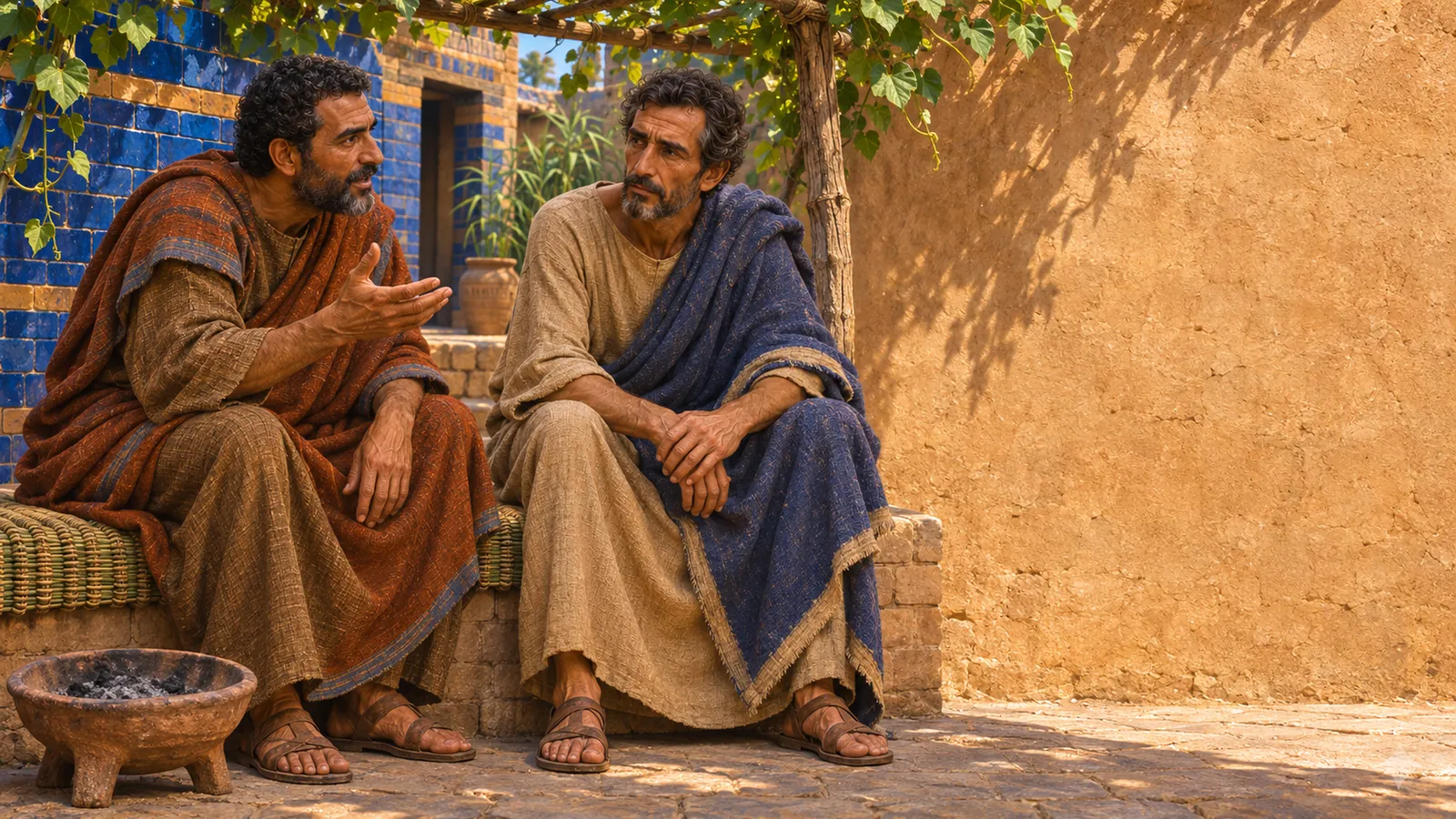
En fragmentos de su intervención, el amigo habla de un fuego apagado, un descendiente aplastado y gente dispersada. Las siguientes líneas mencionan a una partera y a una voz que dice haber prestado atención a su dios.
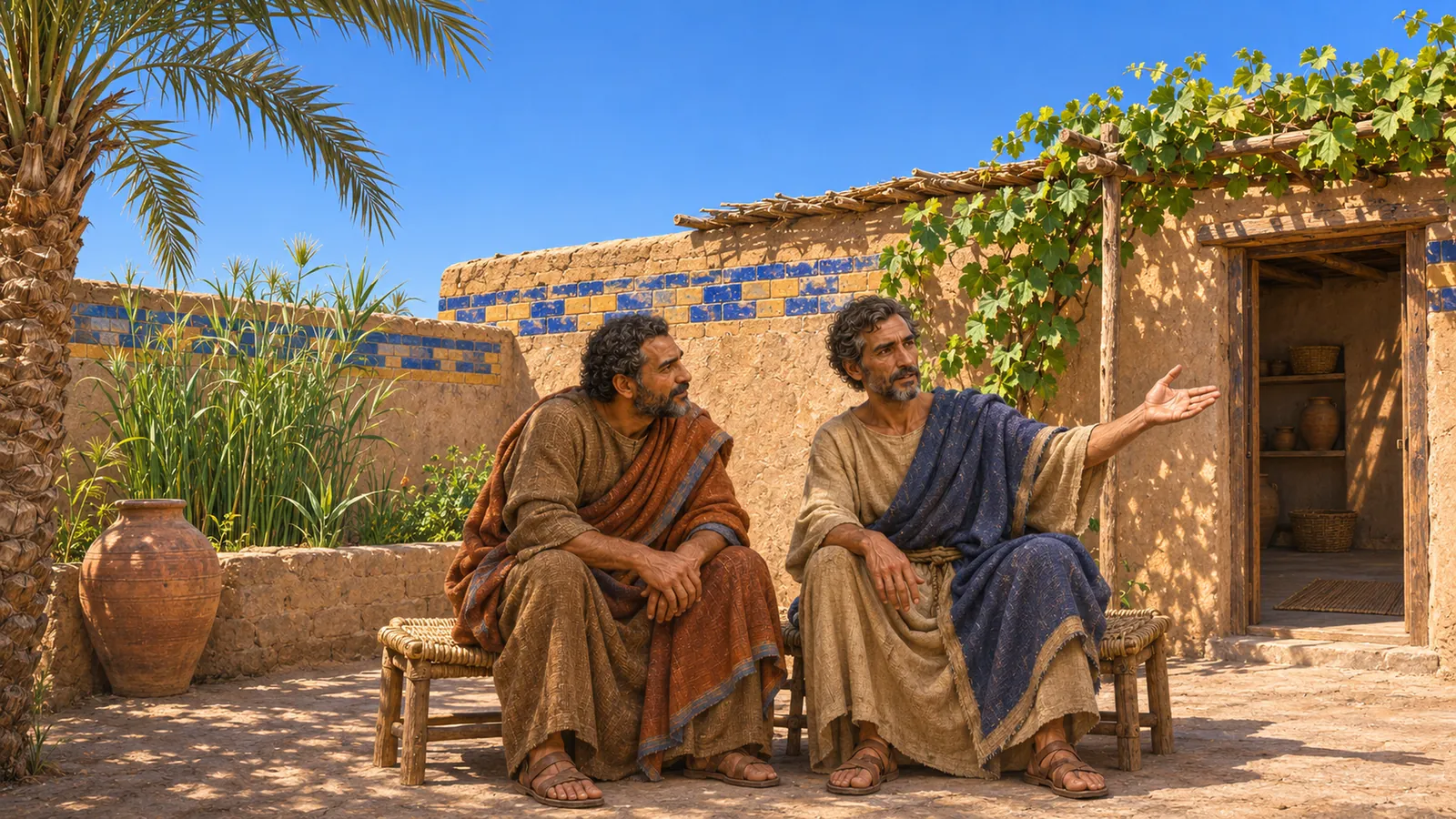
PARTIDA
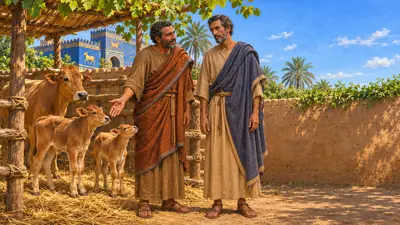
El hombre afligido dice que abandonará su casa y que no buscará bienes. Dice que desatenderá los ritos de su dios y matará un ternero.
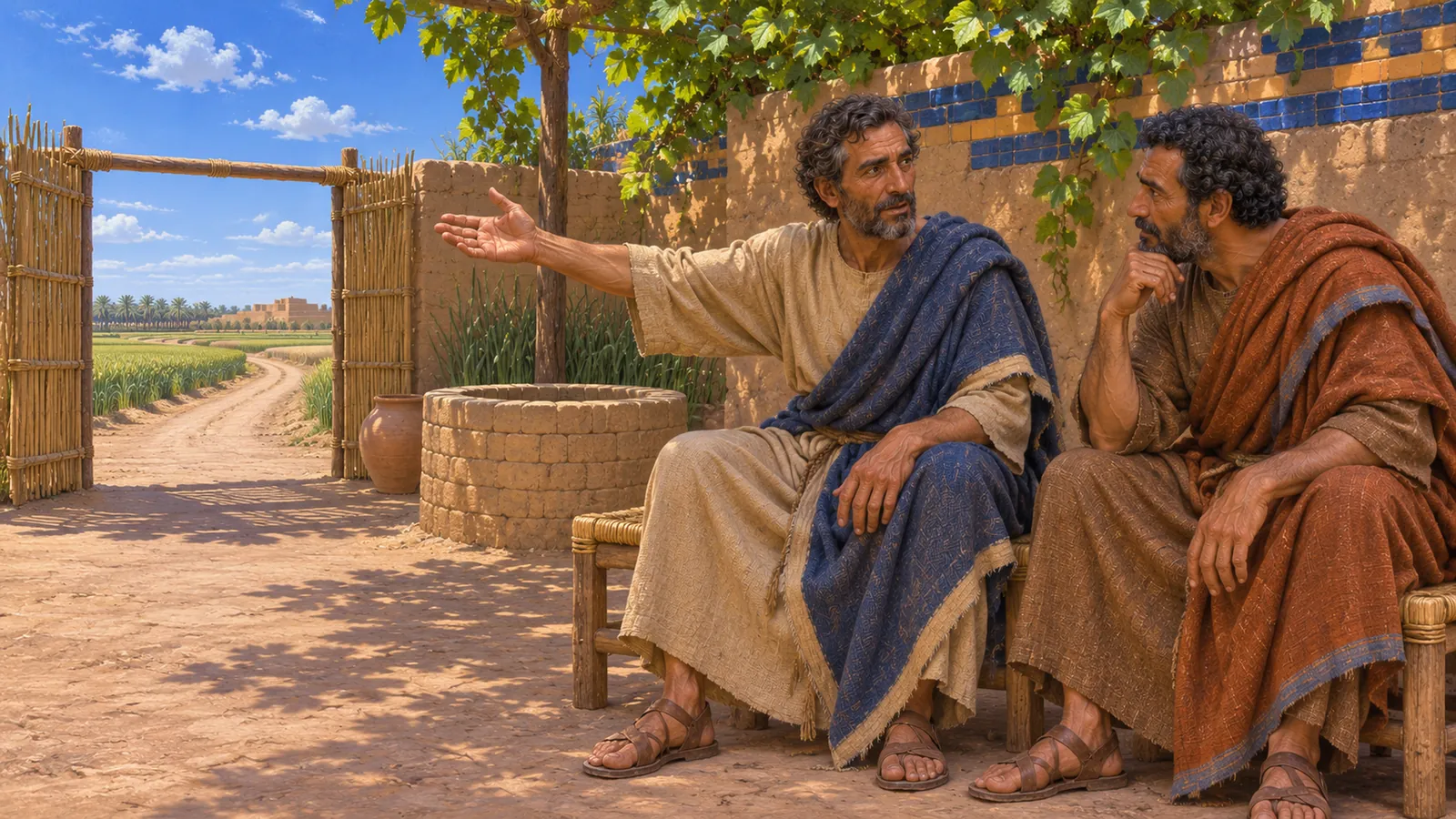
Dice que se pondrá en camino y aprenderá a orientarse en tierras lejanas. Abrirá un pozo, dejará correr el agua y vagará a la intemperie como un fugitivo.
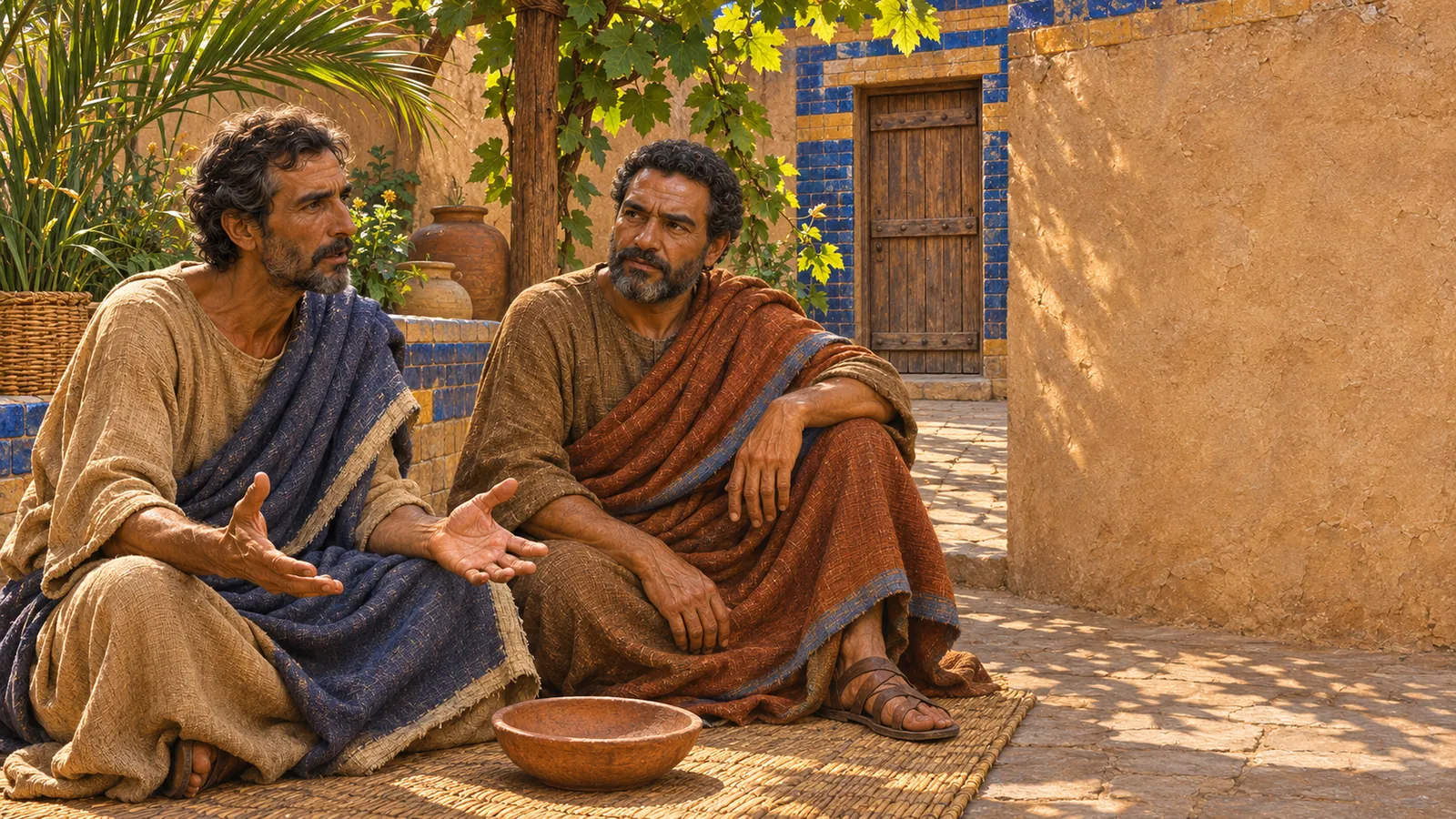
Dice que el hambre lo llevará a entrar por la fuerza de casa en casa y a vagar por las calles. Las últimas palabras, dañadas, ponen lejos la buena fortuna y se interrumpen cuando habla de su destino.
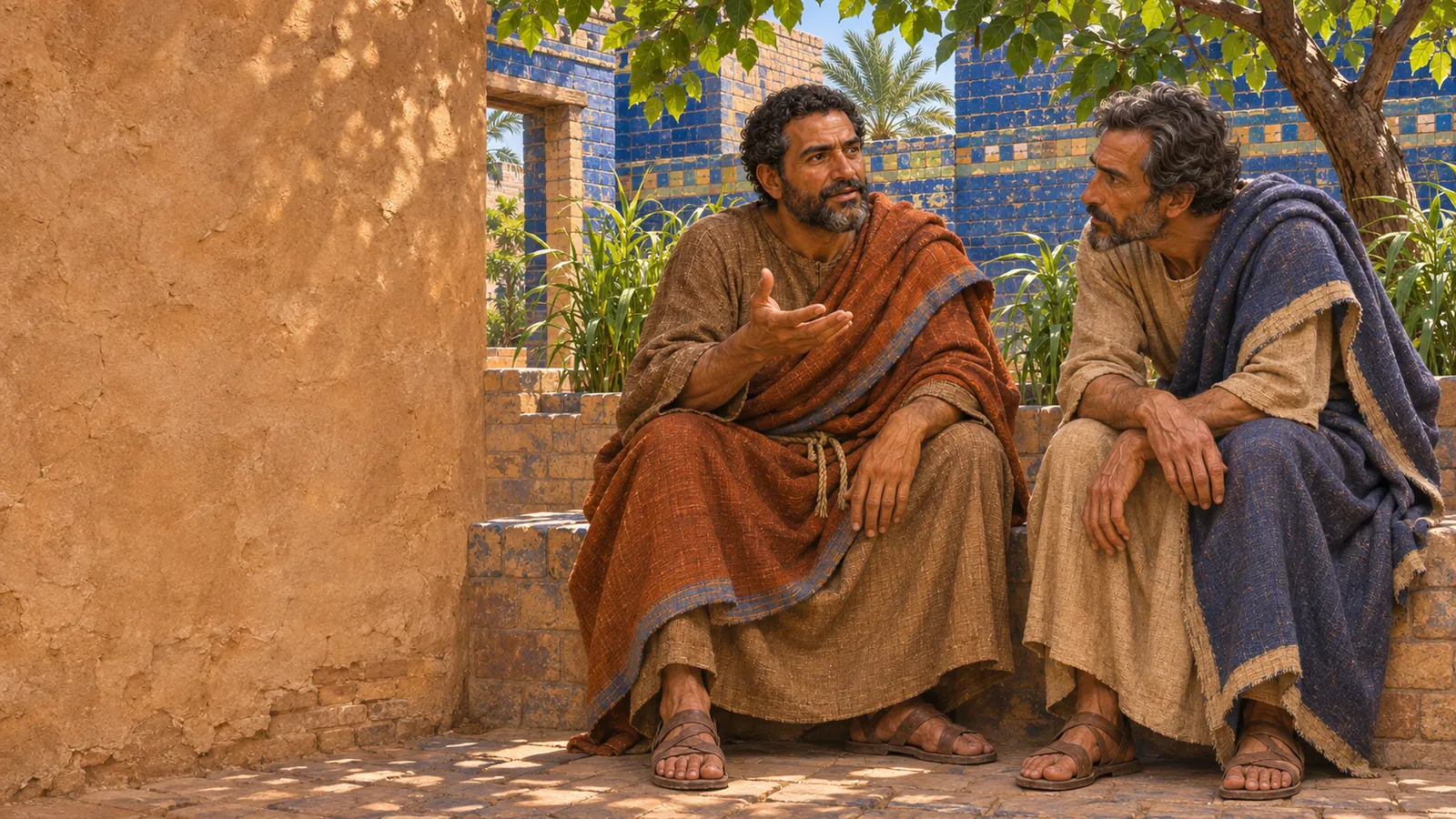
El amigo responde a la resolución del hombre afligido y parece dudar de su juicio. Unas líneas fragmentarias mencionan a la humanidad y a una partera. Se ha perdido gran parte de la respuesta.
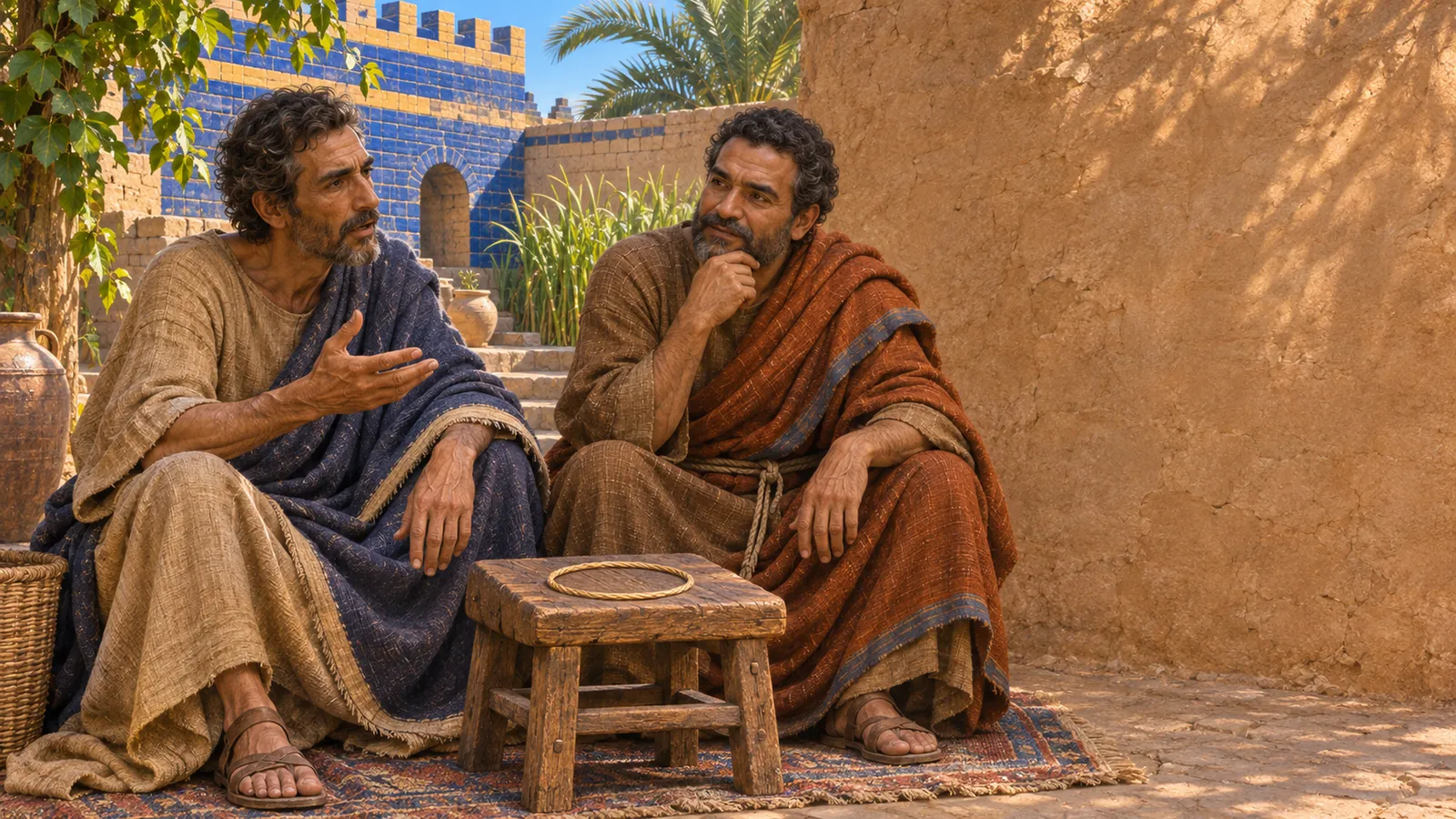
Una frase restaurada describe a una hija que miente a su madre. El hombre afligido habla también de un cazador de aves que cae en su propia trampa.
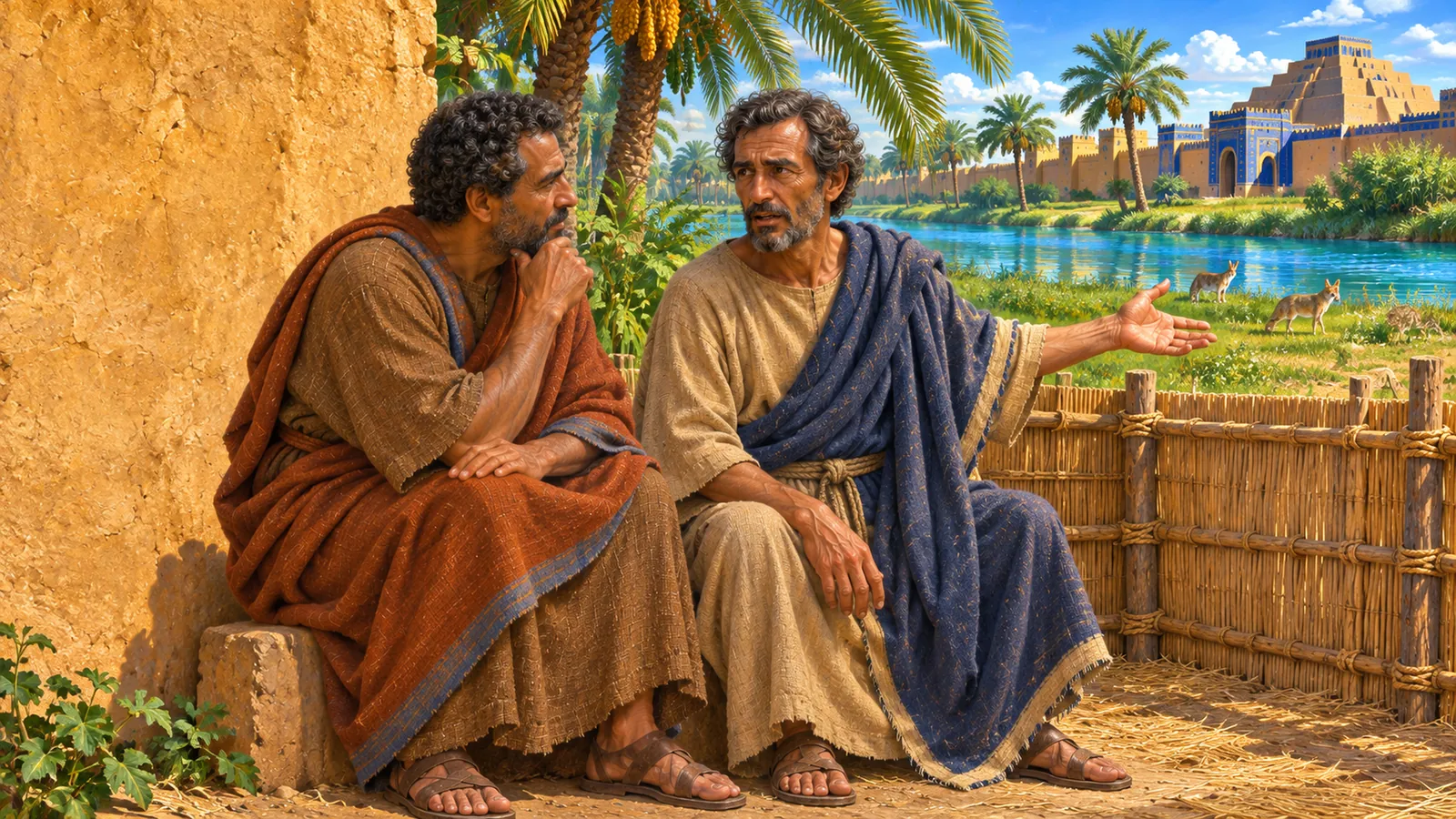
Unas criaturas salvajes aparecen en una línea fragmentaria sobre un redil. Luego el hombre afligido pregunta por un hijo y una hija y por lo que podría dejar tras de sí. Sus palabras se interrumpen.
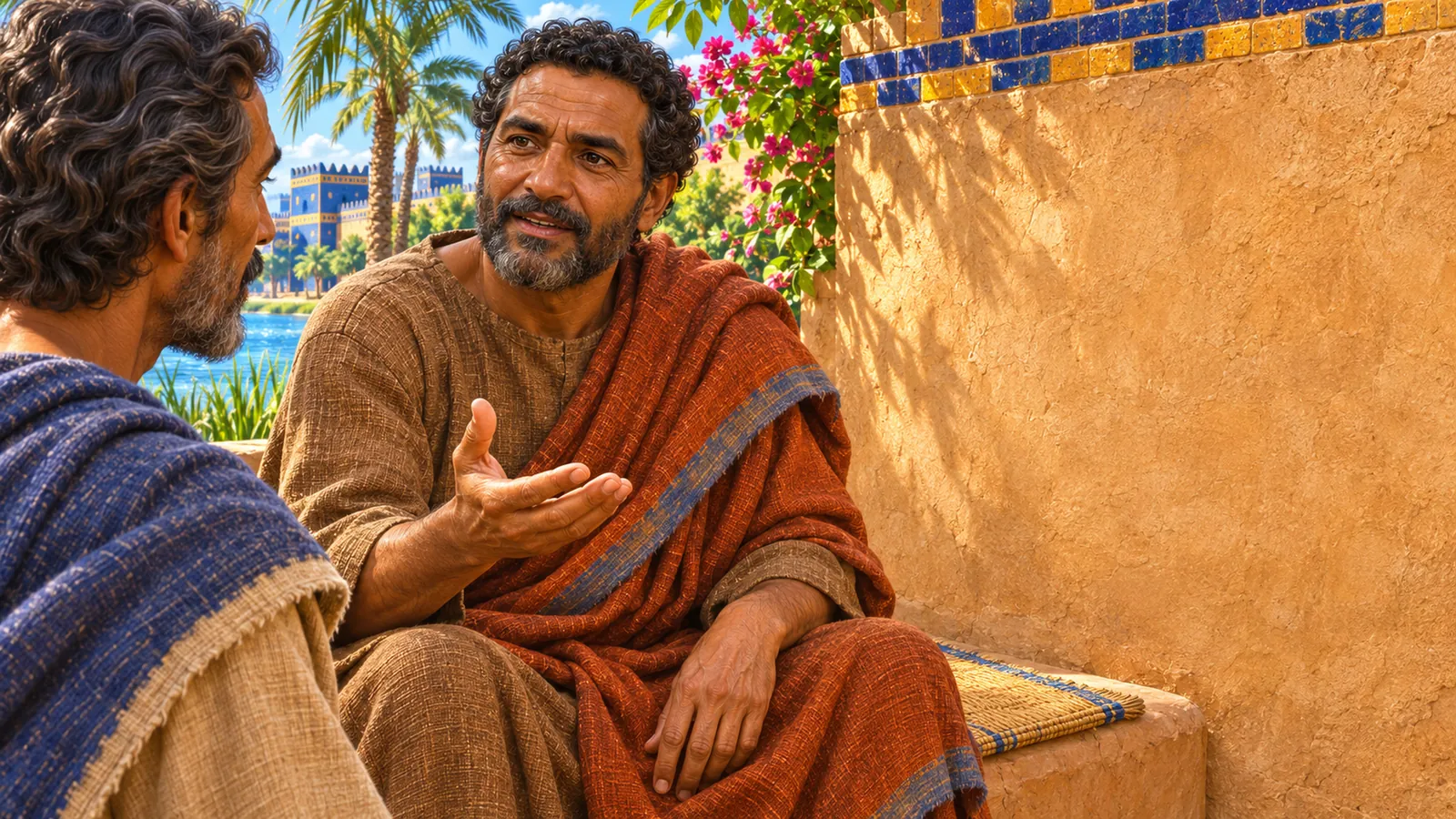
El amigo llama modesto a su compañero y habla de su disposición a escuchar. Las siguientes líneas solo conservan retazos sobre sentimientos, palabras y movimiento.
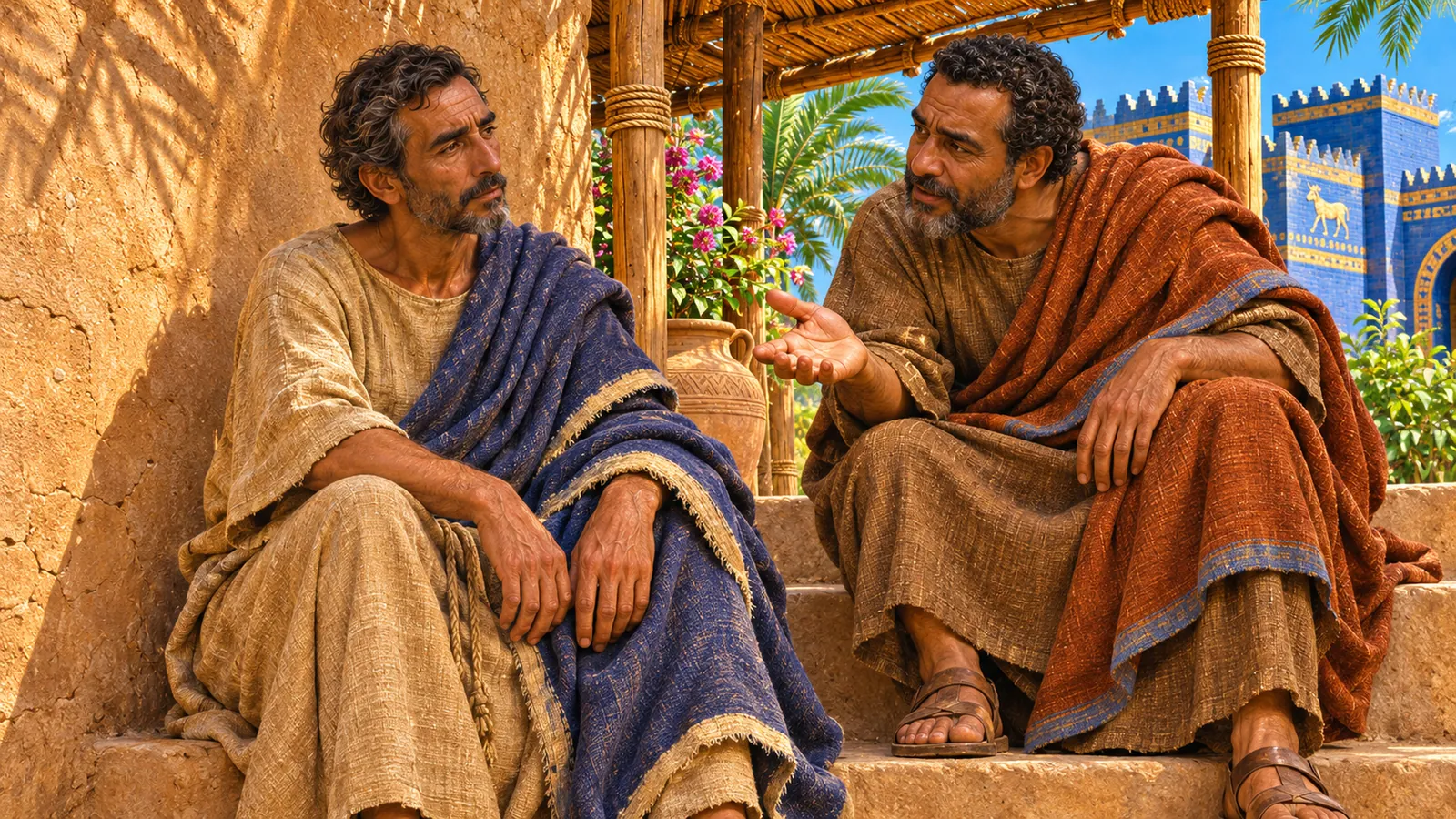
El amigo pregunta al hombre afligido en quién depositó su confianza al llegar a la vejez. El resto se interrumpe en varios puntos y deja una referencia a unos sucesores.
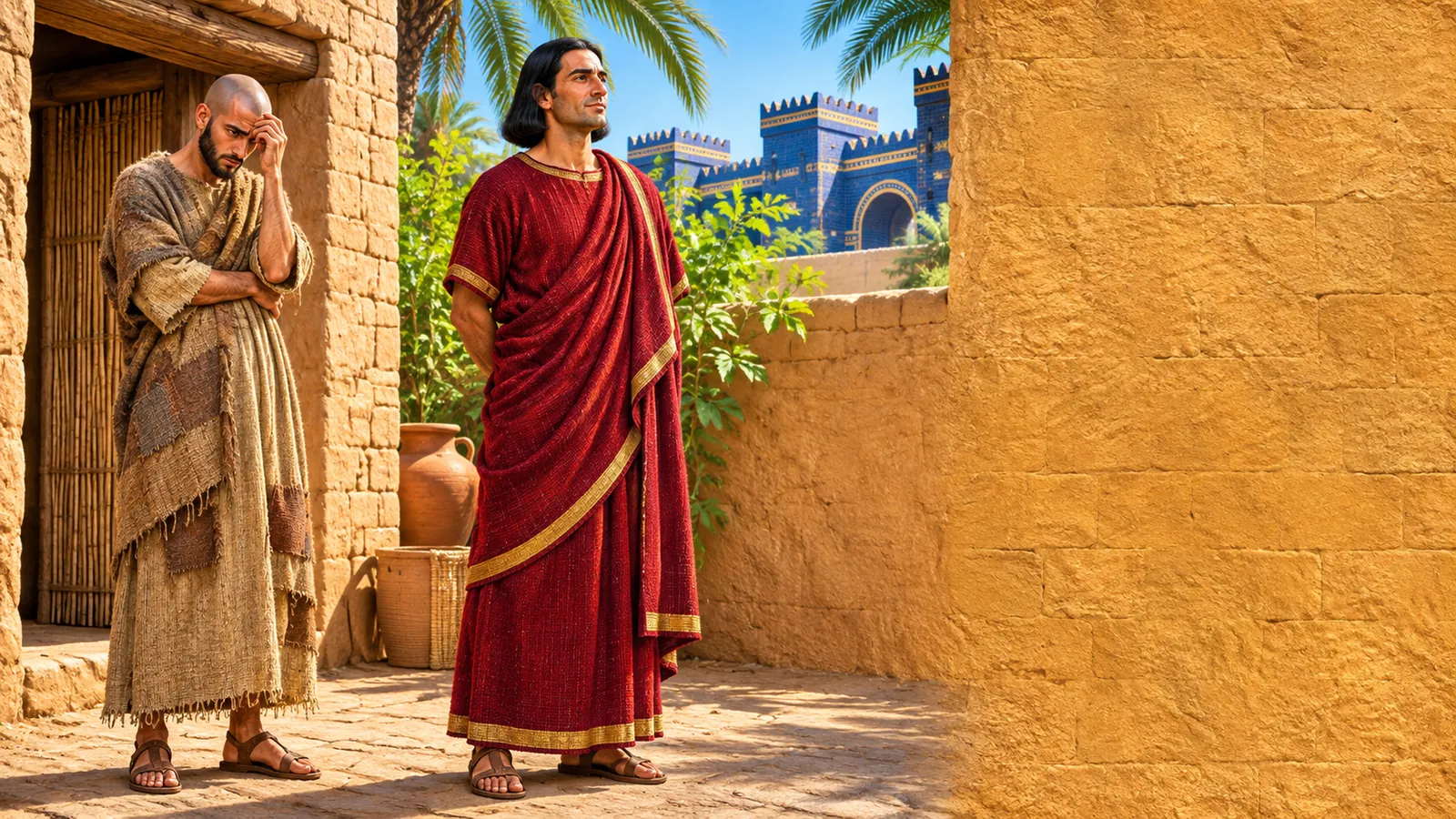
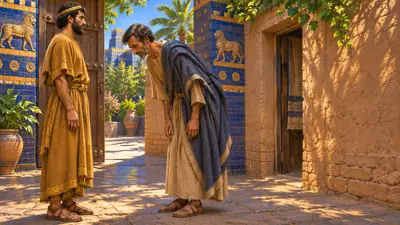
El hombre afligido pregunta quién entre los sabios podría aconsejar a su amigo. Después de un pasaje fragmentario, contrapone a un hijo de rey vestido de harapos con el hijo de un pobre vestido con ropa fina.
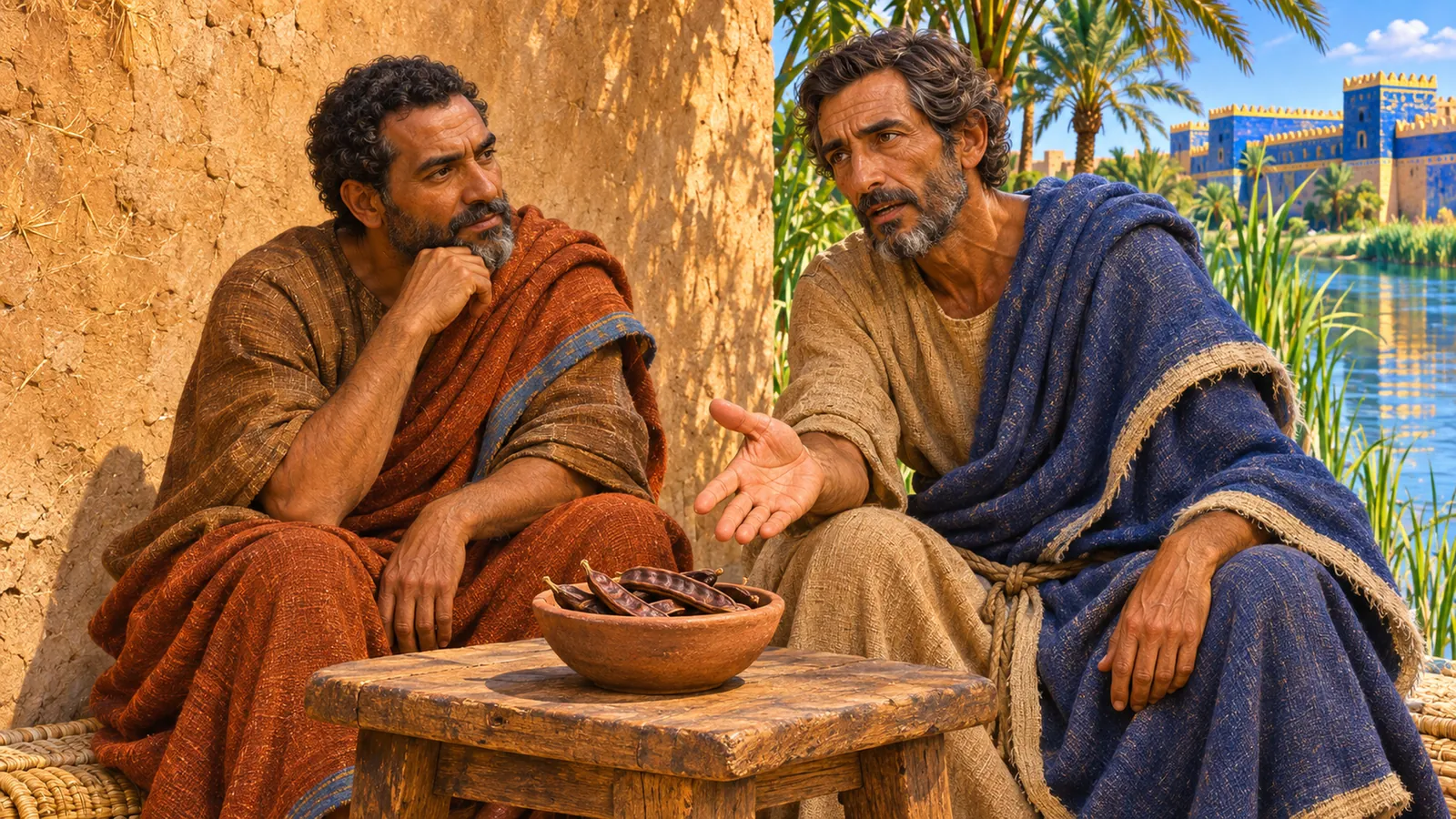
Un maltero exige que le paguen en oro, mientras un hombre que antes contaba oro carga con una deuda. Quien vivía de verduras come en un banquete principesco, el hijo de un rico solo come algarrobas y un hombre acomodado pierde sus bienes.
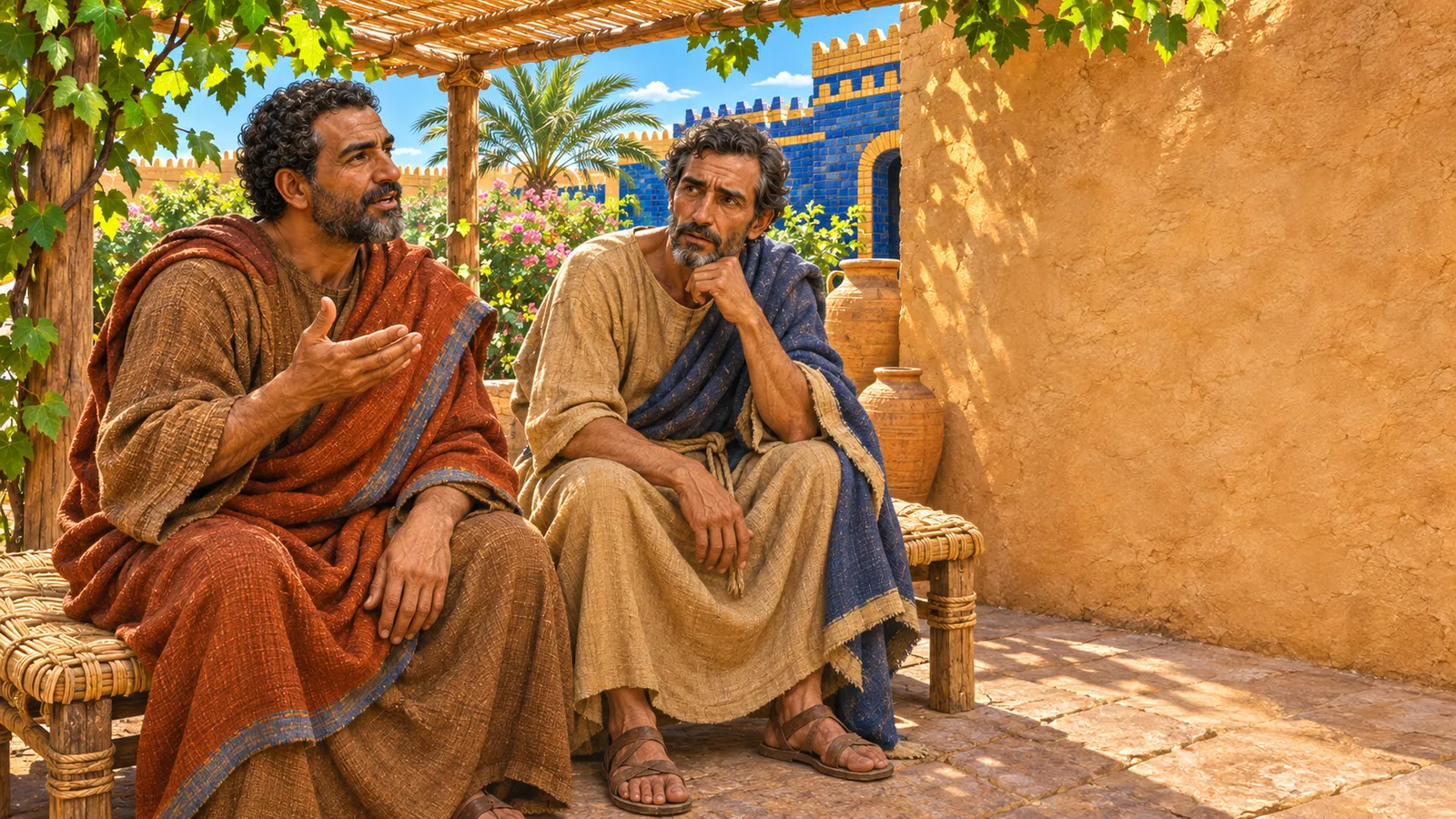
La mayor parte de la intervención del amigo está dañada. Las líneas conservadas atribuyen a un dios el poder de alargar la vida y dicen que la riqueza y la pobreza fueron decretadas hace mucho.
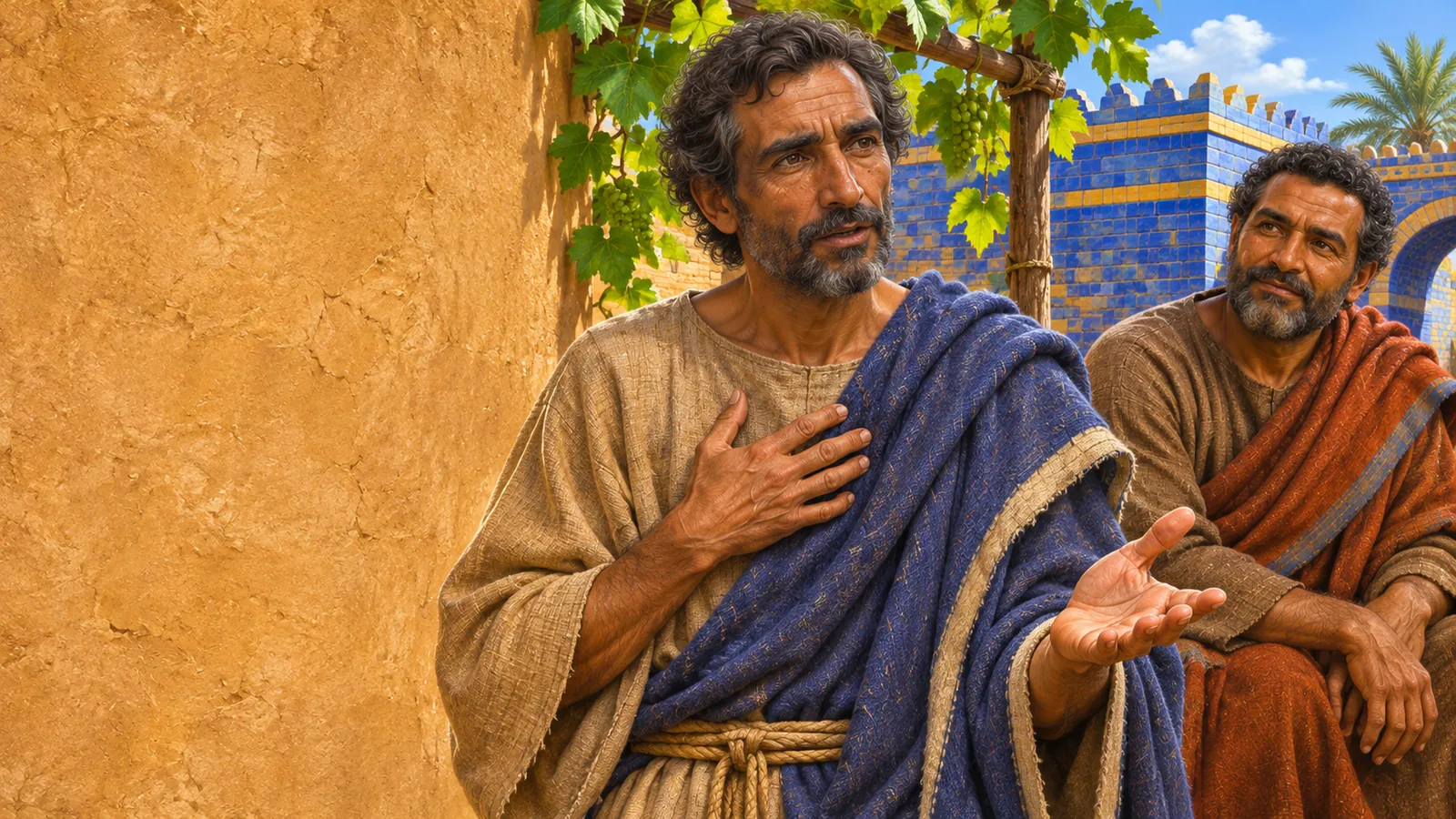
El hombre afligido alaba la sabiduría de su amigo y recuerda cuánta erudición había antes en sus propias palabras. Unas líneas fragmentarias mencionan a un erudito y conservan una frase sobre una muerte aún lejana.
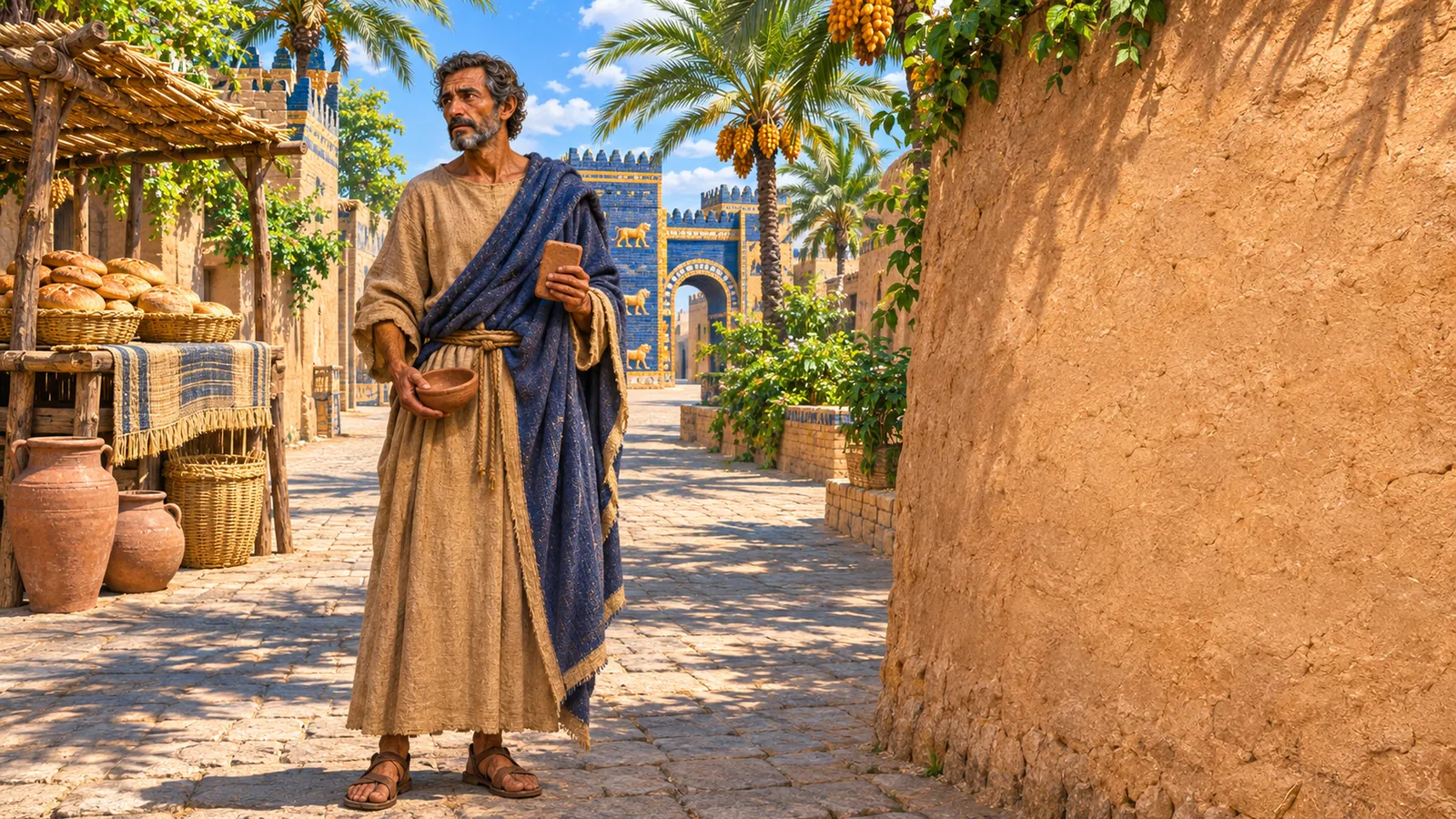
Recuerda cómo una persona instruida le mostró la escritura de una tablilla y le abrió los ojos a cosas difíciles. Su buena fortuna parece haber pasado. Ahora busca comida por las calles.
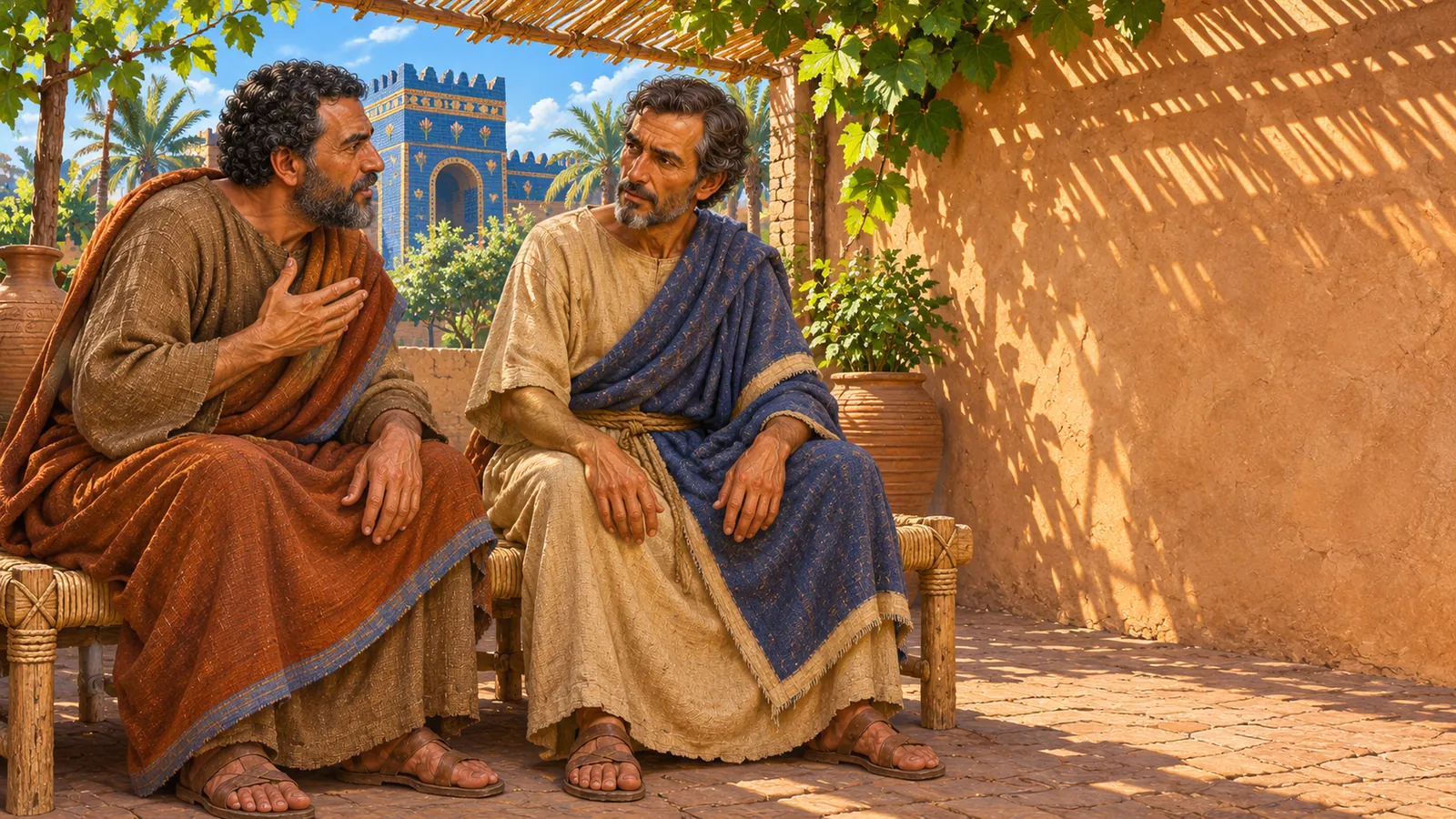
La respuesta del amigo comienza con fragmentos sobre la montura de un rey y una figura en las montañas. Luego le reprocha al afligido haber apartado la sabiduría y la rectitud.
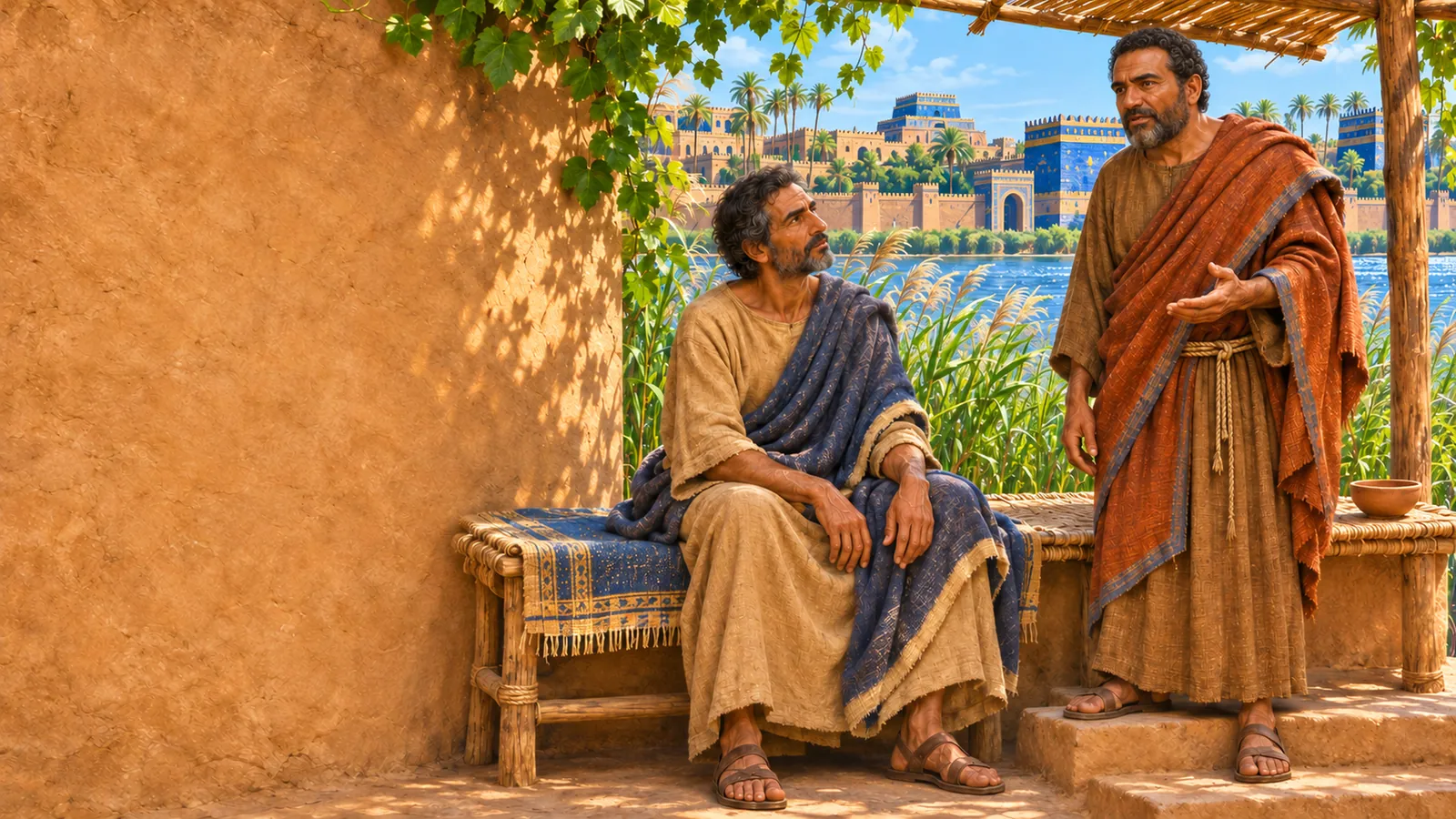
El amigo habla de un hombre tenido en gran estima y al que llaman sabio. Se han perdido algunas palabras. Insta al afligido a observar los ritos de su dios y vivir con modestia.
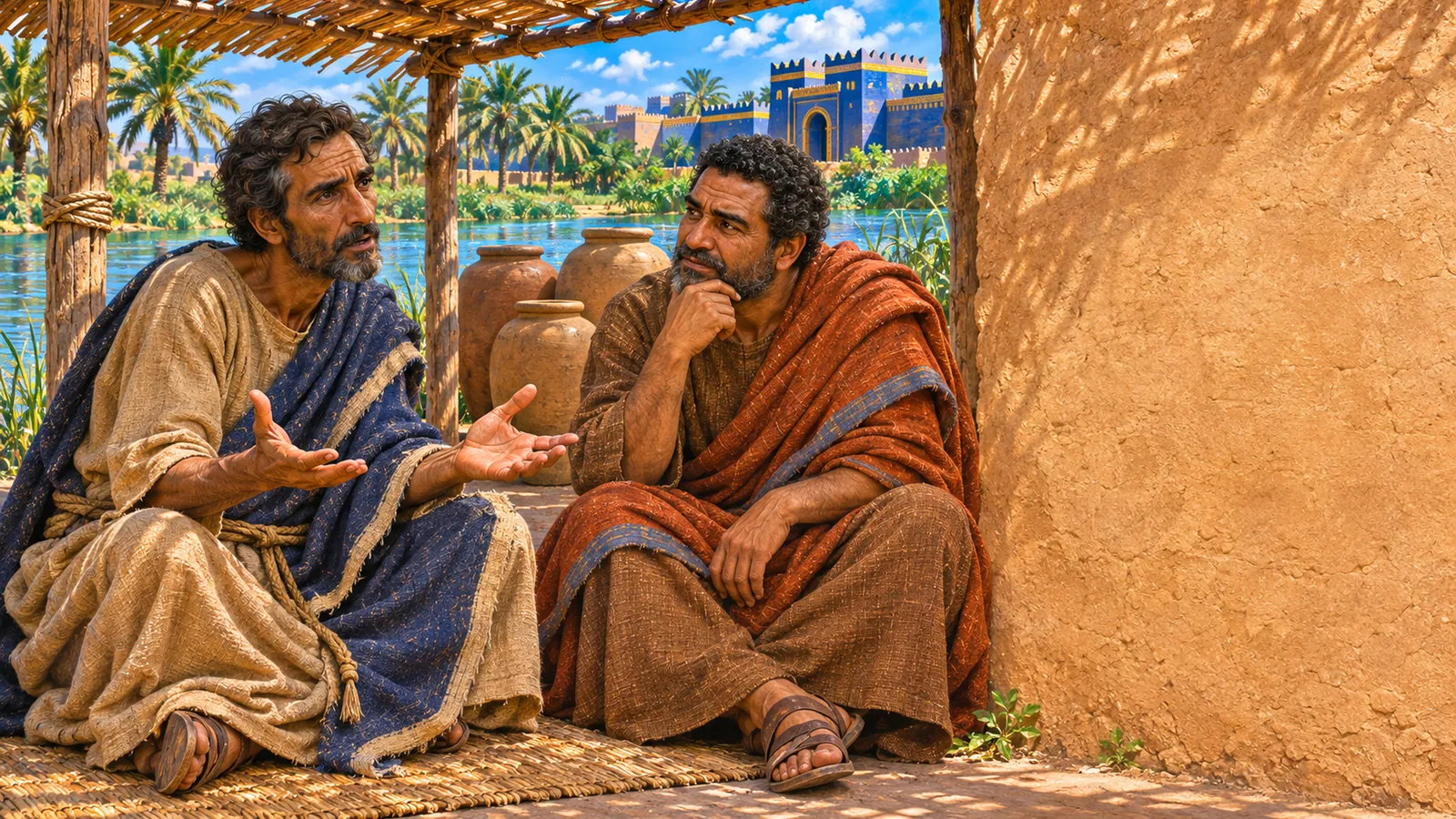
La gente llama canalla al que no tiene nada y admira al que acumula bienes, dice el afligido. En unas líneas fragmentarias menciona una reunión y unos santuarios abiertos.
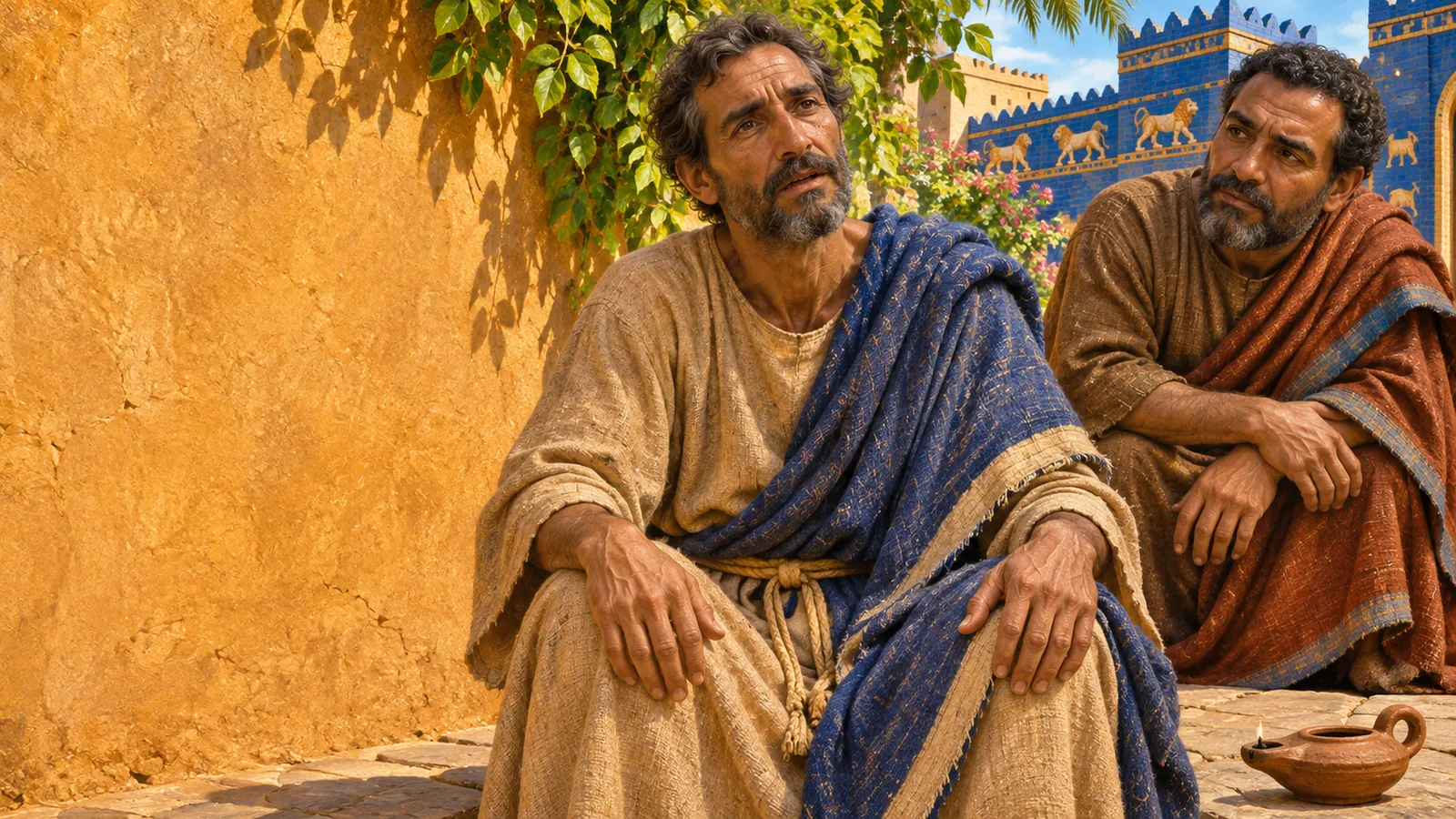
Dice que antes prestaba mucha atención a lo que quería su dios. Las preguntas que siguen están fragmentadas. Termina diciendo que se apaga.
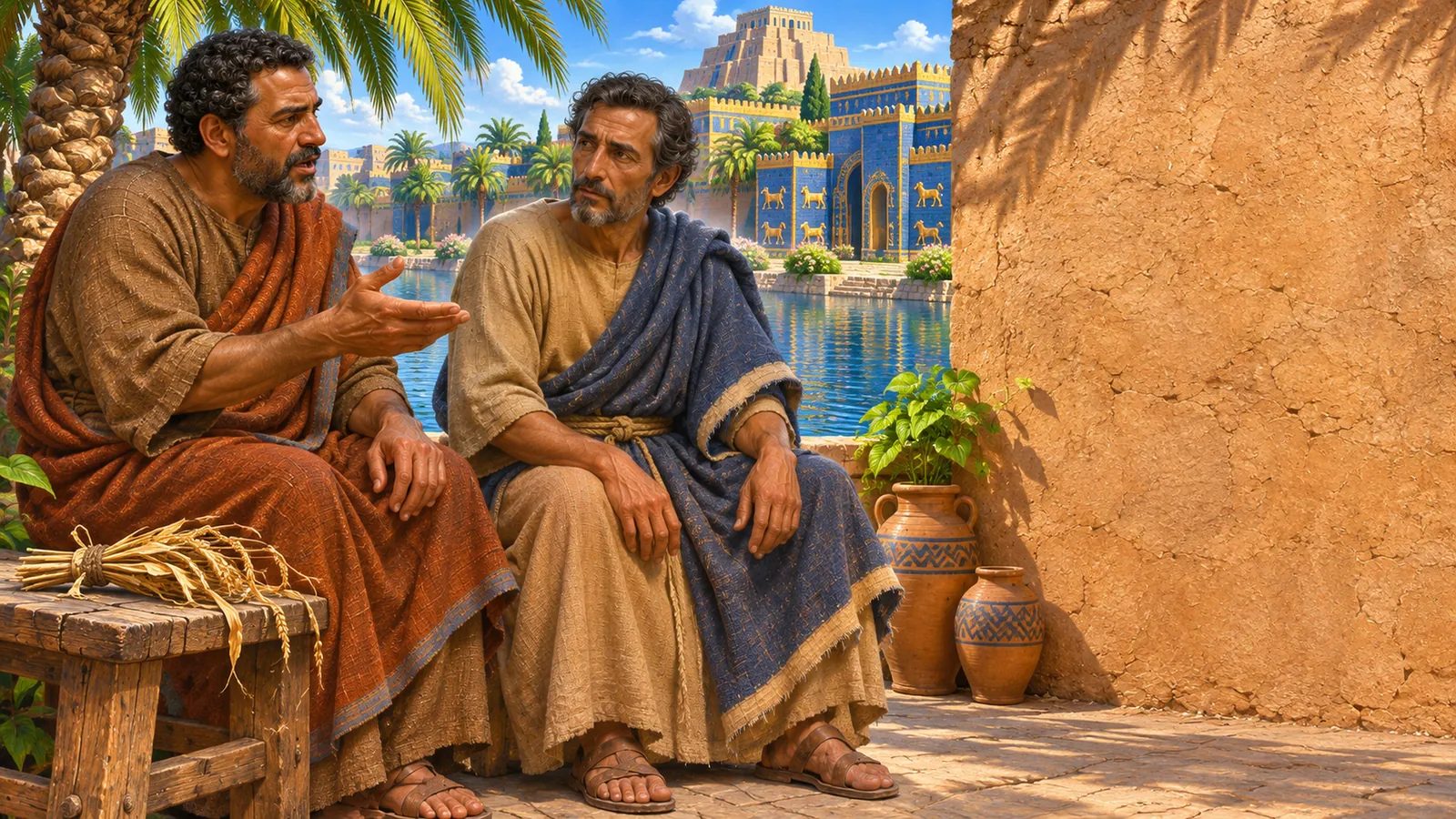
El amigo dice que la prosperidad que envidia el afligido puede marchitarse como una cosecha. Advierte que un golpe mortal aguarda al que ansía acumular bienes.
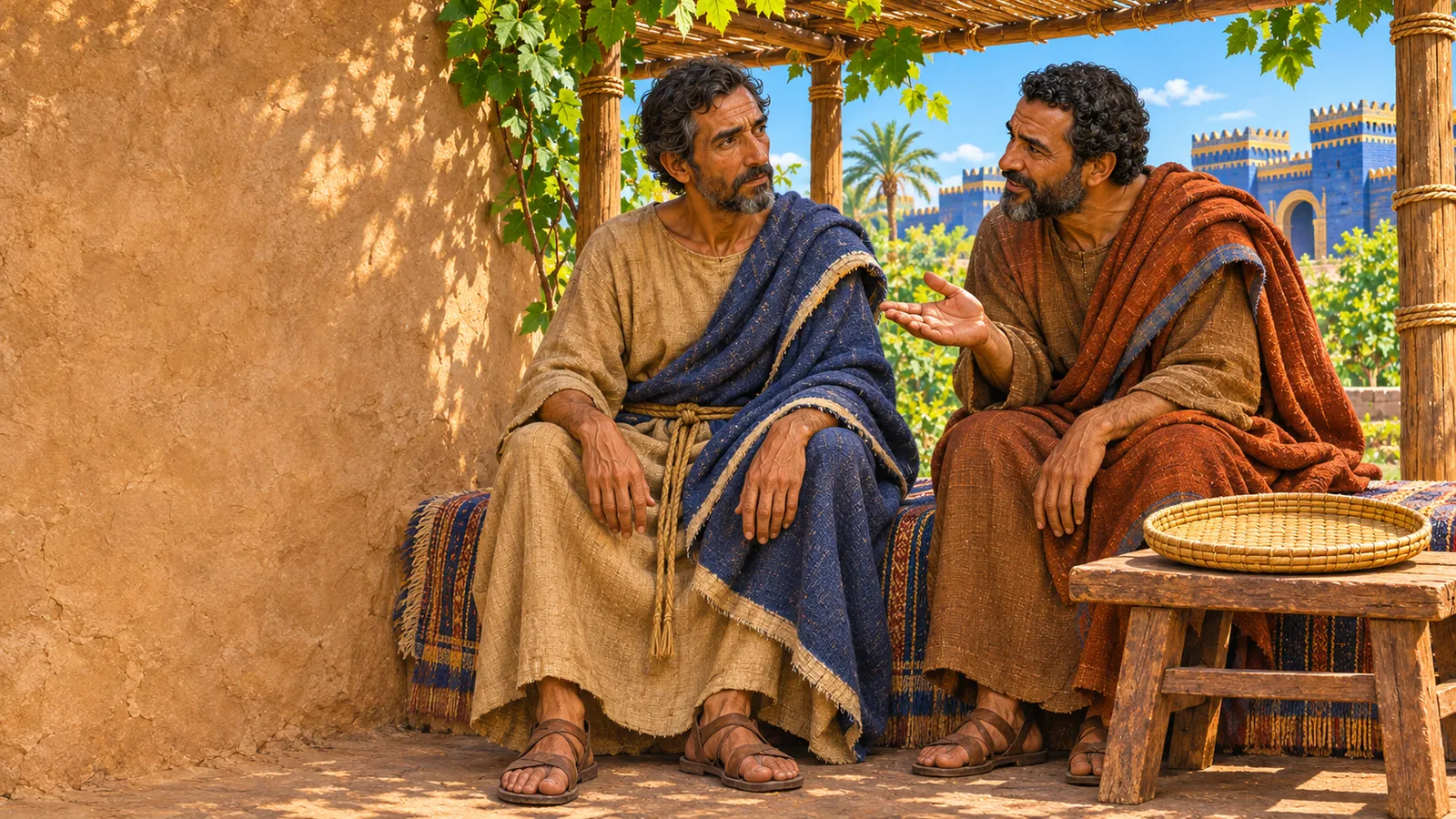
Escucha a tu dios y busca su favor, dice el amigo. Promete que lo perdido a lo largo de un año puede recuperarse en un instante.
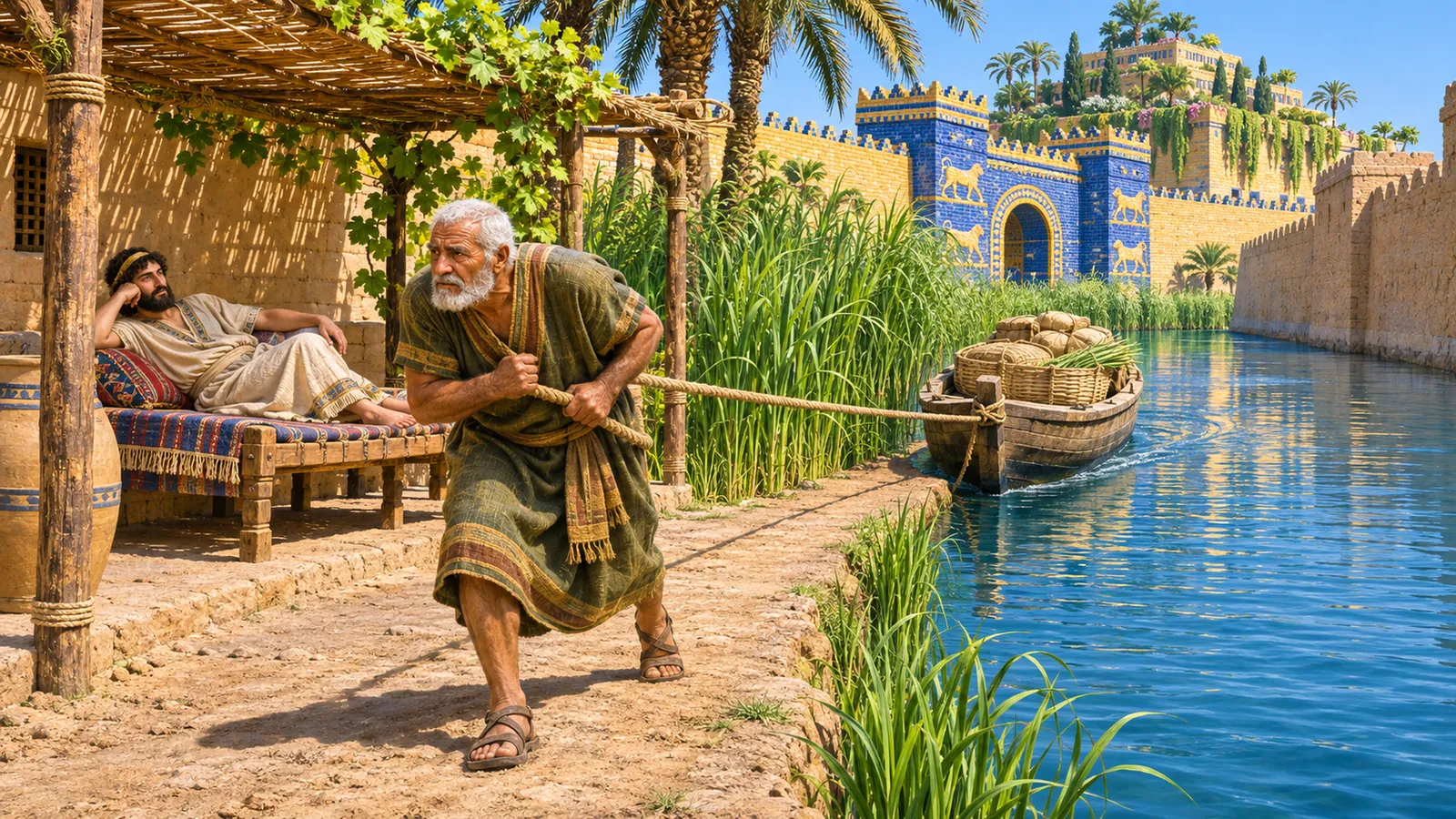
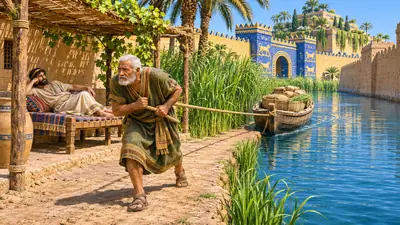
El afligido ve lo contrario. Un dios deja actuar a un demonio sin frenarlo, dice, y un padre arrastra una barca por un canal mientras su primogénito yace en la cama.
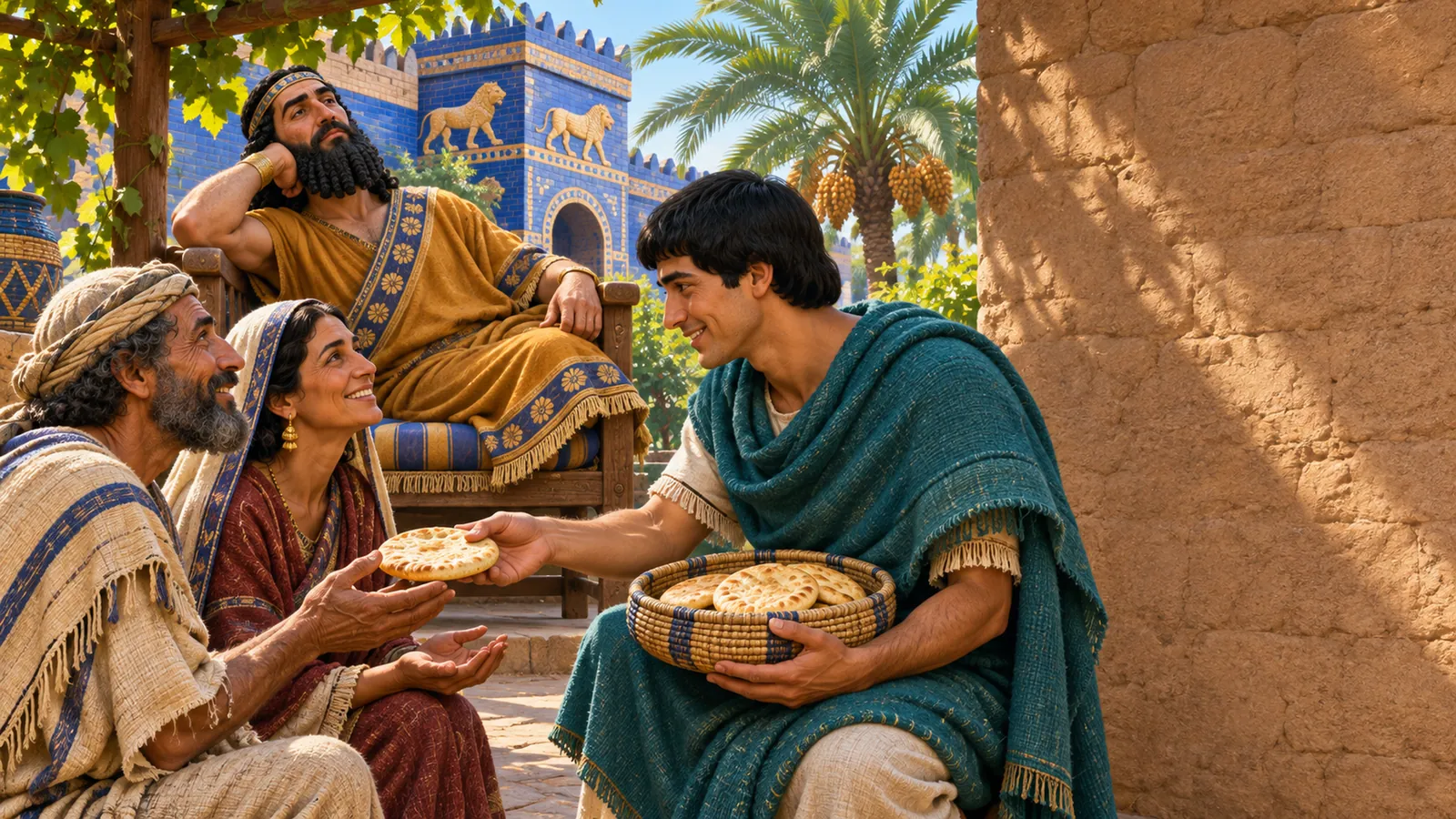
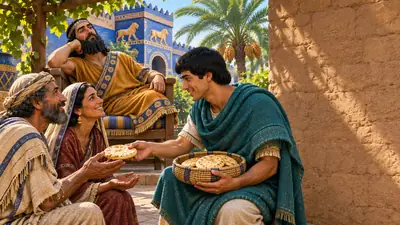
El afligido contrapone a un hermano mayor que corre como un león y a un hermano menor que se conforma con guiar un burro. Luego contrapone a un heredero ocioso y a un hijo menor que da de comer a los pobres.
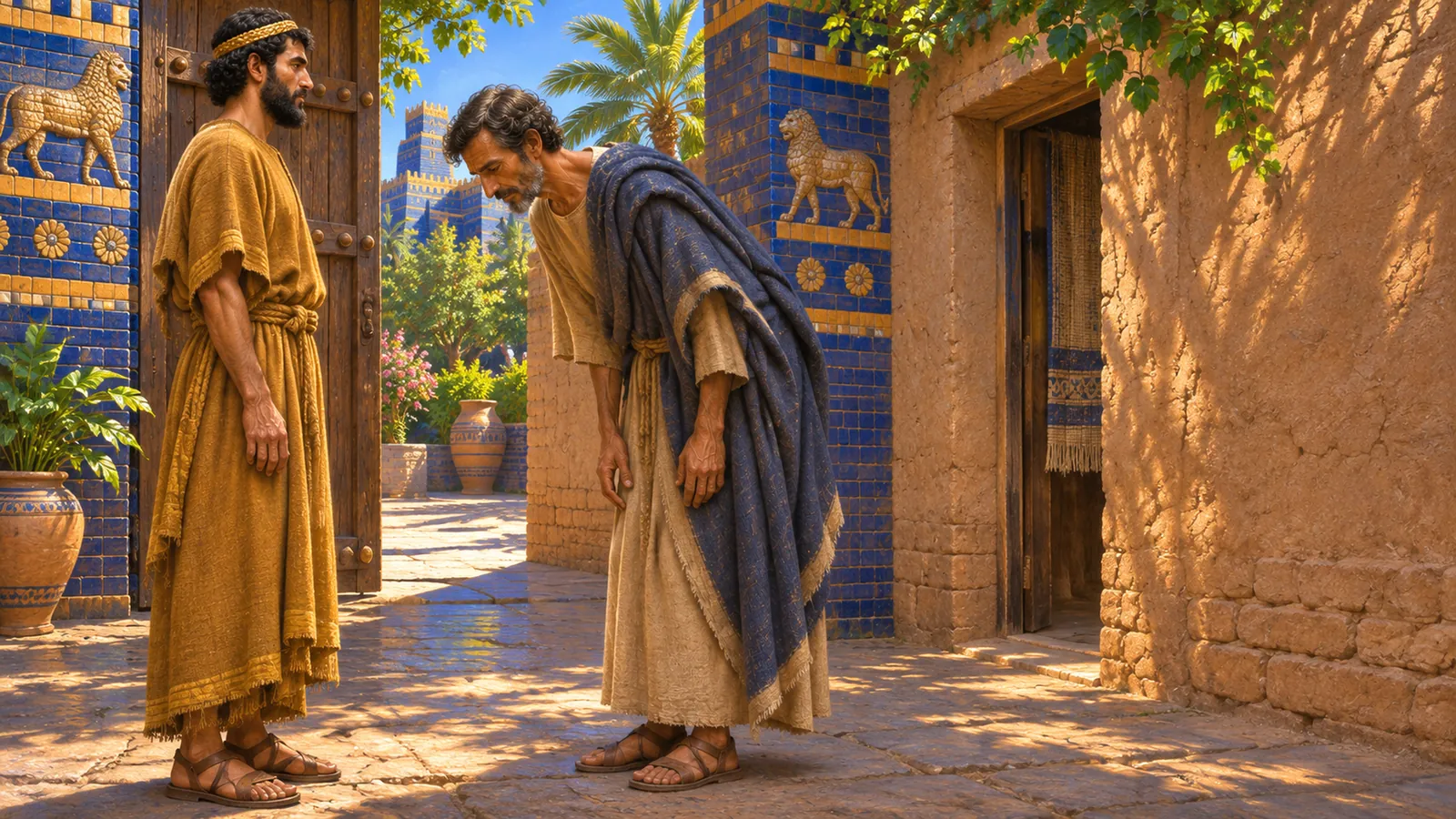
¿De qué me ha servido arrodillarme ante un dios? El afligido dice que ahora debe inclinarse ante alguien de rango inferior. Lo desprecian por igual los de baja condición y los ricos.
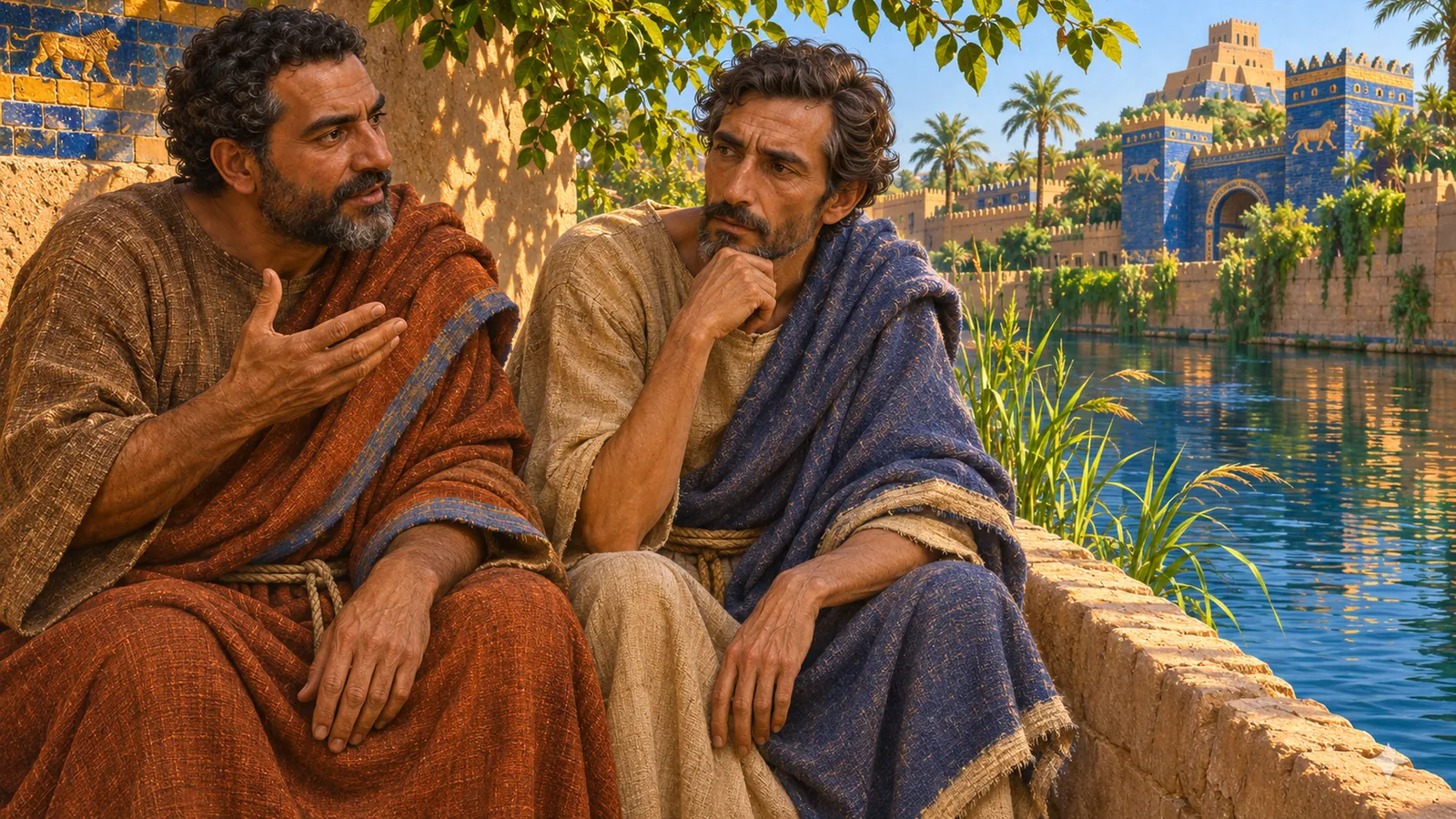
El amigo lo llama sabio, pero dice que la angustia lo lleva a blasfemar. Afirma que el designio divino es tan remoto como las profundidades del cielo y queda fuera de la comprensión humana.
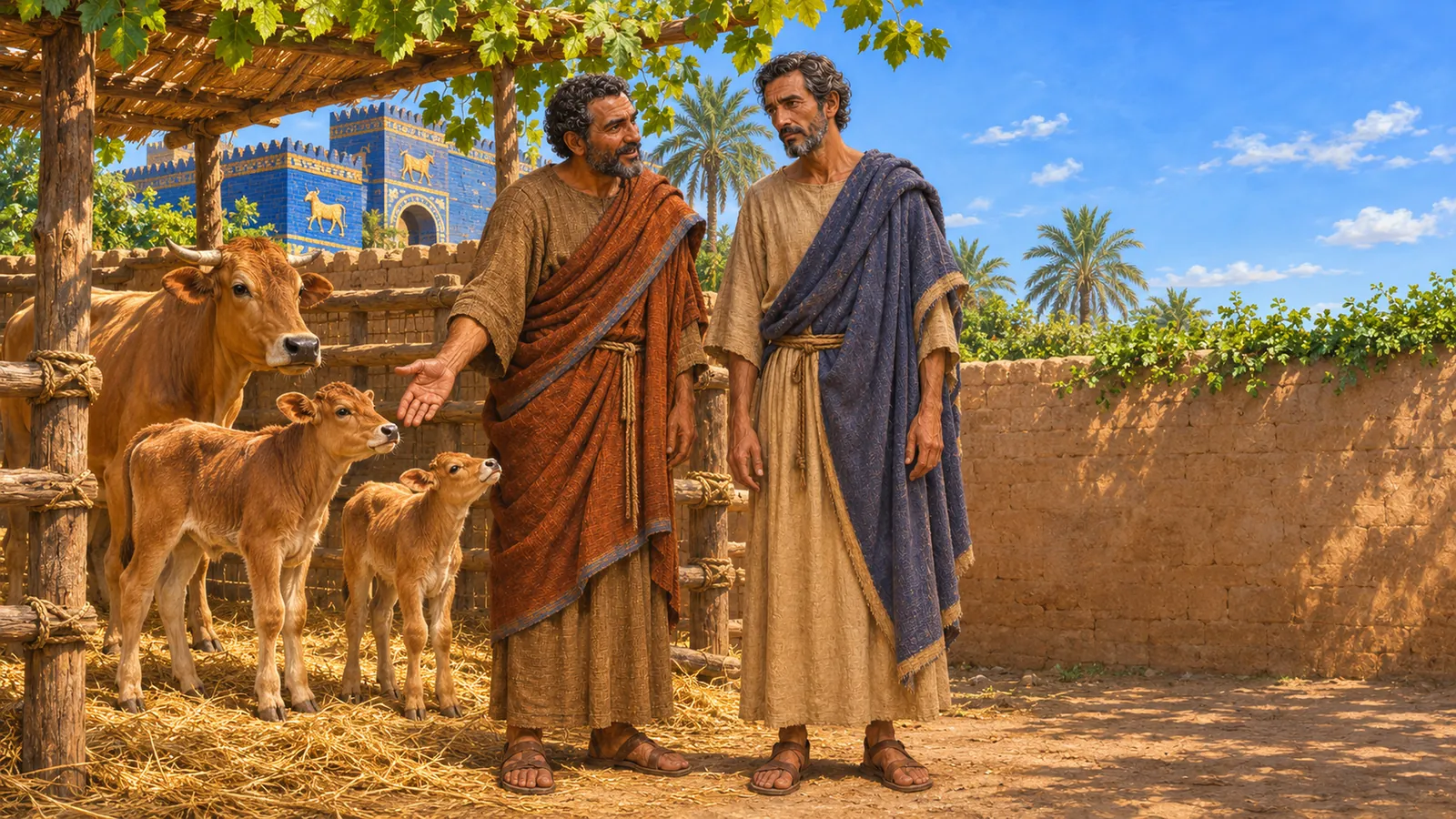
El amigo compara el primer ternero de una vaca con el siguiente, el doble de grande, y a un primogénito débil con un segundo hijo conocido como guerrero. ¿Quién, pregunta, puede comprender la sabiduría divina?
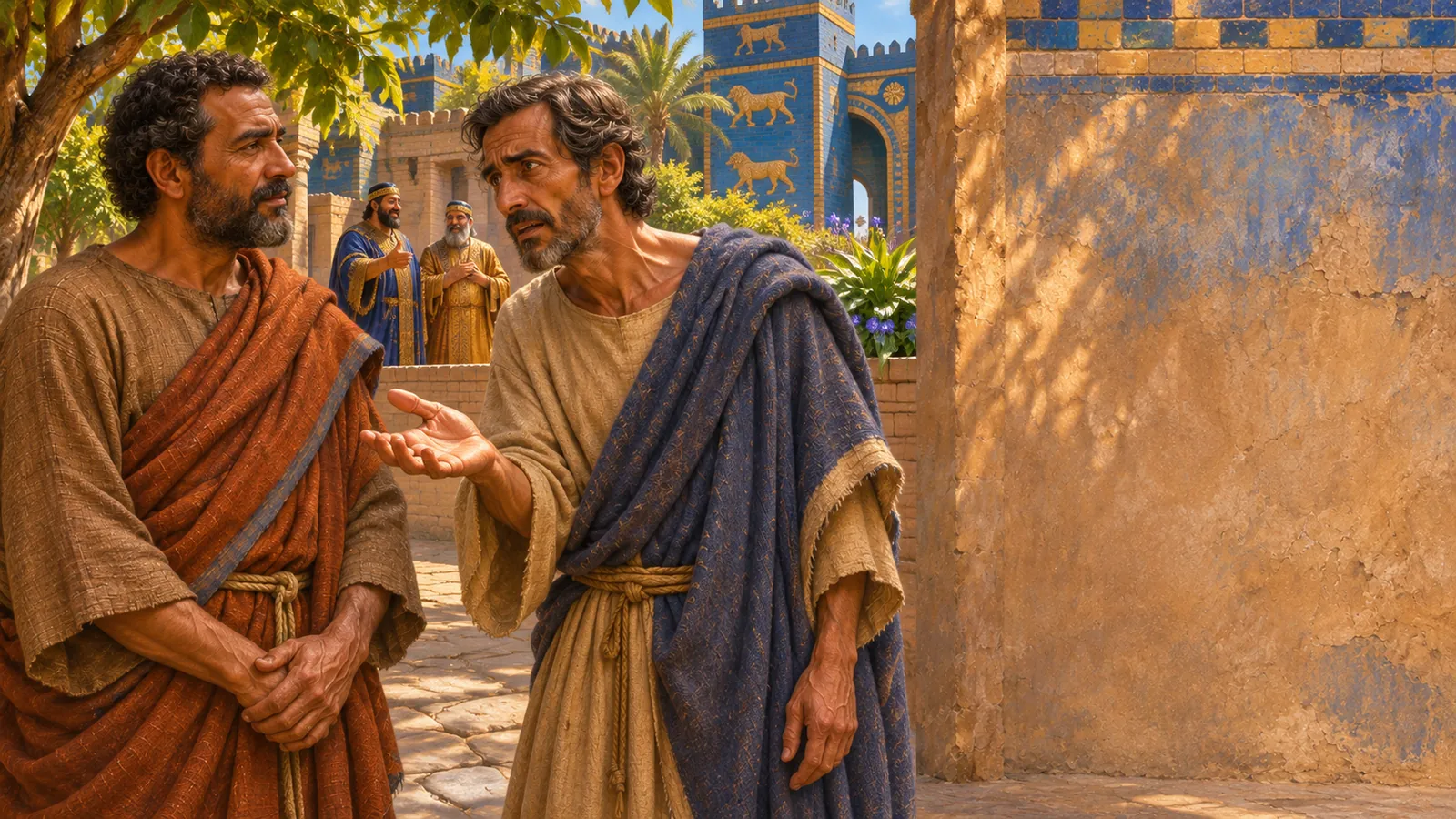
LOS CULPABLES
Escucha bien, dice el afligido. La gente alaba las palabras de un asesino poderoso y deshonra a un inocente. Llama veraz al embustero y expulsa al que dice la verdad.
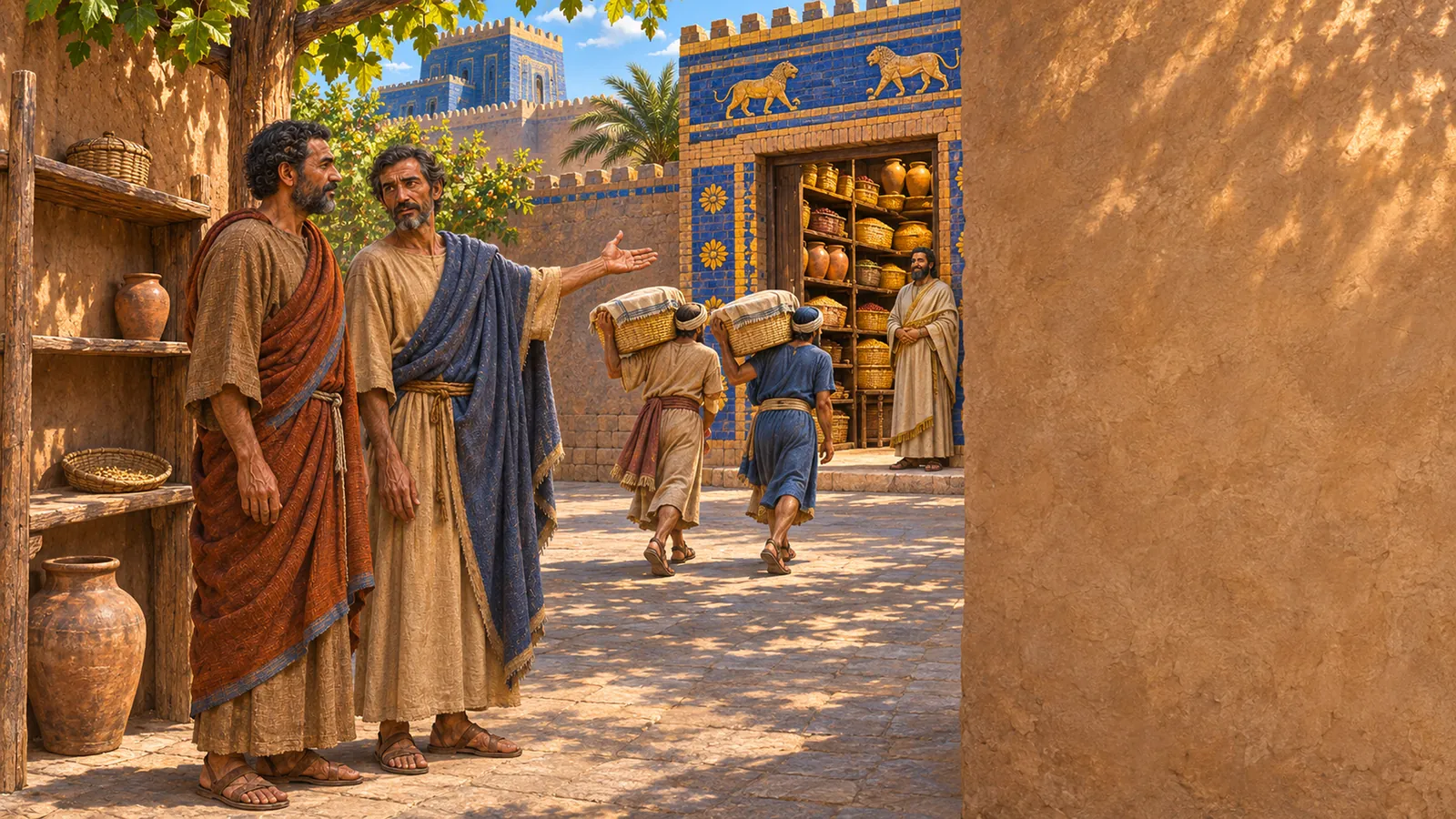
El afligido dice que la gente llena de tesoros el depósito del opresor. Esa misma gente vacía la despensa del indefenso y se lleva la comida de la que vivía.
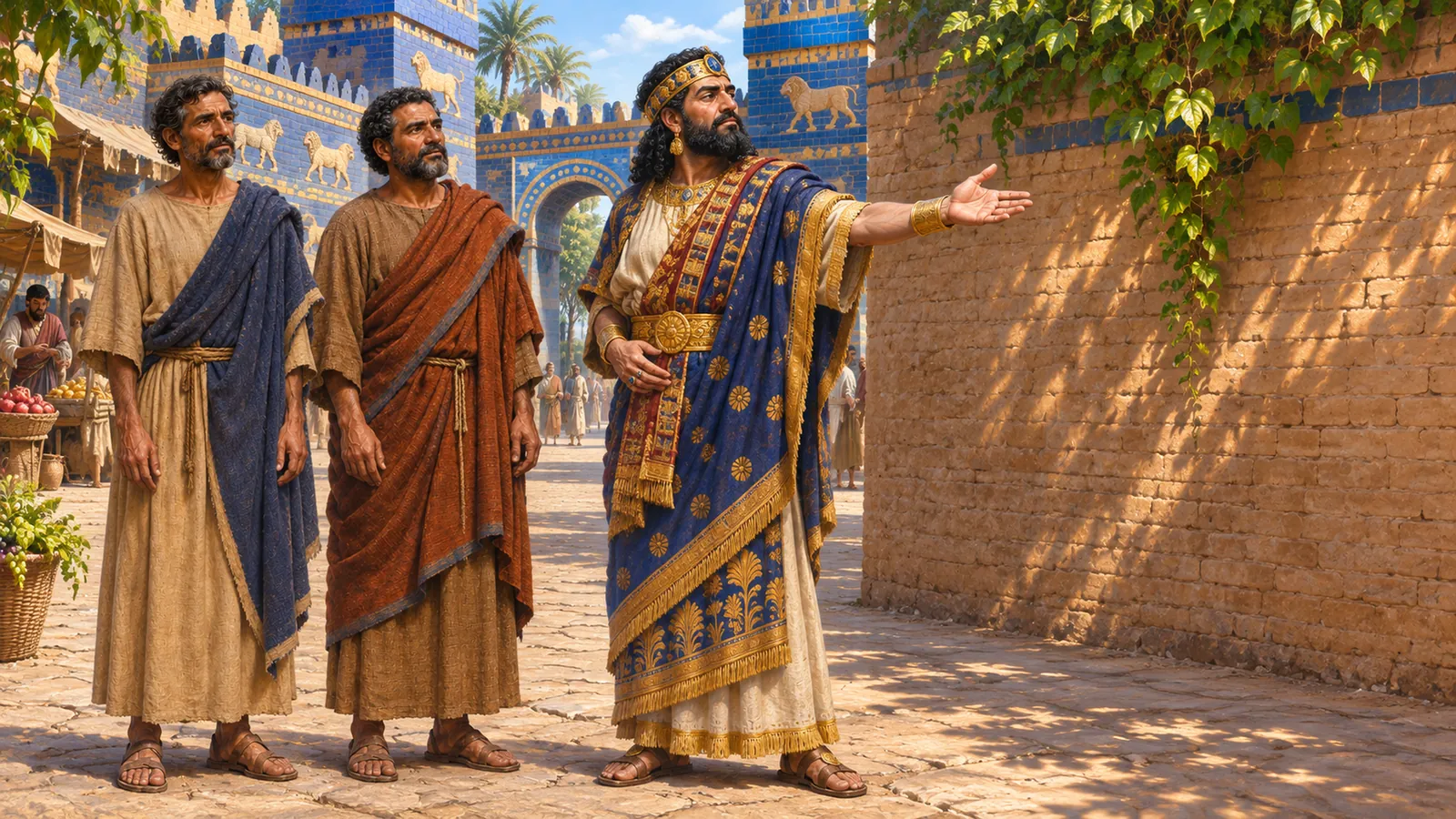
La gente apoya al tirano y arruina a quienes carecen de poder, dice el afligido. Él no tiene recursos y un hombre rico lo acosa.
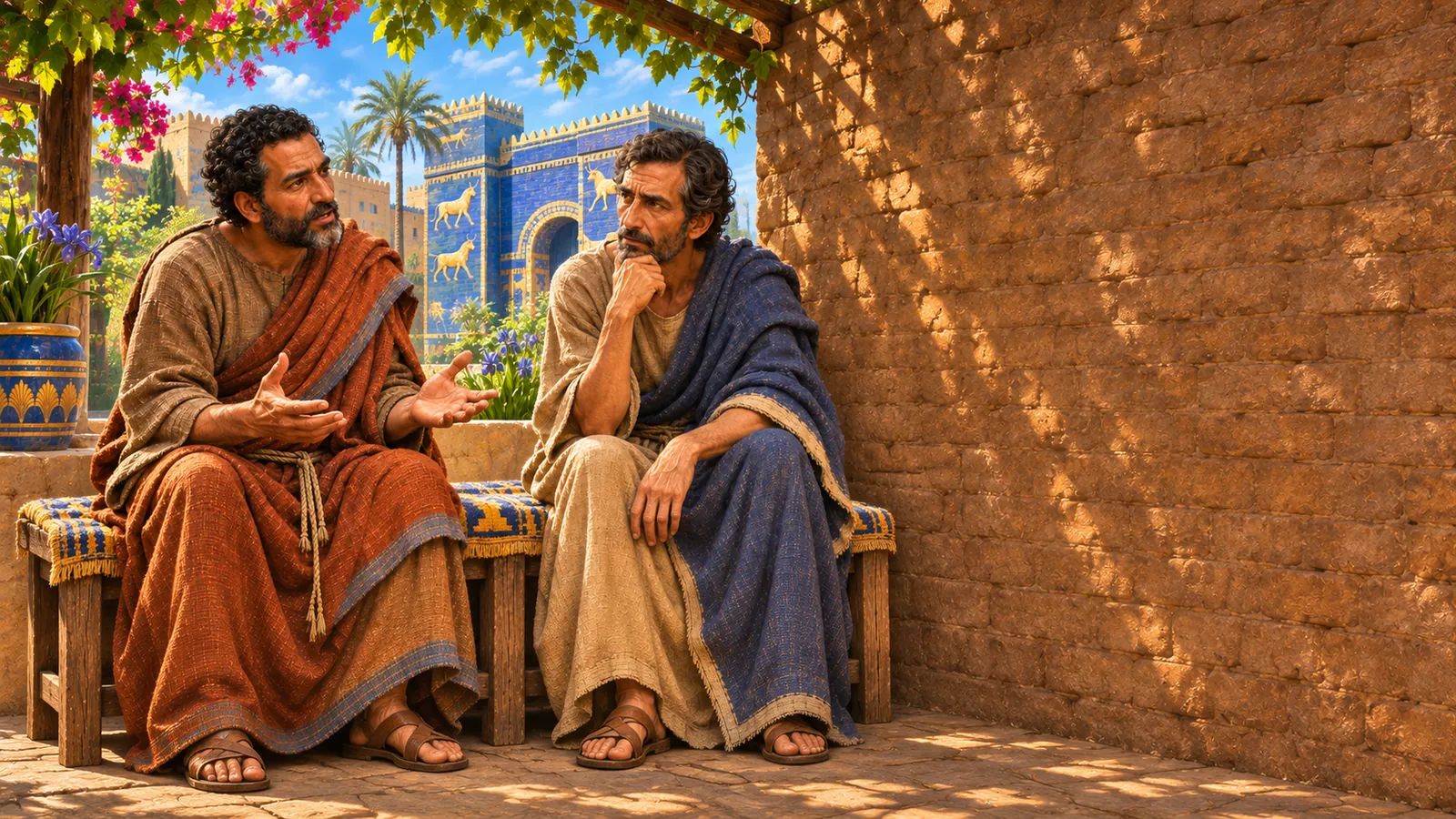
El amigo cuenta a su modo cómo Enlil, Ea y Mami crearon a la humanidad. Dice que les dieron a las personas palabras mentirosas para siempre.
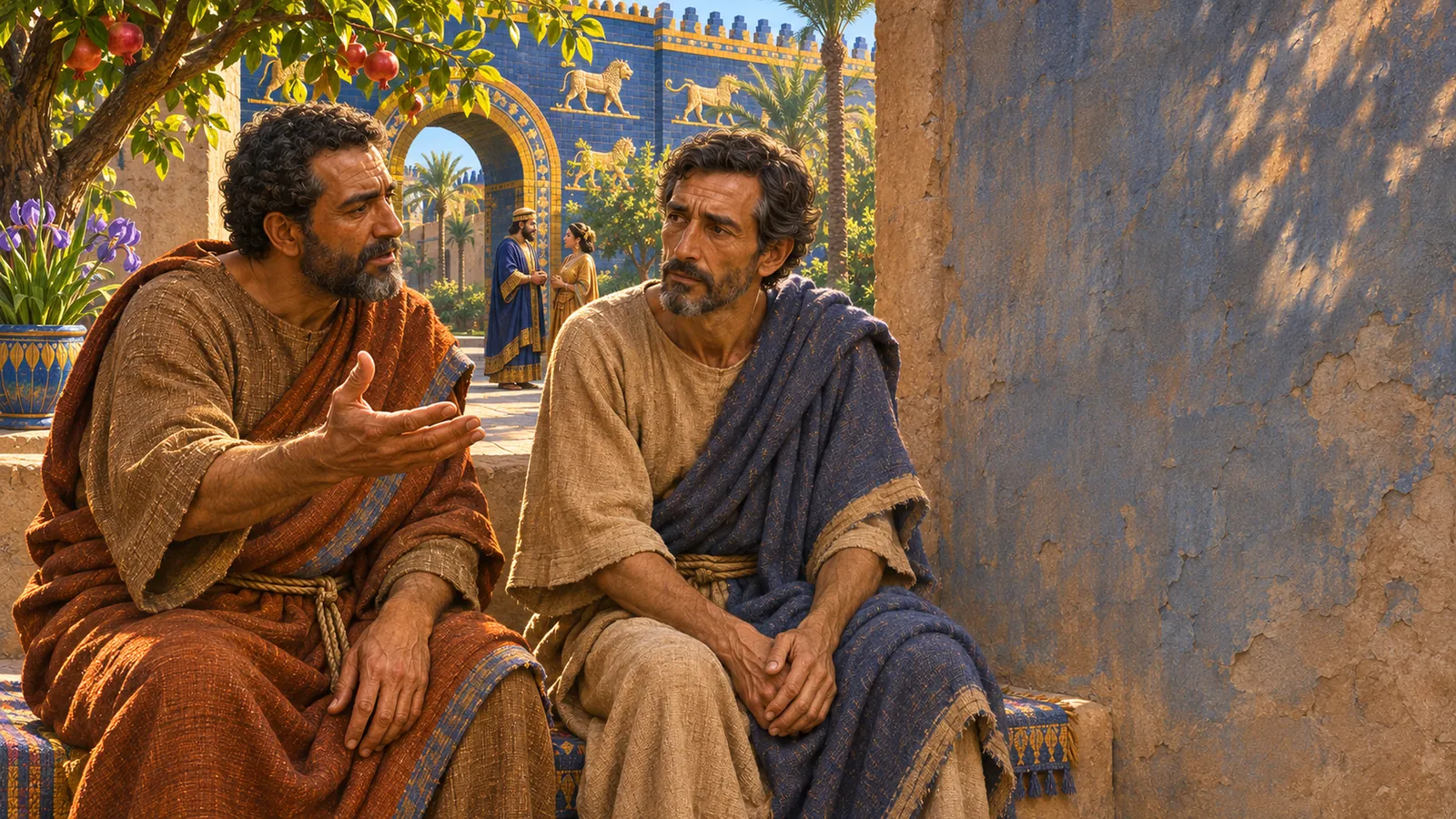
El amigo dice que la gente elogia a los ricos y calumnia a un pobre llamándolo ladrón. Lo atormenta, conspira para matarlo y lo apaga como a una brasa.
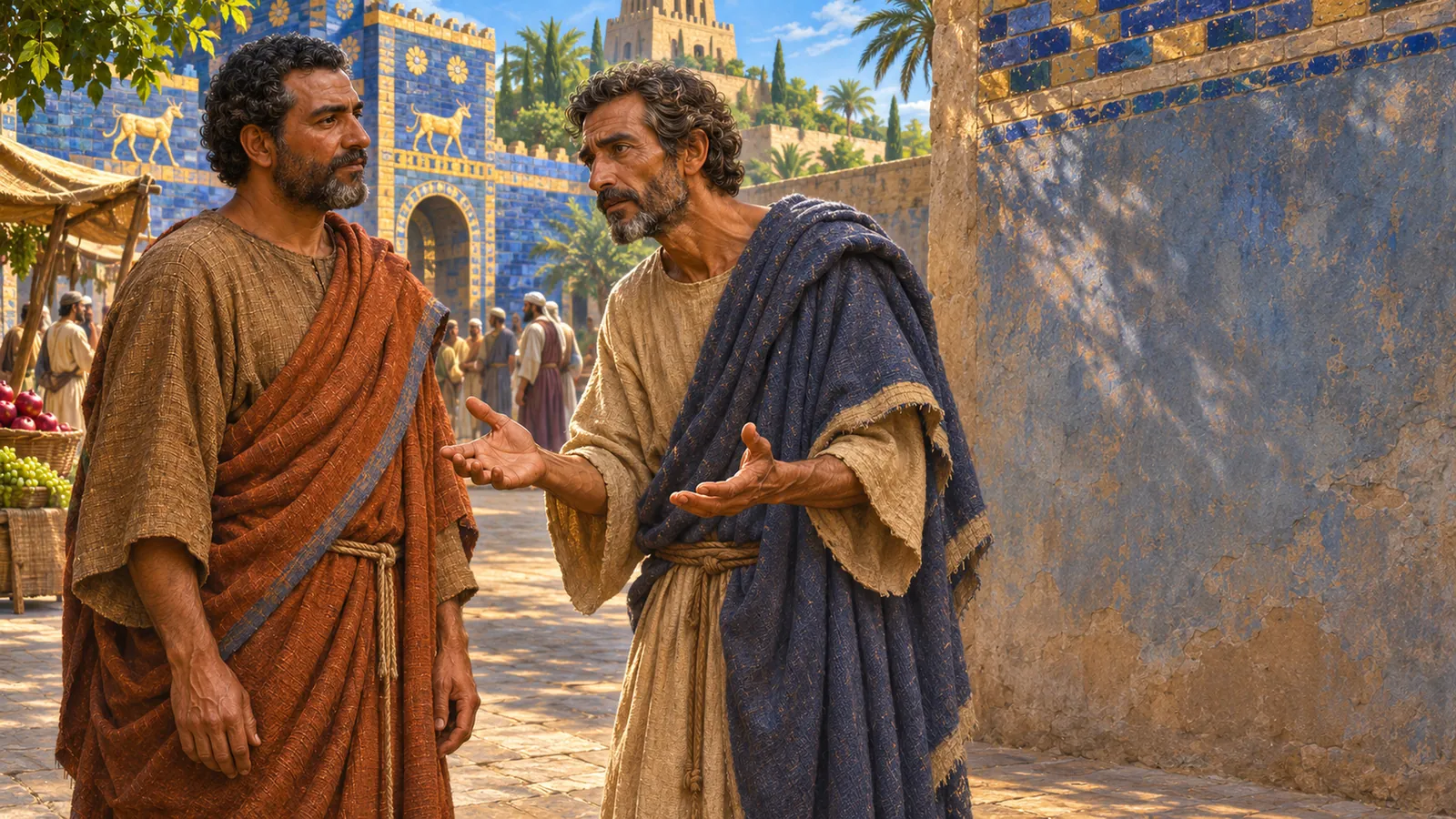
Ayúdame, amigo, dice el afligido. No ha encontrado ayuda. Dice que cruzaba la plaza en silencio, hablaba en voz baja y se negaba a adular a sus compañeros.
LA PLEGARIA
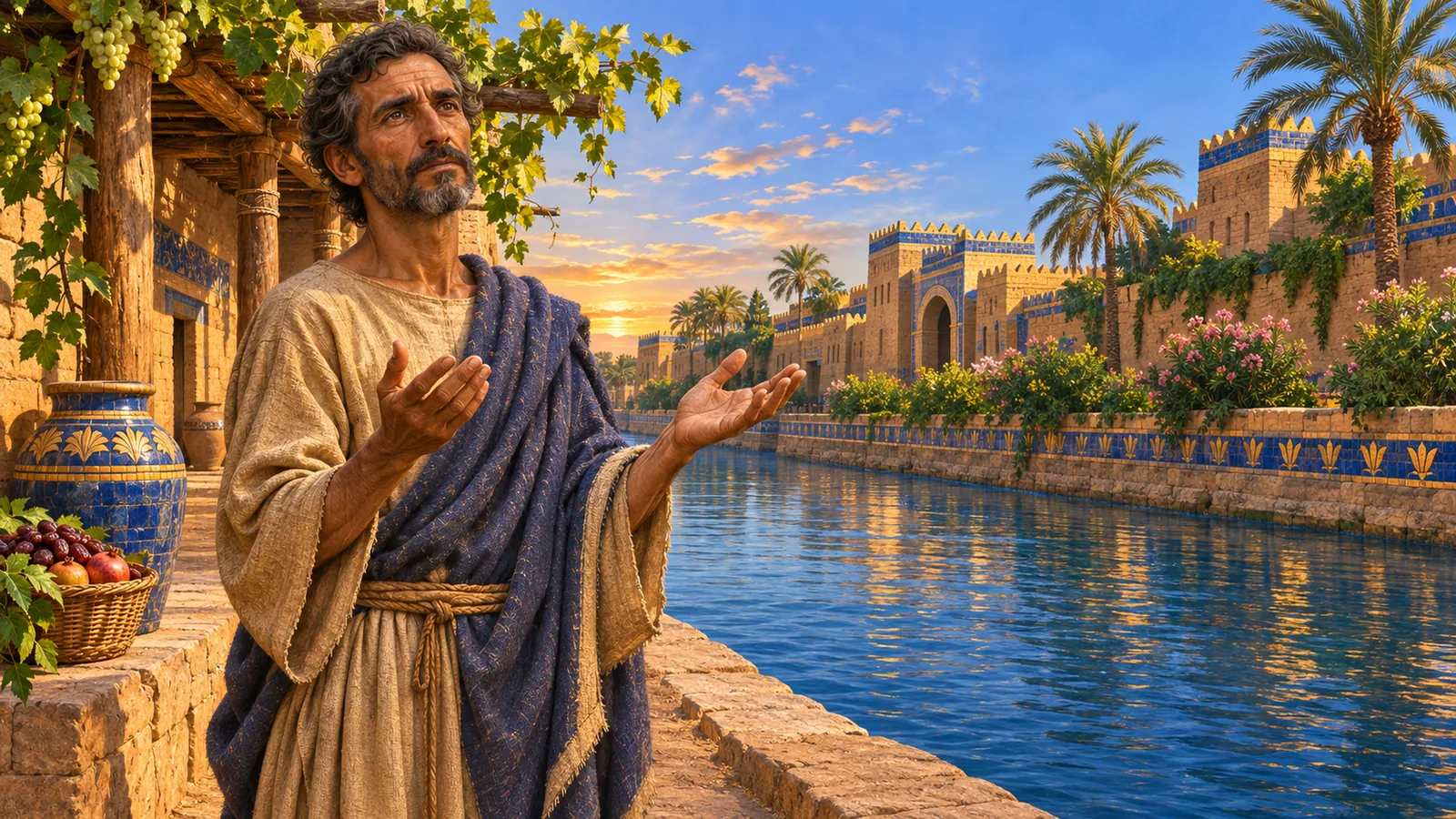
Al final, pide ayuda al dios que lo ha rechazado y piedad a la diosa que lo ha abandonado. Pide su favor al pastor llamado el Sol del Pueblo.
Fin del capítulo 1
Todas las páginas
Fuentes
The edition credits E. Jiménez as a contributor and lists Benjamin R. Foster, Wasim Khatabe and Wadieh Zerkly for its translations. The line numbers below refer to the English displayed in the Standard Babylonian chapter.
Ediciones consultadas
- A. C. Heinrich and T. Mitto, Theodicy, Standard Babylonian chapter, electronic Babylonian Library (2022)
- Edition DOI and translation credits
- eBL overview, stanza form, ancient attribution and bibliography
Los versos antiguos de cada página
- Page 1: eBL Theodicy, SB, stanza I, lines 1–7
- Page 2: eBL Theodicy, SB, stanza I, lines 8–11
- Page 3: eBL Theodicy, SB, stanza II, lines 12–17
- Page 4: eBL Theodicy, SB, stanza II, lines 18–22
- Page 5: eBL Theodicy, SB, stanza III, lines 23–26
- Page 6: eBL Theodicy, SB, stanza III, lines 27–33
- Page 7: eBL Theodicy, SB, stanza IV, lines 34–38
- Page 8: eBL Theodicy, SB, stanza IV, lines 39–44
- Page 9: eBL Theodicy, SB, stanza V, lines 45–49
- Page 10: eBL Theodicy, SB, stanza V, lines 50–53
- Page 11: eBL Theodicy, SB, stanza V, lines 54–55
- Page 12: eBL Theodicy, SB, stanza VI, lines 56–58
- Page 13: eBL Theodicy, SB, stanza VI, lines 59–62
- Page 14: eBL Theodicy, SB, stanza VI, lines 63–66
- Page 15: eBL Theodicy, SB, stanza VII, lines 67–71
- Page 16: eBL Theodicy, SB, stanza VII, lines 72–77
- Page 17: eBL Theodicy, SB, stanza VIII, lines 78–83
- Page 18: eBL Theodicy, SB, stanza VIII, lines 84–88
- Page 19: eBL Theodicy, SB, stanza IX, lines 89–99
- Page 20: eBL Theodicy, SB, stanza X, lines 100–110
- Page 21: eBL Theodicy, SB, stanza XI, lines 111–121
- Page 22: eBL Theodicy, SB, stanza XII, lines 122–126
- Page 23: eBL Theodicy, SB, stanza XII, lines 127–132
- Page 24: eBL Theodicy, SB, stanza XIII, lines 133–136
- Page 25: eBL Theodicy, SB, stanza XIII, lines 137–139
- Page 26: eBL Theodicy, SB, stanza XIII, lines 140–143
- Page 27: eBL Theodicy, SB, stanza XIV, lines 144–154
- Page 28: eBL Theodicy, SB, stanza XV, lines 155–161
- Page 29: eBL Theodicy, SB, stanza XV, lines 162–165
Broad natural diffuse evening air occupies the left and merges with the land well below the text area, without a hard horizon. - Page 30: eBL Theodicy, SB, stanza XVI, lines 166–171
- Page 31: eBL Theodicy, SB, stanza XVI, lines 172–176
- Page 32: eBL Theodicy, SB, stanza XVII, lines 177–182
- Page 33: eBL Theodicy, SB, stanza XVII, lines 183–187
- Page 34: eBL Theodicy, SB, stanza XVIII, lines 188–198
- Page 35: eBL Theodicy, SB, stanza XIX, lines 199–204
- Page 36: eBL Theodicy, SB, stanza XIX, lines 205–209
- Page 37: eBL Theodicy, SB, stanza XX, lines 210–214
- Page 38: eBL Theodicy, SB, stanza XX, lines 215–220
- Page 39: eBL Theodicy, SB, stanza XXI, lines 221–226
- Page 40: eBL Theodicy, SB, stanza XXI, lines 227–231
- Page 41: eBL Theodicy, SB, stanza XXII, lines 232–238
- Page 42: eBL Theodicy, SB, stanza XXII, lines 239–242
- Page 43: eBL Theodicy, SB, stanza XXIII, lines 243–246
- Page 44: eBL Theodicy, SB, stanza XXIII, lines 247–250
- Page 45: eBL Theodicy, SB, stanza XXIII, lines 251–253
- Page 46: eBL Theodicy, SB, stanza XXIV, lines 254–257
- Page 47: eBL Theodicy, SB, stanza XXIV, lines 258–264
- Page 48: eBL Theodicy, SB, stanza XXV, lines 265–270
- Page 49: eBL Theodicy, SB, stanza XXV, lines 271–272
- Page 50: eBL Theodicy, SB, stanza XXV, lines 273–275
- Page 51: eBL Theodicy, SB, stanza XXVI, lines 276–280
- Page 52: eBL Theodicy, SB, stanza XXVI, lines 281–286
- Page 53: eBL Theodicy, SB, stanza XXVII, lines 287–294
- Page 54: eBL Theodicy, SB, stanza XXVII, lines 295–297
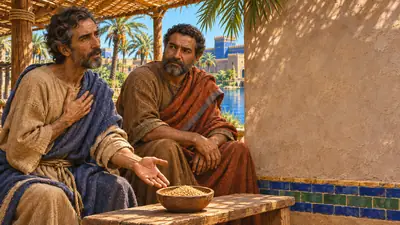
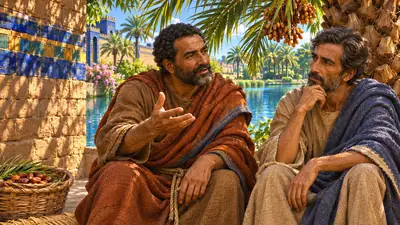
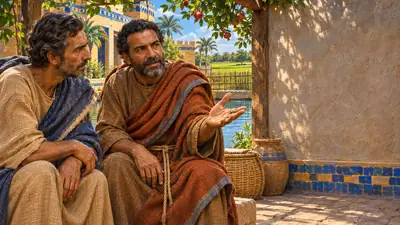
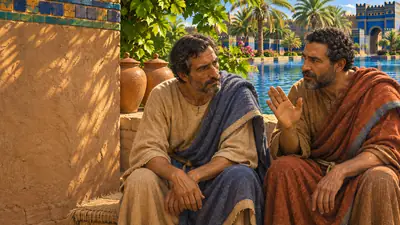
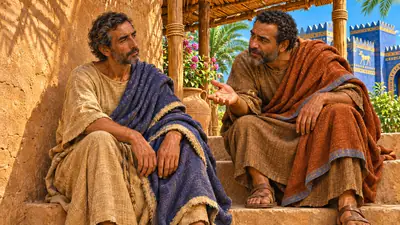
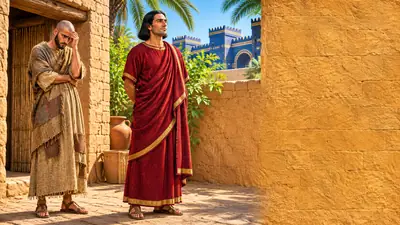
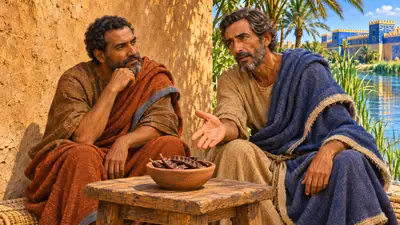
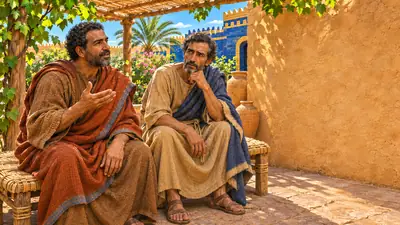
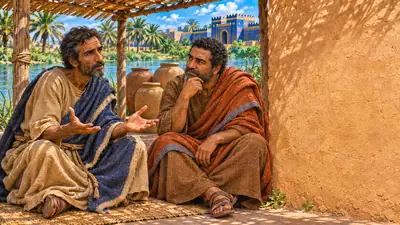
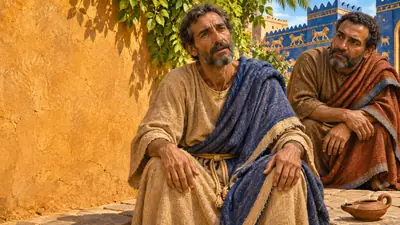
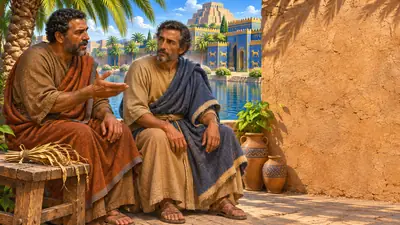
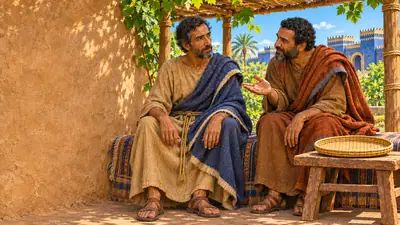
Ilustraciones hechas por IL Archive con herramientas de IA; el texto se basa en las fuentes antiguas (véanse las fuentes al final de cada capítulo).