Los días de Dumuzi Capítulo 1
Los ritos de Arba’il
Un comentario ritual dañado nombra el día de los gritos y el día en que se levanta Tammuz, con fechas restituidas para los dos. El fragmento vincula su muerte con la cebada tostada y termina con la imagen de un hermano en una lectura con esa palabra restituida.
FuentesPase las páginas con las flechas, el teclado o deslizando el dedo.
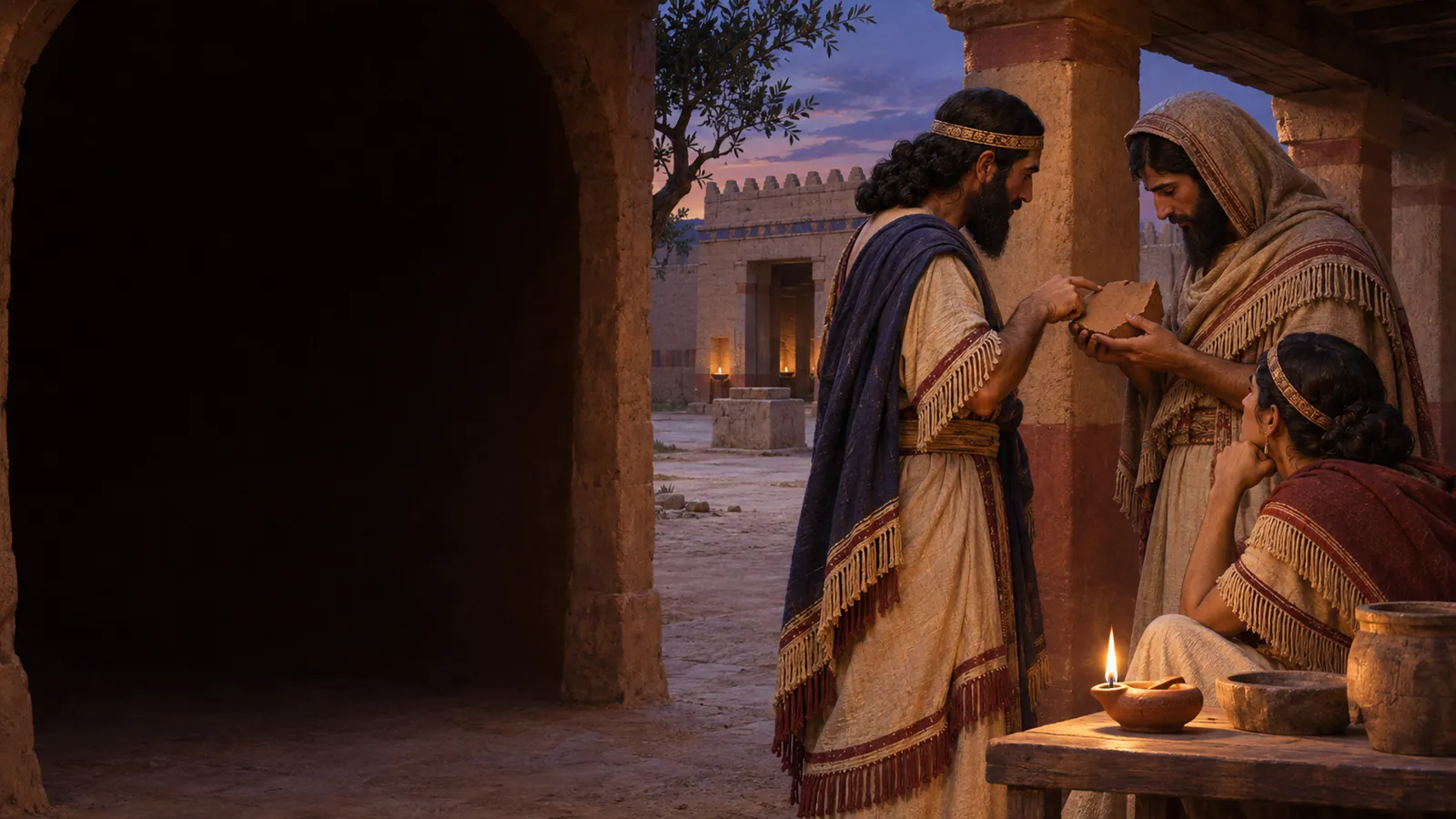
LOS RITOS EN ARBA’IL
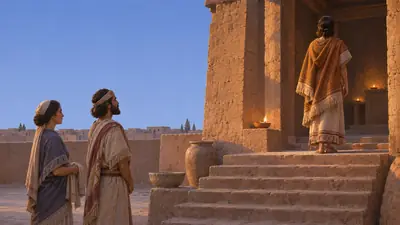
La primera línea está dañada. Las palabras conservadas dicen que algo se realiza hasta el trigésimo día, con parte del verbo restituida.
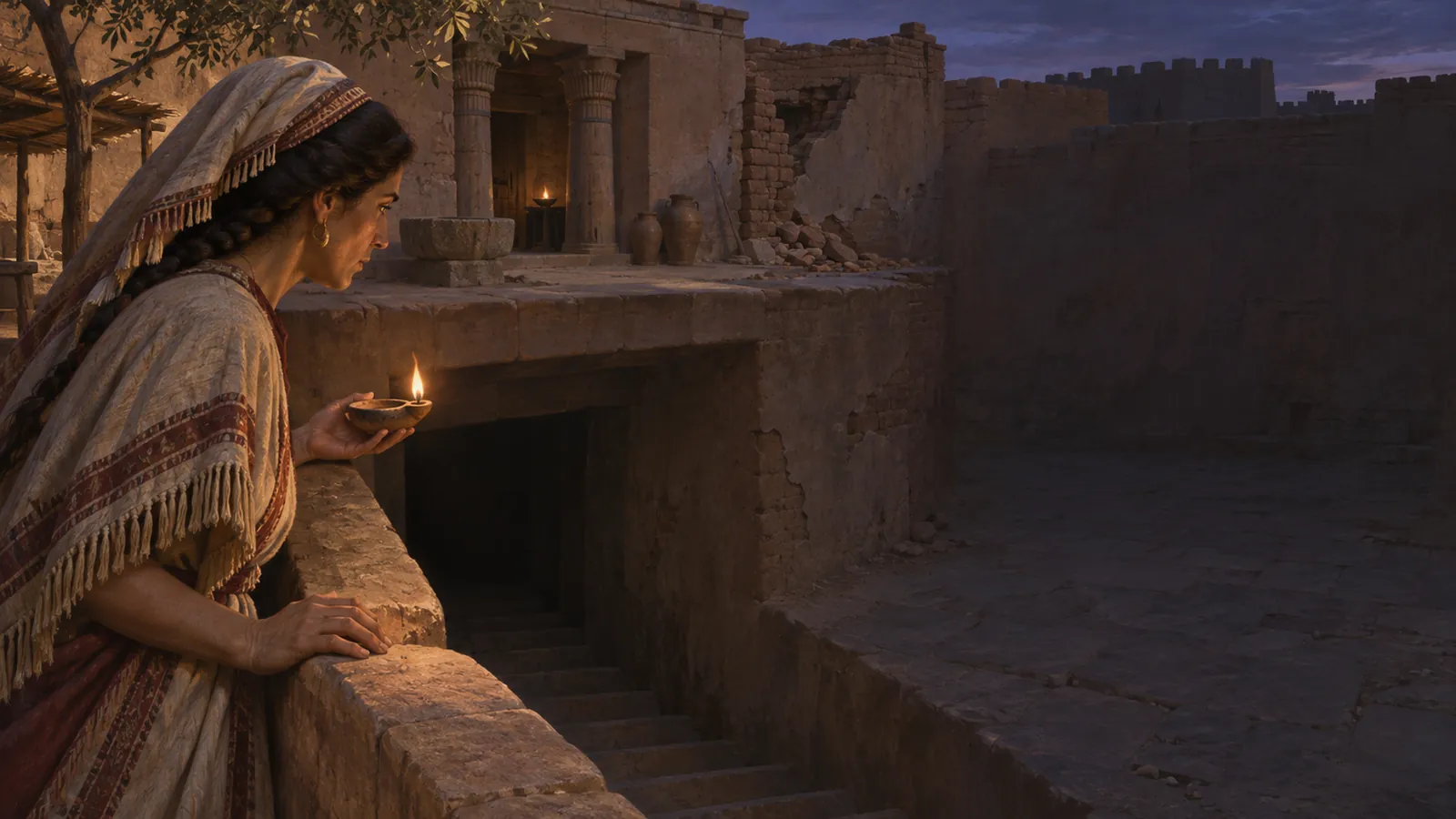
La siguiente entrada dañada menciona un golpe y un descenso. Se han perdido la fecha, quién o qué desciende y su destino.
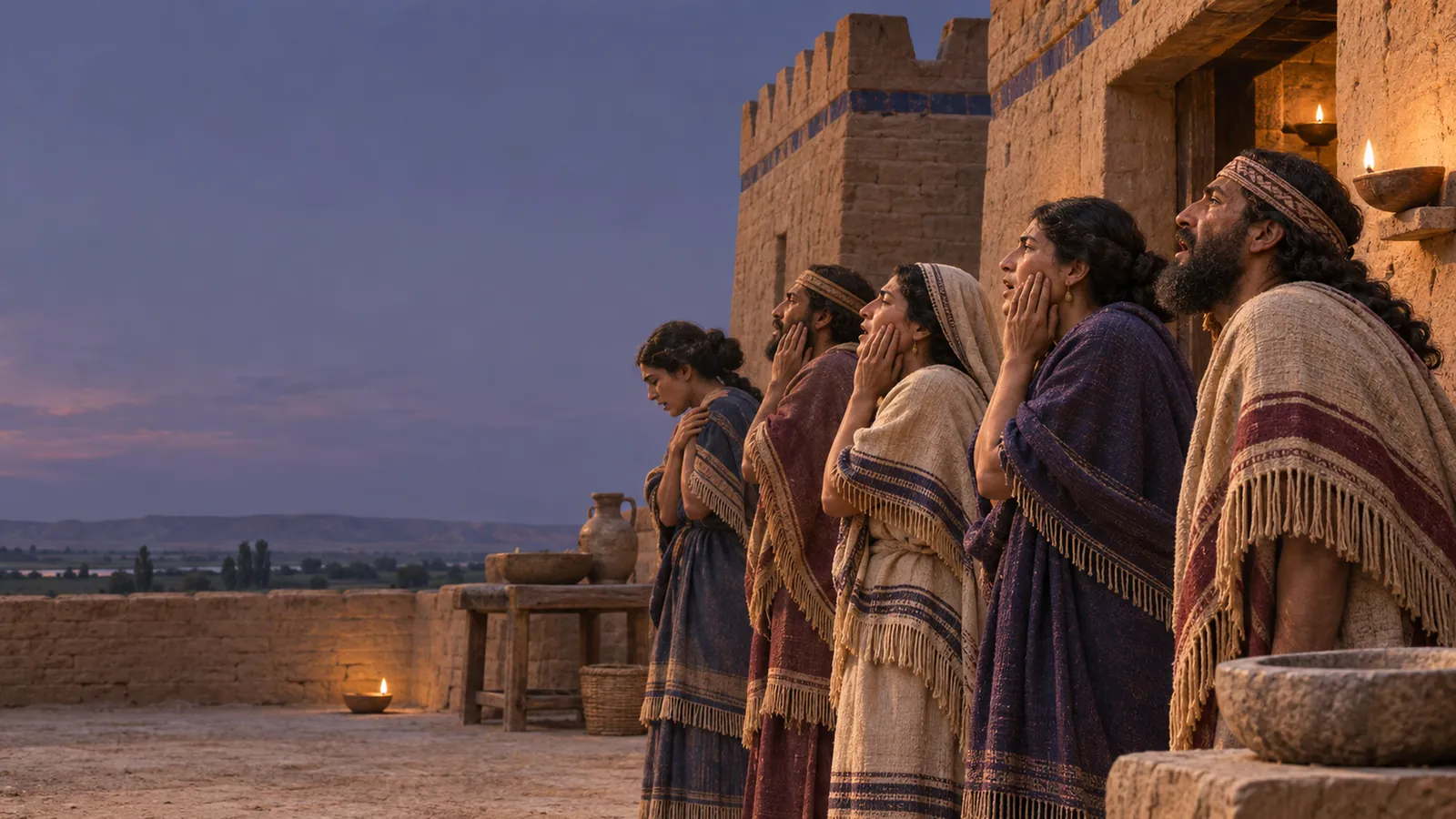
La fecha restituida es el vigésimo sexto día. El texto lo llama el día de los gritos y después nombra a Anu en una frase que se interrumpe.
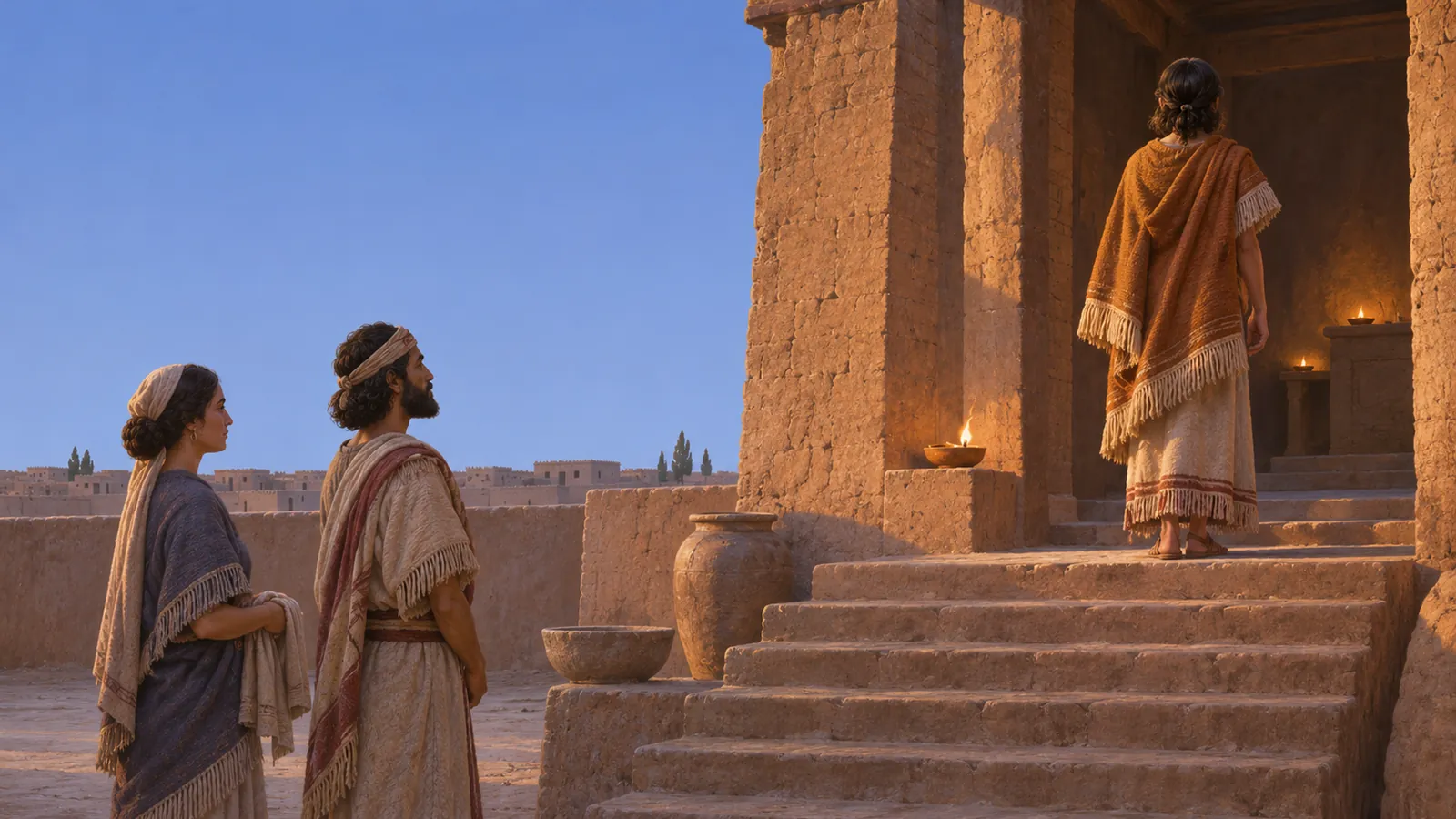
En el vigésimo octavo día, cuya fecha se restituye, el pasaje dice que Tammuz se levanta a petición de alguien. Las palabras conservadas dejan sin identificar a quien lo pide.
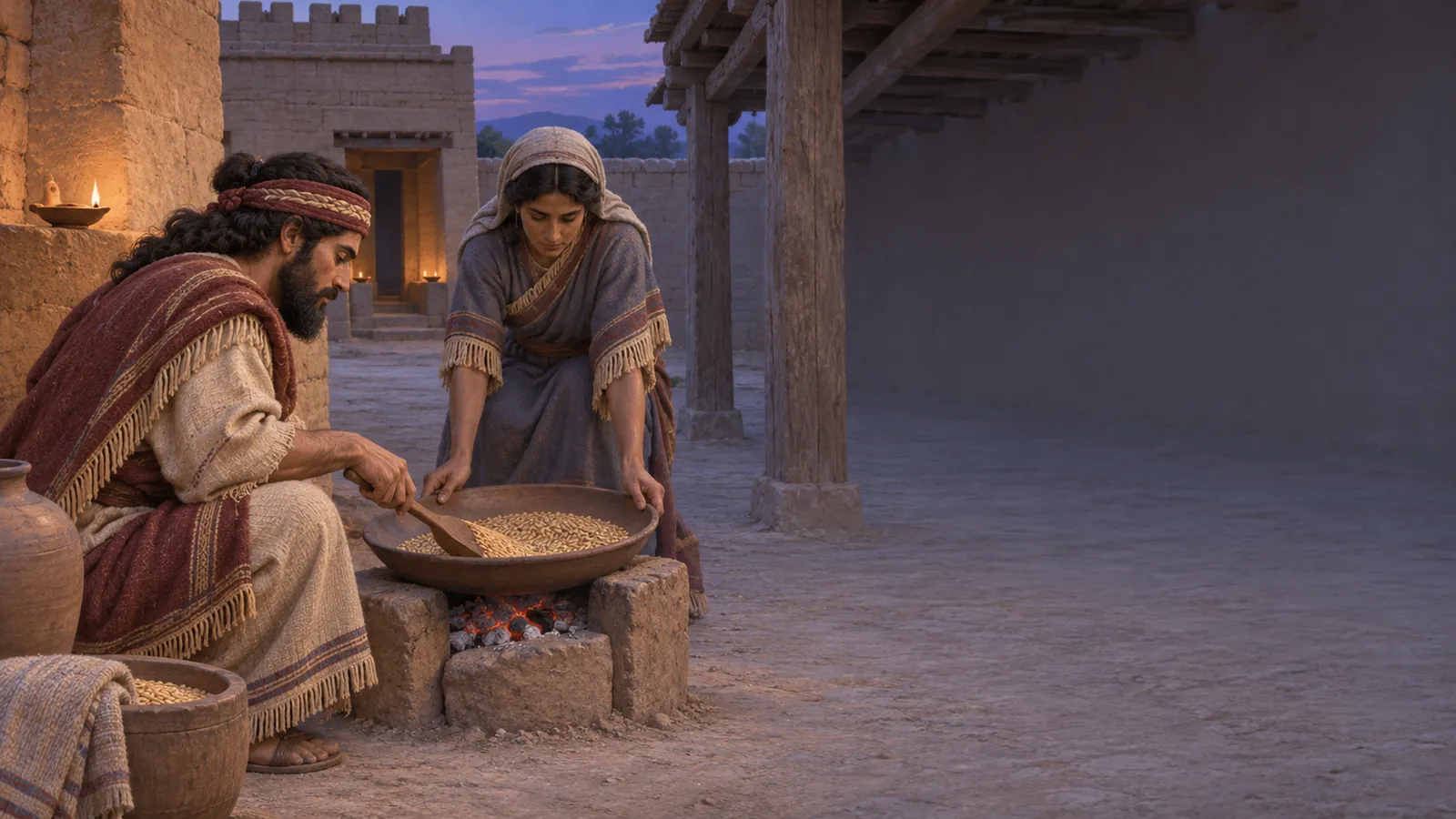
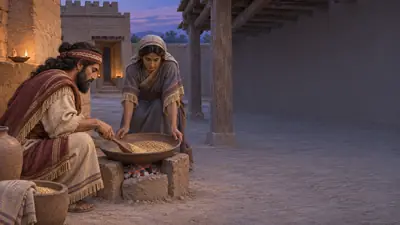
El comentario identifica la muerte de Tammuz con la cebada tostada. En la versión de Ehara se restituye parte de la palabra que significa muerte.
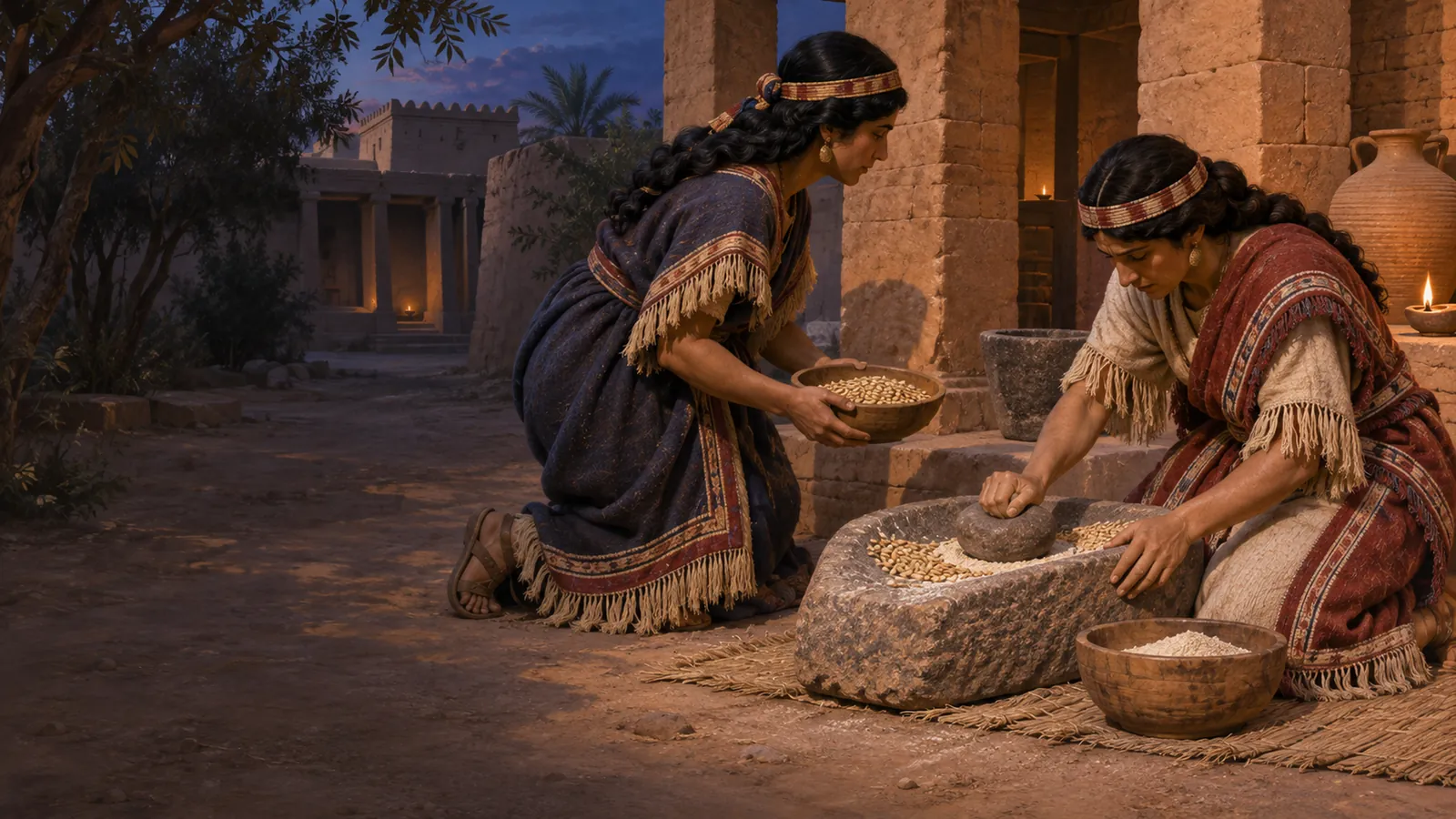
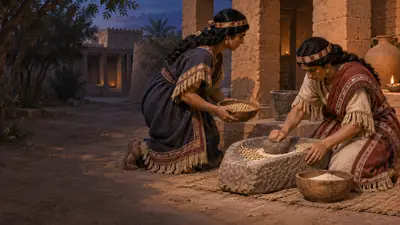
En la lectura de Ehara, arrojan la cebada hacia Dumuzi cuando la muelen con piedras de molino. Livingstone lee el verbo discutido con el sentido de quemar.
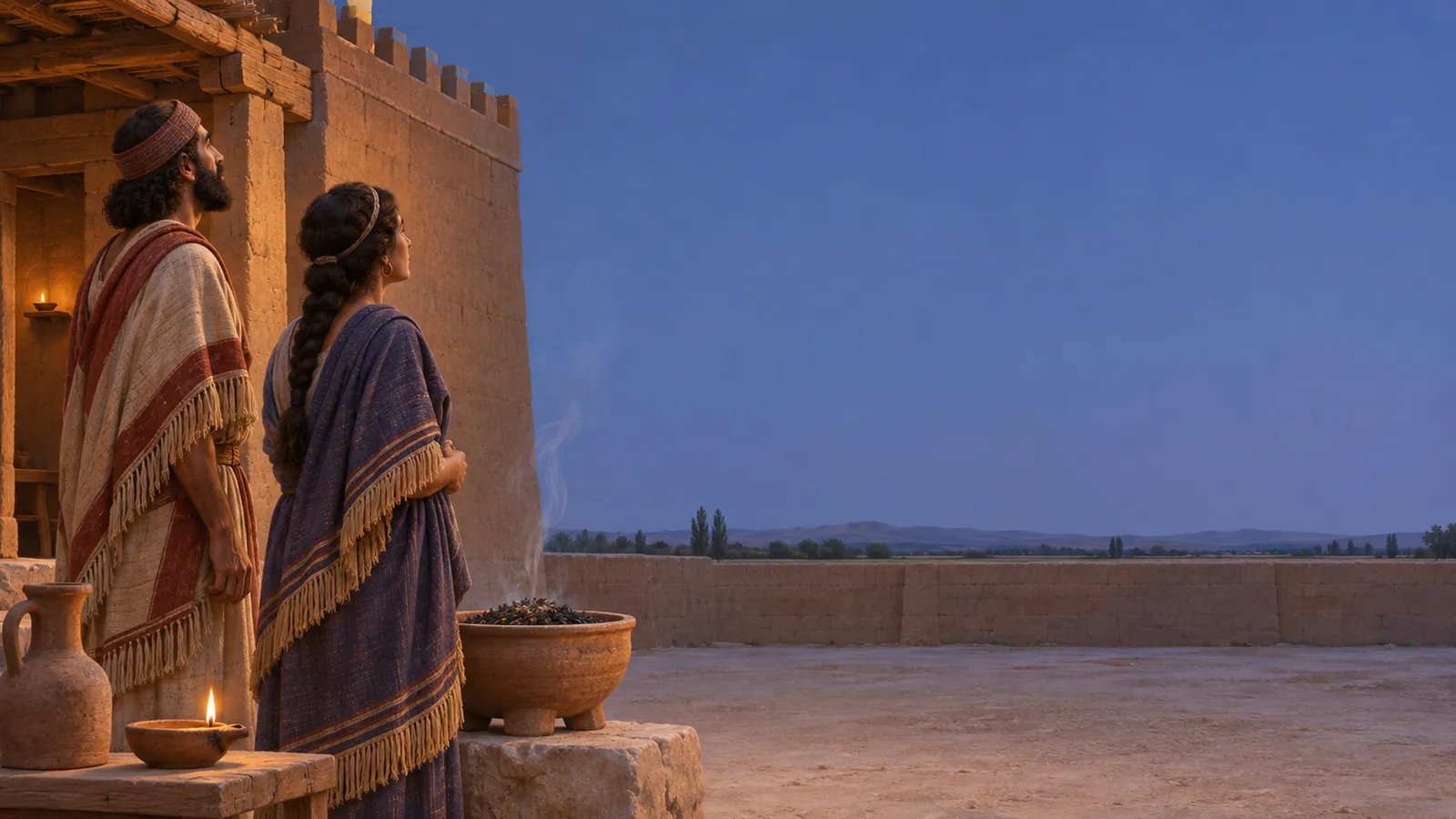
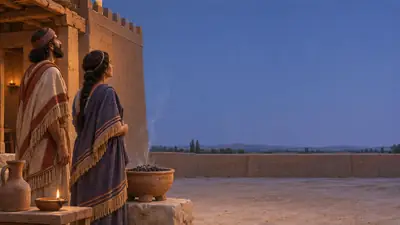
El comentario dice que las partes quemadas que se producen suben a las regiones superiores, según se dice.
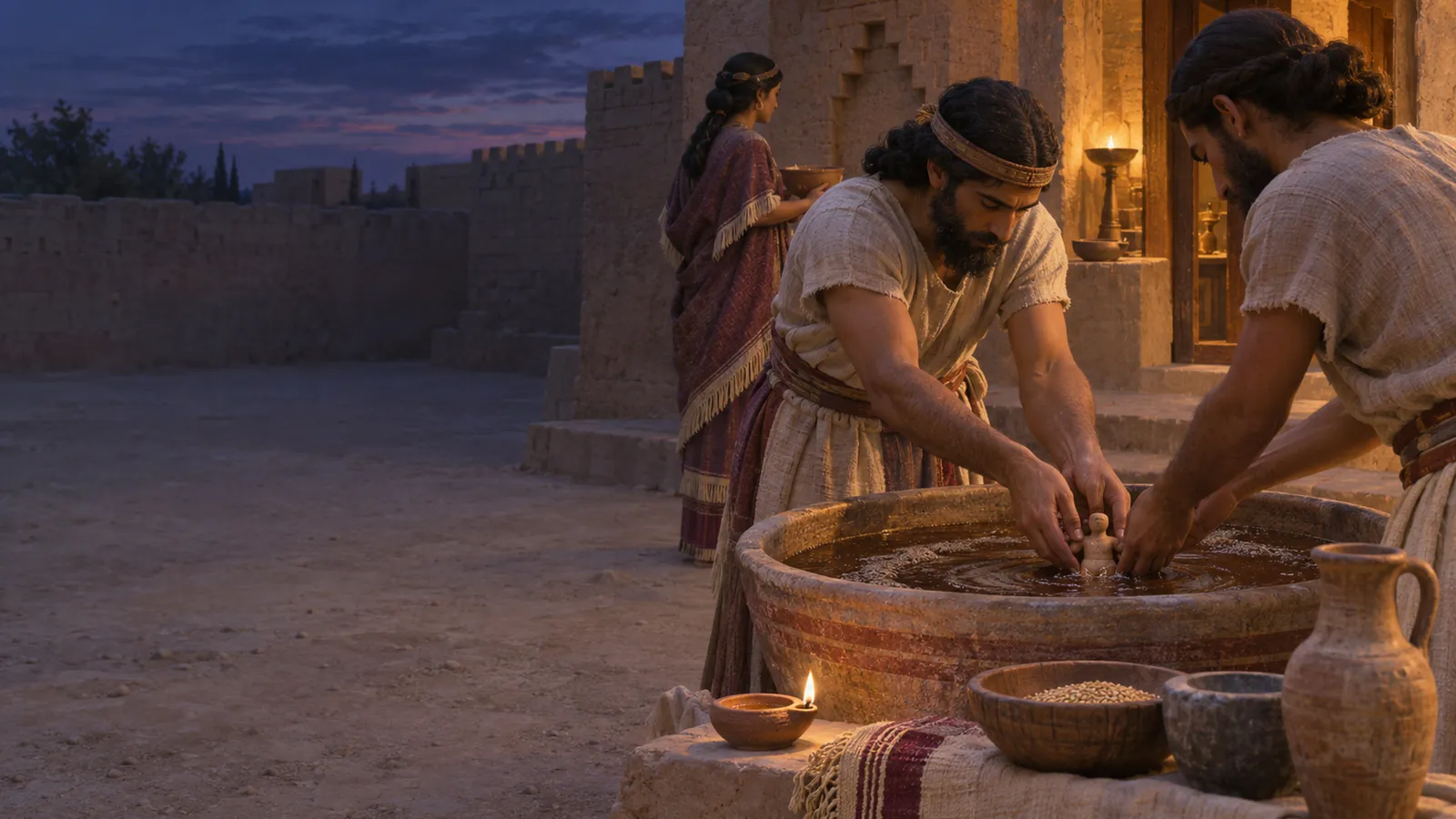
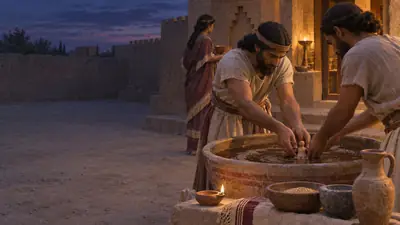
El pasaje dice que remojan en cerveza la imagen de tu hermano. Ehara restituye en su versión las palabras que identifican la imagen.
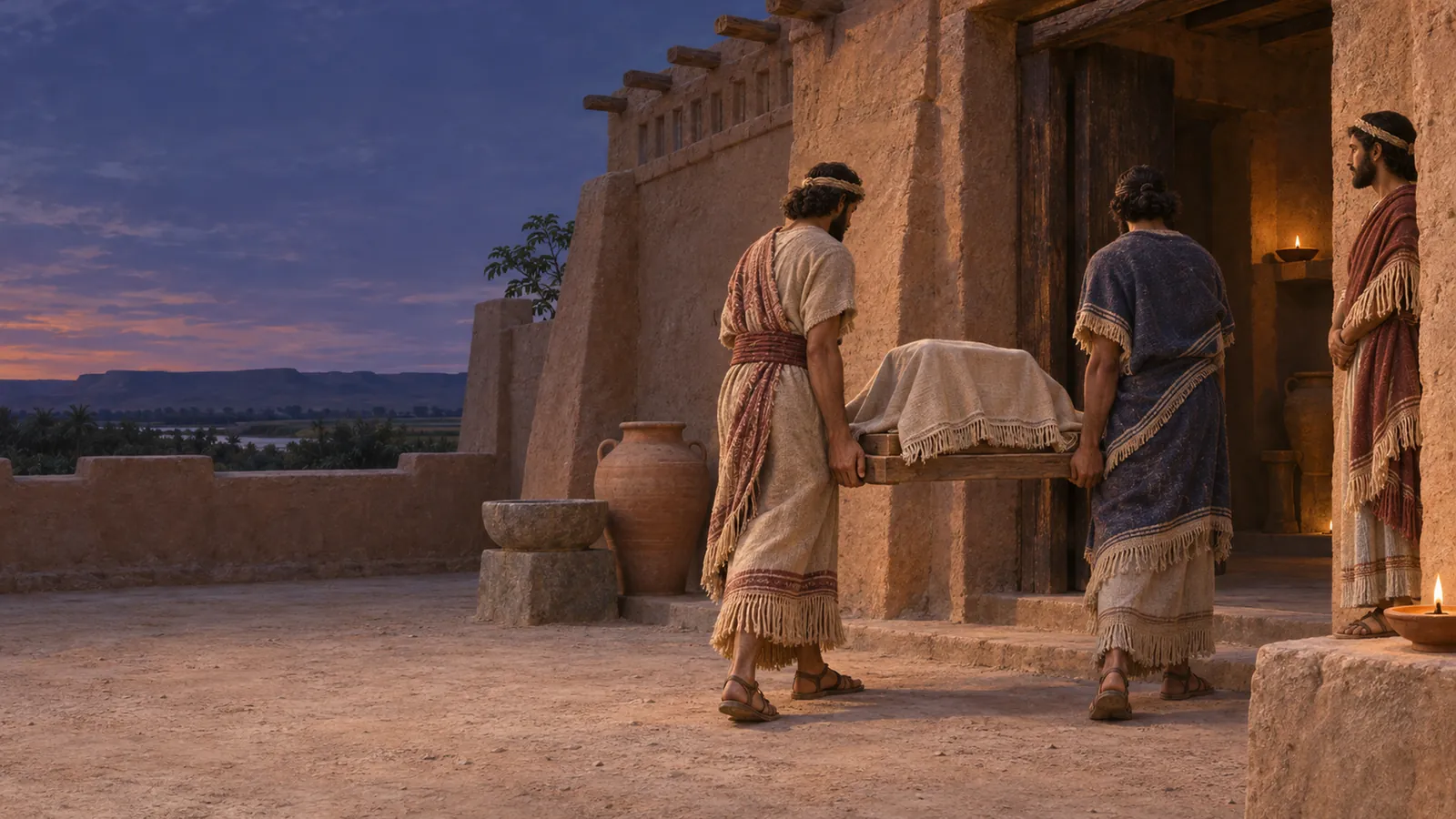
En esa lectura, la imagen levanta el cuerpo del hermano. El pasaje termina con las palabras según se dice.
Fin del capítulo 1
Todas las páginas
Fuentes
97 of ORIENT 59 (2024), SAA 3, no. 38, reverse 2–8. Ehara identifies the Neo-Assyrian text as a commentary on the rites of the Egašankalama temple of Ištar at Arba’il. The surviving details, damaged sections and restored dates are attributed in the notes. Ehara’s note 8 discusses different readings of the verb in the barley passage.
Ediciones consultadas
- Satoko Ehara, ORIENT 59 (2024), p. 97 and note 8
- ORIENT 59, article bibliographic record and open full text
- ORIENT 59, the open article PDF, p. 97
Notas sobre este relato
through the thirtieth day. An opening break leaves the activity unspecified. Ehara prints part of the verb in brackets as [perfor]med and gives the duration through the thirtieth day.
the striking and descent. The printed supplies and breaks are [The …th day is], [when…] and [to…]. The text mentions a striking and a descent. The date, what goes down and where are left open.
the day of screaming. Ehara supplies [The 26th day]. The entry calls it the day of screaming.
the rising of Tammuz. Ehara supplies [The 28th day]. Tammuz rises at a request and a break follows where the requester would be identified. The next clause refers to his death. The name Dumuzi appears in the subsequent barley action.
roasted barley and the disputed verb. Ehara prints [de]ath and identifies it with the roasted barley. The next clause describes throwing the barley toward Dumuzi. In note 8 Ehara prints the phrase *ina NA4 meš ki i-qa-mu-⌈šú⌉*. She follows Thorkild Jacobsen in reading *qamû* as grinding and interprets the stones as millstones. Alasdair Livingstone reads burning. Ehara refers to Livingstone, *Court Poetry and Literary Miscellanea*, SAA 3 (1989), p. 98, and Jacobsen, “Religious Drama in Ancient Mesopotamia” (1975), p. 72. The English rendering and alternative stay distinct.
the upper regions. The burned parts that are produced go up to the upper regions, followed by “as it is said.” The quoted clause leaves the parts unspecified.
the brother and the closing formula. The same subject lifts the brother’s body. The excerpt ends with its second “as it is said.” The brother’s identity remains open.
Los versos antiguos de cada página
- Page 1: Ehara 2024, ORIENT 59, p. 97, SAA 3 no. 38, reverse 2–8, opening through day thirty
- Page 2: Ehara 2024, ORIENT 59, p. 97, SAA 3 no. 38, reverse 2–8, striking and descent
- Page 3: Ehara 2024, ORIENT 59, p. 97, SAA 3 no. 38, reverse 2–8, restored day twenty-six and damaged Anu clause
- Page 4: Ehara 2024, ORIENT 59, p. 97, SAA 3 no. 38, reverse 2–8, restored day twenty-eight and Tammuz’s rising
- Page 5: Ehara 2024, ORIENT 59, p. 97, SAA 3 no. 38, reverse 2–8, death and roasted barley
- Page 6: Ehara 2024, ORIENT 59, p. 97, SAA 3 no. 38, reverse 2–8, barley thrown toward Dumuzi, note 8
- Page 7: Ehara 2024, ORIENT 59, p. 97, SAA 3 no. 38, reverse 2–8, burned parts rise to the upper regions
- Page 8: Ehara 2024, ORIENT 59, p. 97, SAA 3 no. 38, reverse 2–8, brother’s image and soaking in beer
- Page 9: Ehara 2024, ORIENT 59, p. 97, SAA 3 no. 38, reverse 2–8, the brother’s body and closing formula
Ilustraciones hechas por IL Archive con herramientas de IA; el texto se basa en las fuentes antiguas (véanse las fuentes al final de cada capítulo).