Enki y Ninmah Capítulo 1
Los dos desafíos
En el relato de Thorkild Jacobsen, Ninmah forma a seis personas de arcilla y Enki encuentra un medio de vida para cada una. Los dos dioses intercambian los papeles. La lectura sigue su disputa hasta el lamento de Ninmah, su decreto y el final fragmentario.
FuentesPase las páginas con las flechas, el teclado o deslizando el dedo.
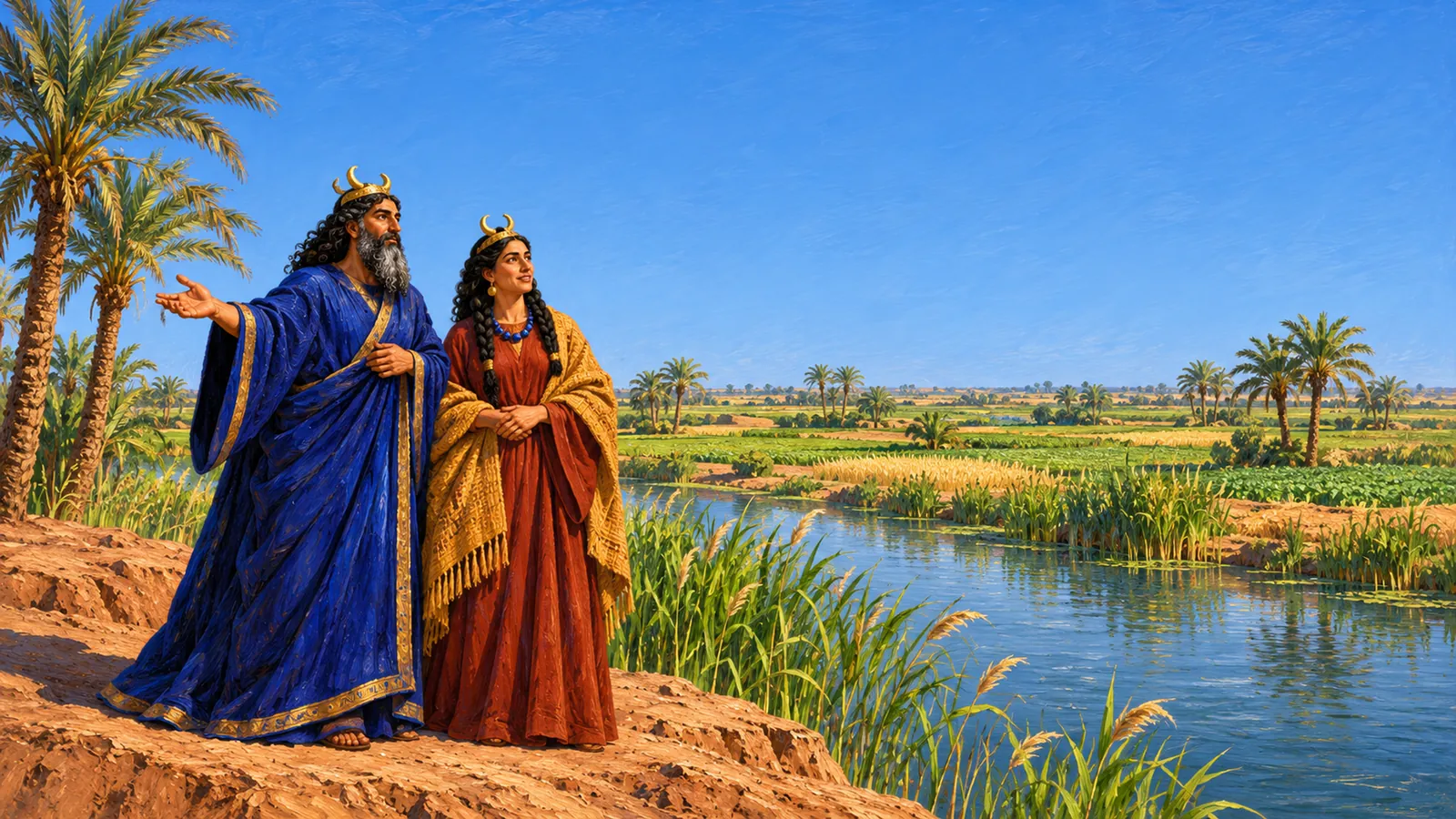
EL CIELO Y LA TIERRA
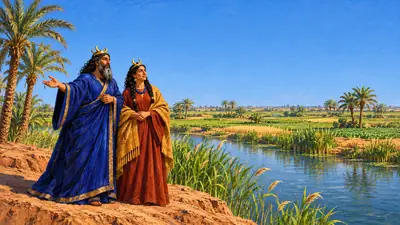
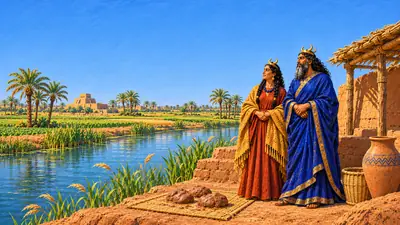
Thorkild Jacobsen presenta a Enki, dios de las aguas dulces, y a Ninmah, un nombre de Ninhursaga, la diosa de la tierra. Los versos iniciales sitúan la historia en los días y las noches posteriores a la separación del cielo y la tierra.
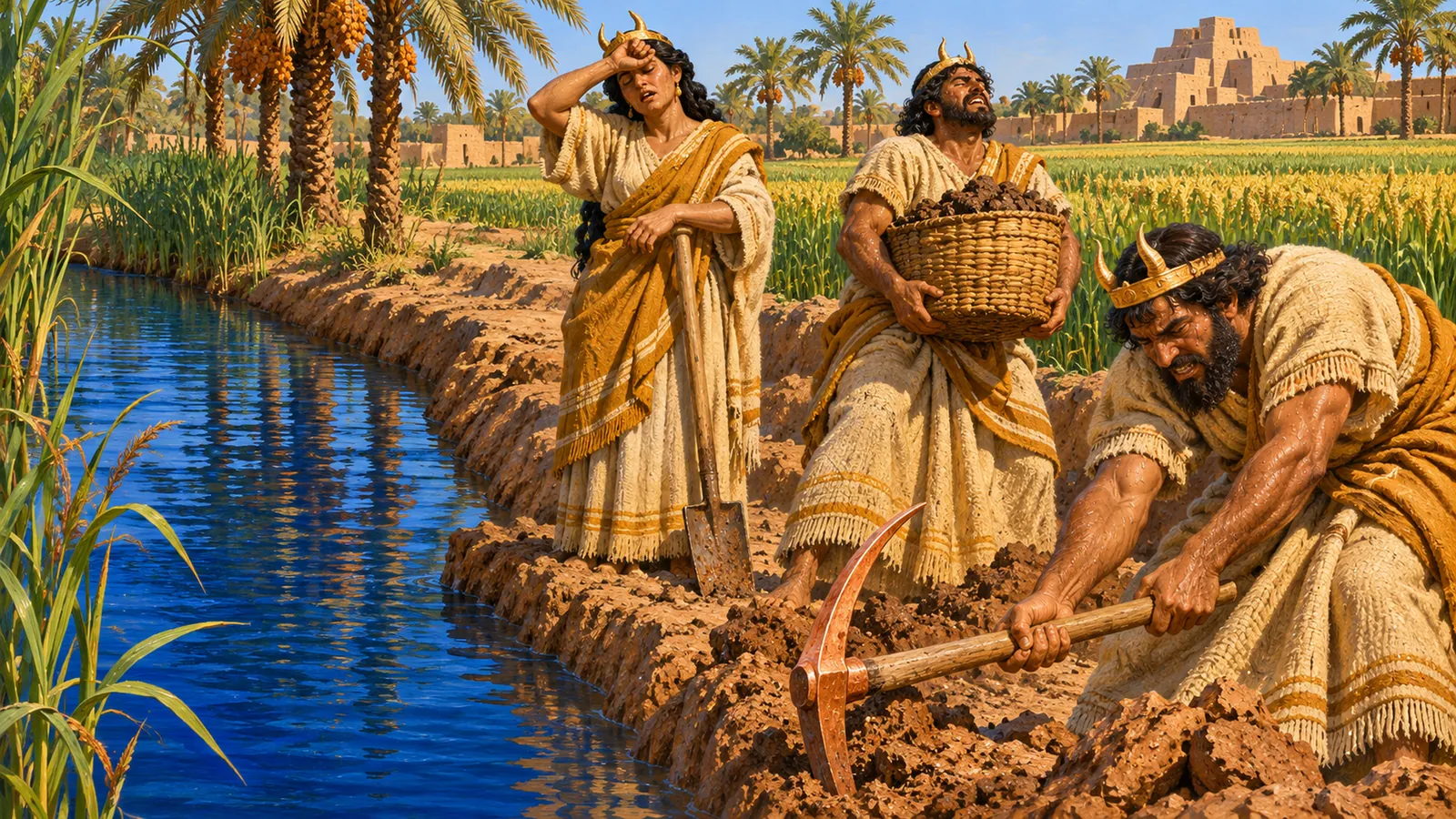
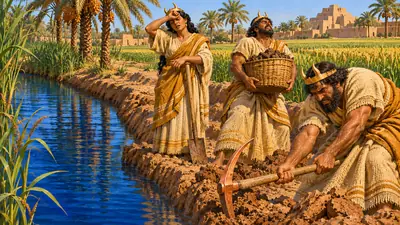
En el relato de Jacobsen, los dioses trabajaban para alimentarse. Usaban hoces y picos, excavaban canales y detestaban ese trabajo.
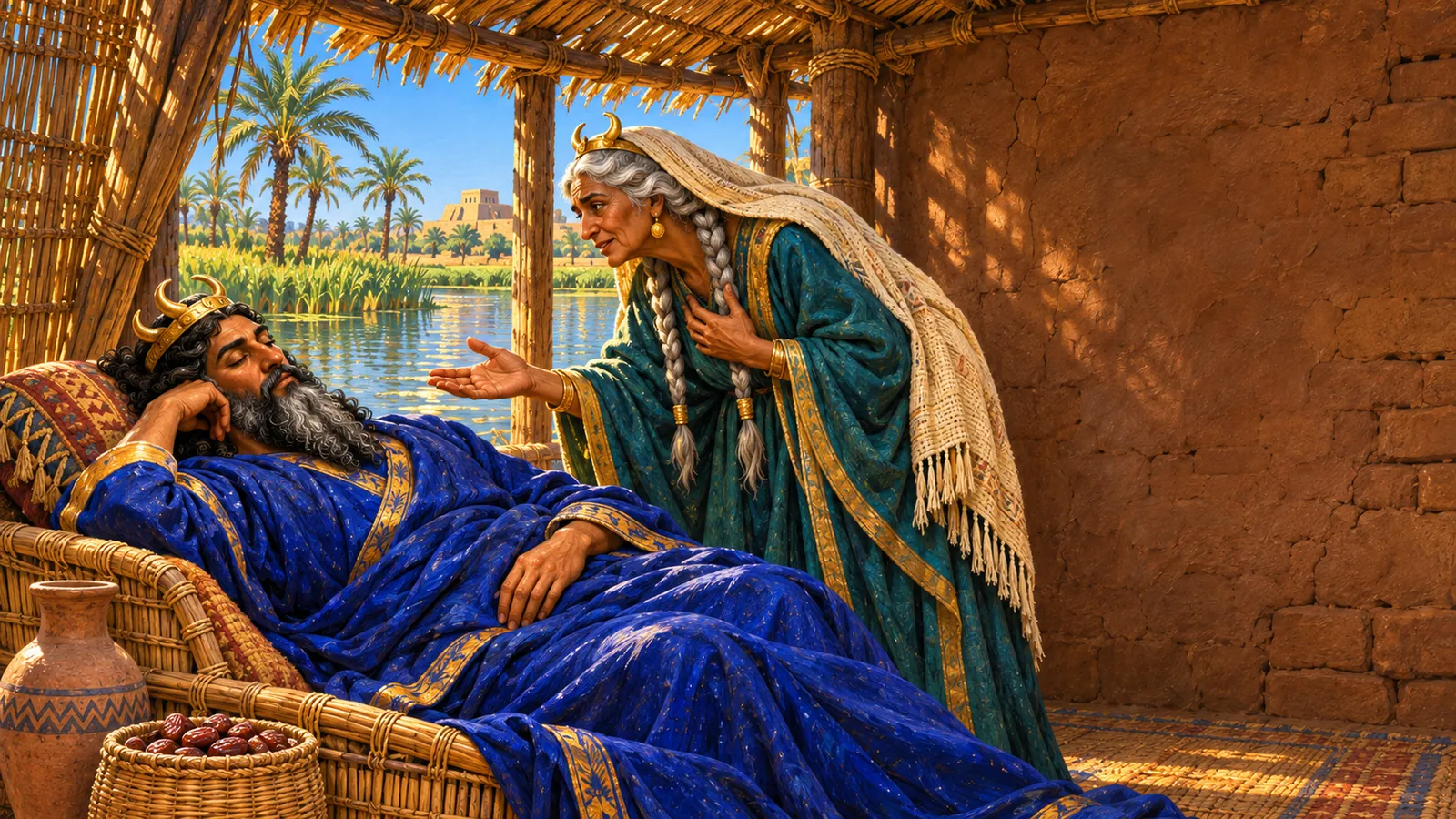
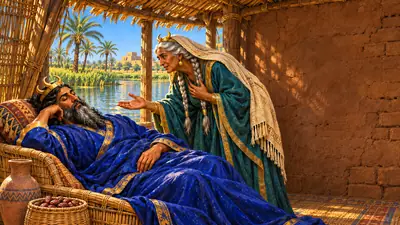
Los dioses recurren a Enki, que duerme. Su madre Nammu, a quien Jacobsen vincula con las aguas profundas, le lleva las quejas de los dioses.
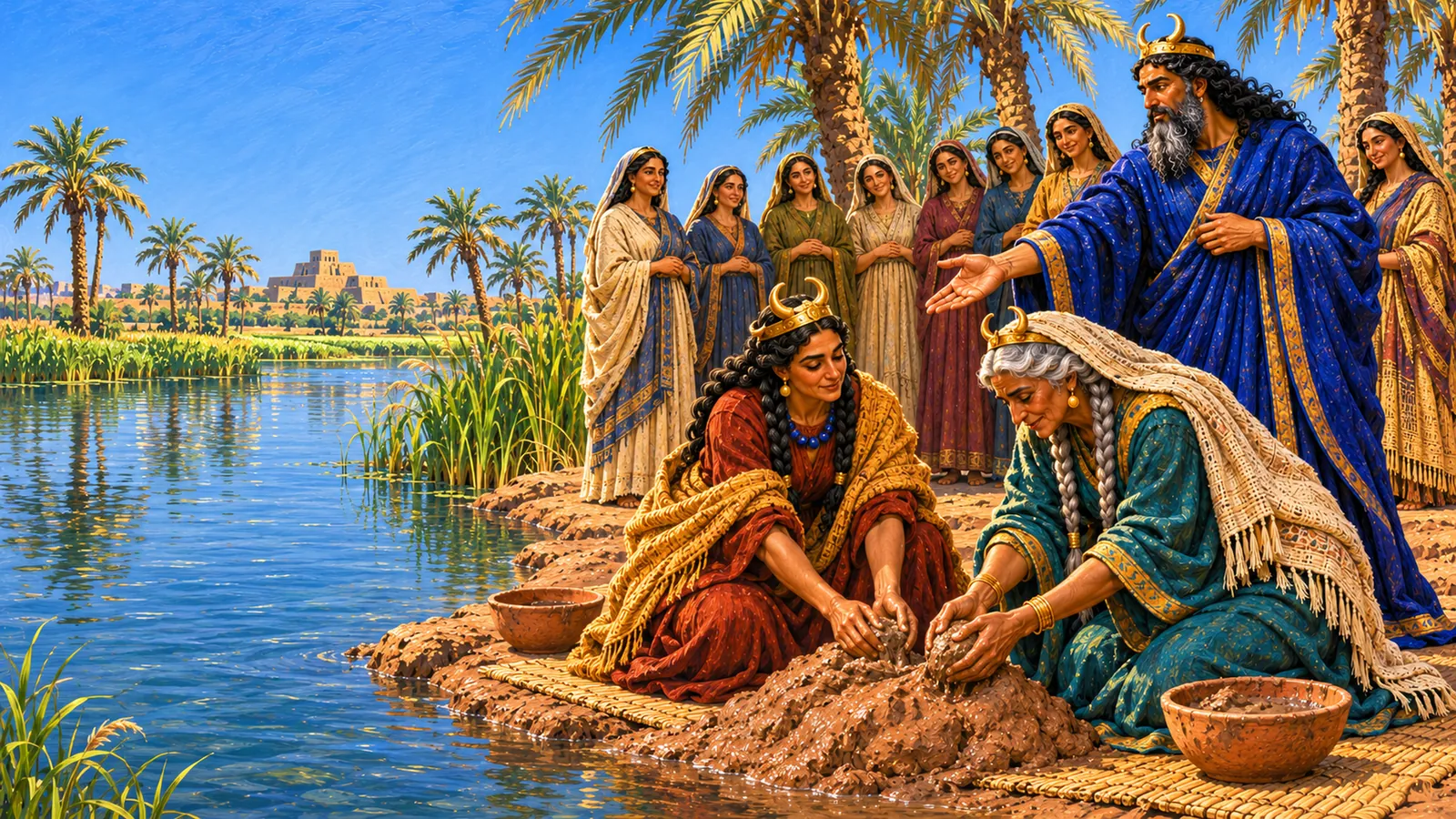
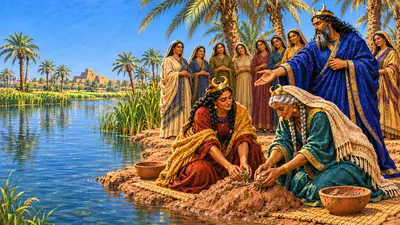
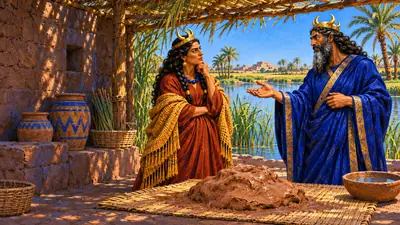
Enki le dice a Nammu que se prepare para dar a luz la arcilla de encima del apsu. Jacobsen explica que la arcilla está sobre las aguas subterráneas y que Ninmah y otras ocho diosas deben ayudar a Nammu.
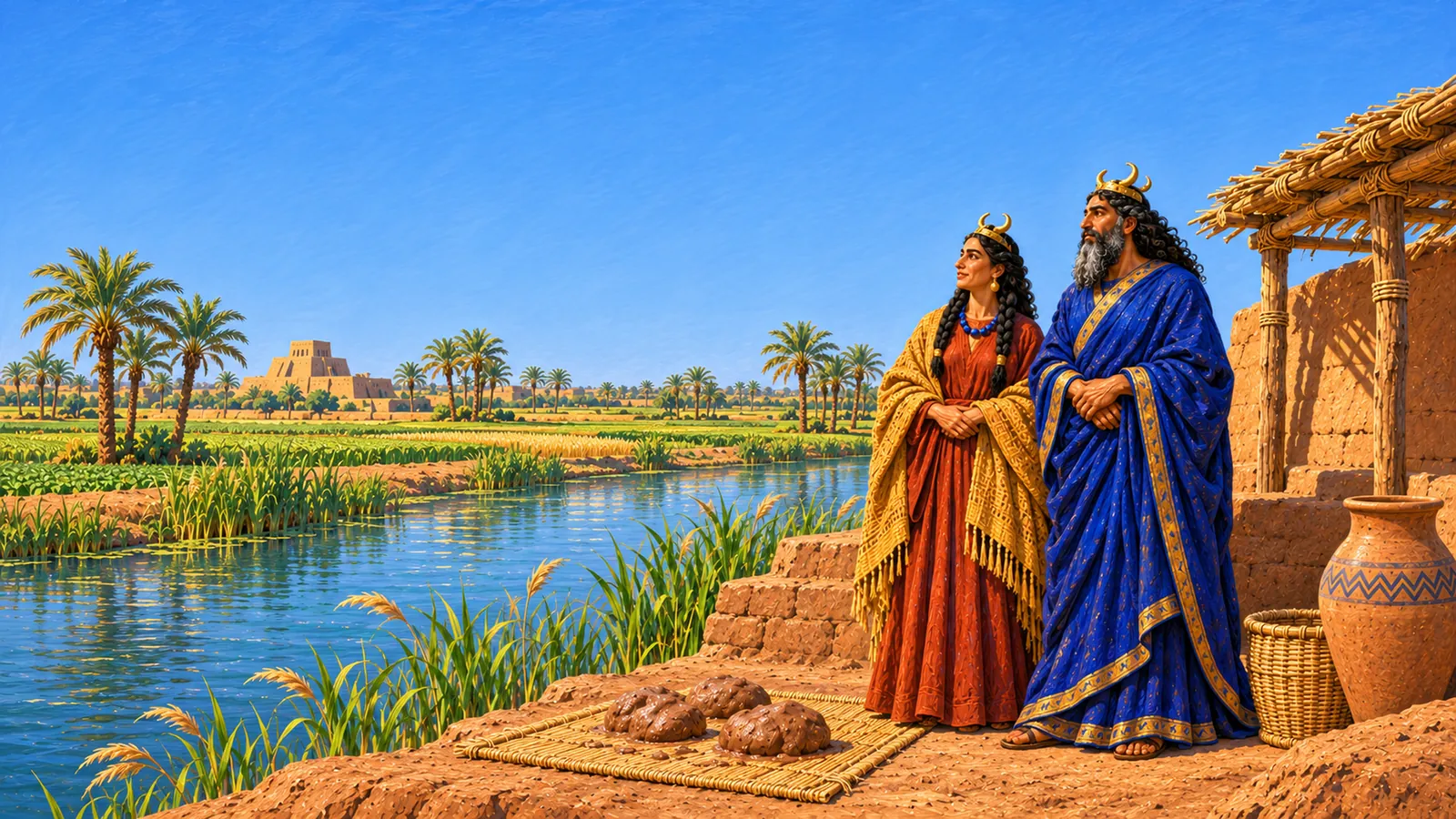
UNA LAGUNA
Una laguna importante deja incierto cómo se creó a la humanidad. Jacobsen supone que primero nació la arcilla y que luego se formó con ella a los seres humanos.
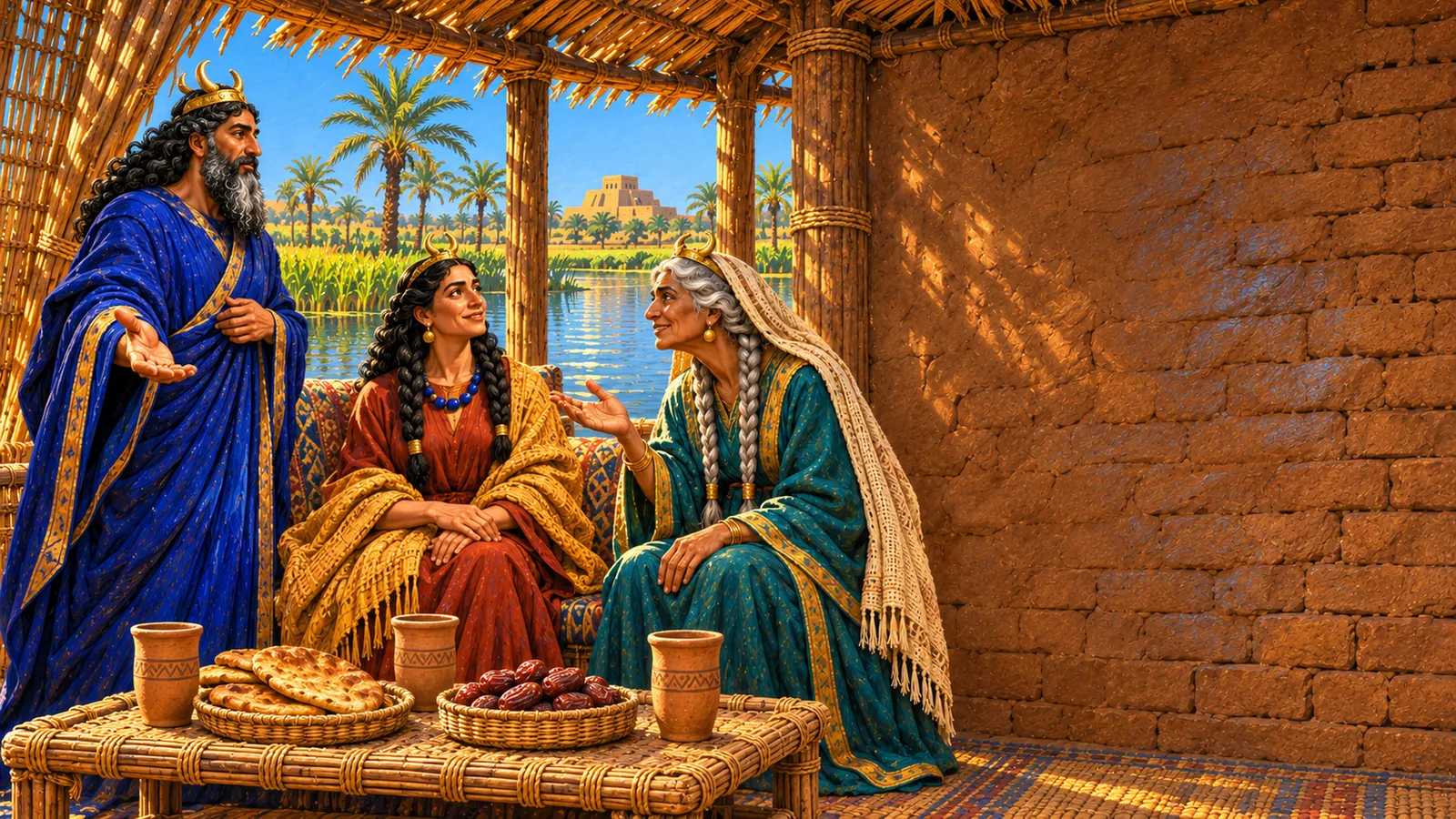
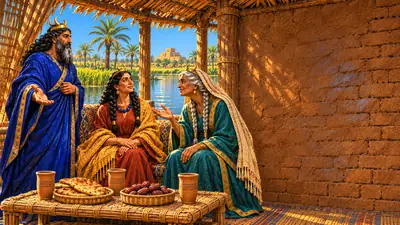
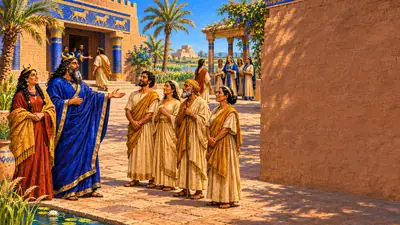
Cuando se reanuda el texto, Jacobsen describe a Enki preparando un banquete para Ninmah y Nammu. Los dioses alaban su habilidad, y Jacobsen sugiere que el banquete puede celebrar el nacimiento.
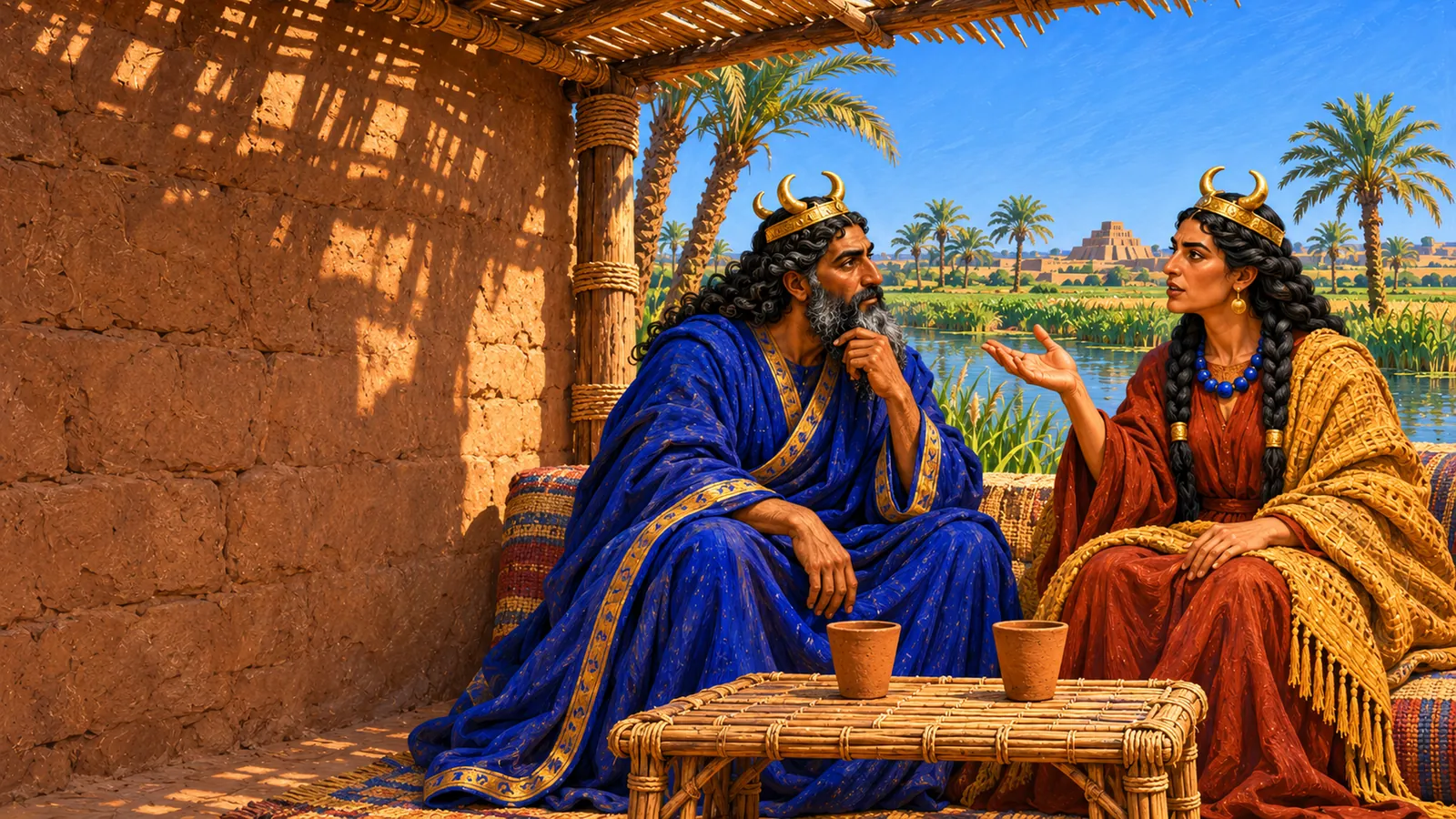
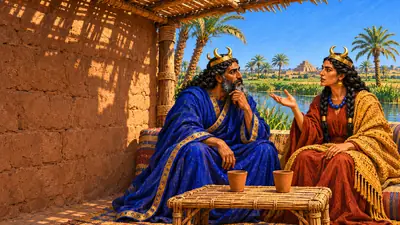
Después de beber cerveza con Enki, Ninmah pregunta hasta qué punto puede ser bueno o malo el cuerpo humano. Dice que puede darle un destino bueno o malo, según elija.
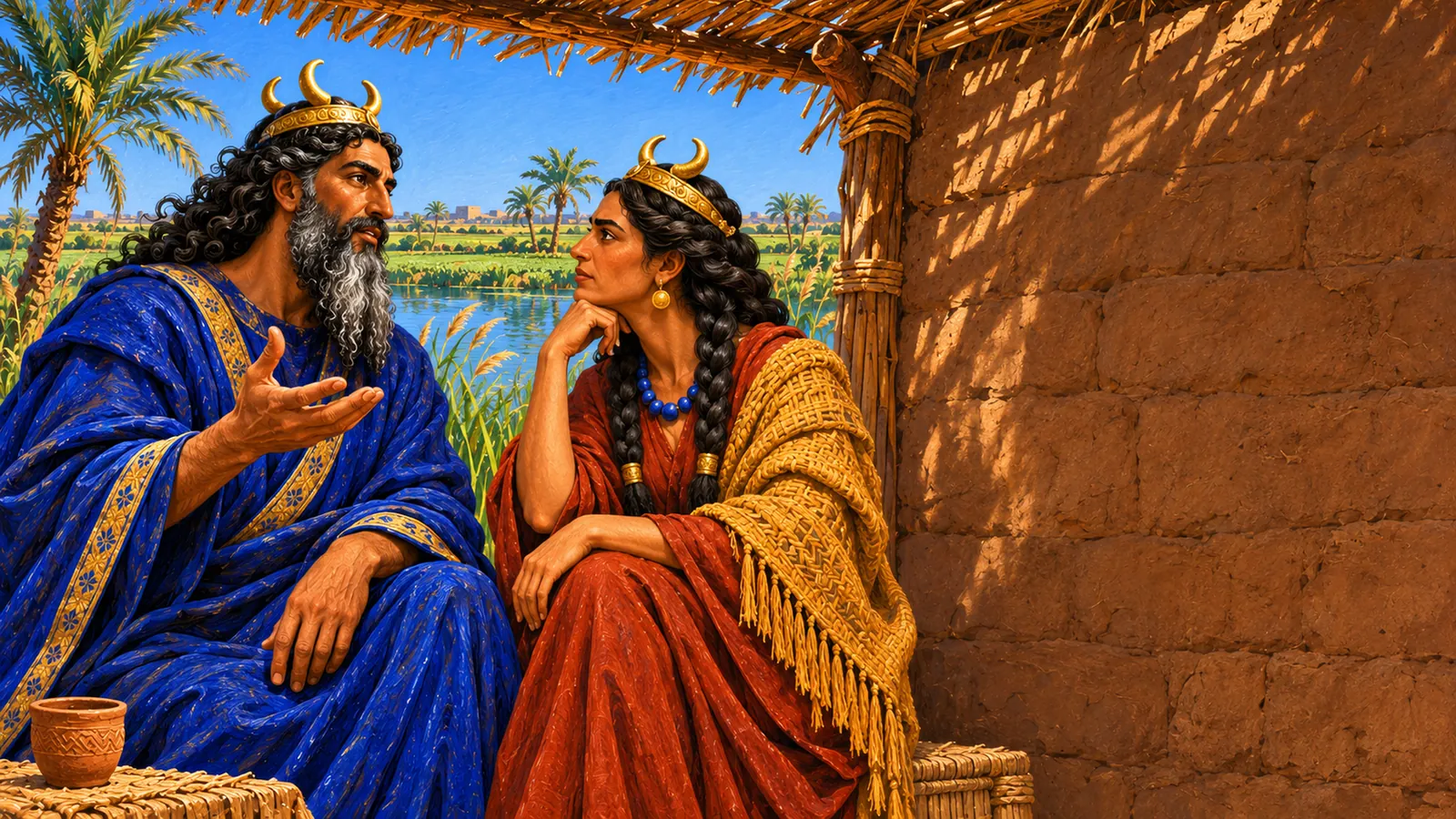
Enki dice que afrontará el destino que elija Ninmah, sea bueno o malo. La edición señala que es incierto el verbo traducido por «equilibrar».
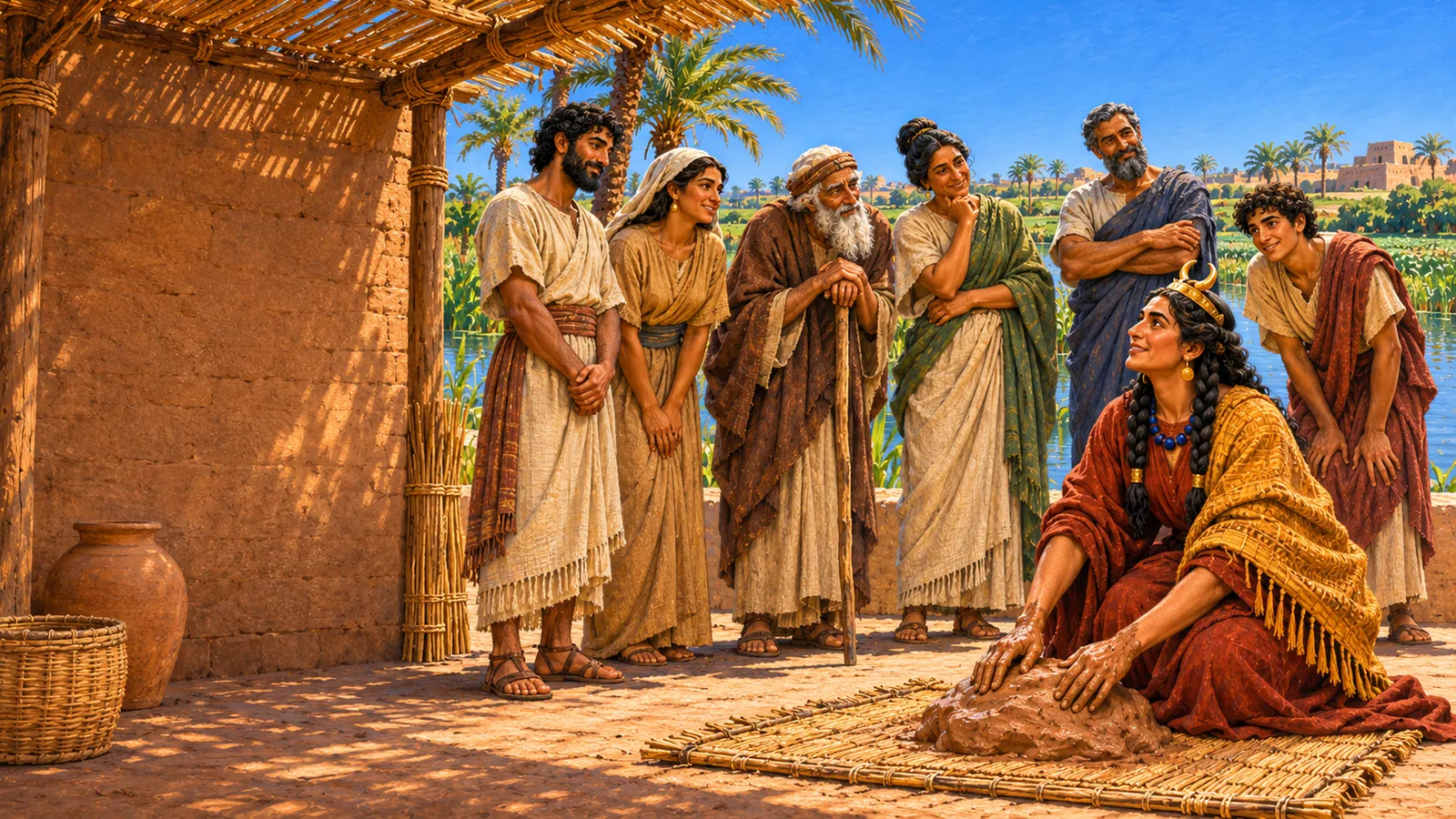
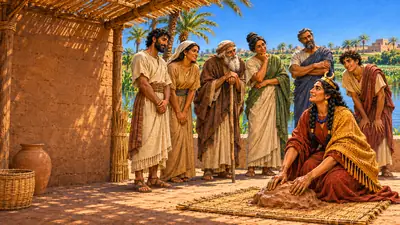
Según Jacobsen, Ninmah forma a seis personas de arcilla. Entre ellas están un hombre que no puede retener la orina, una mujer que no puede tener hijos y una persona sin órganos sexuales masculinos ni femeninos.
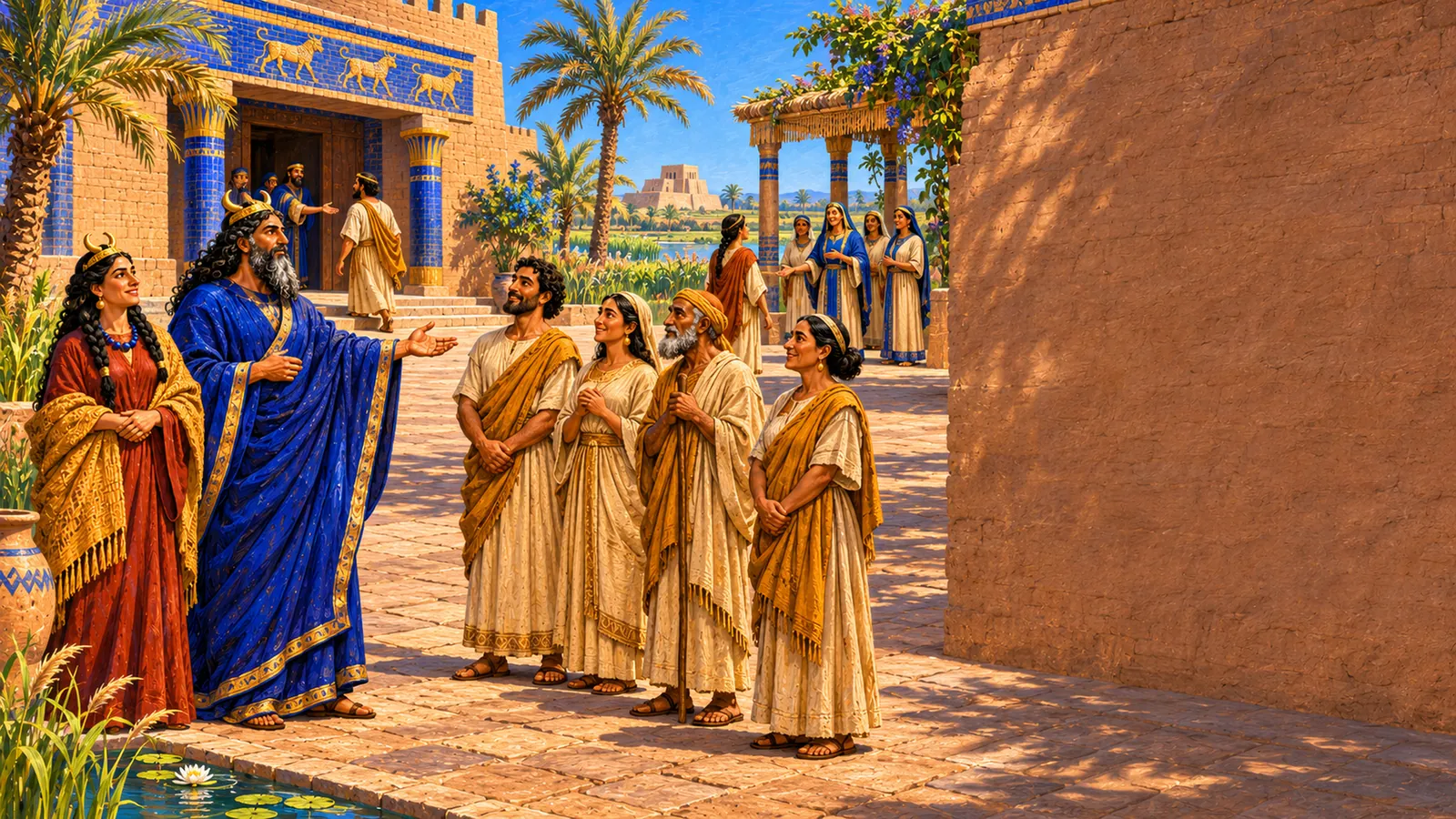
Según Jacobsen, Enki encuentra un medio de vida para los seis. Una de esas personas entra al servicio del rey y otra se incorpora al séquito de la reina.
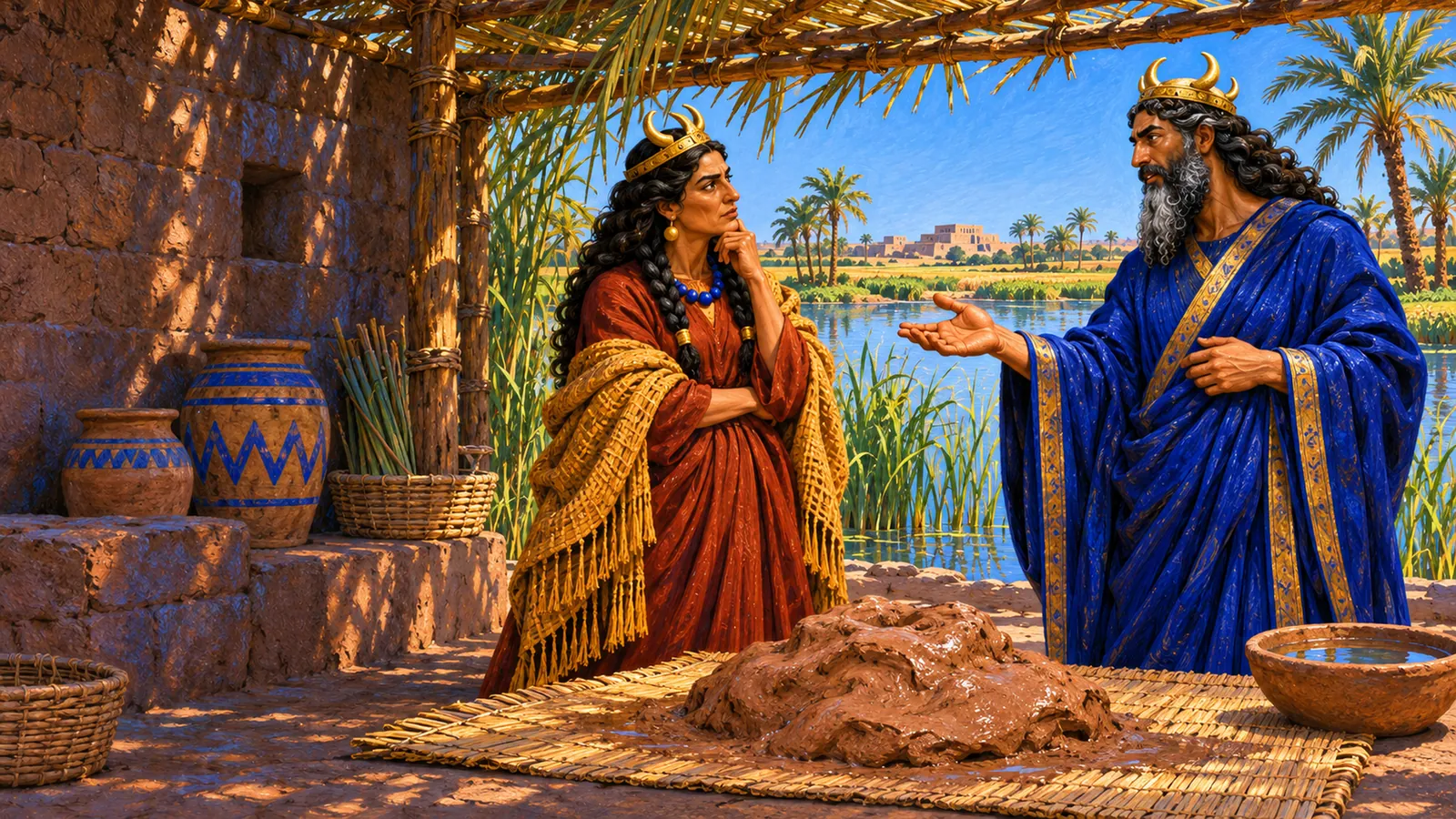
Jacobsen dice que Enki intercambia los papeles con Ninmah y le pide que encuentre un medio de vida para las personas que él forme. Un pasaje dañado impide conocer su primer intento.
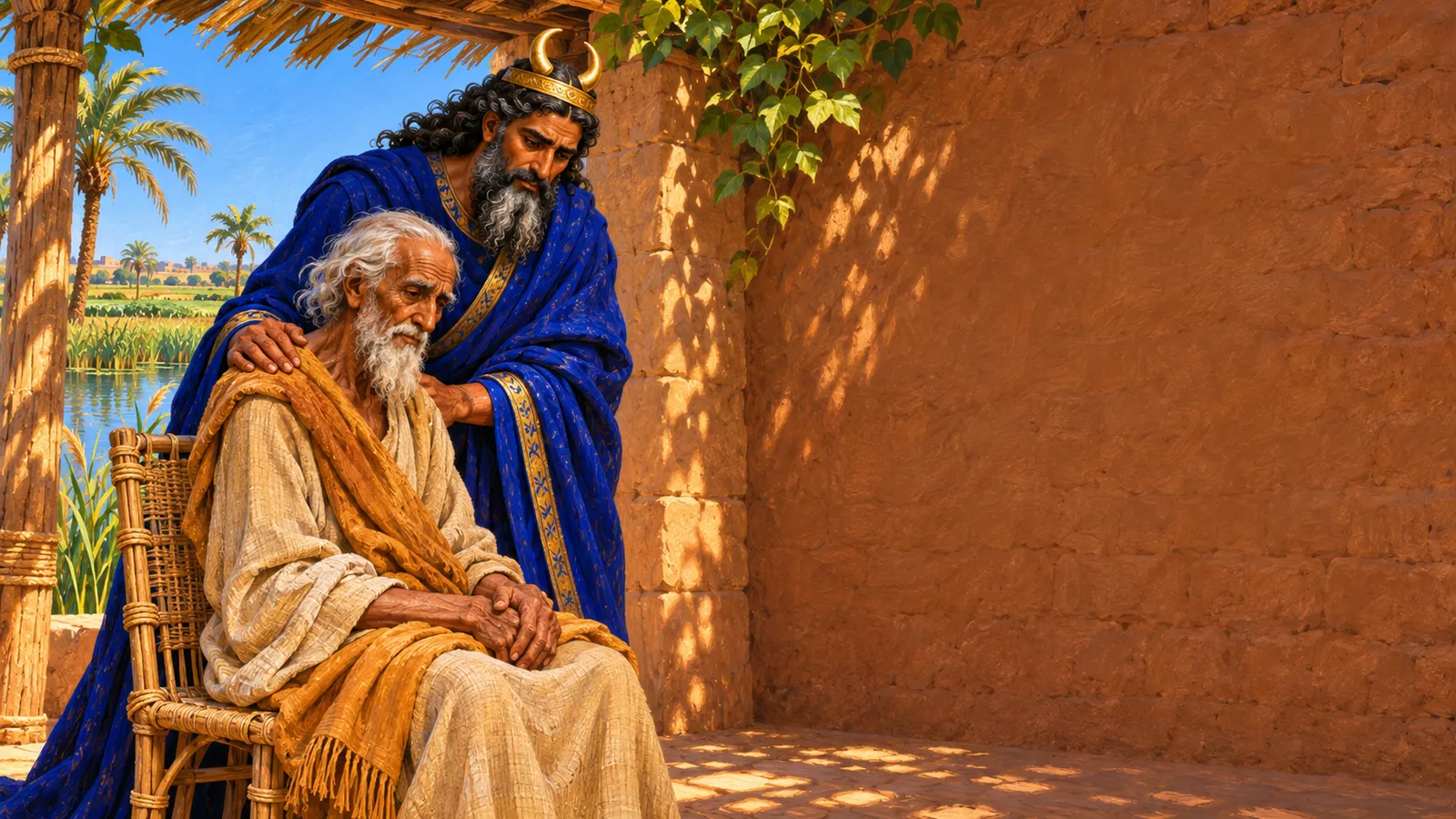
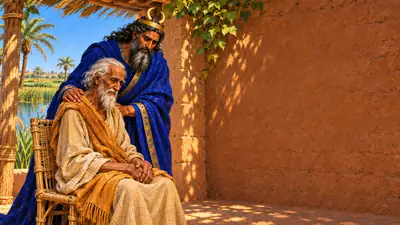
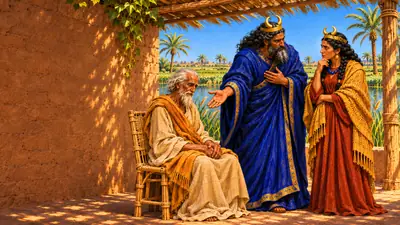
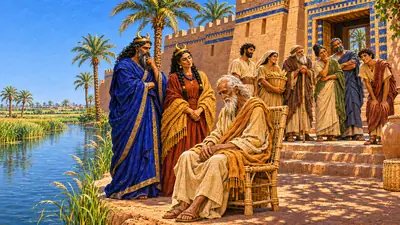
Jacobsen describe la segunda figura de Enki como un hombre muy anciano cuyo nombre glosa como «mi día es lejano». Describe una enfermedad de los ojos, dolor en el hígado y el corazón, manos temblorosas y una vida que se apaga.
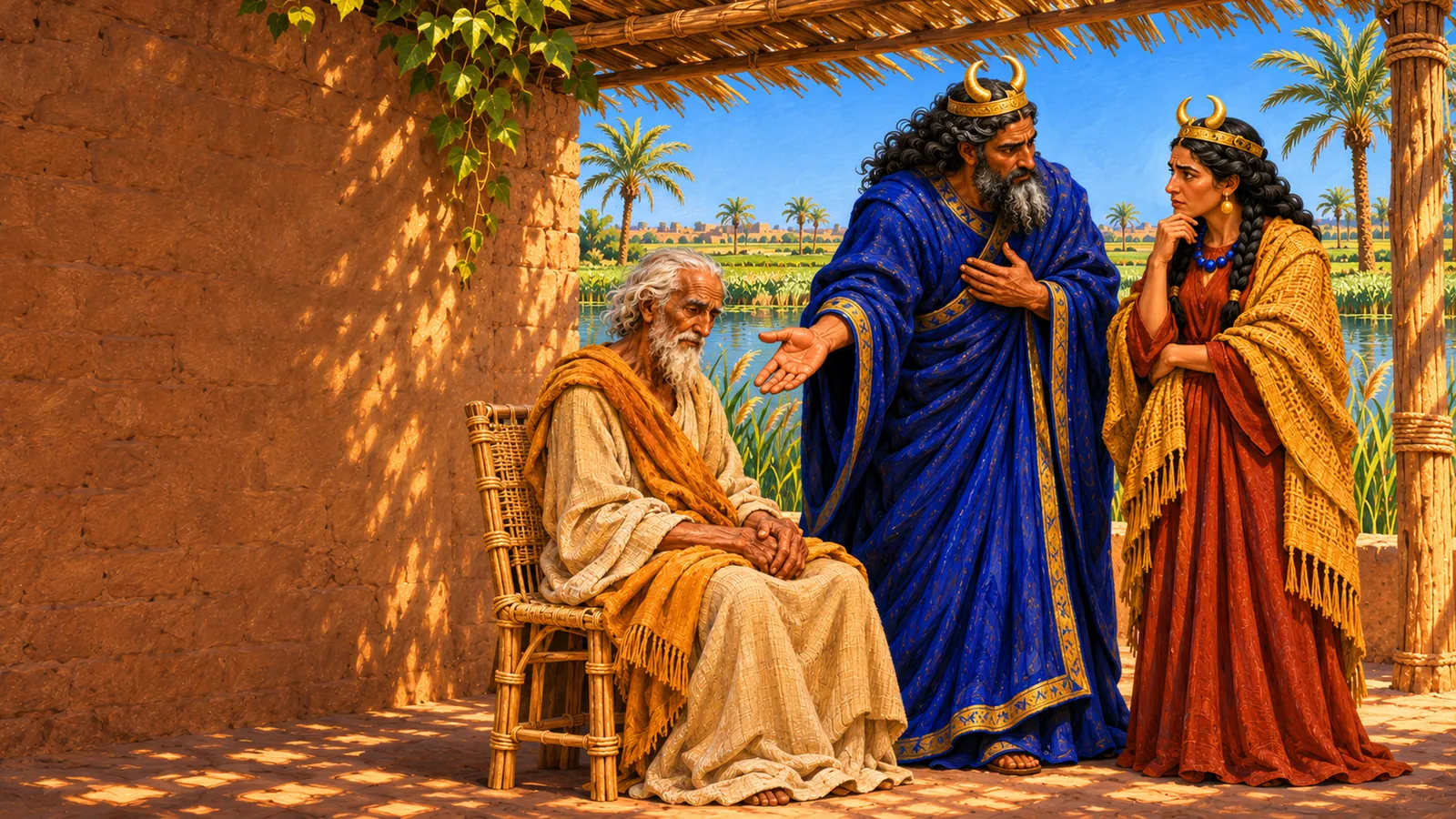
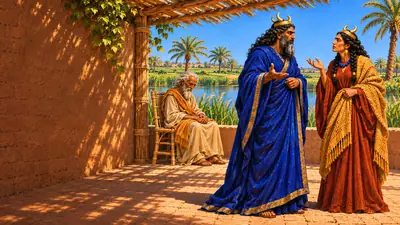
Enki dice que asignó a las personas que hizo Ninmah un destino que les permitía ganarse la vida. Le pide que haga lo mismo por el hombre que él hizo.
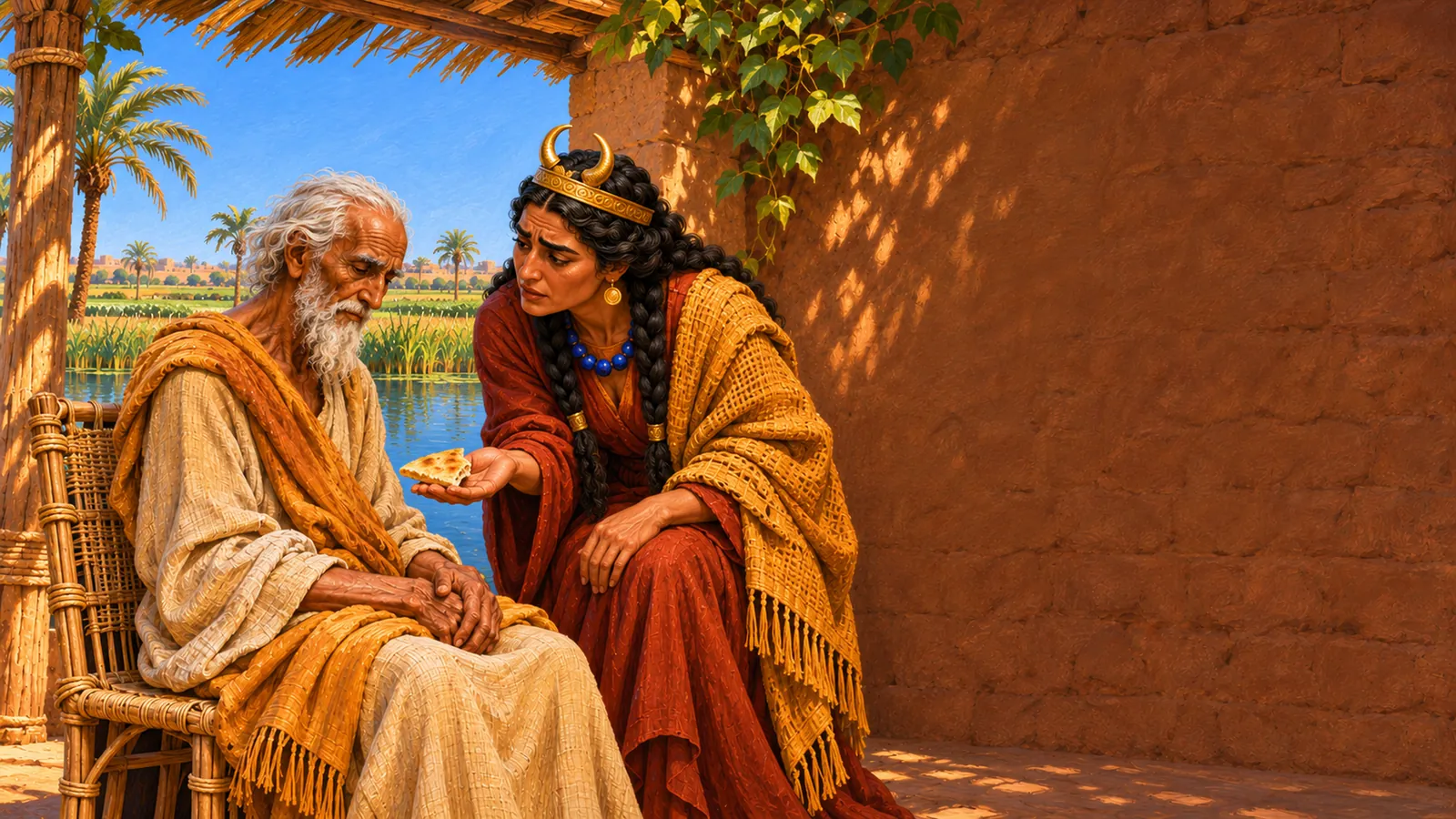
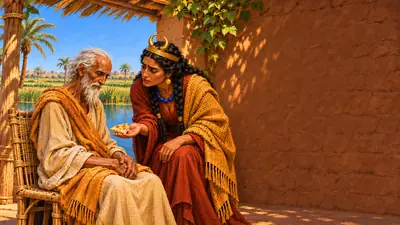
Jacobsen dice que el hombre no puede responder a la pregunta de Ninmah. Tampoco puede alcanzar el pan que ella le ofrece.
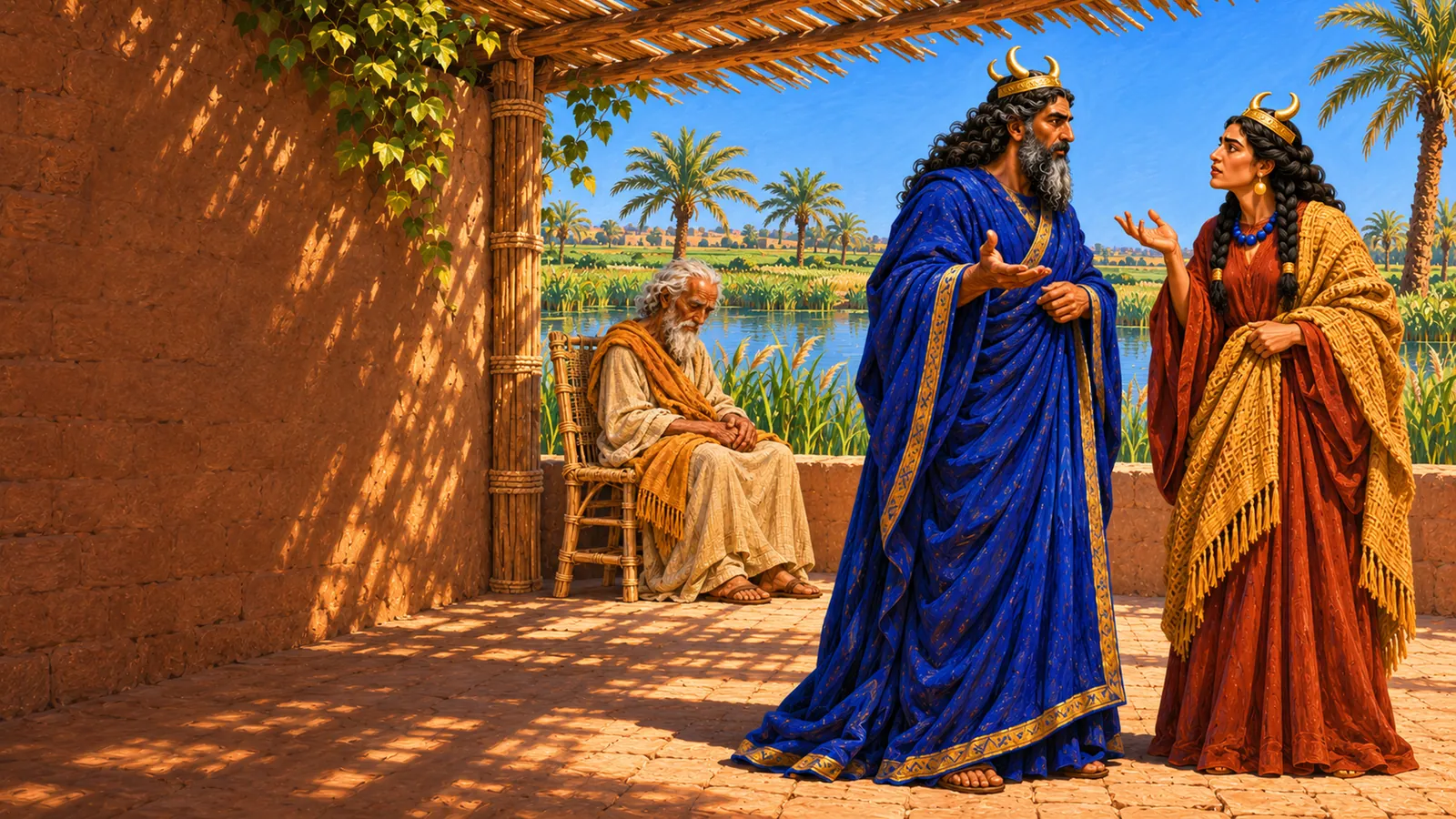
En el relato de Jacobsen, Ninmah dice que el hombre que hizo Enki no está vivo. Enki le recuerda que encontró medios de vida para las personas que ella hizo. Una laguna interrumpe la disputa.
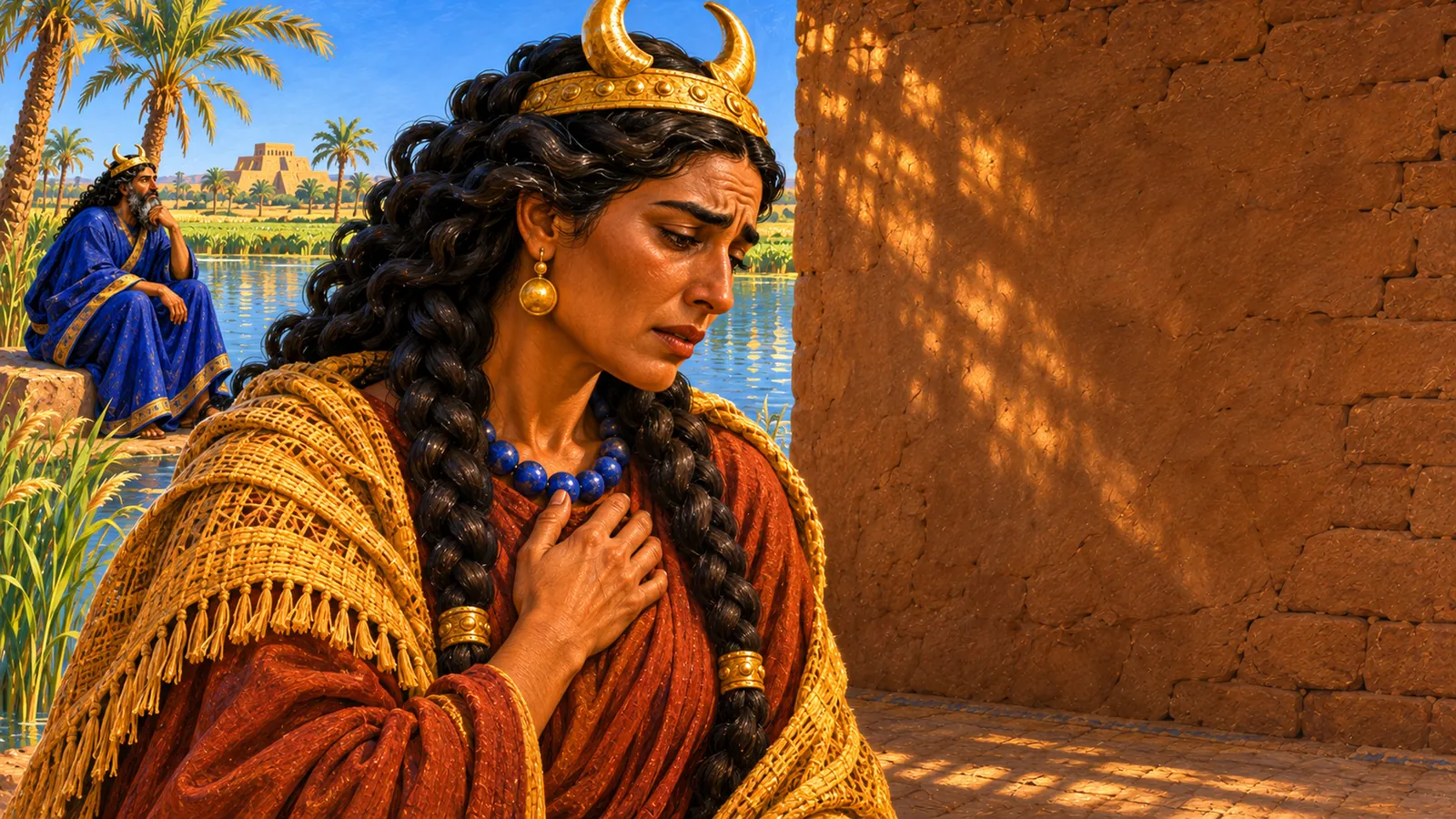
Jacobsen vincula la segunda figura de Enki con las dificultades de la vejez. Se pregunta si los efectos de las figuras en la tierra y la ciudad de Ninmah la afligieron o si Enki volvió a humillarla. Los daños dejan incierta la causa.
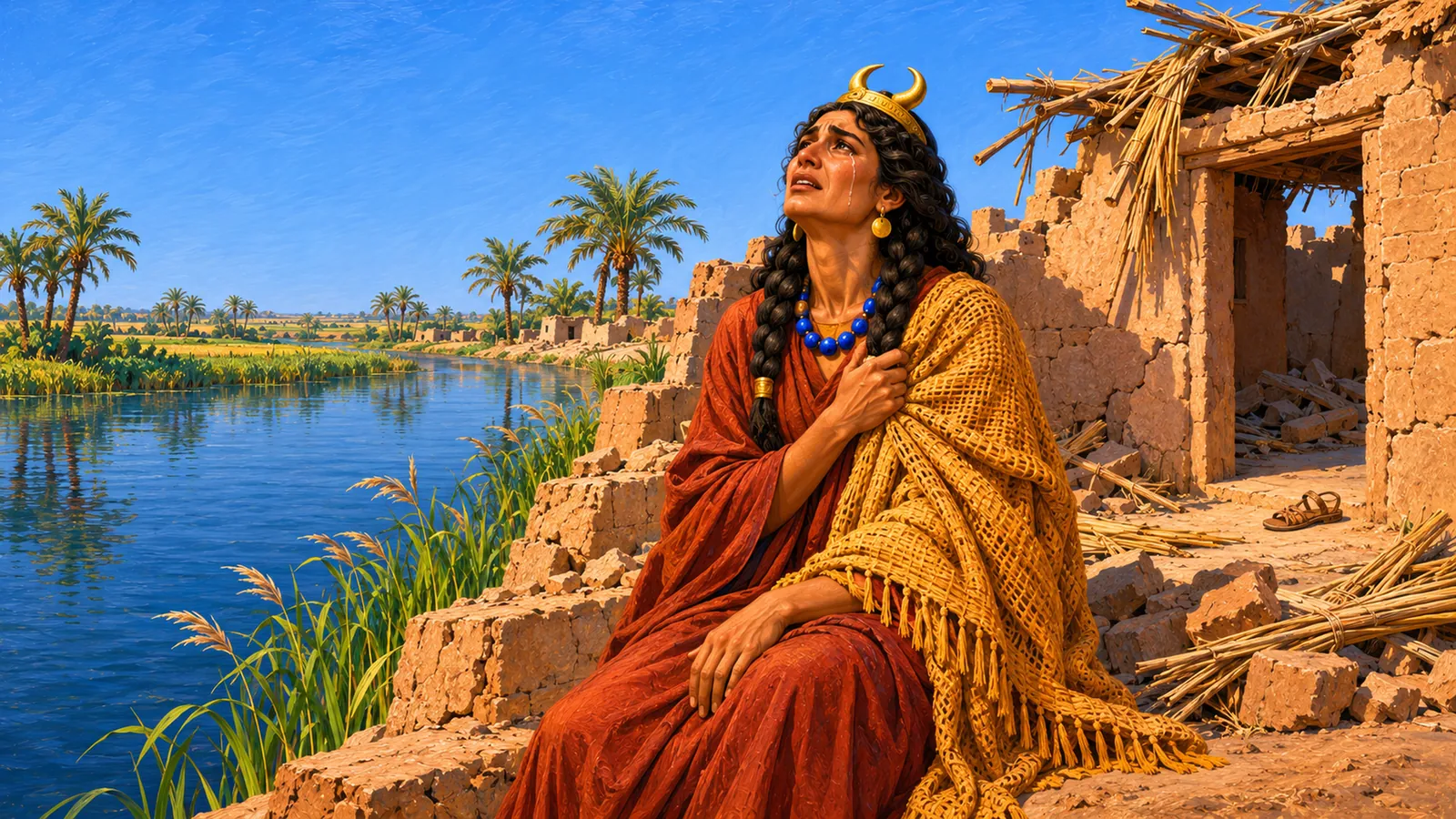
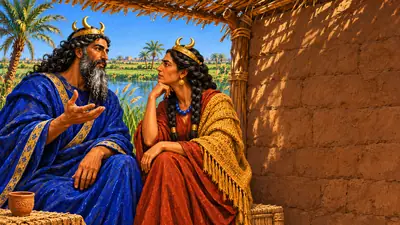
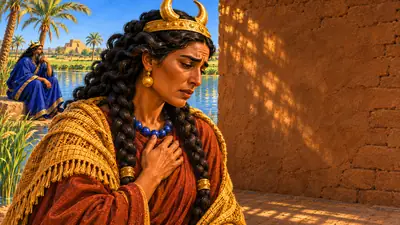
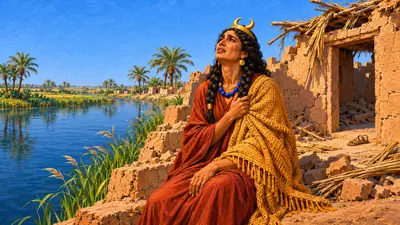
Ninmah dice que su ciudad fue destruida, su casa devastada y sus hijos hechos cautivos. Dice que la obligaron a dejar Ekur y que aún no puede escapar del poder de Enki. Jacobsen marca como incierta su lectura de «fugitiva».

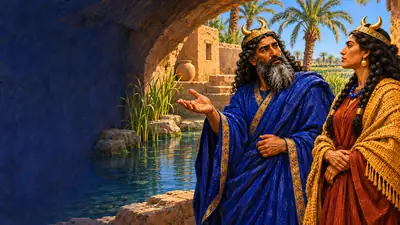
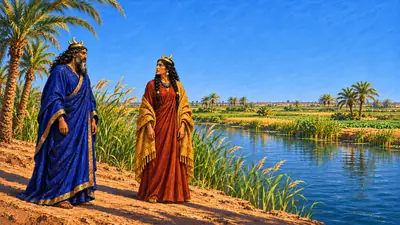
Ninmah le prohíbe a Enki vivir en el cielo o sobre la tierra. Jacobsen interpreta la maldición como una explicación de por qué las aguas dulces están bajo tierra.
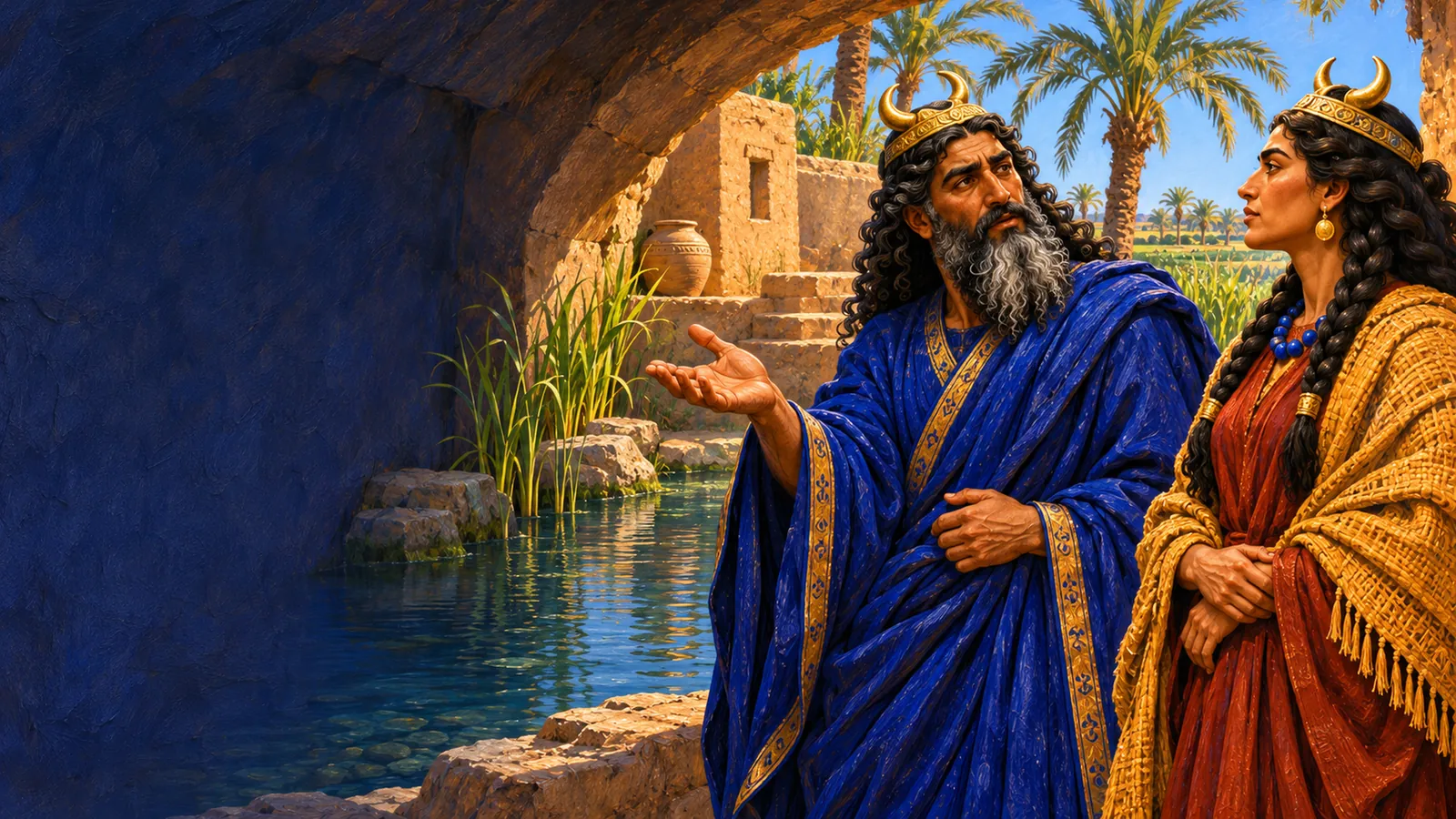
Enki pregunta quién podría cambiar una orden que procede de Ninmah. Jacobsen entiende que su decreto es vinculante.
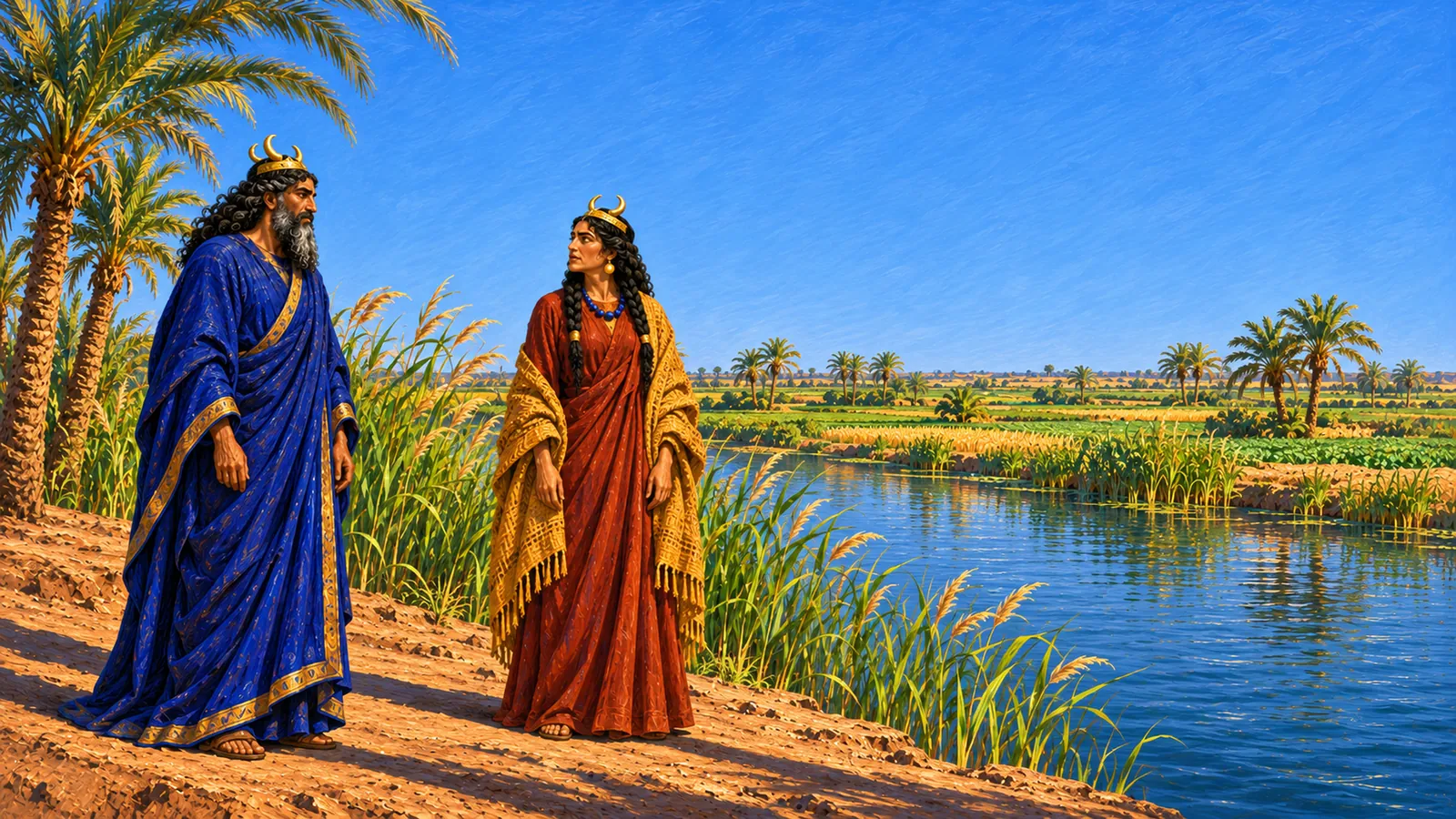
Jacobsen dice que el texto continúa, pero es fragmentario y difícil. Sugiere que quizá se suavizó la sentencia y que quizá se reconciliaron.
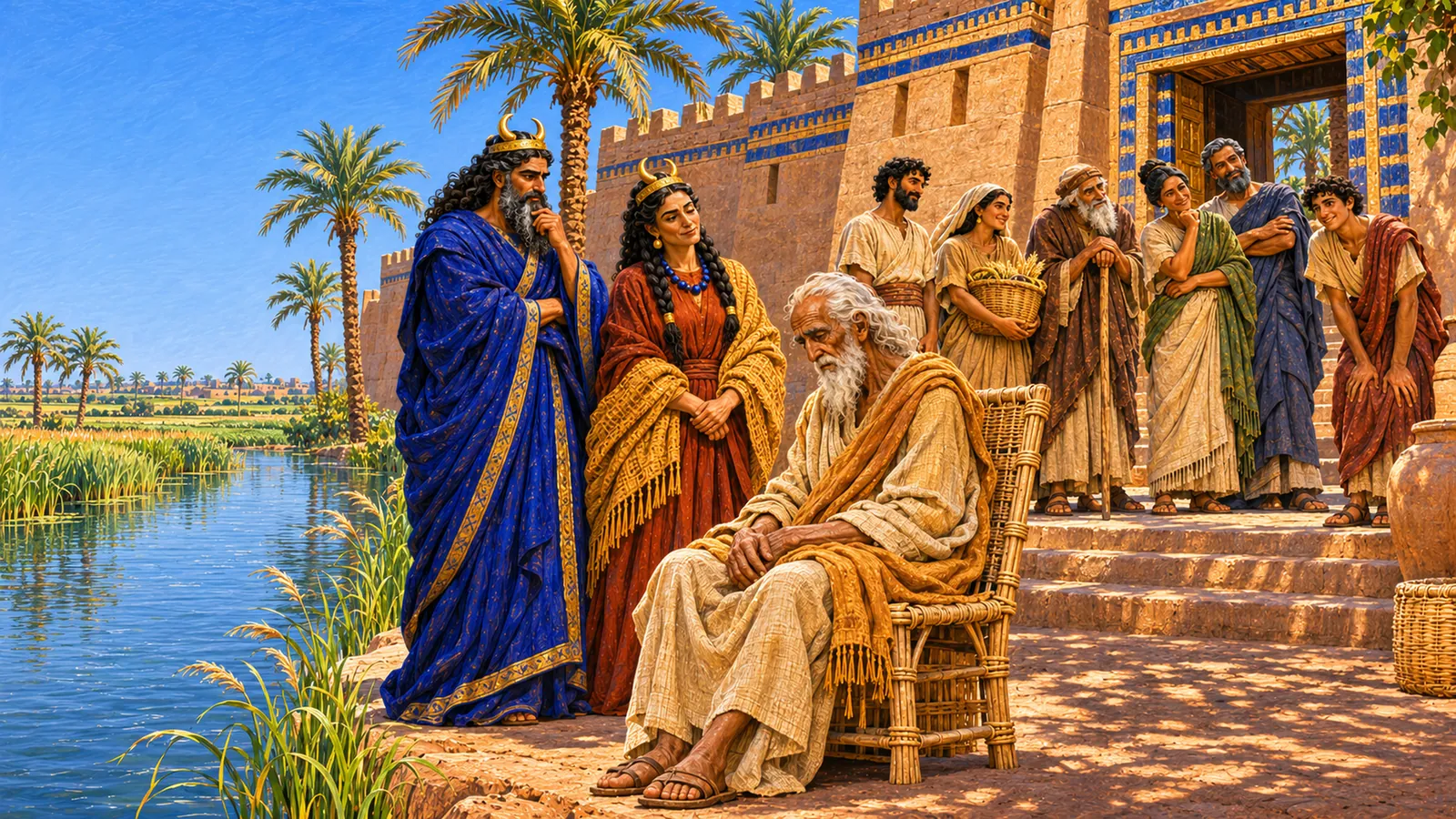
Jacobsen interpreta el relato como una explicación de los papeles sociales vinculados a las diferencias físicas y de las dificultades de la vejez. Compara los medios de vida que Enki encontró para las creaciones de Ninmah con su propio desafío, cuyo desenlace sigue siendo incierto.
Fin del capítulo 1
Todas las páginas

Fuentes
This reading follows Thorkild Jacobsen’s subsection on Enki and Ninmah in The Cosmos as a State, The Intellectual Adventure of Ancient Man, University of Chicago Press, 1946, first Phoenix edition 1977, pp. 161–165. The book credits H. A. Groenewegen Frankfort for the English poetic form (preface p. vi and p. 184, note 3). Chapter note 26 on p. 184 refers to Kramer’s Mythology, note 73.
Ediciones consultadas
- University of Chicago, The Intellectual Adventure of Ancient Man
- Jacobsen’s printed subsection, pp. 161–165
- Chapter notes 3 and 26, p. 184
Notas sobre este relato
Page 1, opening. Jacobsen’s introduction on pp. 161–162 describes Enki as the god of sweet water and gives Ninmah as an epithet of Ninhursaga. The opening translated lines repeat the separation of sky and earth across a pair of lines on days and nights. The book credits H. A. Groenewegen Frankfort with the English form of the poem selections (preface p. vi and p. 184, note 3).
Pages 2–3, labor and Nammu’s appeal. The prose following the opening selection on p. 162 recounts the gods’ agricultural toil, the canals they dig and their appeal to Enki. Nammu is Enki’s mother in the account and Jacobsen associates her with the watery deep.
Page 4, the clay and the apsu. A short quotation within the prose on p. 162 locates the clay above the apsu. Jacobsen glosses this as the level above the underground waters and adds the account of Ninmah and eight other goddesses helping Nammu. His prose compares the severing of the clay to that of a newborn from its mother.
Pages 5–6, the gap and feast. The p. 162 break leaves the making of human beings uncertain. Jacobsen’s suggestion about clay being born before humans are formed is conjectural. The proposed reason for the feast is another conjecture.
Pages 7–8, the first challenge. The printed passage on p. 162 sets the exchange after Ninmah and Enki drink beer. Parentheses mark “really” within her question about the human body. The edition places a question mark after the verb rendered “balance” in Enki’s reply.
Pages 9–10, physical descriptions and livelihoods. Jacobsen’s prose on p. 163 gives three examples among the six people Ninmah forms. The person without male or female sexual organs is assigned to the king’s service, and the woman who cannot bear children joins the queen’s attendants. Jacobsen proposes that the former is a eunuch. That identification is conjectural.
Page 11, reversal and the first attempt. Jacobsen’s prose on p. 163 describes Enki taking up the shaping of people, while Ninmah is asked to determine their lot. The text is damaged where Enki’s first attempt would be described.
Page 12 · p. Jacobsen reads the second as a very old man and glosses his name “my day is remote.” The spoken version uses the clearly readable gloss because the extracted transliteration from the scan is uncertain. Jacobsen’s description mentions eye disease, pain in the liver and heart, trembling hands, and life ebbing away.
Pages 13–14 · p. 163, translated challenge and explanatory prose. Enki says that he assigned the people Ninmah made a lot allowing them to subsist and asks her to find such a lot for the man he made. Jacobsen’s narrative says the man cannot reply to Ninmah’s question or reach for the bread she offers.
Pages 15–16 · pp. 163–164, the interrupted quarrel and Jacobsen’s conjectures. Jacobsen reports that Ninmah says the man is not alive. A break interrupts the quarrel.
Page 17 · p. 164, translated lament. In the printed translation, “fugitive” has a question mark. The still shows an intact doorway.
Pages 18–19 · p. 164, the curse and translated reply. Ninmah forbids Enki from dwelling in heaven or on earth. Jacobsen links this to the sweet waters beneath the earth and compares the decree with one in the separate Tilmun narrative. Enki asks who could alter a command from Ninmah. Jacobsen reads his reply in terms of the binding force of a divine decree.
Page 20 · p. 164, the fragmentary continuation. Jacobsen says that the text continues but is difficult to read. He suggests the sentence may have been eased and a reconciliation may have followed. The wording keeps both as conjectures.
Page 21 · pp. 164–165, Jacobsen’s closing interpretation. His historical interpretation mentions eunuchs and hierodules. It ends before the next category of myths.
Los versos antiguos de cada página
- Page 1: Jacobsen, “Enki and Ninmah,” 1977 Phoenix ed., pp. 161–162, framing prose and opening verse
- Page 2: Jacobsen, “Enki and Ninmah,” 1977 Phoenix ed., p. 162, prose on the gods’ work
- Page 3: Jacobsen, “Enki and Ninmah,” 1977 Phoenix ed., p. 162, prose on Nammu and Enki
- Page 4: Jacobsen, “Enki and Ninmah,” 1977 Phoenix ed., p. 162, short translated phrase and surrounding prose
- Page 5: Jacobsen, “Enki and Ninmah,” 1977 Phoenix ed., p. 162, lacuna and Jacobsen’s inference
Dark homogeneous matte mud plaster covers the upper two thirds, undisturbed by the roof edge, doorway lines, or lit seams. - Page 6: Jacobsen, “Enki and Ninmah,” 1977 Phoenix ed., p. 162, Jacobsen’s account of the resumed text
- Page 7: Jacobsen, “Enki and Ninmah,” 1977 Phoenix ed., p. 162, translated feast scene and Ninmah’s challenge
- Page 8: Jacobsen, “Enki and Ninmah,” 1977 Phoenix ed., p. 162, Enki’s translated reply
- Page 9: Jacobsen, “Enki and Ninmah,” 1977 Phoenix ed., p. 163, Jacobsen’s summary of Ninmah’s figures
- Page 10: Jacobsen, “Enki and Ninmah,” 1977 Phoenix ed., p. 163, Jacobsen’s prose on the people’s roles
- Page 11: Jacobsen, “Enki and Ninmah,” 1977 Phoenix ed., p. 163, role reversal and damaged passage
- Page 12: Jacobsen 1977, The Intellectual Adventure of Ancient Man, ch. V, Enki and Ninmah, p. 163, Jacobsen’s prose on Enki’s second figure
- Page 13: Jacobsen 1977, The Intellectual Adventure of Ancient Man, ch. V, Enki and Ninmah, p. 163, translated answering challenge
- Page 14: Jacobsen 1977, The Intellectual Adventure of Ancient Man, ch. V, Enki and Ninmah, p. 163, Jacobsen’s prose on Ninmah’s tests
- Page 15: Jacobsen 1977, The Intellectual Adventure of Ancient Man, ch. V, Enki and Ninmah, p. 163, Jacobsen’s prose and break in the quarrel
- Page 16: Jacobsen 1977, The Intellectual Adventure of Ancient Man, ch. V, Enki and Ninmah, p. 164, Jacobsen’s conjectural bridge
- Page 17: Jacobsen 1977, The Intellectual Adventure of Ancient Man, ch. V, Enki and Ninmah, p. 164, Ninmah’s translated lament
The low wider left area remains even continuous natural lapis-grey shade on matte clay, with no opening line, brick detail, bright spot or shape through the reserve. - Page 18: Jacobsen 1977, The Intellectual Adventure of Ancient Man, ch. V, Enki and Ninmah, p. 164, Ninmah’s quoted curse and Jacobsen’s interpretation
- Page 19: Jacobsen 1977, The Intellectual Adventure of Ancient Man, ch. V, Enki and Ninmah, p. 164, Enki’s quoted reply
- Page 20: Jacobsen 1977, The Intellectual Adventure of Ancient Man, ch. V, Enki and Ninmah, p. 164, Jacobsen’s account of the broken ending
- Page 21: Jacobsen 1977, The Intellectual Adventure of Ancient Man, ch. V, Enki and Ninmah, pp. 164–165, Jacobsen’s closing interpretation
Ilustraciones hechas por IL Archive con herramientas de IA; el texto se basa en las fuentes antiguas (véanse las fuentes al final de cada capítulo).