Enlil y Ninlil Capítulo 1
La luna y sus hermanos
En Nippur, la madre de Ninlil le advierte sobre el canal. Después de que Enlil viole a Ninlil, la asamblea divina lo destierra y Ninlil lo sigue hacia el inframundo. El relato de Thorkild Jacobsen sigue el origen del dios de la luna y de sus tres hermanos vinculados al inframundo. El pasaje con el nombre del tercer hermano está dañado.
FuentesPase las páginas con las flechas, el teclado o deslizando el dedo.
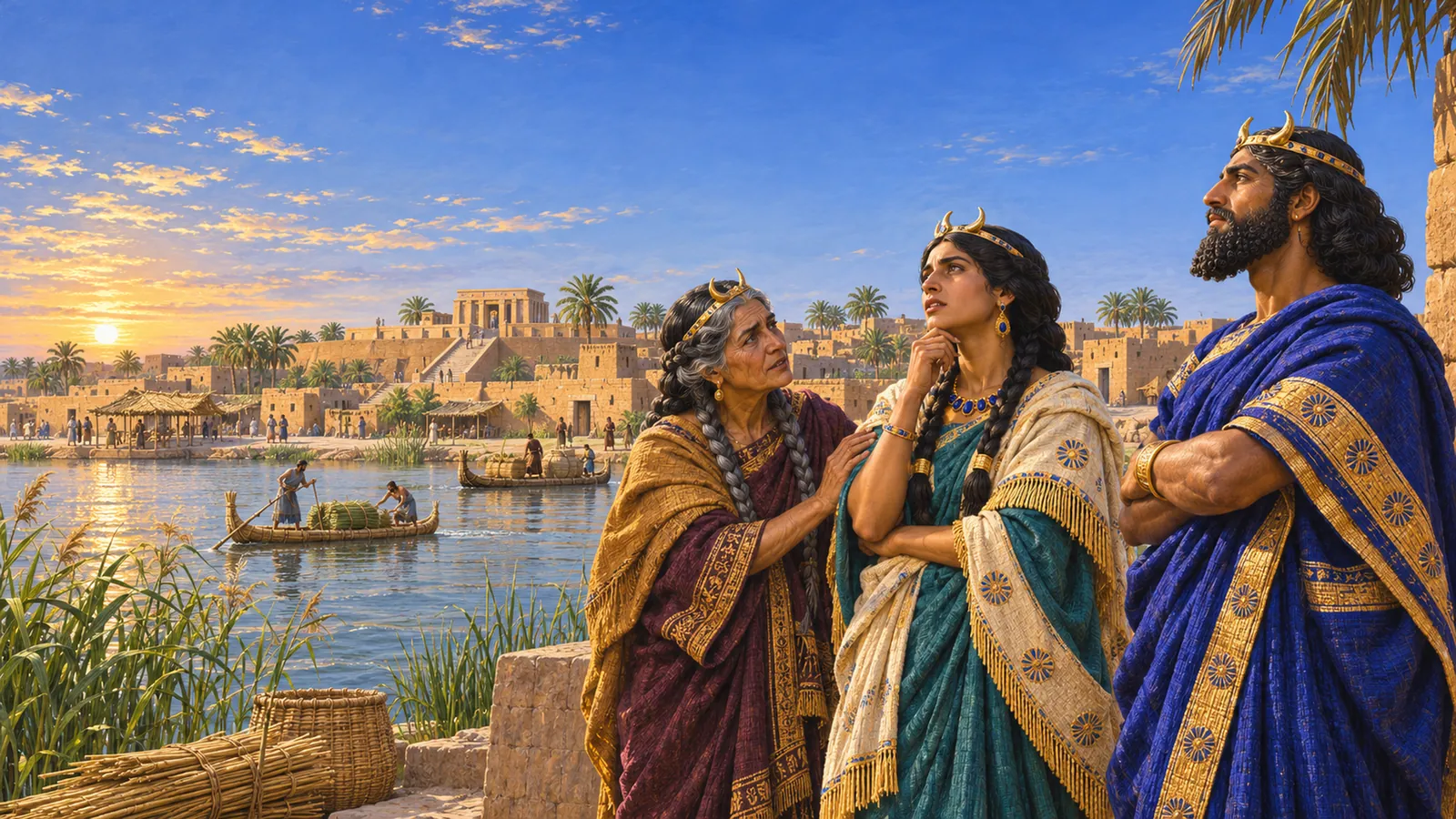
LA LUNA Y SUS HERMANOS
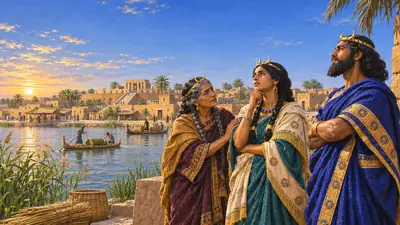
En el relato de Thorkild Jacobsen, la historia empieza en Nippur al principio de los tiempos. Pregunta cómo surgió Sin, la luna, y por qué sus tres hermanos están ligados al inframundo.
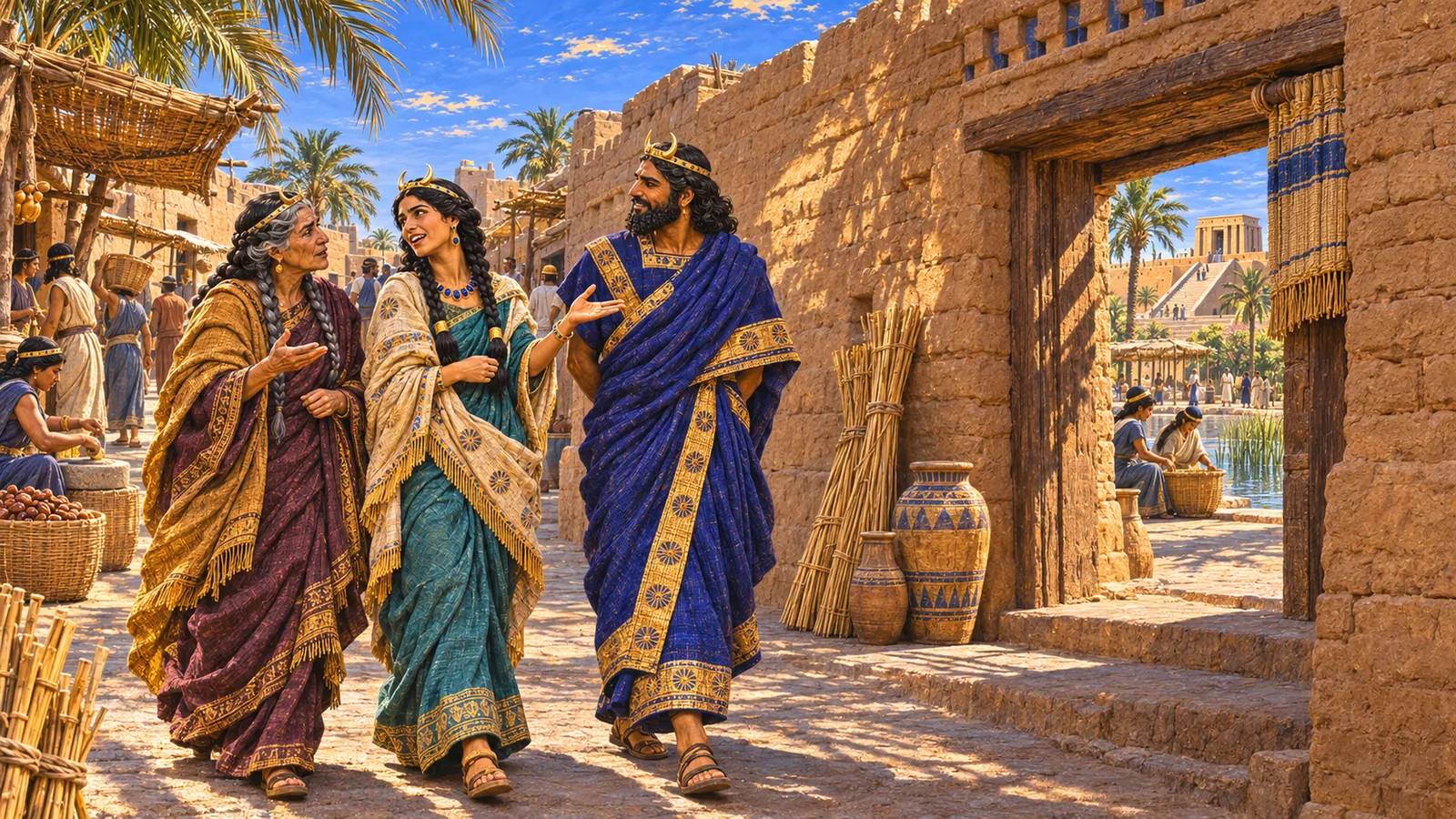
Los versos hablan de vivir en esta ciudad, a la que llaman primero Duranki y luego Durgishimmar. Jacobsen identifica ambos como nombres de Nippur.
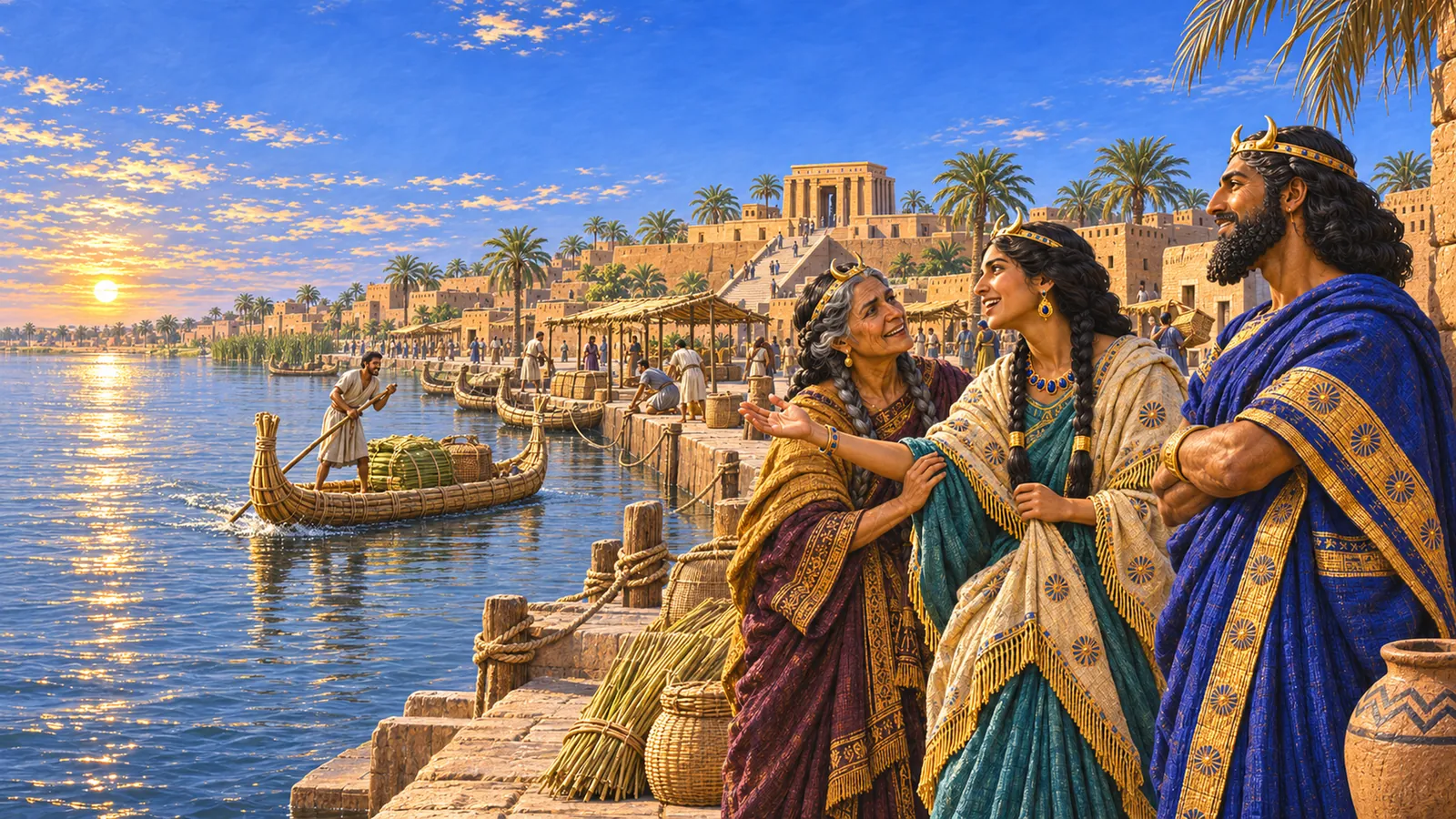
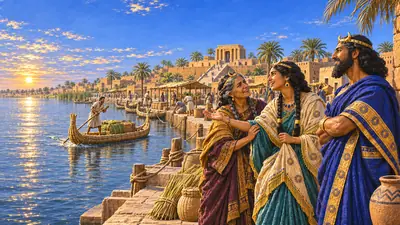
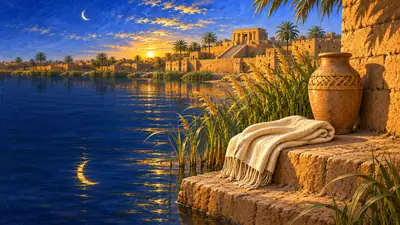
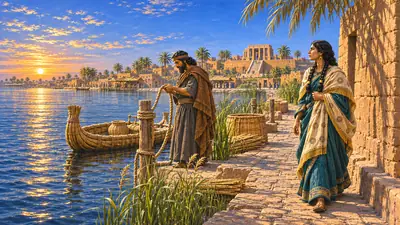
Los versos nombran Idsalla como el río puro de la ciudad, Kargeshtinna como su embarcadero y Karusar como su puerto.
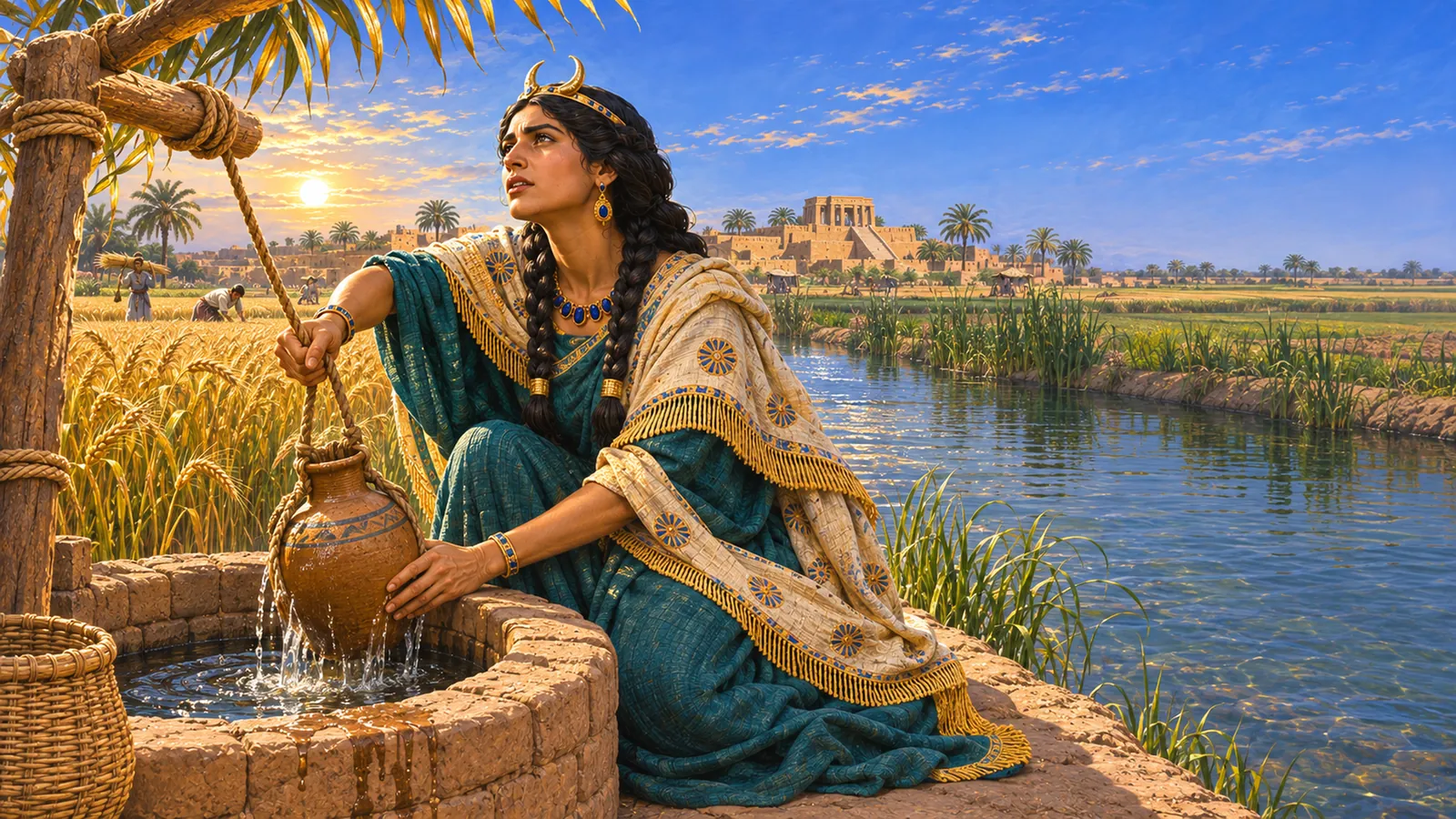
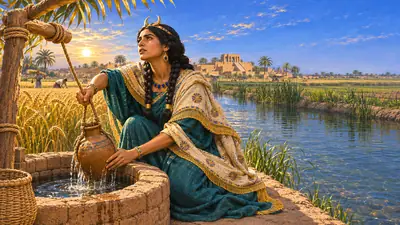
Pulal es el pozo de agua dulce y Nunbirdu el canal brillante, dicen los versos. Si se miden, los campos cultivados tienen al menos diez iku cada uno.
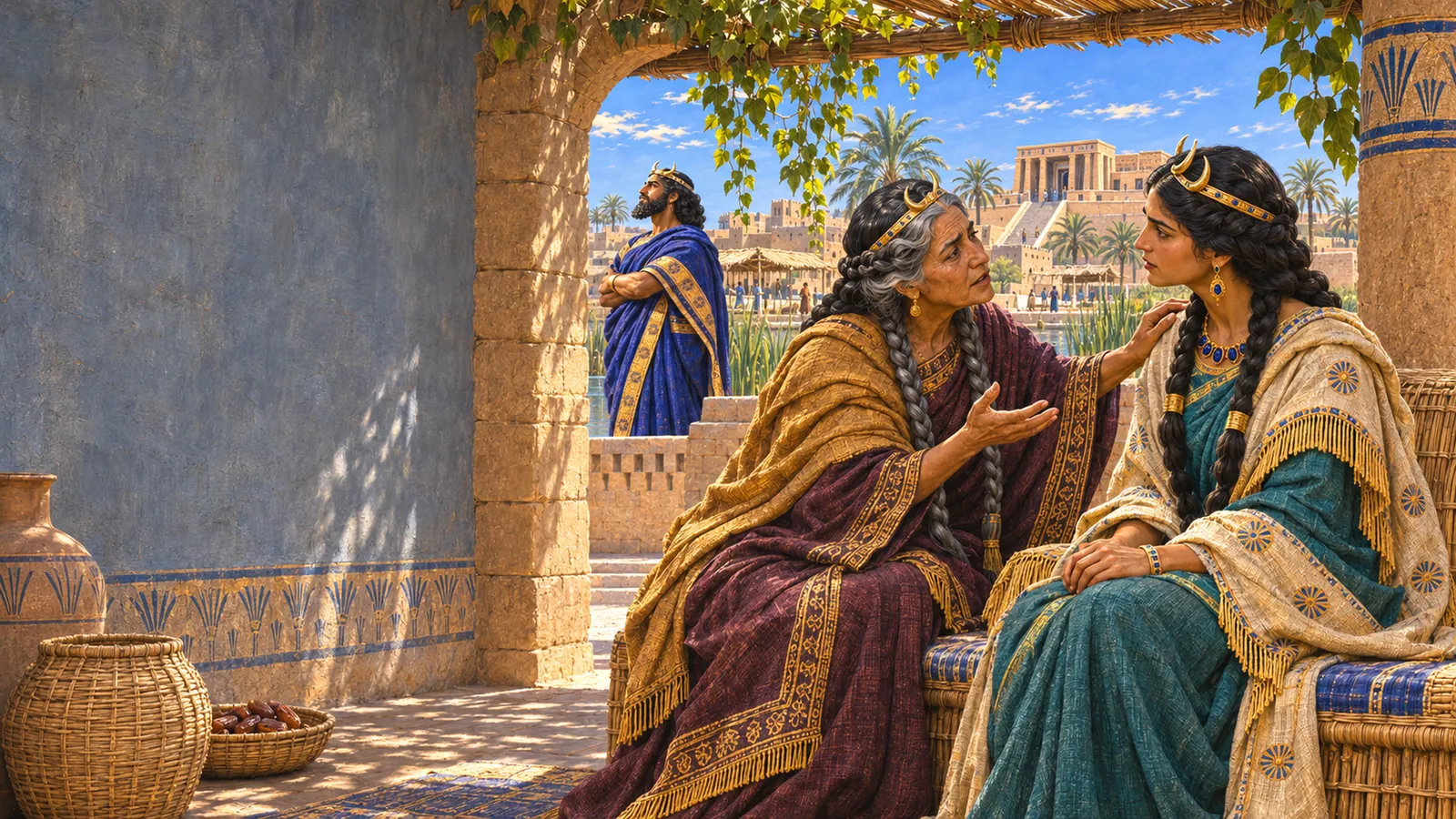
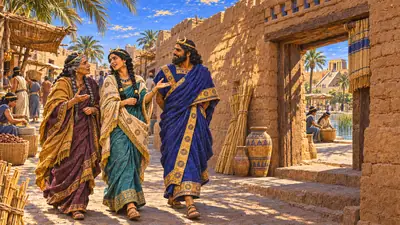
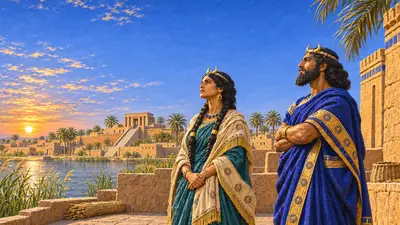
Los versos nombran a Enlil como el joven de la ciudad y a Ninlil como la joven. Nombran a Ninshebargunu como la madre de Ninlil.
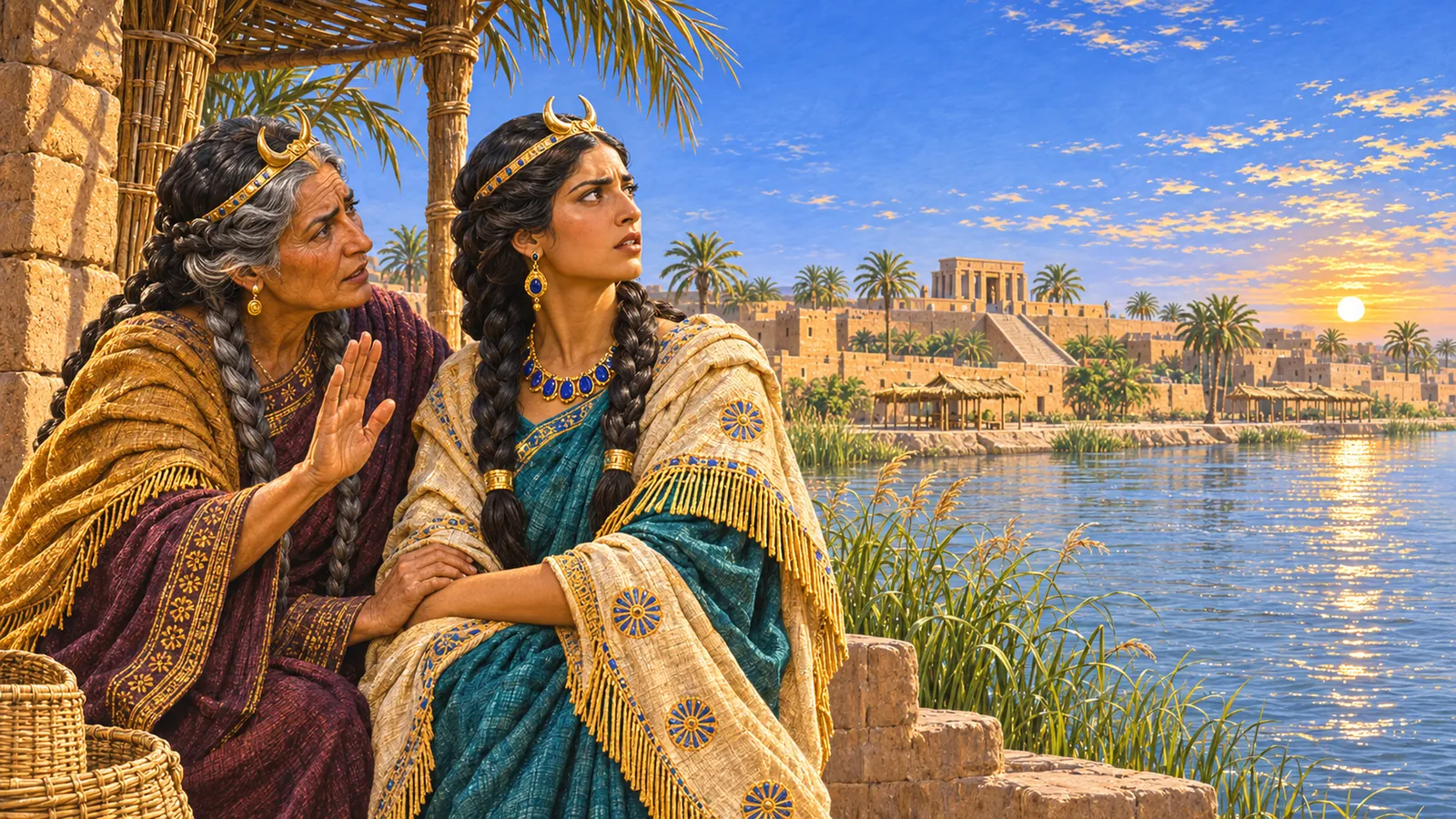
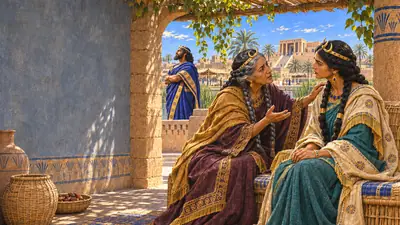
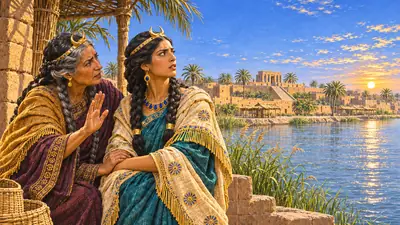
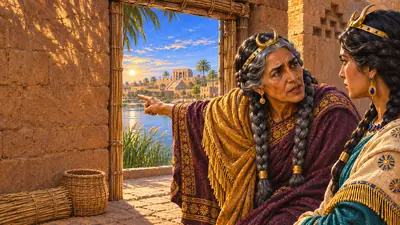
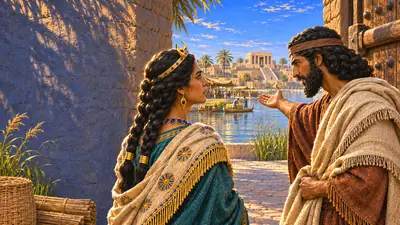
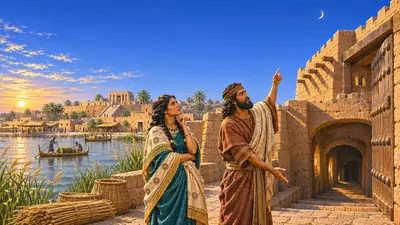
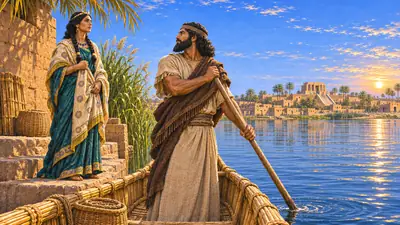
Ninshebargunu advierte varias veces a su hija Ninlil que no se bañe en la corriente pura. También le dice que no suba a la ribera del canal Nunbirdu.
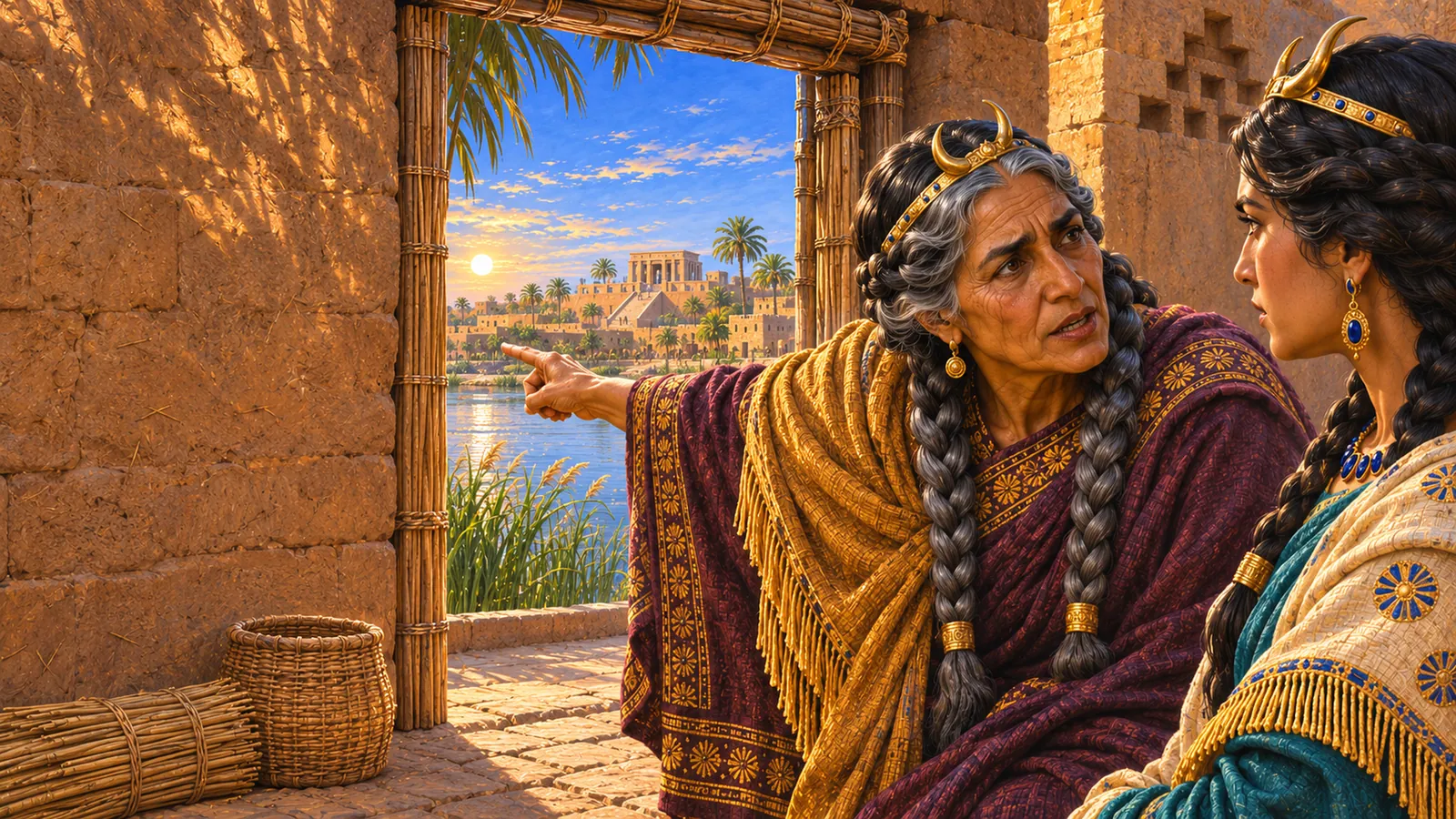
Advierte que Enlil verá a Ninlil, la abrazará y la besará. Lo llama padre Enlil, la gran montaña y quien determina los destinos.
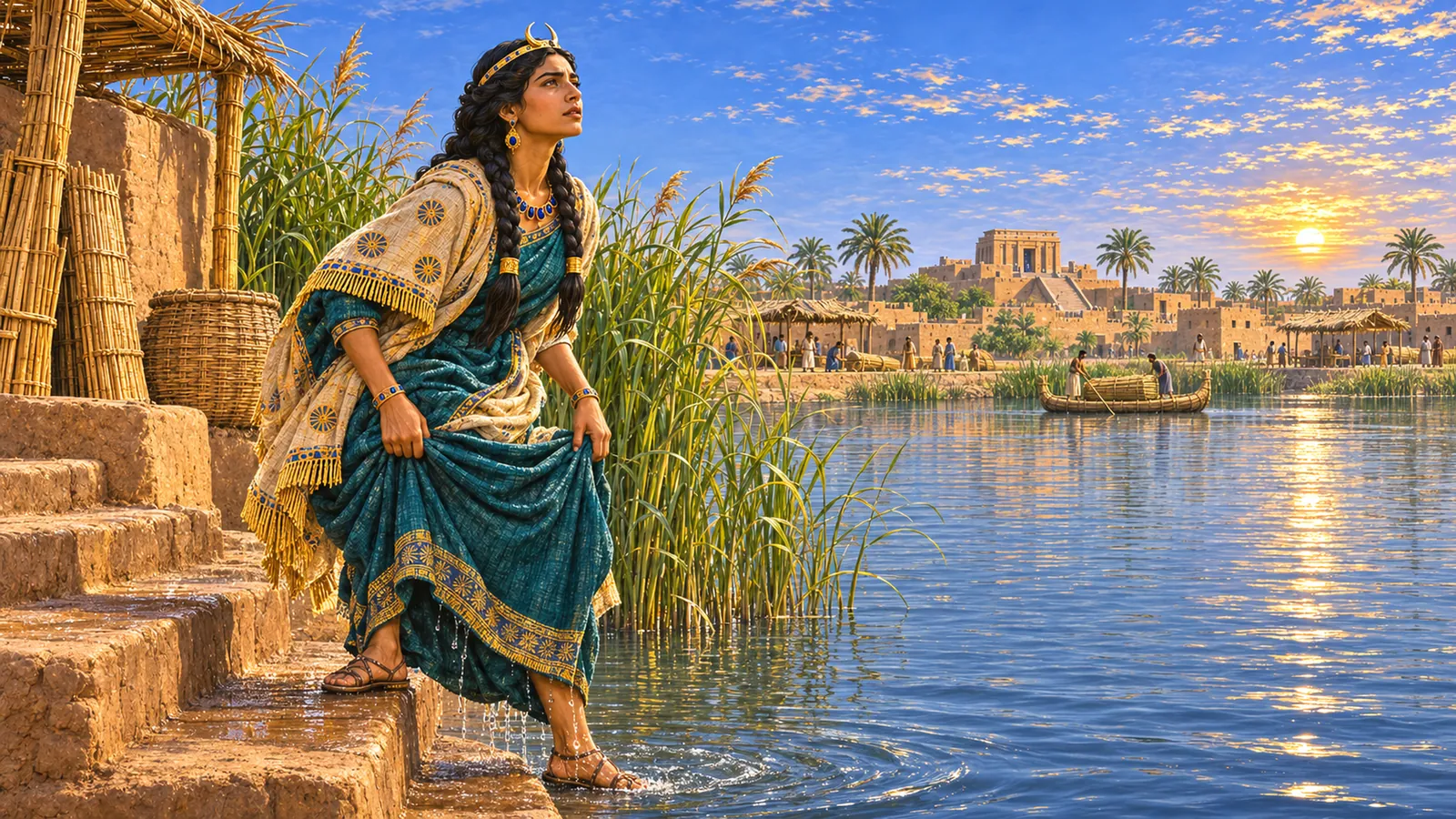
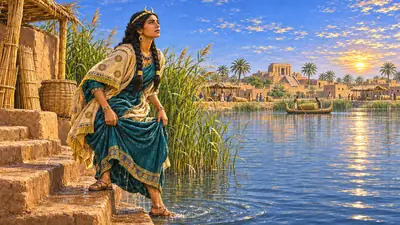
Los versos preguntan si Ninlil escuchó a su madre. Después dicen que se baña en la corriente pura y sube a la ribera de Nunbirdu.
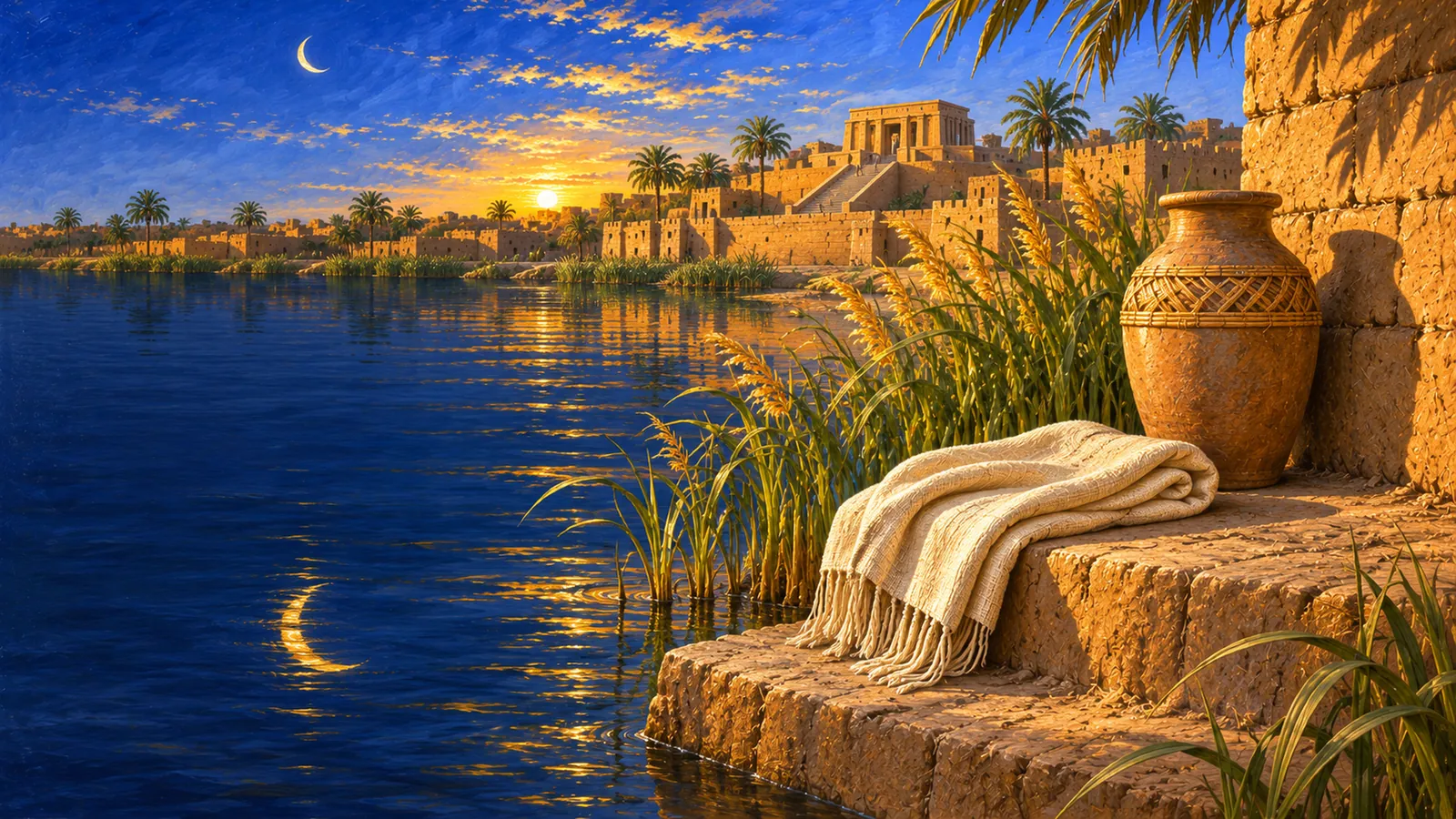
Jacobsen dice que Enlil viola a Ninlil después de que ella lo rechaza y que ella queda embarazada de Sin, el dios de la luna.
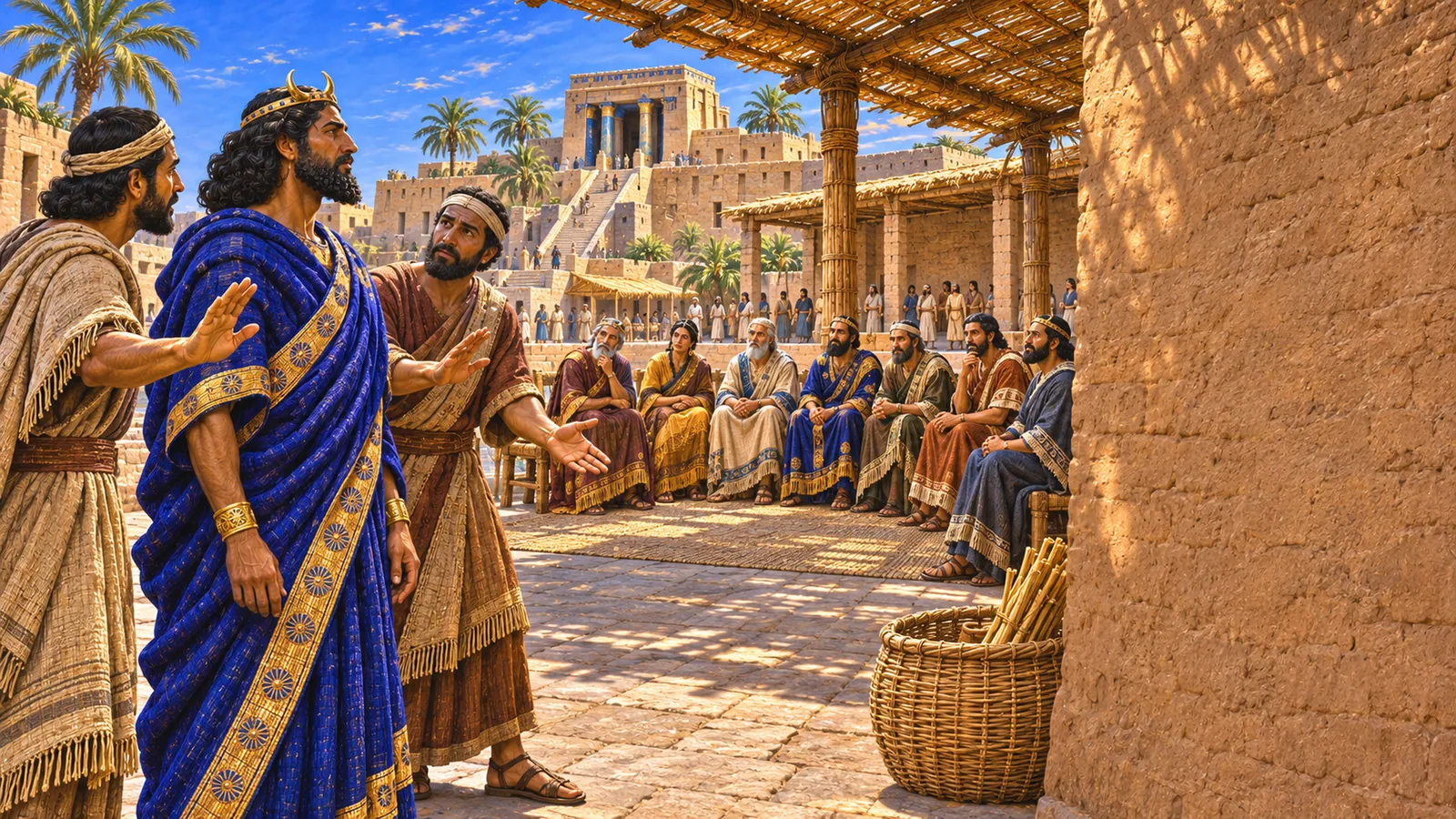
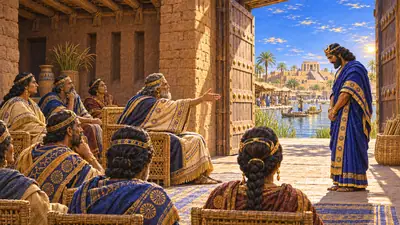
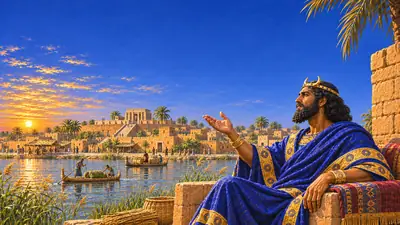
Los versos dicen que Enlil entra en Kiur y allí es arrestado. Los cincuenta grandes dioses y los siete cuya palabra es decisiva ordenan su arresto.
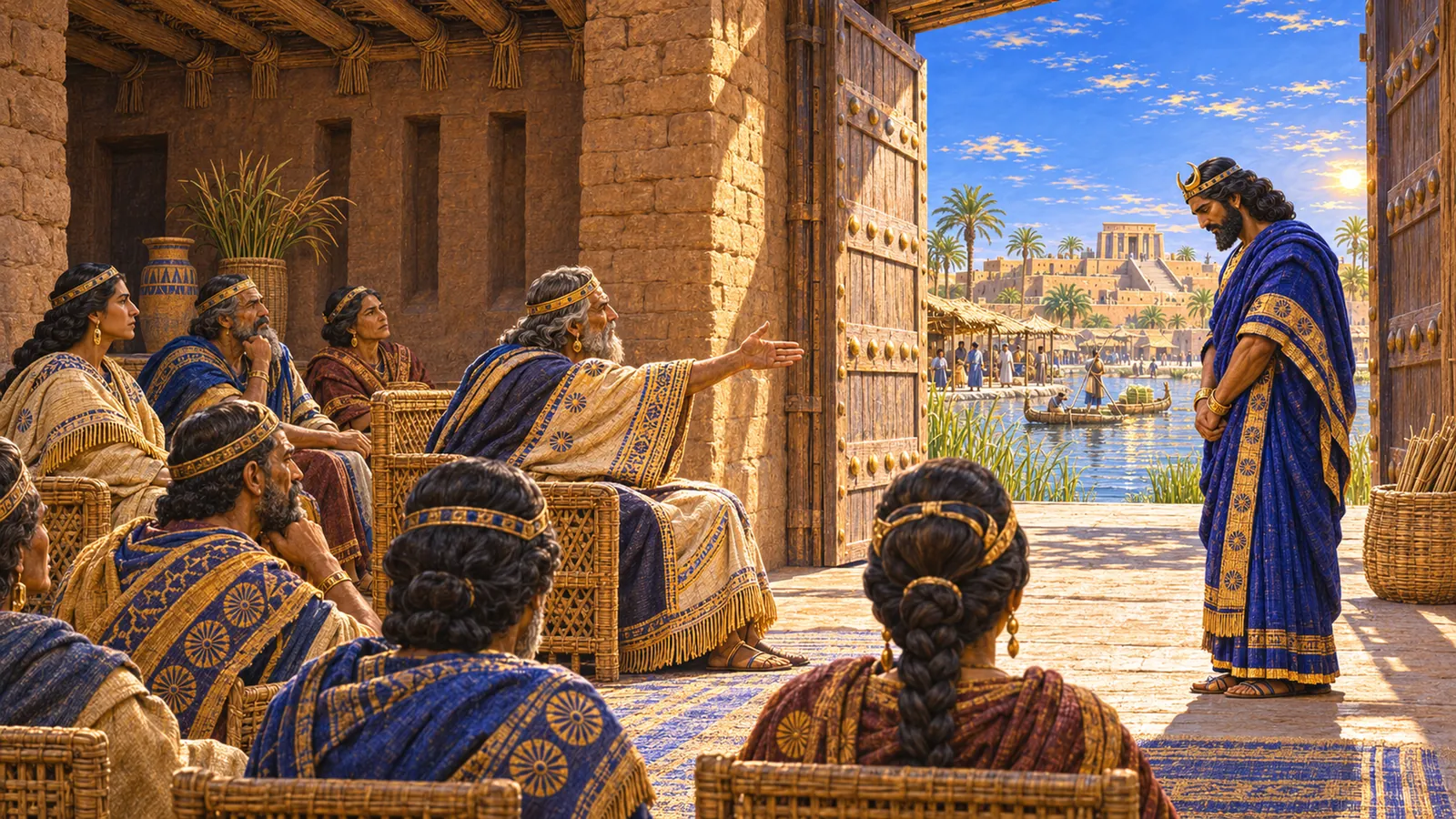
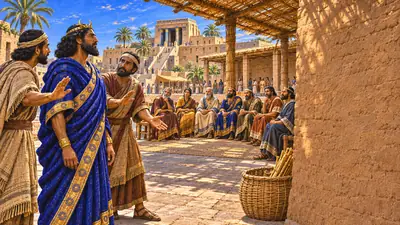
La asamblea le dice a Enlil, también llamado Nunamnir, que salga de la ciudad. Jacobsen explica que la palabra que emplea designa a alguien sujeto a un tabú sexual.
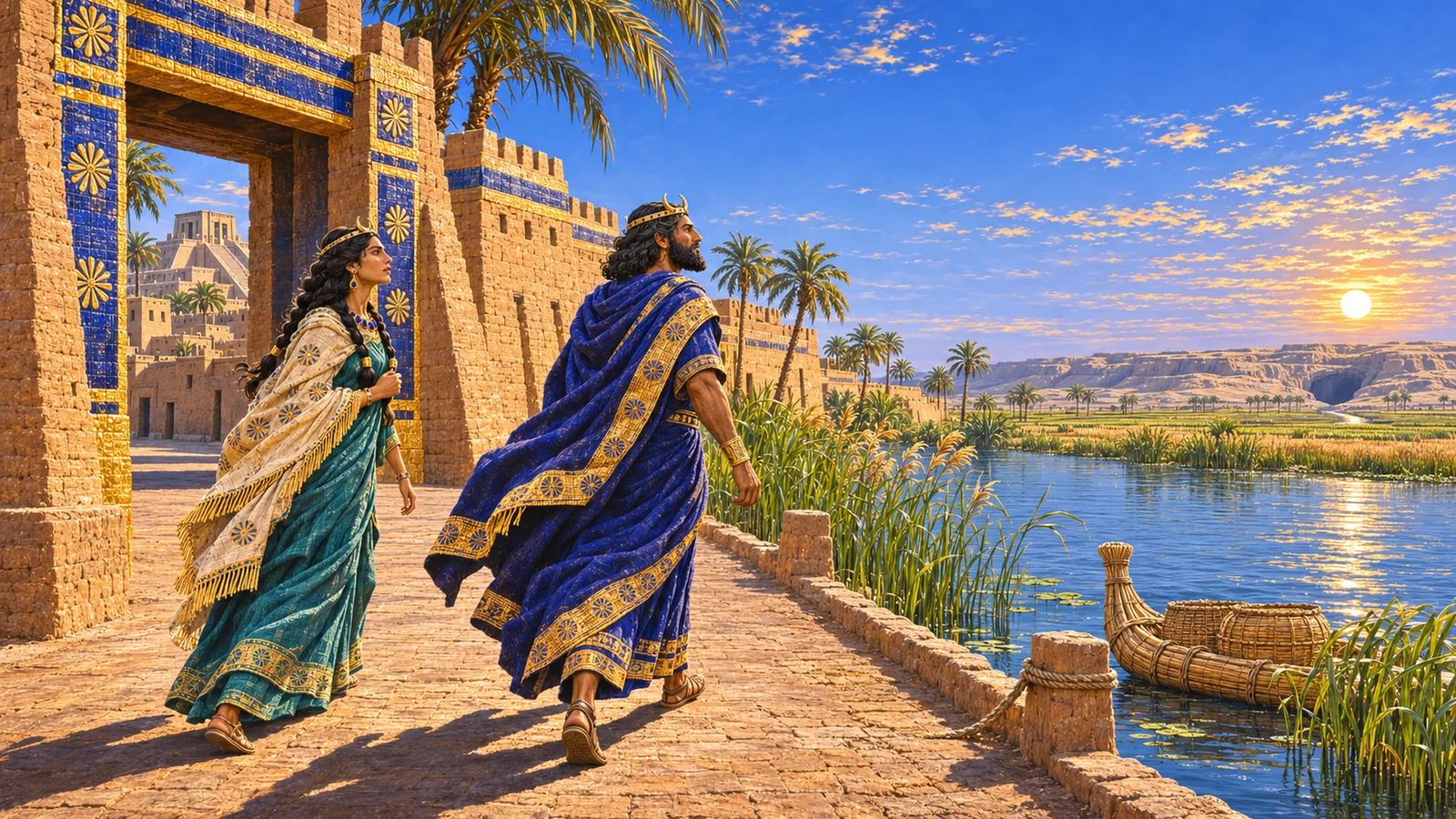
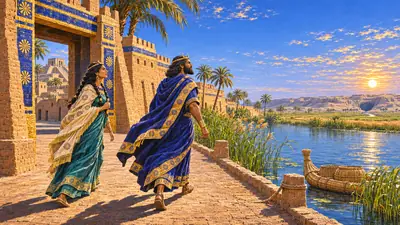
Enlil acata el veredicto y se marcha. Jacobsen dice que va hacia el inframundo, y los versos dicen que Ninlil lo sigue.
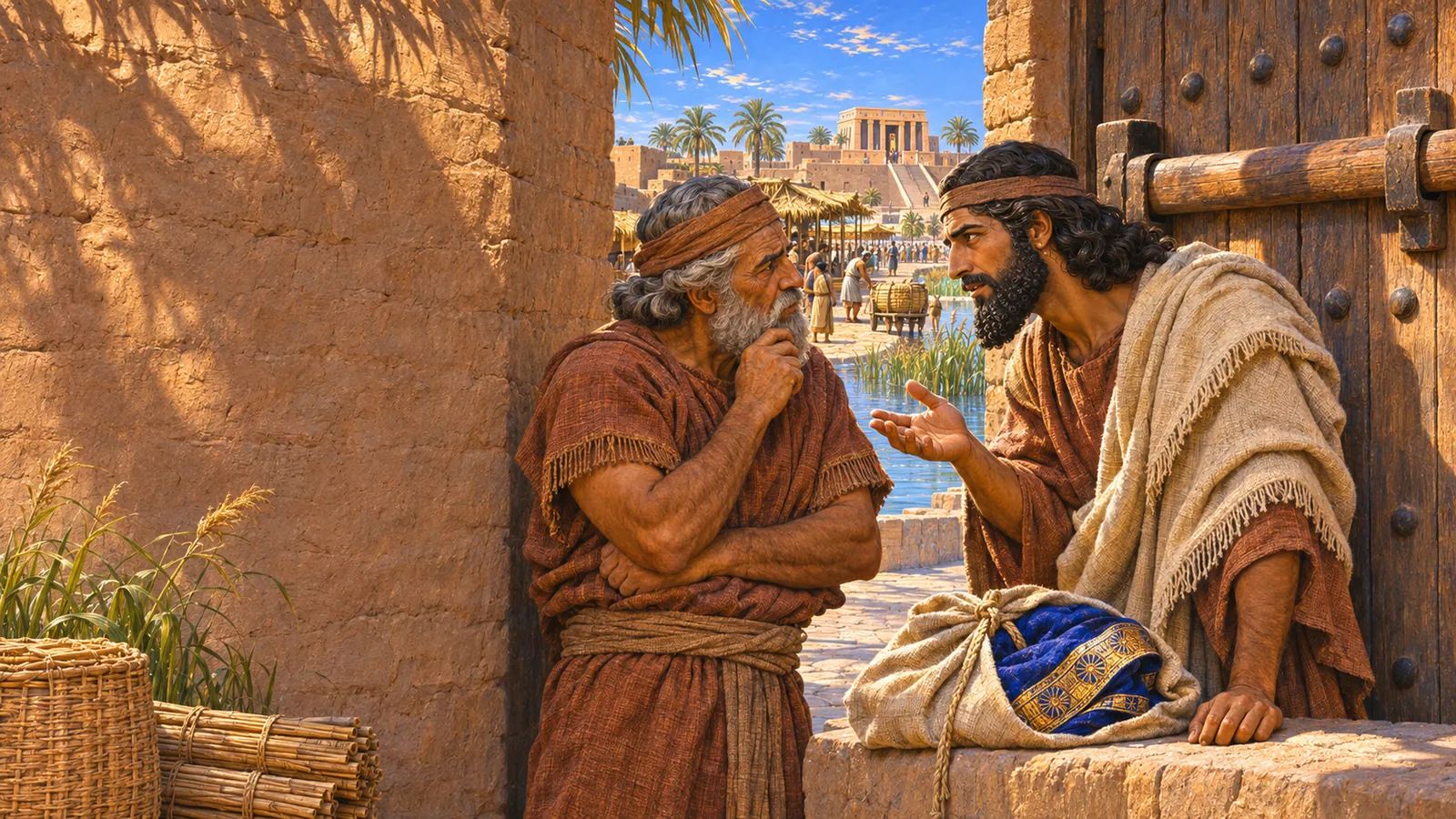
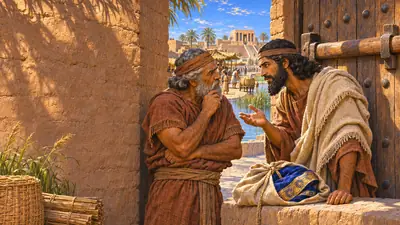
Jacobsen entiende que Enlil teme que otros maltraten a Ninlil. Dice que Enlil toma el lugar y el aspecto del guardián y le ordena callar dónde está.
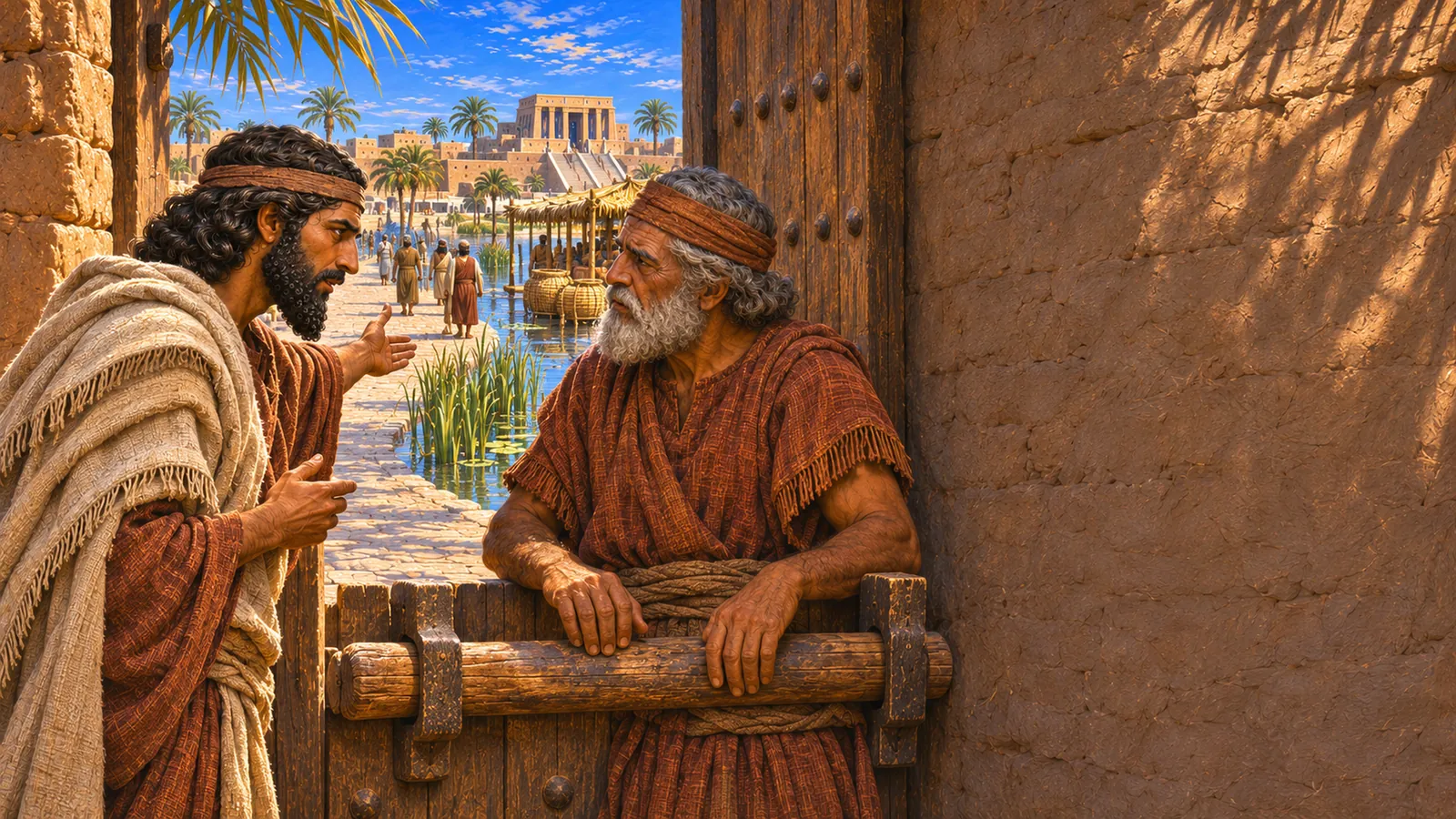
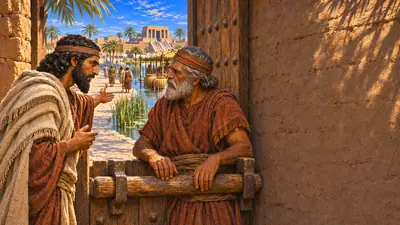
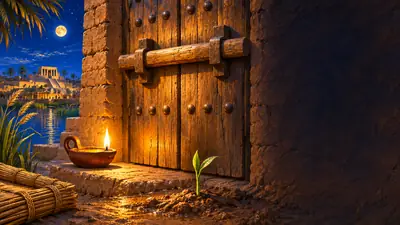
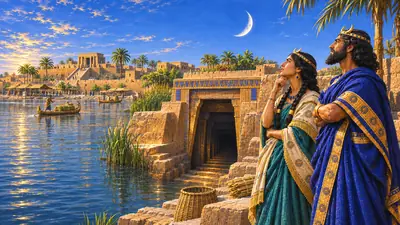
Enlil llama al guardián de la puerta, la cerradura, el cerrojo y el cerrojo sagrado. La reina Ninlil viene, y le ordena que no diga dónde está si ella pregunta.
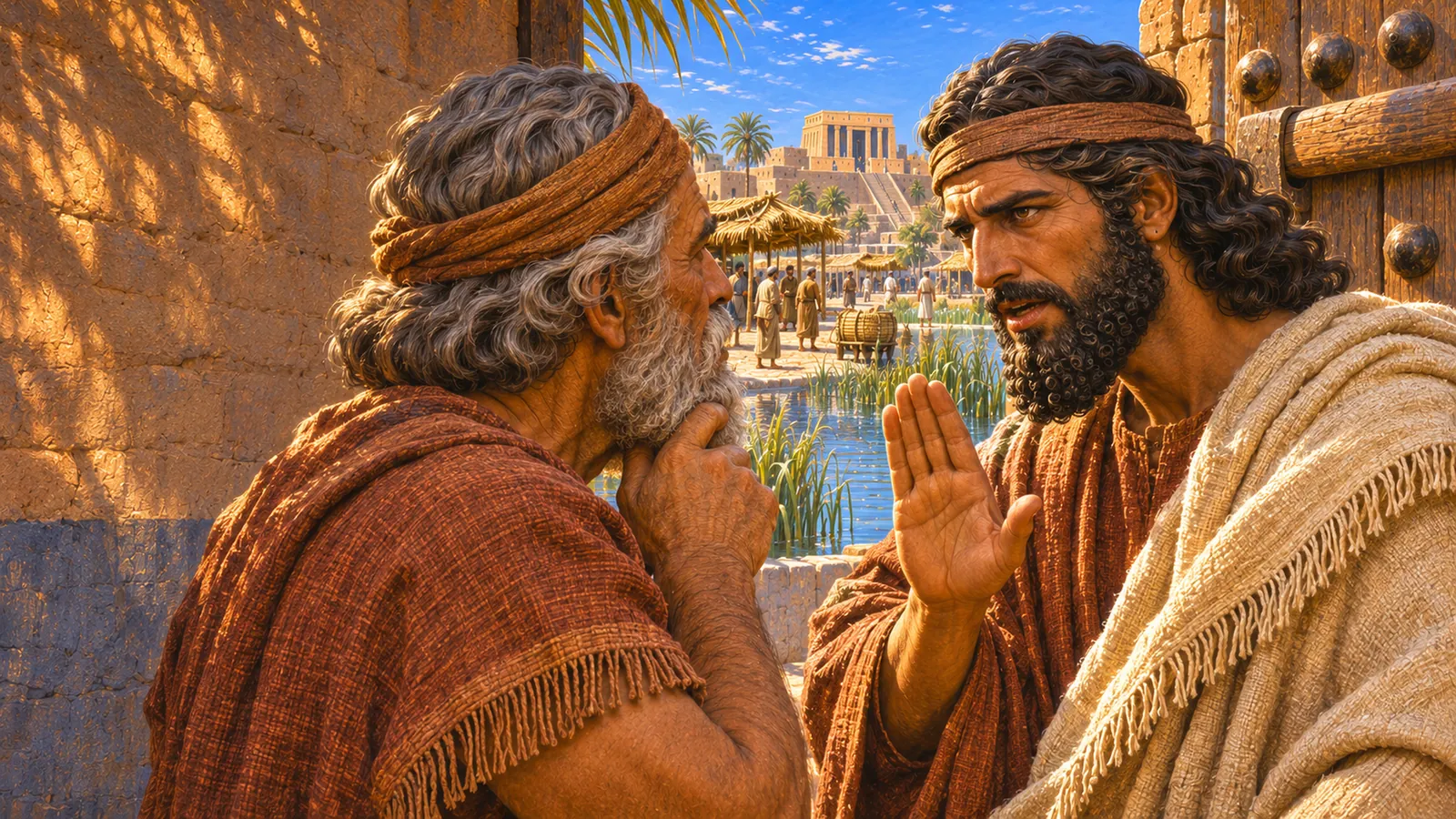
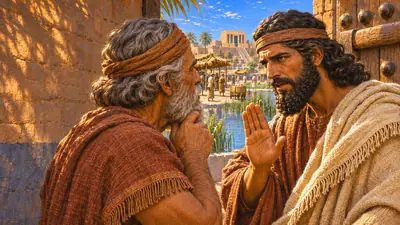
Enlil vuelve a dirigirse al guardián y le dice que Ninlil viene. Le prohíbe abrazarla o besarla. En su propio discurso, Enlil presenta su mirada anterior como una señal de favor.
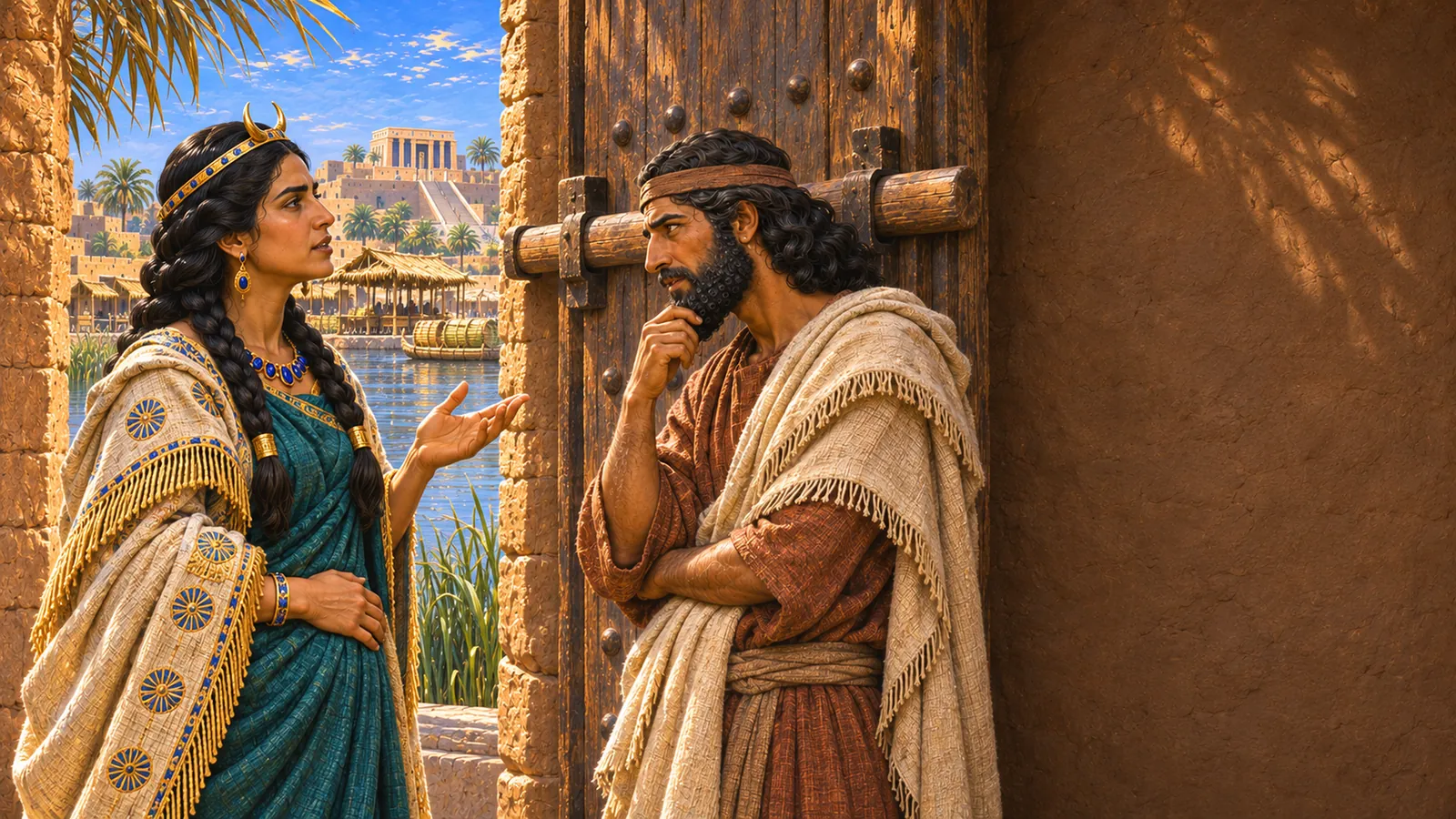
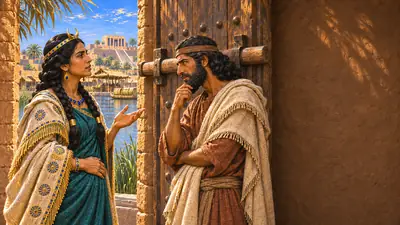
Jacobsen dice que Ninlil toma a Enlil disfrazado por el guardián. Él afirma que su rey la ha recomendado, y ella responde que es su reina y lleva a Sin, el hijo de Enlil.
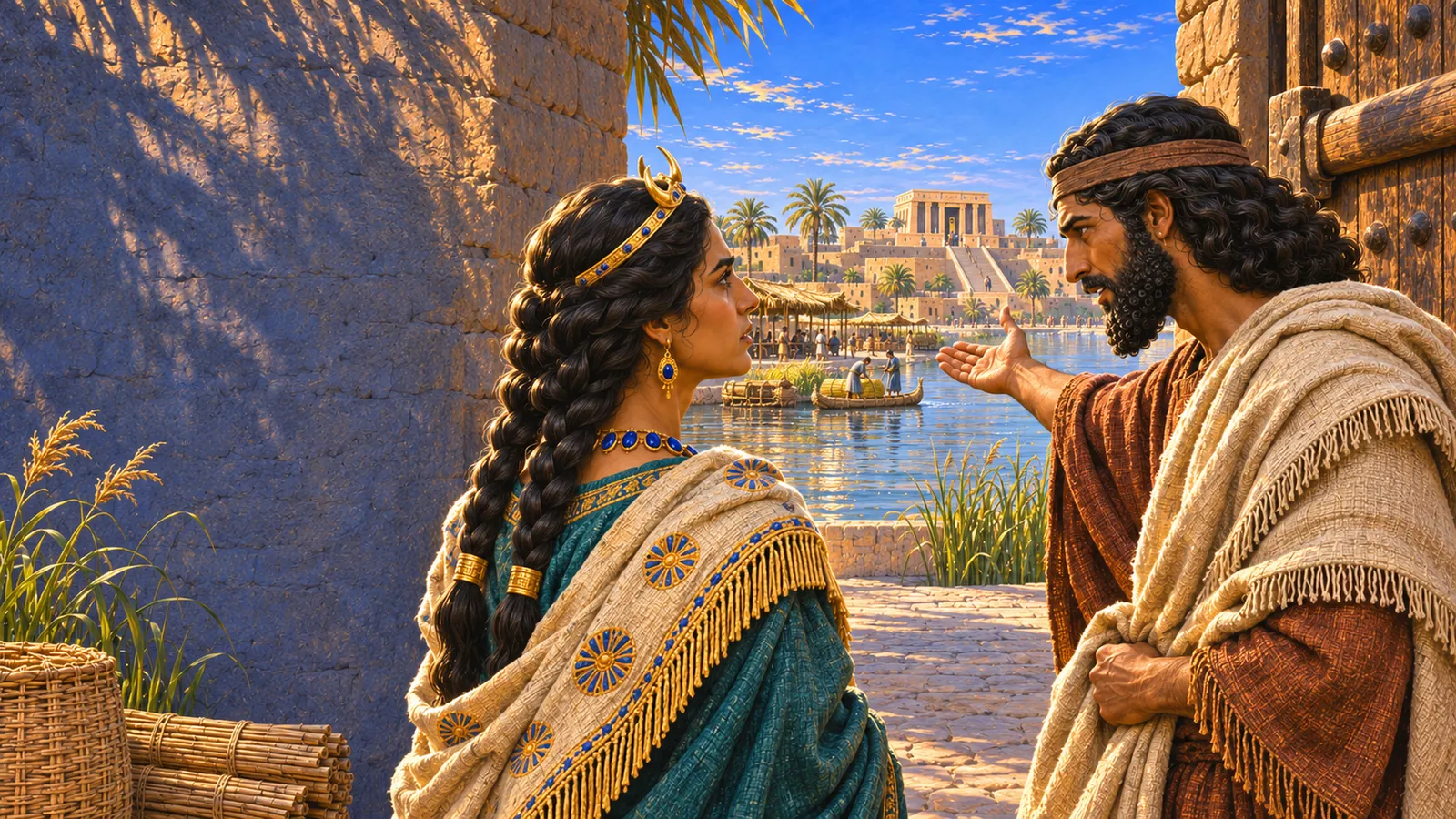
Jacobsen piensa que el guardián disfrazado quizá finge temer por Sin. Propone que nazca otro hijo para el mundo de los muertos en lugar del dios de la luna.
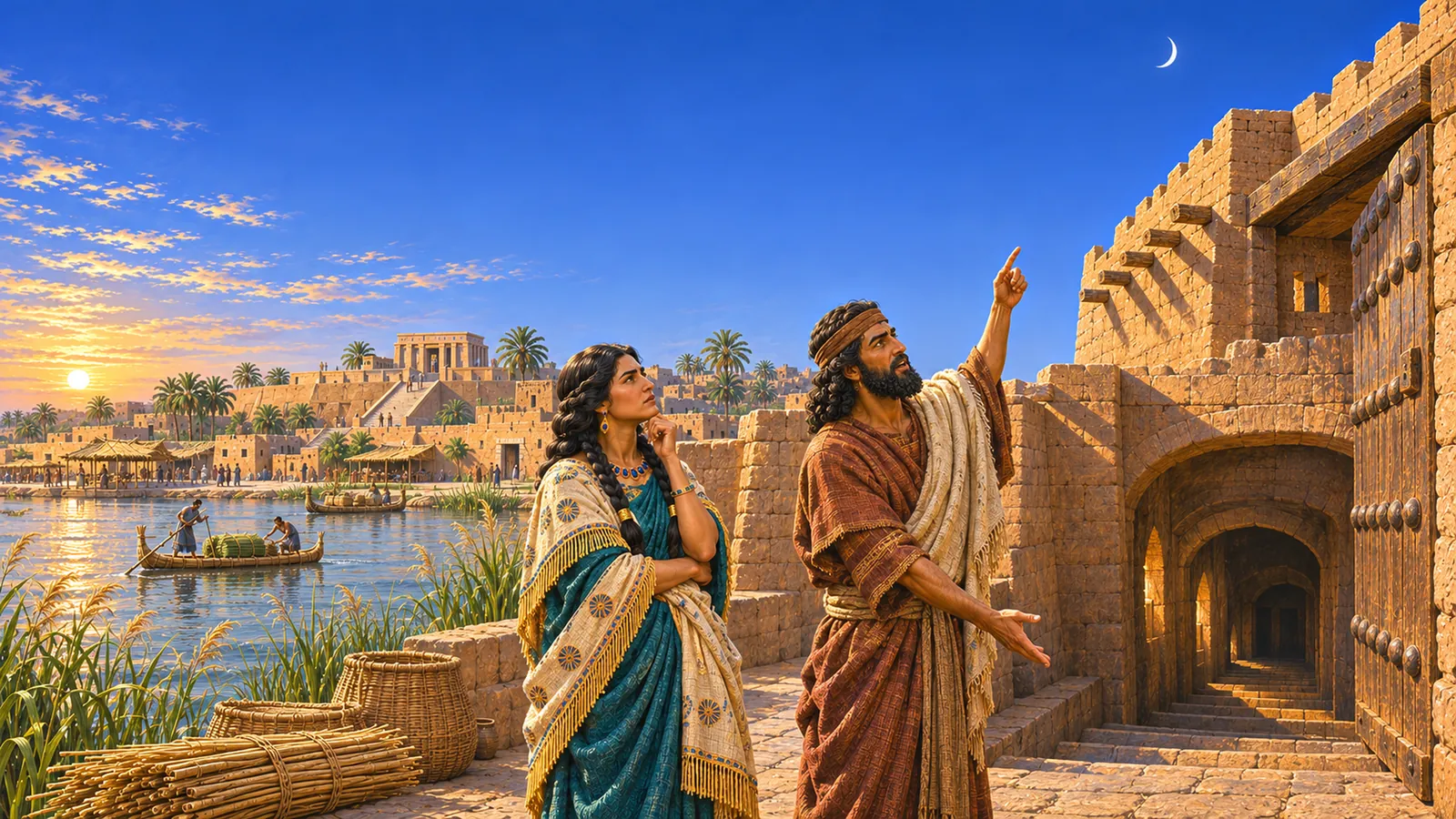
El hablante disfrazado desea que el querido hijo del rey vaya al cielo. Dice que su propio hijo debe ir al mundo de los muertos y ocupar el lugar del otro.
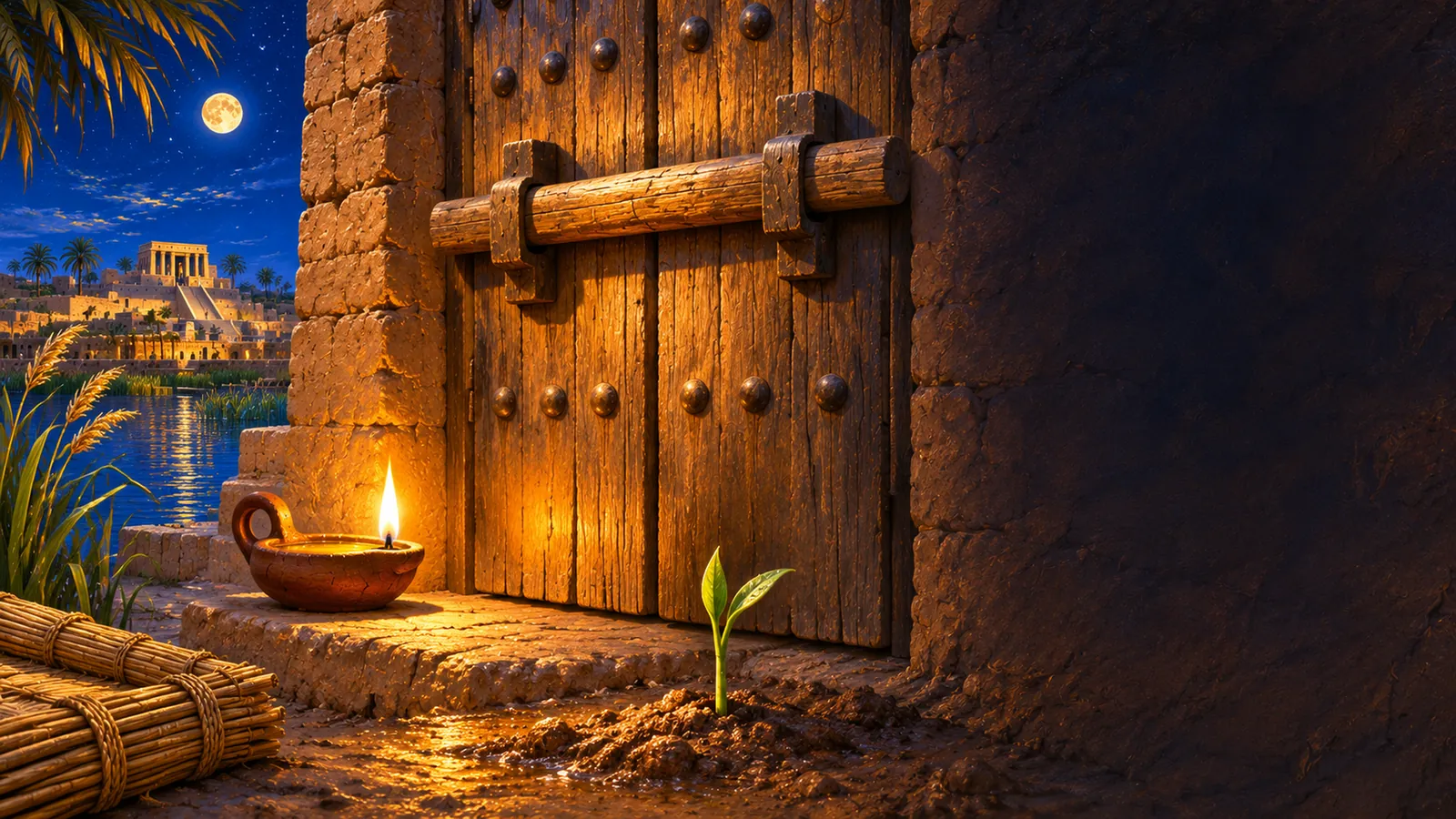
Jacobsen dice que Enlil tiene relaciones sexuales con Ninlil disfrazado de guardián y que ella queda embarazada de Meslamtaea, a quien identifica como hermano de Sin.
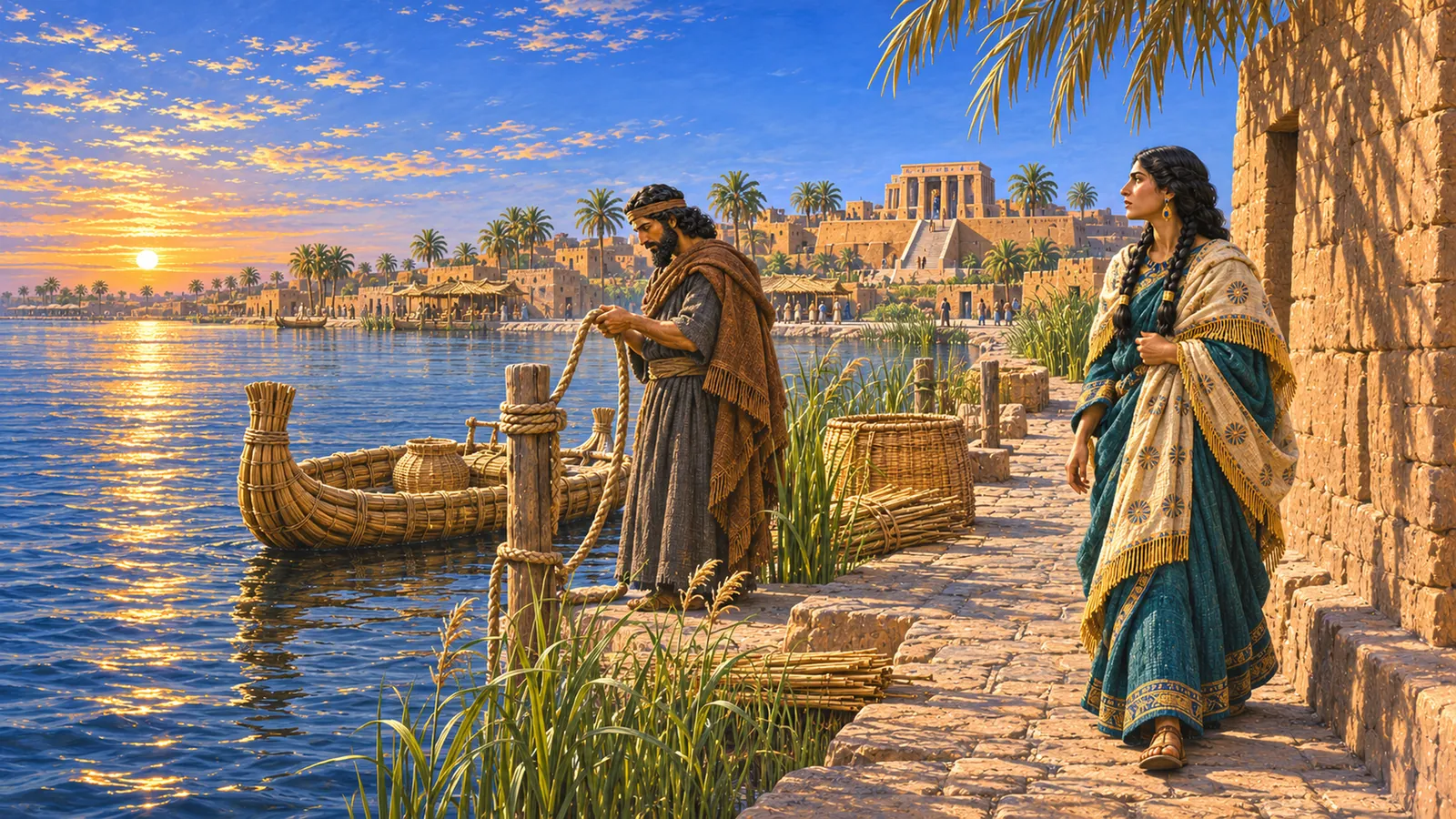
En el relato de Jacobsen, Ninlil sigue a Enlil cuando este prosigue su camino. Él se hace pasar por el hombre del río del mundo de los muertos, y Ninazu es concebido en ese encuentro.
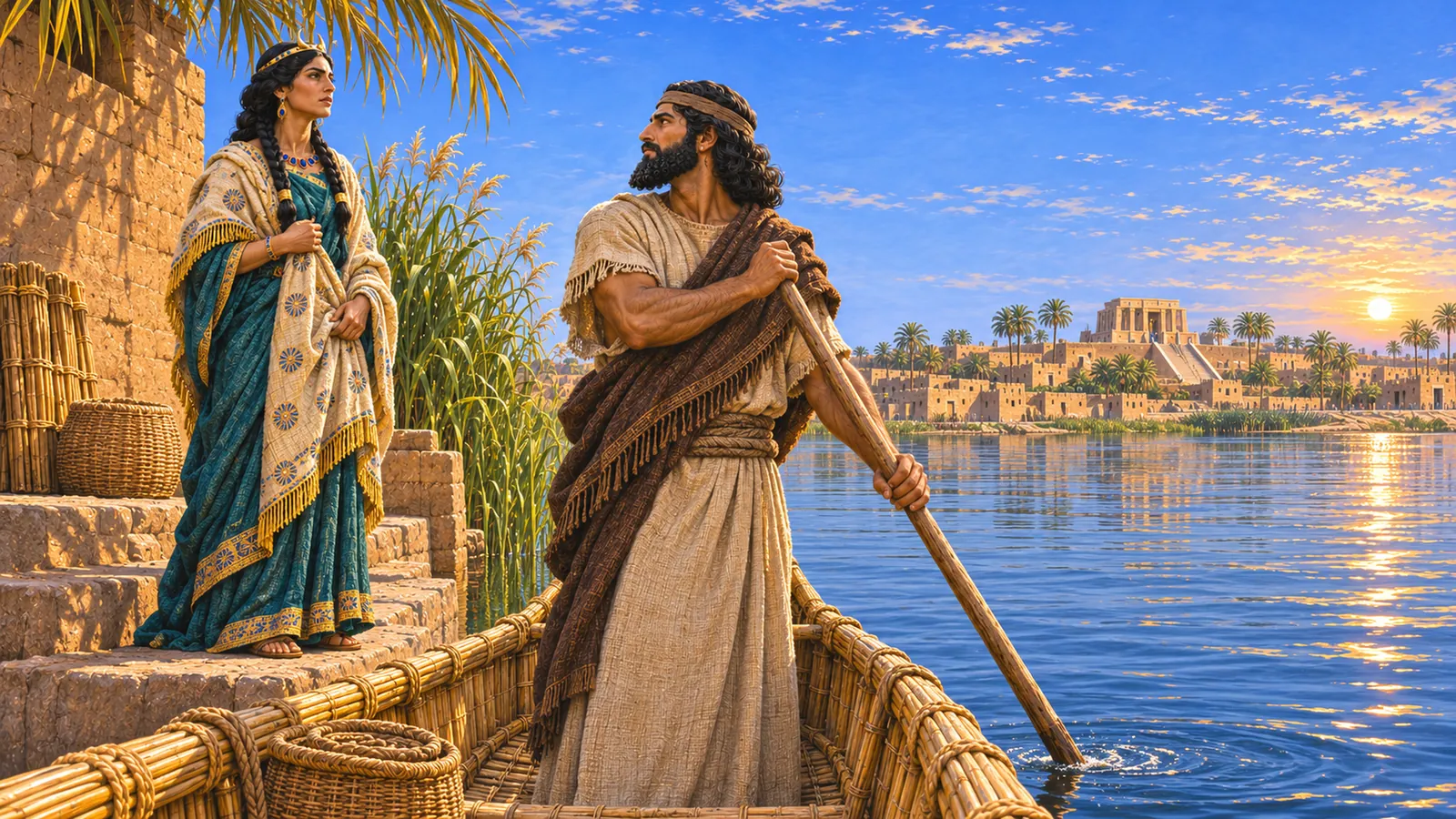
Jacobsen dice que Enlil toma el aspecto del barquero y que es concebido otro dios del mundo de los muertos. El nombre del hijo está dañado en su lectura.
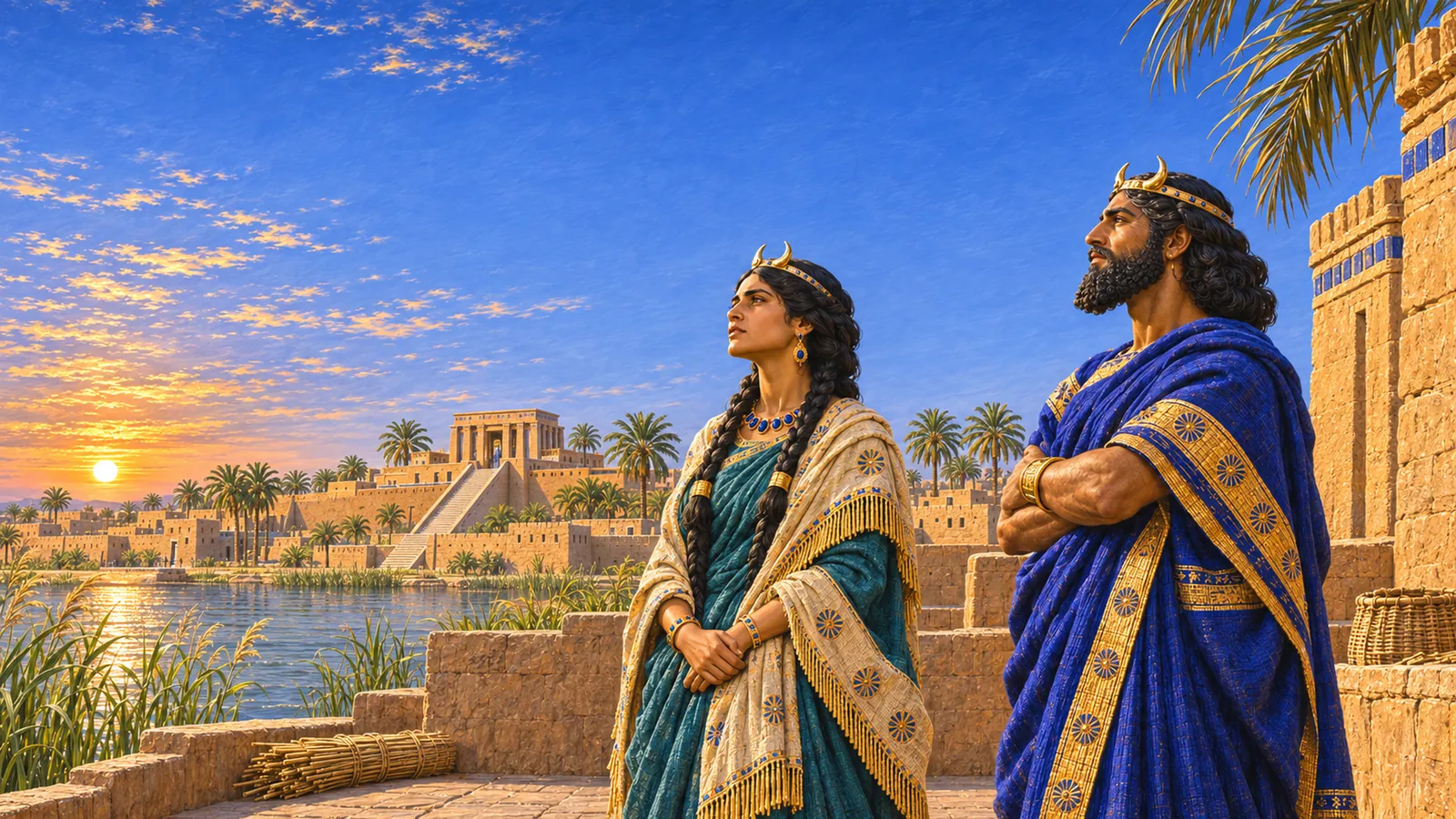
EL HIMNO FINAL
El himno llama a Enlil señor y rey y dice que su palabra, incluso su palabra impetuosa, no puede cambiarse. Termina alabando a la madre Ninlil y al padre Enlil.
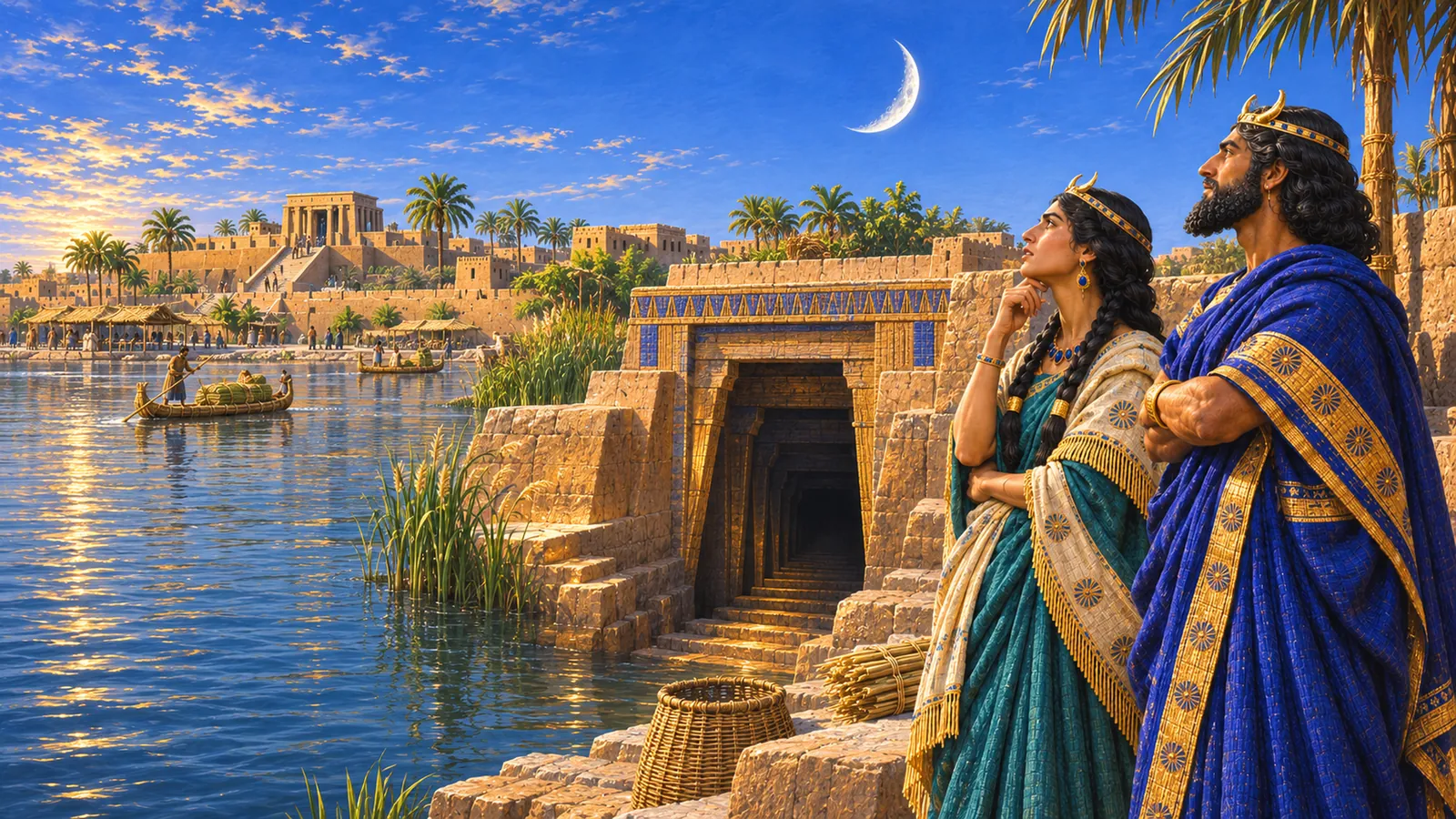
Según la lectura de Jacobsen, el relato explica el origen de Sin y sus tres hermanos. Relaciona sus distintos dominios con el destierro de Enlil y su viaje al mundo de los muertos.
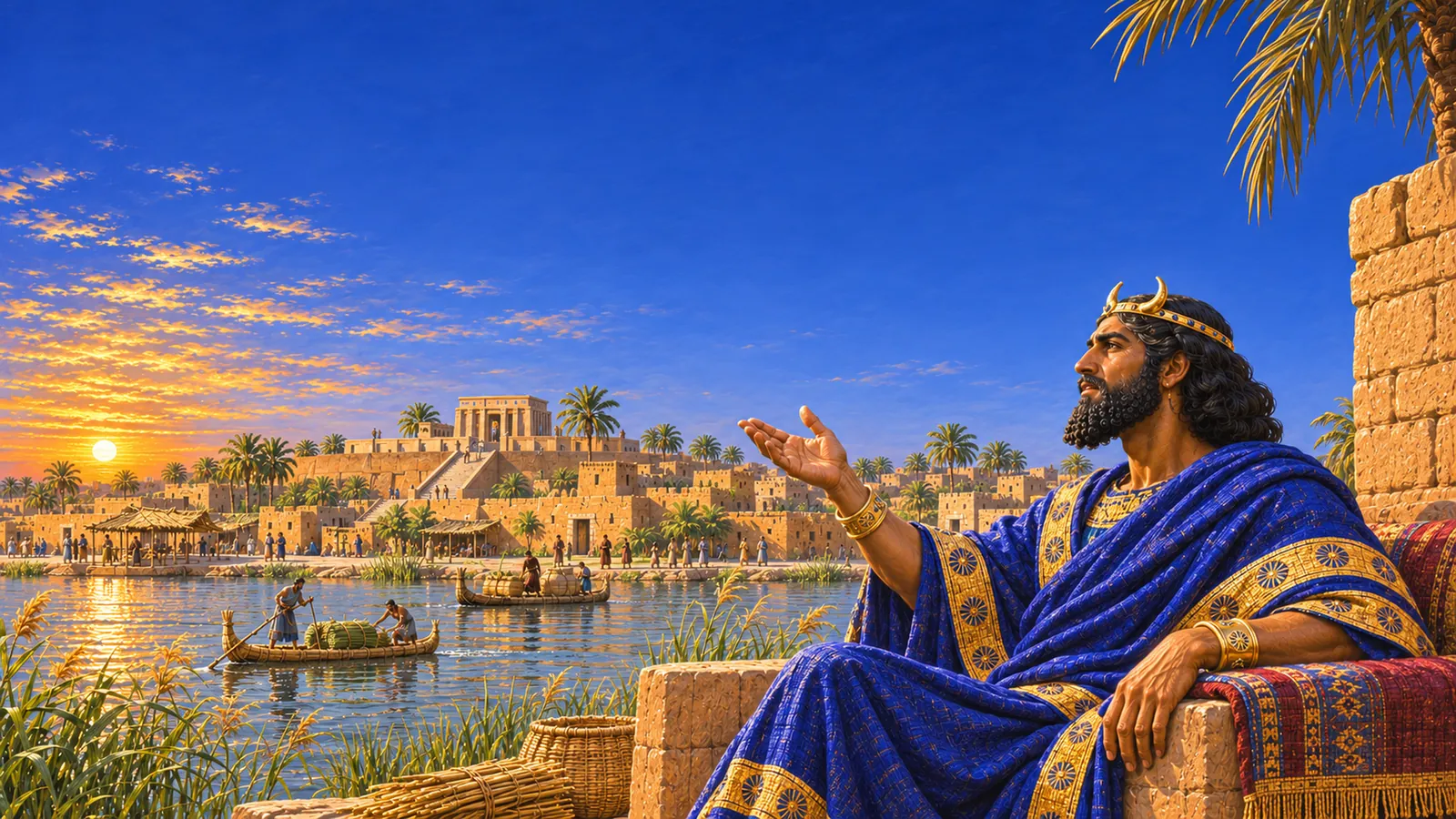
LA PALABRA VINCULANTE
Jacobsen interpreta el decreto de Enlil como vinculante y entiende el himno final como elogio de ese poder. Relaciona el decreto con lo que el relato dice del carácter de Enlil.
Fin del capítulo 1
Todas las páginas
Fuentes
This reading follows Thorkild Jacobsen’s subsection on Enlil and Ninlil in The Cosmos as a State, The Intellectual Adventure of Ancient Man, University of Chicago Press, 1946, first Phoenix edition 1977, pp. 152–156. The book credits H. A. Groenewegen Frankfort for the English poetic form (preface p. vi and p. 184, note 3). Chapter note 23 on p. 184 refers to Kramer’s Mythology, notes 47 and 48.
Ediciones consultadas
- University of Chicago, The Intellectual Adventure of Ancient Man
- Jacobsen’s selection, pp. 152–156
- Chapter notes 3 and 23, p. 184
Notas sobre este relato
Pages 01–02 · p. 152, opening prose and first verse selection. Jacobsen frames the story around the origin of Sin, the moon, and the moon’s three brothers connected with the underworld. He identifies Nippur by the names Duranki and Durgishimmar, which open the verse. The preposition before each name is printed in parentheses.
Pages 03–05 · p. 152, first verse selection. The river is Idsalla, the quay Kargeshtinna, the harbor Karusar, the sweet-water well Pulal and the canal Nunbirdu. The verse gives at least ten *iku* for each tilled field when measured. It introduces Enlil, Ninlil and Ninshebargunu as inhabitants and identifies Ninshebargunu as Ninlil’s mother.
Pages 06–07 · pp. 152–153, second verse selection. Ninshebargunu repeatedly warns Ninlil about bathing and going up to the bank of the Nunbirdu. She predicts Enlil’s gaze and advance. In the verse the title “father Enlil” appears with “great mountain” and the one who determines fates. Printed dots interrupt the accompanying epithet before “shepherd.”
Page 08 · p. 153, third verse selection. The verse asks whether Ninlil listened and says that she bathes and climbs the Nunbirdu bank. Jacobsen prints “young” in parentheses in the bathing line.
Page 09 · p. 153, Jacobsen’s prose. Jacobsen describes the rape after Ninlil refuses Enlil and says she becomes pregnant with Sin.
Pages 10–11 · p. 153, connecting prose and fourth verse selection. The verse describes the arrest of Enlil in Kiur by the fifty great gods and the seven whose words are decisive. Jacobsen renders its term “ravisher” and explains its wider sense as a person under a taboo relating to sexual matters.
Page 12 · p. 153, connecting prose and fifth verse selection. Enlil leaves in accordance with the sentence, going toward the underworld in Jacobsen’s prose. Ninlil follows in the translated verse. The words “in obedience” appear twice in parentheses in the verse.
Page 13, Jacobsen, Phoenix edition, p. 154, Jacobsen’s connecting prose. The setup comes from Jacobsen’s connecting prose. The fear of what others might do is his explanation. He says Enlil takes the gatekeeper’s position and appearance and tells him to say nothing if Ninlil asks.
Page 14, Jacobsen, Phoenix edition, p. 154, first gatekeeper address. The first address names gate, bolt, lock and sacred bolt. The speaker calls Ninlil the gatekeeper’s queen and orders him to conceal where Enlil is if she asks.
Page 15, Jacobsen, Phoenix edition, p. 154, second gatekeeper address. The second address repeats the epithets and the announcement that Ninlil is coming. It calls her sweet and beautiful, forbids embracing and kissing, and uses Enlil’s own words about favor and his shining gaze.
Page 16, Jacobsen, Phoenix edition, p. 154, Jacobsen’s connecting prose. He says that the supposed gatekeeper claims that Enlil recommended her to him. She identifies herself as his queen and says she carries Sin.
Page 17, Jacobsen, Phoenix edition, p. 154, Jacobsen’s connecting prose. Jacobsen marks the possible pretense explicitly. The disguised Enlil proposes that a son belong to the underworld in place of Sin. Distinguish this proposal from the final praise.
Page 18, Jacobsen, Phoenix edition, p. 154, substitution verse. The translated lines include the supplies my and own in parentheses, and the words changeling for. The royal child goes to heaven and the other son to the underworld in the proposed arrangement.
Page 19, Jacobsen, Phoenix edition, p. 154, Jacobsen’s connecting prose. Jacobsen describes the encounter in his prose and says Ninlil becomes pregnant with Meslamtaea. The speaker is Enlil using the gatekeeper’s appearance. The encounter is stated without physical particulars.
Page 20, Jacobsen, Phoenix edition, p. 154–155, Jacobsen’s connecting prose. The prose carries Ninlil’s pursuit across the page break.
Page 21, Jacobsen, Phoenix edition, p. 155, Jacobsen’s connecting prose. Jacobsen then gives the ferryman as the last guise. A further underworld god is conceived. He says damage prevents identification of the name in the text he is using.
Page 22, Jacobsen, Phoenix edition, p. 155, closing hymn. The praise calls Enlil lord and king and repeats the unalterable quality of his word. Jacobsen renders the second mention as impetuous. The translated excerpts end here.
Page 23, Jacobsen, Phoenix edition, p. 155–156, Jacobsen’s interpretation. He relates the difference between the moon god and his three brothers to the place of Enlil’s banishment and later journey. This reading does not resolve Ninlil’s later life.
Page 24, Jacobsen, Phoenix edition, p. 156, Jacobsen’s closing interpretation. Jacobsen connects Enlil’s character to the events prompting his decree. He explains the hymn as affirming the binding word. The story stops within this subsection at the end of printed page 156.
Los versos antiguos de cada página
- Page 1: Jacobsen 1977, The Intellectual Adventure of Ancient Man, ch. V, The Myth of Enlil and Ninlil, p. 152, Jacobsen’s opening prose
- Page 2: Jacobsen 1977, The Intellectual Adventure of Ancient Man, ch. V, The Myth of Enlil and Ninlil, p. 152, first verse selection, city names
- Page 3: Jacobsen 1977, The Intellectual Adventure of Ancient Man, ch. V, The Myth of Enlil and Ninlil, p. 152, first verse selection, river, quay and harbor
- Page 4: Jacobsen 1977, The Intellectual Adventure of Ancient Man, ch. V, The Myth of Enlil and Ninlil, p. 152, first verse selection, well, canal and fields
- Page 5: Jacobsen 1977, The Intellectual Adventure of Ancient Man, ch. V, The Myth of Enlil and Ninlil, p. 152, first verse selection, three inhabitants
- Page 6: Jacobsen 1977, The Intellectual Adventure of Ancient Man, ch. V, The Myth of Enlil and Ninlil, pp. 152–153, second verse selection, bathing and bank warning
- Page 7: Jacobsen 1977, The Intellectual Adventure of Ancient Man, ch. V, The Myth of Enlil and Ninlil, p. 153, second verse selection, warning continued
- Page 8: Jacobsen 1977, The Intellectual Adventure of Ancient Man, ch. V, The Myth of Enlil and Ninlil, p. 153, third verse selection, stream and canal bank
- Page 9: Jacobsen 1977, The Intellectual Adventure of Ancient Man, ch. V, The Myth of Enlil and Ninlil, p. 153, Jacobsen’s prose, assault after refusal and pregnancy
- Page 10: Jacobsen 1977, The Intellectual Adventure of Ancient Man, ch. V, The Myth of Enlil and Ninlil, p. 153, Jacobsen’s prose and fourth verse selection, arrest
- Page 11: Jacobsen 1977, The Intellectual Adventure of Ancient Man, ch. V, The Myth of Enlil and Ninlil, p. 153, fourth verse selection, verdict, and Jacobsen’s lexical note
The left is a continuous natural dark blue-grey shaded plain clay surface through the whole reserve with no dividing line, bright patch, objects, shape or marks. - Page 12: Jacobsen 1977, The Intellectual Adventure of Ancient Man, ch. V, The Myth of Enlil and Ninlil, p. 153, Jacobsen’s prose and fifth verse selection, departure and pursuit
- Page 13: Jacobsen, The Cosmos as a State, Phoenix ed. 1977, p. 154, Jacobsen’s connecting prose
- Page 14: Jacobsen, The Cosmos as a State, Phoenix ed. 1977, p. 154, first gatekeeper address
- Page 15: Jacobsen, The Cosmos as a State, Phoenix ed. 1977, p. 154, second gatekeeper address
- Page 16: Jacobsen, The Cosmos as a State, Phoenix ed. 1977, p. 154, Jacobsen’s connecting prose
- Page 17: Jacobsen, The Cosmos as a State, Phoenix ed. 1977, p. 154, Jacobsen’s connecting prose
- Page 18: Jacobsen, The Cosmos as a State, Phoenix ed. 1977, p. 154, substitution verse
- Page 19: Jacobsen, The Cosmos as a State, Phoenix ed. 1977, p. 154, Jacobsen’s connecting prose
- Page 20: Jacobsen, The Cosmos as a State, Phoenix ed. 1977, p. 154–155, Jacobsen’s connecting prose
- Page 21: Jacobsen, The Cosmos as a State, Phoenix ed. 1977, p. 155, Jacobsen’s connecting prose
- Page 22: Jacobsen, The Cosmos as a State, Phoenix ed. 1977, p. 155, closing hymn
- Page 23: Jacobsen, The Cosmos as a State, Phoenix ed. 1977, p. 155–156, Jacobsen’s interpretation
Left is uninterrupted calm dark indigo natural river haze with no glare, fine horizon or lines. - Page 24: Jacobsen, The Cosmos as a State, Phoenix ed. 1977, p. 156, Jacobsen’s closing interpretation
Very wide quiet southern Mesopotamian river horizon at full evening, with short line of weathered stone-and-clay revetment only in lower right.
Ilustraciones hechas por IL Archive con herramientas de IA; el texto se basa en las fuentes antiguas (véanse las fuentes al final de cada capítulo).