Enmerkar y el señor de Aratta Capítulo 2
Palabras en arcilla
Enmerkar envía cebada a Aratta y la rivalidad se convierte en un duelo de enigmas y exigencias. Cuando el mensajero ya no puede repetir las palabras del rey, Enmerkar las inscribe en arcilla. Del final del poema solo quedan fragmentos.
FuentesPase las páginas con las flechas, el teclado o deslizando el dedo.
ALBA
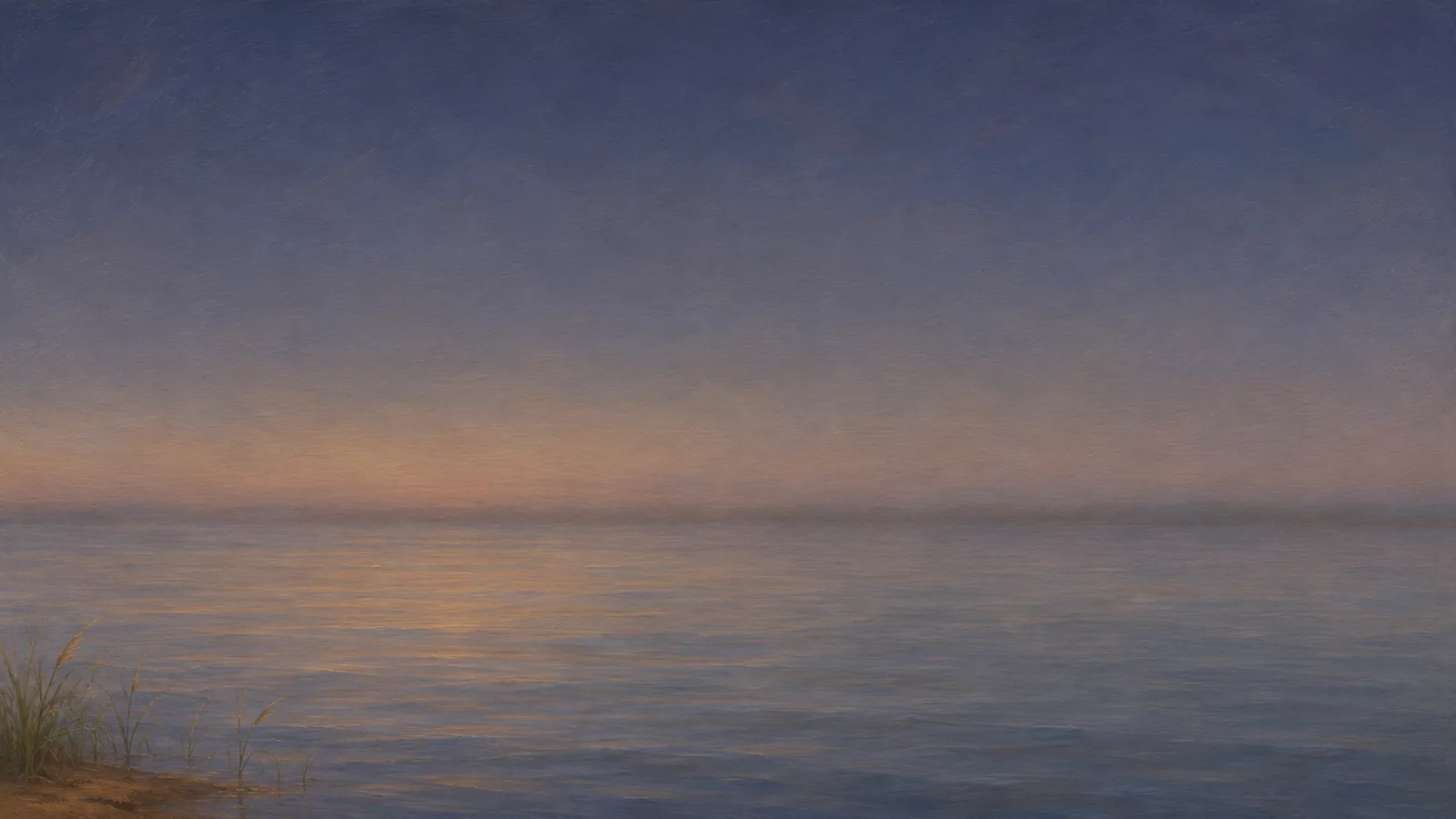
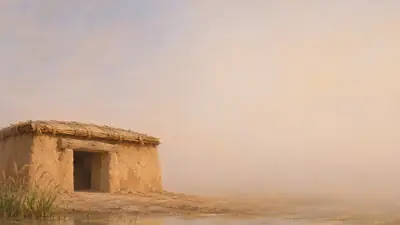
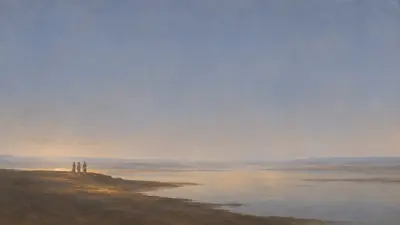
Amaneció y salió Utu. En la imagen que ofrece el poema de aquella mañana, Enmerkar une las aguas del Tigris y el Éufrates.
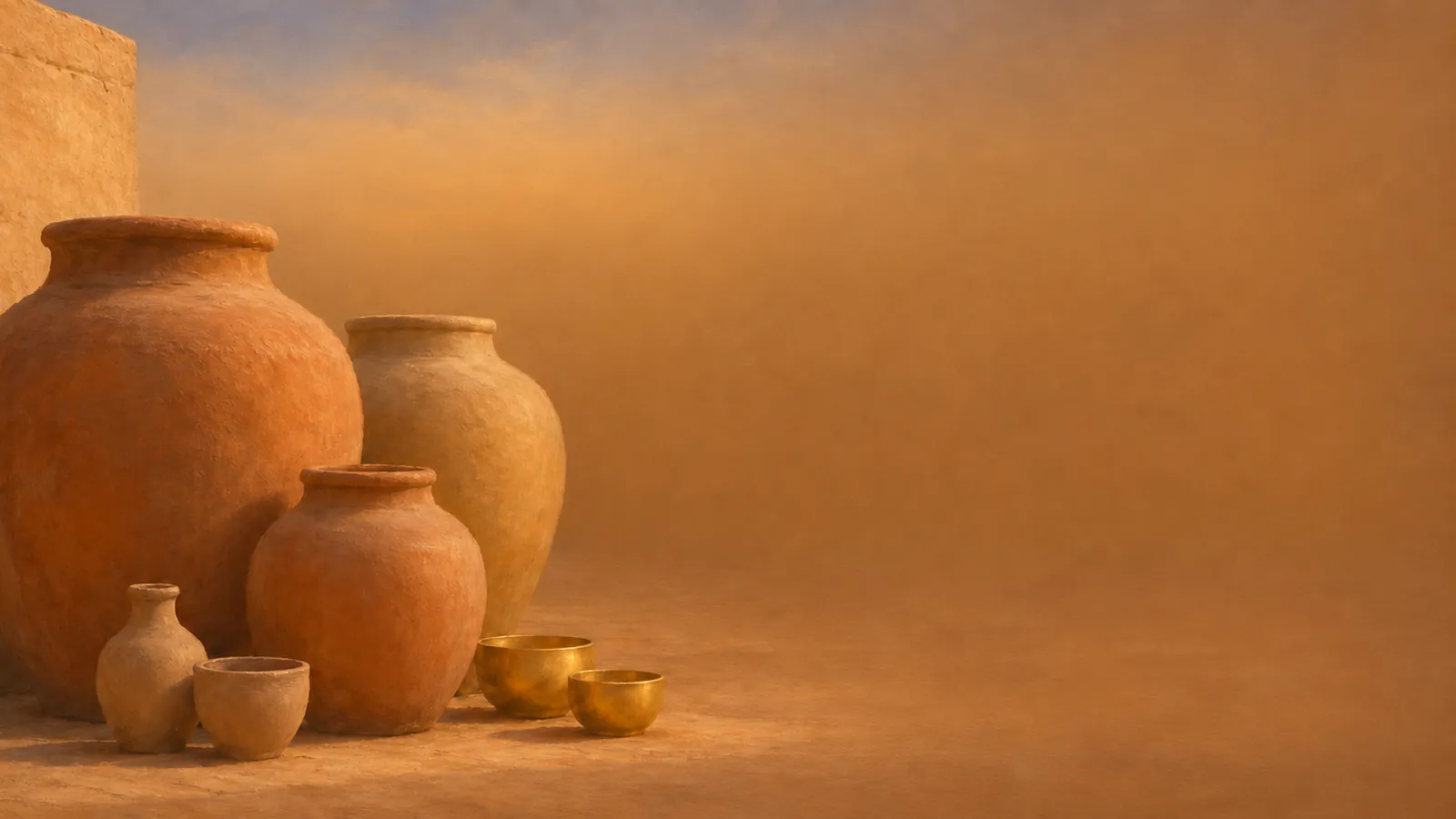
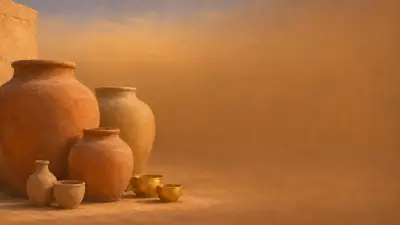
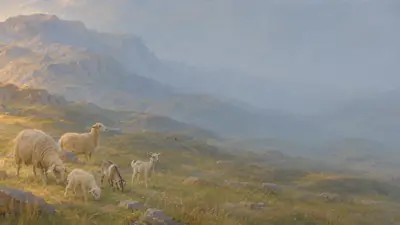
Había grandes vasijas al aire libre y otras pequeñas a su lado, como corderos en la hierba. Enmerkar dejó separadas las vasijas de oro.
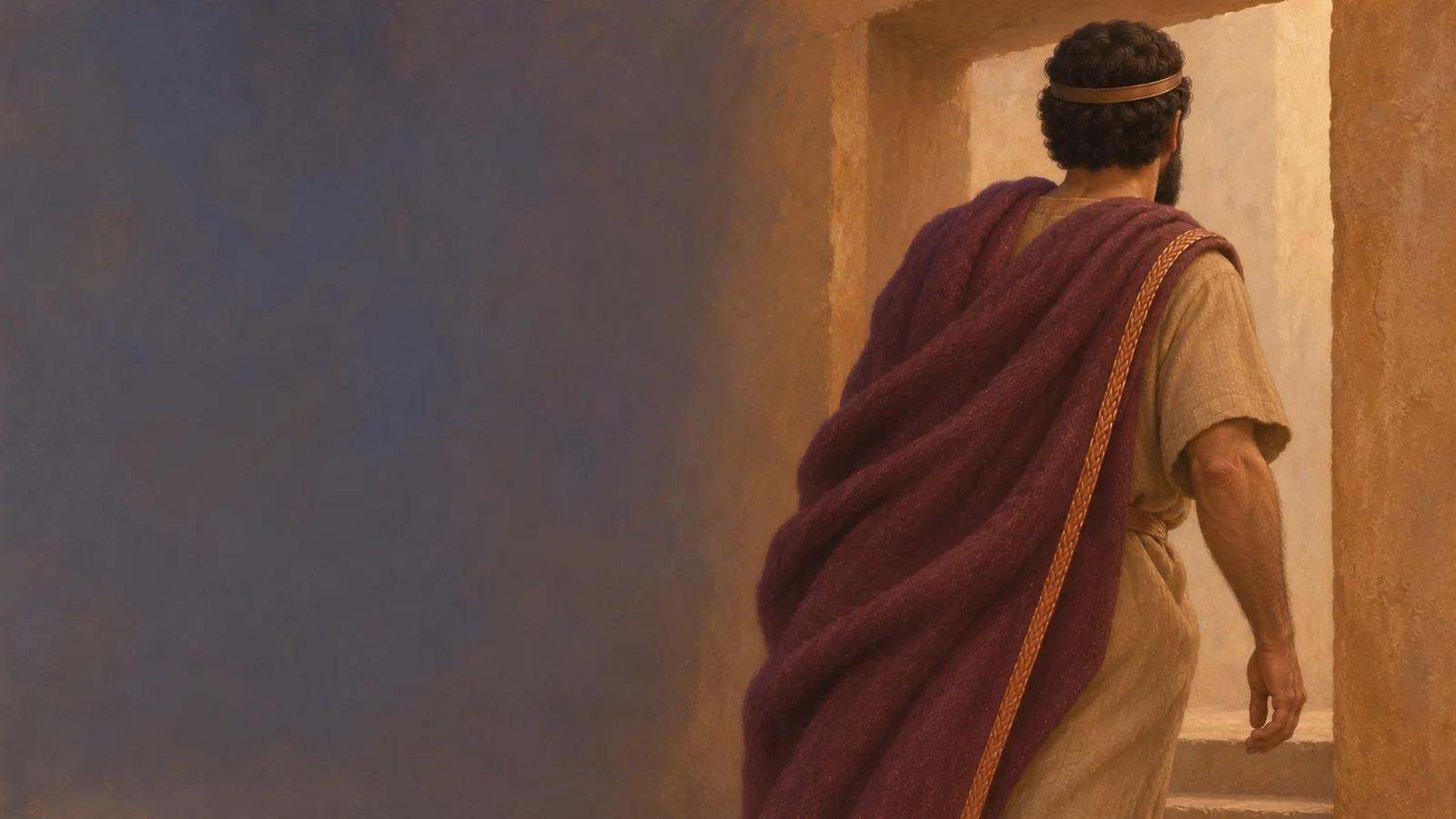
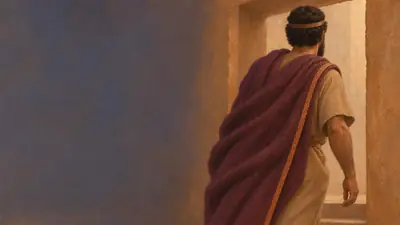
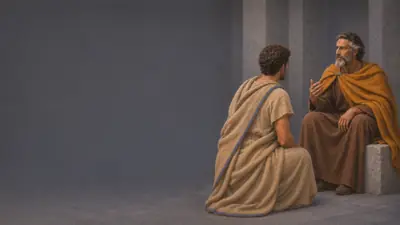
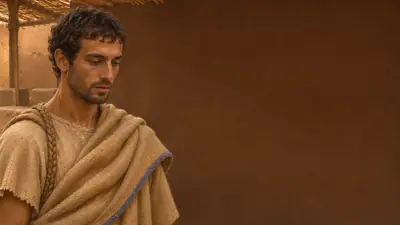
En un pasaje que nos ha llegado a fragmentos, Nisaba abre su casa de la sabiduría. Enmerkar entra y presta atención.
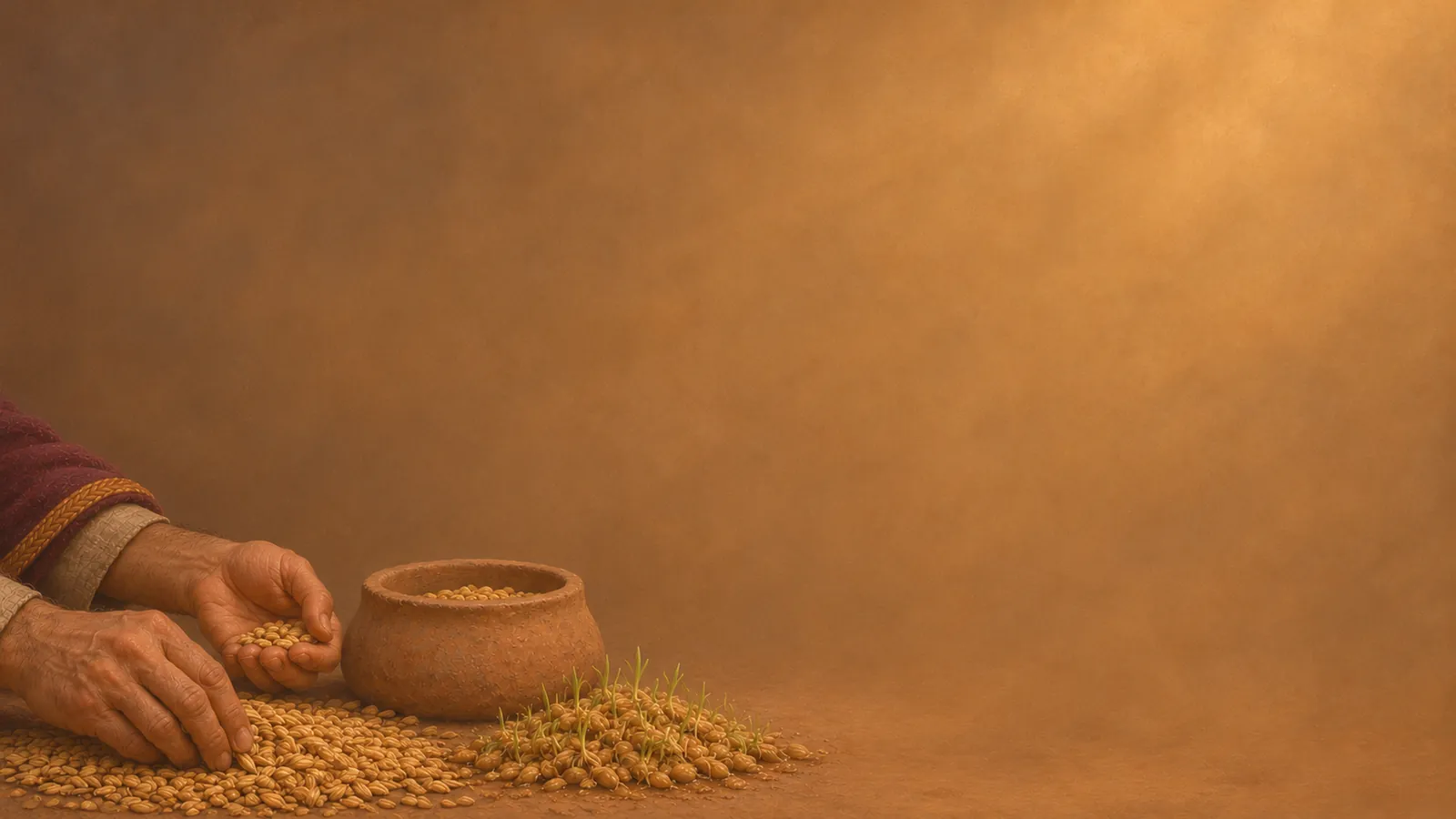
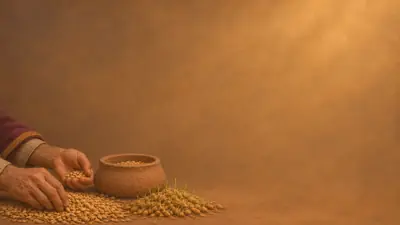
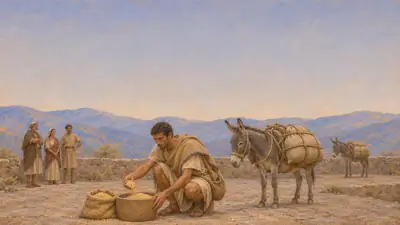
Enmerkar abrió su granero y puso una gran medida en el suelo. Separó la cebada vieja y puso en remojo la malta verde.
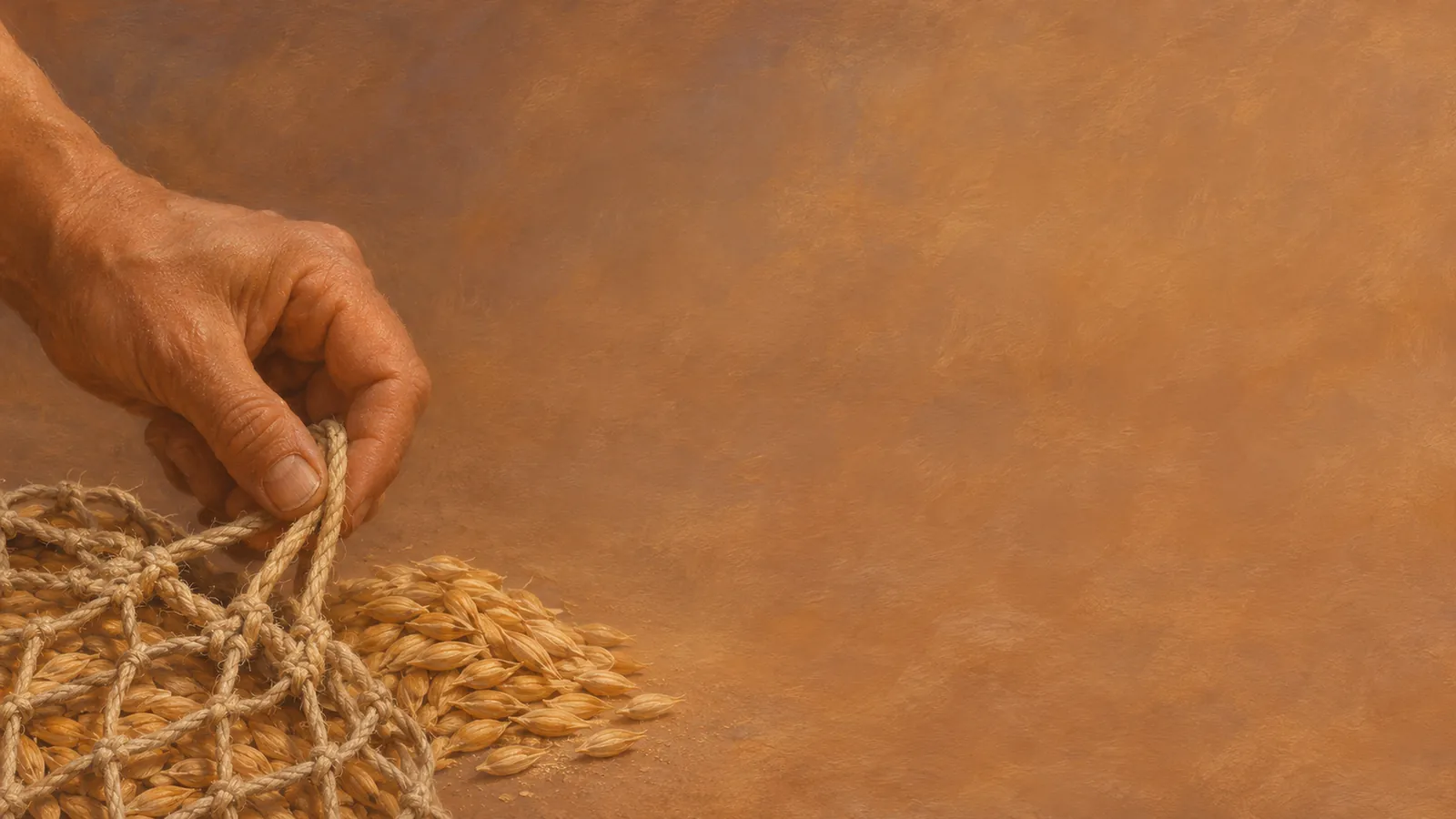
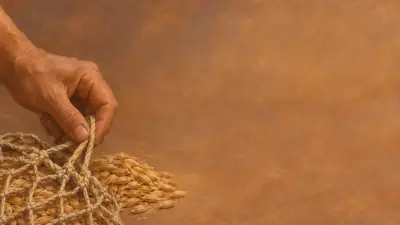
Estrechó las mallas de las redes de carga. Al medir la cebada, añadió un poco más para las langostas.
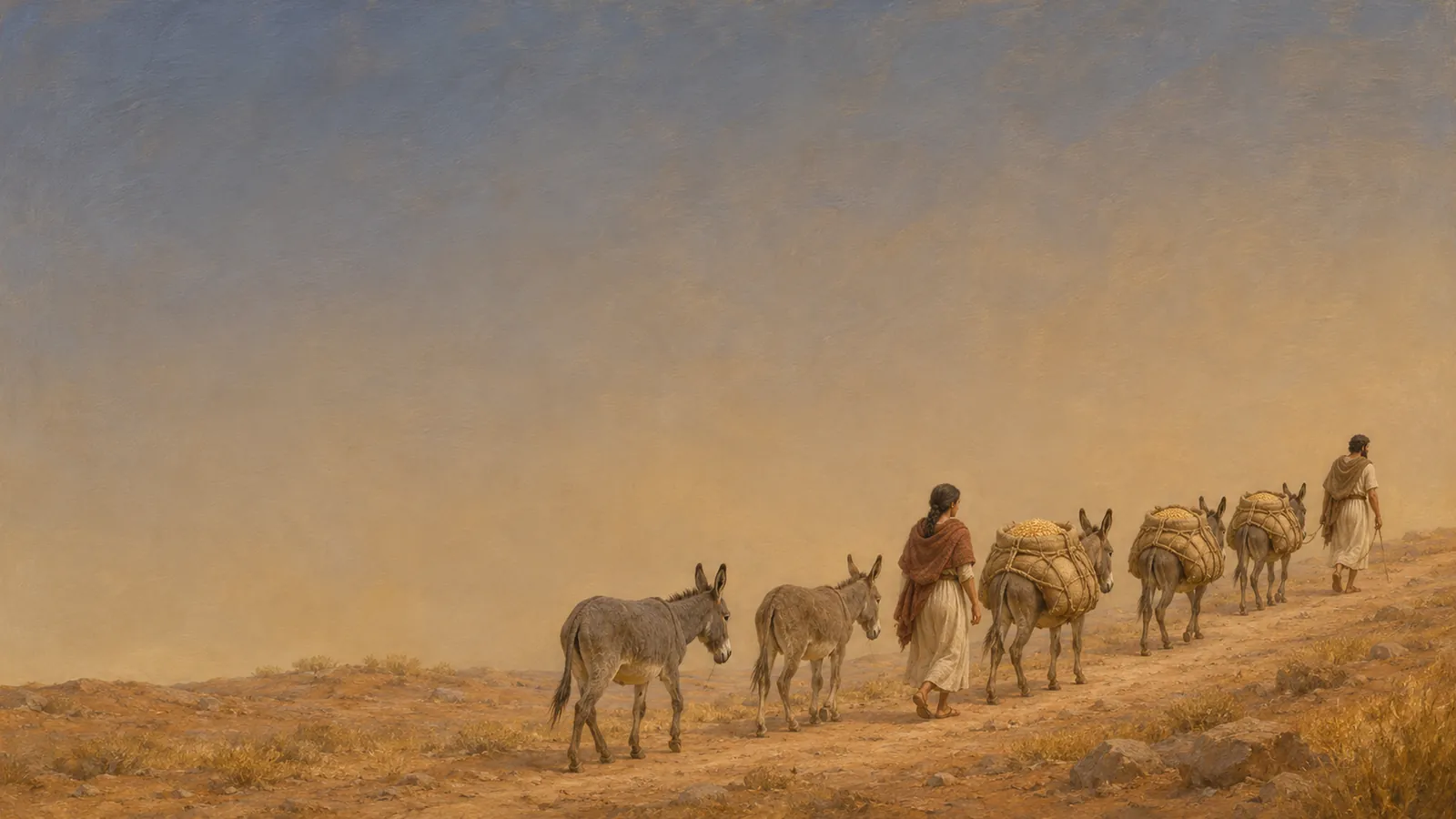
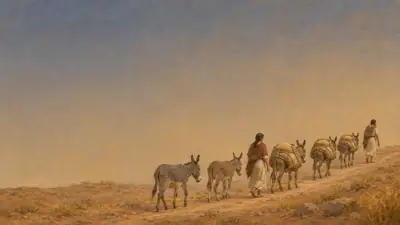
Cargaron la cebada en burros de carga, con animales de reserva al lado. Enmerkar los envió hacia Aratta y la gente salió como hormigas.
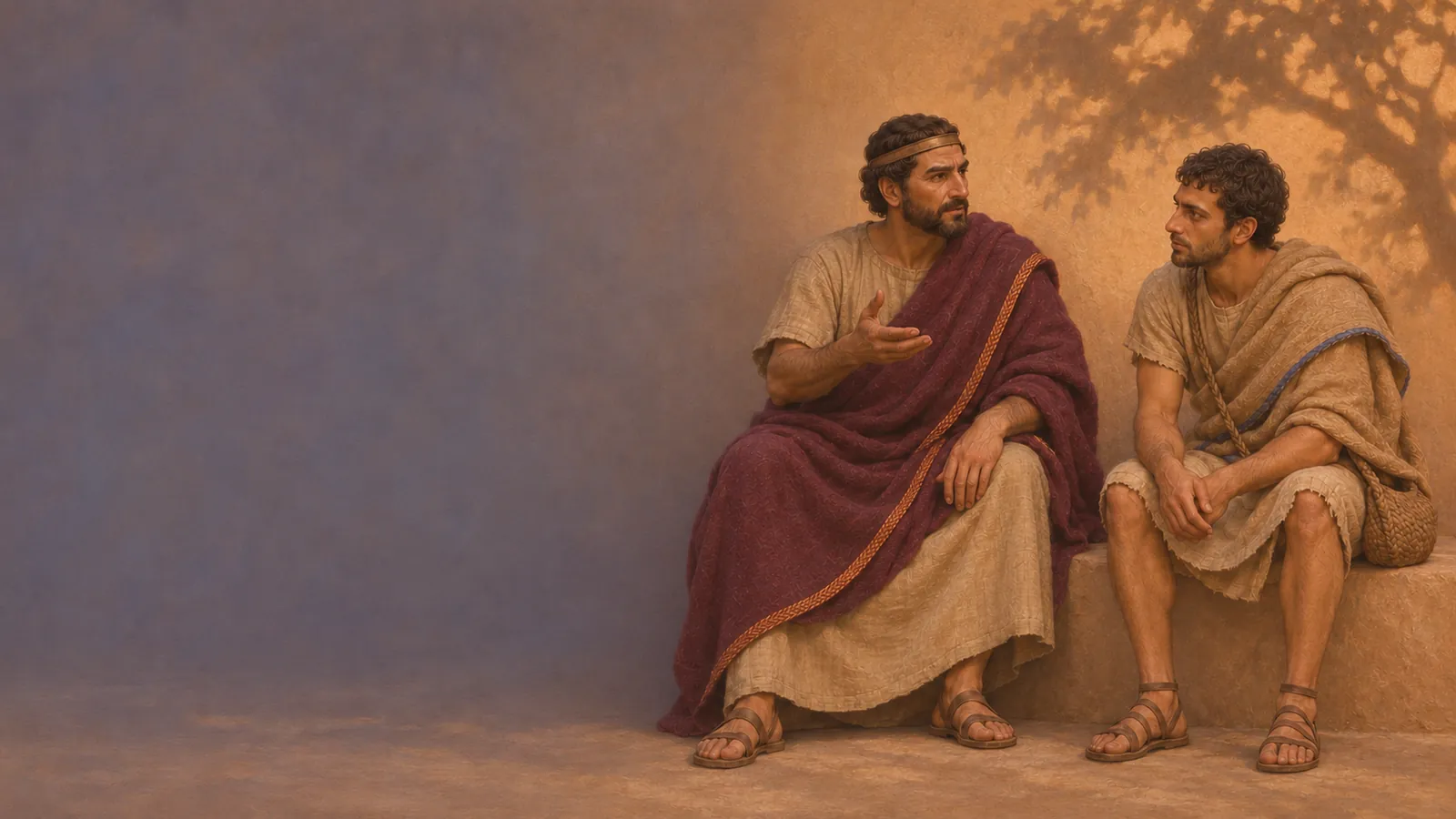
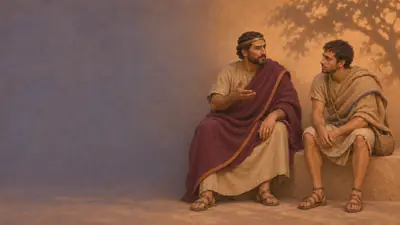
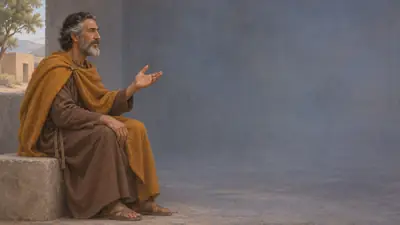
Enmerkar confió otro mensaje al mensajero. Comparó su cetro con un árbol frondoso cuya sombra cobijaba Kulaba y llegaba hasta Inanna en E-ana.
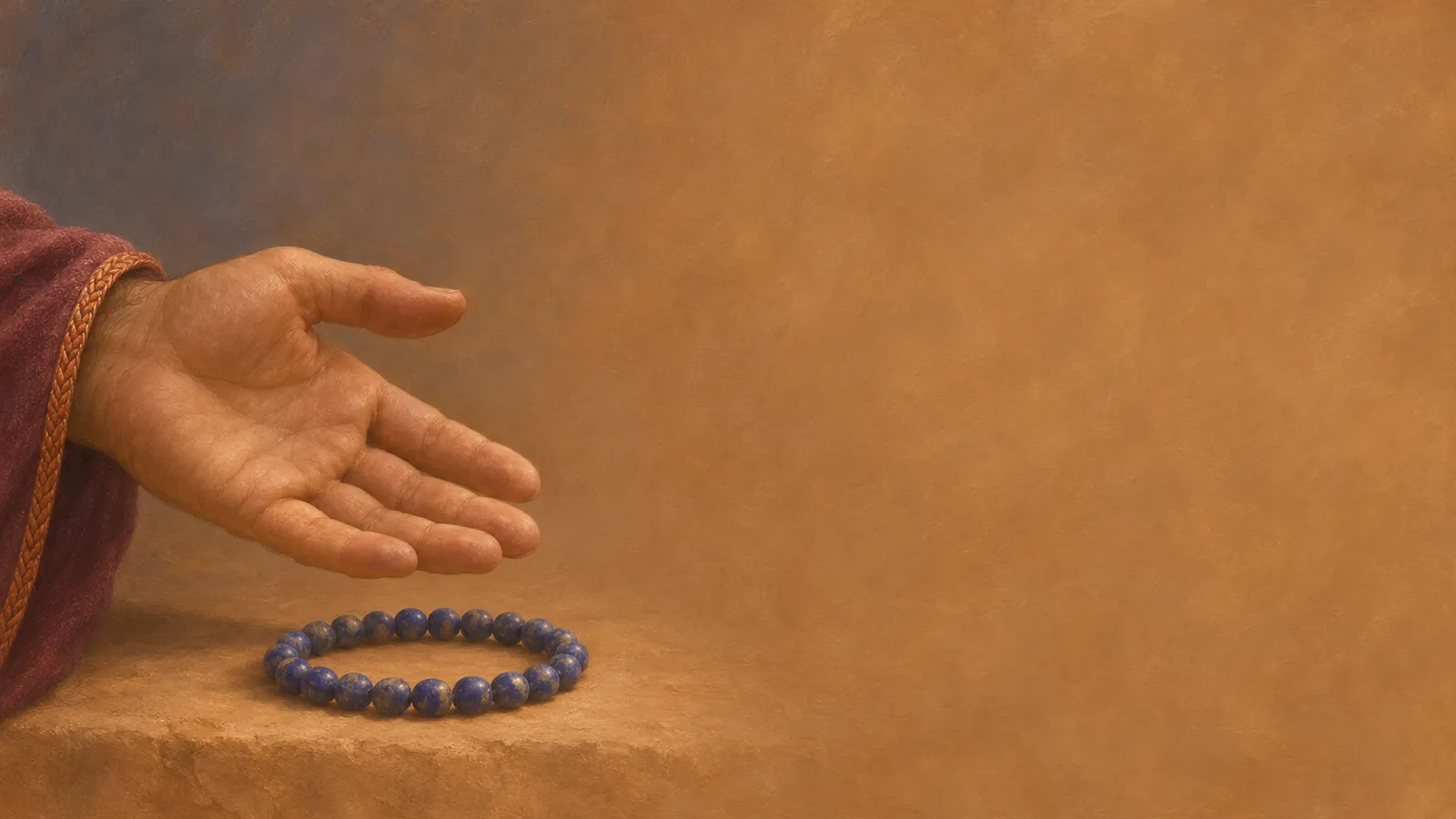
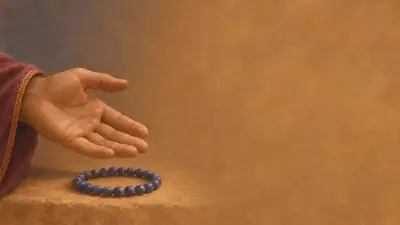
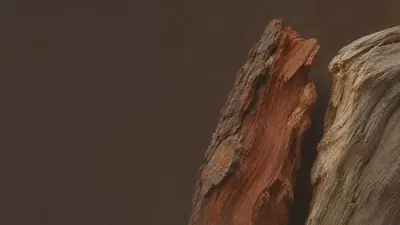
Que el señor de Aratta desprenda una astilla, dijo Enmerkar. Que la sostenga con el cuidado de quien lleva un collar de lapislázuli y me la traiga.
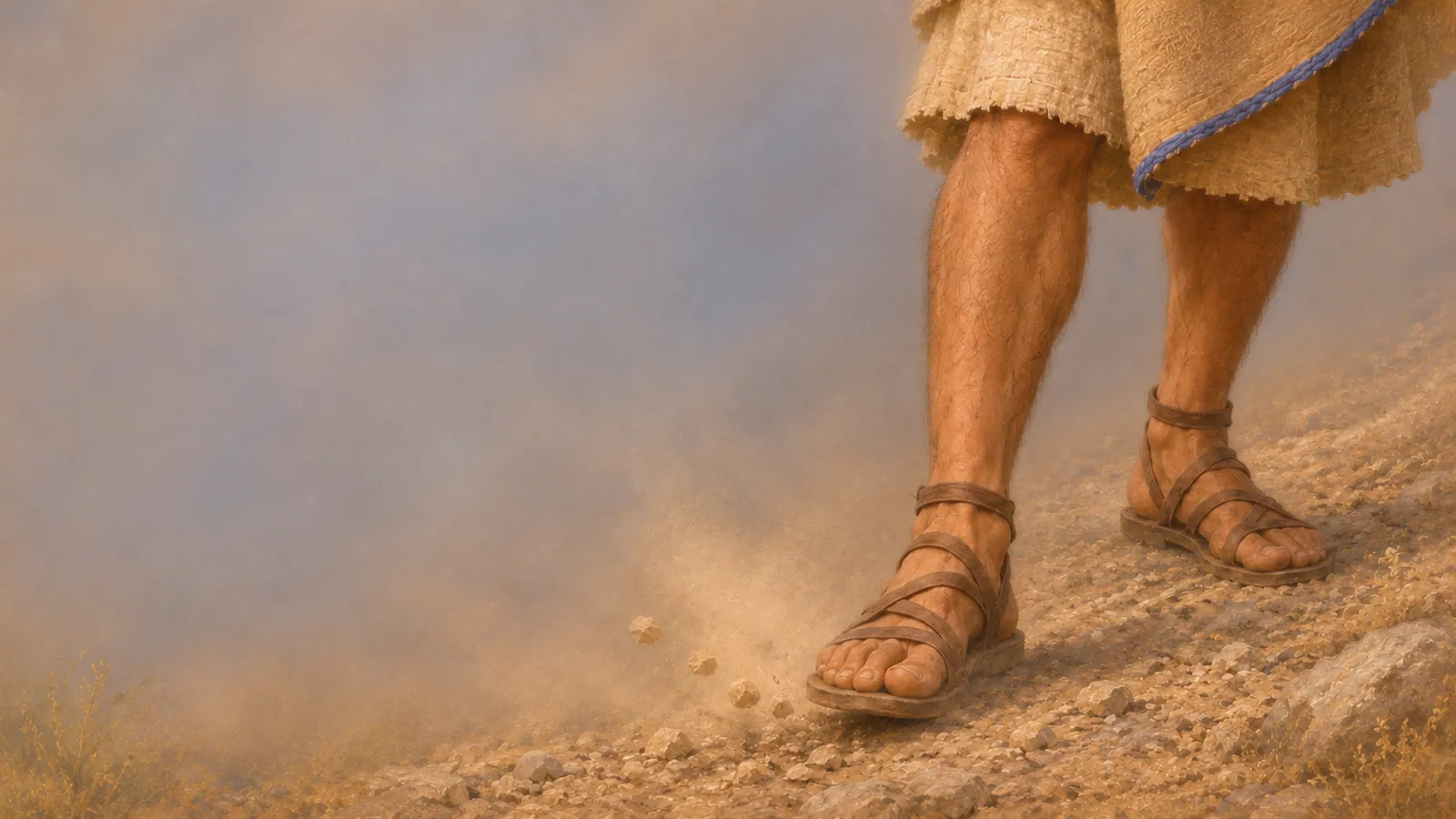
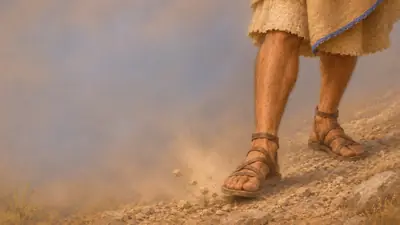
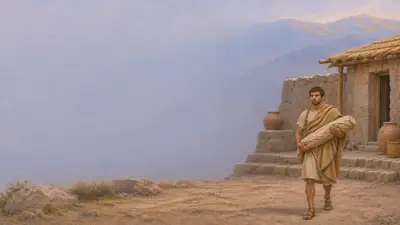
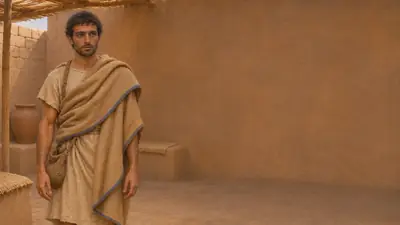
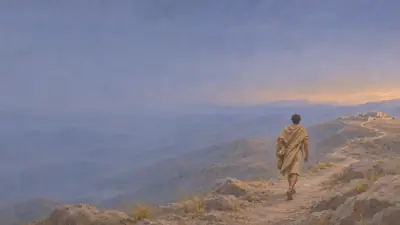
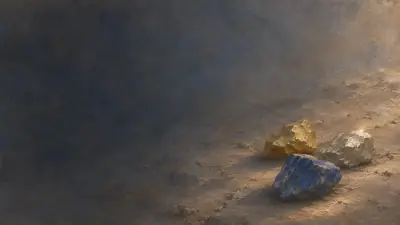
El mensajero tomó el camino a Aratta. Sus pasos levantaban el polvo del camino y hacían rodar las piedrecillas por las laderas.
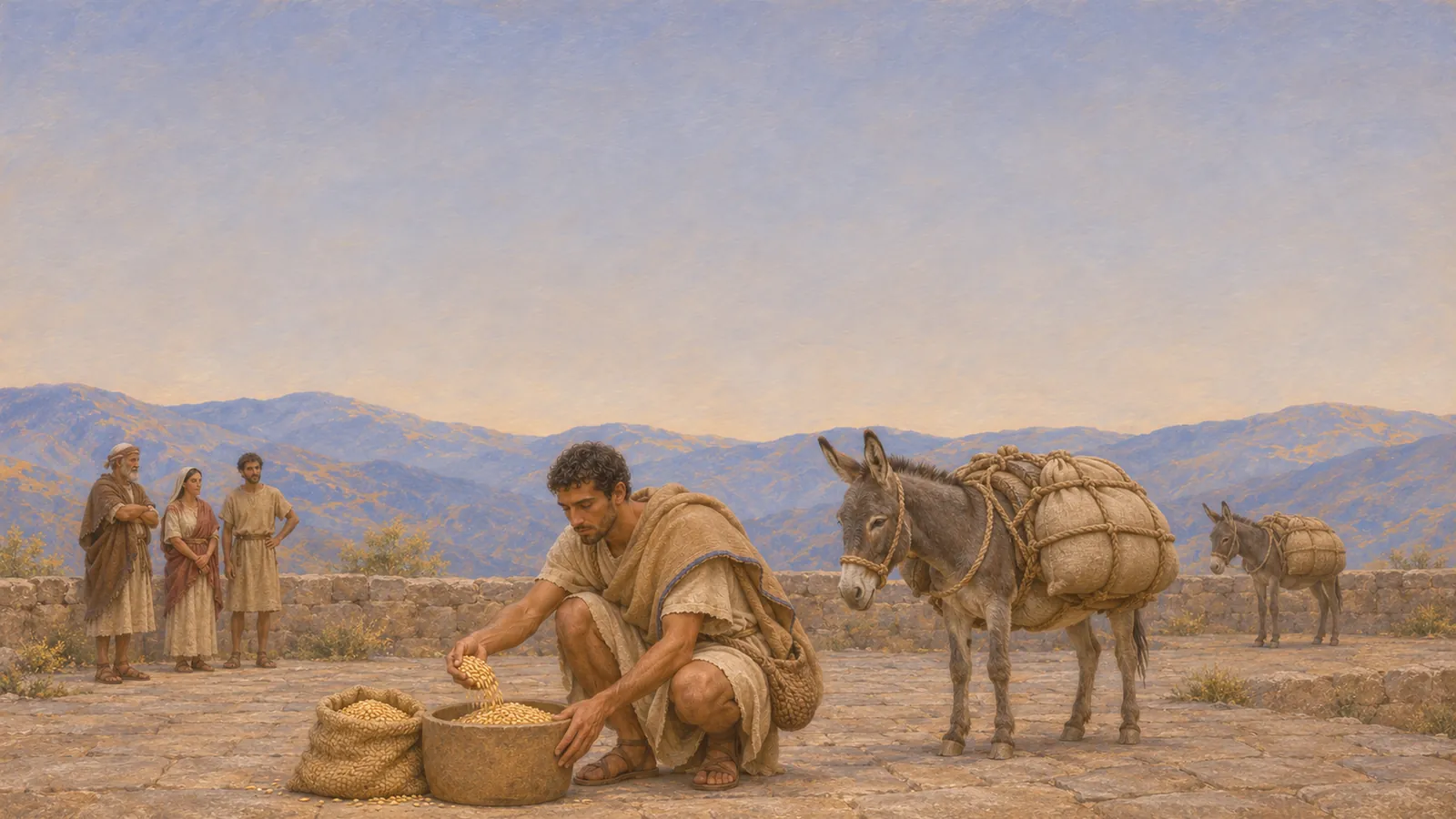
La gente se acercó a ver los burros cargados. En el patio de Aratta, el mensajero midió la cebada para el granero y añadió una parte para las langostas.
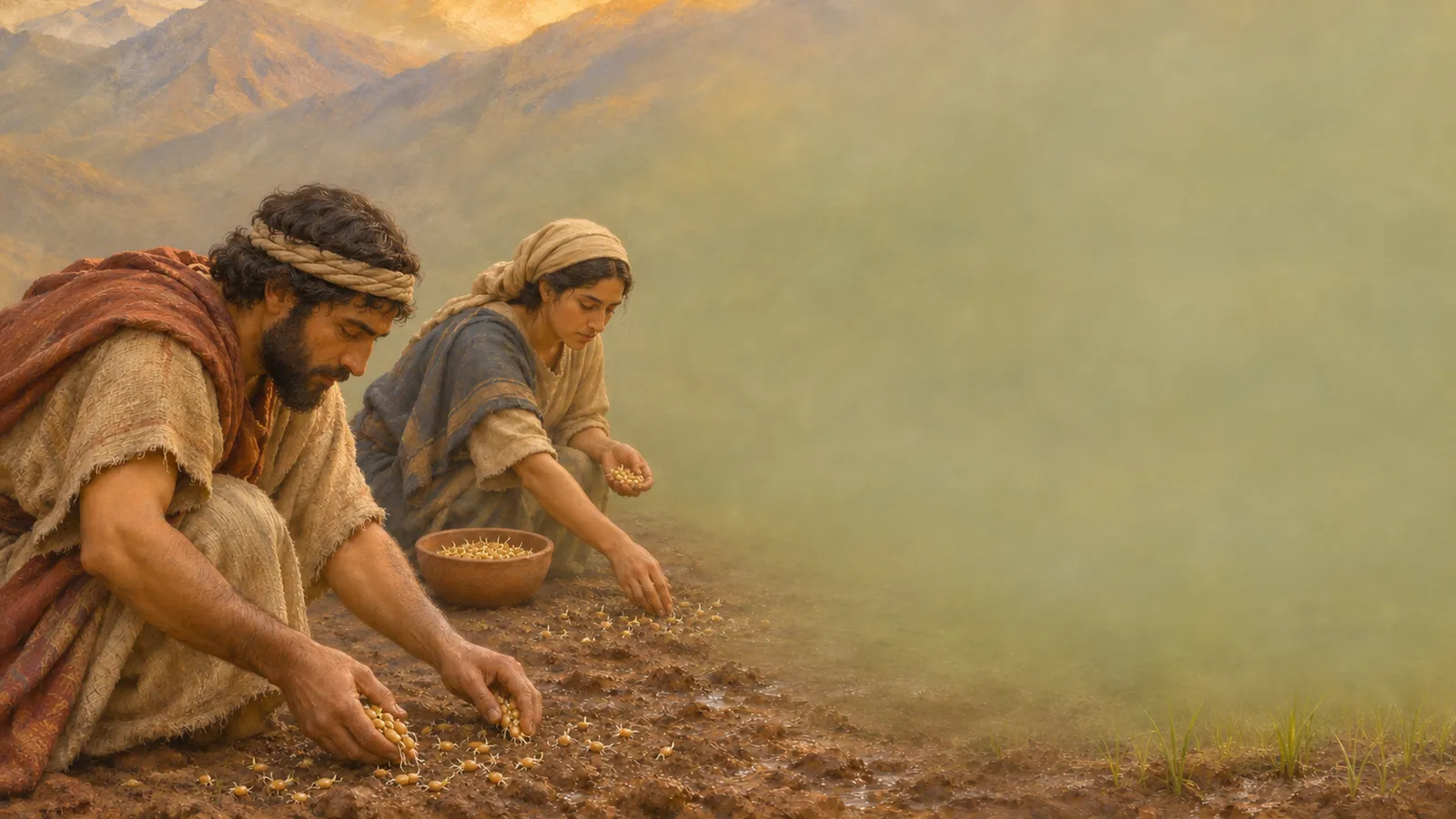
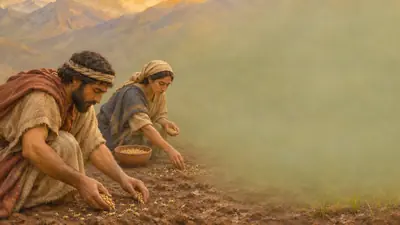
La comida llegó a Aratta, tan bienvenida como la lluvia y el sol. Remitió el hambre y la gente esparció malta verde remojada por los campos.
El texto se interrumpe al mencionar a los correos y a los funcionarios. Aún nombra al pueblo de Aratta, pero del intercambio quedan apenas fragmentos.
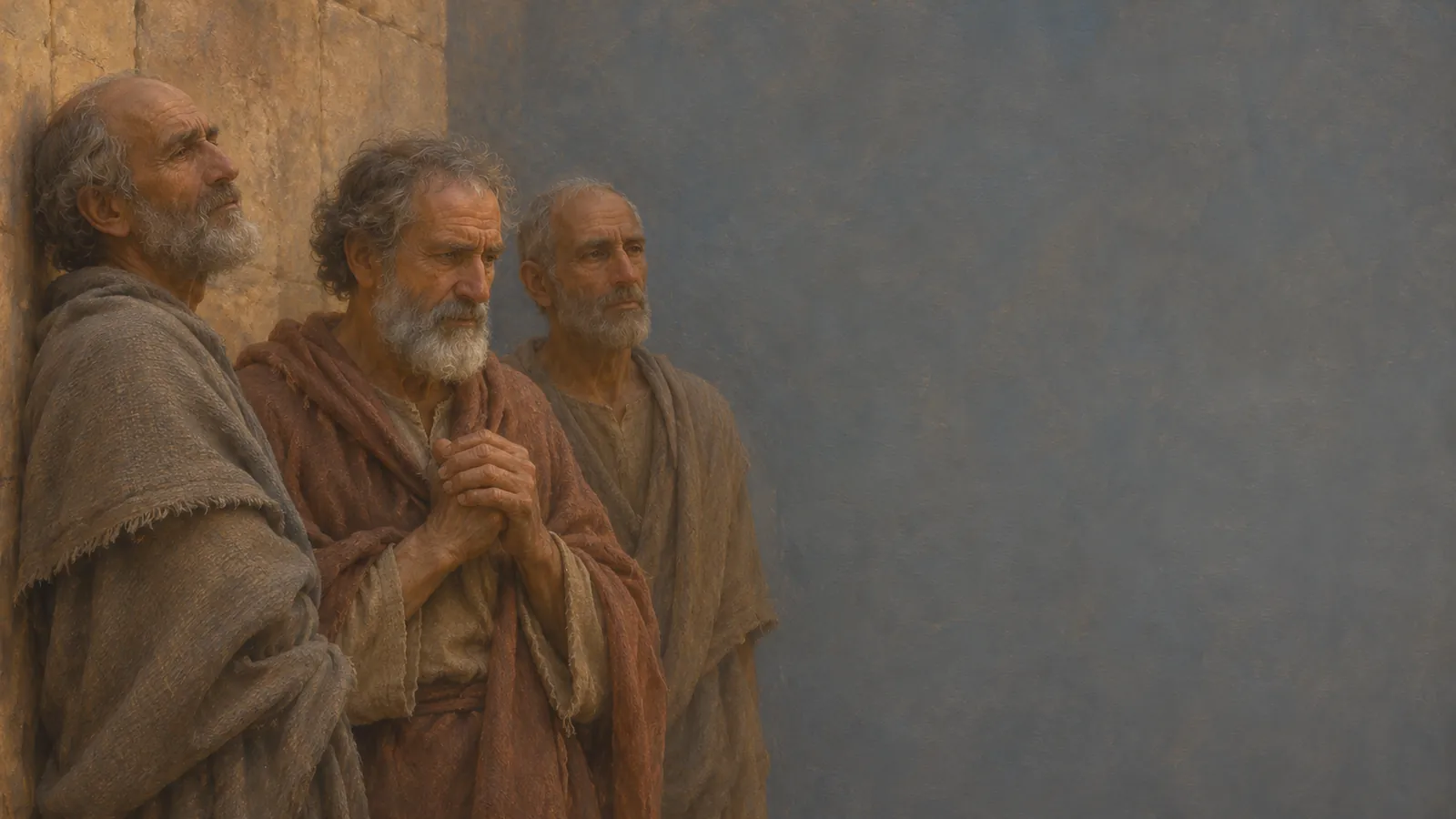
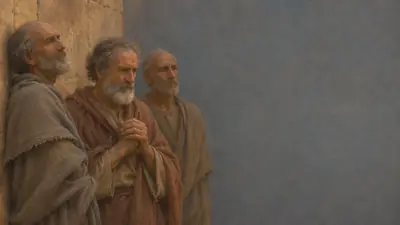
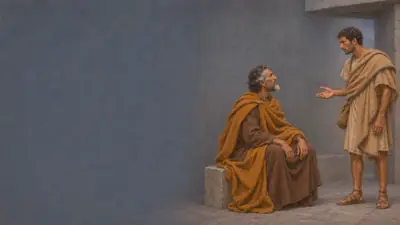
Una voz en el pasaje fragmentario pregunta si los hambrientos deben someterse a Kulaba. Los ancianos se apoyan en el muro, retorciéndose las manos.
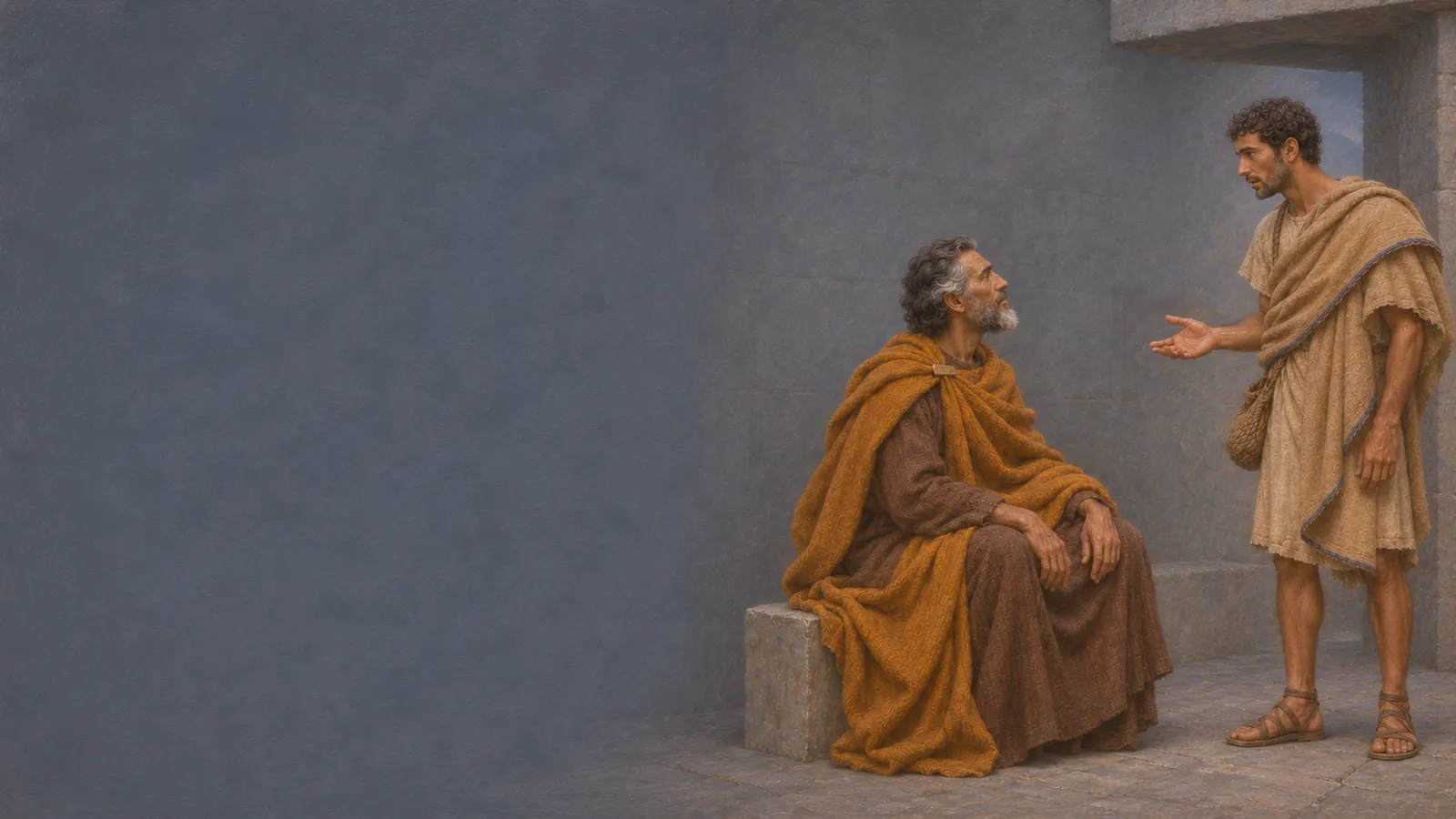
El mensajero nombró a Enmerkar, hijo de Utu, y repitió sus palabras sobre el cetro. El señor de Aratta debía llevarle una astilla.
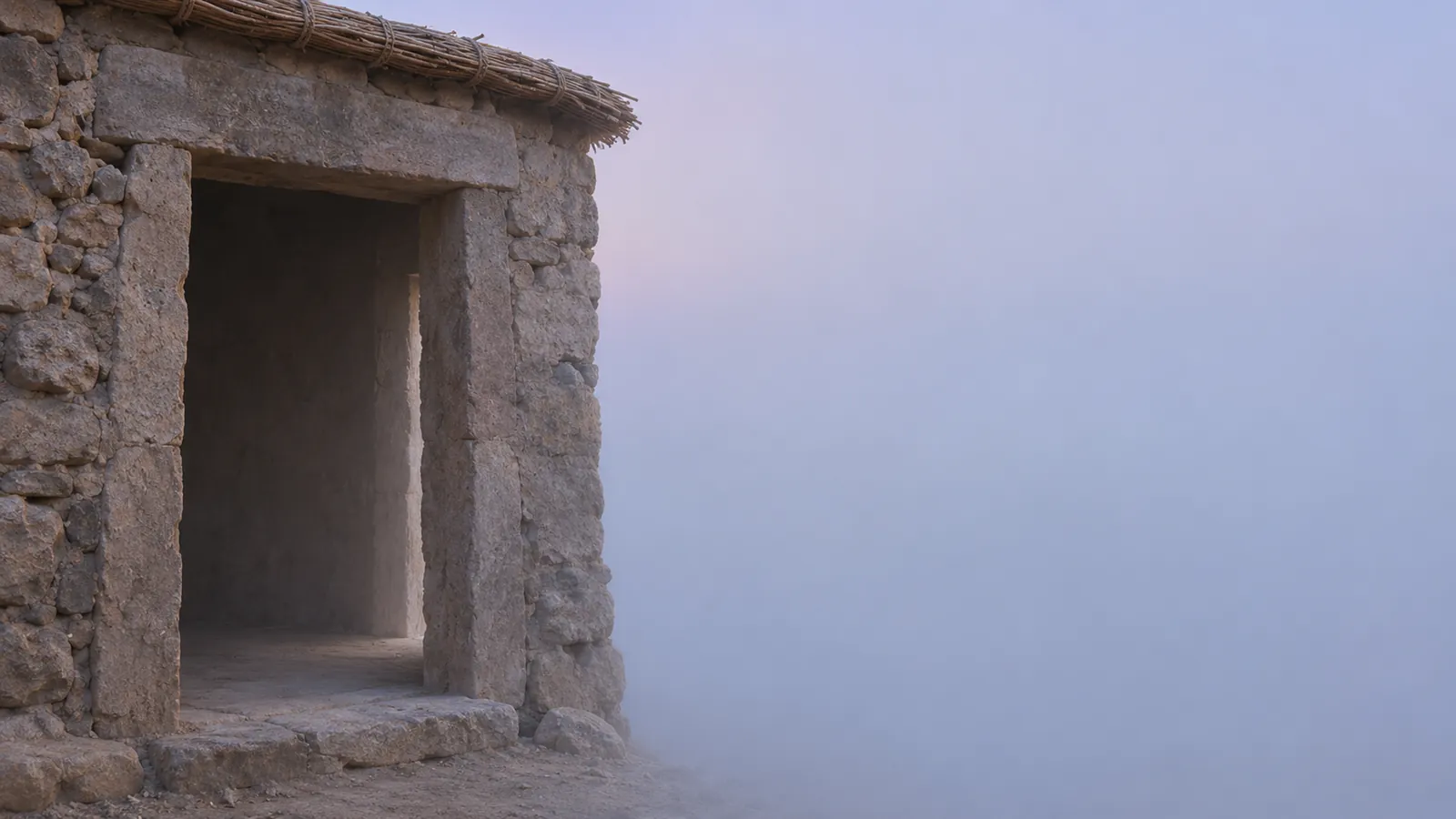
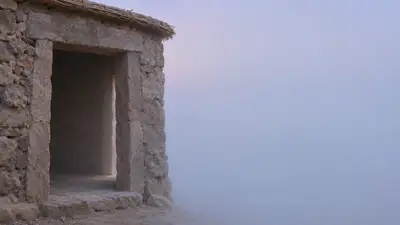
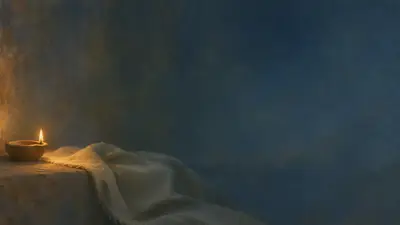
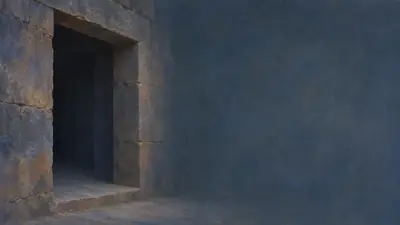
El relato fragmentario cuenta que alguien entró en el santuario y se tendió para ayunar. Amaneció antes de que volvamos a oír sus palabras.
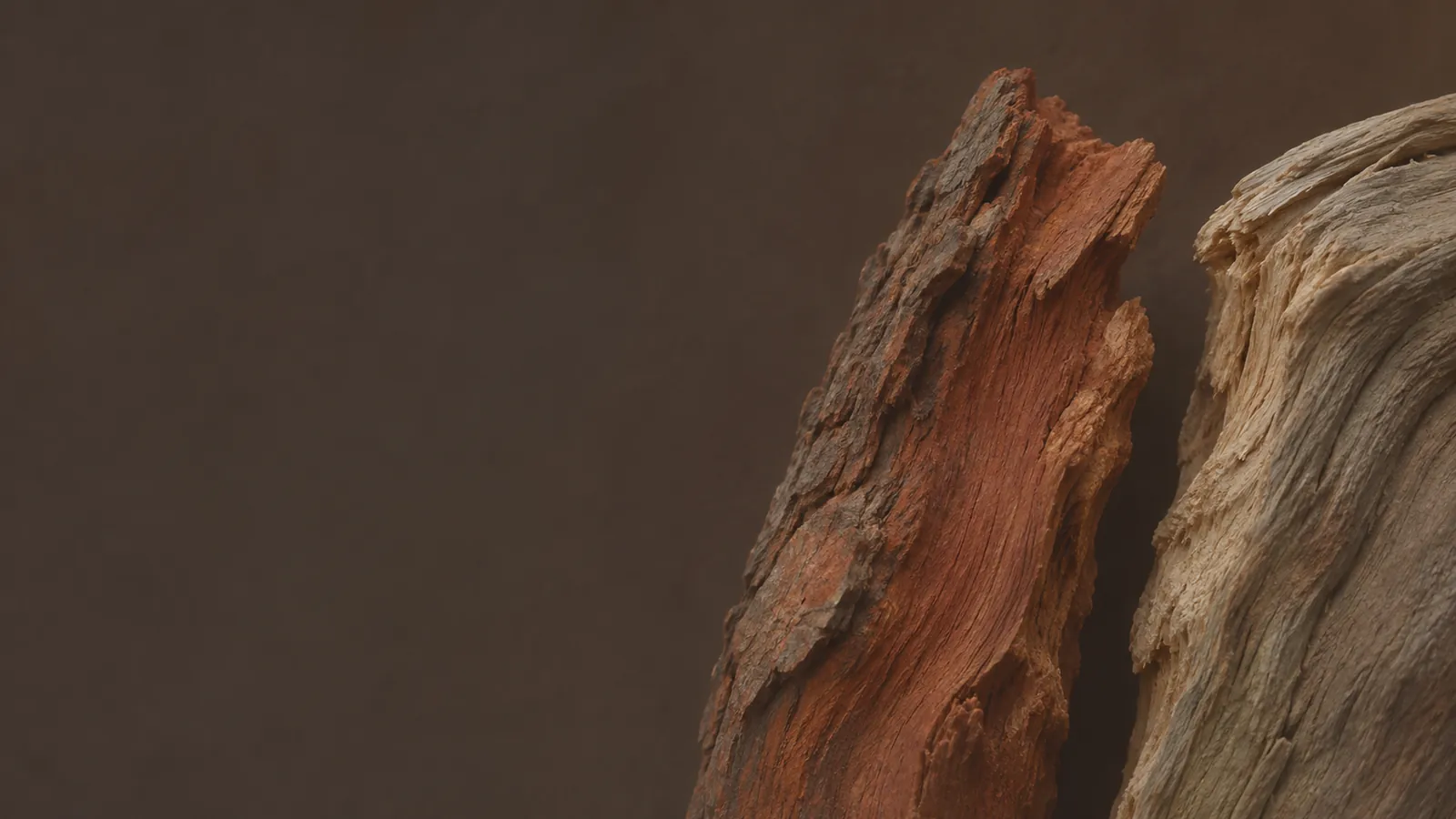
El señor respondió a Enmerkar con un desafío. Que traiga un cetro sin cedro, ciprés, palmera ni ninguna de las otras maderas que nombró.
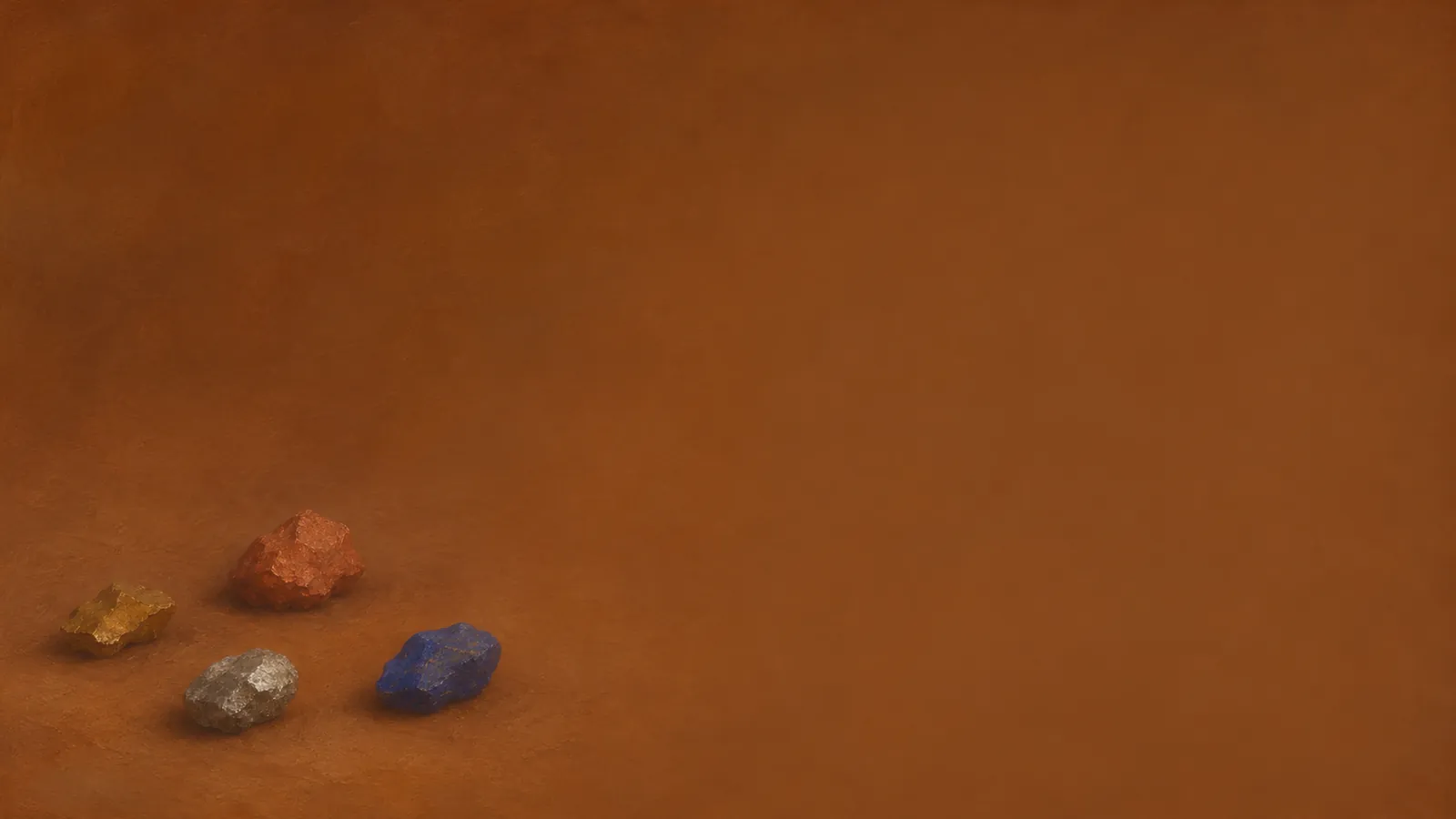
El señor descartó también el oro, la plata, el cobre y las piedras preciosas. De lo que quedara, Enmerkar debía enviarle una astilla.
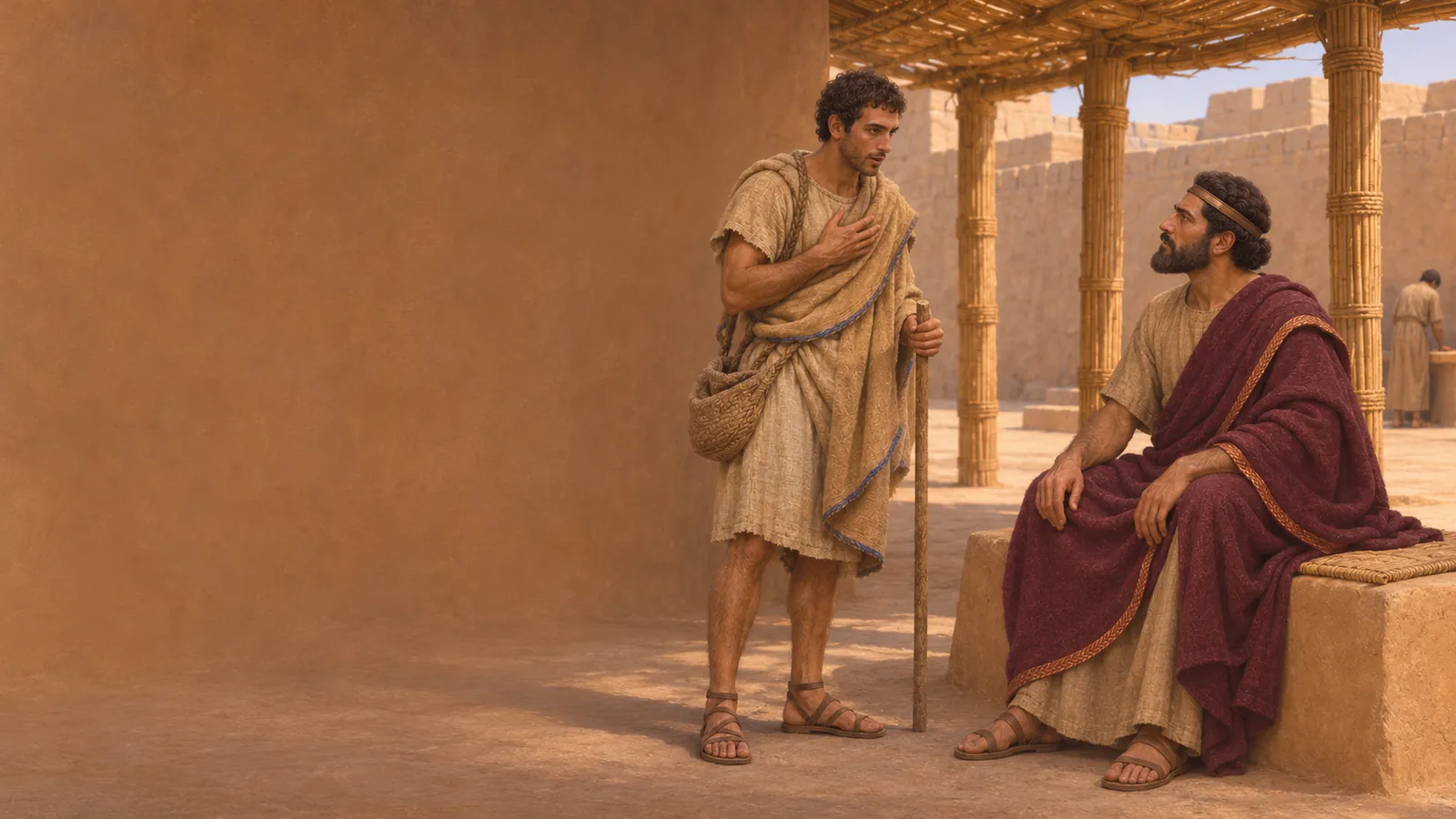
El mensajero regresó deprisa a Kulaba y repitió el desafío palabra por palabra. Enki dio sabiduría a Enmerkar y el rey dio instrucciones a su mayordomo.
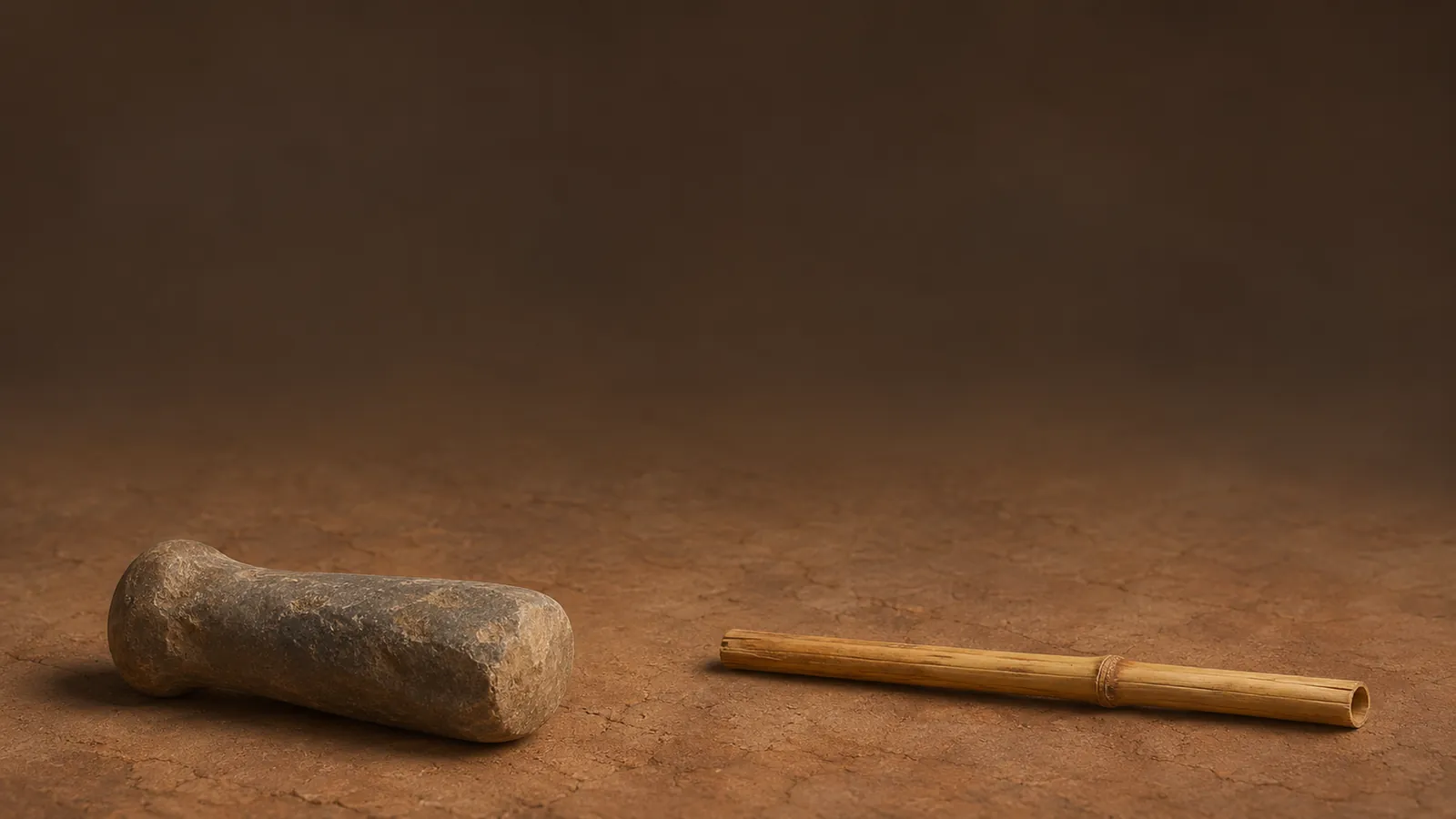
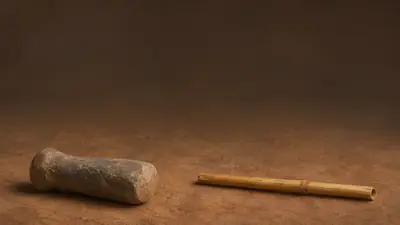
El relato de su trabajo se conserva a fragmentos. Aún se distinguen una mano de mortero, una caña y algo vertido como aceite.
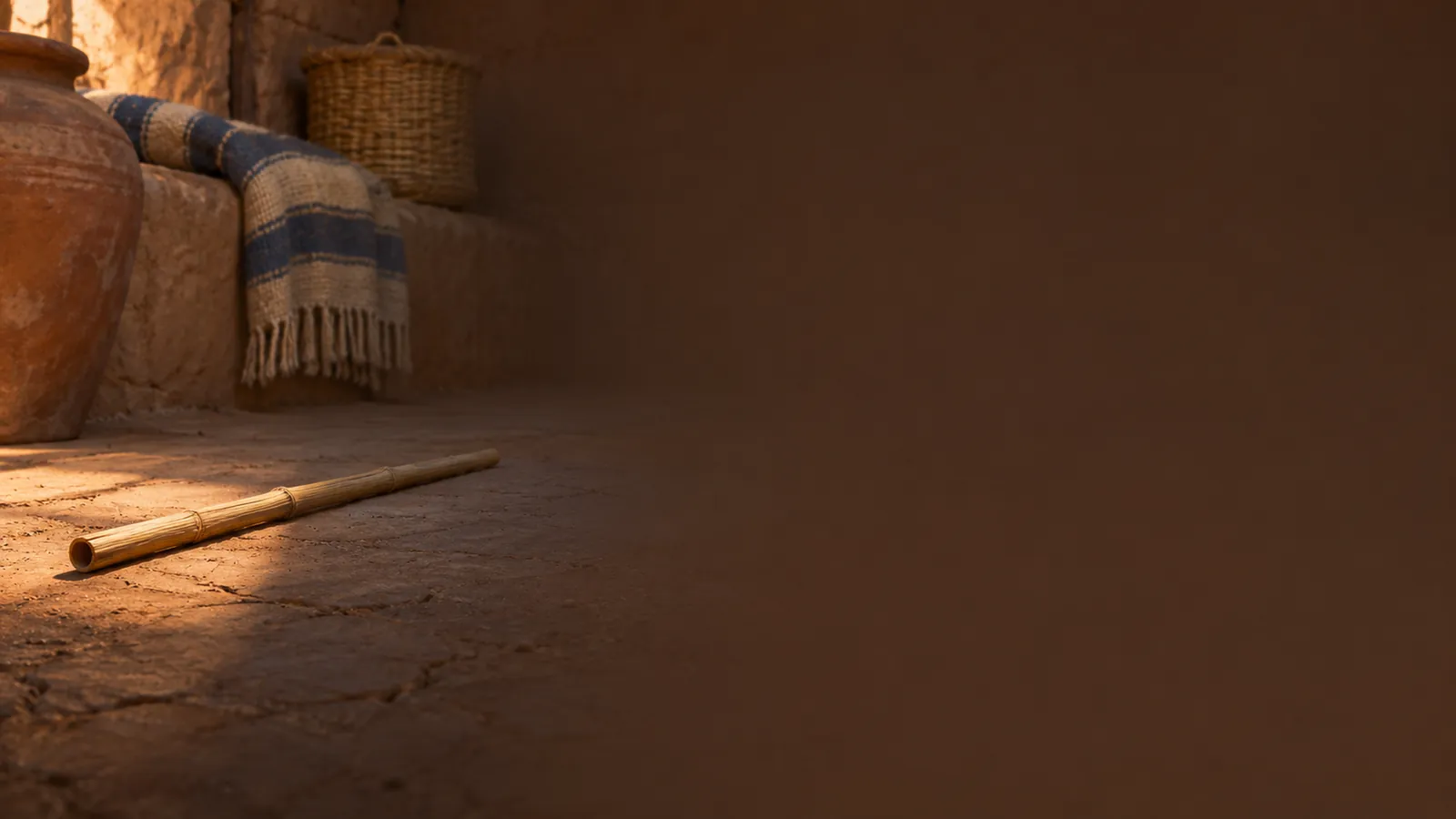
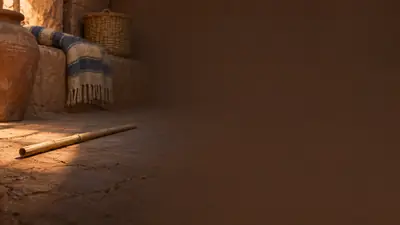
La caña pasó del sol a la sombra y volvió al sol. El poema cuenta cinco años, luego diez, antes de contar cómo partieron la caña.
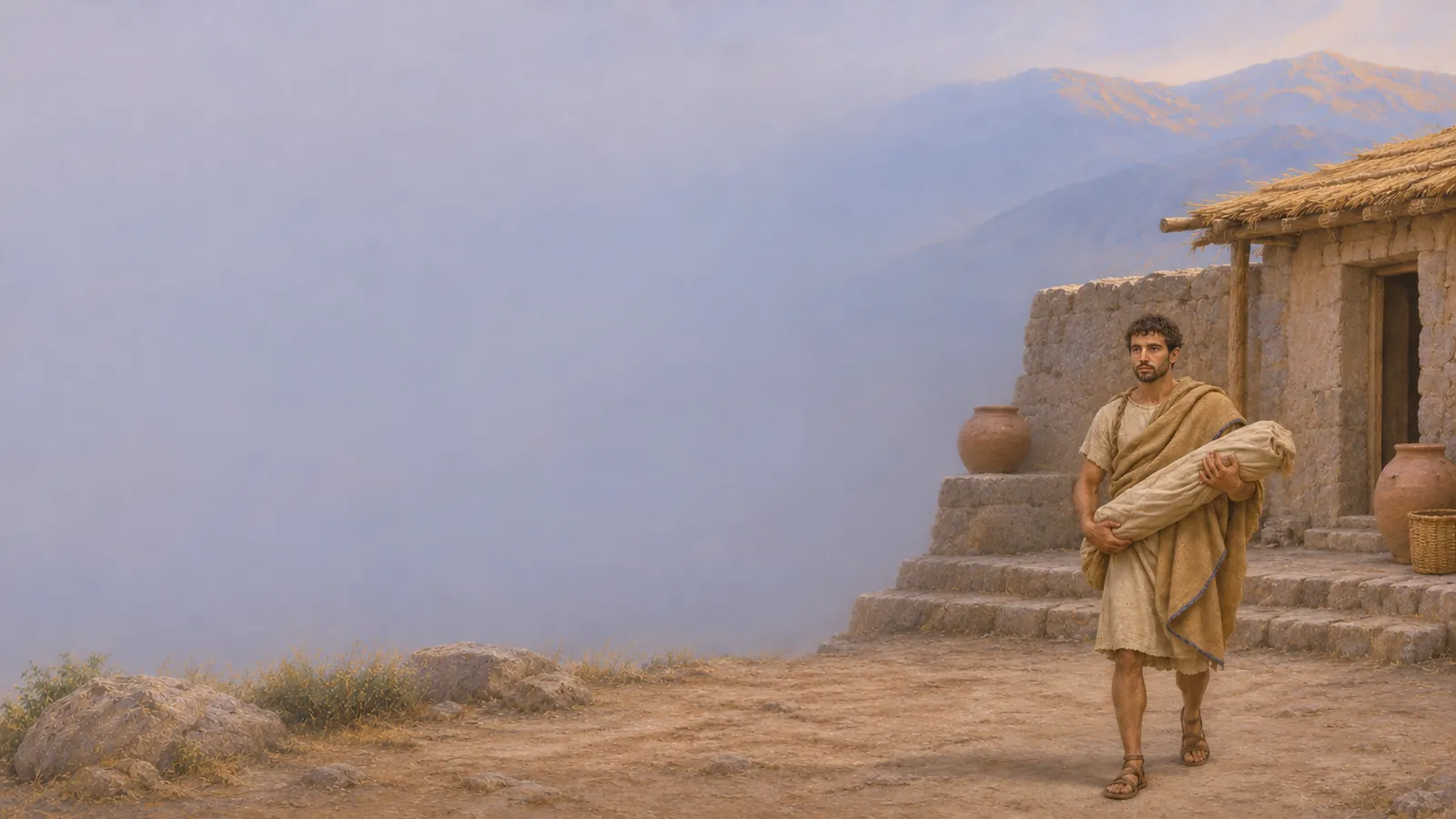
Enmerkar puso el cetro en manos del mensajero. El hombre cruzó veloz las montañas y entró una vez más en el patio de Aratta.
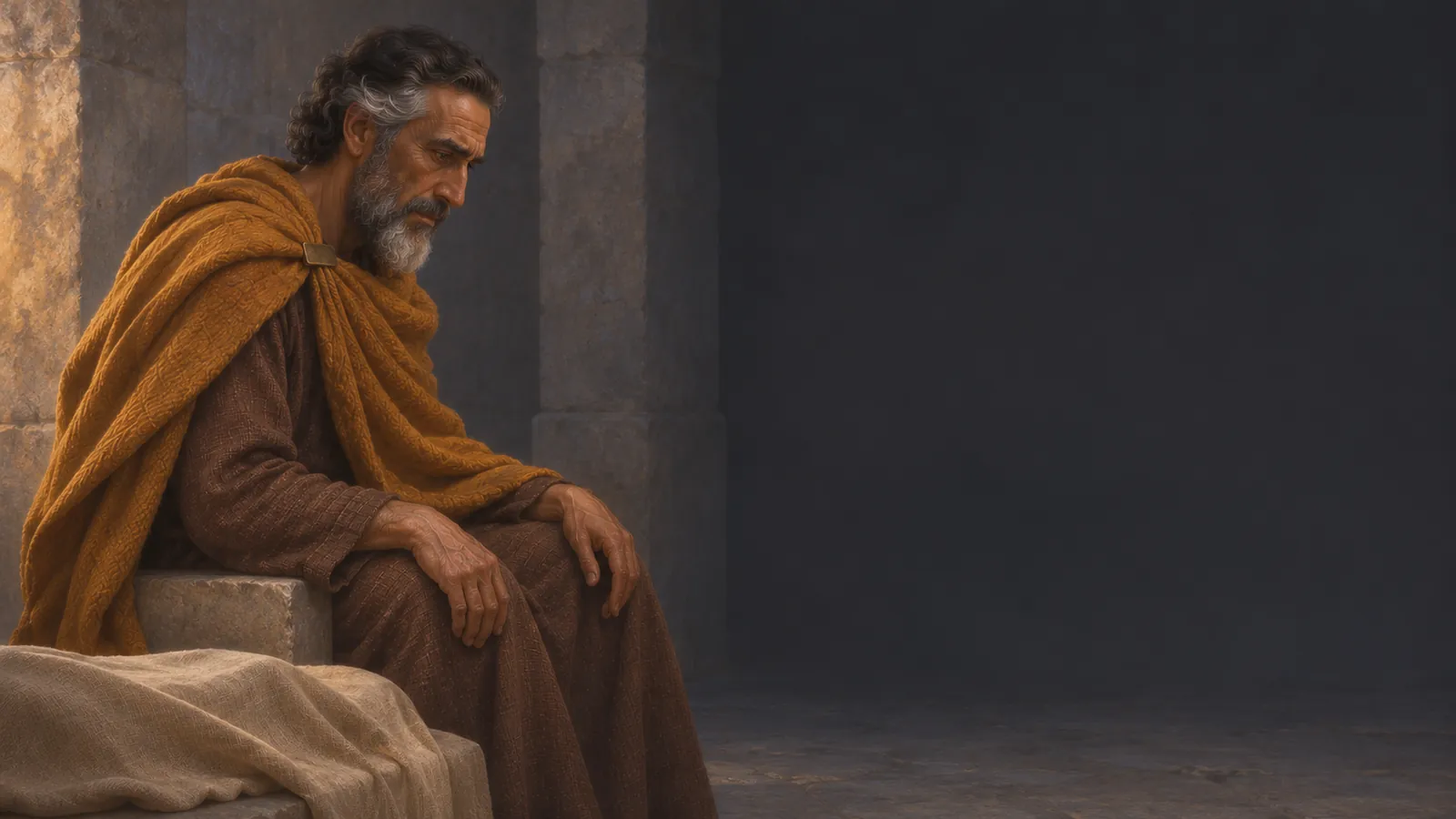
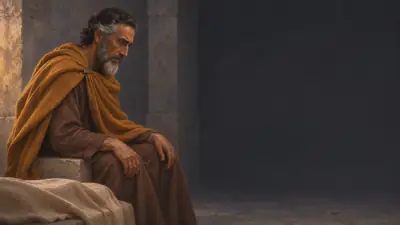
El señor miró el cetro en su santuario. Temió que Inanna favoreciera ahora a Kulaba y volvió a hablar de hambre y sumisión.
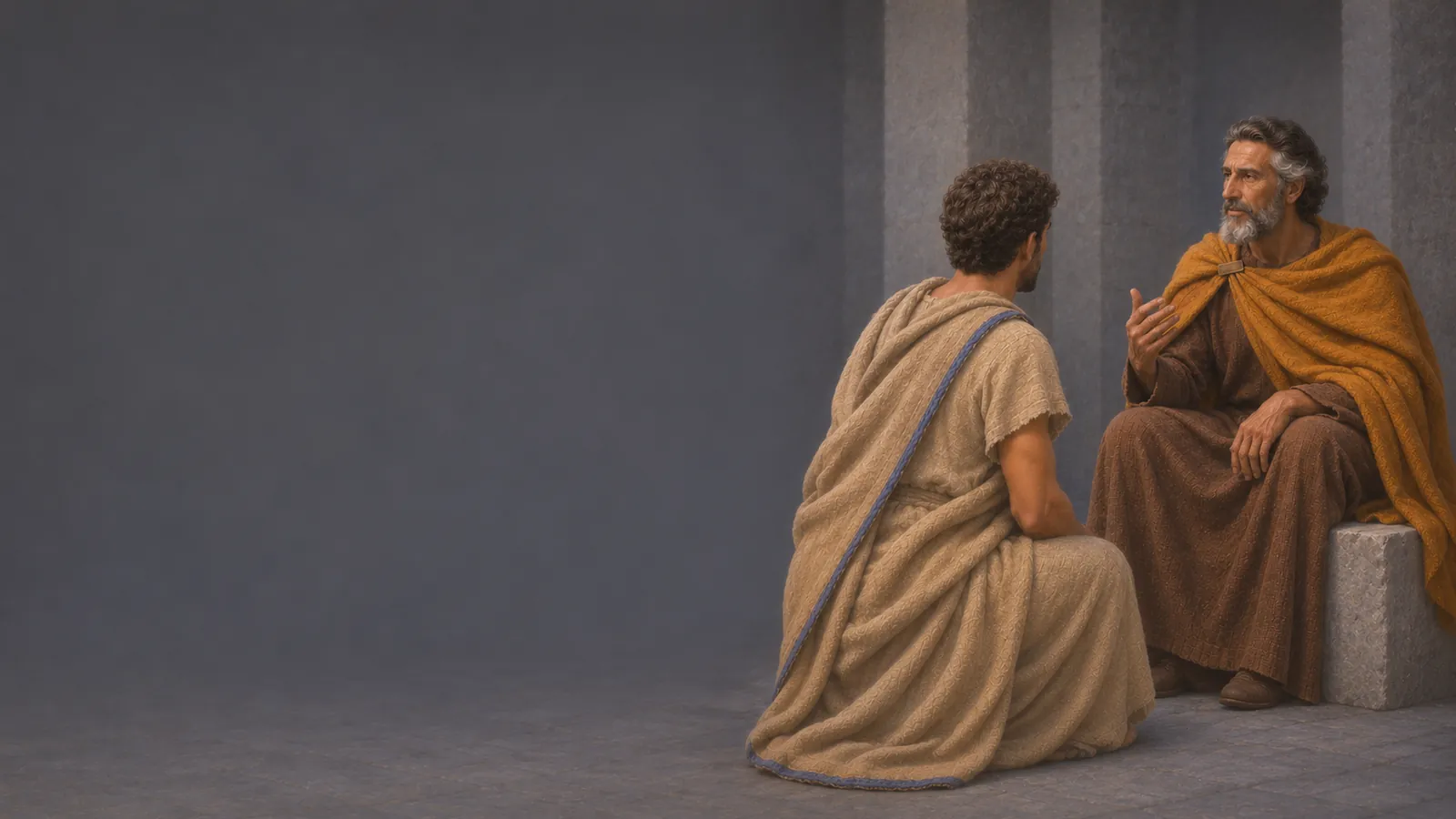
El señor de Aratta pidió un campeón. Enumeró los colores para descartarlos uno tras otro y luego pidió que los dos campeones compitieran.
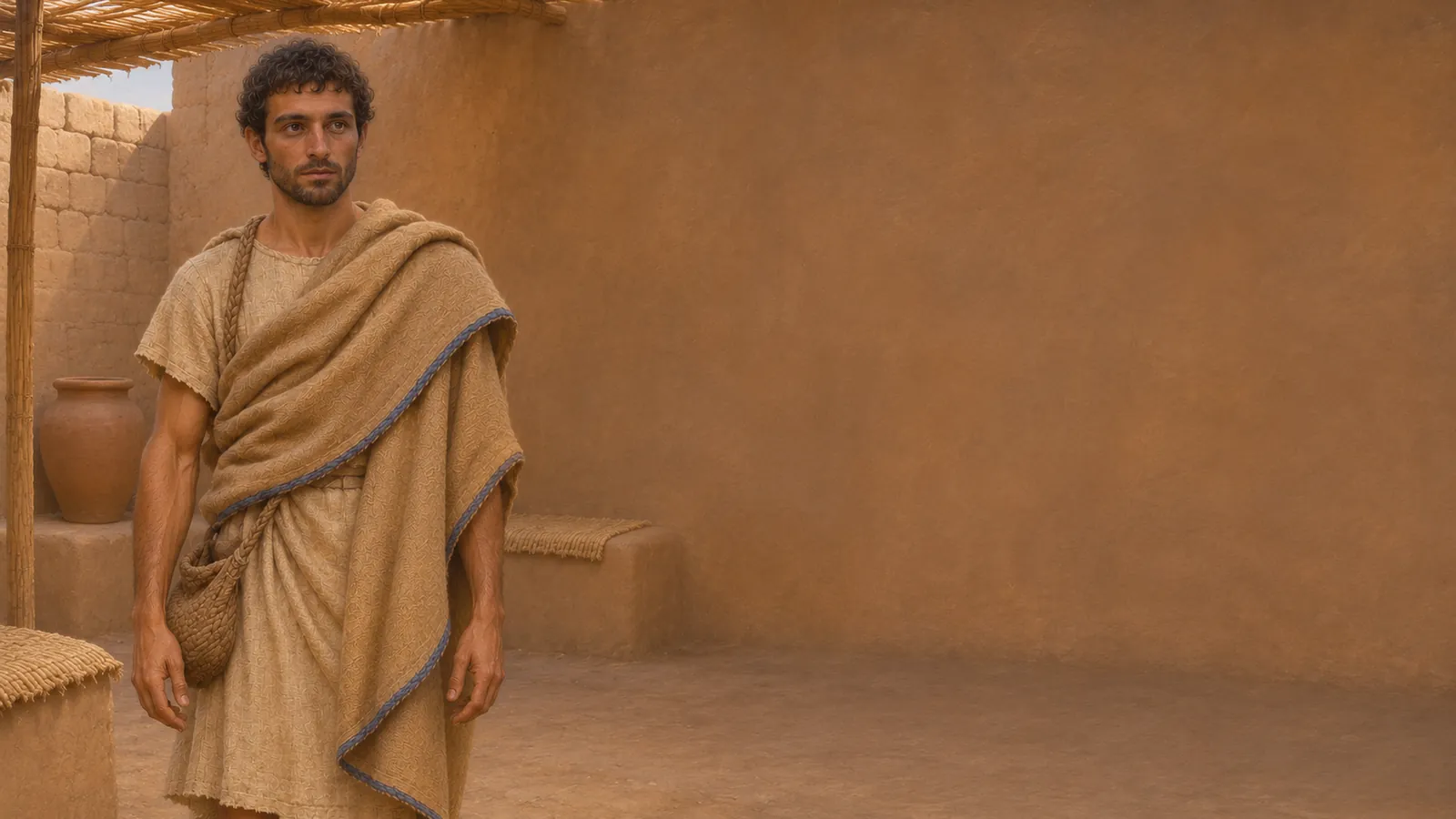
El mensajero partió y llegó a Kulaba, construida en ladrillo. Versos quebrados rodean su regreso, pero se oye una voz alzarse como un torrente.

Enmerkar dijo que enviaría una prenda de un color ajeno a esa lista. Aceptó la contienda y afirmó que su campeón gozaba del favor de Enlil.
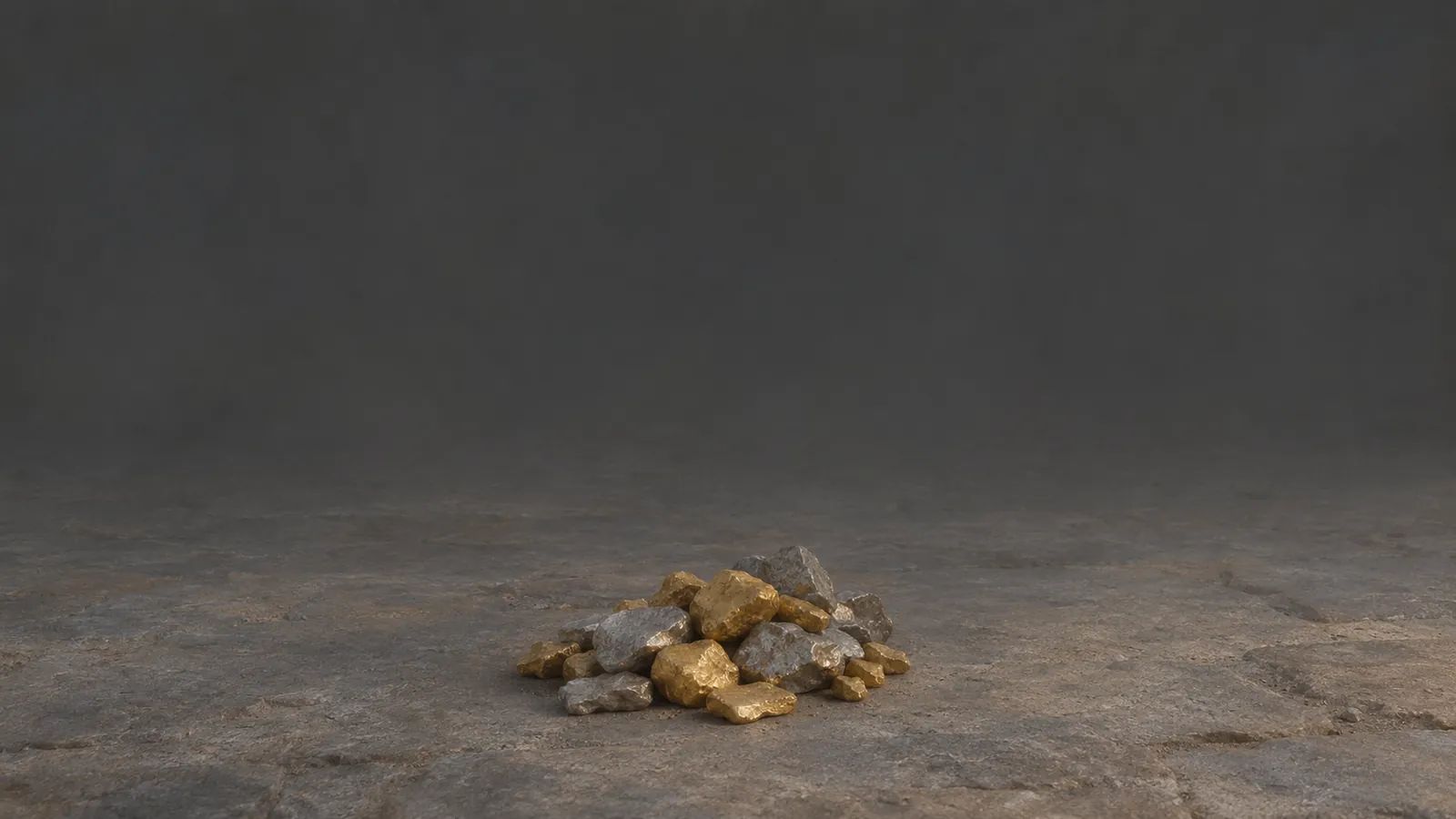
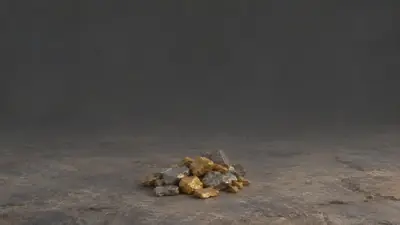
Enmerkar añadió otra exigencia para el mensajero. Que amontonaran su oro y su plata en el patio de Aratta para Inanna.
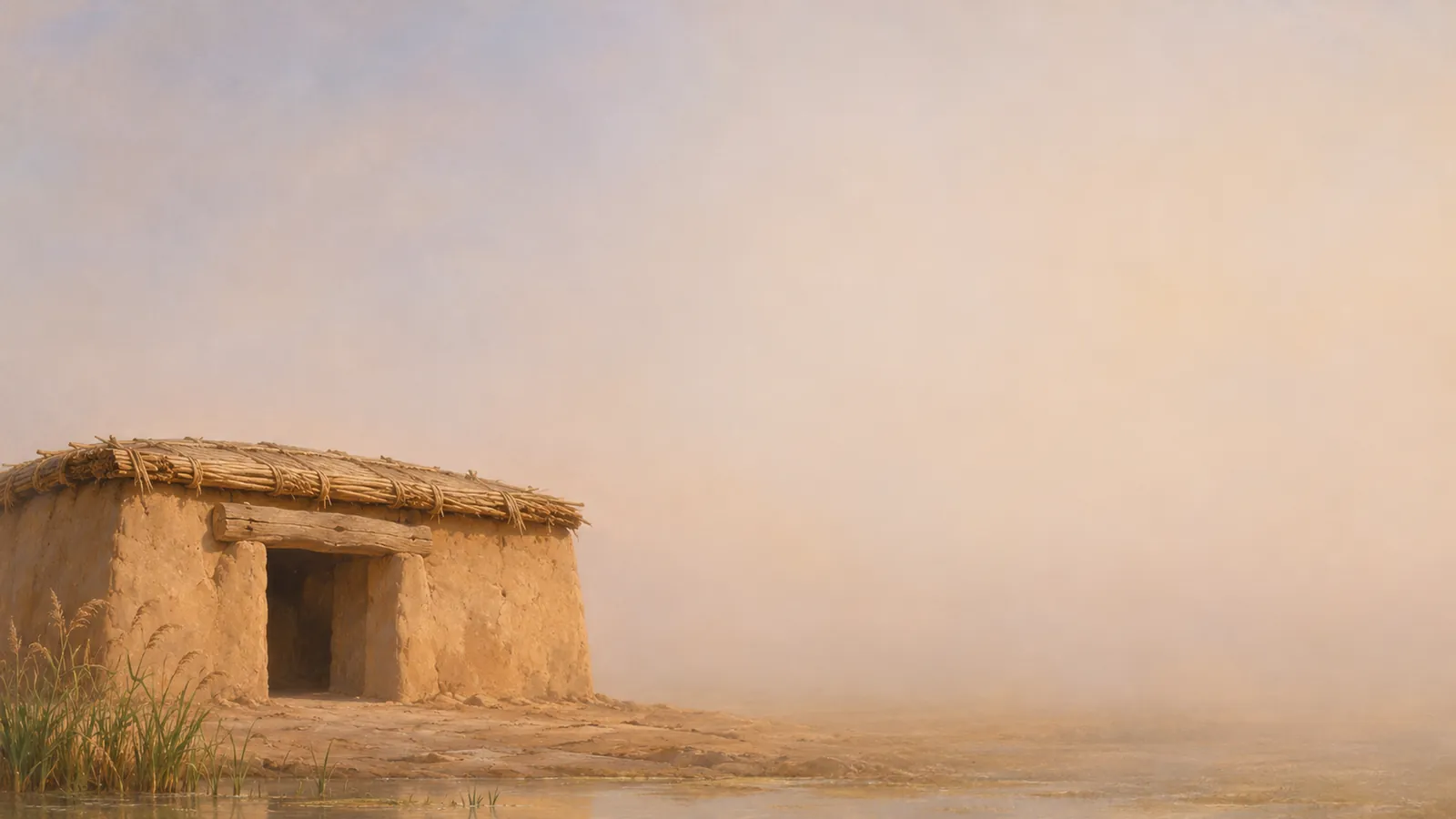
Exigió piedra de montaña para reconstruir el gran santuario de Eridu. La amenaza y parte de lo que siguió nos han llegado a fragmentos.
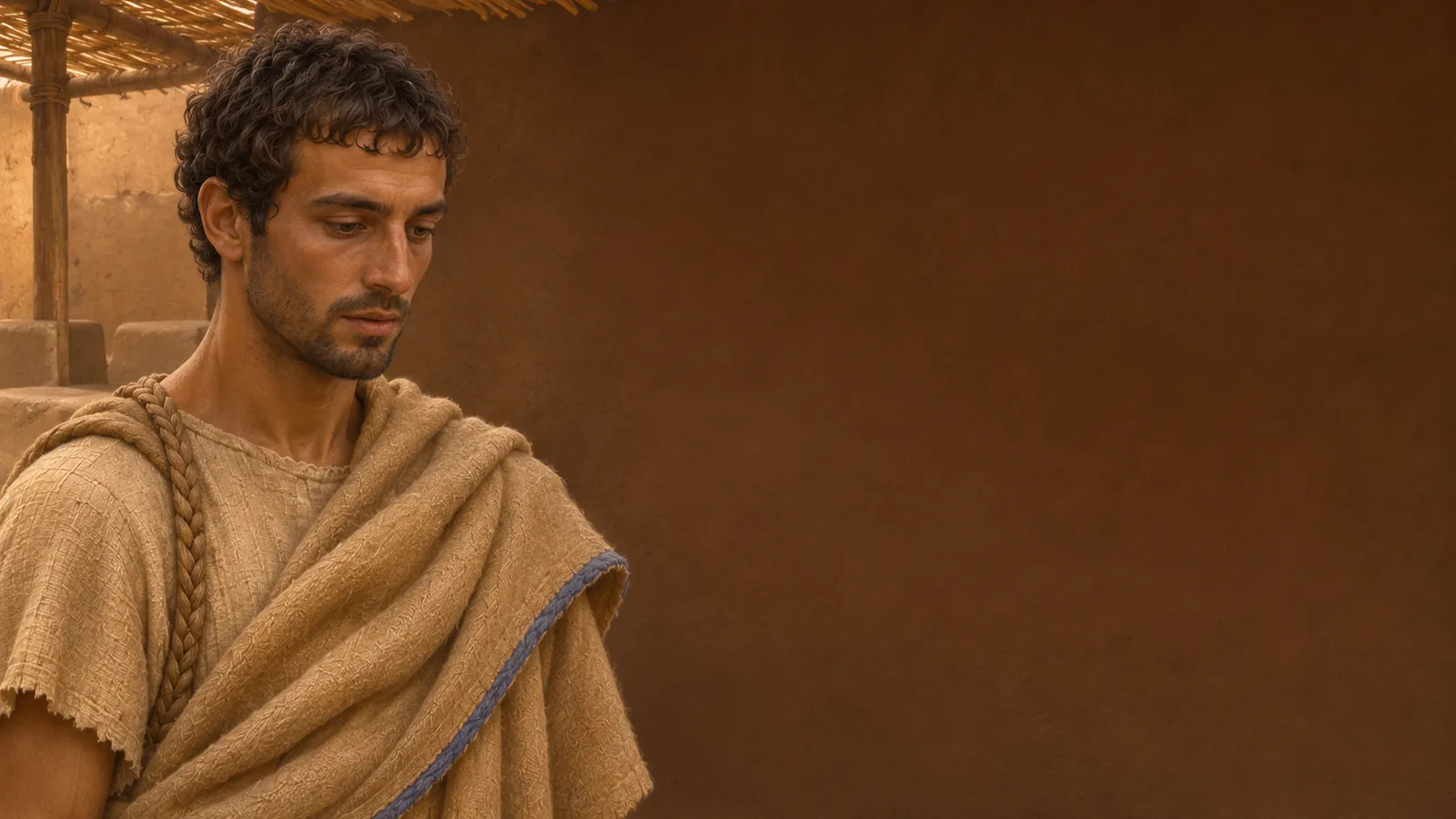
Las palabras del rey se sucedían. El mensaje se había hecho tan largo que el mensajero, agotado, ya no podía repetirlo.
ARCILLA
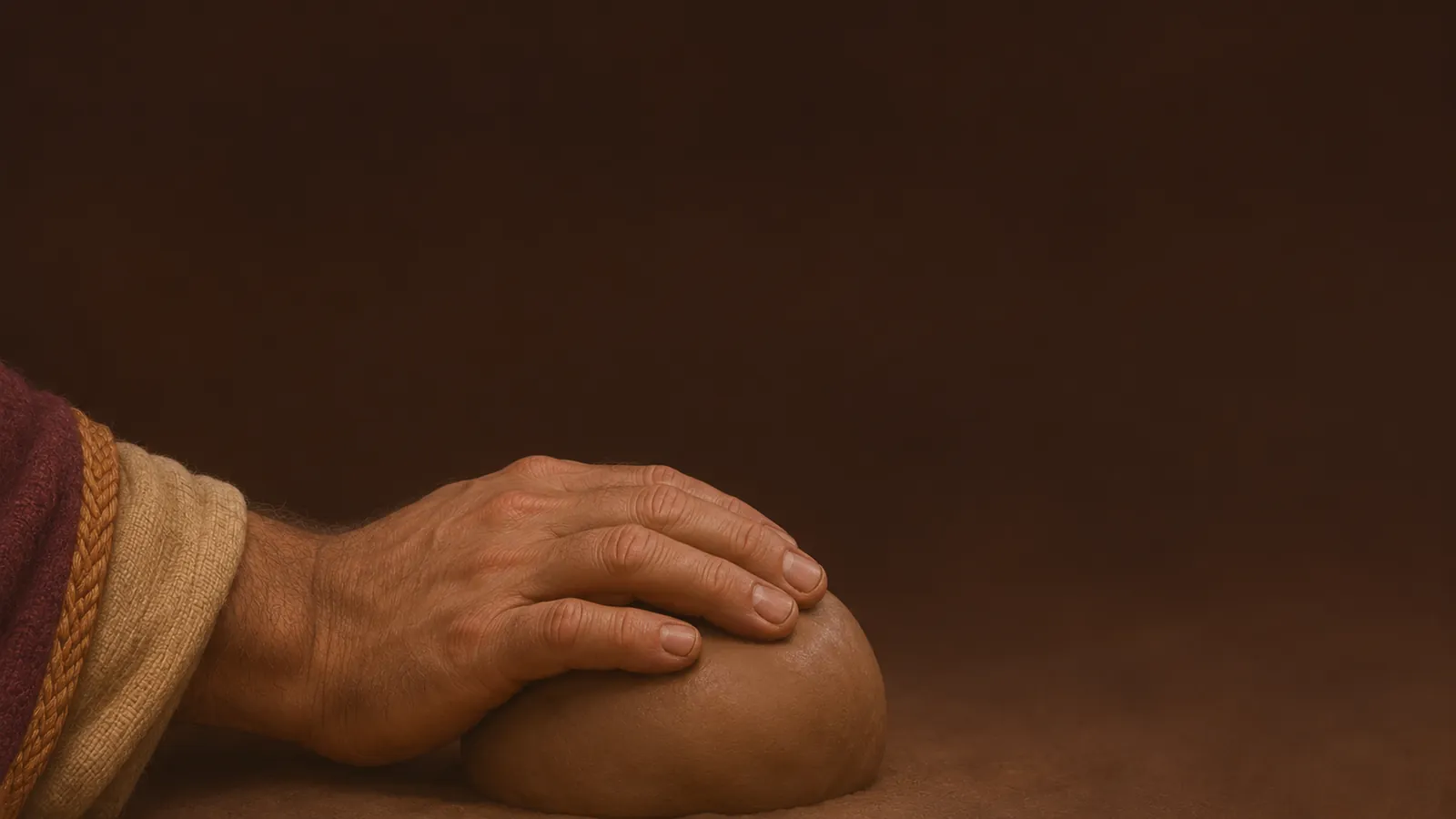
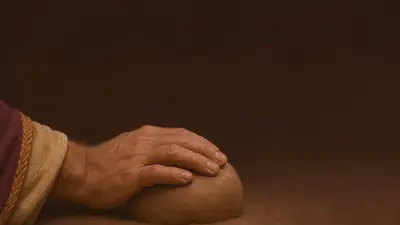
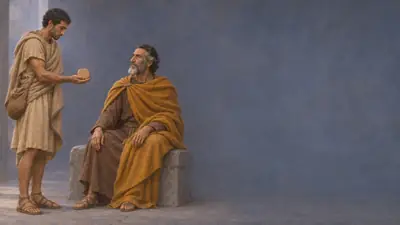
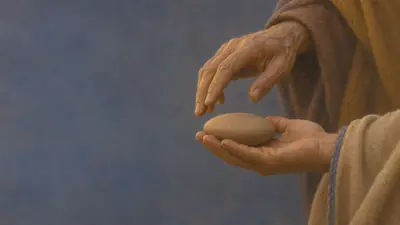
Enmerkar apretó un trozo de arcilla e inscribió en él el mensaje. En el poema, desde aquel día un mensaje podía viajar en arcilla.
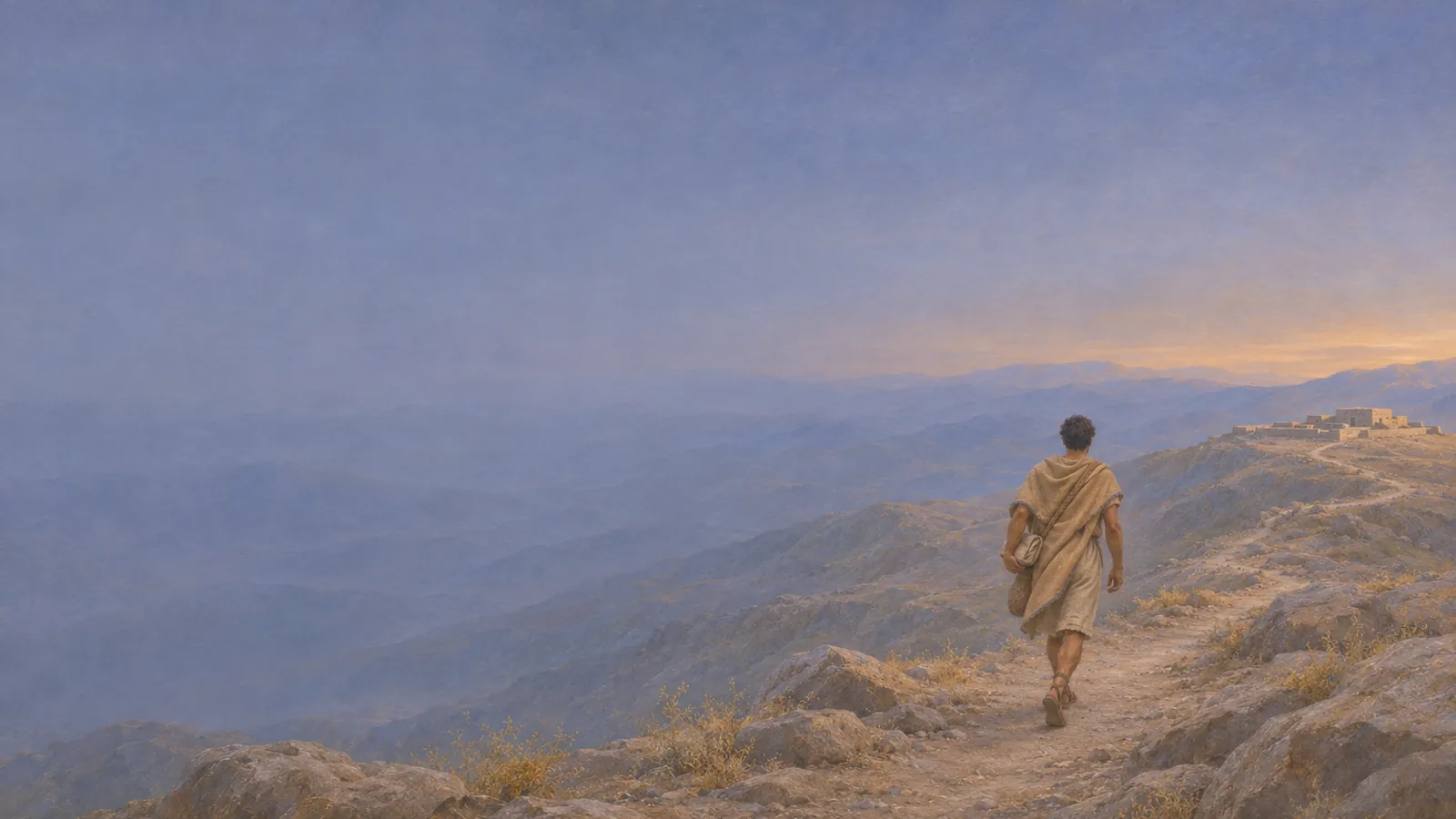
Por cinco montañas, luego seis, luego siete, pasó otra vez el mensajero. Alzó la vista hacia Aratta y entró gozoso en su patio.
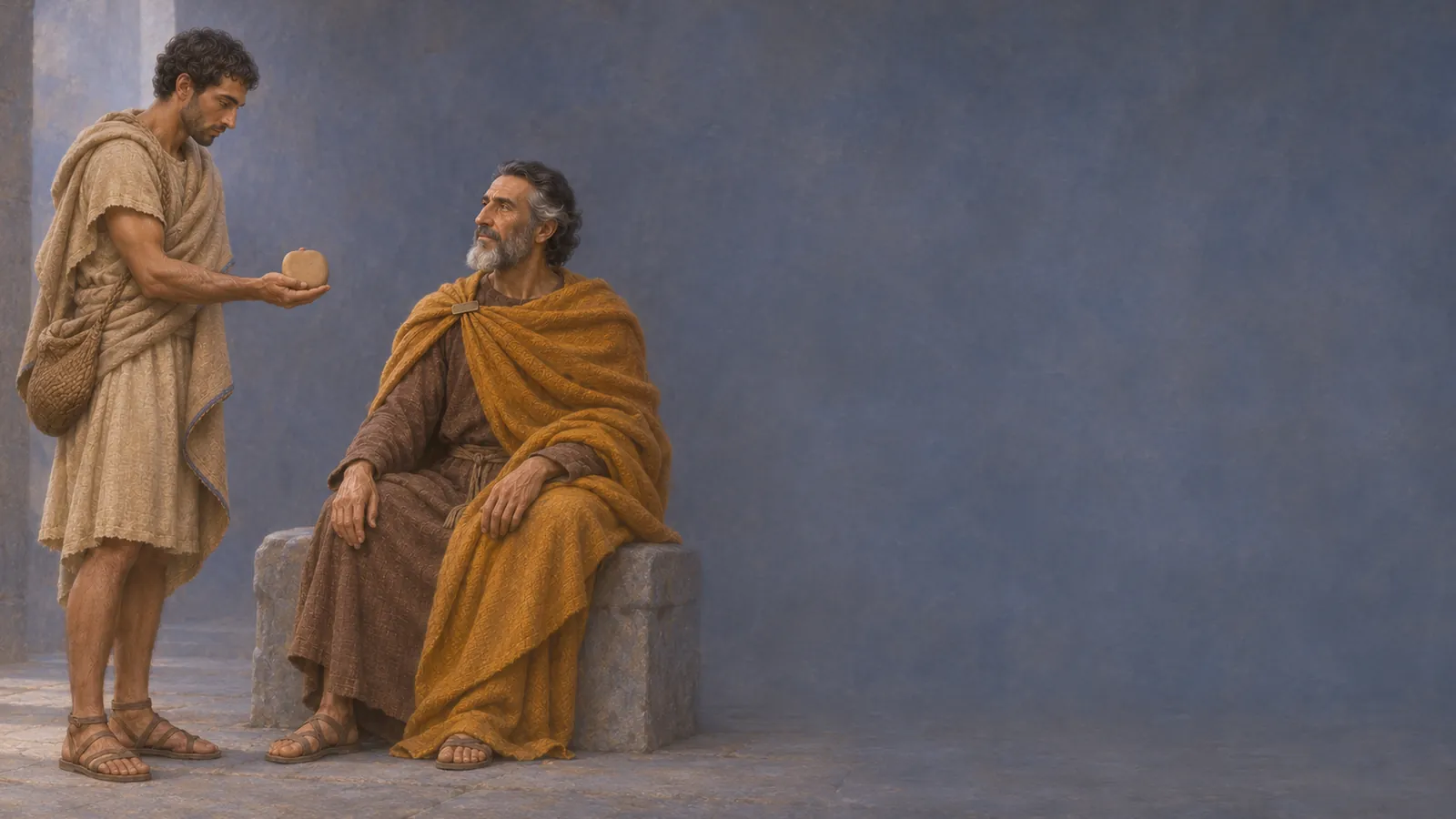
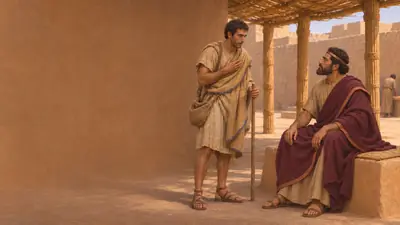
El señor volvió a preguntar qué había dicho el amo de su visitante. Esta vez, el mensajero le dijo que Enmerkar le había dado una tablilla de arcilla.
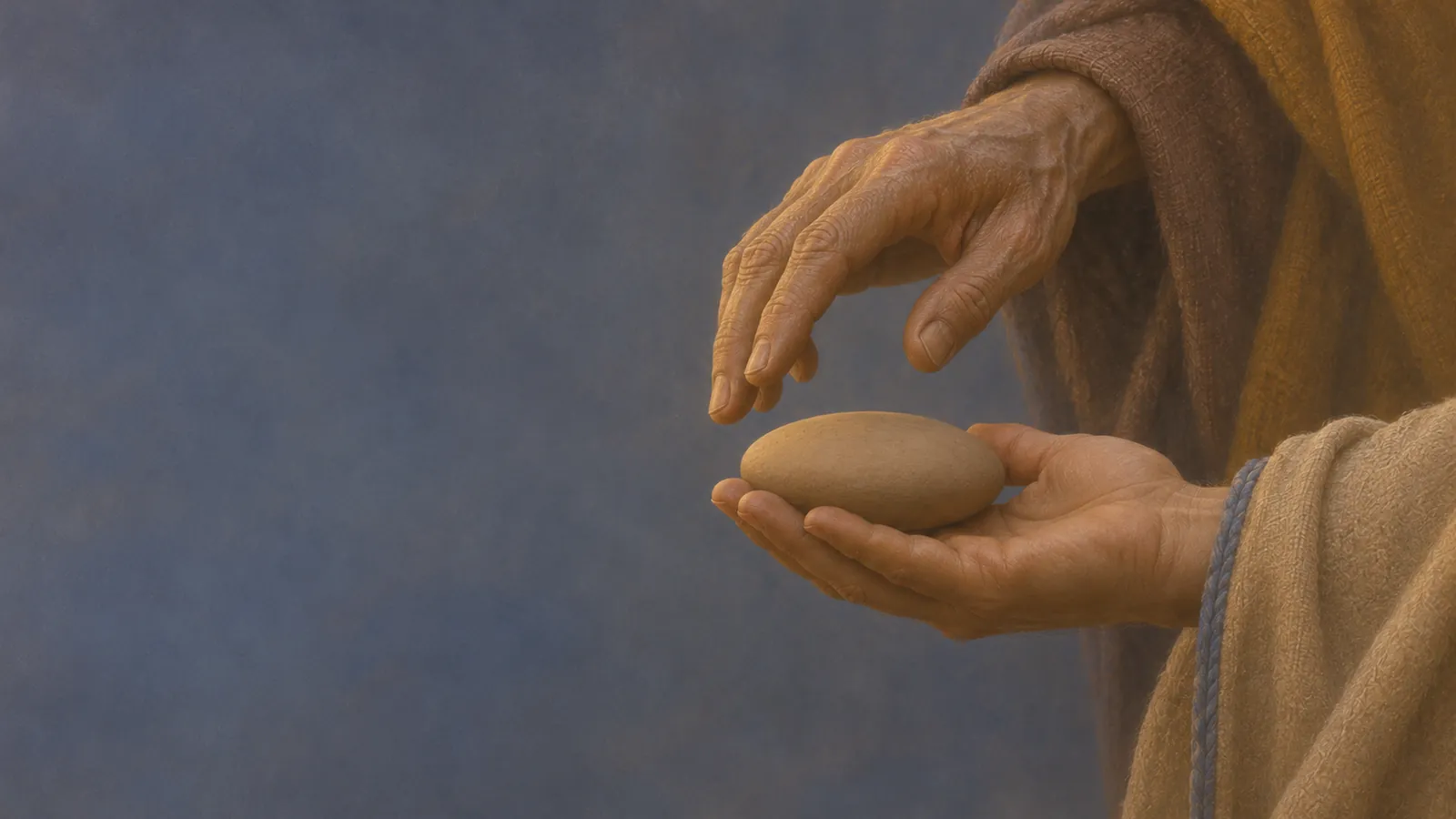
El mensajero pidió al señor que examinara la arcilla y entendiera lo que decía. Luego llevaría la respuesta a E-ana.

El señor de Aratta tomó la tablilla de arcilla cocida y la examinó. El poema compara el mensaje con clavos y el señor se encolerizó.
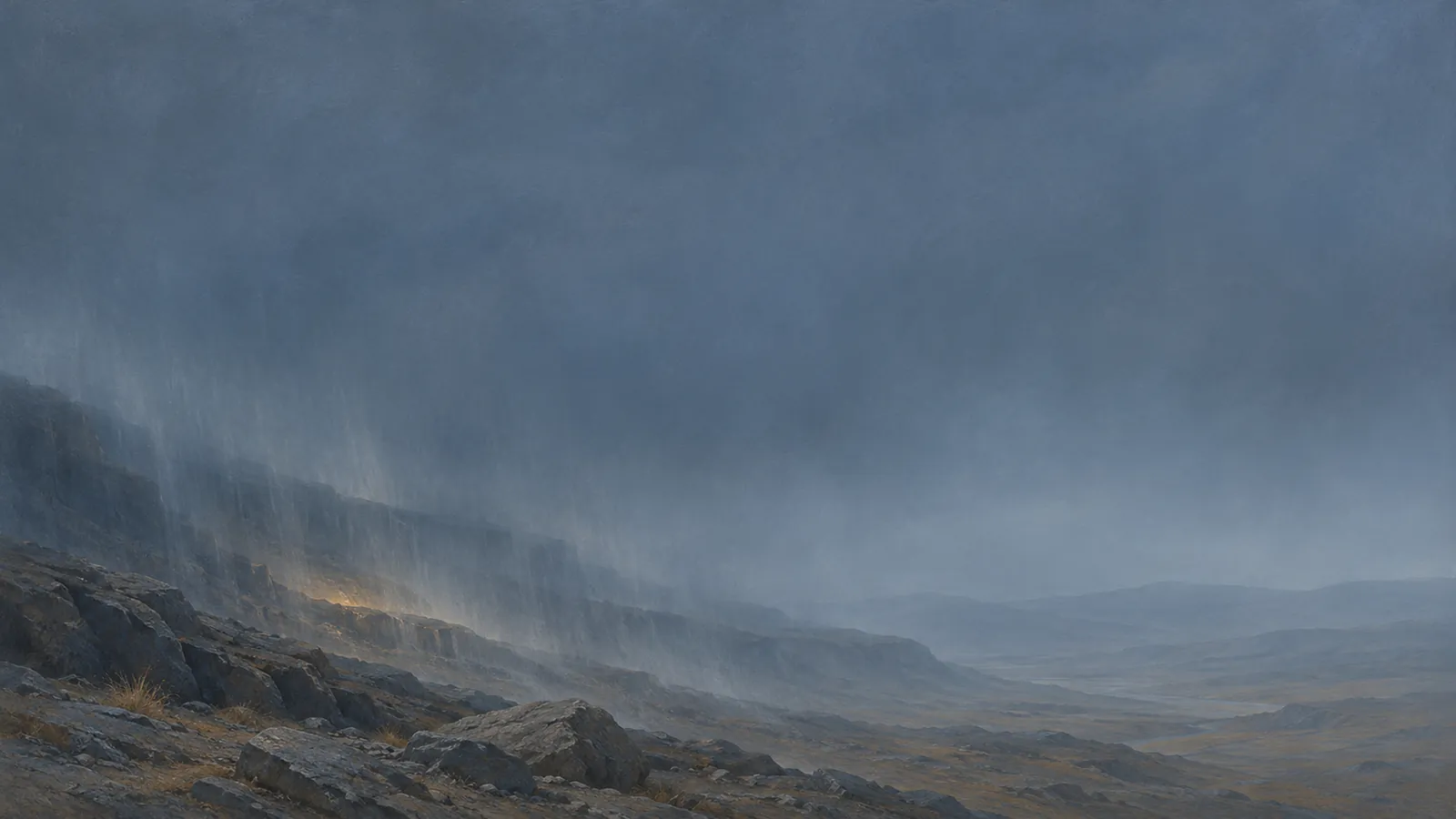
TORMENTA
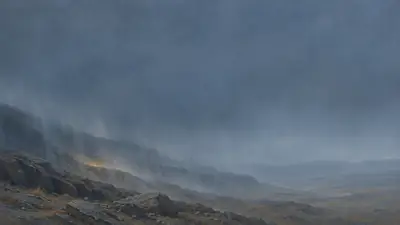
Entonces Ishkur desató una tormenta. El trueno retumbó por el cielo y la tierra, y los montes temblaron. Aun en los versos quebrados, la tormenta es feroz.
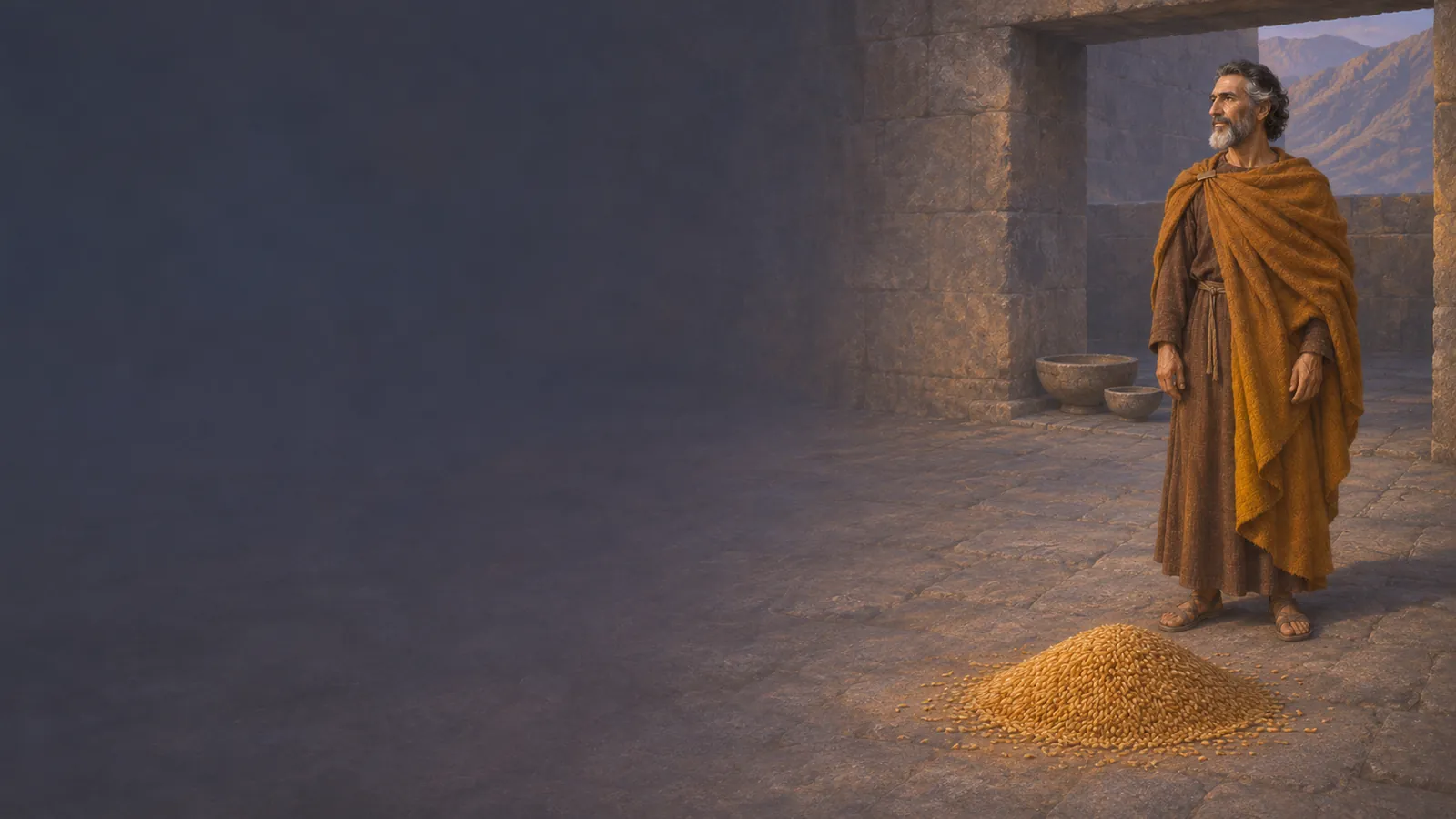
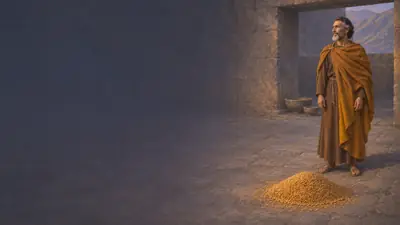
En las laderas secas de Aratta brotaron por sí solos el trigo y los garbanzos. Llevaron el trigo al señor y lo amontonaron en su patio.
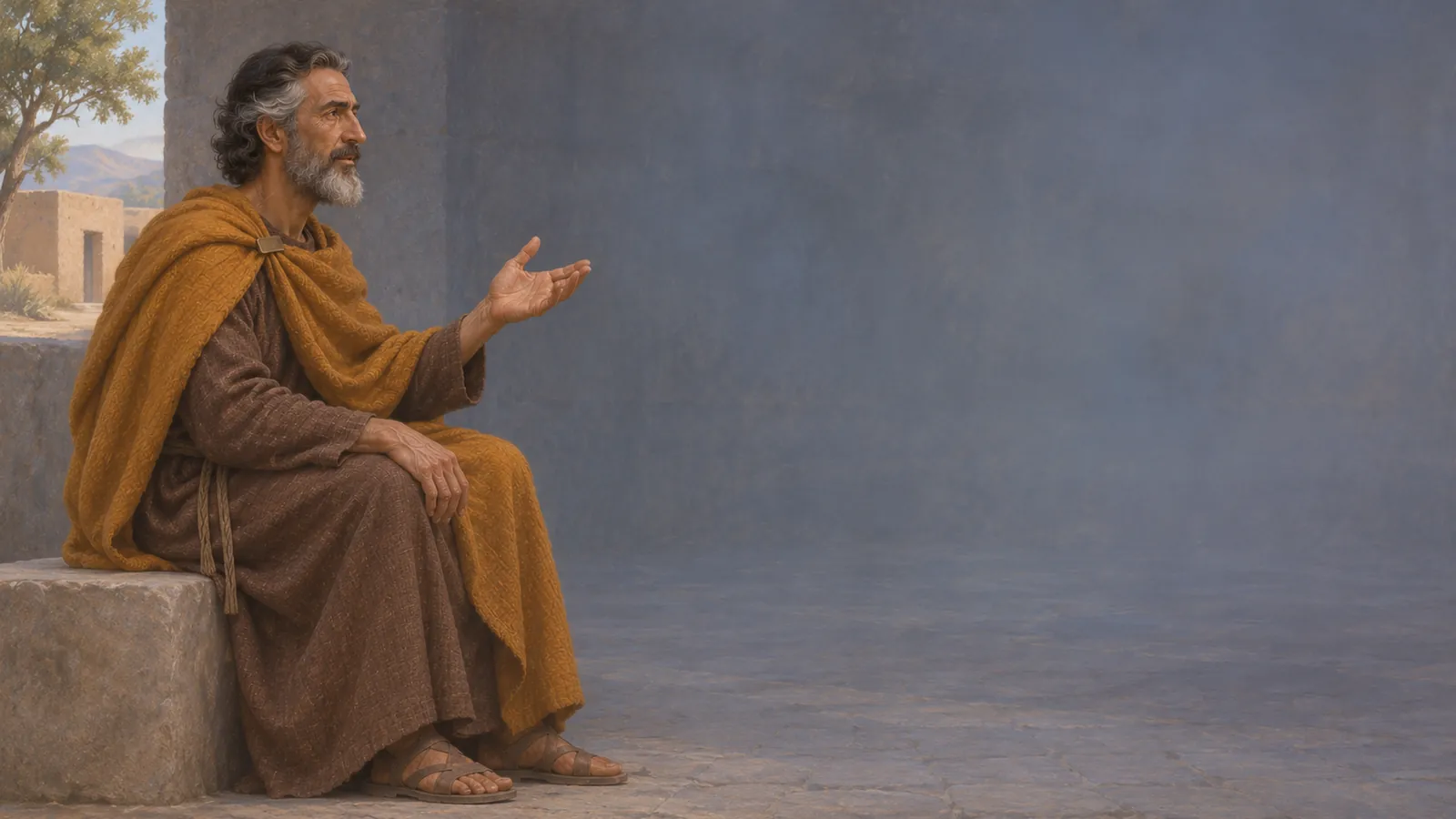
El señor dijo entonces que Inanna había seguido fiel a Aratta. Se había quedado con su santuario de E-zagina, dijo, y su ciudad conservaba el lugar de honor.
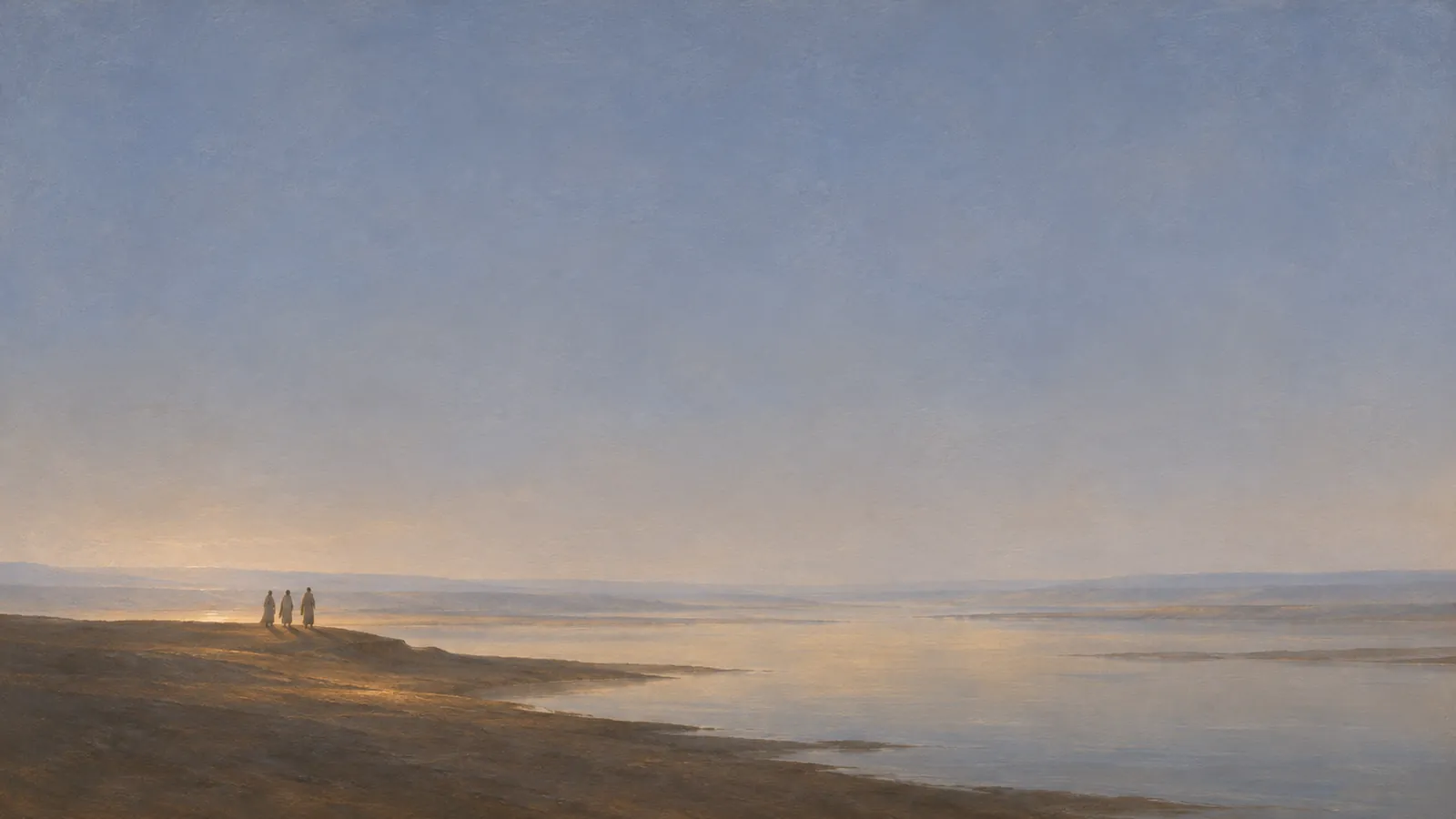
El señor recordó a quienes habían afrontado un diluvio. Por amor a Dumuzid, dijo, Inanna los había rociado con el agua de la vida.
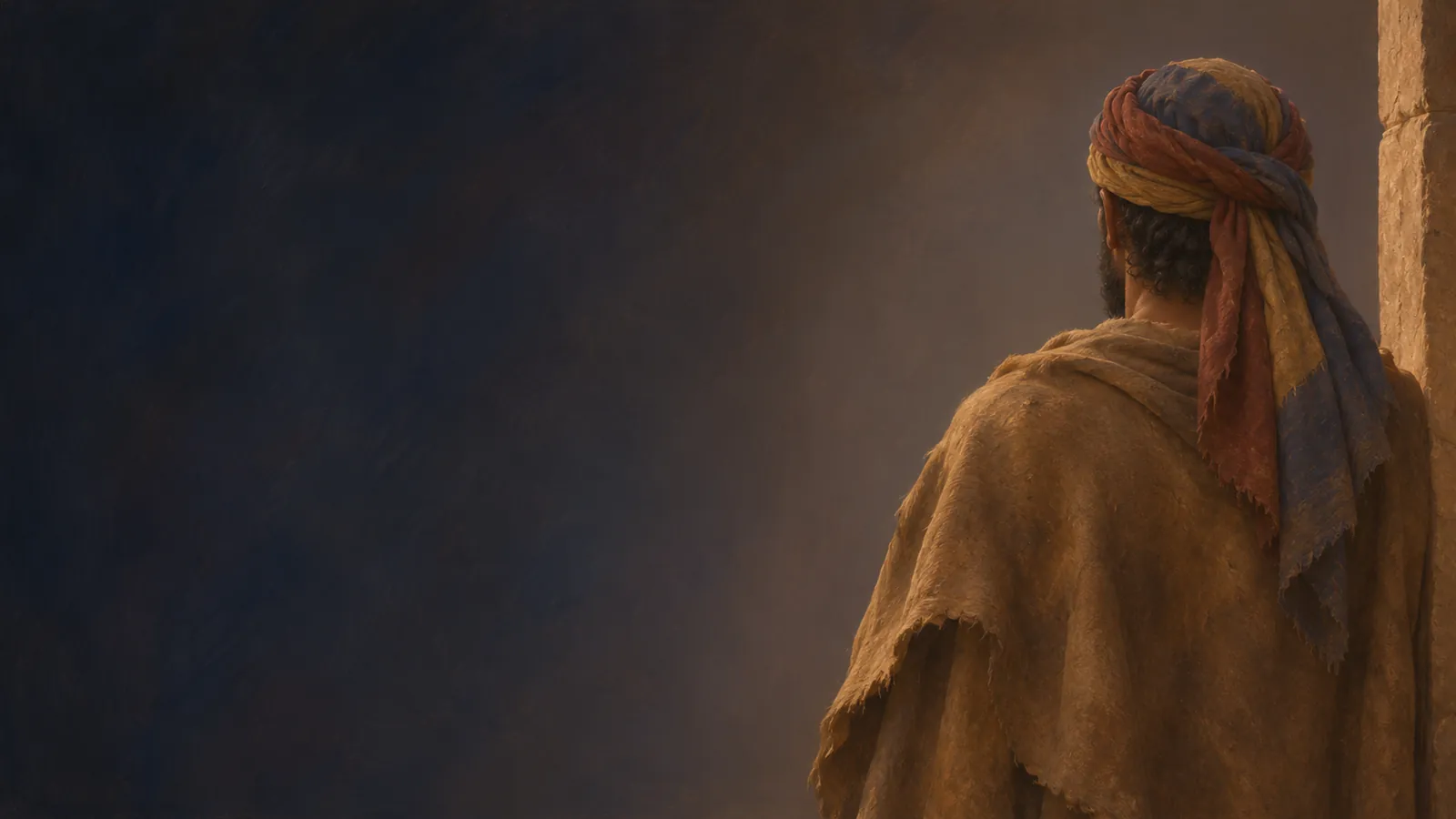
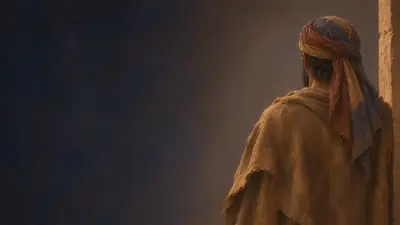
El campeón llegó con un turbante multicolor y una prenda de piel de león. Siguen cuatro versos oscuros y se nos escapa el desenlace de la contienda.
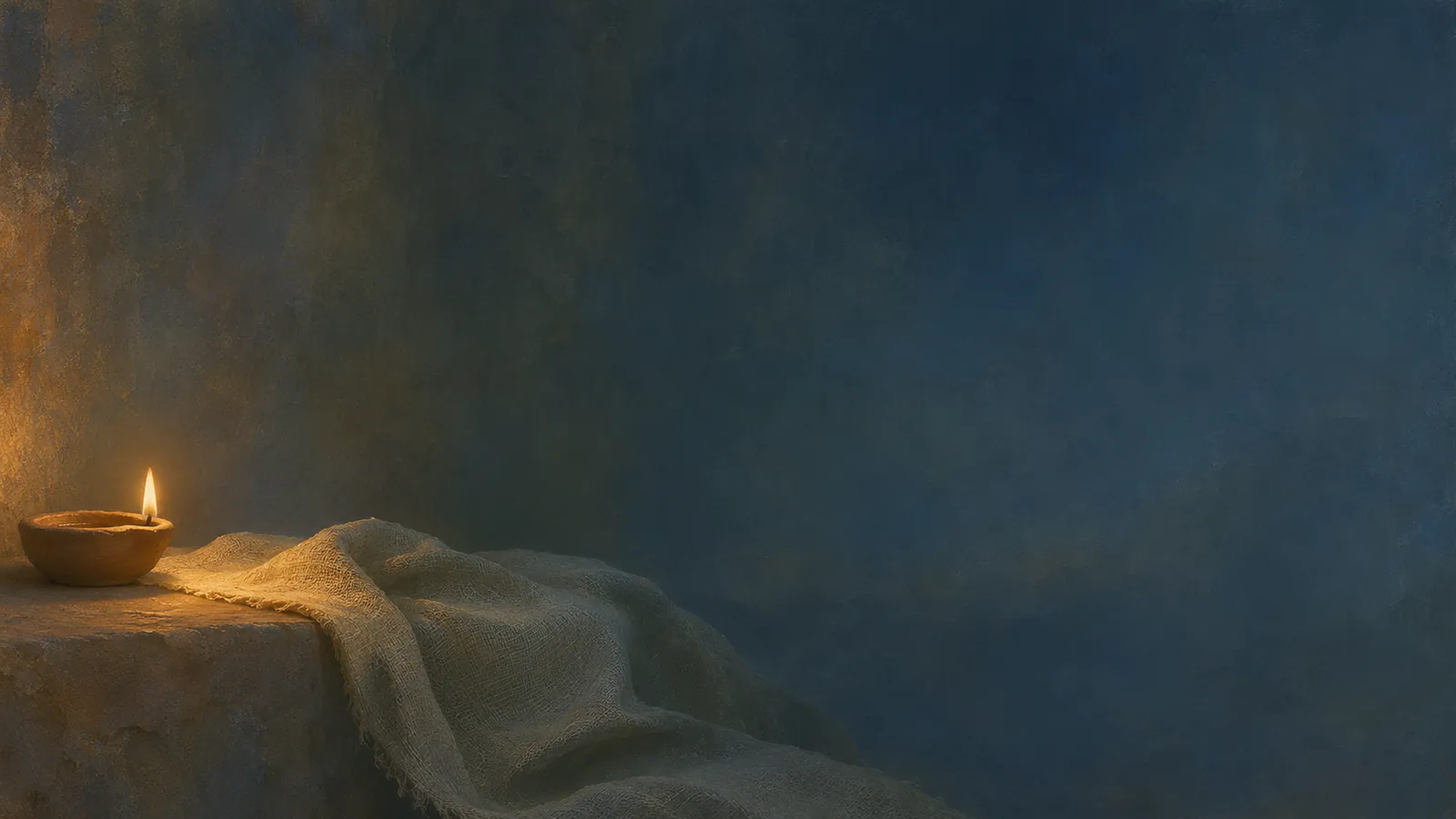
Los versos fragmentarios nombran a Inanna y hablan de un canto. Dicen que ella cantó para Dumuzid y que el canto le agradó.
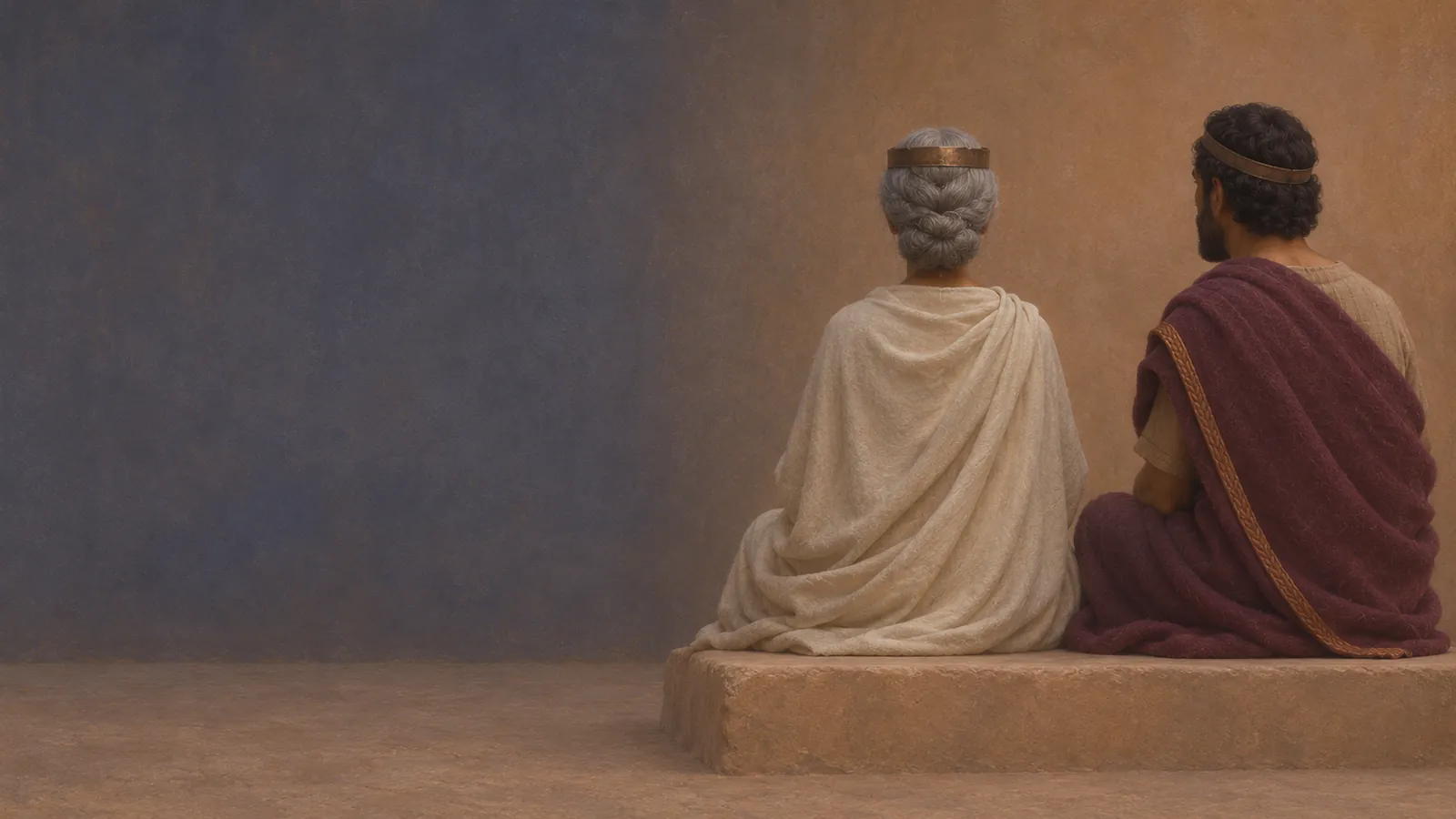
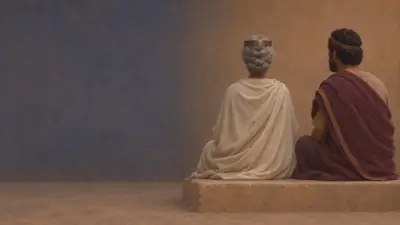
Una mujer mayor llega vestida de blanco, con una corona como la luz de la luna. Sienta a Enmerkar a su lado en el estrado. El poema no la nombra aquí.
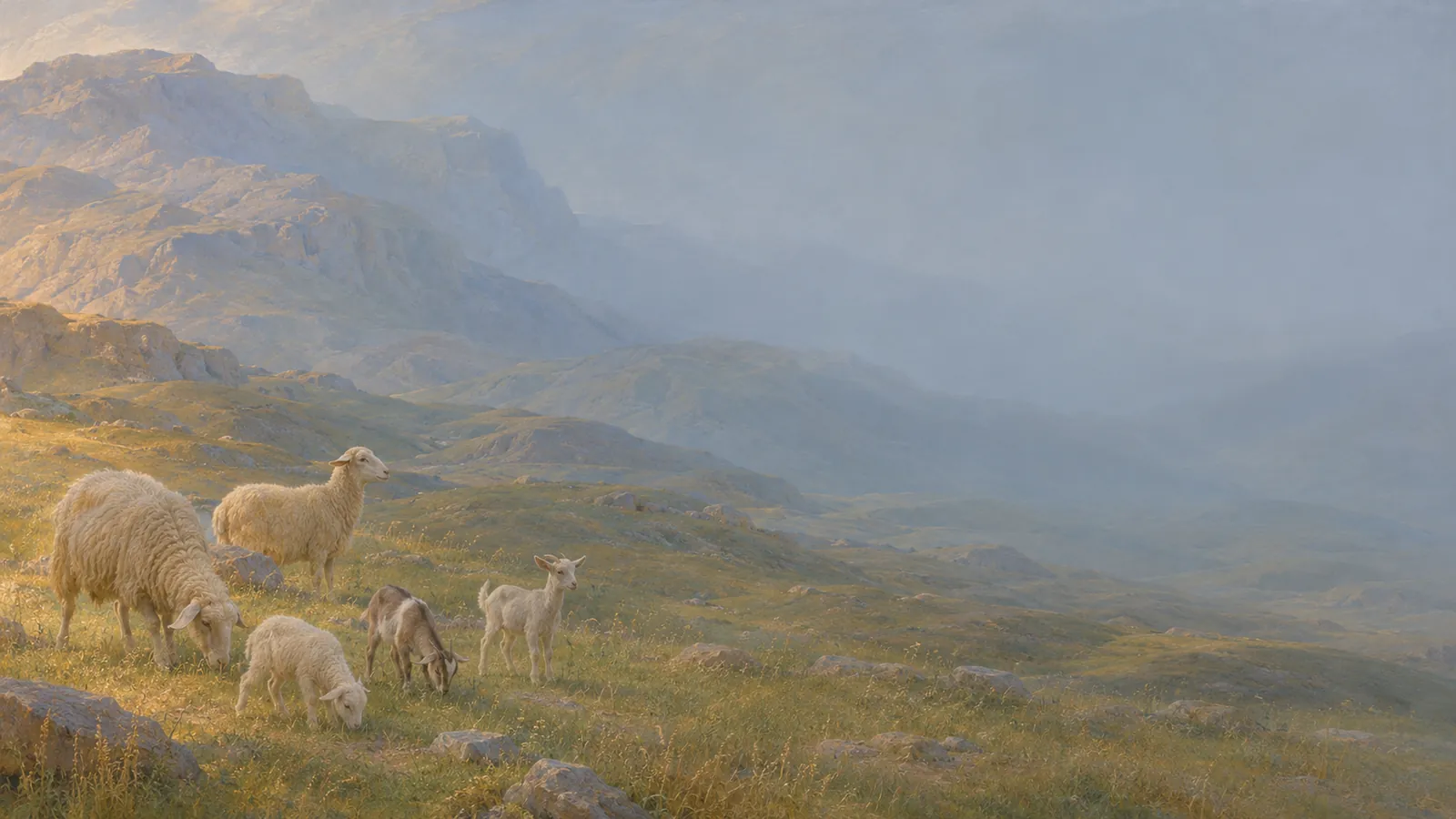
El poema vuelve a hablar de abundancia en Aratta. Se multiplican los corderos, los cabritos, los terneros y los borricos oscuros y veloces, y la gente pide amontonar el grano.
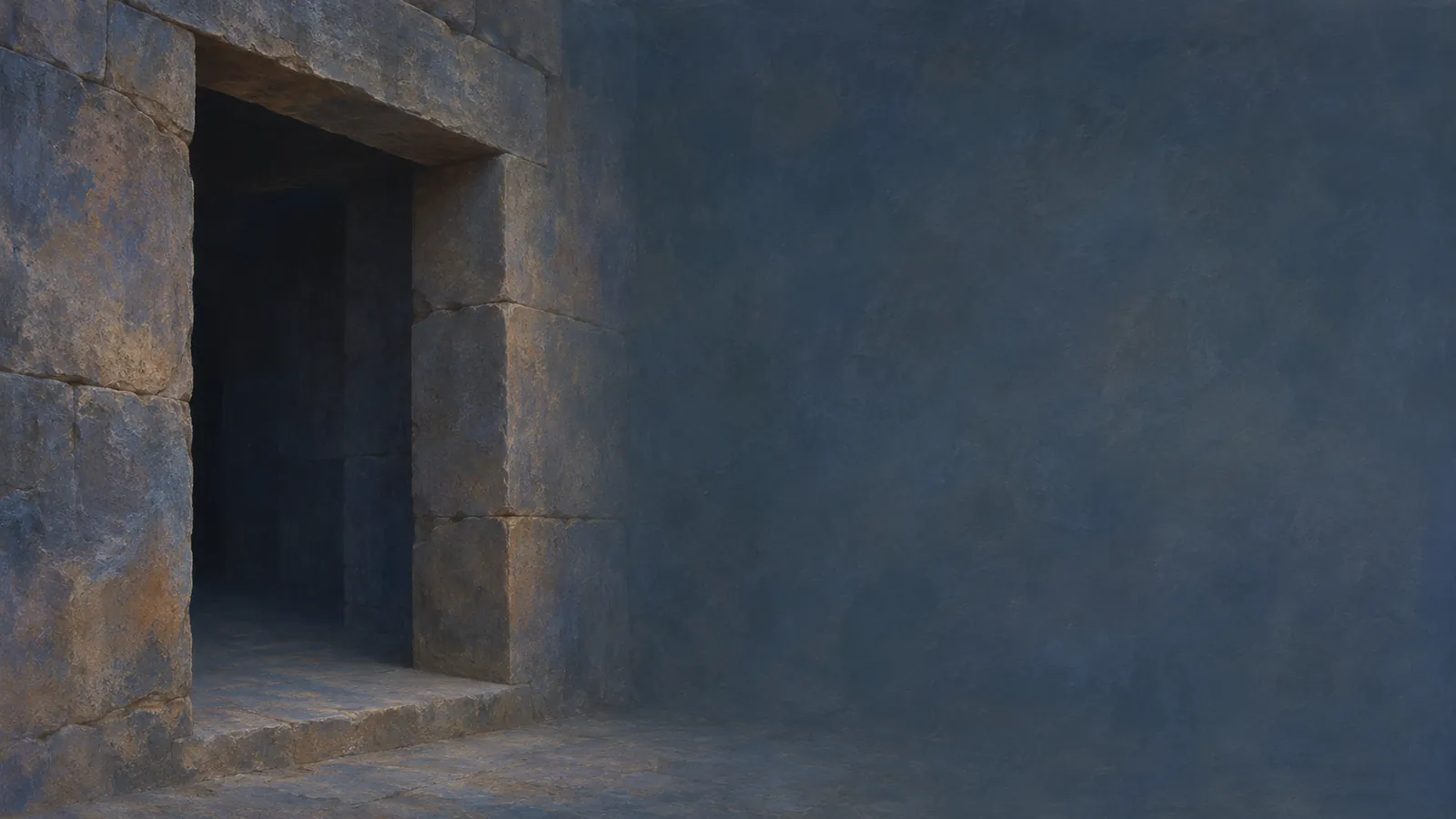
Vuelve a mencionarse al señor de Aratta, pero lo que sucede a su alrededor queda fragmentado. Luego faltan tres versos del texto conservado.
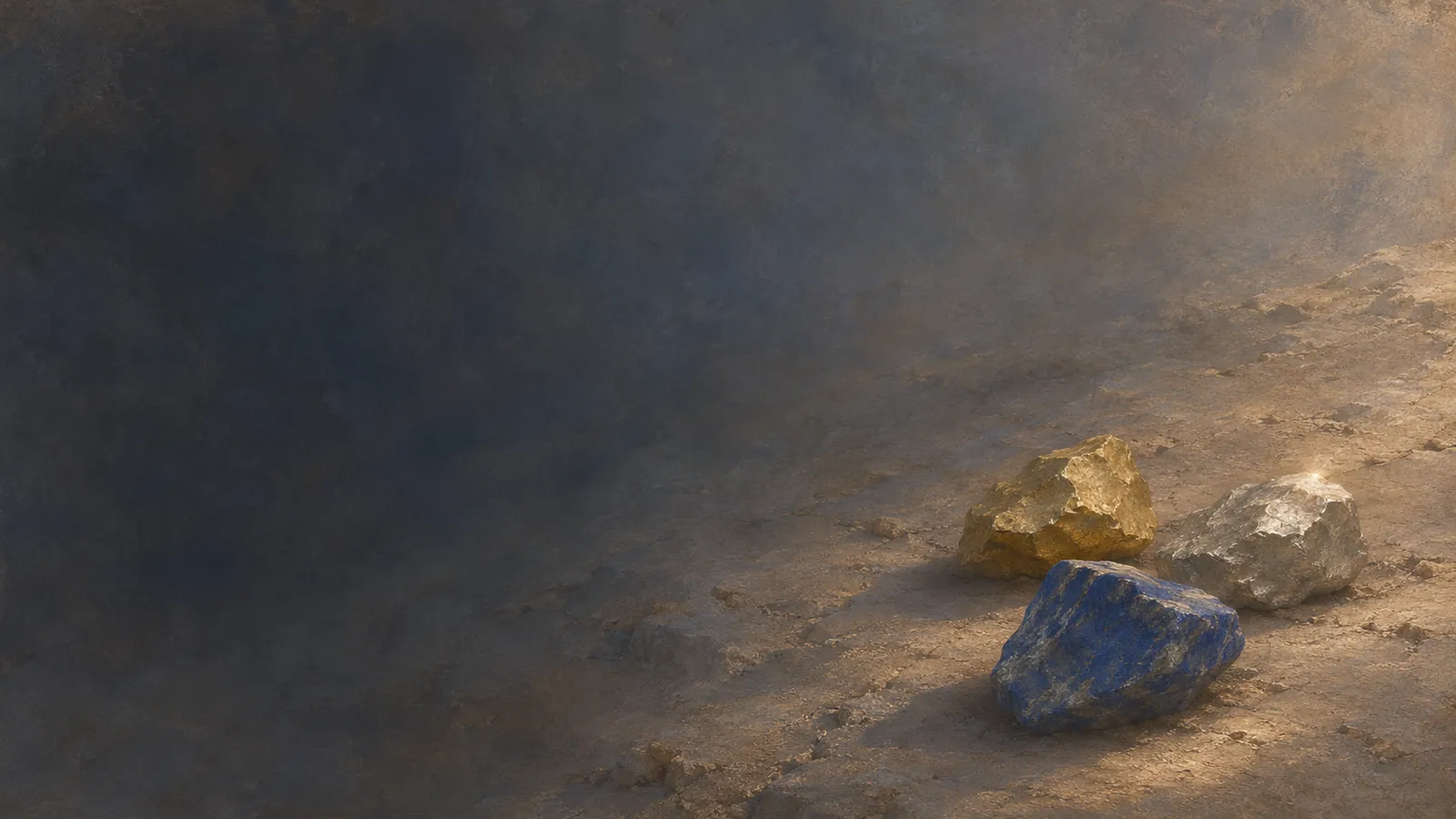
Una voz habla en los fragmentos, aunque no podemos decir de quién es. Se menciona a Enlil y el trabajo con oro, plata y lapislázuli.
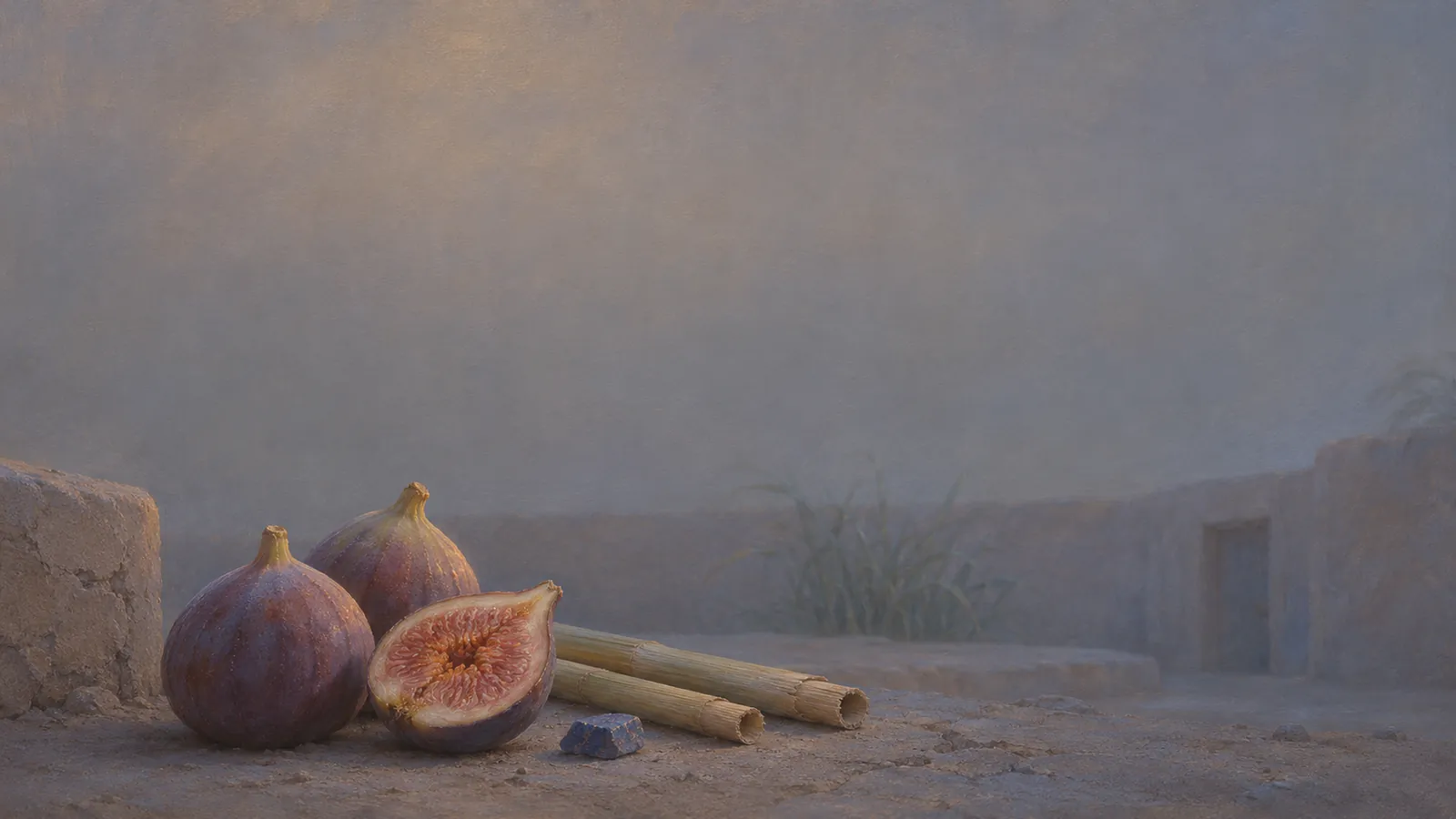
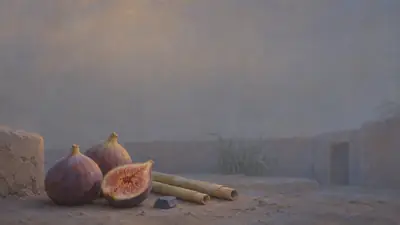
En los últimos versos aparecen frutos, cañas y lapislázuli. Aún se vislumbra el patio de E-ana, donde se pide que formen montones en honor a Inanna.
Entre las últimas palabras legibles quedan un ofrecimiento de consejo, una afirmación de realeza y el nombre de Geshtinanna.
LOS ÚLTIMOS VERSOS
Aquí se interrumpe el poema que nos ha llegado. Faltan unos seis versos y las palabras que quedan dejan sin aclarar el desenlace de la rivalidad.
Fin del capítulo 2
Todas las páginas



Fuentes
Ediciones consultadas
- Oxford ETCSL 1.8.2.3, translation, lines 308–636 and the final lacuna
- Oxford ETCSL 1.8.2.3, Sumerian composite and manuscript variants
- CDLI, written witnesses to the poem
- IL Archive, Enmerkar and the Lord of Aratta
- Metropolitan Museum of Art, administrative tablet from early Uruk
Los versos antiguos de cada página
- Page 1: ETCSL 1.8.2.3 308–311
- Page 2: ETCSL 1.8.2.3 312–316
One of the vessel names is damaged. - Page 3: ETCSL 1.8.2.3 317–322
The text mentions a tablet and stylus amid broken wording. - Page 4: ETCSL 1.8.2.3 323–326
- Page 5: ETCSL 1.8.2.3 327–329
The preceding plant phrase and the wording of the barley measure are uncertain. - Page 6: ETCSL 1.8.2.3 330–338
- Page 7: ETCSL 1.8.2.3 339–343
- Page 8: ETCSL 1.8.2.3 344–346
- Page 9: ETCSL 1.8.2.3 347–351
- Page 10: ETCSL 1.8.2.3 352–356
The exact wording of the barley measure is uncertain. - Page 11: ETCSL 1.8.2.3 357–362
- Page 12: ETCSL 1.8.2.3 363–370
Oxford marks two lines around the officials as unclear. Much of the nearby exchange is damaged. - Page 13: ETCSL 1.8.2.3 371–377
The speaker’s identity and what the elders offered are uncertain. - Page 14: ETCSL 1.8.2.3 378–388
- Page 15: ETCSL 1.8.2.3 389–396
The fasting person’s identity and some details of the exchange are uncertain. - Page 16: ETCSL 1.8.2.3 397–405
The surviving copies give different orders for some of the woods. - Page 17: ETCSL 1.8.2.3 406–411
- Page 18: ETCSL 1.8.2.3 412–421
- Page 19: ETCSL 1.8.2.3 422–426
The account of the work is damaged and leaves the substance and actions uncertain. - Page 20: ETCSL 1.8.2.3 427–432
The poem gives the sequence five years, then ten. The intended duration and the material of the resulting sceptre remain uncertain. - Page 21: ETCSL 1.8.2.3 433–440
The lines describing what happens to the sceptre on arrival are damaged. - Page 22: ETCSL 1.8.2.3 441–453
The lord’s words about Inanna report his own fear at this point in the poem. - Page 23: ETCSL 1.8.2.3 454–461
The expression and the significance of the colors remain uncertain. - Page 24: ETCSL 1.8.2.3 462–469
Several phrases around the messenger’s return are broken. - Page 25: ETCSL 1.8.2.3 470–478
- Page 26: ETCSL 1.8.2.3 479–487
- Page 27: ETCSL 1.8.2.3 488–499
Part of the threat and the following speech are damaged. - Page 28: ETCSL 1.8.2.3 500–502
- Page 29: ETCSL 1.8.2.3 503–506
Archaeological evidence for the beginnings of writing comes from other sources. - Page 30: ETCSL 1.8.2.3 507–514
The series of five, six and seven mountains repeats the poem’s travel formula. - Page 31: ETCSL 1.8.2.3 515–524
- Page 32: ETCSL 1.8.2.3 525–535
- Page 33: ETCSL 1.8.2.3 536–541
- Page 34: ETCSL 1.8.2.3 542–548
The description of the storm has several broken phrases. - Page 35: ETCSL 1.8.2.3 549–556
The granary phrase is damaged. - Page 36: ETCSL 1.8.2.3 557–562
- Page 37: ETCSL 1.8.2.3 563–576
Part of the nearby summons is damaged. - Page 38: ETCSL 1.8.2.3 577–583
Four lines after the champion’s arrival are unclear. An outcome for the contest does not survive in the text. - Page 39: ETCSL 1.8.2.3 584–587
The text mentions the song without preserving its words here. - Page 40: ETCSL 1.8.2.3 588–594
Oxford’s translation leaves the woman unnamed. Her identity is uncertain. - Page 41: ETCSL 1.8.2.3 595–602
- Page 42: ETCSL 1.8.2.3 603–610
Three lines numbered 608–610 are missing in the Oxford composite. - Page 43: ETCSL 1.8.2.3 611–619
- Page 44: ETCSL 1.8.2.3 620–625
The wording is fragmentary around the materials, their preparation and the heaps. - Page 45: ETCSL 1.8.2.3 626–636
Several phrases in the last surviving passage are broken. The speaker’s identity remains uncertain. - Page 46: ETCSL 1.8.2.3, final lacuna after 636
Oxford marks about six lines missing after line 636.
Ilustraciones hechas por IL Archive con herramientas de IA; el texto se basa en las fuentes antiguas (véanse las fuentes al final de cada capítulo).