La epopeya de Gilgamesh Capítulo 1
El rey y el hombre salvaje
El poder sin freno de Gilgamesh provoca las quejas de Uruk. Fuera de la ciudad, Shamhat guía a Enkidu hacia la vida entre los seres humanos. Los dos hombres forcejean en un umbral disputado y luego se hacen amigos. A lo lejos, el Bosque de los Cedros anuncia lo que vendrá.
Ver la películaFuentesPase las páginas con las flechas, el teclado o deslizando el dedo.
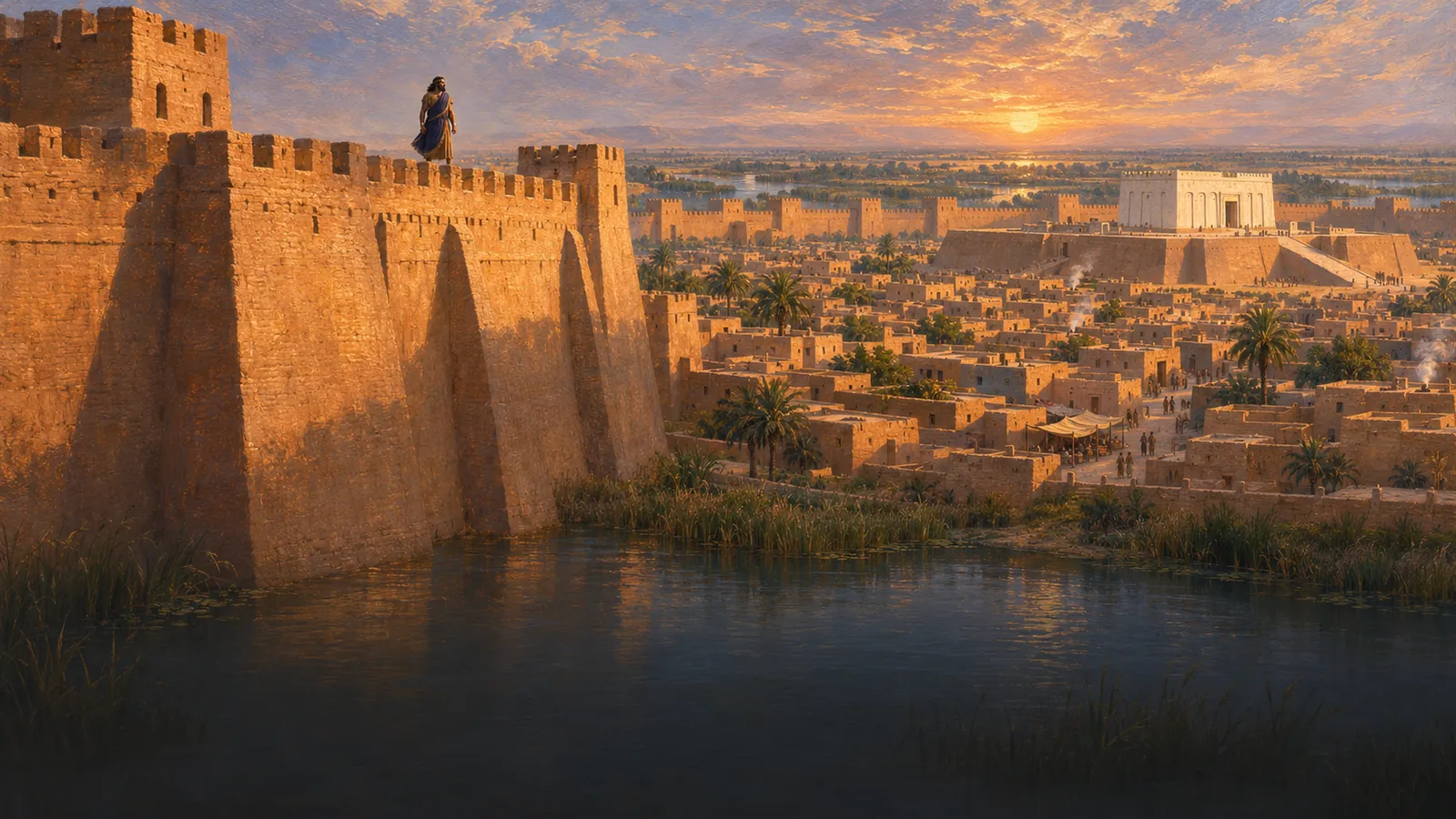
URUK
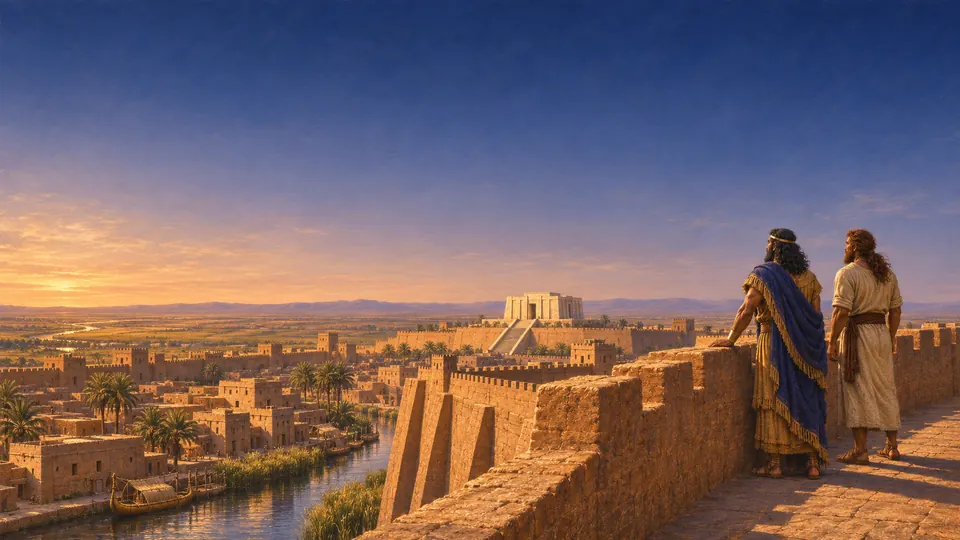
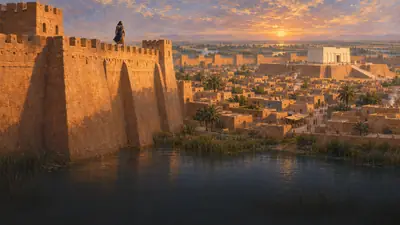
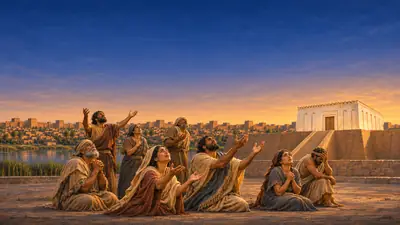
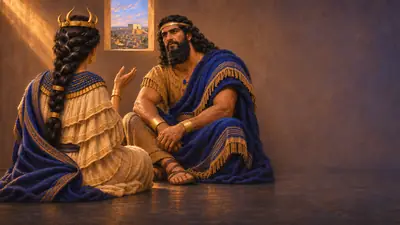
Hace mucho tiempo, tras las grandes murallas de Uruk, vivía un rey llamado Gilgamesh. Su fuerza era célebre. Pero en su ciudad, la gente apenas conocía la paz.
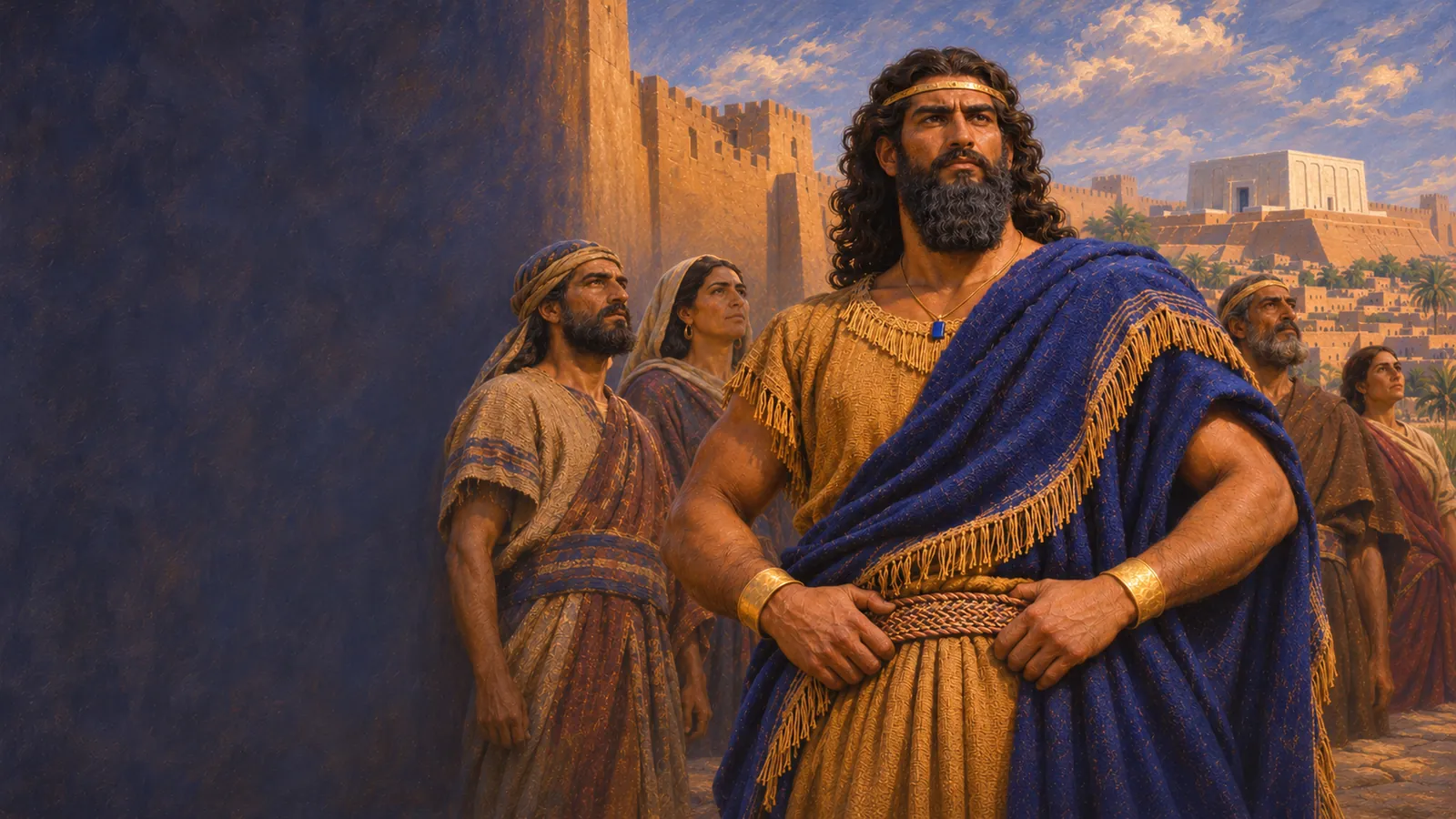
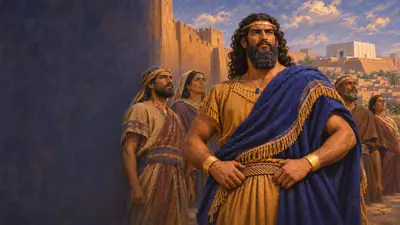
Gilgamesh aventajaba a los demás reyes en poder y porte. En Uruk, nadie podía igualarlo. Se movía como un toro salvaje al que nadie podía contener.
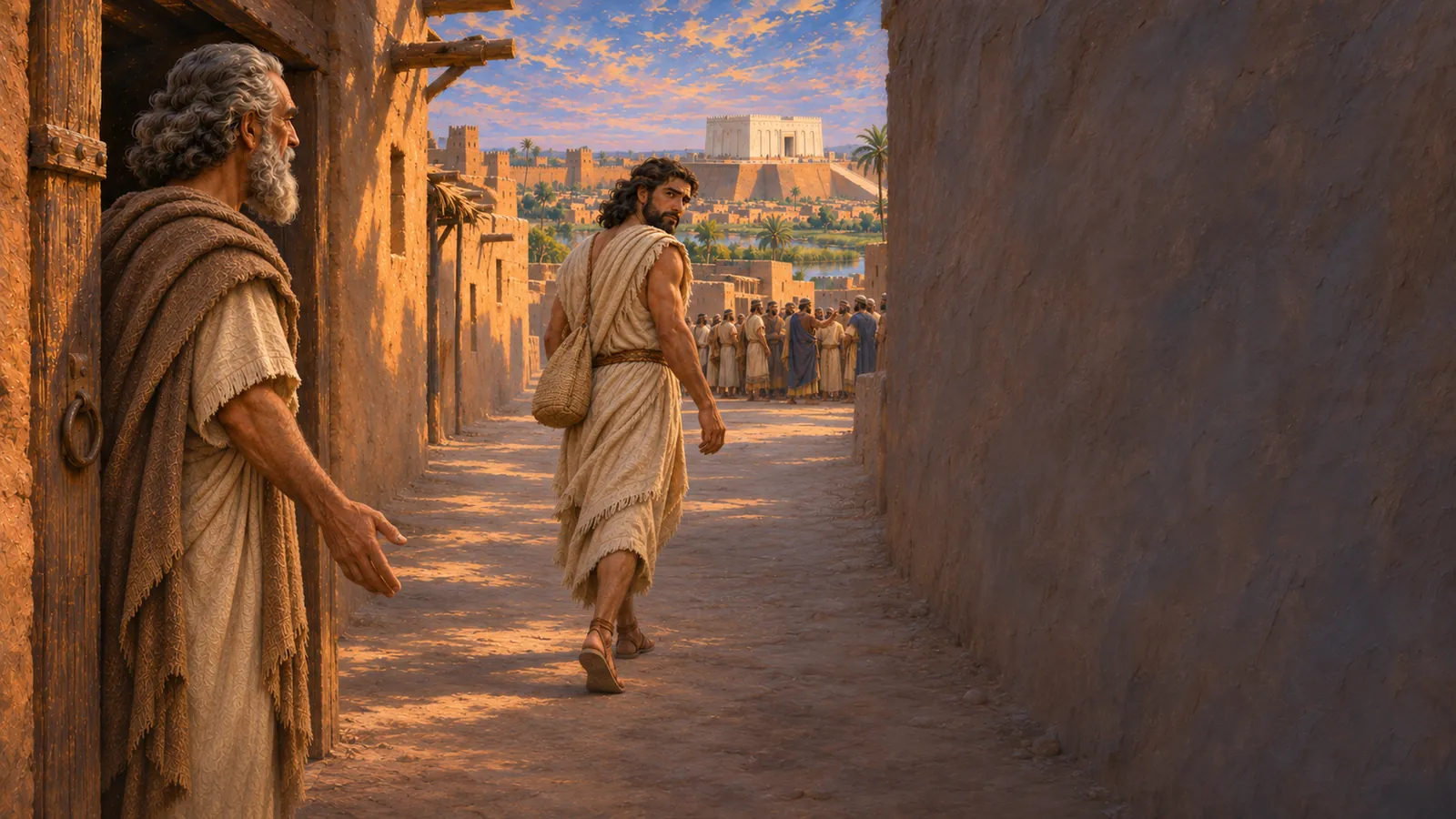
Día y noche, la arrogancia del rey pesaba sobre la ciudad. Los jóvenes no tenían descanso, y a los hijos no se les dejaba volver libremente con sus padres.
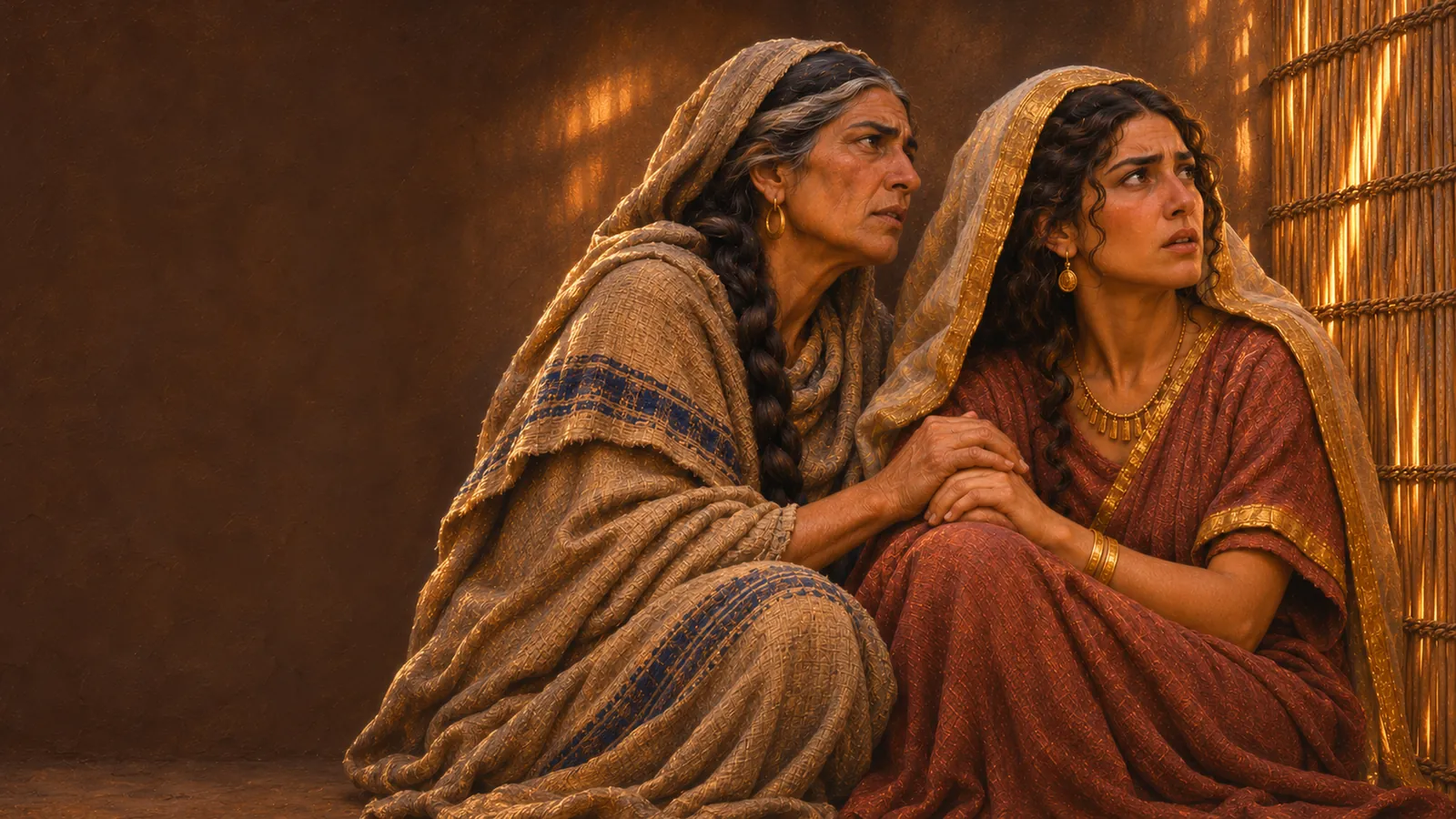
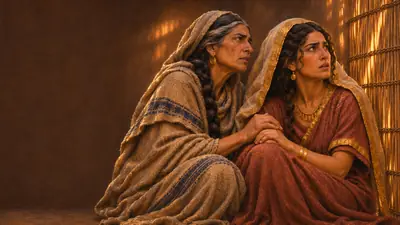
La queja llegó a los hogares de Uruk. No se dejaba a las hijas con sus madres ni a las novias con sus esposos. El poder del rey trajo sufrimiento donde debía haber paz.
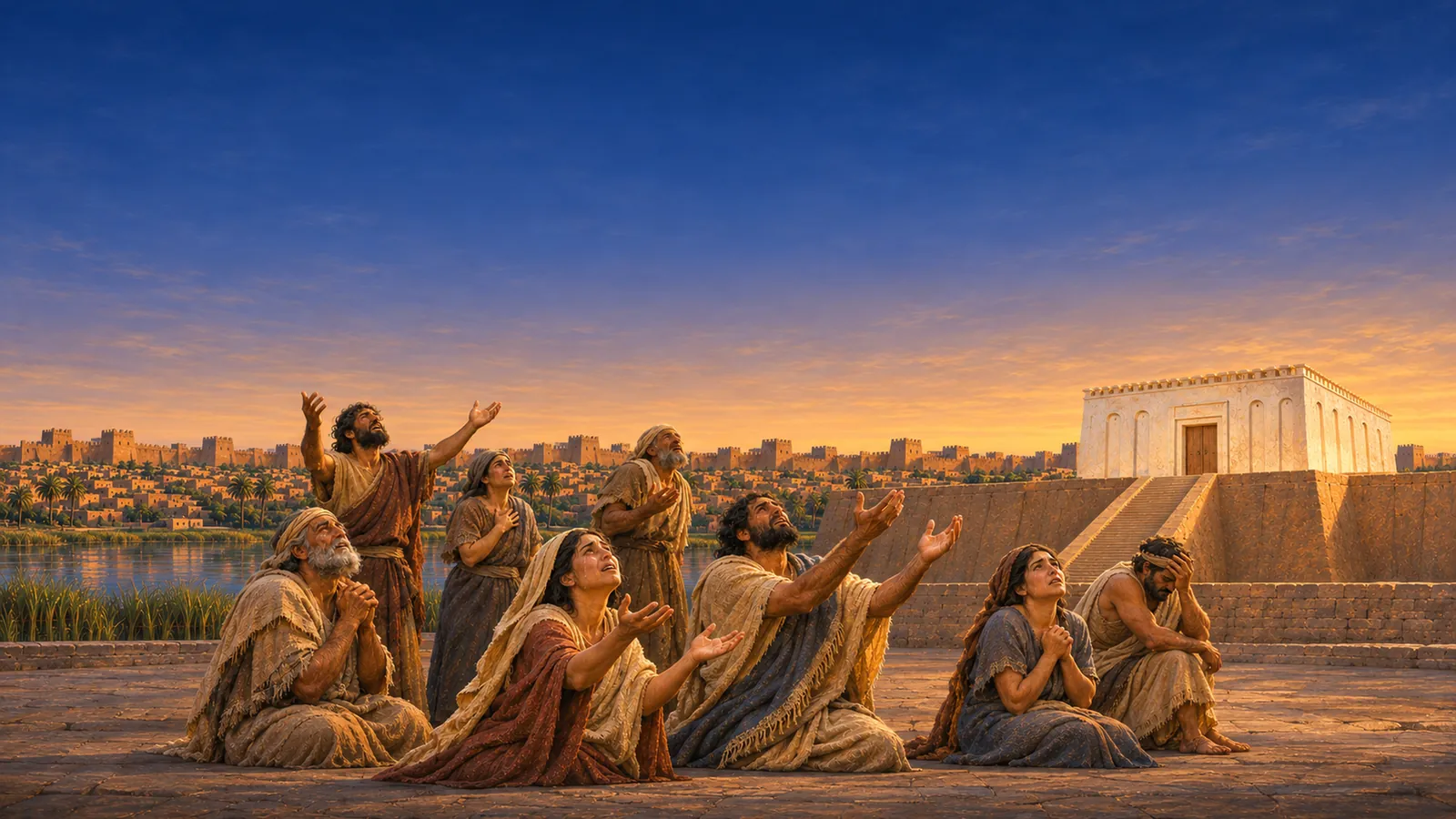
EL CLAMOR
Al fin, la queja del pueblo llegó a los dioses. Supieron lo que ocurría en Uruk. Un rey poderoso se había convertido en una carga para aquellos a quienes debía cuidar.
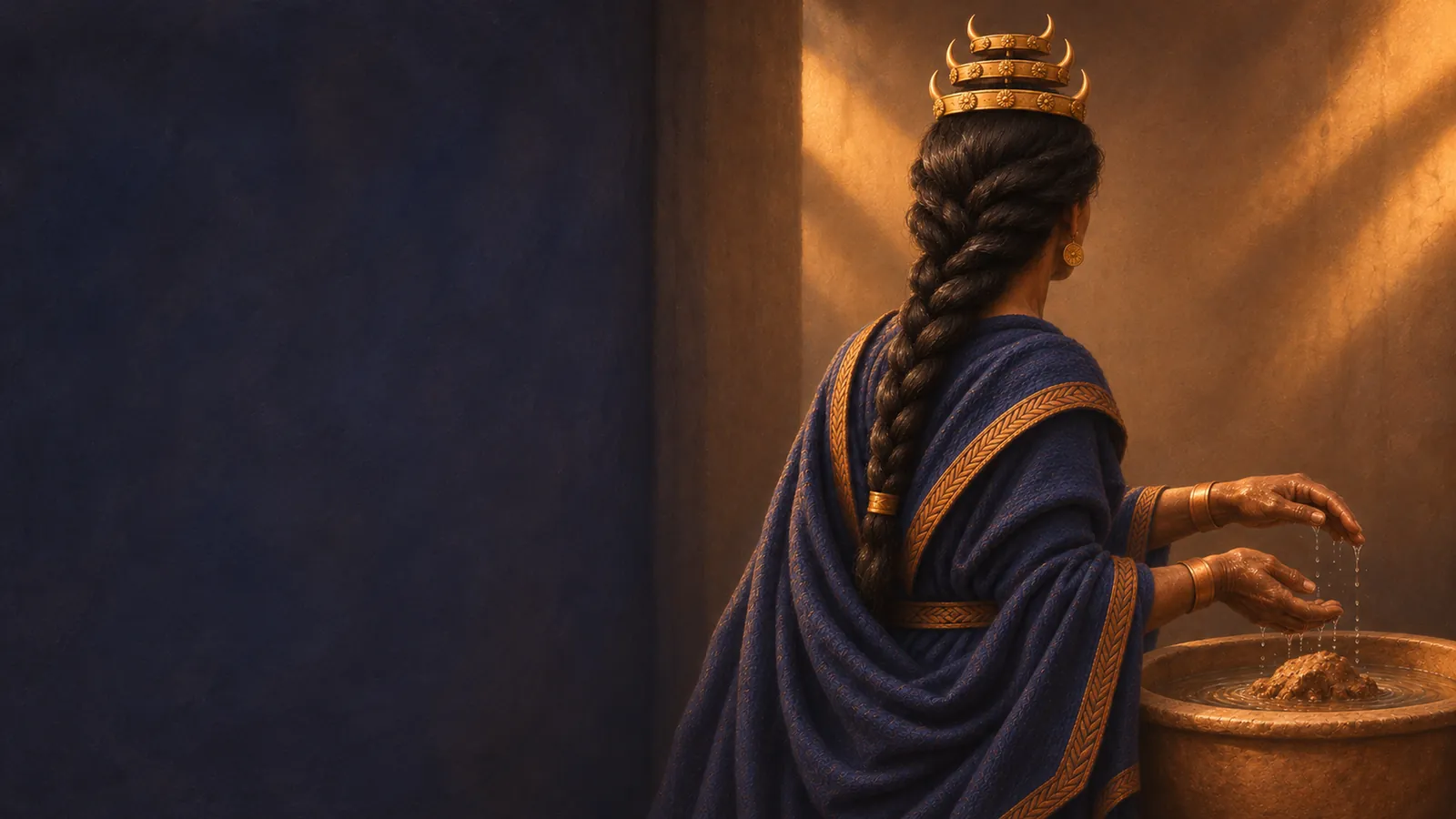
Así que mandaron llamar a Aruru. Debía crear a alguien capaz de oponer su propia fuerza a la de Gilgamesh. Que los dos se midieran y que la ciudad descansara.
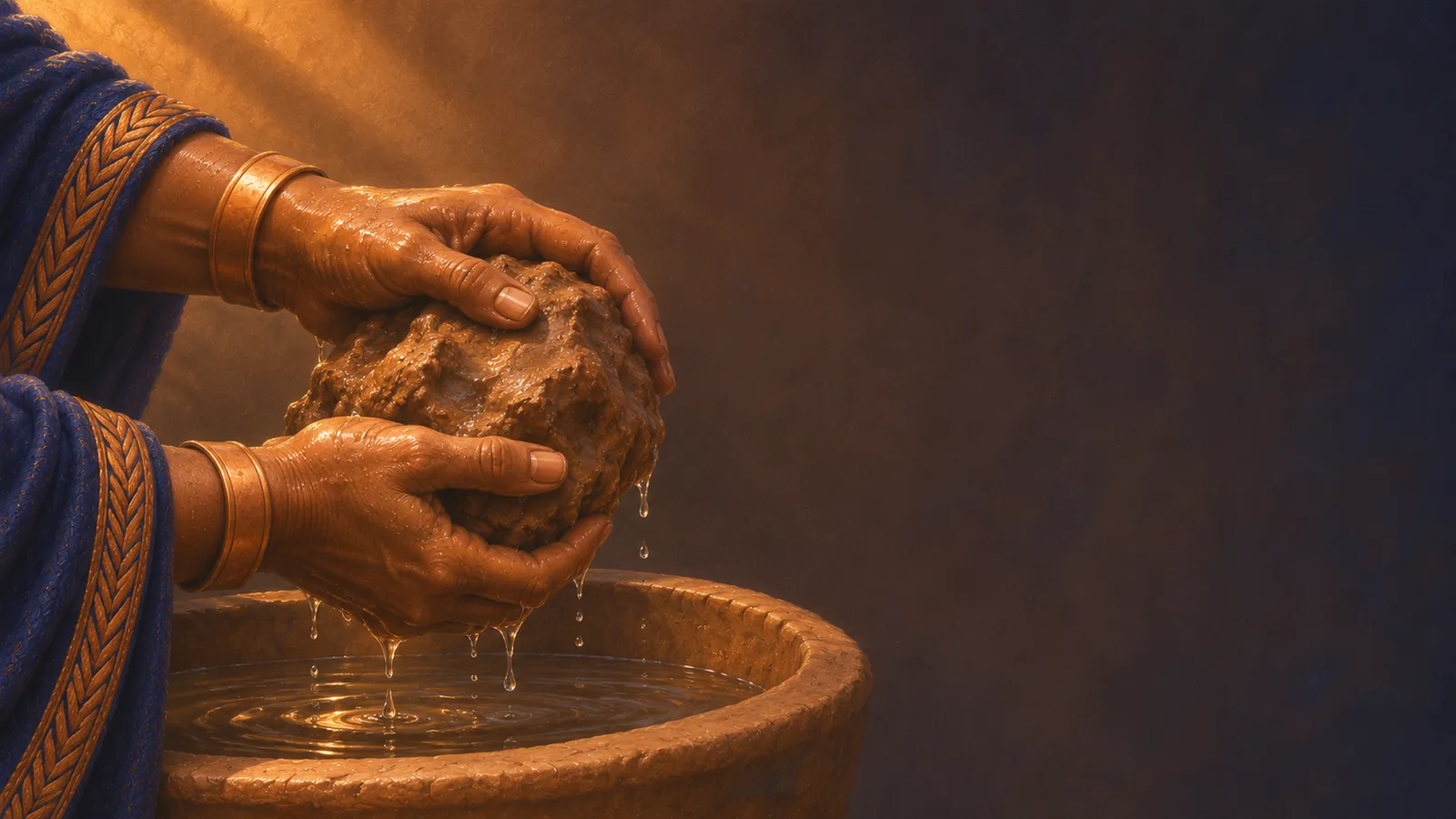
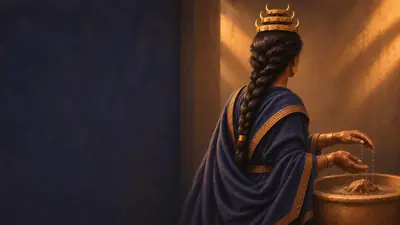
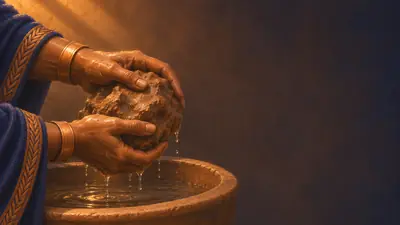
Aruru se lavó las manos y tomó un poco de arcilla. La arrojó en un paraje agreste. Allí, lejos de las calles y las casas de la ciudad, comenzó su creación.
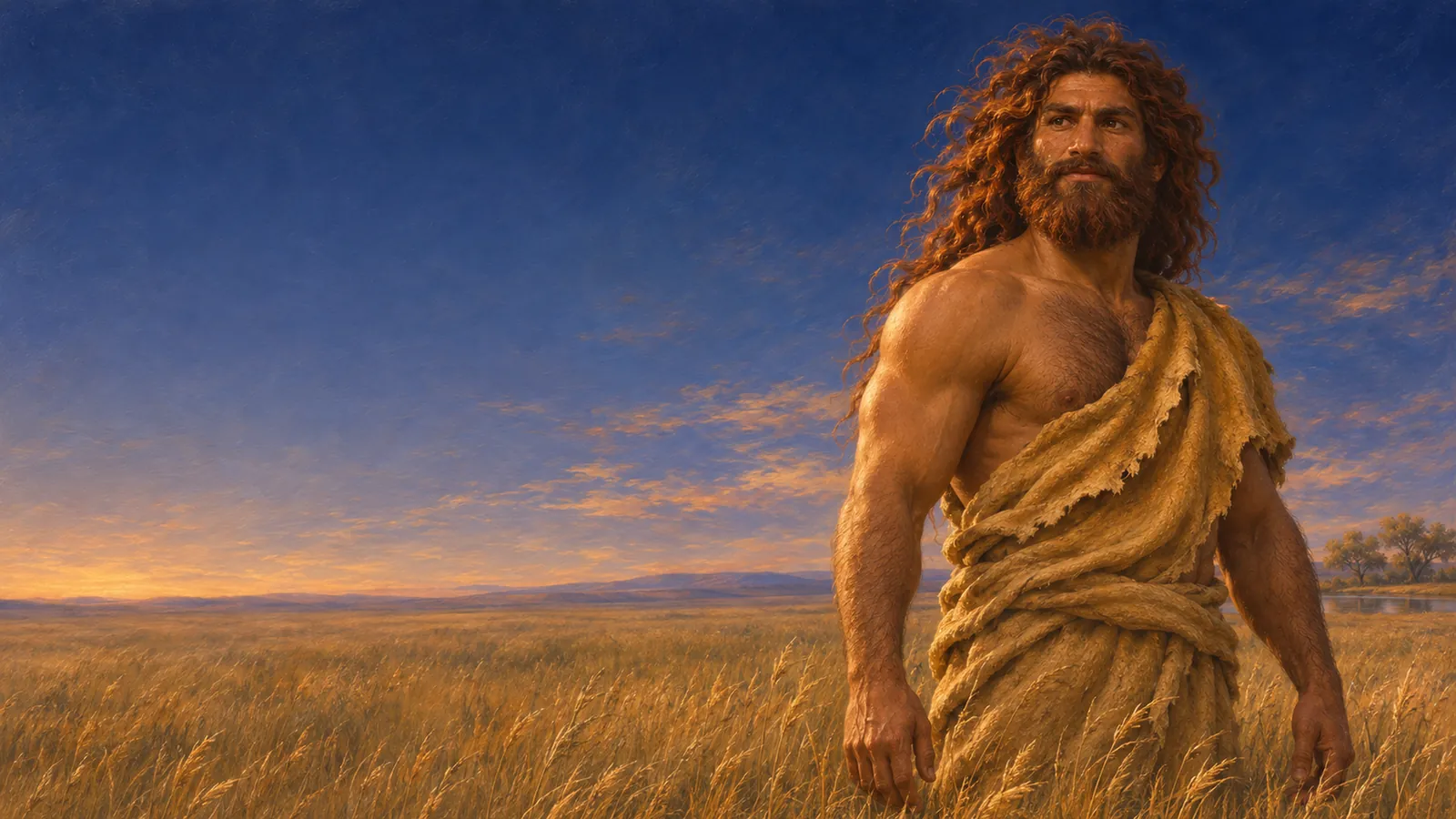
ENKIDU
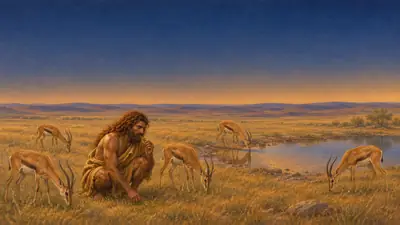
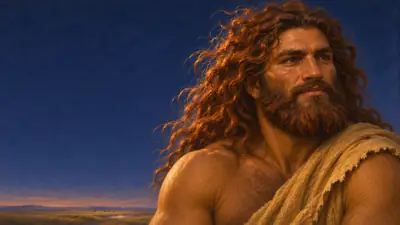
En aquel paraje salvaje, Aruru creó a Enkidu. Su cuerpo era fuerte y estaba cubierto de vello, y le caían largos mechones alrededor. Aún no sabía nada de las ciudades ni de las costumbres de sus gentes.
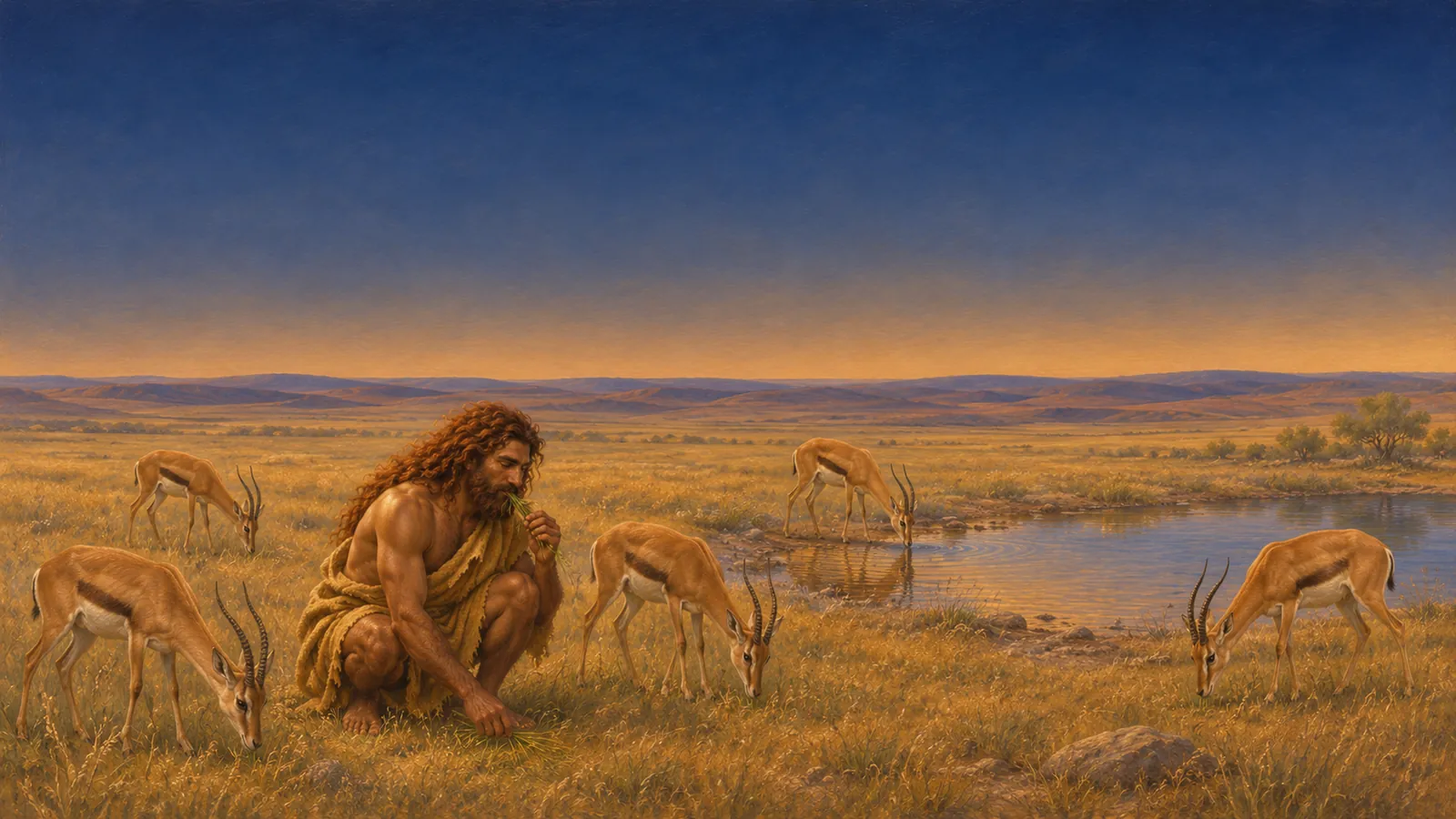
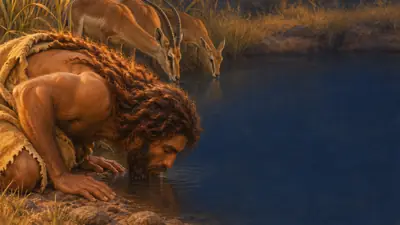
Enkidu vivía entre los animales. Pastaba con las gacelas y vagaba por donde iban las manadas. El mundo que conocía era la estepa abierta.
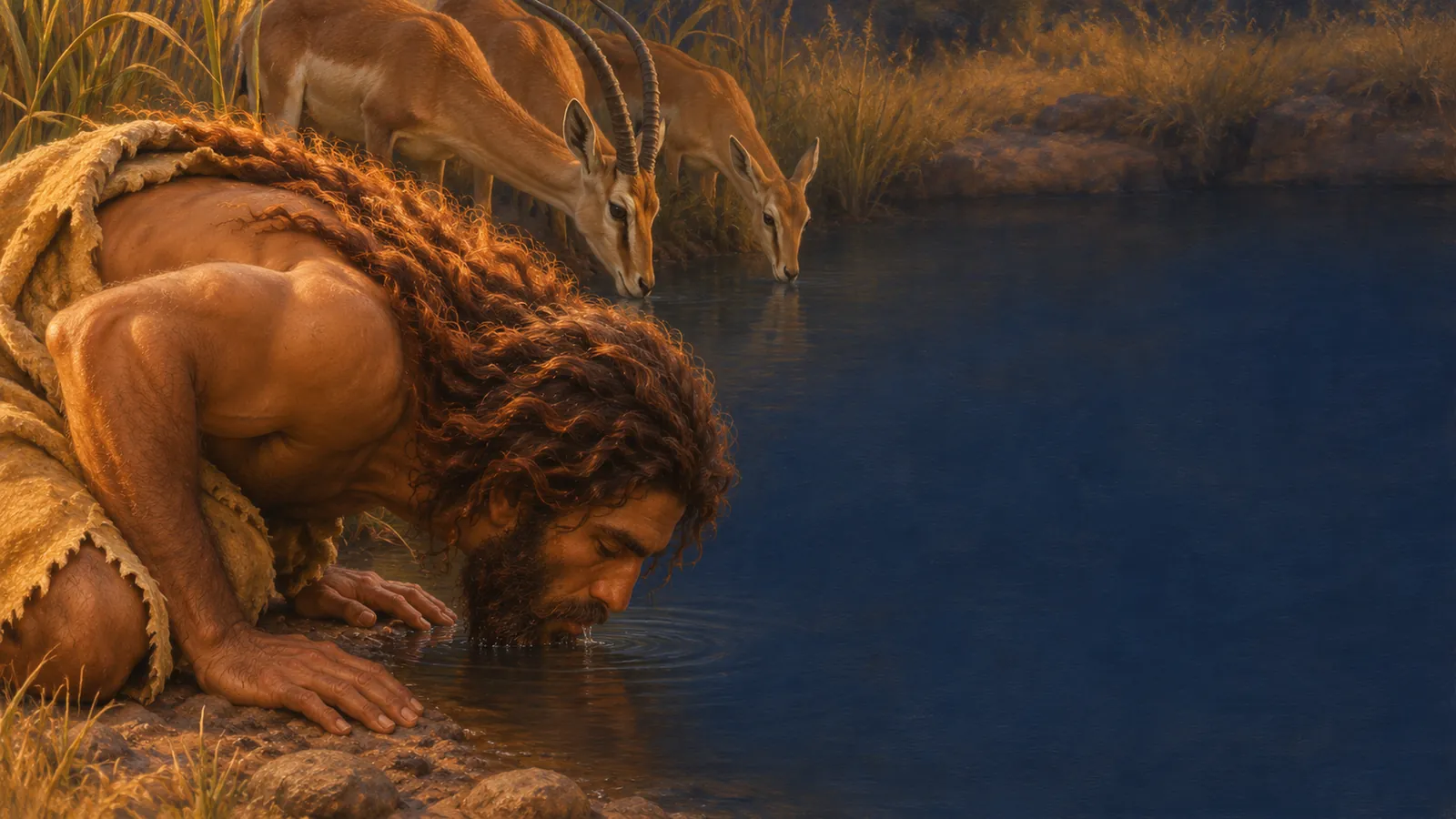
Cuando los animales acudían a beber, Enkidu iba con ellos. En el abrevadero se reunía con los demás, bien cerca de la manada, y disfrutaba del agua.
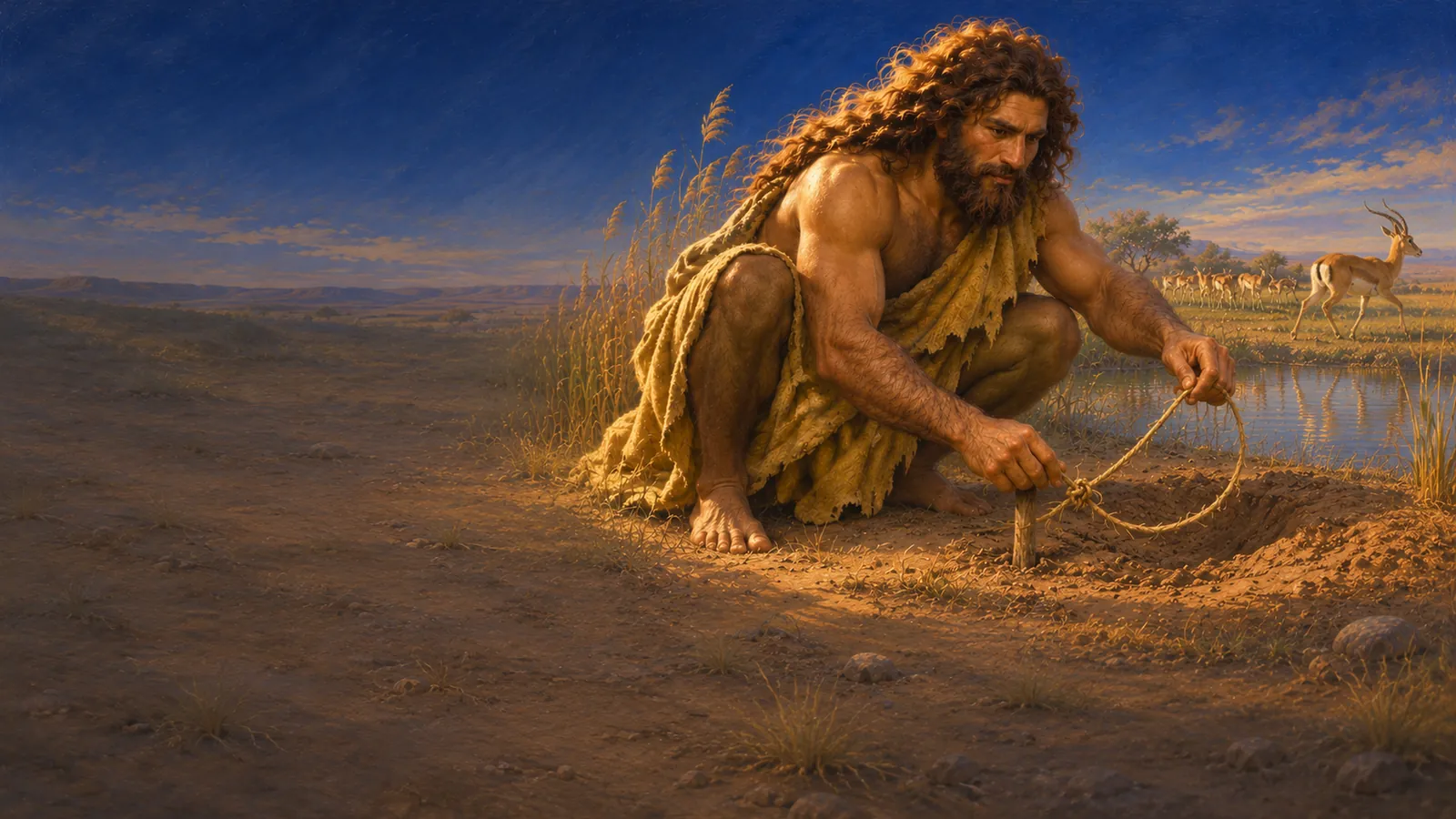
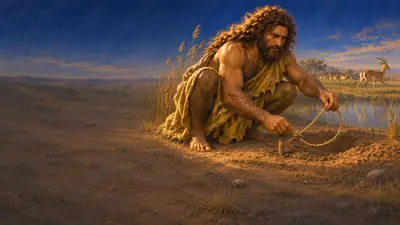
Pero el trabajo de un trampero se echaba a perder. Enkidu rellenaba los hoyos y arrancaba los lazos, dejando libres a los animales que el cazador esperaba atrapar.
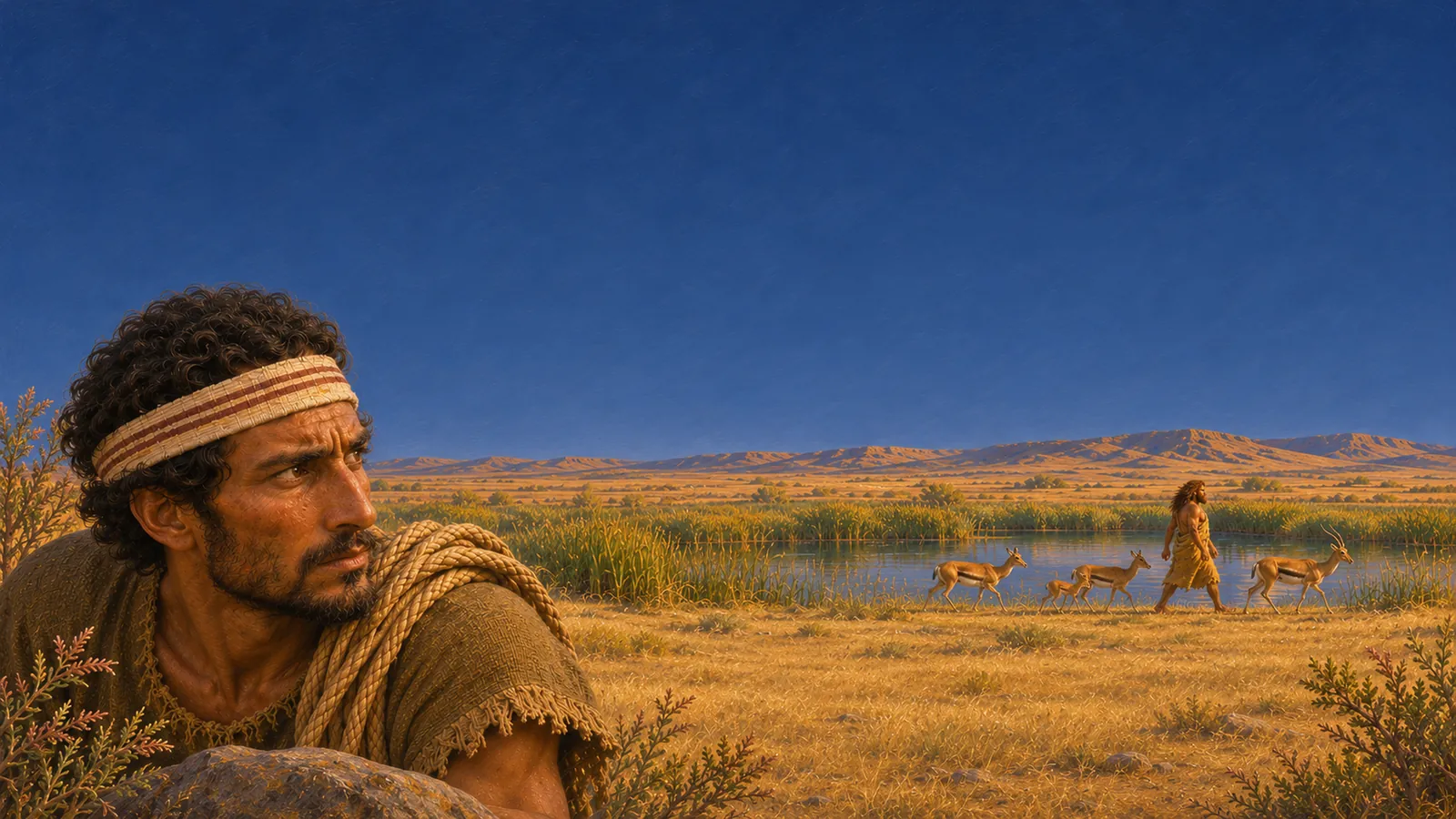
Entonces el trampero se encontró cara a cara con Enkidu en el abrevadero. La visión lo turbó hondamente. Volvió a casa callado e inquieto, sin poder seguir como antes.
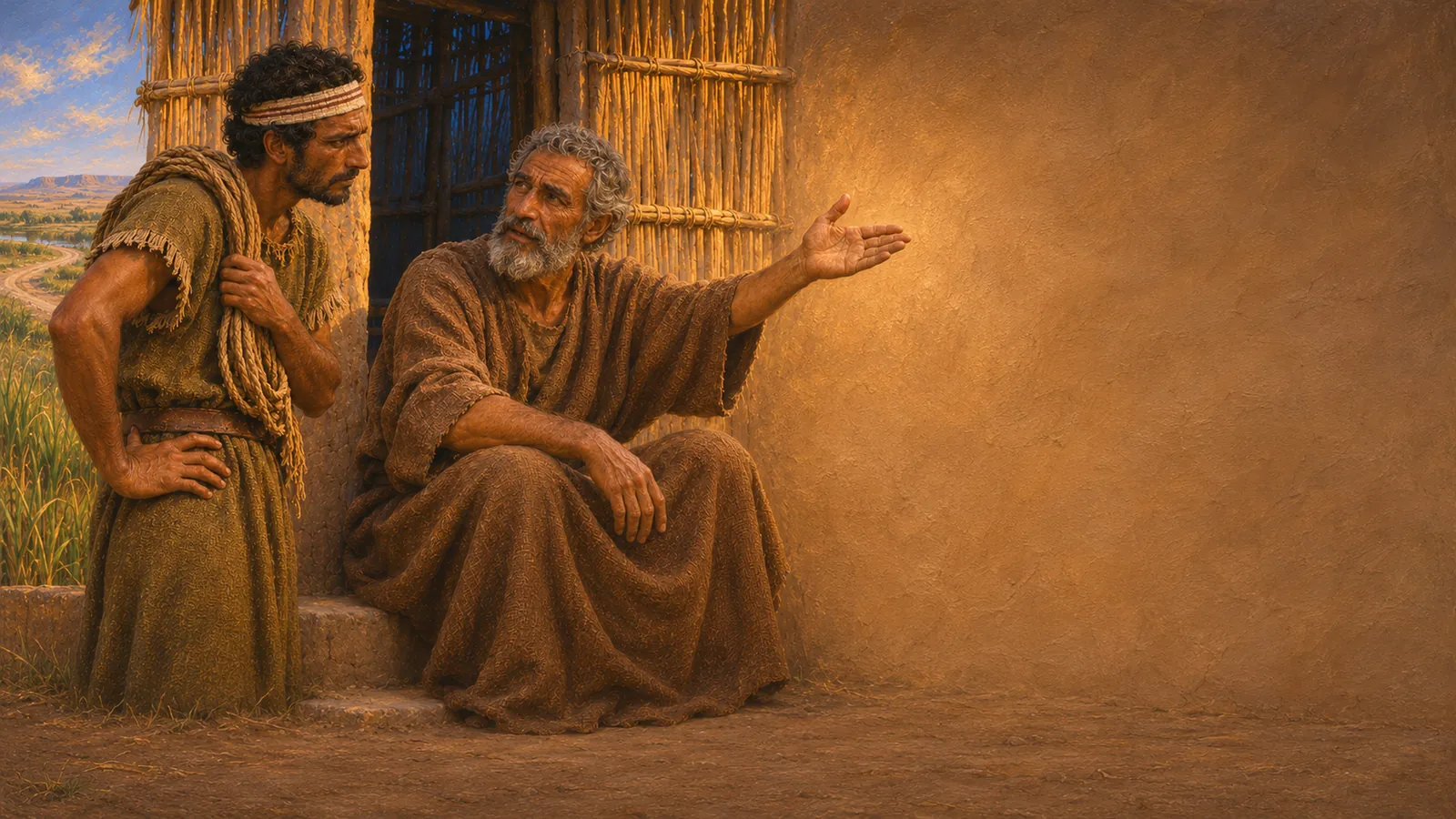
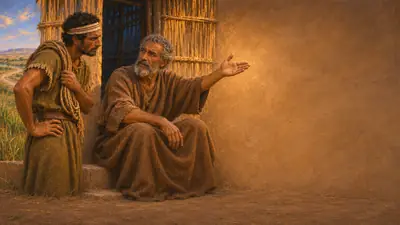
El trampero le habló a su padre del forastero poderoso y de las trampas destrozadas. Su padre lo envió a Uruk, donde podría pedir ayuda al rey Gilgamesh.
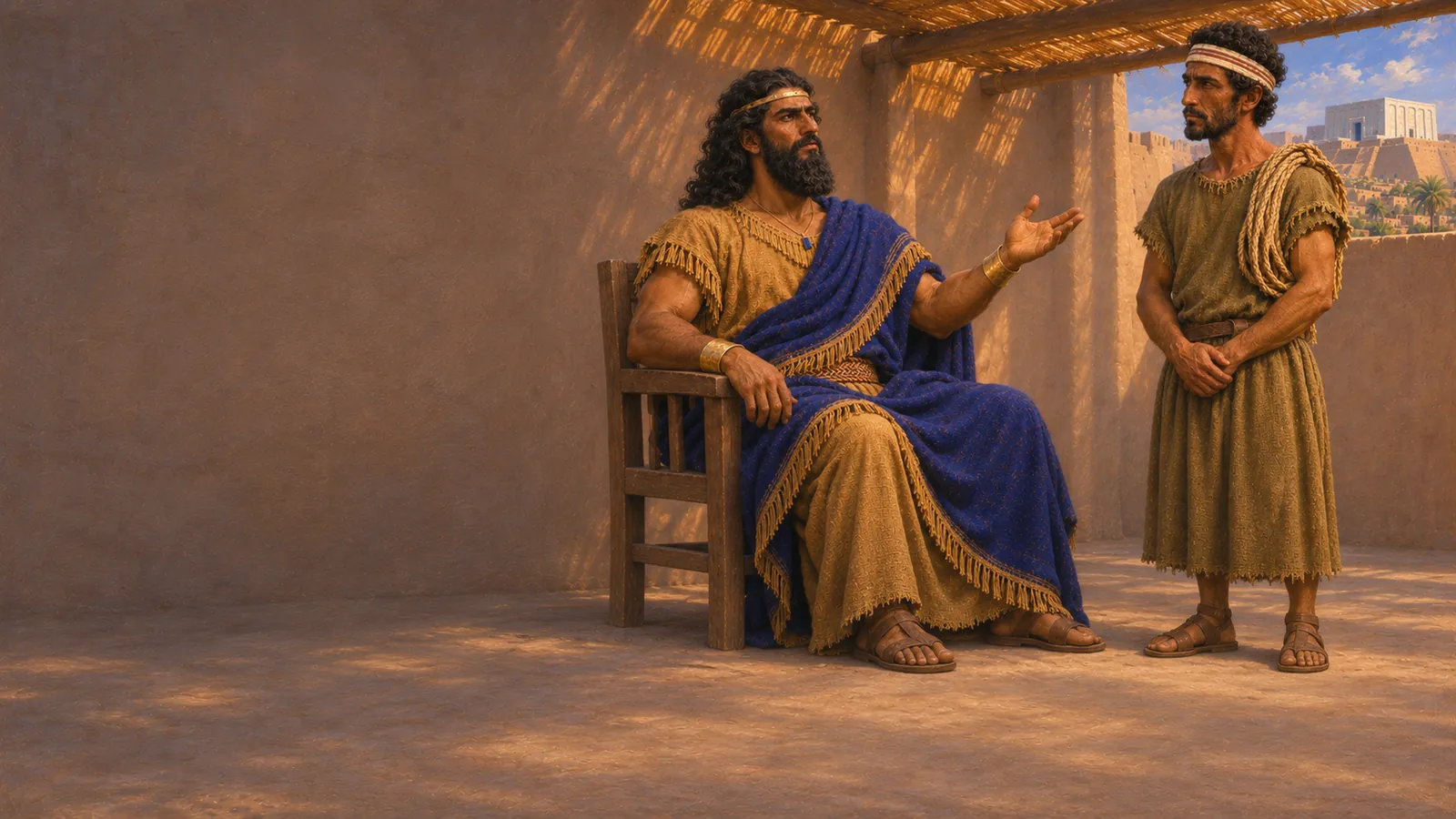
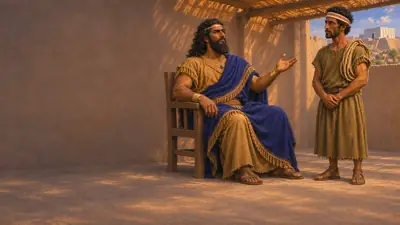
El rey escuchó el relato del trampero. Le dijo que llevara a Shamhat, una prostituta, al abrevadero. El forastero se acercaría a ella, y la manada se apartaría de él.
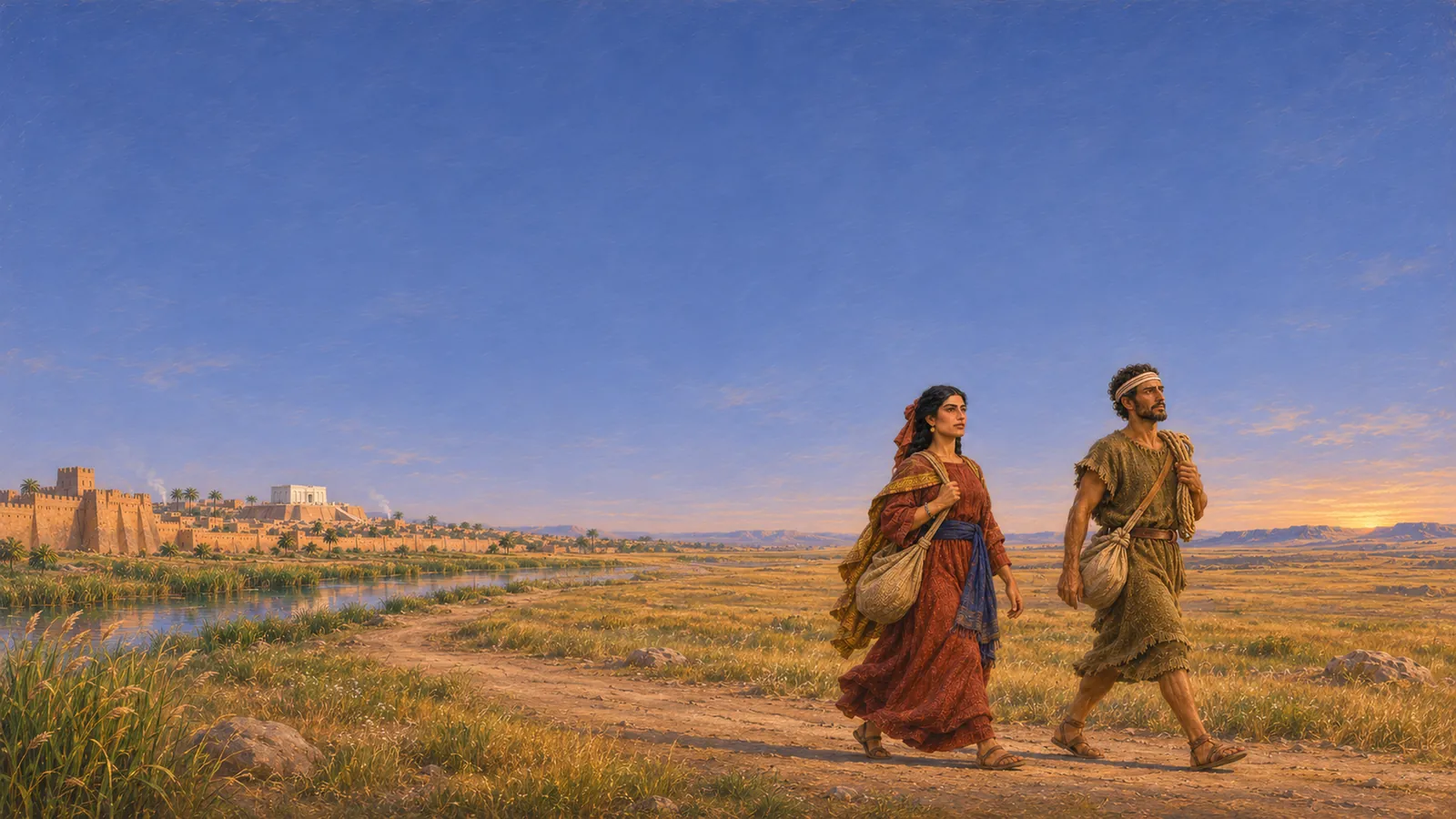
SHAMHAT
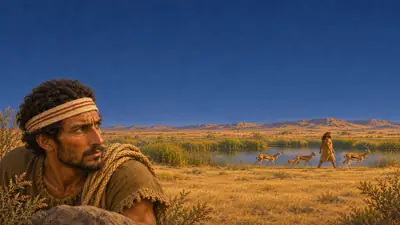
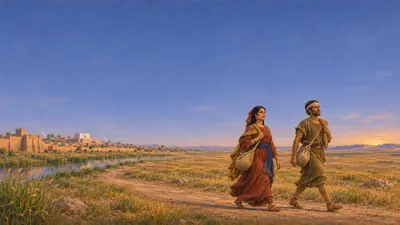
El trampero volvió a ponerse en marcha, esta vez con Shamhat. Siguieron el camino por campo abierto, hacia el abrevadero donde se reunían Enkidu y los animales.
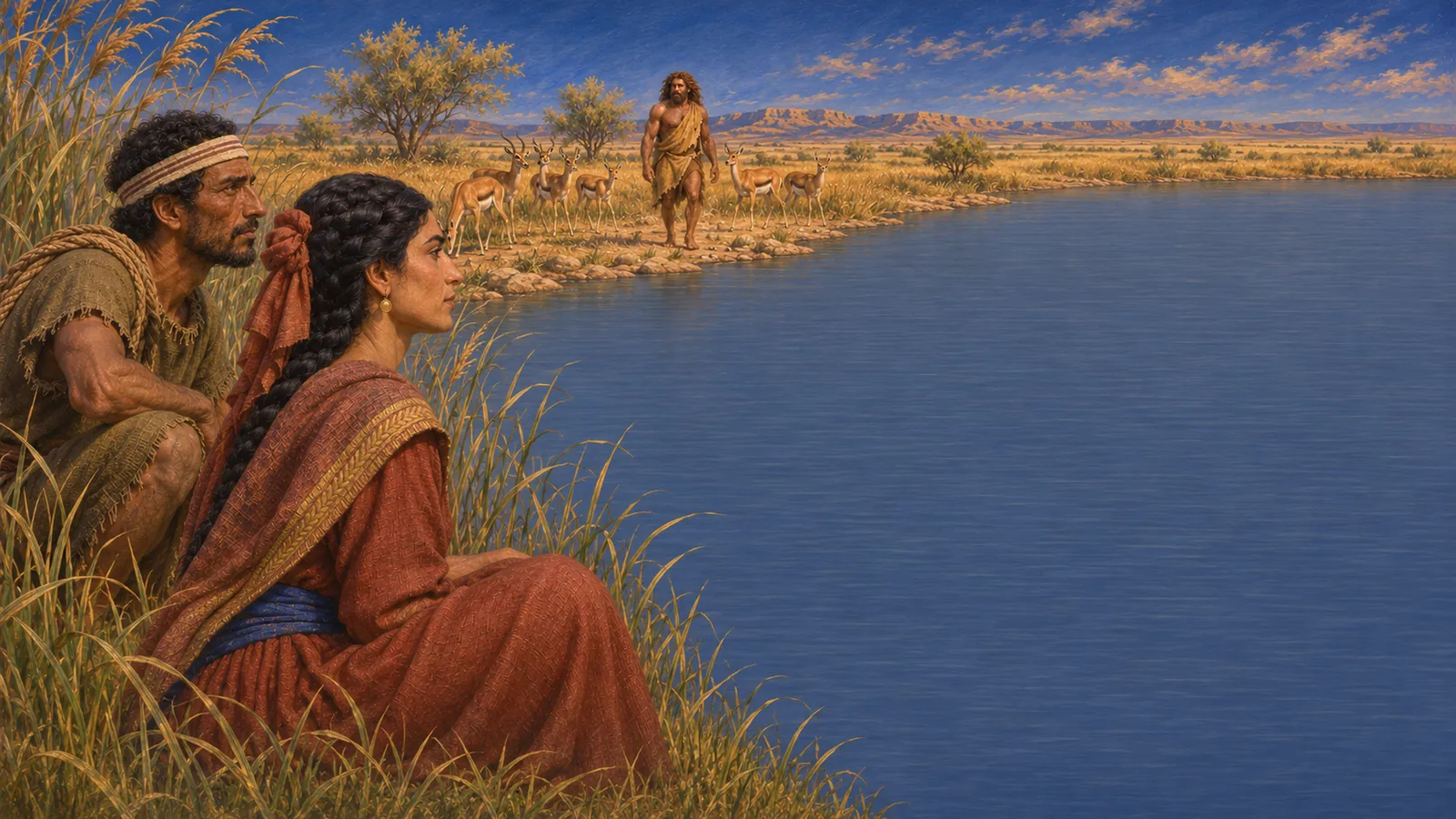
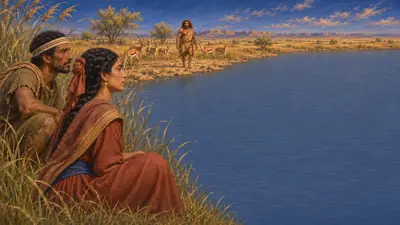
Se sentaron a esperar junto al agua. Pasó un día, y luego otro. Entonces los animales llegaron a beber, y Enkidu venía entre ellos.
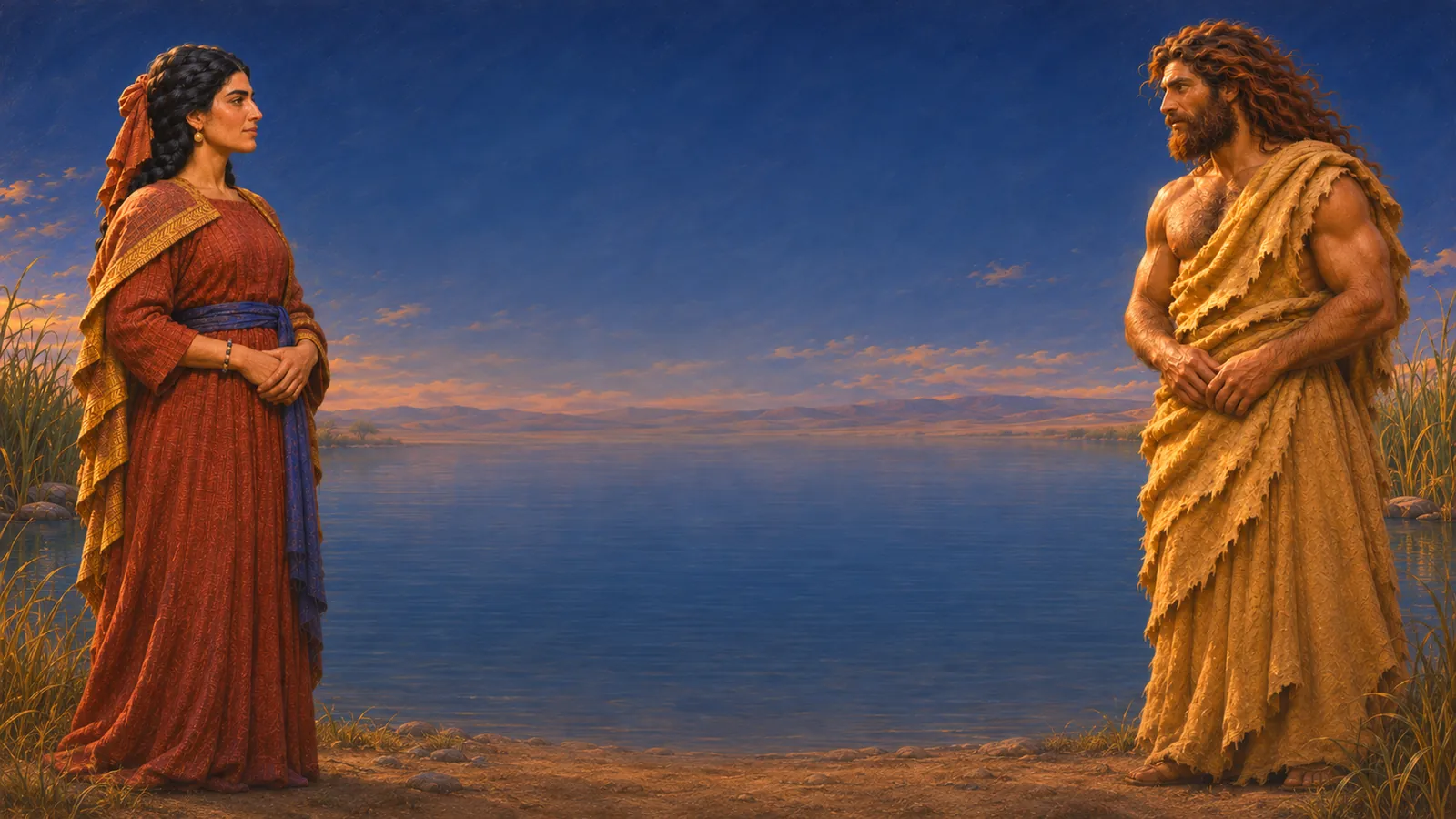
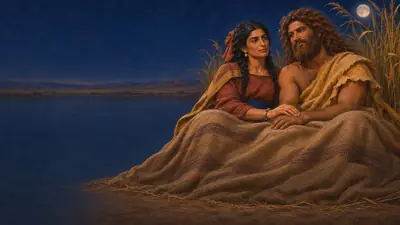
Shamhat vio al hombre que había crecido en tierras salvajes. No mostró temor. Enkidu se acercó a ella, atraído por una cercanía distinta de la compañía de la manada.
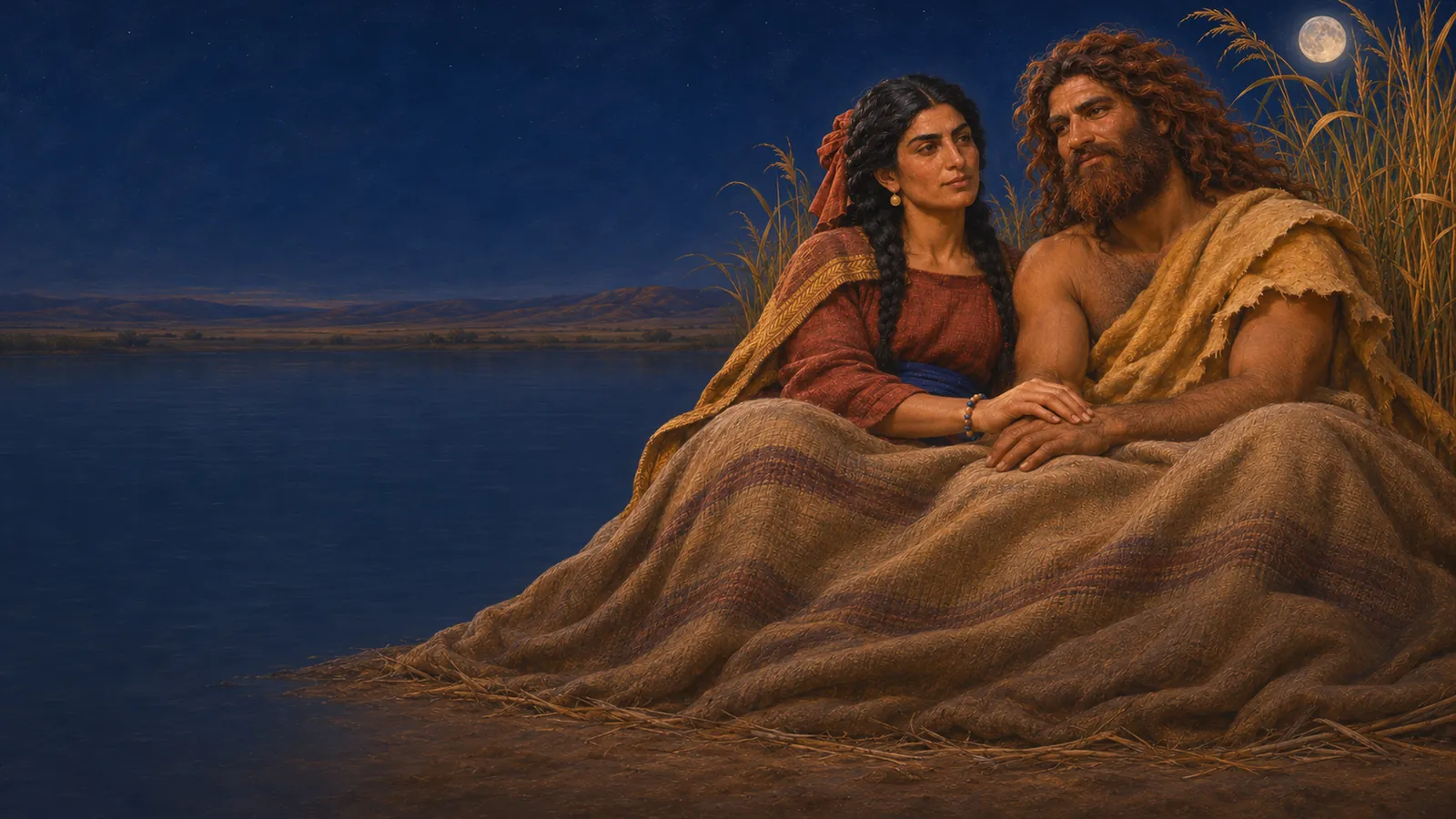
Durante seis días y siete noches, Enkidu y Shamhat compartieron su intimidad. Al fin, se volvió de nuevo hacia los animales, hacia la manada con la que había vivido.
LA SEPARACIÓN
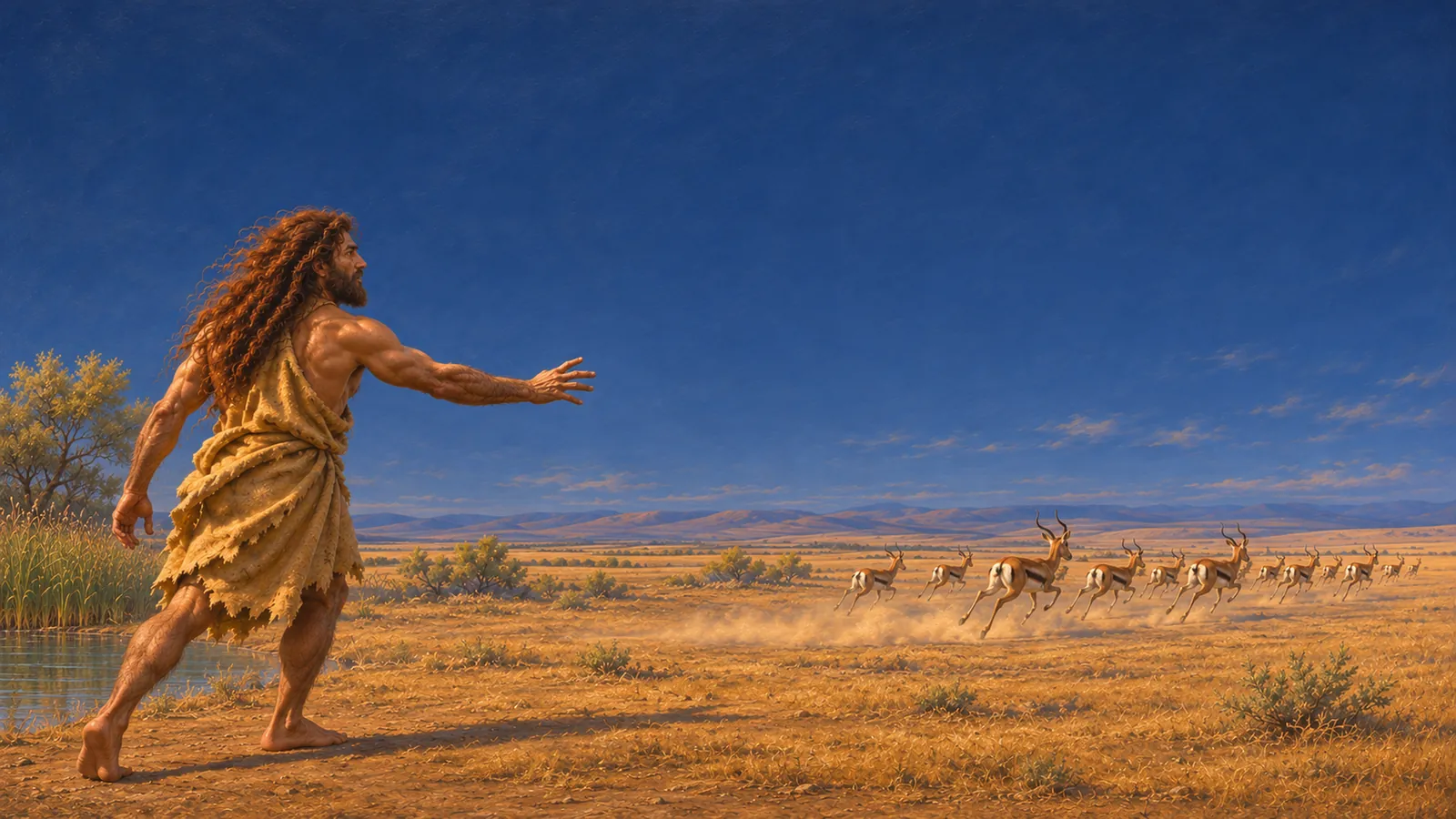
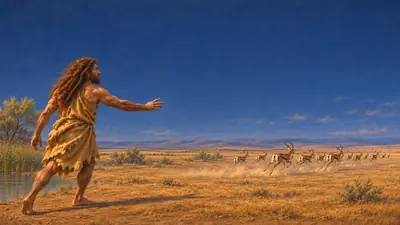
Pero las gacelas huyeron al ver a Enkidu. Los animales salvajes se apartaron de él. La manada junto a la que había vivido ya no se quedaba cerca.
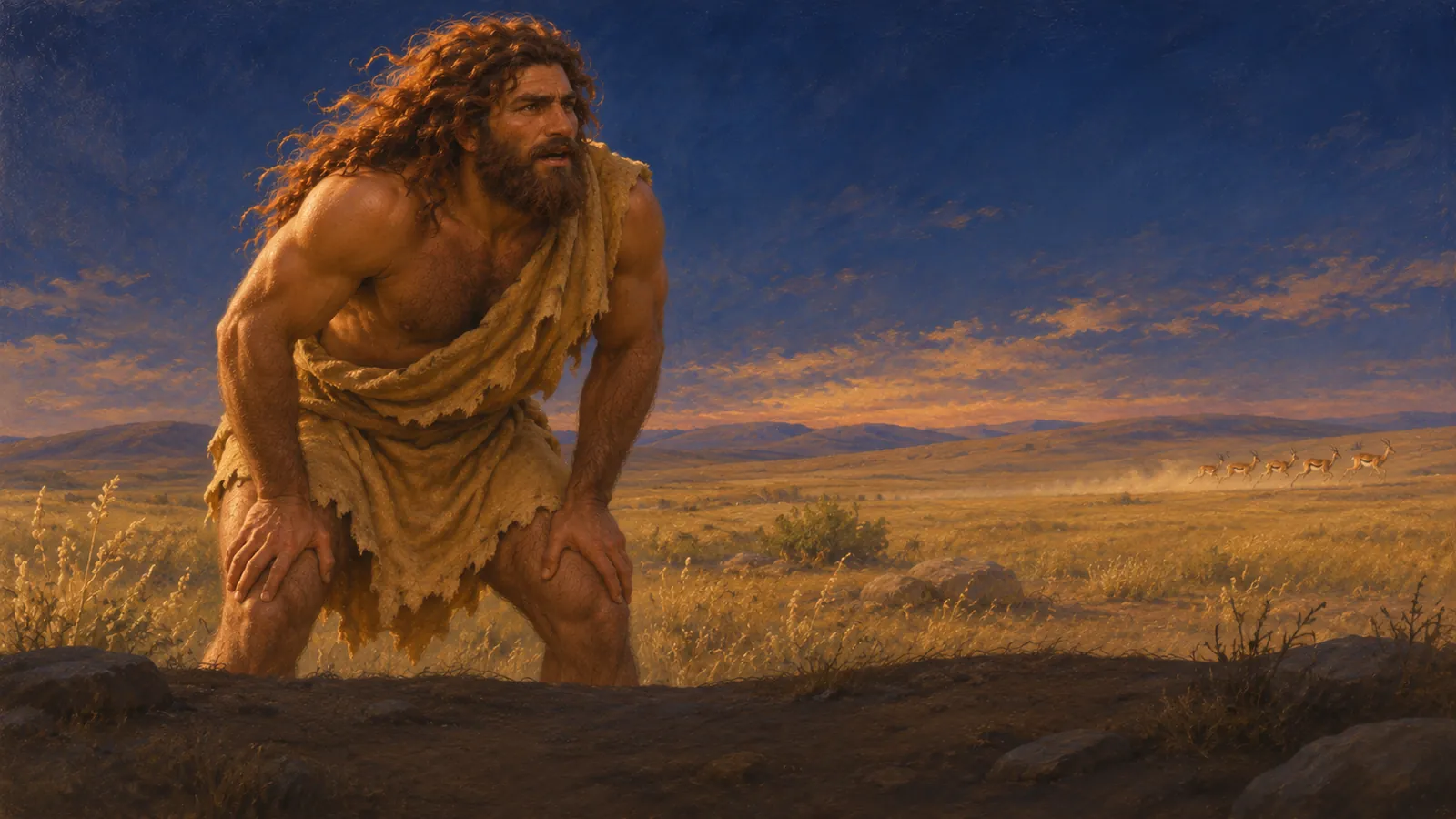
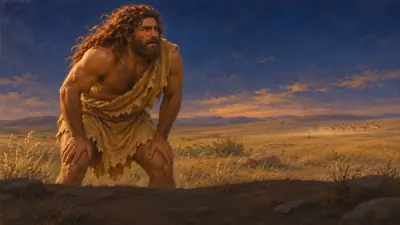
Intentó seguirlos, pero las piernas ya no le respondían como antes. Los animales siguieron su camino sin él. Había perdido la rapidez de antaño.
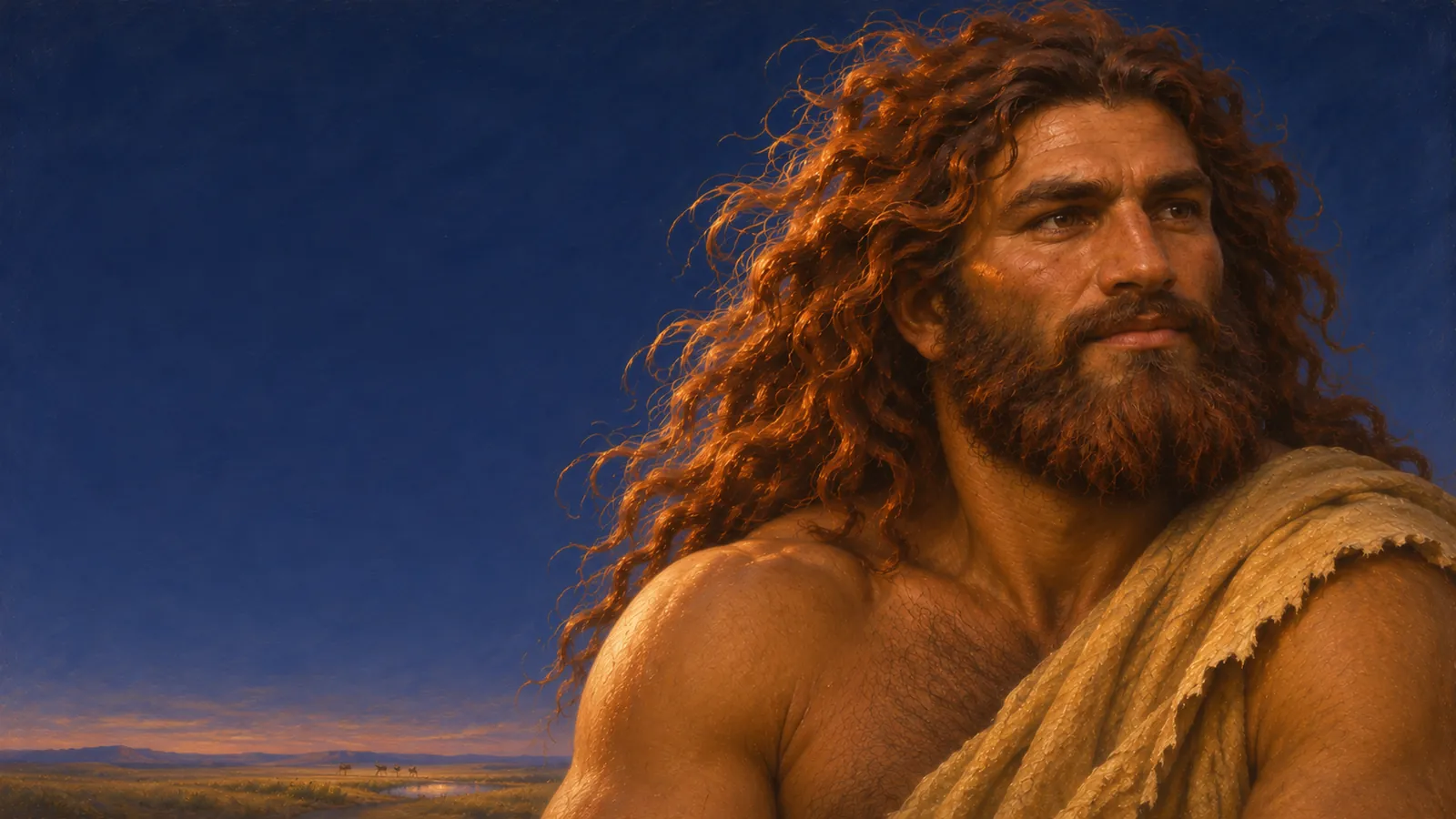
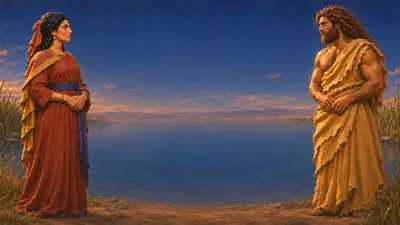
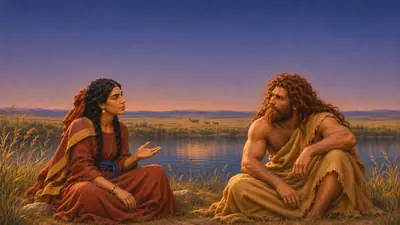
Sin embargo, algo más había crecido en él. Era la comprensión. Enkidu volvió junto a Shamhat, se sentó frente a ella y le miró el rostro mientras escuchaba con atención lo que tenía que decirle.
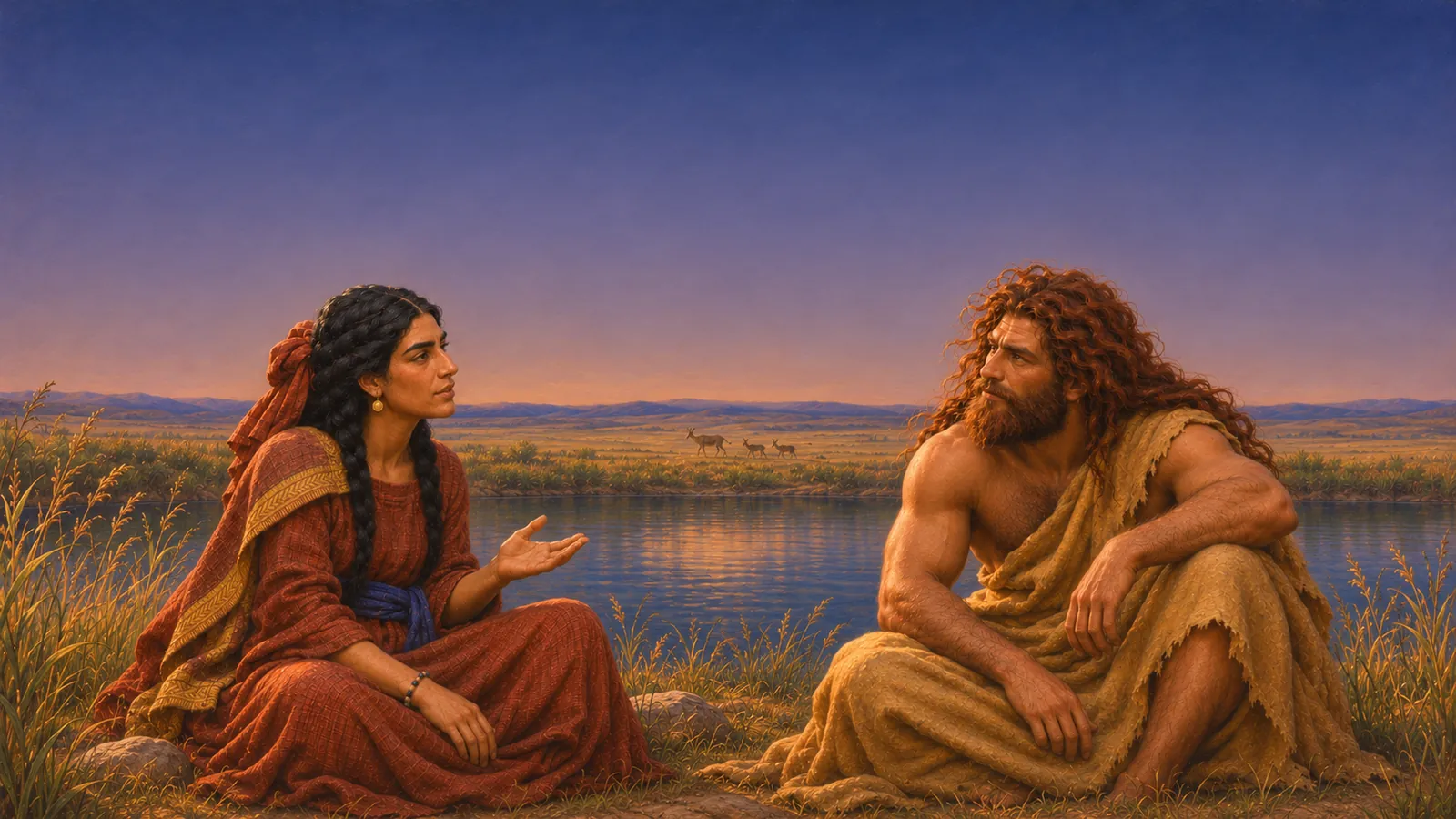
Shamhat le habló de Uruk y de su poderoso rey. Enkidu quería ir allí, pero hablaba de desafiar a Gilgamesh. Creía que con su propia fuerza podría cambiar las cosas en la ciudad.
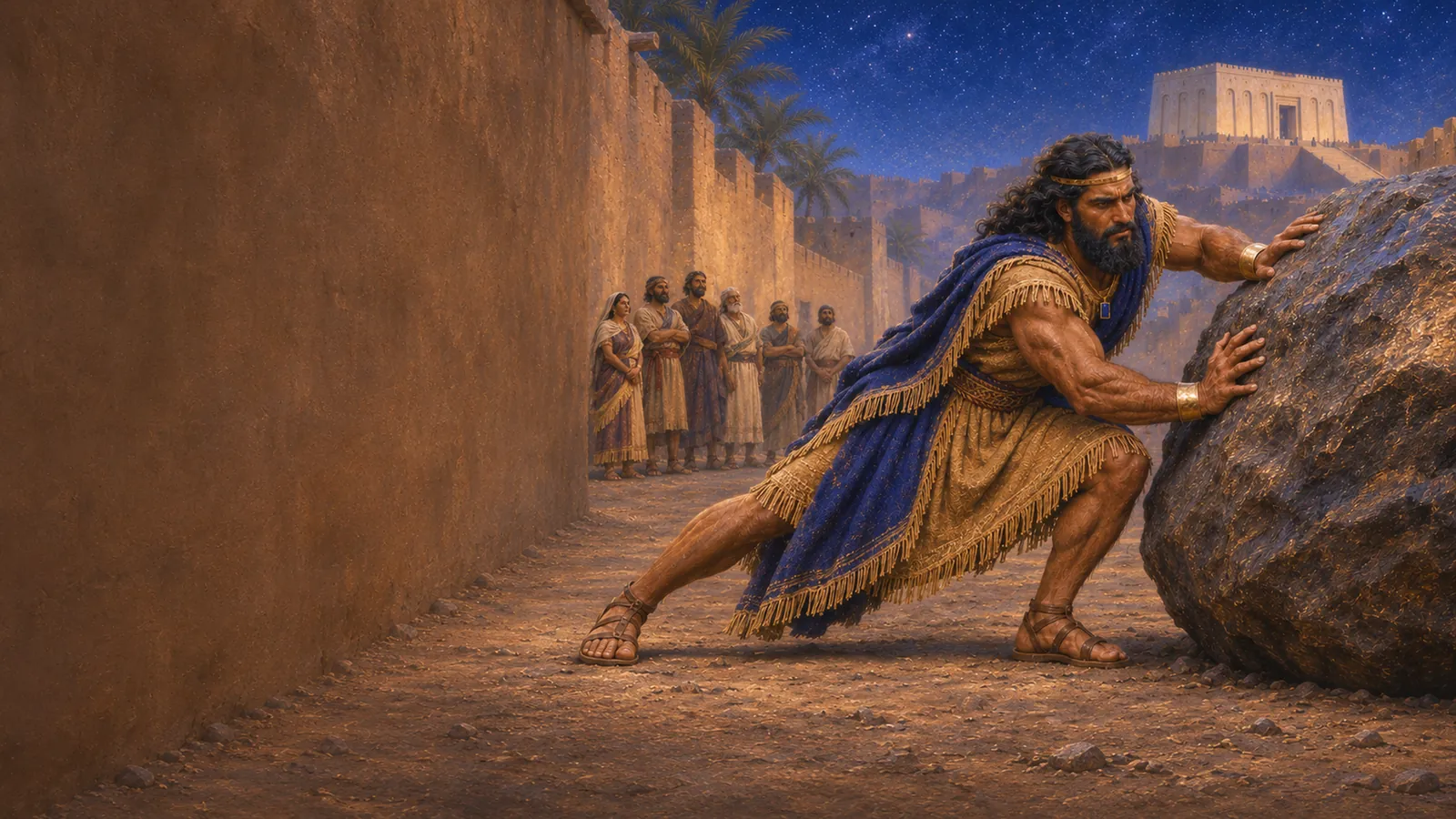
Shamhat le contó que Gilgamesh ya había soñado con él. En uno de sus sueños, una piedra cayó del cielo. El rey se esforzaba por moverla mientras los habitantes de Uruk se reunían a su alrededor.
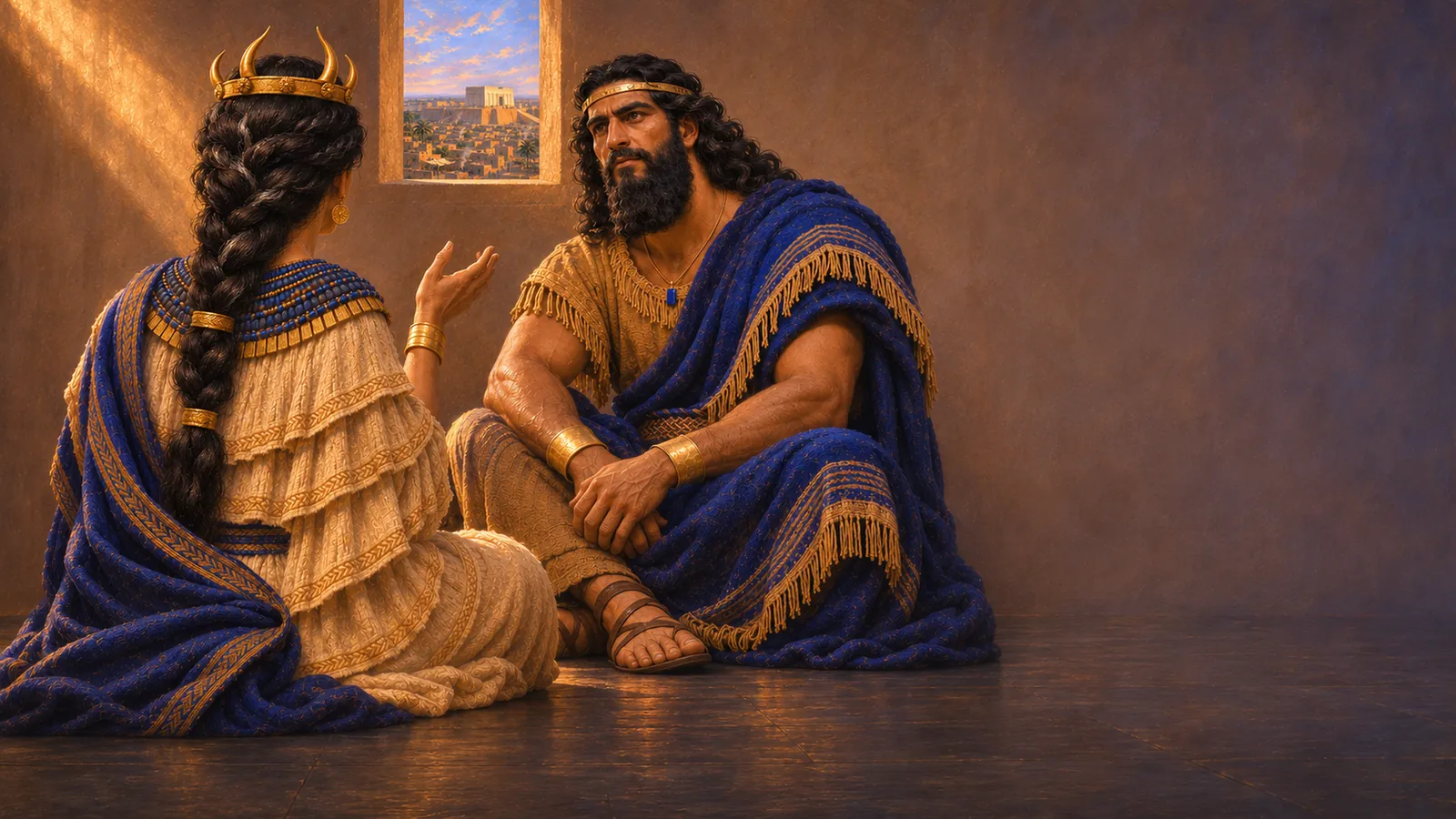
Gilgamesh le había contado el sueño a su madre, Ninsun. Ella entendió su significado. Llegaría a su lado un compañero fuerte, alguien a quien querría y que lo ayudaría a mantenerse a salvo.
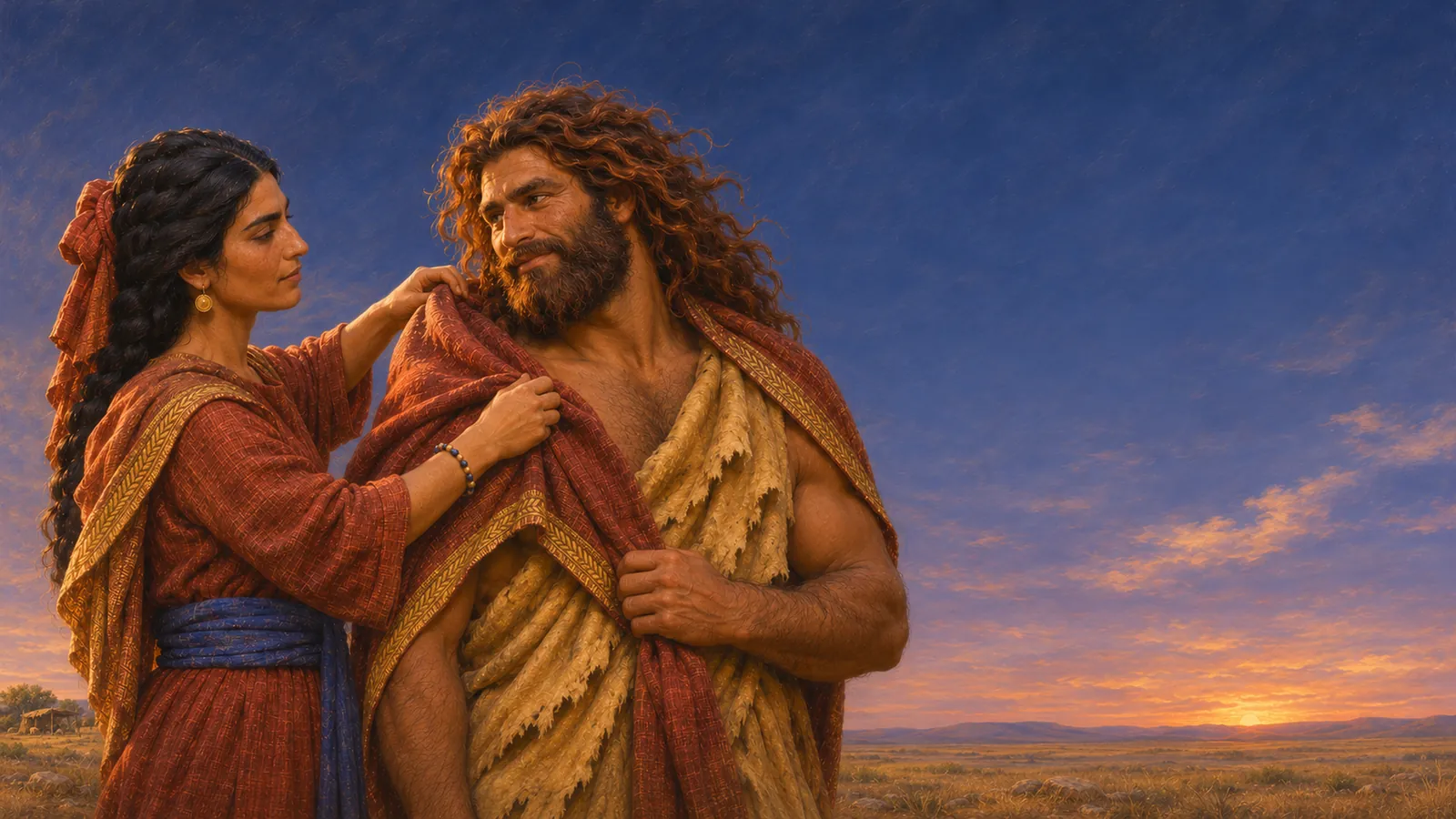
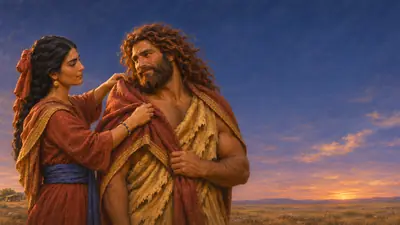
Shamhat compartió su ropa con Enkidu. Luego lo tomó de la mano y lo guio lejos de la manada salvaje, hacia el campamento donde vivían los pastores.
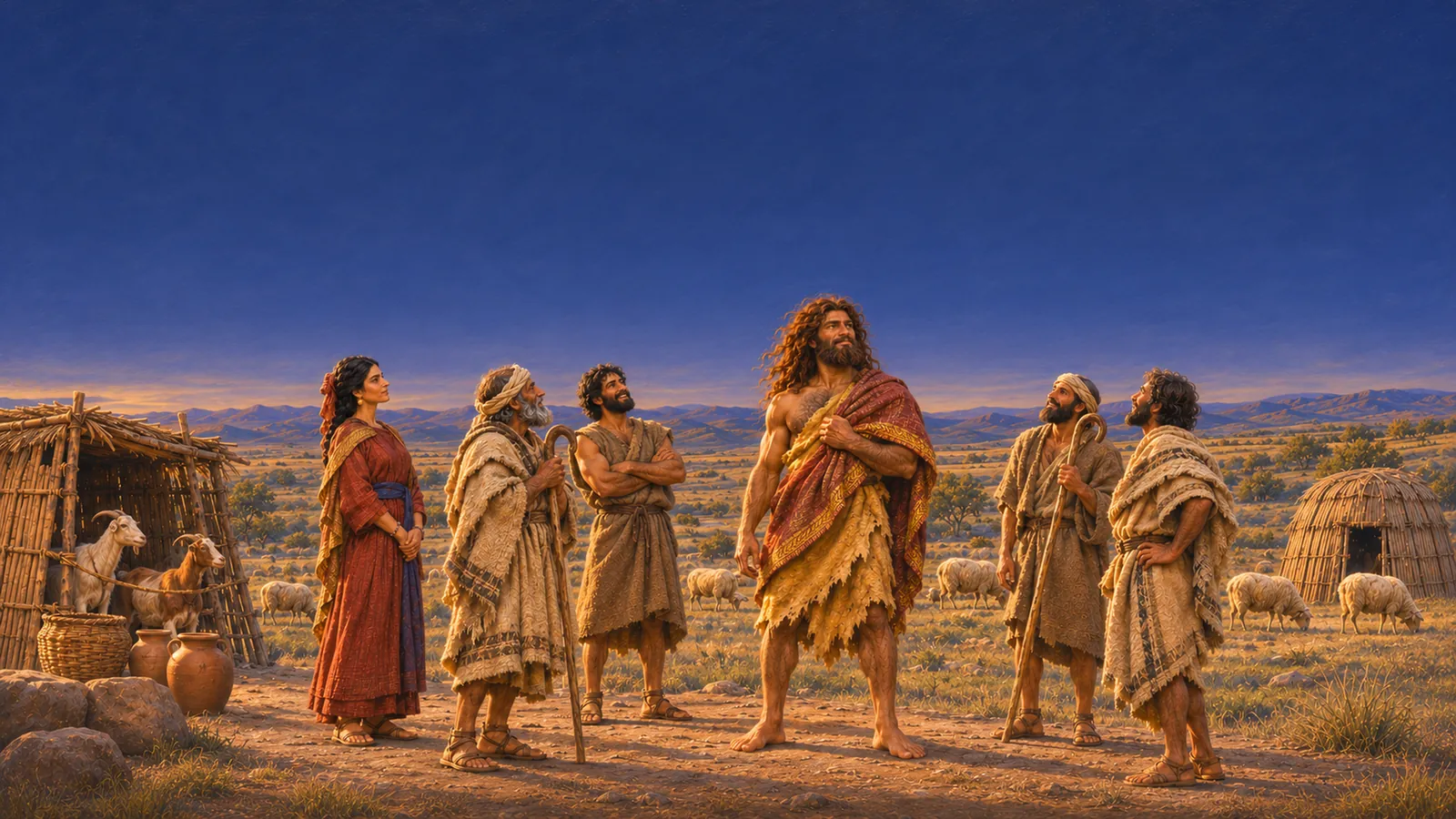
LOS PASTORES
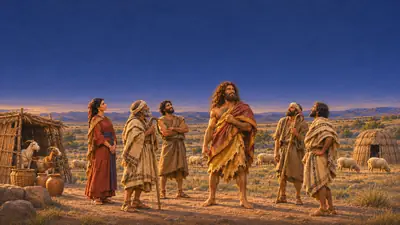
Los pastores se reunieron en torno a su visitante. Admiraron la complexión robusta de Enkidu y hablaron de su parecido con Gilgamesh. Una fuerza así no podía pasar inadvertida.
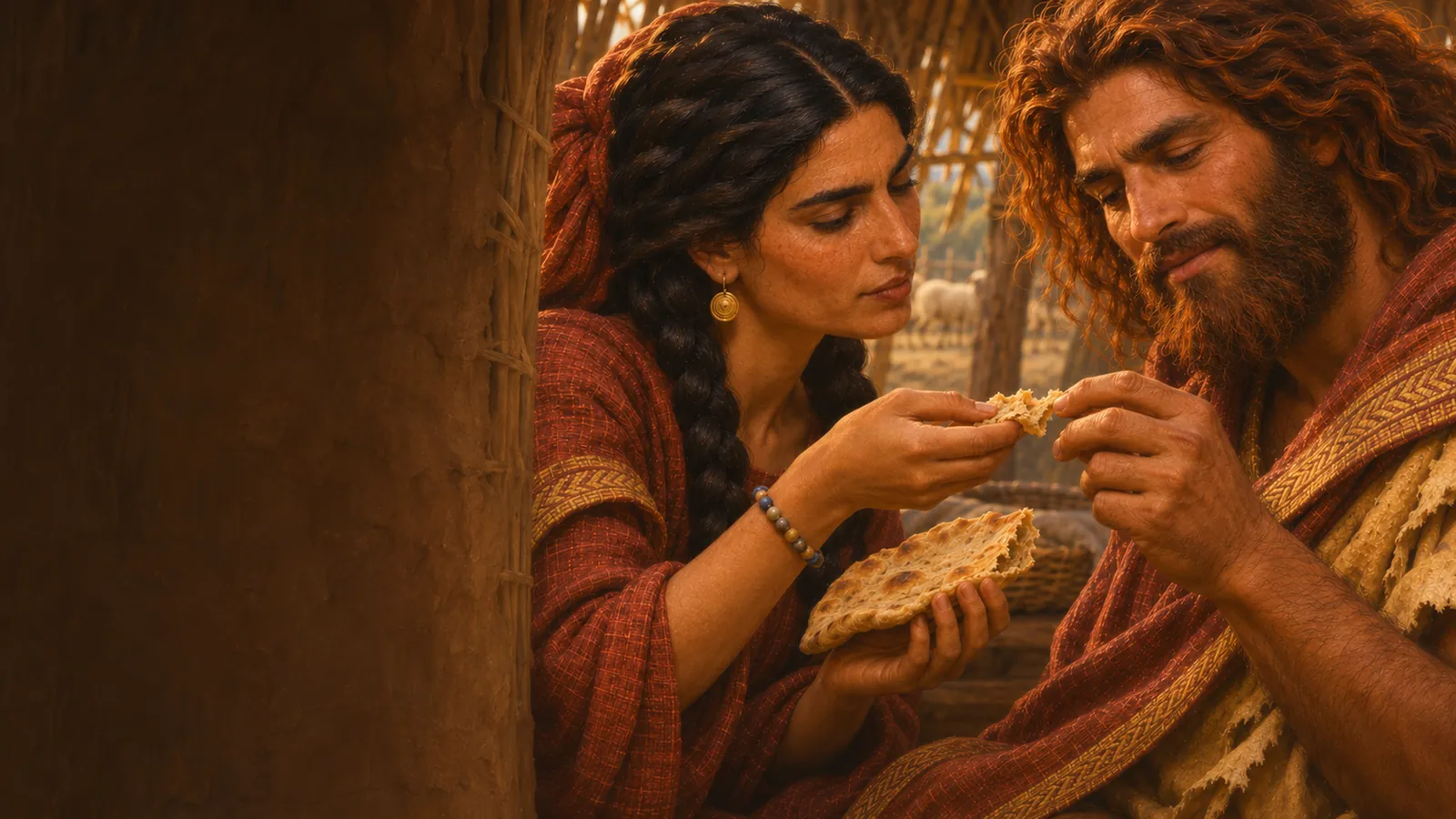
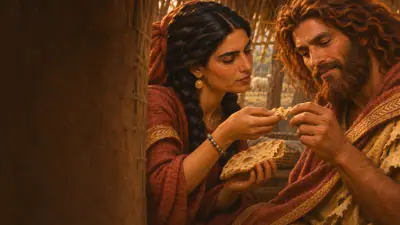
Pusieron pan ante Enkidu, pero no sabía cómo comerlo. Shamhat lo animó a probar el alimento del que vivía la gente y le mostró así otra costumbre que no conocía.
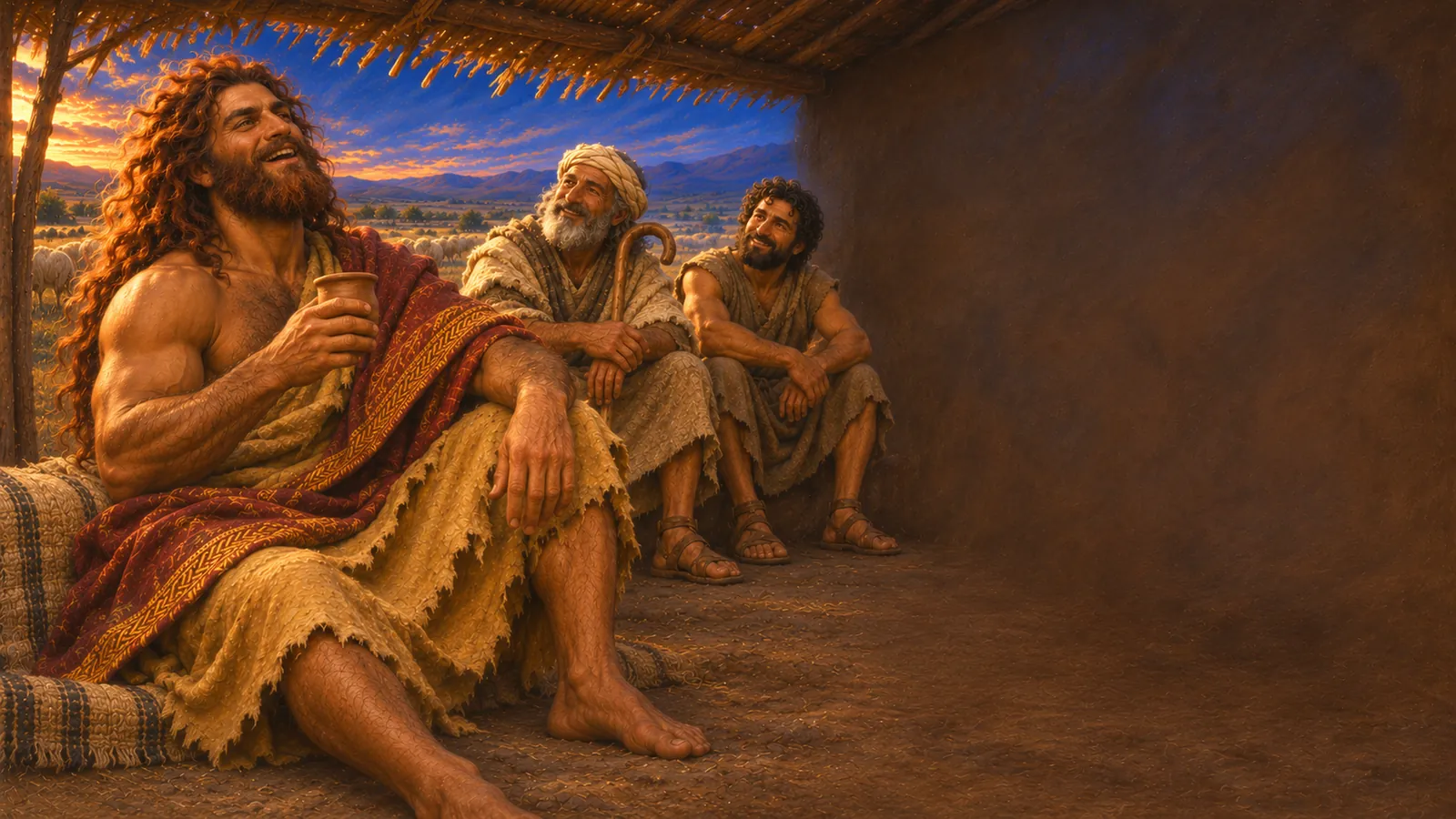
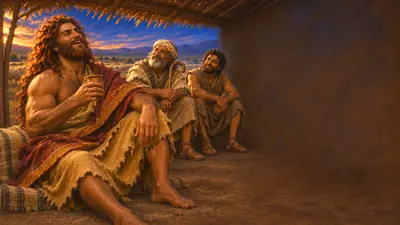
Enkidu comió hasta quedar satisfecho y luego bebió cerveza. Se puso alegre y se le iluminó el rostro. Al poco rato cantaba entre la gente del campamento.
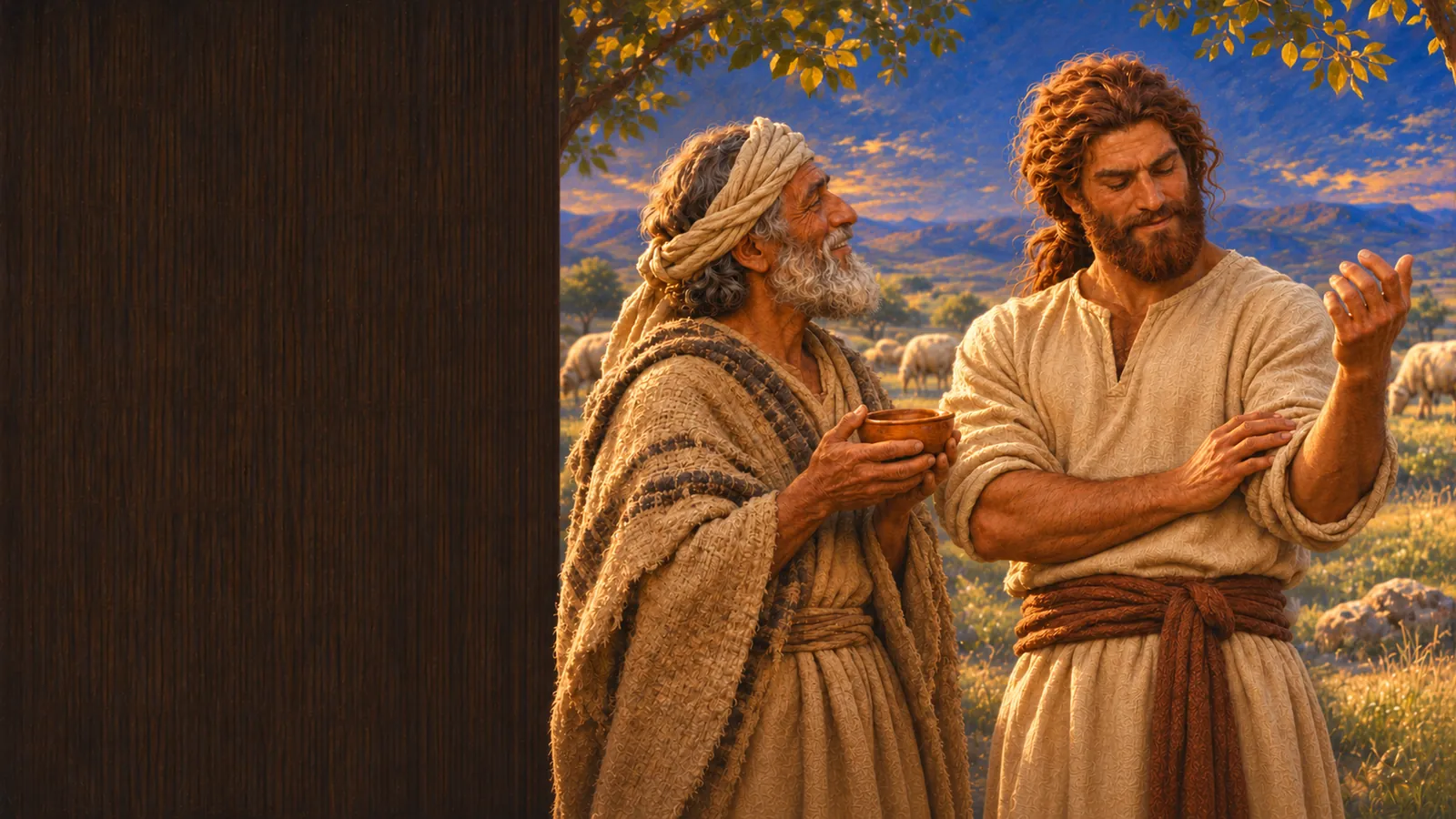
Le arreglaron el pelo, se ungió con aceite y se vistió. Enkidu se presentaba ahora con un nuevo aspecto entre los pastores, dispuesto a ocupar su lugar junto a ellos.
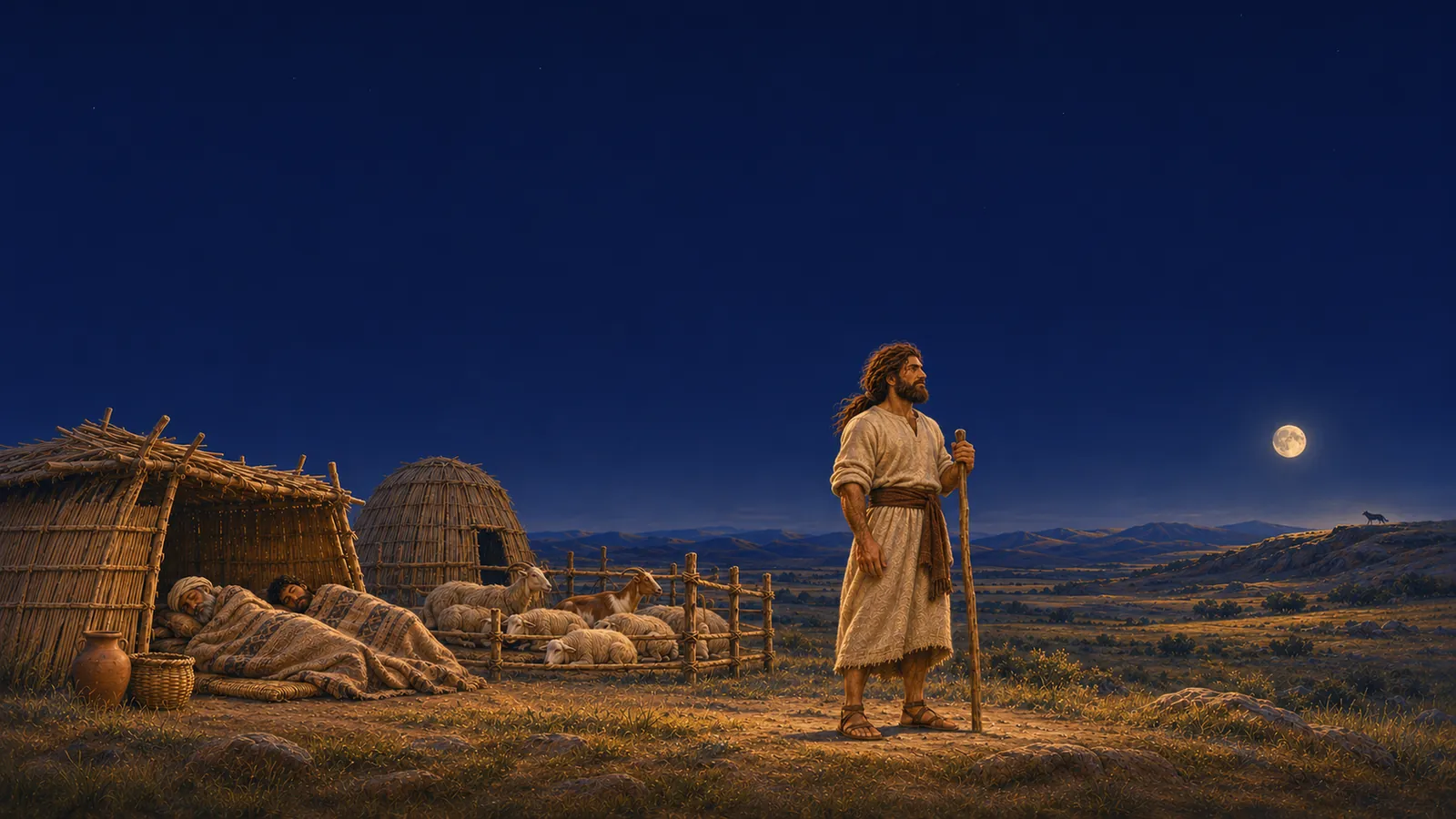
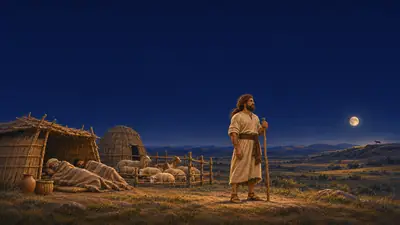
Por la noche, Enkidu permanecía despierto mientras los pastores dormían. Protegía a sus animales de los lobos y los leones. La fuerza que había guardado la manada salvaje velaba ahora por sus rebaños.
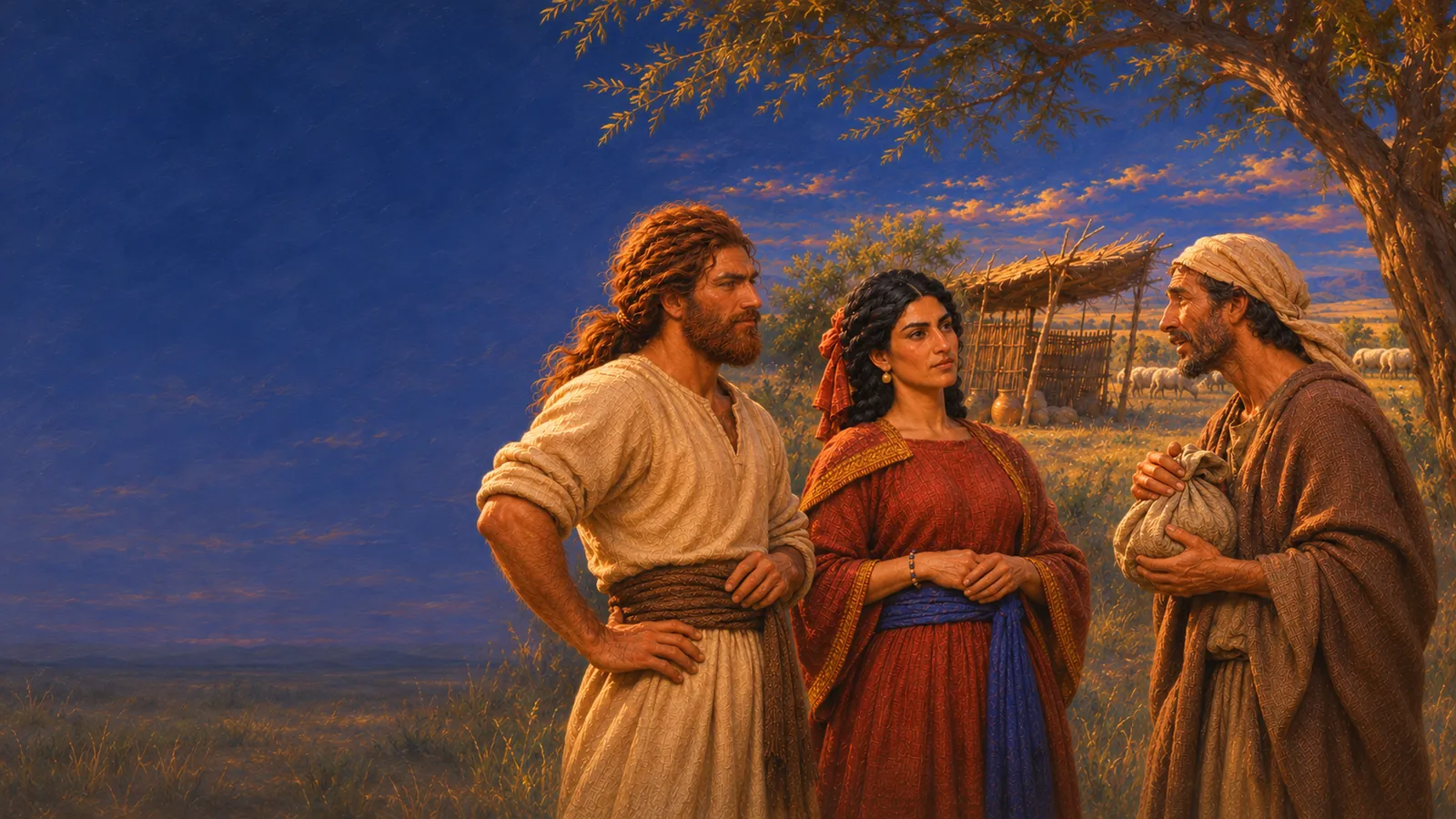
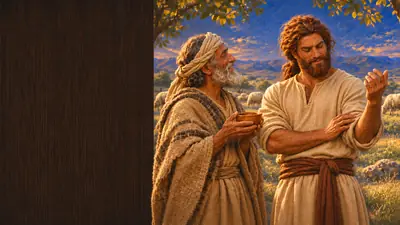
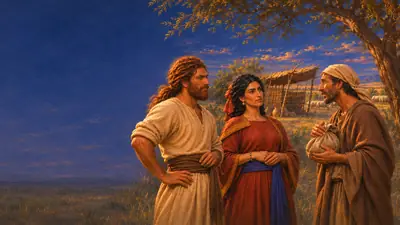
Un día, Enkidu vio pasar a un hombre y le pidió a Shamhat que lo llamara. El viajero les explicó adónde iba. Se dirigía a un banquete de bodas.
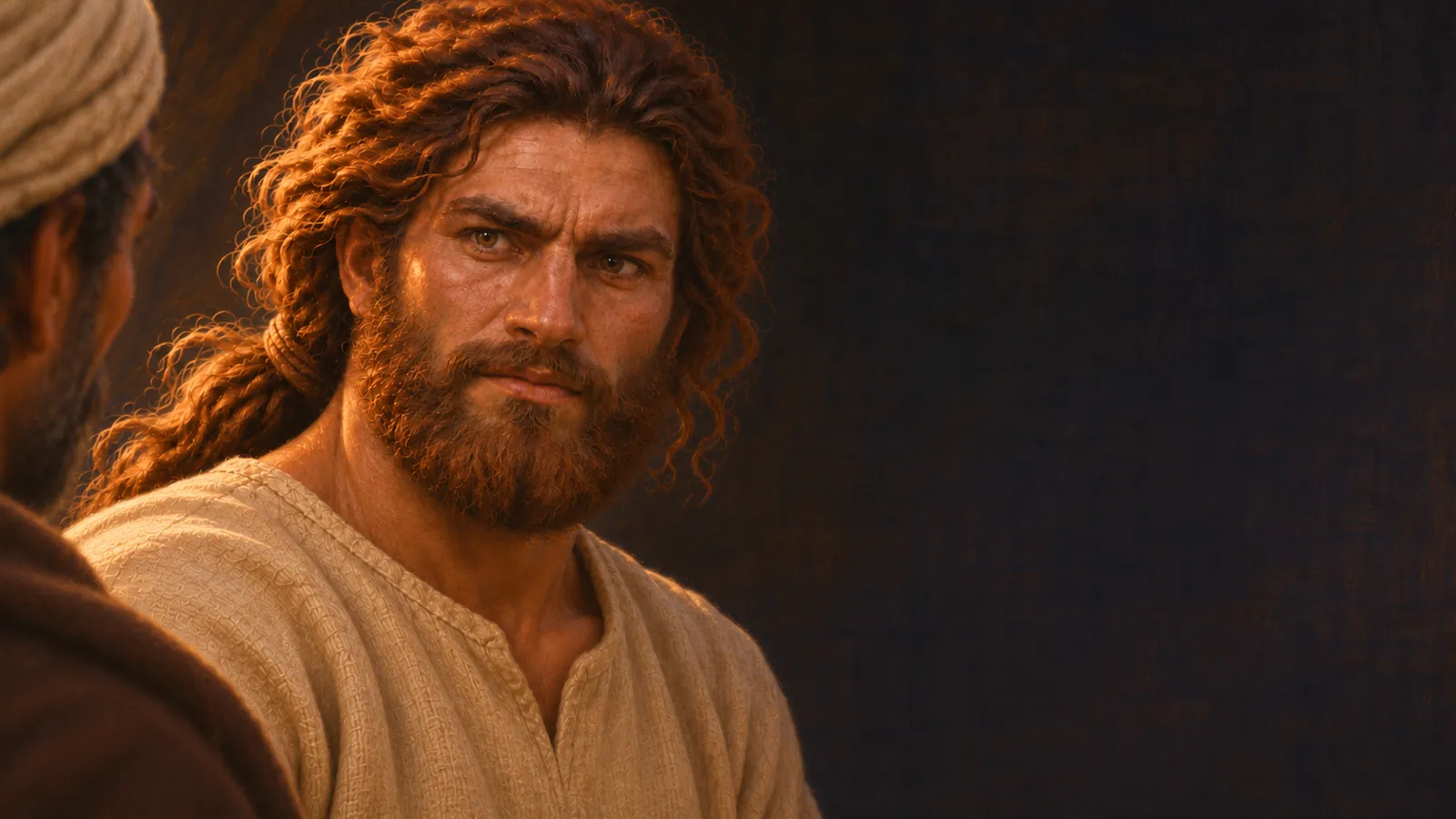
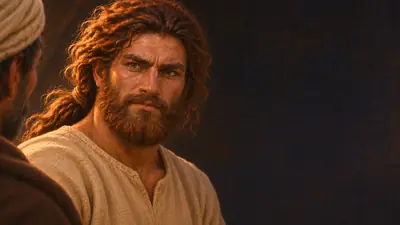
Pero el relato no acababa ahí. Según el viajero, Gilgamesh se acostaría con la novia antes que el novio. Al oír aquella afirmación, Enkidu se quedó pálido.
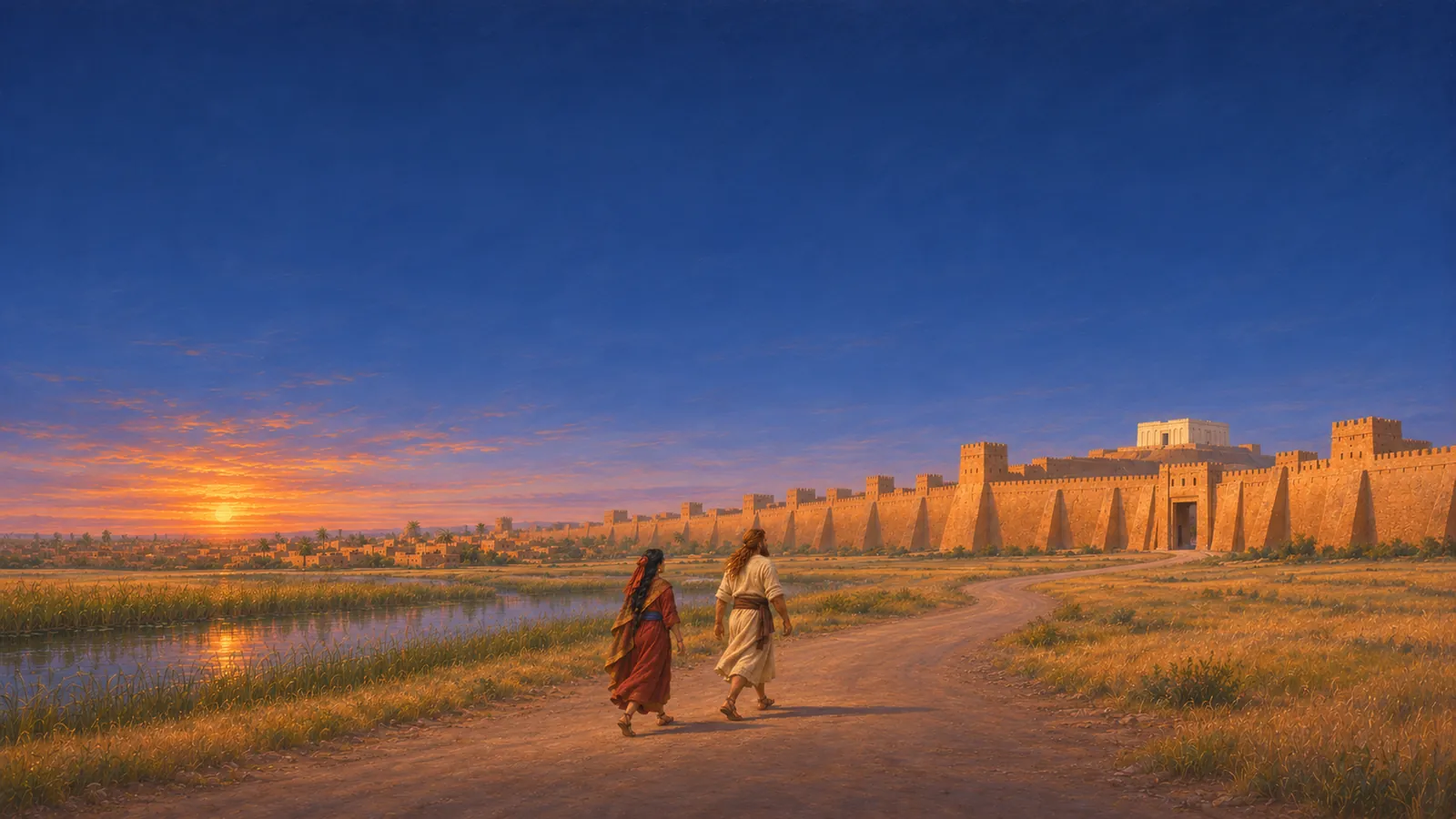
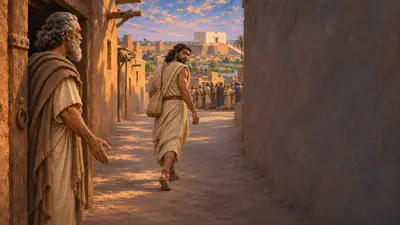
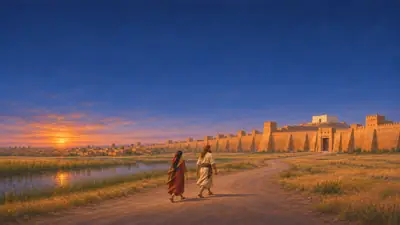
Enkidu fue a ver lo que había descrito el viajero. Partió hacia Uruk seguido de Shamhat. El forastero de la estepa estaba a punto de entrar en la ciudad del rey.
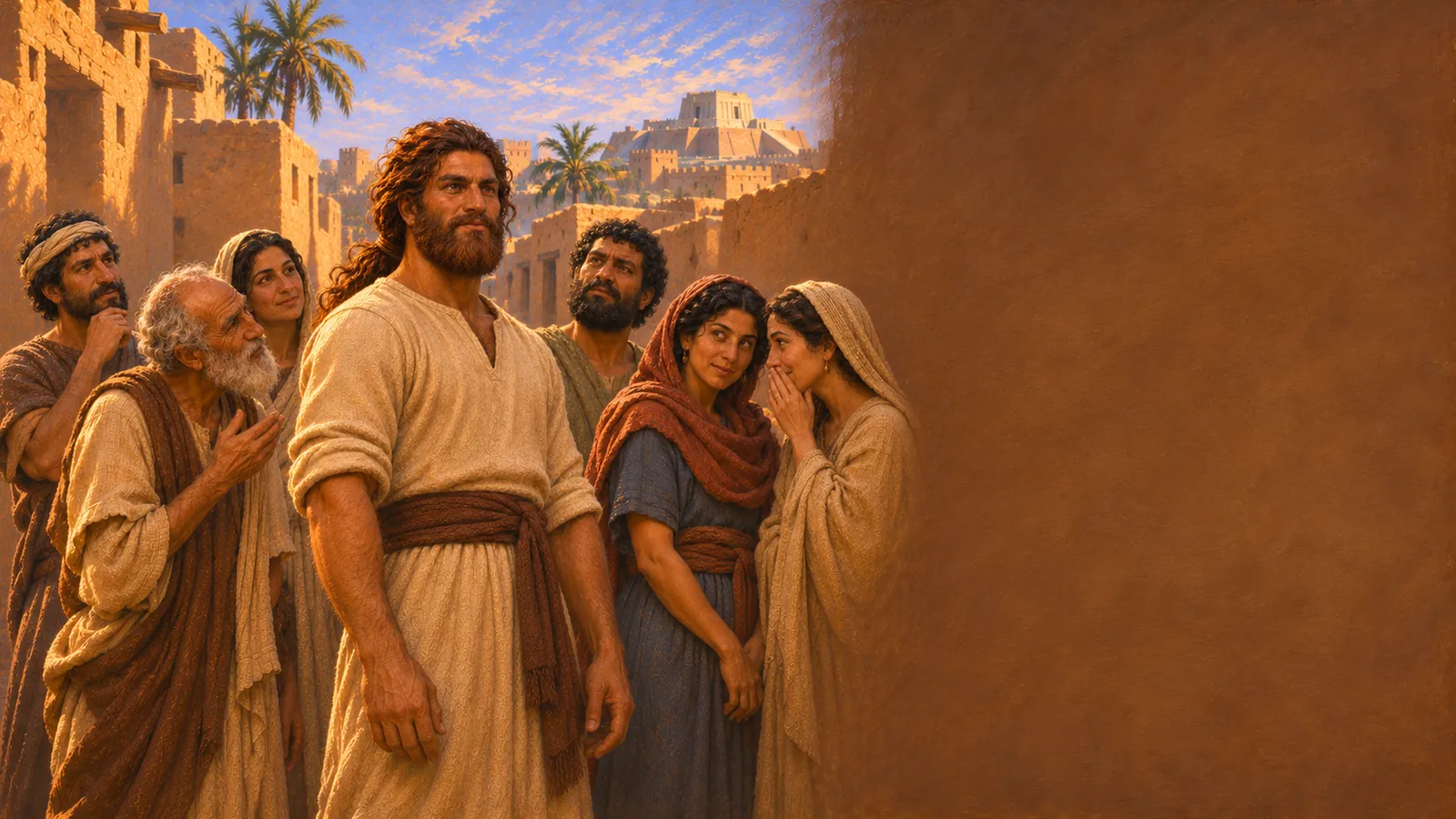
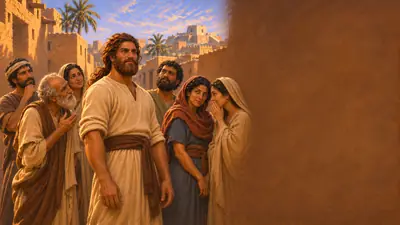
Cuando llegó Enkidu, la gente se reunió a su alrededor en la calle. Se fijaron en su poderosa complexión y lo compararon con Gilgamesh. Allí había alguien capaz de estar a la altura de su rey.
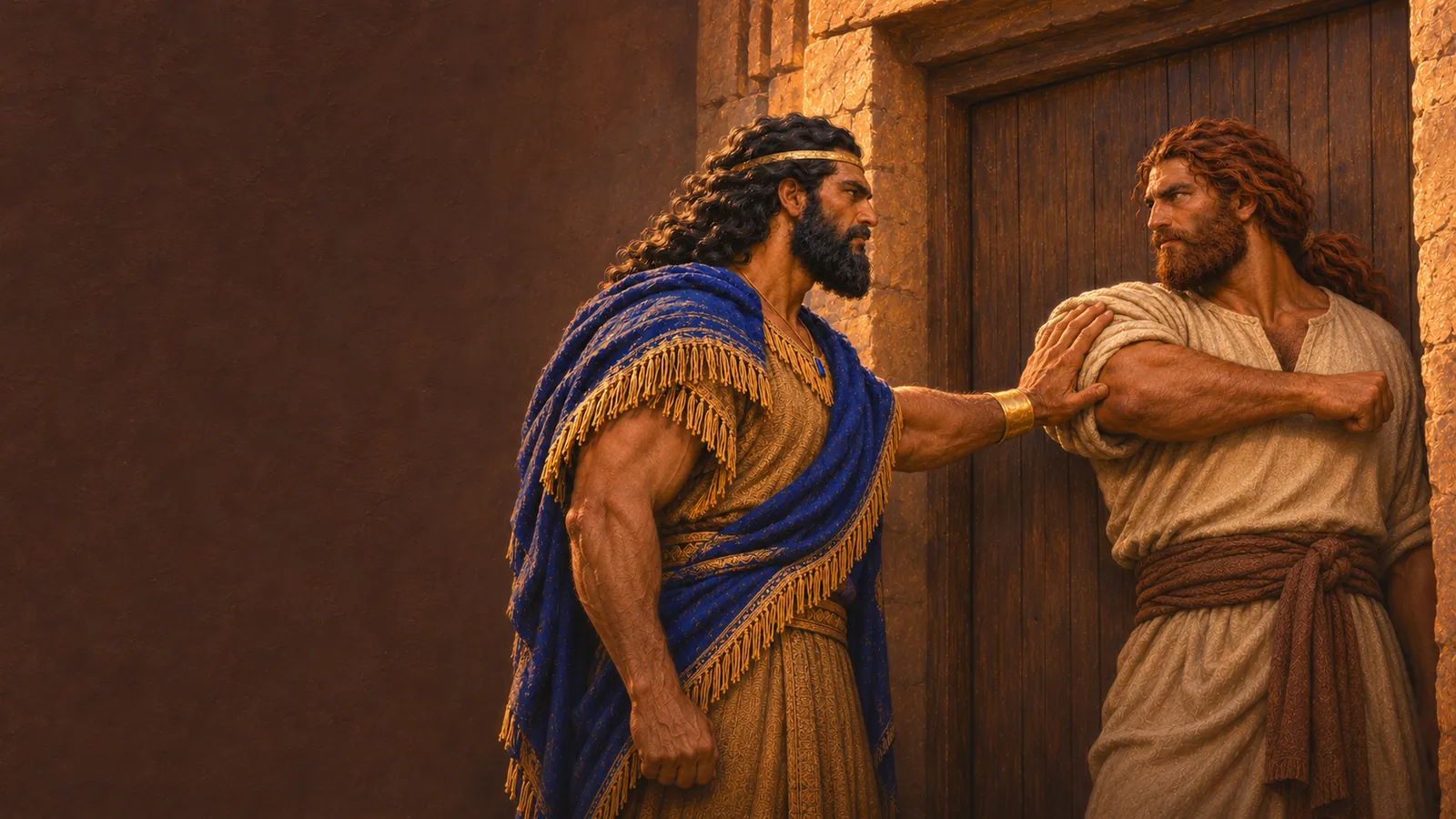
EL UMBRAL
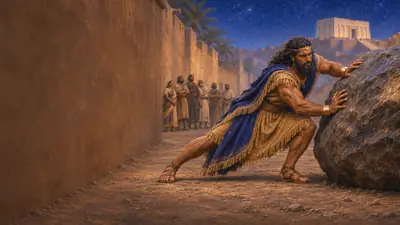
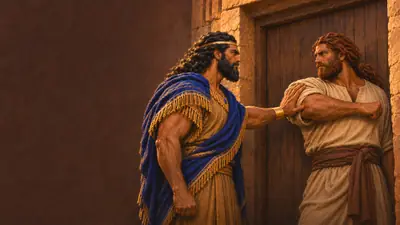
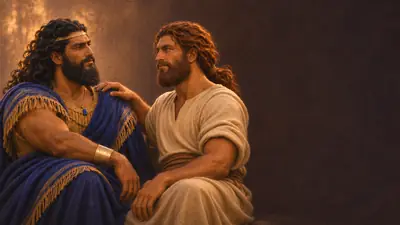
Enkidu se interpuso en la entrada de la casa donde se celebraba la boda. Plantó el pie y se negó a dejar entrar a Gilgamesh. El rey tenía el paso cerrado.
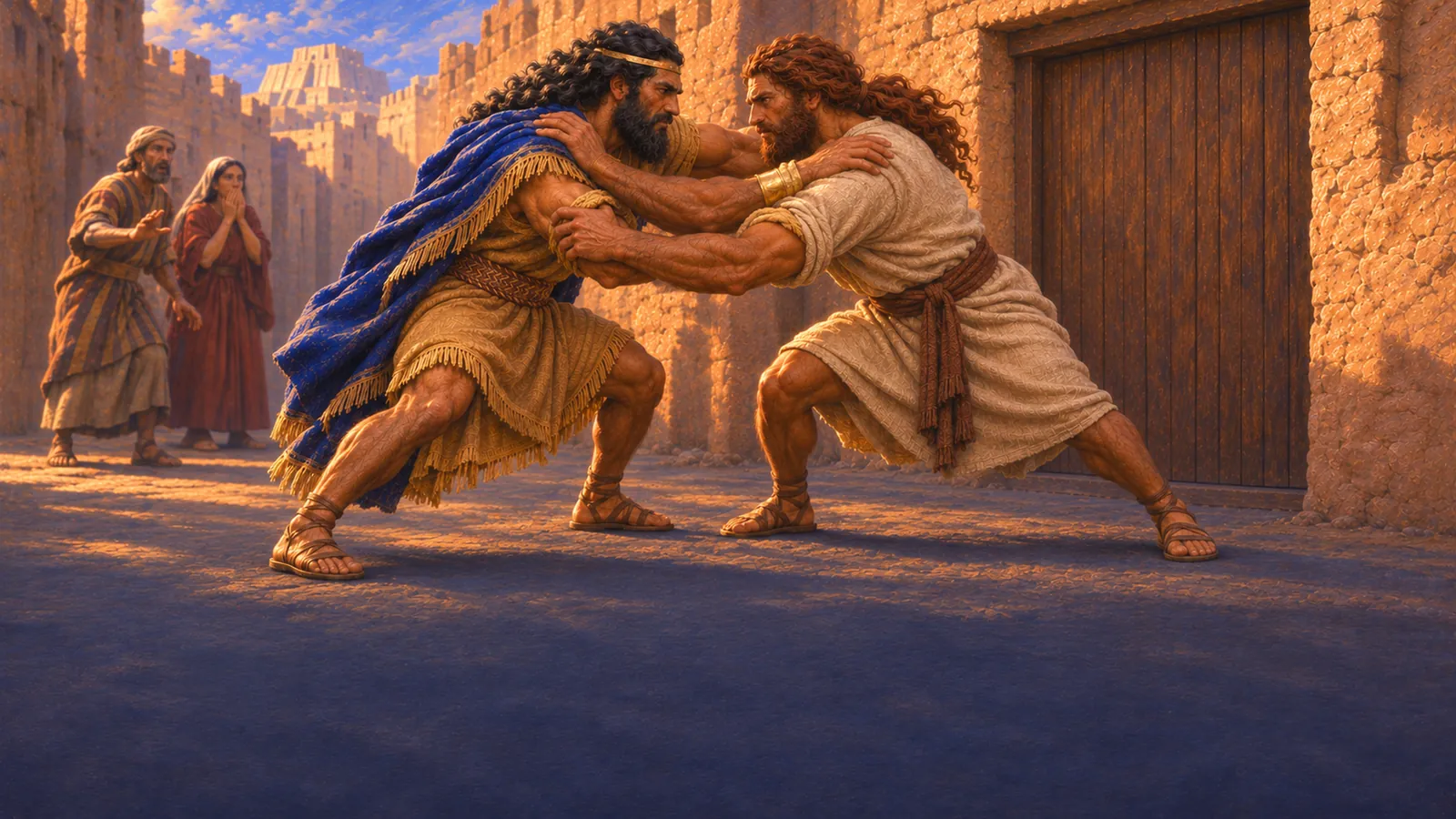
LA LUCHA
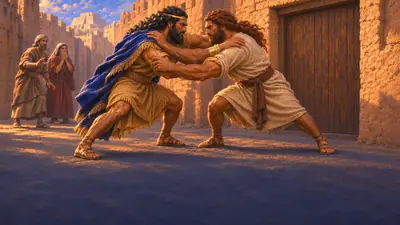
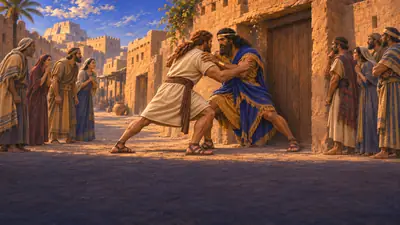
Se agarraron y empezaron a luchar cuerpo a cuerpo. La lucha se trasladó a la calle, y cada uno se doblaba al resistir la fuerza del otro. Gilgamesh había encontrado al hombre creado para igualarlo.
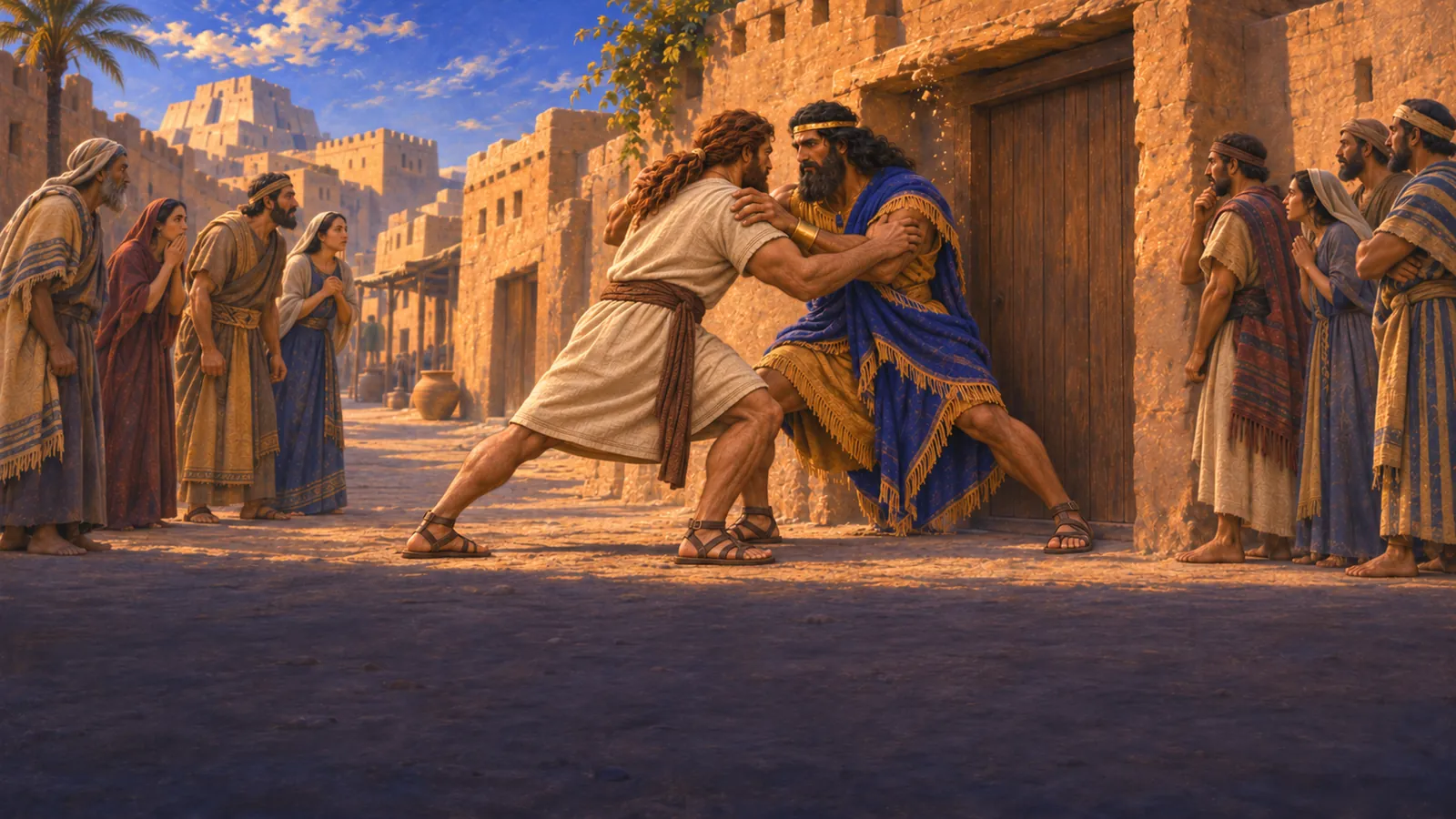
La fuerza de su lucha sacudió las jambas de la puerta y la pared. Ante la casa de la boda, sus cuerpos se tensaban uno contra otro y hasta la entrada temblaba por el esfuerzo.
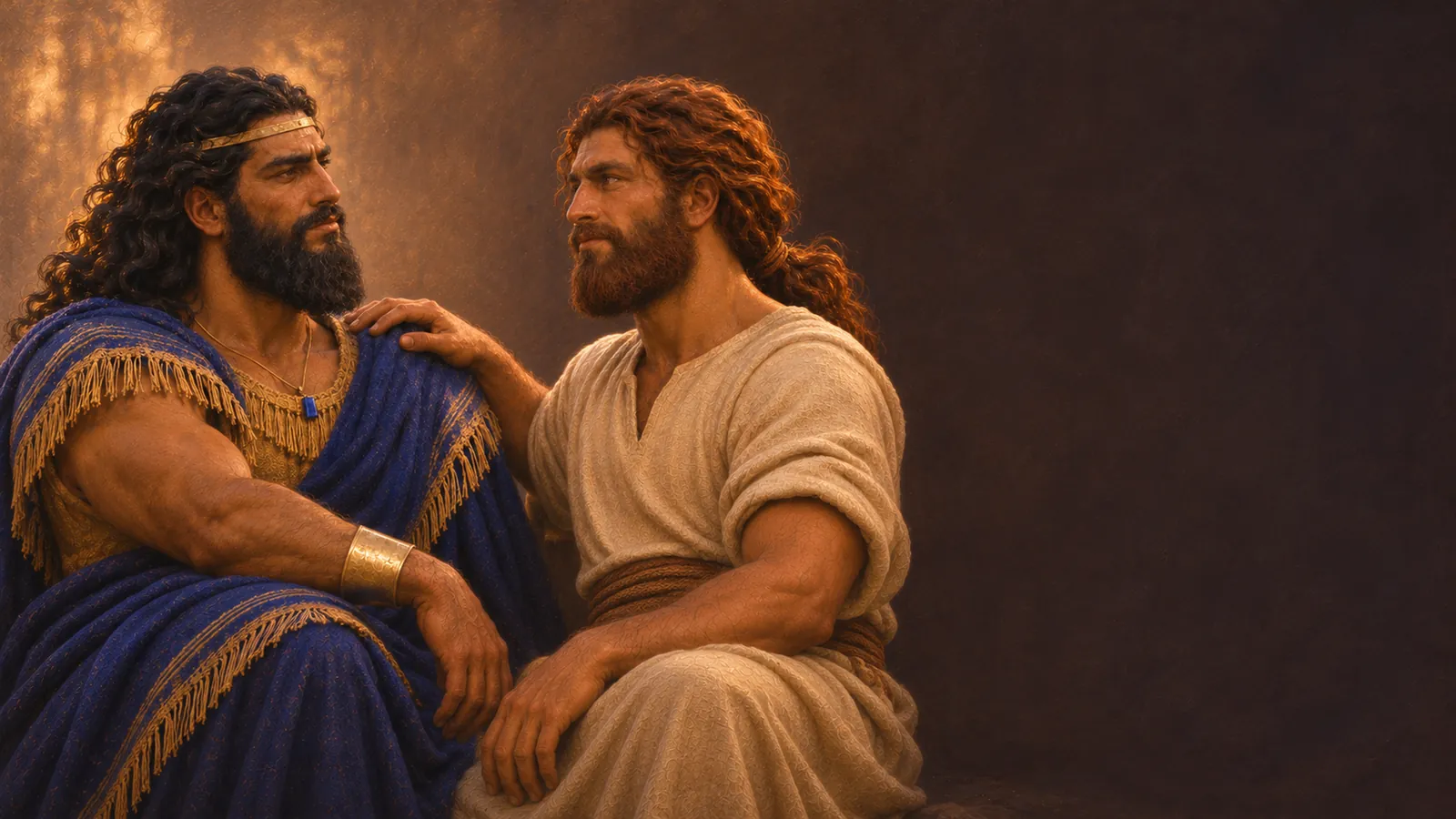
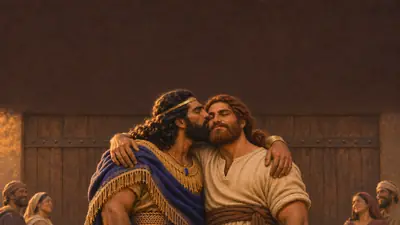
Entonces Gilgamesh puso fin a la lucha. Su ira se apaciguó y la contienda terminó. El hombre que le había cerrado el paso seguía allí, frente a él.
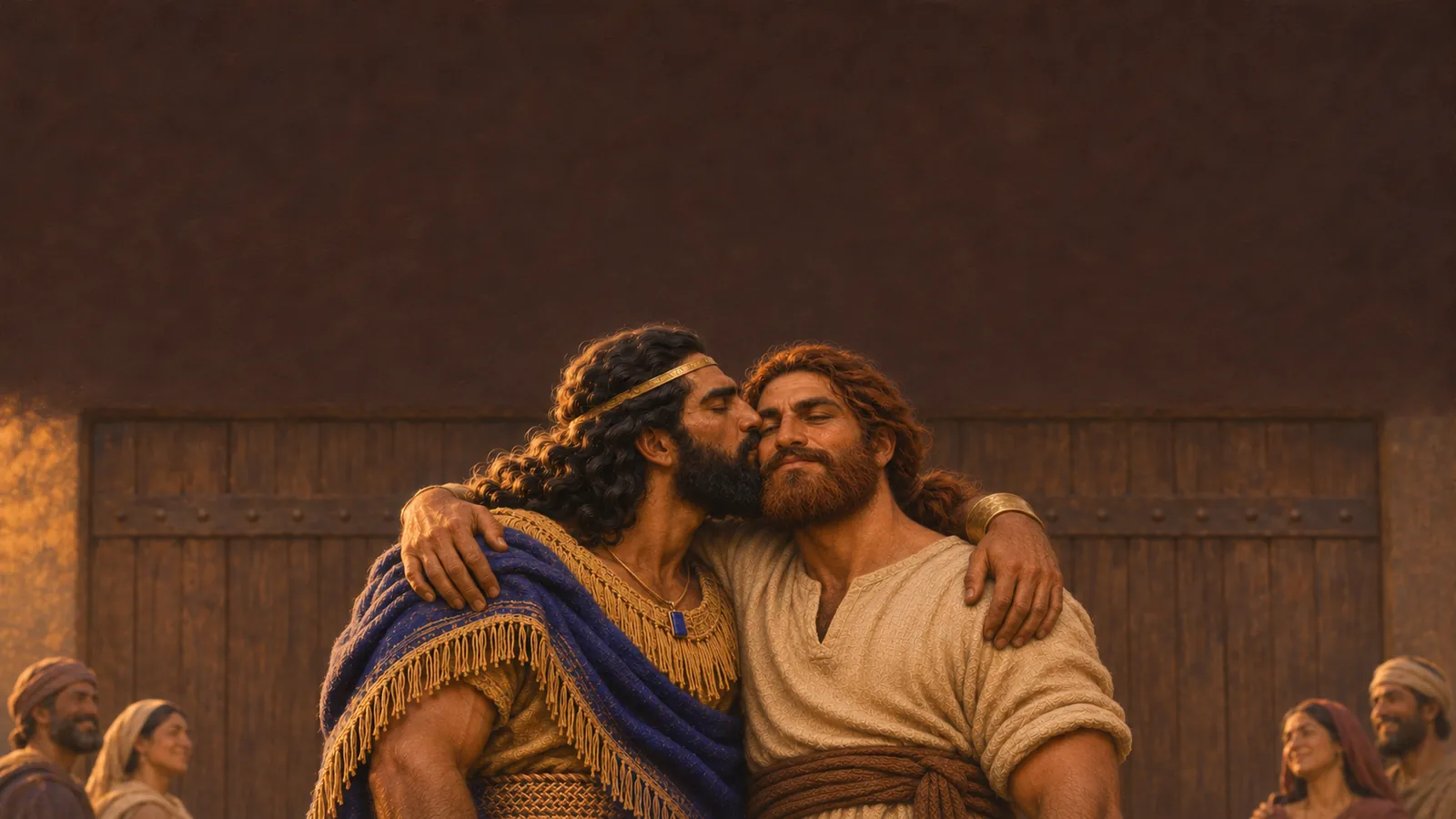
El relato antiguo cuenta que se besaron y se hicieron amigos. Lo que había comenzado como rivalidad se convirtió en compañerismo. Gilgamesh había encontrado al amigo cuya llegada le había anunciado el sueño.

Pero la amistad era solo el comienzo. Gilgamesh quería realizar una hazaña que hiciera perdurar su nombre. Lejos se alzaba el Bosque de los Cedros, y sus peligros ya lo atraían.
Fin del capítulo 1
Todas las páginas


Fuentes
The following official primary composite editions were checked on 15 November 2026.
Ediciones consultadas
- eBL Standard Babylonian Tablet I: Uruk, the complaint, creation, life in the steppe, the trapper, Shamhat, withdrawal of the animals and the narrated dream.
- eBL Standard Babylonian Tablet II: surviving humanization and arrival material, the confrontation, and the later forest proposal used as the closing hook.
- eBL Old Babylonian Pennsylvania Tablet II, CBS.7771: explicitly labelled supplements for camp details, the wedding report and the end of the struggle.
- eBL Old Babylonian Yale Tablet III, YBC.2178: the kiss and friendship transition, and comparison for the forest proposal.
- eBL Gilgamesh corpus: edition context and related witnesses.
Notas sobre este relato
SB II's damaged transition is not silently repaired as though every line survives. The friendship kiss belongs to the Yale witness rather than the Pennsylvania tablet. Enkidu's singing and grooming details are marked where the older witness supplies them.
The first encounter follows SB I's six days and seven nights; variant or repeated intimacy is compressed and remains non-explicit. The wedding-abuse report belongs to the poem and does not establish a historical legal institution.
Modern translations and scholarly editions retain their own rights; no long translated passage is reproduced or claimed as our own. The edition name and line anchors identify evidence, not endorsement by its editors.
On page 14, the king calls Shamhat a ḫarimtu, rendered “harlot” in George’s eBL translation, and says that she should undress at the waterhole so the stranger will approach her (SB Gilgamesh I 159–164). The retelling gives her occupation and the purpose of the meeting.
On pages 17 and 18, Shamhat undresses and lies with Enkidu. The poem says he stayed erect during the six days and seven nights of their union (SB Gilgamesh I 186–194, George’s eBL translation). The retelling gives their union and its duration.
On page 30, Enkidu takes up a weapon, kills the wolves and drives off the lions (OB Gilgamesh II, Pennsylvania 112–119, eBL). The retelling condenses these actions to his protection of the flocks.
Los versos antiguos de cada página
- Page 1: SB I 11–23, 61–67; official eBL composite edition, reviewed 2026-11-15
- Page 2: SB I 29–37, 61–65; official eBL composite edition, reviewed 2026-11-15
- Page 3: SB I 65–69, 82–85; official eBL composite edition, reviewed 2026-11-15
The complaint is poetically compressed. - Page 4: SB I 70–76, 89–91; official eBL composite edition, reviewed 2026-11-15
The text's accusation is retained without normalizing it as historical law. - Page 5: SB I 72–91; official eBL composite edition, reviewed 2026-11-15
- Page 6: SB I 92–98; official eBL composite edition, reviewed 2026-11-15
- Page 7: SB I 99–102; official eBL composite edition, reviewed 2026-11-15
- Page 8: SB I 101–107; official eBL composite edition, reviewed 2026-11-15
- Page 9: SB I 108–110; official eBL composite edition, reviewed 2026-11-15
- Page 10: SB I 109–110; official eBL composite edition, reviewed 2026-11-15
- Page 11: SB I 128–131, 155–158; official eBL composite edition, reviewed 2026-11-15
- Page 12: SB I 111–119; official eBL composite edition, reviewed 2026-11-15
- Page 13: SB I 132–143; official eBL composite edition, reviewed 2026-11-15
- Page 14: SB Gilgamesh I 159–164, Andrew R. George’s eBL translation
- Page 15: SB I 165–167; official eBL composite edition, reviewed 2026-11-15
- Page 16: SB I 168–175; official eBL composite edition, reviewed 2026-11-15
- Page 17: SB I 176–191; official eBL composite edition, reviewed 2026-11-15
- Page 18: SB I 192–194; official eBL composite edition, reviewed 2026-11-15
Later/variant repeated intimacy is compressed. - Page 19: SB I 194–196; official eBL composite edition, reviewed 2026-11-15
- Page 20: SB I 198–199; official eBL composite edition, reviewed 2026-11-15
- Page 21: SB I 199–203; official eBL composite edition, reviewed 2026-11-15
- Page 22: SB I 207–221; official eBL composite edition, reviewed 2026-11-15
- Page 23: SB I 241–256, 297; official eBL composite edition, reviewed 2026-11-15
Heavenly object often translated as a meteorite/boulder. - Page 24: SB I 257–270; official eBL composite edition, reviewed 2026-11-15
- Page 25: SB II 34–37; OB II (Pennsylvania) 69–76; official eBL composite edition, reviewed 2026-11-15
This version distinction is deliberate. - Page 26: SB II 38–43; OB II (Pennsylvania) 77–86; official eBL composite edition, reviewed 2026-11-15
SB II38–43 preserves the shepherds' admiration. OB Pennsylvania77–86 supplies a parallel, partly restored description. - Page 27: SB II 44–51; OB II (Pennsylvania) 87–100; official eBL composite edition, reviewed 2026-11-15
Bread/ale instruction exists in the current SB II44–51 composite, with editorial restorations. - Page 28: OB II (Pennsylvania) 101–105; SB II 52–59 damaged; official eBL composite edition, reviewed 2026-11-15
Drinking and singing are explicit in OB Pennsylvania101–105; the corresponding SB passage is damaged. - Page 29: OB II (Pennsylvania) 106–111; SB II 52–59 damaged; official eBL composite edition, reviewed 2026-11-15
- Page 30: SB II 60–62; OB II (Pennsylvania) 112–119; official eBL composite edition, reviewed 2026-11-15
Text includes killing wolves and chasing lions. - Page 31: SB II 63–66 damaged; OB II (Pennsylvania) 137–153; official eBL composite edition, reviewed 2026-11-15
- Page 32: OB Gilgamesh II (Pennsylvania) 154–166, eBL, especially 159–161 and 165–166
- Page 33: OB II (Pennsylvania) 174–177; official eBL composite edition, reviewed 2026-11-15
- Page 34: SB II 100–108; OB II (Pennsylvania) 177–189; official eBL composite edition, reviewed 2026-11-15
- Page 35: SB II 111–112; OB II (Pennsylvania) 215–217; official eBL composite edition, reviewed 2026-11-15
- Page 36: SB II 113–114; OB II (Pennsylvania) 218–224; official eBL composite edition, reviewed 2026-11-15
- Page 37: SB II 115; OB II (Pennsylvania) 220–226; official eBL composite edition, reviewed 2026-11-15
- Page 38: OB II (Pennsylvania) 227–230; corresponding SB II transition missing; official eBL composite edition, reviewed 2026-11-15
OB Pennsylvania227–230 explicitly names Gilgamesh and his subsiding anger. The comparable SB II116–161 stretch is missing from the present composite. - Page 39: OB III (Yale) 18–25; compare fragmentary SB II 182–186; official eBL composite edition, reviewed 2026-11-15
Kiss and friendship are explicit in OB Yale18–19, with the dream companion connection in24–25 partly restored. This supplements the fragmentary SB transition. Intervening damaged dialogue is omitted. - Page 40: SB II 193–229, 234–241, 260–267; OB III (Yale) 97–103, 140–160; official eBL composite edition, reviewed 2026-11-15
Ilustraciones hechas por IL Archive con herramientas de IA; el texto se basa en las fuentes antiguas (véanse las fuentes al final de cada capítulo).