Himnos del alba y del anochecer Capítulo 1
En el camino del sol
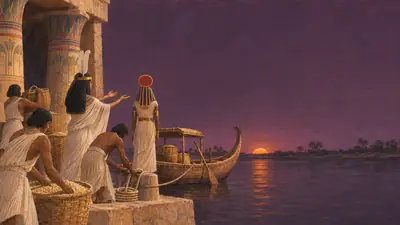
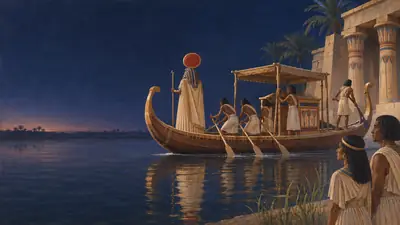
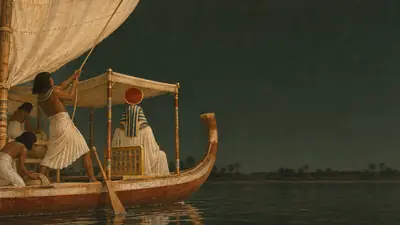
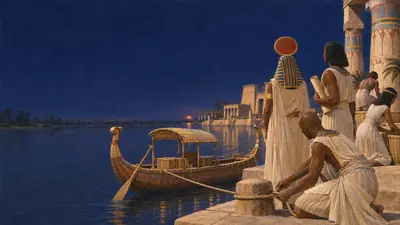
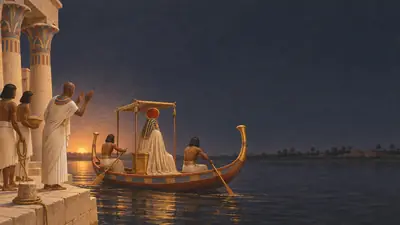
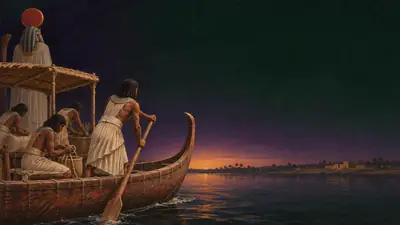
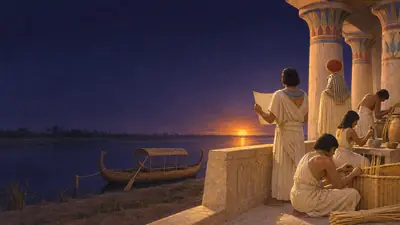
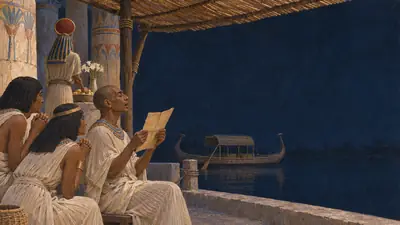
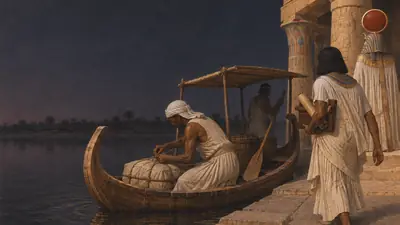
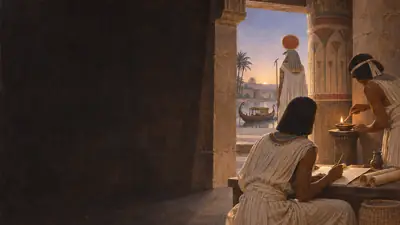
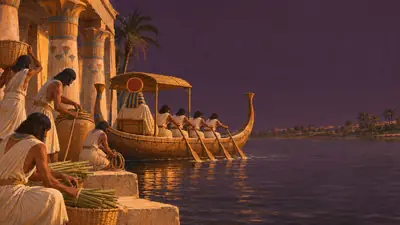
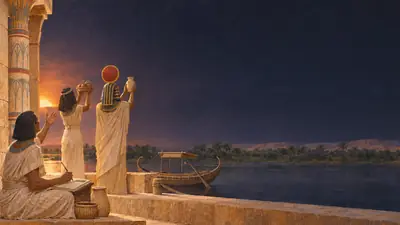
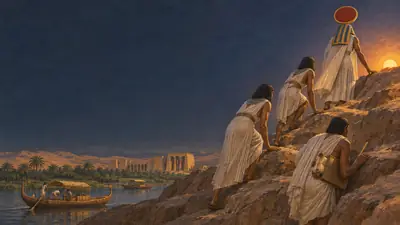
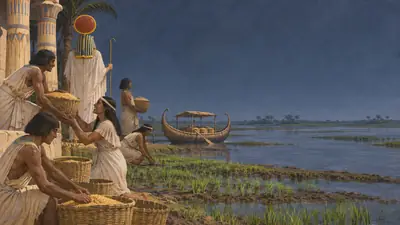
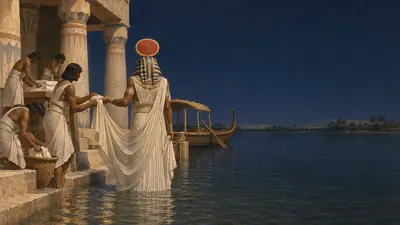
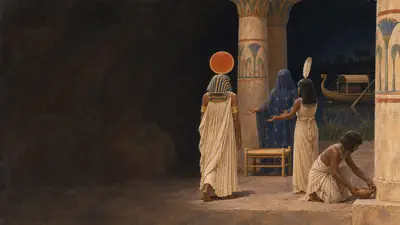
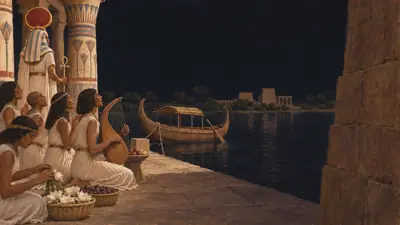
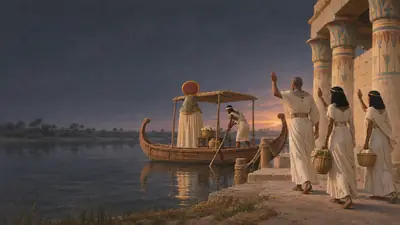
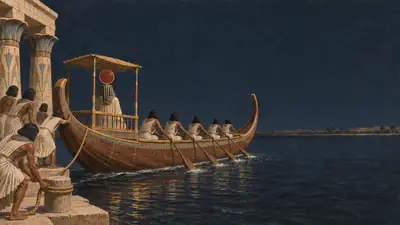
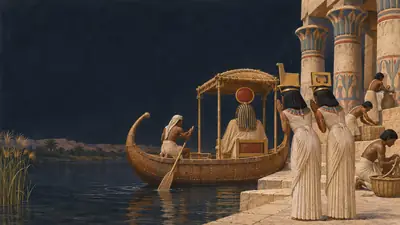
Cuatro himnos egipcios de los papiros de Ani, Hunefer y Nejt siguen al sol desde el amanecer en su paso por el cielo. Ani pide viajar con él. En la lectura final, la barca del atardecer llega al puerto y el himno de Nejt termina con la alegría en el santuario.
FuentesPase las páginas con las flechas, el teclado o deslizando el dedo.
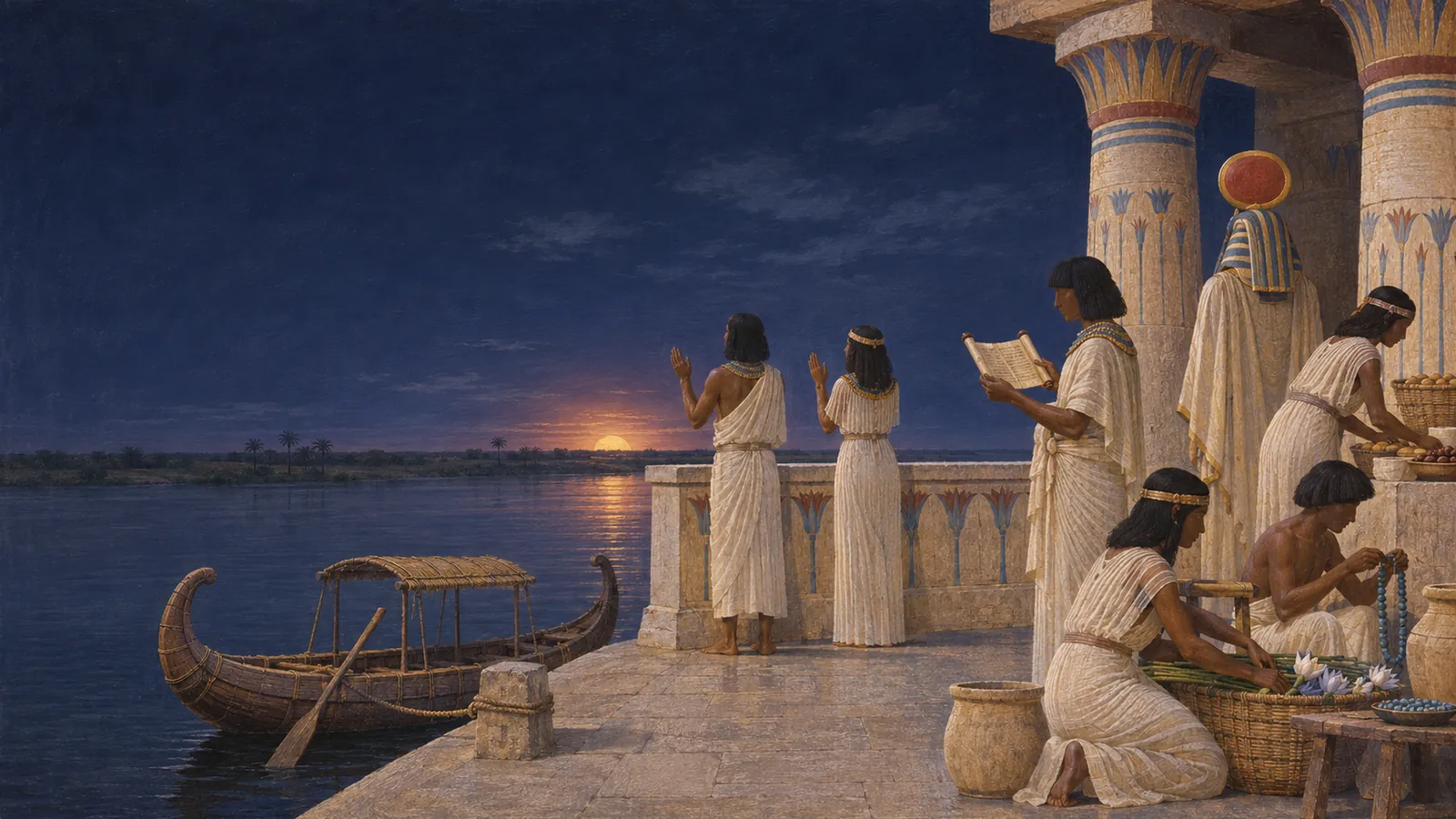
ANI
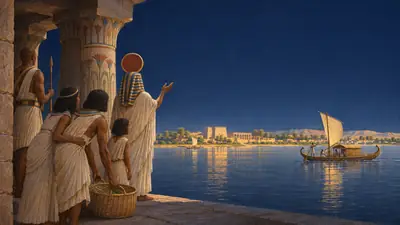
Cuatro lecturas, de Ani, Hunefer, de nuevo Ani y luego Nekht, siguen el recorrido diario del sol. Empezamos por el primer himno del Papiro de Ani.
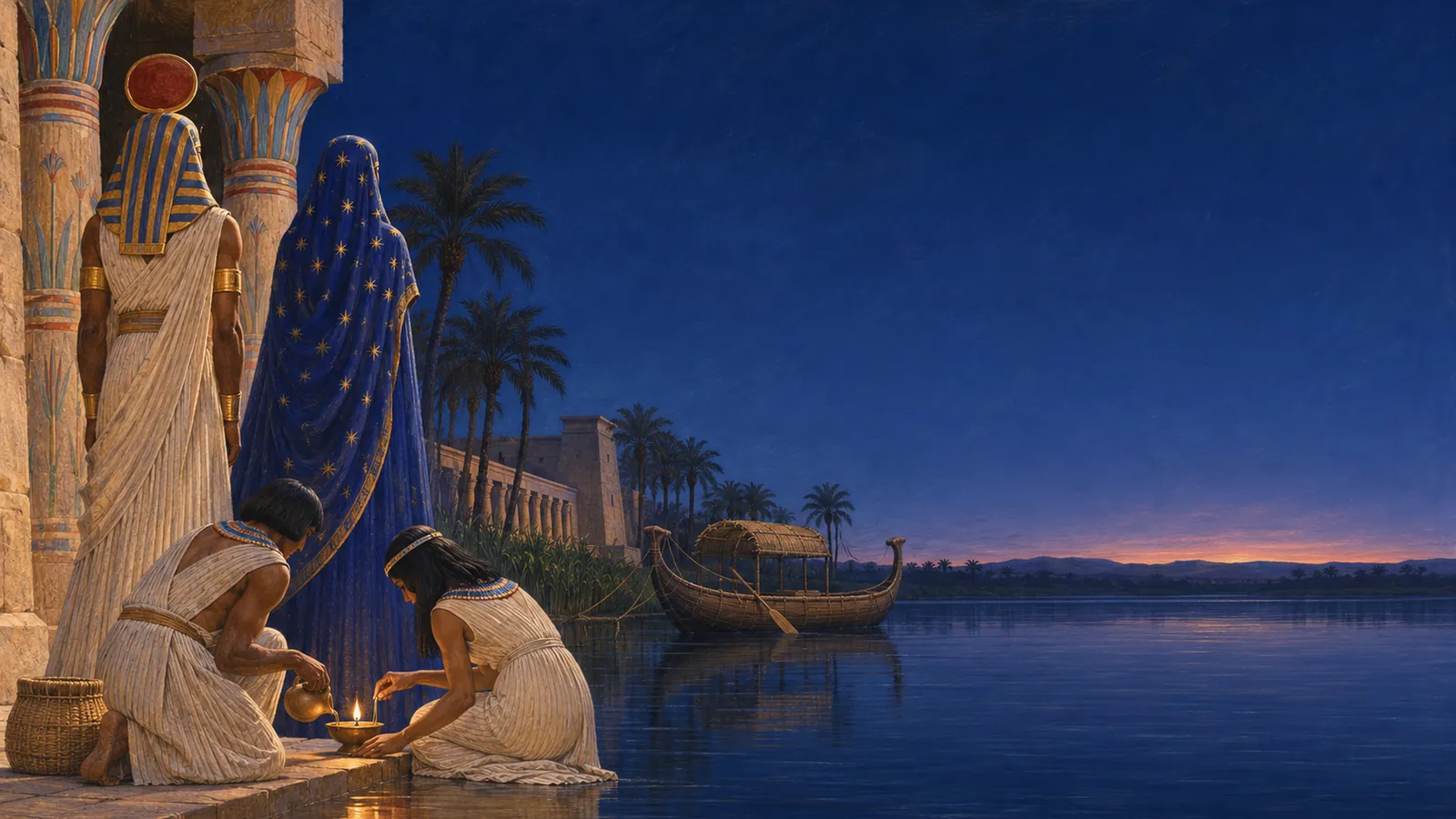
El himno saluda a Jepera como creador de los dioses. Sale y brilla, llevando luz a su madre Nut, el cielo.
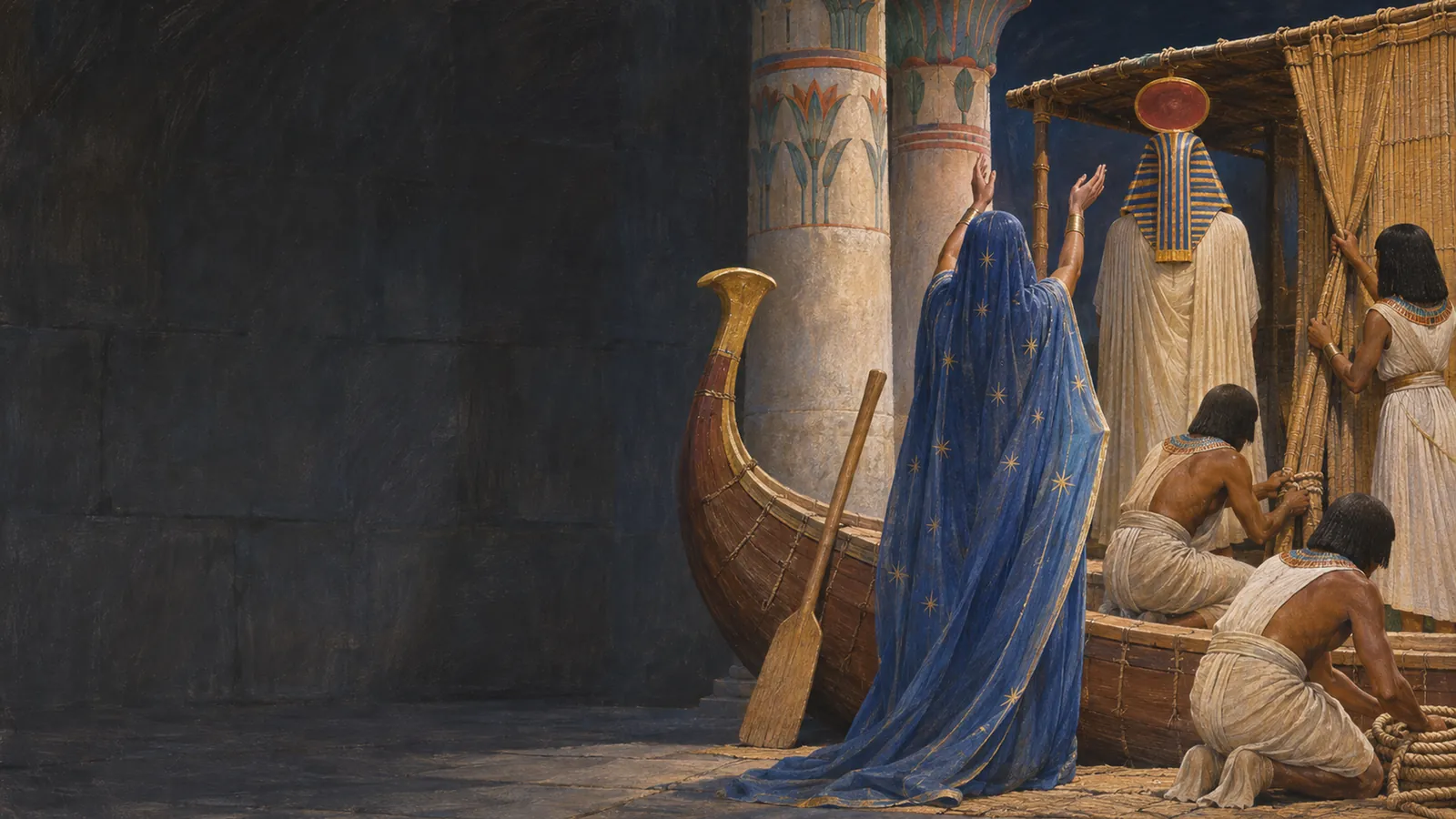
El himno dice que Jepera es coronado rey de los dioses. Su madre Nut alza las dos manos para rendirle homenaje.
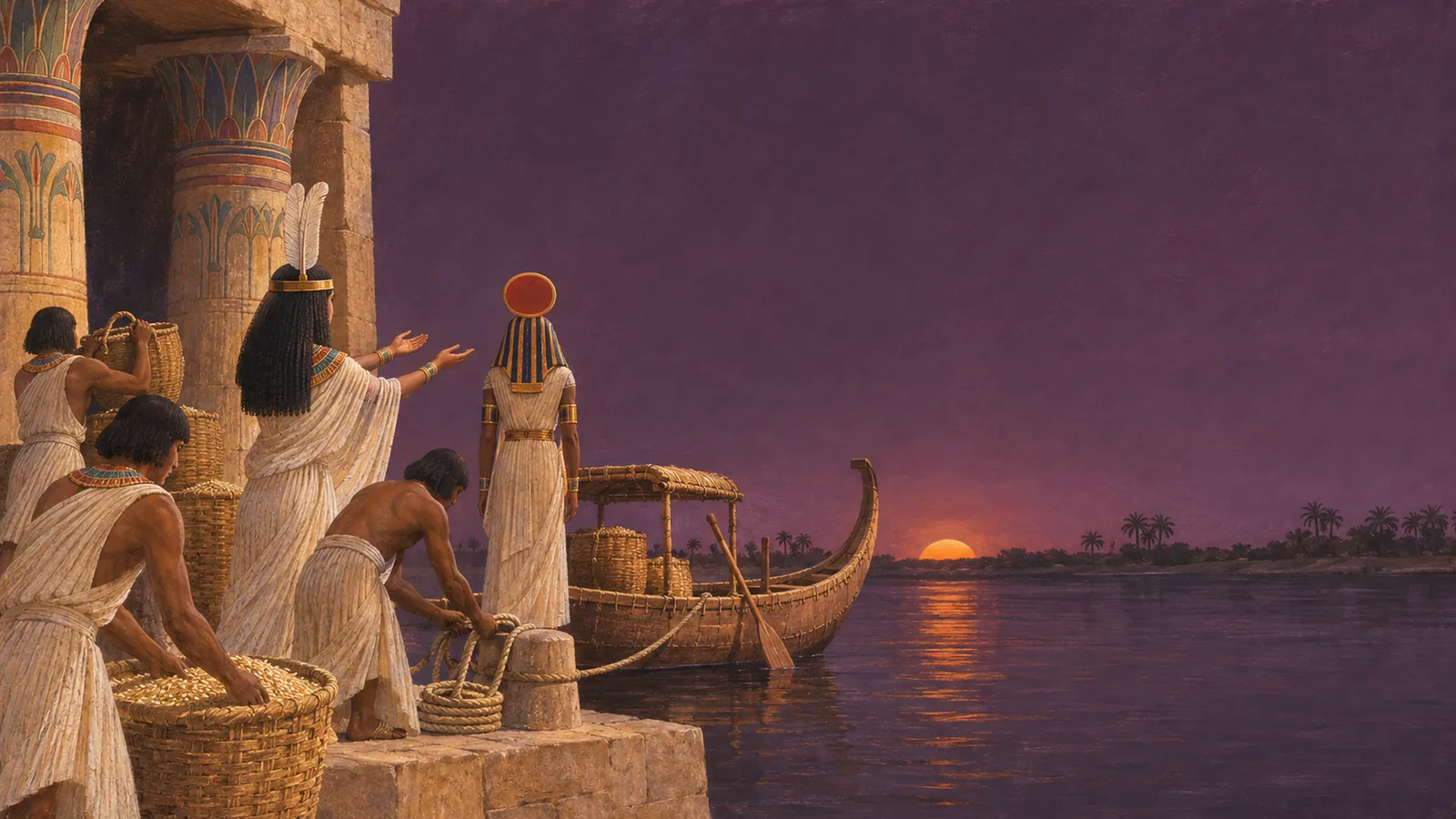
Manu, la tierra del ocaso, lo recibe con alegría. El himno dice que Maat lo abraza por la mañana y por la tarde.
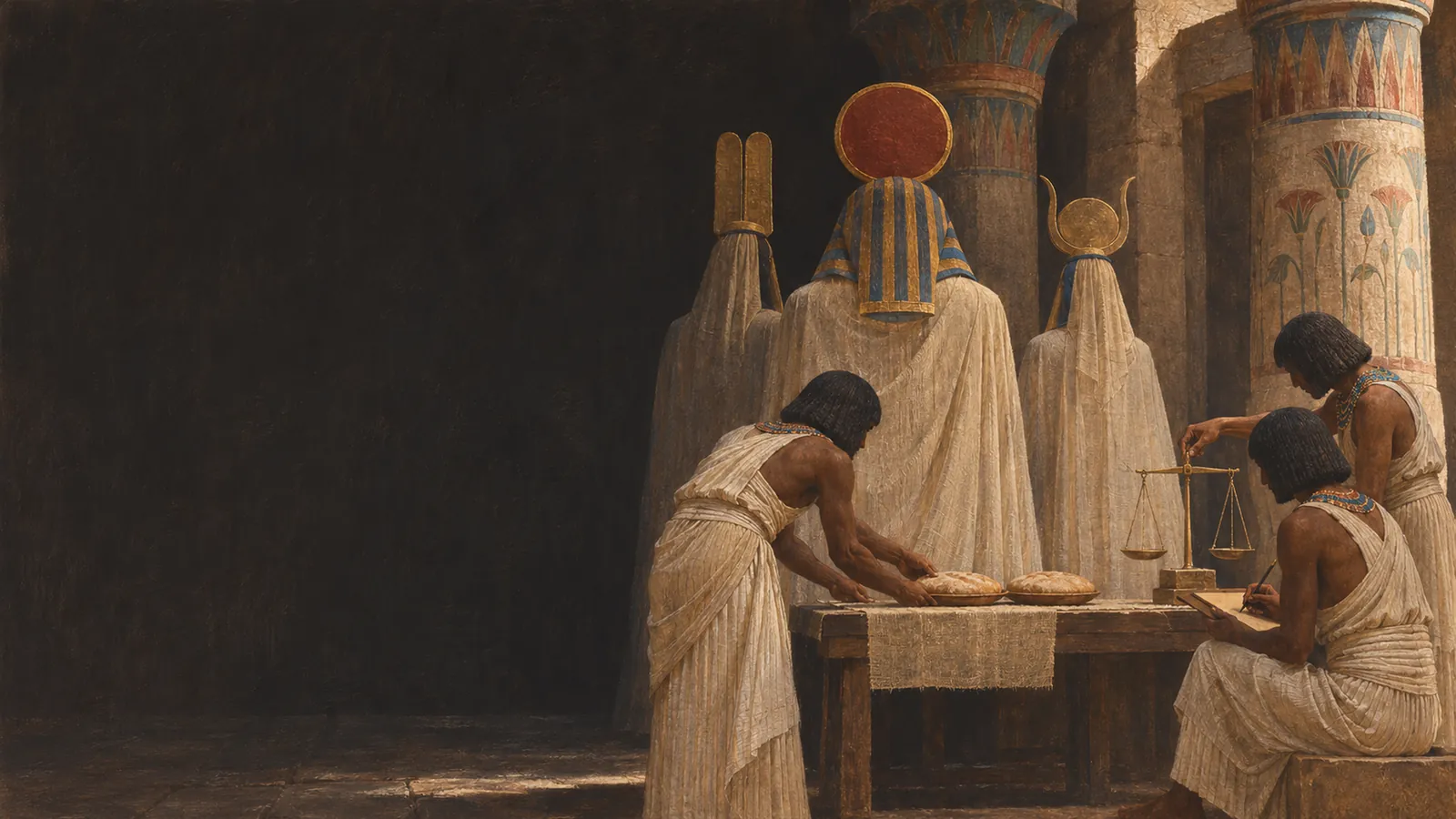
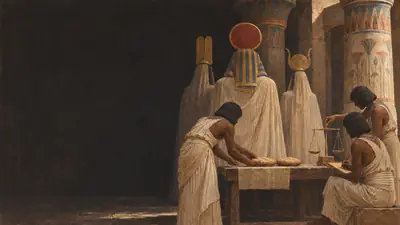
El himno saluda a los dioses del Templo del Alma. Dice que pesan el cielo y la tierra en una balanza y proporcionan alimento abundante a los dioses.
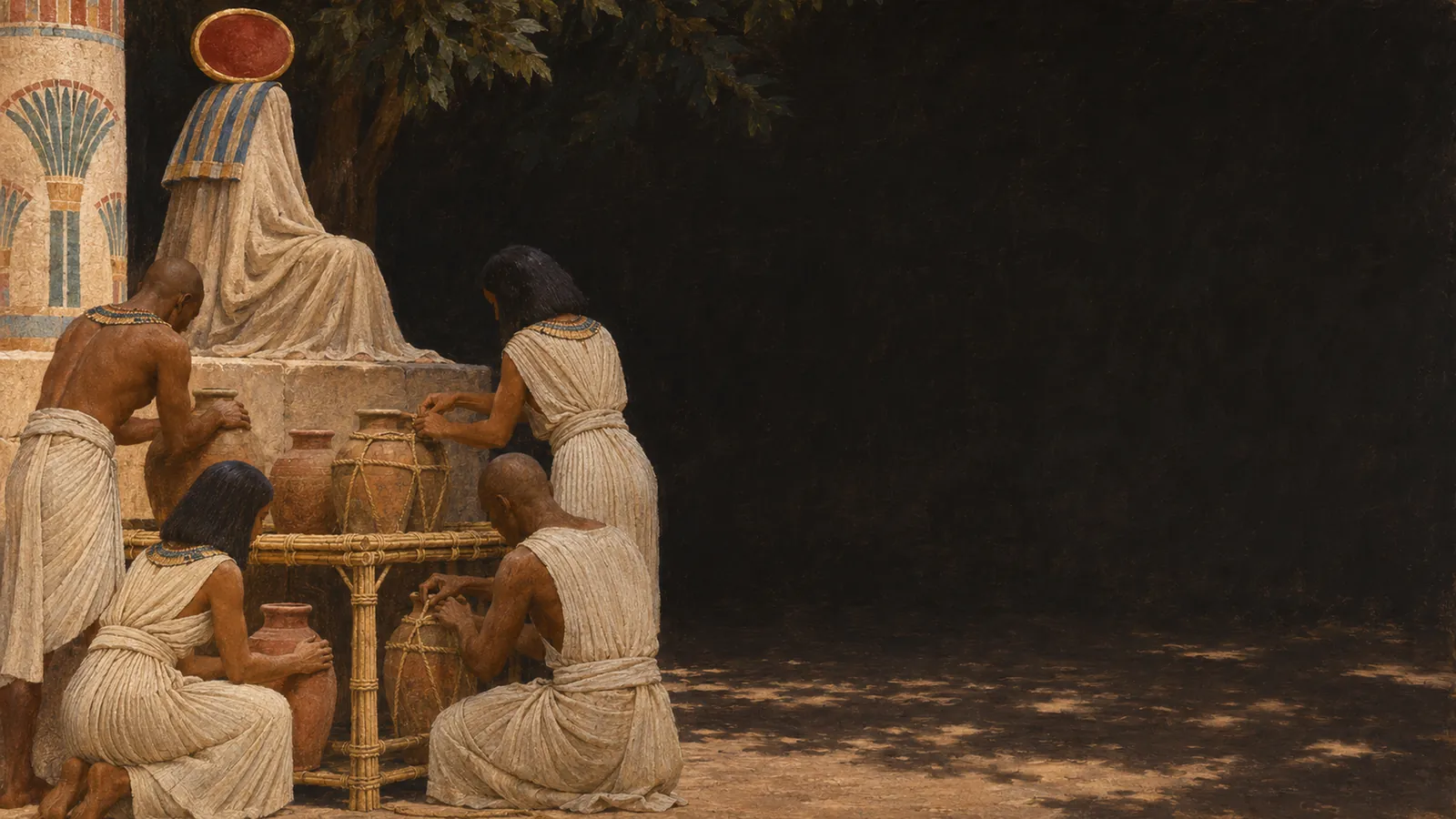
El himno saluda a Tatunen como el Único que creó a los seres humanos. Dice que hizo la sustancia de los dioses del sur y del norte, del oeste y del este.
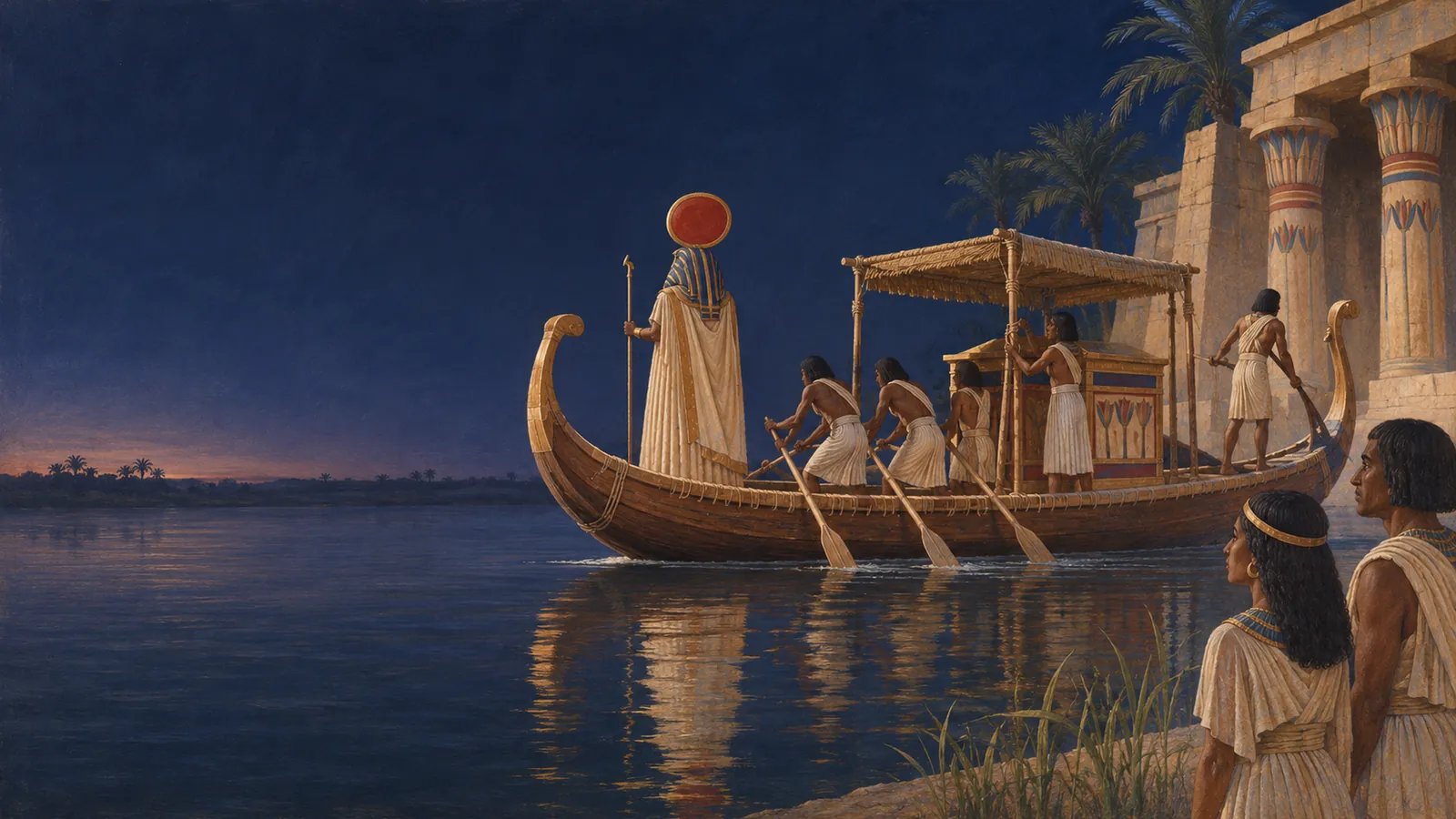
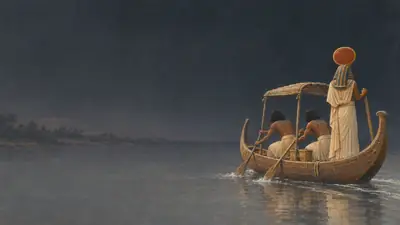
El himno llama a aclamar a Ra, señor del cielo y creador de los dioses. Llega por la mañana en su barca divina.
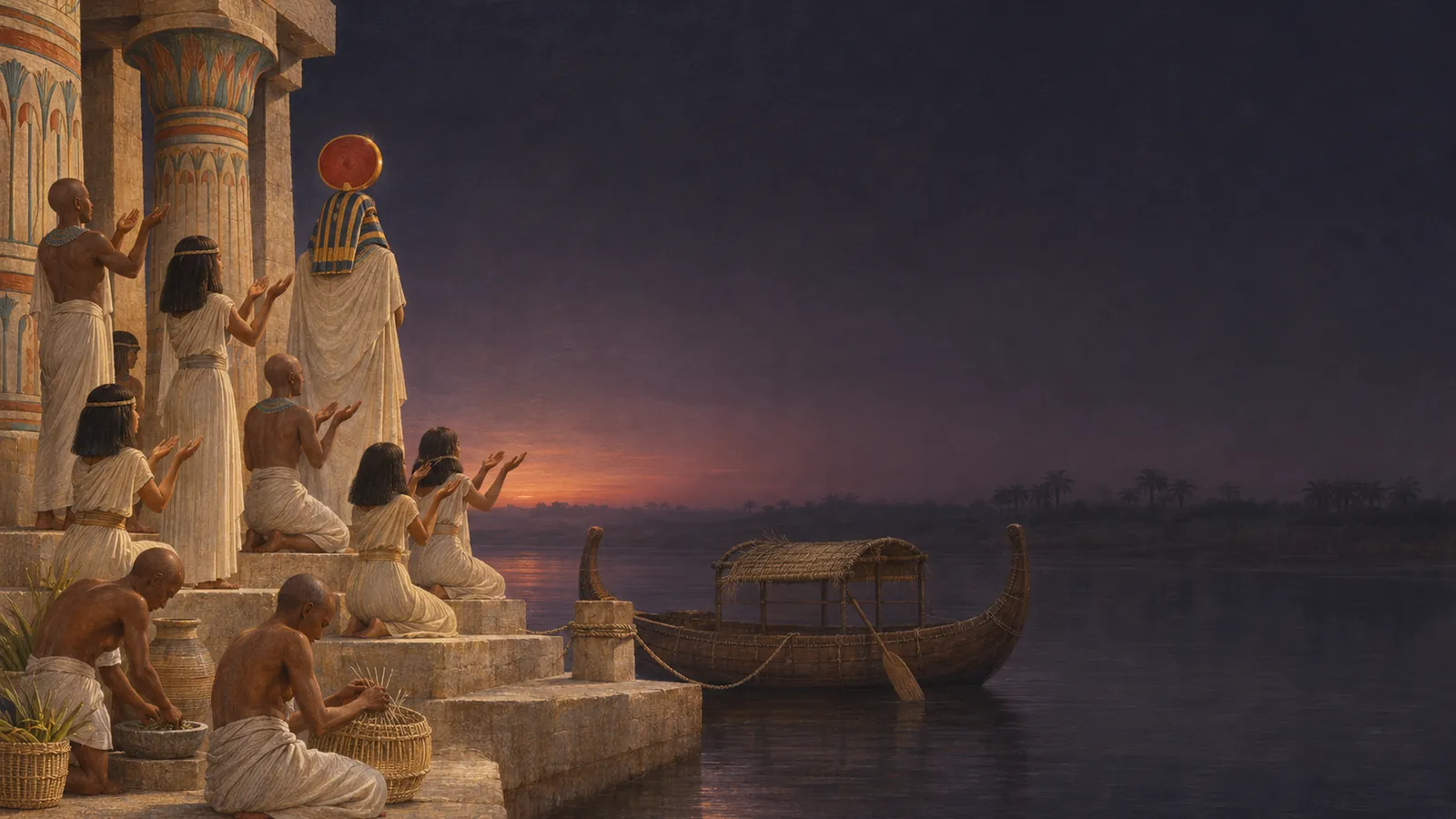
El cantor se dirige directamente a Ra. Tanto quienes habitan en las alturas como quienes habitan en las profundidades le rinden homenaje.
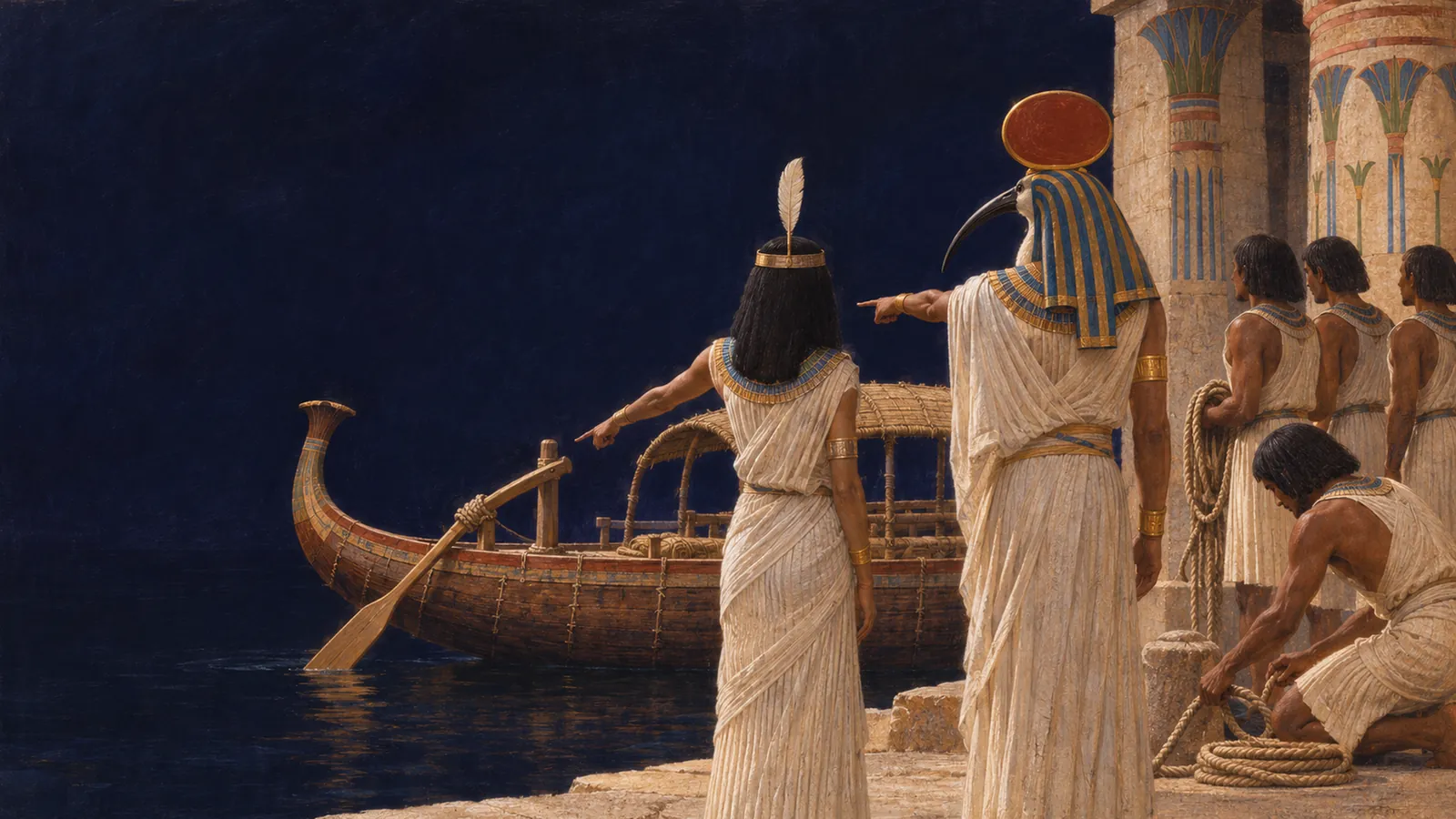
El himno dice que Tot y Maat señalan el recorrido de Ra para cada día.
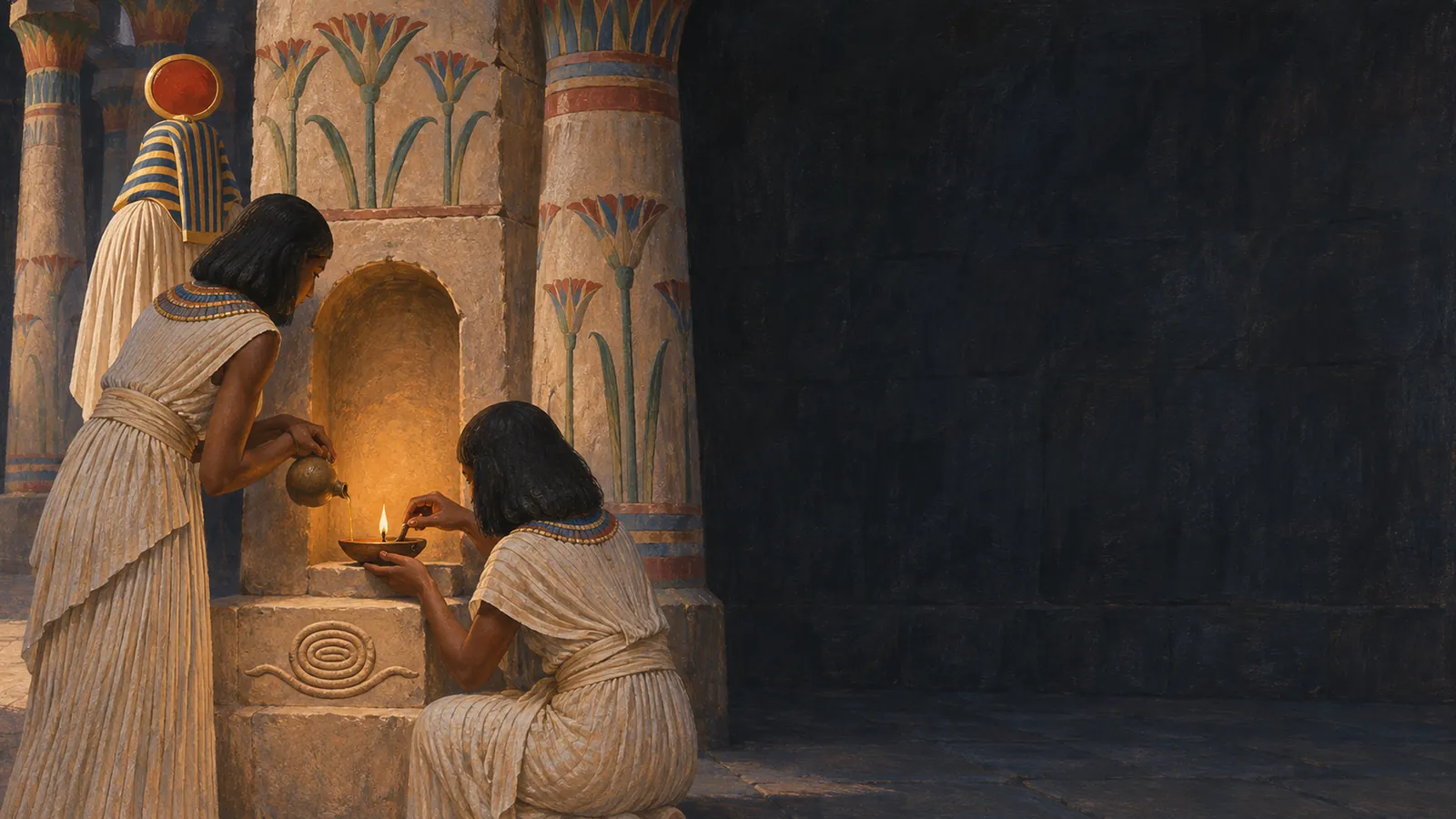
El himno dice que la serpiente enemiga fue entregada al fuego, y que Sebau cayó, fue encadenado y Ra le cortó las piernas.
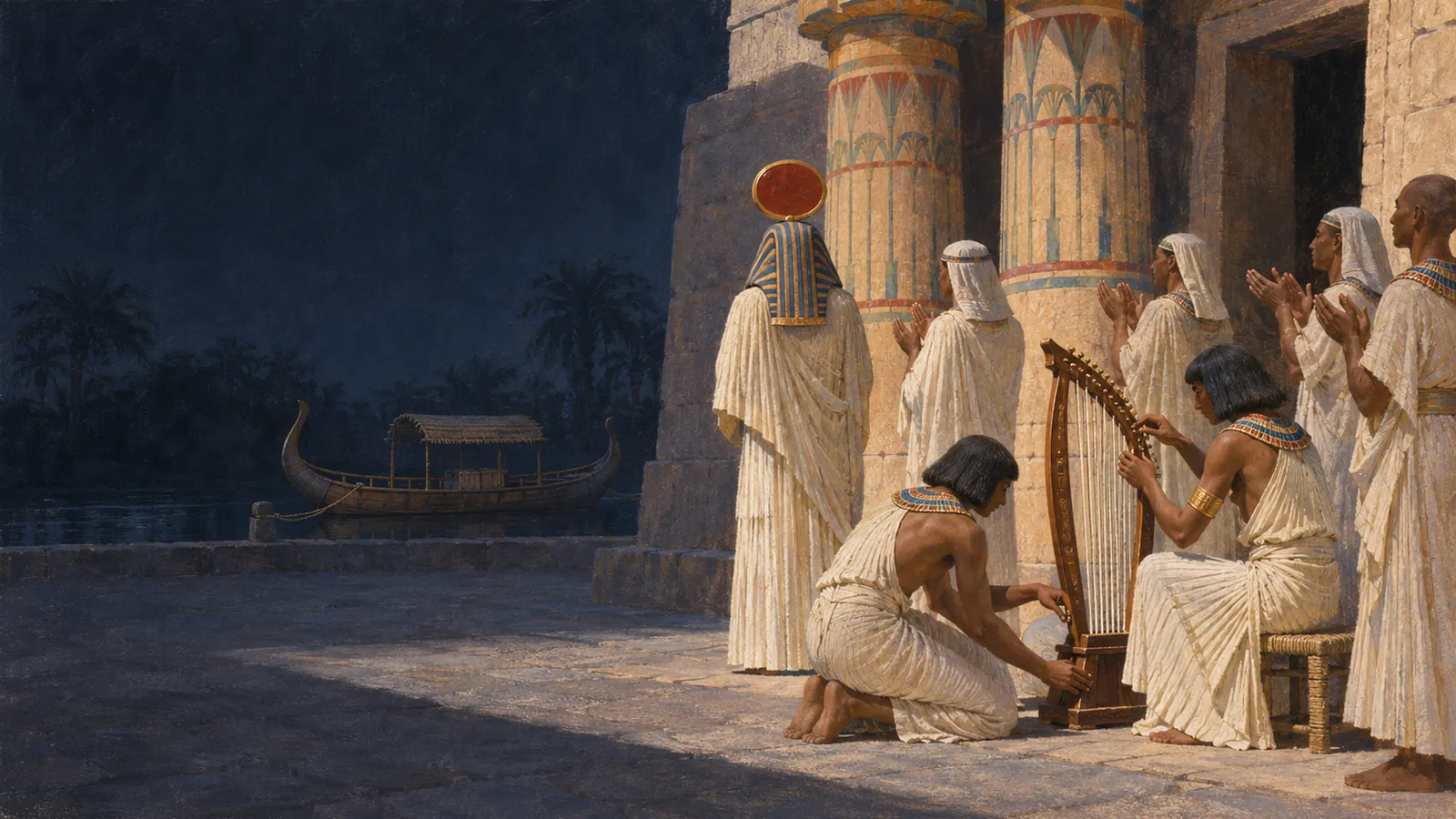
El himno dice que los adversarios rebeldes no volverán a levantarse. El templo del Anciano, a quien la edición identifica con Ra, celebra una fiesta.
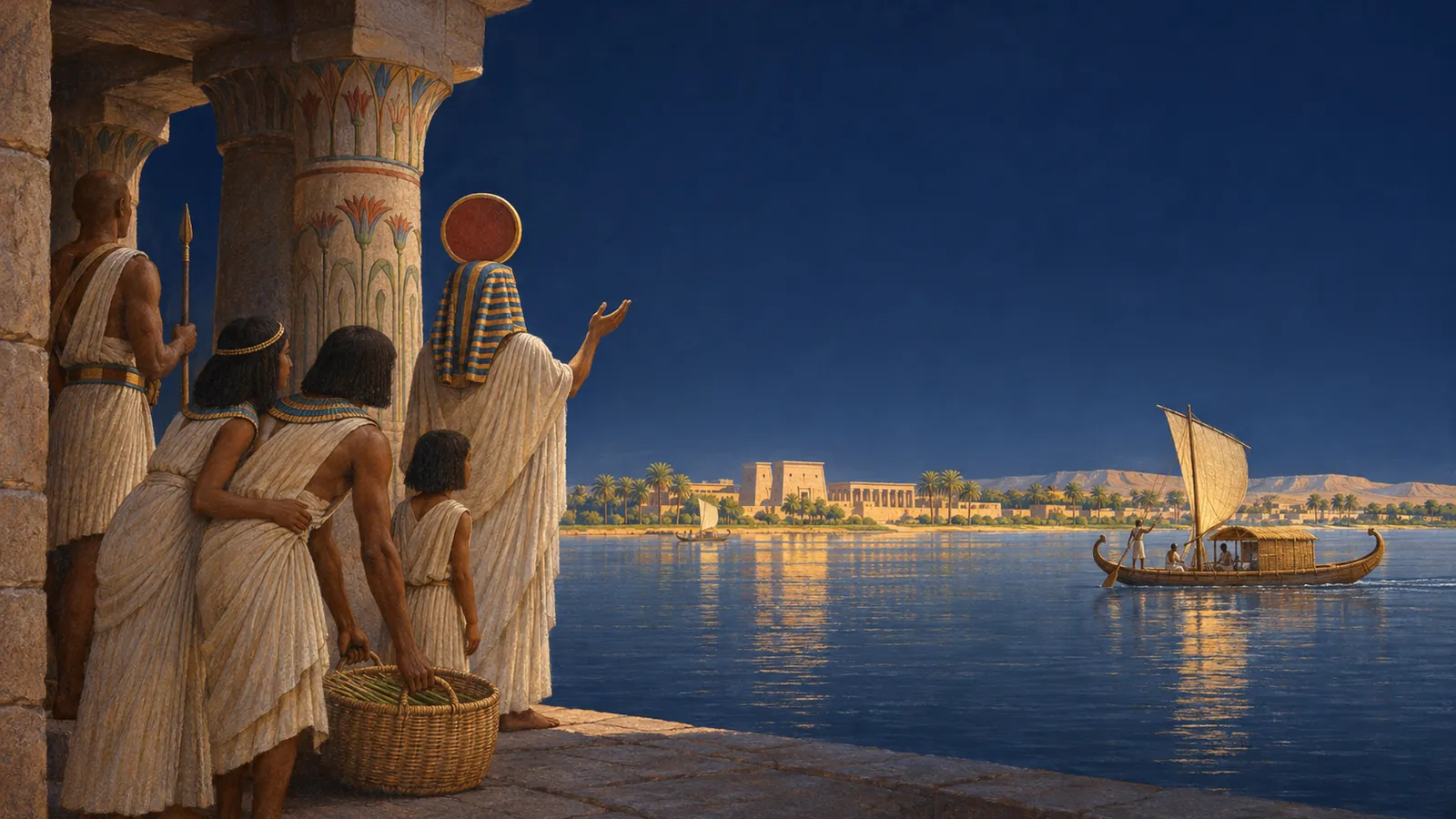
Resuenan voces de júbilo en la gran morada. El himno dice que los dioses también se alegran cuando sale Ra y sus rayos llenan el mundo de luz.
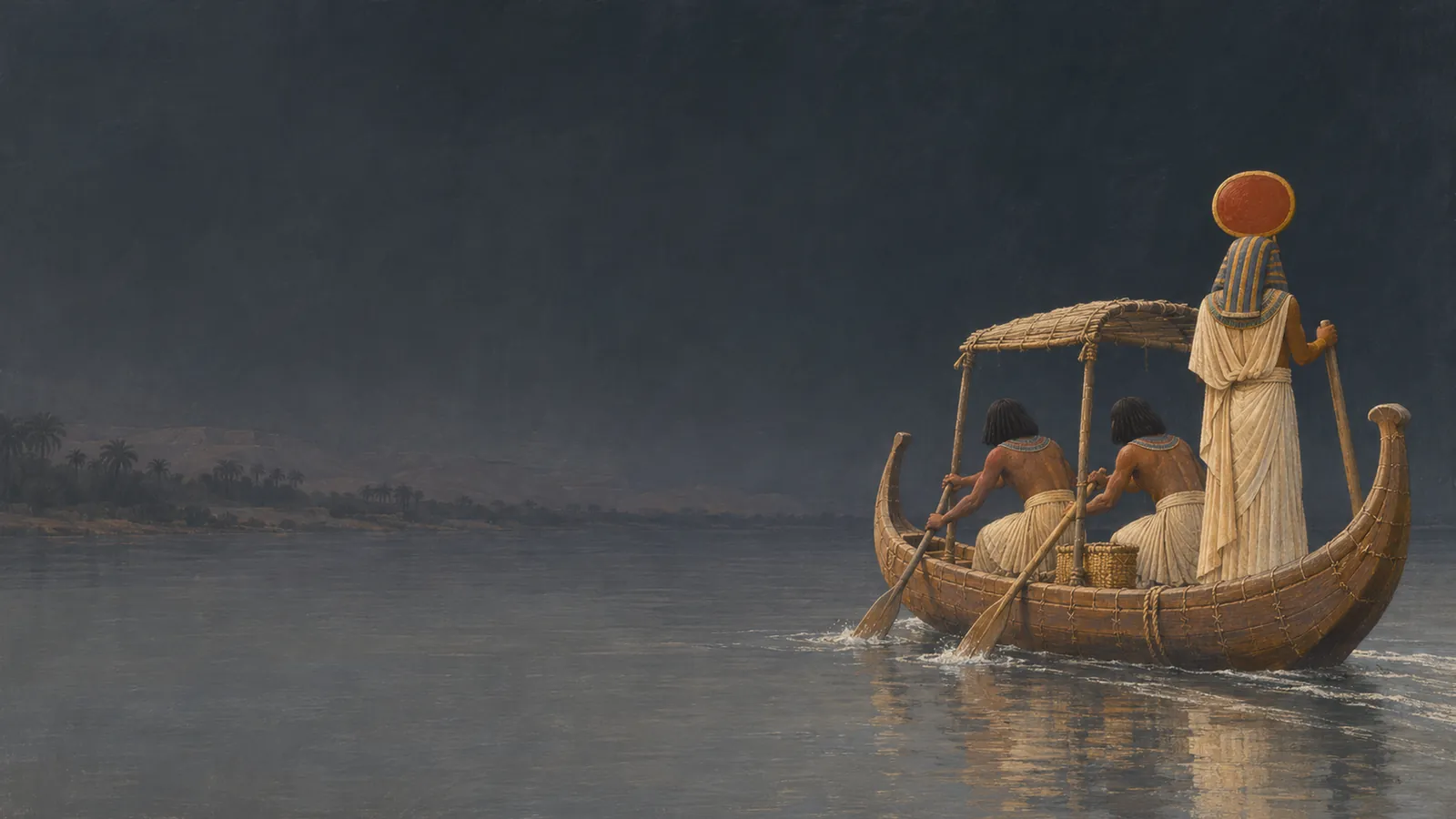
Ra se pone en marcha y avanza hasta Manu. El himno dice que ilumina la tierra al nacer cada día.
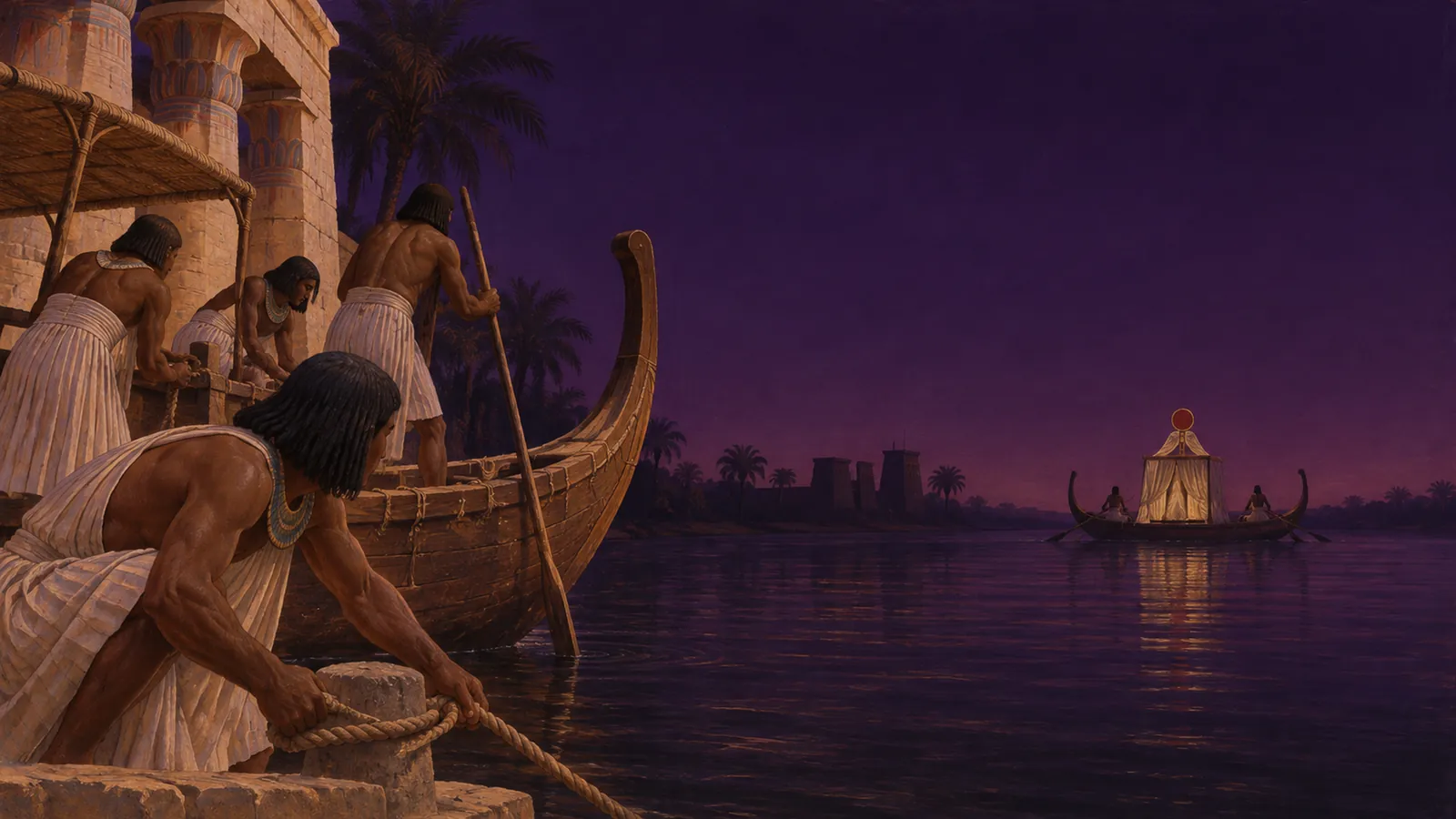
El primer himno concluye con el retorno de Ra. Prosigue su viaje hasta el lugar donde estuvo el día anterior.
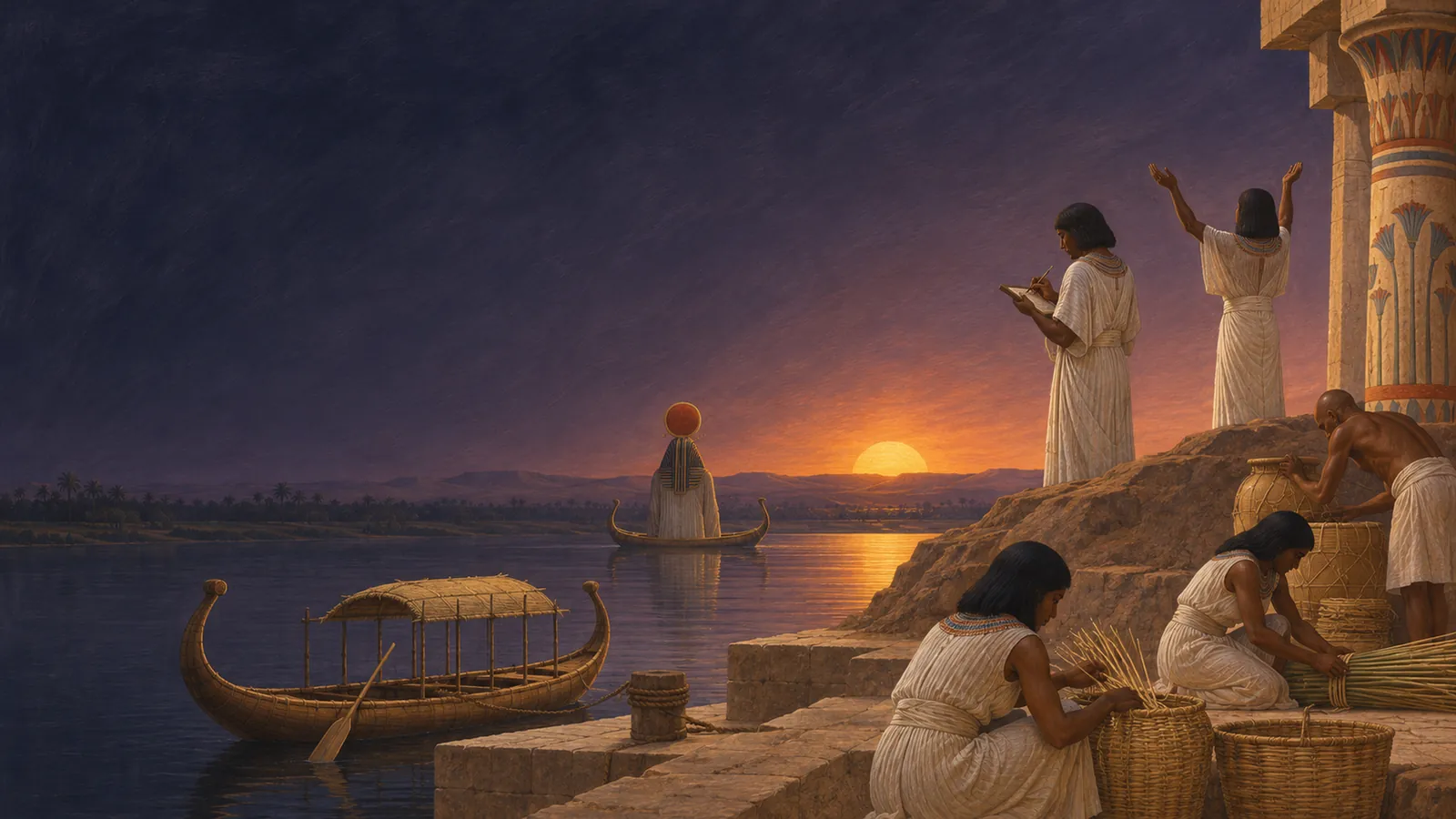
HUNEFER
El himno siguiente procede del Papiro de Hunefer. Comienza saludando al sol como Ra cuando sale y como Temu cuando se pone.
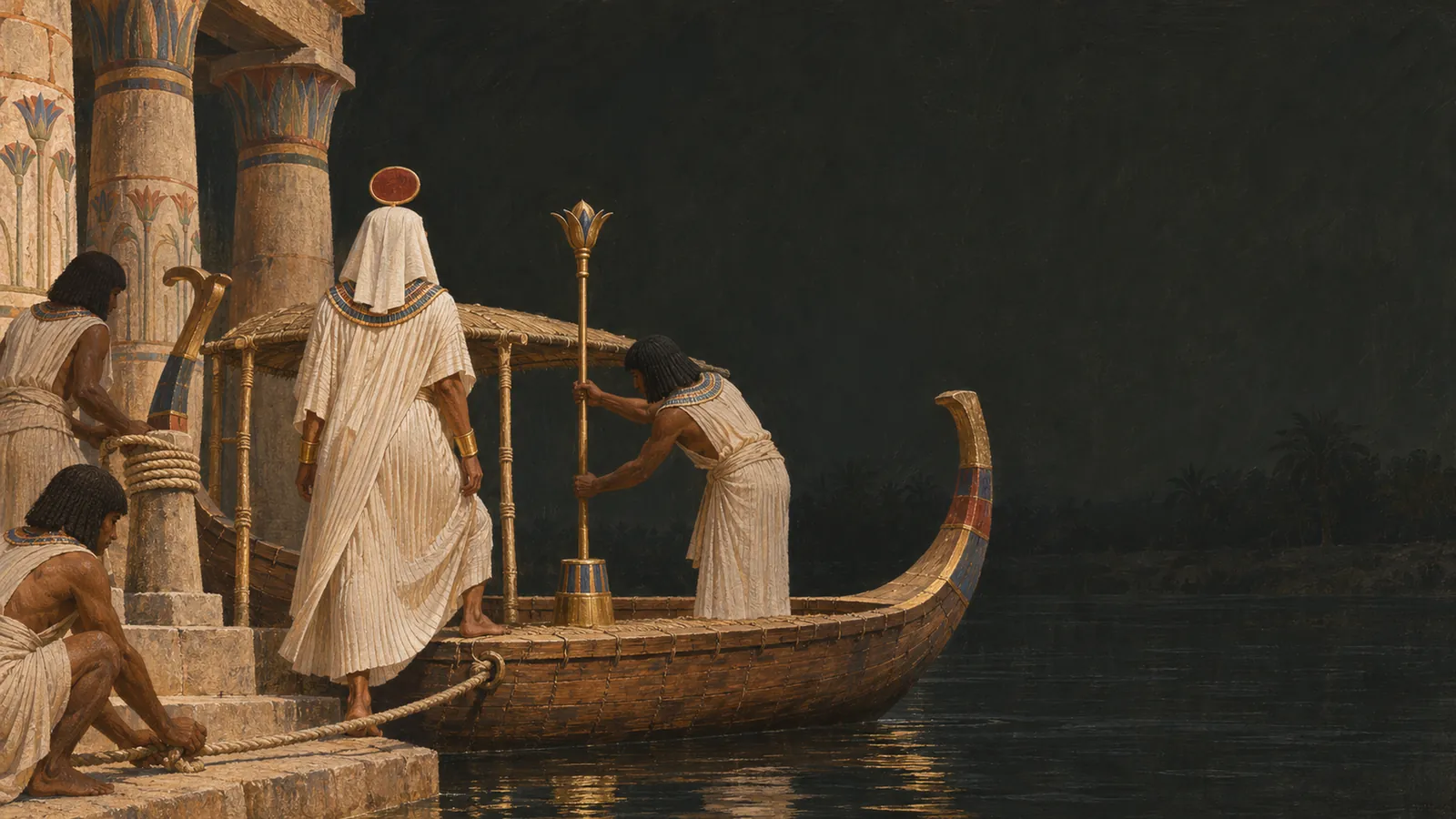
El himno repite que sale y que brilla. Lo saluda como rey coronado de los dioses y señor del cielo y la tierra.
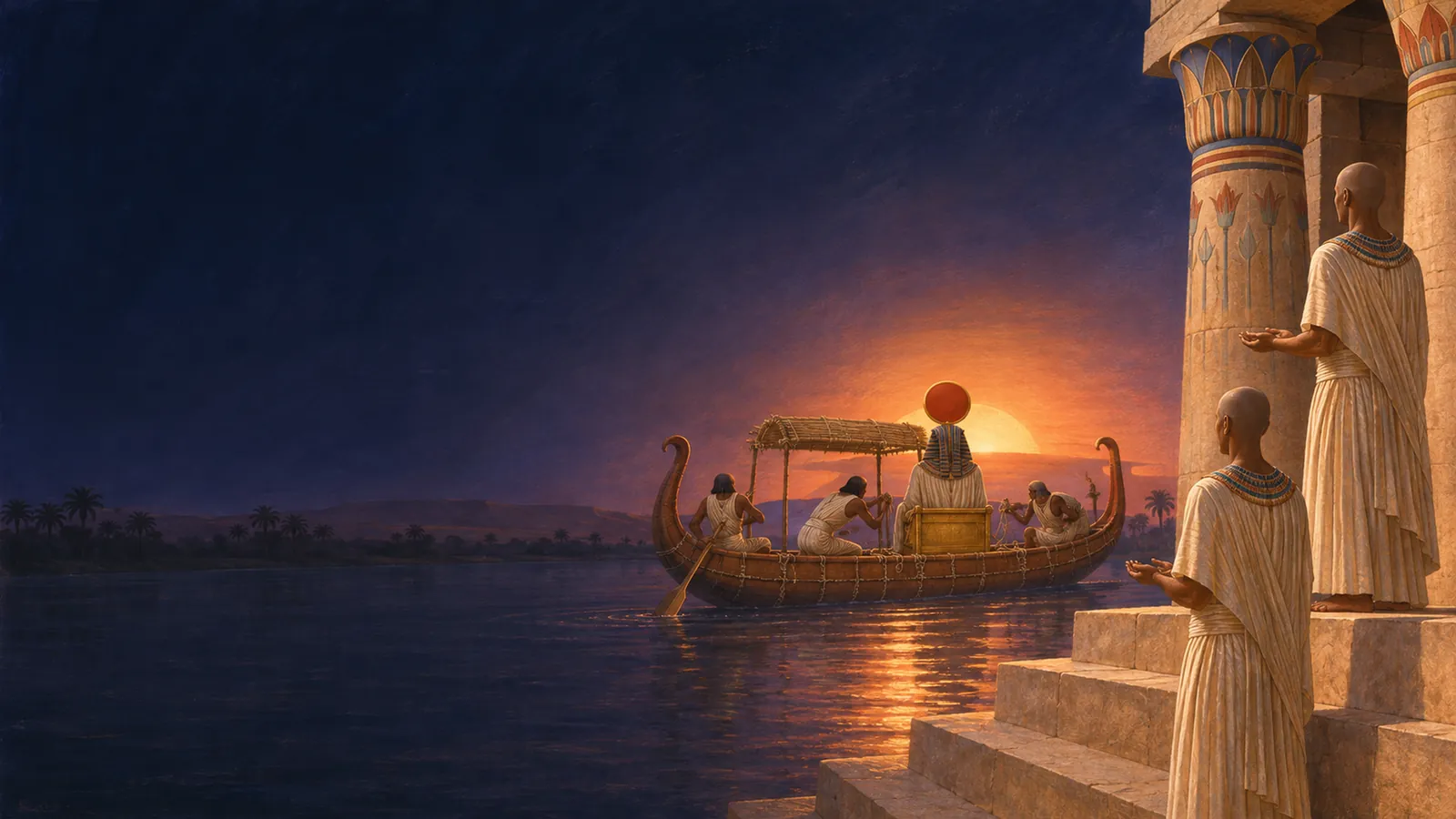
El himno lo llama creador de quienes habitan en las alturas y en las profundidades. Dice que el Dios único vino a la existencia al comienzo del tiempo.
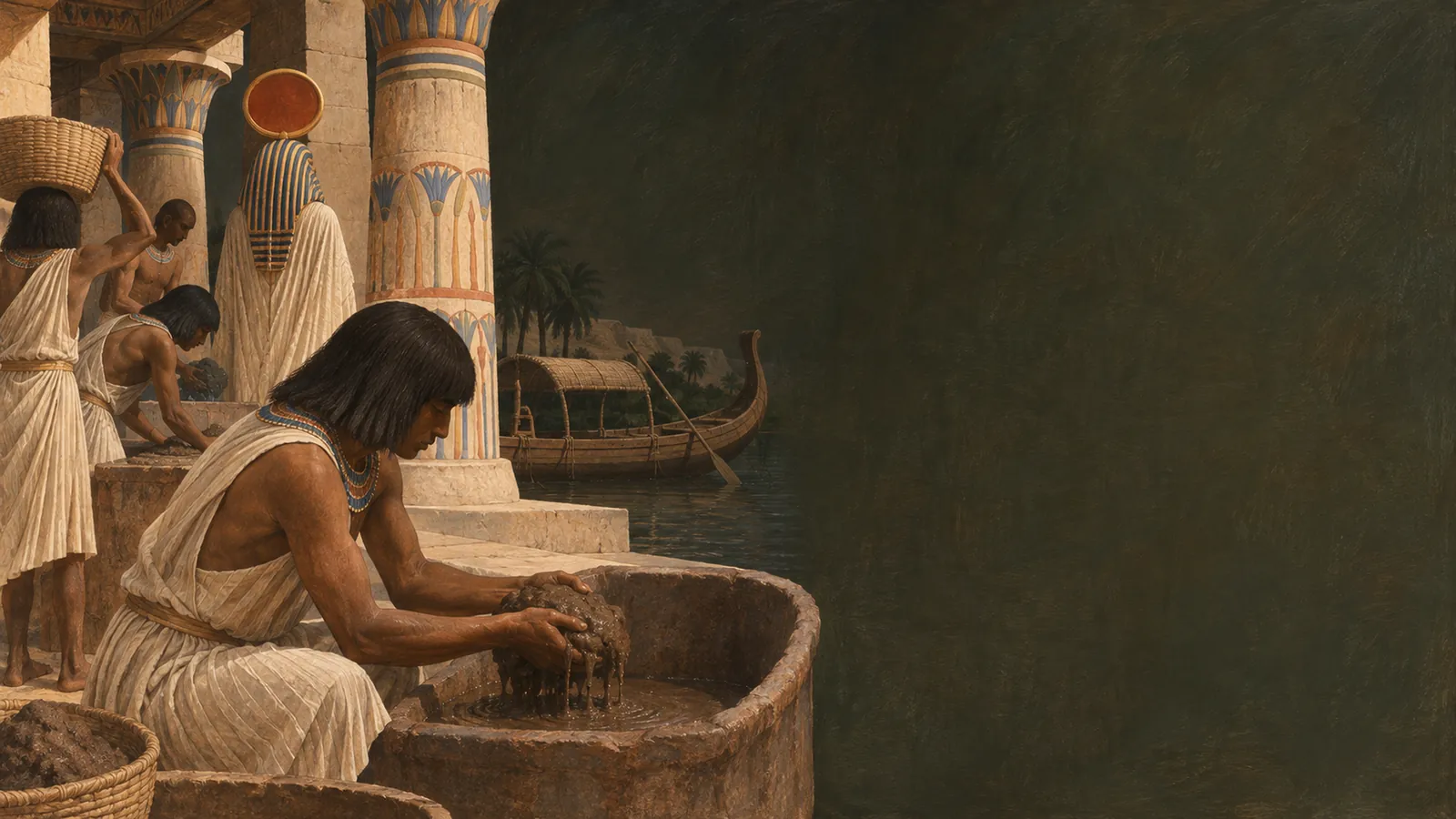
El canto se dirige a él como a quien creó la tierra y modeló a la humanidad. También le dice que hizo el abismo de agua del cielo.
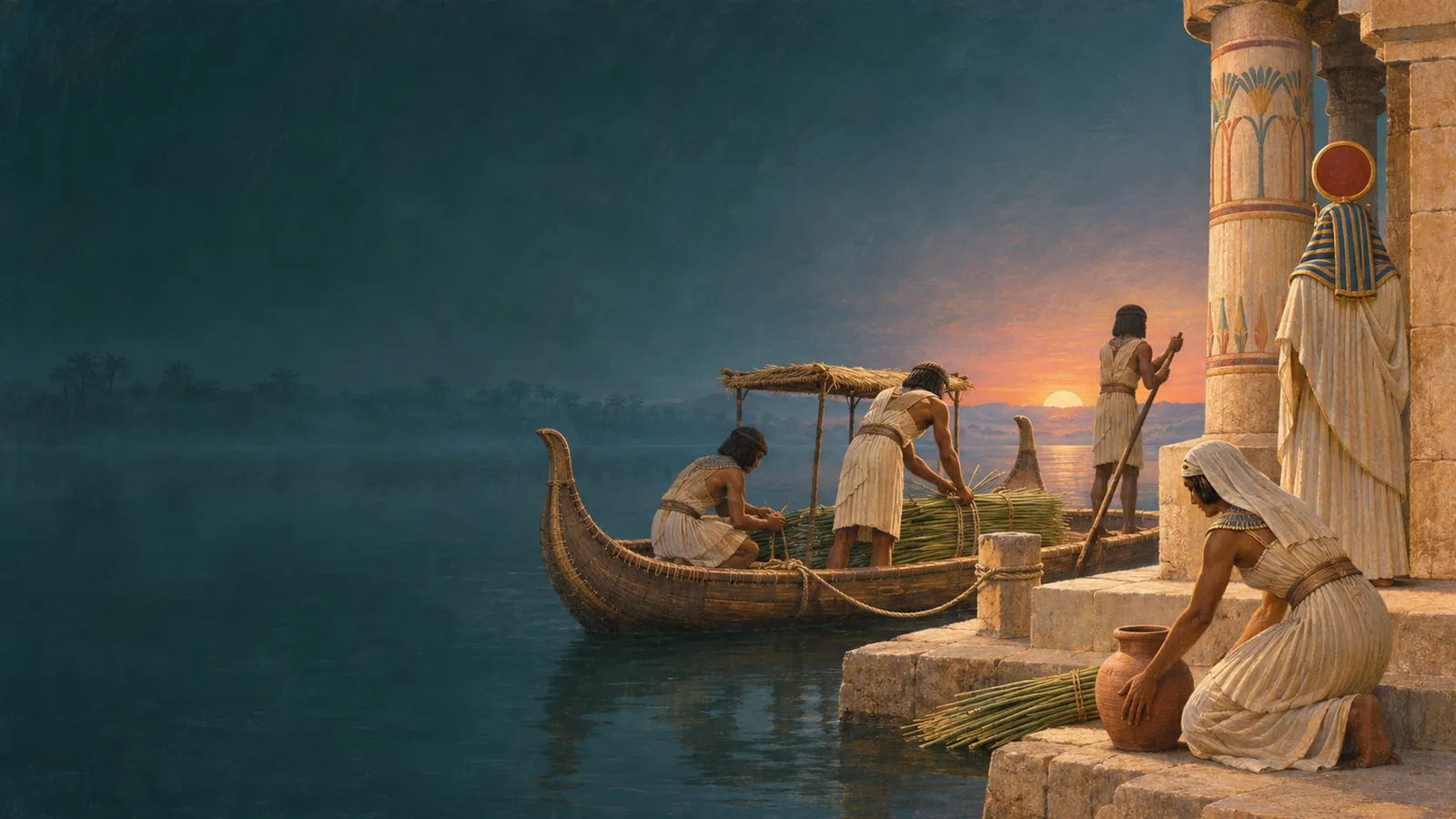
Formó a Hapi, el Nilo, y creó el gran abismo. El himno añade que da vida a todo lo que hay en él.
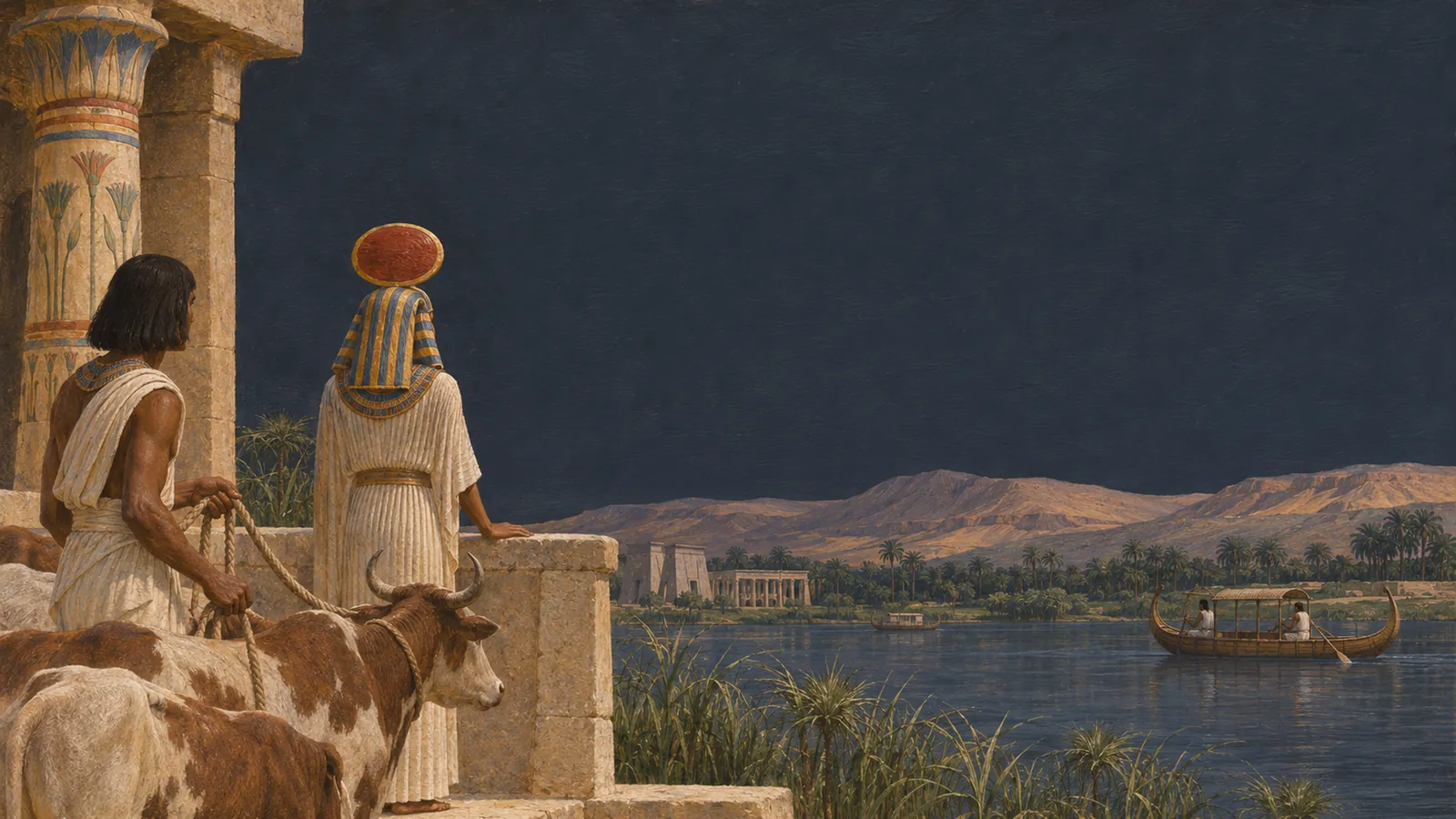
El himno dice que unió las montañas y dio existencia a las personas y a los animales de los campos. Lo llama hacedor de los cielos y la tierra.
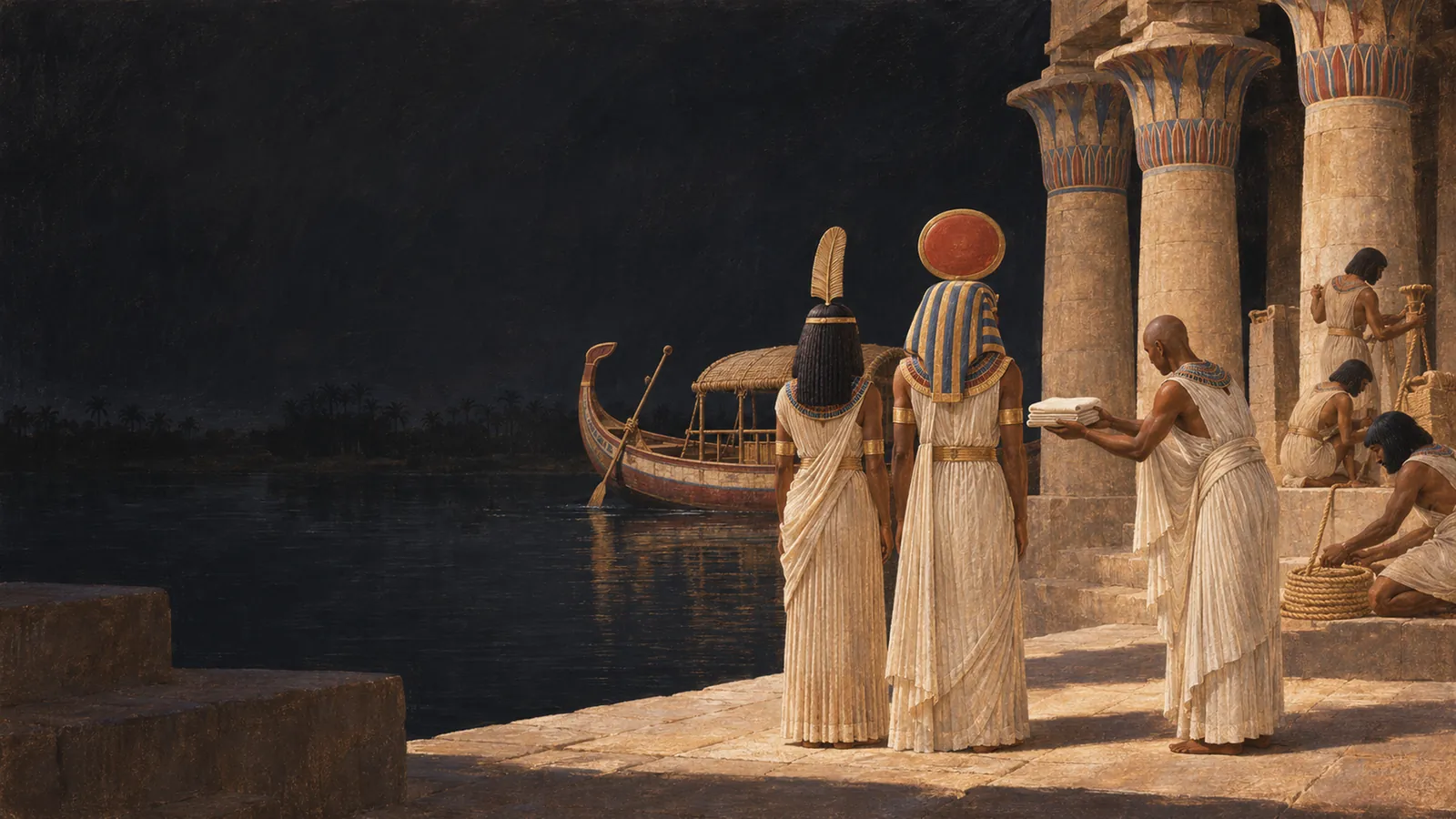
El himno llama a alabar a aquel a quien abraza la diosa Maat. Nombra tanto la mañana como la tarde como momentos de ese abrazo.
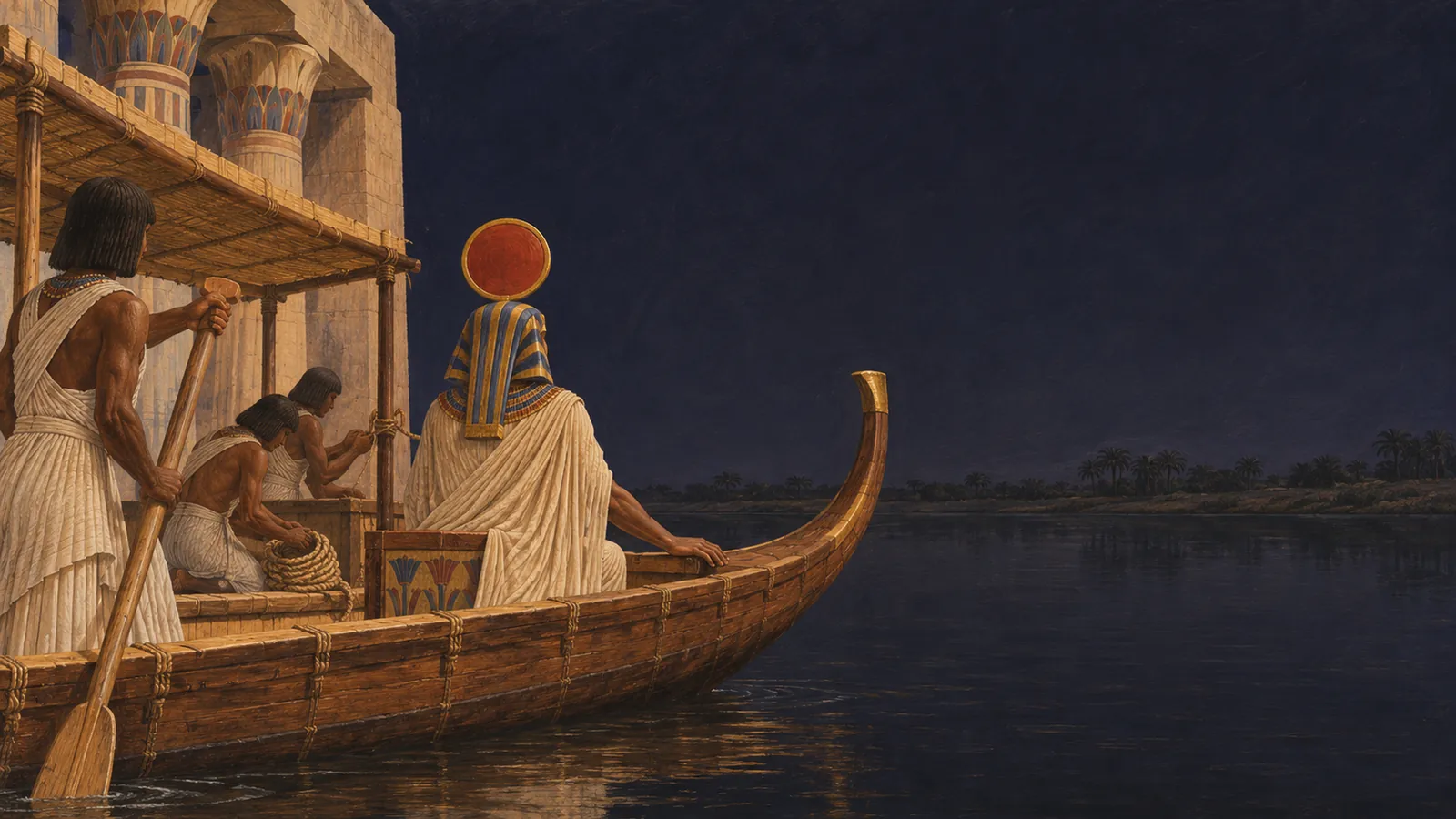
El himno presenta al viajero cruzando el cielo con el corazón rebosante de alegría. El gran abismo celeste se muestra satisfecho con su paso.
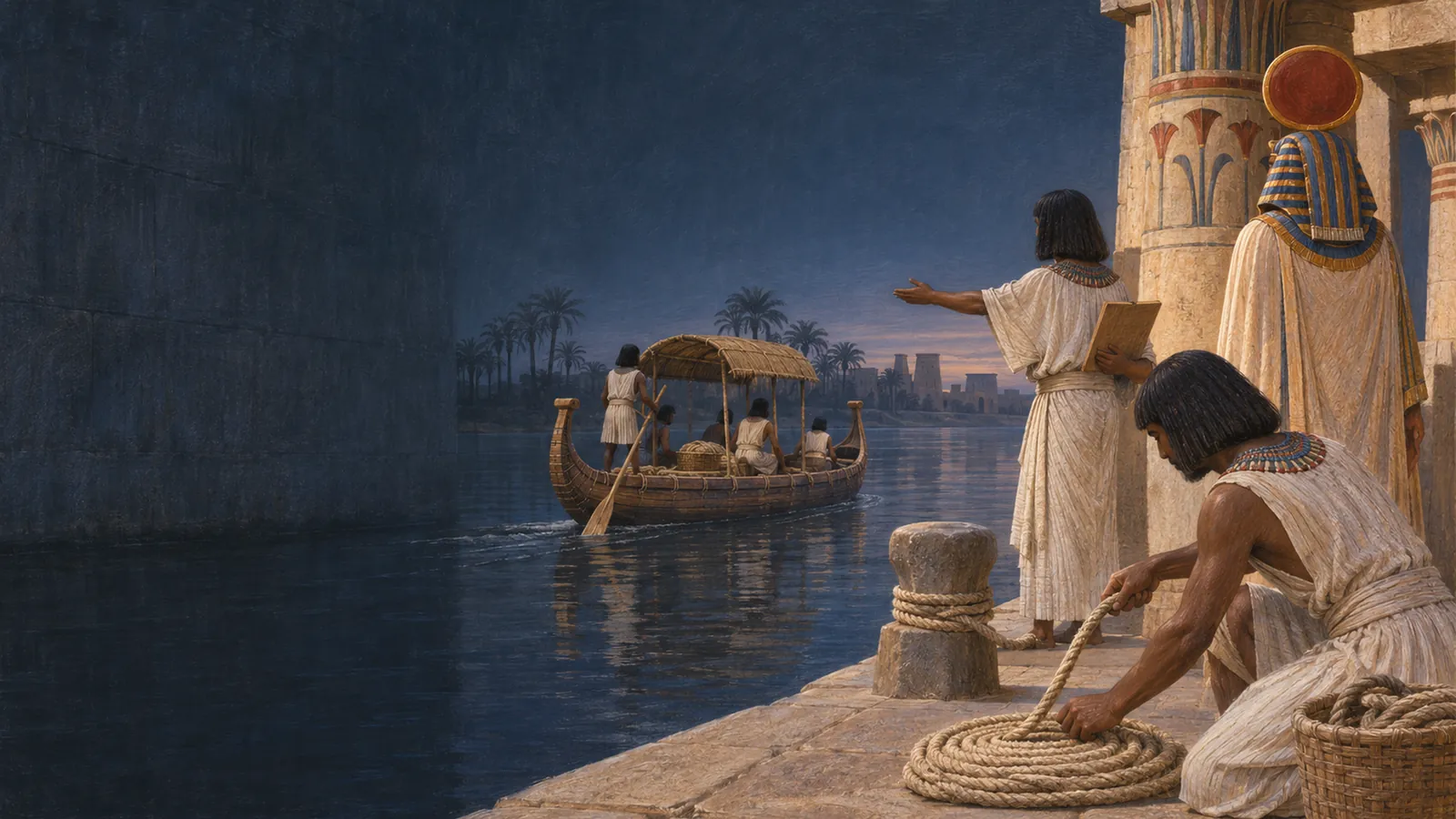
En el himno de Hunefer, Nak, el adversario serpentino, cae y le cortan los brazos. Las líneas siguientes retoman la travesía de la barca Sektet.
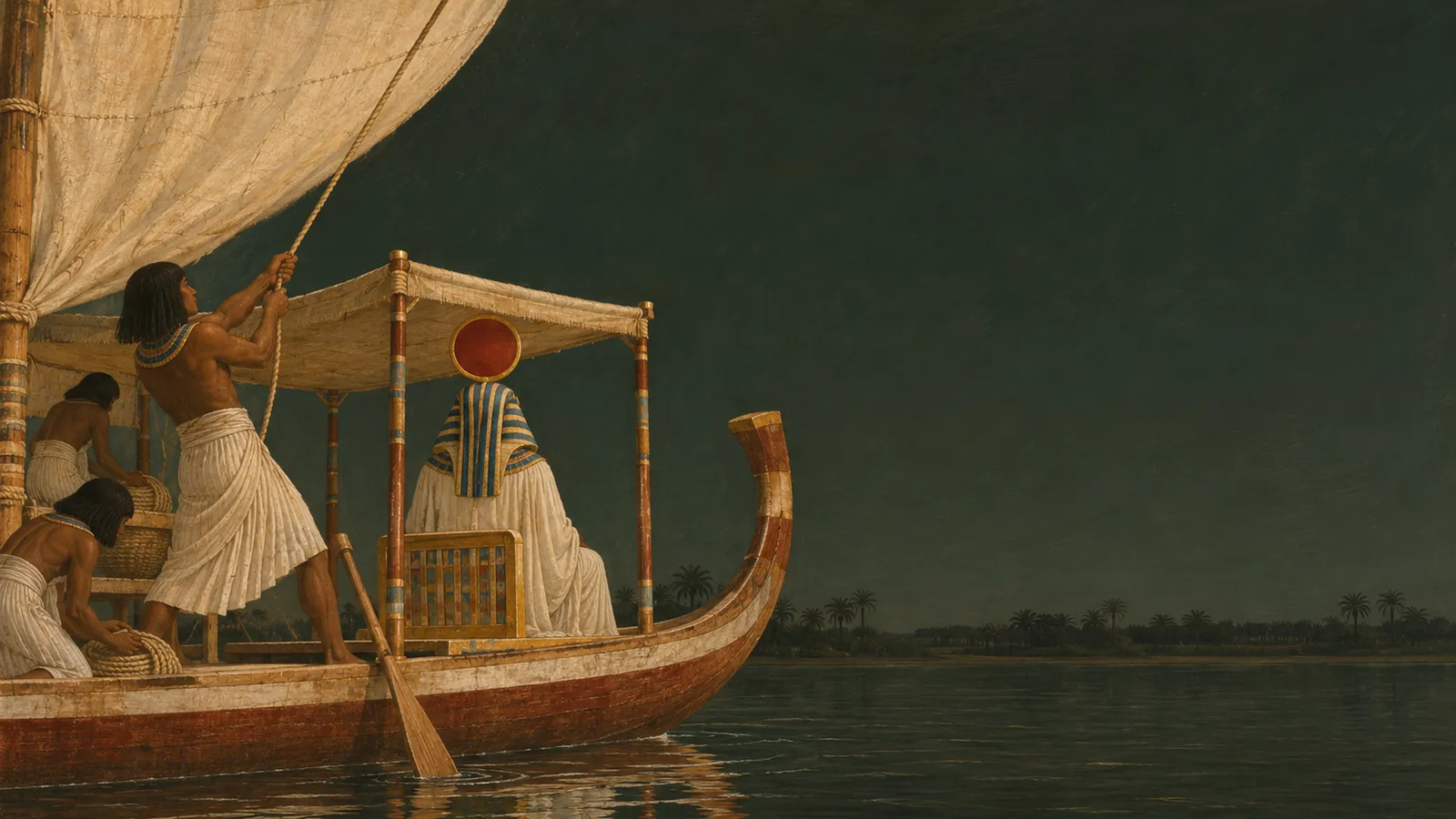
La barca Sektet recibe vientos favorables y quien está en su santuario se alegra. Budge la identifica como la barca en la que Ra navega del mediodía al ocaso.
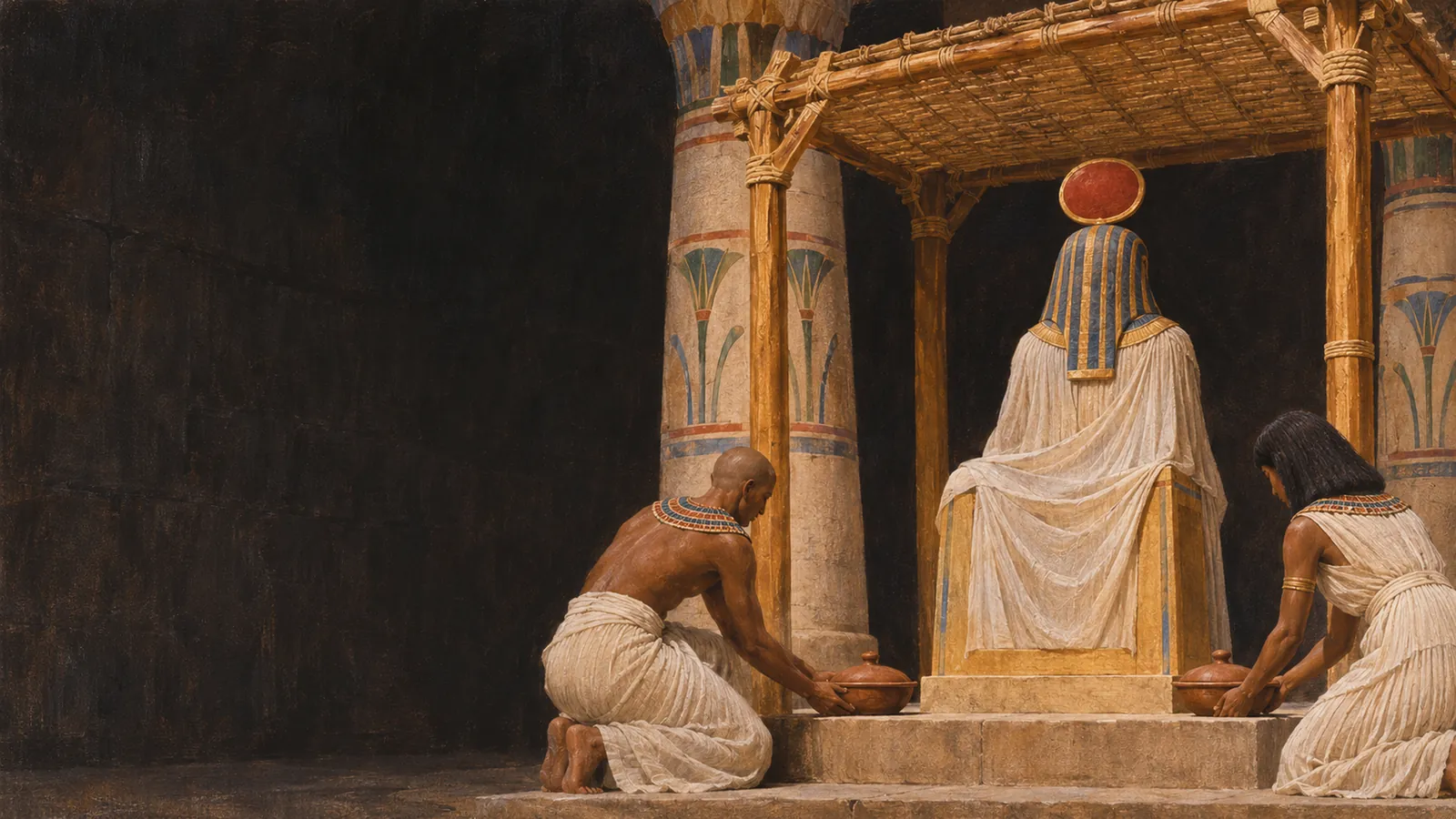
El himno lo llama príncipe coronado del cielo. En las palabras suplidas por Budge, el Único que aparece en el cielo está dotado de toda soberanía. El himno dice que Ra es justo de voz.
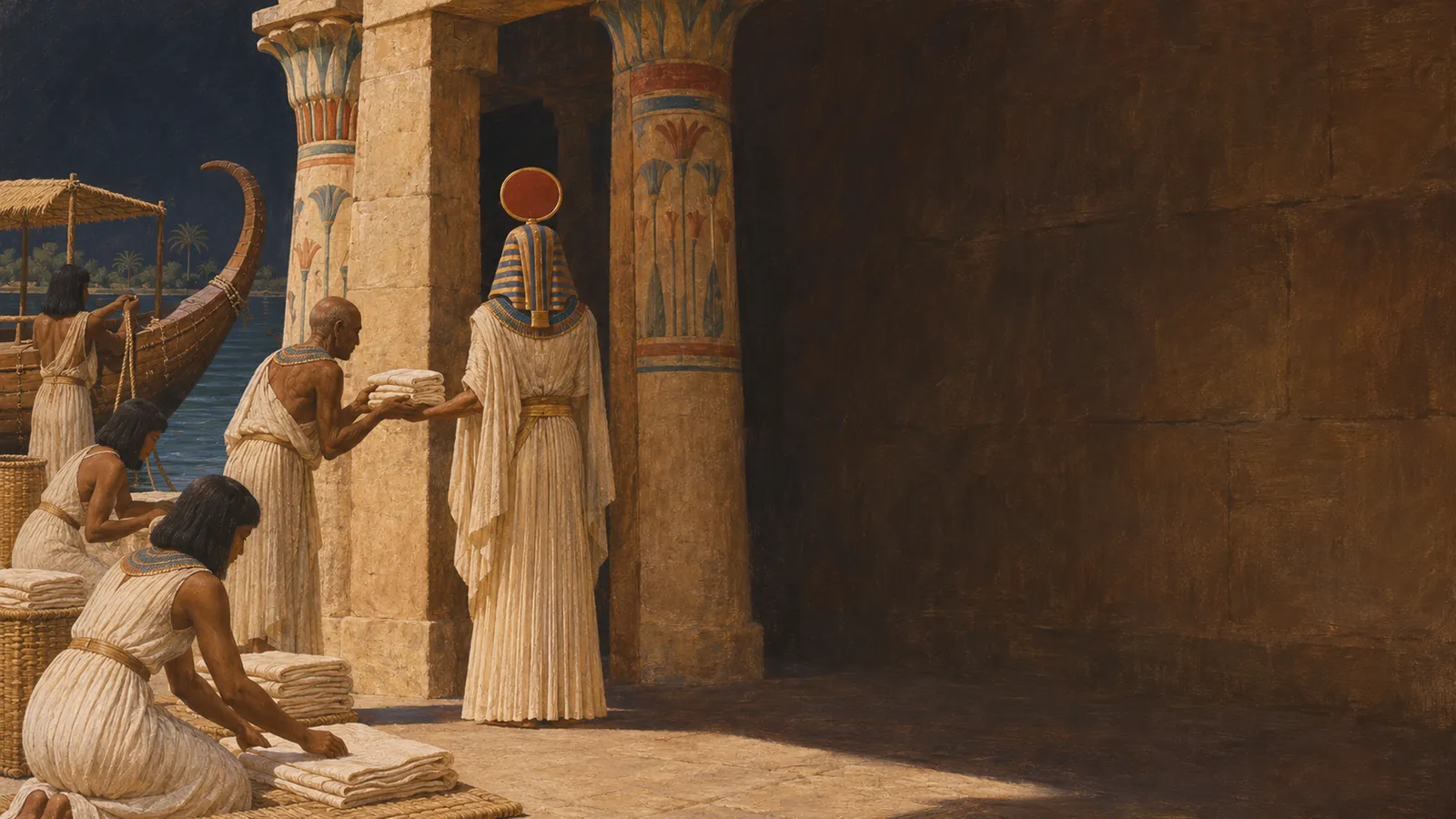
En este saludo, el himno lo llama joven divino y heredero de la perpetuidad. Lo saluda como quien se dio a luz a sí mismo.
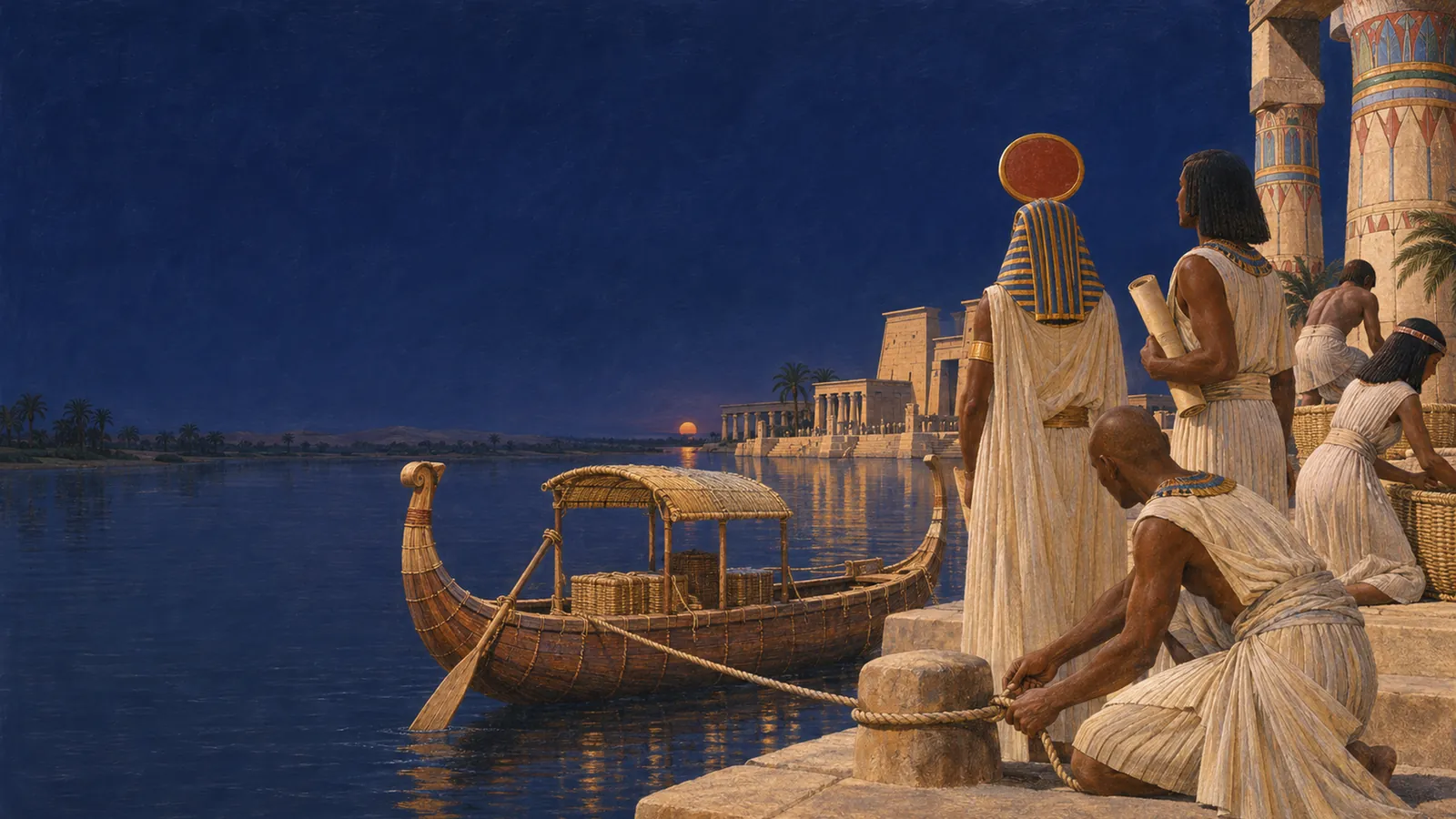
El himno de Hunefer saluda al Único poderoso de innumerables formas. Lo llama rey del mundo, príncipe de Annu, que Budge identifica con Heliópolis, señor de la eternidad y soberano de la perpetuidad.
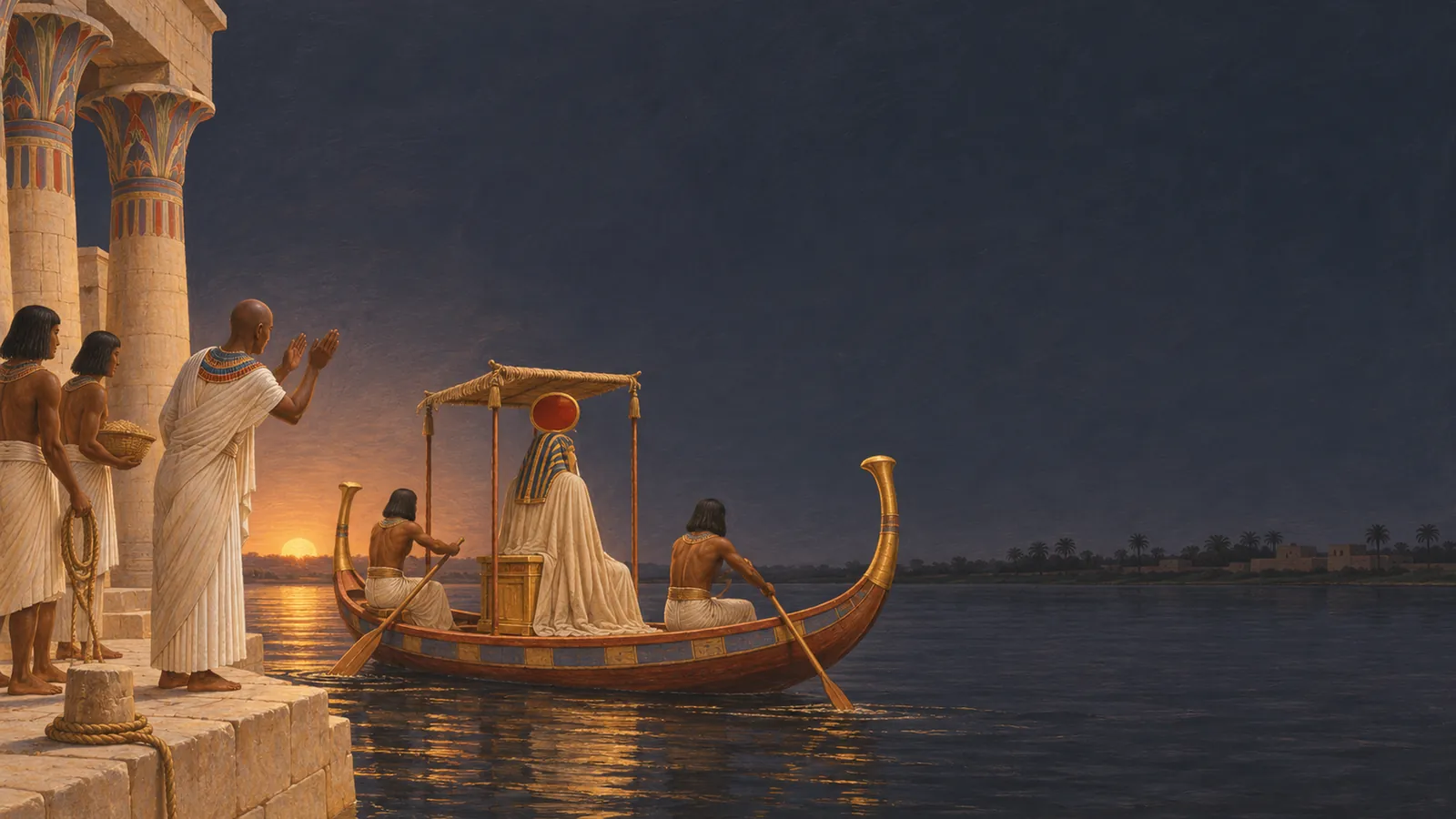
La compañía de los dioses se alegra cuando se eleva y navega por el cielo. El himno lo llama enaltecido en la barca Sektet.
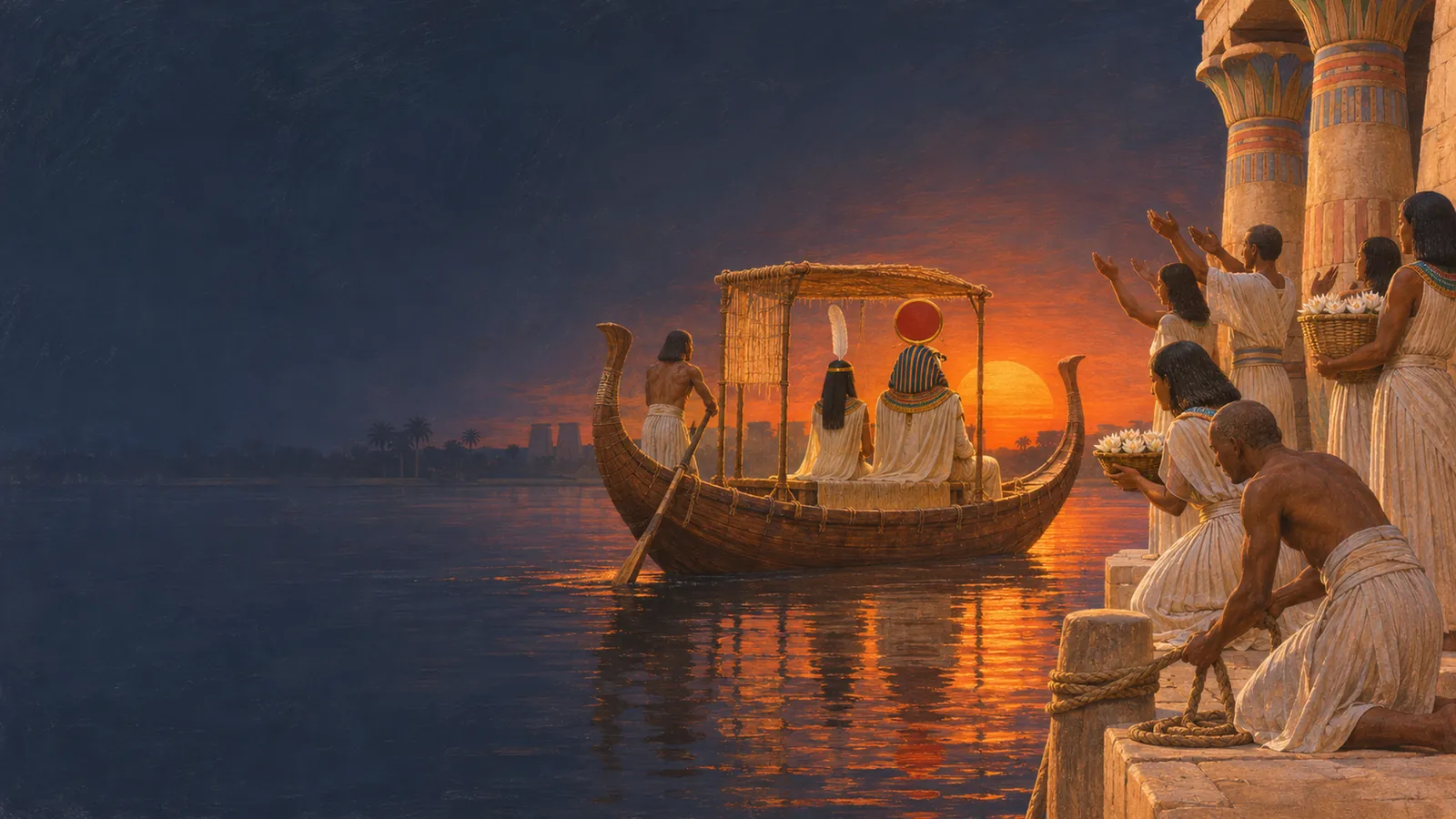
El himno se dirige ahora a Amón-Ra, que reposa sobre Maat y cruza el cielo. Conforme avanza, dice el canto, cada rostro lo ve y recibe sus rayos.
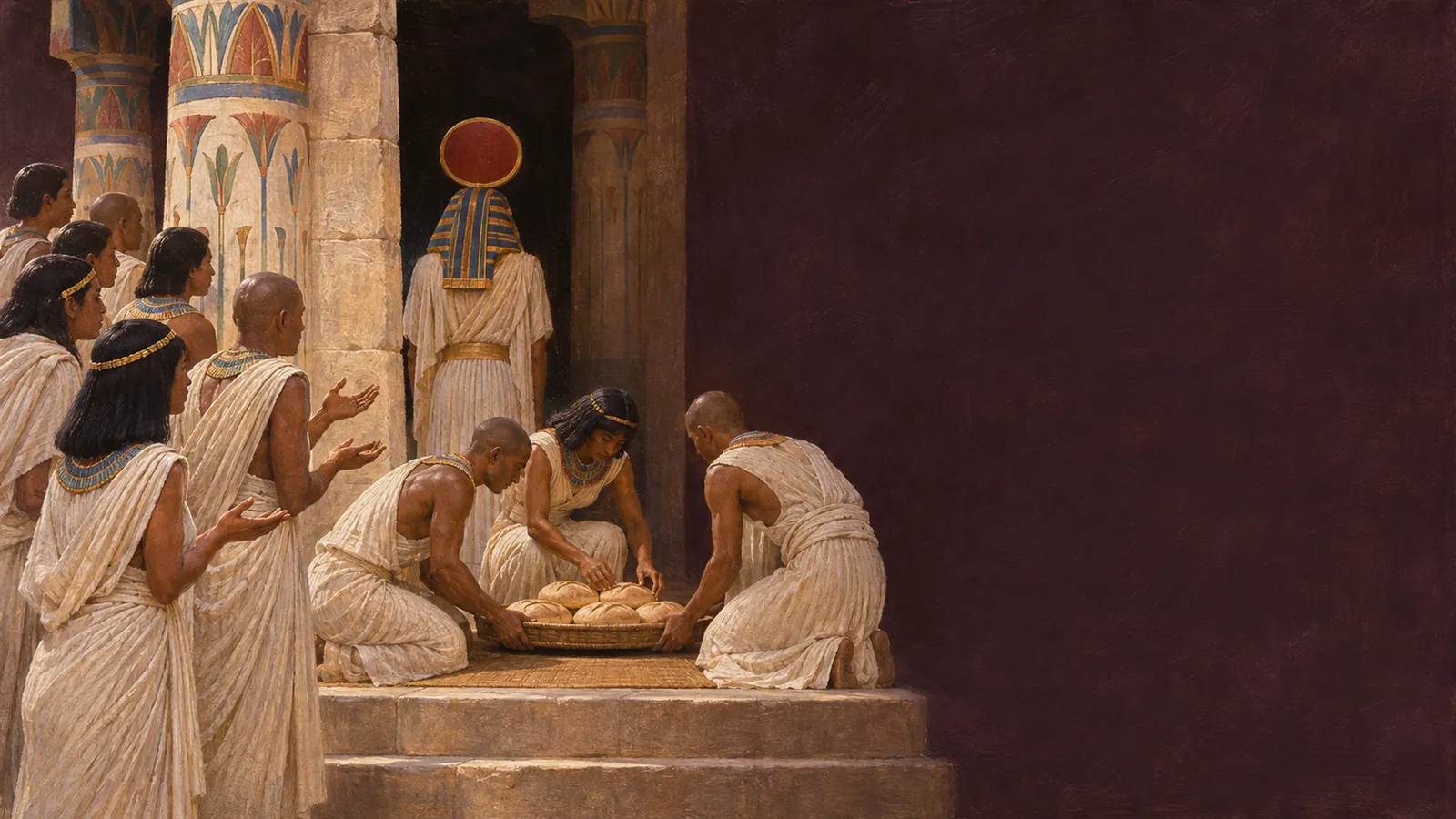
Ninguna lengua puede declarar su aspecto, dice el himno, y las palabras suplidas por Budge le reservan esa facultad. La gente lo alaba y jura por él como su señor. Él oye y ve.
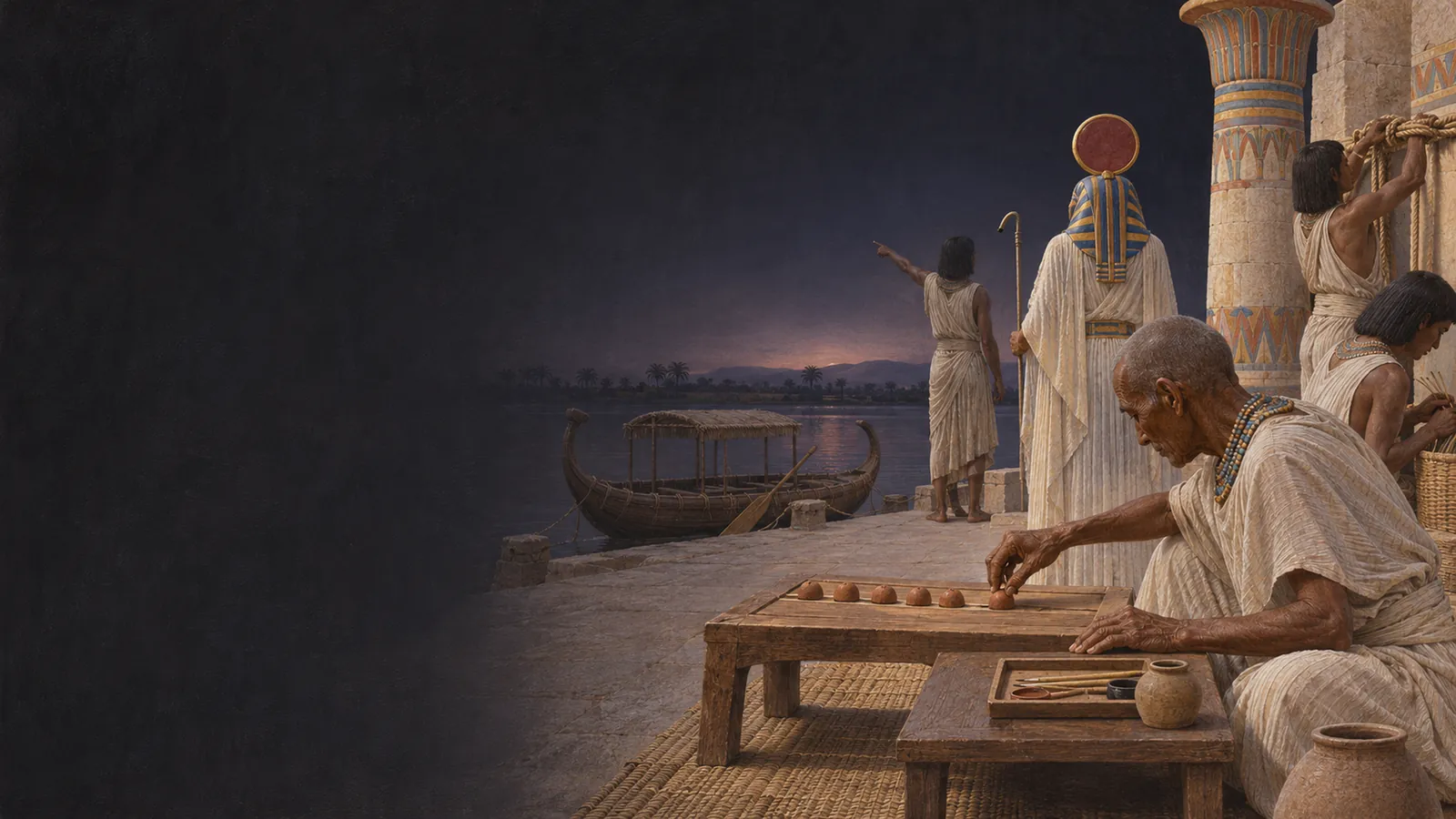
Millones de años han pasado por el mundo, y el cantor no puede contar cuántos ha atravesado el dios. Con el nombre de Viajero, ha decretado un día de felicidad.
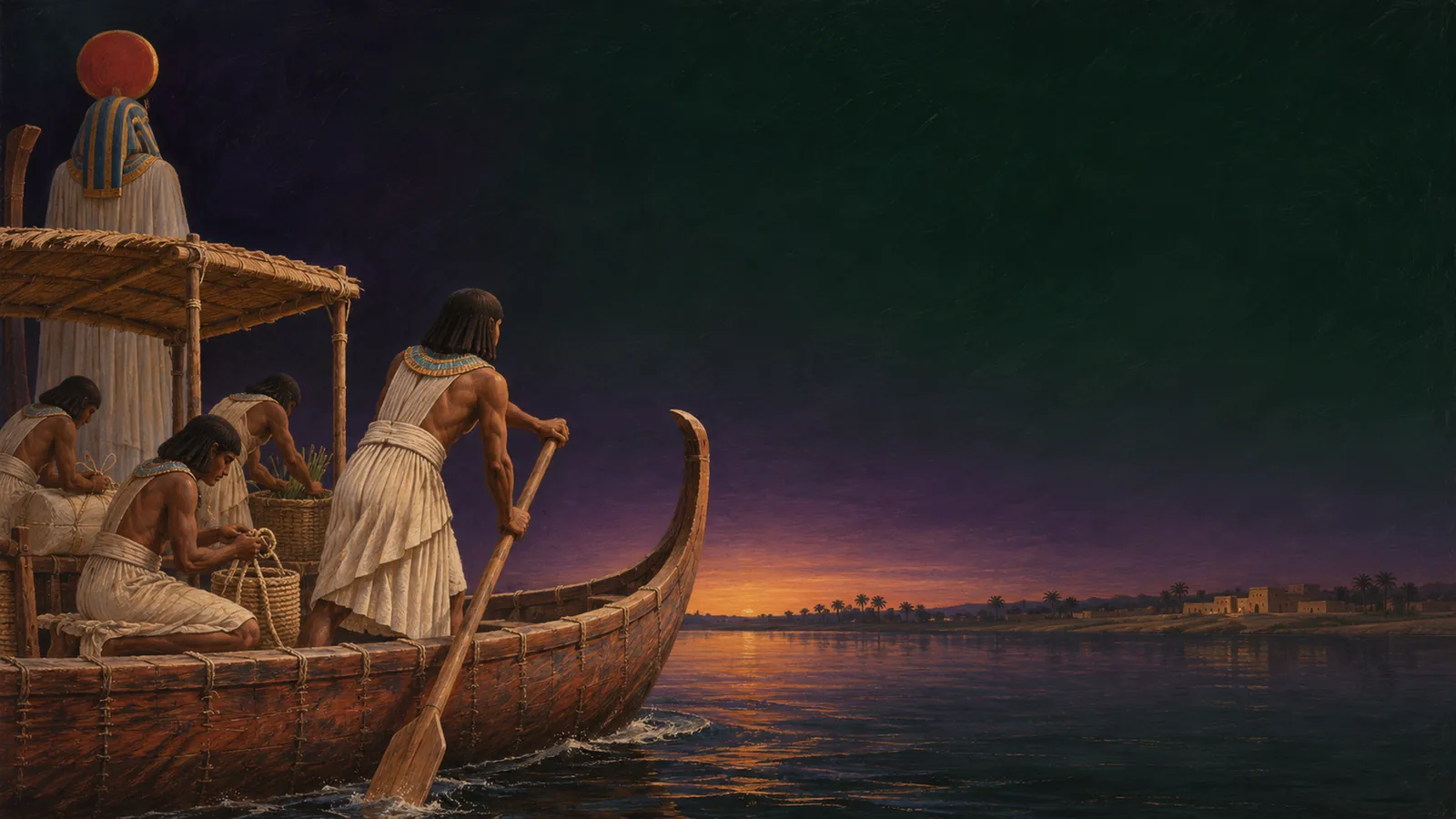
Cruza en paz distancias que tomaría millones y cientos de miles de años recorrer, en la traducción de Budge. En un instante navega por el abismo de agua hasta el lugar que ama. Se hunde y pone fin a las horas.
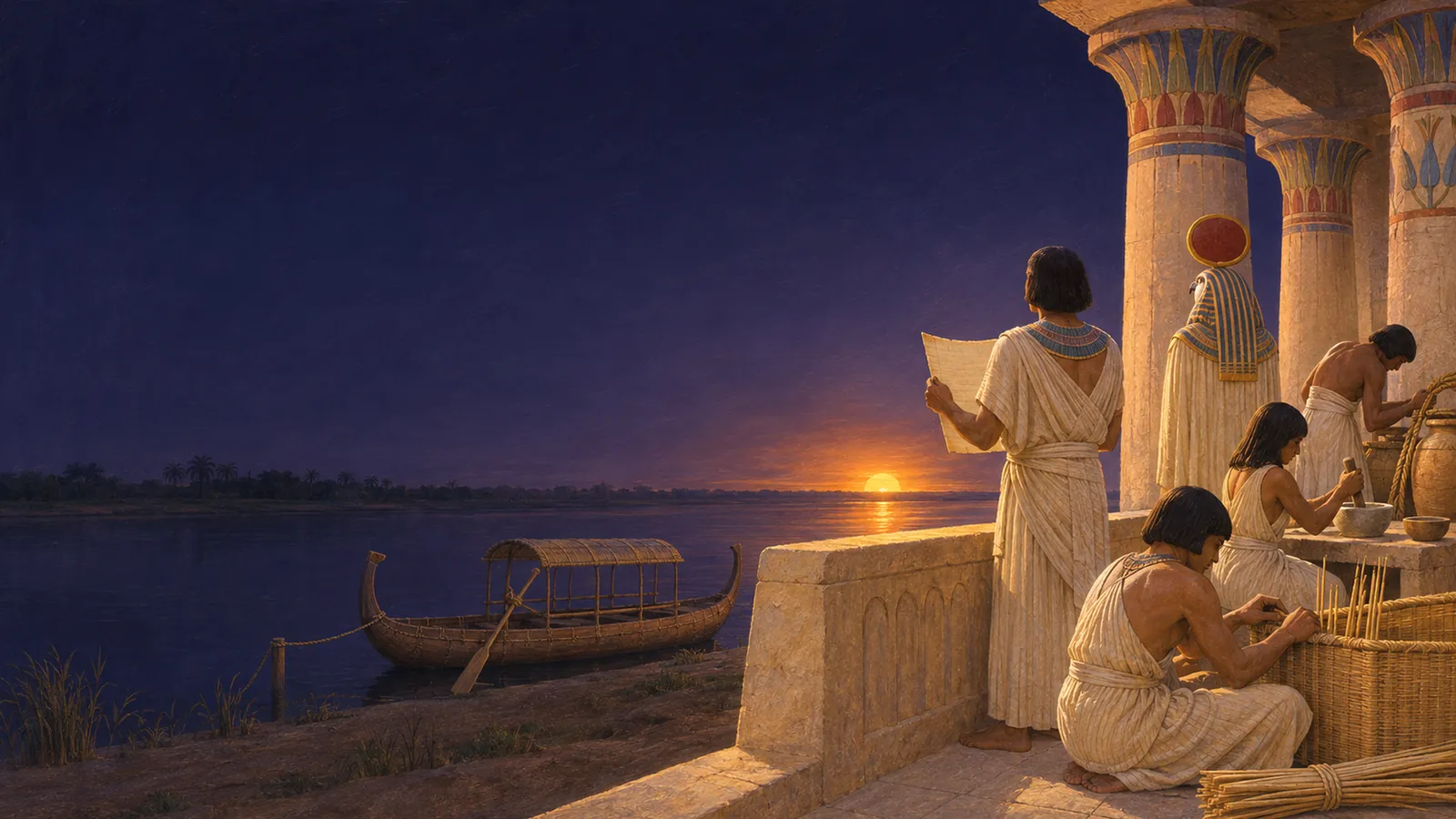
LA ORACIÓN DE ANI
En este himno y oración distintos, Ani saluda al disco que sale día tras día. El papiro lo llama Osiris Ani, justo de voz.
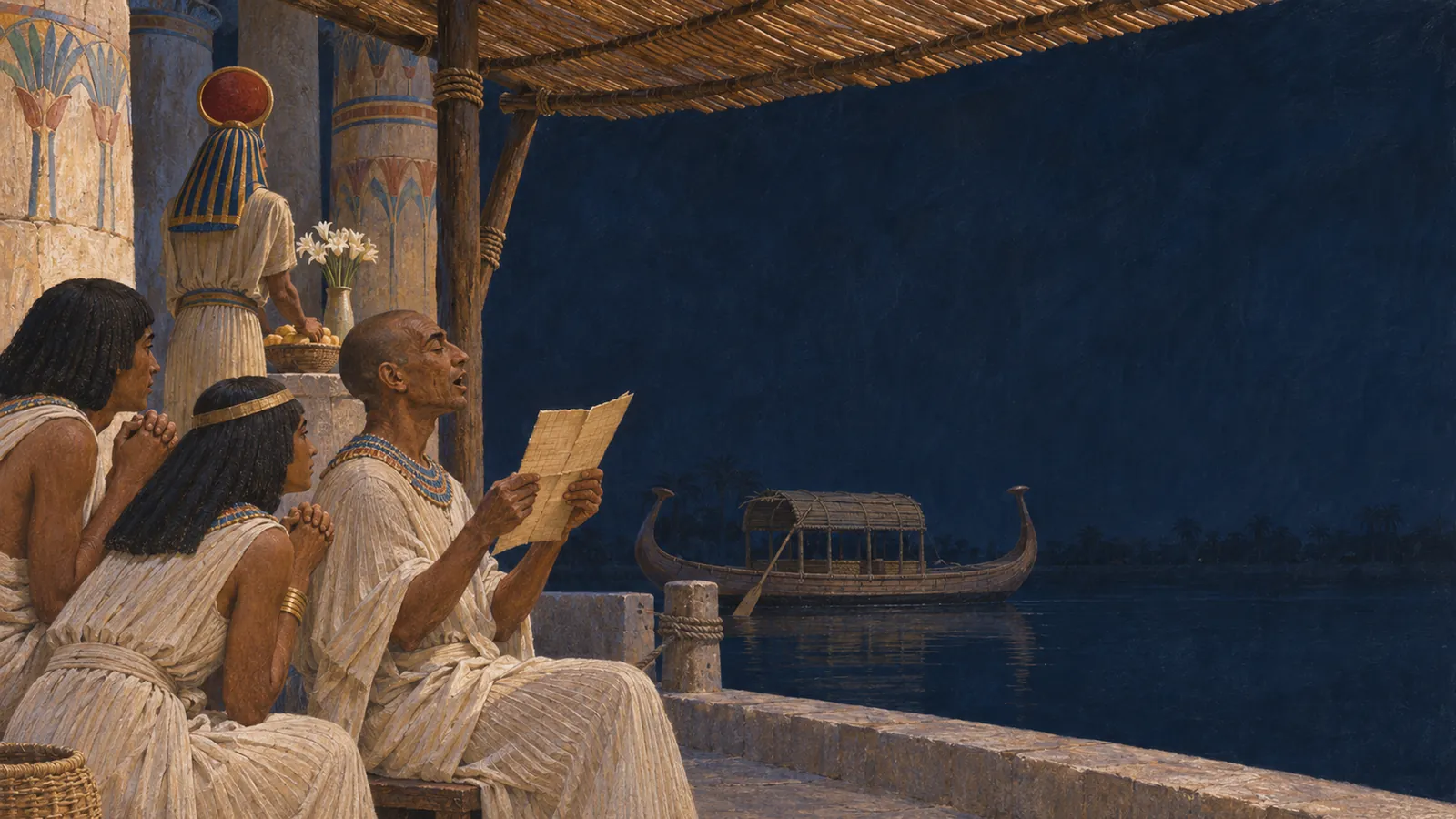
Ani dice que canta himnos de alabanza cuando sale el sol al amanecer. Al caer la tarde, acompaña su ocaso con palabras de adoración.
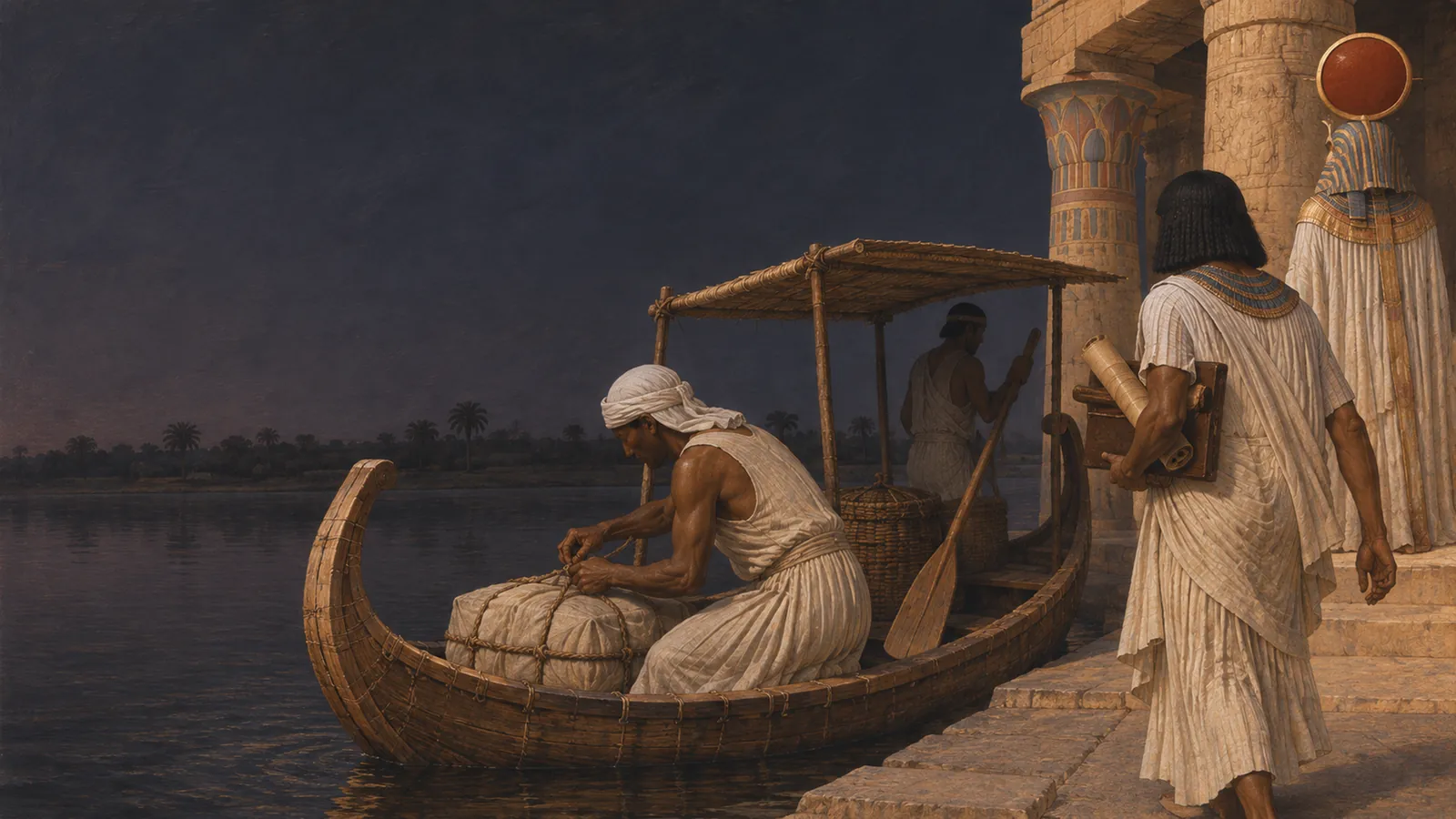
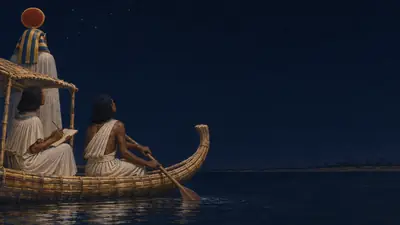
Ani pide que su alma pueda salir al cielo con el sol. Que parta en la barca Mātet y llegue a puerto en la Sektet.
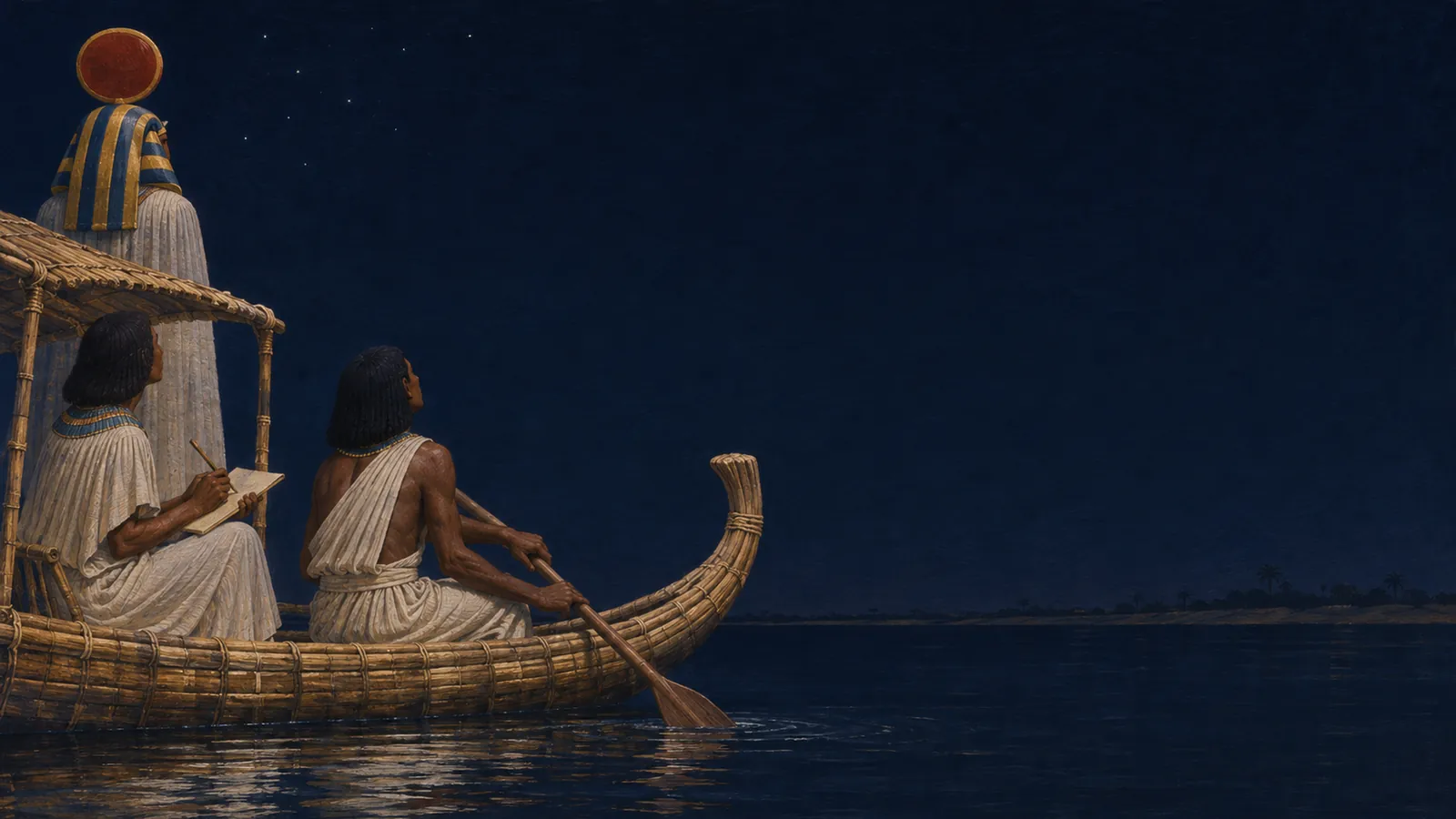
La oración lleva el deseo de Ani al cielo nocturno. Que encuentre un camino entre las estrellas que jamás descansan.
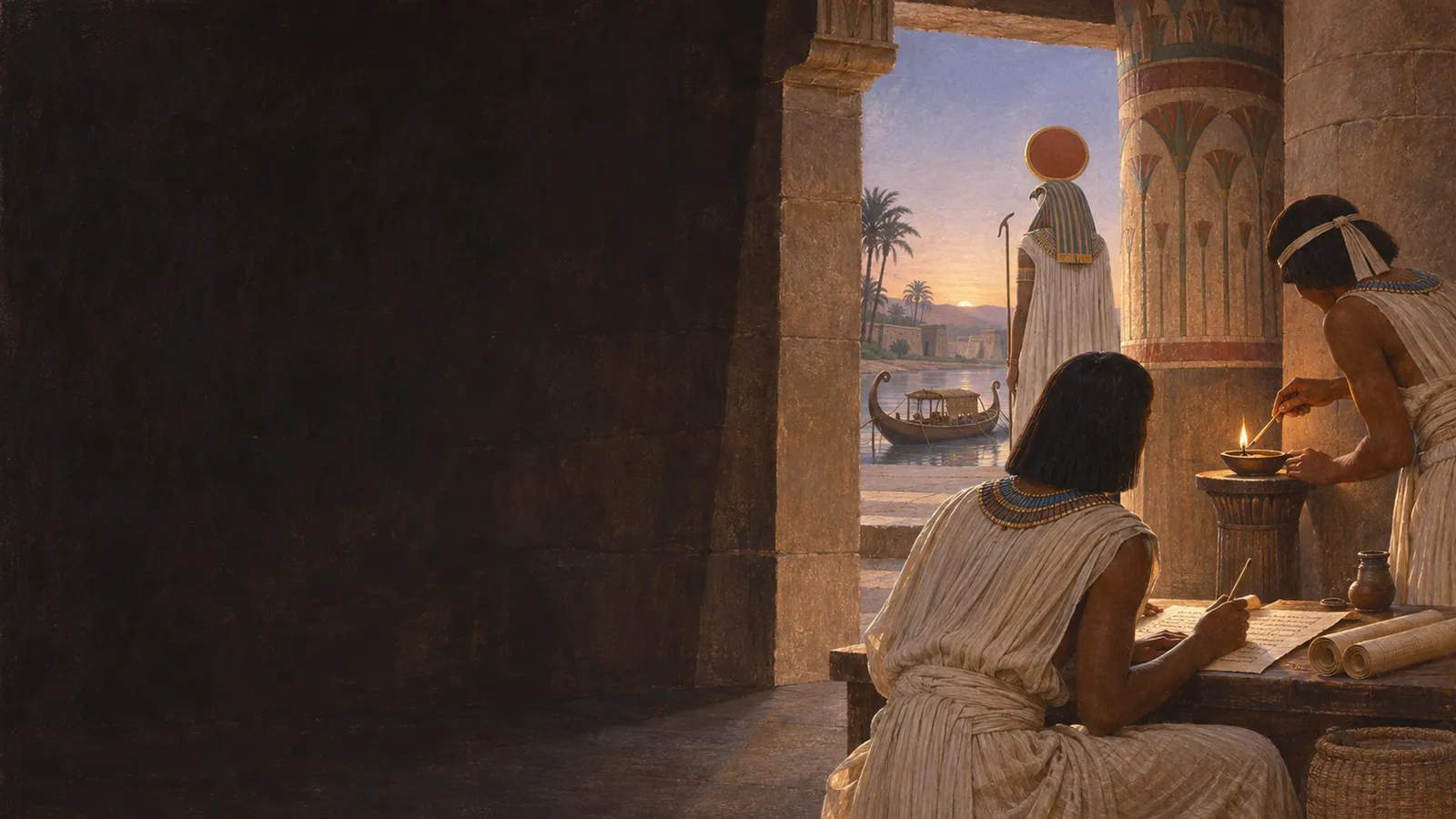
Ani saluda a Heru-Khuti como Khepera, que se creó a sí mismo. Alaba la belleza del dios cuya luz naciente se extiende sobre las tierras del Norte y del Sur.
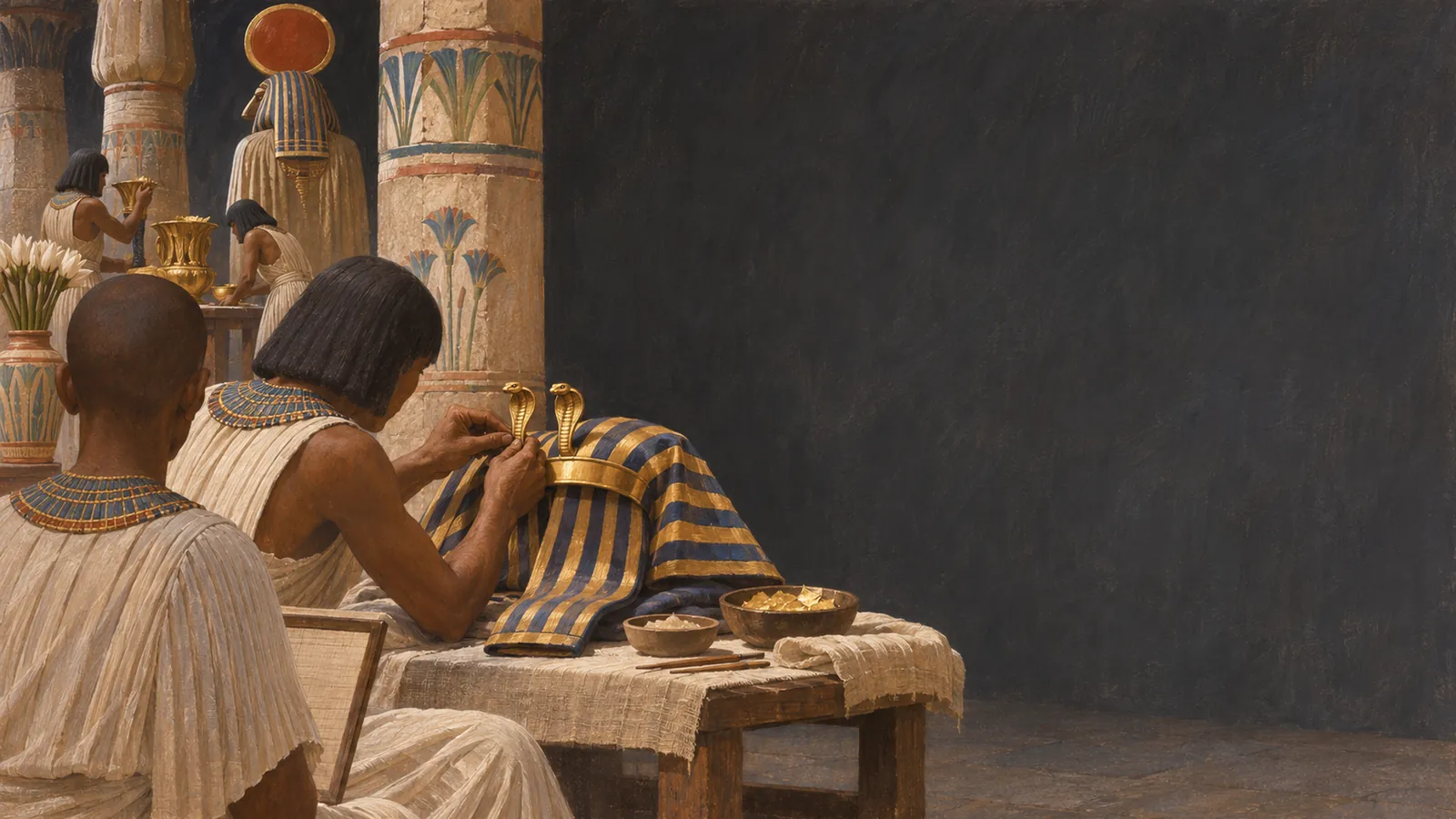
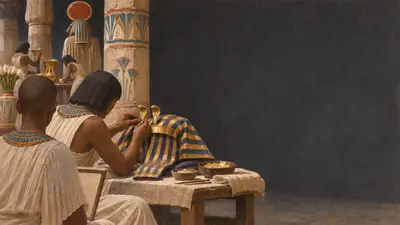
Los dioses se alegran al ver al rey del cielo. El himno coloca a Nebt-Unnut sobre su cabeza, con sus dos emblemas de cobra en la frente, y la sitúa ante él.
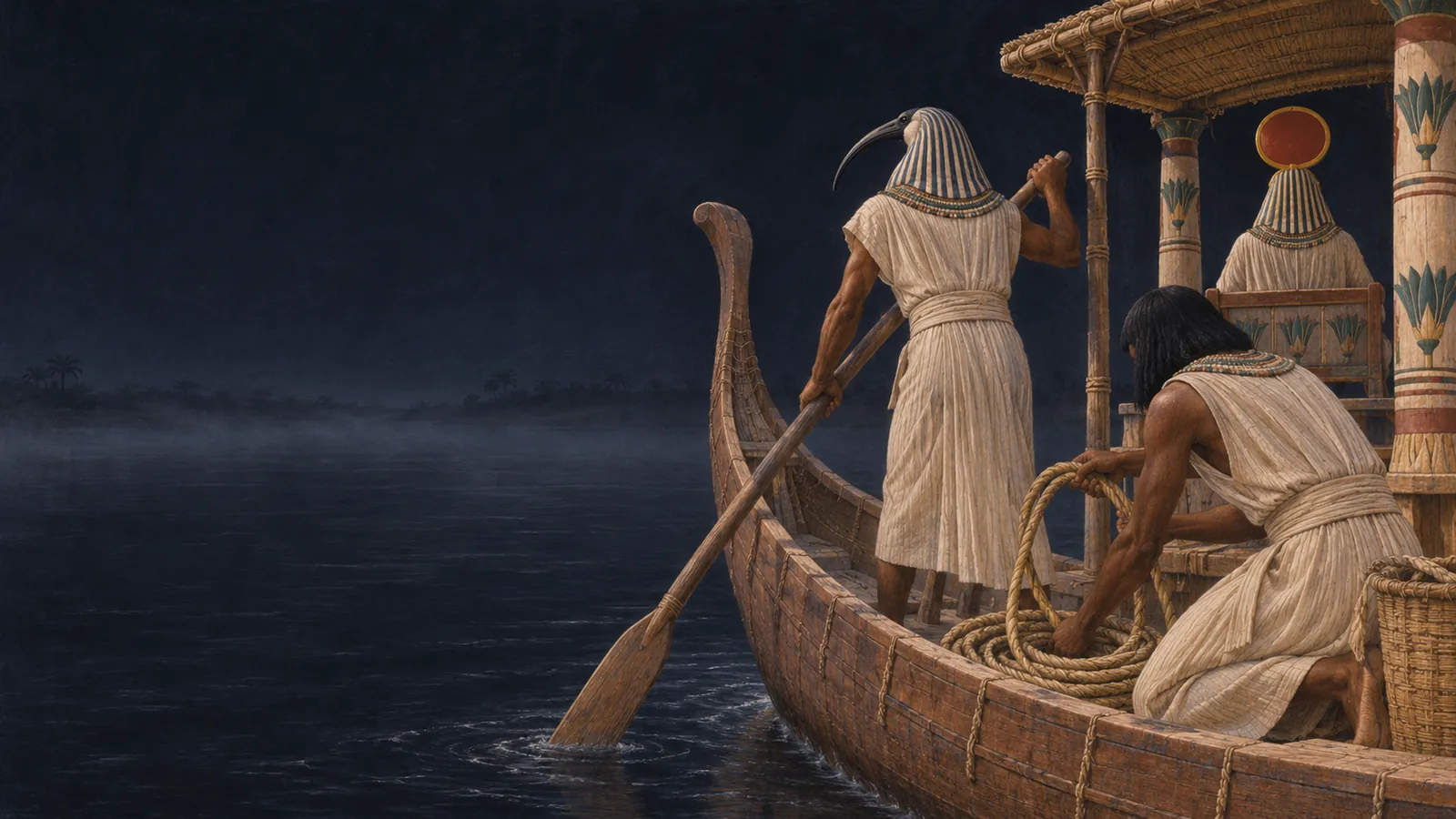
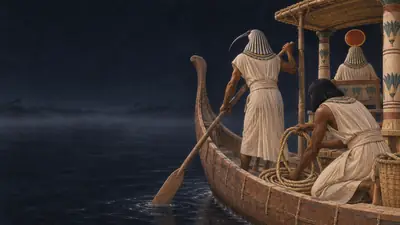
El himno sitúa a Thot en la proa de la barca. Dice que está allí para destruir a todos los enemigos del sol.
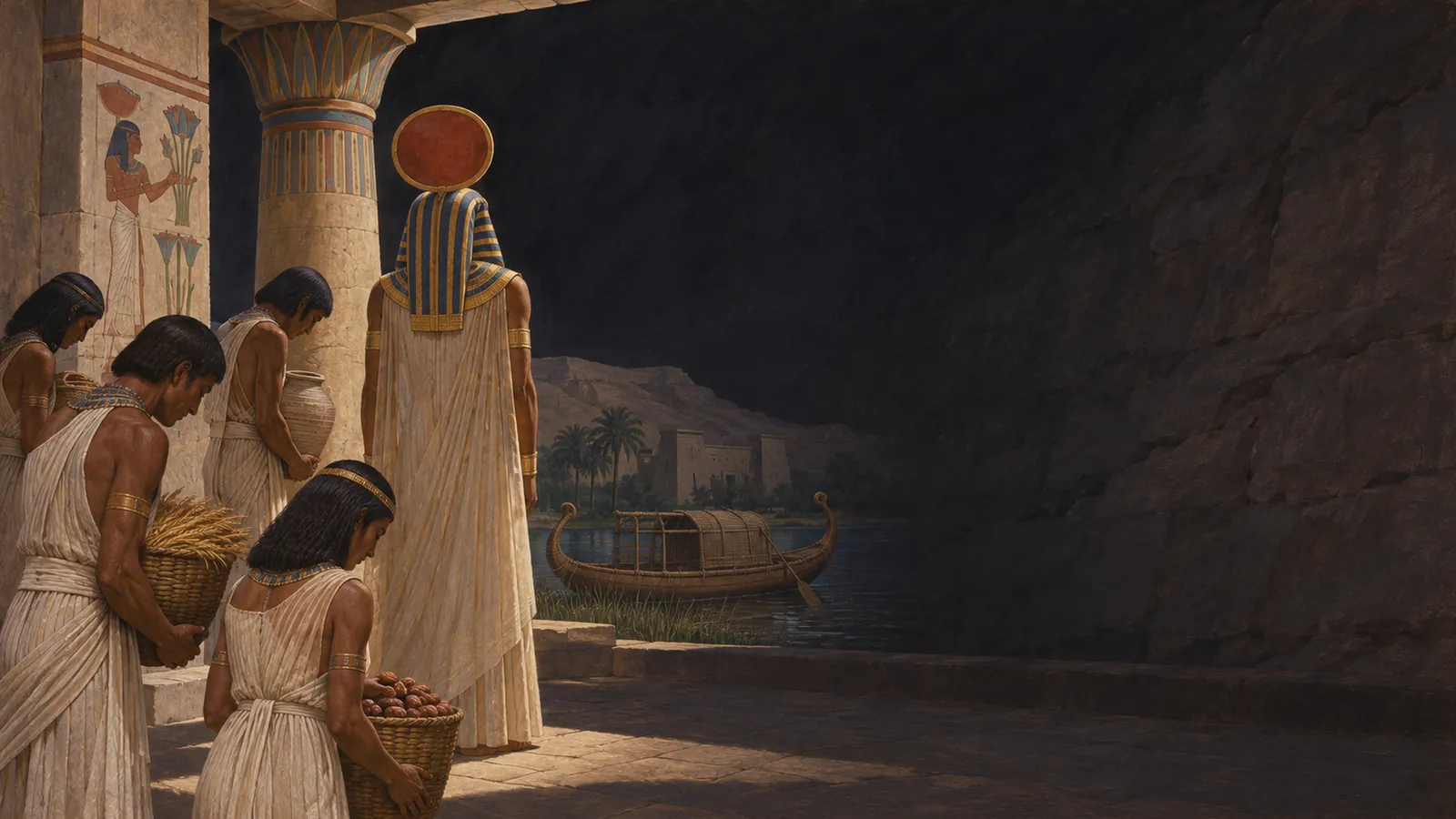
Los habitantes de la Duat salen a su encuentro. El himno dice que se inclinan profundamente al acercarse para contemplar su hermosa figura.
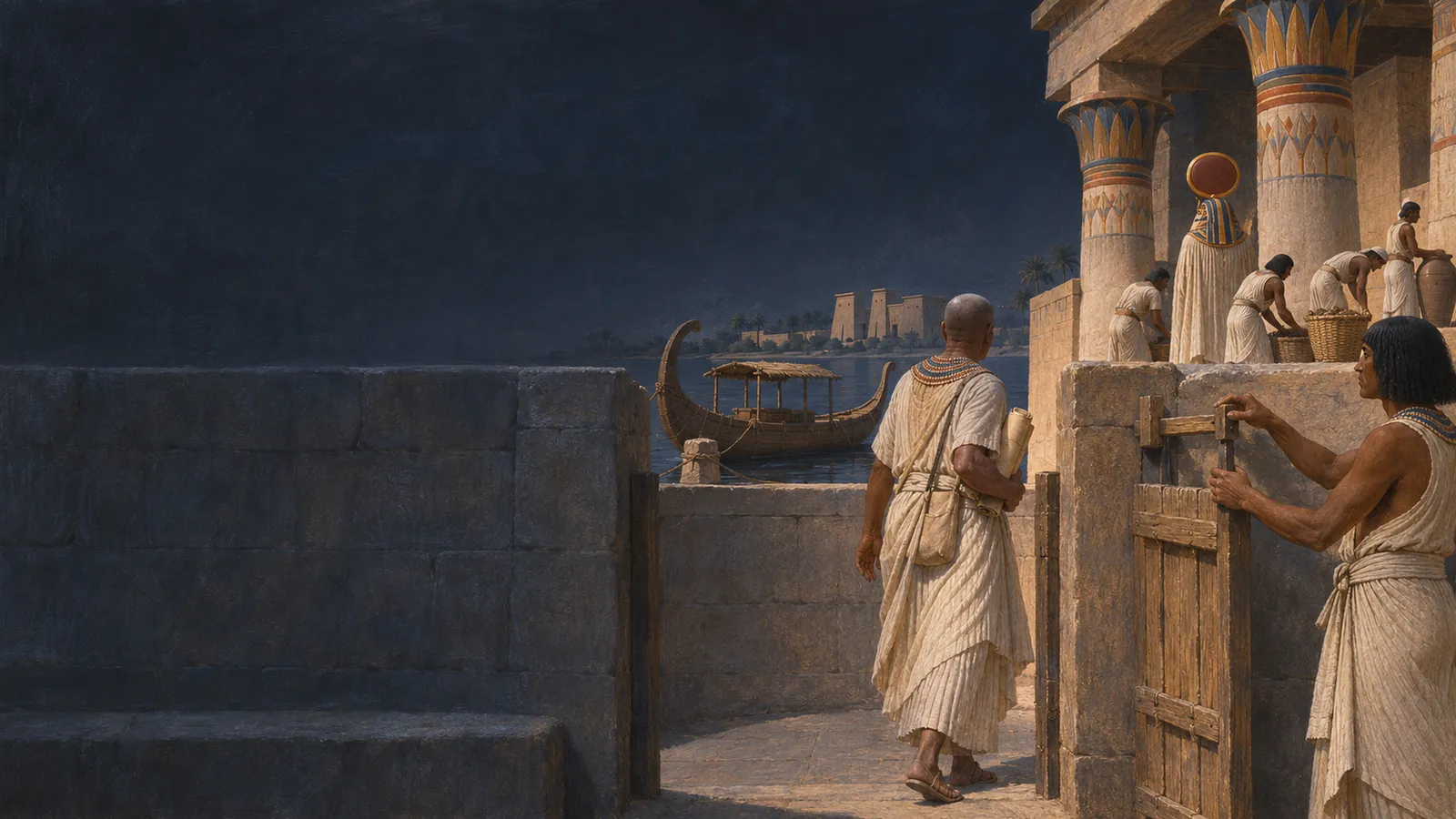
Ani dice que ha venido a contemplar el disco cada día. Pide que no lo encierren ni lo obliguen a volver atrás.
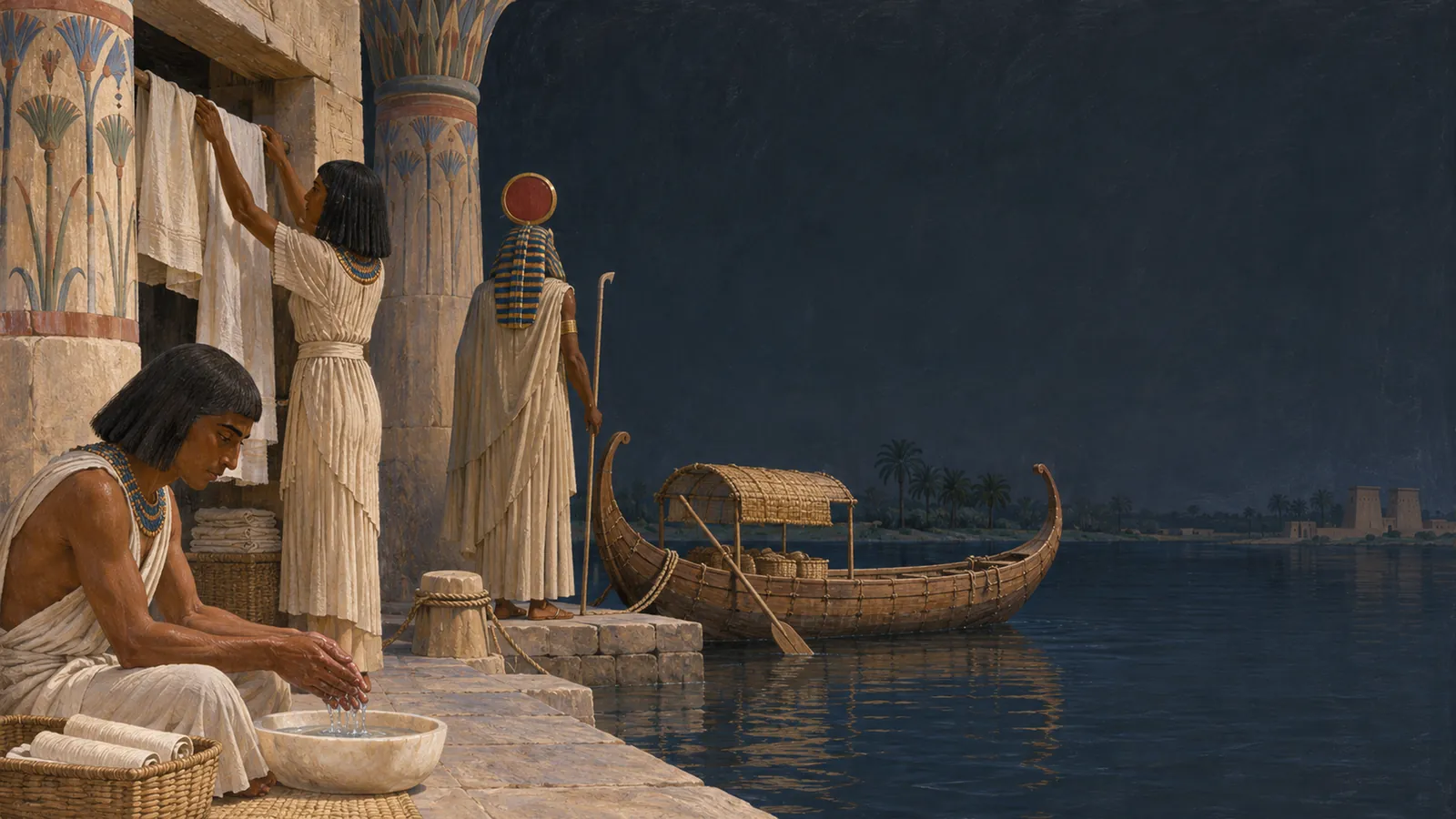
Ani pide que su cuerpo se renueve como los de los favorecidos. Veneró al sol en la tierra y ahora pide llegar a la tierra eterna.
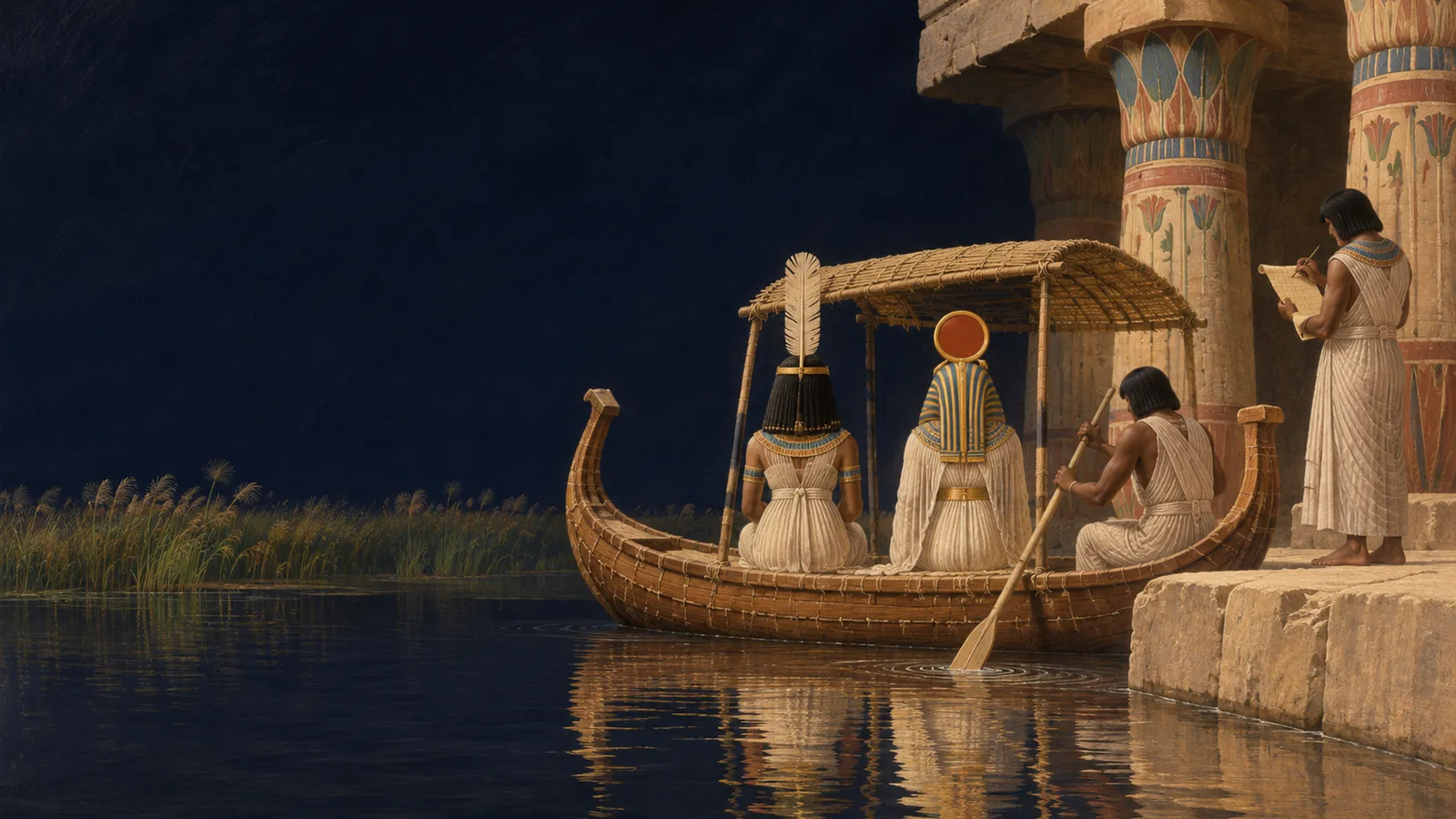
Ani saluda a Ra cuando sale y reposa sobre Maat. Había estado oculto a la vista, pero aparece al amanecer y al atardecer para que todos vean su curso.
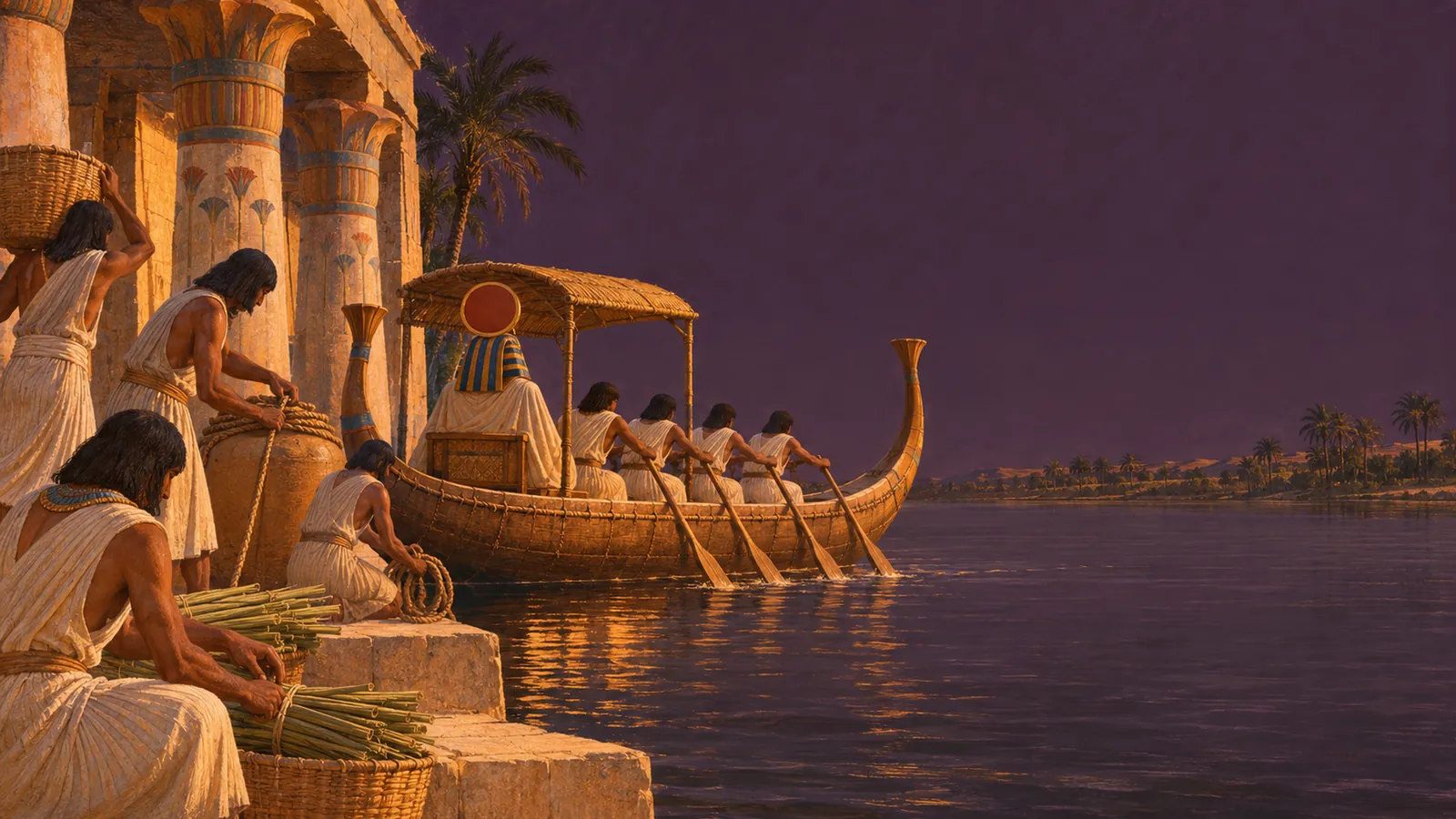
La majestad de Ra avanza en la barca Sektet. Sus rayos alcanzan todos los rostros y ninguna voz puede decir el brillo de su luz roja y amarilla.
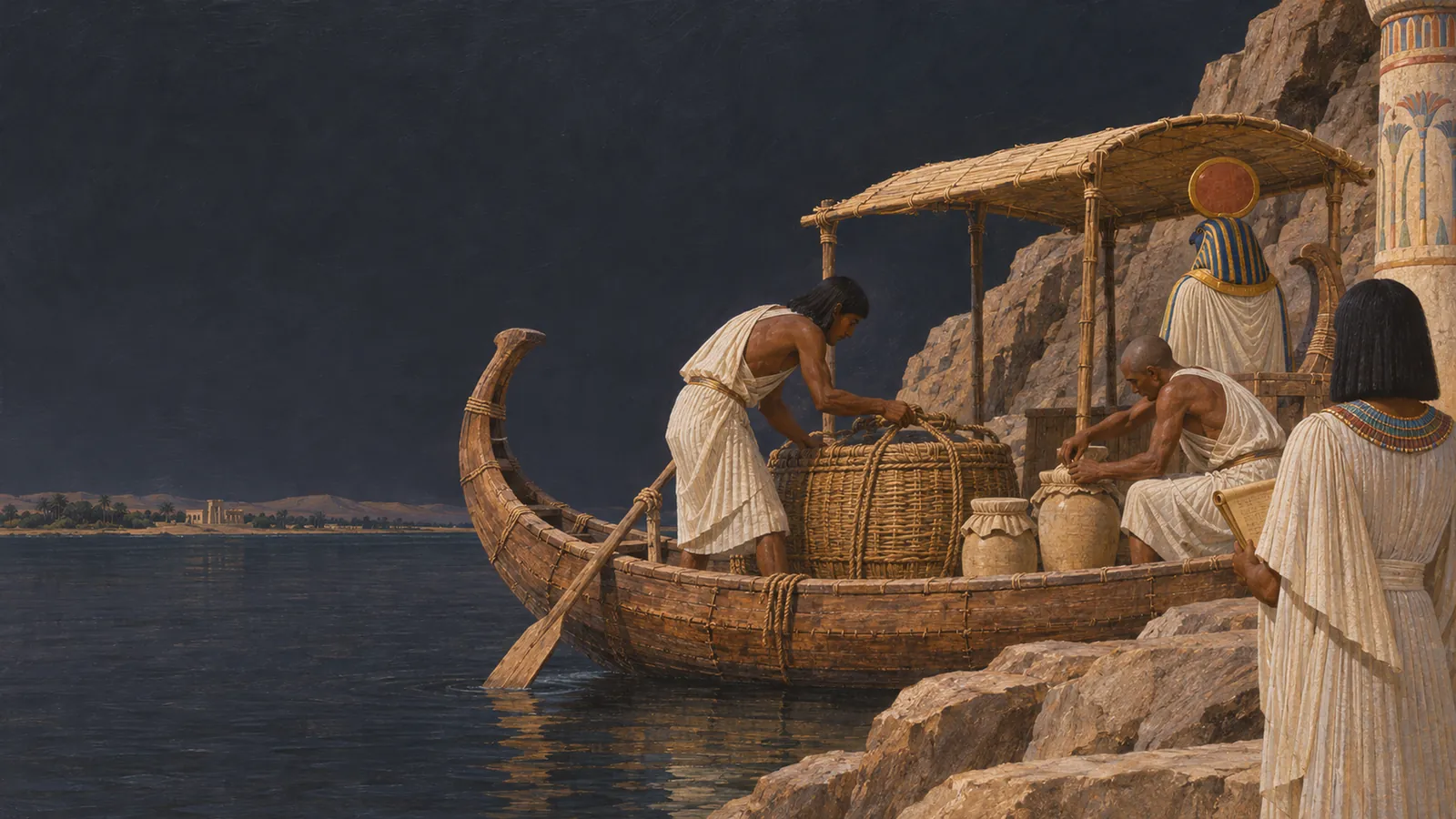
En una línea de difícil lectura, la oración dice que deben verse las tierras de los dioses y las tierras orientales de Punt antes de medir lo que el sol esconde.
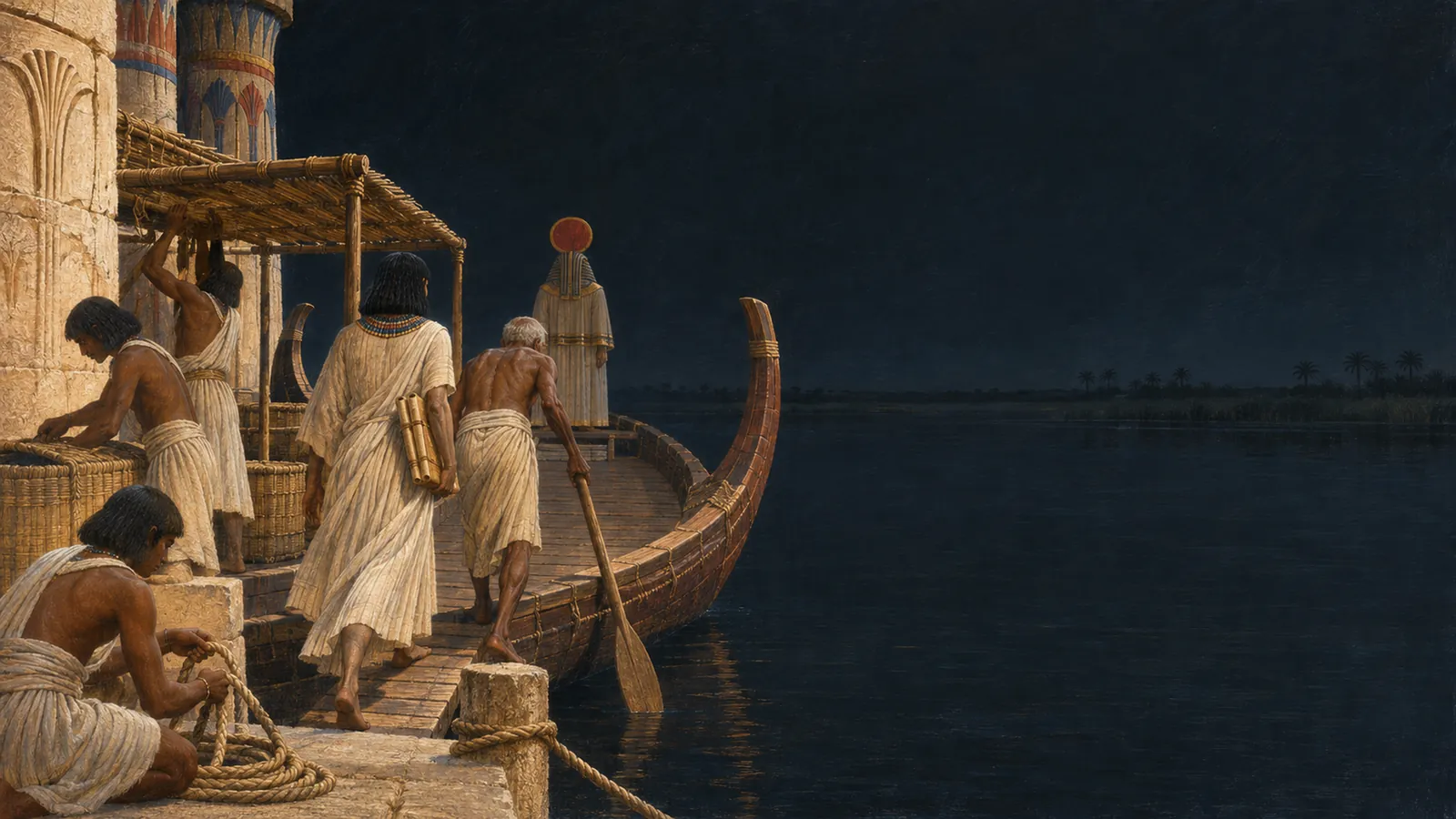
La oración dice que el sol se revela solo sobre Nun. Ani pide avanzar con él y seguir adelante igual que él.
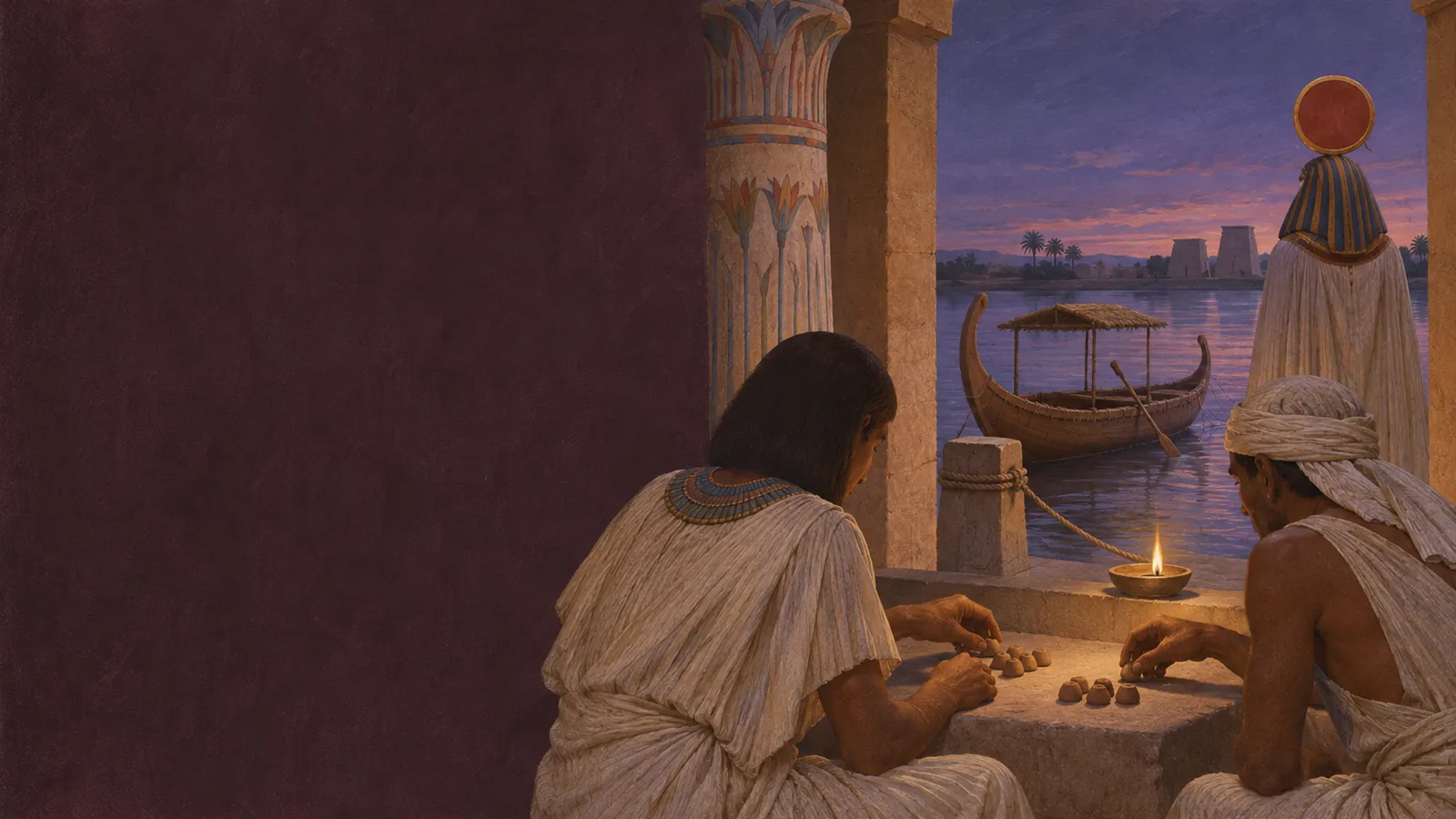
Cruza en un instante distancias que a las personas les llevaría incontables años recorrer. Desciende a descansar, cuenta las horas de la noche y las termina en el momento señalado.
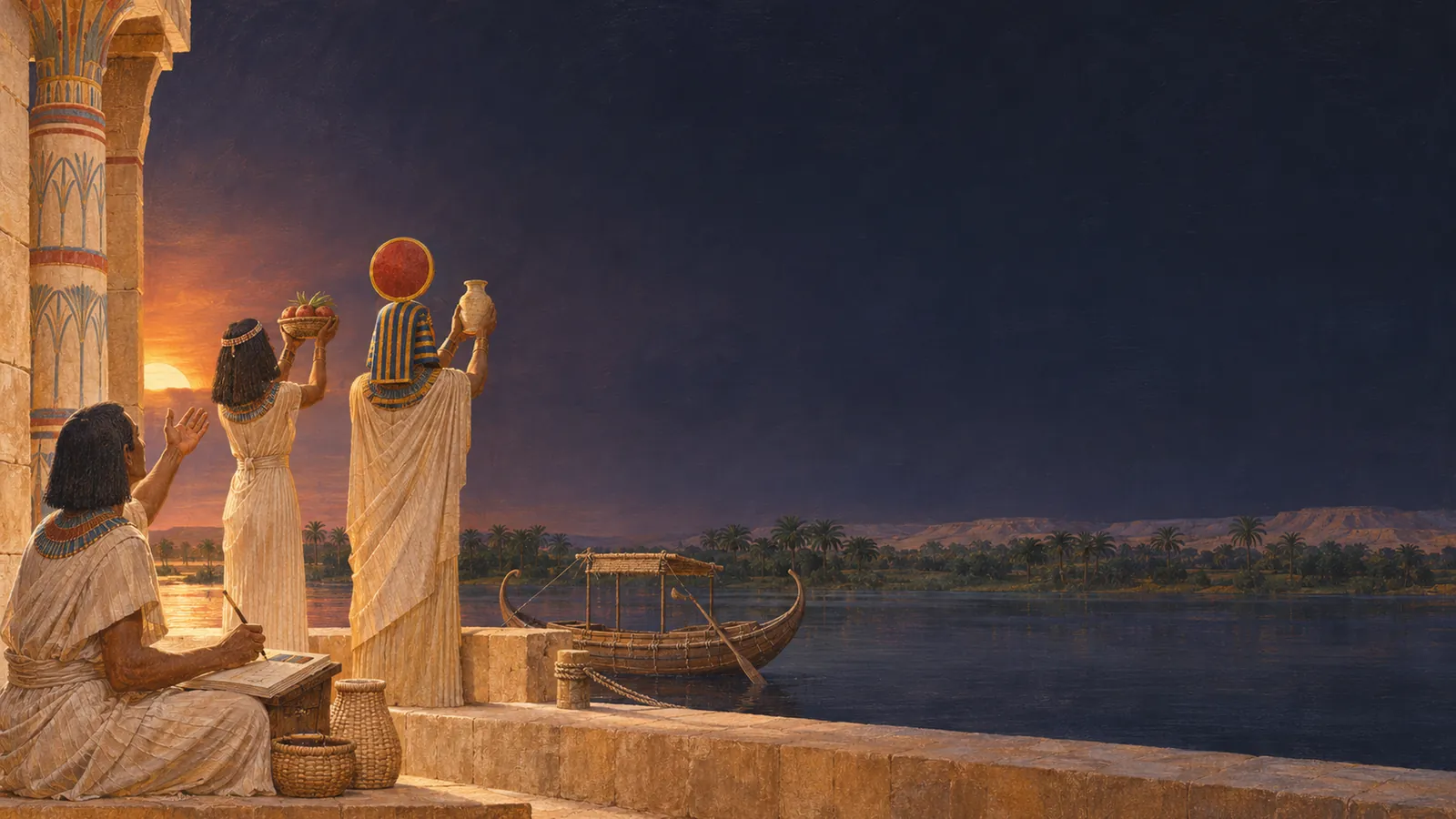
La tierra se ilumina cuando sale el sol con la forma de Ra. Ani grita de alegría por su nacimiento y alaba cómo forma sus miembros sin los dolores del parto.
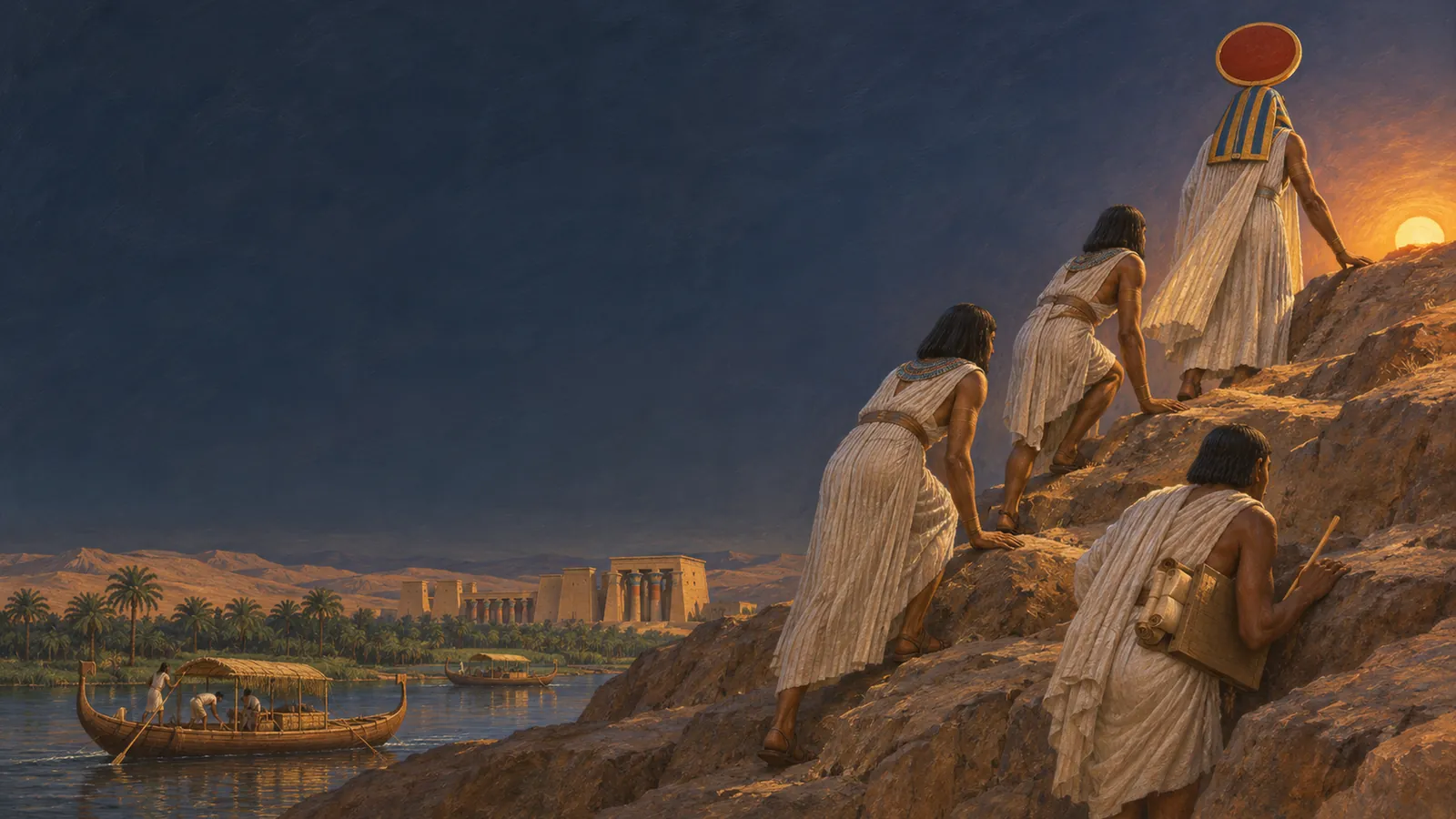
Ani pide alcanzar el cielo perdurable y la montaña de los favorecidos. Espera unirse a los seres luminosos del inframundo, ver el sol de la tarde y darle alabanza al ponerse en el oeste.
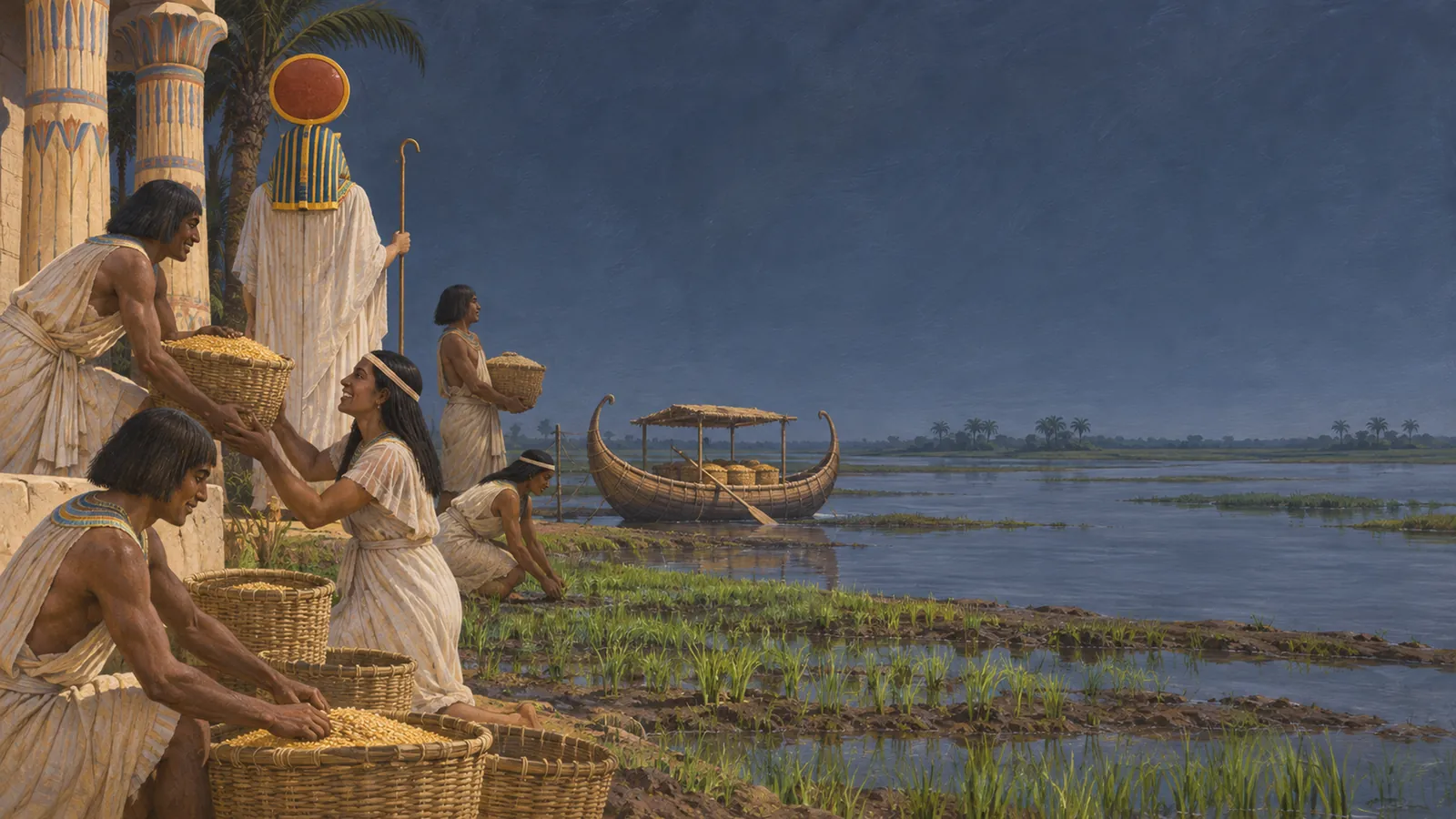
El himno saluda al sol que nace cada día como oro y baña el mundo de luz. Alaba la crecida del Nilo con la que prosperan las generaciones y la alegría llega a tierras, ciudades y templos.
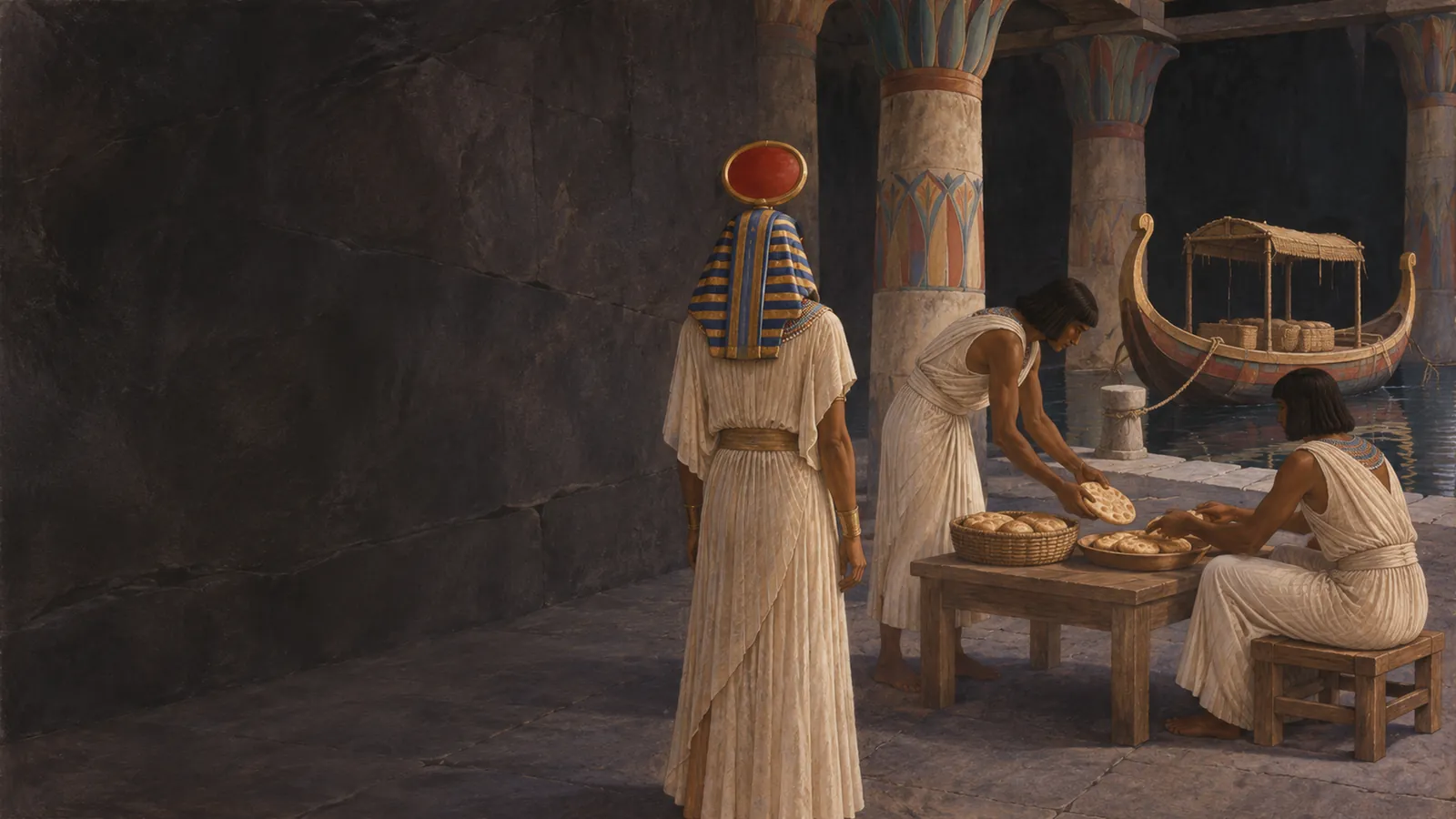
El cantor alaba el alimento divino que fortalece el ka del sol y el trono afianzado contra los seres dañinos. Saluda su majestad en la barca Sektet y su poder en la Ātet.
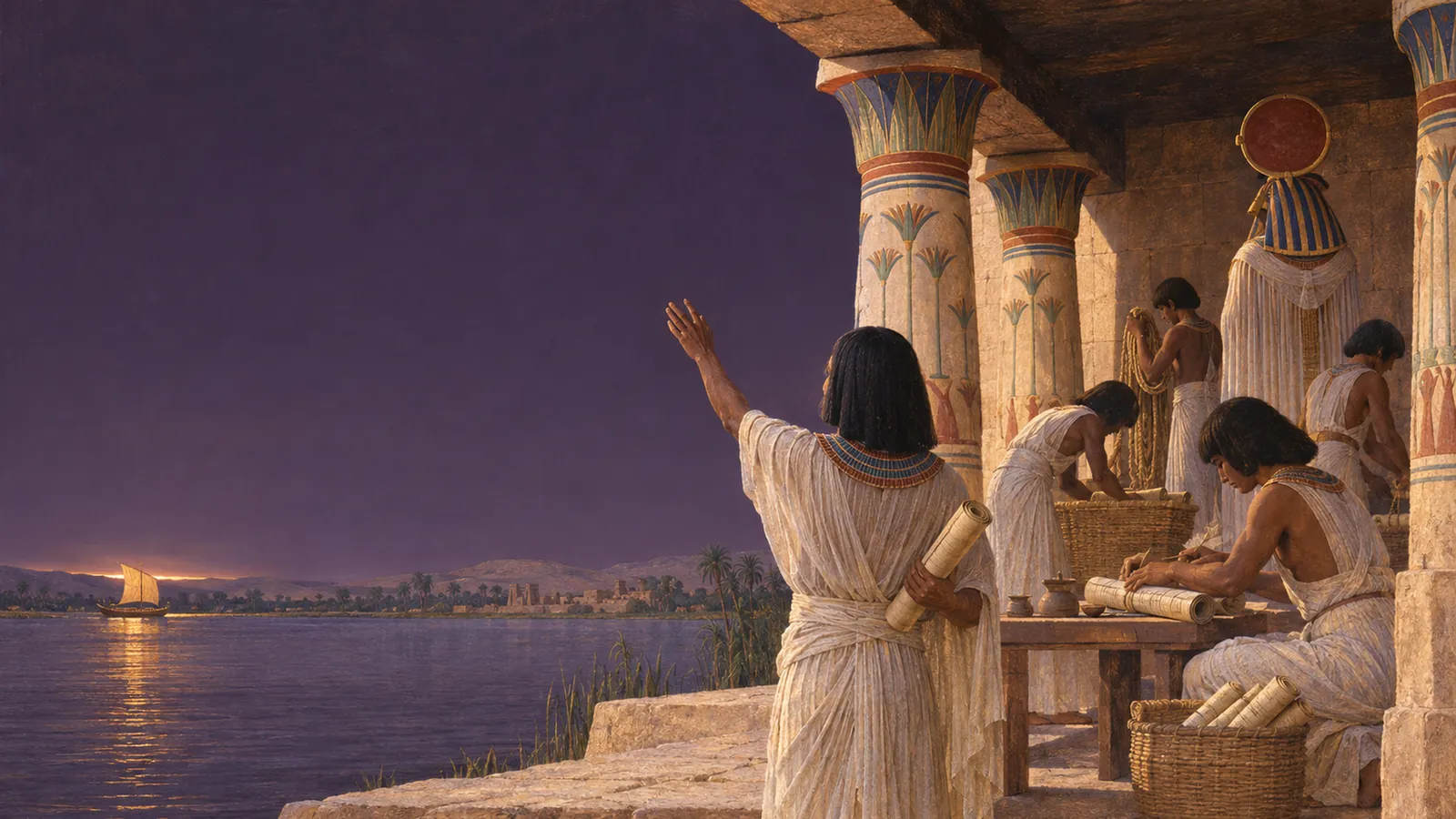
NEJT
Un himno posterior, conservado en el Papiro de Nejt, comienza con un saludo. Da la bienvenida a Temu-Harmaquis al salir por el horizonte.
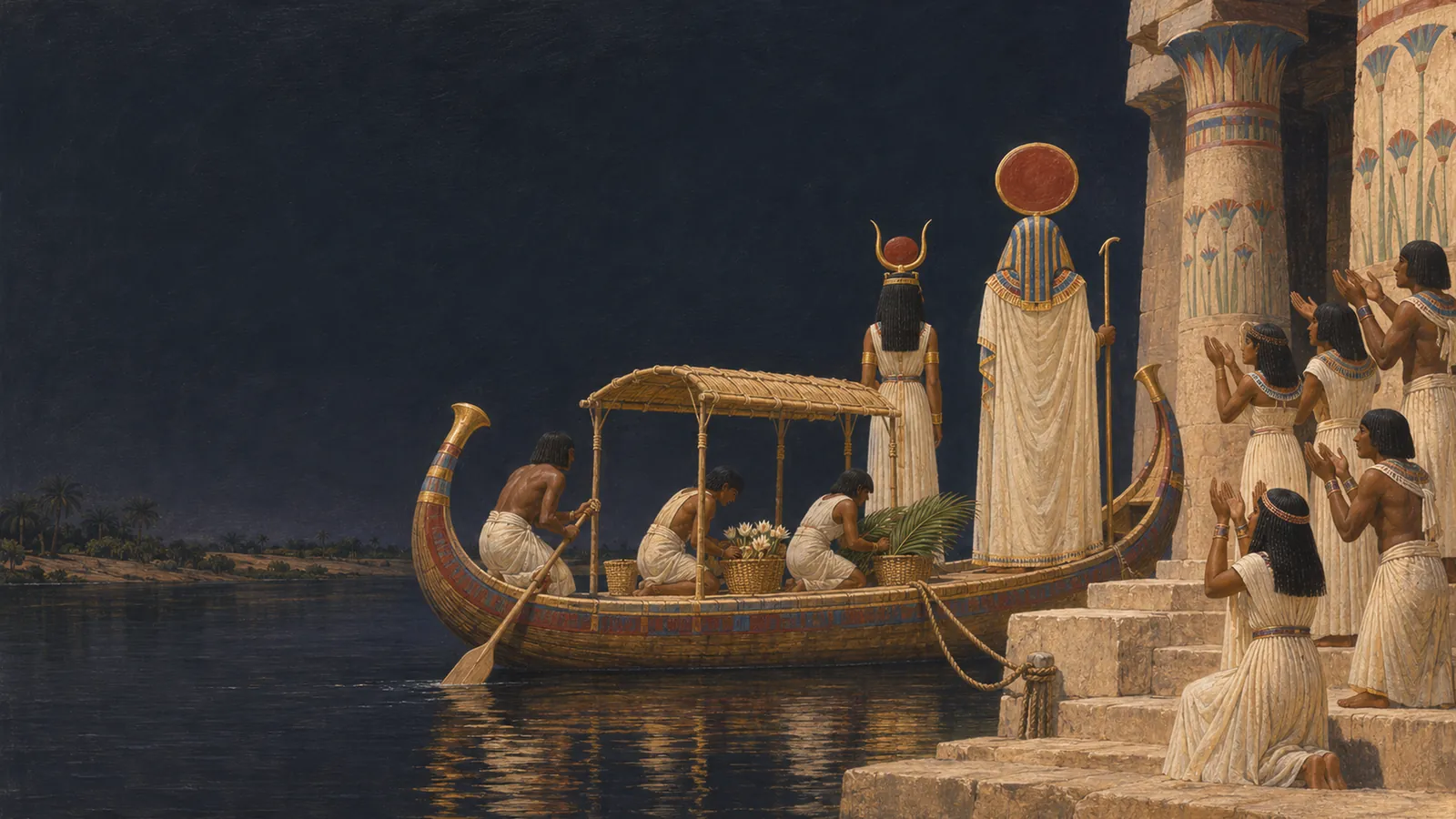
En el himno, un grito de alegría sale de todos los pueblos al amanecer. El sol se renueva a su tiempo como disco en el seno de su madre Hathor.
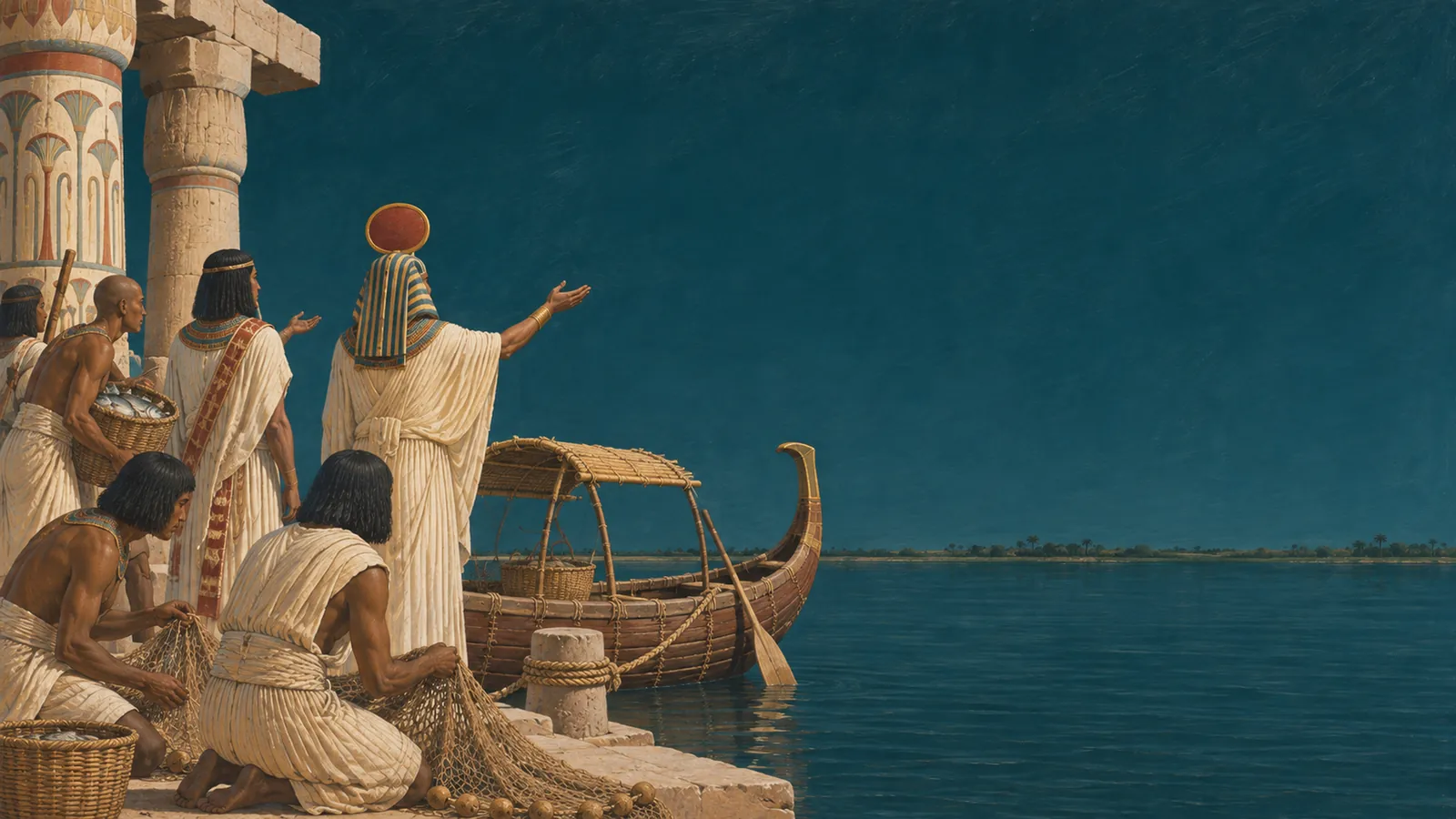
Las regiones del Norte y del Sur vienen a saludar al sol. Al salir en el cielo, alumbra las Dos Tierras con rayos turquesa.
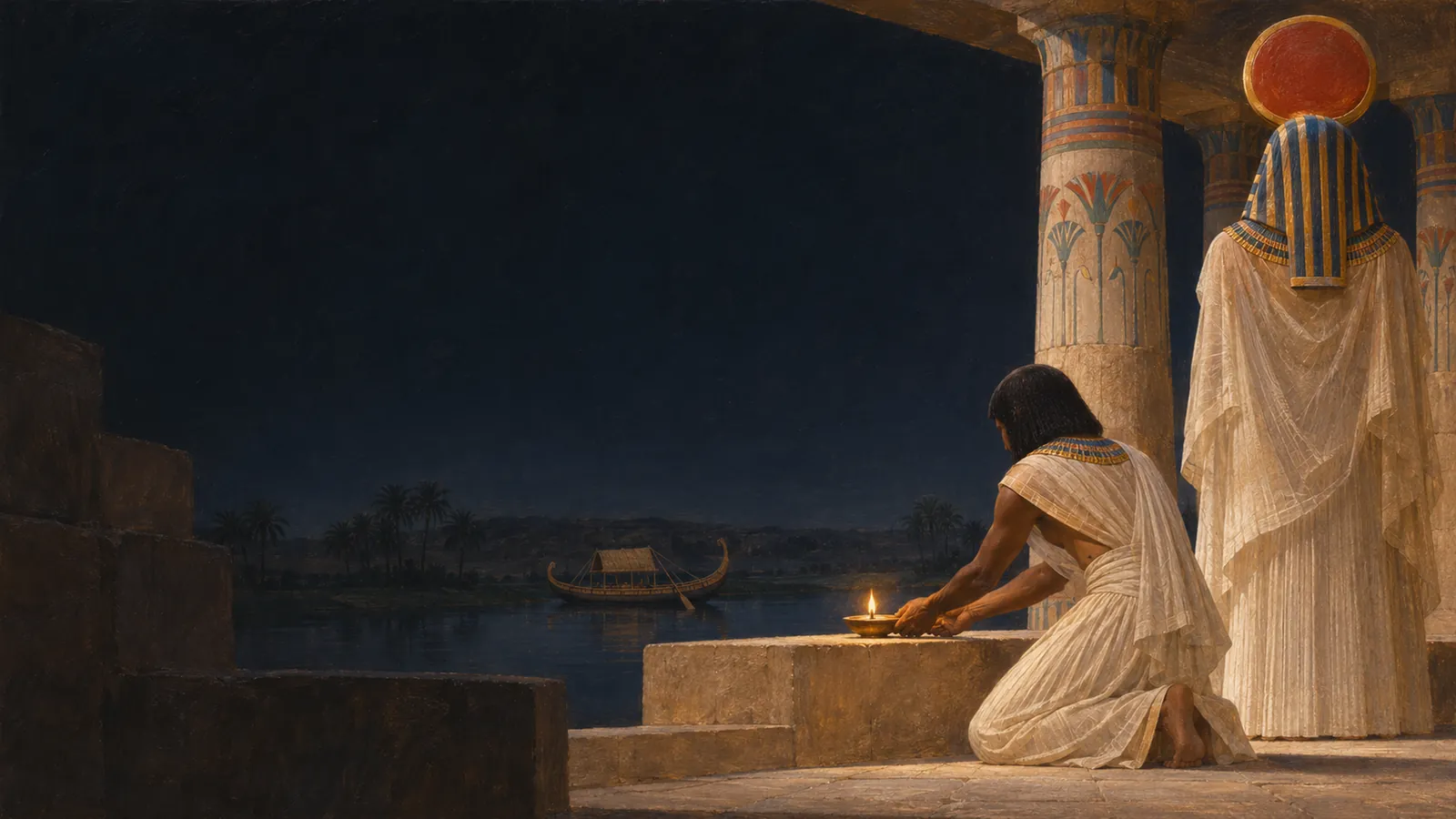
El cantor saluda a Ra-Harmaquis como niño divino que se dio el ser a sí mismo. El himno lo llama heredero de la eternidad, rey de la tierra y gobernante del inframundo.
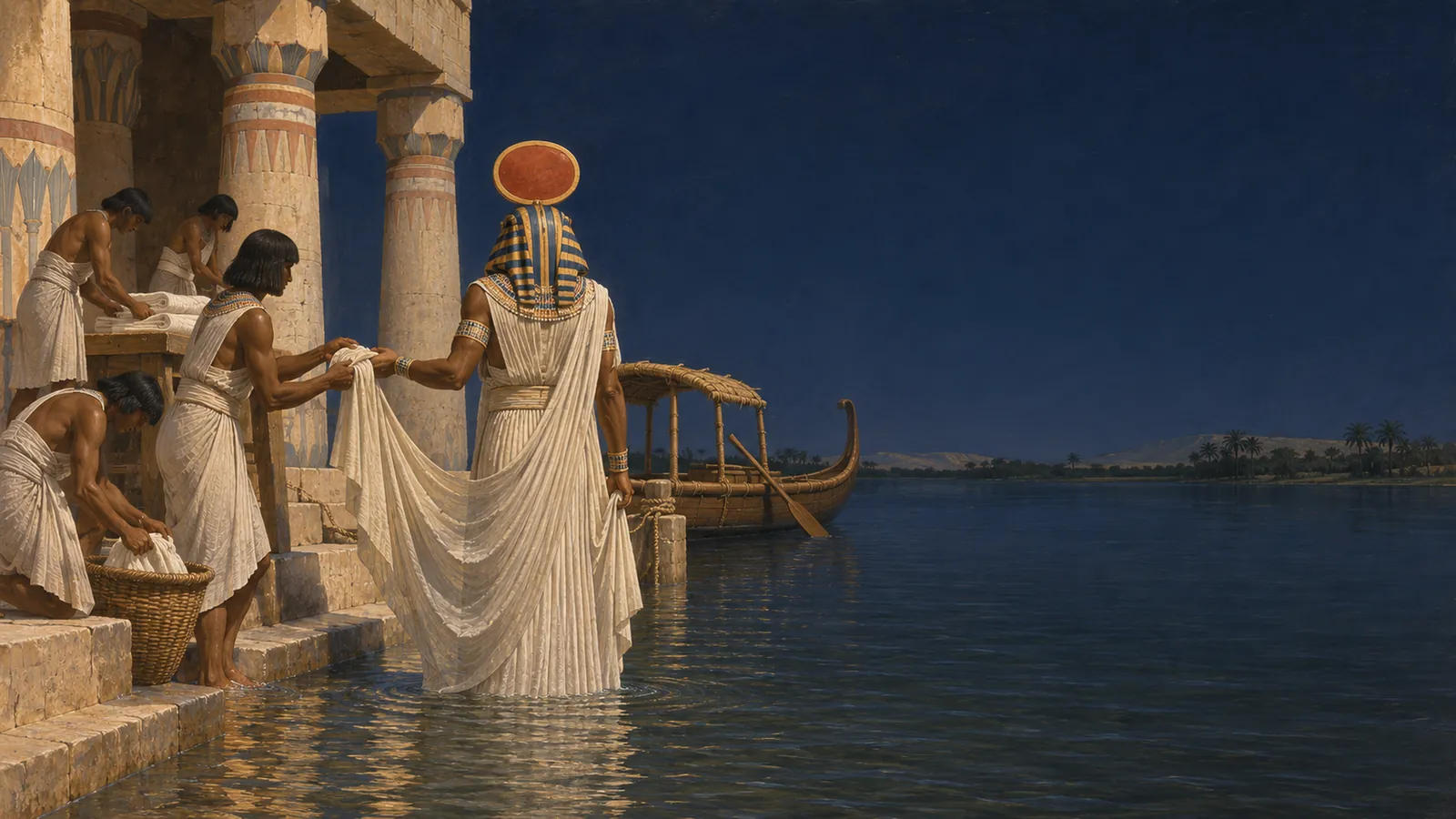
El himno dice que el sol salió del agua. Brotó de Nun, que cuida de él y ordena sus miembros.
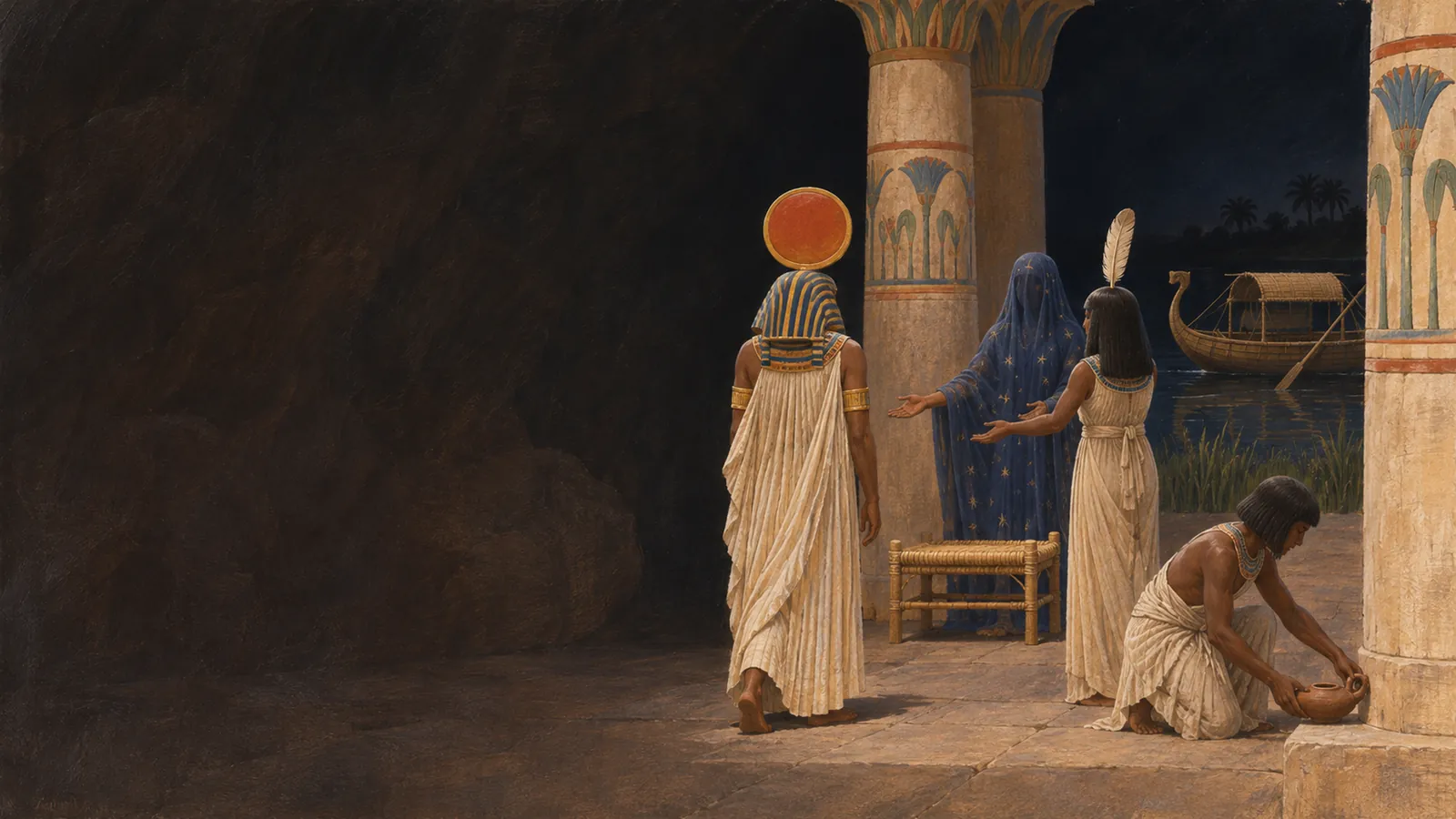
El cantor dice que las personas viven cuando brilla el sol. El himno lo llama rey de los dioses y dice que Nut le rinde homenaje mientras Maat lo abraza.
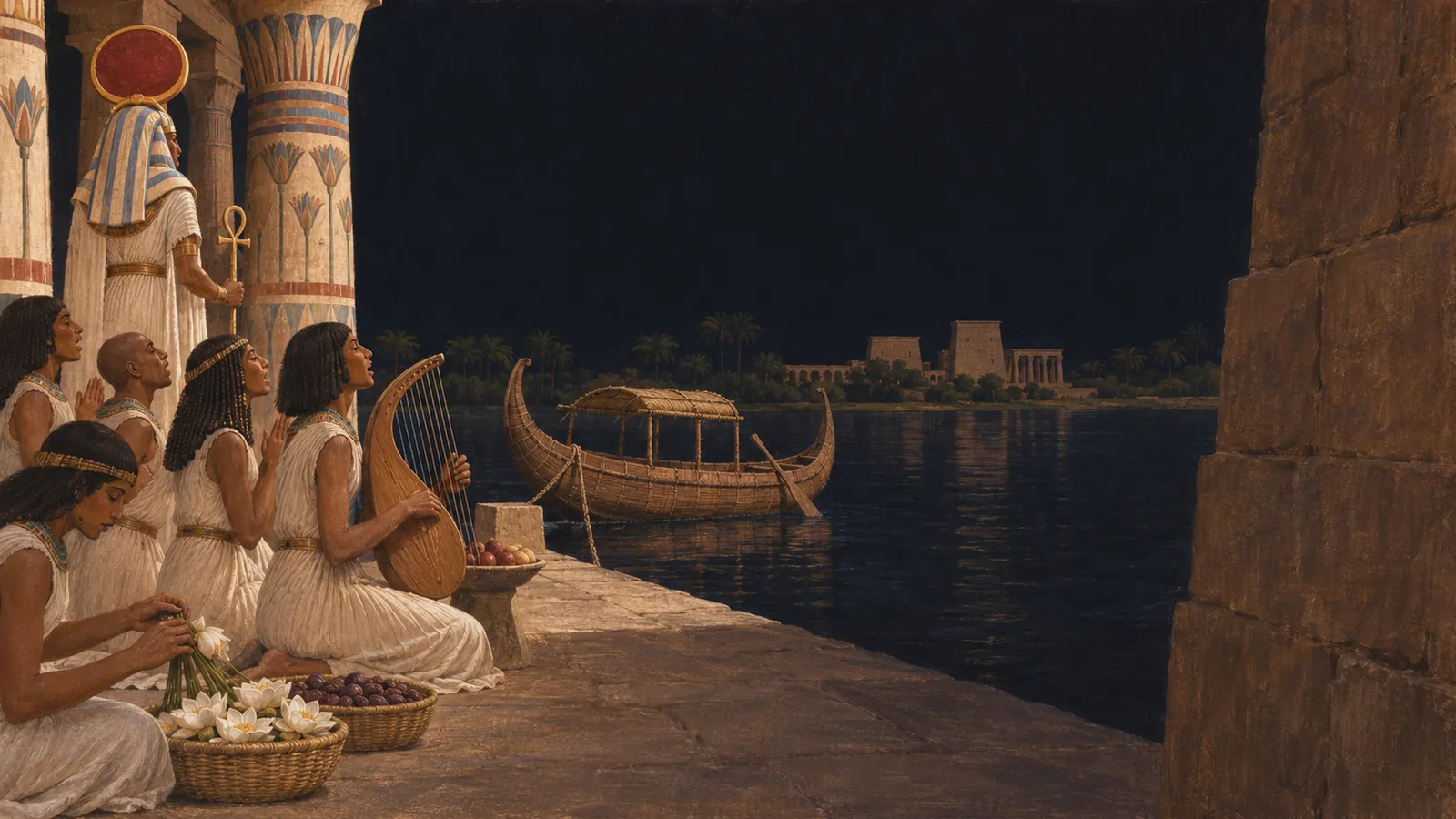
Sus seguidores le cantan con alegría y se inclinan hasta el suelo. Saludan al señor del cielo y de la tierra, rey de lo justo y verdadero y creador del cielo.
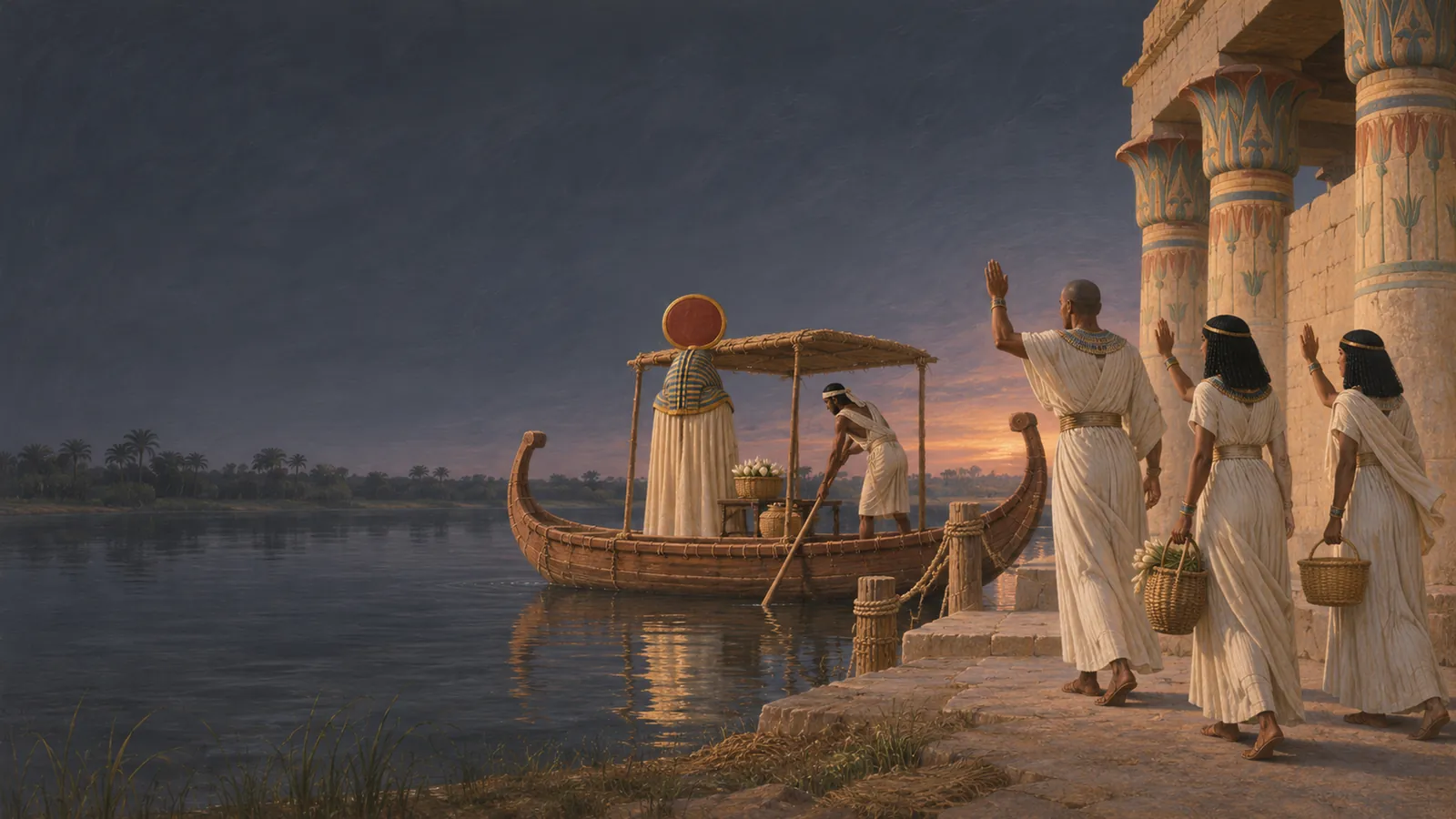
La tierra se alegra al ver los rayos del sol. En palabras del himno, hasta quienes murieron hace mucho tiempo salen con gritos de alegría para verlo cada día.
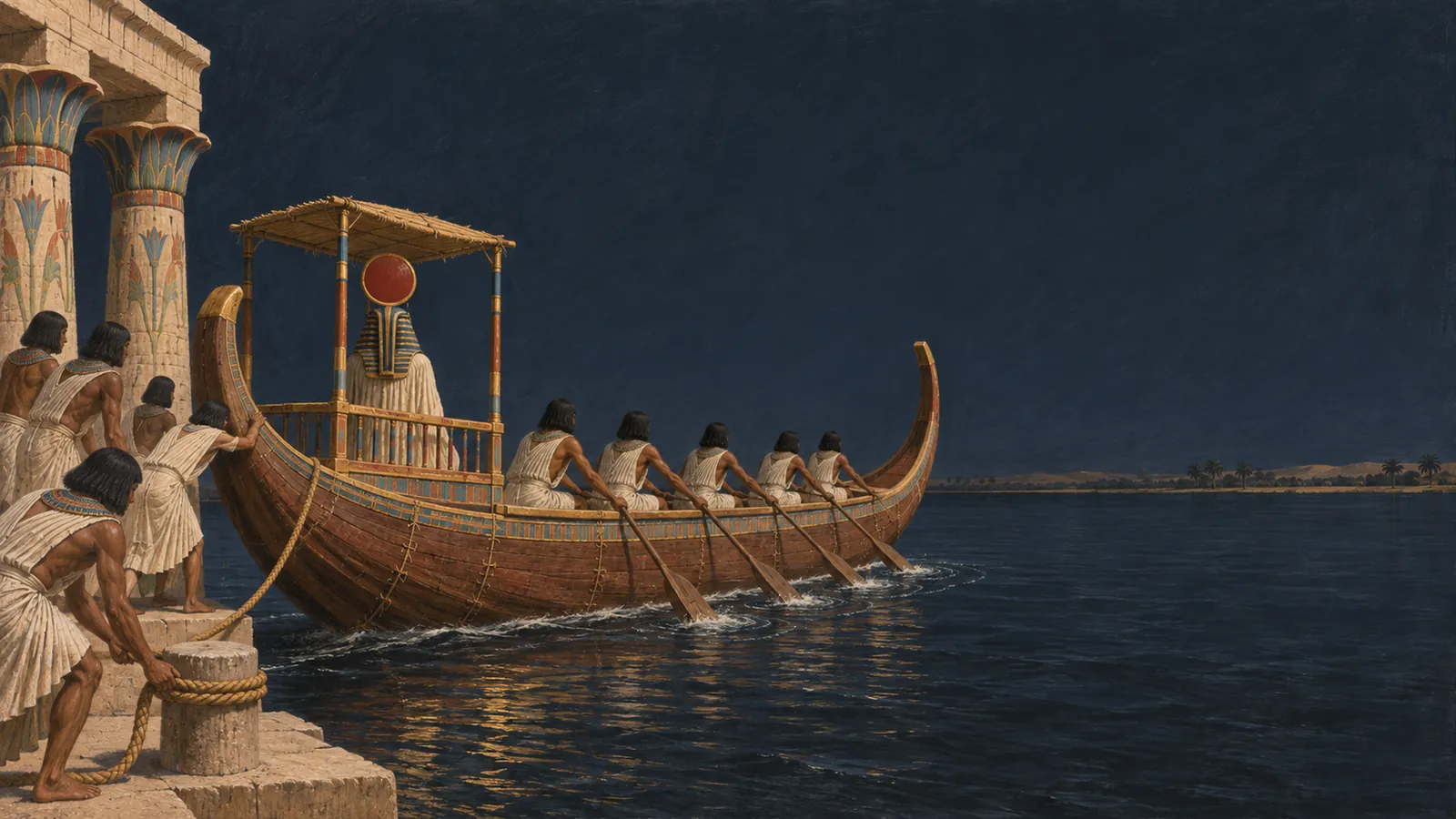
Día tras día recorre el cielo y la tierra, fortalecido por Nut. Su corazón se colma de alegría al pasar por las alturas, y la profundidad del cielo se alegra.
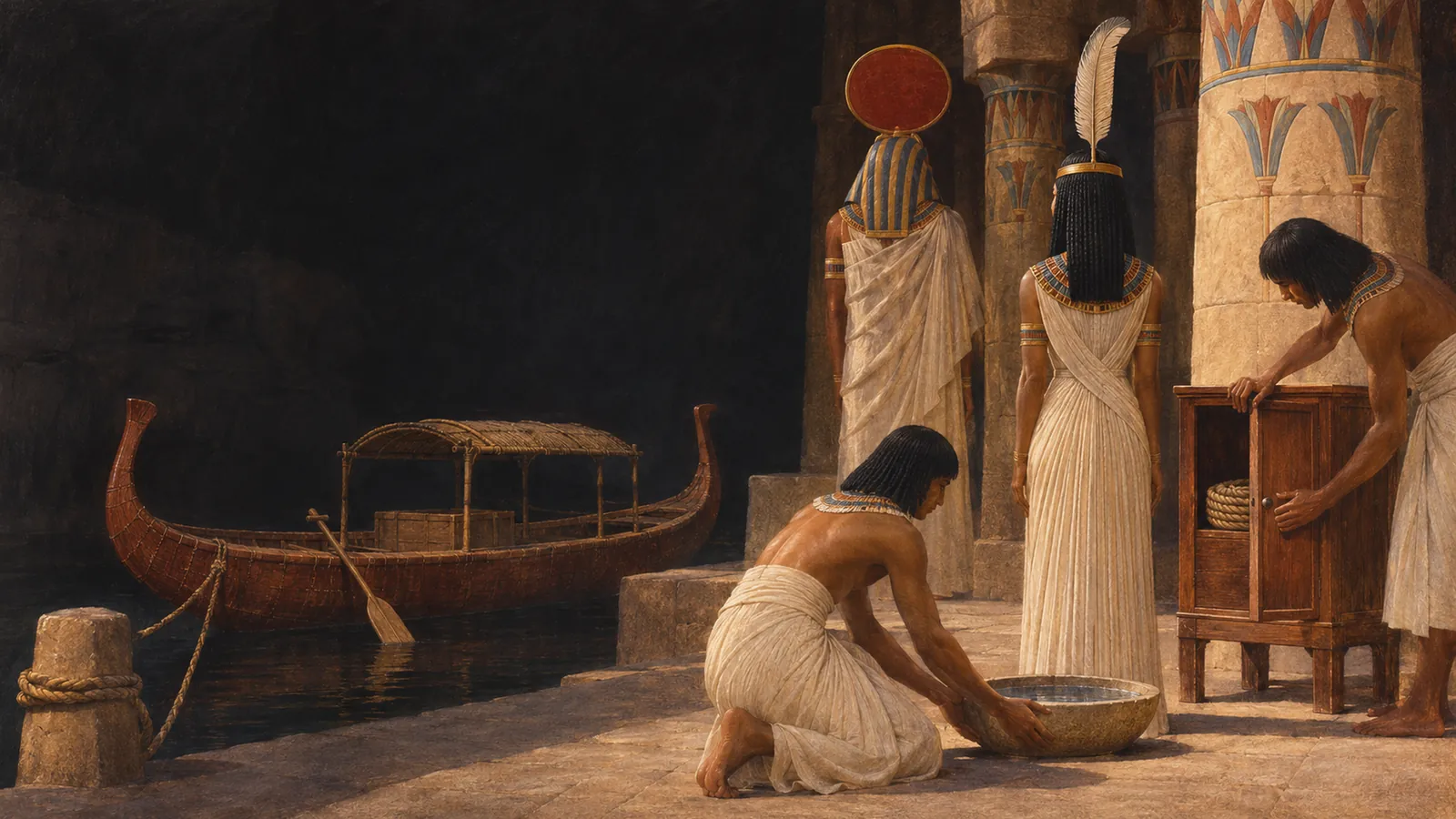
El himno dice que la serpiente enemiga cayó, con los brazos cortados y las articulaciones seccionadas. Luego declara que Ra vive en la hermosa Maat.
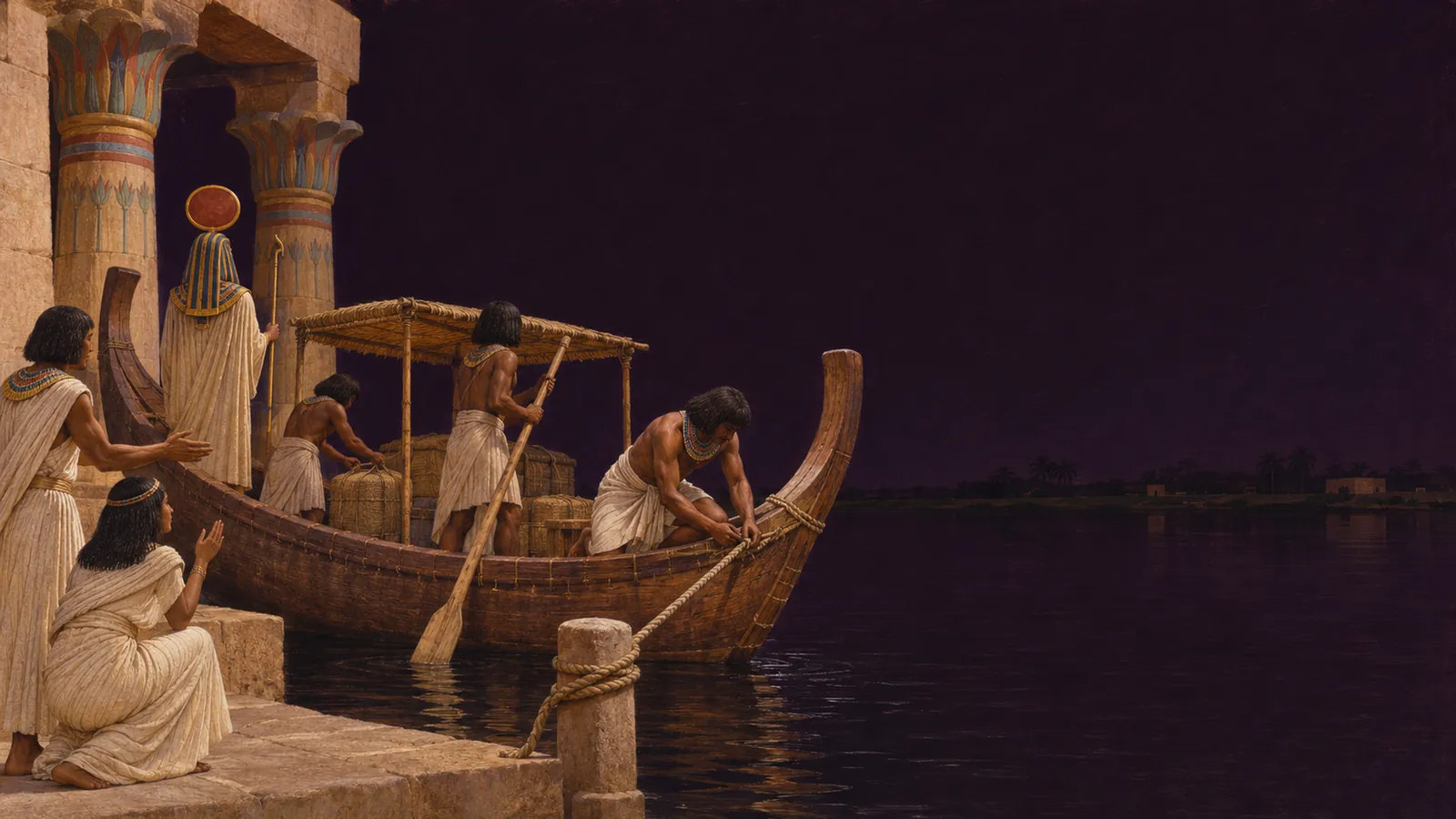
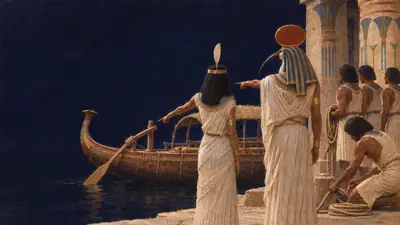
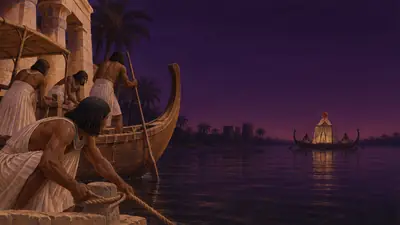
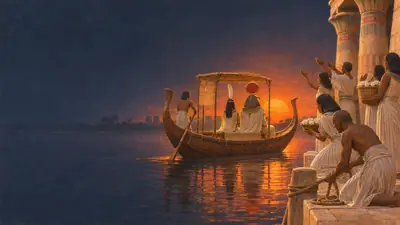
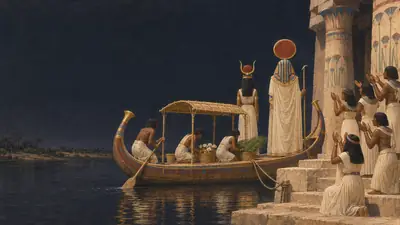
La barca Sektet llega a puerto. El himno eleva la alabanza desde el Sur y el Norte, el Oeste y el Este, hacia quien llegó a existir por sí mismo.
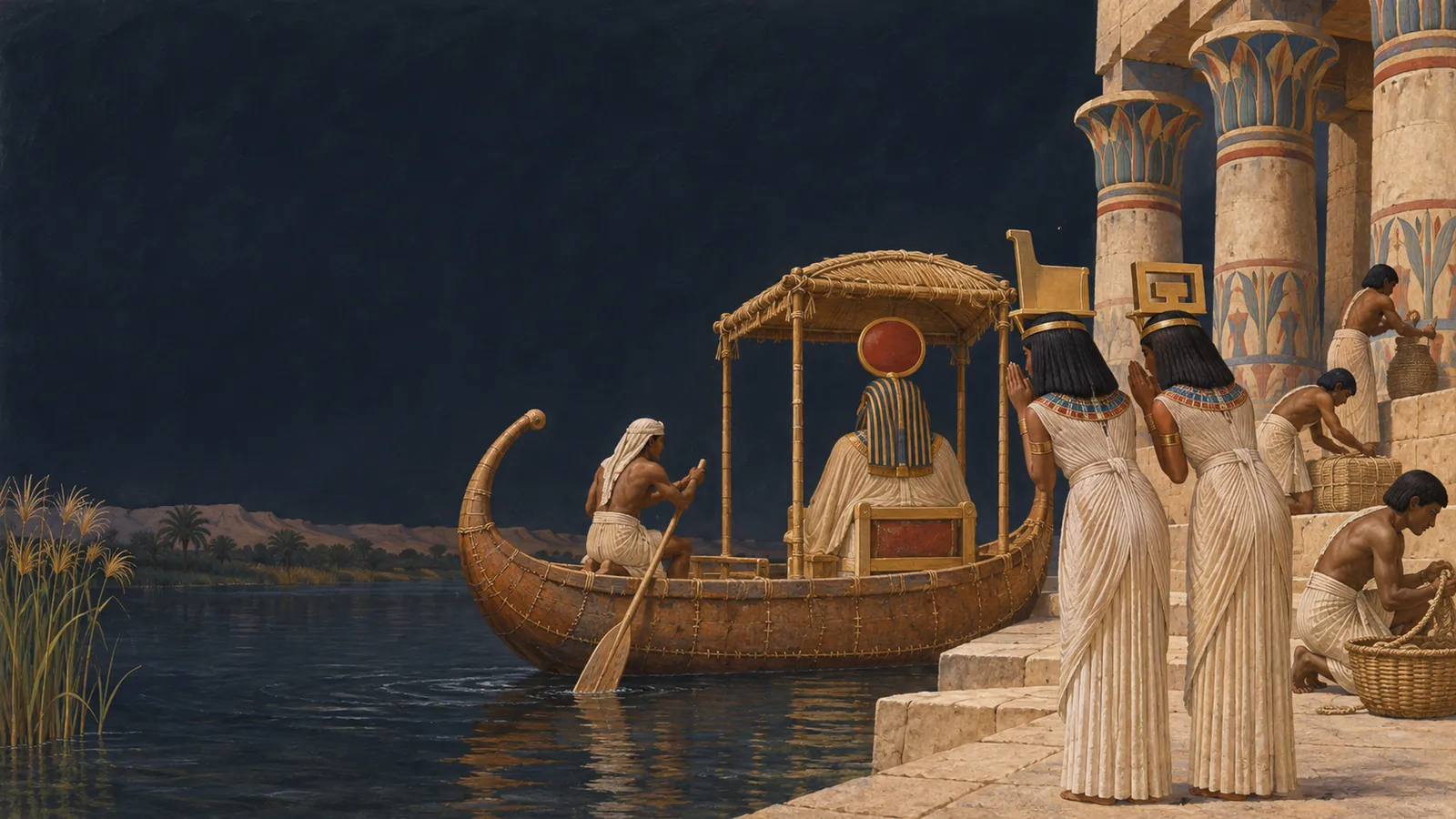
Isis y Neftis lo saludan al verlo surgir en su barca. En el himno le cantan canciones de alegría y lo protegen con sus manos.
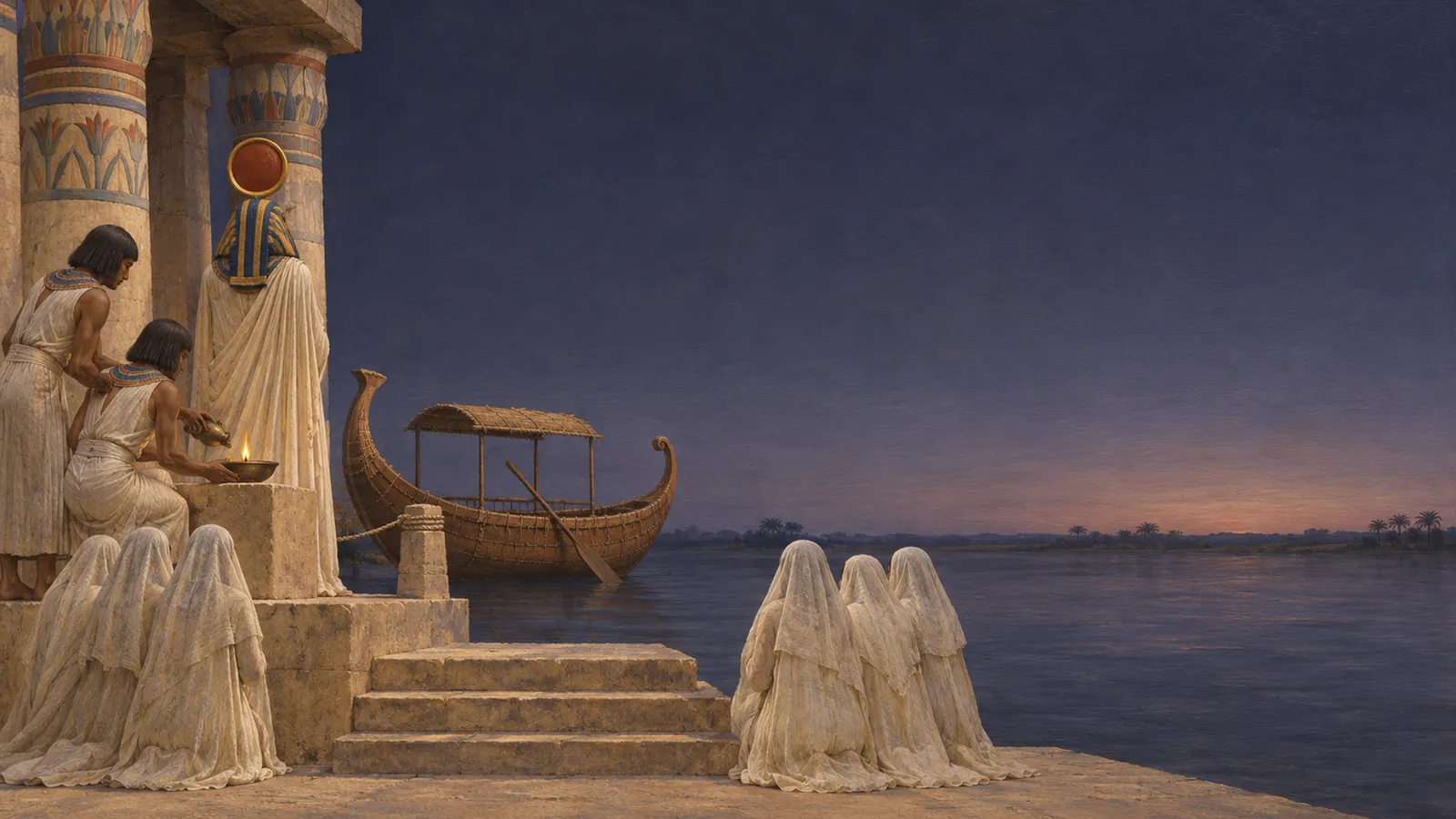
Las almas del Este lo siguen y las del Oeste lo alaban. El himno dice que Nak, la serpiente enemiga, fue condenada al fuego.
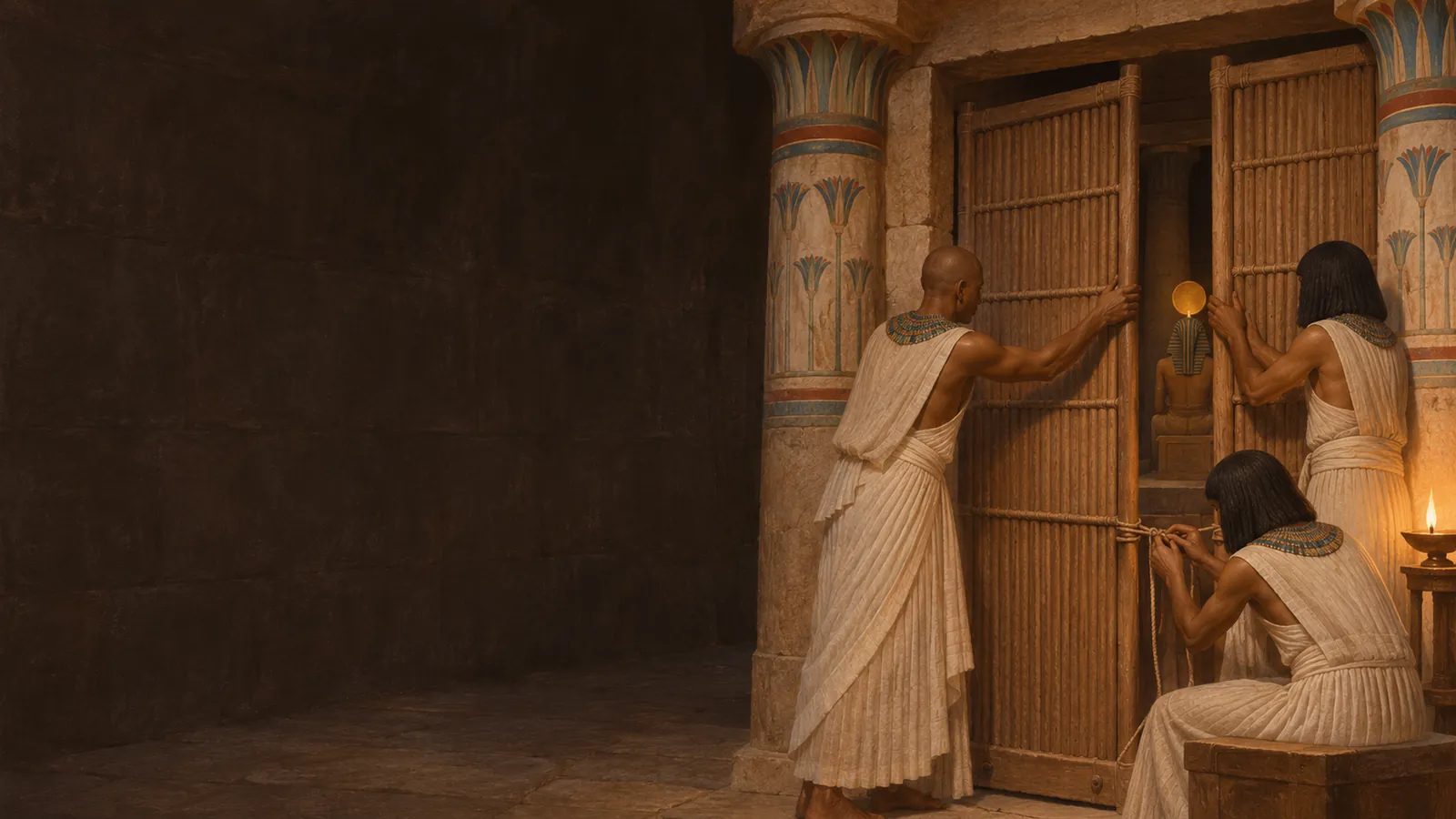
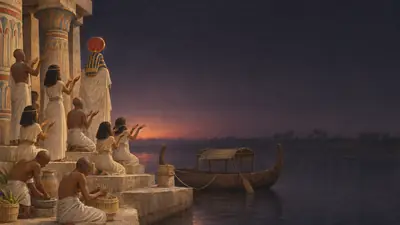
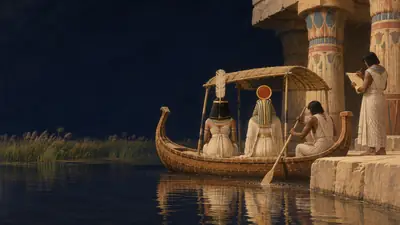
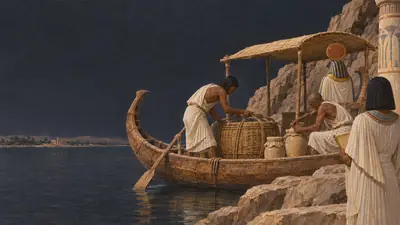
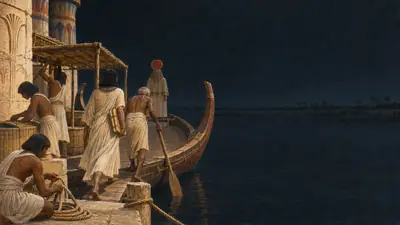
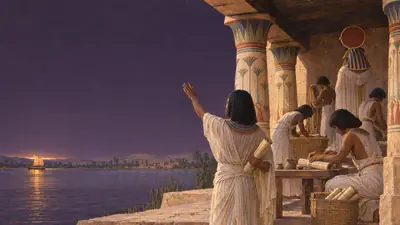
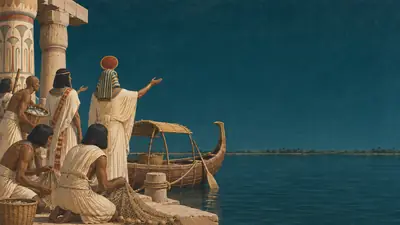
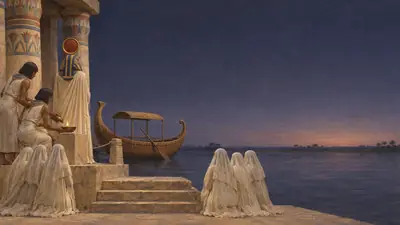
LA BARCA DEL ATARDECER
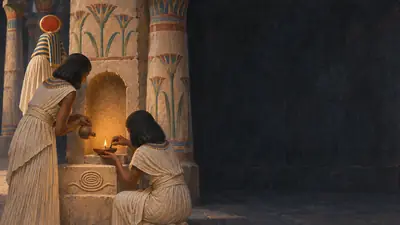
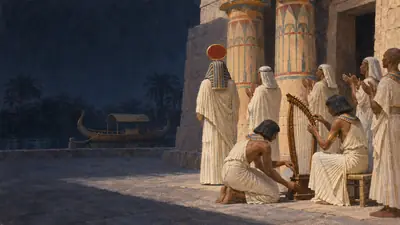
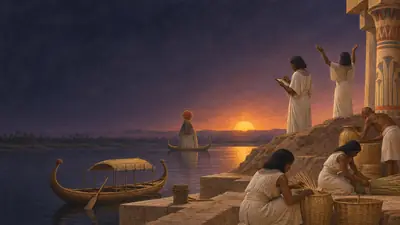
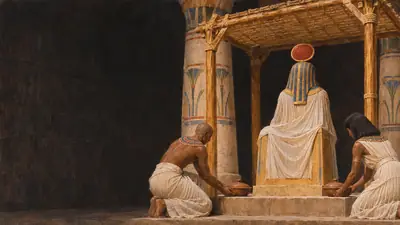
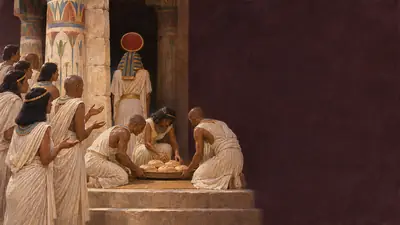
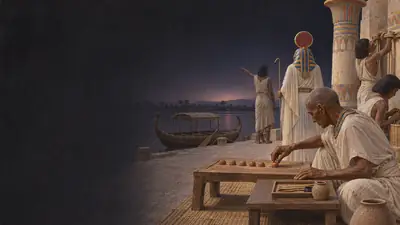
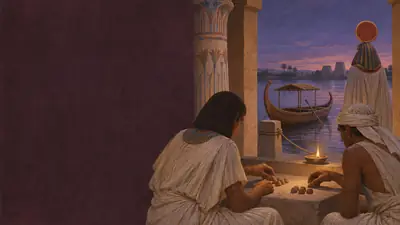
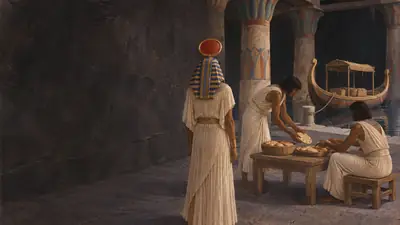
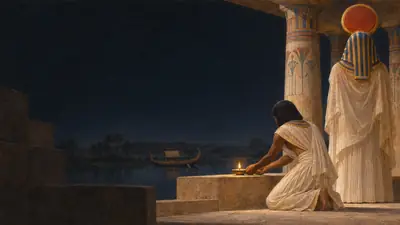
El himno de Nejt termina en el santuario. Sus últimas palabras dicen que el corazón del soberano de los dioses estará alegre para siempre.
Fin del capítulo 1
Todas las páginas
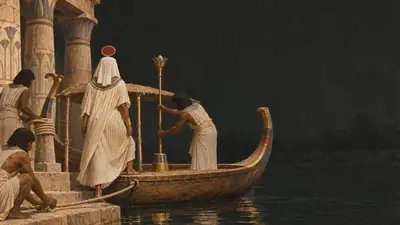
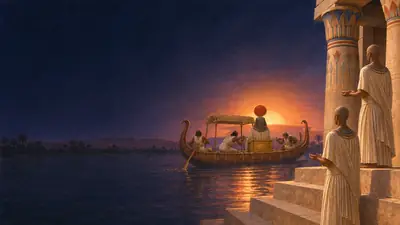
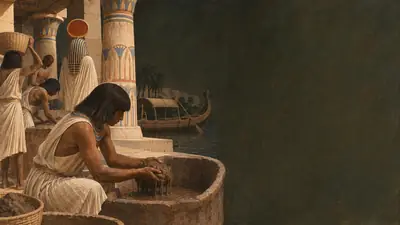
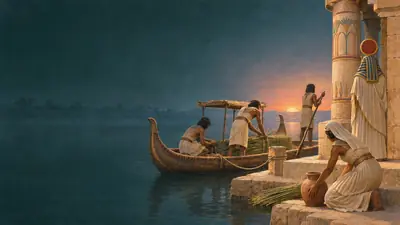
Fuentes
The lines in the notes point into the Project Gutenberg
Ediciones consultadas
- E. A. Wallis Budge, Egyptian Ideas of the Future Life, third edition, 1908, Chapter I
- Budge’s first Ani hymn and its edition citation
- Hunefer hymn, Papyrus of Hunefer, British Museum No. 9901
- Ani’s separate hymn and prayer, plate 20
- The later hymn, Papyrus of Nekht, British Museum No. 10471
Notas sobre este relato
**Edition.** E. A. Wallis Budge, *Egyptian Ideas of the Future Life*, third edition (1908), chapter I, first selection under “From the Papyrus of Ani.” The heading is at(https://www.gutenberg.org/ebooks/11277)
Budge introduces the series as hymns to Ra selected from copies of the Theban Recension. The first selection is headed “From the Papyrus of Ani.” The public catalogue record for Ani’s weighing vignette is manuscript context. Budge’s footnote gives the source for the selected hymn.
The hymn gives the crowning as king of the gods and Nut’s homage with both hands.
Budge glosses Manu as the land where the sun sets. The hymn says it receives him with satisfaction and that Maat embraces him at morning and evening. Footnote 24 connects that embrace with orderly timing.
The gods of the Temple of the Soul weigh heaven and earth in a balance and provide abundant divine food. Budge’s footnote 25 links the title to the soul in his preceding account.
The hymn hails Tatunen as One, creator of humankind and maker of the gods’ substance in all four directions.
The hymn invites praise of Ra as lord of heaven and creator of the gods and refers to his beautiful form in the divine morning boat.
The hymn addresses Ra directly and gives homage from dwellers in the heights and the depths.
The hymn credits Thoth and Maat with marking the way for each day.
The hymn says that the enemy serpent was given to fire, that Sebau fell headlong and had his arms bound in chains, and that Ra cut off his legs. This witness gives the name Sebau. Later selections give their own serpent references and names.
The hymn says the rebellious opponents will never rise again and that the Temple of the Aged One keeps festival. Footnote 26 identifies the Aged One as Ra of Heliopolis.
Voices rejoice in the mighty dwelling and the gods exult when Ra rises and his beams flood the world.
The holy god advances to Manu and makes the earth bright at his daily birth.
The selection ends when he travels to the place where he was the previous day. This is the end of the first Ani selection. The next page introduces Hunefer’s different witness.
Pages 15–17 (Budge 1908, chapter I). The heading identifies a separate reading from the Papyrus of Hunefer. Budge’s footnote 27 gives British Museum No. 9901. The printed hymn distinguishes Rā at his rising from Temu at his setting, repeats “Thou risest” and “thou shinest” twice each, and calls him the creator of the inhabitants of the heights and the depths. The line about the One coming into being concerns this witness. Temu is Budge’s form of the name also rendered Atum.
Pages 18–20 (). Budge’s selection distinguishes the watery abyss of the sky, Hapi (glossed in the edition as the Nile), and the great deep. The hymn names the great deep when it says that he gives life to all within it, then joins the mountains, humanity, beasts, heavens and earth in its praise of creation.
Pages 21–22 (). In this hymn, Maat embraces the one addressed morning and evening. The traveller is joyful as he crosses the sky, while the great deep of heaven is content. The later greeting in this same witness says that Amen-Rā rests upon Maat ().
Page 23 (). Budge’s Hunefer translation explicitly says the serpent adversary Nak has fallen and that his arms are cut off. It does not name an agent for that act in this sentence. Footnote 28 separately identifies Nak as a name of the Serpent of darkness.
Pages 24 and 28 (). The Sektet receives fair winds and the heart of the one in its shrine rejoices in the first passage. The company of the gods rejoices at the rising and passage in the second. Budge’s footnote 29 identifies the Sektet with Rā’s journey from noon to sunset. The text does not describe the material appearance of the mythic boat.
Page 25 ().
Pages 26–27 (). The divine youth is the self-begotten one and heir of everlastingness. The next greeting names the One with myriad forms and aspects as prince of Annu, which the edition gives as Heliopolis in parentheses.
Pages 29–30 (). Budge begins a new paragraph with the name Amen-Rā and says that he rests on Maat. An ellipsis follows “Thou art One” in the print witness; the following claims about praise, oaths, hearing and seeing are legible in the edition. Budge’s separate explanatory reading of the line about Maat is in footnote 32.
Pages 31–32 (). After millions of years have gone over the world, the singer cannot count those through which the one addressed has passed. The epithet ‘Traveller’ accompanies the day of happiness he decrees. In the final sentence Budge brackets “[requiring]” and “[to pass over]” when describing the unmeasured distances. The hymn ends with the passage through the watery abyss in one moment to the place he loves, his sinking, and the end of the hours.
### Ani’s hymn and prayer
### The Papyrus of Nekht
Los versos antiguos de cada página
- Page 1: Budge 1908, chapter I, Papyrus of Ani
- Page 2: Budge 1908, chapter I, Papyrus of Ani
- Page 3: Budge 1908, chapter I, Papyrus of Ani
- Page 4: Budge 1908, chapter I, Papyrus of Ani
- Page 5: Budge 1908, chapter I, Papyrus of Ani
- Page 6: Budge 1908, chapter I, Papyrus of Ani
- Page 7: Budge 1908, chapter I, Papyrus of Ani
- Page 8: Budge 1908, chapter I, Papyrus of Ani
- Page 9: Budge 1908, chapter I, Papyrus of Ani
- Page 10: Budge 1908, chapter I, Papyrus of Ani
- Page 11: Budge 1908, chapter I, Papyrus of Ani
- Page 12: Budge 1908, chapter I, Papyrus of Ani
- Page 13: Budge 1908, chapter I, Papyrus of Ani
- Page 14: Budge 1908, chapter I, Papyrus of Ani
- Page 15: Budge 1908, chapter I, Papyrus of Hunefer
- Page 16: Budge 1908, chapter I, Papyrus of Hunefer
- Page 17: Budge 1908, chapter I, Papyrus of Hunefer
- Page 18: Budge 1908, chapter I, Papyrus of Hunefer
- Page 19: Budge 1908, chapter I, Papyrus of Hunefer
- Page 20: Budge 1908, chapter I, Papyrus of Hunefer
- Page 21: Budge 1908, chapter I, Papyrus of Hunefer
- Page 22: Budge 1908, chapter I, Papyrus of Hunefer
- Page 23: Budge 1908, chapter I, Papyrus of Hunefer
- Page 24: Budge 1908, chapter I, Papyrus of Hunefer
- Page 25: Budge 1908, chapter I, Papyrus of Hunefer
- Page 26: Budge 1908, chapter I, Papyrus of Hunefer
- Page 27: Budge 1908, chapter I, Papyrus of Hunefer
- Page 28: Budge 1908, chapter I, Papyrus of Hunefer
- Page 29: Budge 1908, chapter I, Papyrus of Hunefer
- Page 30: Budge 1908, chapter I, Papyrus of Hunefer
- Page 31: Budge 1908, chapter I, Papyrus of Hunefer
- Page 32: Budge 1908, chapter I, Papyrus of Hunefer
- Page 33: Budge 1908, Chapter I, Papyrus of Ani, hymn and prayer
- Page 34: Budge 1908, Chapter I, Papyrus of Ani, hymn and prayer
- Page 35: Budge 1908, Chapter I, Papyrus of Ani, hymn and prayer
- Page 36: Budge 1908, Chapter I, Papyrus of Ani, hymn and prayer
- Page 37: Budge 1908, Chapter I, Papyrus of Ani, hymn and prayer
- Page 38: Budge 1908, Chapter I, Papyrus of Ani, hymn and prayer
- Page 39: Budge 1908, Chapter I, Papyrus of Ani, hymn and prayer
- Page 40: Budge 1908, Chapter I, Papyrus of Ani, hymn and prayer
- Page 41: Budge 1908, Chapter I, Papyrus of Ani, hymn and prayer
- Page 42: Budge 1908, Chapter I, Papyrus of Ani, hymn and prayer
- Page 43: Budge 1908, Chapter I, Papyrus of Ani, hymn and prayer
- Page 44: Budge 1908, Chapter I, Papyrus of Ani, hymn and prayer
- Page 45: Budge 1908, Chapter I, Papyrus of Ani, hymn and prayer
- Page 46: Budge 1908, Chapter I, Papyrus of Ani, hymn and prayer
- Page 47: Budge 1908, Chapter I, Papyrus of Ani, hymn and prayer
- Page 48: Budge 1908, Chapter I, Papyrus of Ani, hymn and prayer
- Page 49: Budge 1908, Chapter I, Papyrus of Ani, hymn and prayer
- Page 50: Budge 1908, Chapter I, Papyrus of Ani, hymn and prayer
- Page 51: Budge 1908, Chapter I, Papyrus of Ani, hymn and prayer
- Page 52: Budge 1908, Chapter I, Papyrus of Nekht
- Page 53: Budge 1908, Chapter I, Papyrus of Nekht
- Page 54: Budge 1908, Chapter I, Papyrus of Nekht
- Page 55: Budge 1908, Chapter I, Papyrus of Nekht
- Page 56: Budge 1908, Chapter I, Papyrus of Nekht
- Page 57: Budge 1908, Chapter I, Papyrus of Nekht
- Page 58: Budge 1908, Chapter I, Papyrus of Nekht
- Page 59: Budge 1908, Chapter I, Papyrus of Nekht
- Page 60: Budge 1908, Chapter I, Papyrus of Nekht
- Page 61: Budge 1908, Chapter I, Papyrus of Nekht
- Page 62: Budge 1908, Chapter I, Papyrus of Nekht
- Page 63: Budge 1908, Chapter I, Papyrus of Nekht
- Page 64: Budge 1908, Chapter I, Papyrus of Nekht
- Page 65: Budge 1908, Chapter I, Papyrus of Nekht
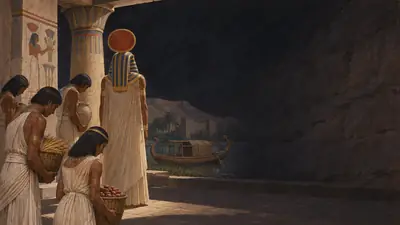
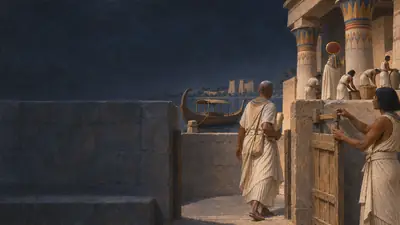
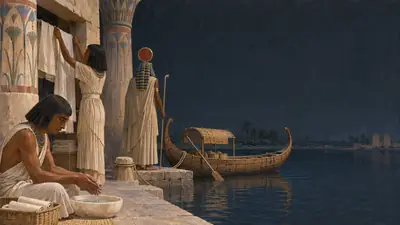
Ilustraciones hechas por IL Archive con herramientas de IA; el texto se basa en las fuentes antiguas (véanse las fuentes al final de cada capítulo).