Las cartas de Elefantina Capítulo 1
La solicitud de reconstrucción
Tres fragmentos del borrador de los sacerdotes describen el duelo y piden a Bagohi que apoye la reconstrucción del templo en Elefantina. Un memorando distinto da instrucciones para reconstruir en el lugar anterior y reanudar las ofrendas habituales.
FuentesPase las páginas con las flechas, el teclado o deslizando el dedo.
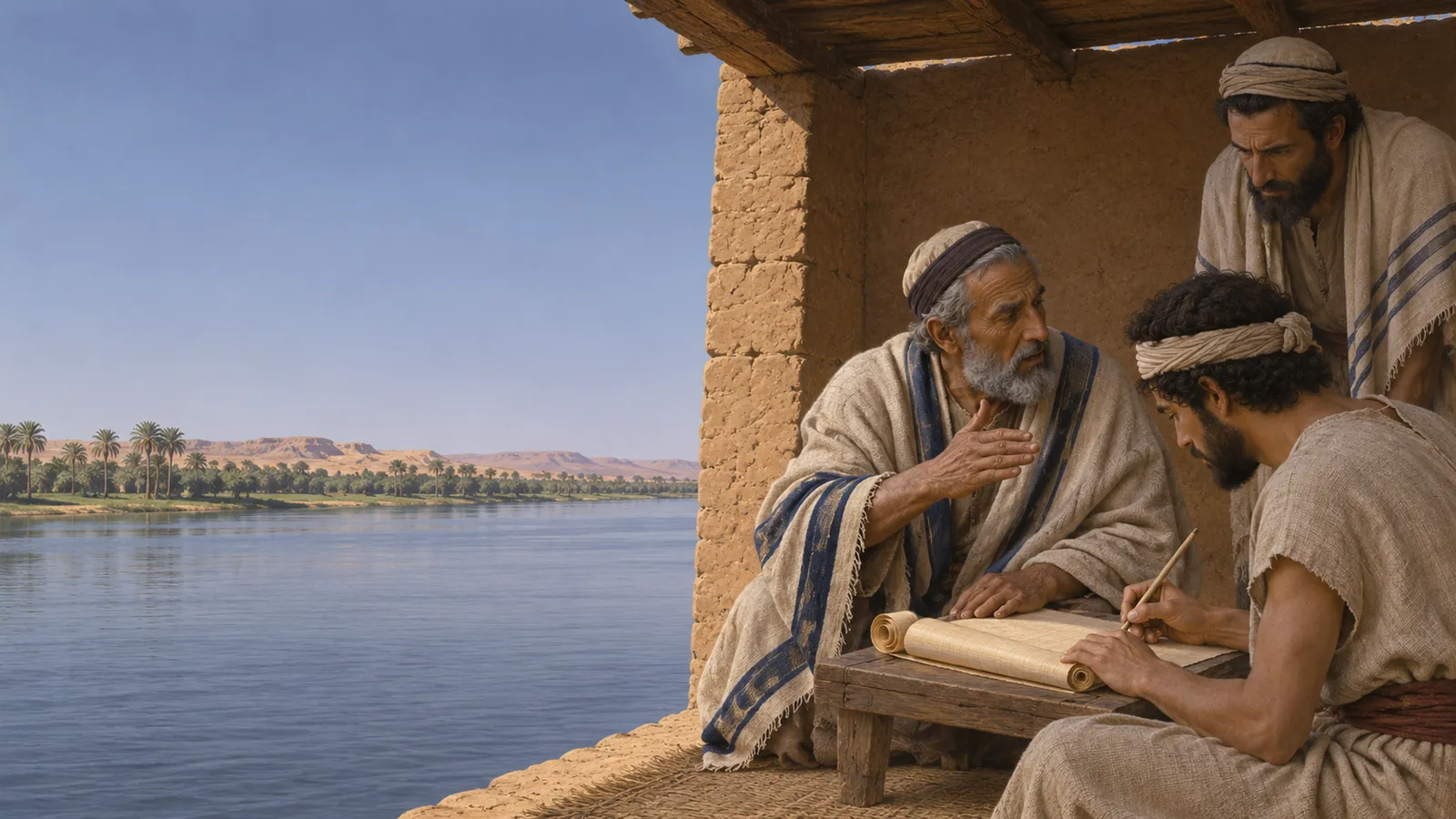
ELEFANTINA
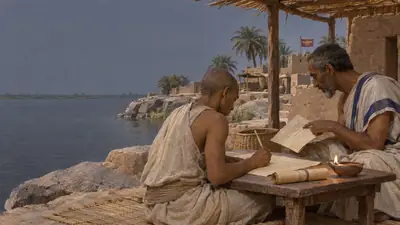
Collin Cornell fecha el borrador en el año 407 antes de nuestra era, tres años después de la destrucción del templo. Identifica como remitentes a Yedoniah y a sus colegas sacerdotes, y como destinatario a Bagohi, gobernador de Yehud.
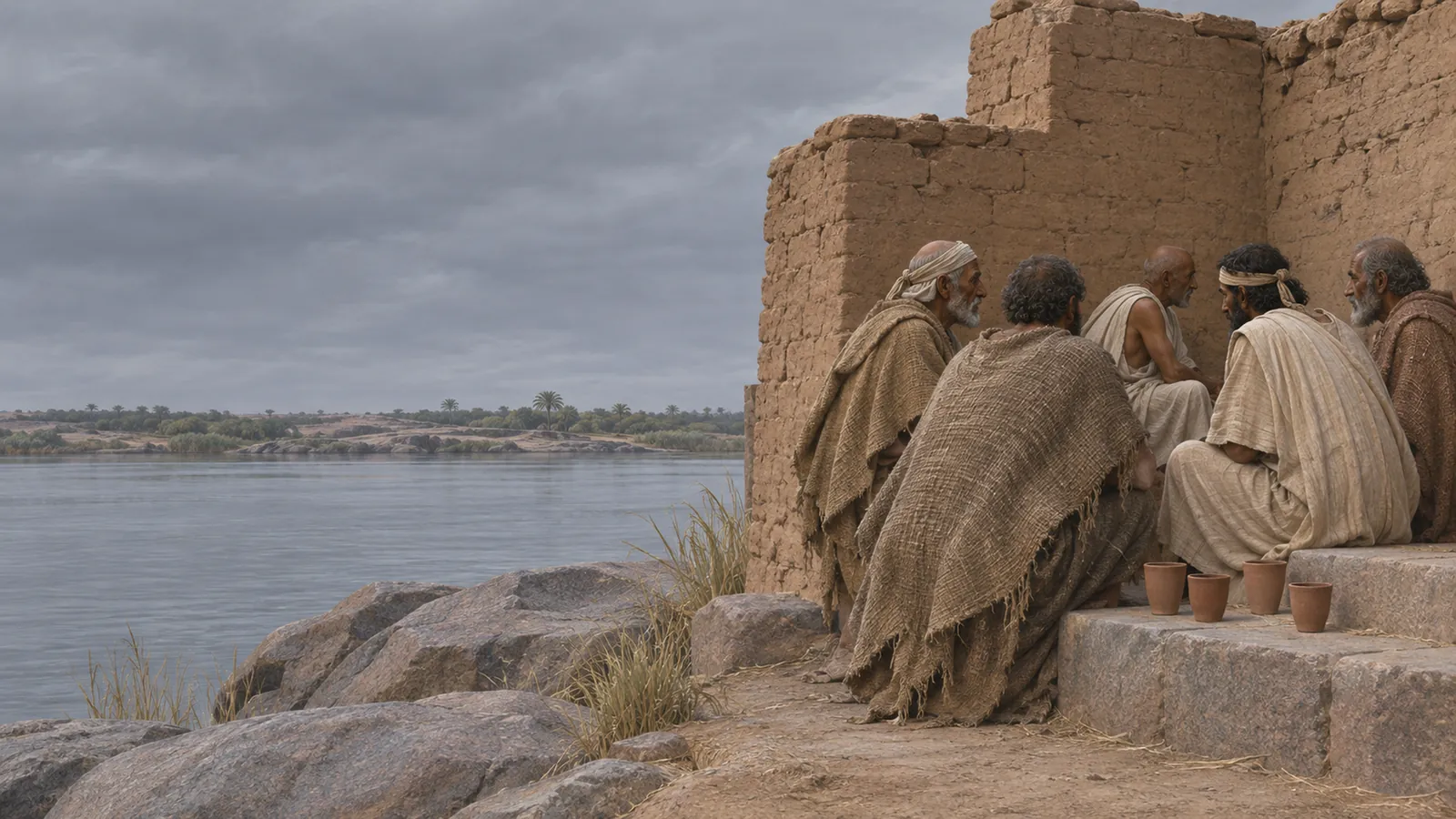
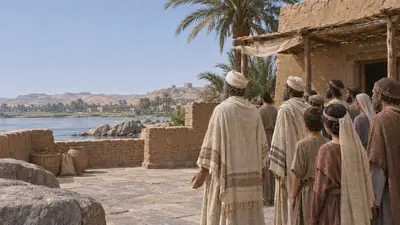
Los autores dicen que se han vestido de sayal y han ayunado desde la pérdida del templo hasta el día en que escriben.
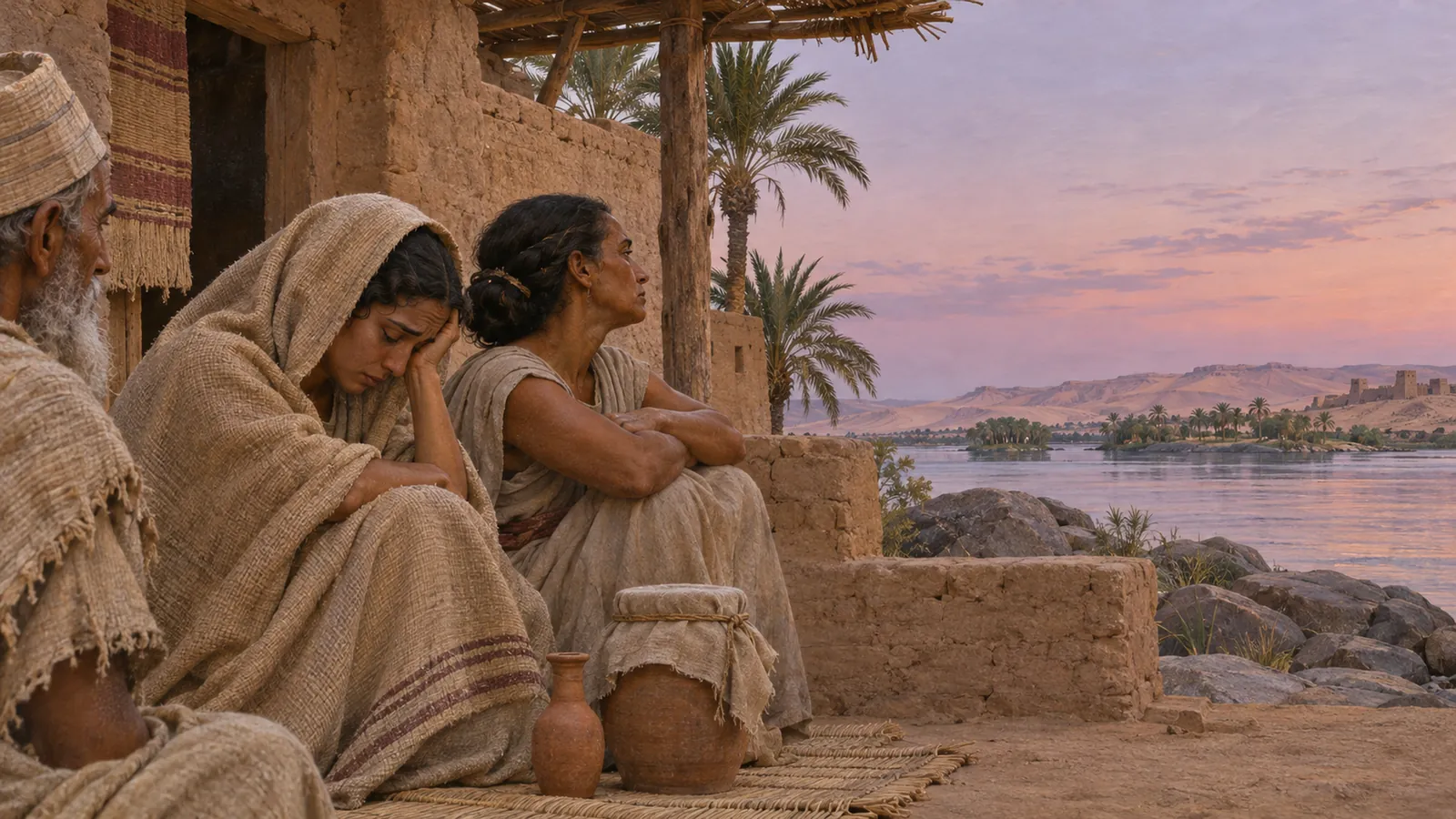
En el mismo pasaje dicen que hicieron vivir a sus esposas como viudas. También dicen que no se han ungido con aceite ni han bebido vino.
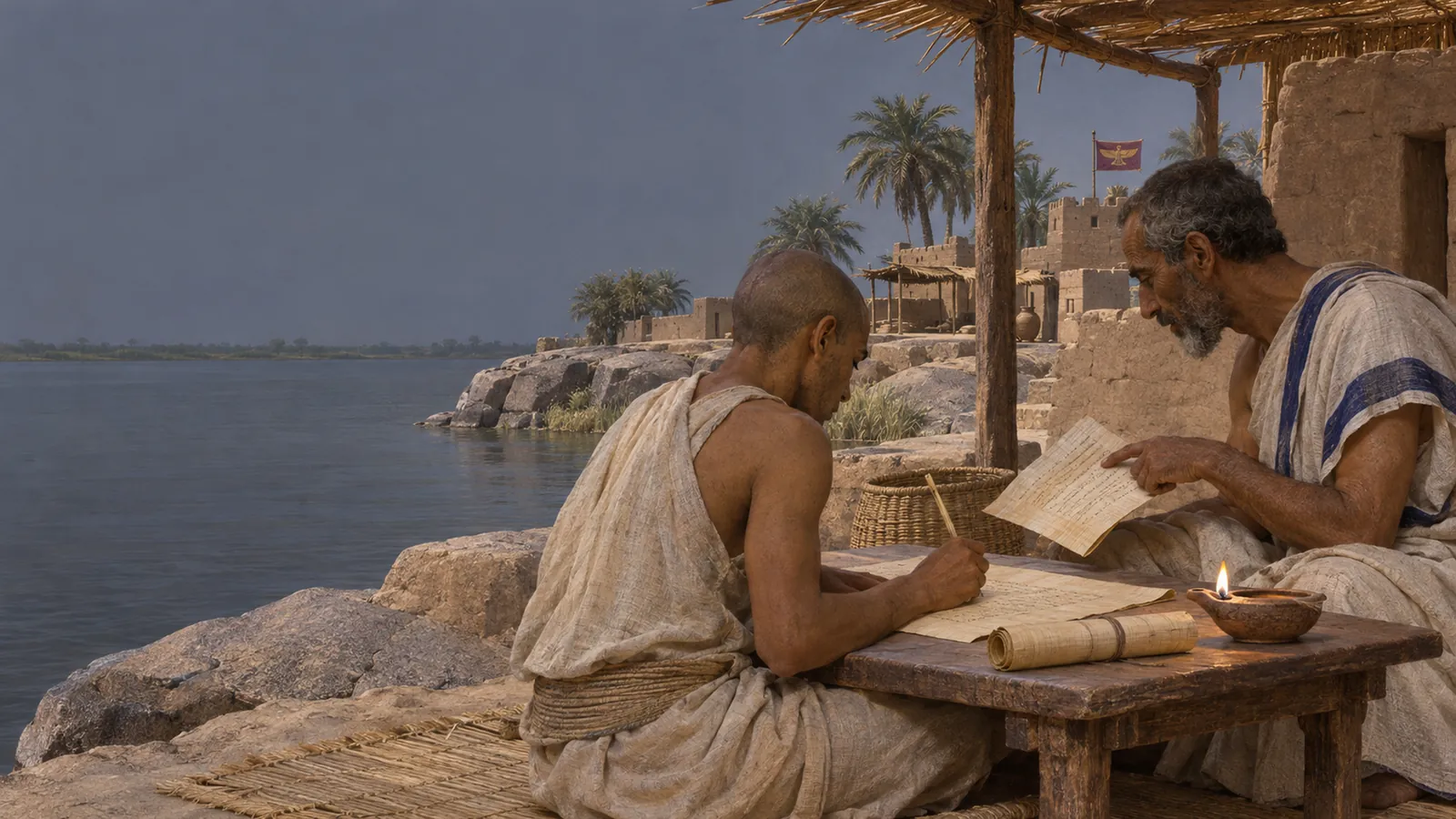
LA PETICIÓN
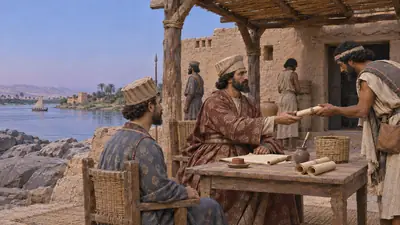
Los autores piden a Bagohi que envíe una carta para que se reconstruya el templo de Yhw en la fortaleza de Elefantina, tal como estaba antes.
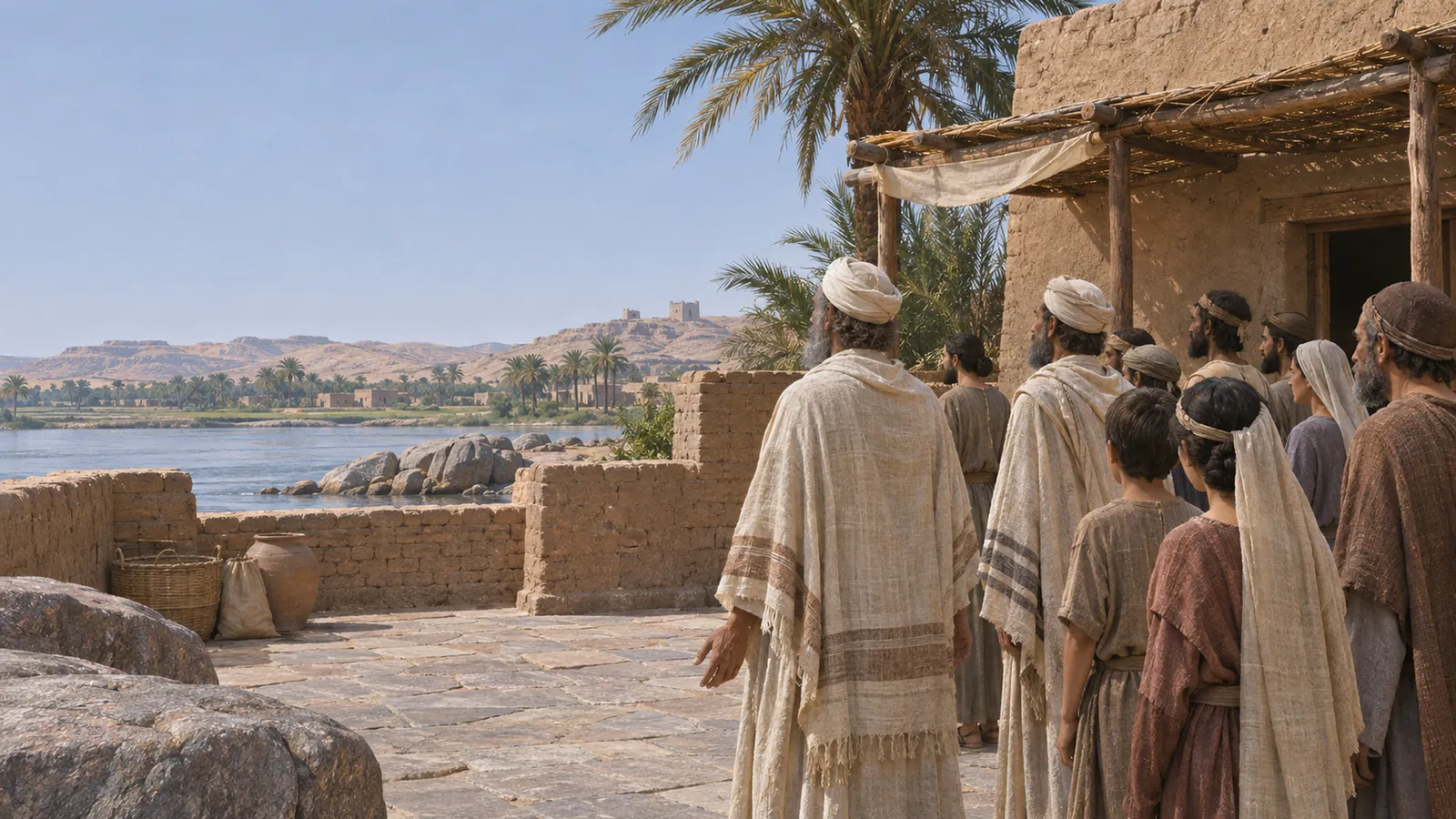
Los sacerdotes le dicen a Bagohi que rezarán por él continuamente. Cornell suple en la traducción el pronombre que se refiere a Bagohi.
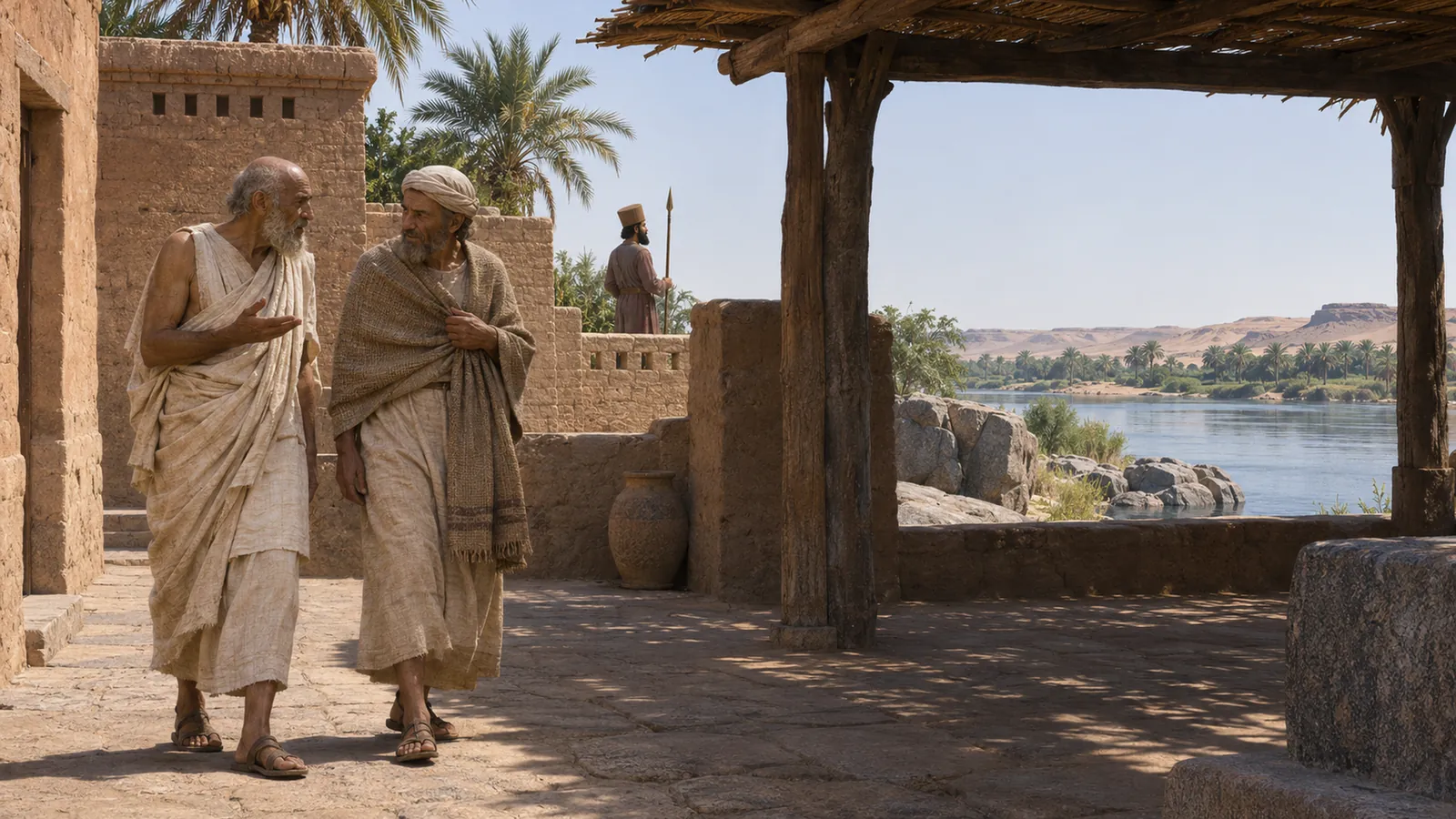
Dicen que esto le dará a Bagohi más honor ante Yhw que a un hombre que presenta ofrendas quemadas y sacrificios por valor de mil talentos de plata y oro.
EL MEMORANDO
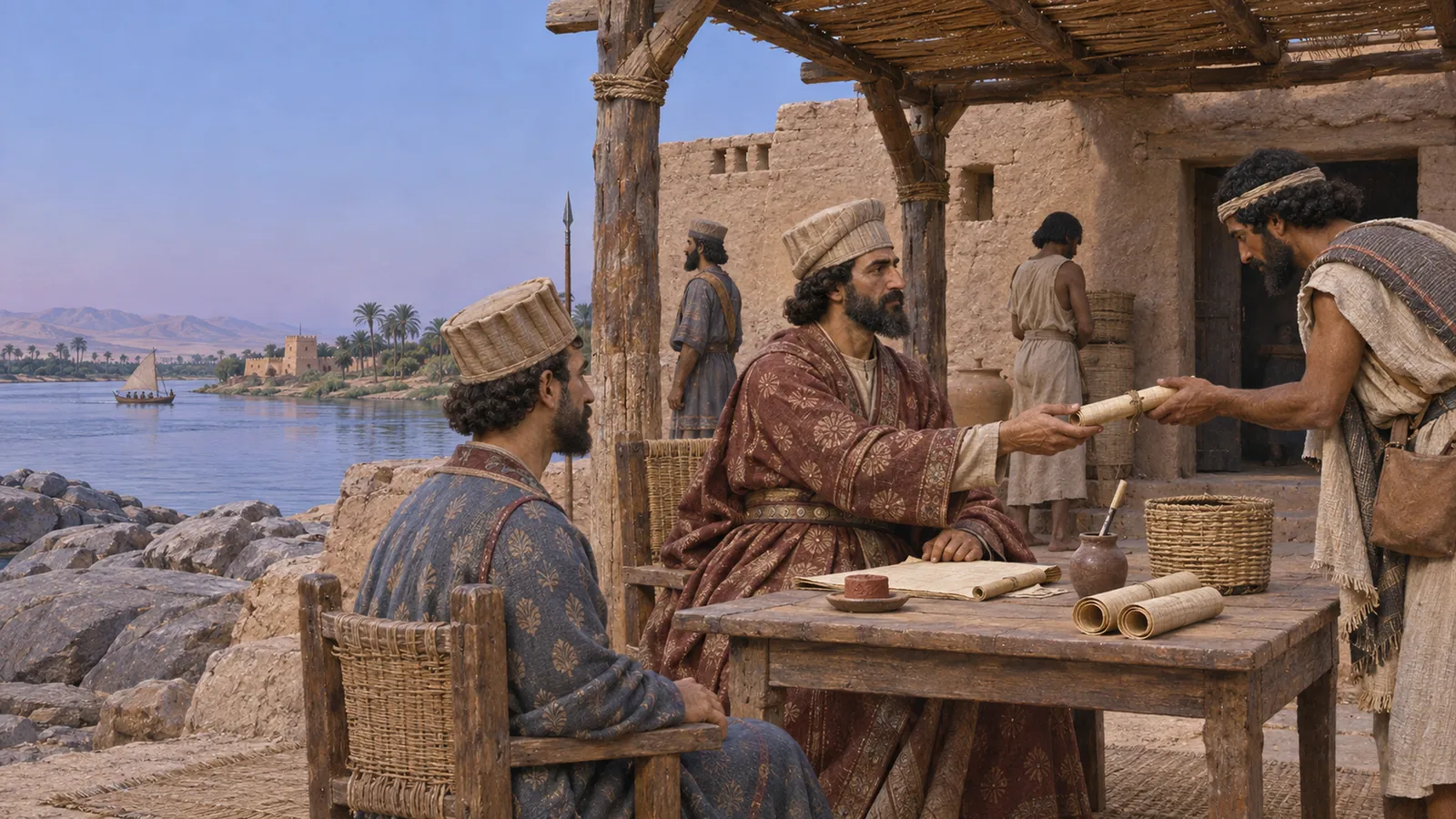
Cornell presenta un memorando distinto de Bagohi. Pide que se hable ante Arsames acerca de la casa de Yhw, el Dios del Cielo.
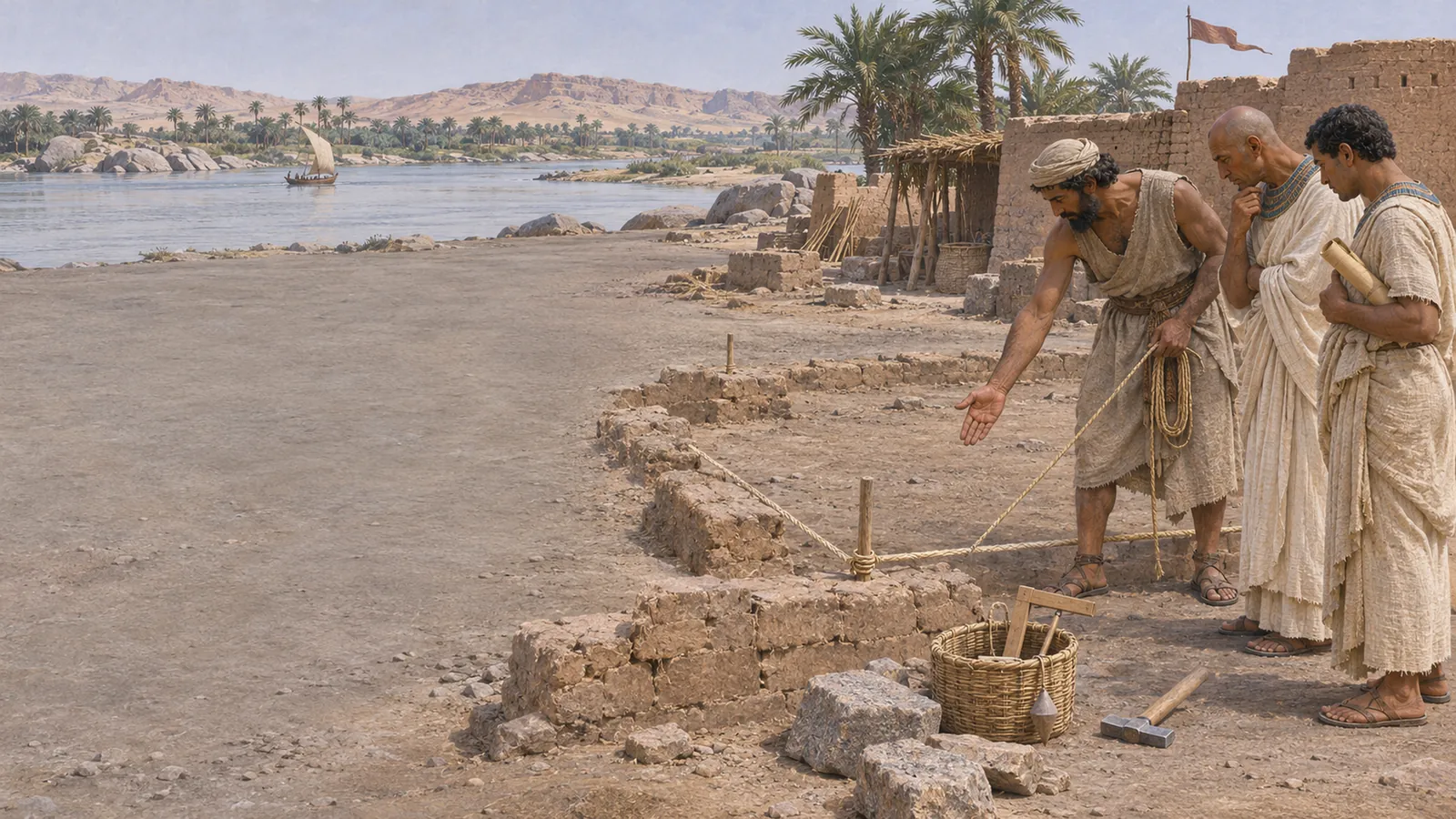
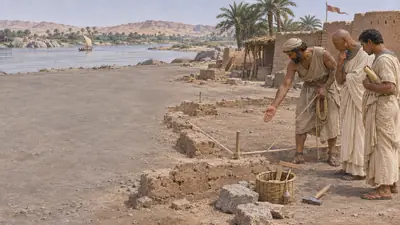
La instrucción siguiente del memorando pide reconstruir la casa de Yhw en el lugar donde se encontraba antes.
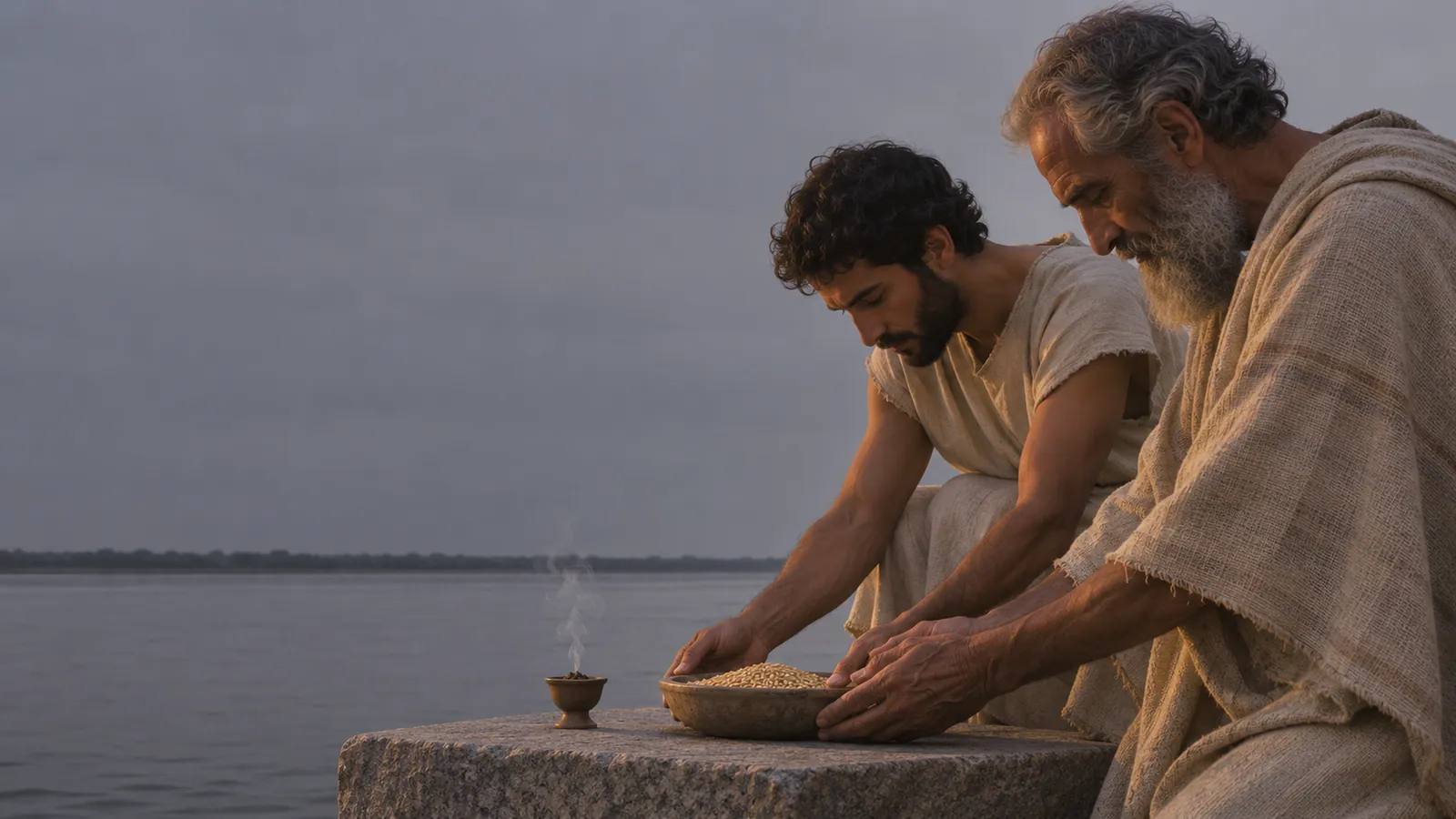
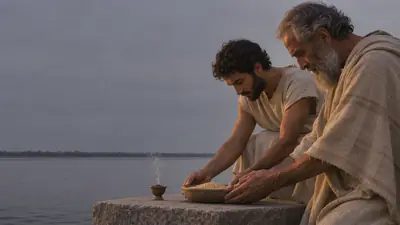
El memorando dice que se presenten la ofrenda de alimentos y el incienso en ese altar como antes. Las palabras seleccionadas terminan con esas instrucciones.
Fin del capítulo 1
Todas las páginas
Fuentes
Cornell dates the draft letter to 407 BCE. Its paired line numbers are for A4.7 and A4.8, two versions of the request. The rebuilding is requested and then instructed. The words of the two documents are identified as they appear.
Ediciones consultadas
- Collin Cornell, The Value of Egyptian Aramaic for Biblical Studies, Journal of Biblical and Theological Studies 7.1 (2022)
- Cornell, printed p. 10, draft letter A4.7 and A4.8
- Cornell, printed p. 11, separate memorandum A4.9
Notas sobre este relato
Page 1, modern context. Collin Cornell dates the draft petition to 407 BCE, three years after the temple’s destruction. On printed p. 10 he identifies the senders as Yedoniah and his priestly colleagues and the addressee as Bagohi, governor of Yehud, referring to line 1 of each draft. Note 27 explains that there are two versions of the draft.
Pages 2–3, TAD A4.7/8, line 20/19. The writers say that they wore sackcloth and fasted from the loss until the day of writing. Cornell supplies “that time” in brackets. They compare their wives to widows and say that they refrained from anointing themselves with oil and from drinking wine. The comparison is preserved as speech from the letters.
Page 4, TAD A4.7/8, line 24/23. The writers ask for a letter about rebuilding the temple of Yhw in the fortress of Elephantine as formerly. Cornell’s prose identifies the intended recipients as Bagohi’s clients and friends in Egypt. His article discusses this request after the honor clause.
Pages 5–6, TAD A4.7/8, lines 27–28/26–27. The continuing prayer and promise of honor are the quoted clauses. The translator supplies “him” in the first.
Page 7, TAD A4.9, lines 8–10 in Cornell’s presentation. A separate memorandum follows on printed p. 11. Cornell presents it as from Bagohi and identifies the intended recipient as probably Yedoniah. The quoted introduction mentions speaking before Arsames about the house of Yhw, called the God of Heaven.
Pages 8–9, TAD A4.9, lines 8–10. The instructions place rebuilding on the previous site and specify the meal offering and incense on that altar in the former manner. Cornell gives the Aramaic wording for “formerly” in brackets in both clauses. The excerpt ends with the instructions, which express what the document asks for.
The final page imagines the offering and incense described in the memorandum.
Los versos antiguos de cada página
- Page 1: Cornell, JBTS 7.1 (2022), p. 10, modern framing before the A4.7/8 excerpts
- Page 2: Cornell, JBTS 7.1 (2022), p. 10, TAD A4.7/8, line 20/19, first part
- Page 3: Cornell, JBTS 7.1 (2022), p. 10, TAD A4.7/8, line 20/19, remainder
- Page 4: Cornell, JBTS 7.1 (2022), p. 10, TAD A4.7/8, line 24/23
- Page 5: Cornell, JBTS 7.1 (2022), p. 10, TAD A4.7/8, lines 27–28/26–27, prayer clause
- Page 6: Cornell, JBTS 7.1 (2022), p. 10, TAD A4.7/8, lines 27–28/26–27, honor clause
- Page 7: Cornell, JBTS 7.1 (2022), p. 11, TAD A4.9, lines 8–10, introduction and address
- Page 8: Cornell, JBTS 7.1 (2022), p. 11, TAD A4.9, lines 8–10, rebuilding clause
- Page 9: Cornell, JBTS 7.1 (2022), p. 11, TAD A4.9, lines 8–10, closing offering clause
Ilustraciones hechas por IL Archive con herramientas de IA; el texto se basa en las fuentes antiguas (véanse las fuentes al final de cada capítulo).