Lugalbanda Capítulo 1
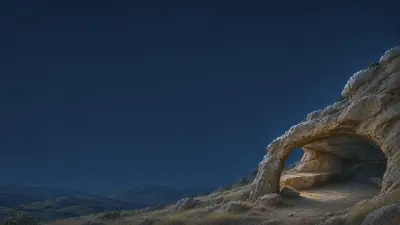
La cueva de la montaña
Lugalbanda enferma durante la marcha por las montañas y sus compañeros lo dejan en una cueva con comida y bebida. Al recobrar las fuerzas, parte solo, sueña con una ofrenda y la presenta al amanecer.
FuentesPase las páginas con las flechas, el teclado o deslizando el dedo.
ORÍGENES
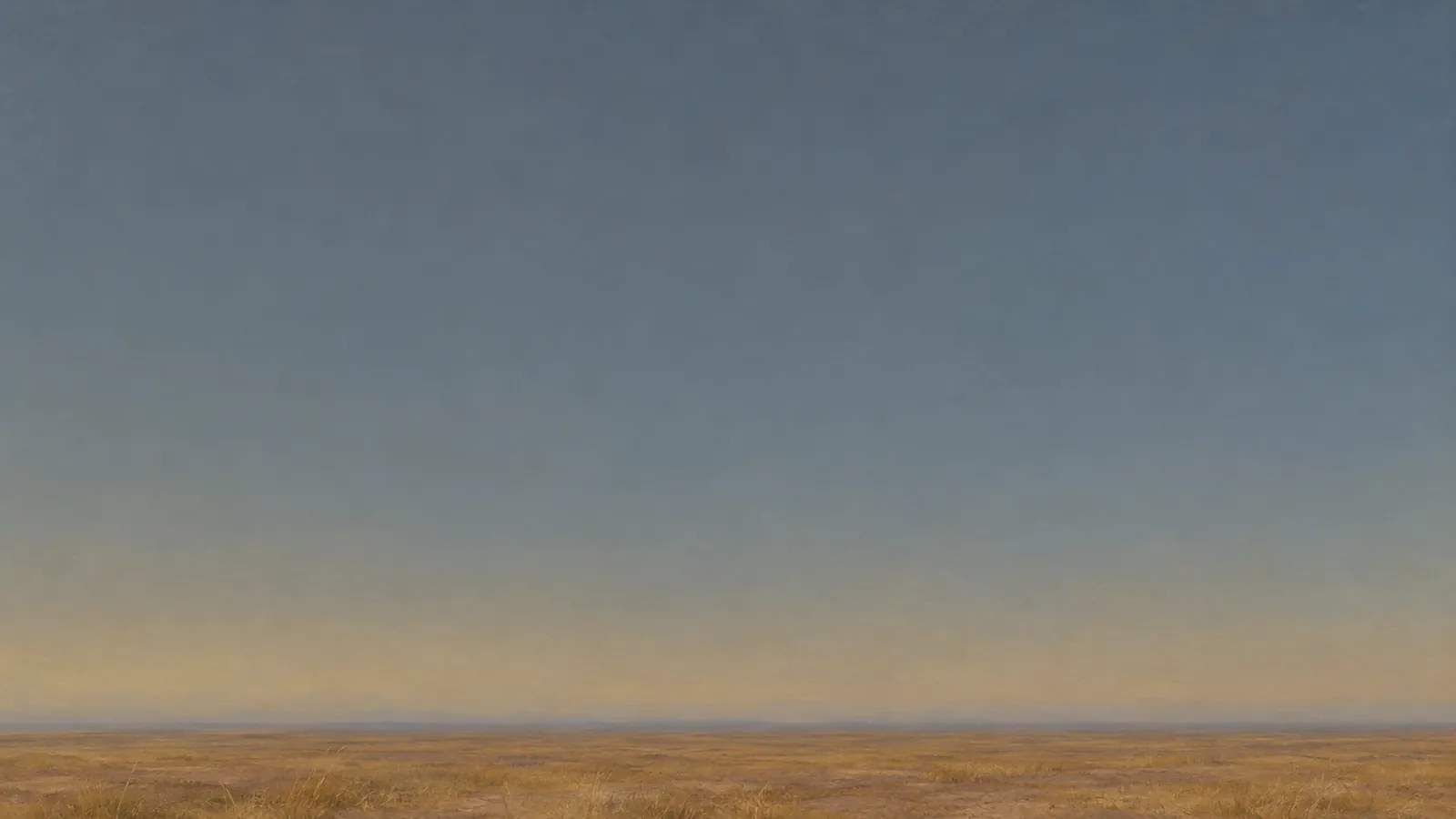
El poema empieza en el tiempo remoto en que el cielo y la tierra se separaron. Solo quedan fragmentos de sus primeras palabras.
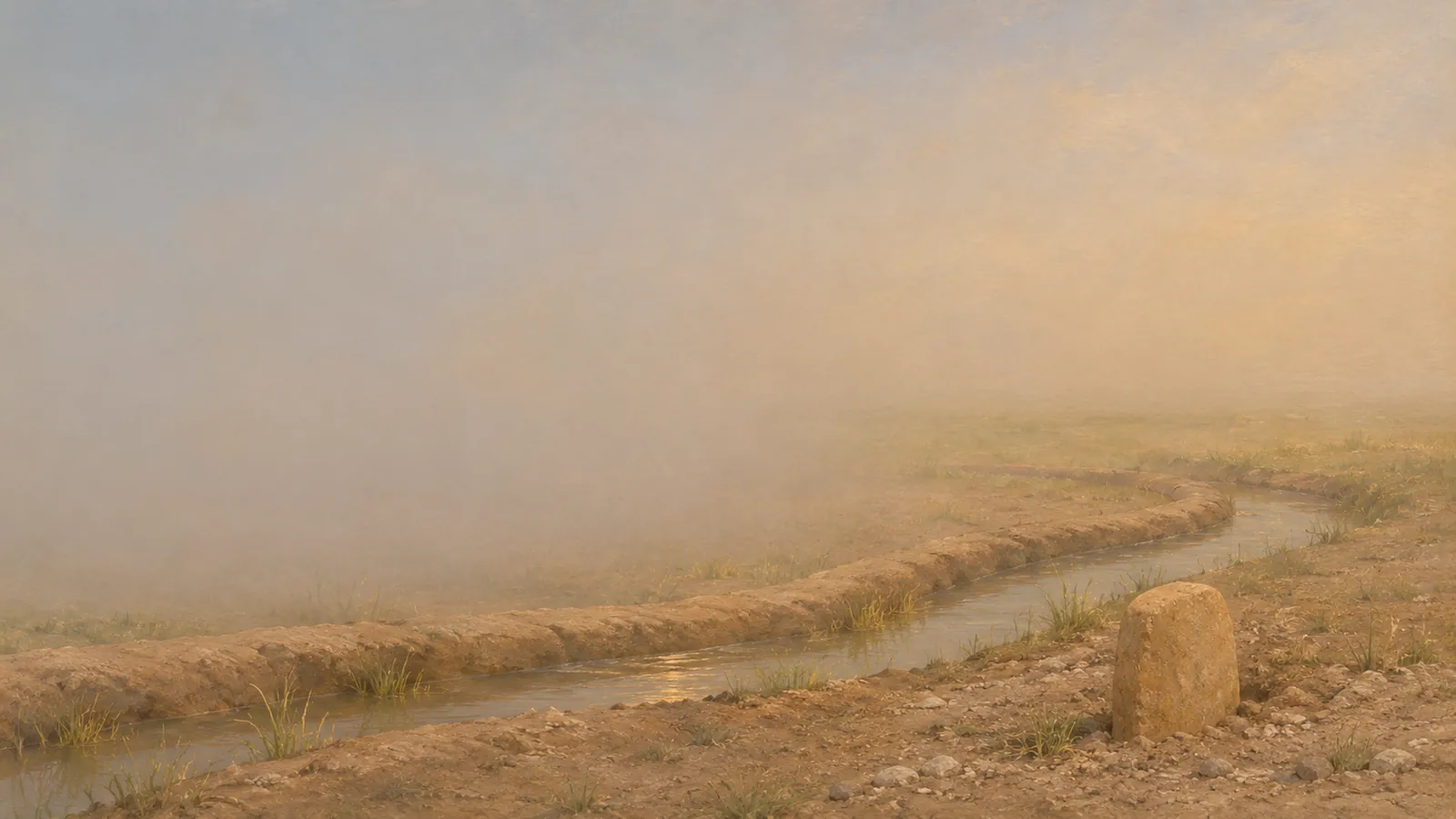
Los versos antiguos recuerdan a quienes ponían piedras para señalar los límites. Cuidaban los diques y los canales.
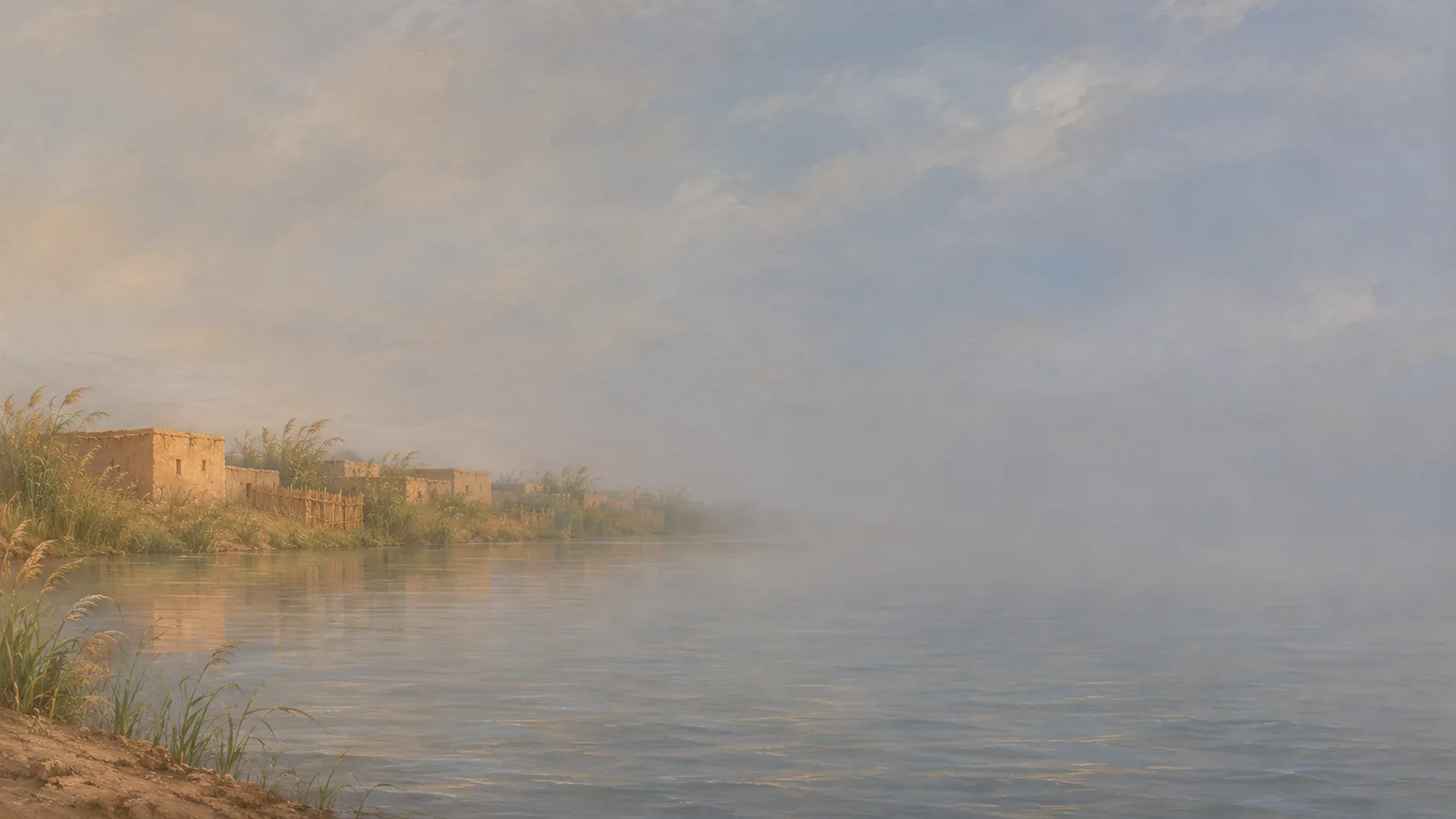
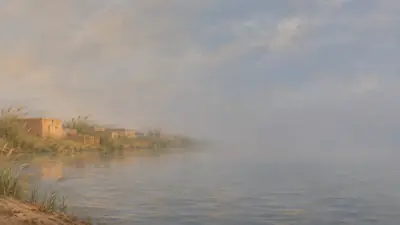
El Éufrates era el río que sostenía a Uruk. En los años que evoca el poema, el cetro real de Kulaba se alzaba en alto.
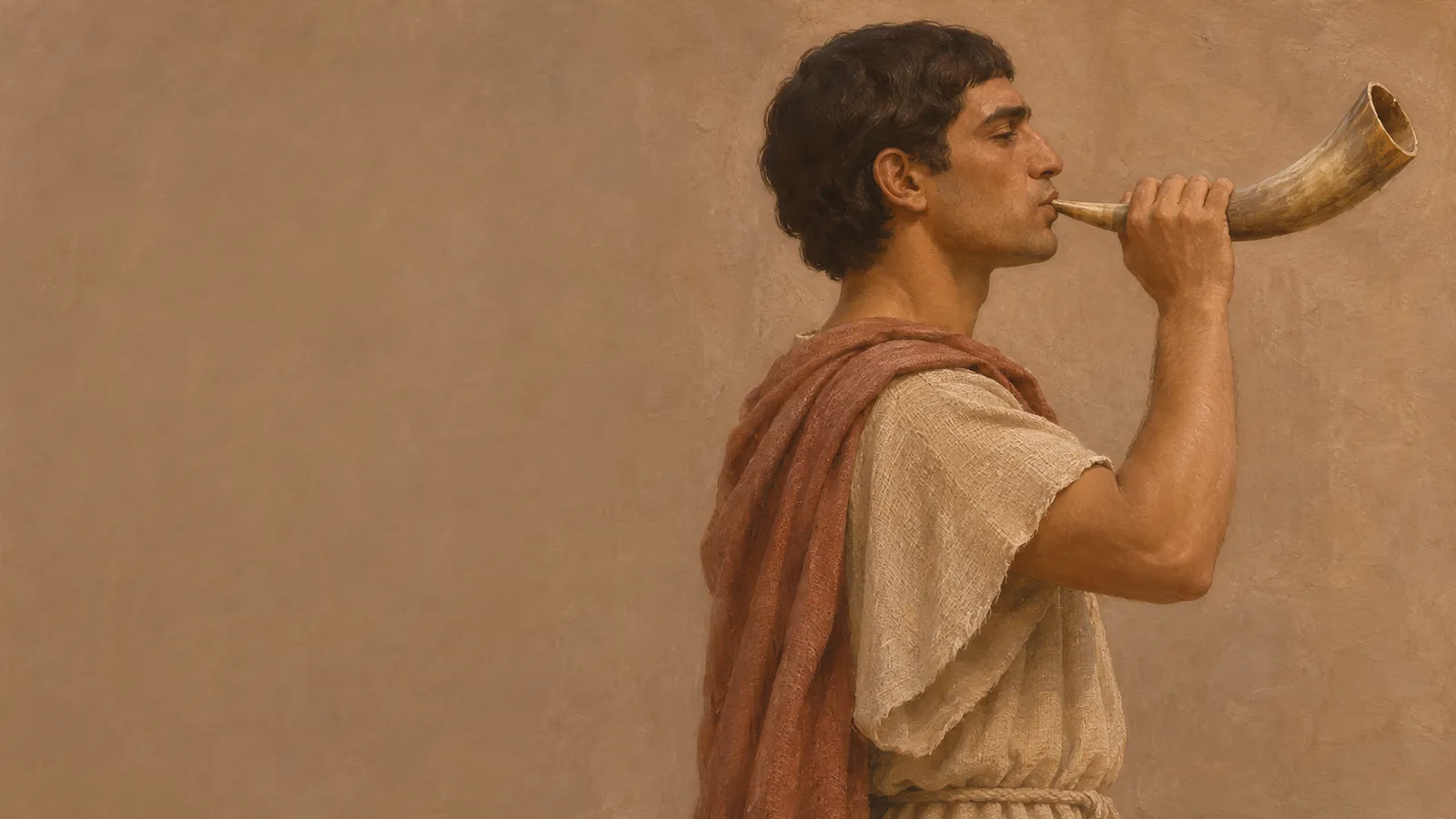
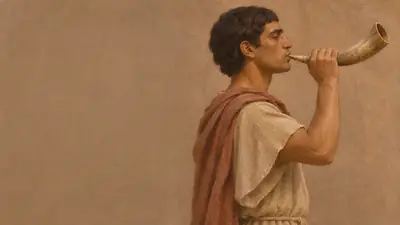
Enmerkar se preparó para marchar contra Aratta, una ciudad en las montañas. Por orden suya, el heraldo tocó el cuerno para convocar a la gente.
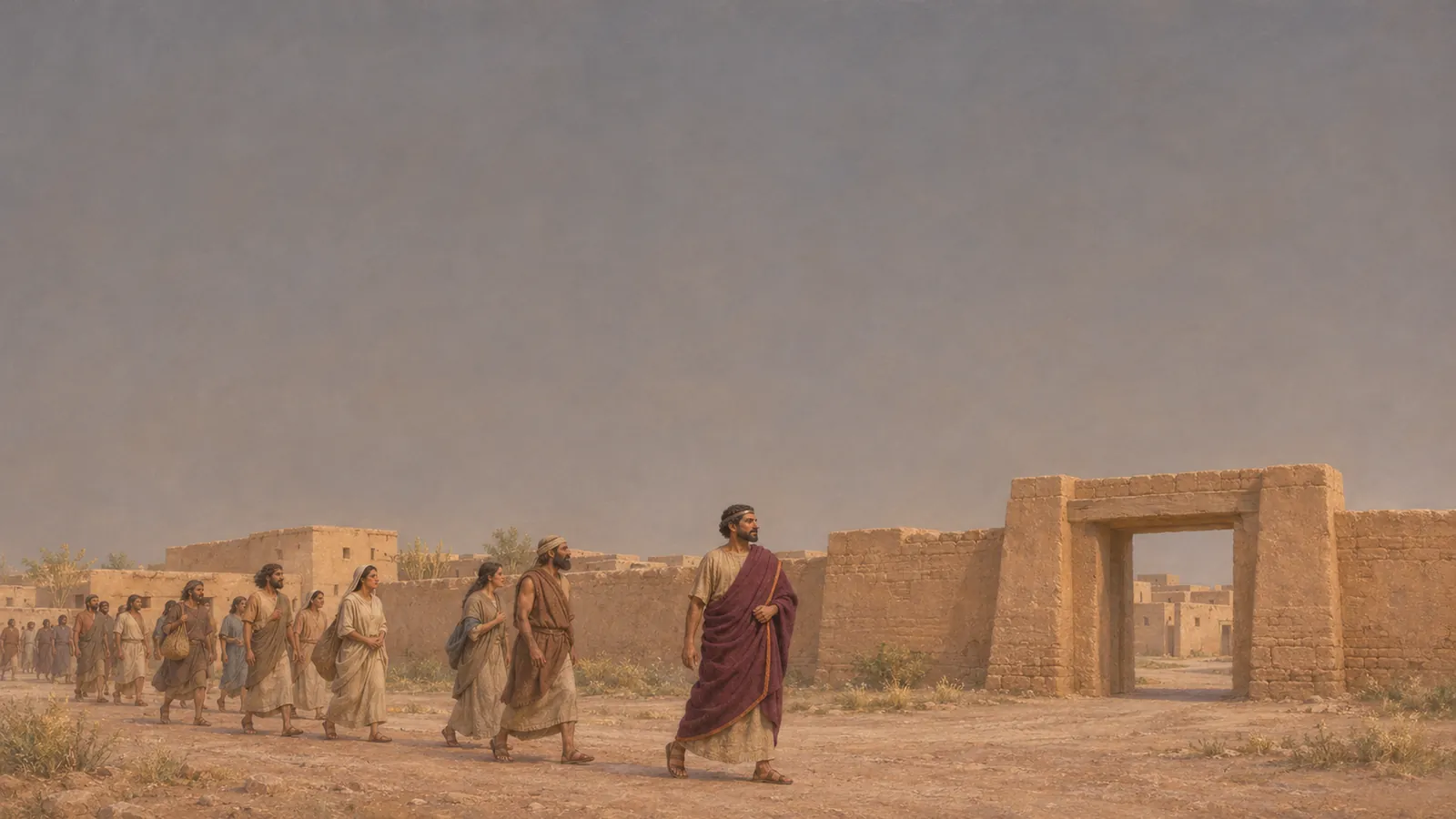
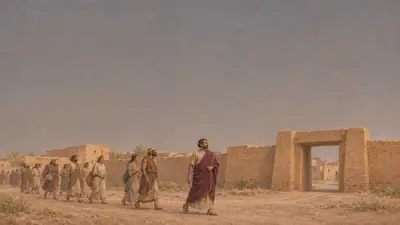
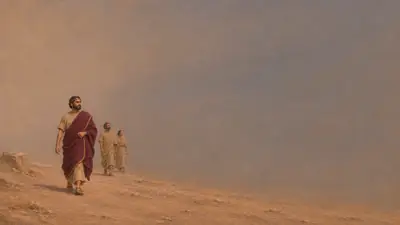
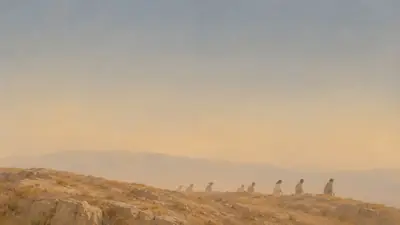
Los hombres de Uruk se pusieron en marcha y Kulaba siguió a Enmerkar. El poema compara la reunión con una crecida bajo un cielo nublado.
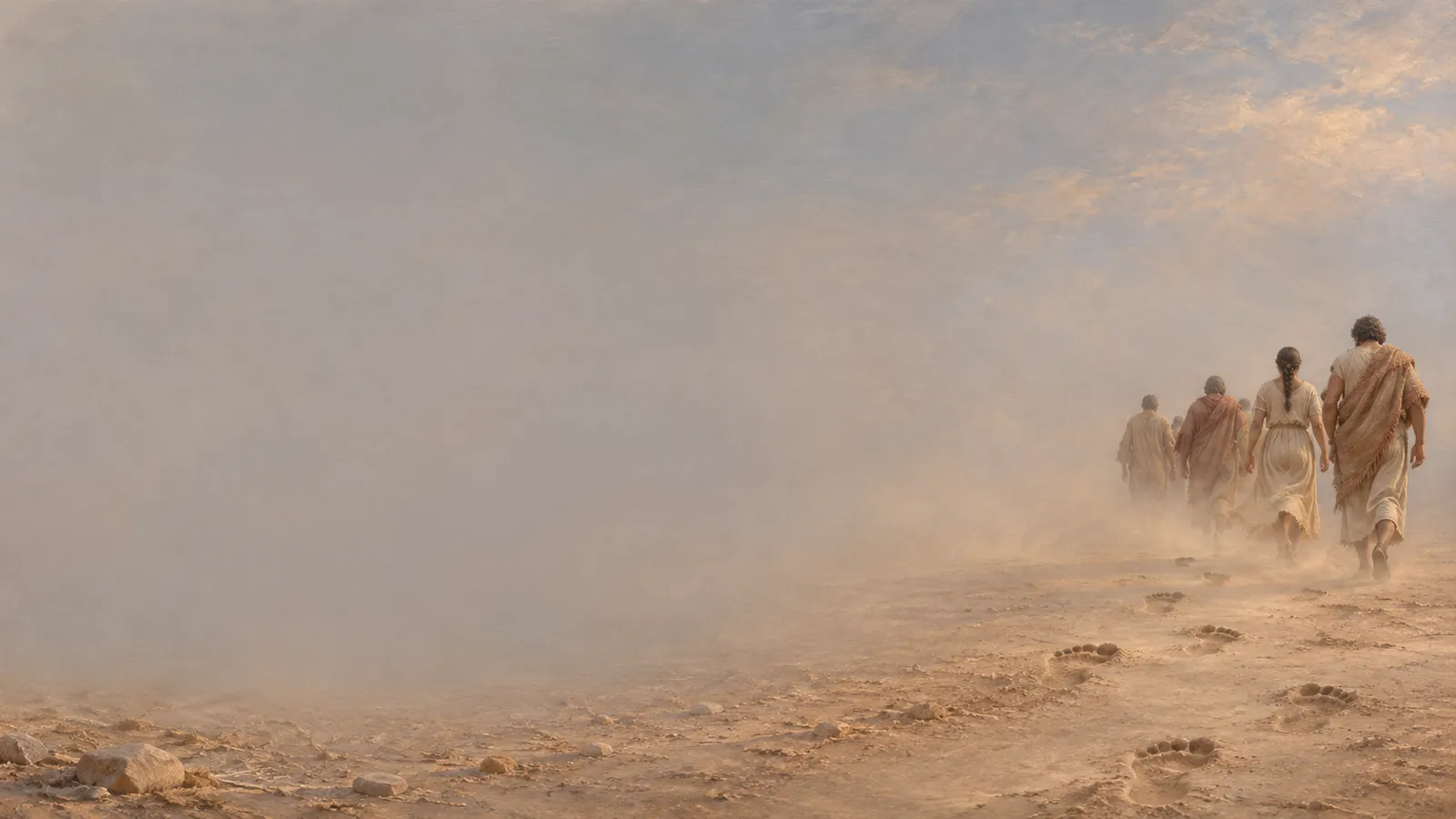
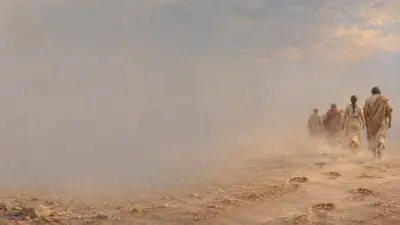
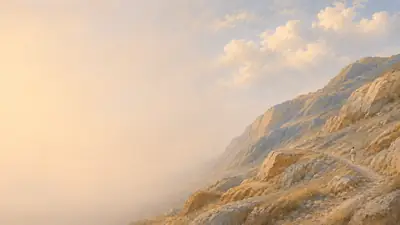
La hueste en marcha cubría la tierra como niebla baja. El polvo se elevaba mientras los hombres se pasaban la señal.
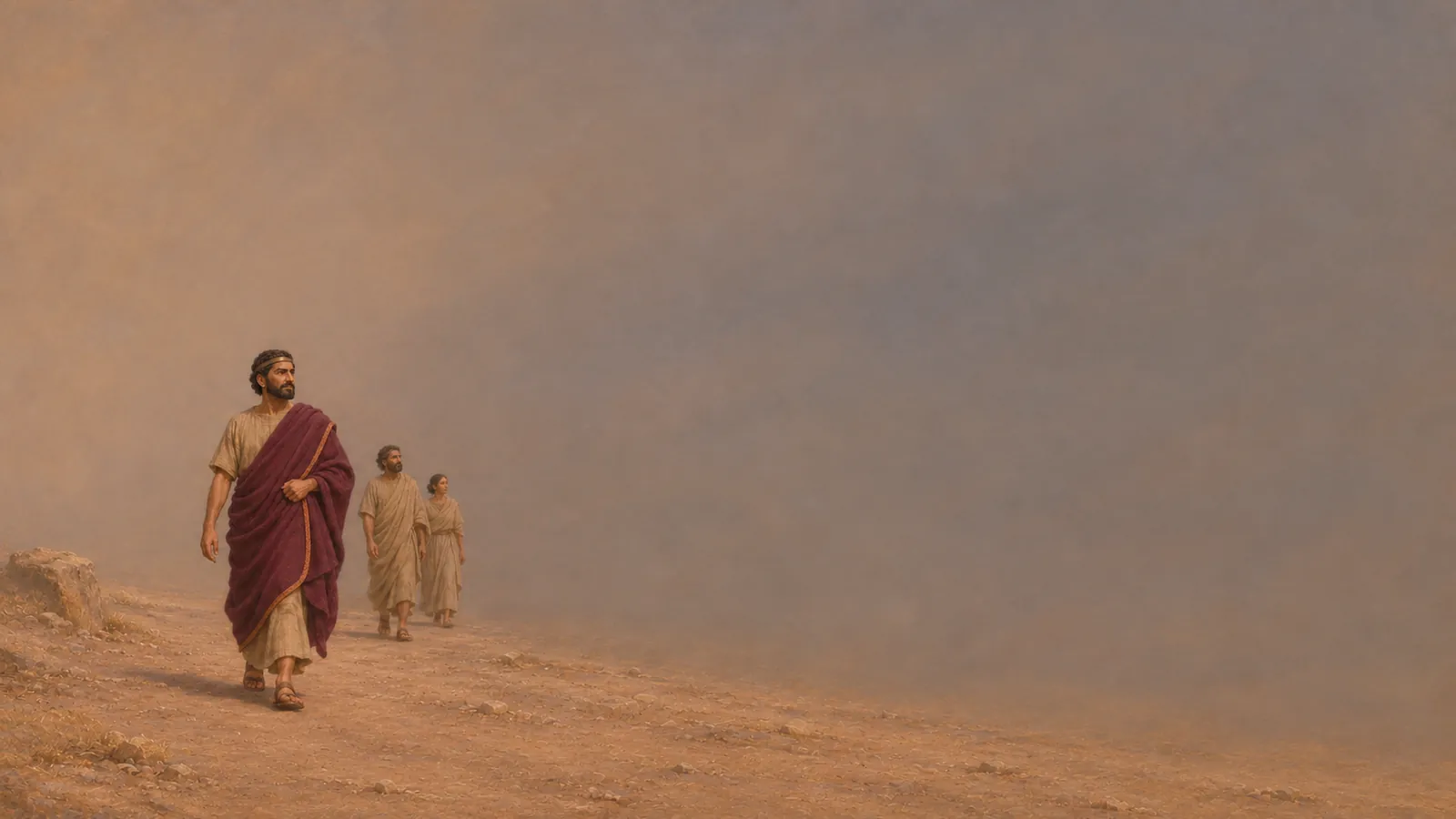
Su rey marchaba al frente del ejército. Las palabras que siguen en el relato de su marcha están dañadas.
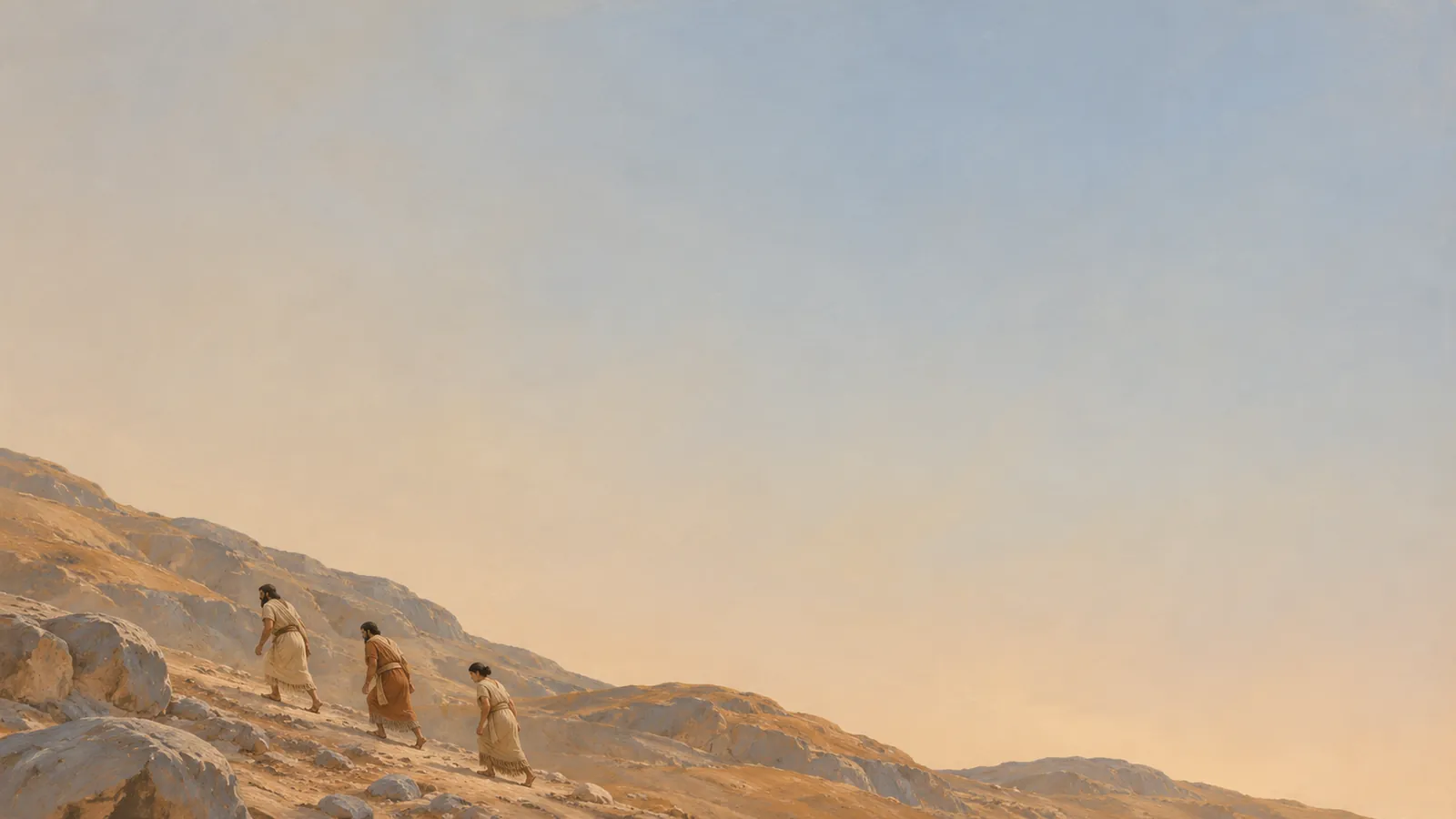
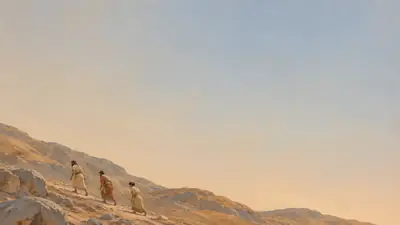
Las pendientes se hicieron más empinadas conforme avanzaba la tropa. El relato fragmentario aún muestra a los hombres encorvados al subir, como ovejas en una ladera.
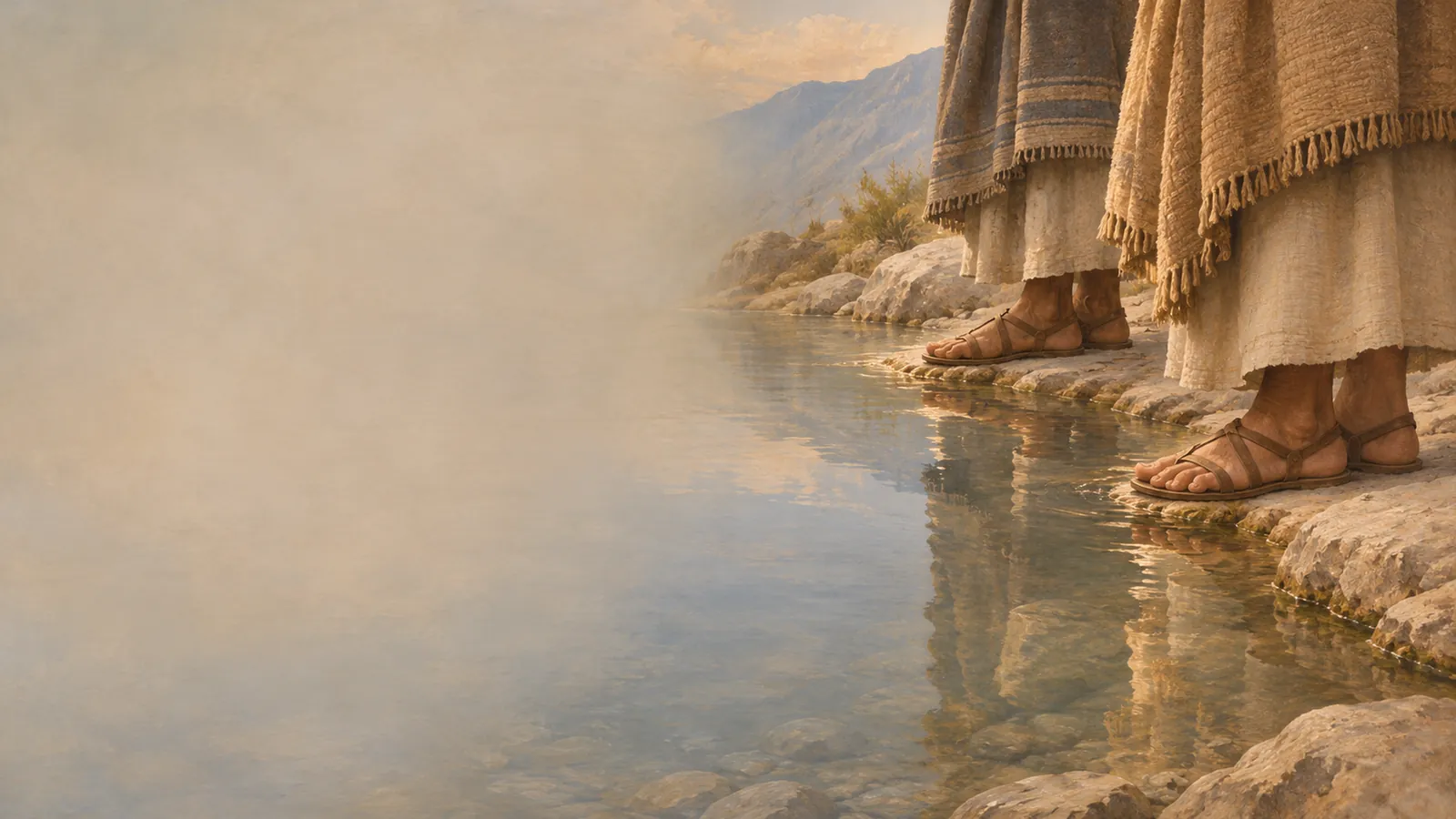
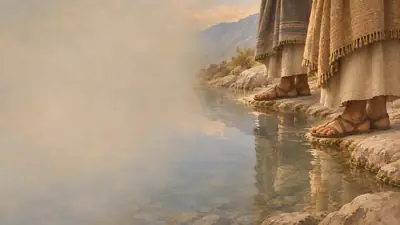
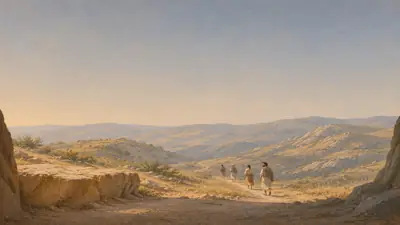
Pasaron cinco días y los hombres se bañaron el sexto. Al día siguiente dejaron atrás las estribaciones y entraron en las montañas.
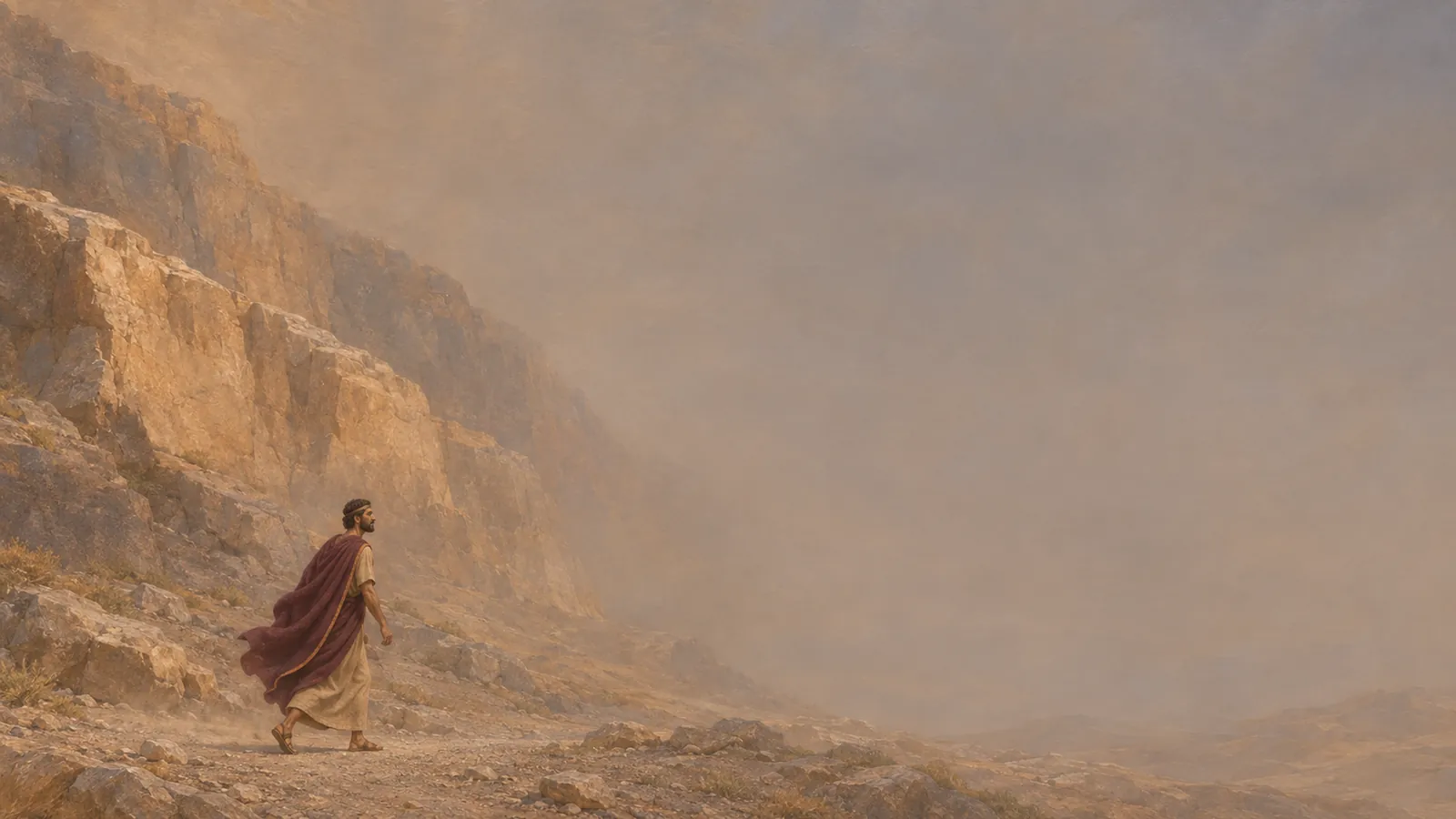
Se han perdido palabras de la travesía. En las que se conservan, Enmerkar cruza las tierras altas con el resplandor y la fuerza de una tormenta.
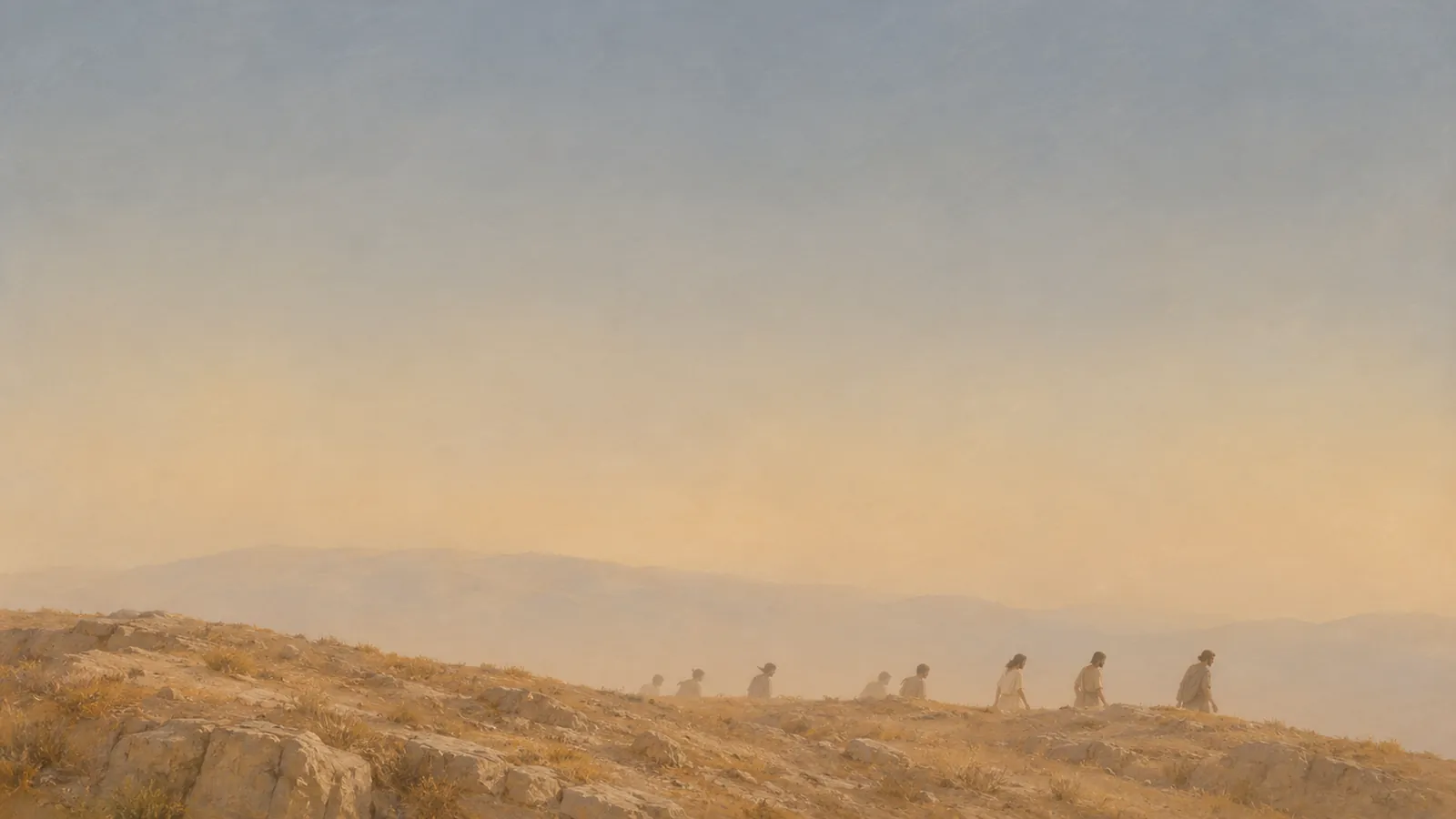
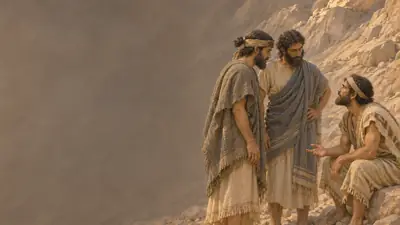
Siete jóvenes de Kulaba iban con la tropa. El poema los celebra como héroes en la plenitud de su juventud.
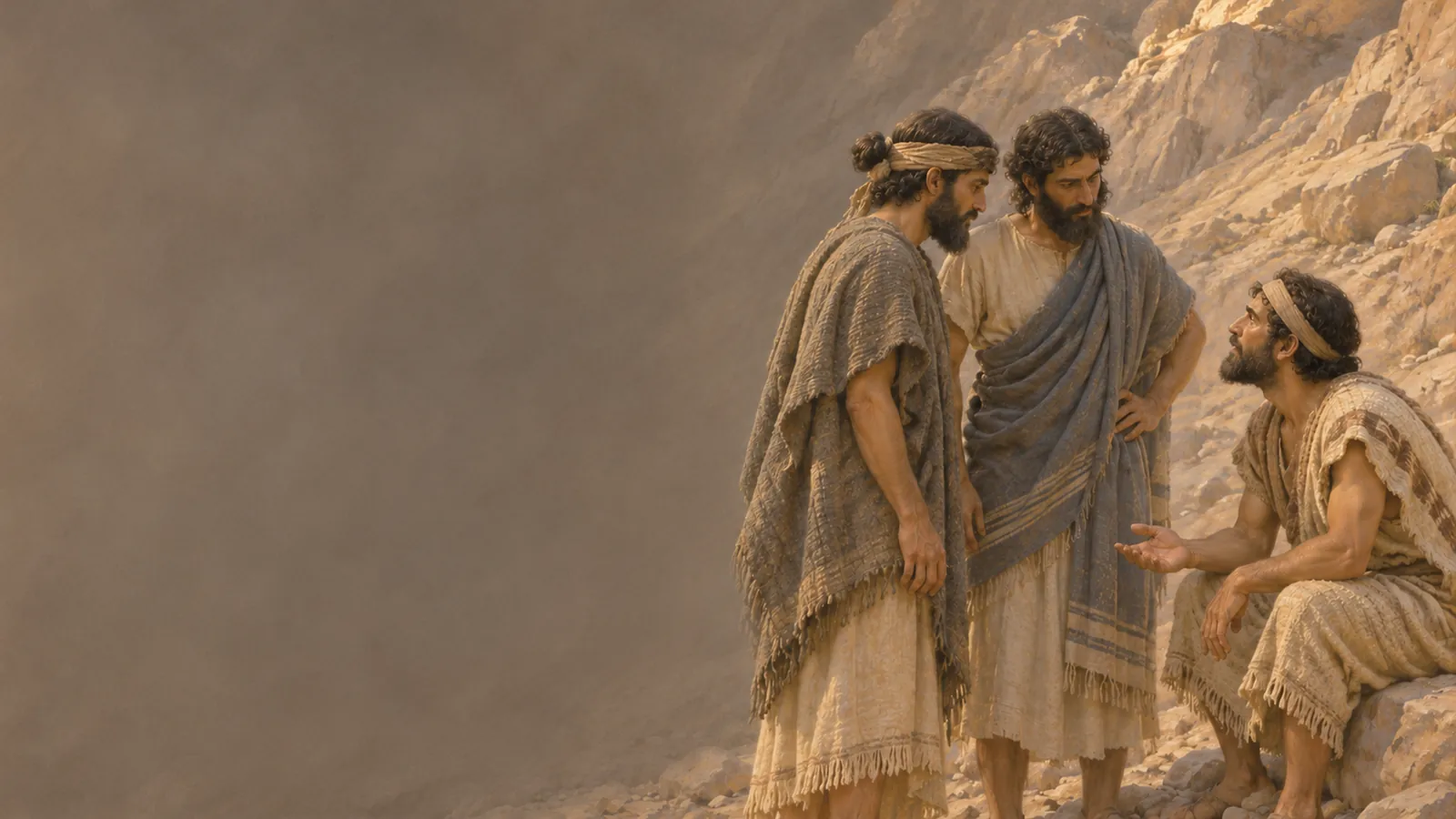
Los siete servían a Enmerkar entre sus hombres escogidos. Capitanes y encargados obedecían sus órdenes mientras la hueste se adentraba en las montañas.
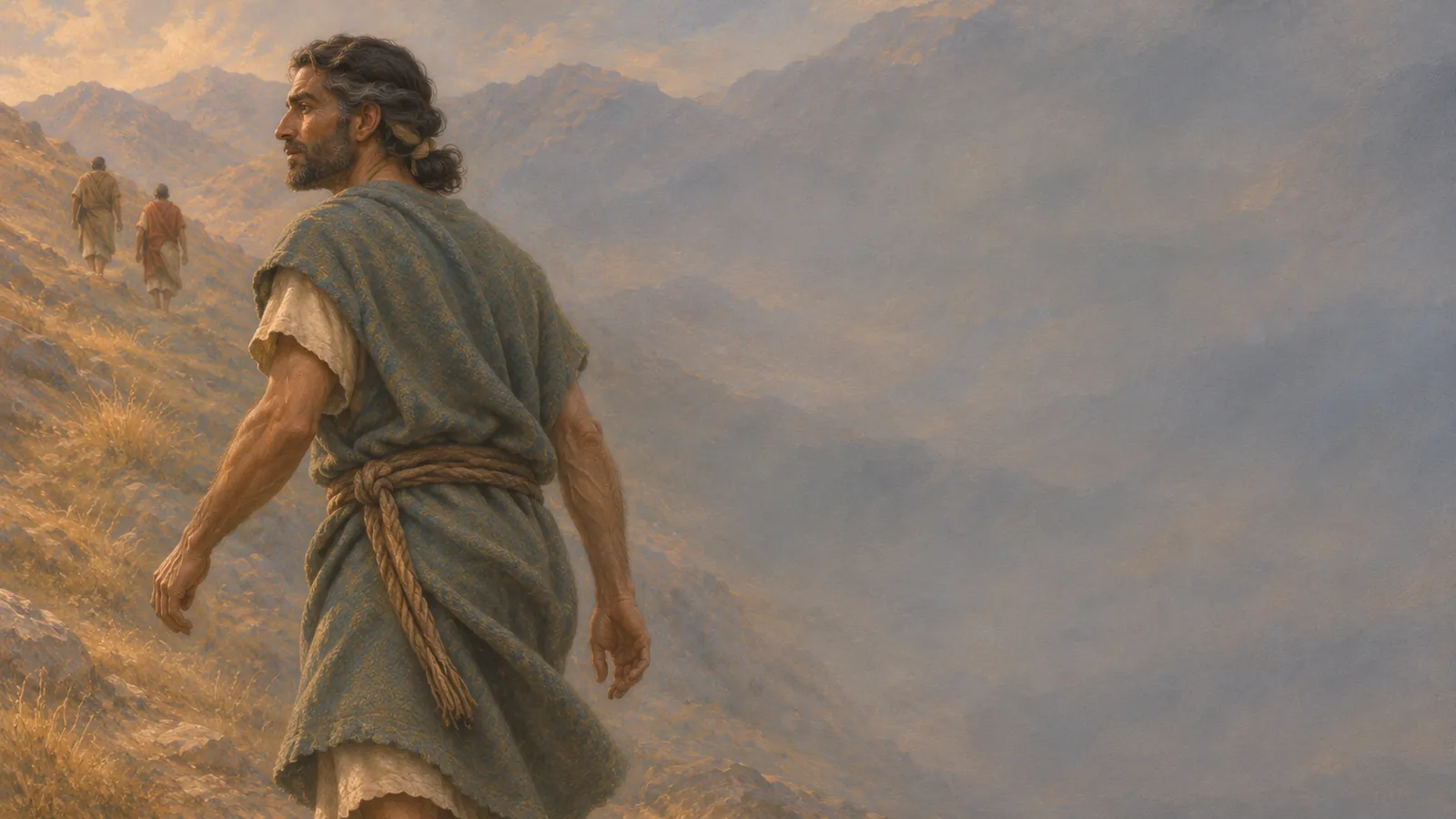
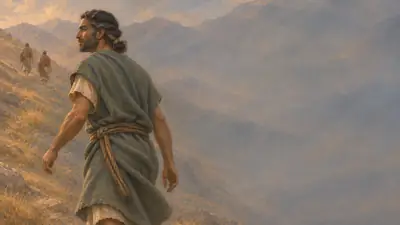
Lugalbanda marchaba con la tropa, el octavo de ellos. Avanzaba en silencio mientras los demás subían por delante.
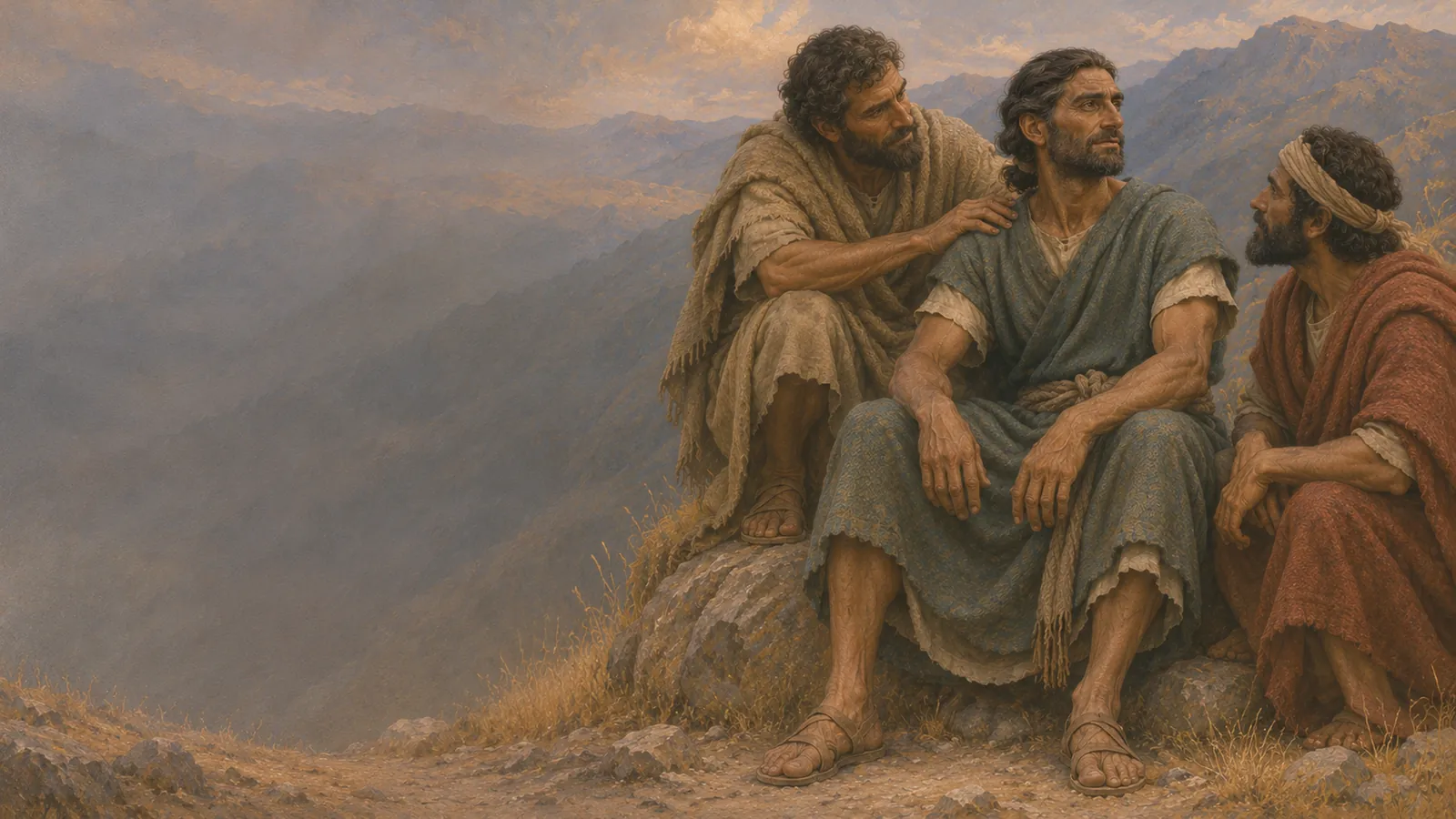
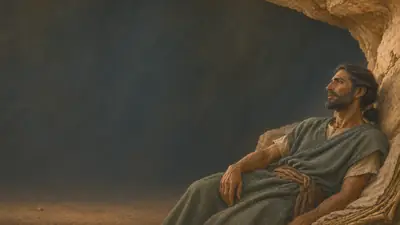
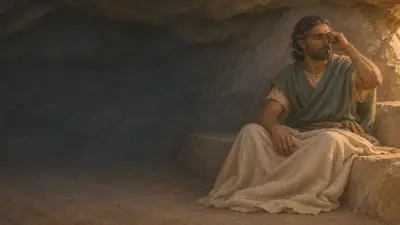
A mitad del viaje, Lugalbanda enfermó. Apenas podía levantar los pies y nadie sabía cómo llevarlo de vuelta a Kulaba.
REFUGIO
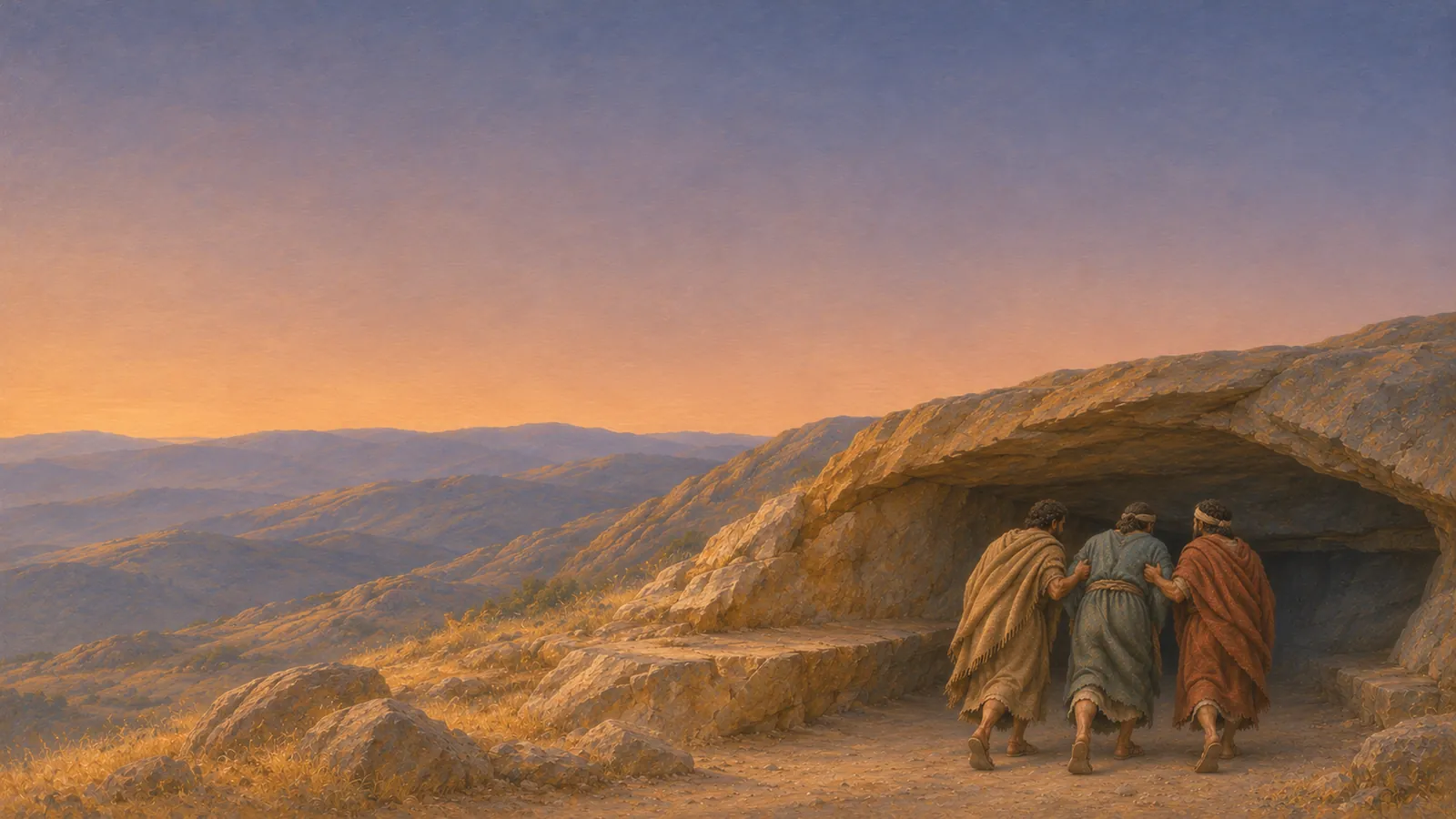
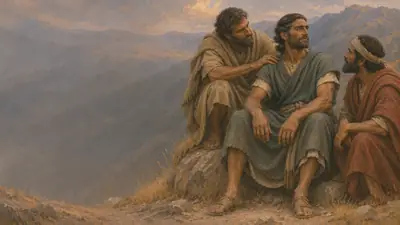
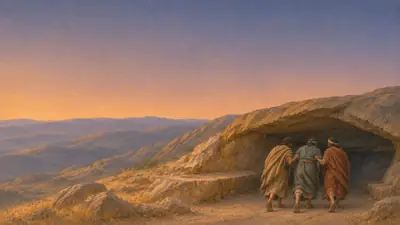
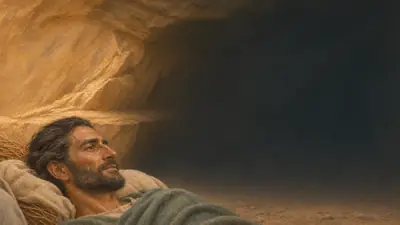
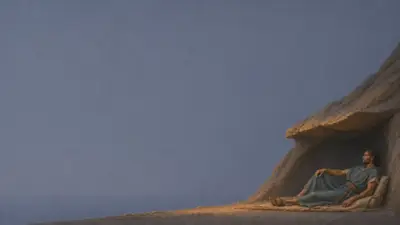
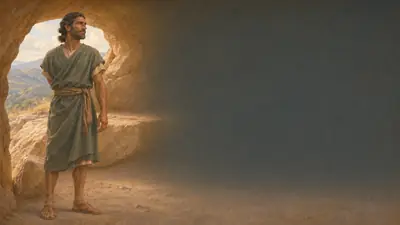
El aire de la montaña era frío donde yacía. Sus compañeros lo llevaron a un refugio, buscando un lugar donde pudiera entrar en calor.
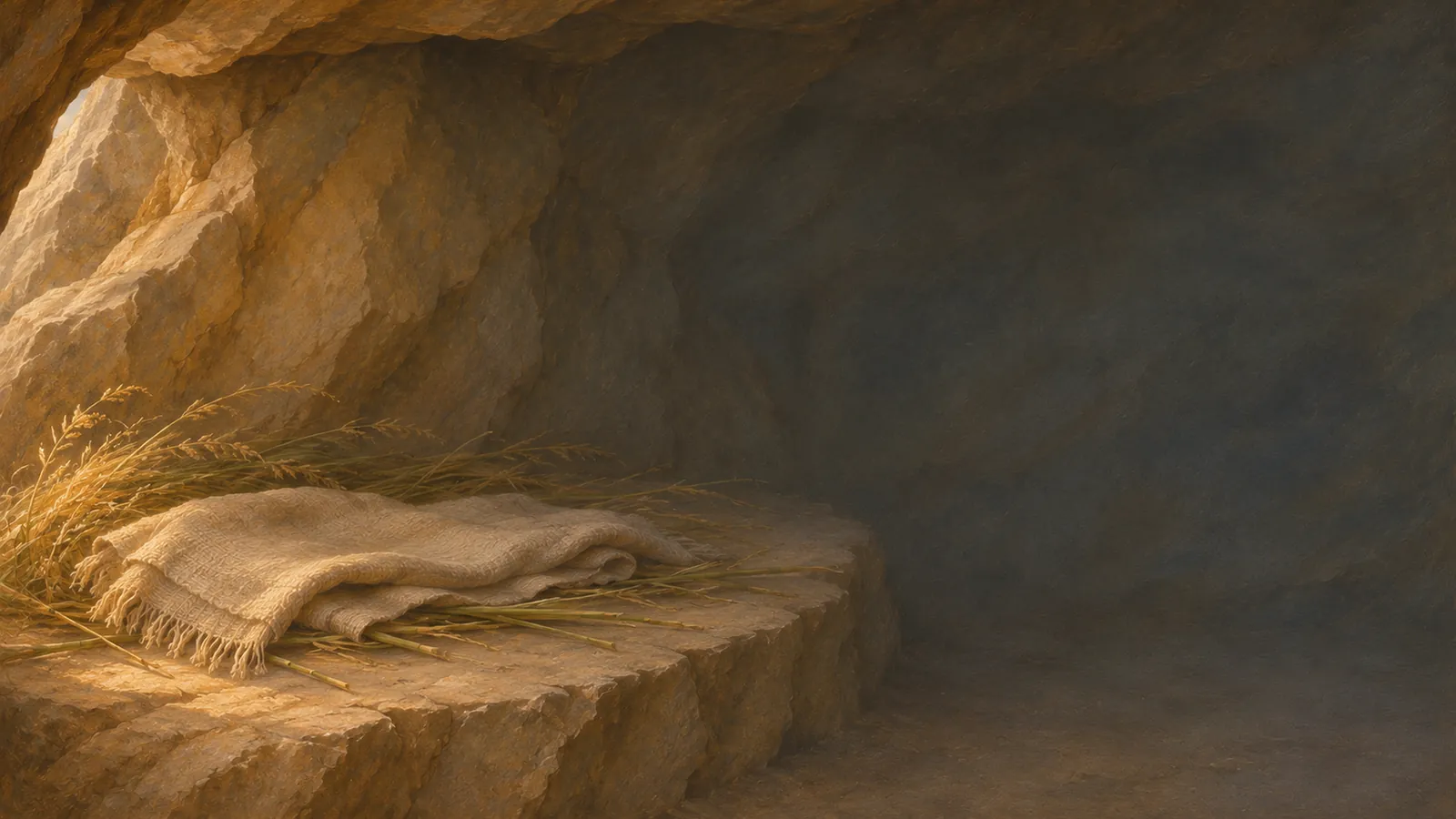
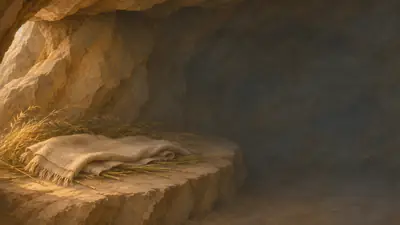
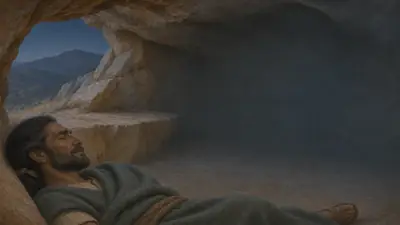
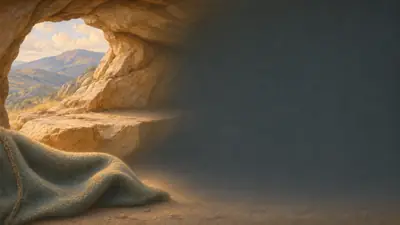
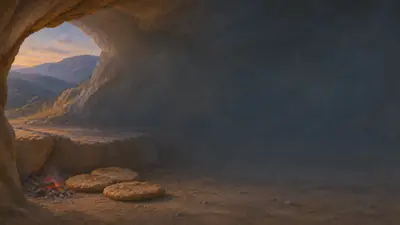
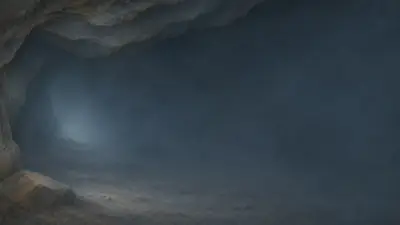
Dentro de la cueva le prepararon un lugar para descansar. Lo que queda del verso compara el refugio con un nido de pájaro.
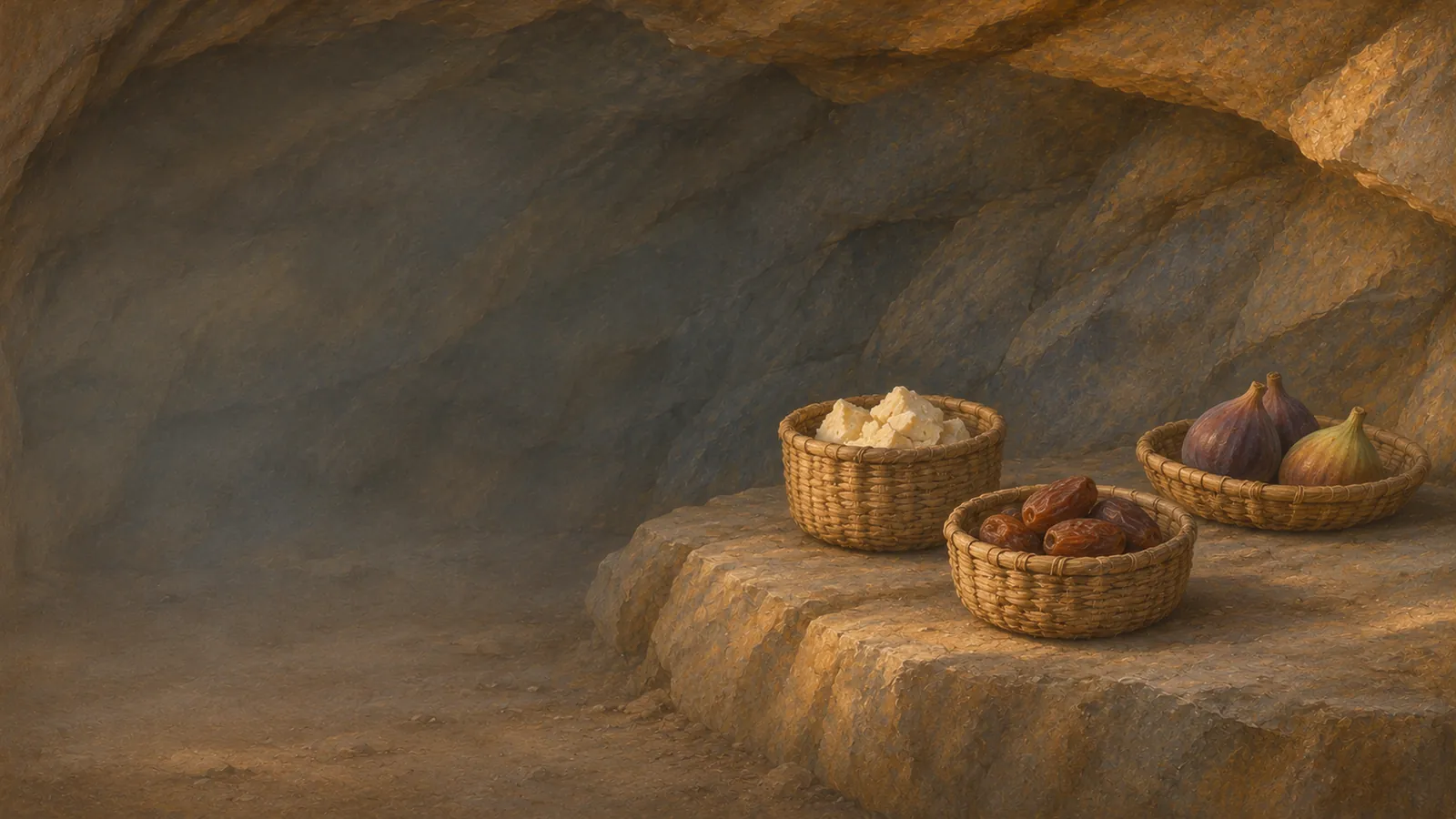
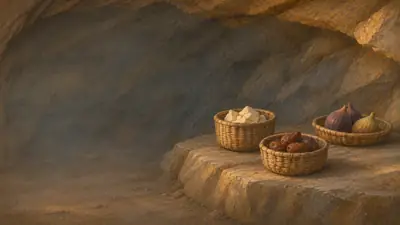
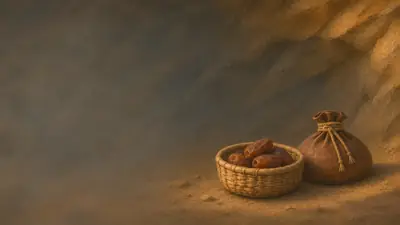
Pusieron higos, dátiles, queso y otros alimentos que un enfermo pudiera comer. Lo dejaron todo a su alcance por si lograba incorporarse.
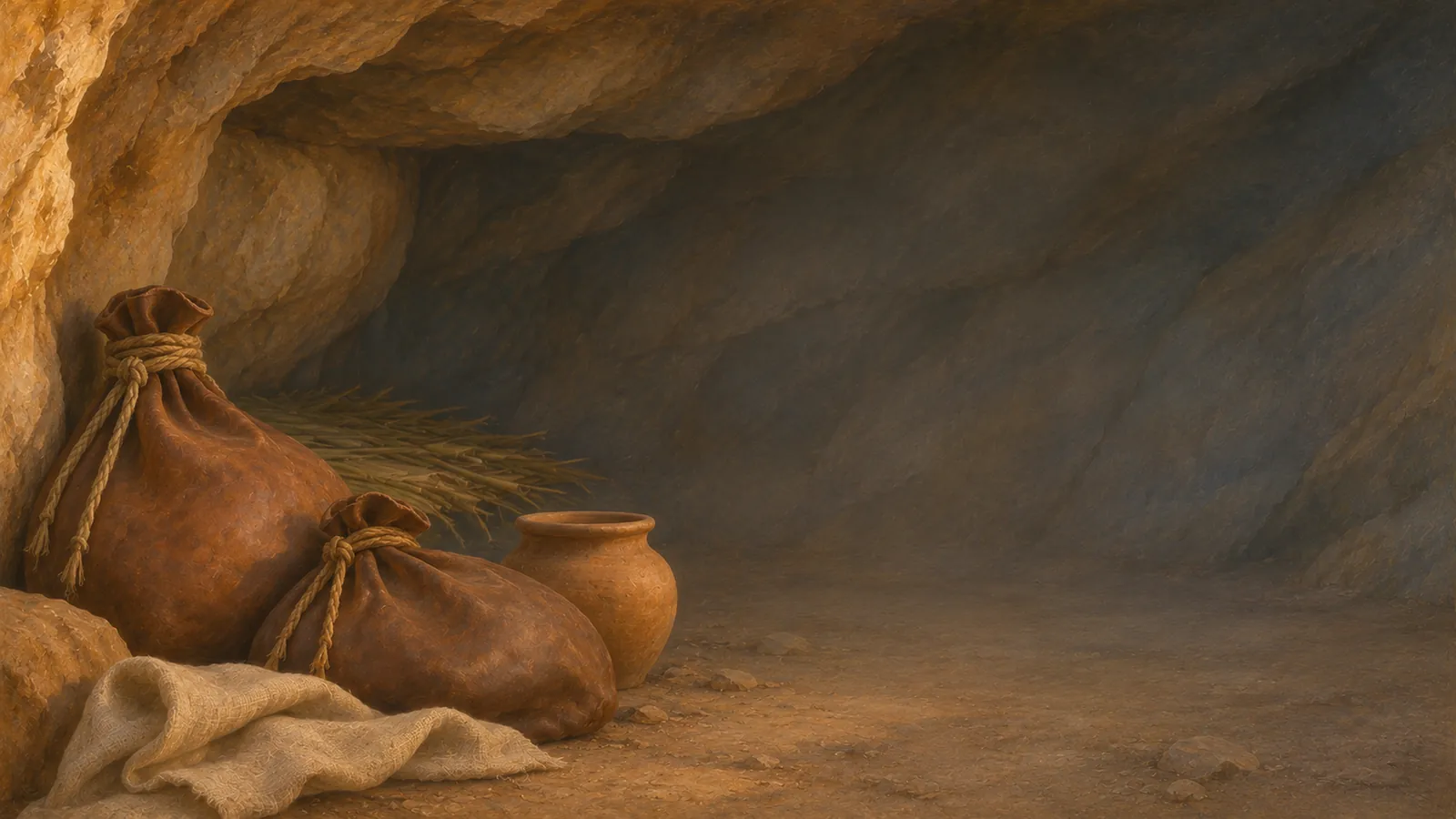
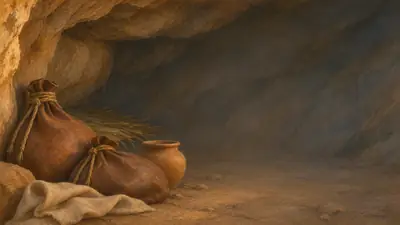
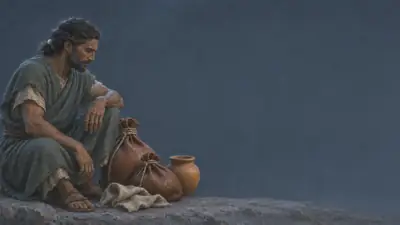
Sus compañeros dejaron bolsas de cuero y vasijas junto a su cabeza. Le dejaron bebida y las provisiones que habían llevado para la marcha.
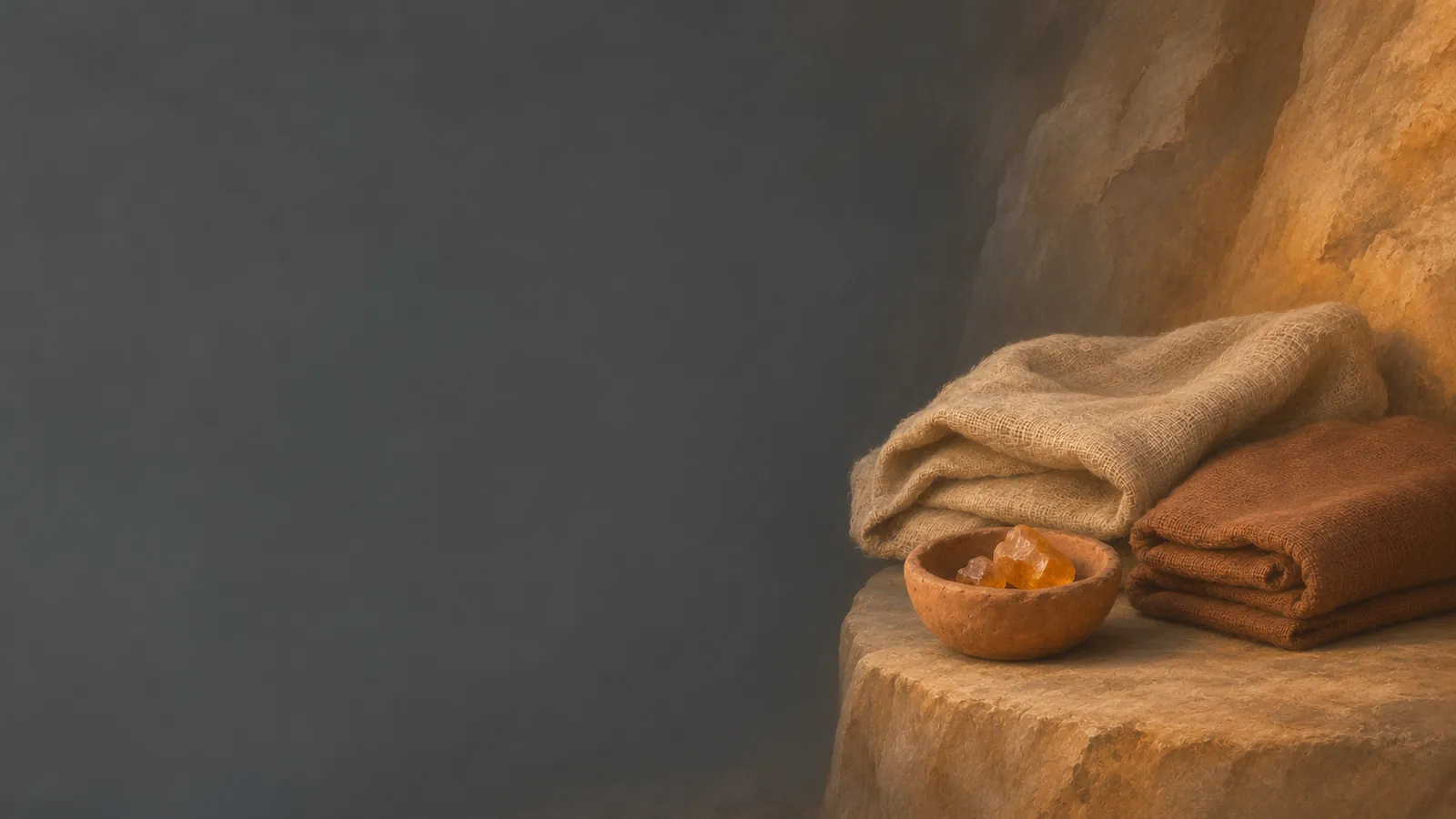
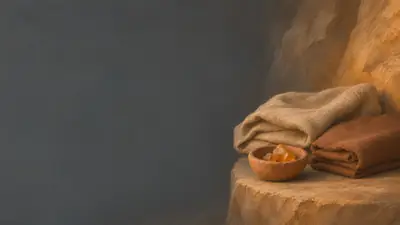
Prepararon resina aromática y dejaron sus pertenencias a su lado. Los hombres lo observaban en el silencio de la cueva.
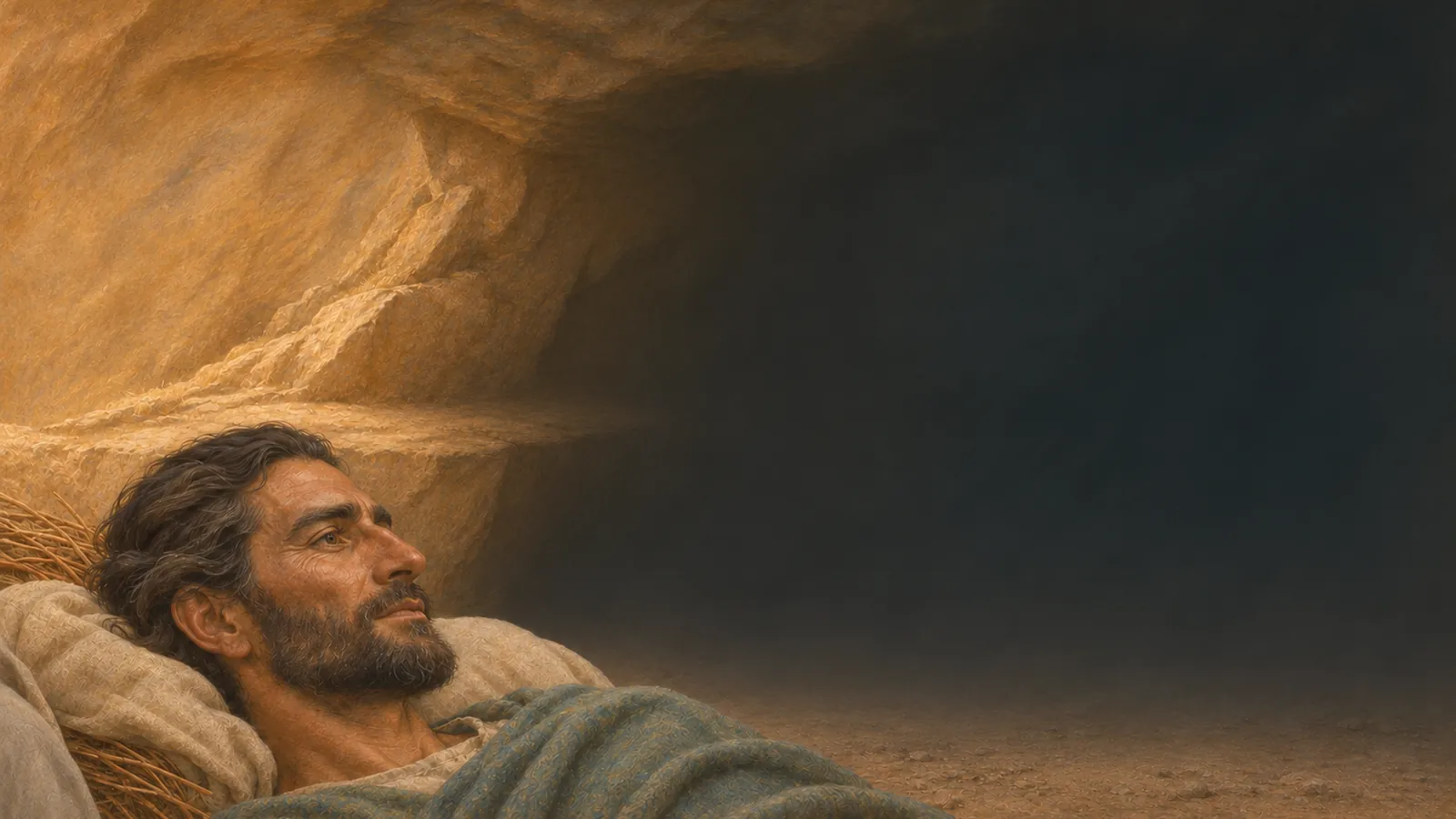
Lugalbanda tenía los ojos abiertos, pero no podía responder a sus hermanos. Cuando le levantaron la cabeza, apenas percibieron su aliento.
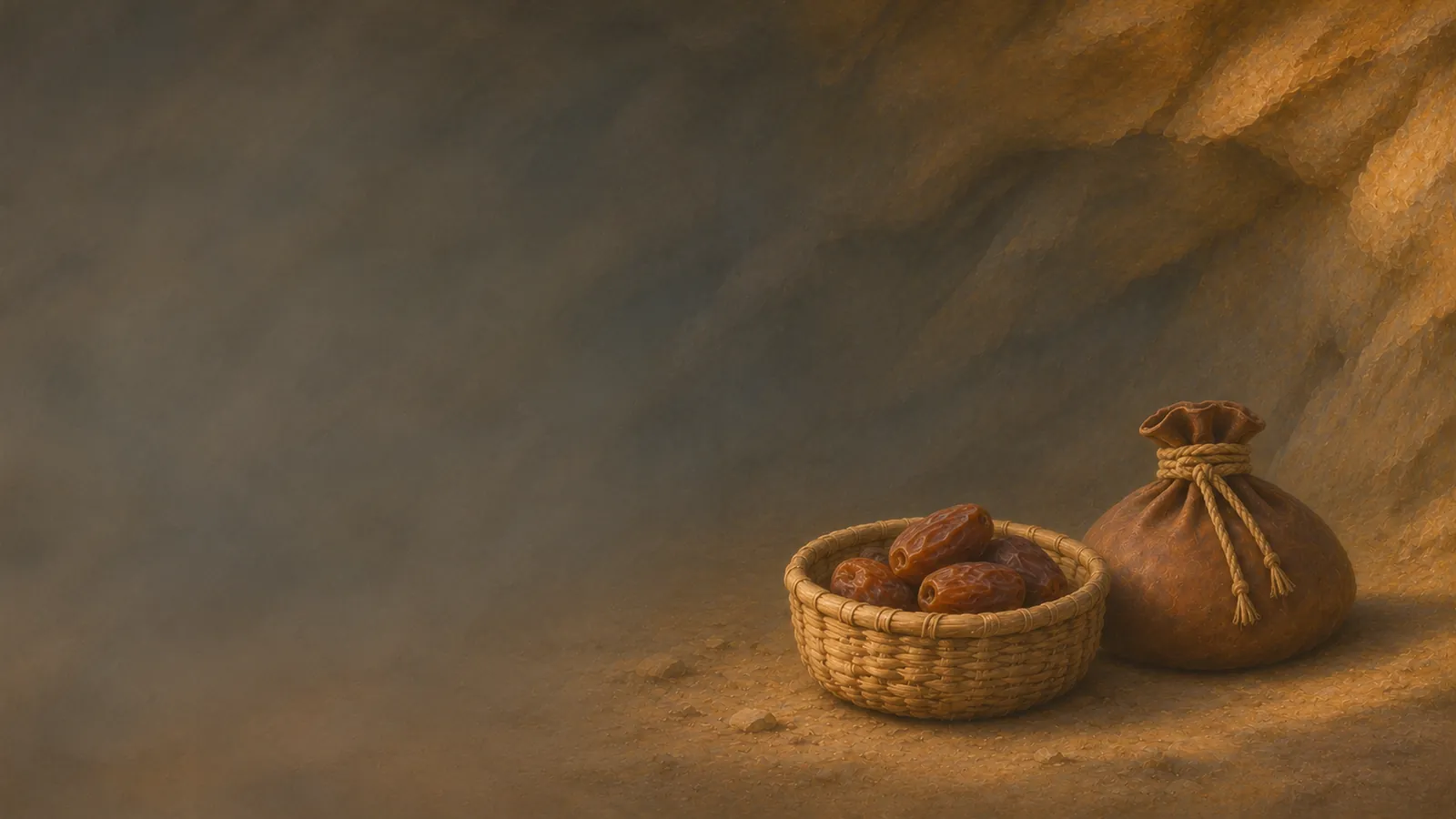
Si volvía a levantarse, esperaban que la comida y la bebida lo ayudaran a sostenerse en pie. Quizá encontrara así el camino de regreso a Kulaba.
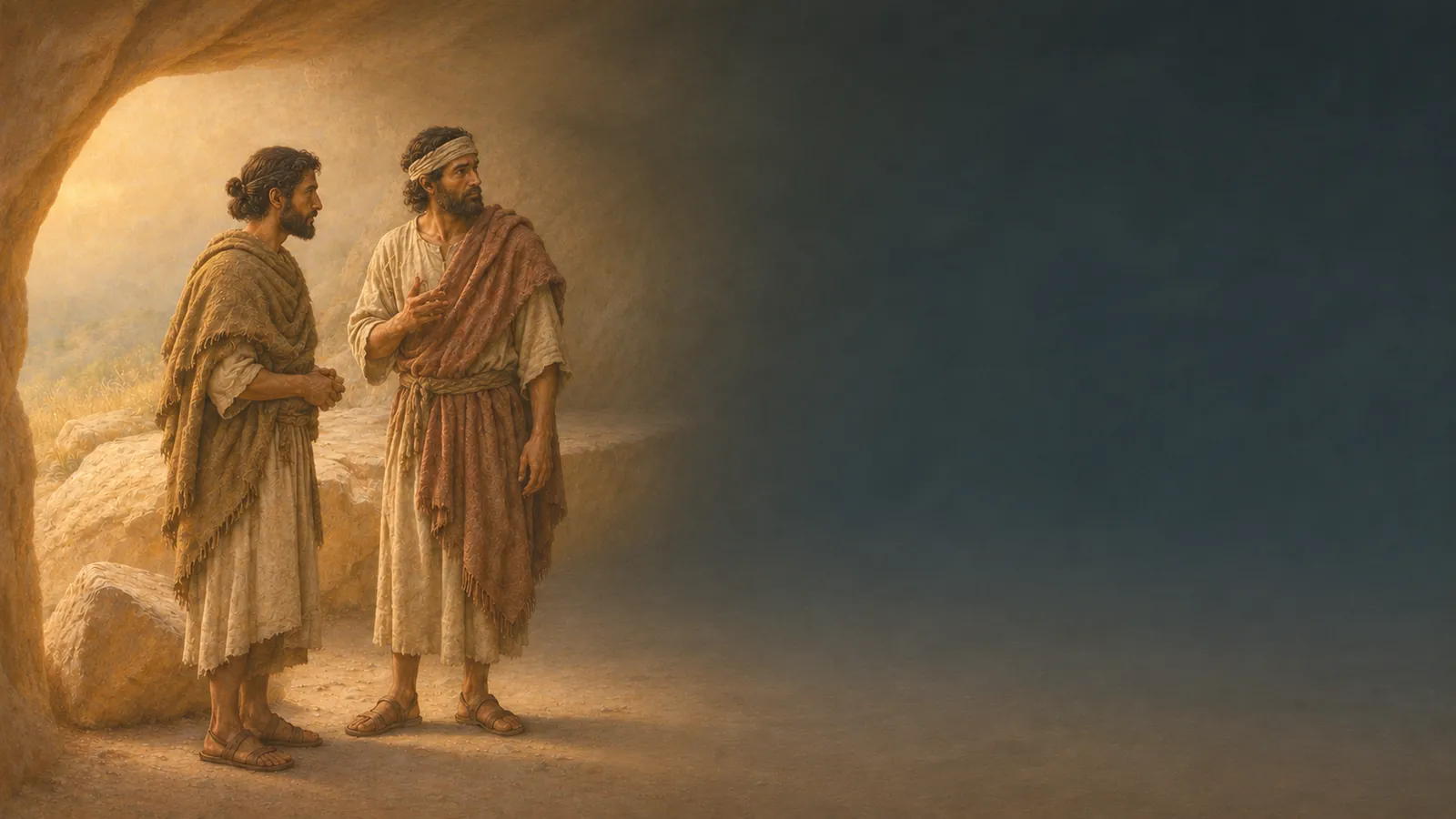
Si moría, dijeron, volverían por él tras la marcha a Aratta. Lo llevarían a su hogar en Kulaba.
SOLO
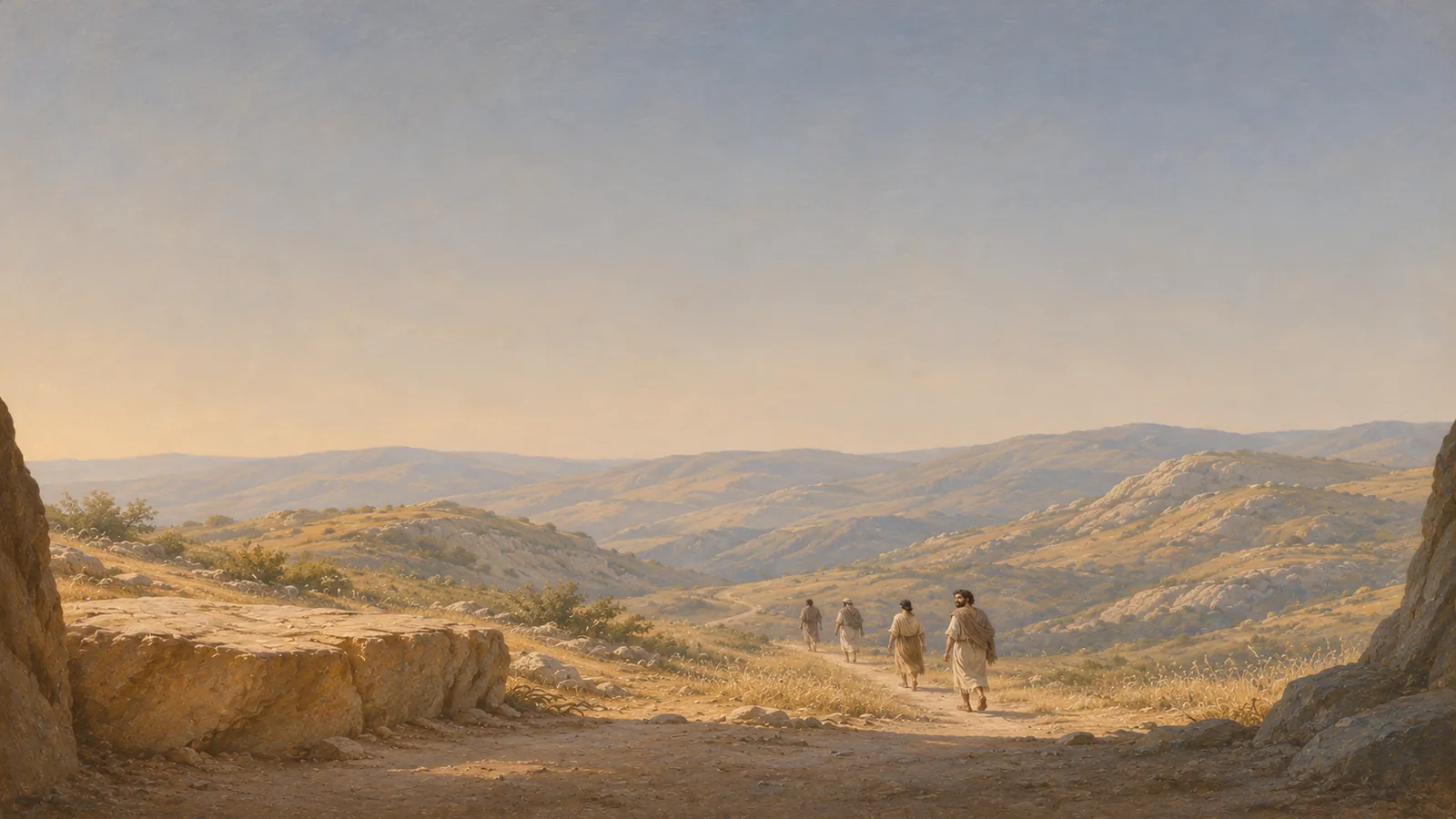
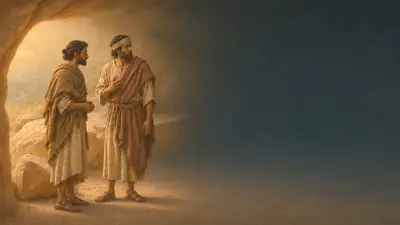
Sus hermanos y sus compañeros lloraron al dejarlo en la cueva. Continuaron la marcha por las montañas y Lugalbanda se quedó atrás.
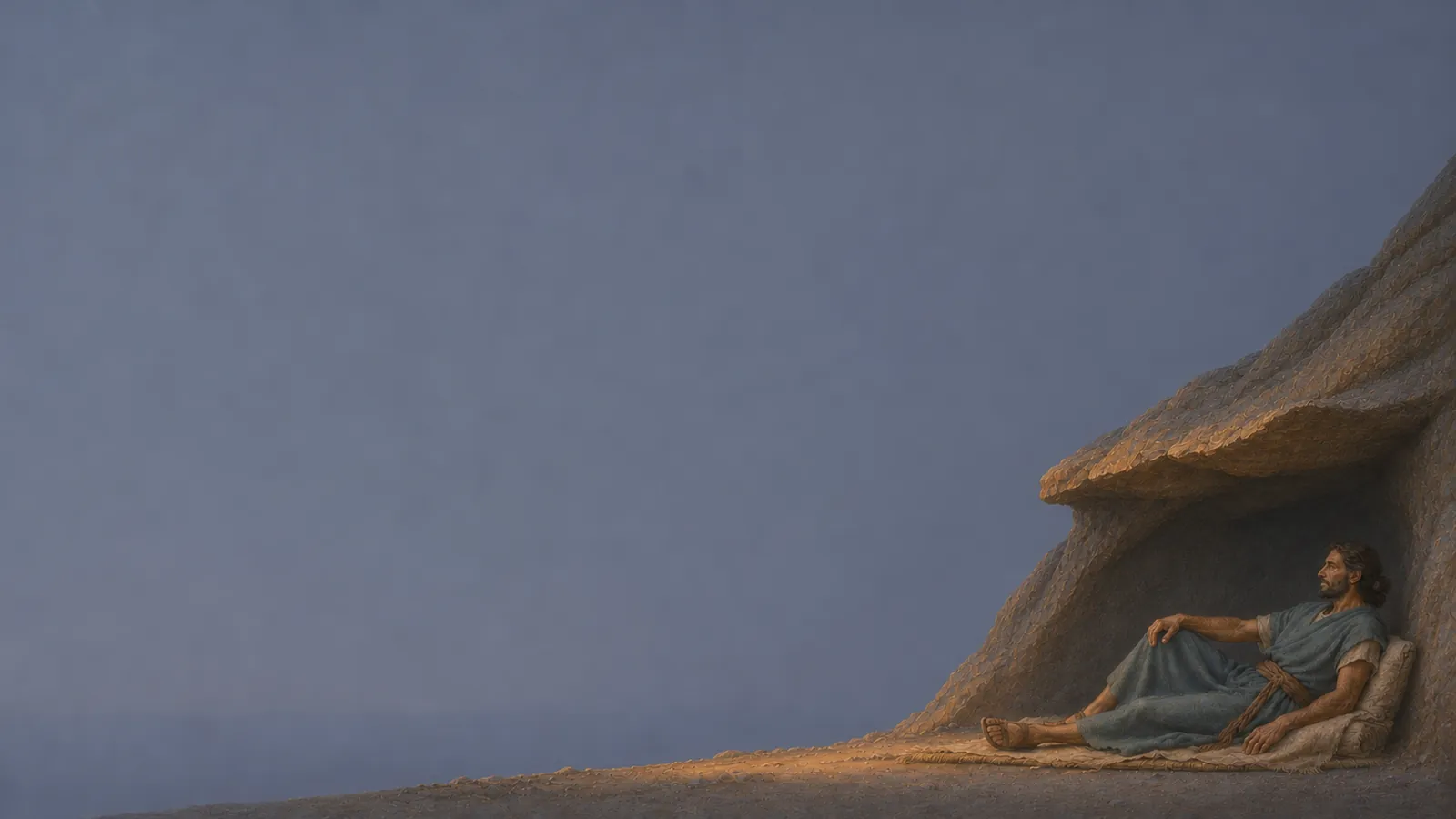
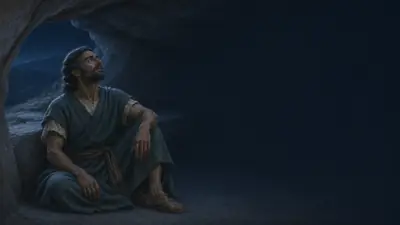
Pasaron dos días y medio día más. Con el fresco de la tarde, Lugalbanda sintió algo de alivio, pero la enfermedad aún no lo había dejado.
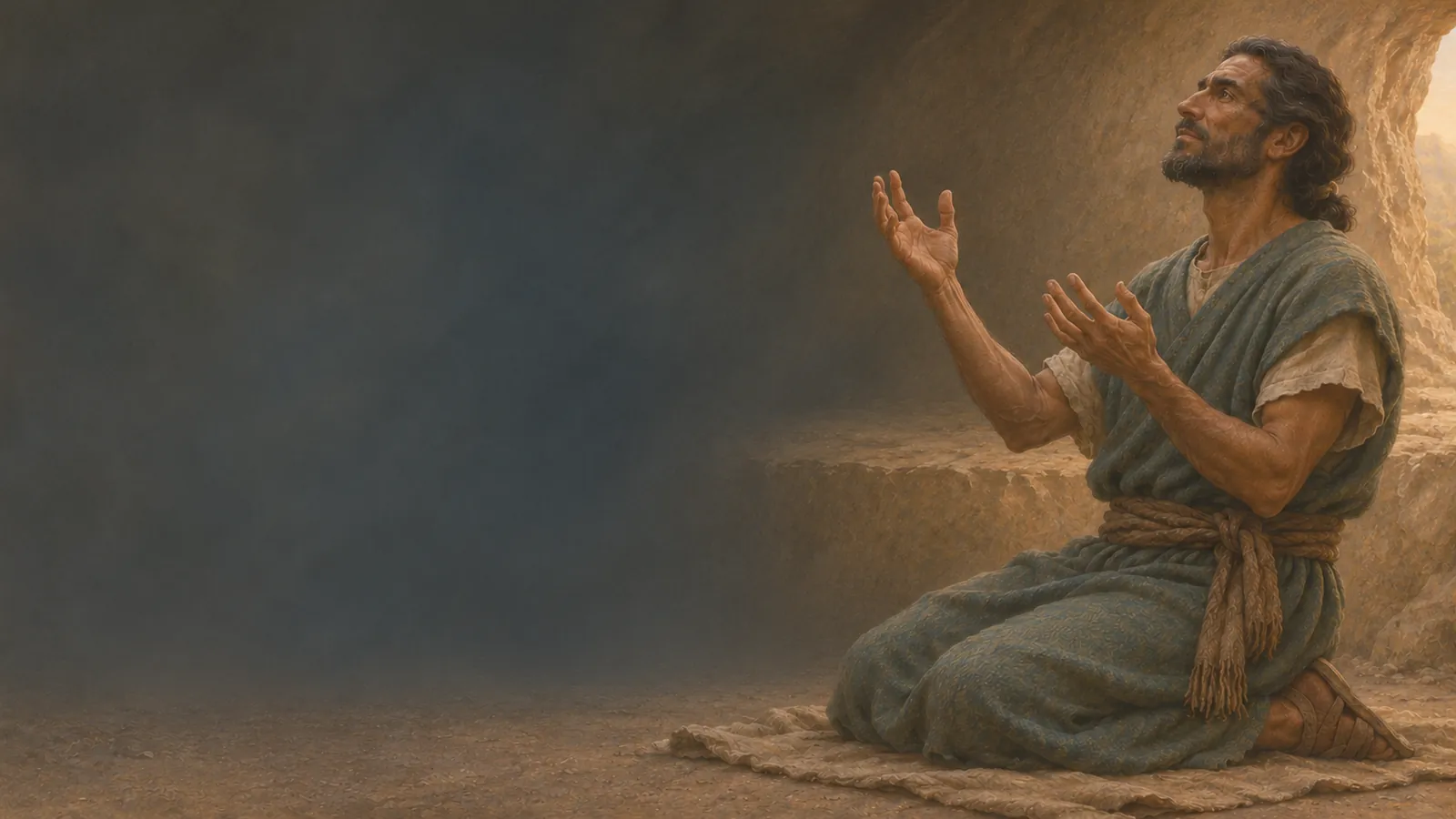
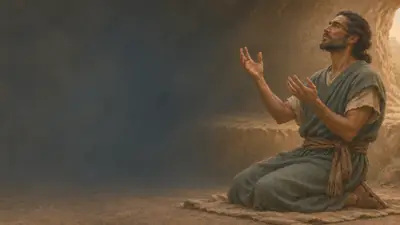
Lugalbanda alzó los ojos y las manos. En su soledad, llamó a Utu llorando, como habría llamado a su propio padre.
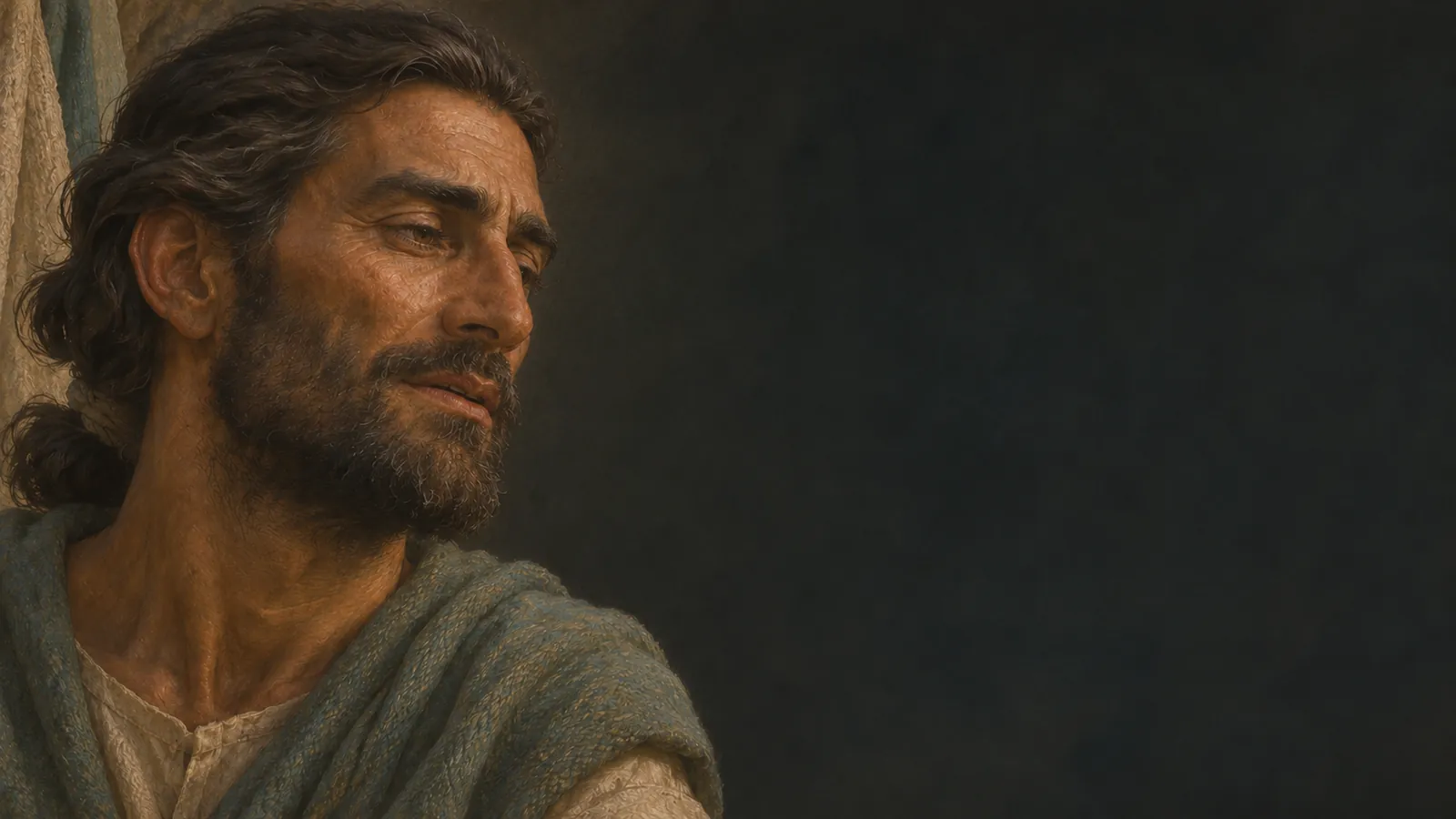
Le pidió a Utu que lo librara de la enfermedad. Sin nadie conocido a su lado, temía perecer en un lugar desconocido.

Utu acogió sus lágrimas y le envió ánimo a la cueva. En el silencio de la tarde, alguien había escuchado a Lugalbanda.
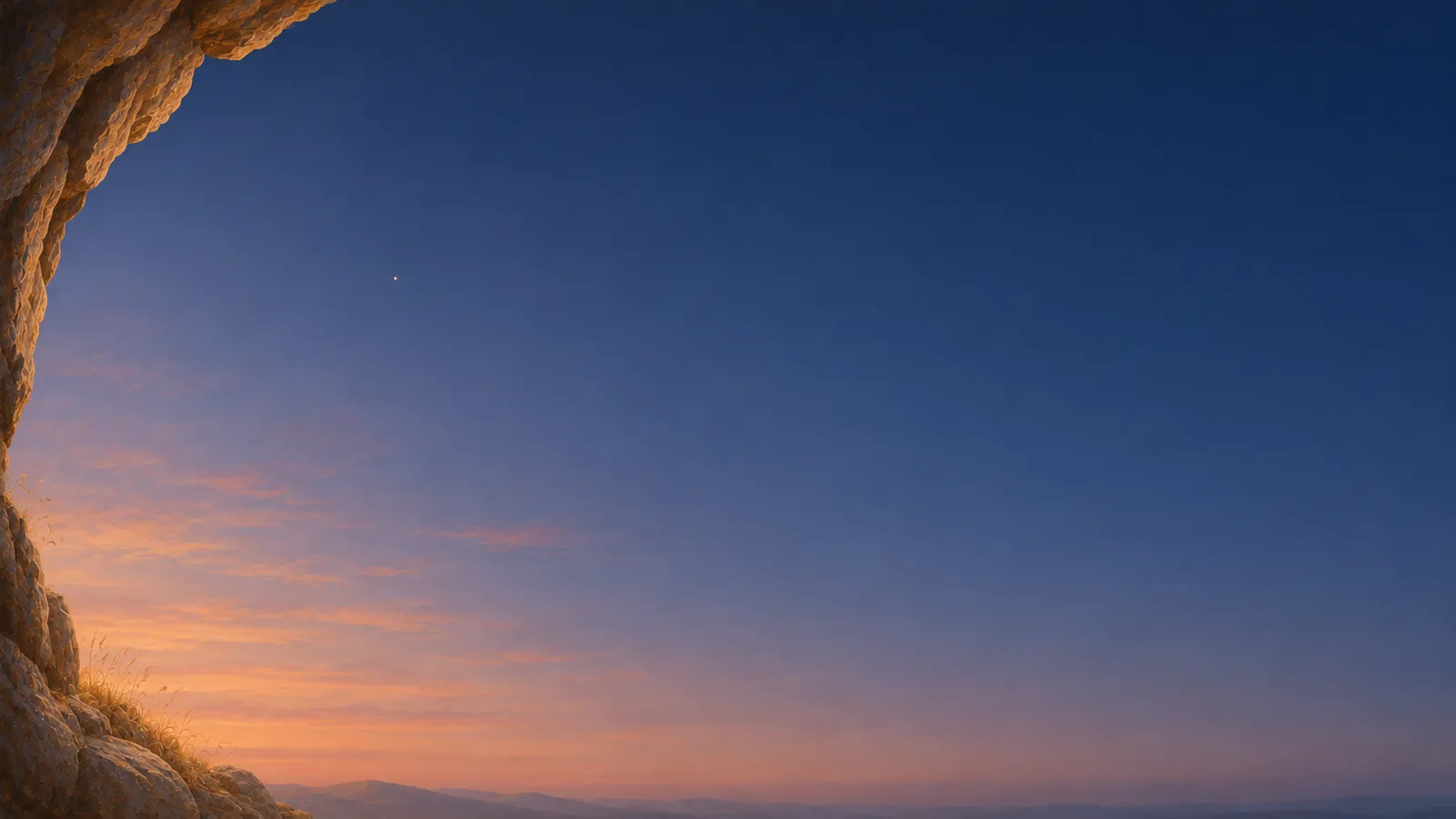
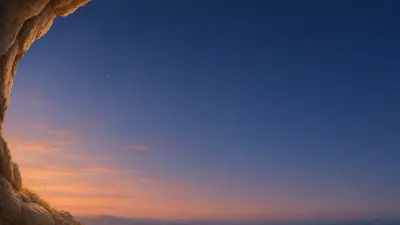
Entonces Inanna apareció como una estrella en el cielo del atardecer. Su resplandor llegó a la cueva y Lugalbanda alzó de nuevo las manos.
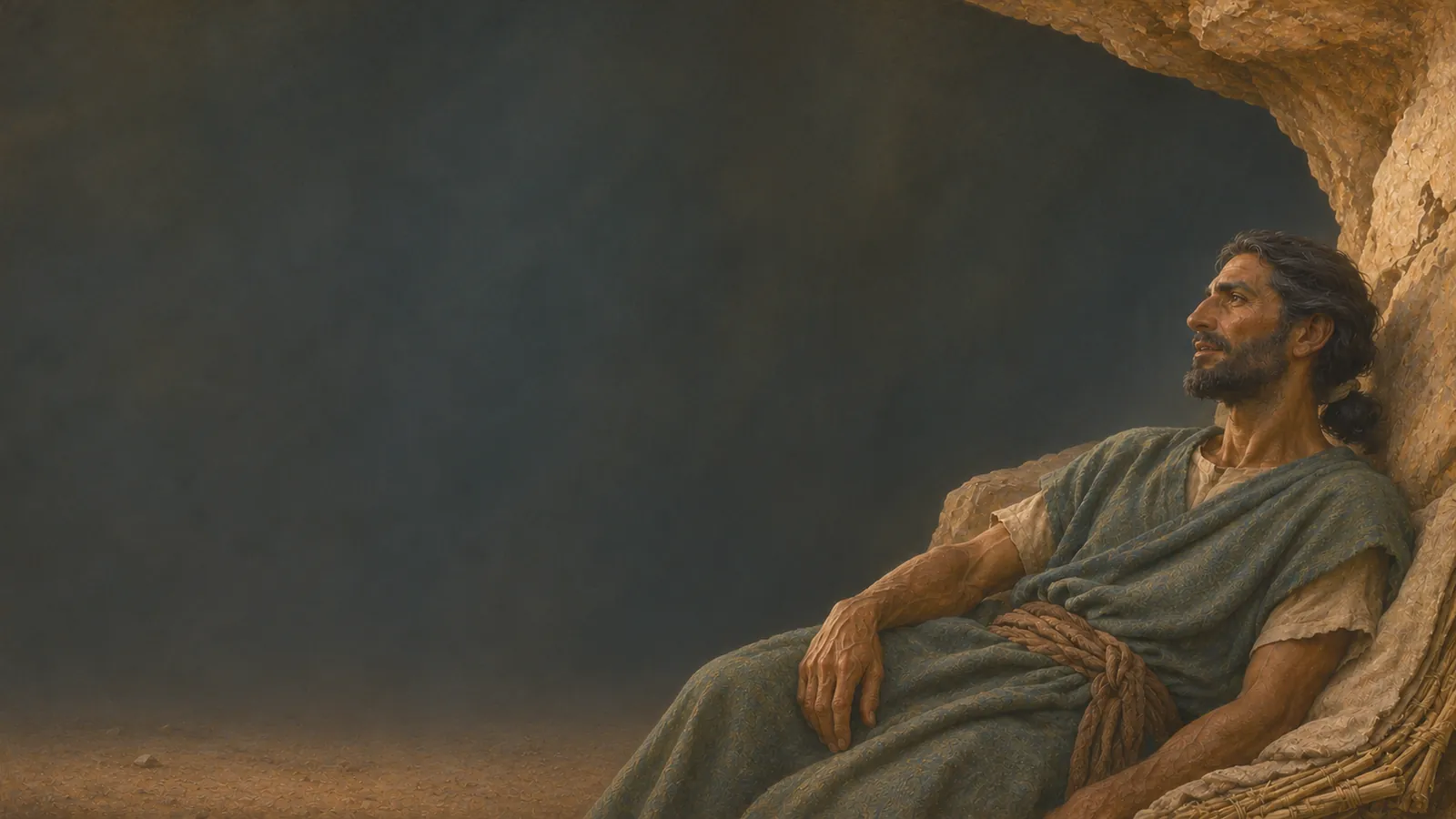
Deseaba que el lugar donde yacía fuera Kulaba, la ciudad en la que su madre lo había traído al mundo. Añoraba a los suyos.
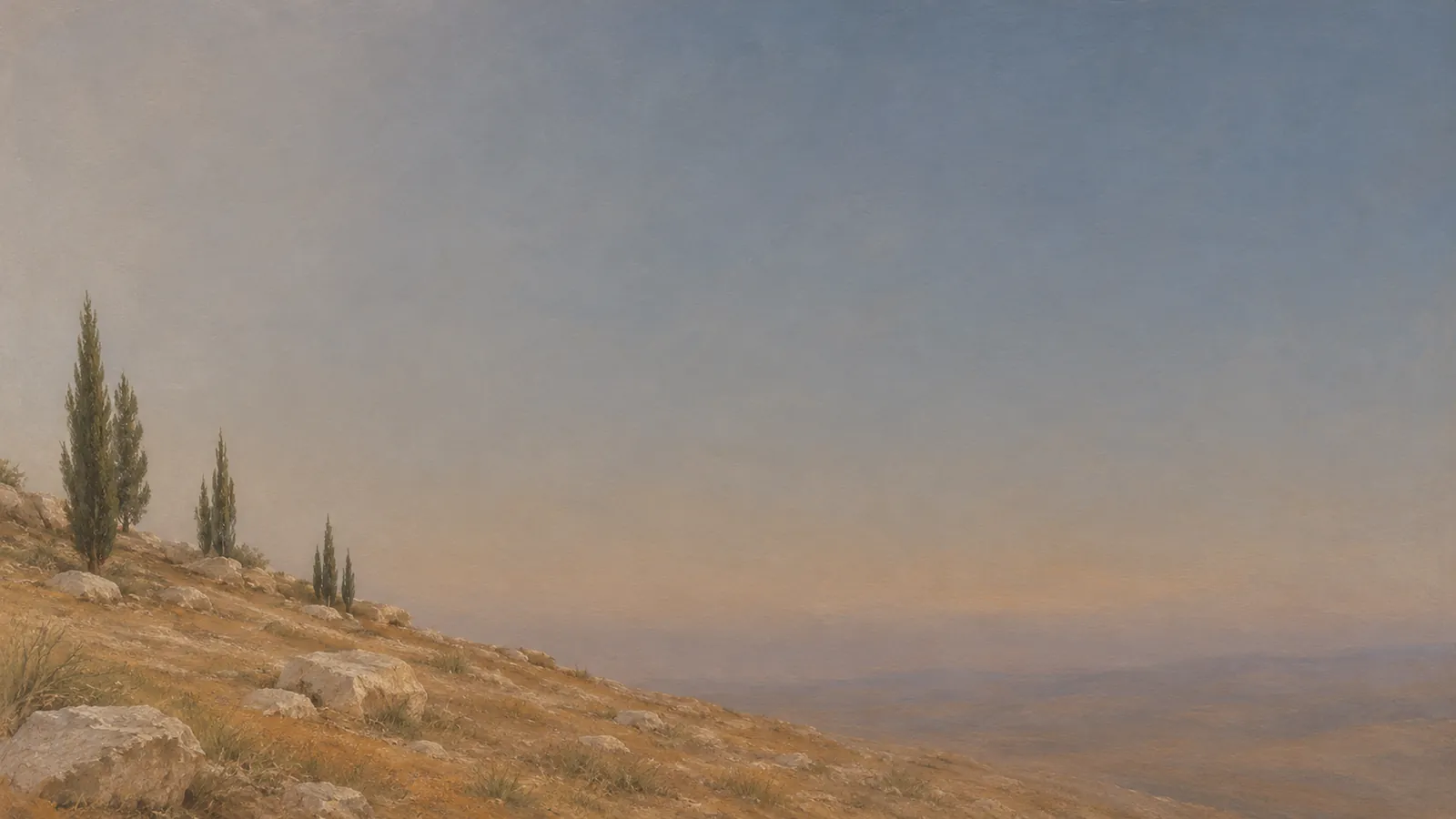
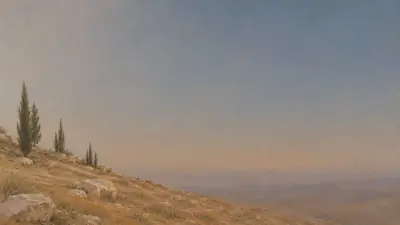
Partes de su plegaria son difíciles de leer. En las palabras que quedan, pide sobrevivir en las montañas donde crecen los cipreses.
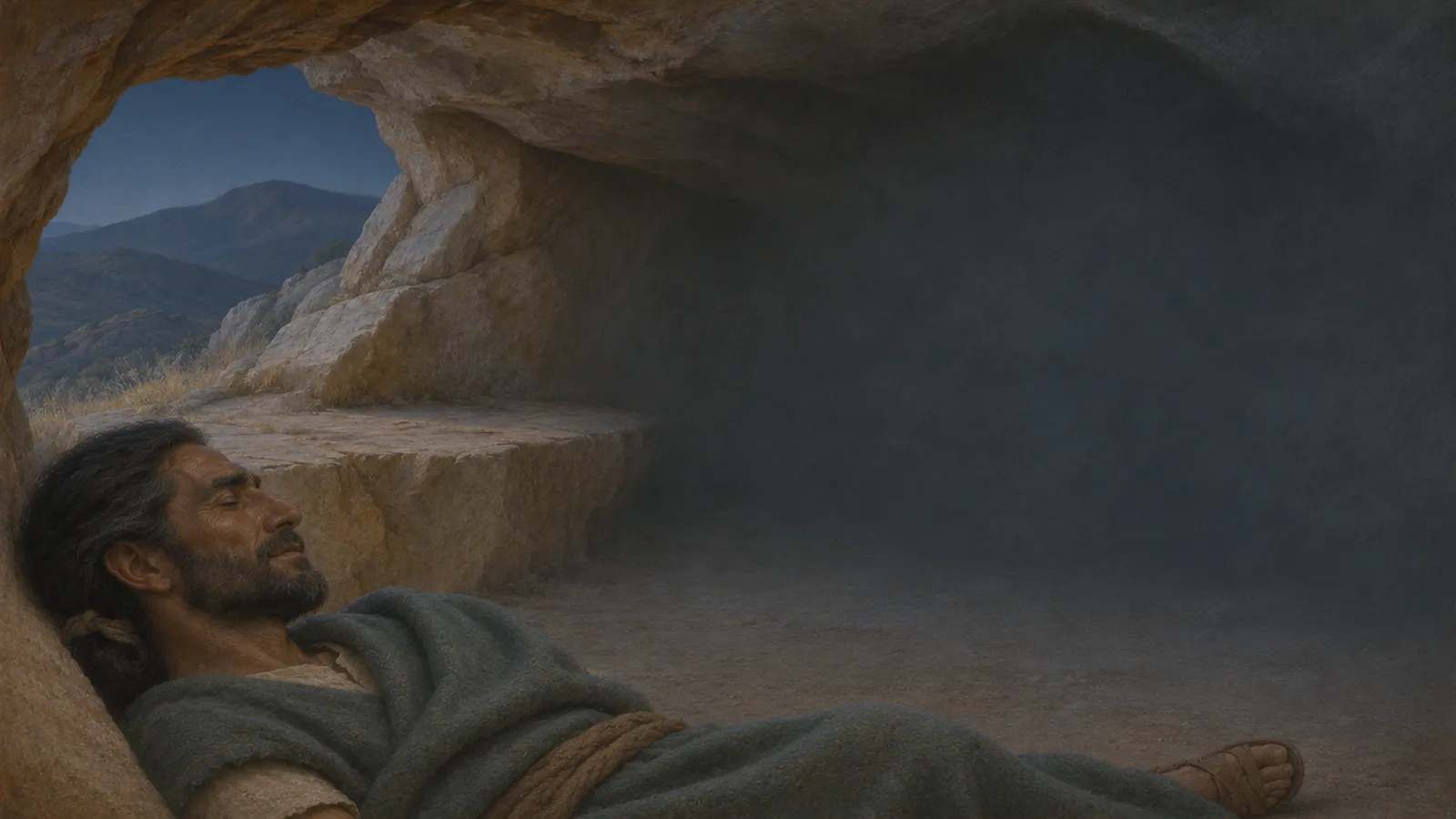
Inanna acogió sus lágrimas y le permitió dormir. El poema dice que el alivio lo envolvió como una prenda de lana.
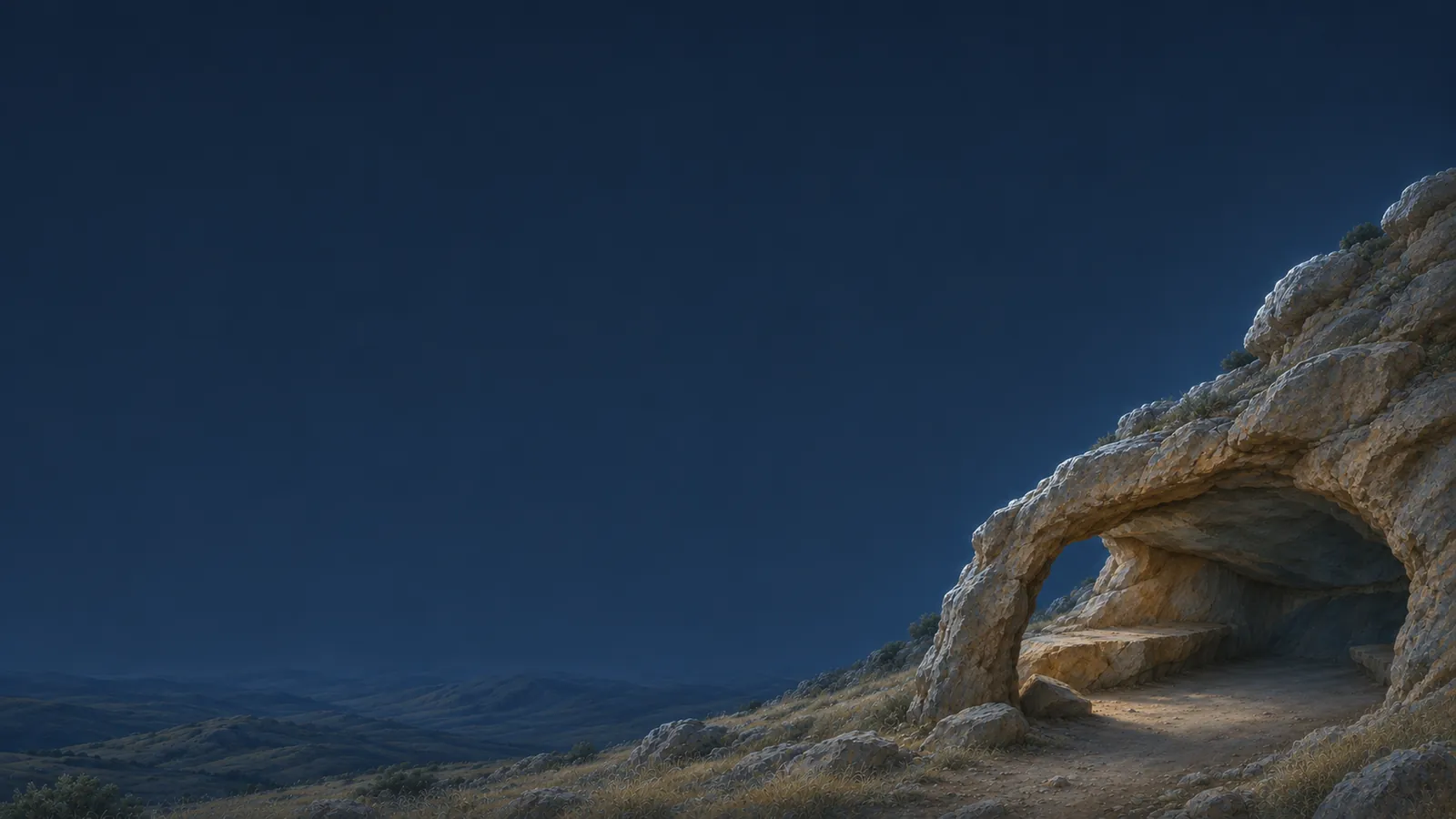
Durante la noche, la luz de Suen llegó a la cueva. Lugalbanda miró hacia la luna y alzó de nuevo las manos.
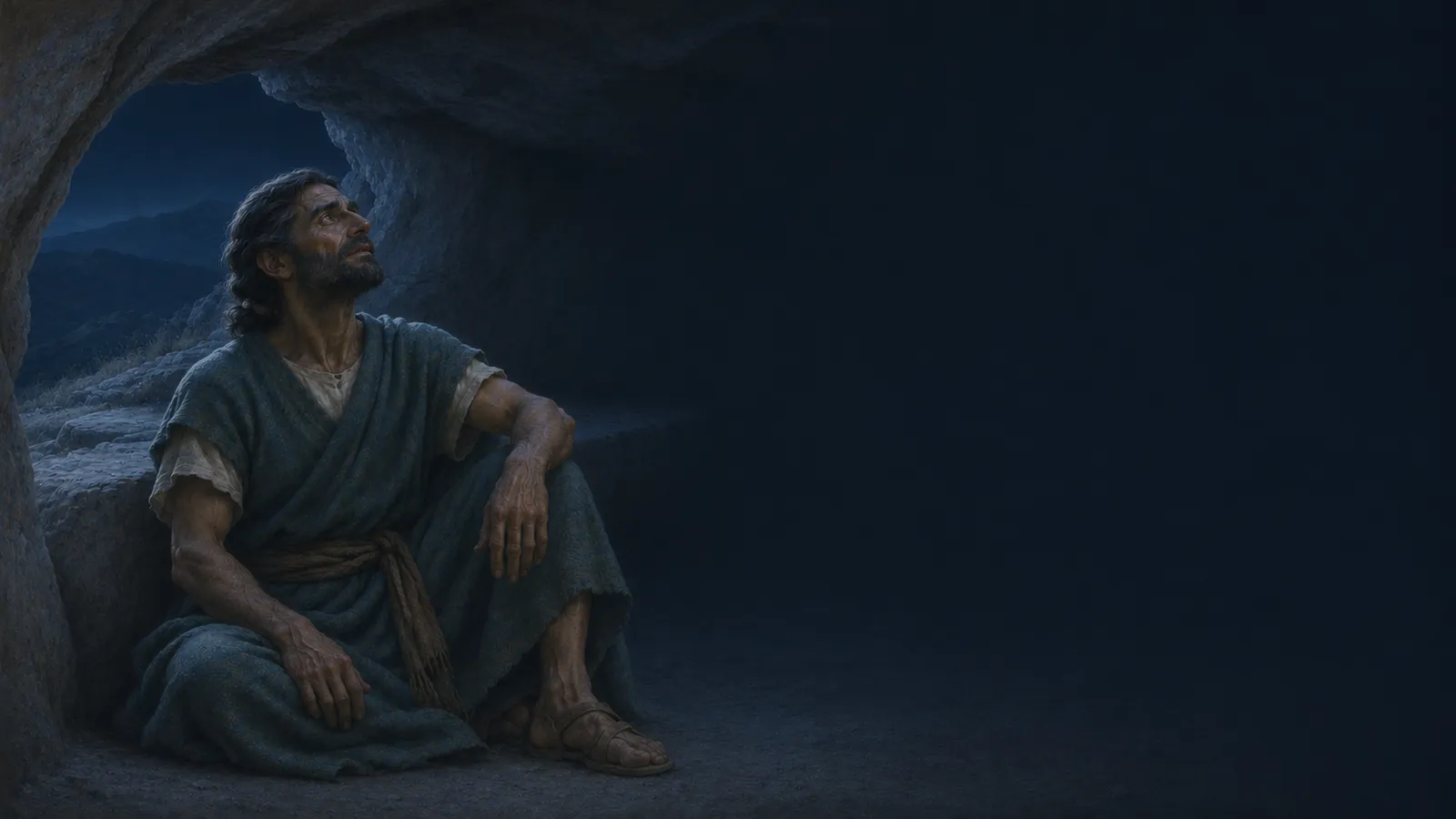
Lugalbanda llamó a Suen en el cielo lejano. Alabó a quien ama la justicia, y algunas palabras de su plegaria están dañadas.
FUERZA
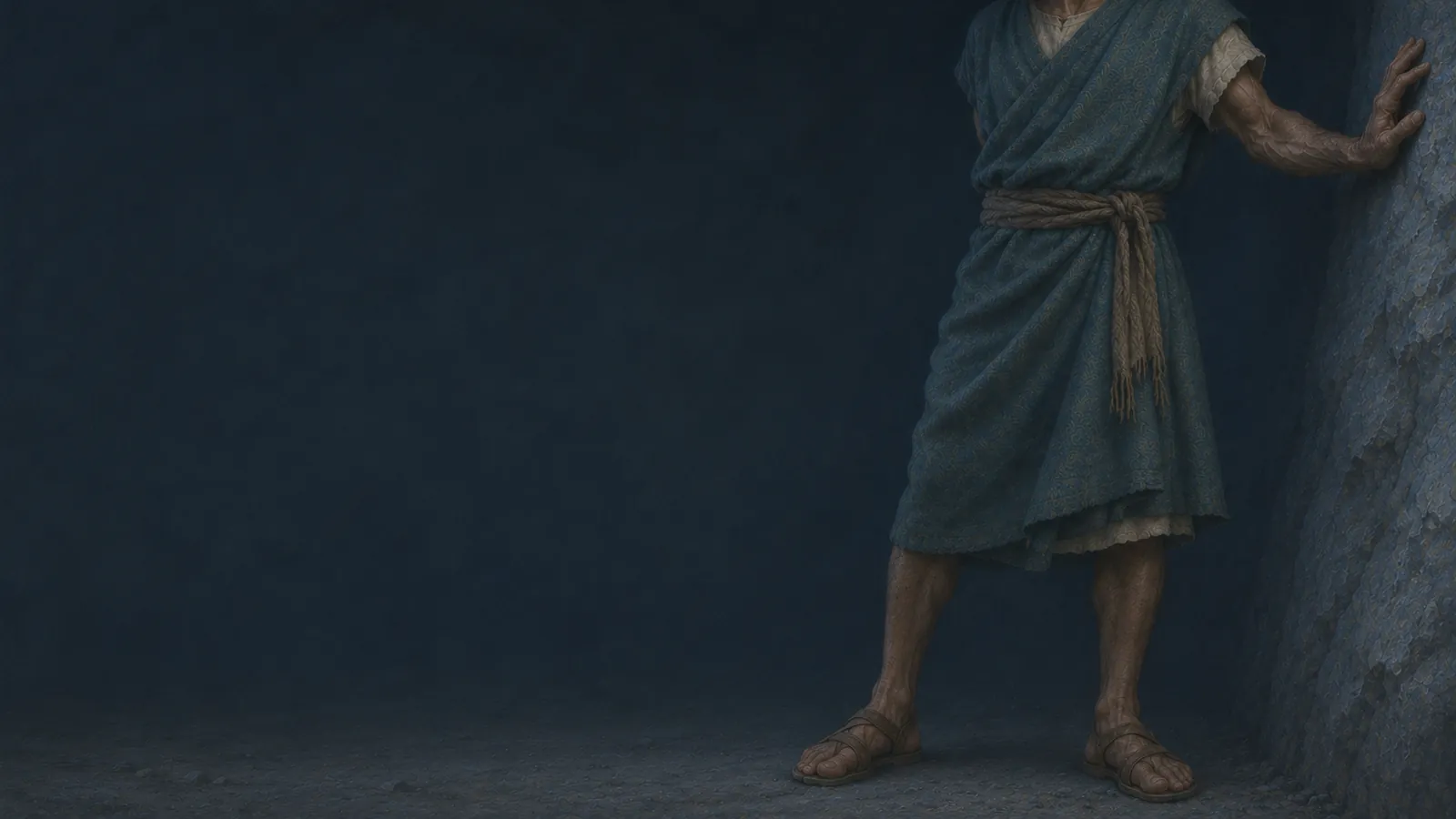
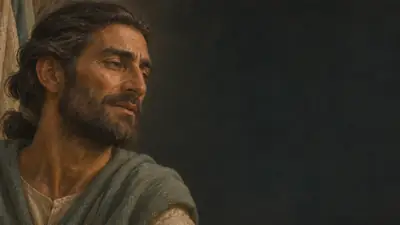
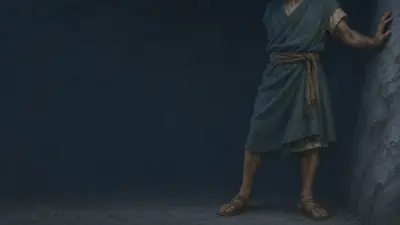
Suen acogió sus lágrimas y le dio fuerzas. Por fin Lugalbanda pudo afirmarse sobre sus pies y ponerse en pie.
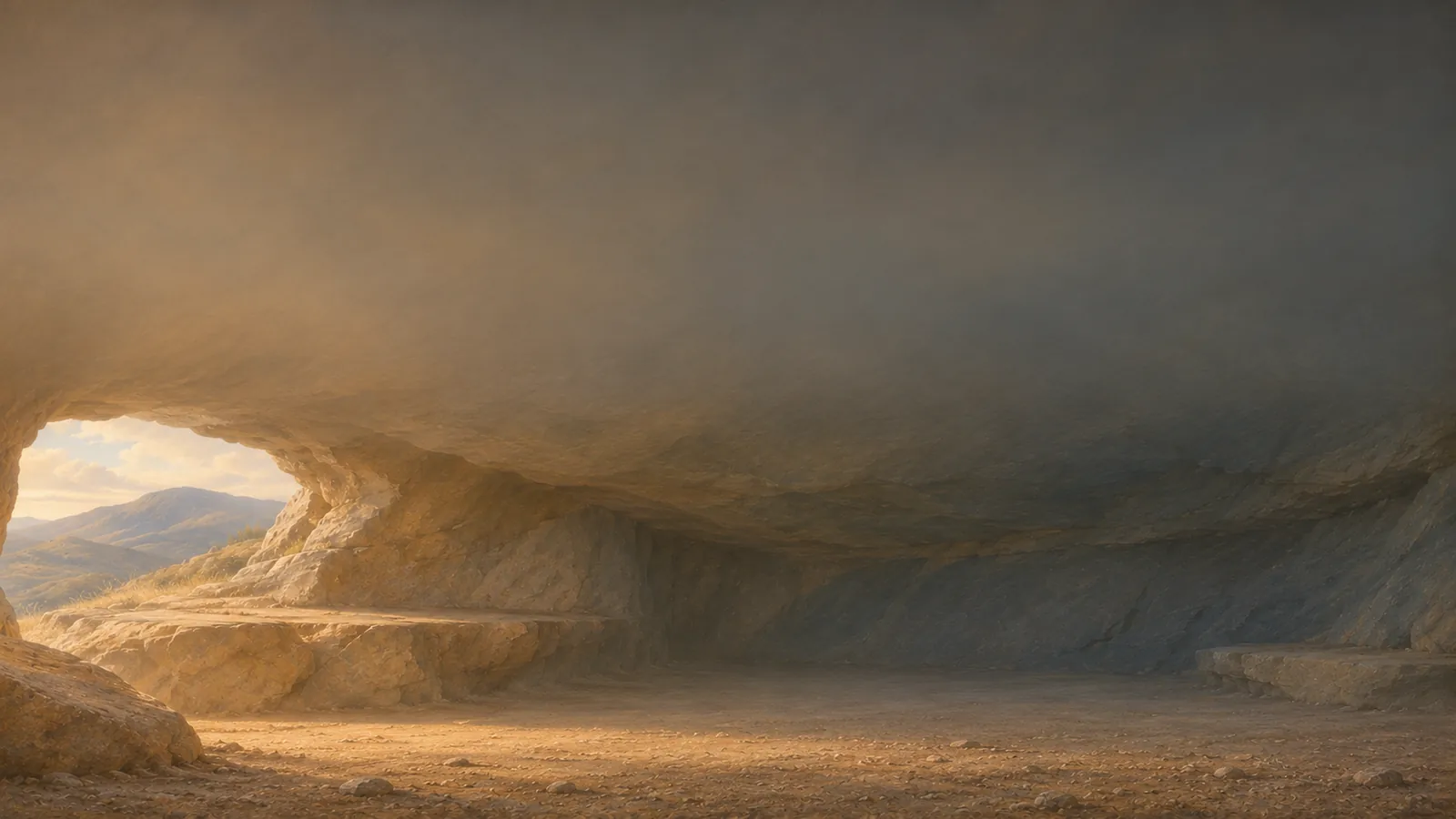
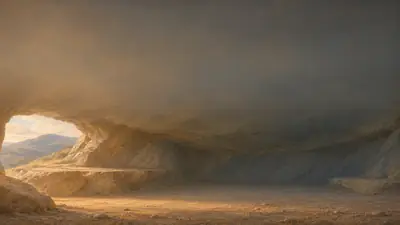
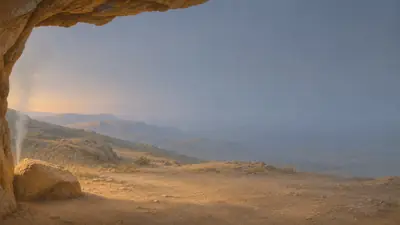
Con el siguiente amanecer, la luz de Utu volvió a entrar en la cueva. Alcanzó a Lugalbanda donde había pasado la noche.
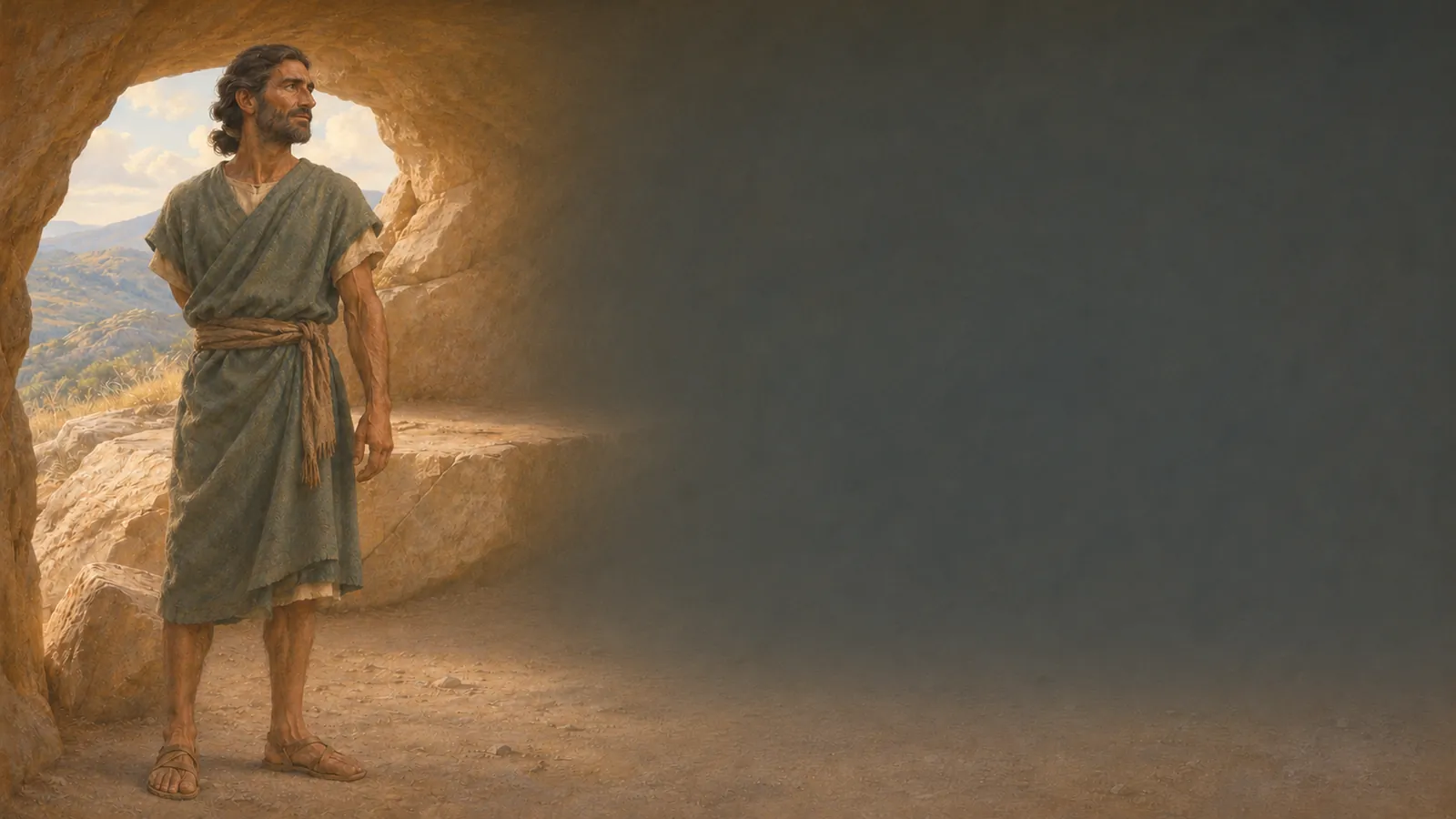
El poema habla de una protección por delante y de otra por detrás. Dice que se apartó el poder que le había traído la enfermedad.
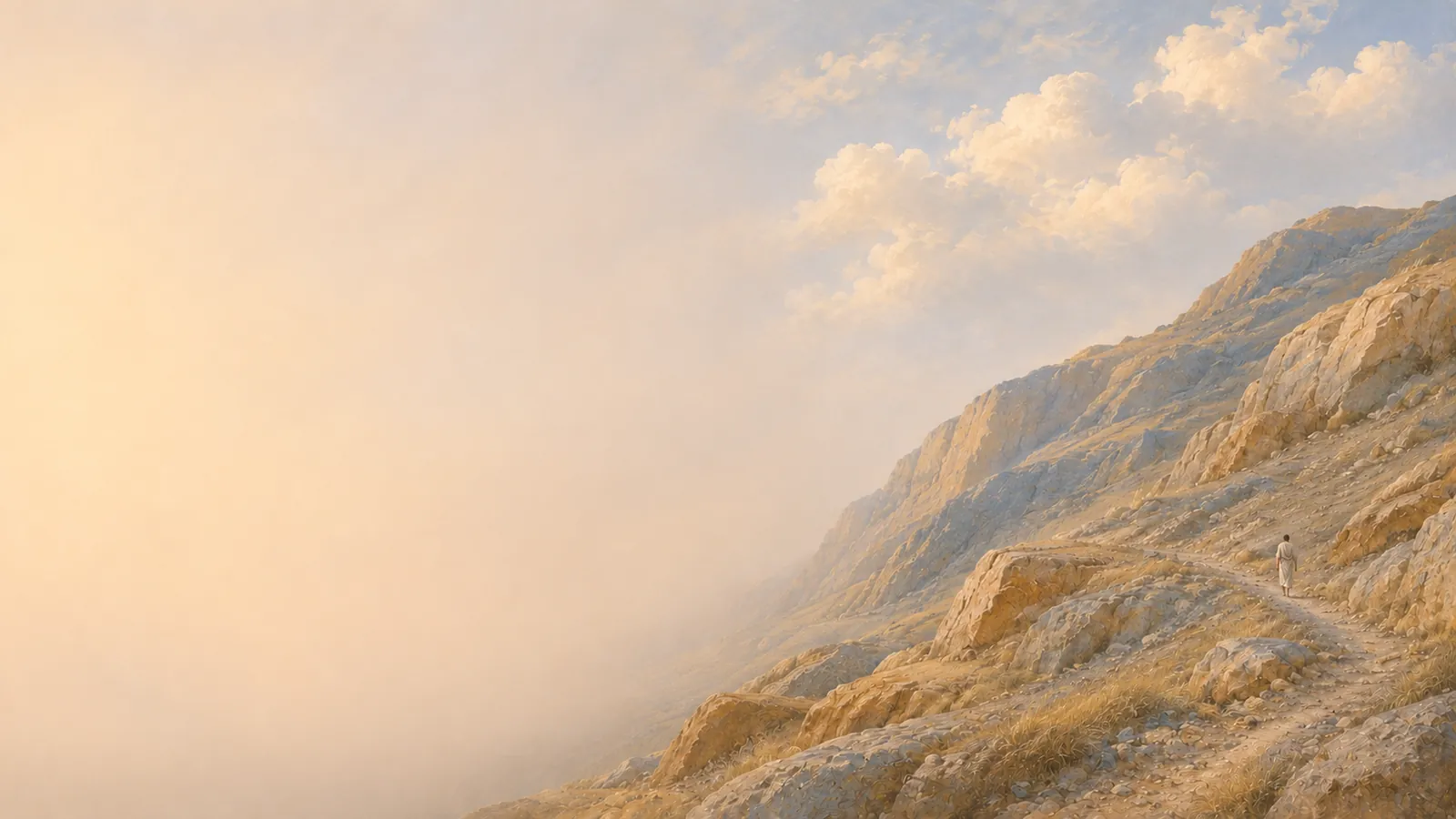
Lugalbanda alabó a Utu a la luz de la mañana. En su plegaria, Utu acompaña como un hermano a quien camina solo.
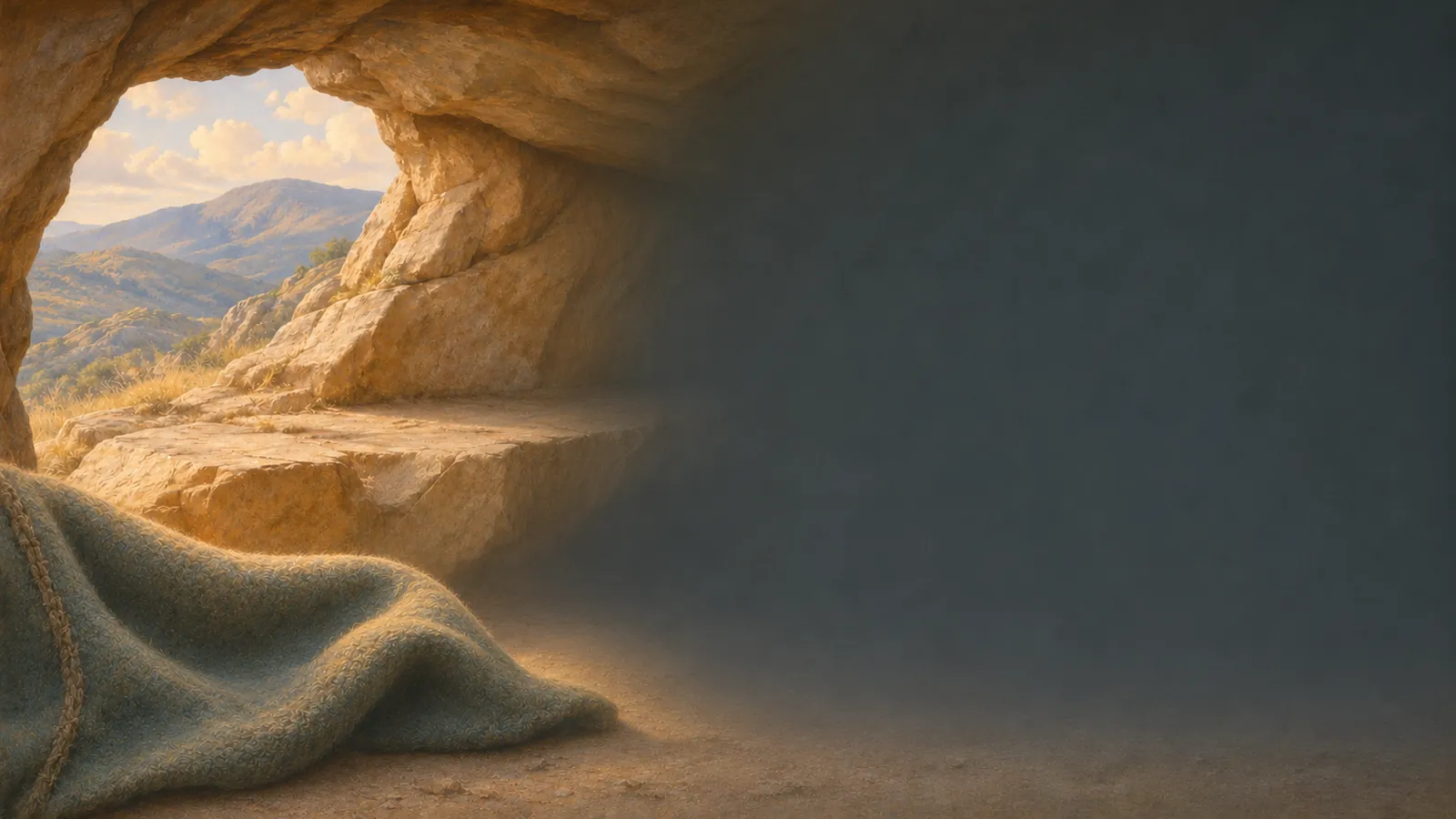
En la plegaria, la luz del sol viste a los pobres con la suavidad de la lana. Algunas de las últimas palabras de alabanza de Lugalbanda no están claras.
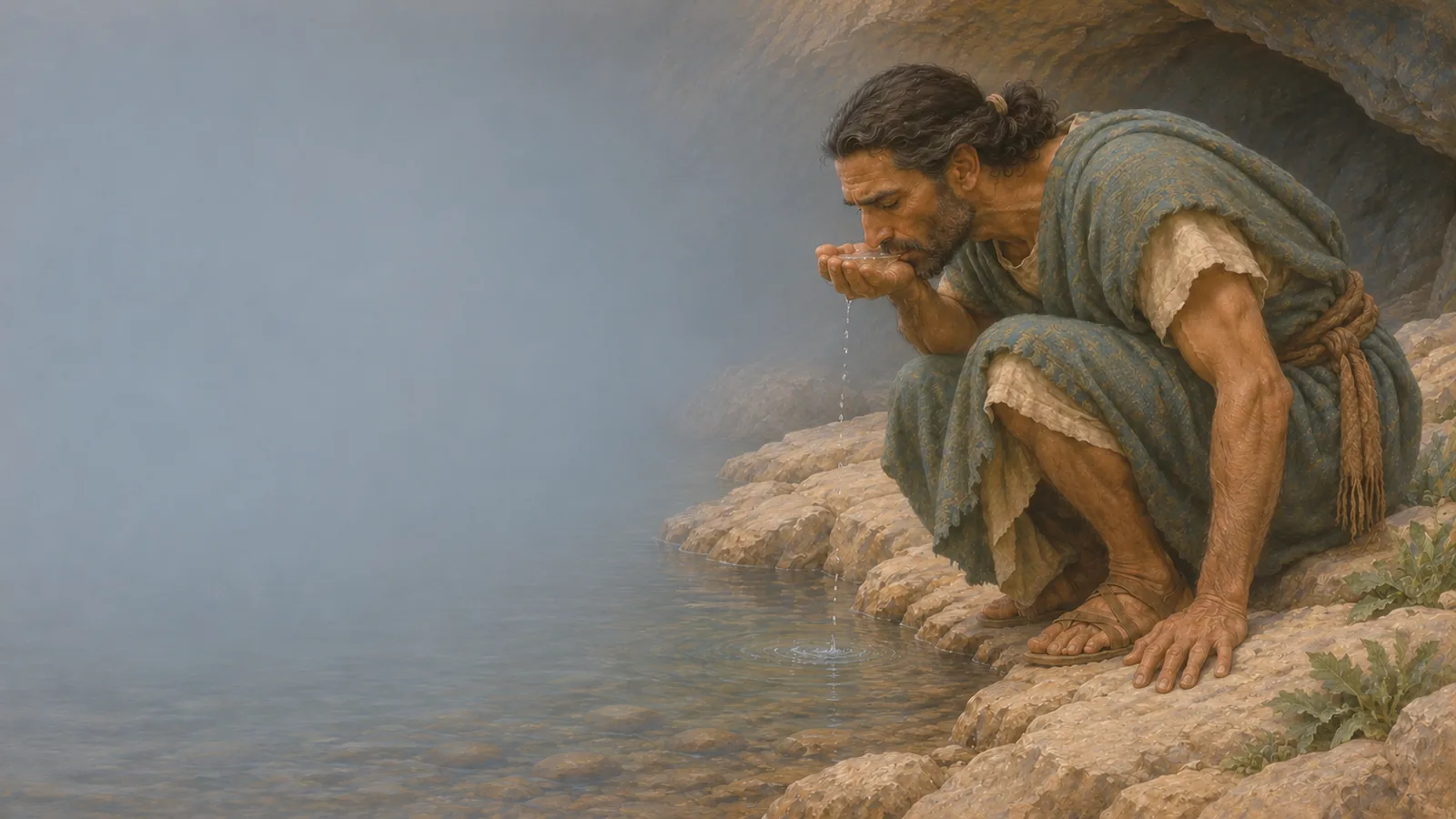
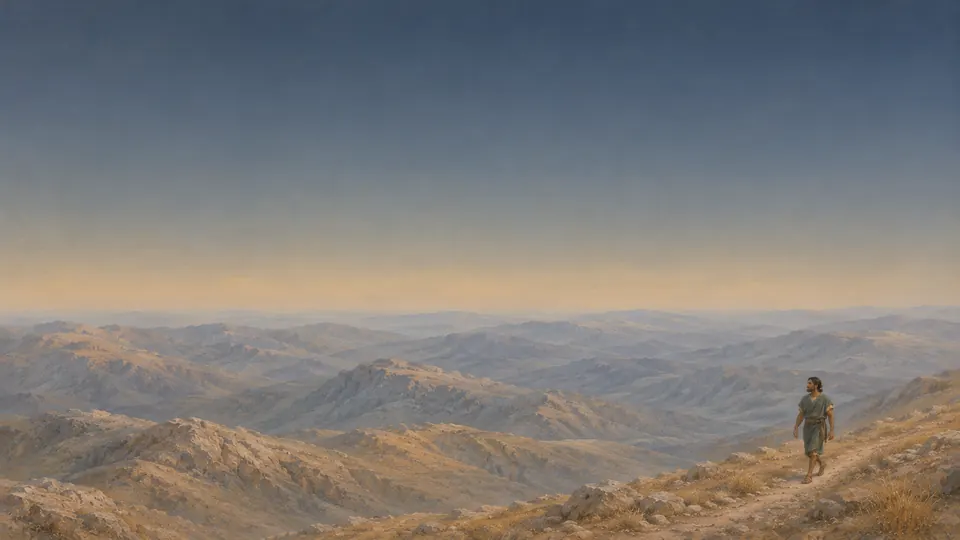
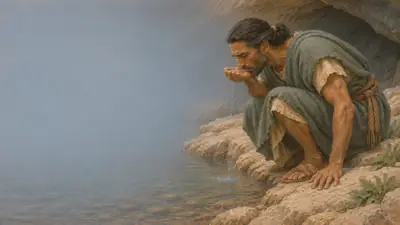
Lugalbanda salió de la cueva. Probó unas plantas que el poema dice que dan vida y bebió agua que bajaba de las colinas.
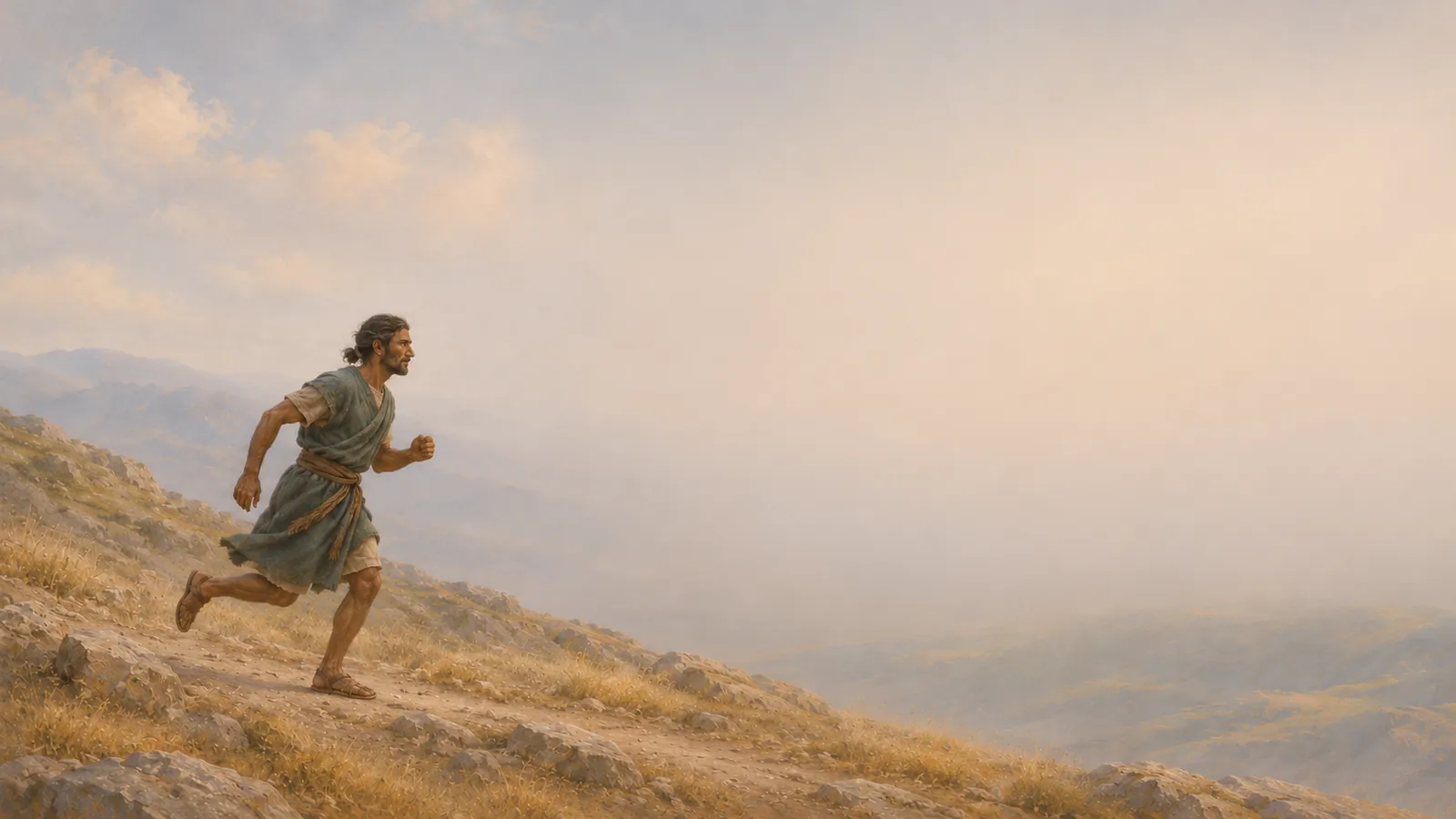
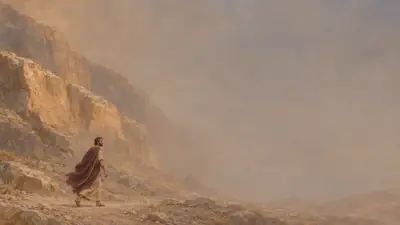
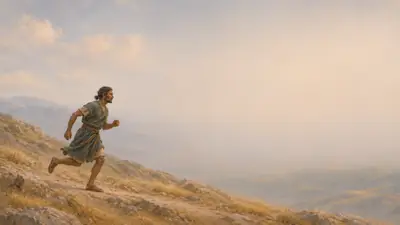
Al recobrar las fuerzas, corrió por las montañas. El poema compara la rapidez de sus pies con la de un asno salvaje.
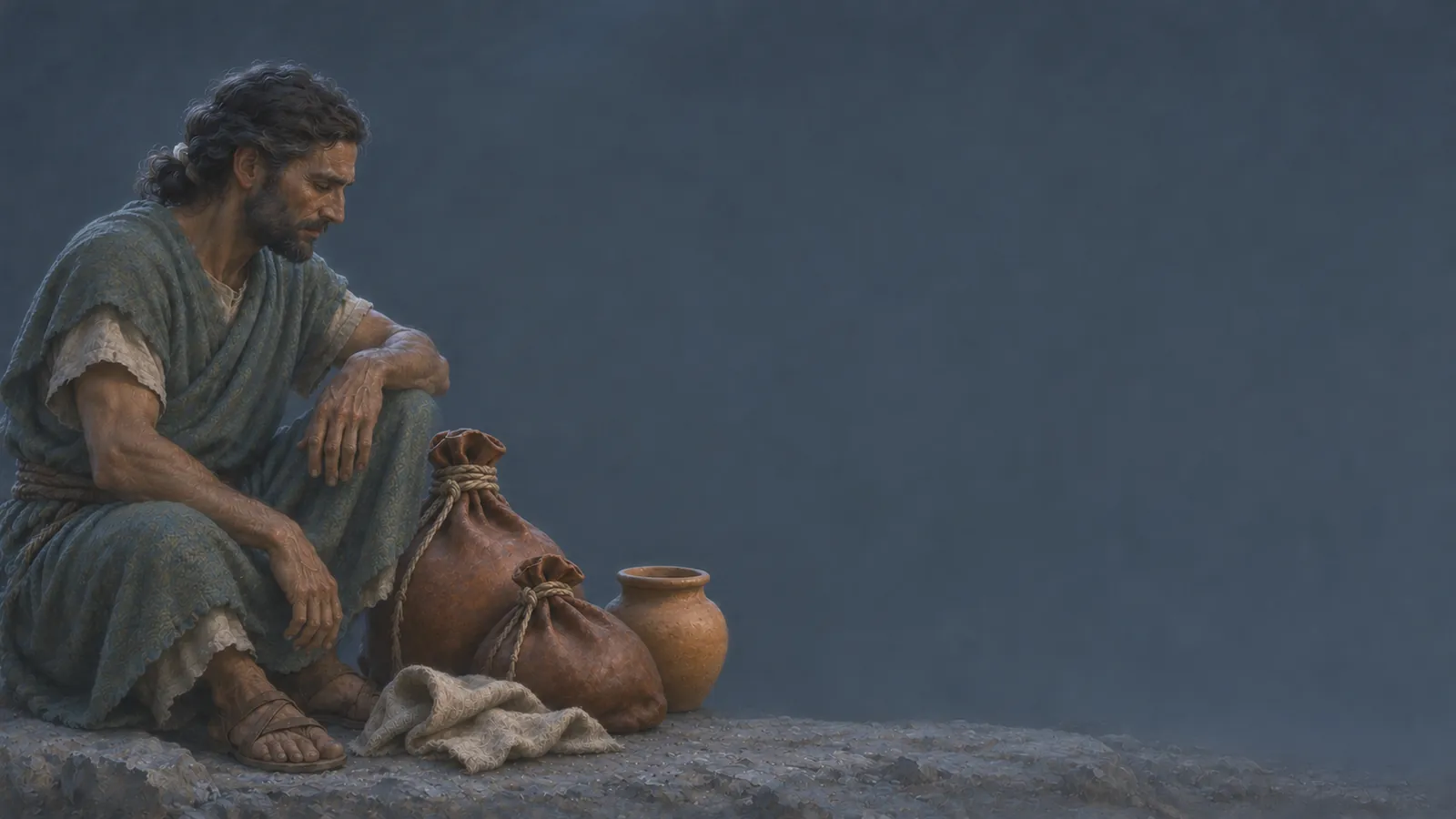
Aquella tarde atravesó solo el yermo iluminado por la luna. Dejó en el suelo las provisiones y las vasijas que había llevado de la cueva.
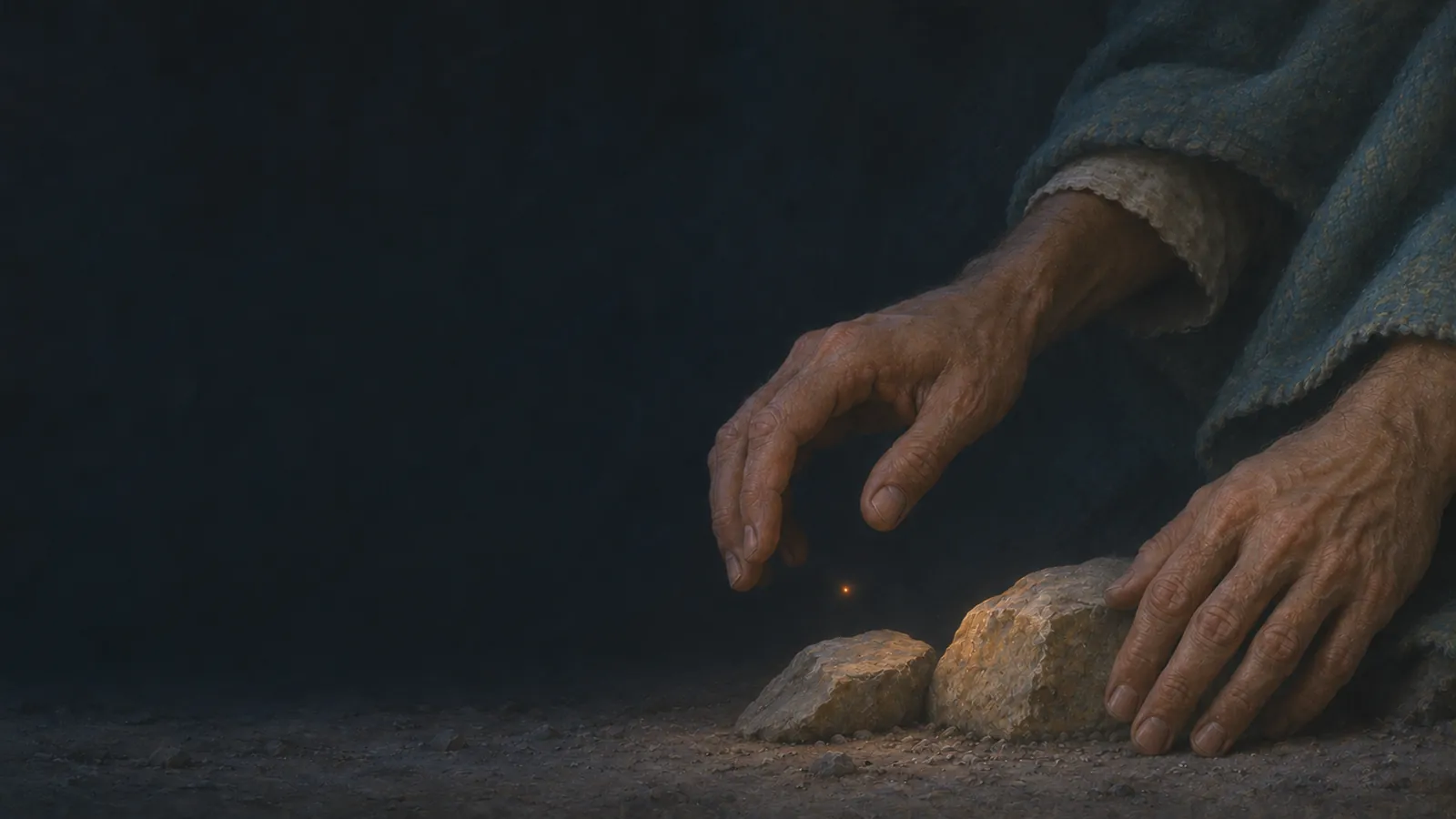
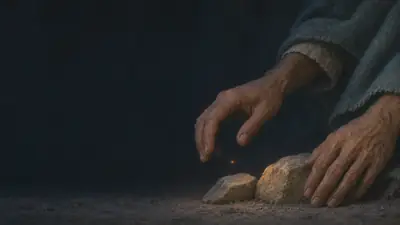
Golpeó unas piedras entre sí y prendió una chispa de pedernal. Un fuego pequeño iluminó el yermo donde no veía a nadie más.
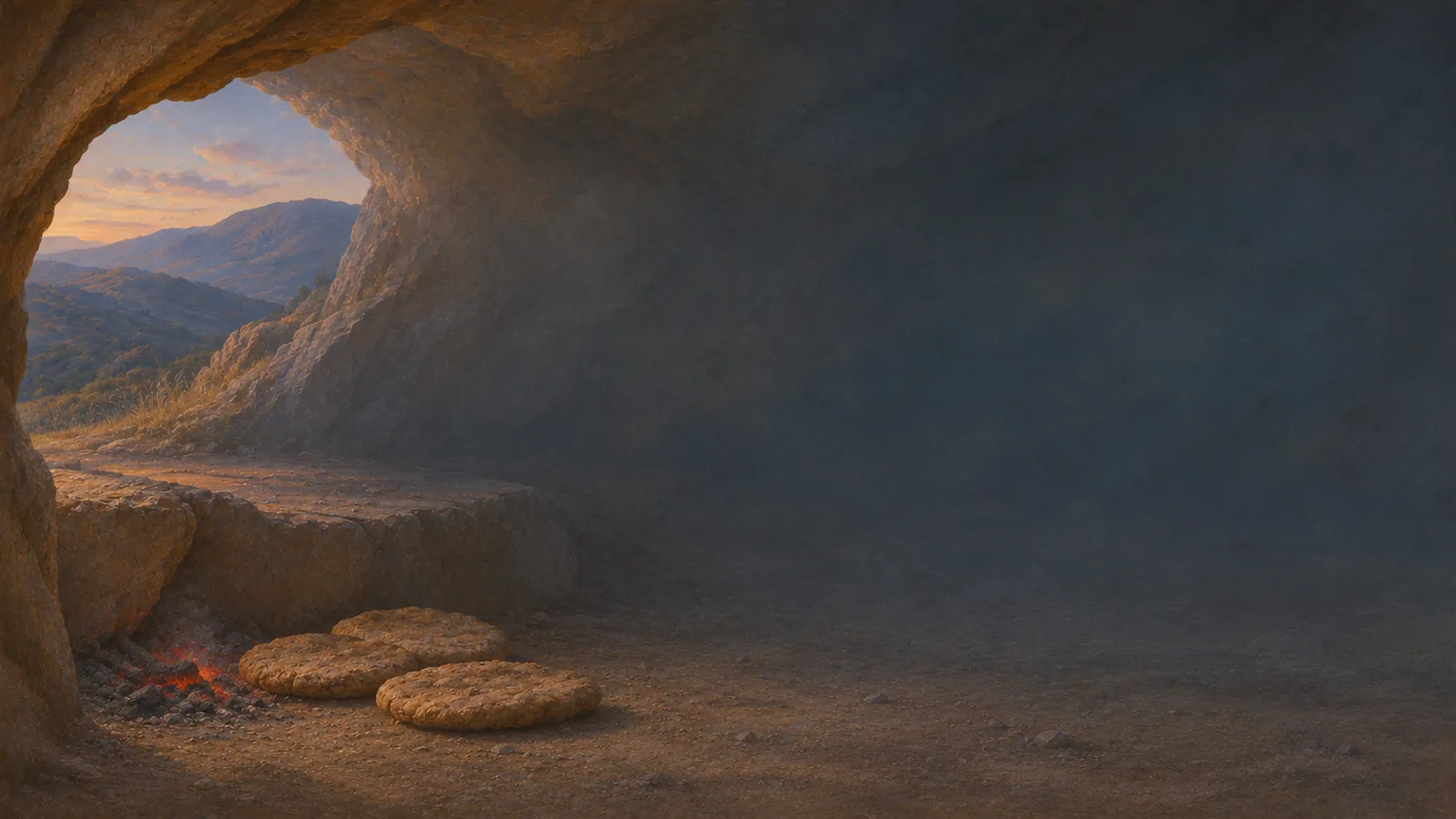
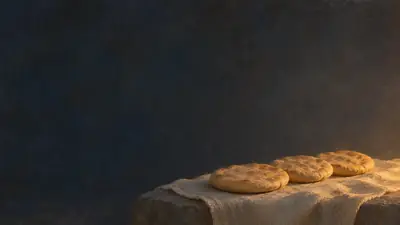
Con unas pocas brasas y sin horno, Lugalbanda coció sus tortas. Las endulzó con jarabe de dátiles y las reservó para el viaje.
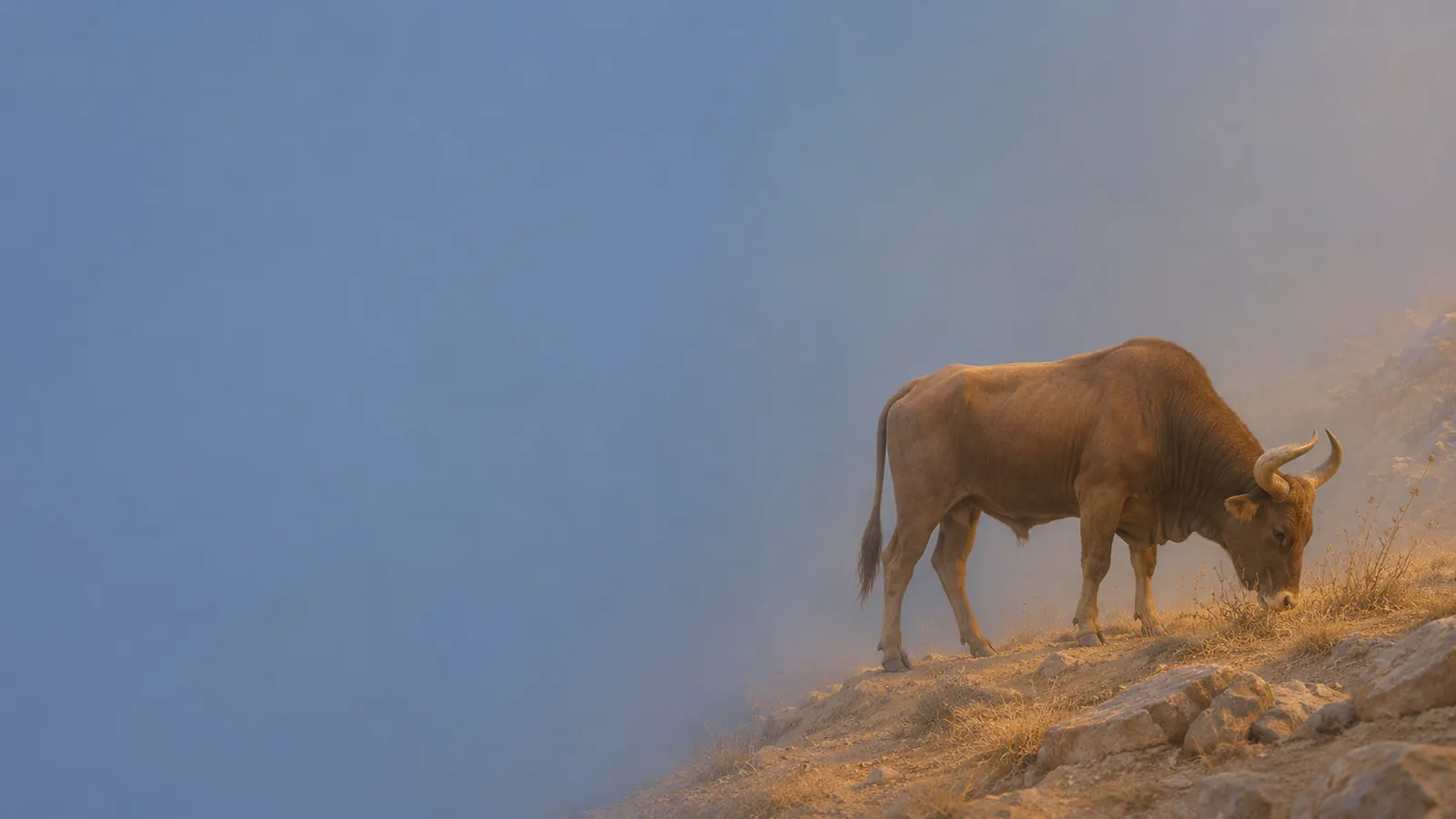
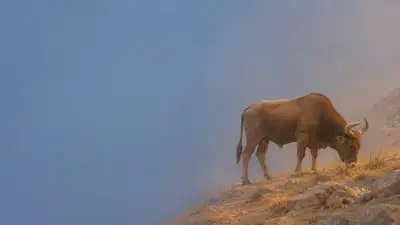
Un toro salvaje pardo pastaba entre las plantas y bebía de las aguas de la montaña. El poema dice que Lugalbanda capturó al animal.
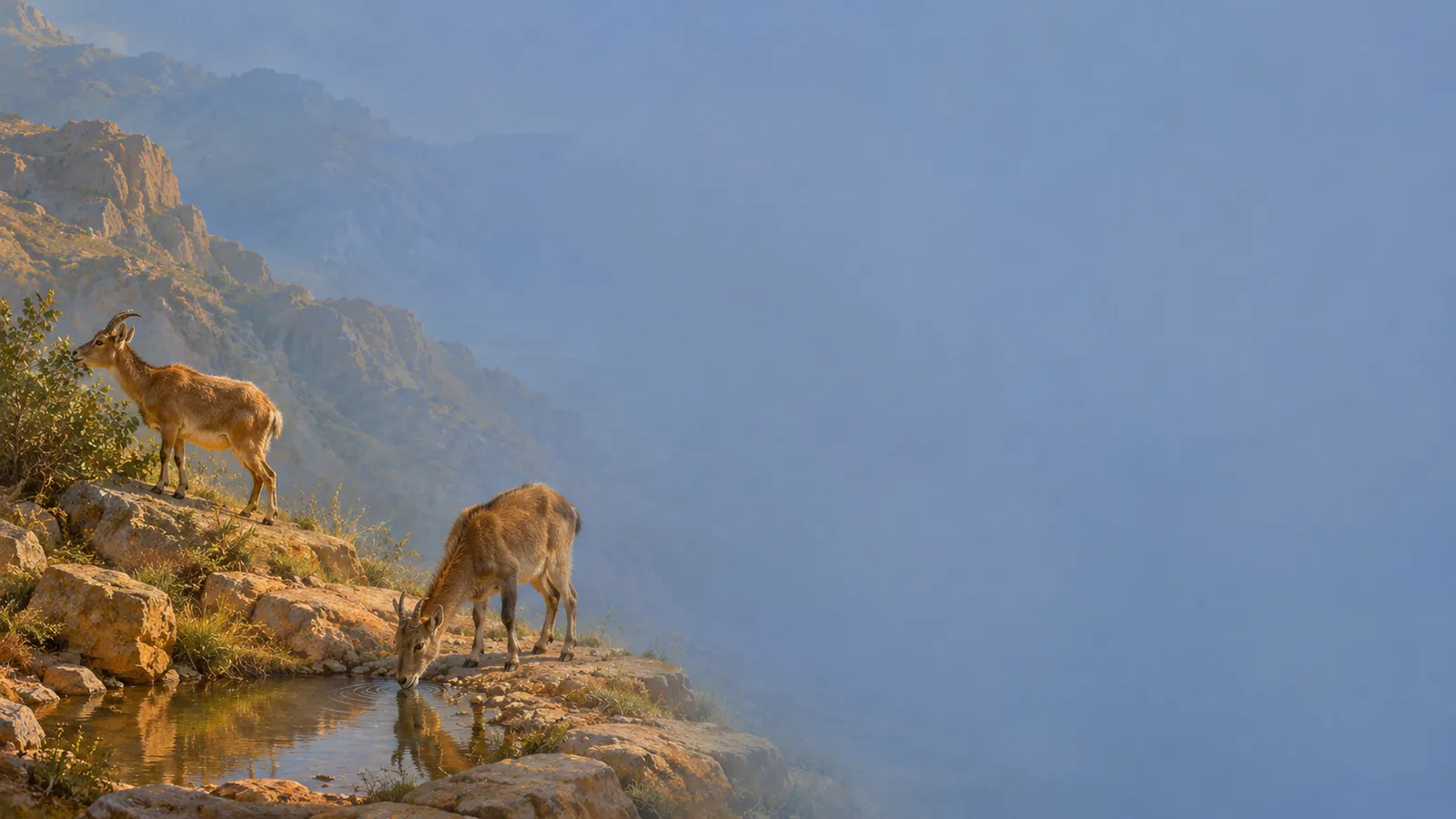
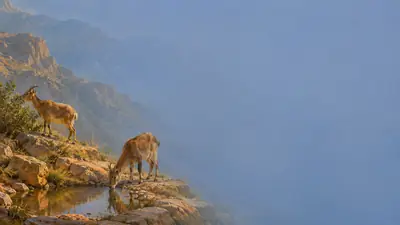
Dos cabras también pastaban entre las plantas de la montaña. El poema cuenta que Lugalbanda las capturó, aunque no está claro cómo lo hizo.
SUEÑO
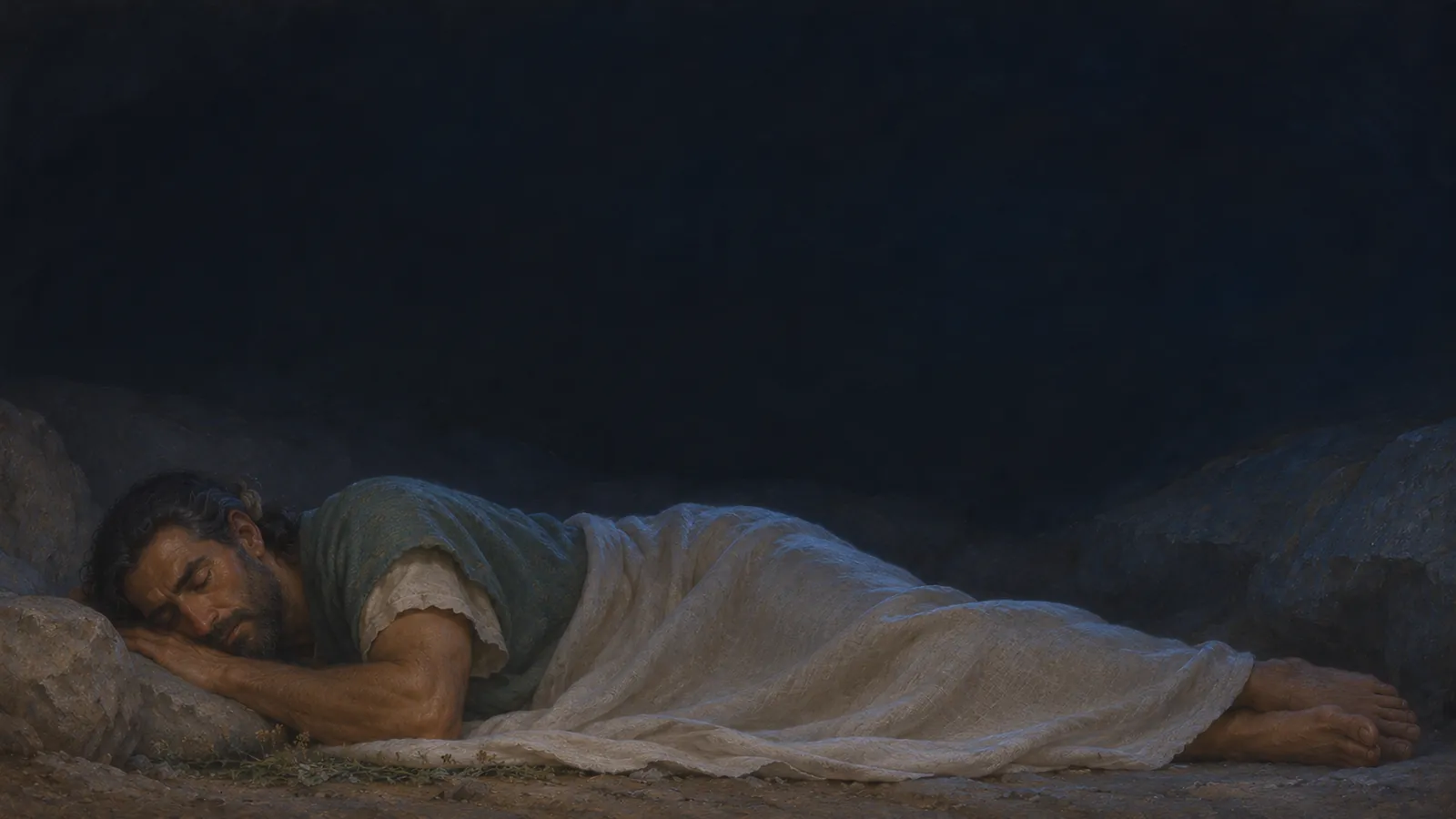
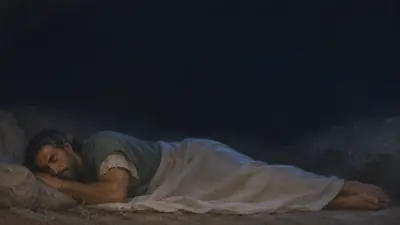
Puso hierbas de la montaña debajo de una tela y extendió una sábana de lino blanco. Después se acostó, dispuesto a soñar.
En el sueño le habló una voz parecida a un bramido. Zangara, el dios de los sueños, pidió una ofrenda ante el sol naciente.
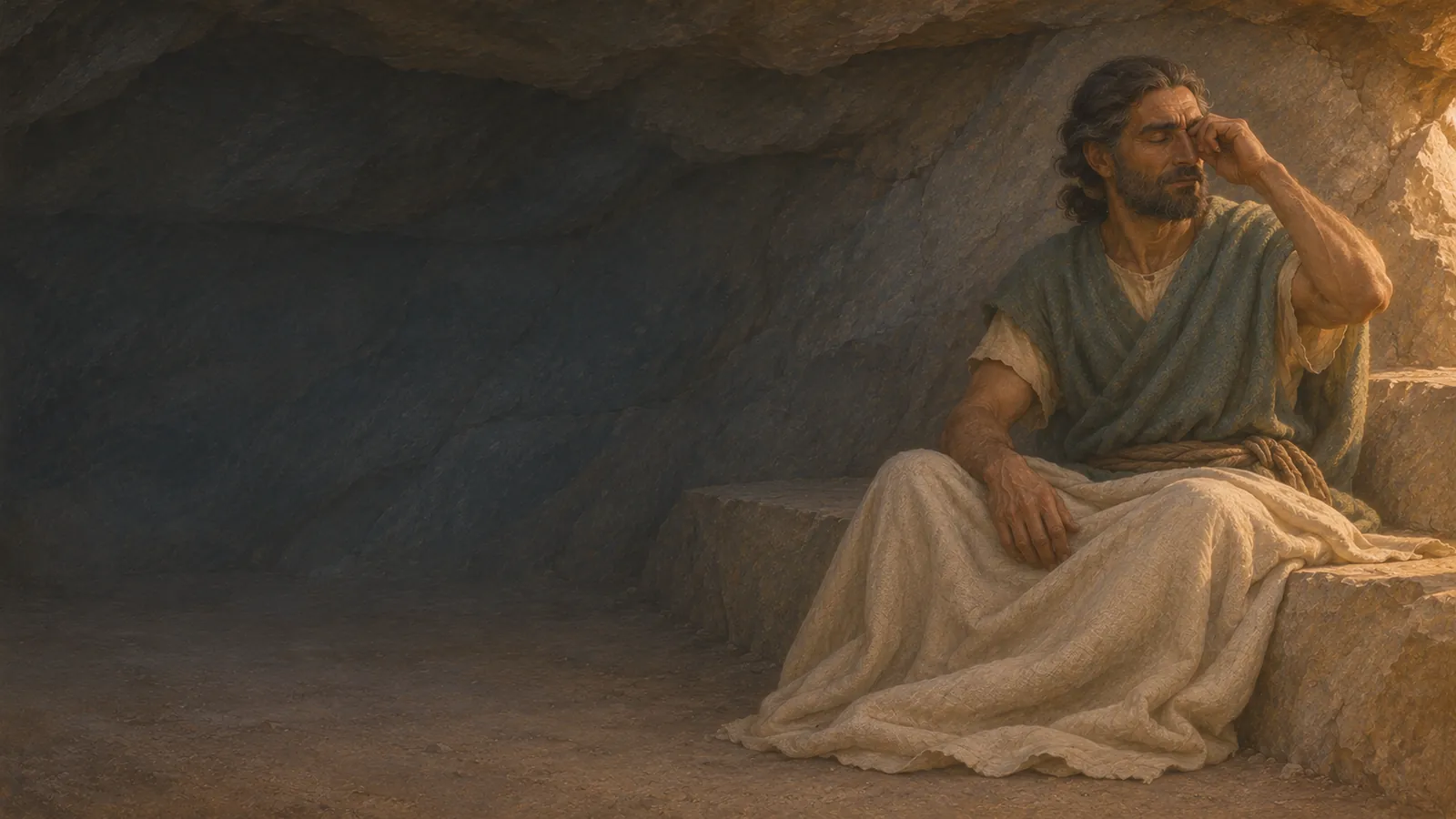
Lugalbanda despertó temblando. Cuando salió el sol, sacrificó al toro salvaje y a las dos cabras, tal como se lo había pedido el sueño.
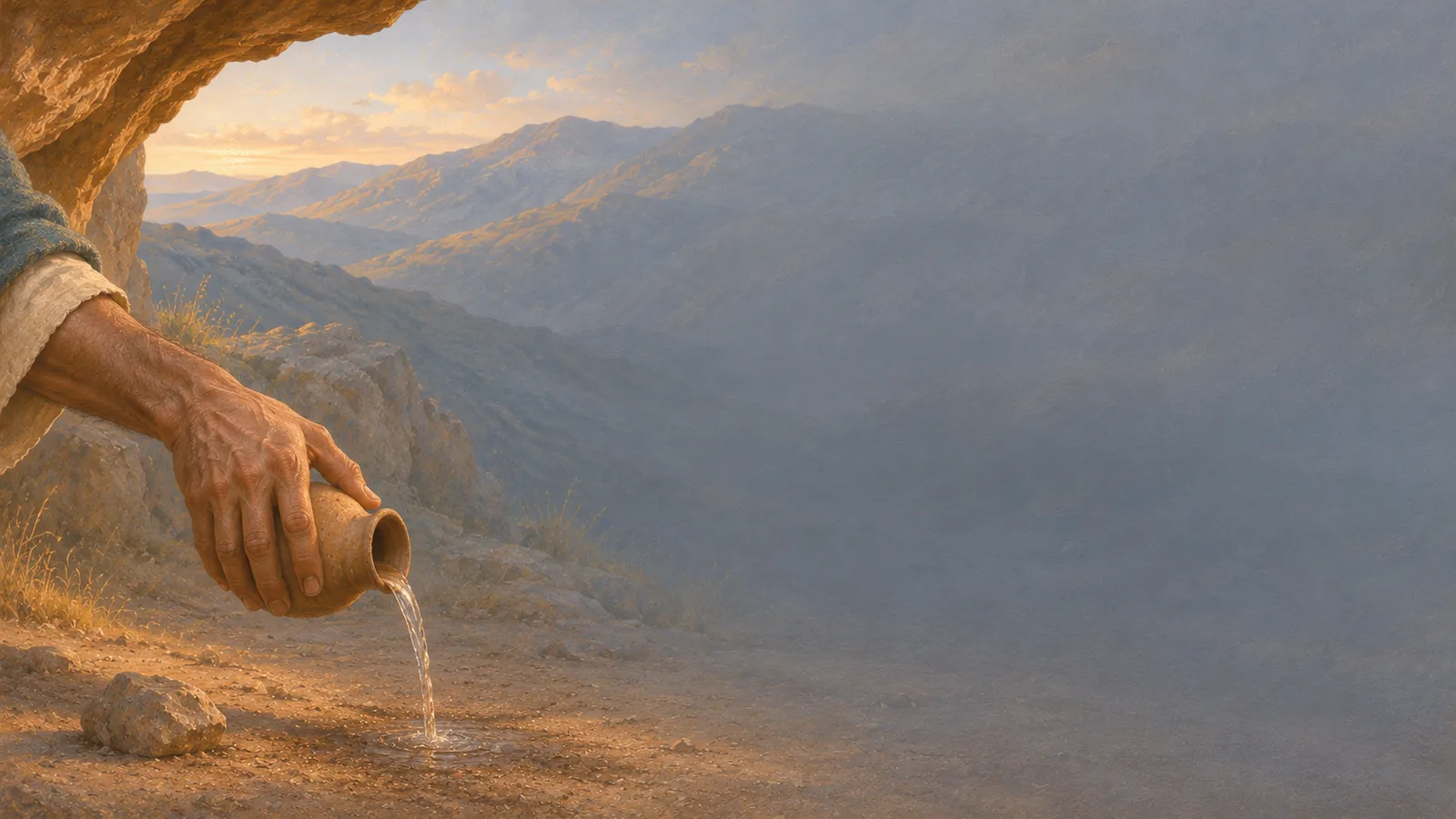
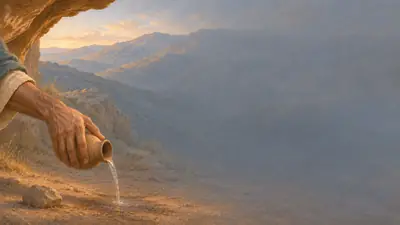
Preparó un lugar para la ofrenda en las montañas. Vertió agua fresca sobre la tierra desnuda como libación.
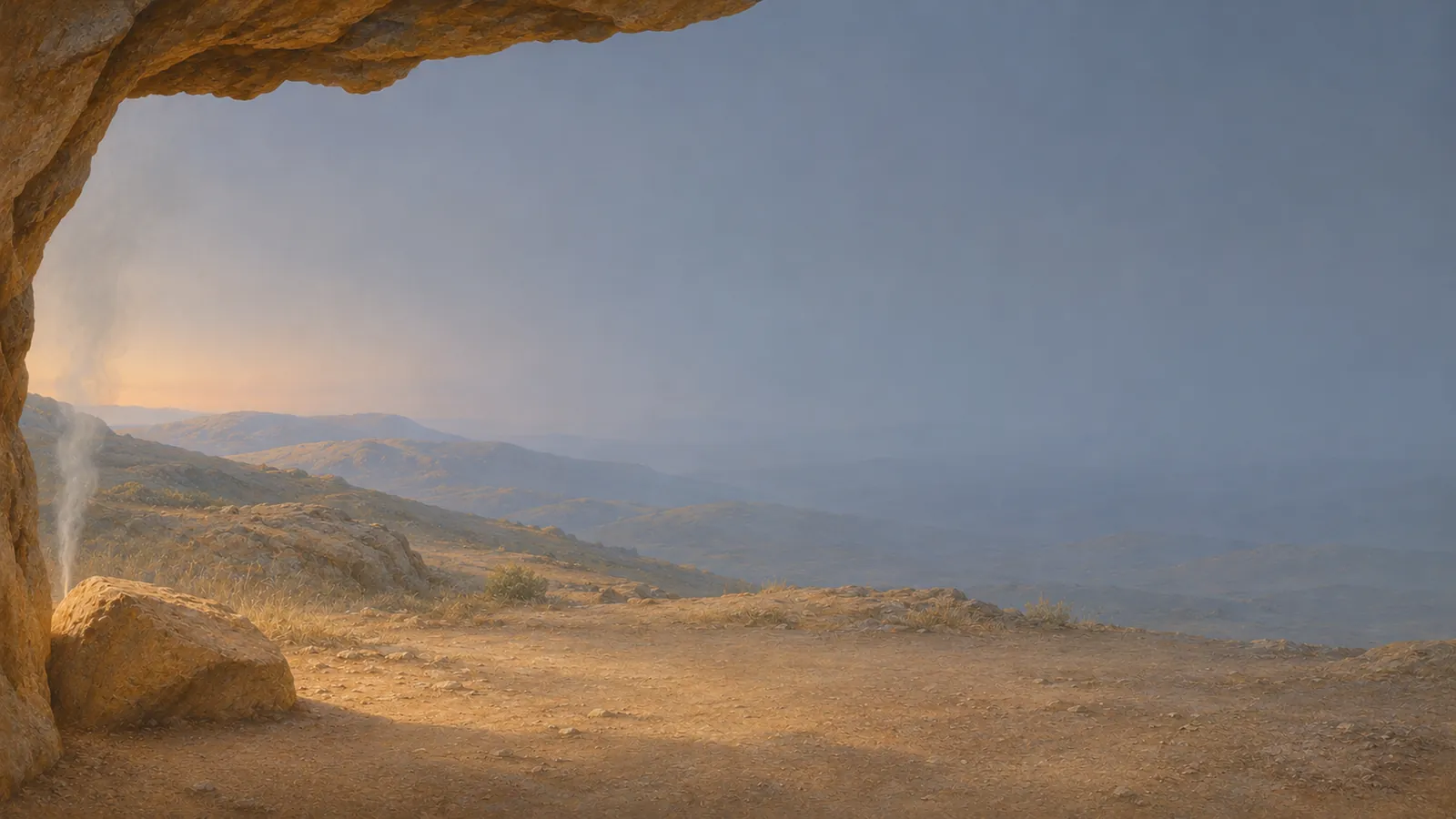
El humo subió en el aire de la mañana. El poema nombra a An, Enlil, Enki y Ninhursaja entre los invitados a la ofrenda.
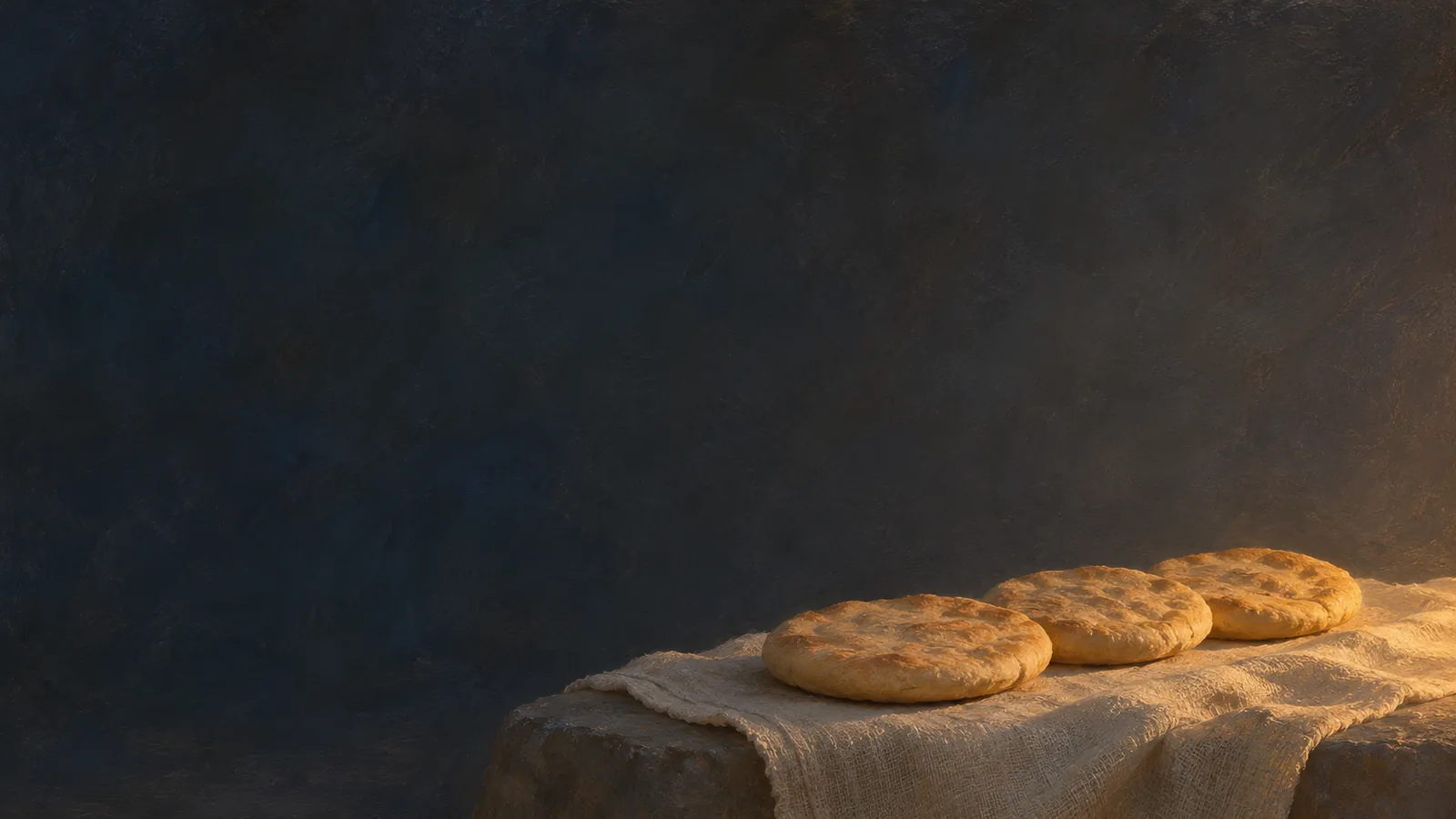
Varias frases sobre los objetos sagrados están dañadas. Lo que sí se entiende es que Lugalbanda colocó en orden las tortas en el lugar de la ofrenda.
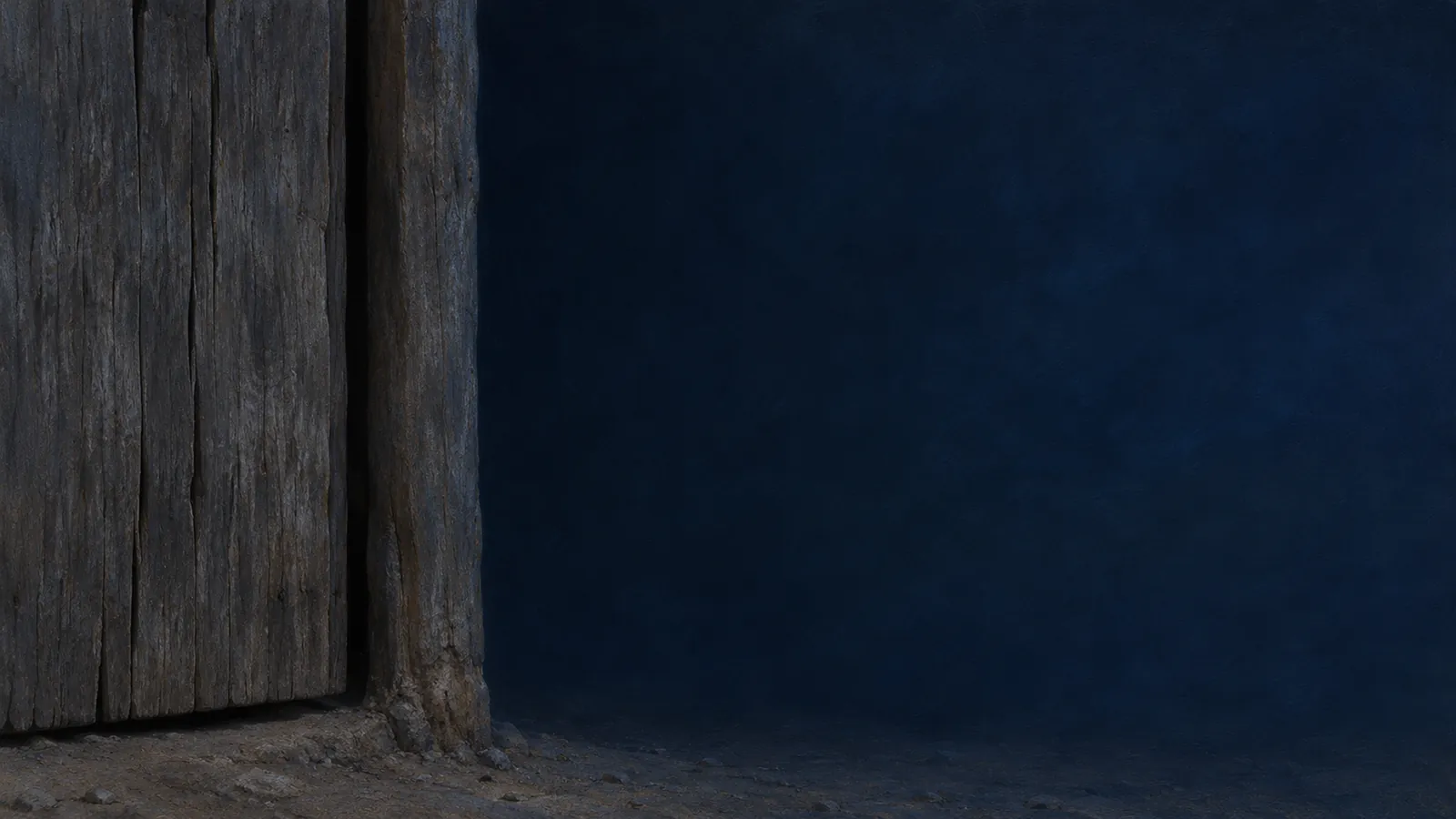
En el pasaje fragmentario que sigue aparecen voces en la noche y figuras junto a las puertas. Se han perdido muchas palabras sobre esas presencias.
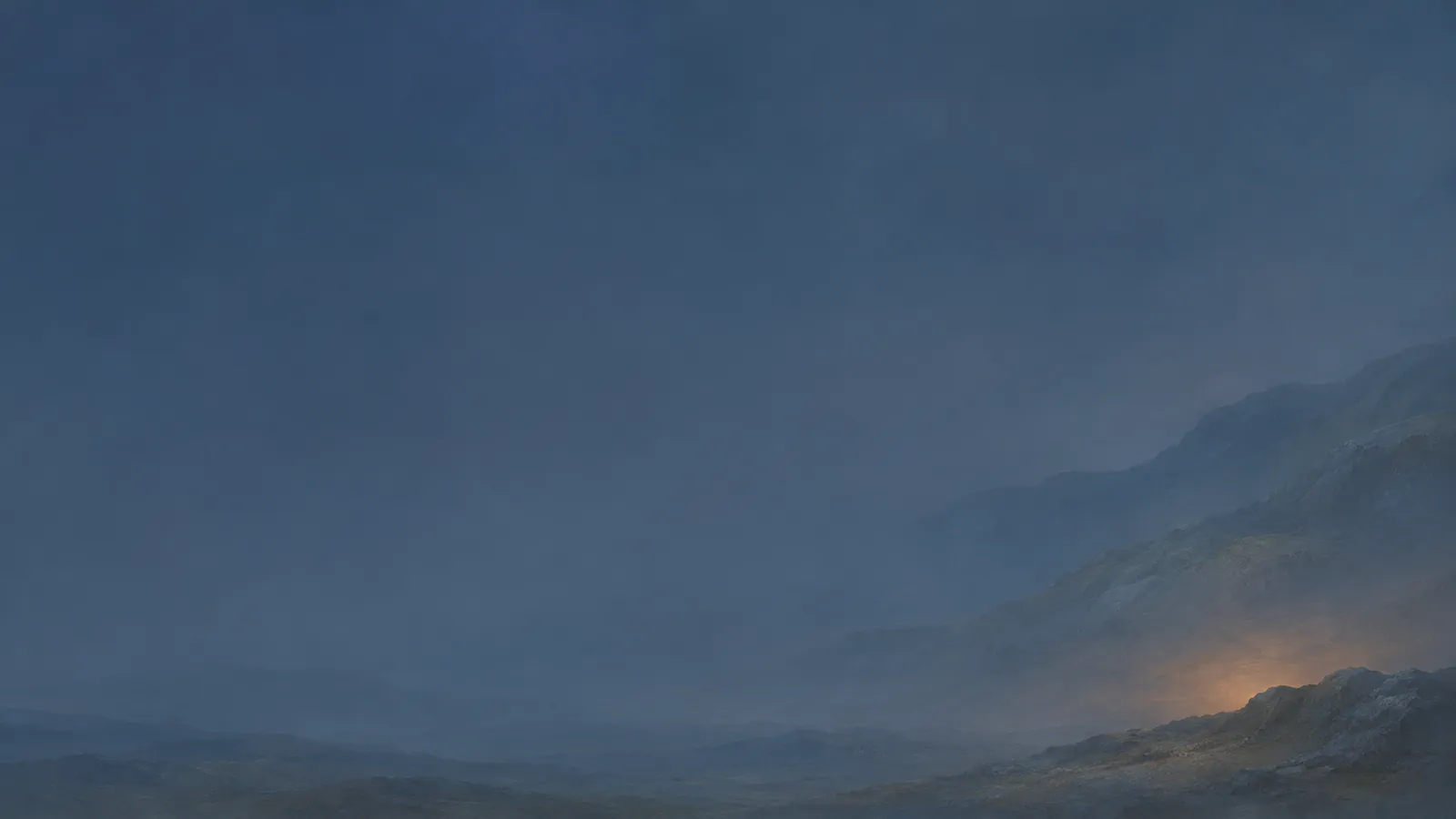
Unas pocas palabras conservadas comparan ciertas figuras con antorchas y con un relámpago repentino en la tormenta. Gran parte de lo que las precede y las sigue no está claro.
SILENCIO
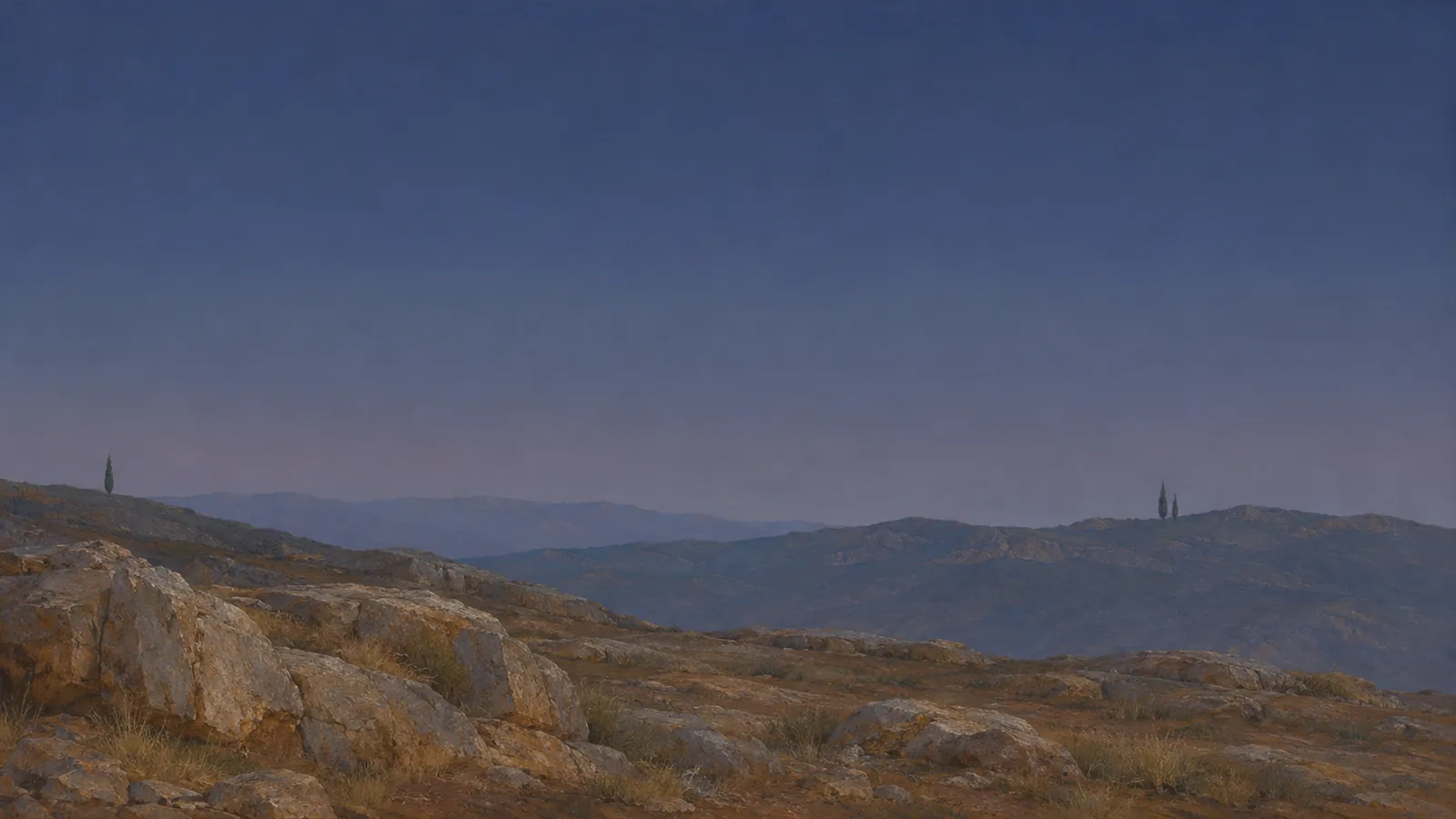
Cerca del final perdura una imagen tenue de cipreses en las montañas. Después se interrumpe el texto conservado de esta parte de la historia.
Fin del capítulo 1
Todas las páginas

Fuentes
Pages 48–51: Oxford’s ETCSL translation describes Lugalbanda pouring the animals’ blood into a pit, roasting the livers and heaping up the goats’ heads (ETCSL 1.8.2.1, approximately 361–393).
Ediciones consultadas
- Oxford ETCSL 1.8.2.1, translation, Segment A 1–499
- Oxford ETCSL 1.8.2.1, Sumerian composite
- Oxford ETCSL 1.8.2.2, the separate Anzud poem
Los versos antiguos de cada página
- Page 1: ETCSL 1.8.2.1 A 1–3
The first line is restored and the following words are damaged. - Page 2: ETCSL 1.8.2.1 A 4–7
The opening remains fragmentary. - Page 3: ETCSL 1.8.2.1 A 8–19
Some clauses are broken. - Page 4: ETCSL 1.8.2.1 A 20–25
- Page 5: ETCSL 1.8.2.1 A 26–29
- Page 6: ETCSL 1.8.2.1 A 30–34
- Page 7: ETCSL 1.8.2.1 A 35–38
The words after the king goes at the head are unclear. - Page 8: ETCSL 1.8.2.1 A 39–46
Several journey details are damaged. - Page 9: ETCSL 1.8.2.1 A 47–49
The bathing is mentioned and the next clause is damaged. - Page 10: ETCSL 1.8.2.1 A 50–58
- Page 11: ETCSL 1.8.2.1 A 59–63
- Page 12: ETCSL 1.8.2.1 A 64–70
- Page 13: ETCSL 1.8.2.1 A 71–75
- Page 14: ETCSL 1.8.2.1 A 76–84
- Page 15: ETCSL 1.8.2.1 A 85–86
The reading of the cold detail is uncertain. - Page 16: ETCSL 1.8.2.1 A 87–88
The beginning of this passage is broken. - Page 17: ETCSL 1.8.2.1 A 89–94
- Page 18: ETCSL 1.8.2.1 A 95–106
Some details of the liquids are uncertain. - Page 19: ETCSL 1.8.2.1 A 107–117
The text names weapons among the possessions. - Page 20: ETCSL 1.8.2.1 A 118–122
- Page 21: ETCSL 1.8.2.1 A 123–127
- Page 22: ETCSL 1.8.2.1 A 128–132
- Page 23: ETCSL 1.8.2.1 A 133–140
- Page 24: ETCSL 1.8.2.1 A 141–147
- Page 25: ETCSL 1.8.2.1 A 148–150
- Page 26: ETCSL 1.8.2.1 A 151–170
- Page 27: ETCSL 1.8.2.1 A 171–172
- Page 28: ETCSL 1.8.2.1 A 173–182
- Page 29: ETCSL 1.8.2.1 A 183–196
Several clauses in Lugalbanda’s prayer are damaged. - Page 30: ETCSL 1.8.2.1 A 183–196
Two lines and some surrounding words remain unclear. - Page 31: ETCSL 1.8.2.1 A 197–200
The poem compares his inward relief to a garment. - Page 32: ETCSL 1.8.2.1 A 201–214
- Page 33: ETCSL 1.8.2.1 A 215–225
The prayer’s end is partly damaged. - Page 34: ETCSL 1.8.2.1 A 226–227
- Page 35: ETCSL 1.8.2.1 A 228–239
- Page 36: ETCSL 1.8.2.1 A 228–239
Manuscripts vary in how the affliction withdraws. - Page 37: ETCSL 1.8.2.1 A 240–263
- Page 38: ETCSL 1.8.2.1 A 240–263
The last part of the hymn includes unclear lines. - Page 39: ETCSL 1.8.2.1 A 264–275
- Page 40: ETCSL 1.8.2.1 A 264–275
The possible trap is uncertain. - Page 41: ETCSL 1.8.2.1 A 276–299
- Page 42: ETCSL 1.8.2.1 A 276–299
- Page 43: ETCSL 1.8.2.1 A 276–299
- Page 44: ETCSL 1.8.2.1 A 300–313
The method of catching the bull is uncertain. - Page 45: ETCSL 1.8.2.1 A 314–325
The method remains uncertain. - Page 46: ETCSL 1.8.2.1 A 326–350
The poem uses a royal epithet here. - Page 47: ETCSL 1.8.2.1 A 326–360
The preceding lines name the dream god Zangara. - Page 48: ETCSL 1.8.2.1 A 361–370
- Page 49: ETCSL 1.8.2.1 A 371–379
This part of the offering also names other drinks and leaves some phrases broken. - Page 50: ETCSL 1.8.2.1 A 380–385
The text identifies the guests of the offering. - Page 51: ETCSL 1.8.2.1 A 386–393
This part of the offering is damaged. - Page 52: ETCSL 1.8.2.1 A 394–432
Several lines here are damaged or unclear. - Page 53: ETCSL 1.8.2.1 A 433–484
Multiple lines are unclear. - Page 54: ETCSL 1.8.2.1 A 485–499, break after 499
The edition records an unknown number of missing lines after A 499. Segment B is unclear and of uncertain attribution.
Ilustraciones hechas por IL Archive con herramientas de IA; el texto se basa en las fuentes antiguas (véanse las fuentes al final de cada capítulo).