Las cuarenta y dos declaraciones Capítulo 1
Ante los cuarenta y dos
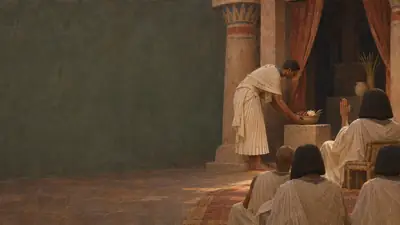
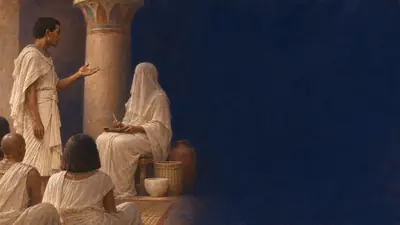
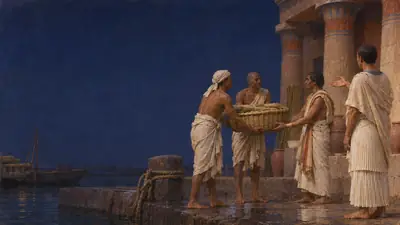
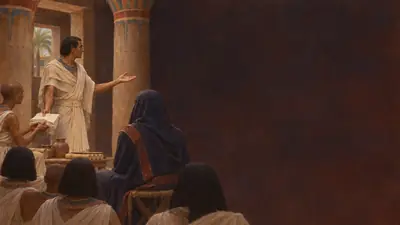
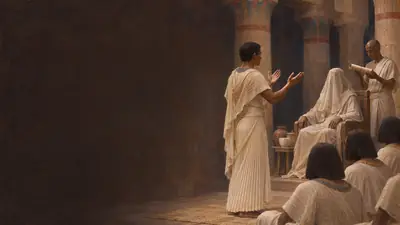
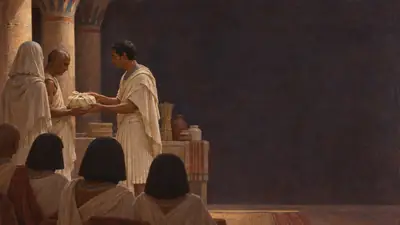
En el Papiro de Nu, un difunto se dirige a cuarenta y dos oyentes, uno tras otro. Nombra actos que afirma no haber cometido. Las declaraciones siguen el orden impreso en la traducción de Wallis Budge de 1908. Las notas explican algunas de sus lecturas.
FuentesPase las páginas con las flechas, el teclado o deslizando el dedo.
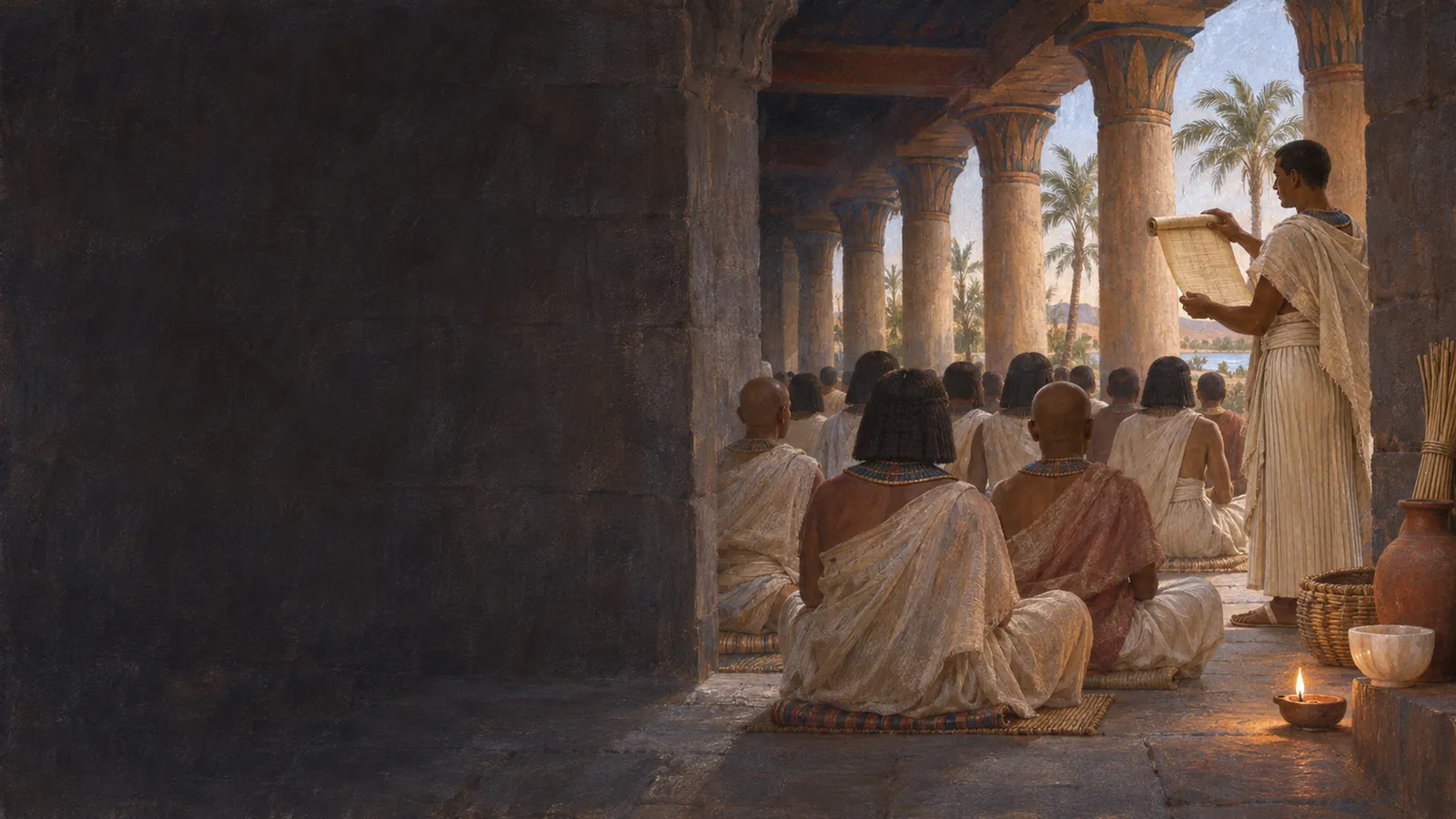
LAS CUARENTA Y DOS DECLARACIONES
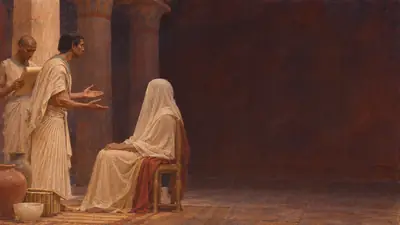
En el Papiro de Nu, un difunto se dirige por turno a cuarenta y dos oyentes. Esta recitación sigue la traducción de Wallis Budge publicada en 1908.
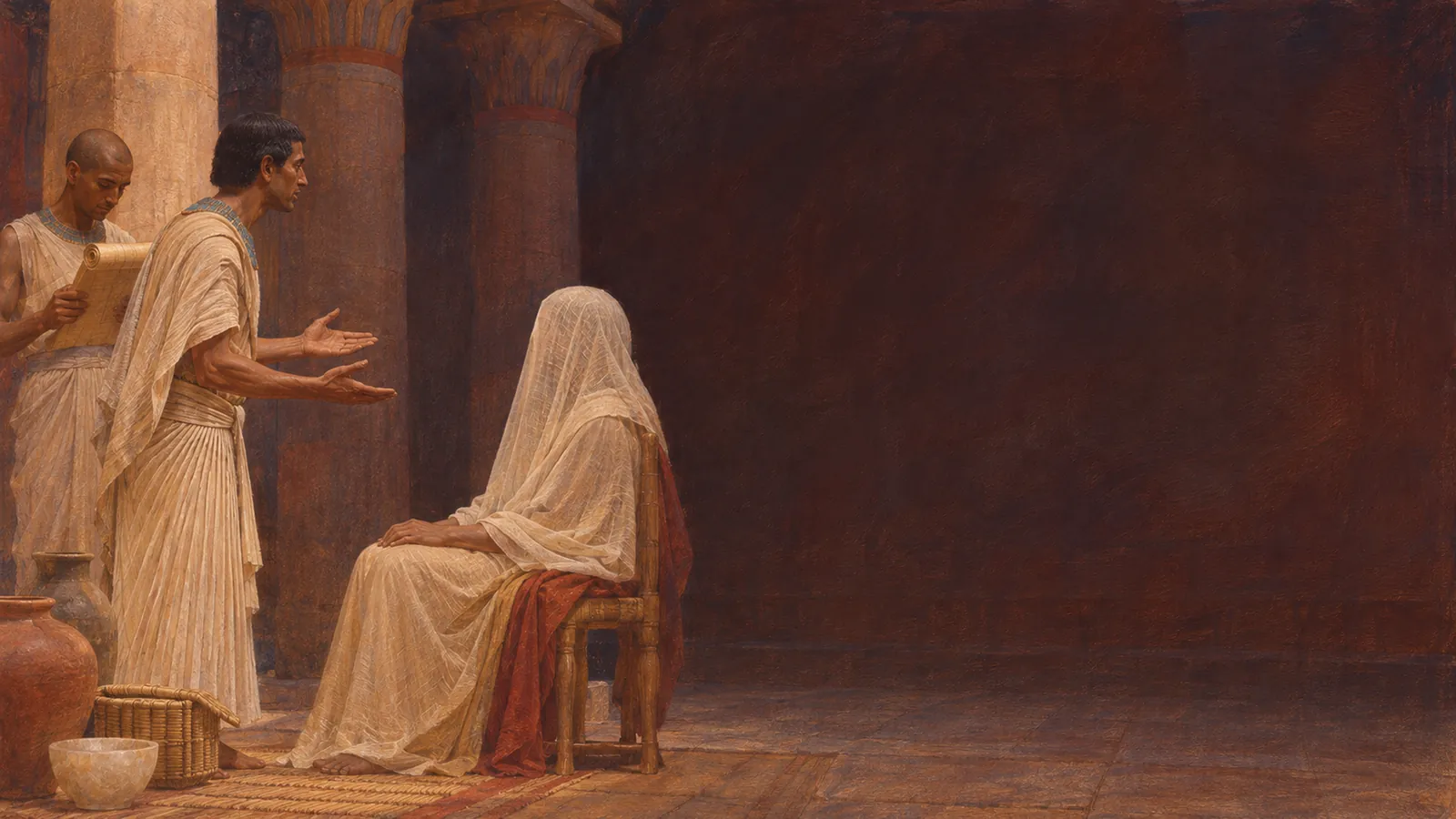
Te saludo, Usekh-nemtet, que vienes de Anuu. No he cometido ninguna maldad.
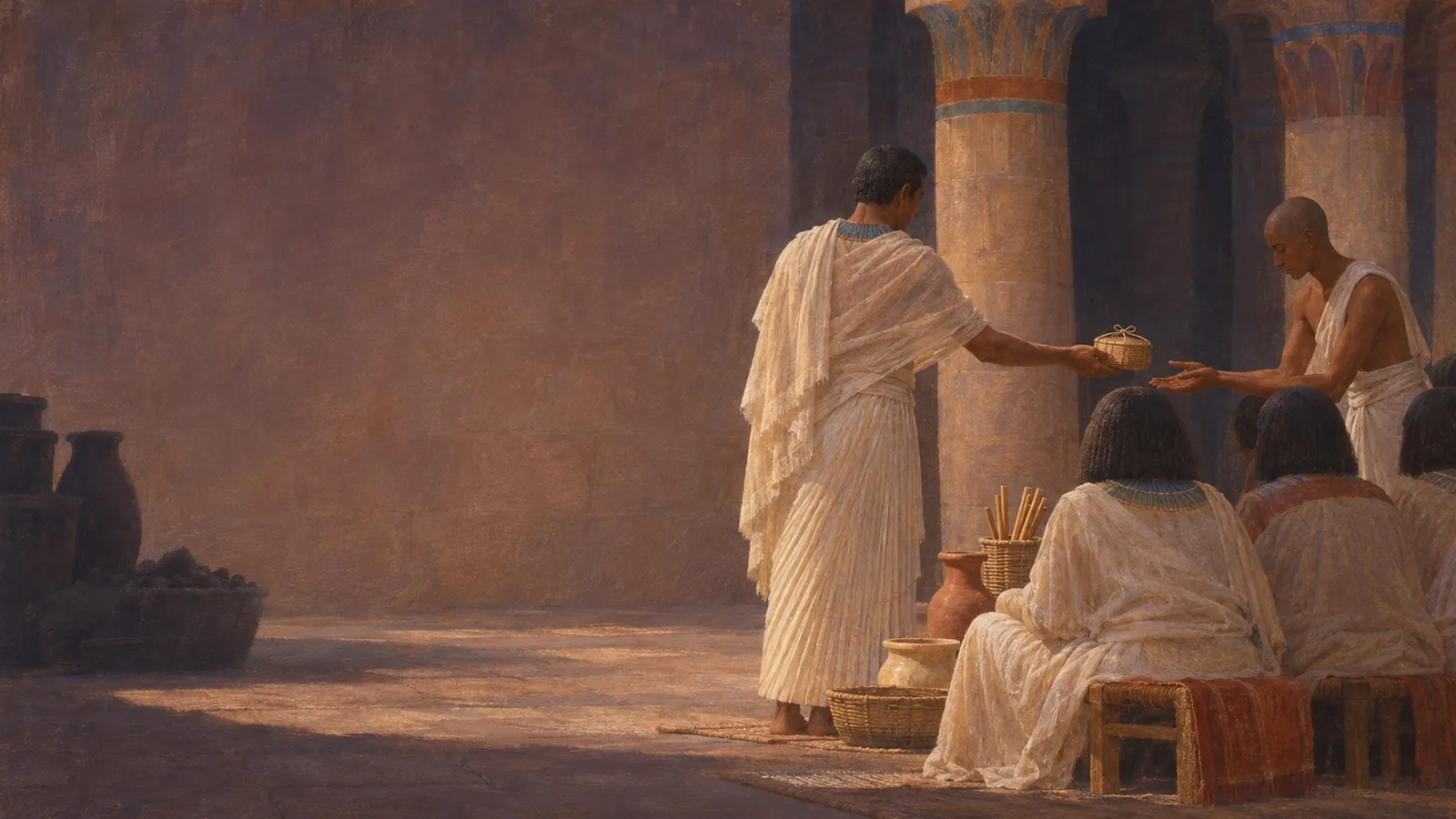
Te saludo, Hept-seshet, que vienes de Kher-āba. No he robado a nadie usando la fuerza.
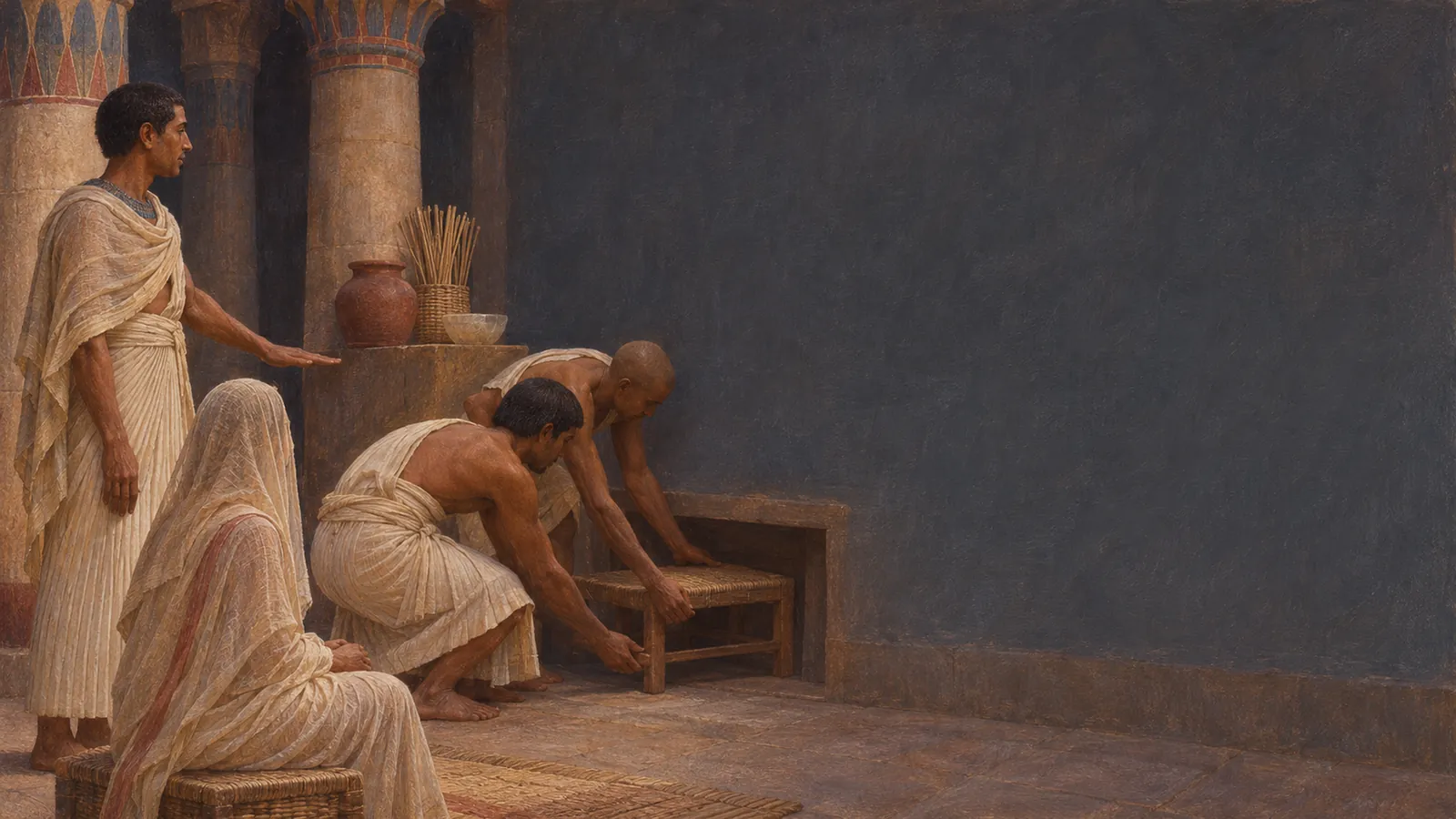
Te saludo, Fenti, que vienes de Khemennu. No he ejercido violencia contra nadie.
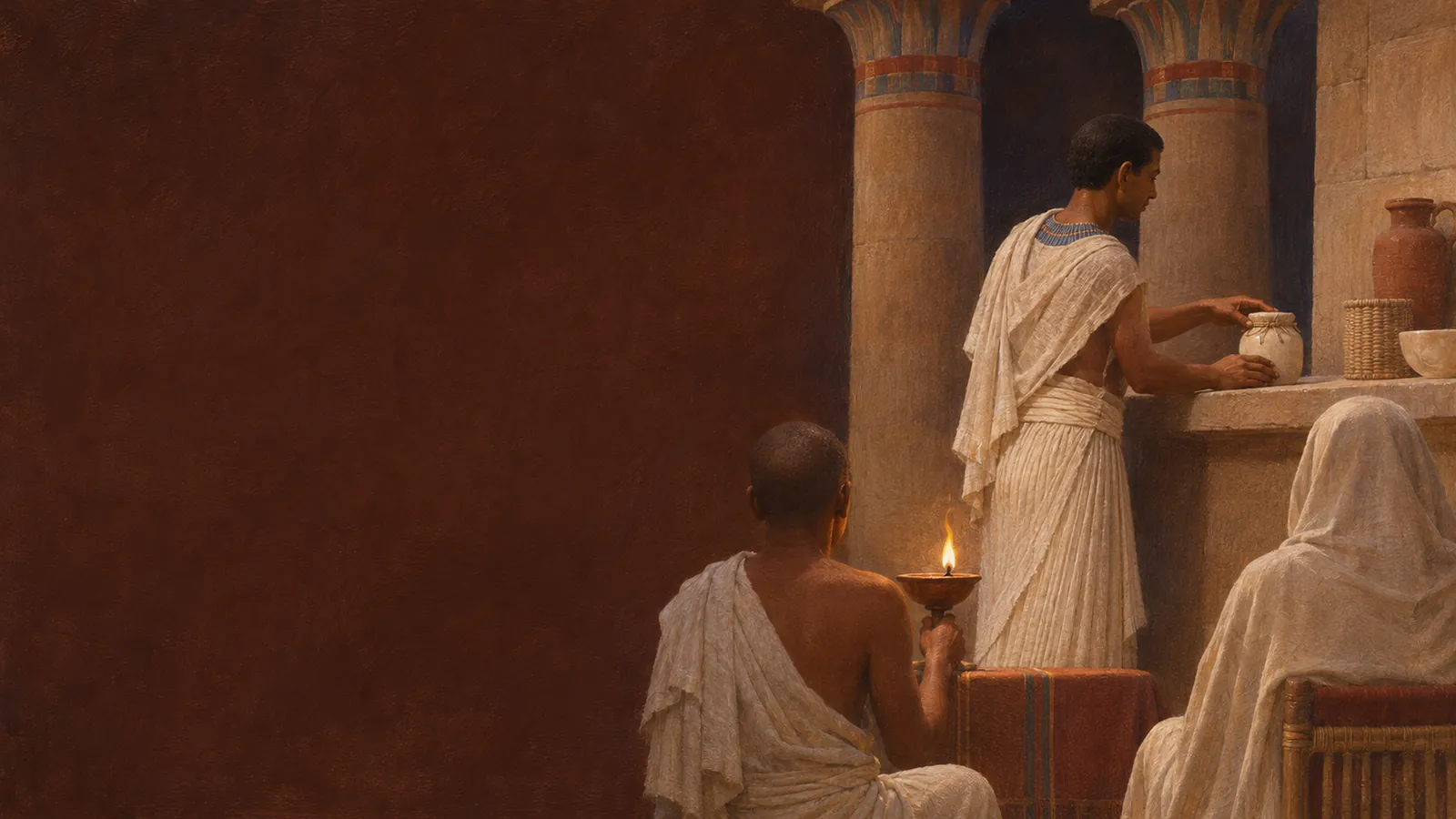
Te saludo, Ām-khaibitu, que vienes de la caverna de Qereret. No he cometido ningún hurto.
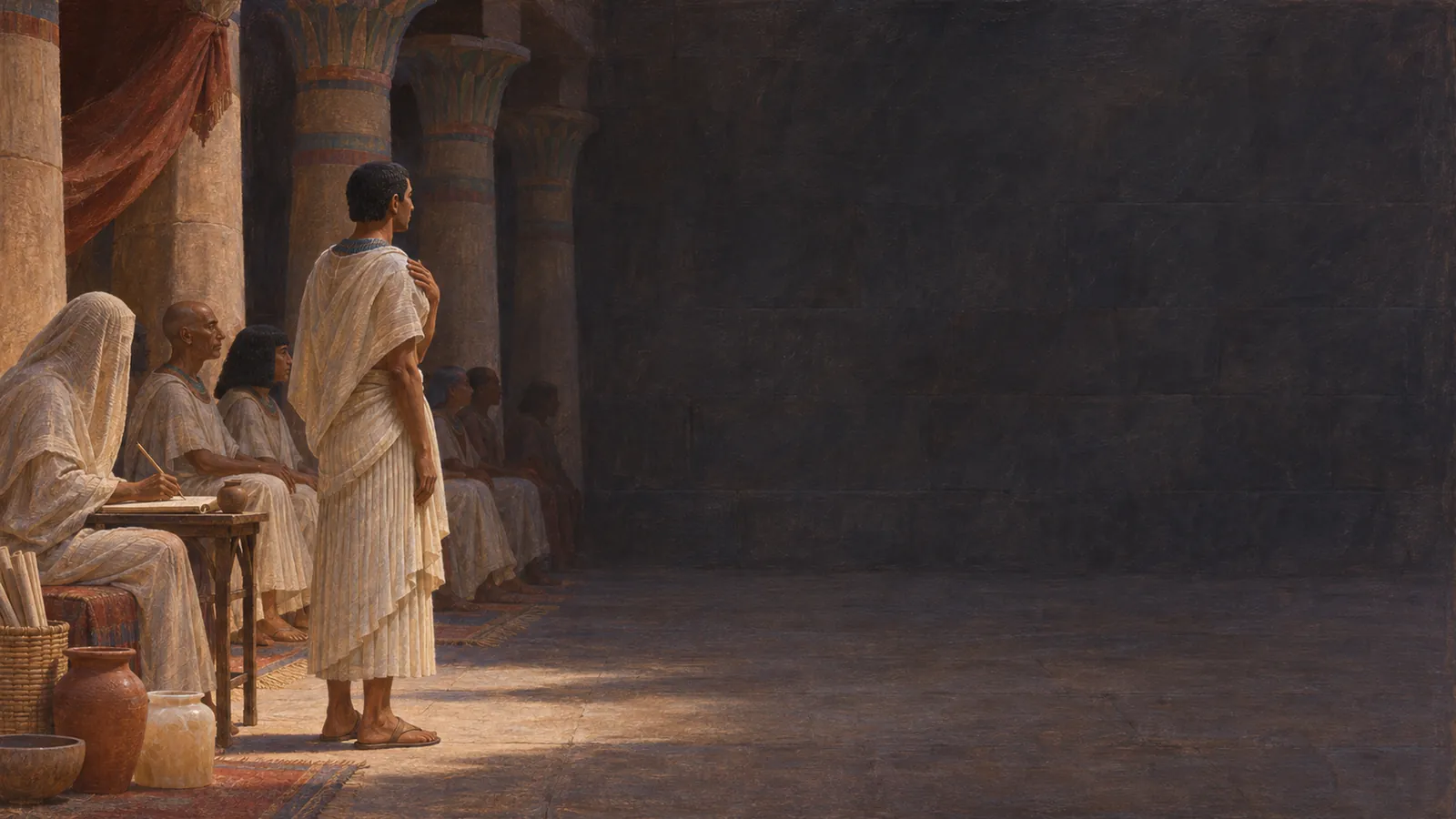
Te saludo, Neha-bra, que vienes de Restau. No he matado a ningún hombre ni a ninguna mujer.
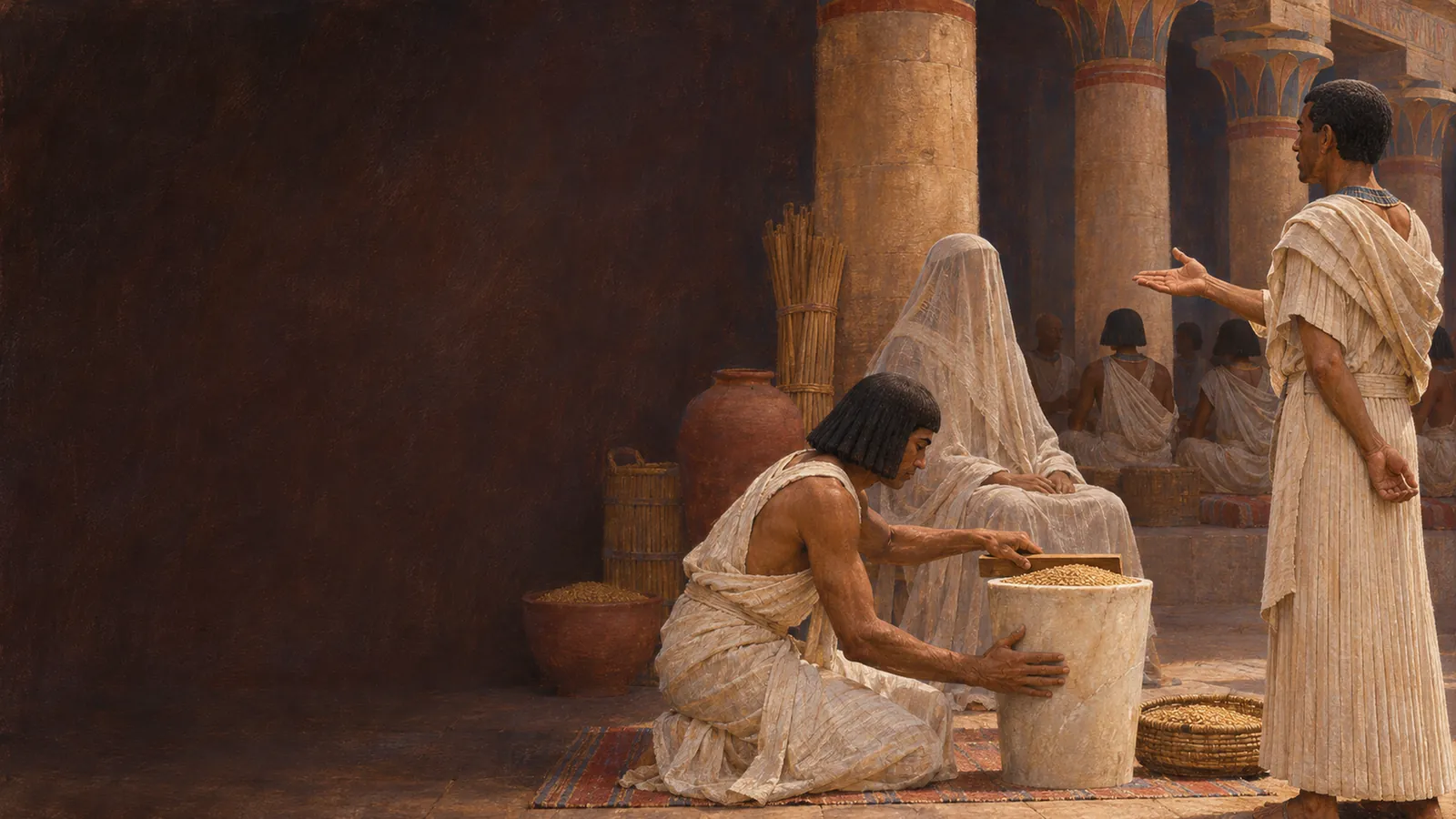
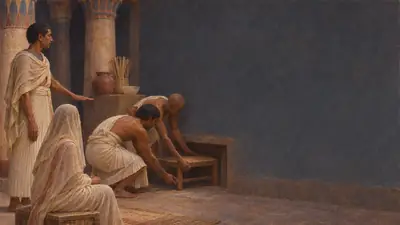
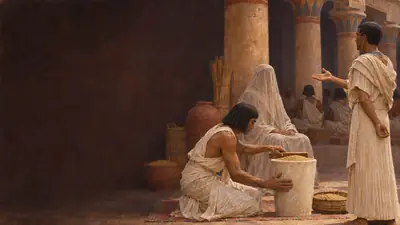
UNA MEDIDA JUSTA
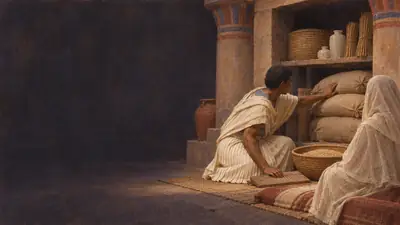
Te saludo, Rereti, que vienes del cielo. No he dado a nadie una medida escasa.
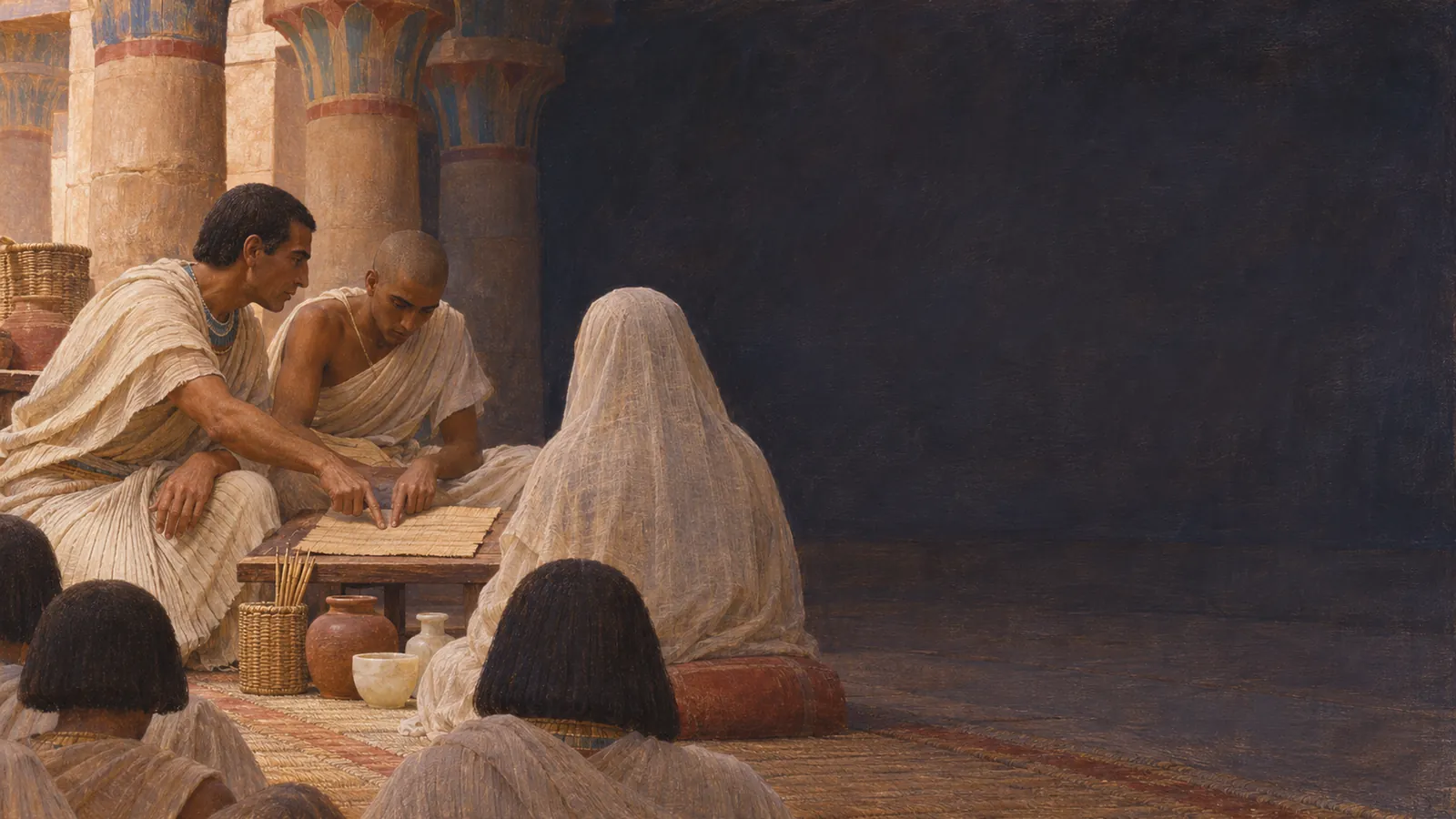
Te saludo, Maata-f-em-seshet, que vienes de la ciudad de Sekhem. No he actuado con engaño.
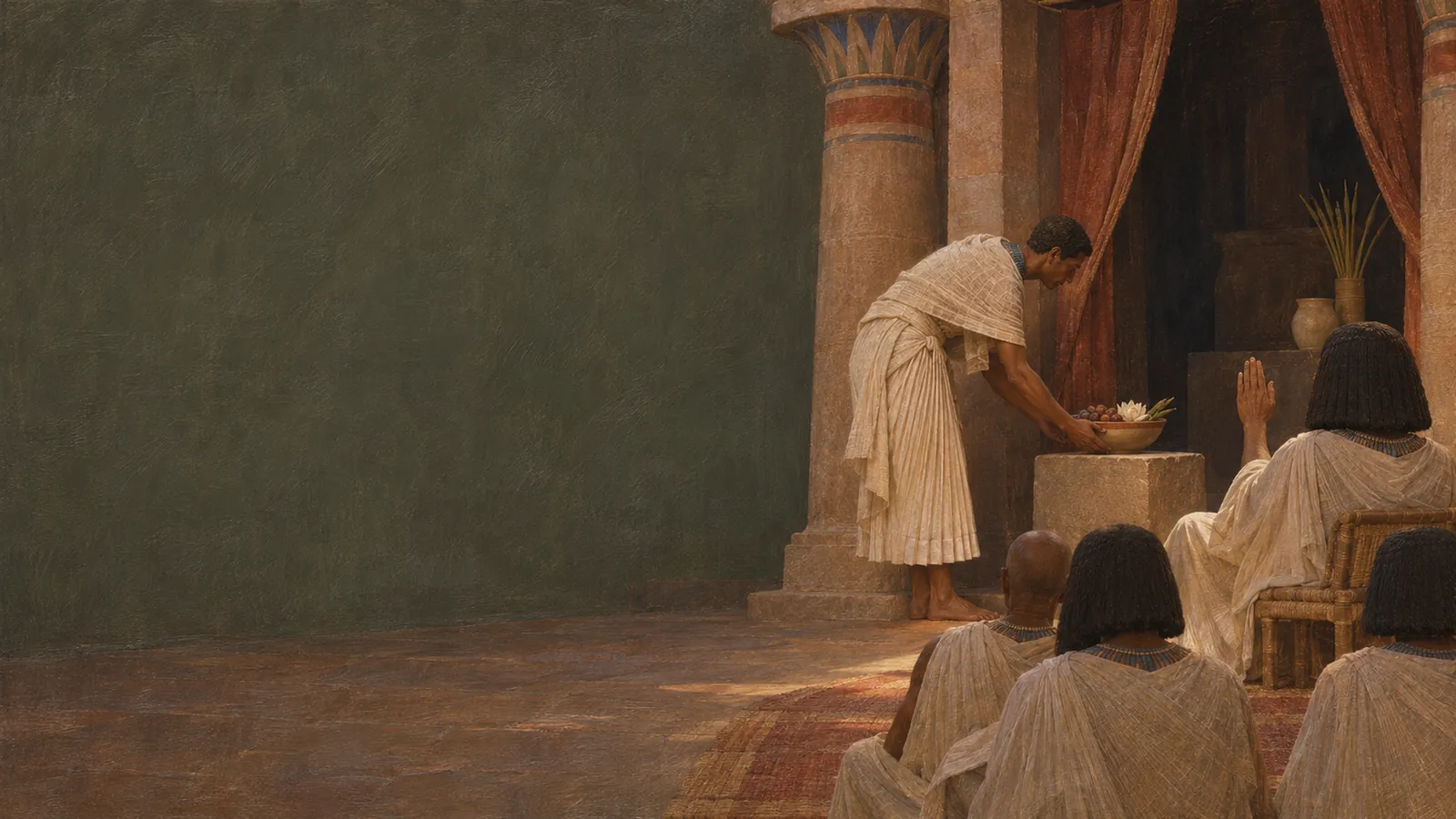
Te saludo, Neba, que sales y luego te retiras. No he robado nada de lo que pertenece al dios.
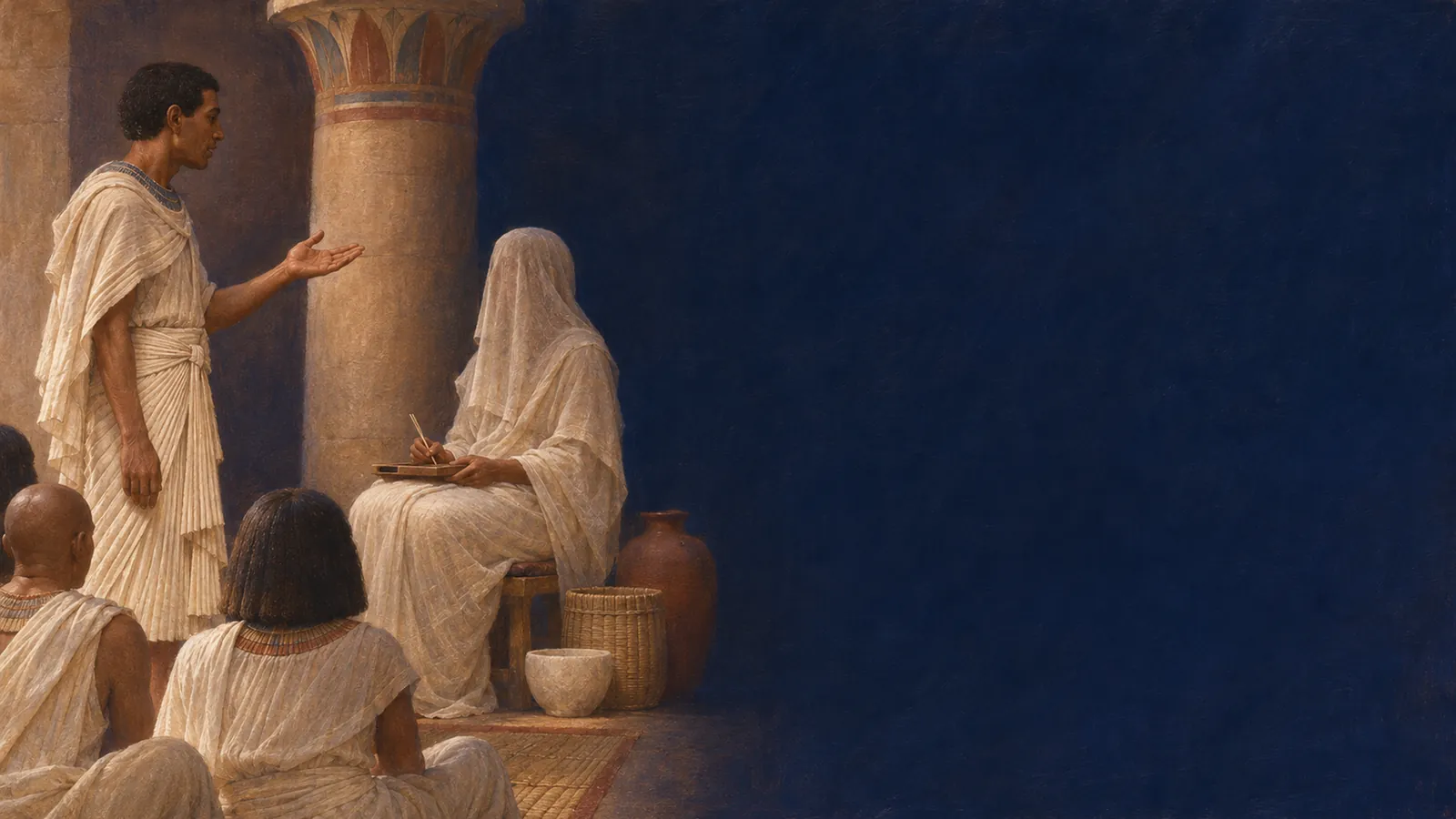
Te saludo, Set-qesu, que vienes de Suten-henen. No he pronunciado palabra falsa.
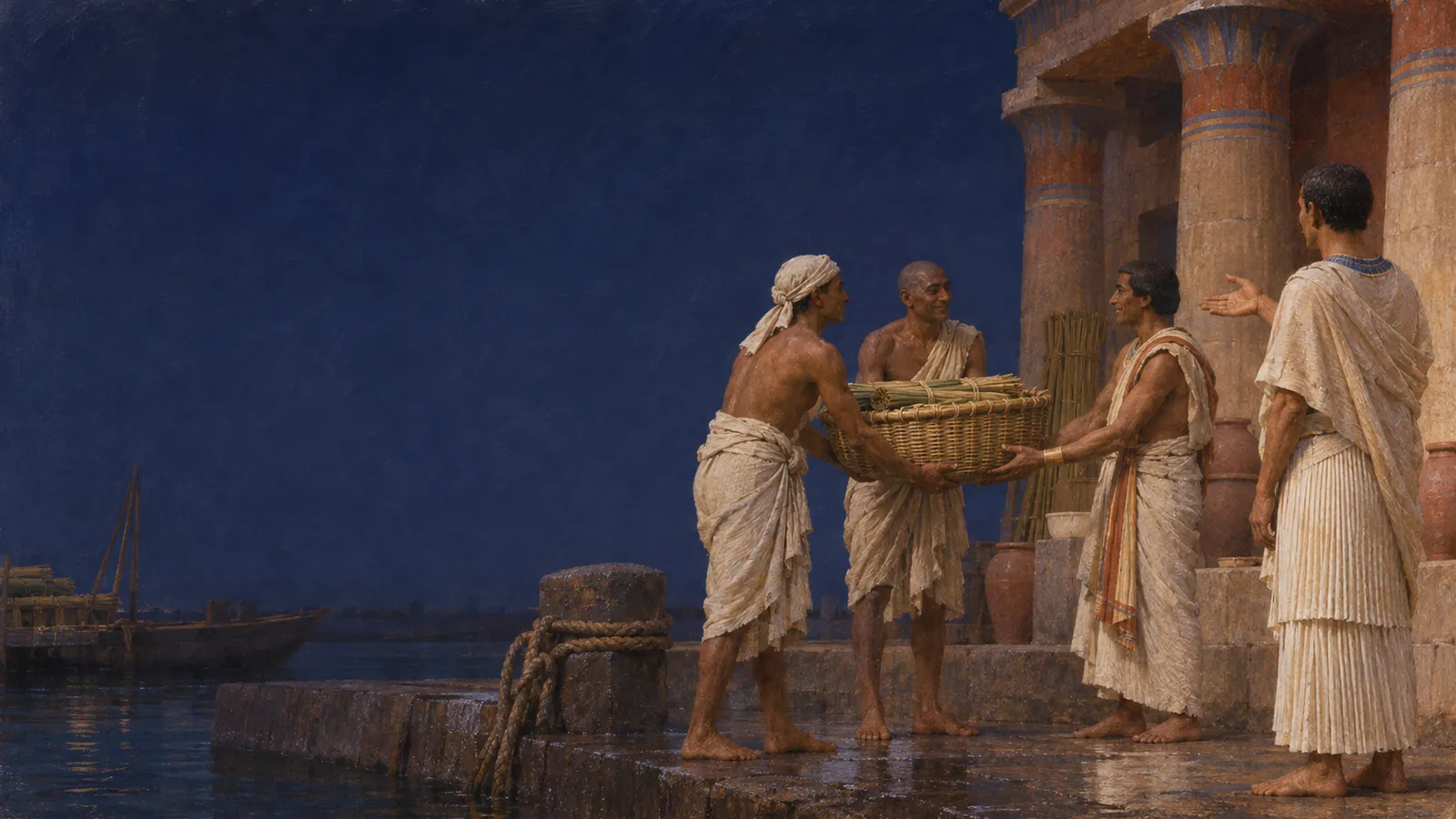
Te saludo, Khemi, que vienes de Shetait, el lugar oculto. No me he llevado bienes por la fuerza.
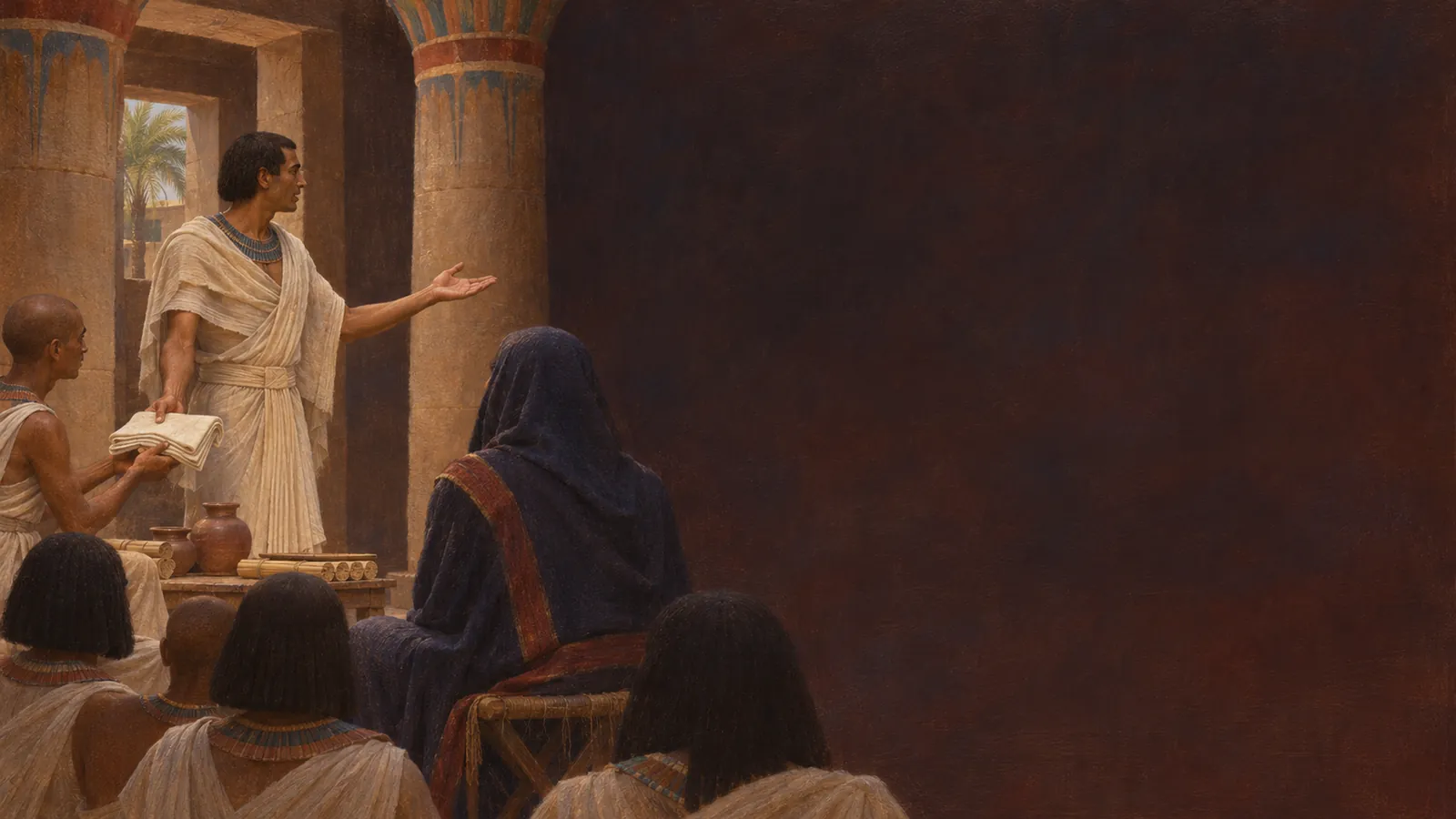
Te saludo, Uatch-nesert, que vienes de Het-ka-Ptah. No he pronunciado palabras malintencionadas.
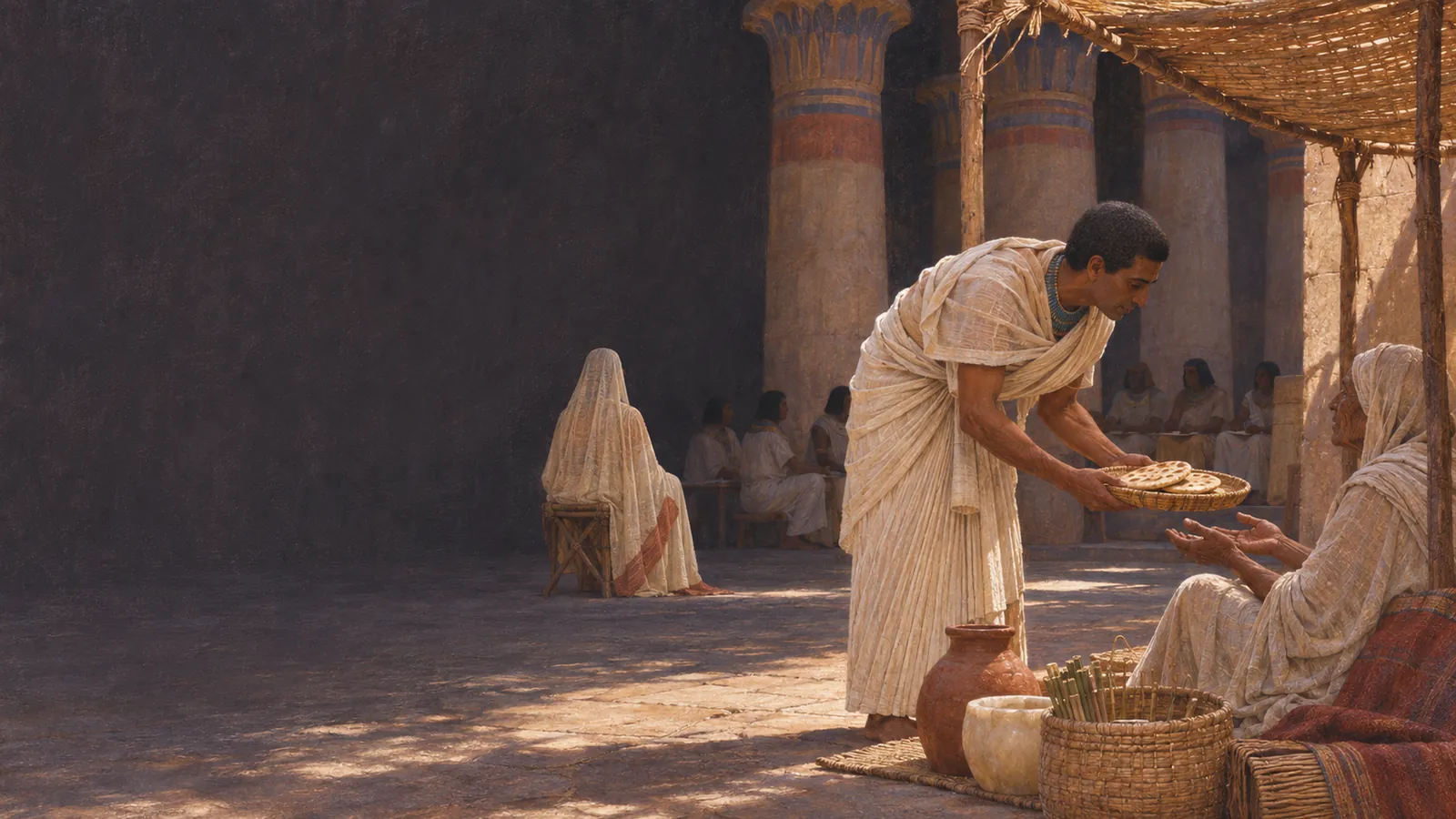
Te saludo, Hra-f-ha-f, que vienes de la caverna y de las profundidades. No he tomado alimentos por la fuerza.
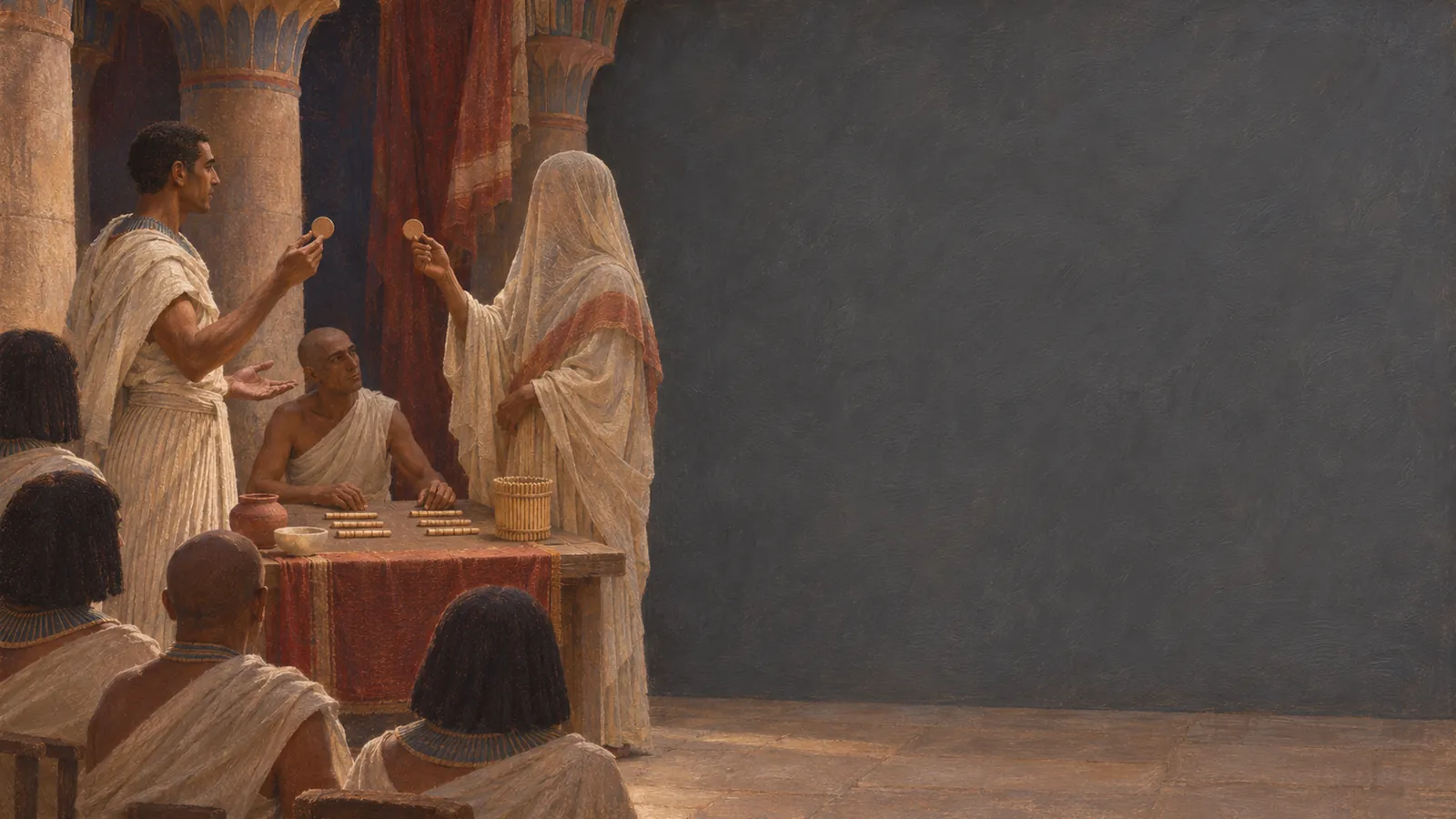
Te saludo, Qerti, que vienes del inframundo. No he actuado con engaño.
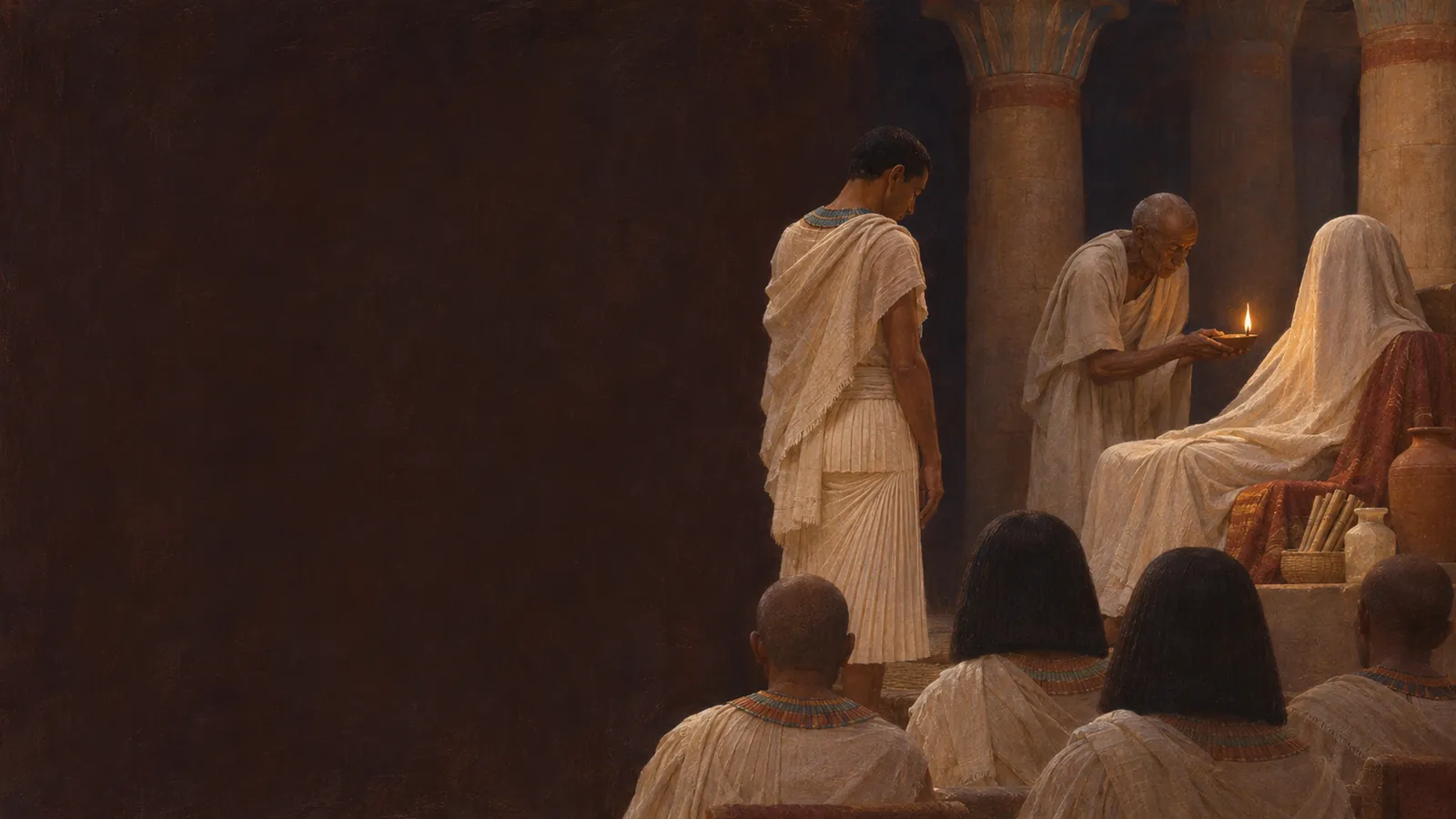
Ta-ret, tú que sales de la oscuridad, declaro que no he perdido los estribos ni me he dejado llevar por la ira.
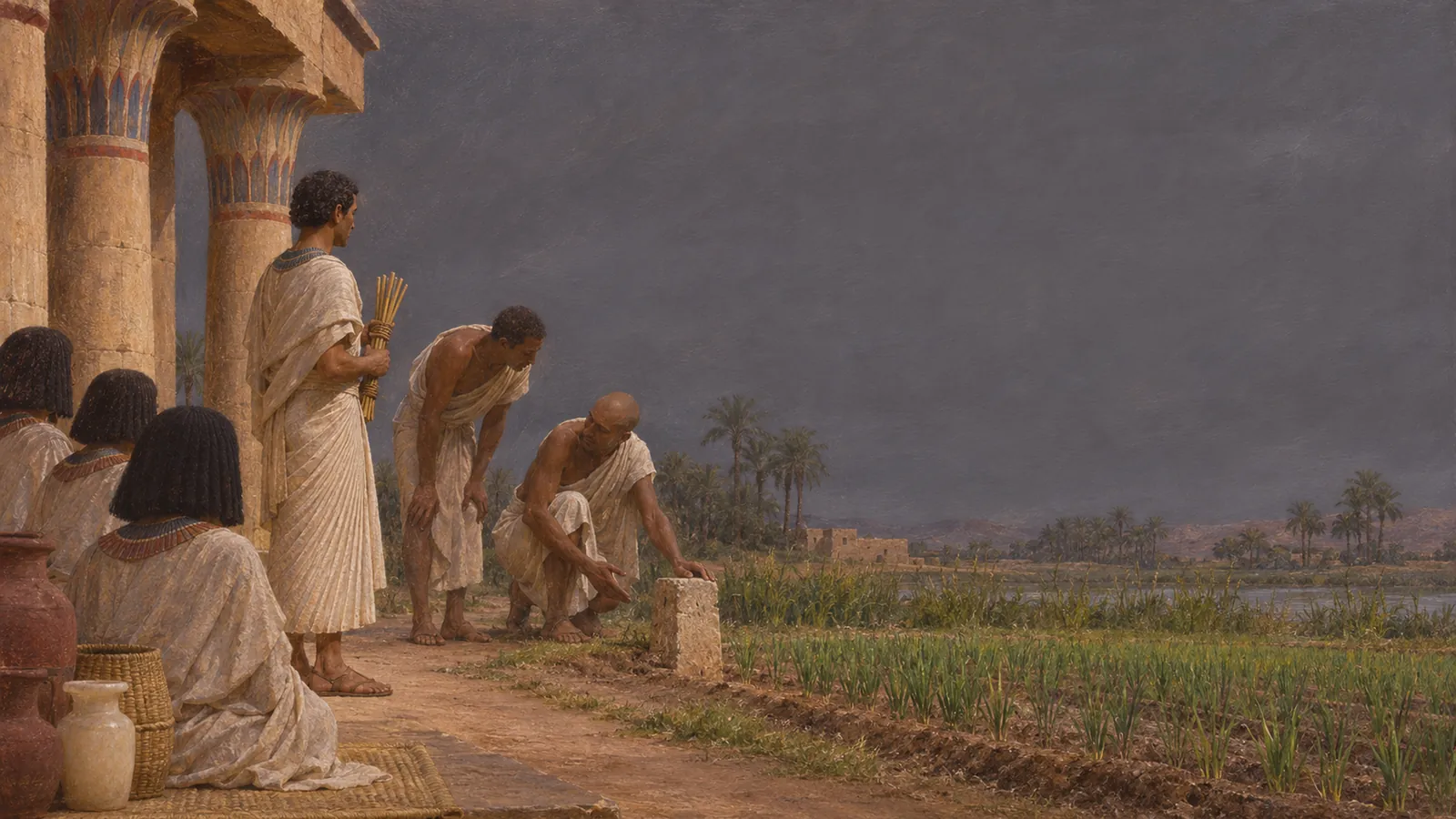
Al dirigirse a Hetch-abehu, procedente de Ta-she, el hablante nie haber invadido. Las palabras añadidas por Budge precisan que se trata de las tierras de otra persona.
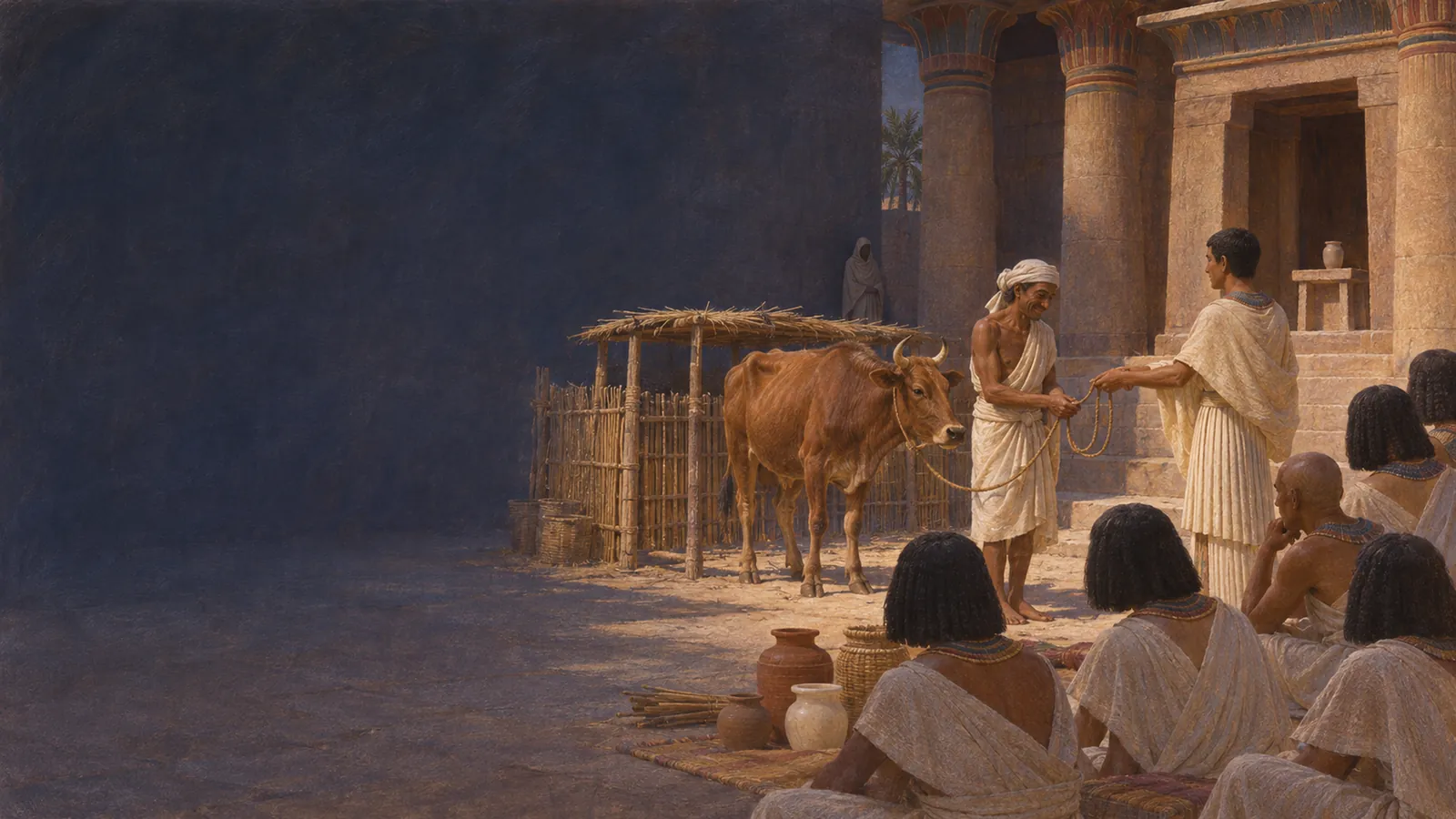
Ām-senef, tú que vienes de la casa del tajo, declaro que no he dado muerte a ningún animal que perteneciera al dios.
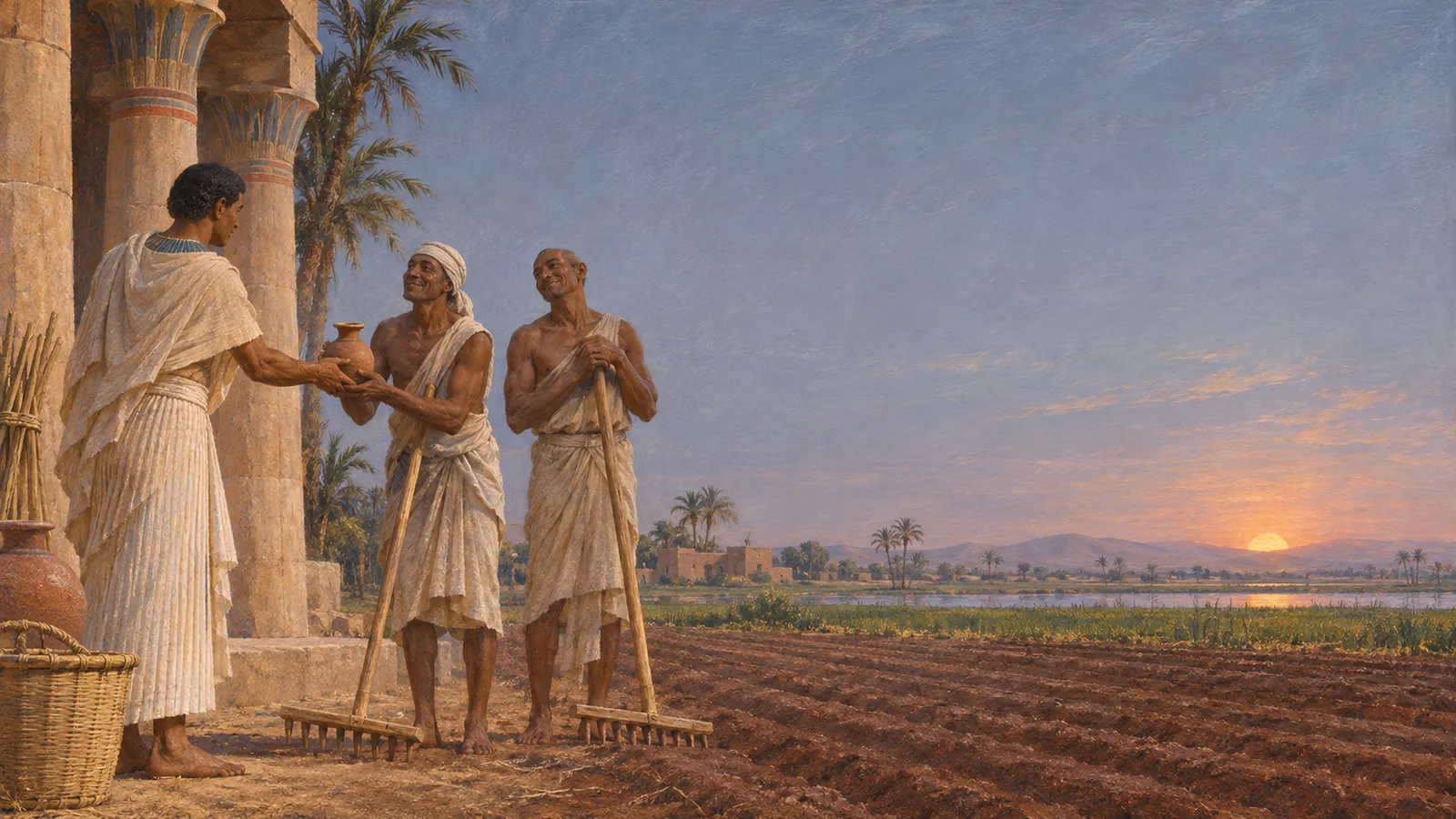
Ām-besek, que vienes de Mābet, escucha mi declaración. No he devastado ninguna tierra labrada.
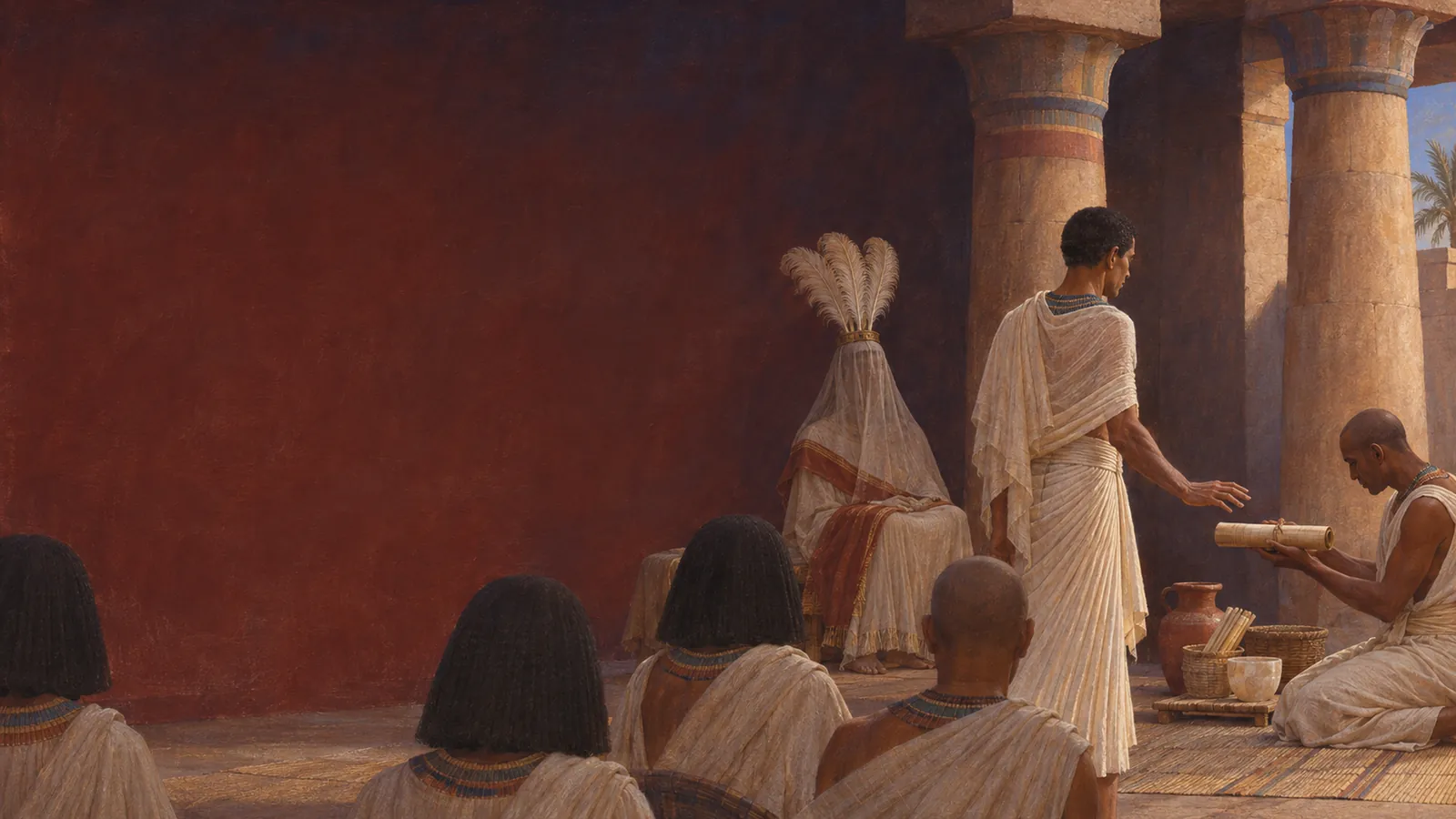
Neb-Maāt, que vienes de la ciudad de las dos Maāti, no he husmeado en los asuntos con la intención de causar problemas.
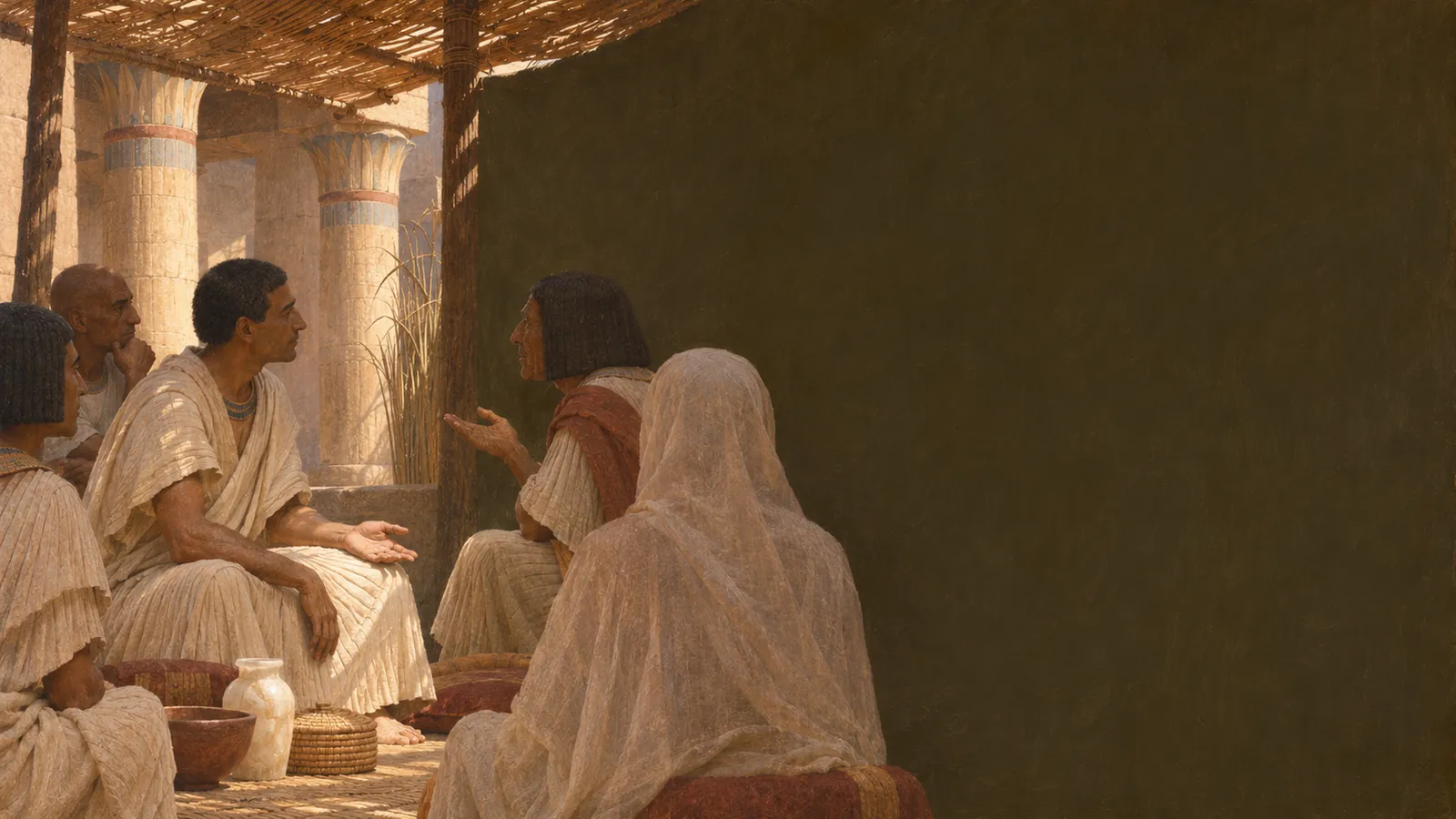
Ante ti, Thenemi, que vienes de Bast, declaro que no he hablado contra nadie.
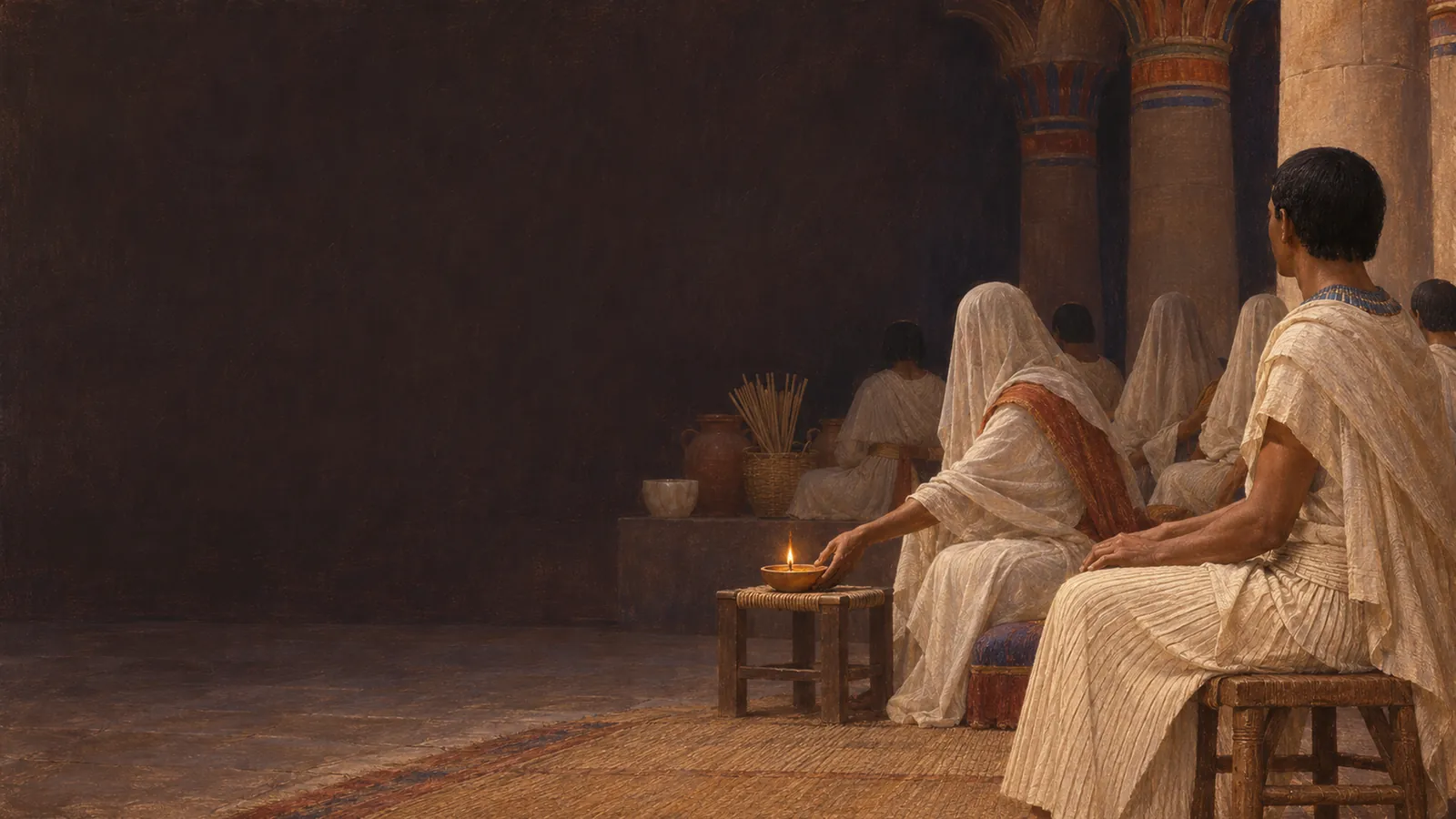
Ante ti, Ānti, que vienes de Annu, declaro que no me he dejado llevar por la ira sin motivo.
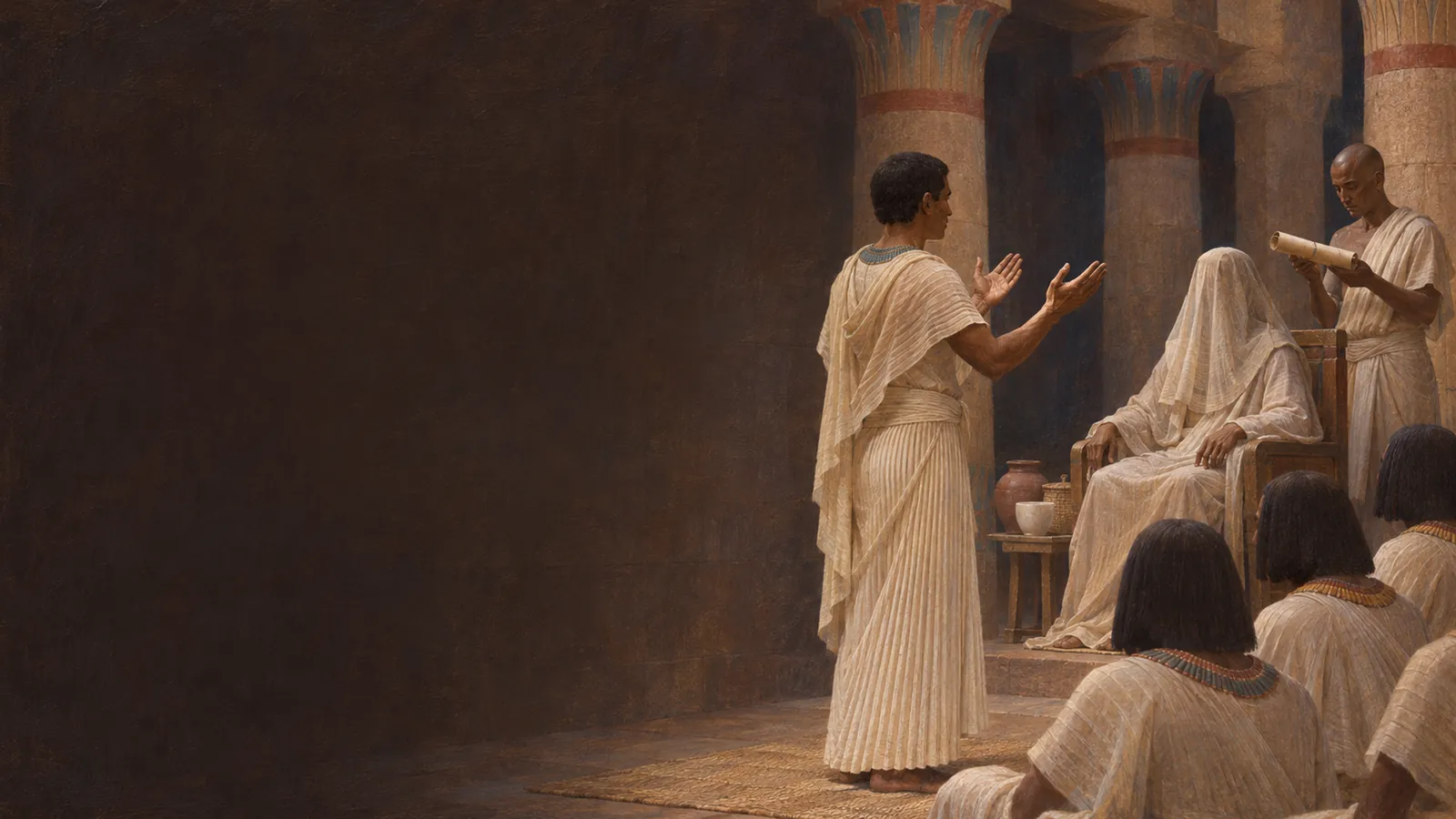
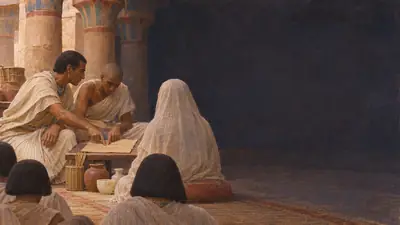
CONDUCTA
El hablante se dirige a Tututef, que viene de la morada de Ati. En la antigua traducción de Budge, niega los dos actos que este llama fornicación y sodomía.
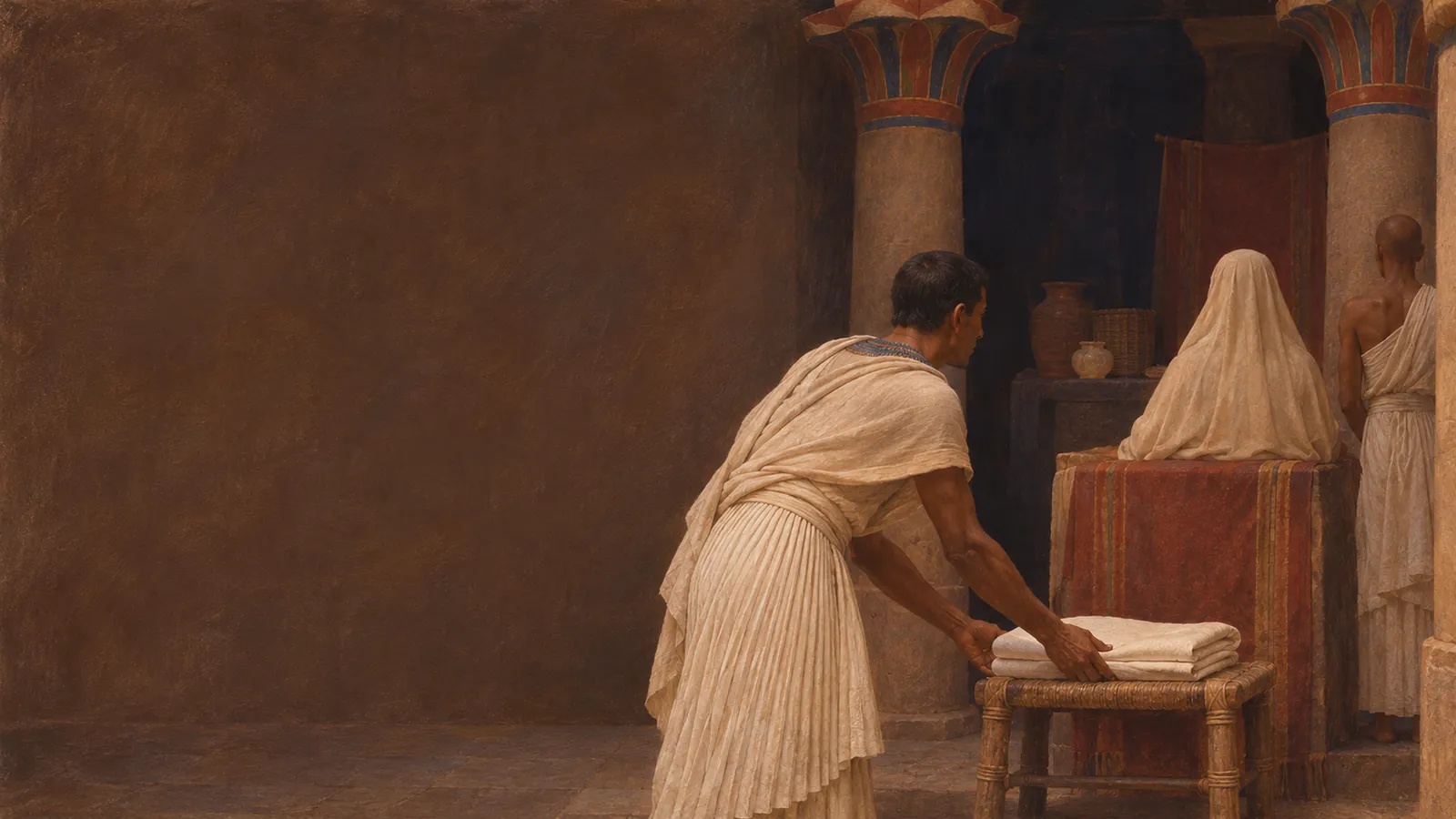
Uamemti, que vienes de la casa de la matanza, escucha mi declaración. Digo que no me he mancillado.
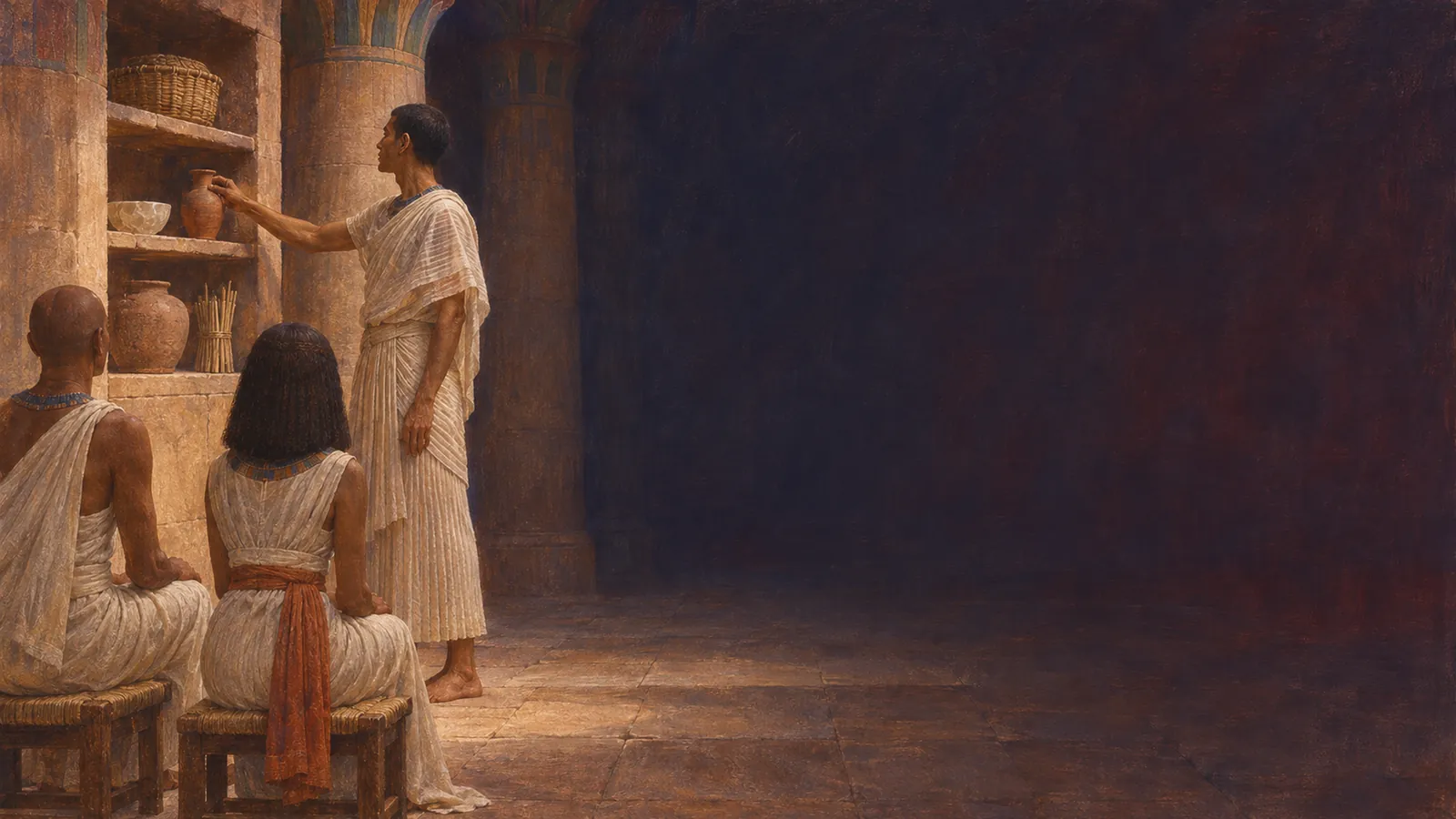
Maa-ant-f, tú que vienes de la casa del dios Amsu, no me he acostado con la esposa de otro hombre.
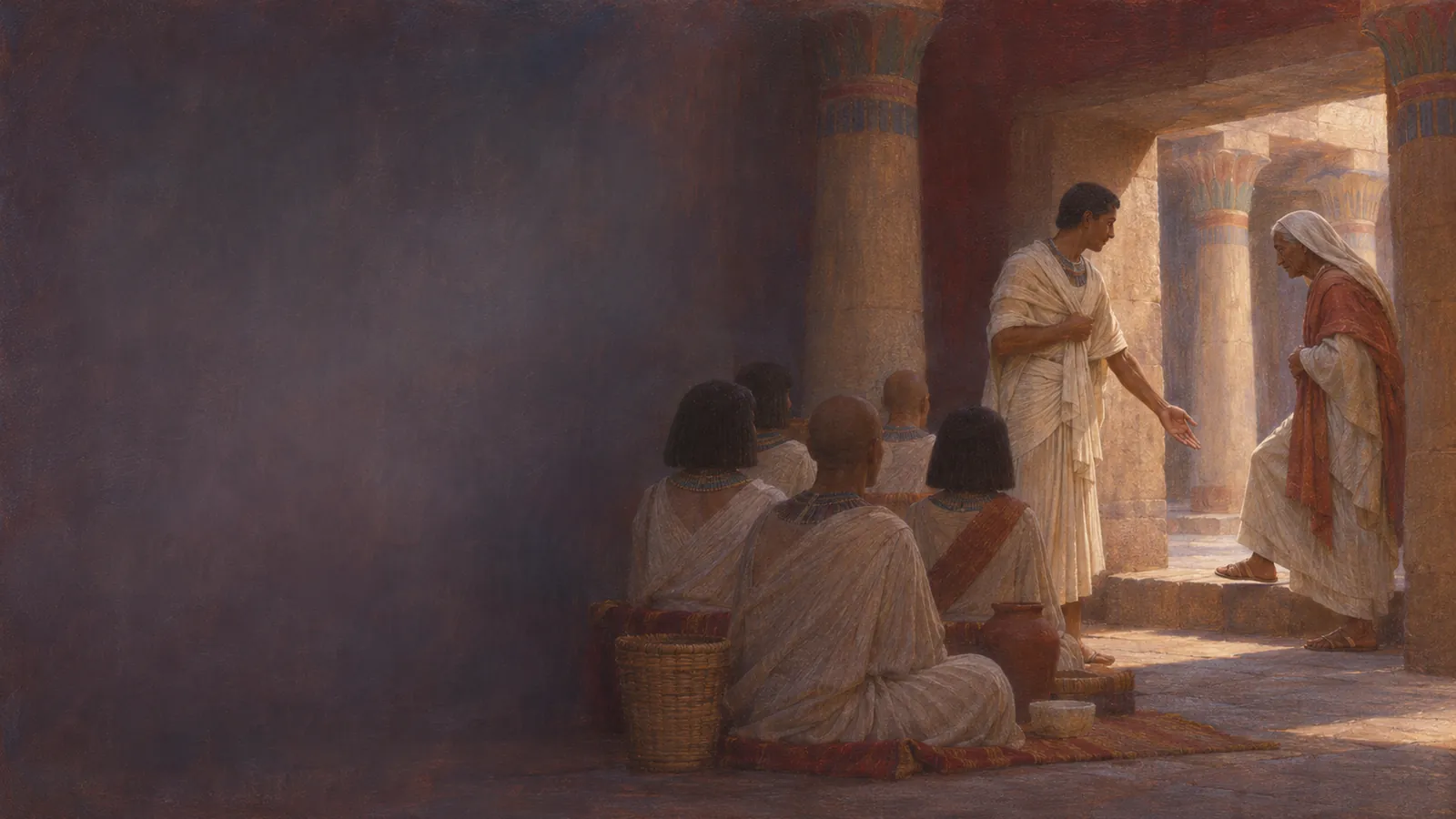
Her-seru, tú que vienes de Nehatu, declaro que no he asustado a nadie.
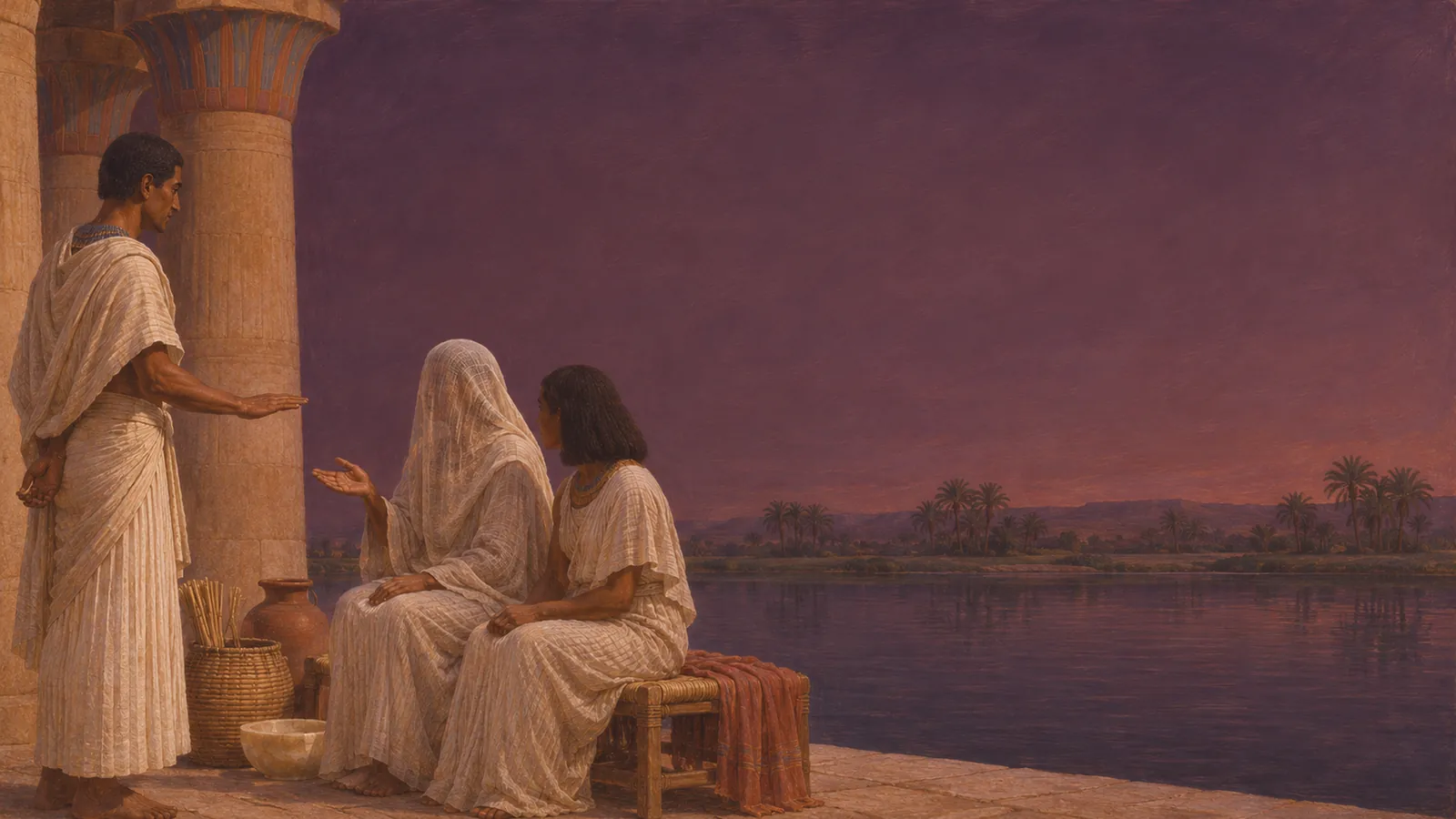
Neb-Sekhem, tú que vienes del lago de Kaui, digo que no he hablado llevado por la ira.
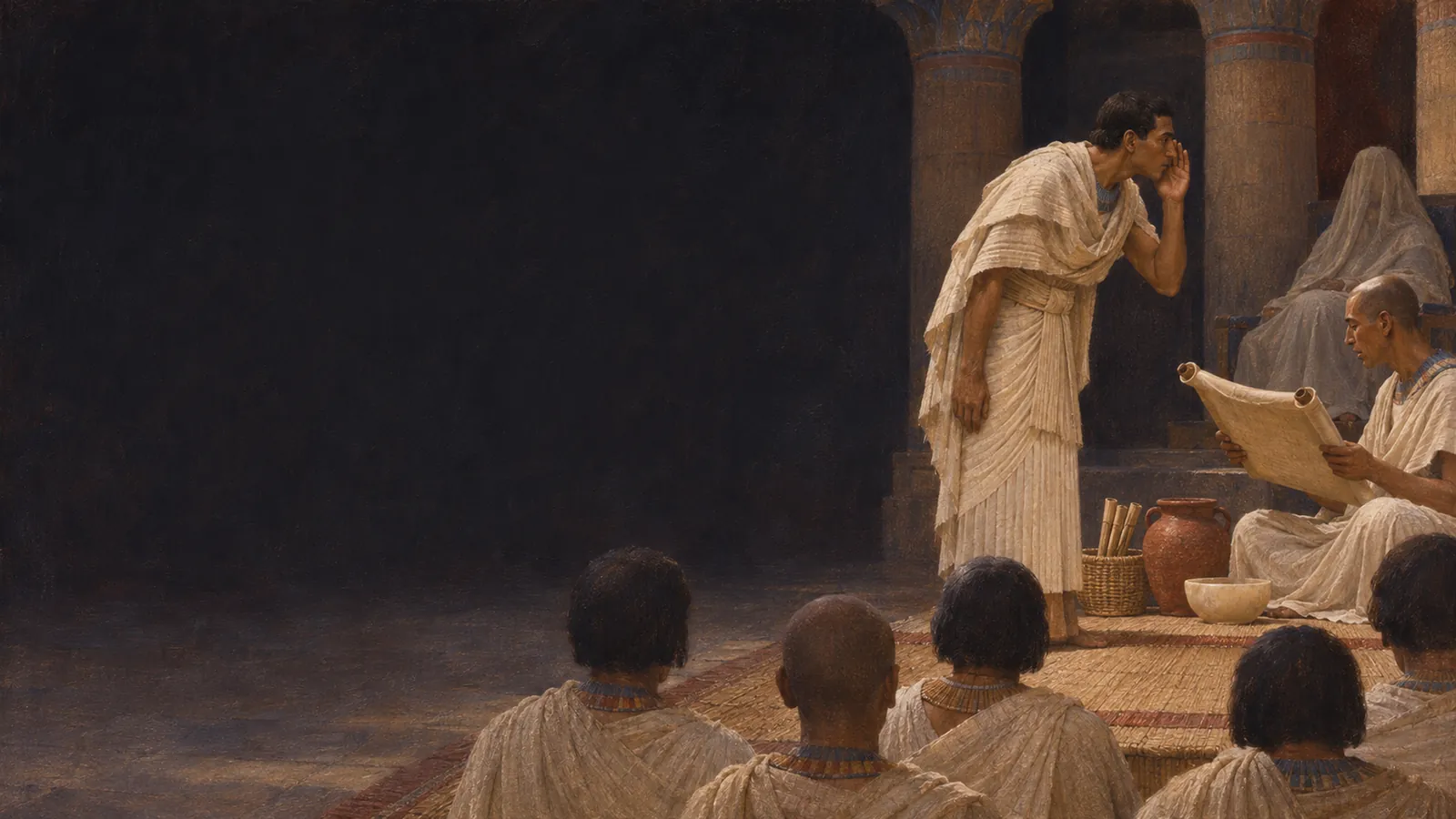
Seshet-kheru, tú que vienes de Urit, no he cerrado mis oídos a las palabras de justicia y verdad.
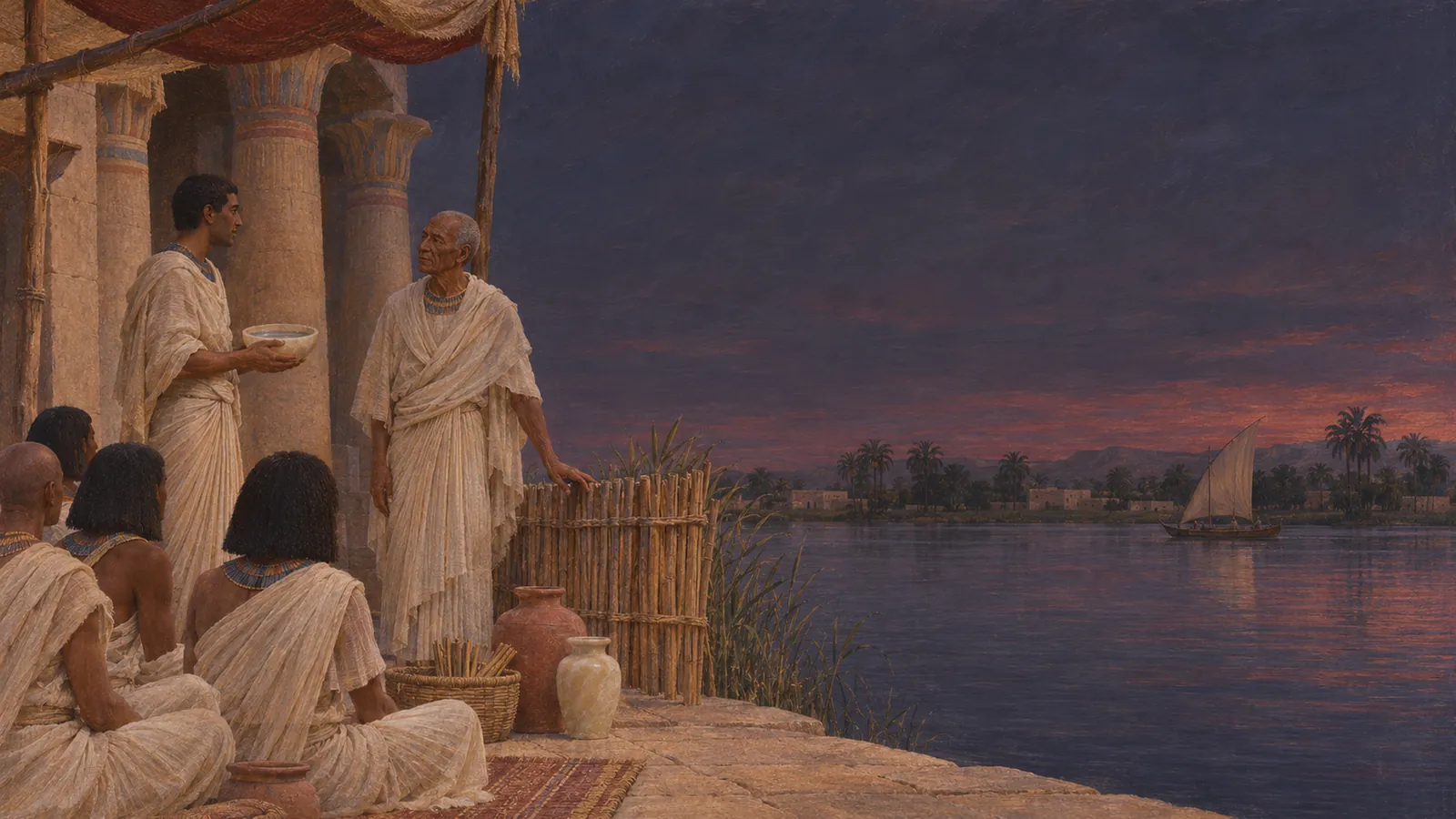
Nekhen, tú que vienes del lago Heqāt, declaro que no he hecho llorar a nadie.
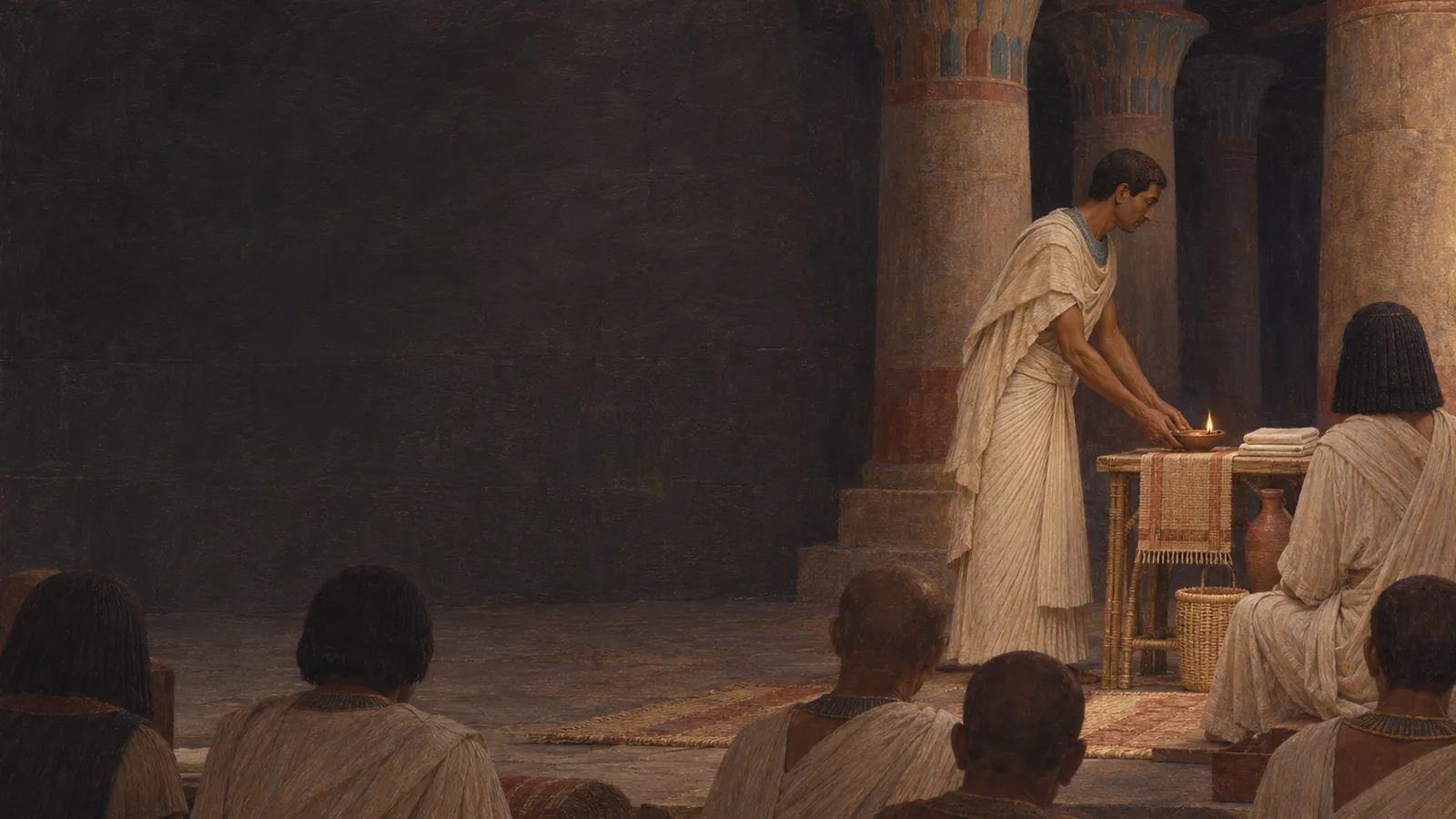
Kenemti, tú que vienes de Kenemet, declaro que no he pronunciado ninguna blasfemia.
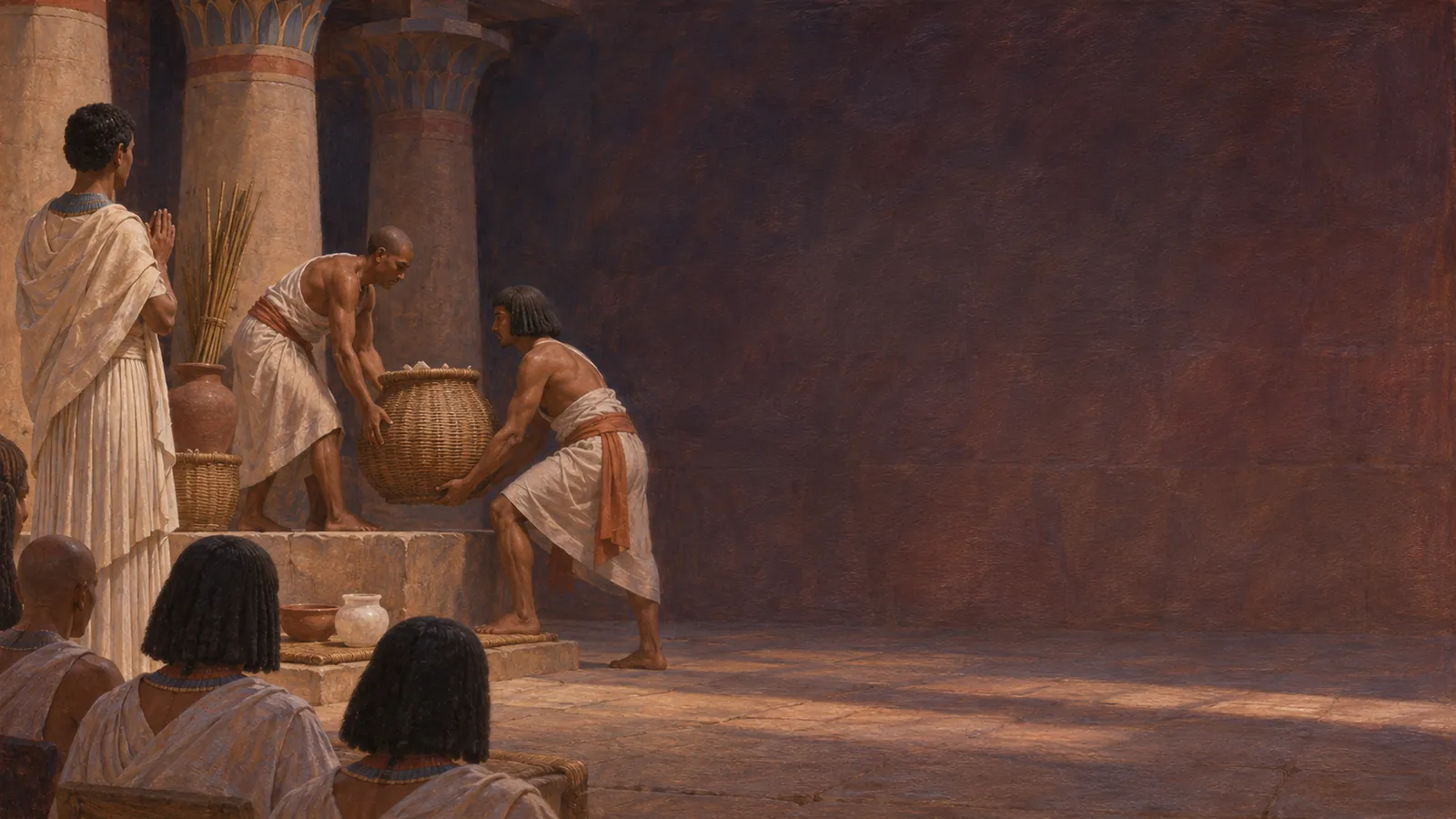
An-hetep-f, tú que vienes de Sau, declaro que no he actuado con violencia.
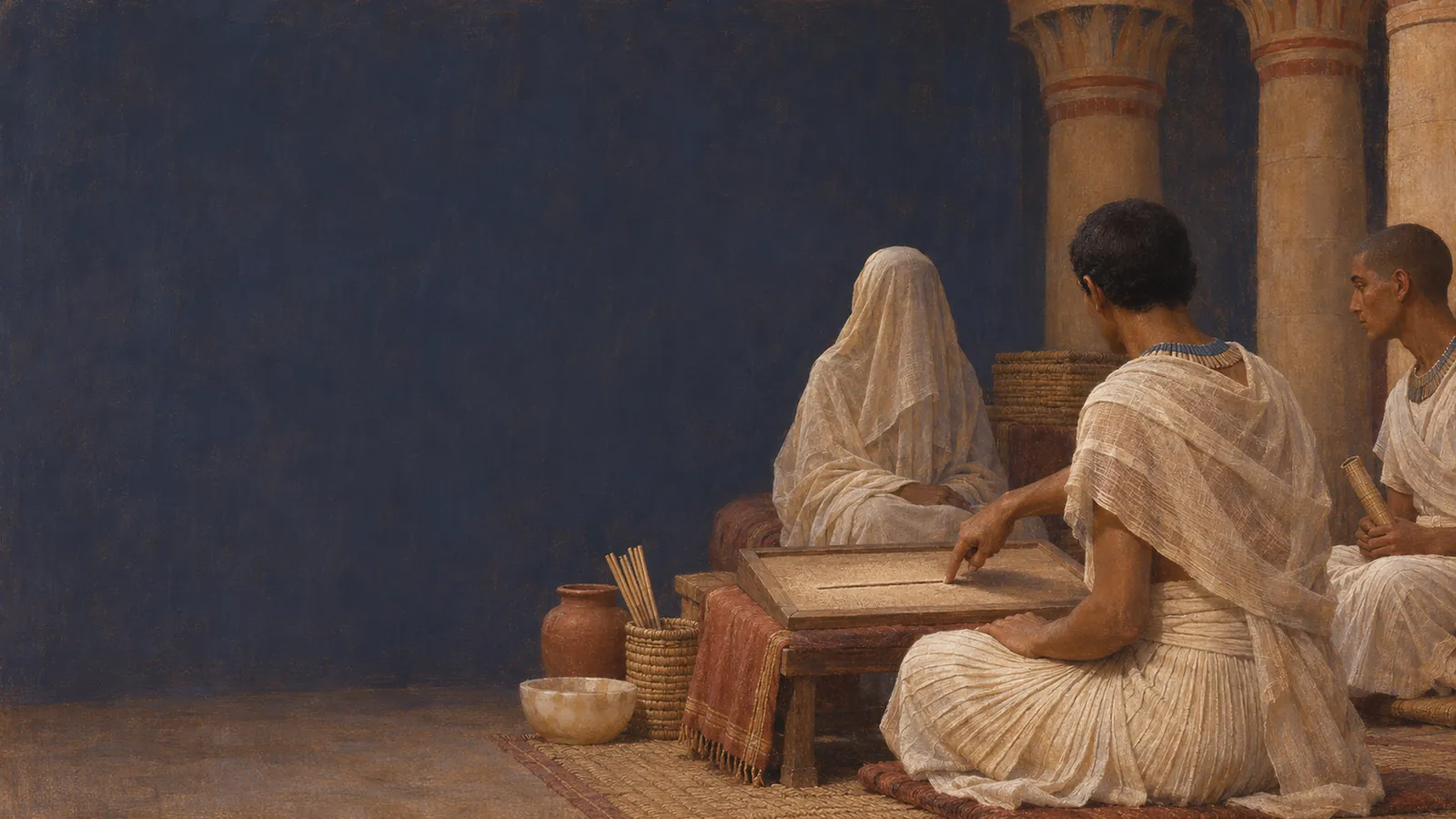
Ser-kheru, tú que vienes de Unsi, declaro que no he actuado sin reflexionar debidamente.
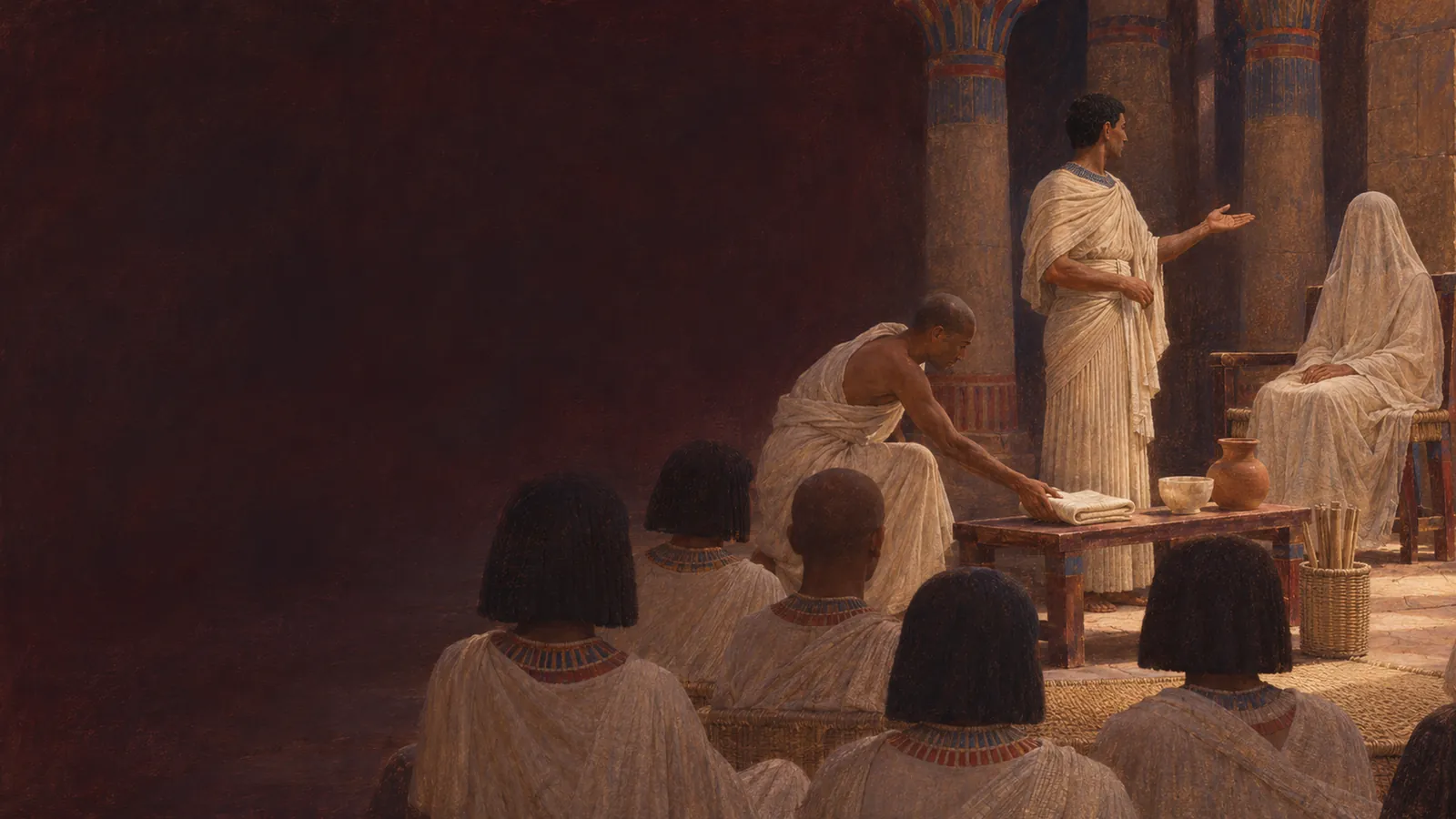
PALABRAS INCIERTAS
El recitante se dirige a Neb-hrau, procedente de Netchefet. En la primera negación Budge pone en duda tanto «perforado» como «mi piel». A continuación el recitante dice: «No me he vengado del dios».
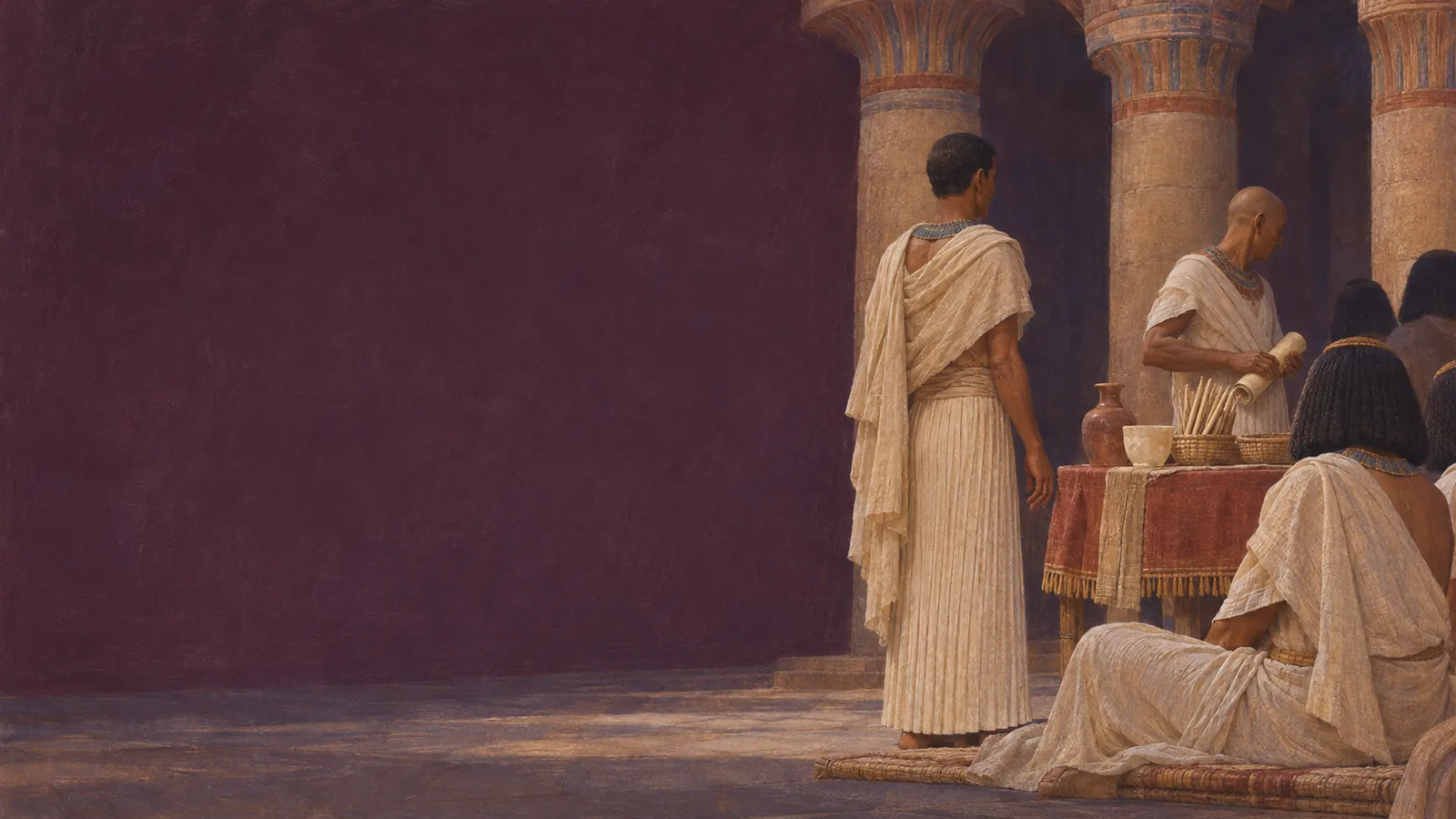
Ante ti, Serekhi, que vienes de Uthent, digo que no he seguido hablando más allá de lo que debía decirse.
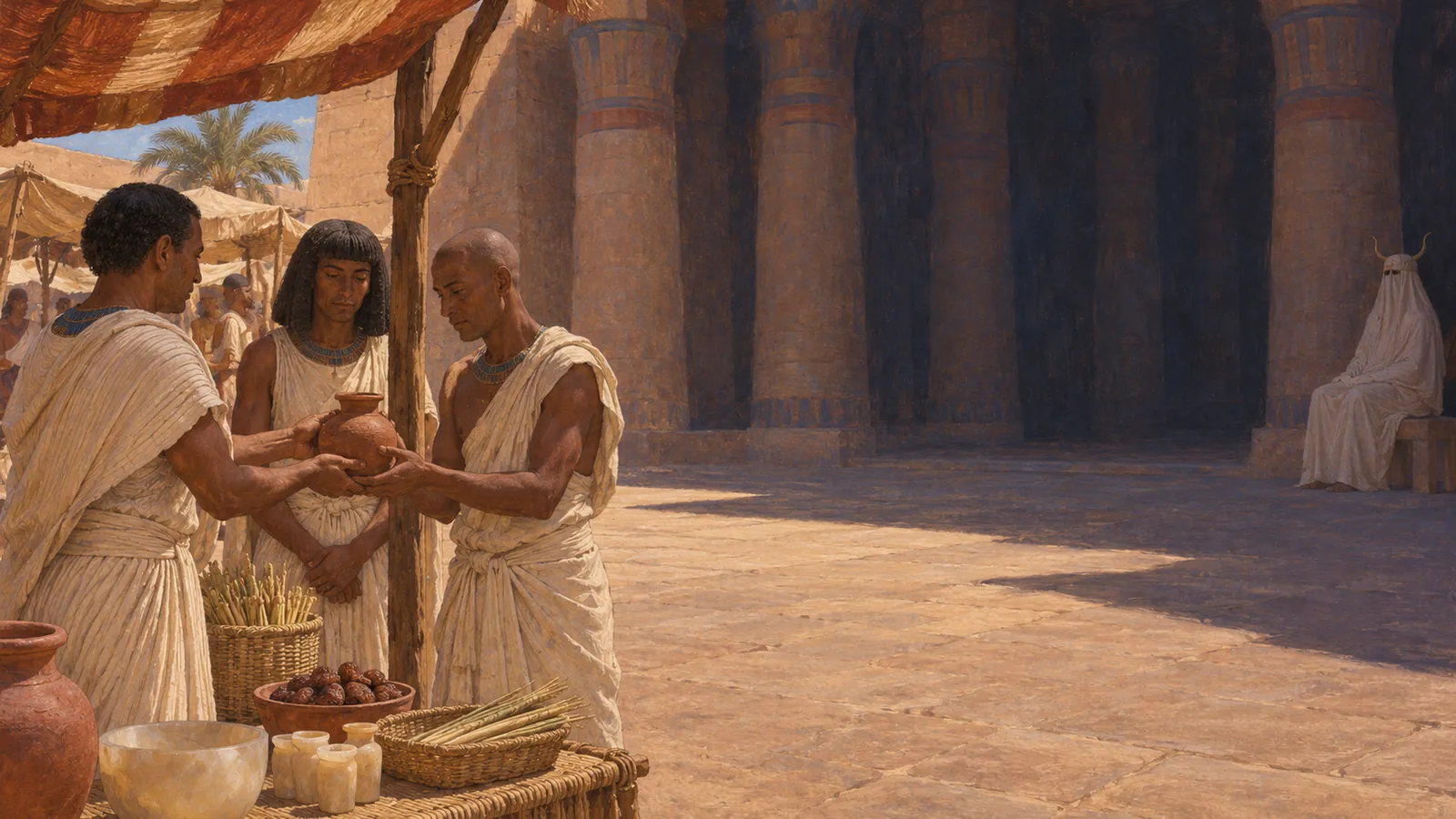
A ti, Neb-abui, señor de los cuernos procedente de Sauti, te digo que no he cometido fraude. La edición suple una segunda negación, la de haber mirado el mal.
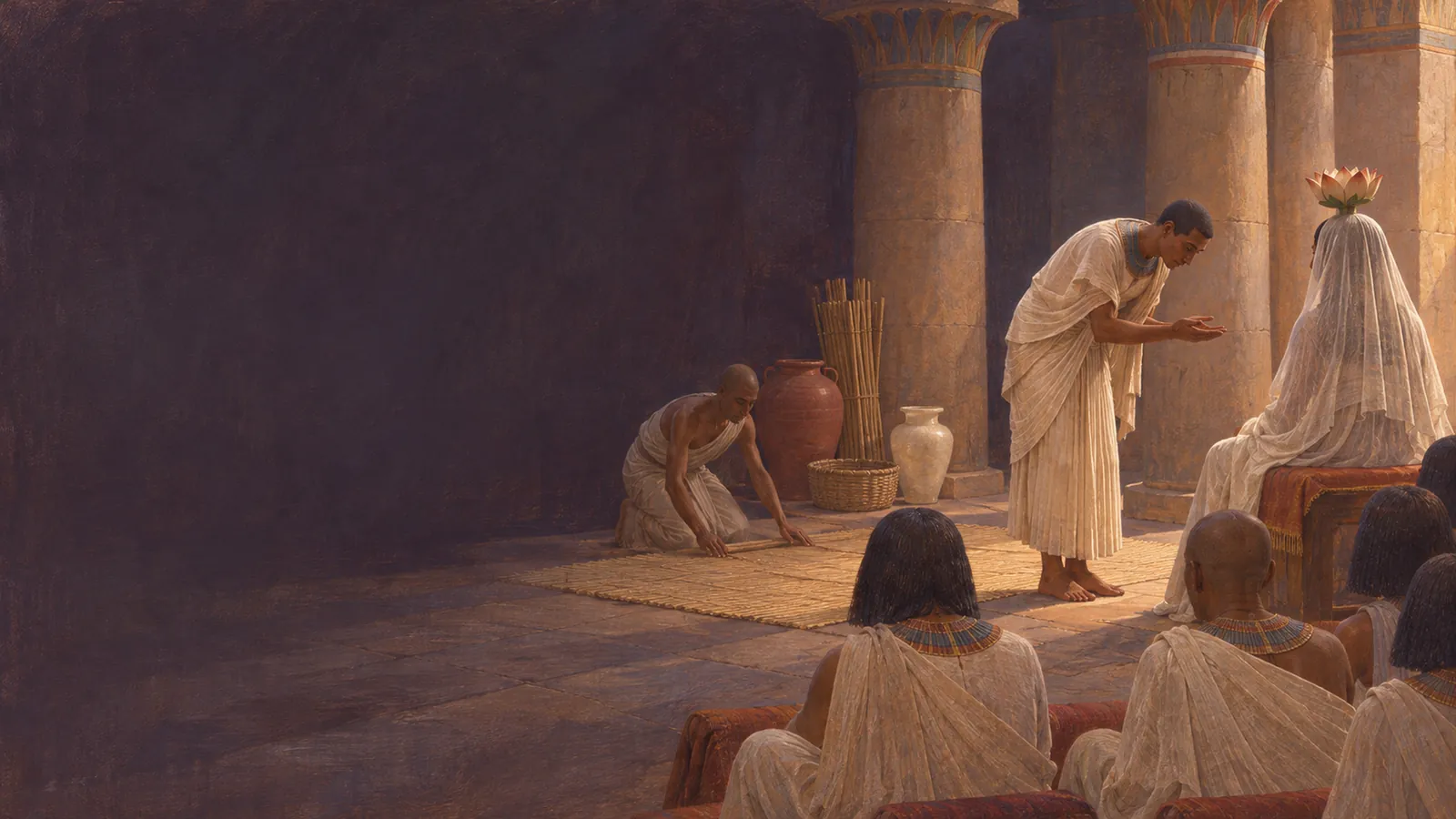
Ante ti, Nefer-Tem de Ptah-het-ka en Menfis, declaro que nunca he pronunciado maldiciones contra el rey.
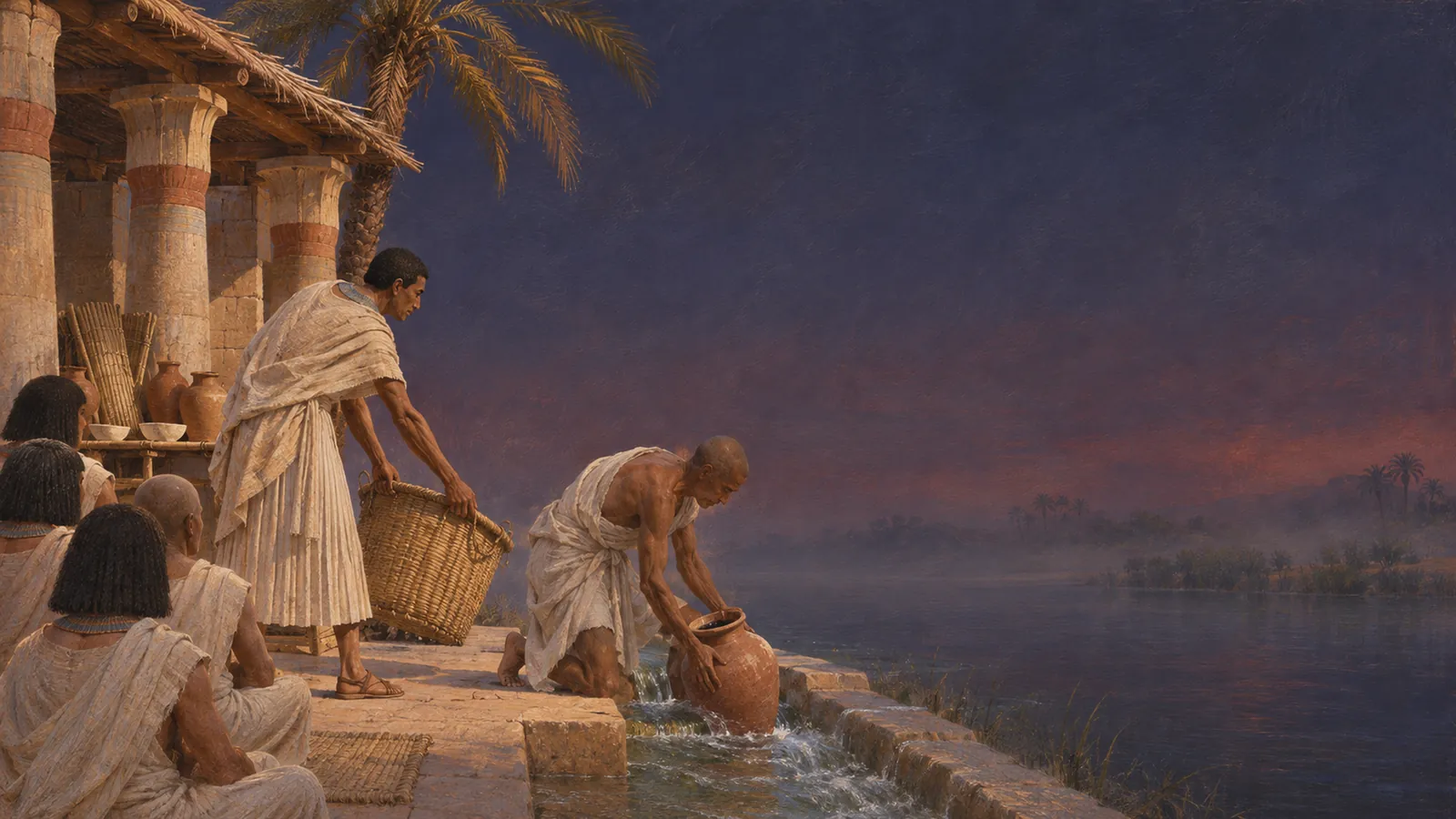
A ti, Tem-sep, que vienes de Tattu, te declaro que no he ensuciado el agua corriente.
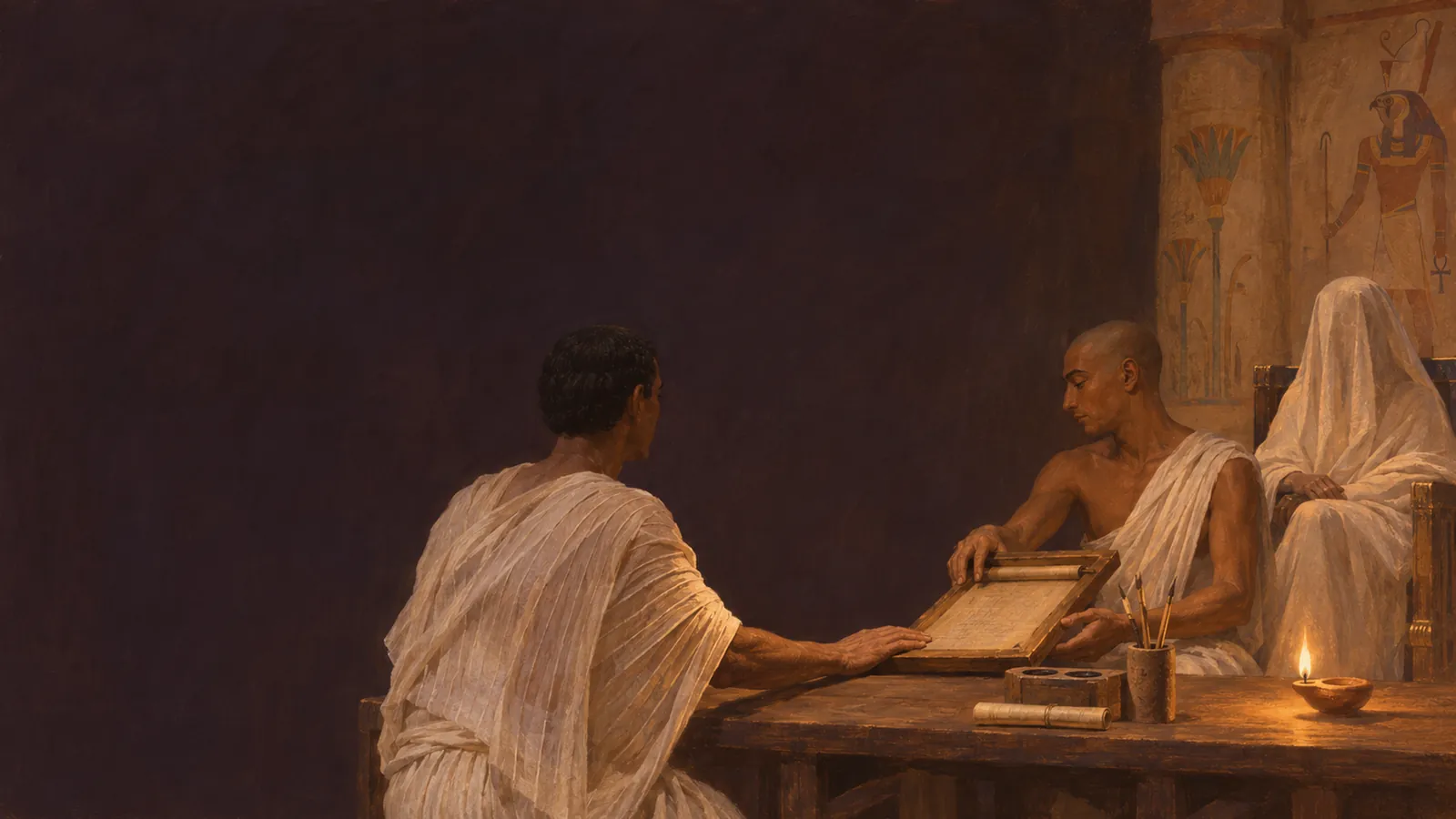
Ante ti, Ari-em-ab-f, que vienes de Tebti, digo que no he exaltado mi propio discurso.
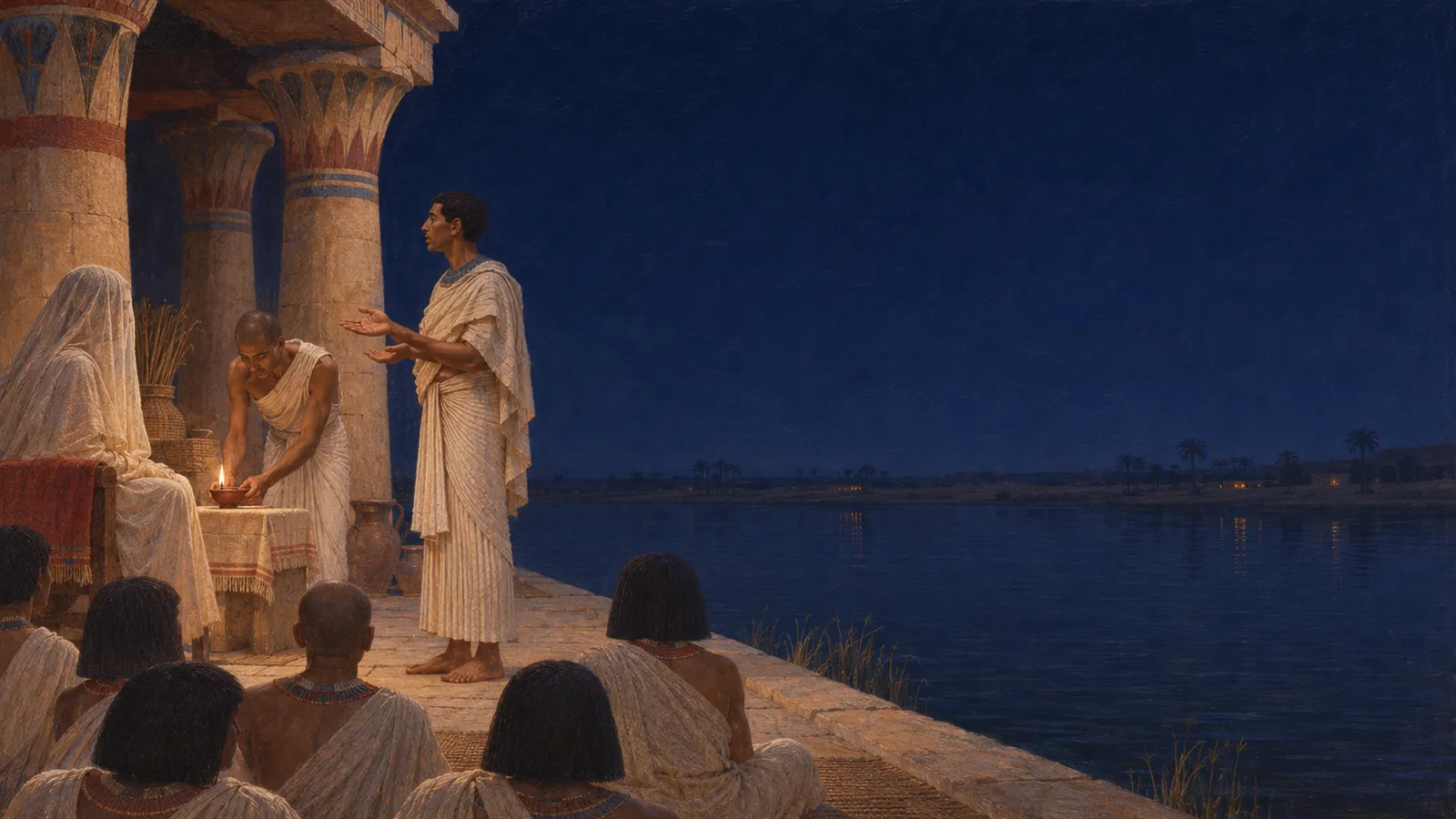
A ti, Ahi, que vienes de Nu, te declaro que no he proferido maldiciones contra el dios.
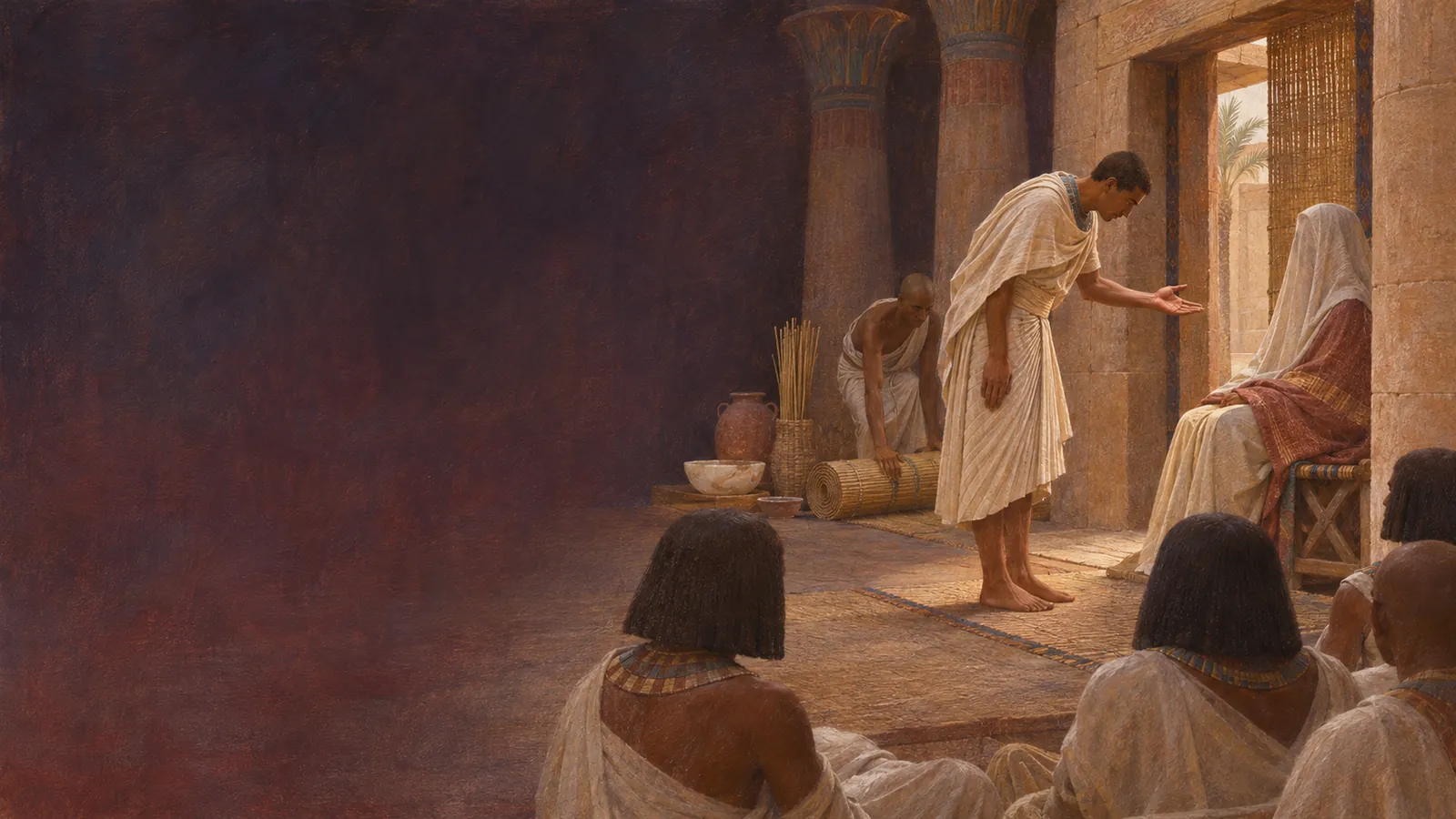
Ante ti, Uatch-rekhit, digo que no he actuado con insolencia. La edición suple con cautela unas palabras sobre la venida del testigo desde un santuario.
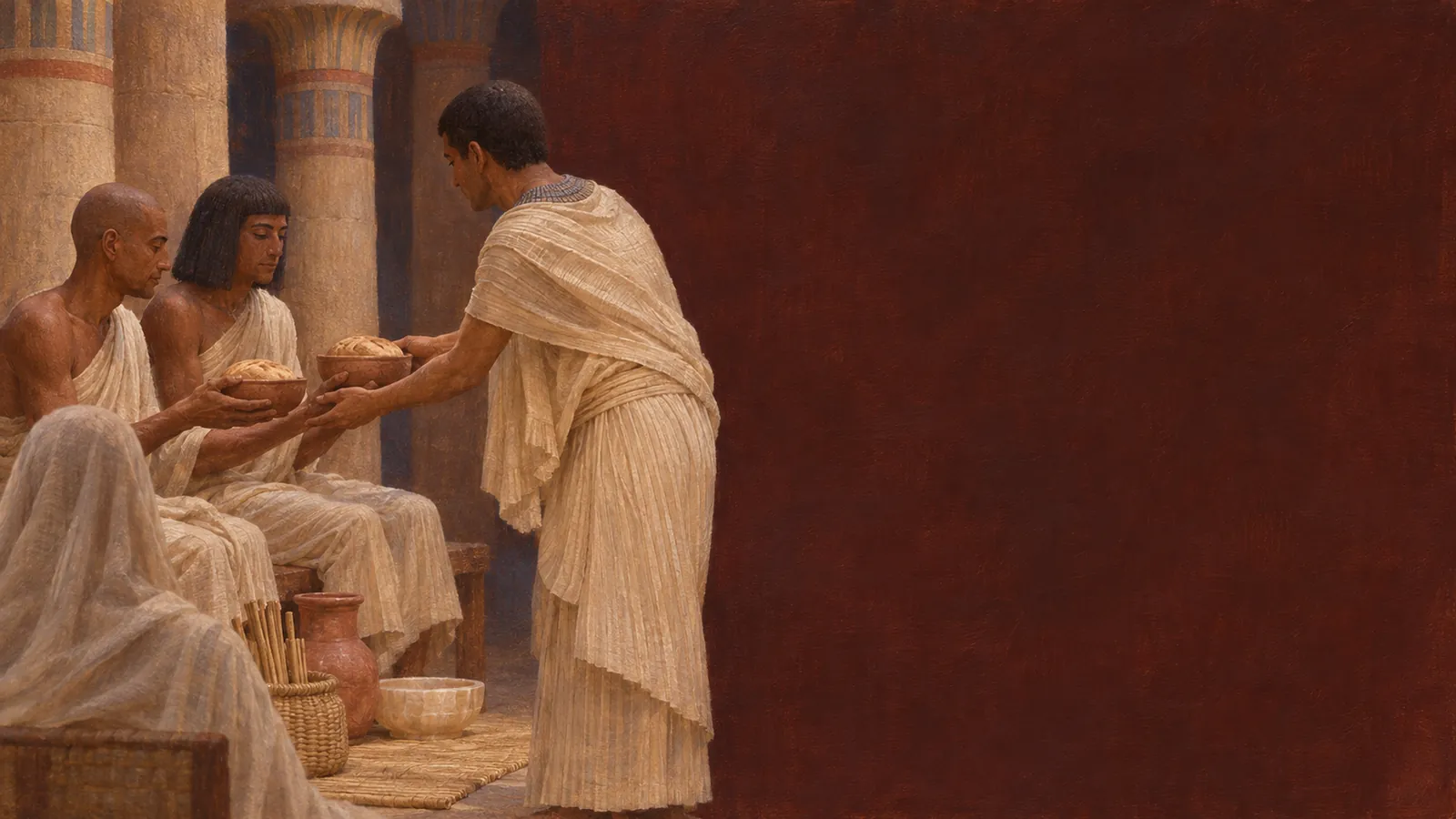
Ante ti, Neheb-nefert, que vienes de tu templo, digo que no he mostrado favoritismo. La antigua traducción explica este sentido en una nota.
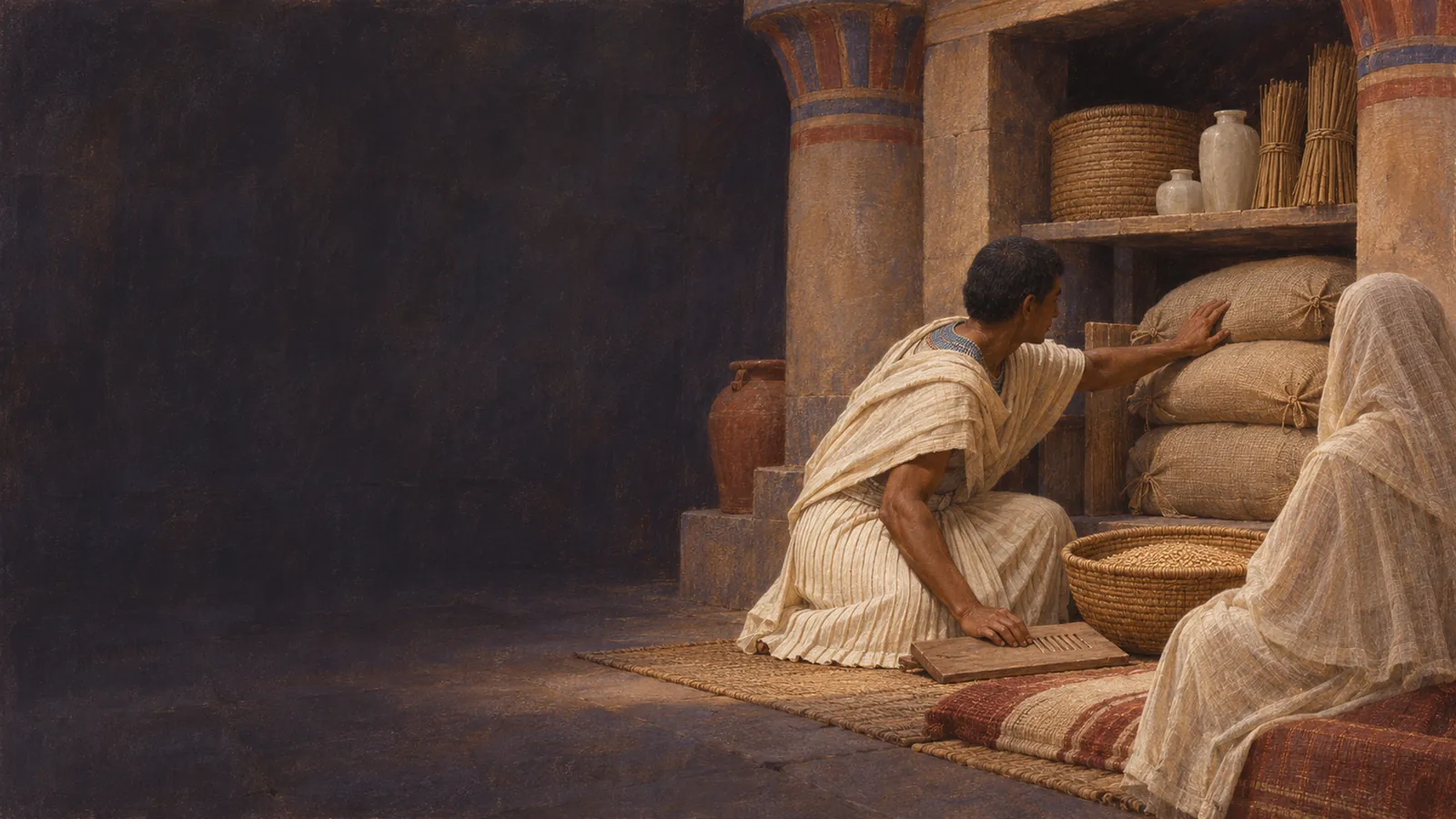
Ante ti, Neheb-kau, que vienes de tu caverna, digo que mi riqueza solo ha crecido a partir de mis propias posesiones.
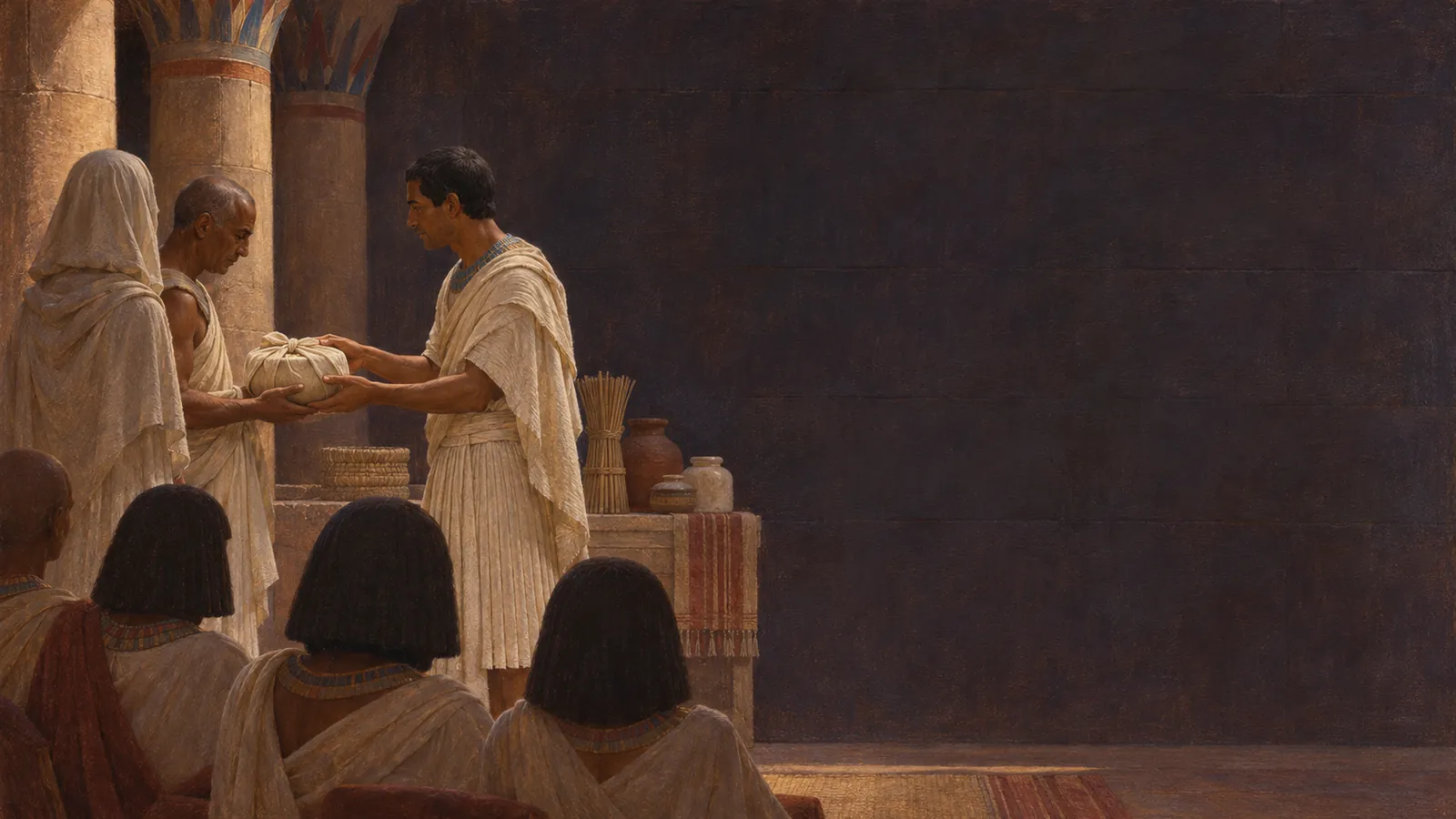
A ti, Tcheser-tep, que vienes de tu santuario, te digo que no he proferido maldiciones contra lo que pertenece al dios y está conmigo.
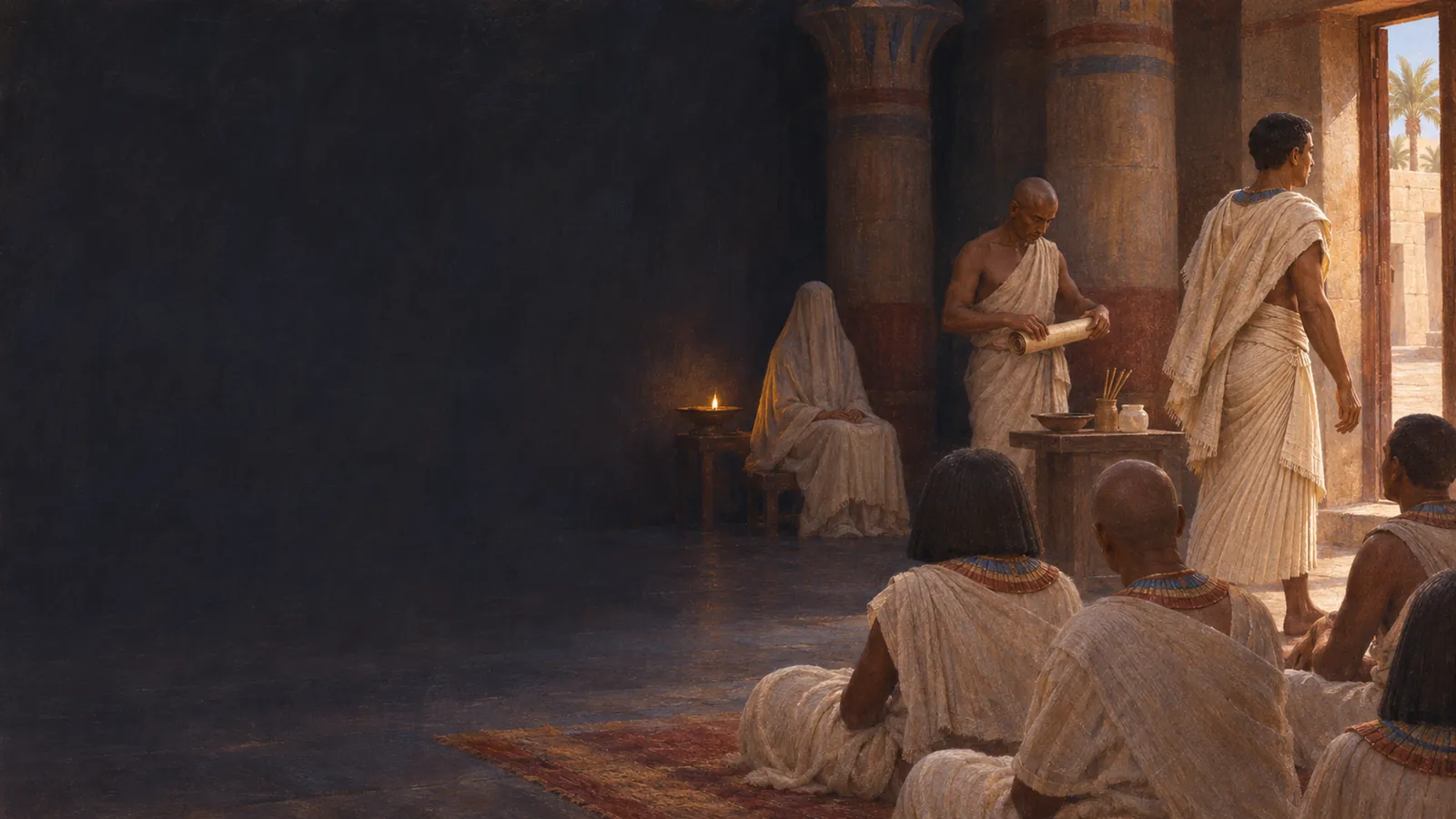
LA CIUDAD
La edición suple el nombre de Aukert como lugar de procedencia del testigo. Ante ti, An-ā-f, digo que no he mostrado desprecio por el dios de la ciudad.
Fin del capítulo 1
Todas las páginas








Fuentes
Budge translates the sequence as the Negative Confession from the Papyrus of Nu. Footnote 108 gives its museum number.
Ediciones consultadas
Notas sobre este relato
E. A. Wallis Budge identifies the numbered Negative Confession as his rendering from the Papyrus of Nu. His footnote 108 identifies British Museum No. 10477. The title page gives 1908 and the third edition.
Page 02, declaration 1. The speaker addresses Usekh-nemtet from Anuu, glossed as Heliopolis, and denies wrongdoing.
Page 03, declaration 2. Hept-seshet comes from Kher-āba, a city near Memphis according to footnote 109. The speaker denies robbery involving violence.
Page 04, declaration 3. Fenti comes from Khemennu, glossed as Hermopolis. The speaker denies using violence against anyone.
Page 05, declaration 4. Ām-khaibitu comes from the Qereret, glossed by Budge as the cavern where the Nile rises. The speaker denies theft. The recitation uses the cavern name without specifying a geographical location.
Page 06, declaration 5. Neha-bra comes from Restau. The speaker denies killing either a man or a woman.
Page 07, declaration 6. Rereti comes from heaven.
Page 08, declaration 7. Maata-f-em-seshet comes from Sekhem, glossed as Letopolis. The speaker denies acting deceitfully. This same denial occurs again with a different addressee at declaration 13.
Page 09, declaration 8. Neba comes forth and retreats. The speaker denies taking what belongs to the god.
Page 10, declaration 9. The speaker denies speaking falsehood.
Page 11, declaration 10. Khemi comes from Shetait, glossed as the hidden place. The speaker denies carrying off goods by force.
Page 12, declaration 11. Uatch-nesert comes from Het-ka-Ptah, glossed as Memphis. Budge gives “vile (or evil) words” for the speaker’s denial.
Page 13, declaration 12. Hra-f-ha-f comes from the cavern and the deep. The speaker denies taking food by force, which is distinguished from the taking of goods in declaration 10.
Page 14, declaration 13. Qerti comes from the underworld. The speaker repeats the denial of deceit that he addressed to Maata-f-em-seshet at declaration 7. The duplicate wording and the separate addressees are both in Budge’s translation.
Page 15 (declaration 14). Ta-ret, whom Budge glosses as “Fiery-foot,” comes forth out of darkness. The speaker denies having “eaten my heart.” Budge explains the phrase as losing his temper and becoming angry. The spoken wording follows that explanation.
Page 16 (declaration 15). Hetch-abehu, glossed “Shining teeth,” comes forth from Ta-she, which Budge identifies as the Fayyum. In the denial of invasion, Budge supplies the object “[man’s land]” in brackets.
Page 17 (declaration 16). Ām-senef, glossed “Eater of blood,” comes forth from “the house of the block.” The speaker denies slaughtering animals that belong to the god. Budge’s English uses a capital letter in “possessions of God.”
Page 18 (declaration 17). Ām-besek, whom Budge glosses as “Eater of entrails,” comes forth from Mābet. The speaker denies laying waste lands that have been ploughed.
Page 19 (declaration 18). Neb-Maāt, glossed “Lord of Maāt,” comes forth from “the city of the two Maāti.” The speaker denies prying into matters in order to make mischief.
Page 20 (declaration 19). Thenemi, glossed “Retreater,” comes forth from Bast, which the translator identifies as Bubastis. The speaker denies setting his mouth in motion against anyone.
Page 21 (declaration 20). Ānti comes forth from Annu, identified as Heliopolis. The speaker denies giving way to wrath without due cause. The qualification belongs to this denial. The earlier heart idiom occurs in declaration 14.
Page 22 (declaration 21). Tututef comes forth from “the home of Ati.” Budge’s older English translation reads, “I have not committed fornication, and I have not committed sodomy.” The two terms are categories used by the 1908 translator. The edition alone leaves the underlying Egyptian terms and precise acts undetermined.
Page 23 (declaration 22). Uamemti comes forth from “the house of slaughter.” The speaker says he has not polluted himself. The clause gives no specific act or circumstance.
Page 24 (declaration 23). Maa-ant-f, glossed “Seer of what is brought to him,” comes forth from “the house of the god Amsu.” The speaker denies having lain with the wife of another man.
Page 25, declaration 24, lines 3251–3252. Her-seru comes from Nehatu. The speaker denies making anyone afraid.
Page 26, declaration 25, lines 3254–3256. Neb-Sekhem comes from the Lake of Kaui. The denial concerns angry speech. Budge’s footnote 110, line 4983, gives the literal idiom of being hot of mouth.
Page 27, declaration 26, lines 3258–3260. Seshet-kheru comes from Urit. Budge glosses the name as Orderer of speech. The speaker says he did not make himself deaf to words of right and truth.
Page 28, declaration 27, lines 3262–3263. Nekhen comes from Lake Heqāt. Budge glosses the name as Babe.
Page 29, declaration 28, lines 3265–3266. Kenemti comes from Kenemet. The speaker denies uttering blasphemy.
Page 30, declaration 29, lines 3268–3269. An-hetep-f comes from Sau. Budge glosses the name as Bringer of his offering. The speaker denies acting with violence.
Page 31, declaration 30, lines 3271–3273. Ser-kheru comes from Unsi. Budge glosses the name as Disposer of Speech. The main text gives the heart idiom, and footnote 111 at line 4985 explains it as acting without due consideration.
Page 32, declaration 31, lines 3275–3277. Budge places separate question marks after “pierced” and “my skin.” The first clause remains uncertain. The second denial is specific and concerns taking vengeance on the god.
Page 33, declaration 32. Serekhi from Uthent. Budge conveys the denial as not multiplying speech beyond what should be said.
Page 34, declaration 33. Neb-abui, glossed as Lord of horns, comes from Sauti.
Page 35, declaration 34. Nefer-Tem from Ptah-het-ka, glossed Memphis. The denial concerns uttering curses against the king.
Pages 36–38, declarations 35–37. Tem-sep from Tattu is addressed in the denial about fouling running water. Ari-em-ab-f from Tebti is addressed in the brief denial Budge renders as not exalting the speaker’s speech. Ahi from Nu is addressed in the denial of curses. Budge’s historical convention capitalizes the English word “God” here and in declaration 41.
Page 39, declaration 38. Uatch-rekhit is named. The phrase about coming forth from a shrine is bracketed and ends in a question mark in this edition. The declaration concerns insolent behaviour.
Page 40, declaration 39. Neheb-nefert from his temple. The edition’s main words are about making distinctions. Its footnote 112 explains the denial in terms of favouritism.
Pages 41–42, declarations 40–41. Neheb-kau is addressed from his cavern in the line on the speaker’s own possessions. Tcheser-tep is addressed from his shrine in the denial of curses against what belongs to a god and is with the speaker. The attached material is unspecified in the edition.
Page 43, declaration 42. The edition glosses An-ā-f as a bringer of his arm. Its origin clause at Aukert is bracketed. The line ends with the denial of contempt for the city god. That is the end of the numbered recitation in the local transcription.
Los versos antiguos de cada página
- Page 1: Budge 1908, chapter IV, Papyrus of Nu, introduction to declarations 1–42 and n. 108
- Page 2: Budge 1908, chapter IV, Papyrus of Nu, declaration 1
- Page 3: Budge 1908, chapter IV, Papyrus of Nu, declaration 2
- Page 4: Budge 1908, chapter IV, Papyrus of Nu, declaration 3
- Page 5: Budge 1908, chapter IV, Papyrus of Nu, declaration 4
- Page 6: Budge 1908, chapter IV, Papyrus of Nu, declaration 5
- Page 7: Budge 1908, chapter IV, Papyrus of Nu, declaration 6
- Page 8: Budge 1908, chapter IV, Papyrus of Nu, declaration 7
- Page 9: Budge 1908, chapter IV, Papyrus of Nu, declaration 8
- Page 10: Budge 1908, chapter IV, Papyrus of Nu, declaration 9
- Page 11: Budge 1908, chapter IV, Papyrus of Nu, declaration 10
- Page 12: Budge 1908, chapter IV, Papyrus of Nu, declaration 11
- Page 13: Budge 1908, chapter IV, Papyrus of Nu, declaration 12
- Page 14: Budge 1908, chapter IV, Papyrus of Nu, declaration 13
- Page 15: Budge 1908, chapter IV, Papyrus of Nu, declaration 14
- Page 16: Budge 1908, chapter IV, Papyrus of Nu, declaration 15
- Page 17: Budge 1908, chapter IV, Papyrus of Nu, declaration 16
- Page 18: Budge 1908, chapter IV, Papyrus of Nu, declaration 17
- Page 19: Budge 1908, chapter IV, Papyrus of Nu, declaration 18
- Page 20: Budge 1908, chapter IV, Papyrus of Nu, declaration 19
- Page 21: Budge 1908, chapter IV, Papyrus of Nu, declaration 20
- Page 22: Budge 1908, chapter IV, Papyrus of Nu, declaration 21
- Page 23: Budge 1908, chapter IV, Papyrus of Nu, declaration 22
- Page 24: Budge 1908, chapter IV, Papyrus of Nu, declaration 23
- Page 25: Budge 1908, chapter IV, Papyrus of Nu, declaration 24
- Page 26: Budge 1908, chapter IV, Papyrus of Nu, declaration 25
- Page 27: Budge 1908, chapter IV, Papyrus of Nu, declaration 26
- Page 28: Budge 1908, chapter IV, Papyrus of Nu, declaration 27
- Page 29: Budge 1908, chapter IV, Papyrus of Nu, declaration 28
- Page 30: Budge 1908, chapter IV, Papyrus of Nu, declaration 29
- Page 31: Budge 1908, chapter IV, Papyrus of Nu, declaration 30
- Page 32: Budge 1908, chapter IV, Papyrus of Nu, declaration 31
- Page 33: Budge 1908, chapter IV, Papyrus of Nu, declaration 32
- Page 34: Budge 1908, chapter IV, Papyrus of Nu, declaration 33
- Page 35: Budge 1908, chapter IV, Papyrus of Nu, declaration 34
- Page 36: Budge 1908, chapter IV, Papyrus of Nu, declaration 35
- Page 37: Budge 1908, chapter IV, Papyrus of Nu, declaration 36
- Page 38: Budge 1908, chapter IV, Papyrus of Nu, declaration 37
- Page 39: Budge 1908, chapter IV, Papyrus of Nu, declaration 38
- Page 40: Budge 1908, chapter IV, Papyrus of Nu, declaration 39
- Page 41: Budge 1908, chapter IV, Papyrus of Nu, declaration 40
- Page 42: Budge 1908, chapter IV, Papyrus of Nu, declaration 41
- Page 43: Budge 1908, chapter IV, Papyrus of Nu, declaration 42
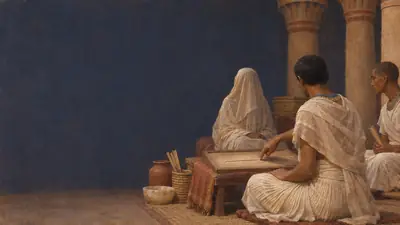
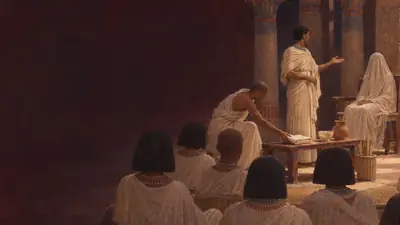
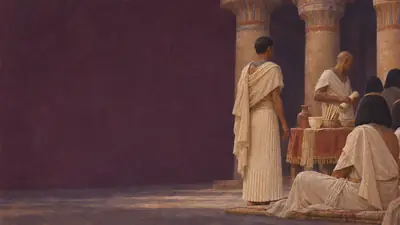
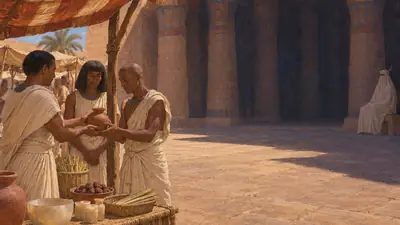
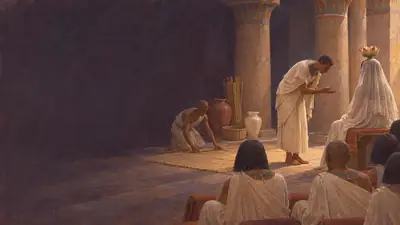
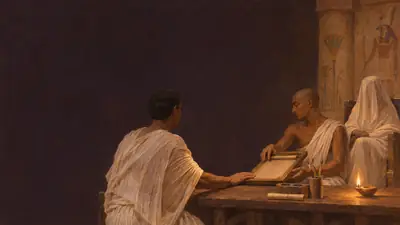
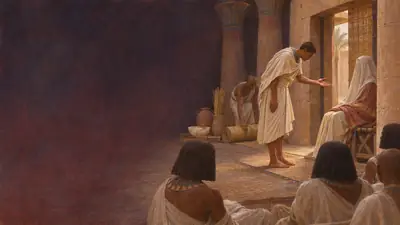
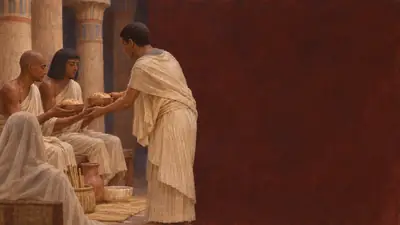
Ilustraciones hechas por IL Archive con herramientas de IA; el texto se basa en las fuentes antiguas (véanse las fuentes al final de cada capítulo).