La octava campaña de Sargón II Capítulo 1
El camino de montaña
Sargón se dirige a Aššur y relata su salida de Kalḫu, los difíciles cruces de montaña y los encuentros con gobernantes que ofrecen tributo o buscan su apoyo. La primera parte termina con el refuerzo y abastecimiento de la fortaleza fronteriza de Panziš.
FuentesPase las páginas con las flechas, el teclado o deslizando el dedo.
EL CAMINO DE MONTAÑA
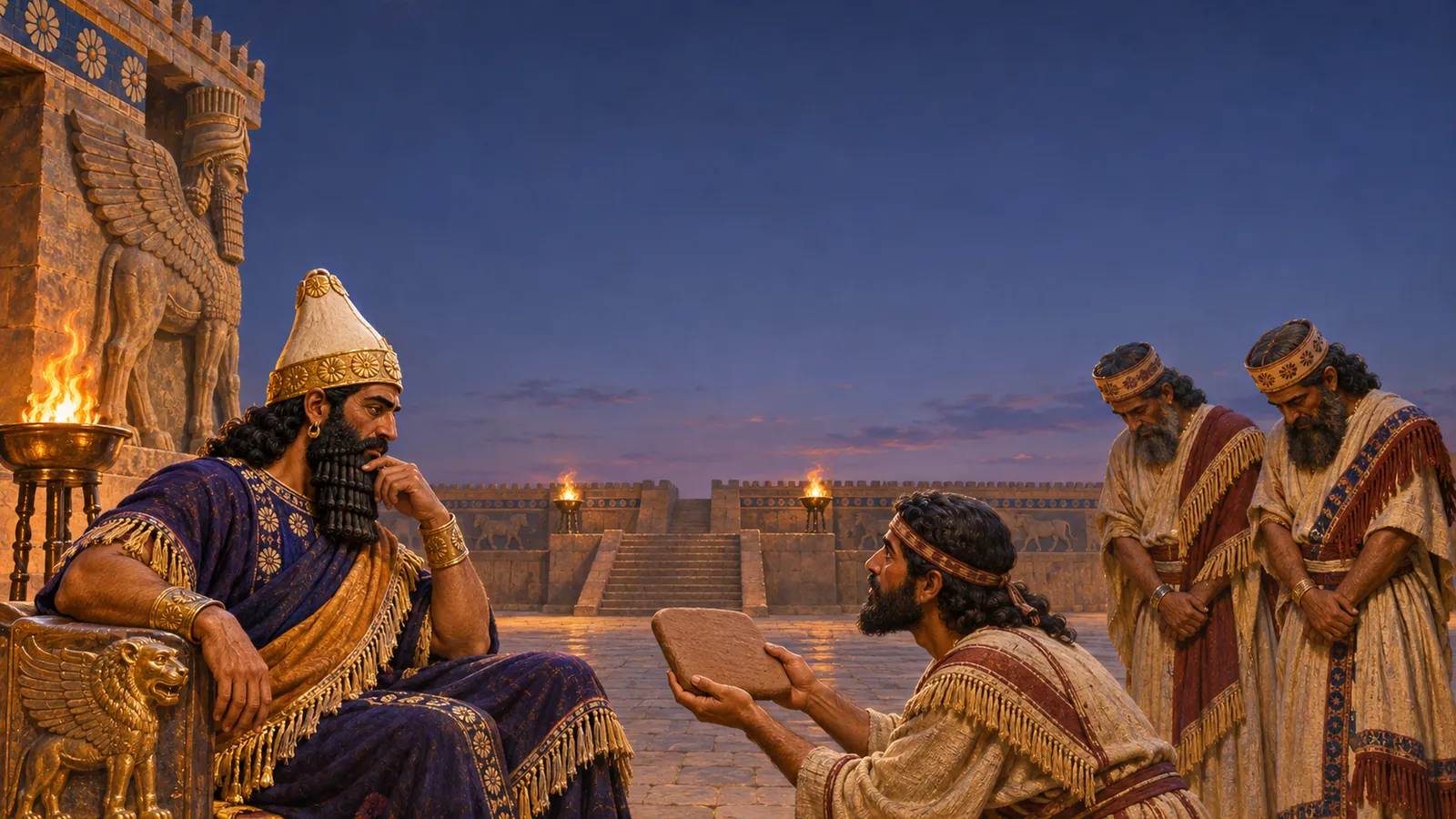
Sargón II abre una carta real dirigida a Aššur, padre de los dioses y gran señor. Le desea bienestar en su templo, Eḫursaggalkurkurra.
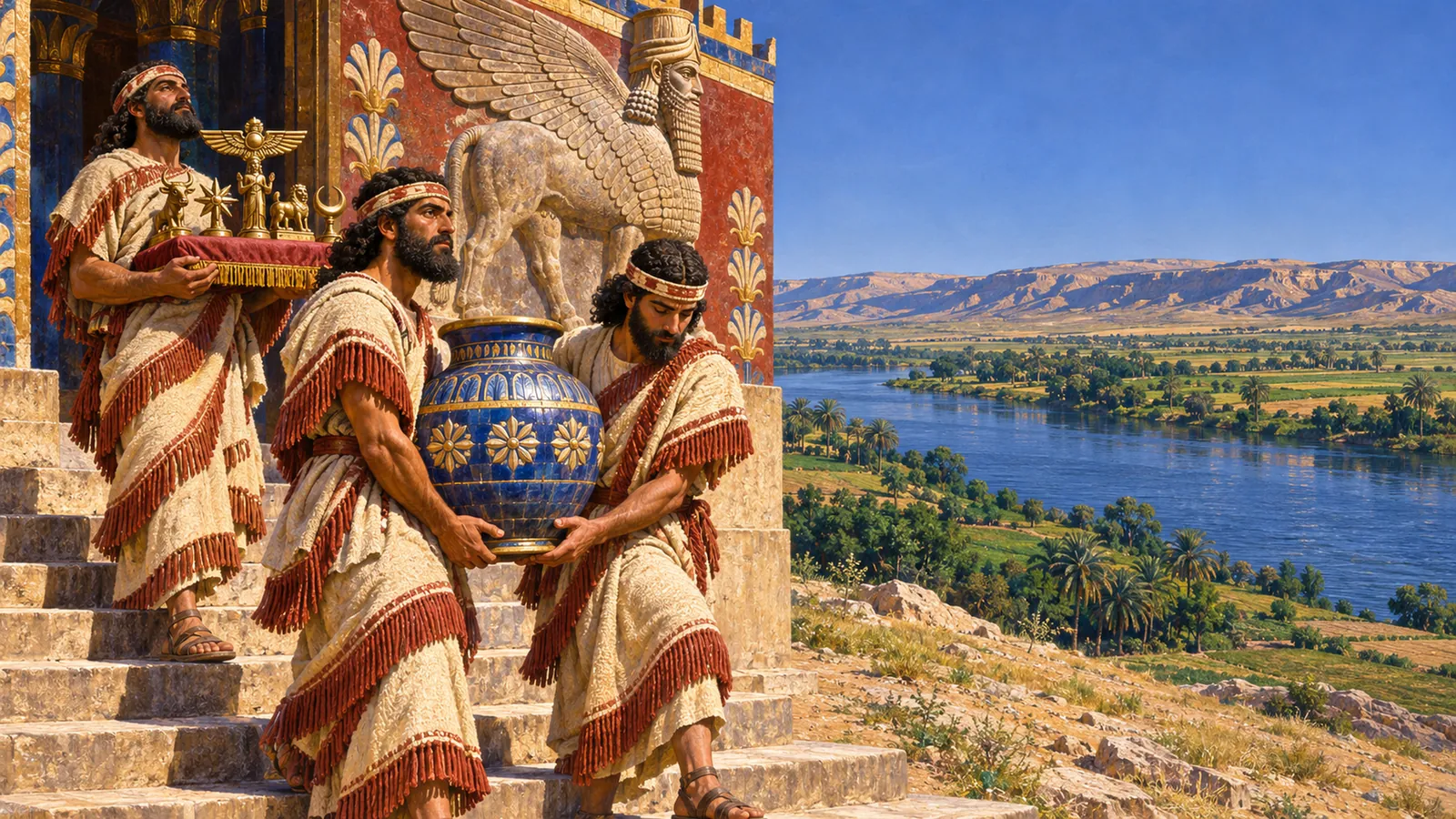
Después desea bienestar a los dioses que emiten los decretos divinos y a las diosas, tanto en el templo como en la ciudad de Aššur.
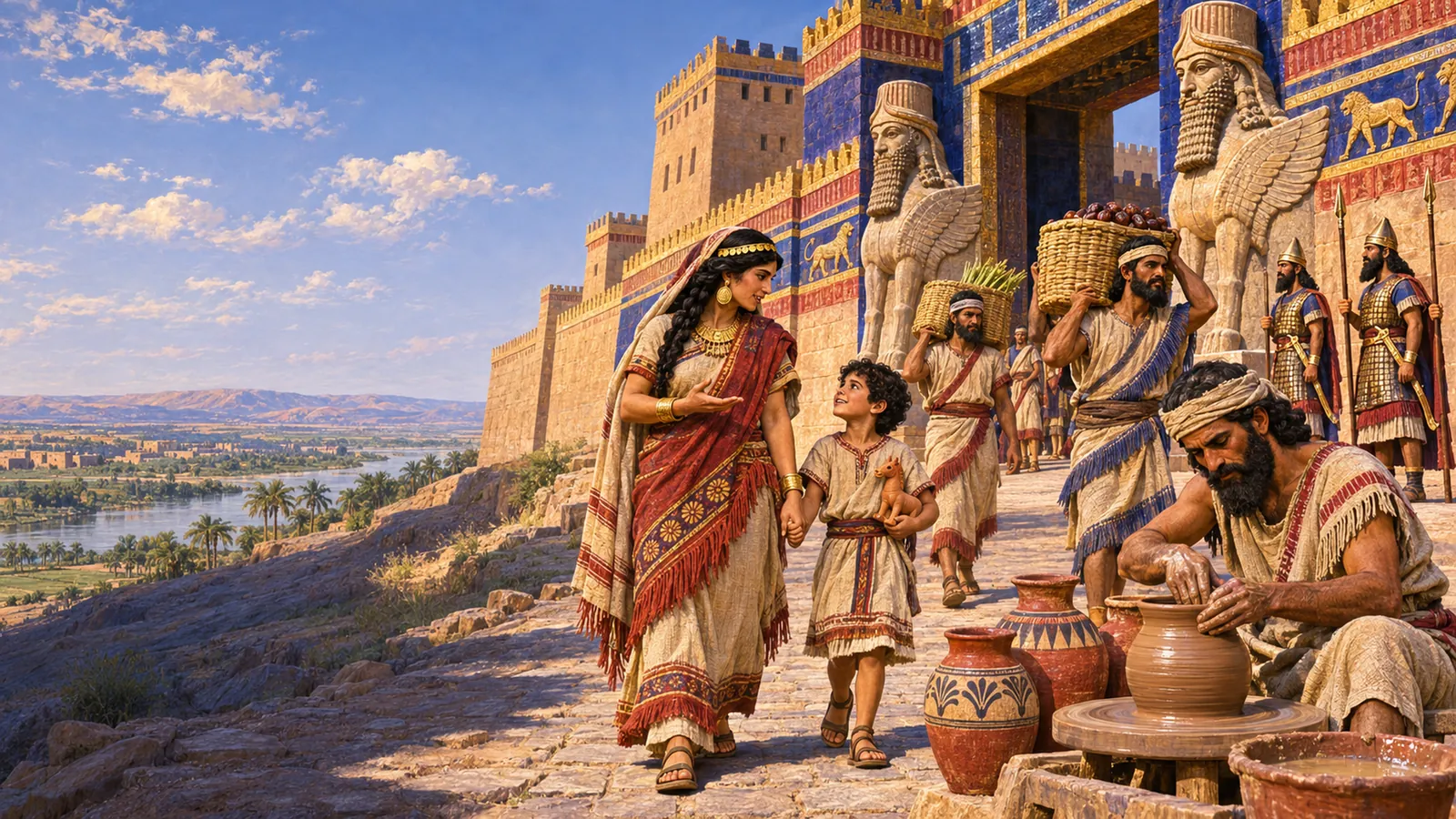
La carta desea bienestar a la ciudad de Aššur y a sus habitantes. Incluye al palacio y a quien reside en él.
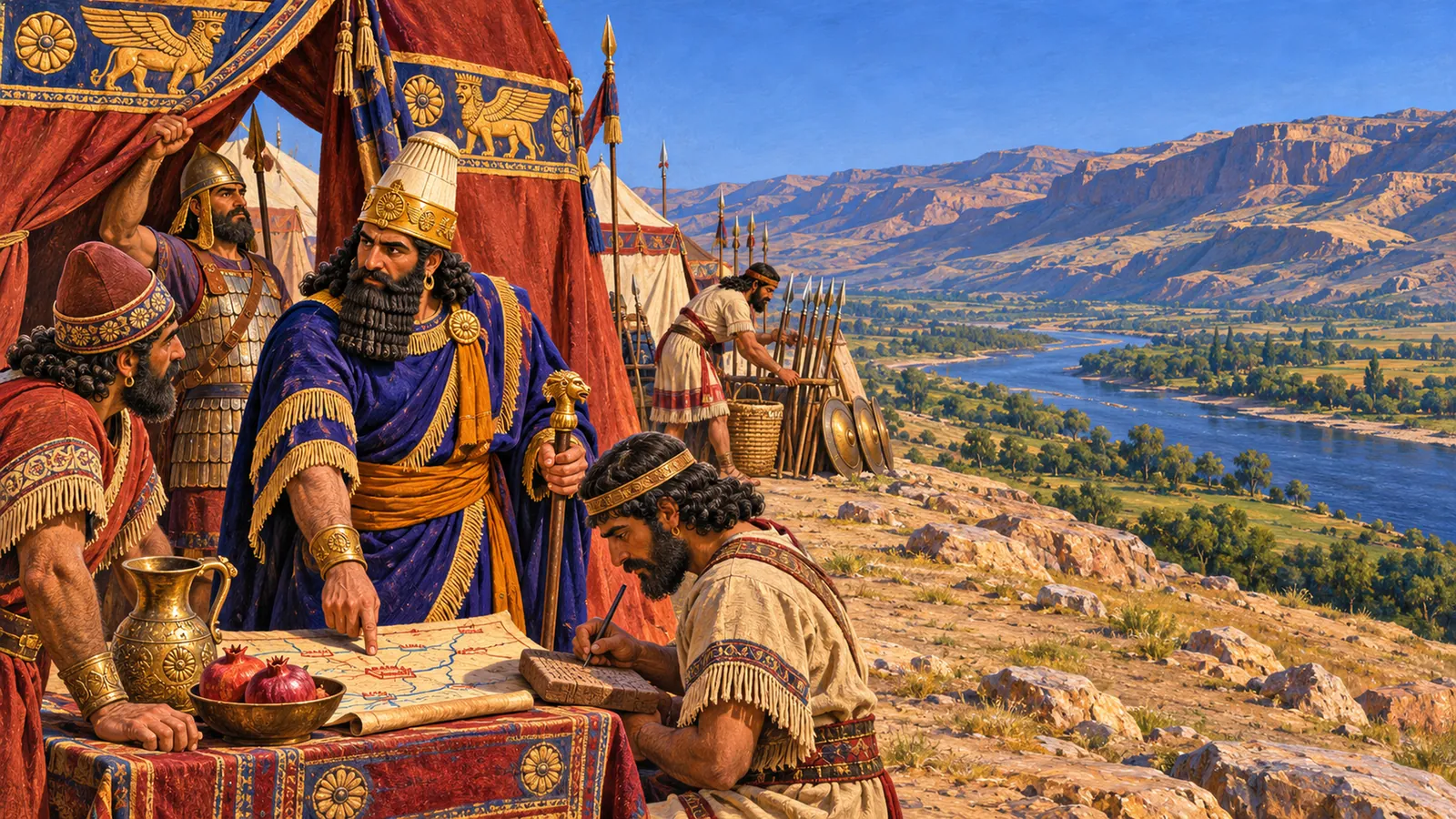
Sargón se presenta como sacerdote sagrado y servidor que venera a Aššur. Afirma que tanto él como su campamento militar se encuentran bien.
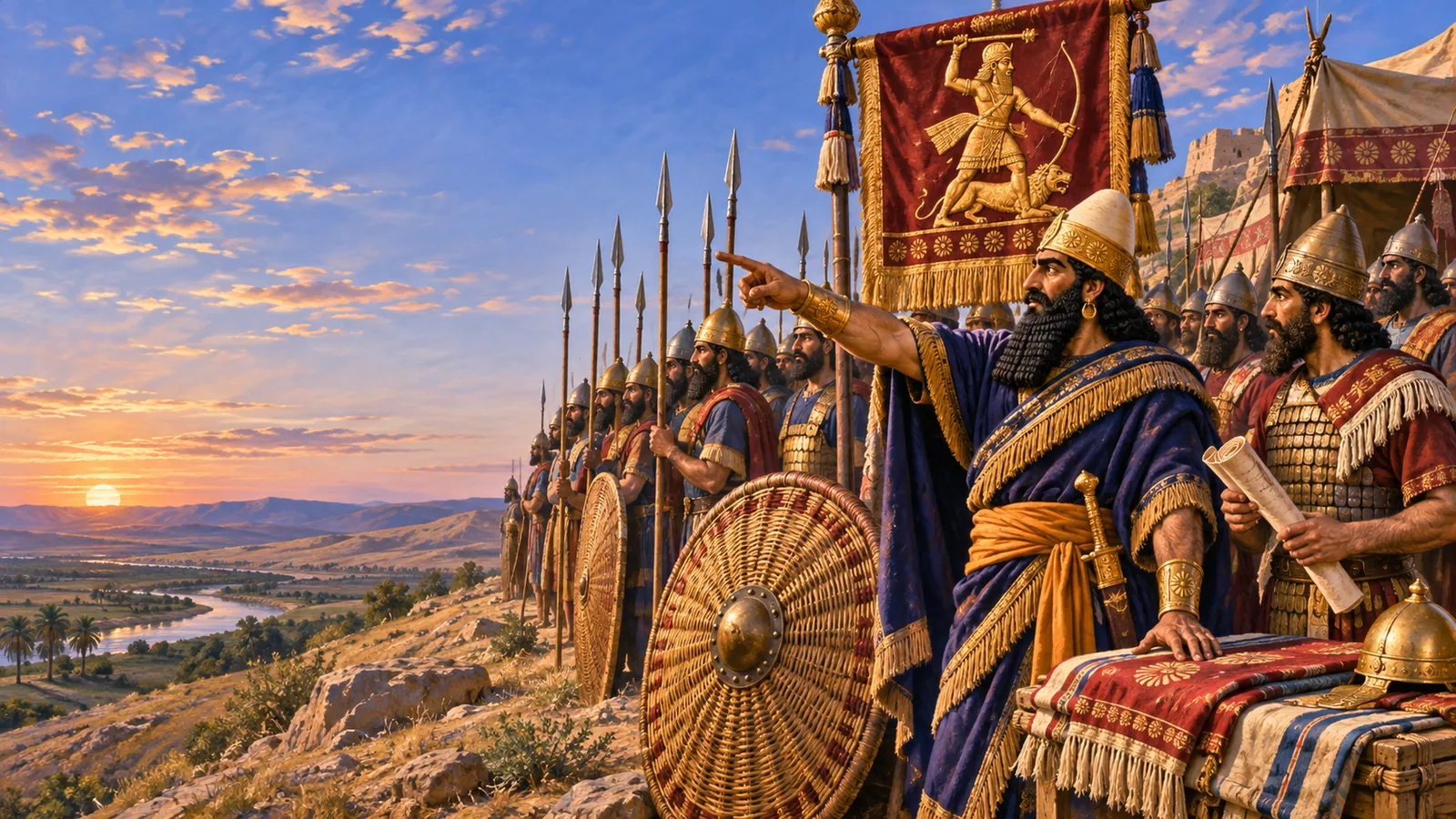
Sitúa la partida en Duʾūzu, el cuarto mes, que según su relato determina los asuntos humanos. Pertenece a Ninurta, primogénito de Enlil y el más poderoso de los dioses.
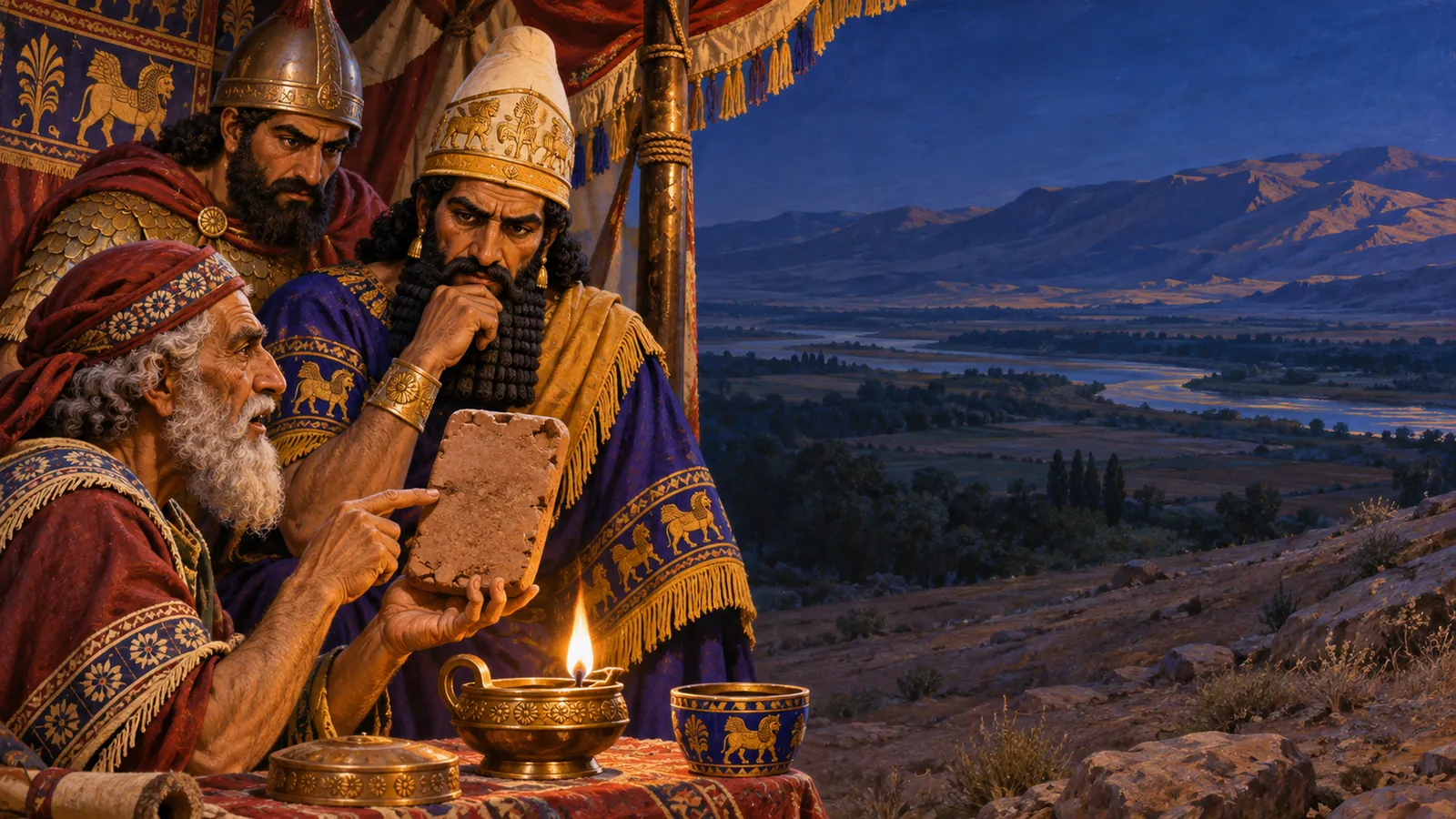
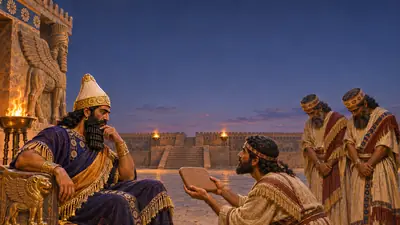
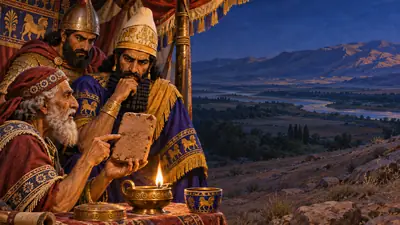
El informe dice que Ninšiku, señor de la sabiduría identificado con Ea, había escrito en una tablilla antigua que este mes correspondía a reunir ejércitos y preparar el campamento.
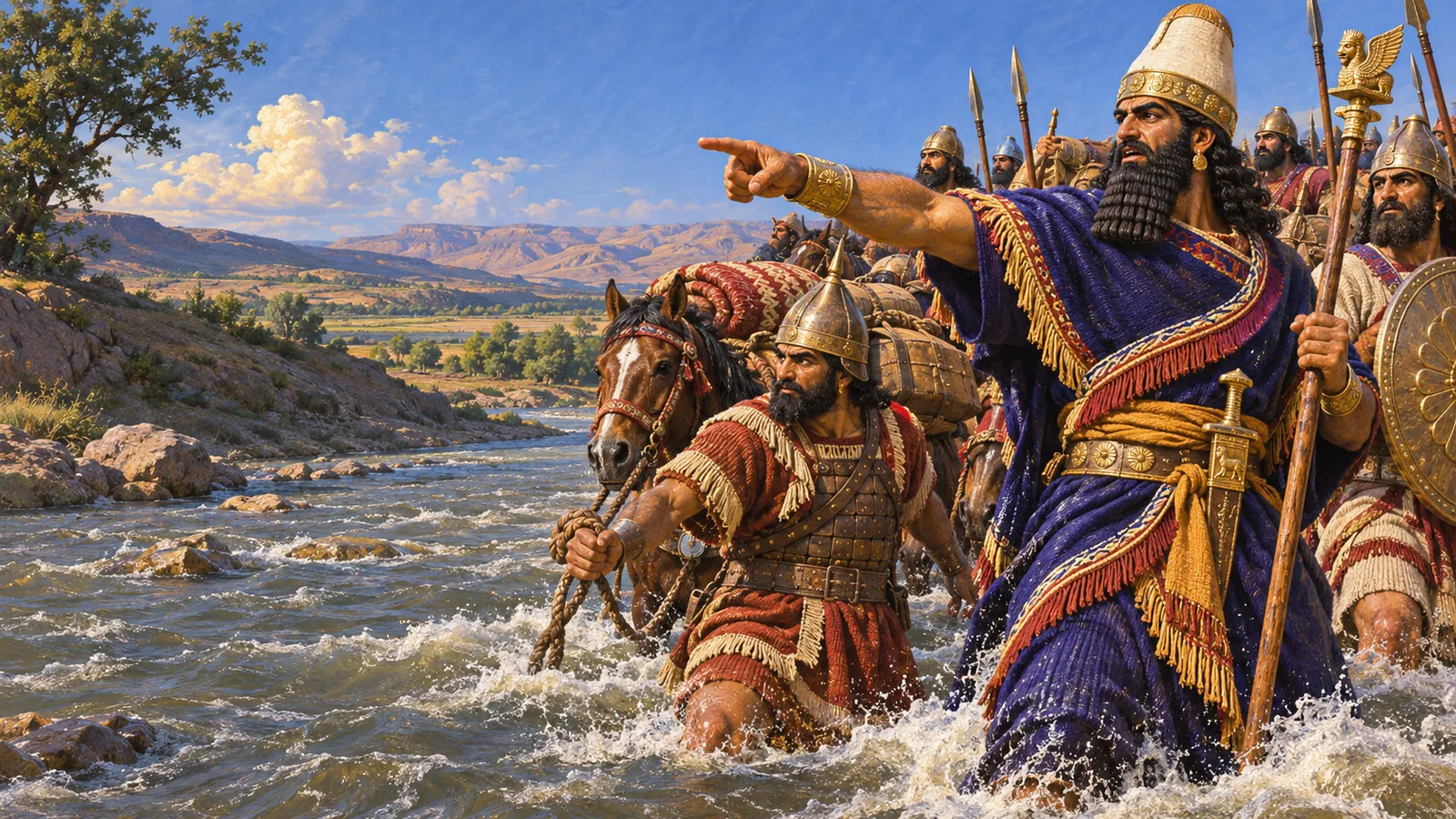
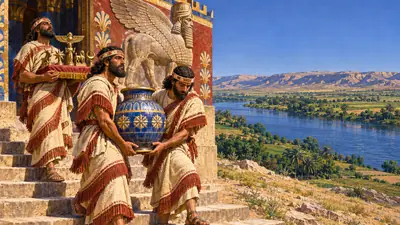
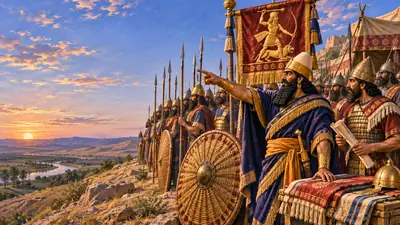
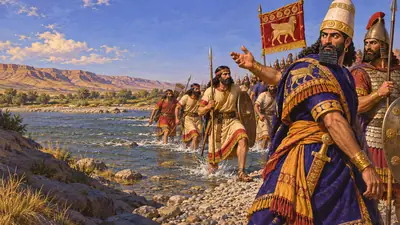
Relata su salida de Kalḫu, su ciudad real, y el decidido cruce del Zab Superior mientras el río lleva una gran crecida.
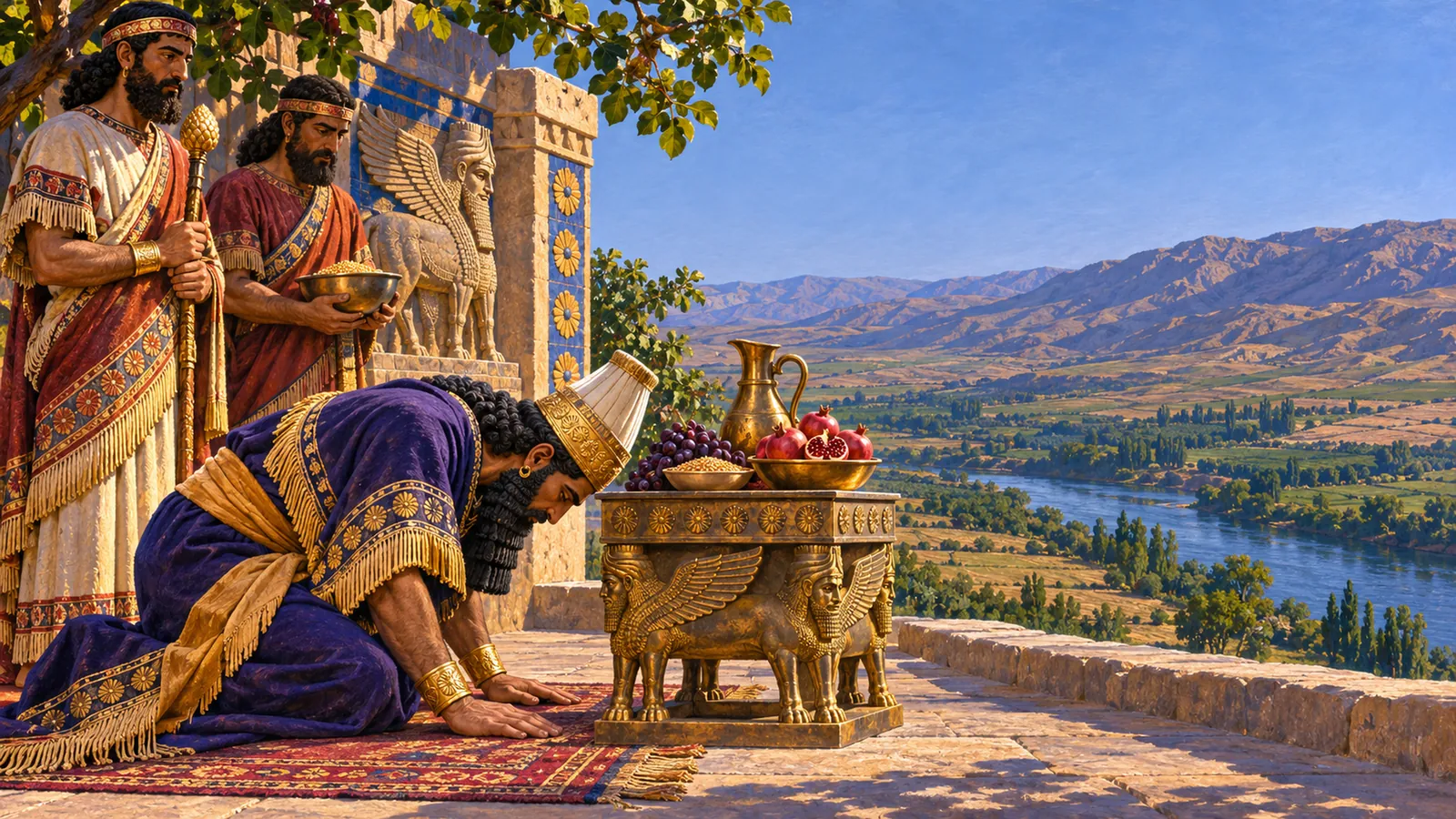
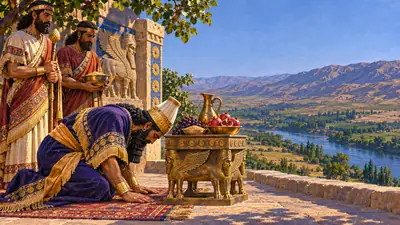
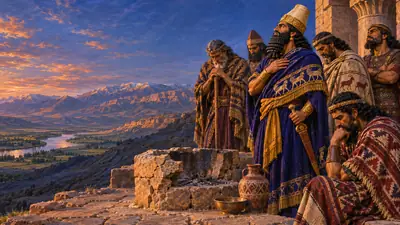
Al tercer día se postra ante Enlil y Mullissu. Dice que su propósito es acallar a los arrogantes y contener a los malvados.
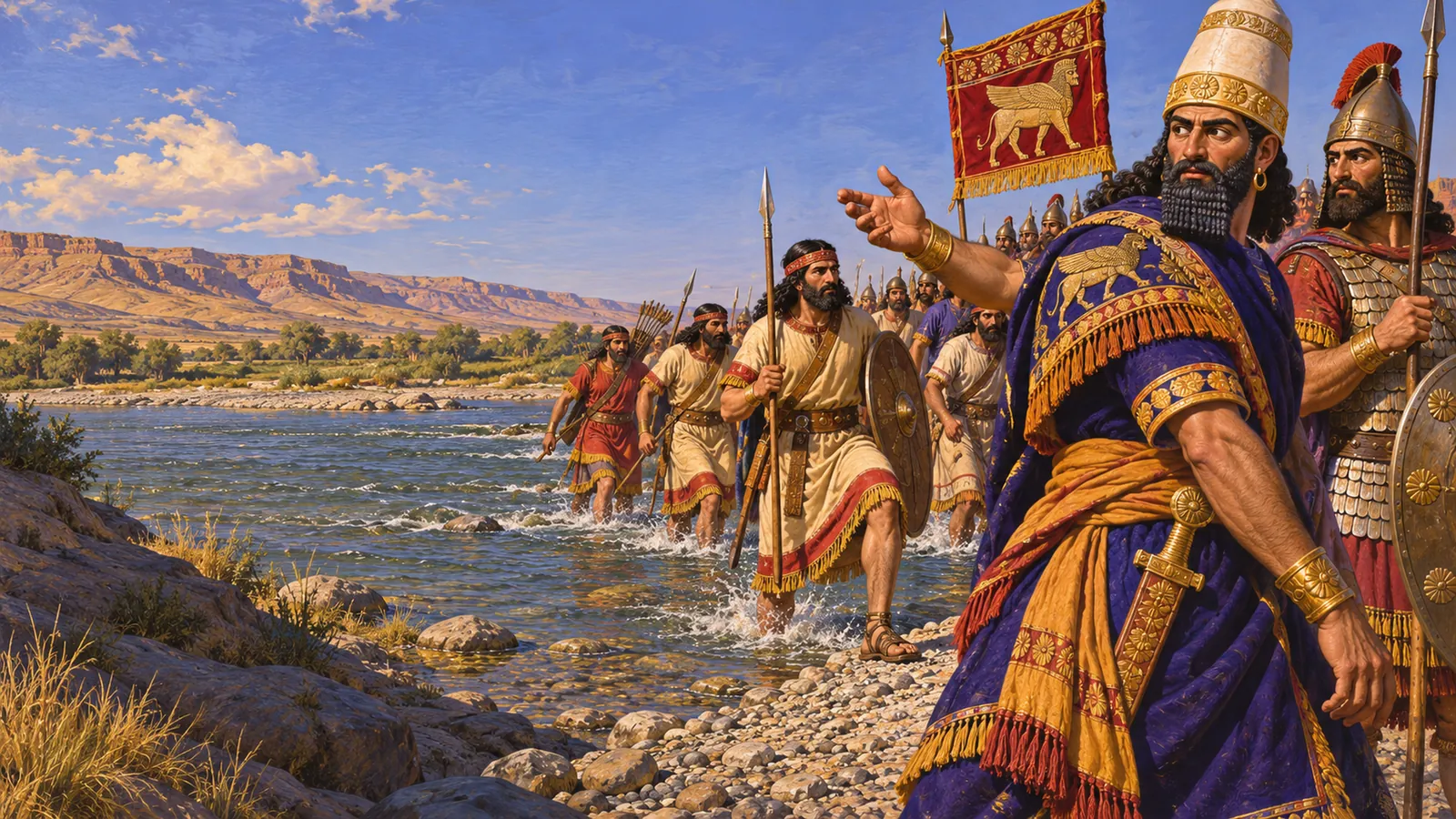
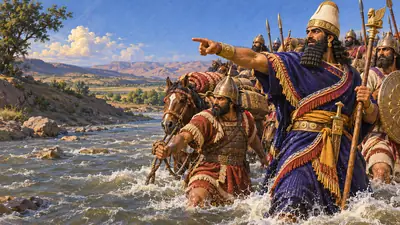
Describe el vado del Zab Inferior como difícil, pero afirma que hizo pasar a las tropas de Šamaš y Marduk con la facilidad de cruzar una pequeña zanja.
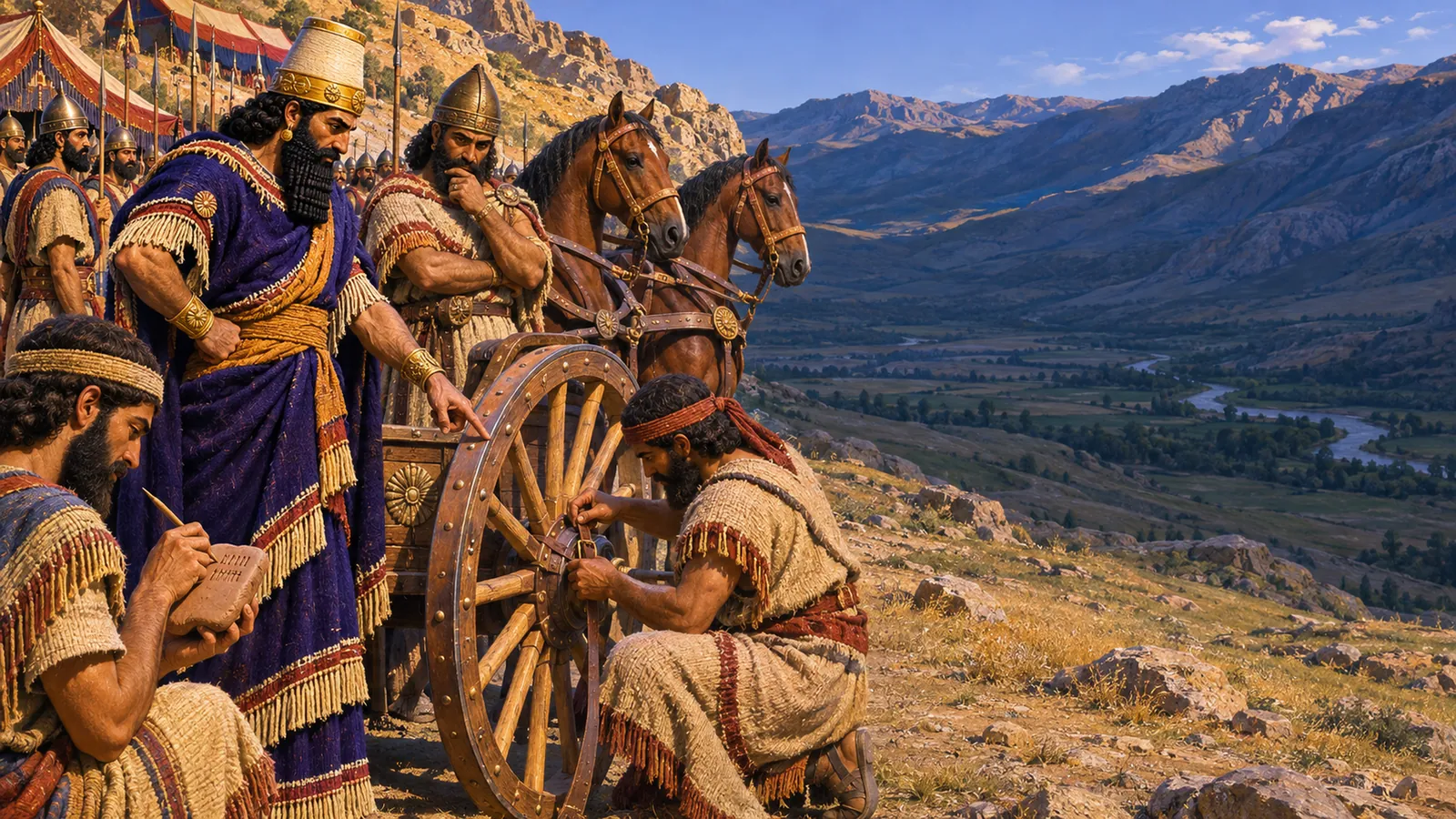
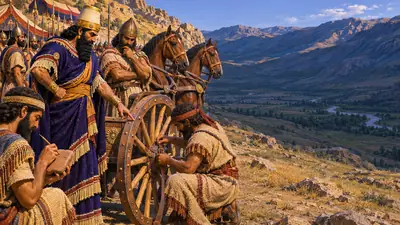
El informe lo lleva por los pasos montañosos de Kullar, en Lullumû, también llamado Zamua. En Sumbi revista al ejército y cuenta sus caballos y carros.
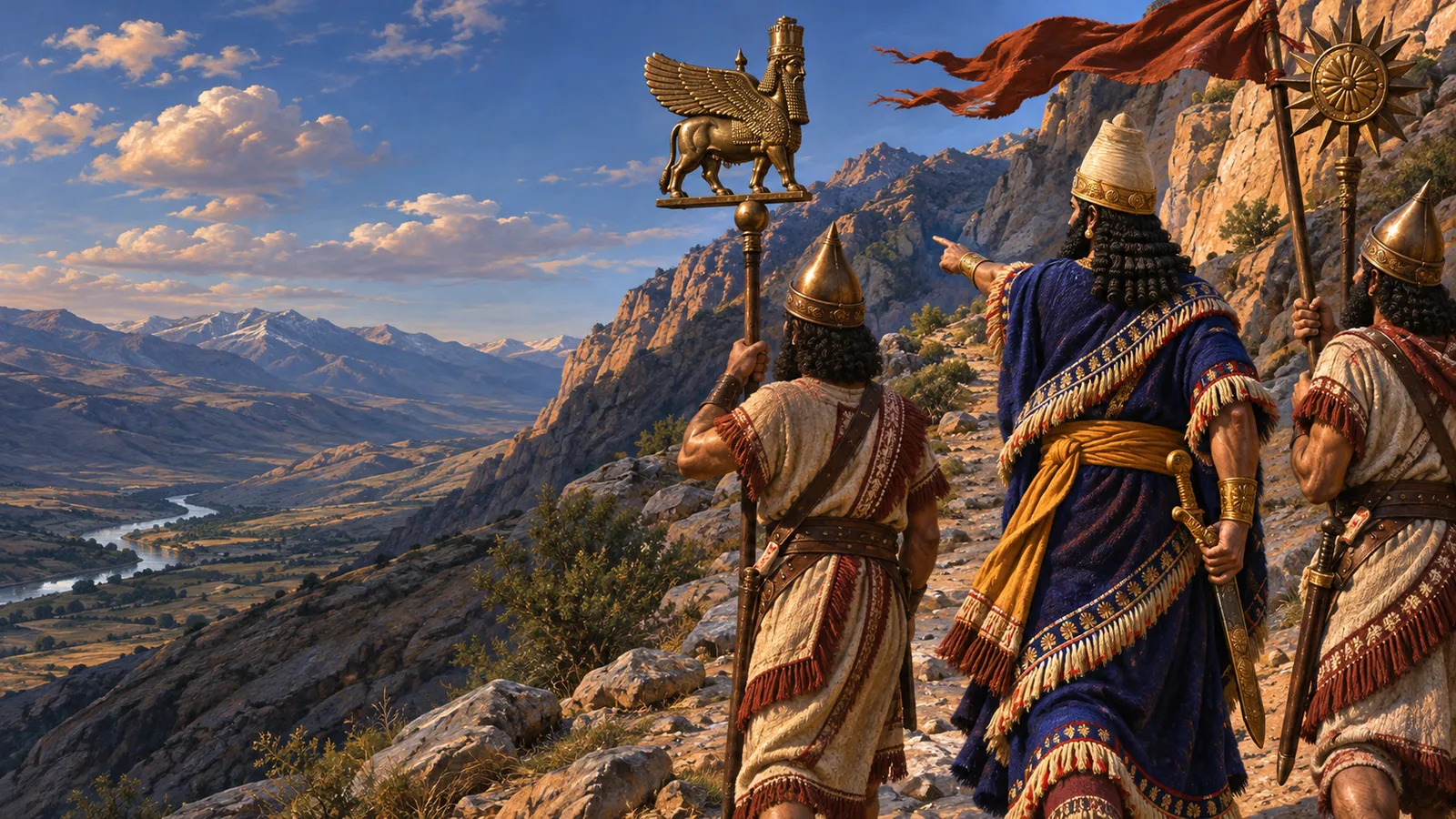
Atribuyendo un fuerte apoyo a Aššur, Šamaš, Nabû y Marduk, Sargón dice que dirige su marcha hacia el interior de las montañas por tercera vez.
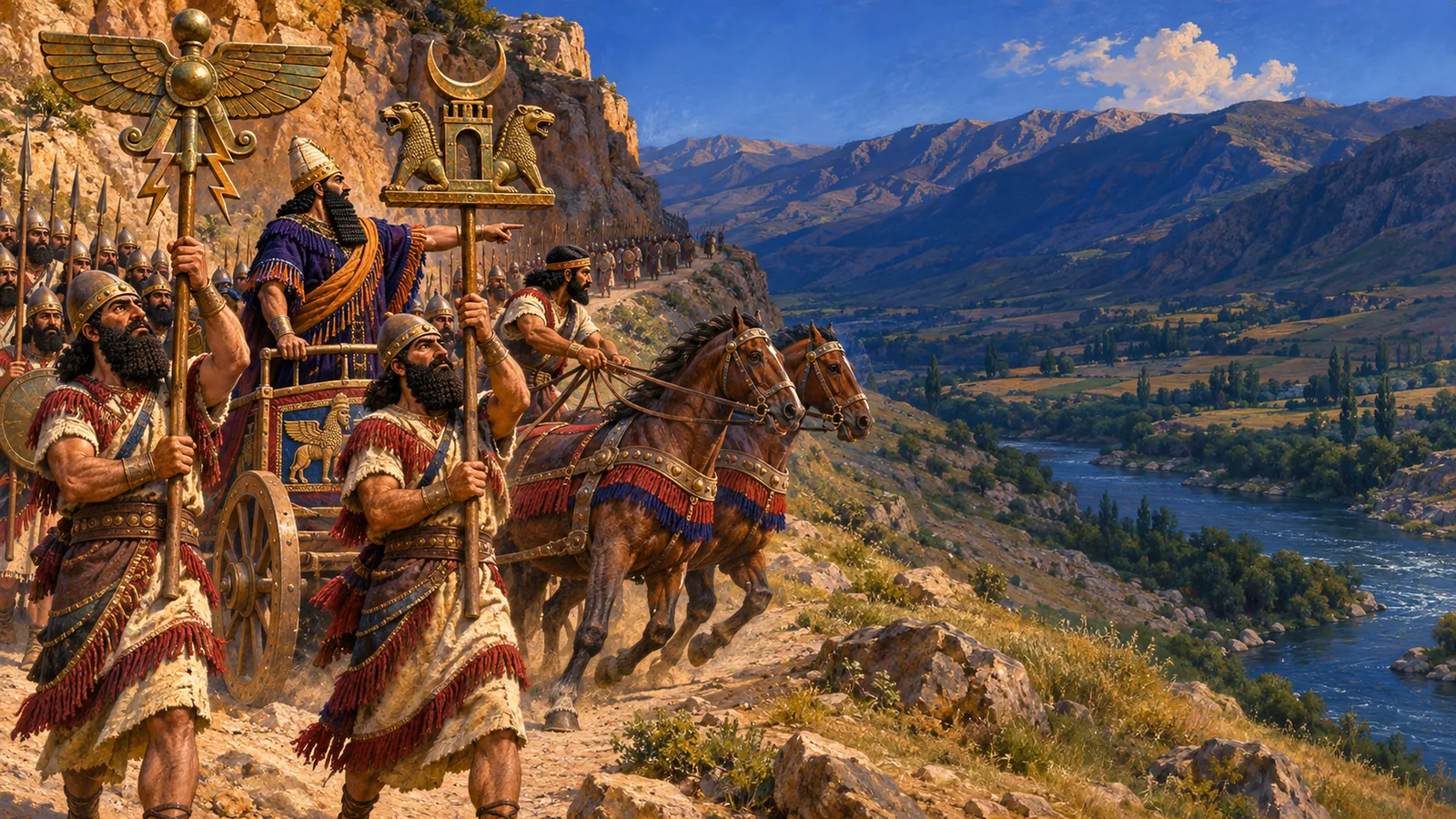
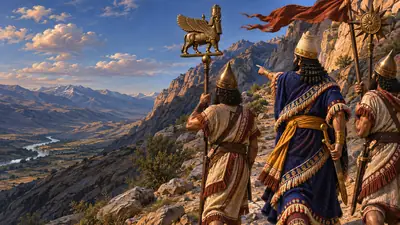
La carta nombra Zikirtu y Andia como su destino. Describe los estandartes de Nergal y Adad precediéndolo mientras dirige sus carros hacia aquellas tierras.
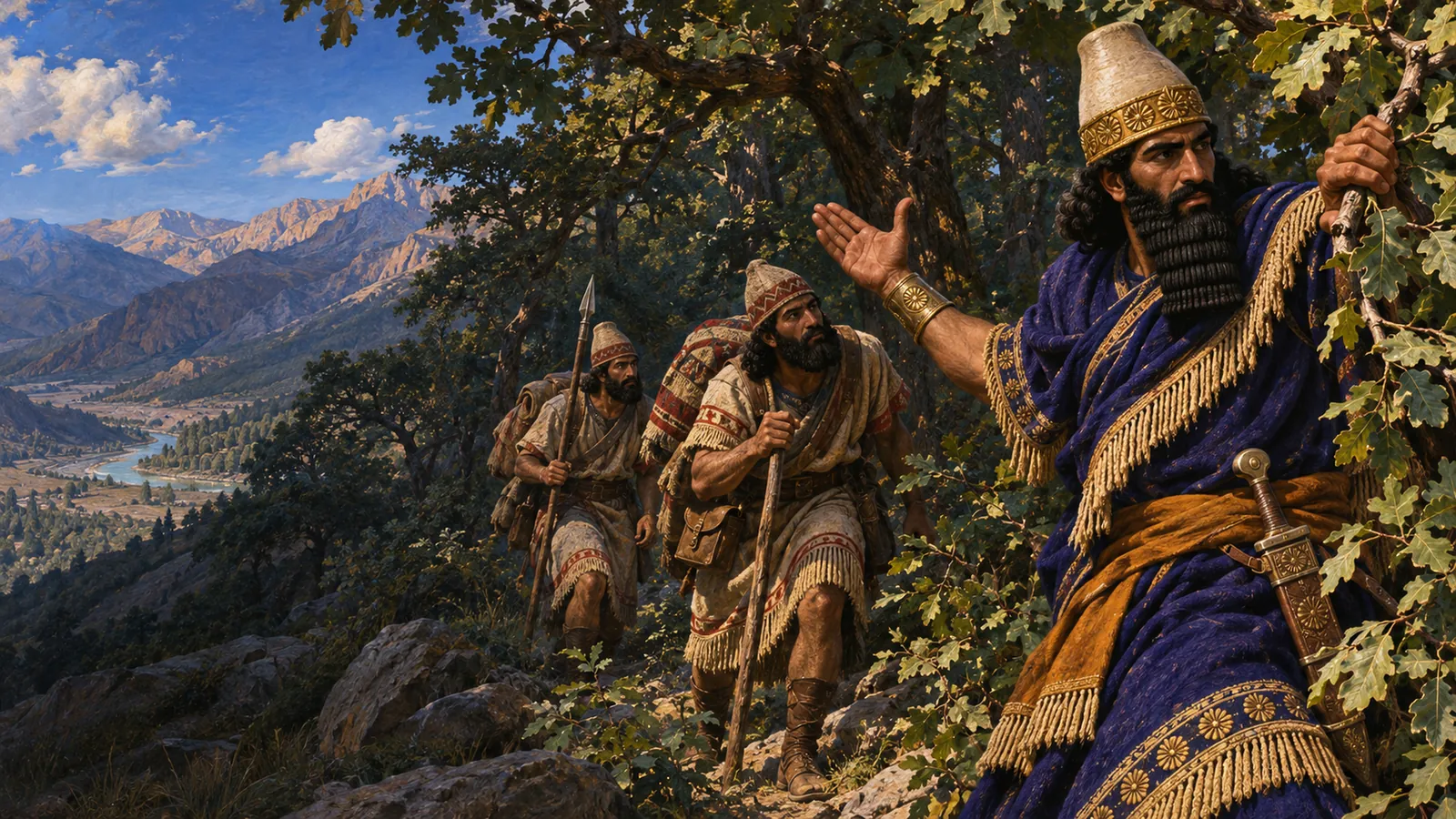
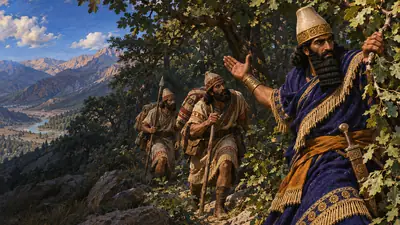
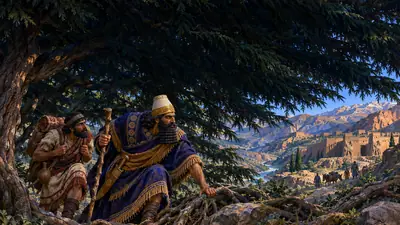
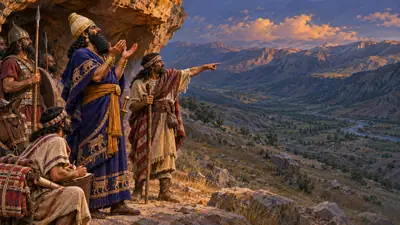
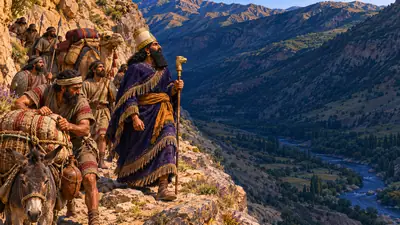
Entre Nikippa y Upâ atraviesa altas montañas cubiertas de muchas clases de árboles. Según el informe, su entrada resulta aterradora y su interior confuso.
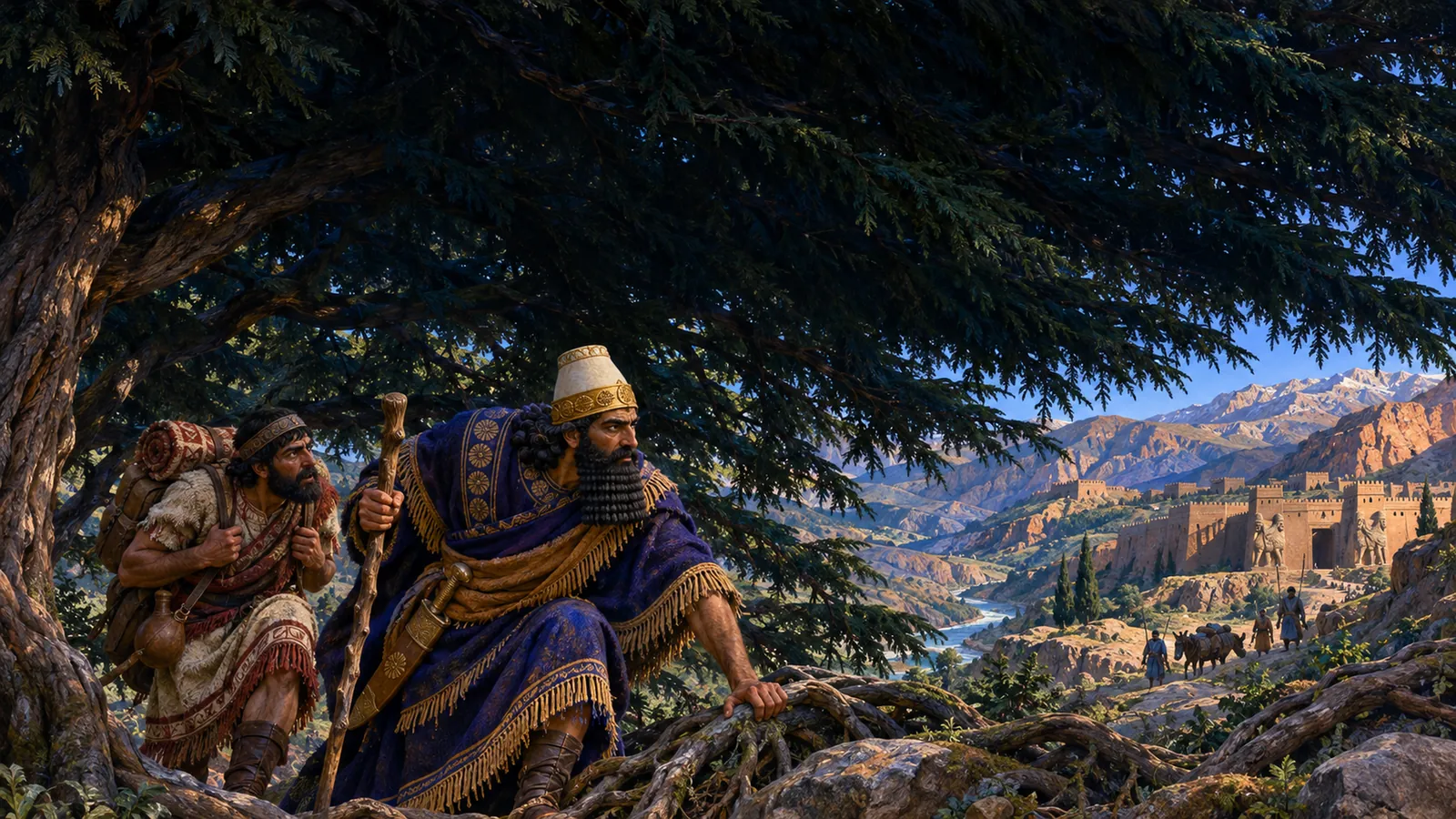
SOMBRA PROFUNDA
Continúa bajo un espeso dosel de árboles. El informe compara su sombra con la de un bosque de cedros y dice que quienes siguen aquel camino no ven la luz del sol.
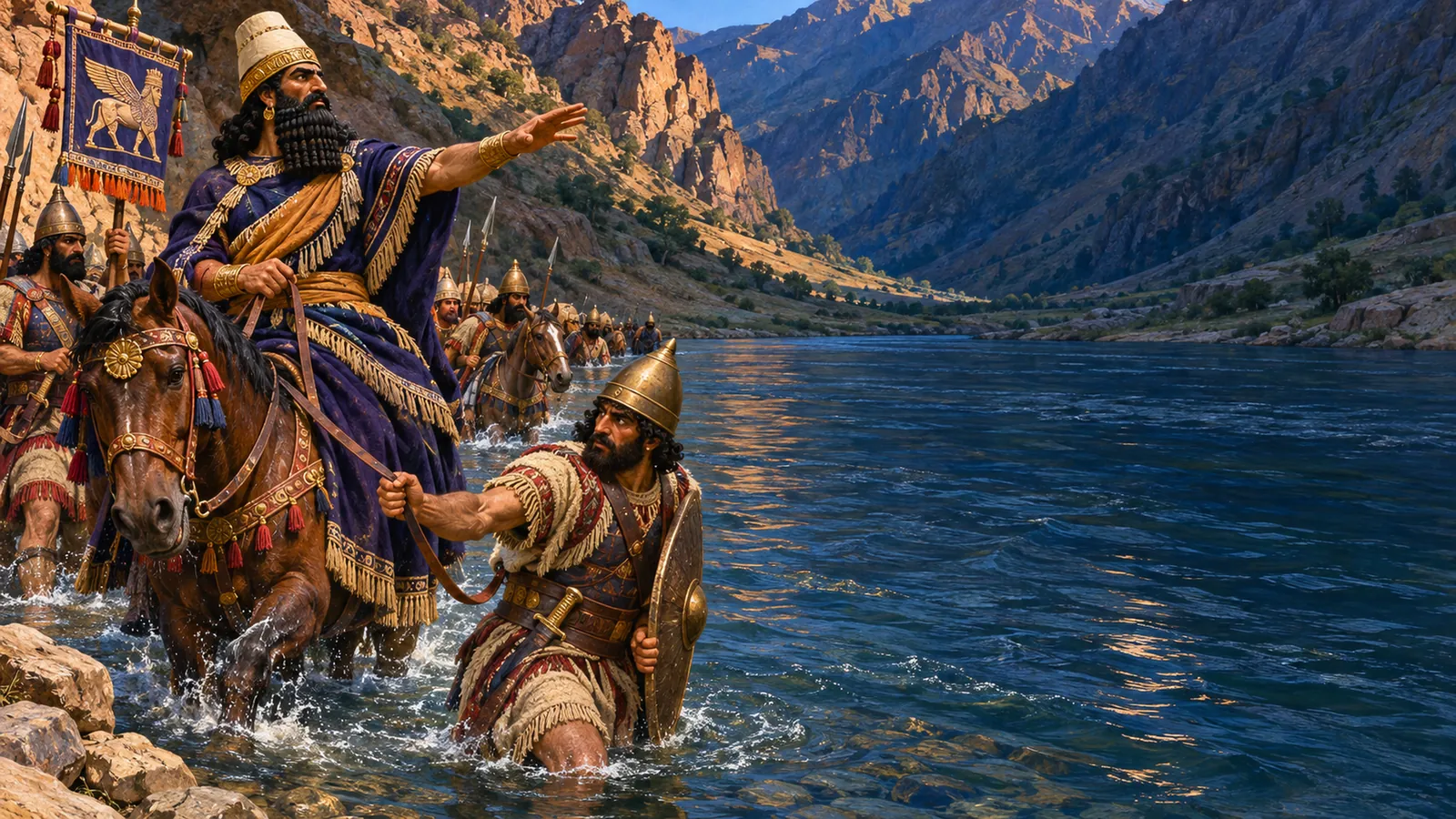
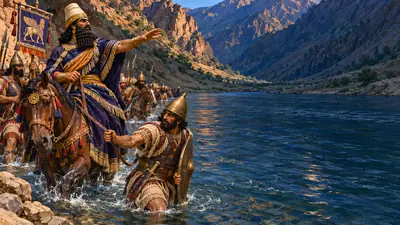
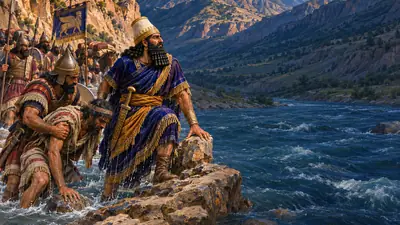
Sargón afirma que cruza veintiséis veces el Būya, que corre entre las dos montañas. Pese a la crecida, sostiene que su ejército no siente miedo.
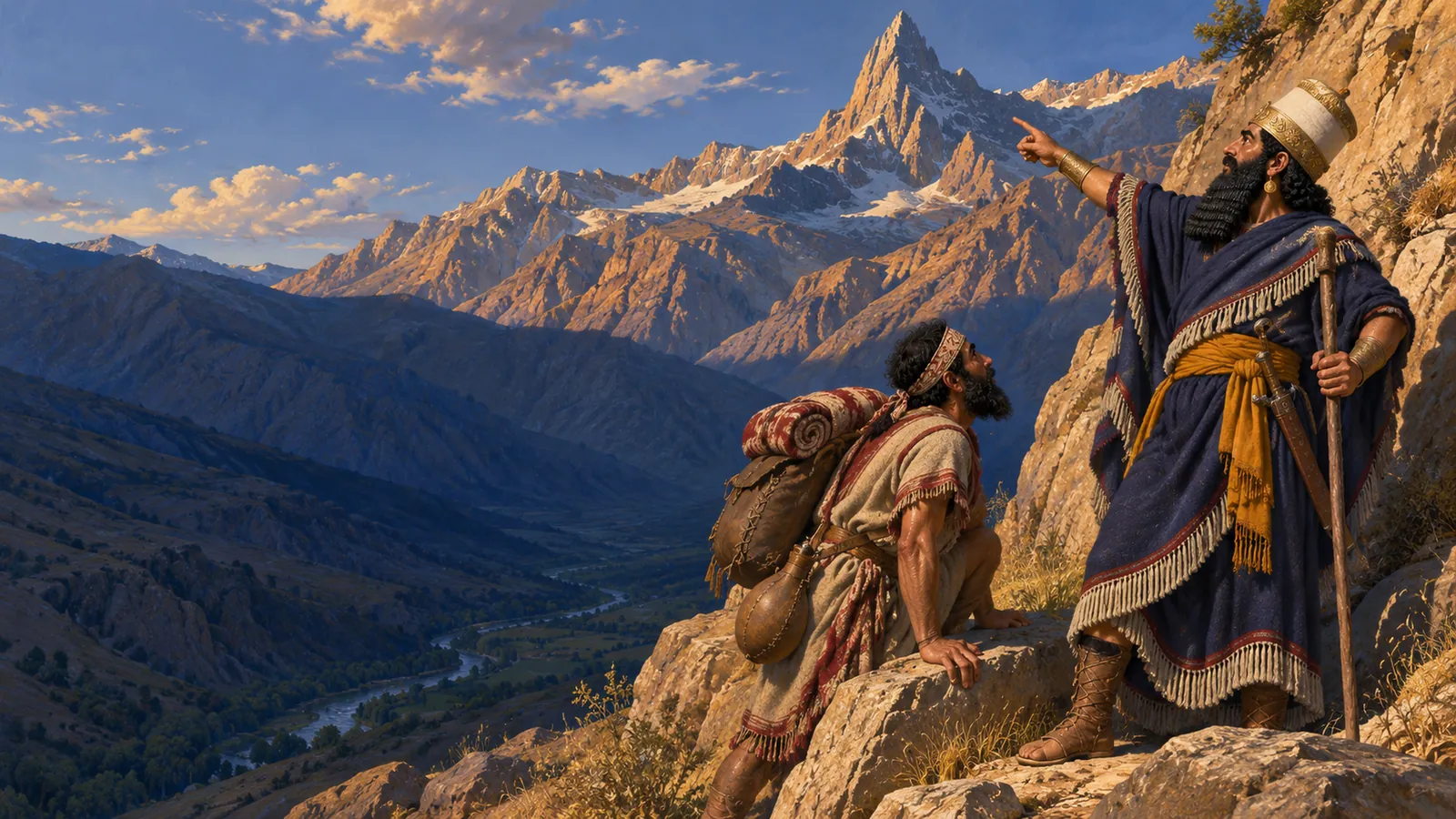
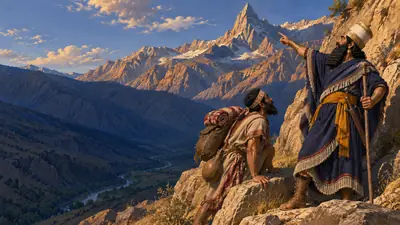
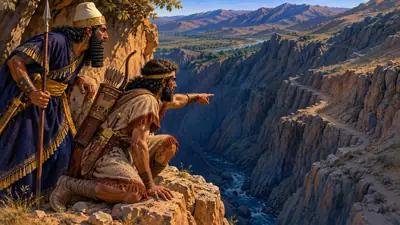
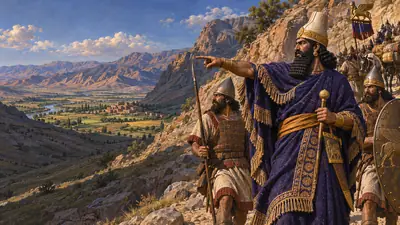
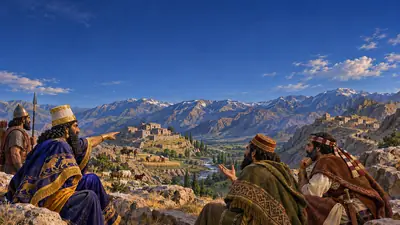
Compara la cumbre de Simirria con una lanza, más alta que la morada montañosa de Bēlet-ilī. En esta descripción, la cima toca el cielo y las raíces alcanzan el inframundo.
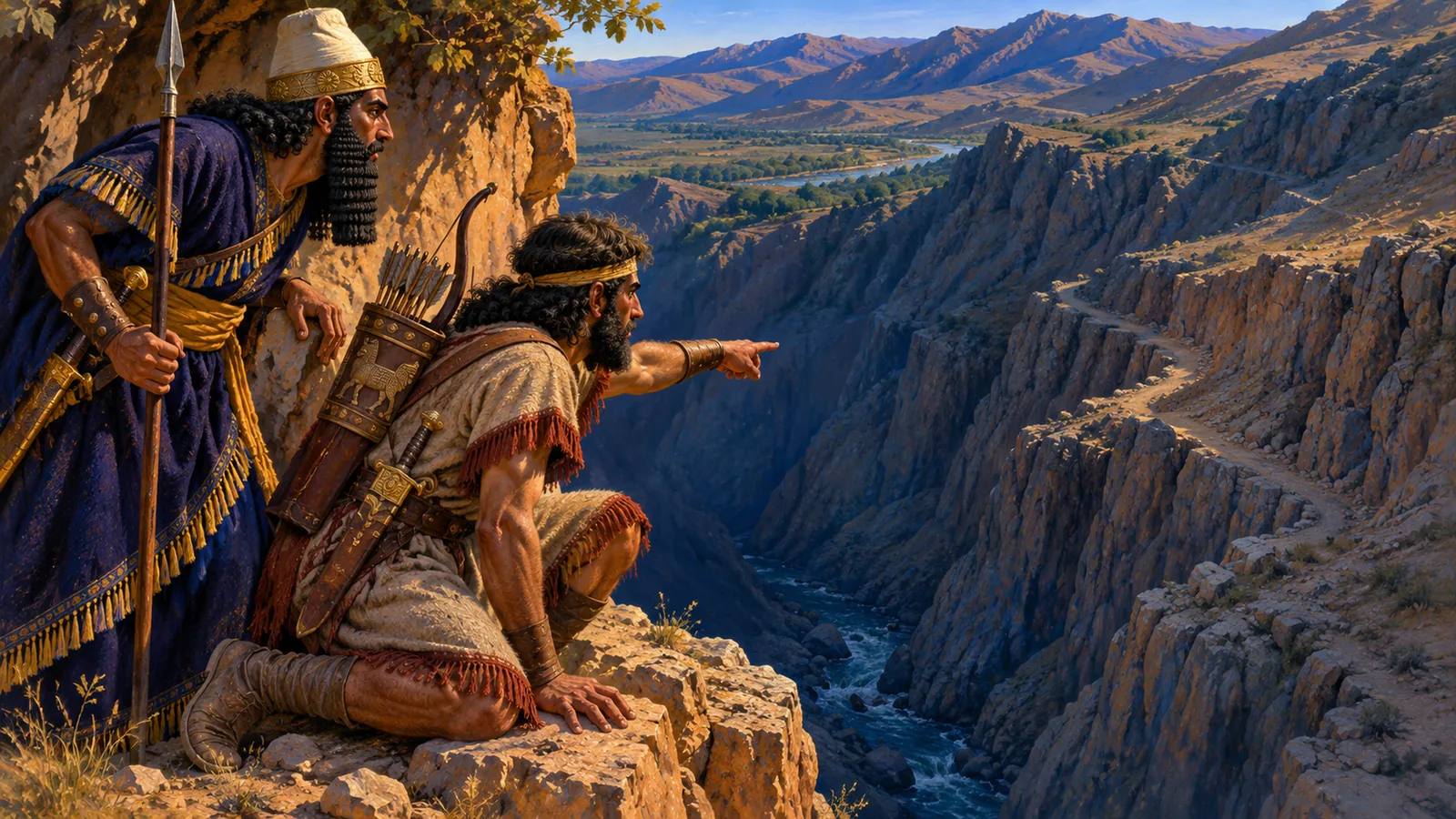
Como el lomo de un pez, dice, Simirria no ofrece paso de un lado al otro. La subida resulta difícil por delante y por detrás, y sus profundos barrancos ofrecen una visión aterradora.
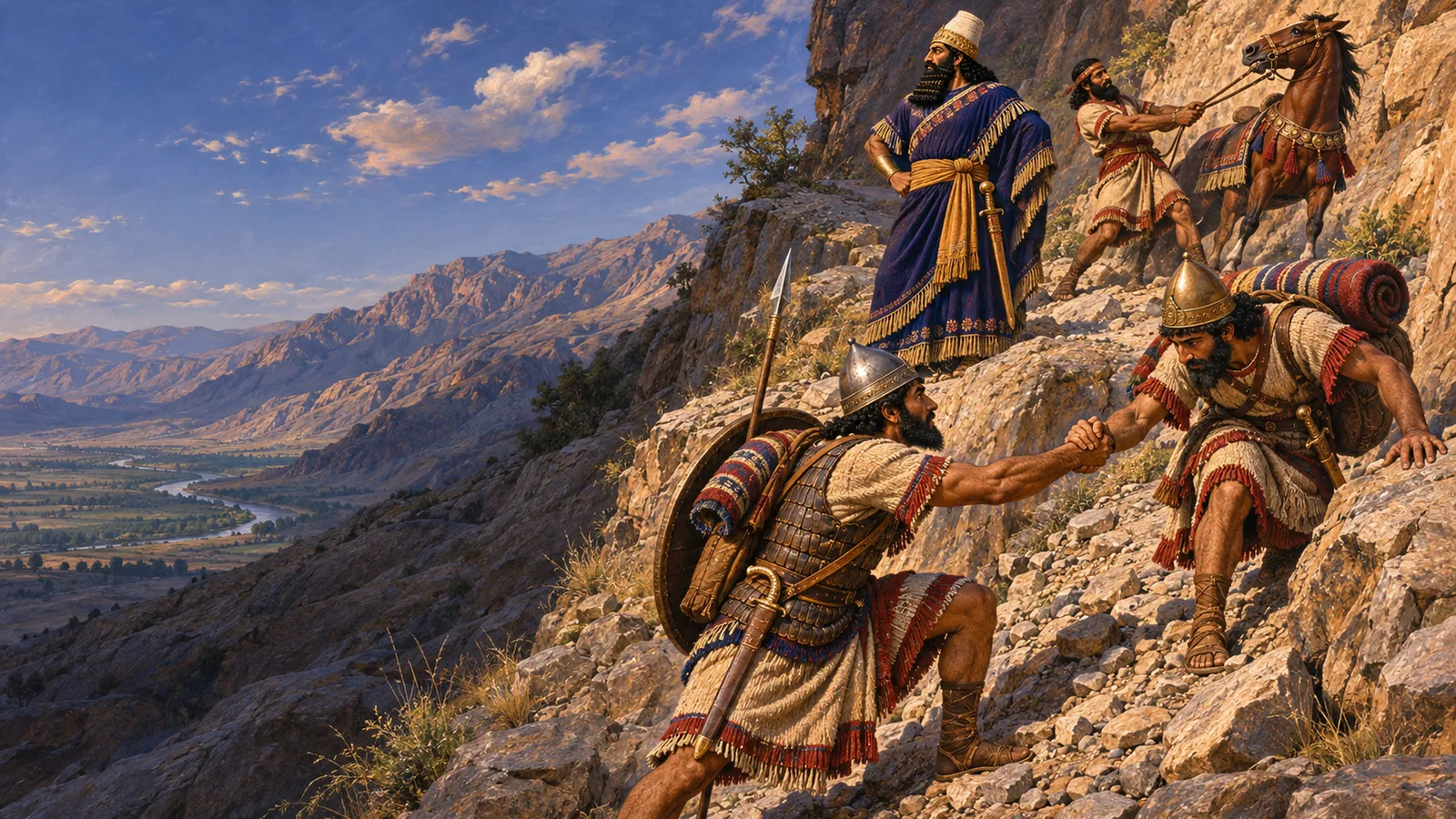
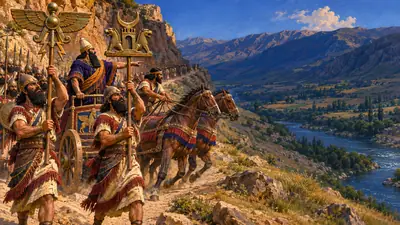
El informe dice que esta montaña no sirve para subir con carros ni para que los caballos muestren su fuerza. Incluso los soldados a pie afrontan un paso difícil.
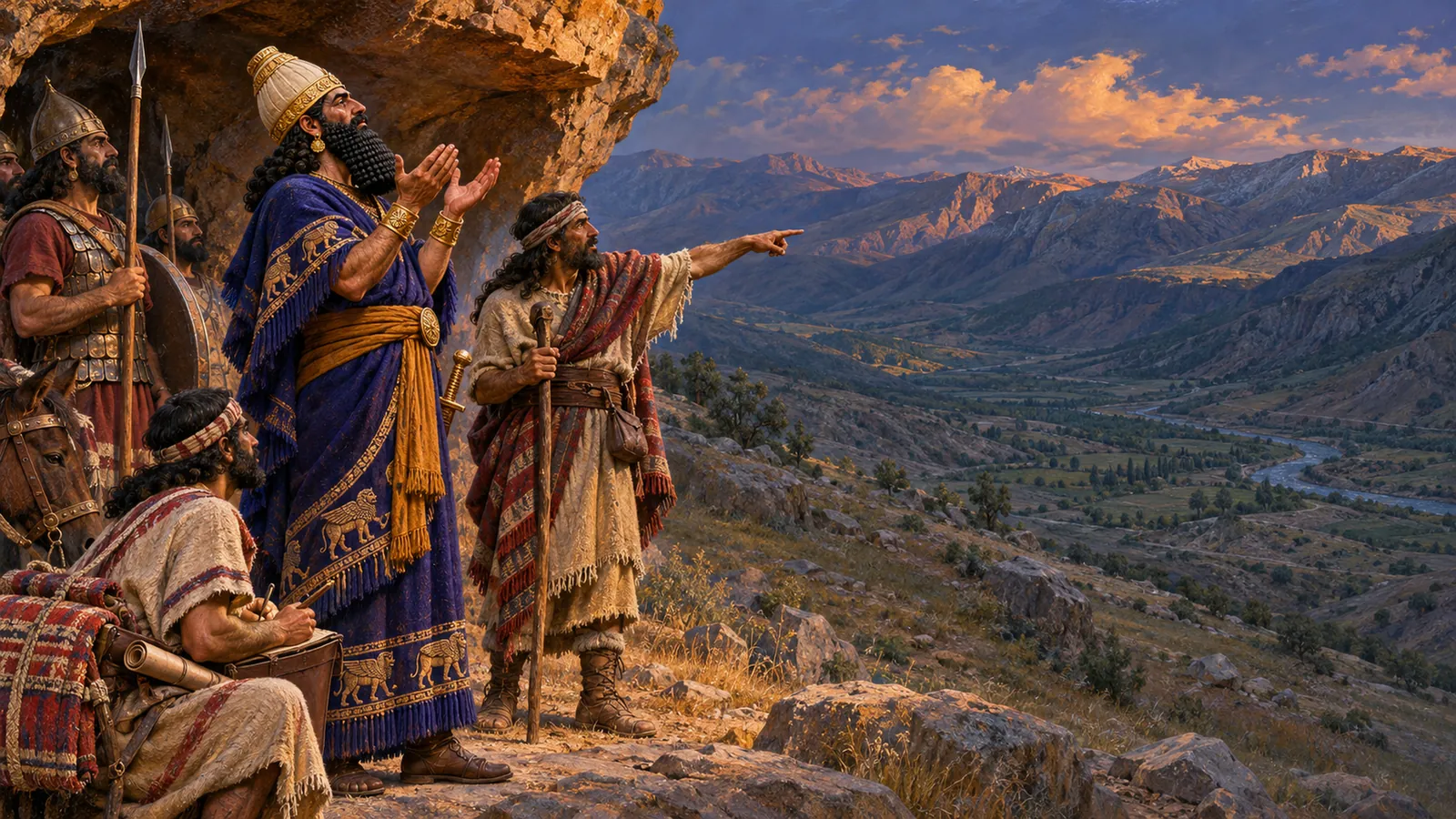
En Simirria, Sargón atribuye a Ea y Bēlet-ilī la inteligencia y la amplia comprensión que lo pusieron en marcha para arrollar el país de su enemigo.
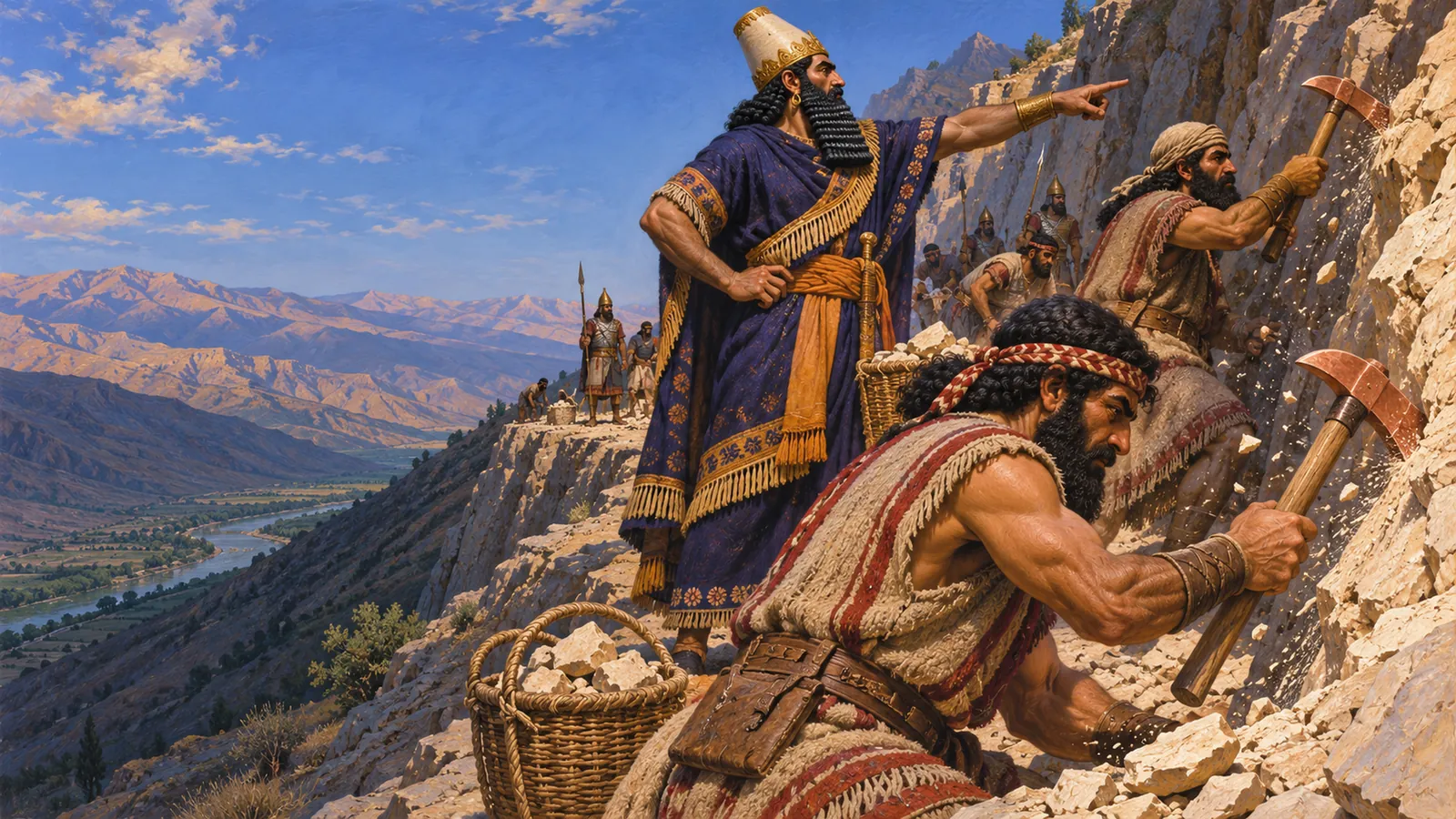
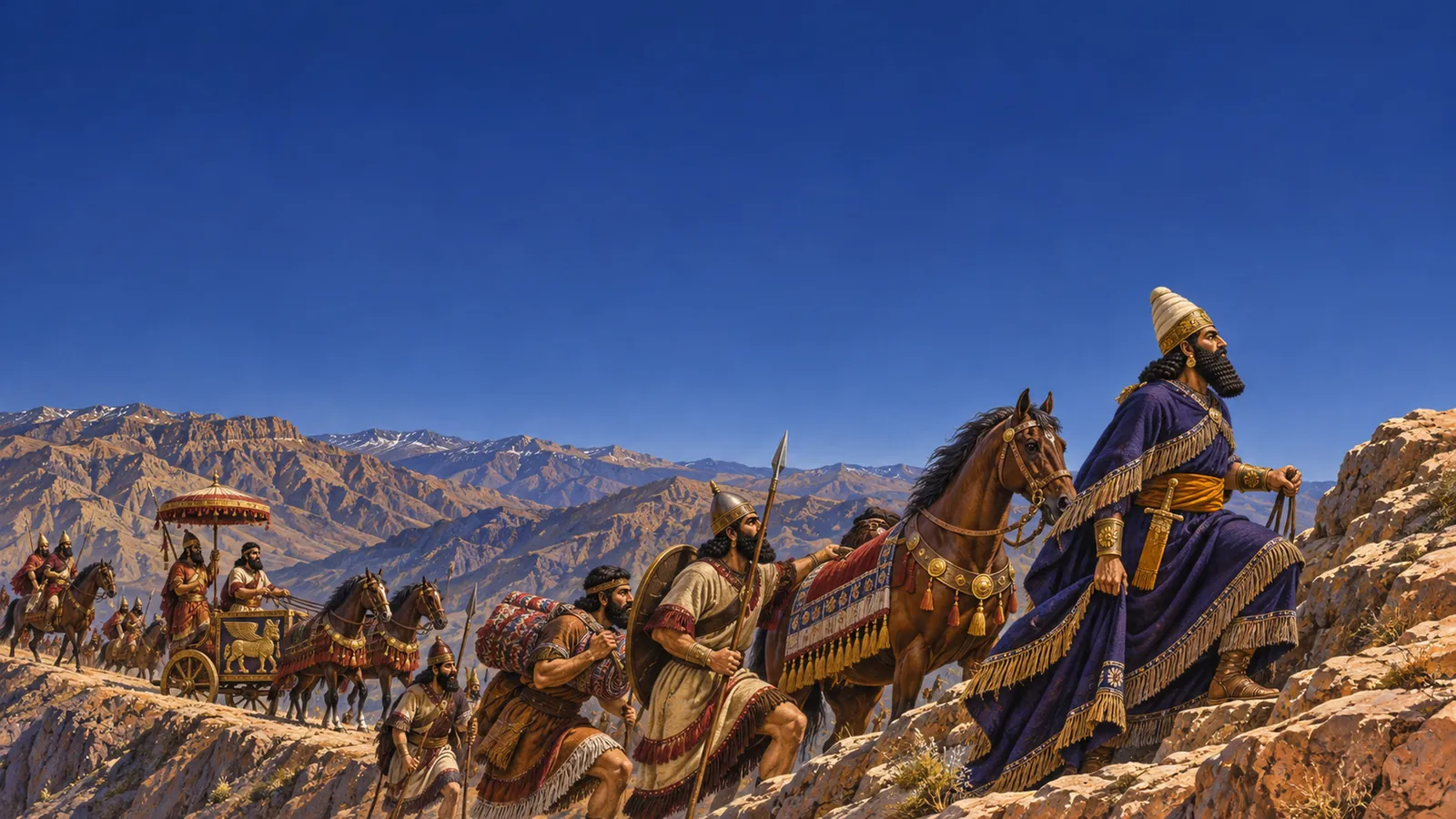
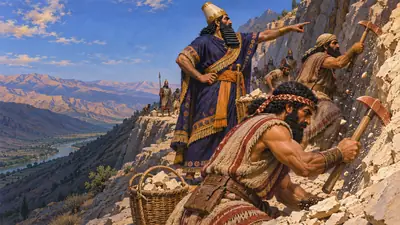
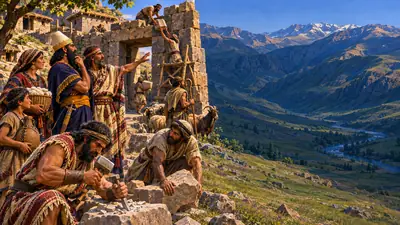
Dice que su vanguardia llevaba fuertes hachas de cobre y abrió paso entre los altos riscos como si fueran piedra caliza, mejorando así el camino de montaña.
ASCENSO
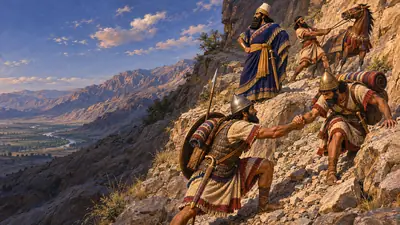
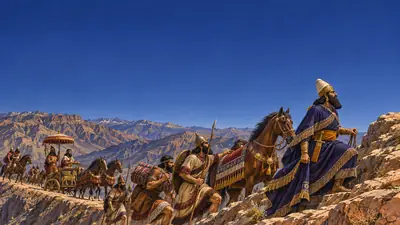
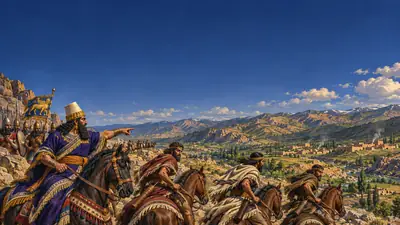
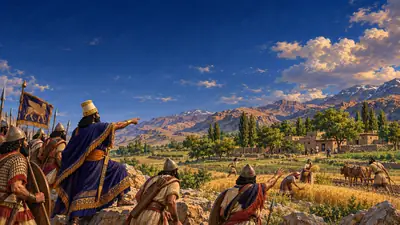
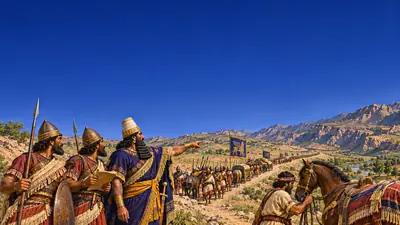
Sargón dice que se puso al frente de su ejército e hizo pasar por la montaña a los carros, la caballería y las tropas que lo acompañaban. Compara su ascenso con el vuelo de águilas valientes.
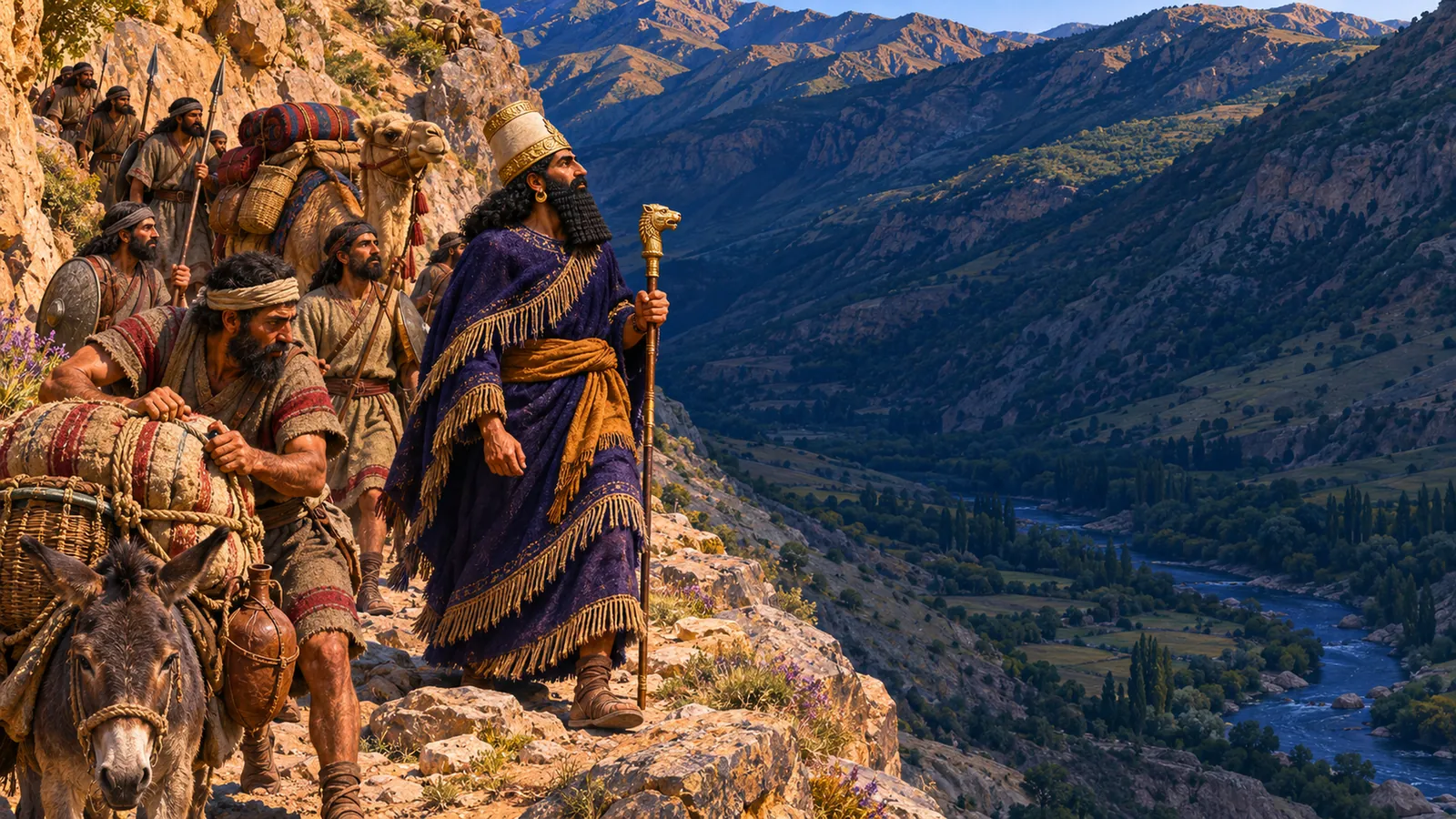
El informe sitúa detrás de ellos a los soldados comunes y a la infantería ligera. Camellos y asnos subían el equipaje a las alturas, comparados con íbices de montaña.
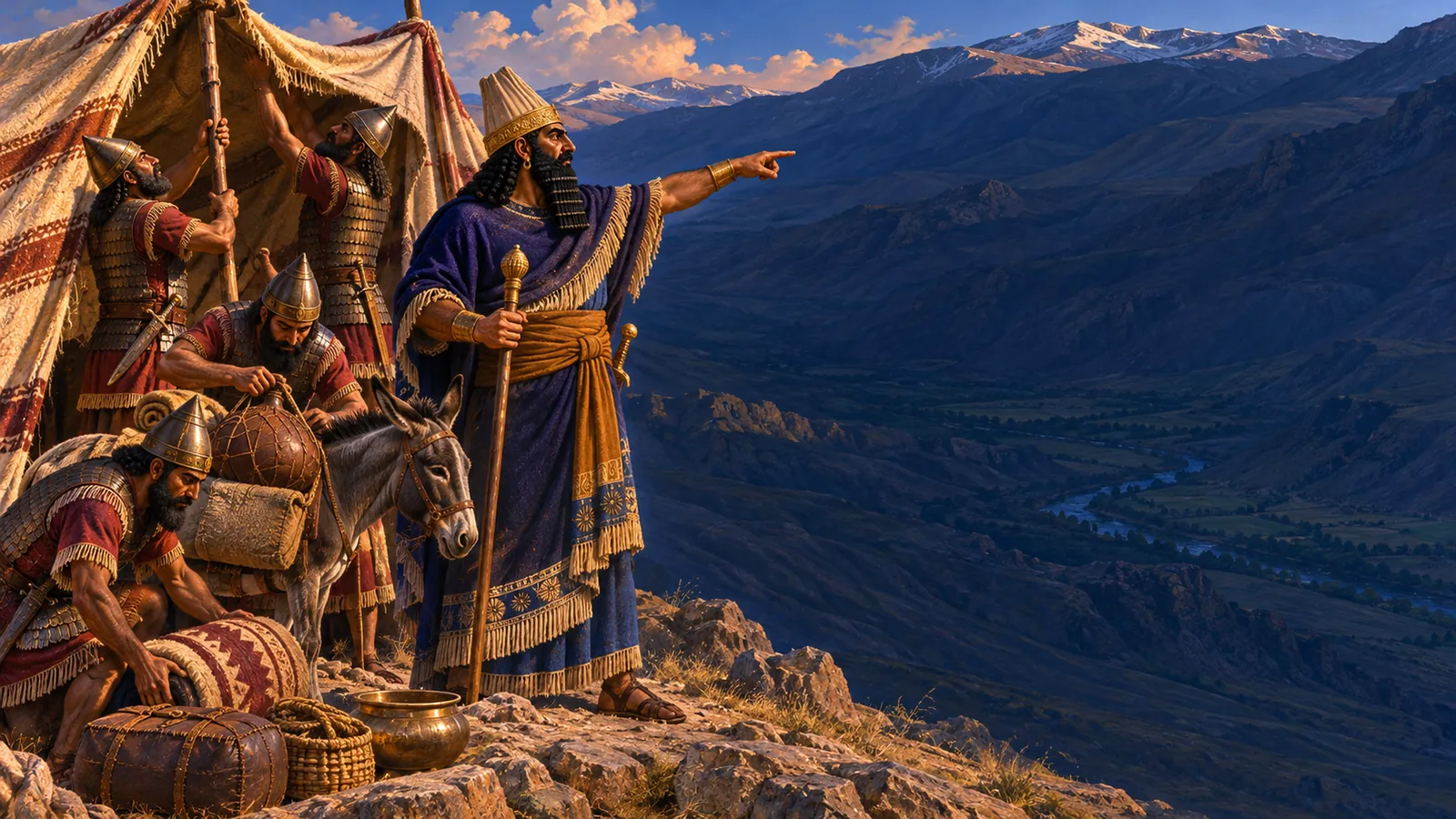
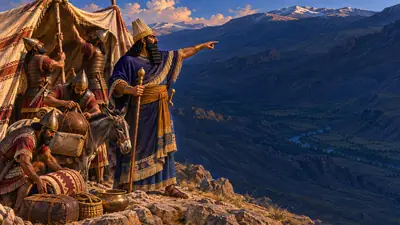
Dice que hizo subir en buen orden a las numerosas tropas de Aššur por las difíciles pendientes y después estableció su campamento en la cima.
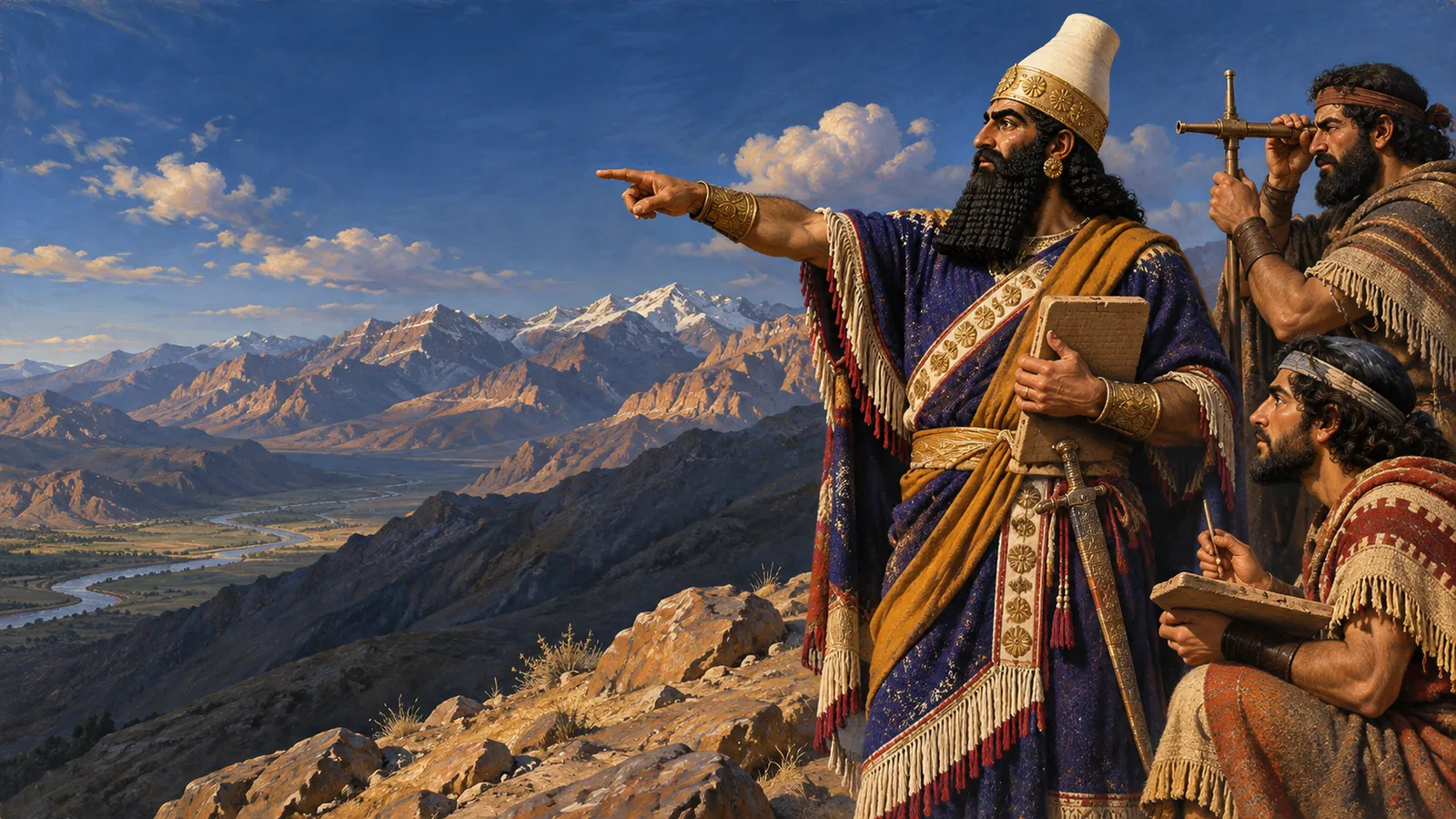
El relato nombra Sinaḫulzi, Biruatti, Turtani, Sinabir, Aḫšūru y Sūya. Sargón dice que cruzó siete montañas con dificultad, aunque estas líneas solo nombran seis.
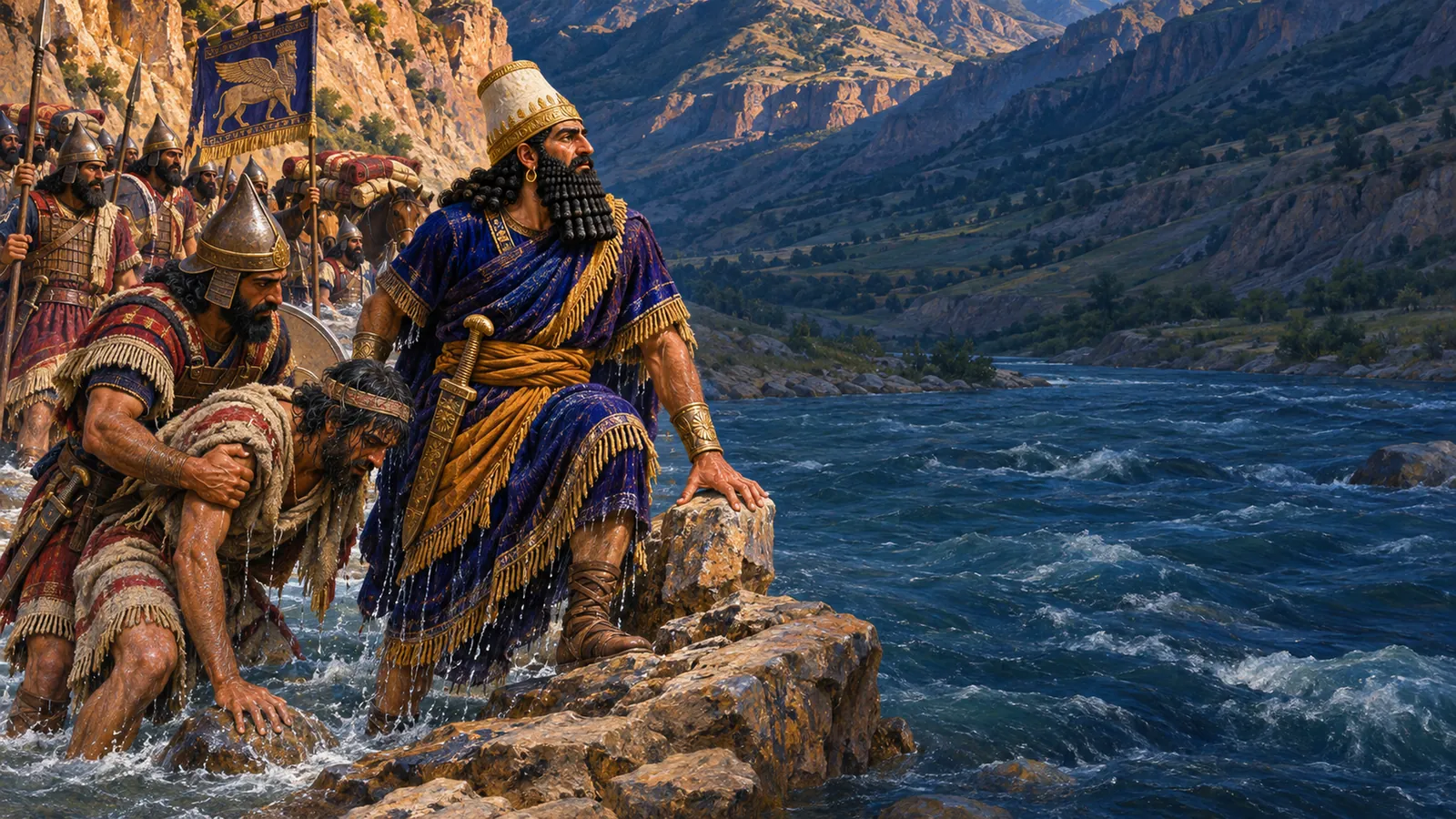
Sargón relata después que cruzó el Rappâ y el Arattâ, ríos que descendían de las montañas. Estaban crecidos, pero compara su cruce con pasar unas zanjas.
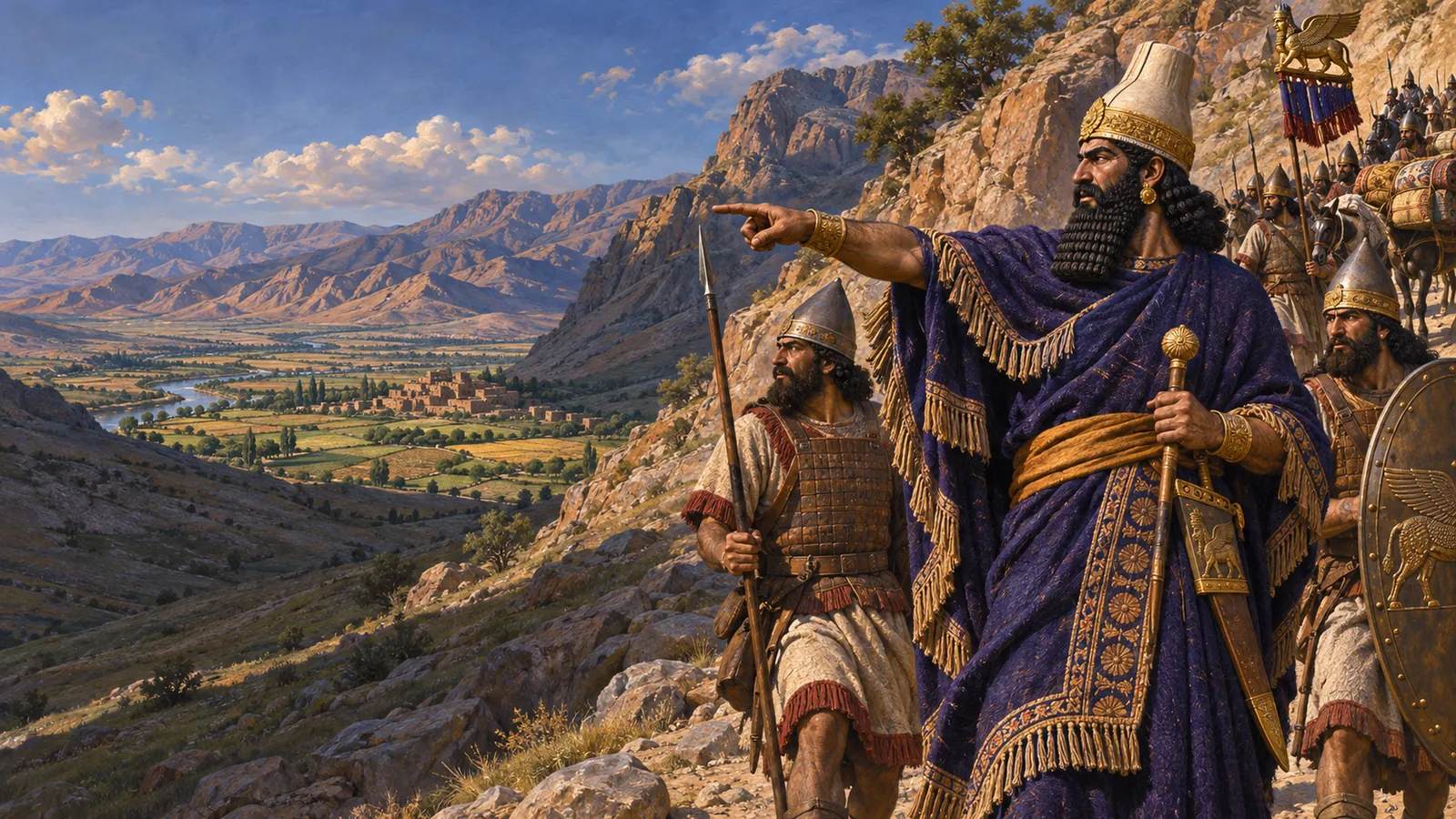
La carta lleva la marcha cuesta abajo hasta Surikaš, un distrito de Mannea en la frontera con Karalla y Allabria.
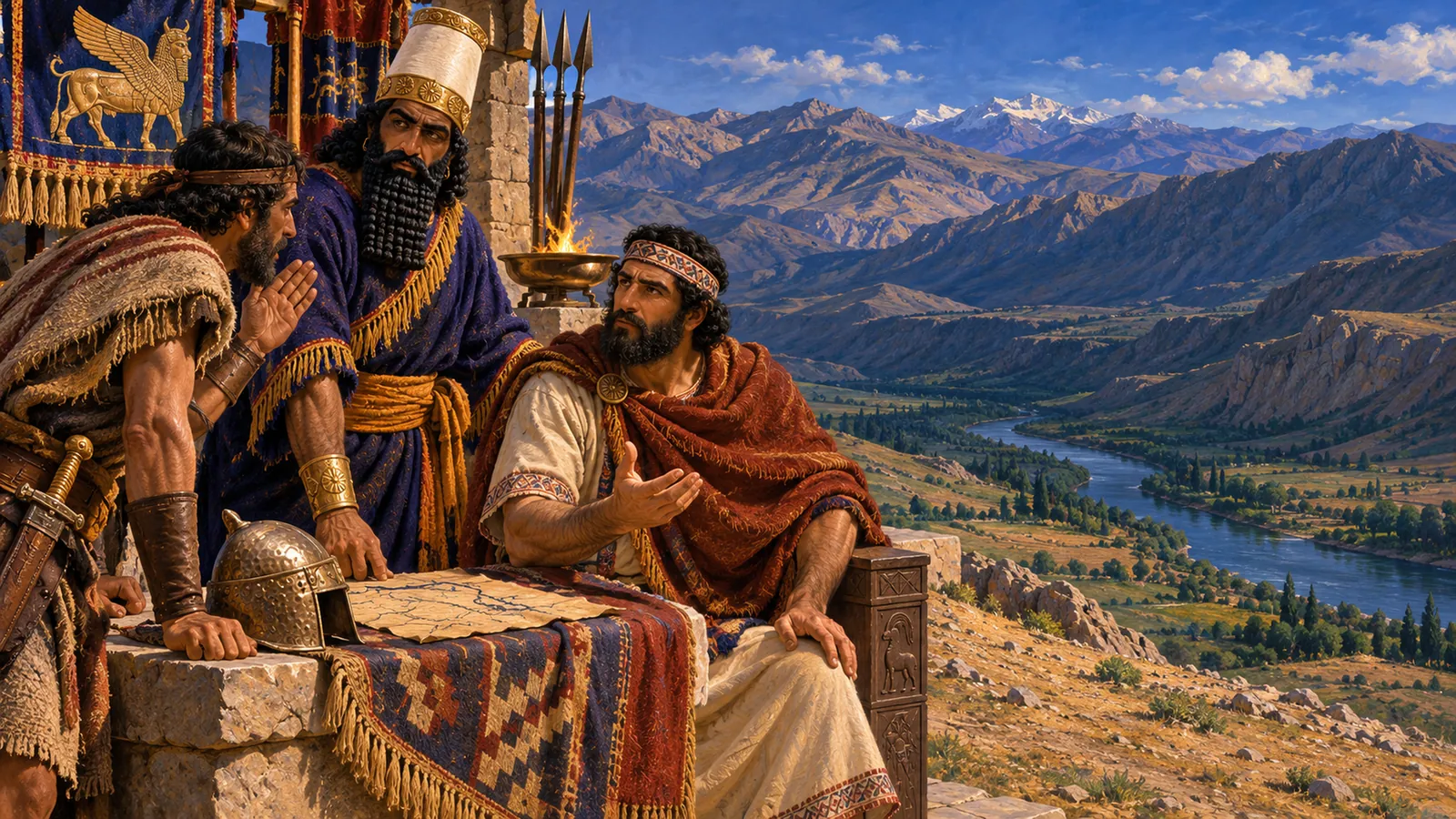
Ullusunu de Mannea oyó que el ejército se acercaba. Sargón explica su respuesta afirmando que nunca había dejado de vengar a Ullusunu, año tras año.
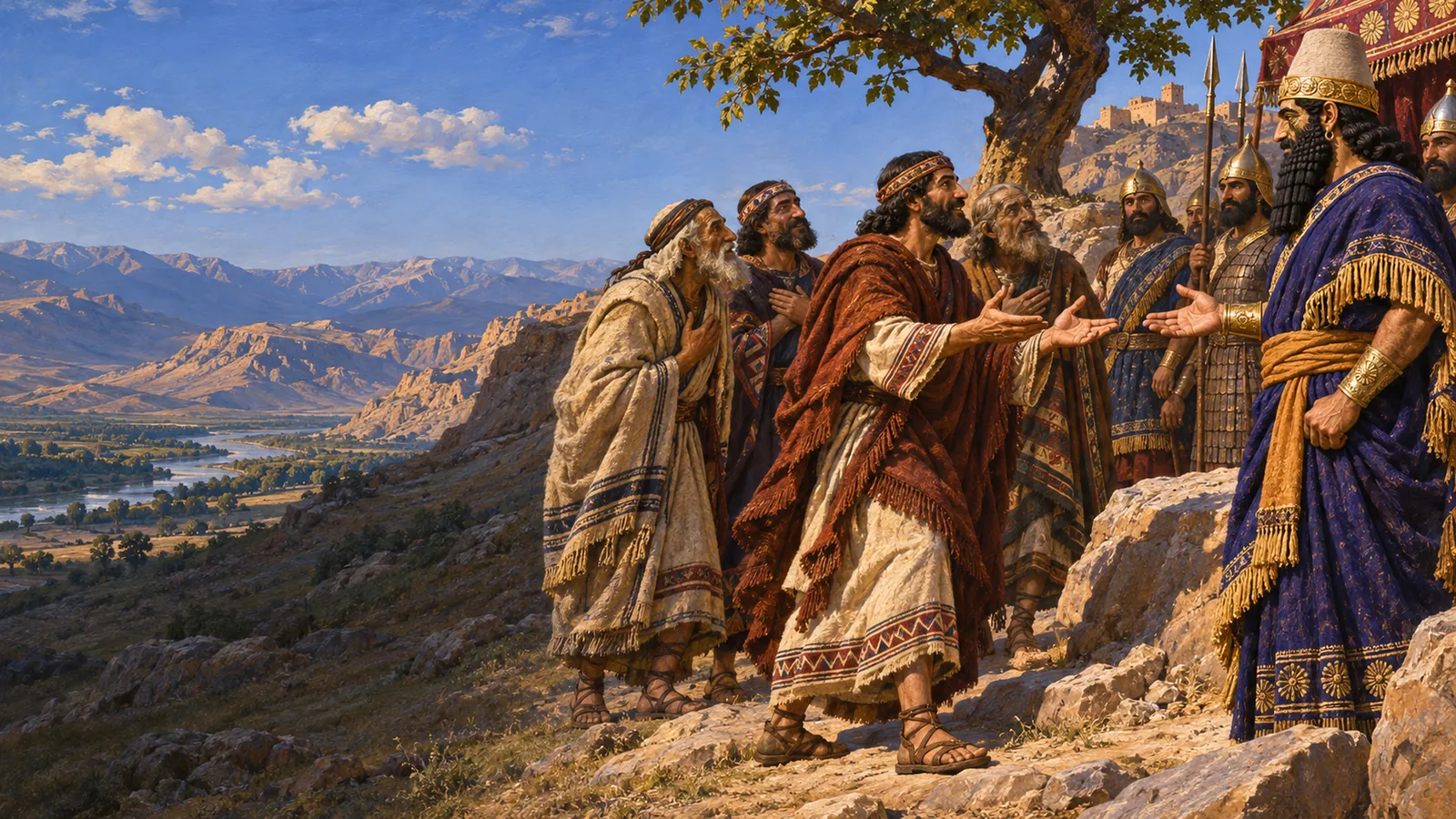
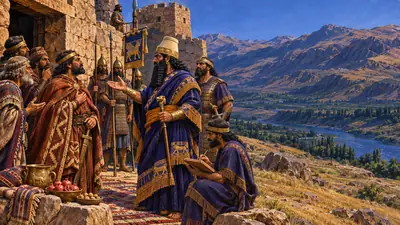
Según el informe, Ullusunu salió deprisa y con alegría junto a parientes, dignatarios, ancianos, consejeros, gobernadores y funcionarios. Lo hizo sin siquiera un intercambio de rehenes.
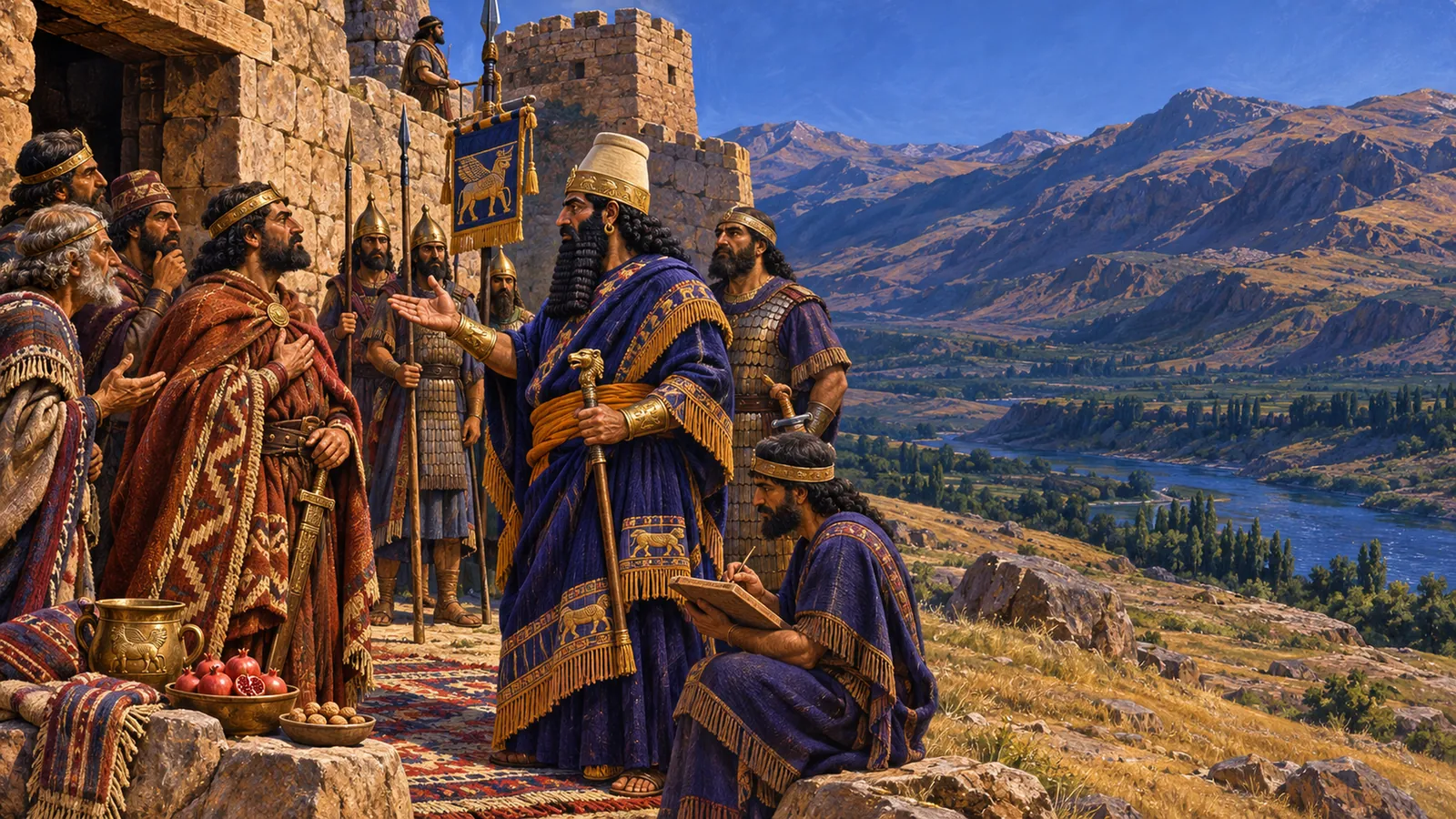
El rey sitúa su encuentro en Siniḫini, una fortaleza fronteriza del país de Ullusunu. Este había viajado hasta allí desde su ciudad real, Izirtu.
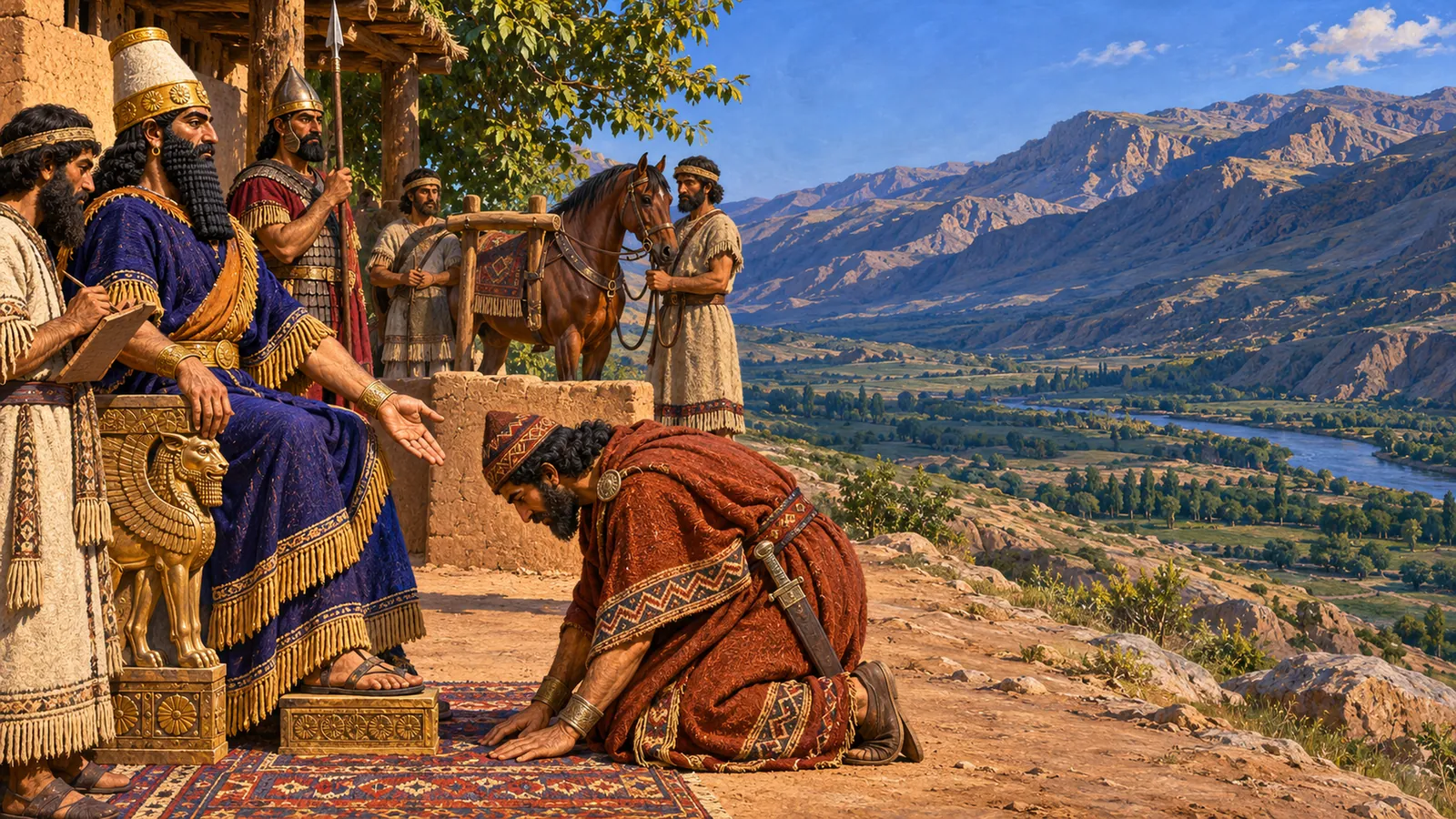
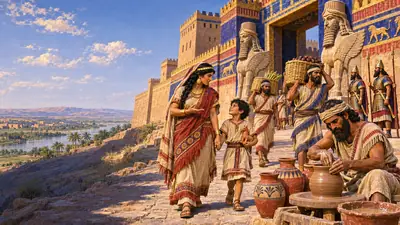
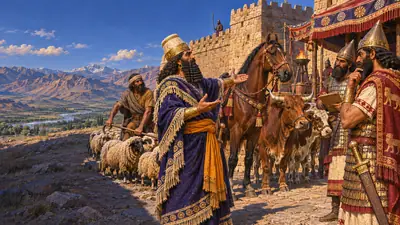
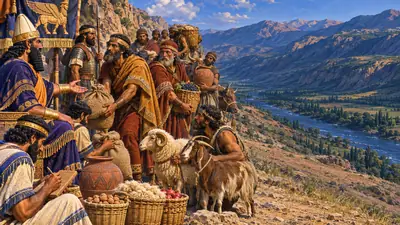
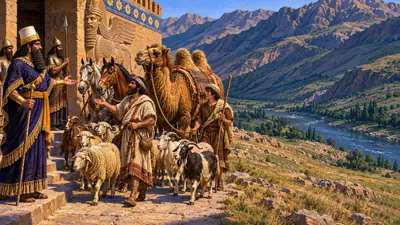
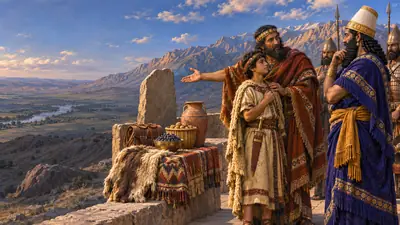
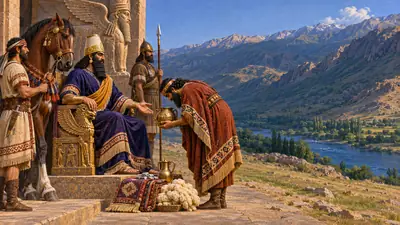
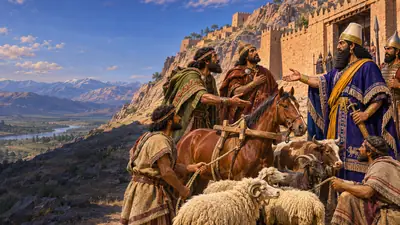
Sargón registra el tributo de Ullusunu: caballos adiestrados para el yugo con sus arreos, ganado vacuno, ovejas y cabras. El gobernante de Mannea le besó los pies en señal de sumisión.
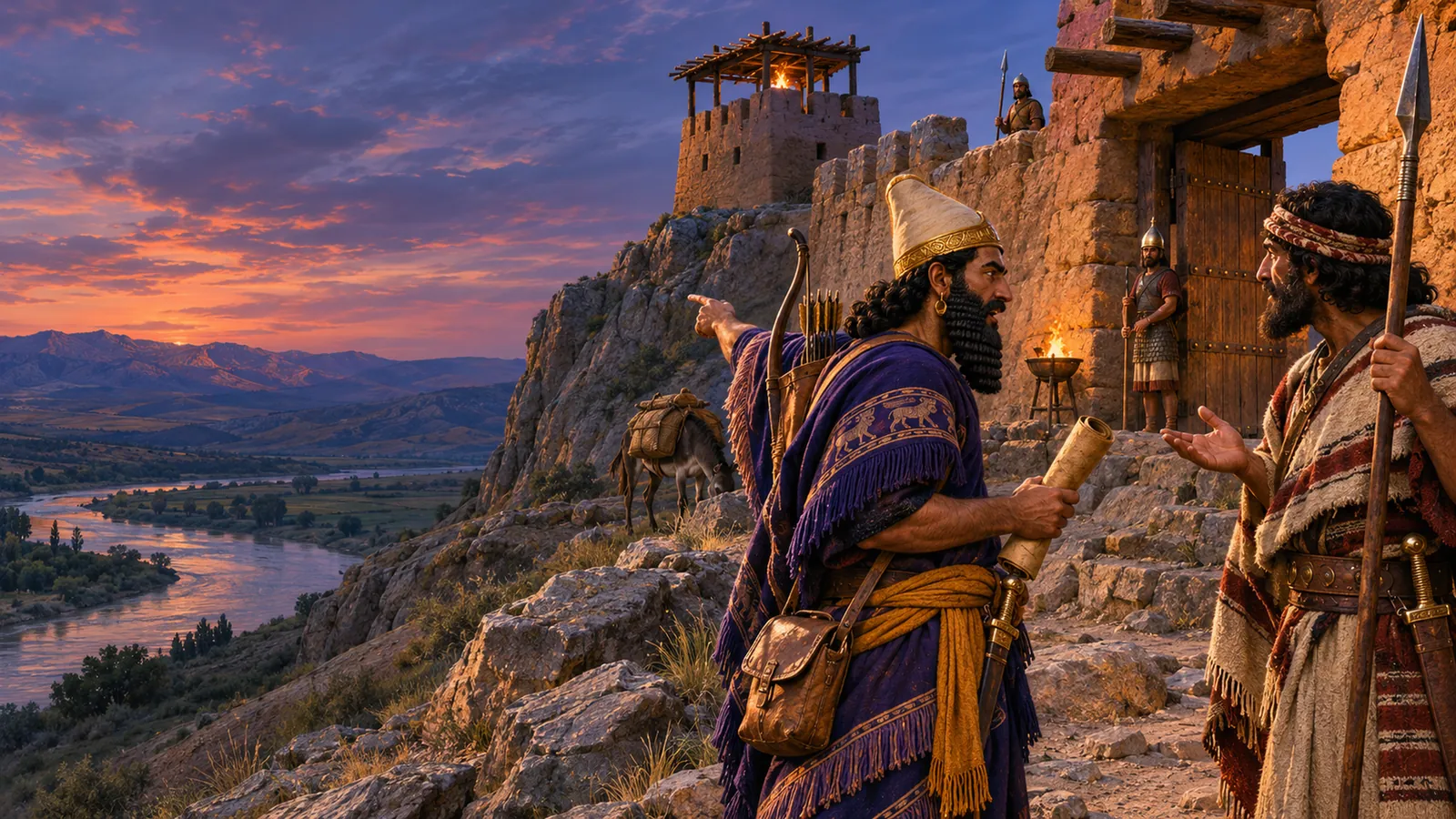
En la carta, Sargón llega después a Latašê, una fortaleza junto al río de la región de Lāruete, un distrito de Allabria.
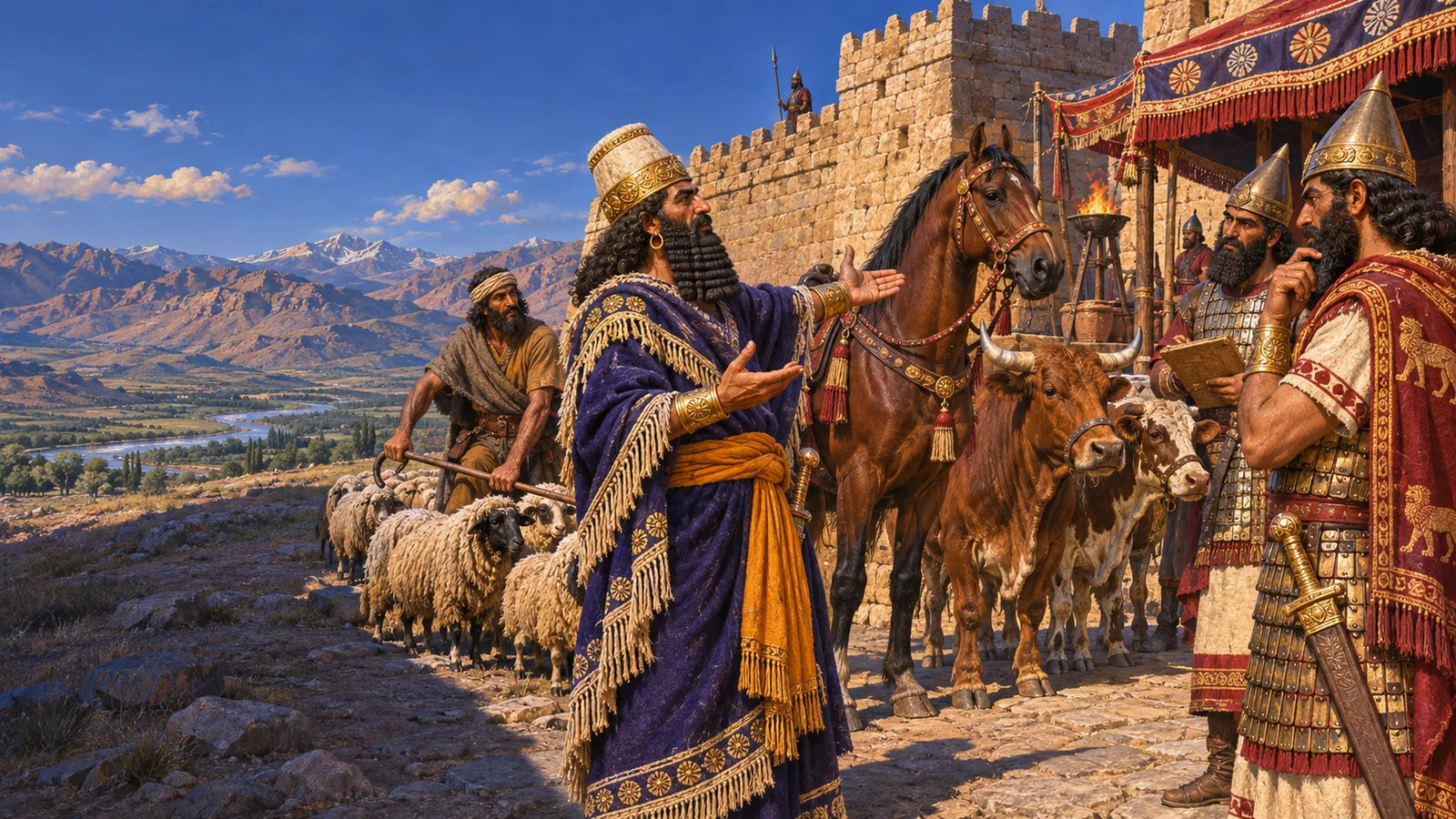
En esta parada, Sargón registra el tributo de Bēl-aplu-iddina de Allabria: caballos, ganado vacuno, ovejas y cabras, recibidos antes de continuar la marcha.
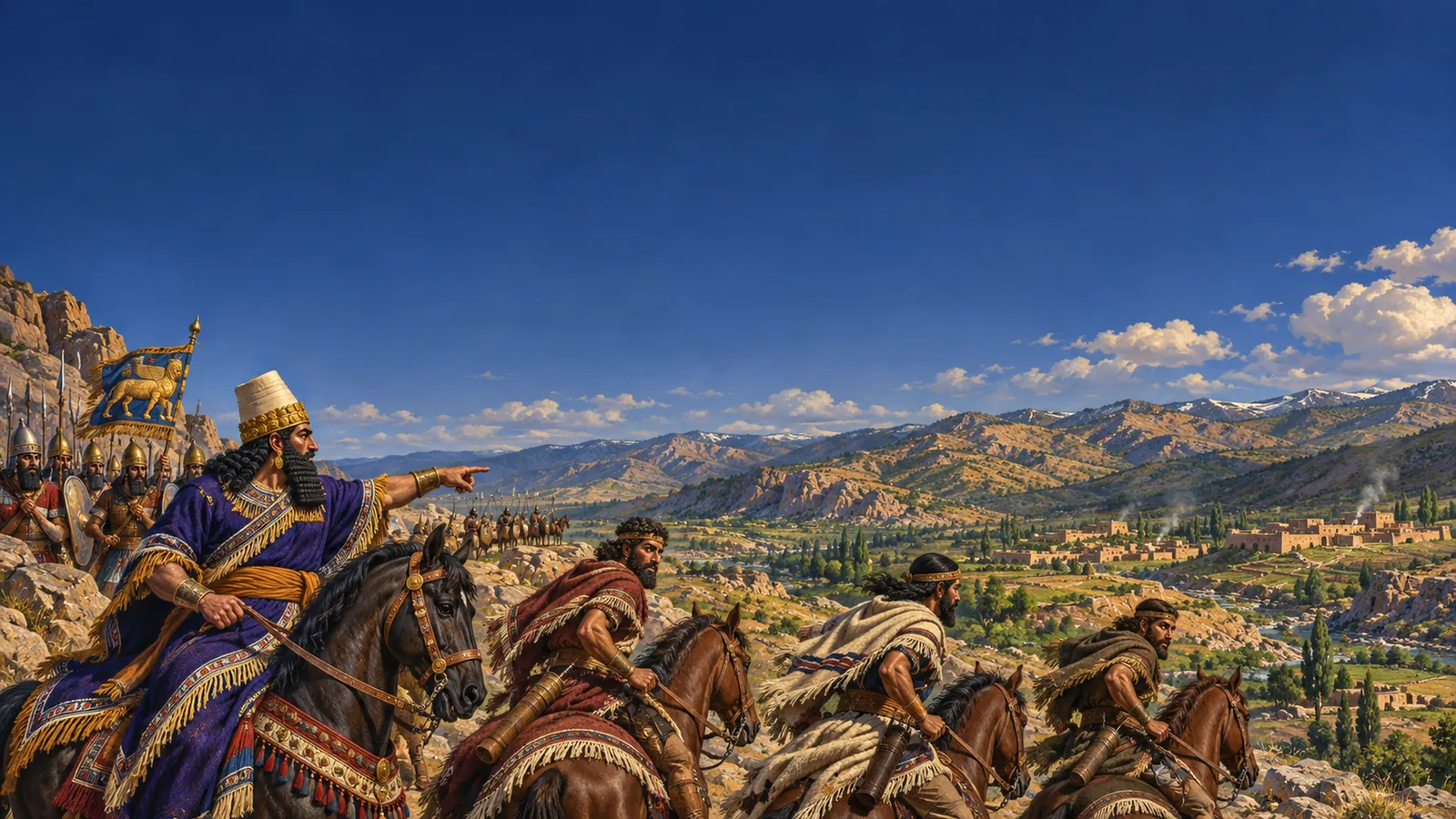
PARSUAŠ
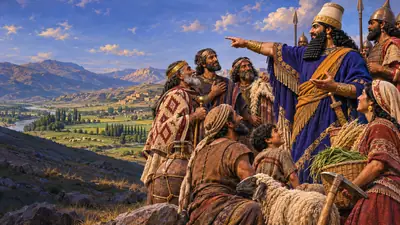
Sargón bajó después a Parsuaš, según su carta. Los gobernantes de Namri, Sangibutu, Bīt-Abdadāni y el país de los poderosos medos supieron de su llegada.
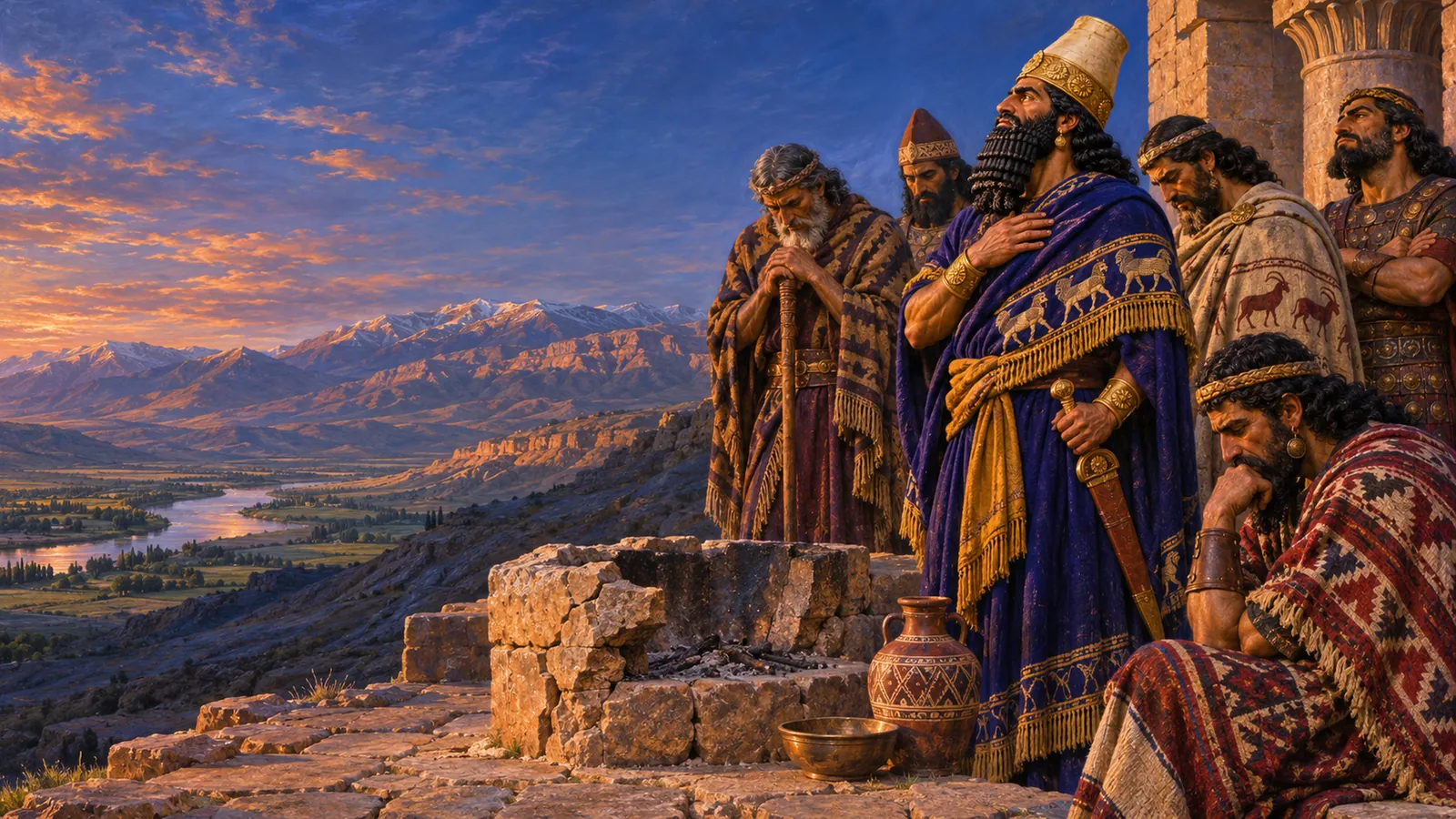
Aquí la carta recuerda el año anterior, cuando Sargón había devastado sus tierras. Afirma que el recuerdo de aquella destrucción sumió a los gobernantes en un silencio de temor.
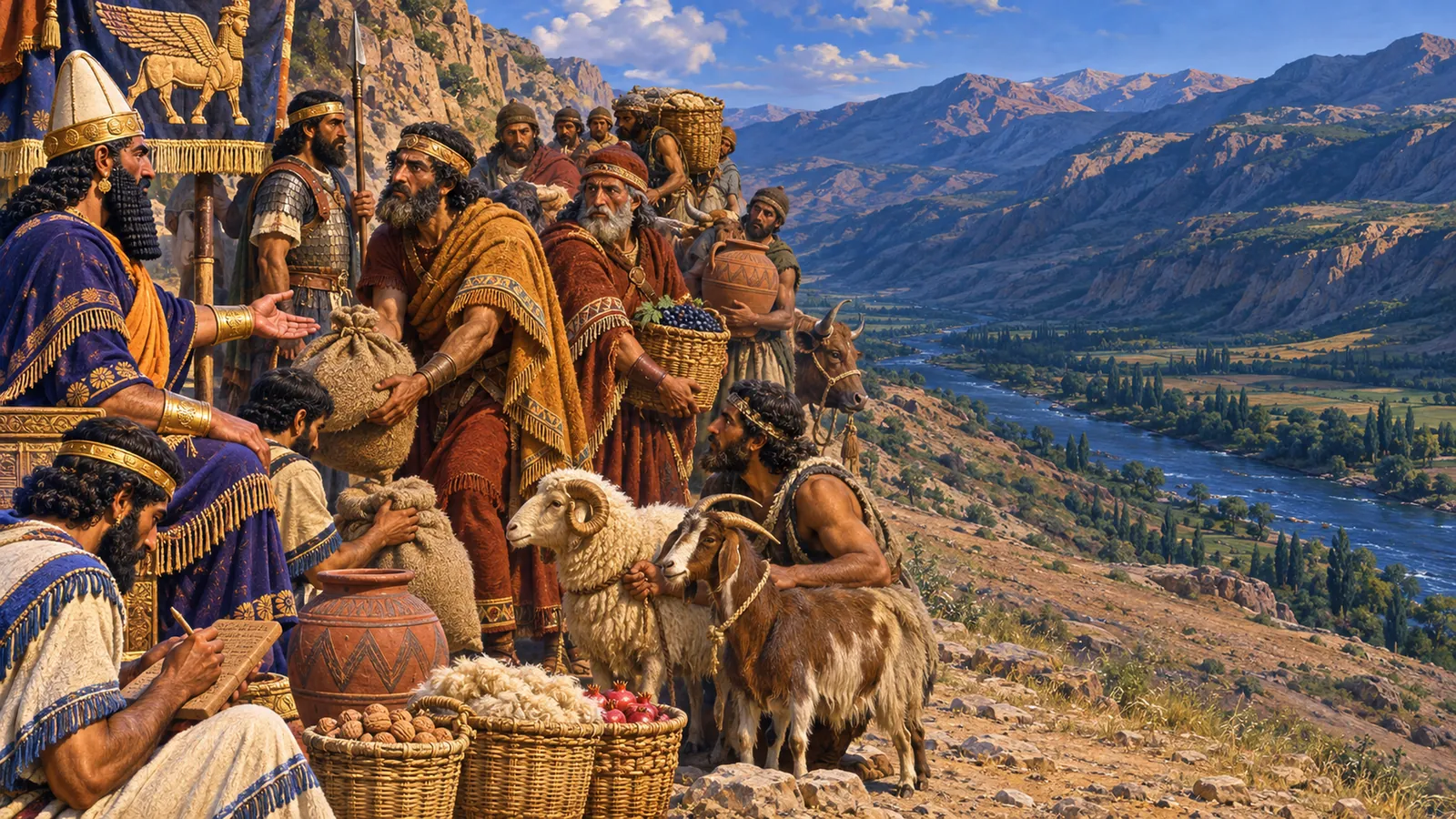
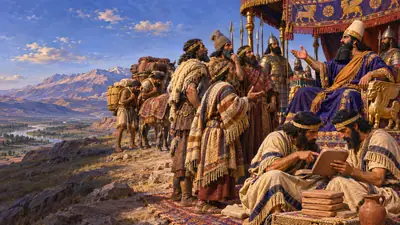
El informe dice que estos gobernantes trajeron un tributo considerable de sus propias tierras y se lo entregaron a Sargón en Parsuaš, tras recordar la devastación anterior.
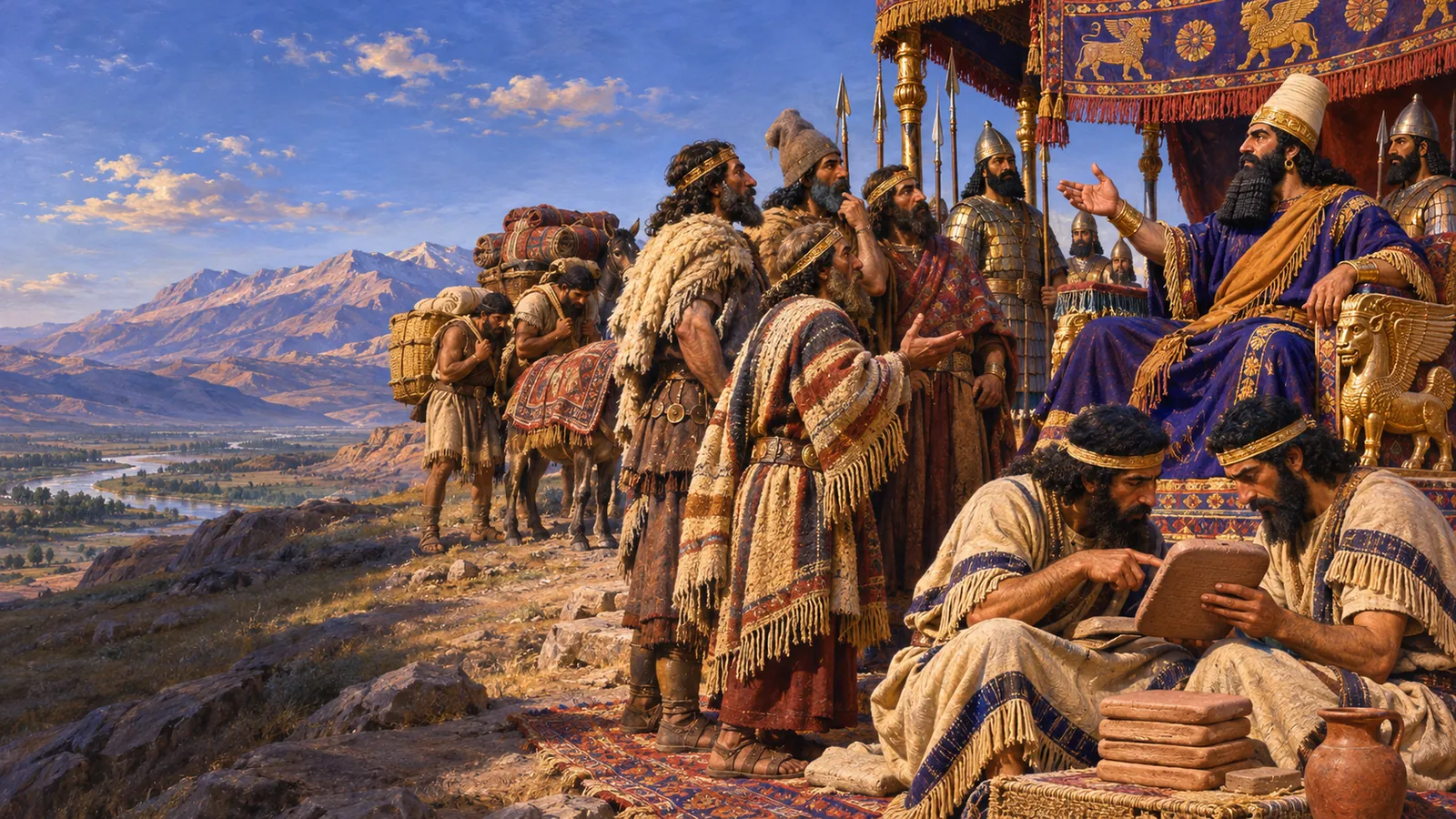
El catálogo colectivo de la carta comienza con Taltâ de Ellipi y termina con Karakku de Uriakku. Reúne a muchos gobernantes y sus ciudades, sin describir audiencias separadas.
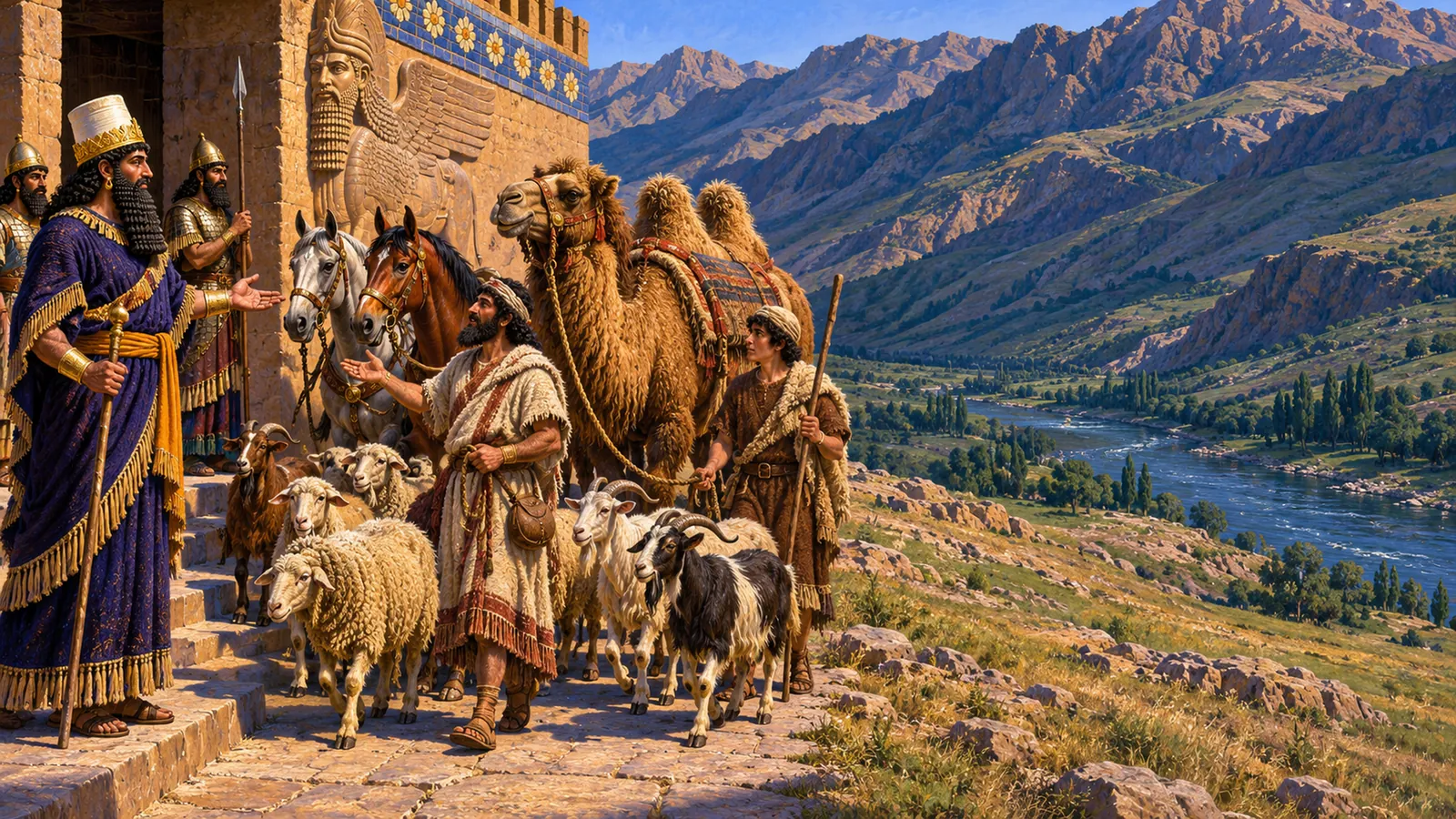
El catálogo del tributo concluye con caballos veloces, mulas briosas, camellos bactrianos nativos de aquellas tierras, ganado vacuno, ovejas y cabras, todos recibidos por Sargón.
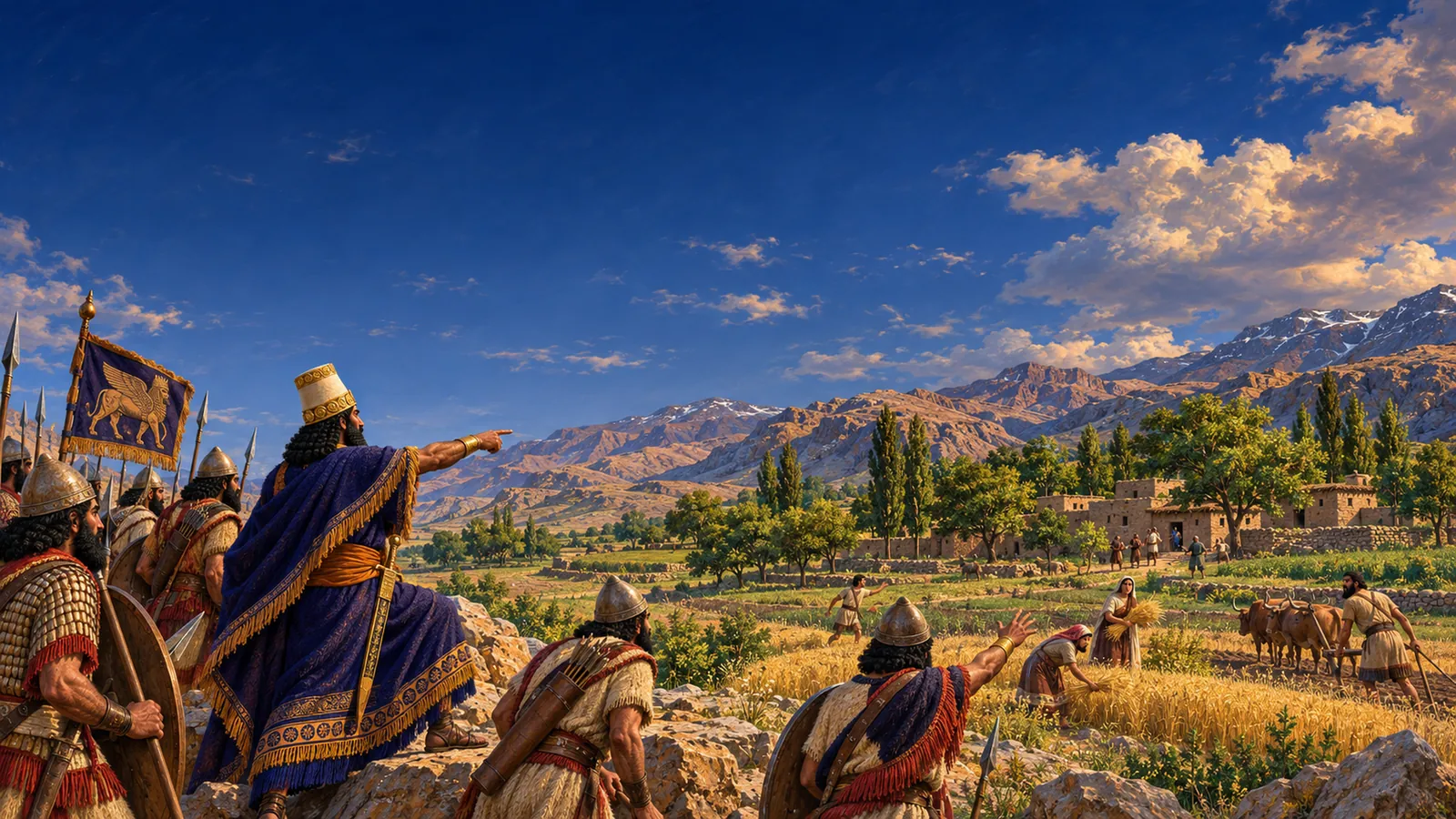
Sargón relata que salió del país de Parsuaš y se acercó a Missi, un distrito perteneciente al país de Mannea.
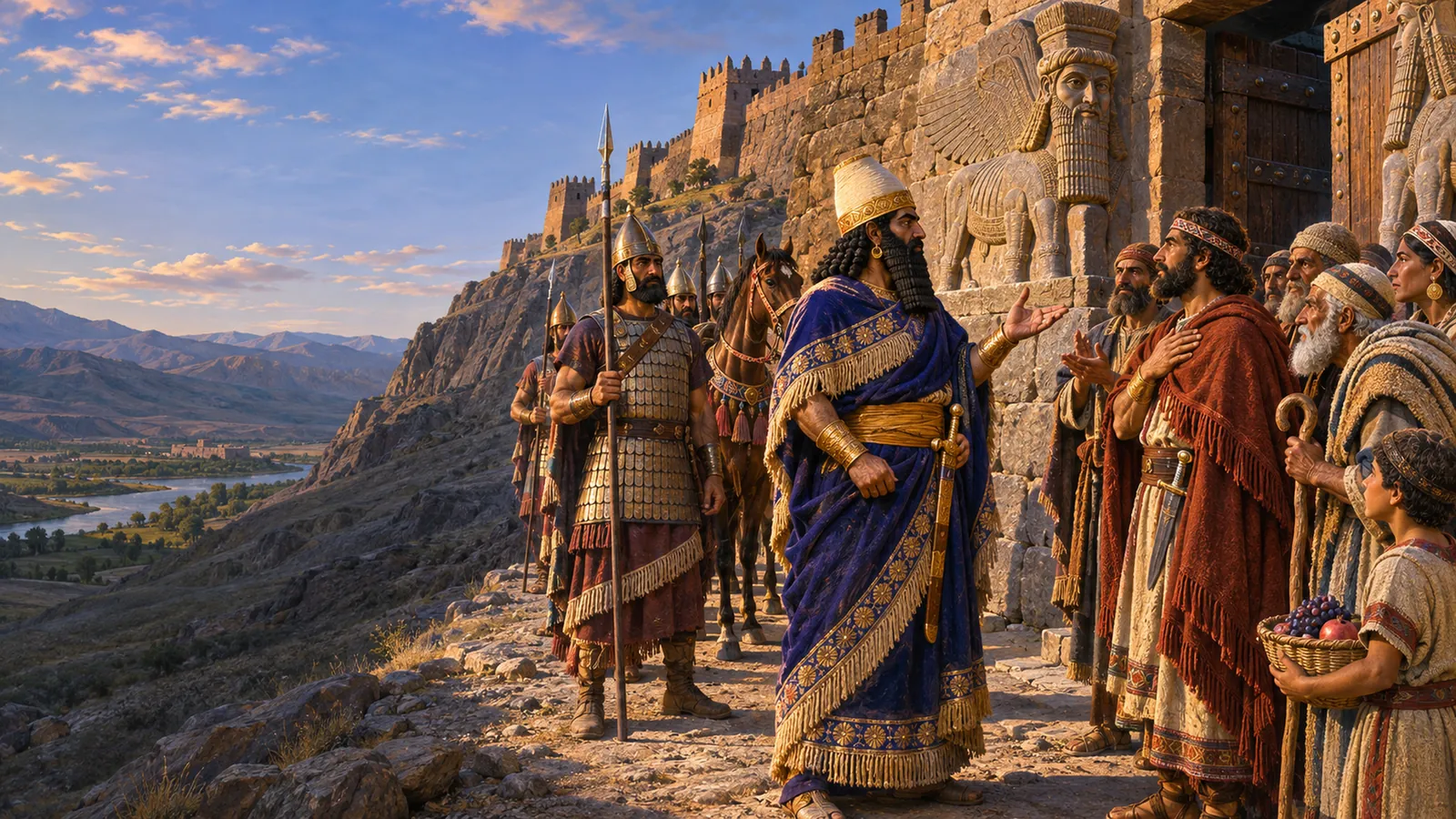
Según Sargón, Ullusunu y los habitantes de su país aguardaban la expedición en Sirdakka, su fortaleza, con la intención de someterse a él.
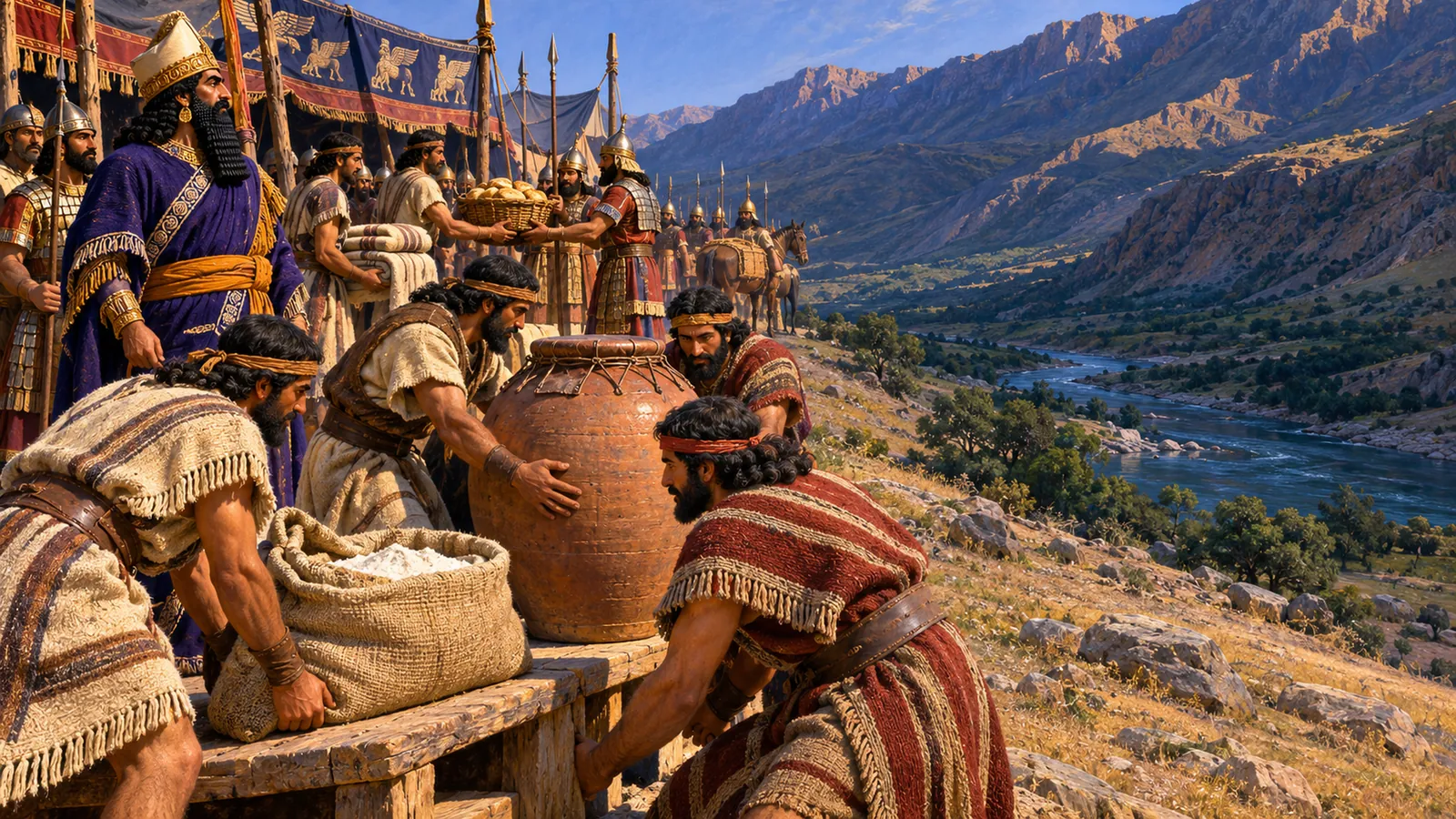
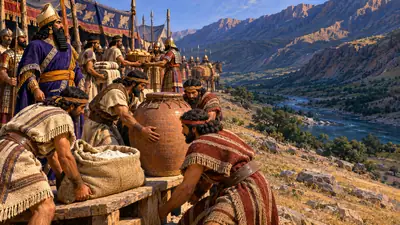
Ullusunu había acumulado harina y vino para alimentar al ejército de Sargón. El rey compara este abastecimiento con el servicio de sus propios gobernadores asirios.
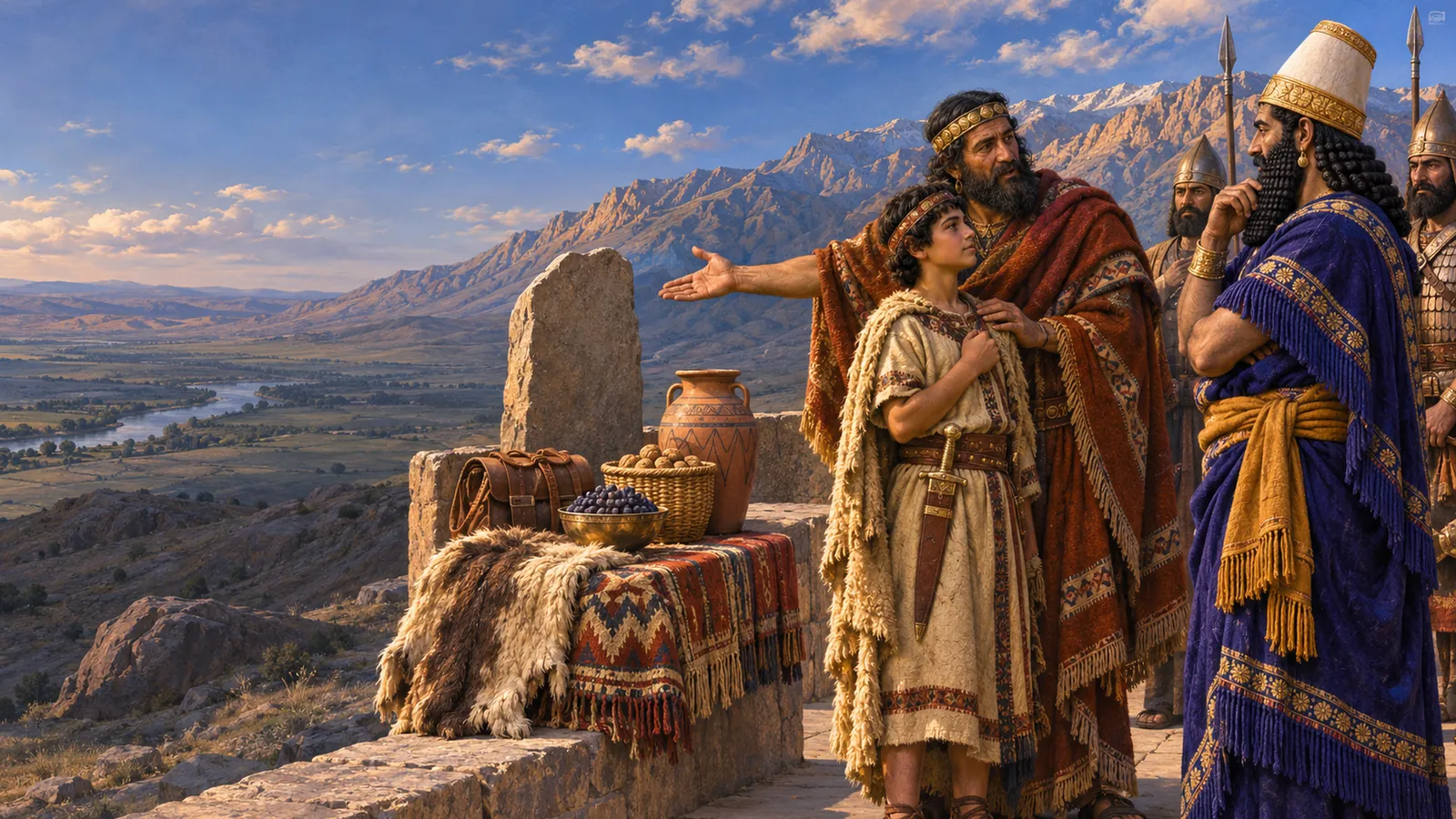
Ullusunu presentó a su hijo mayor con regalos y confió a Sargón un objeto cuyo nombre se lee como su estela, buscando afianzar su realeza.
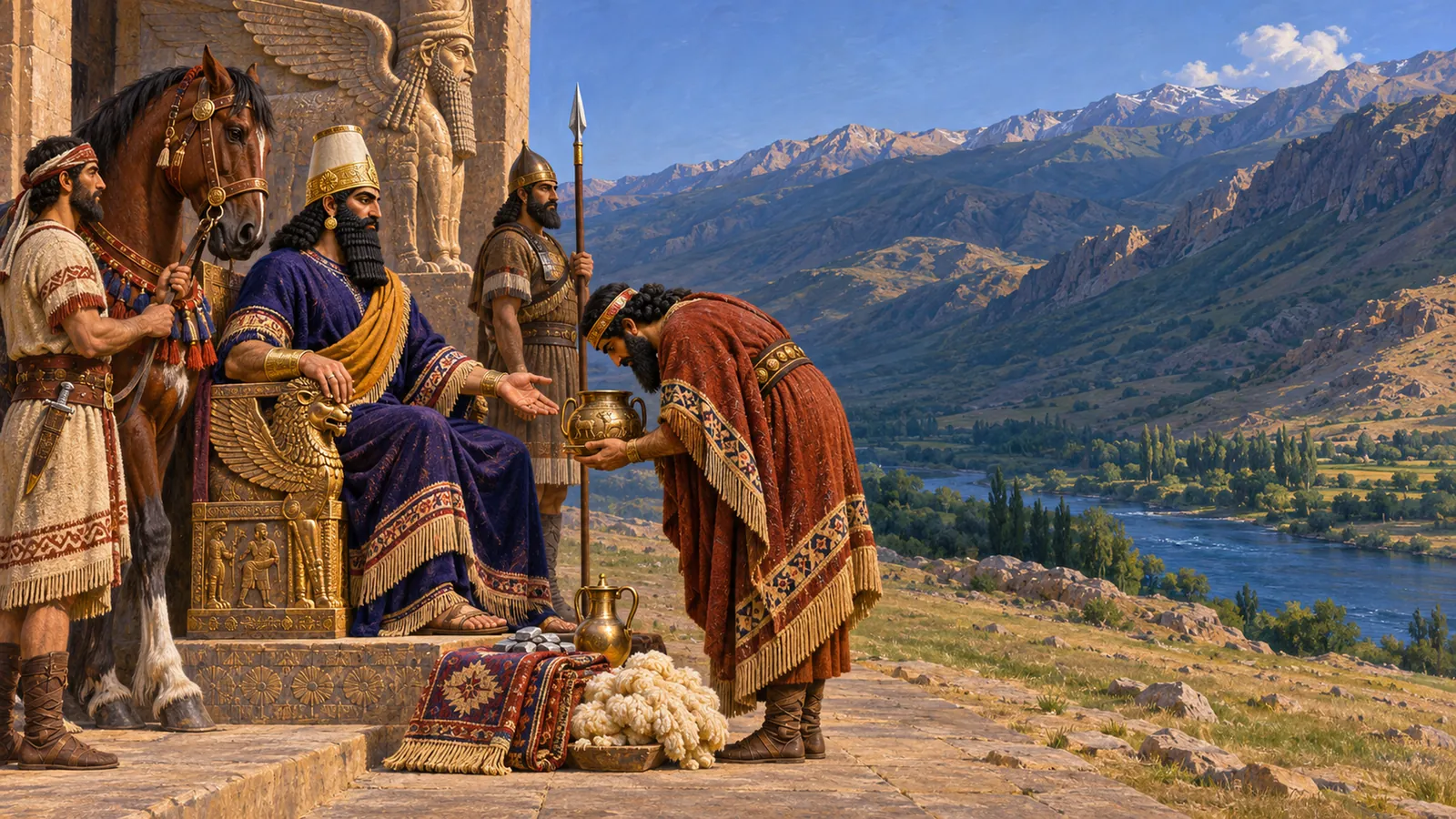
Sargón afirma haber recibido como tributo grandes caballos adiestrados para el yugo, ganado vacuno, ovejas y cabras. Ullusunu se postró para corresponder a los favores anteriores del rey.
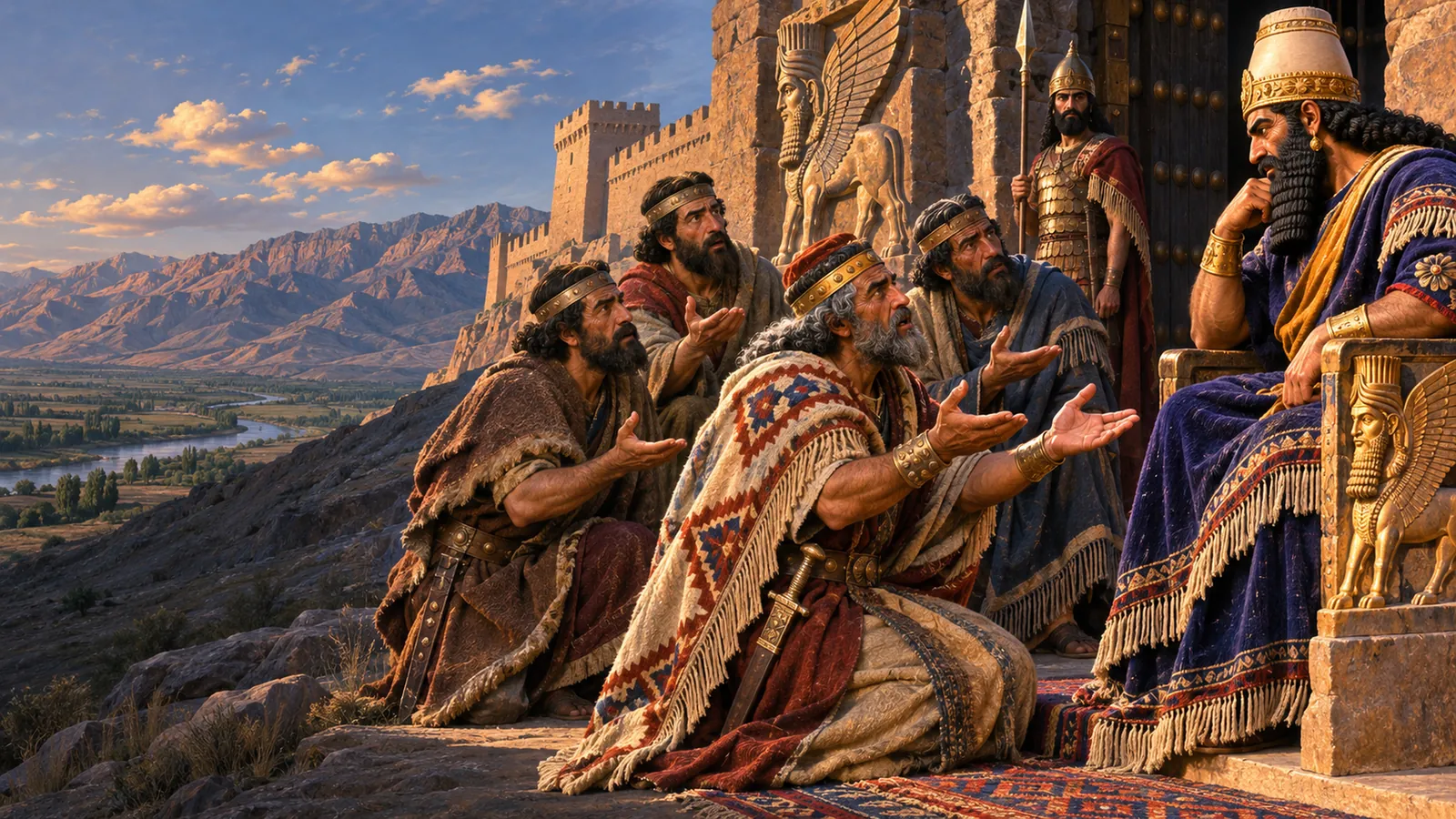
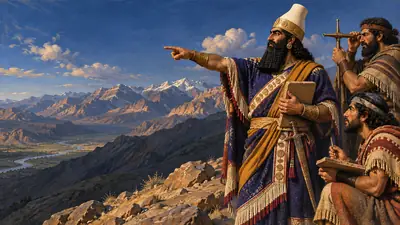
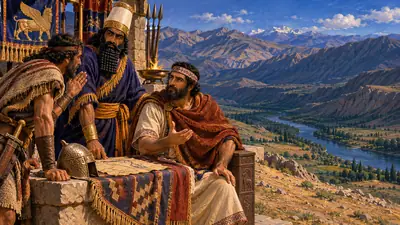
Ullusunu, sus dignatarios y sus gobernadores pidieron a Sargón que impidiera la entrada de Kakmê en su tierra y provocara la derrota de Rusâ en batalla.
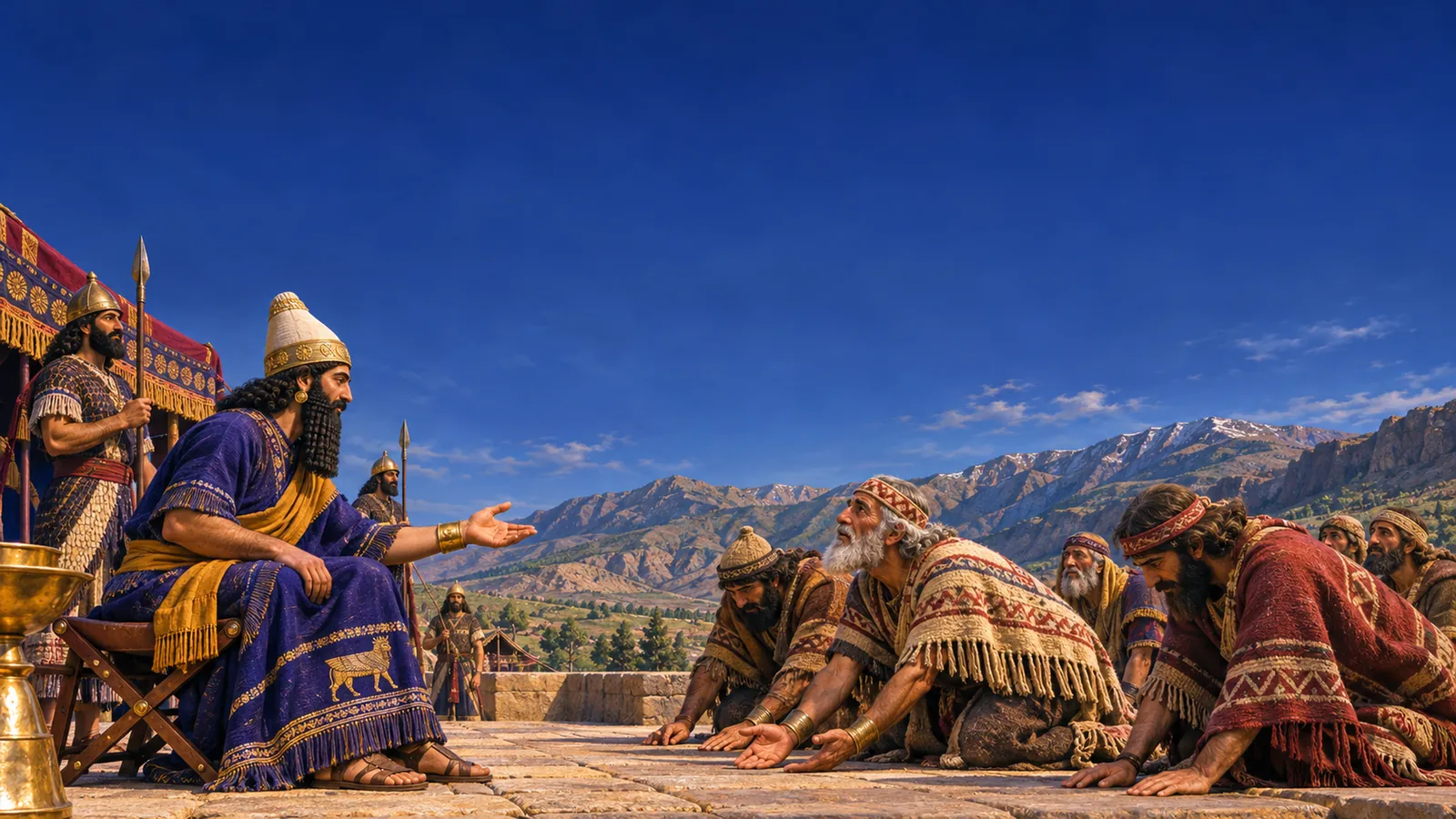
LA SÚPLICA
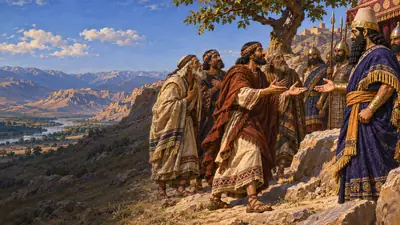
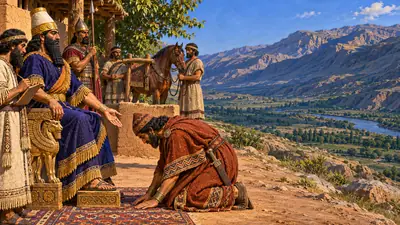
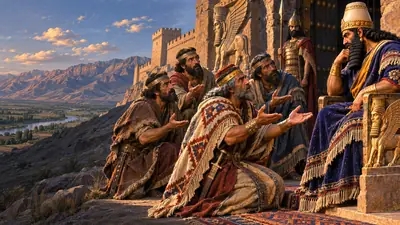
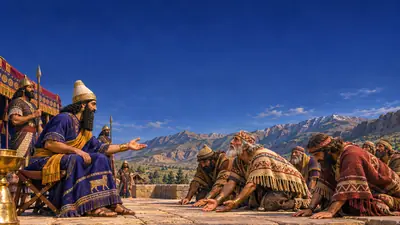
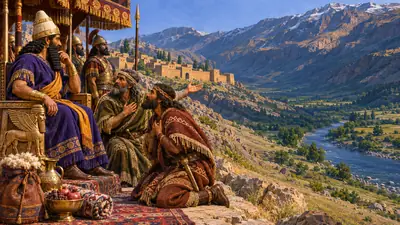
Le pidieron que restaurara la dispersa Mannea, triunfara sobre su enemigo y cumpliera los deseos de Ullusunu. El informe dice que los suplicantes se arrastraron ante él a cuatro patas.
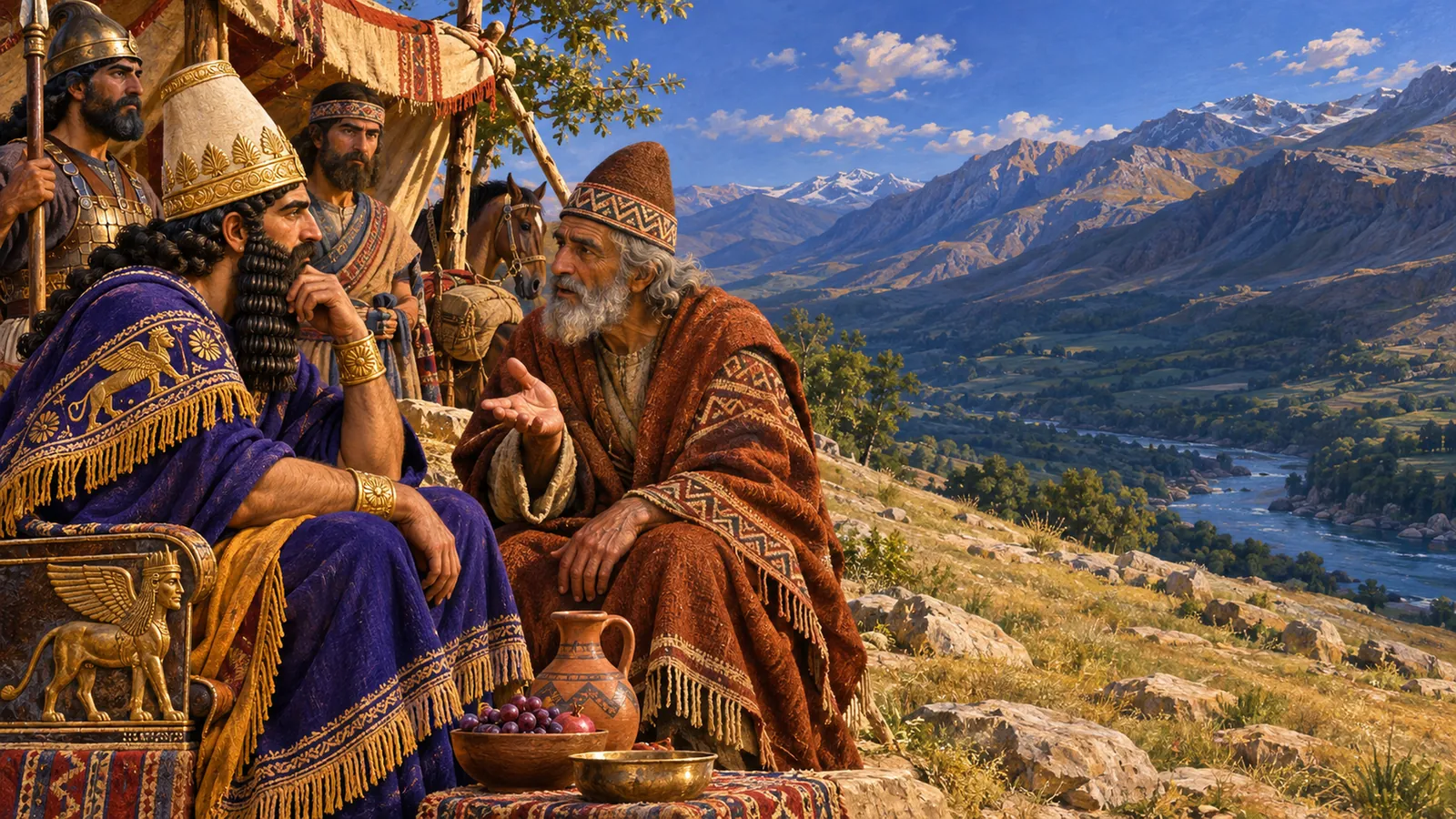
Sargón dice que se compadeció de ellos, aceptó su súplica y escuchó sus palabras de ruego antes de dar su conformidad.
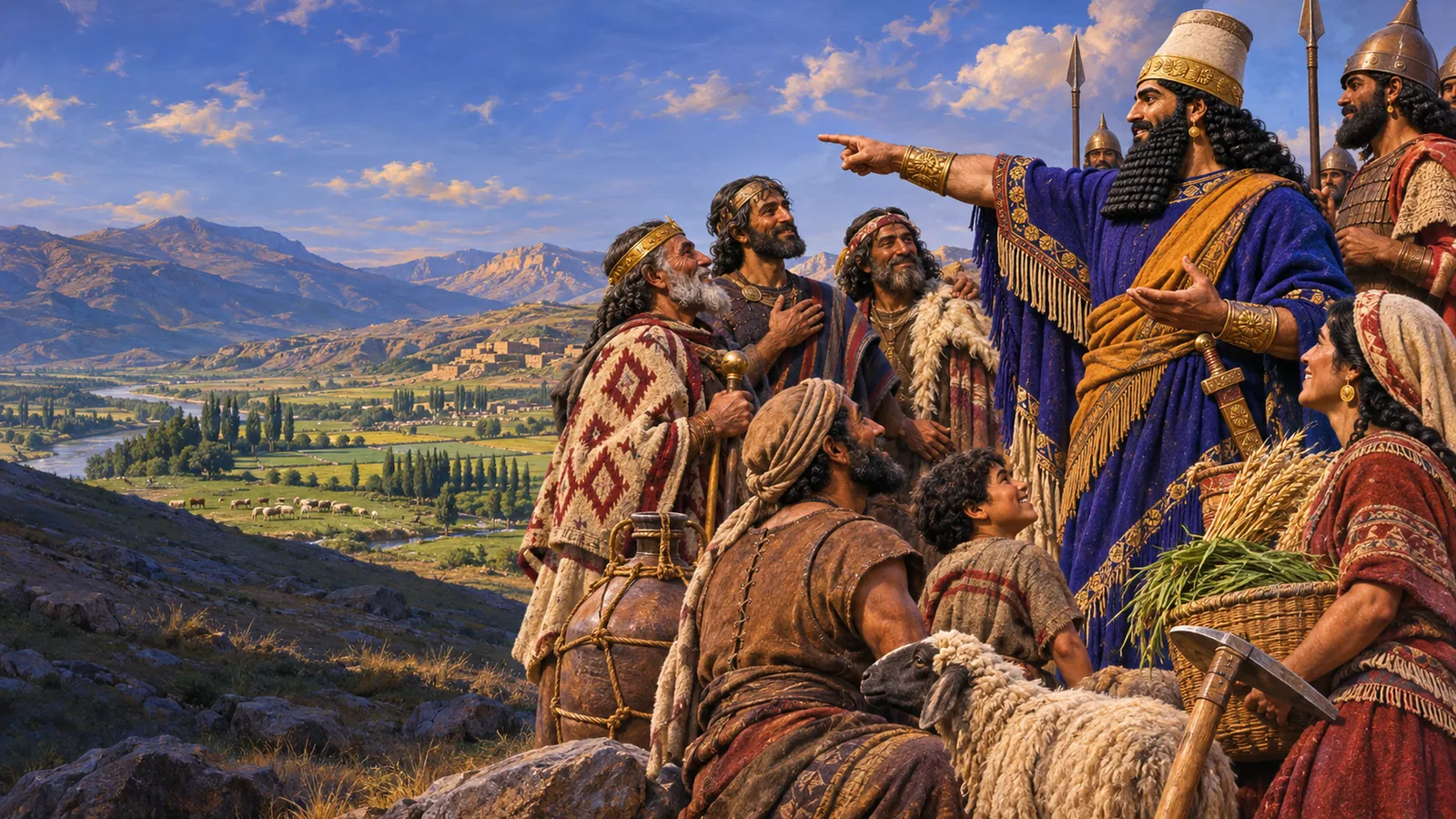
Atribuyendo a Aššur y Marduk la superioridad de sus armas, Sargón prometió abatir Urarṭu, restaurar sus fronteras y aliviar a los atribulados habitantes de Mannea. Dice que recobraron la confianza.
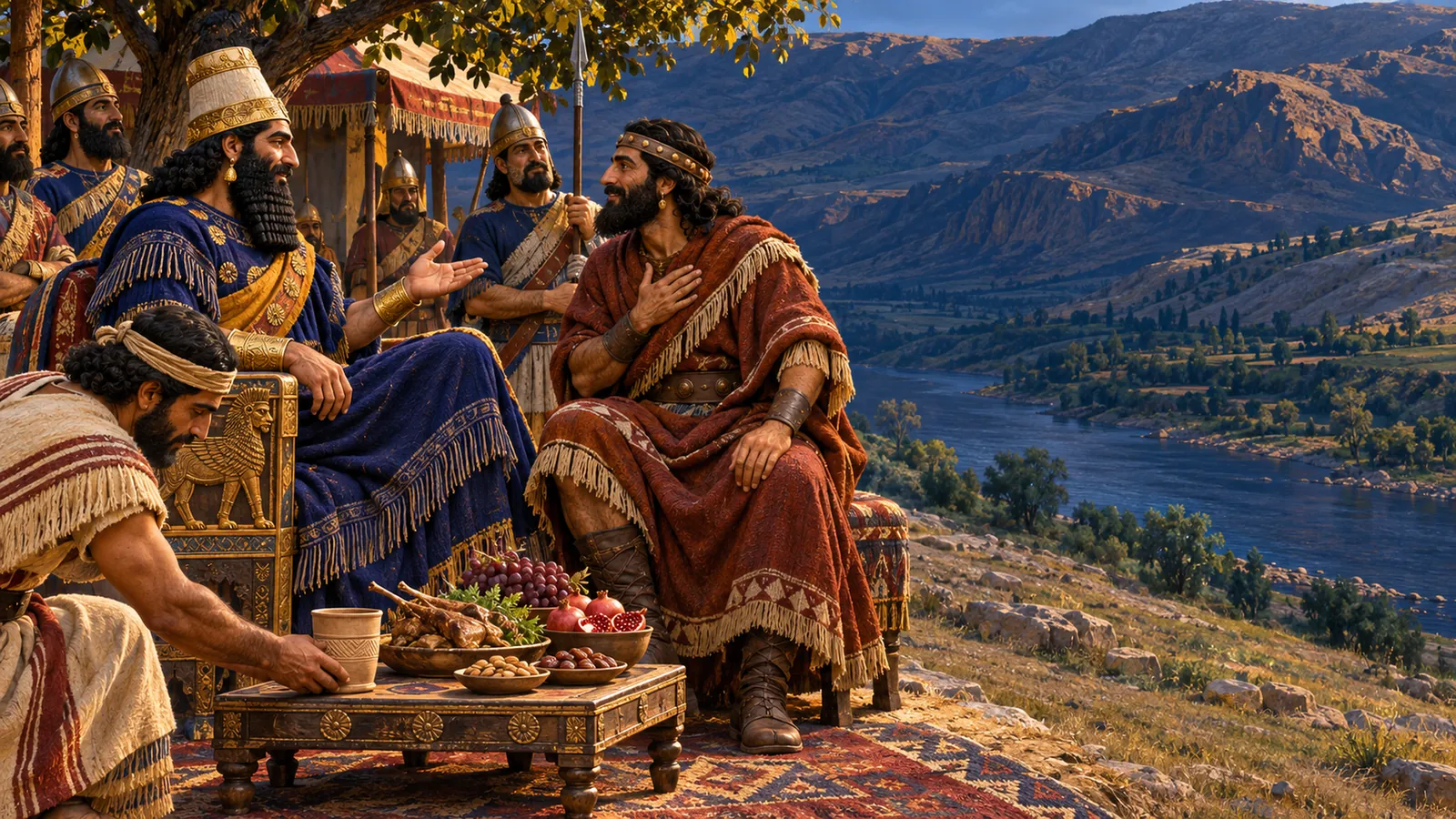
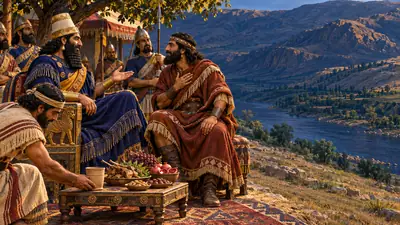
Sargón honró a Ullusunu por encima de su padre Iranzi y sentó a los visitantes con los asirios en un banquete. Bendijeron su realeza ante Aššur y sus propios dioses.
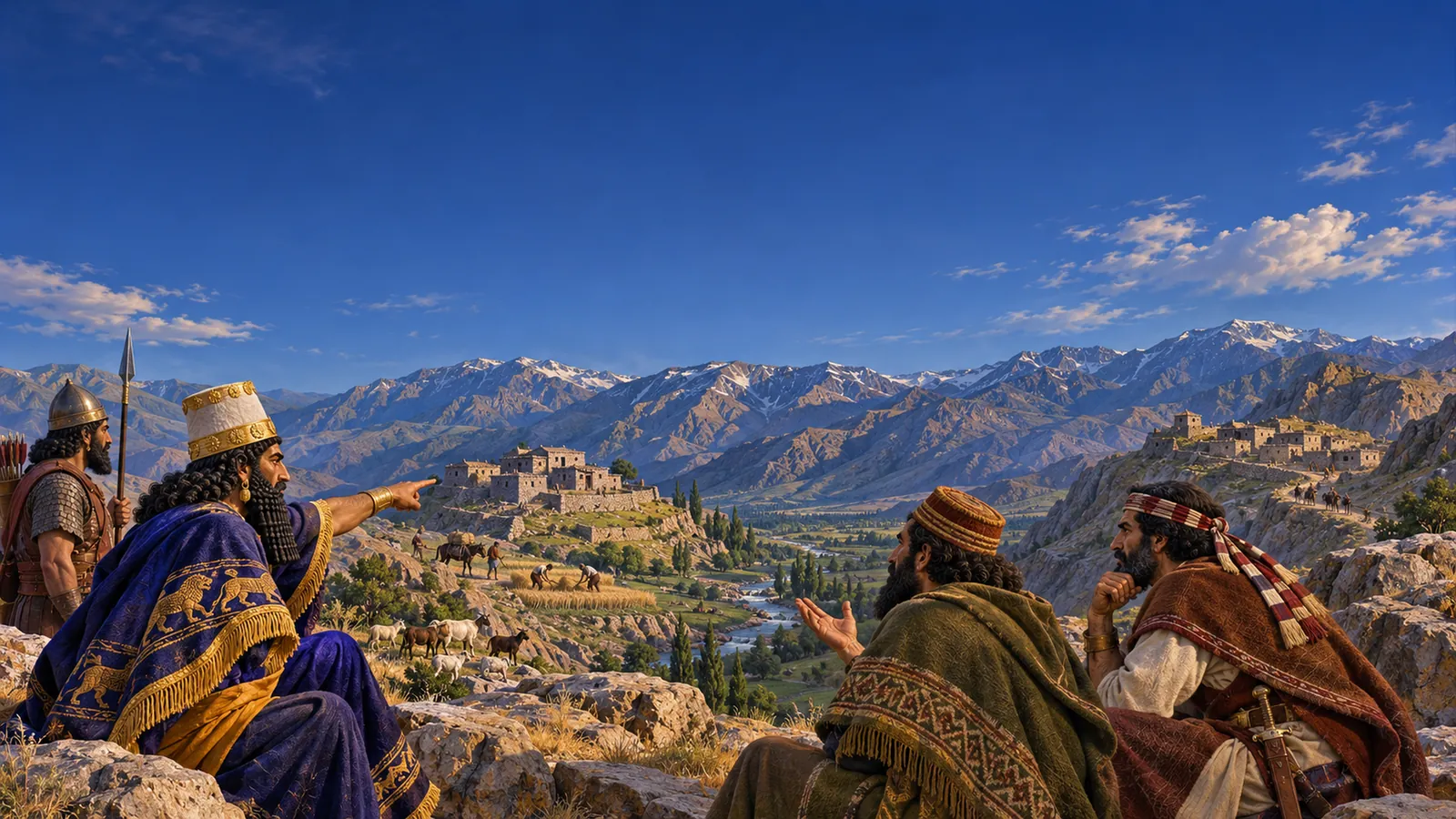
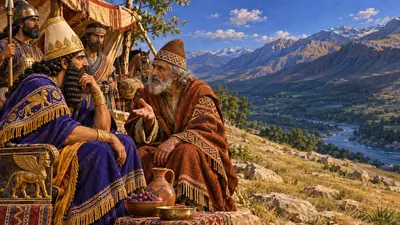
La carta presenta a Zīzî de Appatar y Zalāya de Kitpat, gobernantes de la remota Gizilbunda cuyos asentamientos montañosos cerraban el acceso a Mannea y Media.
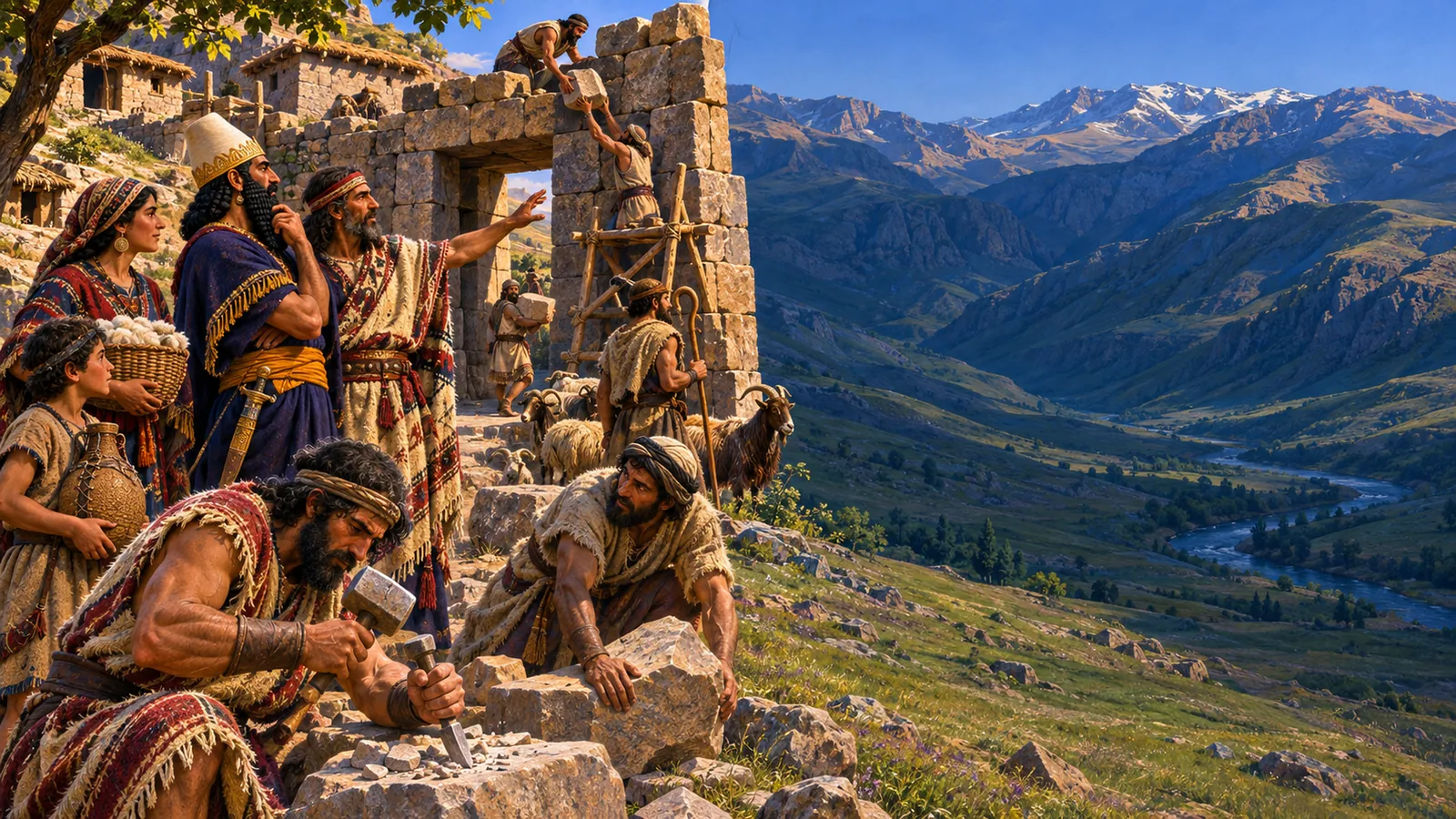
Sargón dice que estas comunidades confiaban en su propia fuerza y no conocían señorío. Se jacta de que ninguno de sus predecesores reales las había conocido ni recibido su tributo.
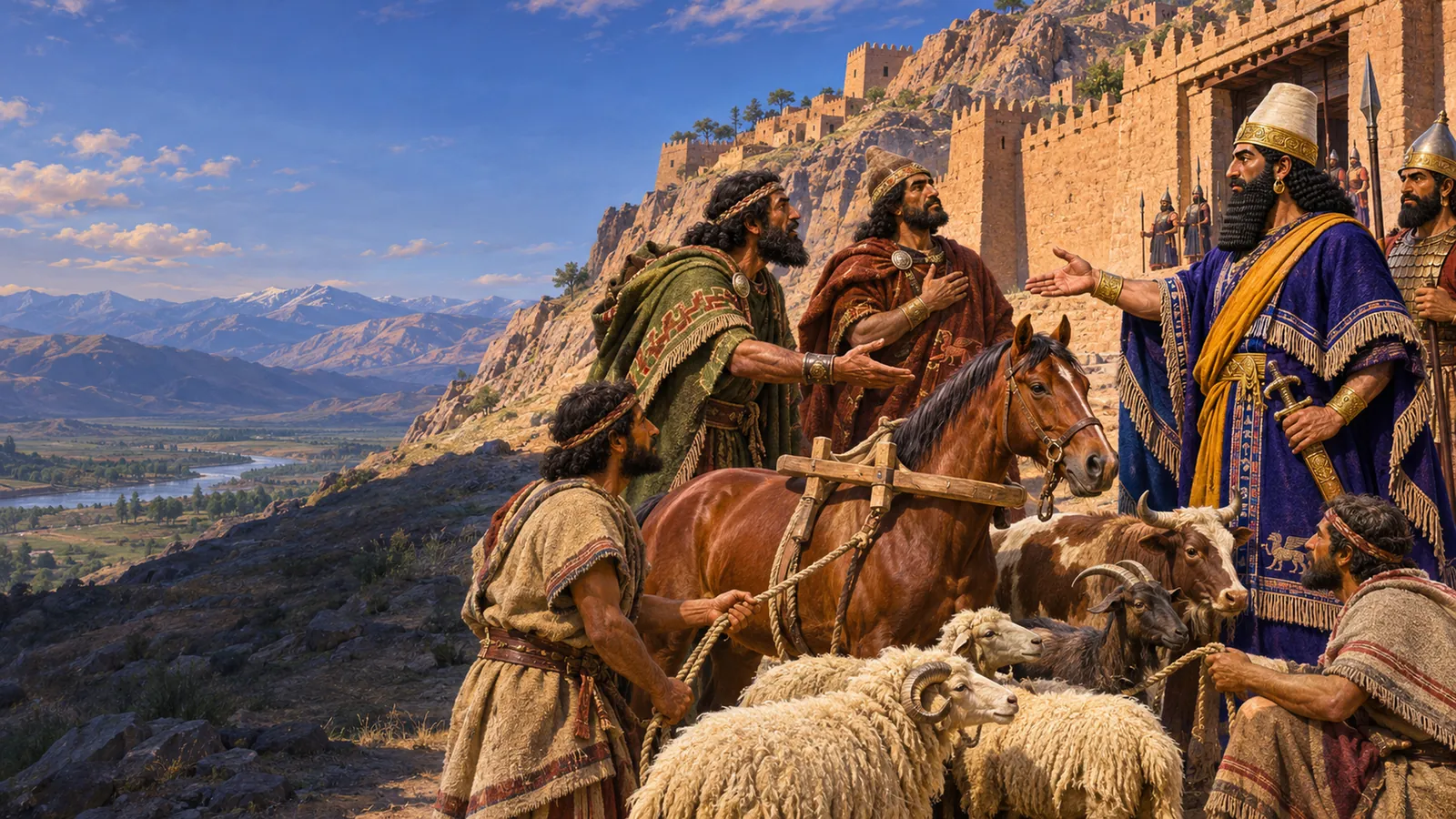
Sargón atribuye su sumisión al mandato de Aššur y al temor a su expedición. Los dos gobernantes llevaron a Zirdiakka caballos adiestrados para el yugo, ganado vacuno, ovejas y cabras como tributo.
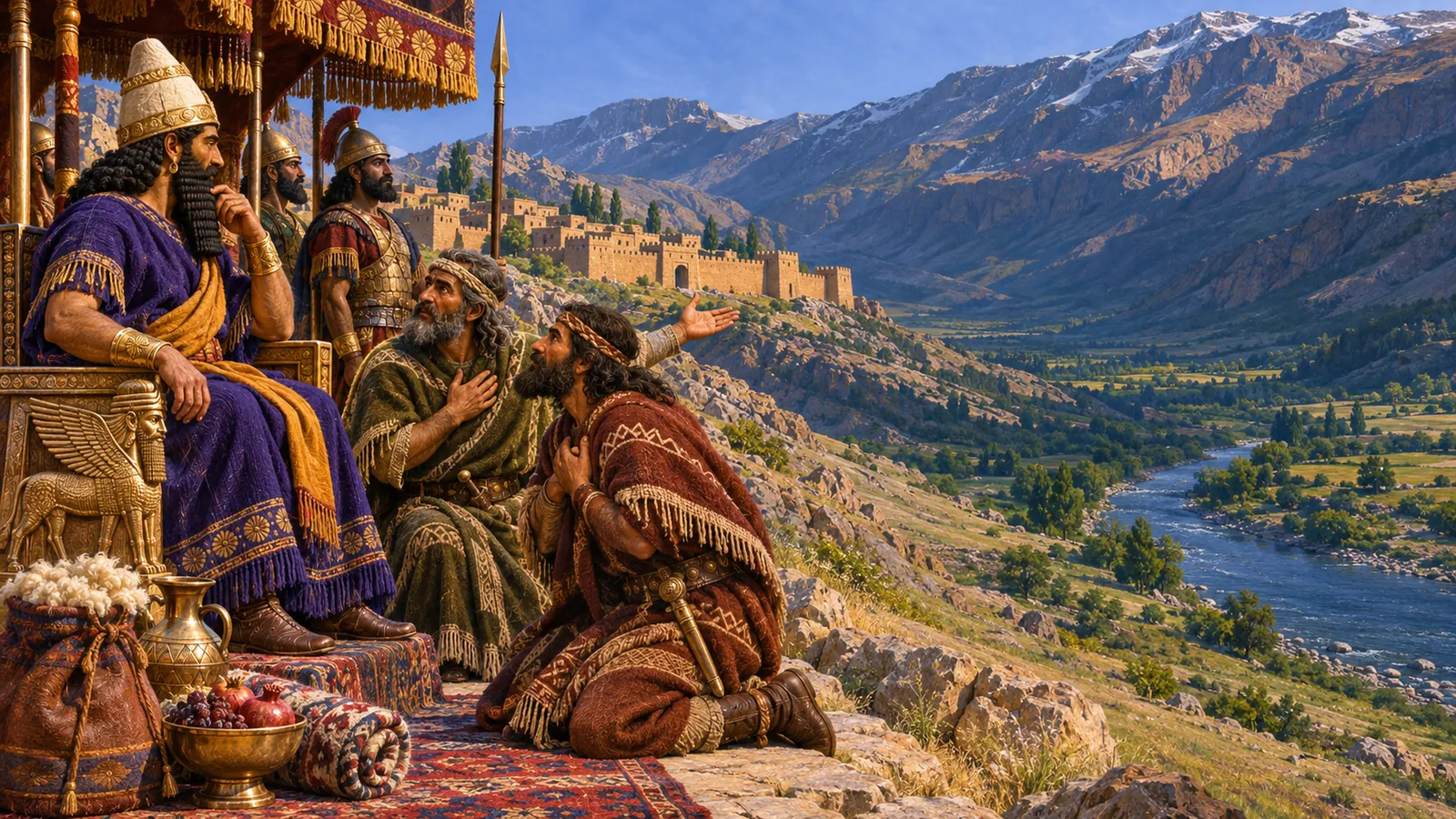
Suplicaron a Sargón que les perdonara la vida y le besaron los pies, pidiéndole que dejara en pie las murallas de sus ciudades.
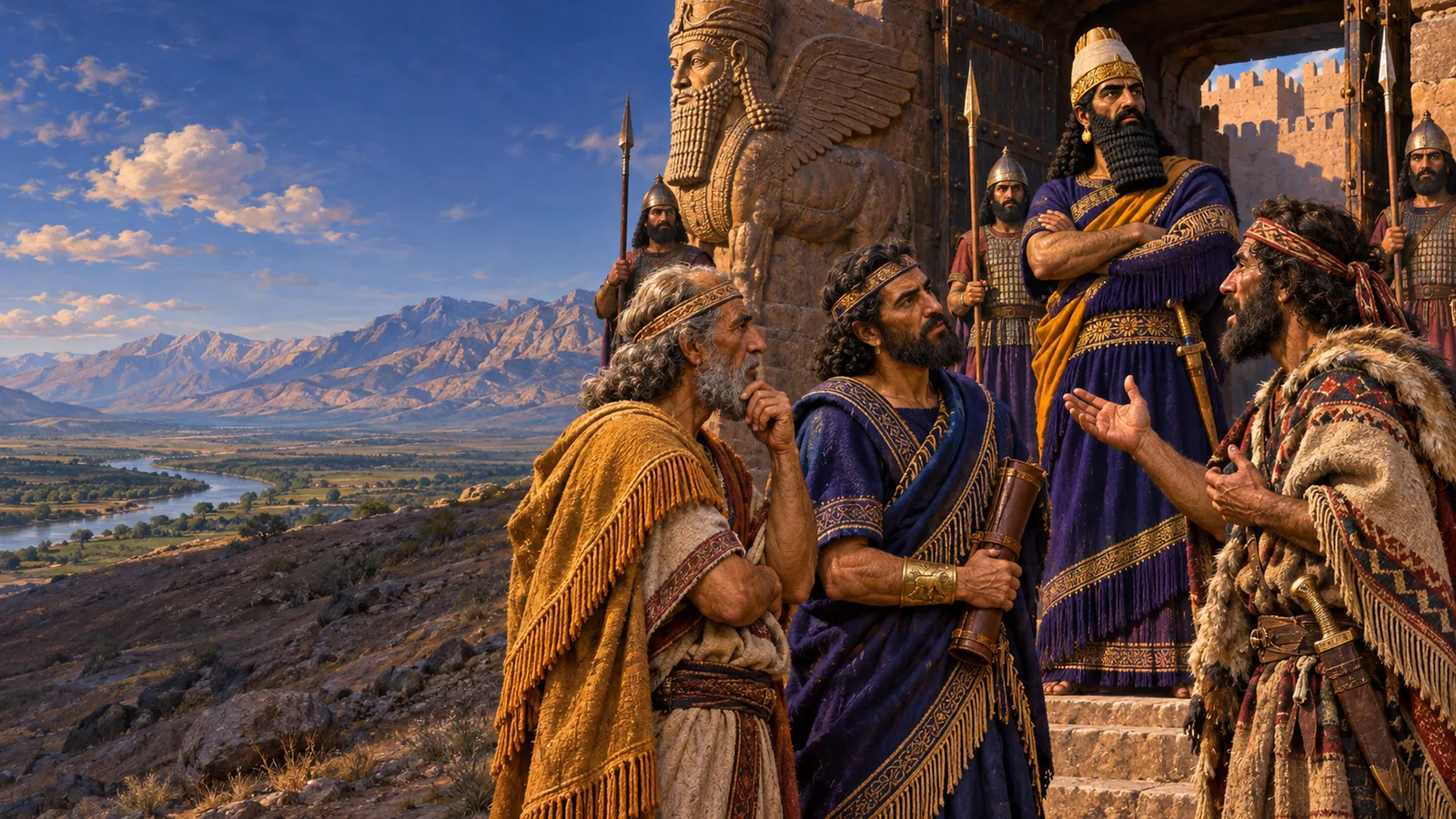
Sargón dice que nombró sobre ellos a un funcionario qīpu por el bienestar de su país y los puso bajo la autoridad de su gobernador de Parsuaš.
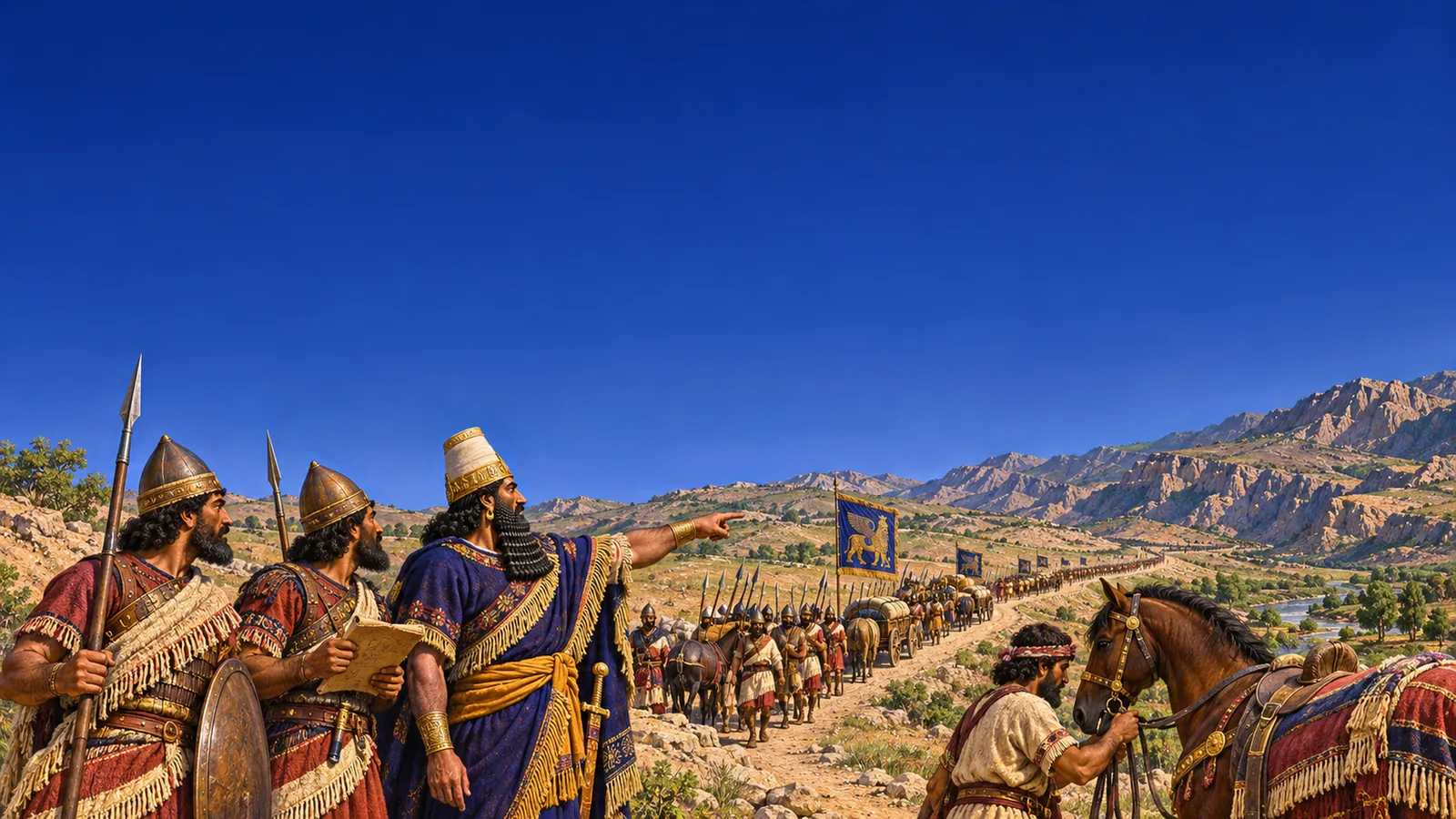
Al salir de Zirdiakka, Sargón relata que marchó treinta leguas entre los territorios de Mannea, Bīt-Kabsi y los poderosos medos.
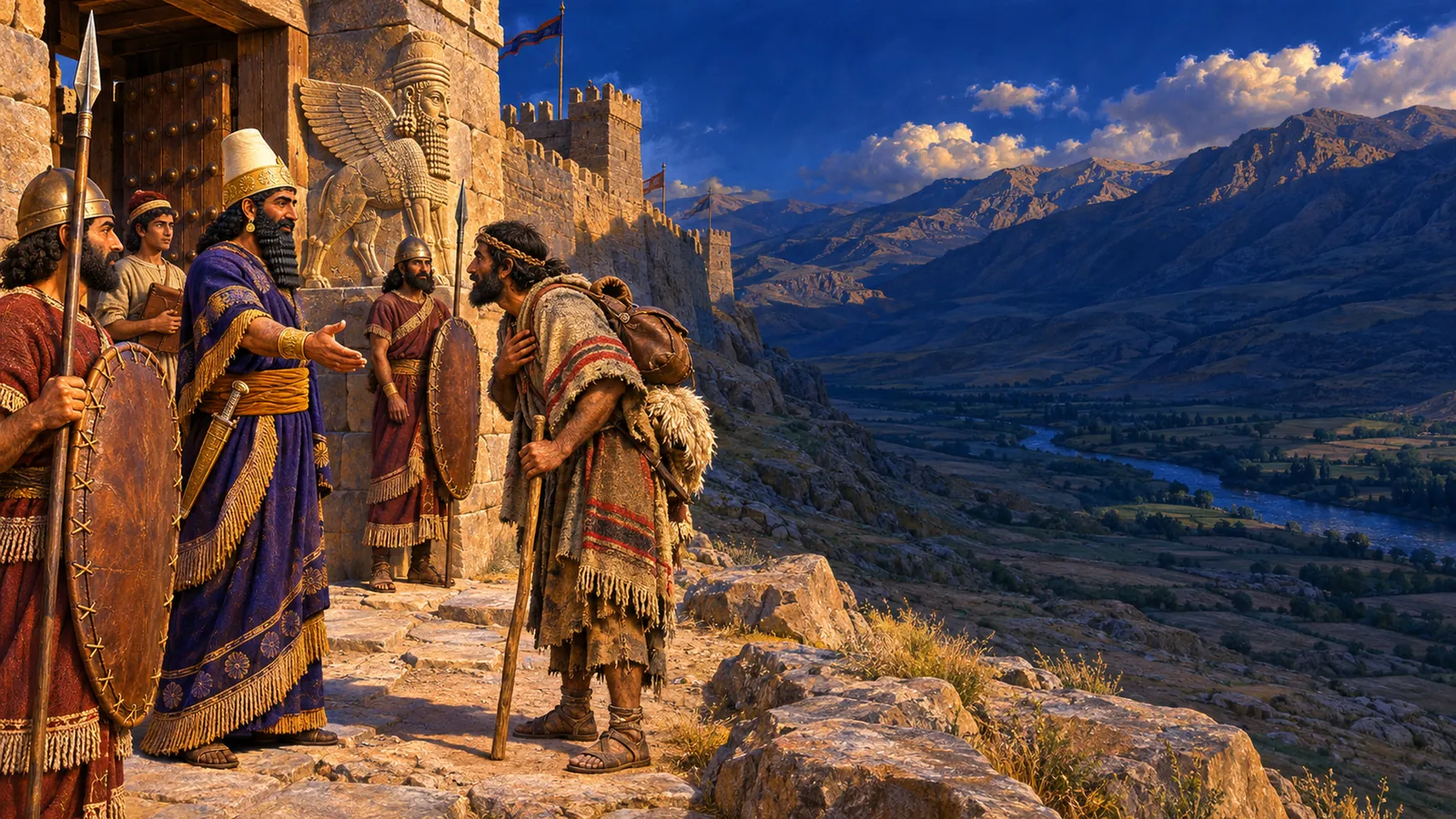
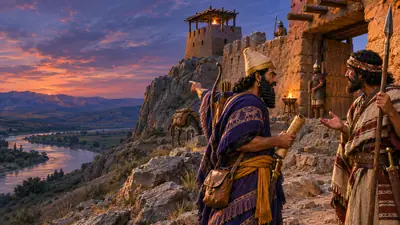
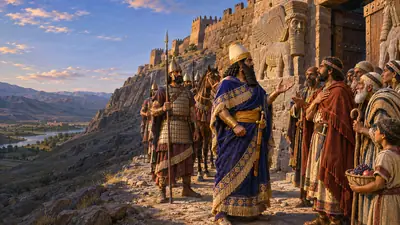
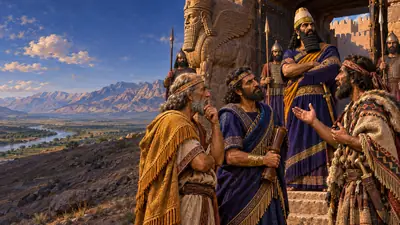
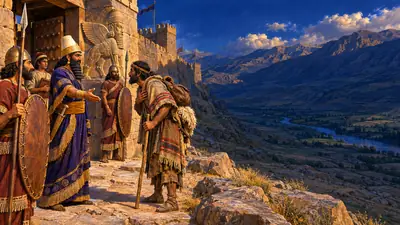
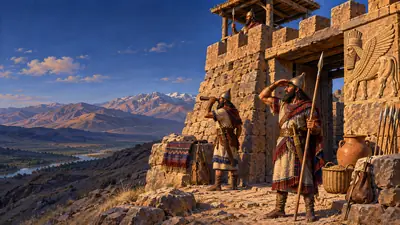
Después llegó a Panziš, una fuerte fortaleza situada como puesto de guardia en la frontera con Zikirtu y Andia.
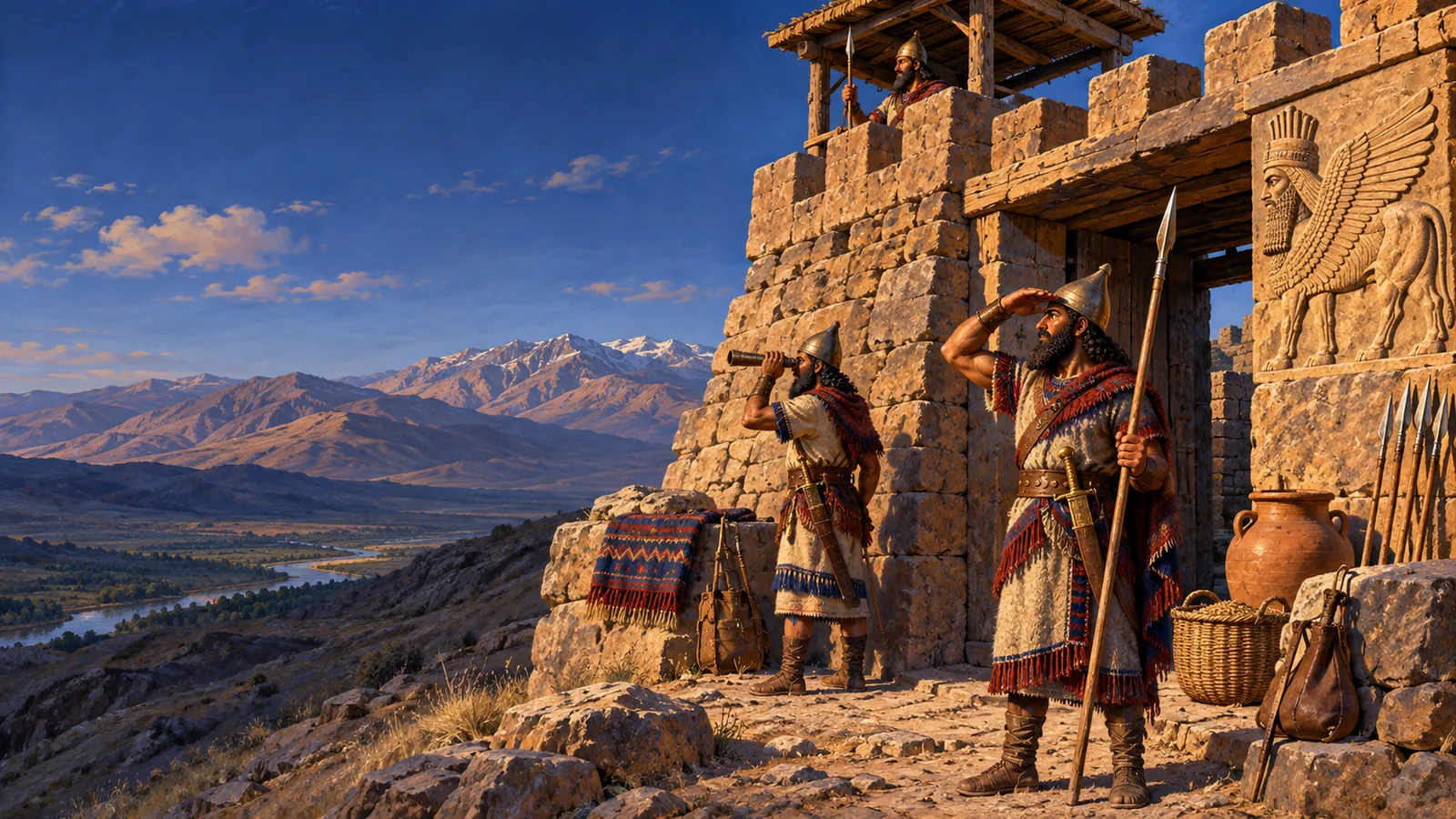
La carta dice que la fortaleza estaba asegurada frente a esos dos distritos para impedir la huida de fugitivos y bloquear las incursiones enemigas.
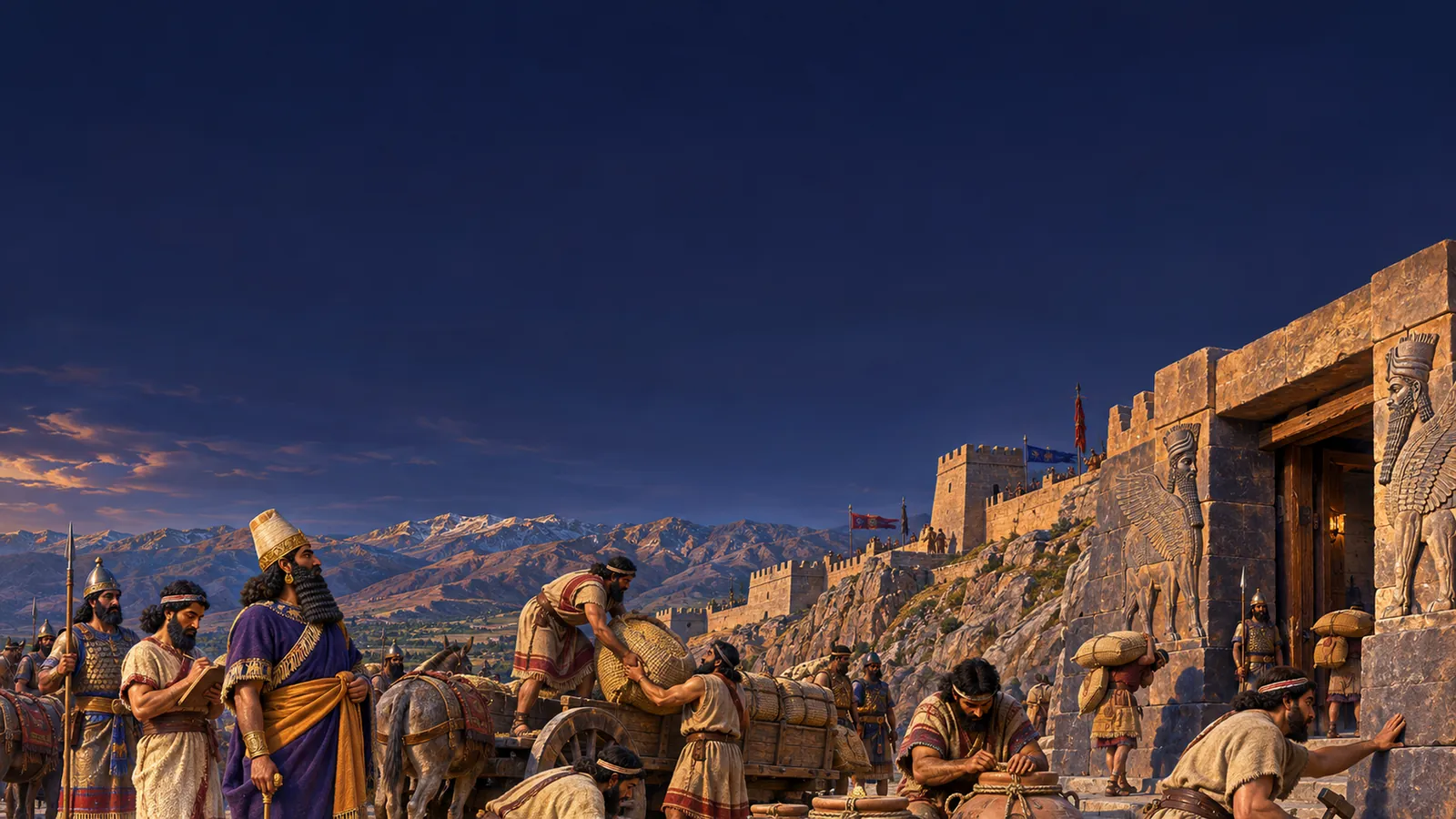
LAS PROVISIONES
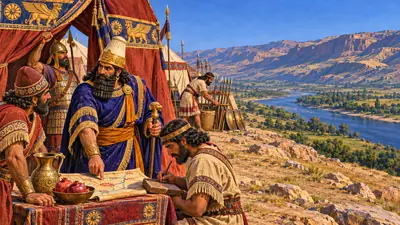
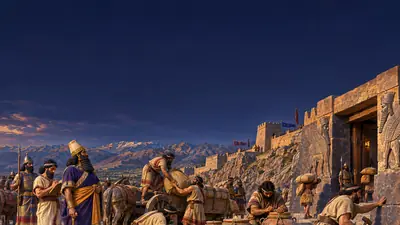
Sargón relata que reforzó Panziš y la abasteció de cebada, mientras que el aceite, el vino y el equipo de combate aparecen en palabras inciertas o parcialmente restituidas.
Fin del capítulo 1
Todas las páginas
Fuentes
This chapter paraphrases inscription no. 65, ancient lines 1–78, printed pp. The report concerns the 714 BCE campaign and addresses Aššur in a royal first-person letter. Royal accusations, divine support, emotions, victories and counts remain attributed to that report.
Ediciones consultadas
- Grant Frame, RINAP 2 (2021), official edition
- Inscription no. 65, introduction and composite witness, pp. 271–275
- This chapter’s source begins, printed p. 278
- This chapter’s source ends, printed p. 283
Notas sobre este relato
The composite witness is AO 5372 plus VAT 8634, VAT 8698a–c and VAT 8749. The Louvre purchased AO 5372 in 1910; the Berlin fragments were excavated at Aššur in 1910. Individual passages remain damaged or restored.
Requests to defeat Rusâ and restore Mannea remain requests or promises here. Sirdakka and Zirdiakka retain their printed forms. The stele or gift reading at line 54 and the uncertain or restored supplies at line 78 remain qualified.
Page 01. · ancient line 1; printed p. 278 / PDF 328; introduction pp. 271–272. The opening addresses Aššur as father of the gods and great lord, wishing wellbeing to him in Eḫursaggalkurkurra. The short retelling's first sentence identifies the genre; it is not another translated sentence of ancient line 1.
Page 02. · ancient lines 2–3; printed p. 278 / PDF 328. Two parallel greetings include gods who issue divine decrees and goddesses: first those of Eḫursaggalkurkurra, then those of the city Aššur. The page groups the greetings without adding a new meeting or a reply from their recipients. The divine name and the city's name are the same written form, distinguished by context.
Page 03. · ancient line 4 and note 4; printed p. 278 / PDF 328. The greeting includes the city, its people, the palace and its dweller in the editor's main reading. The apparatus records another syntactic interpretation treating the last phrase as the palace situated there, rather than a separate dweller. The paraphrase follows the editor's principal translation and does not identify the unnamed dweller.
Page 04. · ancient line 5; printed p. 278 / PDF 328. Sargon is called holy priest and servant who reveres the god. The letter announces that he and his military camp are well. This assurance is part of the report's address; it is not an independent modern assessment of the expedition's condition.
Page 05. · ancient line 6; printed p. 278 / PDF 328. Duʾūzu is the fourth month. The letter says this month determines human affairs and associates it with Ninurta, Enlil's eldest son and the most powerful among the gods. The paraphrase preserves the ordinal and the divine month association without adding a modern day or treating the religious description as an independently observed cause.
Page 06. · ancient line 7; printed p. 278 / PDF 328. The lord of wisdom, named Ninšiku and identified by the editor as Ea, is said to have recorded the army assembly and camp preparation appropriate to this month on an ancient tablet. Ninšiku and Ea are alternative names here, not two participants. The text does not quote the tablet's wording, specify a tablet surviving today or describe how a human scribe copied it.
Page 07. · ancient line 8; printed pp. 278–279 / PDF 328–329. The king reports leaving his royal city Kalḫu and crossing the Upper Zab in full flood. The impetuous or forceful character of the crossing belongs to his account. Arabic uses the published archive form كلحو, while the source-facing Latin form remains Kalḫu.
Page 08. · ancient line 9; printed p. 279 / PDF 329. On the third day Sargon prostrates himself before Enlil and Mullissu. These are the declared purposes of the petition, not a separately narrated capture or punishment.
Page 09. · ancient line 10 and note 10; printed p. 279 / PDF 329. The Lower Zab crossing is distinguished from the Upper Zab. The editor's main text describes a difficult ford and says the troops of Šamaš and Marduk crossed as if over a ditch. The apparatus offers a narrow ford as an alternative. The royal comparison conveys claimed ease despite the stated obstacle; it does not make the river a literal ditch.
Page 10. · ancient lines 11–12; printed p. 279 / PDF 329. The march enters Kullar's passes in Lullumû, which the text says is also called Zamua. At Sumbi, the king reviews the army and checks the number of horses and chariots. The report does not supply those numbers here. The two land names are linked in this clause and are not two added stages of the journey.
Page 11. · ancient line 13; printed p. 279 / PDF 329. Sargon attributes strong support to Aššur, Šamaš, Nabû and Marduk and says he directs the march into the mountains for a third time. The ordinal is retained. This clause does not supply dates or separate narratives for two prior mountain journeys.
Page 12. · ancient line 14 and note 14; printed p. 279 / PDF 329. The intended destination is Zikirtu and Andia. The report names divine chariots and the standards going before the king, with the verb rendered literally in the apparatus as pointing their yoke. His choice uses the battle associations of Nergal, Adad and Ištar elsewhere in this same report; the paraphrase follows Nergal here. That discussion is not an additional divine appearance or a new event.
Page 13. · ancient line 15 and note 15; printed p. 279 / PDF 329. Nikippa and Upâ are high mountains densely wooded with many kinds of trees. Entry is frightening in the report, and the midst is confusing, with an alternative interpretation emphasizing confusion in direction. The retelling does not name an individual who became lost, identify a modern pass or supply a botanical inventory.
Page 14. · ancient line 16; printed p. 279 / PDF 329. The letter continues the actual forest passage. It compares the encompassing shade to a cedar forest and says a traveler along the road does not see sunlight.
Page 15. · ancient line 17; printed p. 279 / PDF 329. The Būya runs between those mountains. Sargon claims 26 crossings and says his army did not fear the extensive floodwaters. The repeated crossings are grouped as one sequence, retaining the count. The report supplies no individual scenes for each crossing or a modern identification of every crossing point.
Page 16. · ancient lines 18–19 and notes 18–24, 19; printed p. 279 / PDF 329. Simirria's peak is compared to a spear and described as higher than the mountains where Bēlet-ilī dwells. Its summit touches heaven and its roots extend down into the netherworld in the letter's elevated description. The editor notes that ancient 18–24 form an exceptionally involved sentence; at 19 an emended reading would make the roots fixed in, rather than made to reach into, the netherworld. The paraphrase keeps the mountain description attributed and does not turn its cosmic comparison into geographic measurement.
Page 17. · ancient lines 20–21 and notes 20–21; printed p. 279 / PDF 329. These are one description of the terrain. The source adds that the sight inspires terror. The precise phrasing of the comparison is discussed, and one sign in the sight clause is corrected in the edition; no fish encounter or additional casualty is narrated.
Page 18. · ancient line 22; printed p. 279 / PDF 329. The mountain is unsuited to chariots and to horses displaying their mettle, and even passage by foot soldiers is difficult. The page ends at the obstacle.
Page 19. Ancient line 23, printed p. 279. Sargon credits Ea and Bēlet-ilī with intelligence and broad understanding, and with setting him in motion against the enemy’s land. The setting remains Simirria from the preceding mountain description. The editor notes that lines 18–24 form an unusually involved Akkadian sentence; these reading pages separate its distinct clauses without making them separate historical sources. The divine attribution is the king’s religious explanation, not independently attested intervention.
Page 20. Ancient line 24, printed pp. 279–280. The king says his vanguard carried strong copper axes and opened a way through the high crags, comparing the work to cutting limestone. The comparison conveys the ease claimed for the work; it does not establish the actual geology of every crag. The editor’s note compares a motif in the birth legend of Sargon of Akkad, but that separate legend is not included here. “Copper” follows this passage’s English rendering.
Page 21. Ancient line 25, printed p. 280. The editor’s main translation places the king at the head of his army, with chariotry, cavalry and fighting troops making the ascent in a comparison with eagles. The apparatus offers an alternative reading in which the king stands facing the army. The eagles are a simile, not a separate appearance of birds.
Page 22. Ancient line 26, printed p. 280. Their movement is compared with mountain ibexes. This is not evidence for a newly reconstructed corps or a more elaborate march order.
Page 23. Ancient line 27, printed p. 280. The king says the numerous troops of the god Aššur climbed the difficult slopes in good order and that he camped on the mountaintop. Aššur is the divine name in the military attribution here, rather than a statement that the mountain is the city Aššur.
Page 24. Ancient lines 28–29, printed p. 280. The six names are Sinaḫulzi, Biruatti, Turtani, Sinabir, Aḫšūru and Sūya. The text calls them seven mountains. The editor suggests that Simirria might be included as the seventh or that one name was omitted; the reading does not settle the discrepancy. Sinaḫulzi and Biruatti are described with sweet-smelling vegetation, rendered leek and the *ṣumlalû*-plant. The vegetation detail is condensed here rather than made into another journey event, and *ṣumlalû* is not given a new botanical identification. Aḫšūru is a mountain name, distinct from Aššur.
Page 25. Ancient line 30, printed p. 280. Rappâ and Arattâ flow from the mountain slopes and are in flood. The king compares their crossing to passing ditches.
Page 26. Ancient line 31, printed p. 280. The march descends to Surikaš, a Mannean district on the border with Karalla and Allabria. These are the ancient text’s relative locations.
Page 27. Ancient line 32, printed p. 280. Ullusunu hears of the expedition’s approach. Sargon explains the response by saying that he never ceases avenging Ullusunu each year. This claim of repeated aid is retrospective; the page does not add another earlier campaign, identify a newly named adversary or invent a messenger’s speech.
Page 28. Ancient lines 33–34, printed p. 280. Ullusunu comes with magnates, elders, counselors, members of his father’s house, governors and officials. The king describes their haste and joy. The text explicitly says this occurred without even an exchange of hostages. It does not say hostages were exchanged or seized at this meeting. “Relatives” in the paraphrase condenses the kinship expression; the full official categories are retained.
Page 29. Ancient line 35, printed p. 280. Ullusunu travels from his royal city Izirtu to the border fortress Siniḫini and meets Sargon.
Page 30. Ancient line 36, printed p. 280. Ullusunu brings horses trained to the yoke with their trappings, cattle, sheep and goats as tribute, then kisses the king’s feet. The submission gesture is explicitly stated in the report and is retained in words.
Page 31. Ancient line 37, printed p. 280. Latašê is described as a fortress on the river of the land Lāruete, a district of Allabria. The reading does not identify an excavated fortress.
Page 32. Ancient line 38a, printed p. 280. Horses, cattle, sheep and goats are received from Bēl-aplu-iddina of Allabria. This is a distinct ruler’s tribute, not a second payment by Ullusunu. The editor’s English division labels the first part of ancient line 38 as 38a and its next movement as 38b; these are clause labels within one line, not two separately numbered ancient lines.
Page 33. Ancient lines 38b–39, printed pp. 280–281. Sargon descends to Parsuaš. Rulers of Namri, Sangibutu, Bīt-Abdadāni and the land of the powerful Medes hear of his approach. Parsuaš is displayed in Arabic as بارسواش for this reading while the source-facing Latin spelling remains Parsuaš.
Page 34. Ancient line 40, printed p. 281. The rulers remember the laying waste of their lands in the king’s previous year and are overcome by the condition the editor renders as deathly quiet. The destruction is expressly retrospective. This is not a new destruction occurring during the present stop in Parsuaš, and the expression does not itself state that these rulers were killed.
Page 35. Ancient line 41, printed p. 281. The rulers carry substantial tribute from their lands and hand it to Sargon in Parsuaš. The preceding memory of devastation and fear is kept with this transaction rather than recasting it as an unpressured exchange of gifts.
Page 36. Ancient lines 42–49, printed p. 281. This is one collective catalogue of named rulers and places. That count is a count of the listed entries, not an ancient statement of a numbered delegation. The repeated names Payukku and Mašdakku have different place associations and are not conflated.
Ancient line 42: Taltâ (Daltâ) of Ellipi; U(a)ksatar (one of the city rulers of the river-land); Dūrēsi (one of the city rulers of the river-land); Satarēšu (one of the city rulers of the river-land).
Ancient line 43: Anzî of Ḫalḫubarra; Payukku of Kilambāti; Uzî of Māli.
Ancient line 44: Uakirtu of Nappi; Makirtu of Bīt-Sagbat; Kitakki of Uriangi.
Ancient line 45: Mašdayukku of Kingaraku; Uzitar of Qantāu; Payukku of Bīt-Kapsi.
Ancient line 46: Ḫumbê of Bīt-Zualzaš; Uzumanda of Kisilaḫa; Burburazu of Bīt-Ištar.
Ancient line 47: Baga-parna of Zakruti; Dārî of Šaparda; Ušrâ of Kanzabakanu.
Ancient line 48: Sarruti of Karzinû; Mašdakku of Andirpattianu; Akkussu of Usigur; Birtātu of Ṣibur.
Ancient line 49: Zardukka of Ḫarzianu; Mašdakku of Aratista; Satarpānu of Barikānu; Karakku of Uriakku.
At line 48, Usigur is uncertain: the editor records proposed readings Usis and Usib. At line 49, the main English rendering used here is Aratista; the apparatus also discusses Aratistia and previous readings. Taltâ’s alternate form Daltâ is given by the editor in parentheses. These reading variants are not additional rulers or towns. Bīt-Kapsi is retained as printed in this roster, without importing the Bīt-Kabsi form from a later part of the report.
Page 37. Ancient line 50, printed p. 281. The same catalogue concludes with swift horses, spirited mules, Bactrian camels described as native to their lands, cattle, sheep and goats. These are categories received by the king, not the contents of a second independently narrated tribute event. The animal adjectives and local-origin claim belong to the report.
Page 38. Line 51; p. 281. Sargon leaves Parsuaš and approaches Missi, identified as a district of Mannea. This begins the next movement after the collective tribute catalogue.
Page 39. Line 52; p. 281. Ullusunu and the people of his land await the expedition at his fortress Sirdakka, with an intention of obeisance attributed to them by the king. The printed form here is Sirdakka; lines 71 and 74 use Zirdiakka.
Page 40. Line 53; p. 281. Ullusunu has heaped flour and wine for the army. Sargon likens this service to that of his own Assyrian eunuchs and provincial governors; the paraphrase retains the governor comparison. It is military provisioning, without an offering or sacrifice stated here.
Page 41. Line 54 and its note; p. 281. Ullusunu presents his eldest son with gifts and entrusts an item read as his stele to Sargon in order to secure his kingship. The editor’s note, reporting a suggestion by Simo Parpola, says the written stele word may be an error for gift. The paraphrase qualifies the object reading. The son is not described here as a captive or hostage.
Page 42. Line 55; pp. 281–282. Sargon receives large horses trained to the yoke, cattle, sheep and goats as tribute. Ullusunu prostrates himself in repayment of earlier favors. The report’s subordinate relationship and submission are retained plainly.
Page 43. Line 56 and its note; p. 282. Ullusunu, the magnates and governors ask Sargon to bar Kakmê from their land and defeat Rusâ in battle. The editor identifies Kakmê as the Mannean name for Urarṭu. The report writes the ruler’s name Ursâ, glossed Rusâ by the edition; the retelling consistently uses Rusâ / روسا for the same person. These are requests, not a victory already accomplished.
Page 44. Lines 57–58; p. 282. The petition seeks the restoration of scattered Mannea, victory over its enemy and the fulfillment of Ullusunu’s wishes. The report describes Ullusunu and his officials groveling on all fours and compares them to dogs.
Page 45. Line 59; p. 282. Sargon claims pity, acceptance of their supplication and attention to their pleading, followed by assent.
Page 46. Lines 60–61; p. 282. Sargon credits Aššur and Marduk with the supremacy of his weapons over those of other rulers, then promises to overthrow Urarṭu, restore boundaries and relieve Mannea’s troubled people. Their renewed confidence is also his report. The promise remains distinct from a completed restoration.
Page 47. Lines 62–63; p. 282. Ullusunu receives a table of honor and an elevation above his father Iranzi. The visitors sit with Assyrians at a festive table and bless Sargon’s kingship before Aššur and the gods of their land.
Page 48. Lines 64–65 and note 65; p. 282. Zīzî of Appatar and Zalāya of Kitpat are rulers in the remote mountain district Gizilbunda. Their position is compared to a barrier across the approach to Mannea and Media. The apparatus discusses alternative readings of the geographical connection and barrier expression.
Page 49. Lines 66–67 and note 67; p. 282. The communities’ reliance on their strength and lack of accustomed lordship belong to Sargon’s description. The note observes the relative-clause construction; it is a royal boast, not an independent survey of earlier contacts.
Page 50. Lines 68–71; p. 282. Sargon credits Aššur with the submission and gifts of mountain rulers. He says news of the expedition and fear of his splendor overwhelm them, followed by tribute from Appatar and Kitpat brought to Zirdiakka. The paraphrase groups the horses, cattle, sheep and goats; the report calls the tribute countless without giving a numerical total here.
Page 51. Line 72; pp. 282–283. The rulers plead for their lives and kiss Sargon’s feet so that their walls will not be demolished. The threat and humiliating submission are retained soberly. The clause does not state that people were killed or walls destroyed at this meeting.
Page 52. Line 73; pp. 282–283. Sargon says that, for their land’s wellbeing, he appoints a qīpu official over them and assigns them to his governor of Parsuaš. The governor is described as a royal eunuch. The paraphrase retains the administrative subordination without inventing deportation, written terms or an appointment ceremony.
Page 53. Lines 74–75 and note 75; p. 283. The report leaves Zirdiakka and gives a march of thirty leagues between Mannea, Bīt-Kabsi and the powerful Medes. The ancient distance is retained without conversion to kilometres or a fixed modern route. Locale distance terms are reading equivalents, not modern measurements. The edition corrects the written sign in the adverb rendered as marching furiously; that adverb is not reproduced in the paraphrase. The source form Bīt-Kabsi here is retained alongside Bīt-Kapsi earlier in the tribute catalogue.
Page 54. Line 76; p. 283. Panziš is a strong fortress used as a guard post on the border with Zikirtu and Andia. The passage does not identify an excavated fortress or describe a siege.
Page 55. Line 77; p. 283. The fortress’s stated purpose is to prevent a fugitive escaping and block enemy incursions from the two districts. This is a purpose clause, without an actual capture or attack narrated. The edition marks damaged or uncertain signs within the enemy and district wording.
Page 56. Line 78; p. 283. Sargon claims to strengthen the fortress and bring barley and supplies into it. The oil signs are uncertain; wine is restored and queried in the transliteration, and battle equipment is partly restored.
Los versos antiguos de cada página
- Page 1: Frame, The Royal Inscriptions of Sargon II, RINAP 2 (2021), no. 65, printed p. 278, ancient line 1
Historically grounded Neo-Assyrian northern Mesopotamia or the adjoining ancient Zagros highlands as specified, no claimed reconstruction of a named monument. - Page 2: Frame, The Royal Inscriptions of Sargon II, RINAP 2 (2021), no. 65, printed p. 278, ancient lines 2–3
Historically grounded Neo-Assyrian northern Mesopotamia or the adjoining ancient Zagros highlands as specified, no claimed reconstruction of a named monument. - Page 3: Frame, The Royal Inscriptions of Sargon II, RINAP 2 (2021), no. 65, printed p. 278, ancient line 4
The broad left is the actual gently shaded lane ground with fine dust and small natural color variations, no doorway edge or dark diagonal line. Historically grounded Neo-Assyrian northern Mesopotamia or the adjoining ancient Zagros highlands as specified, no claimed reconstruction of a named monument. - Page 4: Frame, The Royal Inscriptions of Sargon II, RINAP 2 (2021), no. 65, printed p. 278, ancient line 5
Historically grounded Neo-Assyrian northern Mesopotamia or the adjoining ancient Zagros highlands as specified, no claimed reconstruction of a named monument. - Page 5: Frame, The Royal Inscriptions of Sargon II, RINAP 2 (2021), no. 65, printed p. 278, ancient line 6
Historically grounded Neo-Assyrian northern Mesopotamia or the adjoining ancient Zagros highlands as specified, no claimed reconstruction of a named monument. - Page 6: Frame, The Royal Inscriptions of Sargon II, RINAP 2 (2021), no. 65, printed p. 278, ancient line 7
A small plain blank clay tablet and an unused short reed stylus lying far lower left on an old plain timber board. The right is the same shaded timber board with fine muted grain, no tablet edge, stylus, plank seam or sharp highlight. Historically grounded Neo-Assyrian northern Mesopotamia or the adjoining ancient Zagros highlands as specified, no claimed reconstruction of a named monument. - Page 7: Frame, The Royal Inscriptions of Sargon II, RINAP 2 (2021), no. 65, printed pp. 278–279, ancient line 8
Historically grounded Neo-Assyrian northern Mesopotamia or the adjoining ancient Zagros highlands as specified, no claimed reconstruction of a named monument. - Page 8: Frame, The Royal Inscriptions of Sargon II, RINAP 2 (2021), no. 65, printed p. 279, ancient line 9
Historically grounded Neo-Assyrian northern Mesopotamia or the adjoining ancient Zagros highlands as specified, no claimed reconstruction of a named monument. - Page 9: Frame, The Royal Inscriptions of Sargon II, RINAP 2 (2021), no. 65, printed p. 279, ancient line 10
Historically grounded Neo-Assyrian northern Mesopotamia or the adjoining ancient Zagros highlands as specified, no claimed reconstruction of a named monument. - Page 10: Frame, The Royal Inscriptions of Sargon II, RINAP 2 (2021), no. 65, printed p. 279, ancient lines 11–12
Historically grounded Neo-Assyrian northern Mesopotamia or the adjoining ancient Zagros highlands as specified, no claimed reconstruction of a named monument. - Page 11: Frame, The Royal Inscriptions of Sargon II, RINAP 2 (2021), no. 65, printed p. 279, ancient line 13
Historically grounded Neo-Assyrian northern Mesopotamia or the adjoining ancient Zagros highlands as specified, no claimed reconstruction of a named monument. - Page 12: Frame, The Royal Inscriptions of Sargon II, RINAP 2 (2021), no. 65, printed p. 279, ancient line 14
Historically grounded Neo-Assyrian northern Mesopotamia or the adjoining ancient Zagros highlands as specified, no claimed reconstruction of a named monument. - Page 13: Frame, The Royal Inscriptions of Sargon II, RINAP 2 (2021), no. 65, printed p. 279, ancient line 15
Historically grounded Neo-Assyrian northern Mesopotamia or the adjoining ancient Zagros highlands as specified, no claimed reconstruction of a named monument. - Page 14: Frame, The Royal Inscriptions of Sargon II, RINAP 2 (2021), no. 65, printed p. 279, ancient line 16
Historically grounded Neo-Assyrian northern Mesopotamia or the adjoining ancient Zagros highlands as specified, no claimed reconstruction of a named monument. - Page 15: Frame, The Royal Inscriptions of Sargon II, RINAP 2 (2021), no. 65, printed p. 279, ancient line 17
Historically grounded Neo-Assyrian northern Mesopotamia or the adjoining ancient Zagros highlands as specified, no claimed reconstruction of a named monument. - Page 16: Frame, The Royal Inscriptions of Sargon II, RINAP 2 (2021), no. 65, printed p. 279, ancient lines 18–19
Historically grounded Neo-Assyrian northern Mesopotamia or the adjoining ancient Zagros highlands as specified, no claimed reconstruction of a named monument. - Page 17: Frame, The Royal Inscriptions of Sargon II, RINAP 2 (2021), no. 65, printed p. 279, ancient lines 20–21
Historically grounded Neo-Assyrian northern Mesopotamia or the adjoining ancient Zagros highlands as specified, no claimed reconstruction of a named monument. - Page 18: Frame, The Royal Inscriptions of Sargon II, RINAP 2 (2021), no. 65, printed p. 279, ancient line 22
Historically grounded Neo-Assyrian northern Mesopotamia or the adjoining ancient Zagros highlands as specified, no claimed reconstruction of a named monument. - Page 19: Frame, RINAP 2 (2021), Sargon II 65, ancient lines 23, pp. 279
- Page 20: Frame, RINAP 2 (2021), Sargon II 65, ancient lines 24, pp. 279–280
- Page 21: Frame, RINAP 2 (2021), Sargon II 65, ancient lines 25, pp. 280
The full upper reading field is real deep lapis dusk sky with restrained natural atmospheric variation. - Page 22: Frame, RINAP 2 (2021), Sargon II 65, ancient lines 26, pp. 280
- Page 23: Frame, RINAP 2 (2021), Sargon II 65, ancient lines 27, pp. 280
The entire right reading rectangle is a gently sloping expanse of fine blue-gray summit stone in natural shade, with delicate subdued mineral grain and no ridge edge or object. - Page 24: Frame, RINAP 2 (2021), Sargon II 65, ancient lines 28–29, pp. 280
- Page 25: Frame, RINAP 2 (2021), Sargon II 65, ancient lines 30, pp. 280
The entire right reading field is actual deep blue water in the bend's sheltered slow side reach, with delicate low-contrast ripples and no foam, reflected bank or bright glint. - Page 26: Frame, RINAP 2 (2021), Sargon II 65, ancient lines 31, pp. 280
The entire left reading field is a continuous nearby rock slope in natural blue shade, with fine weathered grain and low broad tonal variation. - Page 27: Frame, RINAP 2 (2021), Sargon II 65, ancient lines 32, pp. 280
- Page 28: Frame, RINAP 2 (2021), Sargon II 65, ancient lines 33–34, pp. 280
- Page 29: Frame, RINAP 2 (2021), Sargon II 65, ancient lines 35, pp. 280
- Page 30: Frame, RINAP 2 (2021), Sargon II 65, ancient lines 36, pp. 280
- Page 31: Frame, RINAP 2 (2021), Sargon II 65, ancient lines 37, pp. 280
The entire left reading field is real quiet blue-gray river water with subtle natural surface grain and broad soft tonal variation. - Page 32: Frame, RINAP 2 (2021), Sargon II 65, ancient lines 38a, pp. 280
- Page 33: Frame, RINAP 2 (2021), Sargon II 65, ancient lines 38b–39, pp. 280–281
- Page 34: Frame, RINAP 2 (2021), Sargon II 65, ancient lines 40, pp. 281
- Page 35: Frame, RINAP 2 (2021), Sargon II 65, ancient lines 41, pp. 281
- Page 36: Frame, RINAP 2 (2021), Sargon II 65, ancient lines 42–49, pp. 281
- Page 37: Frame, RINAP 2 (2021), Sargon II 65, ancient lines 50, pp. 281
- Page 38: Frame, RINAP 2 (2021), Sargon II 65, ancient line 51, p. 281
Upper reading field is naturally shaded dusty lapis sky with subtle fine variation, without bright clouds, ridge edges or streaks. - Page 39: Frame, RINAP 2 (2021), Sargon II 65, ancient line 52, p. 281
- Page 40: Frame, RINAP 2 (2021), Sargon II 65, ancient line 53, p. 281
- Page 41: Frame, RINAP 2 (2021), Sargon II 65, ancient line 54, p. 281
Left reading field is real fine stone dust and clay ground in soft natural shade, with quiet low-contrast grain. - Page 42: Frame, RINAP 2 (2021), Sargon II 65, ancient line 55, pp. 281–282
- Page 43: Frame, RINAP 2 (2021), Sargon II 65, ancient line 56, p. 282
- Page 44: Frame, RINAP 2 (2021), Sargon II 65, ancient lines 57–58, p. 282
- Page 45: Frame, RINAP 2 (2021), Sargon II 65, ancient line 59, p. 282
Right reading field is naturally shaded fine mud plaster with tactile straw flecks and low-contrast broad variation. - Page 46: Frame, RINAP 2 (2021), Sargon II 65, ancient lines 60–61, p. 282
- Page 47: Frame, RINAP 2 (2021), Sargon II 65, ancient lines 62–63, p. 282
- Page 48: Frame, RINAP 2 (2021), Sargon II 65, ancient lines 64–65, p. 282
Upper reading field is real muted dusty-blue sky with fine natural variation and no cloud edge or bright streak. - Page 49: Frame, RINAP 2 (2021), Sargon II 65, ancient lines 66–67, p. 282
Right reading field is an adjacent broad near slope of fine gray clay gravel in real natural shade, with no wall, ridge, horizon or distinct stone crossing it. - Page 50: Frame, RINAP 2 (2021), Sargon II 65, ancient lines 68–71, p. 282
- Page 51: Frame, RINAP 2 (2021), Sargon II 65, ancient line 72, pp. 282–283
- Page 52: Frame, RINAP 2 (2021), Sargon II 65, ancient line 73, pp. 282–283
- Page 53: Frame, RINAP 2 (2021), Sargon II 65, ancient lines 74–75, p. 283
- Page 54: Frame, RINAP 2 (2021), Sargon II 65, ancient line 76, p. 283
- Page 55: Frame, RINAP 2 (2021), Sargon II 65, ancient line 77, p. 283
- Page 56: Frame, RINAP 2 (2021), Sargon II 65, ancient line 78, p. 283
Ilustraciones hechas por IL Archive con herramientas de IA; el texto se basa en las fuentes antiguas (véanse las fuentes al final de cada capítulo).