El cuento de Sinuhe Capítulo 1
La historia de Sinuhe
Al conocer la noticia de la muerte de Amenemhat, Sinuhe abandona Egipto y hace su vida en el extranjero. Años después, una carta de Senusret le abre el camino de regreso a la corte egipcia.
FuentesPase las páginas con las flechas, el teclado o deslizando el dedo.
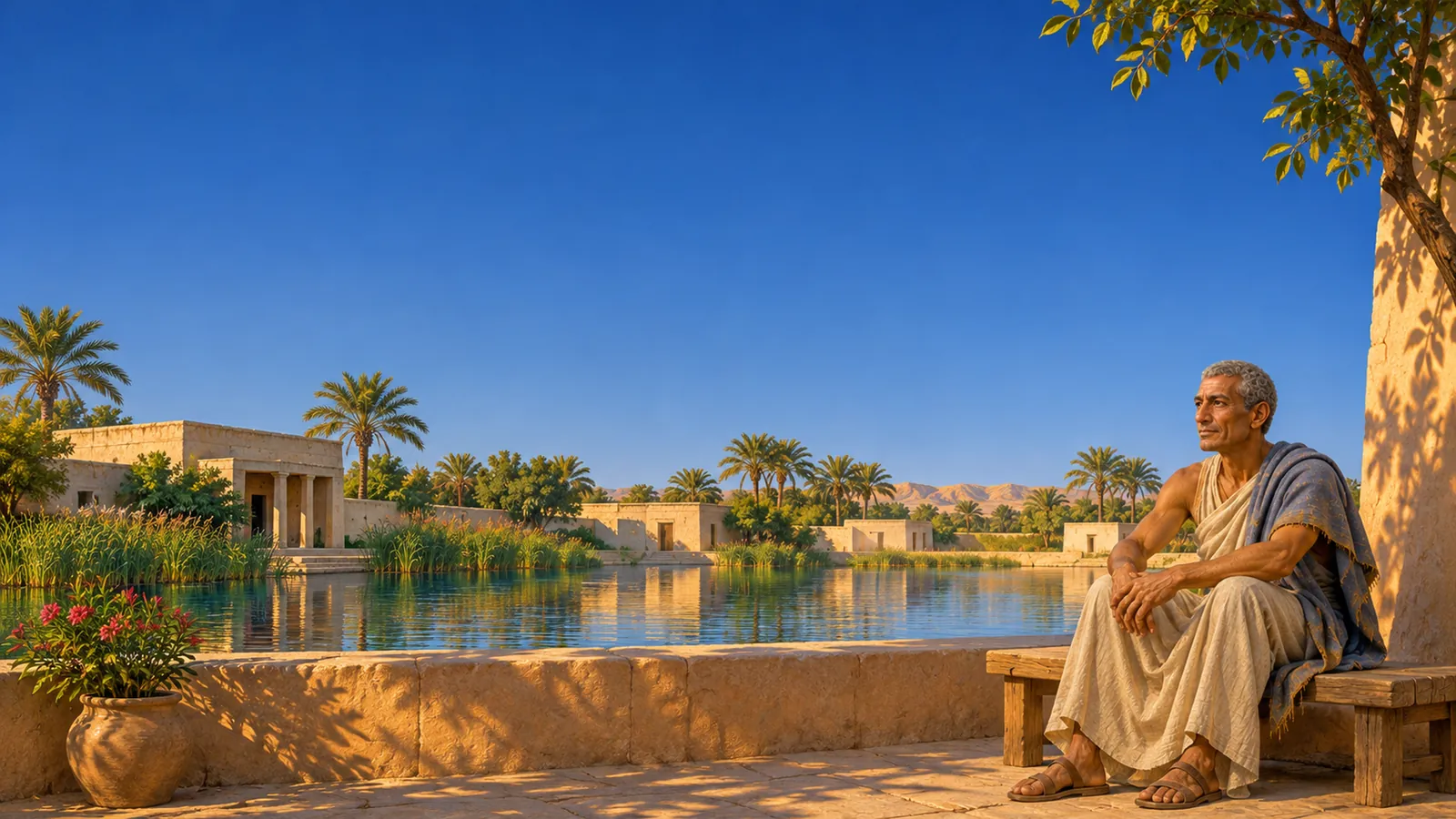
LA HISTORIA DE SINUHE
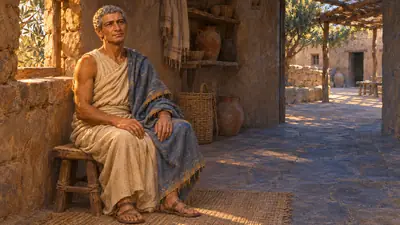
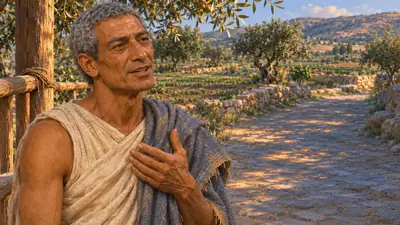
El narrador se presenta como Sinuhe. Antes de contar lo que le ocurrió, enumera los cargos y honores que lo vinculan a la corte egipcia.
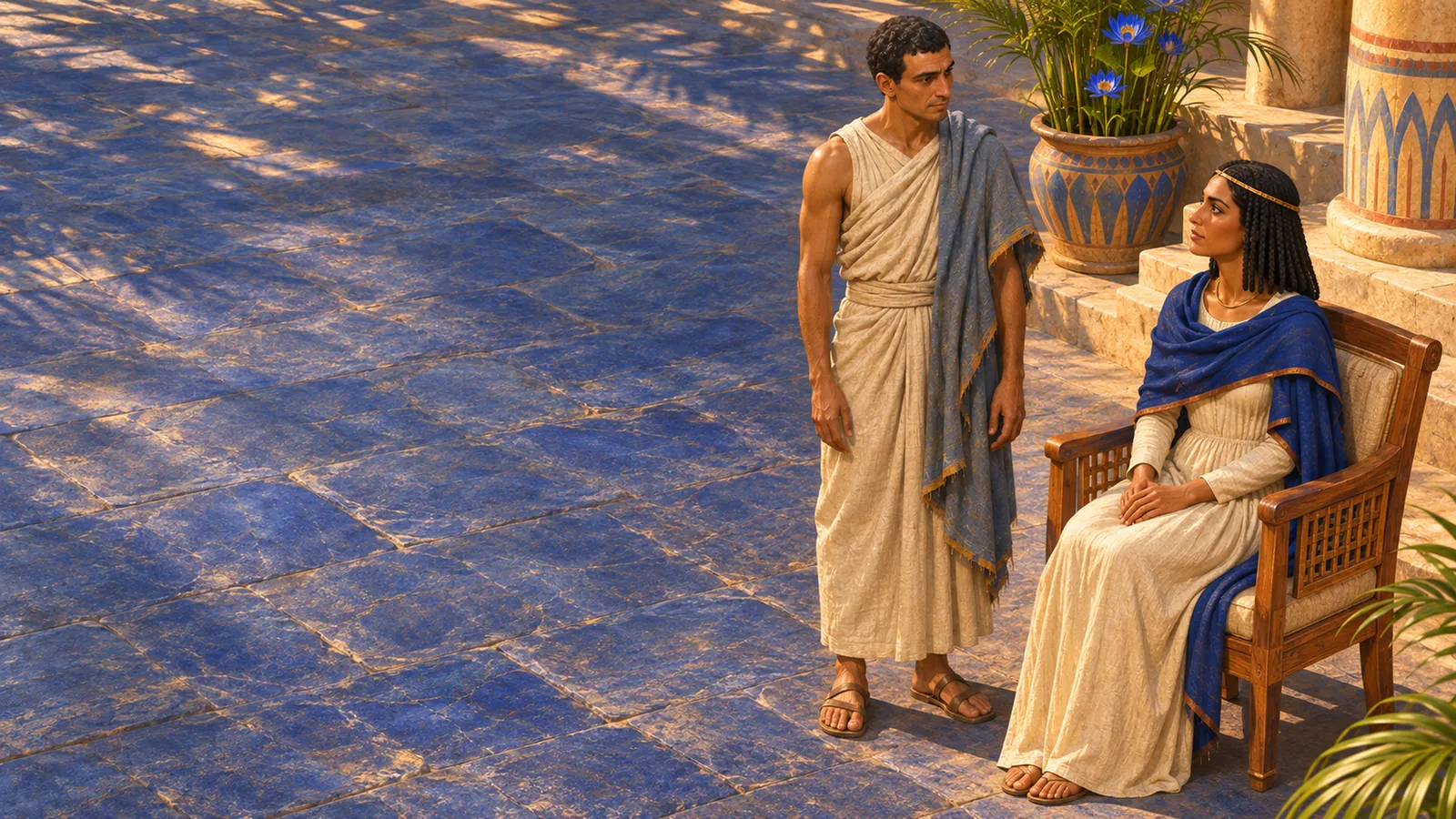
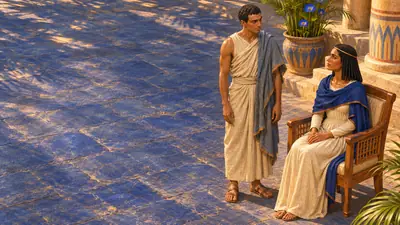
Sinuhe dice que estuvo al servicio de Neferu. Era hija de Amenemhat y esposa de Senusret, cuyo reinado está a punto de comenzar en el relato.
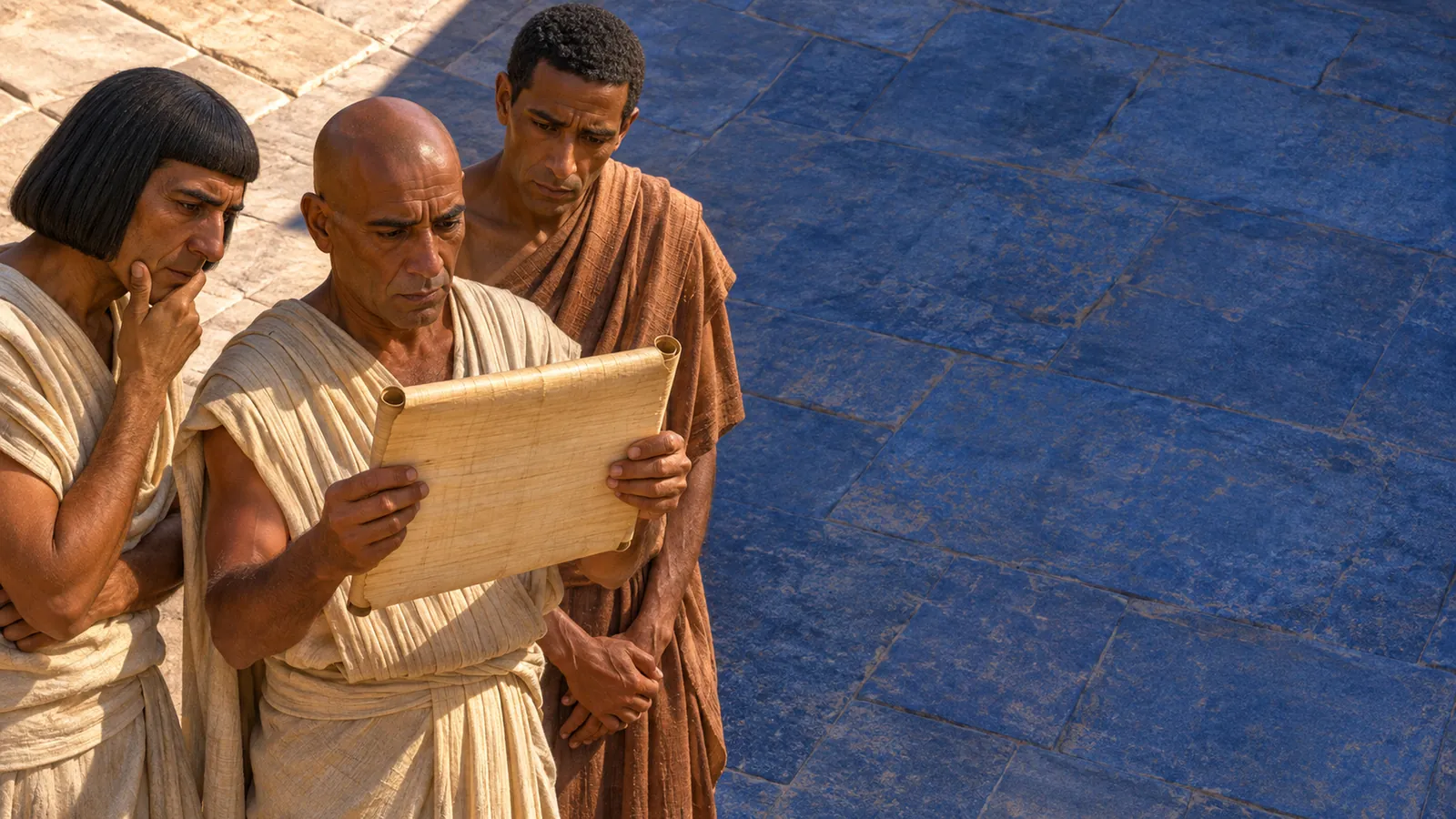
El relato sitúa la muerte de Amenemhat en el año treinta de su reinado, el séptimo día del tercer mes de Akhet. El anuncio habla del rey con imágenes del cielo.
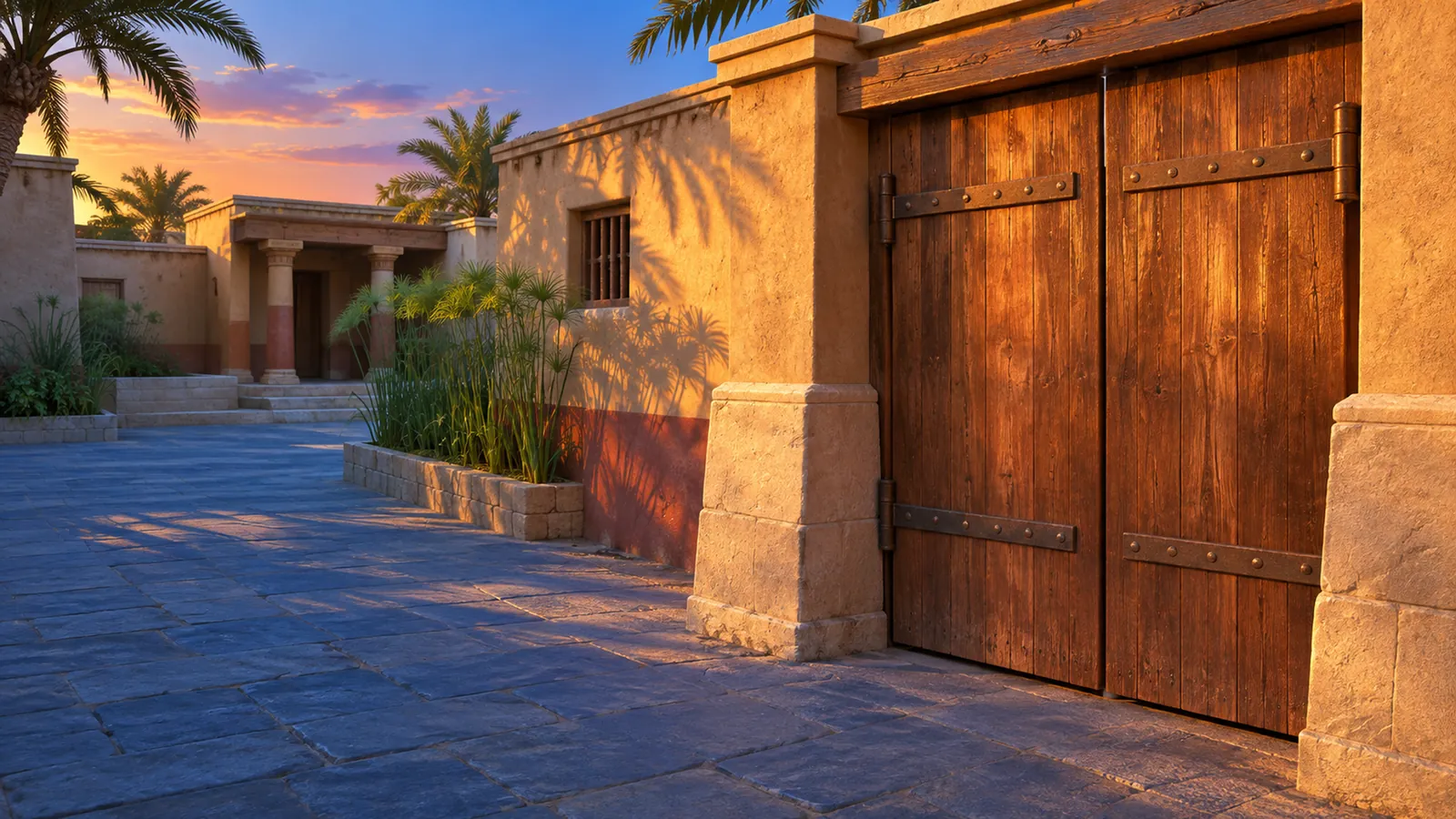
LA PUERTA CERRADA
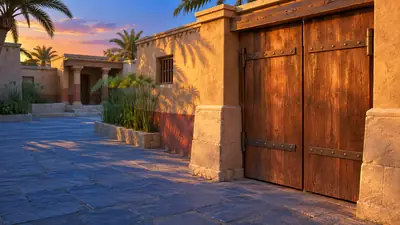
La puerta de la Residencia se cierra. La casa real queda en silencio, y la corte llora al rey.
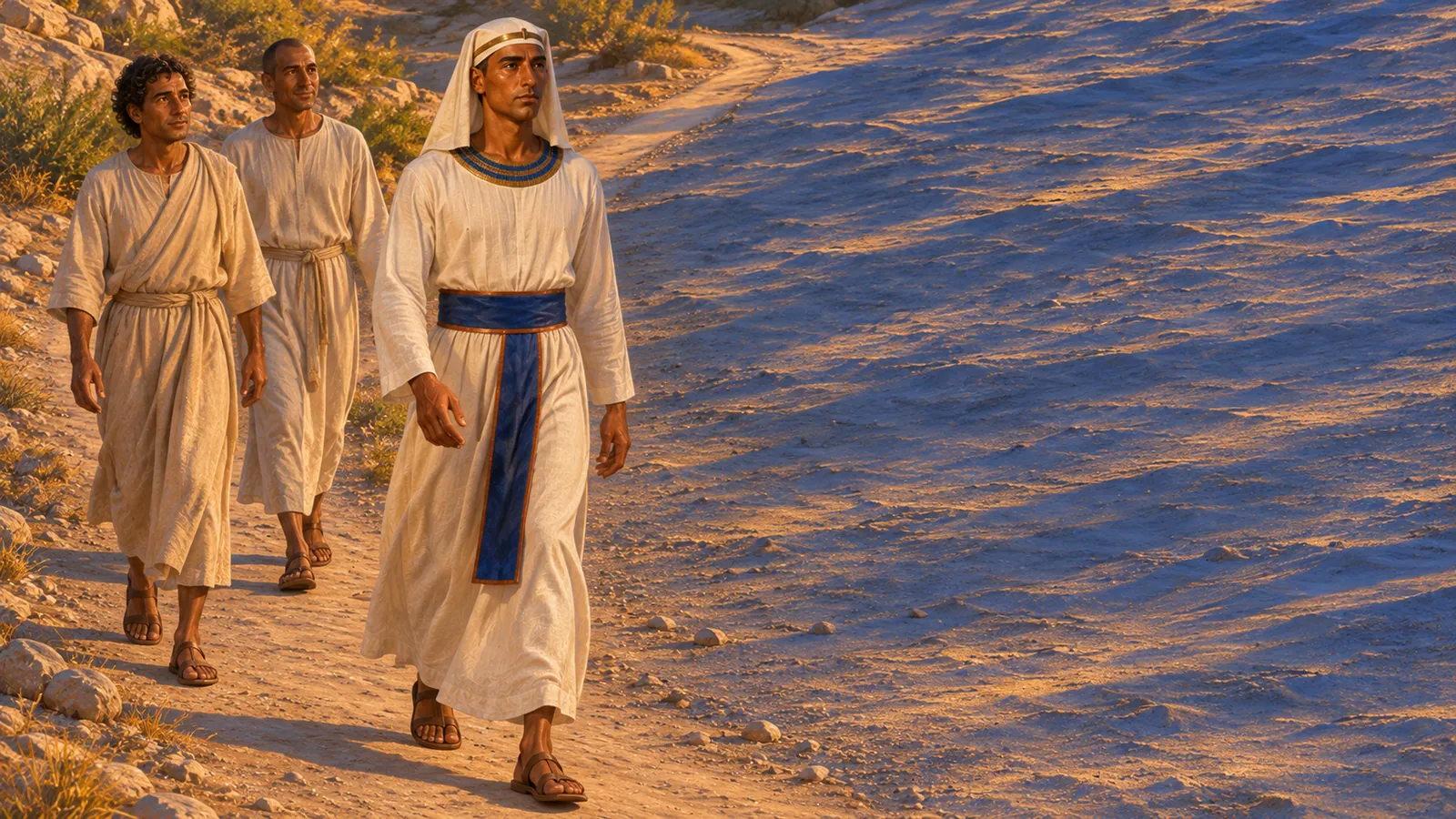
Senusret, el hijo mayor de Amenemhat, está lejos de la Residencia. Regresa de una expedición en el oeste.
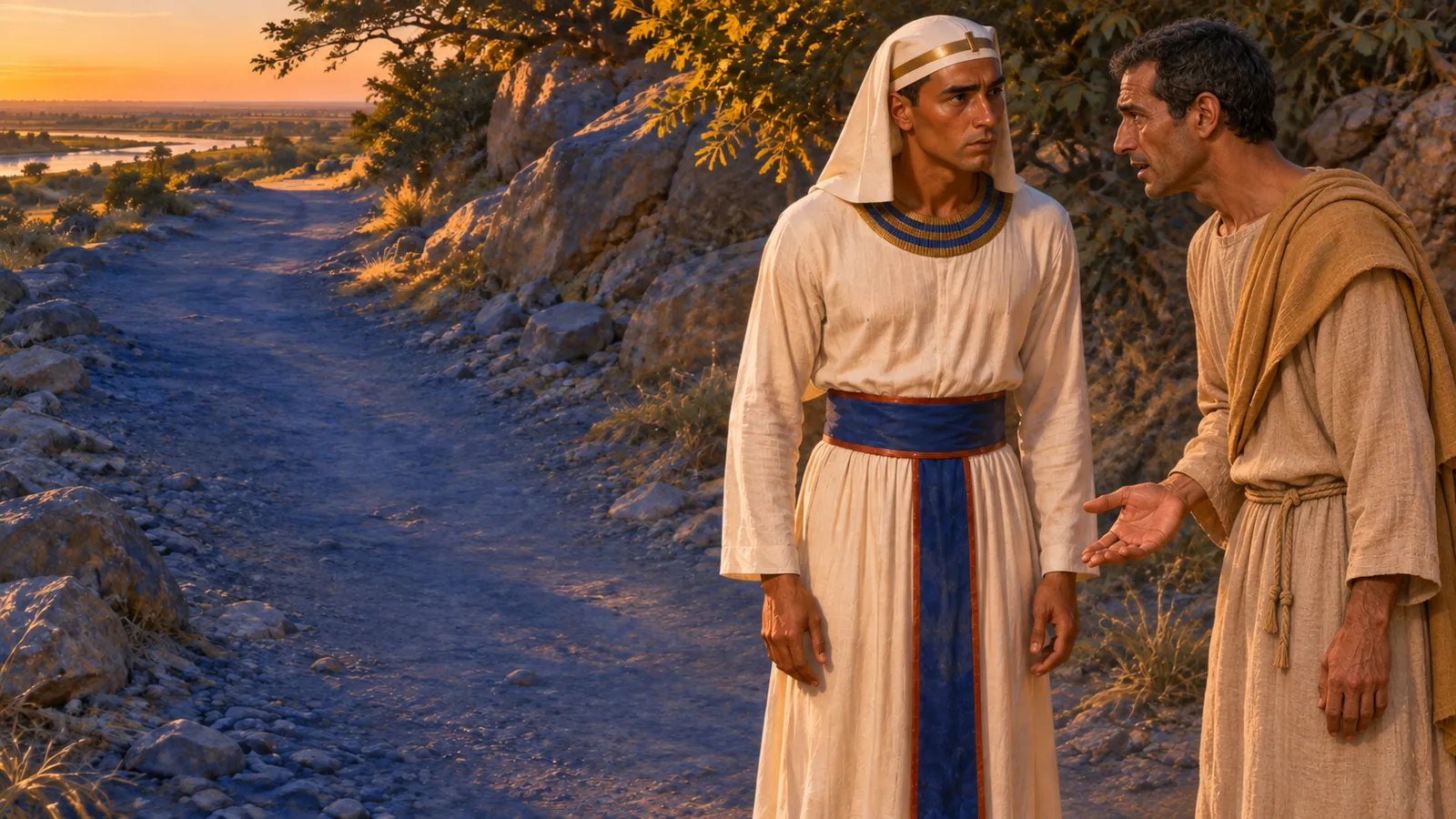
Los cortesanos envían mensajeros al encuentro de Senusret en el camino. Al acabar el día, lo encuentran y le dan la noticia.
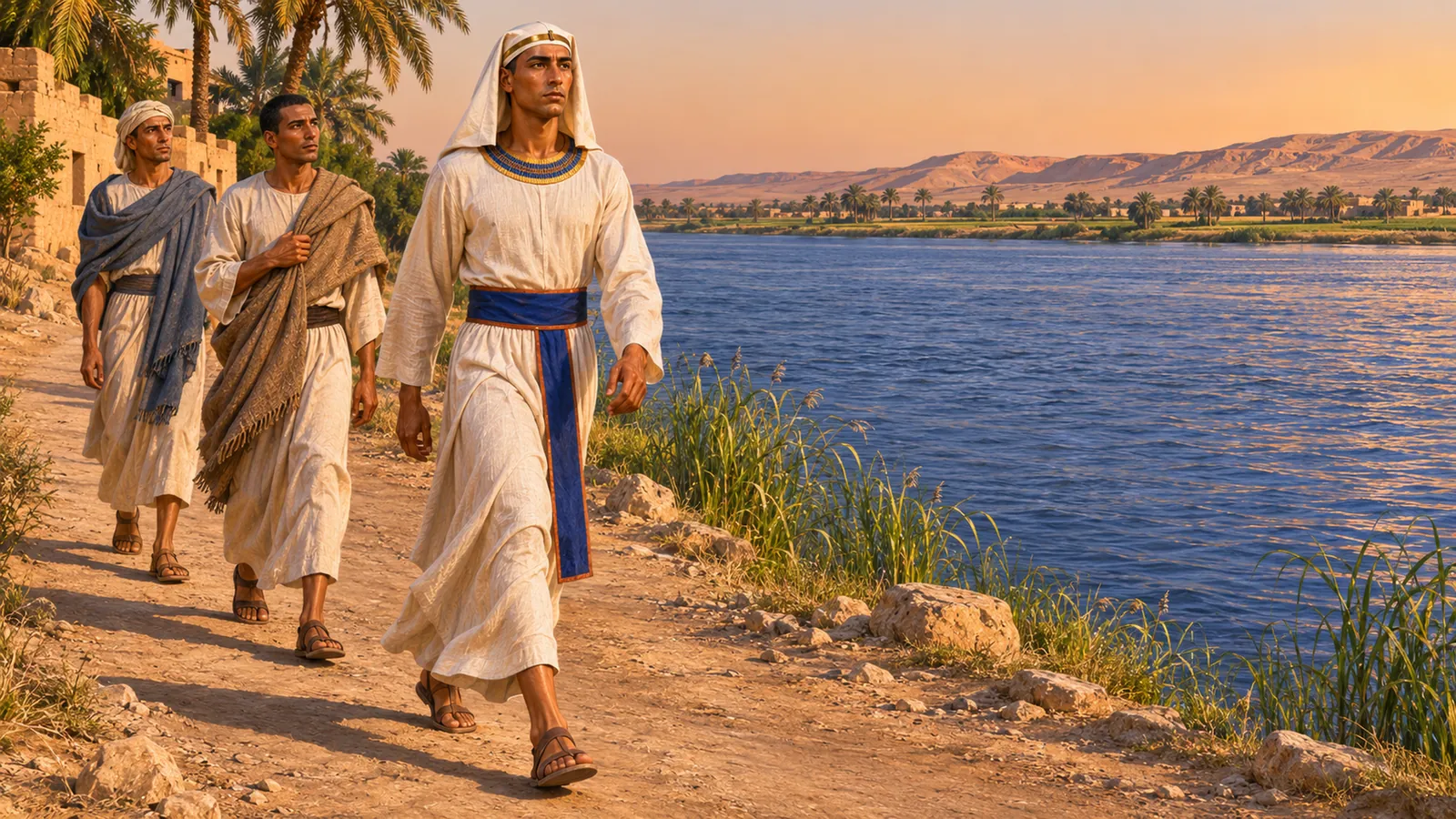
Senusret parte sin demora con sus seguidores. Al narrar su partida, el texto lo compara con un halcón, una imagen de la realeza.
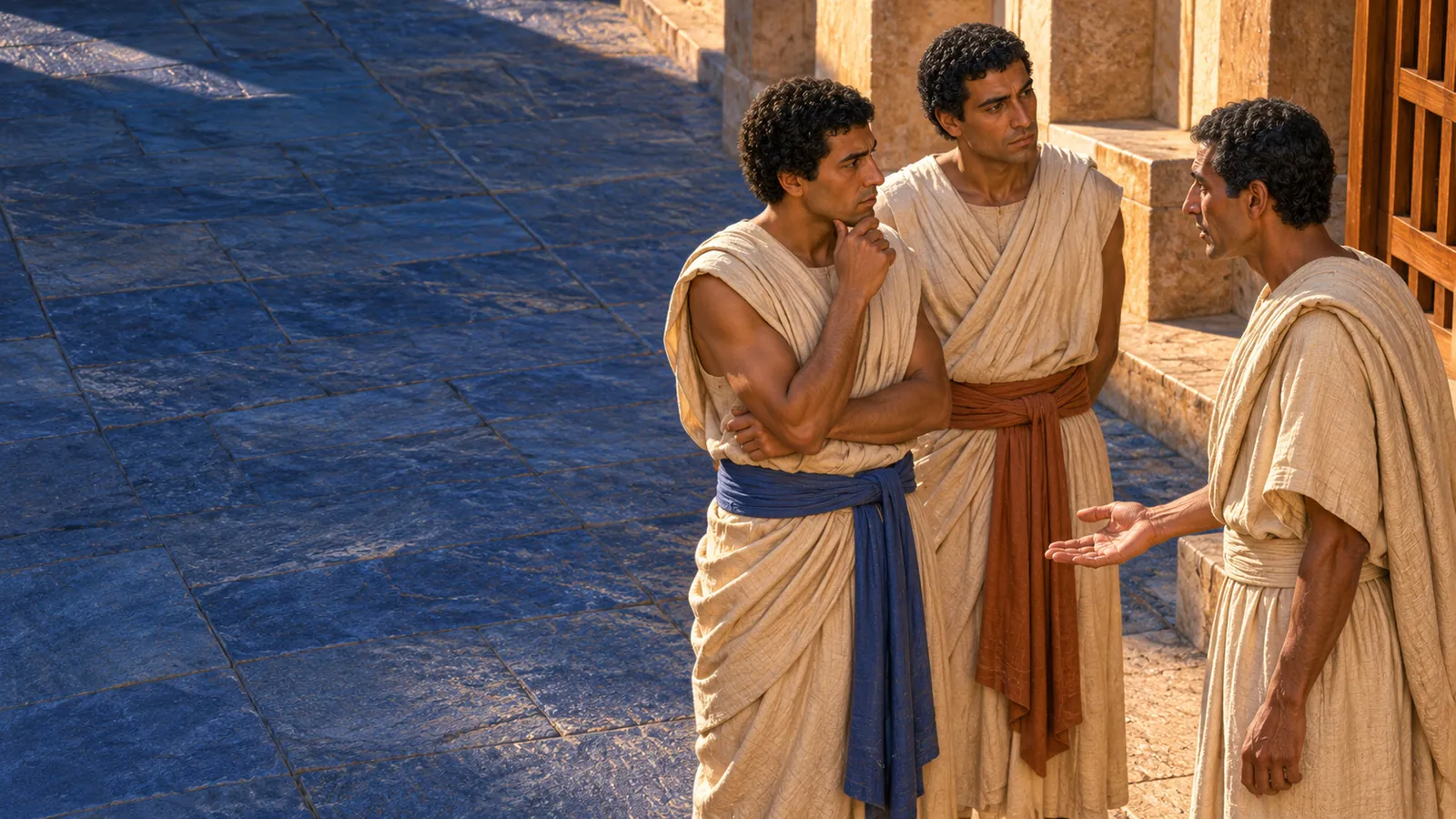
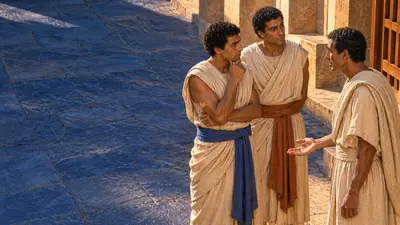
Los hijos del rey reciben otra convocatoria. Aquí las copias conservadas coinciden en el mismo pasaje, cuando el relato pasa de Senusret a lo que oyó Sinuhe.
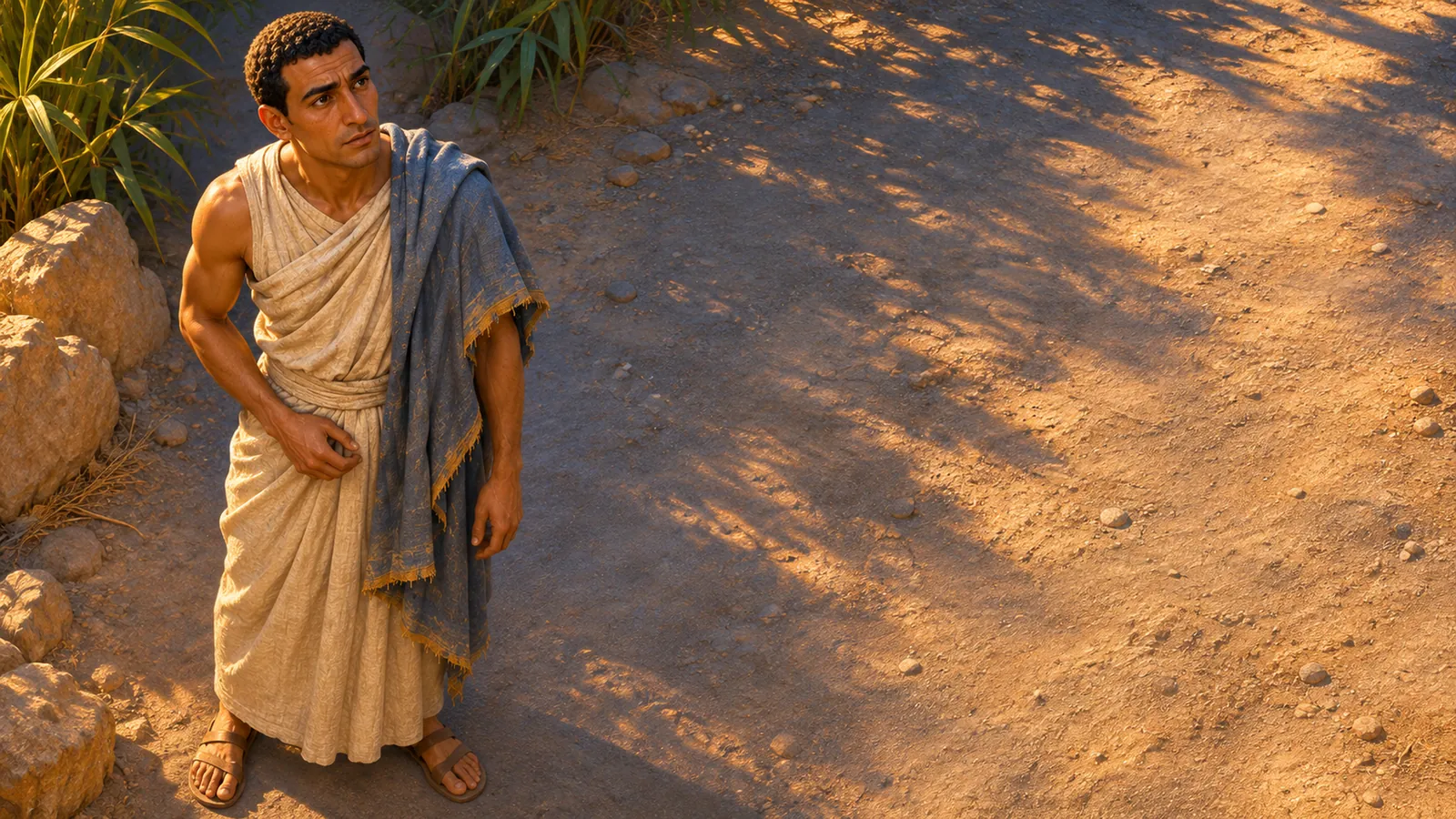
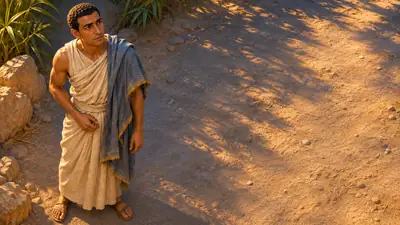
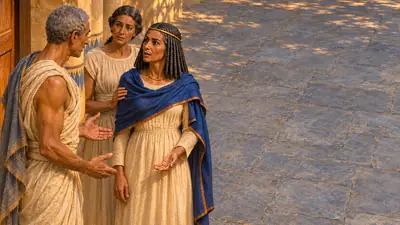
Sinuhe oye una voz cerca. Dice que ese momento lo asustó, pero el relato conservado no recoge las palabras que oyó.
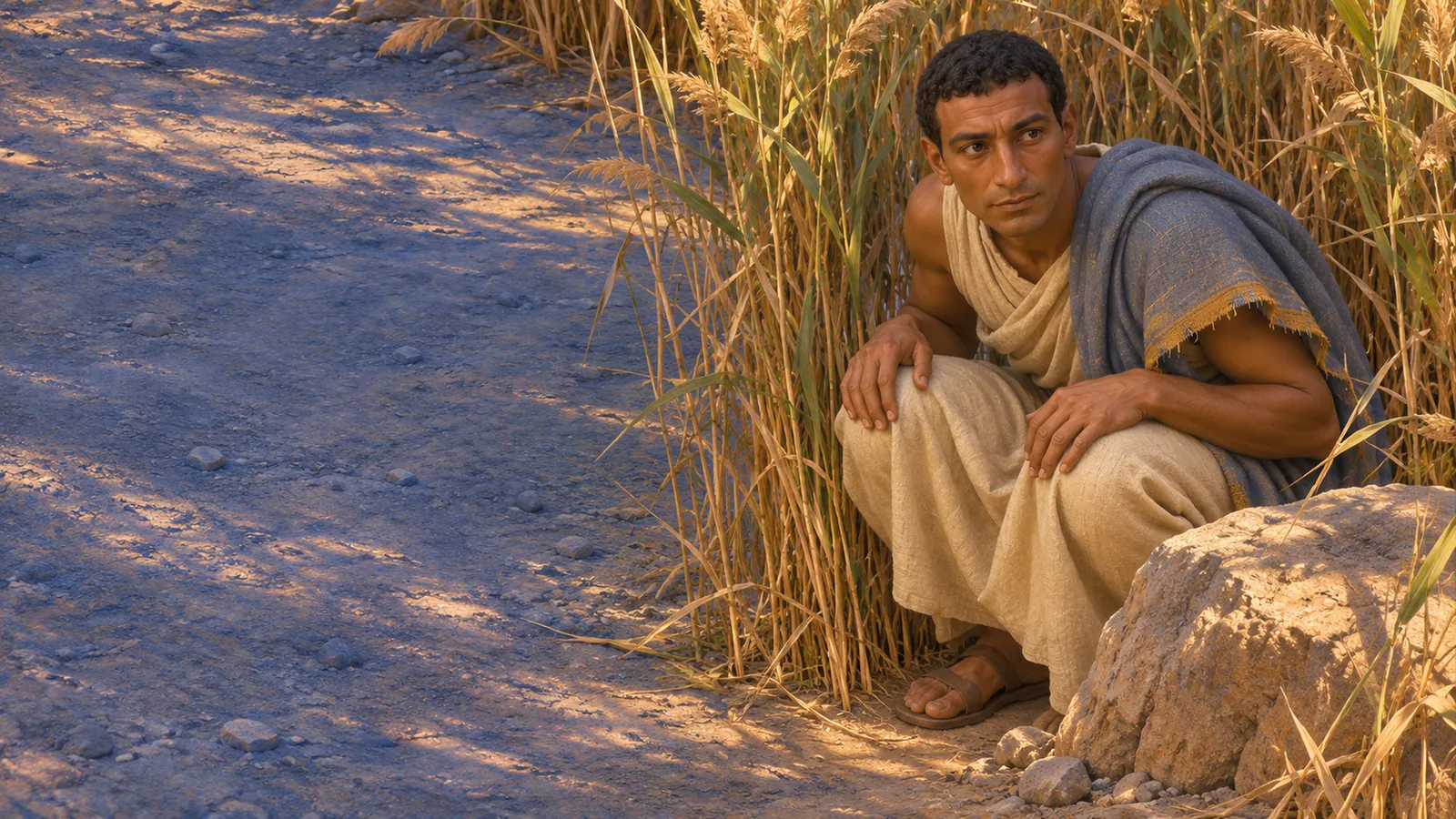
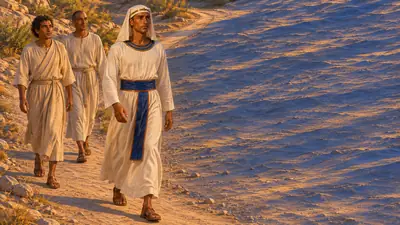
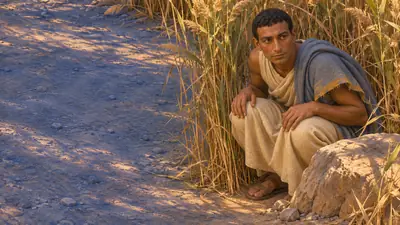
Asustado por lo que ha oído, Sinuhe se aleja. Encuentra dónde resguardarse al lado del camino y se mantiene apartado de quienes pasan.
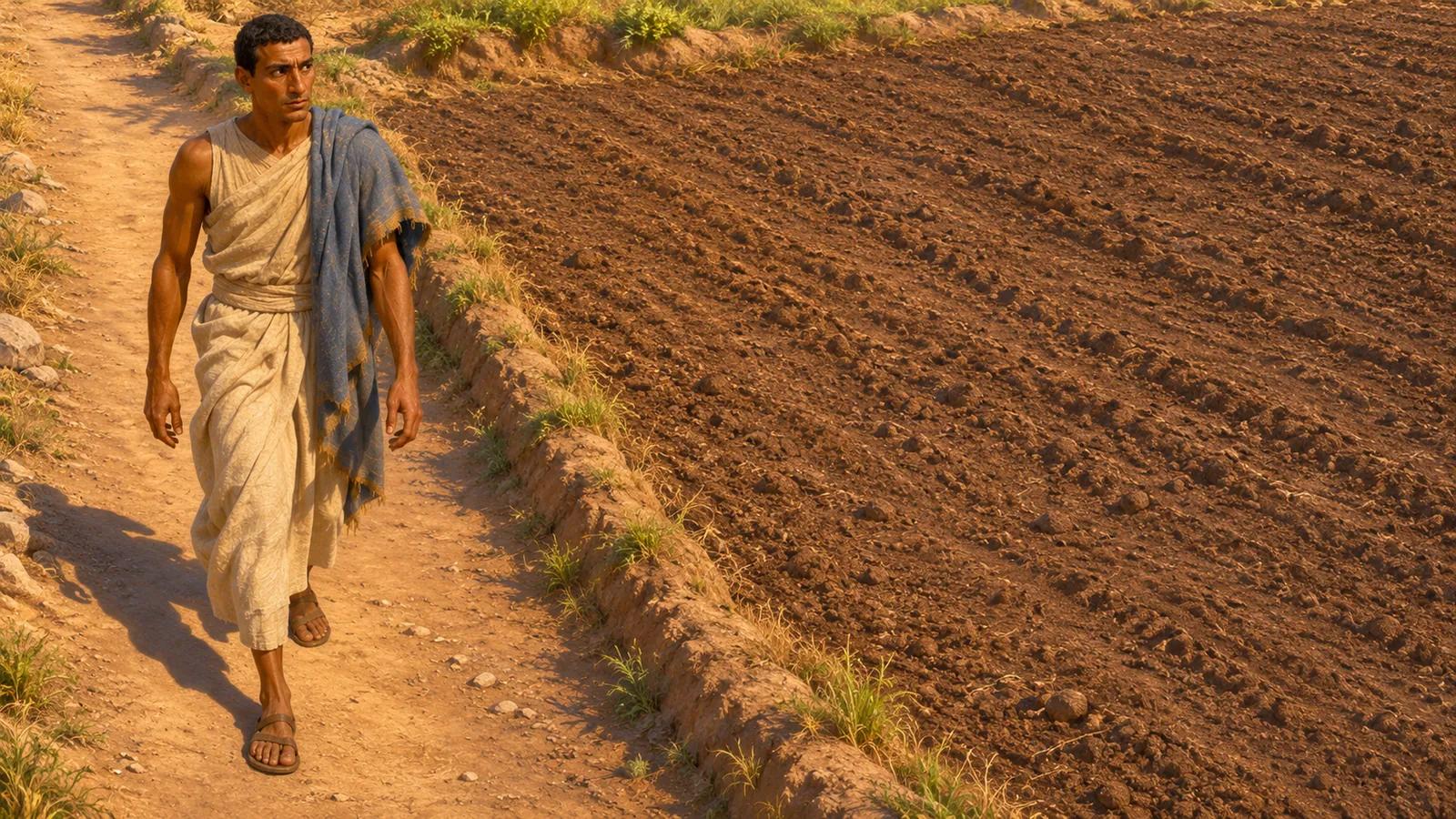
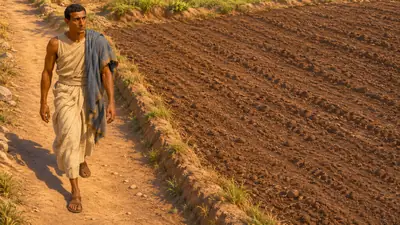
Sinuhe va hacia el sur. Se mantiene lejos de la Residencia porque teme lo que pueda suceder allí cuando se difunda la noticia.
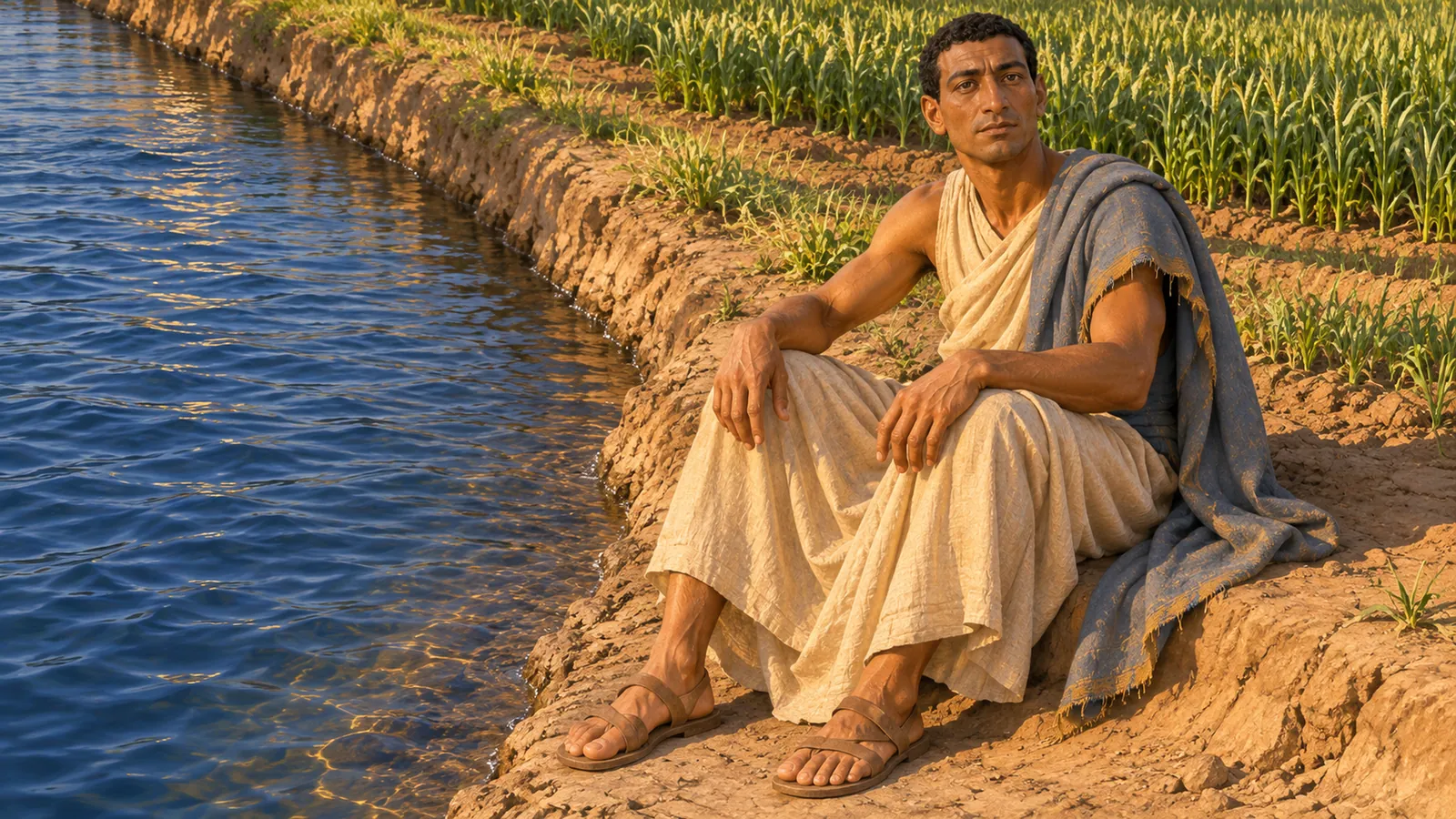
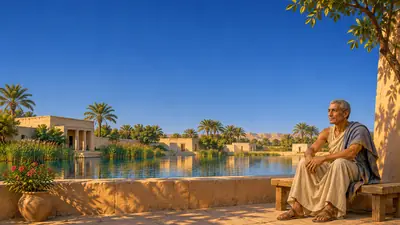
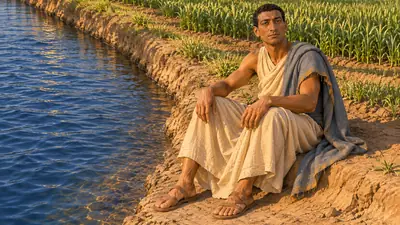
Su camino pasa por Maati y llega al lugar que llama isla de Sneferu. Se detiene a descansar cerca de tierras cultivadas.
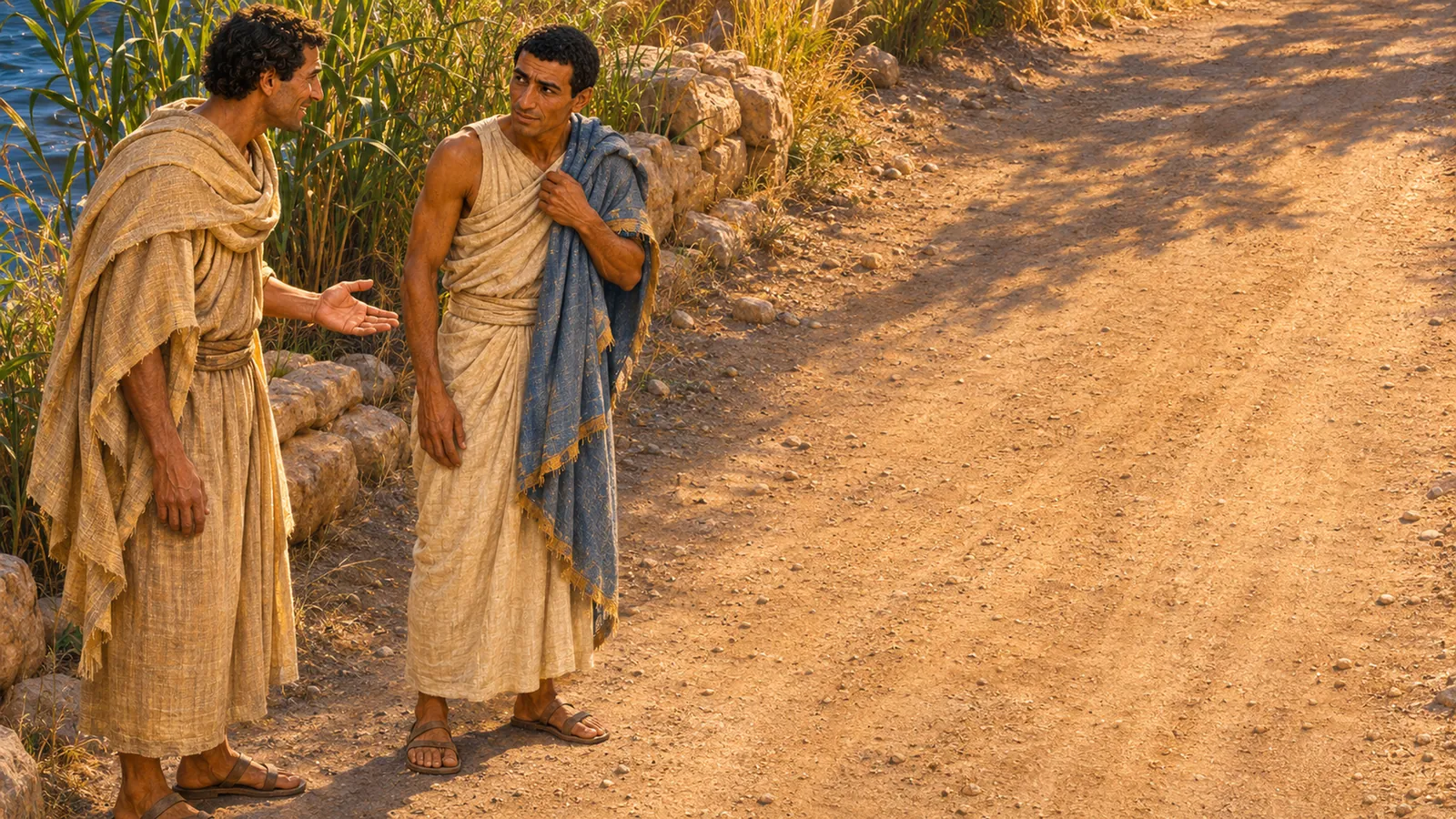
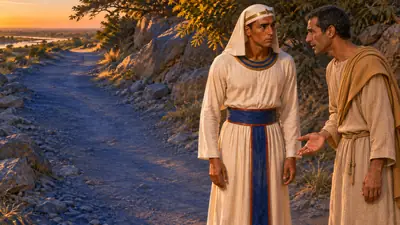
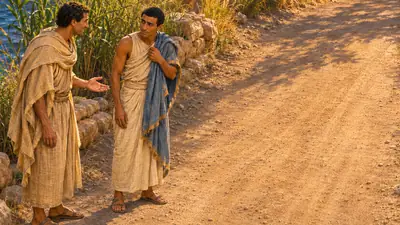
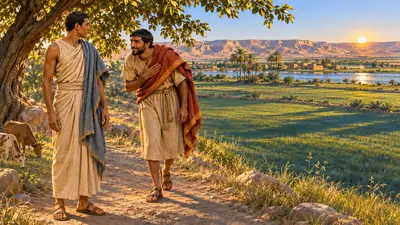
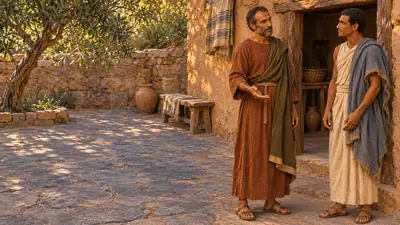
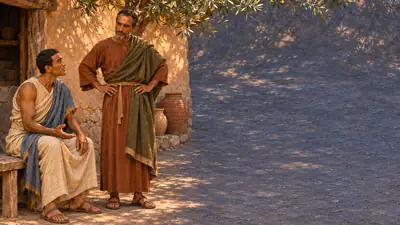
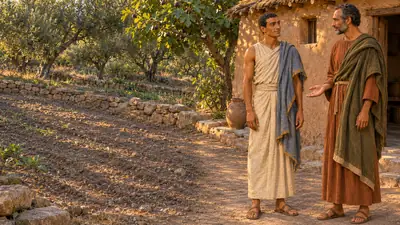
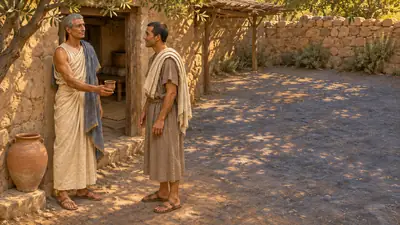
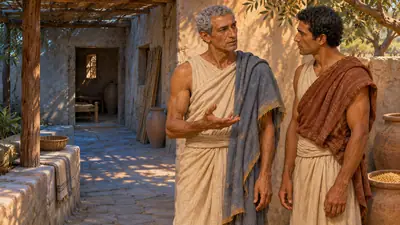
Un hombre aparece y saluda a Sinuhe. Sinuhe sigue asustado cuando los dos se encuentran.
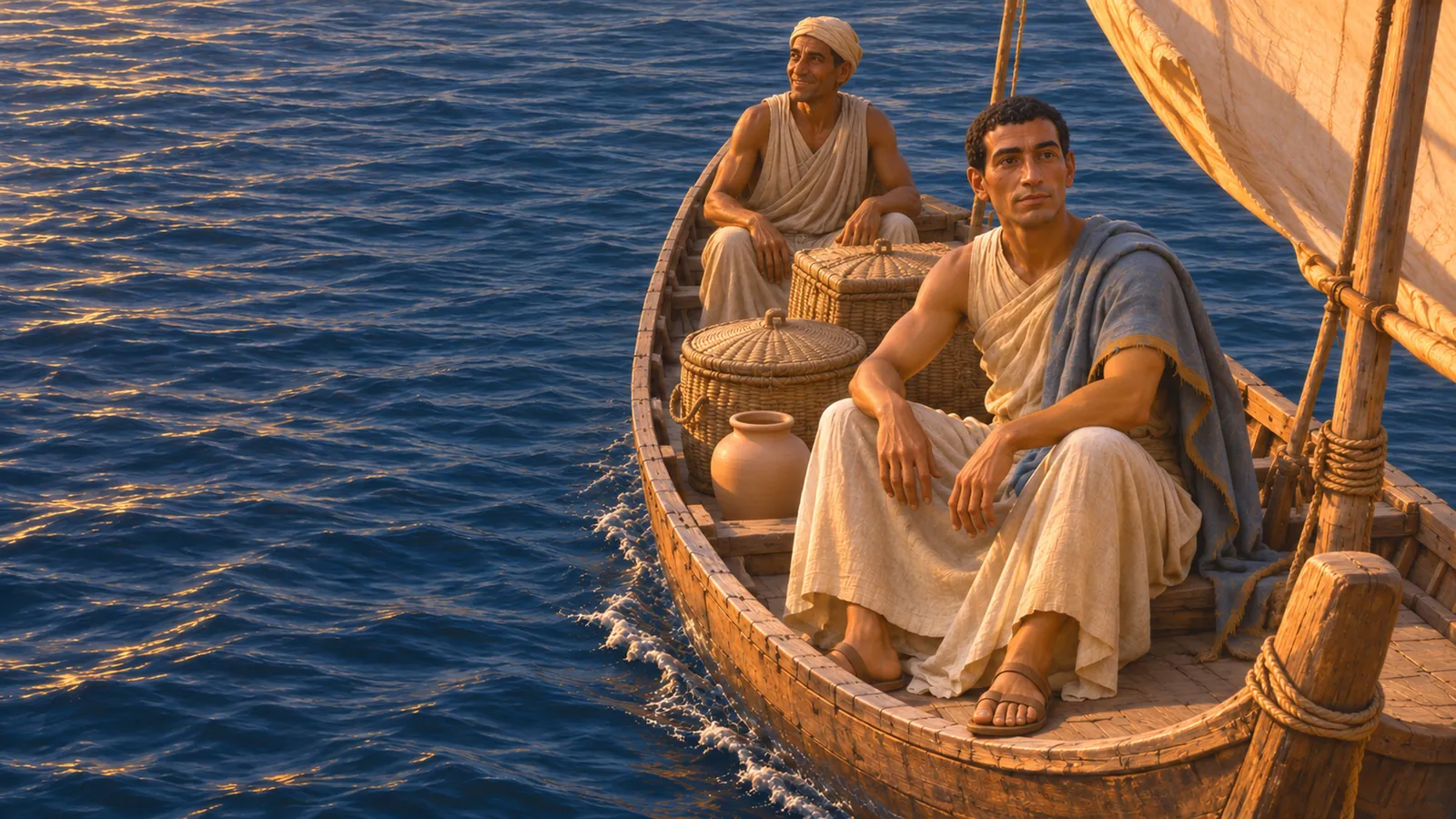
UNA TRAVESÍA AL ATARDECER
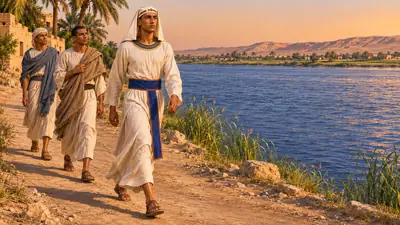
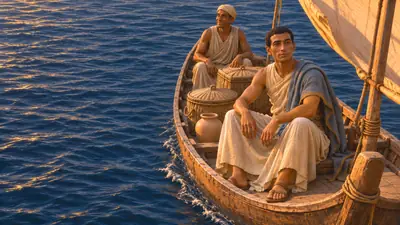
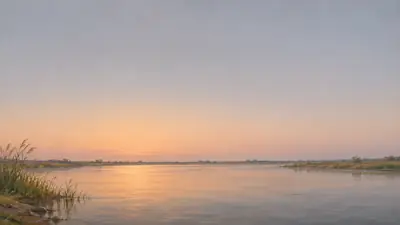
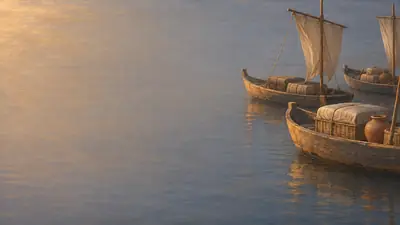
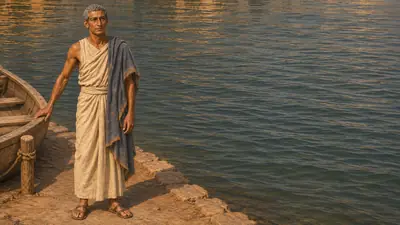
Hacia el atardecer, Sinuhe alcanza un embarcadero. Cruza en una embarcación de carga impulsada por el viento del oeste.
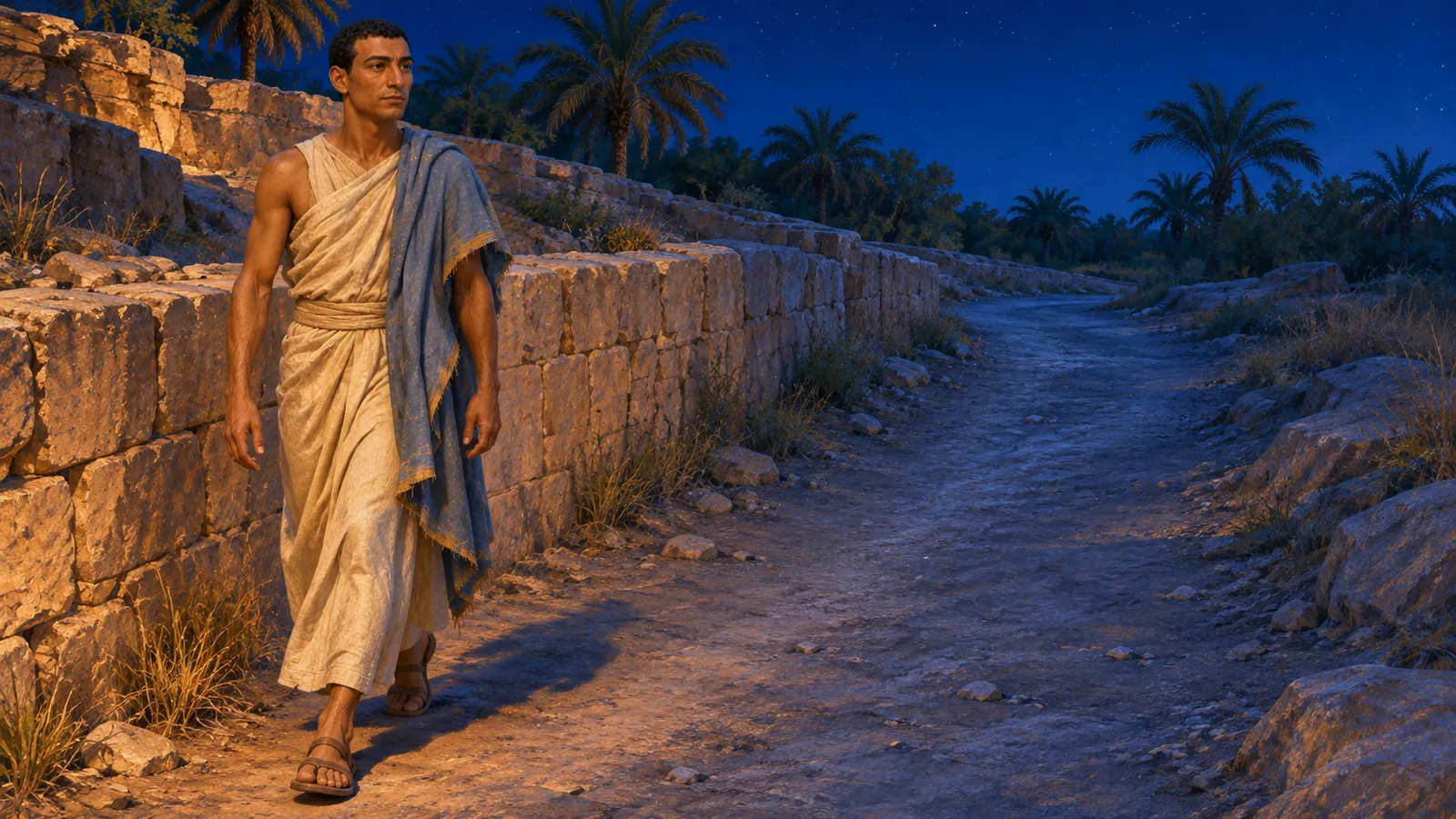
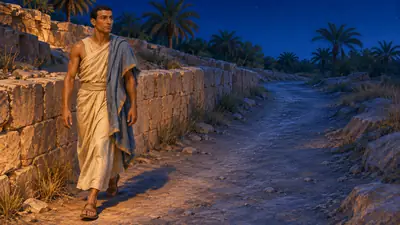
Sinuhe pasa junto a la cantera y llega a los Muros del Gobernante. Se mantiene fuera de la vista y sigue su viaje cuando oscurece.
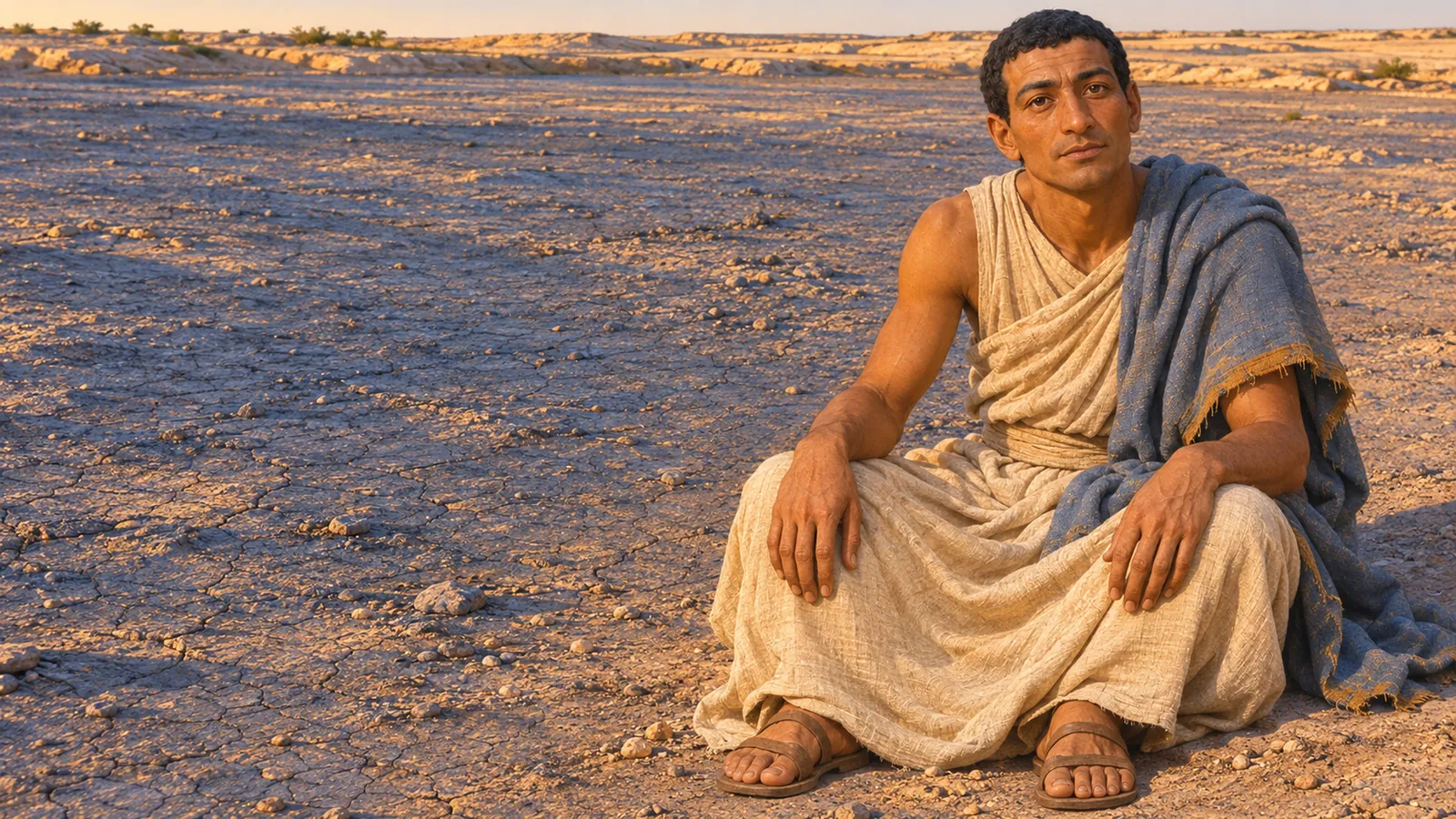
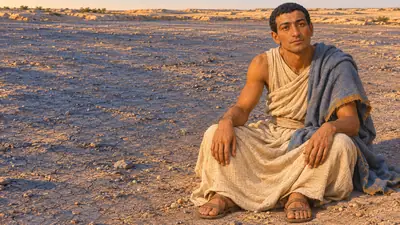
Con la luz del día llega a Peten y a la región de la Gran Agua Negra. Sinuhe recuerda lo mucho que le apretaba la sed.
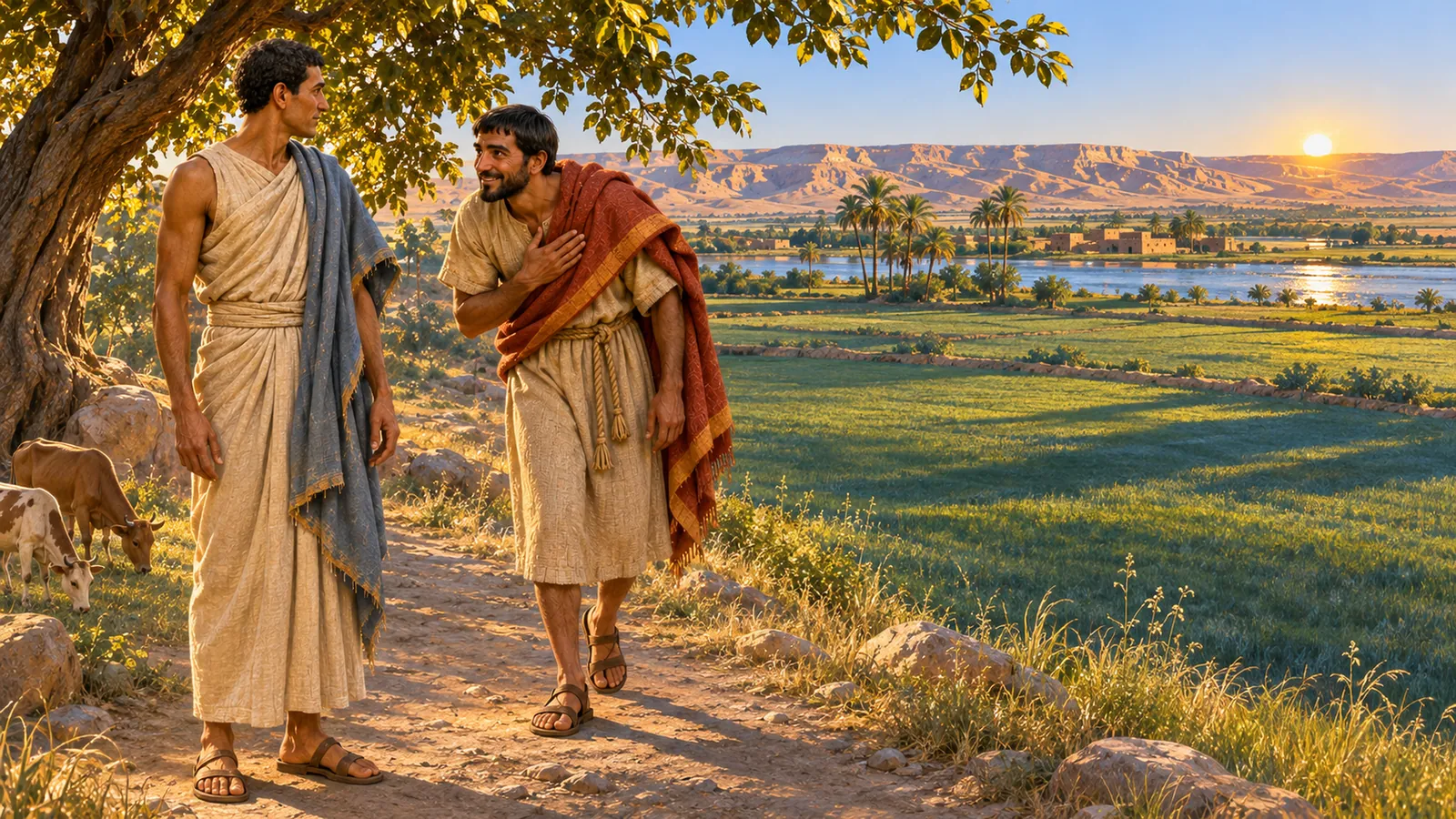
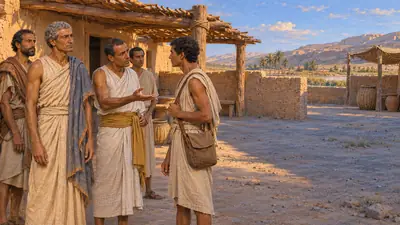
Sinuhe oye ganado y encuentra a unas personas. Un explorador que ha estado en Egipto lo reconoce y se acerca.
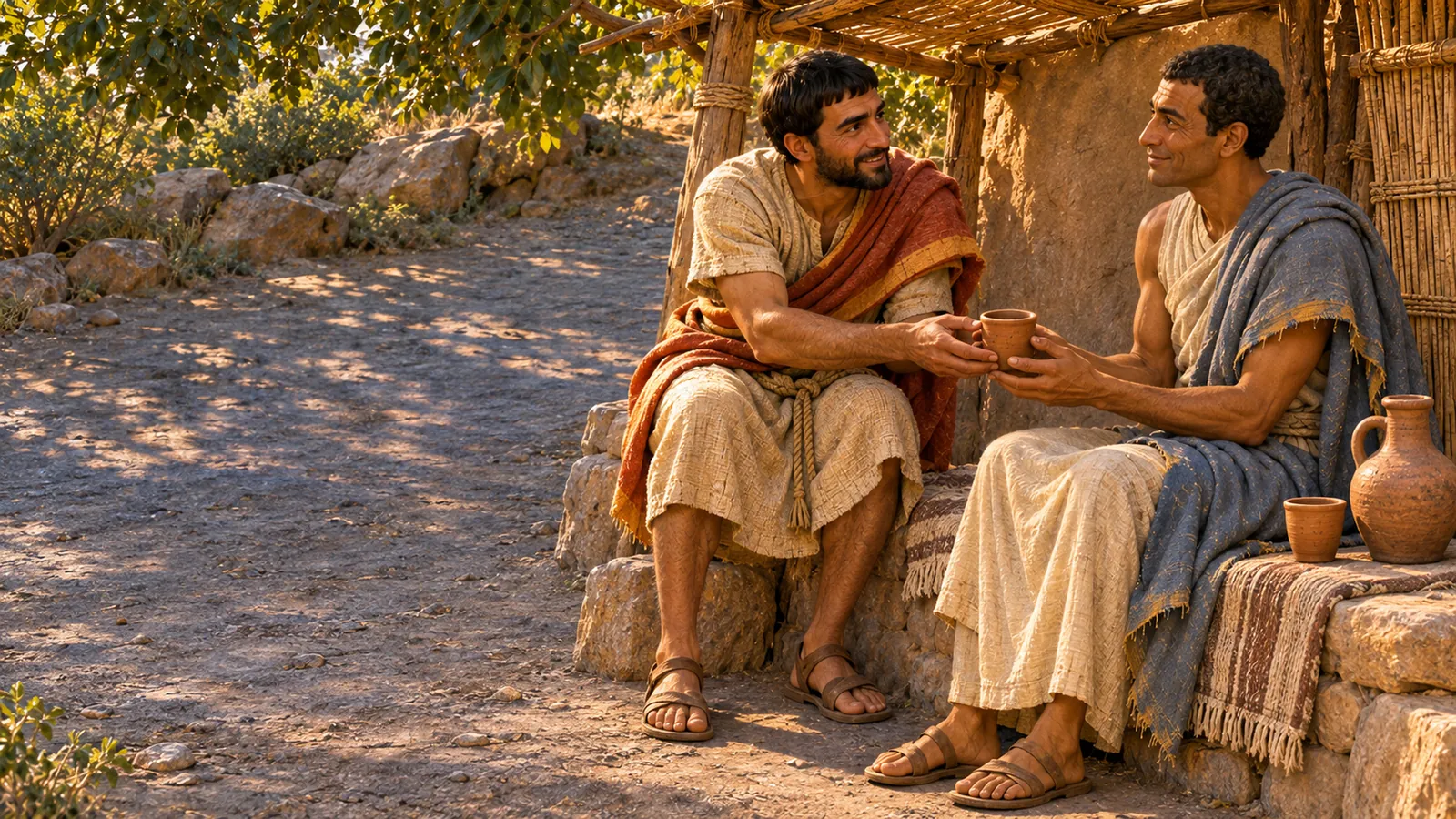
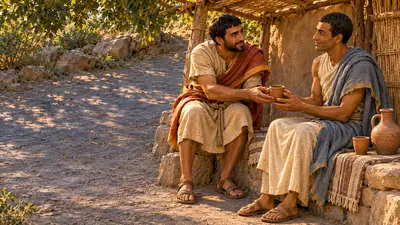
El explorador le da a Sinuhe agua y leche. Sinuhe parte con el grupo del explorador y deja atrás el lugar donde había sufrido sed.
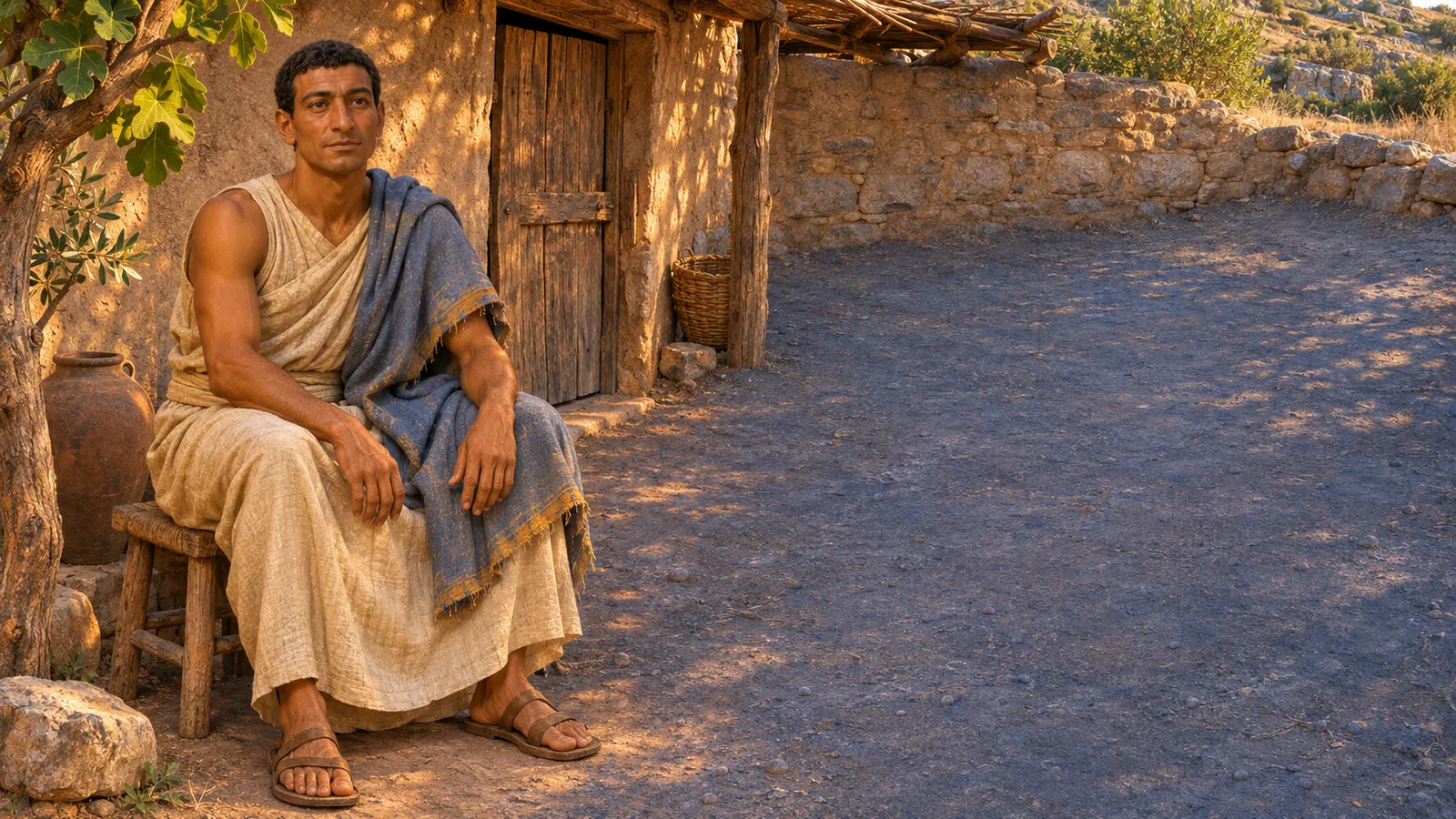
Sinuhe menciona Byblos y Qedem entre los lugares de su viaje. Pasa un año y medio en Qedem, hasta que Amunenshi manda buscarlo.
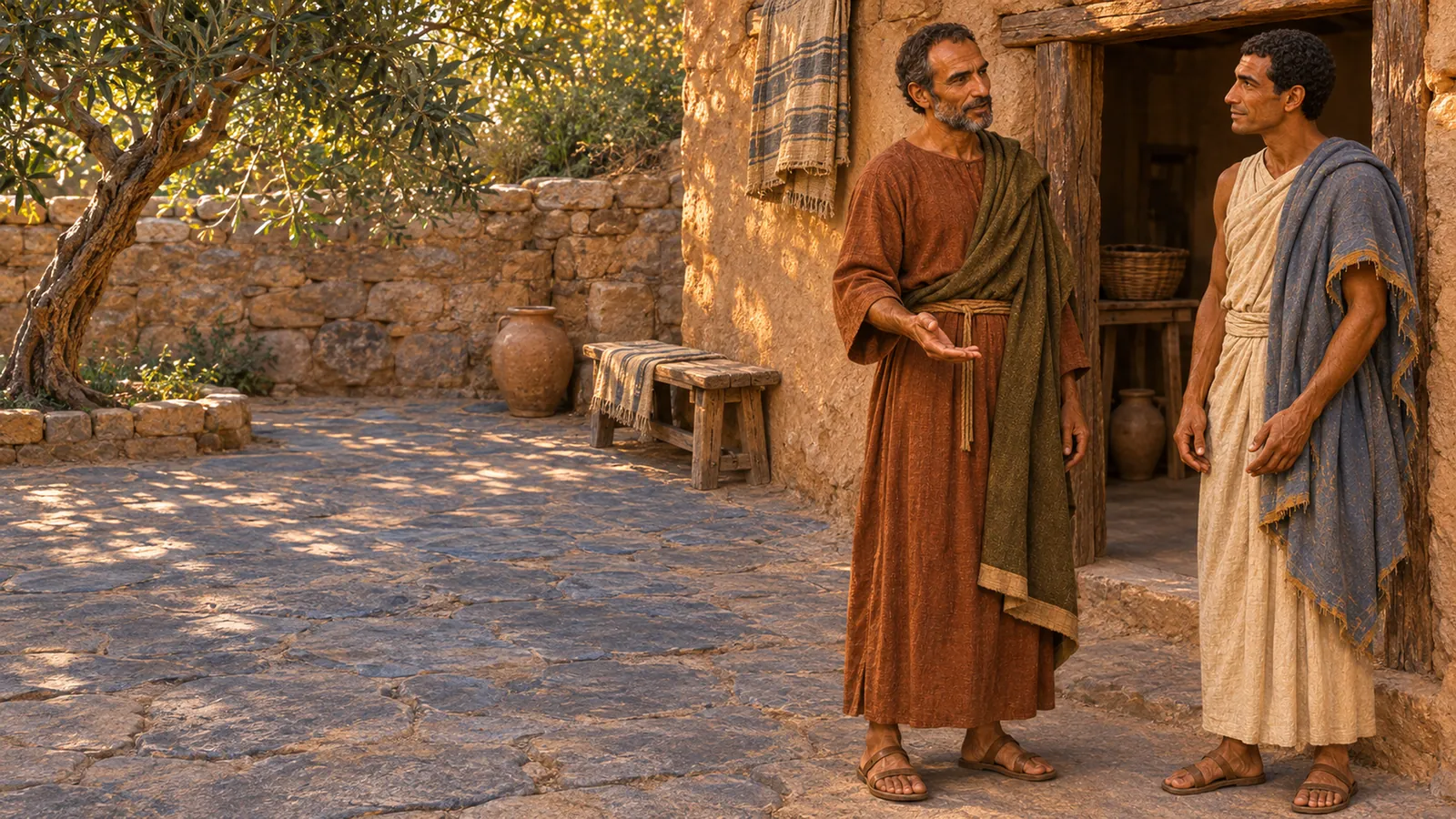
Amunenshi le dice a Sinuhe que entre su gente podrá oír hablar egipcio. Unos egipcios de allí han hablado en su favor. Amunenshi le pregunta qué ha sucedido en la Residencia.
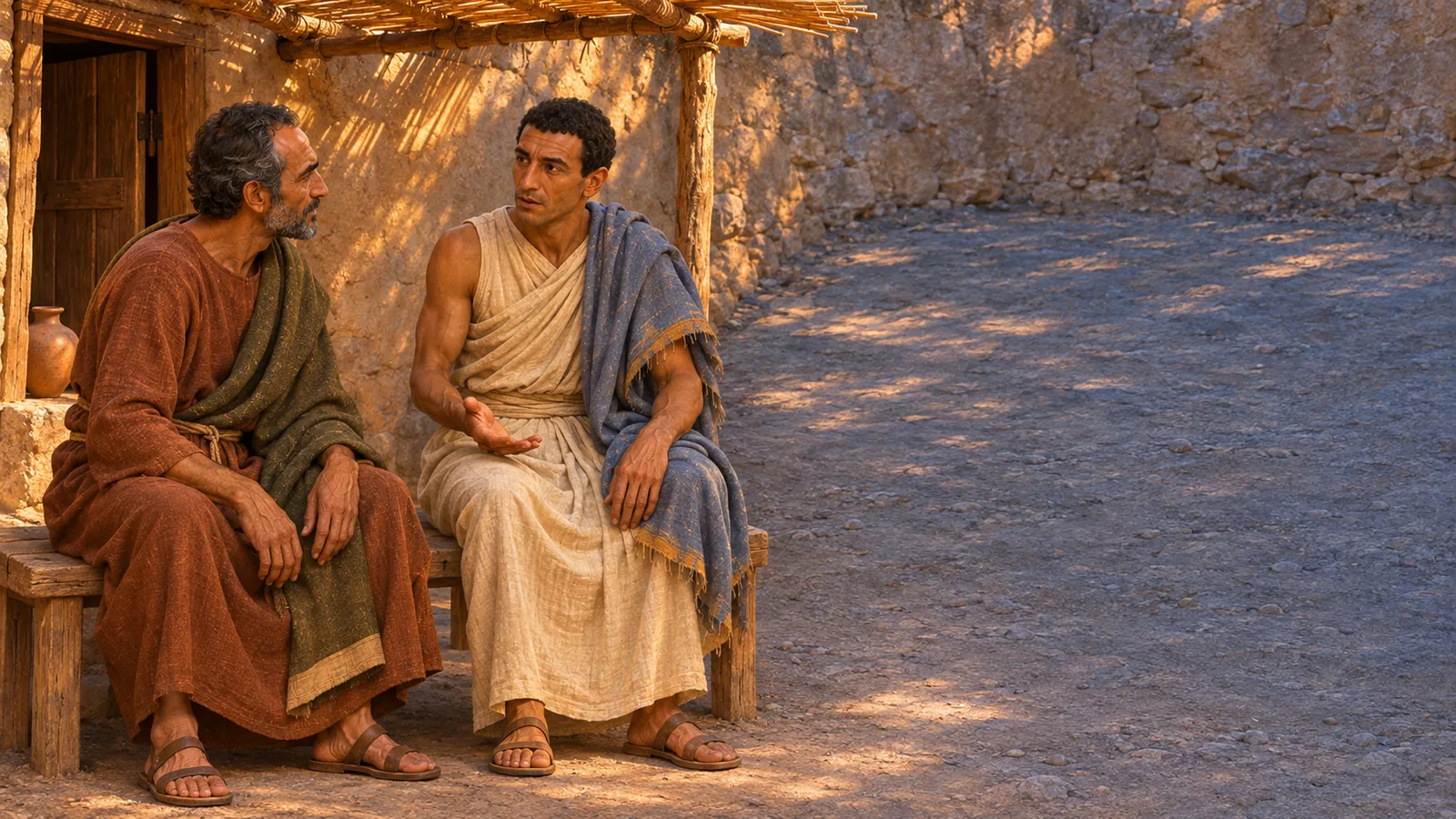
Sinuhe le comunica a Amunenshi que el rey ha muerto y dice que desconoce las circunstancias. Luego recuerda que oyó una voz y se marchó por miedo.
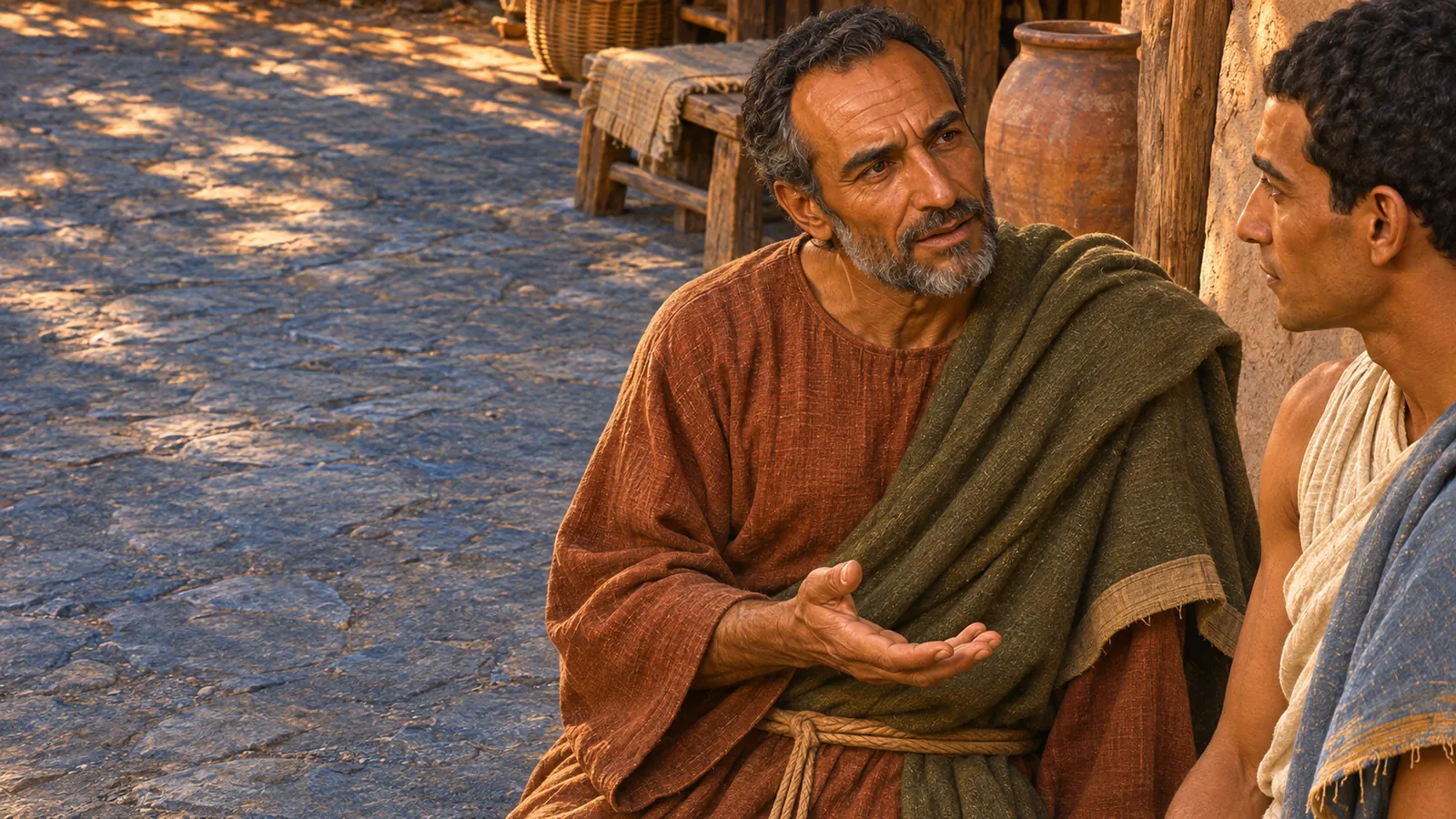
Amunenshi pregunta qué será ahora de Egipto. Su pregunta lleva la conversación de la pérdida del antiguo rey al gobernante que lo sucede.
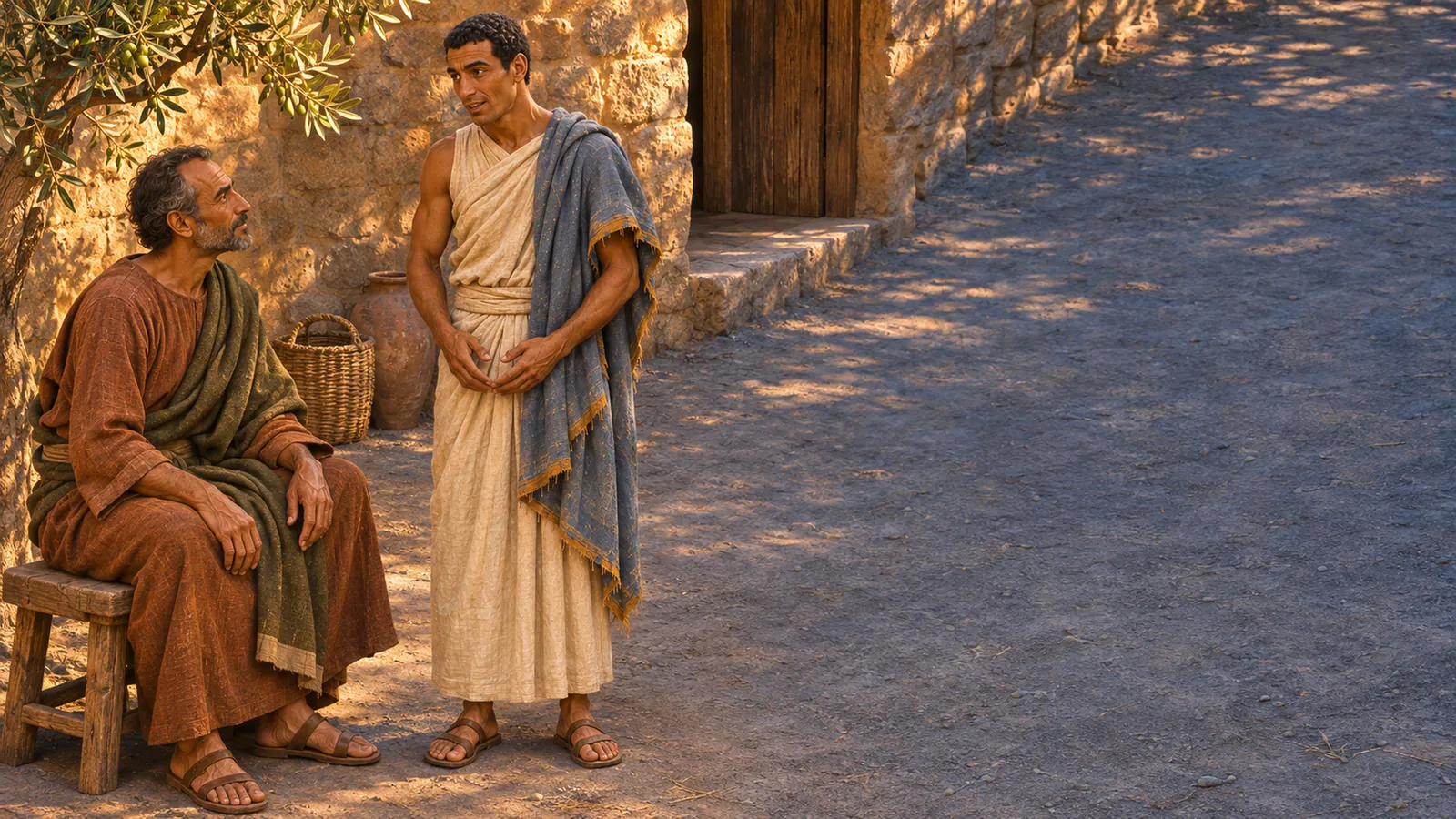
Sinuhe dice que Senusret ha sucedido a su padre como rey. Su respuesta inicia una larga exposición de lo que admira en el nuevo gobernante.
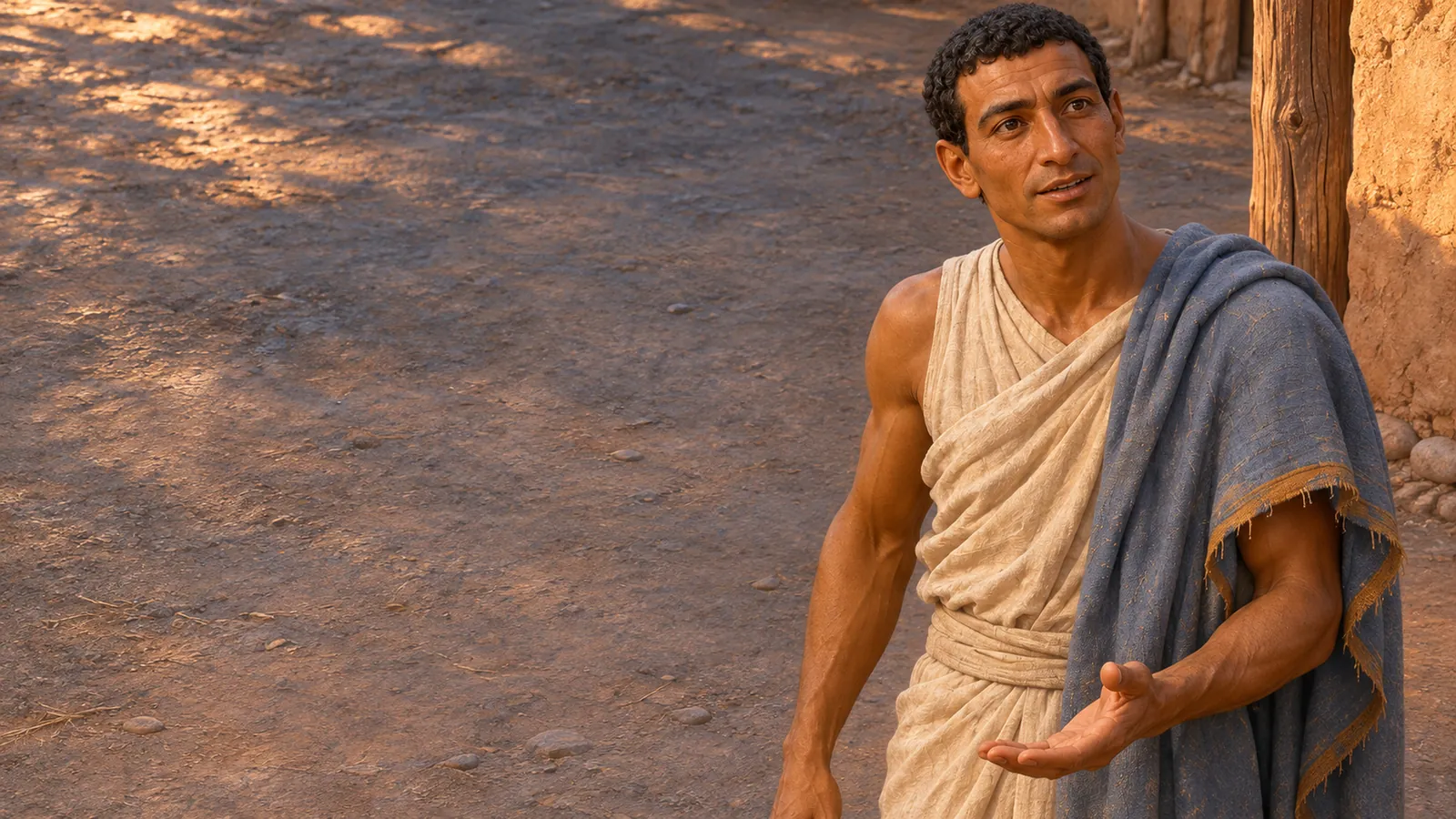
Sinuhe habla del afecto que la gente siente por Senusret. Describe la bondad del rey al defender que se pongan en contacto con él.
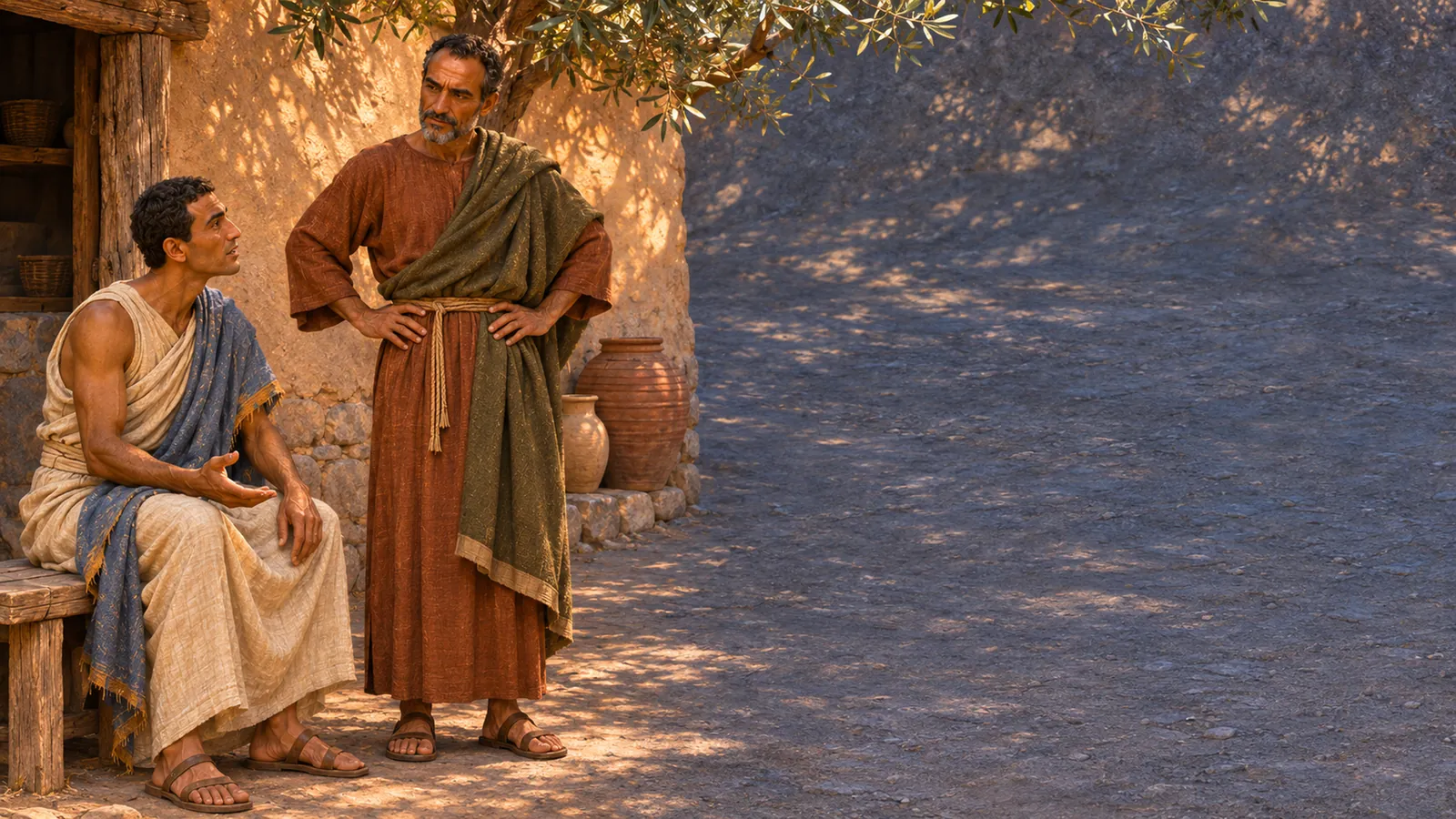
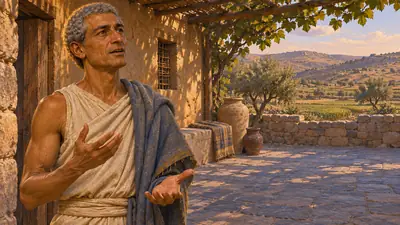
Sinuhe aconseja a Amunenshi que se dé a conocer a Senusret. Le asegura a su anfitrión que el rey de Egipto acogerá el acercamiento con buena voluntad.
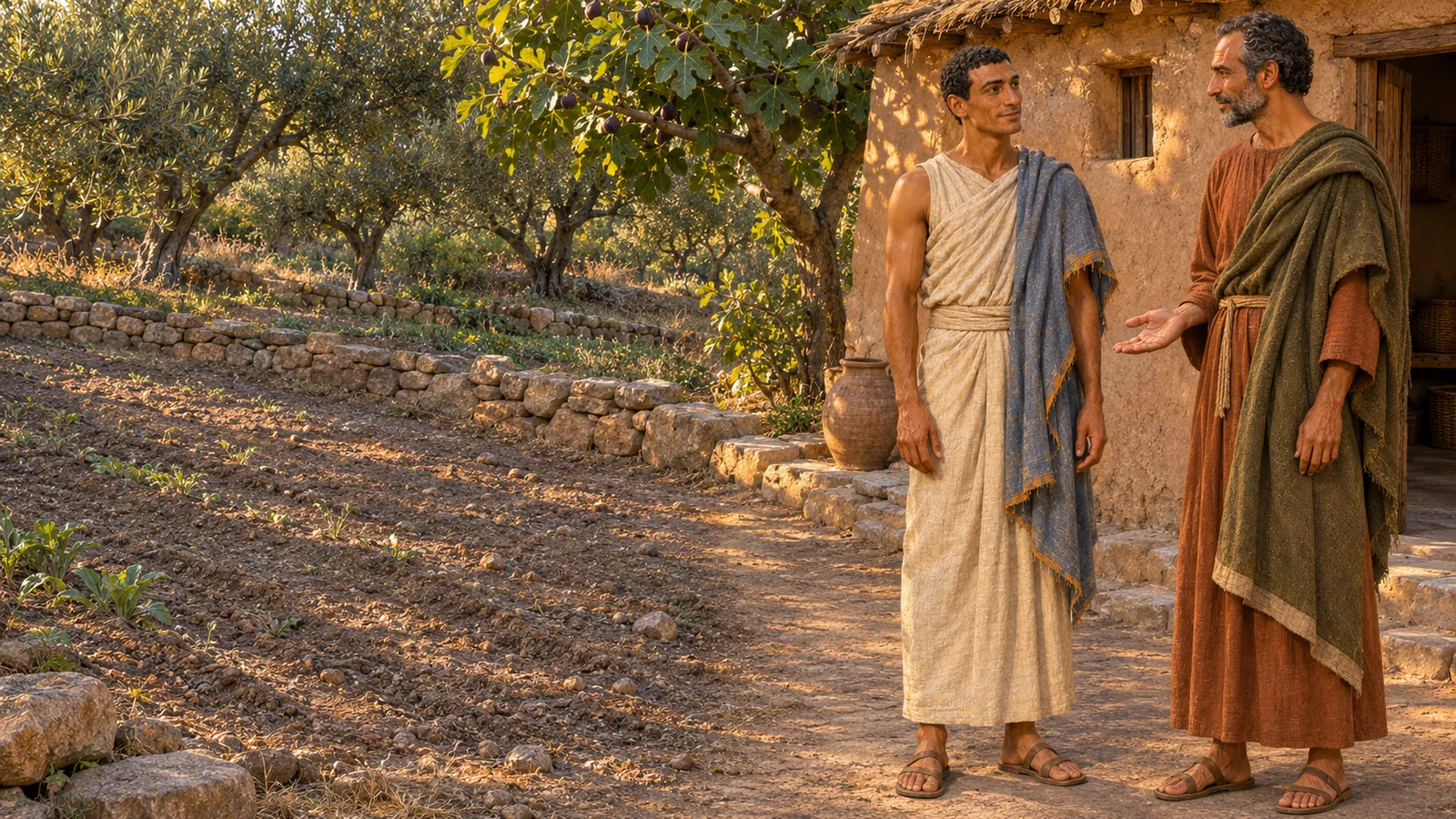
Amunenshi dice que mantendrá a Sinuhe a su lado. Le da a su hija mayor como esposa y le permite elegir tierras para su hogar.
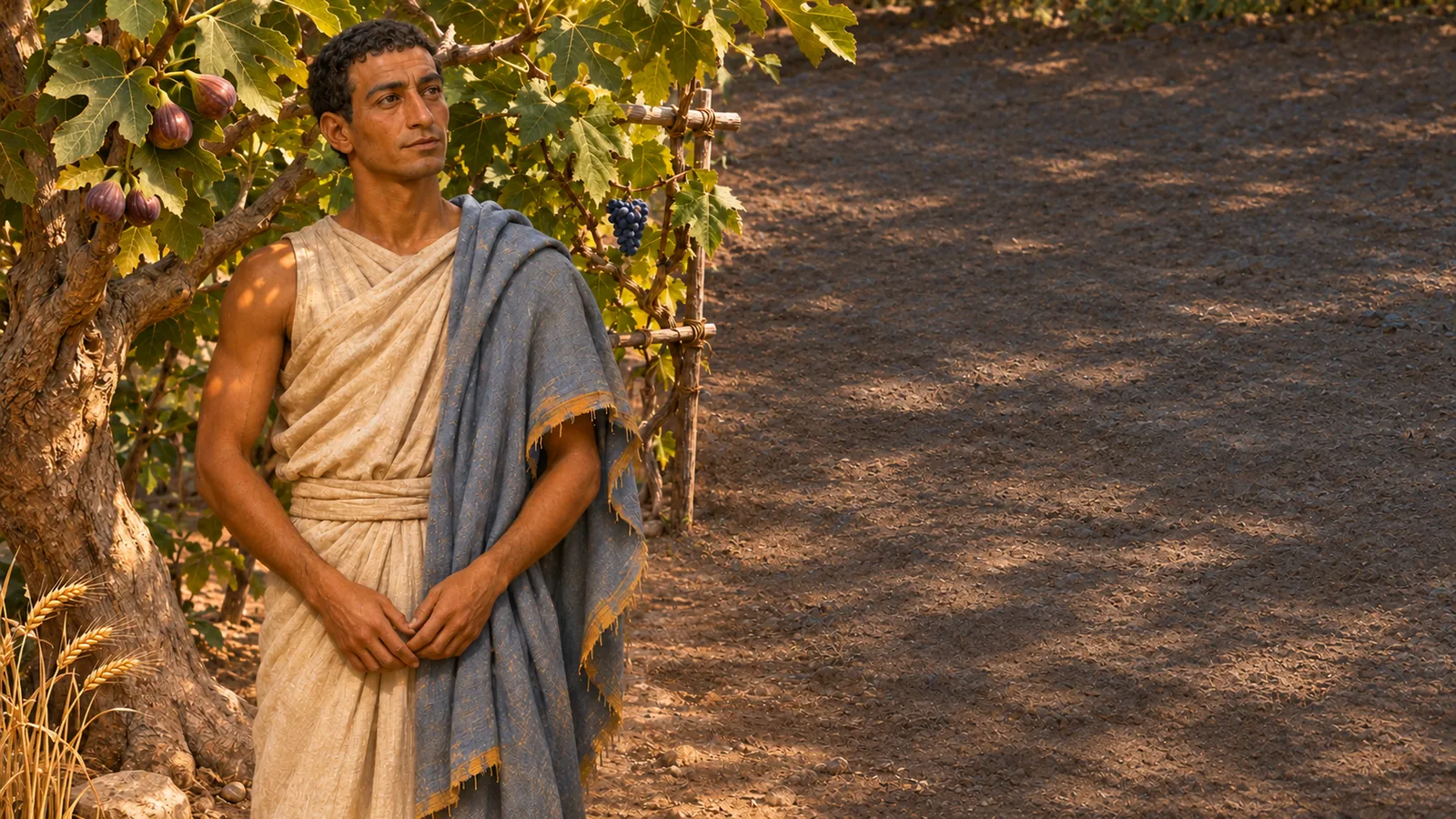
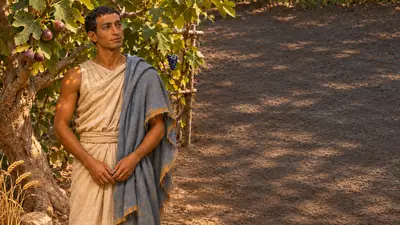
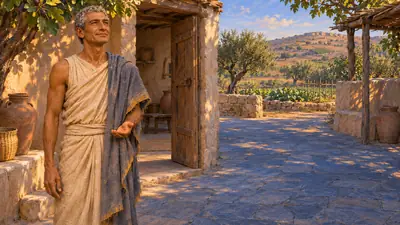
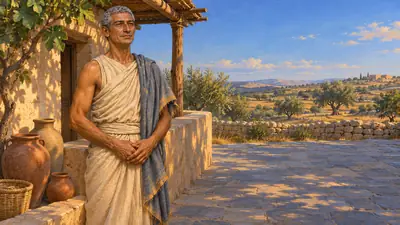
Sinuhe llama Iaa al lugar. Habla de higos, vides, cereales y rebaños al describir la tierra donde se instala con los suyos.
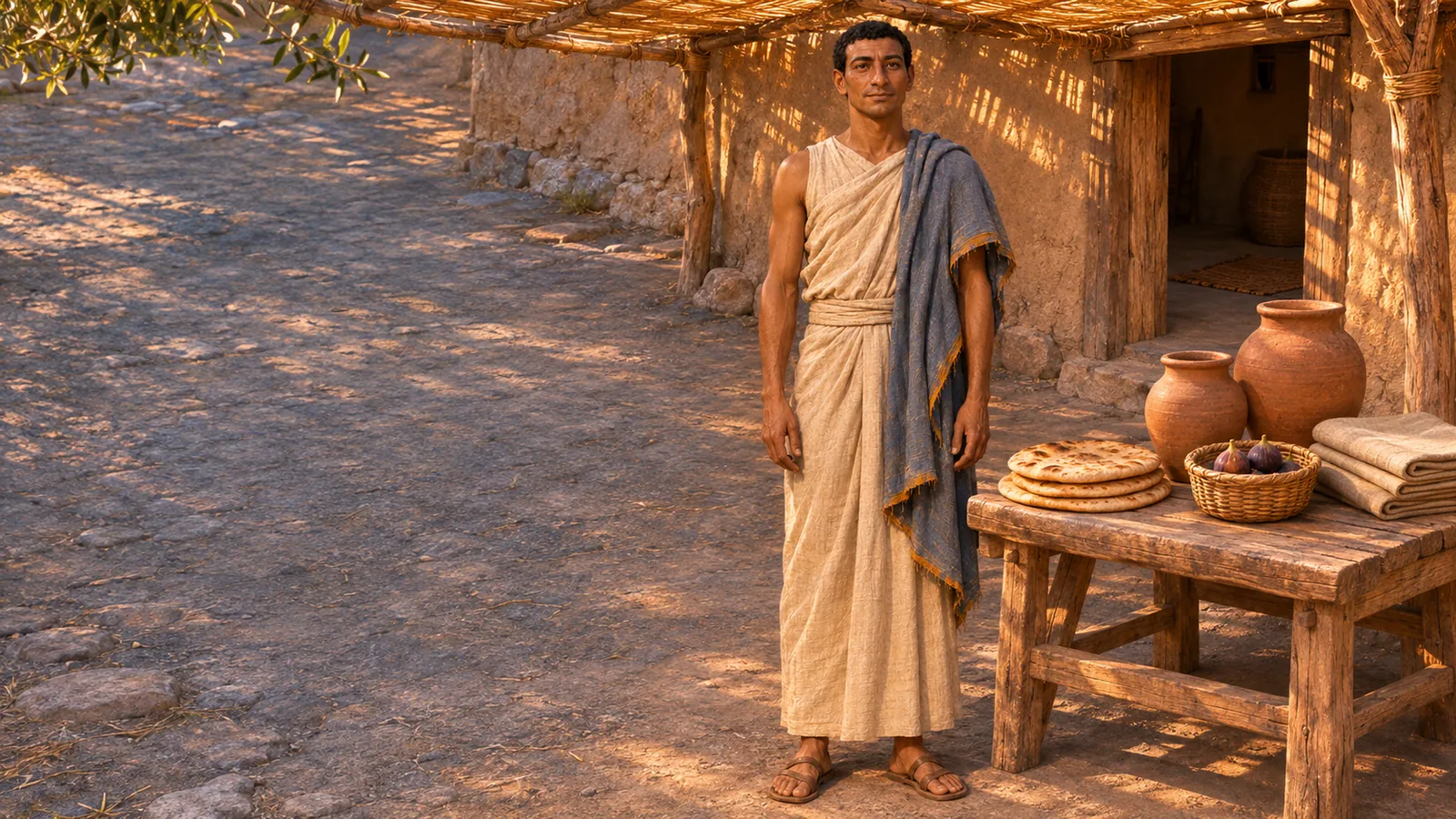
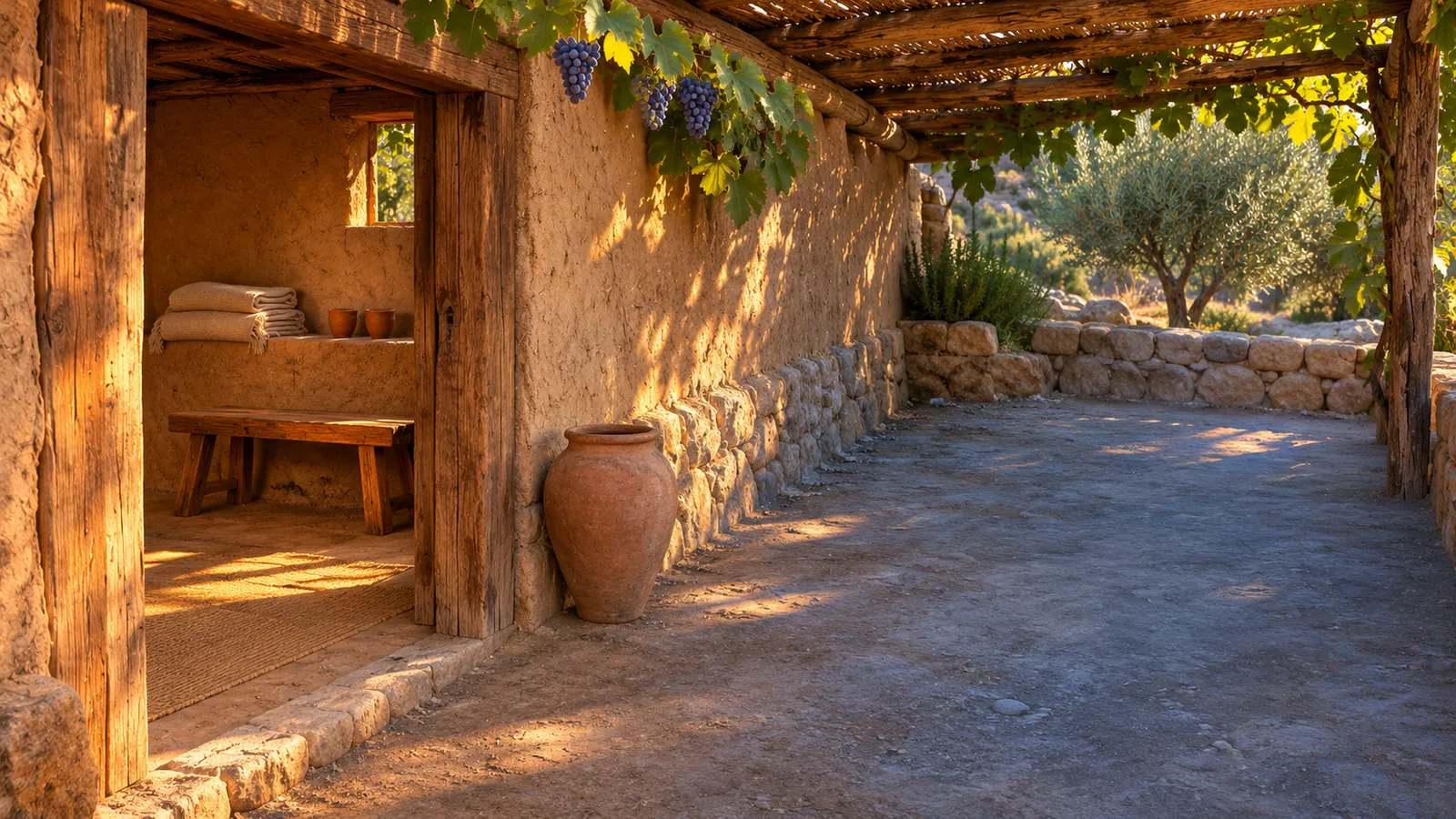
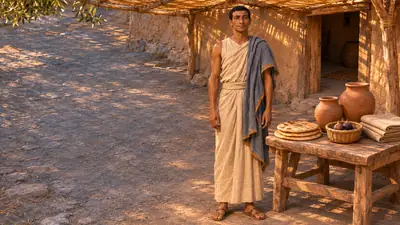
Amunenshi pone a Sinuhe al frente de una comunidad. Sinuhe describe una casa con comida abundante y provisiones que llegan a su mesa.
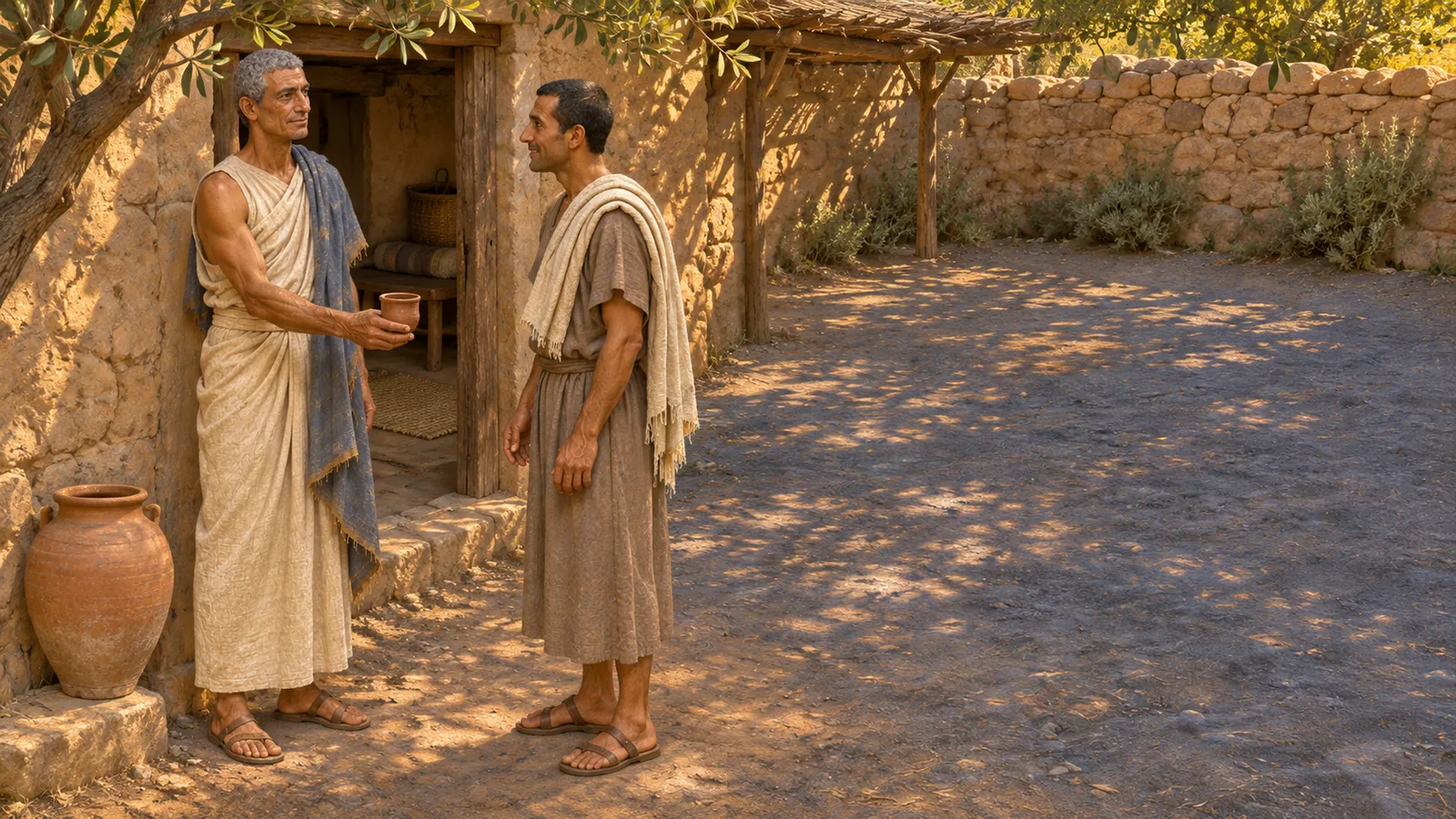
Pasan los años y crecen los hijos de Sinuhe. Dice que dio agua e indicaciones a los viajeros y acogió a los enviados que pasaban por la región.
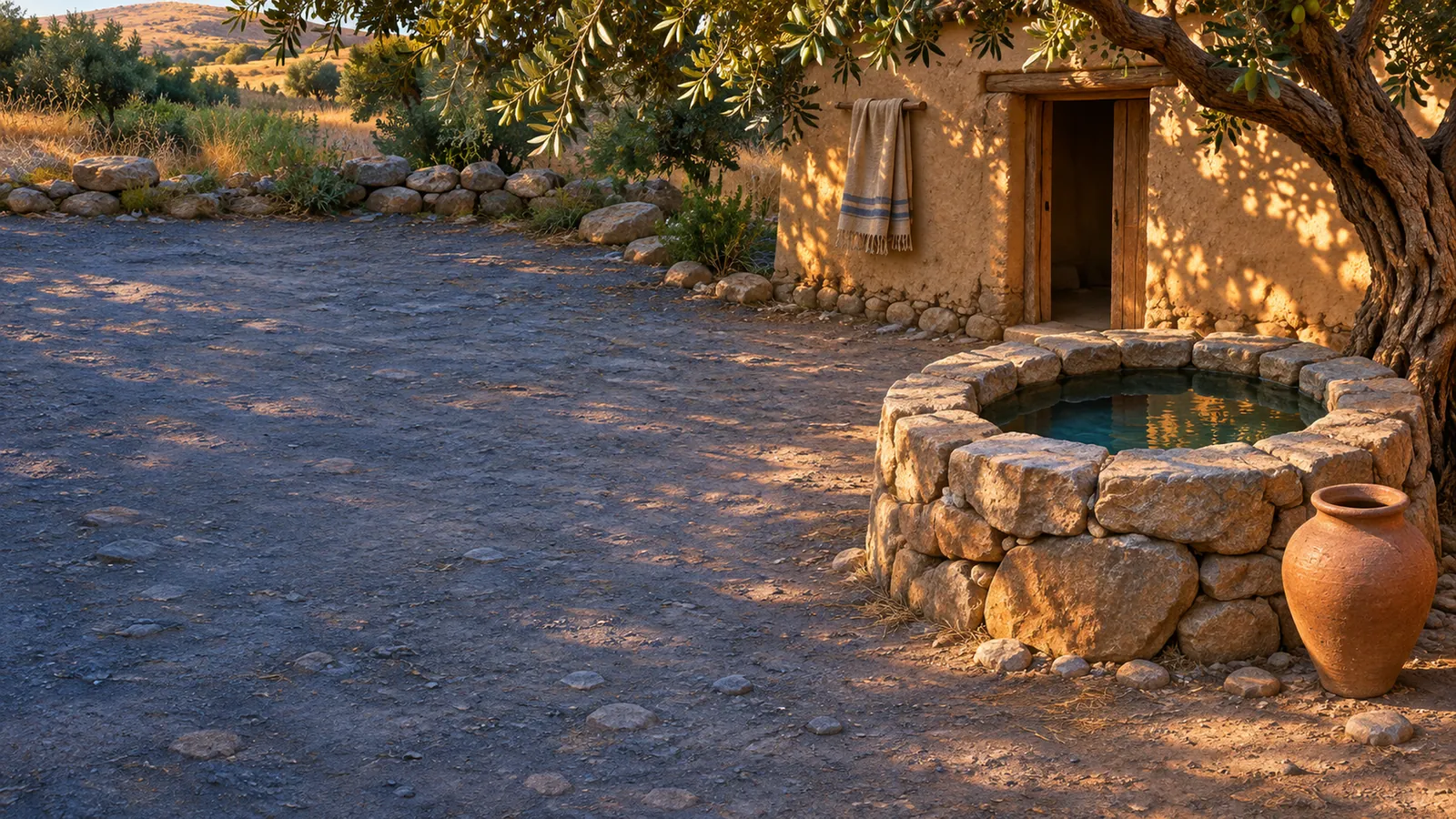
Amunenshi pone a Sinuhe al mando de sus tropas. Sinuhe dice que dirigió incursiones, expulsó a gente de sus pozos, mató a personas y se llevó cautivos y ganado.
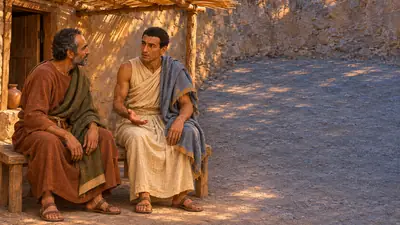
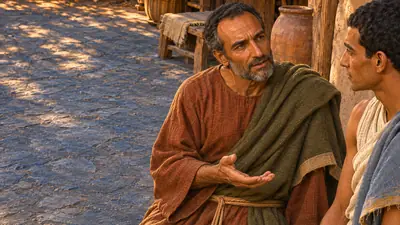
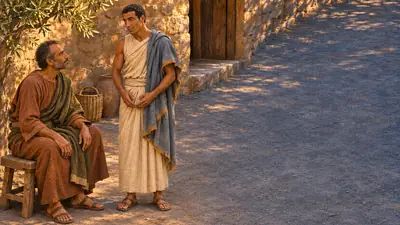
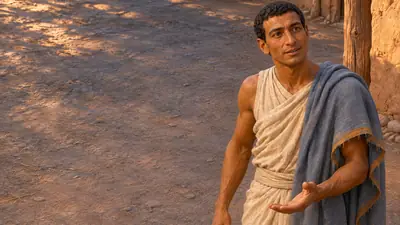
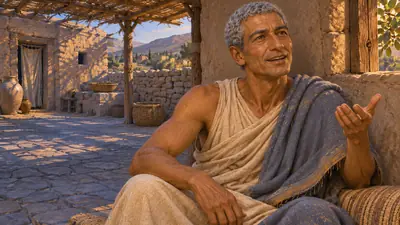
Amunenshi conversa con Sinuhe. Sinuhe dice que mató al hombre que lo desafió y se quedó con sus bienes. Después Amunenshi viene a recibirlo con afecto.
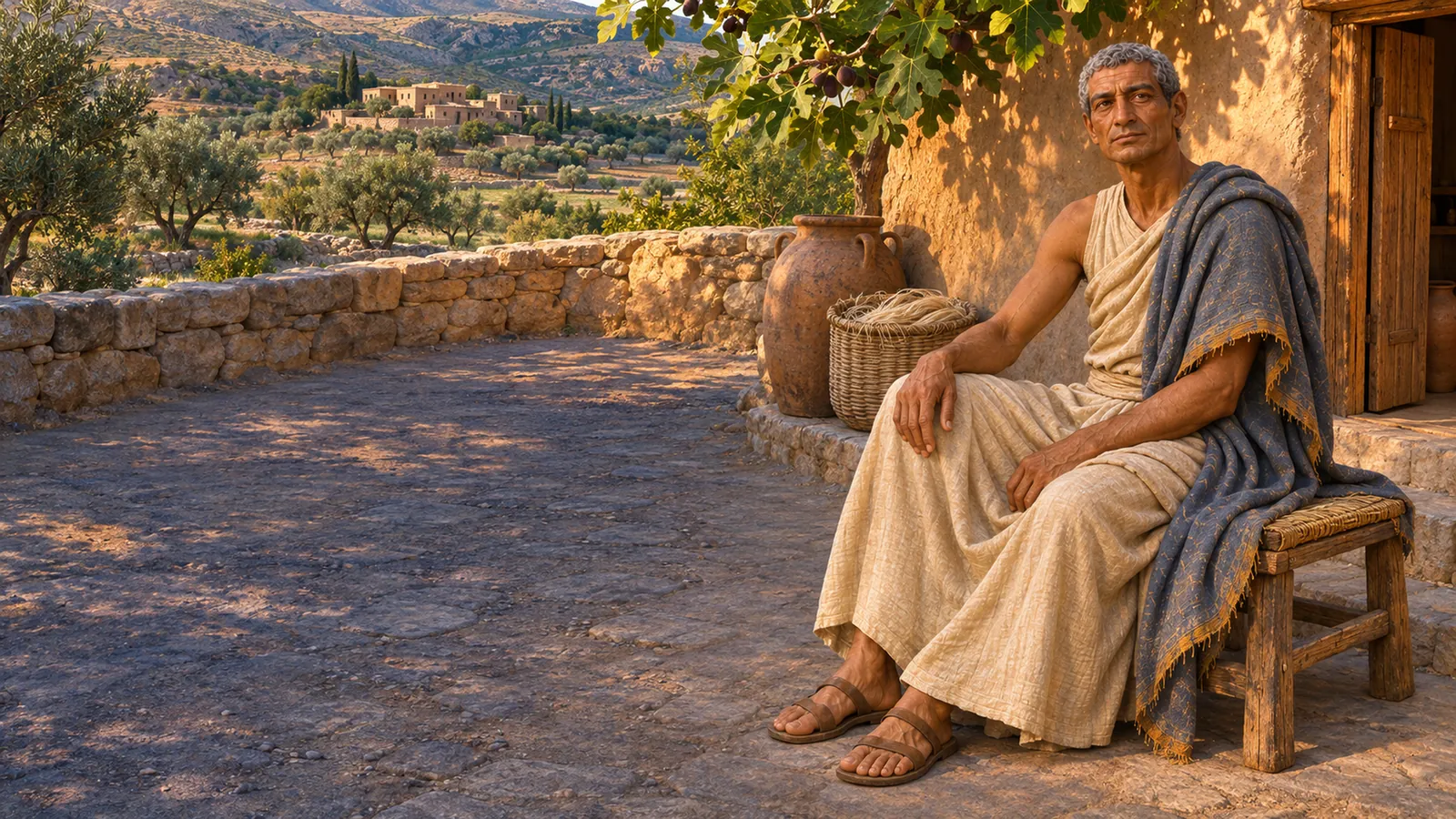
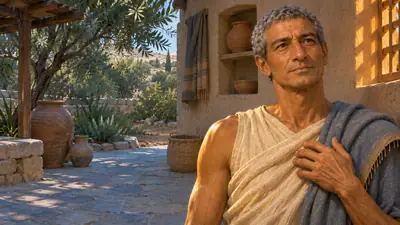
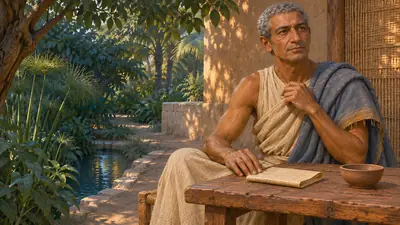
Sinuhe ve en el cambio de su fortuna una señal de que un poder divino se ha reconciliado con él. Incluso en su nuevo hogar piensa en la Residencia.
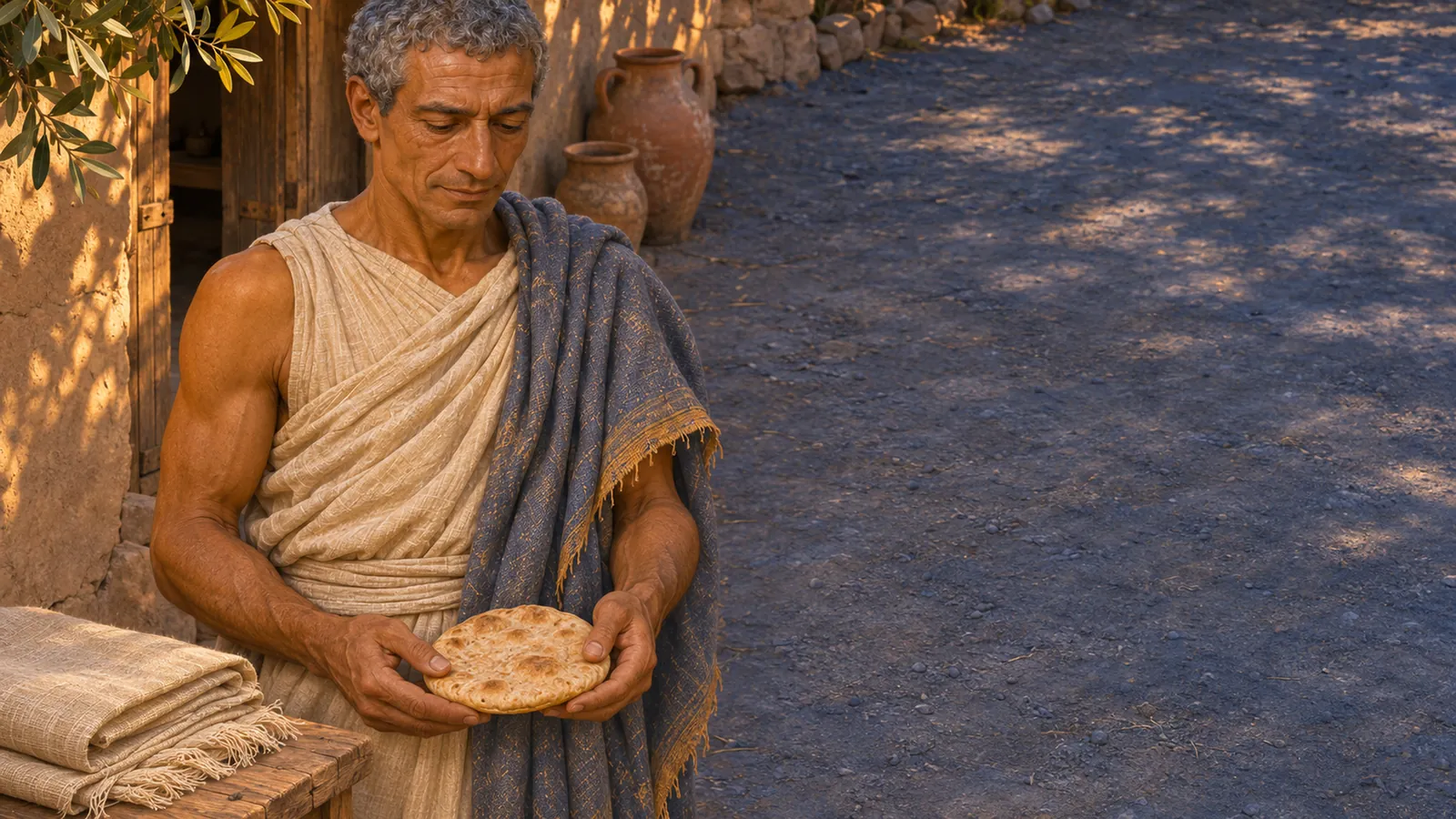
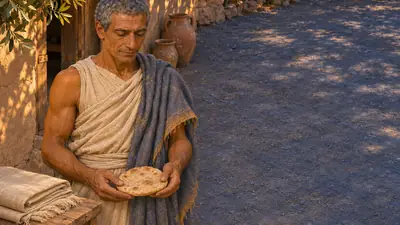
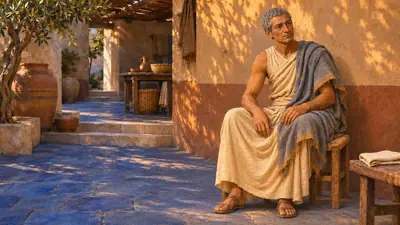
Sinuhe señala el pan que puede compartir y la tela fina que puede vestir. Habla de la posición que ha alcanzado en tierras extranjeras.
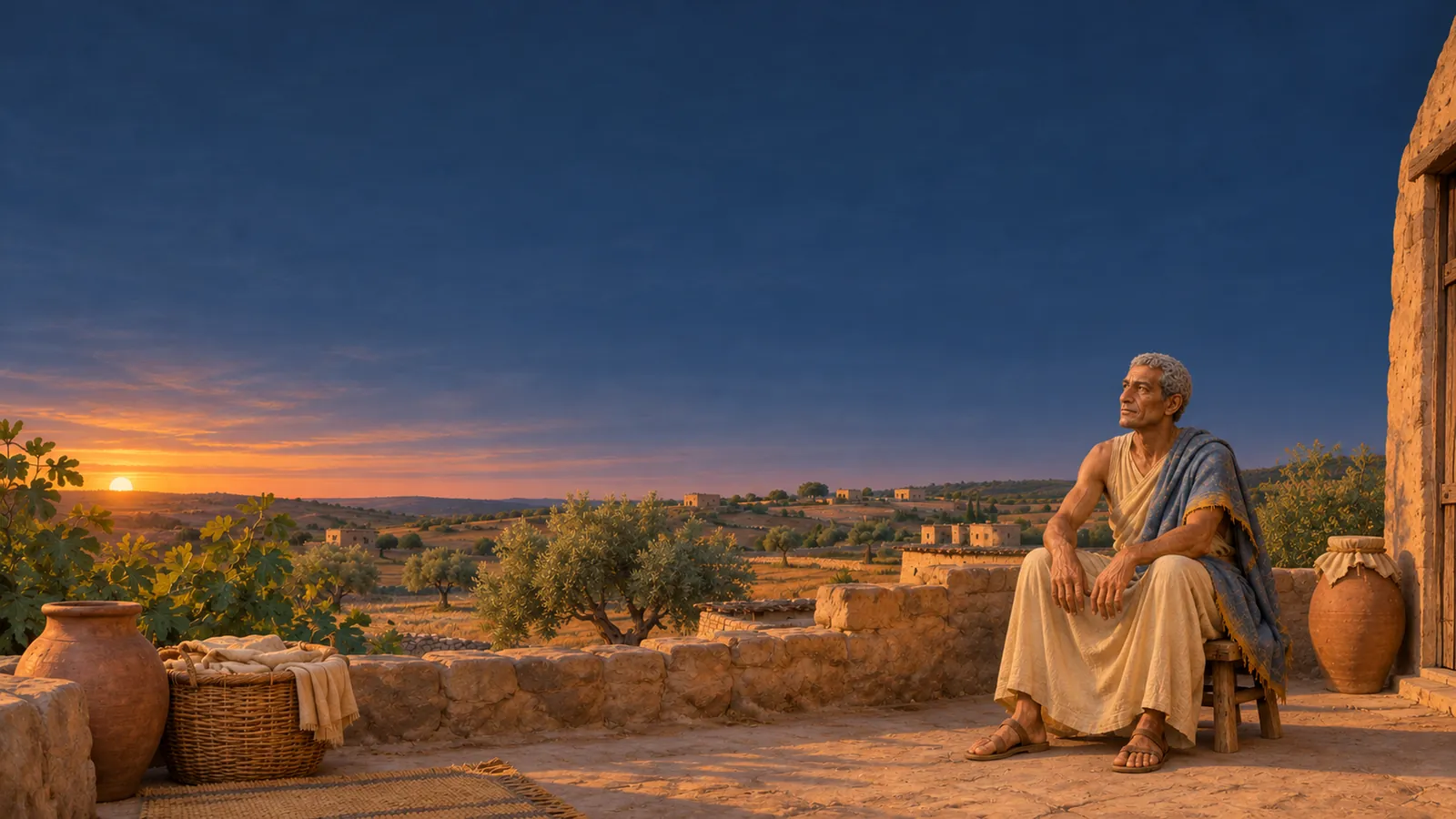
LA TIERRA QUE AÑORA
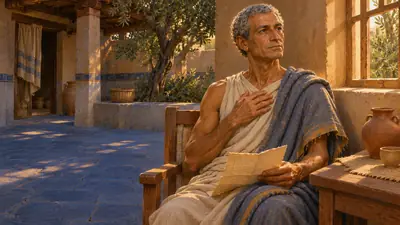
Sinuhe pide volver a ver el lugar que añora. Cuando termine su vida, desea ser enterrado en la tierra donde nació.
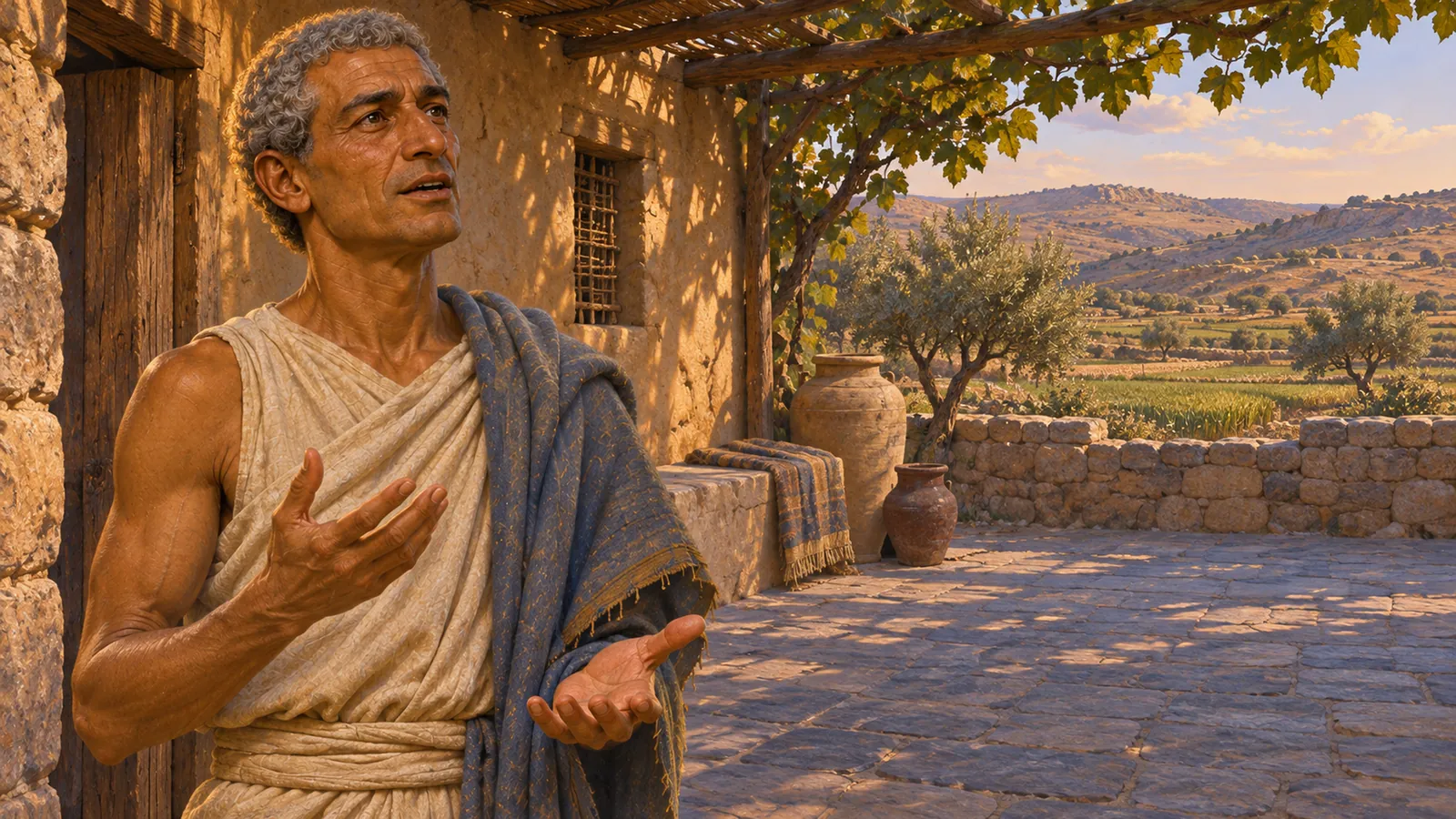
Sinuhe pide que se escuche la plegaria de un exiliado. Anhela que lo lleven de vuelta al lugar del que partió.
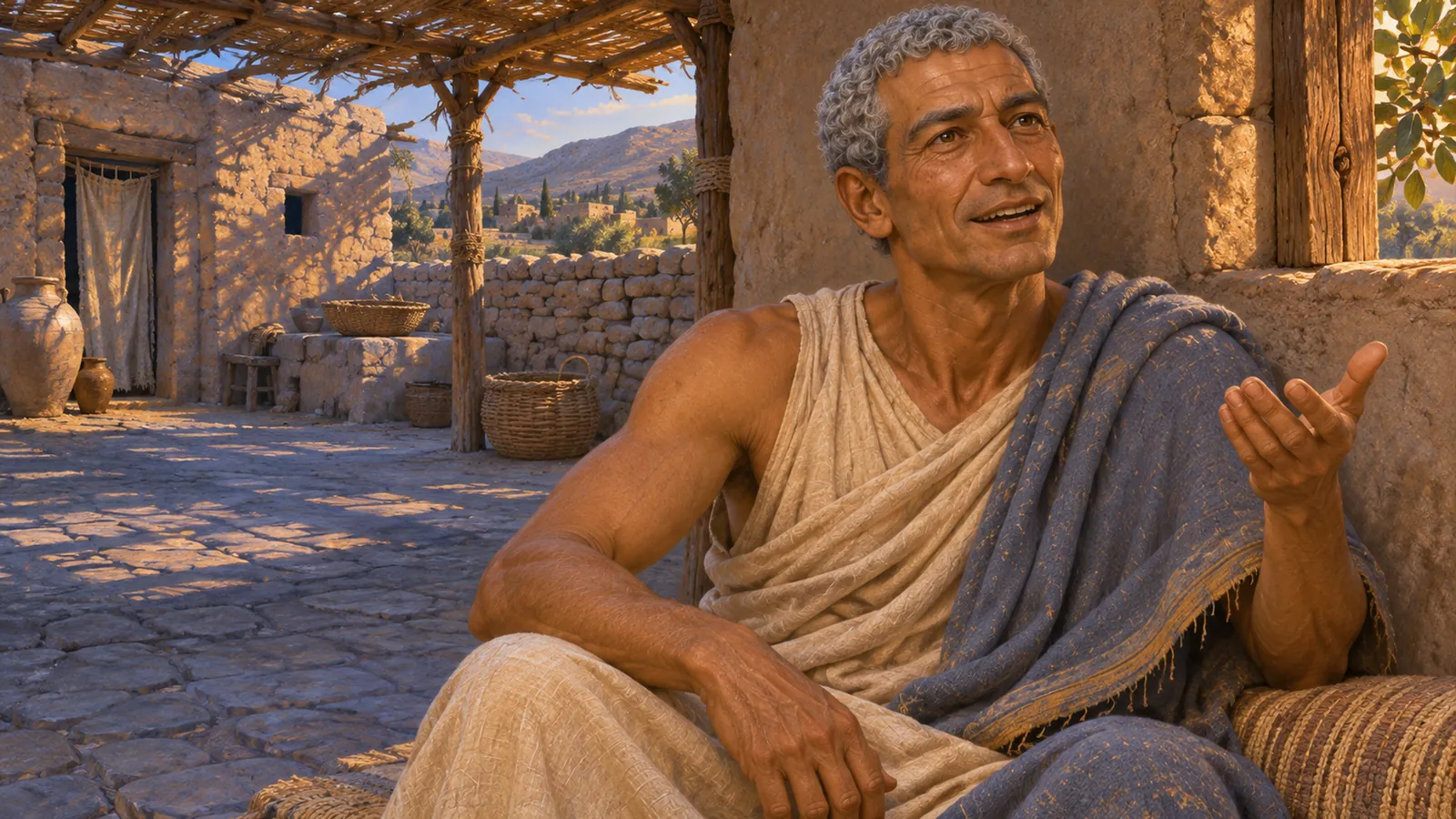
Sinuhe espera volver a gozar del favor del rey. Quiere saludar a la señora del palacio y tener noticias de sus hijos.
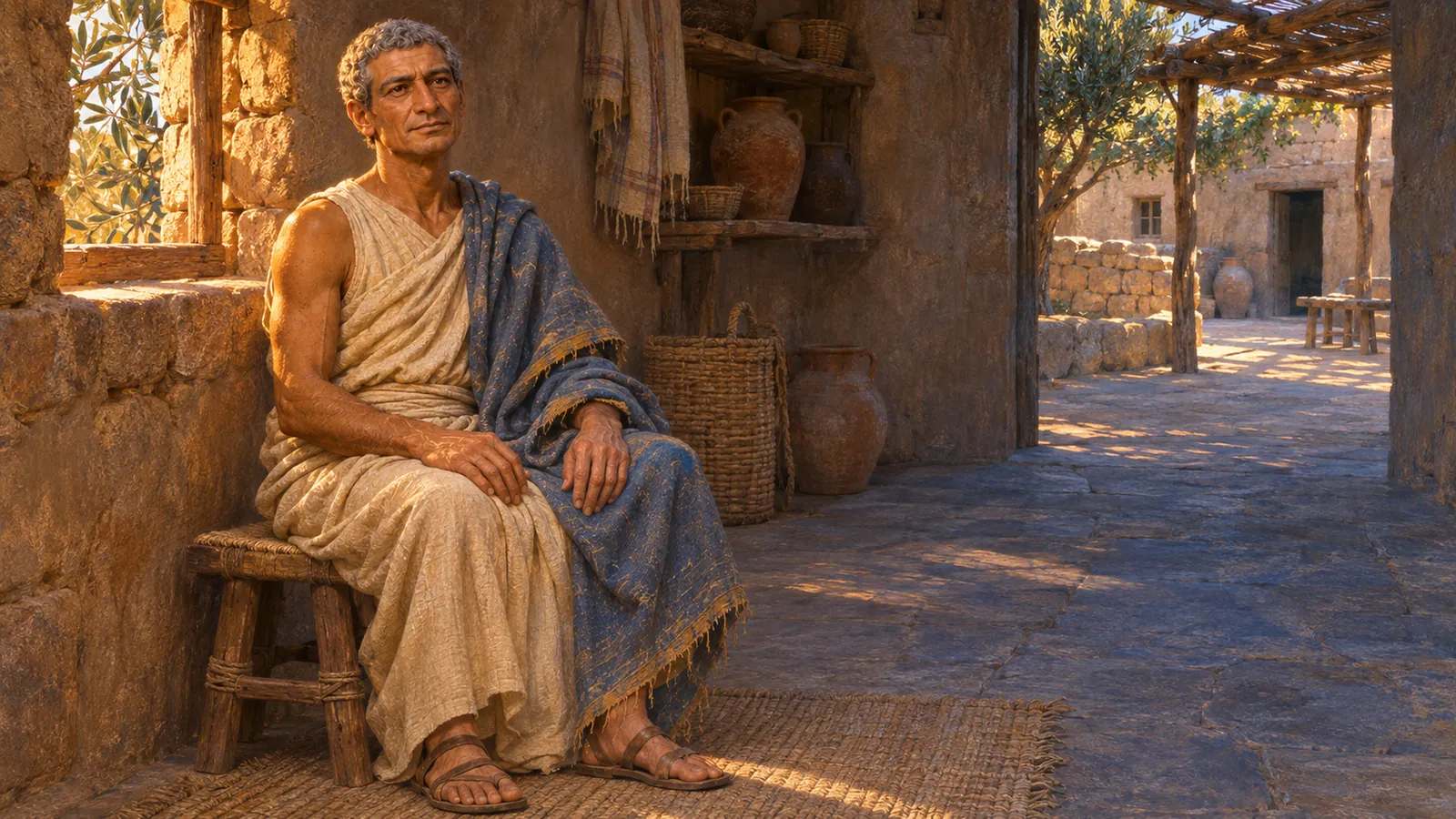
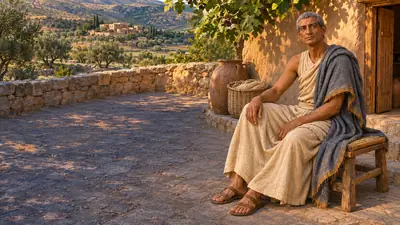
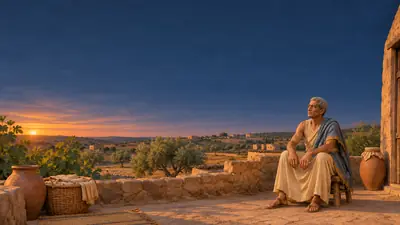
Sinuhe siente el peso de la edad y anhela descansar. Pide pasar el tiempo que le queda en el lugar que considera su hogar.
EL MENSAJE DEL REY
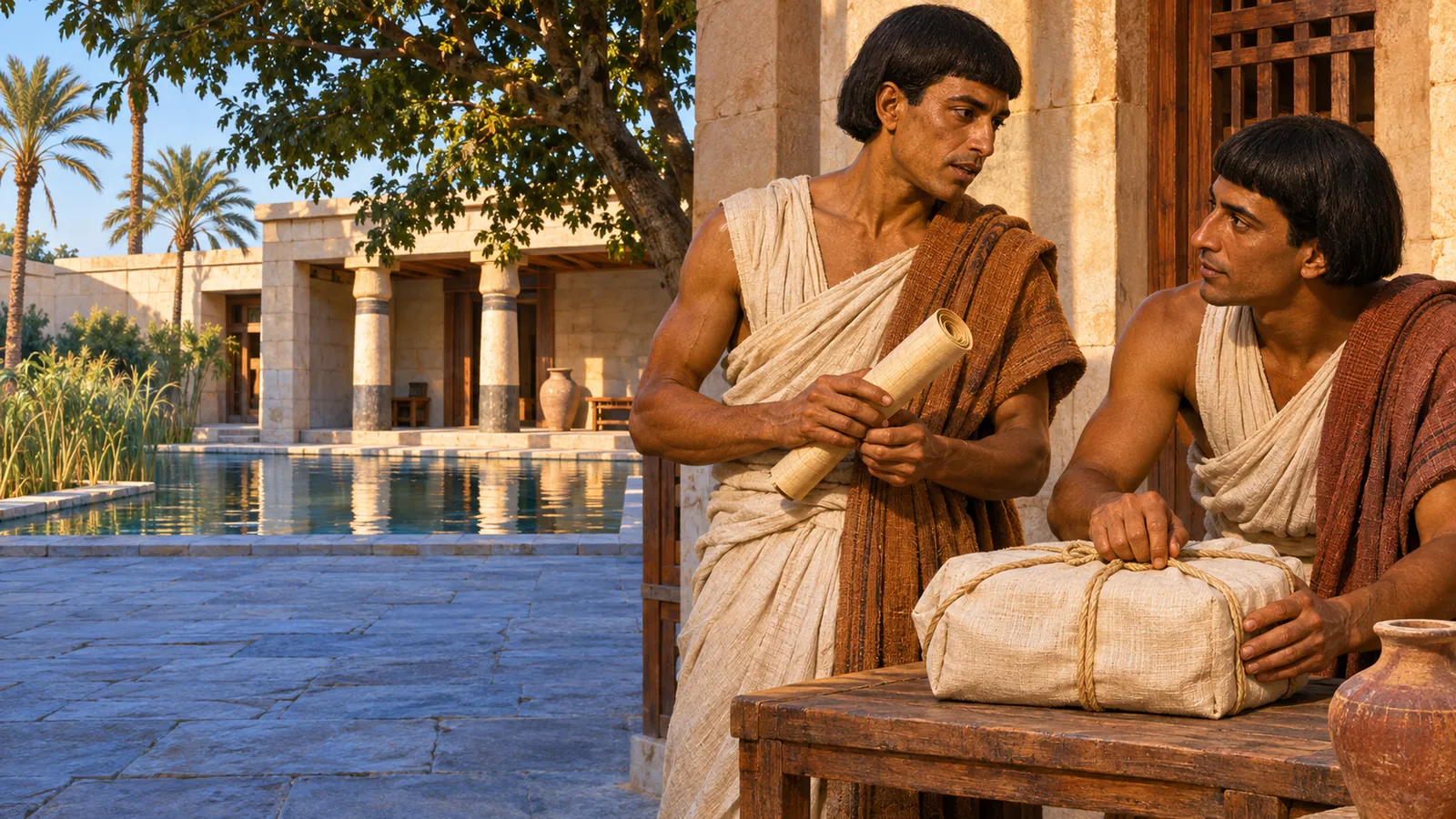
Las noticias de Sinuhe llegan a Kheperkare, el rey al que conocemos como Senusret. El rey envía regalos, y la casa real manda sus propios mensajes.
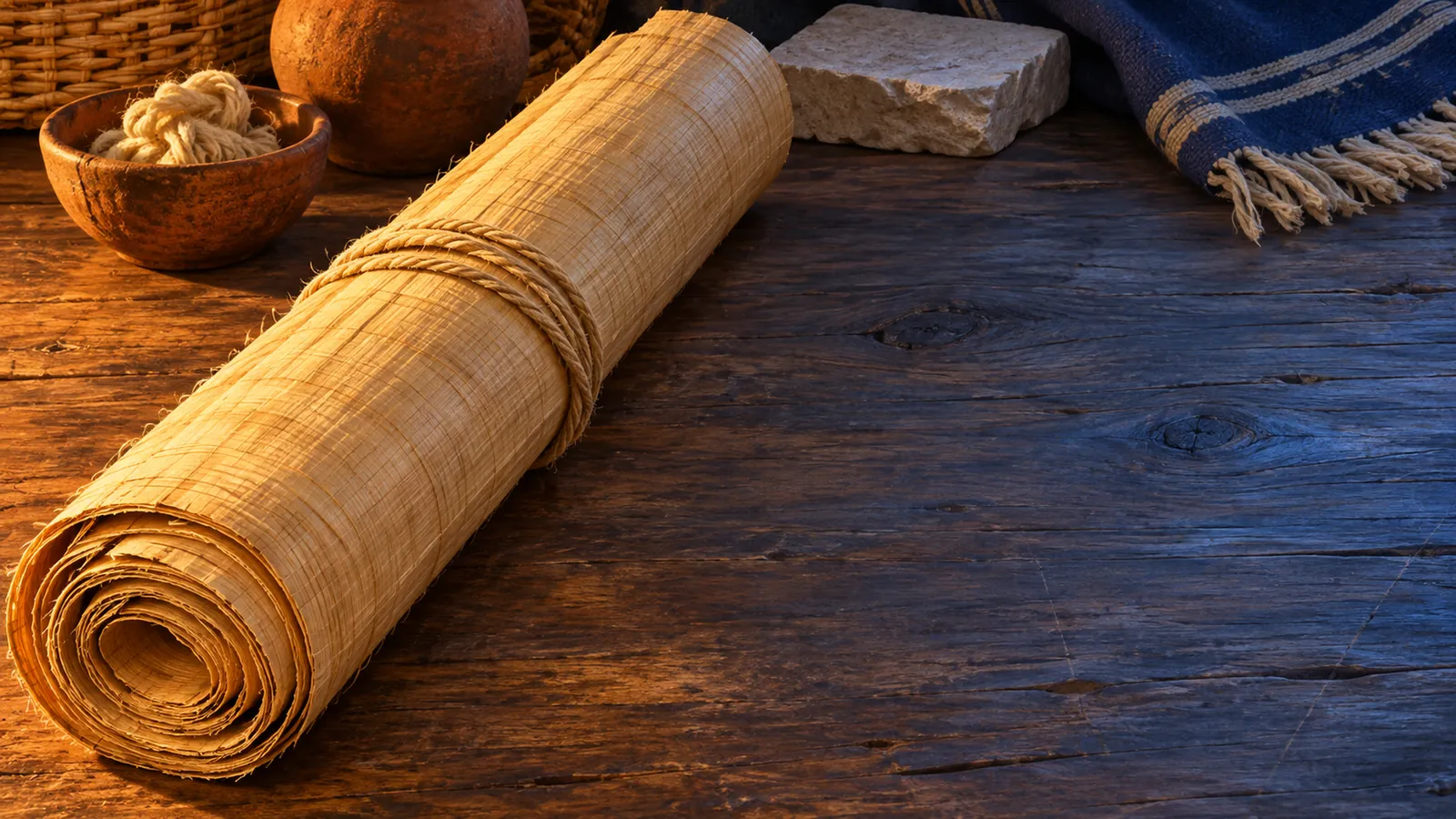
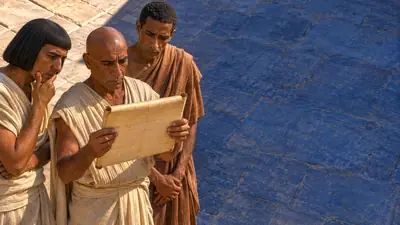
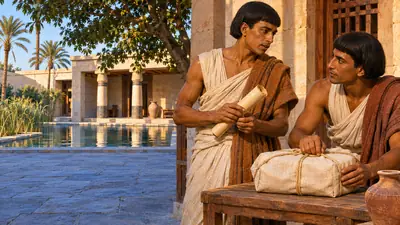
El relato ofrece una copia del decreto enviado para hacer volver a Sinuhe a Egipto. Habla con la voz del rey y se dirige a Sinuhe por su nombre.
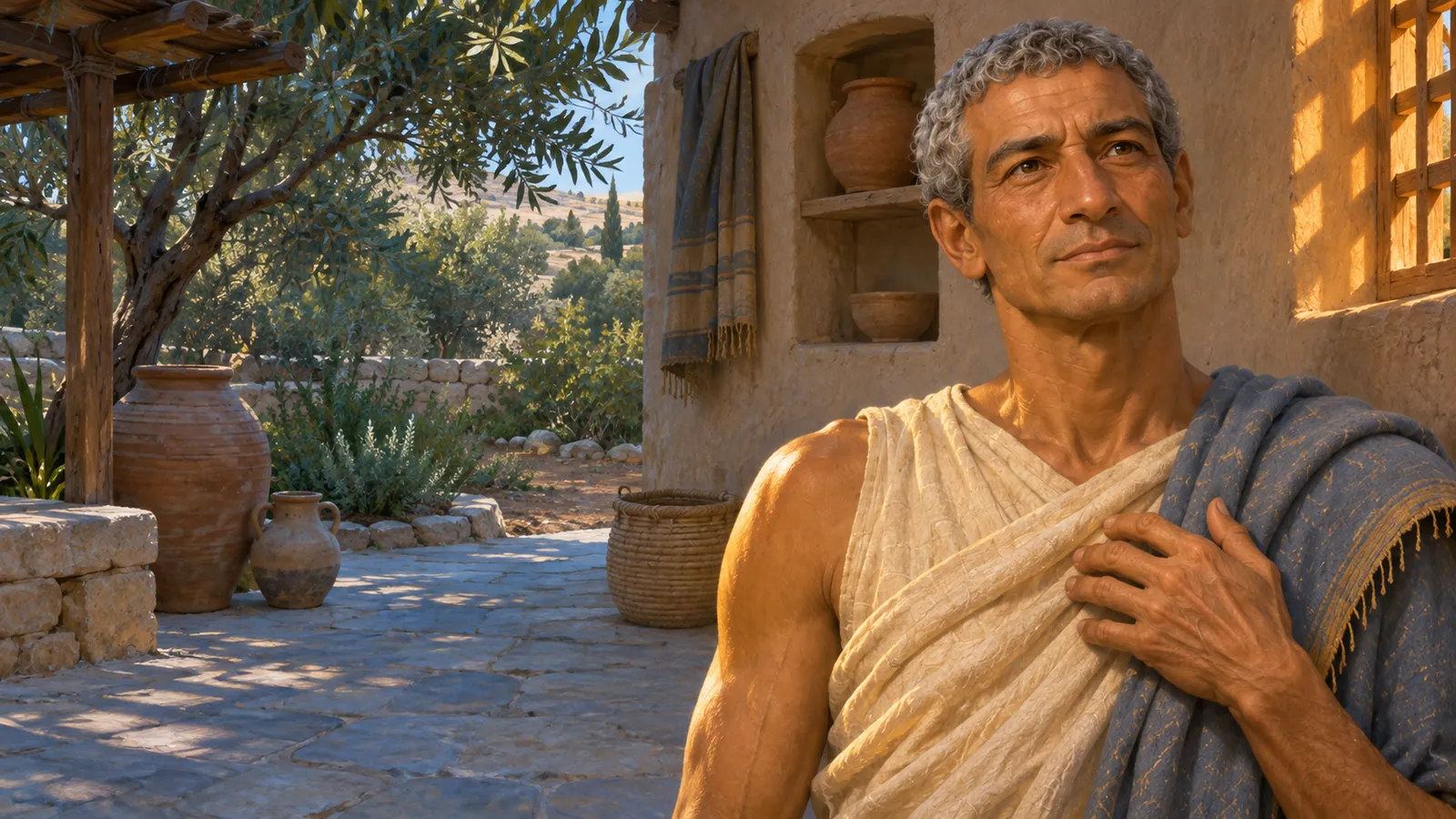
El mensaje del rey recuerda los viajes de Sinuhe de un país a otro. Pregunta qué ha hecho para merecer reproches y dice que el rey no tiene nada contra él.
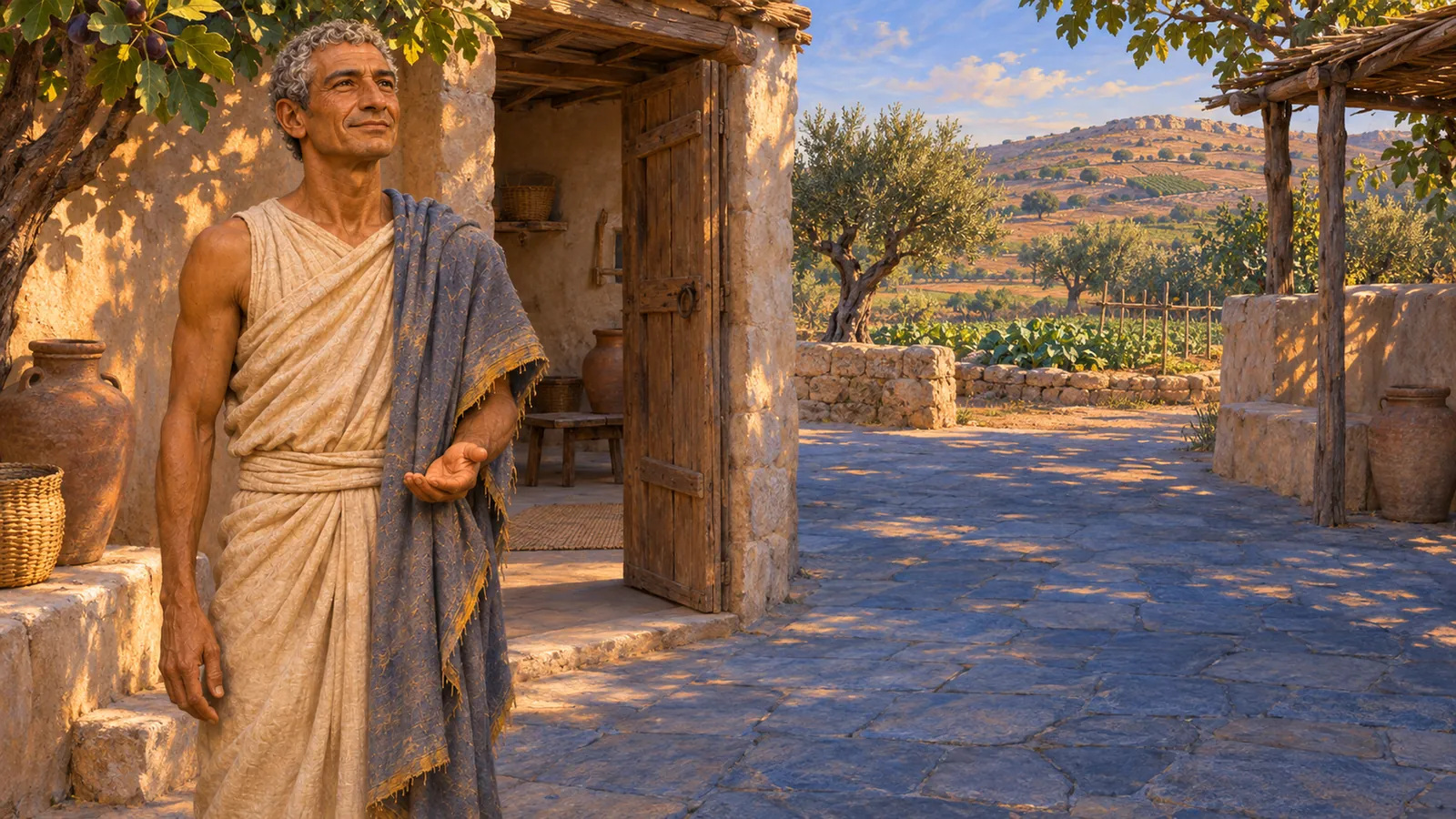
El rey dice que la señora del palacio y sus hijos están bien. Invita a Sinuhe a volver a Egipto y entrar en la Residencia por su gran puerta.
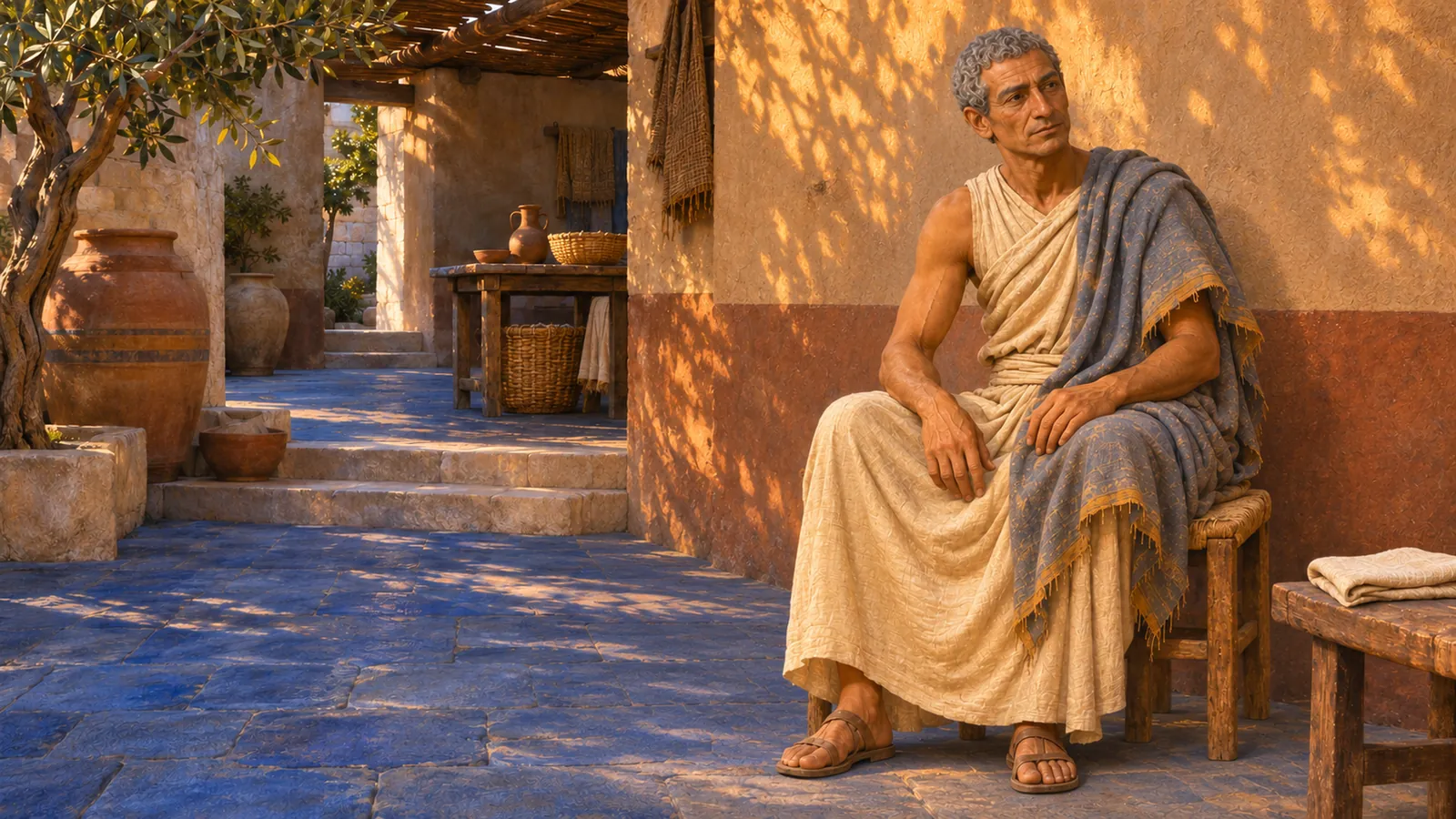
El decreto habla de los años venideros y promete a Sinuhe un entierro honroso en Egipto. Son los preparativos que el rey ofrece en su carta.
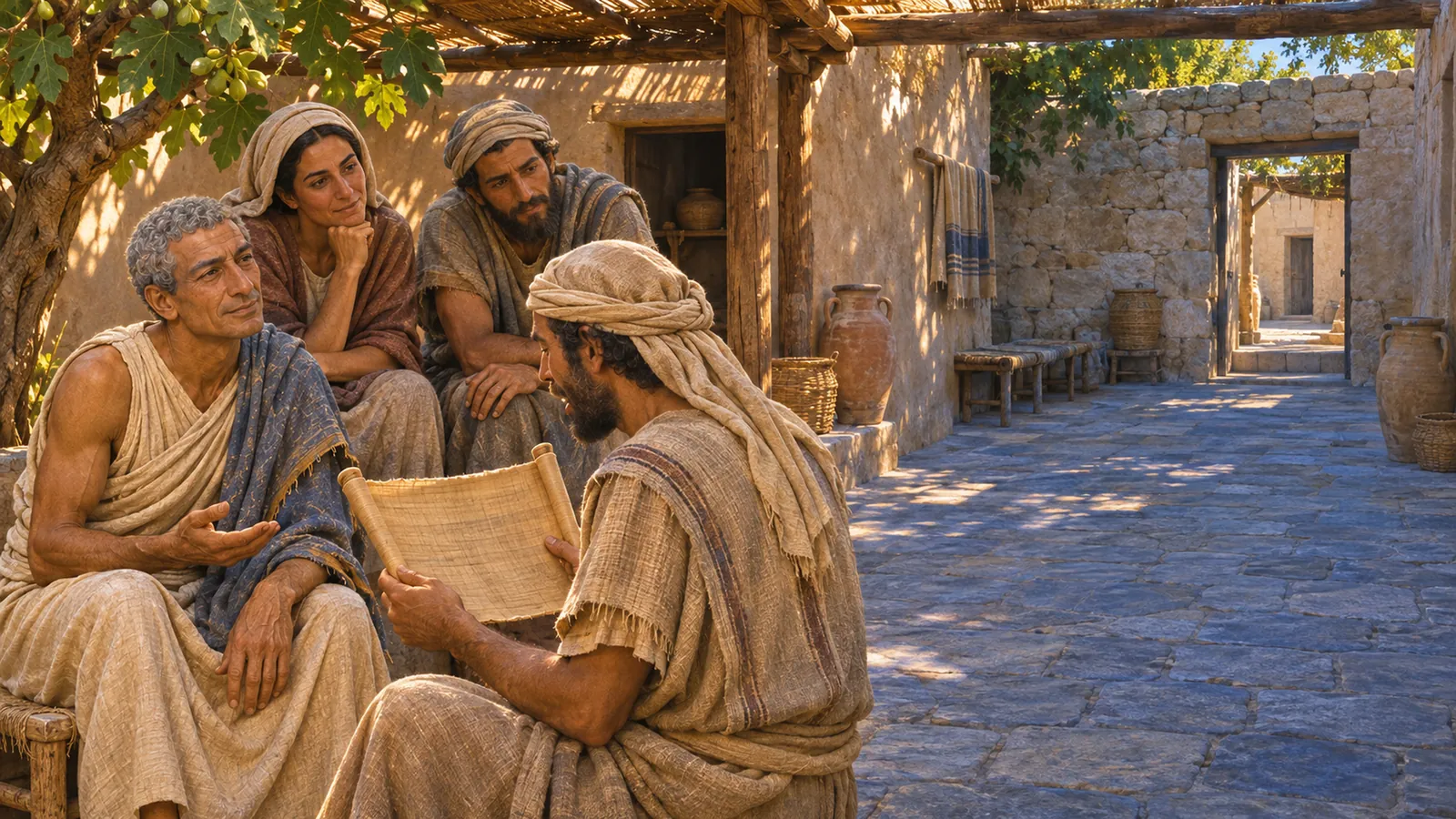
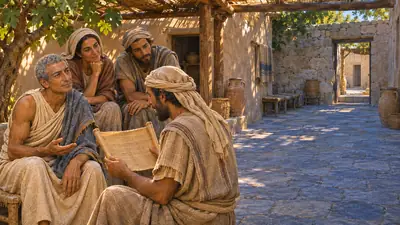
El decreto llega a Sinuhe mientras está entre los suyos. Escucha su lectura y habla de la bondad que le permitirá regresar.
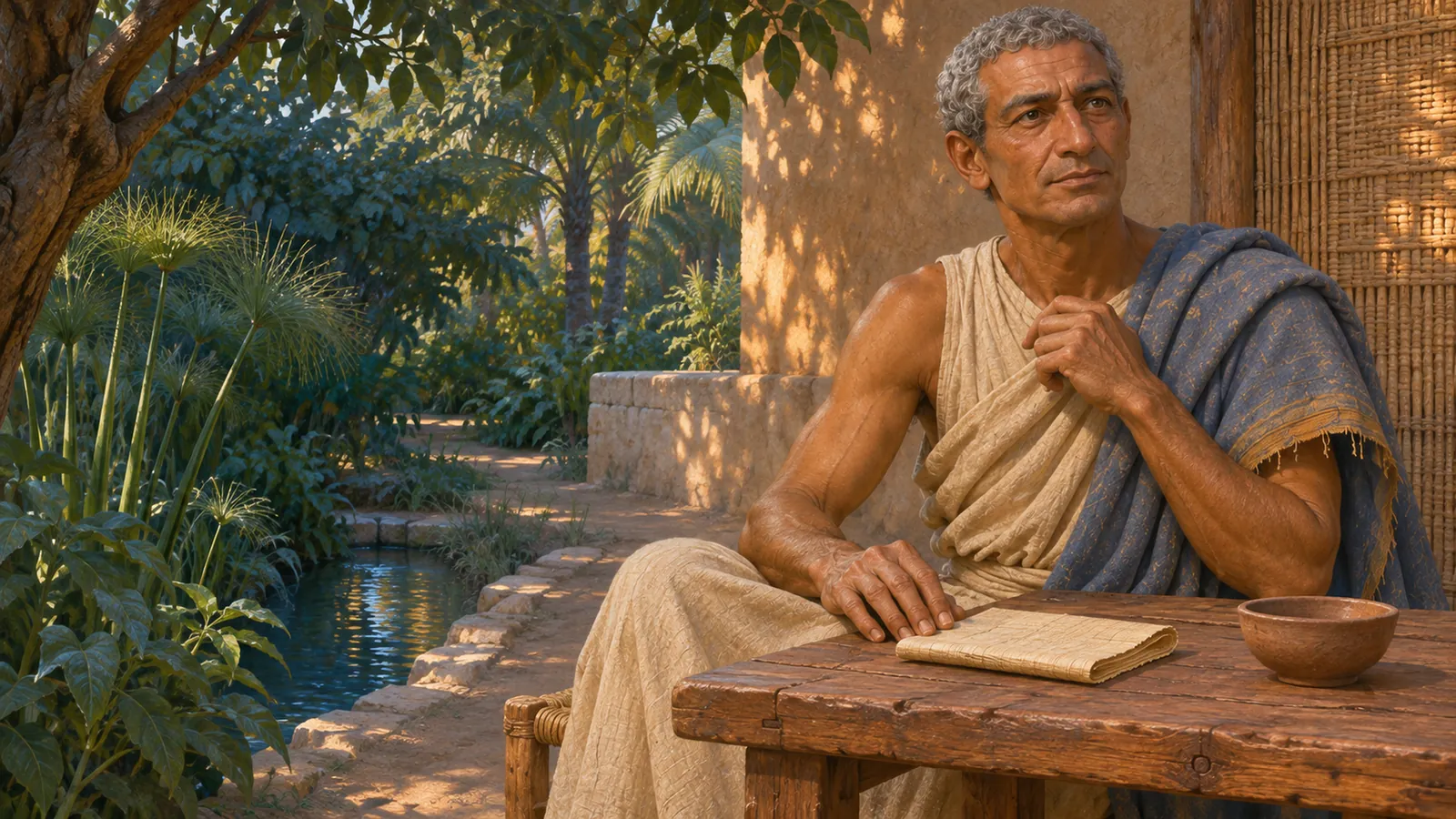
El relato también recoge la respuesta de Sinuhe. Empieza con buenos deseos y pide a los dioses de Egipto y de otras tierras que bendigan al rey.
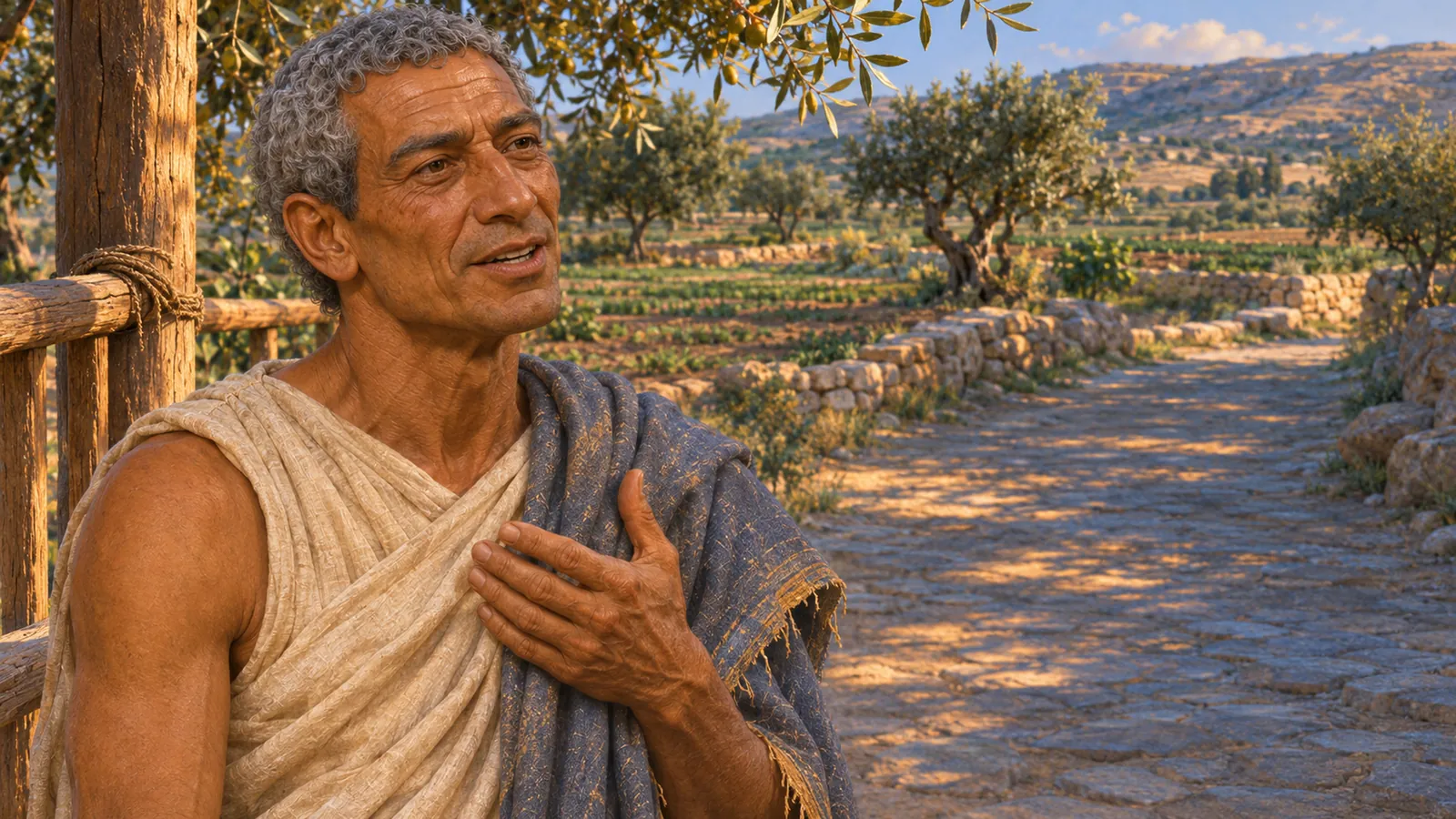
Sinuhe alaba al rey por comprender a quienes comparecen ante él. Su respuesta nombra a gobernantes de varias tierras y habla de sus vínculos con Egipto.
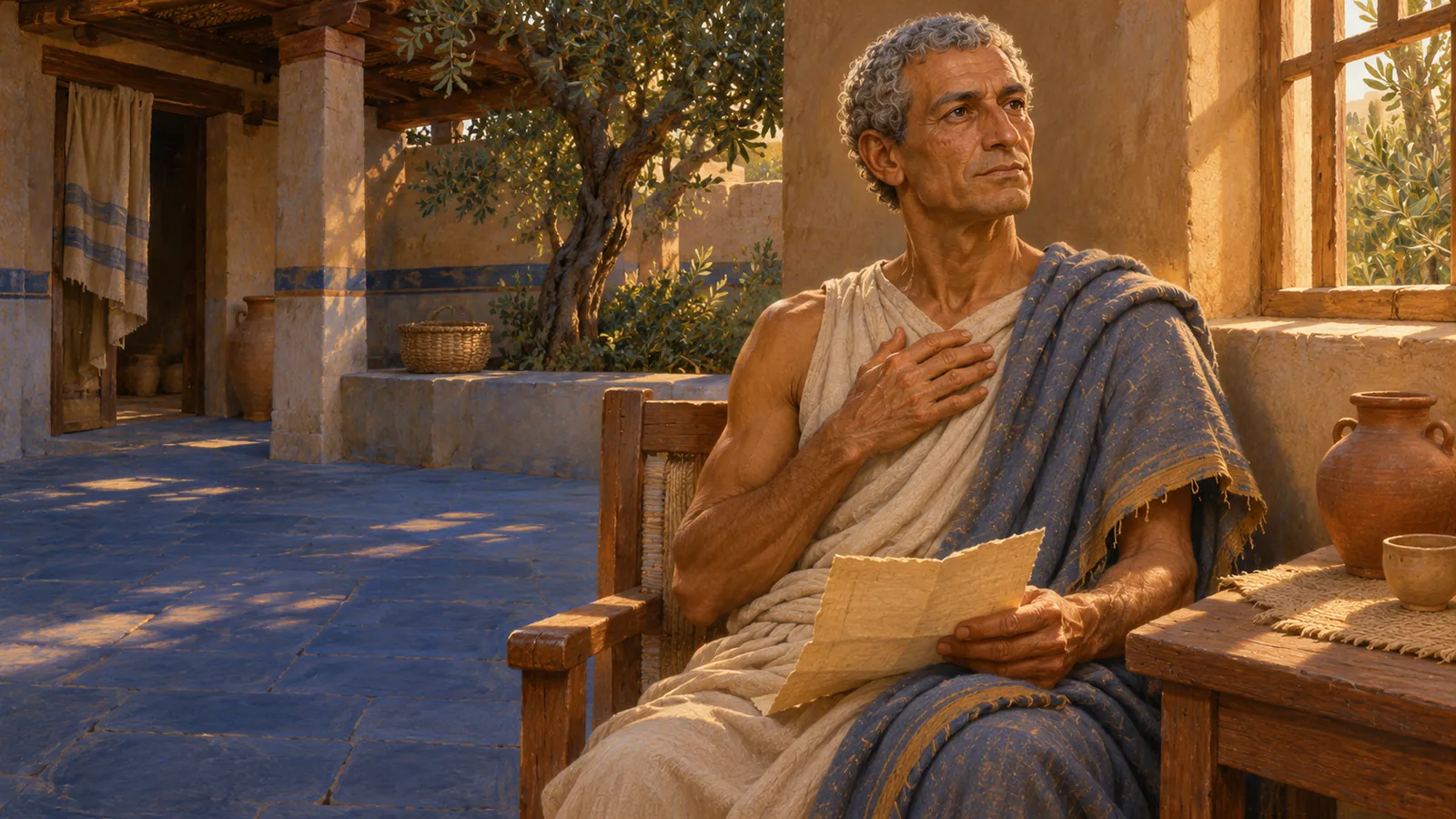
Sinuhe dice al rey que no planeó la huida. Afirma que no oyó acusación alguna contra él, pero el miedo se apoderó de él.
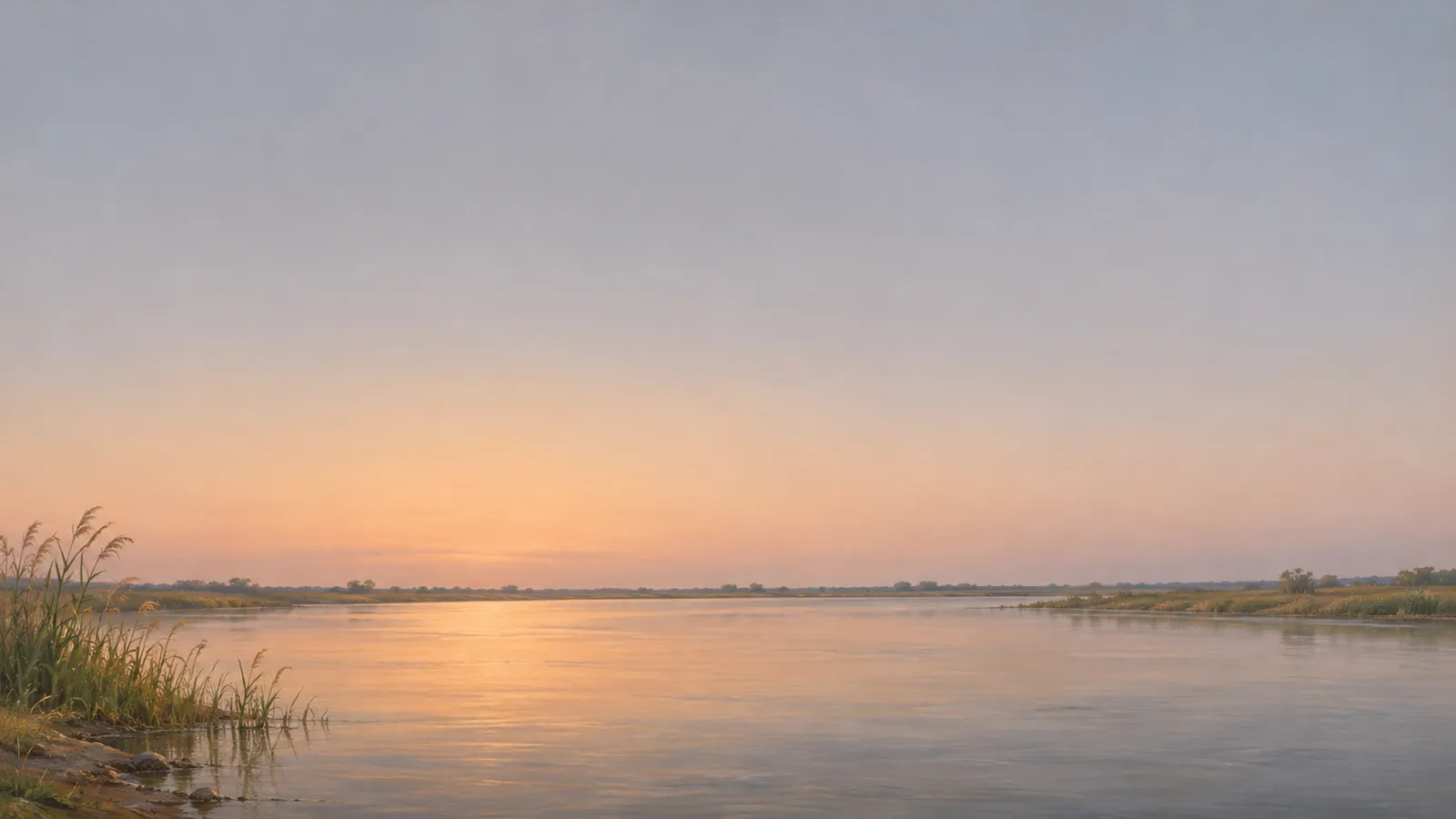
Sinuhe dice que un dios lo llevó lejos, sin nombrarlo. En la misma respuesta elogia al rey con imágenes de luz solar, agua del río y aire.
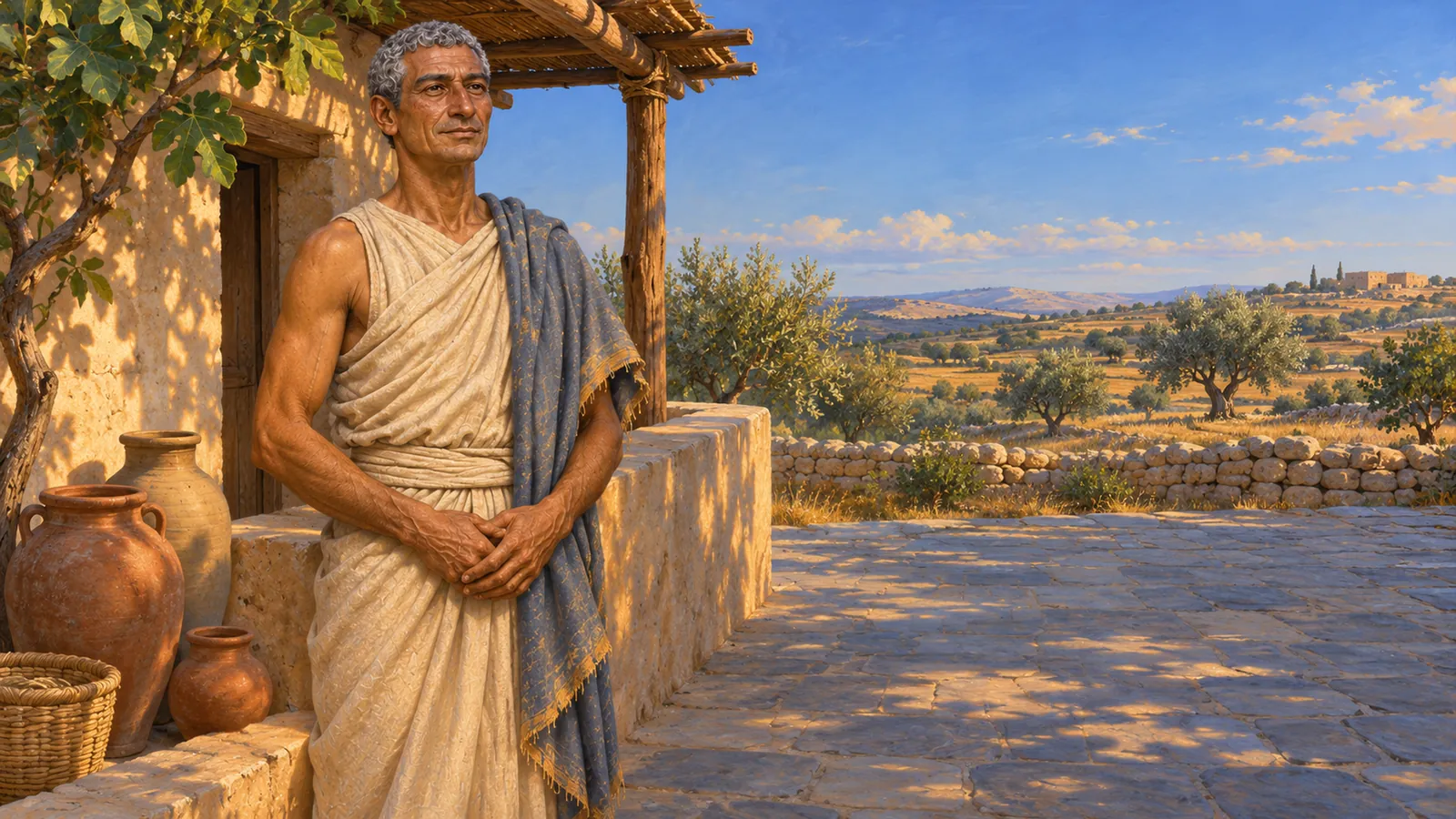
Al final de su respuesta, Sinuhe habla de lo que dejará atrás. Deja su regreso en manos del rey y cierra con una bendición.
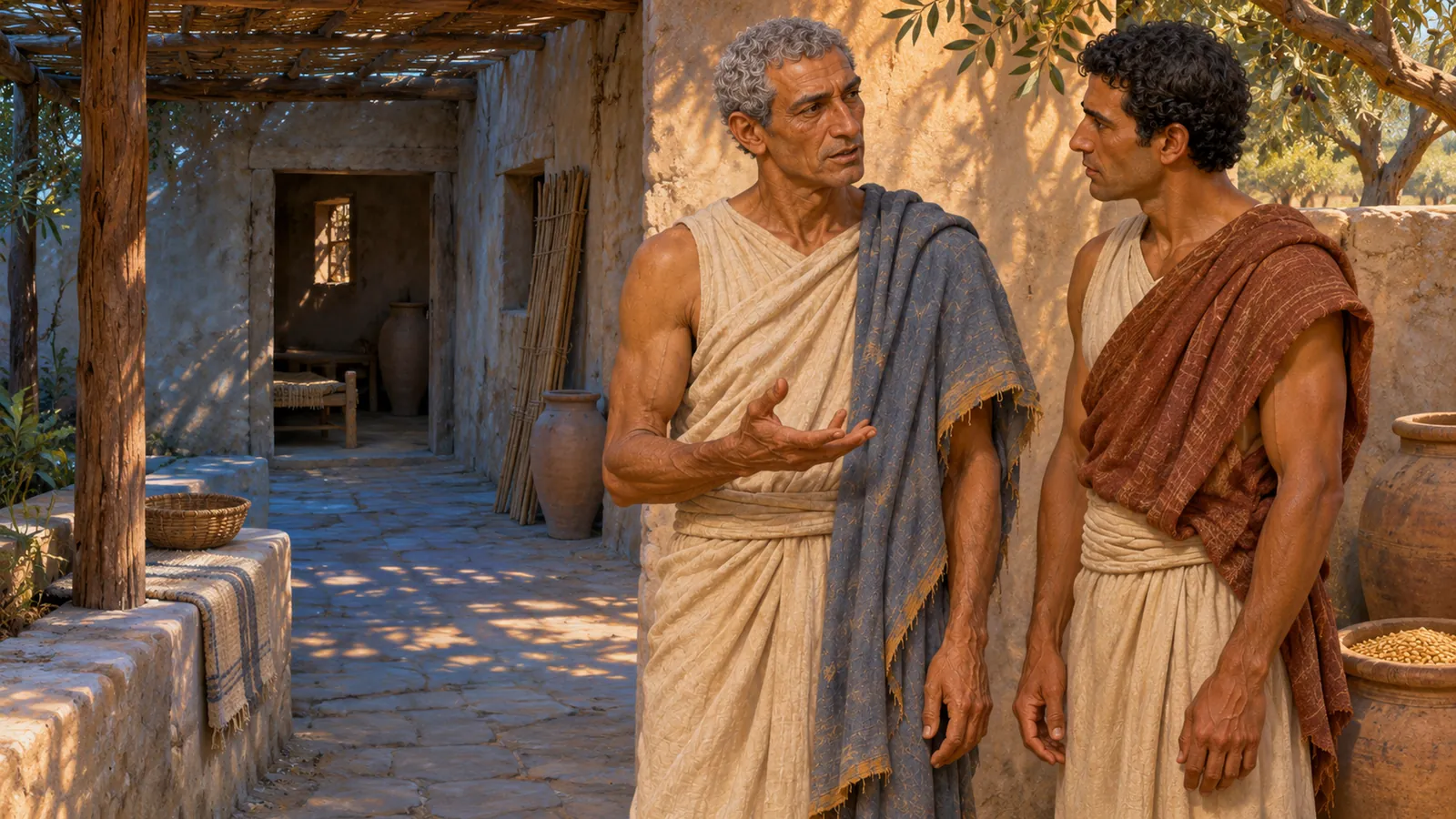
Sinuhe dispone de un día en Iaa para entregar sus bienes a sus hijos. Su hijo mayor se hace cargo de la casa, los rebaños y la comunidad.
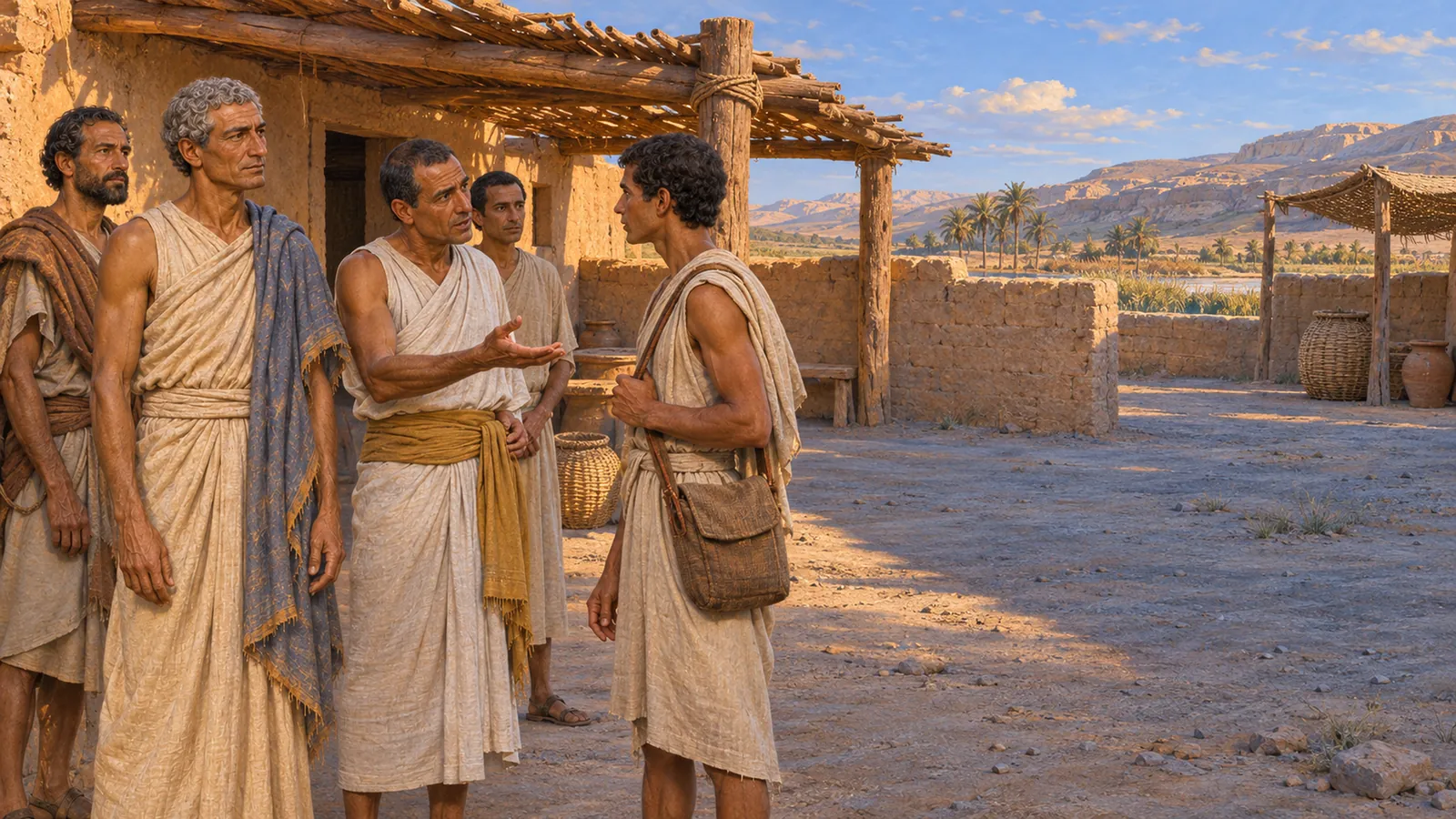
Sinuhe viaja hacia el sur hasta los Caminos de Horus. El funcionario de la frontera envía un mensaje para avisar a la Residencia de su llegada.
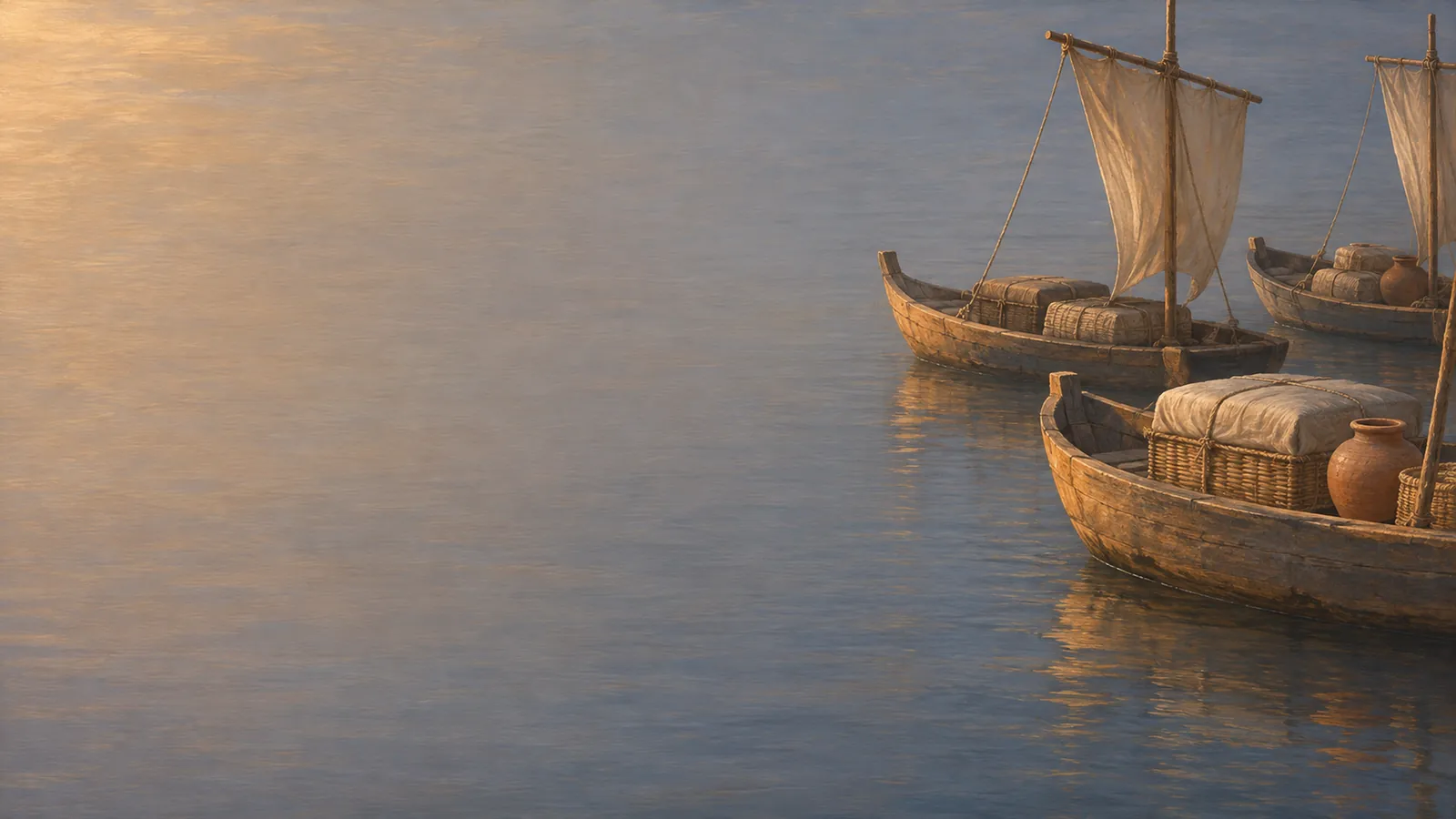
Senusret envía barcos cargados de regalos para quienes han acompañado a Sinuhe. Sinuhe dice que menciona por su nombre a cada persona que vino con él.
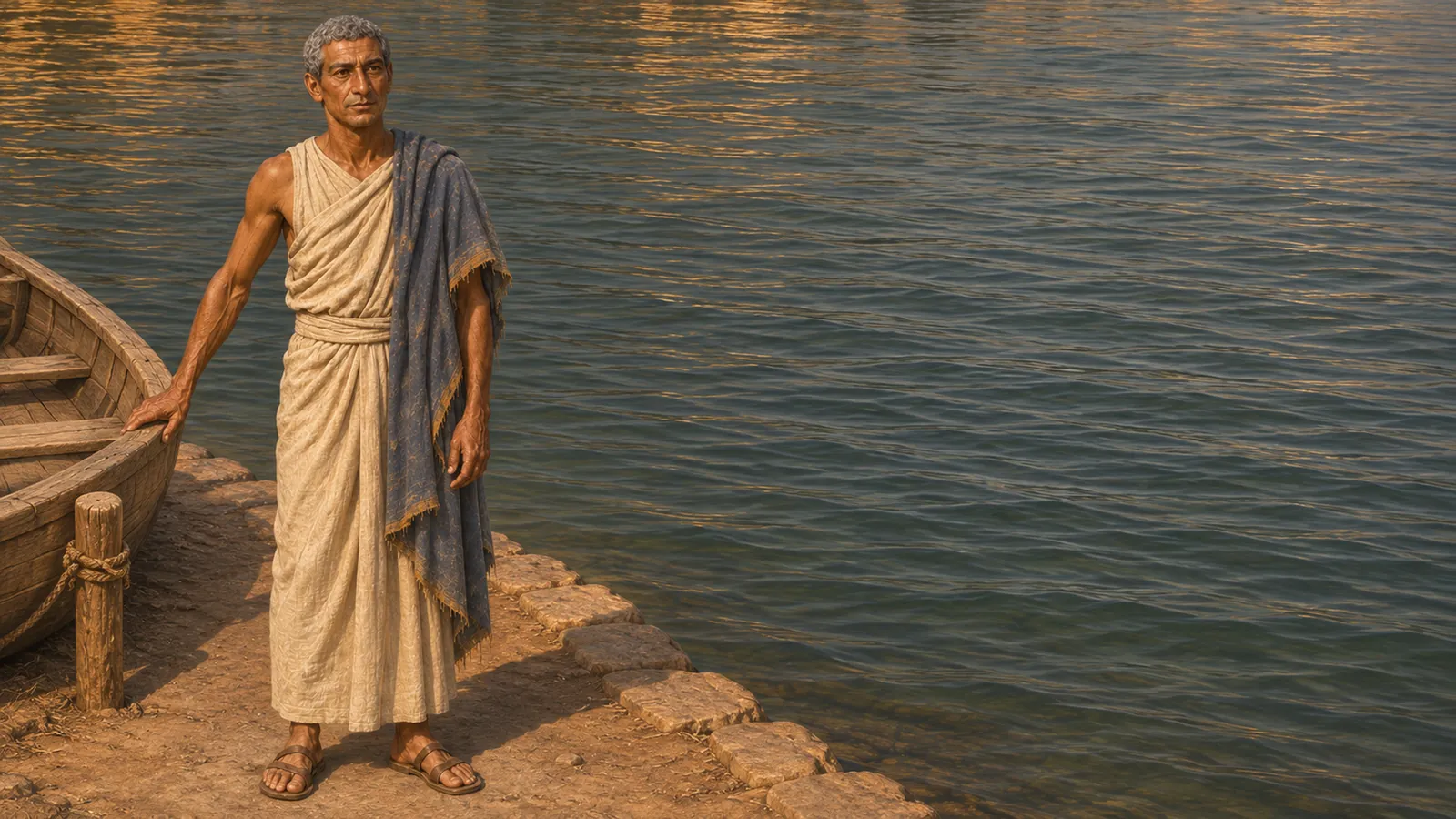
El viaje por el río lleva a Sinuhe al embarcadero de Itjtawy. El relato se detiene en su llegada antes de que al amanecer lo llamen al palacio.
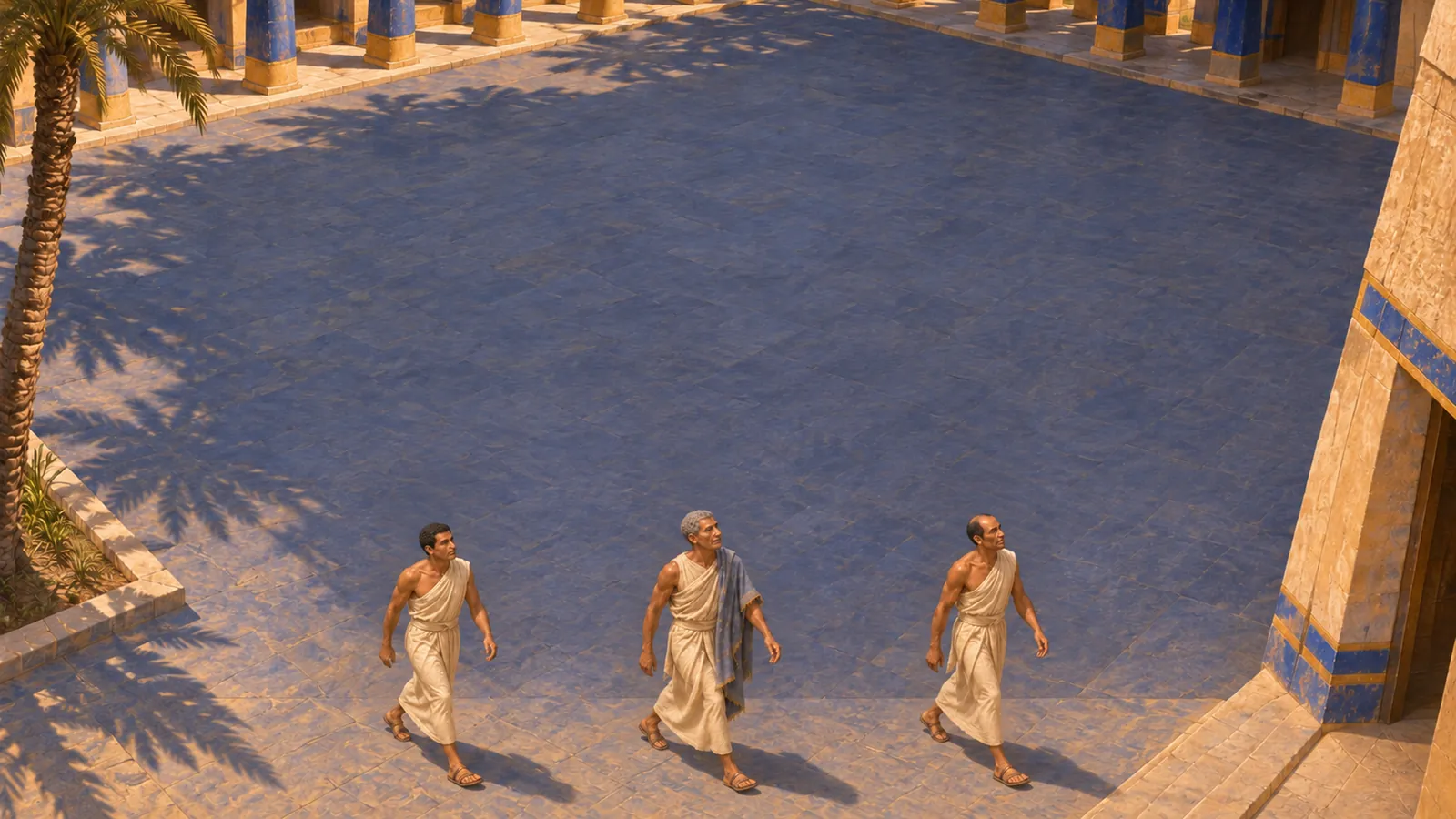
EL LLAMADO A PALACIO
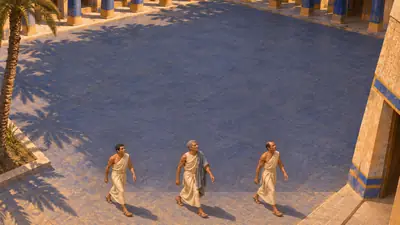
Con la primera luz llega una escolta para llevar a Sinuhe al palacio. Miembros de la casa real observan su llegada.
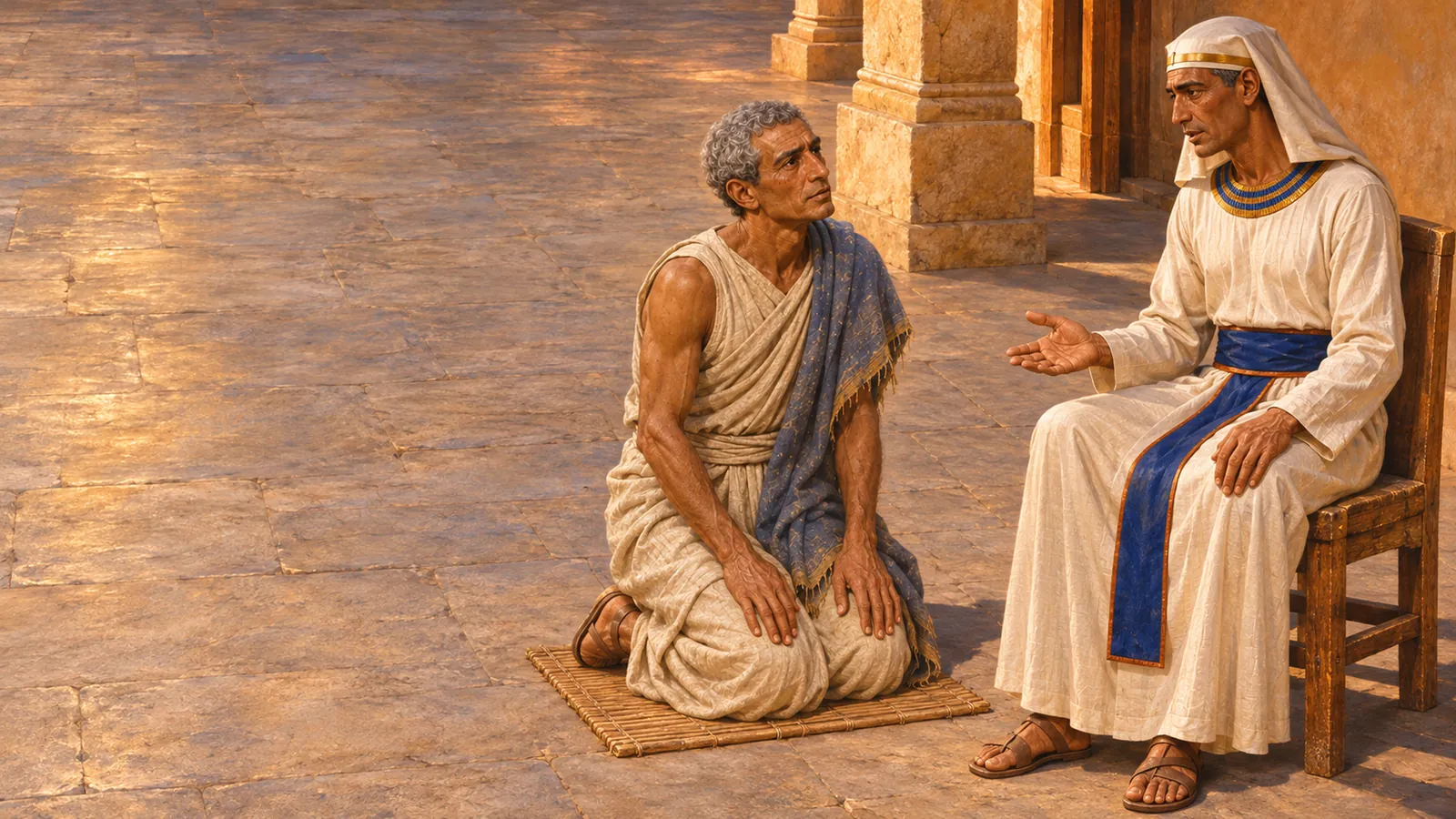
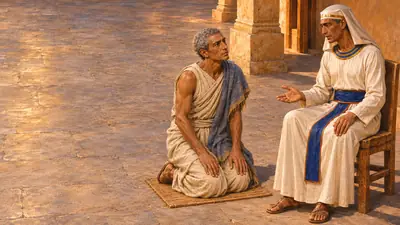
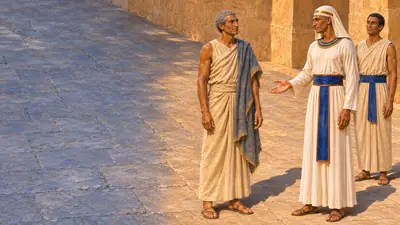
Sinuhe comparece ante Senusret y la emoción lo sobrecoge. El rey le habla con suavidad mientras él busca palabras para responder.
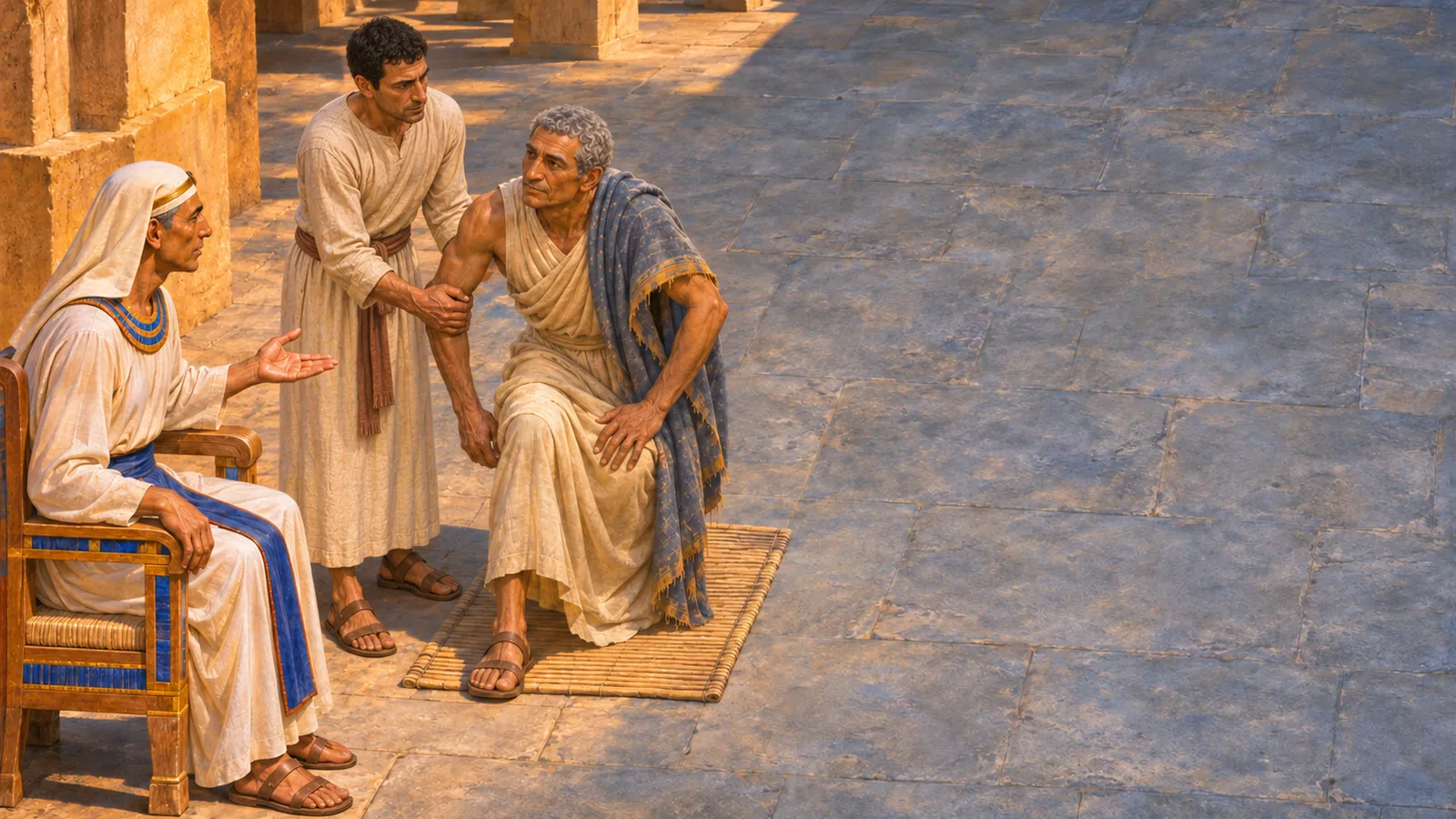
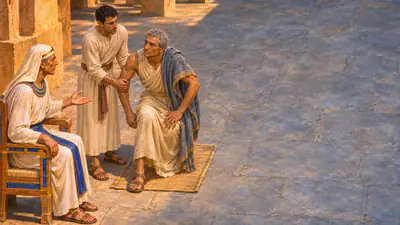
Senusret pide a un cortesano que ayude a Sinuhe a levantarse. Habla de los años de su ausencia y lo invita a responder.
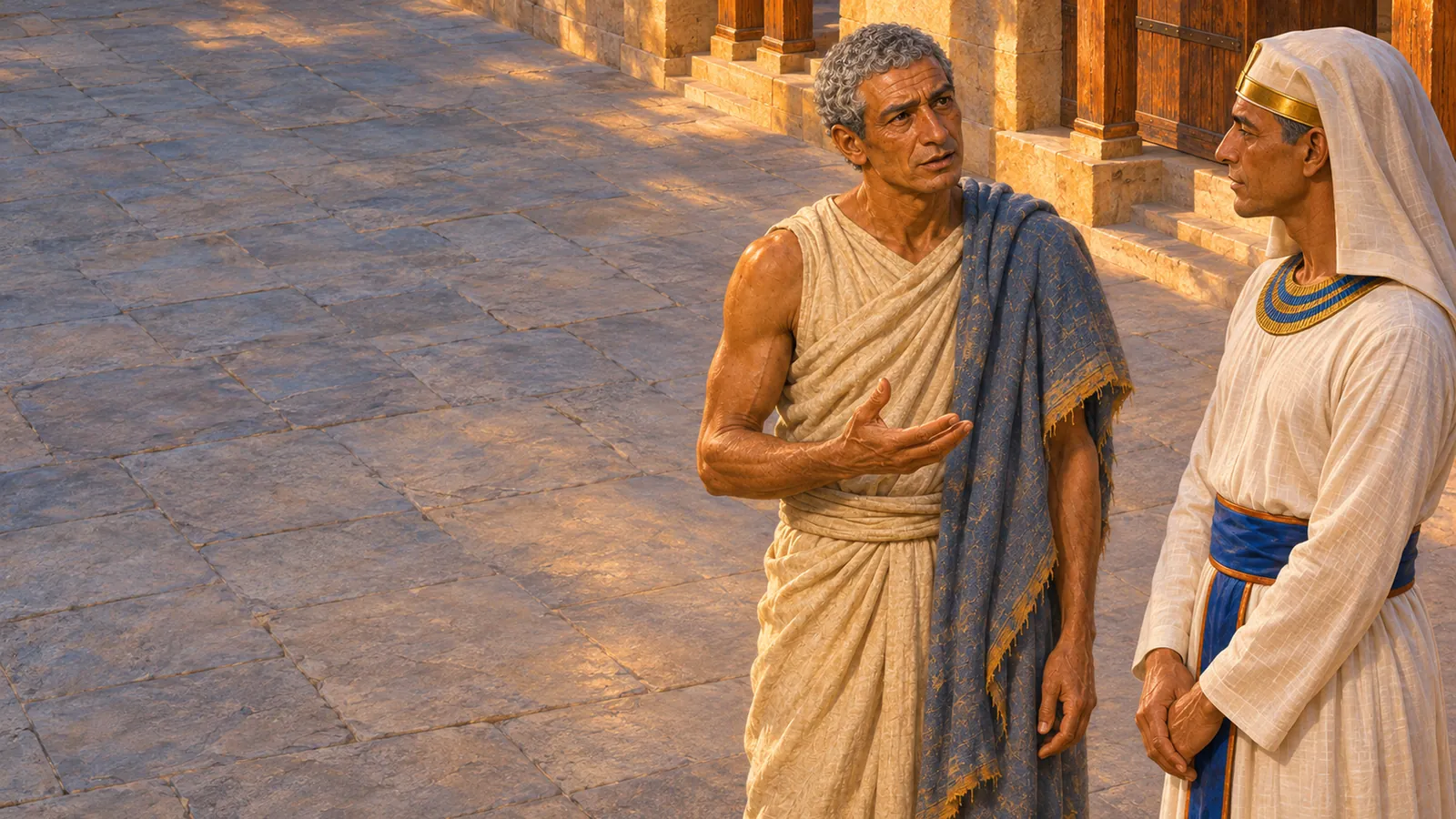
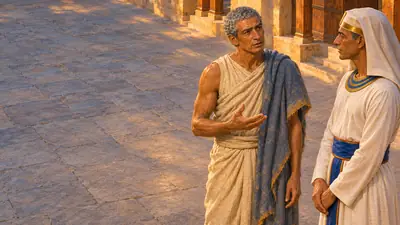
Sinuhe le dice al rey, al responderle, que todavía tiene miedo. Se pone en manos de Senusret y le deja la decisión.
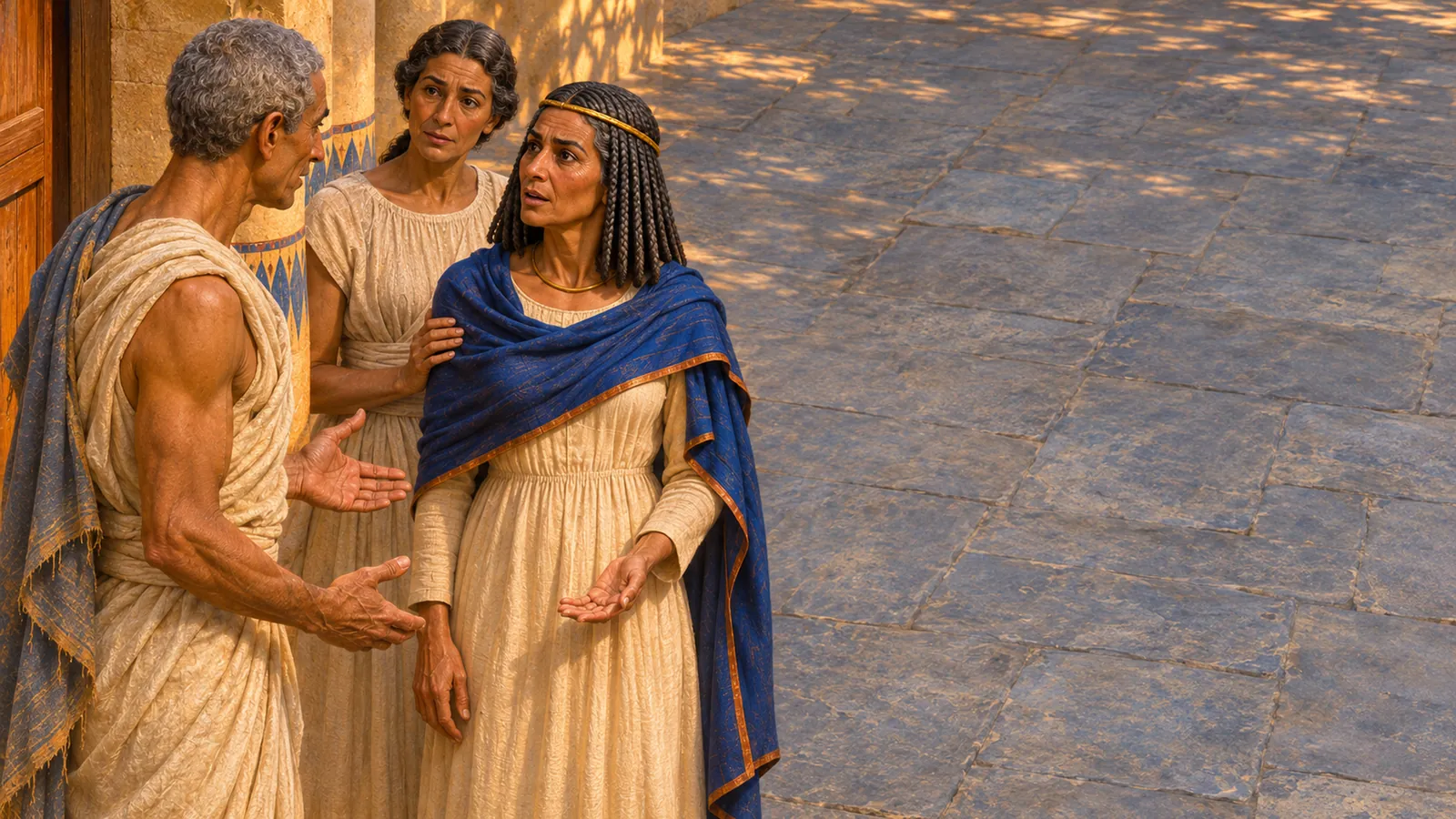
La esposa del rey y la casa real se sorprenden de cuánto ha cambiado el viajero. El rey dice que el hombre ante ellos es Sinuhe de verdad.
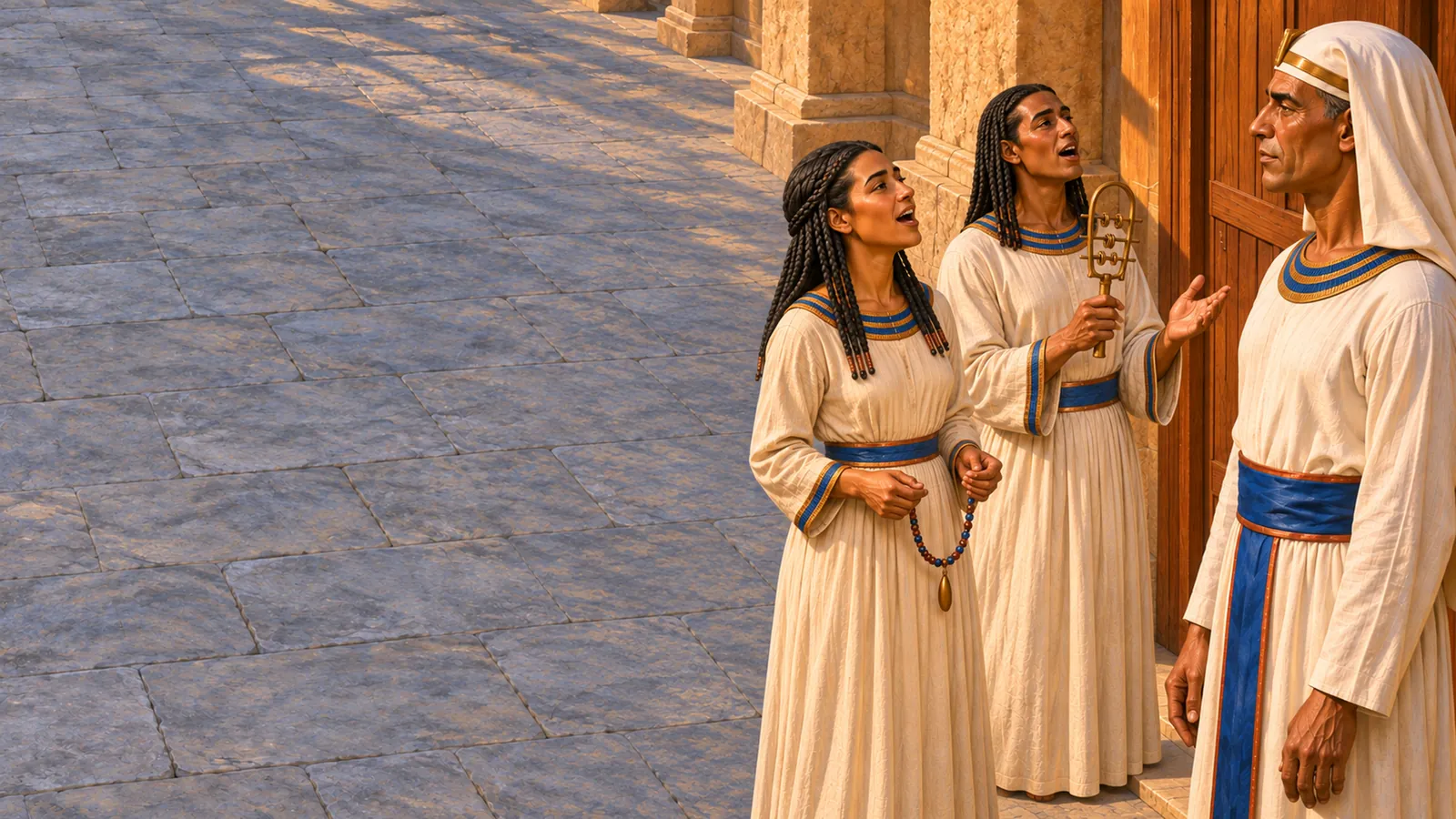
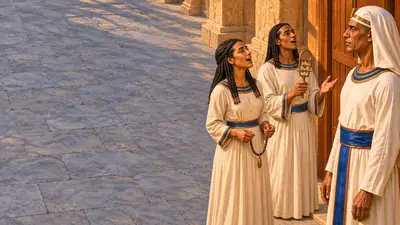
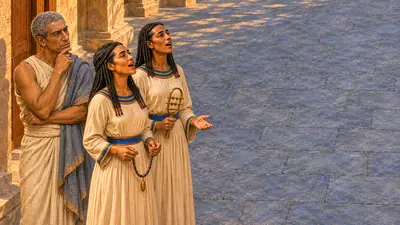
Miembros de la casa real llevan sus instrumentos ante el rey. Su canto empieza con palabras de alabanza para Senusret.
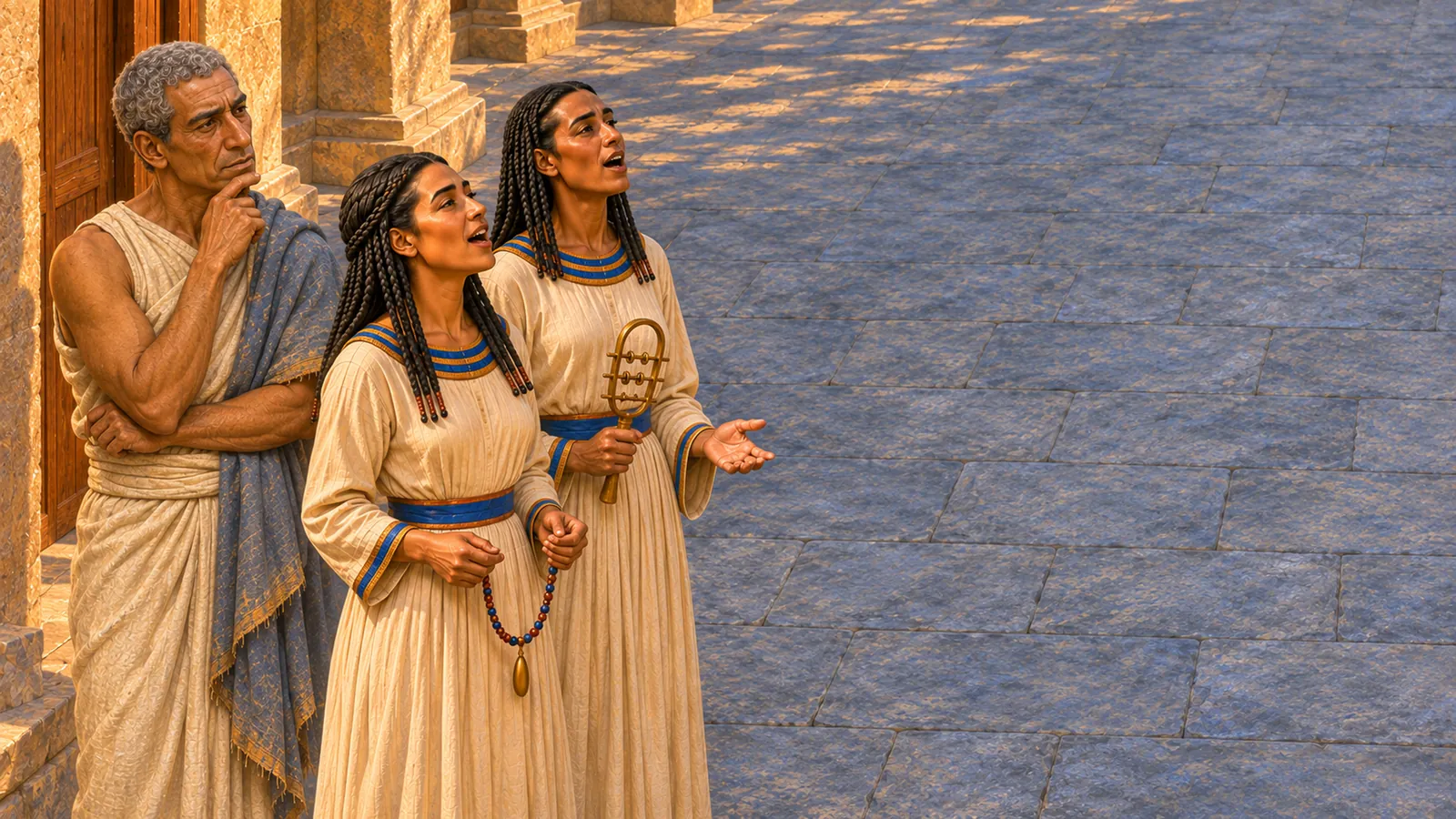
Mientras continúa el canto, la casa real pide al rey que acoja al viajero con bondad. Pide que Sinuhe ya no tenga motivo para temer.
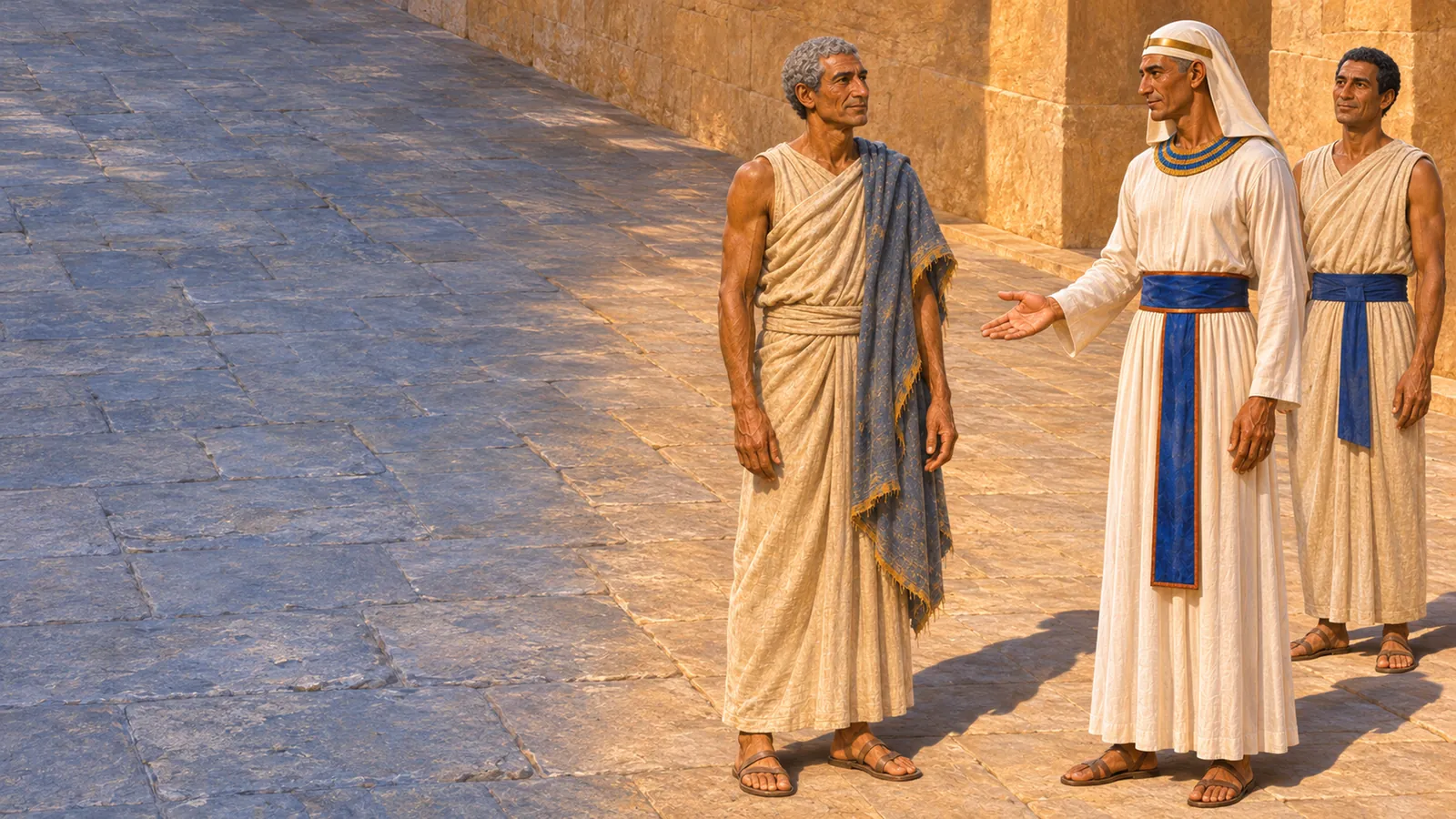
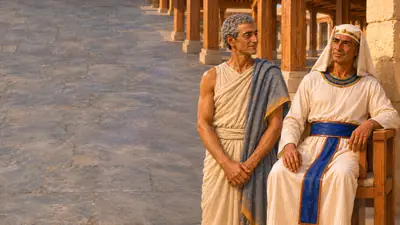
Senusret dice a la corte que Sinuhe no tiene motivo para temer. Le da un lugar entre sus cortesanos y manda dar a conocer su puesto.
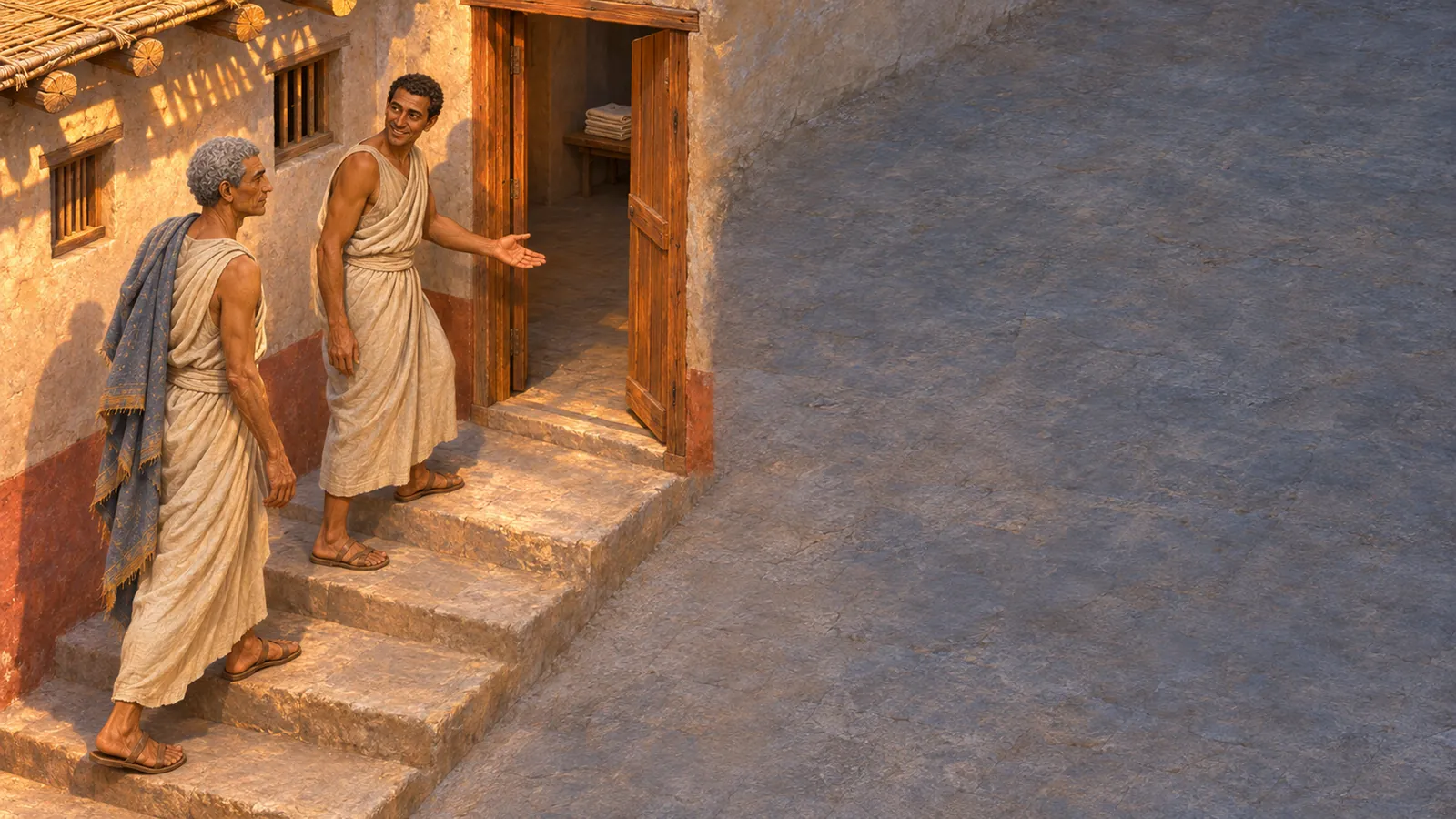
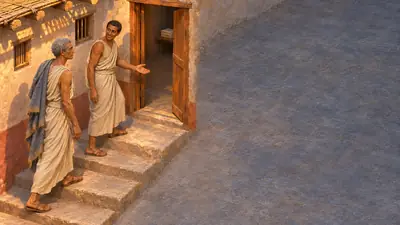
Miembros de la casa real acompañan a Sinuhe a la salida. Le dan alojamiento en casa de un hijo del rey, donde hay lino fino y otras provisiones para él.
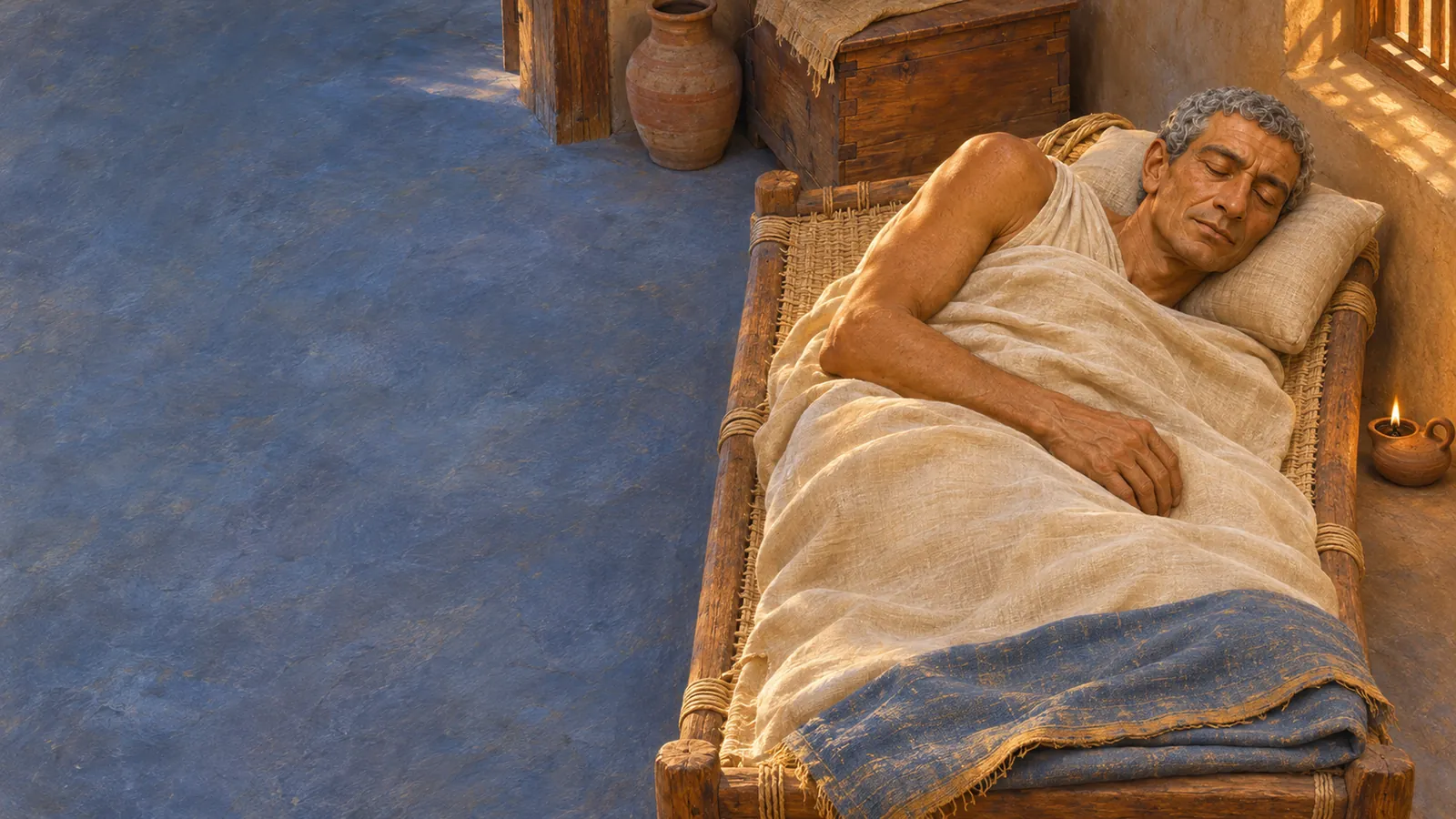
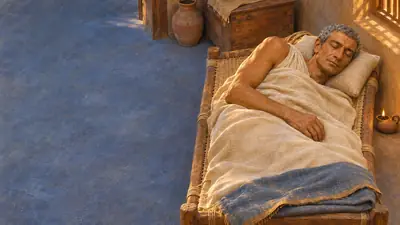
Sinuhe recibe lino fino y aceite, y duerme en una cama. Según cuenta, los cuidados que recibe le hacen sentirse joven otra vez.
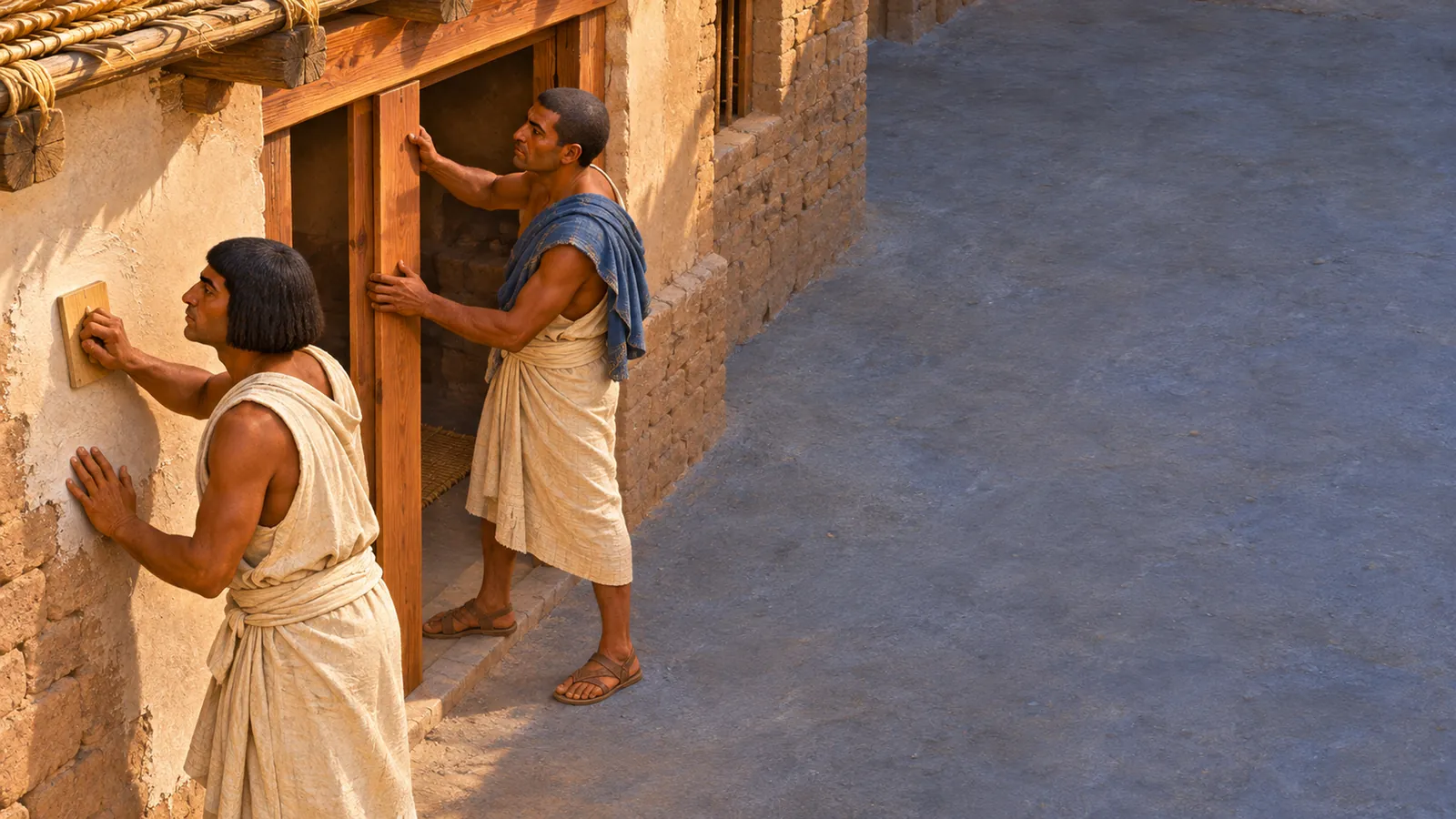
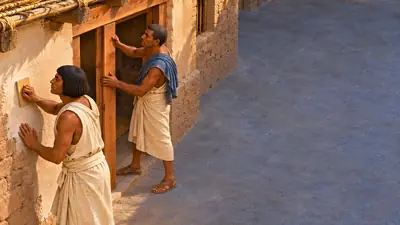
Se prepara una casa para Sinuhe. El verso sobre quién tenía la casa antes que él es difícil de interpretar. El poema dice que unos artesanos renuevan el lugar.
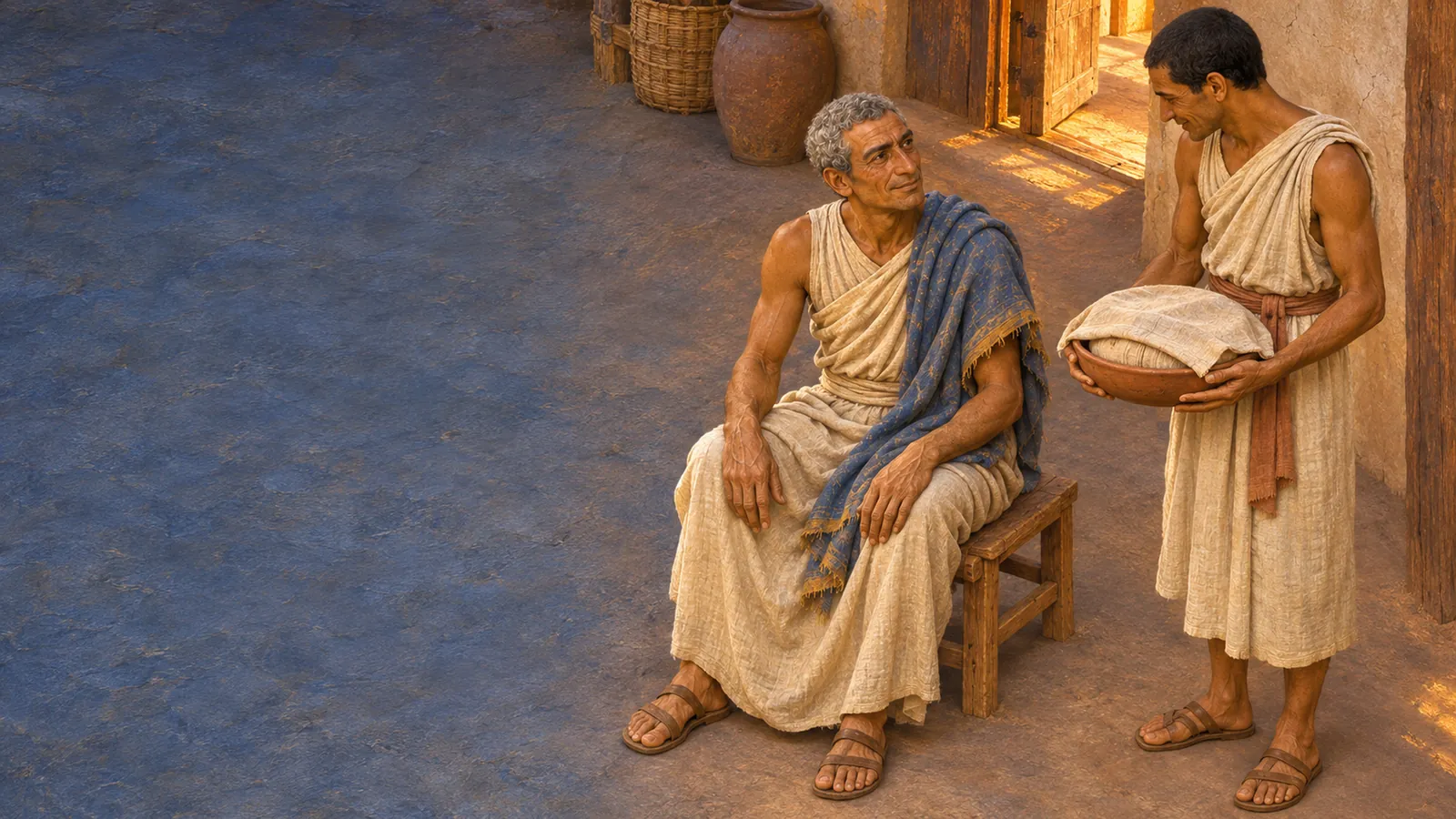
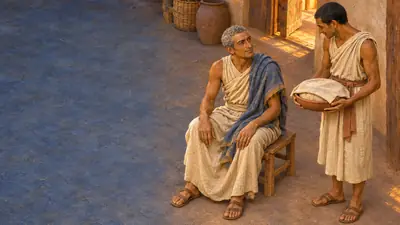
Del palacio llegan comidas con regularidad. Miembros de la casa real también envían regalos, y Sinuhe dice que su atención no cesa.
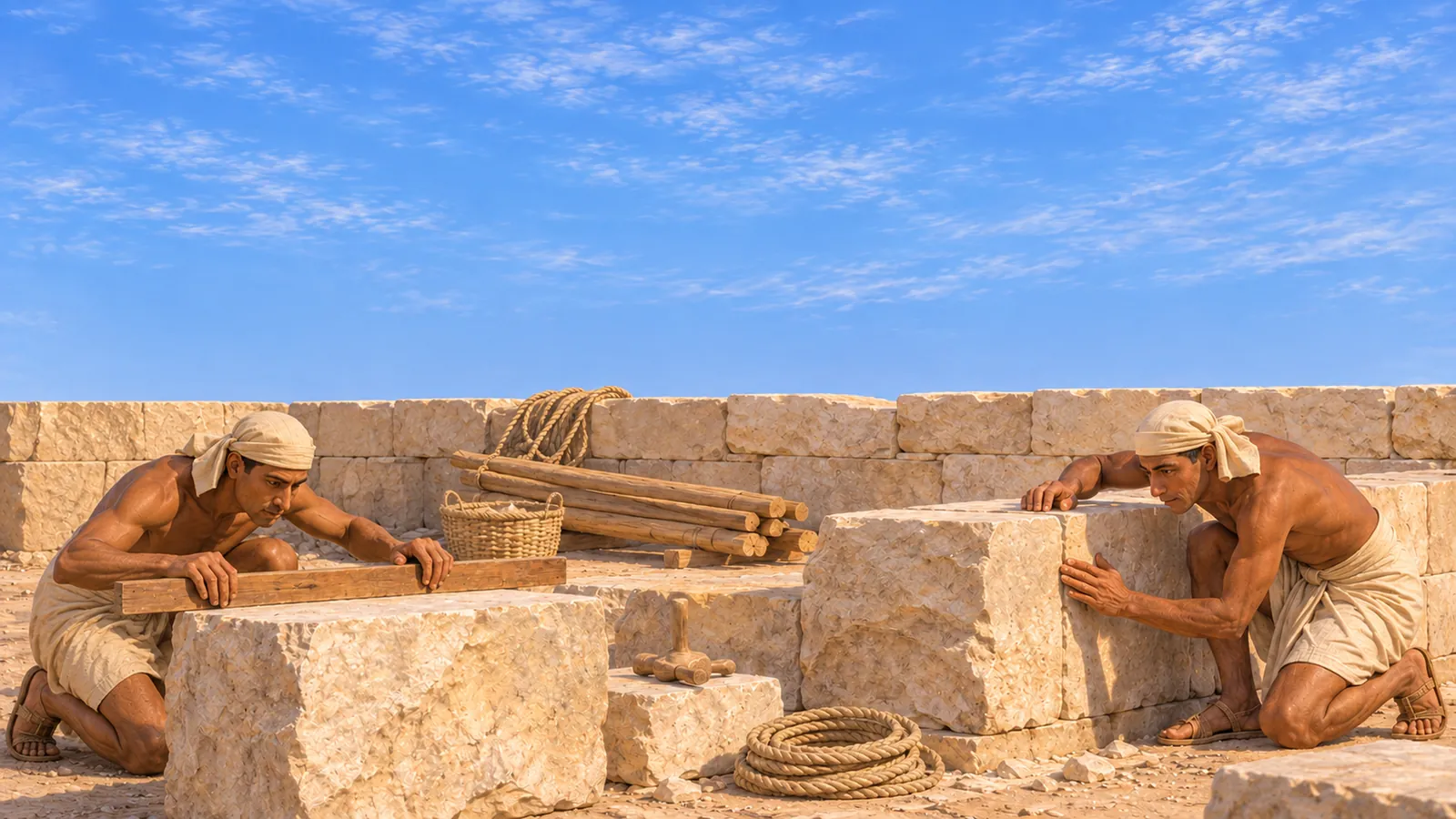
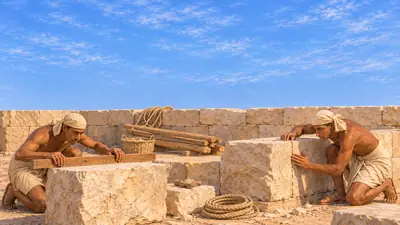
En Egipto se construye para Sinuhe un monumento funerario de piedra. El texto menciona a los distintos trabajadores que preparan el terreno, labran la piedra y acondicionan el monumento.
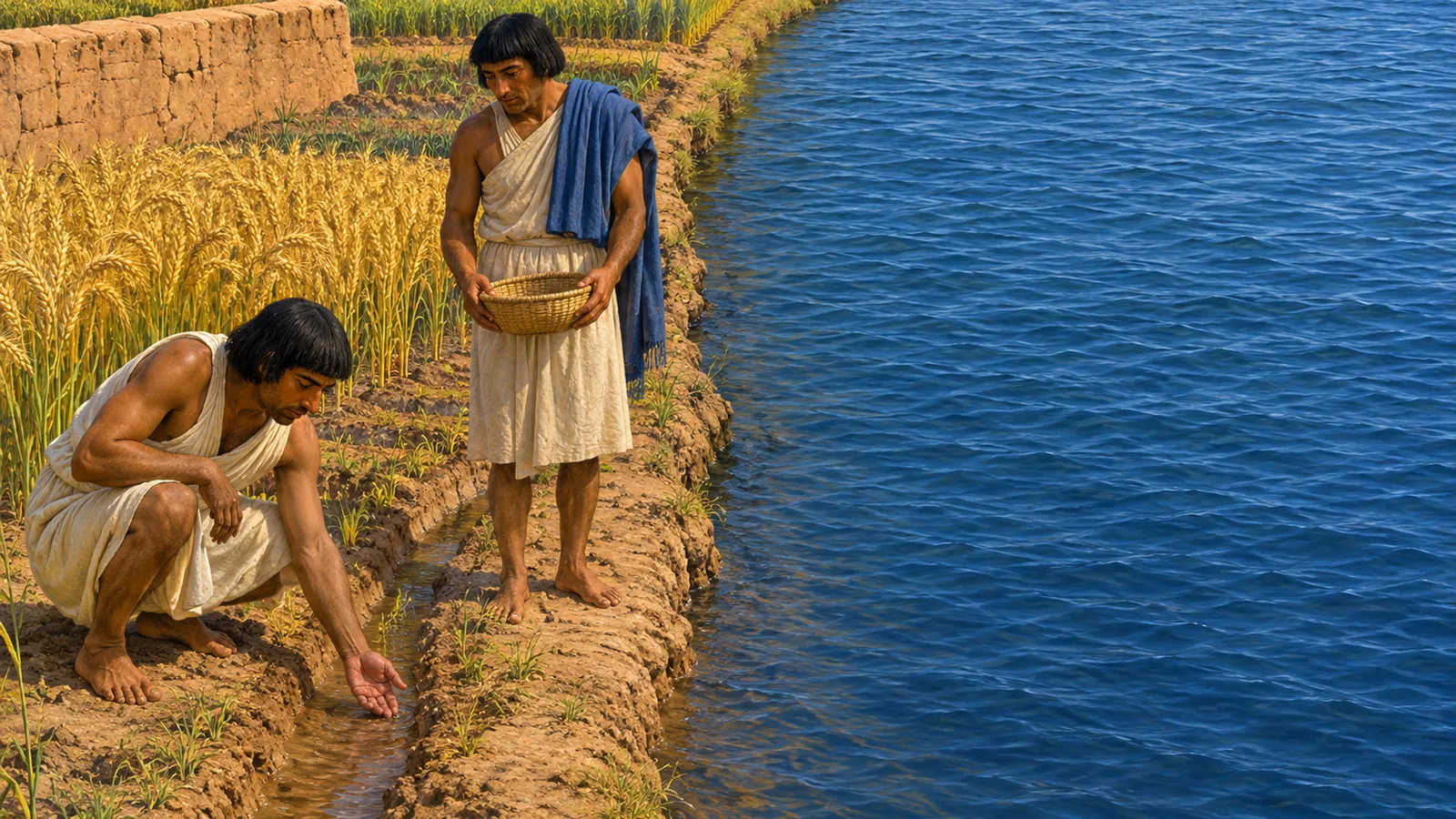
El relato menciona a personas designadas para cuidar el monumento. También habla de tierras cultivadas reservadas para él, como corresponde a un alto funcionario de la corte.
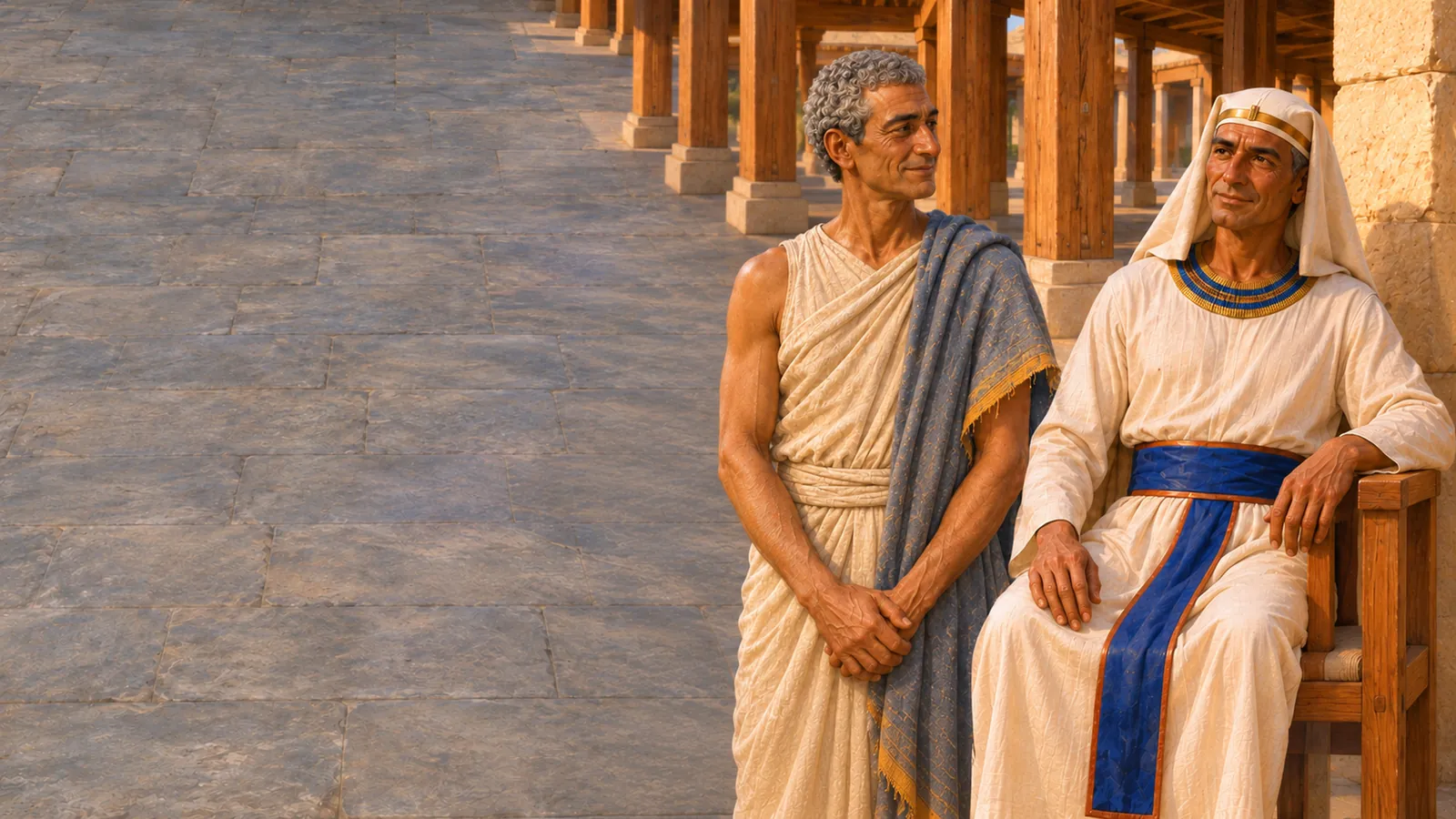
El rey manda hacer una imagen preciosa de Sinuhe. Sinuhe dice que conserva el favor real hasta el final de su vida.
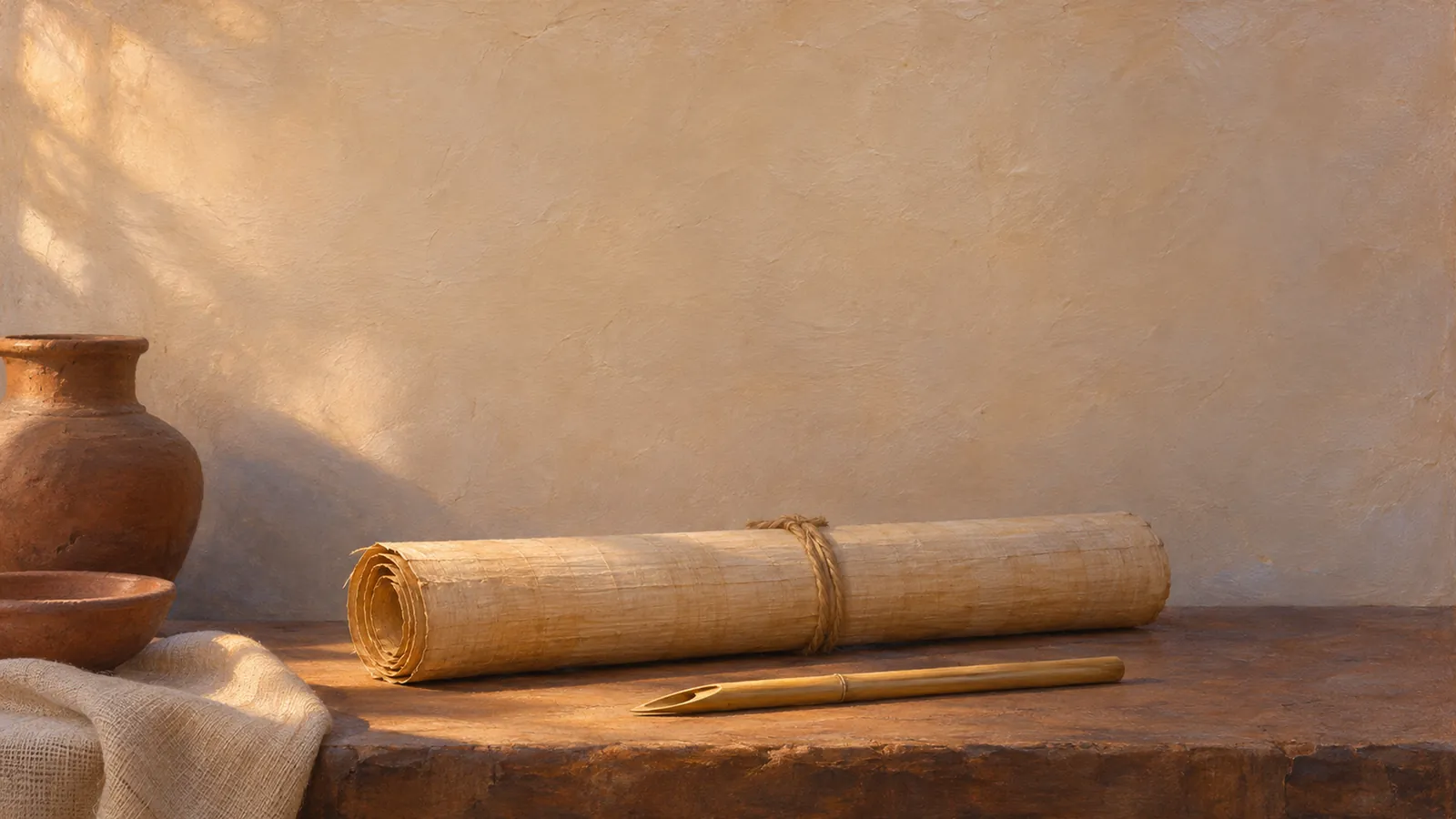
EL FINAL DE LA COPIA
El relato de Sinuhe llega a su fin. Una nota aparte dice que la historia se copió de principio a fin siguiendo el texto escrito que tenía el copista.
Fin del capítulo 1
Todas las páginas

Fuentes
Page 31: the man of Retjenu challenges Sinuhe. Sinuhe’s arrow strikes his neck, and Sinuhe kills him with the man’s own axe, then takes his goods (Berlin P 3022, B 109–147; Quirke §§26–30 and Nederhof).
Ediciones consultadas
- Stephen Quirke, Sanehat, line-numbered text and translation, UCL Digital Egypt
- UCL Digital Egypt, sources for the Tale of Sanehat
- Mark-Jan Nederhof, Sinuhe, Koch-based readings of R, B and the parallel witnesses
- James P. Allen, The Story of Sinuhe, witness survey
- Claude Obsomer, Sinouhé l’Égyptien et les raisons de son exil
- University of Basel, Sinuhe bibliography
- Petrie Museum, Harageh papyrus UC 32773
- Ashmolean Museum, Sinuhe ostracon AN1945.40
- Egypt Exploration Society, The Tale of Sinuhe and Berlin P 3022
Notas sobre este relato
Page 30: Sinuhe’s account includes driving people from their pastures and wells, taking people and cattle, and using his bow (Berlin P 3022, B 99–109; Quirke §25 and Nederhof).
Los versos antiguos de cada página
- Page 1: R 1–2 · §1
- Page 2: R 2–5 · §2
- Page 3: R 5–8 · §3
- Page 4: R 8–11 · §3
- Page 5: R 12–16 · §4
- Page 6: R 17–20 · §5
- Page 7: R 20–22 · §5
- Page 8: R 22–24, with overlap into B 1–2 · §6
- Page 9: B 1–2 · §6
- Page 10: B 2–5 · §7
- Page 11: B 5–7 · §7
- Page 12: B 8–10 · §8
- Page 13: B 10–11 · §8
- Page 14: B 11–14 · §9
- Page 15: B 14–20 · §9
- Page 16: B 20–24 · §10
- Page 17: B 24–26 · §11
- Page 18: B 26–28 · §11
- Page 19: B 28–31 · §12
- Page 20: B 31–36 · §13
- Page 21: B 36–43 · §14
- Page 22: B 43–45 · §15
- Page 23: B 45–51 · §16
- Page 24: B 51–70 · §§17–19
- Page 25: B 71–75 · §20
- Page 26: B 75–81 · §21
- Page 27: B 81–85 · §22
- Page 28: B 85–92 · §23
- Page 29: B 92–99 · §24
- Page 30: B 99–109 · §25
- Page 31: B 109–149 · §§26–30, especially B 113 and 142–149
- Page 32: B 147–152 · §§30–31
- Page 33: B 151–156 · §31
- Page 34: B 156–160 · §32
- Page 35: Berlin P 3022, B 160–164 · §32 (Quirke, UCL; Nederhof after Koch)
- Page 36: Berlin P 3022, B 165–169 · §33 (Quirke, UCL; Nederhof after Koch)
- Page 37: Berlin P 3022, B 169–173 · §33 (Quirke, UCL; Nederhof after Koch)
- Page 38: Berlin P 3022, B 173–177 · §34 (Quirke, UCL; Nederhof after Koch)
- Page 39: Berlin P 3022, B 178–181 · §35 (Quirke, UCL; Nederhof after Koch)
The royal titulary has a name variant at B 180. - Page 40: Berlin P 3022, B 181–185 · §35 (Quirke, UCL; Nederhof after Koch)
- Page 41: Berlin P 3022, B 185–189 · §§35–36 (Quirke, UCL; Nederhof after Koch)
- Page 42: Berlin P 3022, B 190–199 · §36 (Quirke, UCL; Nederhof after Koch)
- Page 43: Berlin P 3022, B 199–204 · §37 (Quirke, UCL; Nederhof after Koch)
- Page 44: Berlin P 3022, B 204–214 · §38 (Quirke, UCL; Nederhof after Koch)
- Page 45: Berlin P 3022, B 214–223 · §39 (Quirke, UCL; Nederhof after Koch)
- Page 46: Berlin P 3022, B 223–229 · §40 (Quirke, UCL; Nederhof after Koch)
- Page 47: Berlin P 3022, B 229–234 · §40 (Quirke, UCL; Nederhof after Koch)
- Page 48: Berlin P 3022, B 234–238 · §41 (Quirke, UCL; Nederhof after Koch)
Wording for the object being entrusted at the start of §41 varies by translation. - Page 49: Berlin P 3022, B 238–241 · §41 (Quirke, UCL; Nederhof after Koch)
- Page 50: Berlin P 3022, B 241–243 · §42 (Quirke, UCL; Nederhof after Koch)
- Page 51: Berlin P 3022, B 243–247 · §42 (Quirke, UCL; Nederhof after Koch)
- Page 52: Berlin P 3022, B 246–248 · §§42–43 (Quirke, UCL; Nederhof after Koch)
- Page 53: Berlin P 3022, B 248–252 · §43 (Quirke, UCL; Nederhof after Koch)
- Page 54: Berlin P 3022, B 252–256 · §43 (Quirke, UCL; Nederhof after Koch)
- Page 55: Berlin P 3022, B 256–260 · §44 (Quirke, UCL; Nederhof after Koch)
- Page 56: Berlin P 3022, B 260–263 · §45 (Quirke, UCL; Nederhof after Koch)
- Page 57: Berlin P 3022, B 263–268 · §46 (Quirke, UCL; Nederhof after Koch)
- Page 58: Berlin P 3022, B 268–274 · §47 (Quirke, UCL; Nederhof after Koch)
- Page 59: Berlin P 3022, B 274–279 · §47 (Quirke, UCL; Nederhof after Koch)
- Page 60: Berlin P 3022, B 279–284 · §48 (Quirke, UCL; Nederhof after Koch)
- Page 61: Berlin P 3022, B 284–290 · §48 (Quirke, UCL; Nederhof after Koch)
- Page 62: Berlin P 3022, B 290–295 · §49 (Quirke, UCL; Nederhof after Koch)
- Page 63: Berlin P 3022, B 296–298 · §49 (Quirke, UCL; Nederhof after Koch)
- Page 64: Berlin P 3022, B 298–300 · §49 (Quirke, UCL; Nederhof after Koch)
- Page 65: Berlin P 3022, B 300–305 · §50 (Quirke, UCL; Nederhof after Koch)
- Page 66: Berlin P 3022, B 306–307 · §50 (Quirke, UCL; Nederhof after Koch)
- Page 67: Berlin P 3022, B 308–310 · §50 (Quirke, UCL; Nederhof after Koch)
- Page 68: Berlin P 3022, B 311 · colophon (Quirke, UCL; Nederhof after Koch)
Ilustraciones hechas por IL Archive con herramientas de IA; el texto se basa en las fuentes antiguas (véanse las fuentes al final de cada capítulo).