El relato sumerio del Diluvio Capítulo 1
Ziusudra y el Diluvio
Cinco ciudades reciben sus nombres, y una advertencia dirigida a un muro llega a oídos de Ziusudra, rey y sacerdote. Tras siete días y siete noches sobre las aguas, vuelve la luz del día. An y Enlil conceden a Ziusudra una vida perdurable y lo asientan en Dilmun.
FuentesPase las páginas con las flechas, el teclado o deslizando el dedo.
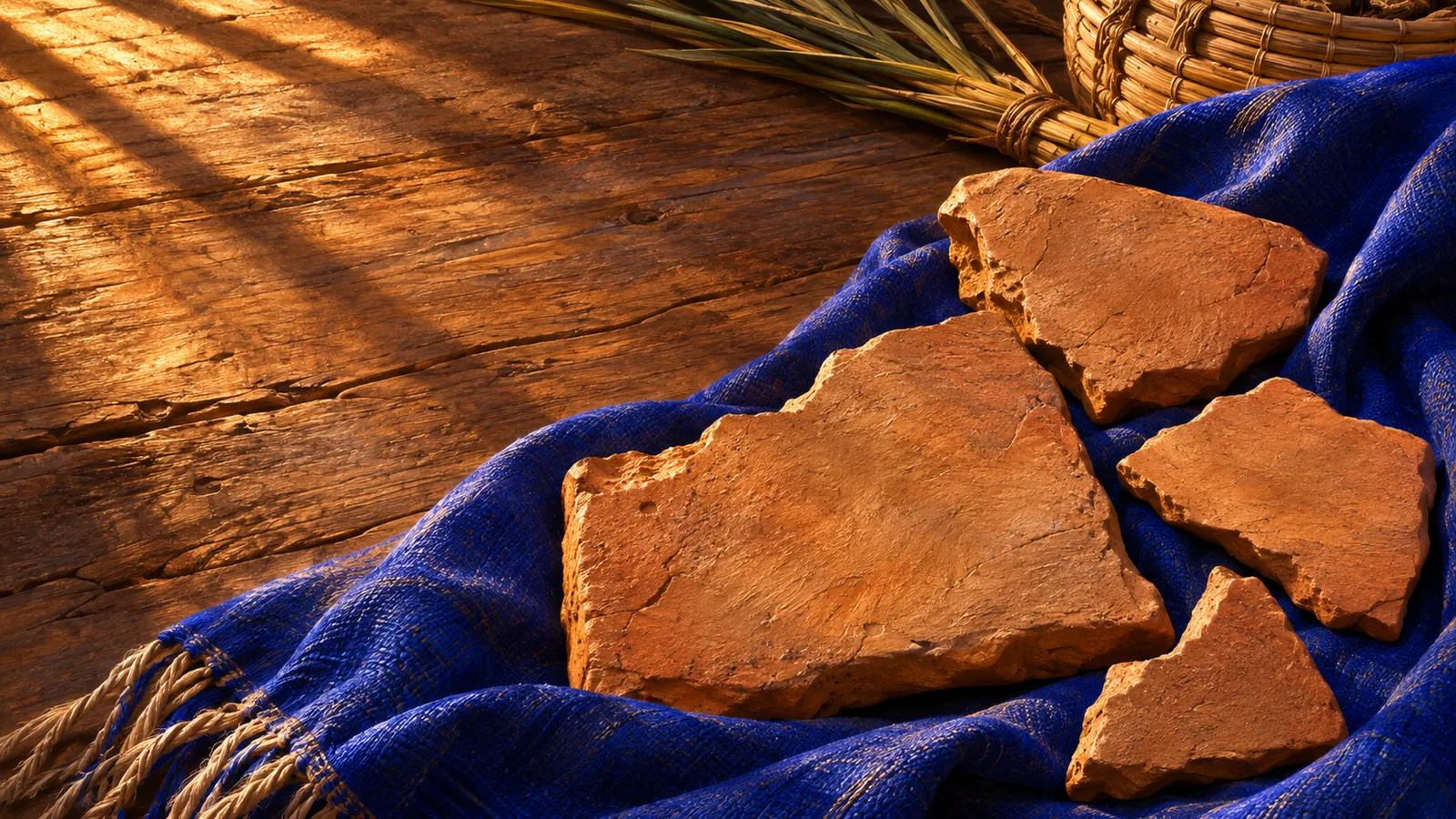
DILUVIO
El comienzo de este relato sumerio se ha perdido. Cuando regresan las palabras, una voz ya está hablando del pueblo.
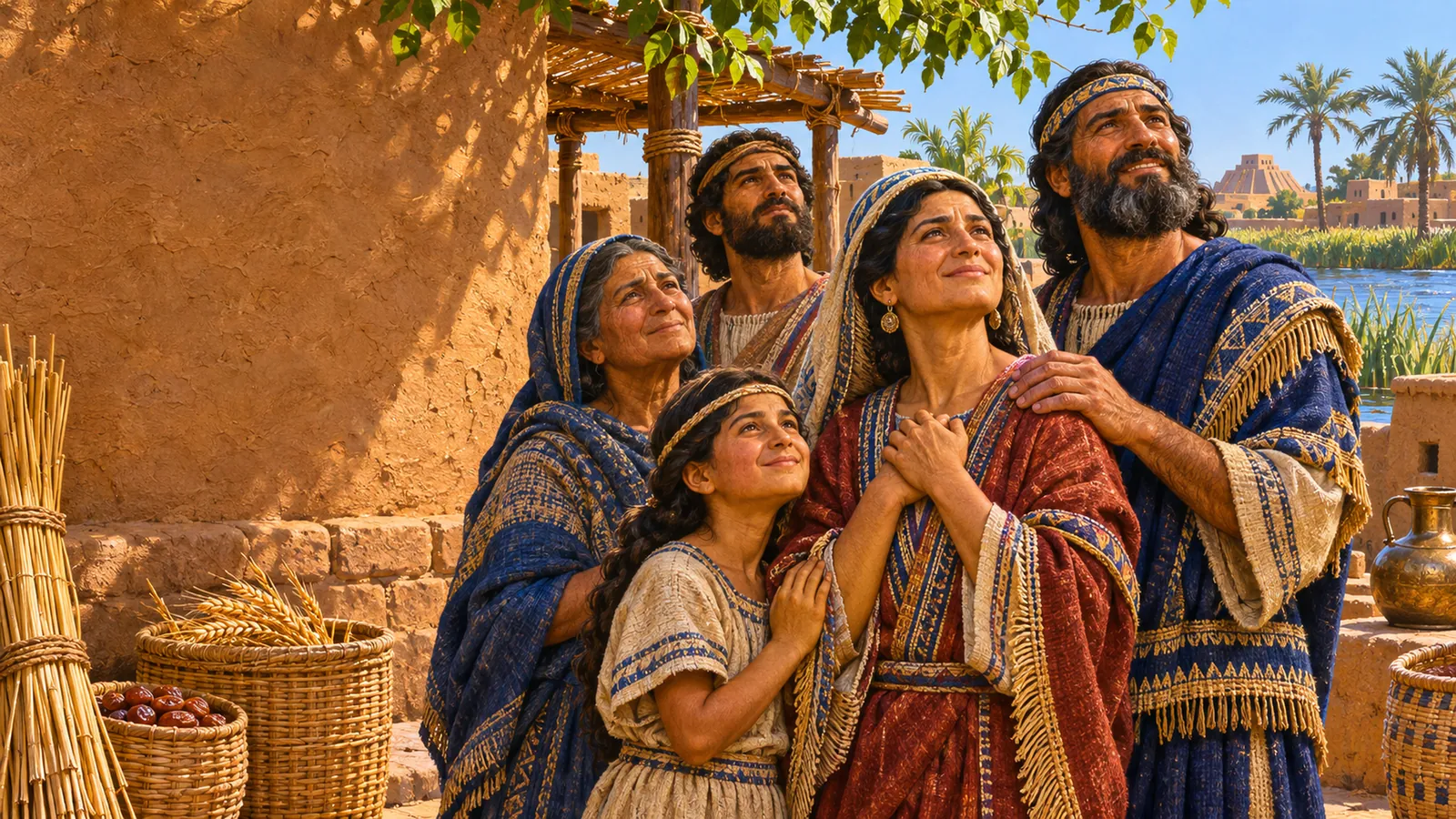
Al mencionar a Nintud, una voz sin nombre promete detener la destrucción de sus criaturas. Las palabras que se conservan también hablan de traer de vuelta al pueblo.
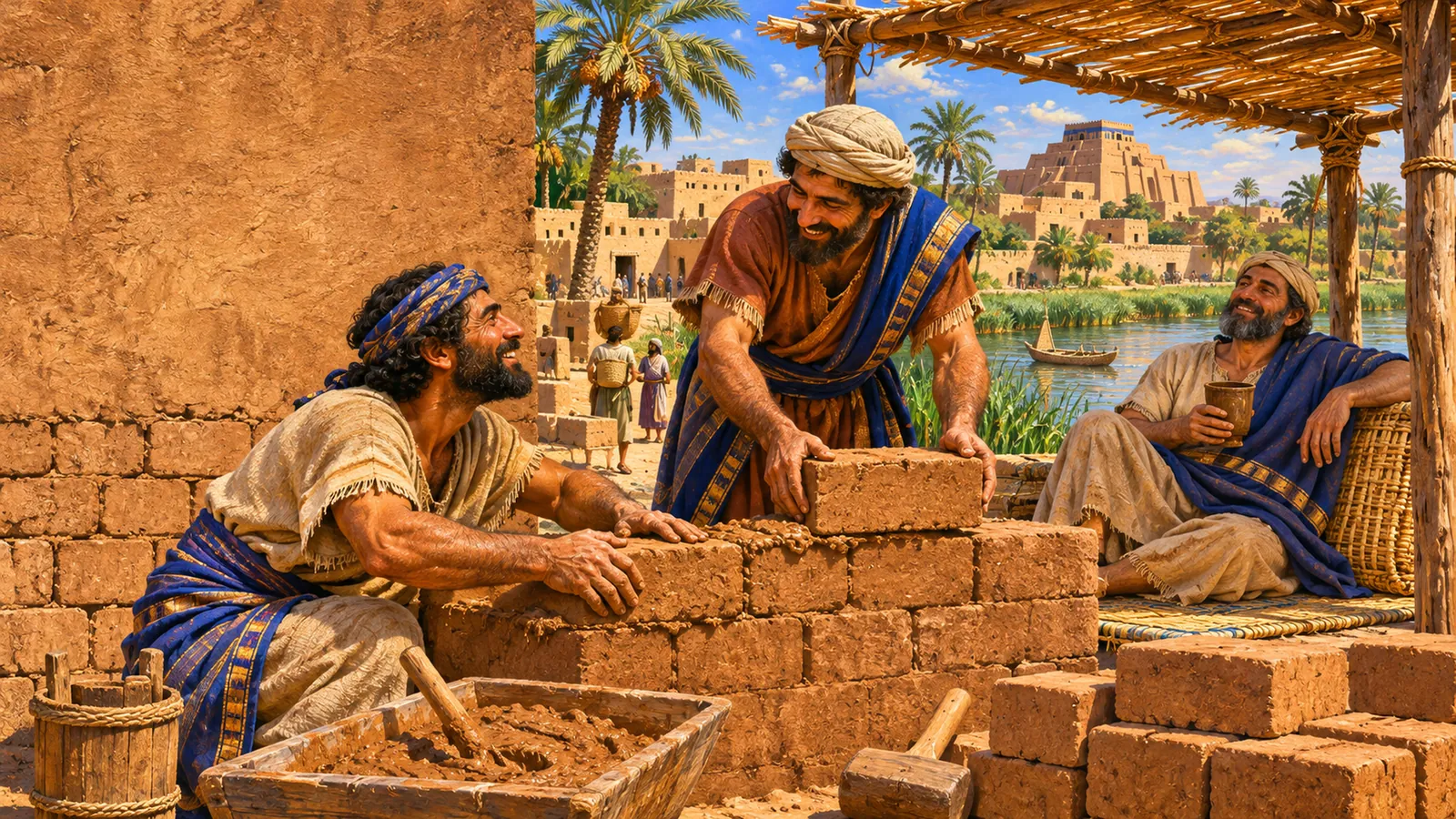
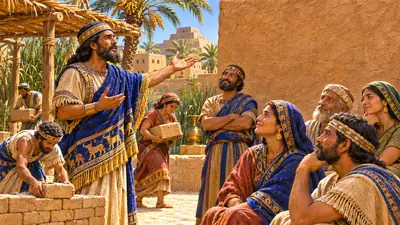
La voz pide que se construyan muchas ciudades. Habla de descansar a la sombra que darán.
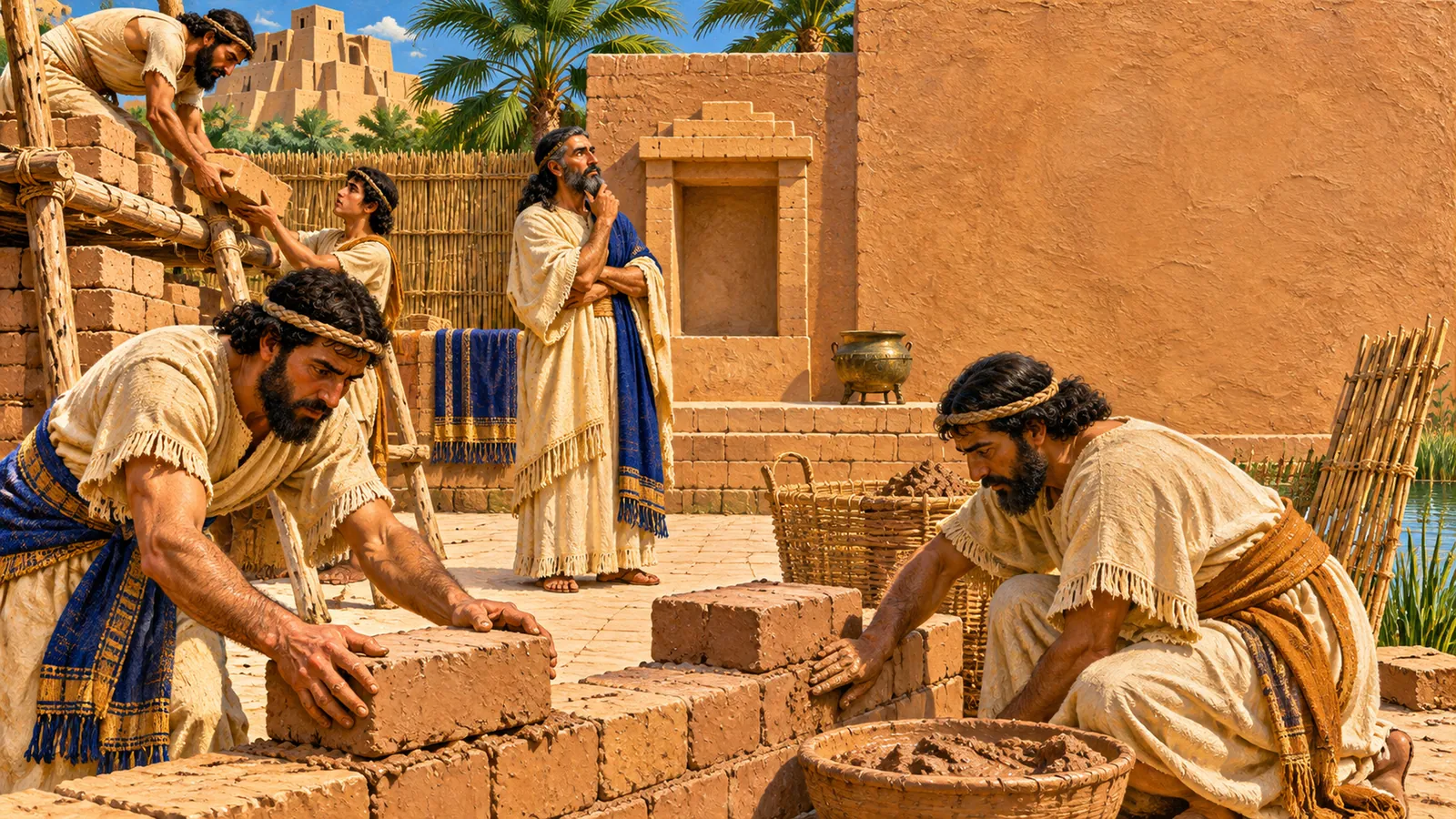
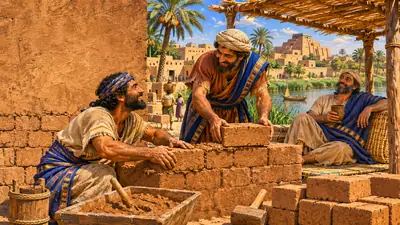
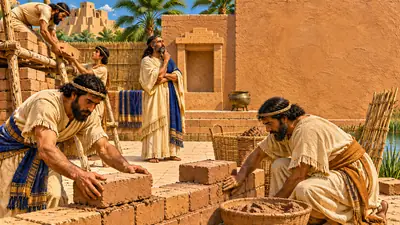
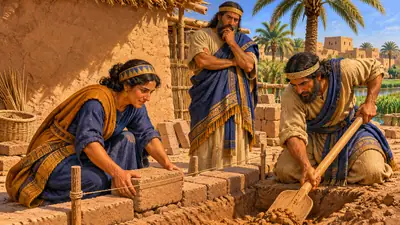
Las ciudades han de levantarse con ladrillos en lugares que se mantengan puros. La voz también pide que se reserven lugares para la adivinación.
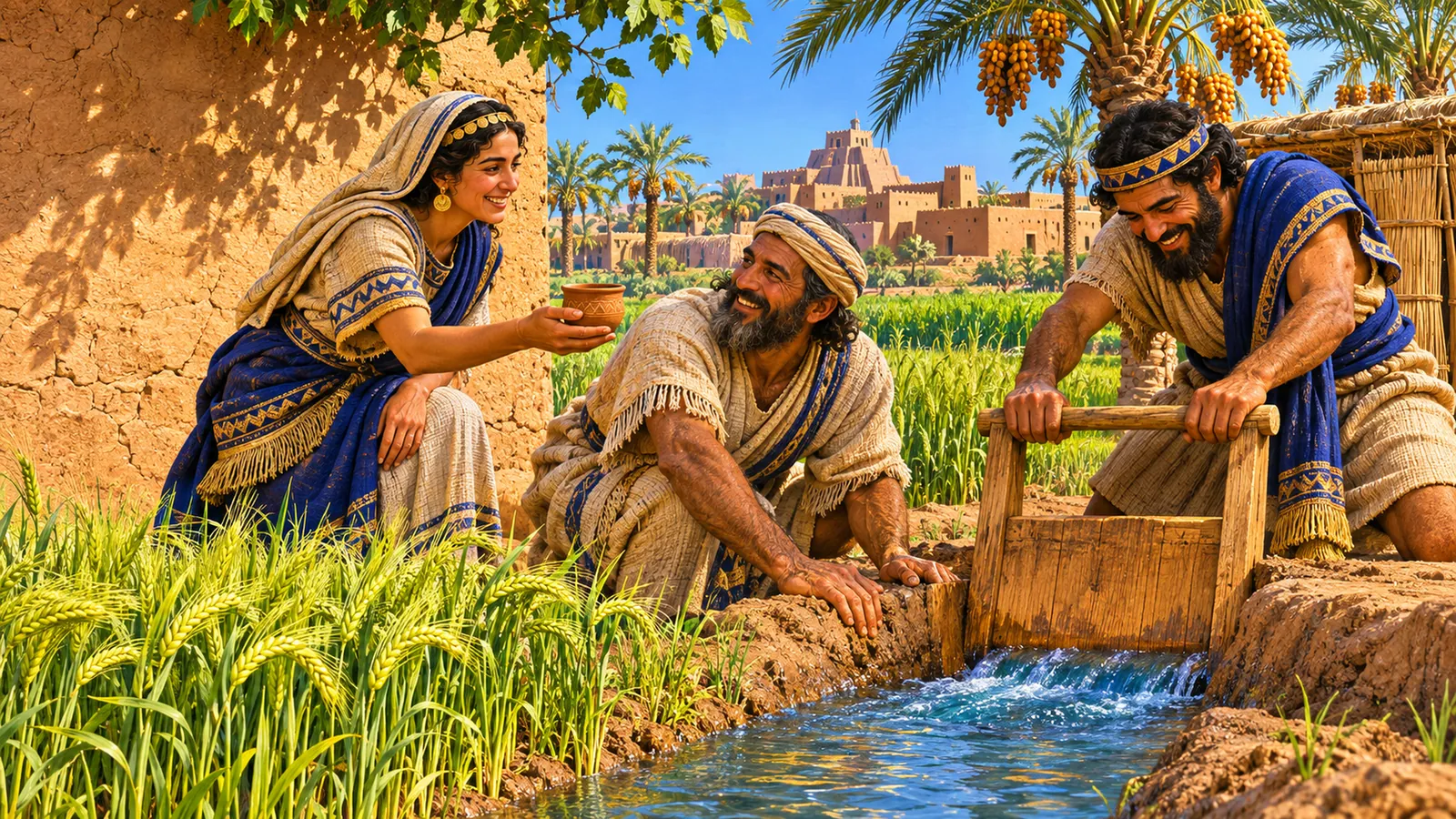
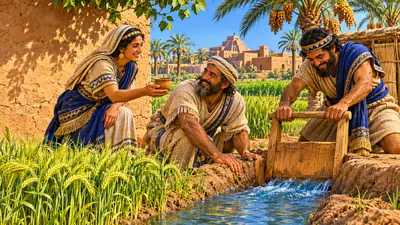
La voz habla de poner en orden los ritos y poderes y de llevar agua a la tierra. Luego promete bienestar para el país.
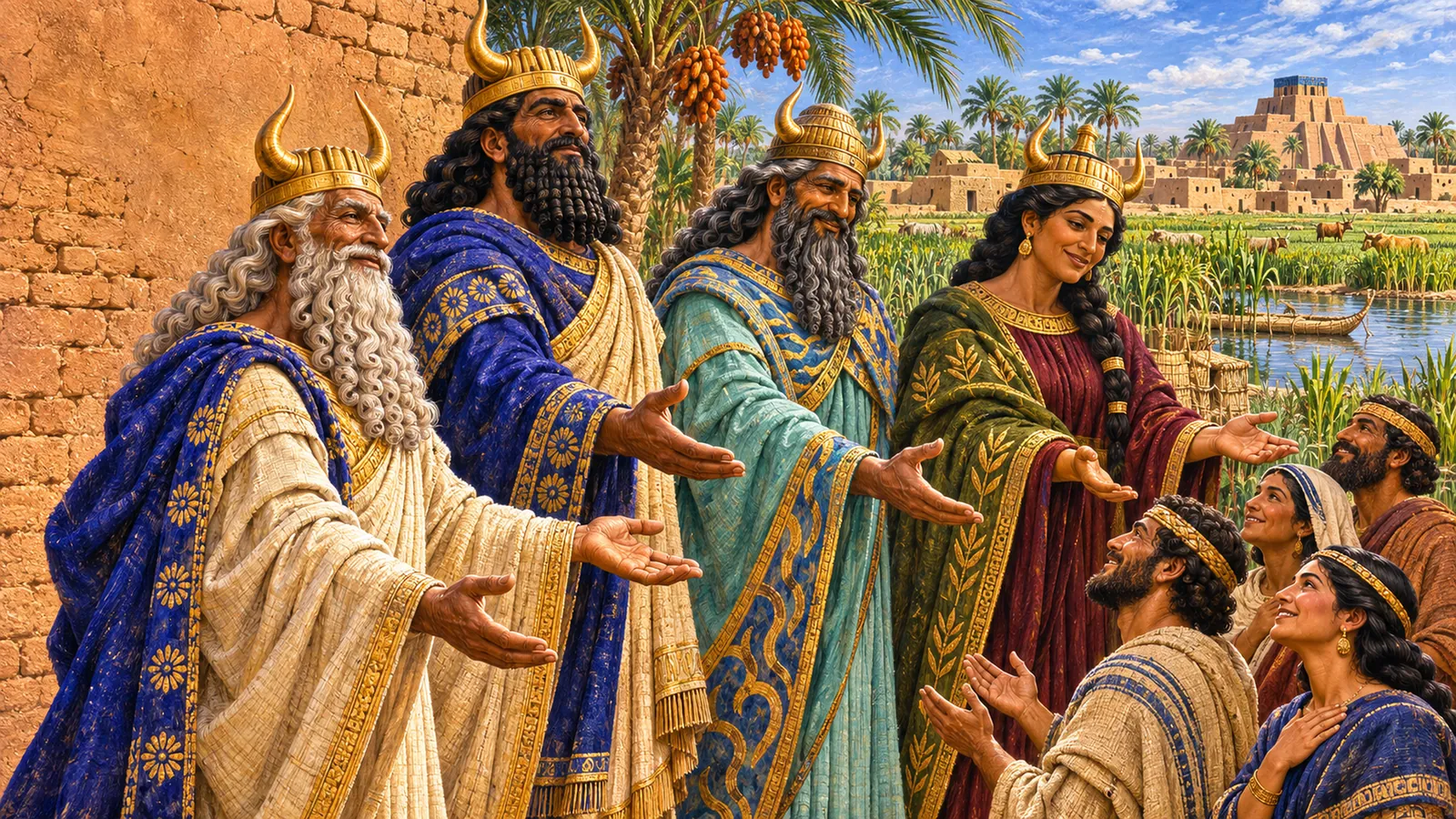
Al comienzo de la vida humana, dice el poema, los dioses An, Enlil, Enki y Ninhursag modelaron a las personas.
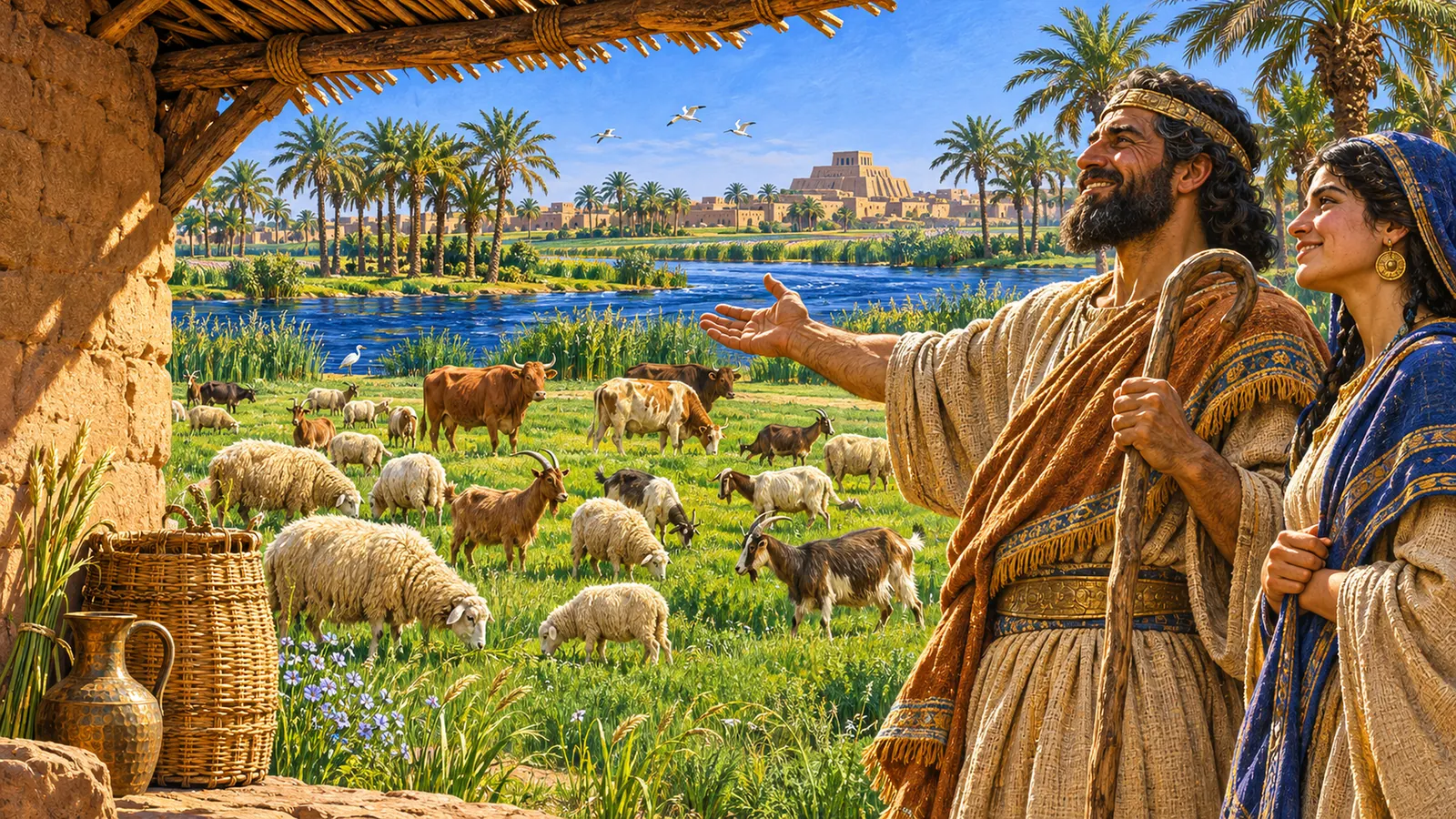
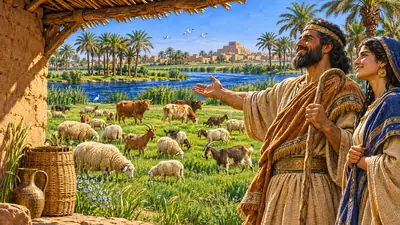
Los dioses también hacen que los animales se multipliquen. Por las llanuras, dice el poema, hay rebaños de animales de cuatro patas.

Aquí faltan unas treinta y dos líneas. Algunas más están demasiado fragmentadas para traducirlas, y después vuelve a oírse una voz.
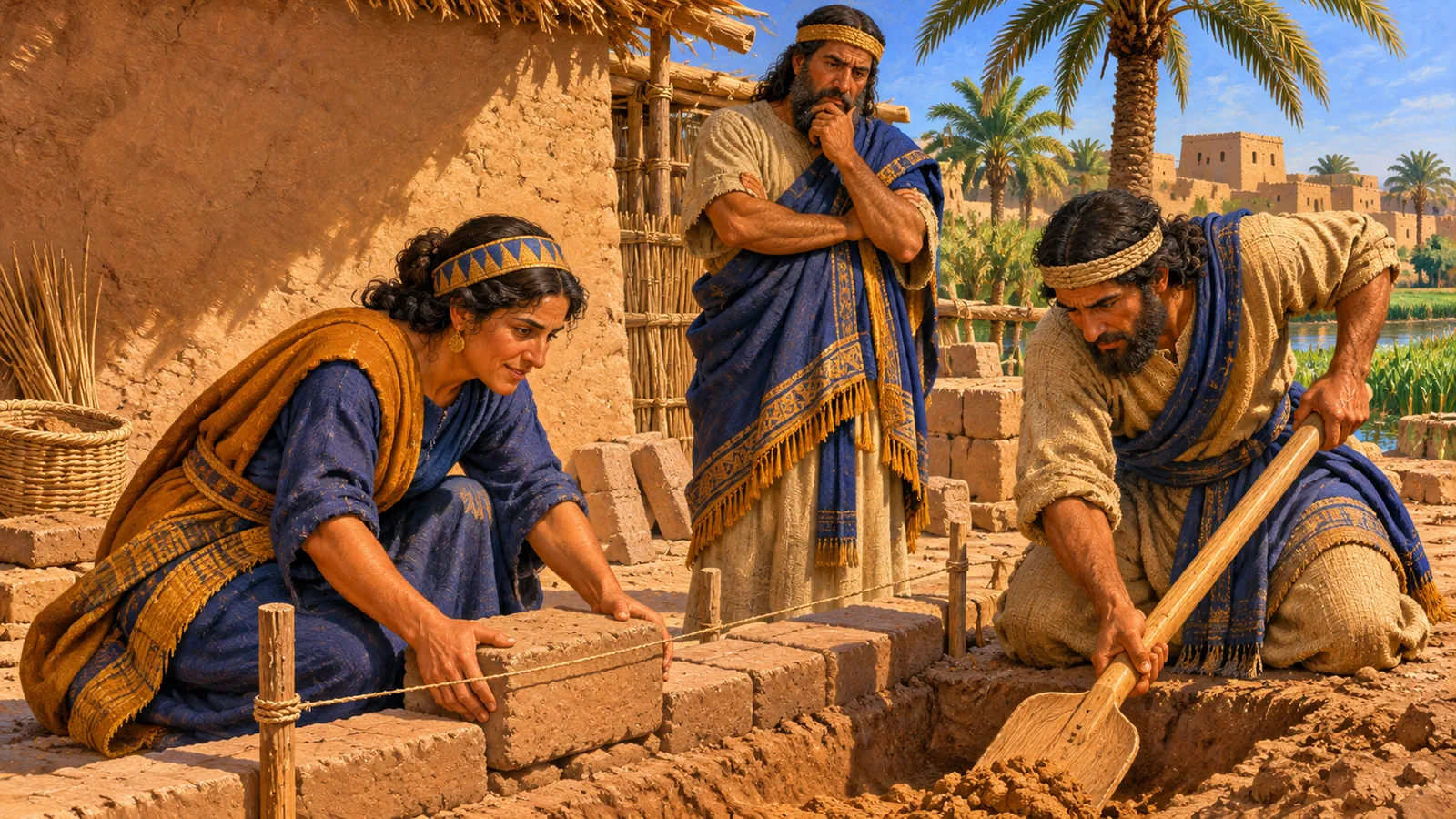
La voz dice que supervisará el trabajo. Pide al constructor del país que cave unos cimientos firmes.
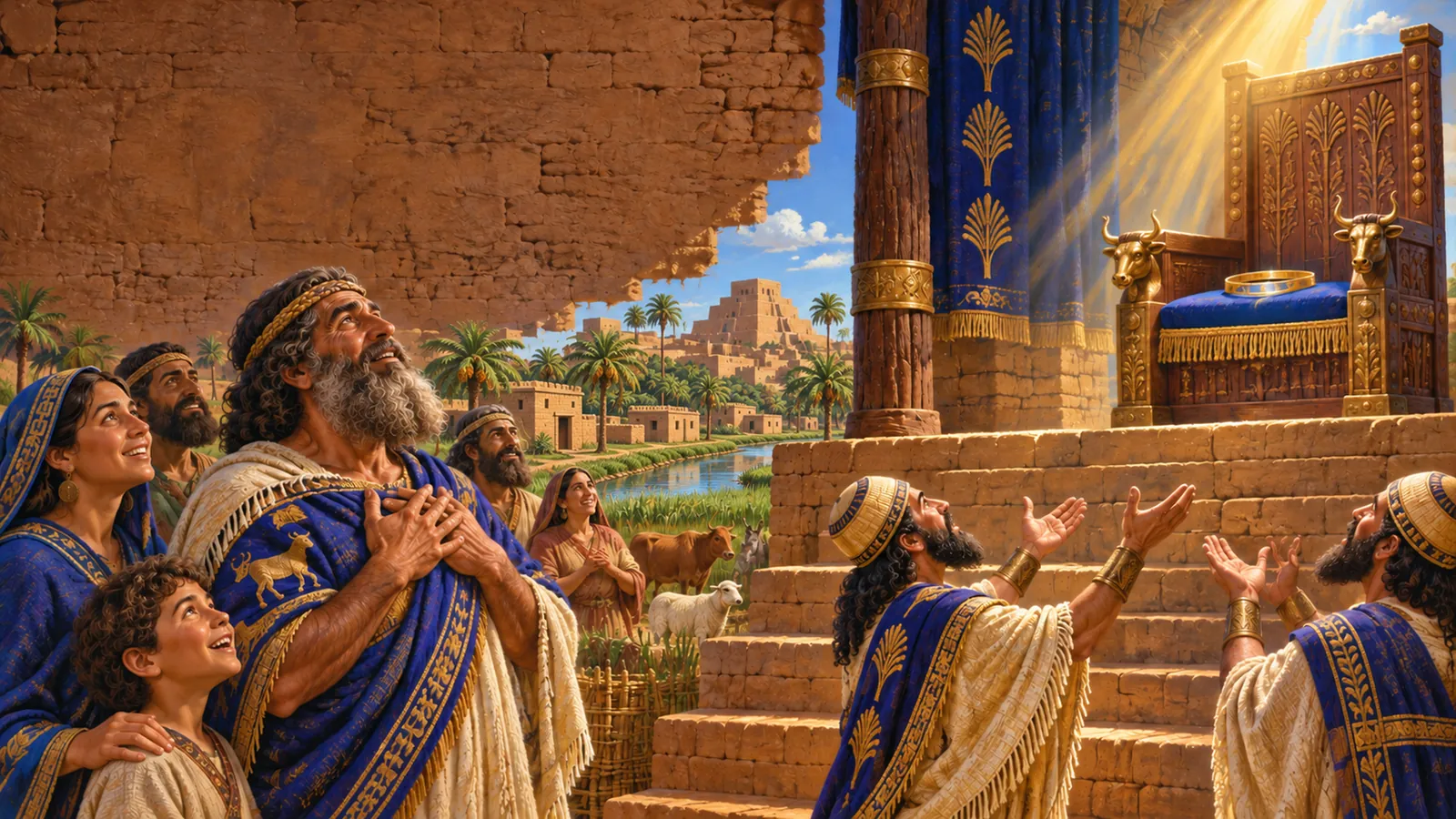
REALEZA
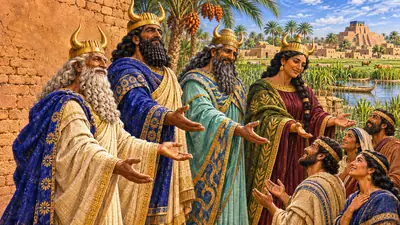
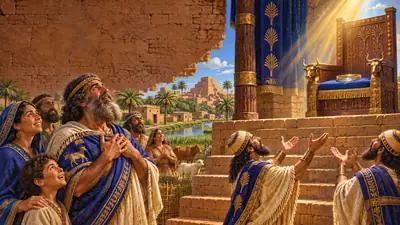
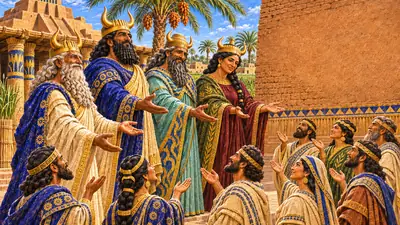
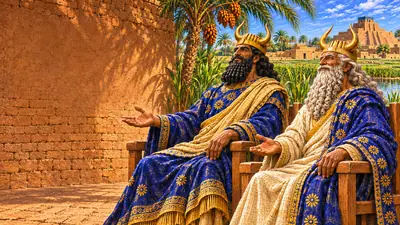
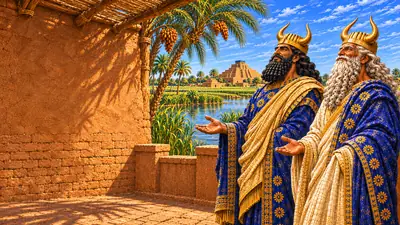
La corona y el trono de la realeza bajan del cielo cuando el relato pasa a hablar de las ciudades.
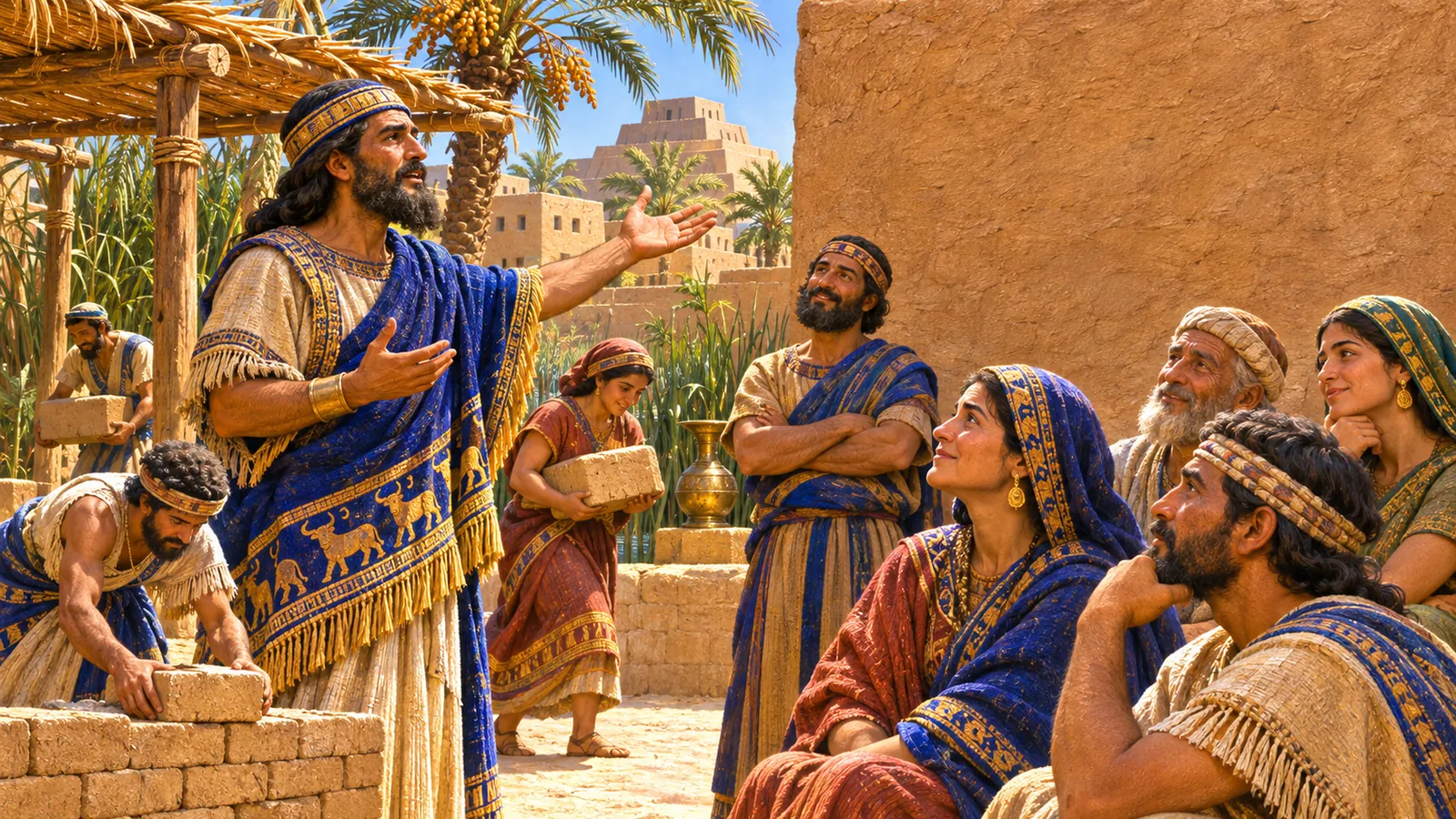
Se ponen en orden los ritos y los poderes. Se colocan ladrillos en lugares sagrados y se pronuncian los nombres de las ciudades.
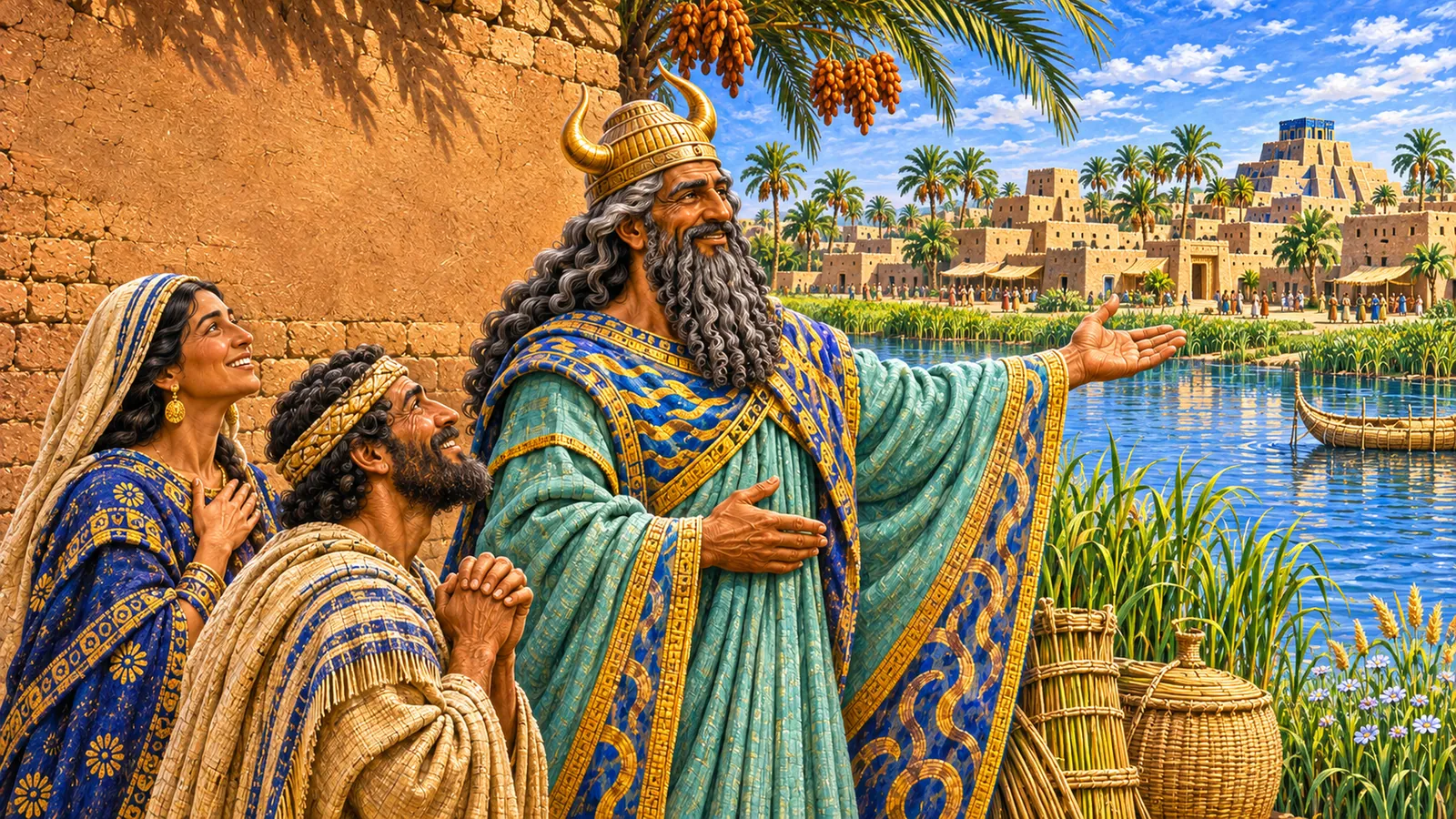
La primera ciudad que nombra el poema es Eridu. Se entrega a Nudimmud, uno de los nombres de Enki.
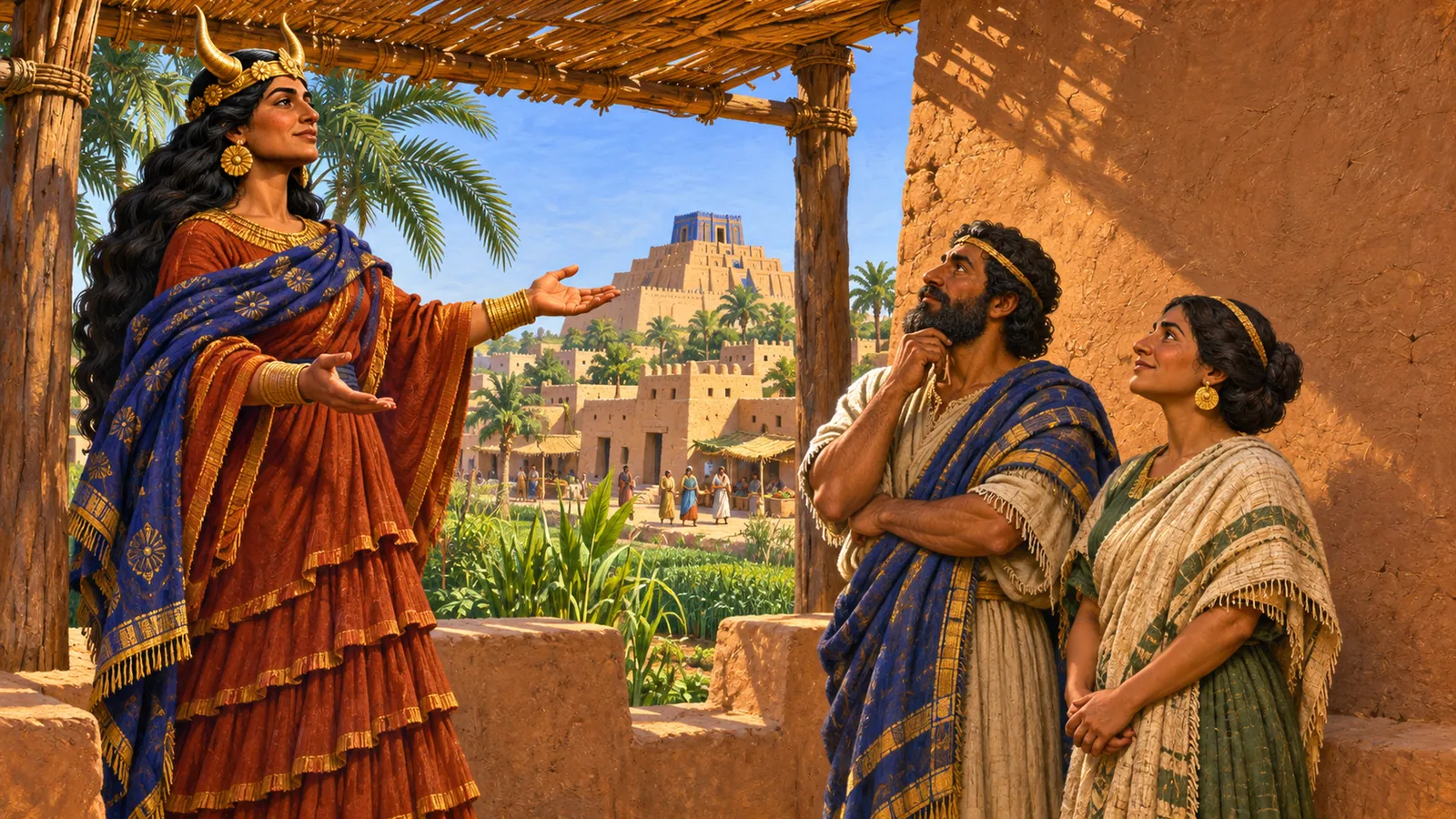
El poema pasa a Bad-tibira, la segunda ciudad. Se entrega a quien el poema llama la Señora.
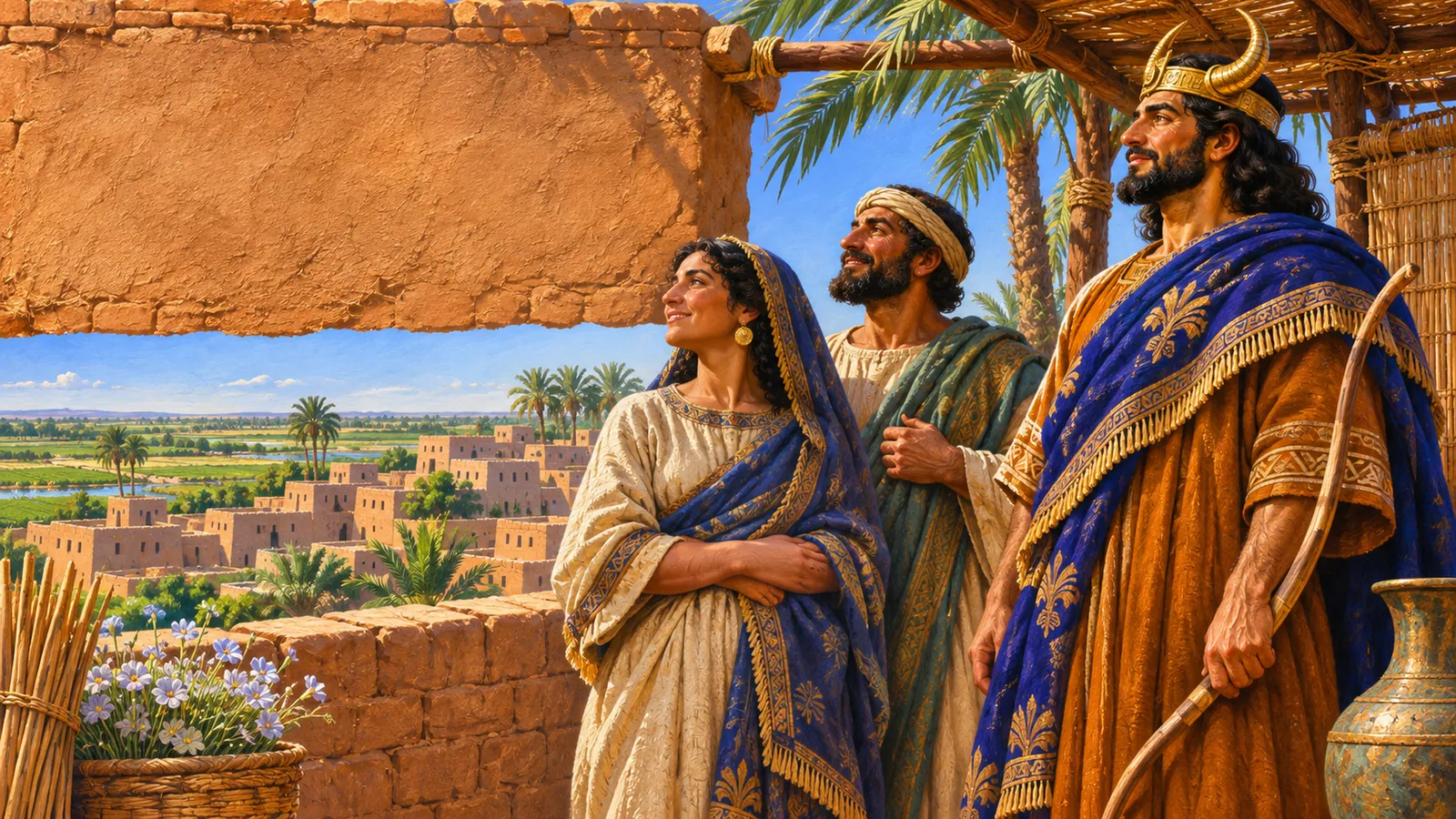
La tercera ciudad de la lista es Larag. Aquí el relato menciona a Pabilsaj como quien la recibe.
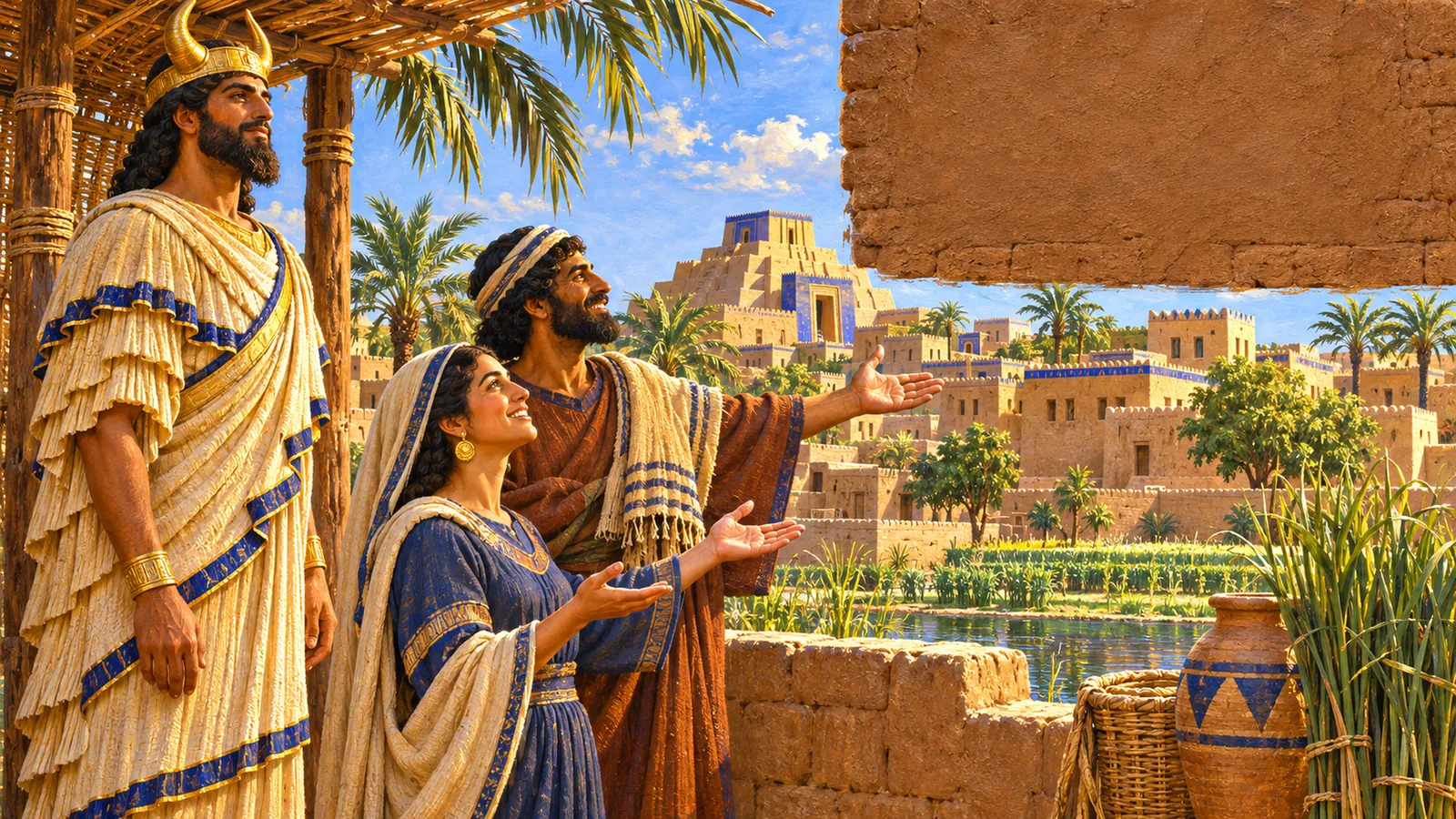
La lista pasa luego a Sippar, su cuarta ciudad. Se entrega a Utu, a quien el poema llama héroe.
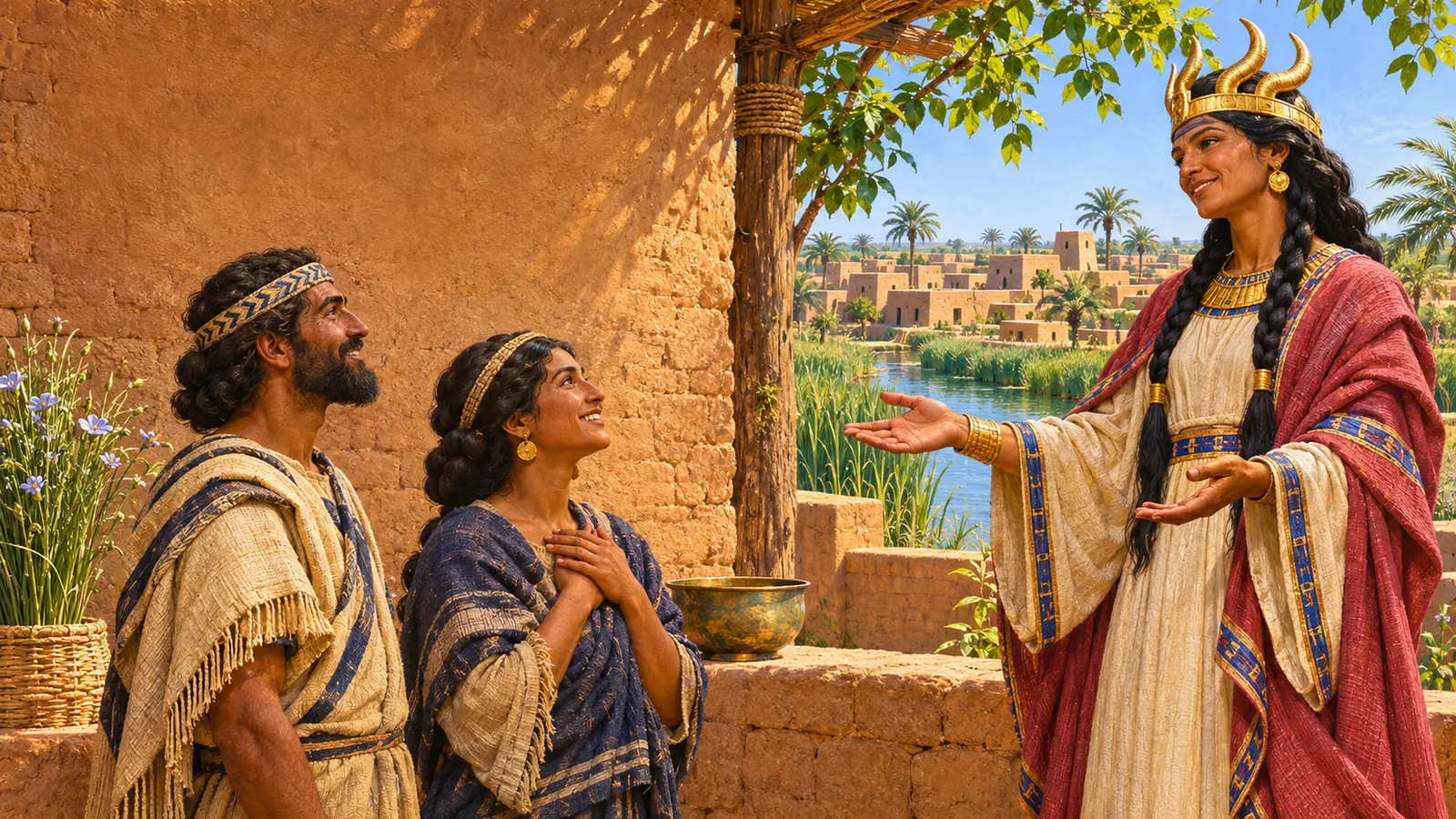
En quinto lugar viene Shuruppak, que se entrega a Sud. Con ese nombre, el pasaje cierra la lista de las cinco ciudades.
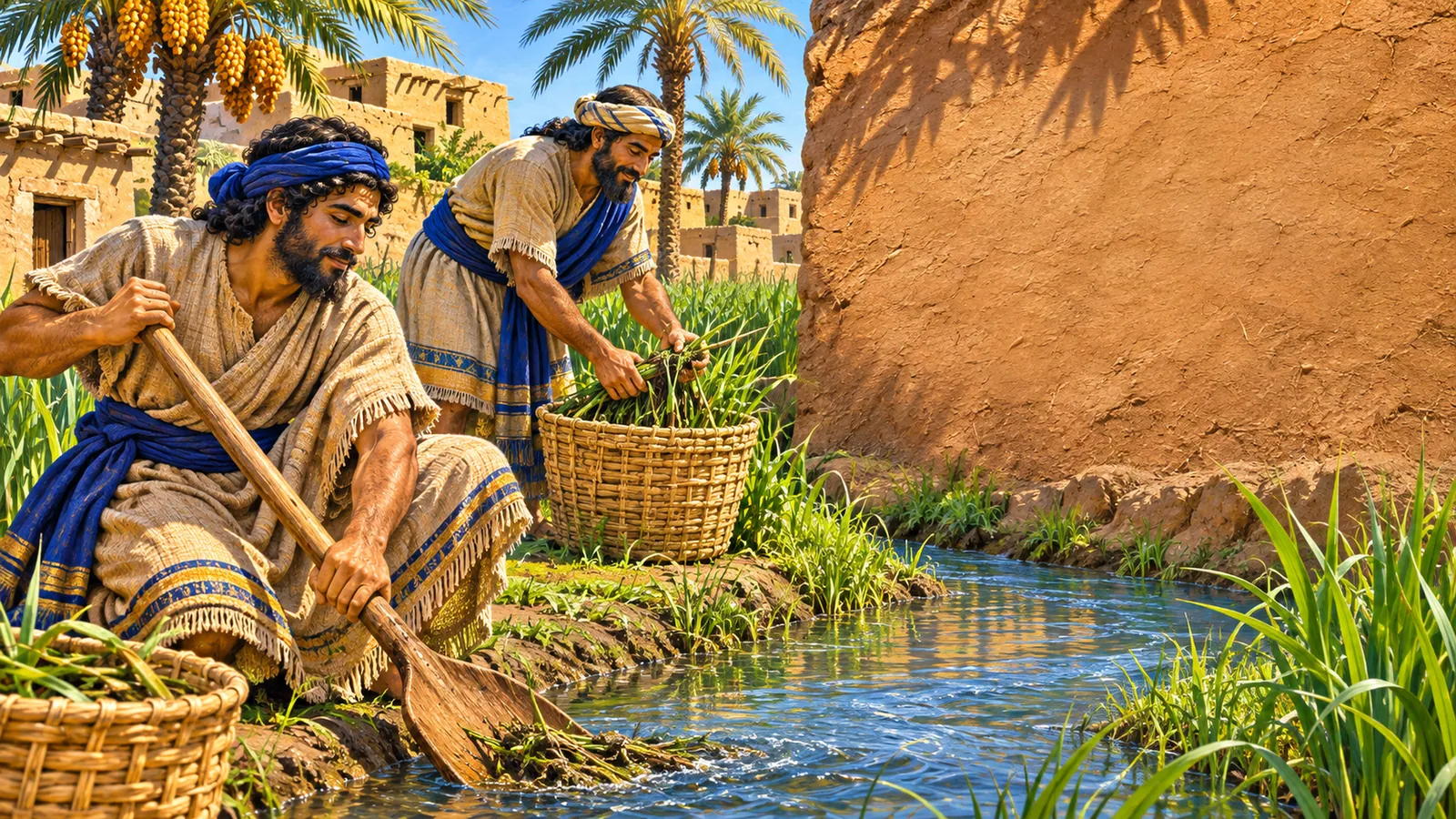
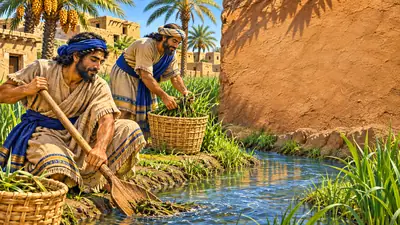
Las palabras pasan a hablar del agua. El pasaje sobre el río está dañado, pero aún se puede leer que se limpiaron los canales pequeños.
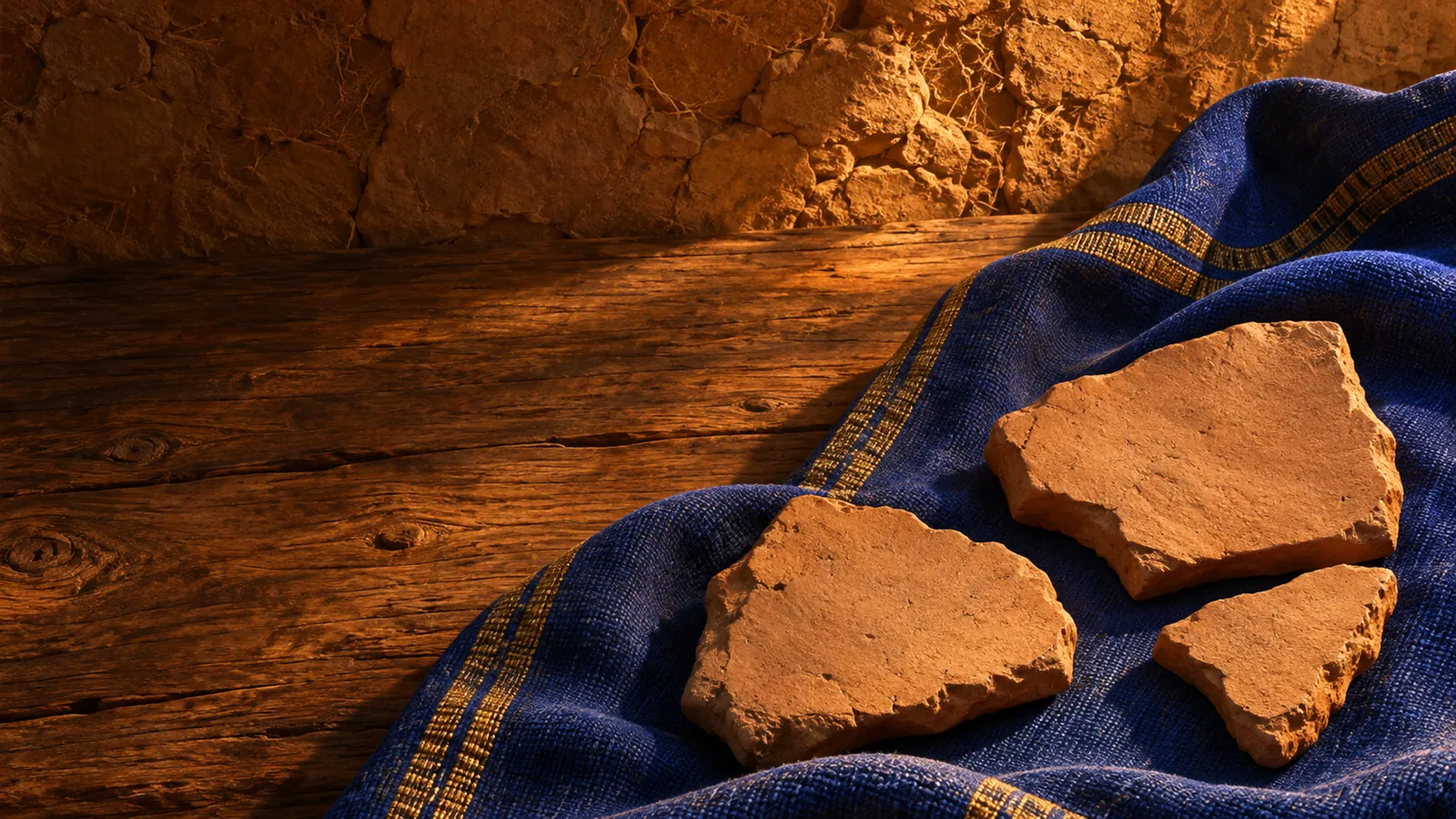
Aquí faltan unas treinta y cuatro líneas. Cuando regresan las palabras, solo quedan frases rotas que hablan del cielo, del diluvio y de la humanidad.
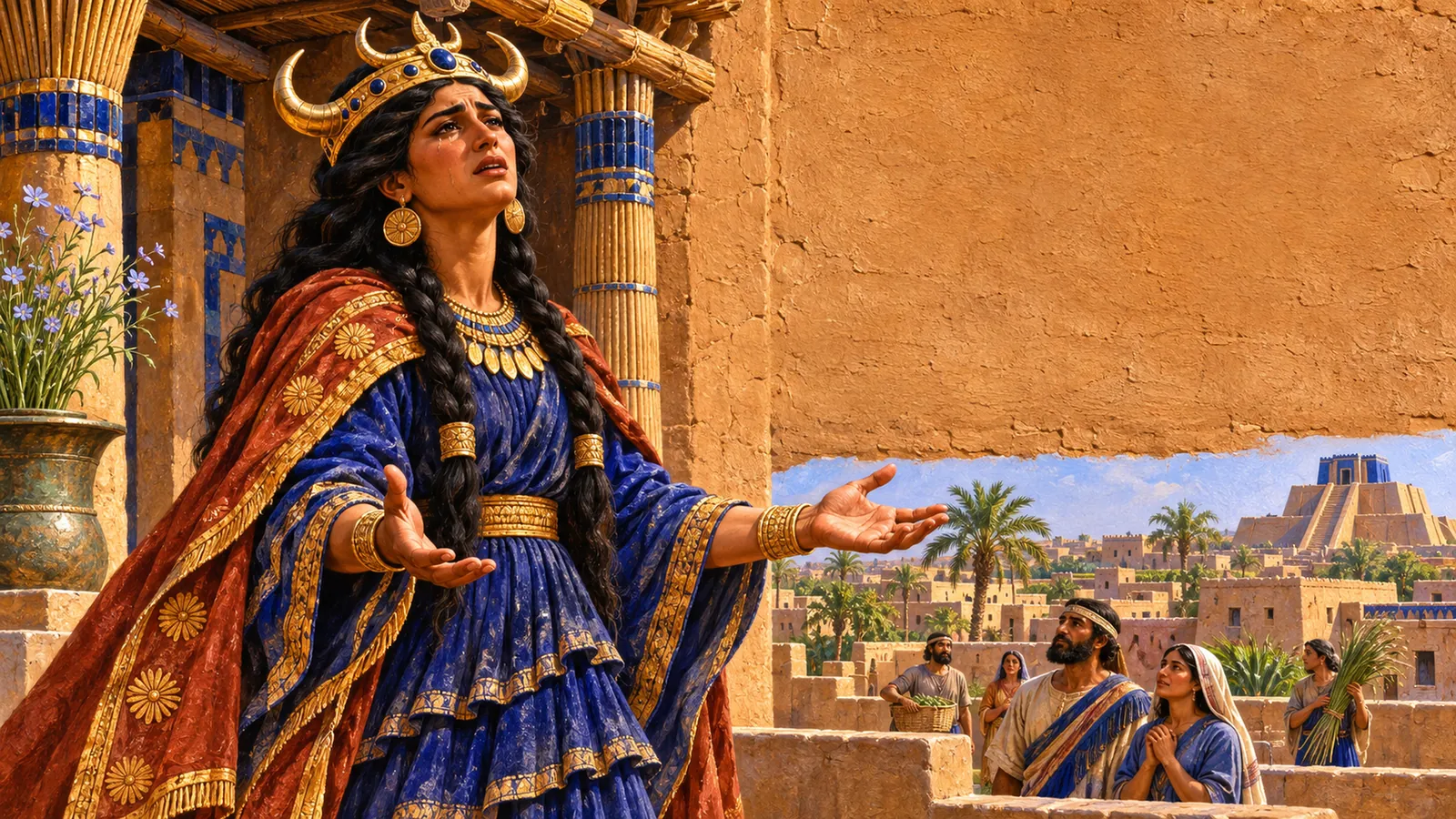
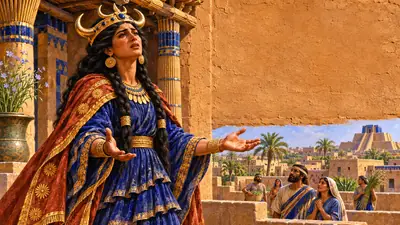
Inanna alza un lamento por el pueblo. Su voz es una de las primeras que volvemos a oír con claridad después de la laguna.
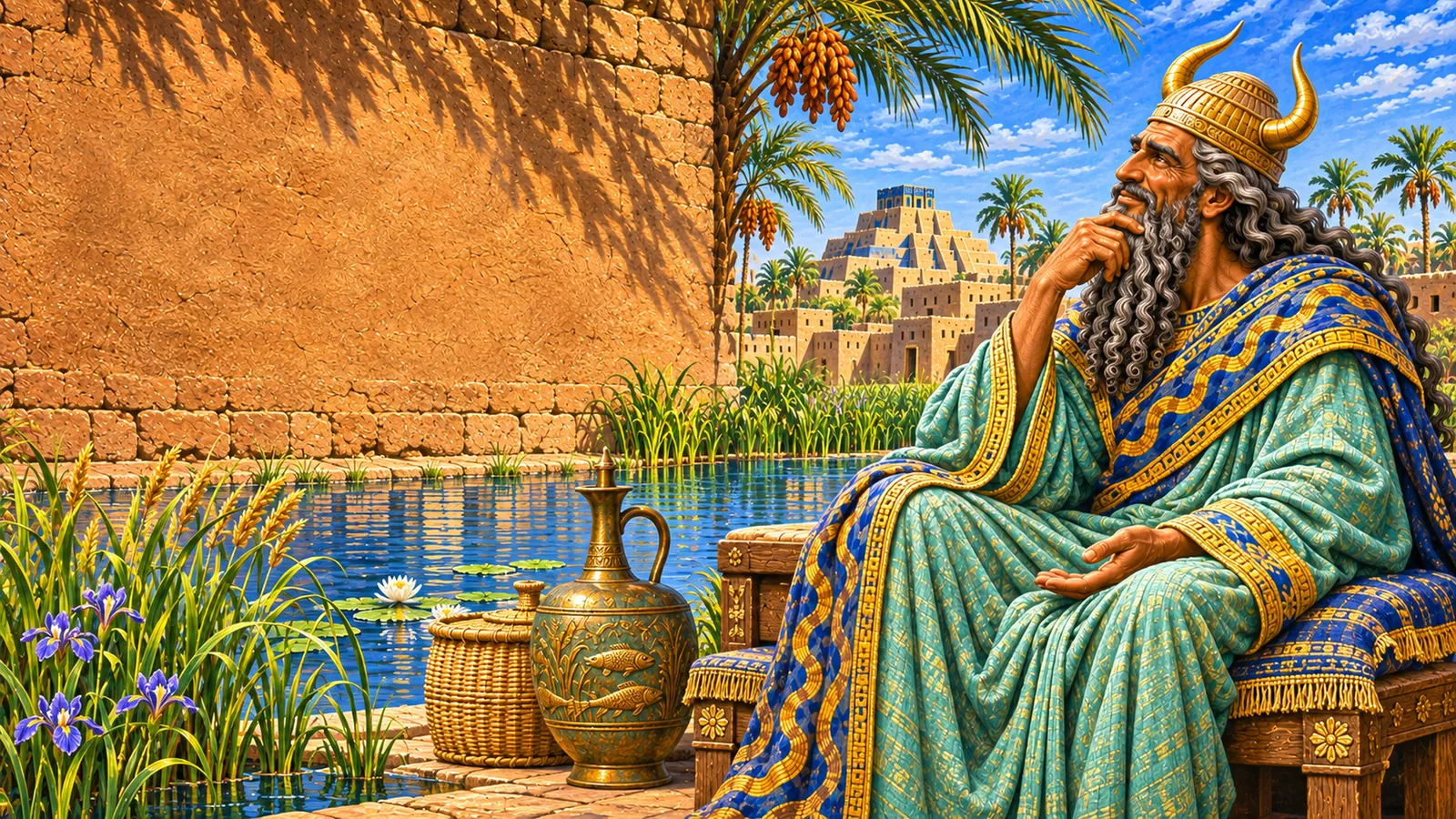
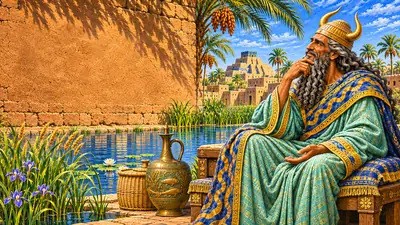
Enki delibera consigo mismo. La tablilla lo dice en una breve frase entre las líneas fragmentarias.
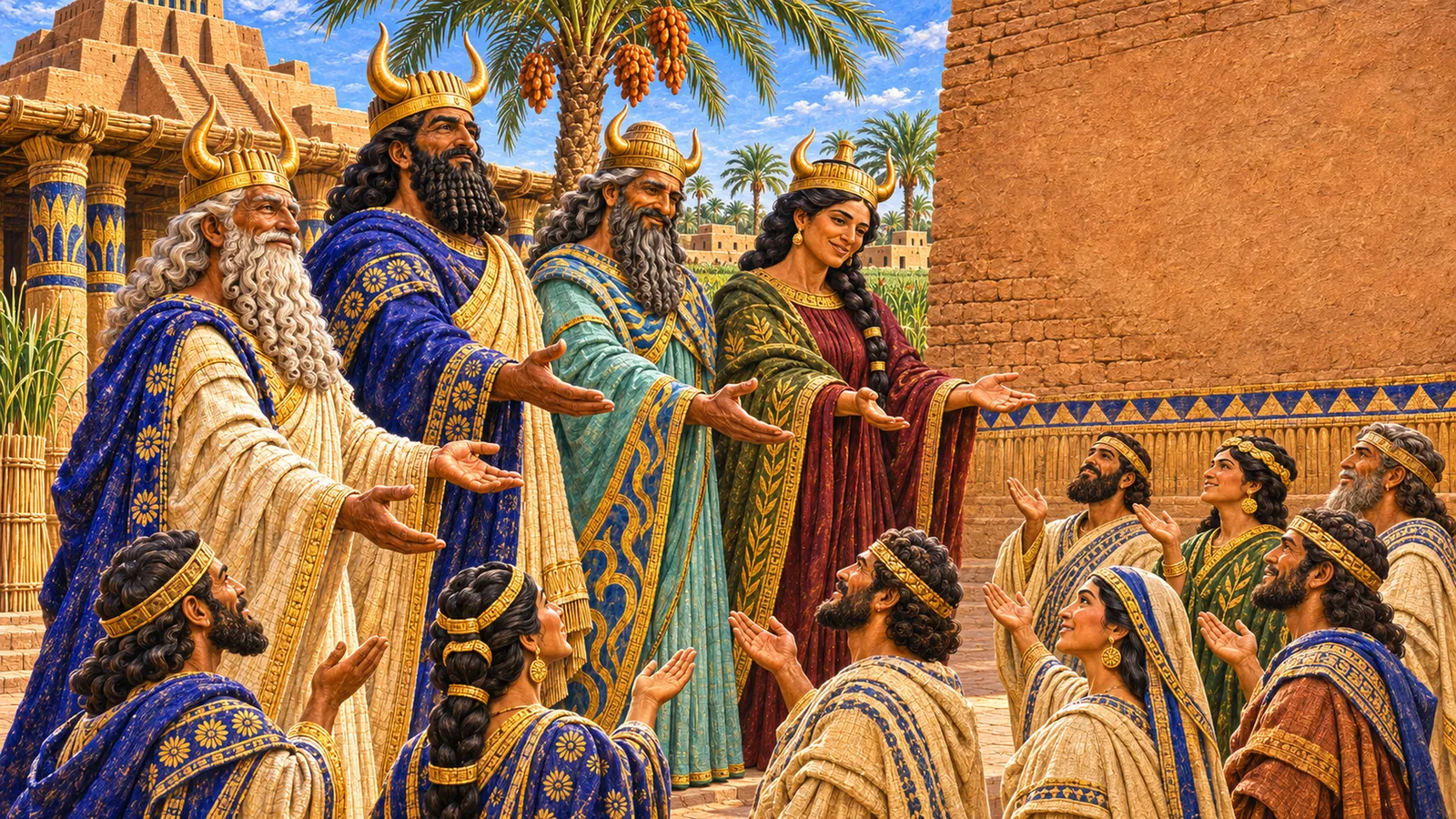
An, Enlil, Enki y Ninhursag hacen jurar a los dioses del cielo y de la tierra. Los dioses invocan a An y Enlil al prestar juramento.
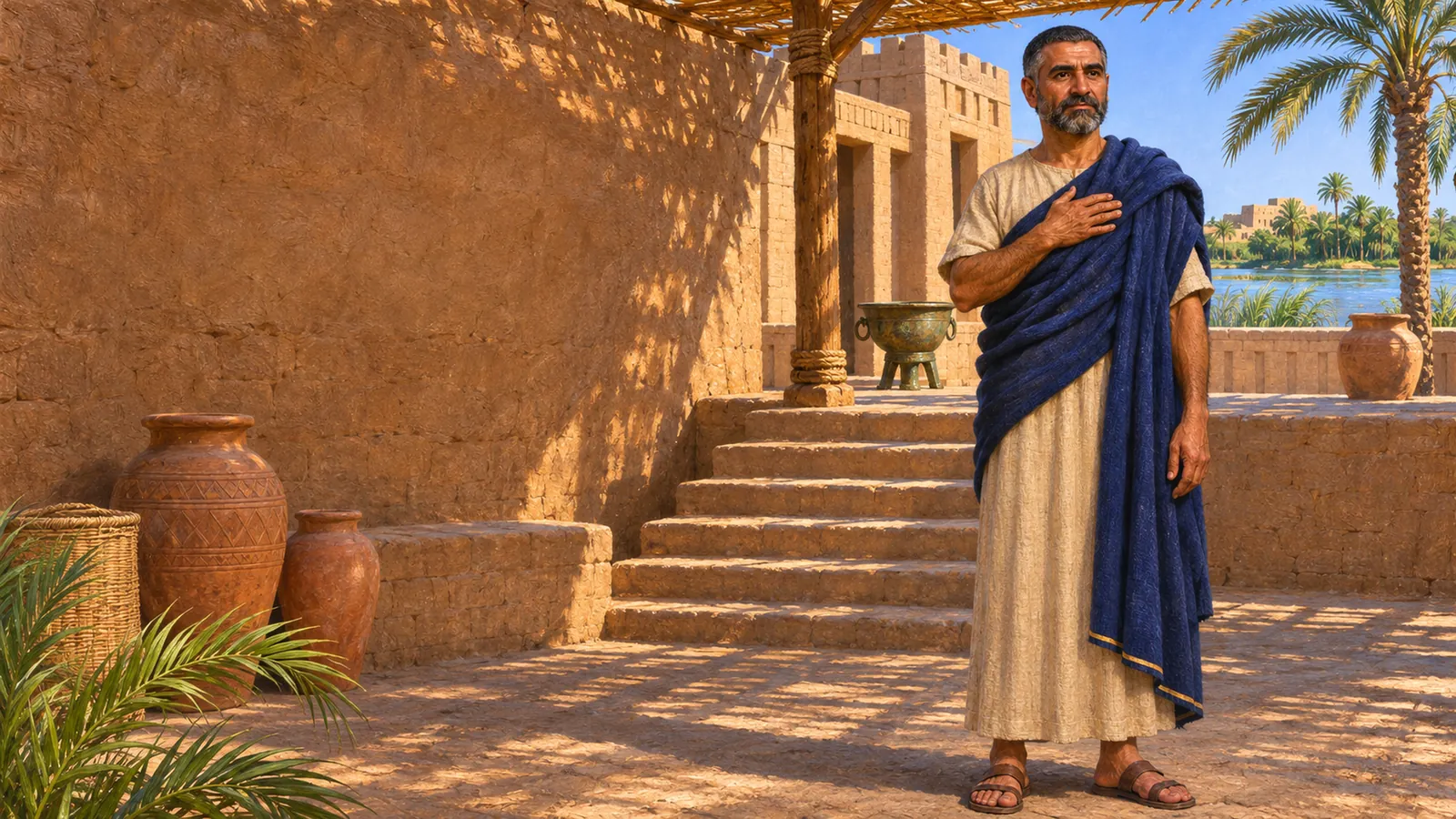
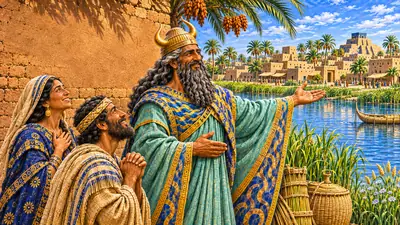
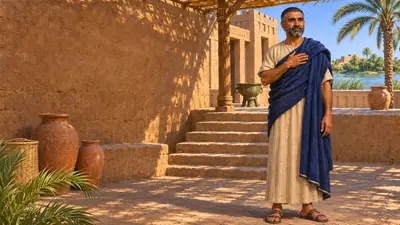
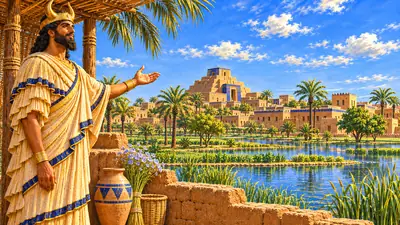
Aquí la tablilla nombra a Ziusudra, rey y sacerdote gudu. Las palabras en torno a lo que hacía nos han llegado fragmentadas.
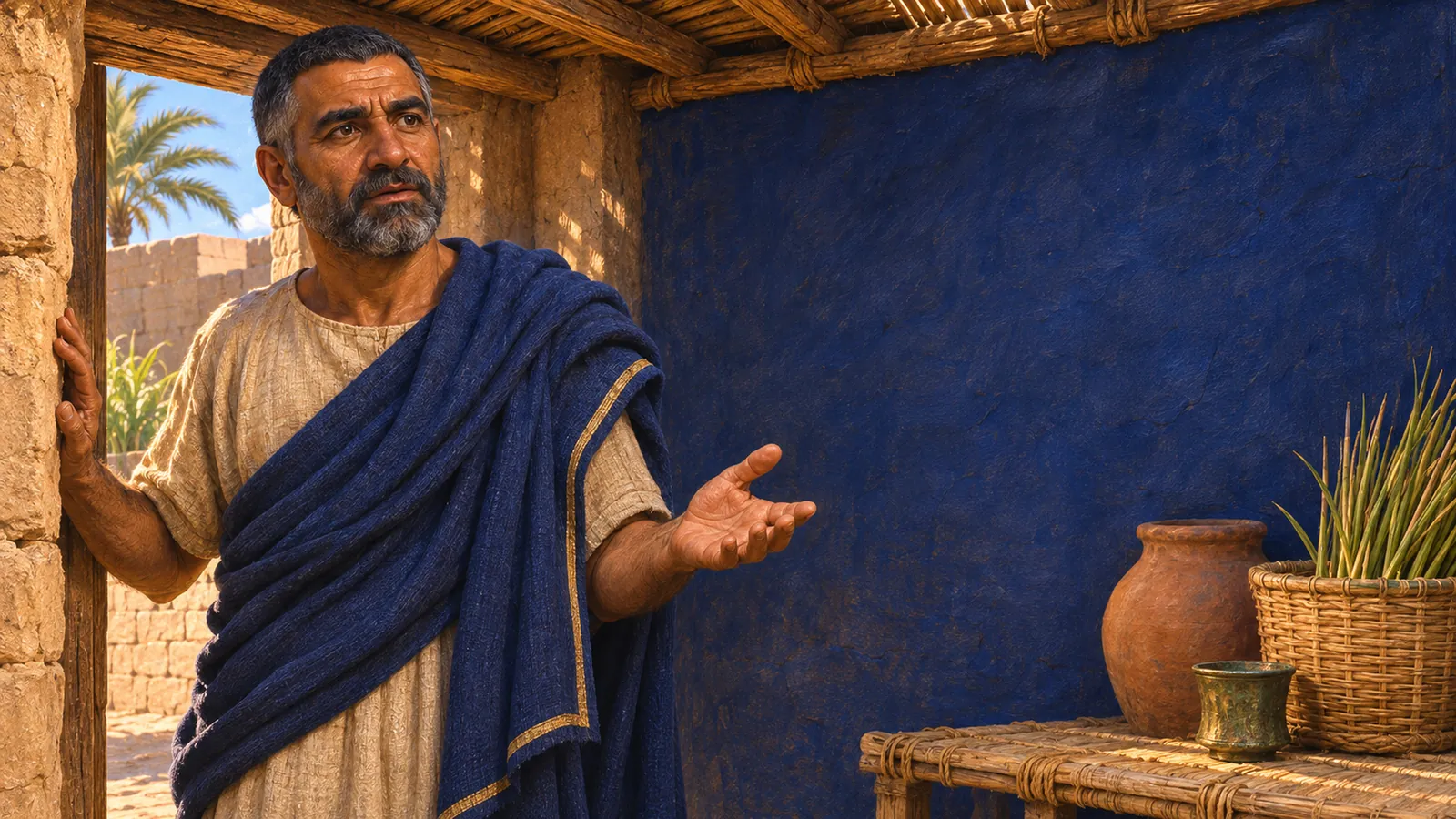
Aparece algo que, según el texto, no era un sueño. Las líneas se interrumpen antes de que sepamos qué apareció.
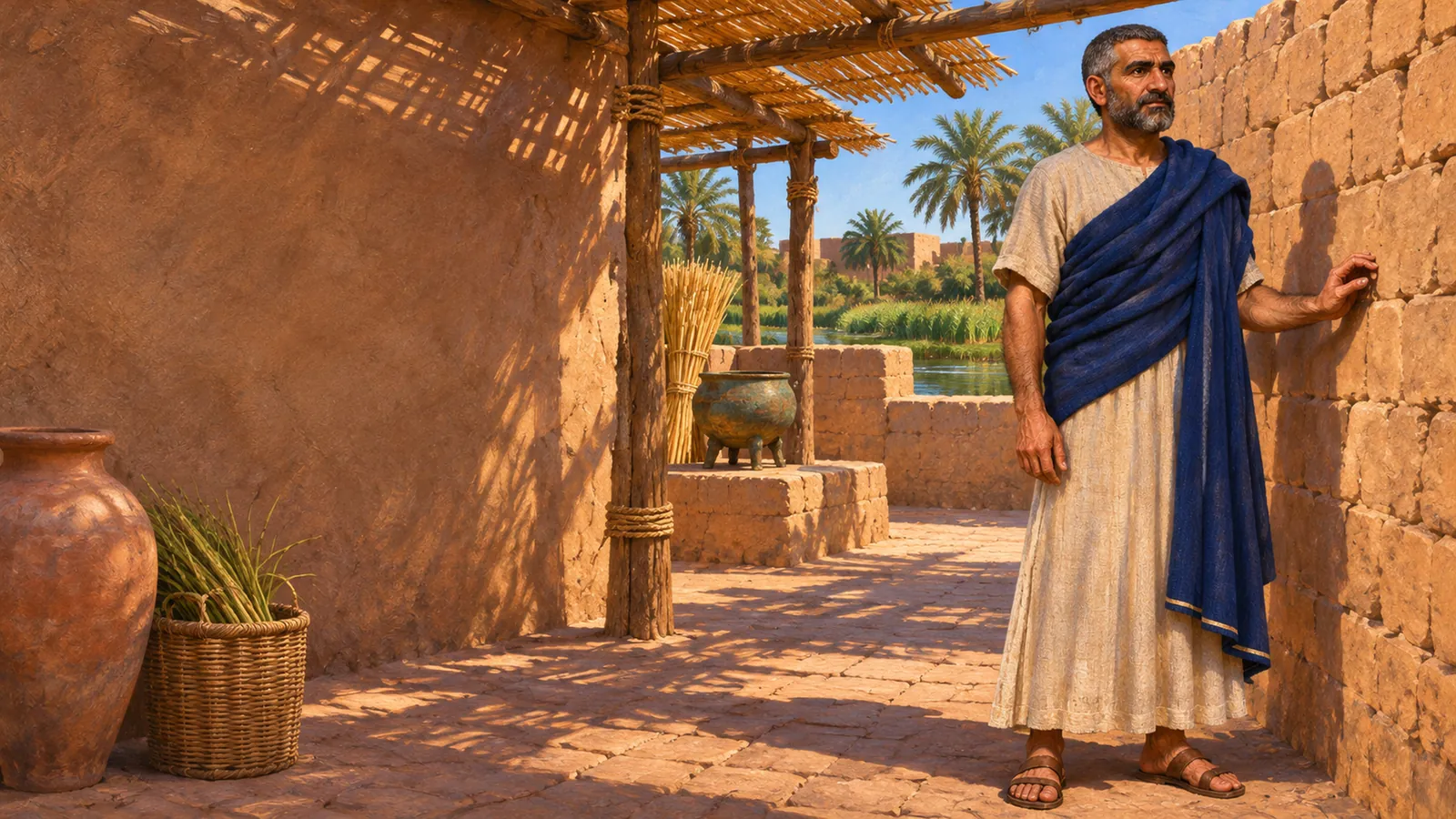
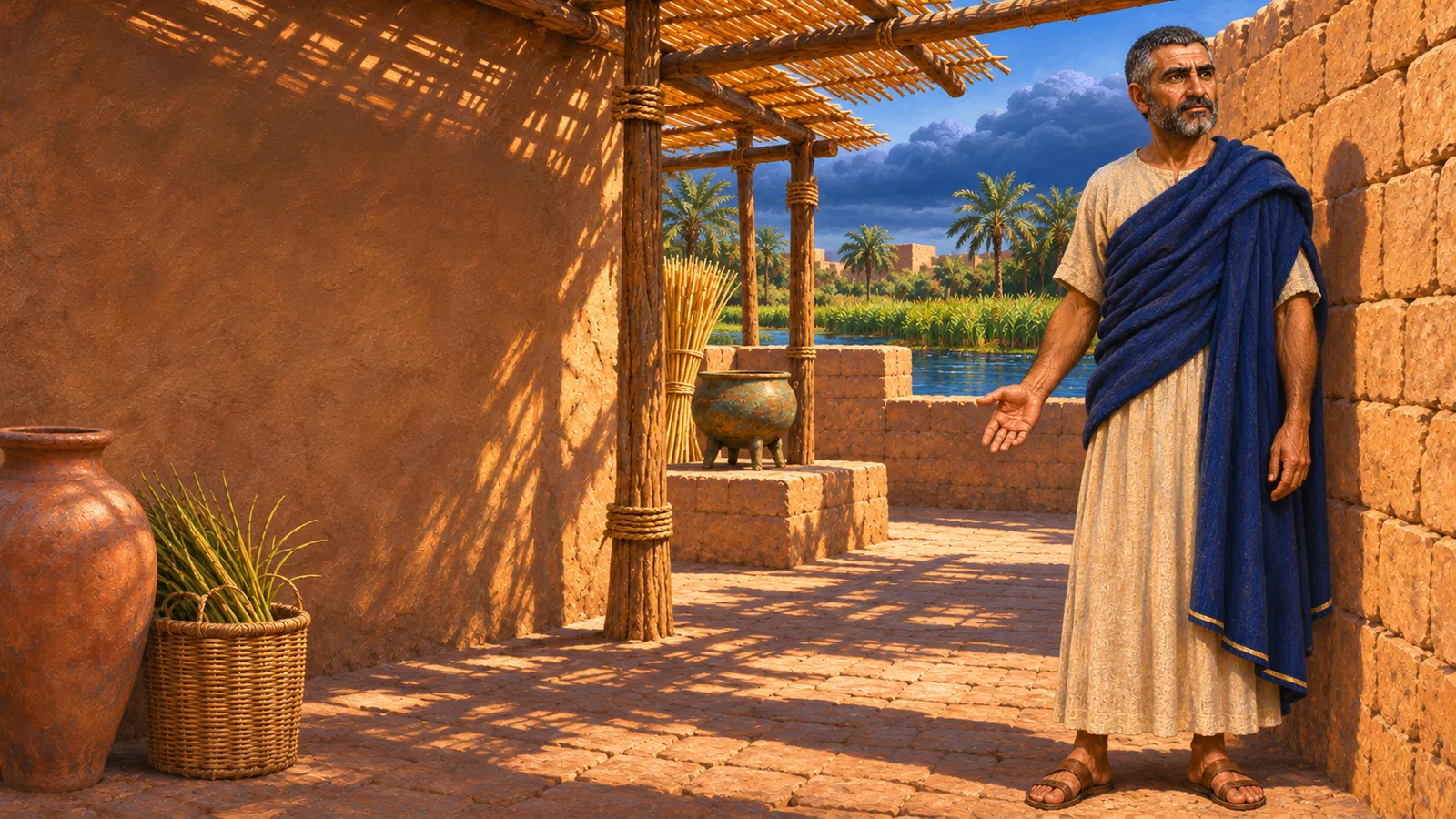
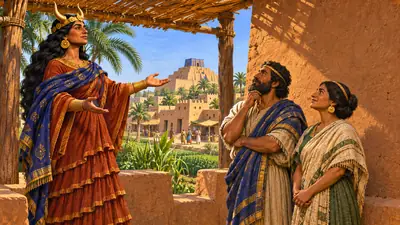
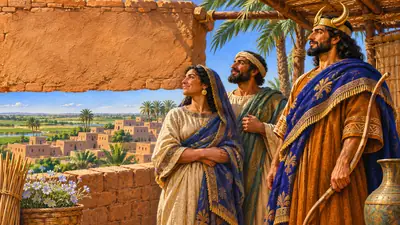
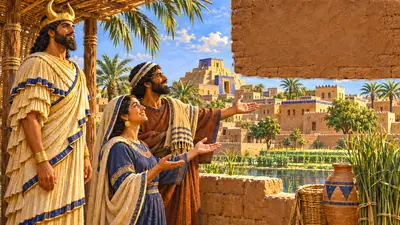
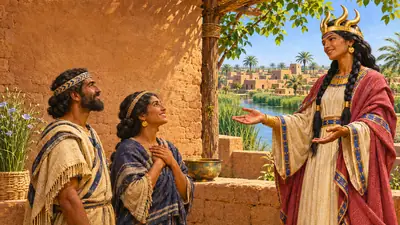
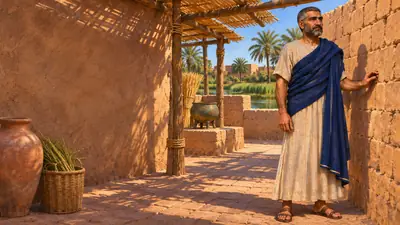
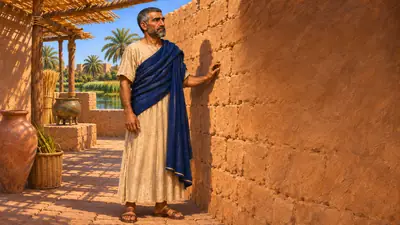
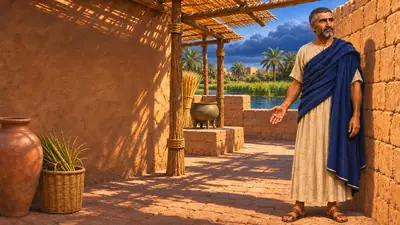
Las líneas conservadas nombran el Ki-ur. Allí está Ziusudra junto a un muro, en el lugar donde oirá la advertencia.
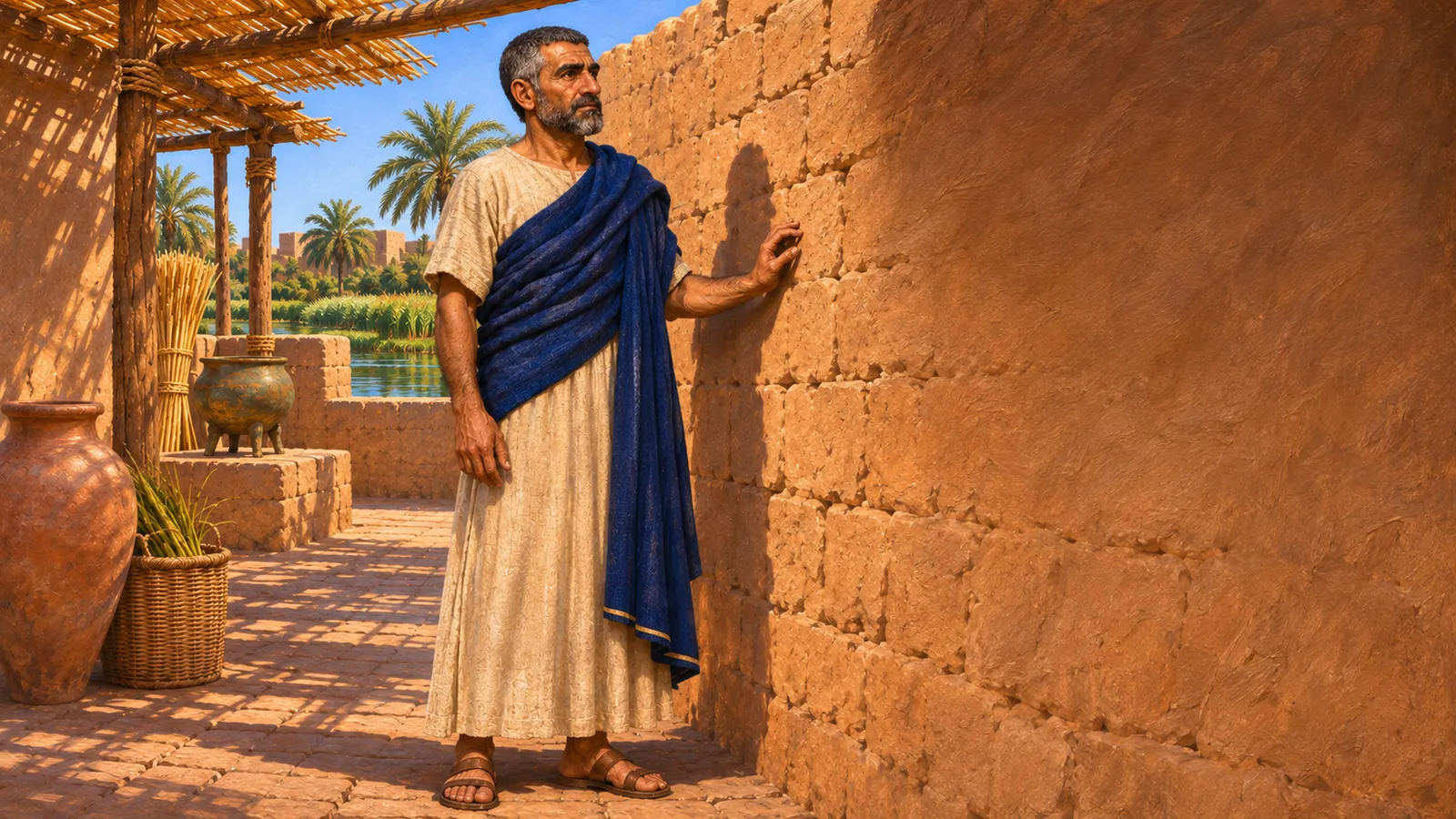
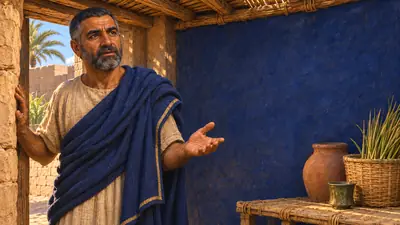
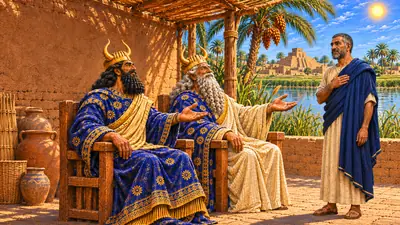
Ziusudra oye una voz junto al muro. Se dirige al propio muro y le pide que escuche con cuidado y preste atención a lo que le dicen.
EL DILUVIO
La voz anuncia un diluvio y dice que la asamblea divina ha decidido destruir a la humanidad.
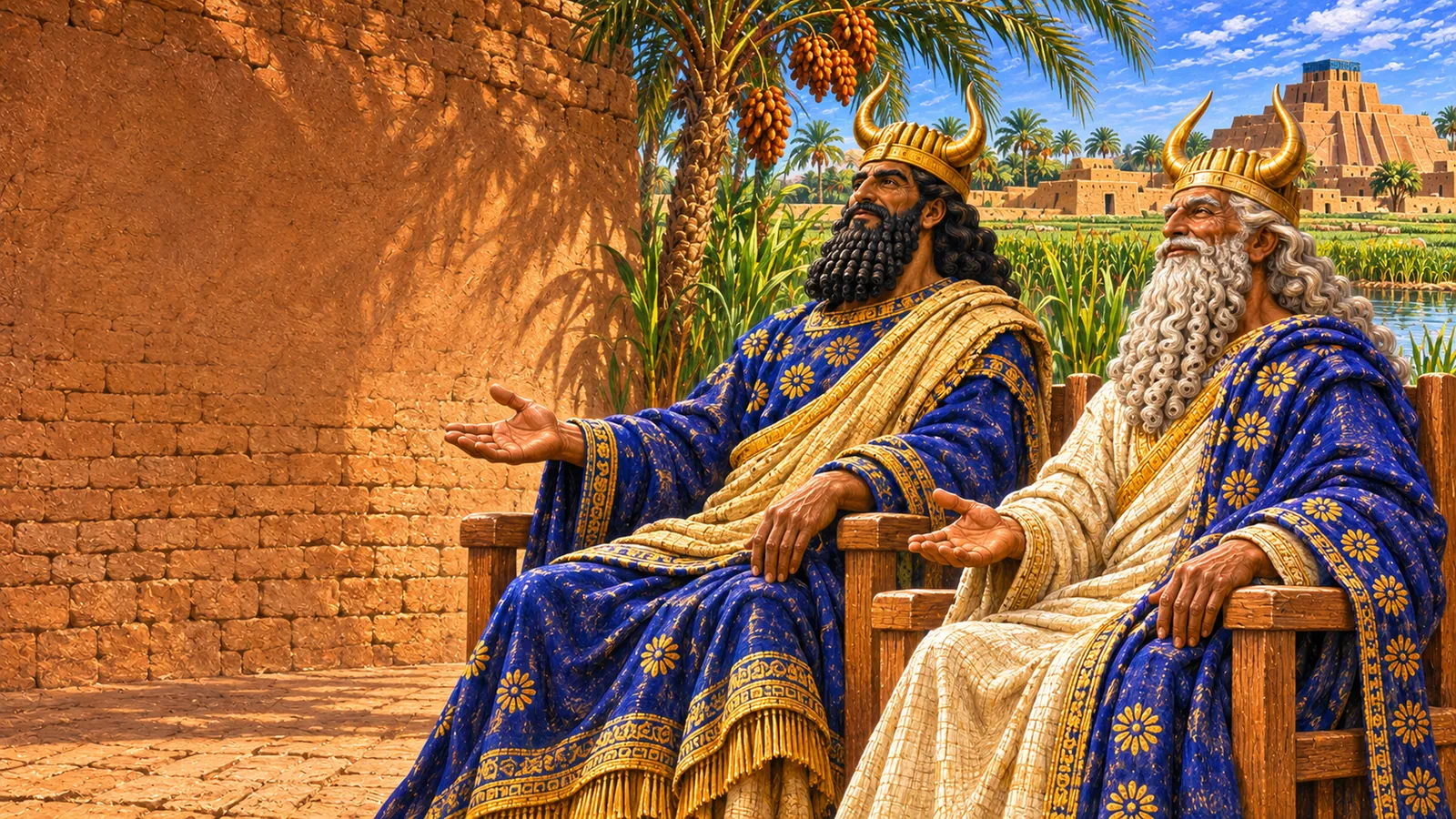
La orden anunciada por An y Enlil no puede revocarse. La voz habla del fin de un reinado, pero el pasaje en torno a esas palabras está dañado.
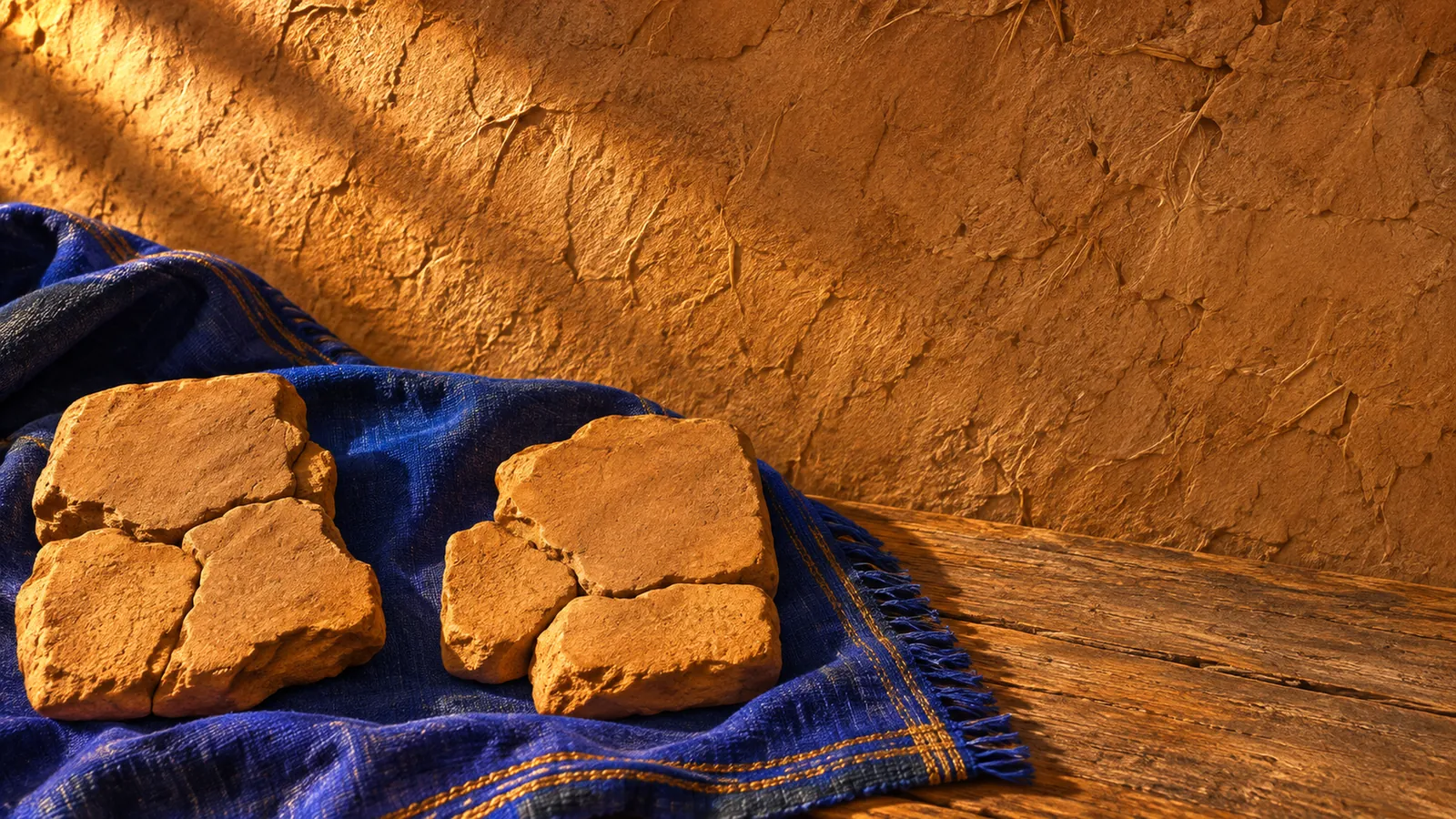
Aquí faltan unas treinta y ocho líneas. Cuando la tablilla vuelve a ser legible, el diluvio ya ha comenzado y hay una gran embarcación.
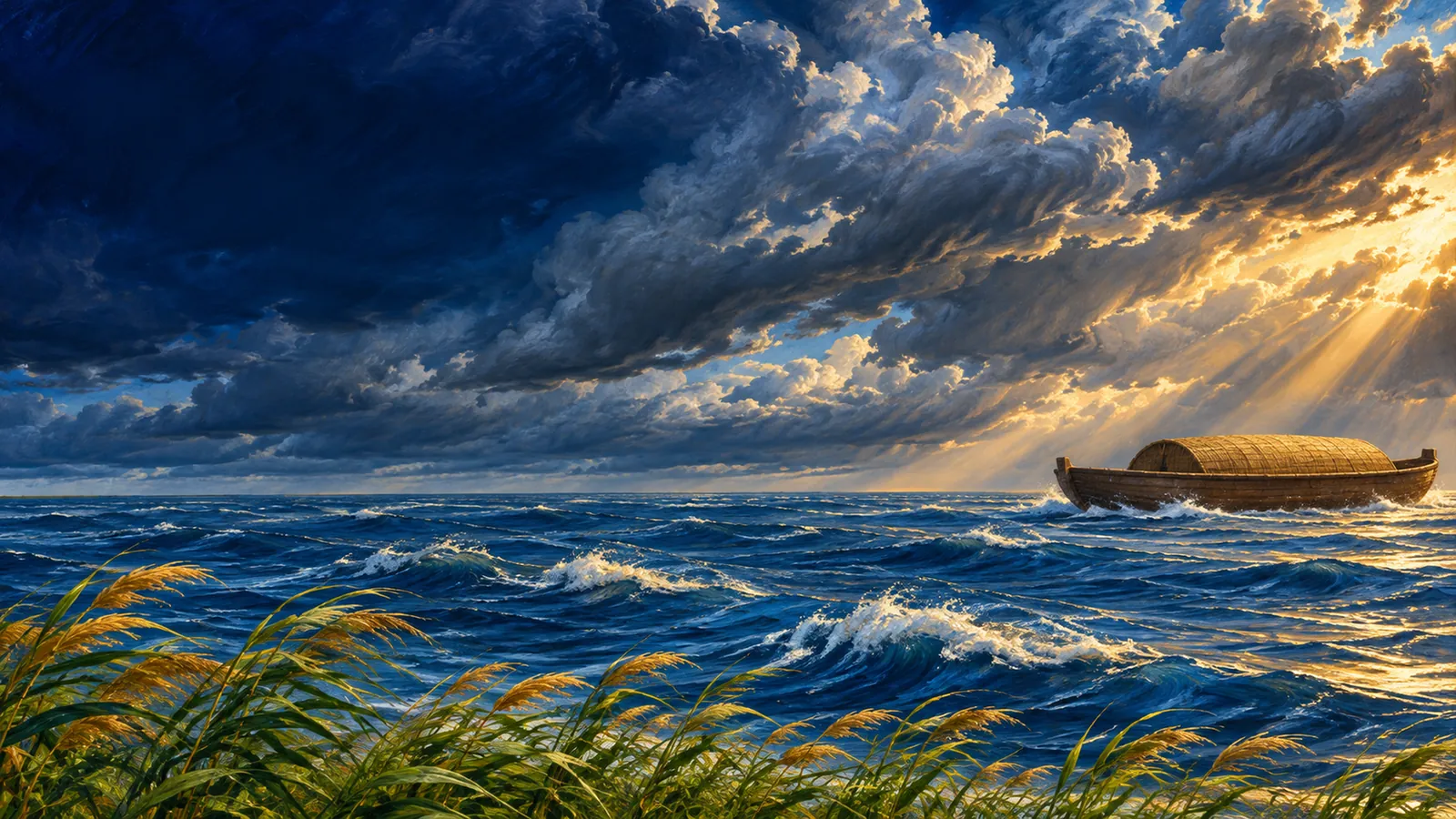
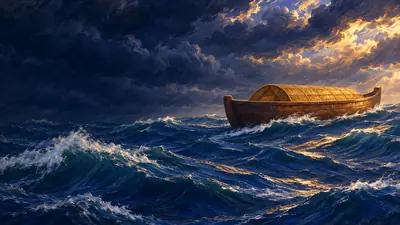
Se levantan juntas las tormentas y las rachas de viento, y las aguas del diluvio barren la tierra. Las siguientes líneas conservadas hablan de una gran embarcación entre el viento y las olas.
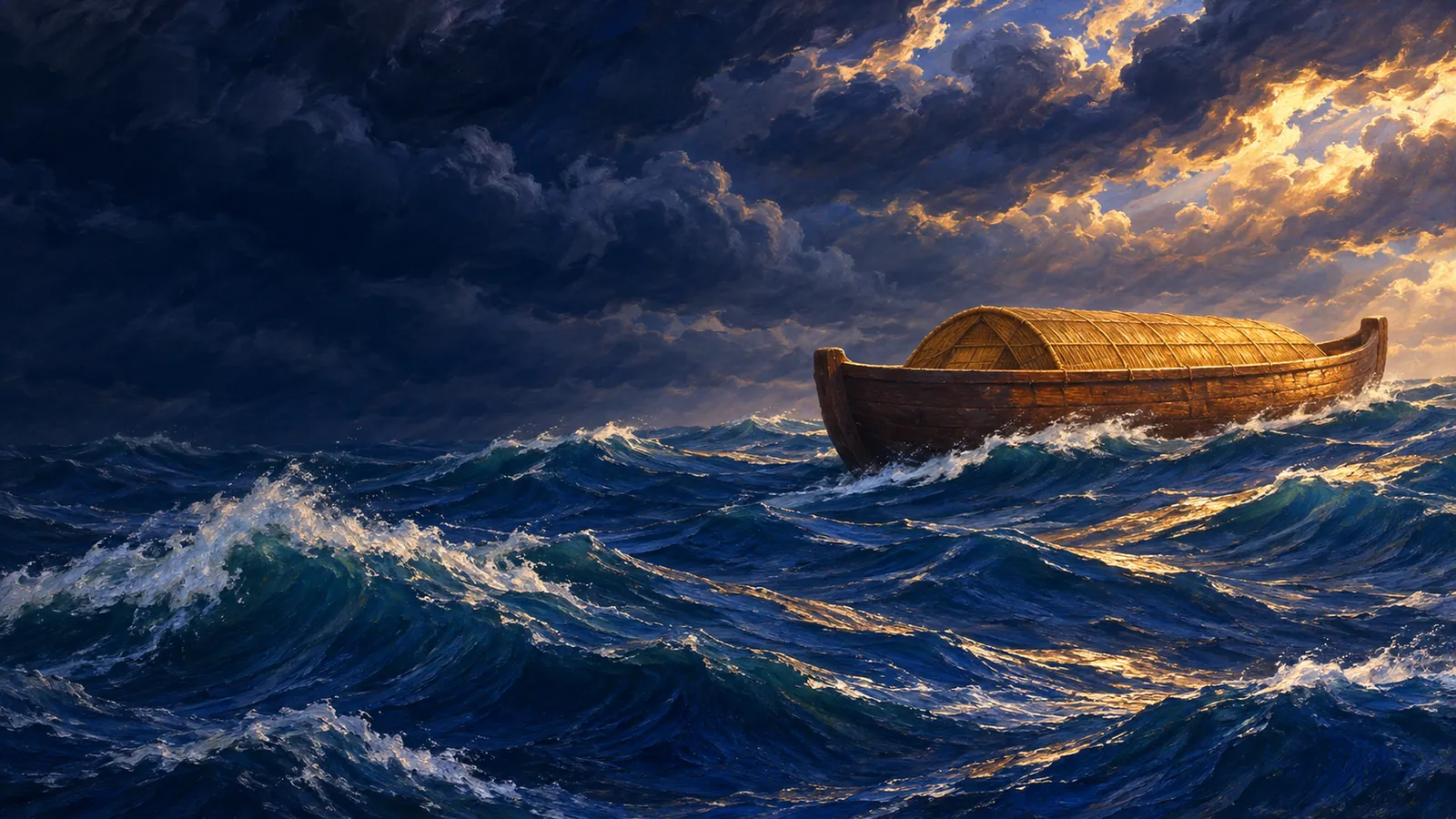
Durante siete días y siete noches, el viento y las olas sacuden la gran embarcación. Esa es la duración de la tormenta que indica la tablilla.
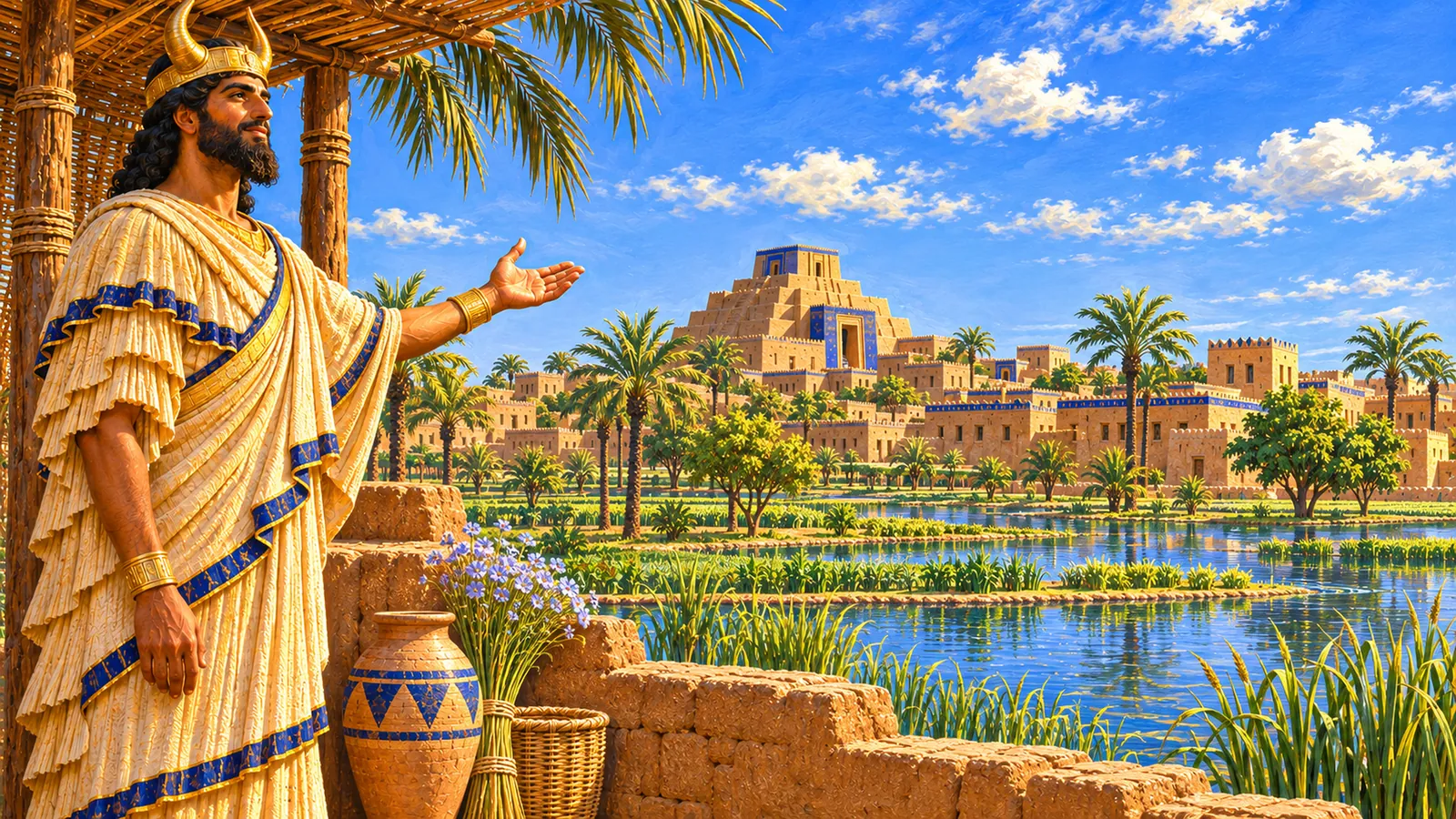
Entonces sale Utu, el dios solar, e ilumina el cielo y la tierra. Tras la larga tormenta, la luz del día alcanza la tierra inundada.
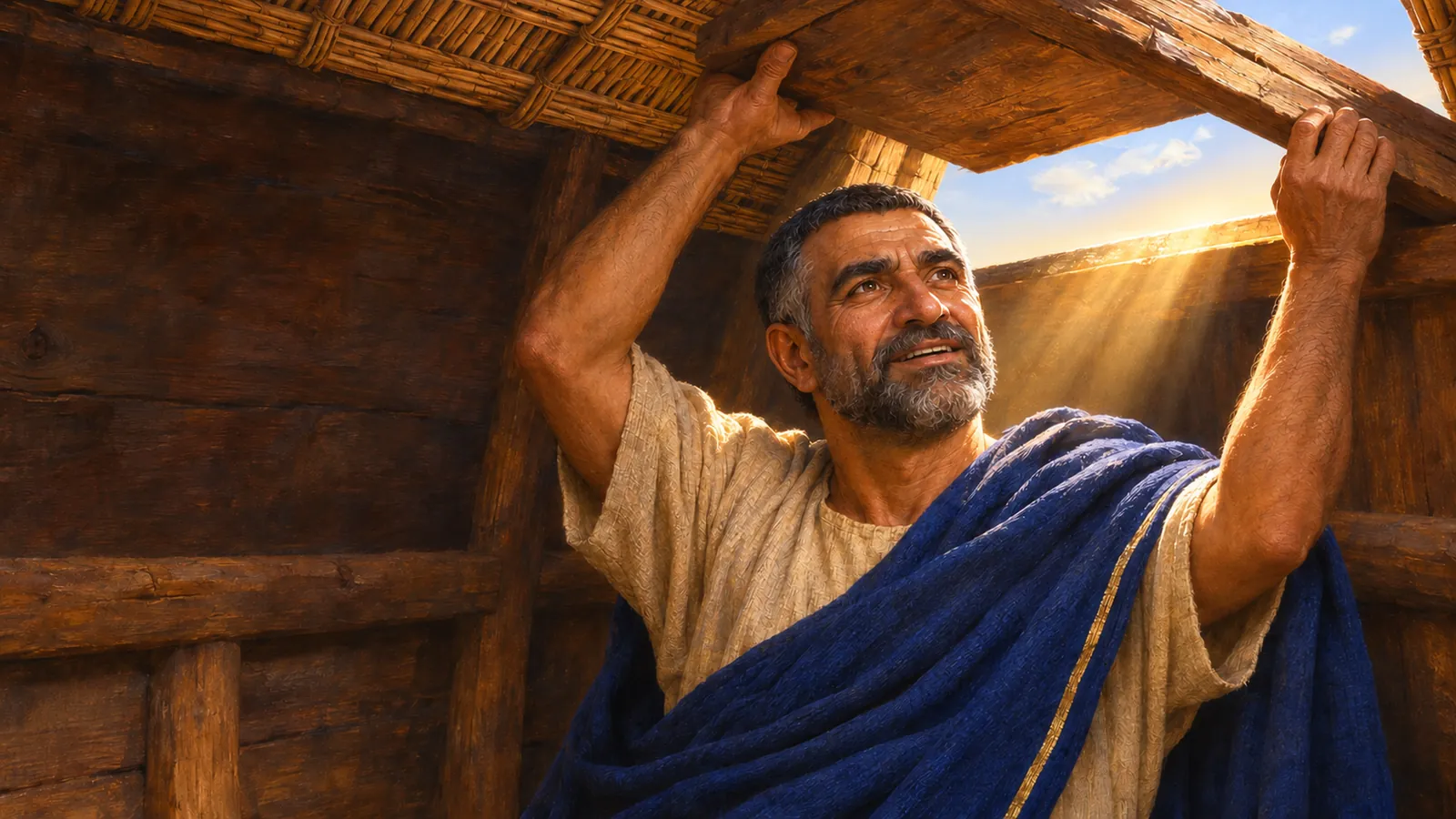
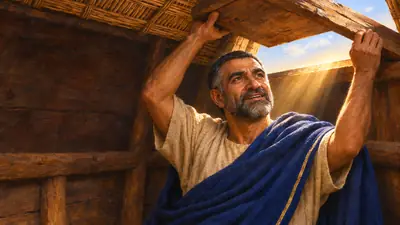
Ziusudra hace una abertura en la gran embarcación. Por ella entran los rayos de Utu y alcanzan el interior.
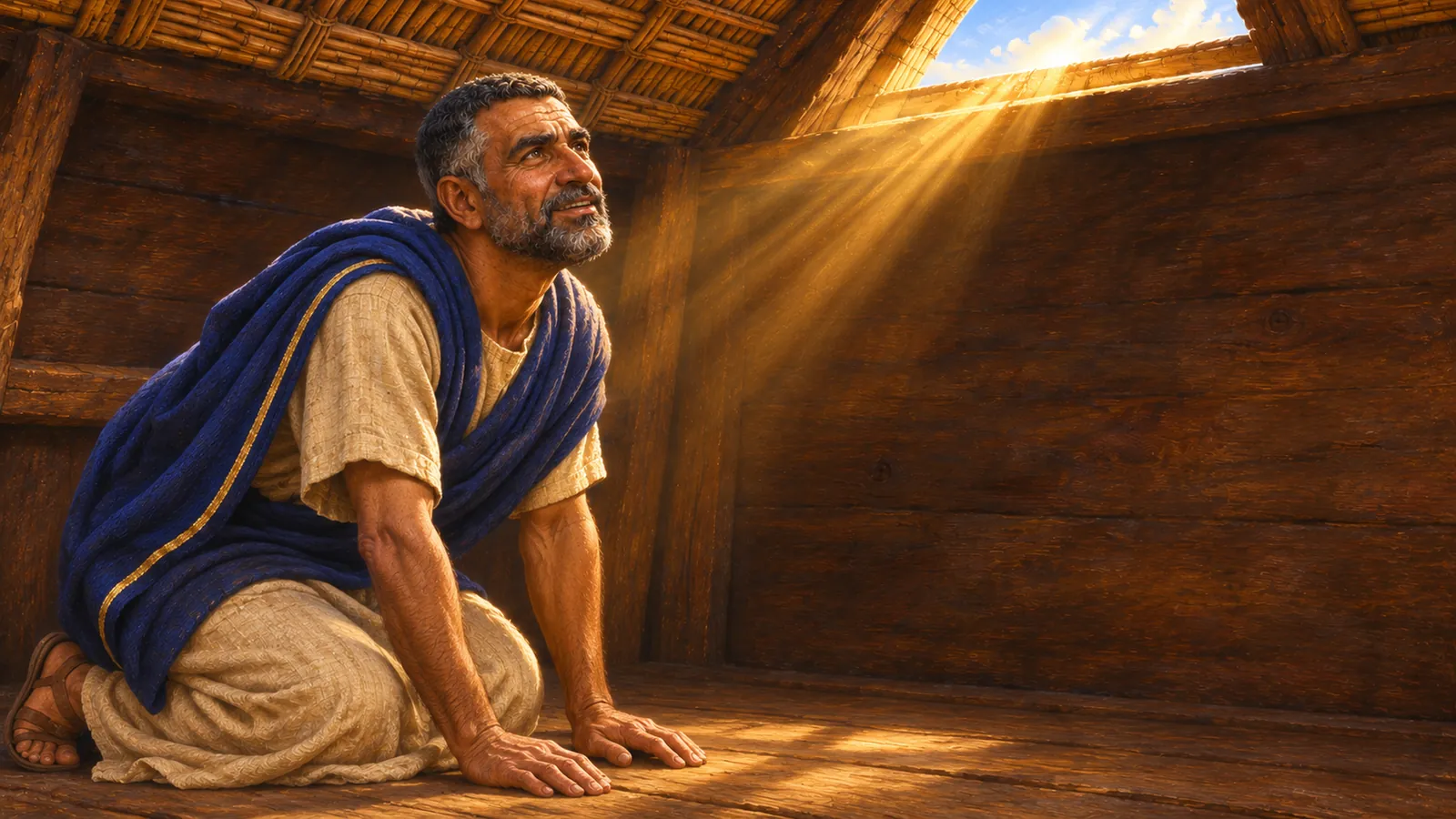
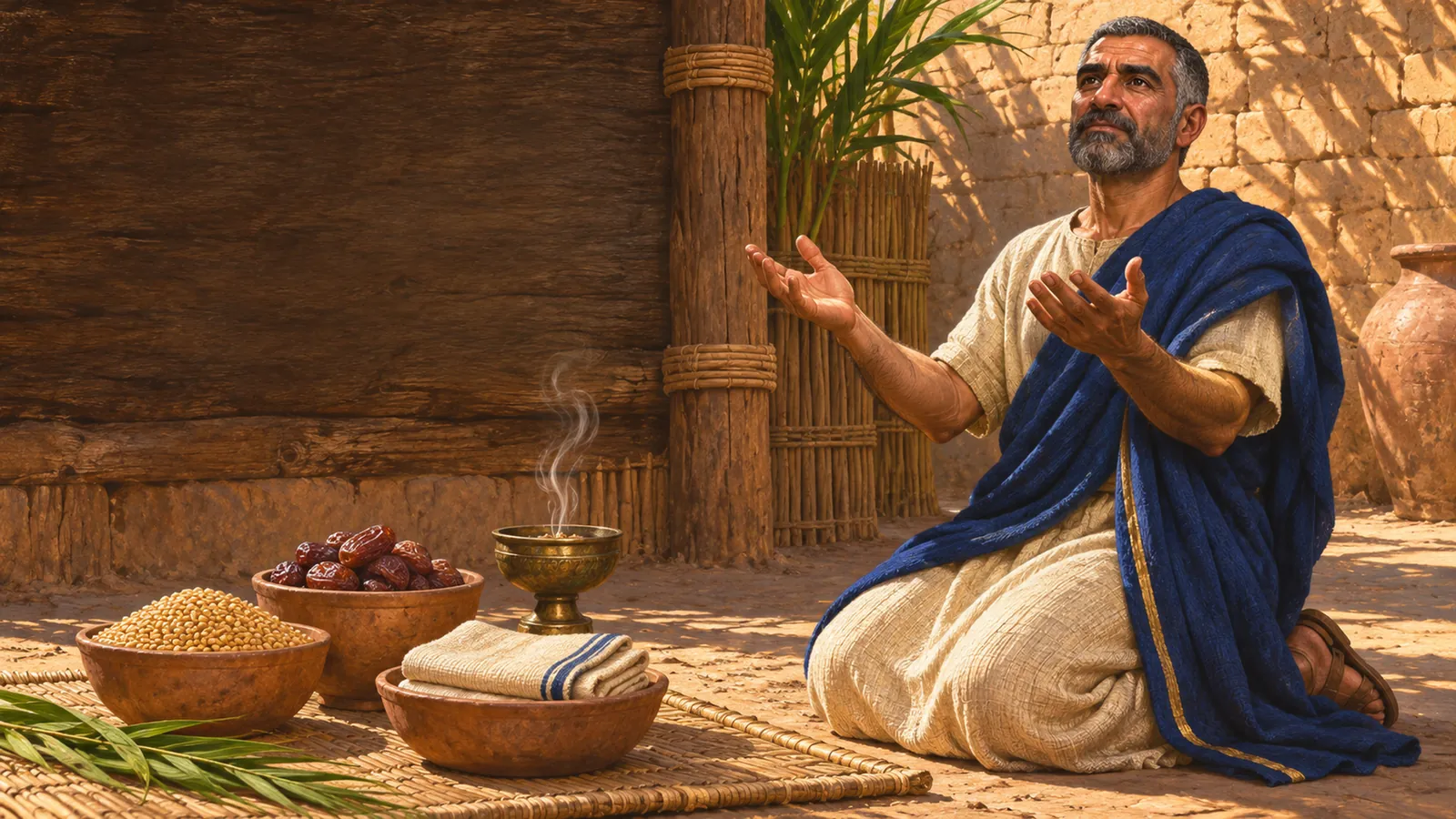
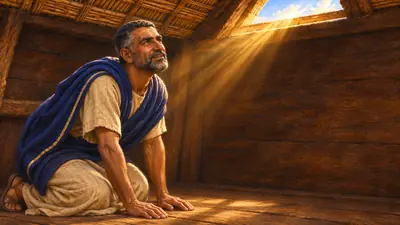
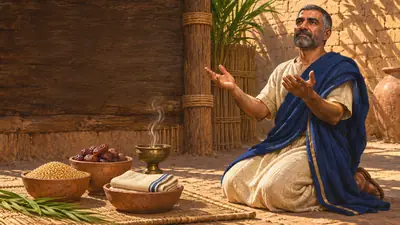
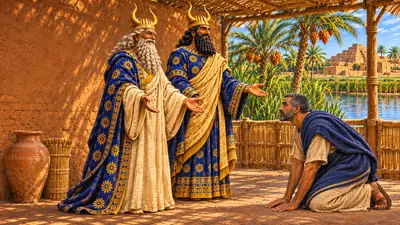
El rey Ziusudra se postra ante Utu, el dios del sol cuyos rayos han entrado por la abertura de la embarcación.
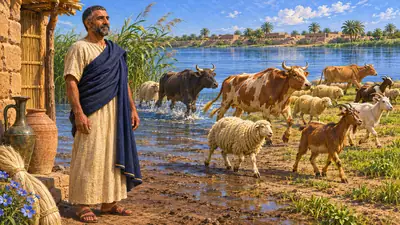
Ziusudra sacrifica bueyes y ofrece muchas ovejas. La tablilla cuenta lo que ofrece el rey después de que vuelve la luz.
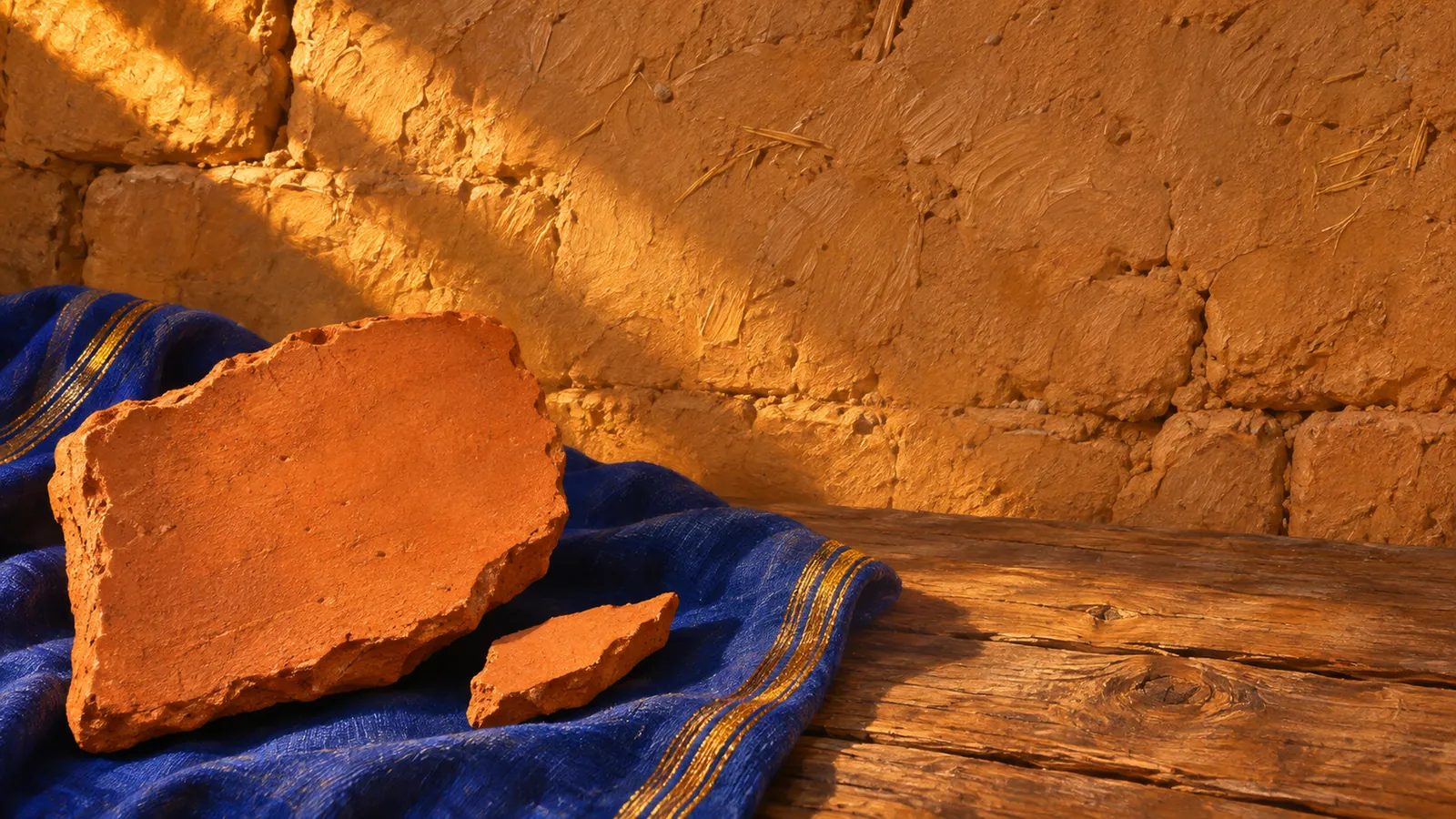
Las seis líneas siguientes son demasiado fragmentarias para traducirlas. Faltan unas treinta y tres más antes de que vuelvan las palabras legibles.
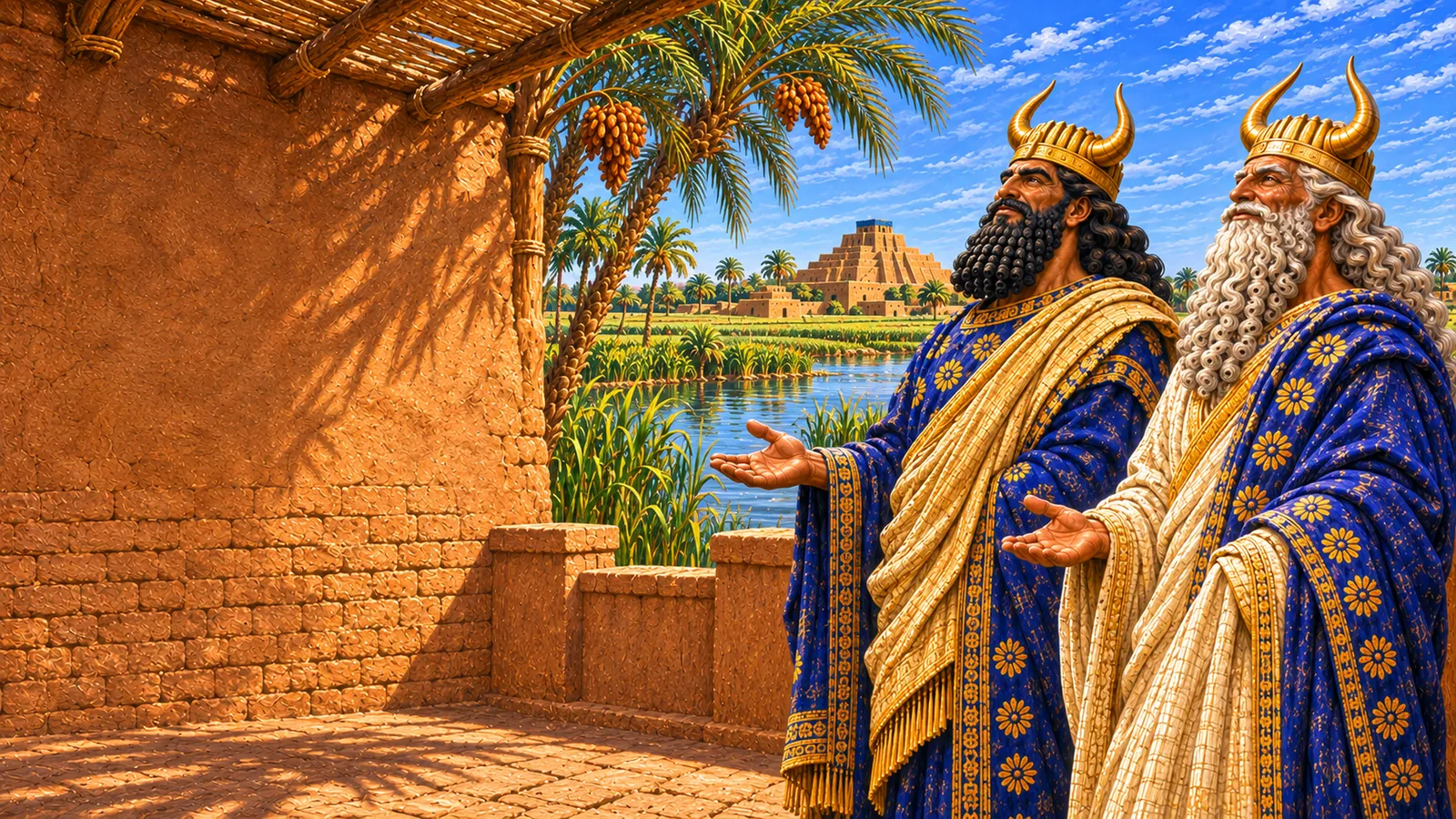
Un discurso fragmentario nombra a An y Enlil y habla de un juramento por el cielo y la tierra. Se han perdido las palabras que rodeaban el juramento.
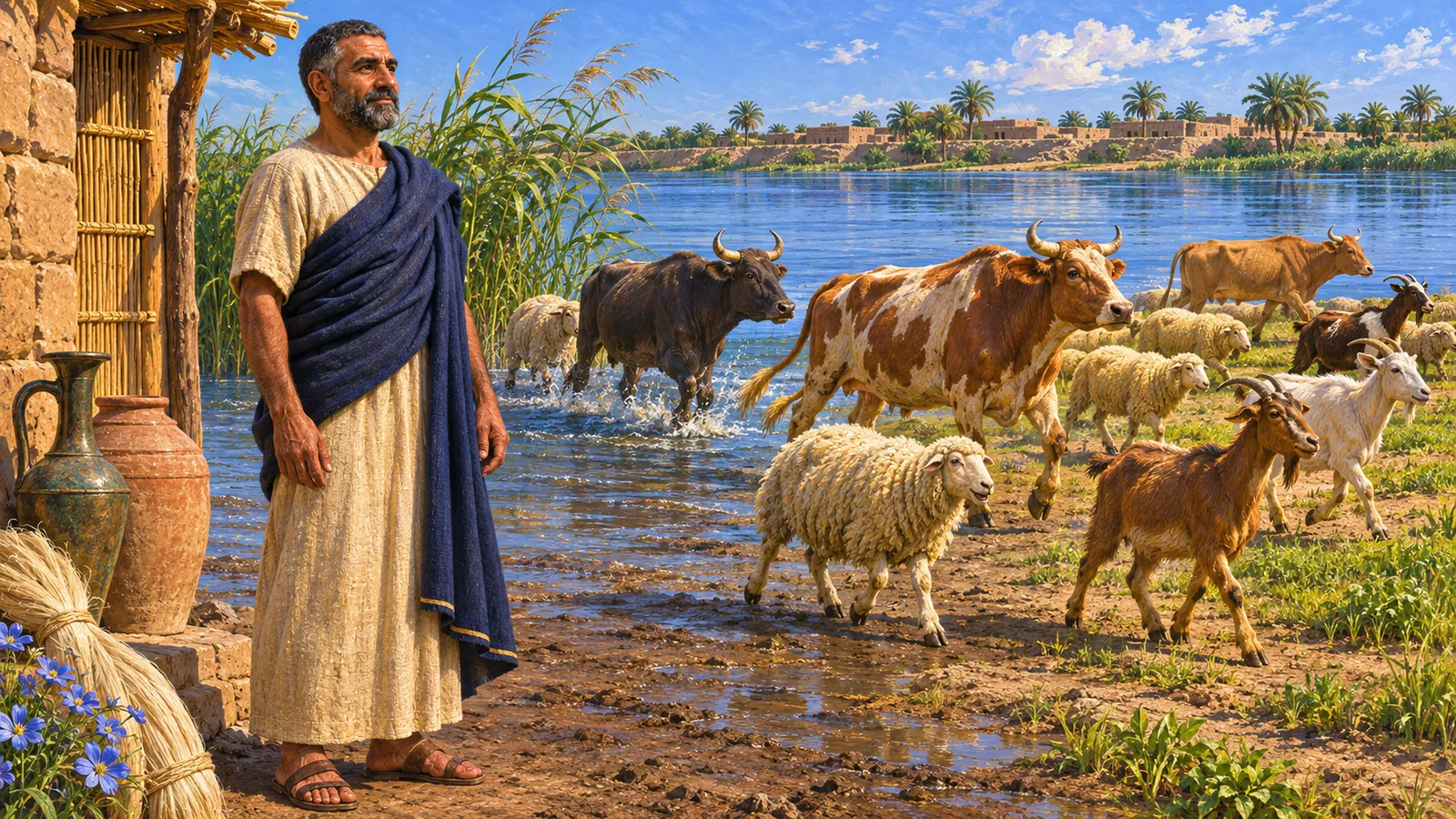
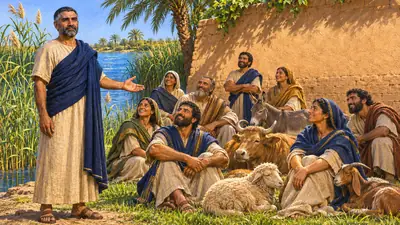
Cada vez más animales salen a tierra. Tras el pasaje perdido, la tablilla vuelve a ser legible cuando llegan a tierra firme.
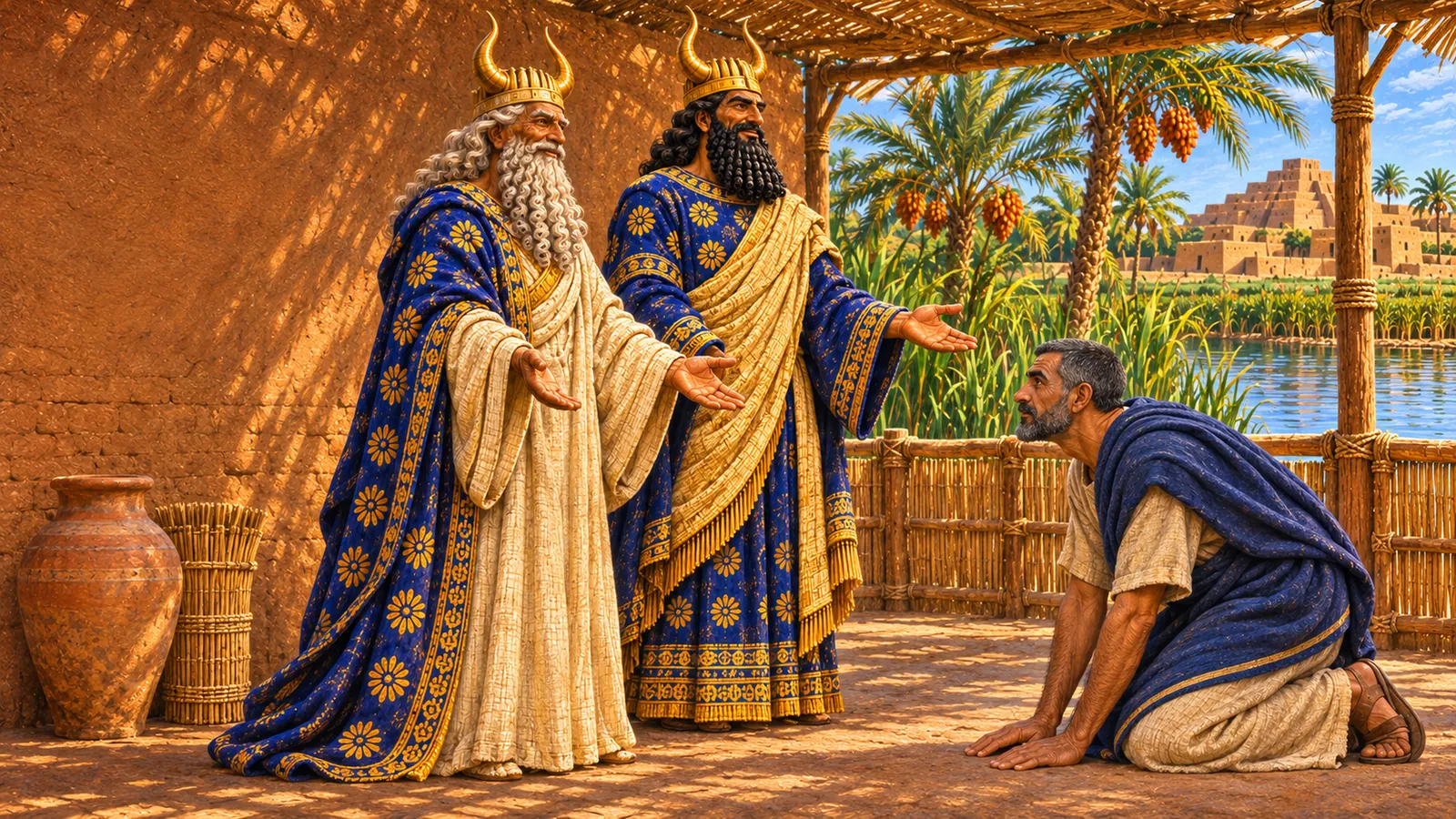
El rey Ziusudra se postra ante An y Enlil. Se inclina ante los dos cuya orden había anunciado la voz en el muro.
LA VIDA
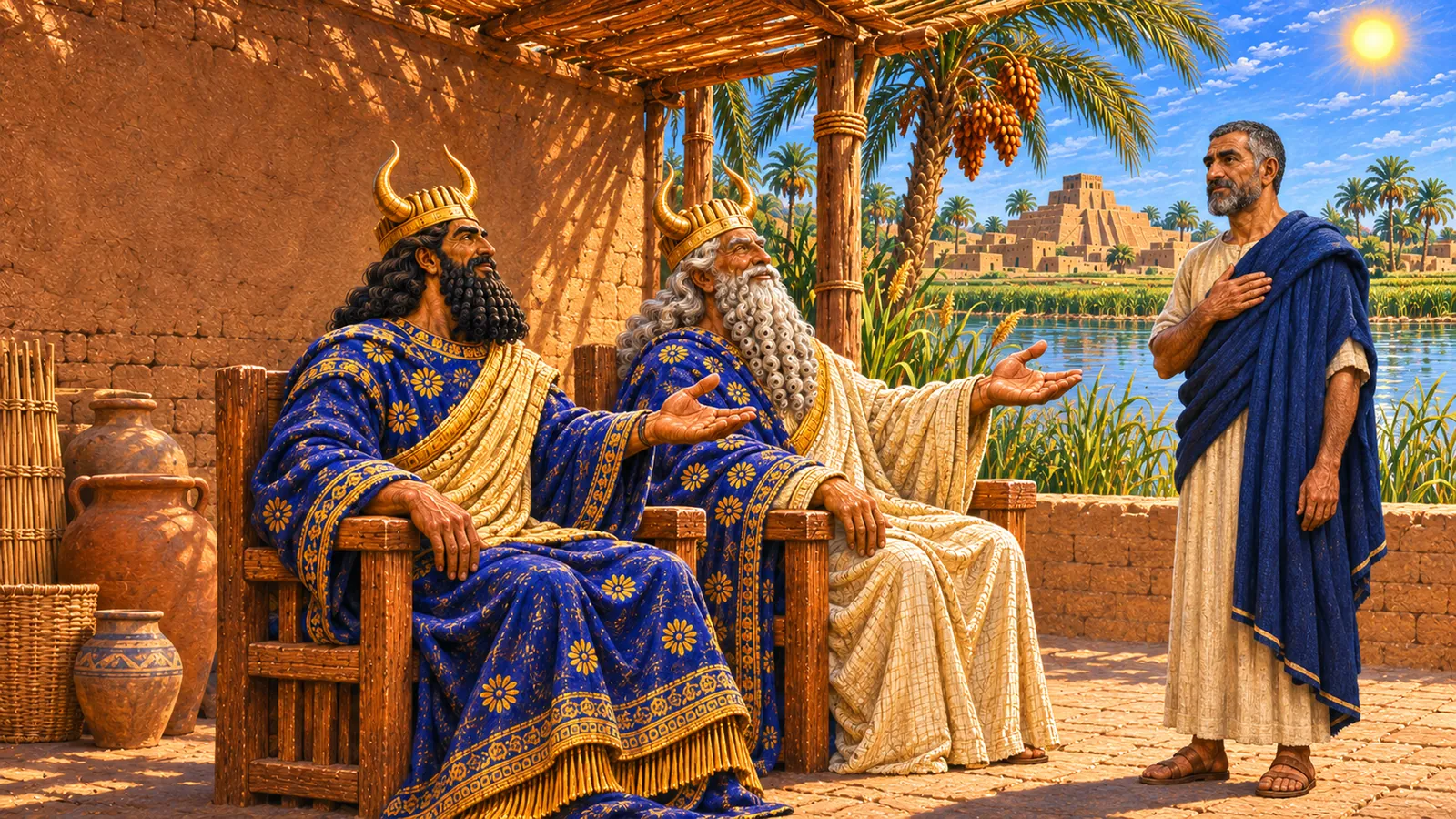
An y Enlil tratan a Ziusudra con bondad. La tablilla dice que le conceden la vida eterna, una vida como la de un dios.
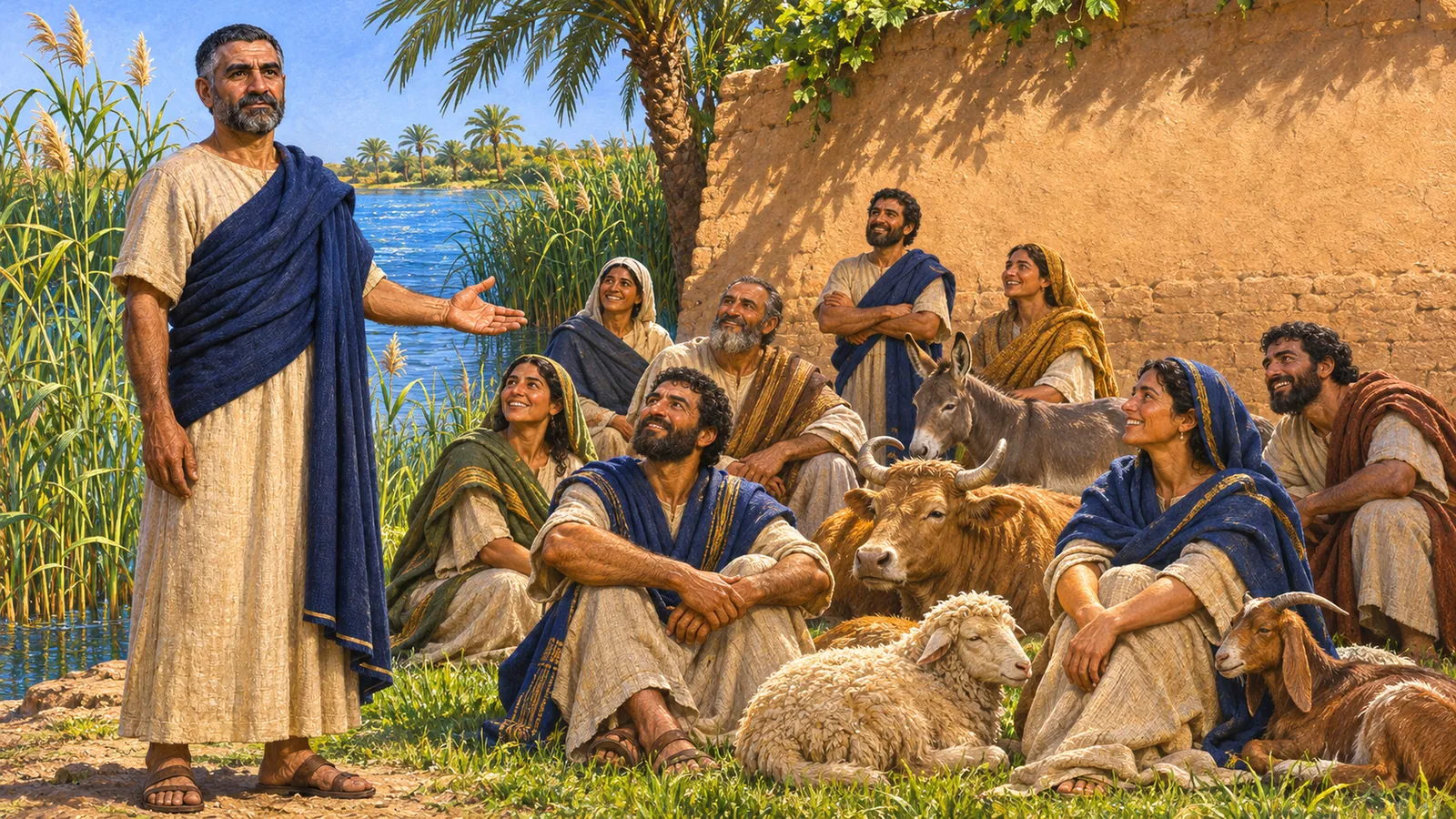
El relato recuerda que Ziusudra preservó a los animales y a la humanidad. Por esa razón se le da un lugar donde vivir al otro lado del mar.
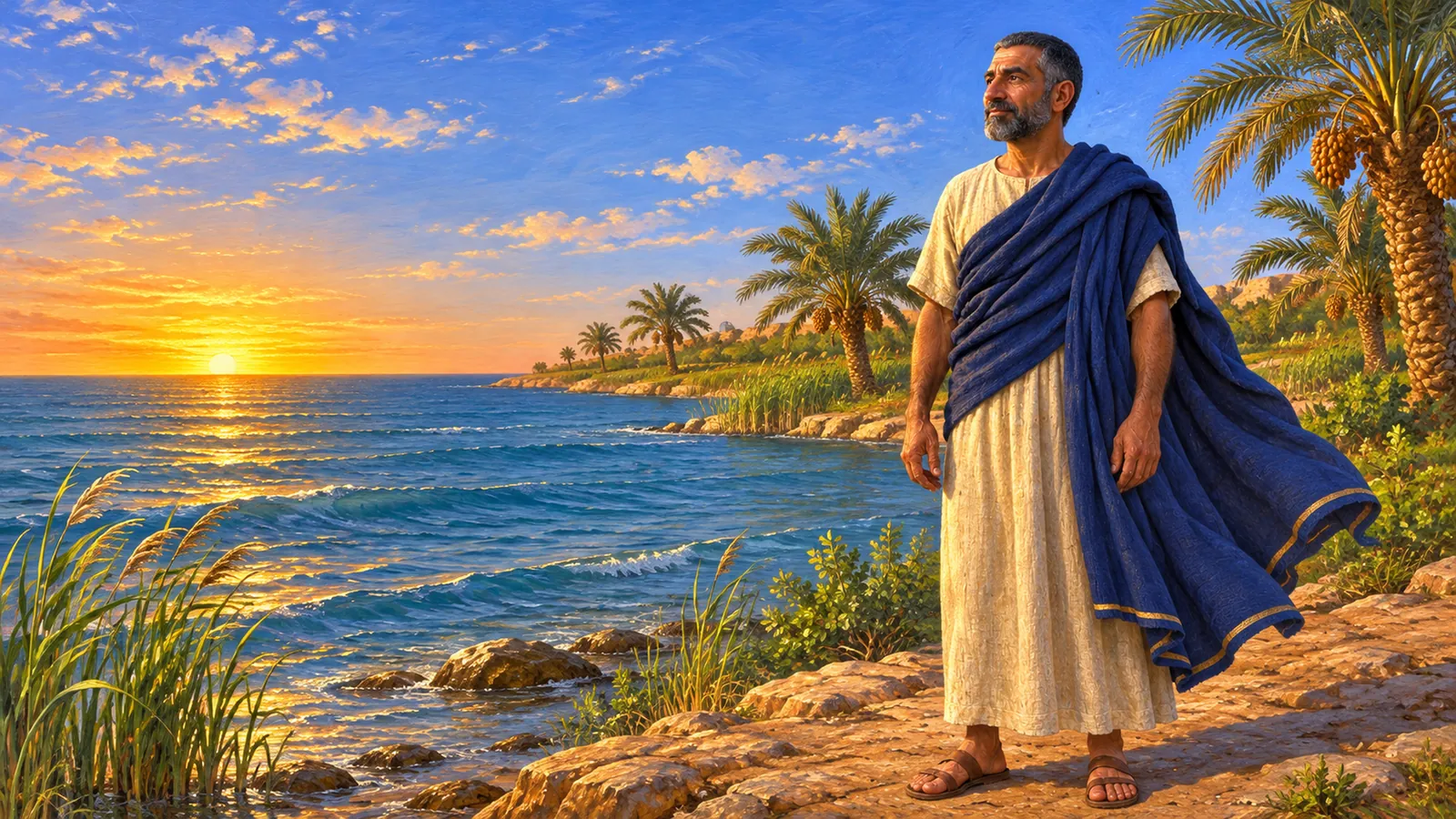
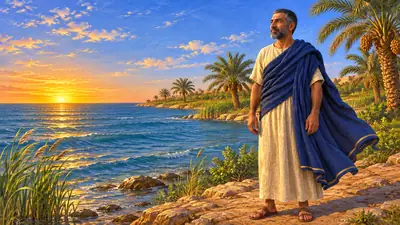
An y Enlil establecen al rey Ziusudra en Dilmun, una tierra al otro lado del mar. Allí sale el sol, dice el relato.
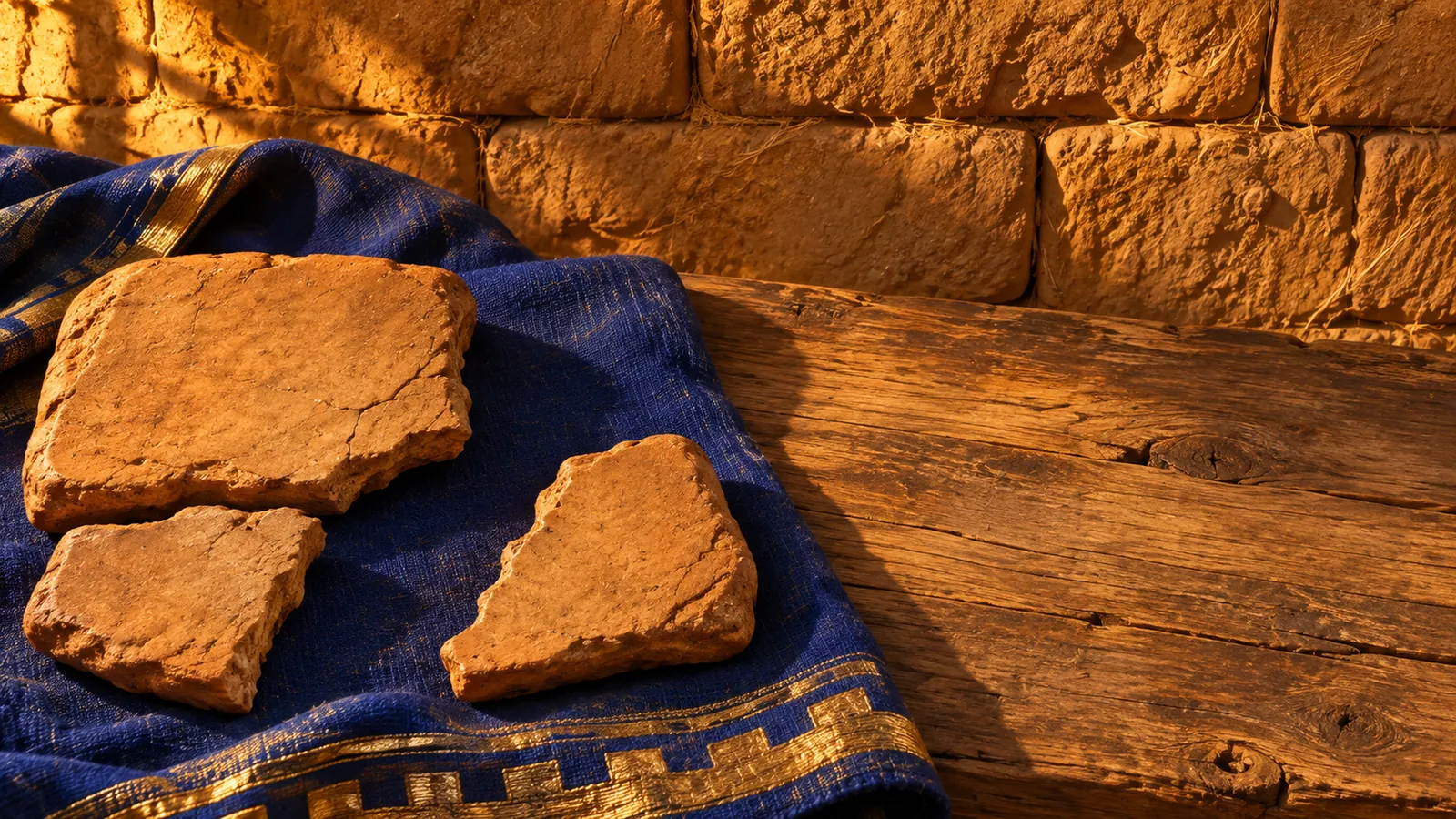
Tras el asentamiento de Ziusudra queda un último fragmento de discurso. Después faltan unas treinta y nueve líneas y el resto del relato se ha perdido.
Fin del capítulo 1
Todas las páginas


Fuentes
On page 5, the words about rites, powers and irrigation follow a damaged phrase about quenching a fire (Oxford ETCSL English translation, A 1–10).
Ediciones consultadas
- University of Oxford, ETCSL 1.7.4, English translation and segment divisions
- University of Oxford, ETCSL 1.7.4, bibliography and witness numbering
- Penn Museum, catalogue of the Nippur Flood Tablet, CBS 10673
- CDLI P265876, CBS 10673 and its join CBS 10867
- Jeremiah Peterson, N 3514 and its proposed relationship to the Nippur tablet
Notas sobre este relato
On page 6, the Oxford English translation uses the expression “black-headed people” for those fashioned by An, Enlil, Enki and Ninhursag (A 10–14).
On pages 12–16, the Oxford English translation uses the spellings Eridug, Bad-tibira, Larag, Zimbir and Curuppag (B 6–18). The translation identifies the recipient of Bad-tibira by the title “the Mistress.”
The speaker’s identity remains uncertain in the surviving words.
On pages 29–30, windstorms and gales rise together, floodwater sweeps over the land, and wind and waves rock the large boat for seven days and seven nights (Oxford ETCSL English translation, D 1–11).
On page 34, the text describes Ziusudra sacrificing oxen and offering innumerable sheep (Oxford ETCSL English translation, D 1–11).
On page 42, the last readable speech fragment has the displayed Oxford locator E 12–99. About 39 missing lines follow.
Los versos antiguos de cada página
- Page 1: ETCSL 1.7.4, Opening lacuna and A 1–10
- Page 2: ETCSL 1.7.4, A 1–10
An empty place to carry the damaged speech. - Page 3: ETCSL 1.7.4, A 1–10
- Page 4: ETCSL 1.7.4, A 1–10
- Page 5: ETCSL 1.7.4, A 1–10
- Page 6: ETCSL 1.7.4, A 10–14
- Page 7: ETCSL 1.7.4, A 10–14
- Page 8: ETCSL 1.7.4, A/B lacuna and B 1–3
- Page 9: ETCSL 1.7.4, B 4–5
- Page 10: ETCSL 1.7.4, B 6–18
- Page 11: ETCSL 1.7.4, B 6–18
- Page 12: ETCSL 1.7.4, B 6–18
- Page 13: ETCSL 1.7.4, B 6–18
- Page 14: ETCSL 1.7.4, B 6–18
- Page 15: ETCSL 1.7.4, B 6–18
- Page 16: ETCSL 1.7.4, B 6–18
- Page 17: ETCSL 1.7.4, B 6–18
- Page 18: ETCSL 1.7.4, B/C lacuna and C 1–27 (opening)
Simple transition between surviving parts without enacted weather. - Page 19: ETCSL 1.7.4, C 1–27
- Page 20: ETCSL 1.7.4, C 1–27
- Page 21: ETCSL 1.7.4, C 1–27
- Page 22: ETCSL 1.7.4, C 1–27
- Page 23: ETCSL 1.7.4, C 1–27
- Page 24: ETCSL 1.7.4, C 1–27
- Page 25: ETCSL 1.7.4, C 1–27
- Page 26: ETCSL 1.7.4, C 1–27
- Page 27: ETCSL 1.7.4, C 1–27
- Page 28: ETCSL 1.7.4, C/D lacuna
- Page 29: ETCSL 1.7.4, D 1–11
- Page 30: ETCSL 1.7.4, D 1–11
- Page 31: ETCSL 1.7.4, D 1–11
- Page 32: ETCSL 1.7.4, D 1–11
- Page 33: ETCSL 1.7.4, D 1–11
- Page 34: ETCSL 1.7.4, D 1–11
- Page 35: ETCSL 1.7.4, D 12–17 and D/E lacuna
- Page 36: ETCSL 1.7.4, E 1–2
- Page 37: ETCSL 1.7.4, E 3–11
- Page 38: ETCSL 1.7.4, E 3–11
- Page 39: ETCSL 1.7.4, E 3–11
- Page 40: ETCSL 1.7.4, E 3–11
- Page 41: ETCSL 1.7.4, E 3–11
- Page 42: ETCSL 1.7.4, E 12–99 display label and closing lacuna
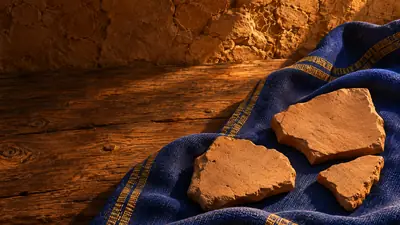
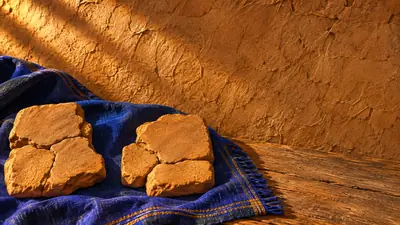
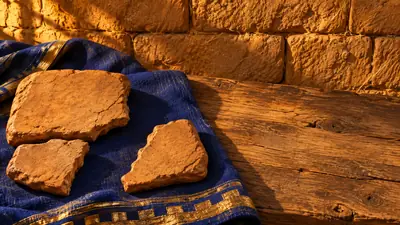
A final editorial still of low, unmarked clay fragments along the very bottom left.
Ilustraciones hechas por IL Archive con herramientas de IA; el texto se basa en las fuentes antiguas (véanse las fuentes al final de cada capítulo).