Teti y el ascenso hacia Nut Capítulo 1
El sarcófago y las puertas orientales
Las fórmulas del sarcófago de Teti hablan de su nacimiento, de las regiones que Nut le concede y de su herencia de Geb. Las fórmulas del ascenso pasan de la apertura de las puertas y del Campo de los Juncos a una escalera, al viaje del Sol y a un lamento final.
FuentesPase las páginas con las flechas, el teclado o deslizando el dedo.
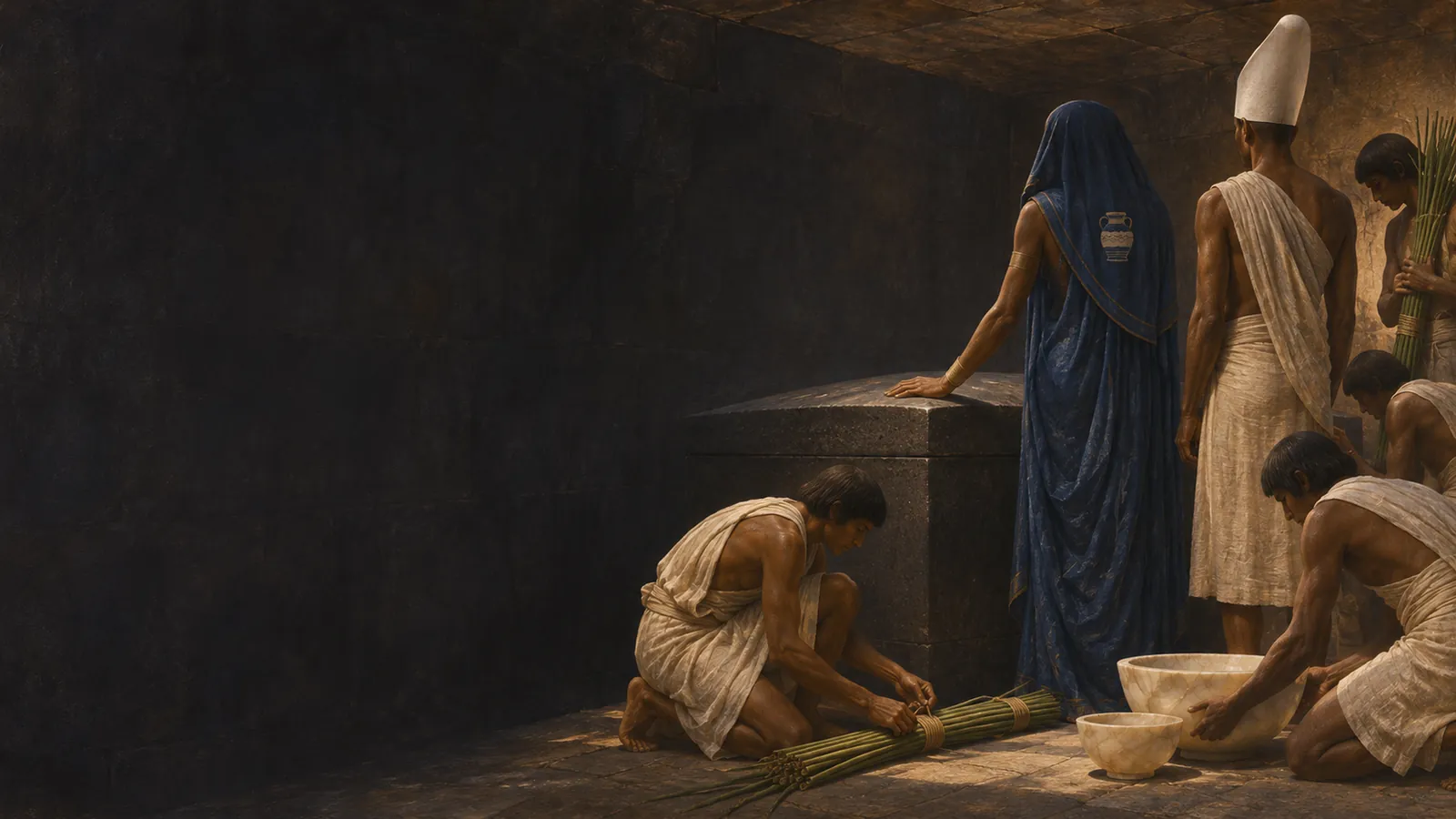
EL SARCÓFAGO Y LAS PUERTAS DEL ESTE
En la traducción de James Allen, las recitaciones de la cara exterior de la tapa del sarcófago de Teti comienzan con la voz de Nut. La inscripción la llama la Mayor entre las Eficaces, y ella llama a Teti su hijo.
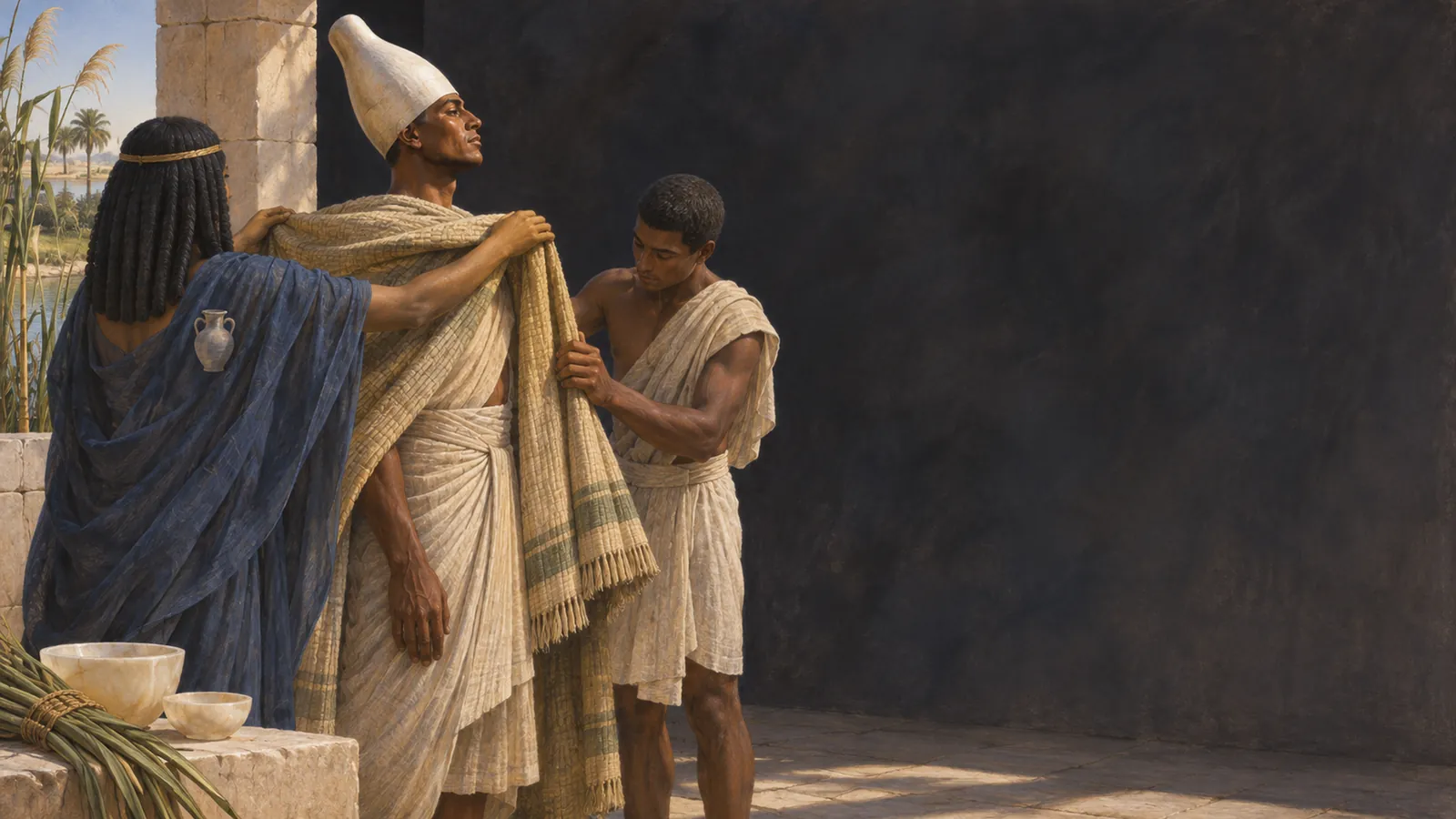
Nut dice que dio a luz a Teti y que él salió de su cuerpo. Dice que es el hijo que deseaba y que está satisfecha con él.
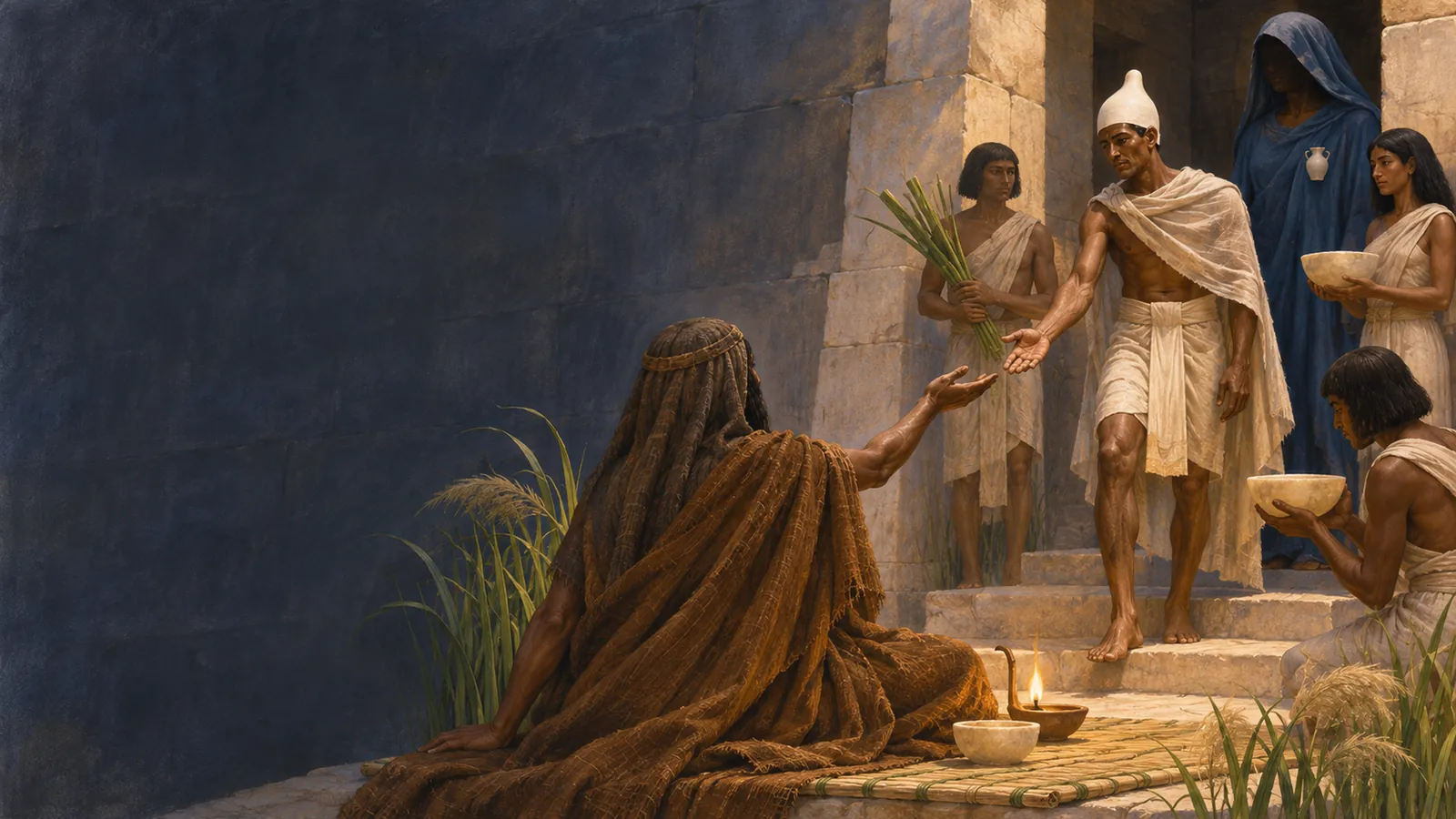
Una segunda voz, la de Geb, llama a Teti hijo de su propio cuerpo. El texto conservado se interrumpe justo después de esas palabras.
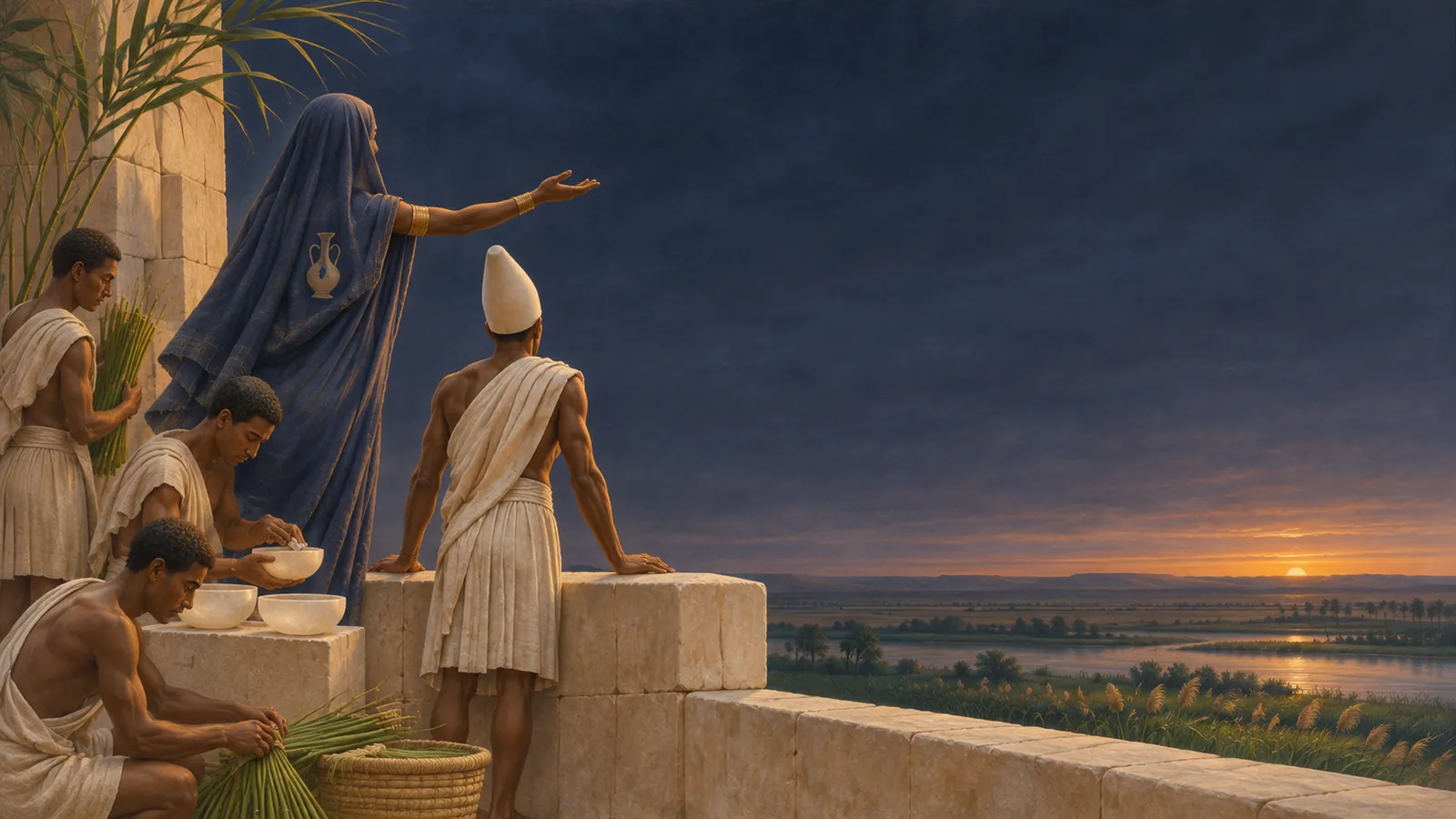
Nut, llamada el Brote Mayor en este conjuro, dice que Teti es el hijo que deseaba. Dice que le ha dado el Ajet para que lo gobierne como Horus del Ajet.
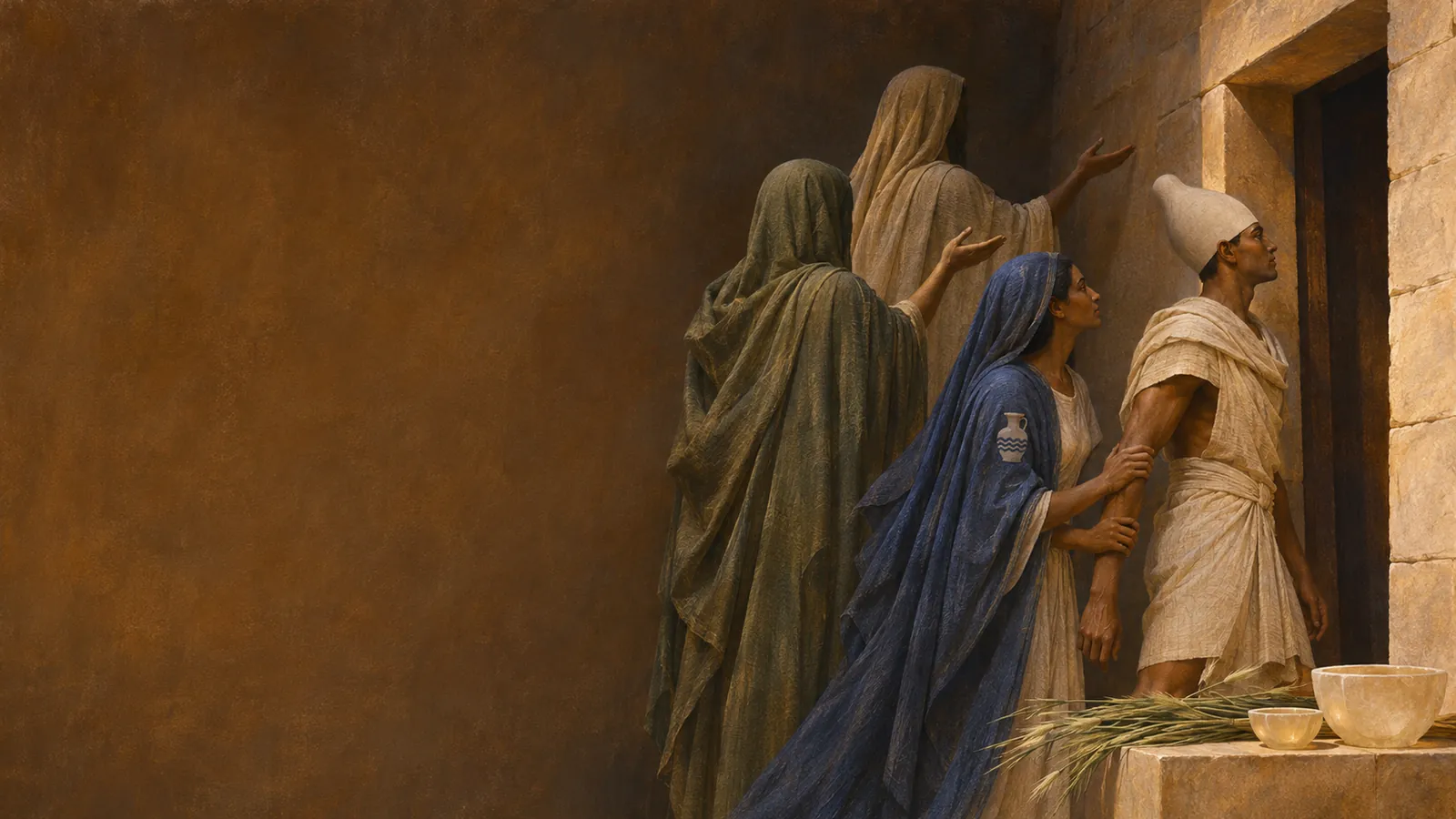
En la recitación los dioses aprueban la elección de Nut y dicen que Teti es el hijo que deseó entre todos sus hijos. Le piden que lo acompañe para siempre.
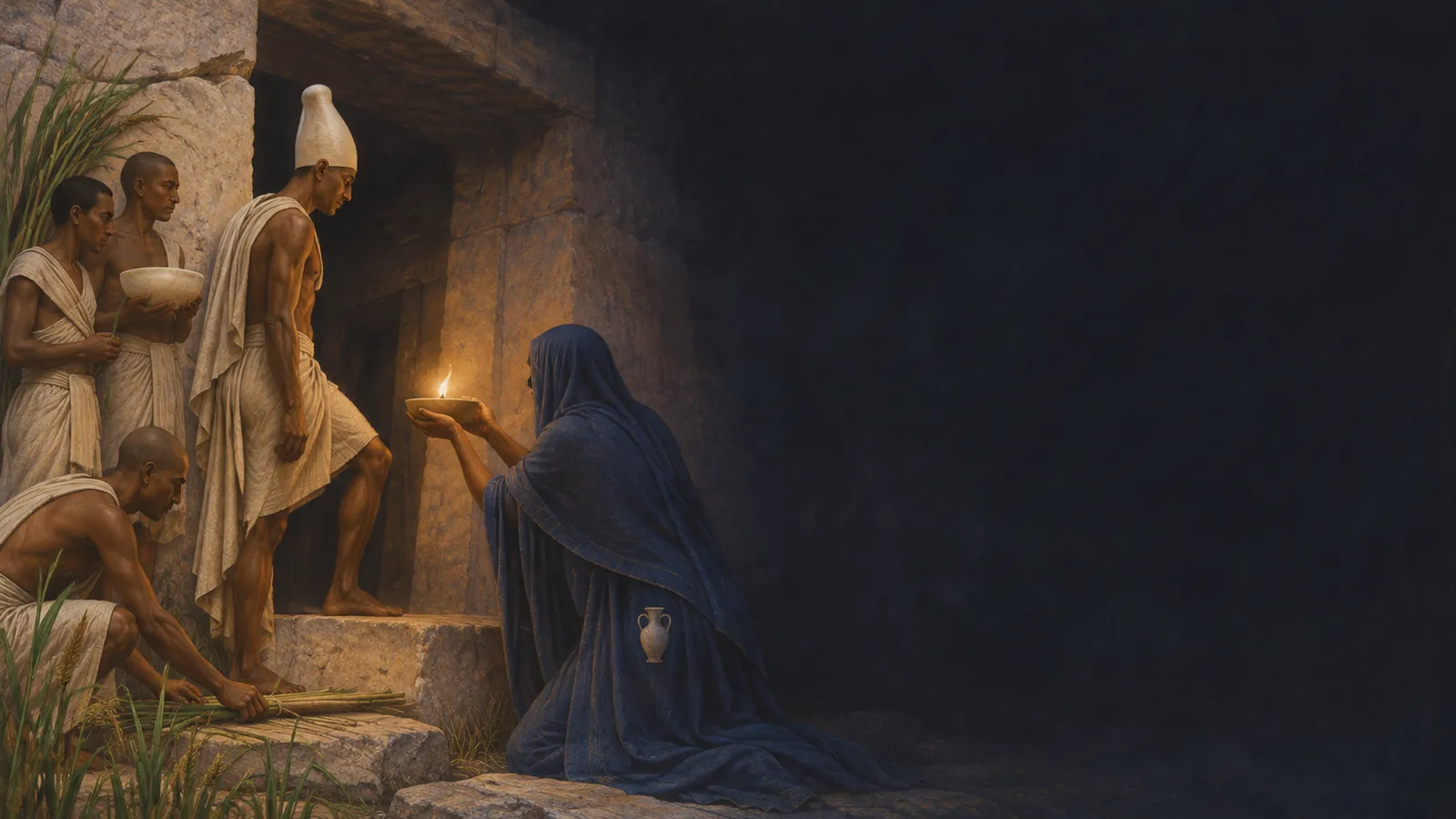
Nut, llamada la Mayor en el recinto de Shenit, llama a Teti hijo de su propia voluntad. Dice que le dio la Duat para que ocupara allí el primer lugar como Horus.
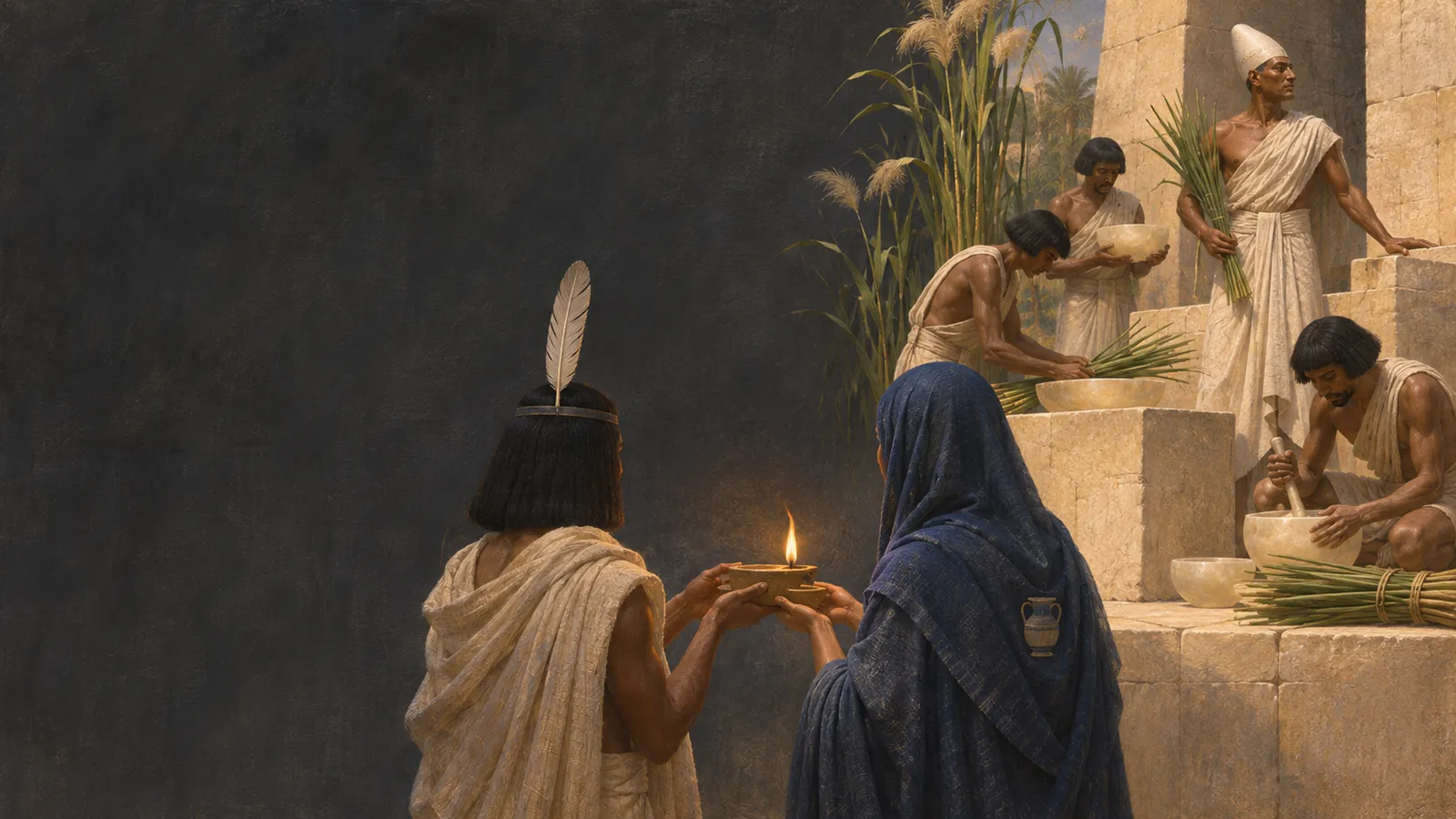
Los dioses dicen que Shu, a quien llaman padre de Teti, sabe cuánto quiere Nut a Teti. Dicen que ella lo quiere más de lo que quiere a su propia madre, Tefnut.
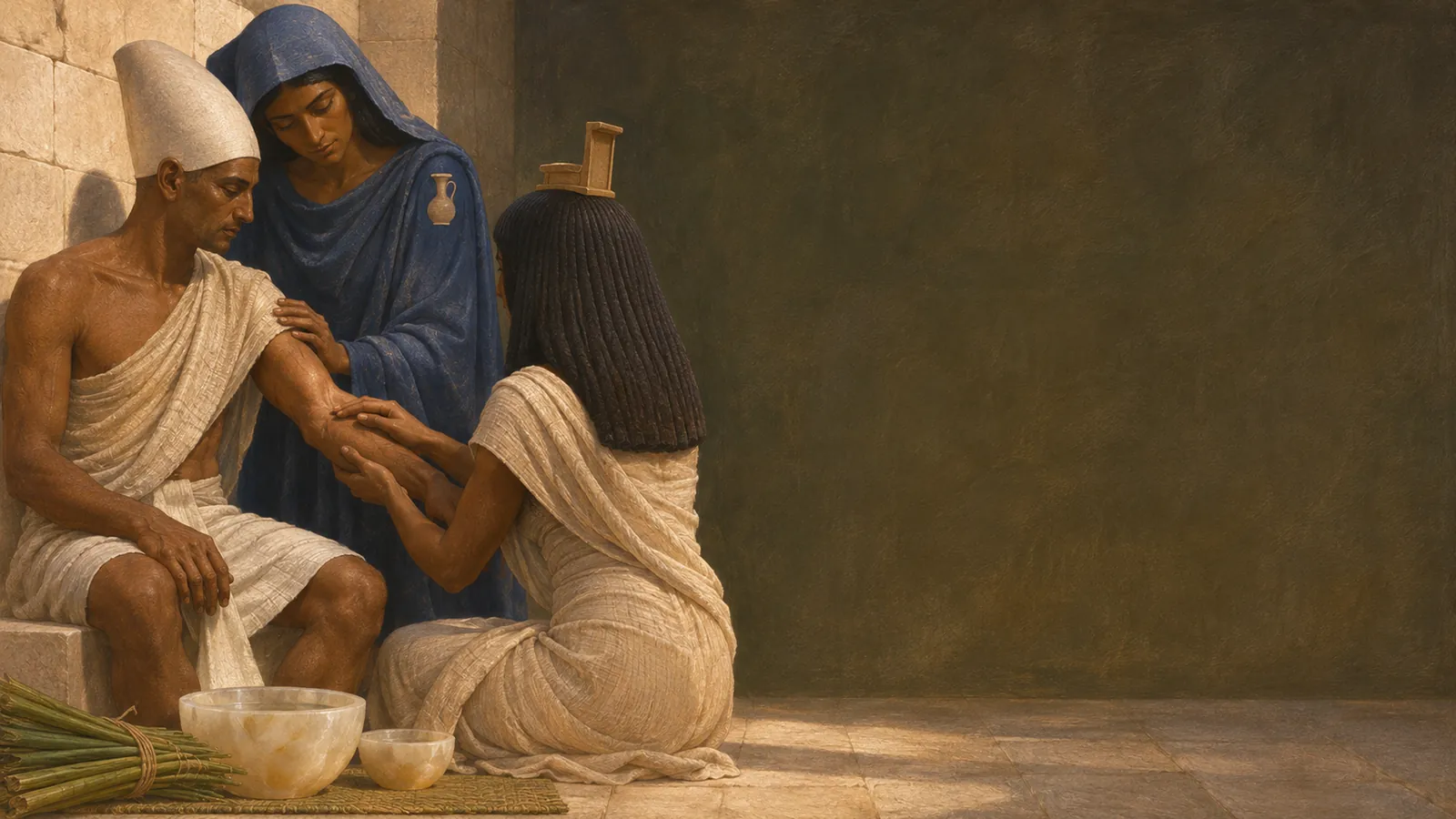
En el conjuro siguiente, Nut le dice a Teti que le ha dado a su hermana Isis. Isis ha de sostenerlo y dar a su cuerpo su mente.
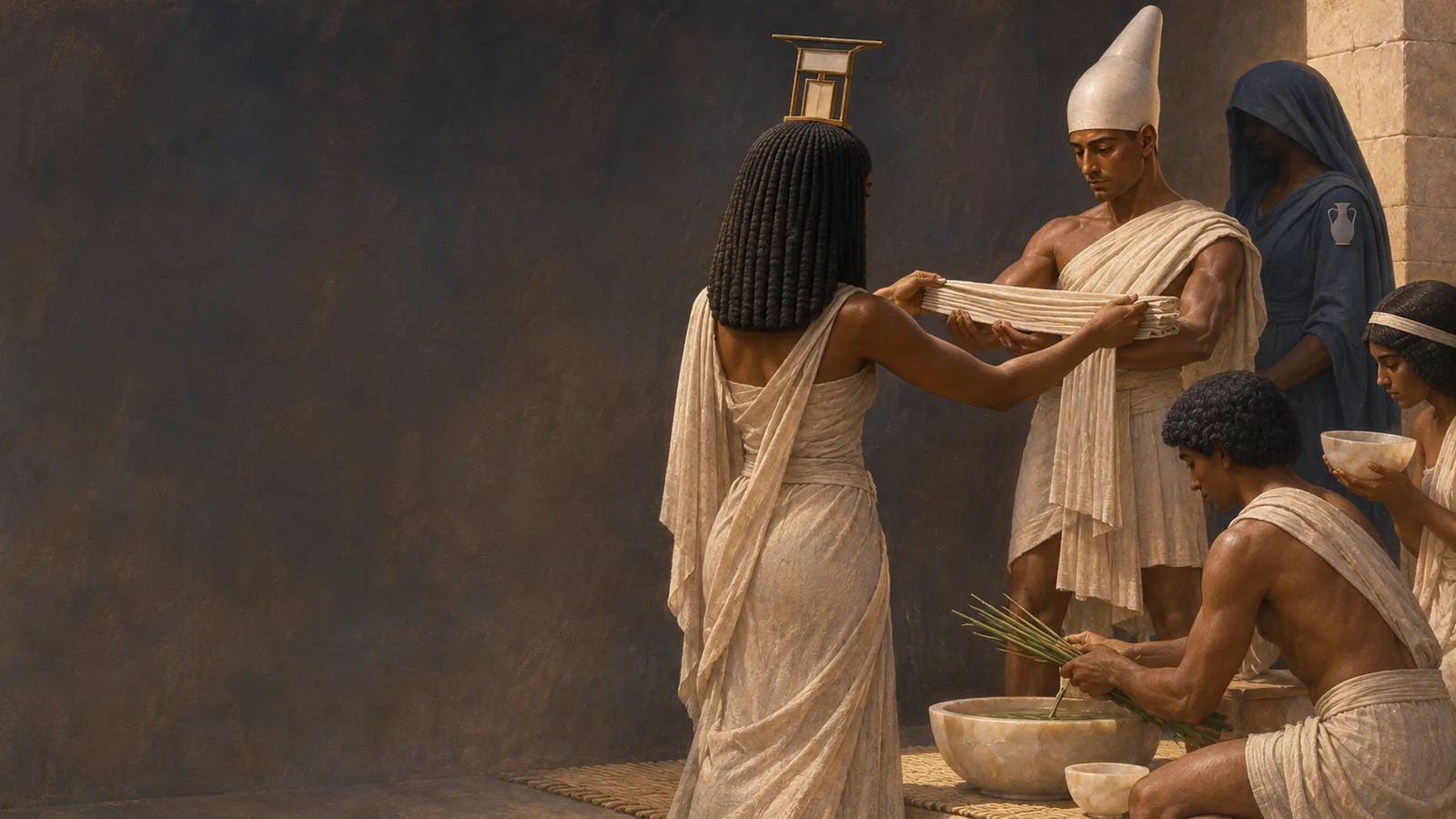
En una recitación aparte, Nut da a Teti a su hermana Neftis. Nut le encomienda lo mismo que a Isis, sostenerlo y dar a su cuerpo su mente.
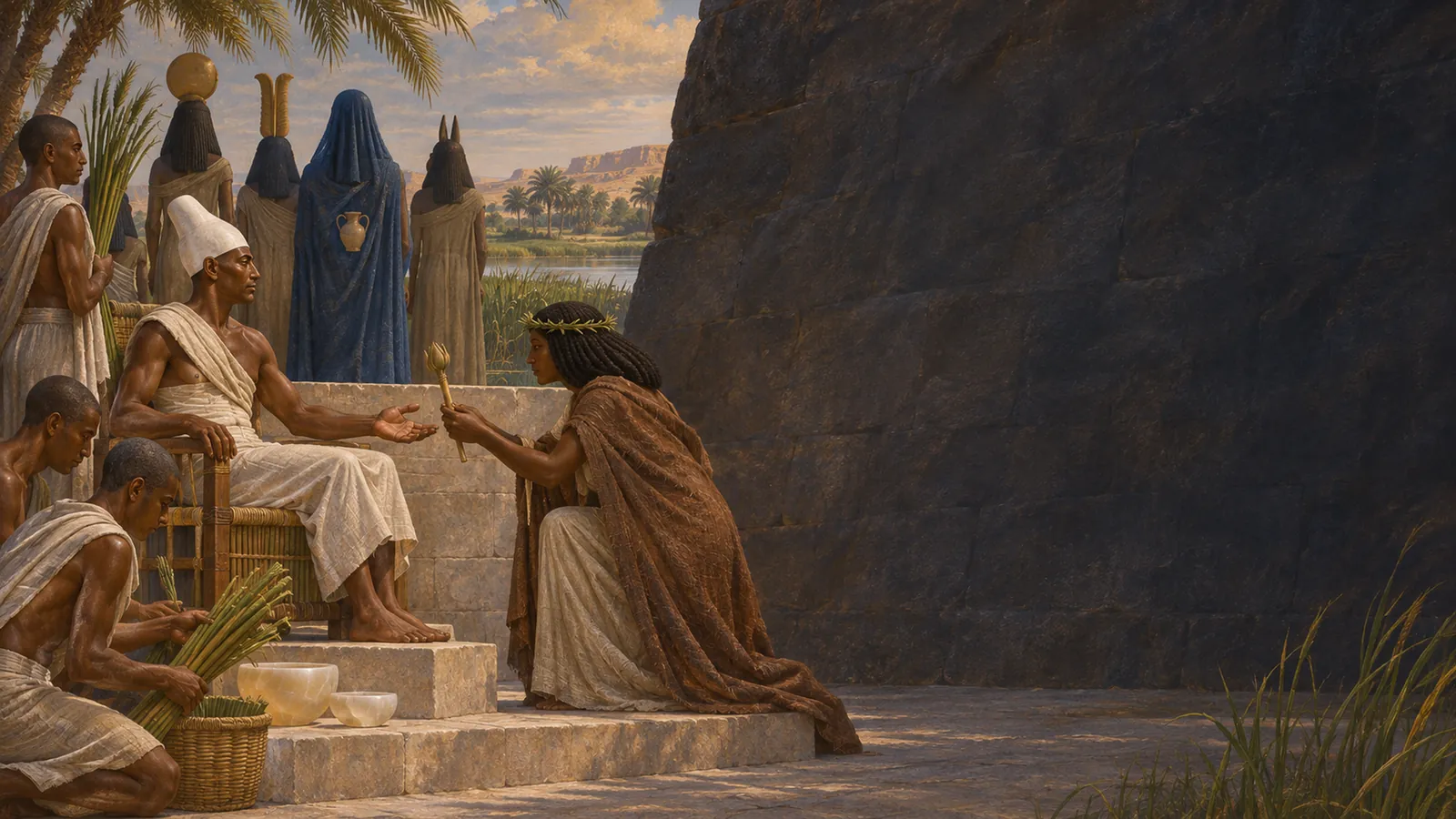
Nut, llamada la Grande del Recinto Inferior, nombra a Teti como el hijo que deseaba y el primogénito en el trono de Geb. Dice que Geb está satisfecho con él y le ha dado su herencia ante la Gran Enéada.
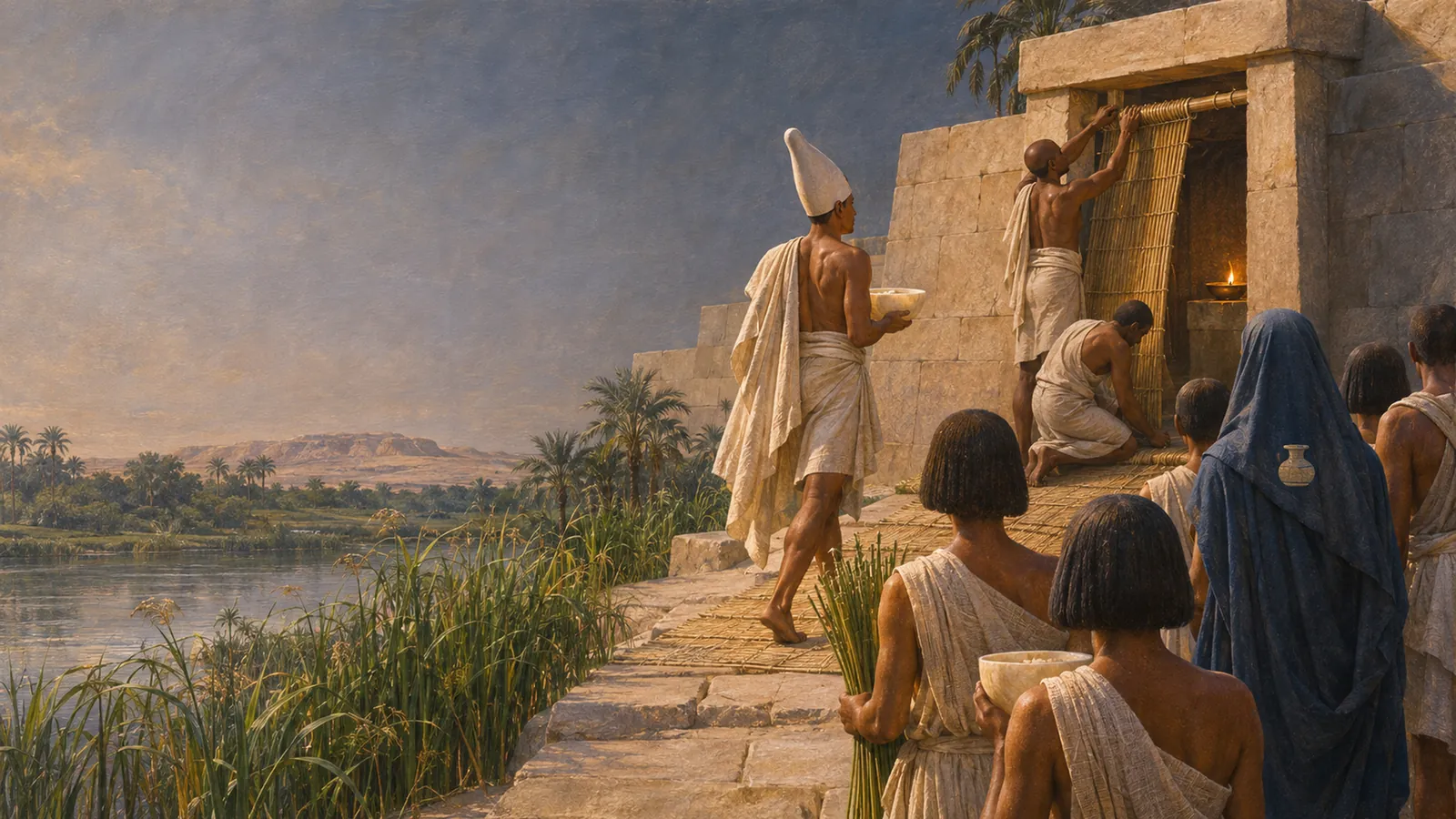
En las últimas palabras de los conjuros del sarcófago, los dioses hablan con entusiasmo. Exclaman que Teti está feliz porque su padre Geb está satisfecho con él.
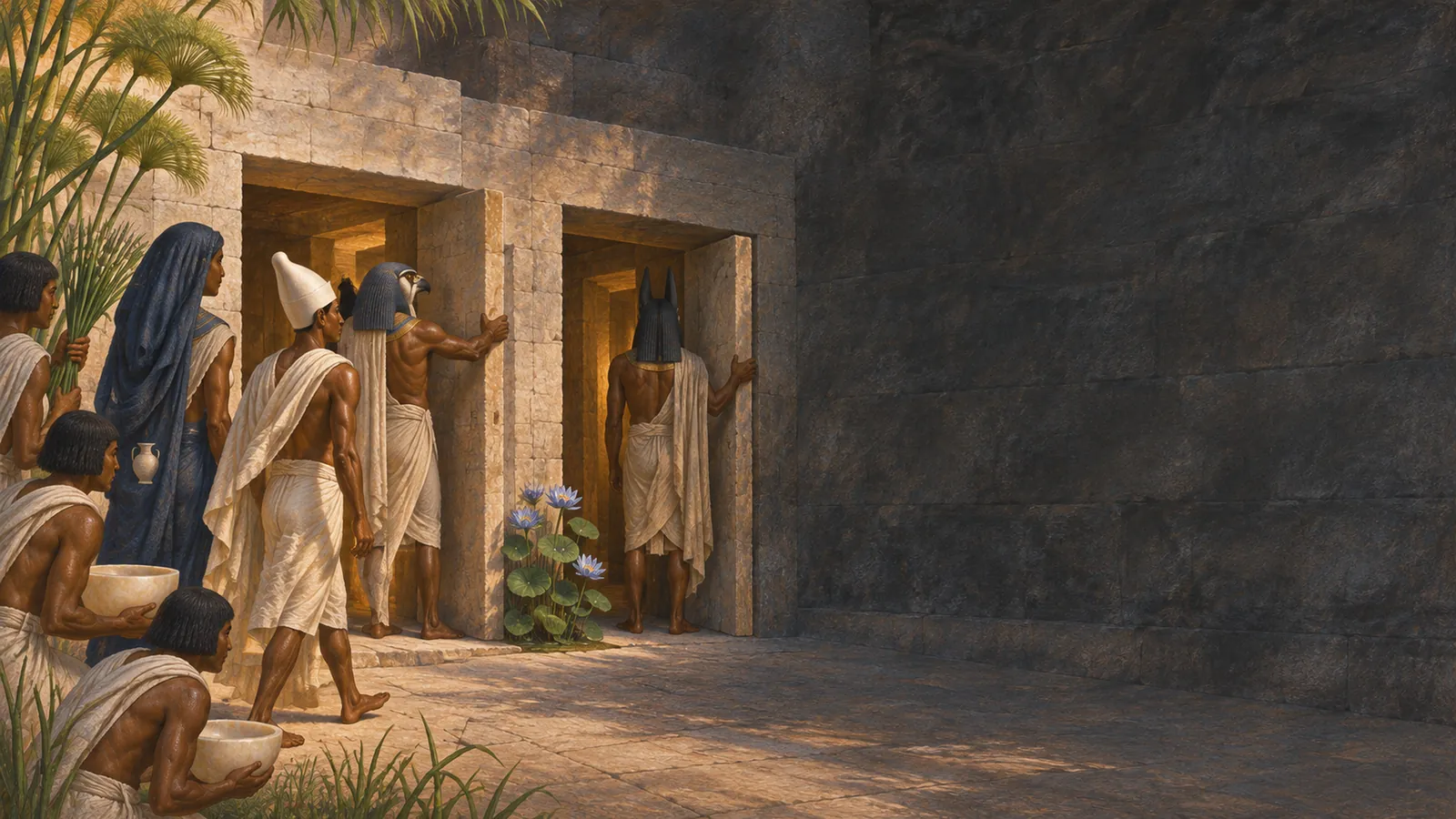
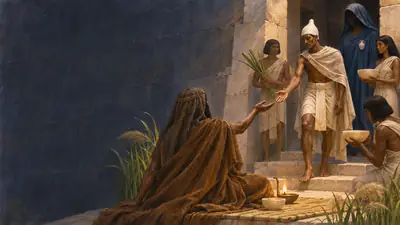
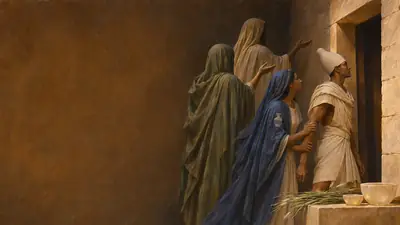
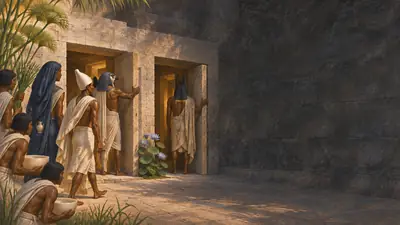
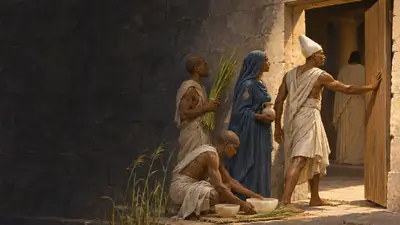
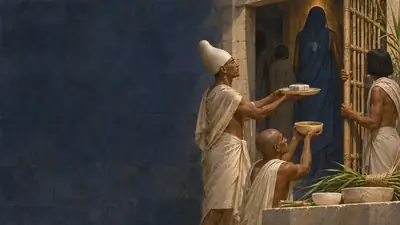
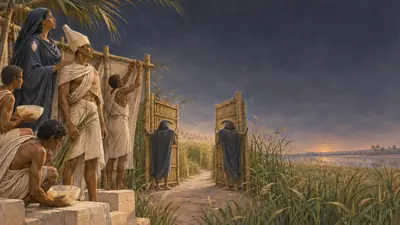
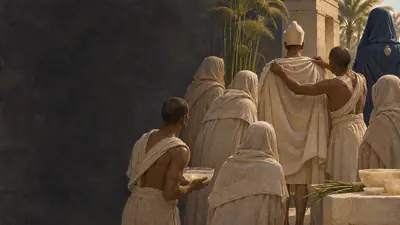
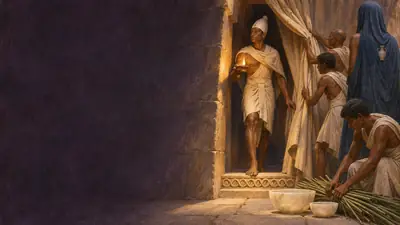
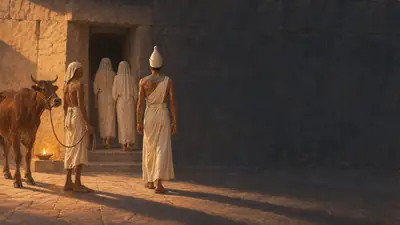
La recitación del ascenso llama al cielo y a la tierra a abrirse. La puerta del muro del recinto se abre para Horus, y la puerta de los lotos se abre para Seth.
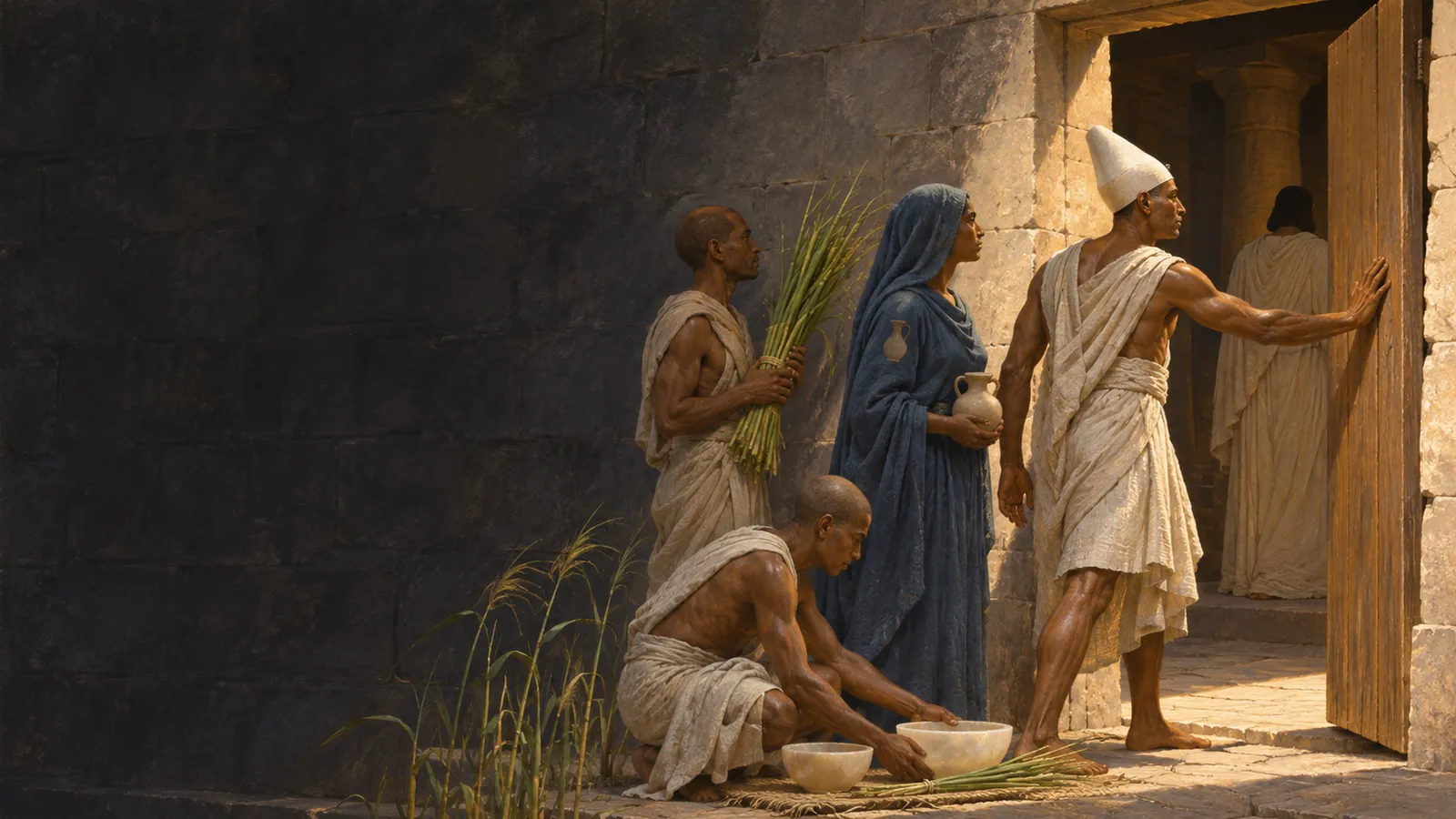
El recitante pide a la puerta que se vuelque para él, que está al frente de su muro. Dice que ha pasado junto a la puerta como Atum.
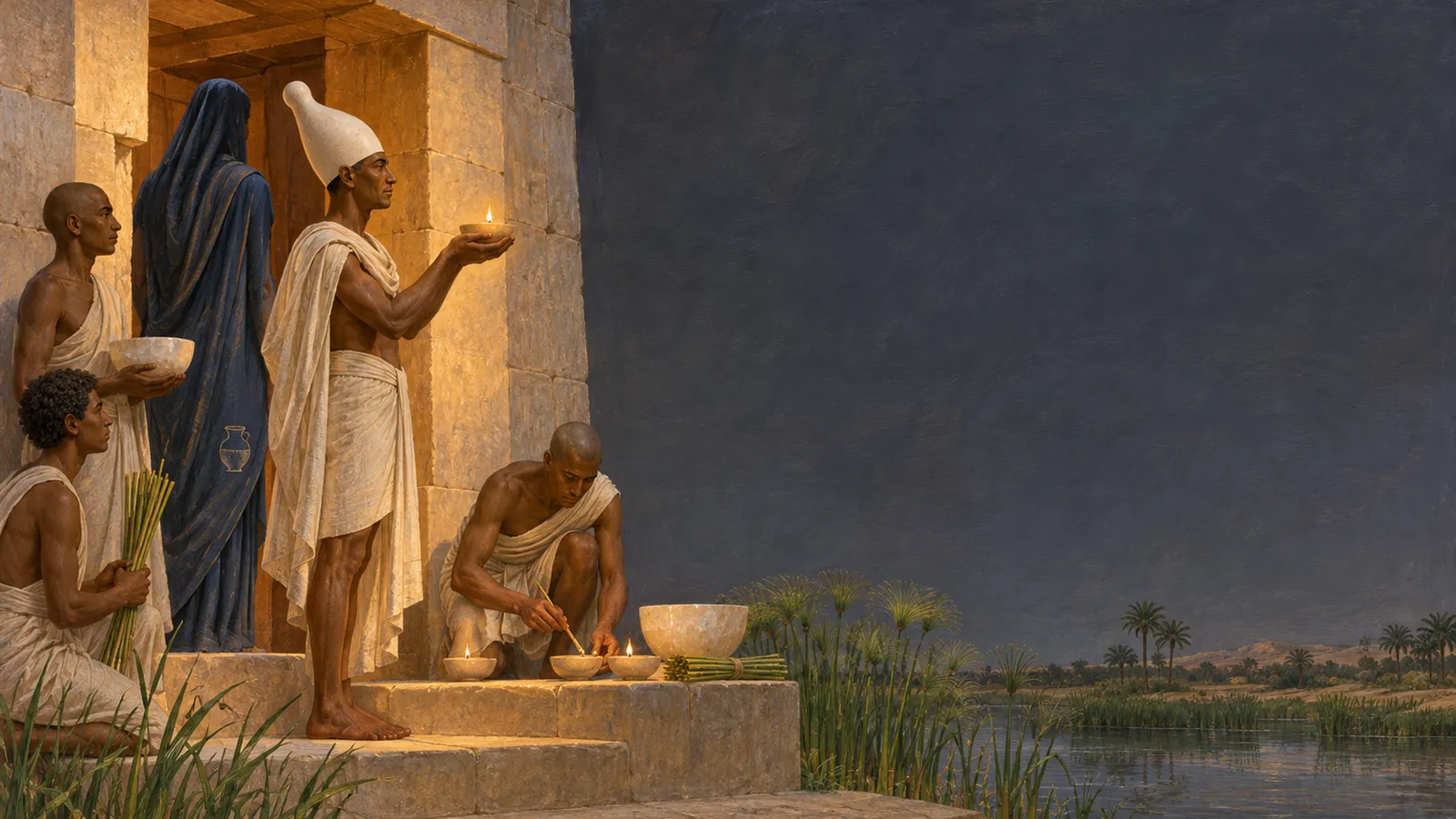
Las palabras finales de esta recitación llaman al recitante el Que Aparece en el Calor y lo sitúan en medio de Negau.
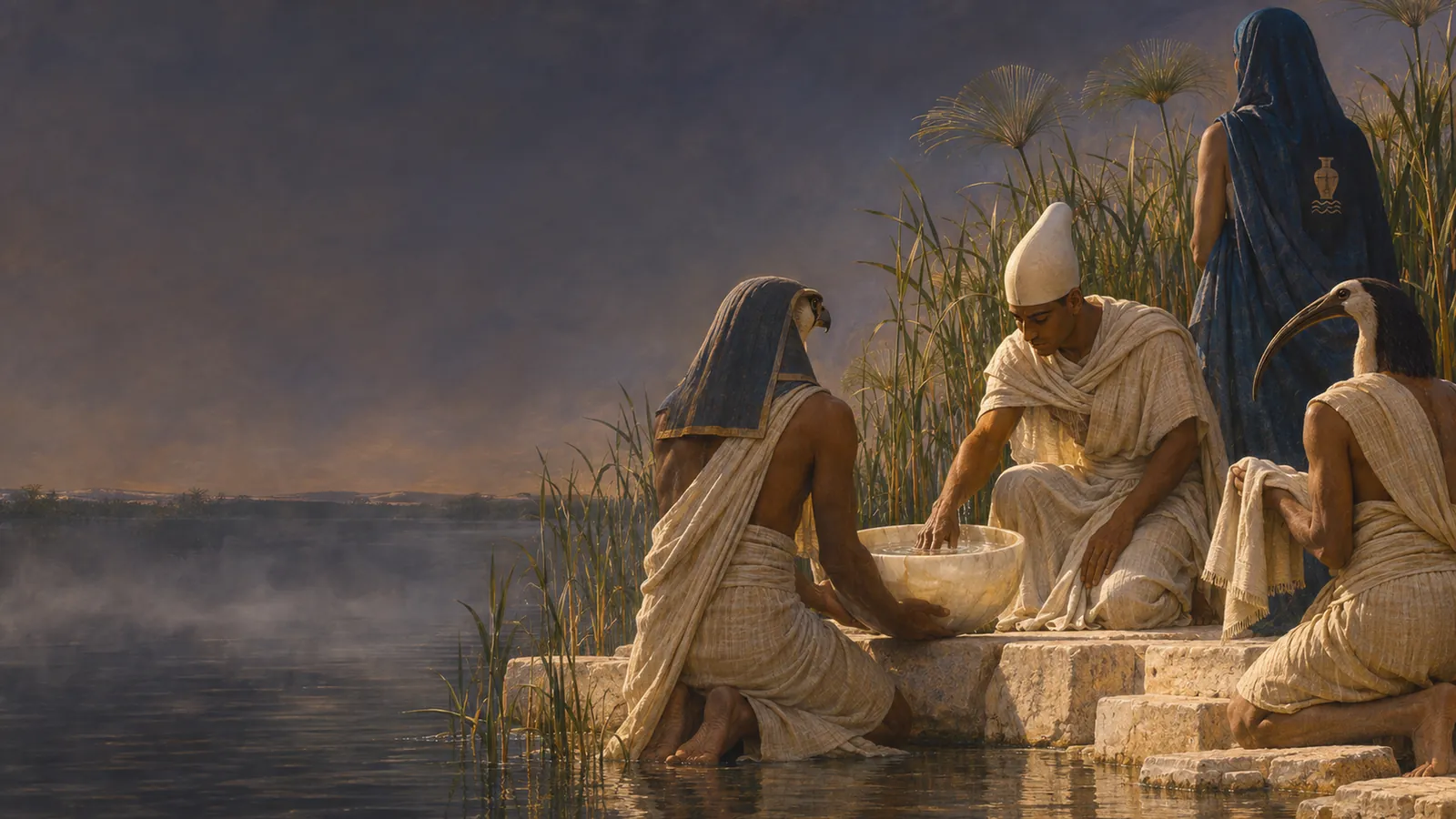
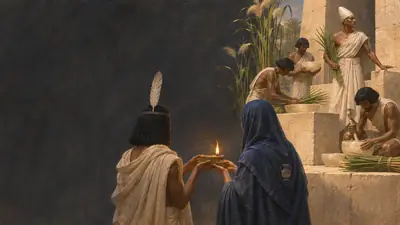
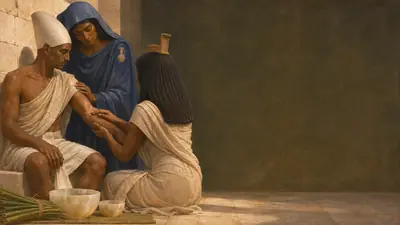
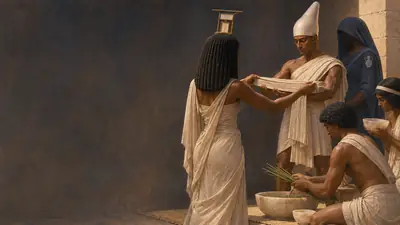
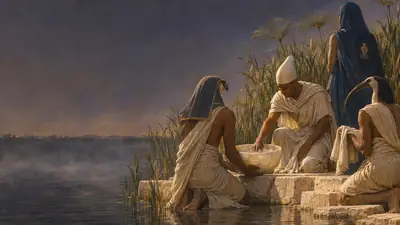
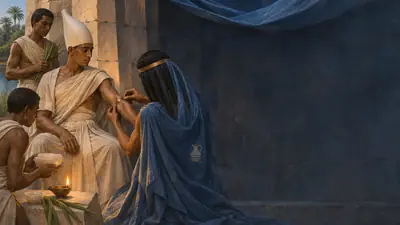
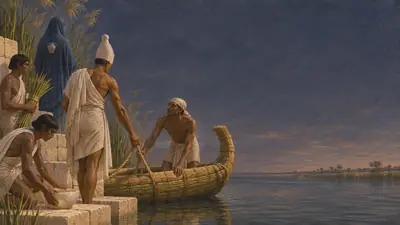
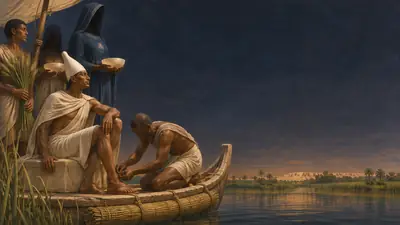
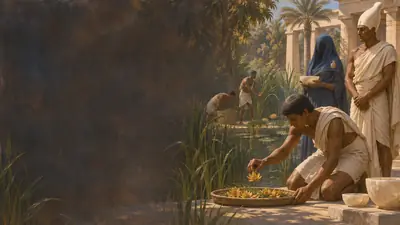
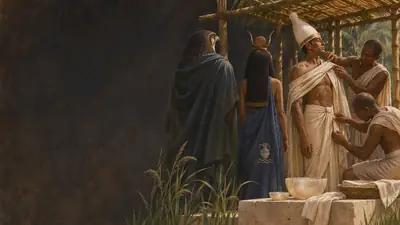
El recitante dice que se purifica con el Sol en el Lago de los Juncos. Otra voz dice después que Horus le frota la carne y que Tot le frota los pies.
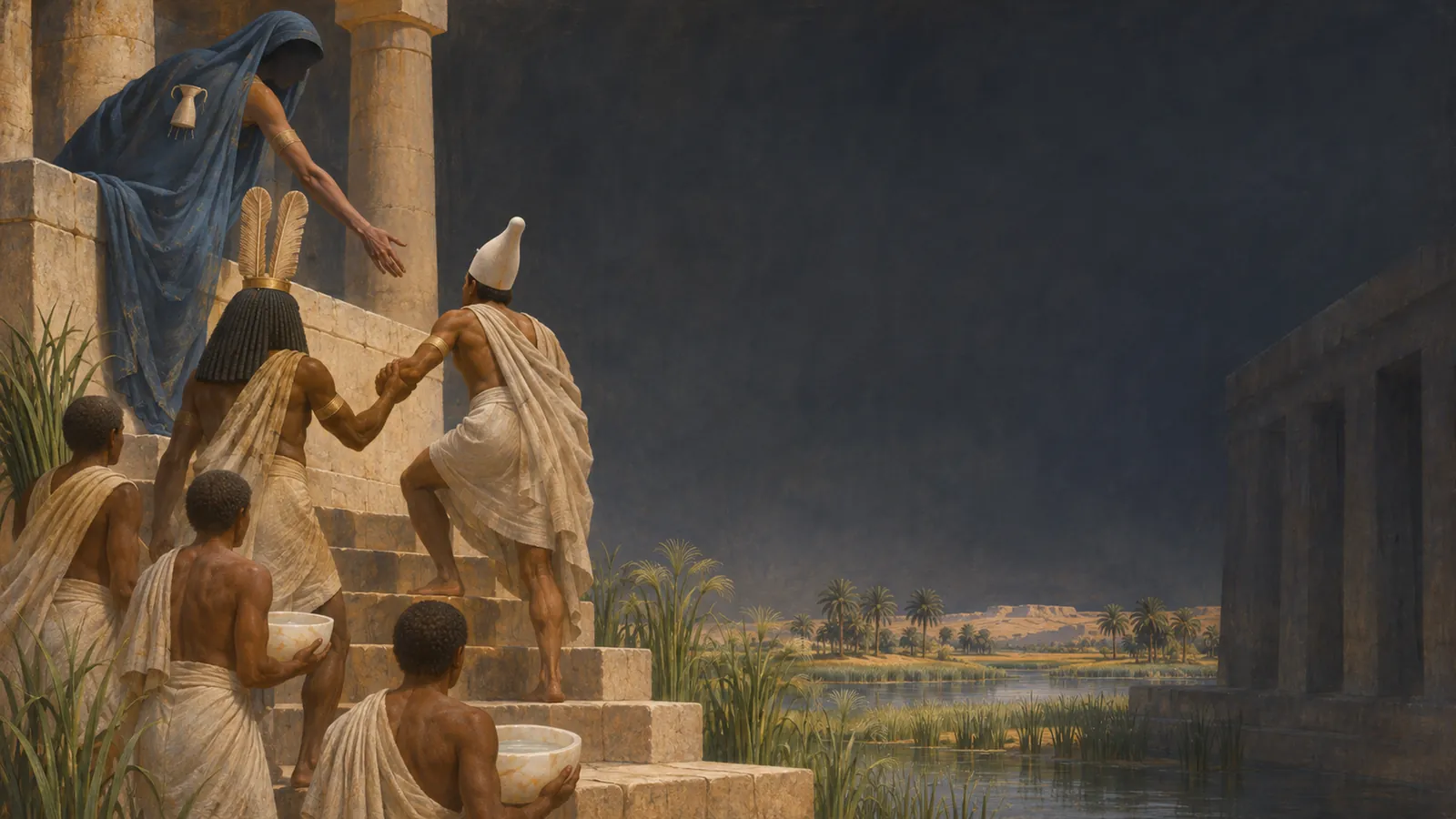
Al final de la recitación, el recitante pide a Shu que lo eleve. Le pide a Nut que le tienda el brazo.
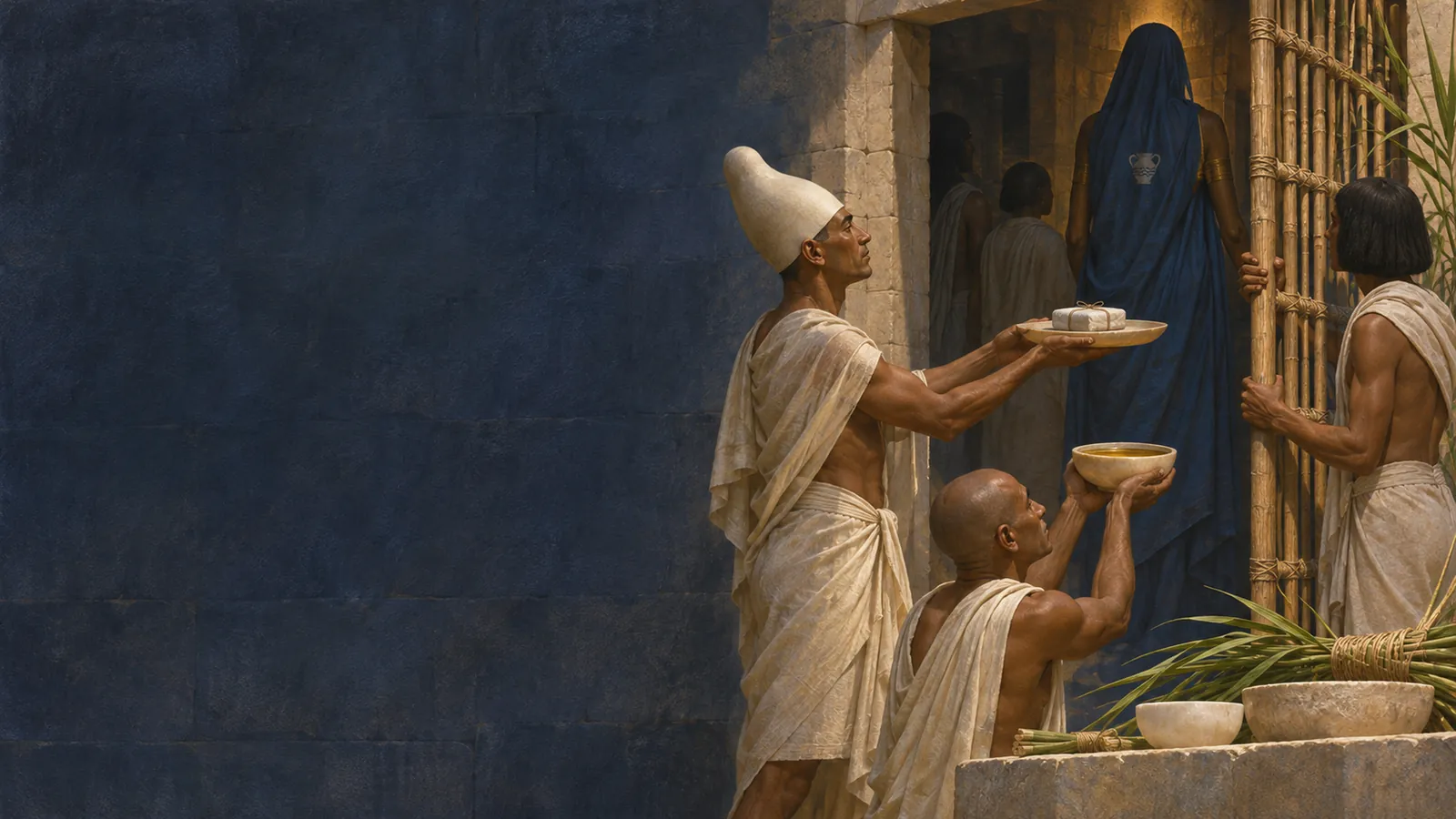
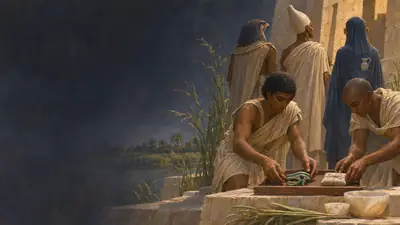
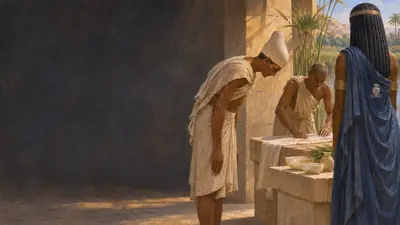
El recitante saluda al portero de Horus y al guardián de la puerta de Osiris, y les pide que digan a Horus quién es. Dice haber traído lo que Allen traduce como saliva para el pelo.
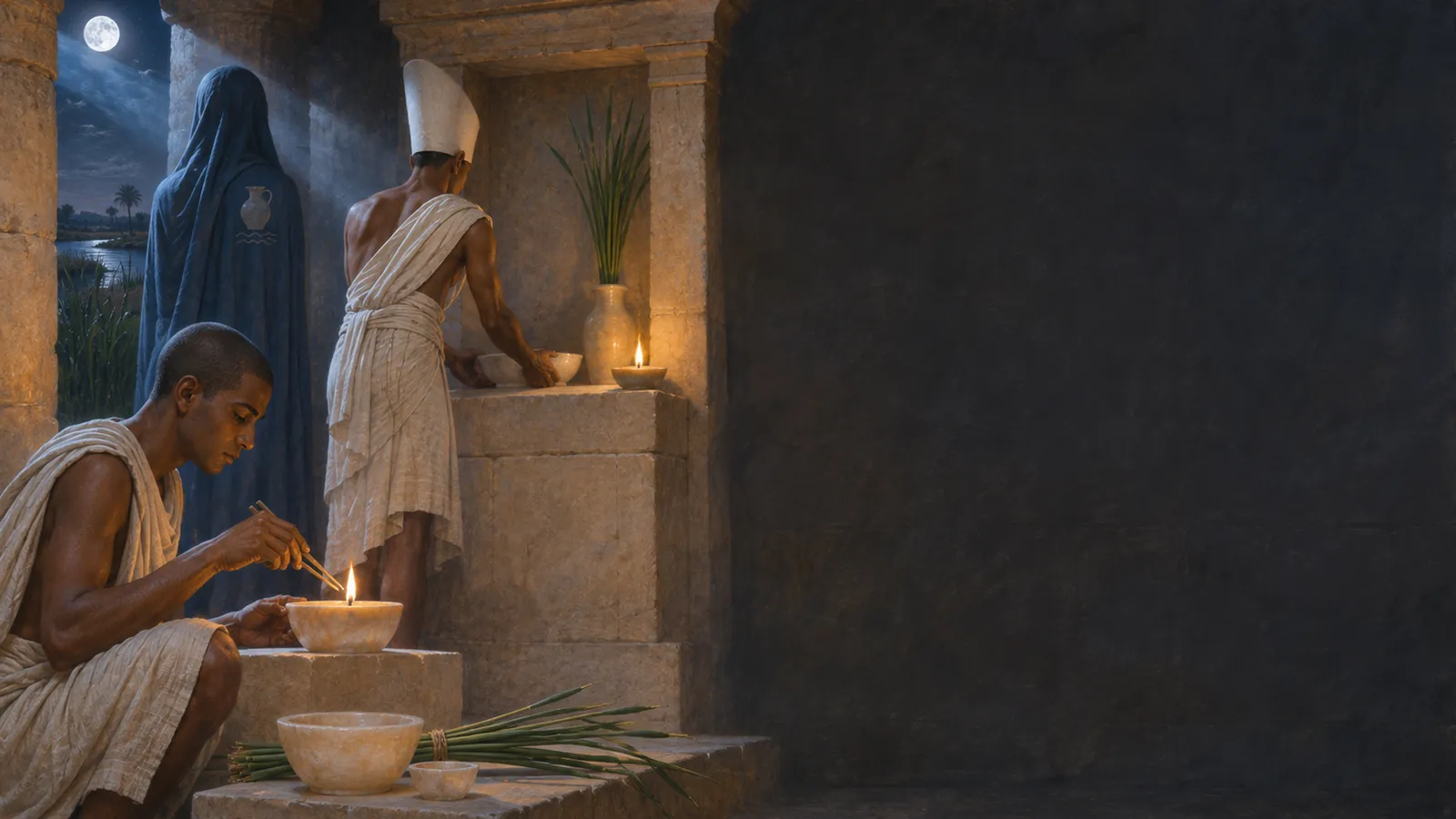
La fórmula dice que el cabello de Horus enferma al principio del mes y queda calvo a mitad de mes. Una voz pide al recitante que lo alivie con la magia de los dioses en el momento en que surge.
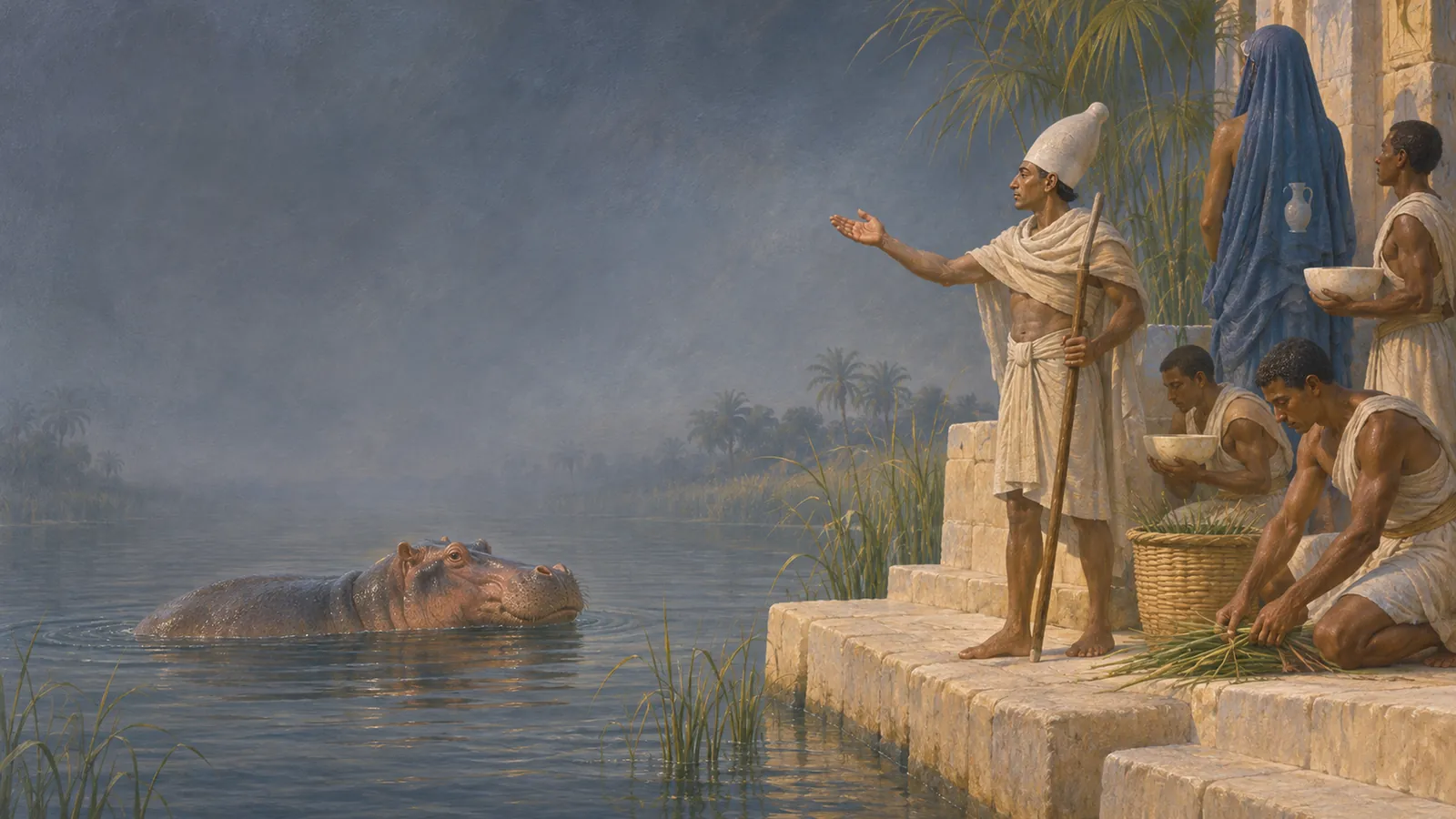
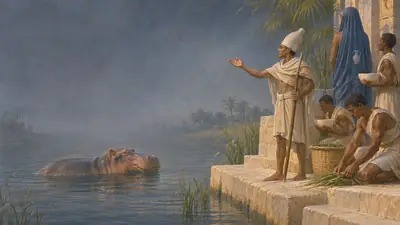
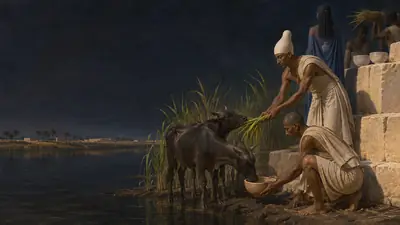
El recitante suplica a la hembra de hipopótamo y dice que se le enfrentó. Le quitó uno de los dos cetros de Horus y la golpeó con él. En su respuesta, ella lo saluda cuando él llega por primera vez a la existencia.
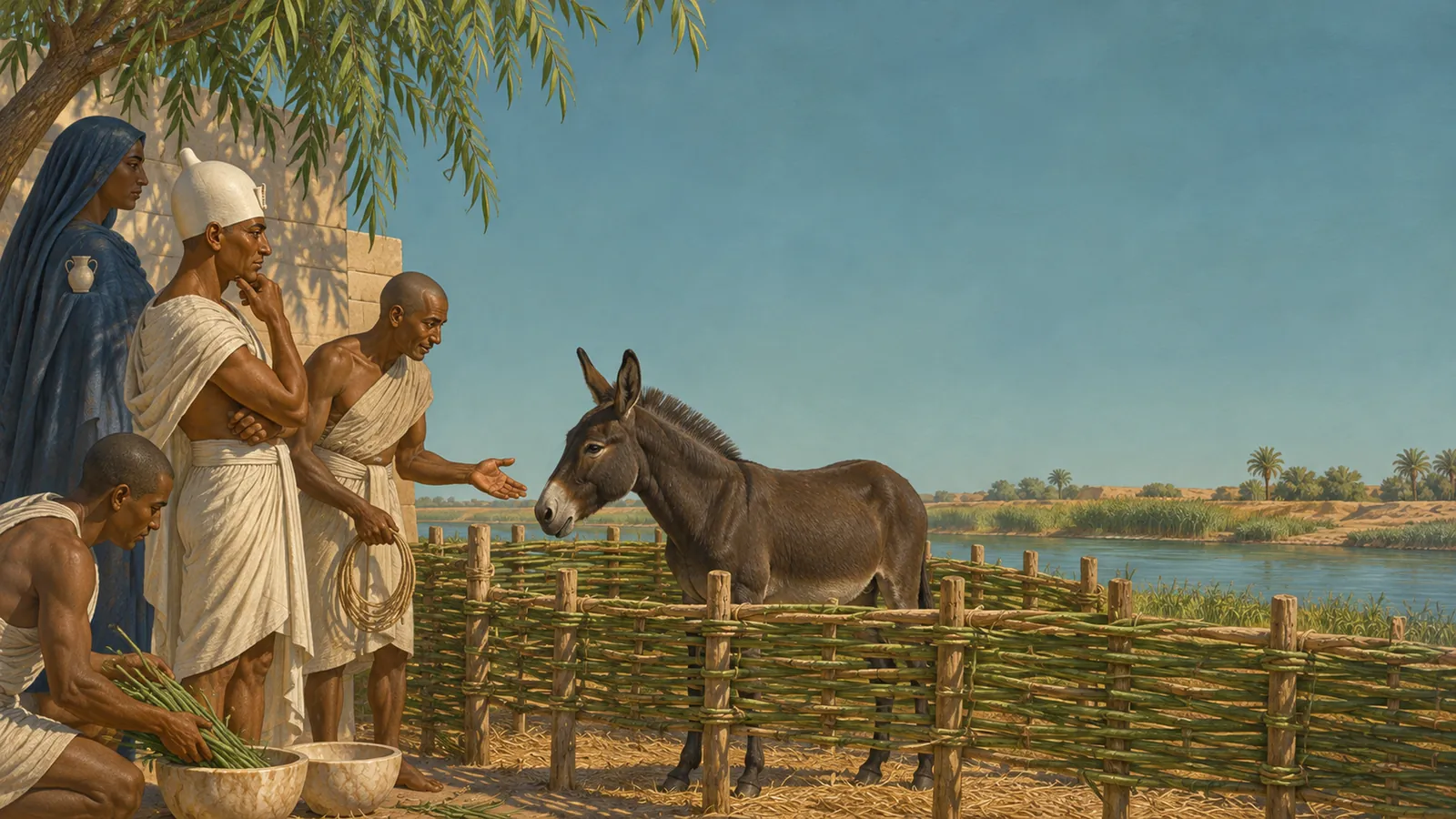
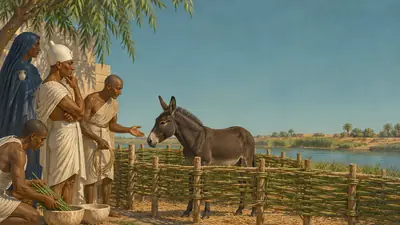
El recitante saluda a la burra monstruosa y después dice que ella se le enfrentó. Dice que la golpeó con una cola que crece en el lago de Osiris.
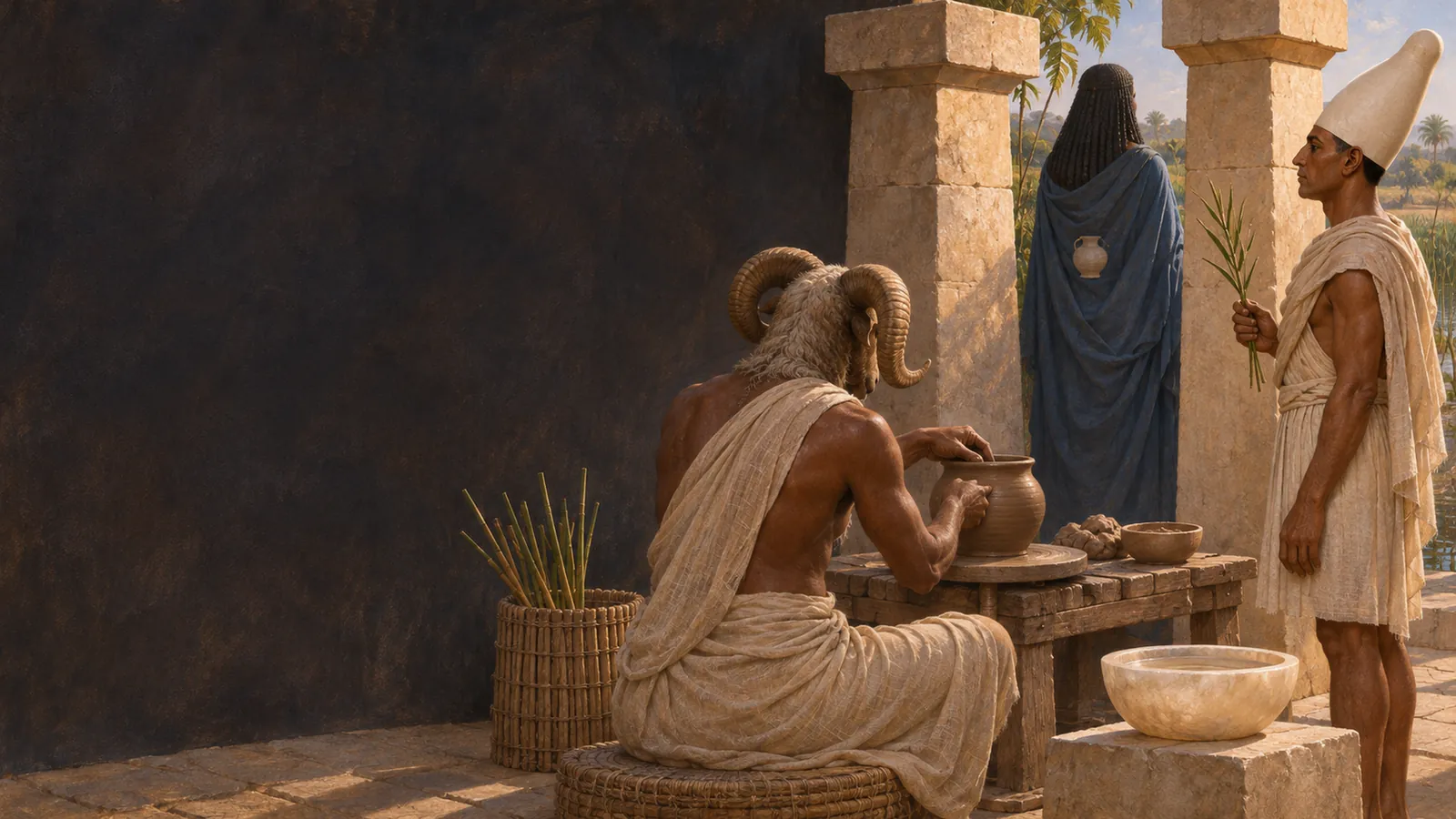
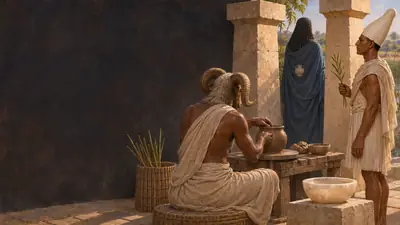
El recitante se dirige a Jnum, obligado a formarlo, y lo compara con una planta ëmë que pisa y que no puede volver a crecer entre los dedos de sus pies. La respuesta llama al recitante uno de los dos pilares del Gran Recinto.
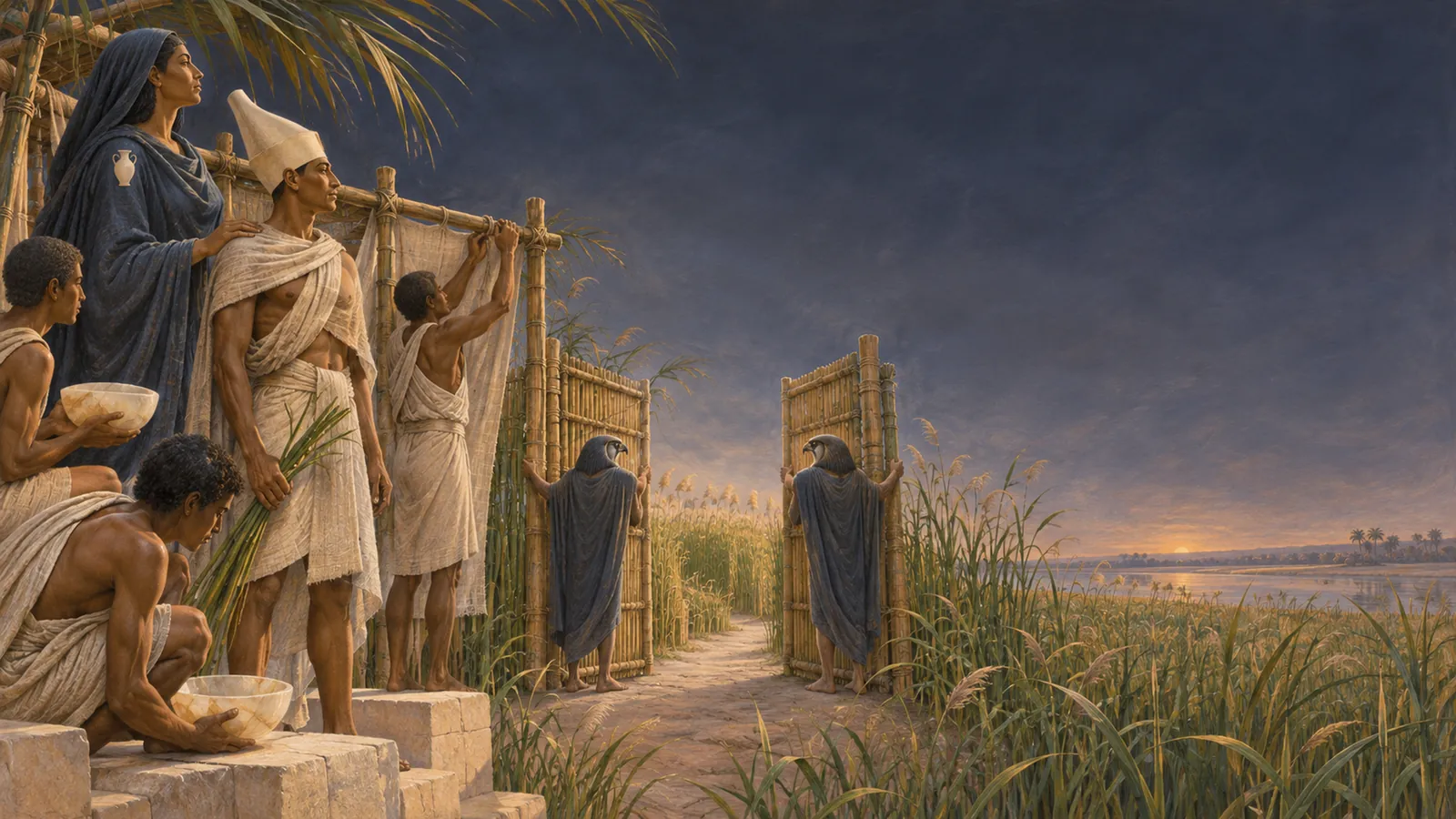
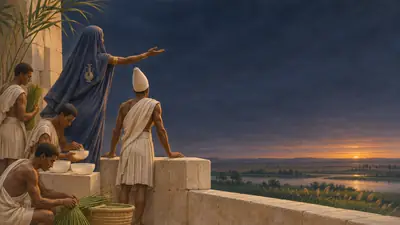
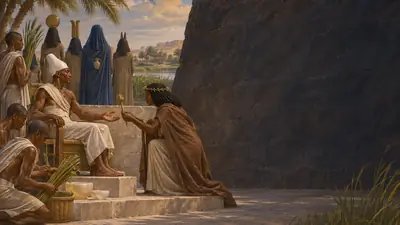
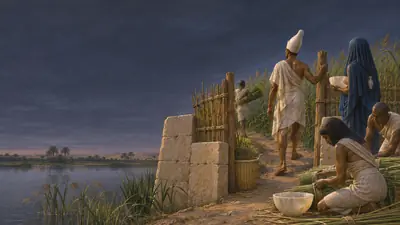
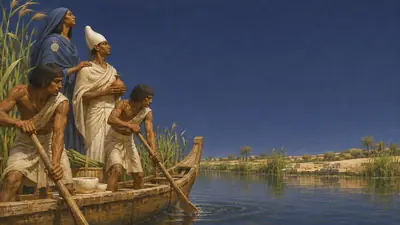
La recitación nombra a Horus de los dioses, Horus del Ajet, Horus oriental y Horus de Shezmet. Al amanecer se abren el portal del cielo y la puerta de las Aguas Frescas para que cada uno salga y se purifique en el Campo de los Juncos.
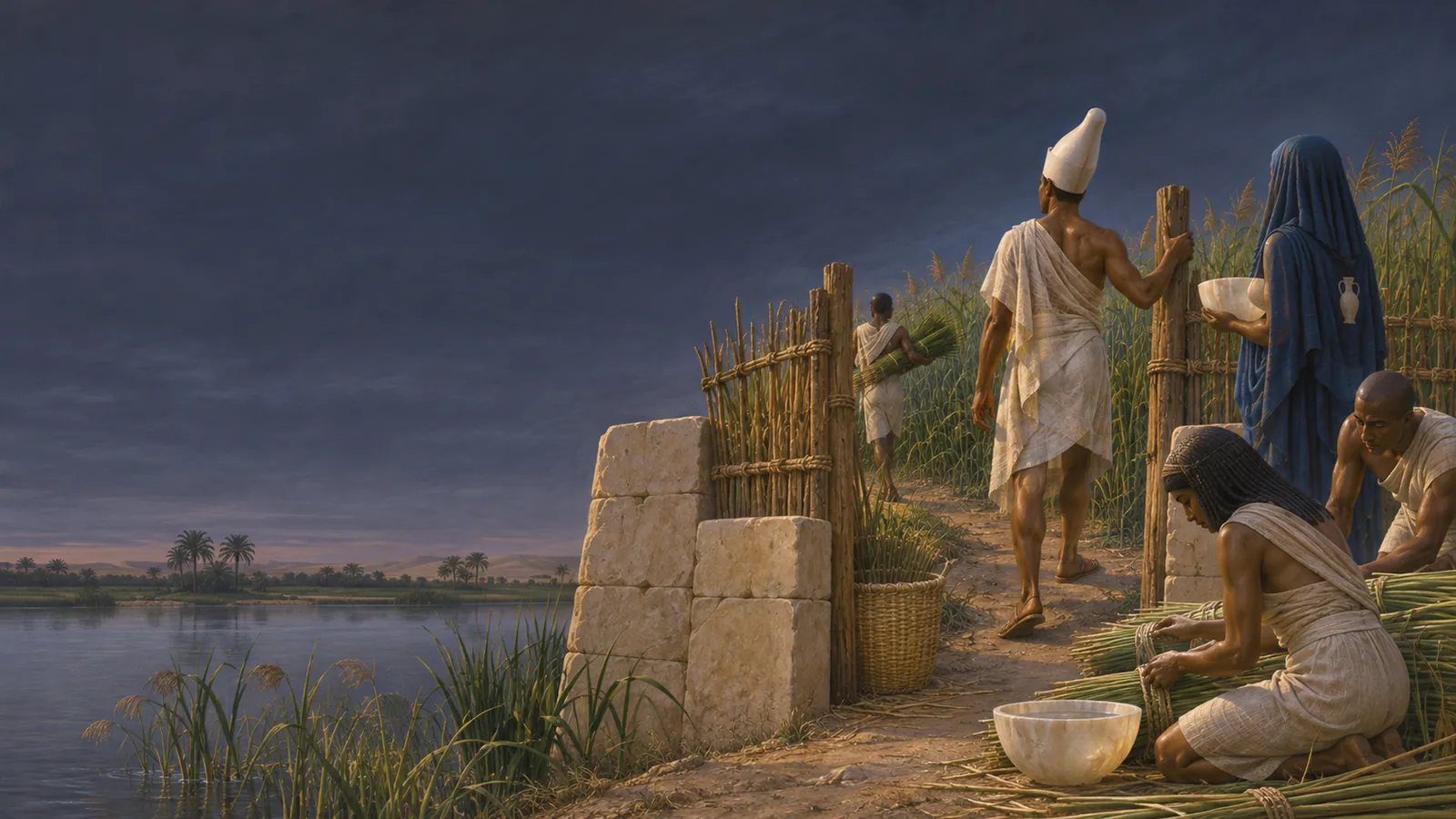
EL ALBA
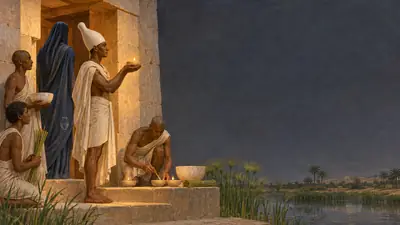
El recitante dice ahora que el portal del cielo y la puerta de las Aguas Frescas se abren para él al amanecer. Ha de salir y purificarse en el Campo de los Juncos.
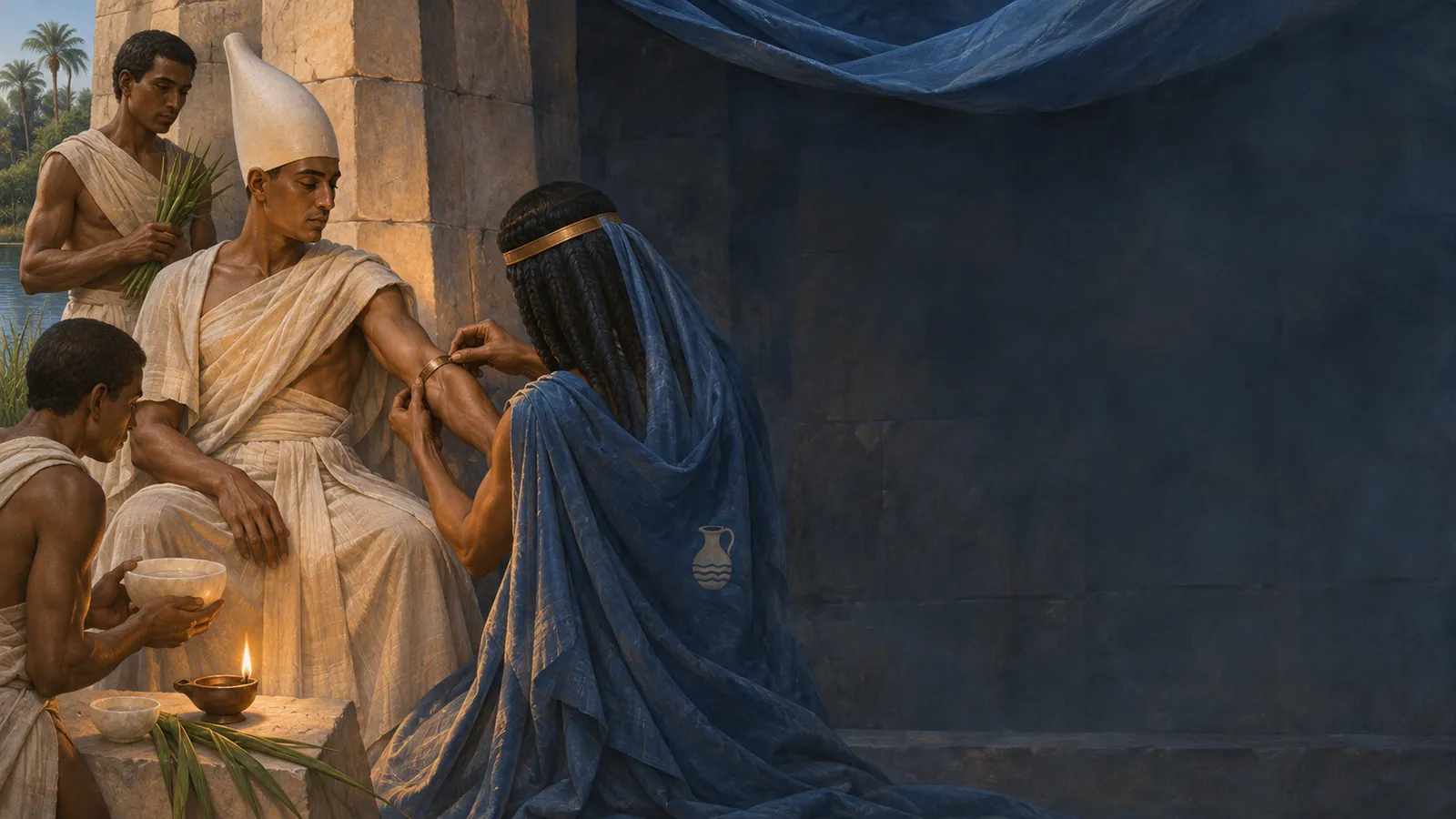
El recitante dice que se purifica y recibe sus huesos de metal. Dice que estira sus miembros imperecederos en el vientre de Nut, su madre.
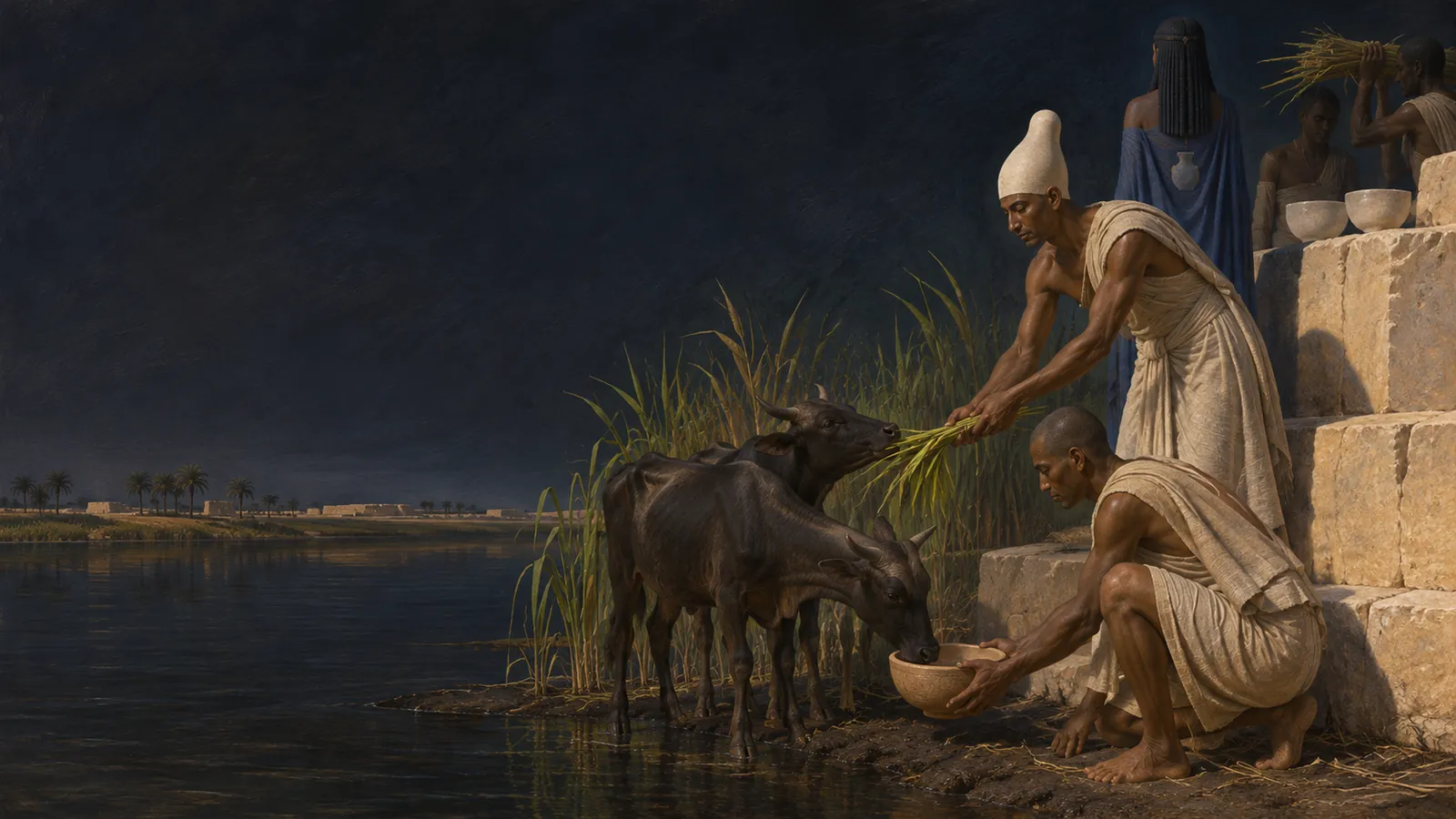
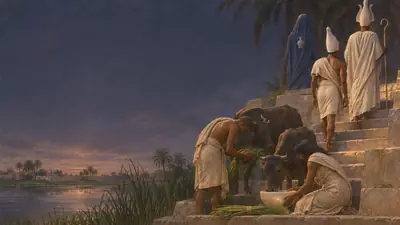
Pide al Sol que le dé sus brazos para que Shu lo tome como compañero para siempre. Dice que lo amamantaron las dos vacas negras que crían a los bas de Heliópolis.
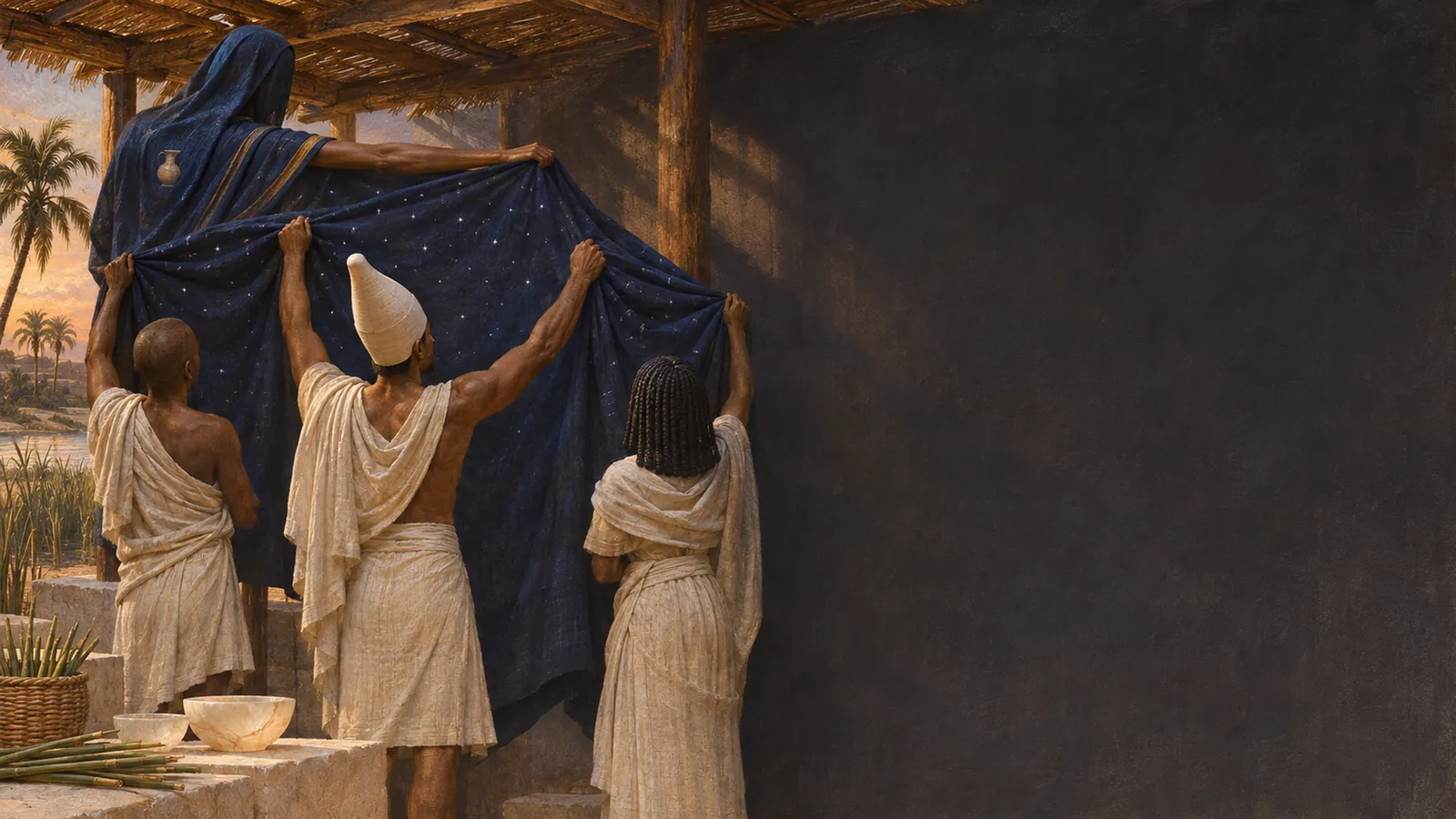
El recitante se dirige a Hepatj y dice que el vientre del cielo se ha hinchado por la fuerza de la semilla del dios. Dice que él es la semilla que está dentro.
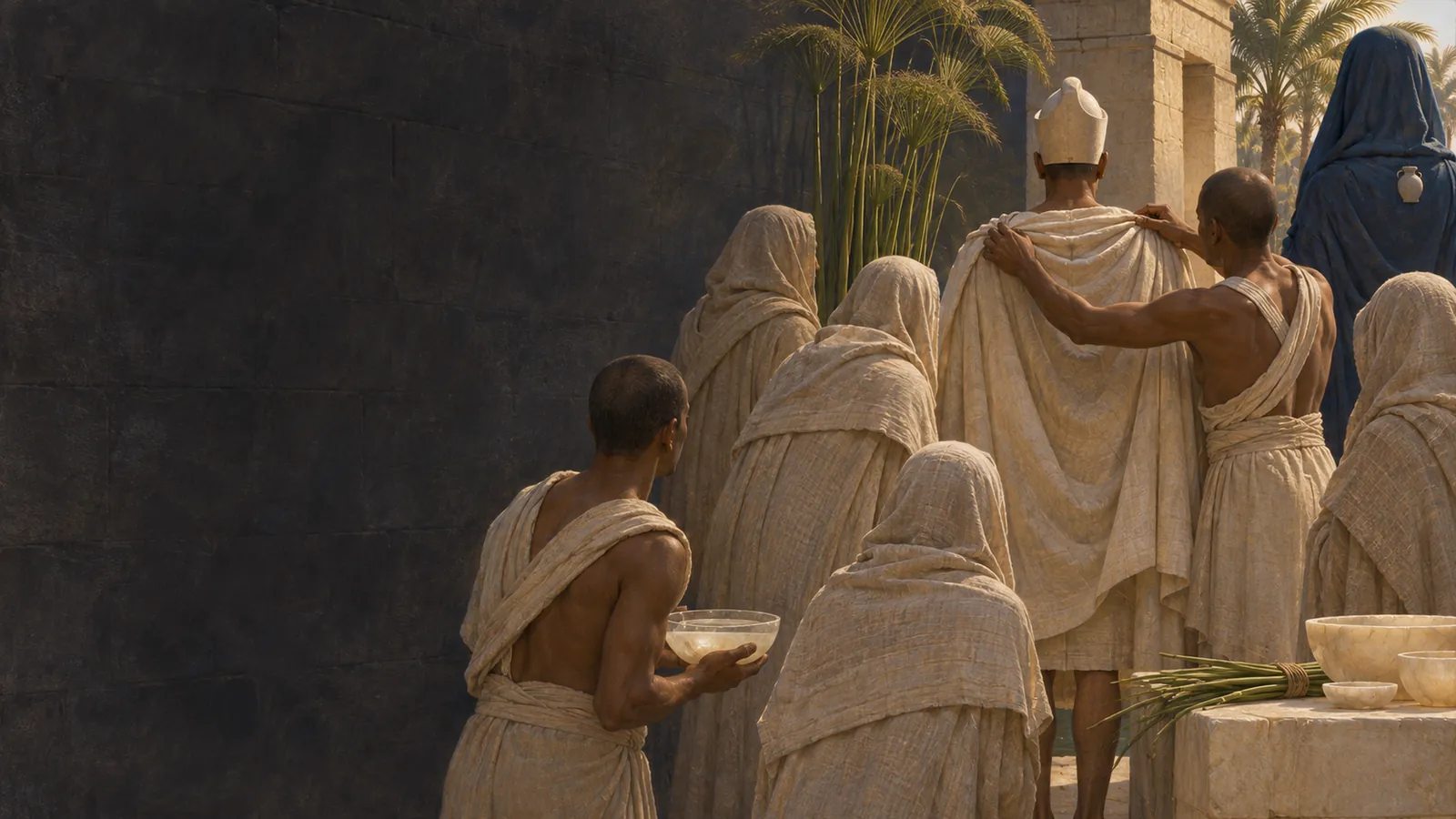
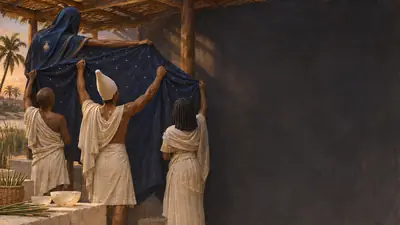
El recitante invoca a Hepatj, al Ululador y a Zemnenu. Dice que el manto recibido lo ha purificado y establecido como dios, y pide que lo asienten entre ellos.
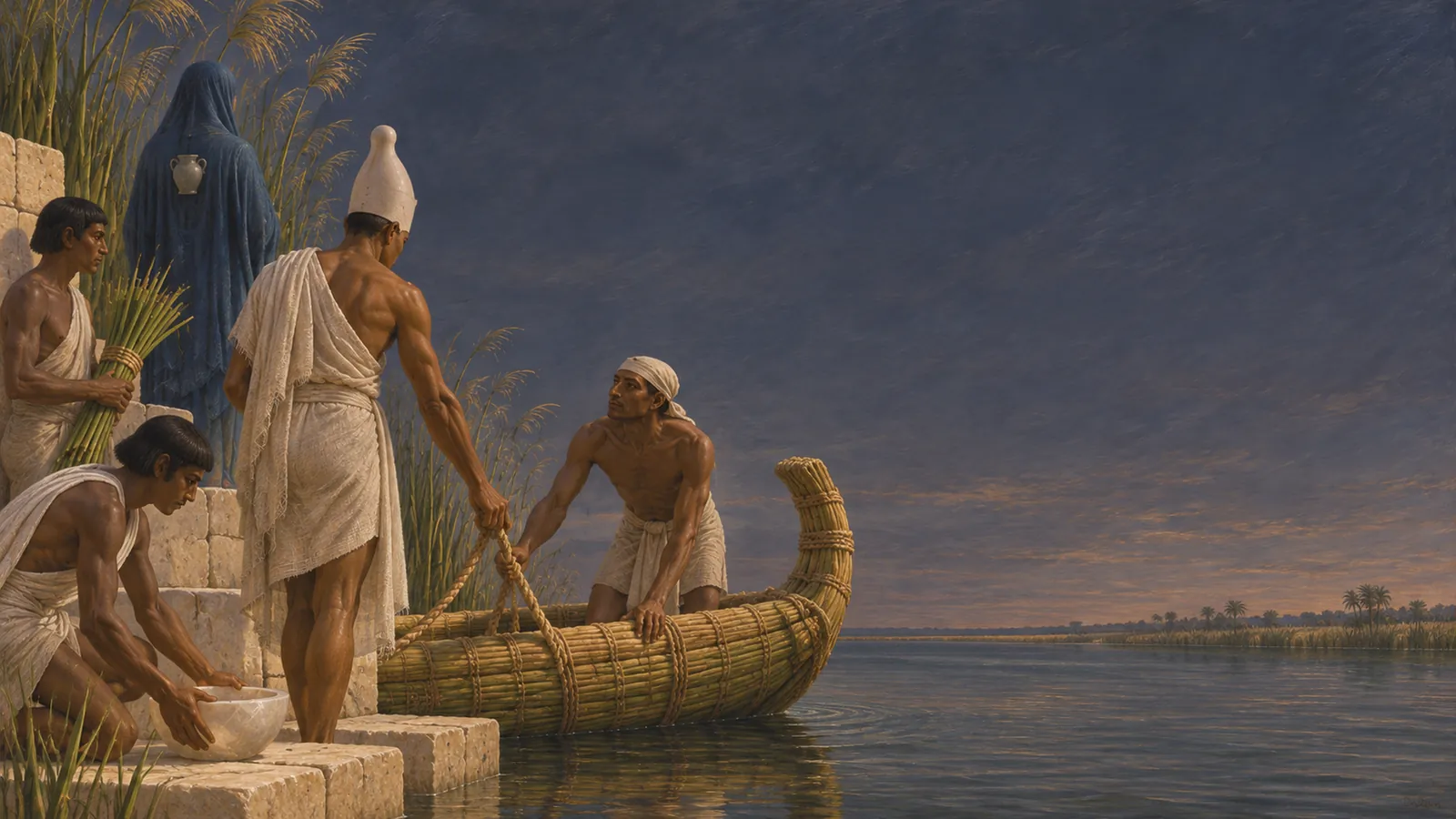
El recitante se dirige al nadador del canal de Horus, de frente oscura, a quien la fórmula sitúa en el cuello del Sol. Dice que ambos están destinados al cielo.
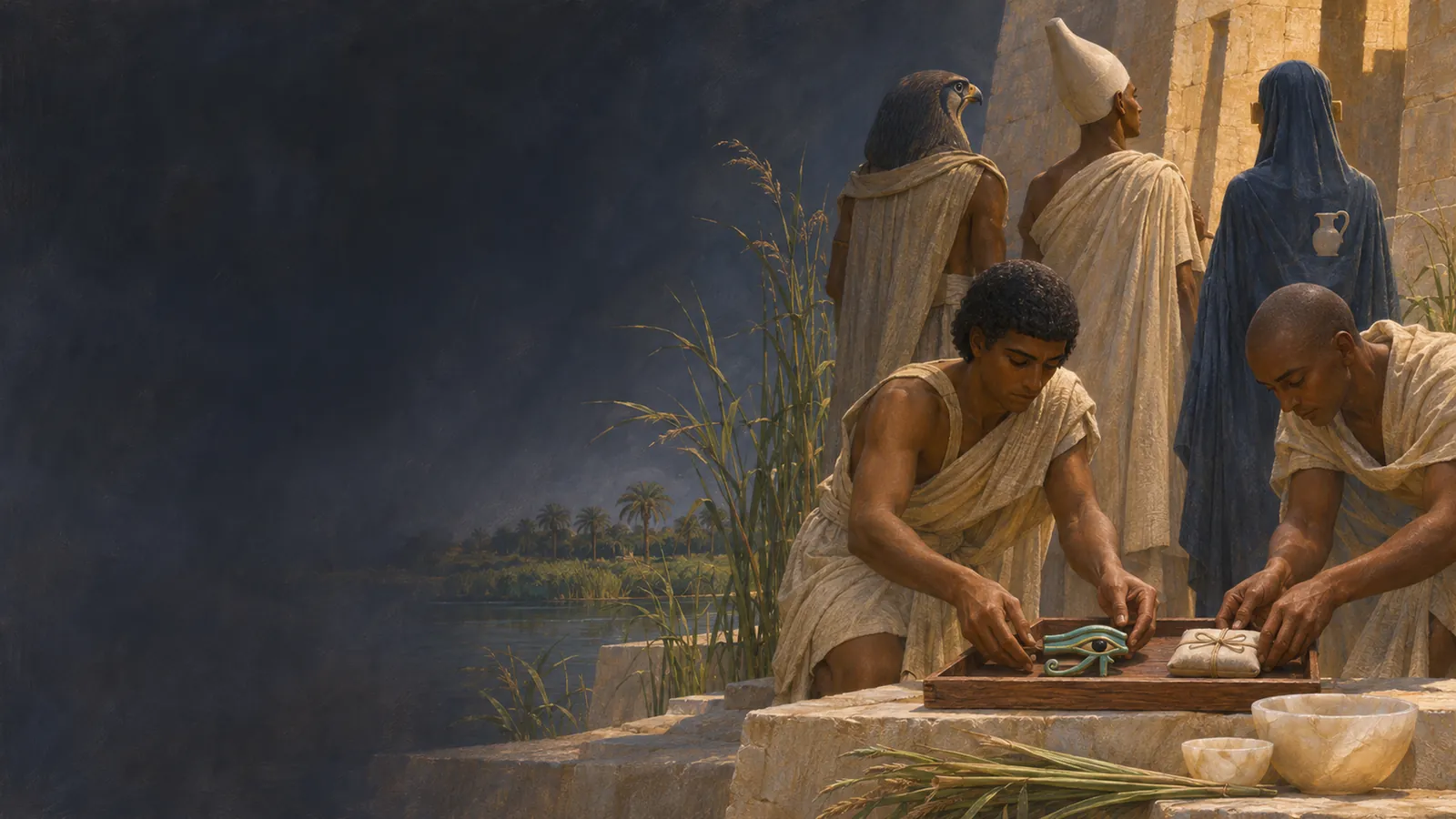
Horus y Seth buscan al recitante por recuperar el ojo de Horus y los testículos de Seth. Tot también lo busca, y Allen suple el motivo, la recuperación de sus brazos, a partir del texto de Pepi II.
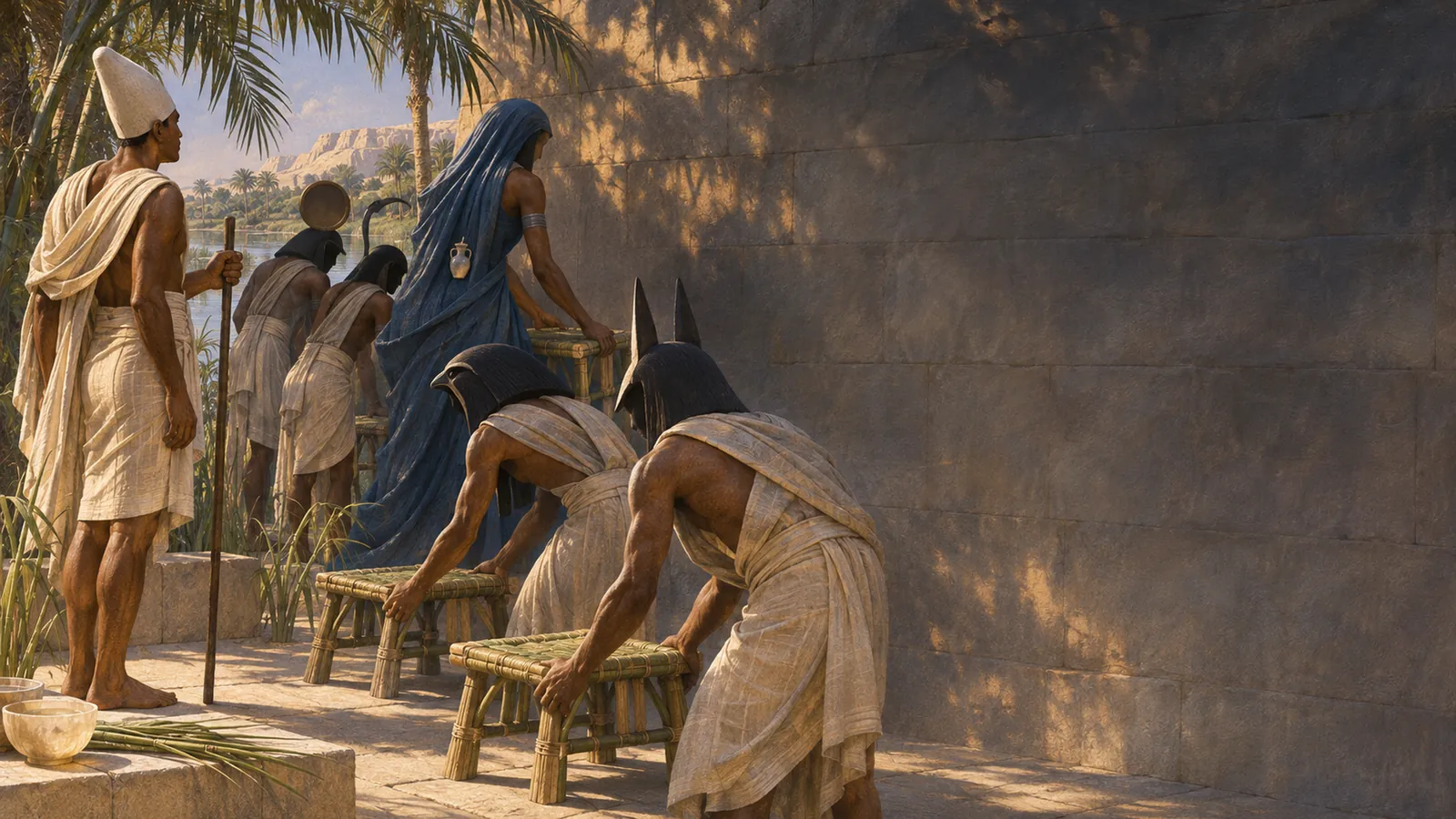
Las dos Enéadas tiemblan ante quienes vienen por el recitante. La fórmula dice que lo desean y lo llevarán a un estado de satisfacción.
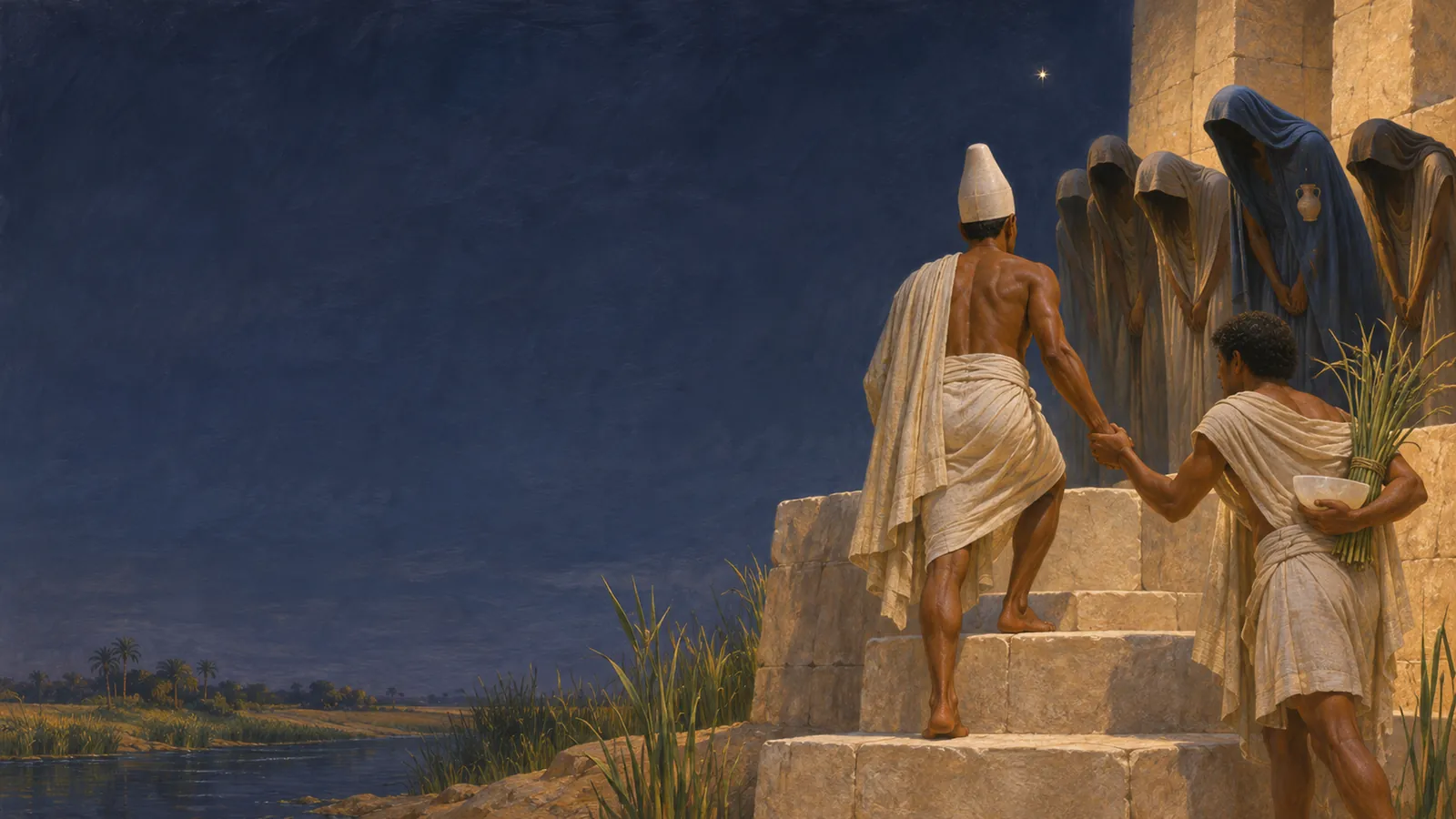
El recitante se llama dos veces una estrella ante la que los dioses se inclinan y las dos Enéadas tiemblan. En la primera fórmula, su mano lo eleva. En la segunda ve su ascenso y respira.
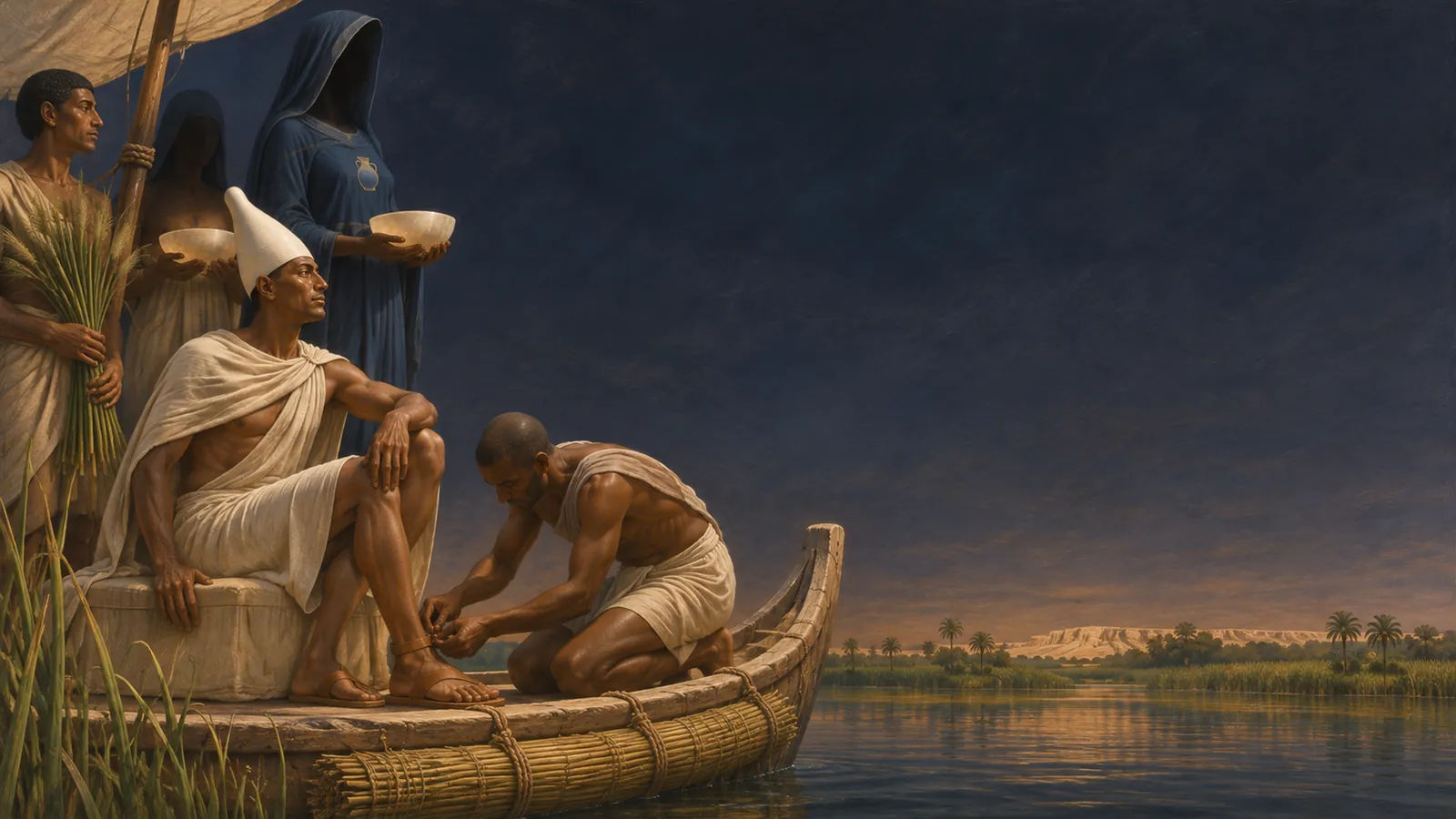
En dos fórmulas paralelas, el recitante sube al cielo sobre un cojín en la proa y agarra la sandalia del cielo. La segunda vuelve a la visión de su ascenso y al aliento.
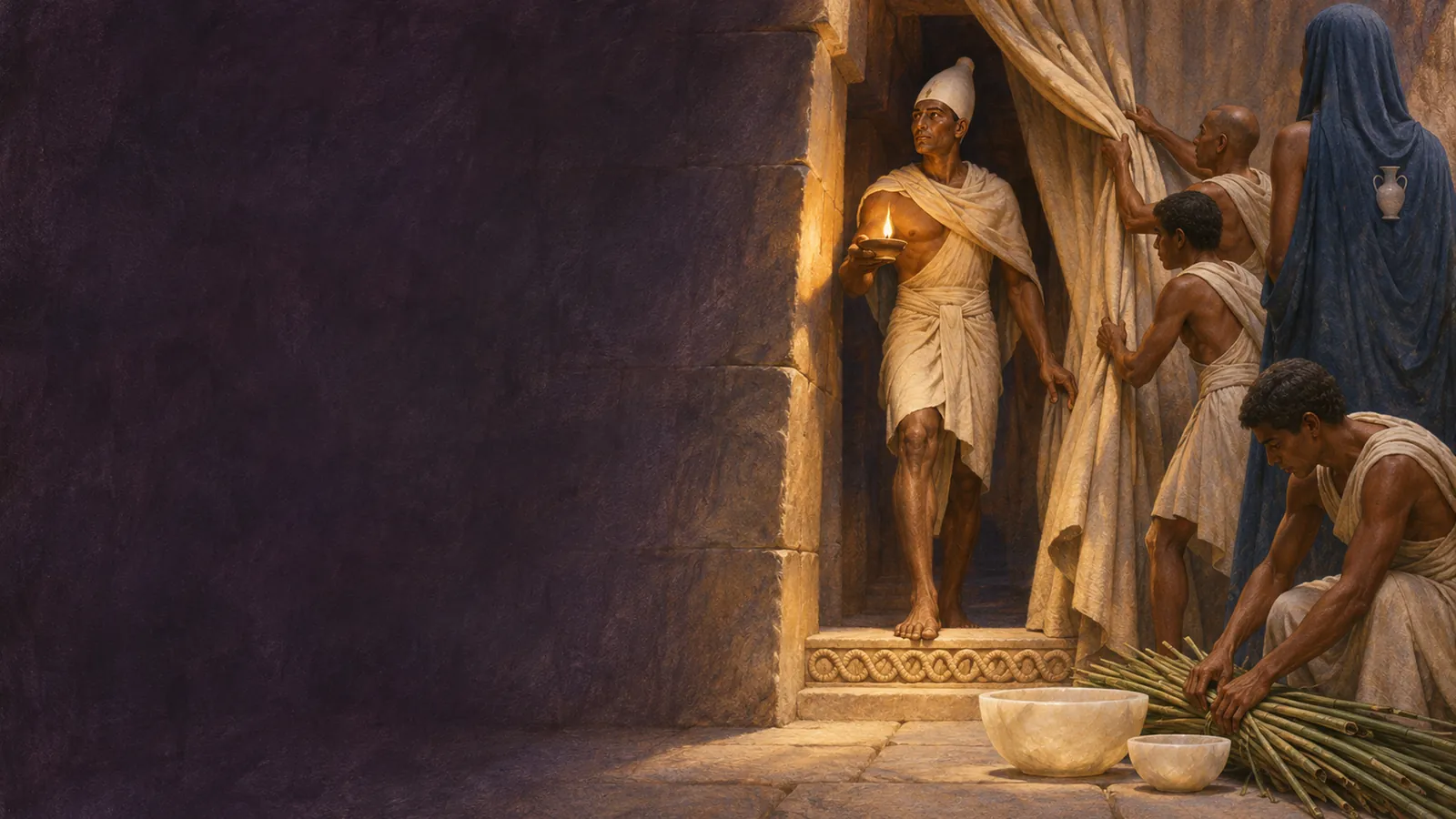
El recitante dice que emergió de aquel a quien Allen llama el Enroscado. Dice que salió con una fuerza de fuego que ahuyenta a los adversarios.
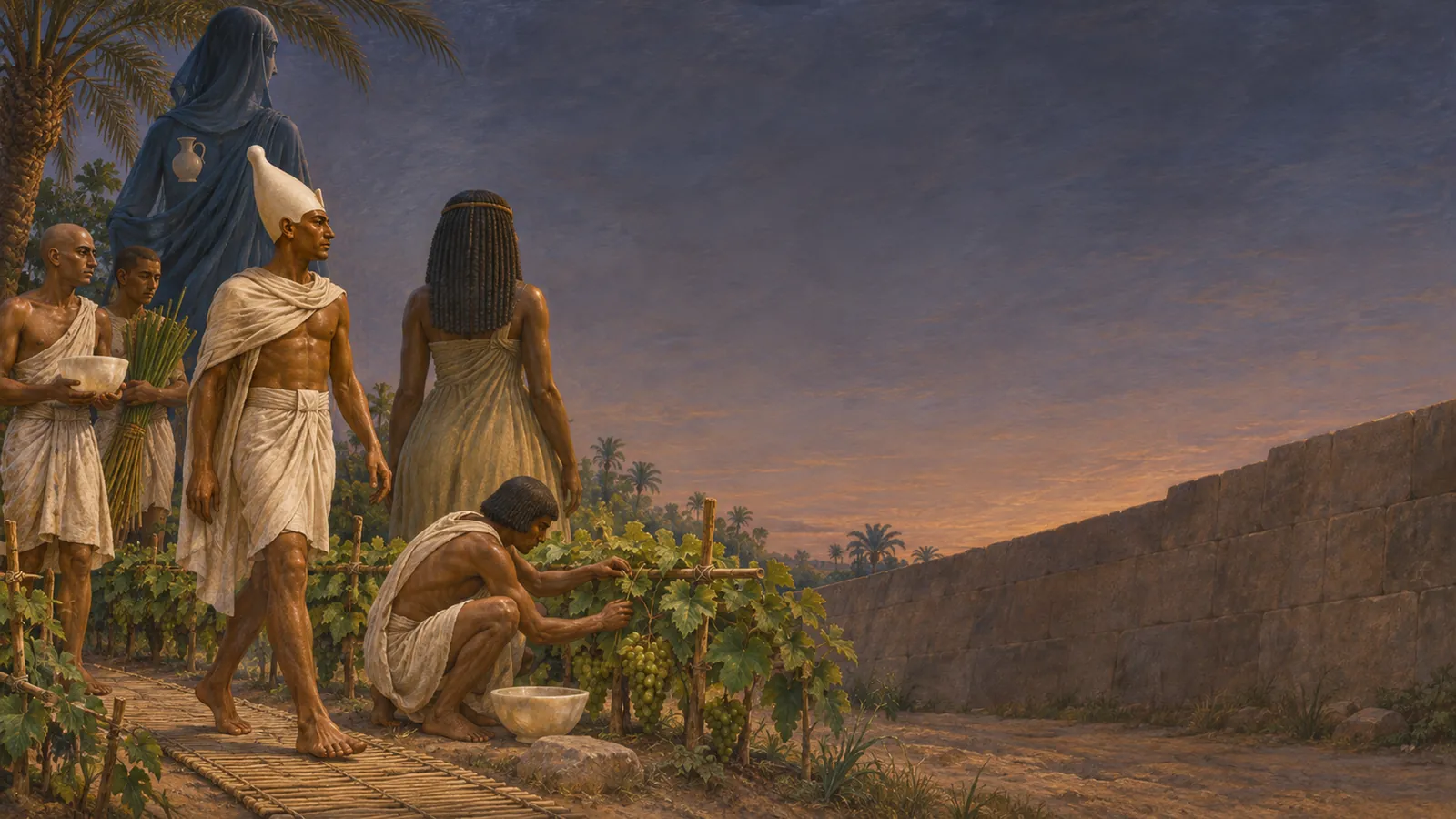
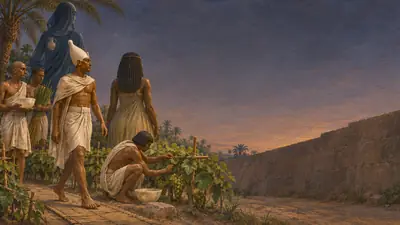
La fórmula dice que los dos cielos y las dos tierras llegaron a él. Pisa la vid verde bajo los pies de Geb y recorre los caminos de Nut.
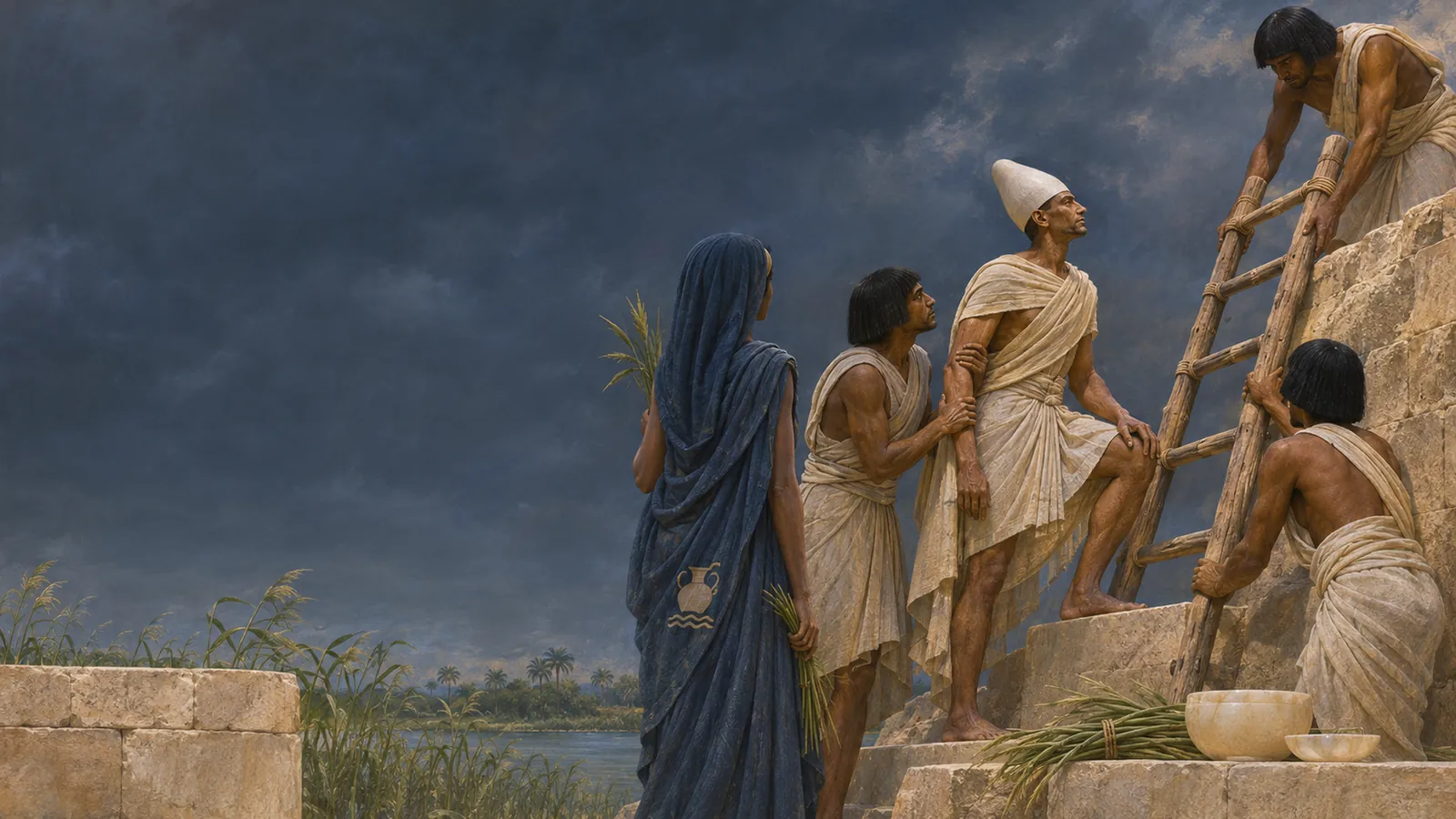
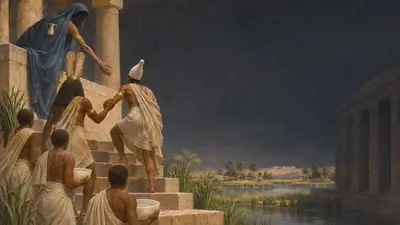
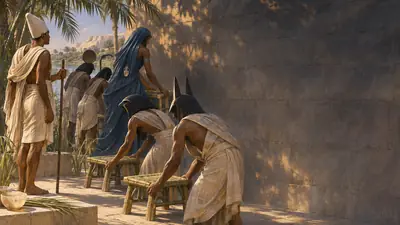
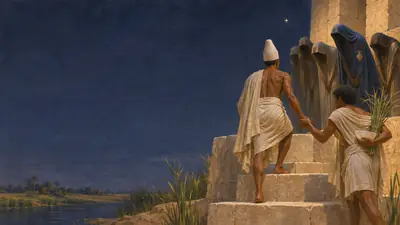
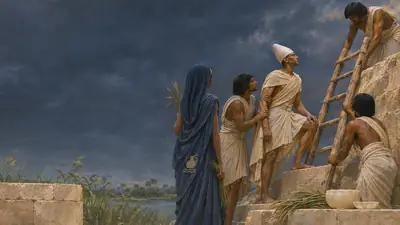
Se purifica en la misma colina donde el Sol se purificó. Coloca una escalera de tijera y alza una escalera mientras los del oeste le sujetan el brazo.
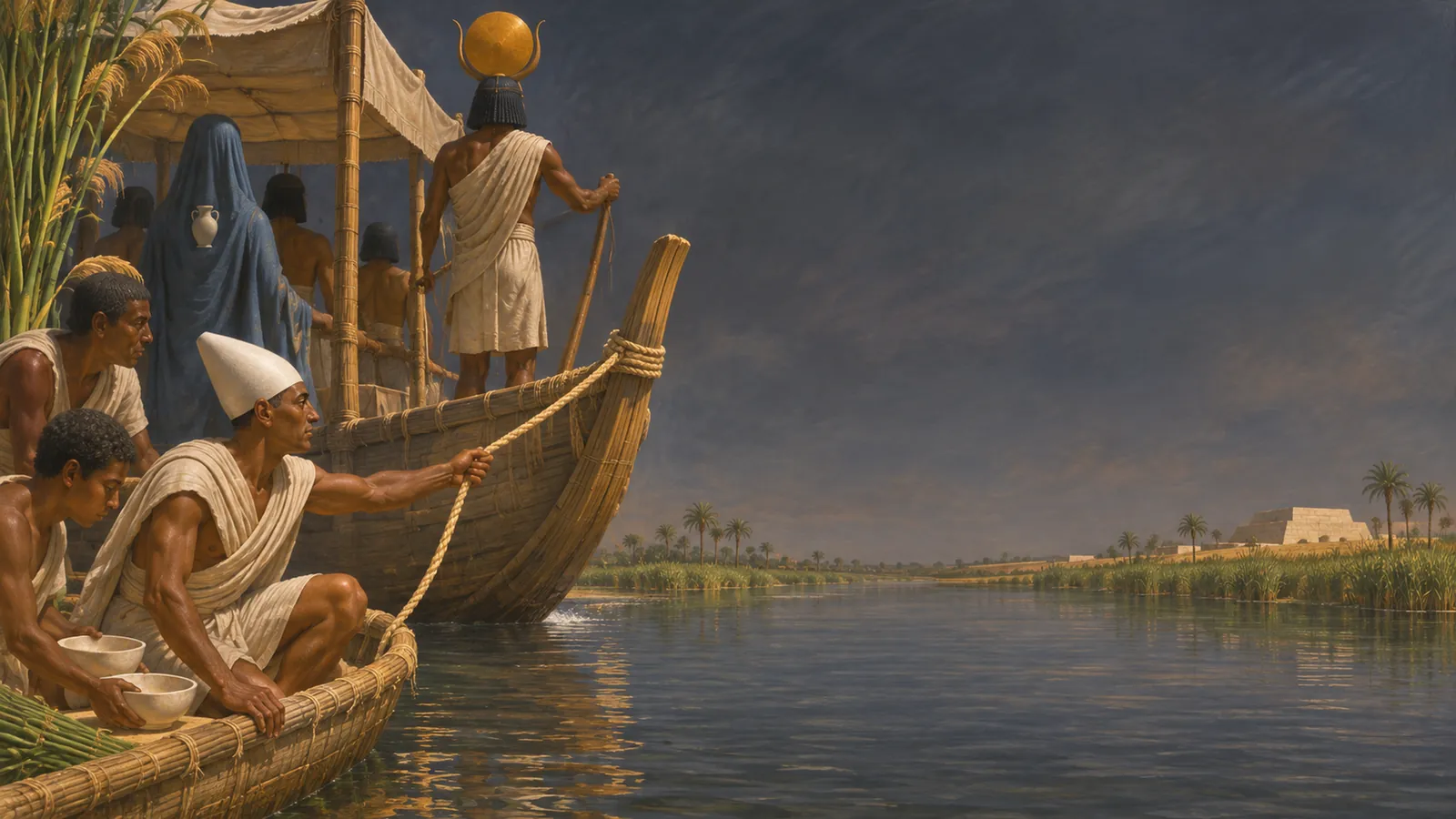
Saluda al Sol mientras cruza a Nut y el Canal Sinuoso. Dice que agarró su cola, pues es un dios e hijo de un dios.
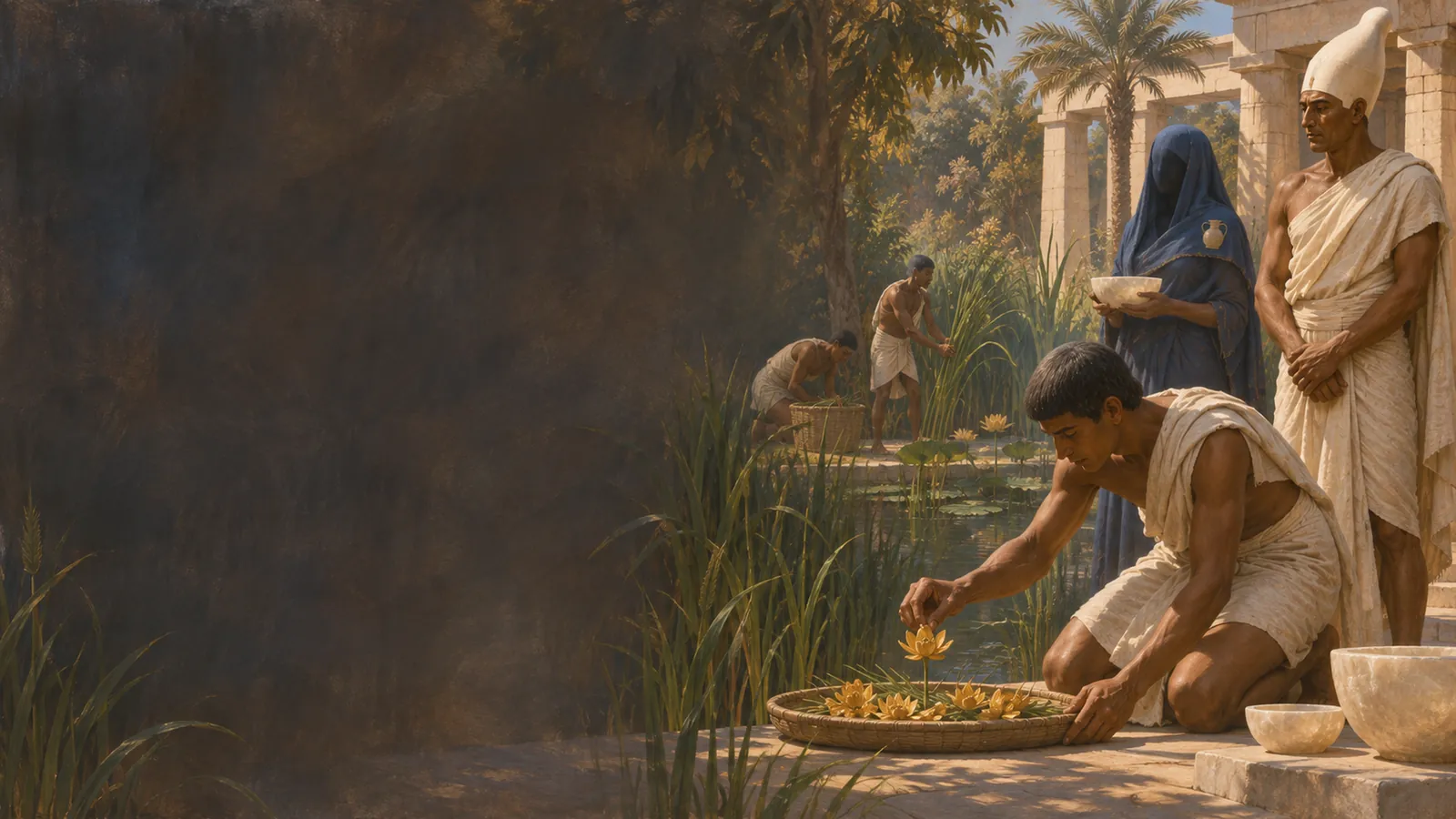
El recitante se llama la flor que salió en forma de ka. También se llama la flor dorada que salió en Iseum.
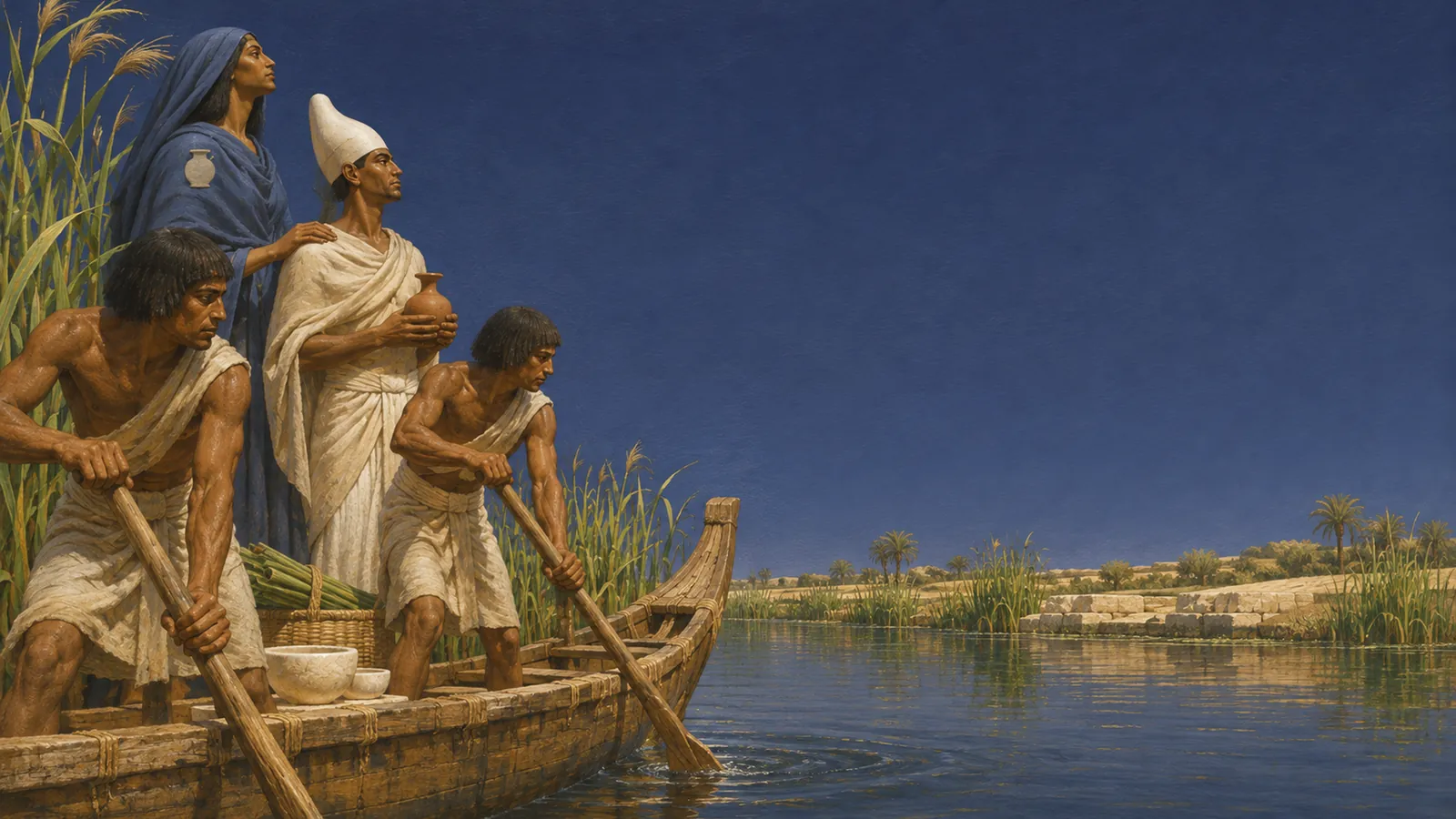
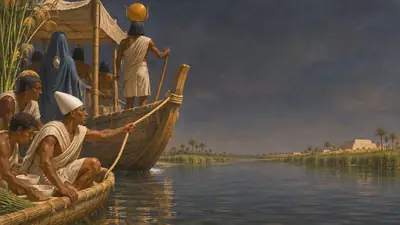
El recitante recorre Pe como el ser del inframundo que está al frente de Nezat y cruza Kenmut como Shezmu en su barca del lagar de aceite. Dice que el dios desea su vida más que la de Fetekte.
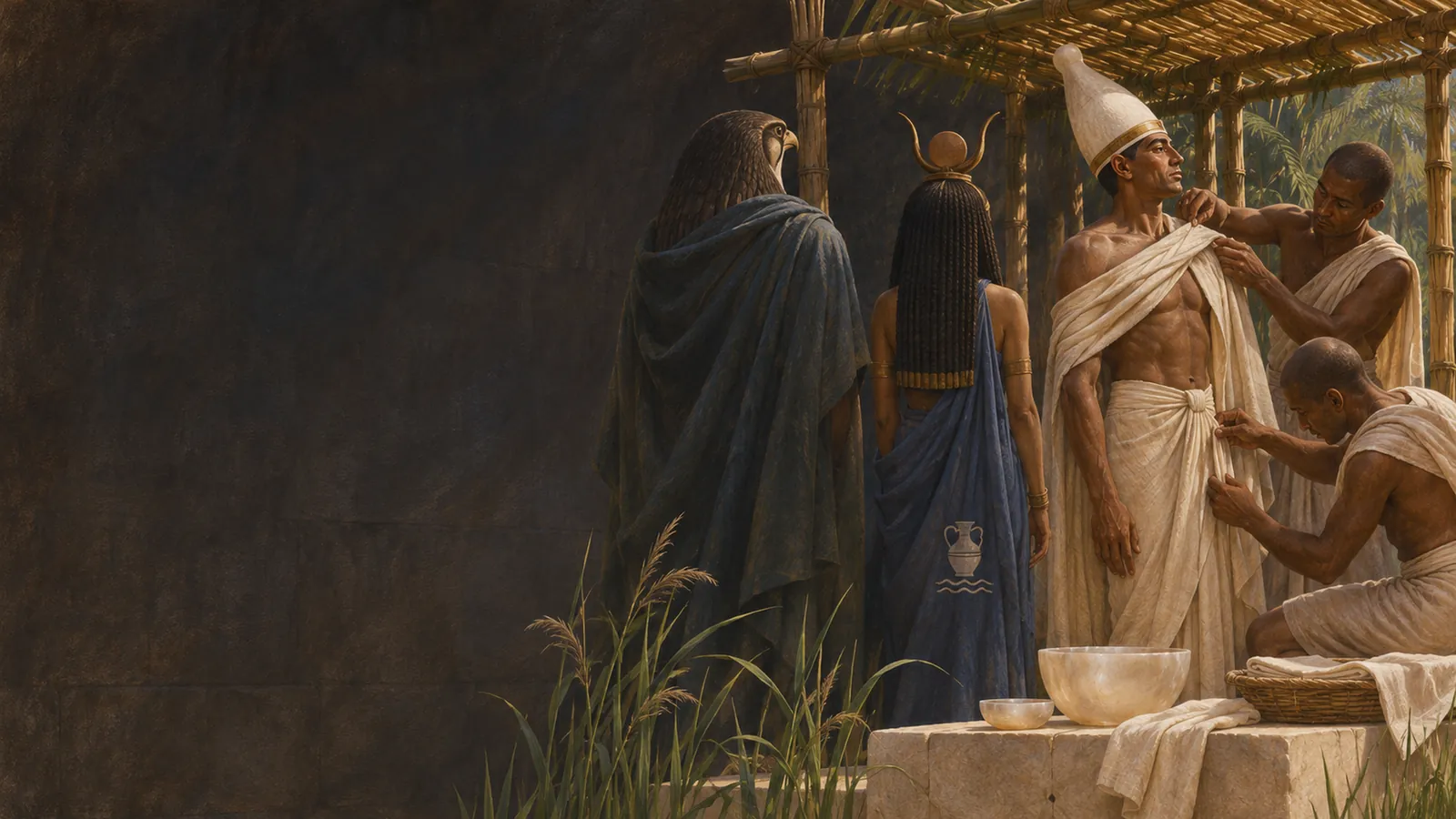
Se maravilla de su aspecto con una diadema de la frente del Sol, un faldellín de Hathor y el plumaje de un halcón. Sube al cielo entre los dioses, sus hermanos.
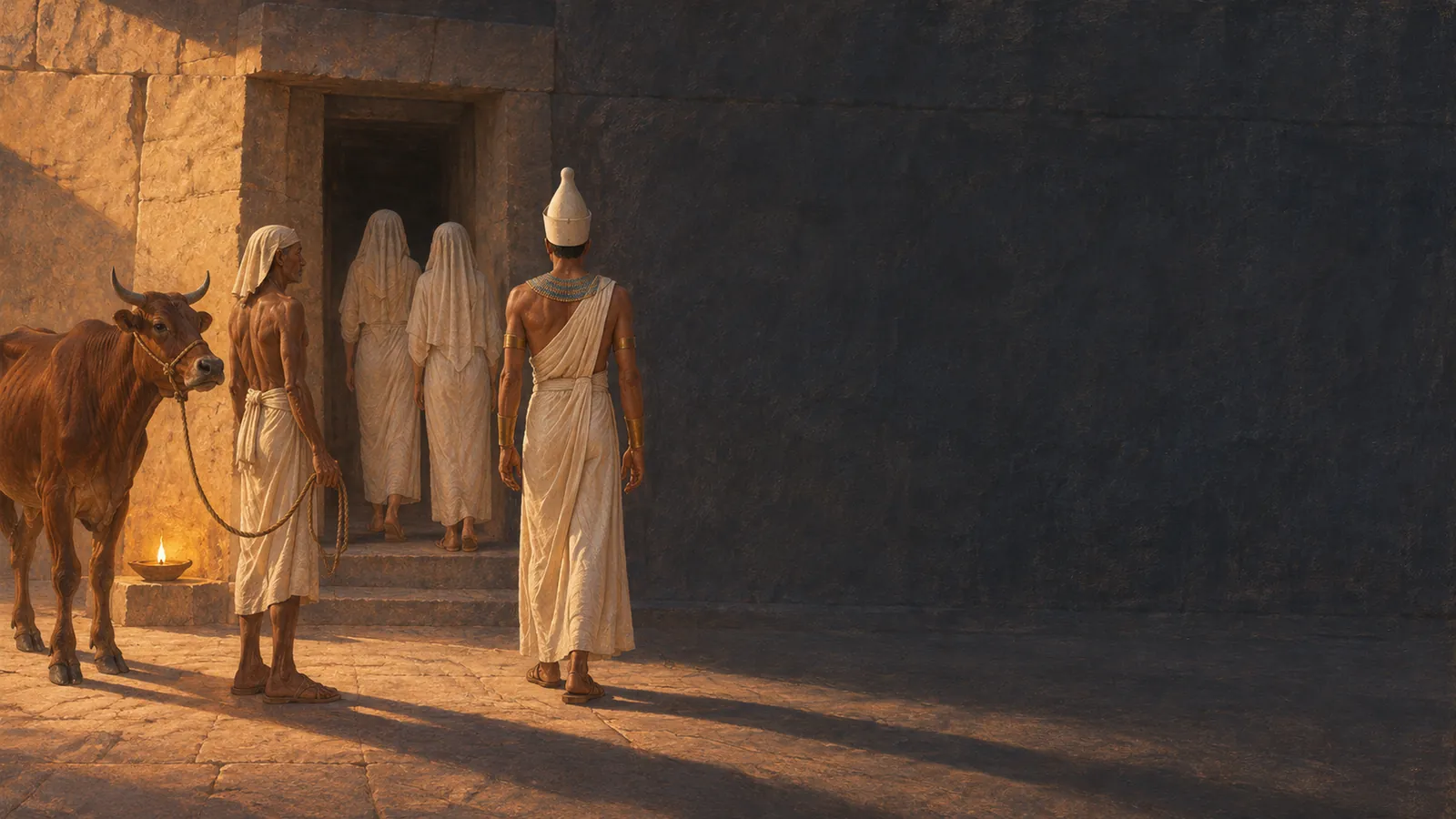
En esta fórmula, el recitante saluda al novillo que emerge y dice que lo sujeta por la cola y la base de la columna. Una gran diosa lo precede y otra lo sigue.
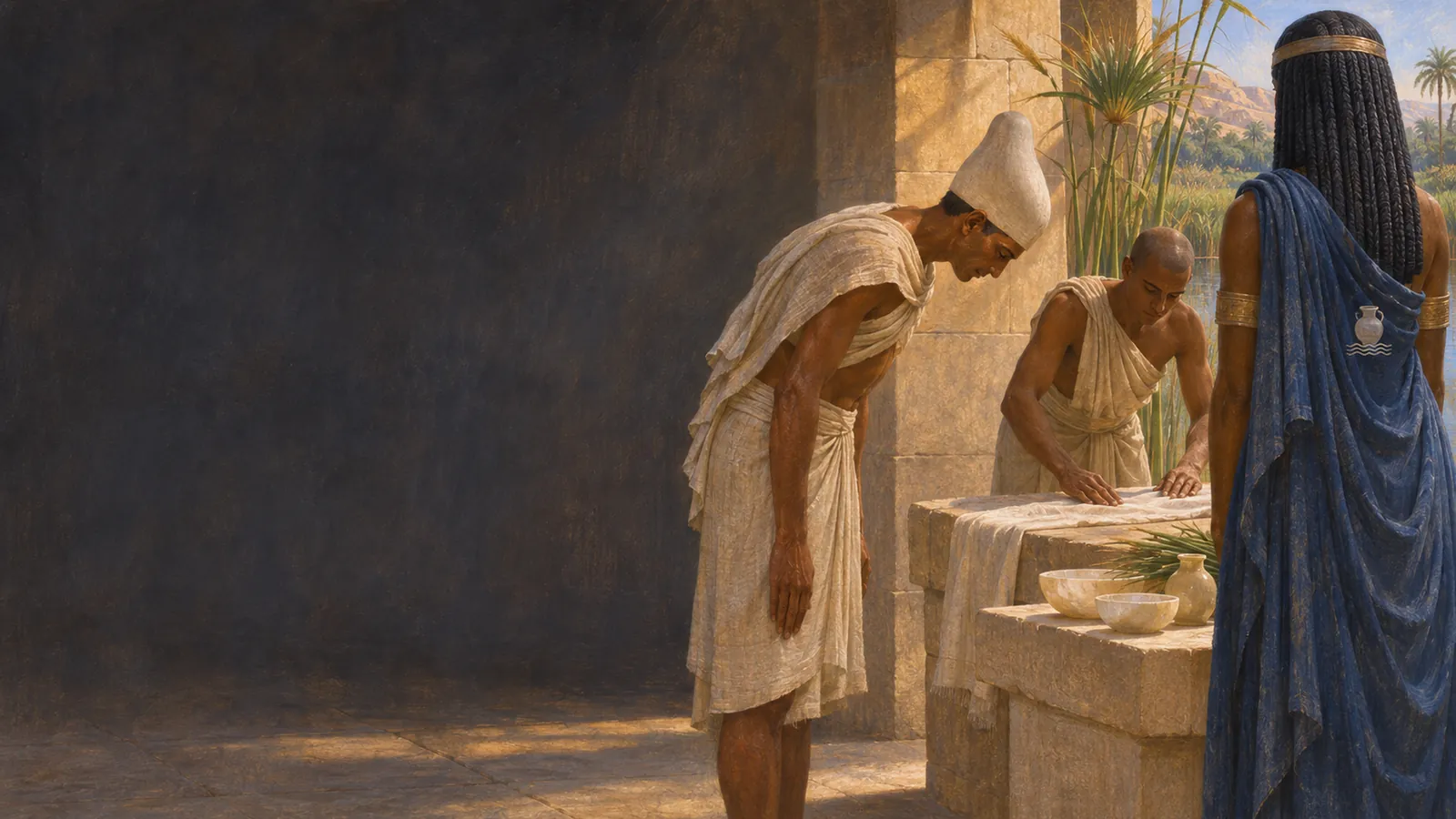
Pide al mayor de los dioses que lo reciba, porque le pertenece. La fórmula compara las partes del cadáver del recitante con las de un niño.
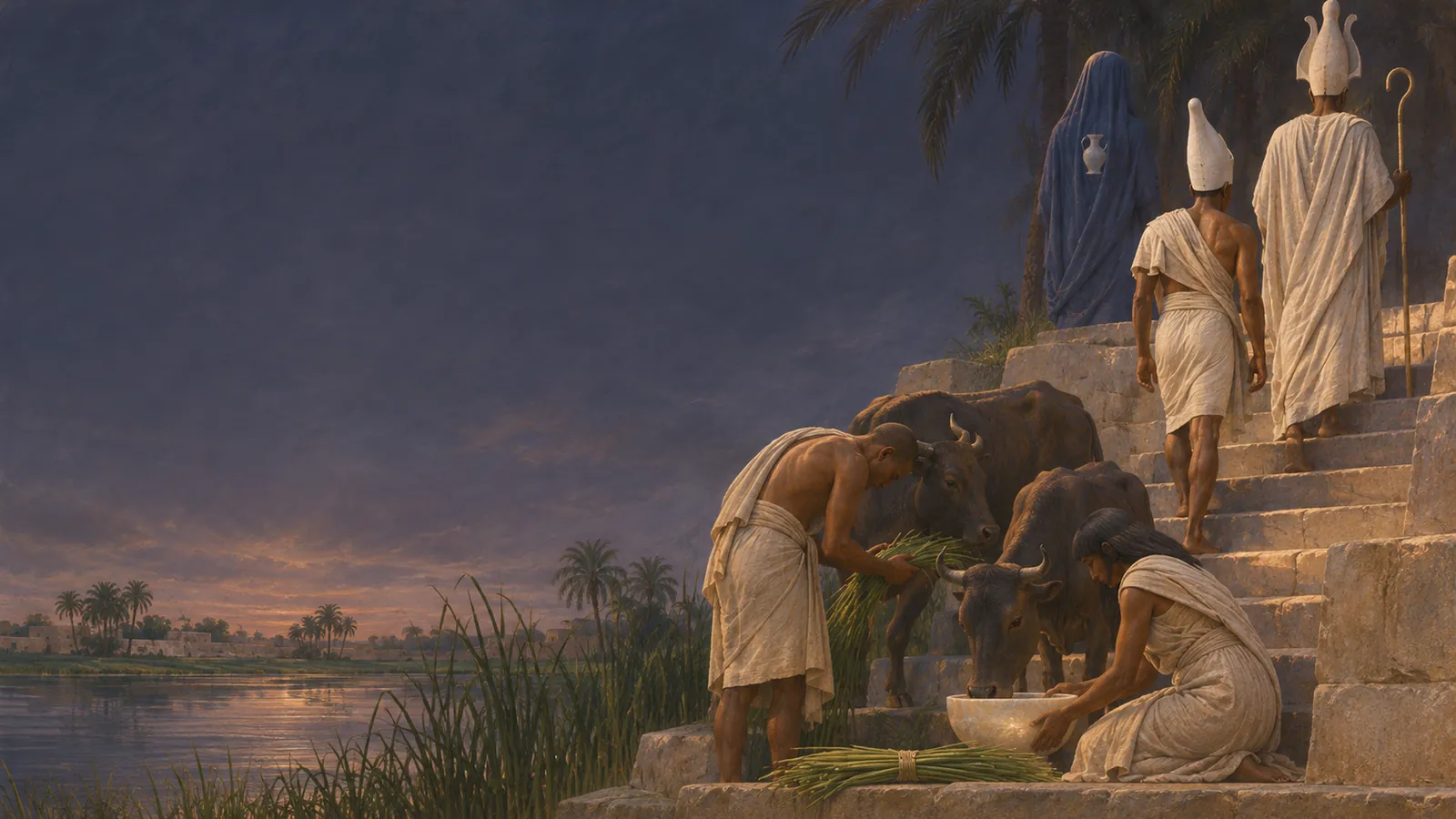
EL DUELO EN EL ASCENSO
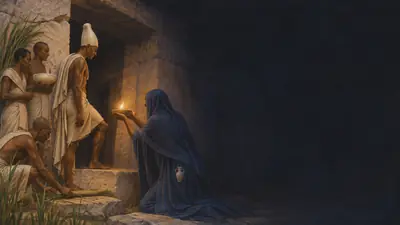
El cielo habla y la tierra tiembla cuando Osiris emerge. La fórmula llama a las vacas que lo amamantan a reunirse, golpearse el pecho y llorarlo mientras sube al cielo entre sus hermanos divinos.
Fin del capítulo 1
Todas las páginas
Fuentes
Allen’s Teti chapter, The Ancient Egyptian Pyramid Texts, second edition, SBL Press, 2015, pp. 70–74. The sarcophagus spells appear in Teti’s printed order, PT1–2, 6, 7, 4, 5, 3. The west gable runs PT322–337. The first sequence preserves the break after Geb’s opening words. In PT327, Allen takes the reason given for Thoth’s action from Pepi II and prints it in parentheses.
Ediciones consultadas
- SBL Press, James P. Allen, The Ancient Egyptian Pyramid Texts, second edition
- Teti, printed pp. 70–74, sarcophagus and west gable
- Teti, printed p. 98, notes 2–7
Notas sobre este relato
PT 1–2. Nut speaks first and identifies Teti as the son she bore. The phrase about his emerging from her body paraphrases the words about opening her belly. Geb calls Teti the son of his own body. The printed brackets mark a break immediately afterward. Allen’s note 2 on p. 98 places PT 1–2 on the exterior of the sarcophagus lid.
PT 6. Addressed as the Elder Bud, Nut says she has given the Akhet to her desired son Teti so he may control it as Horus of the Akhet. The gods tell Nut that her choice is proper and ask her to escort him forever. Note 2 places this spell on the east wall of the sarcophagus interior.
PT 7. Nut is styled the Elder One and associated with the Compound of Shenit. She gives Teti the Duat so that he may be foremost there as Horus. In their reply, the gods call Shu Teti’s father and say he knows Nut loves Teti more than she loves her mother Tefnut. Later in the printed sequence the gods call Geb his father. Note 2 places PT 7 on the west wall inside the sarcophagus.
PT 4 and PT 5. These closely parallel recitations name Isis and then Nephthys. In each, Nut gives a sister to Teti so that she may take hold of him and give his mind to his body. Note 2 places PT 4 on the north wall and PT 5 on the south wall inside the sarcophagus.
PT 3. Nut is associated with the Lower Compound. She calls Teti the firstborn on Geb’s throne and says Geb gives him his inheritance before the Big Ennead. The gods’ exclamation about Teti’s happiness concludes the group. Note 2 places this spell on the bottom inside the sarcophagus.
PT 322, opening. The call for sky and earth to open begins Spells for Ascending to Nut. The compound-wall door opens to Horus and the lotus door opens to Seth.
Pages 13–14, PT 322. Allen supplies “door” in parentheses in the address to it. The words refer to the one at the front of his wall and to passing as Atum. The closing designation “Apparent in Heat” and the location within Negau remain specific to Allen’s reading.
Pages 15–16, PT 323. The speaker says he becomes clean with the Sun in the Lake of Reeds. The final two requests go to Shu and Nut, respectively.
Pages 17–18, PT 324, opening. The speaker addresses the keeper of Horus and the keeper of Osiris. Allen’s rendering “hair-spit” is retained for the thing he says he has brought. The words about hair becoming ill and bald are followed by a response about the gods’ magic. Allen brackets the verb “say” in the attribution of that response.
Pages 19–20, PT 324, two encounters. The speaker addresses the beseeched she-hippopotamus and says that she came against him. Allen brackets the coming verb. The speaker says he took one of Horus’s two scepters from her and struck her. A greeting tied to first coming into being follows, with her speaking marked in parentheses. The second address is to the monstrous she-donkey and gives the tail from the lake of Osiris. The two actions belong to the speaker’s recitation.
Page 21, PT 324, Khnum. The act of stepping on it is bracketed. Allen supplies the identification of the reply’s speaker in parentheses. The reply calls the reciter one of the Big Compound’s two pillars.
Pages 22–23, PT 325, the five openings. The five printed formulas repeat the doors, daybreak, emergence and cleansing. The four forms of Horus appear in the same order as the source and the fifth formula turns to the reciter. Allen brackets the first opening verb and a small preposition in the first formula, the emergence phrase in the fourth, and the preposition before daybreak in the fifth.
Page 24, PT 325, purification. Allen brackets the linking conjunction and the words for extending the limbs to oneself.
Page 25, PT 325, the Sun, Shu and the nurses. Allen calls them the nurses of the bas of Heliopolis.
Page 26, PT 325, Hepatj. The first address to Hepatj links the sky’s swollen womb to the force of a god’s seed. The speaker identifies himself with that seed. This is the speaker’s metaphor within the recitation.
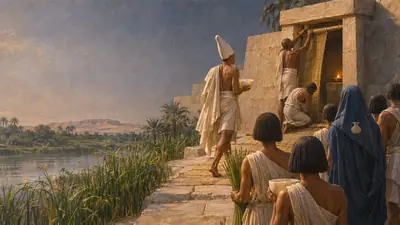
Purification takes place beside the Lake of Reeds.
Page 27, Allen 2015, Teti, p. 72, PT325. The final appeals of PT325 name Hepatj, Ululator and Zemnenu. The recipient attributes purification and divine establishment to the cloak and asks to be taken and settled as one of them.
Page 28, Allen 2015, Teti, p. 72, PT326. PT326 places the dark-fronted canal-swimmer at the Sun’s neck. Allen’s note 3 on p. 98 suggests a possible horizon reference.
Page 29, Allen 2015, Teti, p. 73, PT327, opening. PT327 names what was fetched for Horus and Seth. Allen’s p.
Page 30, Allen 2015, Teti, p. 73, PT327, conclusion. PT327 says the two Enneads shake. Allen supplies with fear in parentheses. The three seek, fetch and will fetch the speaker to contentment in the recitation.
Page 31, Allen 2015, Teti, p. 73, PT328–329. The divine bows and the Enneads shaking occur in both PT328 and PT329. Allen supplies a snake in parentheses in both. PT328 ends with the hand elevating the speaker.
Page 32, Allen 2015, Teti, p. 73, PT330–331. PT330 and PT331 both give the cushion in the prow and the grasping of the sandal. Allen supplies of the standard in PT330. In note 5 the possessor of the sandal is the sky. PT331 adds the repeated breath and sight formula.
Page 33, Allen 2015, Teti, p. 73, PT332, opening. The speaker says he emerged from the Coiled One with a fiery blast that drives opponents away. Allen supplies opponents in parentheses. Note 6 identifies a double reference in the written sign to completing a board game and overcoming the obstructing serpent.
Page 34, Allen 2015, Teti, p. 73, PT332, remainder. The speaker receives the two skies and lands, steps on the green vine under Geb’s feet and tramples Nut’s paths. Note 7 explains the skies north and south of the Winding Canal and the lands as the Nile Valley and Delta.
Page 35, Allen 2015, Teti, p. 73, PT333. PT333 locates the speaker’s purification on the Sun’s hill, distinguishes the stepladder and ladder, and says those of the west are grasping his arm.
Page 36, Allen 2015, Teti, p. 73, PT334, opening. The greeting in PT334 addresses the Sun crossing the sky and Nut. The speaker mentions the Sun’s journey on the Winding Canal, grasping its tail and his own divine parentage.
Page 37, Allen 2015, Teti, p. 73, PT334, blossom. The second movement of PT334 makes a paired claim about the blossom that comes forth as ka and the gilded blossom in Iseum.
Page 38, Allen 2015, Teti, p. 73, PT334, crossings. Pe, Nezat, Kenmut, Shezmu and Fetekte remain as printed. The speaker names his two crossings and the boat. This selection gives the stated preference for the speaker’s life without reporting any outcome for Fetekte.
Page 39, Allen 2015, Teti, p. 74, PT335. PT335 lists the headband from the Sun’s brow, the kilt from Hathor and the falcon’s plumage.
Page 40, Allen 2015, Teti, p. 74, PT336, first address. The first address of PT336 greets the steer at emergence and places two great goddesses around it.
Page 41, Allen 2015, Teti, p. 74, PT336, second address. The second address of PT336 asks the greatest god to receive the speaker. The description compares the parts of the speaker’s dead body to those of a child. The line does not describe harm to a child.
Page 42, Allen 2015, Teti, p. 74, PT337. PT337 gives the shaking of the earth and speech of the sky at Osiris’s emergence. The nurse-cows are called to gather and mourn as he goes to the sky.
Los versos antiguos de cada página
- Page 1: Allen 2015, The Ancient Egyptian Pyramid Texts, Teti, p. 70, PT 1–2, opening
- Page 2: Allen 2015, The Ancient Egyptian Pyramid Texts, Teti, p. 70, PT 1–2, Nut’s speech
- Page 3: Allen 2015, The Ancient Egyptian Pyramid Texts, Teti, p. 70, PT 1–2, Geb’s speech
- Page 4: Allen 2015, The Ancient Egyptian Pyramid Texts, Teti, p. 71, PT 6, Nut’s speech
- Page 5: Allen 2015, The Ancient Egyptian Pyramid Texts, Teti, p. 71, PT 6, gods’ reply
- Page 6: Allen 2015, The Ancient Egyptian Pyramid Texts, Teti, p. 71, PT 7, Nut’s speech
- Page 7: Allen 2015, The Ancient Egyptian Pyramid Texts, Teti, p. 71, PT 7, gods’ reply
- Page 8: Allen 2015, The Ancient Egyptian Pyramid Texts, Teti, p. 71, PT 4
- Page 9: Allen 2015, The Ancient Egyptian Pyramid Texts, Teti, p. 71, PT 5
- Page 10: Allen 2015, The Ancient Egyptian Pyramid Texts, Teti, p. 71, PT 3, Nut’s speech
- Page 11: Allen 2015, The Ancient Egyptian Pyramid Texts, Teti, p. 71, PT 3, gods’ reply
- Page 12: Allen 2015, The Ancient Egyptian Pyramid Texts, Teti, p. 71, PT 322, opening
- Page 13: Allen, The Ancient Egyptian Pyramid Texts, 2nd ed. (2015), Teti, p. 71, PT 322, middle
- Page 14: Allen, The Ancient Egyptian Pyramid Texts, 2nd ed. (2015), Teti, p. 71, PT 322, ending
- Page 15: Allen, The Ancient Egyptian Pyramid Texts, 2nd ed. (2015), Teti, p. 71, PT 323, opening
- Page 16: Allen, The Ancient Egyptian Pyramid Texts, 2nd ed. (2015), Teti, p. 71, PT 323, ending
- Page 17: Allen, The Ancient Egyptian Pyramid Texts, 2nd ed. (2015), Teti, p. 71, PT 324, errand
- Page 18: Allen, The Ancient Egyptian Pyramid Texts, 2nd ed. (2015), Teti, p. 71, PT 324, hair and reply
- Page 19: Allen, The Ancient Egyptian Pyramid Texts, 2nd ed. (2015), Teti, p. 72, PT 324, first encounter
- Page 20: Allen, The Ancient Egyptian Pyramid Texts, 2nd ed. (2015), Teti, p. 72, PT 324, second encounter
- Page 21: Allen, The Ancient Egyptian Pyramid Texts, 2nd ed. (2015), Teti, p. 72, PT 324, Khnum and reply
- Page 22: Allen, The Ancient Egyptian Pyramid Texts, 2nd ed. (2015), Teti, p. 72, PT 325, first four openings
- Page 23: Allen, The Ancient Egyptian Pyramid Texts, 2nd ed. (2015), Teti, p. 72, PT 325, first-person opening
- Page 24: Allen, The Ancient Egyptian Pyramid Texts, 2nd ed. (2015), Teti, p. 72, PT 325, purification and body
- Page 25: Allen, The Ancient Egyptian Pyramid Texts, 2nd ed. (2015), Teti, p. 72, PT 325, Sun, Shu and Heliopolis
- Page 26: Allen, The Ancient Egyptian Pyramid Texts, 2nd ed. (2015), Teti, p. 72, PT 325, Hepatj and the sky
- Page 27: Allen, The Ancient Egyptian Pyramid Texts, 2nd ed. (2015), Teti, p. 72, PT325
- Page 28: Allen, The Ancient Egyptian Pyramid Texts, 2nd ed. (2015), Teti, p. 72, PT326
- Page 29: Allen, The Ancient Egyptian Pyramid Texts, 2nd ed. (2015), Teti, p. 73, PT327, opening
- Page 30: Allen, The Ancient Egyptian Pyramid Texts, 2nd ed. (2015), Teti, p. 73, PT327, conclusion
- Page 31: Allen, The Ancient Egyptian Pyramid Texts, 2nd ed. (2015), Teti, p. 73, PT328–329
- Page 32: Allen, The Ancient Egyptian Pyramid Texts, 2nd ed. (2015), Teti, p. 73, PT330–331
- Page 33: Allen, The Ancient Egyptian Pyramid Texts, 2nd ed. (2015), Teti, p. 73, PT332, opening
- Page 34: Allen, The Ancient Egyptian Pyramid Texts, 2nd ed. (2015), Teti, p. 73, PT332, remainder
- Page 35: Allen, The Ancient Egyptian Pyramid Texts, 2nd ed. (2015), Teti, p. 73, PT333
- Page 36: Allen, The Ancient Egyptian Pyramid Texts, 2nd ed. (2015), Teti, p. 73, PT334, opening
- Page 37: Allen, The Ancient Egyptian Pyramid Texts, 2nd ed. (2015), Teti, p. 73, PT334, blossom
- Page 38: Allen, The Ancient Egyptian Pyramid Texts, 2nd ed. (2015), Teti, p. 73, PT334, crossings
- Page 39: Allen, The Ancient Egyptian Pyramid Texts, 2nd ed. (2015), Teti, p. 74, PT335
- Page 40: Allen, The Ancient Egyptian Pyramid Texts, 2nd ed. (2015), Teti, p. 74, PT336, first address
- Page 41: Allen, The Ancient Egyptian Pyramid Texts, 2nd ed. (2015), Teti, p. 74, PT336, second address
- Page 42: Allen, The Ancient Egyptian Pyramid Texts, 2nd ed. (2015), Teti, p. 74, PT337
Ilustraciones hechas por IL Archive con herramientas de IA; el texto se basa en las fuentes antiguas (véanse las fuentes al final de cada capítulo).