Unis y las barcas del cielo Capítulo 1
Salir del Akhet
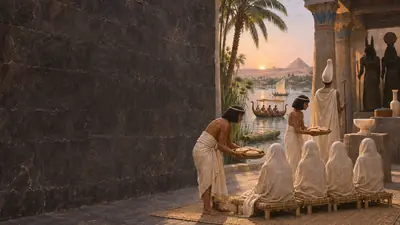
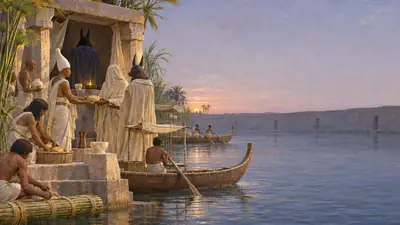
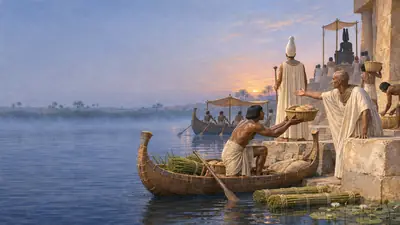
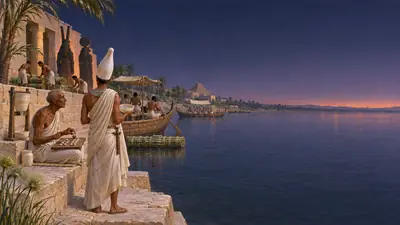
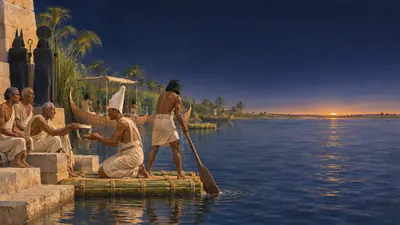
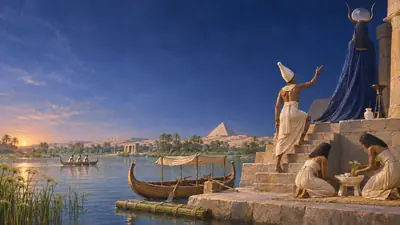
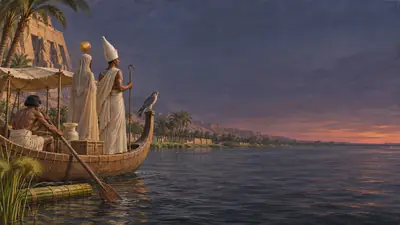
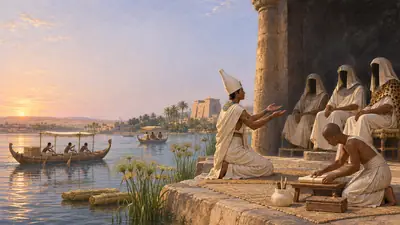
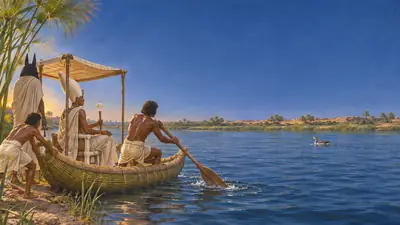
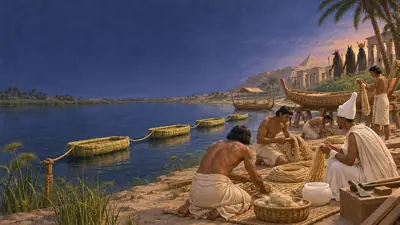
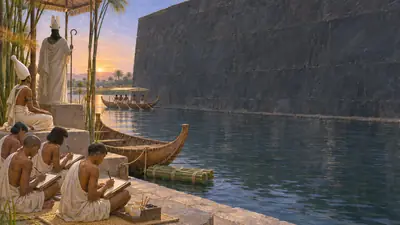
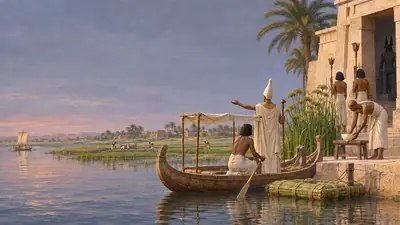
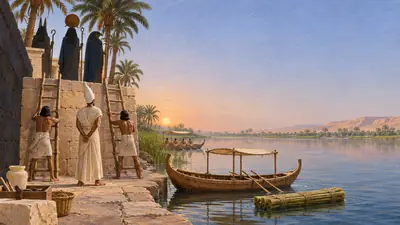
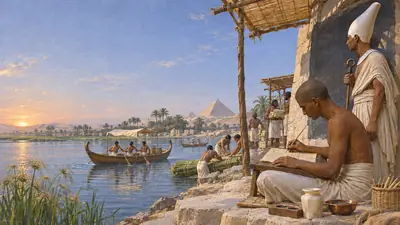
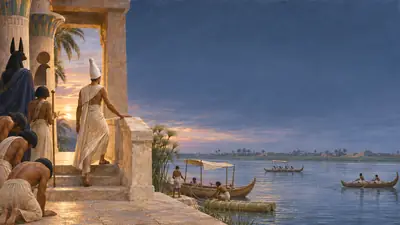
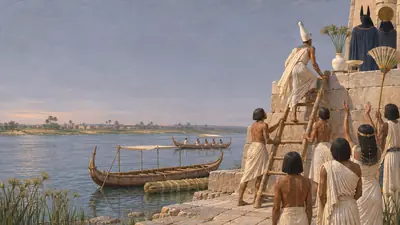
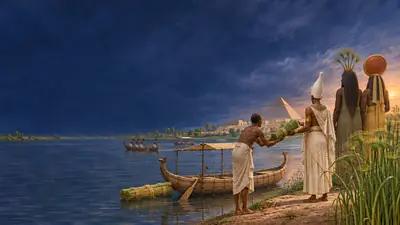
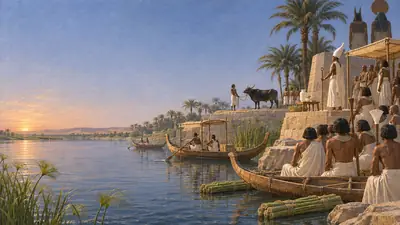
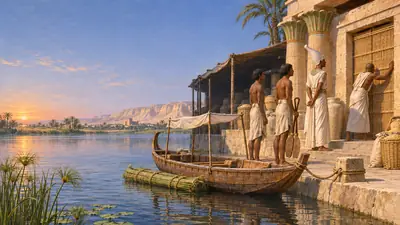
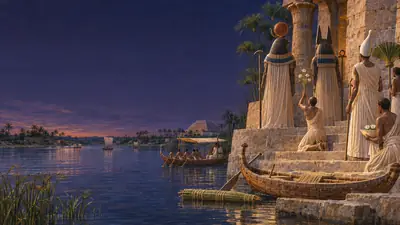
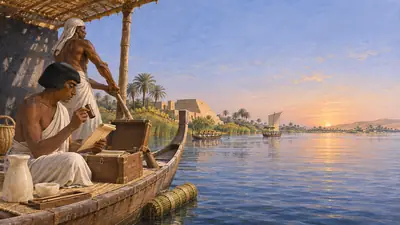
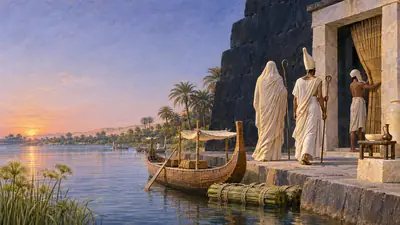
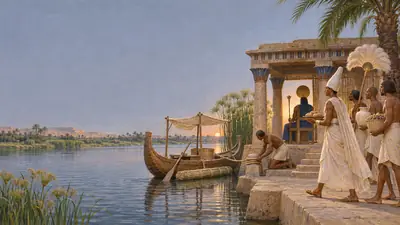
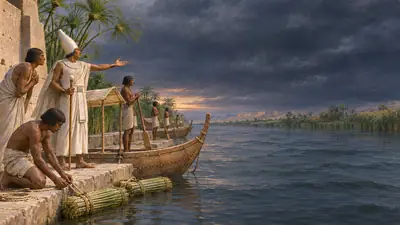
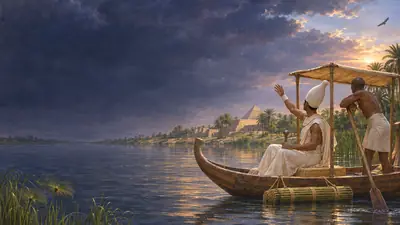
Las fórmulas funerarias de la pirámide de Unis se abren con el espíritu pidiéndole una barca a un barquero. El recitante pide embarcaciones de juncos para cruzar las aguas y habla de escaleras hacia el cielo. La última fórmula dice que el pan ha volado hacia los recintos de quien está asociado con la Corona Roja.
FuentesPase las páginas con las flechas, el teclado o deslizando el dedo.
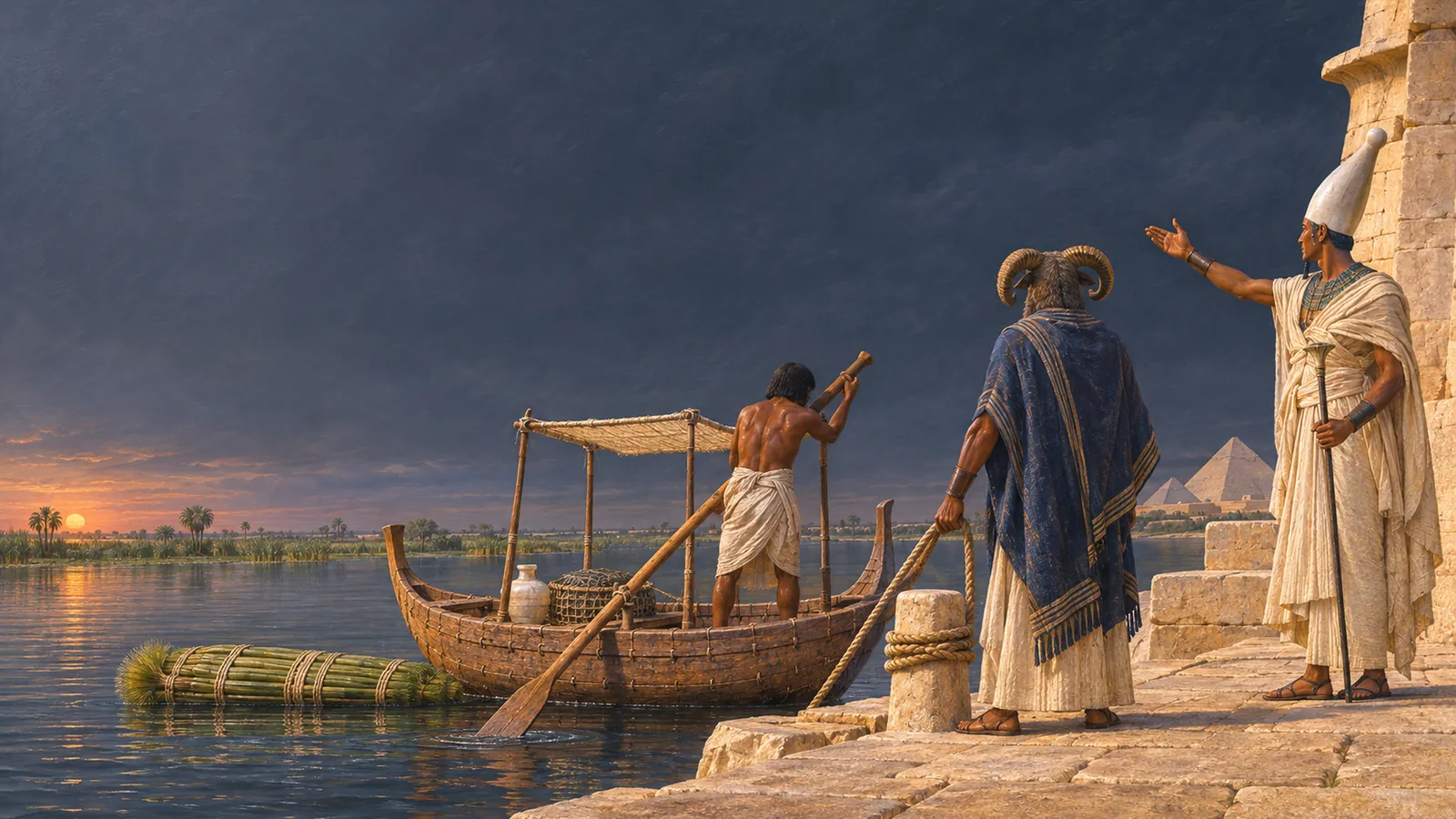
EL BARQUERO
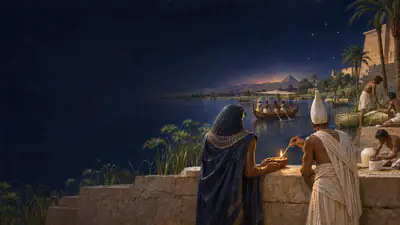
Los Textos de las Pirámides de Unis conservan este llamamiento para obtener una barca. El recitante se dirige a un ser del mundo subterráneo de Nezat y a un barquero cuya embarcación está vinculada a Jnum.
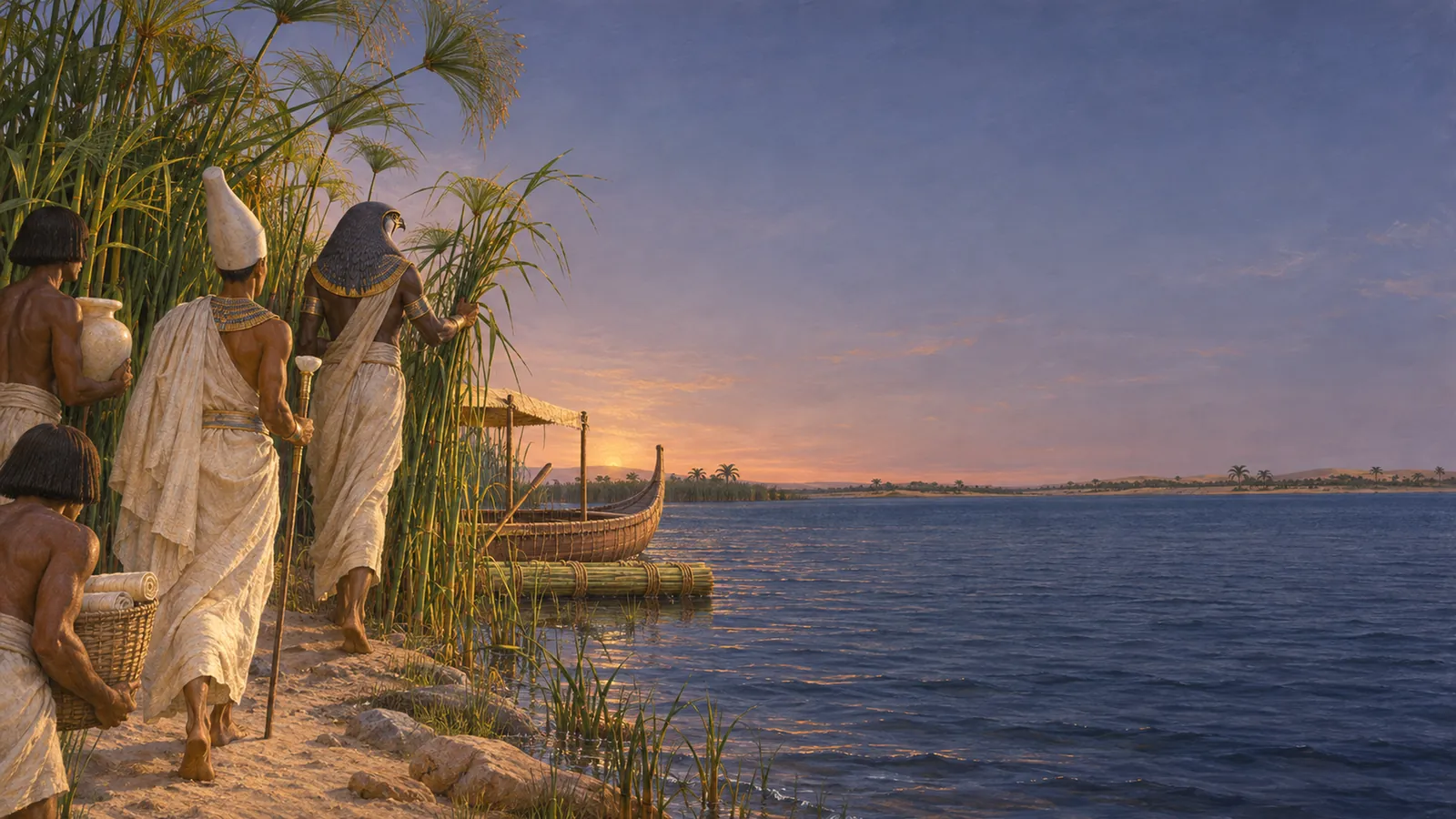
El recitante se llama Sokar de Rasetjau. Dice que se dirige a Sokar, señor del Lago Extendido, y pide a los dos seres a quienes se dirigió que traigan las extensiones del desierto.
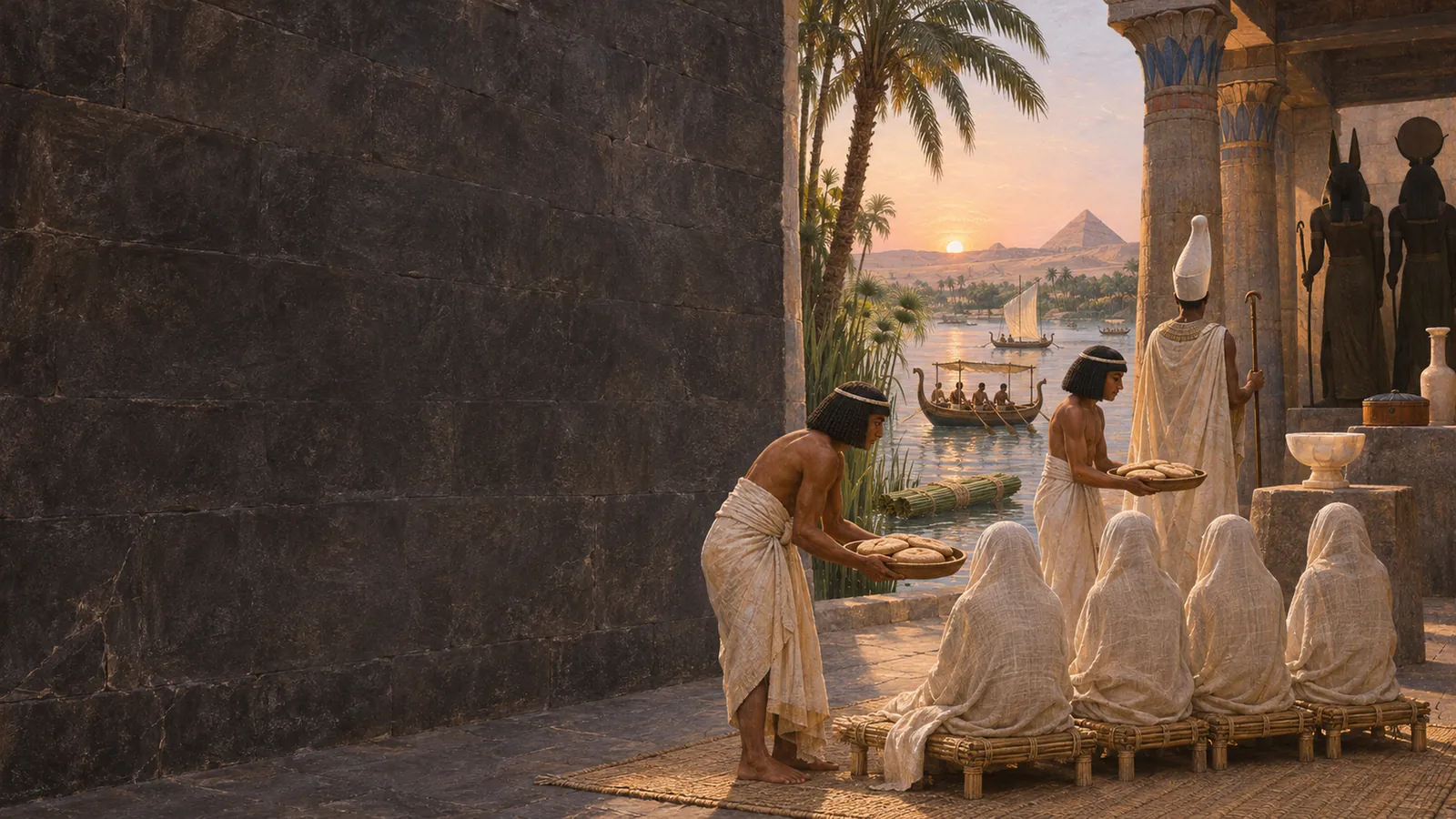
La recitación da pan primero a Nu y al Cielo Inferior, y luego a Amón y Amaunet. Dice que cada pareja unió a los dioses con su sombra.
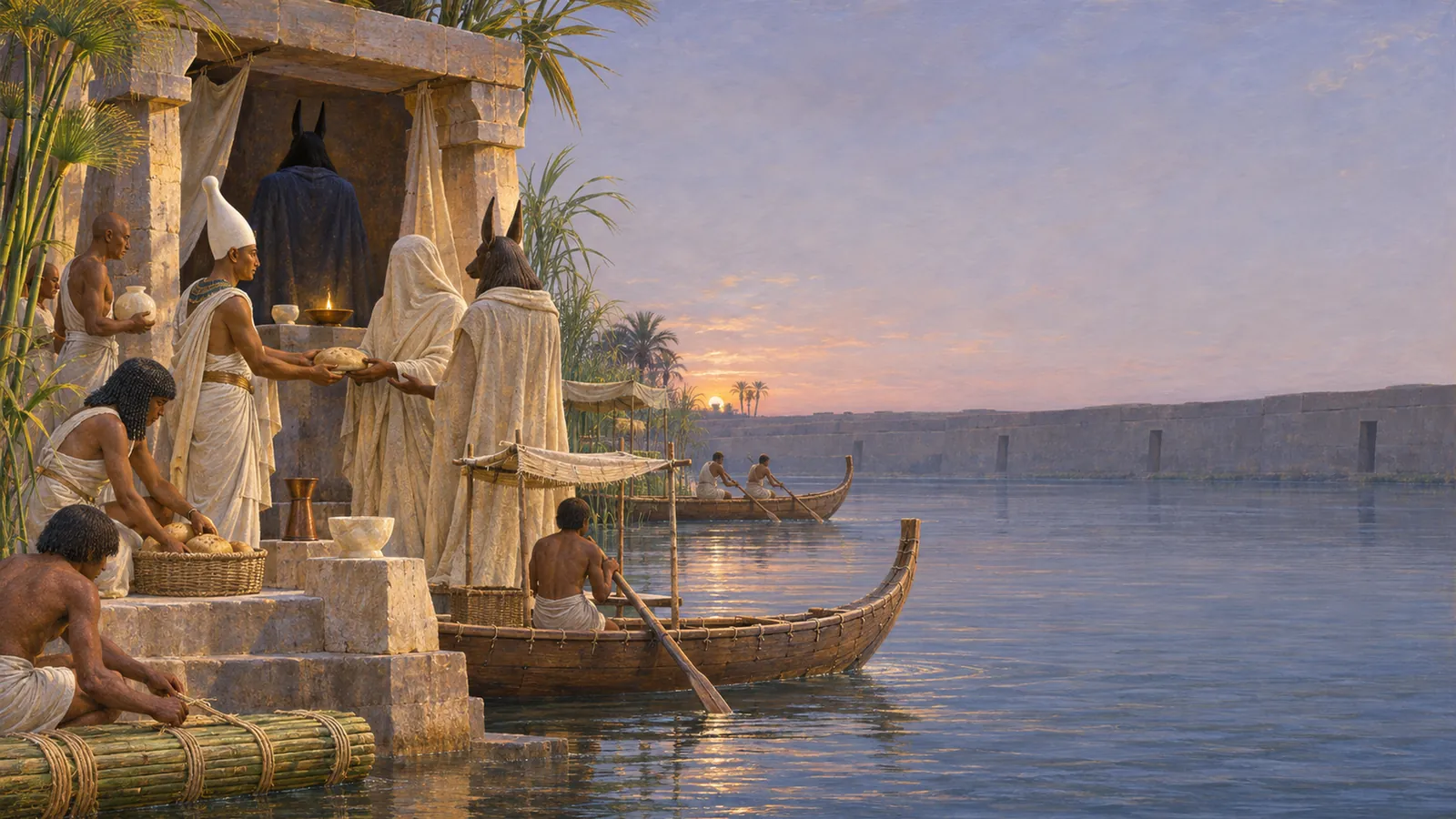
El recitante da pan a Atum y al León Doble. El pasaje nombra a Shu y Tefnut en una secuencia sobre dar origen a los dioses y ponerlos en su sitio.
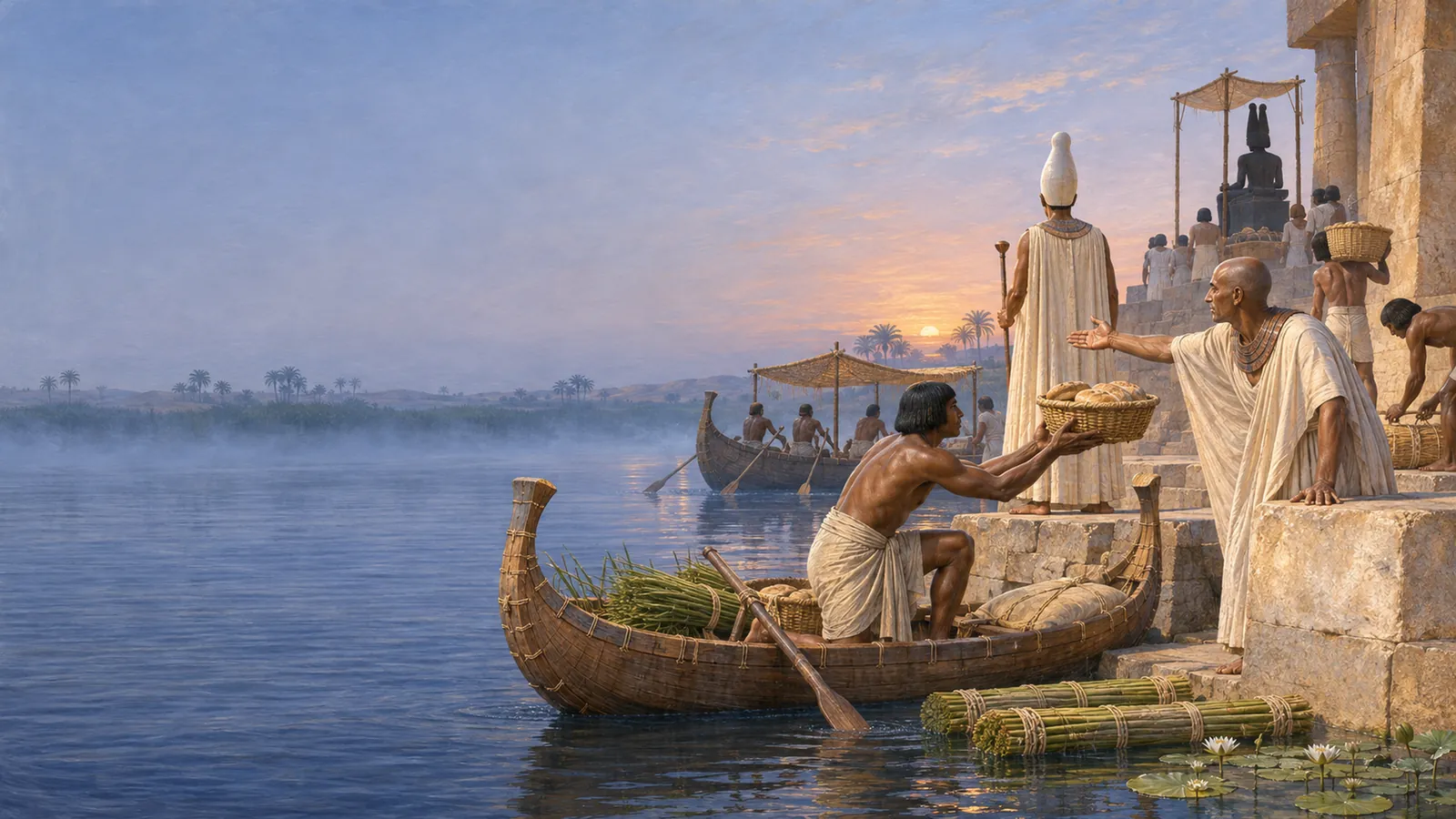
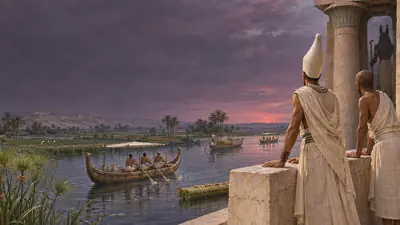
El recitante pide a los destinatarios que digan a su padre que les ha traído pan y les ha dado lo que les corresponde. Les pide que lo dejen cruzar hasta su padre en el Ajet.
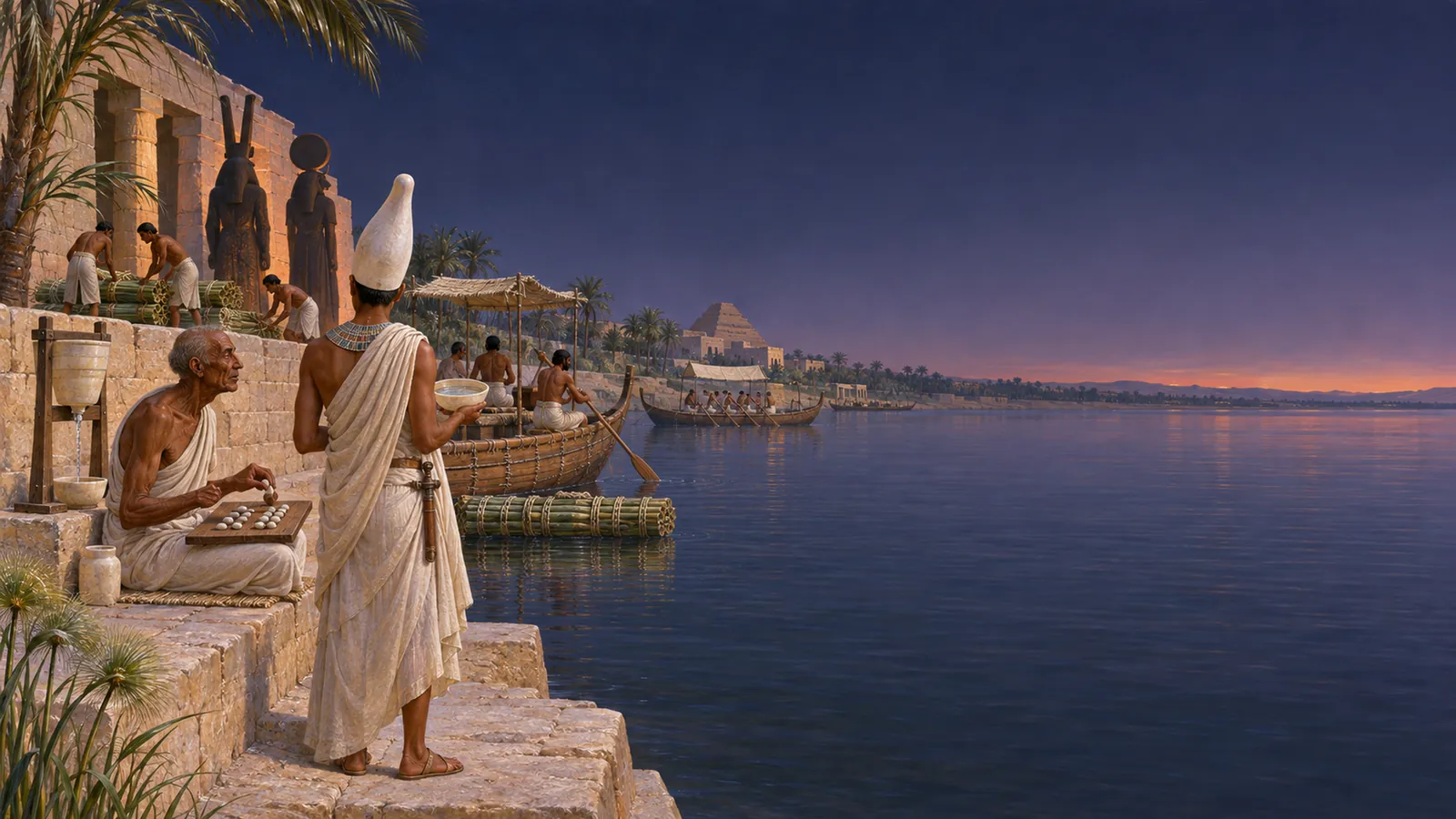
El recitante dice que conoce a aquel con quien va a encontrarse. Da el nombre de Continuo y lo llama señor del año.
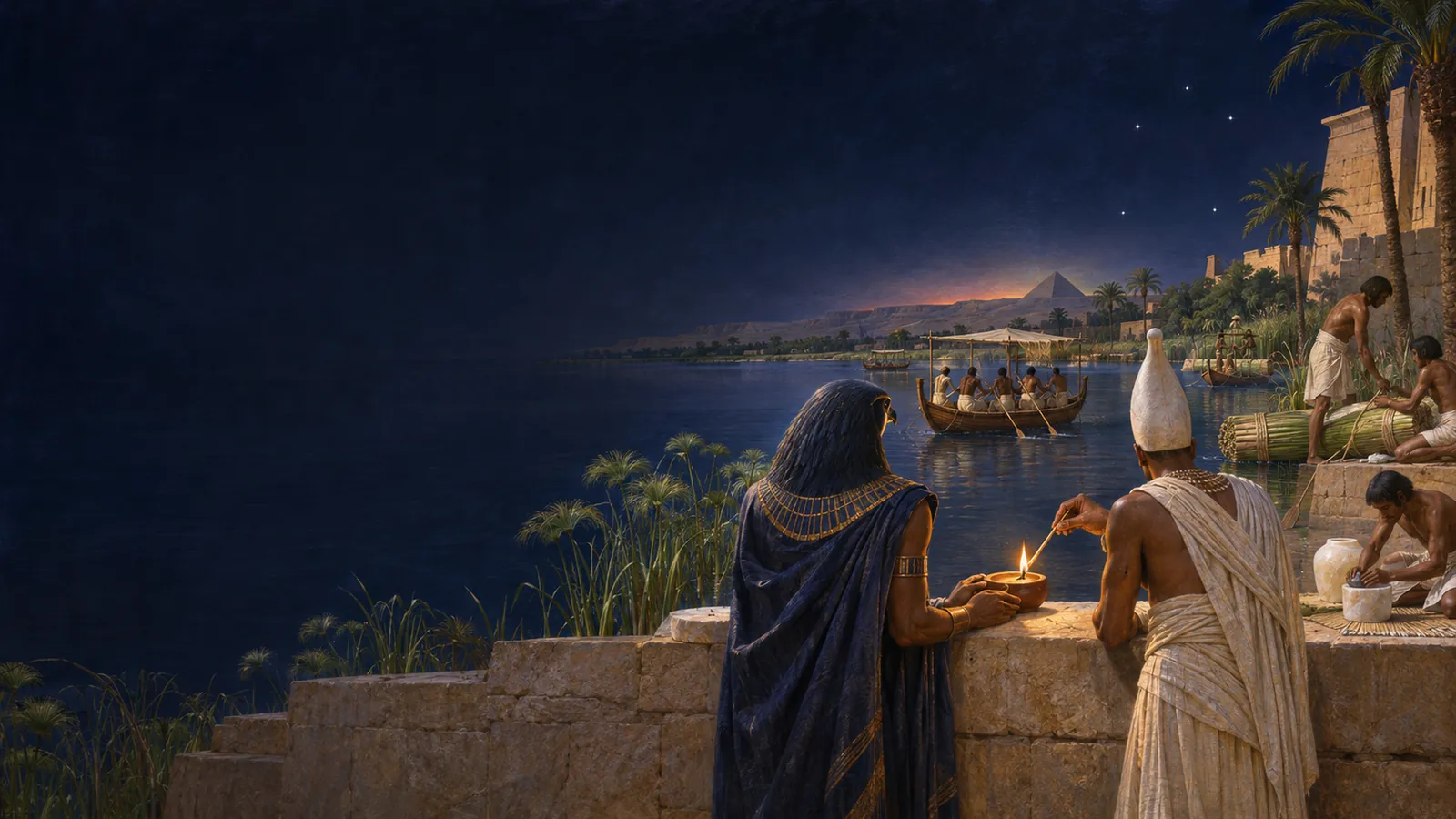
El conjuro sitúa a Horus bajo las estrellas y describe sus brazos como un arma. Él da vida al Sol cada día y el recitante le pide que le dé vida también a él.
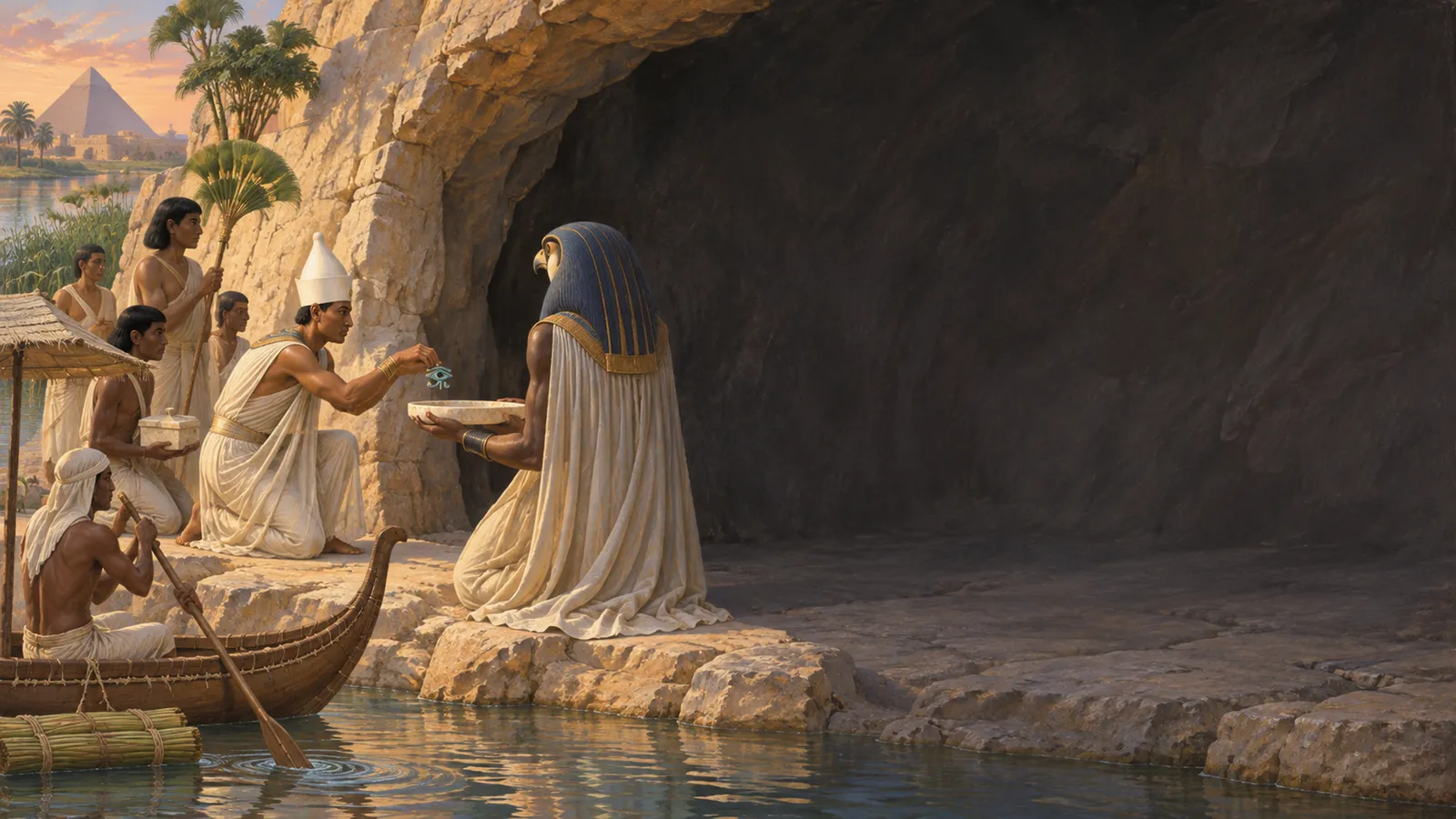
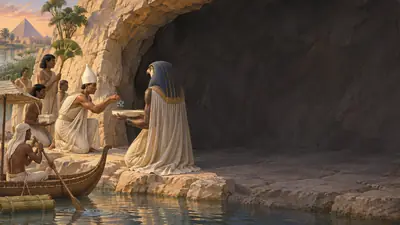
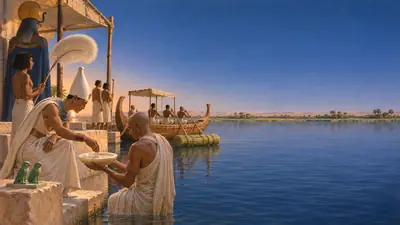
El recitante saluda a Horus de Shat, a Horus de Shezmet y a Horus del este. Dice que trajo de una cueva el gran ojo oriental de Horus.
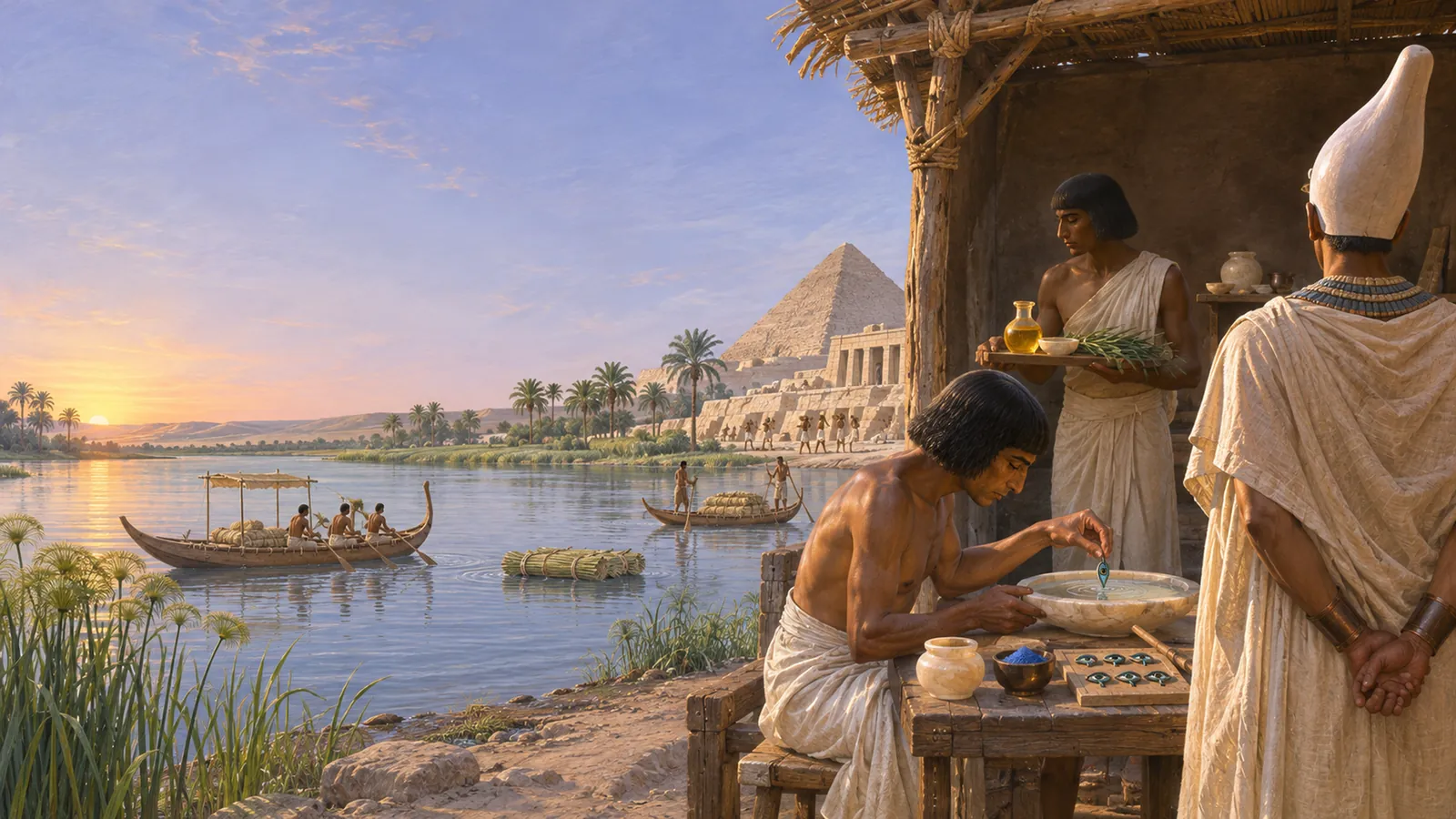
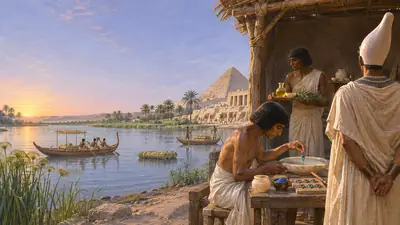
El conjuro asocia el ojo con agua, sangre y vapor, y después pide a Horus que recobre las fuerzas mediante formas como el Sol, el aceite, el sauce y la fayenza.
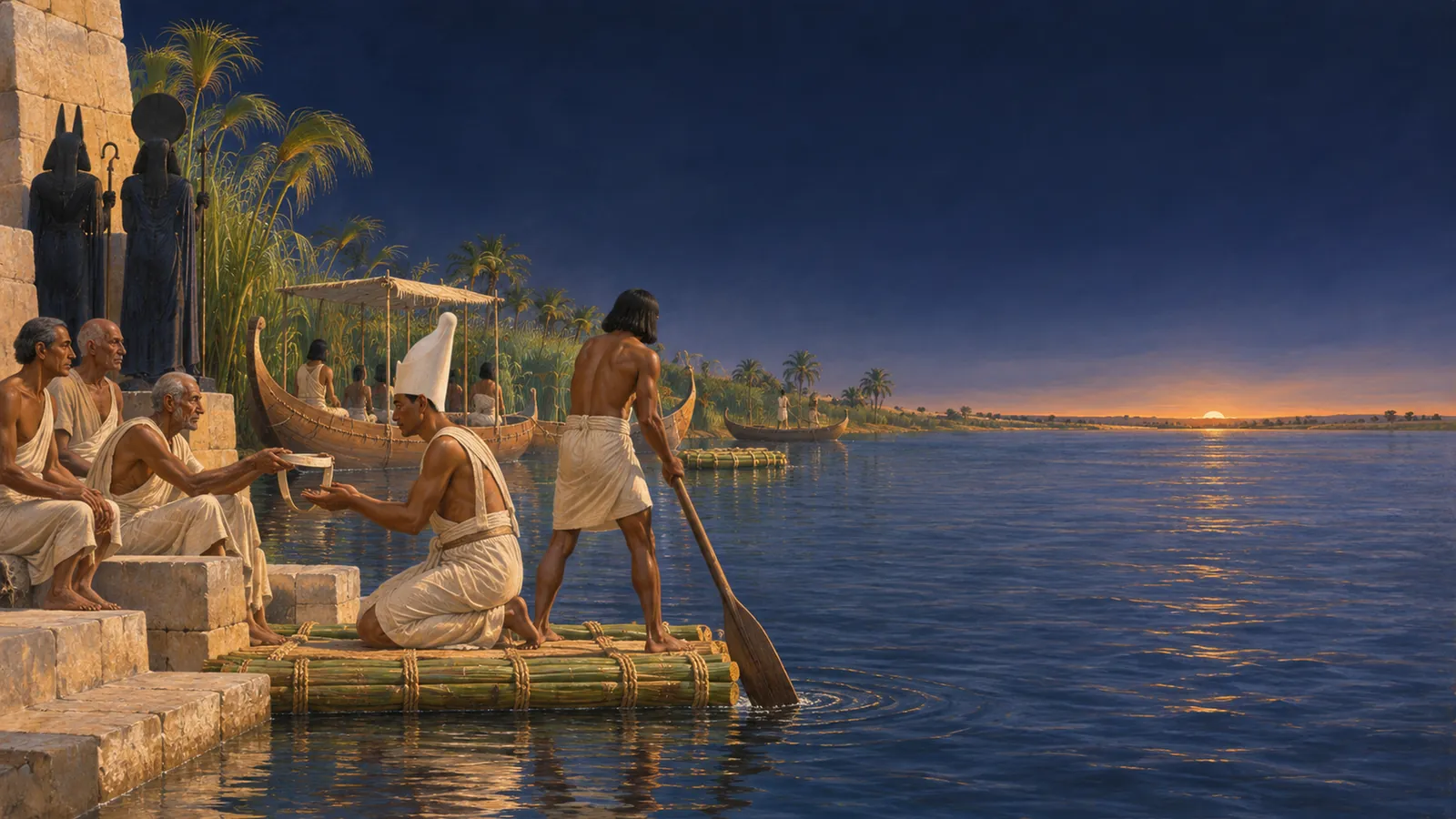
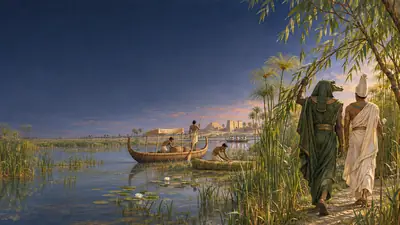
El recitante llama al grande de la balsa de juncos para que se levante como el que abre los caminos y salga del Ajet. El conjuro le dice que tome una corona de los ancianos y principales de Libia.
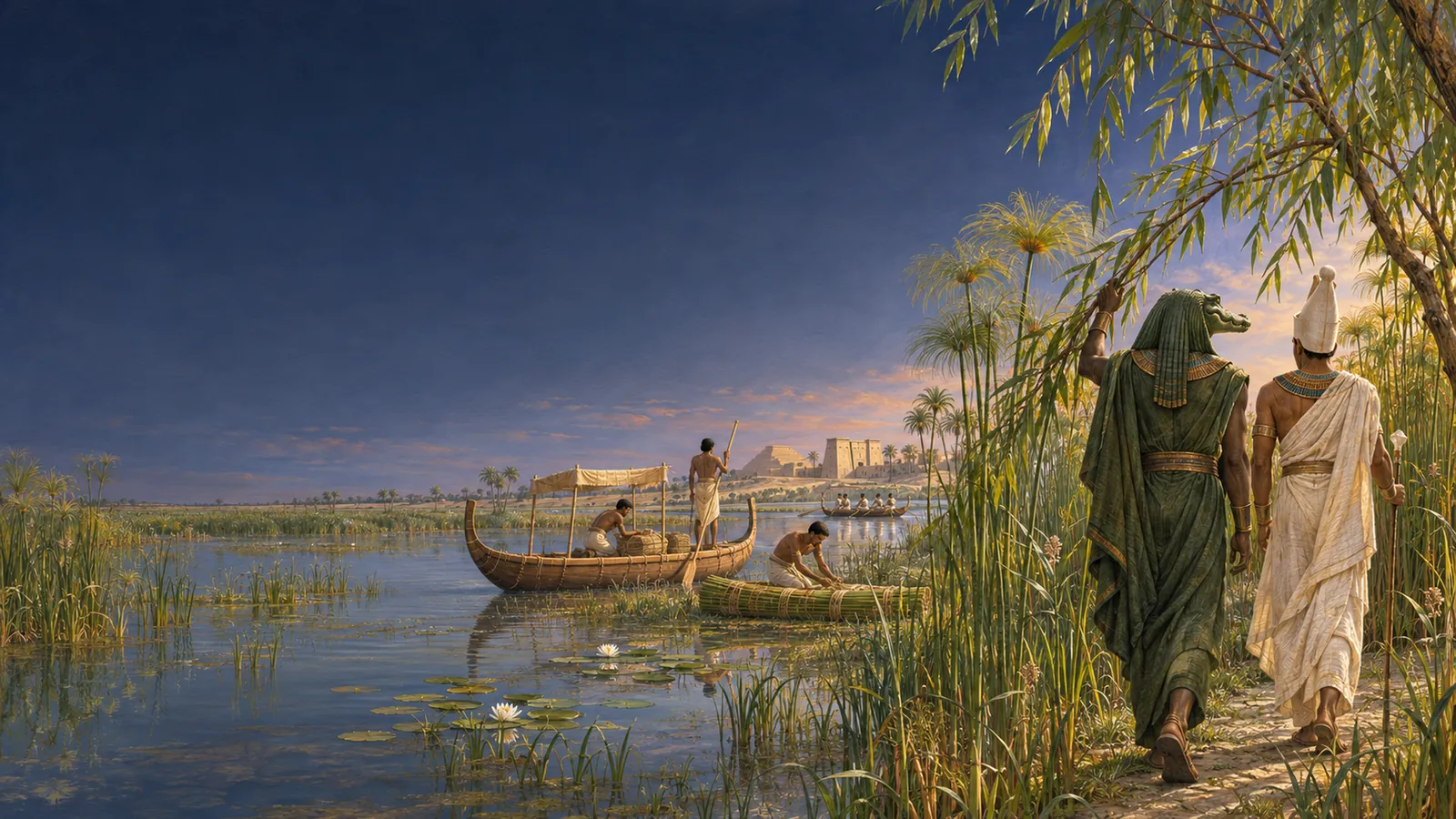
El conjuro se dirige a Sobek de Baju mientras recorre sus campos y manglares. El recitante pide a Sobek que haga subir su ka a su lado en un ascenso semejante.
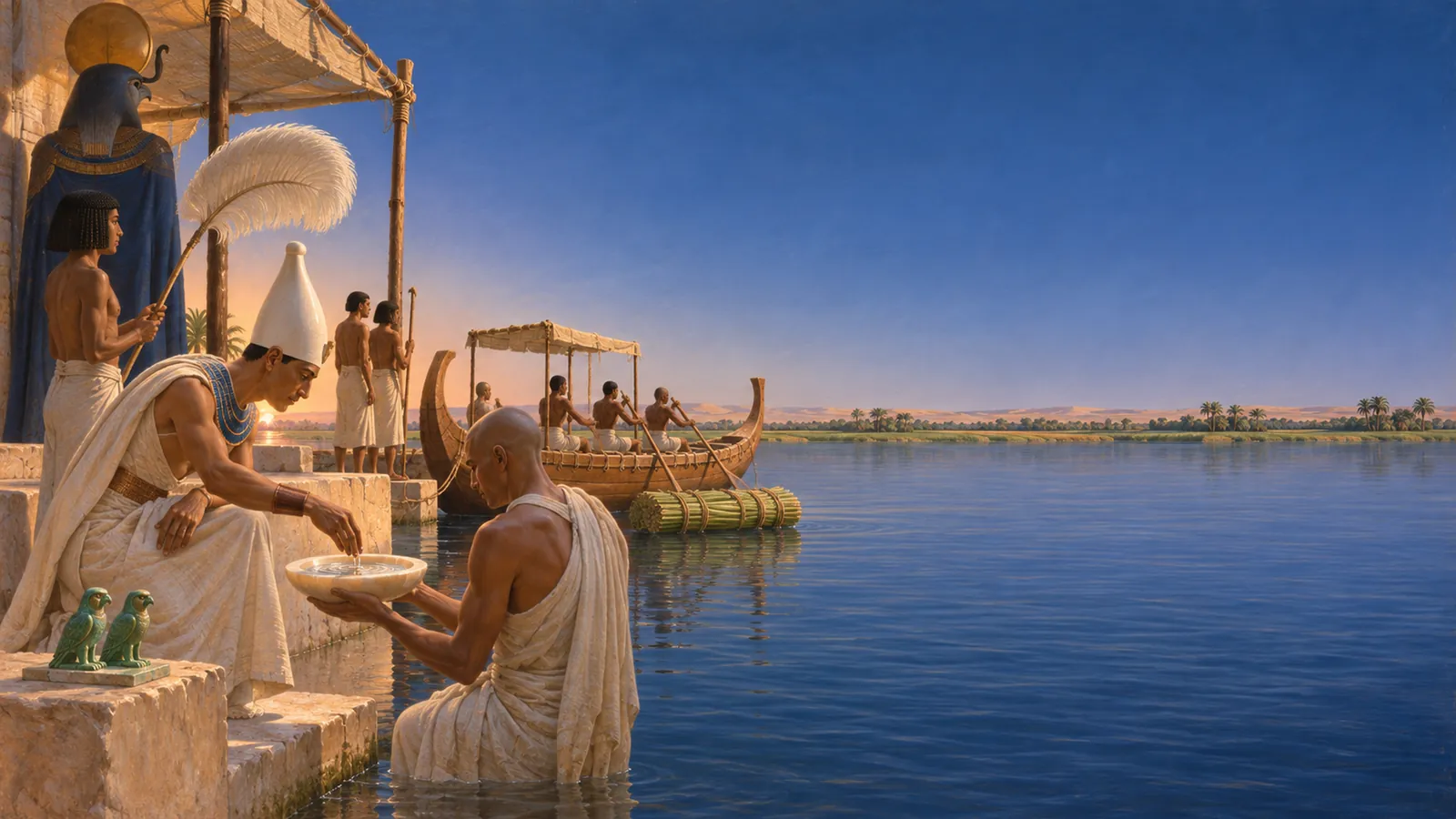
El recitante pide ser purificado y adquirir brillo en el lago del Chacal. La rúbrica final indica cuatro recitaciones y menciona un par de halcones verdes.
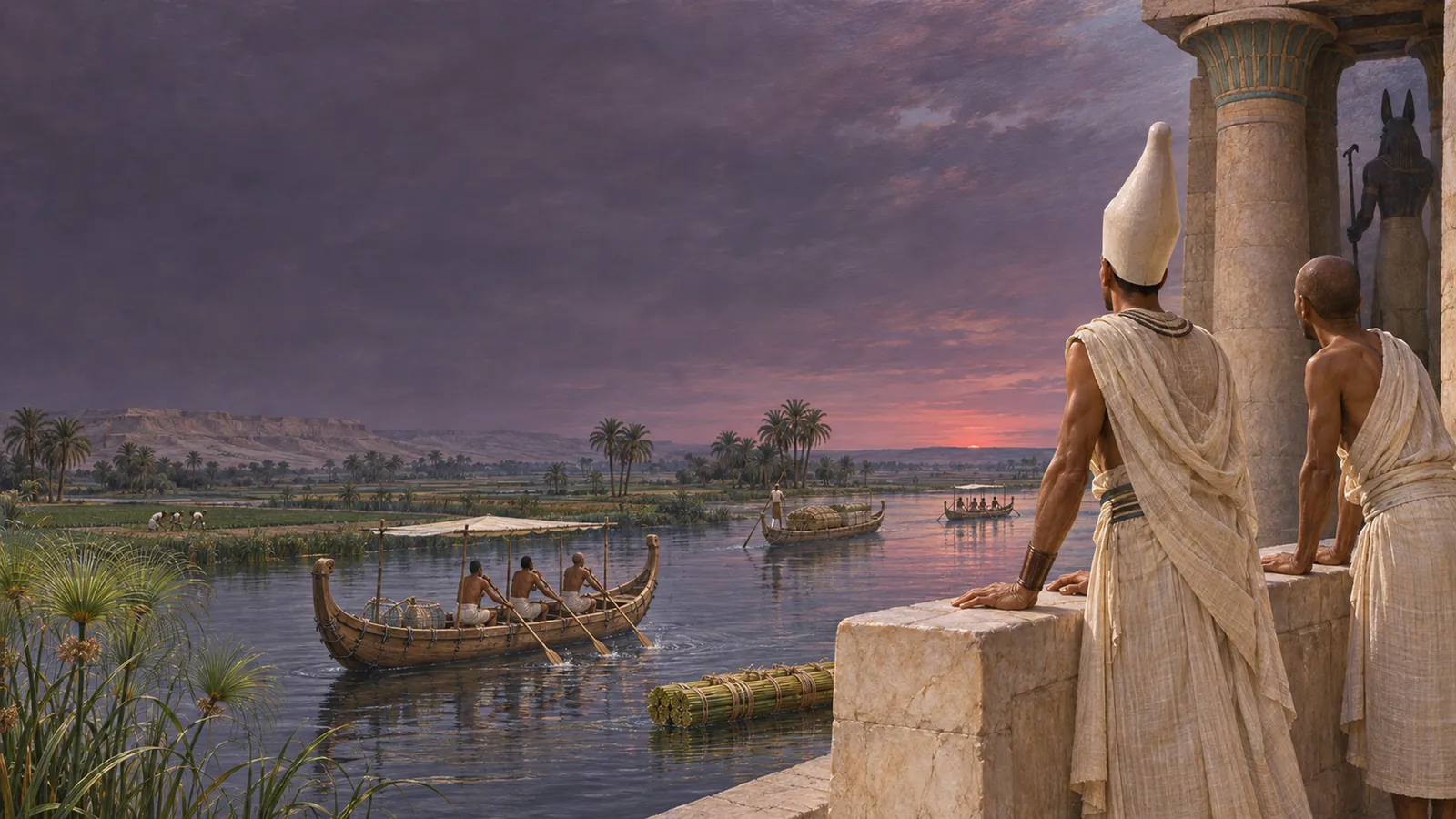
SOTIS
En el conjuro, el cielo sangra mientras Sotis vive. Allen lo explica como una imagen del cielo rojo al amanecer.
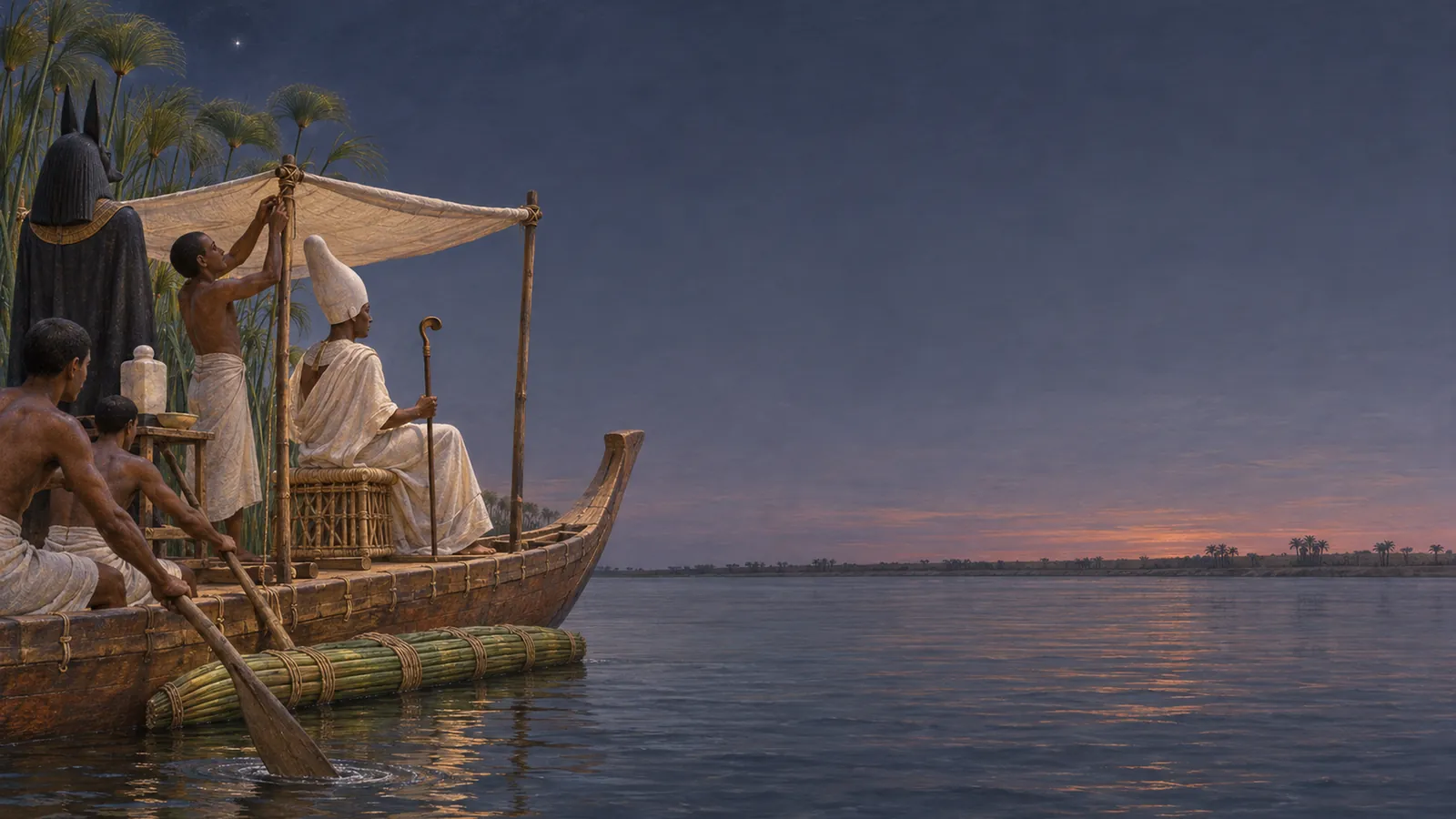
El recitante se llama hijo vivo de Sotis. Dice que su morada para el cielo no perecerá y que su asiento para la tierra no tendrá fin.
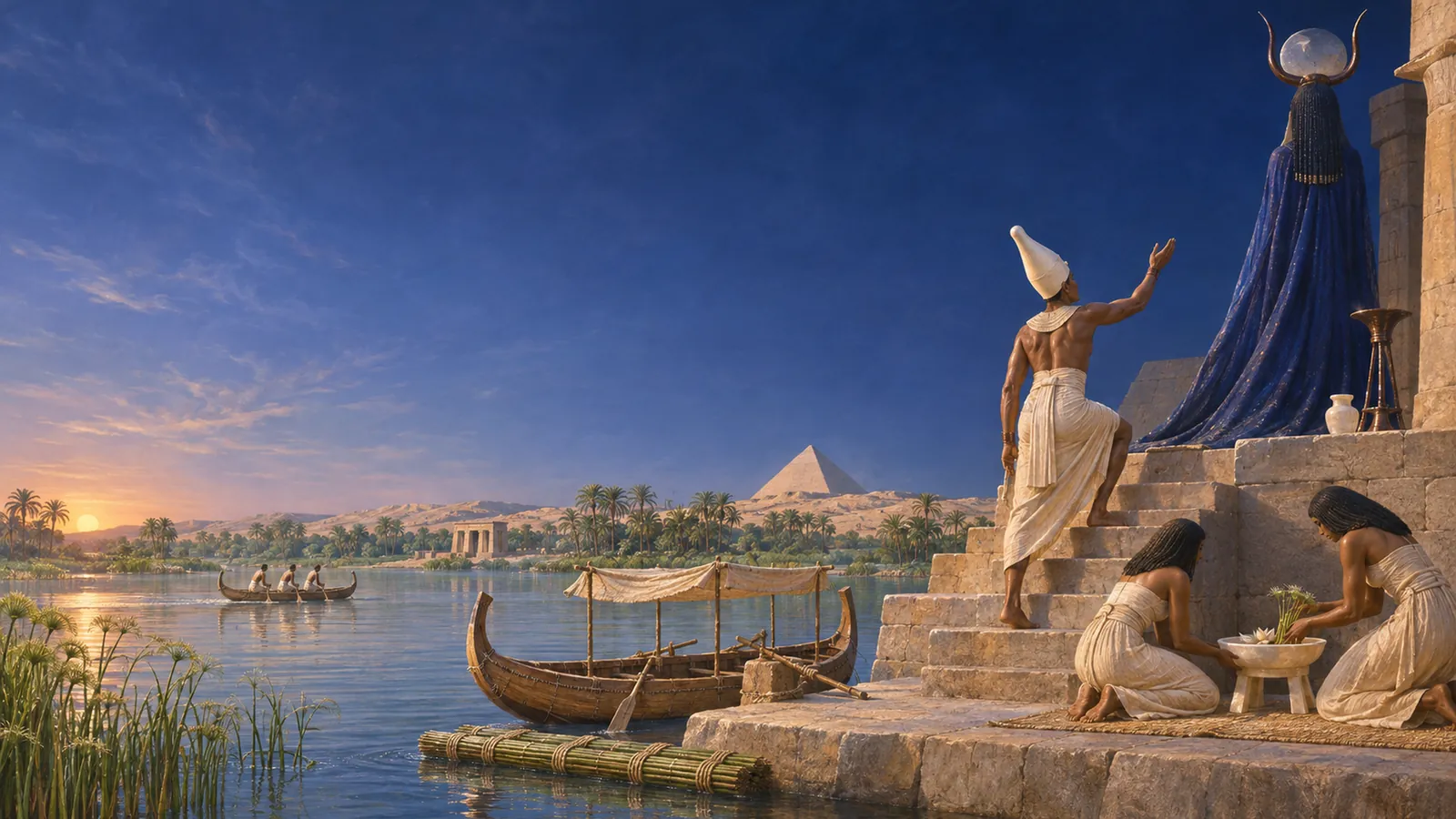
En el conjuro, Sotis lleva al recitante hasta los dioses y Nut le tiende los brazos. Dos de los principales bas de Heliópolis se arrodillan cerca del Sol.
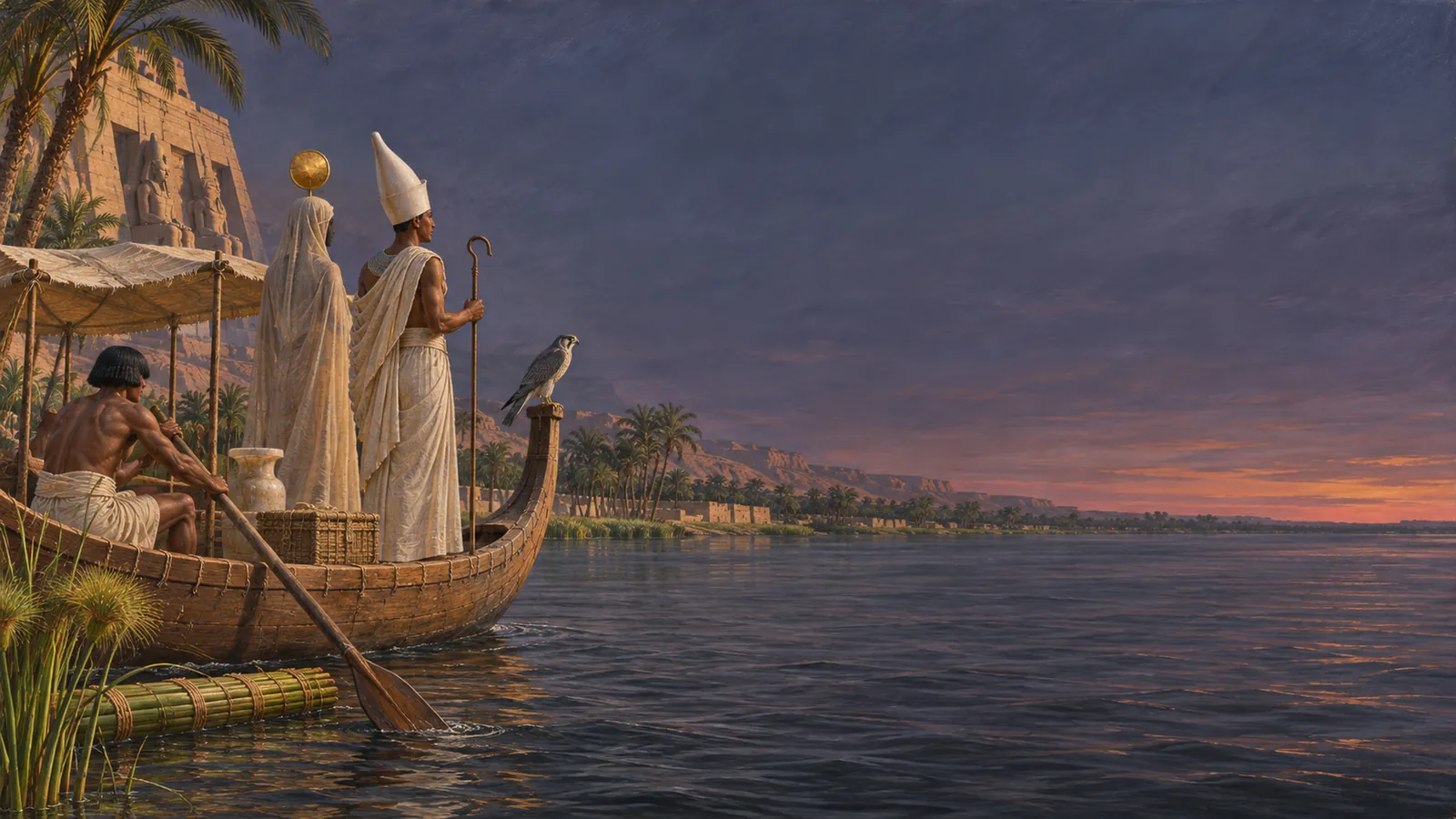
El recitante reclama un lugar junto al Sol y dice que no se lo cederá a nadie. Atribuye su ascenso al Sol y se describe con rostro de halcón, alas de ave y garras.
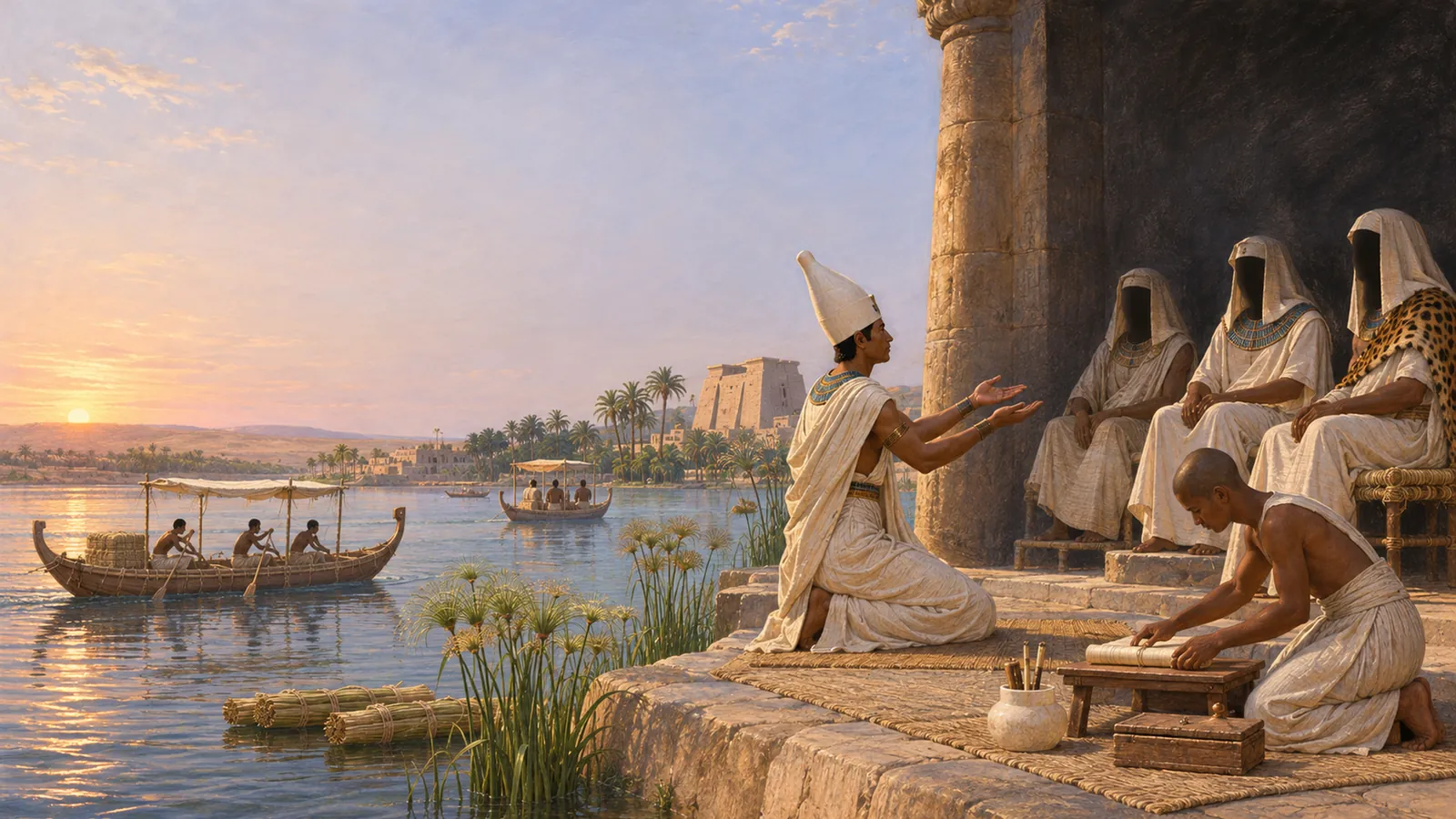
El recitante dice que no hay causa contra él en la tierra y que los dioses del cielo no lo han declarado culpable. Afirma que ha despejado la causa que se oponía a su ascenso.
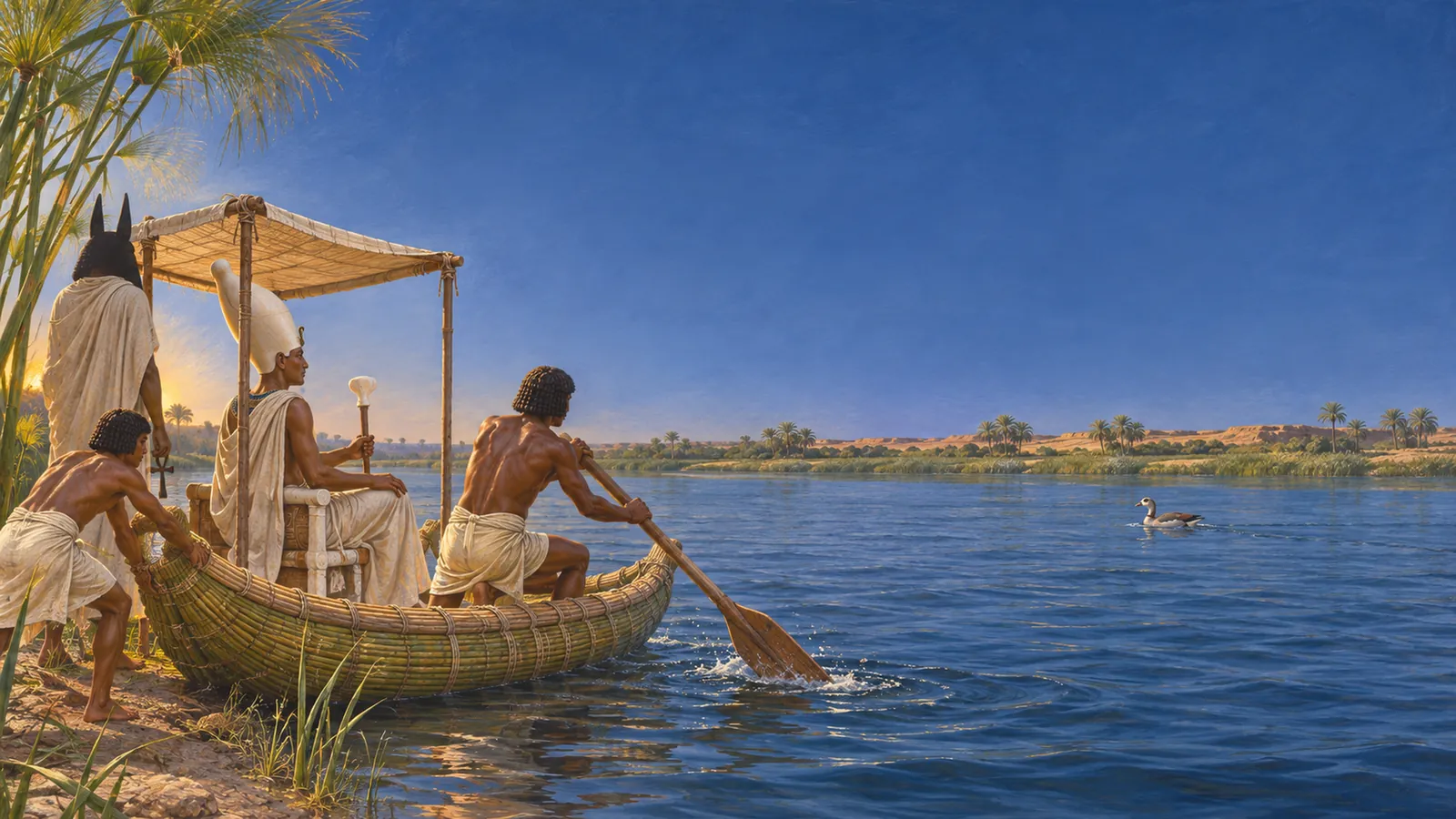
El que abre los caminos lleva al recitante al cielo, entre los dioses. El recitante se compara con un ganso del Nilo y un milano y luego dice a la gente que se aleja volando.
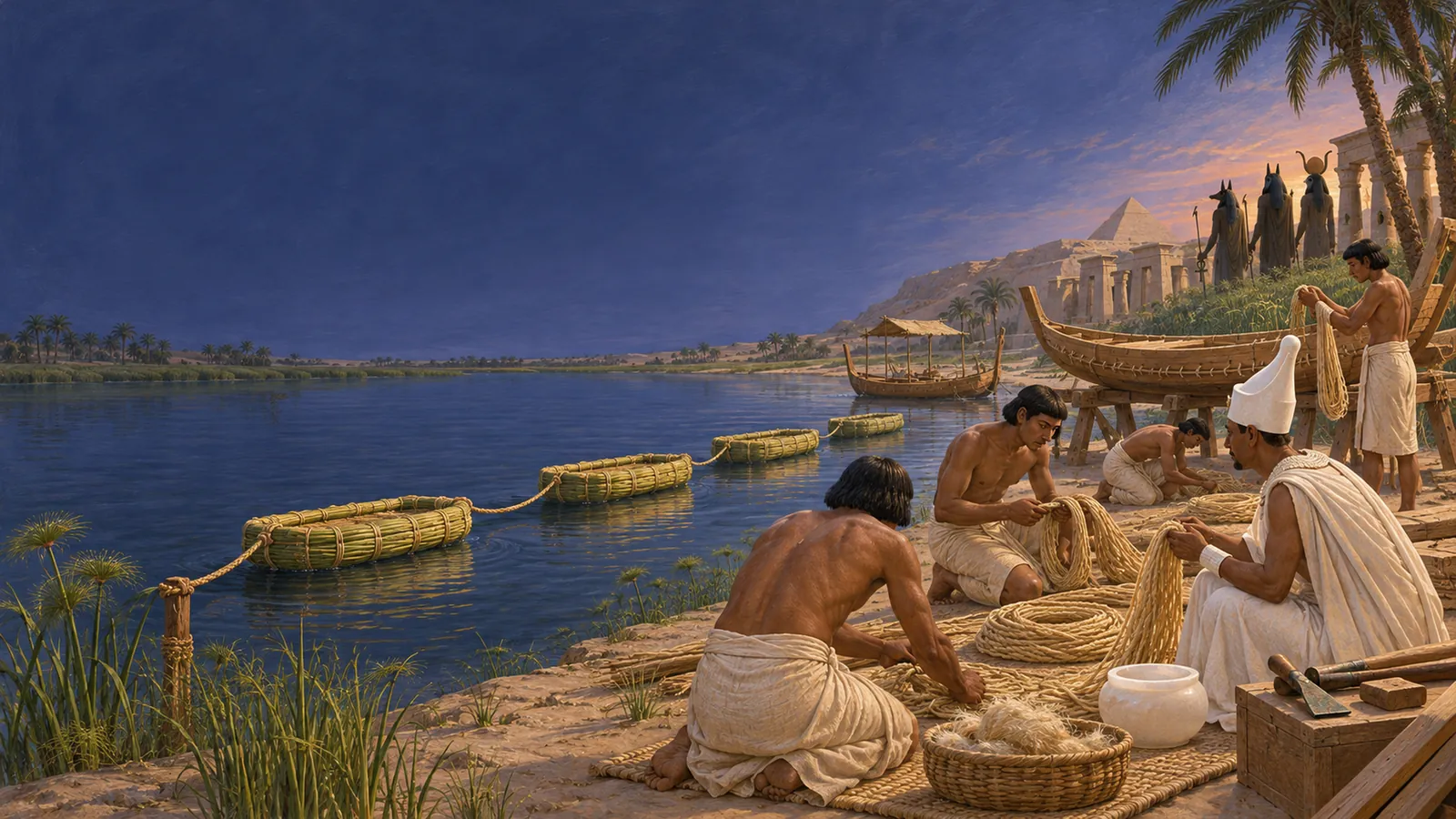
El recitante invoca a los dioses de los cuatro rumbos. Pide las cuatro balsas de juncos puras que habían dispuesto para Osiris cuando cruzó hasta las Aguas Frescas con su hijo Horus.
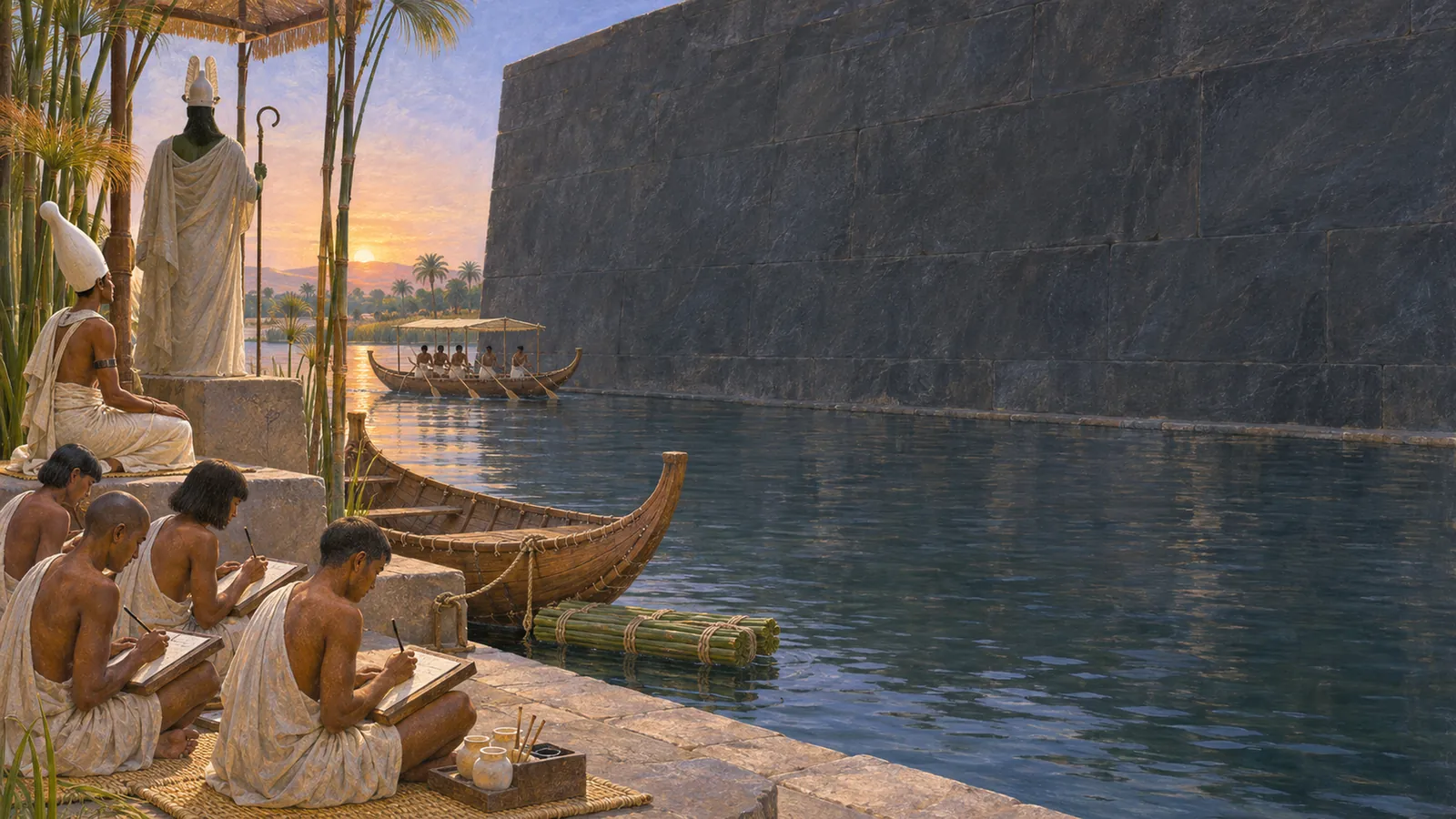
En la respuesta de los dioses es Horus, hijo de Osiris, y también hijo de Hathor y descendiente de Geb. Osiris ordena que aparezca como un segundo Horus. Cuatro akhs de Heliópolis ponen la orden por escrito.
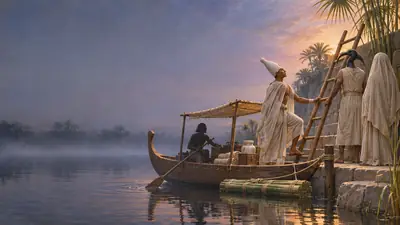
LA ESCALERA
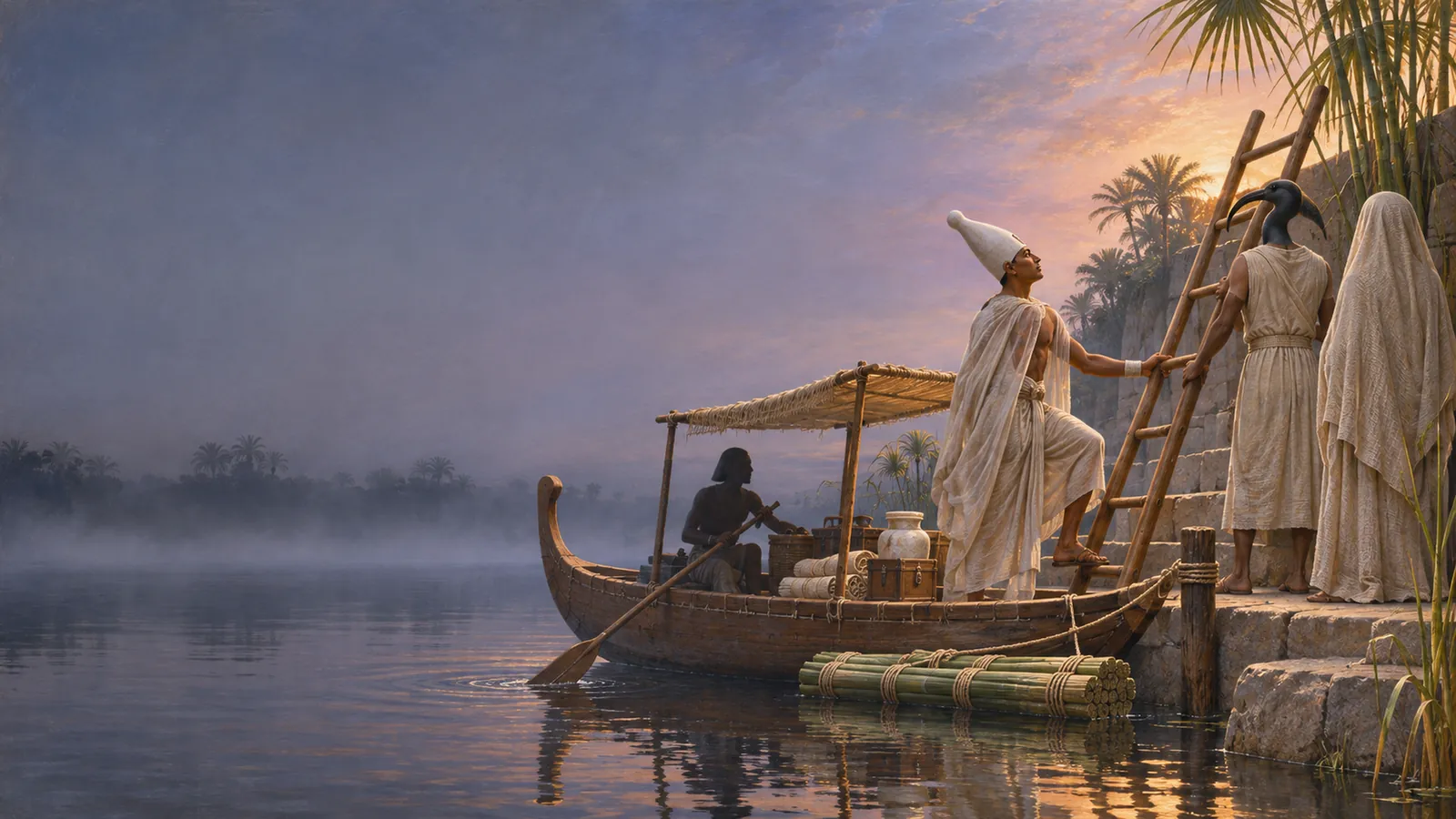
En las Aguas de la Mirada del cielo saluda a la hija de Anubis. El conjuro la vincula con Tot junto a los montantes de la escalera, y el recitante le pide que le abra un paso.
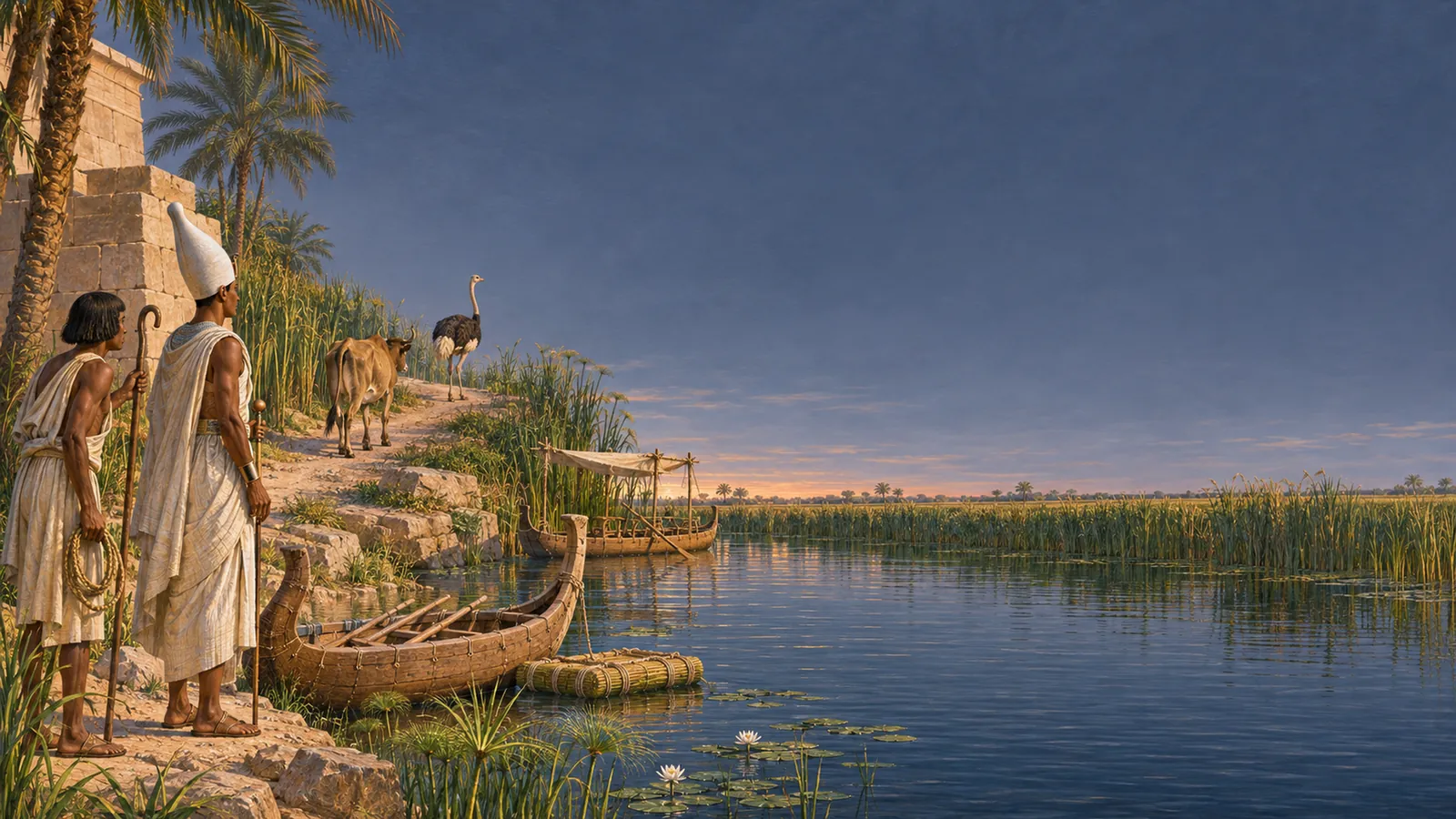
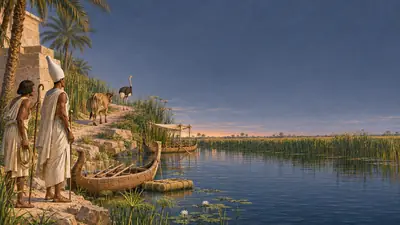
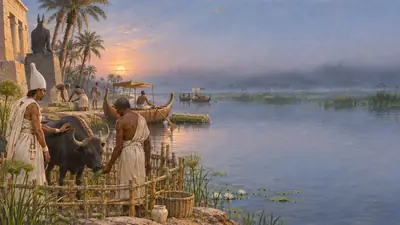
En el Canal Sinuoso, el recitante le pide a un avestruz que lo deje pasar. Luego se dirige al novillo del Sol, cuyos cuatro cuernos miran a los cuatro rumbos, y le pide que baje el del oeste.
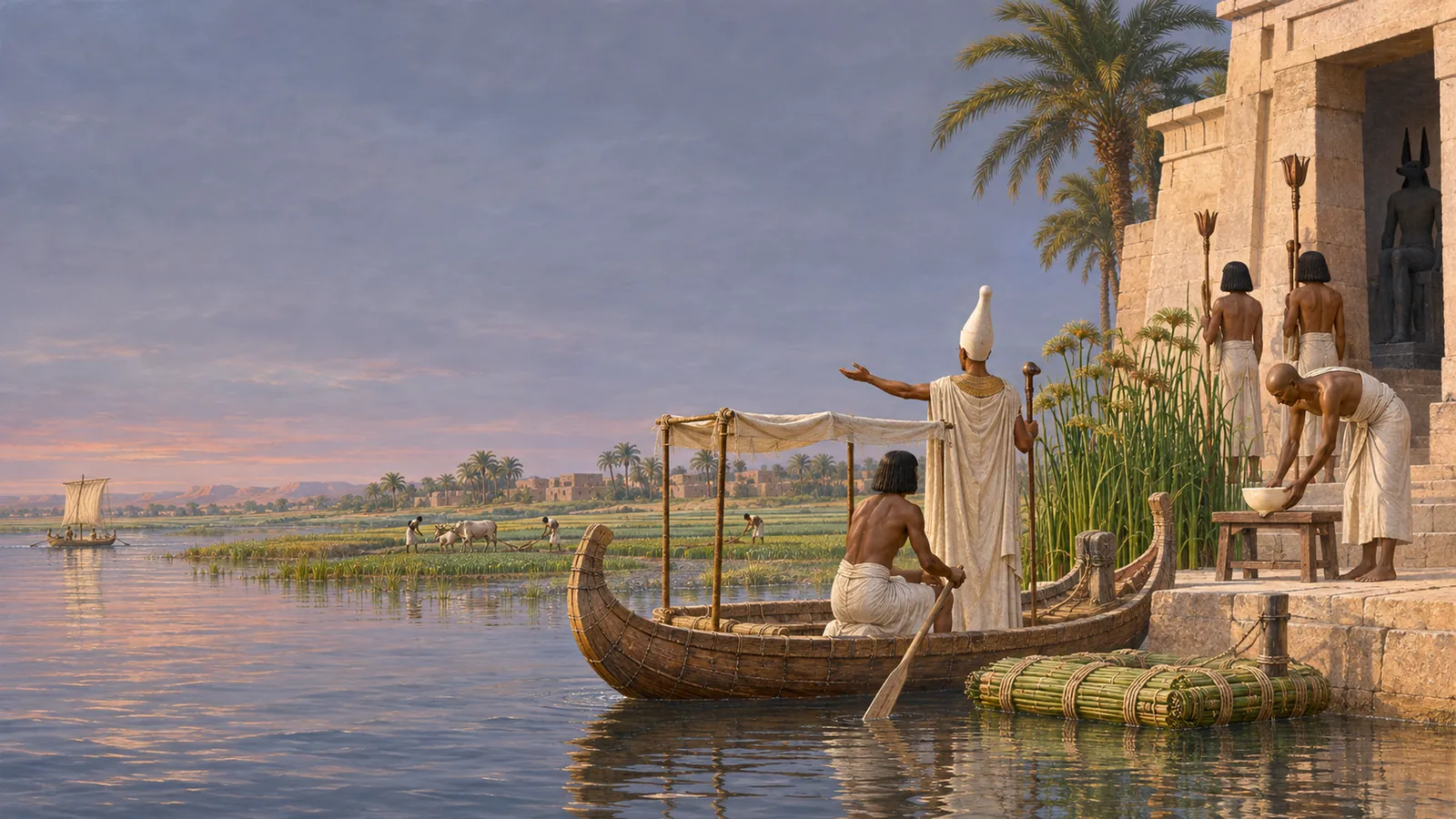
Cuando le preguntan si es un occidental puro, el recitante responde que viene de la Ciudad del Halcón. Luego saluda al Campo del Reposo y dice que su vegetación pura le pertenece.
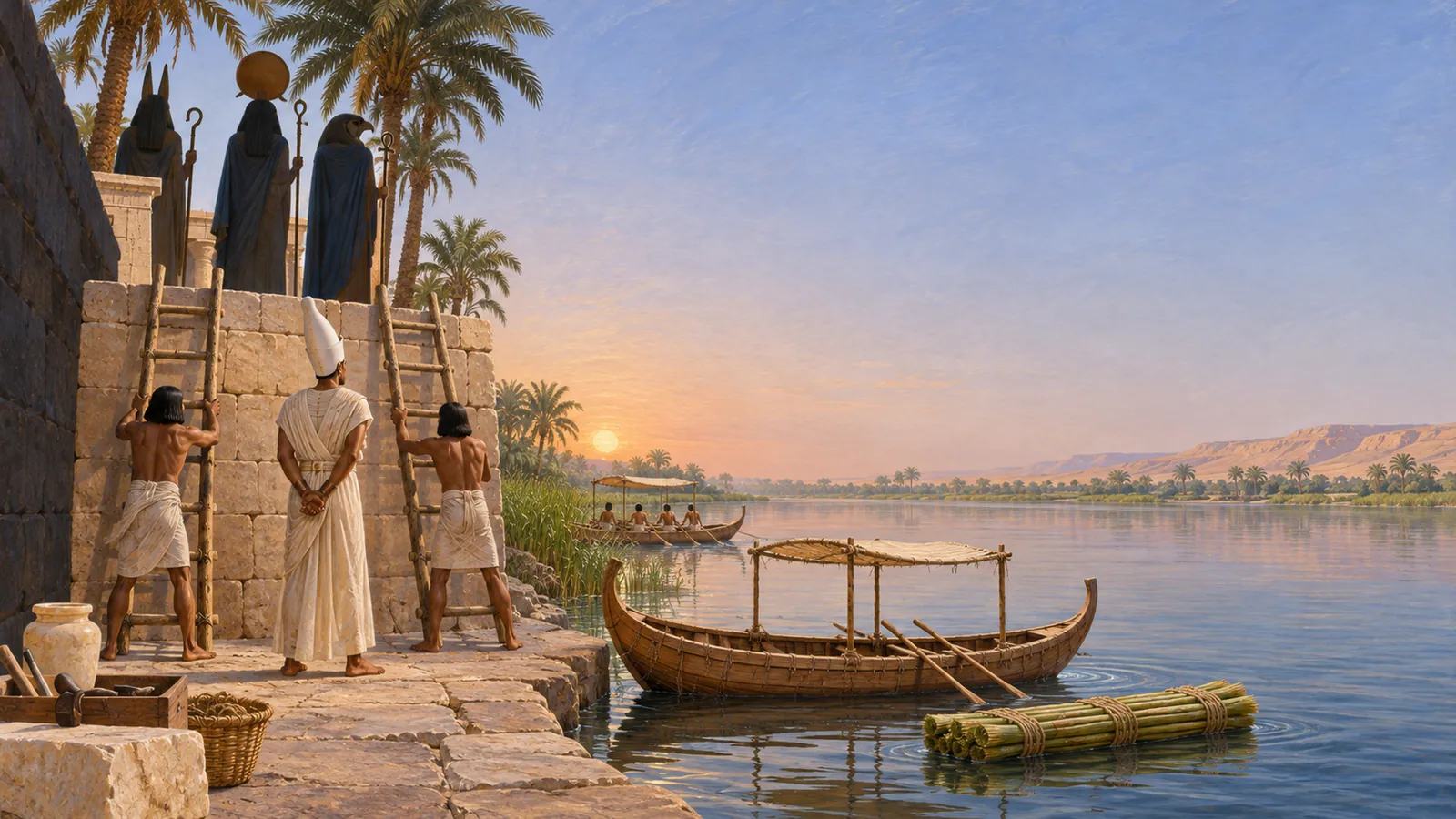
El Sol ató una escalera delante de Osiris y Horus ató otra delante de su padre. Con una escalera a cada lado, el recitante dice que está entre las dos.
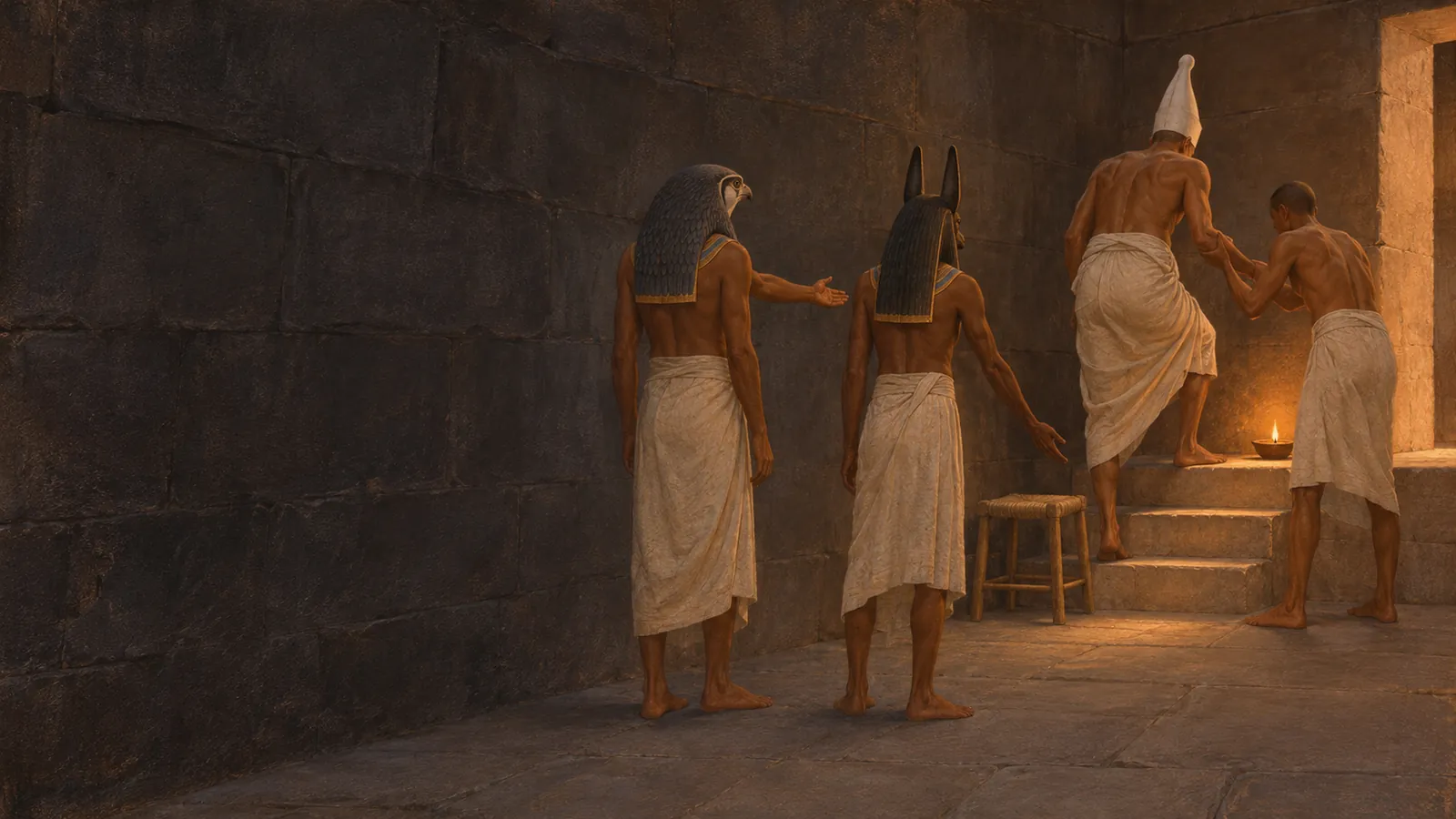
Cuando le preguntan si es un dios de lugares puros, dice que viene de un lugar puro. Horus le manda levantarse, Seth le manda sentarse y el Sol pide que le tomen del brazo.
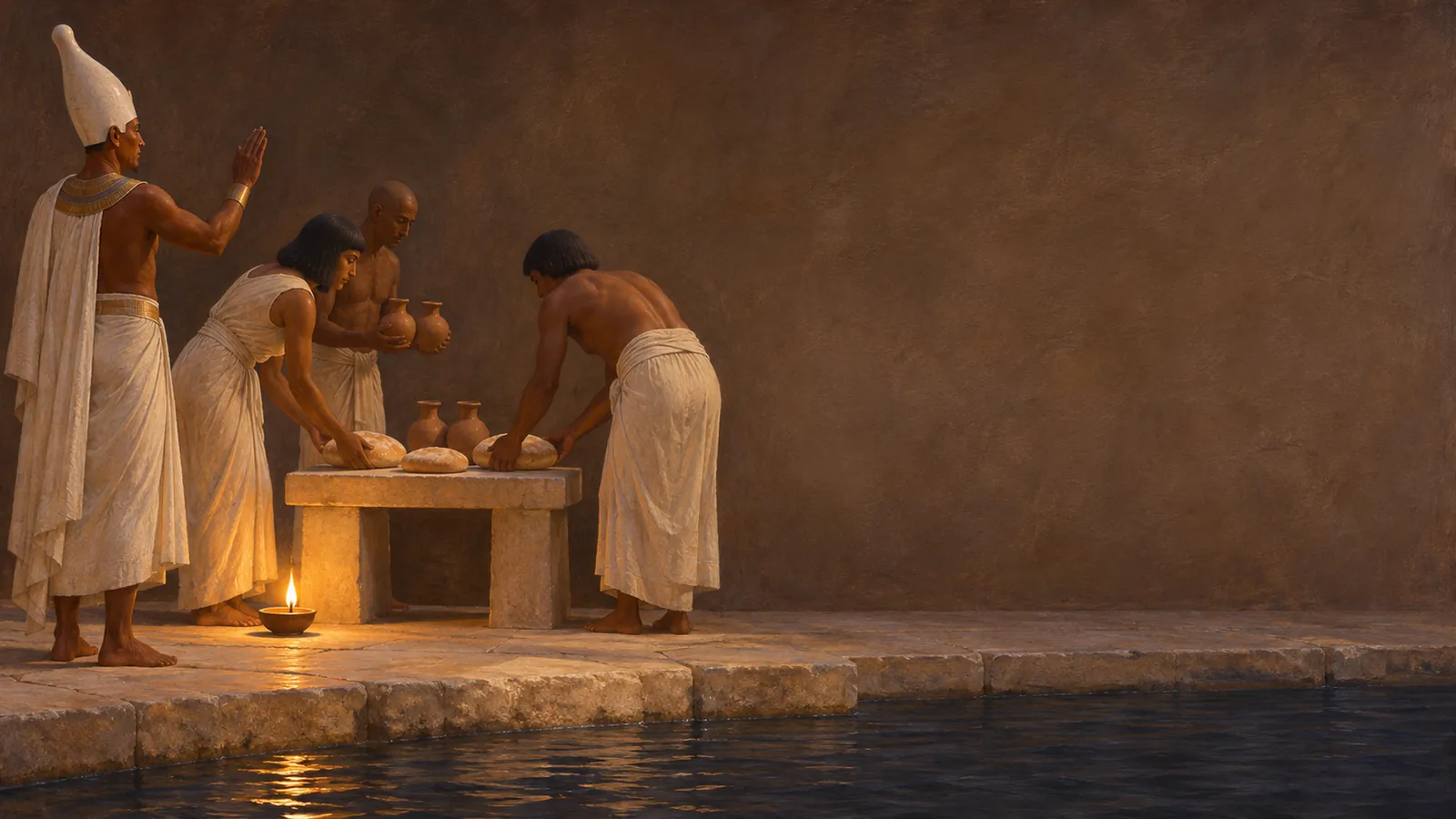
El conjuro envía al akh al cielo y el cuerpo a la tierra. Después menciona mil porciones de pan y mil de cerveza de la mesa de ofrendas del Primero de los Occidentales.
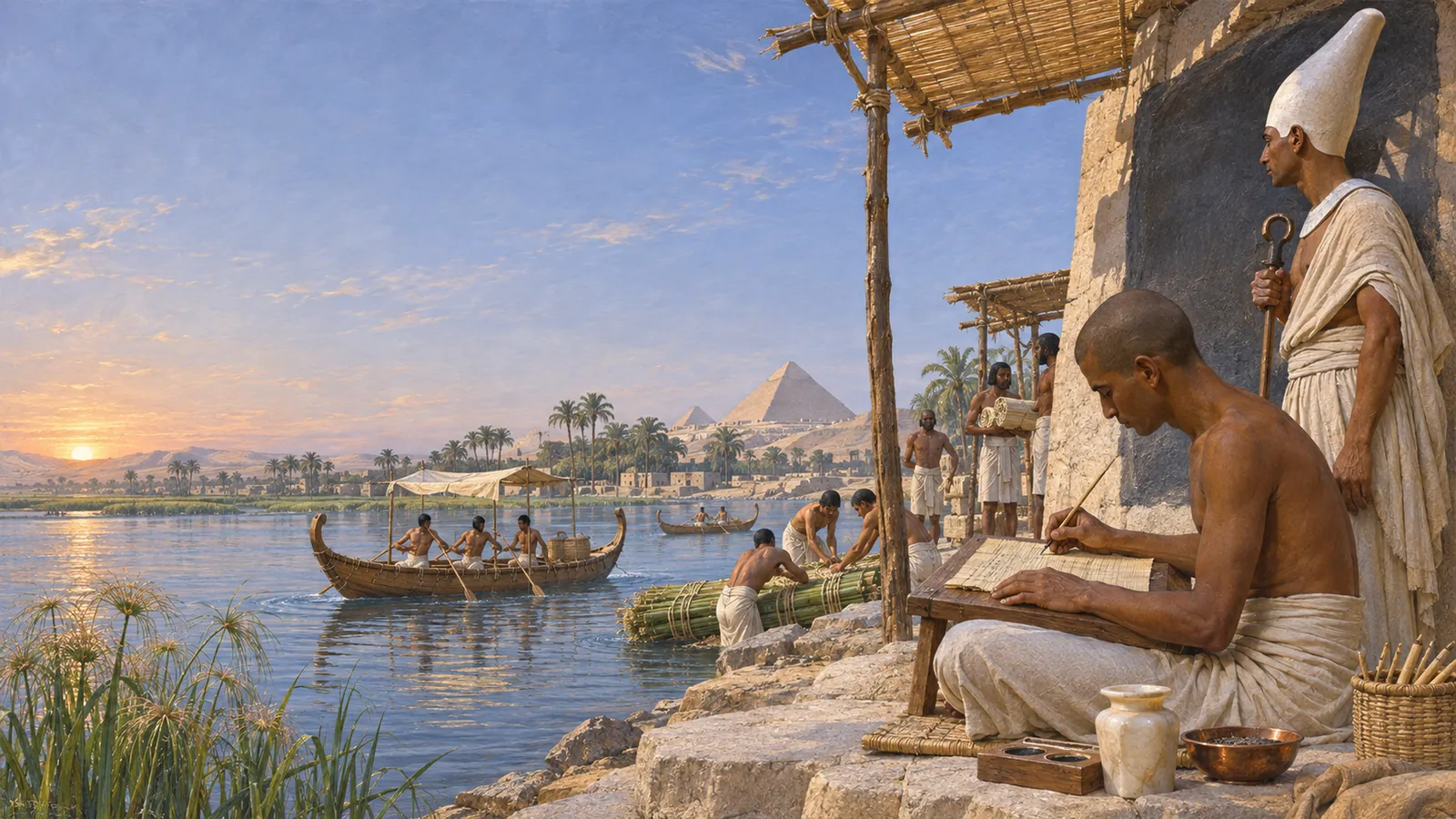
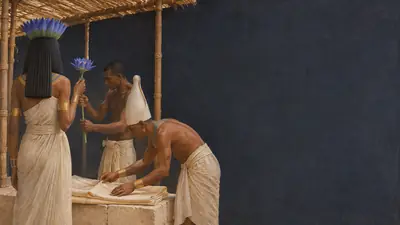
El recitante dice que un heredero queda desamparado sin un escrito. Añade que usa el dedo grande para escribir y deja sin usar el meñique.
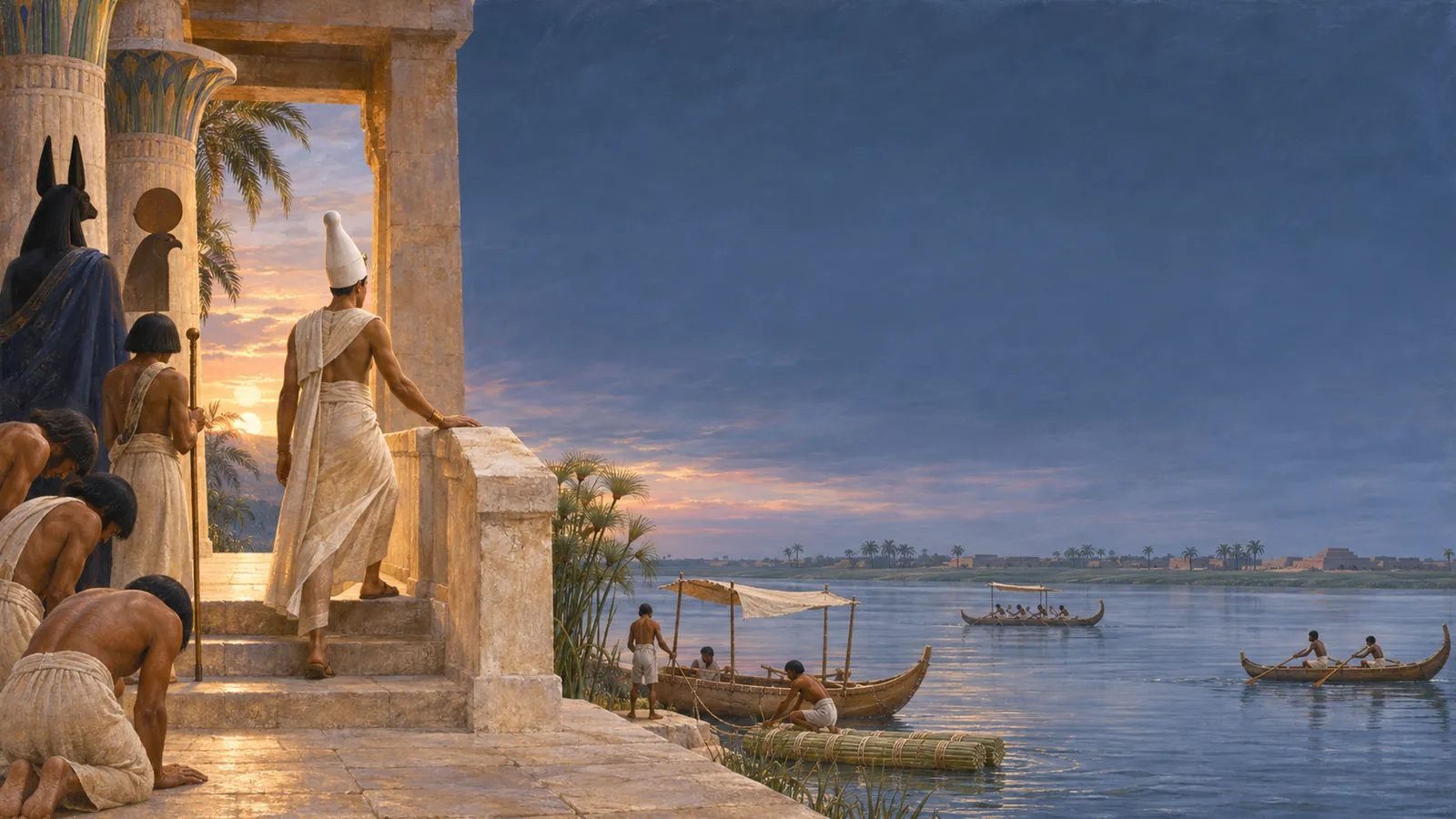
Los dioses celebran la visión del padre que sale hacia el cielo. Describen su majestad encima de él, su fiereza a sus lados y su magia a sus pies. Dicen que Geb ha obrado por él.
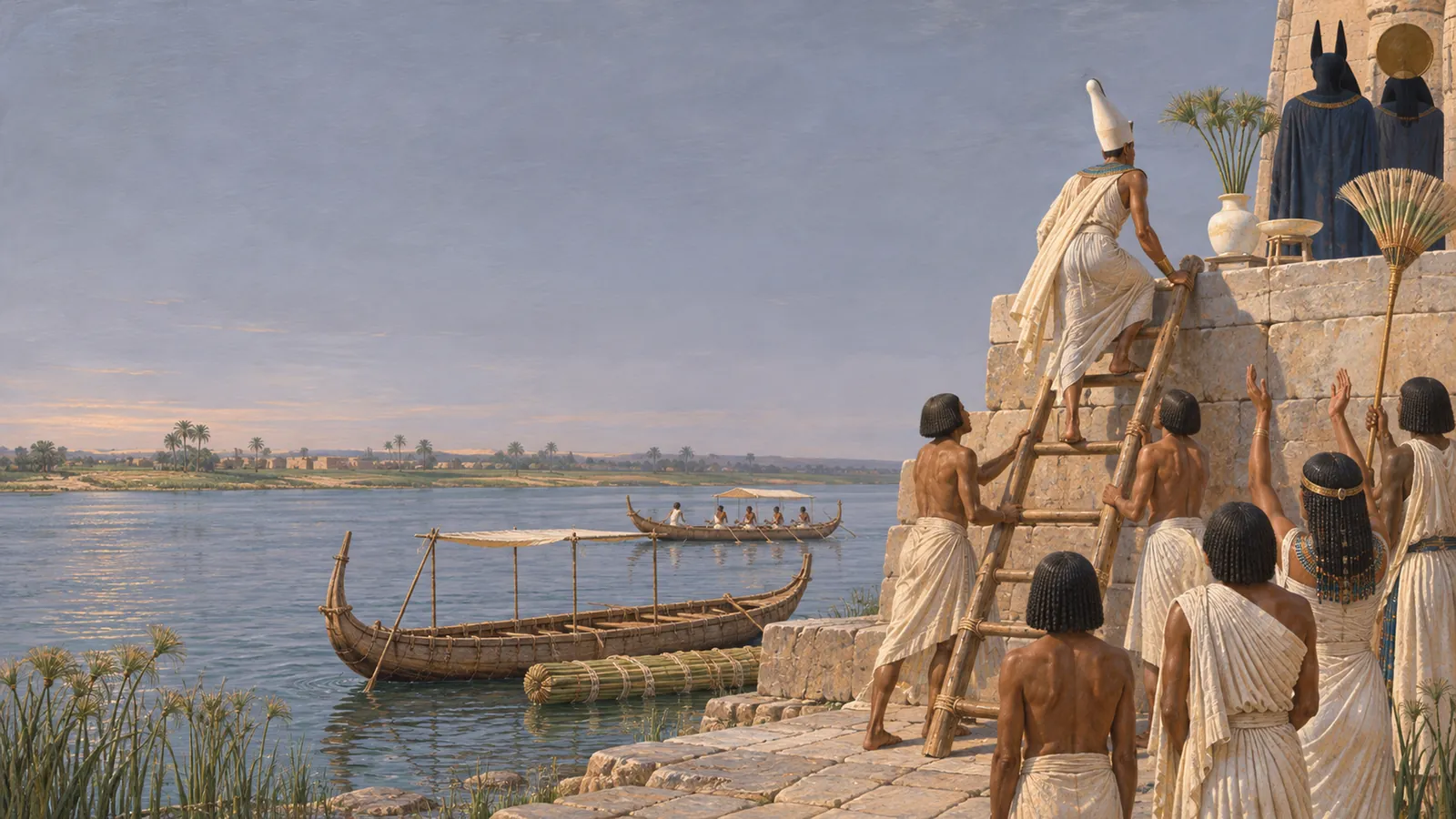
Los espíritus de Pe y Nejen vienen con los dioses del cielo y la tierra para llevar a quien habla. Ha de ascender al cielo, que toma la forma de una escalera.
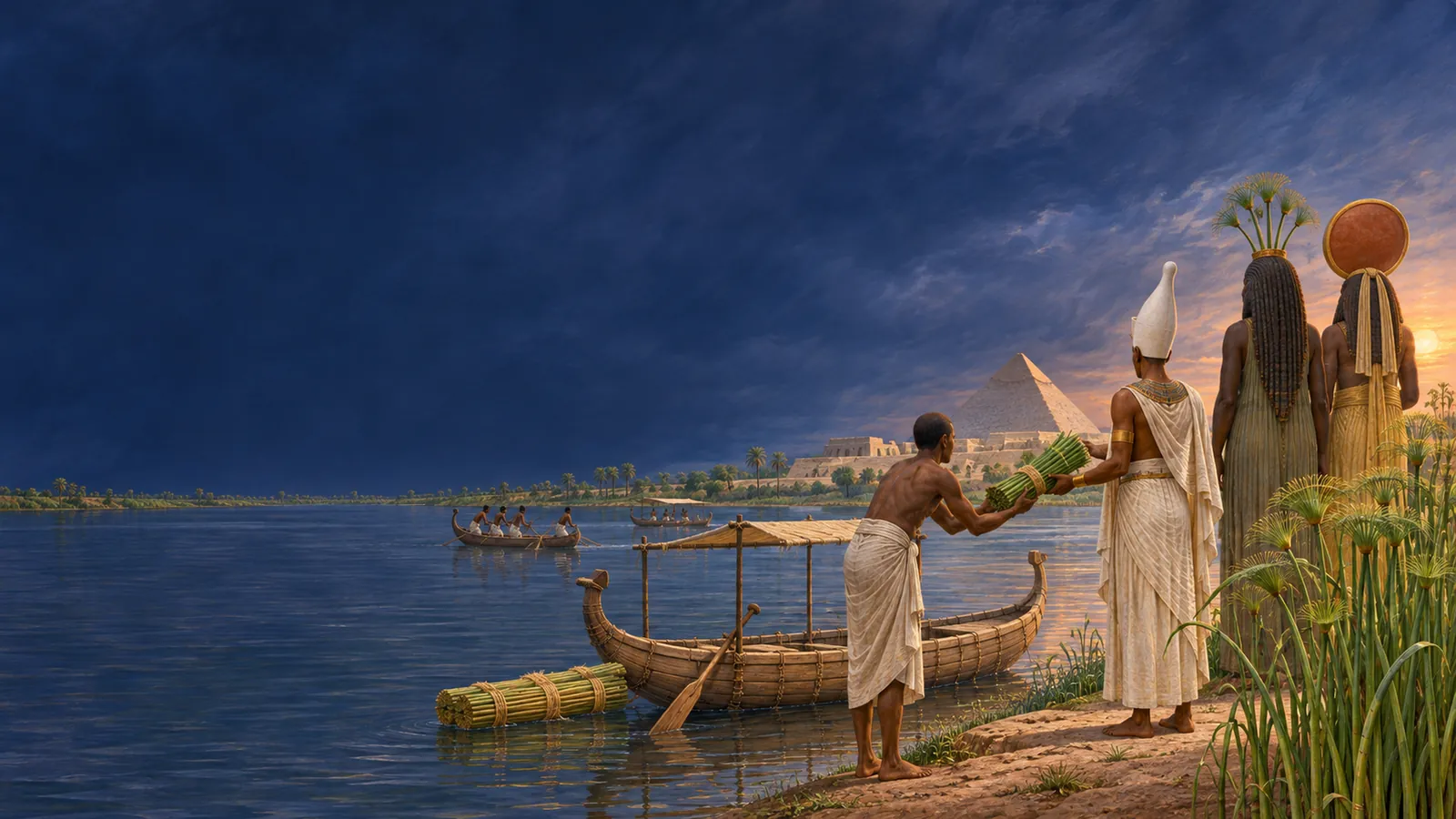
CIELO Y TIERRA
Atum declara que el cielo y la tierra se entregan a quien habla. Geb dice que los montículos y el Campo de los Juncos lo honrarán como dios de la Mañana, como a Sobek bajo los mangles.
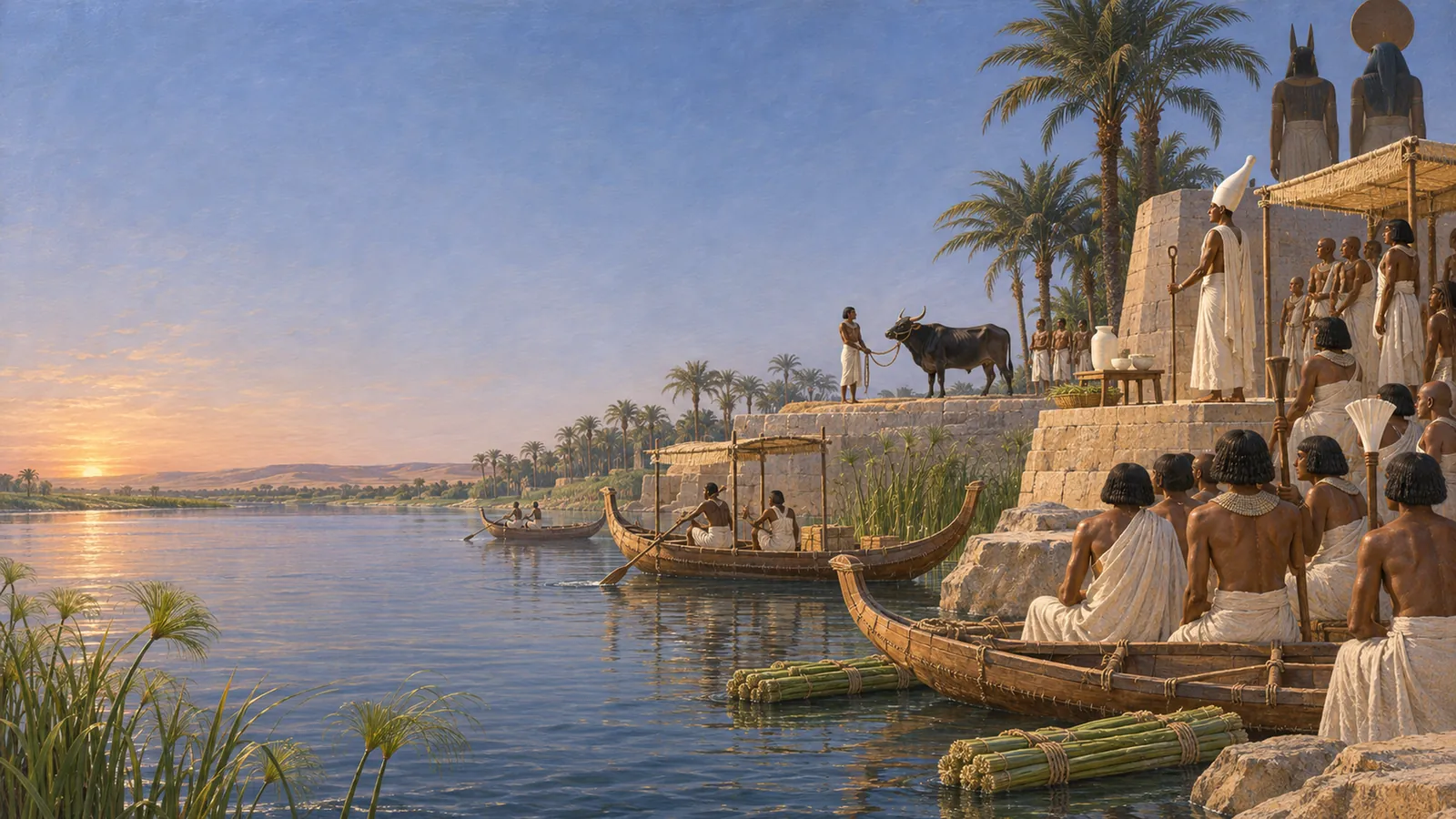
Geb pregunta si Seth lo mató creyendo que moriría. Luego declara que quien habla perdura más que Seth en forma de toro salvaje y le manda ocupar un lugar al frente de los akhs.
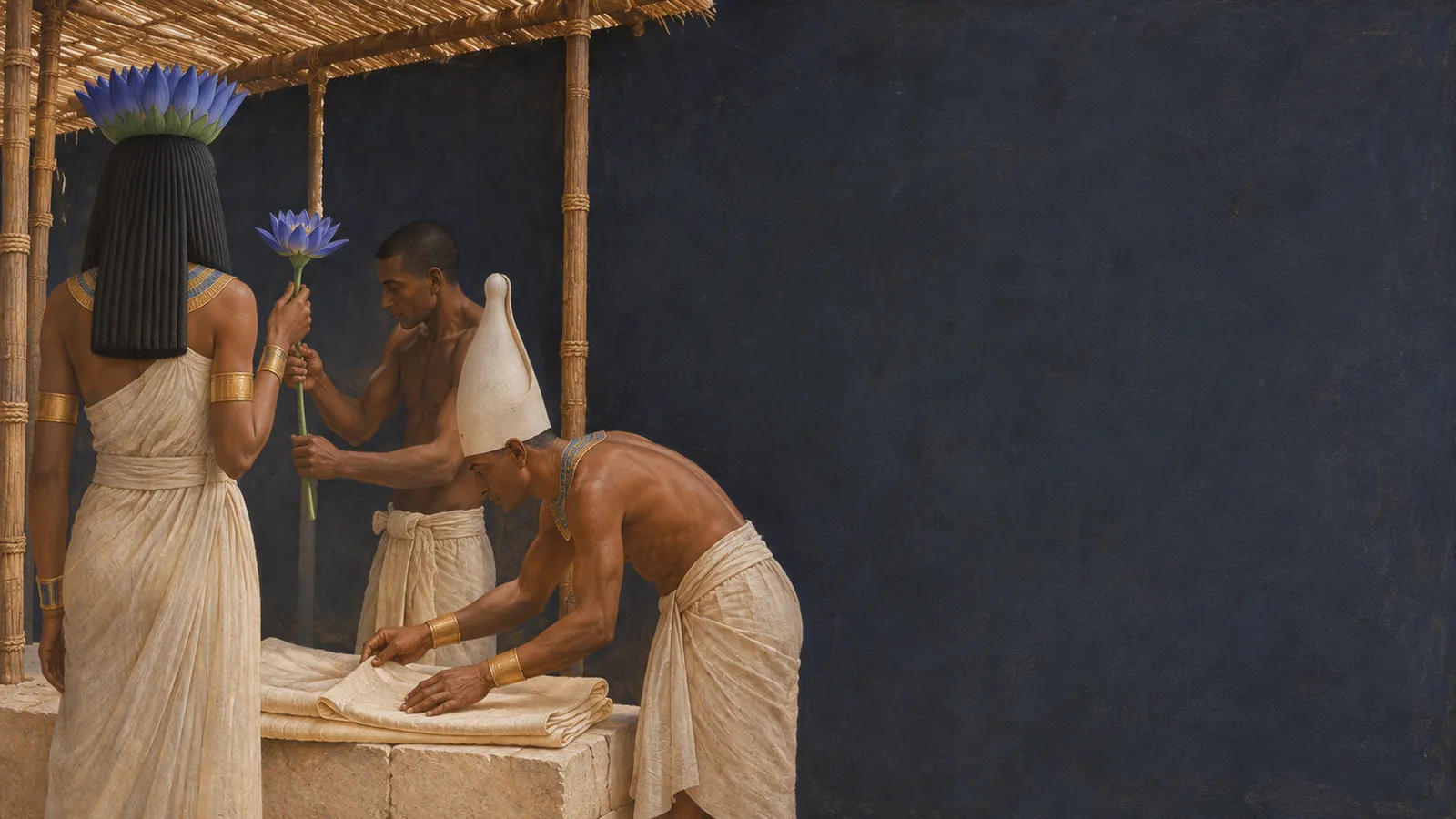
Quien habla dice que sus padres son de Heliópolis y que él nació allí. Se nombra Nefertum sin igual y heredero de su padre Geb.
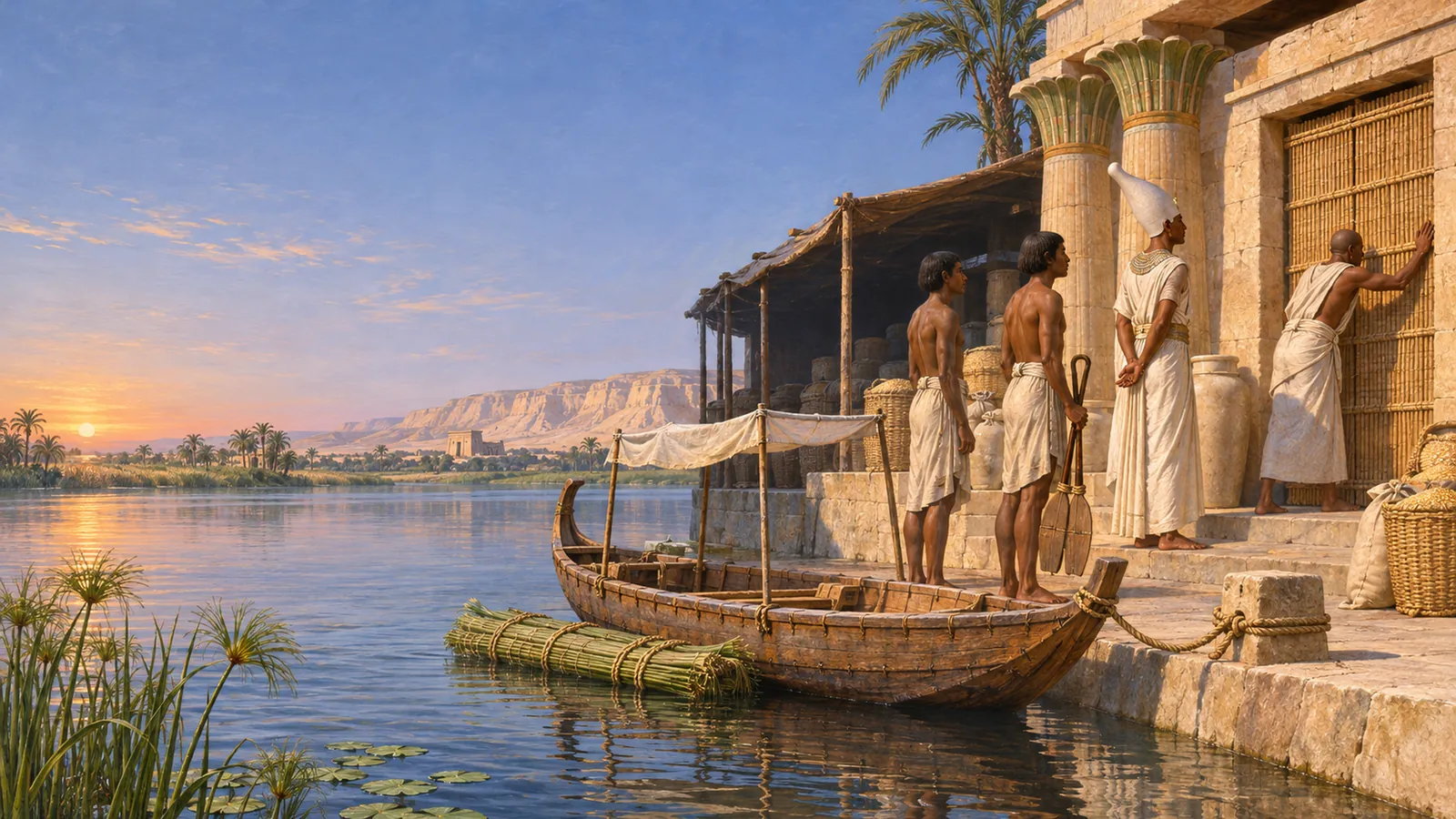
Quien recita advierte a todo dios que se oponga a él mientras se vuelve hacia el Sol. Ese dios no recibirá alimento, y las barcas del día y de la noche y el almacén se le cerrarán.
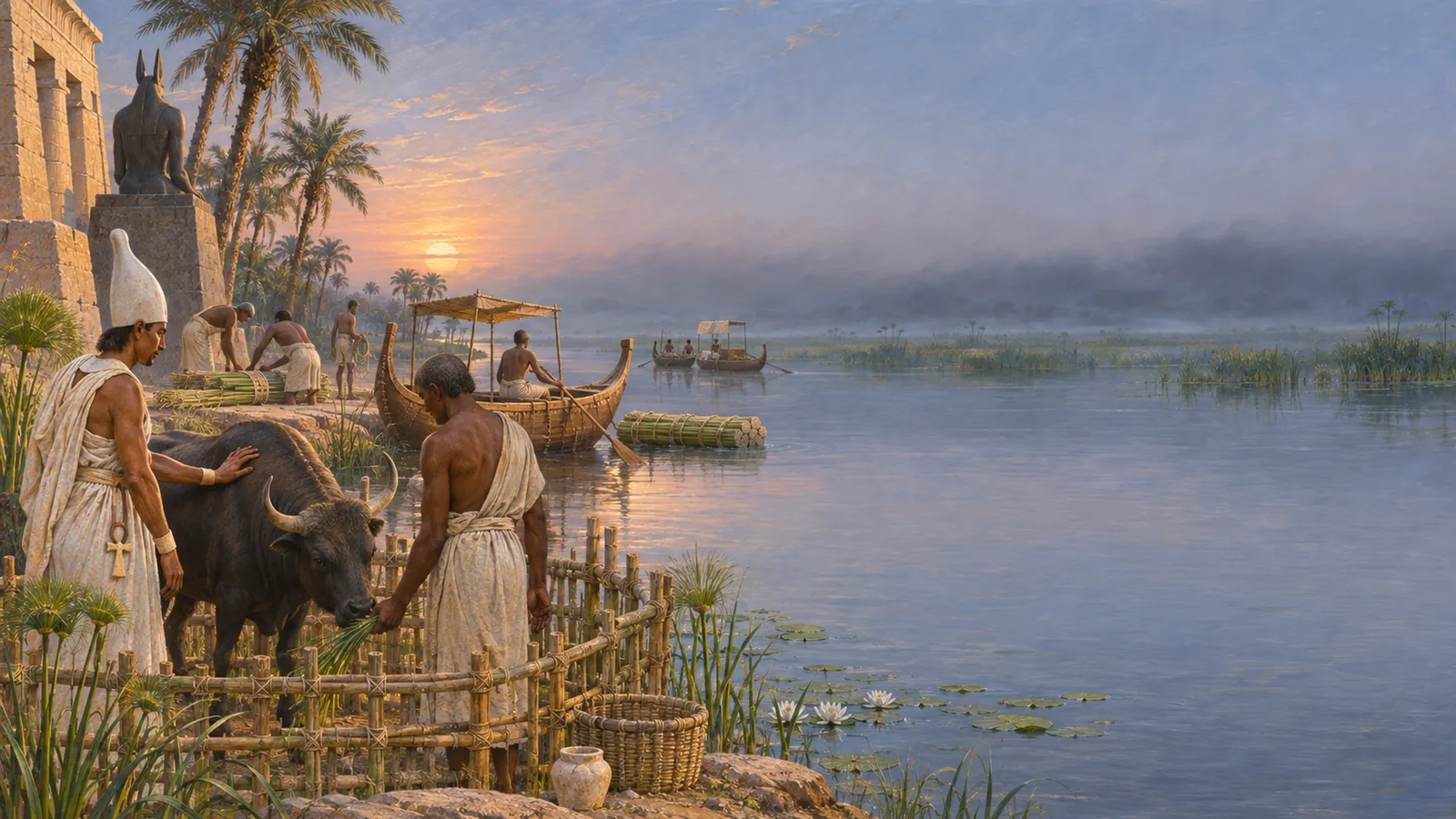
Quien habla se llama toro salvaje de Heliópolis. Después se dirige a un toro salvaje y dice que le dio el ser y puede dárselo de nuevo.
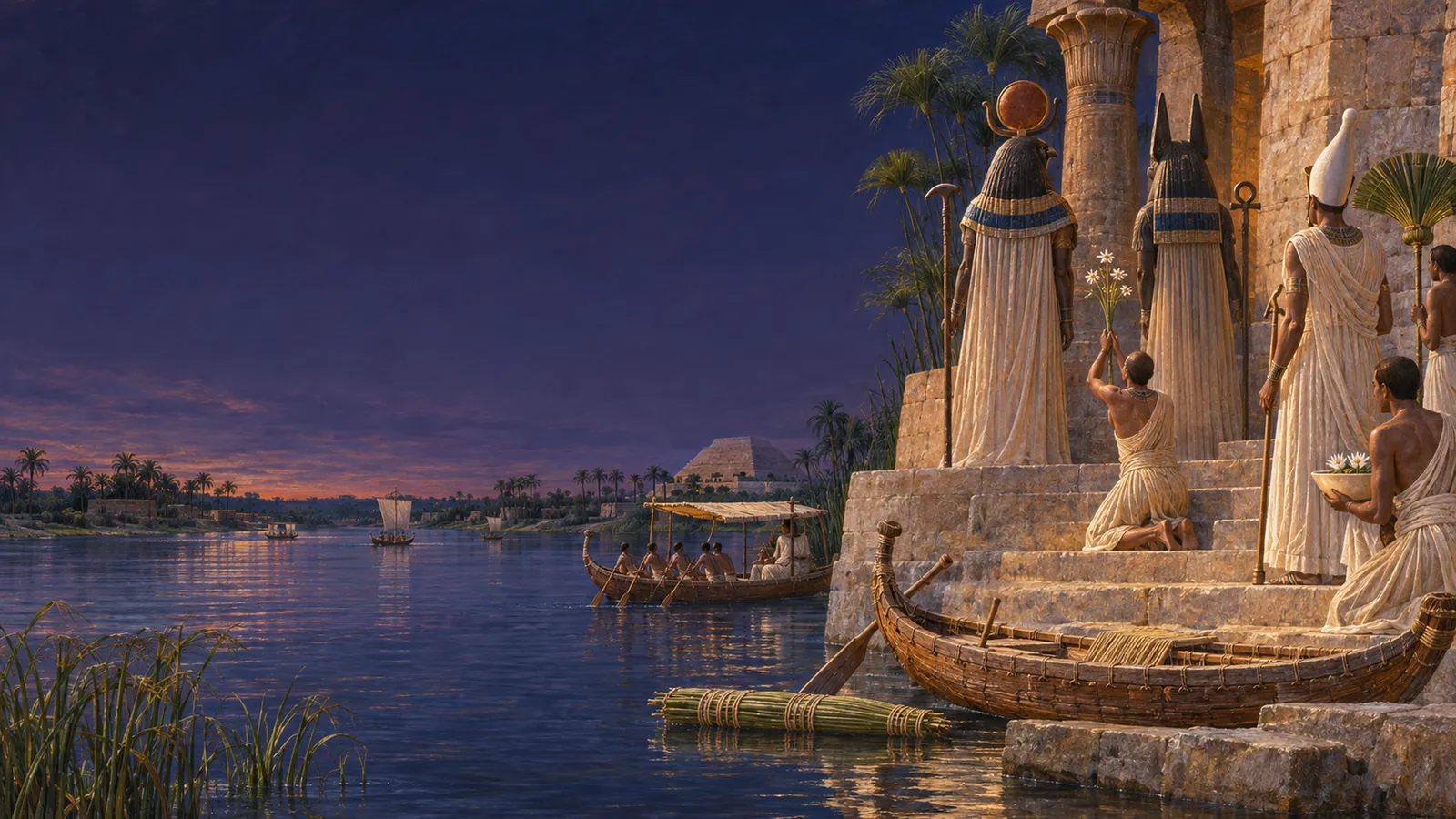
Quien habla saluda a Horus y Seth en sus montículos, al junco en el Campo de los Juncos y a los dos dioses reconciliados. Compara su mirada con la de varios encuentros entre los dioses.
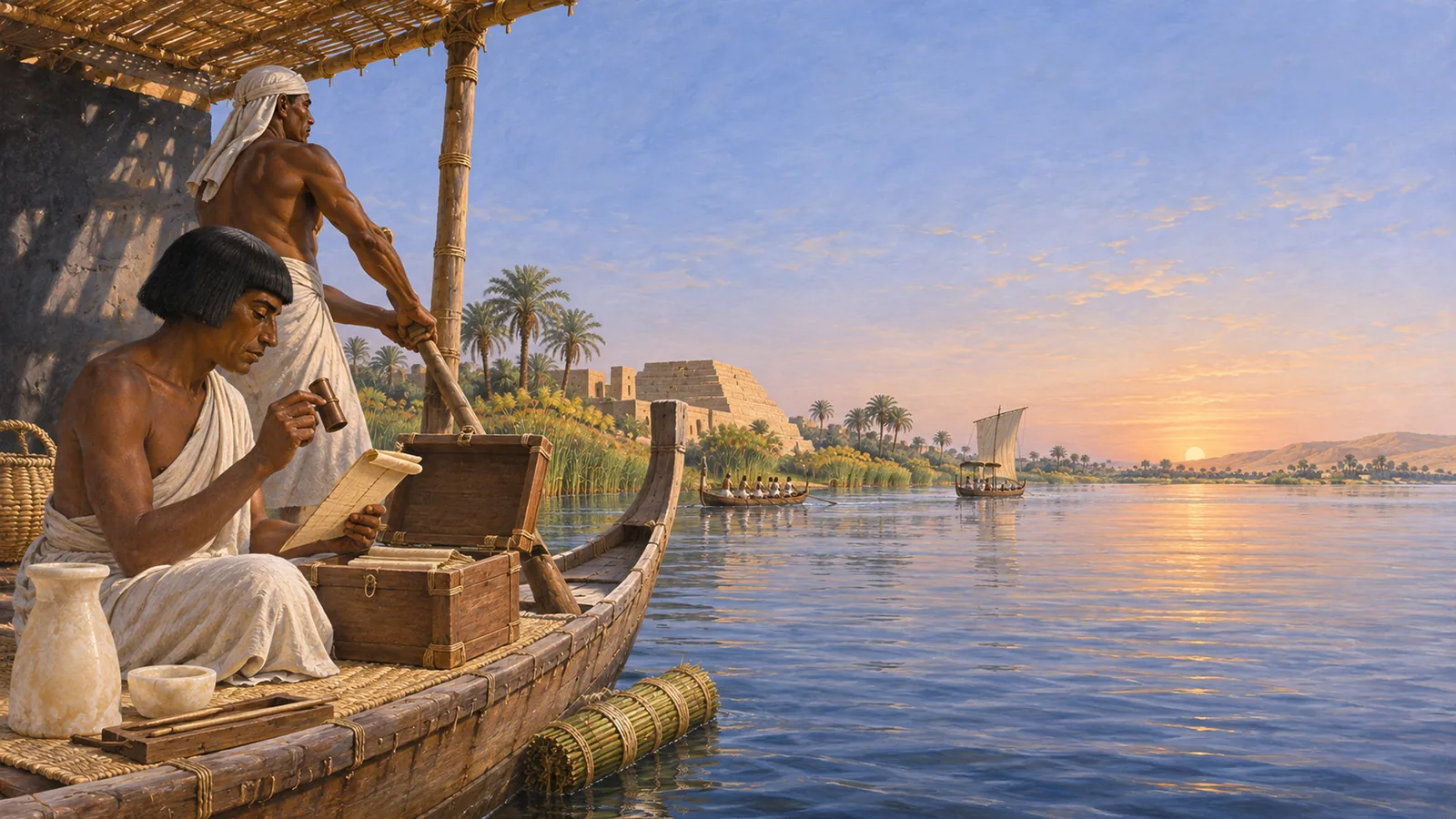
Quien habla se llama contador de los dioses en el recinto del Sol. Dice que la que está en la proa le dio el ser. Ahora atiende al Sol, abre sus cofres y decretos, sella documentos y despacha mensajeros.
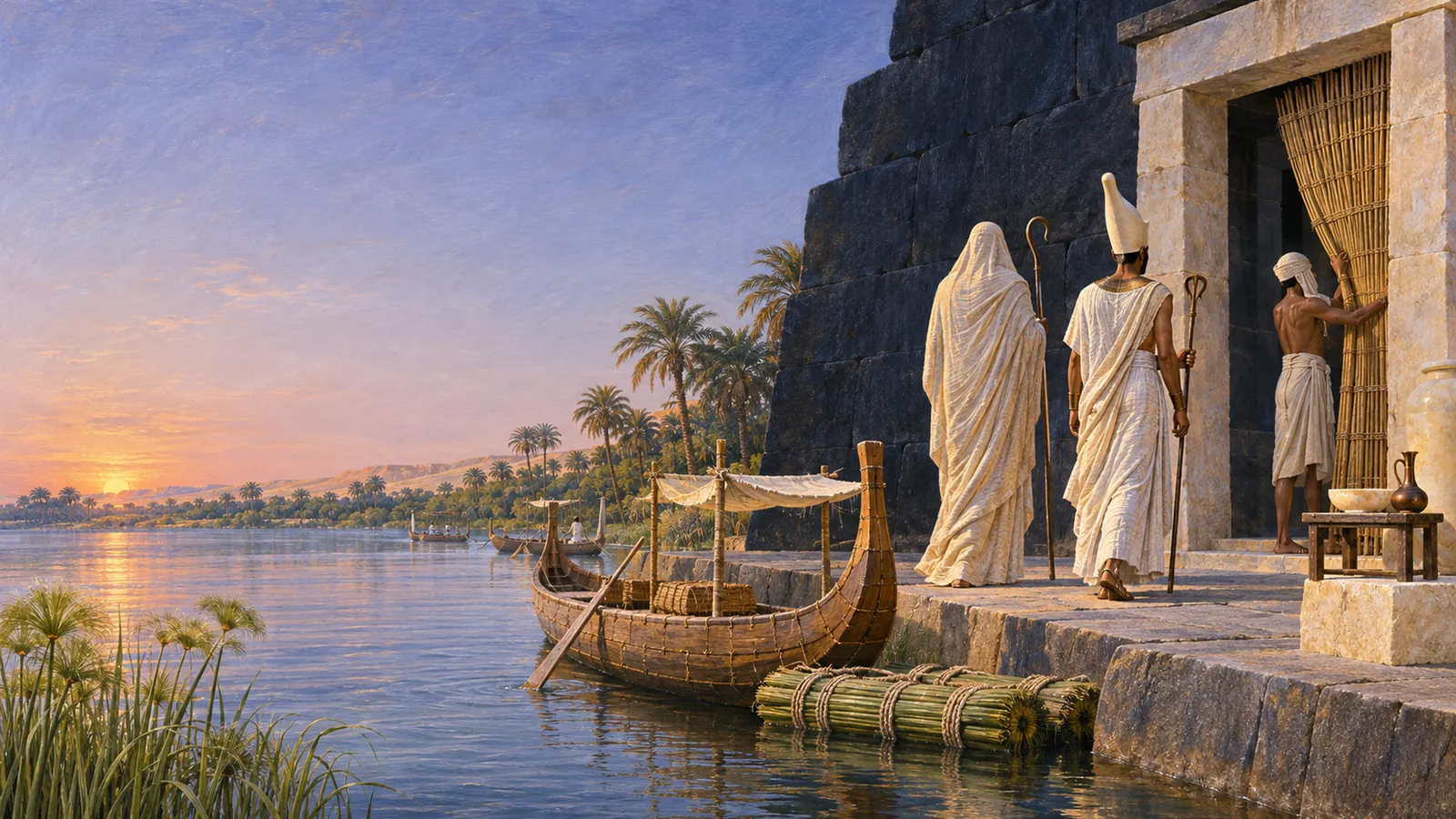
Quien habla dice que toda maldición, insulto, golpe u obstáculo que se alce contra él recaerá también sobre Atum. Habla como Horus, siguiendo a su padre Osiris.
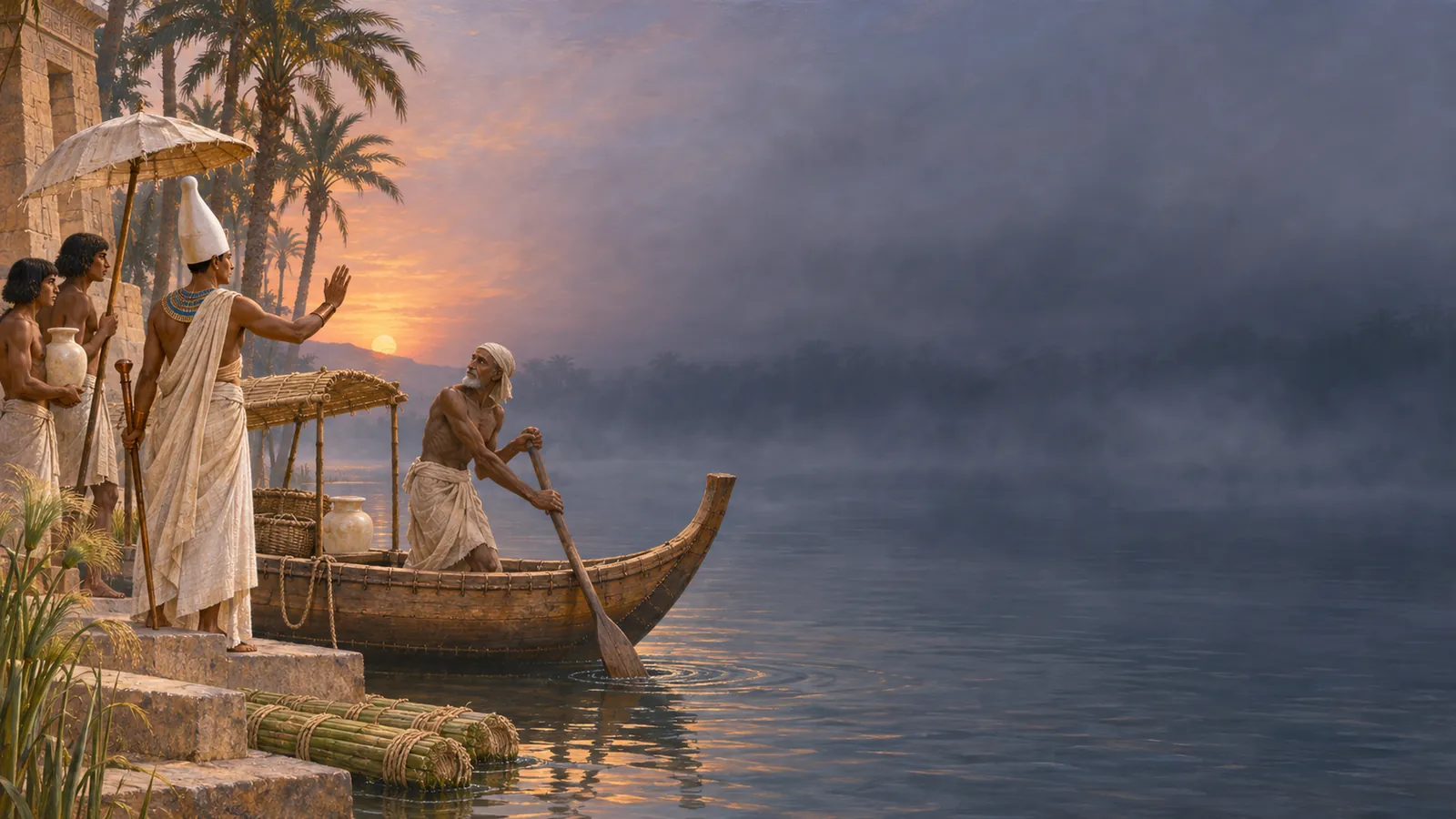
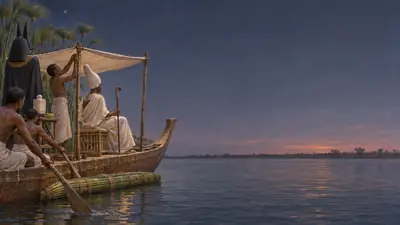
Quien habla pide una barca al barquero que mira en ambos sentidos. Cuando le pregunta cuál, nombra la que toca tierra cada vez que vuela.
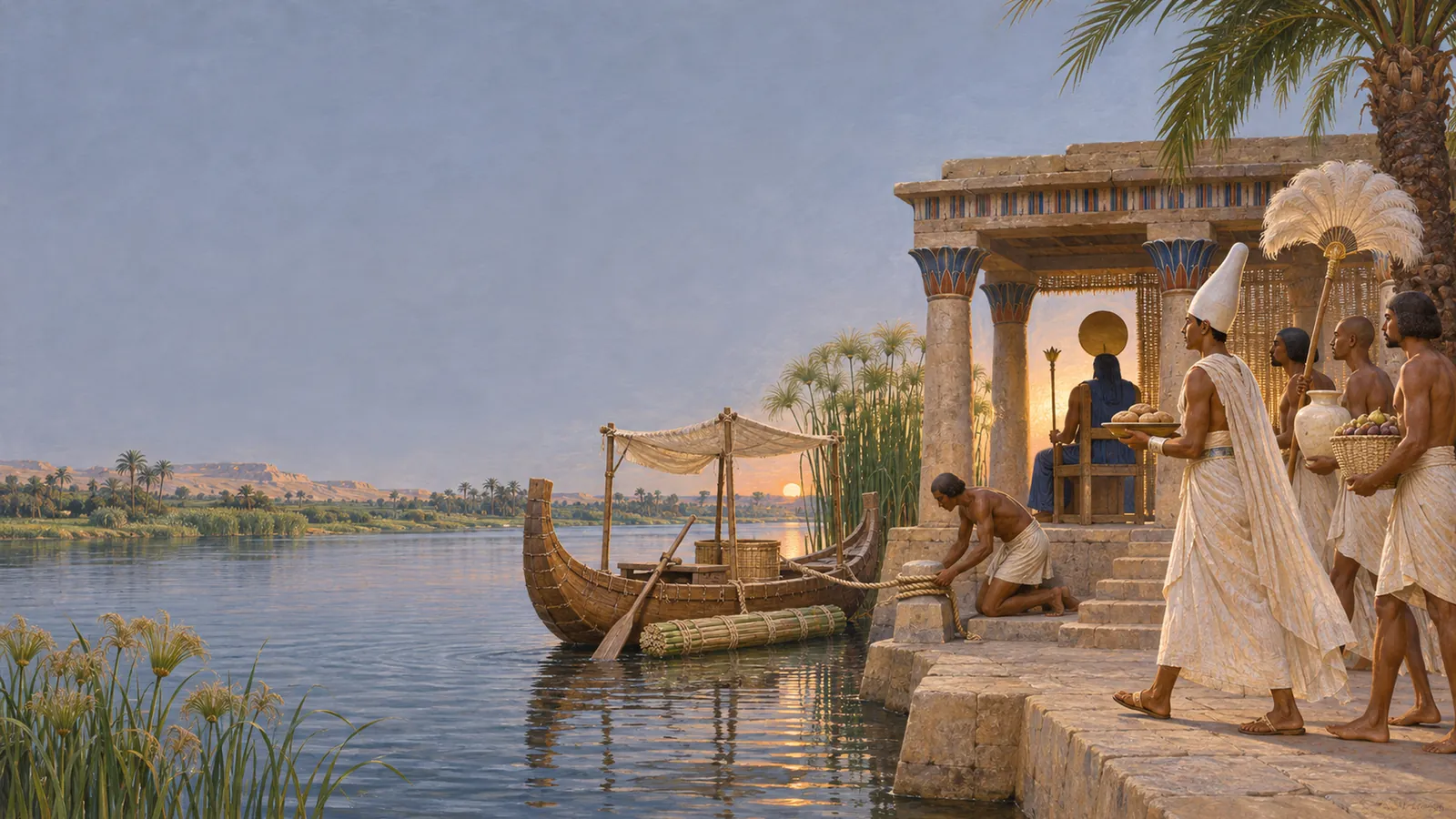
Llama al Sol para que lo reconozca. Recuerda la ofrenda al hablar de la apertura del Ajet a la barca del día y del pabellón en lo alto donde el Sol sube a la barca de la noche.
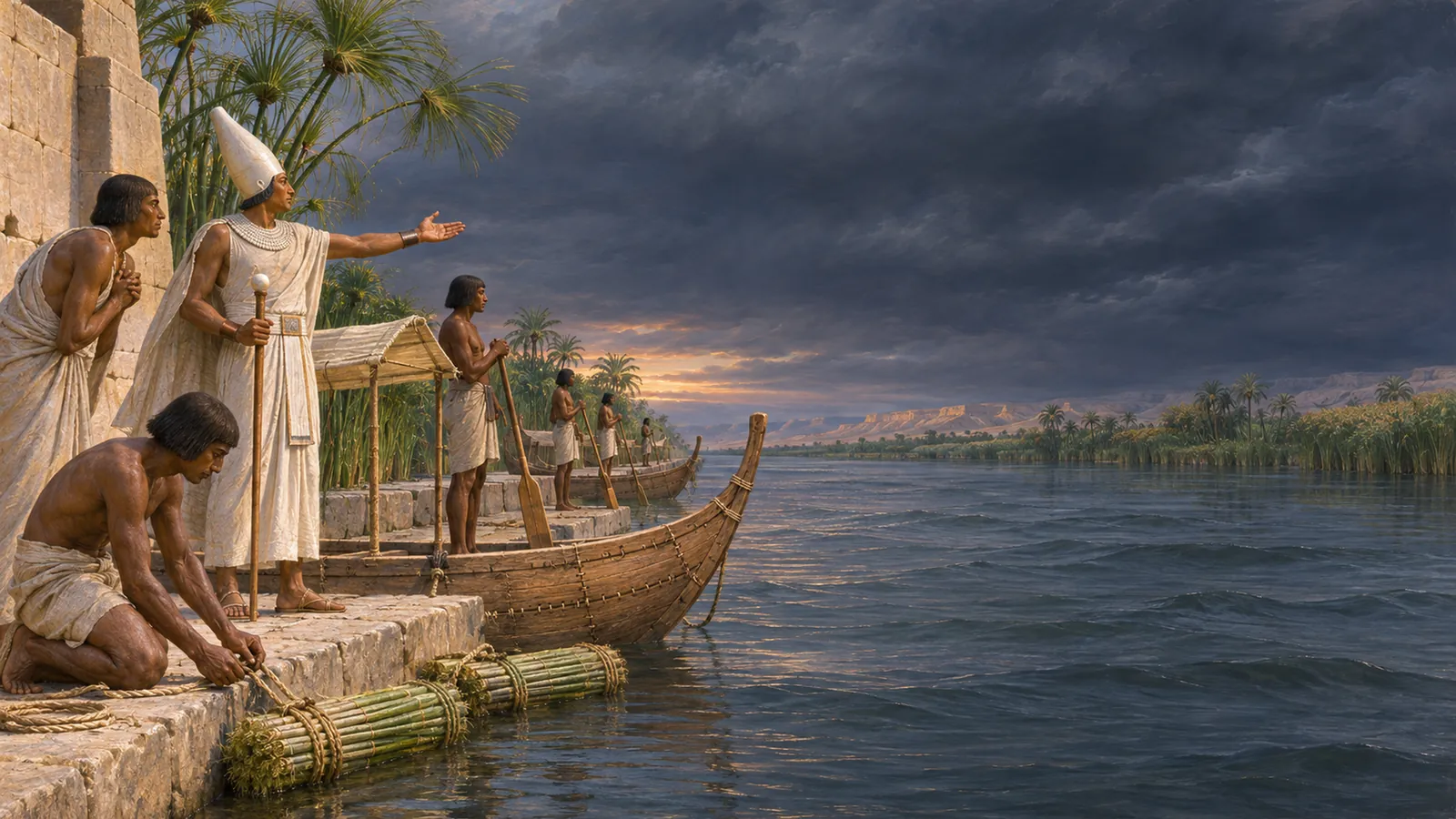
Pide al Sol que lo encomiende a los cuatro que miran en ambos sentidos. La indicación ordena cuatro recitaciones sin pausa. Solicita permiso para acercarse y hablar de la gran inundación.
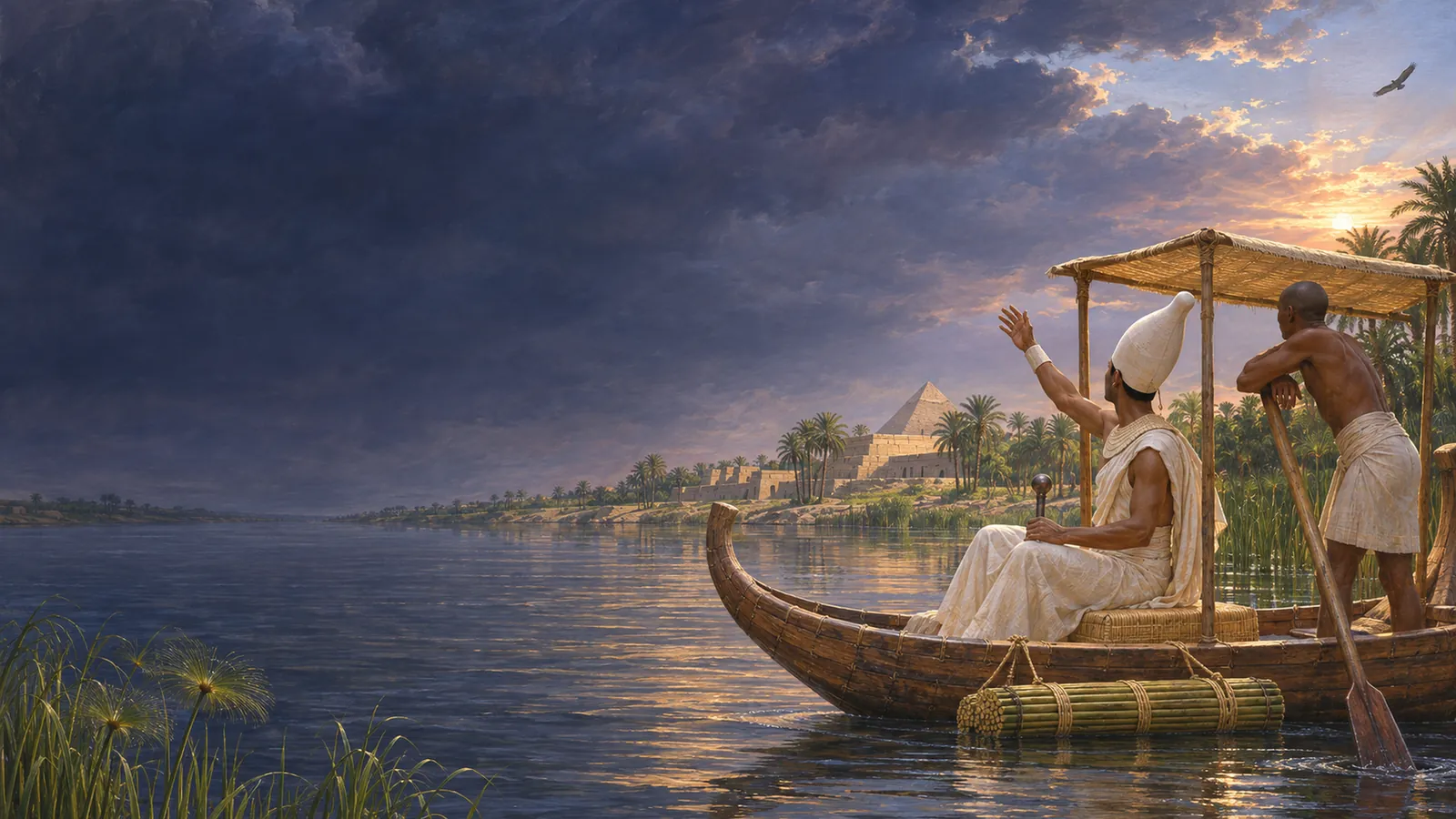
Dice que la oscuridad o no oír su voz no le quitan ni la vista ni el oído. Si se lo llevan, dispersará la inundación, las nubes y el granizo. Colocado sobre el cuerpo del buitre, dará alabanza tras alabanza.
EL PAN VOLADOR
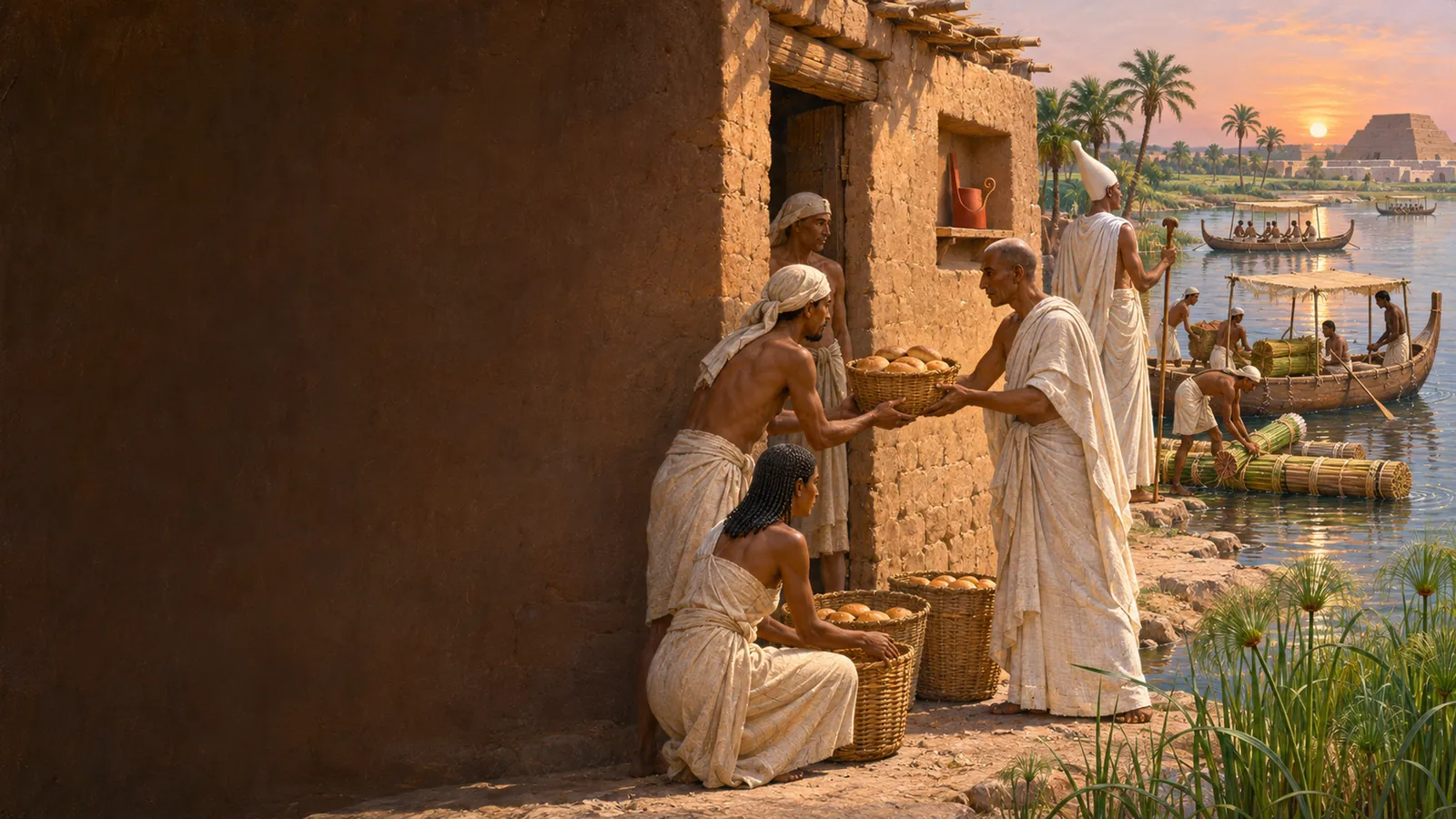
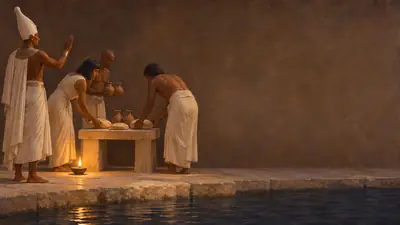
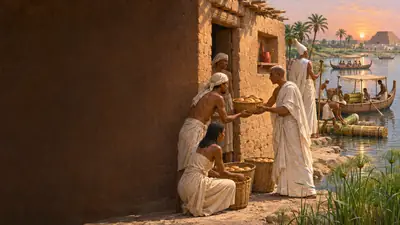
En las últimas palabras de esta serie, se dice que el pan voló hacia los recintos de quien se asocia con la Corona Roja.
Fin del capítulo 1
Todas las páginas

Fuentes
The page notes use the book’s printed page numbering. The decorated corridor sequence beginning with PT 313 is a separate section.
Ediciones consultadas
- James P. Allen, The Ancient Egyptian Pyramid Texts, second edition, SBL Press, 2015
- Allen, Unis, Spells for Leaving the Akhet, from PT 300, printed page 59
- Allen, Unis, the close of PT 312, printed page 63
- Allen, Unis’s pyramid and the transmission of the spells, printed pages 17–18
Notas sobre este relato
Pages 01–02 (Allen, The Ancient Egyptian Pyramid Texts, 2nd ed., 2015, Unis, PT 300, p. 59). The recitation addresses the netherworlder of Nezat and separately the ferryman of a craft Khnum made. Allen leaves the craft term jqht untranslated and supplies “ferryboat” in parentheses when the speaker requests it. The speaker names himself Sokar of Rasetjau while announcing that he is going to Sokar, lord of Spread Lake. The short last appeal asks the two addressed to get stretches of desert. Nezat, Rasetjau and Spread Lake mark places within the recitation.
Pages 03–04 (PT 301, p. 59). Nu and Undersky come first, followed by Amun and Amaunet, then Atum and Dual-Lion. The next line about making their two gods and their own body gives Shu and Tefnut as the identification, followed by several expressions for bringing the gods into being. Nu here follows Allen’s edition spelling and refers to the Egyptian primordial waters, whose catalogue entry uses Nun.
Pages 05–06 (PT 301, p. 59). The loaves and the satisfaction they bring lead to the appeal for passage to the addressed pairs’ father at the Akhet. The speaker says he knows him, repeats the name Continual and names him lord of the year. The following invocation addresses Horus.
Pages 07–08 (PT 301, p. 59). Horus’s arms are described as a weapon in the line on the starry sky. The appeal connects Horus bringing life to the sun every day with the reciter’s own daily life. The speaker names Horus of Shat, of Shezmet and of the east, then says he retrieved the eastern eye from a cavern.
Page 09 (PT 301, p. 59). Allen’s translation gives water, gore and vapour in the three short clauses about the eye and being made well. Allen places the repeated verb “receive” in parentheses in the water clause. Further forms name the god’s shawl, the Sun, fine oil, willow, faience and the jubilation oil of Renenutet.
Page 10 (PT 301, p. 59). The great one of the reed float is called to rise as Paths-Parter, effective and emerging from the Akhet. Allen’s line associates the crown with elders and foremost foreigners of Libya, using his English geographic label in an ancient textual context.
Pages 11–12 (PT 301, p. 60). Sobek of Bakhu courses through his fields and mangroves and smells the fumes of Shezmet. The speaker asks for his ka to ascend along with him. In the next appeal the speaker asks to be made clean and bright in the Jackal’s lake, where the gods are cleansed, then addresses Horus as lord of malachite. The printed rubric gives four recitations and a pair of green falcons. The edition supplies no physical identification for those falcons here.
Pages 13–14 (PT 302, p. 60). Allen explains it as the red dawn sky (note 72, p. 67). The speaker then claims an enduring home for the sky and a seat for the earth that will endure.
Pages 15–18 (Allen, The Ancient Egyptian Pyramid Texts, 2nd ed., 2015, Unis, PT 302, p. 60). Sothis carries the first-person speaker among the gods. Nut offers her arms, and the two foremost bas of Heliopolis, who have spent the night mourning the god, kneel near the sun. He says no case or guilty judgment stands against him and that he cleared the case against his ascent.
Pages 19–20 (PT 303, p. 60). The invocation names the four directions and asks for the four clean reed floats prepared when Osiris crossed to the Cool Waters with Horus. That passage adds that Osiris was to foster his son and have him appear as the great god there. The reply identifies the reciter as Horus, Osiris’s son, then as the senior god and Hathor’s son, and as Geb’s offspring. Allen supplies the speech tag identifying the gods. Osiris commands the second-Horus appearance and four akhs in Heliopolis record it in a title for the two great gods of the Cool Waters.
Page 21 (PT 304, p. 60). The greeting joins Anubis’s daughter, Thoth and the uprights of the ladder in the sky’s Looking Waters. Allen says Thoth endowed her. His note 73 (p. 67) reports a later Middle Kingdom title referring to tying a ladder in the necropolis for this spell and PT 305. That later title is evidence from another witness.
Pages 22–23 (PT 304, p. 61). The addresses turn to the ostrich at the Winding Canal and the sun’s steer. The four horns point west, east, south and north. The speaker asks for the western one to bend. Allen supplies the questioning speech tag in parentheses and leaves the questioner unidentified. The reply names Falcon-Town, followed by a greeting to the Field of Rest and the growth the speaker claims as his own.
Pages 24–25 (PT 305, p. 61). The sun and Horus each tie a ladder before Osiris, with a ladder on either side of the speaker. The second clause connects the ladder with going to his akh. The responses remain in sequence. Horus says to stand, Seth says to sit, and the sun says his arm should be received. The telling keeps those voices distinct.
Pages 26–27 (PT 305, p. 61). The formula sends the akh to the sky and the corpse to the earth, then names a thousand of bread and a thousand of beer from the offering table of the Foremost of Westerners. The closing lines describe an heir’s need for writing and contrast the larger and little fingers. Allen reads the document as an inheritance deed in note 74 (p. 67), where he also explains the ritual association of the little finger with curses. The spell names the larger finger without identifying it as the thumb.
Page 28 (PT 306, p. 61). The gods acclaim the departure skyward of the god, whom they call father, and speak of his majesty, fierceness and magic. Their praise precedes the separate lines about those arriving to carry him on page 29.
### The sky ladder and the ferryman
Los versos antiguos de cada página
- Page 1: Allen, The Ancient Egyptian Pyramid Texts, 2nd ed. (2015), Unis, PT 300, p. 59
- Page 2: Allen, The Ancient Egyptian Pyramid Texts, 2nd ed. (2015), Unis, PT 300, p. 59
- Page 3: Allen, The Ancient Egyptian Pyramid Texts, 2nd ed. (2015), Unis, PT 301, p. 59
- Page 4: Allen, The Ancient Egyptian Pyramid Texts, 2nd ed. (2015), Unis, PT 301, p. 59
- Page 5: Allen, The Ancient Egyptian Pyramid Texts, 2nd ed. (2015), Unis, PT 301, p. 59
- Page 6: Allen, The Ancient Egyptian Pyramid Texts, 2nd ed. (2015), Unis, PT 301, p. 59
- Page 7: Allen, The Ancient Egyptian Pyramid Texts, 2nd ed. (2015), Unis, PT 301, p. 59
- Page 8: Allen, The Ancient Egyptian Pyramid Texts, 2nd ed. (2015), Unis, PT 301, p. 59
- Page 9: Allen, The Ancient Egyptian Pyramid Texts, 2nd ed. (2015), Unis, PT 301, p. 59
- Page 10: Allen, The Ancient Egyptian Pyramid Texts, 2nd ed. (2015), Unis, PT 301, p. 59
- Page 11: Allen, The Ancient Egyptian Pyramid Texts, 2nd ed. (2015), Unis, PT 301, p. 60
- Page 12: Allen, The Ancient Egyptian Pyramid Texts, 2nd ed. (2015), Unis, PT 301, p. 60
- Page 13: Allen, The Ancient Egyptian Pyramid Texts, 2nd ed. (2015), Unis, PT 302, p. 60
- Page 14: Allen, The Ancient Egyptian Pyramid Texts, 2nd ed. (2015), Unis, PT 302, p. 60
- Page 15: Allen, The Ancient Egyptian Pyramid Texts, 2nd ed. (2015), Unis, PT 302, p. 60
- Page 16: Allen, The Ancient Egyptian Pyramid Texts, 2nd ed. (2015), Unis, PT 302, p. 60
- Page 17: Allen, The Ancient Egyptian Pyramid Texts, 2nd ed. (2015), Unis, PT 302, p. 60
- Page 18: Allen, The Ancient Egyptian Pyramid Texts, 2nd ed. (2015), Unis, PT 302, p. 60
- Page 19: Allen, The Ancient Egyptian Pyramid Texts, 2nd ed. (2015), Unis, PT 303, p. 60
- Page 20: Allen, The Ancient Egyptian Pyramid Texts, 2nd ed. (2015), Unis, PT 303, p. 60
- Page 21: Allen, The Ancient Egyptian Pyramid Texts, 2nd ed. (2015), Unis, PT 304, p. 60
- Page 22: Allen, The Ancient Egyptian Pyramid Texts, 2nd ed. (2015), Unis, PT 304, p. 61
- Page 23: Allen, The Ancient Egyptian Pyramid Texts, 2nd ed. (2015), Unis, PT 304, p. 61
- Page 24: Allen, The Ancient Egyptian Pyramid Texts, 2nd ed. (2015), Unis, PT 305, p. 61
- Page 25: Allen, The Ancient Egyptian Pyramid Texts, 2nd ed. (2015), Unis, PT 305, p. 61
- Page 26: Allen, The Ancient Egyptian Pyramid Texts, 2nd ed. (2015), Unis, PT 305, p. 61
- Page 27: Allen, The Ancient Egyptian Pyramid Texts, 2nd ed. (2015), Unis, PT 305, p. 61
- Page 28: Allen, The Ancient Egyptian Pyramid Texts, 2nd ed. (2015), Unis, PT 306, p. 61
- Page 29: Allen 2015, The Ancient Egyptian Pyramid Texts, Unis PT 306, p. 61
- Page 30: Allen 2015, The Ancient Egyptian Pyramid Texts, Unis PT 306, p. 61
- Page 31: Allen 2015, The Ancient Egyptian Pyramid Texts, Unis PT 306, p. 61
- Page 32: Allen 2015, The Ancient Egyptian Pyramid Texts, Unis PT 307, p. 62
- Page 33: Allen 2015, The Ancient Egyptian Pyramid Texts, Unis PT 307, p. 62
- Page 34: Allen 2015, The Ancient Egyptian Pyramid Texts, Unis PT 307, p. 62
- Page 35: Allen 2015, The Ancient Egyptian Pyramid Texts, Unis PT 308, p. 62
- Page 36: Allen 2015, The Ancient Egyptian Pyramid Texts, Unis PT 309, p. 62
- Page 37: Allen 2015, The Ancient Egyptian Pyramid Texts, Unis PT 310, pp. 62–63
- Page 38: Allen 2015, The Ancient Egyptian Pyramid Texts, Unis PT 310, p. 63
- Page 39: Allen 2015, The Ancient Egyptian Pyramid Texts, Unis PT 311, p. 63
- Page 40: Allen 2015, The Ancient Egyptian Pyramid Texts, Unis PT 311, p. 63
- Page 41: Allen 2015, The Ancient Egyptian Pyramid Texts, Unis PT 311, p. 63
- Page 42: Allen 2015, The Ancient Egyptian Pyramid Texts, Unis PT 312, p. 63
Ilustraciones hechas por IL Archive con herramientas de IA; el texto se basa en las fuentes antiguas (véanse las fuentes al final de cada capítulo).