Zakkur en Hadrach Capítulo 1
La súplica en Hadrach
En una inscripción real en arameo antiguo, Zakkur cuenta que pidió ayuda en Hadrach y recibió una respuesta a través de videntes y mensajeros. La lectura sigue cinco líneas traducidas por Collin Cornell hasta la promesa de apoyo y salvación de Baalšamen.
FuentesPase las páginas con las flechas, el teclado o deslizando el dedo.
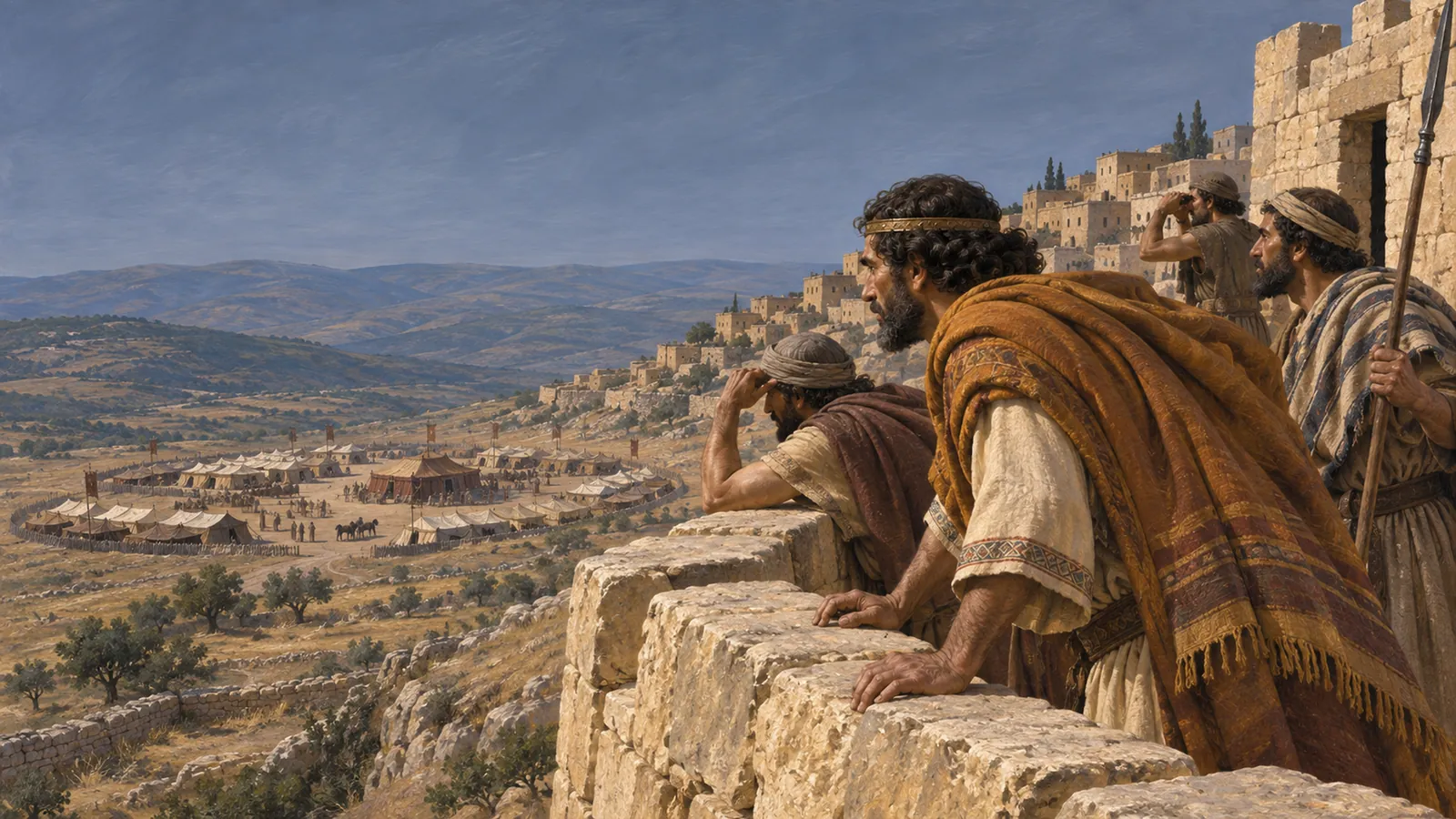
HADRACH
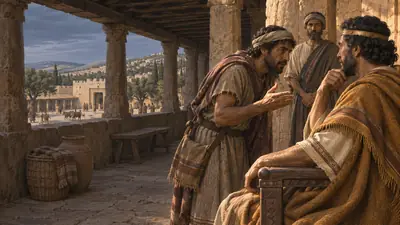
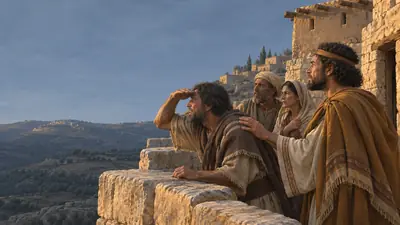
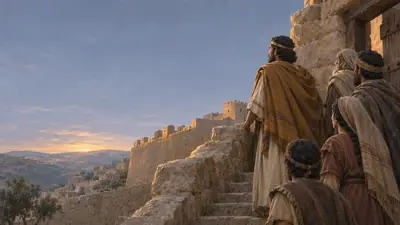
Collin Cornell presenta a Zakkur como rey de Hamat y de Lu’ash. En su exposición de la inscripción en arameo antiguo, un grupo de reyes asedia a Zakkur en Hadrach.
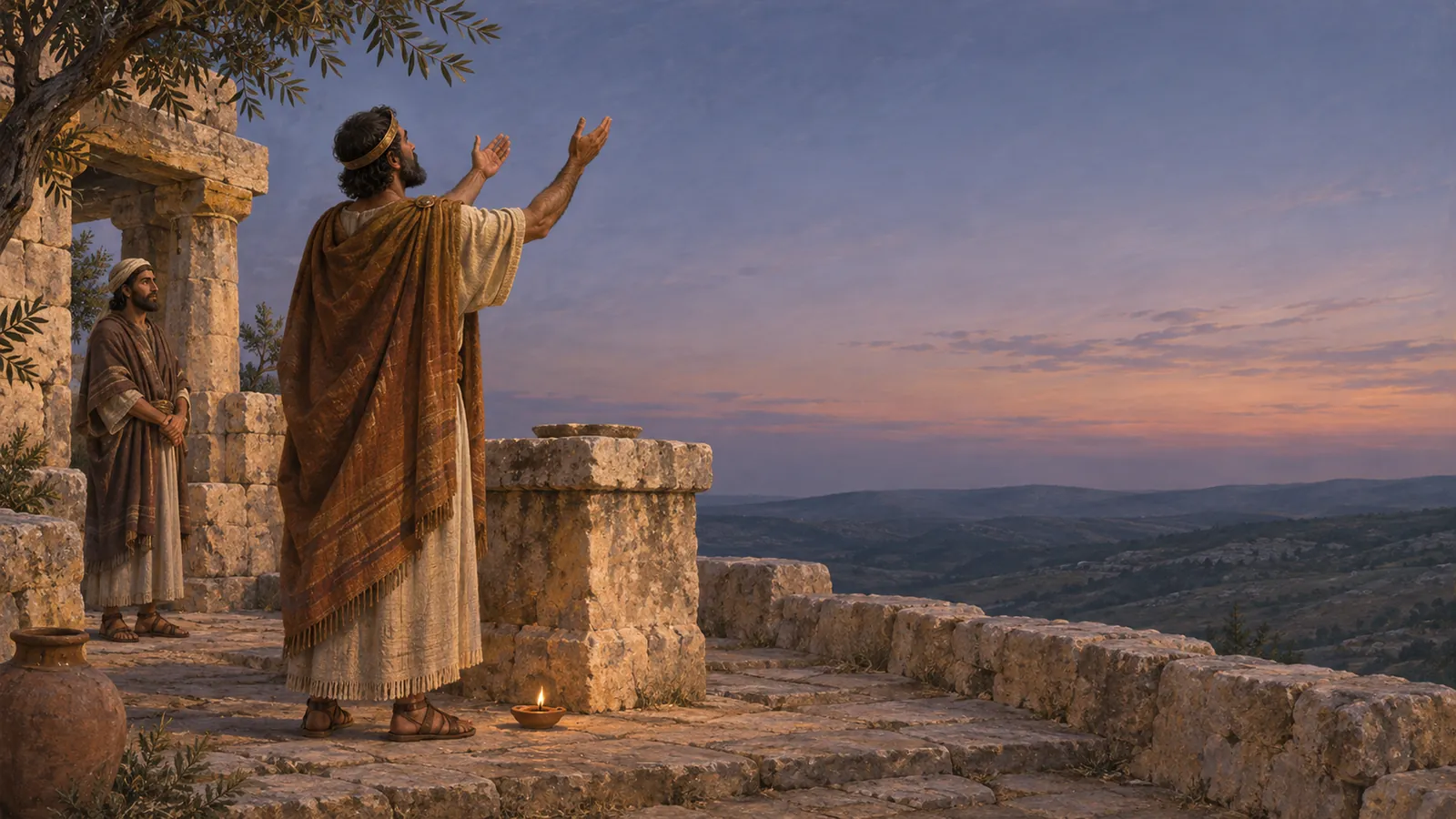
Al comienzo del fragmento, Zakkur dice que levantó las manos para pedir ayuda a Baalšamen.
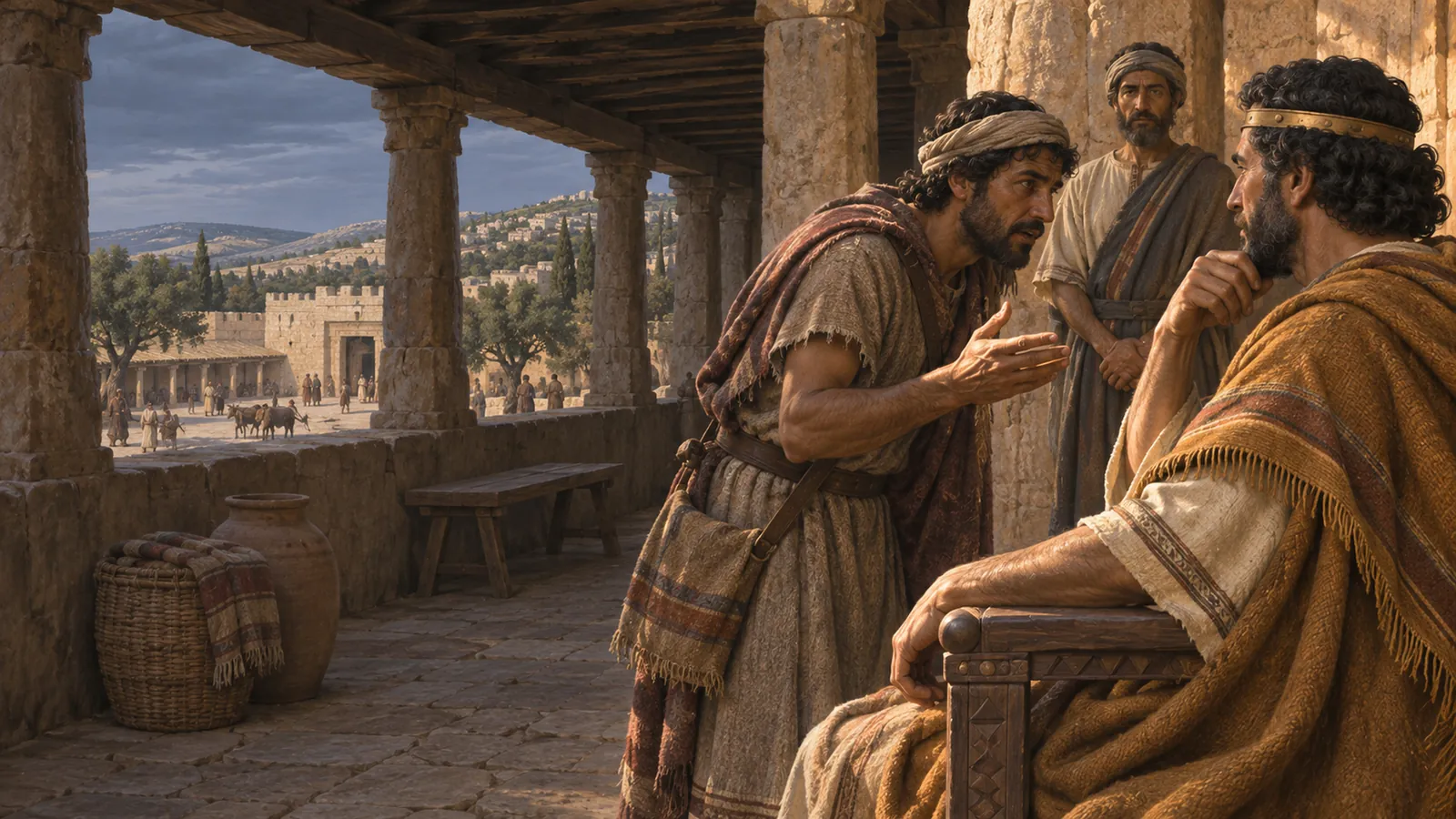
Zakkur dice que Baalšamen respondió a su súplica y le habló por medio de videntes y por medio de mensajeros.
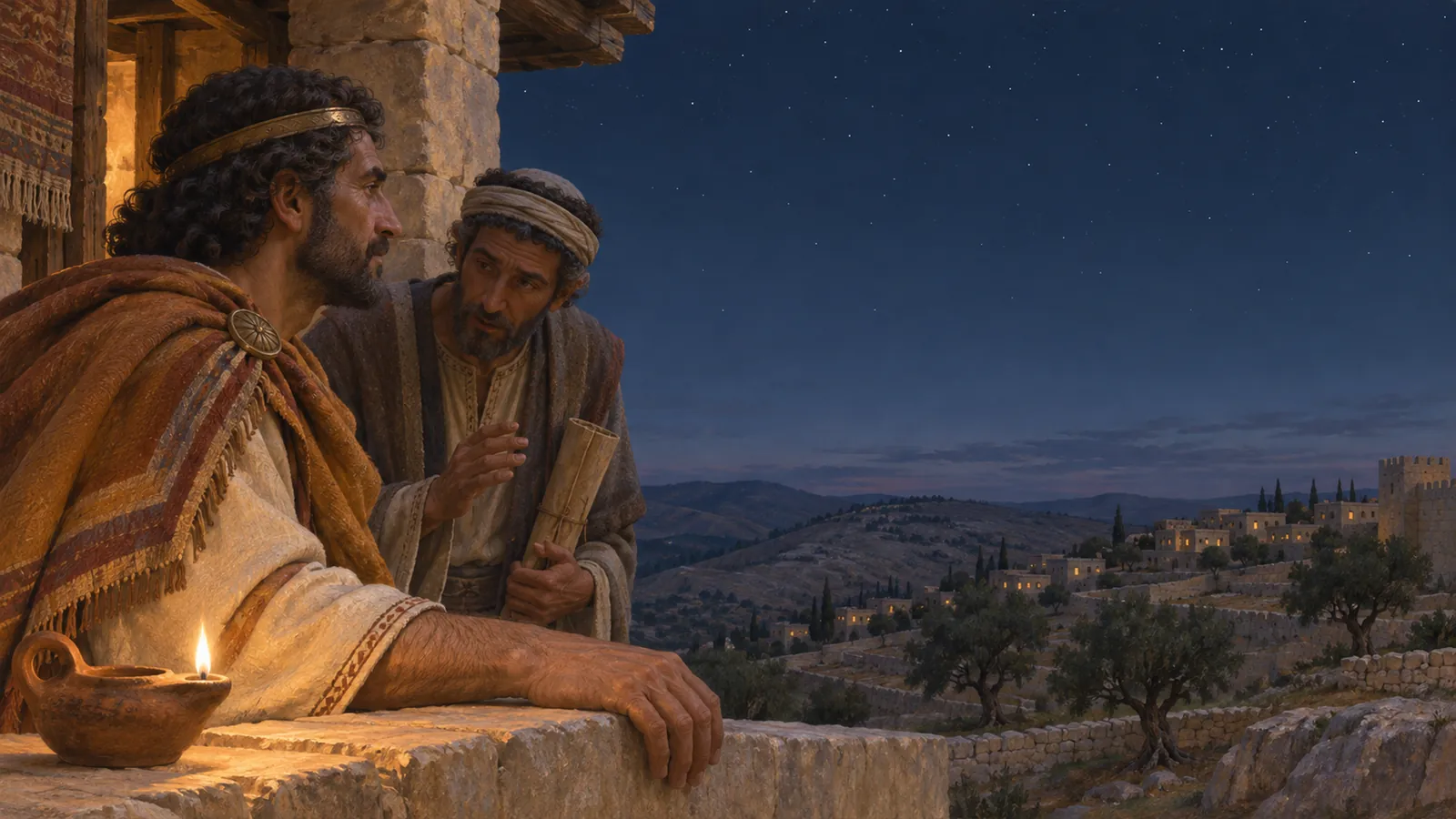
Baalšamen dice a Zakkur que no tenga miedo. El dios le da la razón al decir que él lo hizo rey.
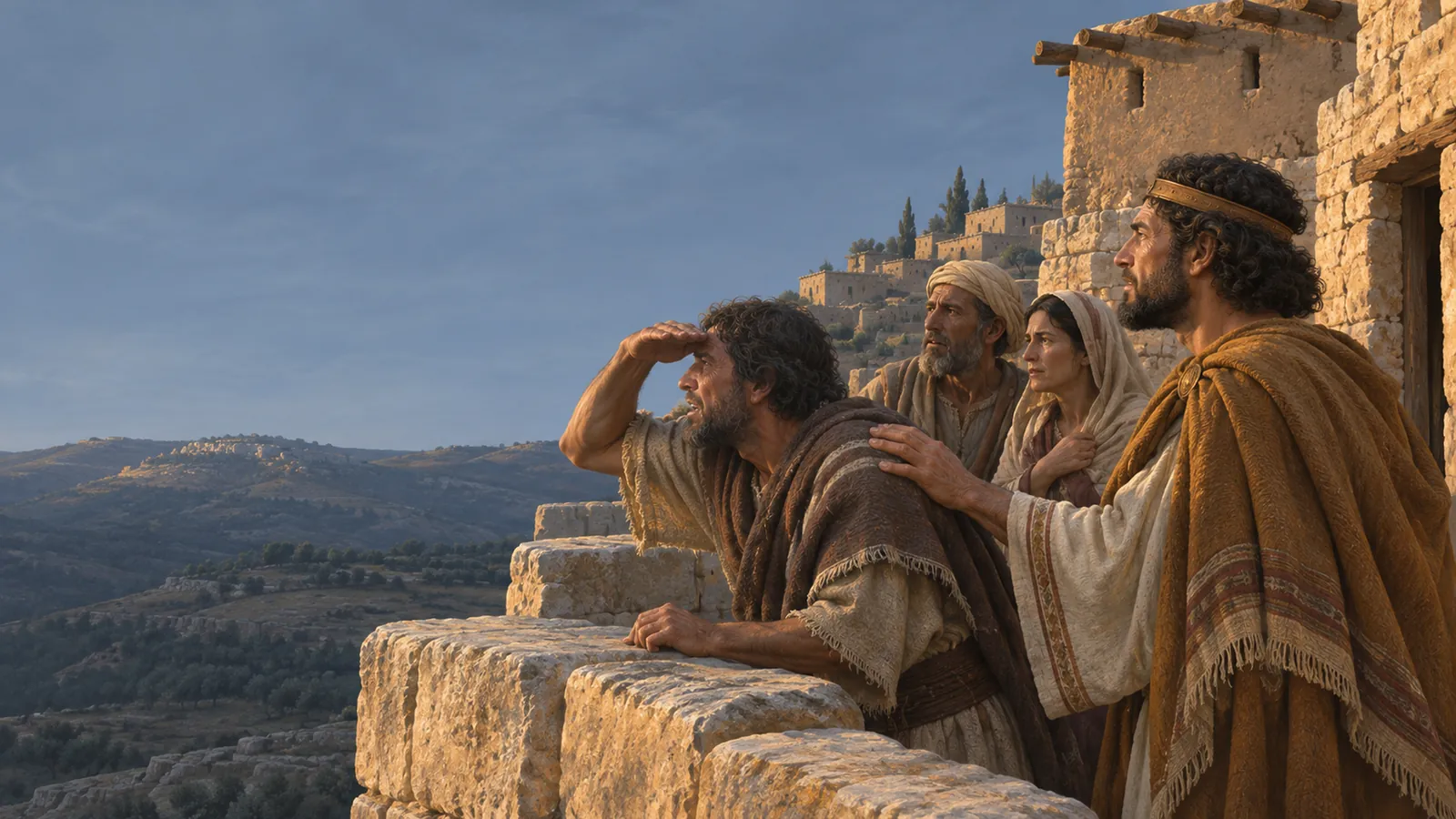
En la siguiente parte de la respuesta, Baalšamen dice a Zakkur que estará a su lado.
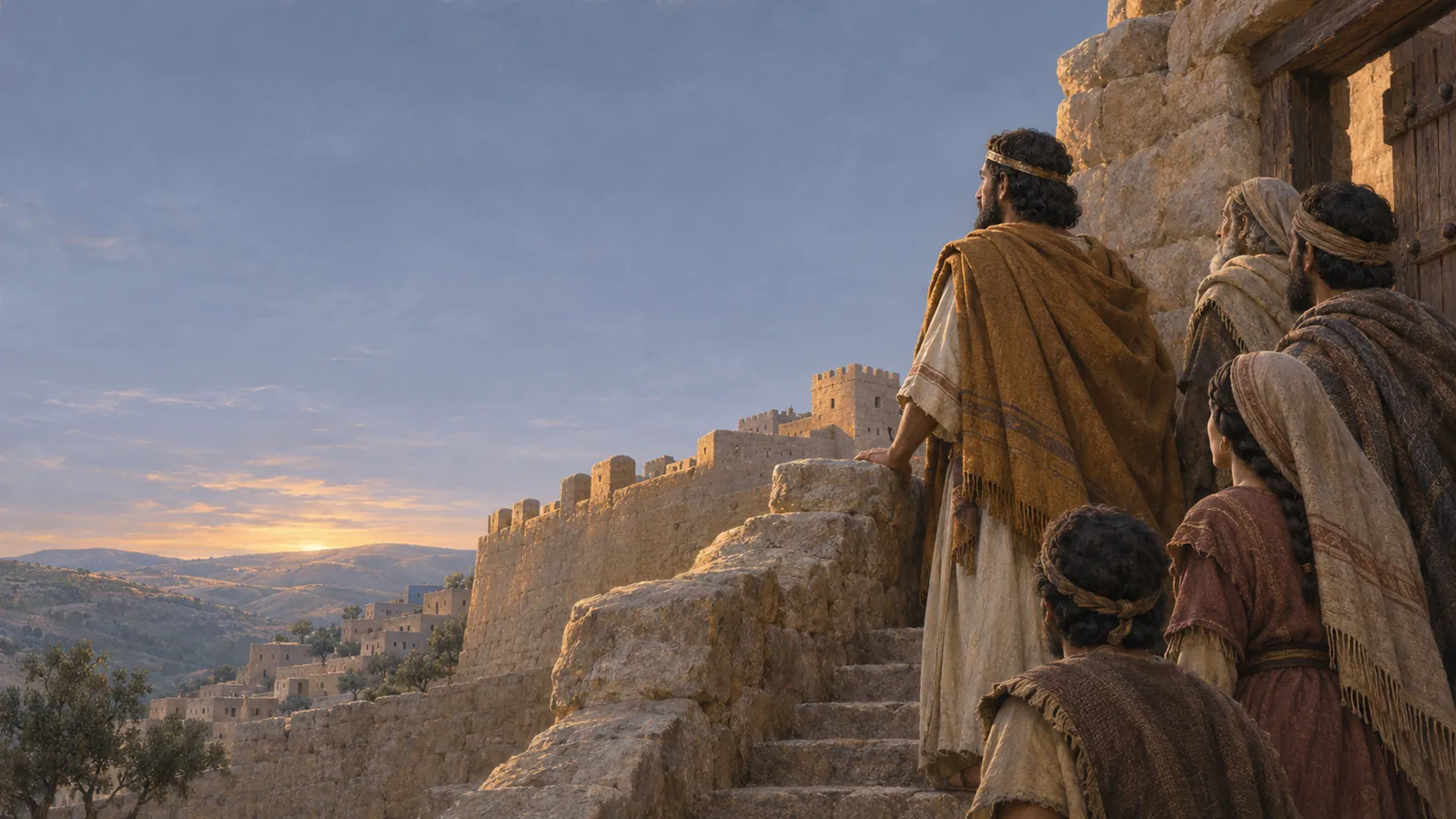
LA PROMESA
Baalšamen promete salvar a Zakkur de todos los reyes que lo asedian. Las líneas seleccionadas terminan con esa promesa.
Fin del capítulo 1
Todas las páginas

Fuentes
13. Its opening gives the king and siege context from Cornell’s prose. The inscription presents the appeal and the answer as the king’s report. The reading stops with the promise of rescue at the end of the selected lines.
Ediciones consultadas
- Collin Cornell, The Value of Egyptian Aramaic for Biblical Studies, Journal of Biblical and Theological Studies 7.1 (2022)
- Cornell, printed p. 13, the excerpt of Zakkur lines 11–15
- Cornell, p. 14, adjoining interpretation
Notas sobre este relato
Page 1, Cornell’s opening context. Before quoting the passage, Cornell identifies Zakkur as king of Hamath and Lu’ash and describes a coalition of kings besieging him at Hadrach. Cornell places the dedication to Iluwer at apparently Aphis elsewhere in his discussion.
Page 2, lines 11–15, appeal. The first clause of the quoted passage has Zakkur recount raising his hands to Baalšamen.
Page 3, lines 11–15, answer. Zakkur says the god answered and spoke by means of seers and messengers. The passage gives neither individuals’ names nor the setting of their messages.
Page 4, lines 11–15, reassurance. In Zakkur’s report, the god tells him to set aside fear and cites having made him king as the reason.
Page 5, lines 11–15, support. The next clause promises that the god will stand with him. It belongs to the reported reply.
Page 6, lines 11–15, rescue promised. The final clause promises to save Zakkur from all the kings who besieged him. The selected text ends on the promise.
Los versos antiguos de cada página
- Page 1: Cornell, JBTS 7.1 (2022), p. 13, Zakkur Inscription, opening context, immediately before lines 11–15
- Page 2: Cornell, JBTS 7.1 (2022), p. 13, Zakkur Inscription, lines 11–15, opening clause
- Page 3: Cornell, JBTS 7.1 (2022), p. 13, Zakkur Inscription, lines 11–15, mediation of the reply
- Page 4: Cornell, JBTS 7.1 (2022), p. 13, Zakkur Inscription, lines 11–15, opening of the reported reply
- Page 5: Cornell, JBTS 7.1 (2022), p. 13, Zakkur Inscription, lines 11–15, pledge of support
- Page 6: Cornell, JBTS 7.1 (2022), p. 13, Zakkur Inscription, lines 11–15, end of the reported reply
Ilustraciones hechas por IL Archive con herramientas de IA; el texto se basa en las fuentes antiguas (véanse las fuentes al final de cada capítulo).