Entidade
Apolo
Página de referência que liga um nome, grupo ou conceito aos materiais que o tratam.
Tradução automática. Leia o original em inglês.
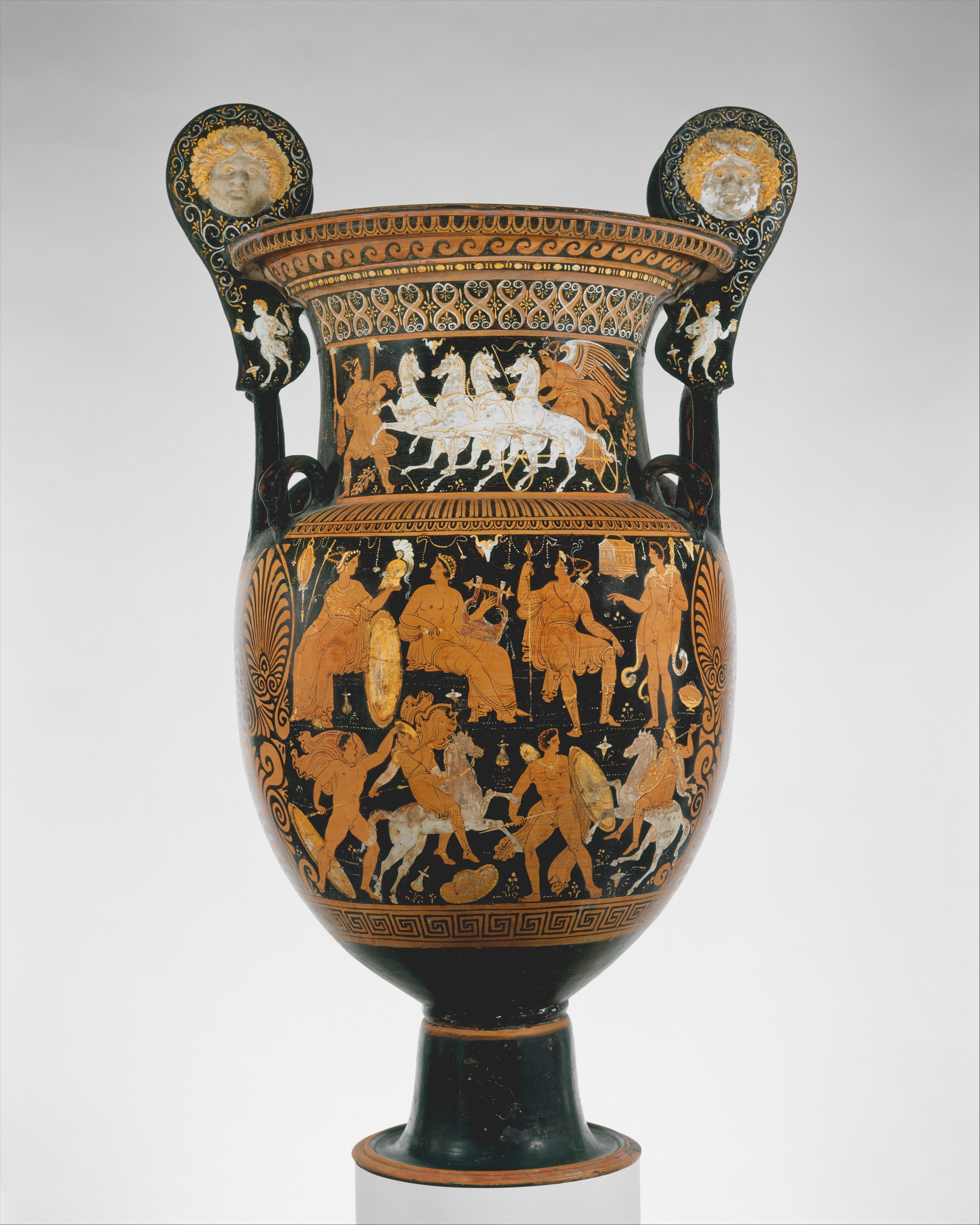
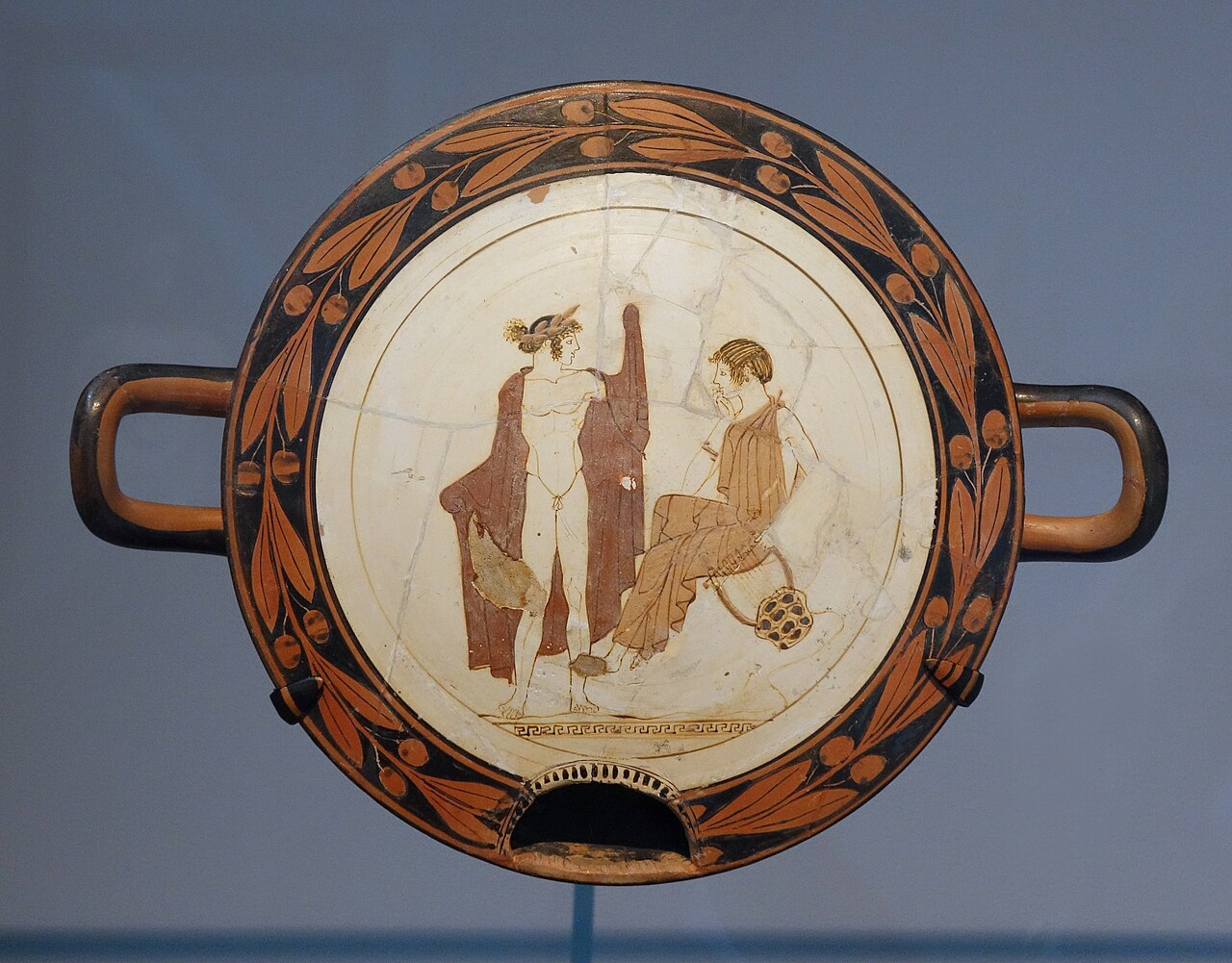
Deus da música e da profecia nas tradições gregas, que também participa dos acontecimentos da Ilíada.
Última revisão:
Texto
Deus da música e da profecia nas tradições gregas, que também participa dos acontecimentos da IlíadaIlíadaGreek epic attributed to Homer, narrating a phase of the Trojan War.Glossário · Clique para ler a explicação. [3]
Ele toca ao final do livro 1, enquanto as MusasMusasA group of Greek divine figures associated with song and poetry.Glossário · Clique para ler a explicação cantam. No livro 20, apoia o lado troiano. As diferentes cenas ilustram a amplitude dos papéis poéticos da personagem. [1][2]
Referências e notas
- Iliad, Book 1 closing nine paragraphs, from Zeus nod through the banquet and night; Butler public-domain prose translation The specified scene, as detailed in the assembly study’s notes. Voltar ao texto ↑
- Iliad 20, first seven paragraphs; invocation of council through division of divine sides The specified passage in this reference. Voltar ao texto ↑
- Colette and Seán Hemingway — Greek Gods and Religious Practices (Met,2003) Passage identifying gods and their functions. Voltar ao texto ↑
Sugerir uma correção · Sugerir uma fonte para este registro
Citar este registro
IL Archive, «Apolo», https://ilarchive.com/pt/entities/apollo-greek-god
Continuar lendo