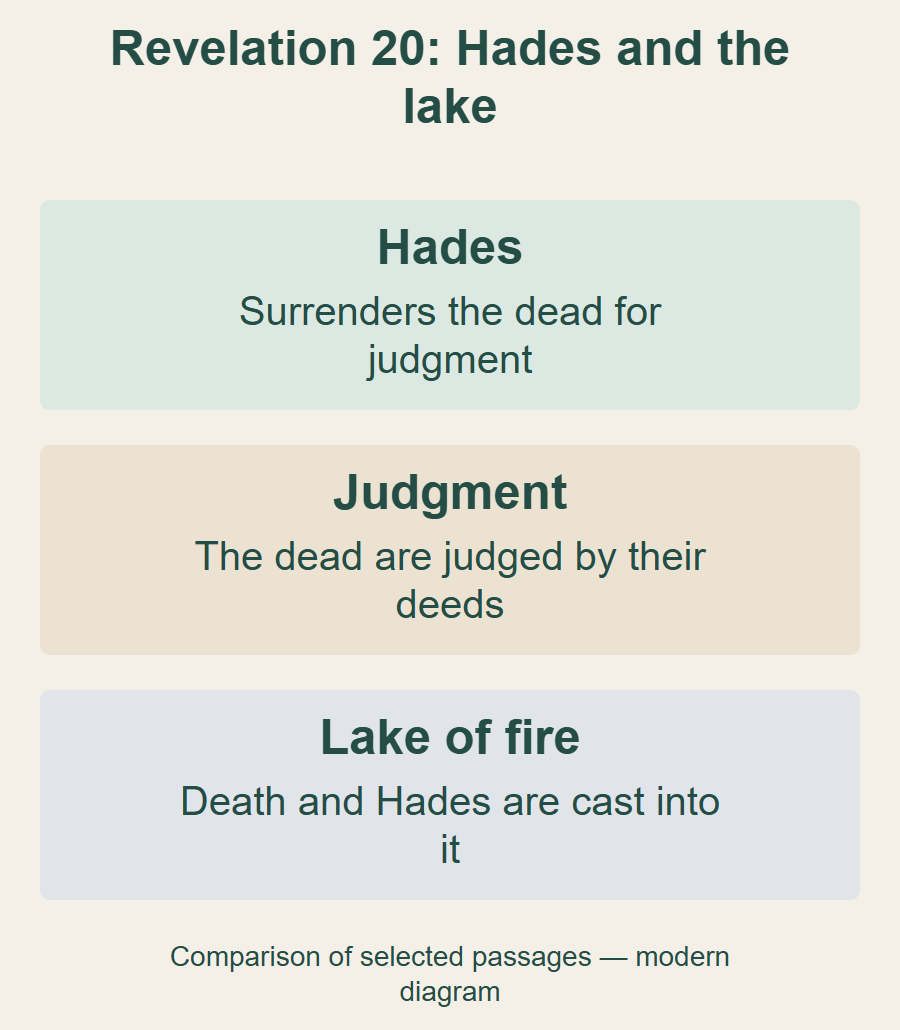
Modern textual sequence of Revelation 20: the dead surrendered, judgment, then death and Hades cast into the lake; distinctions in the text, not an actual afterlife map
Entidade
Hades is a Greek name for the abode of the dead, whose function varies with the text.
Variantes do nome: Hades, abode of the dead
Contexto e fontes →
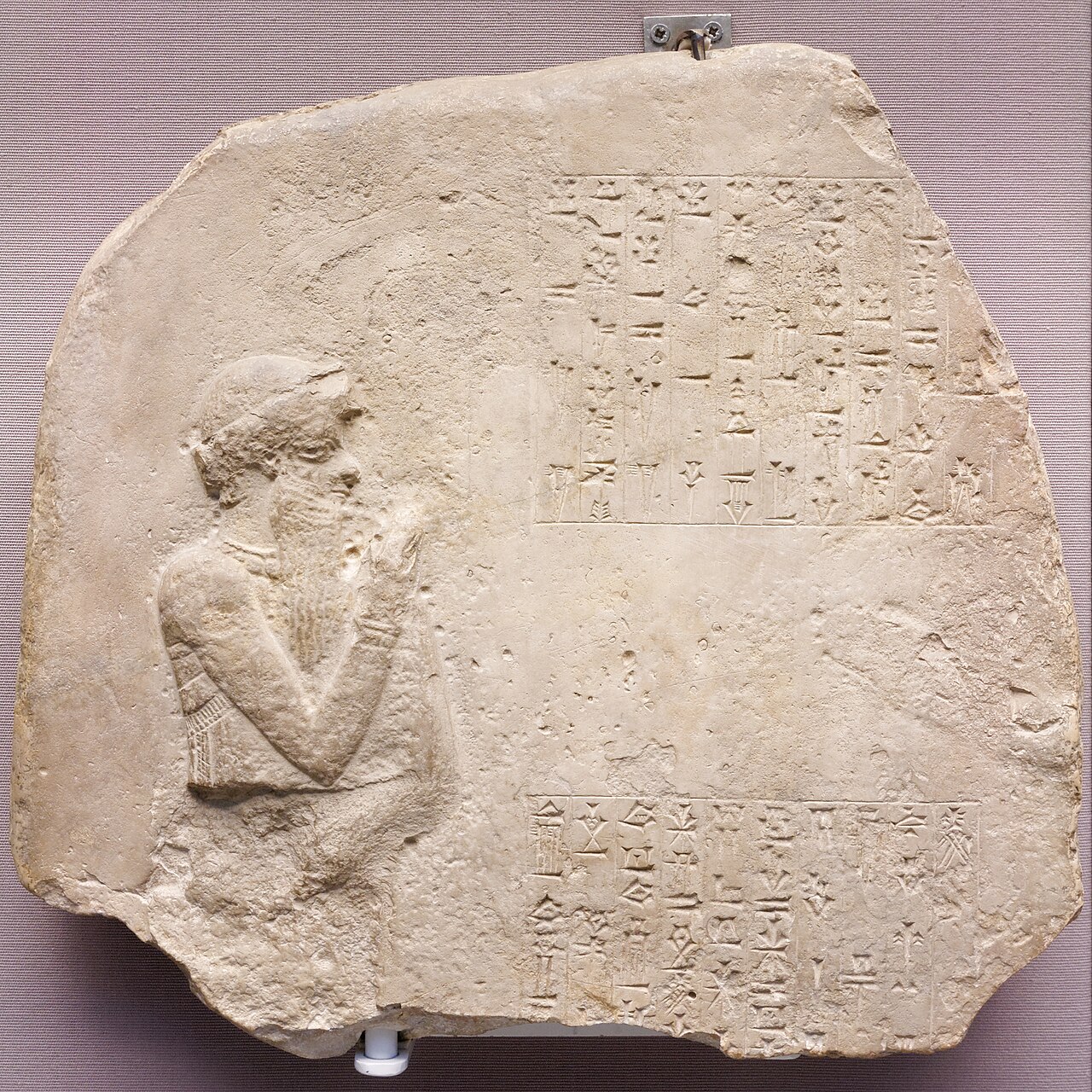
A limestone votive monument from Sippar, showing Hammurabi with his left arm raised. The British Museum dates it to his reign, 1792–1750 BCE; object 22454. Photograph by Marie-Lan Nguyen, 2012
Pessoa
King of Babylon in Mesopotamia, reigning around 1792–1750 BCE. A celebrated legal text preserved on a stele and cuneiform copies bears his name.
Variantes do nome: Hammurabi, Hammurapi
Contexto e fontes →
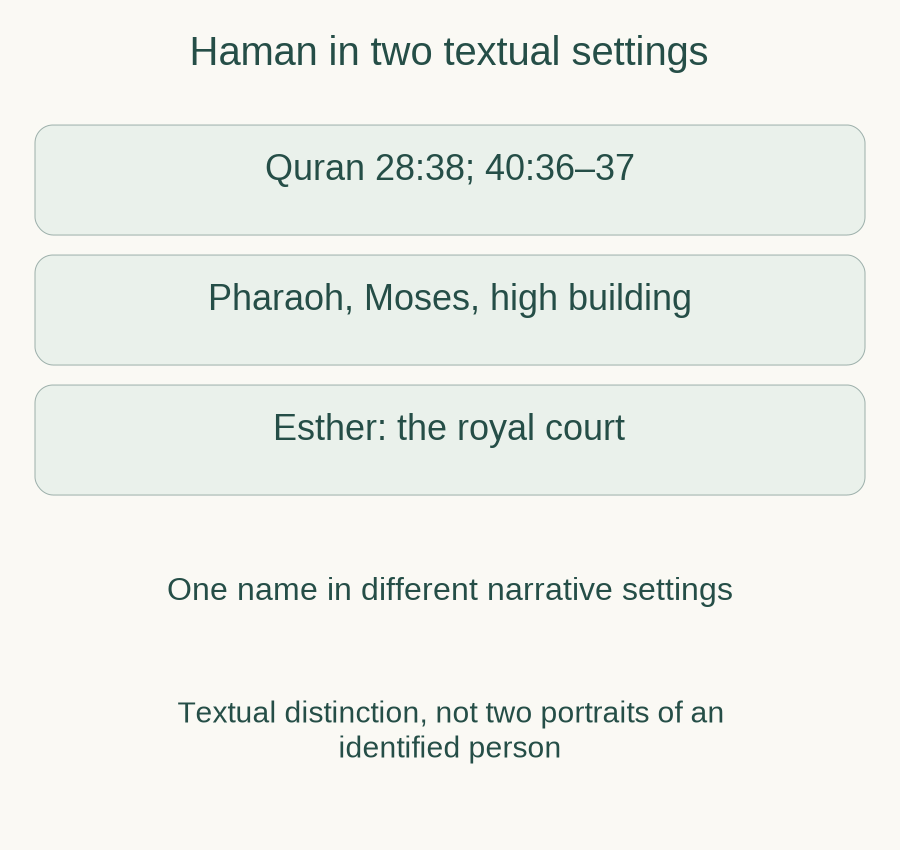
Modern IL Archive explanatory diagram: Haman in two textual settings. Not a reproduction of an ancient artifact
Pessoa
Haman is addressed by Pharaoh in the Quran to build a high structure in Moses’s story; this entry identifies that narrative context.
Variantes do nome: Haman in the Quran
Contexto e fontes →
Pessoa
Scholar of Hebrew Bible and Jewish exegesis, interpreting sotah through the husband’s jealousy.
Variantes do nome: Hanna Liss
Contexto e fontes →
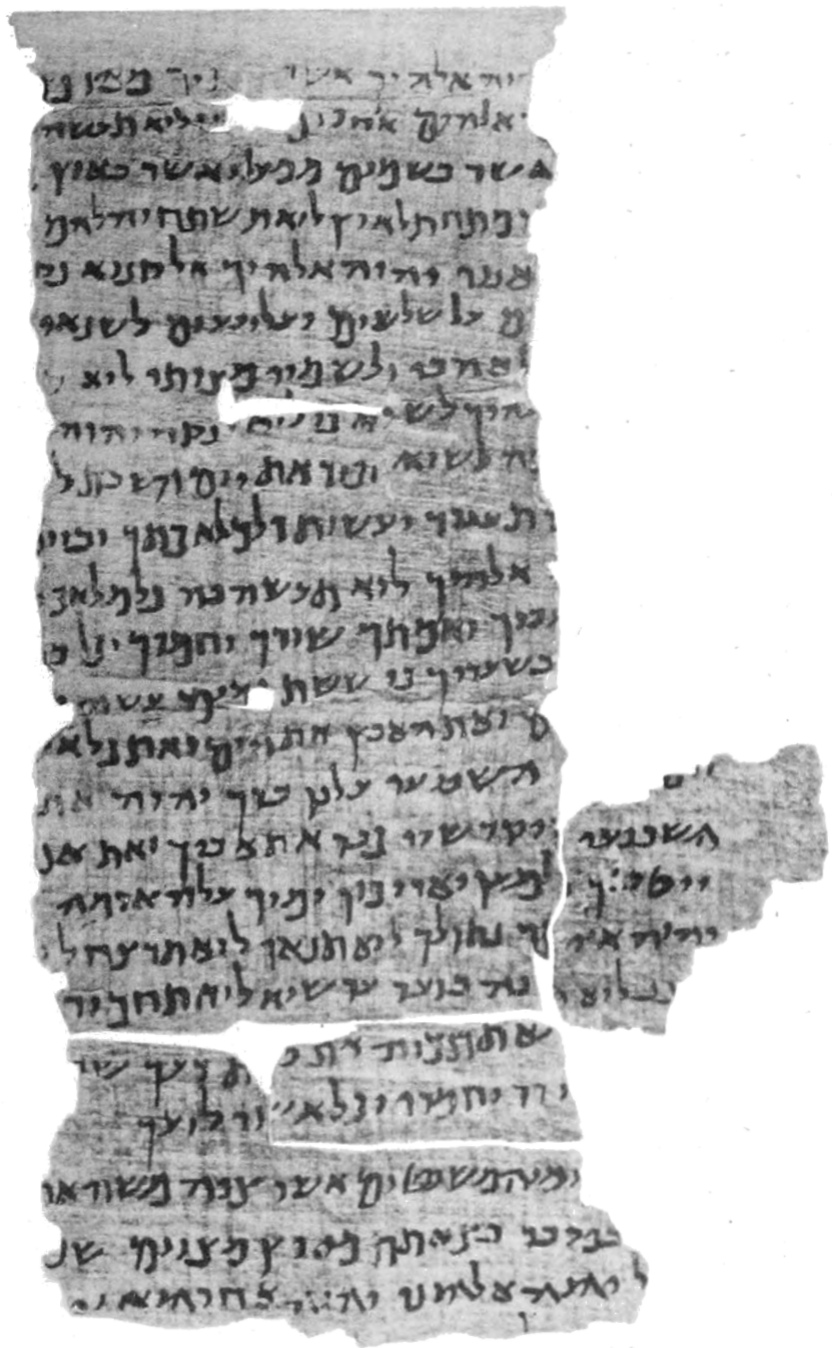
The Nash Papyrus (Cambridge University Library, MS Or.233), Egypt, second century BCE; photograph published in 1903. It preserves the Decalogue and Shema and illustrates the varied transmission of the commandments. This is not 4Q41: the detailed comparison in the text concerns that other witness
Entidade
Aligning parallel wording in textual transmission: the Sabbath in 4Q41, editorial expansions, and limits on dating changes or identifying copyists.
Variantes do nome: textual harmonization, harmonistic text
Contexto e fontes →
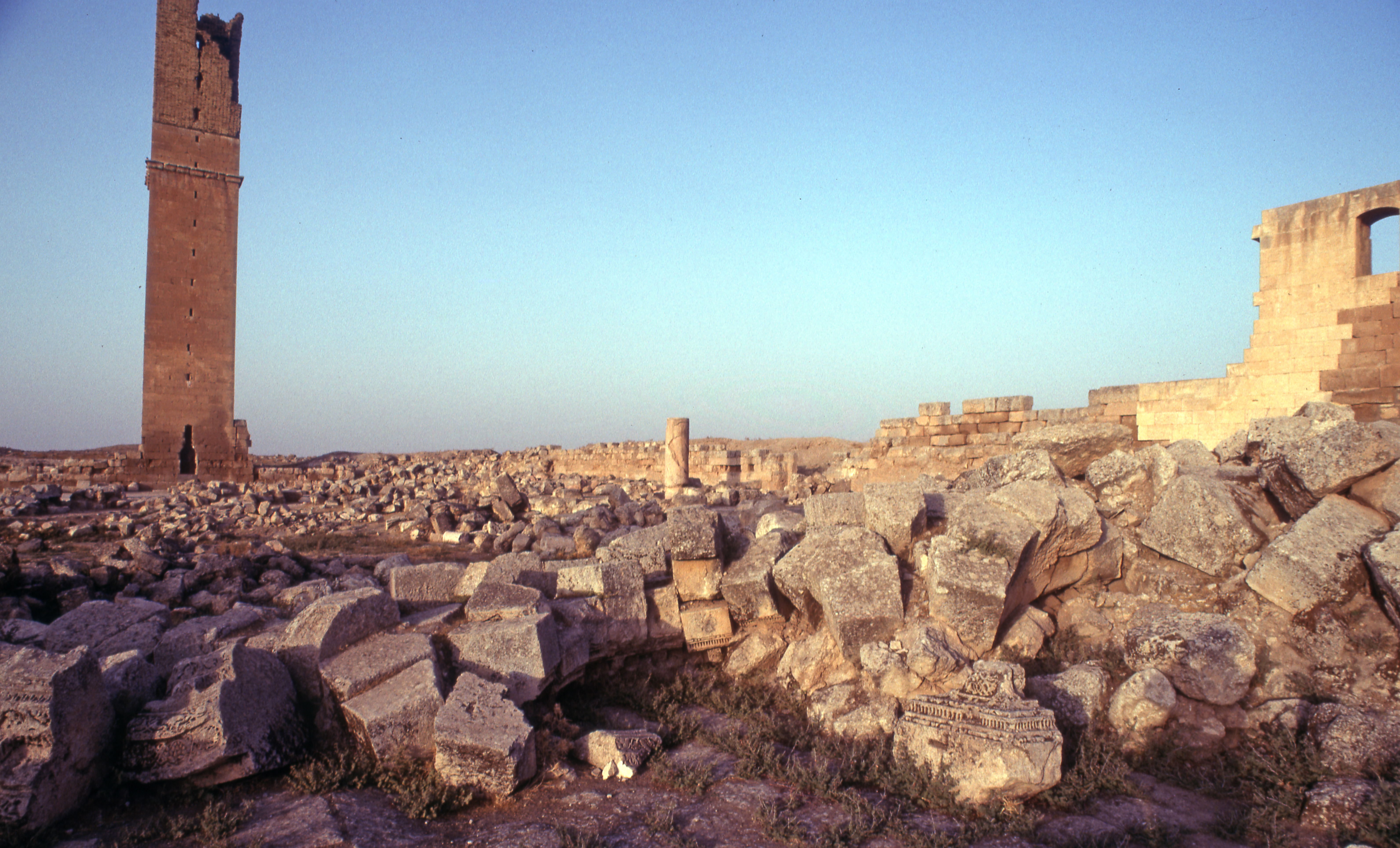
Ruins of Harran’s Great Mosque, founded in the Umayyad eighth century CE, with later building phases. Dosseman photographed this slide in 1997; the file’s 2018 date concerns digitization. The image illustrates the Islamic city’s architecture, not buildings of Abraham’s narrated time
Sítio
Historic city in southeastern Türkiye, south of Şanlıurfa; Genesis places Abraham’s family there on its journey towards Canaan.
Variantes do nome: Harran
Contexto e fontes →
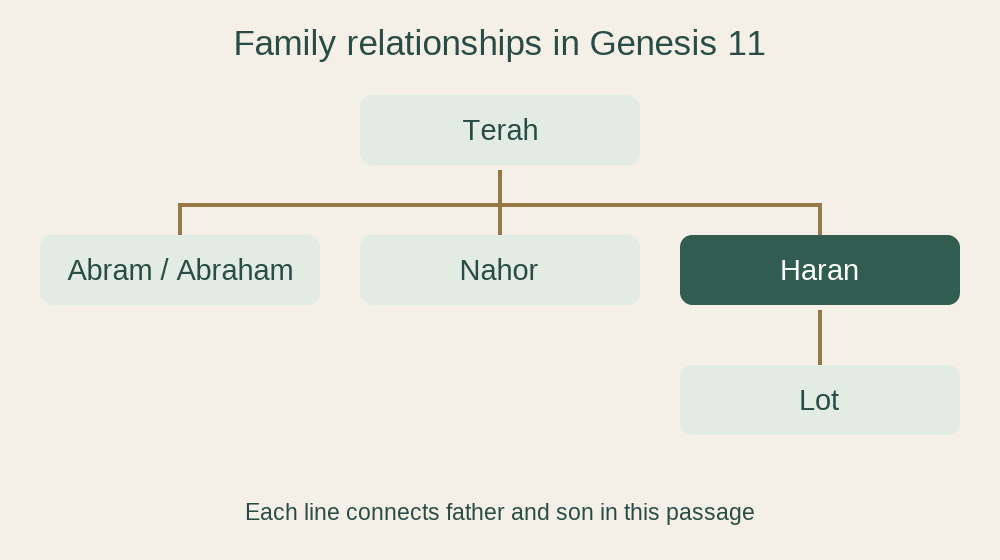
Modern diagram of family relationships in Genesis 11; the highlighted node identifies this entry’s figure. It explains the narrative’s genealogy, not physical likenesses or independent proof of their lives
Pessoa
Terah’s son, Abram’s brother and Lot’s father in Genesis; later narratives explain his death differently.
Variantes do nome: Haran, brother of Abraham, Haran
Contexto e fontes →
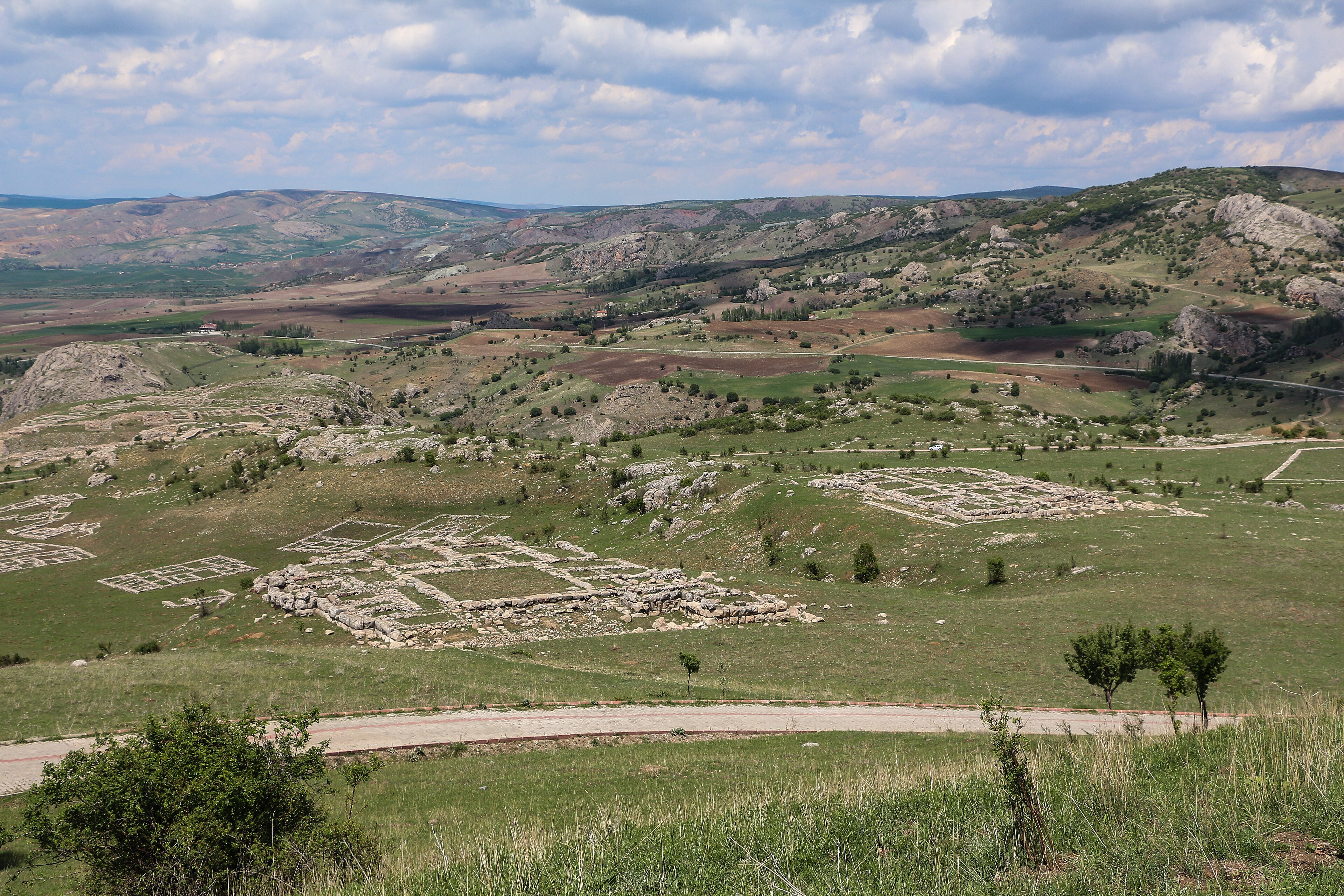
Vista da cidade alta de Hattusha, perto de Boğazkale, na Turquia
Sítio
Hittite capital near Boğazkale in present-day Turkey, preserving witnesses to treaty traditions.
Variantes do nome: Hattusha, Hittite capital
Contexto e fontes →
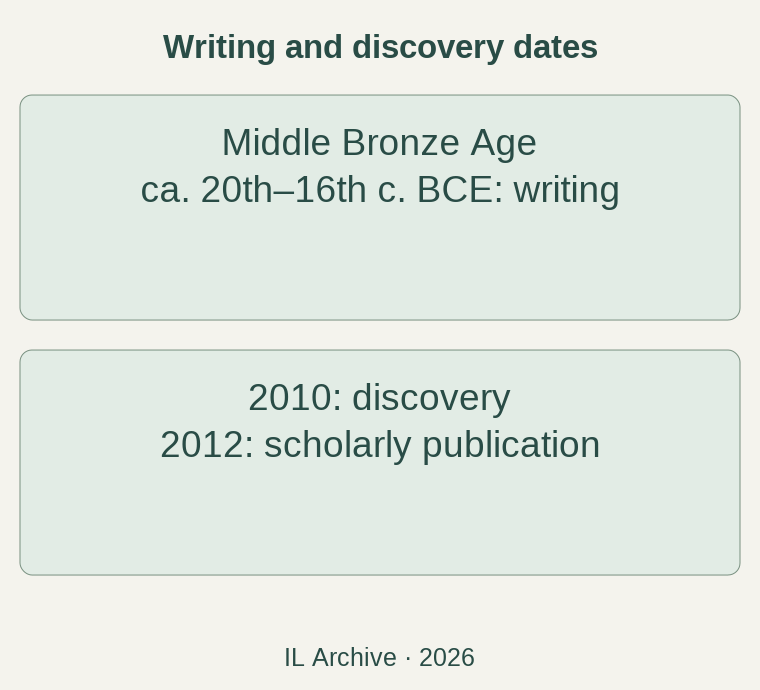
Modern diagram explaining the witness’s specified dates or provisions; not an ancient tablet, building or manuscript photograph
Sítio
Ancient Canaanite city in present-day northern Israel, where Middle Bronze Age legal-tablet fragments were found in 2010.
Variantes do nome: Hazor
Contexto e fontes →
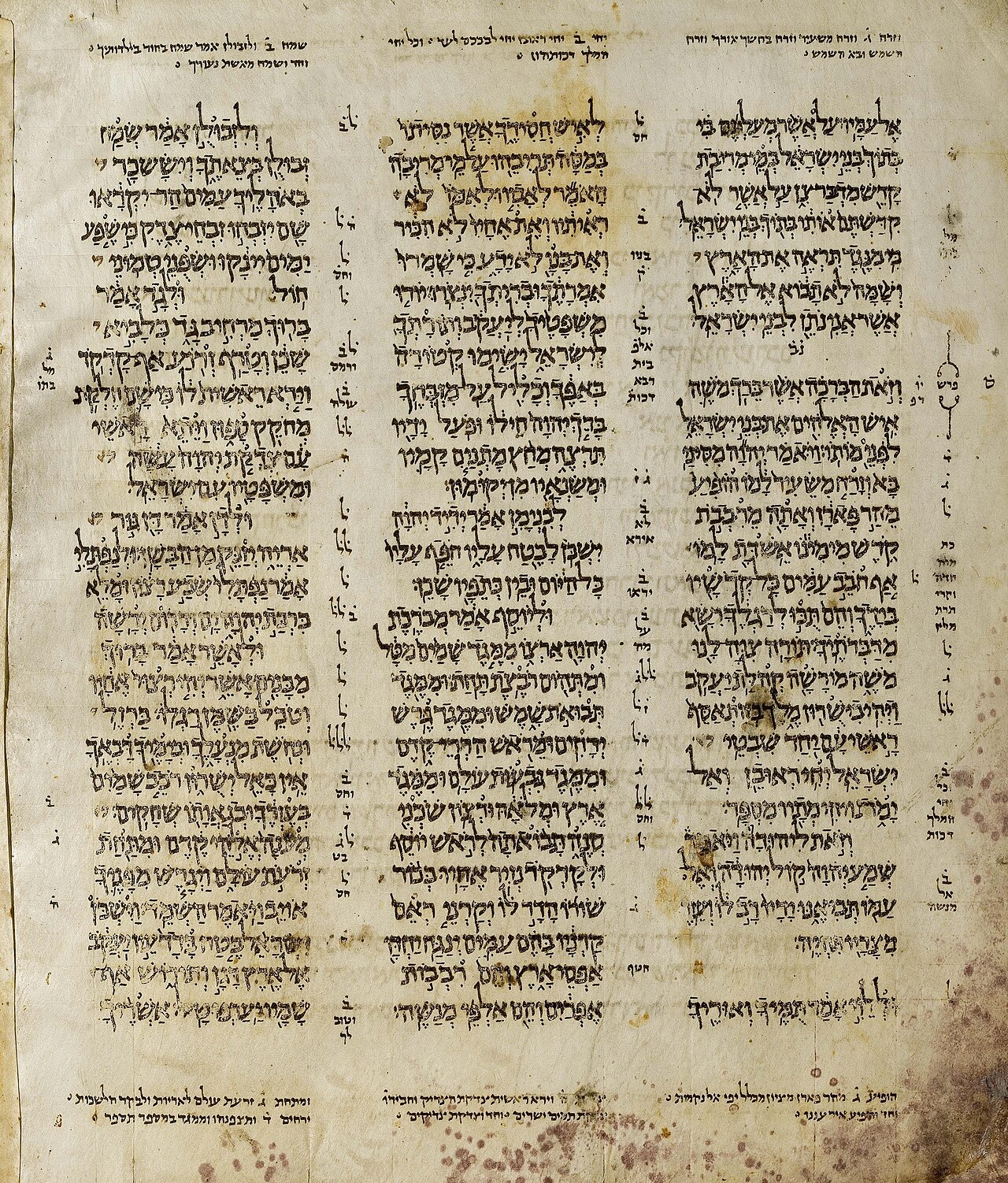
A Deuteronomy page from the tenth-century CE Hebrew Aleppo Codex. Its three columns, vowel and cantillation signs and marginal notes document Masoretic manuscript transmission, not an Iron Age manuscript
Entidade
A Northwest Semitic language of the Canaanite group, encompassing Iron Age epigraphy, Biblical, Rabbinic, medieval and Modern Hebrew; its scripts and pronunciations changed over time.
Variantes do nome: Hebrew
Contexto e fontes →
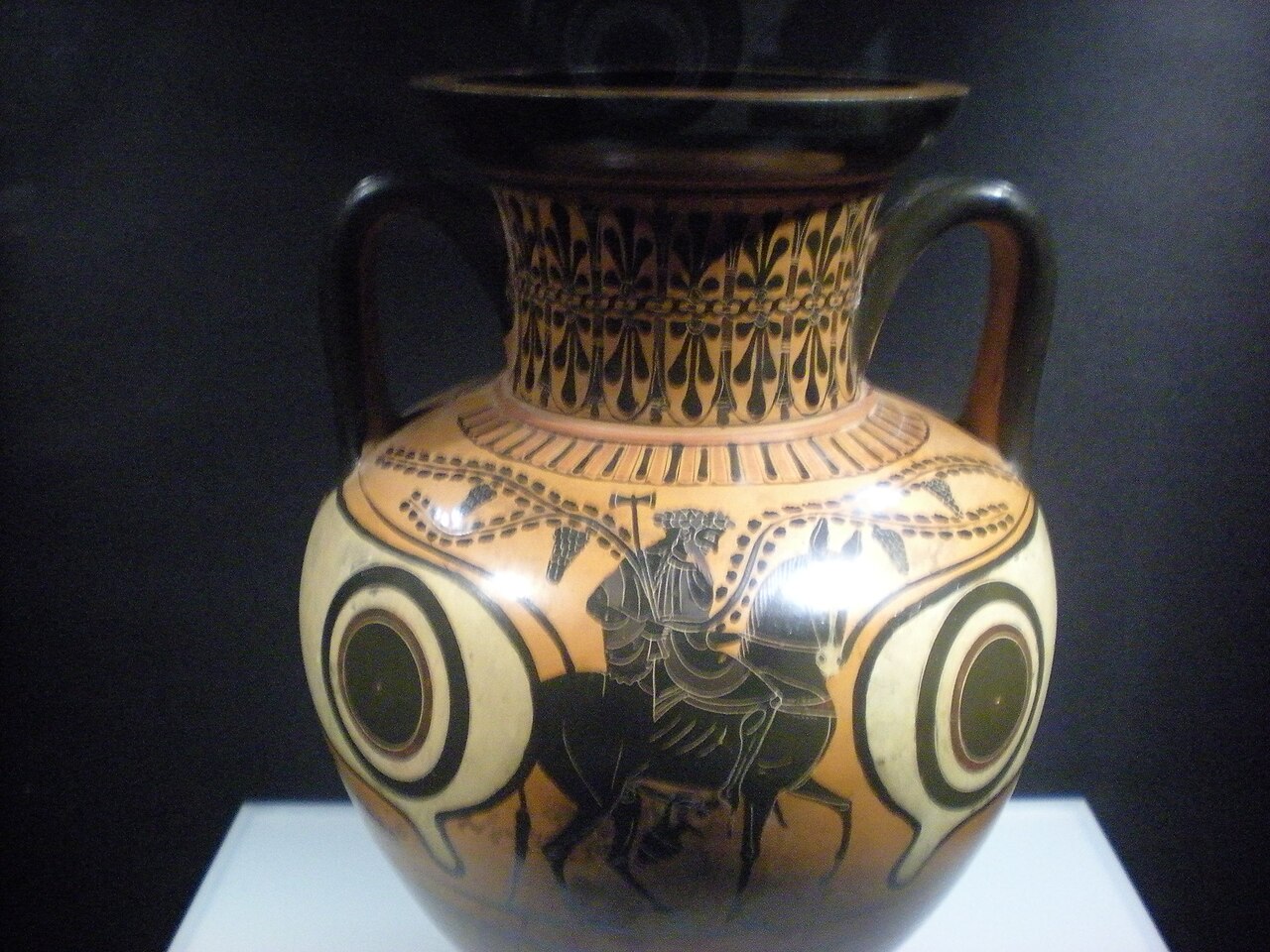
Hephaestus returning to Olympus on a donkey, on an ancient Greek cup in the British Museum, 1836,0224.48. The image depicts the return story, rather than the Iliad’s assembly scene
Entidade
God of metalworking in Greek traditions; the Iliad portrays him as Hera’s son and mediator in her dispute with Zeus.
Variantes do nome: Hephaestus
Contexto e fontes →
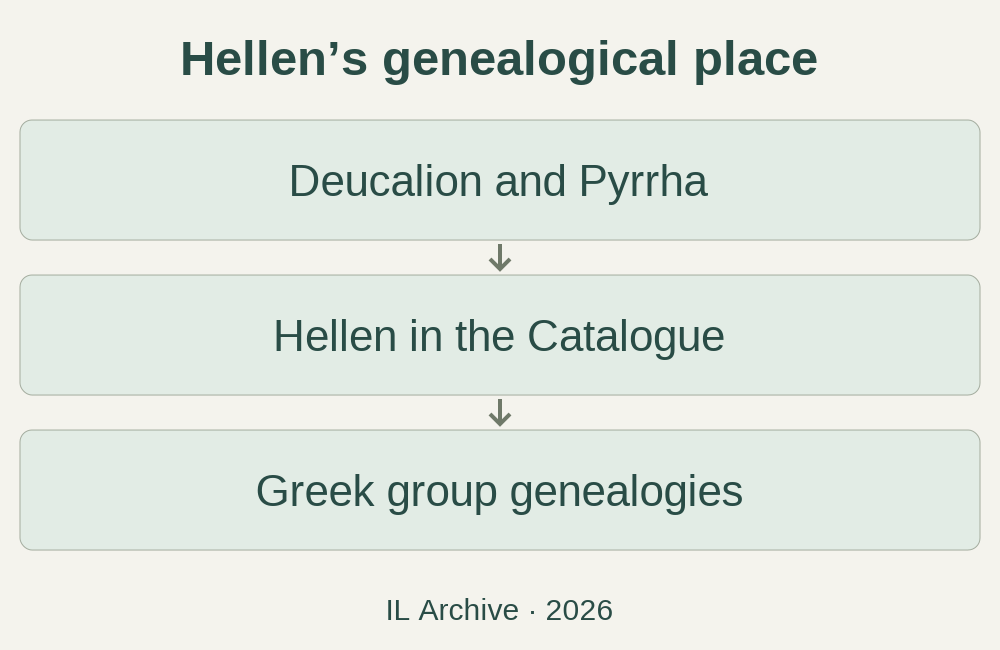
Modern explanatory diagram of one literary witness’s sequence or relationships, not a manuscript, portrait or demonstrated transmission route
Pessoa
Figure associated with Greek genealogies, presented as Deucalion and Pyrrha’s son.
Variantes do nome: Hellen, Greek genealogical figure
Contexto e fontes →
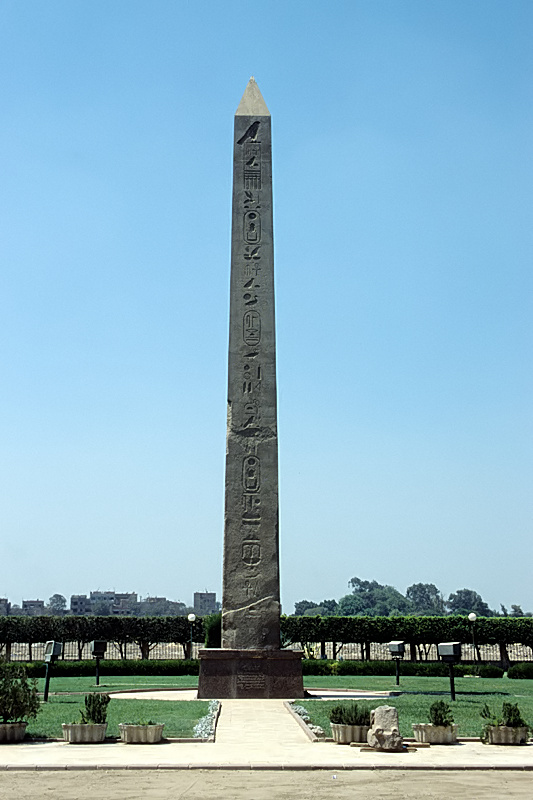
The obelisk of Senusret I at Matariya in Cairo, at the site of ancient Iunu/Heliopolis, 2 September 2001. It belongs to the Middle Kingdom, in the twentieth century BCE; the monument’s date differs from that of this modern photograph
Sítio
Heliopolis is the Greek name of Egyptian Iunu, at Matariya in northern present-day Cairo
Variantes do nome: Heliopolis, Iunu
Contexto e fontes →
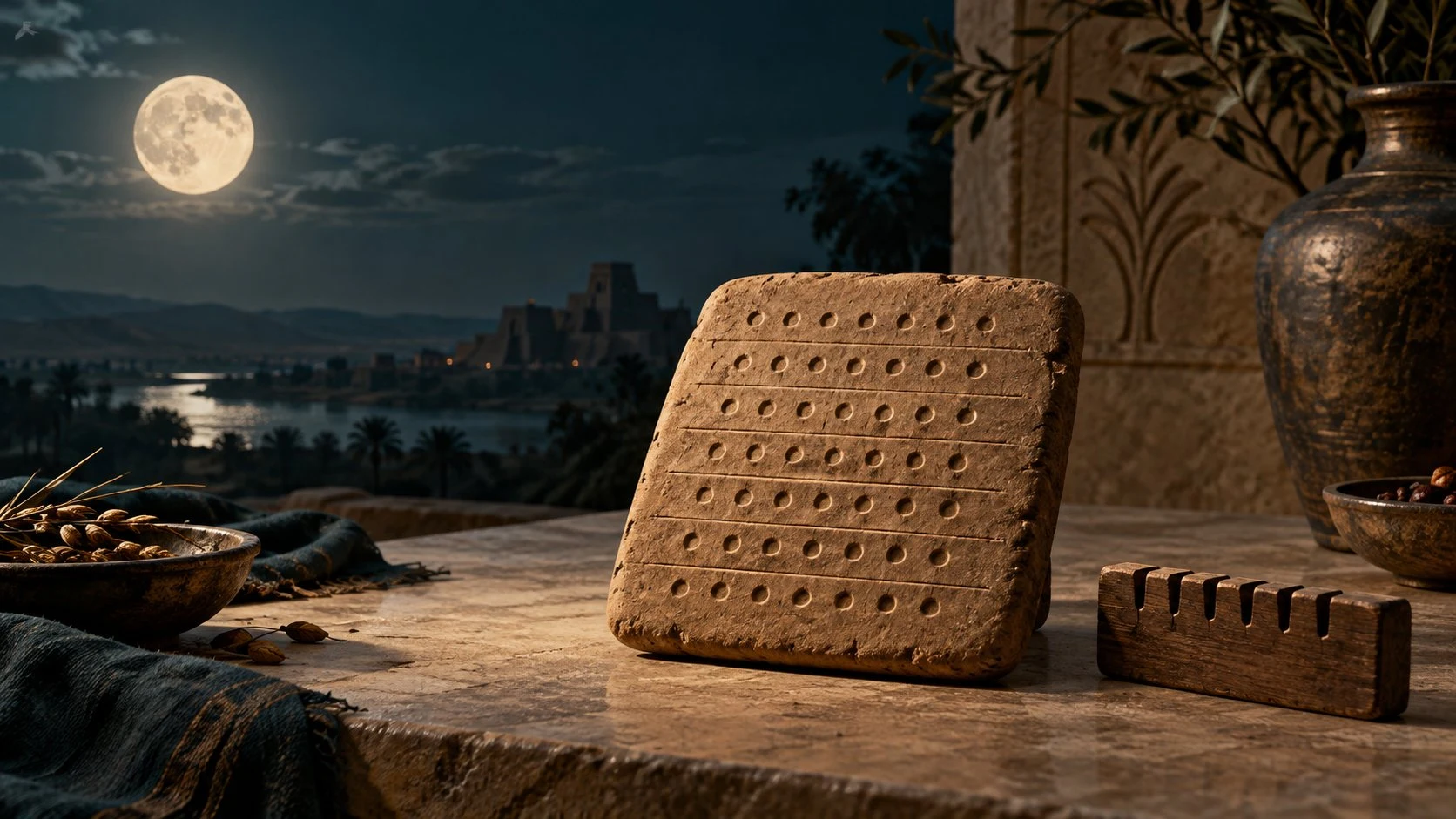
Original conceptual illustration of a mid-cycle moon and tablet calendar; not an artifact photograph or reconstruction of a historical ritual. © IL Archive, CC0
Entidade
Mesopotamian hemerologies assess dates for ritual, food, marriage, travel and other activities. The entry studies their witnesses, courtly examples and reception, and explains why cautionary dates are neither a universal calendar nor weekly rest days.
Variantes do nome: hemerology, inauspicious days
Contexto e fontes →

Modern AI-generated symbolic cover: one luminous centre amid distinct surrounding forms visualises preference within plurality. Not an ancient religious artefact, historical cosmology or archaeological reconstruction
Entidade
Henotheism is a scholarly term for privileging or exalting one deity without necessarily excluding other gods. Its boundaries with monolatry and monotheism are debated; Vedic, Ugaritic, Moabite and Hebrew evidence is examined without assuming a universal sequence.
Variantes do nome: henotheism, henotheistic worship
Contexto e fontes →
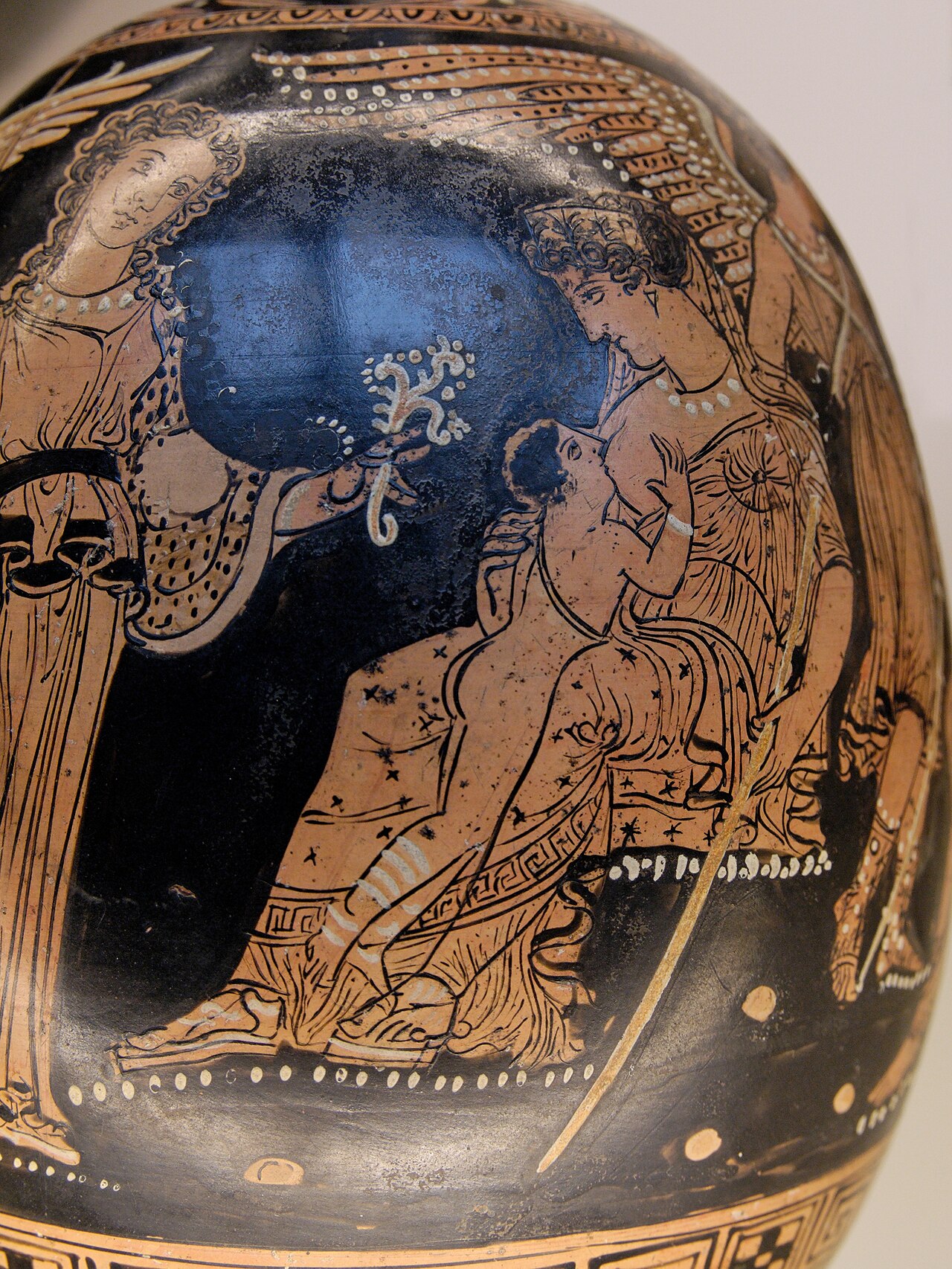
A woman tentatively identified in the museum catalogue as Hera, nursing Heracles; vase of about 365–350 BCE, British Museum 1846,0925.13. The female figure’s identification remains uncertain
Entidade
Greek goddess and Zeus’s wife, appearing in council and family-disagreement scenes in the Iliad.
Variantes do nome: Hera
Contexto e fontes →
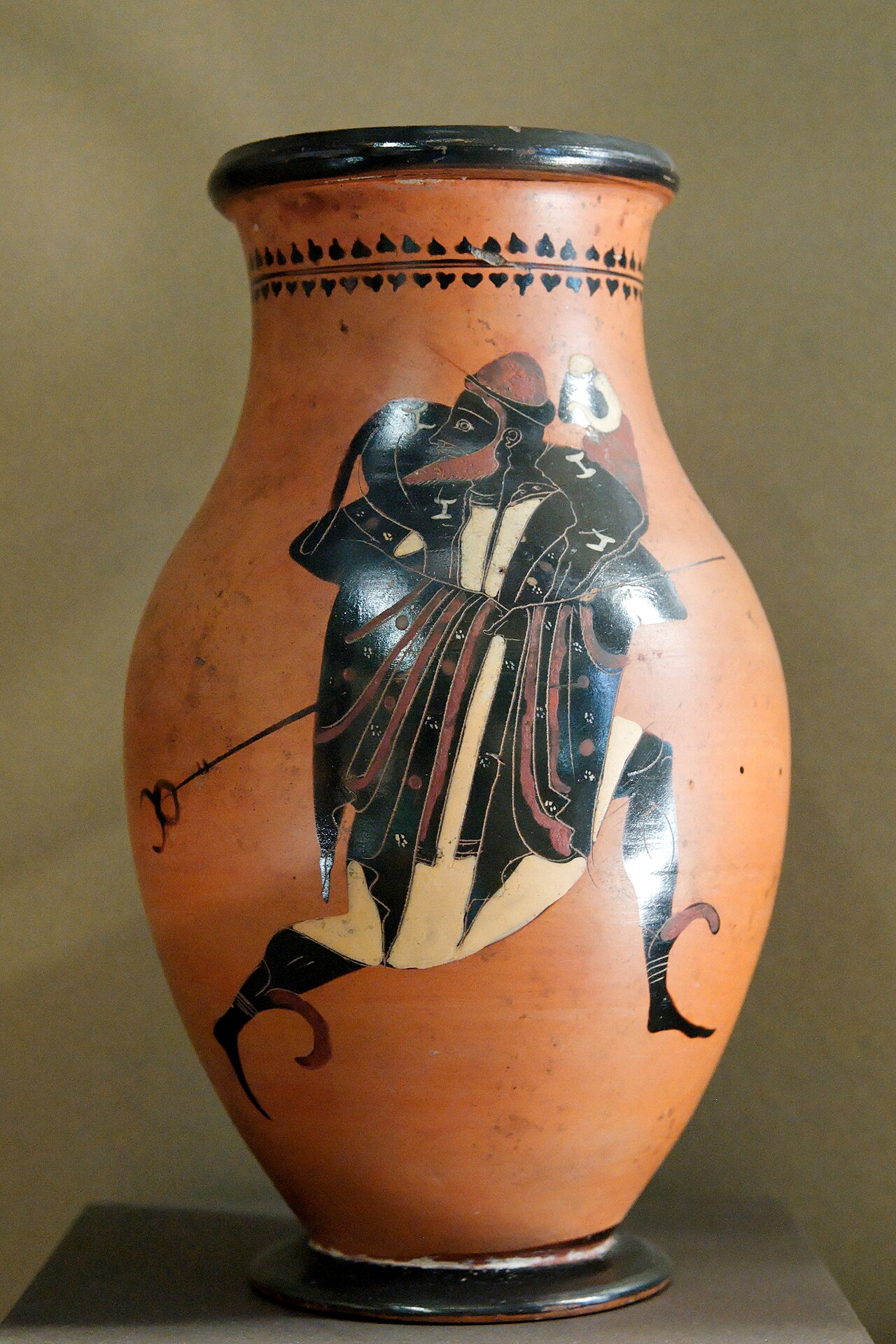
Hermes carrying a ram on an Attic vase, about 515–510 BCE; Louvre Cp 639 / F 159. An archaeological representation of one aspect of the god
Entidade
Greek god acting as a messenger in the Odyssey passages examined here.
Variantes do nome: Hermes
Contexto e fontes →
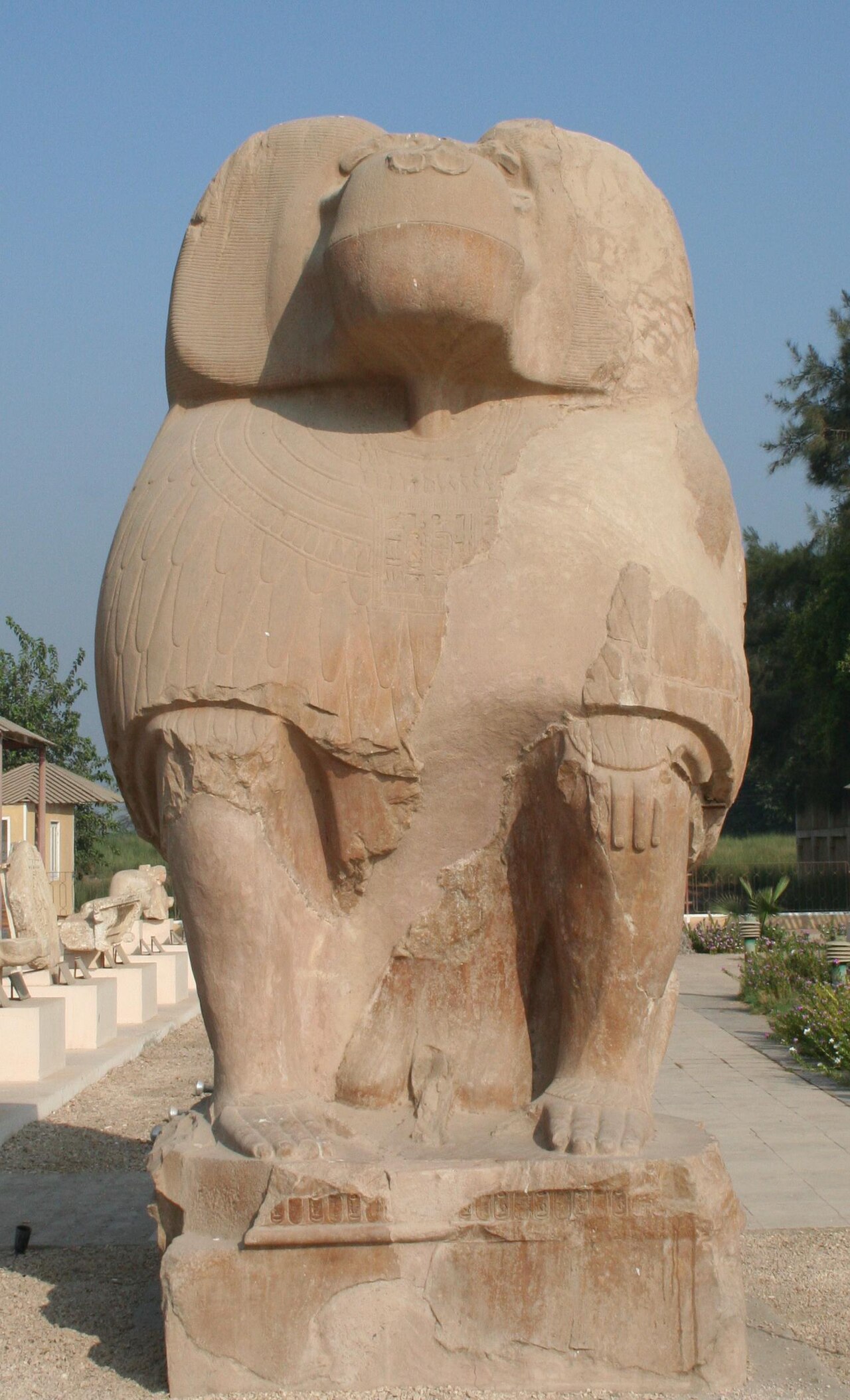
A colossal statue of Thoth as a baboon at Ashmunein/Hermopolis, from Amenhotep III’s reign in the fourteenth century BCE. Photographed on 18 September 2006; it offers a material example of the city’s association with Thoth
Sítio
Hermopolis is an ancient Egyptian city at Ashmunein, called Khemenu in Egyptian
Variantes do nome: Hermopolis, Khemenu, Ashmunein, Khmun
Contexto e fontes →
Pessoa
Late-first-century-BCE king of Judaea in the journey-to-Egypt story.
Variantes do nome: Herod the Great
Contexto e fontes →
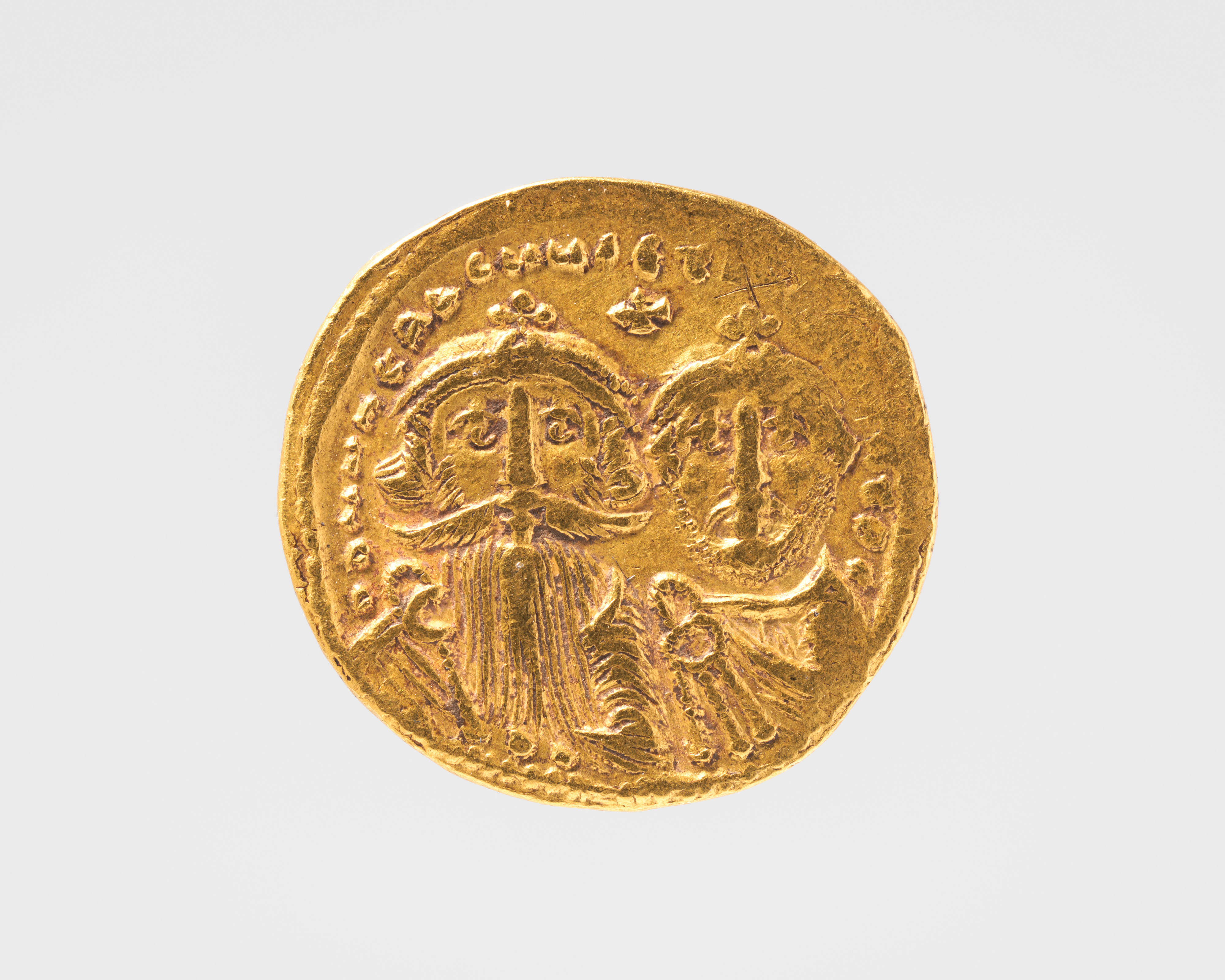
Gold solidus of 629–631 CE bearing official representations of Heraclius and his son Heraclius Constantine; a Byzantine coin, not a photographic likeness
Pessoa
Byzantine emperor who ruled 610–641 CE; his victory over Persia informs dating proposals for some Syriac Alexander texts.
Variantes do nome: Heraclius the emperor
Contexto e fontes →
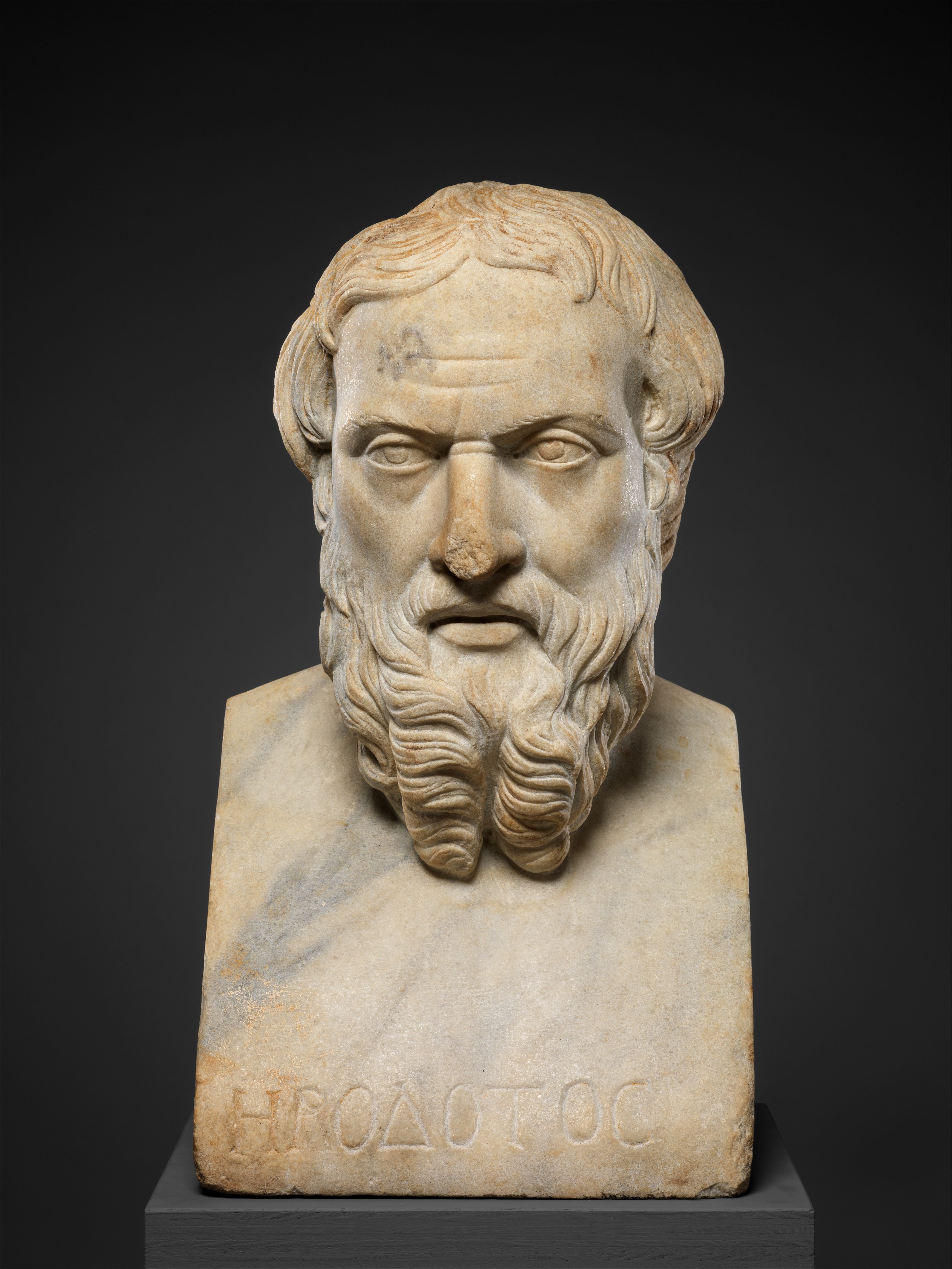
Marble bust of Herodotus,second-century CE Roman copy after a fourth-century BCE Greek model; Met 91.8. A representation later than the historian’s lifetime
Pessoa
Fifth-century BCE Greek historian whose account of the Persian Wars includes reports on peoples, court and empire.
Variantes do nome: Herodotus, Herodotos
Contexto e fontes →
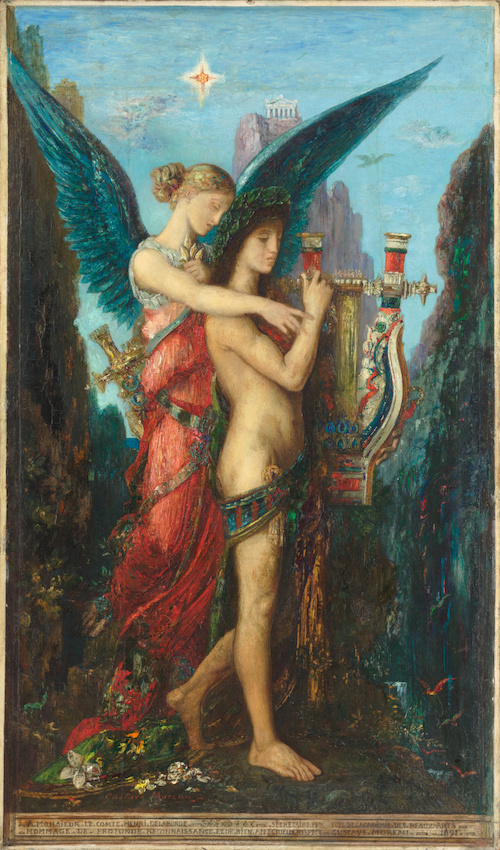
Hesiod and the Muse, an 1891 oil-on-wood painting by Gustave Moreau, Musée d’Orsay RF 1961 7. A modern artistic reception of the ancient poet, not a contemporary likeness
Pessoa
Greek poet whose major work is generally dated to the late eighth or early seventh century BCE, including the Theogony.
Variantes do nome: Hesiod
Contexto e fontes →
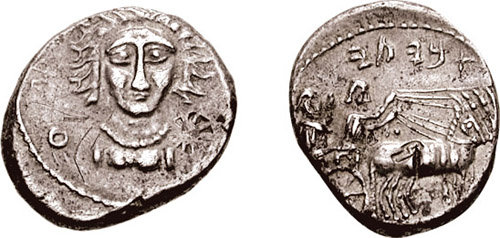
Silver didrachm from Bambyce, later Hierapolis, about 340–332 BCE; CNG Triton VIII lot 518. Female bust, Aramaic legends and chariot scene; not a depiction of the flood sanctuary
Sítio
Ancient northern Syrian city, also called Bambyce, associated with the sanctuary described in On the Syrian Goddess.
Variantes do nome: Syrian Hierapolis, Manbij, Hierapolis Bambyce, Bambyce, Manbij
Contexto e fontes →

Contemporary AI-generated conceptual cover: three distinct crystals in an imagined library evoke questions of unity and distinction in theological language. Not a depiction of God, a council, an artifact or three divine substances
Entidade
Hypostasis is a Greek term with changing meanings. In later Trinitarian theology it distinguishes Father, Son and Spirit within one divine essence; earlier Greek, biblical and Syriac usages require separate contextual reading.
Variantes do nome: hypostasis, hypostases
Contexto e fontes →
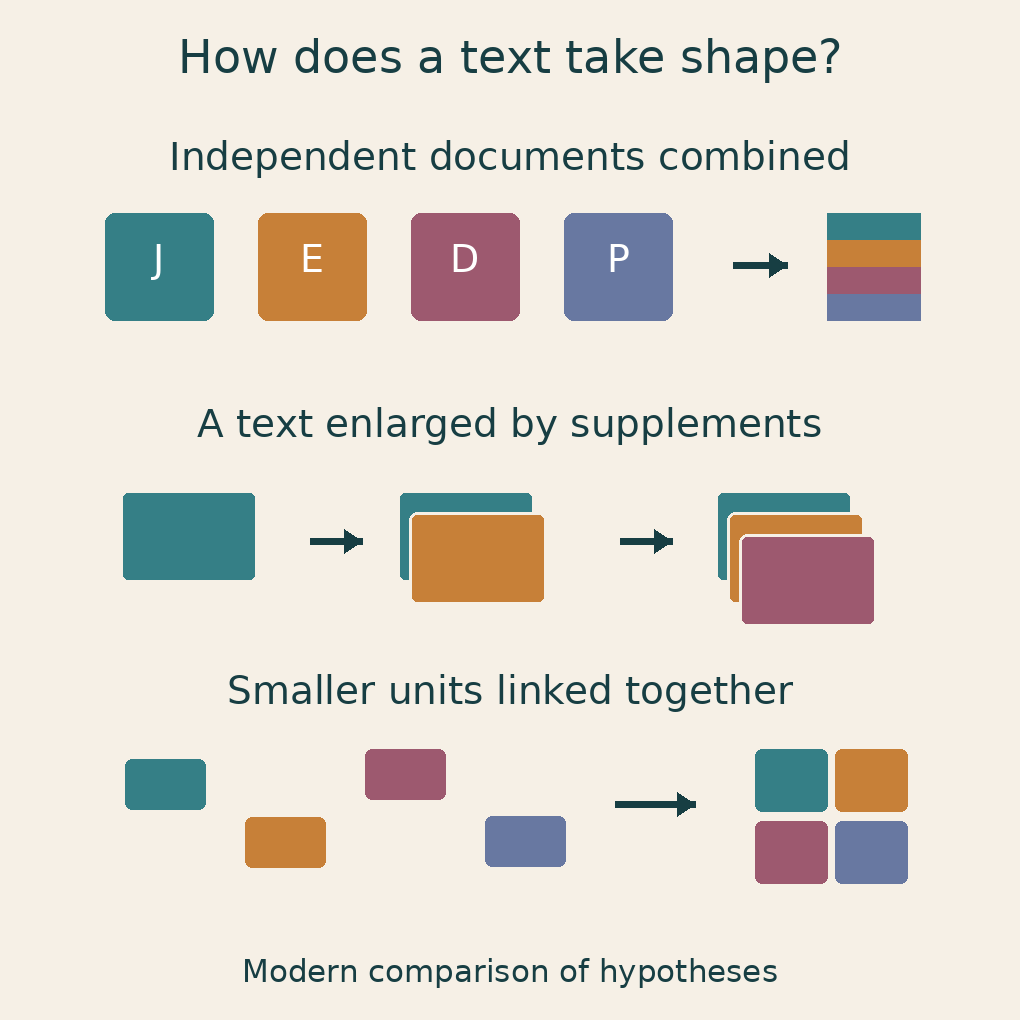
Modern explanatory comparison: independent documents combined, a text enlarged, or smaller units linked. Shapes and colours simplify mechanisms; they are not discovered manuscripts, a verse map or a chronology. Letters in the first row belong to the documentary example; colours in the other rows do not identify J, E, D and P
Entidade
A hypothesis explaining the formation of the Torah through the combination of previously independent literary works. Its classical form distinguishes four sources, Yahwistic, Elohistic, Deuteronomic and Priestly (J, E, D and P); modern versions differ over their extent, dates and manner of combination.
Variantes do nome: documentary hypothesis, Documentary Hypothesis
Contexto e fontes →
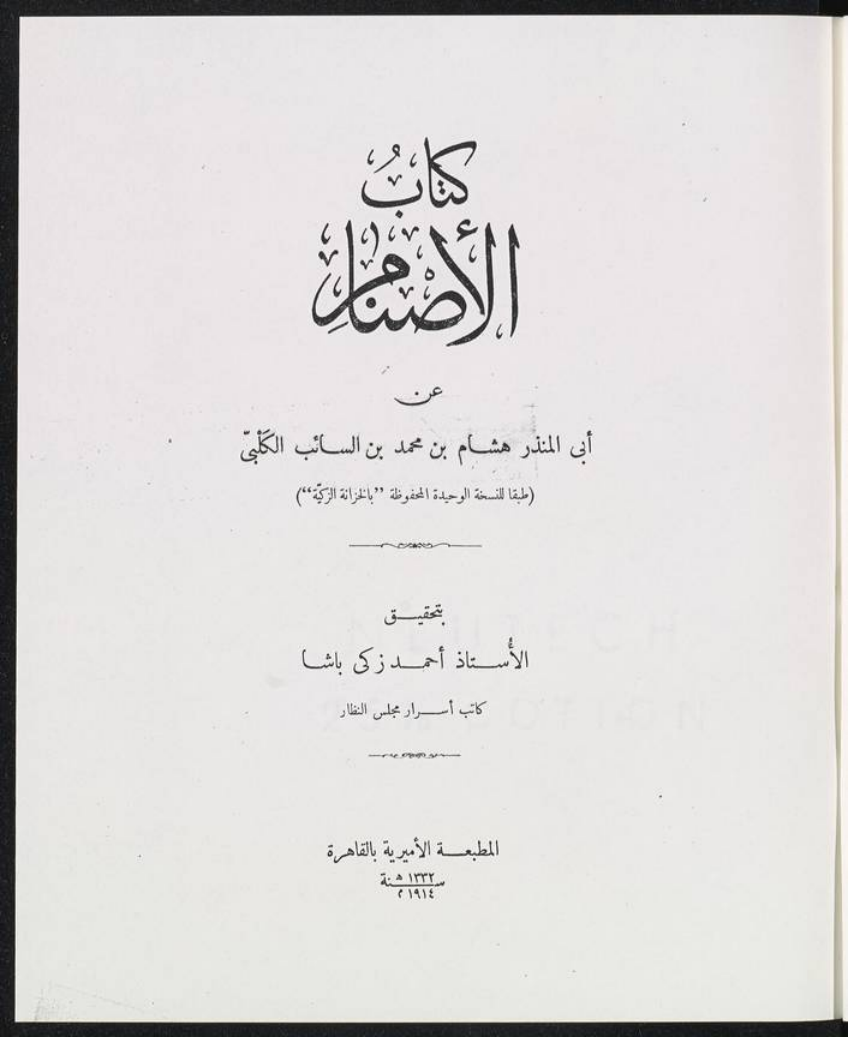
Title page of Hisham ibn Muhammad al-Kalbi’s Book of Idols, edited by Ahmad Zaki Pasha, Cairo, 1332 AH / 1914 CE; Cornell copy in Arabic Collections Online. A printed edition, not an author-era manuscript or portrait. A library leaf dates the replacement paper volume to 2005
Pessoa
Abbasid-era compiler of historical and genealogical traditions, deceased in the early ninth century CE; author of the Book of Idols.
Variantes do nome: Hisham ibn Muhammad al-Kalbi
Contexto e fontes →
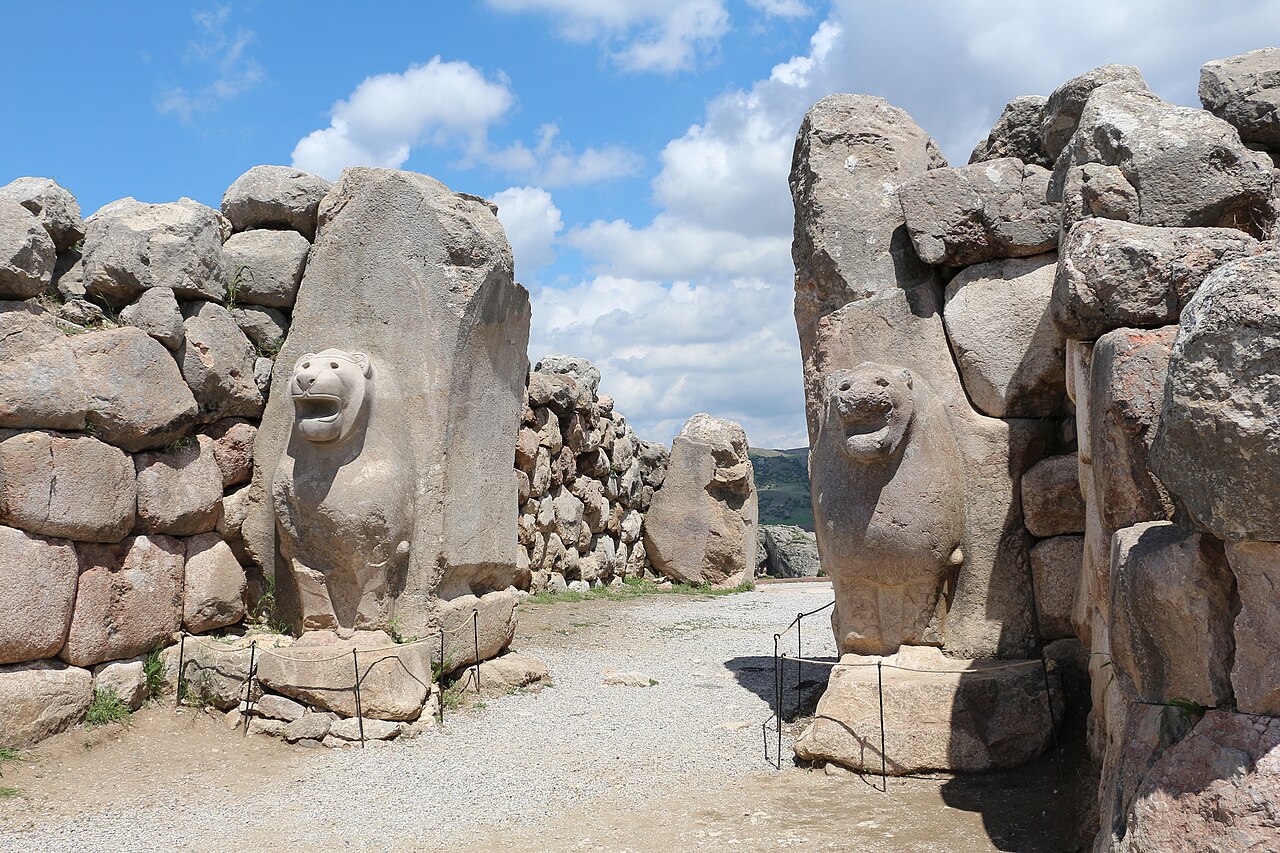
The Lion Gate at Hattusha, the Hittite capital near Boğazköy in modern Türkiye. A contemporary view of the remains, photographed by Bernard Gagnon on 19 May 2014
Entidade
Ancient people and kingdom of Anatolia, dominating much of Anatolia and northern Syria around 1650–1200 BCE.
Variantes do nome: Hittites
Contexto e fontes →
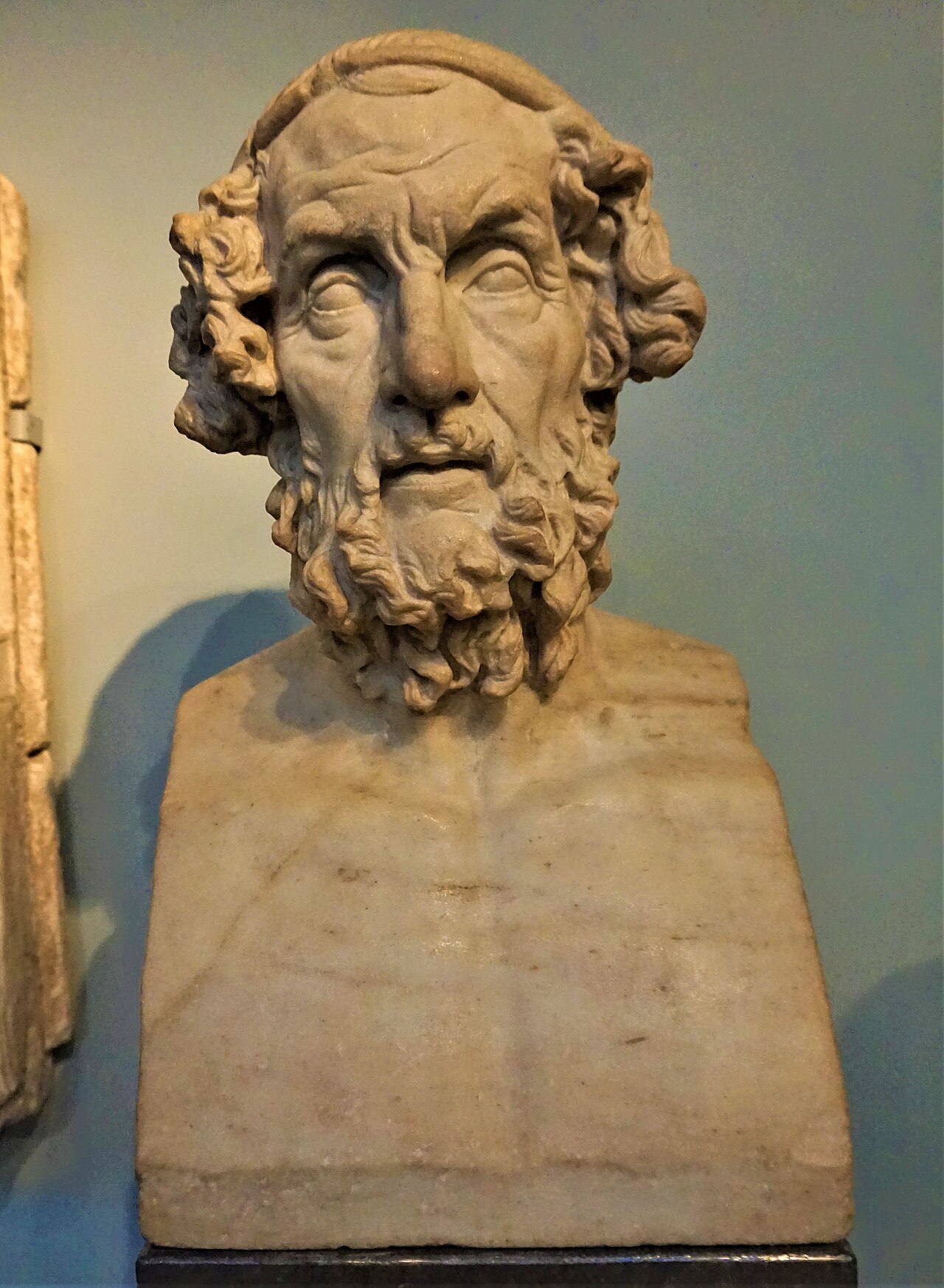
Roman portrait bust representing Homer, second century CE; British Museum 1805,0703.85. An artistic likeness made long after the epics, rather than a contemporary portrait
Pessoa
The name to which Greek tradition attributes the Iliad and Odyssey.
Variantes do nome: Homer
Contexto e fontes →

Modern AI-generated conceptual scene: a blank book and overlapping light symbolize the historical question of unity and distinction. Not a depiction of the 325 Council, a historical manuscript or the divine being
Entidade
Homoousios: “of the same substance.” Used for the Son in relation to the Father in the 325 Nicene Creed to distinguish him from creatures. Its precise implications remained contested as ousia and hypostasis acquired sharper later uses.
Variantes do nome: homoousios, consubstantial, of the same substance
Contexto e fontes →
Pessoa
Hugo Gressmann (1877–1927) was a German Old Testament and history-of-religions scholar working in Berlin.
Variantes do nome: Hugo Gressmann
Contexto e fontes →
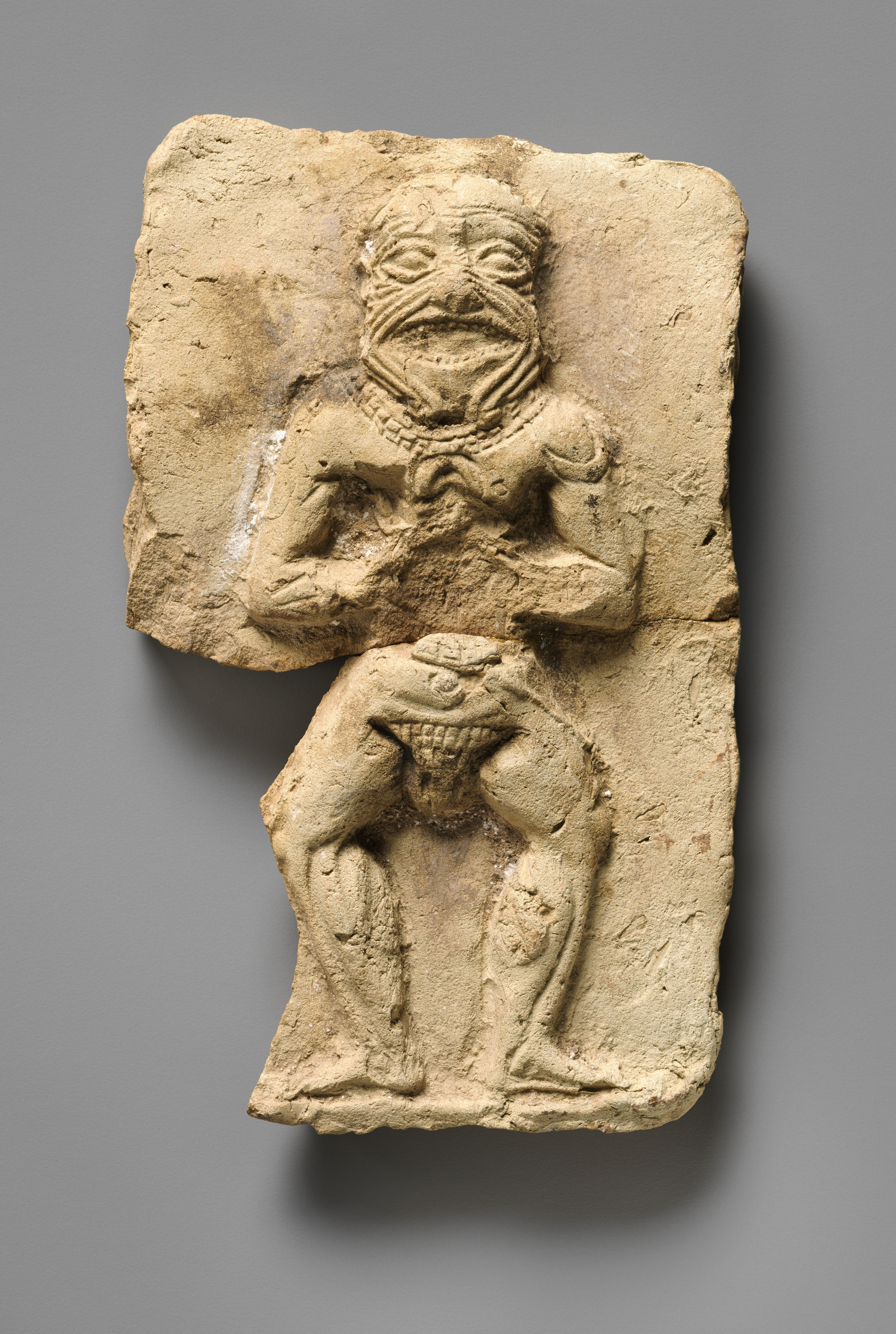
Babylonian ceramic plaque of Humbaba, about 2000–1600 BCE; Met 1974.347.3a,b. Ancient representation of the forest guardian, not the plant episode
Pessoa
Guardian of the Cedar Forest confronted by Gilgamesh and Enkidu in the epic traditions.
Variantes do nome: Humbaba, guardian of the Cedar Forest, Humbaba
Contexto e fontes →
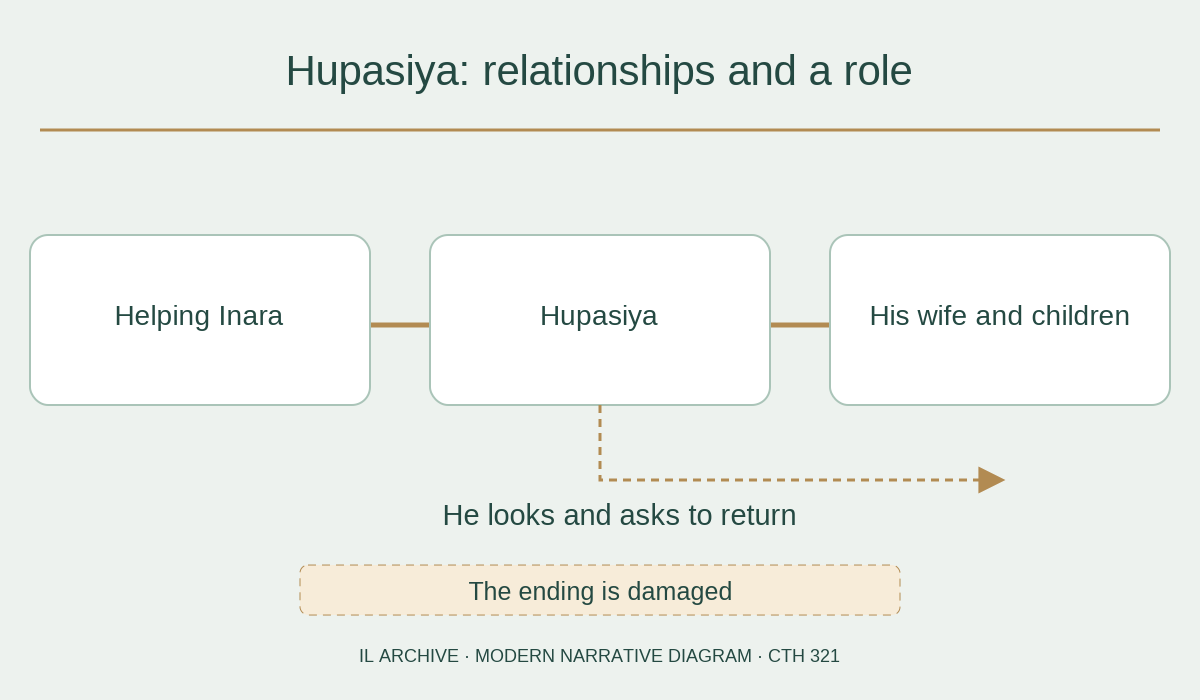
Modern diagram of Hupasiya’s two relationships in the first account: helping Inara and wanting to return to his wife and children. The ending is marked as damaged; no unpreserved fate or portrait is supplied
Pessoa
Inara’s human helper in the first Hittite Illuyanka account, who binds the serpent after the feast.
Variantes do nome: Hupasiya, Hupashiya
Contexto e fontes →
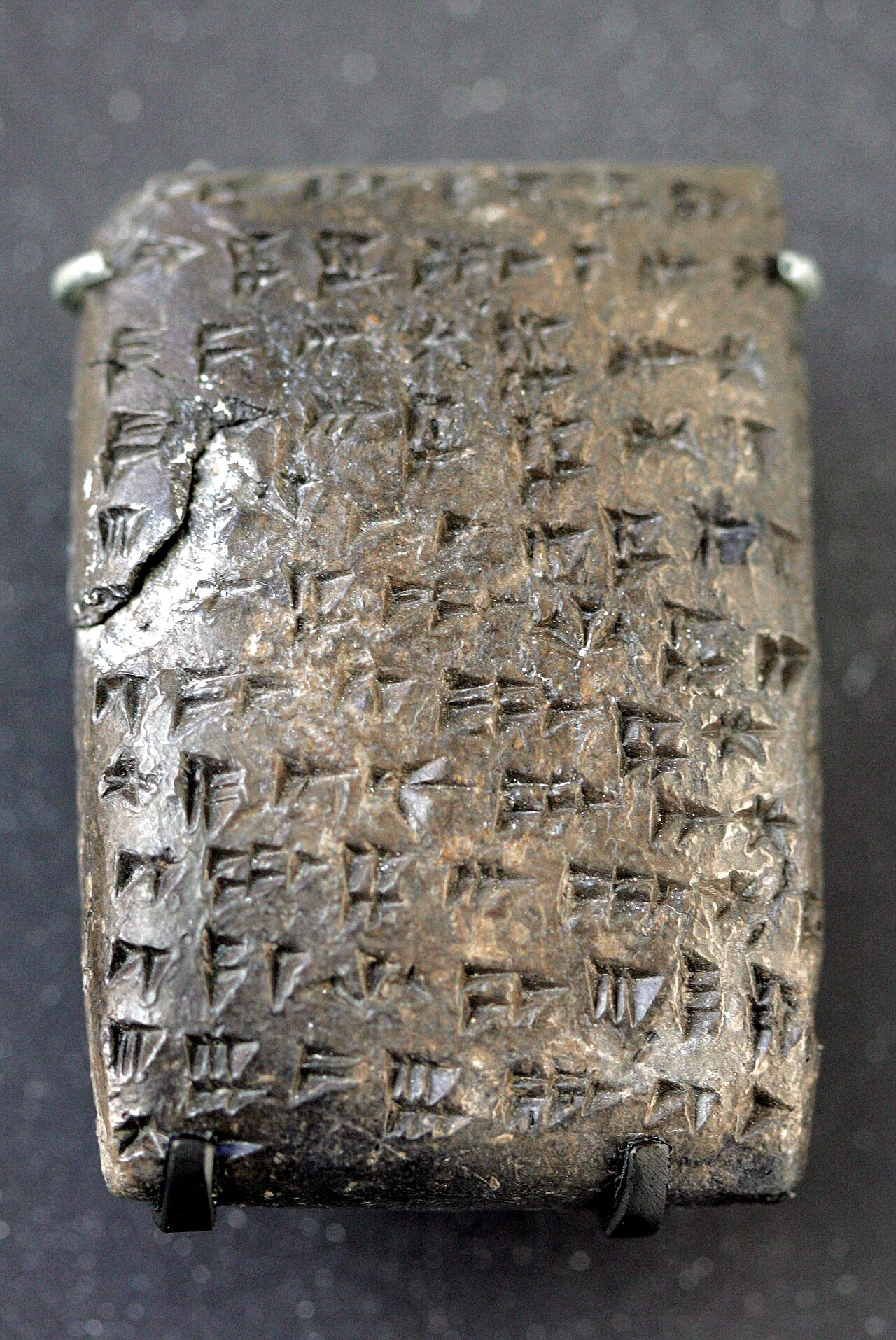
Hurrian-language incantation tablet from Ras Shamra, about 1400–1200 BCE, Louvre AO 12016. Rama, 20 October 2007. Evidence of Hurrian at Ugarit, not the Kumarbi-song tablet
Entidade
Ancient Near Eastern groups and language, prominent in northern Mesopotamia, the Levant and Anatolia in the second millennium BCE.
Variantes do nome: Hurrians
Contexto e fontes →
Pessoa
Researcher in Quranic manuscripts, reading traditions and written and oral transmission.
Variantes do nome: Hythem Sidky
Contexto e fontes →
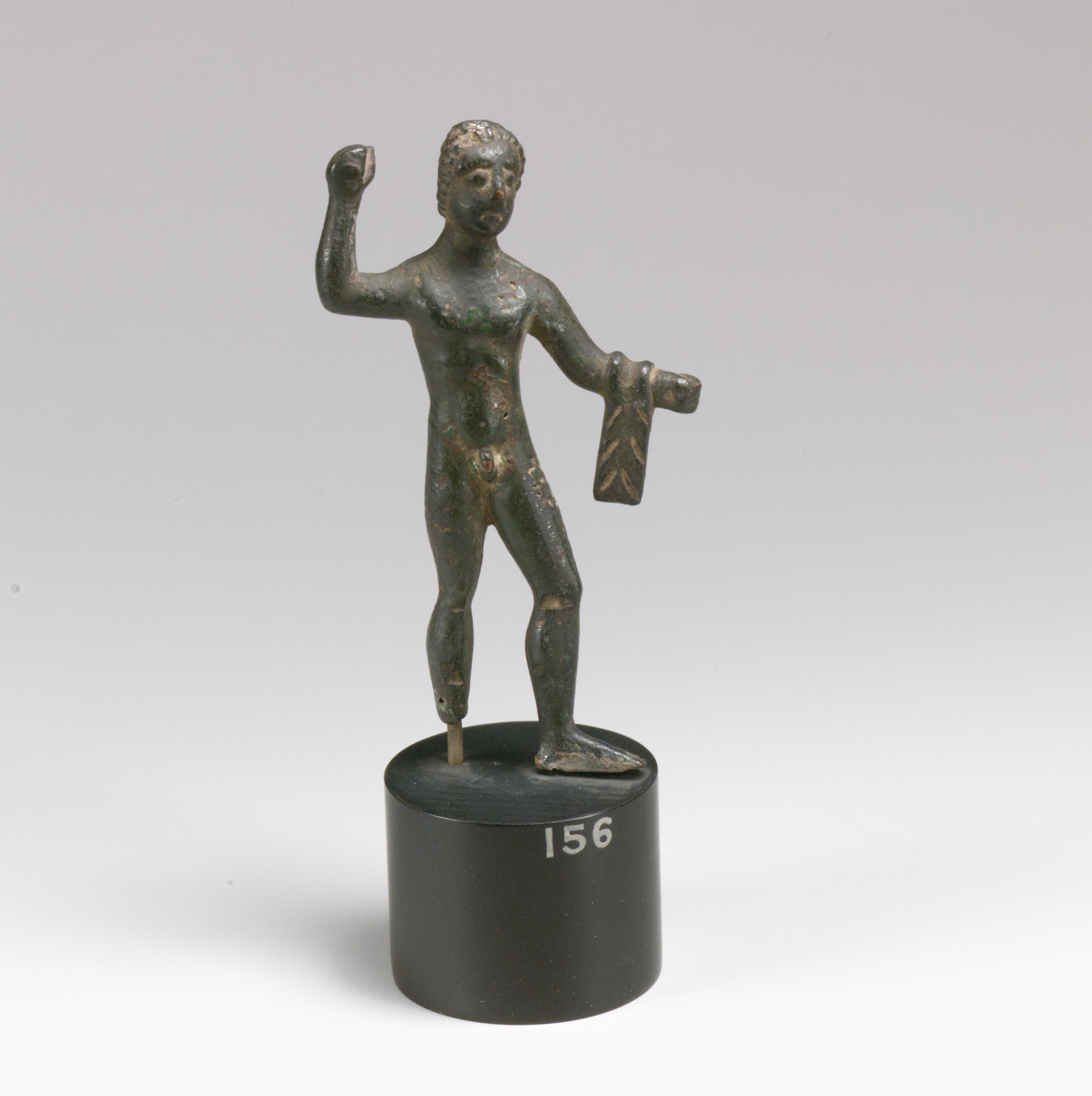
Bronze statuette of Heracles, Italic, about the third–first century BCE; Met 96.9.432. An ancient representation of the hero, not Alcestis’s rescue
Pessoa
A hero of Greek traditions, also known as Hercules; rescues Alcestis in Euripides’ play, while other witnesses depict his apotheosis.
Variantes do nome: Heracles, Greek hero
Contexto e fontes →
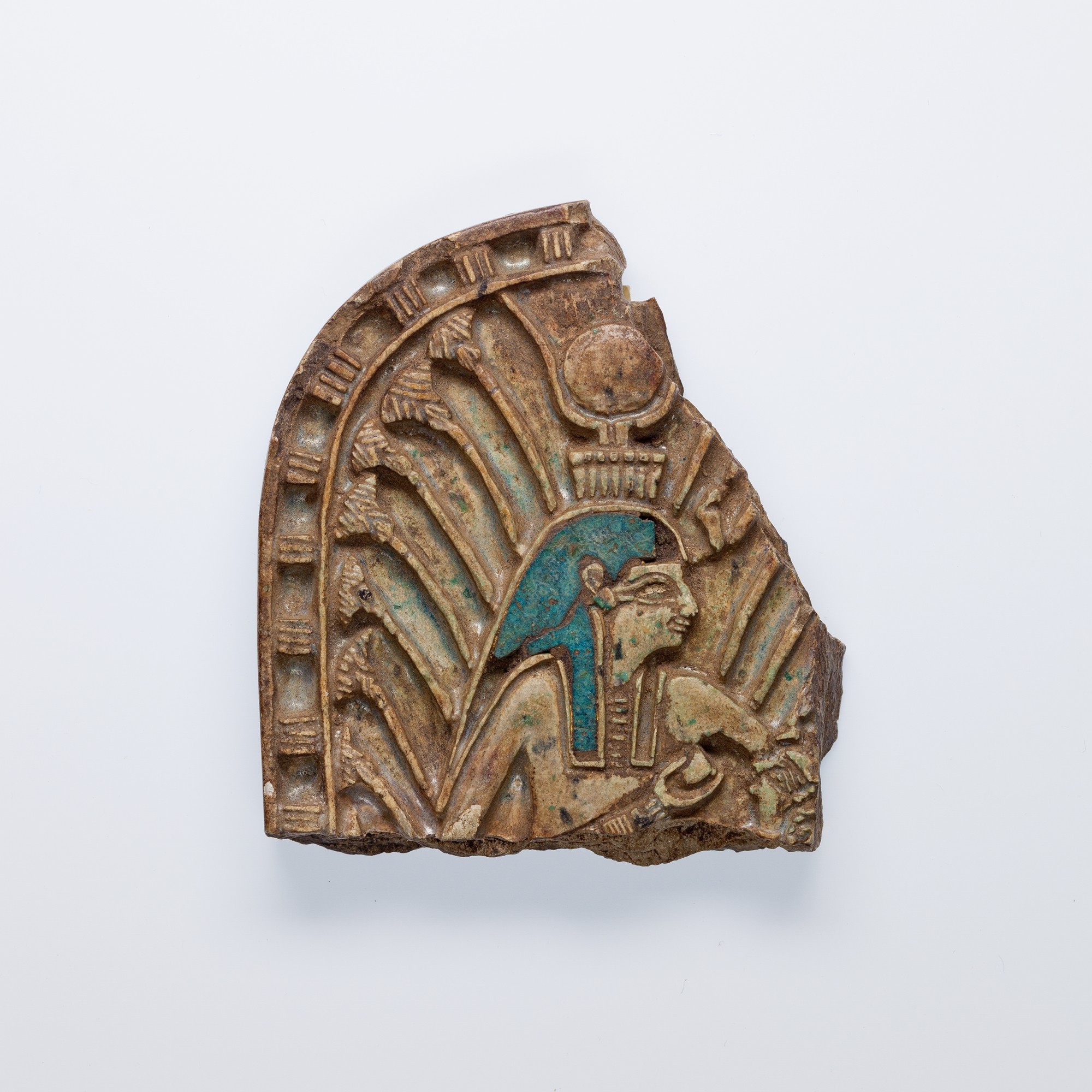
Isis nursing Horus among papyrus, about 1080–664 BCE, glazed steatite, Met 30.8.239. The museum tentatively identifies its original function as a box lid or menat counterpoise; not Papyrus Jumilhac
Entidade
Egyptian god associated with kingship and the sky, also appearing as the child protected by his mother Isis in marsh and nursing traditions.
Variantes do nome: Horus
Contexto e fontes →
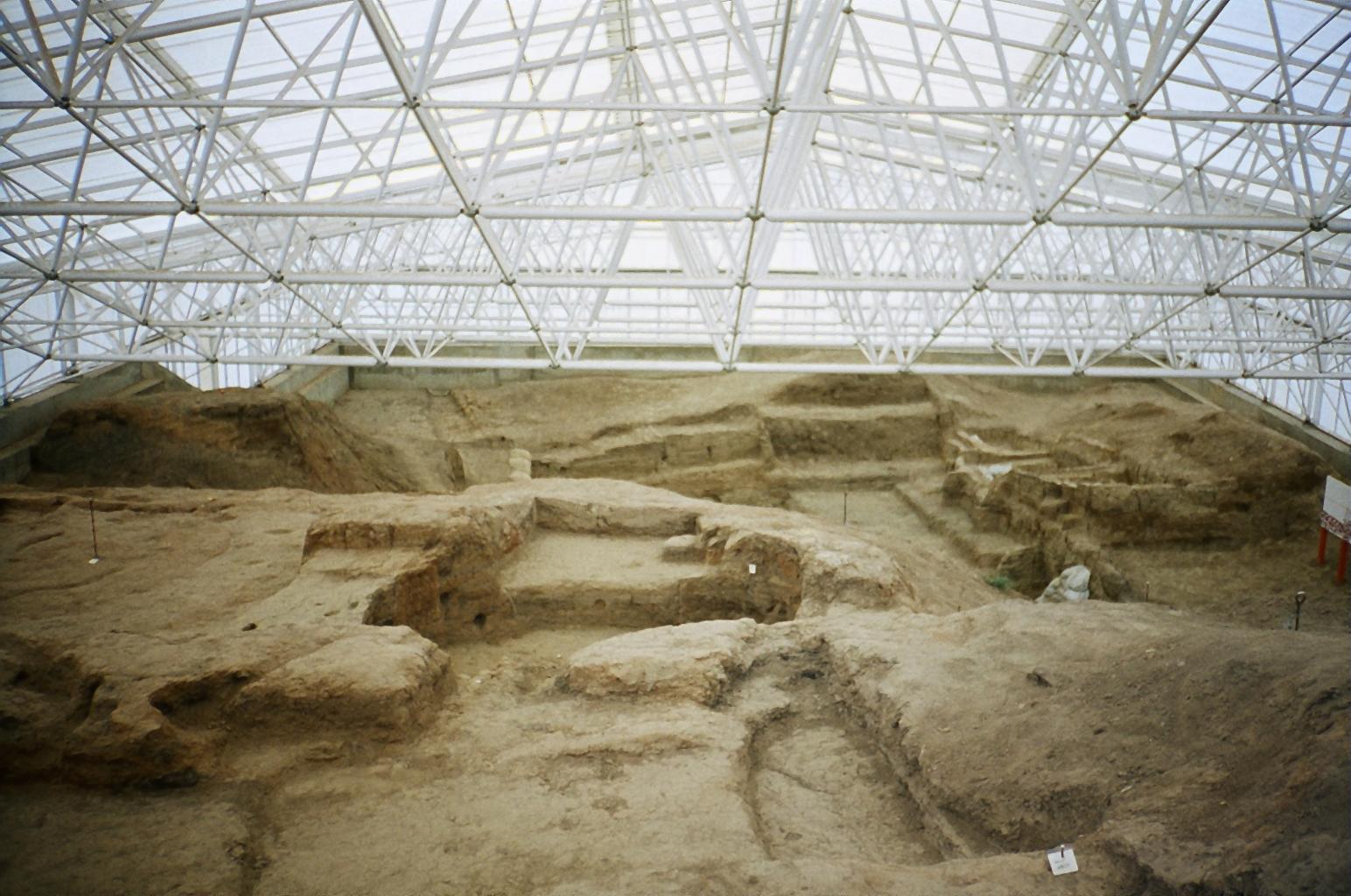
The south area at Çatalhöyük in 2003, under a modern shelter, during the project Ian Hodder directed. Not his portrait and not the houses while they were occupied
Pessoa
An archaeologist who directed the Çatalhöyük project from 1993 to 2018 and read its buildings as houses of dwelling and memory, not necessarily separate temples.
Variantes do nome: Ian Hodder
Contexto e fontes →
Pessoa
Archaeologist studying social organization, identity and village life, including Neolithic communities.
Variantes do nome: Ian Kuijt
Contexto e fontes →

The Whiteknights campus of the University of Reading, with the Humanities and Social Sciences building, 10 November 2007. A view of the university associated with Ian Rutherford’s work
Pessoa
Specialist in Greek literature and religion at the University of Reading, studying contacts with Anatolia and Egypt.
Variantes do nome: Ian Rutherford
Contexto e fontes →
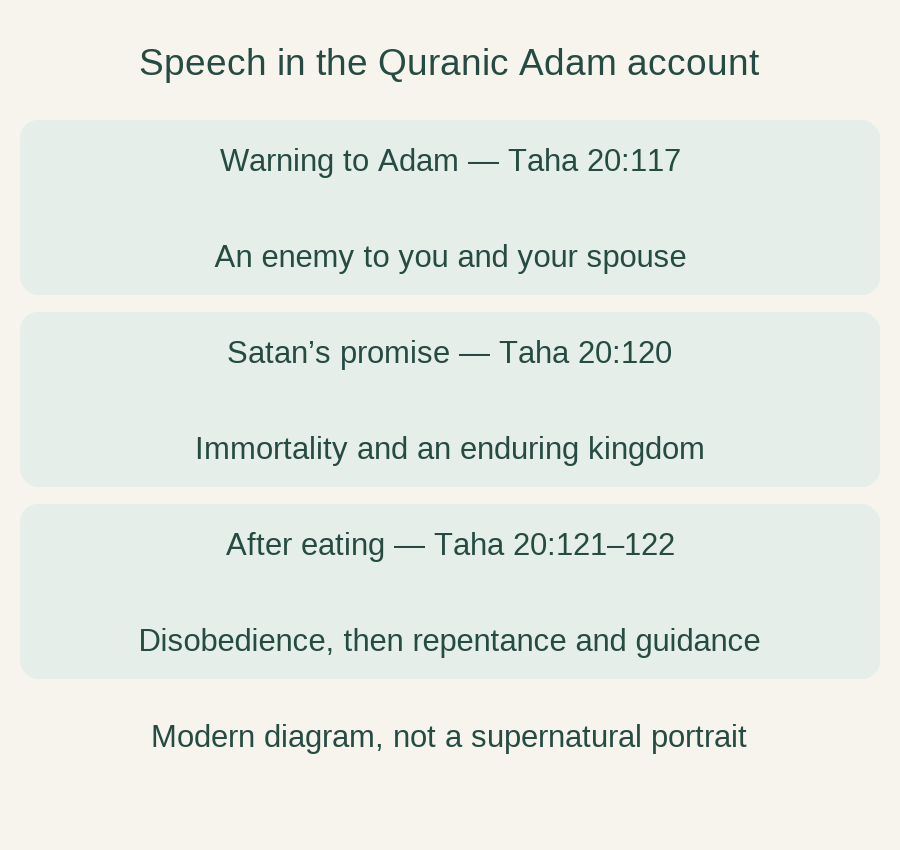
Modern diagram distinguishing the warning, Satan’s promise and the narrated aftermath of eating; not a portrait of Iblis
Entidade
Iblis names the figure who refuses to prostrate before Adam in the Quran; Taha places the promise of immortality on Satan’s lips in the temptation scene.
Variantes do nome: Iblis in the Quran
Contexto e fontes →