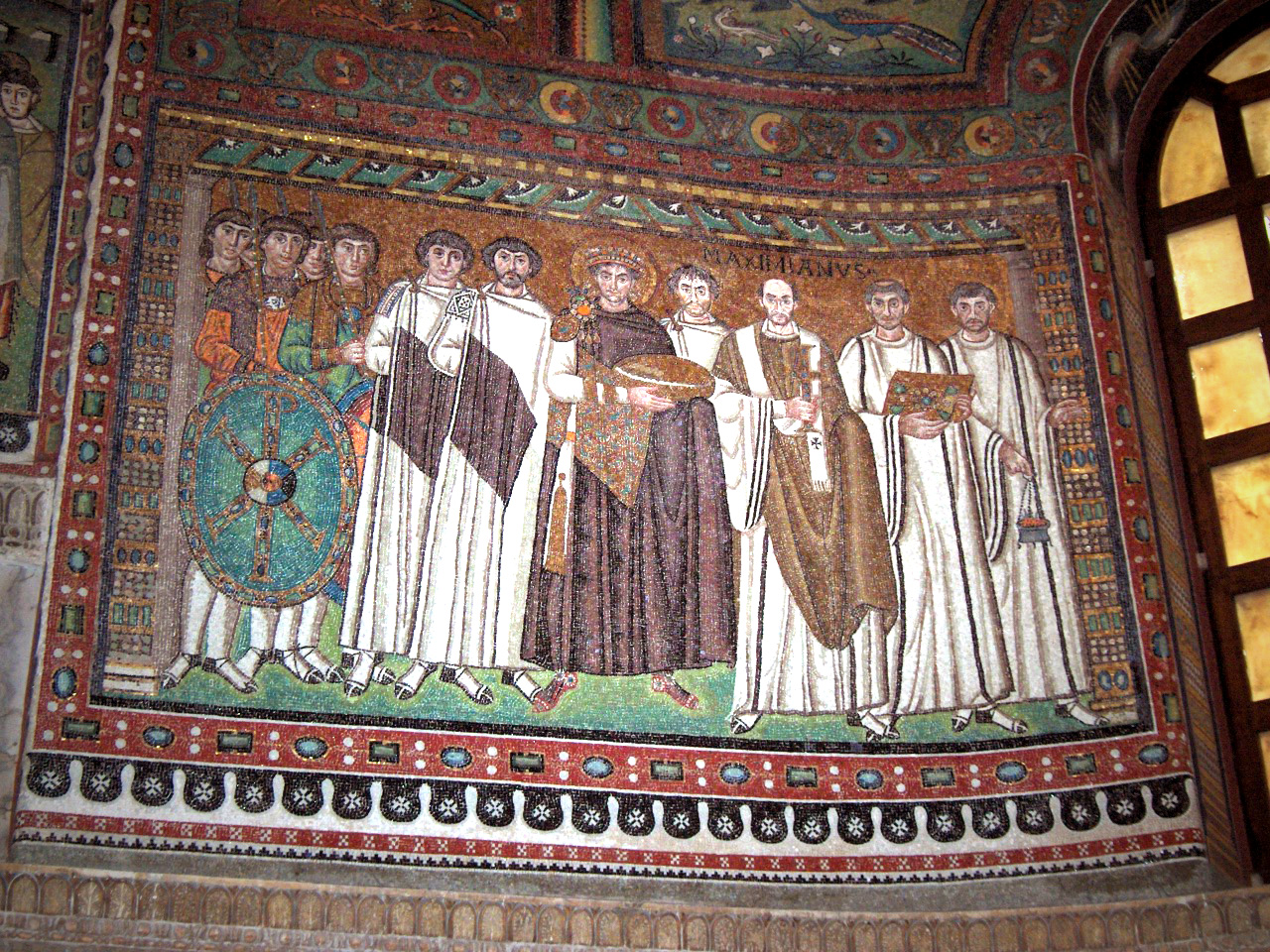
Sixth-century San Vitale mosaic at Ravenna portraying Justinian and his court. Contemporary imperial art, not a photograph or a barrier scene
Pessoa
Eastern Roman emperor from 527 to 565 CE; his reign is used in a proposed dating of a Syriac Alexander Legend layer.
Variantes do nome: Justinian I
Contexto e fontes →
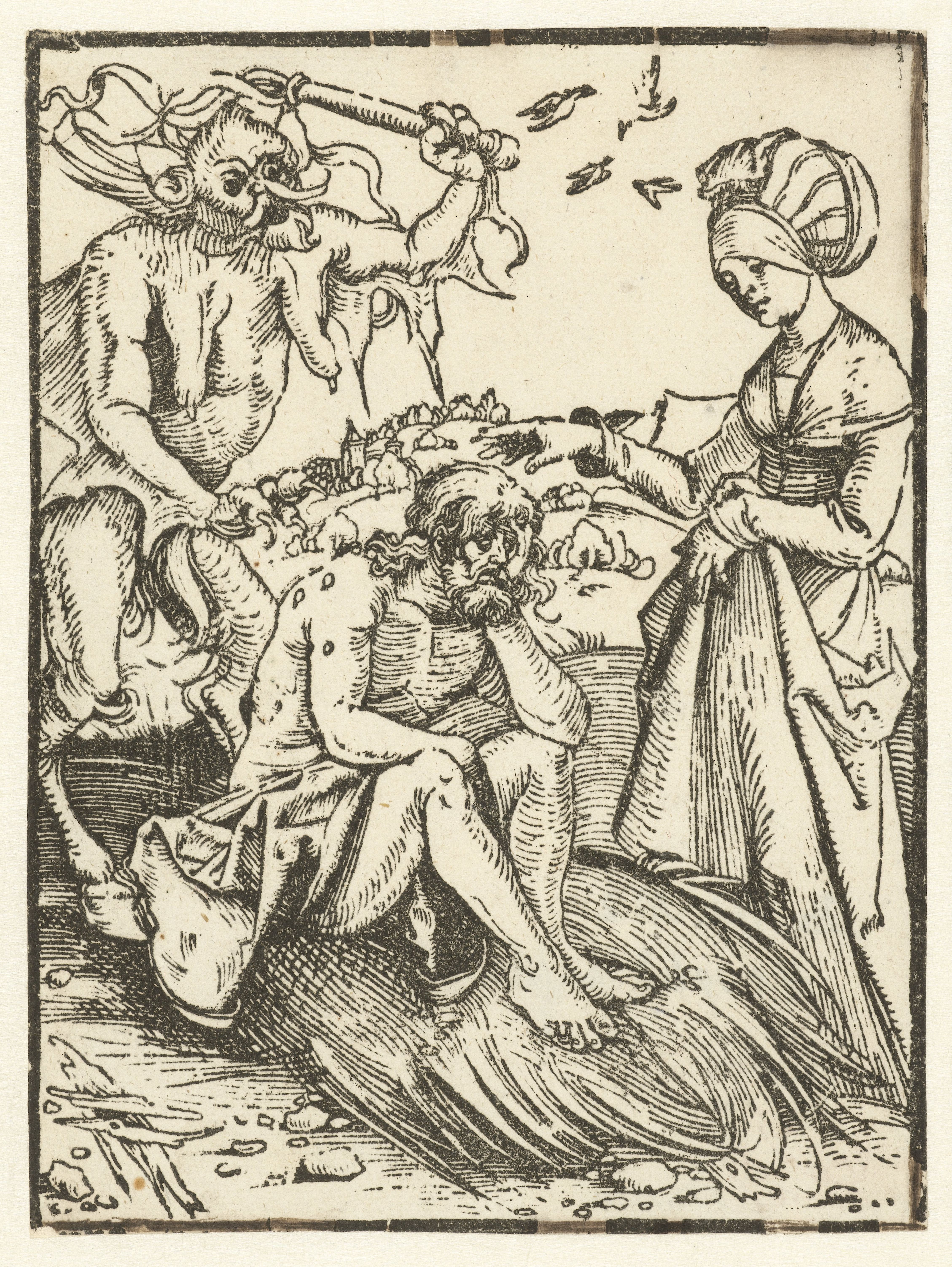
Job on the dunghill with his wife and a devil; woodcut from Albrecht Dürer’s school, Nuremberg, 1509, RP-P-OB-1550, Rijksmuseum. A later rendering, not a historical portrait
Pessoa
Central figure of the Book of Job, introduced as upright and subjected to suffering after a heavenly discussion of his fidelity.
Variantes do nome: Job
Contexto e fontes →
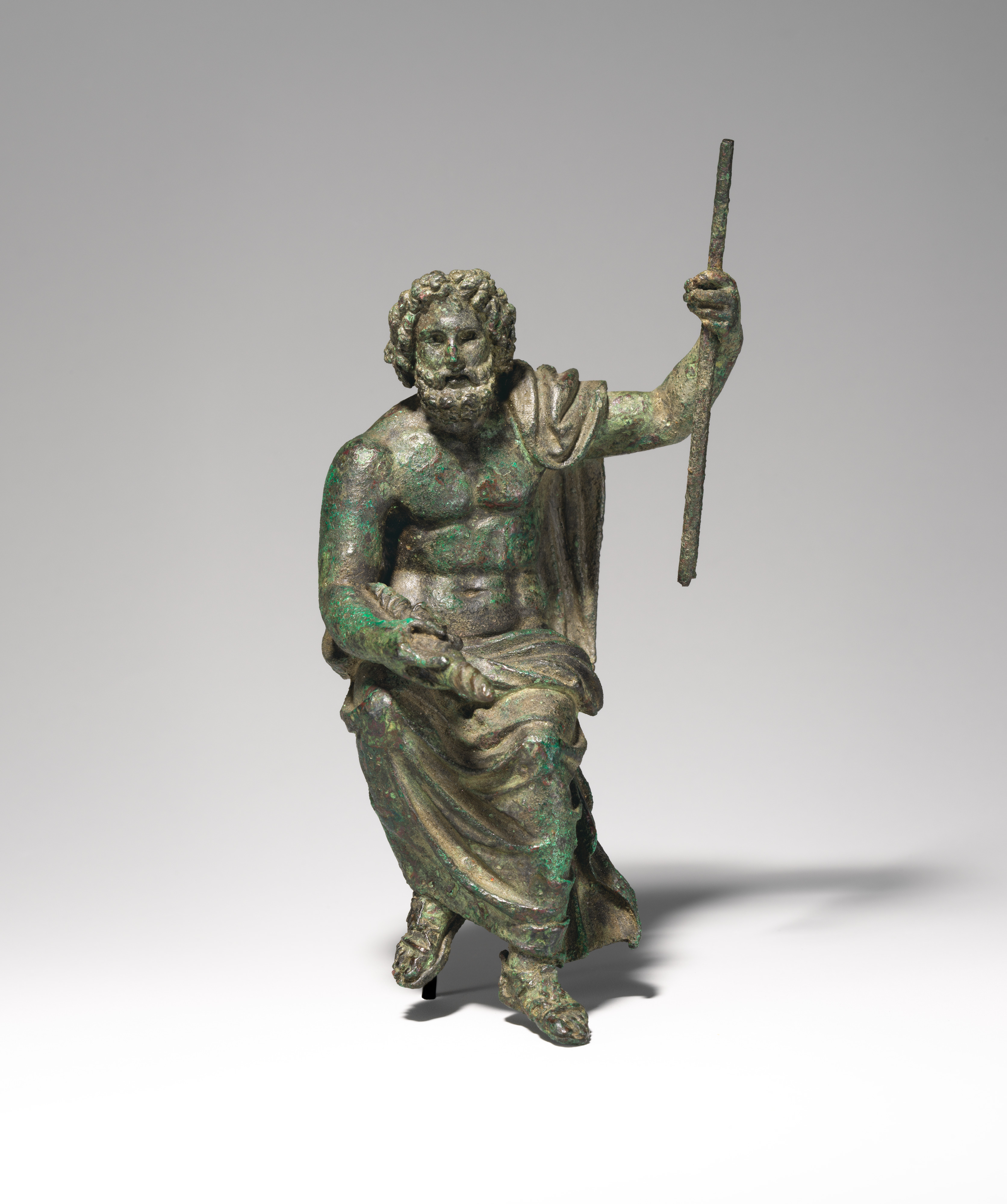
Bronze statuette of Jupiter Capitolinus, Roman, first–second century CE, Met 97.22.8. Evidence of the deity’s representation, not the flood decision scene
Entidade
Roman counterpart of Greek Zeus, deciding the flood in Ovid’s Metamorphoses.
Variantes do nome: Jupiter, Roman deity, Jove
Contexto e fontes →
Pessoa
Ancient Near Eastern iconography scholar and author of the IDD entry on Yam.
Variantes do nome: Jürg Eggler
Contexto e fontes →
Modern AI-generated symbolic cover with an imagined clay fragment, index cards and a magnifier. Not a photograph of an identified Ugaritic tablet or a verified transcription of its signs
Entidade
Abbreviation for a modern edition of alphabetic cuneiform texts. Its text references can be cross-identified with find numbers such as RS or RIH; they are not dates.
Variantes do nome: KTU, CAT, Ugaritic text references
Contexto e fontes →

Modern abstract illustration of intersecting questions and arguments in kalām; neither a historic manuscript nor a school-specific diagram
Entidade
Diverse traditions of argument about Islamic doctrine, addressing scripture, divine attributes, justice, prophecy and human agency, with shifting relations to law and philosophy.
Variantes do nome: Kalām, Islamic theology, kalām theology
Contexto e fontes →
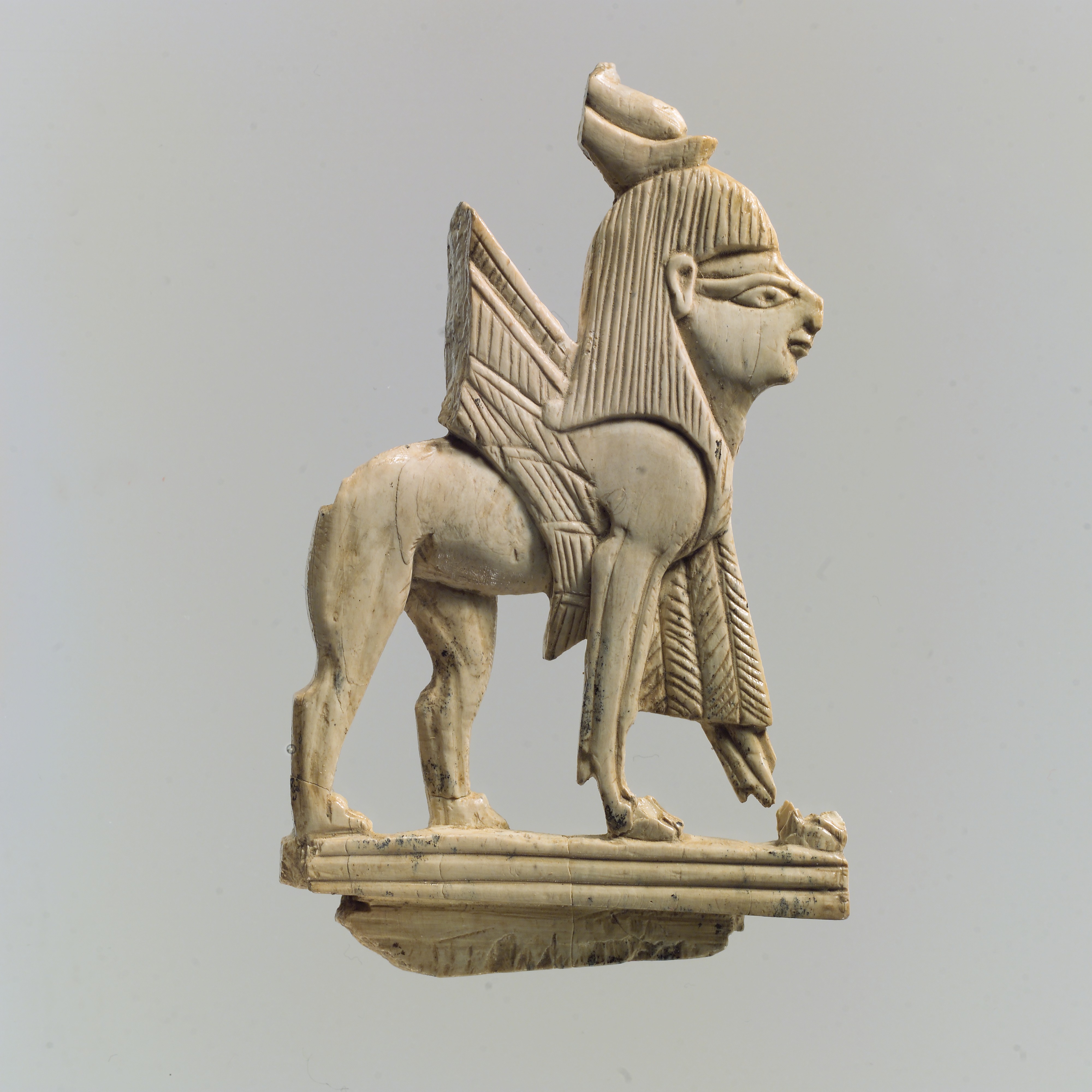
Ivory winged-sphinx plaque from Nimrud, ca. ninth–eighth centuries BCE; Met 61.197.3. Visual comparison, not the kapporet or an identified biblical cherub
Entidade
Gold object above the biblical Ark, associated with cherubim, divine speech, and the purification rite of Leviticus 16. “Atonement cover” names its position and ritual role; “mercy seat” does not establish a chair.
Variantes do nome: kapporet, kappōret, mercy seat
Contexto e fontes →
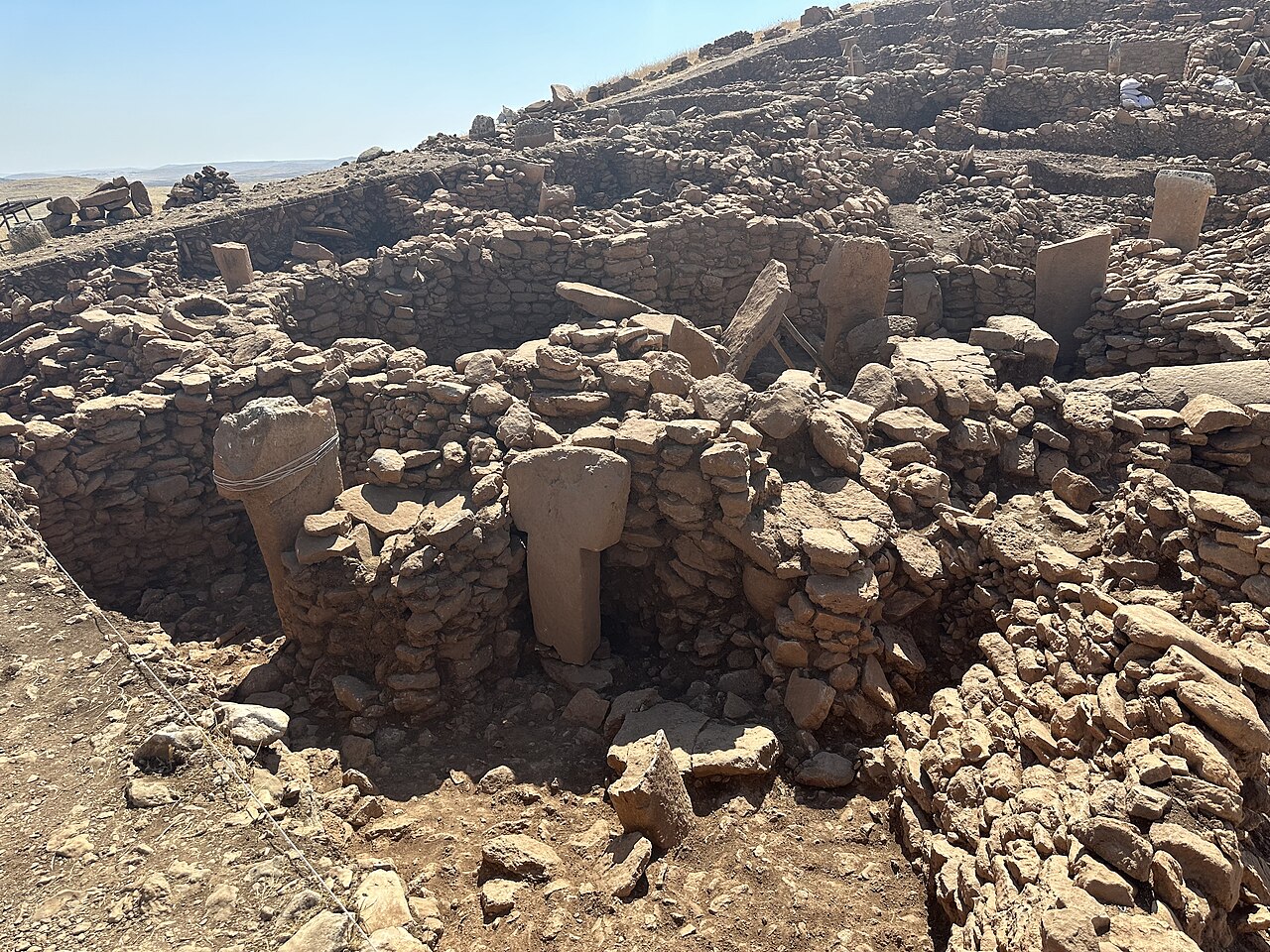
The Karahantepe excavation on 22 August 2024. Ropes and work supports are modern. The T-shaped pillar in this frame is not the faced pillar announced in 2025, and the photograph is not a reconstruction of the Neolithic site
Sítio
An excavation area in the Taş Tepeler project in southeastern Anatolia, where a faced T-shaped pillar was announced in 2025.
Variantes do nome: Karahantepe, Karahan Tepe
Contexto e fontes →
Pessoa
Biblical Greek and Septuagint scholar, professor emerita at Wheaton; translator of the Esther traditions in NETS.
Variantes do nome: Karen H. Jobes, Karen Jobes
Contexto e fontes →

Bockman Hall on Luther Seminary’s campus in Saint Paul, Minnesota, photographed on 5 January 2013. This institutional view provides context for Kathryn Schifferdecker’s work as an Old Testament professor at the seminary
Pessoa
Old Testament scholar at Luther Seminary, studying biblical interpretation and creation theology in Job.
Variantes do nome: Kathryn Schifferdecker, Kathryn M. Schifferdecker
Contexto e fontes →
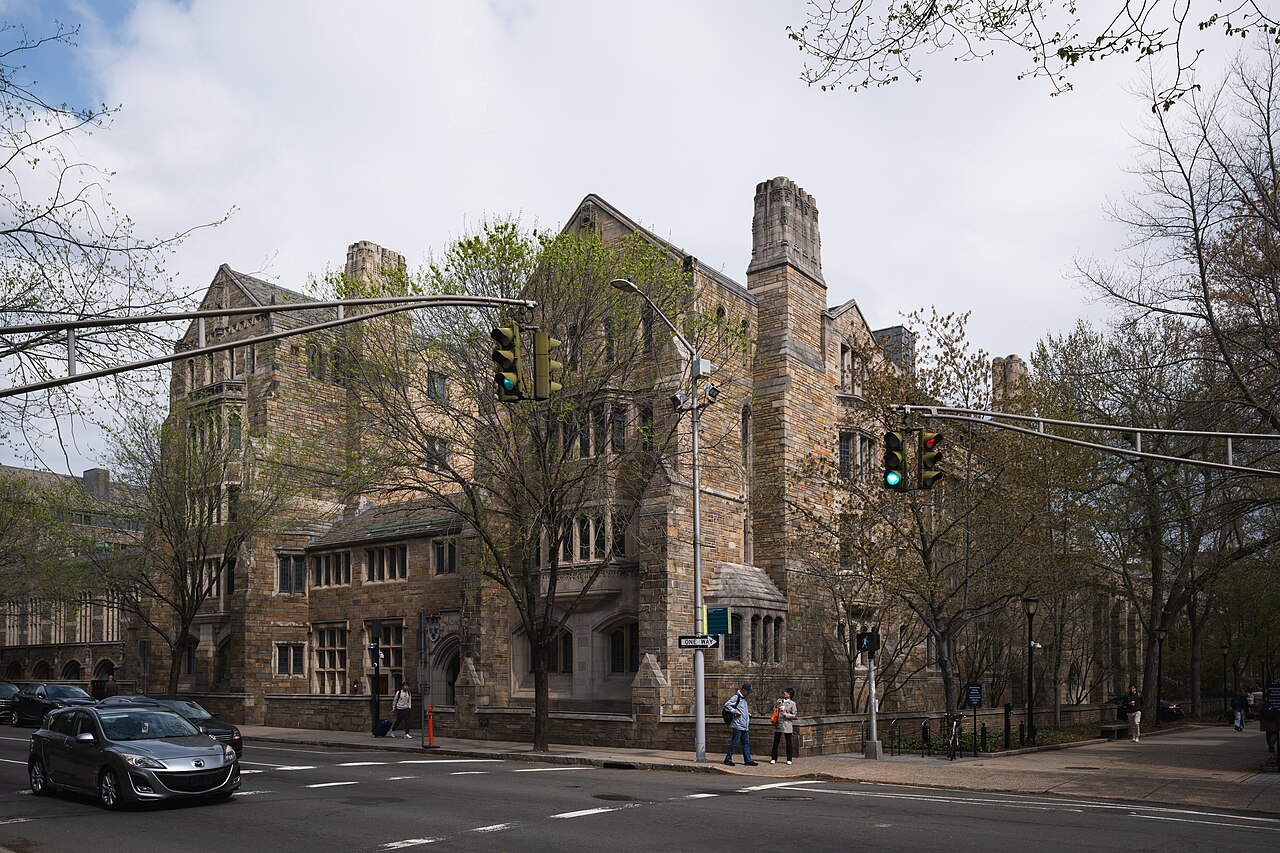
Sterling Memorial Library at Yale University in New Haven, Connecticut, on 20 April 2026, seen from Elm and High Streets. It provides context for the university that Kathryn Slanski joined in 2004
Pessoa
Yale scholar of Mesopotamia, studying texts, images, inscribed monuments, law and authority.
Variantes do nome: Kathryn Slanski, Kathryn E. Slanski
Contexto e fontes →
Pessoa
Purdue professor of Classics, Religious Studies and Comparative Literature, studying ancient myth and literature.
Variantes do nome: Keith Dickson
Contexto e fontes →
Pessoa
Archaeologist studying houses, everyday life and social change, who applied building biography to Çatalhöyük.
Variantes do nome: Kevin Kay
Contexto e fontes →
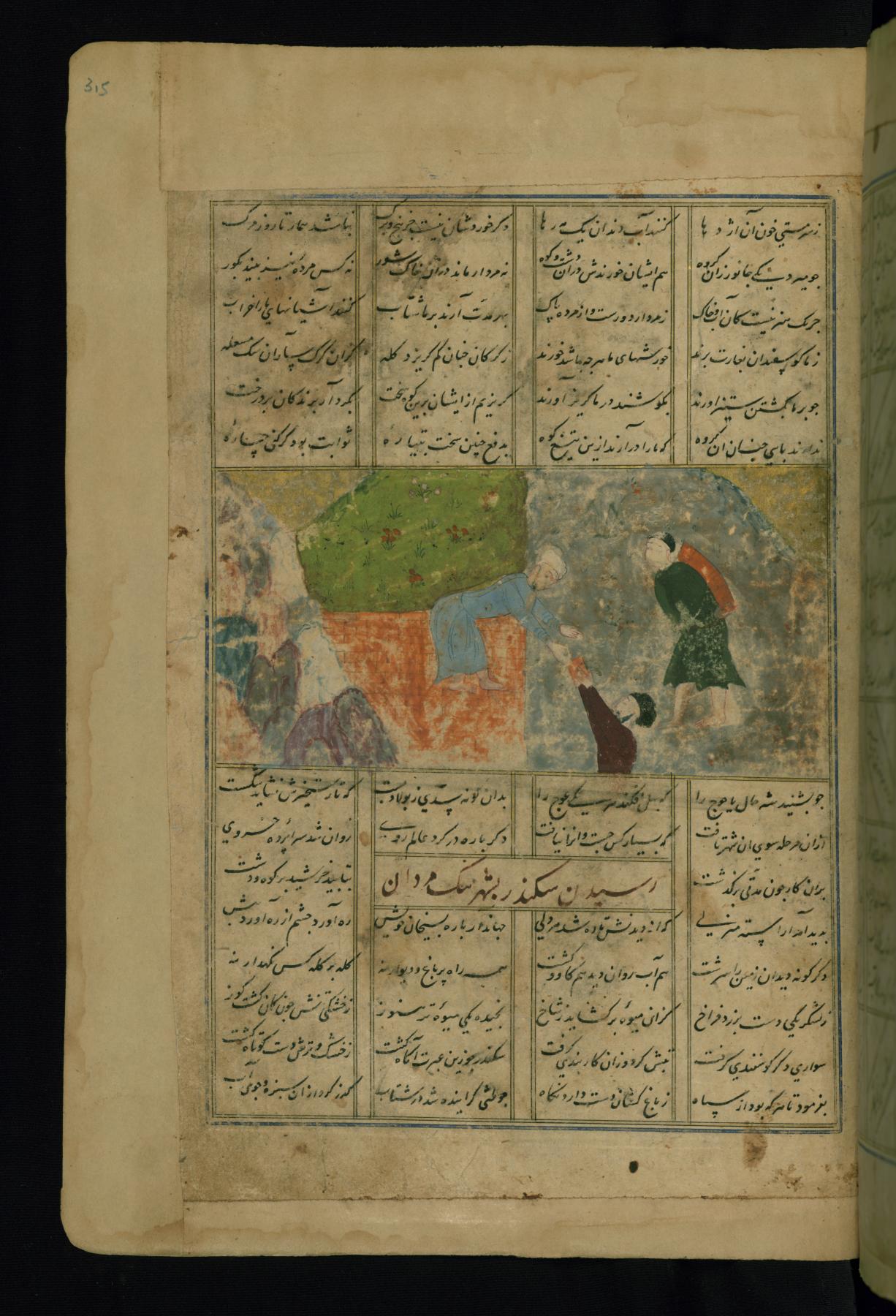
A Persian scene of Alexander building the wall, dated 1481. It is a later witness to the story, not the Syriac text studied by van Bladel or his portrait. Walters Art Museum, W.604.315A
Pessoa
Philologist and historian of the Near East and the transmission of learning across languages.
Variantes do nome: Kevin van Bladel
Contexto e fontes →

Modern imagined meeting of waters with a fish; not a photograph of an identifiable location, an ancient artifact or a documented reconstruction of Moses and Khidr’s journey
Pessoa
Khidr is the name given in hadith and exegesis to the servant accompanying Moses in Qur’an 18:60–82; the verses leave him unnamed, and later Sufi and popular portrayals vary.
Variantes do nome: Khidr, al-Khidr, al-Khiḍr
Contexto e fontes →
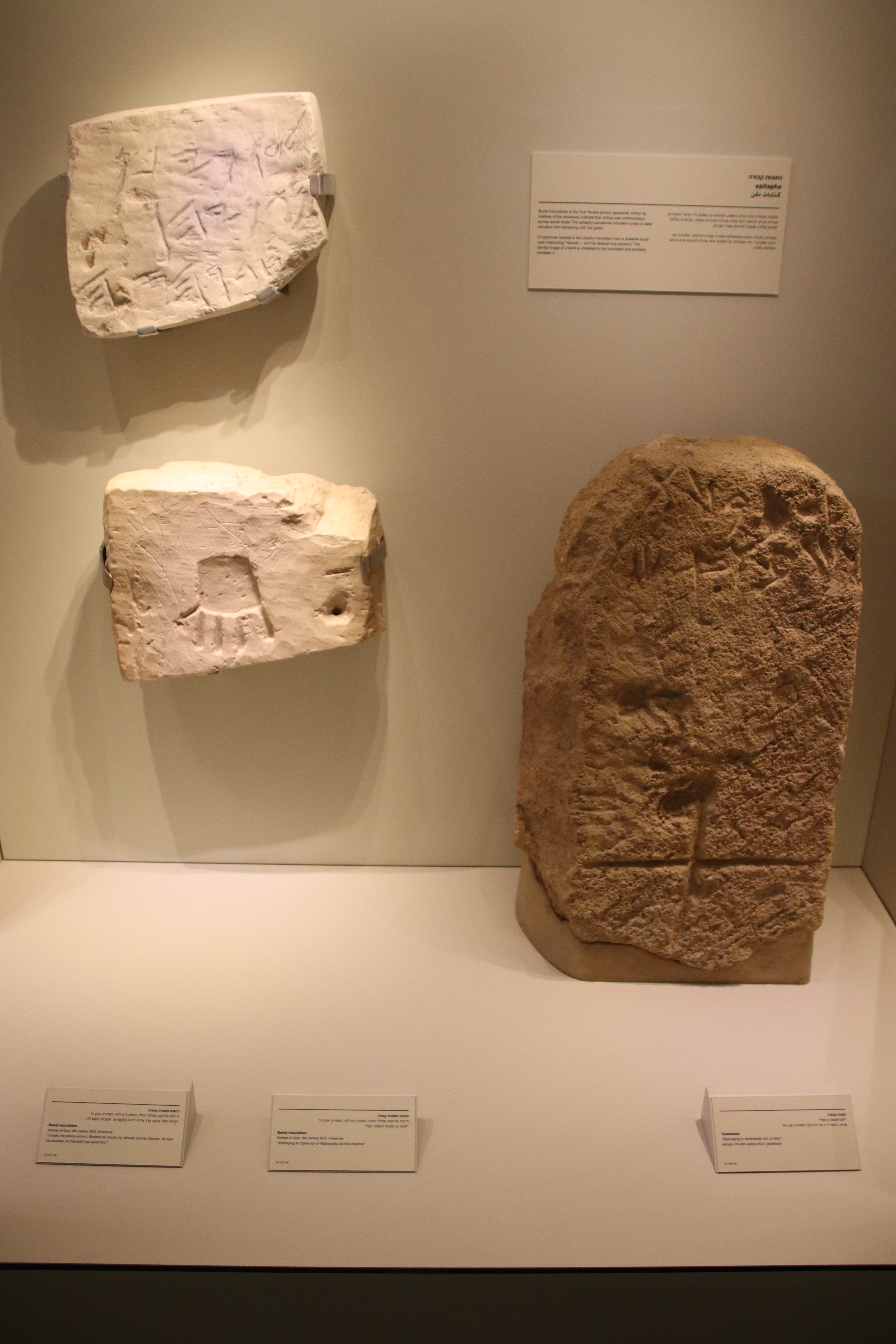
Museum display photographed by Gary Todd in 2018: the Uriyahu inscription from Khirbet el-Qom is the pale stone with the hand at lower left. Above it is another burial inscription from the site; the large object at right is a separate tombstone from Achziv. This is a modern display at the Israel Museum, Jerusalem, not the original tomb setting
Sítio
Site west of Hebron known for an eighth-century BCE funerary inscription commonly associating Yahweh with “his asherah”; damaged text and readings disputed.
Variantes do nome: Khirbet el-Qom, Khirbet el-Qôm, el-Qom inscription
Contexto e fontes →
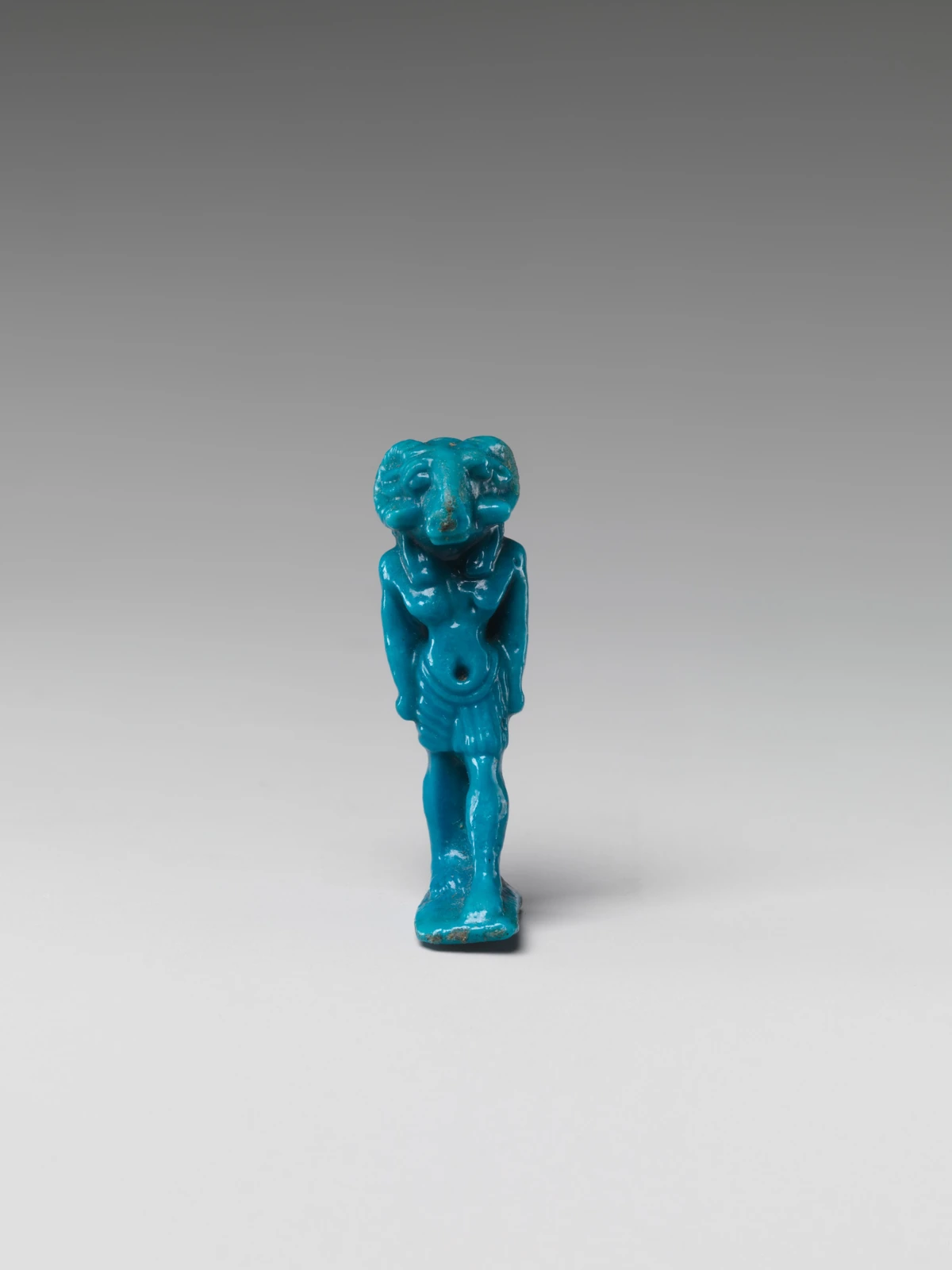
Faience amulet of Khnum from Thebes, Ptolemaic Period, 332–30 BCE, Metropolitan Museum 26.7.884. Later than the Elephantine petition and from another location; it illustrates the ram-headed god
Entidade
Egyptian god represented with a ram’s head; his priests appear in the Elephantine petition’s account of the 410 BCE destruction.
Variantes do nome: Khnum
Contexto e fontes →
Pessoa
Bioarchaeologist whose research includes human remains and cranial modification in the ancient Near East.
Variantes do nome: Kirsi O. Lorentz, Kirsi Lorentz
Contexto e fontes →
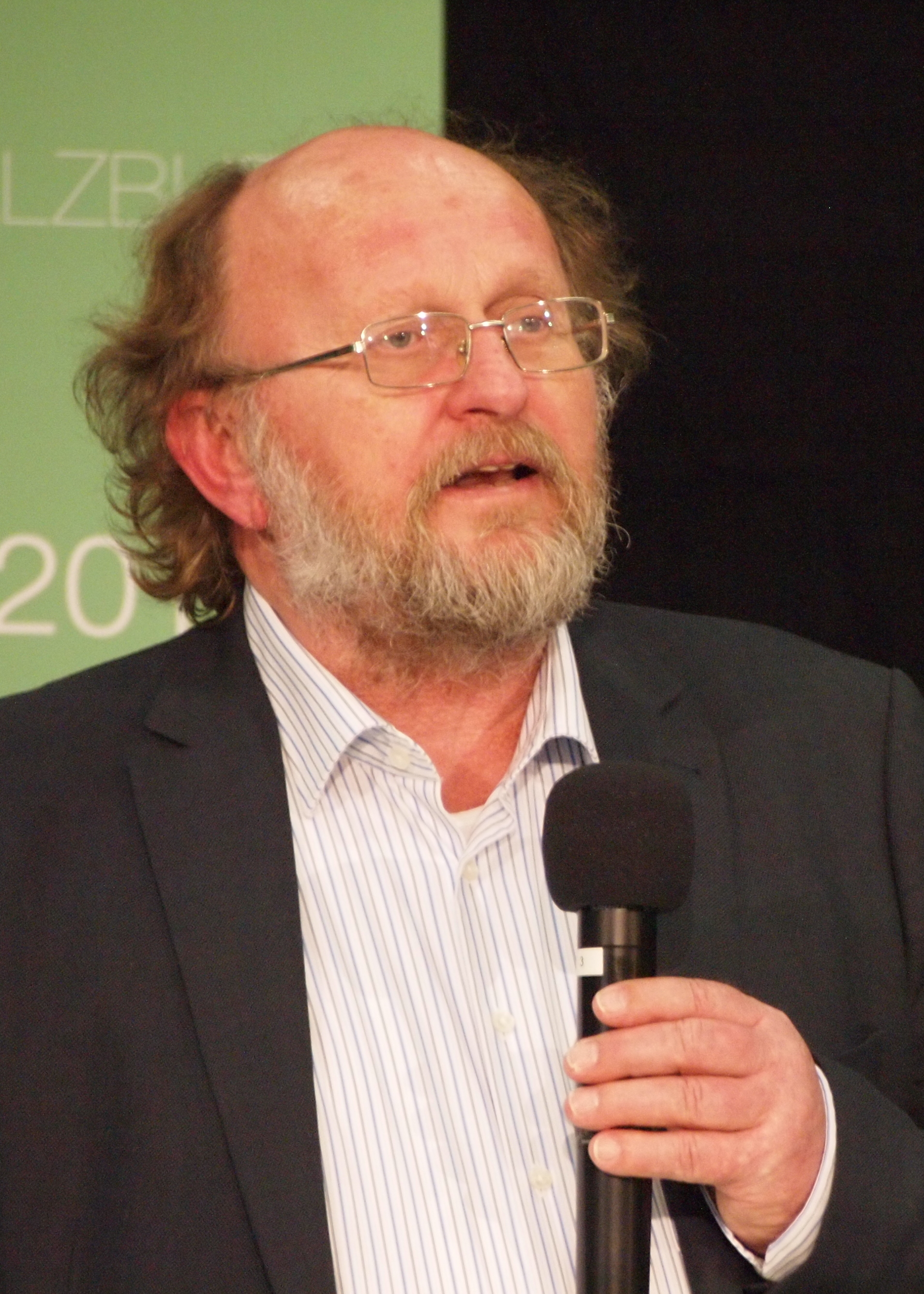
Klaus Schmidt, the Göbekli Tepe archaeologist, at the Monumento fair in Salzburg on 16 January 2014. Not a photograph from the excavation
Pessoa
A German prehistorian who directed the Göbekli Tepe excavations from 1995 until his death on 20 July 2014.
Variantes do nome: Klaus Schmidt
Contexto e fontes →
Pessoa
Scholar of the Hebrew Bible and ancient Judaism studying the Pentateuch’s literary history and the formation of biblical texts.
Variantes do nome: Konrad Schmid
Contexto e fontes →

Modern AI-generated symbolic scene combining a forge and a coastal storm to evoke Kothar-wa-Hasis’s literary role; not an archaeological site, weapon, palace or authenticated reconstruction
Entidade
Ugaritic divine craftsman who makes Baal’s weapons, builds his palace and proposes its window; also associated with Aqhat’s bow. No securely identified ancient portrait.
Variantes do nome: Kothar-wa-Hasis, Kothar-wa-Khasis
Contexto e fontes →
Pessoa
Scholar of ancient Judaism and rabbinic literature; associate professor of Jewish studies at Florida Atlantic University.
Variantes do nome: Kristen H. Lindbeck
Contexto e fontes →

Modern AI-generated symbolic cover evoking succession between sky, earth and storm; neither an artefact nor an ancient depiction of Kumarbi
Entidade
Hurrian god in Hittite songs from Hattusha; he overthrows Anu and carries the storm god. A study of CTH 344, contested genealogy, and Greek parallels.
Variantes do nome: Kumarbi
Contexto e fontes →
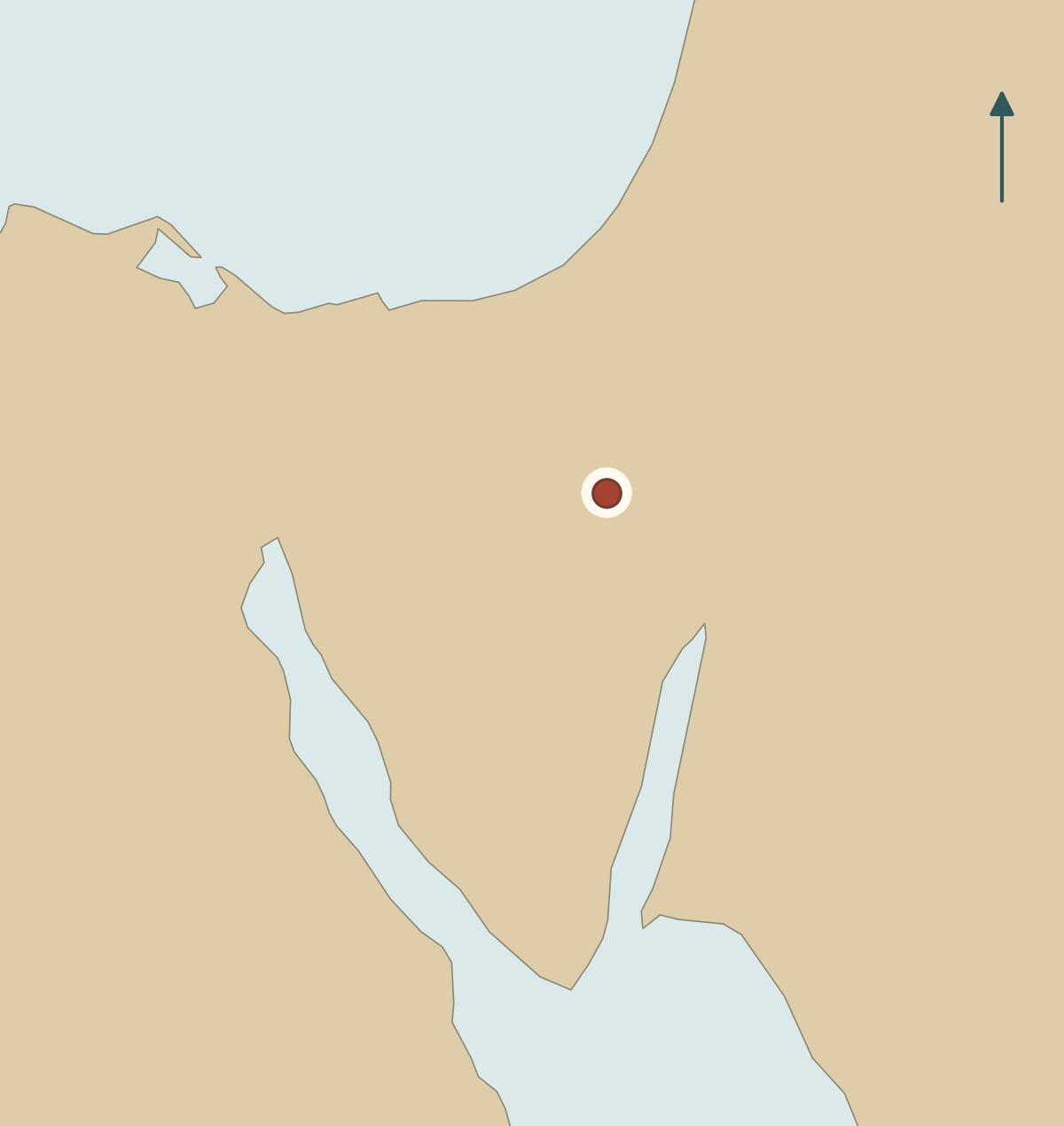
Modern locator derived from Natural Earth data: the red point marks Kuntillet ʿAjrud approximately within Sinai; the arrow points north. The Mediterranean is above, the gulfs of Suez and Aqaba below. Not an excavation plan or a map of ancient routes or borders
Sítio
A Sinai site with blessings invoking Yahweh of Samaria/Teman and “his asherah” around 800 BCE; inscriptions illuminate religion and writing, while the site’s function and imagery remain debated.
Variantes do nome: Kuntillet Ajrud, Kuntillet ʿAjrud, Quntillet Ajrud, Horvat Teman
Contexto e fontes →
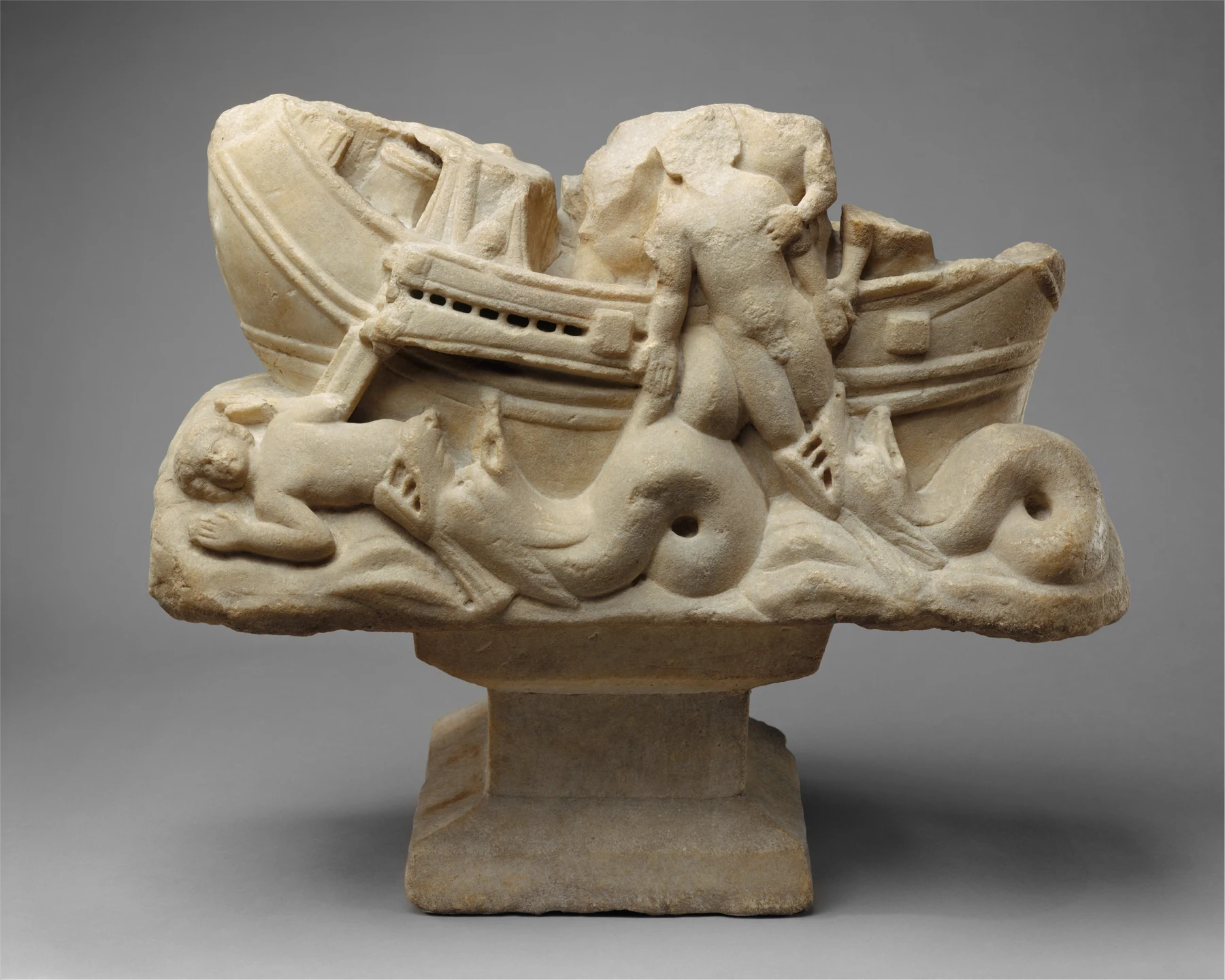
Roman marble table base from Asia Minor, early fourth century CE: Jonah is swallowed and released by a fantastic kētos beneath a ship. The Met, 77.7. Later Christian art, not zoological evidence for the Hebrew “great fish.”
Entidade
Kētos (κῆτος) is a Greek common noun for large real or imagined sea creatures, including mythical monsters and the creature in Greek Jonah and Matthew. It is not one modern species.
Variantes do nome: kētos, ketos
Contexto e fontes →
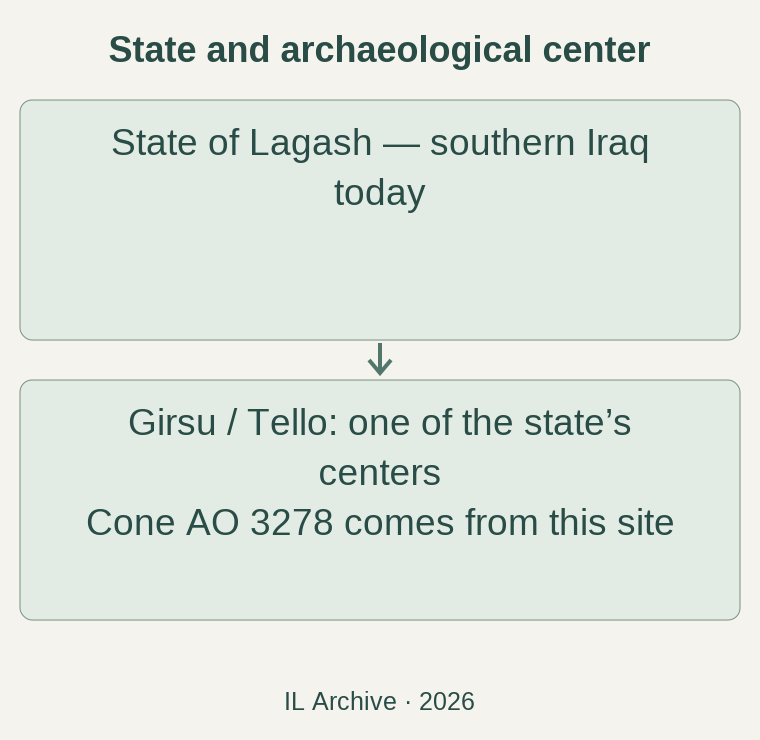
Modern diagram of the relationship or demand in the specified text; not an artifact photograph, a divine likeness or a portrait
Sítio
City-state in present-day southern Iraq; Girsu was one of its centers associated with royal inscriptions.
Variantes do nome: Lagash, Sumerian city-state
Contexto e fontes →
Pessoa
Papyrologist who co-edited a papyrus with the clay-sparrow episode.
Variantes do nome: Lajos Berkes
Contexto e fontes →
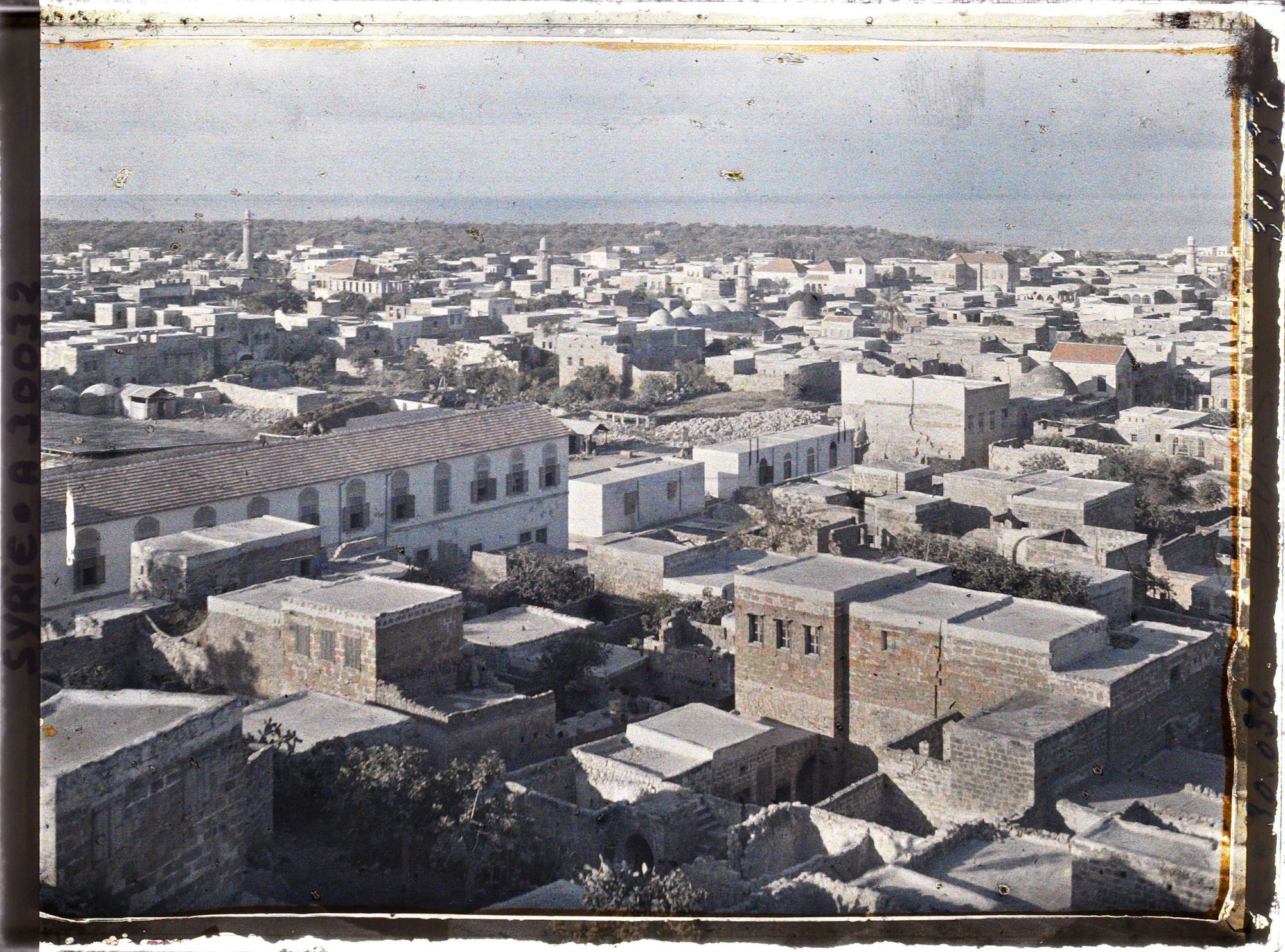
Latakia photographed by Frédéric Gadmer on 27 October 1921, an autochrome, A30032S. A historical city view, rather than the ruins of Ugarit. Musée Albert-Kahn, Département des Hauts-de-Seine
Sítio
A coastal city in Syria, south of ancient Ugarit at Ras Shamra.
Variantes do nome: Latakia, Lattakia
Contexto e fontes →
Pessoa
Egyptologist studying the erasure of divine names and images in the Amarna period.
Variantes do nome: Laura Taronas
Contexto e fontes →
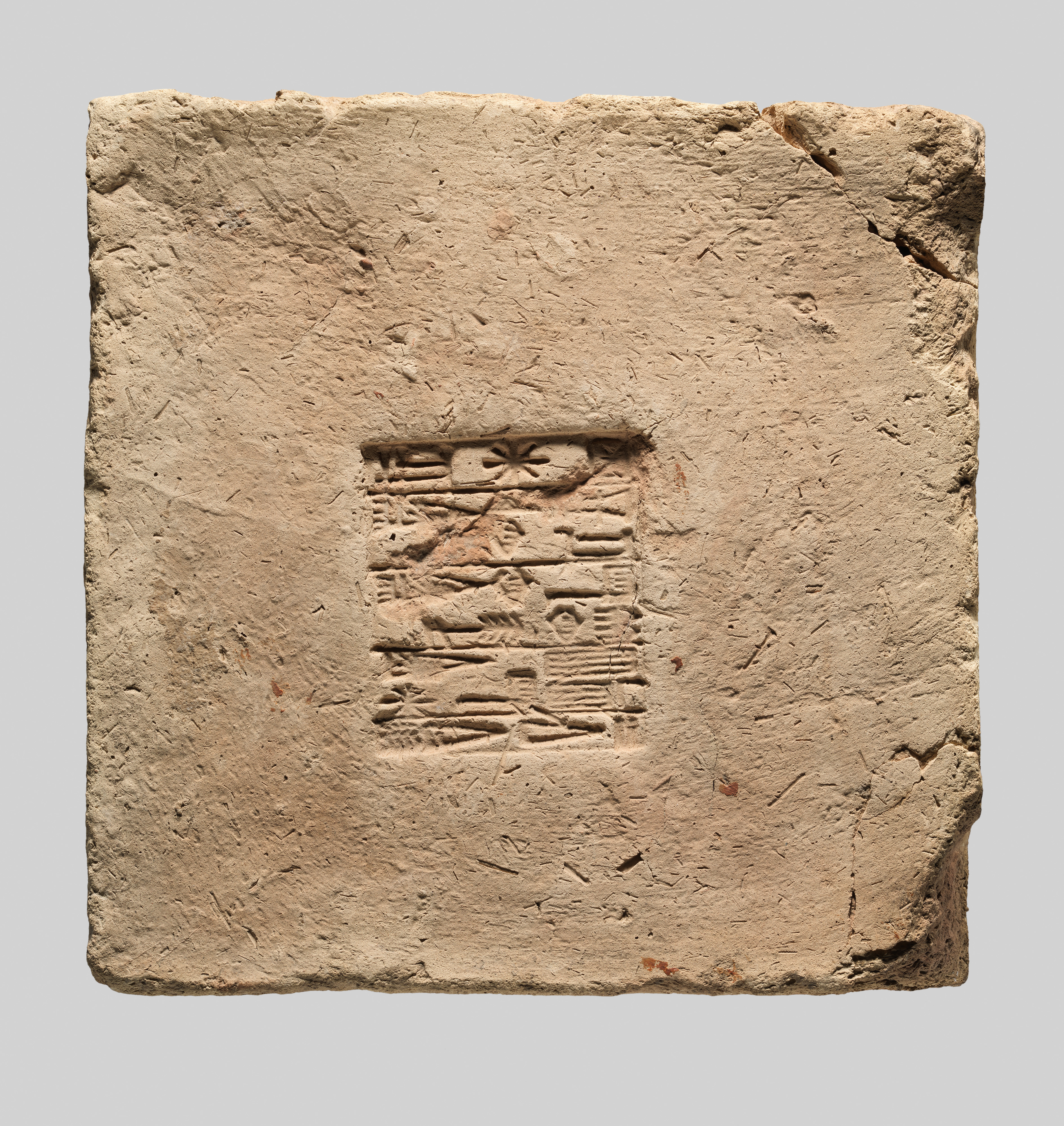
Brick naming Ur-Nammu, ca. 2112–2095 BCE, Met 59.41.86. A royal building inscription, not a copy of the laws or the brother’s-wife clause
Texto antigo
Sumerian laws attributed to Ur-Namma, read through witnesses and composite editions.
Variantes do nome: Laws attributed to Ur-Namma
Contexto e fontes →
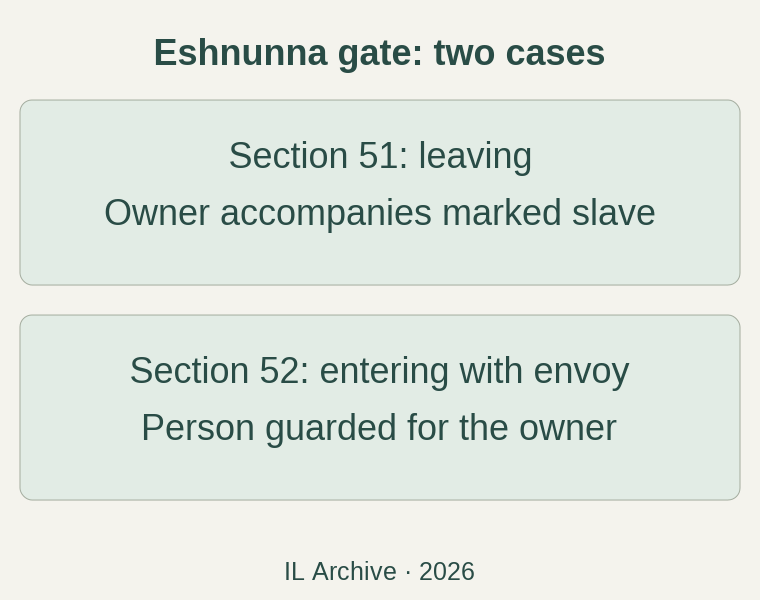
Modern diagram of the specified cases or direction of action, not an artifact photograph or portraits and not reconstruction of documented practice
Texto antigo
Old Babylonian Akkadian legal collection addressing transactions, injury and dependence.
Variantes do nome: Laws of Eshnunna
Contexto e fontes →
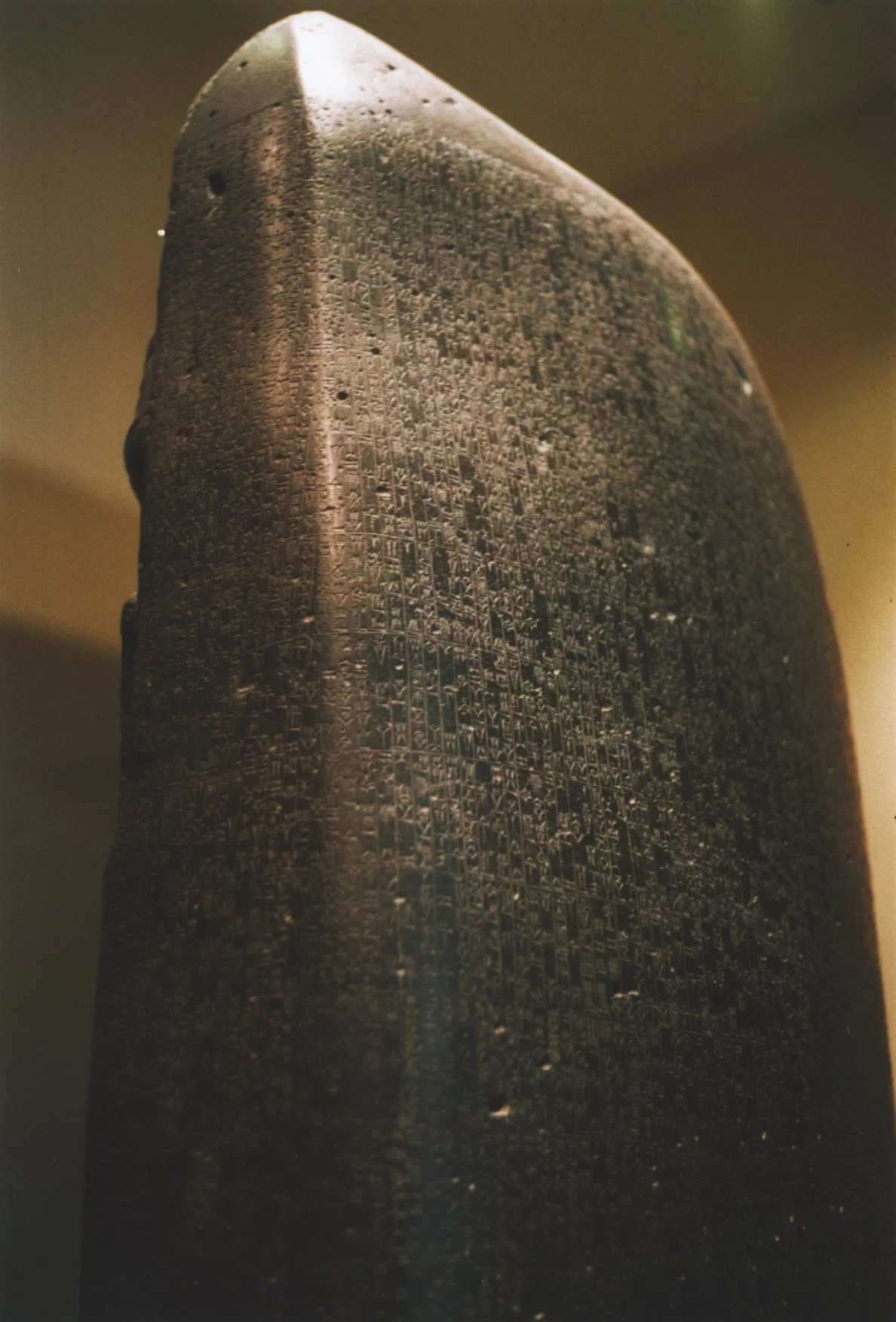
An inscribed face of Hammurabi’s stele, Louvre SB 8, eighteenth century BCE. This photograph shows cuneiform, not the upper king-and-Shamash relief. Photograph: Rama; CC BY-SA 3.0 France
Texto antigo
An eighteenth-century BCE Babylonian legal text in Akkadian, presenting property, family, labor and injury provisions within Hammurabi’s account of justice.
Variantes do nome: Laws of Hammurabi, Hammurabi’s laws
Contexto e fontes →
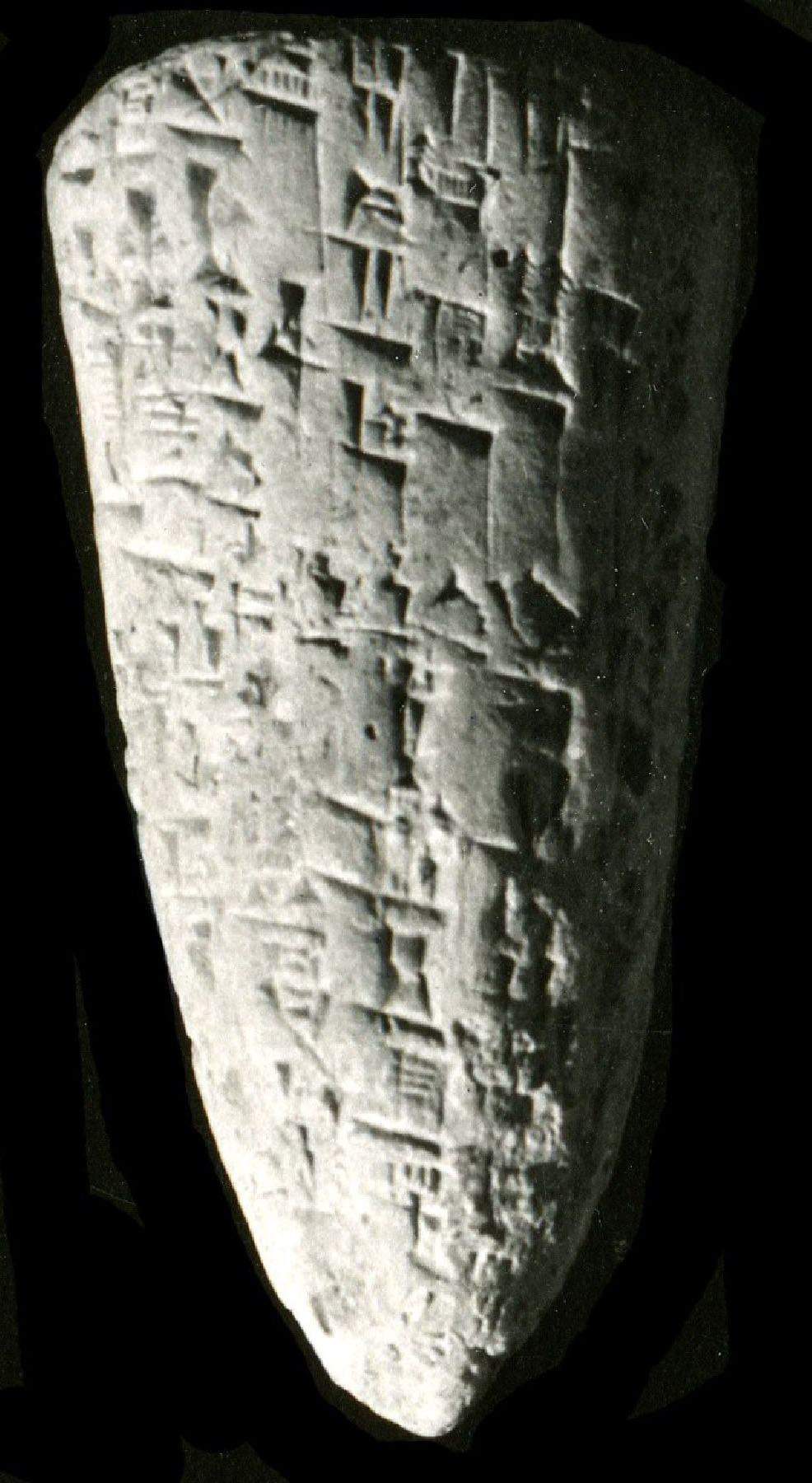
Votive cone of Lipit-Ishtar,ca.1934–1924 BCE; Walters 48.1455. A royal-period inscription, not a law-collection tablet or portrait of the king
Texto antigo
Sumerian law collection associated with Lipit-Ishtar of Isin in the twentieth century BCE.
Variantes do nome: Laws of Lipit-Ishtar
Contexto e fontes →
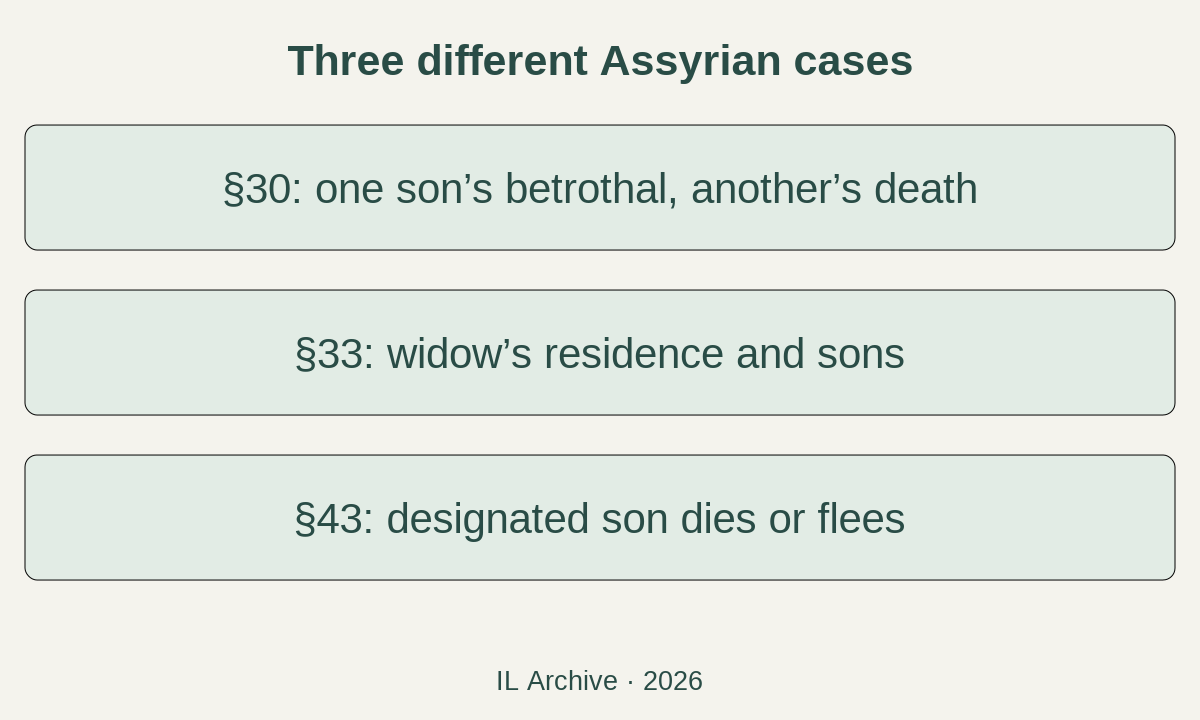
Modern explanatory diagram of relationships or cases in the specified witnesses; not portraits, a legal tablet or an ancient manuscript
Texto antigo
Cuneiform marriage and household provisions distinguishing widowhood, betrothal and residence.
Variantes do nome: Middle Assyrian Laws A
Contexto e fontes →

Newly AI-generated interpretive image of a gate across a mountain pass, inspired by the Syriac narrative; not a manuscript, discovered monument, or historically verified reconstruction
Texto antigo
Anonymous Syriac Christian prose work about Alexander’s journeys and barrier against northern peoples, with Roman-Persian prophecies. Distinct from the long Syriac Romance and the metrical Poem; a sixth-century core and seventh-century revision remain debated.
Variantes do nome: Syriac Christian Alexander Legend, Neṣḥānā
Contexto e fontes →
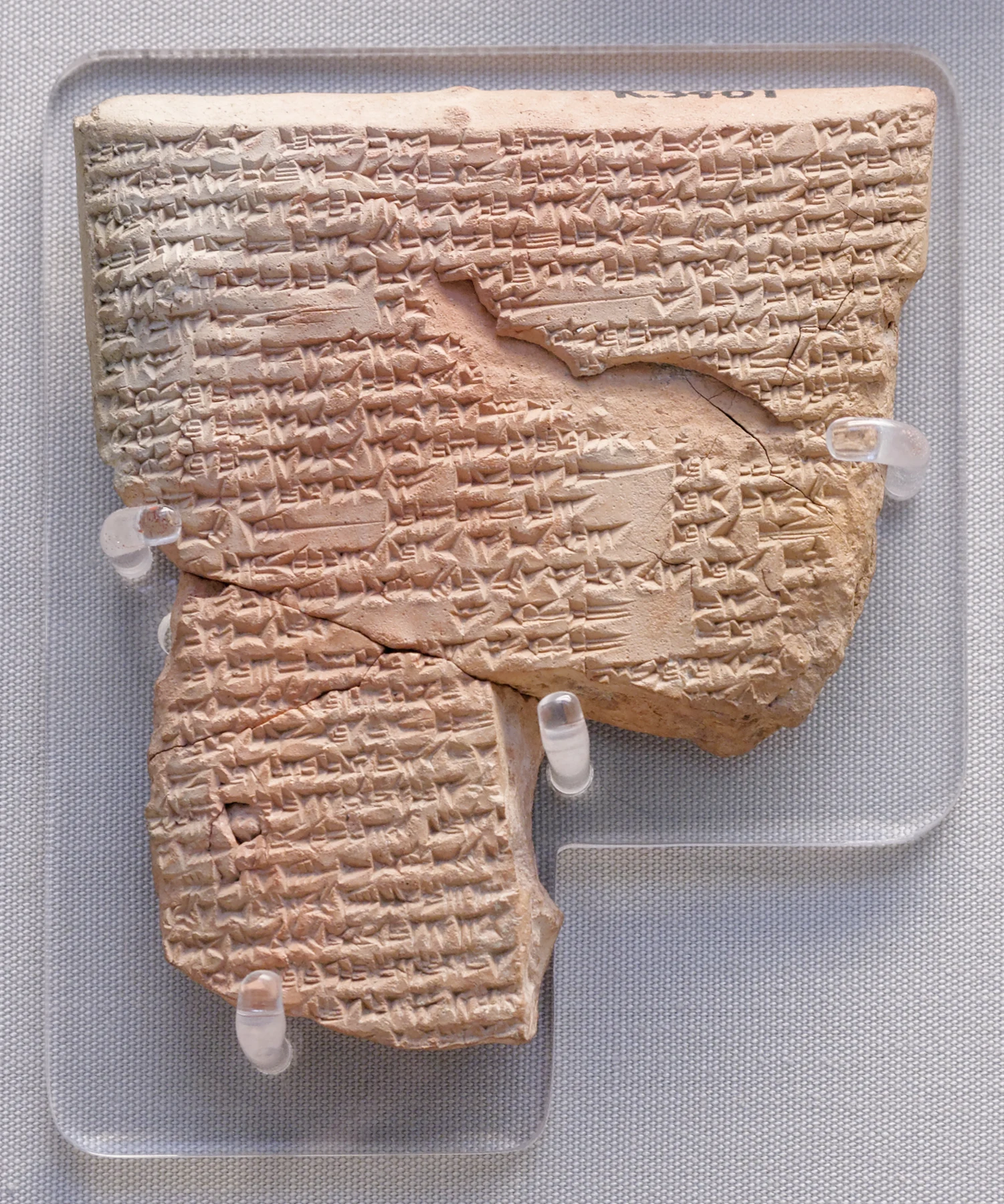
K.3401 from Nineveh, a Neo-Assyrian cuneiform witness to the Sargon Birth Legend, held by the British Museum. The manuscript postdates the king; it does not depict the infant or basket
Texto antigo
An Akkadian pseudo-autobiography of Sargon’s concealed birth, basket rescue and rise to kingship; its manuscripts are late and the date of composition disputed.
Variantes do nome: Sargon Birth Legend
Contexto e fontes →
Pessoa
Leon Goldman is a scholar of Avestan texts and author of Rašn Yašt.
Variantes do nome: Leon Goldman, Iranian-text scholar
Contexto e fontes →
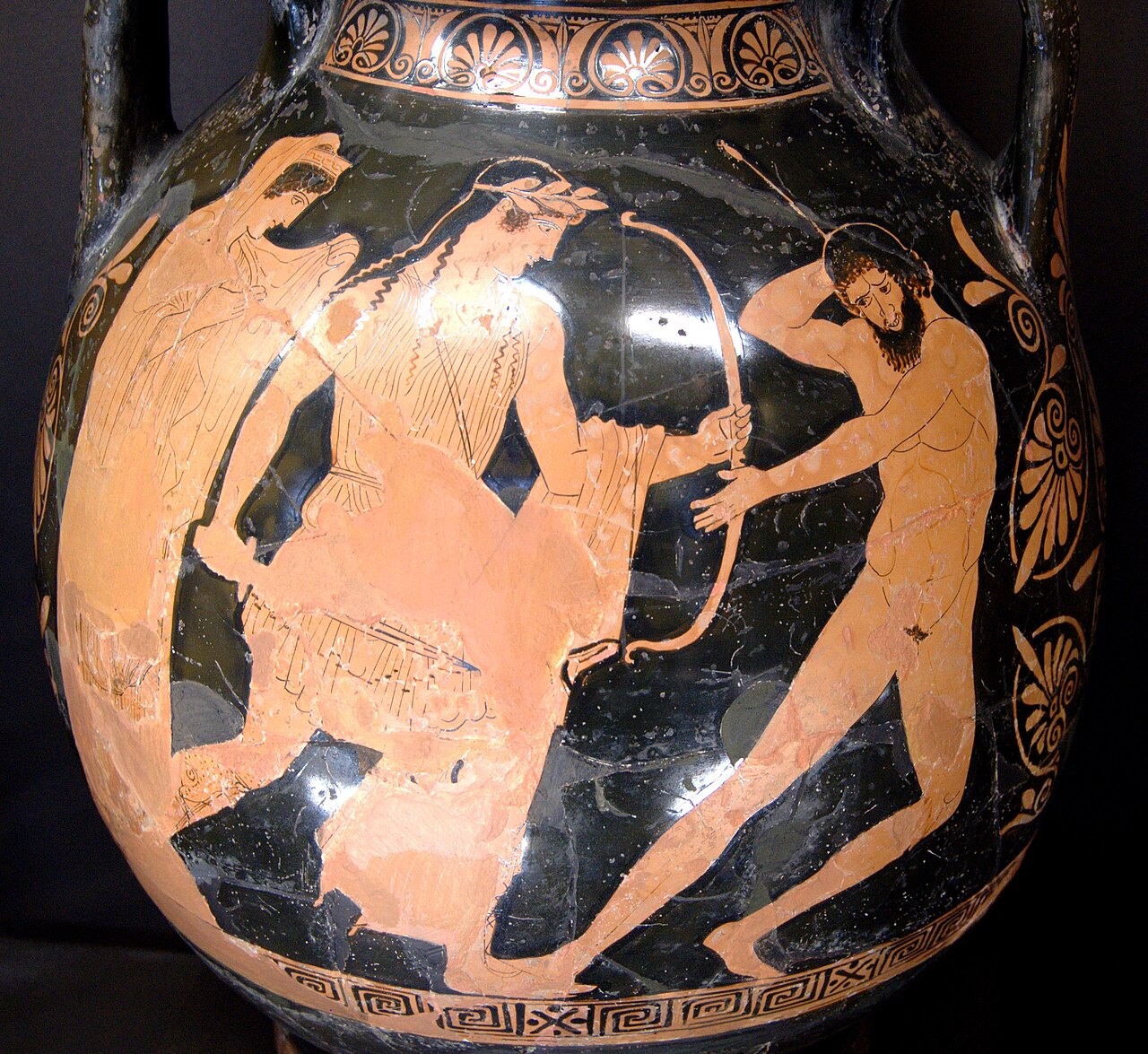
Leto, Apollo and Tityos on an Attic vase, about 450–440 BCE; Louvre G 375, attributed to Polygnotos. The image belongs to the story of the assault on Leto and Tityos’s punishment
Entidade
Greek goddess and Apollo’s mother in the Iliad, appearing among the gods supporting the Trojans.
Variantes do nome: Leto
Contexto e fontes →
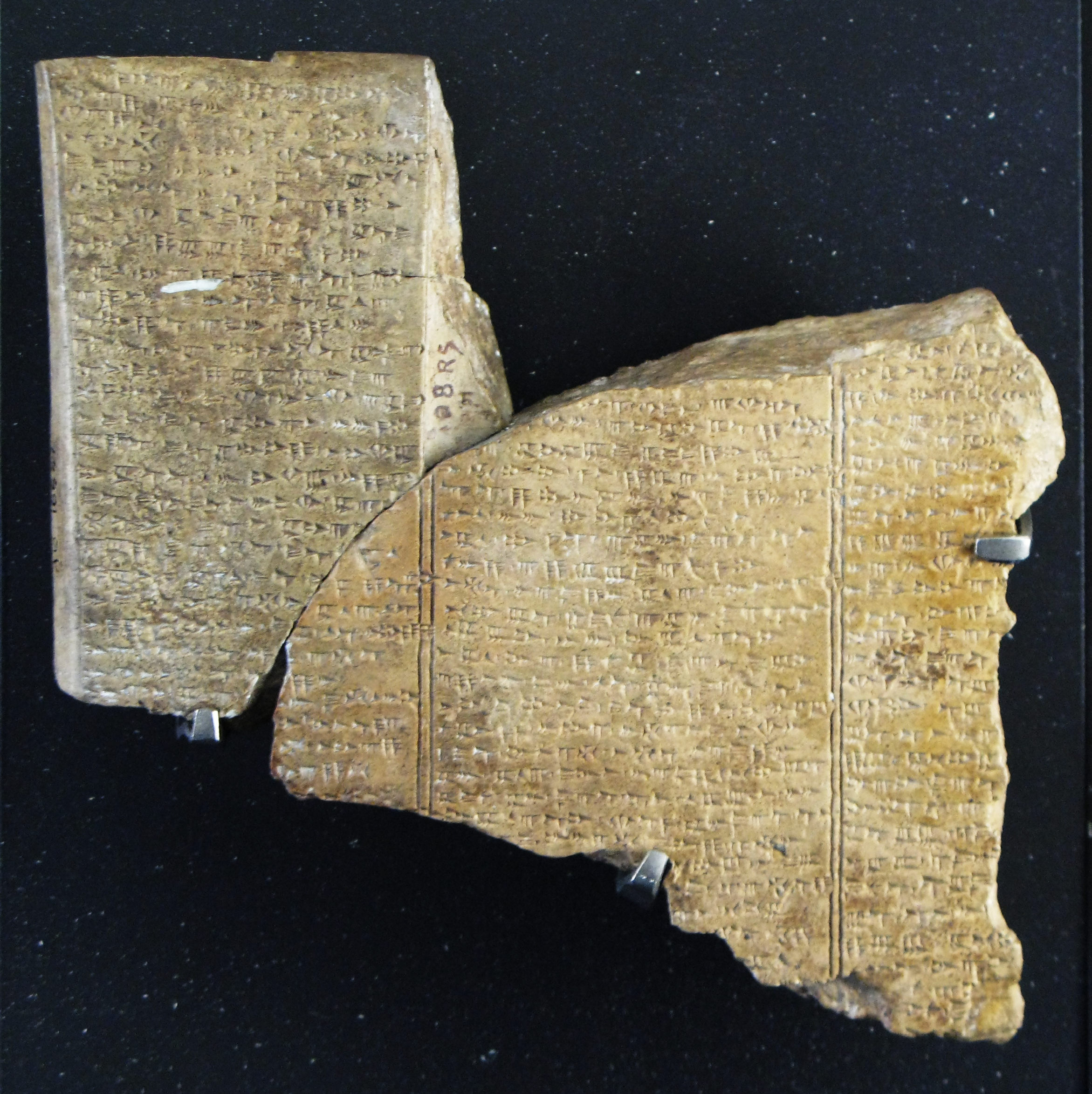
Two fragments of an alphabetic-cuneiform Ugaritic Baal Cycle tablet from Ras Shamra, ca. 1400–1200 BCE; Louvre AO 16641 and AO 16642. A modern photograph of a textual witness, not a depiction of Leviathan or a battle
Entidade
Leviathan, a poetic sea creature: its heads are crushed in Psalm 74, it belongs to creation in Psalm 104, and its daunting strength figures in Job. Ugaritic Lotan is a close parallel, not proof of a single fixed myth.
Variantes do nome: Leviathan
Contexto e fontes →
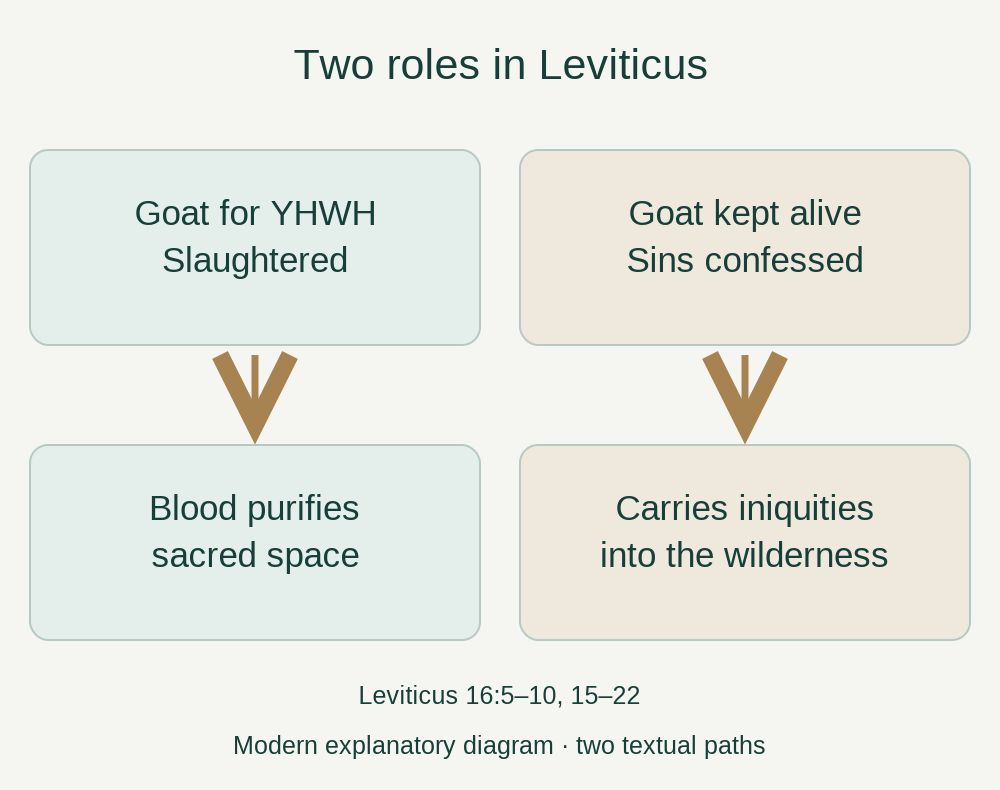
The two goats’ paths in Leviticus 16: the slaughtered goat’s blood purifies sacred space; the living goat carries iniquities into the wilderness. Modern explanatory diagram, not an ancient image
Texto antigo
A Torah book concerning offerings, priesthood, and purity; chapter 16 describes sanctuary purification and a living goat carrying iniquities away.
Variantes do nome: Leviticus
Contexto e fontes →