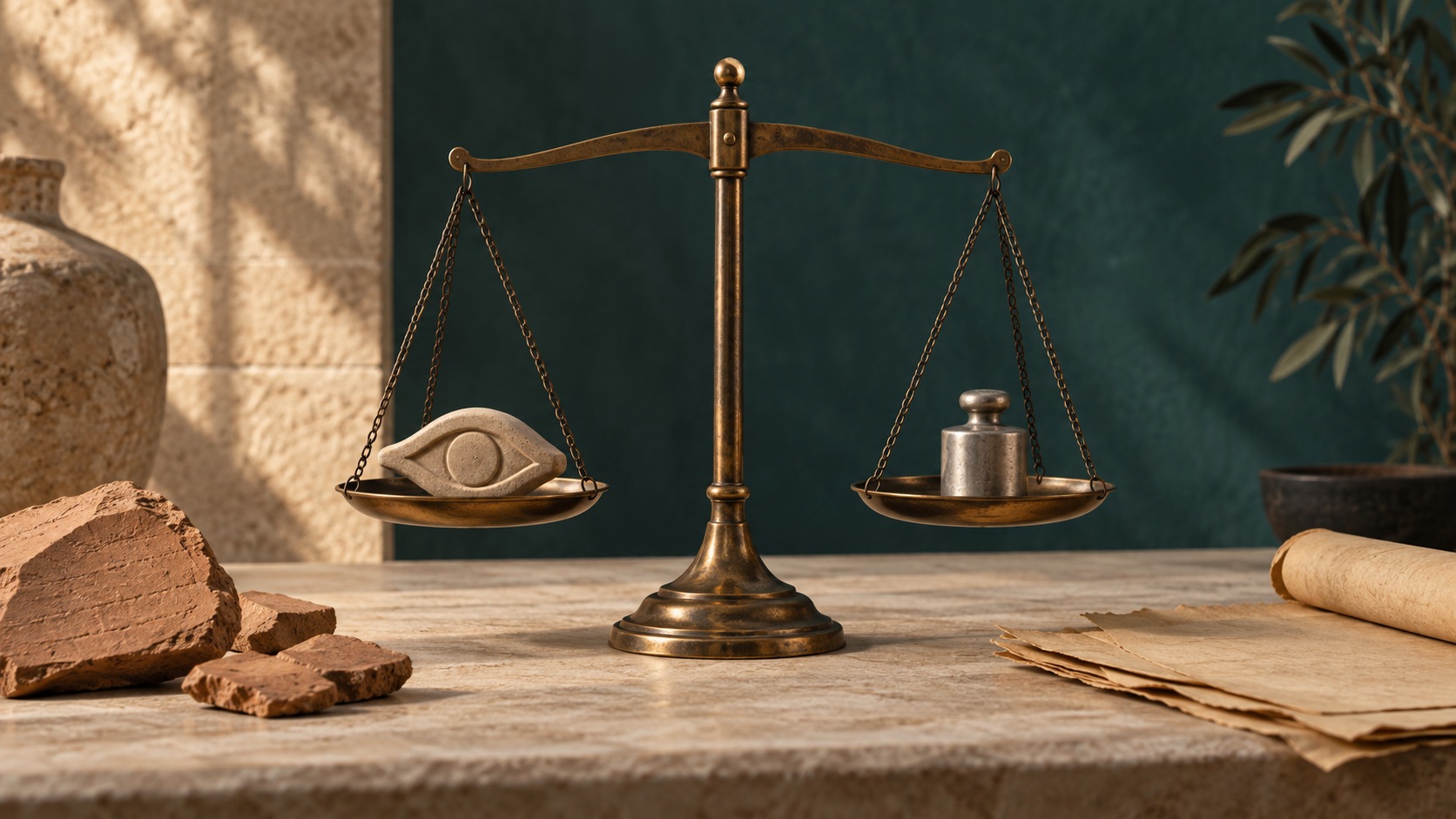
A modern symbolic balance with an eye-shaped stone and a metal weight, evoking matching penalty and monetary compensation. Generated for IL Archive in 2026; neither a historical artifact nor a depiction of an actual ancient judgment
Entidade
Principle matching consequence to harm (“eye for an eye”). Ancient texts variously prescribe bodily injury, payment, manumission, or a penalty for malicious testimony; the phrase alone proves neither literal enforcement nor textual borrowing.
Variantes do nome: lex talionis, eye for an eye, law of retaliation
Contexto e fontes →
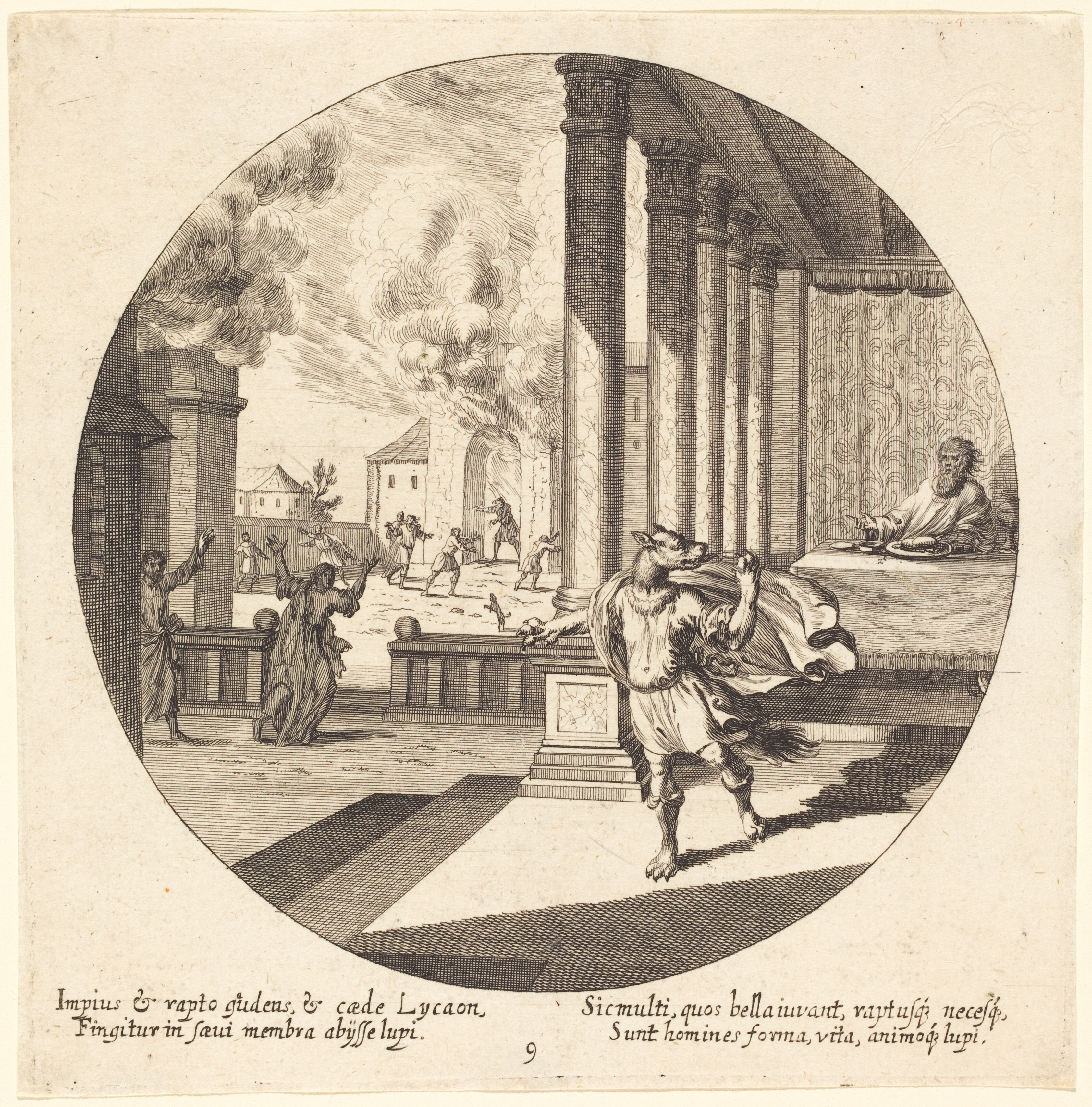
Jove Turns Lycaon into a Wolf, etching by Georg Andreas Wolfgang the Elder, 1665, National Gallery of Art 2005.17.11. Later artistic interpretation of Ovid’s episode
Pessoa
Figure changed into a wolf after testing Jupiter and serving human flesh in the Metamorphoses.
Variantes do nome: Lycaon in Ovid’s account
Contexto e fontes →
Modern AI-generated imagined cuneiform-writing scene. The illustrated tablets are not documented archaeological objects or a copy of an ancient god list
Entidade
Texts collecting divine names for preservation, teaching and classification, with varying theological organization.
Variantes do nome: god lists, god list
Contexto e fontes →
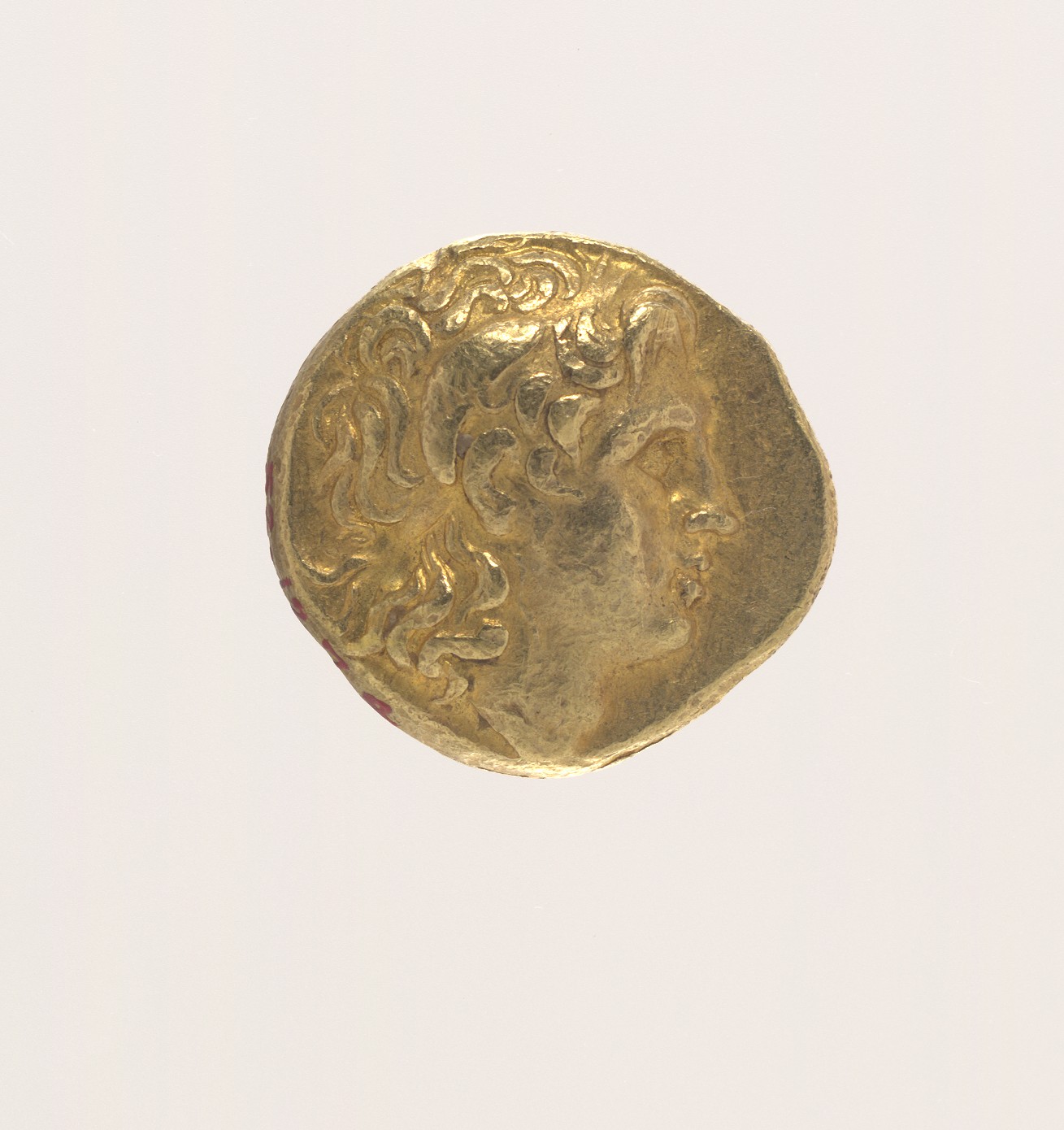
Gold stater issued in the name of Lysimachus, 286–281 BCE; the horned head is Alexander, not Lysimachus. The Met, 52.127.4
Pessoa
A successor of Alexander who ruled Thrace; his coins showed Alexander with Ammon’s horn.
Variantes do nome: Lysimachus, Lysimachos
Contexto e fontes →

Modern AI-generated symbolic illustration of disclosure across heavenly realms and historical time. Not an ancient manuscript, documented event, or historically established reconstruction
Entidade
Literary works narrating the disclosure of transcendent knowledge about heaven, history and destiny to a human seer, often by an angel; not every end-time belief or catastrophe prophecy is an apocalypse.
Variantes do nome: apocalyptic literature, apocalyptic writing
Contexto e fontes →
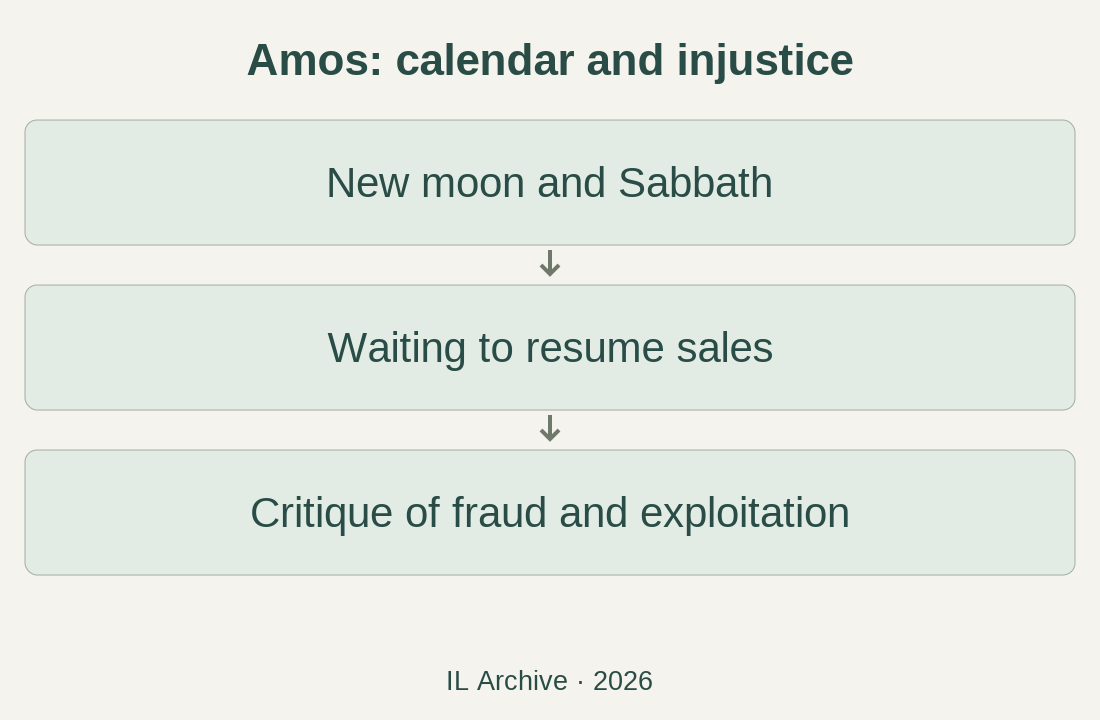
Modern diagram explaining the selected passage’s argument and sequence; not a manuscript image or archaeological reconstruction
Texto antigo
Hebrew prophetic book criticizing exploitation of the poor and merchants impatient for new moon and Sabbath to pass.
Variantes do nome: Book of Amos
Contexto e fontes →
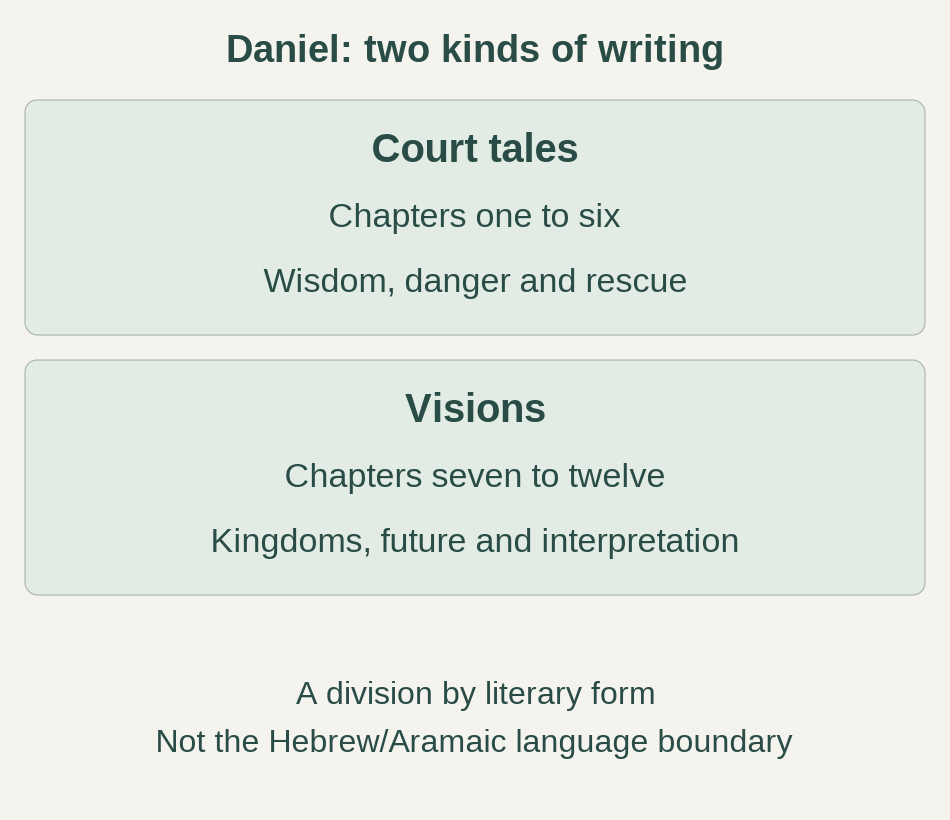
Modern explanatory diagram of Daniel’s tales and visions. Chapter seven is Aramaic despite belonging to the visions; this does not map the book’s language divisions
Texto antigo
A book combining court tales of wisdom and deliverance with visions of kingdoms and the future, formed in stages.
Variantes do nome: Book of Daniel, Book of Daniel
Contexto e fontes →
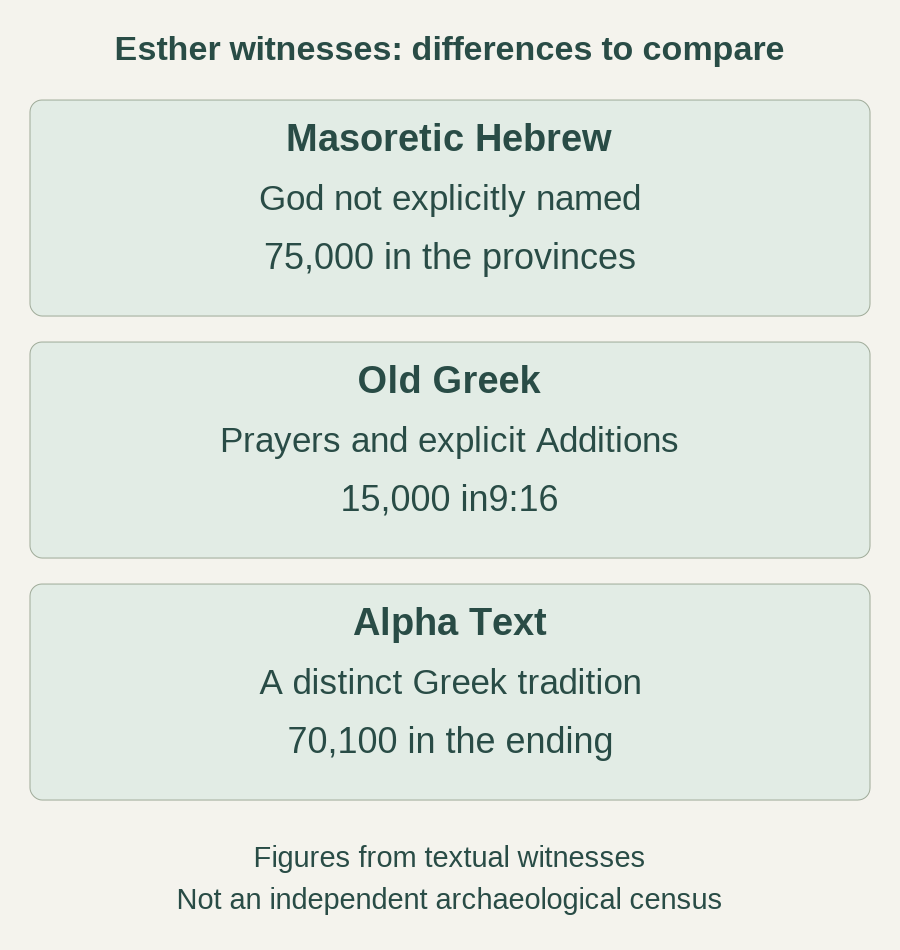
Modern comparison of divine reference and ending figures in Hebrew,Old Greek and Alpha,from Hebrew and NETS. It does not represent manuscript dates or an established genealogy of versions
Texto antigo
A book narrating Jewish communal survival at a Persian court and connecting its ending with Purim, preserved in differing Hebrew and Greek forms.
Variantes do nome: Book of Esther
Contexto e fontes →
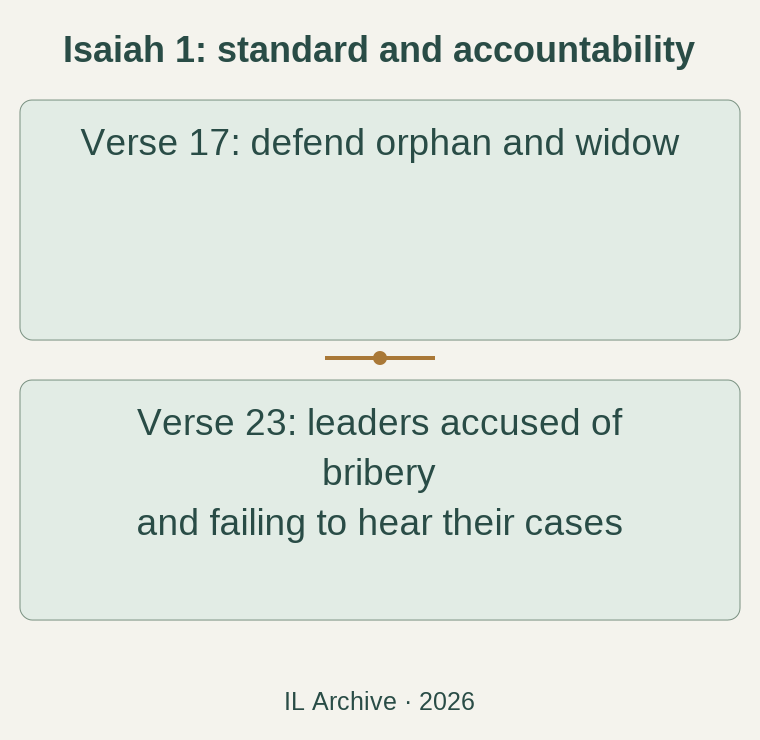
Modern diagram of the relationship or demand in the specified text; not an artifact photograph, a divine likeness or a portrait
Texto antigo
Prophetic collection in the Hebrew Bible; its first chapter addresses justice and the cases of the fatherless and widow.
Variantes do nome: Book of Isaiah
Contexto e fontes →
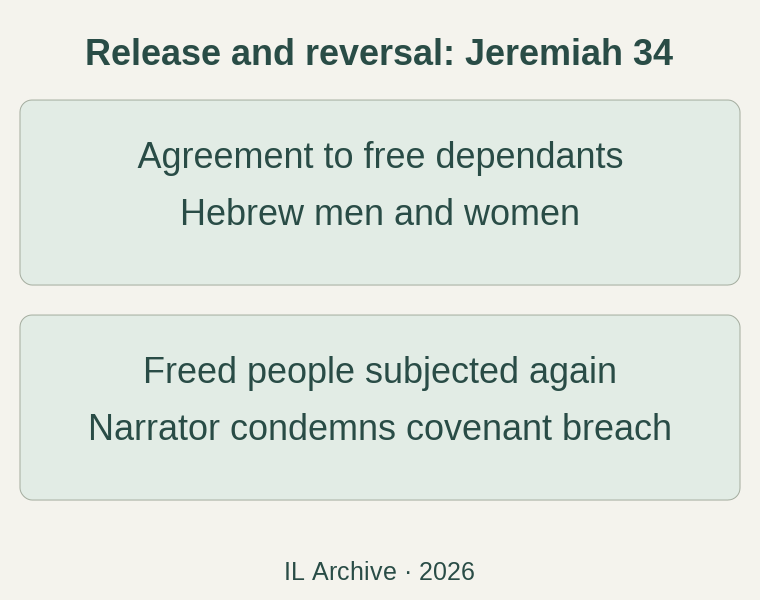
Modern diagram of the specified cases or direction of action, not an artifact photograph or portraits and not reconstruction of documented practice
Texto antigo
Prophetic book addressing Judah and the Babylonian crisis; chapter 34 recounts liberation followed by renewed subjection.
Variantes do nome: Book of Jeremiah
Contexto e fontes →
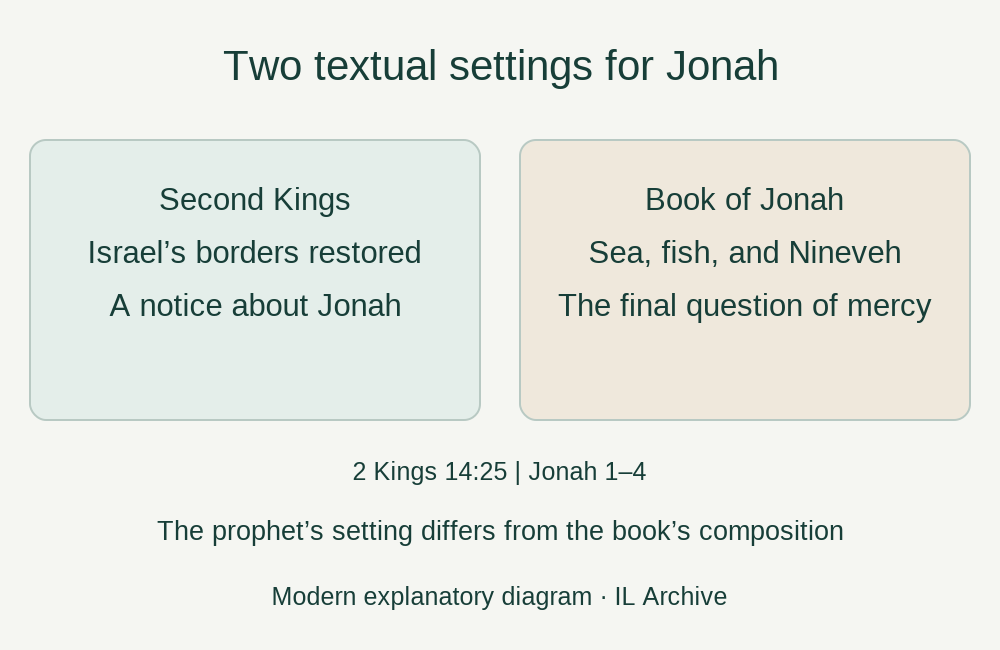
Second Kings14:25 concerns restored borders and Jonah son of Amittai; Jonah1–4 concerns the sea, Nineveh, and mercy. Modern comparison distinguishing the figure’s setting from composition, not a portrait of king or prophet
Texto antigo
A four-chapter Hebrew book about a fleeing prophet, rescue, Nineveh’s mission, and the final question of mercy.
Variantes do nome: Book of Jonah
Contexto e fontes →
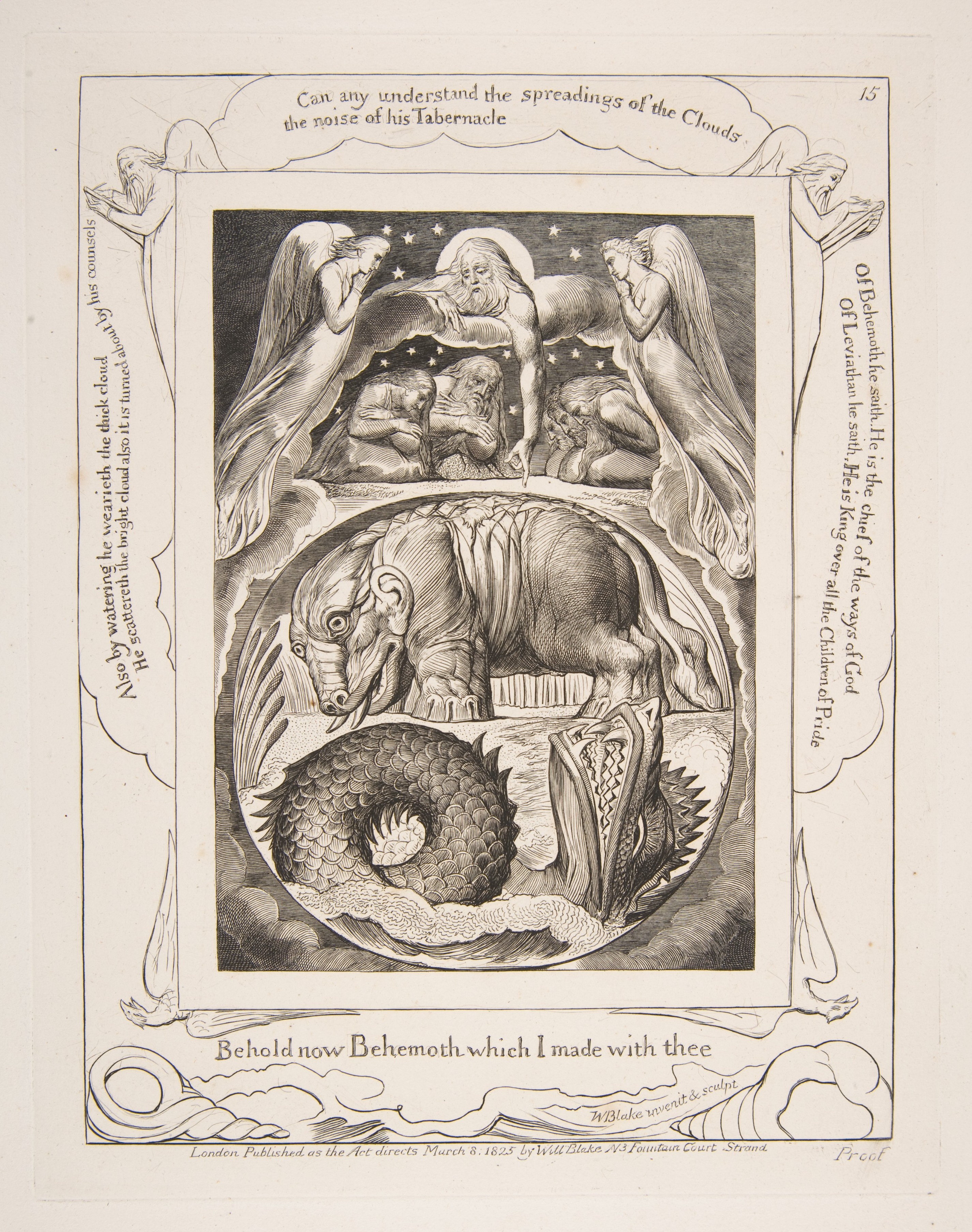
William Blake, Behemoth and Leviathan, 1825–26, engraving from Illustrations of the Book of Job; Met 17.17.1–15. Later artistic reception, not a likeness from the text’s period
Texto antigo
Hebrew wisdom text exploring suffering, justice and the limits of human knowledge through dialogue and poetry.
Variantes do nome: Book of Job
Contexto e fontes →
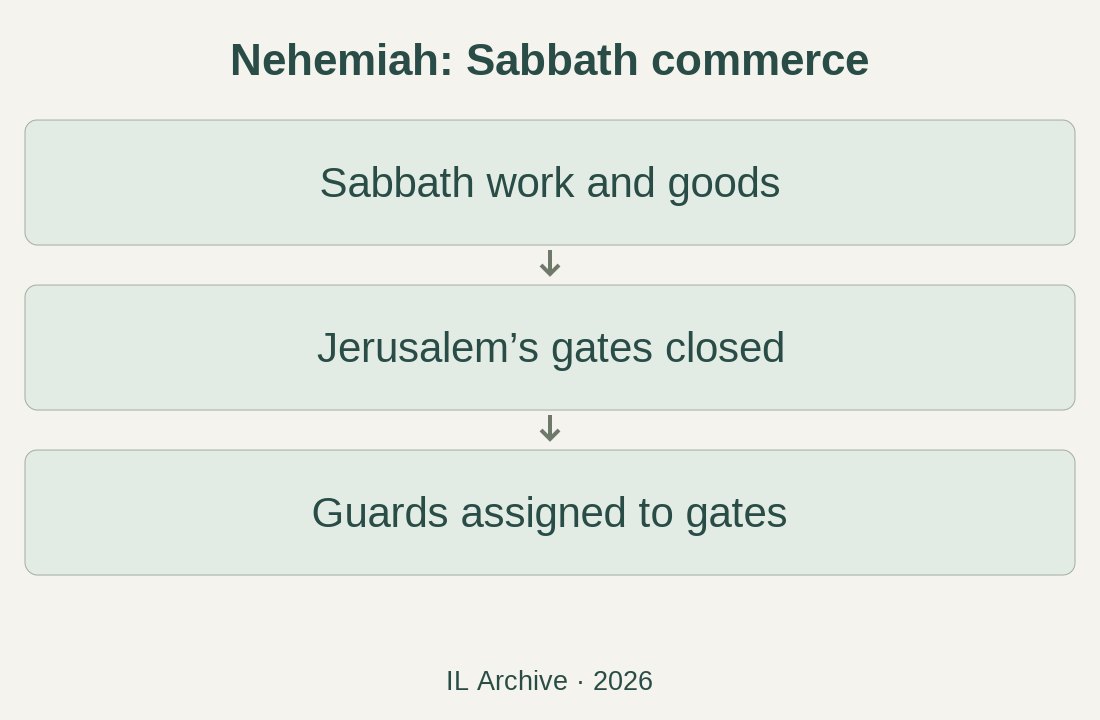
Modern diagram explaining the selected passage’s argument and sequence; not a manuscript image or archaeological reconstruction
Texto antigo
Hebrew book presenting Nehemiah’s reforms in Persian-period Judah, including regulation of Sabbath commerce.
Variantes do nome: Book of Nehemiah
Contexto e fontes →
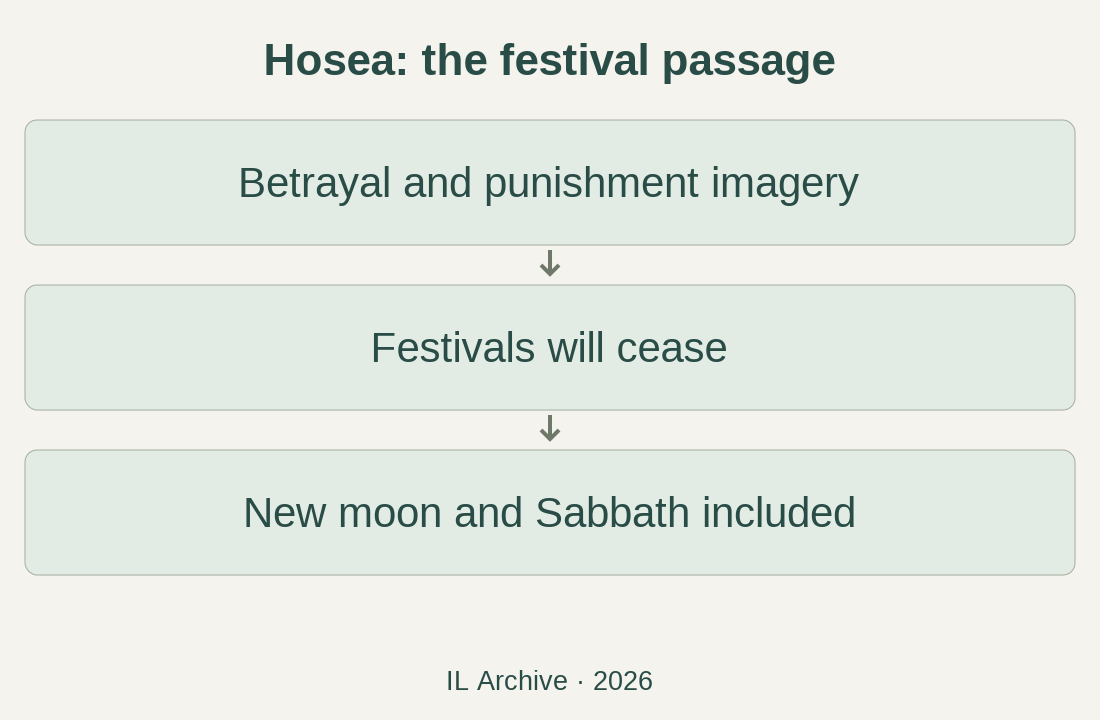
Modern diagram explaining the selected passage’s argument and sequence; not a manuscript image or archaeological reconstruction
Texto antigo
Hebrew prophetic book listing new moon and Sabbath among festivals whose cessation is announced.
Variantes do nome: Book of Hosea
Contexto e fontes →
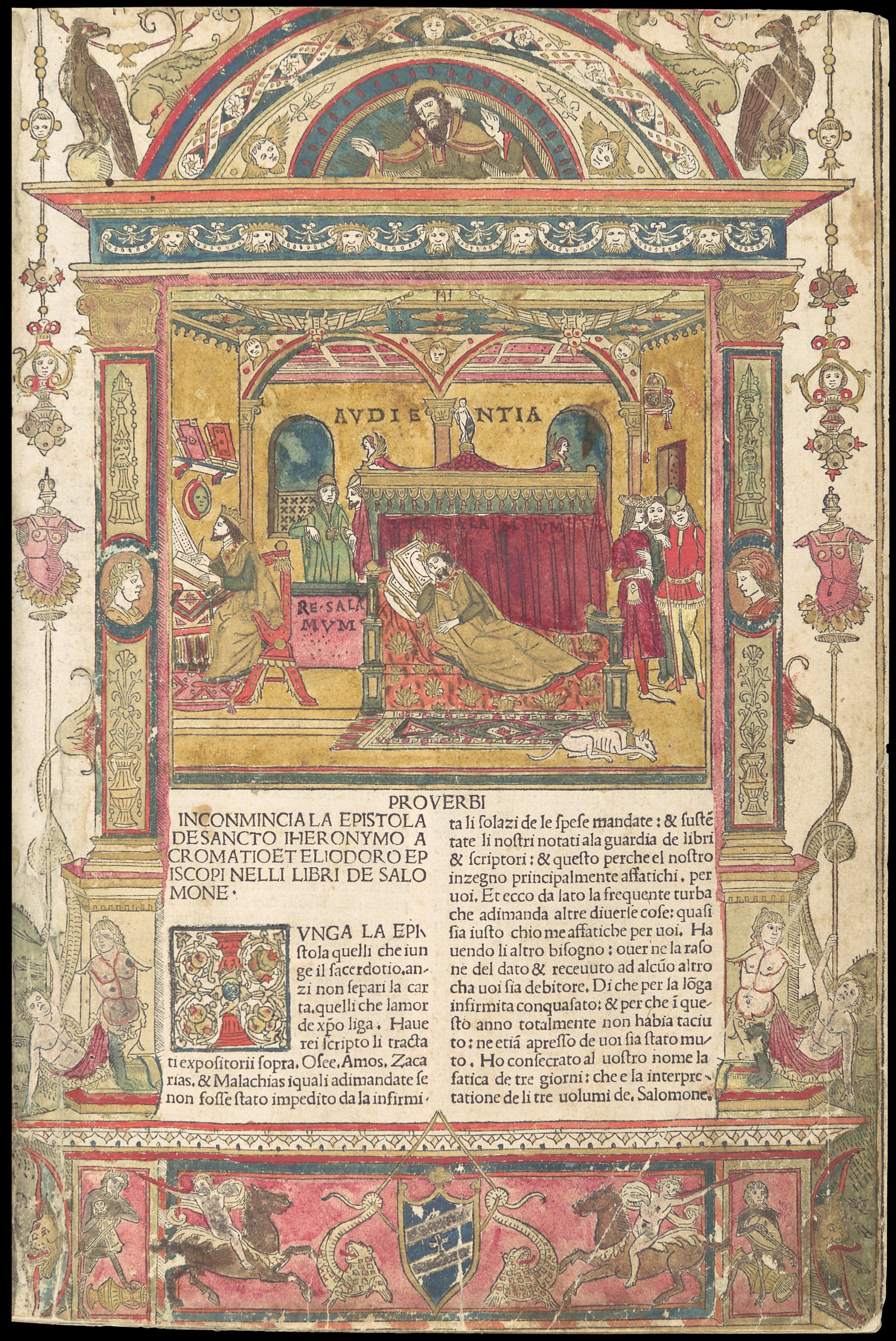
Opening of the Proverbs section in the Italian Malermi Bible, Venice, 15 October 1490, Met 33.66. It includes Jerome’s letter and Solomon writing and receiving an audience. Later European print reception, not Proverbs 22:17–23:11 or a historical portrait of the author
Texto antigo
The Book of Proverbs collects wisdom texts in the Hebrew Bible on learning, conduct and social relationships.
Variantes do nome: Book of Proverbs
Contexto e fontes →
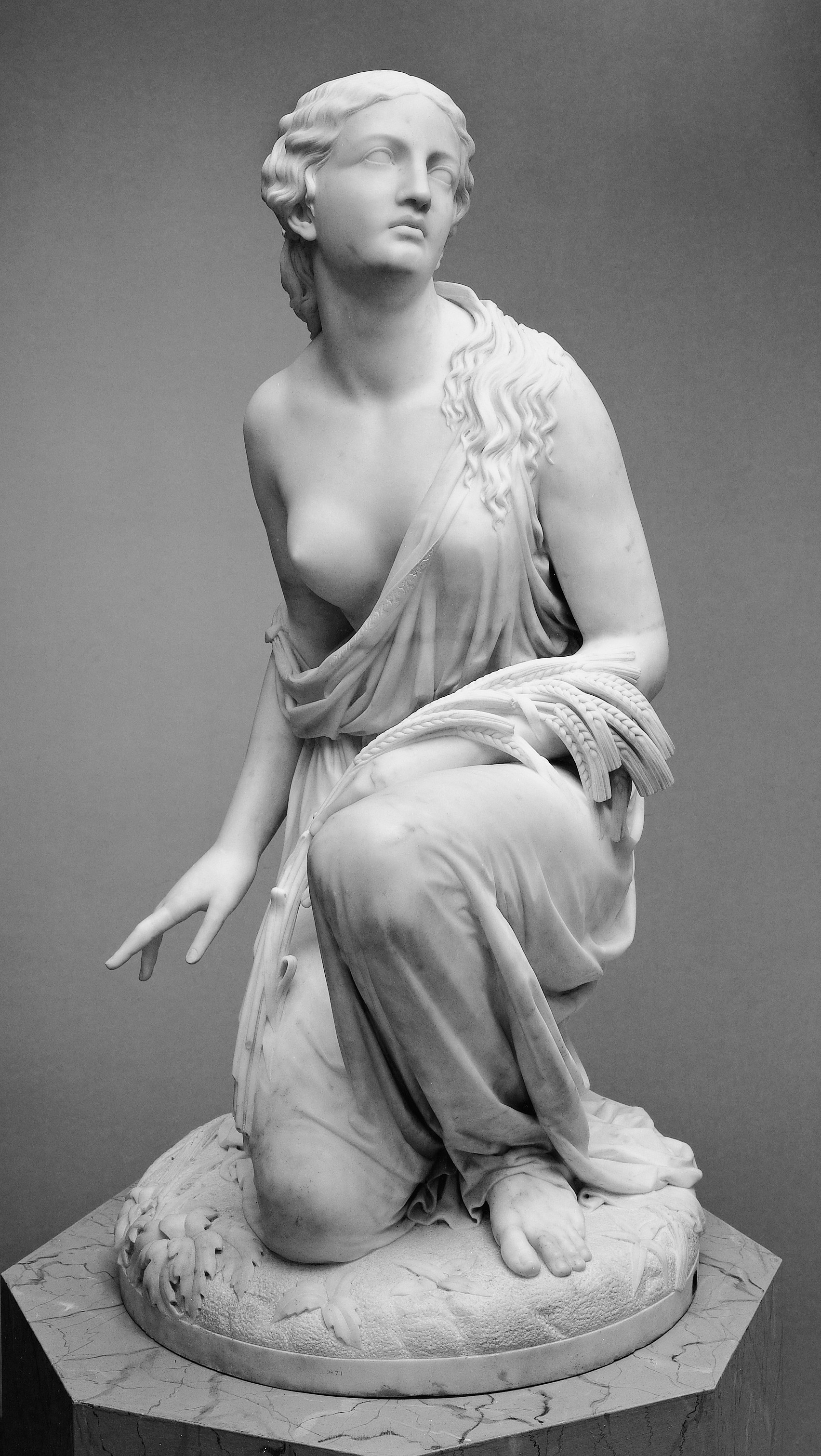
Ruth Gleaning, marble by Randolph Rogers: 1850 design, carved 1855 or 1856; Met 99.7.1. Artistic reception of Ruth 2, not a historical portrait or the chapter 4 redemption scene
Texto antigo
Hebrew narrative whose ending joins land, redemption, marriage and name preservation.
Variantes do nome: Book of Ruth
Contexto e fontes →
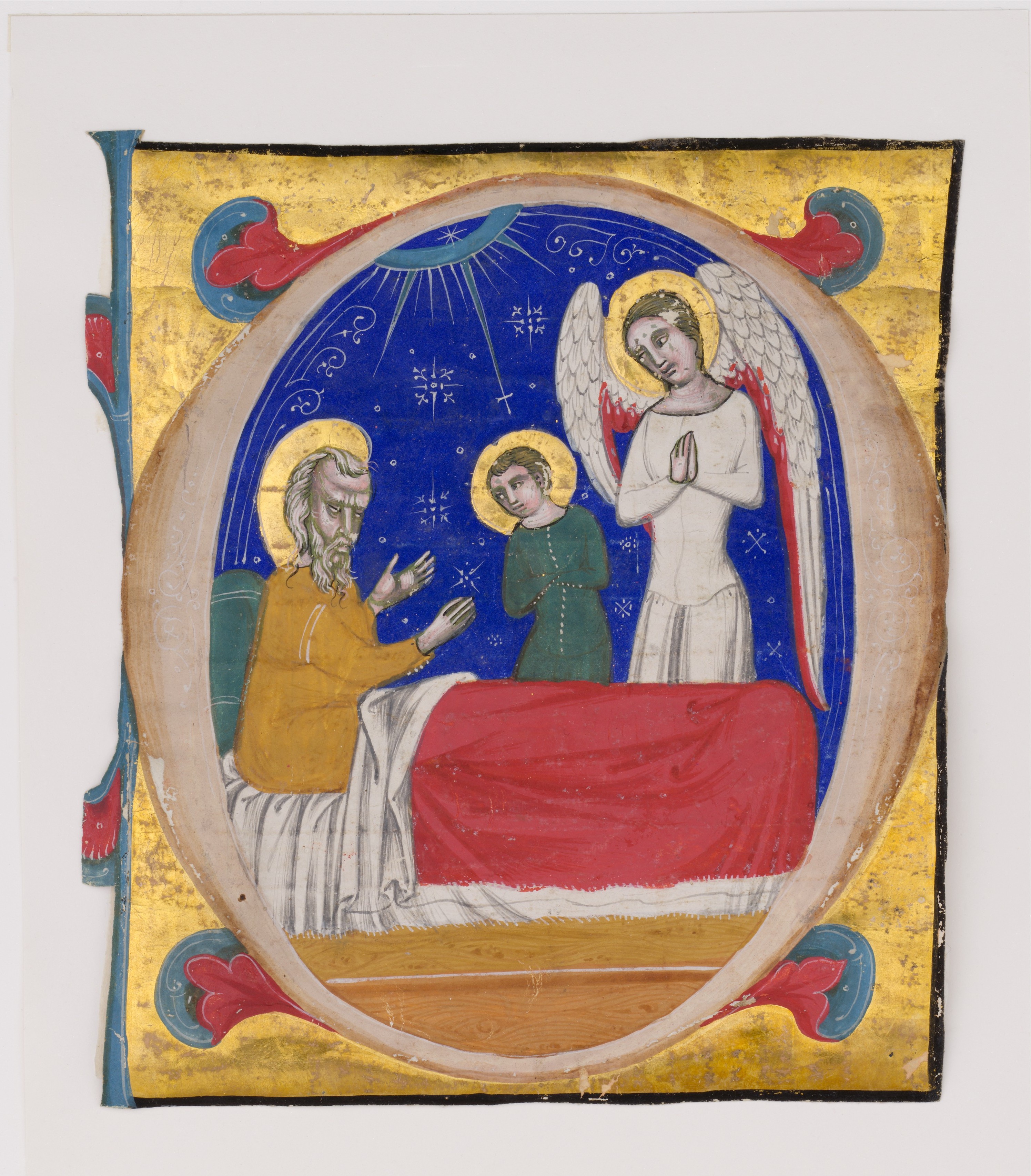
Tobit, Tobias and Raphael in an illuminated initial O from an antiphonary, Bologna, mid-fourteenth century; Met 31.134.6. Later artistic reception, not an ancient manuscript of the Ahiqar passage
Texto antigo
Jewish story of a family in Assyria, combining adversity, prayer, journey and almsgiving, and naming Ahiqar.
Variantes do nome: Book of Tobit, Book of Tobit
Contexto e fontes →
Contemporary explainer; it is not an ancient artifact or historical likeness
Texto antigo
Prophetic book of the Hebrew Bible whose third chapter depicts the high priest and an adversary.
Variantes do nome: Zechariah (book)
Contexto e fontes →
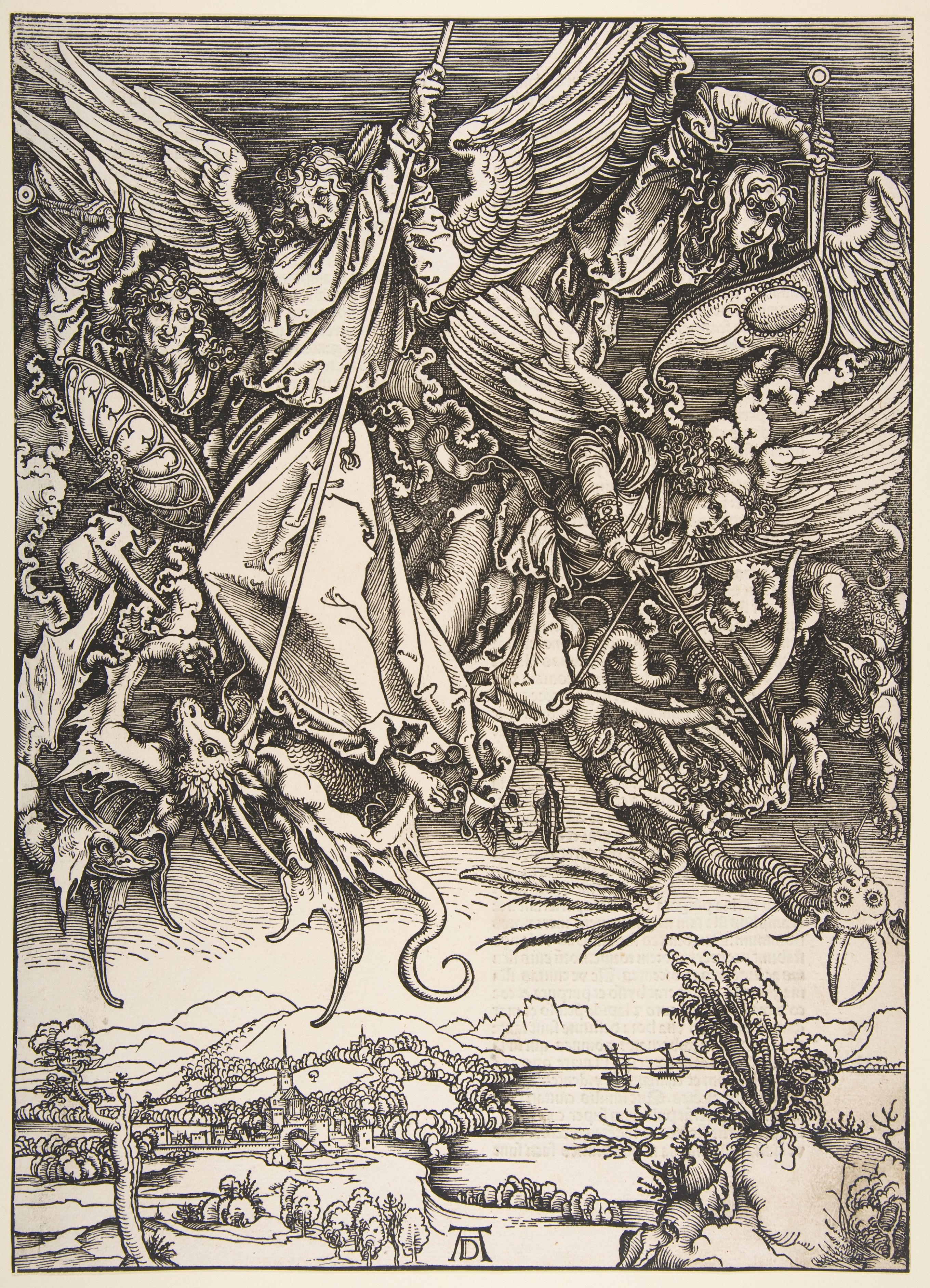
Saint Michael Fighting the Dragon, after Albrecht Dürer, 1498, woodcut; Met 40.139.6(12). Later European reception of Revelation 12, not Bronze Age Lotan imagery
Texto antigo
Christian apocalypse commonly dated in its present form to the late first century CE, reusing earlier scriptural imagery.
Variantes do nome: Book of Revelation
Contexto e fontes →
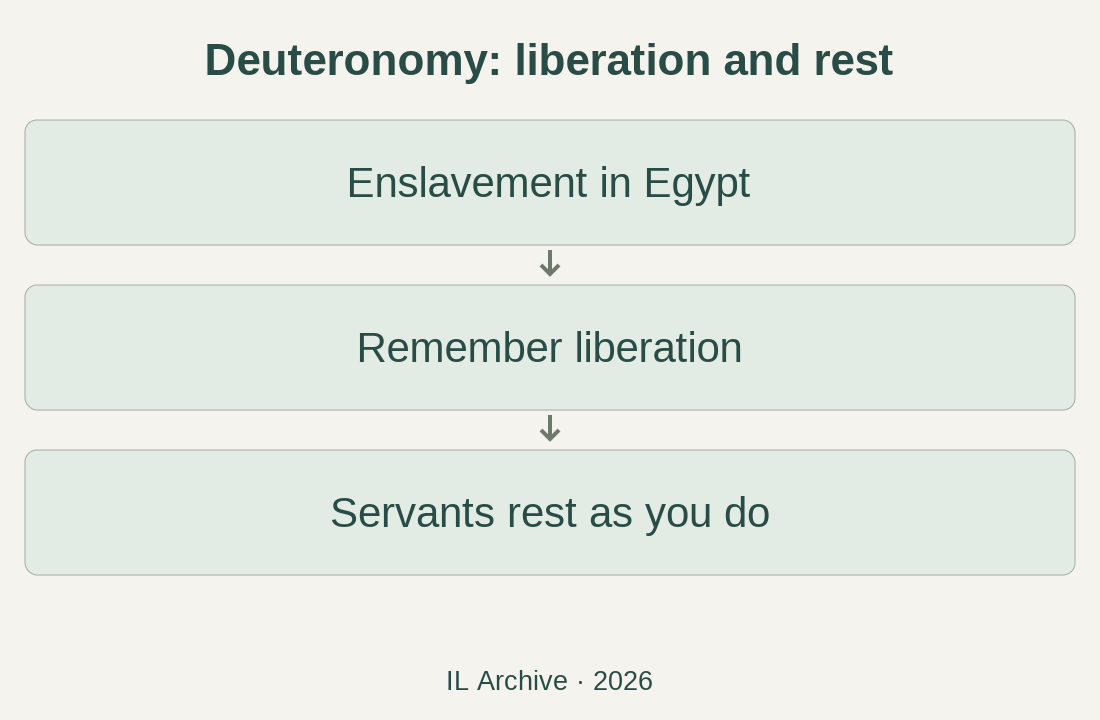
Modern diagram explaining the selected passage’s argument and sequence; not a manuscript image or archaeological reconstruction
Texto antigo
Torah book presenting commandments in Moses’ discourse and grounding Sabbath rest in slavery and liberation from Egypt.
Variantes do nome: Book of Deuteronomy
Contexto e fontes →
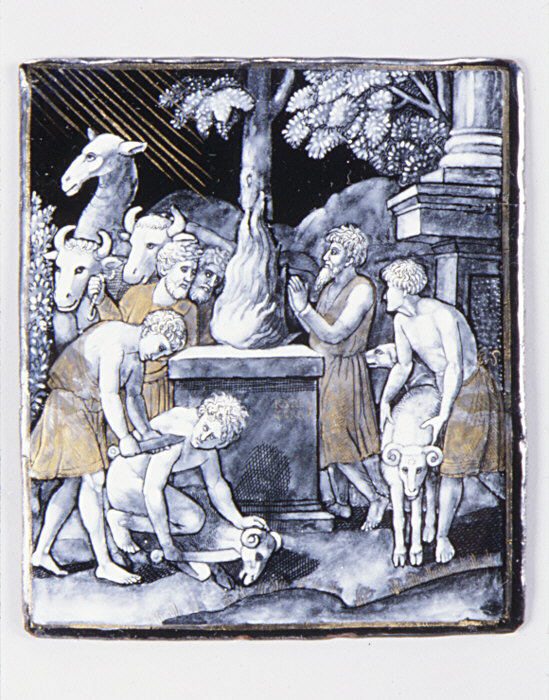
The Sacrifice of Noah, painted enamel on copper, Limoges, Master K.I.P., mid-sixteenth century, Met 32.100.269a, b. Later artistic reception of Genesis 8:20, not archaeological evidence of the flood
Texto antigo
Hebrew book of the Torah containing Noah’s flood, survival offering and covenant with living creatures.
Variantes do nome: Book of Genesis
Contexto e fontes →

Modern interpretive image of Mary’s repose, with a book, palm and symbolic heavens; AI-generated, not an ancient manuscript, artifact or historical record of the event
Texto antigo
Apocryphal “Palm” family account of Mary’s death and assumption, fully transmitted in Ethiopic with earlier fragments; distinct from the Six-Books Dormition.
Variantes do nome: Book of Mary’s Repose, Book of Mary's Repose
Contexto e fontes →
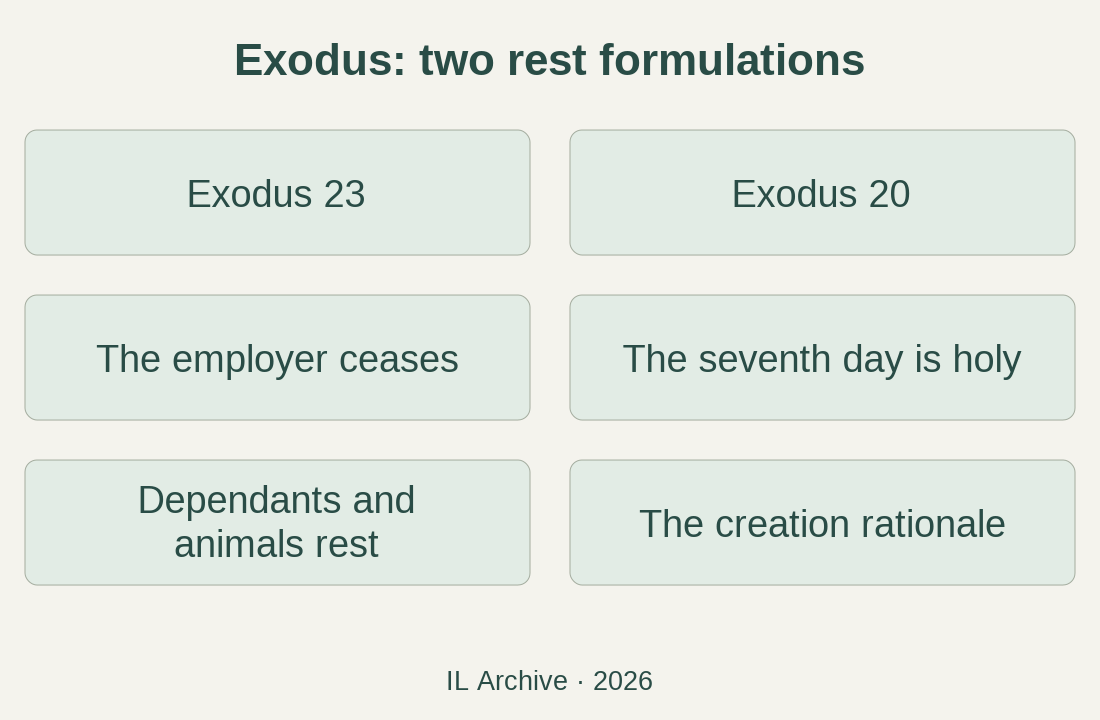
Modern diagram explaining the selected passage’s argument and sequence; not a manuscript image or archaeological reconstruction
Texto antigo
Torah book recounting Israel’s departure from Egypt and containing different formulations of seventh-day rest.
Variantes do nome: Book of Exodus
Contexto e fontes →

Modern AI-generated conceptual cover: an imaginary scroll and circular sky above desert mountains evoke revelation and the division of time in Jubilees. Neither an ancient manuscript nor a photograph of historical Sinai
Entidade
Jewish retelling of Genesis and Exodus framed as angelic teaching to Moses, adding chronology, narratives and interpretation.
Variantes do nome: Book of Jubilees, Jubilees
Contexto e fontes →
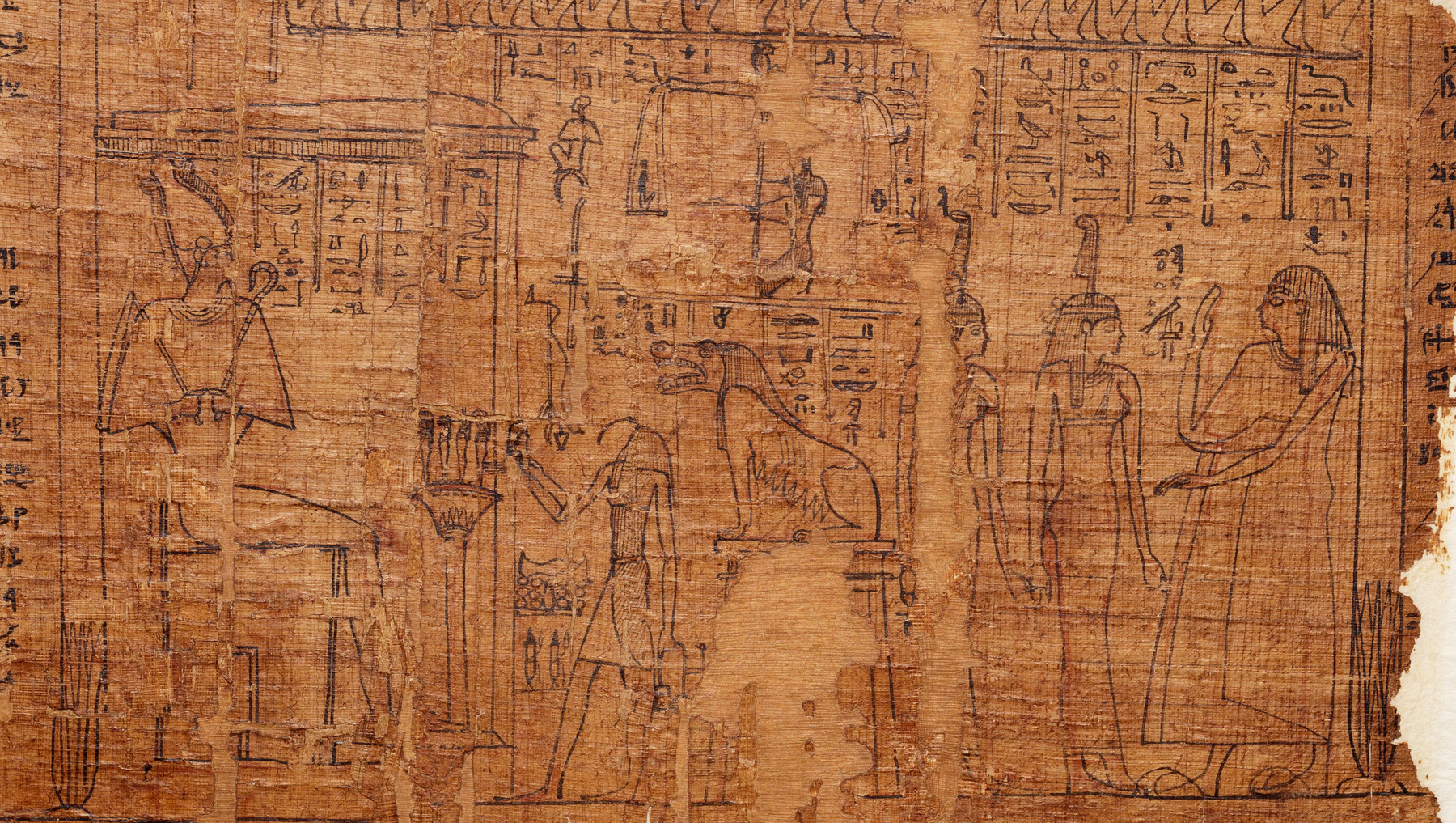
Documentary photographic crop of a Ptolemaic Egyptian papyrus showing part of the weighing of the heart and judgment, ca. 230–150 BCE; Met 66.99.142. The modern crop reproduces a real object, not a reconstruction
Texto antigo
A modern name for a variable collection of Egyptian funerary spells and images intended for the afterlife, not a single book with a fixed sequence.
Variantes do nome: Egyptian Book of the Dead, Book of the Dead
Contexto e fontes →
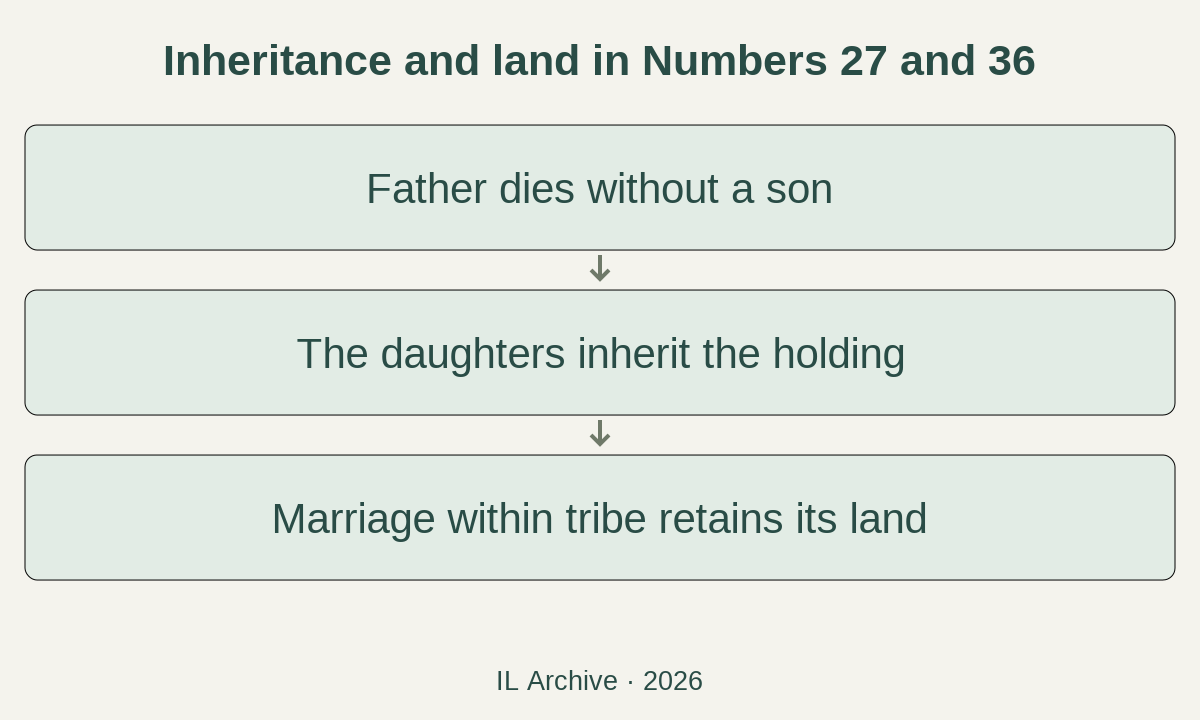
Modern explanatory diagram of relationships or cases in the specified witnesses; not portraits, a legal tablet or an ancient manuscript
Texto antigo
Torah book addressing daughters’ inheritance and tribal retention of land.
Variantes do nome: Book of Numbers
Contexto e fontes →
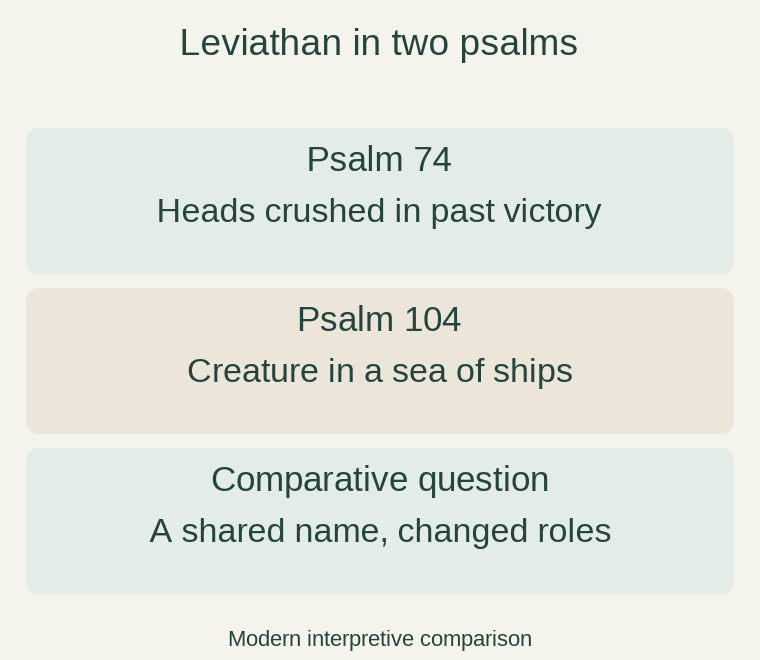
Modern comparison of specified passages and literary roles; not a manuscript or an authenticated likeness
Texto antigo
Collection of ancient Hebrew poems and prayers; Leviathan has different roles in Psalms 74 and 104.
Variantes do nome: Book of Psalms
Contexto e fontes →

Modern AI-generated interpretive cover: a symbolic landscape for Enoch’s journey and the horizon of judgment; not a manuscript, ancient artifact or verified reconstruction
Entidade
Opening unit of 1 Enoch (chapters 1–36), concerning the Watchers’ descent, offspring and judgment, Enoch’s mission and cosmic journeys; a composite work with multiple textual witnesses.
Variantes do nome: Book of the Watchers
Contexto e fontes →
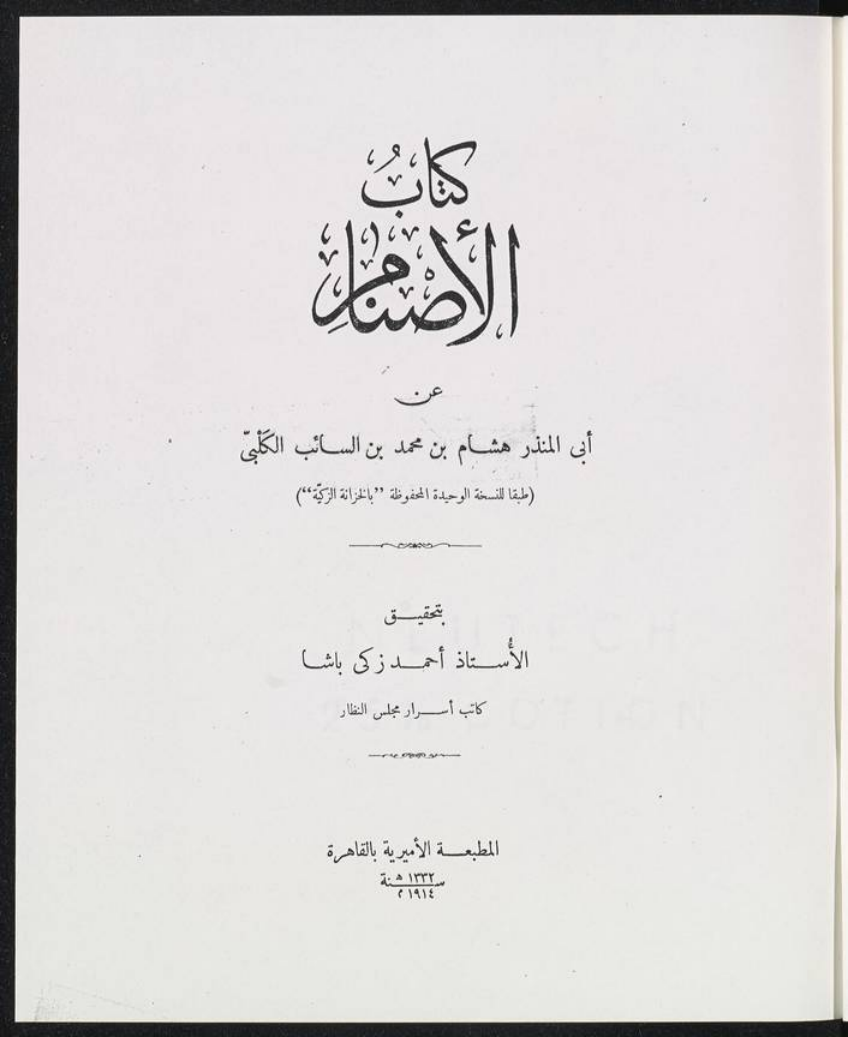
Title page of Hisham ibn Muhammad al-Kalbi’s Book of Idols, edited by Ahmad Zaki Pasha, Cairo, 1332 AH / 1914 CE; Cornell copy in Arabic Collections Online. A printed edition, not an author-era manuscript or portrait. A library leaf dates the replacement paper volume to 2005
Texto antigo
Work by Hisham ibn Muhammad al-Kalbi transmitting Abbasid-era accounts of pre-Islamic Arabian deities and rites.
Variantes do nome: Book of Idols
Contexto e fontes →
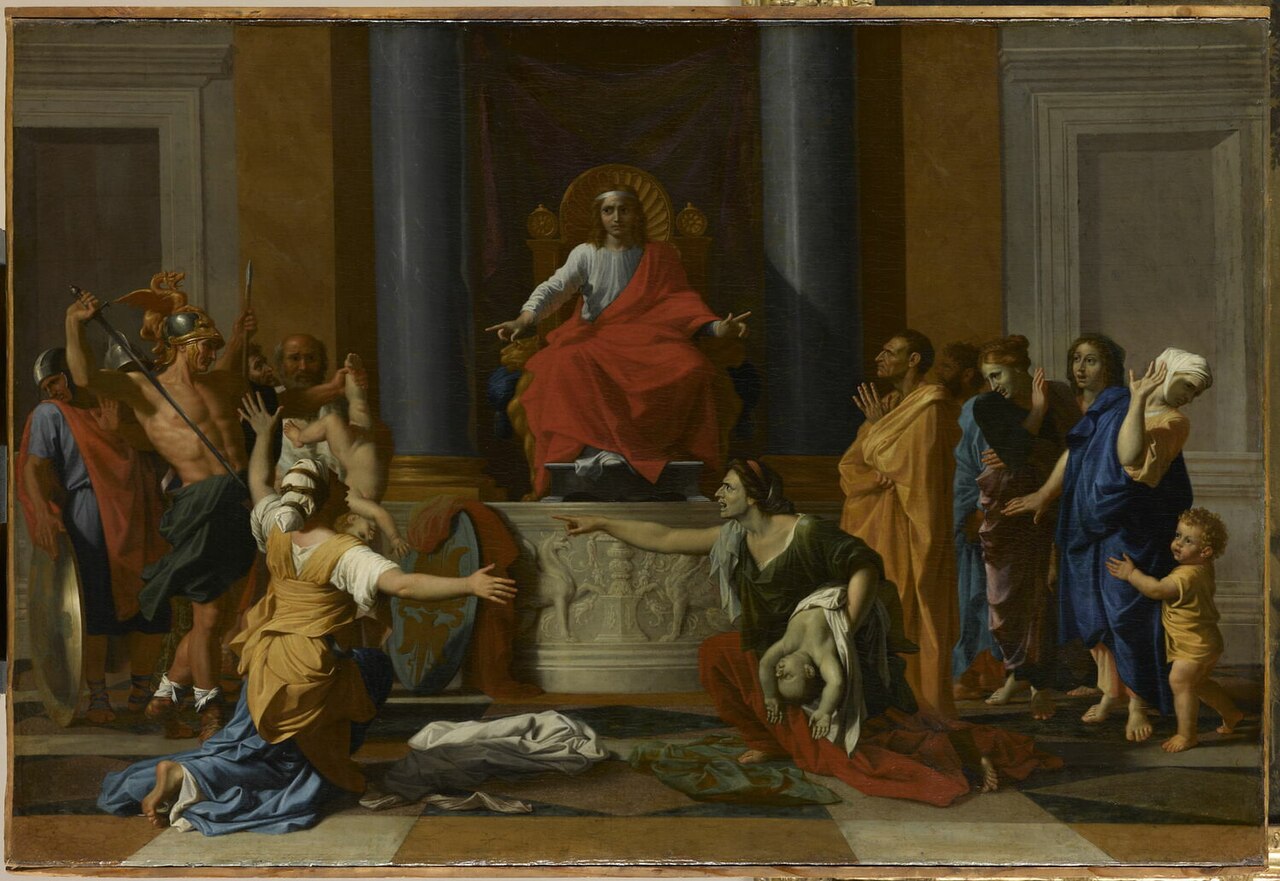
The Judgment of Solomon, Nicolas Poussin, 1649, Louvre INV 7277. Later artistic reception of 1 Kings 3: two women and two children before the king. It is neither a Kings manuscript nor contemporary evidence for the king
Texto antigo
Biblical books narrating the kingdoms' history, including the campaign against Mesha in 2 Kings 3.
Variantes do nome: 1 Kings, 2 Kings, Books of Kings
Contexto e fontes →
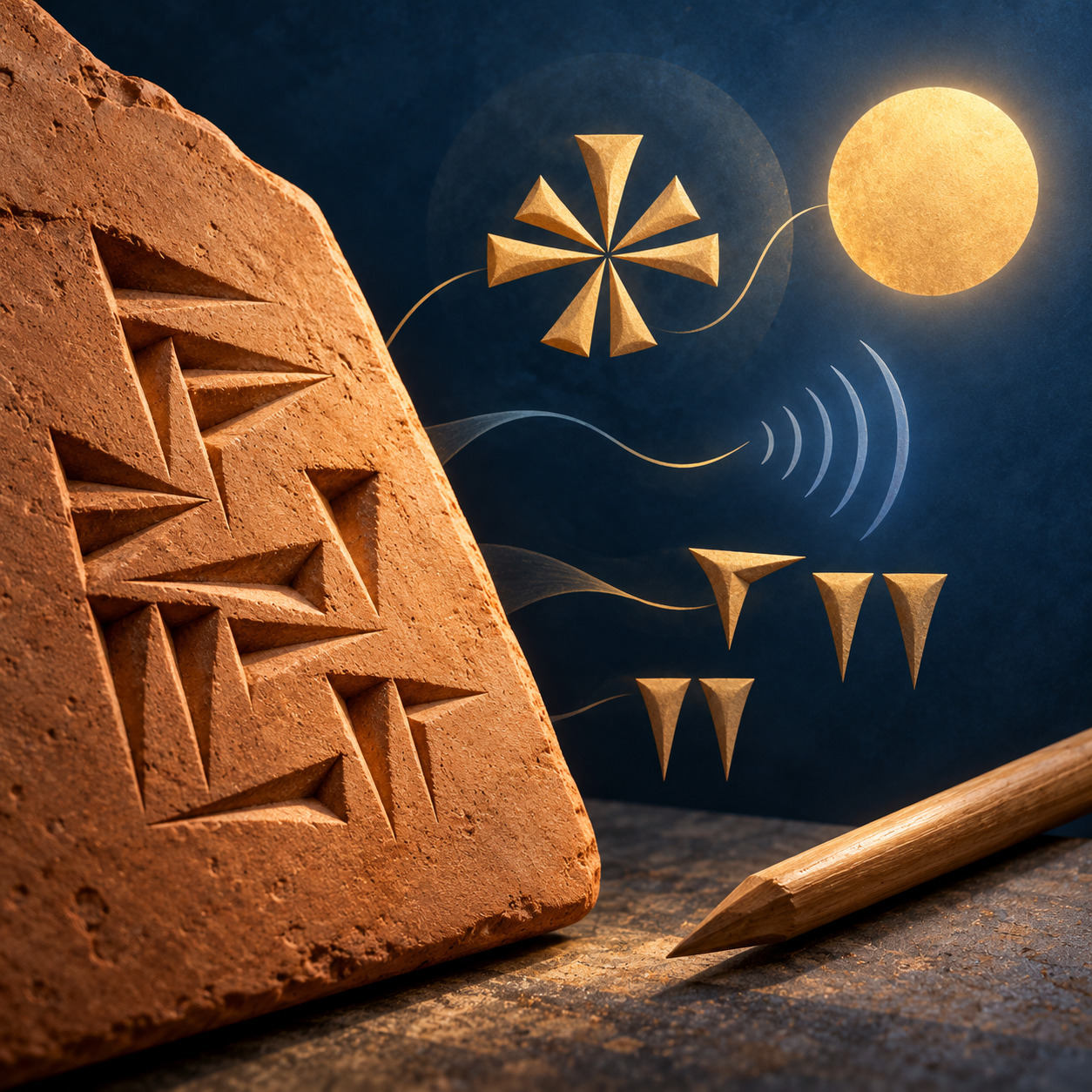
Modern AI-generated conceptual cover suggesting signs, meaning and sound; not an archaeological tablet or an authenticated ancient inscription
Entidade
A written sign functioning as a word sign in context; the same form may also have syllabic or determinative uses.
Variantes do nome: logogram, word sign
Contexto e fontes →
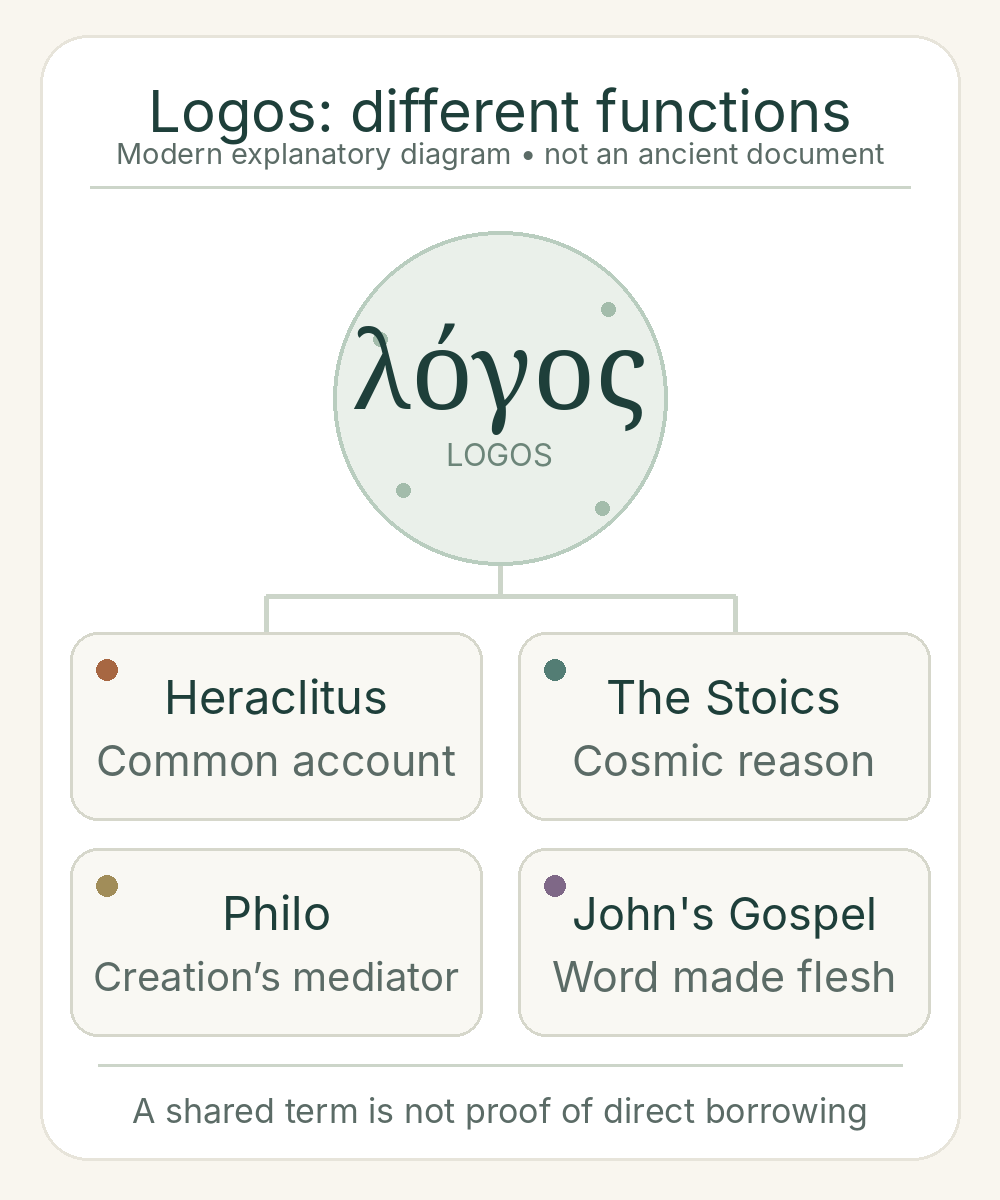
Modern explanatory diagram contrasting four functions of the Greek word “logos” in Heraclitus, Stoic thought, Philo and John’s Gospel. Shared vocabulary does not establish direct transmission; this is not an ancient artefact
Entidade
Greek term for speech, explanation or reason, also used for cosmic rationality. Philo uses it in accounts of creation, while John’s prologue speaks of the Word becoming flesh; its function varies with context.
Variantes do nome: Logos
Contexto e fontes →
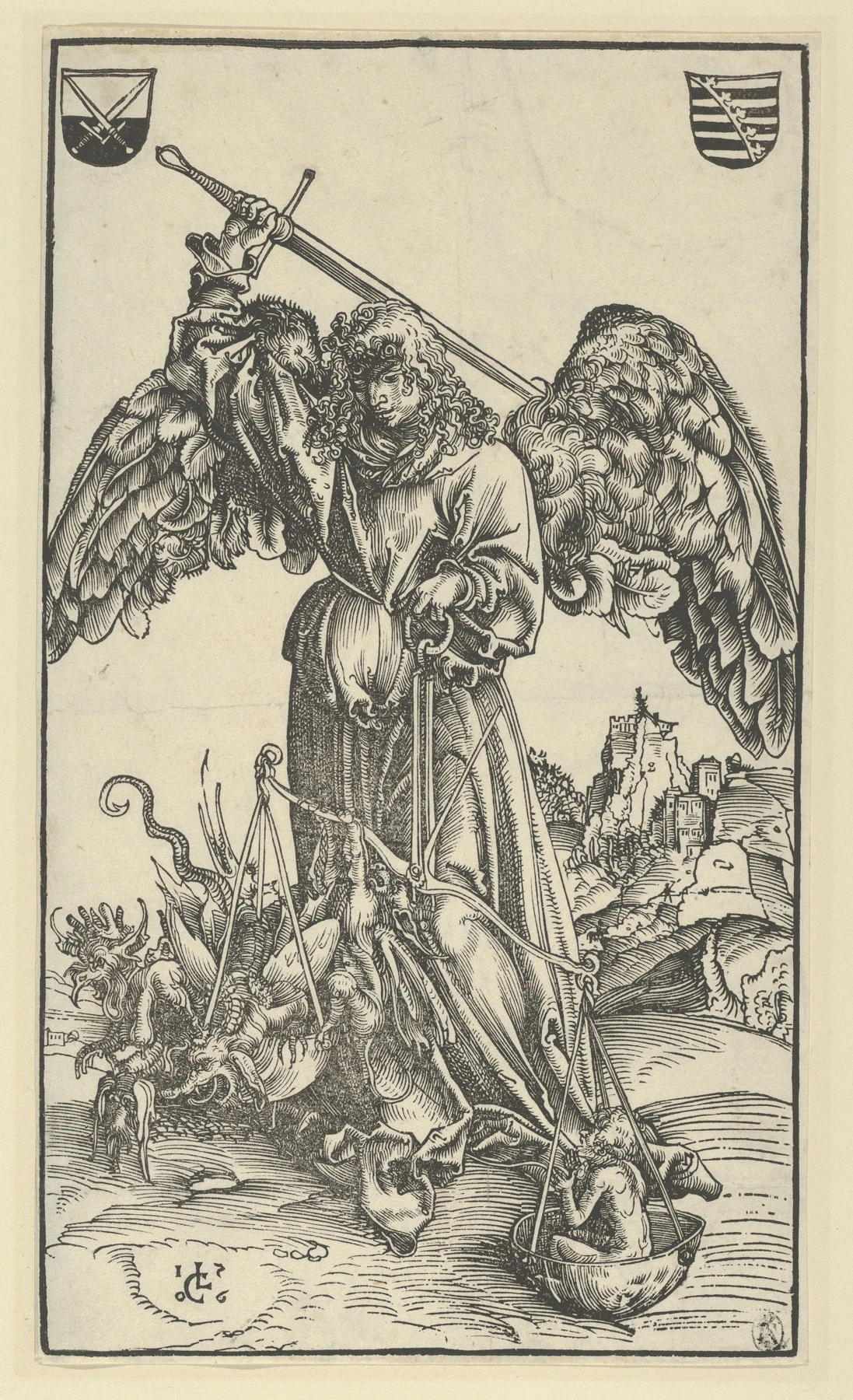
Cranach the Elder, Michael weighing a soul,1506; Met27.54.22. An example of his work, not his portrait
Pessoa
Lucas Cranach the Elder (1472–1553) was a German Renaissance painter and printmaker.
Variantes do nome: Lucas Cranach the Elder
Contexto e fontes →
Pessoa
Lucian of Samosata was a second-century CE writer in Greek, associated with Samosata on the Euphrates.
Variantes do nome: Lucian of Samosata
Contexto e fontes →
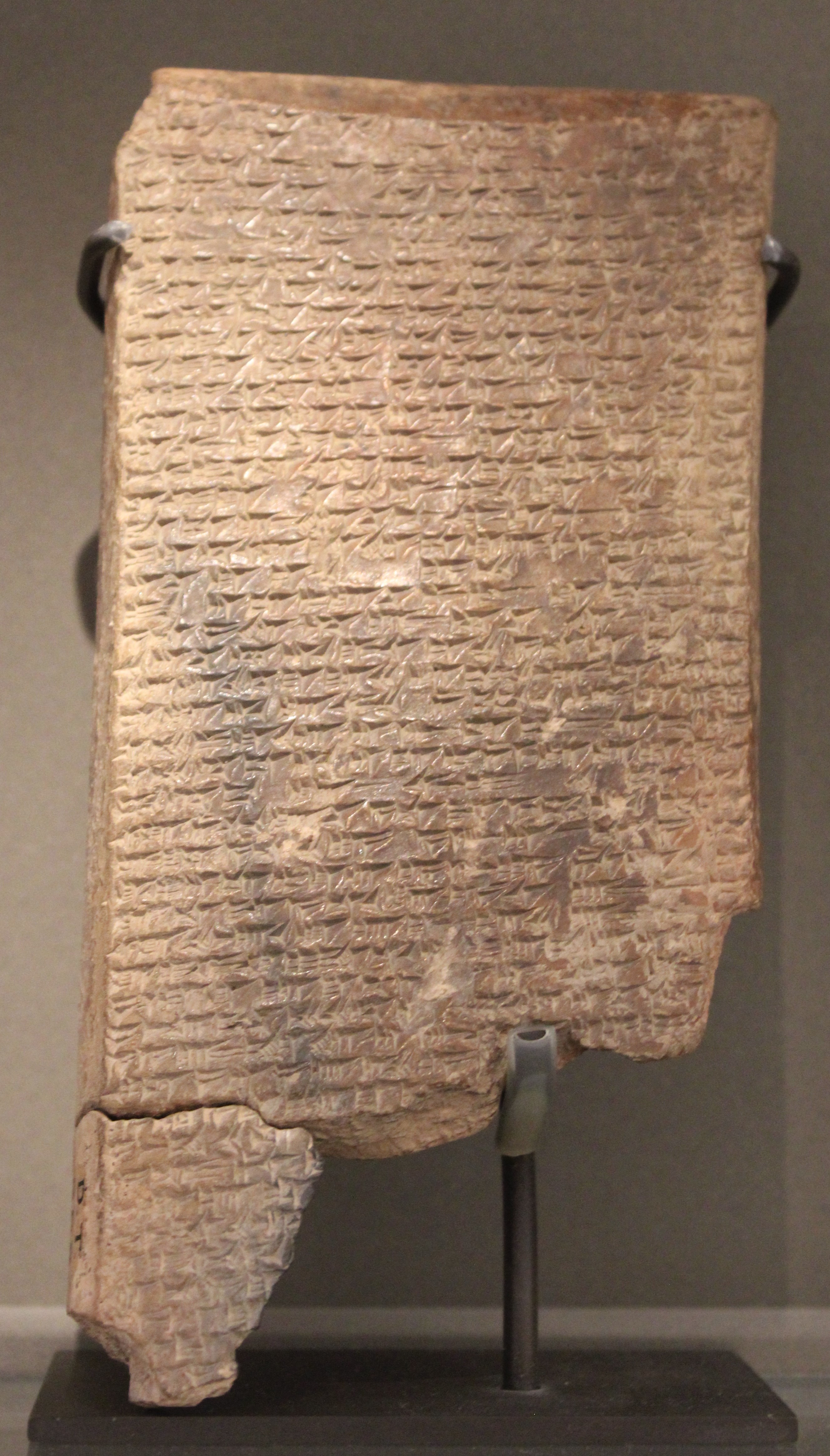
Cuneiform tablet K.2518+DT.358 from Nineveh, a copy of tablet II of Ludlul bēl nēmeqi, probably seventh century BCE; neither the original composition nor the complete poem. British Museum collection, on loan to the Louvre. Photograph by Zunkir, 2020, via Wikimedia Commons; original image unmodified
Texto antigo
Babylonian Akkadian poem about Šubši-mešrê-Šakkan, his suffering, recovery, and praise of Marduk, examined through its five tablets, manuscript witnesses, dating, and qualified comparison with Job.
Variantes do nome: Ludlul bēl nēmeqi, Ludlul bel nemeqi, Babylonian Job
Contexto e fontes →
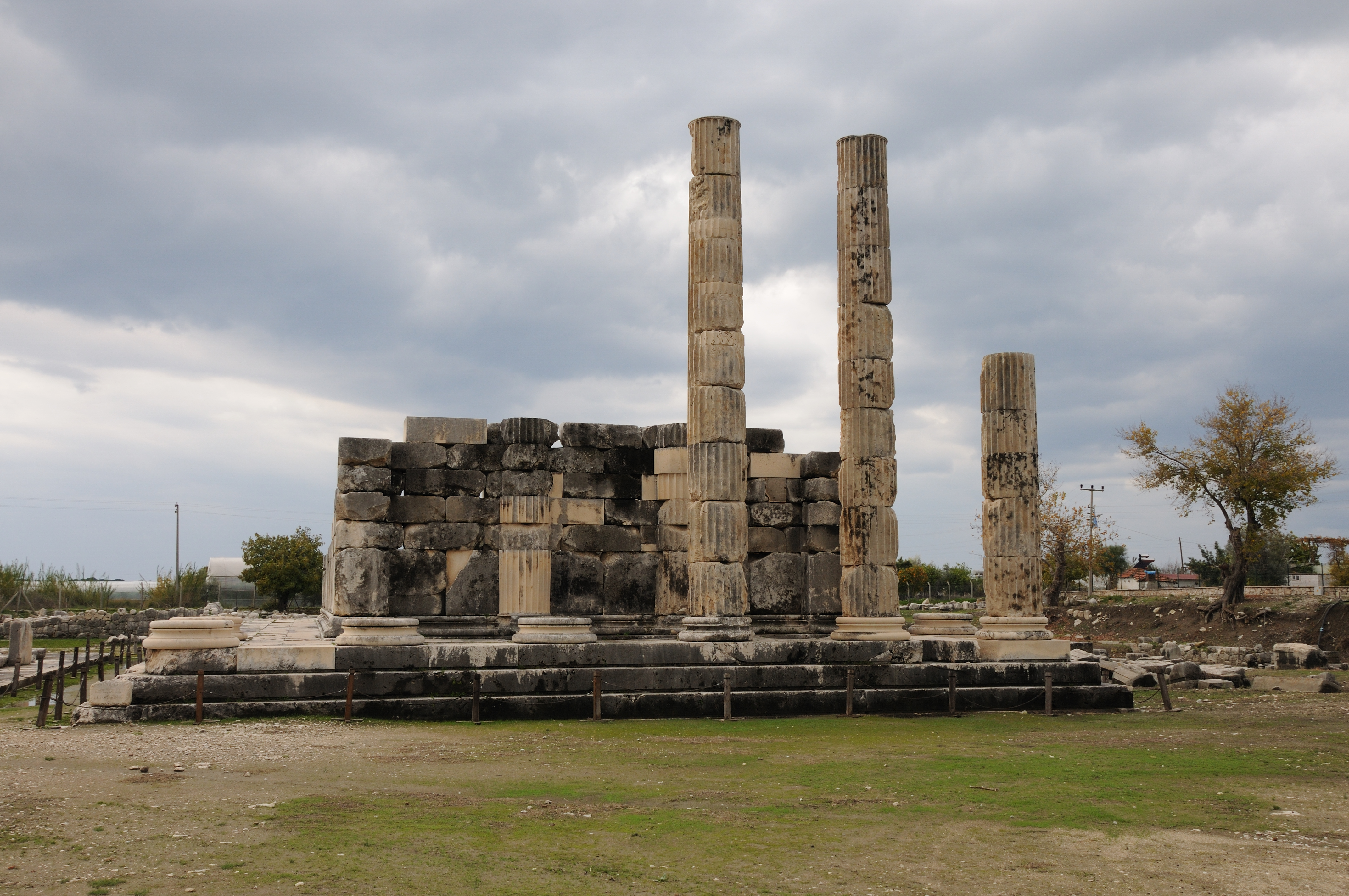
Columns and remains in Xanthos’s Roman Agora area, Türkiye, photographed by Josep M. Gracia, December 2021. A later phase of a Lycian city, not the king’s palace in Bellerophon’s tale
Sítio
Ancient region of southwestern Anatolia, now Türkiye, including Xanthos and Letoon; destination of Bellerophon in the Iliad.
Variantes do nome: Lycia, Lycia
Contexto e fontes →
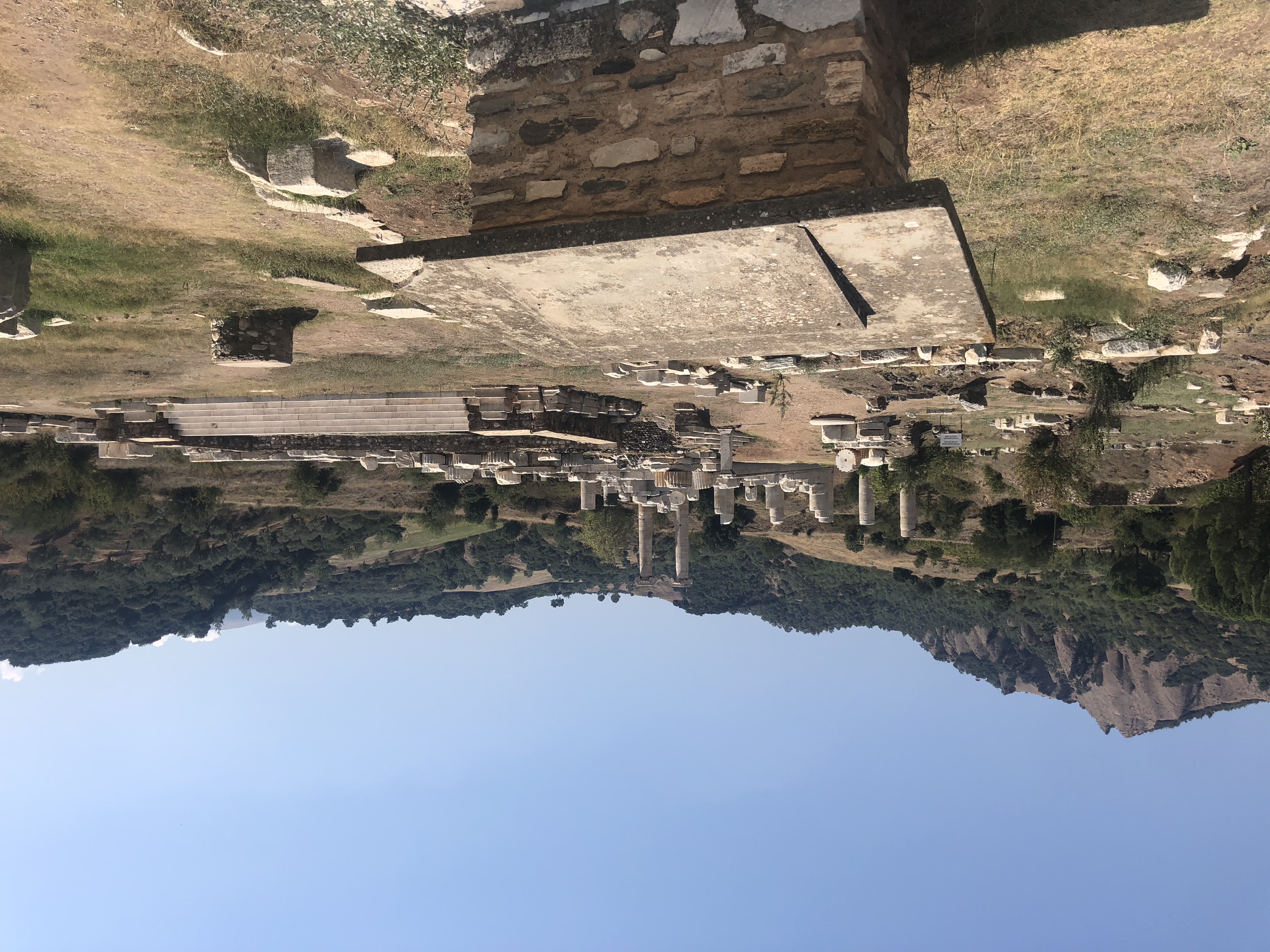
Artemis temple remains at Sardis, ancient Lydia's capital. This temple postdates Gyges; the photograph locates the site rather than his reign
Sítio
Ancient kingdom in western Anatolia with its capital at Sardis; neither a modern state nor a synonym for Magog.
Variantes do nome: Lydia
Contexto e fontes →
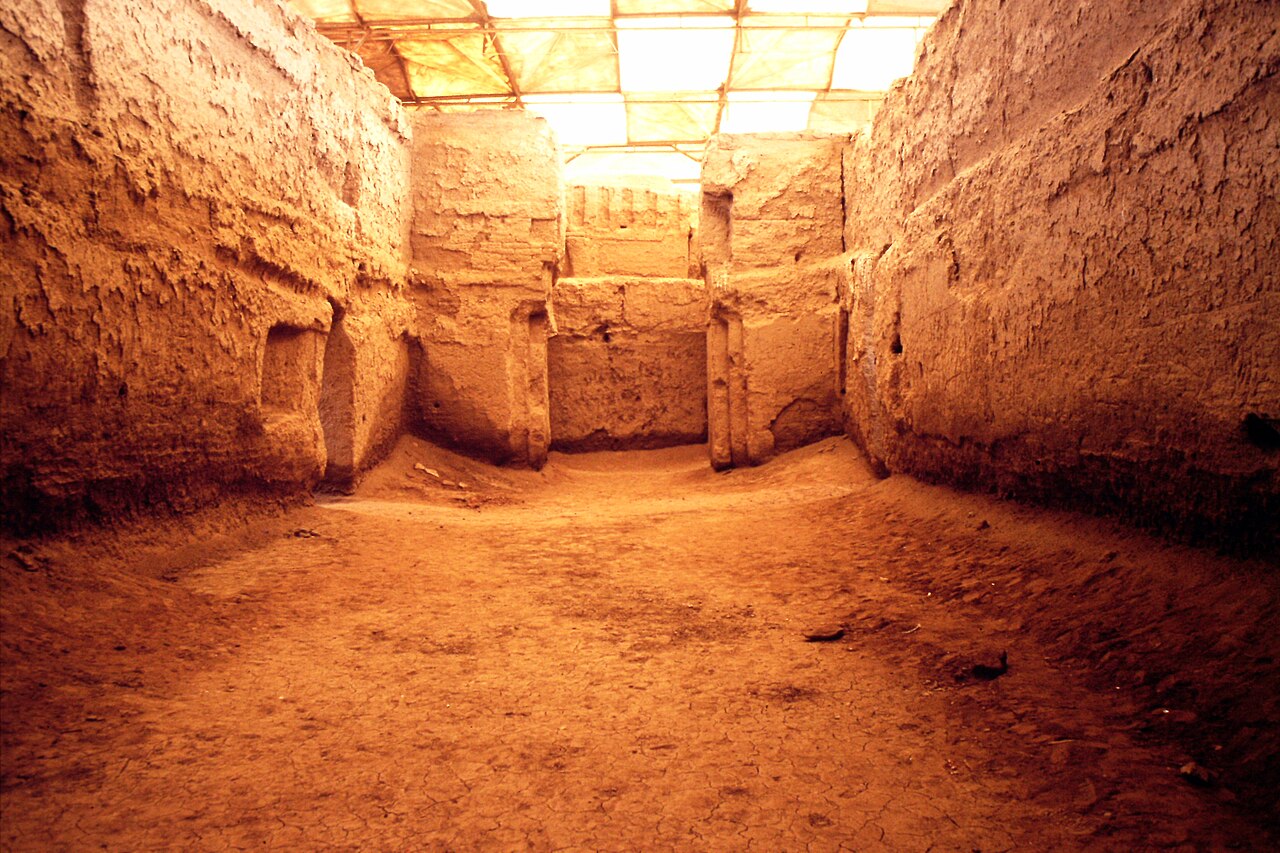
Photograph of the ruins of Mari, the setting of documents preserving Amorite names. The place explains the context of preservation; the photograph itself is not a text in the Amorite language
Entidade
A West Semitic language studied especially through personal names, much of whose evidence comes from the Old Babylonian period (ca. 2000–1600 BCE).
Variantes do nome: Amorite language
Contexto e fontes →
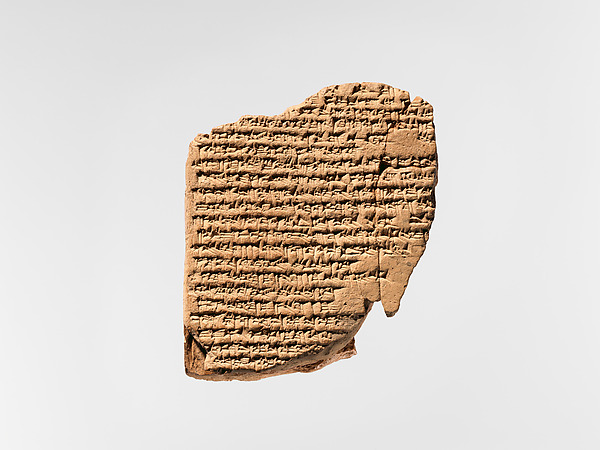
Tablet of a Sumerian lament with Akkadian translations of many lines, about the second–first centuries BCE; Met 86.11.286a. A late witness to the language’s continued scribal and ritual use
Entidade
Ancient language of southern Mesopotamia, clearly attested in third-millennium BCE texts and maintained in learning and ritual after its spoken use declined.
Variantes do nome: Sumerian language, Sumerian
Contexto e fontes →
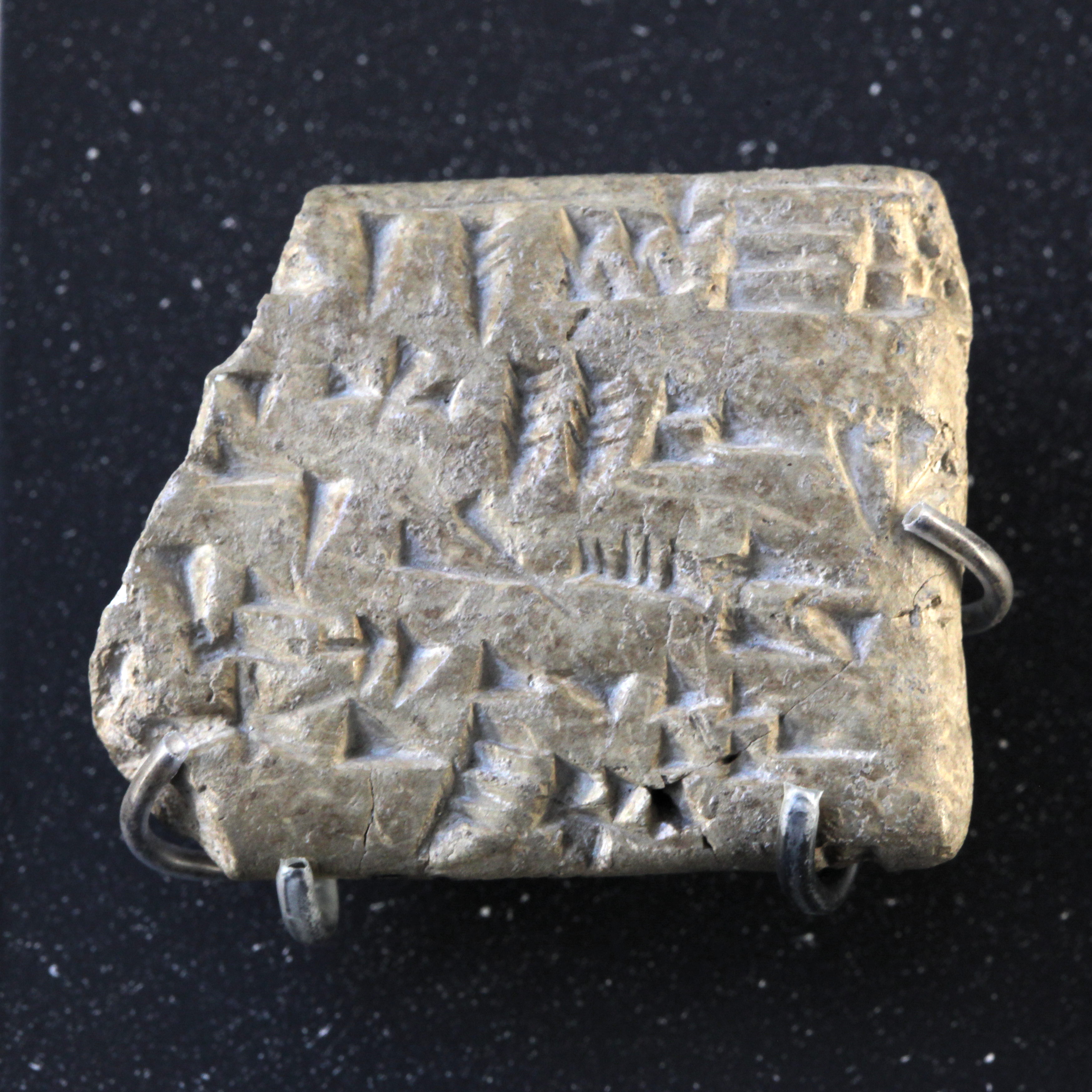
Fragment bearing the sequence of Ugaritic alphabetic letters, about 1400–1200 BCE in the Louvre catalogue; AO 19992. A photograph of an actual witness from Ugarit
Entidade
Ancient Semitic language preserved in Ugarit’s tablets on the Syrian coast, from the fourteenth–twelfth centuries BCE, written in a cuneiform alphabet.
Variantes do nome: Ugaritic language, Ugaritic
Contexto e fontes →