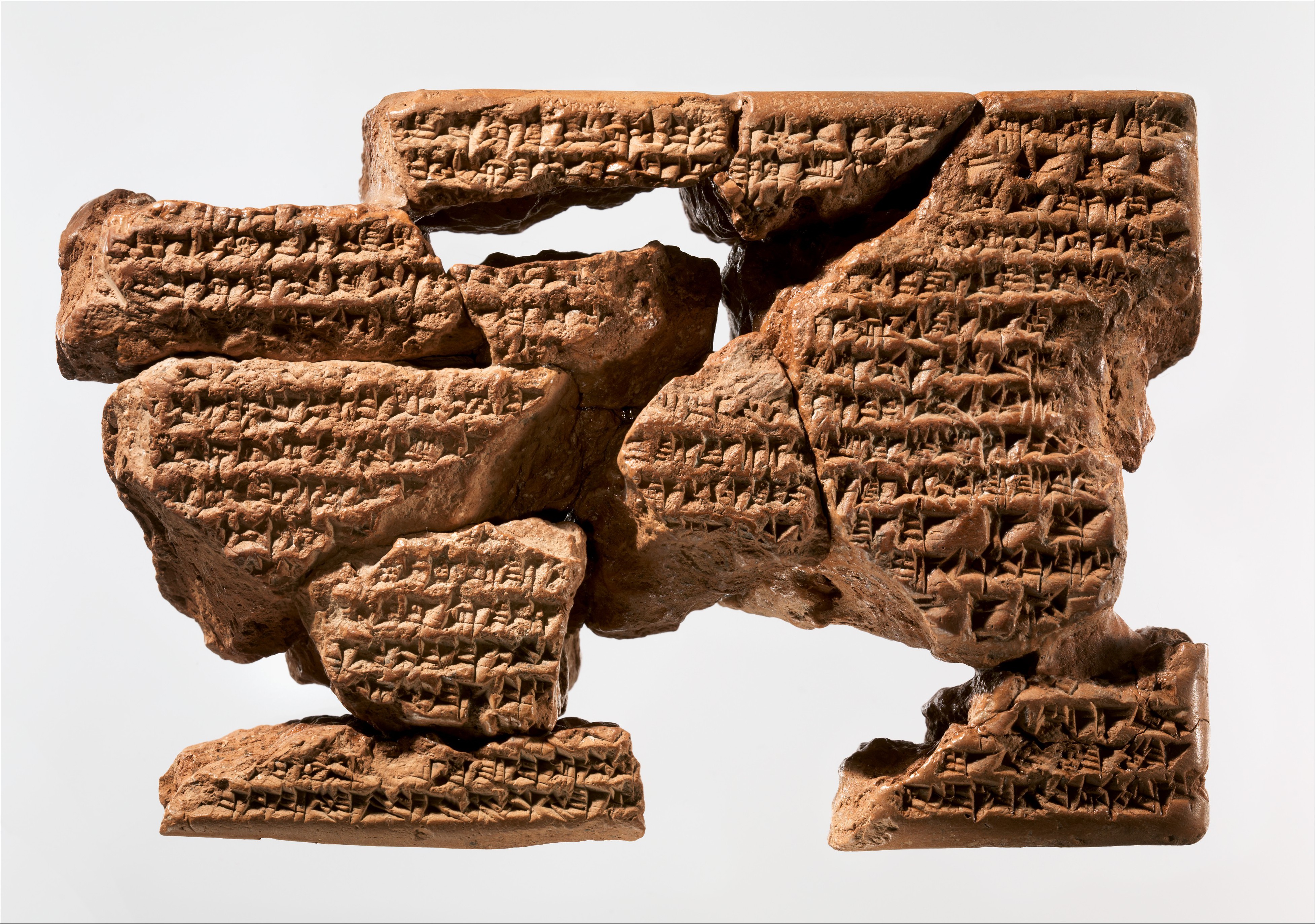
Part of a copy of a letter to Nabopolassar, Met 86.11.383c–e. Copy about the second century BCE; original letter’s setting late seventh century BCE. Not Etemenanki’s restoration inscription or a royal portrait
Pessoa
Nabopolassar was a late-seventh-century BCE Babylonian king who claimed to rebuild Etemenanki.
Variantes do nome: Nabopolassar
Contexto e fontes →
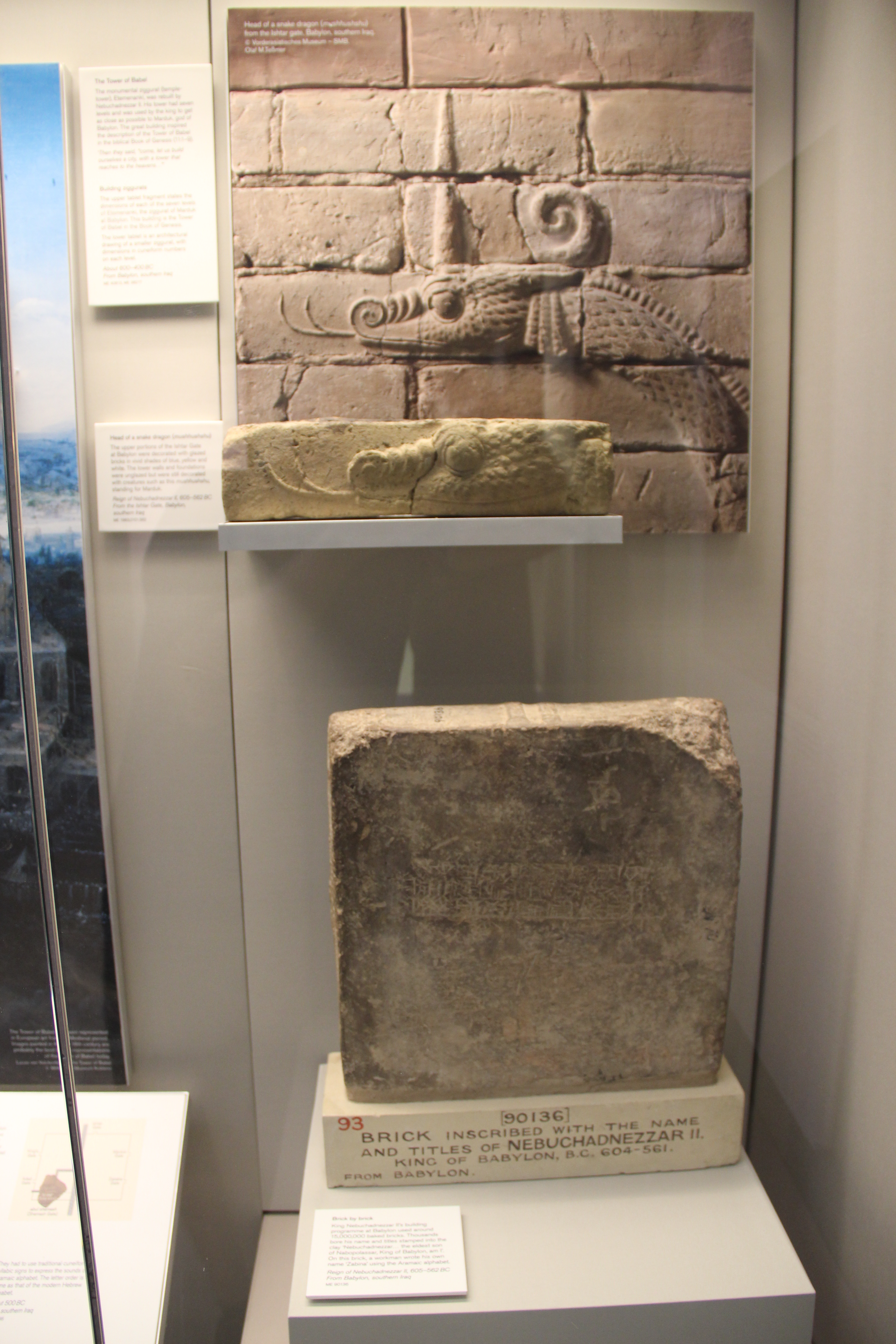
Brick bearing Nebuchadnezzar II’s name and titles in the foreground, Babylon, sixth century BCE; British Museum 90136. Dragon fragments above are separate exhibits, not the king’s portrait or this brick’s decoration
Pessoa
Babylonian king, 605–562 BCE, appearing in Daniel and independently attested in inscriptions and building remains.
Variantes do nome: Nebuchadnezzar II, Nebuchadnezzar, Nebuchadnezzar II
Contexto e fontes →
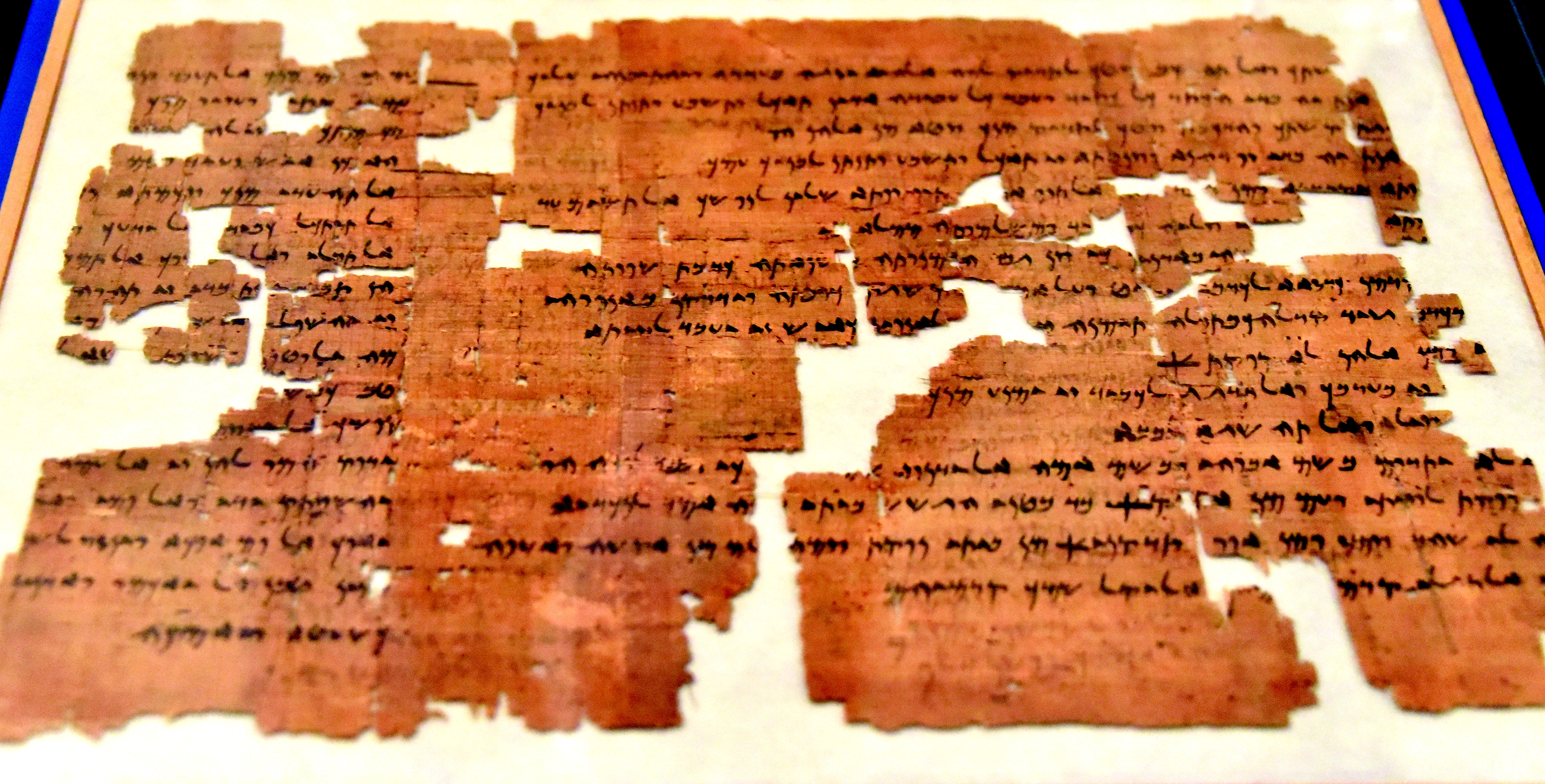
Fragment of the Aramaic Ahiqar papyrus, Elephantine, fifth century BCE; Berlin P.13446/G, photographed at Neues Museum in 2019. Witness to a work combining narrative and sayings, not a portrait of Nadin or a complete story copy
Pessoa
The young man Ahiqar raises and prepares as successor, then portrayed as betraying the sage.
Variantes do nome: Nadin in Ahiqar, Nadin in Ahiqar
Contexto e fontes →

Newly generated modern interpretive illustration of subterranean waters and clay beneath an imagined Mesopotamian setting, evoking themes associated with Namma. Not an artefact, an image of the goddess, or a verified historical reconstruction
Entidade
Namma, also traditionally read Nammu, is a Sumerian goddess and mother of Enki who helps initiate human creation in Enki and Ninmah; a royal inscription records her temple.
Variantes do nome: Namma, Nammu
Contexto e fontes →
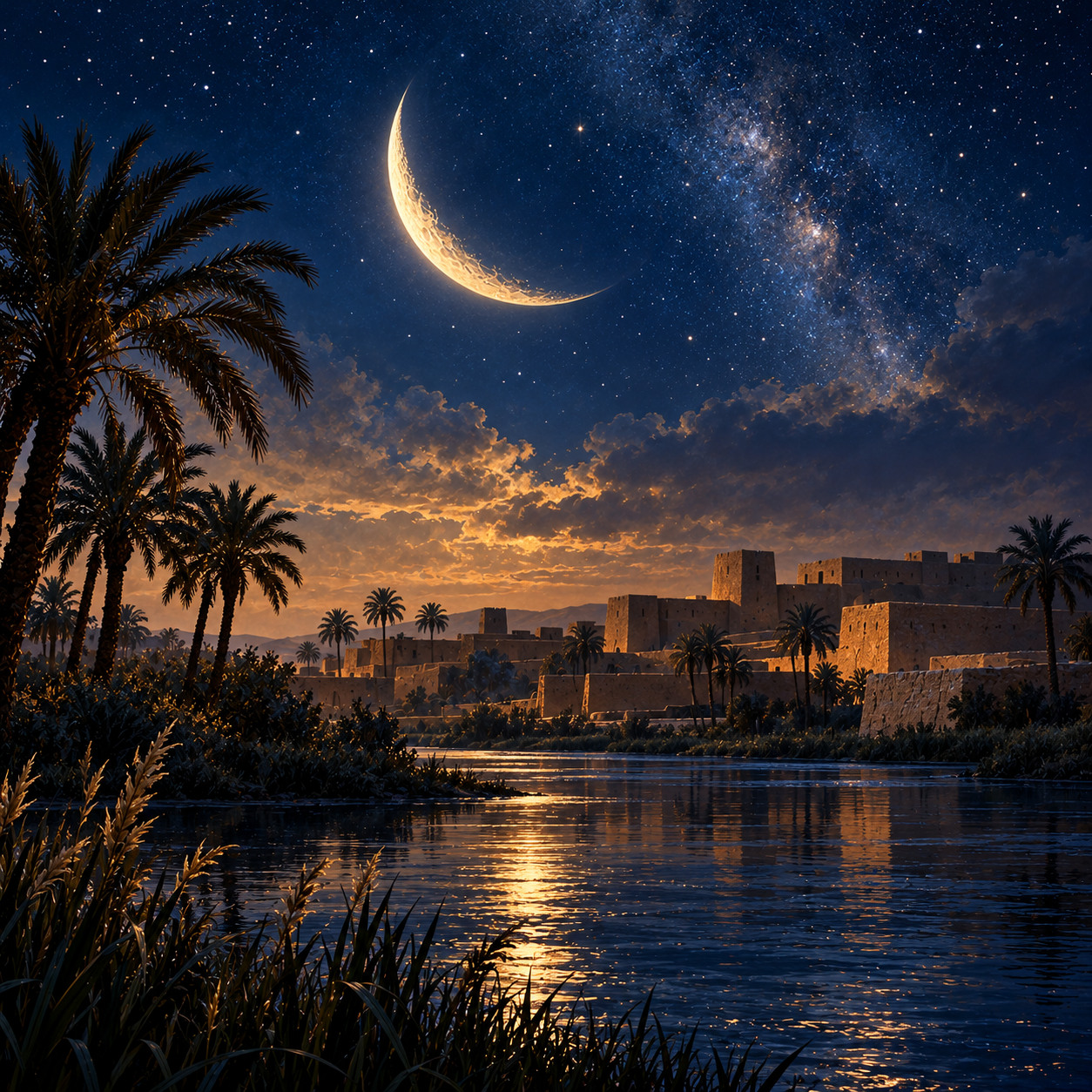
Modern AI-generated conceptual view of crescent moonlight over an imagined river landscape. Neither an ancient depiction of Nanna nor a verified reconstruction of Ur
Entidade
Mesopotamian moon god known as Nanna, Su’en and Sîn/Sin. Worshipped especially at Ur and Harran, he is associated with the crescent and lunar cycle; names and myths have different histories.
Variantes do nome: Nanna, Nanna-Suen, Su’en, Suen, Sin (moon god), Sîn
Contexto e fontes →
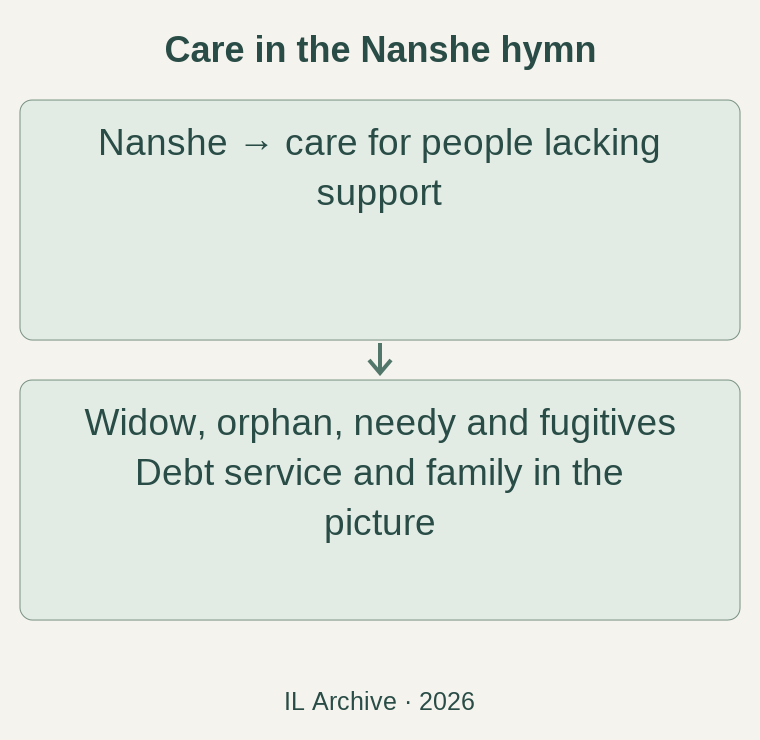
Modern diagram of the relationship or demand in the specified text; not an artifact photograph, a divine likeness or a portrait
Entidade
Sumerian goddess praised in a hymn for caring for widows, orphans, people in need, and fugitives.
Variantes do nome: Nanshe
Contexto e fontes →
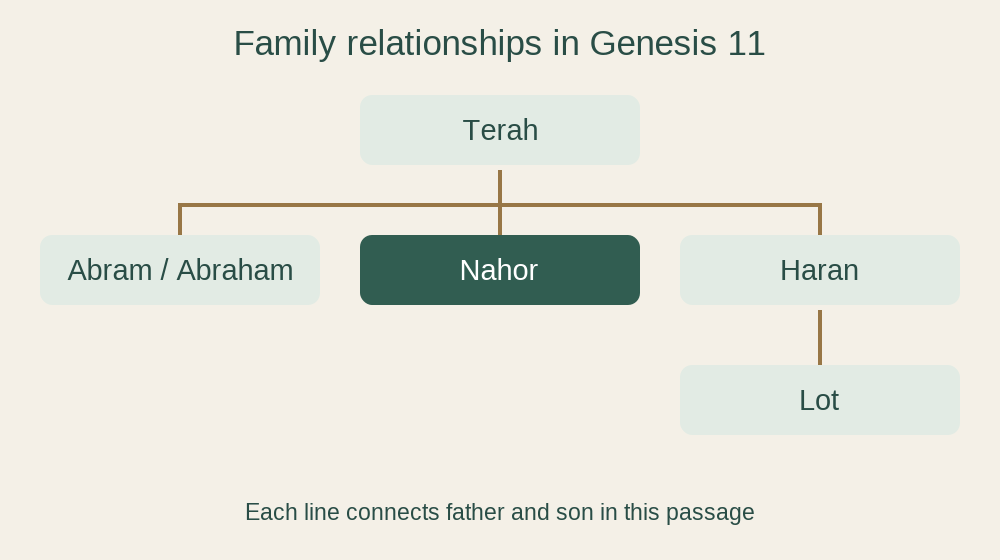
Modern diagram of family relationships in Genesis 11; the highlighted node identifies this entry’s figure. It explains the narrative’s genealogy, not physical likenesses or independent proof of their lives
Pessoa
Son of Terah and brother of Abram and Haran in Genesis, distinct from Terah’s father of the same name.
Variantes do nome: Nahor, son of Terah, Nahor
Contexto e fontes →
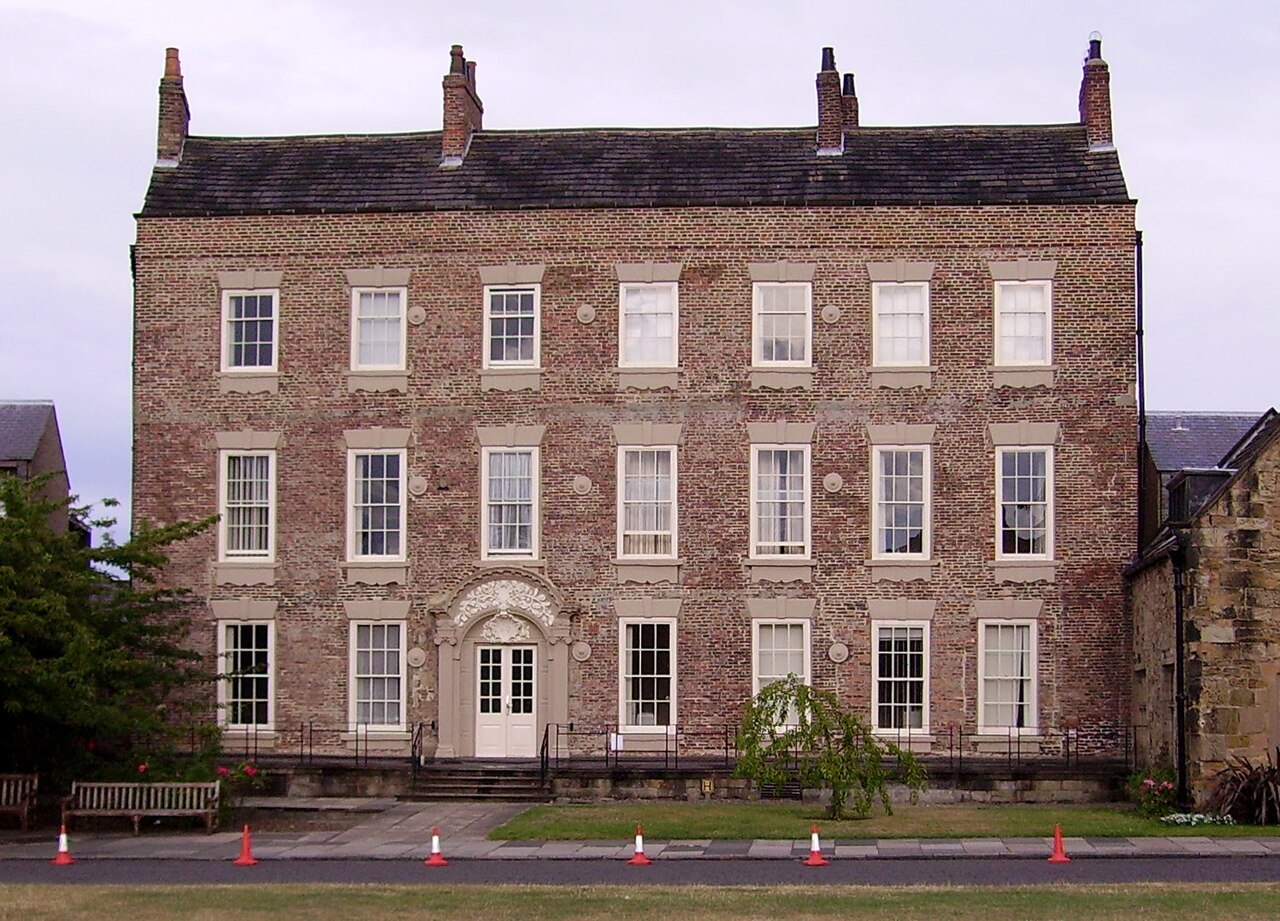
Cosin’s Hall on Palace Green in Durham, England. The original photograph dates from July 2006; this crop was made available later by the source. The building provides context for Durham University, where Nathan J. Chambers completed his thesis in 2017
Pessoa
Scholar of Genesis interpretation and Christian theology, studying Genesis 1 and creation from nothing.
Variantes do nome: Nathan Chambers, Nathan J. Chambers
Contexto e fontes →
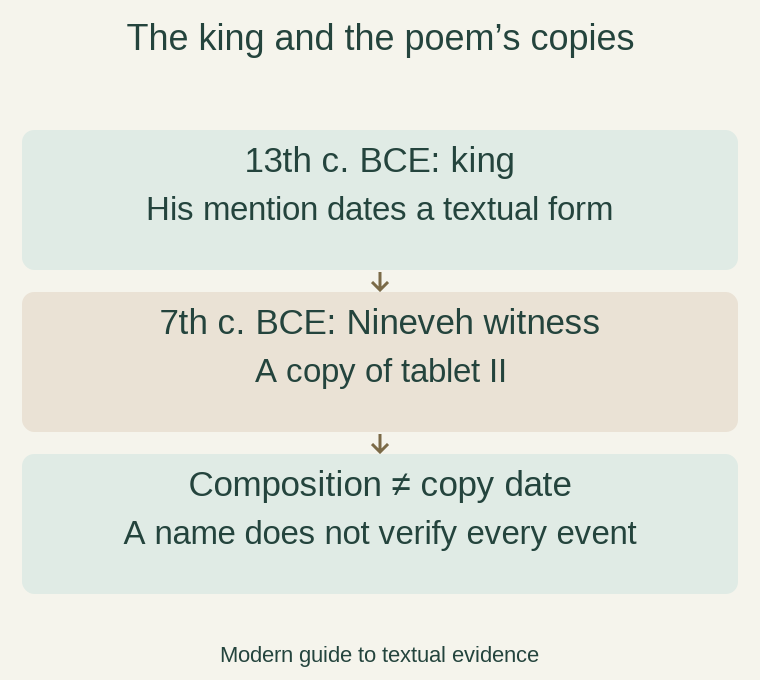
Modern diagram distinguishing the thirteenth-century BCE king mentioned in Ludlul from a seventh-century BCE Nineveh copy. Royal reference and manuscript date inform composition history without automatically dating it
Pessoa
Nazi-Maruttaš was a Kassite king of Babylon in the thirteenth century BCE.
Variantes do nome: Nazi-Maruttaš
Contexto e fontes →
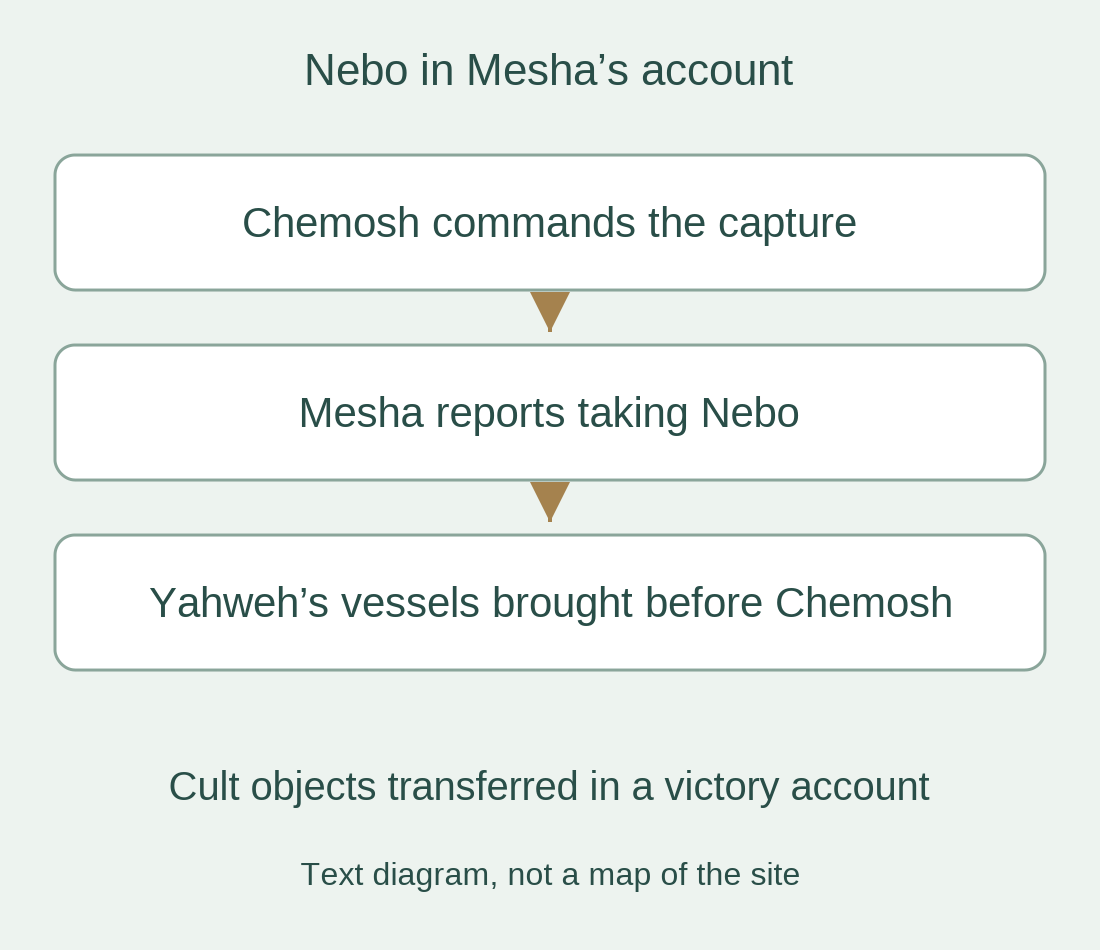
Text diagram, not a map of the site. Cult objects transferred in a victory account
Sítio
Town named in Mesha's conflict with Israel, from which he reports taking Yahweh's vessels before Chemosh.
Variantes do nome: Nebo
Contexto e fontes →

New AI-generated symbolic view of scouts facing immense cliffs, inspired by the fearful report in Numbers 13; not a historical reconstruction, an archaeological portrait of Nephilim, or evidence of their size
Entidade
Hebrew name in Genesis 6:4 and Numbers 13:33, linked to ancient heroes and the scouts’ report; its identification with giants or heavenly offspring depends on interpretation.
Variantes do nome: Nephilim
Contexto e fontes →
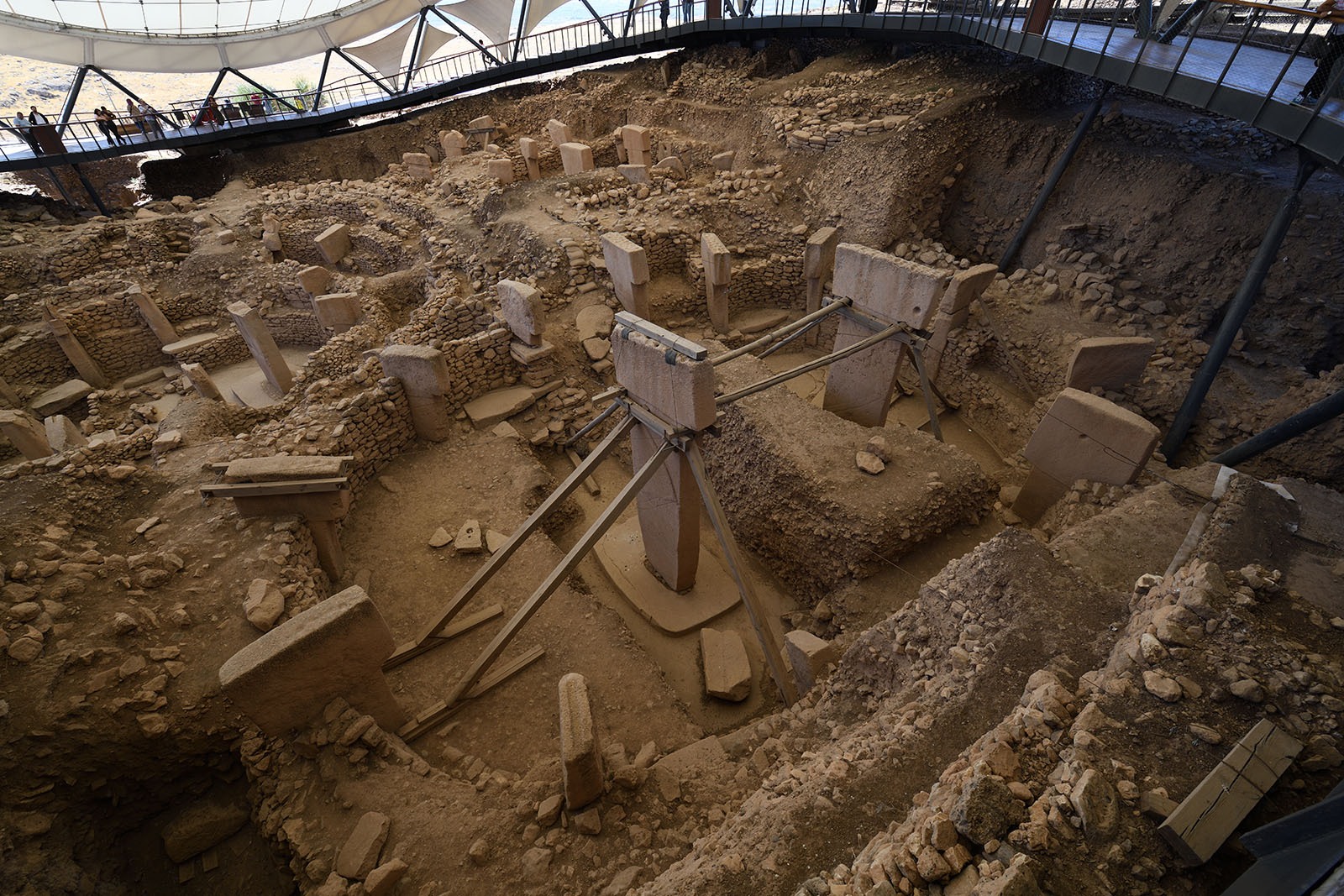
Building D at Göbekli Tepe, photographed in 2019. Central and perimeter pillars show the building’s arrangement. The visible shelter and support braces are modern conservation measures, not a reconstructed ancient roof
Período
A regional archaeological framework for early settlement, cultivation and animal management in Southwest Asia before the local spread of pottery vessels; its dates and trajectories vary and it implies no common religion.
Variantes do nome: Pre-Pottery Neolithic, prepottery Neolithic
Contexto e fontes →

New AI-generated expressive cover: three luminous focal points metaphorically evoke the One, Intellect and Soul in a Plotinian reading. Neither a literal cosmological map nor a historical artefact or photograph
Entidade
Modern name for Platonic currents flourishing from the third century CE, including Plotinus, Porphyry, Iamblichus and Proclus. They examined the first principle, Intellect, Soul and the world, while disagreeing over interpretation and practice.
Variantes do nome: Neoplatonism, Neo-Platonism
Contexto e fontes →
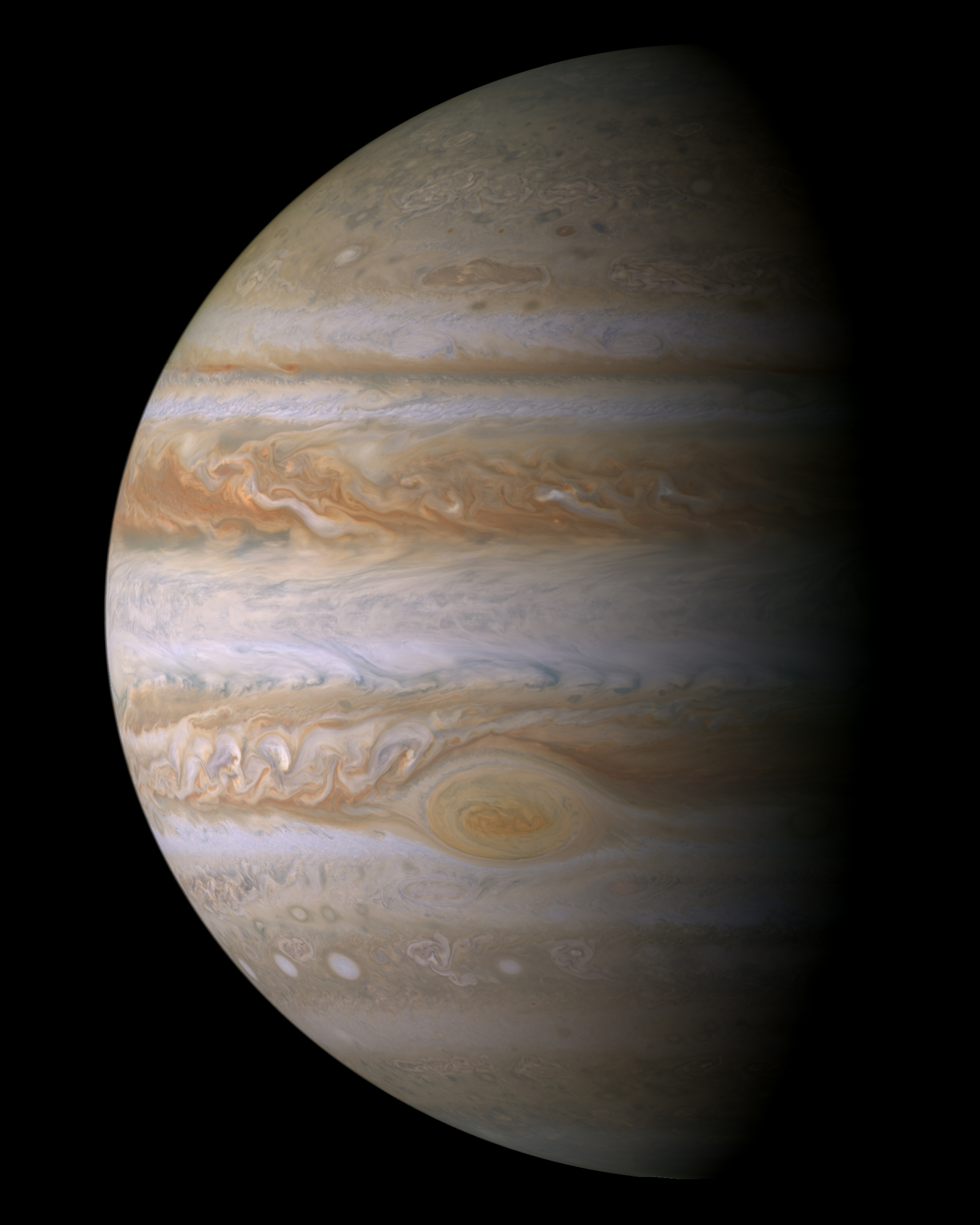
Photographic mosaic of Jupiter from Cassini images taken on 29 December 2000. It illustrates one identification of Nibiru, not a reconstruction of an ancient Babylonian observation
Entidade
An Akkadian word for a crossing, ford or ferry, also a celestial name associated with Marduk and applied to Jupiter or Mercury in particular contexts; it does not identify one body in every use.
Variantes do nome: Nibiru, Nēbiru, Nēberu
Contexto e fontes →
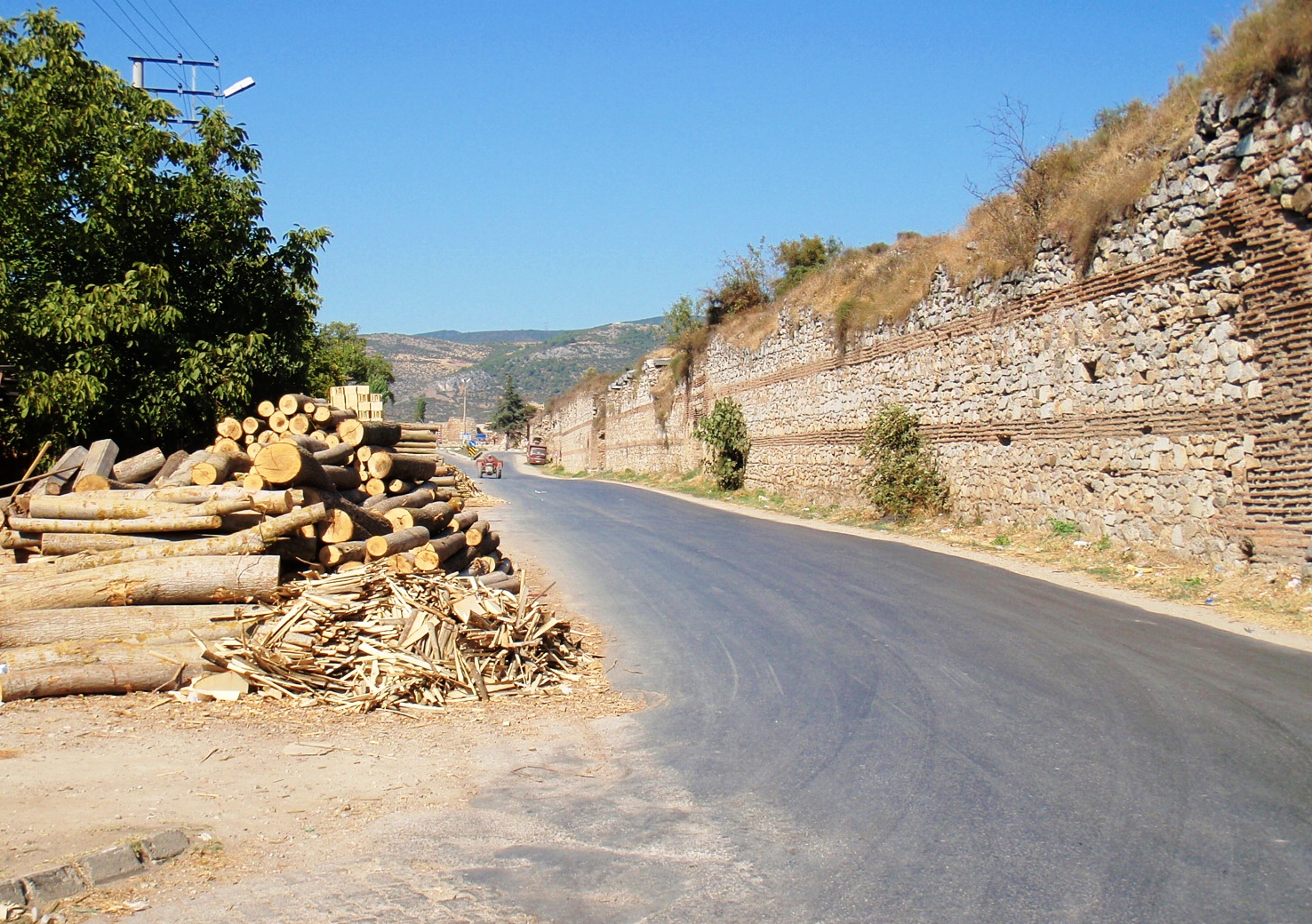
Part of İznik’s city walls, photographed by Raki_Man on 5 September 2008. The walls have several building and repair phases; the image locates the city, not the meeting room of the 325 council
Sítio
City in northwestern Türkiye where the Council of Nicaea met in 325 CE.
Variantes do nome: Nicaea (İznik)
Contexto e fontes →
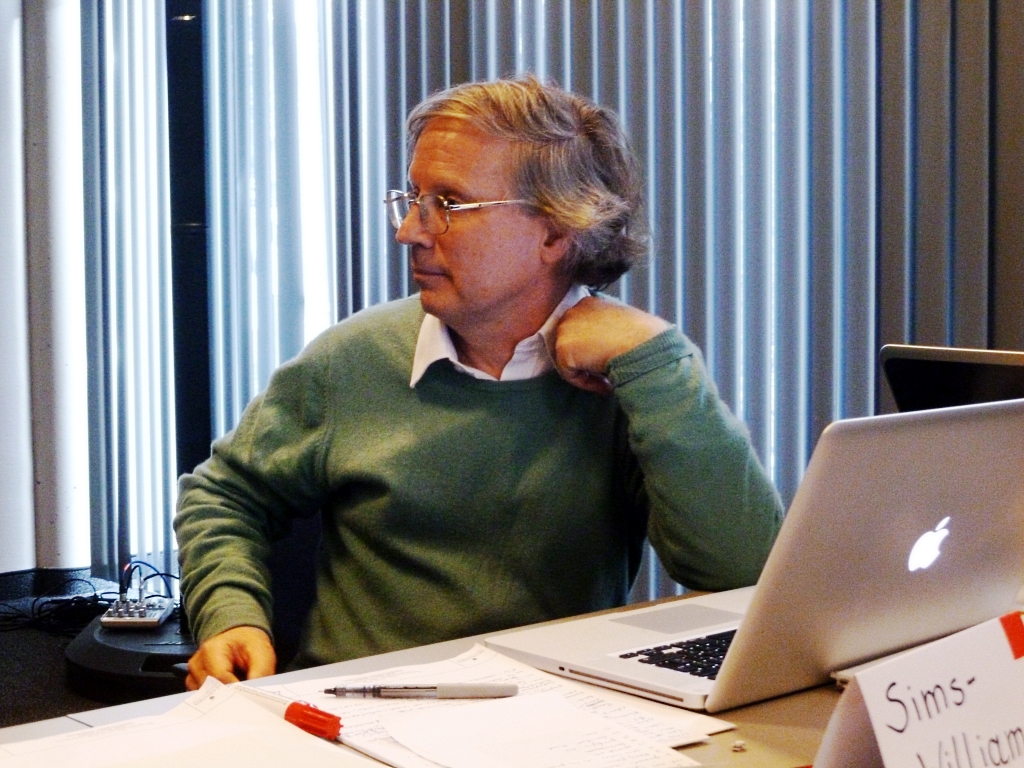
Nicholas Sims-Williams at the Berlin Symposium on the Kushans, December 2013. Photograph by John Hill, CC BY-SA 3.0
Pessoa
Scholar of Middle Iranian languages, including Sogdian, and of Christian texts translated from Syriac.
Variantes do nome: Nicholas Sims-Williams
Contexto e fontes →
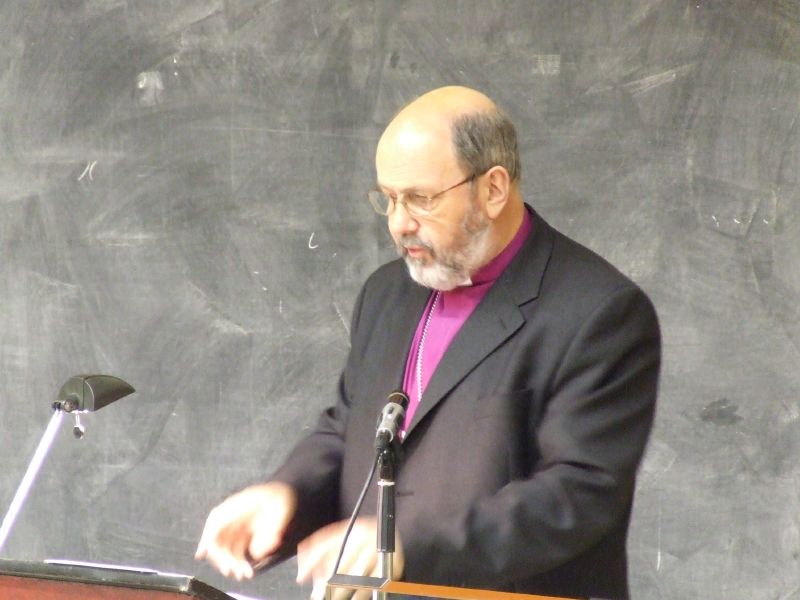
Nicholas Thomas Wright at the James Gregory Lecture, St Andrews, 20 December 2007. Photograph by Gareth Saunders, CC BY-SA 2.0; unchanged original
Pessoa
New Testament and early Christianity scholar, publishing as N. T. Wright.
Variantes do nome: Nicholas Thomas Wright, N. T. Wright, Tom Wright
Contexto e fontes →
Pessoa
Scholar of the Quran, its interpretation and its relations to Arabic poetry and Jewish and Christian traditions.
Variantes do nome: Nicolai Sinai
Contexto e fontes →
Pessoa
Nili Shupak is a scholar of the Bible and its comparison with ancient Egyptian literature.
Variantes do nome: Nili Shupak
Contexto e fontes →
Pessoa
Aarhus University scholar of church history and early Christian literature, coauthor of a study of Solomonic rings.
Variantes do nome: Nils Arne Pedersen
Contexto e fontes →
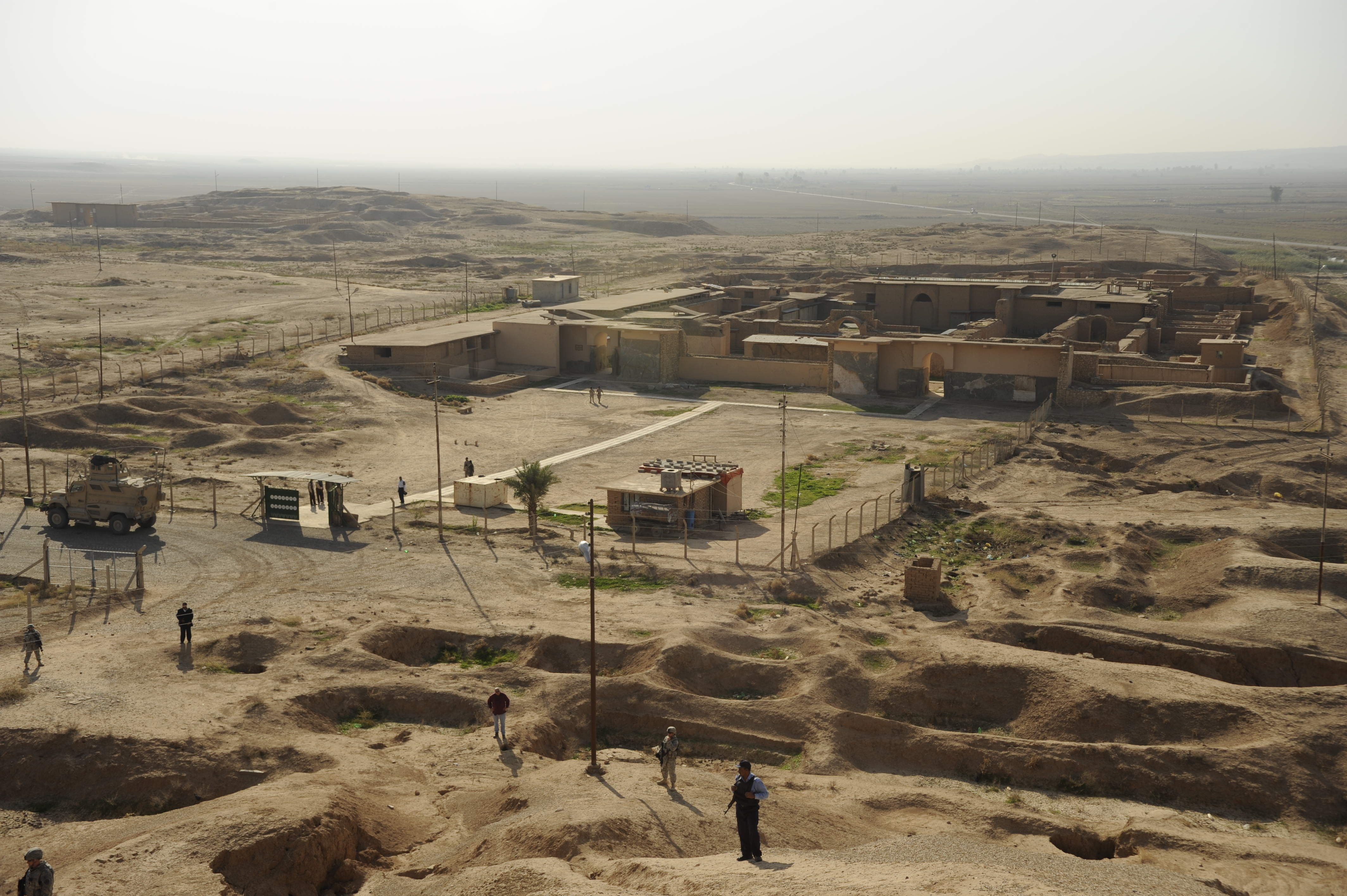
Nimrud on 19 November 2008, showing archaeological remains and modern restoration. Photograph by Staff Sgt. JoAnn Makinano; the view predates the destruction in 2015
Sítio
Nimrud is the site of the Assyrian city Kalhu in present-day northern Iraq, near Mosul.
Variantes do nome: Nimrud: ancient Kalhu
Contexto e fontes →
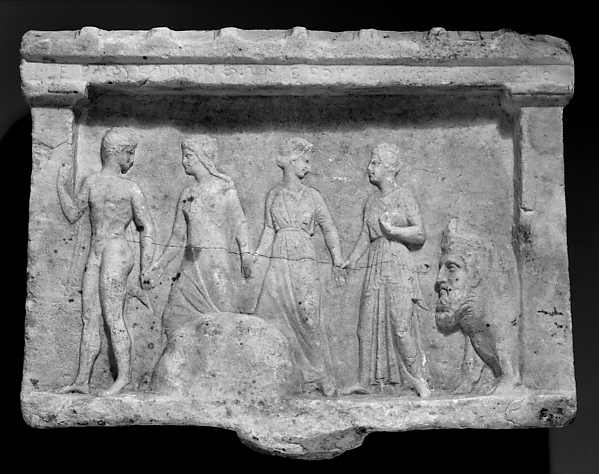
Hermes leading three nymphs, with the river god Acheloös, on a marble relief of about 320–300 BCE; Met 25.78.59. Evidence for nymphs in Greek art and votive practice
Entidade
Divine figures associated with natural places in Greek poetry, such as springs and groves.
Variantes do nome: Nymphs in Greek poetry
Contexto e fontes →
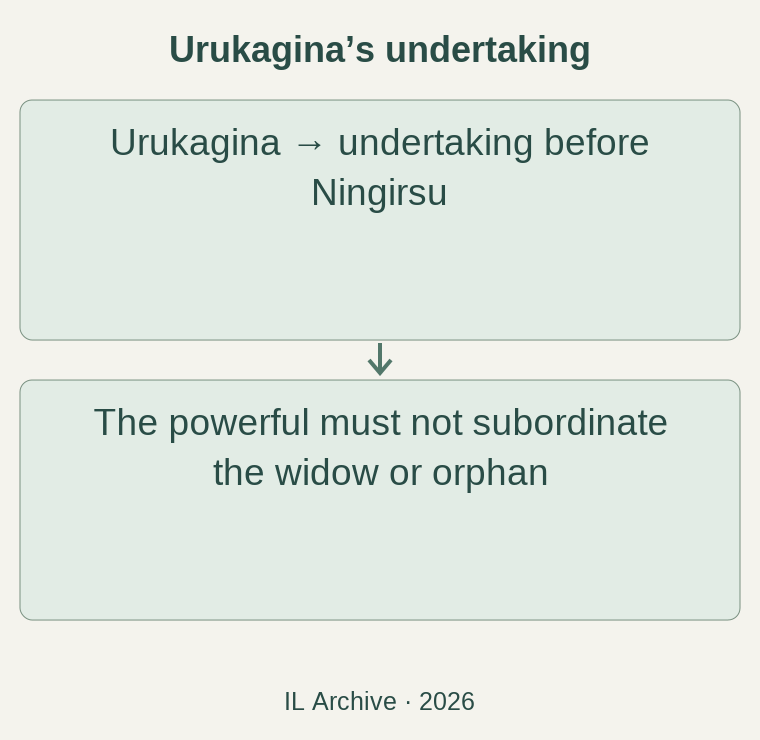
Modern diagram of the relationship or demand in the specified text; not an artifact photograph, a divine likeness or a portrait
Entidade
A major god of the Sumerian state of Lagash, invoked in Urukagina’s reform undertaking.
Variantes do nome: Ningirsu
Contexto e fontes →
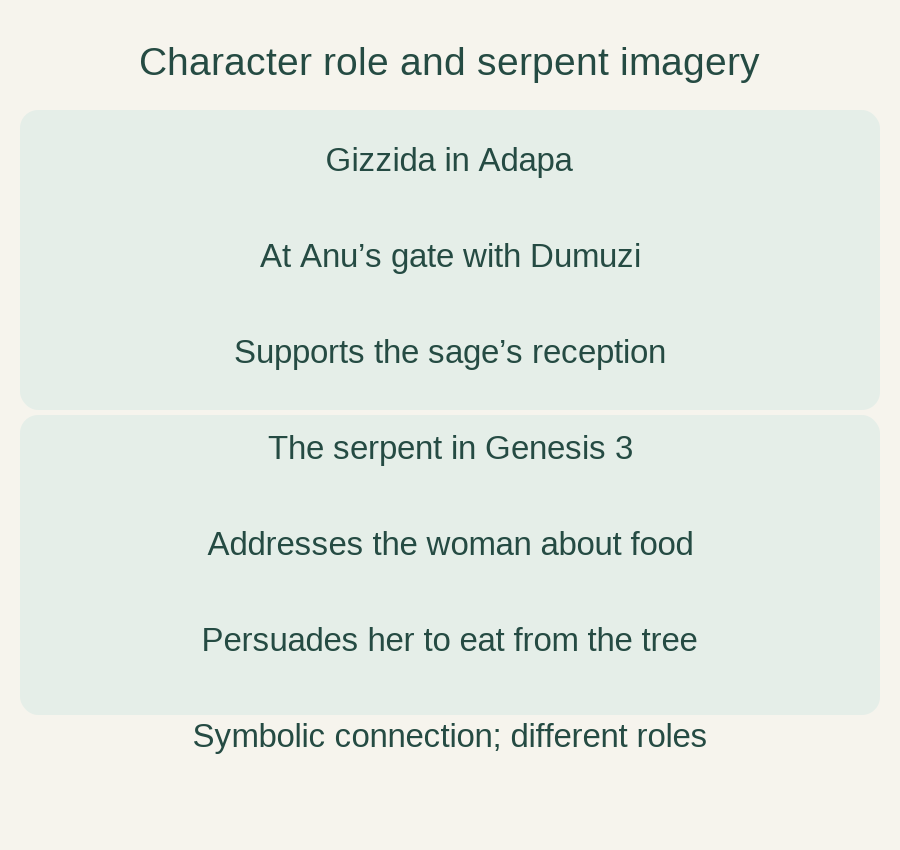
Modern comparison of Gizzida’s role in Adapa with the serpent’s role in Genesis; not a divine portrait or an artifact image
Entidade
Ningishzida is a Mesopotamian god called Gizzida in Adapa’s story, where he and Dumuzi support the sage at Anu’s gate.
Variantes do nome: Ningishzida, Gizzida
Contexto e fontes →
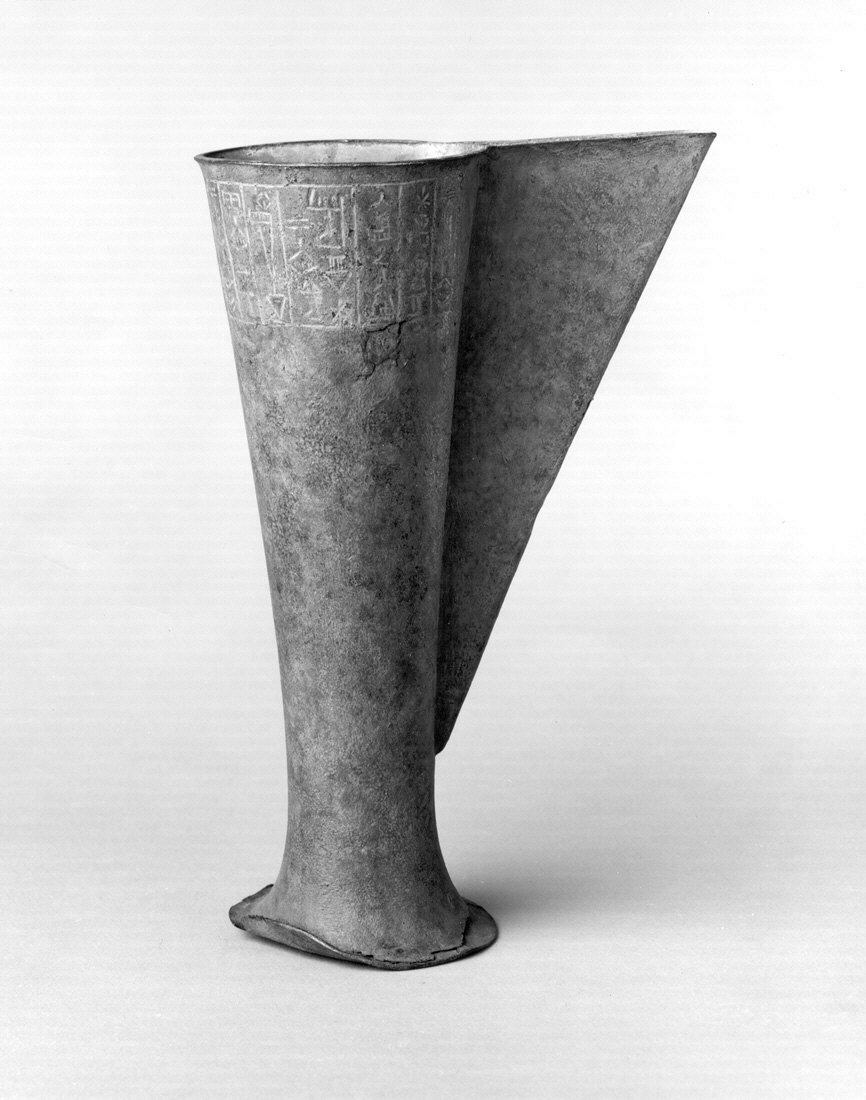
Cult vessel, about 2250–2000 BCE, Met 1994.45; the museum description identifies its dedication to Ninhursag. Evidence for name and cult, not a portrait or poem tablet
Entidade
Mesopotamian goddess central to the births and Enki’s healing in Enki and Ninhursaga.
Variantes do nome: Ninhursaga, birth and healing goddess, Ninhursaga, Ninhursag
Contexto e fontes →
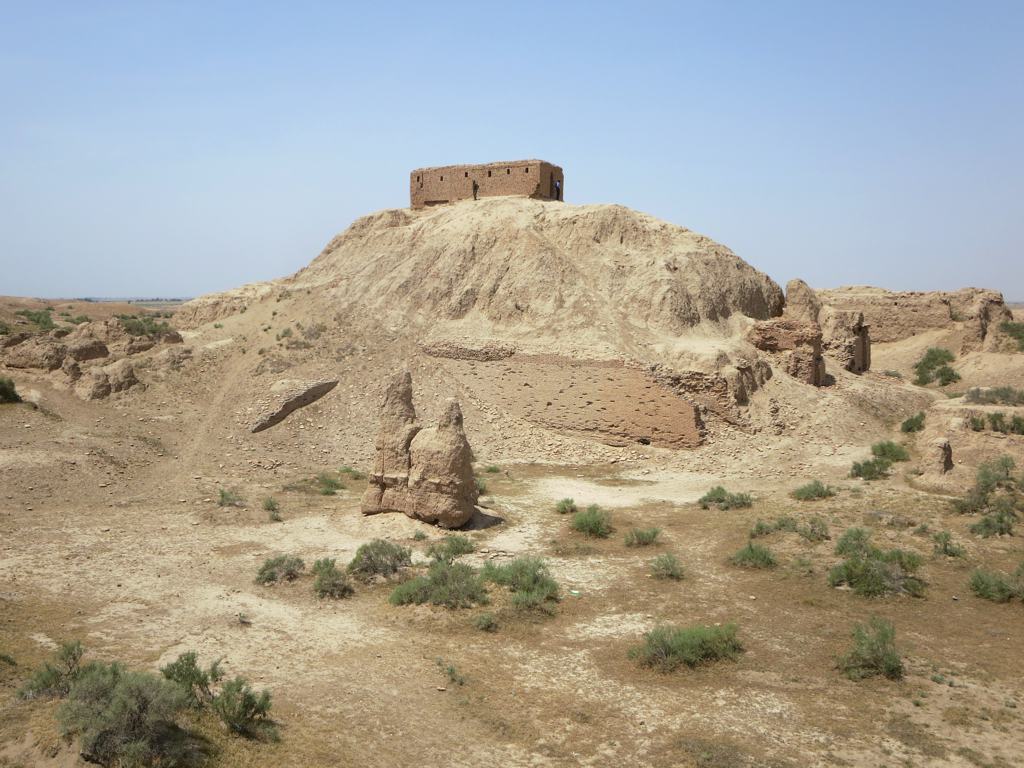
The archaeological site of Nippur, Iraq, photographed in 2016. Context for a city associated with Ninlil’s worship; not an identification of her sanctuary or a depiction of the goddess
Entidade
Mesopotamian goddess and consort of Enlil, associated with Nippur, Tummal, destinies and royal ritual. Identified with Sud in literary tradition and known as Mulliltu/Mullissu in Akkadian and Assyrian contexts; her genealogies and roles vary by text and period.
Variantes do nome: Ninlil
Contexto e fontes →
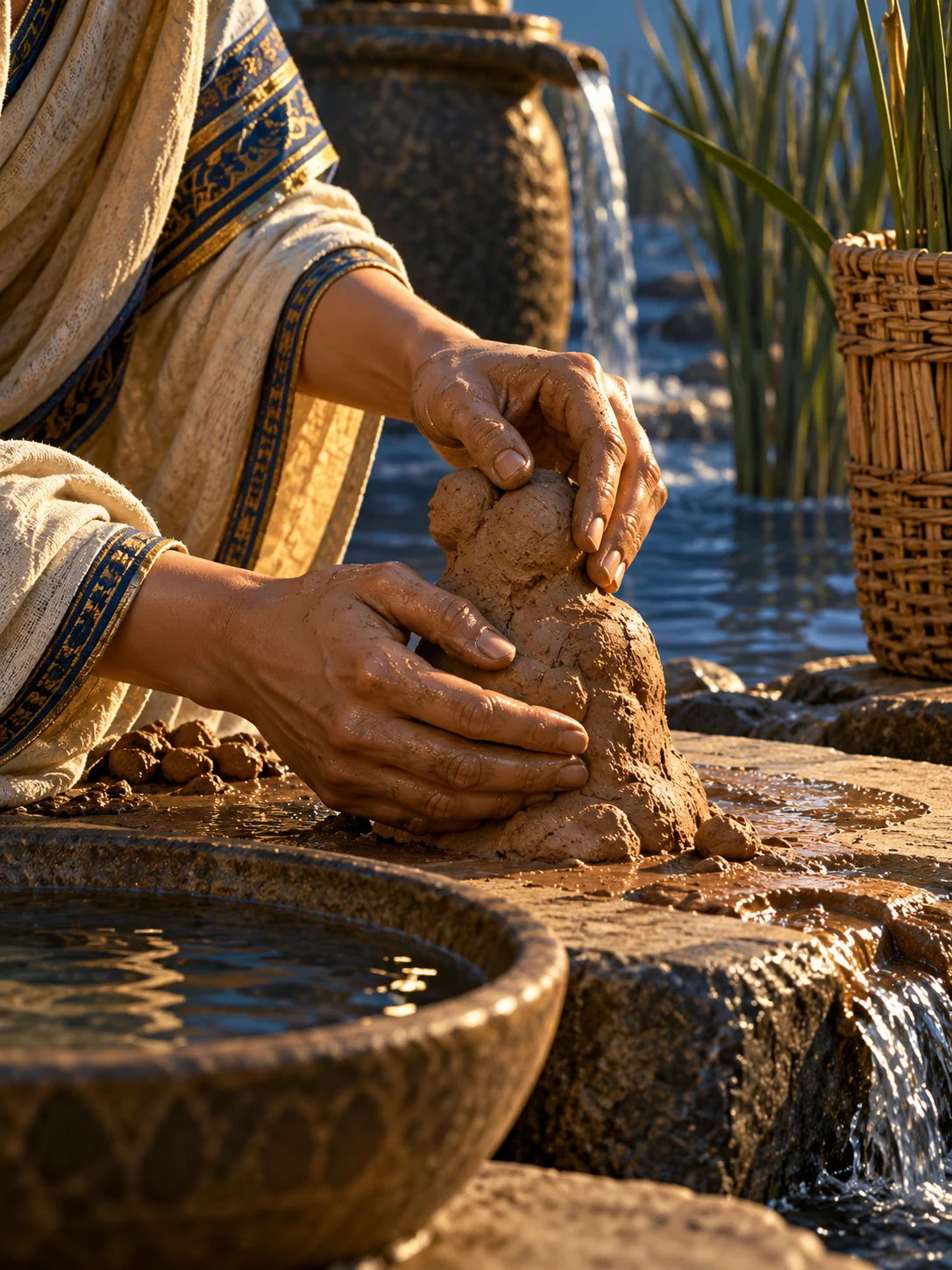
Modern AI-generated interpretive illustration of hands shaping clay beside water, inspired by Enki and Ninmaḫ. Not an archaeological object, a depiction of the goddess, or a verified historical reconstruction
Entidade
Sumerian mother goddess who assists human creation and contests Enki over the fates of different fashioned bodies; later Babylonian inscriptions also attest her worship.
Variantes do nome: Ninmah, Ninmaḫ
Contexto e fontes →
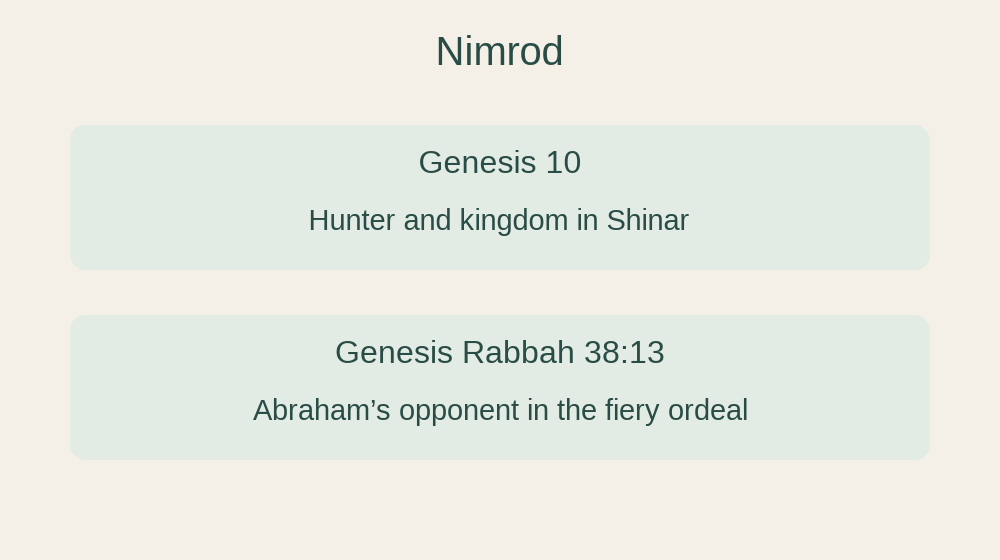
Modern comparison distinguishing what the named passages say about the figure; not a historical likeness or identification of a person behind the narrative
Pessoa
Figure associated with hunting and kingship in Genesis, appearing in Genesis Rabbah as a ruler who opposes Abraham and casts him into fire.
Variantes do nome: Nimrod
Contexto e fontes →

Modern AI-generated symbolic illustration: a passage of light between two realms evokes Ninshubur’s mission of mediation. Not an ancient Mesopotamian artifact or authenticated reconstruction
Entidade
Mesopotamian divine messenger and intermediary associated with Inanna in Sumerian narratives and with An in inscriptions and hymns; identity and gender vary by context and must not be equated automatically with Papsukkal.
Variantes do nome: Ninshubur
Contexto e fontes →
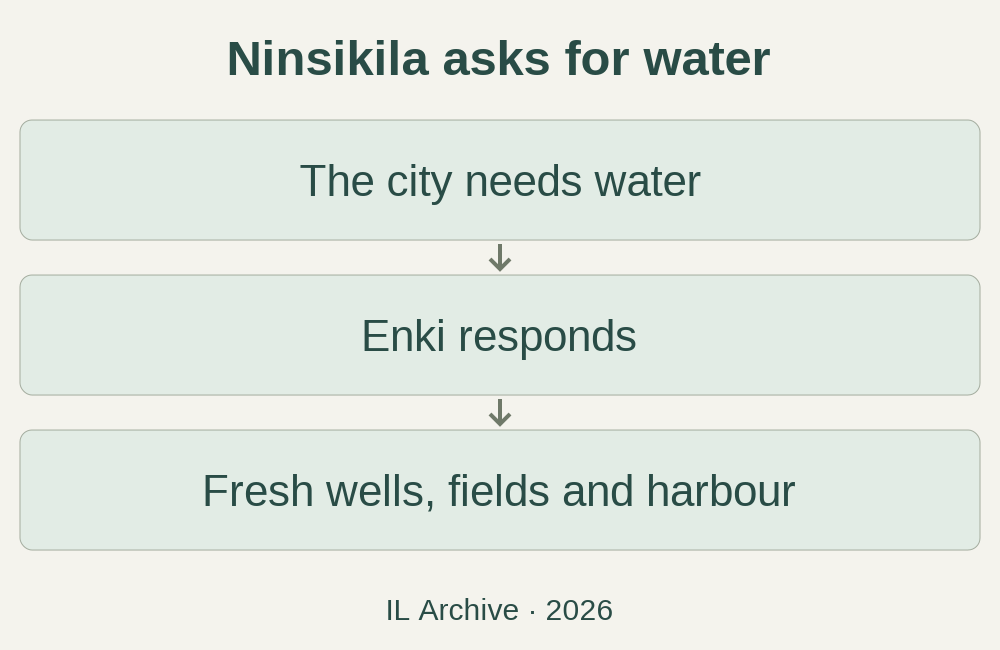
Modern witness-specific explanatory diagram of a sequence or linguistic relationship, not a portrait or fabricated artifact
Entidade
Goddess who asks Enki for the water needed by Dilmun’s city in the poem’s opening.
Variantes do nome: Ninsikila, Dilmun’s lady in the poem
Contexto e fontes →
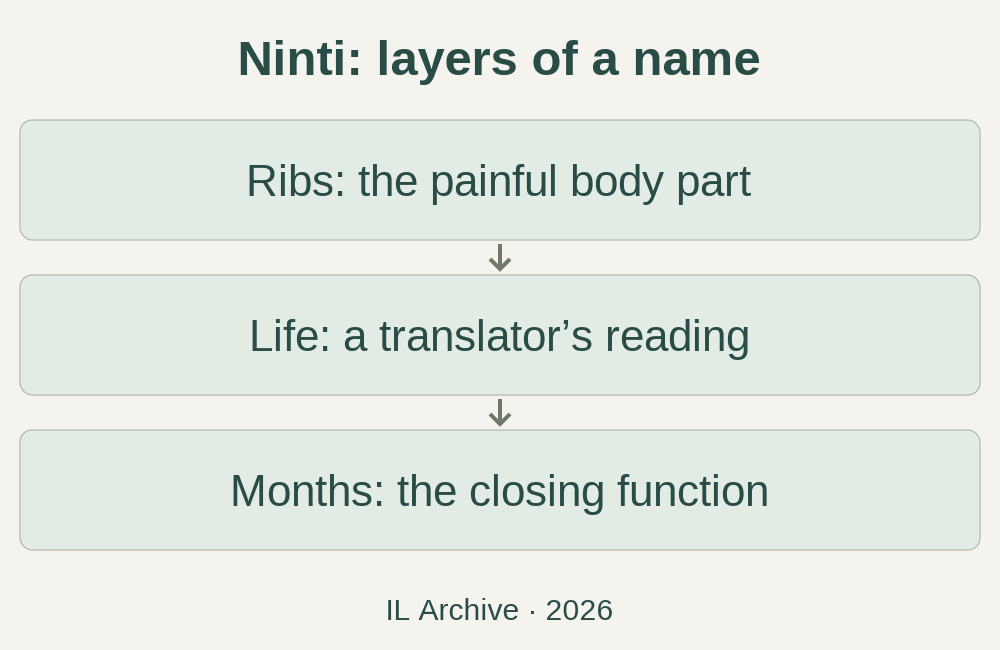
Modern witness-specific explanatory diagram of a sequence or linguistic relationship, not a portrait or fabricated artifact
Entidade
Goddess appearing in the healing of Enki’s ribs, whose name permits wordplay involving rib and life.
Variantes do nome: Ninti, rib and life in Sumerian wordplay
Contexto e fontes →
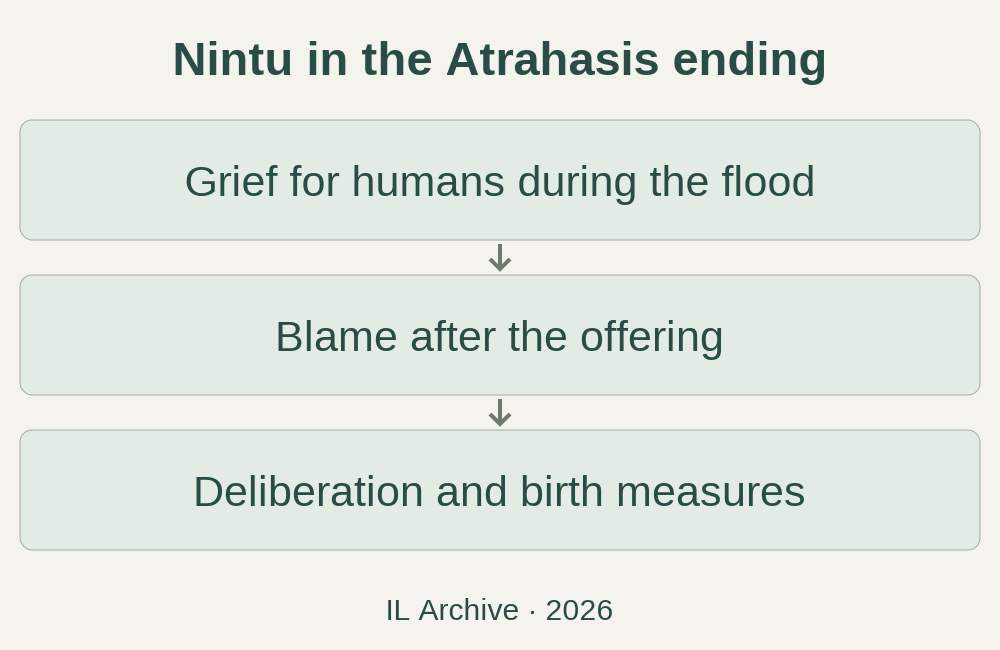
Modern explanatory diagram of the argument or character’s role in the specified passage; not an ancient manuscript or a goddess portrait
Entidade
Birth goddess in Atrahasis, grieving for humanity, blaming the flood decision and involved in regulating future births.
Variantes do nome: Nintu, birth goddess in Atrahasis
Contexto e fontes →
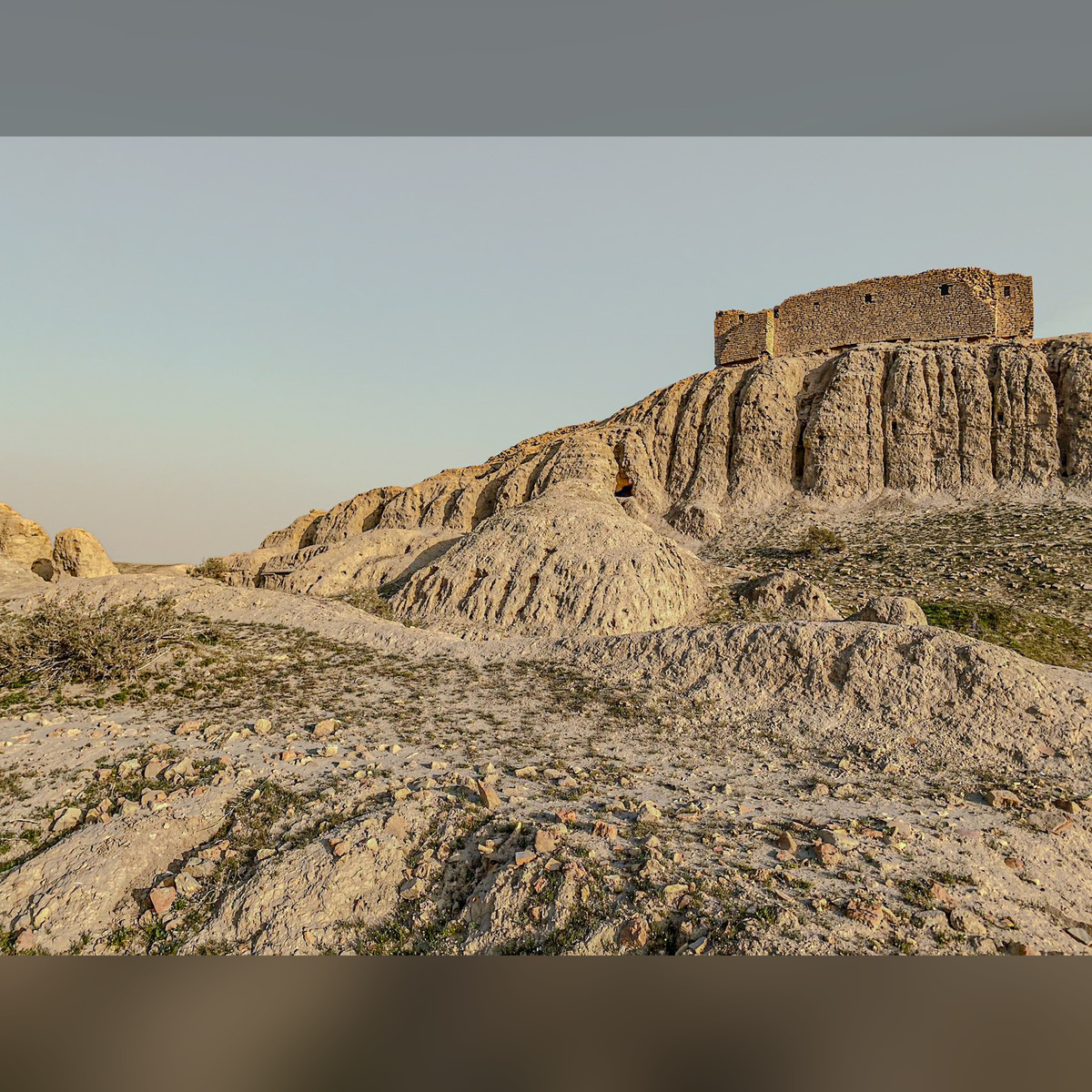
Nippur (Nuffar): ziggurat mound seen from the southwest. Modern photograph framed for a square cover; the structure at the summit belongs to late-nineteenth-century excavations, not to a surviving Sumerian temple
Sítio
Ancient Nippur (modern Nuffar, Iraq), major cult centre of Enlil and Ekur; excavations revealed sanctuaries, houses and thousands of cuneiform tablets across many periods.
Variantes do nome: Nippur, Nuffar, Nibru
Contexto e fontes →
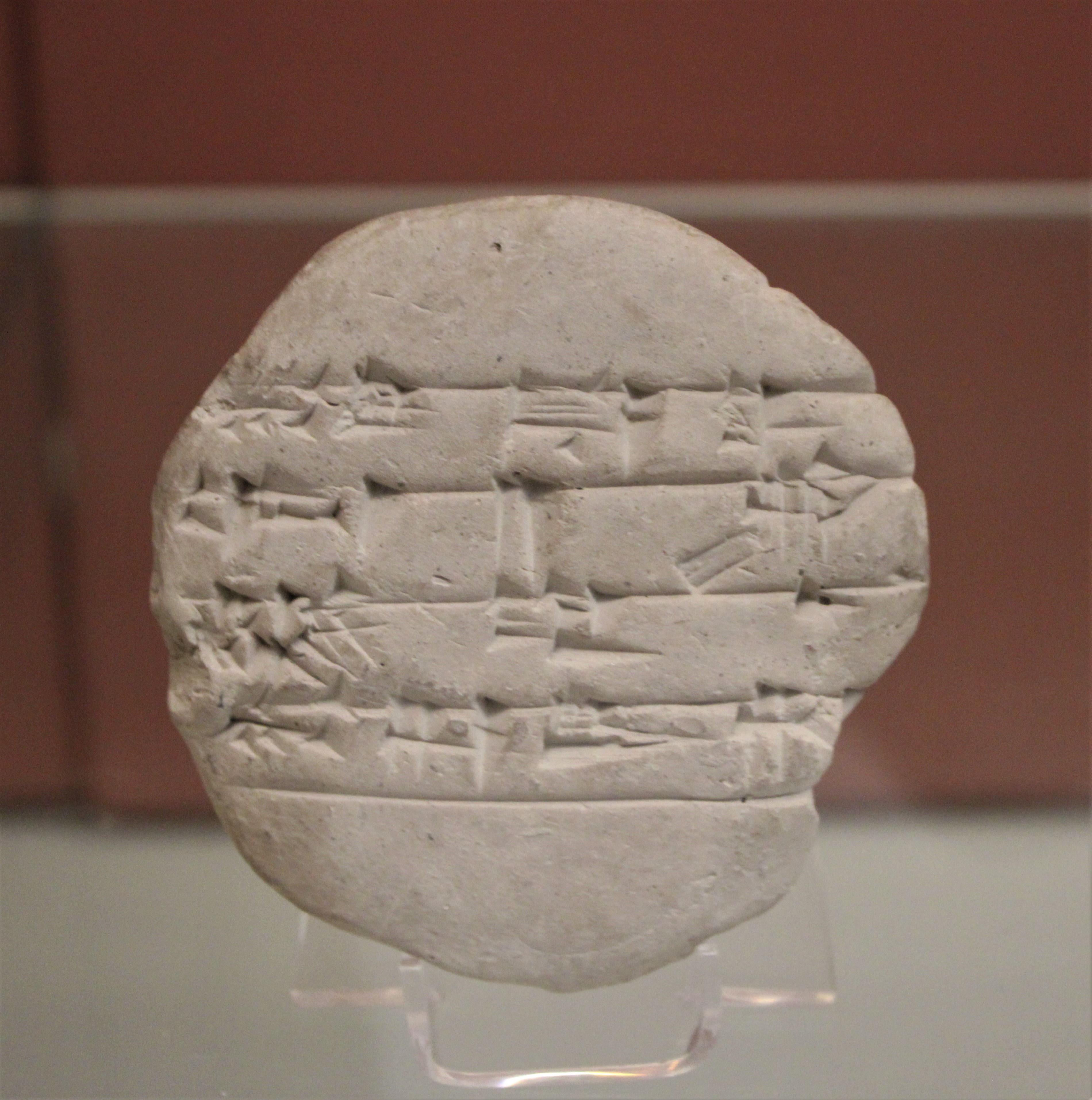
Old Babylonian school tablet bearing a proverb, British Museum BM104096; findspot unknown. Context for scribal work, not a depiction of Nisaba or a copy of her hymn
Entidade
Mesopotamian goddess of grain and writing, associated with Ereš and scribes; also called Nidaba.
Variantes do nome: Nisaba, Nidaba, Nissaba
Contexto e fontes →
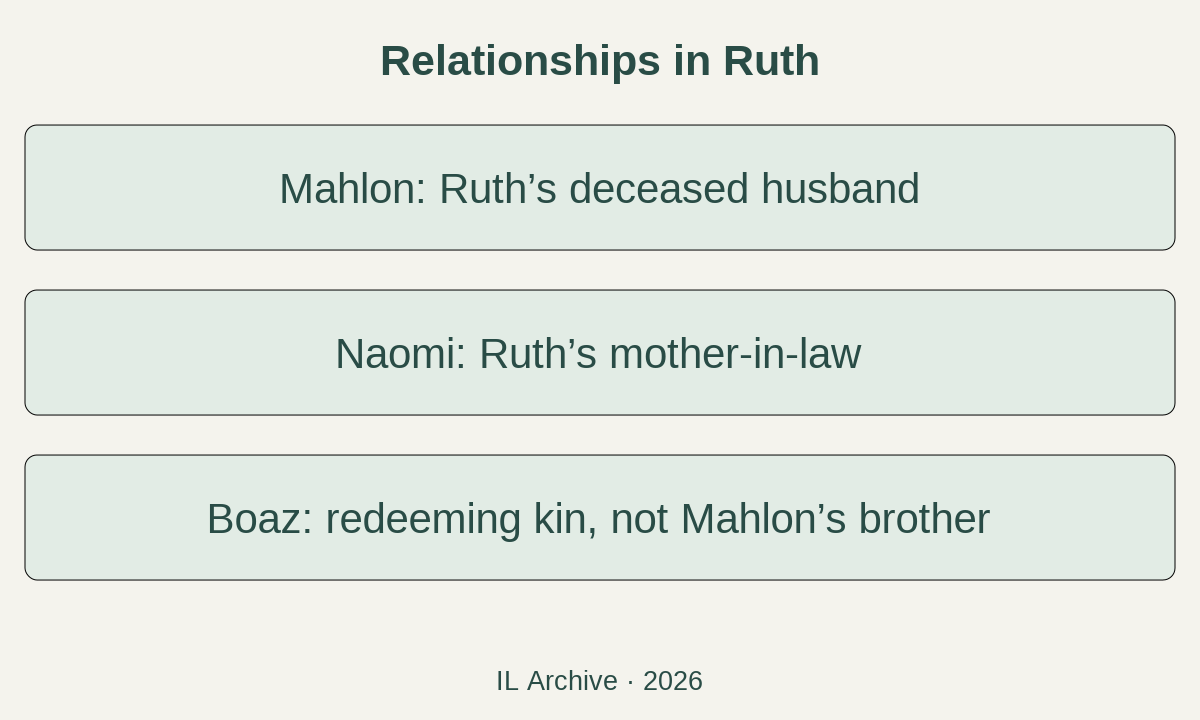
Modern explanatory diagram of relationships or cases in the specified witnesses; not portraits, a legal tablet or an ancient manuscript
Pessoa
Ruth’s mother-in-law, linking land redemption with household continuity.
Variantes do nome: Naomi in Ruth
Contexto e fontes →
Pessoa
A scholar of Semitic languages and ancient Near Eastern myth; her 2020 essay examines Syro-Anatolian evidence for the sent-away goat rite.
Variantes do nome: Noga Ayali-Darshan
Contexto e fontes →
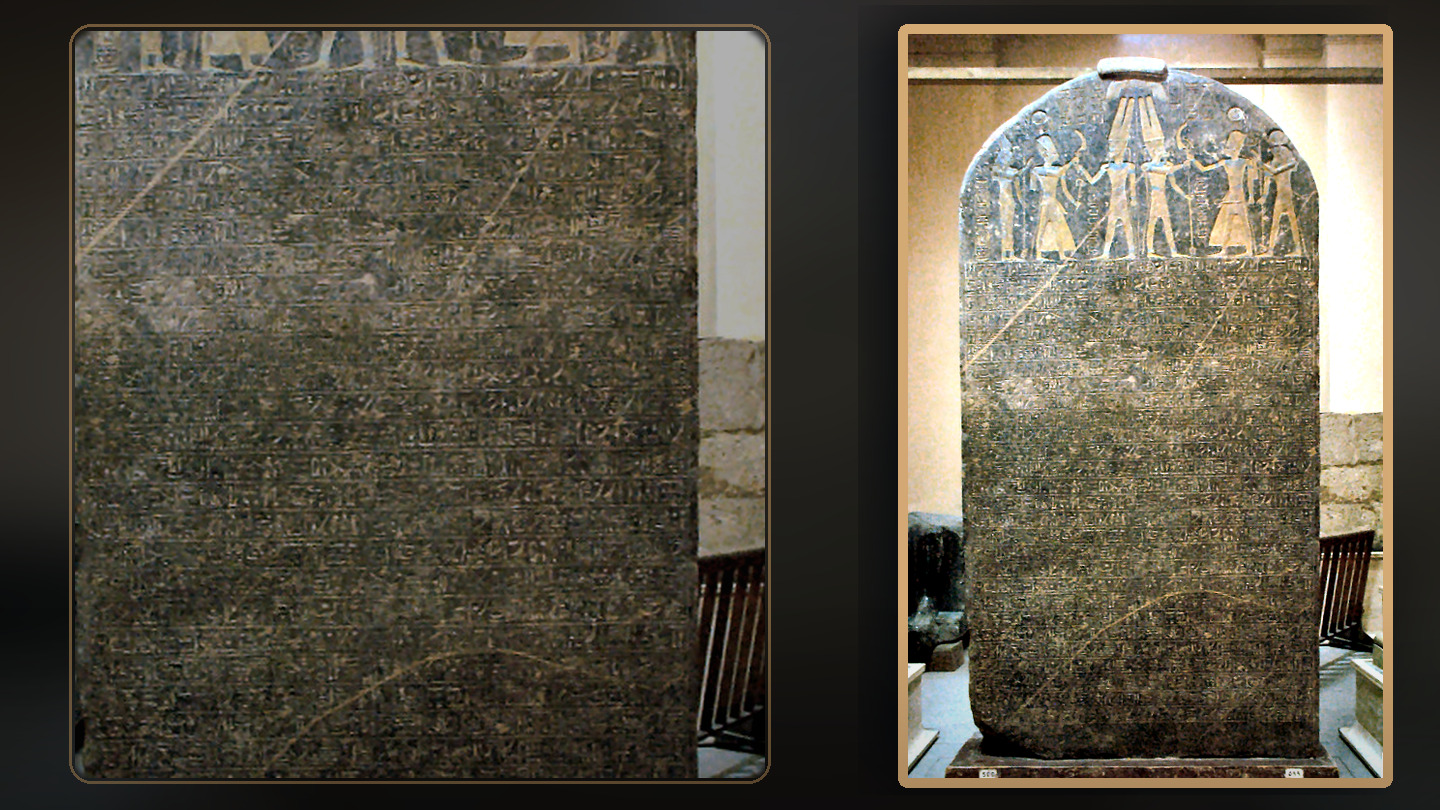
The Merneptah Stele (JE 31408), Egyptian Museum, Cairo. Its late-thirteenth-century BCE inscription names a group called Israel. This is an editorial presentation of one photograph of the stele, not an image of “El” or a Ugaritic inscription
Entidade
A name that identifies a particular person, place, group, or entity in context, unlike a common noun denoting a class. Spelling alone may not settle the distinction.
Variantes do nome: proper name, proper noun
Contexto e fontes →
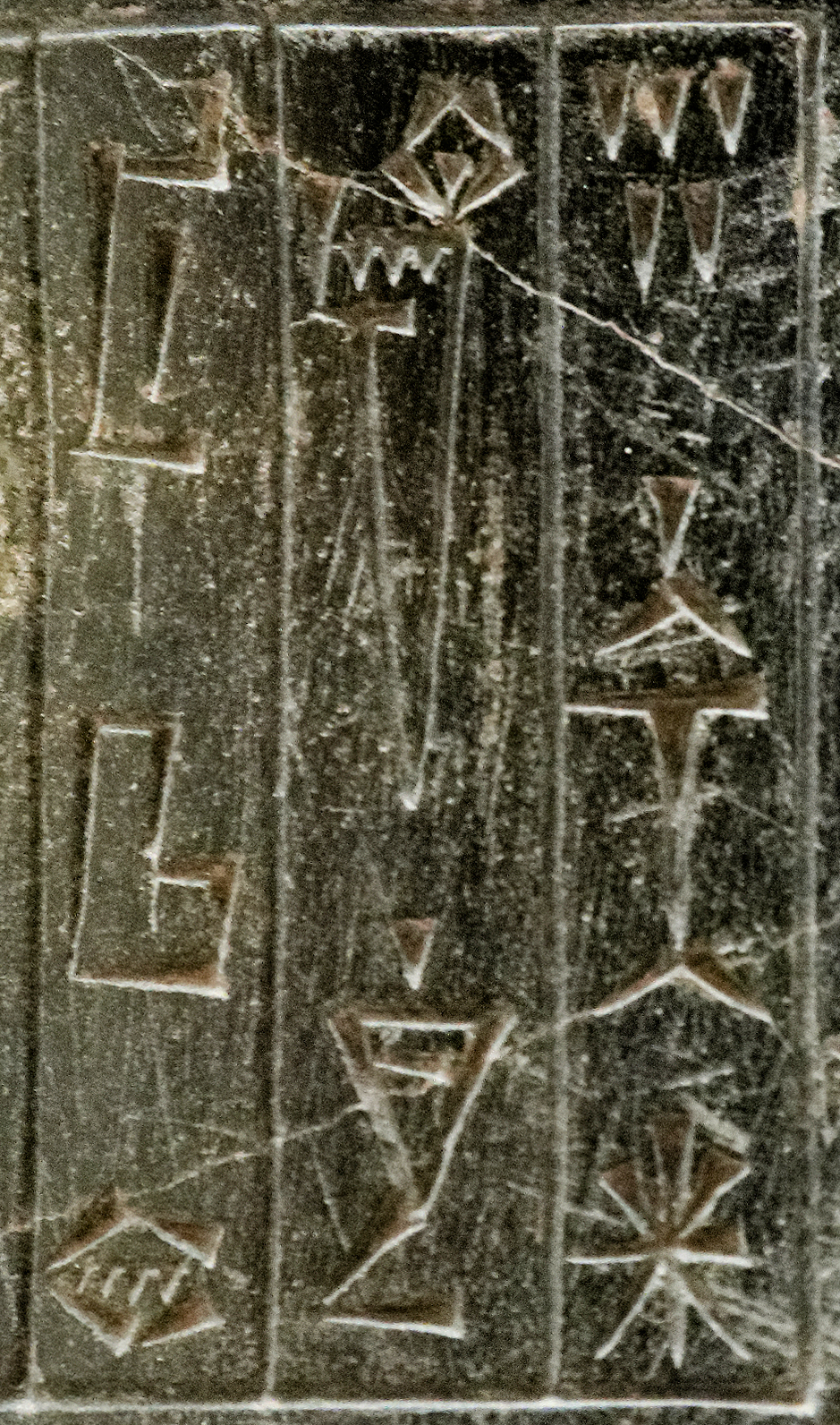
Detail of the inscription on Iddin-Ilum’s statue from Mari, ca. 2100–2000 BCE; Louvre, AO 19486. It illustrates the dedicator’s name containing a divine element; the statue represents a human, not El
Entidade
A personal name including a deity’s name or another divine element, often as part of a short sentence or invocation, interpreted in its original language and context.
Variantes do nome: theophoric name, theophoric names
Contexto e fontes →

Lower Manhattan, New York City, seen from Governors Island in 2017. A contemporary city view; the Metropolitan Museum mentioned in the definition is not shown
Sítio
New York City is in the United States and houses the Metropolitan Museum of Art
Variantes do nome: New York, New York City
Contexto e fontes →
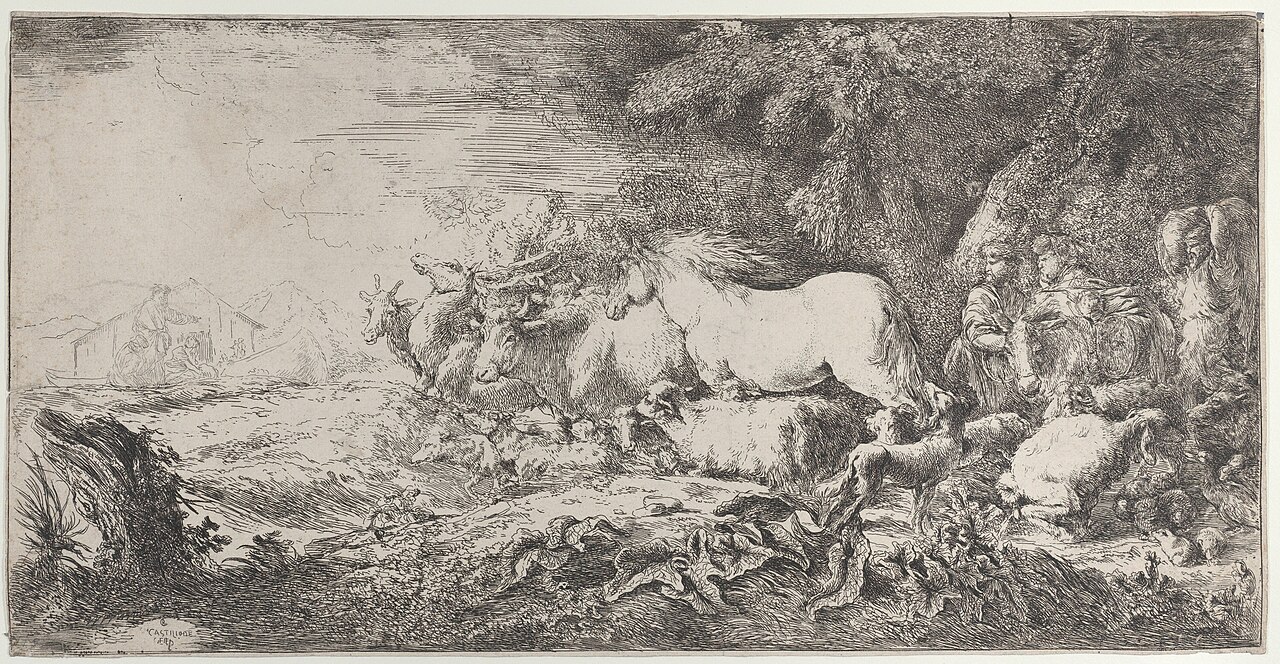
Entry of the Animals into Noah’s Ark, an etching by Giovanni Benedetto Castiglione, around 1650–1655 CE. The Met, 2012.136.525. A seventeenth-century European artistic reading of the story, with the ark visible in the background
Pessoa
Noah is the flood-story figure in Genesis and a prophet in the Qur’an
Variantes do nome: Noah
Contexto e fontes →