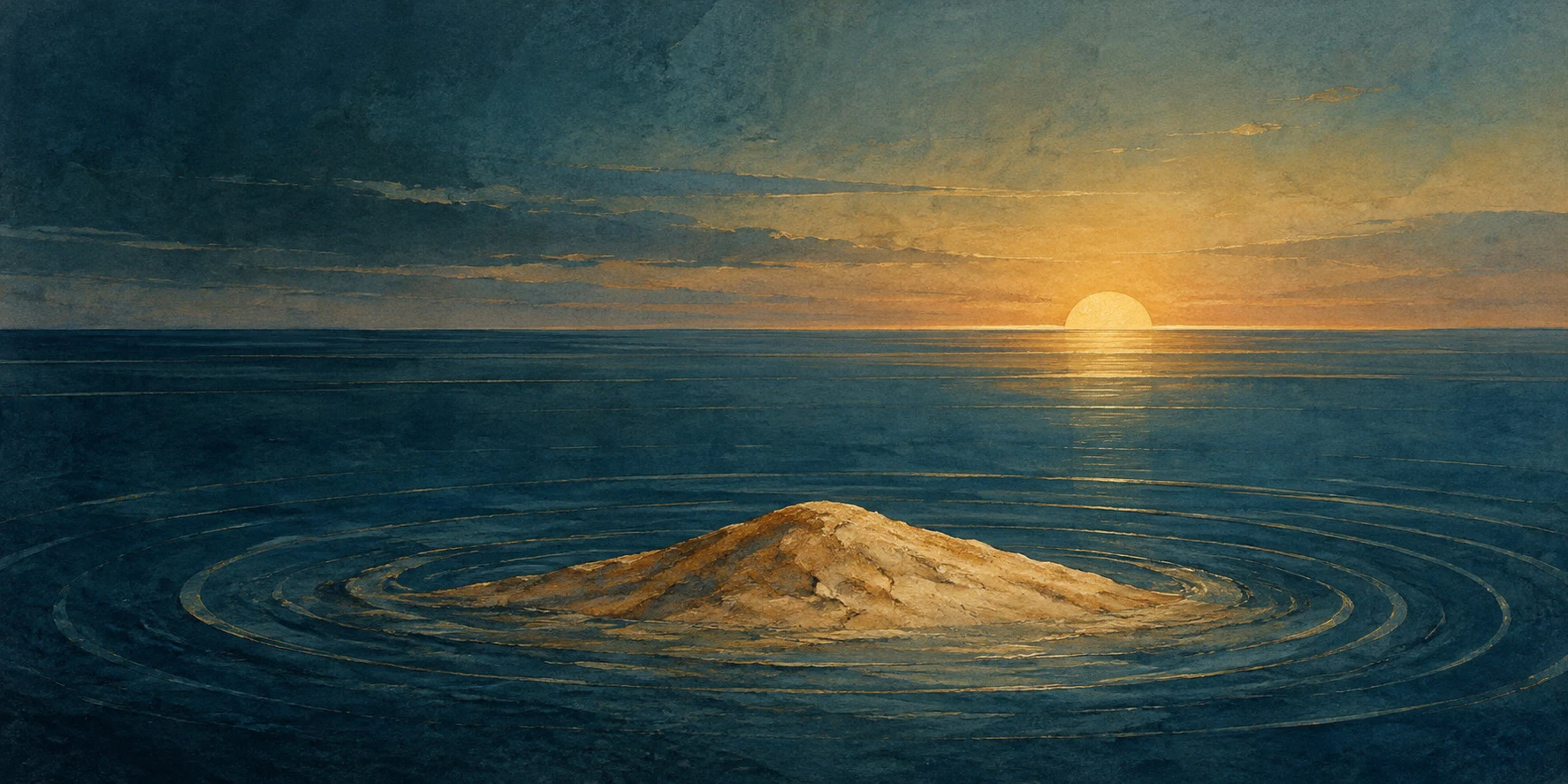
Modern conceptual illustration of primeval water, an emerging mound and sunrise; neither an excavated Egyptian artifact nor a reconstruction of one text. © IL Archive, CC0
Entidade
Primeval waters in several Egyptian traditions, sometimes personified as a god; connected with creation, divine parenthood, and solar renewal, rather than one uniform Egyptian cosmogony or absolute nothingness.
Variantes do nome: Egyptian Nun, primeval Nun
Contexto e fontes →
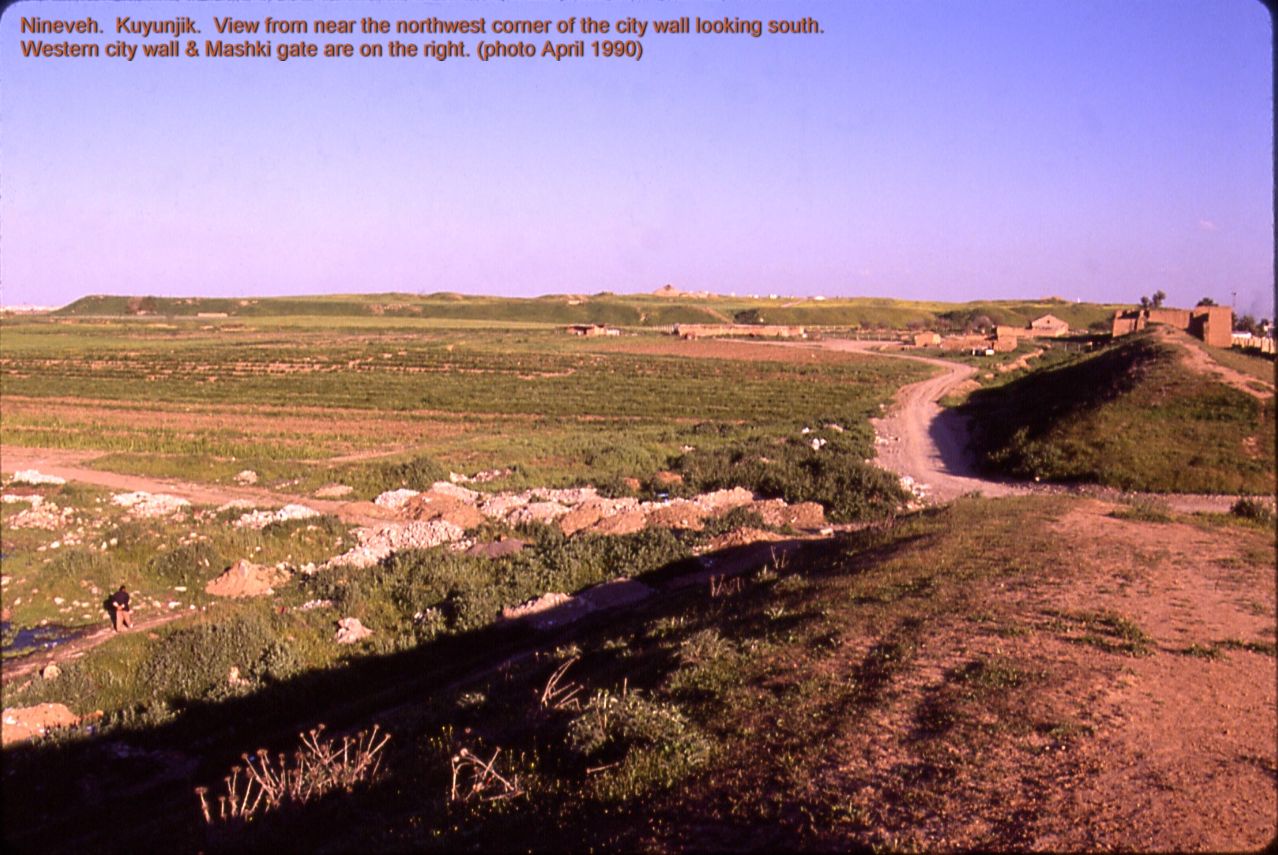
Kuyunjik mound at Nineveh in northern Iraq, in an April 1990 photograph taken near the northwestern corner of the city wall. A dated archival view of the site at that time; the photographer’s original annotation remains in the image
Sítio
Nineveh is an ancient Assyrian city near Mosul in northern Iraq; Kuyunjik is one of its archaeological mounds
Variantes do nome: Nineveh, Kuyunjik, Kouyunjik
Contexto e fontes →

Modern AI-assisted symbolic image of an open blank book; neither a photograph of a historical Quran manuscript nor a verified reconstruction of an early codex
Entidade
The central scripture of Islam, consisting of 114 Arabic surahs; its study distinguishes Quranic discourse from manuscript history, reading traditions, and historical inference.
Variantes do nome: Quran, Qurʾān, Koran
Contexto e fontes →

A generated contemporary illustration of an open book symbolizing the reading of transmitted creeds; neither an ancient copy of the 325 text nor a documented view of the council
Entidade
Profession of faith adopted at Nicaea in 325, focused on the Son’s relation to the Father and ending with a short Spirit clause. Distinct from the longer creed associated with 381, also commonly called “Nicene Creed”.
Variantes do nome: Creed of Nicaea (325), Original Nicene Creed, Symbolum Nicaenum
Contexto e fontes →

Modern AI-generated symbolic cover evoking the divine sign. The scene and radiating motif are imaginary, not an artifact or a verified depiction of AN/DINGIR
Entidade
A cuneiform sign used mostly before a divine name to classify it without being spoken independently; shown as raised d or {d} in transliteration. Usage depends on language and context.
Variantes do nome: divine determinative, divine classifier
Contexto e fontes →
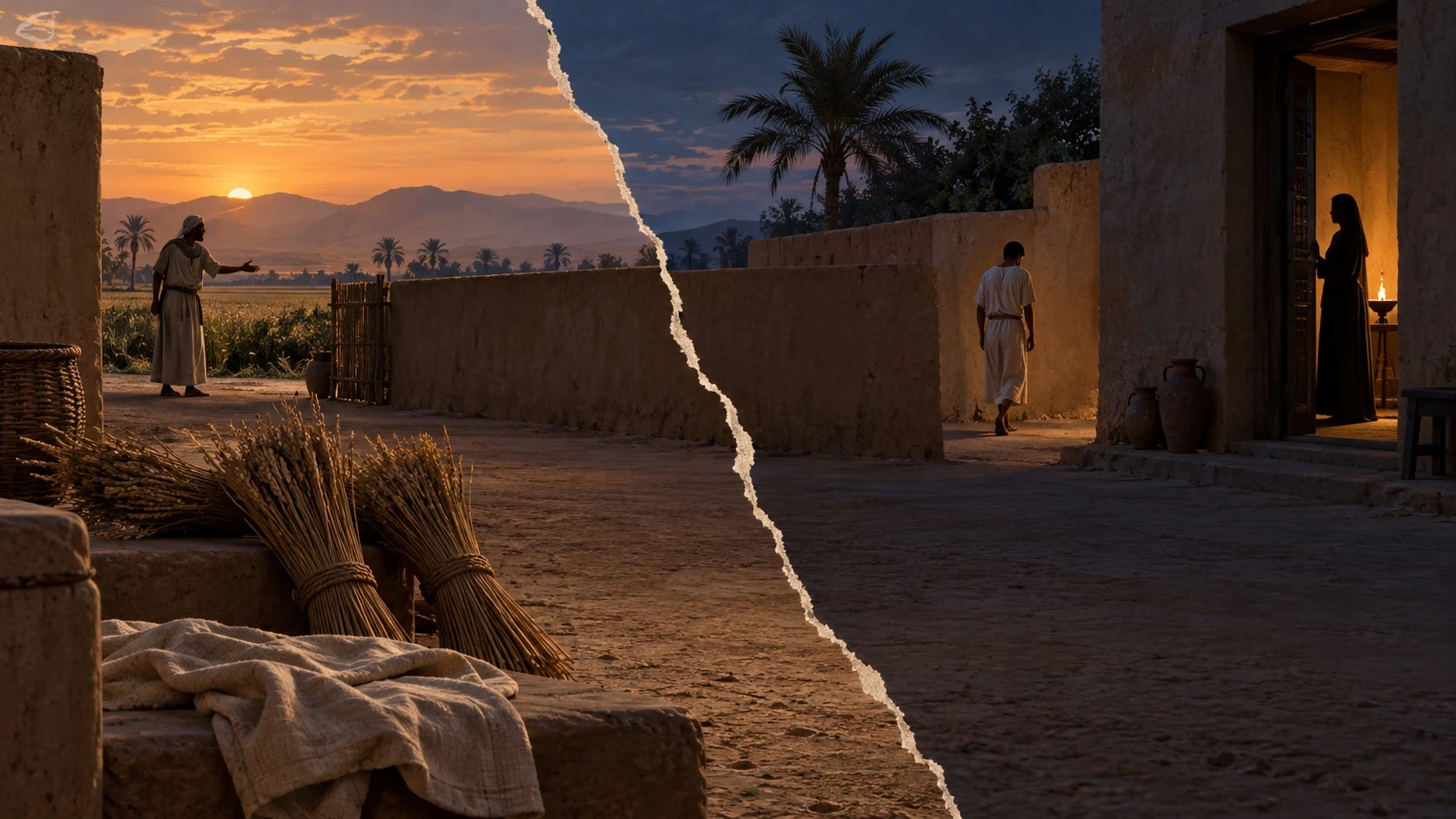
Modern editorial illustration of a household divided by Bata’s accusation; neither an excavated papyrus nor a documented historical reconstruction. © IL Archive, CC0
Entidade
A comparative label for a woman’s rejected overture followed by a false accusation; it does not give every version a biblical origin.
Variantes do nome: Potiphar’s wife motif, false accusation after refusal
Contexto e fontes →
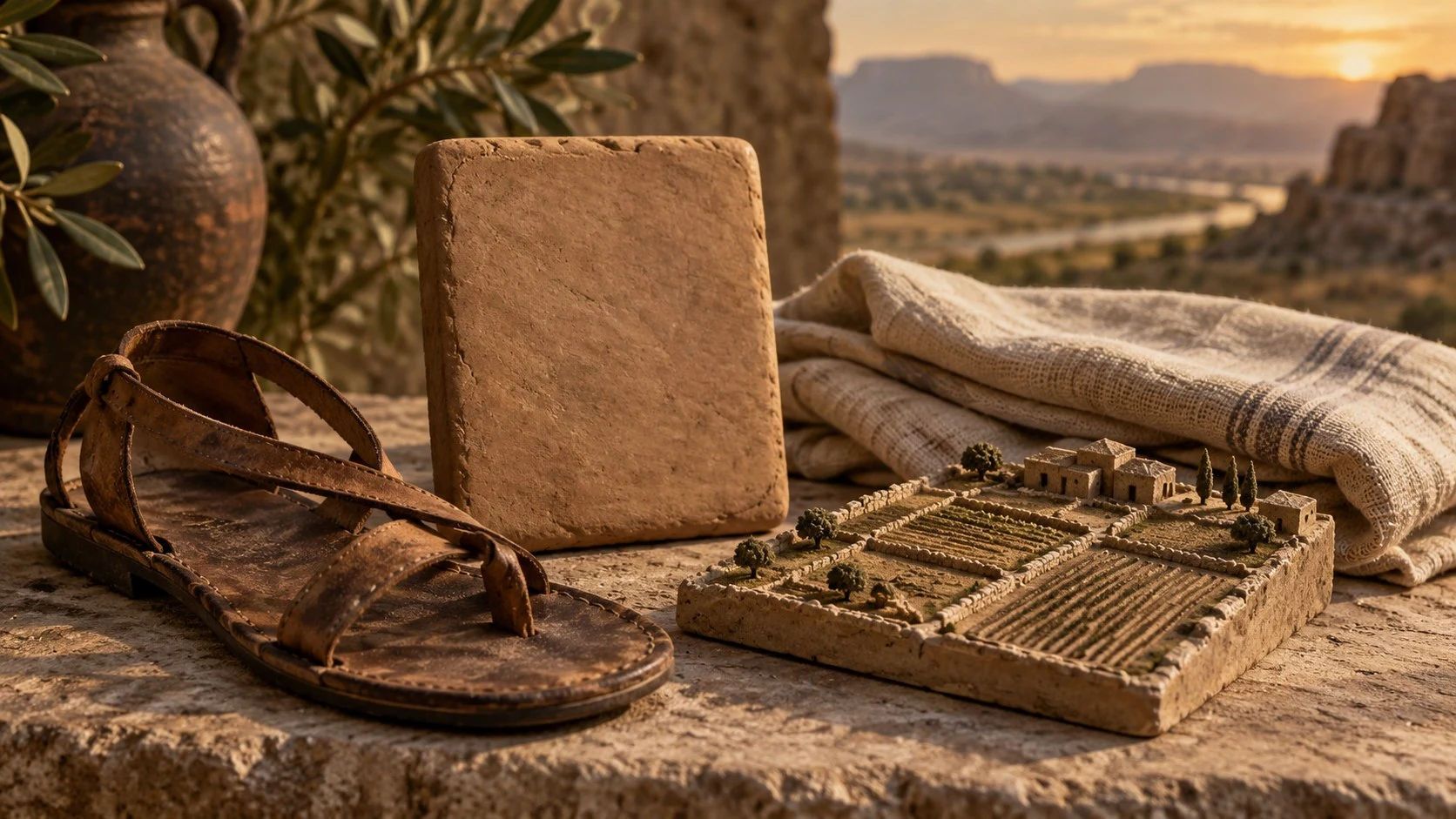
Modern conceptual illustration: a sandal, an uninscribed clay tablet and model fields symbolize kinship and inheritance. No documented artifact or historical scene is depicted. IL Archive / CC0
Entidade
A relative with an opportunity to redeem a family property interest. Ruth 4 presents a nearer relative and Boaz; the transaction is related to marriage but is not identical to the brother-in-law rule of Deuteronomy 25.
Variantes do nome: kinsman-redeemer in Ruth, family redeemer in Ruth
Contexto e fontes →
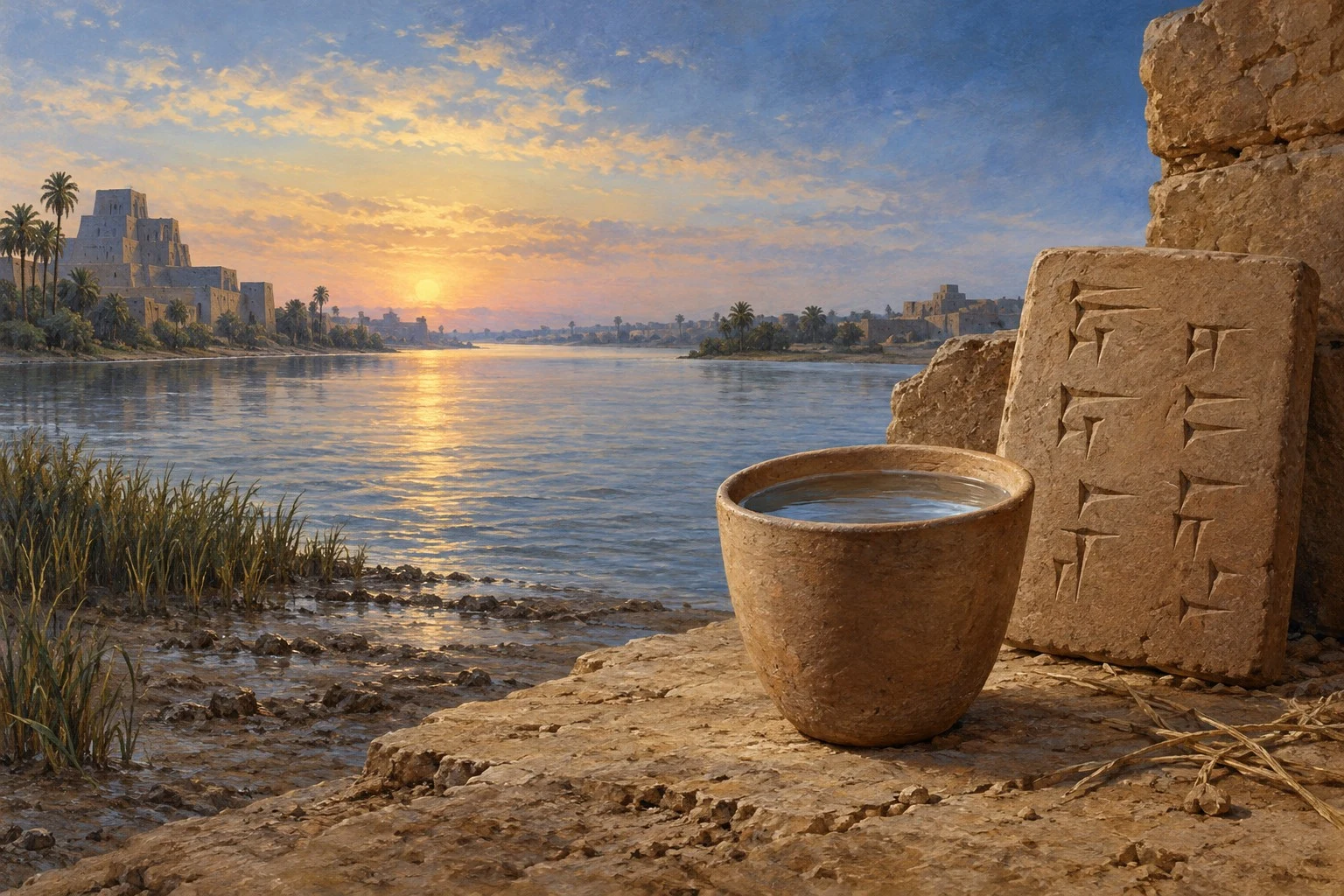
A modern conceptual illustration places river and vessel together to contrast two distinct procedures. It depicts no documented ordeal or specific artifact; the tablet's marks are decorative and not legible text. IL Archive / CC0
Entidade
Religious and legal ordeal described in Numbers 5:11–31 for an adultery allegation unresolved by witnesses: the wife swears before a priest and drinks “bitter water” linked to a conditional curse. “Sotah” is the common later rabbinic name. The prescription alone proves neither actual performance nor a specific medical effect.
Variantes do nome: sotah, bitter-water ordeal
Contexto e fontes →
Entidade
A remarkable stone-cutting creature in Gittin 68's Temple-building story, not an identified archaeological tool.
Variantes do nome: shamir
Contexto e fontes →
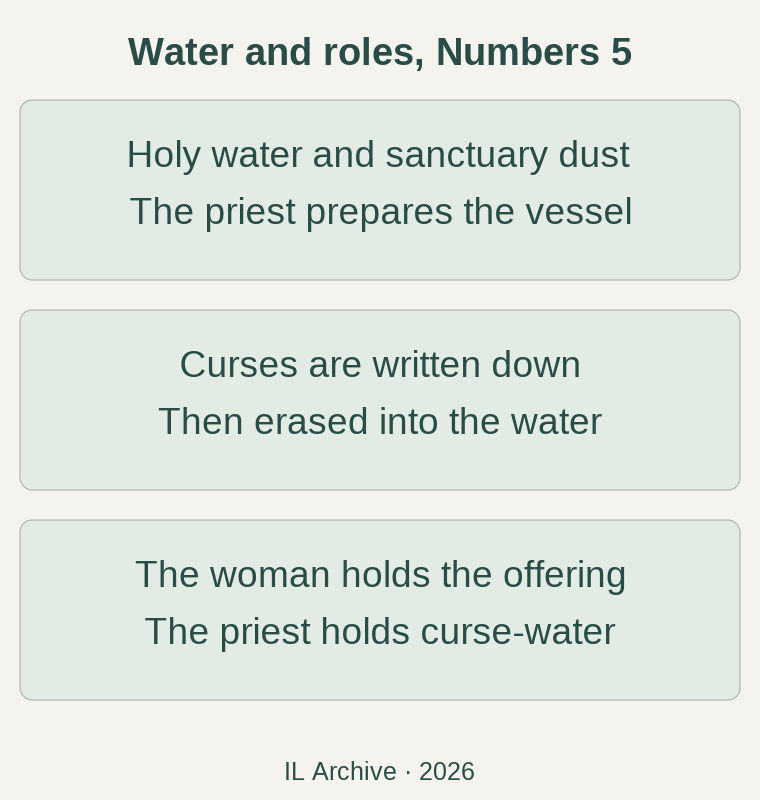
Modern diagram explaining roles in the specified source, not portraits or an ancient tablet. Row order explains relationships rather than reconstructing every ritual step
Entidade
Narrative worship tent whose floor supplies dust in Numbers 5.
Variantes do nome: Tabernacle in the biblical narrative
Contexto e fontes →
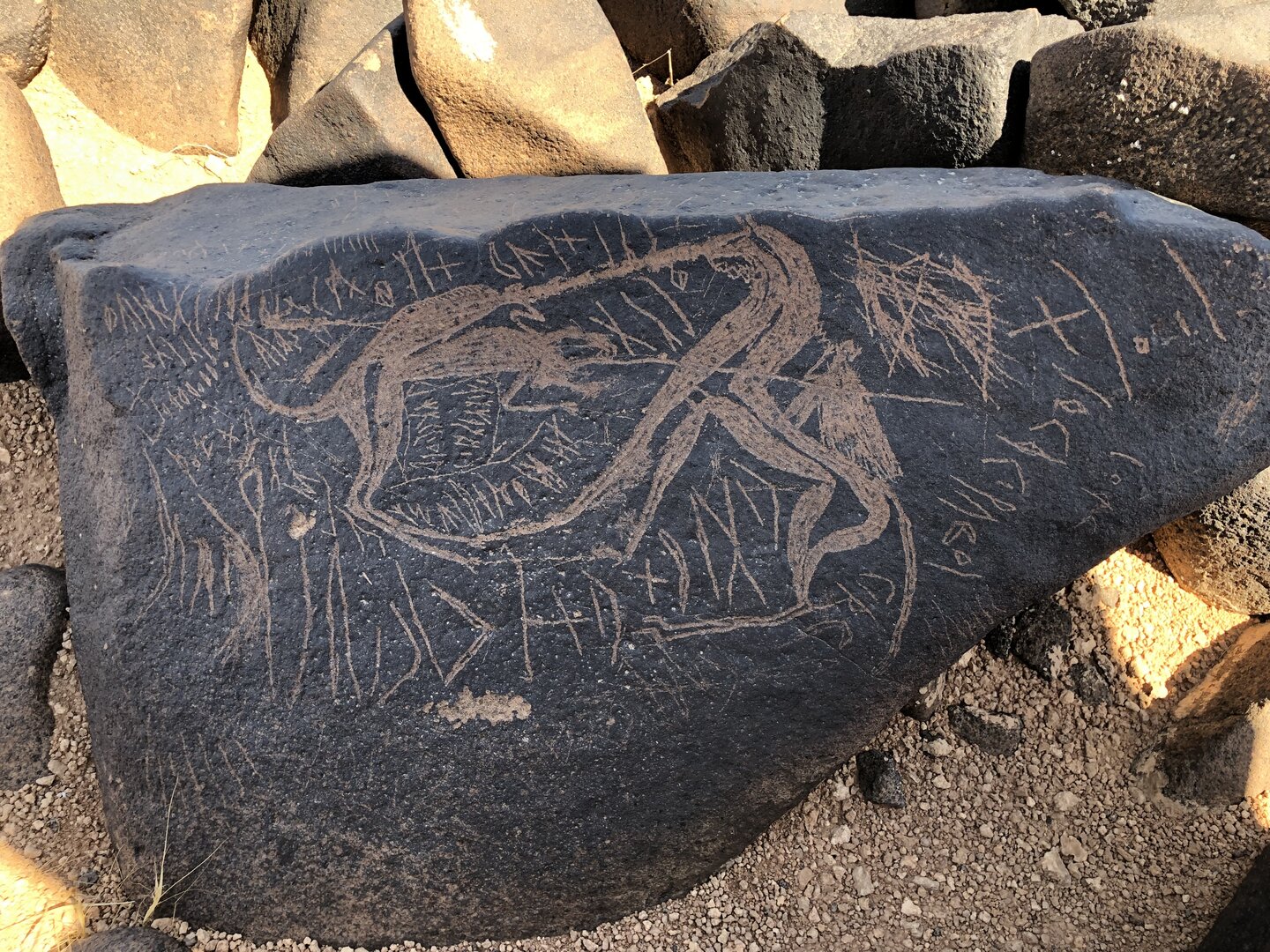
BES19s 77.1, Firʿ Wadi al-Khudari, Mafraq, Jordan. Its reading invokes Allat and then Allah. This photograph shows stone and writing; animal and human drawings are not identified as depictions of these deities. Original preserved without cropping or alteration
Entidade
OCIANA is an evolving academic database of ancient North Arabian inscriptions, with edited transliterations, translations, commentary, references, photographs and provenance; not a substitute for the stones.
Variantes do nome: OCIANA, Online Corpus of the Inscriptions of Ancient North Arabia
Contexto e fontes →
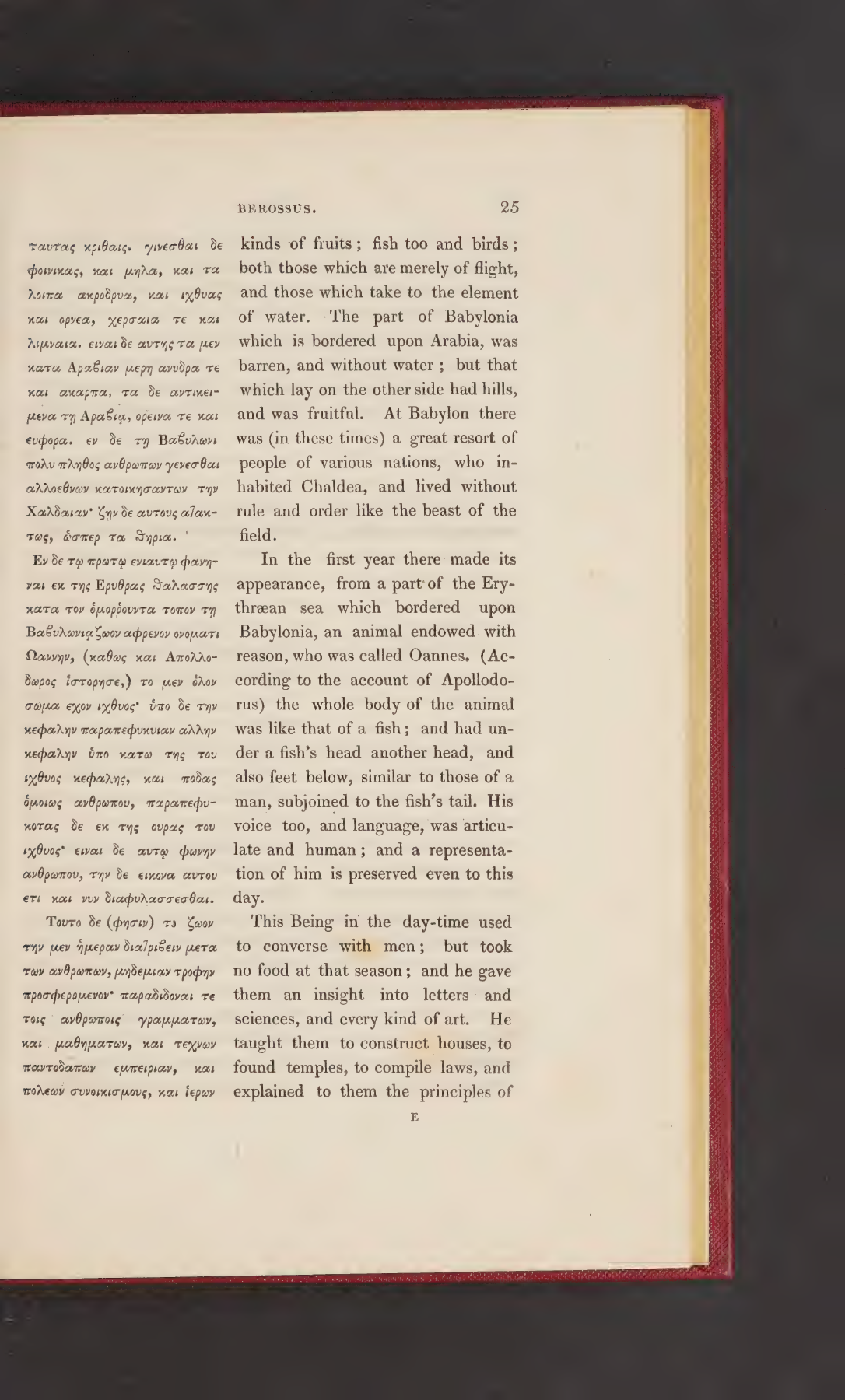
Description of Oannes in the Berossus fragment transmitted through Polyhistor, Cory’s edition, London, 1828, p. 25. A modern Greek-and-English edition of the transmitted text
Pessoa
Oannes is a teacher in the narrative attributed to Berossus, a Babylonian author writing in Greek in the third century BCE. He emerges from the sea in a combined fish-and-human form, teaches writing, arts, laws and agriculture, and returns to the sea at night.
Variantes do nome: Oannes
Contexto e fontes →
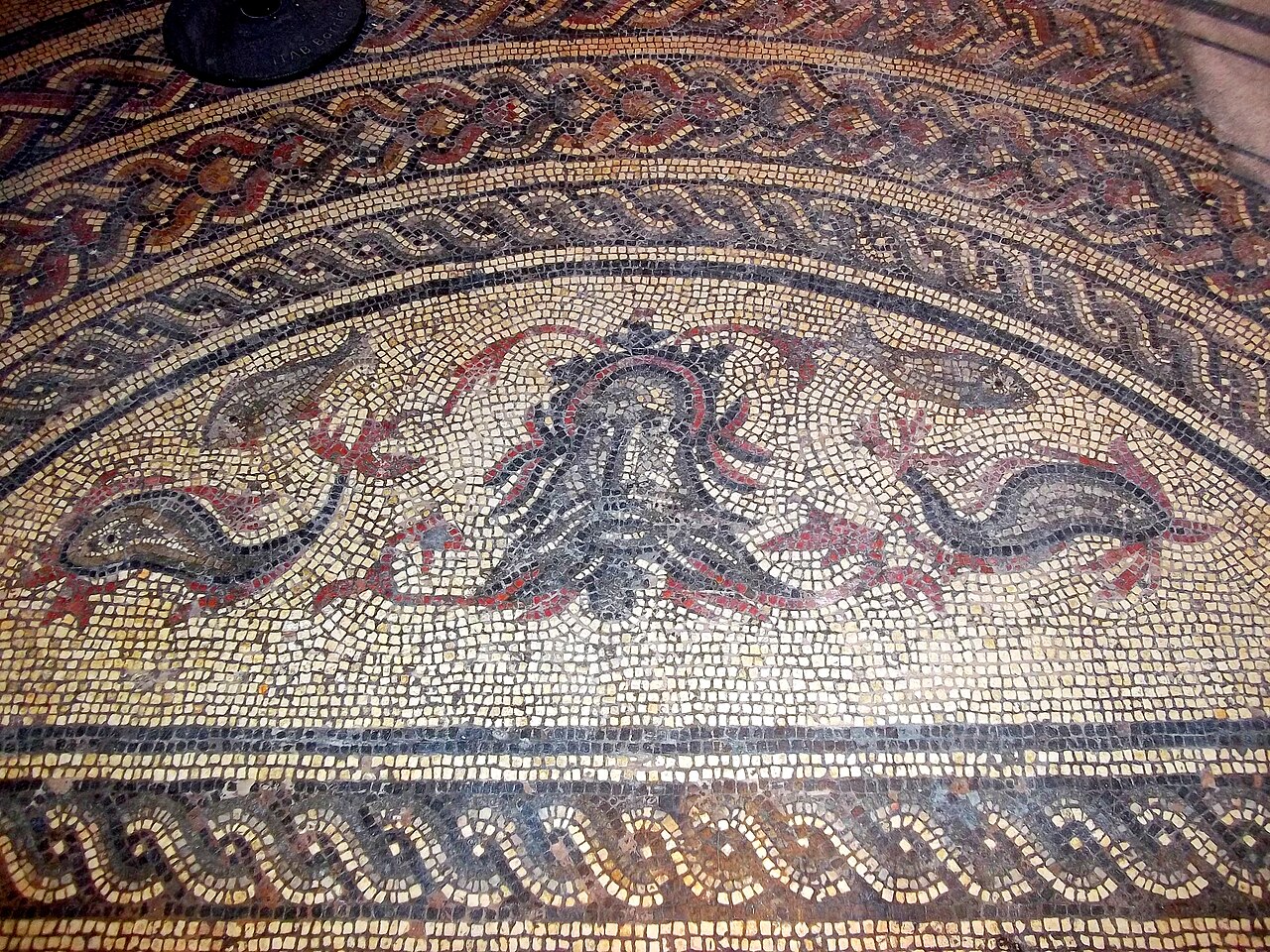
Head of a sea deity in a Roman mosaic from Fordington, usually identified as Oceanus; the heritage record also allows Neptune. Dorset Museum, England. Evidence from Roman art later than the Homeric epics
Entidade
Water-related divine figure in Greek poetry, distinguished from the modern geographical use of “ocean.”
Variantes do nome: Oceanus
Contexto e fontes →
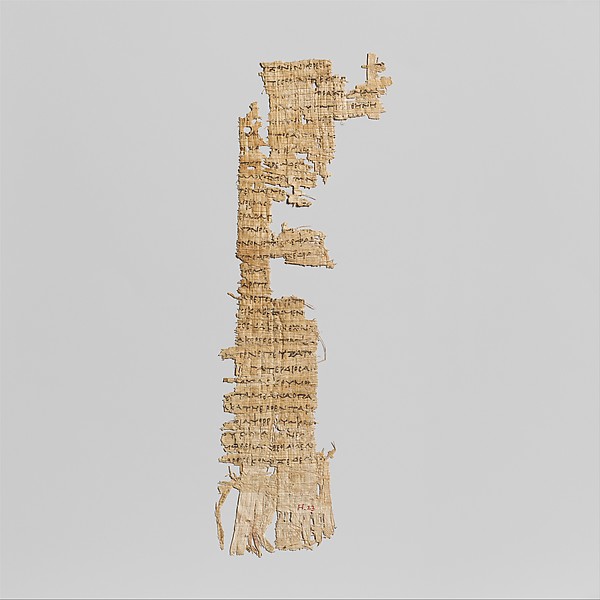
Papyrus fragment of the Odyssey, about 285–250 BCE; Met 09.182.50. It preserves lines from Book 20, rather than the assembly scenes in Books 1 and 5
Entidade
Greek epic attributed to Homer, following Odysseus’s return after the Trojan War.
Variantes do nome: Odyssey
Contexto e fontes →
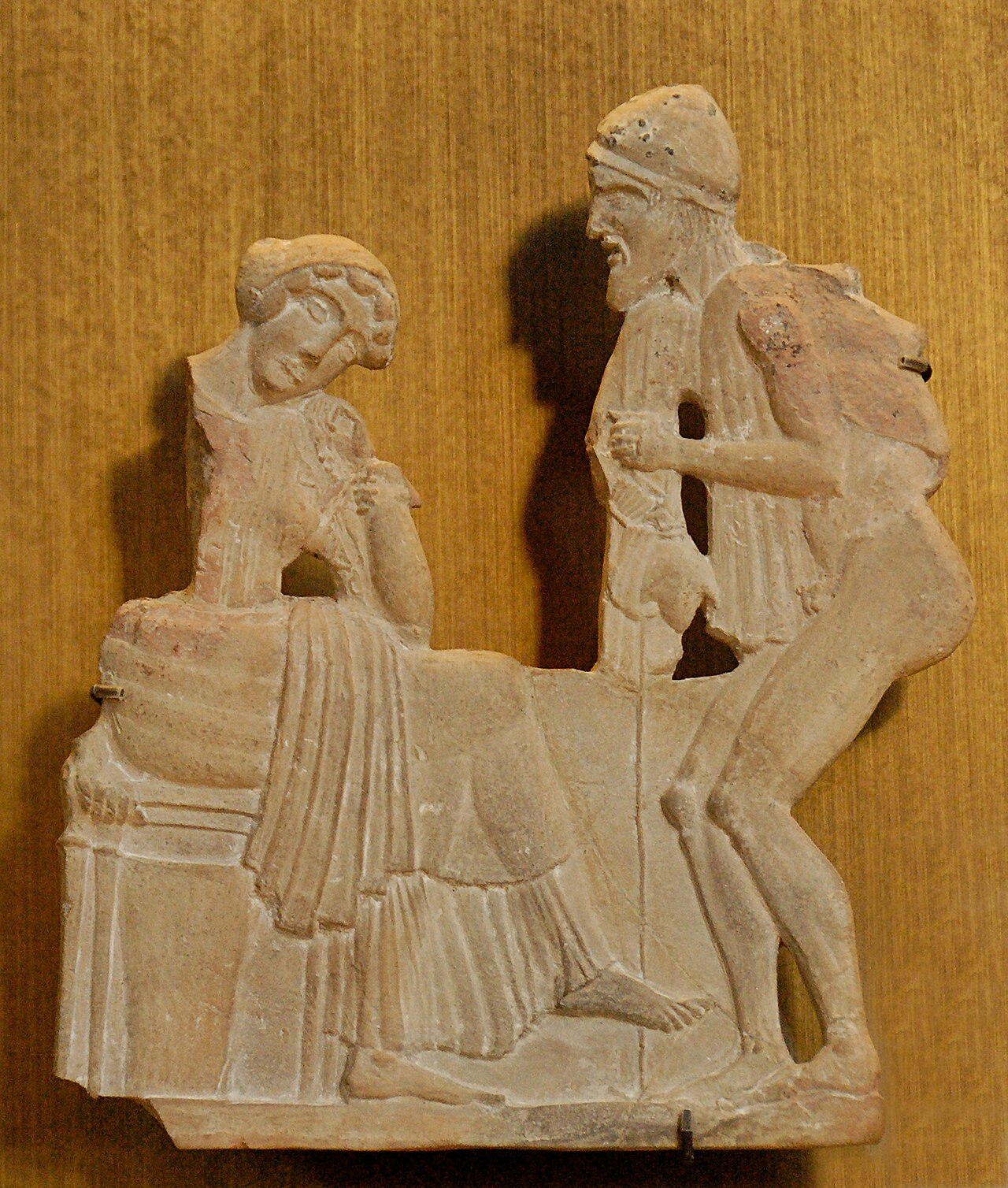
Odysseus disguised as a beggar before Penelope, on a terracotta plaque of about 450 BCE; Louvre CA 860. An ancient representation of epic characters, rather than portraits of historically established people
Pessoa
Greek hero whose attempt to return home after the Trojan War is followed in the Odyssey.
Variantes do nome: Odysseus
Contexto e fontes →

Ola Wikander at the Oslo Book Festival, 18 September 2010. Photograph by decltype; identity and date follow the photographer’s source metadata
Pessoa
Scholar of ancient Near Eastern texts and the Hebrew Bible at Lund University, studying Ugaritic and shared poetic imagery.
Variantes do nome: Ola Wikander
Contexto e fontes →
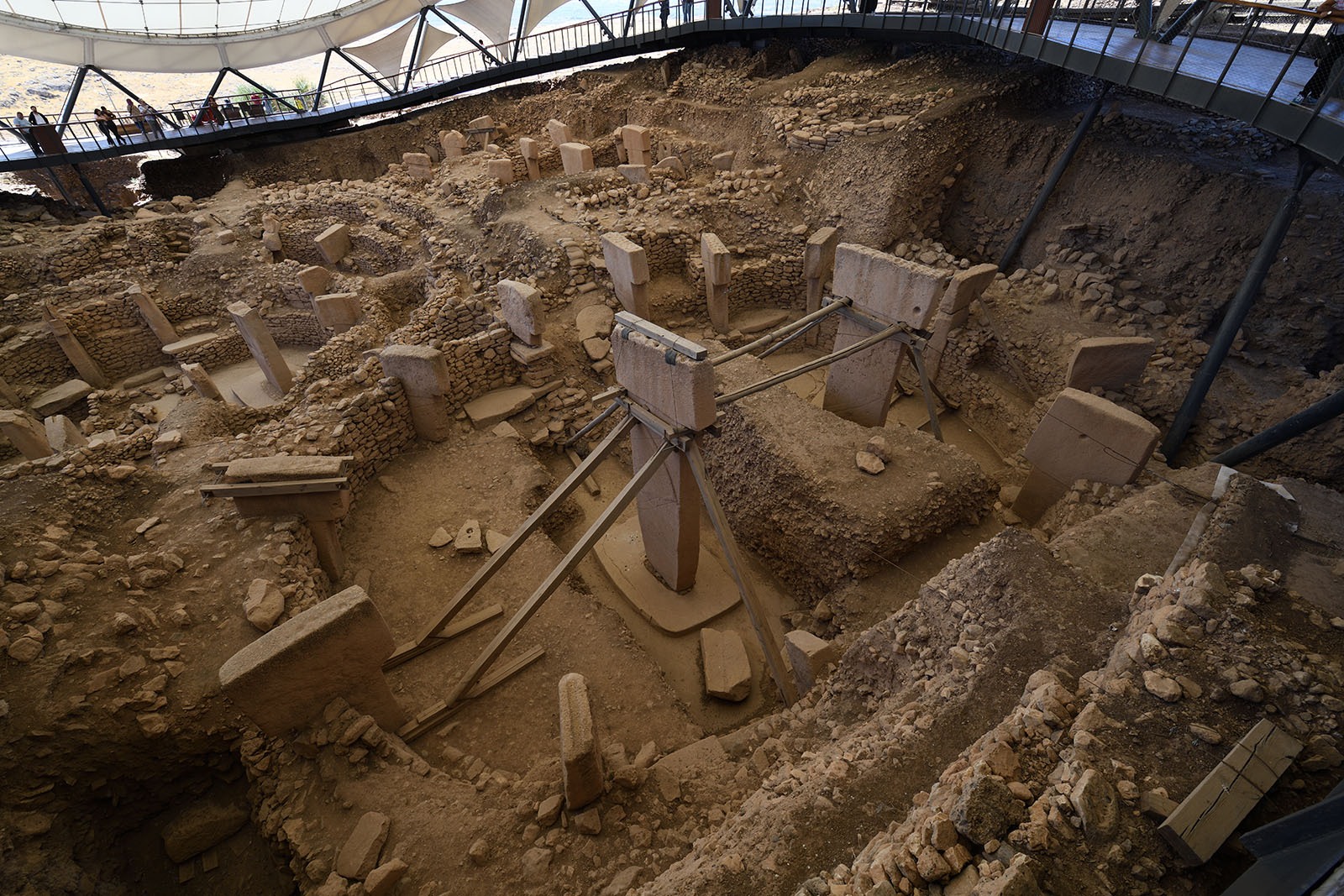
Building D at Göbekli Tepe, one of the buildings whose pillar arrangement Oliver Dietrich discussed. The roof, walkway and braces are modern protective structures. Contextual site photograph
Pessoa
An archaeologist on the Göbekli Tepe project since 2005, writing on its pillars, feasting and Urfa Man.
Variantes do nome: Oliver Dietrich
Contexto e fontes →
Pessoa
Olof Pedersén is an Uppsala Assyriologist combining cuneiform texts and archaeology in research on Babylon.
Variantes do nome: Olof Pedersén
Contexto e fontes →
Modern AI-generated conceptual illustration of names, identity and writing; the imagined tablets, signs and figures are artistic devices, not identified artefacts or verified reconstructions
Entidade
Study of proper names, especially personal and place names, through their forms, languages, histories and social uses; a name alone does not establish its bearer’s identity or religion.
Variantes do nome: onomastics, onomastic analysis
Contexto e fontes →
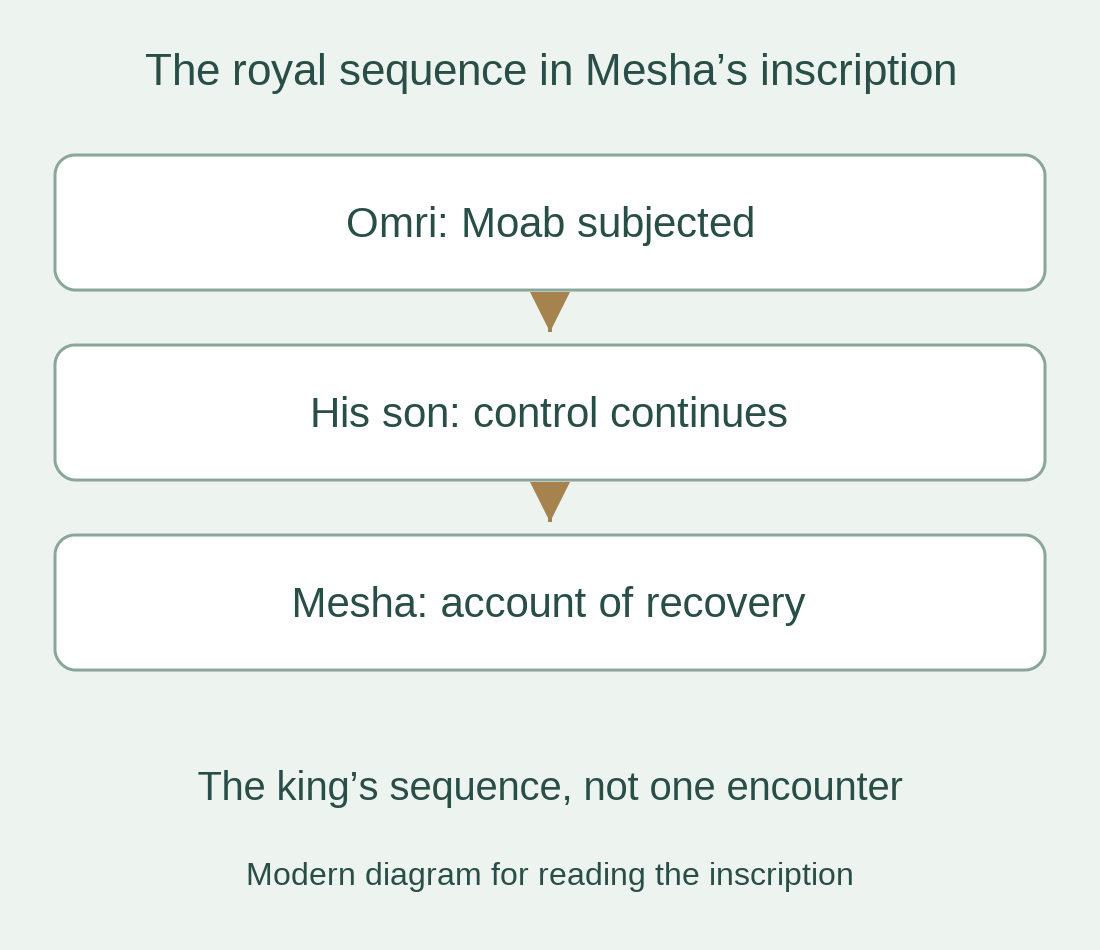
Modern diagram for reading the inscription. The king’s sequence, not one encounter
Pessoa
Ninth-century BCE ruler of ancient Israel, named in the Mesha inscription's account of Moab's subjection.
Variantes do nome: Omri
Contexto e fontes →
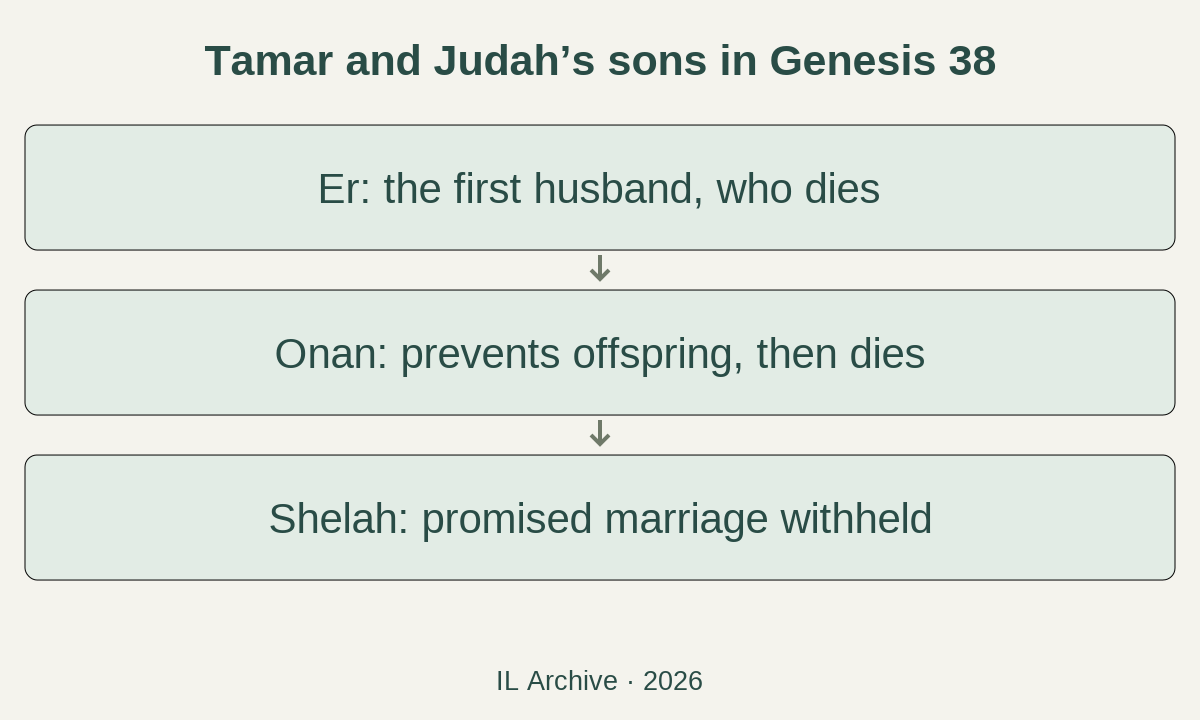
Modern explanatory diagram of relationships or cases in the specified witnesses; not portraits, a legal tablet or an ancient manuscript
Pessoa
Er’s brother, directed to raise offspring for him through Tamar in Genesis 38.
Variantes do nome: Onan, son of Judah
Contexto e fontes →
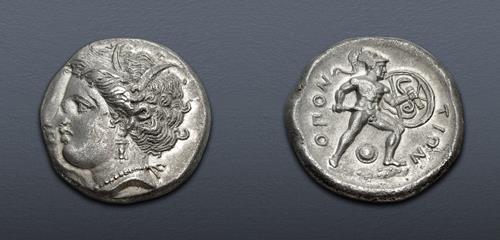
Stater of the Opus mint, about 370–360 BCE; CNG 132 lot 275. Persephone on the obverse, Ajax on the reverse. Civic coinage witness, not Deucalion’s flood
Sítio
Ancient Greek city linked with Deucalion’s genealogies and Pindar’s ninth ode, near present-day Atalanti.
Variantes do nome: Opus, ancient Locrian city, Opous
Contexto e fontes →
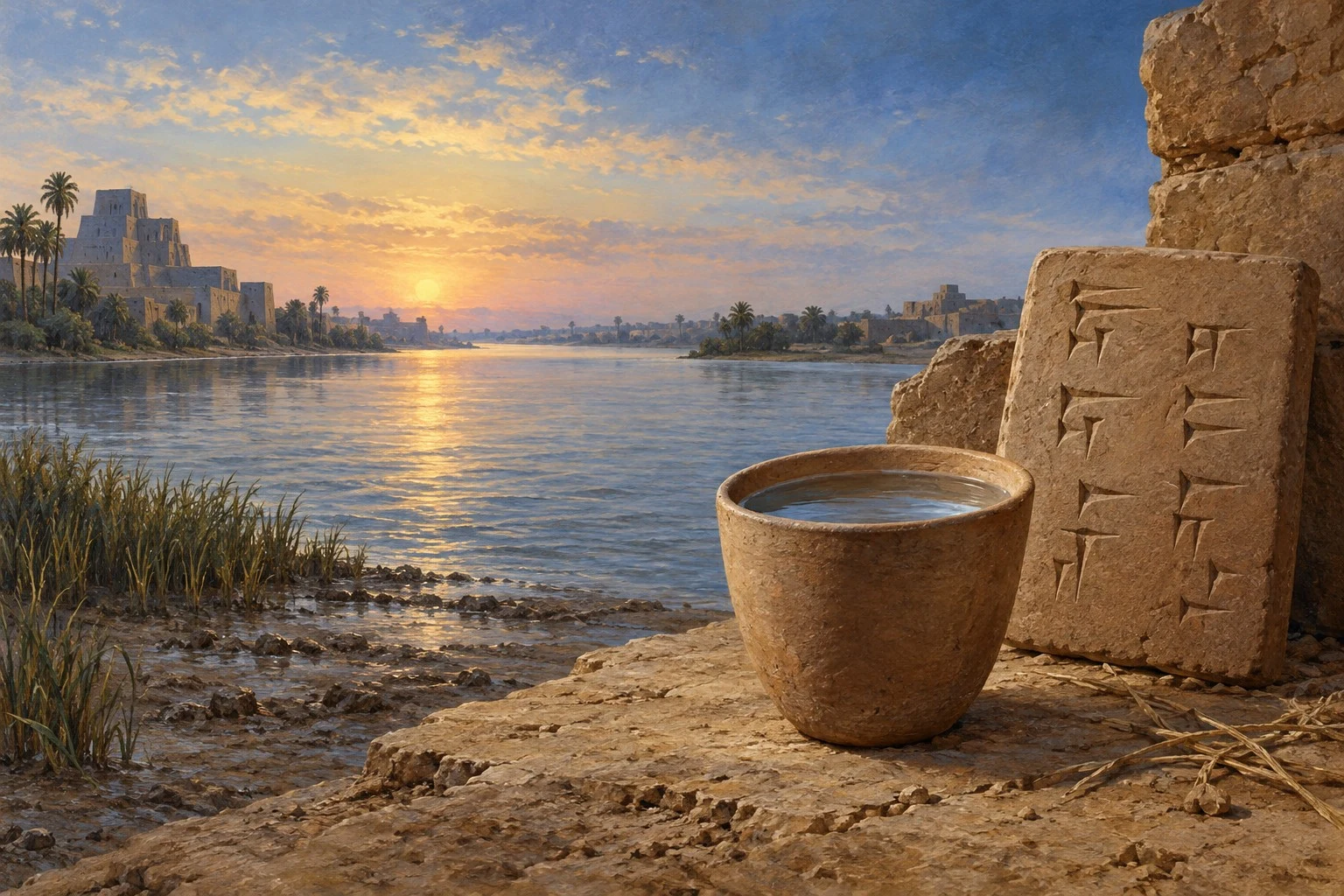
A modern conceptual illustration places river and vessel together to contrast two distinct procedures. It depicts no documented ordeal or specific artifact; the tablet's marks are decorative and not legible text
Entidade
Referral of an unresolved dispute to a divinized River for judgment, with procedures and consequences that differ between legal rules and case reports.
Variantes do nome: river ordeal, riverine ordeal
Contexto e fontes →
Entidade
A harmful spirit named in the Greek Testament of Solomon, whose capture begins the ring-and-Temple narrative.
Variantes do nome: Ornias
Contexto e fontes →
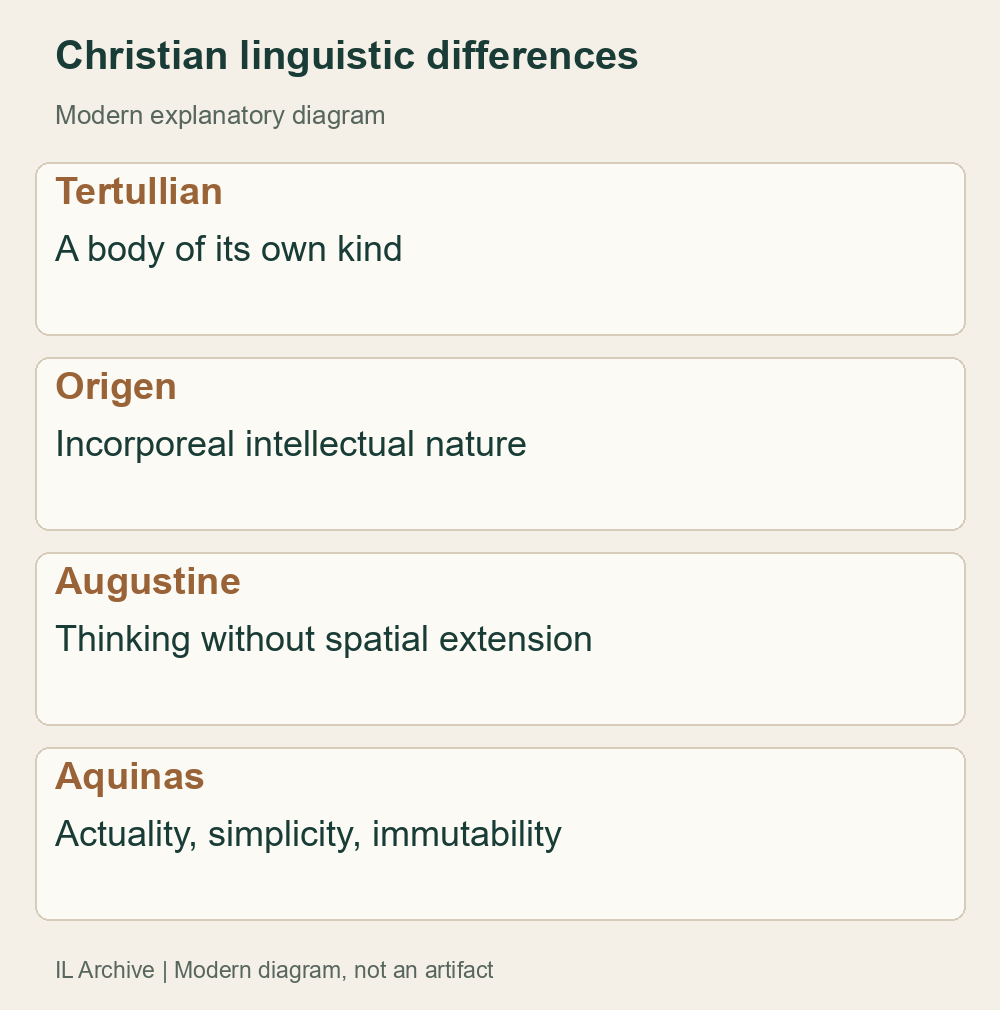
Positions in specific texts, not a consensus of early or later Christianity; no portraits depicted
Pessoa
Christian exegete and theologian from Alexandria (c. 185–253), known for biblical textual comparison, commentaries and On First Principles. His works survive in Greek and through later translations and quotations.
Variantes do nome: Origen, Origen of Alexandria
Contexto e fontes →
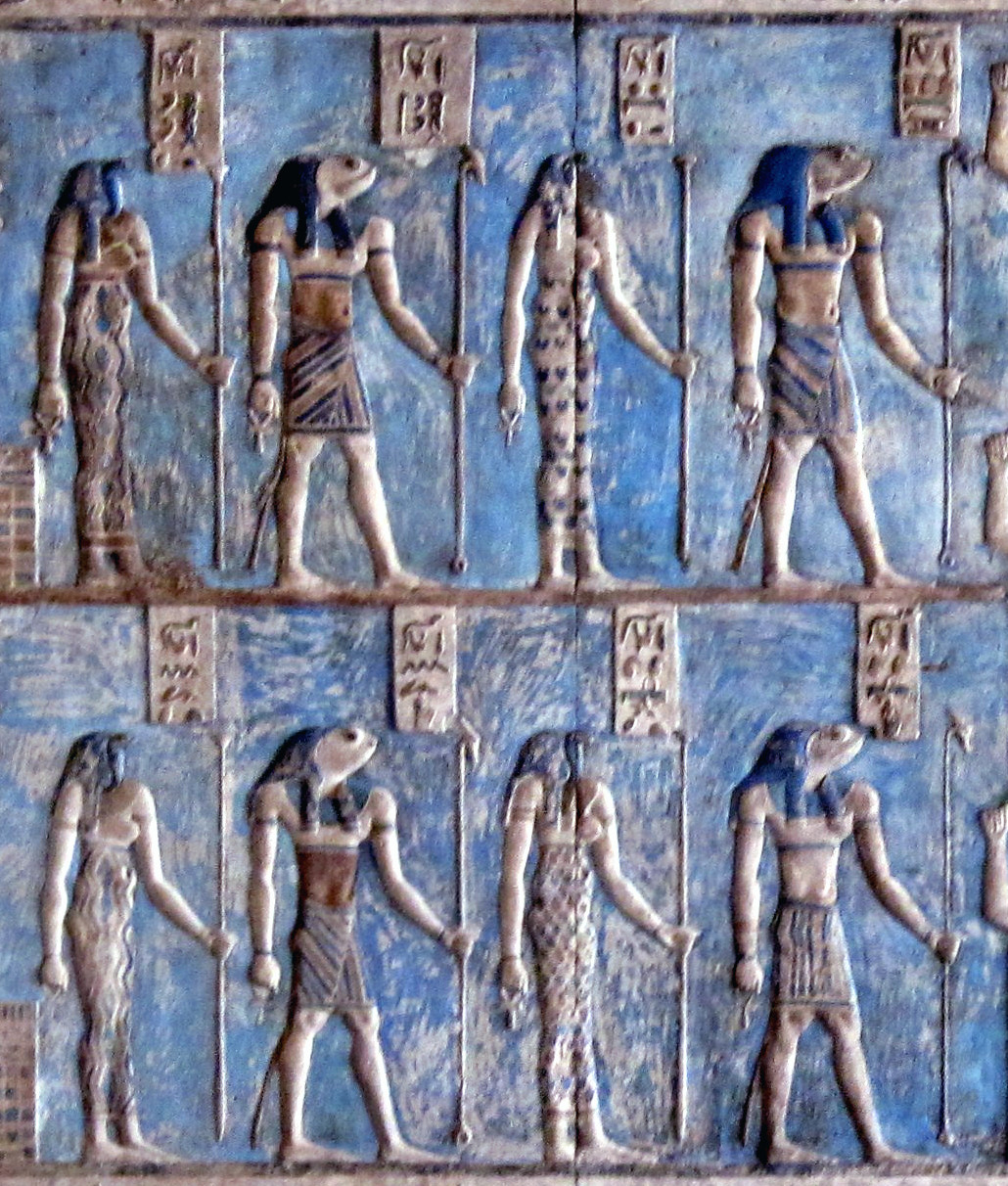
The Ogdoad in a ceiling relief at the temple of Hathor in Dendera: four pairs with frog and snake heads. This source crop was made by JMCC1 from Olaf Tausch’s 2011 photograph. The standing temple belongs to later Ptolemaic and Roman construction
Entidade
The Eight are four divine pairs describing conditions before the ordered world in Egyptian traditions
Variantes do nome: eight paired deities, Nunet, Heh and Hehet, Kek and Keket, Tenem and Tenemet, Amunet
Contexto e fontes →
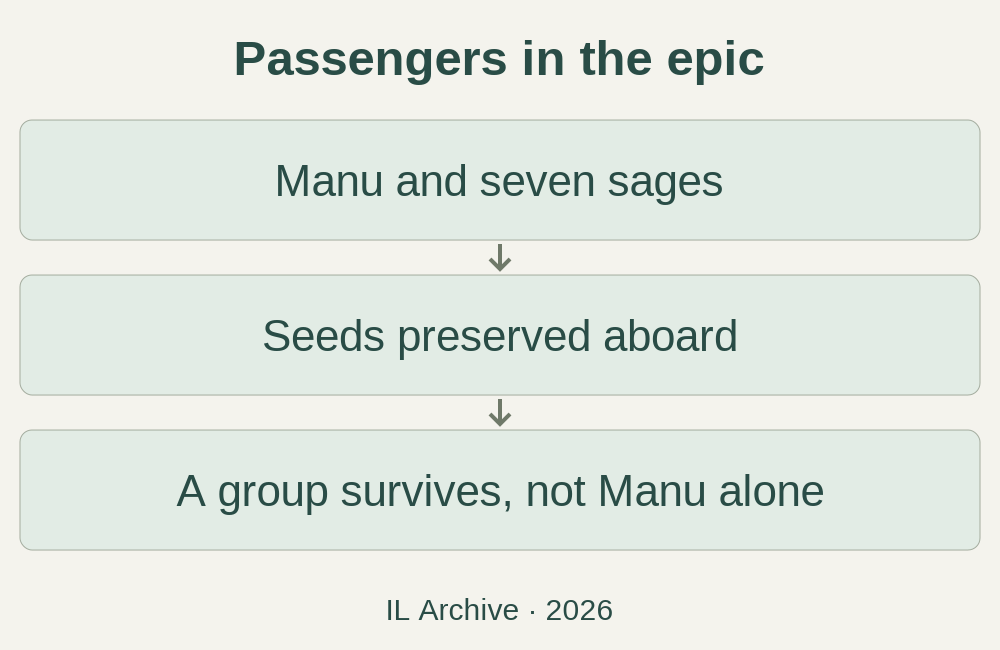
Modern explanatory diagram of narrative sequence and relationships, not a manuscript reproduction or portrait
Entidade
Sages accompanying Manu aboard the boat in the Mahābhārata version, Sanskrit saptarṣi.
Variantes do nome: Seven sages in Manu’s flood story, Saptarṣi, Saptarshi
Contexto e fontes →
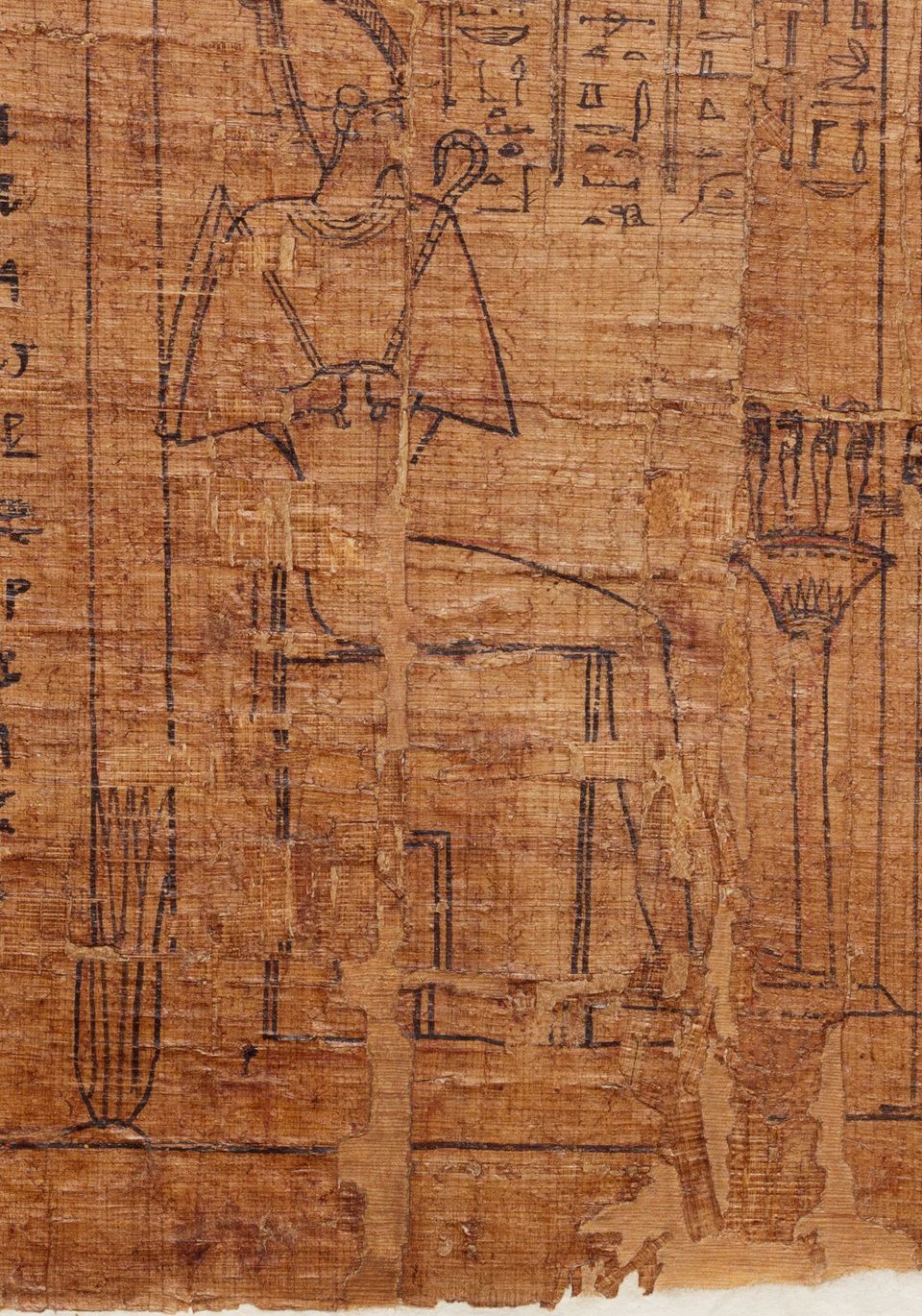
Cropped detail of a Ptolemaic funerary papyrus showing Osiris enthroned in his shrine; Egypt, ca. 230–150 BCE. Met 66.99.142. This is a crop of the artifact, not an image of a historical mythic event
Entidade
Osiris was an ancient Egyptian deity associated with the dead, life after death, renewal, and kingship. His roles appear in changing funerary texts, rituals, and judgment scenes, notably the weighing of the heart.
Variantes do nome: Osiris
Contexto e fontes →
Pessoa
Hebrew Bible scholar studying the Sabbath commandment’s interpretation, author of Sabbath in the Making, 2020.
Variantes do nome: Ottilia Lukács
Contexto e fontes →
Pessoa
Scholar of the New Testament and ancient Judaism, 1917–2005.
Variantes do nome: Otto Betz
Contexto e fontes →
Modern AI-generated symbolic cover: an imaginary portal and luminous abstract forms evoking questions of being and substance, not a documented artifact, manuscript, temple or literal portrayal of divinity
Entidade
Ousia (οὐσία): a Greek noun variously translated being, substance, or essence. In later Christian debates it could designate a common divine essence contrasted with distinct hypostases; this meaning is not universal in earlier texts.
Variantes do nome: ousia, οὐσία, essence, substance
Contexto e fontes →
Pessoa
Ovid was a Roman poet writing in Latin, who lived from 43 BCE to about 17 CE. His best-known works include the Metamorphoses.
Variantes do nome: Ovid
Contexto e fontes →

Modern AI-generated interpretive cover: an imagined transition from marks on stone to abstract strokes. Not a photograph of an ancient inscription or a scholarly facsimile
Entidade
Paleo-Arabic denotes an early Arabic-script epigraphic tradition attested from the late fifth century CE, with distinctive letter forms and spelling conventions. It is narrower than Old Arabic as a language written in different scripts, and some traits persisted into early Islamic times.
Variantes do nome: Paleo-Arabic, Palaeo-Arabic, Paleo Arabic script
Contexto e fontes →
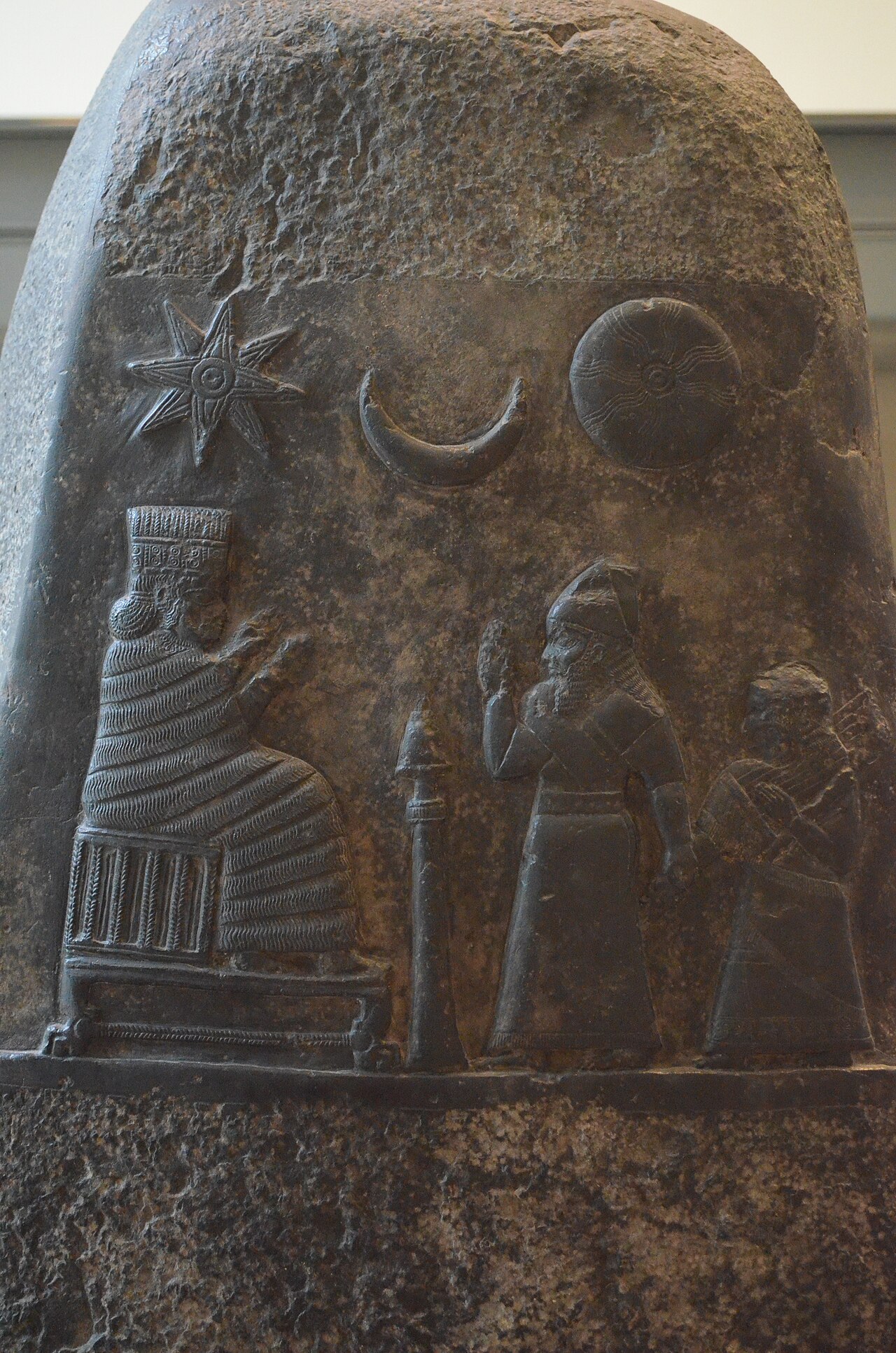
The kudurru of Meli-Shipak II, Louvre SB 23: the king presents his daughter Hunnubat-Nanaya to the seated goddess Nanaya, beneath the star of Ishtar, crescent of Sin, and sun disk of Shamash. This Babylonian monument shows divine emblems, not a complete gathering of the pantheon
Entidade
The deities recognized within a given religious tradition, city or period, as reflected in texts and cult. Broader than a divine council, an assembly within a narrative.
Variantes do nome: pantheon, pantheons
Contexto e fontes →
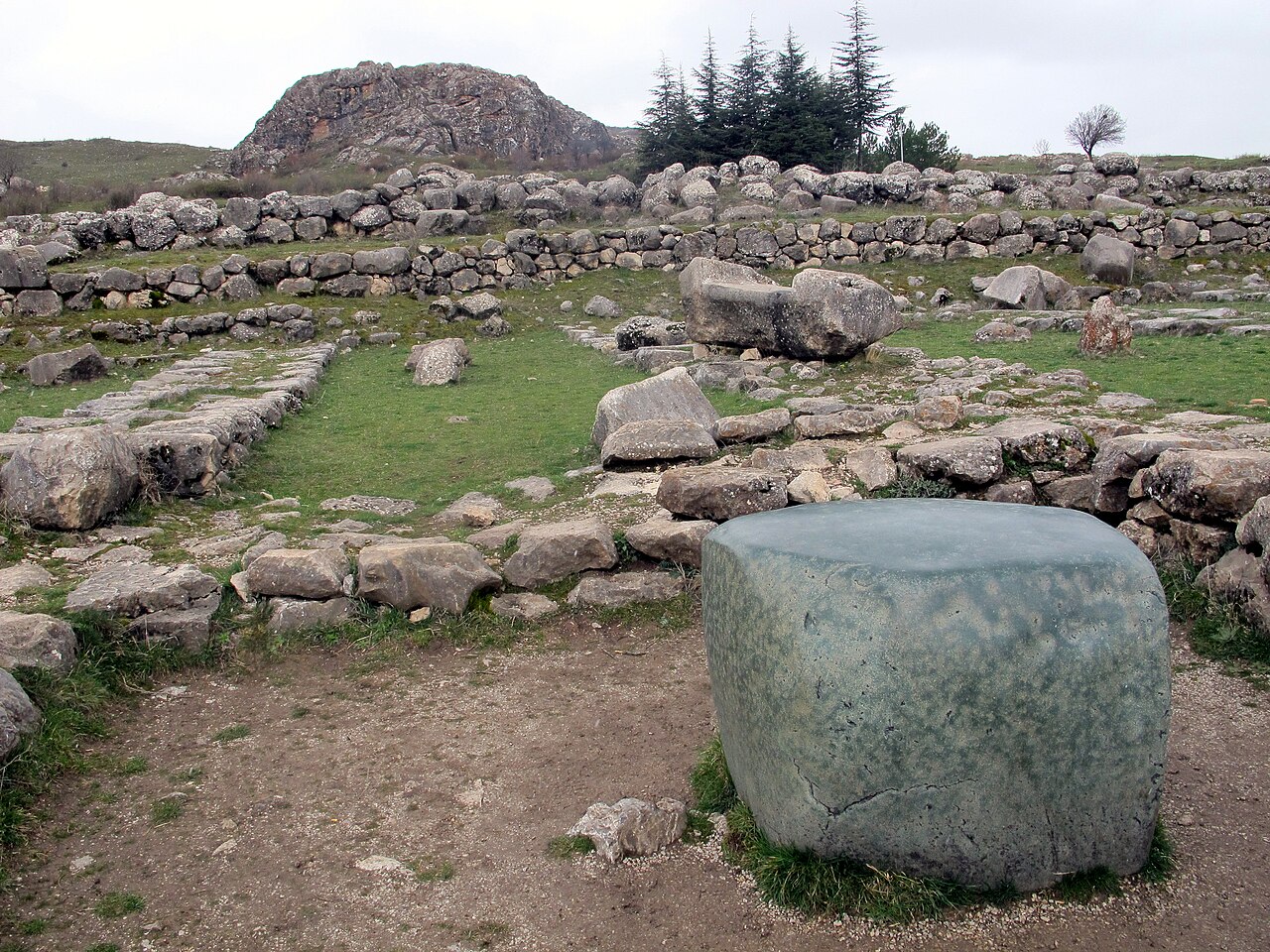
Part of the Great Temple ruins at Hattusha, the Hittite capital, near modern Boğazköy in Turkey. UNESCO dates the temple remains to the thirteenth century BCE. Photograph taken on 17 March 2013, providing context for the city that preserved collections of Hittite rituals
Pessoa
Papanikri is the named ritual specialist associated with a Hittite ritual addressing the omen of a damaged birth stool
Variantes do nome: Papanikri, Pāpanikri
Contexto e fontes →
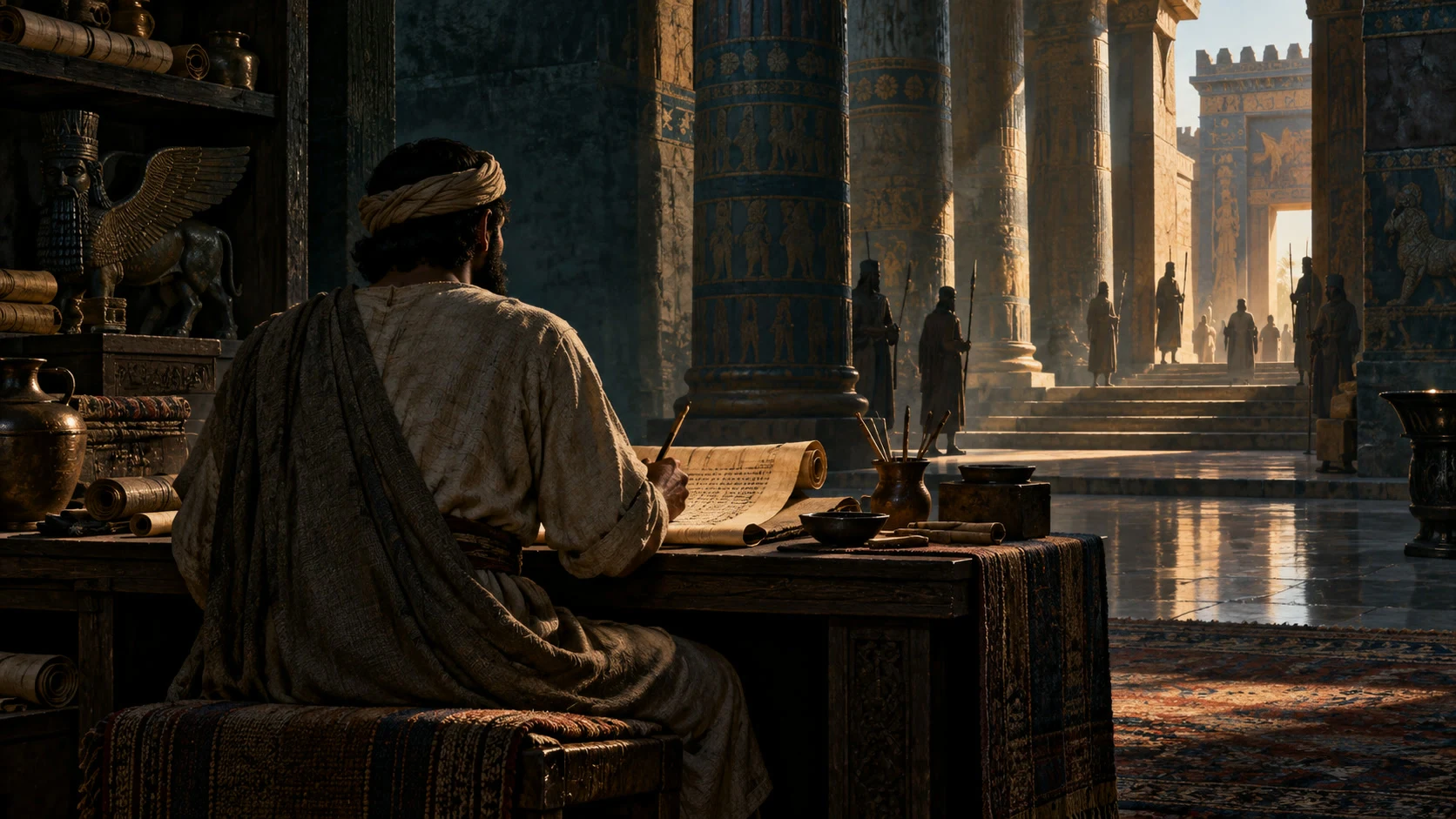
Modern editorial illustration of a sage writing at an ancient court. Generated explanatory image, not a photograph of P.13446 or a documented reconstruction of Daniel or Ahiqar. © IL Archive, CC0
Artefato
A fragmentary Aramaic witness, probably from the later fifth century BCE, preserving Ahiqar’s tale and sayings with gaps and editorial restorations.
Variantes do nome: Ahiqar papyrus, Elephantine Ahiqar
Contexto e fontes →
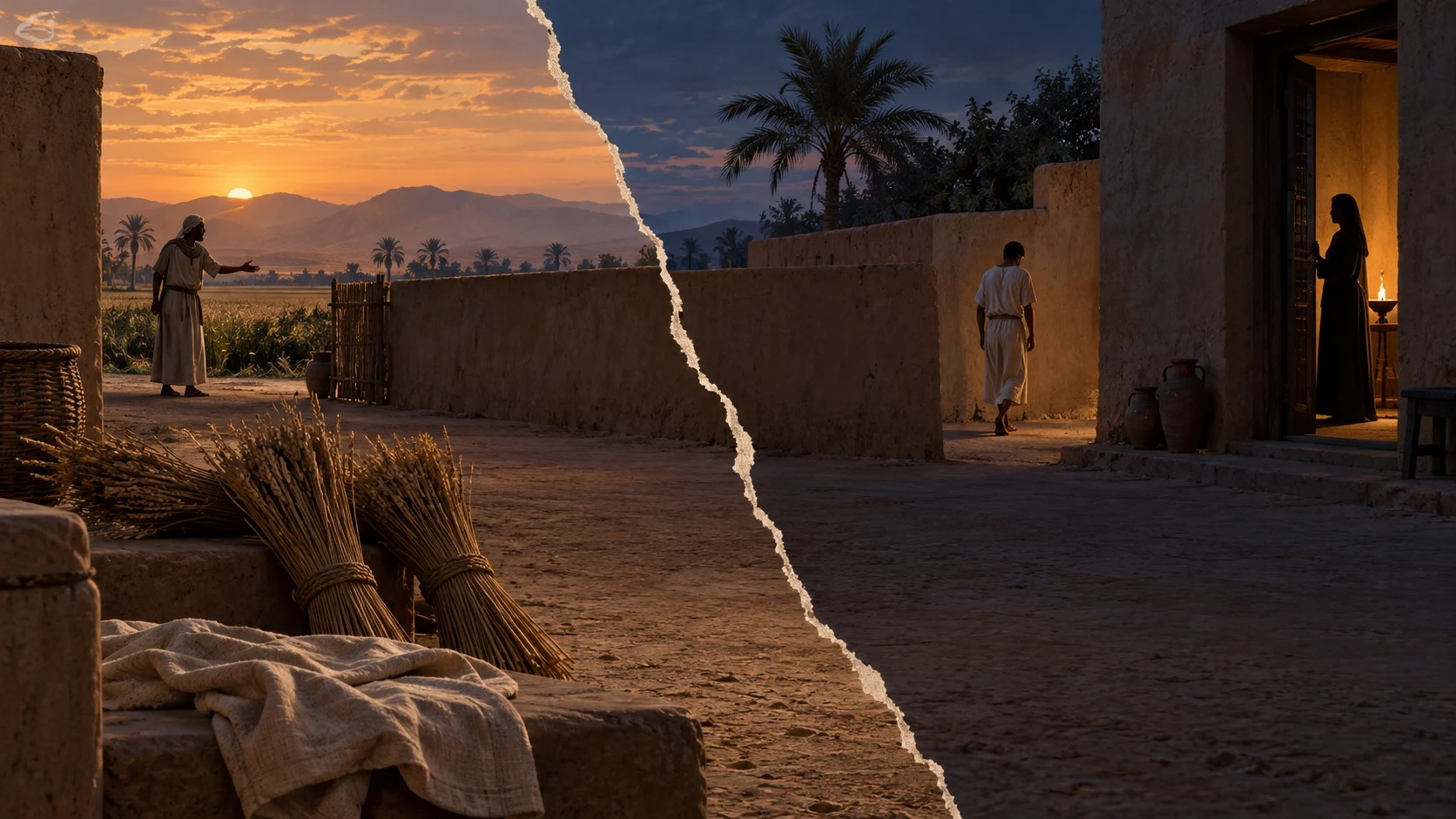
Modern interpretive illustration of a household divided after Bata’s accusation; not a photograph of EA10183 or a verified historical reconstruction
Artefato
Nineteenth-Dynasty hieratic papyrus (c. 1215 BCE), British Museum EA10183; the sole known manuscript of the Tale of the Two Brothers, copied by Inena.
Variantes do nome: Papyrus D’Orbiney, Tale of the Two Brothers
Contexto e fontes →
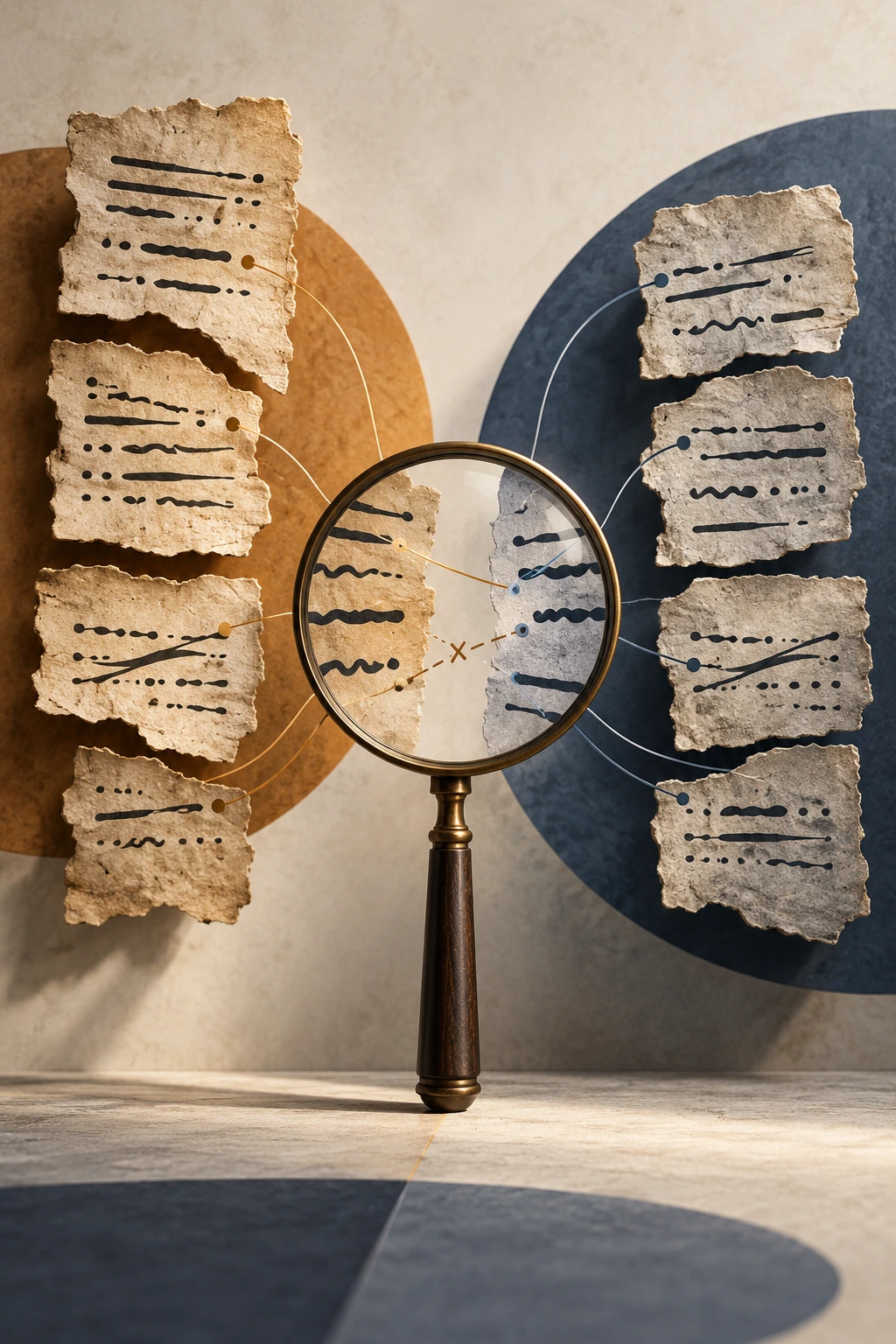
Newly generated conceptual illustration of textual resemblances and differences; its fragments and marks are fictional, not ancient manuscript evidence
Entidade
Overstating textual or conceptual parallels and inferring historical dependence without adequate contextual, chronological, or transmission evidence; not a rejection of comparison.
Variantes do nome: Parallelomania
Contexto e fontes →

Modern conceptual cover: a DNA helix and abstract connections above house-plan-like shapes; neither a Çatalhöyük artifact nor evidence of a documented pedigree
Entidade
An estimate of biological relatedness from inherited DNA shared by two people; its precision depends on sample quality and comparison, and it does not by itself define social family ties.
Variantes do nome: genetic kinship, biological relatedness
Contexto e fontes →

AI-generated conceptual cover: branching paths evoke shared ancestry without depicting an actual linguistic family tree or documented historical transfer
Entidade
Common linguistic descent demonstrated by systematic sound and morphological correspondences, unlike borrowing or accidental resemblance.
Variantes do nome: linguistic relatedness, linguistic kinship, linguistic relationship
Contexto e fontes →