
Swift Hall at the University of Chicago, photographed in 2023. University context associated with López-Ruiz’s work; not a portrait or a photograph of her office
Pessoa
Scholar of ancient Mediterranean religions, mythologies and exchange between Greek and Semitic traditions.
Variantes do nome: Carolina López-Ruiz
Contexto e fontes →

Modern AI-generated conceptual cover: two imagined scrolls before a stylized Mediterranean harbour evoke the Torah’s translation into Greek. Neither an ancient manuscript photograph nor a documented reconstruction of Alexandria or the Pharos lighthouse
Entidade
Greek Alexandrian Jewish composition, probably second century BCE, portraying the translation of Mosaic Law under Ptolemy II. A literary witness to the reception of the Septuagint, not contemporary minutes or an account of Torah composition.
Variantes do nome: Letter of Aristeas, Aristeas to Philocrates
Contexto e fontes →
Modern conceptual illustration: a sandal, an uninscribed clay tablet and model fields symbolize kinship and inheritance. No documented artifact or historical scene is depicted. IL Archive / CC0
Entidade
A defined kinship arrangement in which a man marries his deceased brother’s widow; obligations, refusal procedures and offspring attribution vary among traditions.
Variantes do nome: levirate, levirate marriage, brother-in-law marriage
Contexto e fontes →
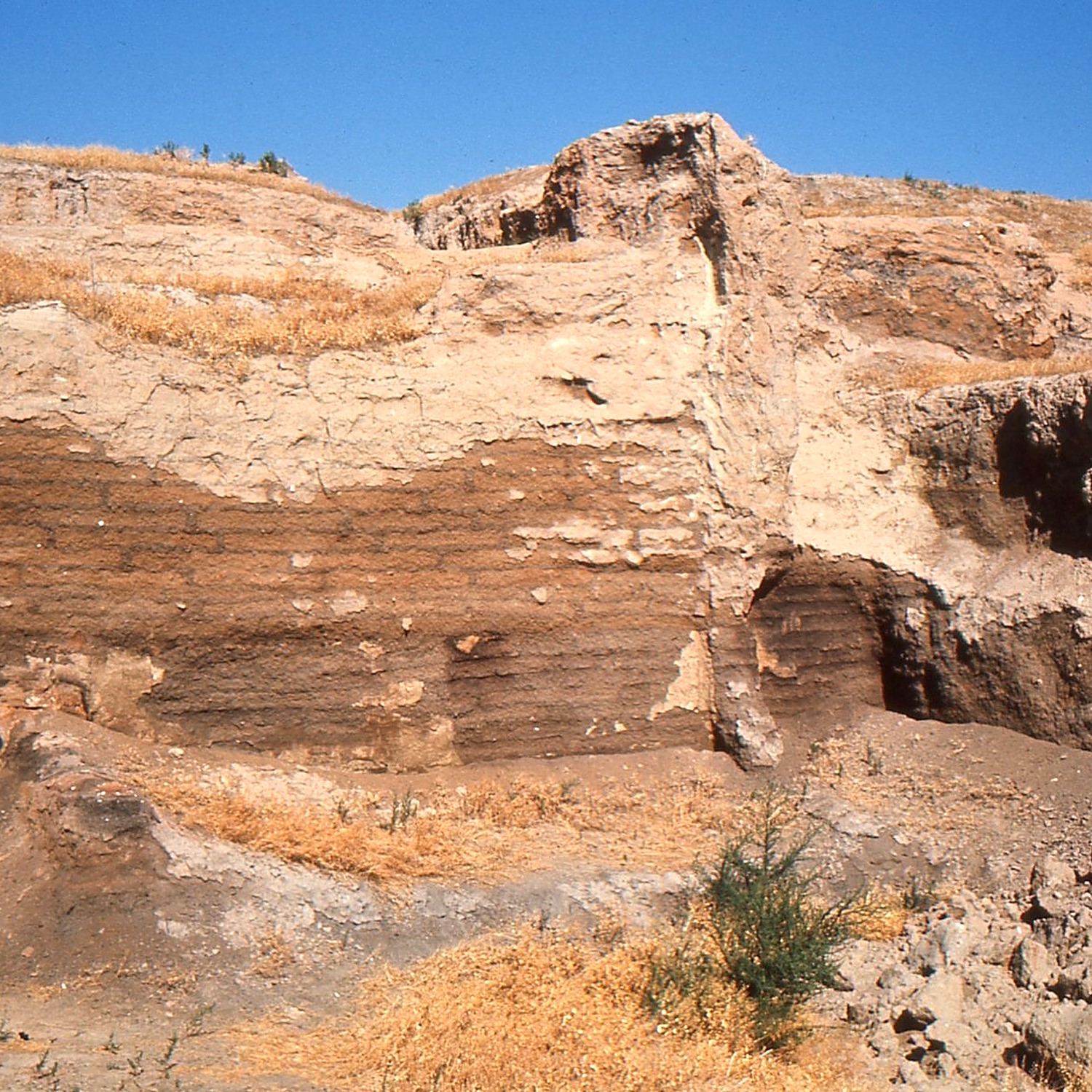
Photographic cover: exposed layers in a Çatalhöyük excavation, square-cropped and lightly tone-adjusted from Omar Hoftun’s 2013 photograph. It does not depict an identified history house
Entidade
History houses: Hodder and Pels’s hypothesis linking certain long-lived Çatalhöyük buildings and concentrated burials to social memory. A debated analytical category, not an ancient name or proof of a separate temple.
Variantes do nome: history houses, history house
Contexto e fontes →
Pessoa
Scholar of ancient Israel, Judah and the Near East who proposed reading Ezekiel's Gog in relation to Babylonian Marduk traditions.
Variantes do nome: Casey A. Strine
Contexto e fontes →
Pessoa
Scholar of biblical studies and ancient Judaism and author on resurrection in early Judaism.
Variantes do nome: Casey D. Elledge
Contexto e fontes →

Modern digitally generated interpretative scene of a descent into the underworld; not an ancient artifact or an evidenced historical reconstruction
Entidade
Greek for descent; in literary criticism, a purposeful journey to the realm of the dead, distinct from necromancy and resurrection.
Variantes do nome: katabasis
Contexto e fontes →
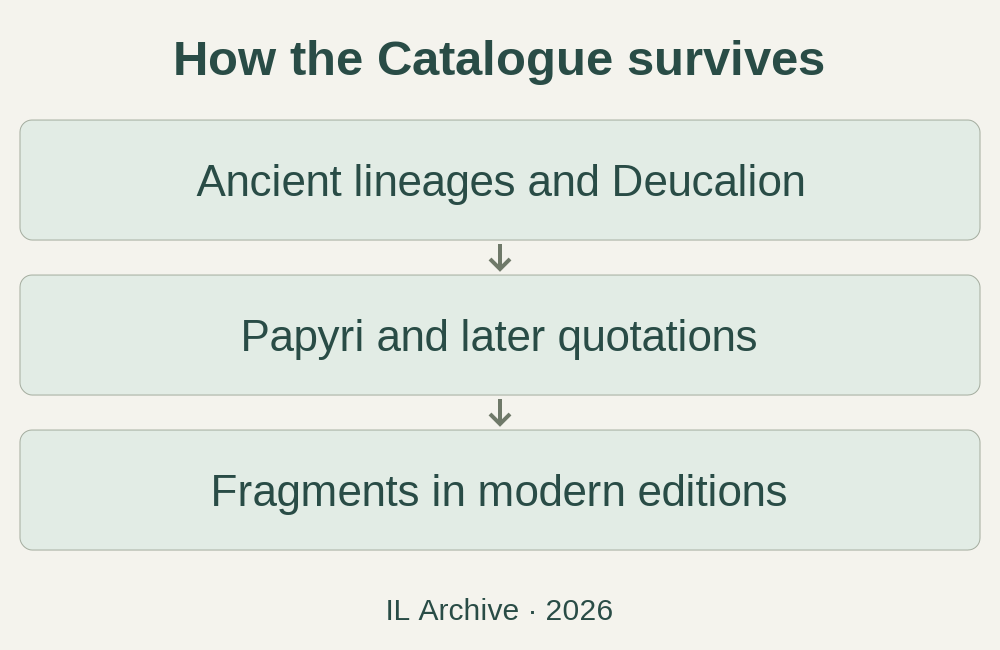
Modern explanatory diagram of one literary witness’s sequence or relationships, not a manuscript, portrait or demonstrated transmission route
Texto antigo
Greek genealogical poem, mostly lost, whose fragments preserve Deucalion’s family and Greek lineages.
Variantes do nome: Hesiodic Catalogue of Women
Contexto e fontes →
Contemporary imaginative illustration inspired by Galilean caves; not an actual photograph of Hayonim Cave, its graves, or a verified reconstruction
Sítio
A Galilean cave with Natufian graves and ornaments; its long funerary use informs research on identity and place memory.
Variantes do nome: Hayonim, Hayonim Cave
Contexto e fontes →
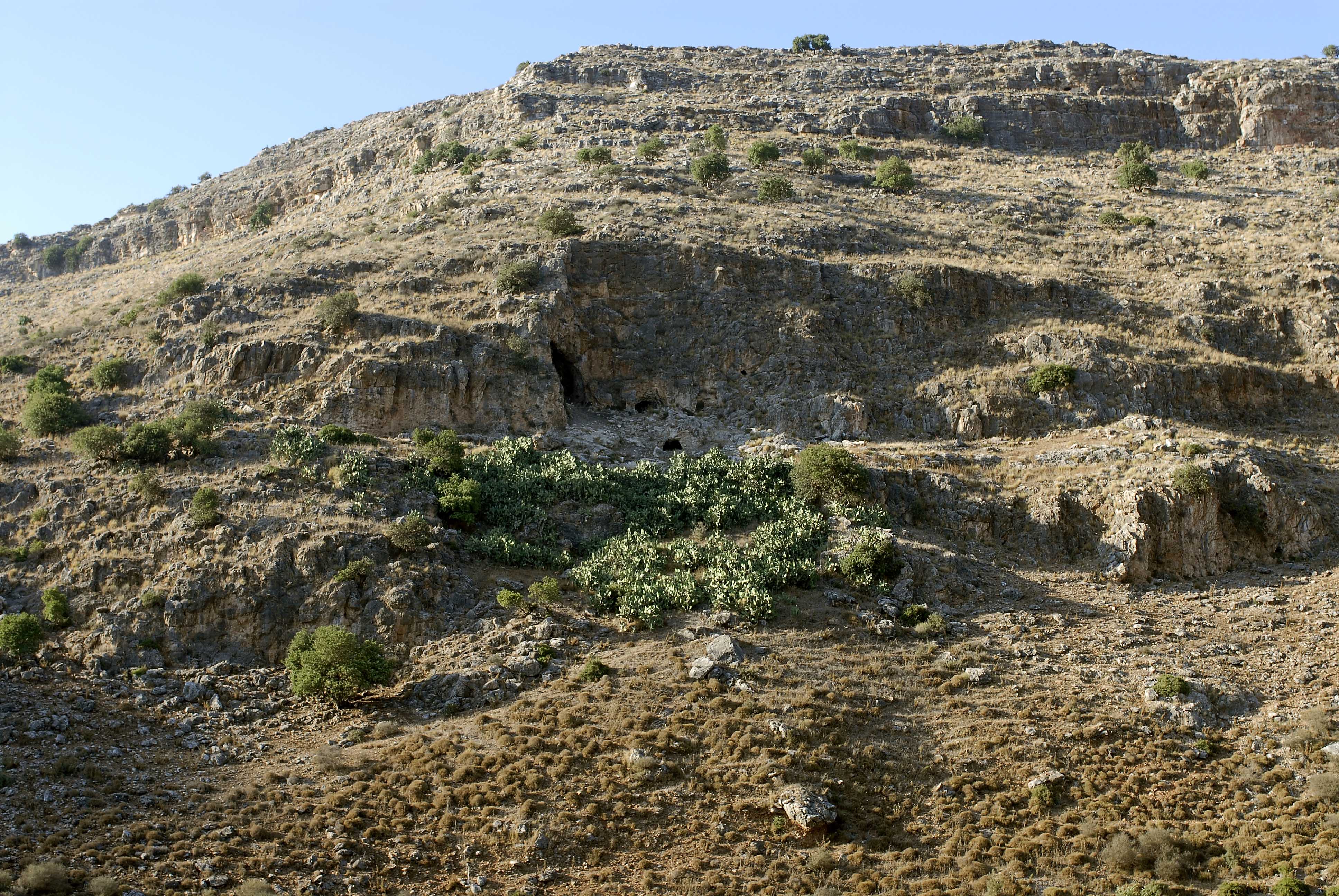
Hilazon Tachtit Cave viewed from the south, July 2006. A modern photograph of the site and its surroundings, not of the grave or funeral
Sítio
A Late Natufian burial cave in Galilee, with an exceptional woman’s grave and deposits interpreted as funerary feasts.
Variantes do nome: Hilazon Tachtit, Hilazon Tachtit Cave
Contexto e fontes →
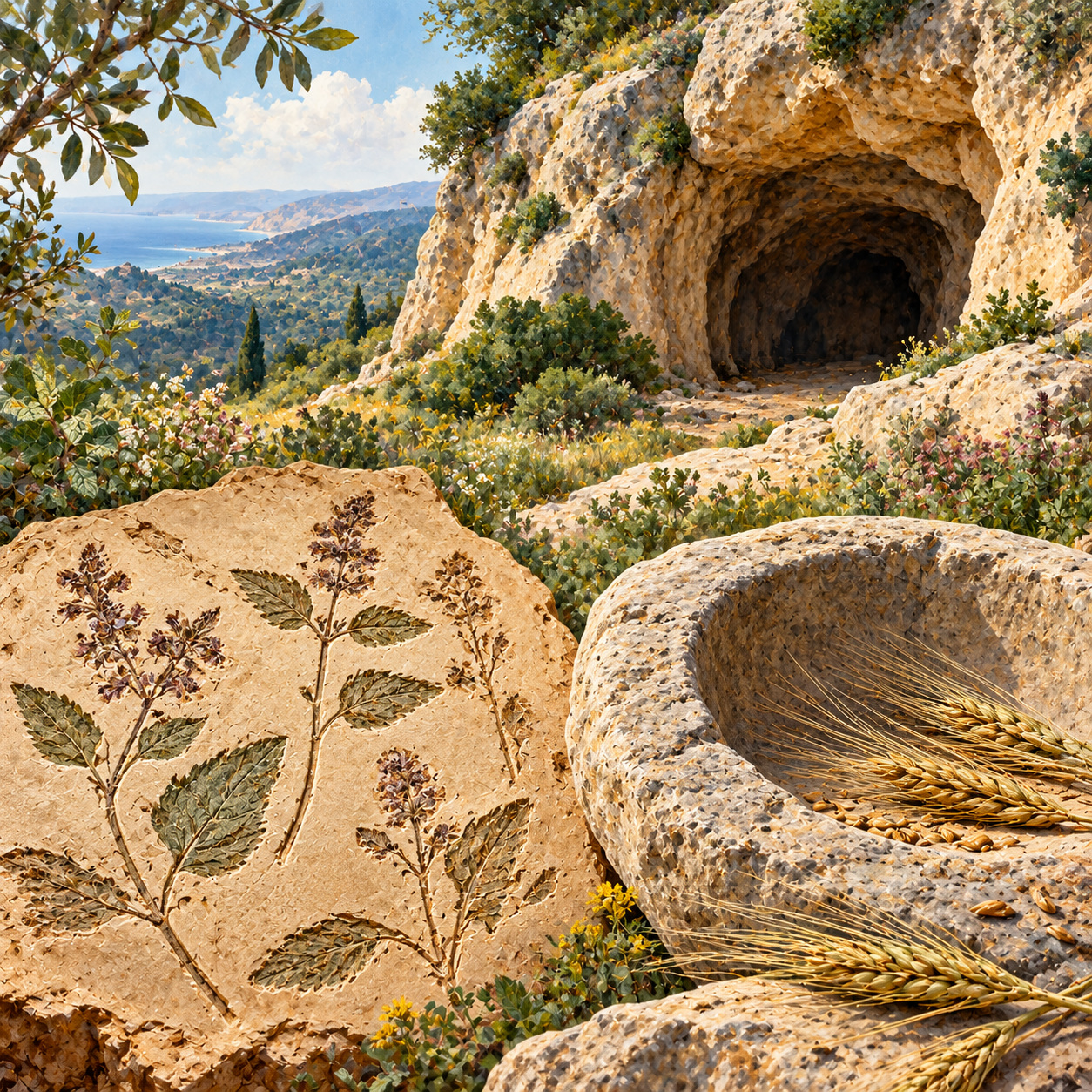
Modern AI-generated conceptual cover showing an imagined cave entrance, plant imprints and a cereal mortar. This is not a photograph of Raqefet, an excavated object, or a verified reconstruction
Sítio
A Mount Carmel cave with a multigenerational Natufian cemetery. Plant impressions in four graves support a flowering-plant lining, whereas the proposed brewing function of three mortars remains contested.
Variantes do nome: Raqefet, Raqefet Cave
Contexto e fontes →
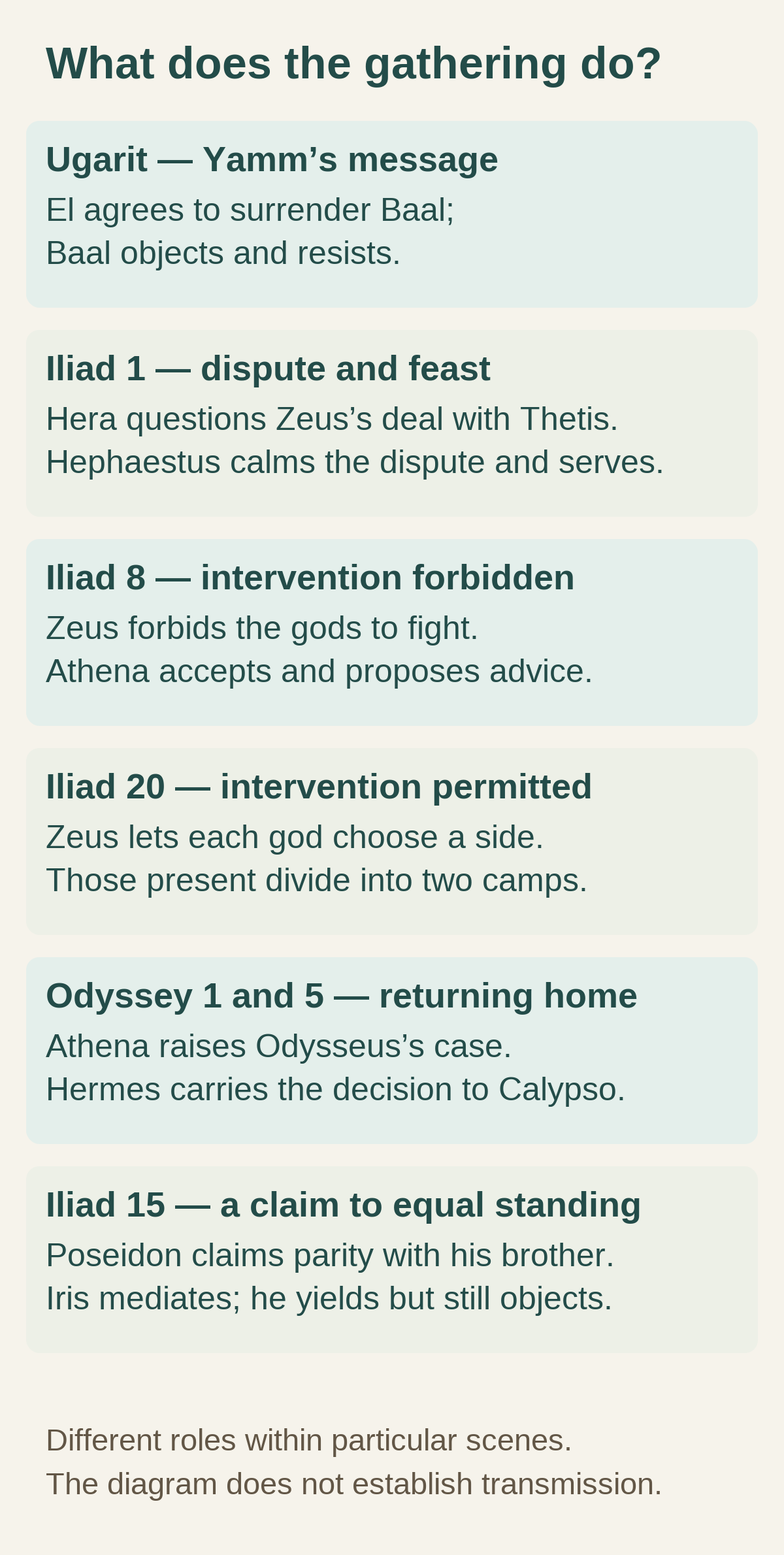
Modern explanatory diagram comparing functions of particular Ugaritic, Iliadic and Odyssean scenes: message, dispute and feast, forbidding or permitting intervention, and a return decision. A tool for reading narratives, rather than independent evidence of transmission
Entidade
A way to analyse a recurring assembly scene in narrative, while its purpose, speakers and decision vary.
Variantes do nome: divine assembly type-scene
Contexto e fontes →
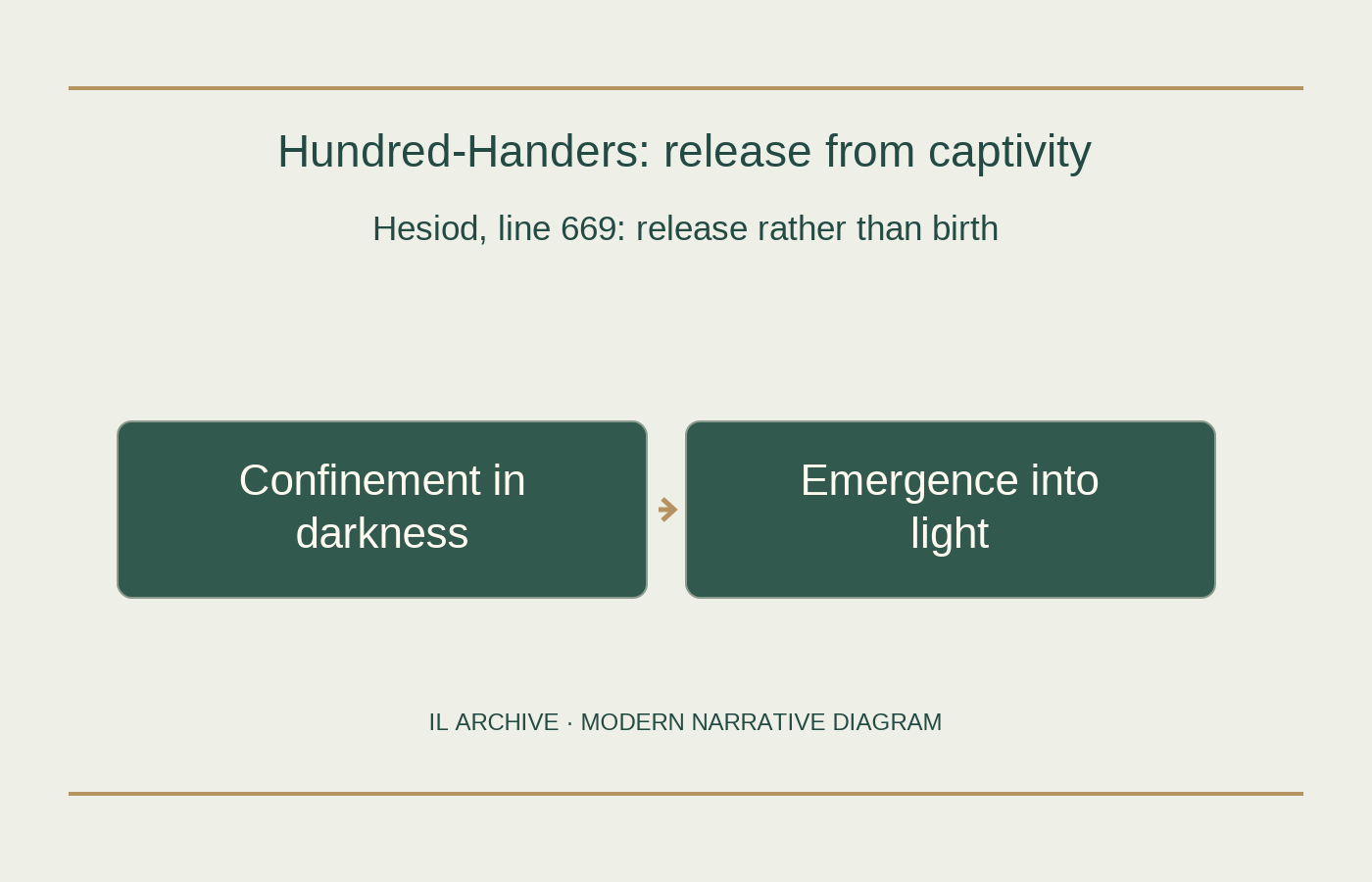
Modern diagram of the release from captivity into light at Theogony669. It explains the scene when comparing emergence verbs, without reconstructing the Hundred-Handers’ appearance
Entidade
Beings in Hesiod’s poem, shown in one scene leaving captivity and darkness for light.
Variantes do nome: Hundred-Handers, Hecatoncheires
Contexto e fontes →
Pessoa
Chaim Milikowsky is a scholar of rabbinic literature, tradition history and textual criticism.
Variantes do nome: Chaim Milikowsky
Contexto e fontes →
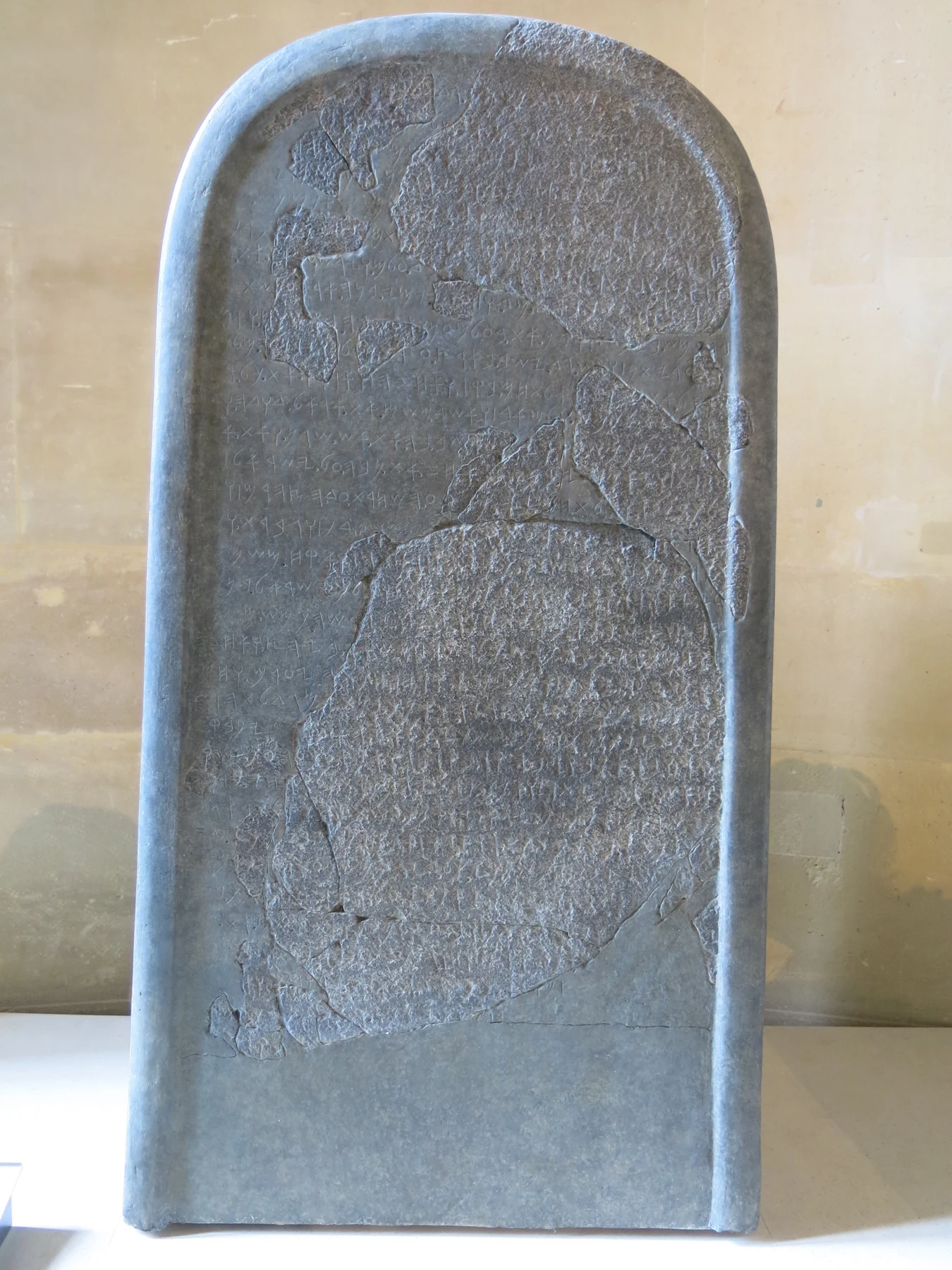
Mesha Stele, basalt from Dhiban, ninth century BCE, Louvre AO 5066. The text names Chemosh; the displayed object is reassembled and restored, not an image of the deity
Entidade
Major Moabite deity in the ninth-century BCE Mesha Stele, credited with restoring territory and receiving war booty; also named in Hebrew texts from another perspective.
Variantes do nome: Chemosh, Kemosh
Contexto e fontes →
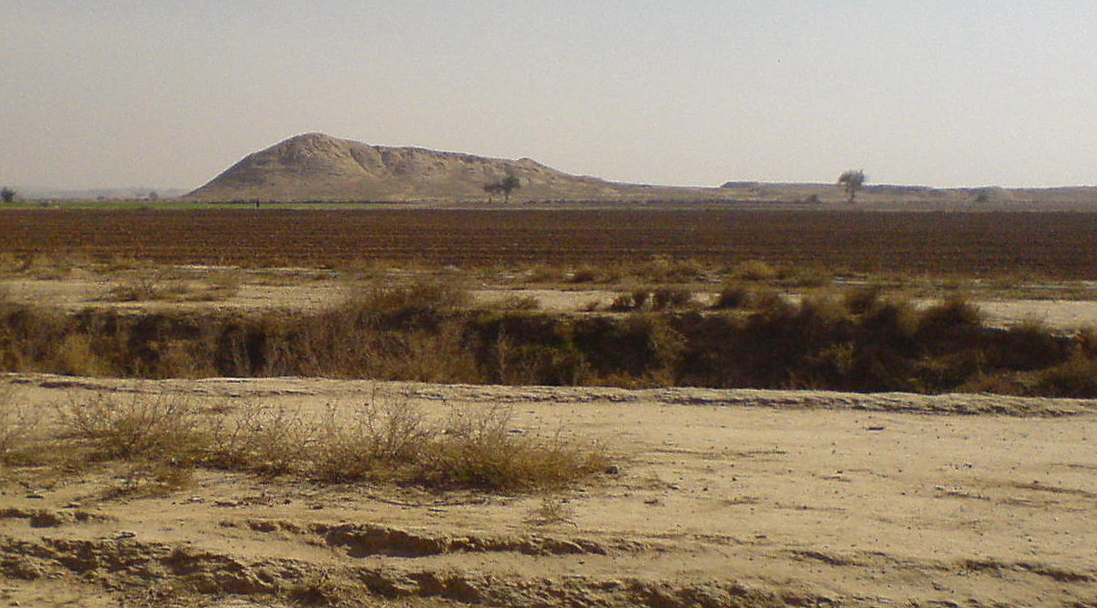
Modern view of the Chogha Mish mound; it does not identify a specific archaeological phase
Sítio
Multiperiod site in Khuzestan, southwestern Iran, relevant to figurines and cranial modification but requiring separation of its phases.
Variantes do nome: Chogha Mish
Contexto e fontes →
Pessoa
Christian Lange is a scholar of Islamic studies, including the history of paradise and hell.
Variantes do nome: Christian Lange
Contexto e fontes →
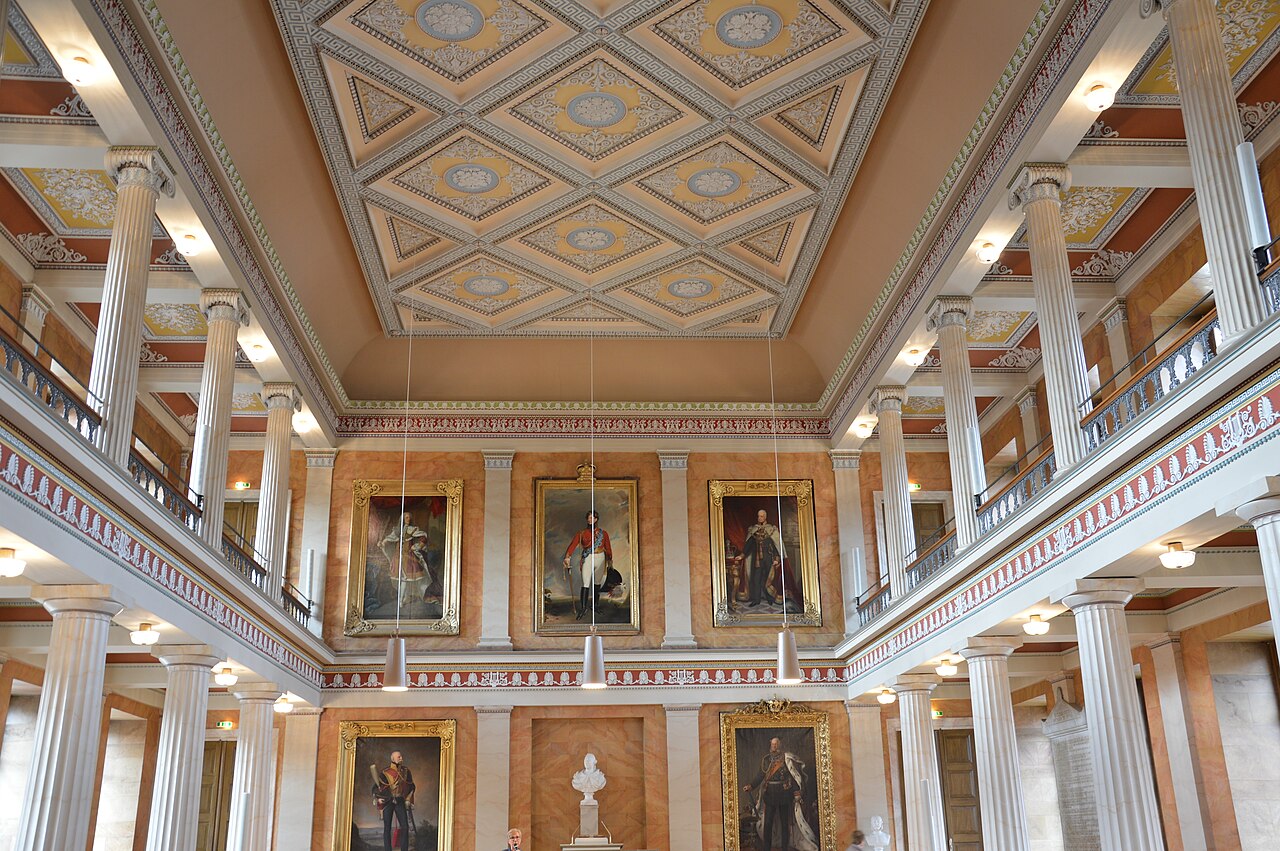
The Aula at Göttingen University, 3 April 2016. Institutional context for Christian Zgoll, not a portrait or identification of his office
Pessoa
Scholar at Göttingen working on ancient languages and comparative mythology, including Greek poetry and Hittite texts.
Variantes do nome: Christian Zgoll
Contexto e fontes →
Pessoa
Christine Hayes studies Jewish history, rabbinic literature and interpretation of the Hebrew Bible.
Variantes do nome: Christine Hayes
Contexto e fontes →
Pessoa
Author of the 2012 German WiBiLex entry on Gog and Magog, surveying explanations of the names and their evidence.
Variantes do nome: Christoph Rösel
Contexto e fontes →
Pessoa
Scholar of Northwest Semitic languages, literature and epigraphy who has studied ha-satan in biblical texts.
Variantes do nome: Christopher Rollston
Contexto e fontes →
Pessoa
Christopher B. Hays studies the Hebrew Bible, Semitic languages and the ancient Near East.
Variantes do nome: Christopher B. Hays
Contexto e fontes →
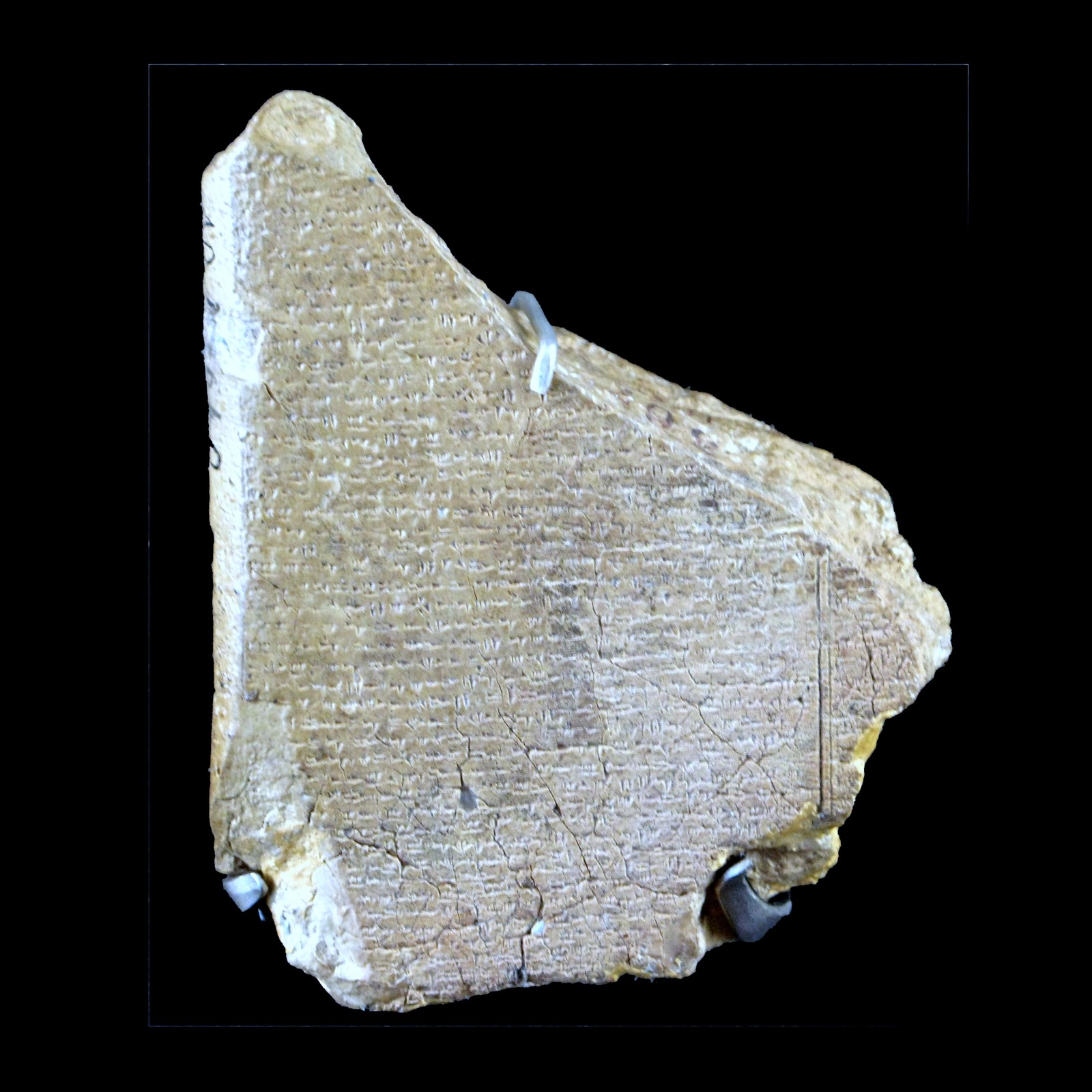
Baal Cycle tablet AO 16640 / RS 3.367 from Ugarit, about 1400–1200 BCE, associated with KTU 1.2; Louvre. Not the palace-authorization tablet KTU 1.4. A photograph of actual textual evidence, not imagined gods
Entidade
A group of Late Bronze Age Ugaritic religious texts recounting Baal’s conflicts, relationships with the gods and the building of his palace.
Variantes do nome: Baal Cycle
Contexto e fontes →
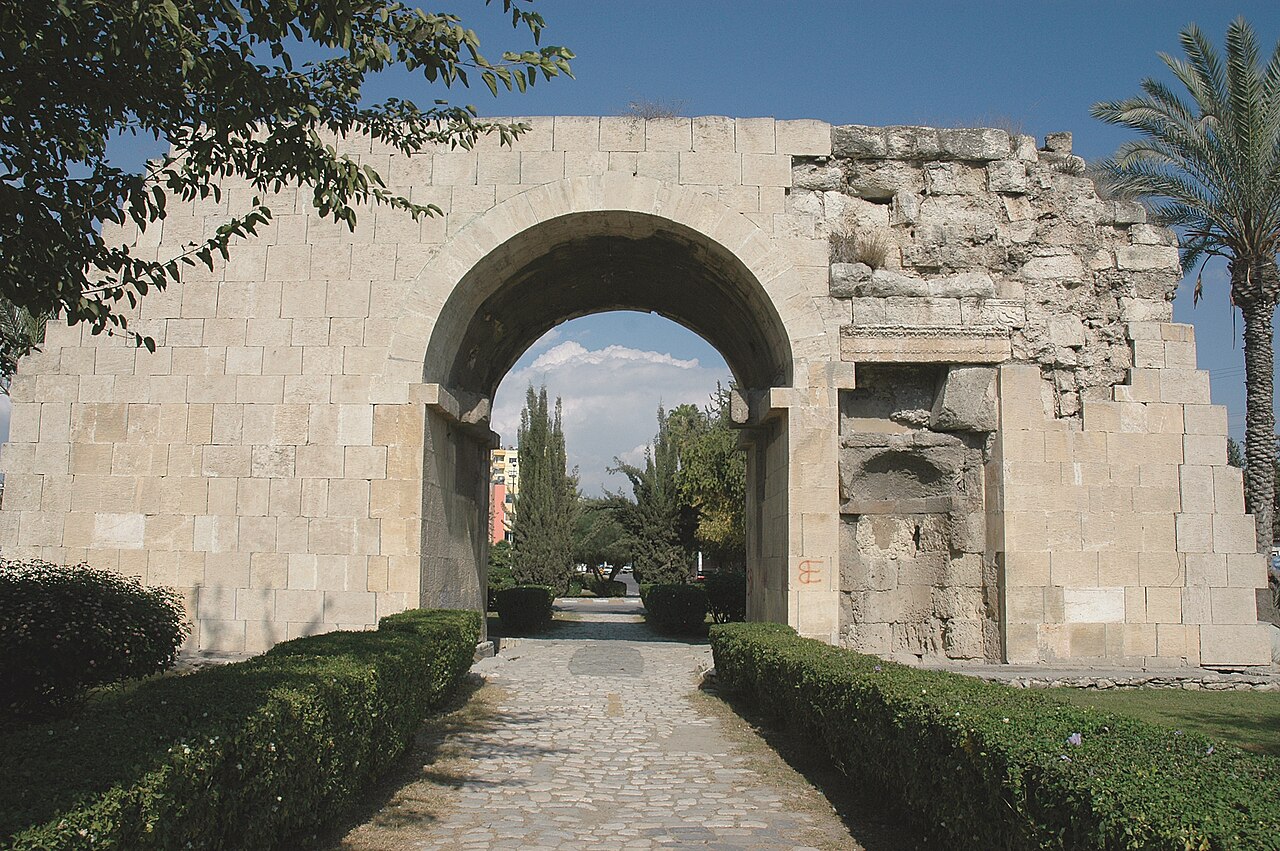
The gateway known as Cleopatra’s Gate in Tarsus, a city of historical Cilicia in modern Türkiye, 3 October 2005. A view of a place in the region; the popular name does not date the visible building
Sítio
Historical region on Anatolia’s southern coast in modern Türkiye, with plains and uplands connected to the Levant and Anatolian interior.
Variantes do nome: Cilicia
Contexto e fontes →
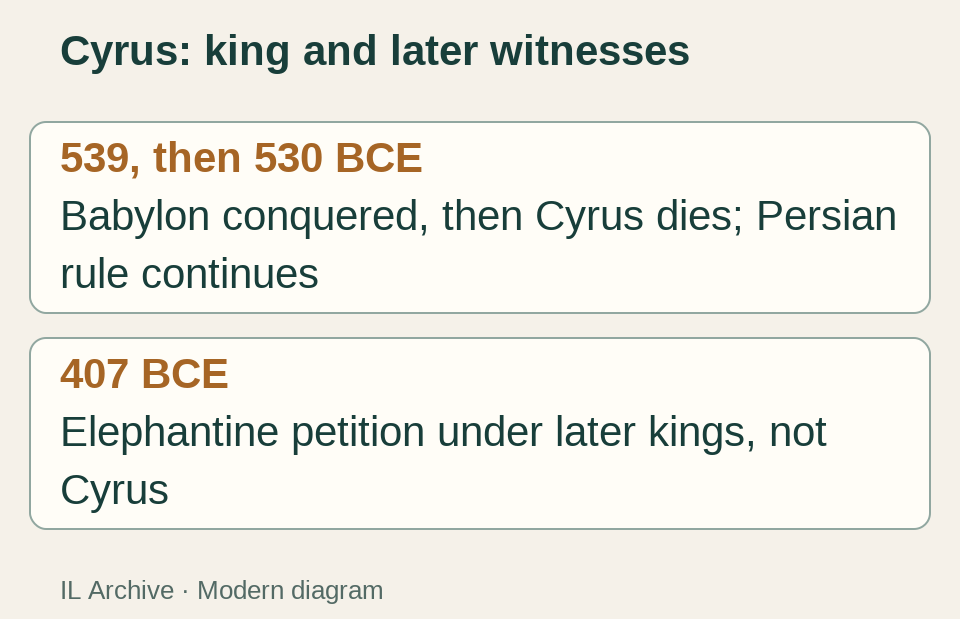
Modern timeline distinguishes Cyrus’s conquest of Babylon in 539 BCE and death in 530 BCE from the Elephantine petition of 407 BCE under later Persian kings; not a royal portrait or ancient document
Pessoa
Founder of the Achaemenid Empire; conquered Babylon in 539 BCE and died in 530 BCE.
Variantes do nome: Cyrus II
Contexto e fontes →
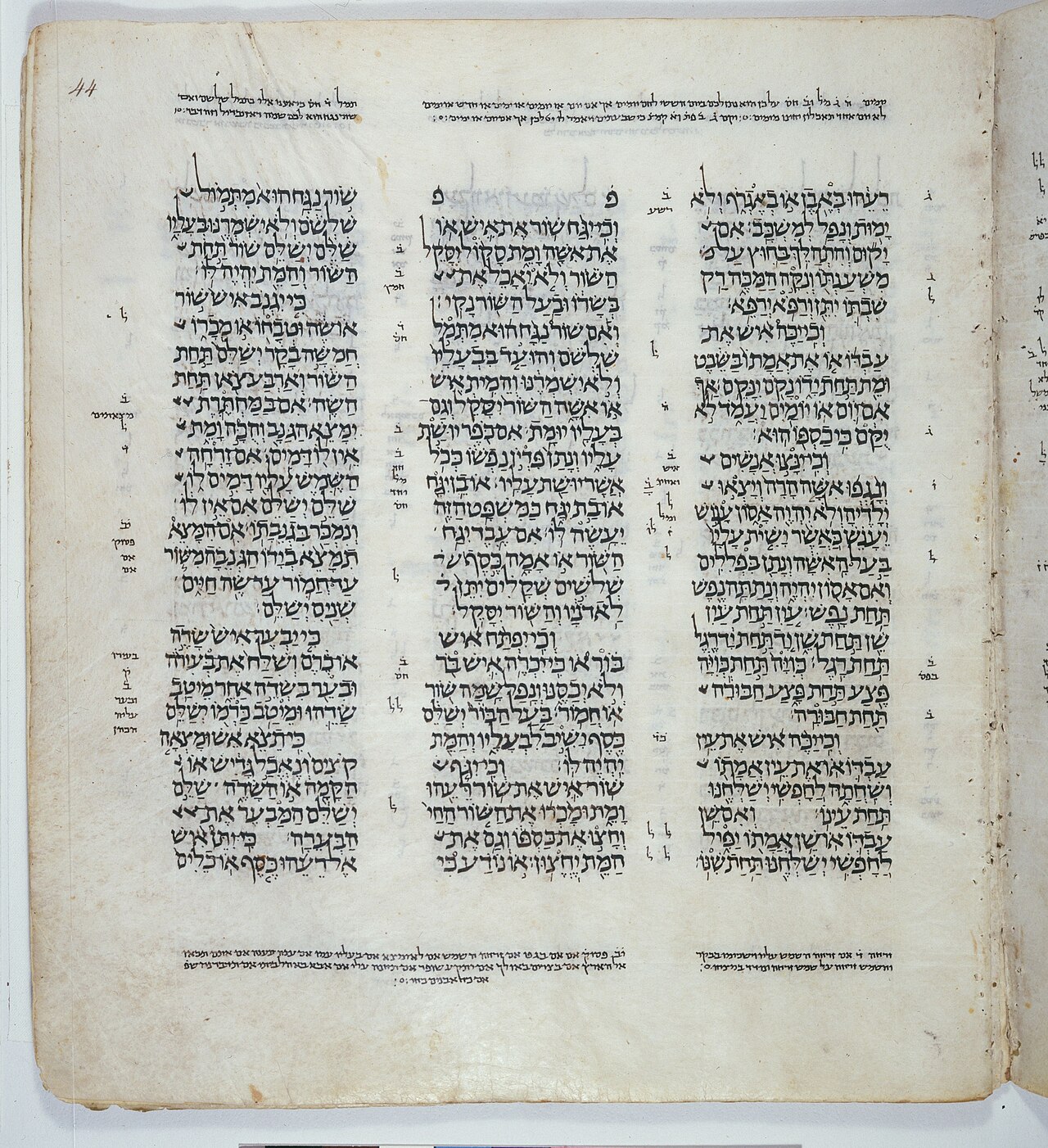
Folio 44r of the Leningrad Codex, from the early eleventh century CE. It contains Exodus 21:18–22:6, within the collection known as the Covenant Code. The date of this manuscript copy differs from the composition date of the laws it preserves
Texto antigo
Scholarly name for laws in Exodus chapters 20–23, within the Torah, addressing service, injuries, property and worship. Their composition date is debated.
Variantes do nome: Covenant Collection, Covenant Code
Contexto e fontes →
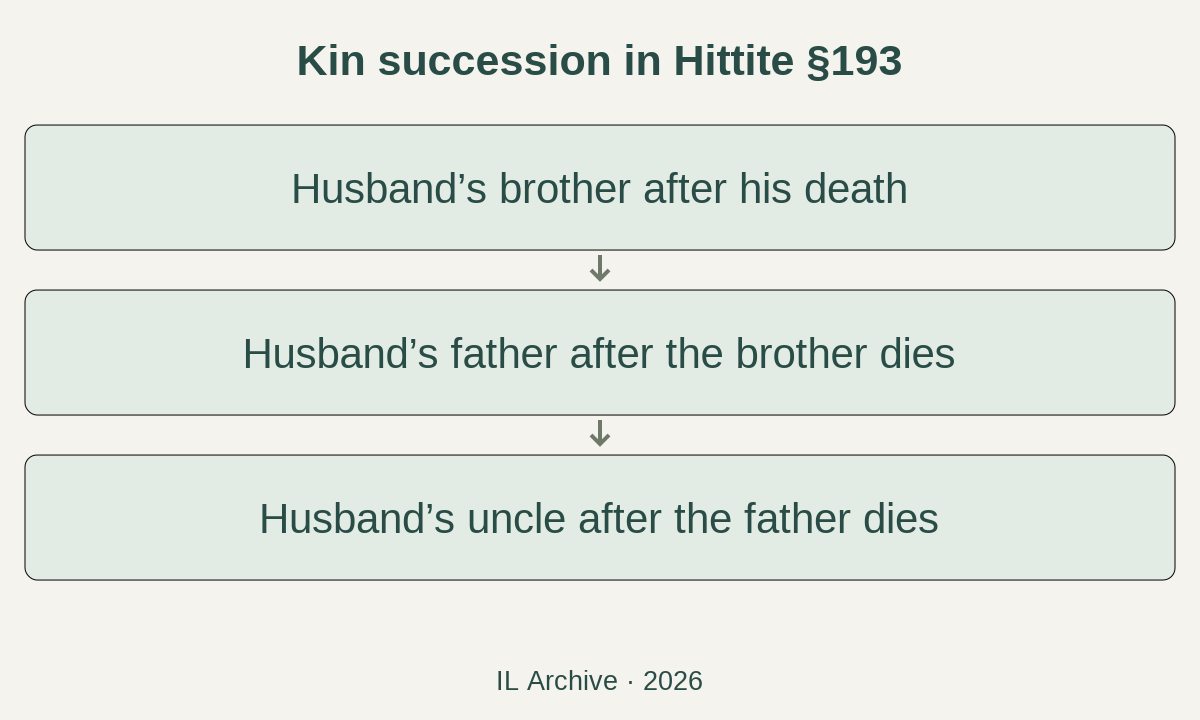
Modern explanatory diagram of relationships or cases in the specified witnesses; not portraits, a legal tablet or an ancient manuscript
Texto antigo
Hittite kinship and relationship provisions from a collection whose earliest copies date around 1650–1500 BCE.
Variantes do nome: Hittite law collection
Contexto e fontes →
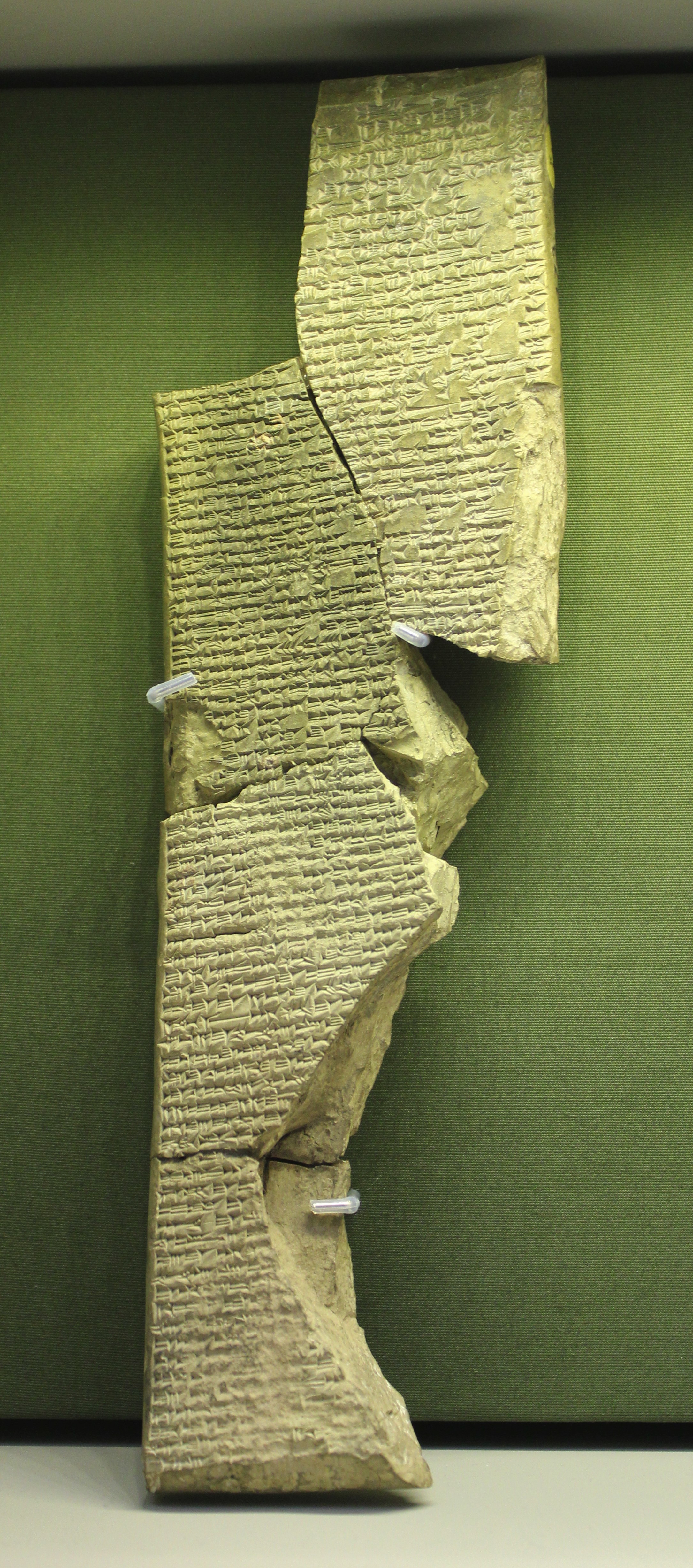
Joined fragments of Enuma Elish Tablet III, from seventh-century BCE Nineveh, in the Neo-Assyrian period, British Museum (K.3473+). A material witness to the poem’s transmission, not a depiction of Anu-rank or the passages quoted here from Tablets I and IV. Photograph, 2020
Entidade
An Akkadian term for supreme rank associated with Anu; dictionary and Enuma Elish examples clarify its attribution to other gods and its limits.
Variantes do nome: anūtu, anûtu, Anu-power
Contexto e fontes →

An imagined celestial council chamber in a modern digitally generated concept illustration; not an ancient artifact or a documented reconstruction of an actual divine assembly
Entidade
A divine council is a religious and literary scene in which divine beings gather before a superior authority for discussion, commissioning or judgment; it is not identical to a pantheon list.
Variantes do nome: divine council, divine councils
Contexto e fontes →
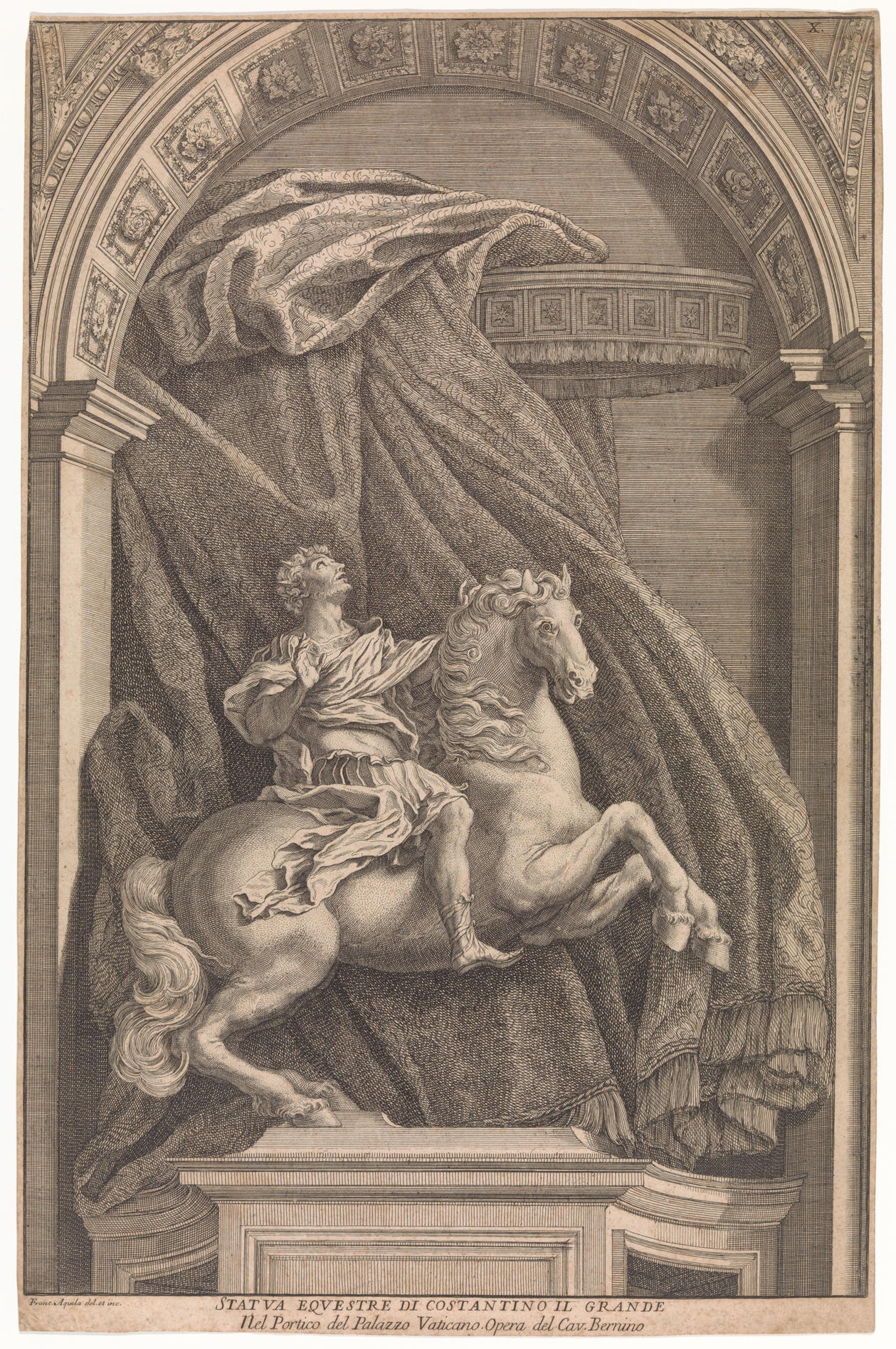
Etching by Francesco Faraone Aquila, 1690–1740, after Bernini’s equestrian Constantine in the Vatican, The Met 1991.1063. It represents the vision of the Cross in later art, not a fourth-century portrait or a scene of Nicaea
Pessoa
Roman emperor, reigning in 306–337 CE, who convened Nicaea in 325.
Variantes do nome: Constantine I
Contexto e fontes →
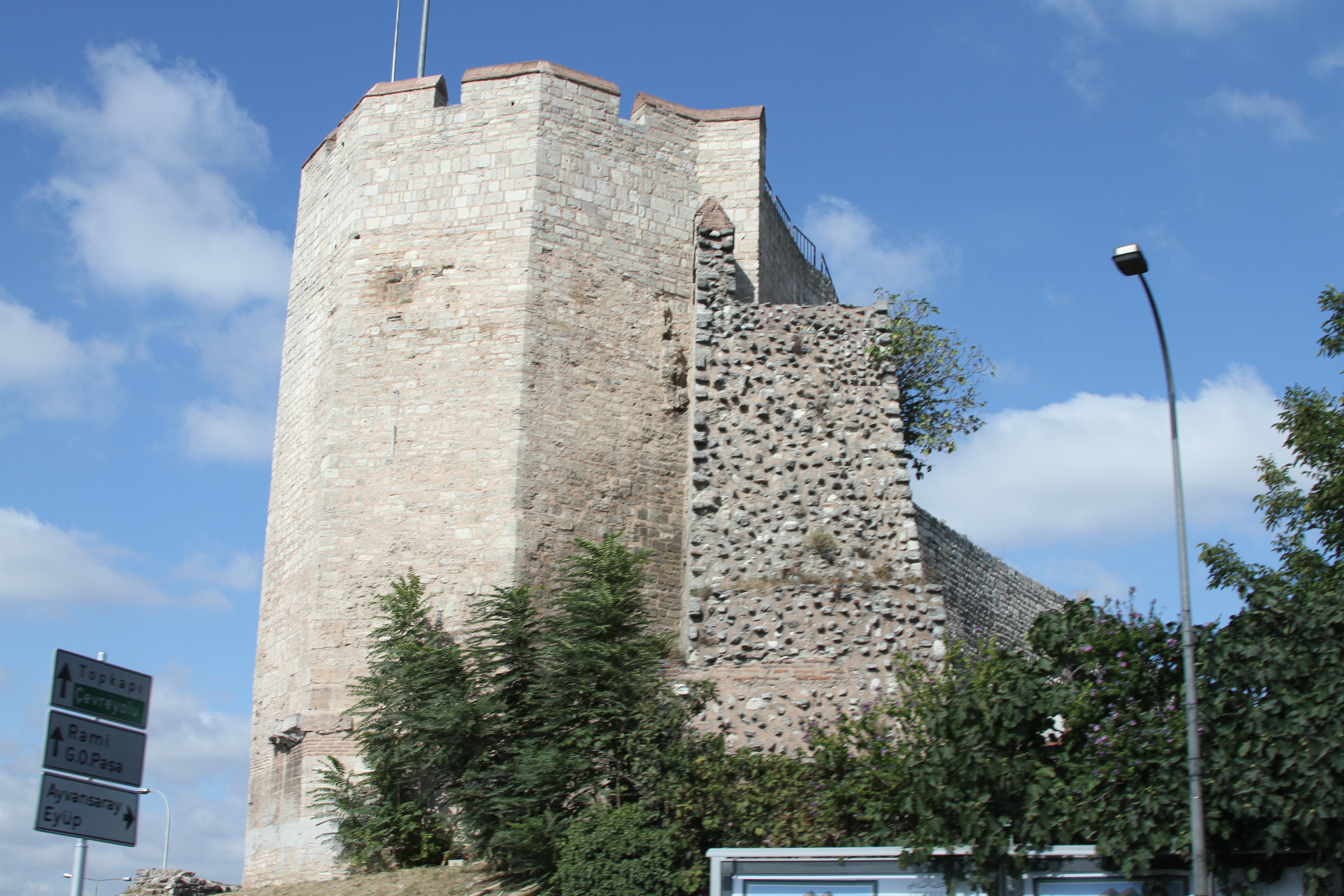
Part of Constantinople’s walls in modern Istanbul, photographed by José Luiz Bernardes Ribeiro on 15 September 2011, CC BY-SA 3.0. The monument in its modern condition, not the council meeting of 381
Sítio
Late antique and medieval city on the historic peninsula of modern Istanbul.
Variantes do nome: Constantinople
Contexto e fontes →

Modern editorial illustration of a sage writing at an ancient court. Generated explanatory image, not a photograph of P.13446 or a documented reconstruction of Daniel or Ahiqar. © IL Archive, CC0
Entidade
An analytical category for stories in which a sage or outsider faces tests of skill, loyalty, or survival at a royal court, through contest, accusation, or reversal; it does not establish one textual origin.
Variantes do nome: court tales, court narrative
Contexto e fontes →
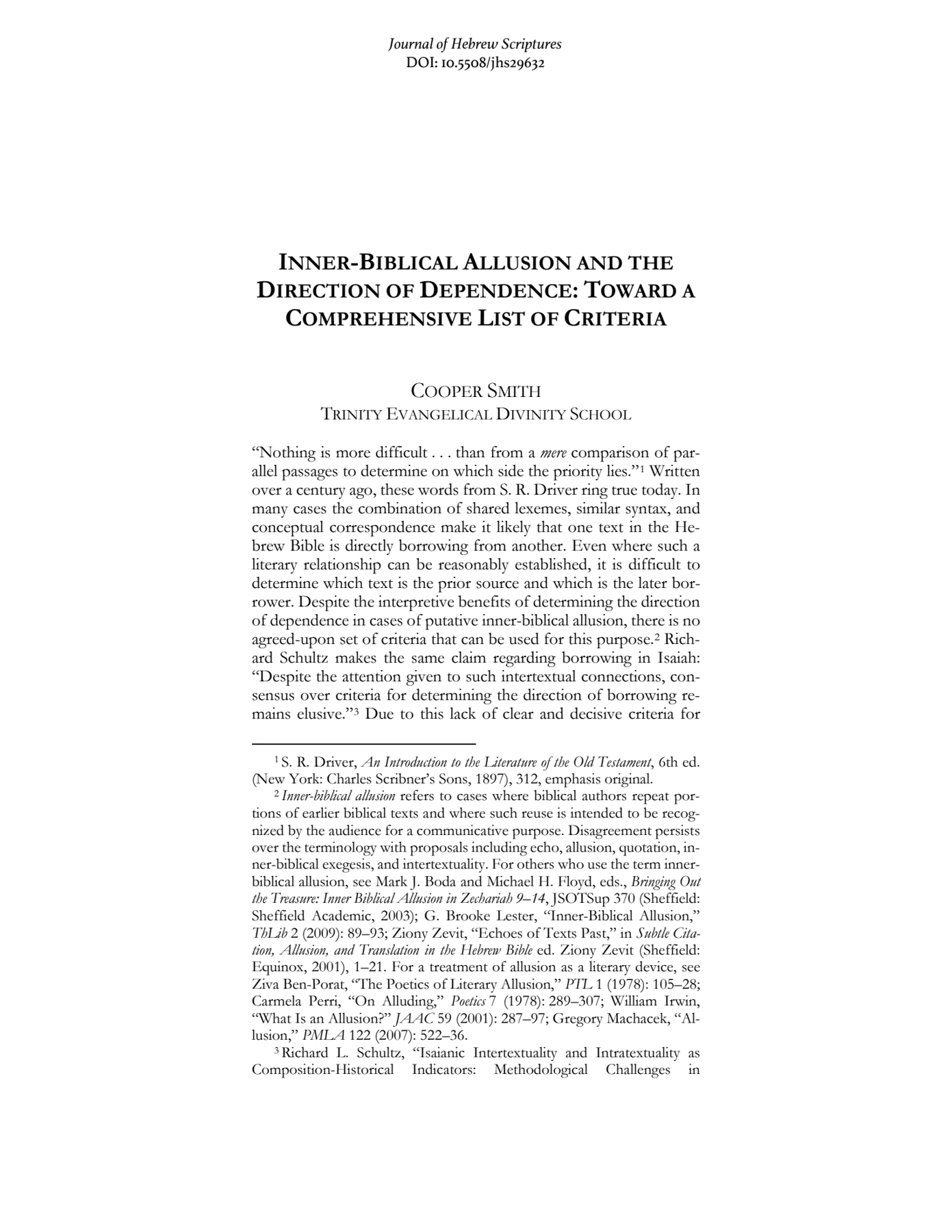
First English text page of Cooper Smith’s study, printed p.1/PDF p.2; volume 22 dated 2022, online publication 12 June 2023. A published document, not a portrait
Pessoa
Hebrew Bible researcher studying literary allusion and criteria for the direction of dependence.
Variantes do nome: Cooper Smith
Contexto e fontes →

Himalaya from the International Space Station, 28 January 2004, ISS008-E-13304. Modern geographical view, not identification of Manu’s landing summit
Sítio
Mountain range separating the Tibetan Plateau from parts of the Indian subcontinent, named in Manu’s epic story.
Variantes do nome: Himalaya mountain range, Himalayas
Contexto e fontes →

Mountain landscape in the Lefka Ori of Crete, near Pachnes, 5 August 2016, according to the photographer’s metadata. A modern island view, not a location of Zeus’s hiding in the story
Sítio
Greek island in the eastern Mediterranean, associated in Hesiod with hiding the infant Zeus.
Variantes do nome: Crete
Contexto e fontes →
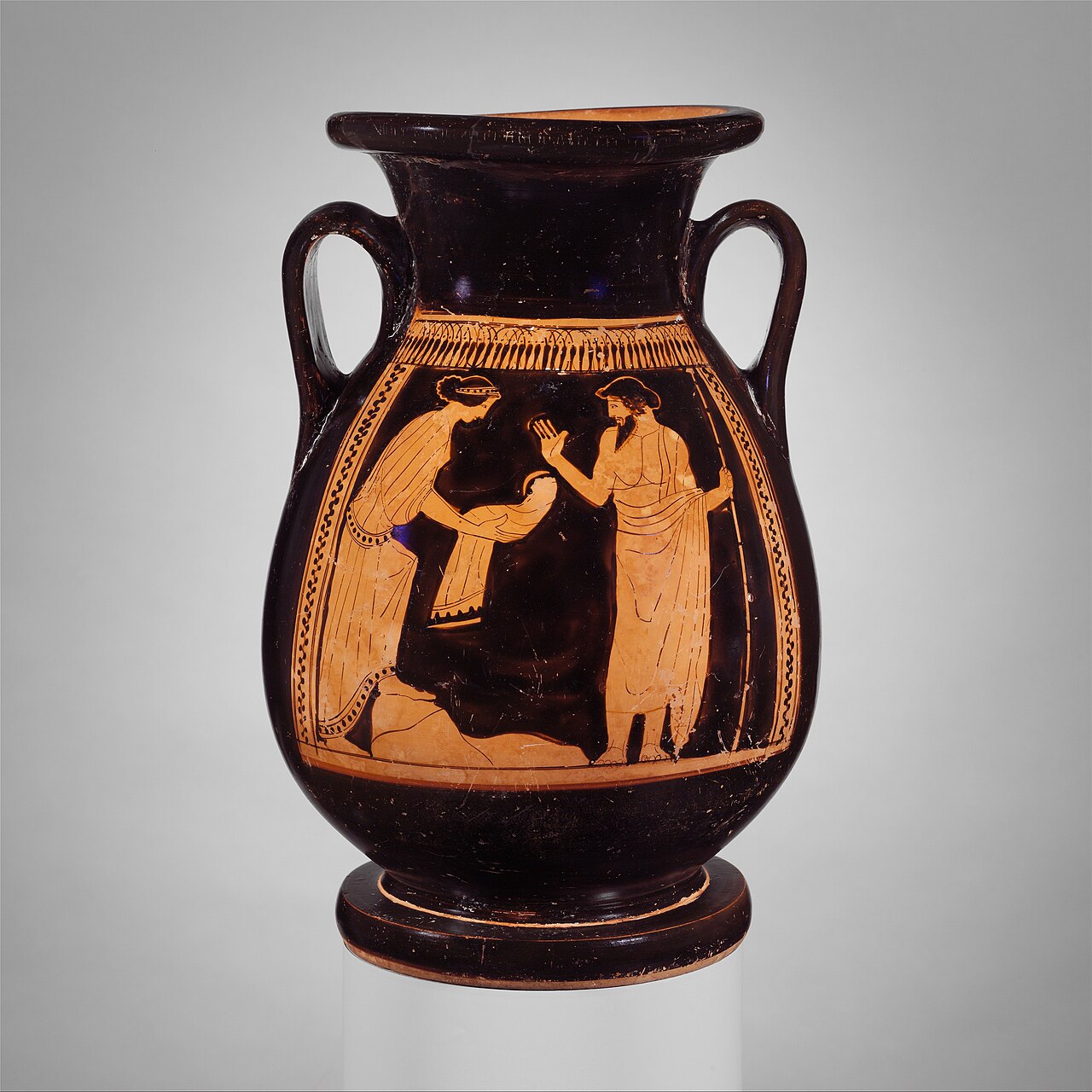
Rhea hands Kronos a wrapped stone on an Attic jar, about 460–450 BCE, attributed to the Nausicaä Painter. Metropolitan Museum of Art, 06.1021.144; museum photograph
Entidade
Greek divine figure and Zeus’s father; Hesiod connects his reign with struggles between divine generations.
Variantes do nome: Kronos, Cronus
Contexto e fontes →
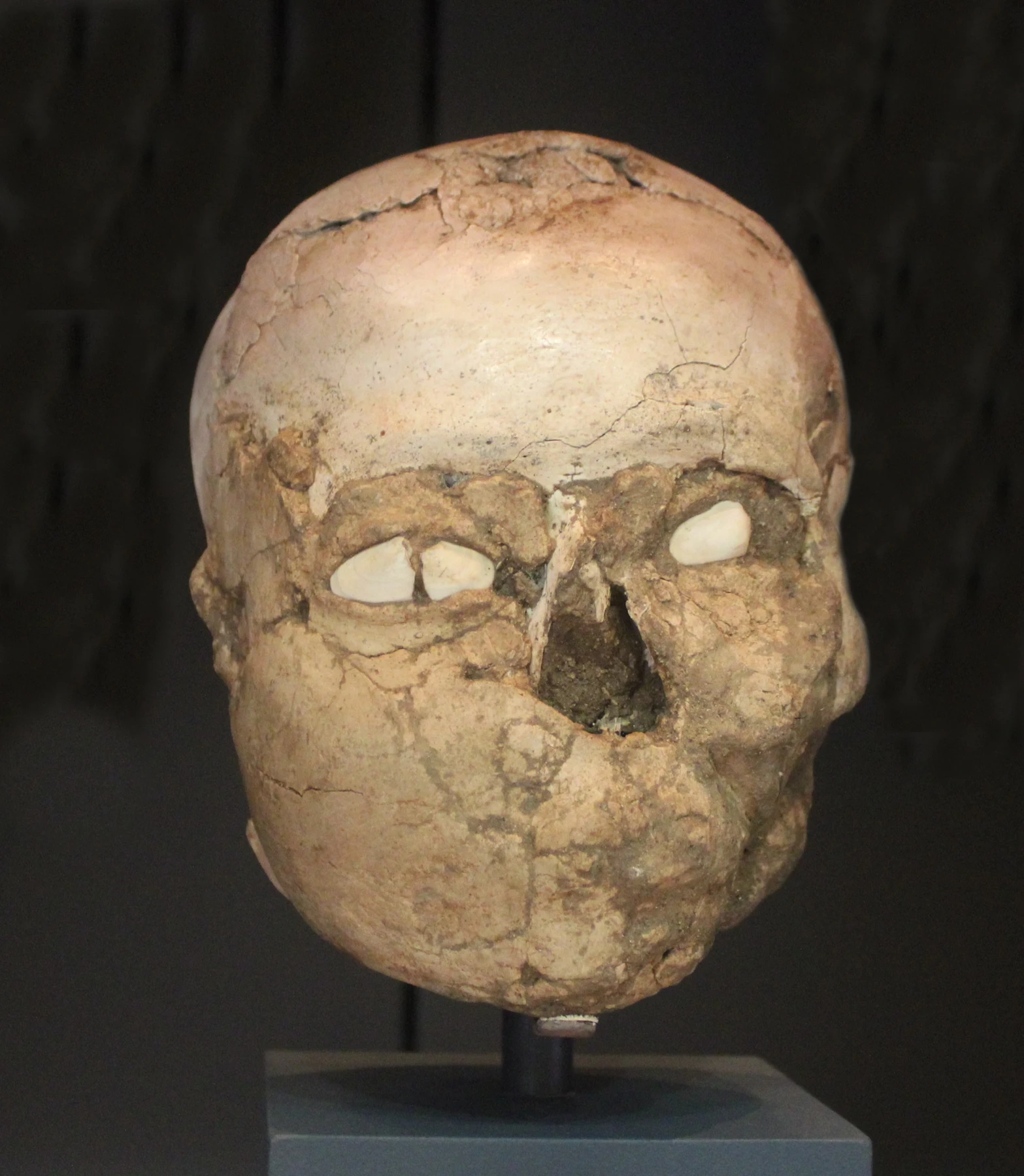
Plastered skull from Jericho, Pre-Pottery Neolithic B, displayed at the British Museum. An ancient modeled face on human remains, not a modern facial reconstruction
Entidade
Human skulls whose features were modelled after death with plaster or similar material, sometimes with shell eyes. Distinct from childhood head shaping; they do not by themselves disclose a person’s identity or the community’s beliefs.
Variantes do nome: Plastered skulls
Contexto e fontes →

Modern AI-generated conceptual image of comparing textual witnesses: imagined fragments and a magnifier, not authentic manuscripts or legible historical readings
Entidade
Comparison of written witnesses and ancient translations to explain variant readings and textual transmission, distinguishing attested text from restorations and inferred ancestors.
Variantes do nome: textual criticism, text-critical
Contexto e fontes →
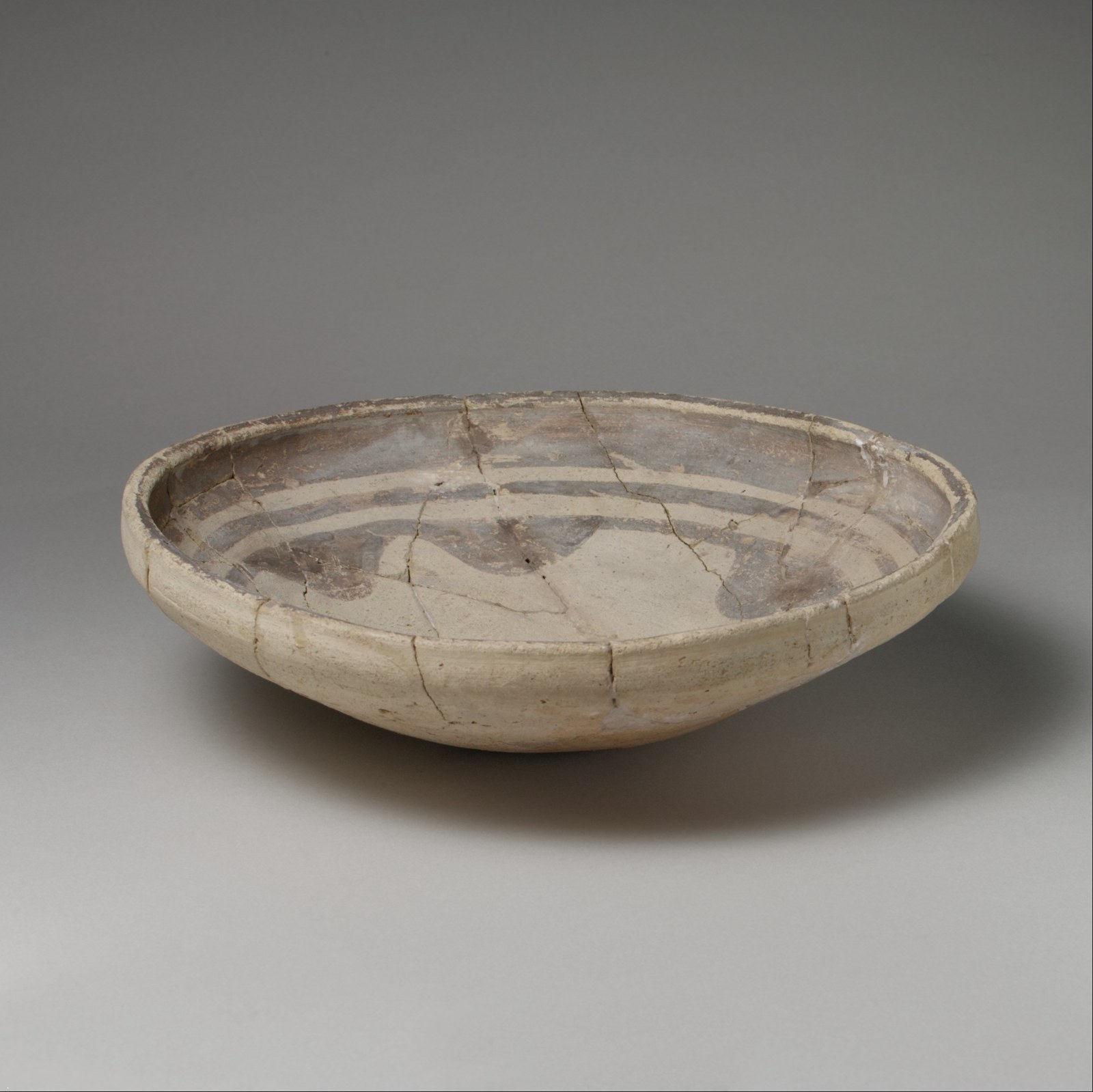
Ubaid bowl from Eridu cemetery, grave 136; mid-sixth–fifth millennium BCE. Metropolitan Museum of Art, 49.133.2. A specific archaeological object, not a representation of all Ubaid pottery
Período
An archaeological designation for material traditions associated with southern Mesopotamia and its regional connections. The broad southern sequence spans c. 6500–3800 BCE, with regional variation; the label alone identifies neither a people nor a language.
Variantes do nome: Ubaid culture, Ubaid period, Ubaid
Contexto e fontes →
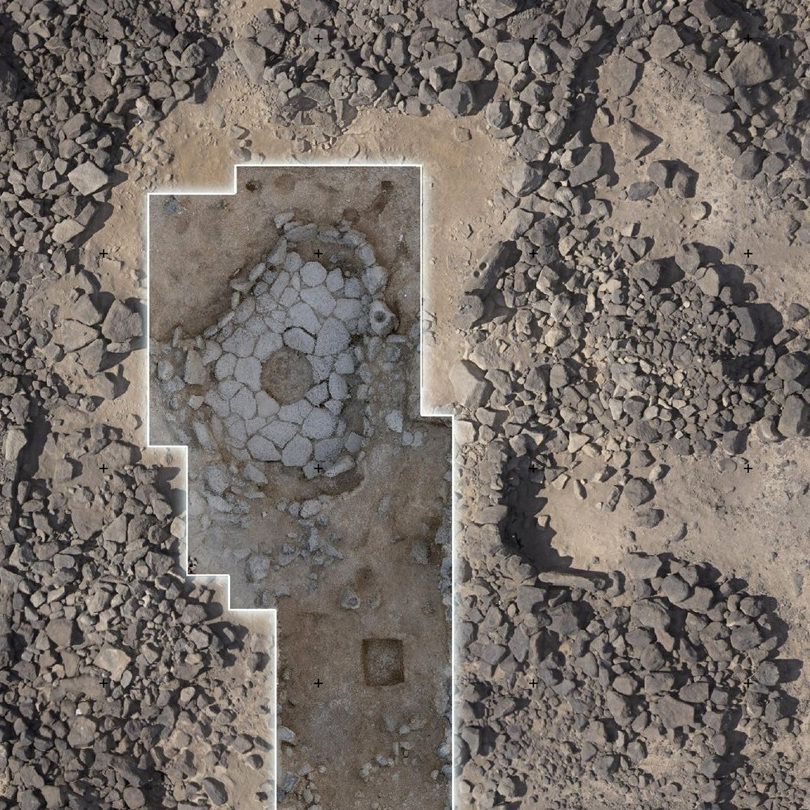
Actual aerial photograph of the excavation area at Shubayqa 1, northeastern Jordan; cropped from Fig. 1 (2017). The white line is a modern excavation outline, not an ancient wall; the inset location map was removed for the cover
Período
A Levantine archaeological culture, roughly 13,000–9500 BCE, marked at some sites by stone buildings, extended occupation, varied food tools and burials before domesticated farming; not a documented ethnic self-name.
Variantes do nome: Natufian culture, Natufian, Natufians
Contexto e fontes →