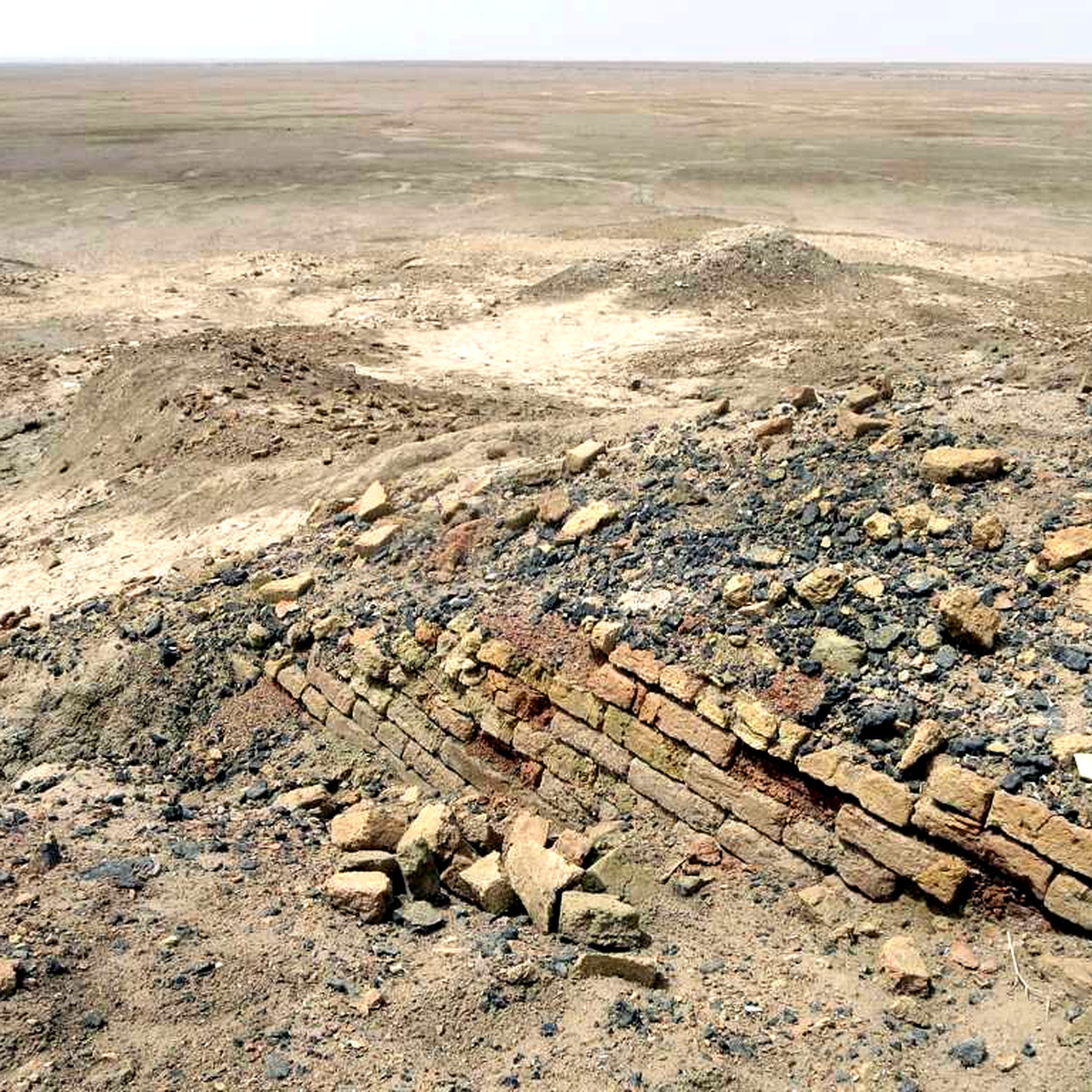
Cover: square, tonally adjusted crop of David Stanley’s 2016 photograph of the Eridu ziggurat remains. The visible structure postdates the Ubaid and does not show the earliest buildings
Sítio
Eridu (Abu Shahrain), a multi-mound site in southern Iraq occupied since the Ubaid, later home to a religious precinct associated with Enki. Its eighteen sounding levels are not proof that every early building was a temple.
Variantes do nome: Eridu, Abu Shahrain, Abu Shahrayn
Contexto e fontes →

University College London portico, 25 March 2015. Institutional context for Erik van Dongen’s 2010 thesis; a later photograph, not a portrait or identification of his office
Pessoa
Researcher who examined Kumarbi–Hesiod connections in a 2010 doctoral thesis at University College London.
Variantes do nome: Erik van Dongen
Contexto e fontes →
Pessoa
Scholar of ancient religion, archaeology and imagery, with research on Judean pillar figurines and their use-contexts.
Variantes do nome: Erin Darby
Contexto e fontes →
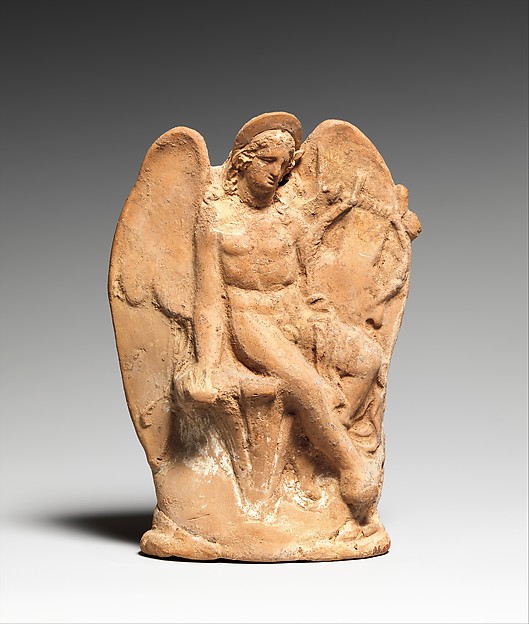
Winged Eros, Greek terracotta, probably Attic, first half of the fourth century BCE; Met06.1054. A separate object from the study’s Adonia vessel
Entidade
Eros is the Greek god of love, represented with wings in ancient art.
Variantes do nome: Eros
Contexto e fontes →
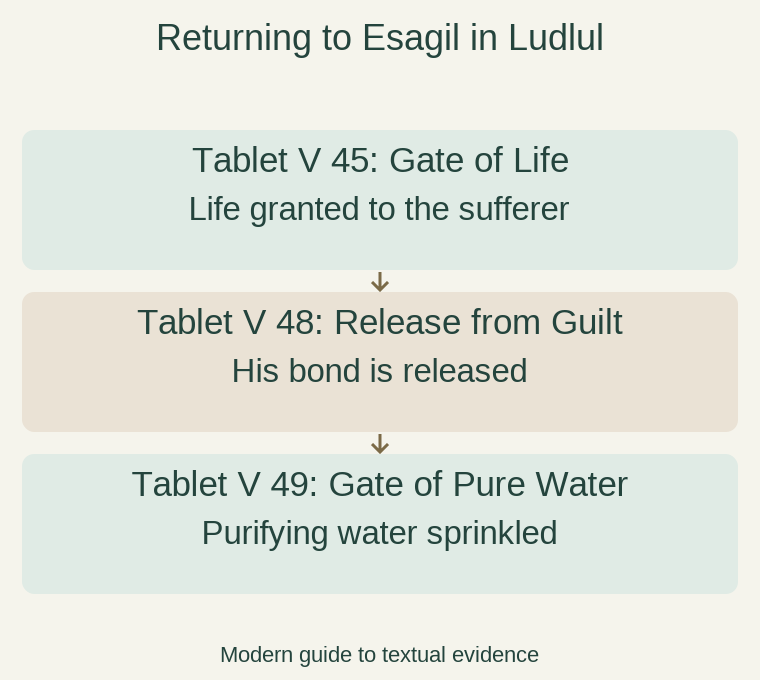
Modern diagram of three gates in Ludlul V 45, 48 and 49: Life, Release from Guilt, and Pure Water. Selected literary sequence, not a reconstruction of temple architecture or all its gates
Sítio
Esagil, also written Esagila, is Marduk’s temple in ancient Babylon, in present-day Iraq, and a central sanctuary of the city’s god.
Variantes do nome: Esagil, Marduk’s temple
Contexto e fontes →
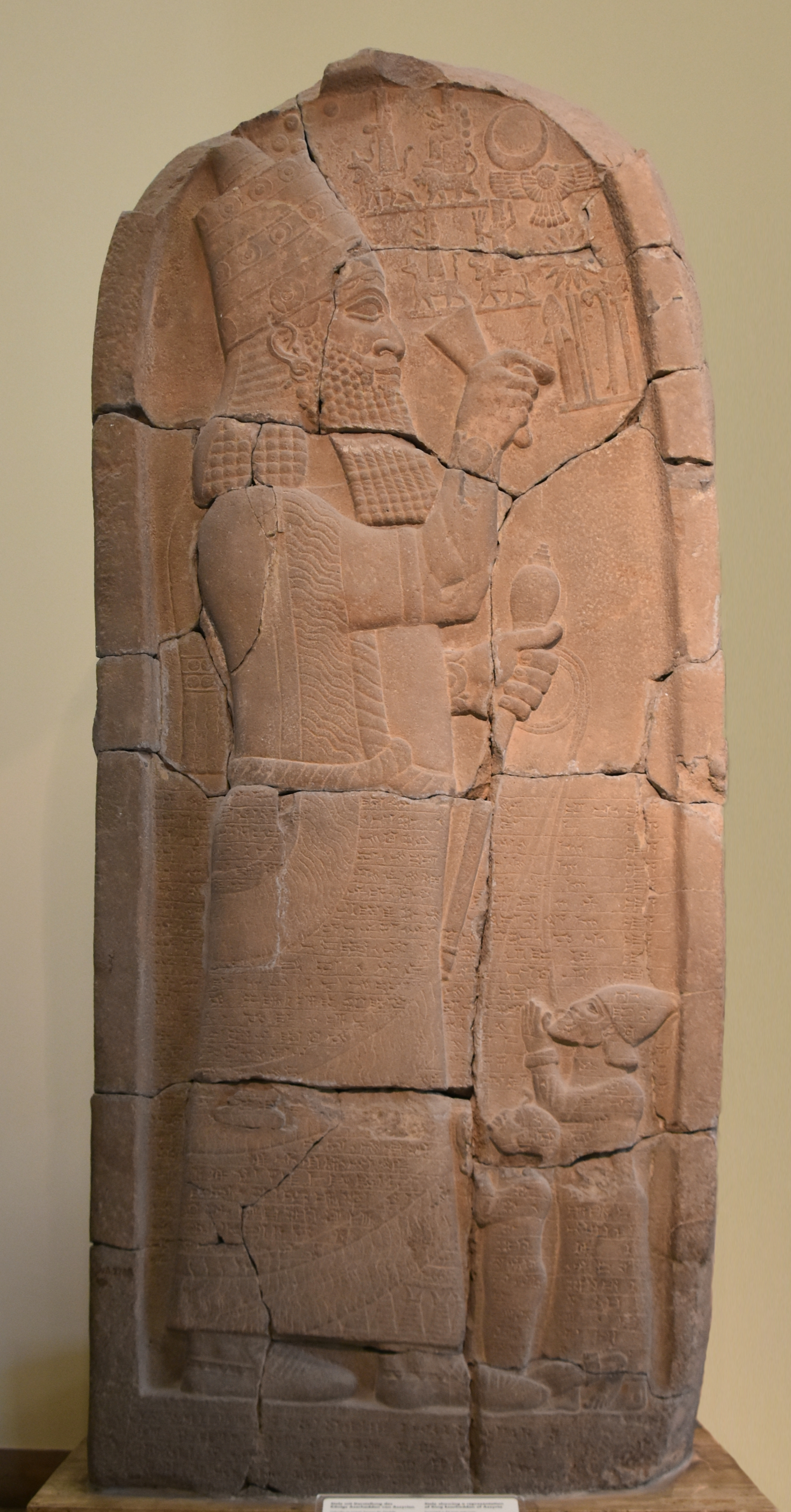
Victory stele of Esarhaddon, seventh century BCE, Berlin collection, showing king and captives. Royal representation, not Ahiqar. Published crop of Richard Mortel’s photograph
Pessoa
Sennacherib’s son and successor, Assyrian king in 680–669 BCE, named in Ahiqar and Tobit.
Variantes do nome: Esarhaddon, king of Assyria, Esarhaddon
Contexto e fontes →
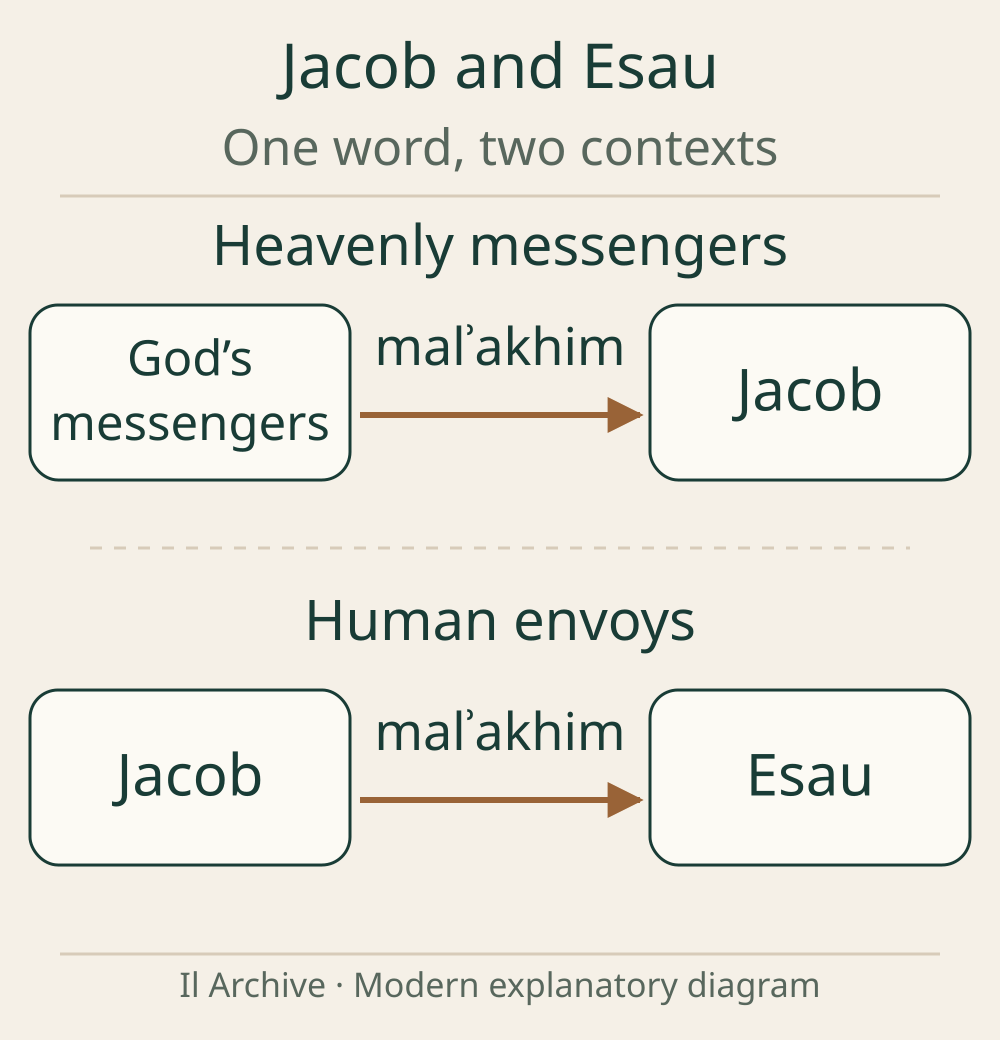
Modern linguistic diagram of Genesis 32:2 and 4 in Hebrew numbering (1 and 3 in common translations): the same word, malʾakhim, for God’s messengers and Jacob’s envoys to Esau. Arrows show the direction of communication, not a geographic route or portraits
Pessoa
Jacob’s twin brother in Genesis and the recipient of his envoys in chapter 32.
Variantes do nome: Esau son of Isaac
Contexto e fontes →

Modern AI-generated expressive cover for eschatology: an artistic metaphor for mortality and renewal, not an ancient artifact or an authenticated scene from any religious tradition
Entidade
Study of after-death destiny, resurrection and judgment, and the fate or renewal of history and creation; their forms and histories vary across traditions.
Variantes do nome: eschatology, eschatological thought, study of the last things
Contexto e fontes →
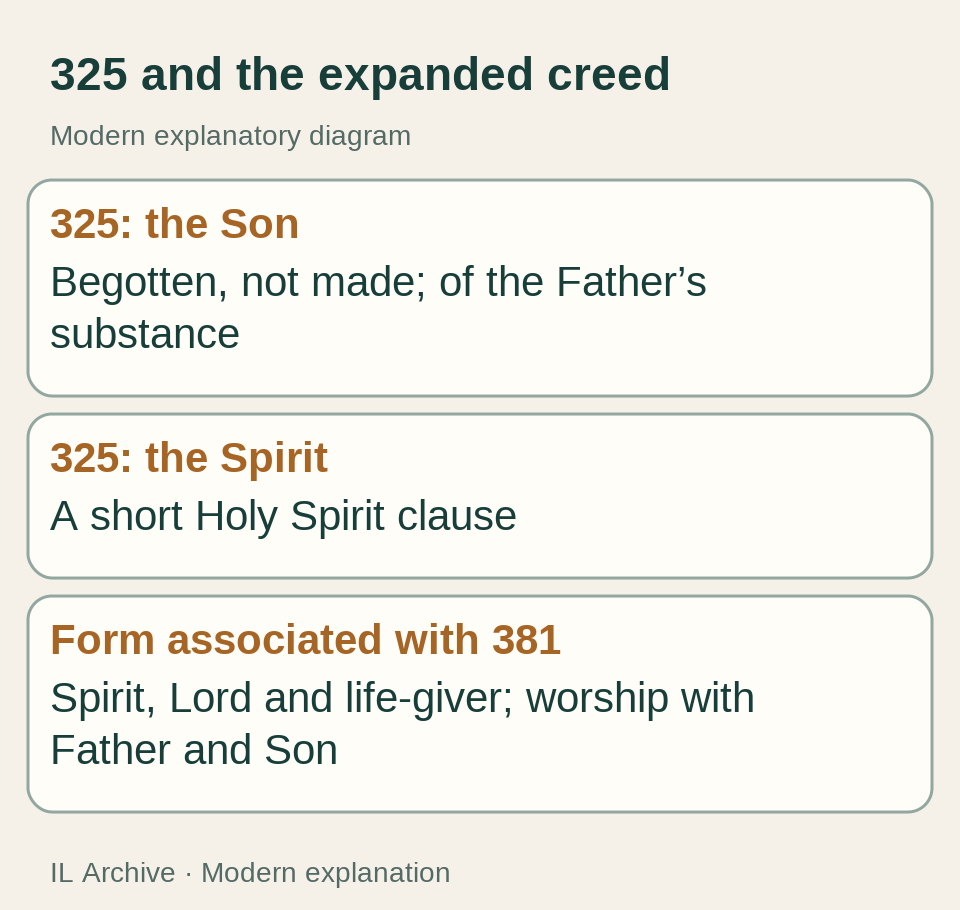
Modern comparison of the Holy Spirit clauses in the 325 creed and the expanded form associated with 381, attested in the acts of 451. The diagram explains differences in textual detail; it does not depict the Spirit or a divine likeness
Entidade
Name present in Christian texts and worship, whose relation to Father and Son was defined in Trinitarian formulations.
Variantes do nome: Holy Spirit
Contexto e fontes →
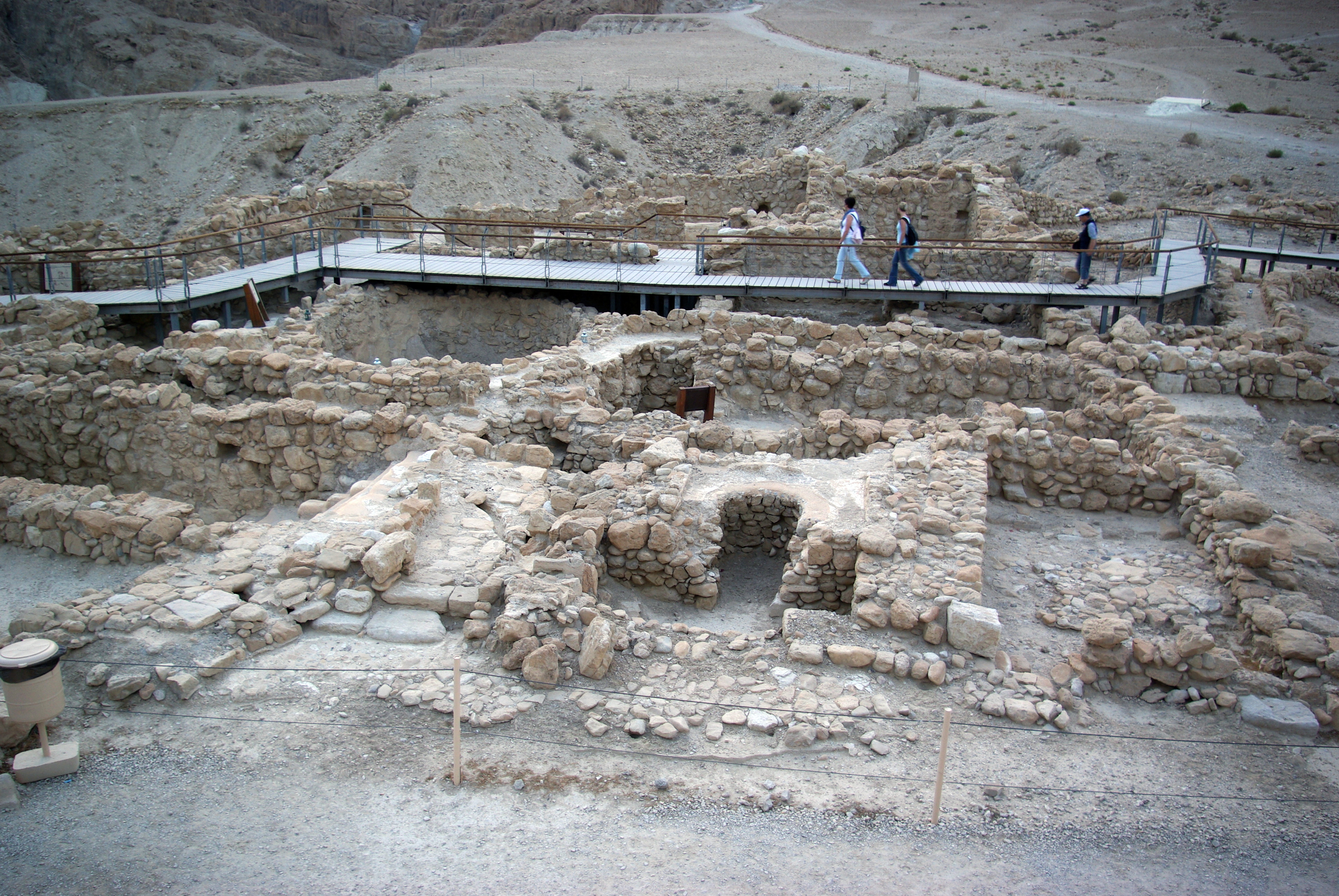
Excavated buildings at Qumran photographed in 2008, with modern visitor walkways visible. Contextual view of the site, not an ancient temple or proof of the identity of all Essenes
Entidade
A Second Temple Jewish movement known especially through Josephus and Philo; evidence supports a Qumran connection without identifying every Essene or manuscript with one uniform community.
Variantes do nome: Essenes, Essene
Contexto e fontes →
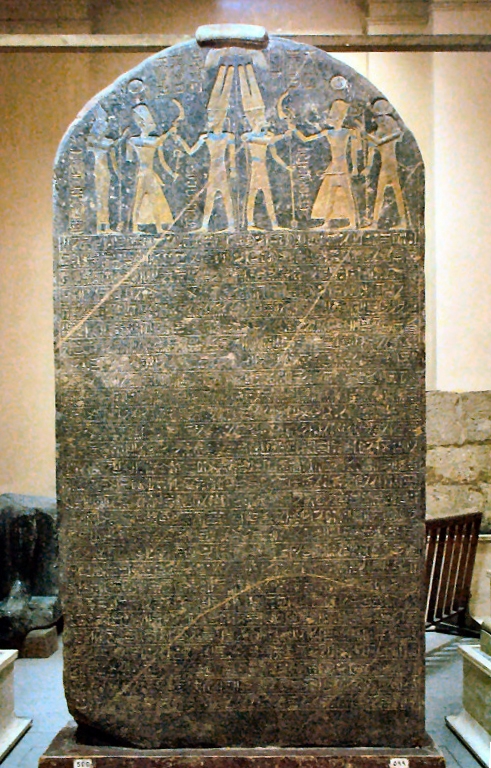
Merneptah Stele, JE 31408; photographed at the Egyptian Museum in Cairo in 2003. Perspective-corrected Wikimedia Commons version, reused unchanged
Artefato
An Egyptian royal victory inscription of c. 1208 BCE on the reverse of a monument of Amenhotep III; it contains the earliest widely accepted external attestation of the name Israel.
Variantes do nome: Merneptah Stele, Merenptah Stele
Contexto e fontes →
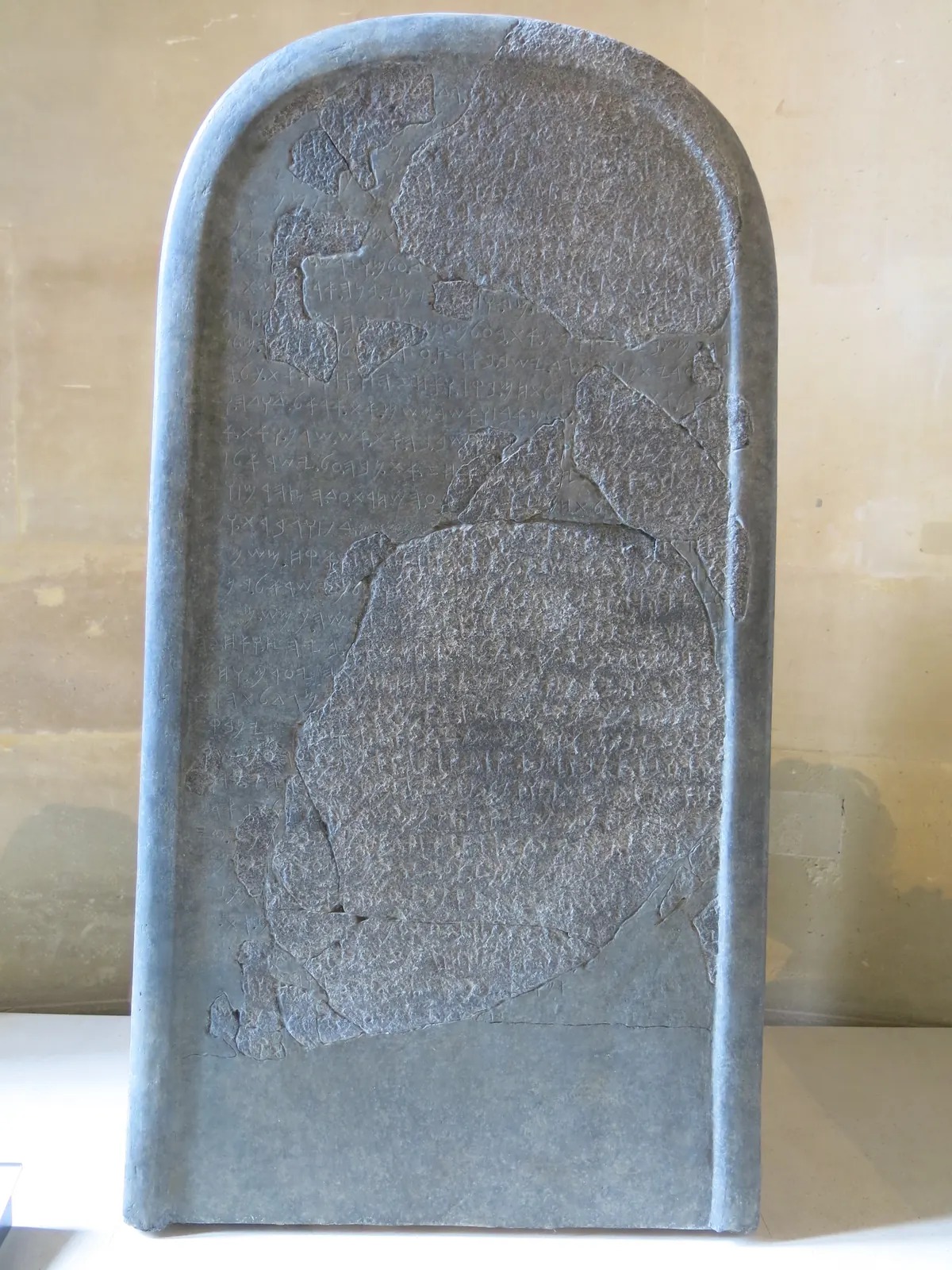
Mesha Stele, basalt, from Dhiban in Jordan, ninth century BCE; Louvre AO 5066 / KAI 181. Broken, reassembled and supplemented. Yahweh occurs in line 18 according to the published reading; no reading from the photograph is claimed
Artefato
A ninth-century BCE Moabite royal basalt stele at the Louvre (AO 5066; KAI 181). Its inscription names Chemosh, Omri, Israel and YHWH (line 18). A proposed “House of David” reading in damaged line 31 is disputed.
Variantes do nome: Mesha Stele, Moabite Stone, Mesha Inscription
Contexto e fontes →
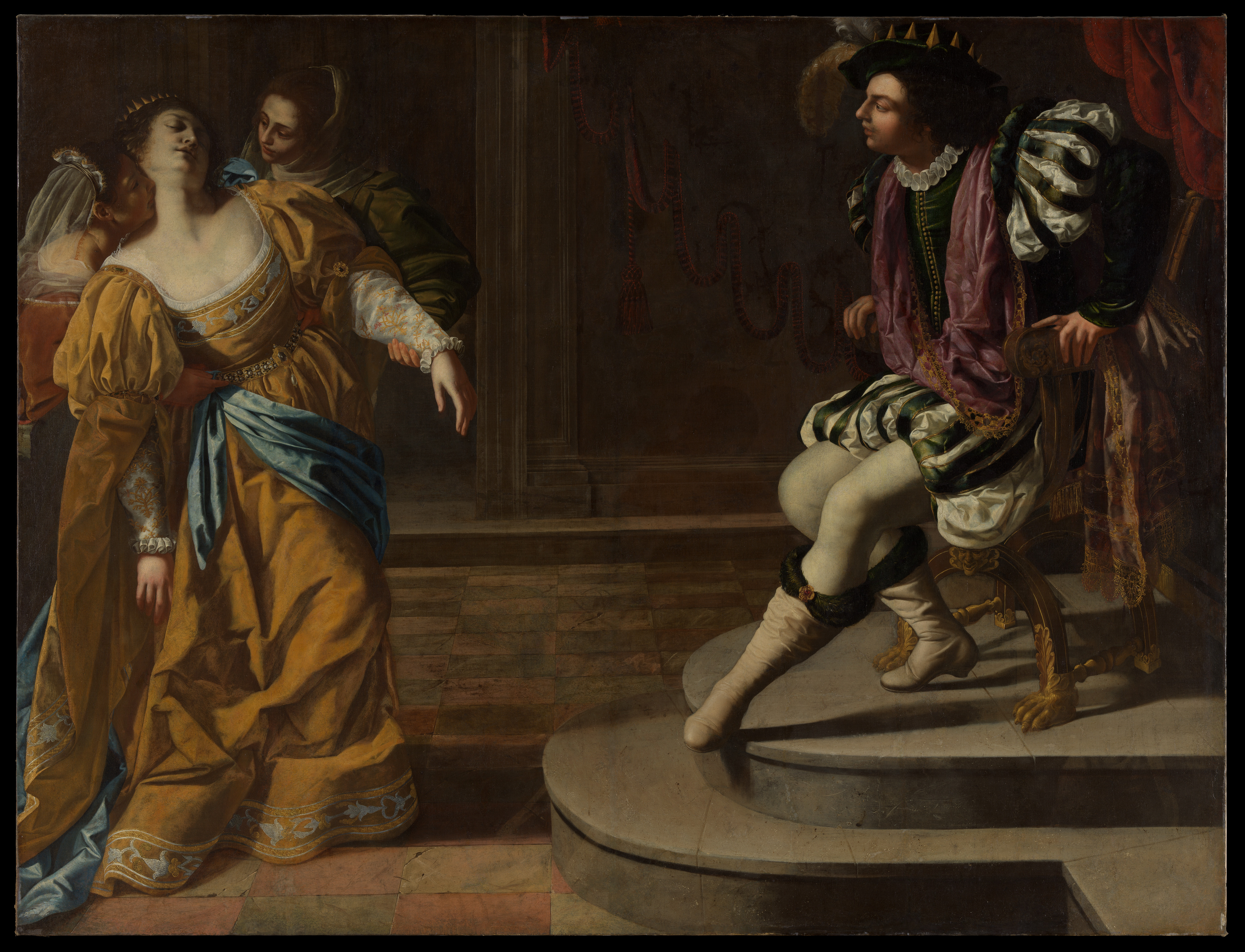
Esther before Ahasuerus, Artemisia Gentileschi,1620 s; Met 69.281. The queen is shown fainting: later artistic reception, not an image from the Achaemenid court
Pessoa
The Jewish heroine of Esther, portrayed as becoming queen and intervening to save her community at the Persian court.
Variantes do nome: Esther, the biblical queen, Esther, Hadassah
Contexto e fontes →
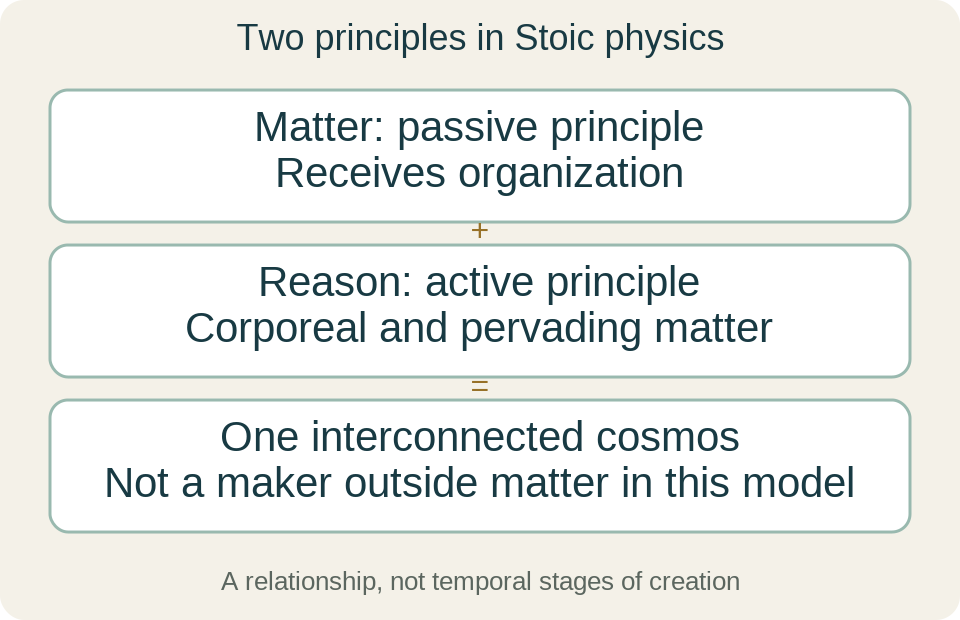
Modern diagram distinguishing active and passive principles within Stoic physics. The arrangement explains their relation, not temporal succession or a humanlike god
Entidade
Philosophical school founded in Athens around 300 BCE, combining logic, physics and ethics.
Variantes do nome: Stoicism
Contexto e fontes →
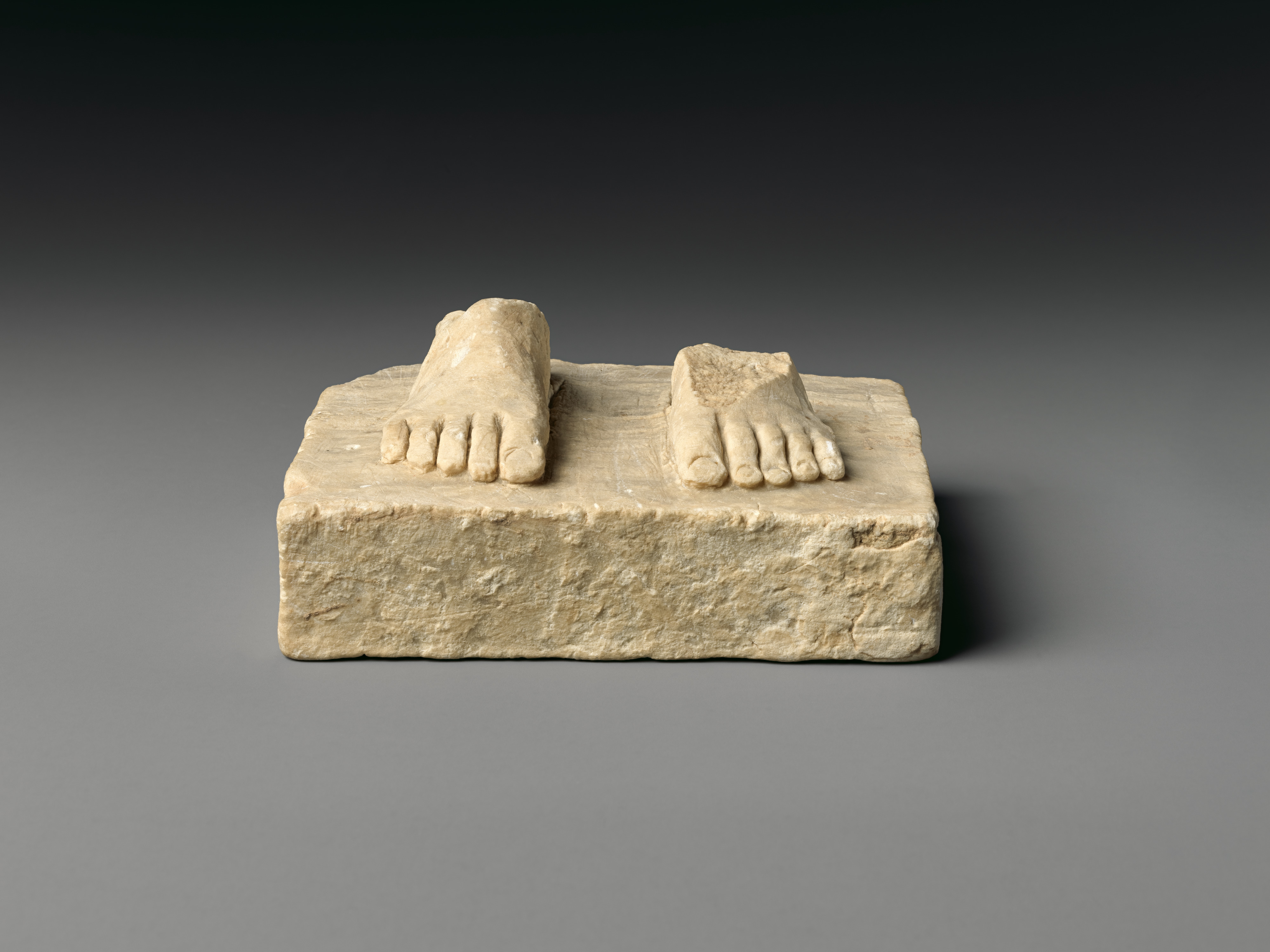
Base and feet of a worshipper from Nippur, ca. 2500–2350 BCE; gypsum alabaster, 59.41.12. The upper figure is missing; the rear mortise is not visible in this view
Entidade
A statue assembled from separate parts in one or several materials. Evidence from Nippur and the Warka Head explains assembly and the limits of reconstructing missing elements.
Variantes do nome: composite statue, composite sculpture
Contexto e fontes →
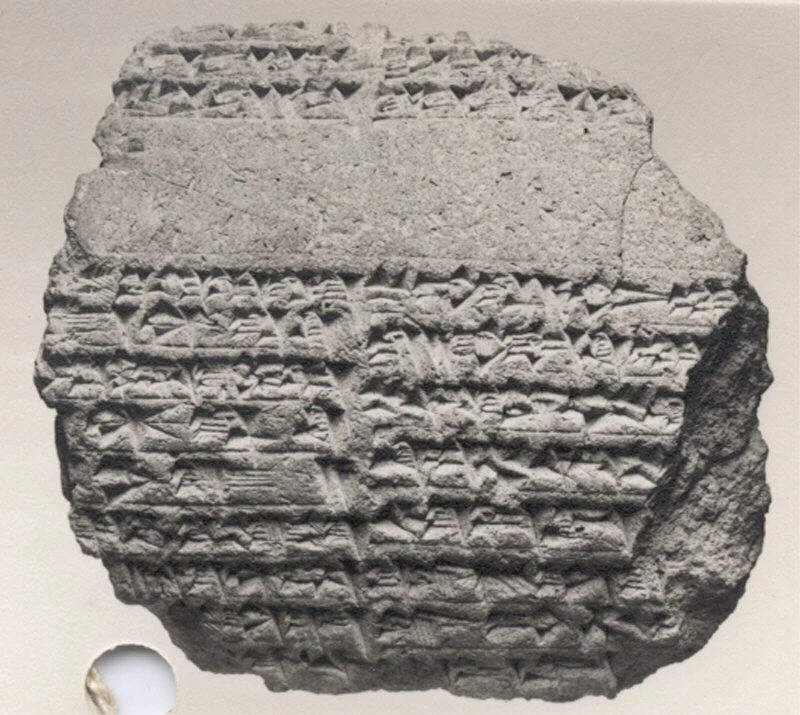
Clay cuneiform cylinder of Nebuchadnezzar II; the Metropolitan Museum identifies its inscription as commemorating the rebuilding of Etemenanki. Object 86.11.284 (c. 604–562 BCE); attribution to Babylon is qualified. This is a photograph of the object, not of the tower or Genesis
Entidade
Stepped ziggurat in Babylon’s Esagil sacred precinct, associated with Marduk. Excavations establish its base, royal texts attest rebuilding, and a later Esagil Tablet supplies idealized dimensions.
Variantes do nome: Etemenanki, E-temen-an-ki, E-temen-anki
Contexto e fontes →
Pessoa
Doshisha University scholar of Jewish studies, rabbinic literature and Aramaic, who compared accounts of Abraham breaking idols.
Variantes do nome: Etsuko Katsumata
Contexto e fontes →
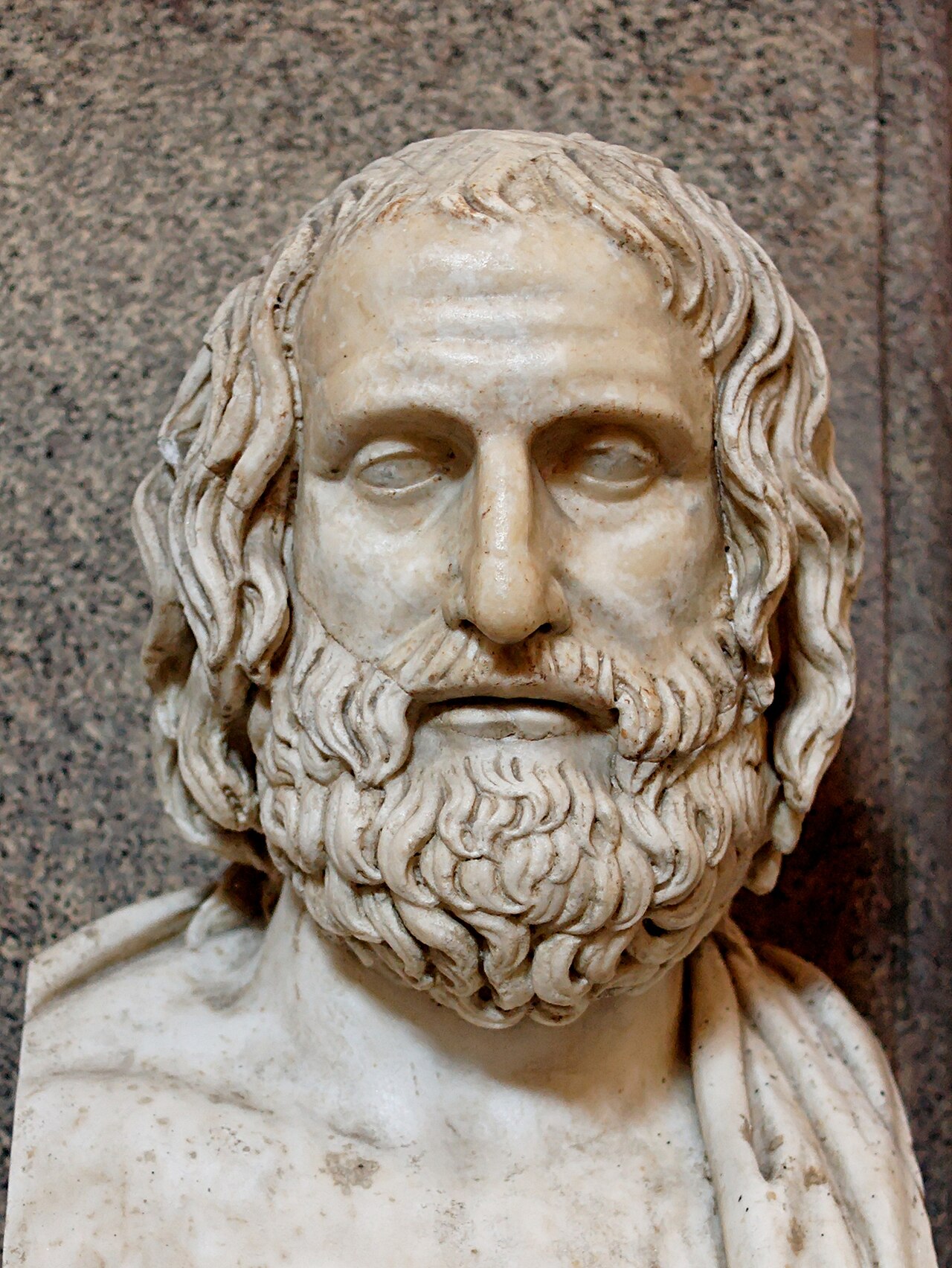
Roman bust identified as Euripides, after a Greek model of c. 330 BCE; Vatican Museums inv. 302. Made after his death, it cannot establish his actual features
Pessoa
Fifth-century BCE Greek tragedian, died 406 BCE. In his Iphigenia among the Taurians, the heroine recounts a deer substituted for her.
Variantes do nome: Euripides
Contexto e fontes →
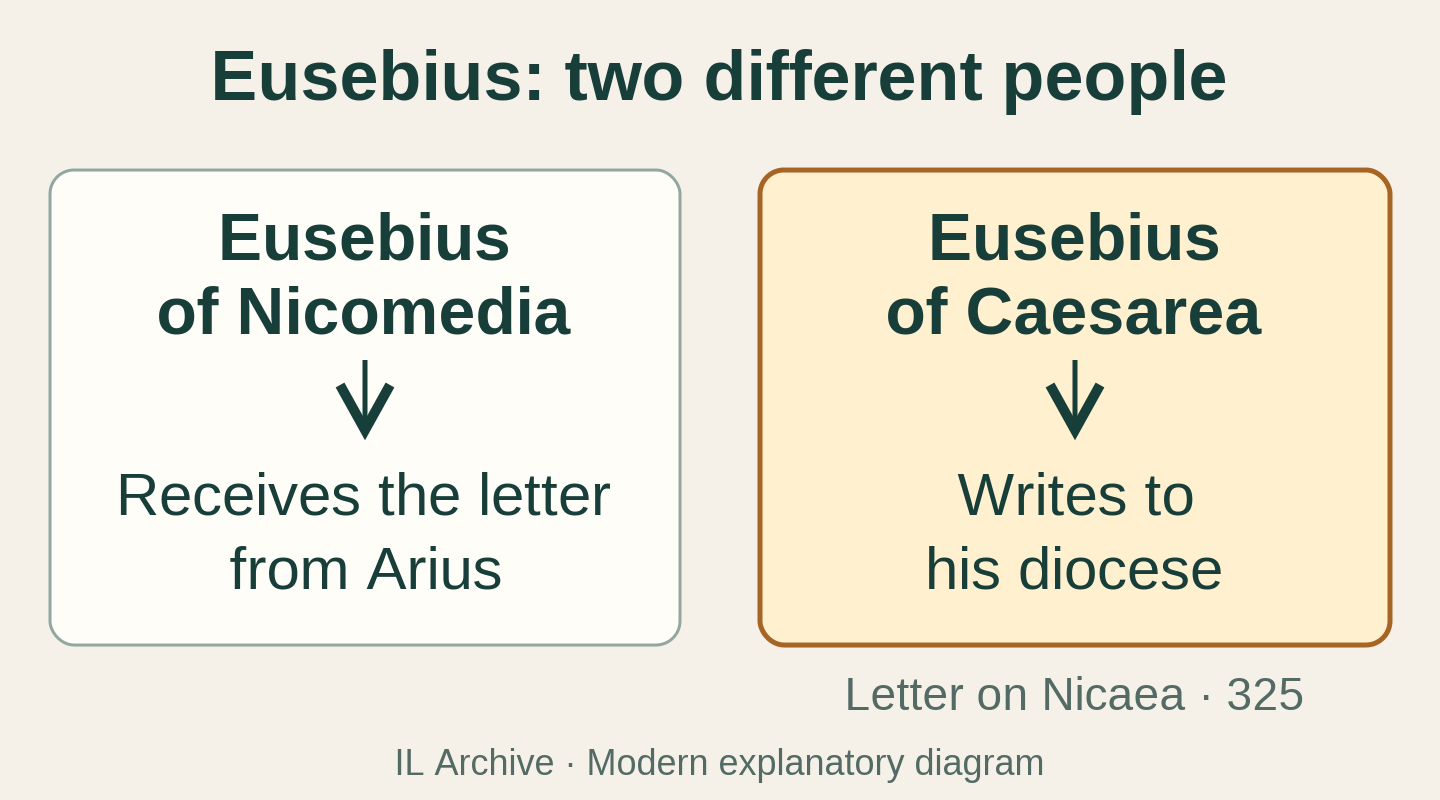
Modern comparison highlighting Eusebius of Caesarea, author of the letter explaining acceptance of the Nicene creed, distinct from Arius’s correspondent Eusebius of Nicomedia. Arrows clarify their different letter roles
Pessoa
Third- and fourth-century Christian bishop and author of Church History.
Variantes do nome: Eusebius of Caesarea
Contexto e fontes →
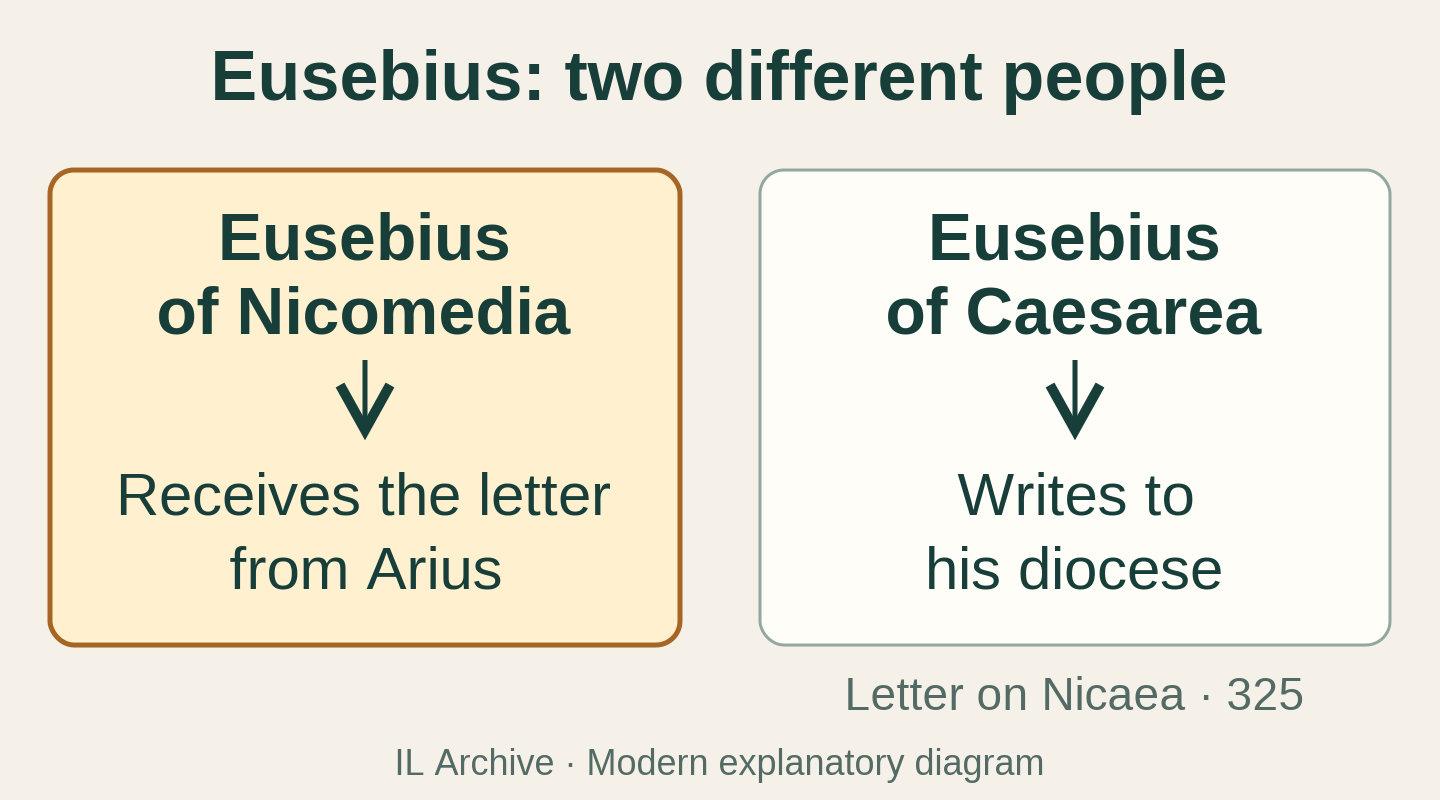
Modern comparison of Eusebius of Nicomedia, recipient of Arius’s letter, and Eusebius of Caesarea, writer to his diocese about Nicaea in 325. Highlighting identifies this entry’s subject
Pessoa
Fourth-century bishop of Nicomedia, correspondent and supporter of Arius.
Variantes do nome: Eusebius of Nicomedia
Contexto e fontes →
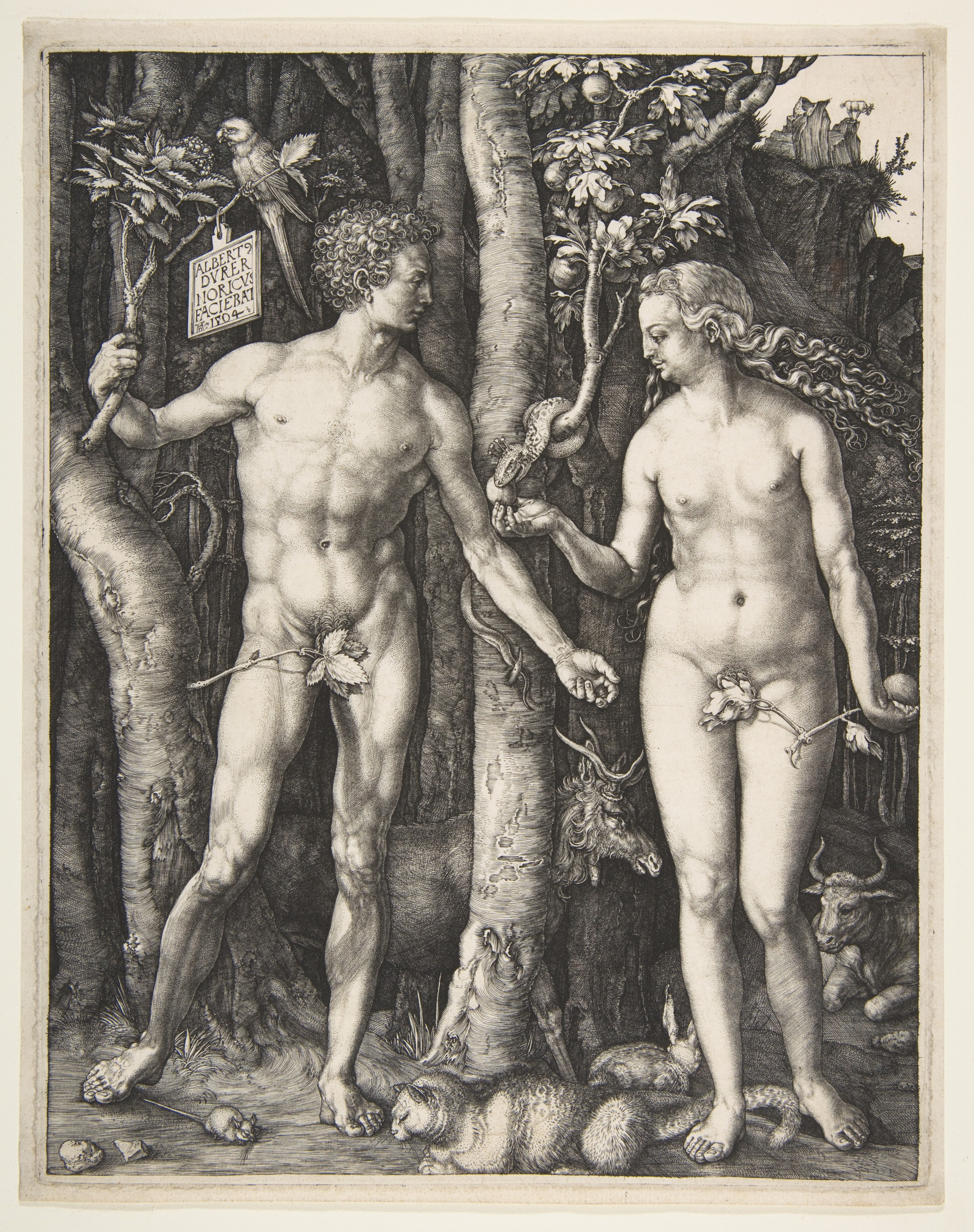
Adam and Eve, engraving by Albrecht Dürer, 1504, Met 19.73.1. Later artistic reception of Genesis, not a portrait of historical people or a Sumerian witness
Pessoa
First woman in Genesis, whose making is linked to the human’s rib or side and whose name to mother of all the living.
Variantes do nome: Eve, figure in Genesis
Contexto e fontes →

Modern AI-generated interpretive illustration of clay birds beside a stream, inspired by the infancy narrative; neither a photograph of an ancient object nor a verified historical reconstruction
Texto antigo
Accounts of Jesus’ boyhood, distinct from the sayings Gospel of Thomas.
Variantes do nome: Infancy Gospel of Thomas
Contexto e fontes →
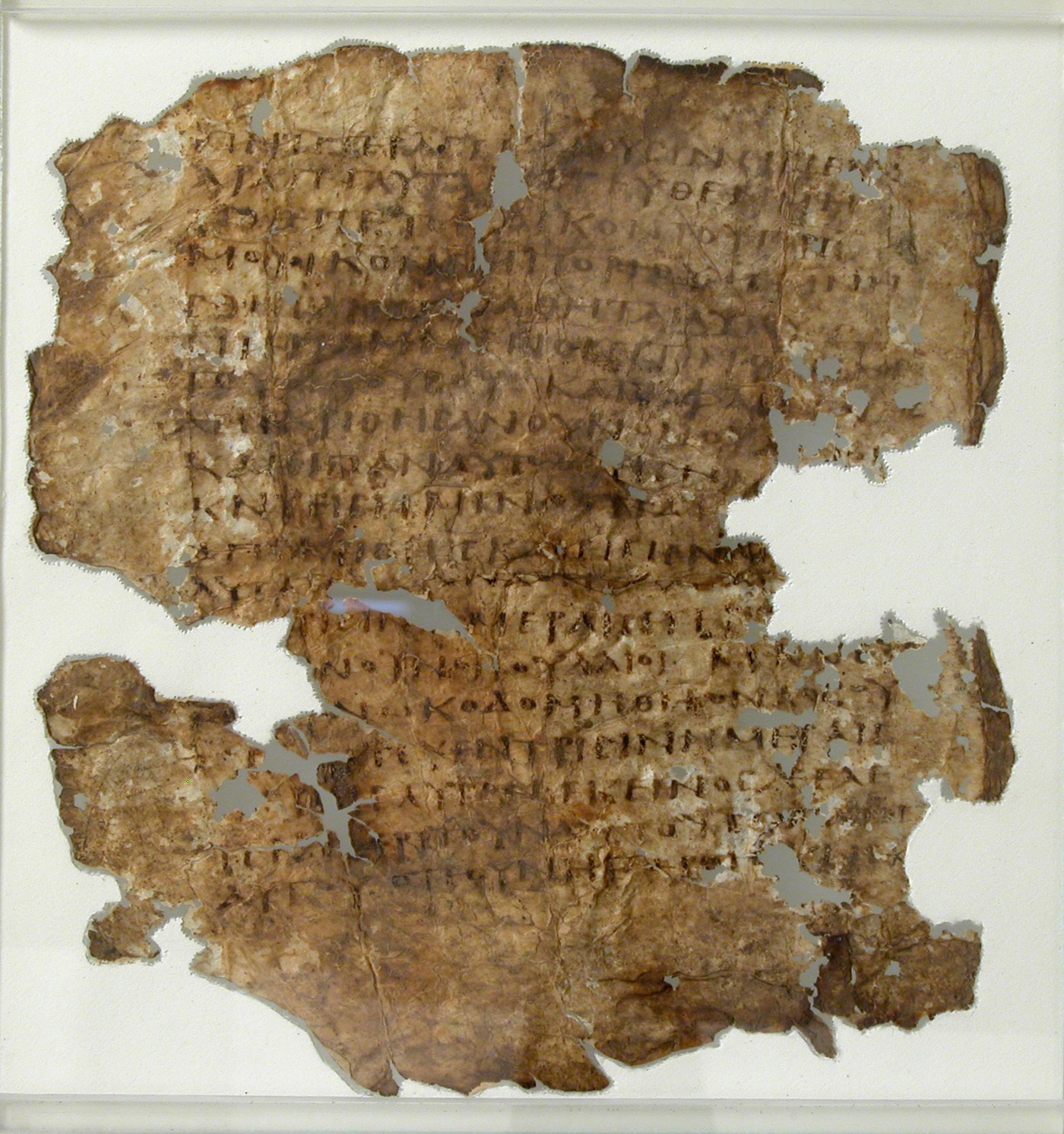
Fragment of John 2:11–22, ink on parchment, The Met 09.182.43. The museum dates the leaf to the fourth century; it does not preserve the chapter 1 prologue, and its copying date does not date composition
Texto antigo
One of the New Testament Gospels, opening with the Word, creation and the Word becoming flesh.
Variantes do nome: Gospel of John
Contexto e fontes →
Contemporary explainer; it is not an ancient artifact or historical likeness
Texto antigo
New Testament gospel where Satan asks to test the disciples in 22:31–32.
Variantes do nome: Luke (gospel)
Contexto e fontes →
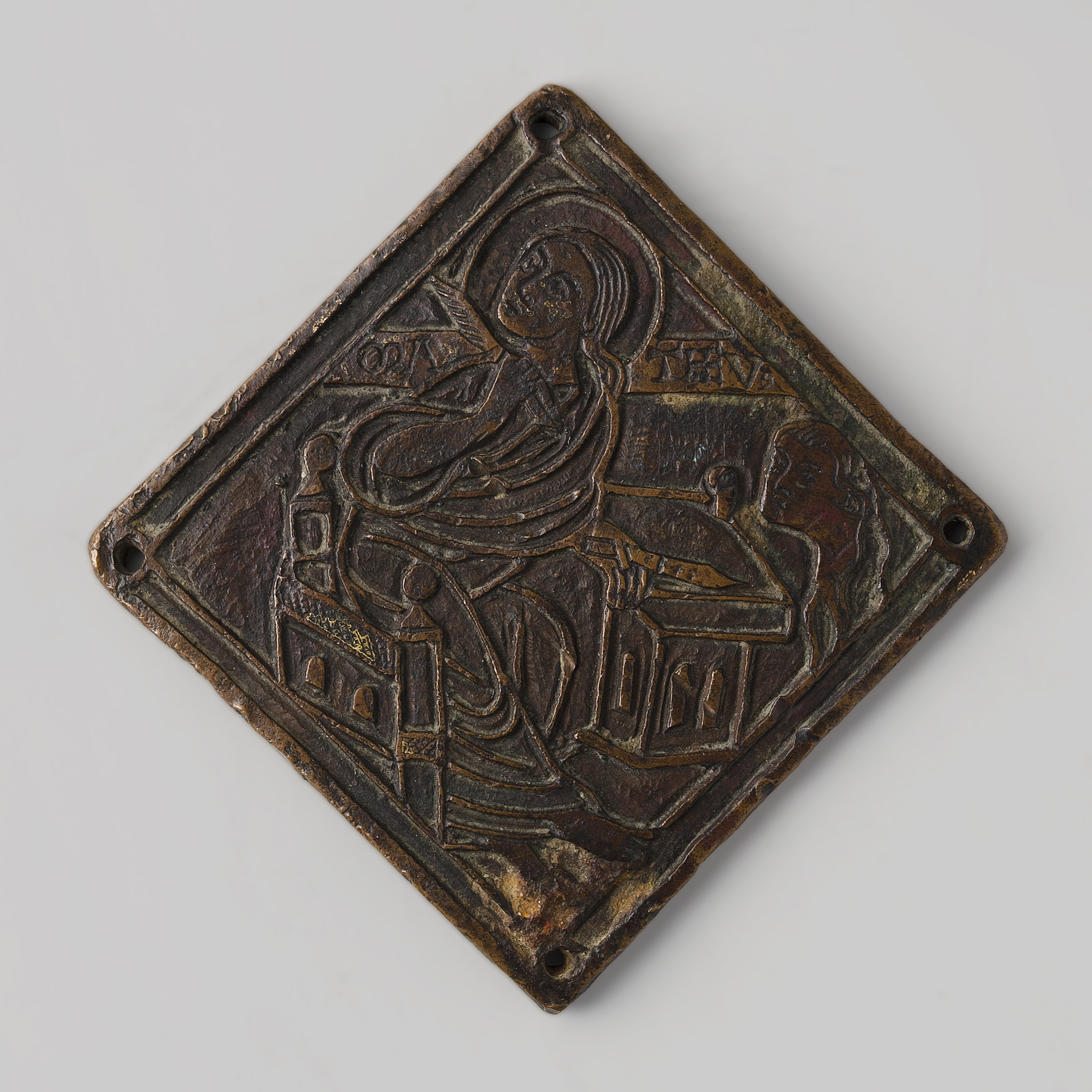
Saint Matthew Writing the Gospel, Mosan,1155–1165, copper alloy and traces of gilding; Met25.120.449. Later artistic reception, not a first-century manuscript or authenticated author portrait
Texto antigo
One of the New Testament’s four Gospels, from the late first century CE, relating inherited law and Jesus’ sayings.
Variantes do nome: Gospel of Matthew
Contexto e fontes →
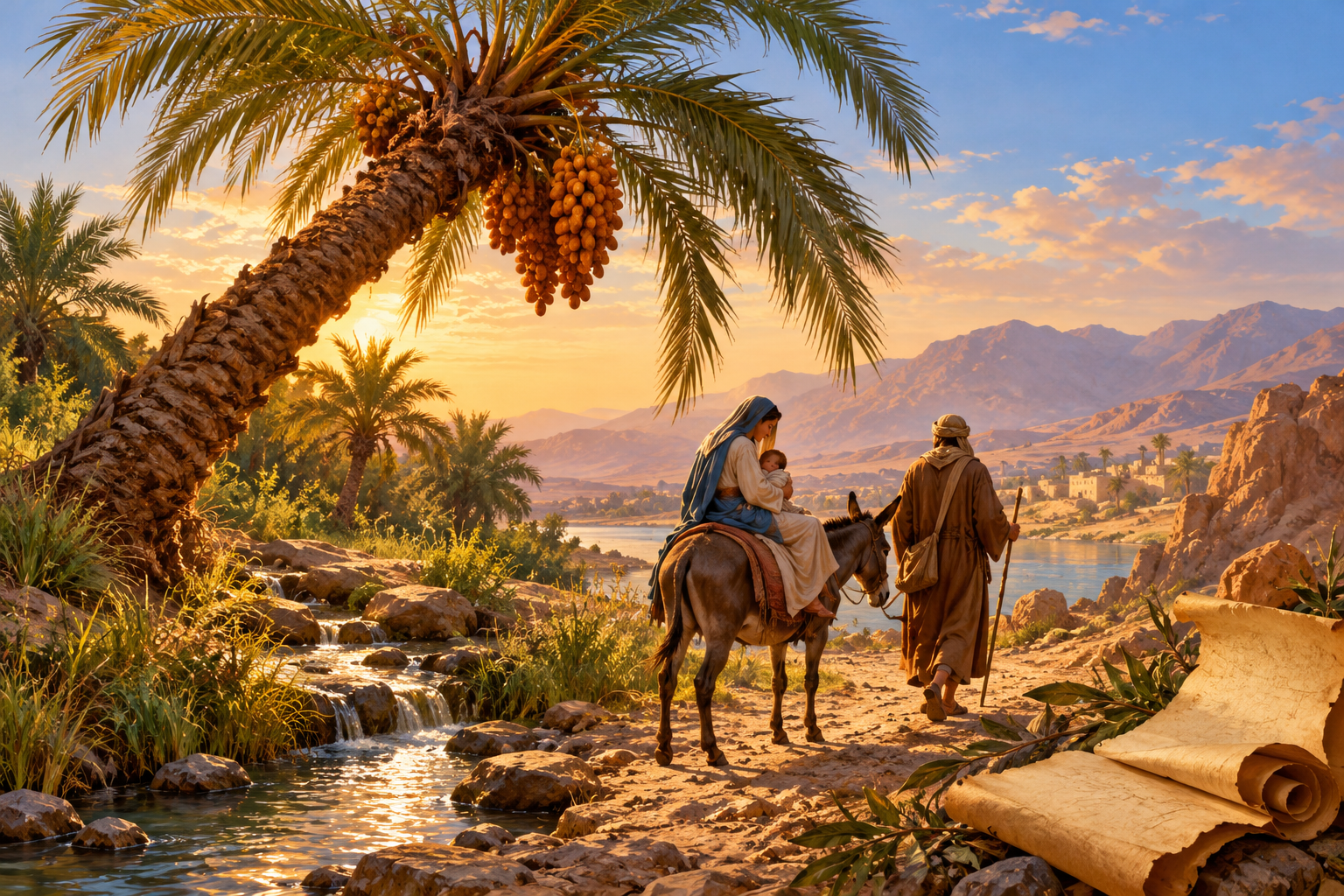
Newly generated interpretive illustration of the family’s journey in Pseudo-Matthew, with palm and water; not an artifact, manuscript image, or authenticated historical reconstruction
Texto antigo
Latin work on Mary and Jesus’ childhood, distinct from canonical Matthew.
Variantes do nome: Gospel of Pseudo-Matthew, Pseudo-Matthew
Contexto e fontes →
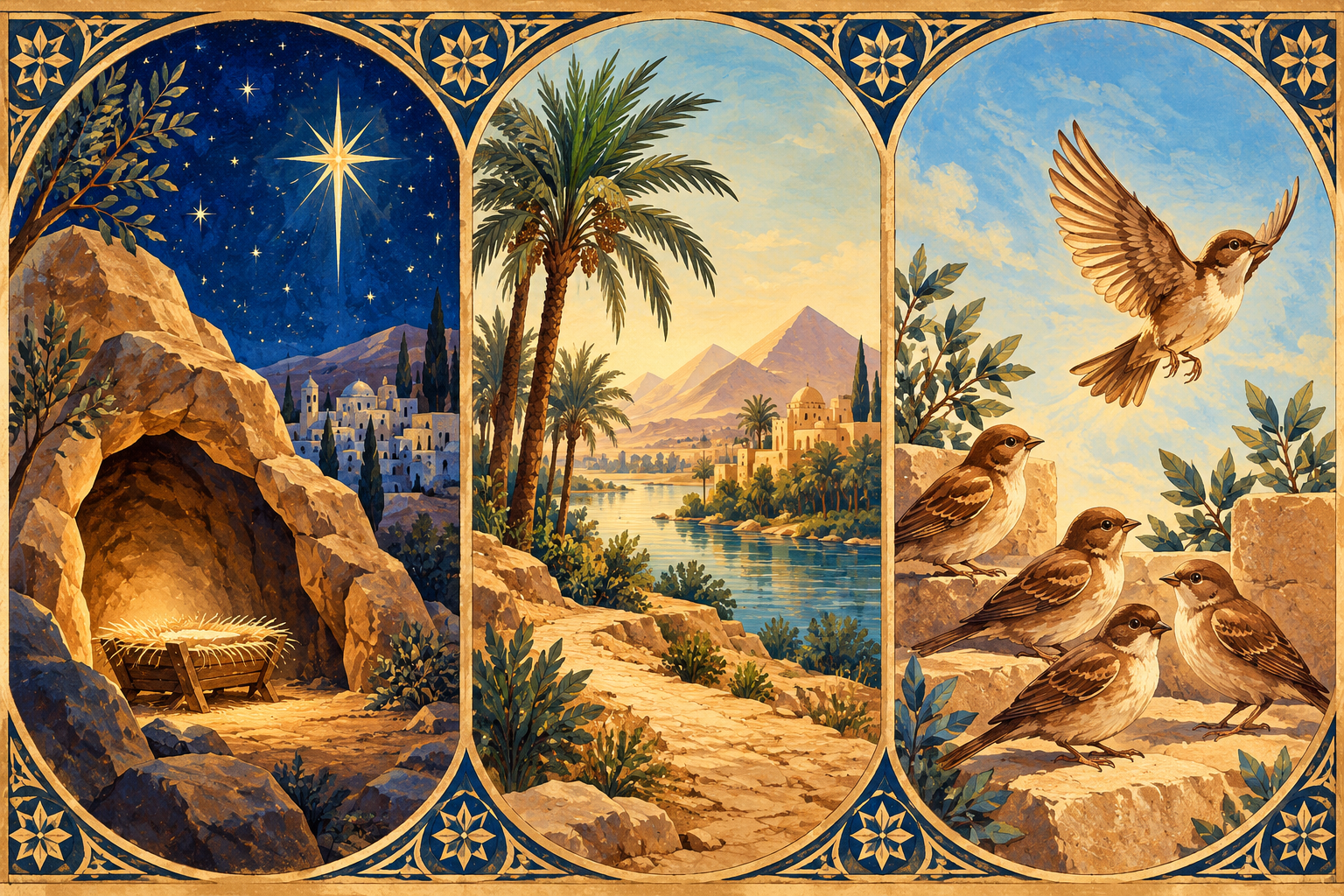
Newly generated interpretive illustration symbolizing the Nativity, journey to Egypt and birds in infancy stories; not a manuscript, historical photograph or verified reconstruction
Texto antigo
A noncanonical Arabic Christian collection about Jesus’ birth, the journey to Egypt and childhood miracles, with structurally different Oxford and Florence recensions; distinct from the Infancy Gospel of Thomas.
Variantes do nome: Arabic Infancy Gospel
Contexto e fontes →
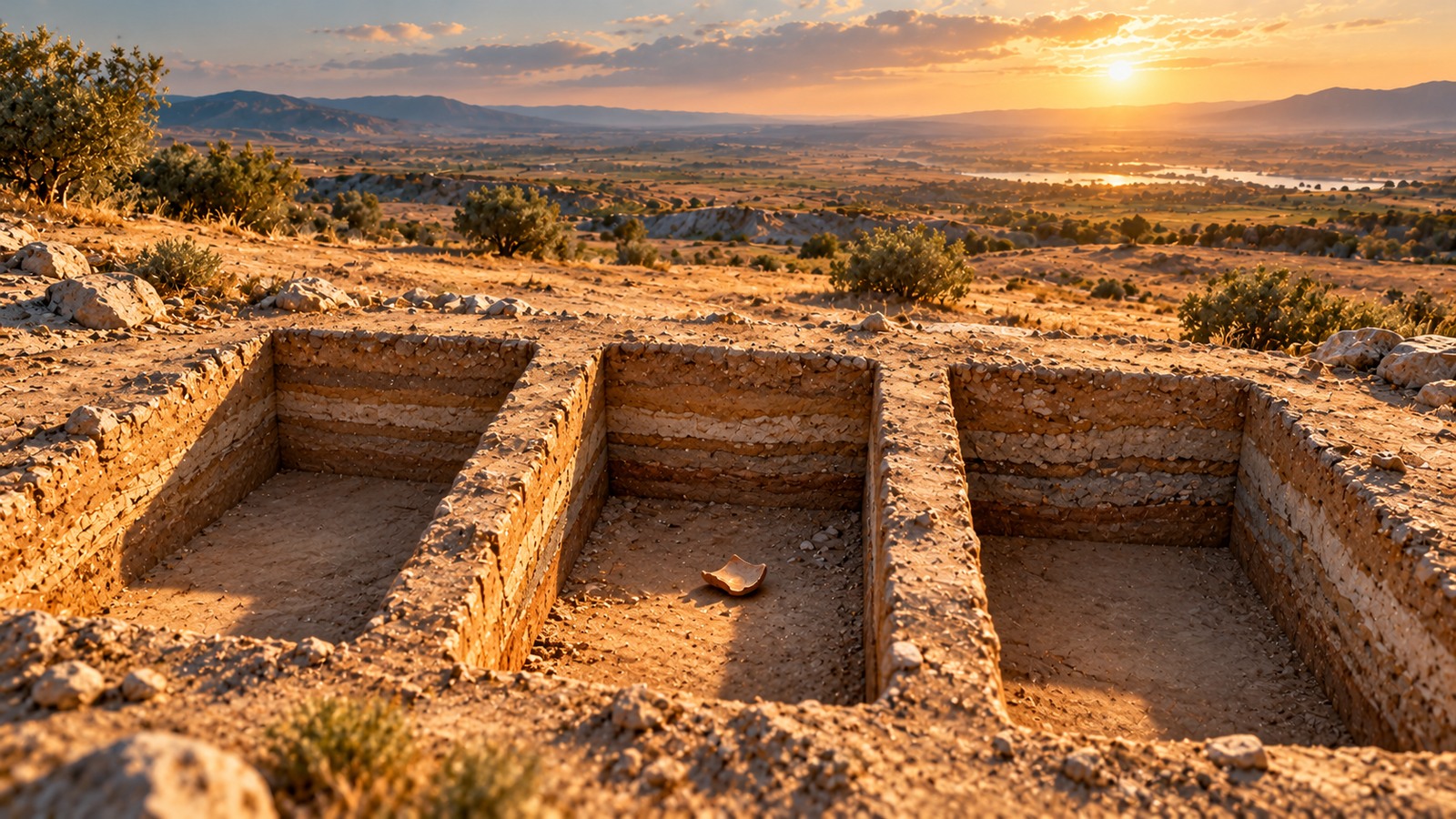
Contemporary conceptual image of three imagined excavation units, one containing a pottery sherd. It illustrates differing observations; it does not depict a real site or excavation results
Entidade
Failure to find an expected trace can test a hypothesis when preservation and investigation make discovery expectable; not every absence is evidence.
Variantes do nome: negative evidence
Contexto e fontes →
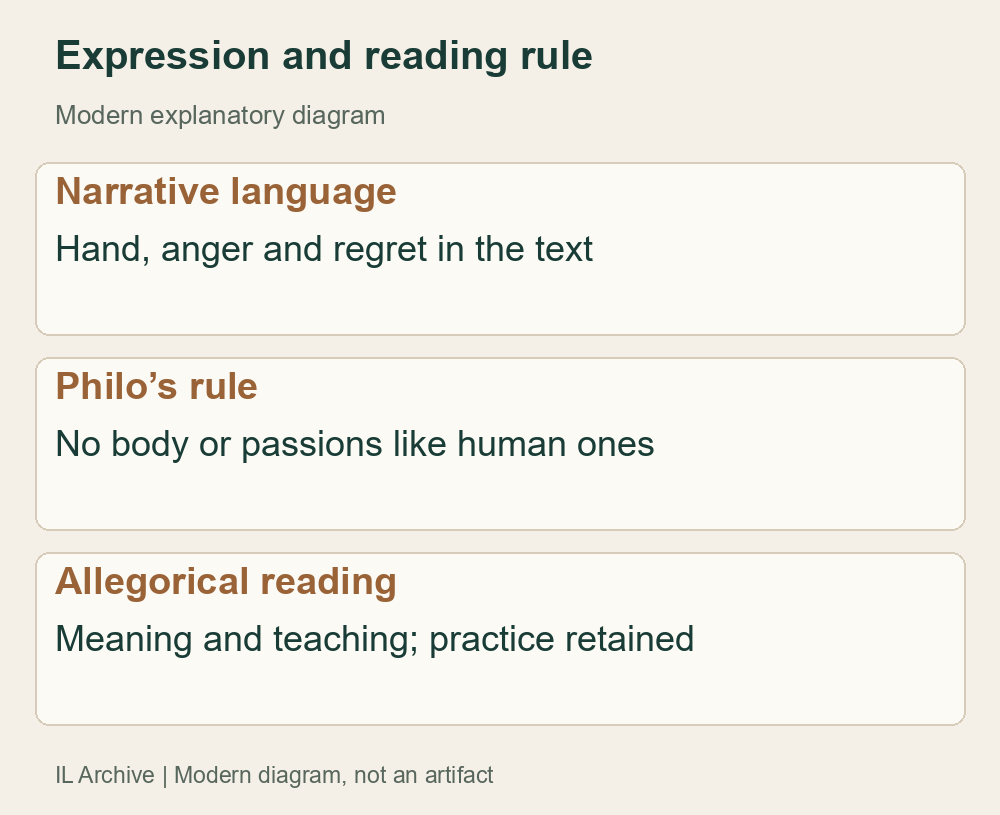
Modern explanatory diagram of a specific argument in Philo of Alexandria: anthropomorphic language is read pedagogically; On the Migration of Abraham combines symbolic meaning with observing commandments. Not an ancient artifact or a rule for every interpreter
Entidade
Interpretation of a pre-existing text that relates narrative or linguistic elements to further ethical, philosophical, or religious meanings; it does not necessarily cancel plain meaning or observance.
Variantes do nome: allegorical exegesis, allegorical interpretation
Contexto e fontes →
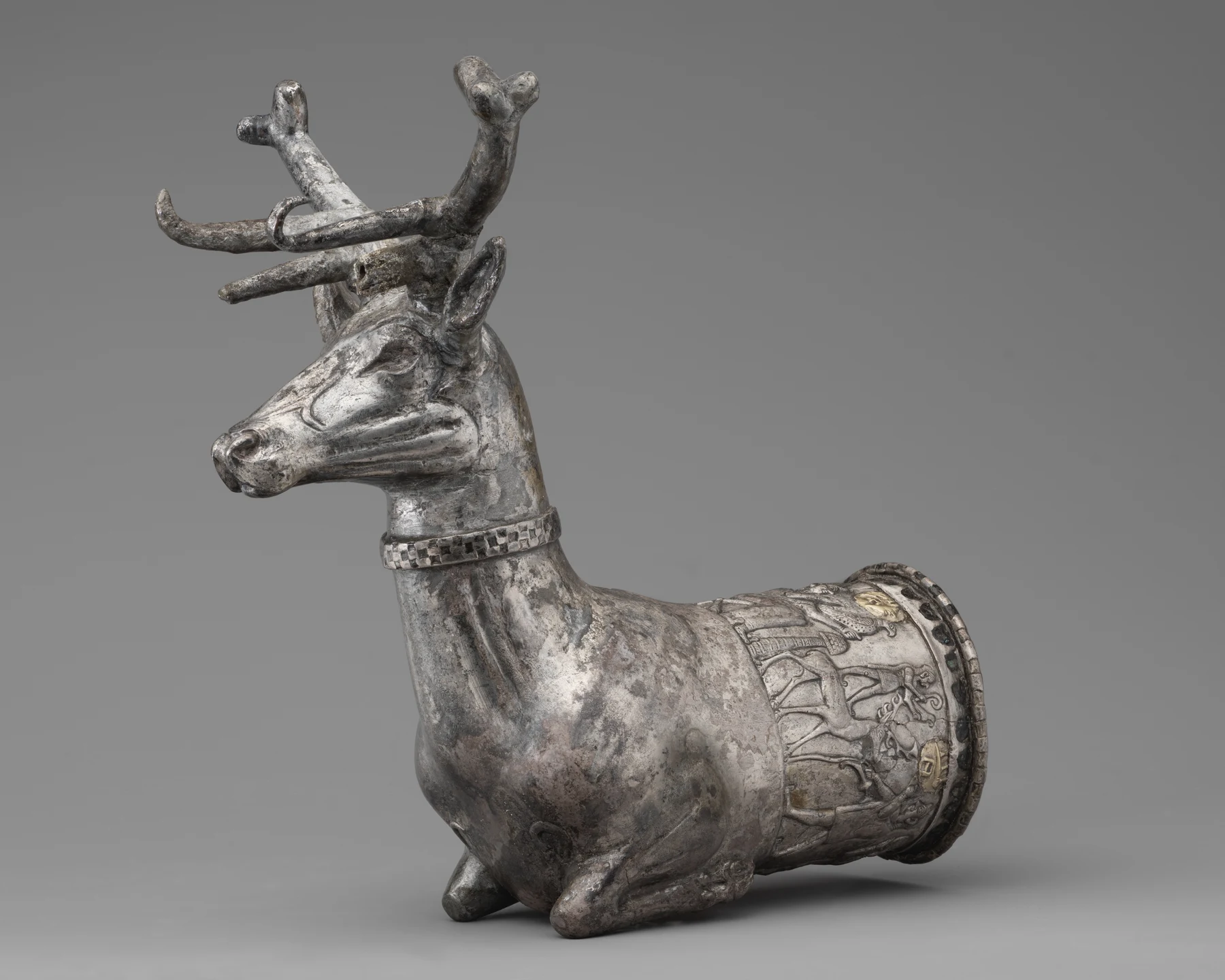
Hittite silver drinking vessel with gold inlay, ending in a stag’s forepart, central Anatolia, ca. 14th–13th century BCE. Its frieze depicts a Hittite cult scene. This is comparative context, not evidence for a kippēr rite or a blood vessel. Metropolitan Museum, 1989.281.10
Entidade
Hebrew verb for rites performed on behalf of people or directed at sacred space; the stated outcome may be forgiveness or purification. It does not mean declaring another person an unbeliever.
Variantes do nome: ritual atonement, kippēr
Contexto e fontes →

Modern astronomical photograph of the Milky Way’s central region and dark dust lanes. It illustrates stars in the astral sense of heavenly host, not the divine council in Micaiah’s vision
Entidade
A heavenly group whose meaning varies: celestial bodies in some texts, attendants around the throne deliberating in 1 Kings 22.
Variantes do nome: heavenly host, host of heaven
Contexto e fontes →

Modern AI-generated conceptual scene: an imagined path toward a riverside Mesopotamian city, evoking displacement and exile. Not a historical image of the deportation route or a verified reconstruction of Jerusalem or Babylon
Entidade
Judean deportations to Babylonia and the kingdom’s collapse in the early sixth century BCE; several phases, not everyone removed or returned at once.
Variantes do nome: Babylonian exile, Judean exile, Babylonian captivity
Contexto e fontes →
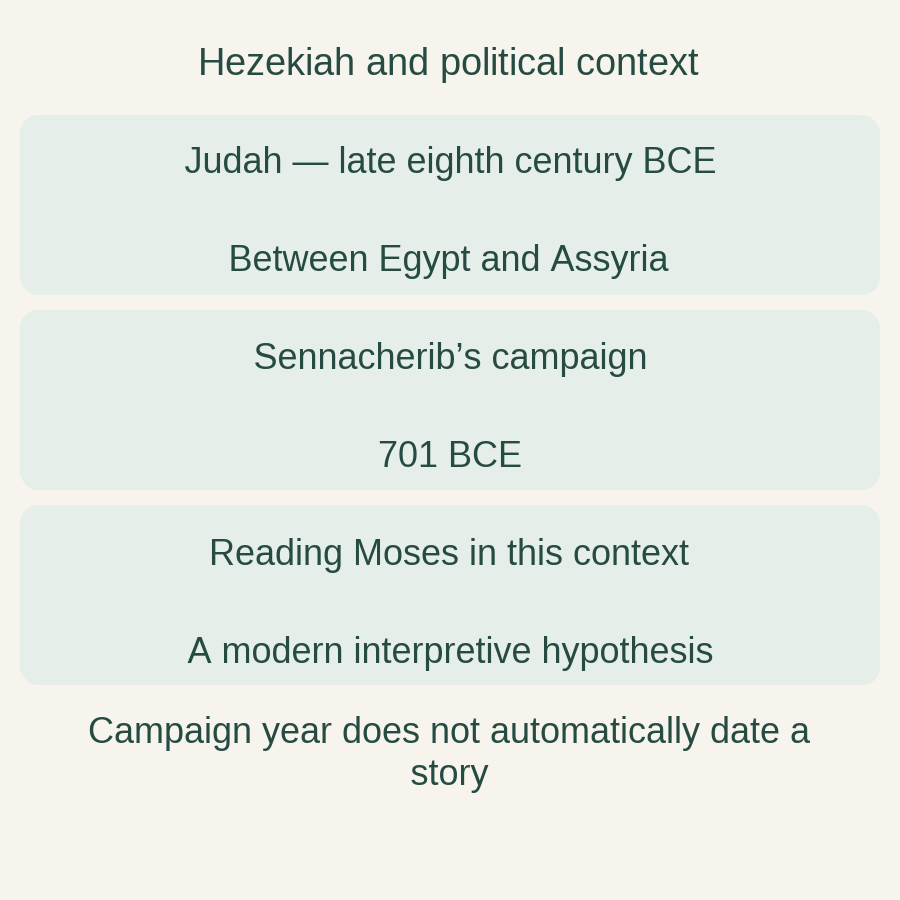
Modern diagram of Hezekiah’s political setting, distinguished from proposed literary dating; not a portrait
Pessoa
King of Judah in the late eighth century BCE, named in Sennacherib’s Assyrian accounts of the 701 BCE campaign.
Variantes do nome: Hezekiah, king of Judah
Contexto e fontes →
Pessoa
Ezekiel is a priest and prophet in the Hebrew Bible, whose book is associated with the Judean exile in Babylonia in the sixth century BCE.
Variantes do nome: Ezekiel
Contexto e fontes →
Pessoa
British scholar and translator (1856–1924) who published the Testament of Solomon in 1898.
Variantes do nome: F. C. Conybeare
Contexto e fontes →
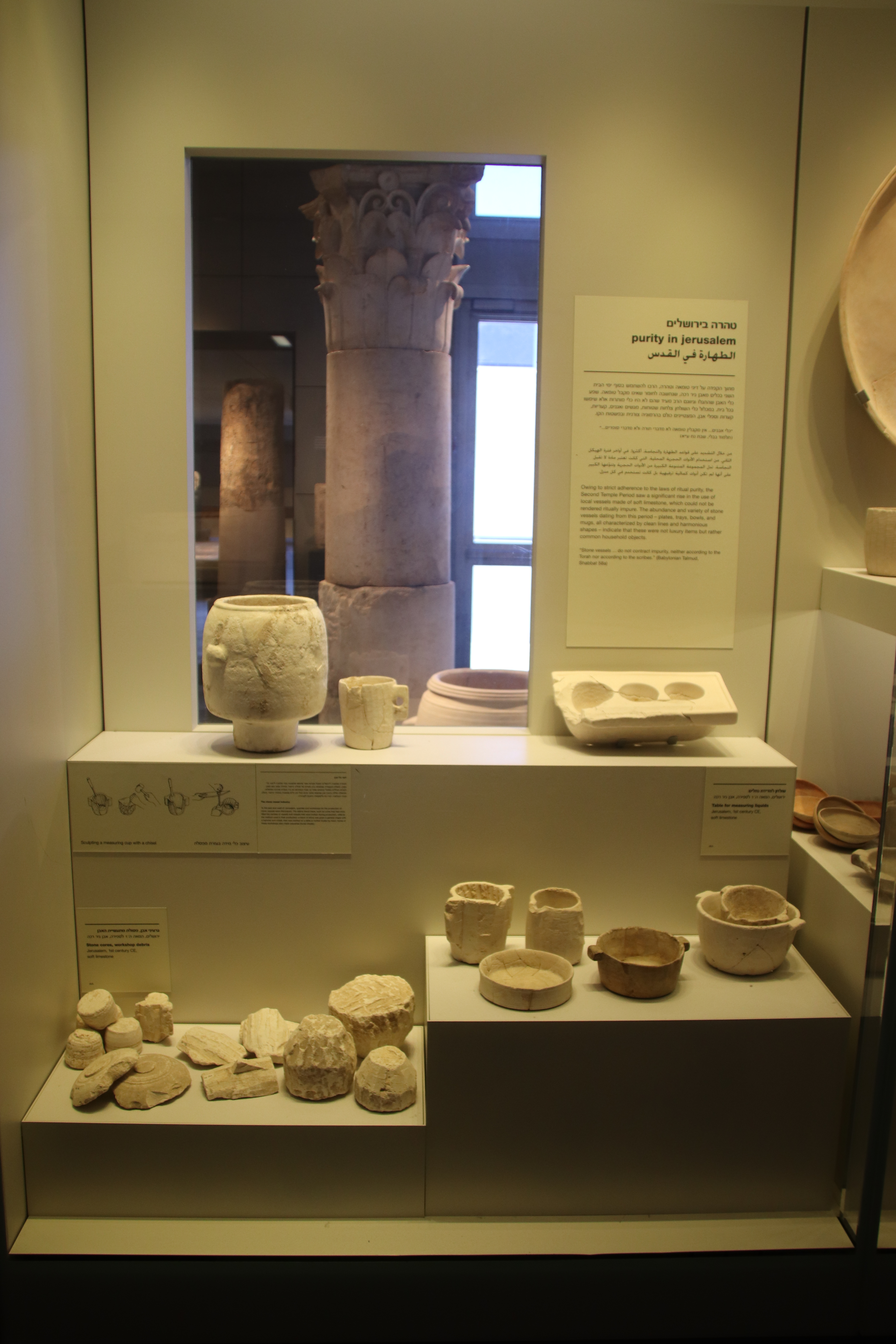
Limestone vessels in the “Purity in Jerusalem” display, Israel Museum. The file title dates the vessels to the first century CE; photograph taken in 2018. Context for Jewish purity practices, not documented Pharisee possessions
Entidade
A Second Temple Jewish movement: its influence, ancestral traditions and hopes beyond death, examined through Josephus and the Mishnah’s purity debates.
Variantes do nome: Pharisees, Pharisaic
Contexto e fontes →
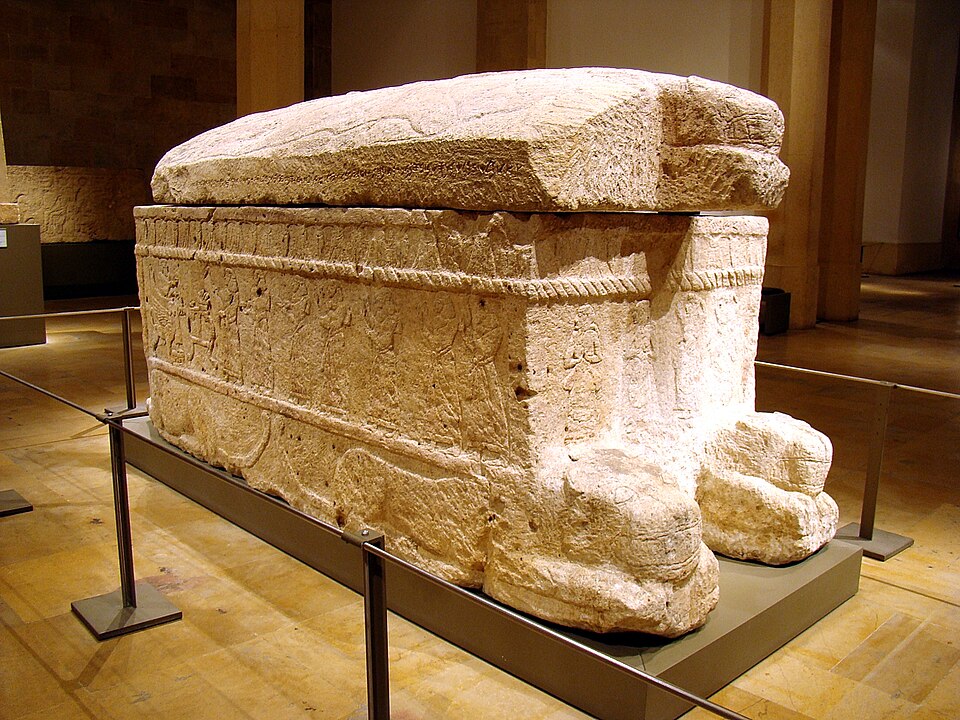
Ahiram’s sarcophagus from Byblos, held by the National Museum of Beirut. Evidence for art and writing on the Levantine coast; the sarcophagus and inscription have debated dates that need not coincide
Entidade
Communities of Levantine coastal cities known for Mediterranean contact during the first millennium BCE.
Variantes do nome: Phoenicians
Contexto e fontes →
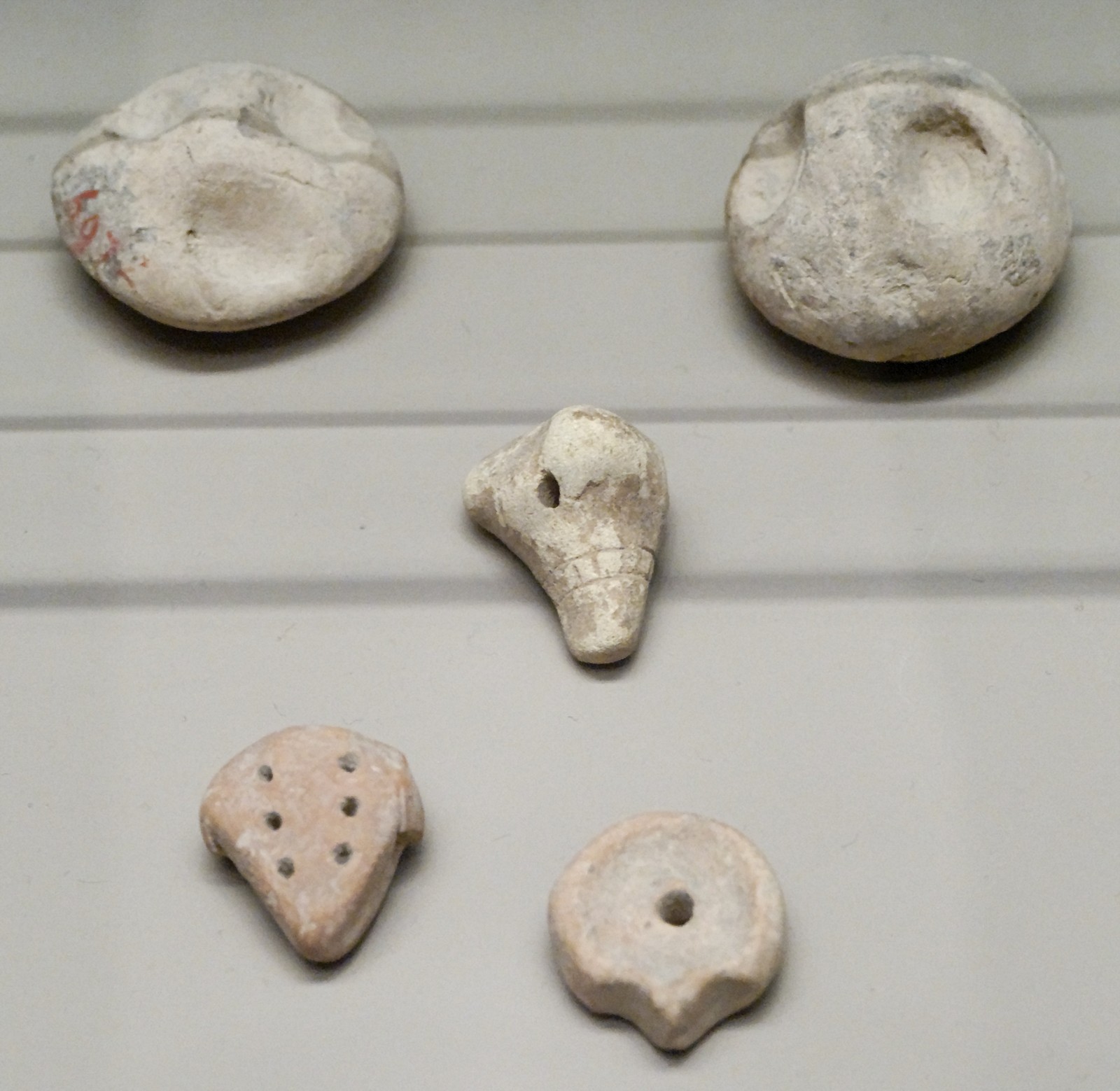
Five clay objects from Susa in the Louvre, assigned to the Uruk-period fourth millennium BCE (the photograph metadata lists SB 4966 among the group). Later examples, not the earliest Neolithic tokens or the clay envelopes discussed here
Entidade
Small shaped clay objects from West Asia since the Neolithic; some served counting or recording, but there is no evidence of one universal accounting function for all.
Variantes do nome: clay tokens, clay token
Contexto e fontes →
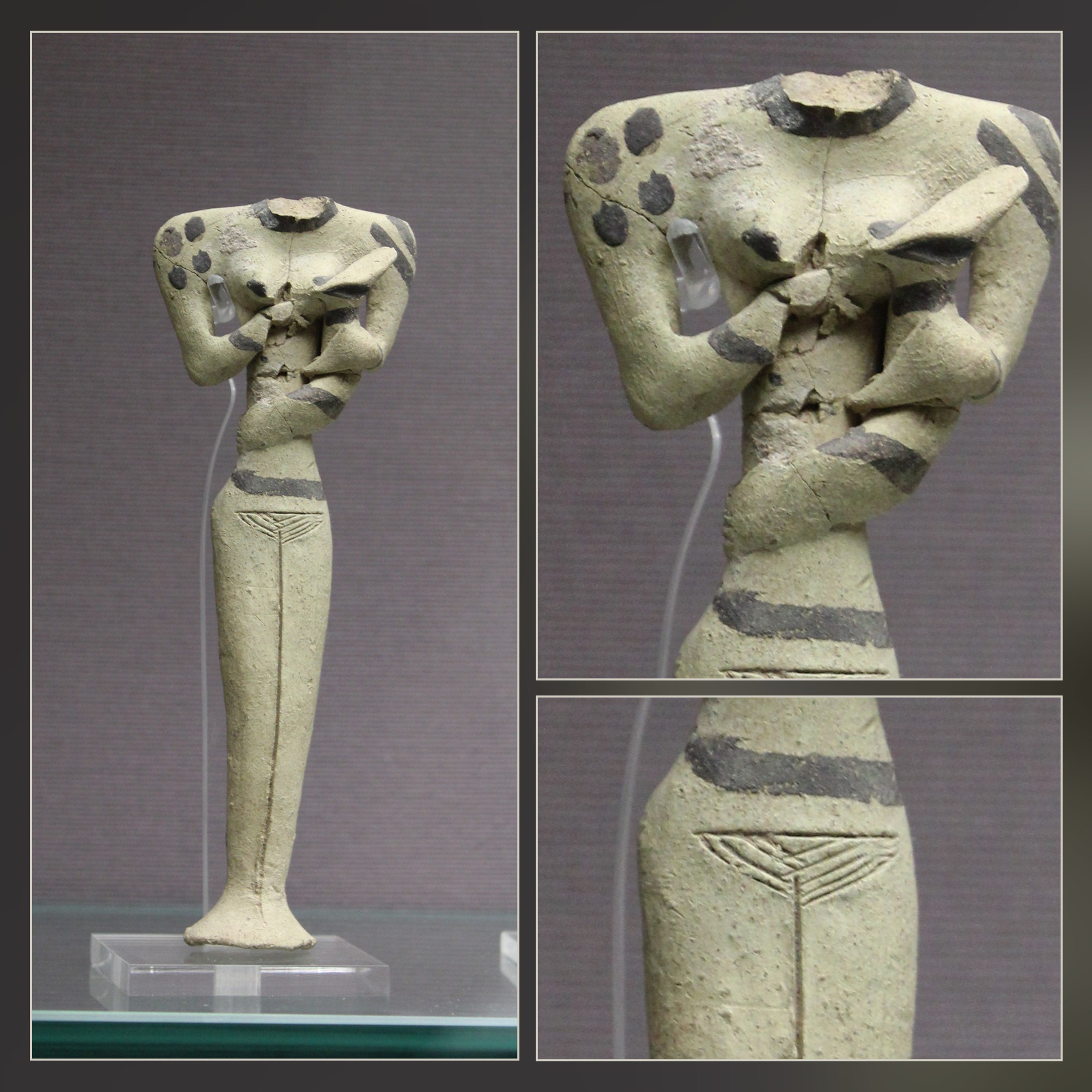
Editorial photographic cover showing the same object three ways: complete figurine at left, enlarged hands and infant and waist incision details at right. Ur, Ubaid period; British Museum 122873. Modern layout based on Zunkir’s photo, not three separate objects or a reconstruction
Entidade
A small shaped object depicting a human, animal or abbreviated form, in clay, stone or another medium. Its form alone does not establish its use; manufacture, handling traces and find context matter.
Variantes do nome: figurine, figurines
Contexto e fontes →
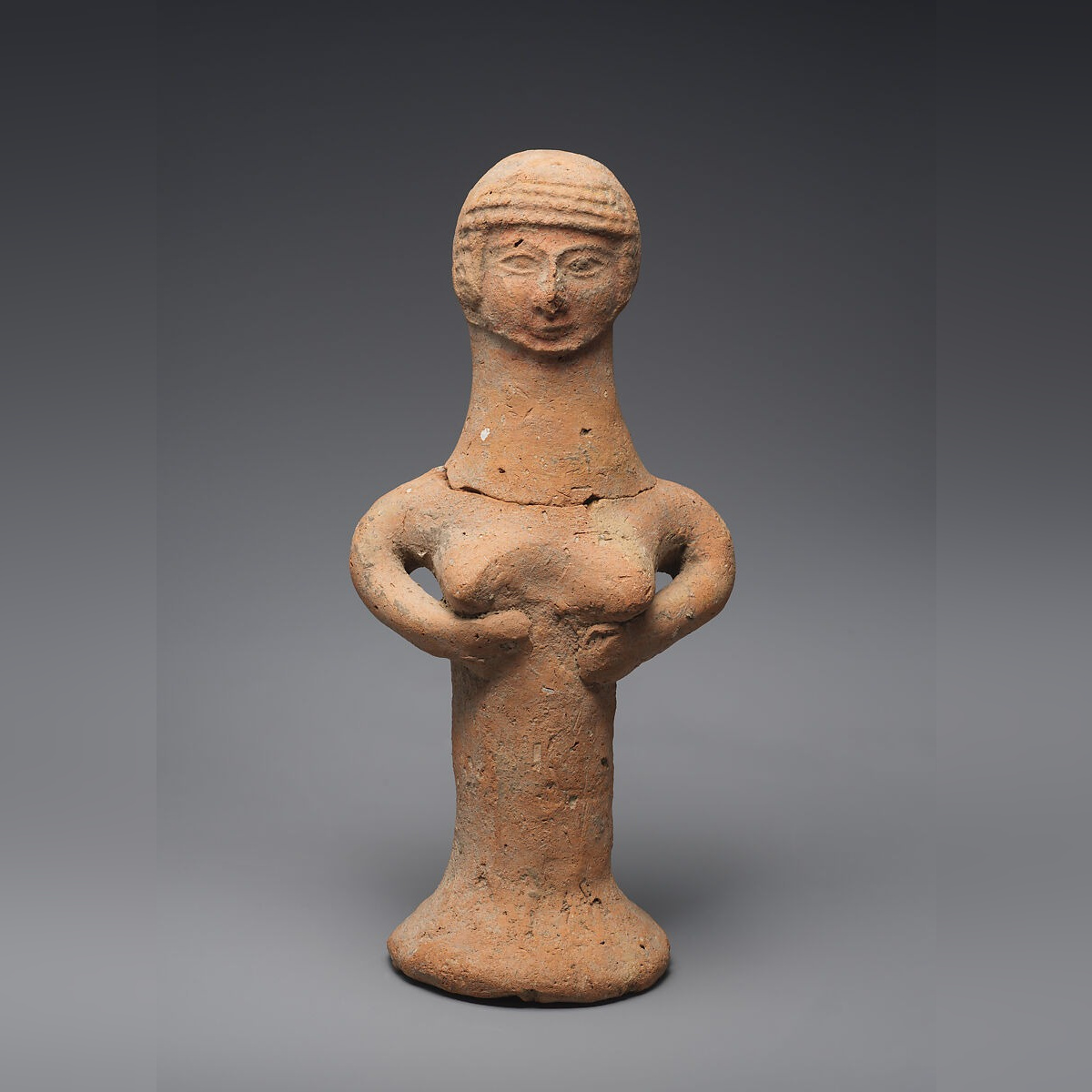
Ceramic female pillar figurine from Lachish, ca. eighth–seventh centuries BCE, Metropolitan Museum of Art 34.126.53. Square photographic layout with modern neutral side extensions; the artifact itself is unaltered and fully visible
Entidade
Small late Iron Age terracotta female figures of Judah, with pillar-like bases and moulded or hand-shaped heads; neither their represented identity nor their ritual or protective use is settled.
Variantes do nome: Judean pillar figurines, Judahite pillar figurines, JPFs
Contexto e fontes →