Pessoa · Mythic figure
Ifigênia
- Região
- Mito grego / Táurida
Tradução automática. Leia o original em inglês.
Filha de Agamêmnon, figura do mito e do drama gregos. Em Ifigênia entre os Táurios, Ártemis a salva no altar e coloca uma corça em seu lugar.
Última revisão:
Texto
Ifigênia é uma figura do mito e do drama gregos, apresentada como filha de Agamêmnon, líder da expedição grega contra Troia. Nenhum documento histórico independente a estabelece como uma pessoa histórica. [1]
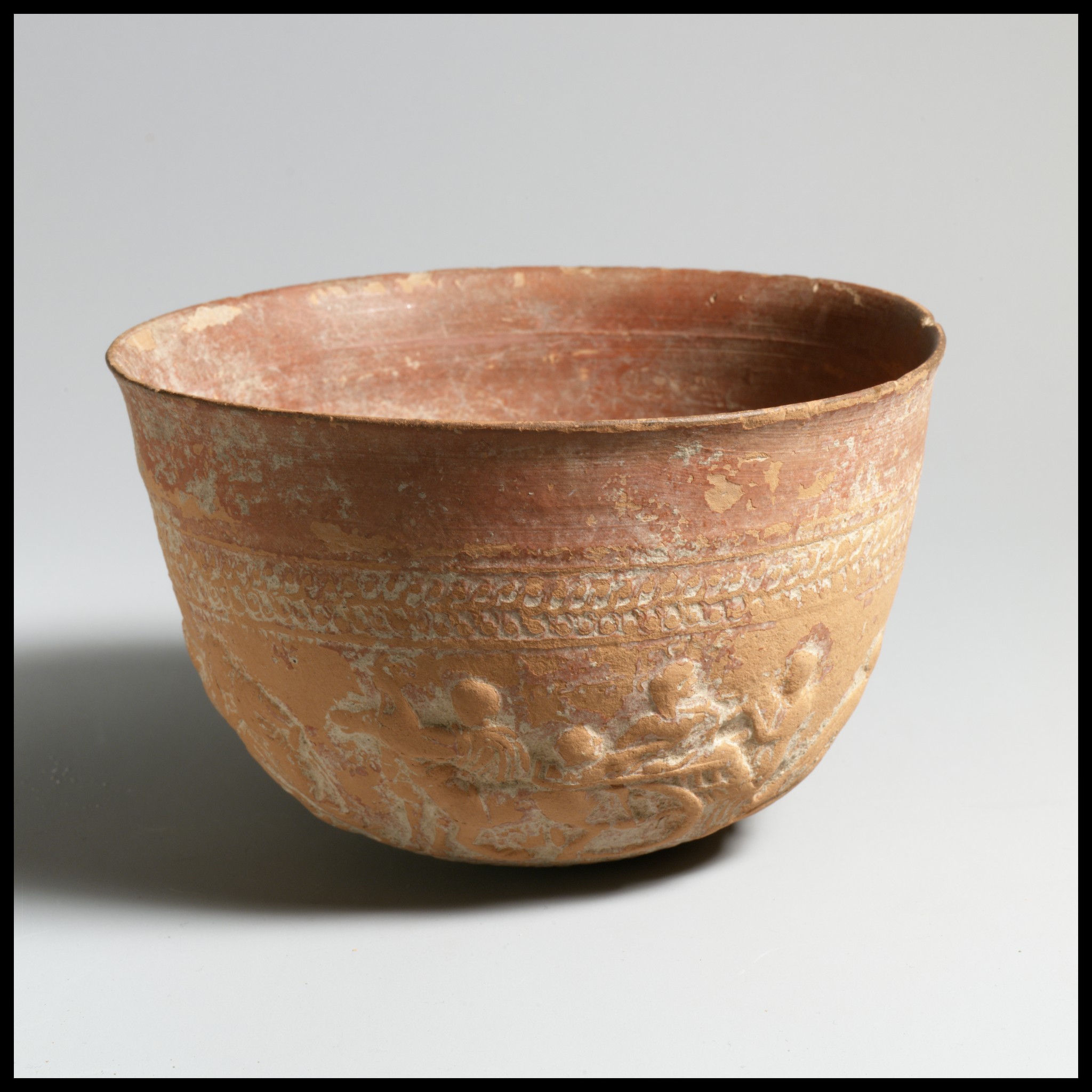
No início de Ifigênia entre os Táurios, de Eurípides (c. 414–412 a.n.e.), ela diz que uma falsa promessa de casamento a levou a Áulis. No altar, Ártemis a salvou, deixou uma corça para ser morta em seu lugar e a levou para a terra dos táuros. Esse desfecho de uma peça não deve ser atribuído a todas as versões do mito, e uma imagem posterior não é evidência de que o evento narrado tenha ocorrido. [1][2]
Referências e notas
- Opening speech in English translation; not the entire play. Opening of Iphigenia among the Taurians, Gilbert Murray translation, lines 92–119; read 14 October 2026. Voltar ao texto ↑
- Second-century BCE Boeotian bowl showing scenes from Iphigenia at Aulis, not the rescue in the other play. The Met, object 31.11.2, curatorial description and rights; read 14 October 2026. Voltar ao texto ↑
Sugerir uma correção · Sugerir uma fonte para este registro
Citar este registro
IL Archive, «Ifigênia», https://ilarchive.com/pt/people/iphigenia