Pessoa
Šubši-mešrê-Šakkan
Tradução automática. Leia o original em inglês.
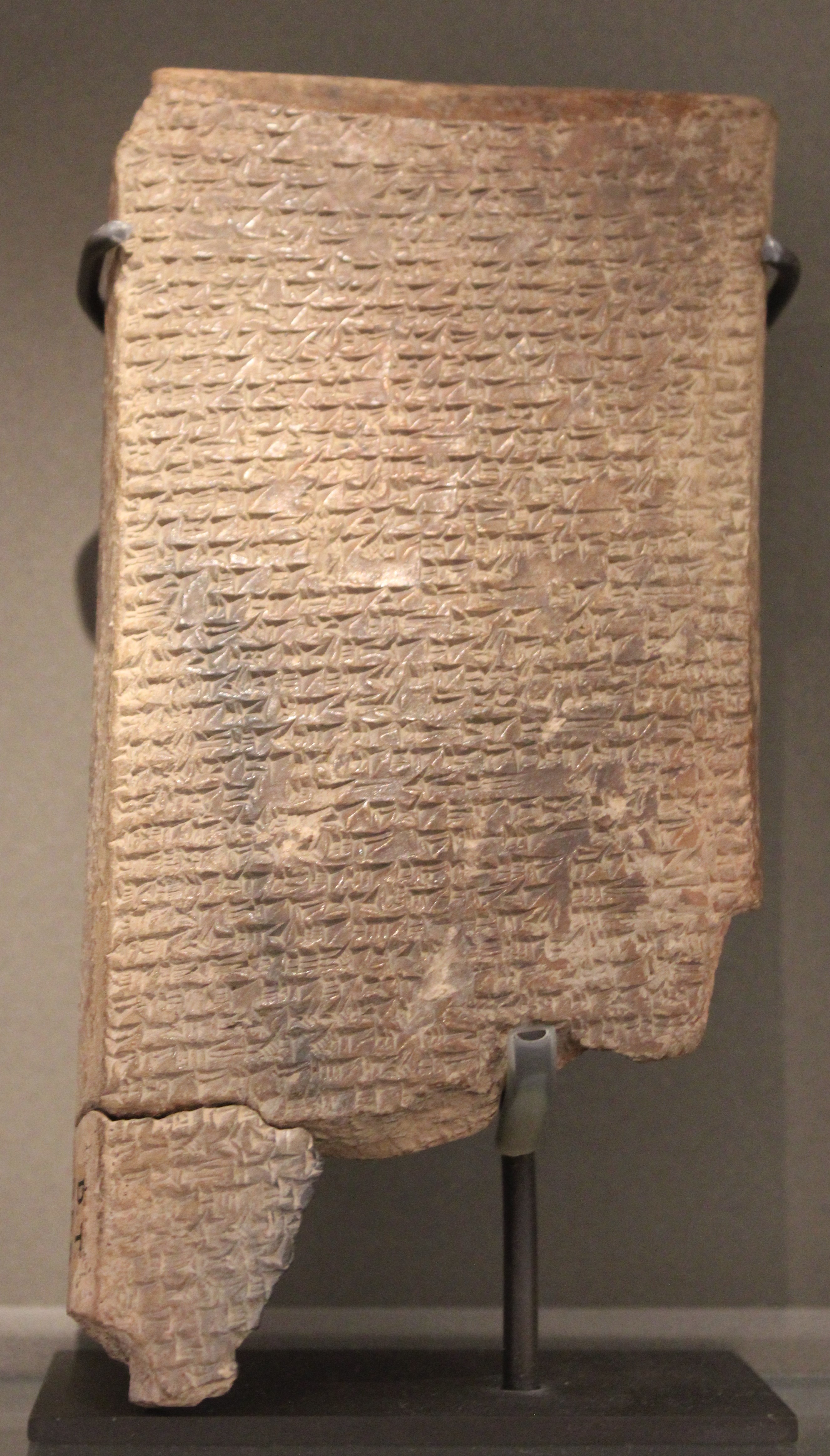
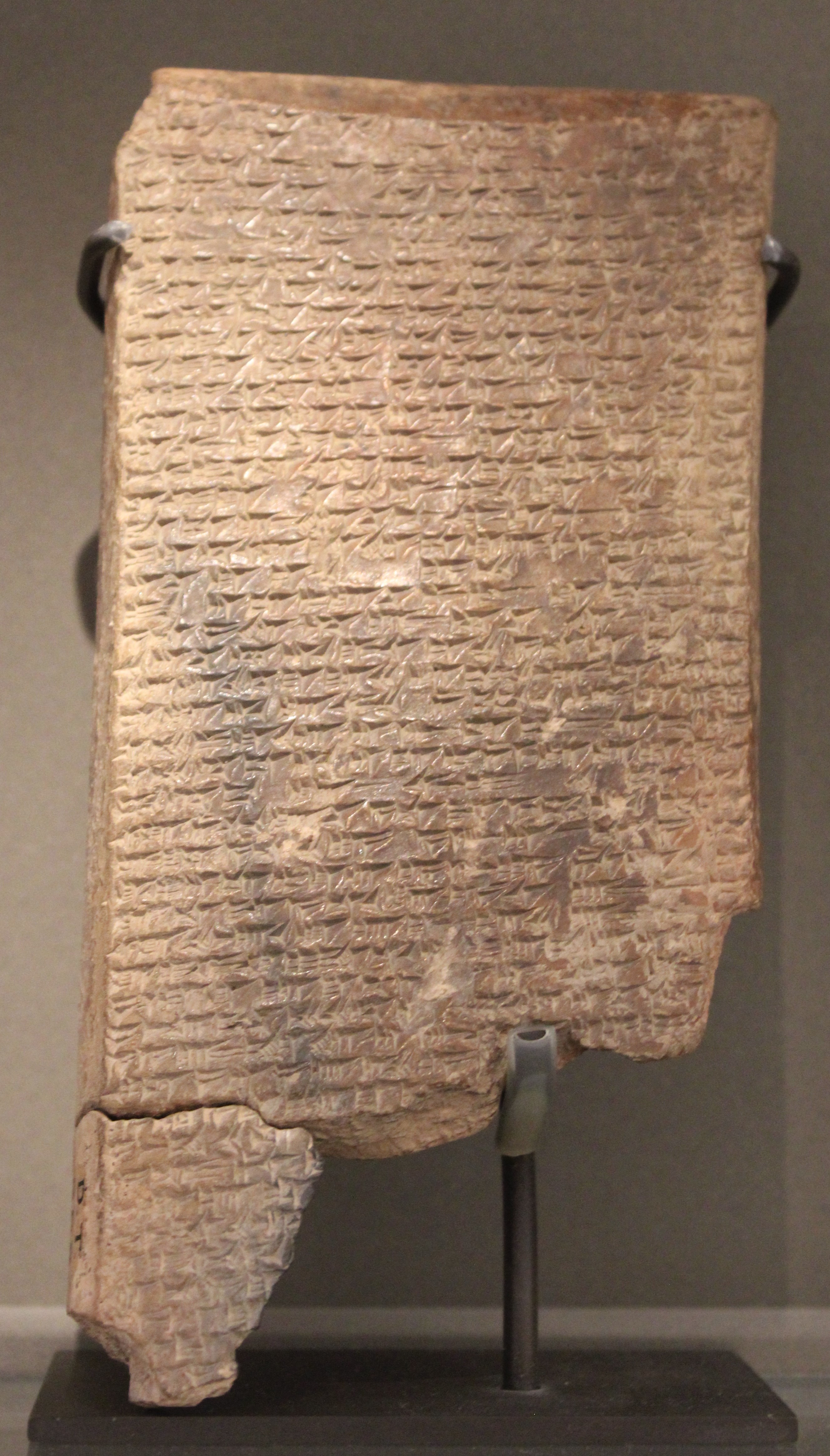
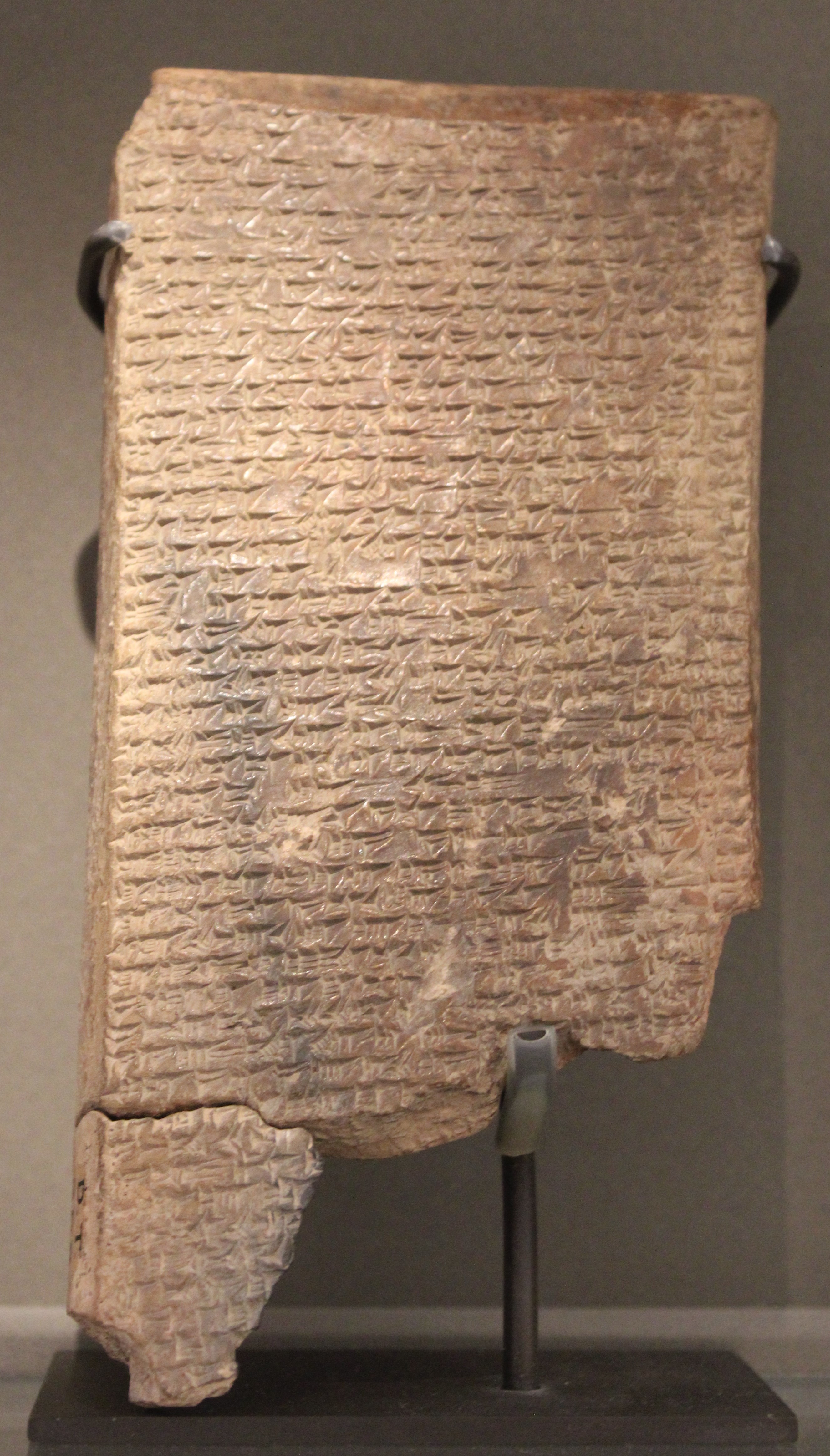
Šubši-mešrê-Šakkan é o protagonista do Ludlul bēl nēmeqi, o poema babilônico que vai da perda de posição e da doença à cura e ao louvor a Marduk.
Última revisão:
Texto
Šubši-mešrê-Šakkan é o protagonista do Ludlul bēl nēmeqiLudlul bēl nēmeqiBabylonian Akkadian poem about Šubši-mešrê-Šakkan, his suffering, recovery, and praise of Marduk, examined through its five tablets, manuscript witnesses, dating, and qualified comparison with Job.Glossário · Clique para ler a explicação, o poema babilônico que vai da perda de posição e da doença à cura e ao louvor a MardukMardukBabylon’s leading god, worshipped at Esagil and elevated in the Akkadian Enūma eliš. His symbols include a spade and mušḫuššu dragon. His earliest origins remain obscure; Nibiru is no evidence of a planetary homeland.Glossário · Clique para ler a explicação. Seu nome aparece perto da mensagem de cura na tábua III e de novo perto do final. [1]
Dois documentos administrativos do reinado de Nazi-MaruttašNazi-MaruttašNazi-Maruttaš was a Kassite king of Babylon in the thirteenth century BCE.Glossário · Clique para ler a explicação, no século XIII AEC, preservam o mesmo nome. Isso apoia uma conexão histórica, mas um registro administrativo permanece distinto de um relato literário sobre sofrimento e resgate. O autor não é conhecido com segurança; a fala em primeira pessoa não estabelece a autoria do protagonista. [2]
Referências e notas
- Electronic Babylonian Library, Ludlul, edited by Aino Hätinen and contributors, translated by Benjamin Foster. Available translation of II and translated portions of III read, plus V 1–82 and 111–120 and the overview. Not all estimated 600 lines or an independent collation on clay. Ludlul II; III; V Voltar ao texto ↑
- Alan Lenzi, Suffering in Babylon: Ludlul Bēl Nēmeqi and the Scholars, Ancient and Modern,2023. Printed 1–8,232–234,326–328 and title/imprint/author biography read; not the whole book. Used for dating, protagonist, initial ignorance and damaged offense language. Lenzi2023, printed1–8,232–234,326–328 Voltar ao texto ↑
Sugerir uma correção · Sugerir uma fonte para este registro
Citar este registro
IL Archive, «Šubši-mešrê-Šakkan», https://ilarchive.com/pt/people/shubshi-meshre-shakkan-ludlul
Continuar lendo