A Teodiceia Babilónica Capítulo 1
A Teodiceia Babilónica
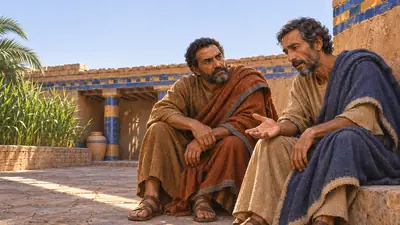
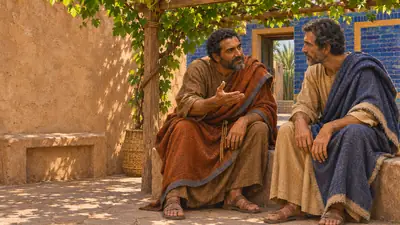
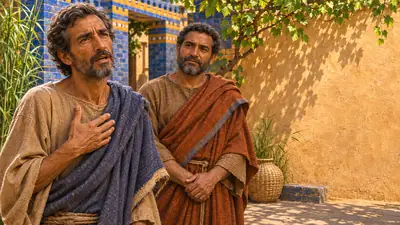
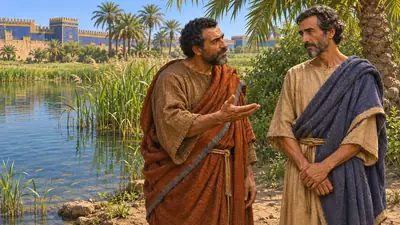
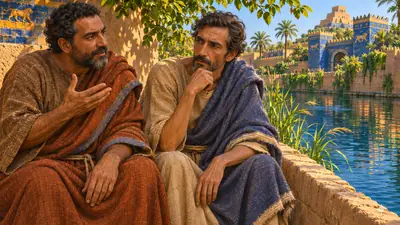
Um homem que perdeu os pais e a sua posição pergunta a um amigo por que prosperam os injustos enquanto pessoas devotas podem cair na pobreza. O amigo fala dos desígnios divinos que ultrapassam a compreensão humana. Nas suas últimas palavras, o homem pede ajuda e misericórdia.
FontesVire as páginas com as setas, o teclado ou deslizando o dedo.
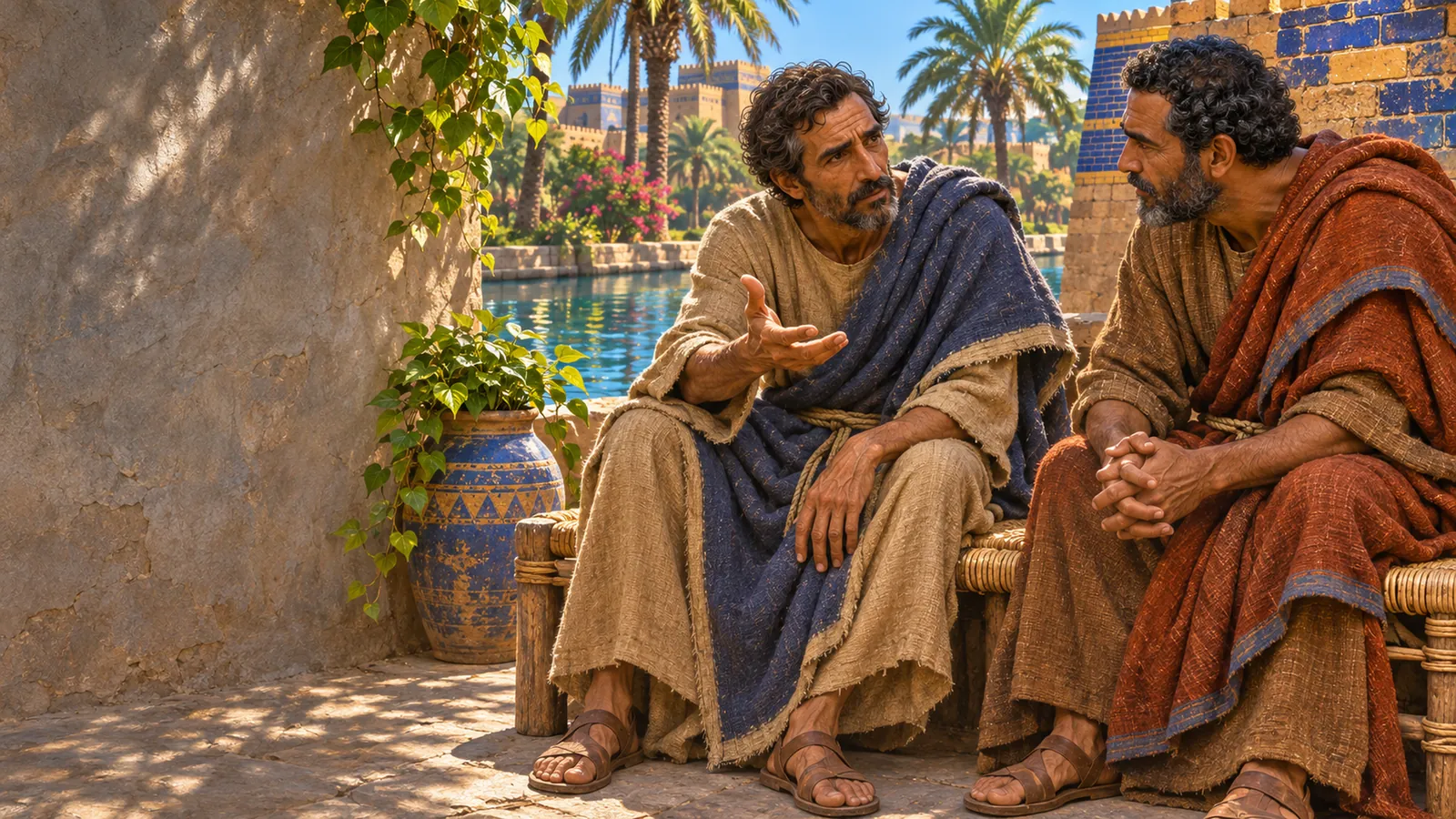
TEODICEIA
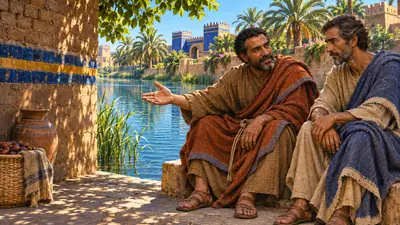
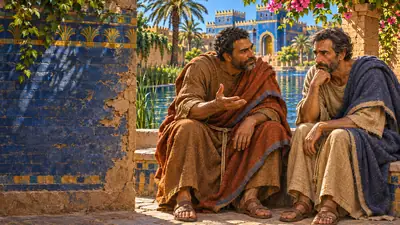
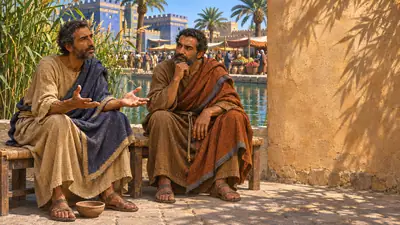
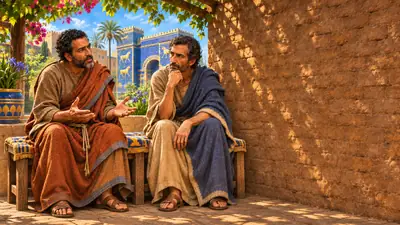
O poema começa com um homem a pedir ao amigo que o escute. Louva-lhe o discernimento e procura alguém a quem possa contar as suas aflições.
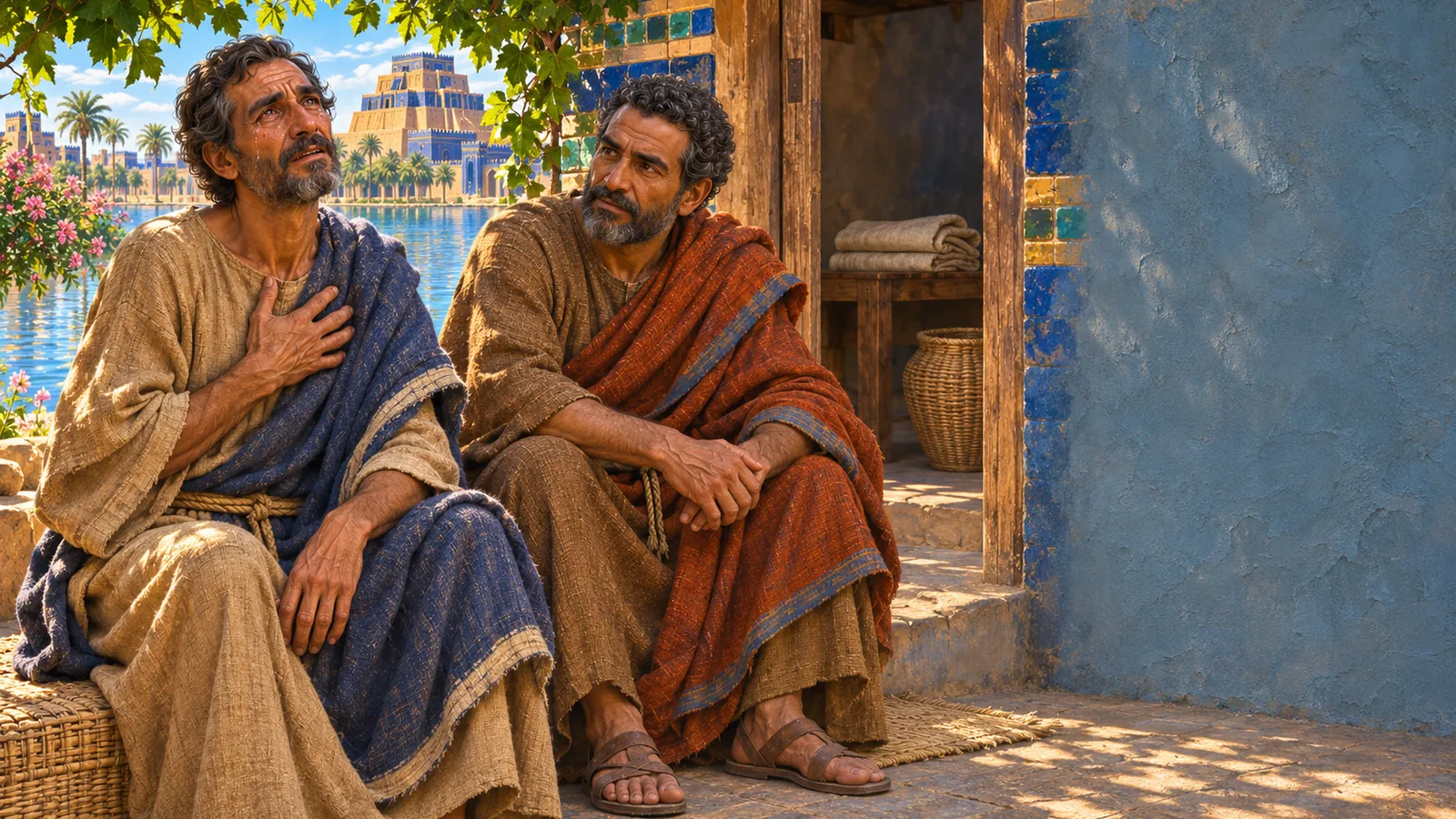
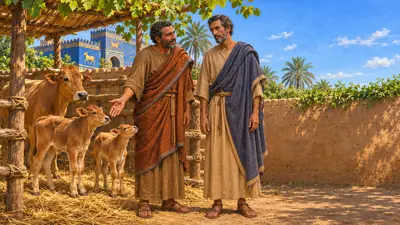
Recorda-se de quando a dor tomou conta dele. Era o filho mais novo quando o pai morreu. A mãe morreu também, e diz que ficou sem ninguém que cuidasse dele.
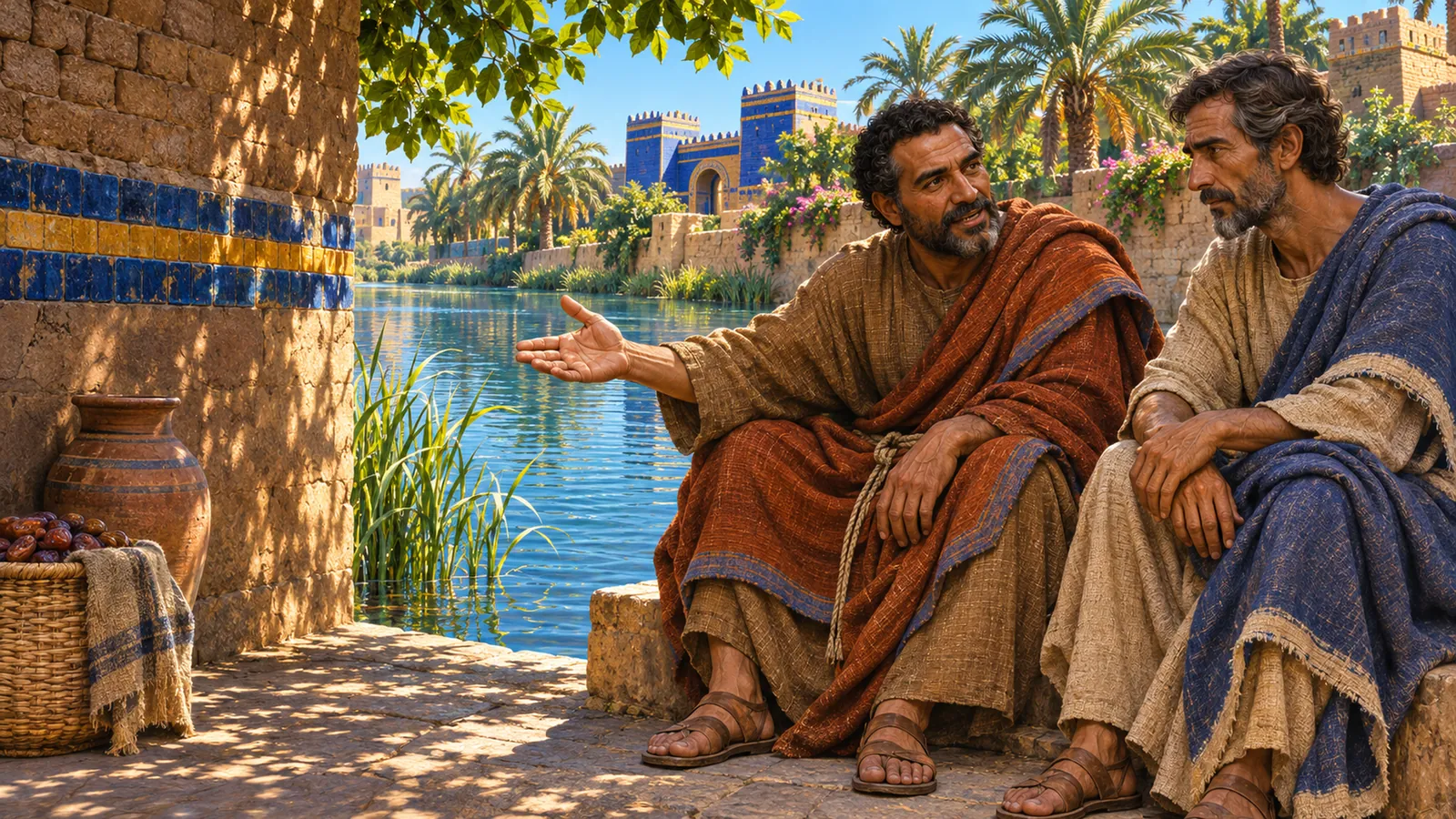
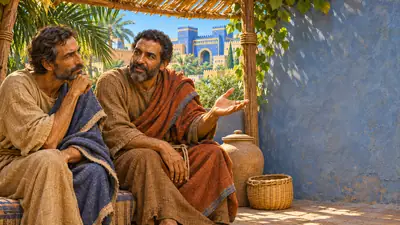
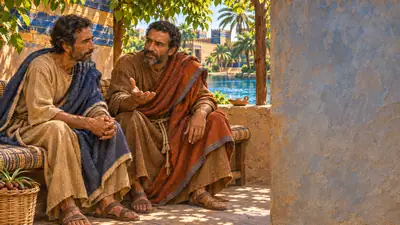
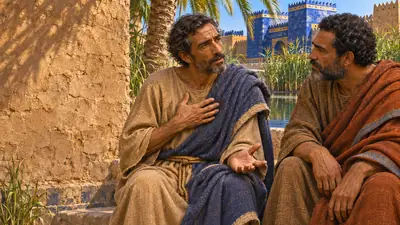
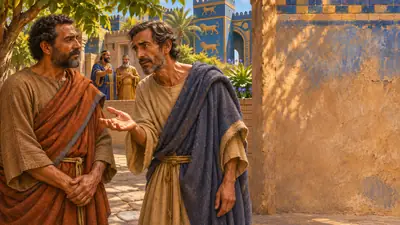
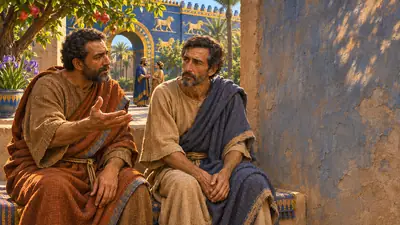
O amigo diz que o relato é triste, mas que o companheiro deixou a mente inclinar-se para o mal e enfraqueceu o próprio bom discernimento. Fala dos pais que seguem o caminho da morte e atravessam o rio Hubur, como foi determinado há muito.
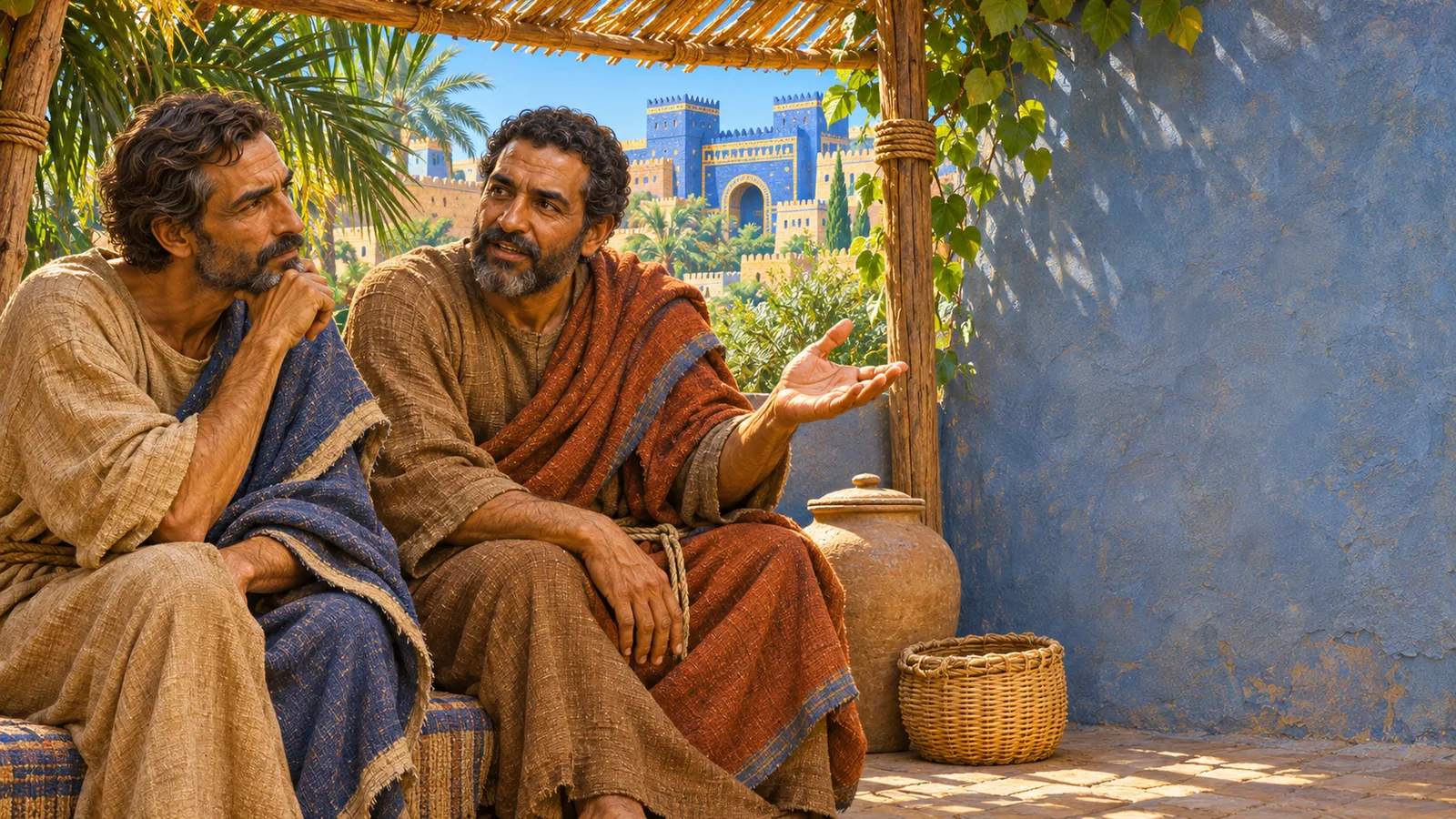
O amigo pergunta quem ajudou o filho do pobre a prosperar e quem favoreceu os ricos. Diz que quem procura um deus encontra proteção e que quem reverencia uma deusa alcança riqueza.
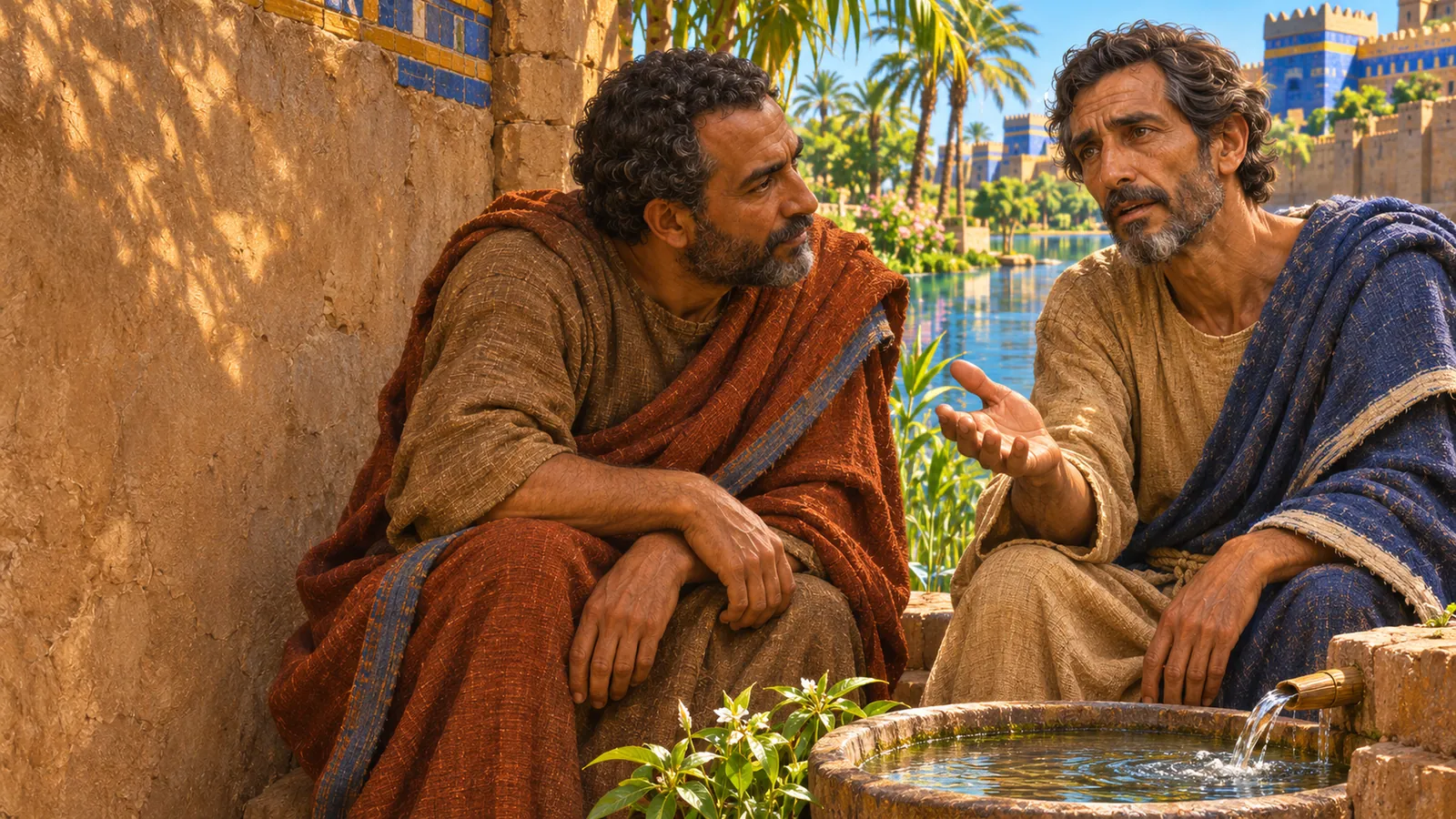
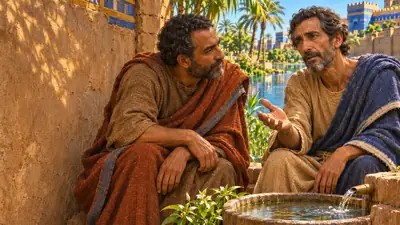
O homem compara o entendimento do amigo a uma nascente de profundidade insondável. Pede-lhe mais um instante para formular as suas perguntas.
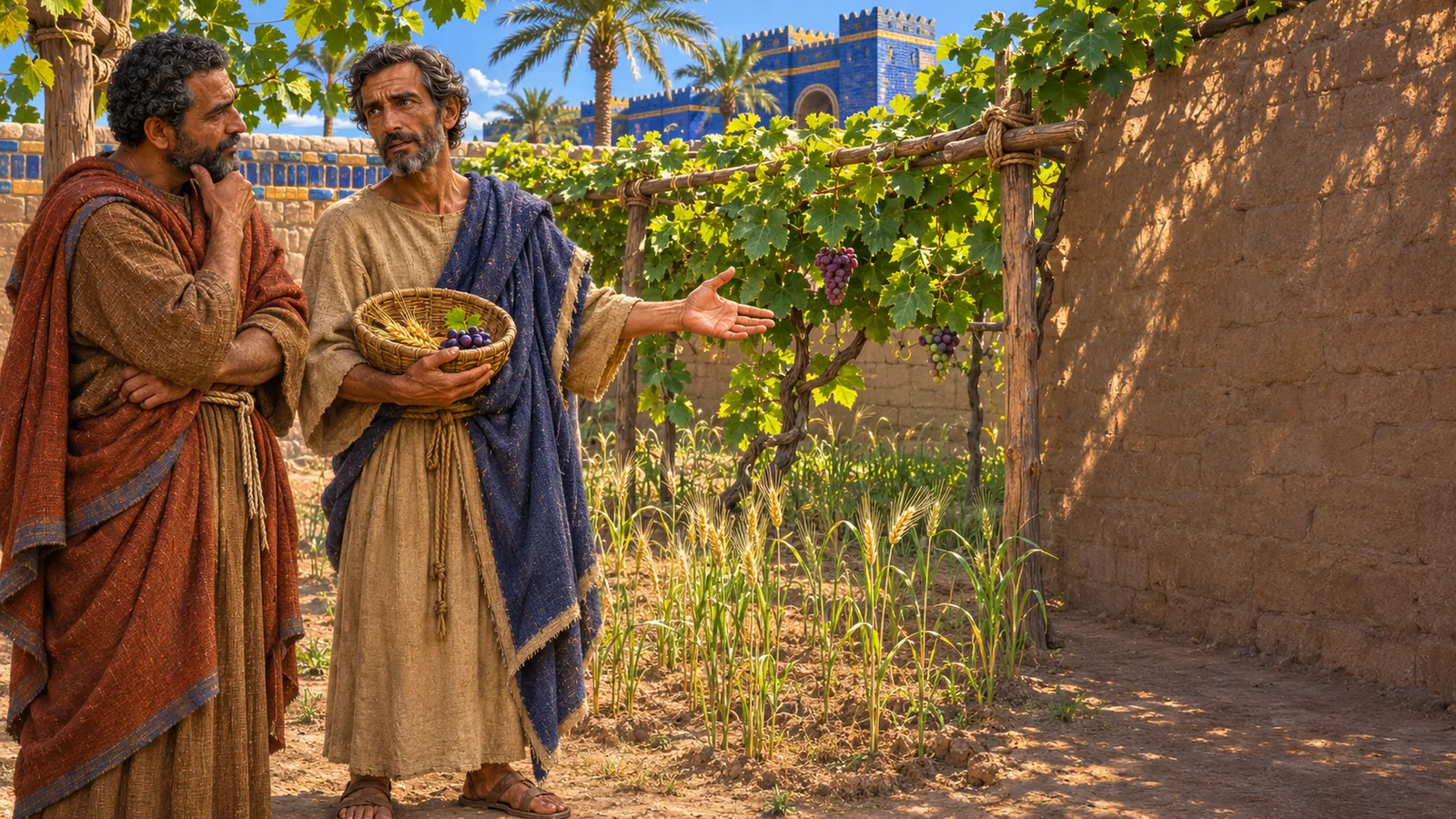
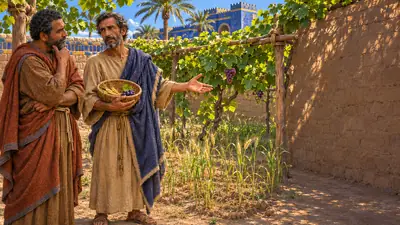
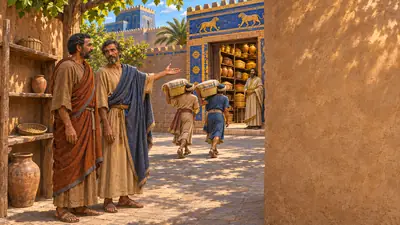
Diz que perdeu as forças e a prosperidade. O campo e a vinha dão-lhe demasiado pouco para viver. Pergunta-se se algum dia virão tempos melhores.
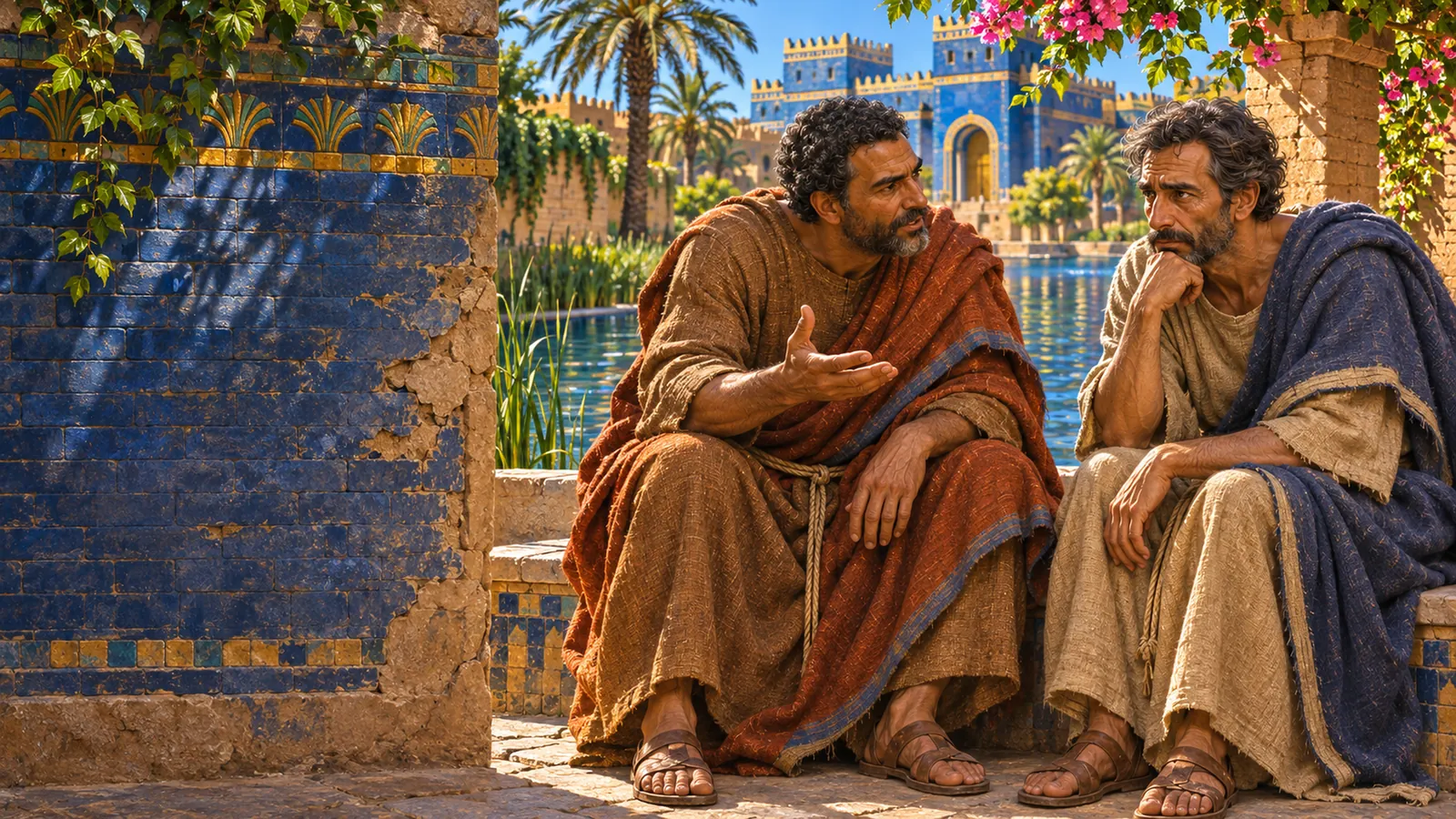
O amigo defende o conselho que deu. Diz que o companheiro deixou que palavras irrefletidas tomassem o lugar do bom senso. A linha sobre aquilo que ele deseja está incompleta.
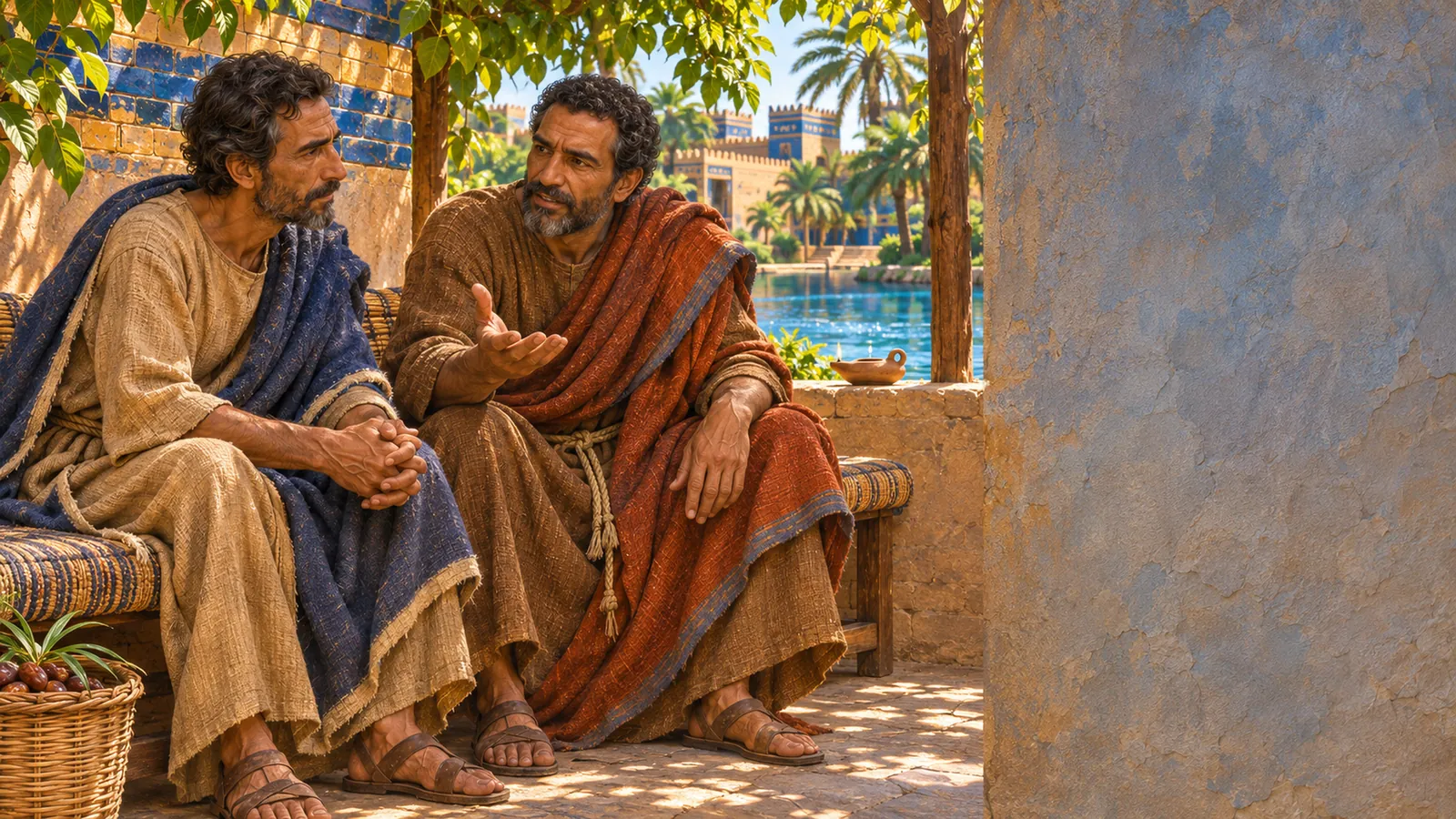
O amigo aconselha-o a rezar e a procurar o que é justo. A resposta está danificada, mas as palavras que restam falam de uma deusa que regressa quando a invocam e da clemência concedida.
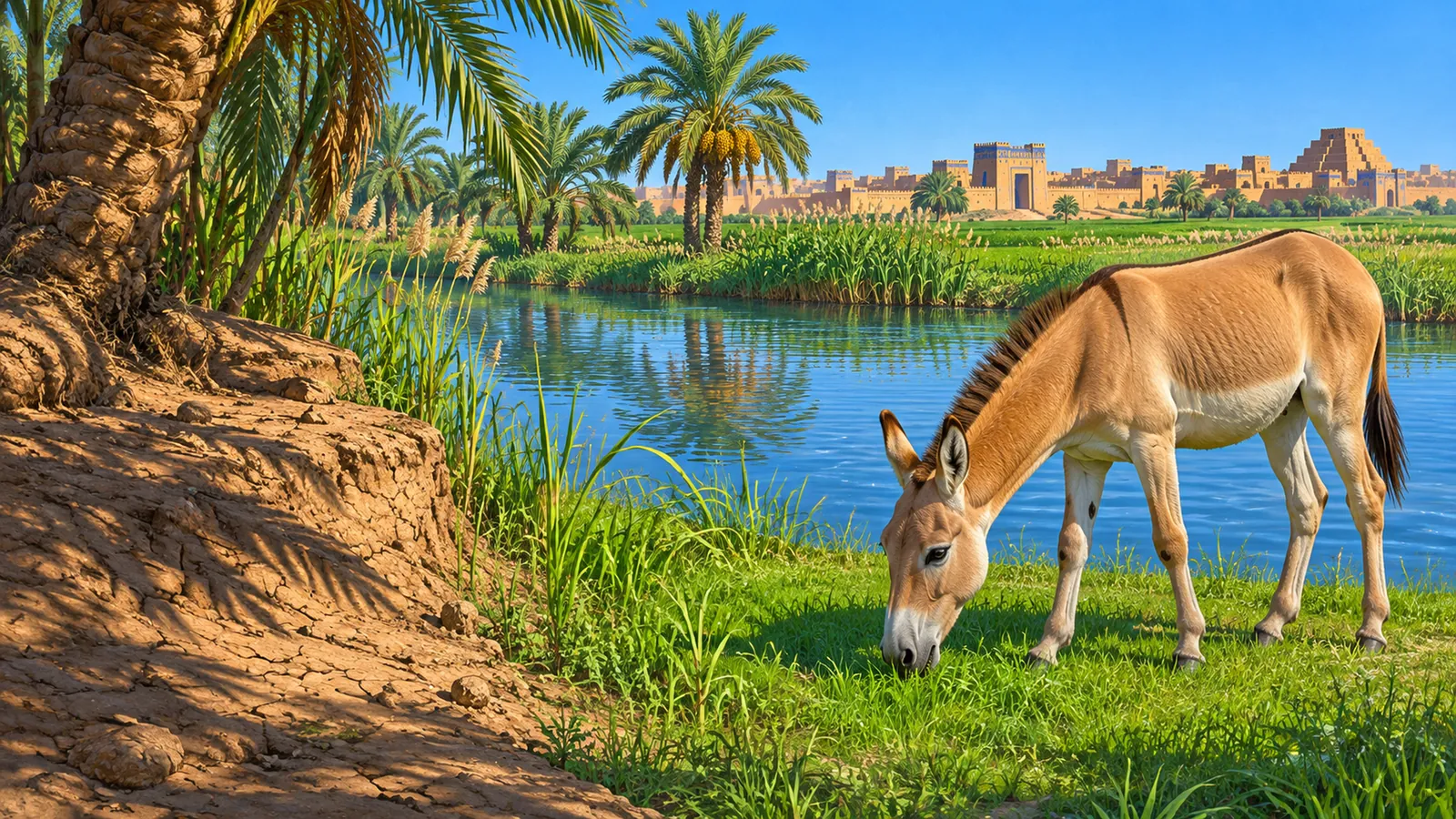
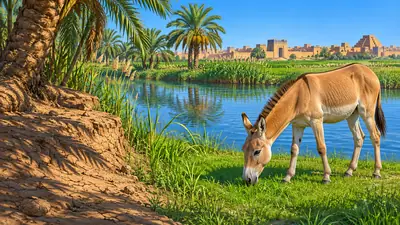
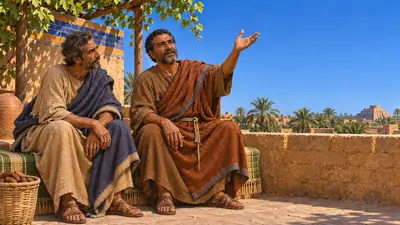
O homem diz que ouviu o conselho do amigo. Depois pergunta se o burro selvagem que se farta de erva dá atenção à sabedoria dos deuses.
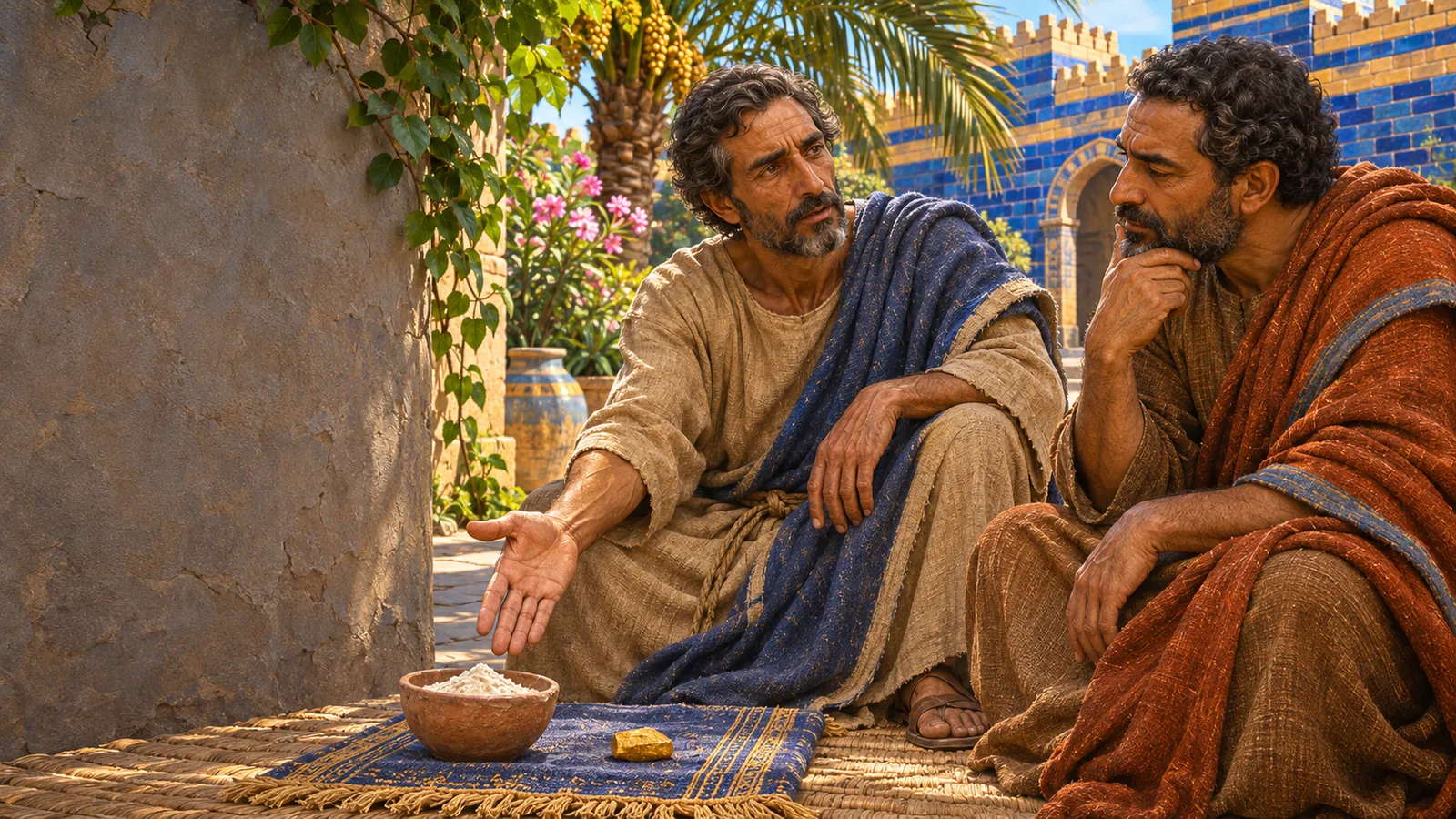
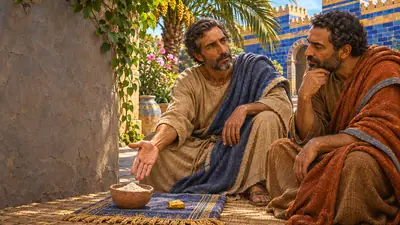
Pergunta se o leão alguma vez ofereceu farinha para apaziguar uma deusa, ou se o homem rico, cuja fortuna continua a crescer, alguma vez pesou ouro precioso para a deusa-mãe.
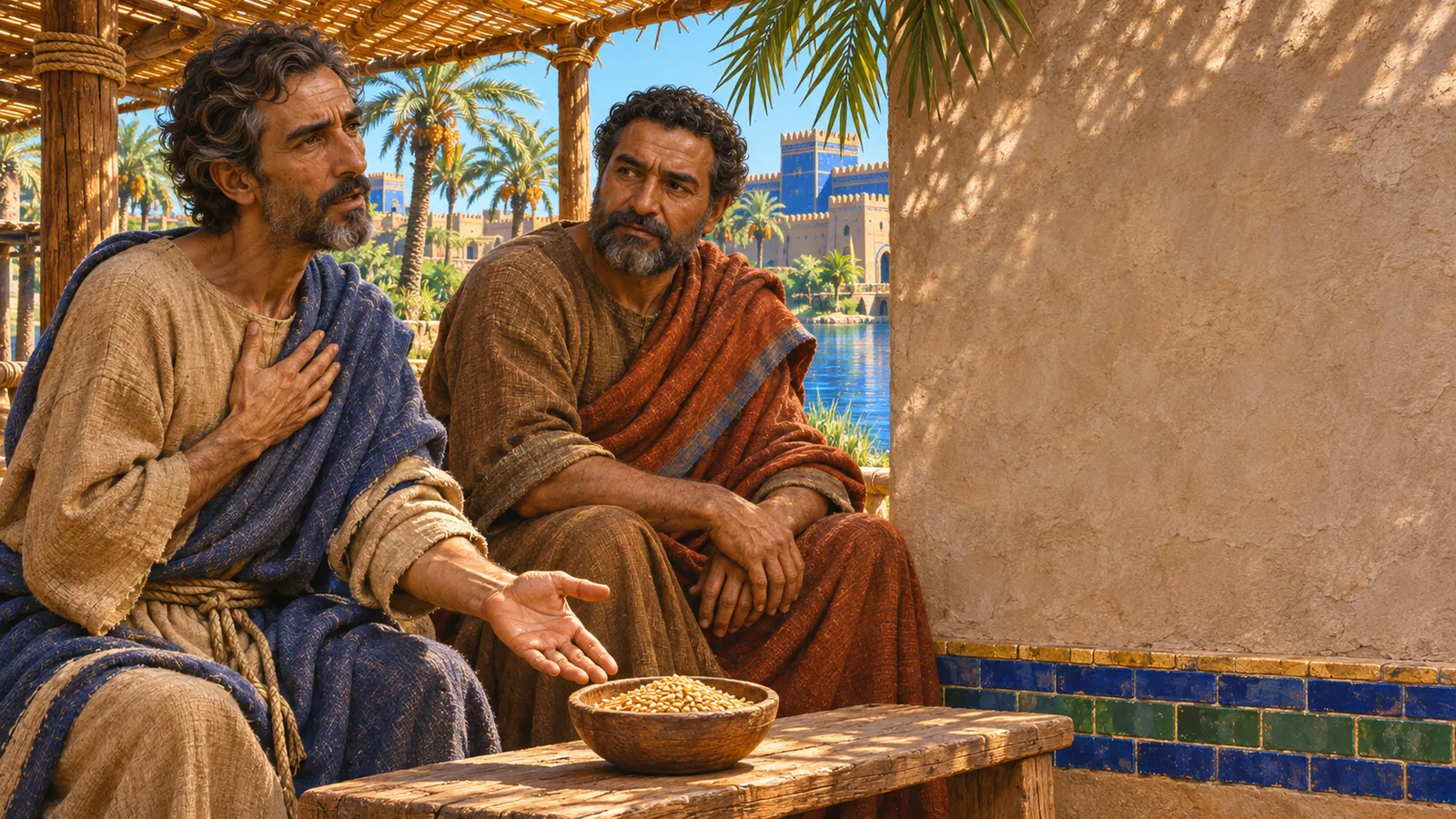
Volta a pergunta para si próprio. Alguma vez reteve uma oferenda ao seu deus ou faltou ao dever ao abençoar o sacrifício habitual para a sua deusa?
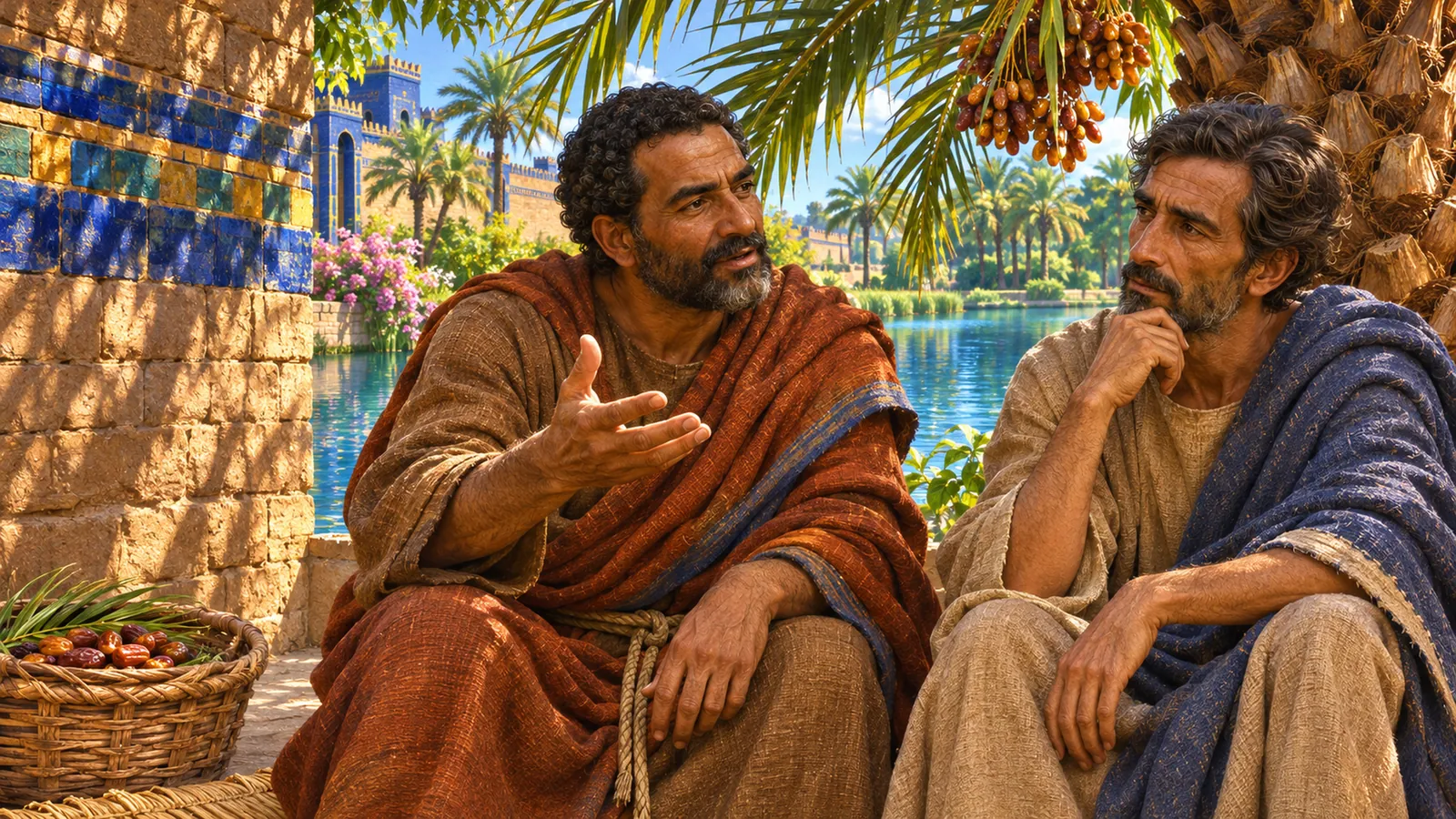
O amigo compara-o a uma tamareira que traz riqueza e chama-lhe uma joia de sabedoria. Depois diz que o raciocínio dos deuses ultrapassa o seu entendimento.
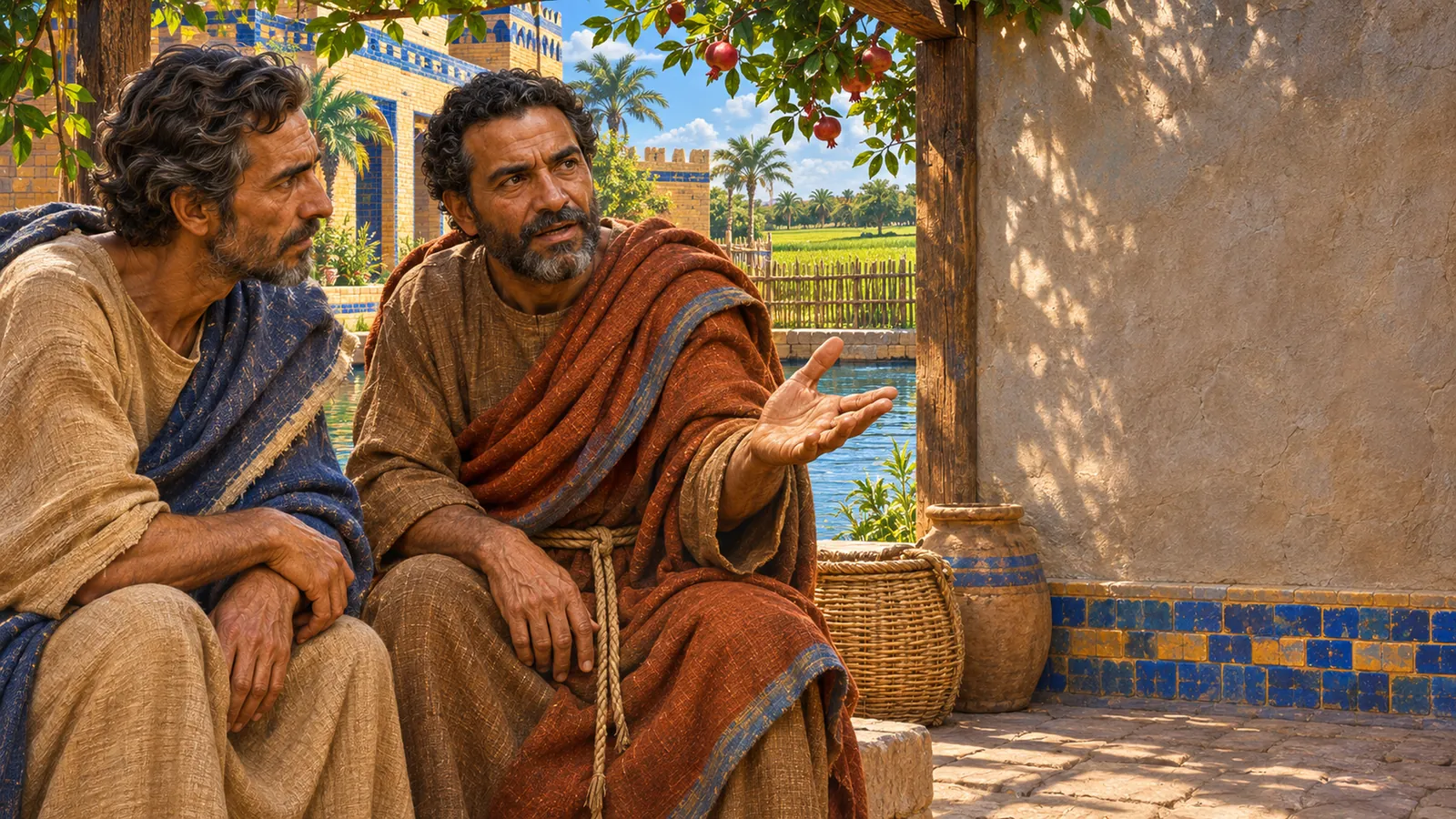
O amigo diz que uma flecha espera pelo burro selvagem. Uma cova espera pelo leão que atacou o gado. São esses os perigos que apresenta ao companheiro.
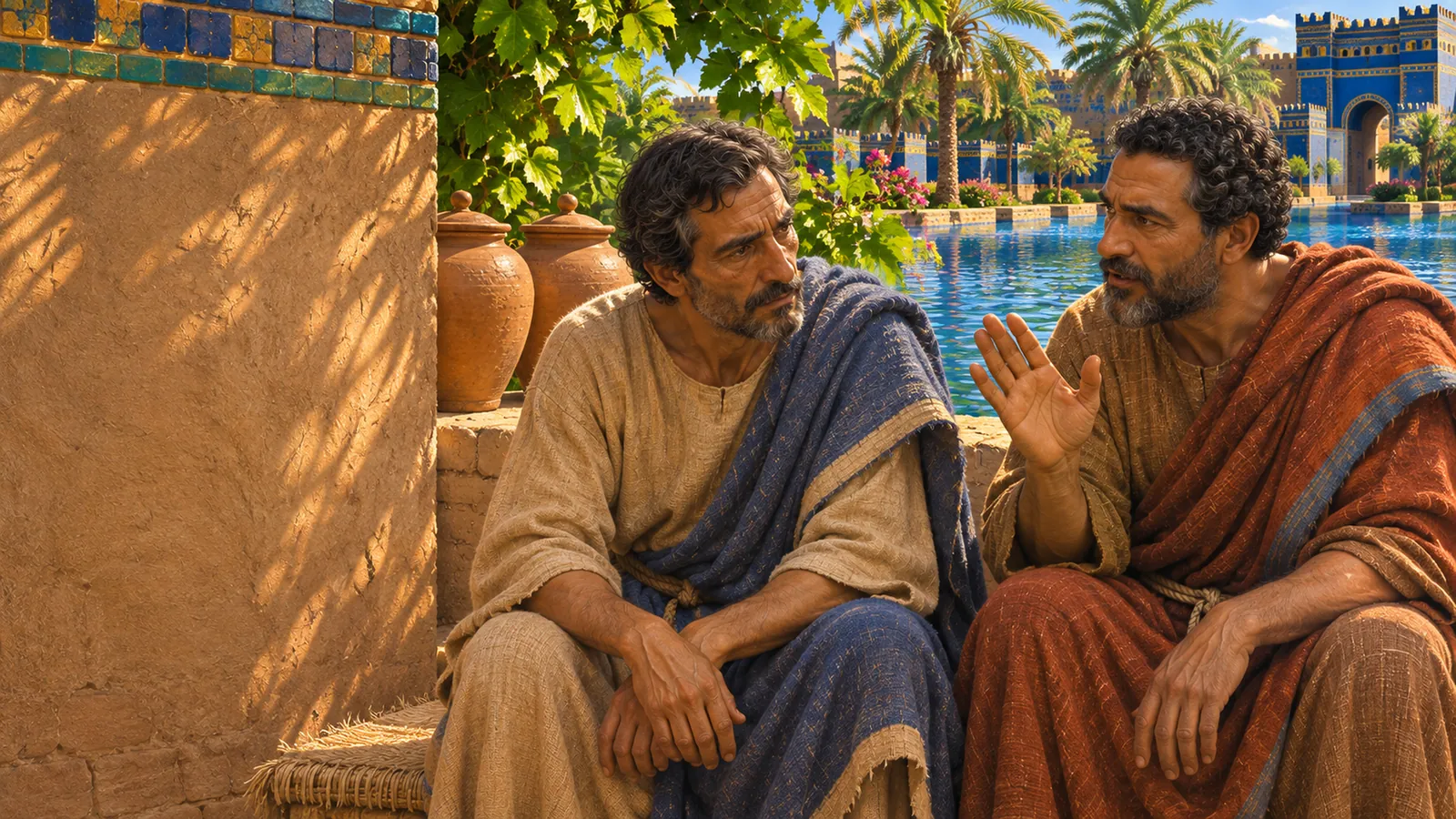
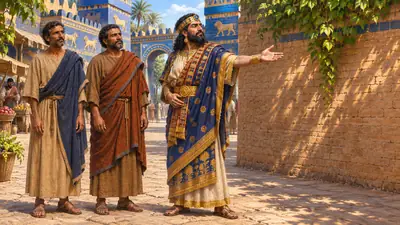
O amigo diz que um soberano lançará às chamas o rico que acumulou bens. Pergunta ao companheiro se quer partilhar esse destino e aconselha-o a procurar a recompensa da virtude.
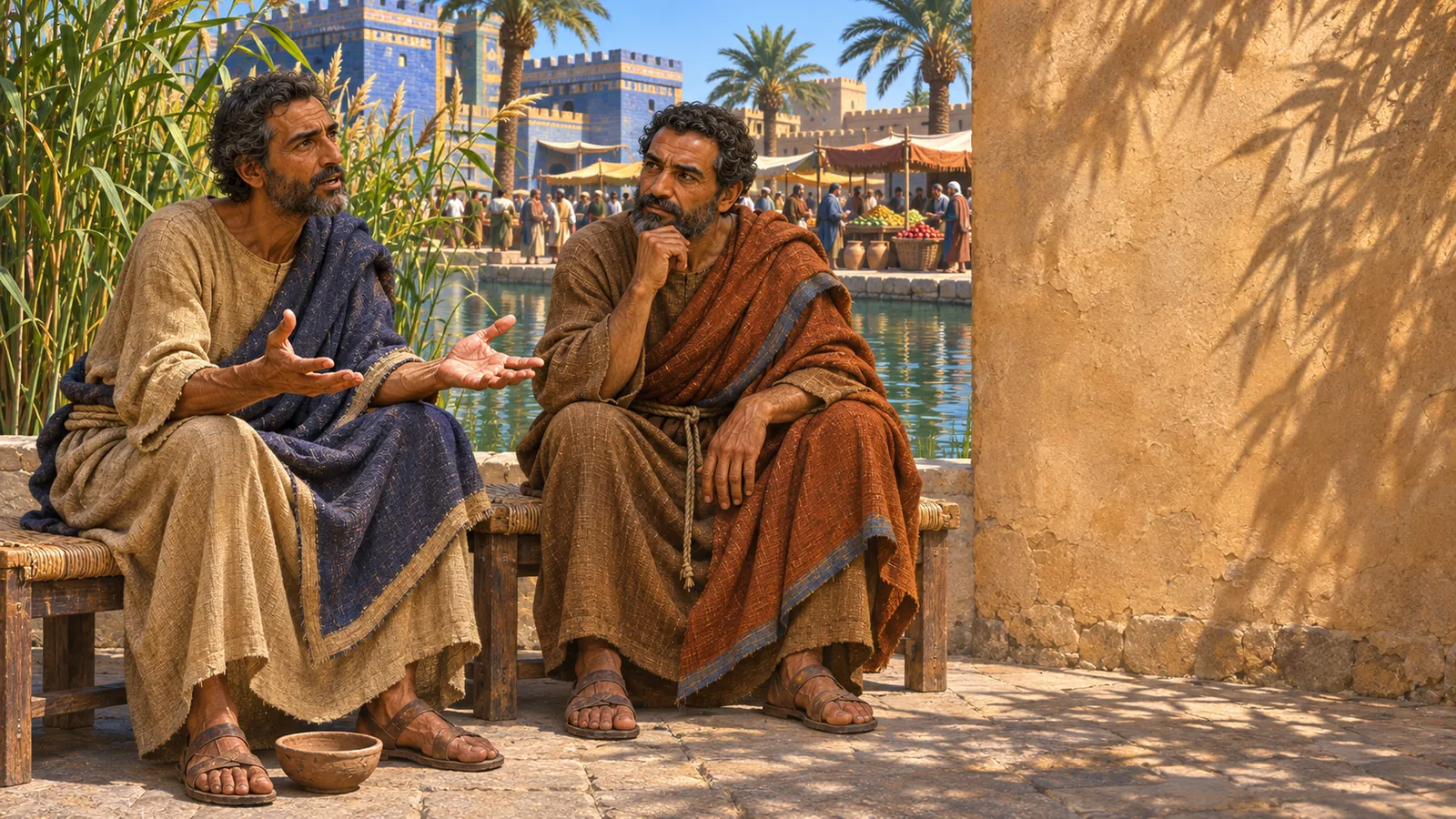
O homem compara o conselho do amigo a uma aragem fresca. Ainda assim, diz que quem deixa de procurar um deus por vezes prospera, enquanto quem reza a uma deusa pode cair na pobreza.
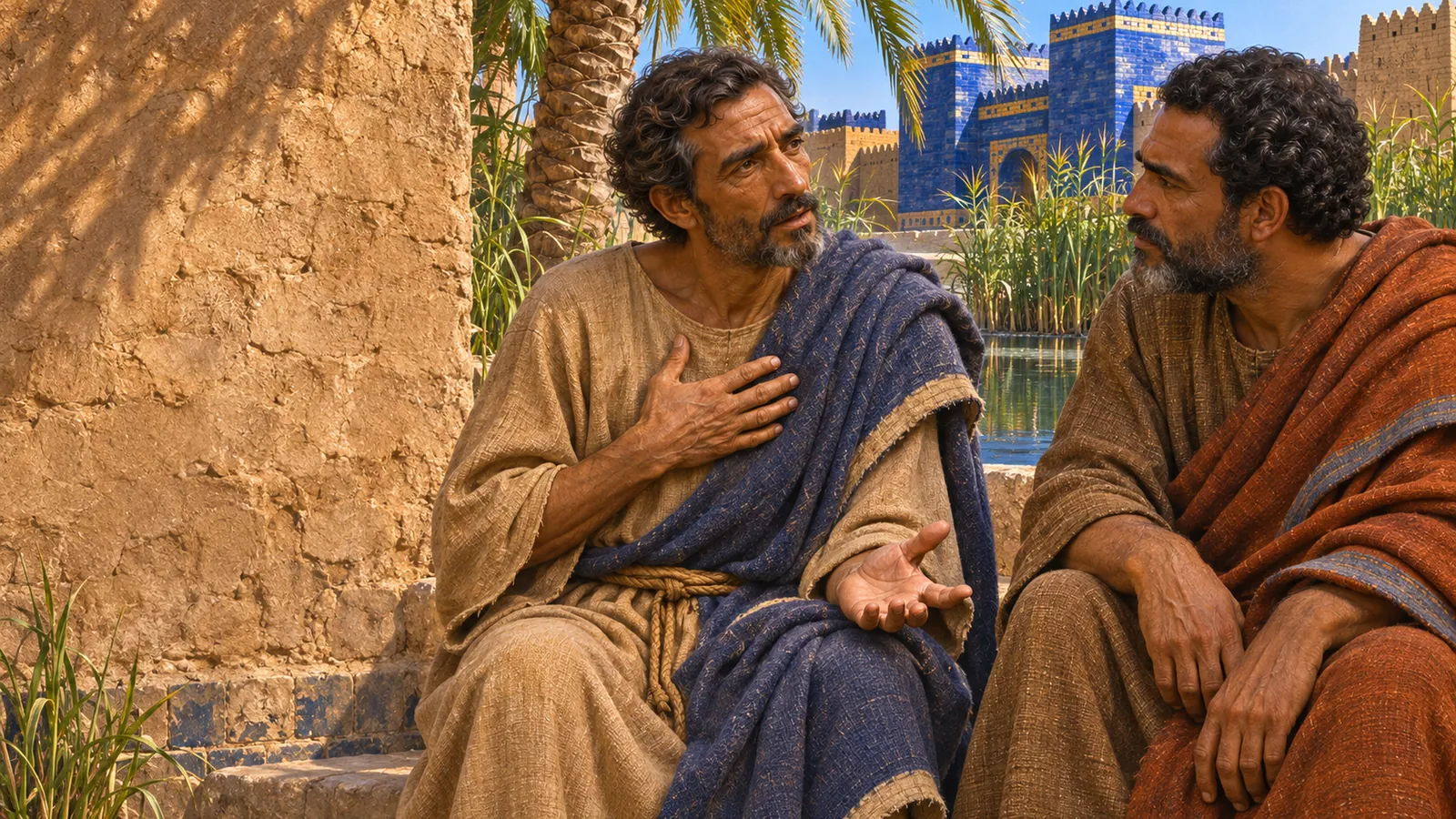
Na juventude, obedeceu ao seu deus e rezou à sua deusa. Diz que o deus lhe deu pobreza em vez de riqueza e que pessoas que julgava indignas passaram à sua frente.
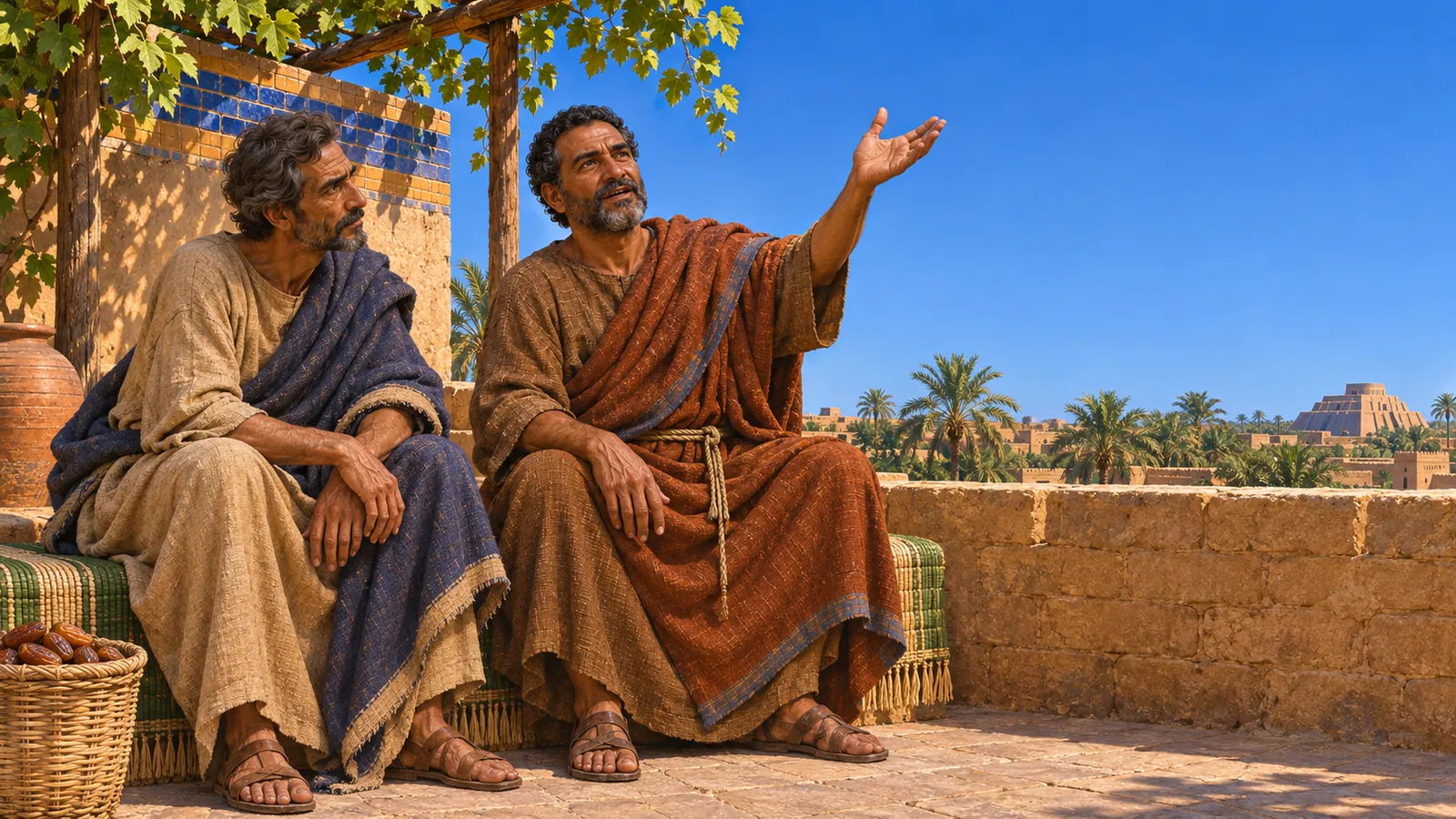
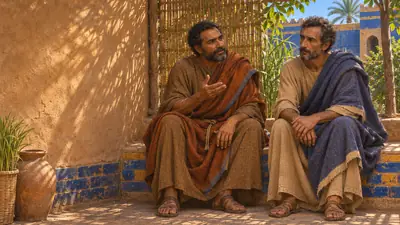
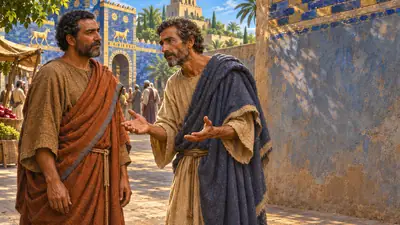
O amigo acusa-o de ter descurado as práticas devidas ao seu deus e à sua deusa. Diz que o desígnio de um deus fica tão longe como o mais recôndito do céu, e que não se ouve a ordem de uma deusa.
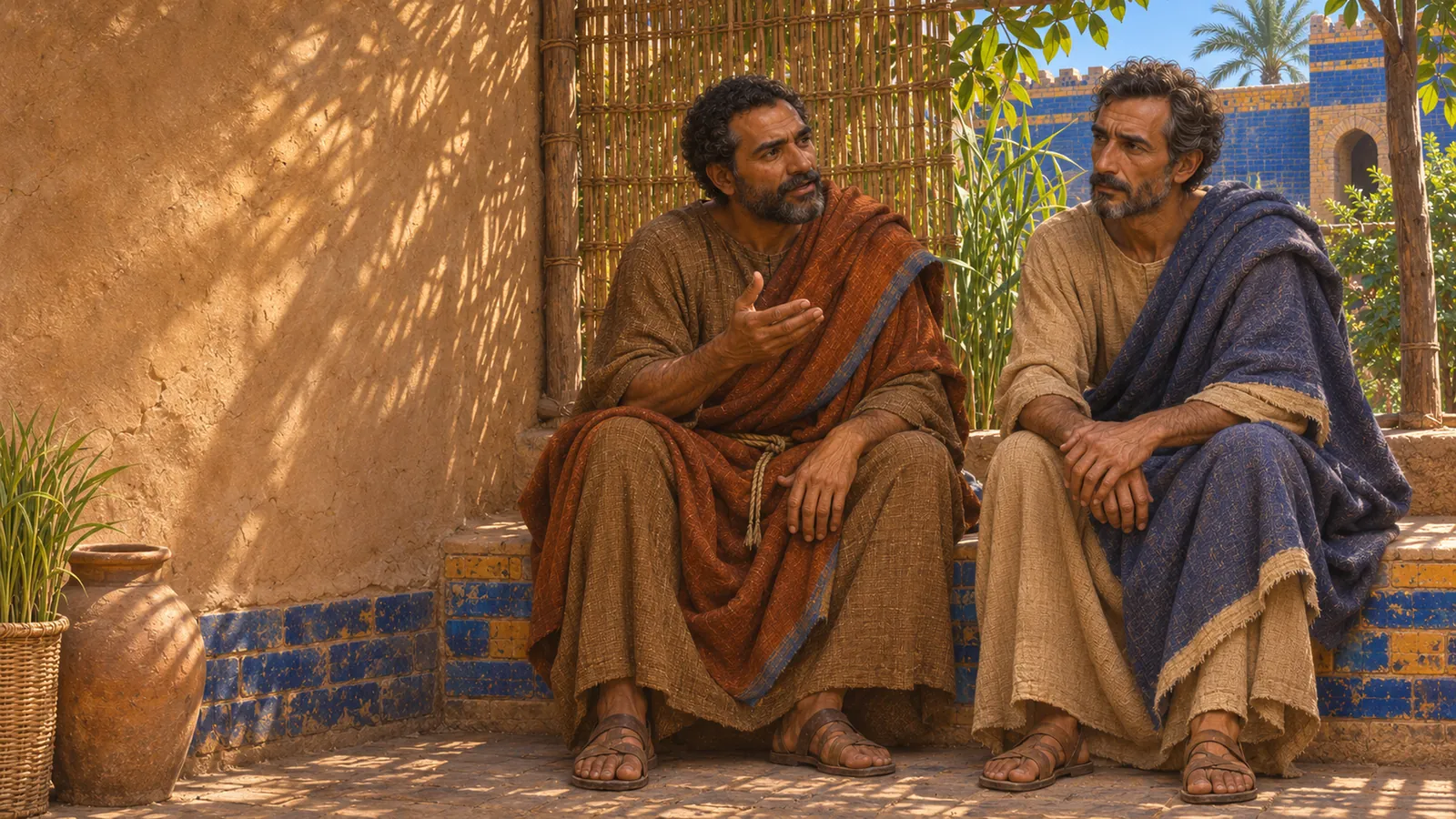
O amigo diz que as pessoas compreendem as regras de conduta. O resto da resposta conserva-se em fragmentos sobre o que as pessoas planeiam e sobre o ensino dos caminhos de uma deusa.
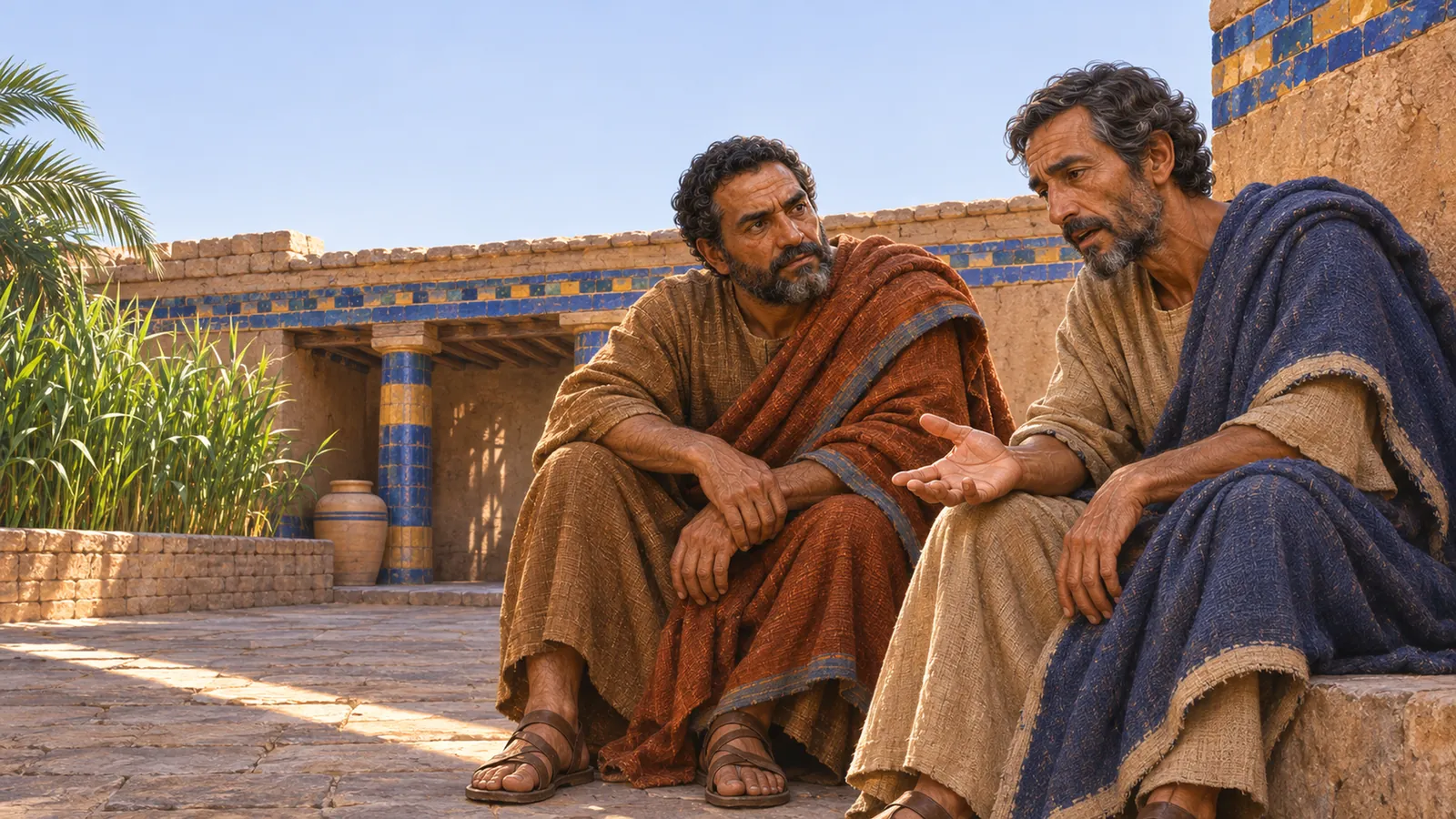
FRAGMENTOS
Da resposta do homem aflito restam palavras dispersas sobre o sono e os raios. Um fragmento menciona alguém morto pela mão de outra pessoa. As palavras perdidas deixam desconhecidos a vítima e o autor do ato.
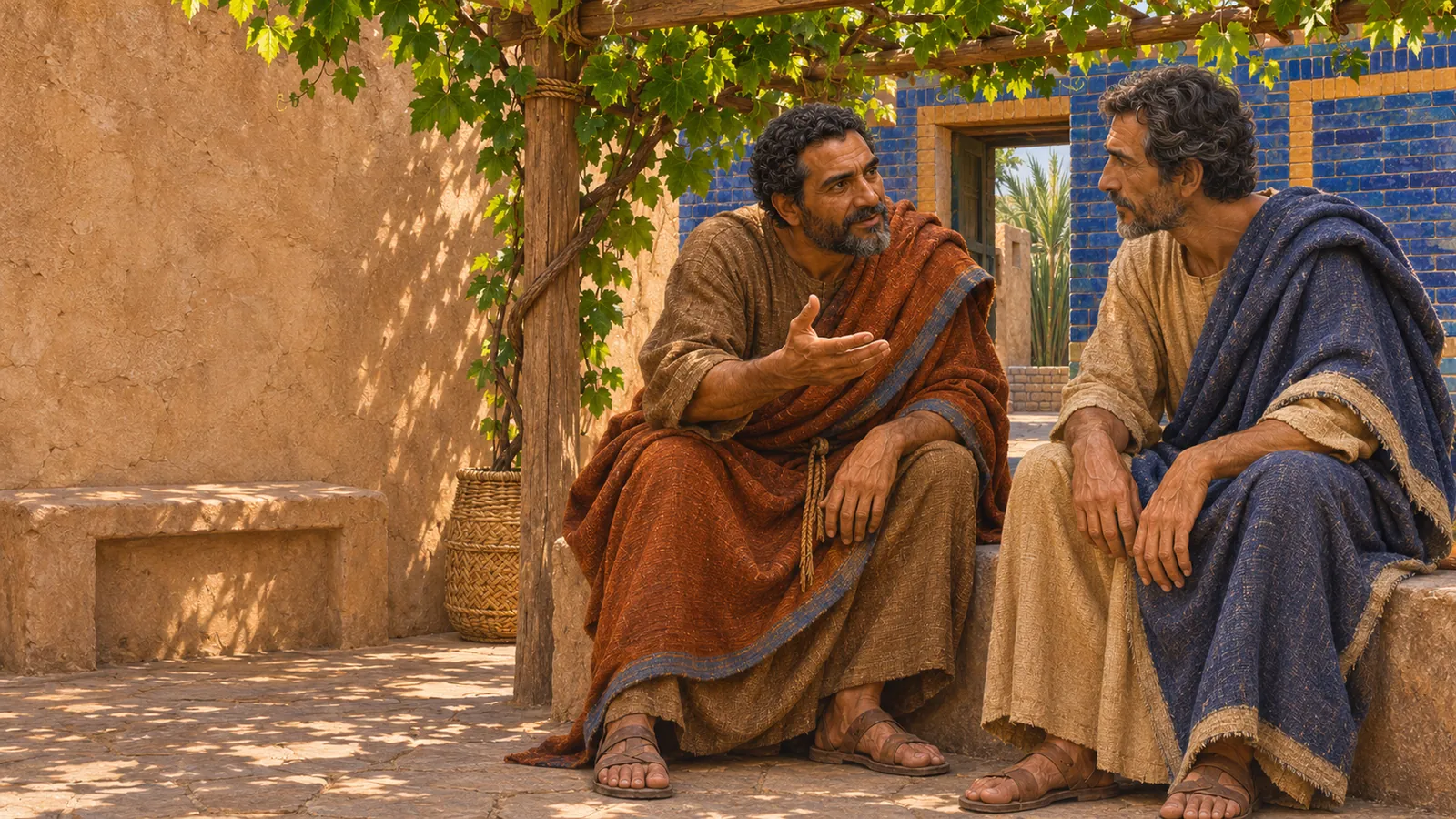
Só se consegue ler o início da resposta do amigo. Ele pede ao companheiro que preste atenção e olhe. As palavras que explicariam o que ele quer dizer estão danificadas.
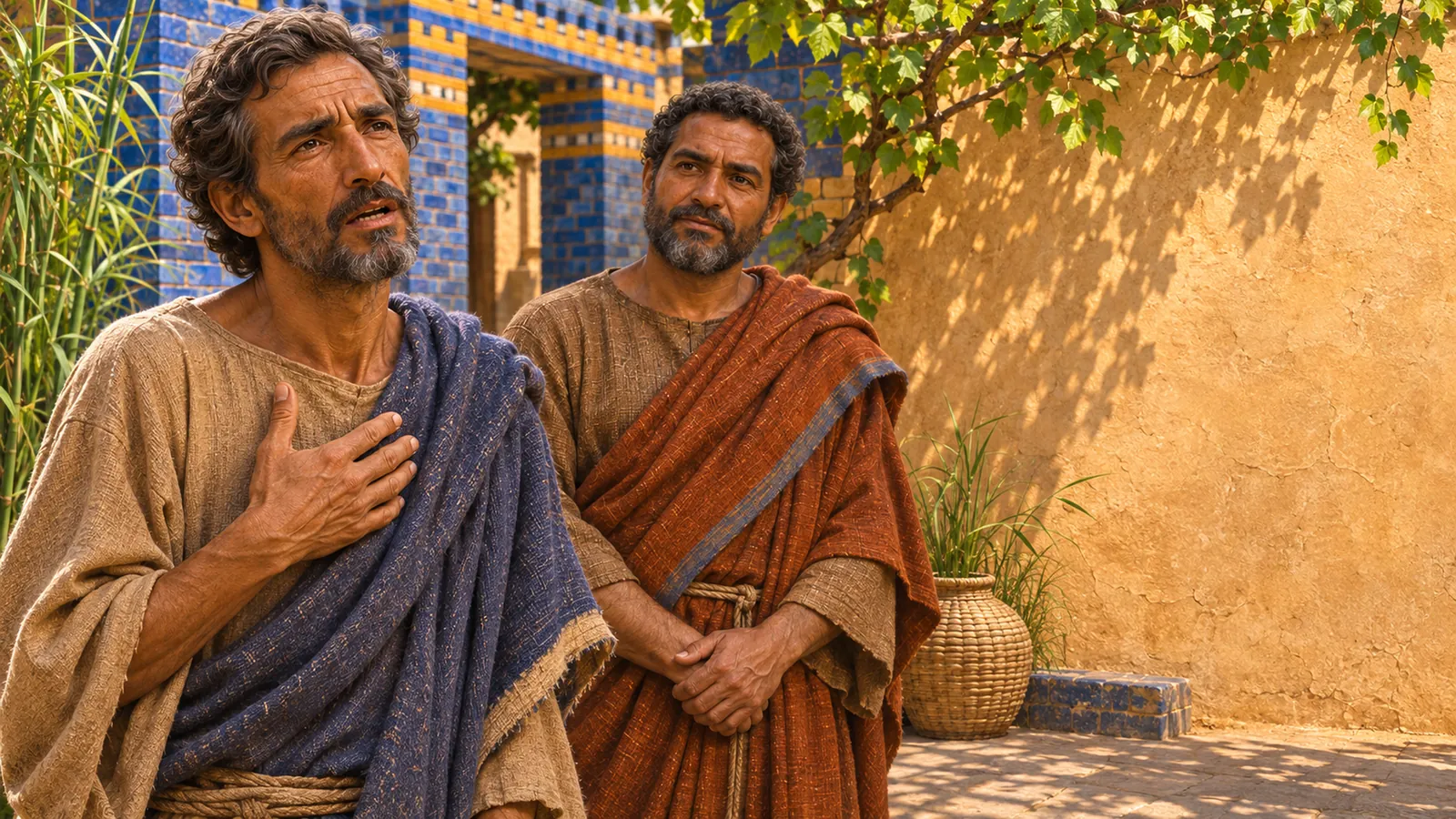
A fala seguinte do homem aflito perdeu-se quase por completo. Perto do fim, a edição lê a palavra «comigo» numa linha danificada.
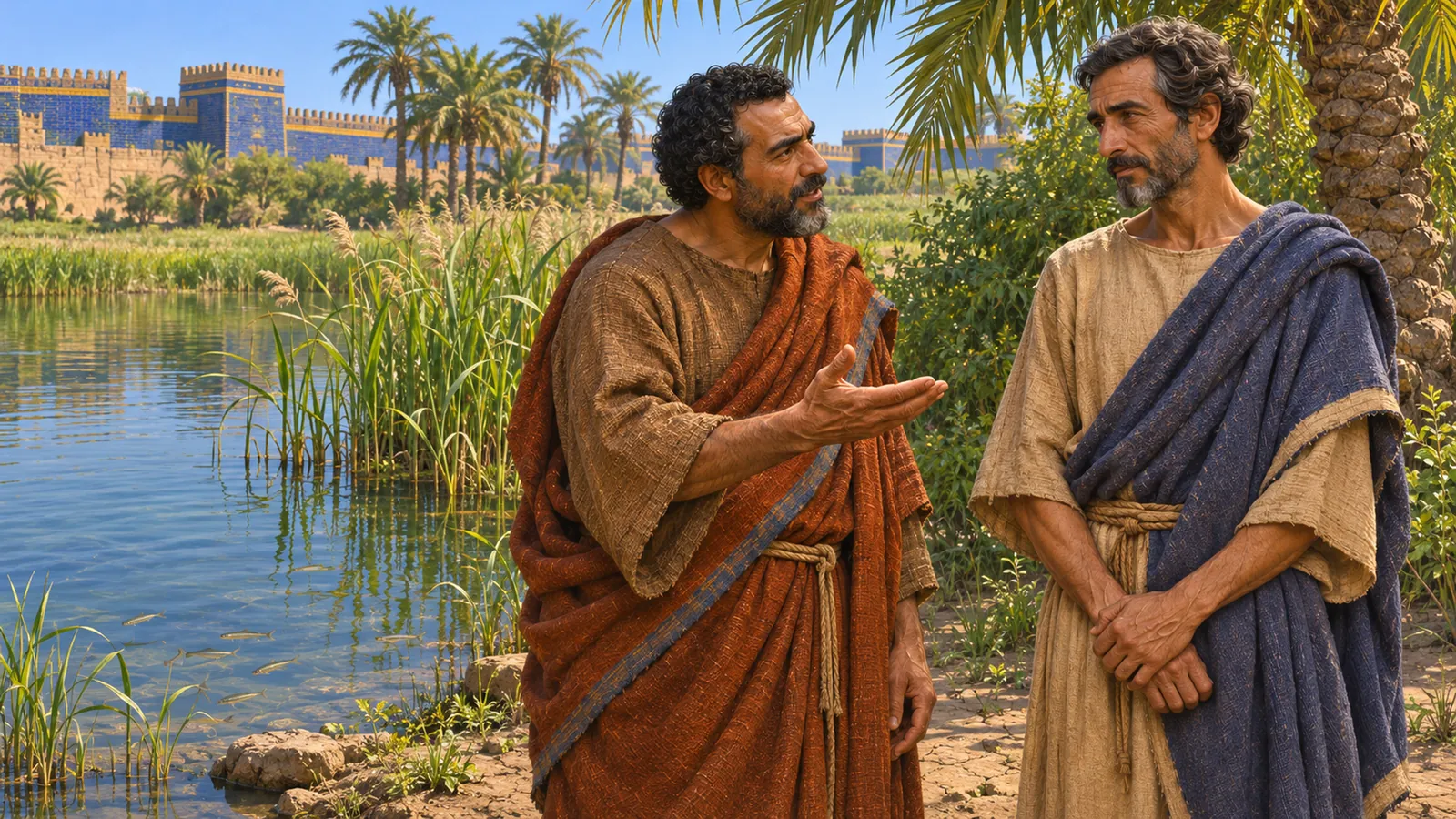
O amigo dirige-se ao companheiro e parece censurar seu raciocínio. Outras frases fragmentárias mencionam um peixe do pântano e um dorso quebrado. Perdeu-se a ligação entre esses trechos.
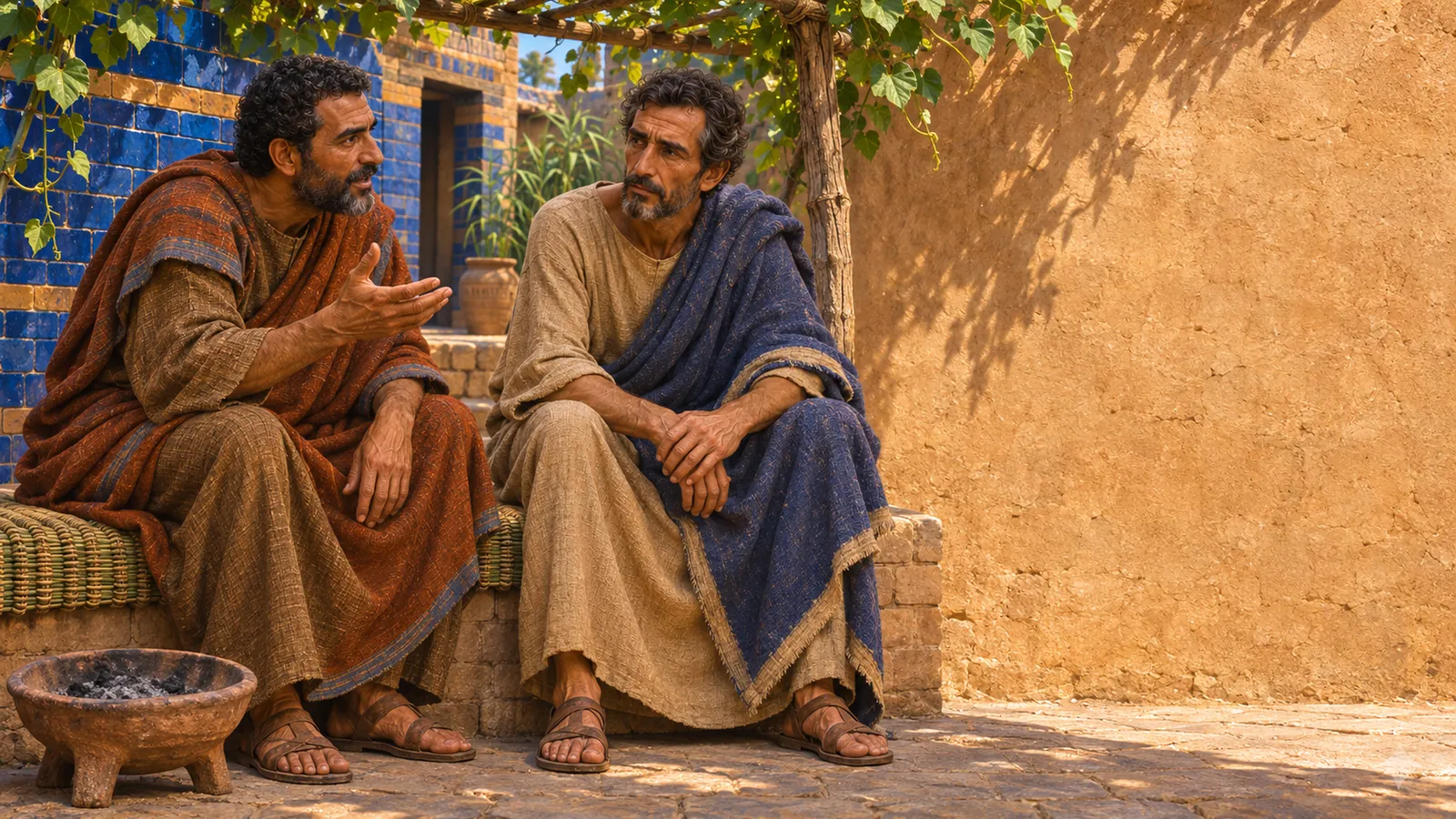
Em fragmentos de sua fala, o amigo menciona um fogo apagado, um descendente esmagado e gente dispersada. As linhas danificadas seguintes mencionam uma parteira e uma voz que diz ter dado ouvidos ao seu deus.
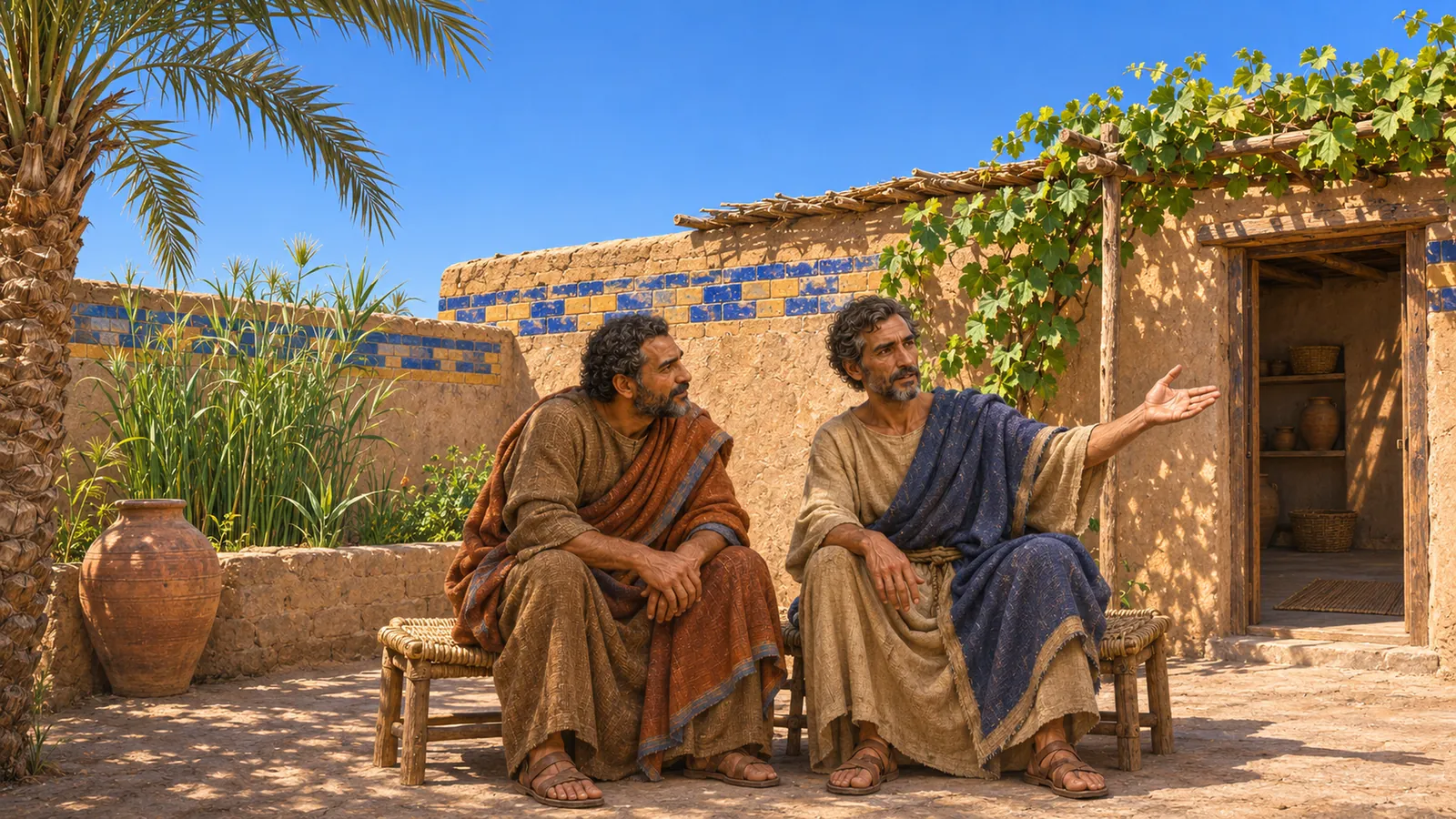
PARTIDA
O homem aflito diz que deixará sua casa e não buscará bens. Diz que deixará de observar os ritos de seu deus e abaterá um bezerro.
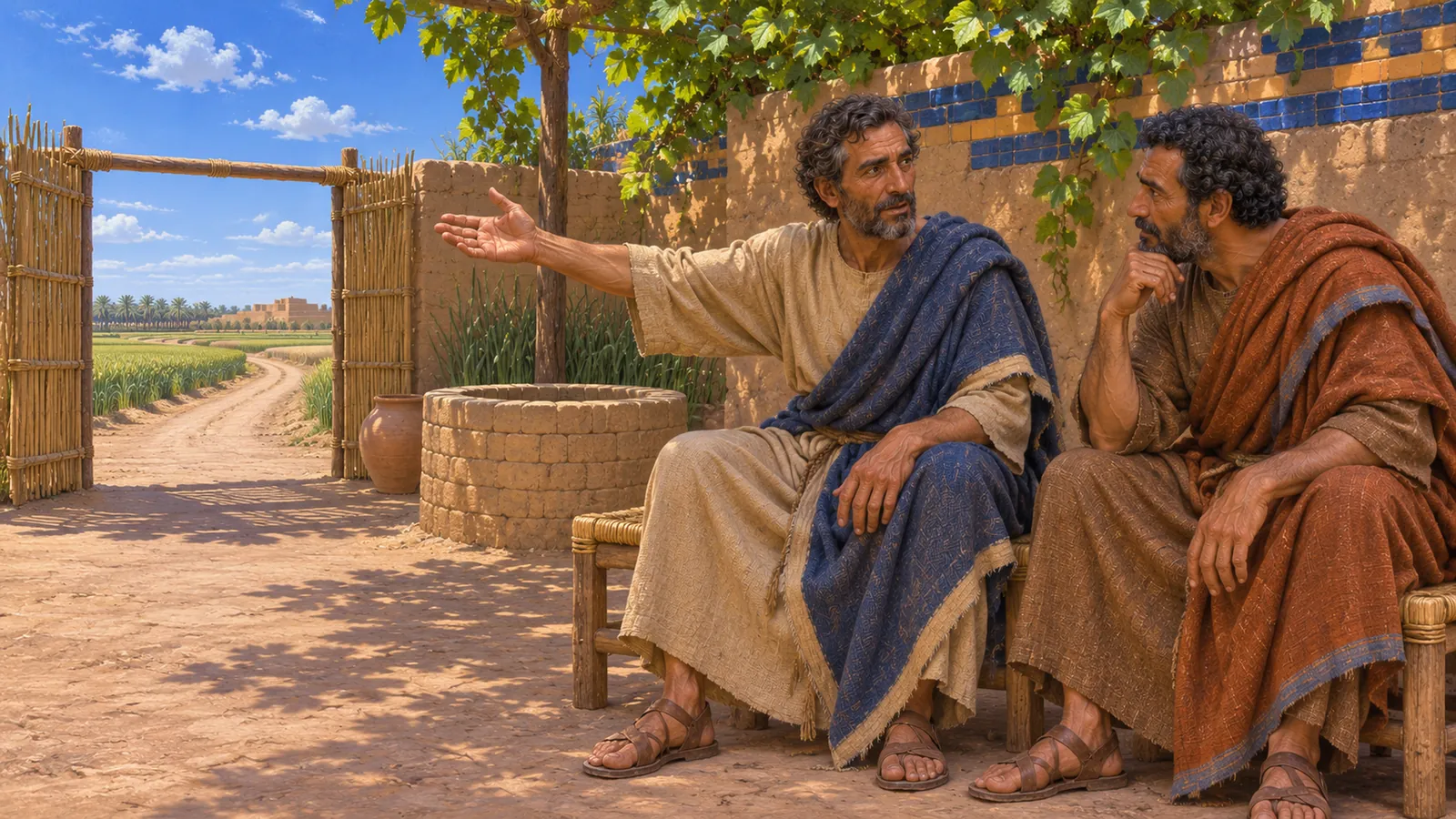
Ele diz que seguirá viagem e aprenderá a encontrar o caminho em lugares distantes. Abrirá um poço, deixará a água correr e vagará ao ar livre como um fugitivo.
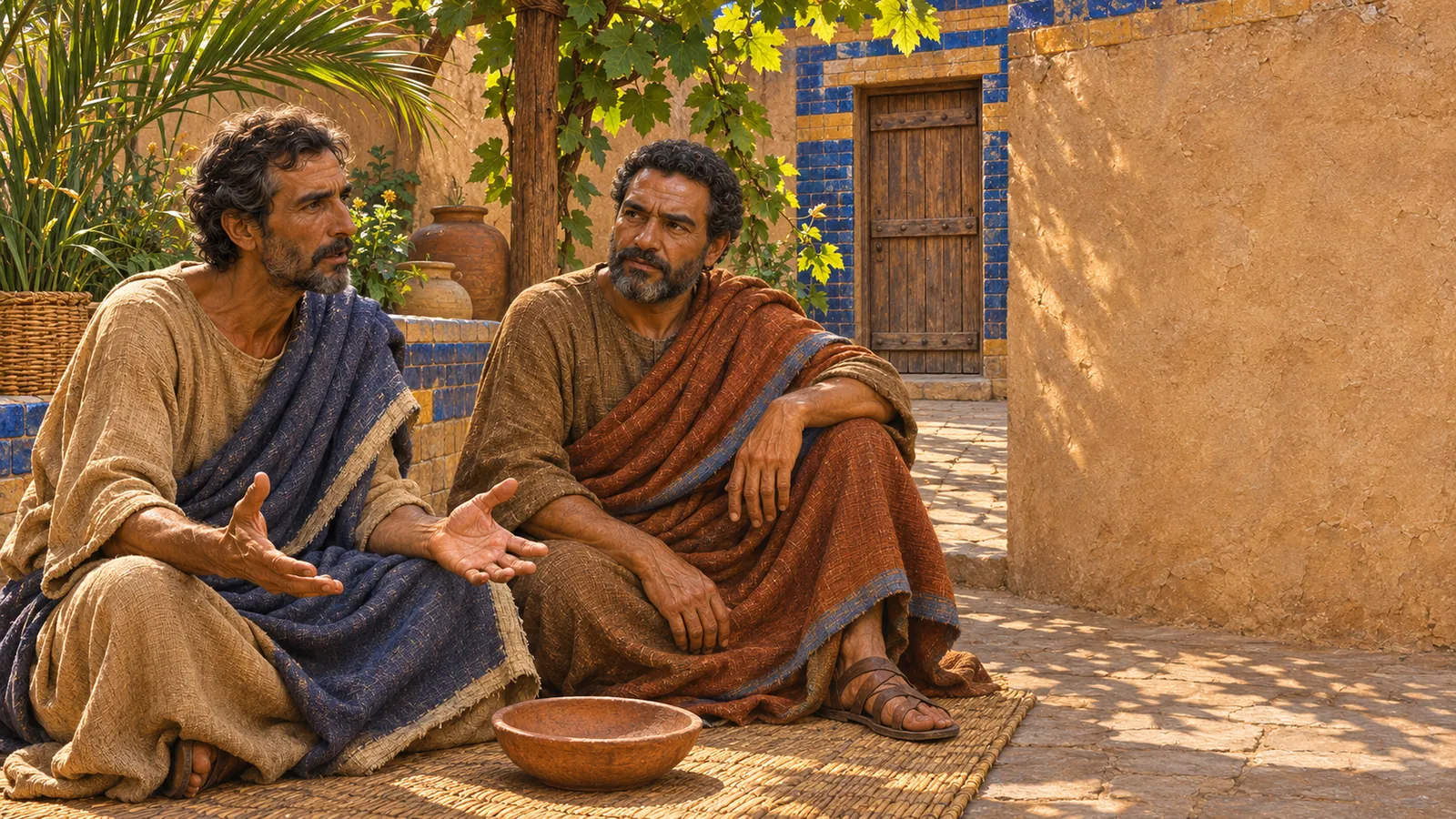
Ele diz que a fome o levará a entrar à força de casa em casa e a vagar pelas ruas. As últimas palavras, danificadas, põem a boa sorte longe e se interrompem quando ele fala de seu destino.
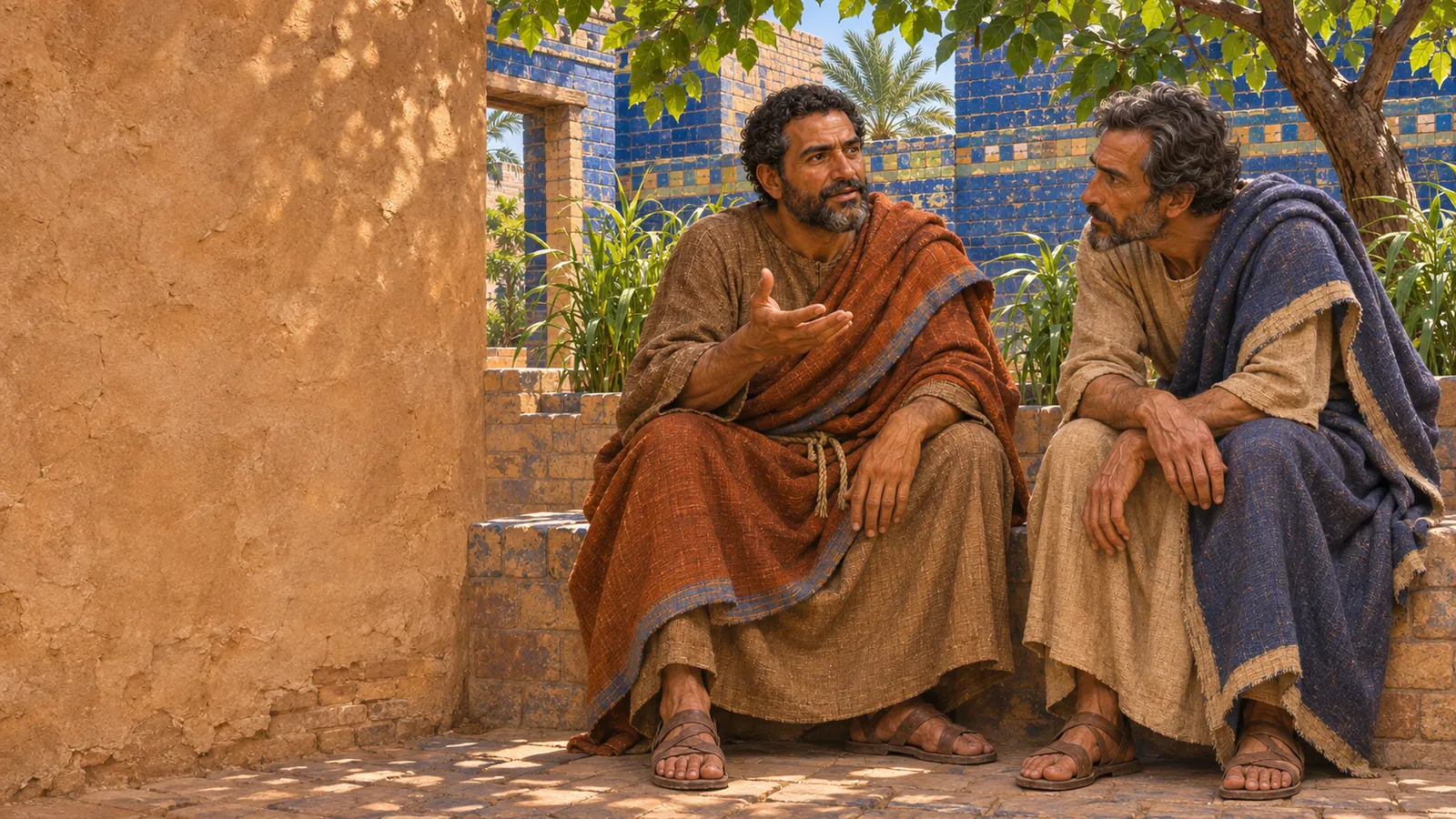
O amigo responde à resolução do homem aflito e parece pôr em dúvida seu juízo. Linhas fragmentárias mencionam a humanidade e uma parteira. Grande parte da resposta se perdeu.
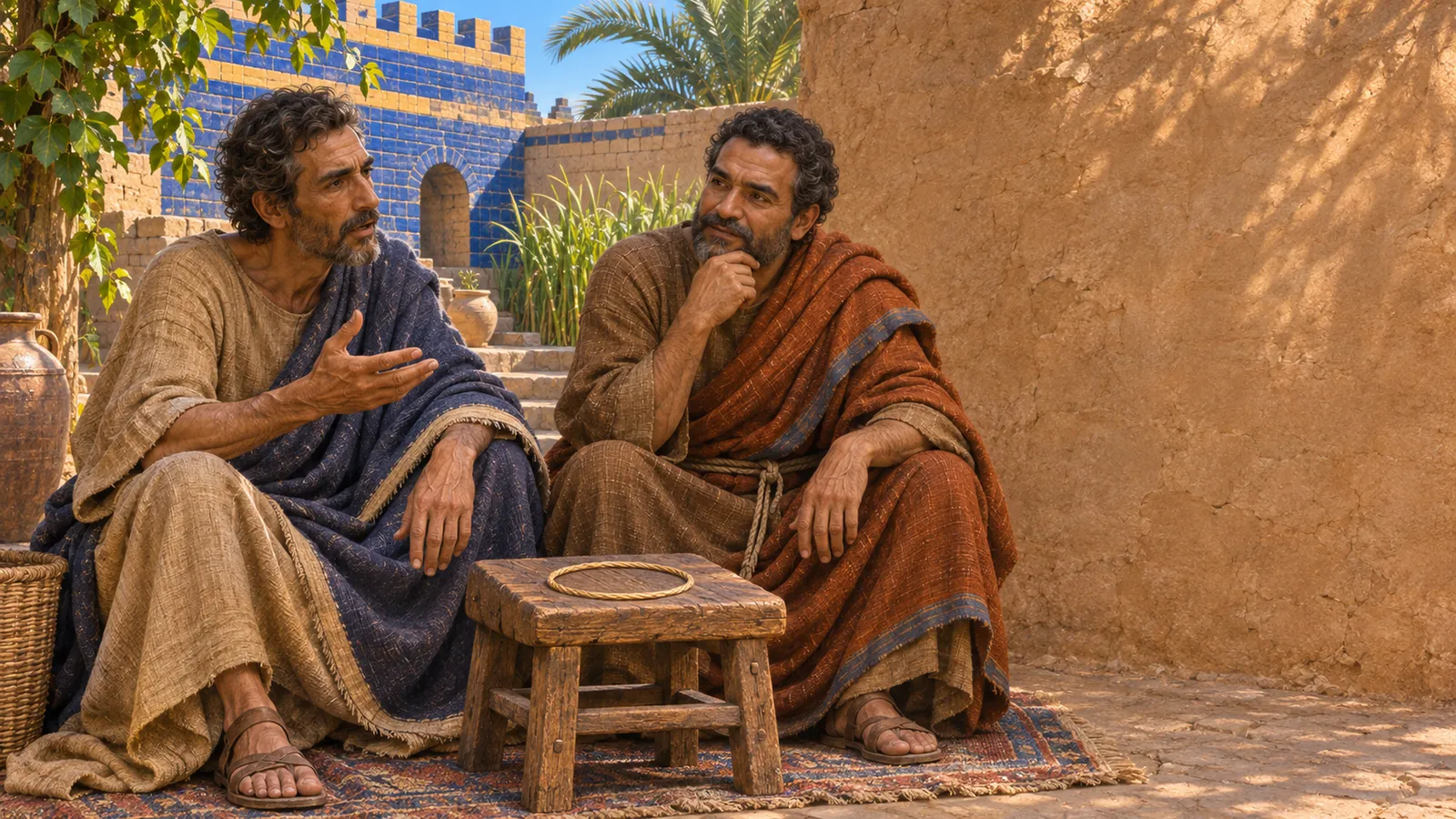
Uma frase restaurada descreve uma filha que mente para a mãe. O homem aflito também fala de um caçador de aves que cai na própria armadilha.
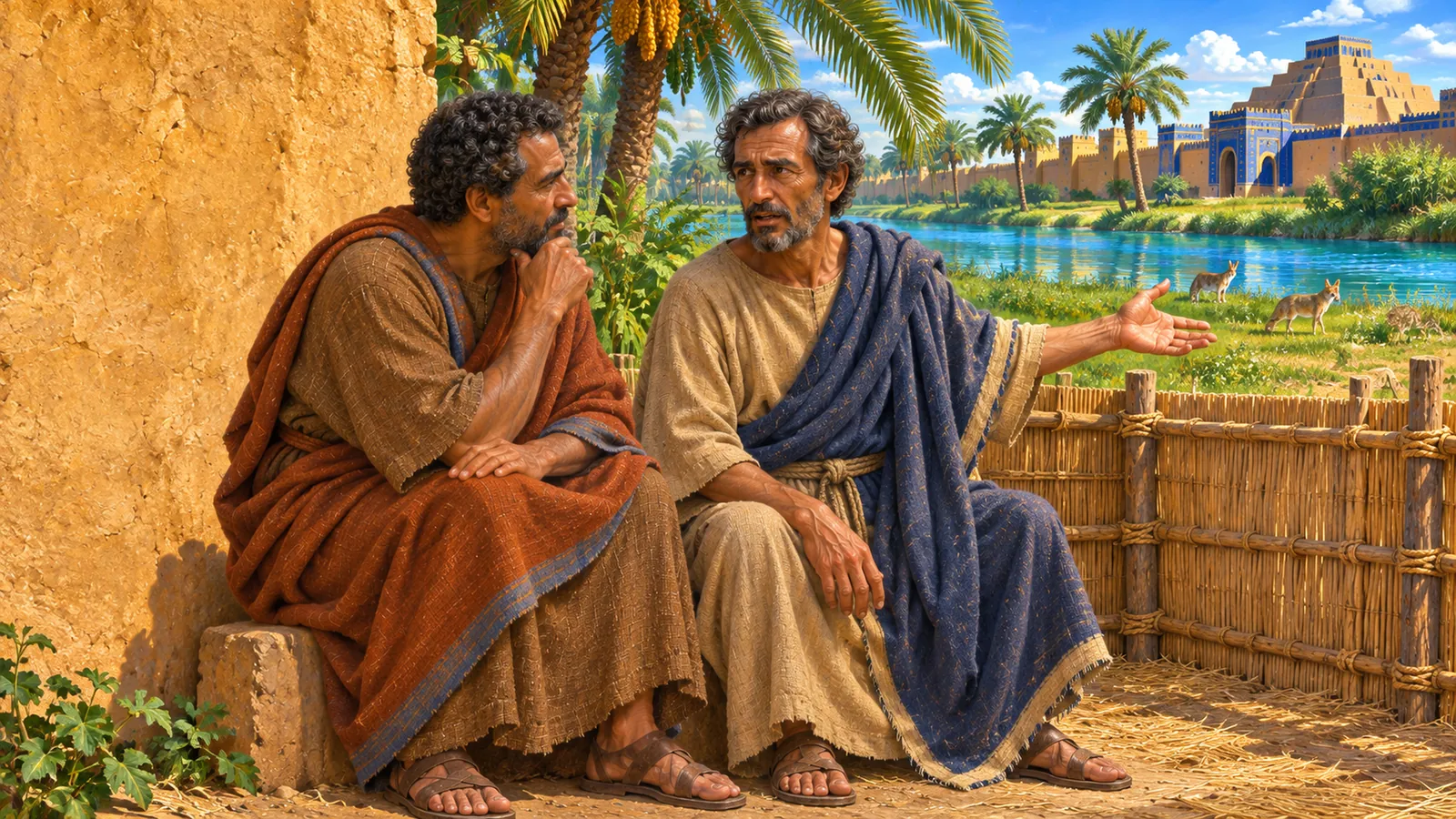
Criaturas selvagens aparecem numa linha fragmentária sobre um curral. Depois o homem aflito pergunta por um filho e uma filha e pelo que poderia deixar para trás. Suas palavras se interrompem.
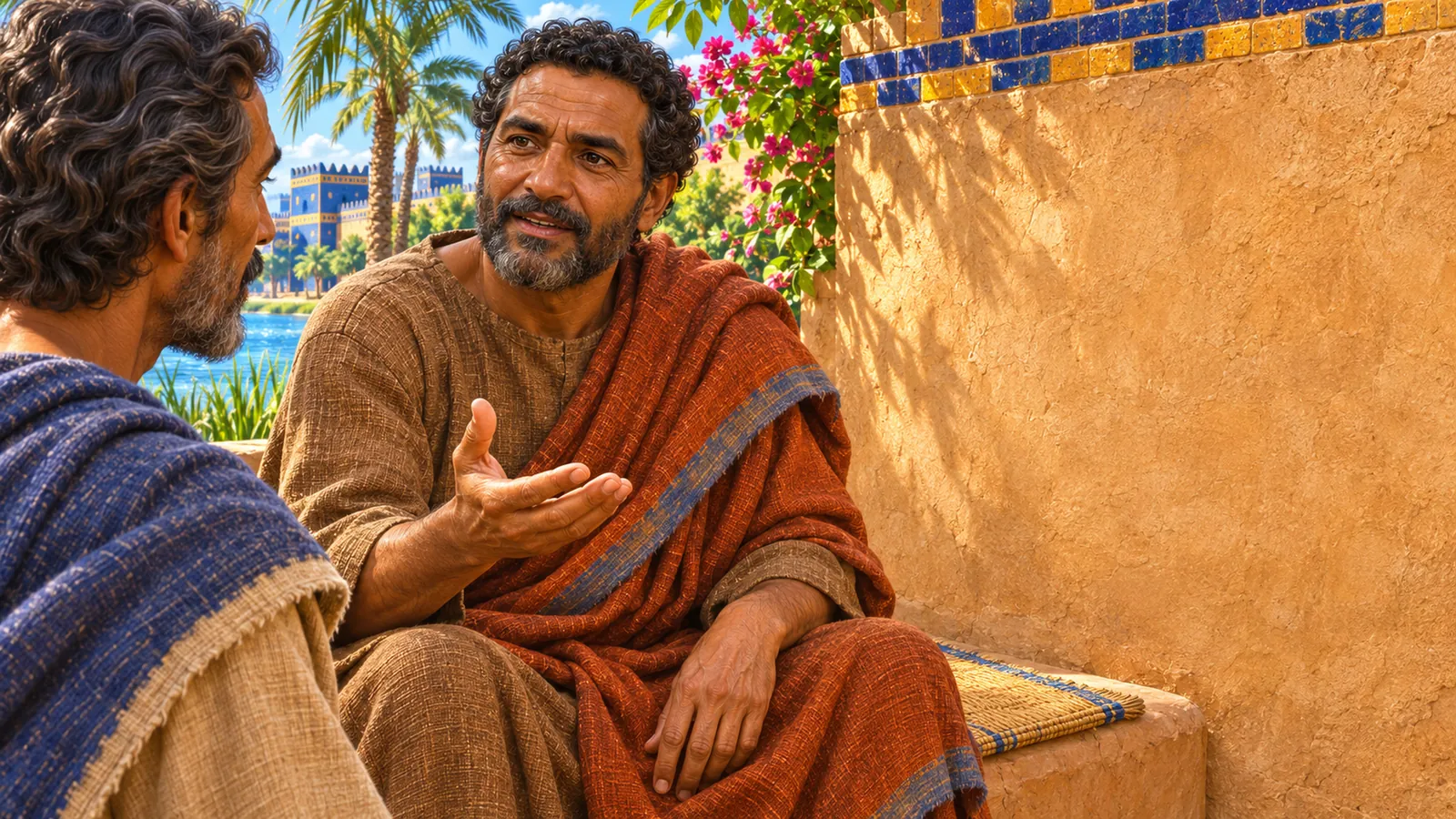
O amigo chama seu companheiro de modesto e fala de sua disposição para escutar. As linhas seguintes guardam apenas fragmentos sobre sentimentos, palavras e movimento.
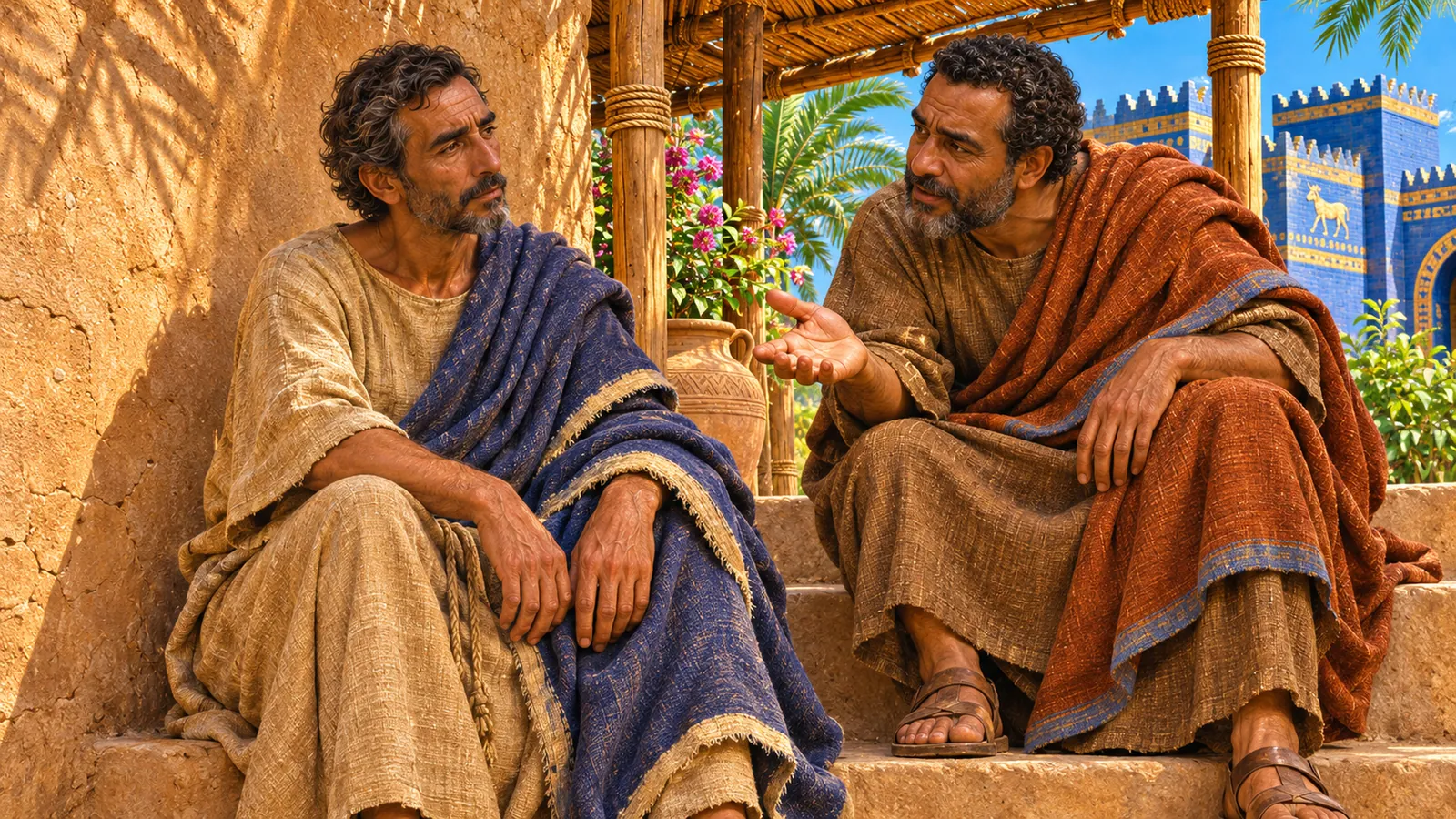
O amigo pergunta ao homem aflito em quem depositou sua confiança quando chegou à velhice. O restante se interrompe em vários pontos e conserva uma referência a sucessores.
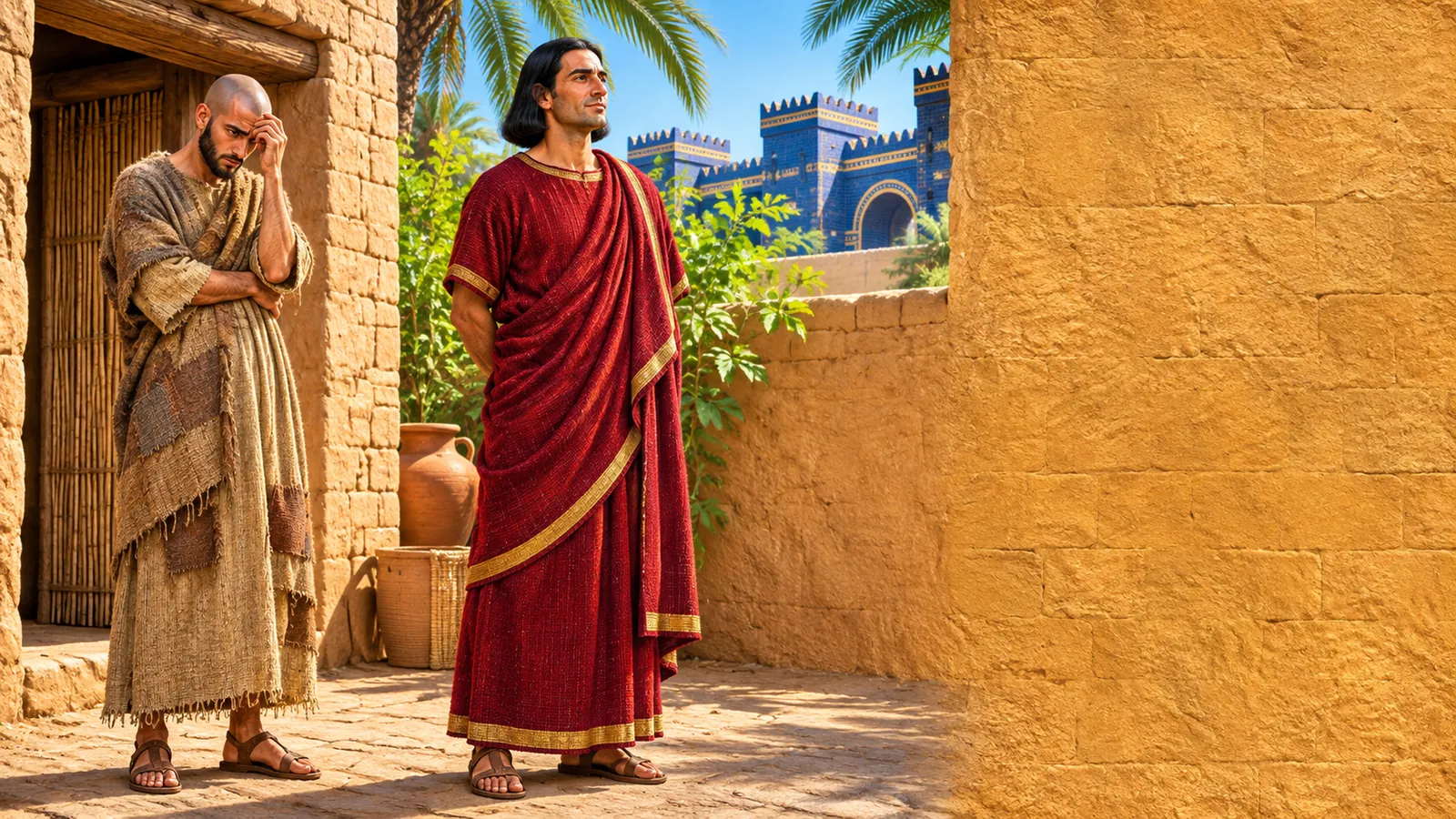
O homem aflito pergunta quem, entre os sábios, poderia aconselhar seu amigo. Depois de um trecho fragmentário, contrapõe um filho de rei em farrapos ao filho de um pobre em roupas finas.
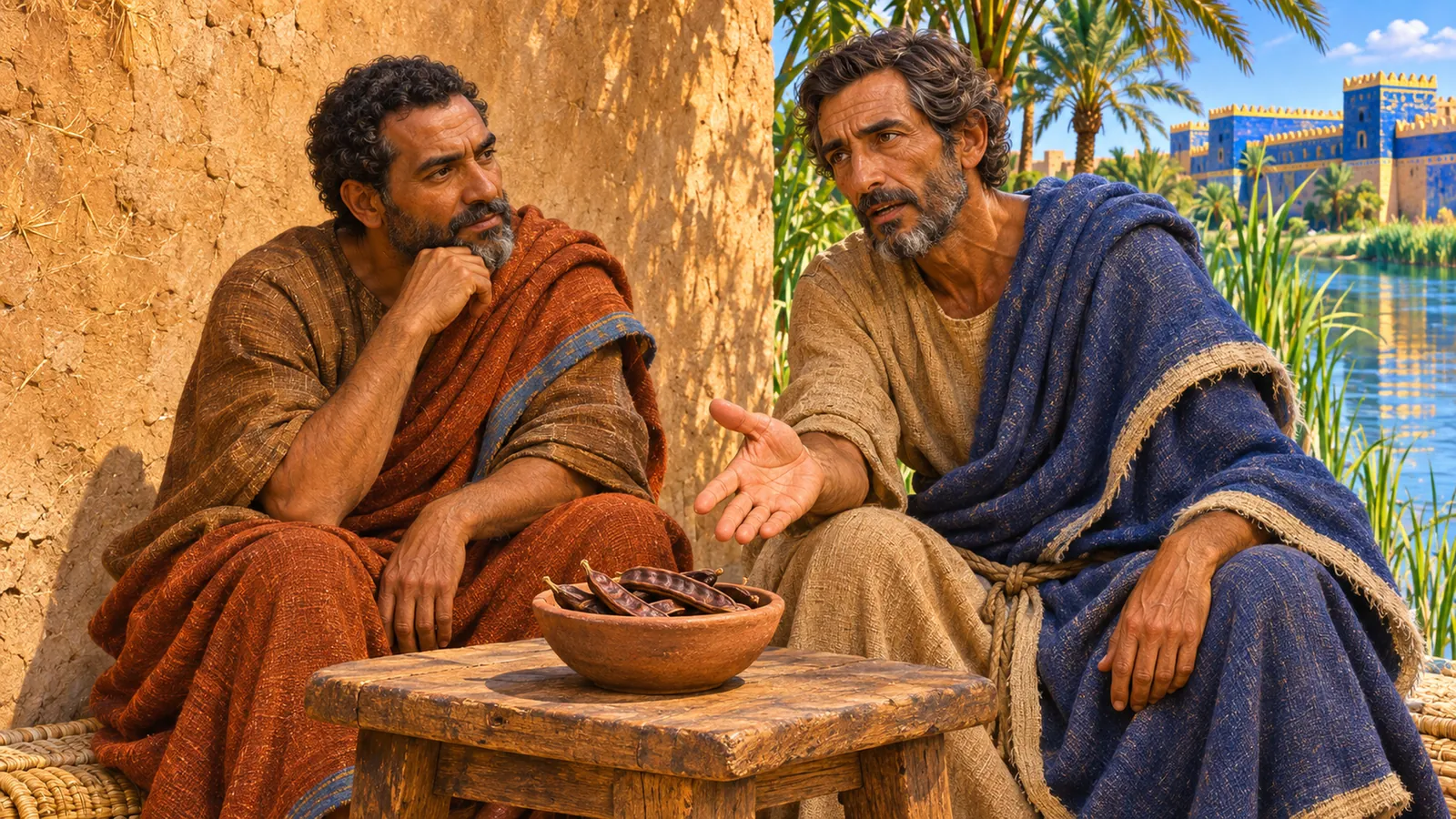
Um malteiro exige pagamento em ouro, enquanto um homem que antes contava ouro carrega uma dívida. Quem vivia de verduras come num banquete principesco, o filho de um rico só come alfarroba e um homem de posses perde seus bens.
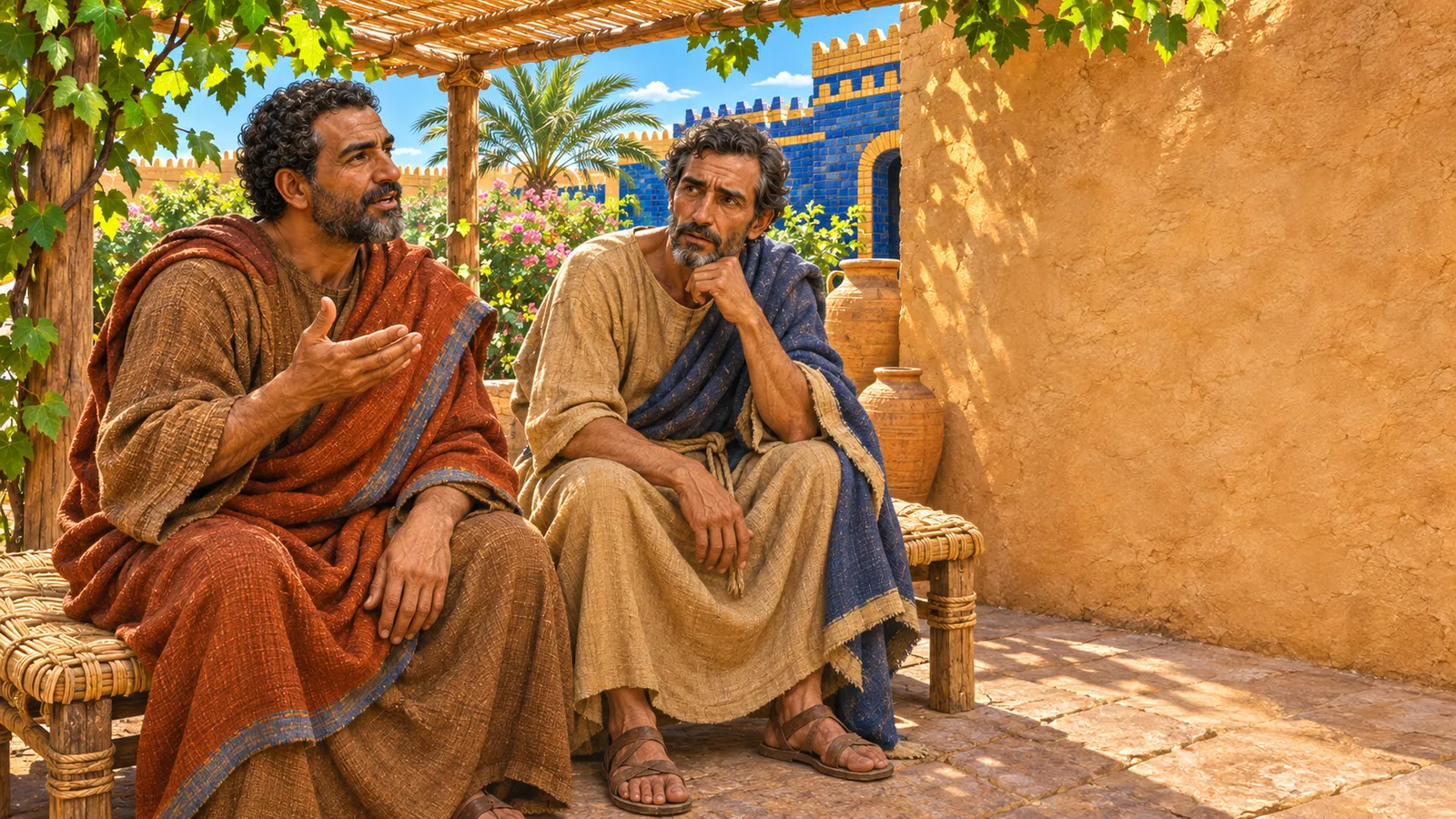
A maior parte da fala do amigo está danificada. As linhas preservadas atribuem a um deus o poder de prolongar a vida e dizem que a riqueza e a pobreza foram determinadas há muito tempo.
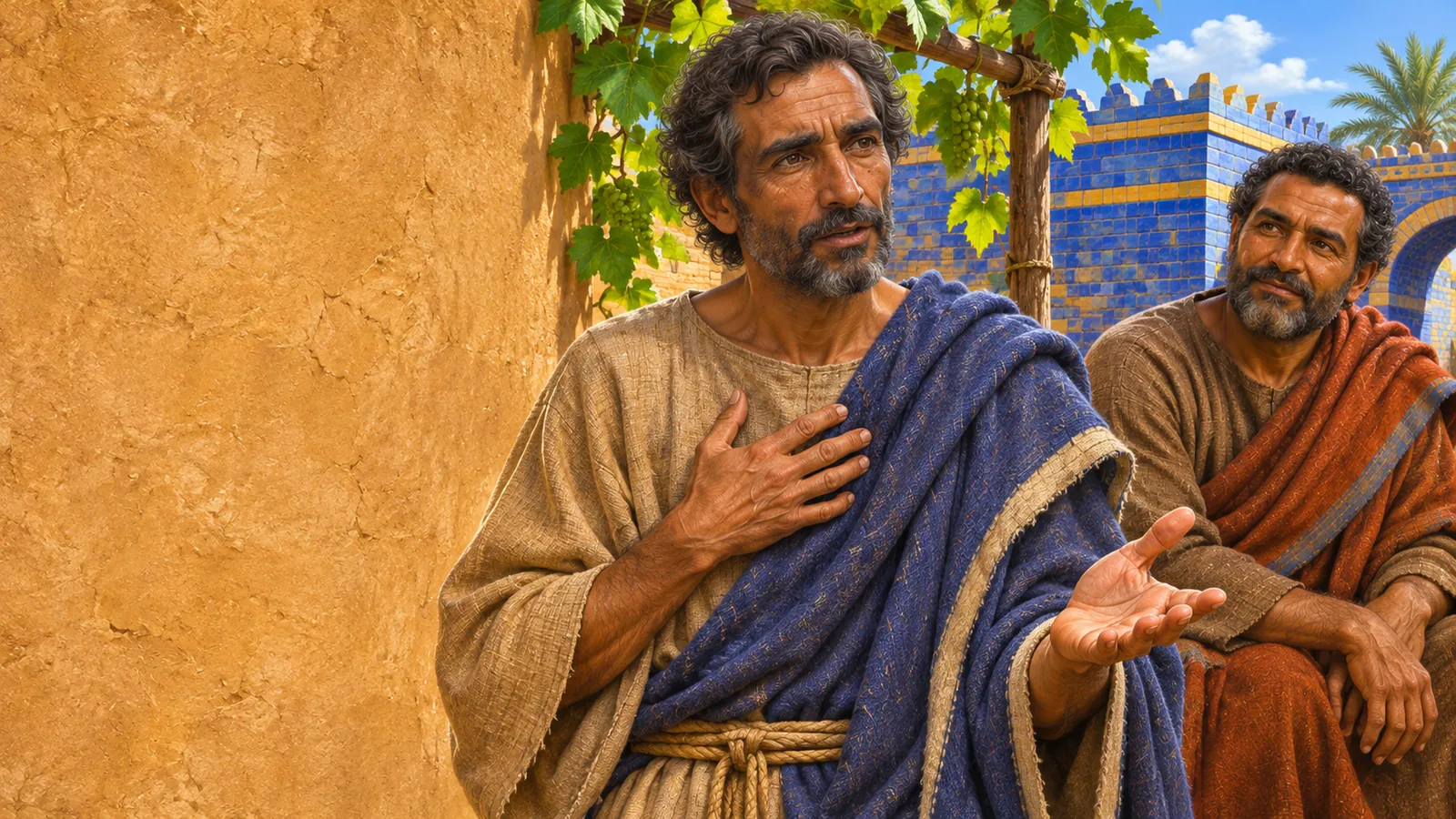
O homem aflito elogia a sabedoria de seu amigo e recorda como suas antigas palavras eram cheias de saber. Linhas fragmentárias mencionam um estudioso e preservam uma frase sobre uma morte ainda distante.
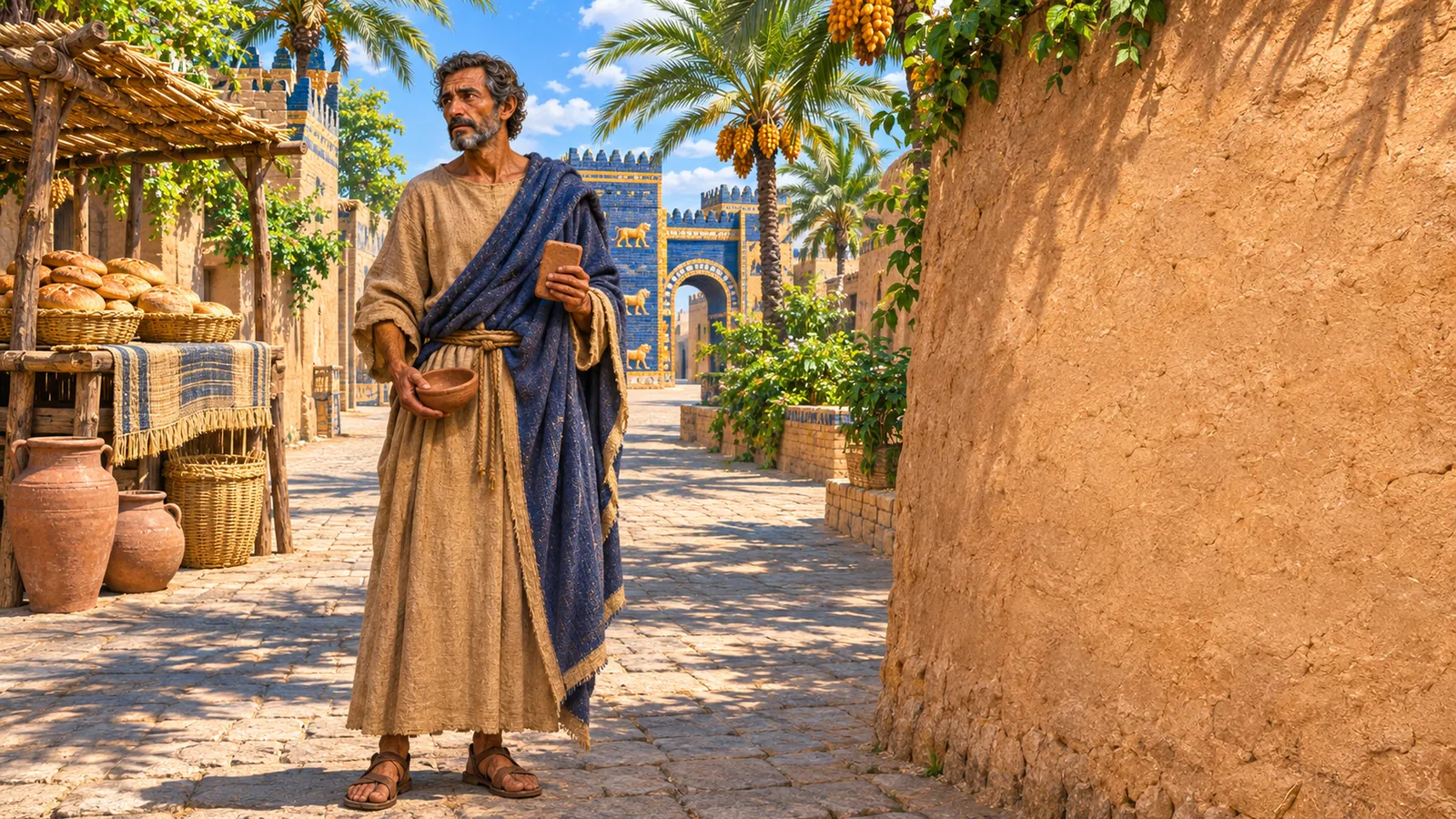
Ele recorda como uma pessoa instruída lhe mostrou a escrita de uma tabuleta e lhe abriu os olhos para coisas difíceis. Sua boa sorte parece ter passado. Agora procura comida pelas ruas.
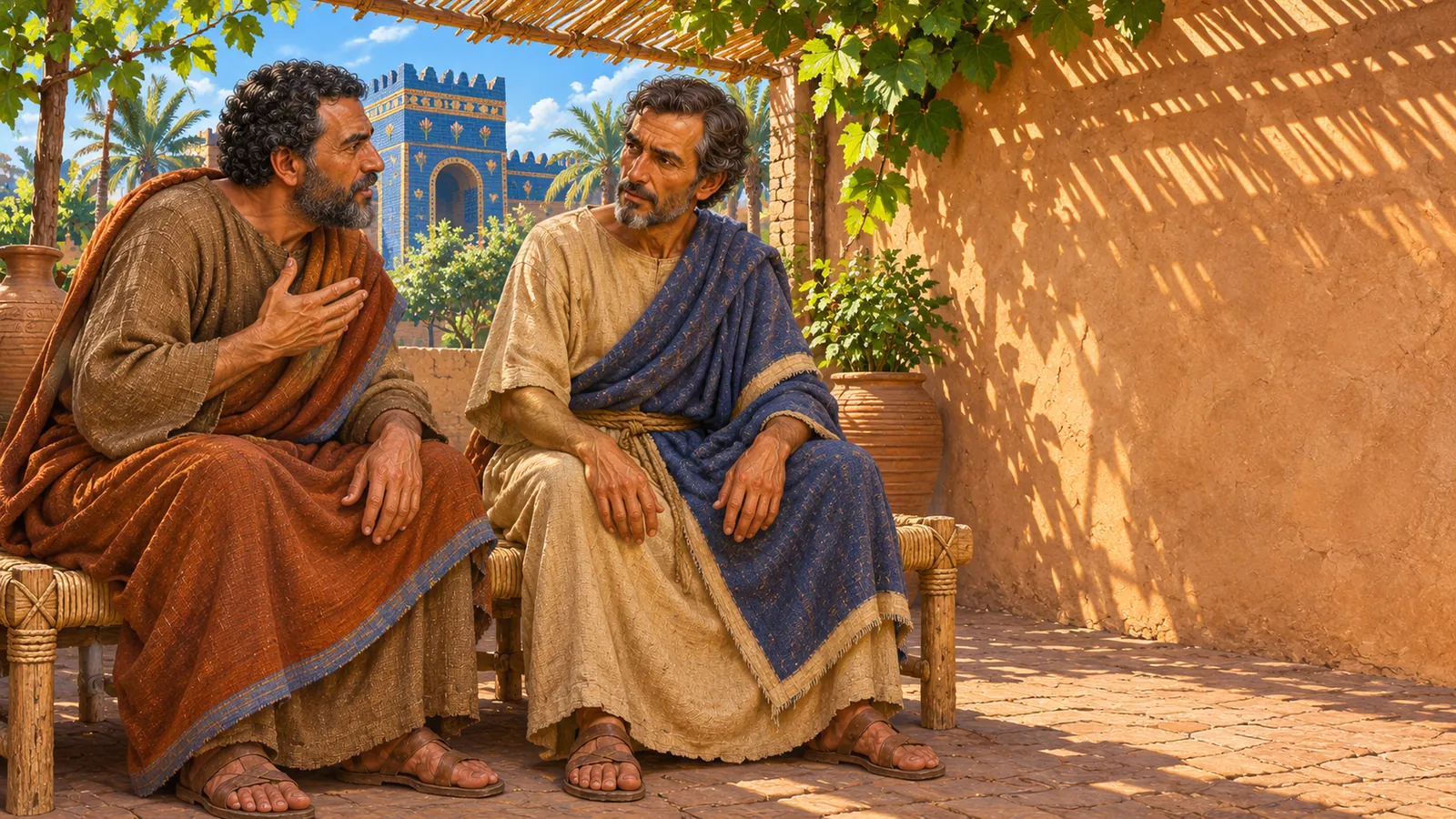
A resposta do amigo começa com fragmentos sobre a montada de um rei e uma figura nas montanhas. Depois censura o homem aflito por ter afastado a sabedoria e a conduta reta.
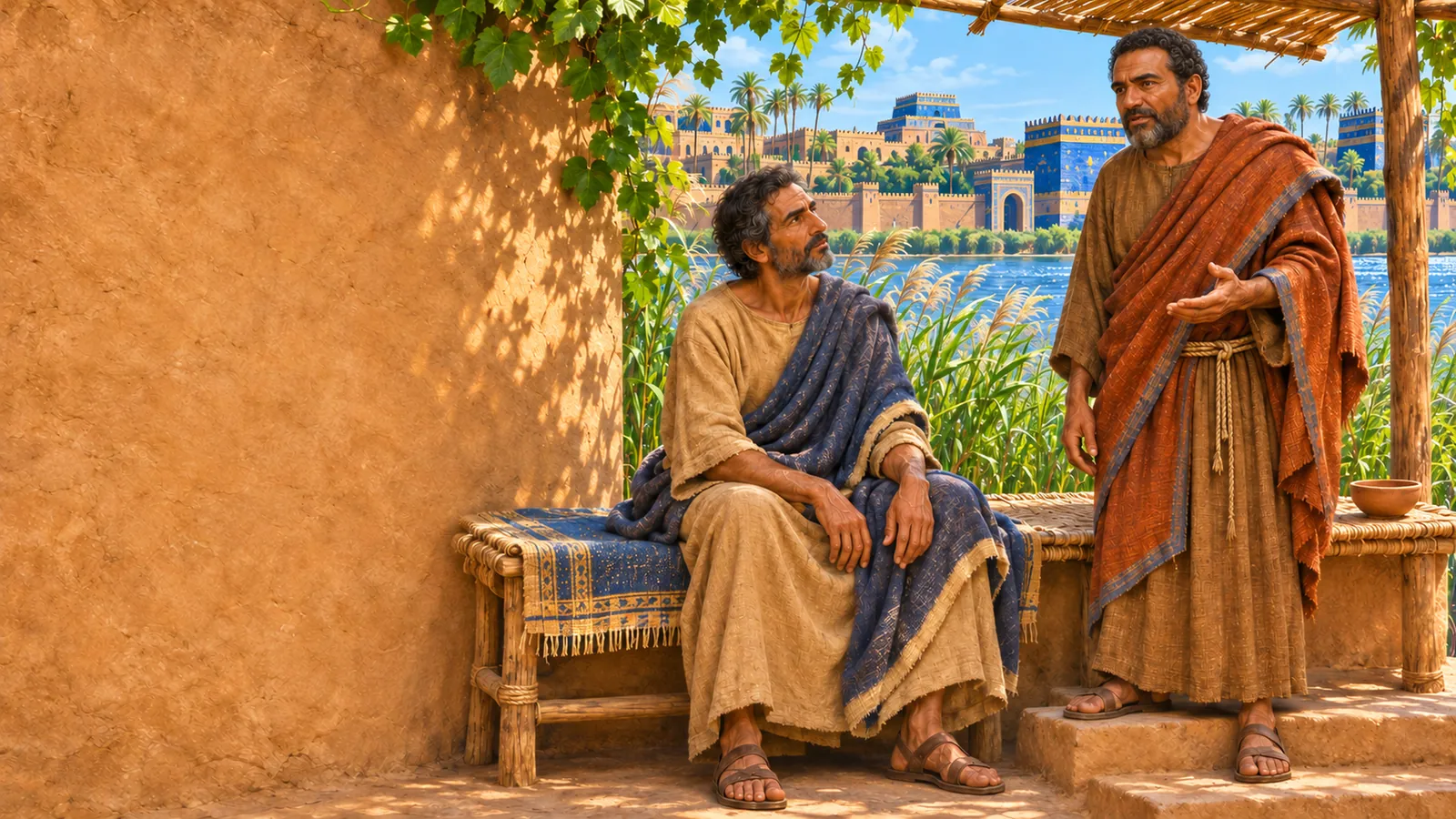
O amigo fala de um homem tido em grande consideração e chamado sábio. Algumas palavras perderam-se. Pede ao homem aflito que observe os ritos do seu deus e viva com modéstia.
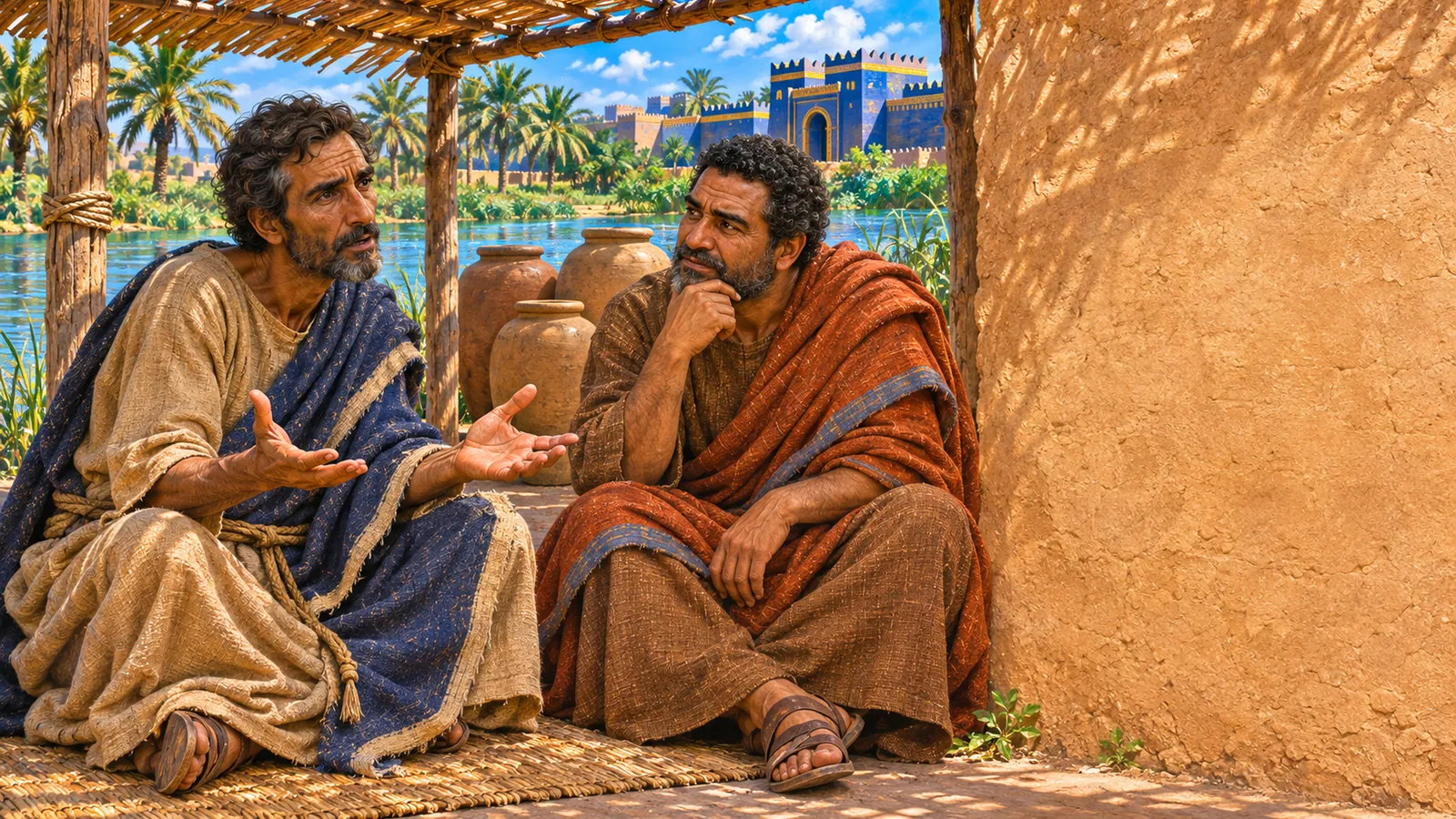
As pessoas chamam vilão a quem nada tem e admiram quem acumula bens, diz o homem aflito. Em linhas fragmentárias, menciona uma reunião e santuários abertos.
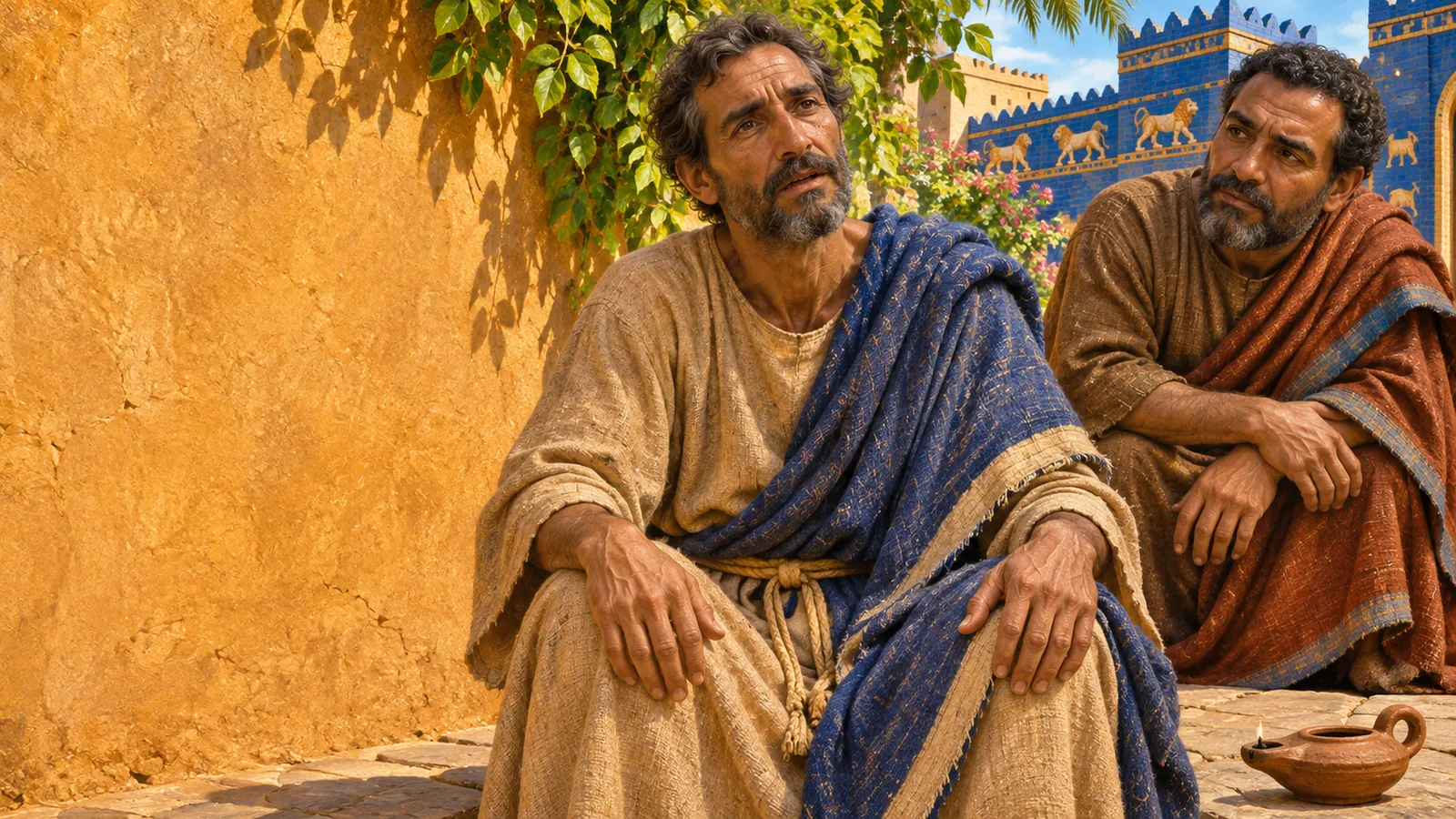
Diz que antes prestava muita atenção ao que queria o seu deus. As perguntas que se seguem são fragmentárias. Termina dizendo que está a apagar-se.
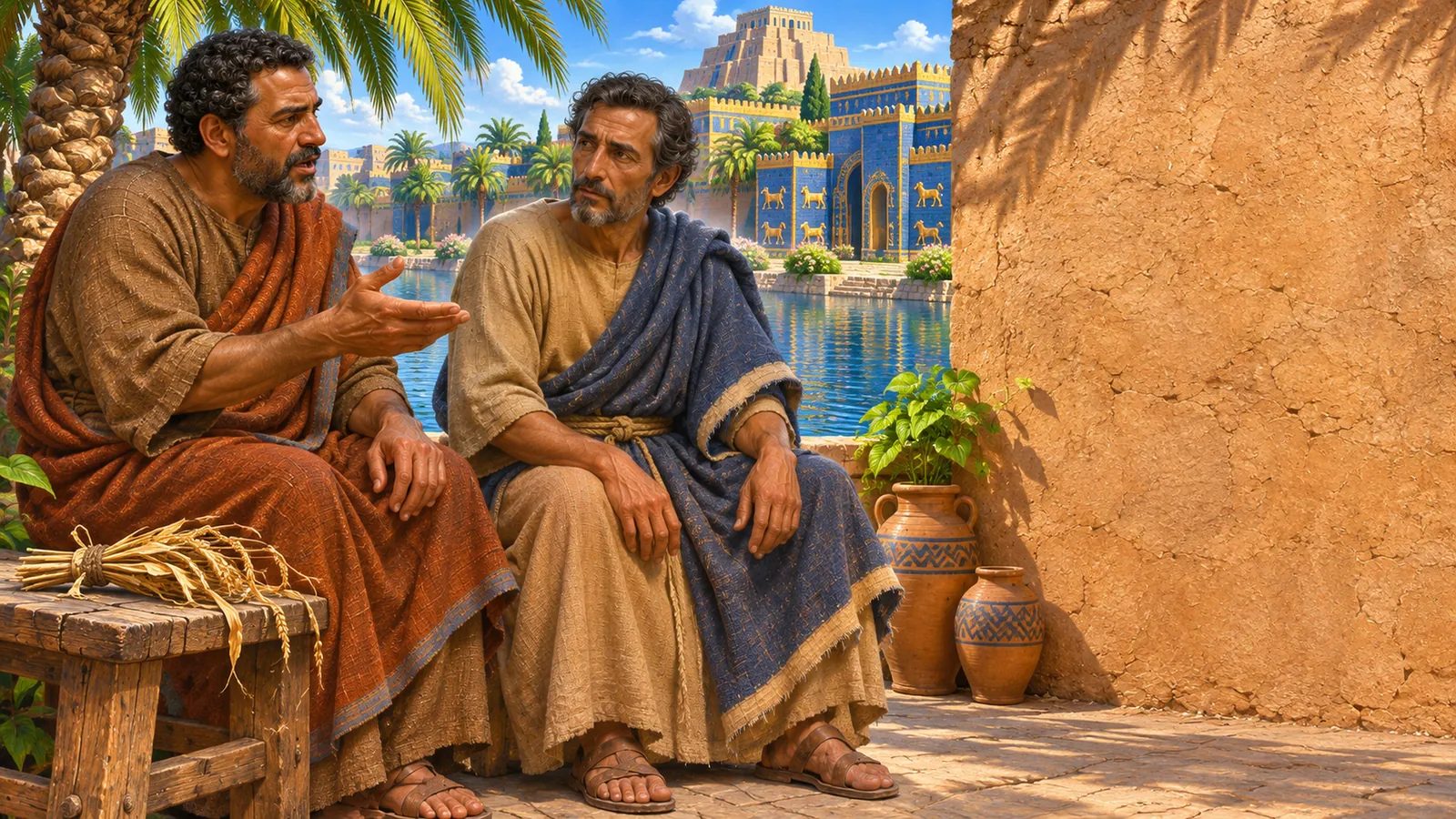
O amigo diz que a prosperidade que o homem aflito inveja pode murchar como uma colheita. Adverte que um golpe mortal espera quem cobiça bens.
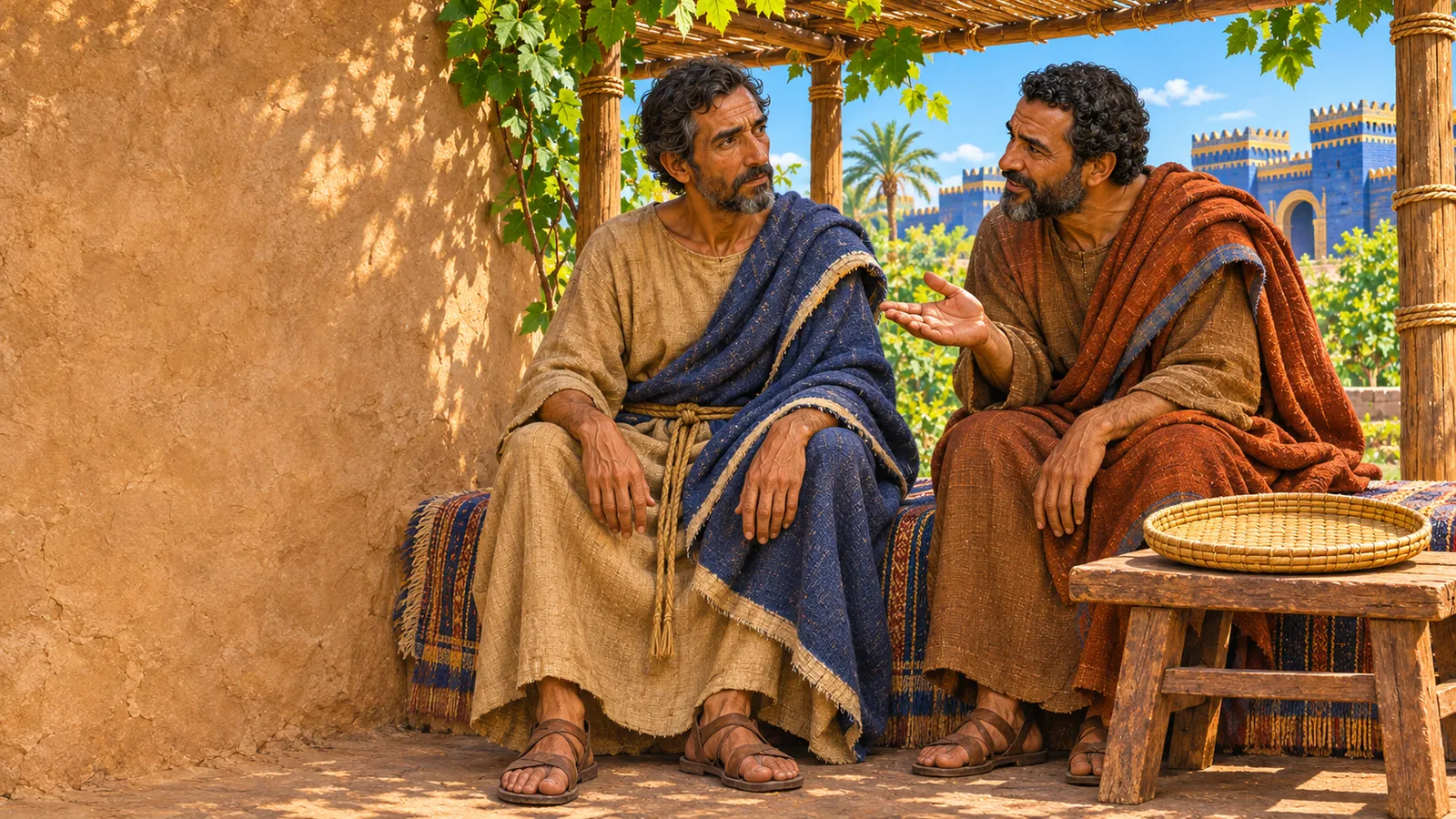
Escuta o teu deus e procura o seu favor, diz o amigo. Promete que aquilo que se perdeu ao longo de um ano pode ser recuperado num instante.
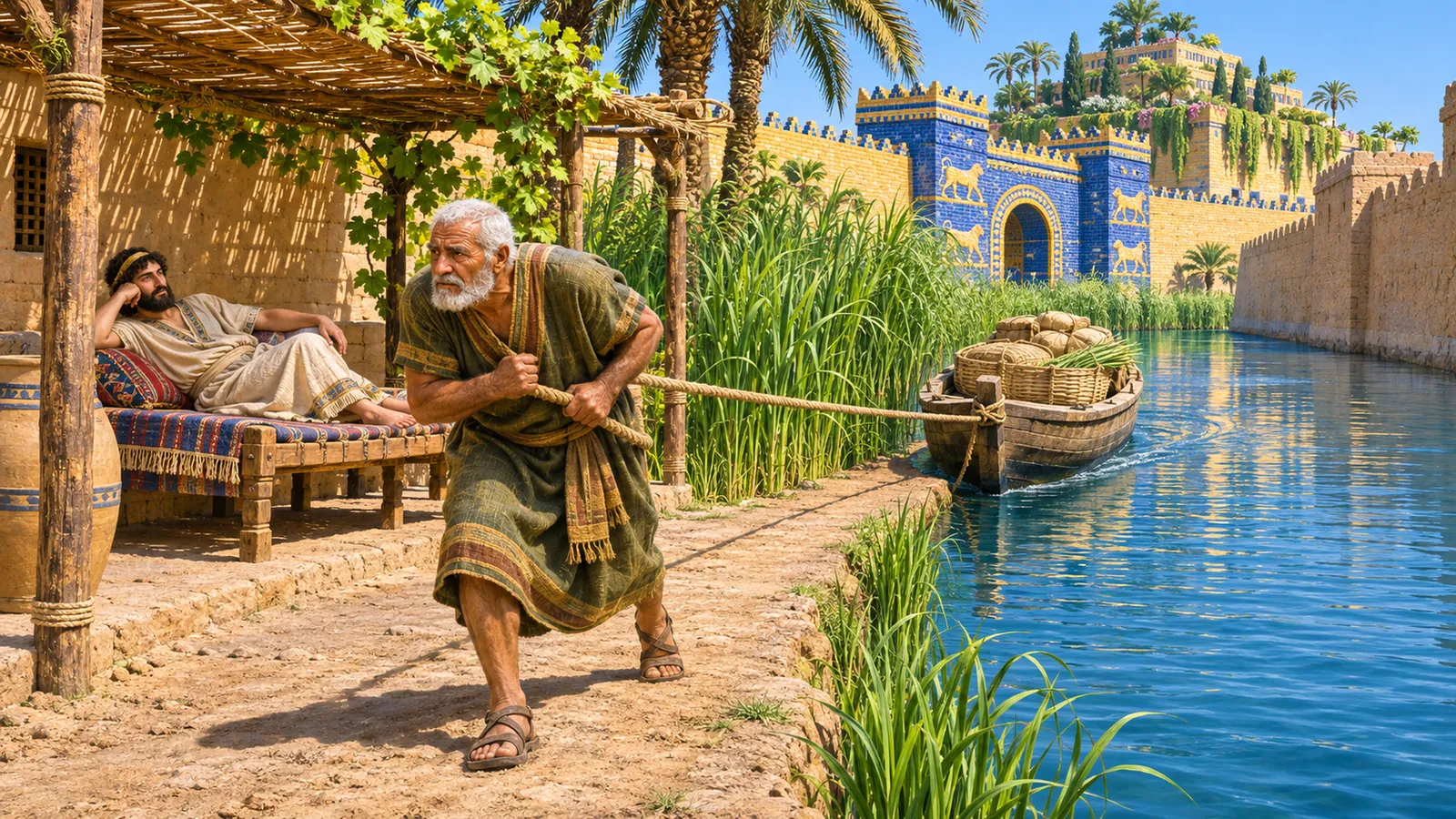
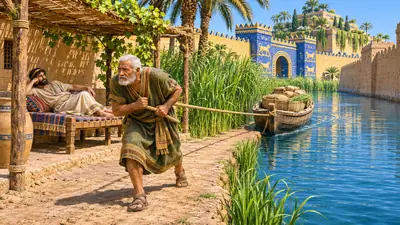
O homem aflito vê o contrário. Um deus deixa um demónio agir sem o deter, diz ele, e um pai puxa uma embarcação ao longo de um canal enquanto o seu primogénito fica deitado.
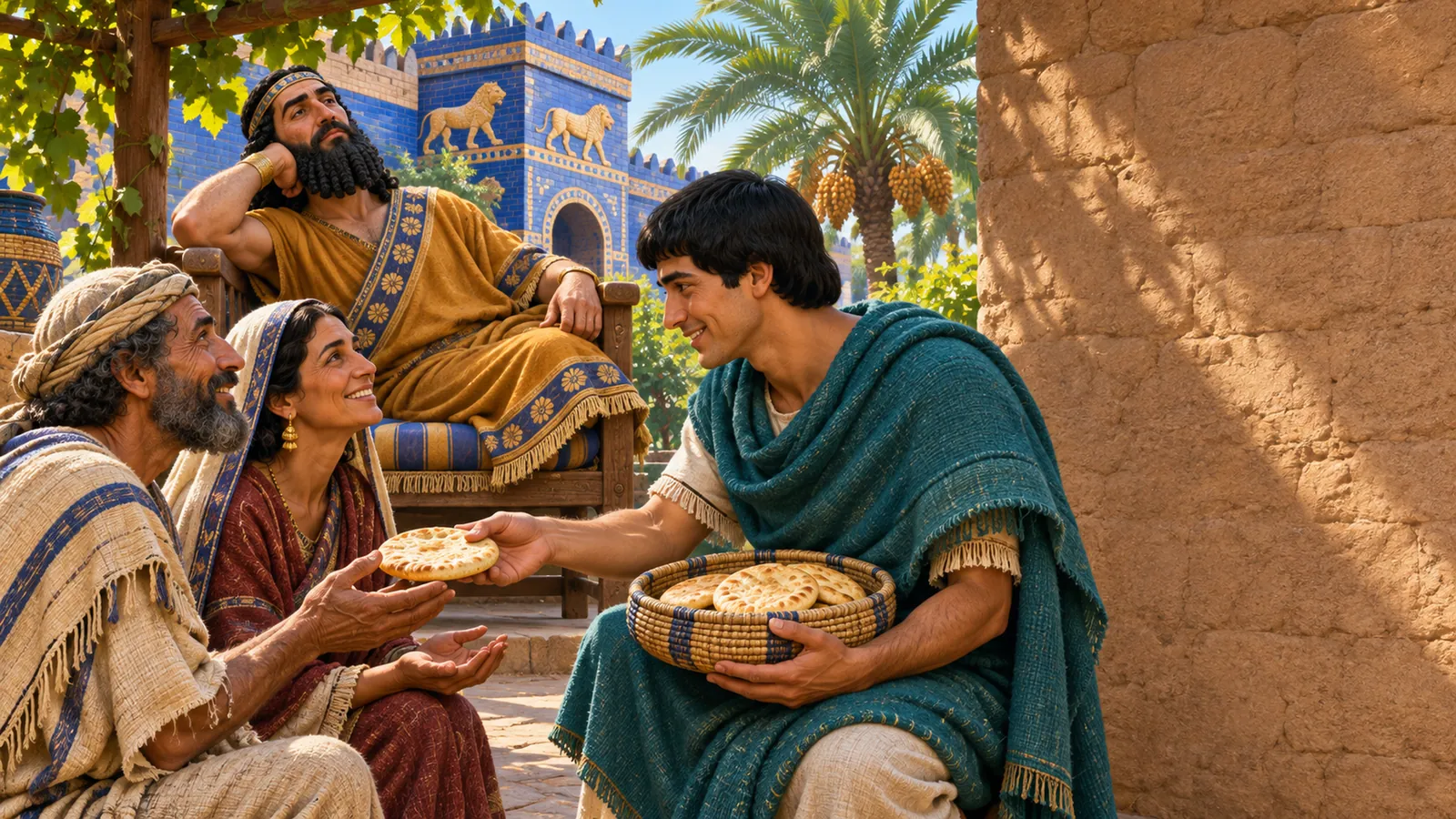
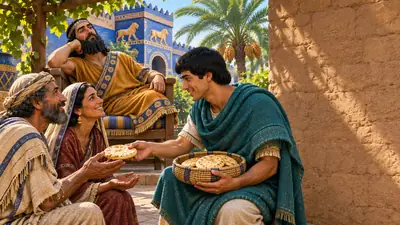
O homem aflito contrasta um irmão mais velho que corre como um leão com um mais novo que se contenta em conduzir um burro. Depois contrasta um herdeiro ocioso com um filho mais novo que alimenta os pobres.
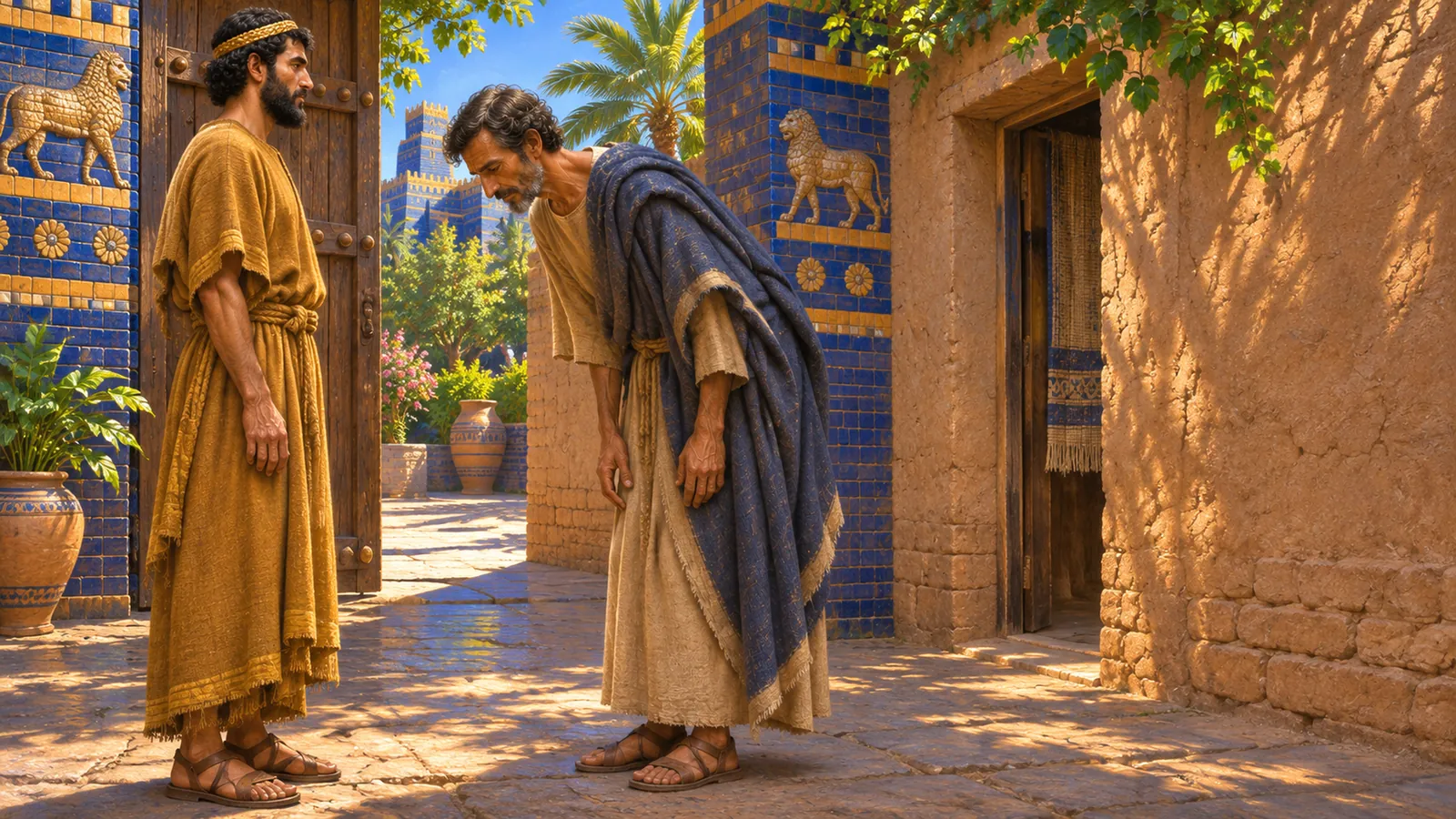
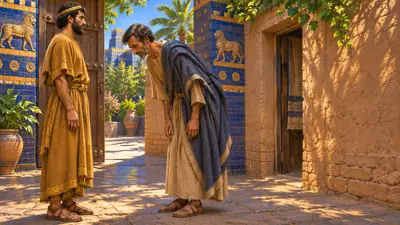
De que me serviu ajoelhar diante de um deus? O homem aflito diz que agora tem de se curvar diante de alguém de posição inferior. Tanto os de condição humilde como os ricos o desprezam.
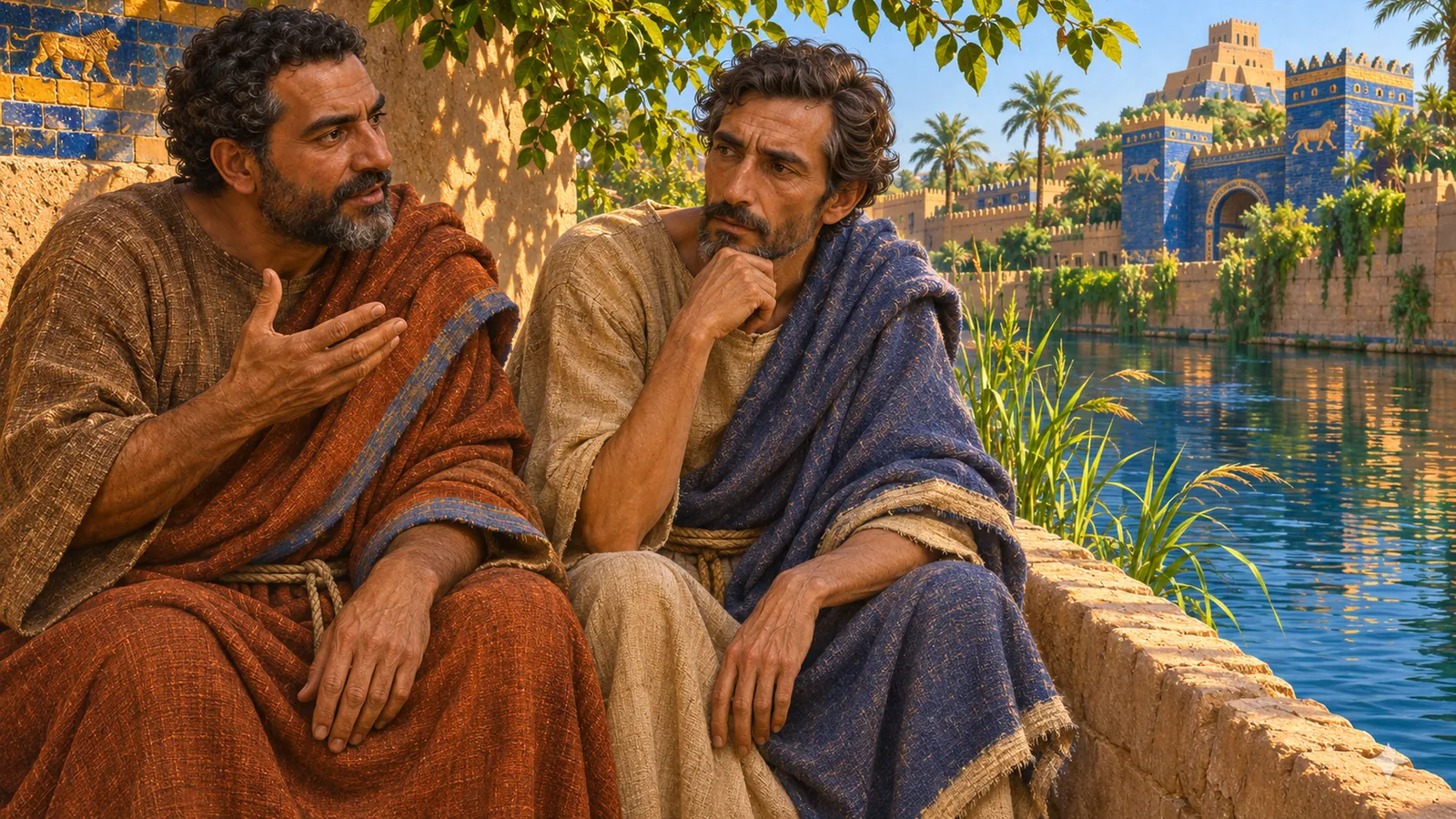
O amigo chama-lhe sábio, mas diz que a angústia o leva a blasfemar. Diz que o desígnio divino é tão remoto como as profundezas do céu e está para além da compreensão humana.
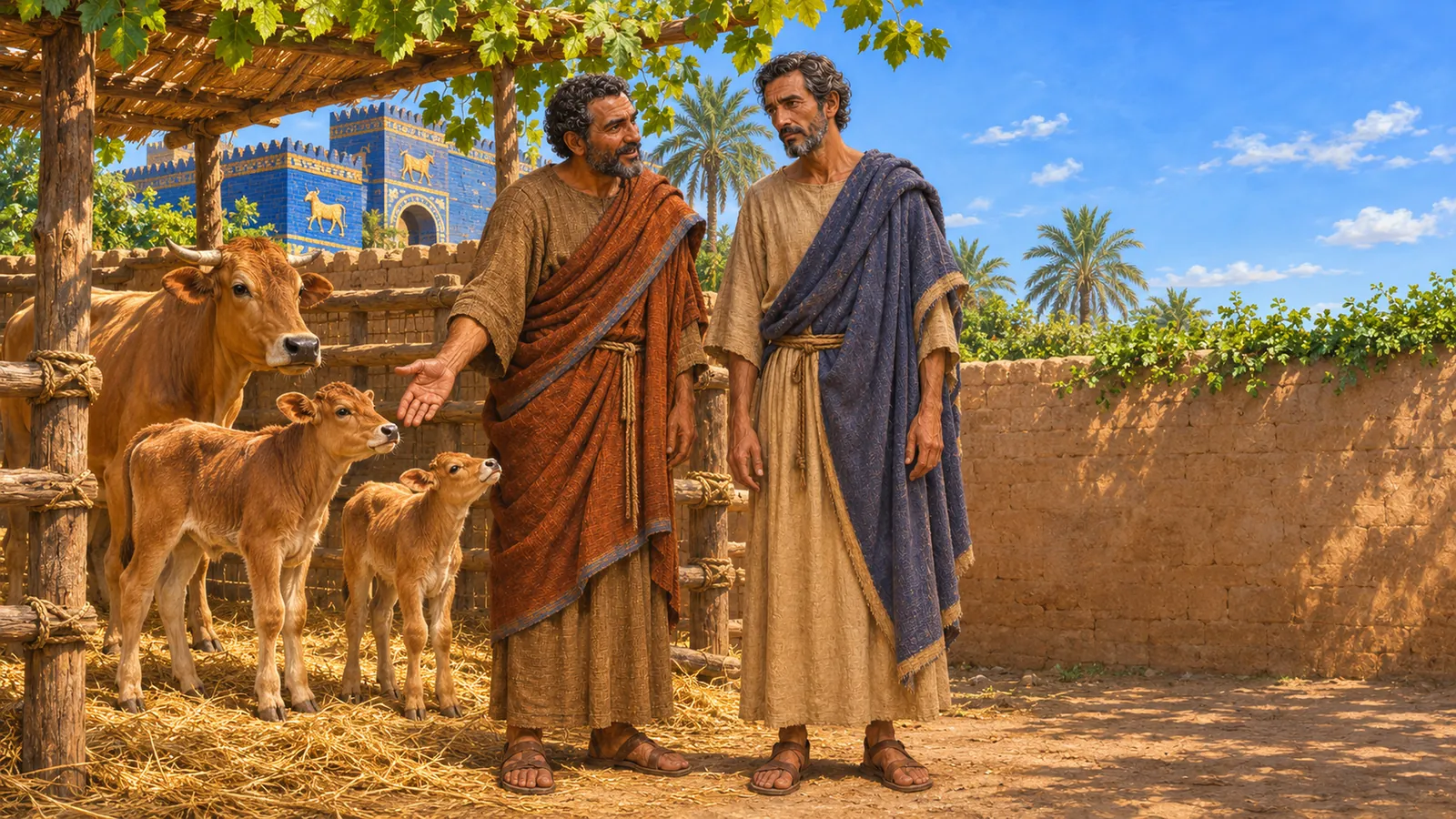
O amigo compara o primeiro vitelo de uma vaca com o seguinte, que é duas vezes maior, e um primogénito fraco com um segundo filho conhecido como guerreiro. Quem, pergunta ele, pode compreender a sabedoria divina?
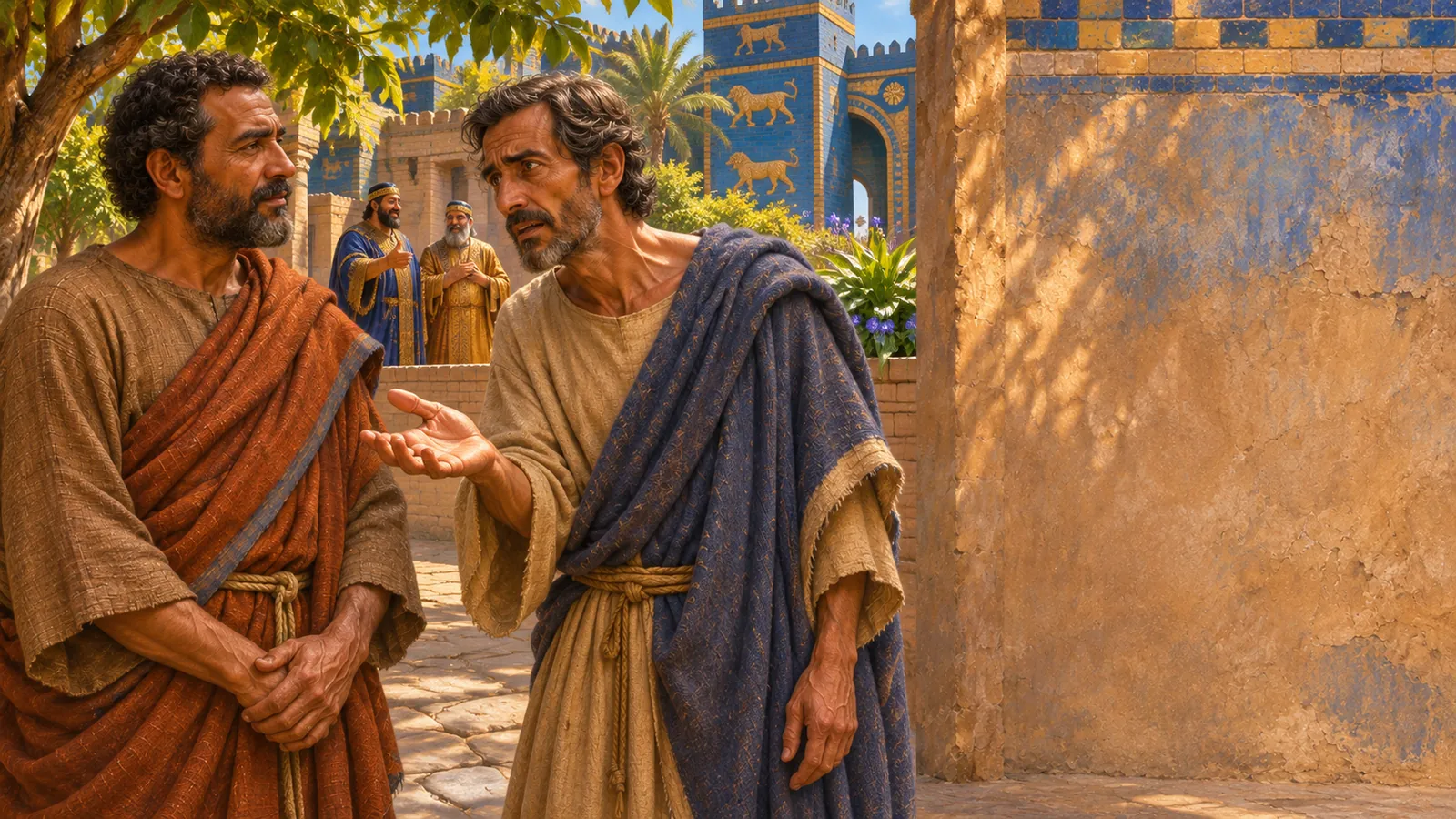
OS CULPADOS
Escuta bem, diz o homem aflito. As pessoas louvam as palavras de um assassino poderoso e humilham um inocente. Chamam verdadeiro a quem engana e expulsam quem diz a verdade.
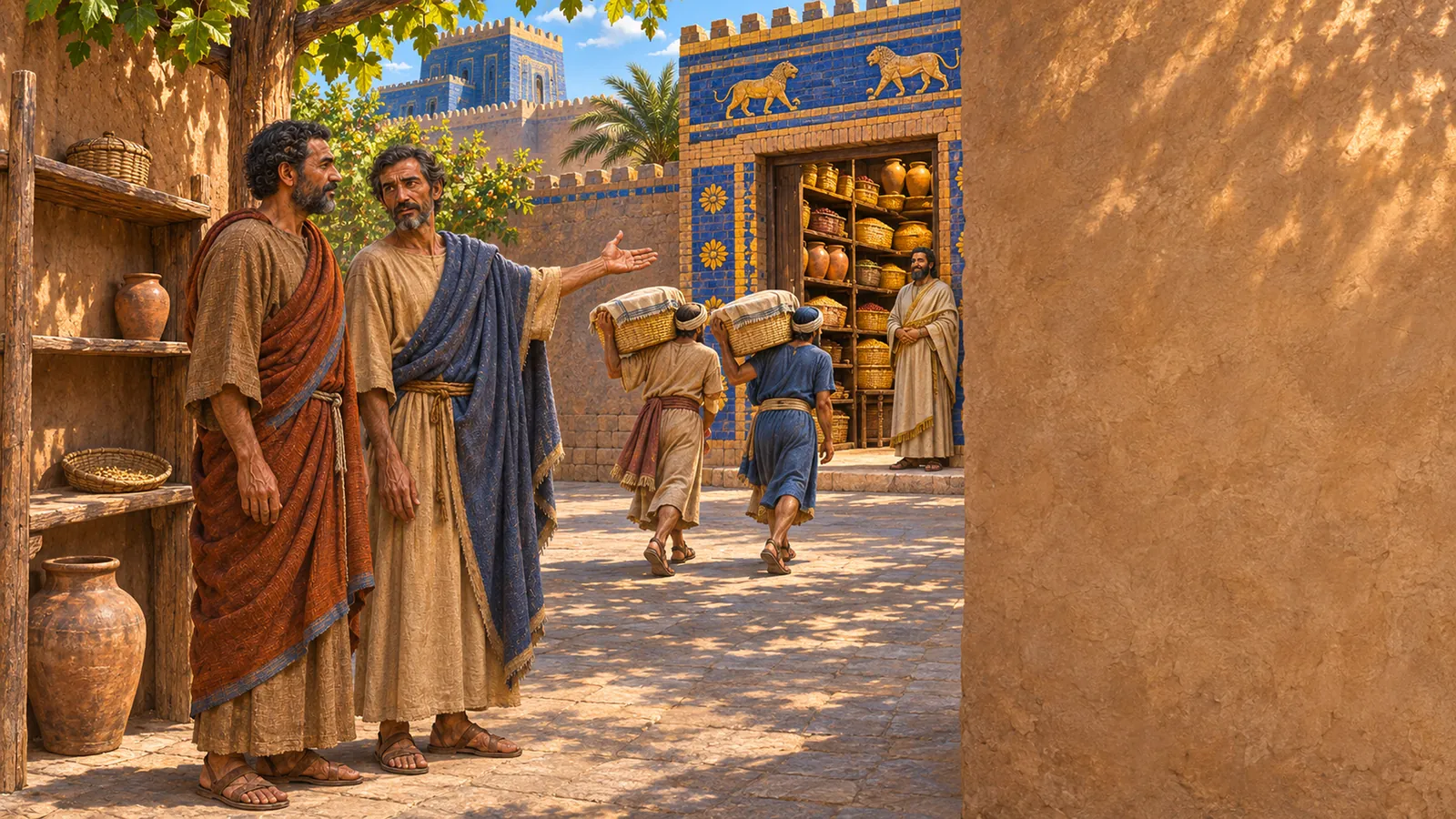
O homem aflito diz que as pessoas enchem de tesouros a câmara-forte do opressor. Essas mesmas pessoas esvaziam a despensa do indefeso e levam-lhe a comida de que vivia.
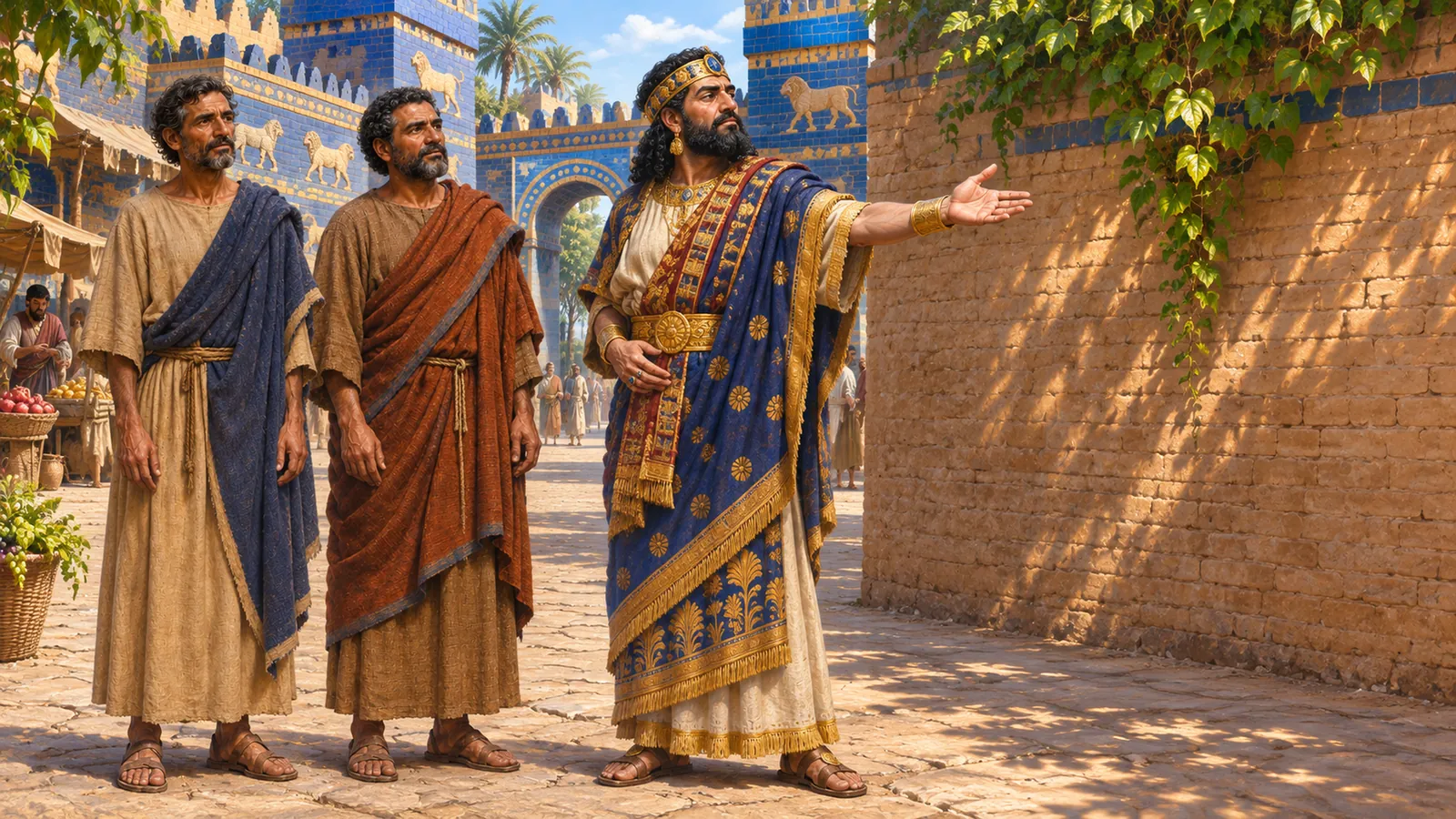
As pessoas apoiam o tirano e arruínam os que não têm poder, diz o homem aflito. Ele não dispõe de recursos, e um homem rico persegue-o.
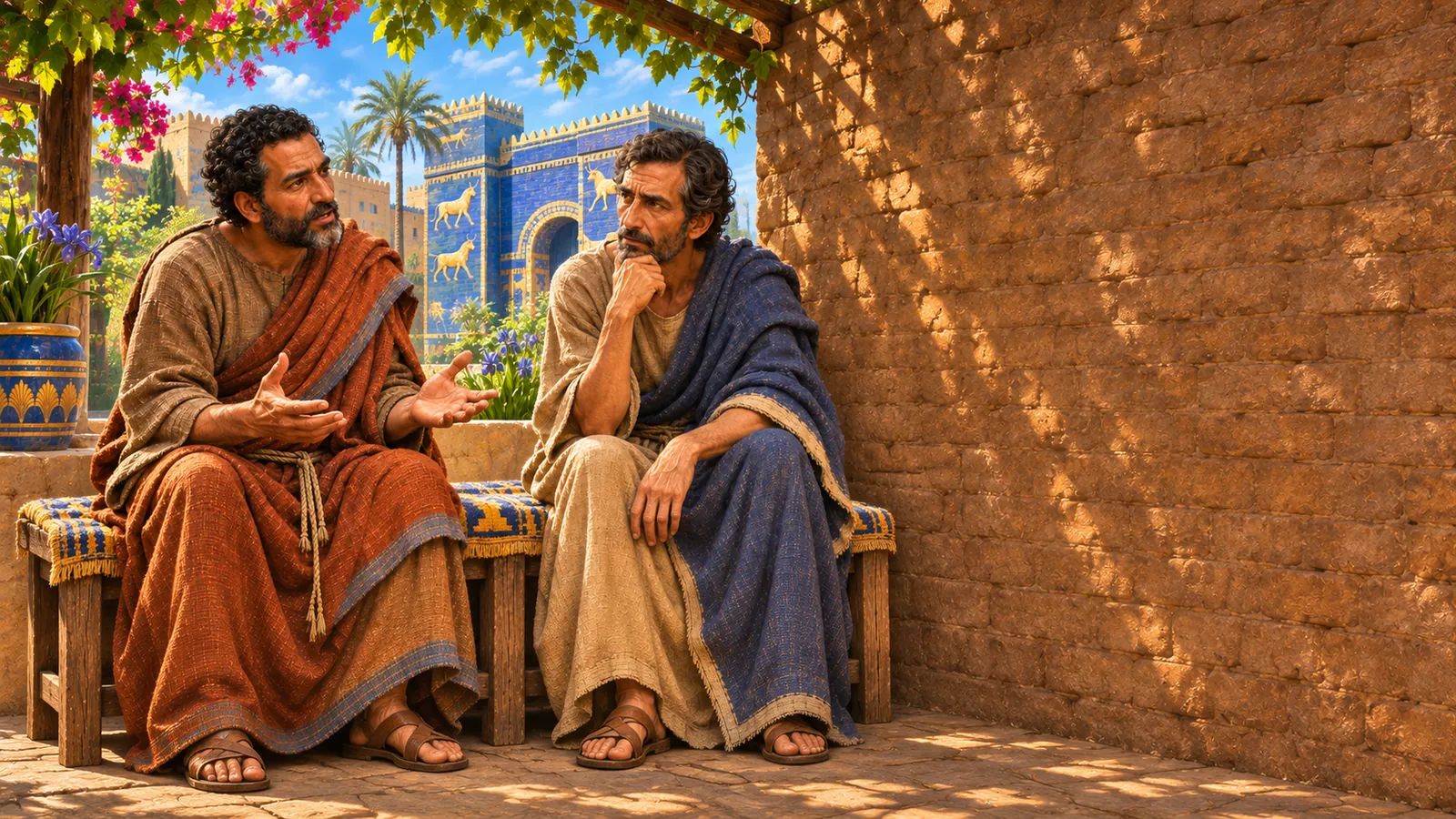
O amigo conta à sua maneira como Enlil, Ea e Mami criaram a humanidade. Diz que deram às pessoas, para sempre, palavras mentirosas.
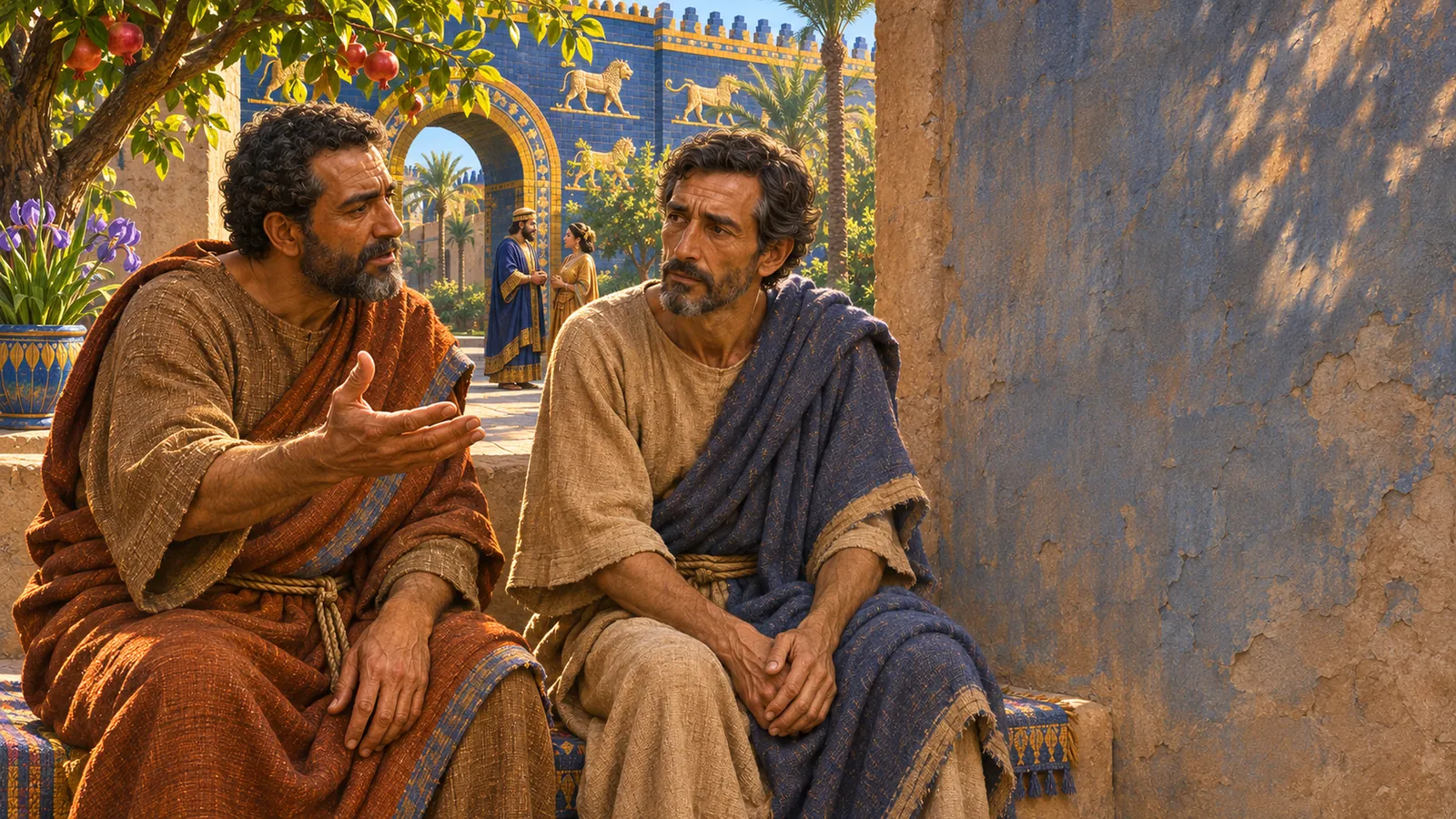
O amigo diz que as pessoas louvam os ricos e caluniam um pobre, chamando-lhe ladrão. Atormentam-no, conspiram para o matar e apagam-no como a uma brasa.
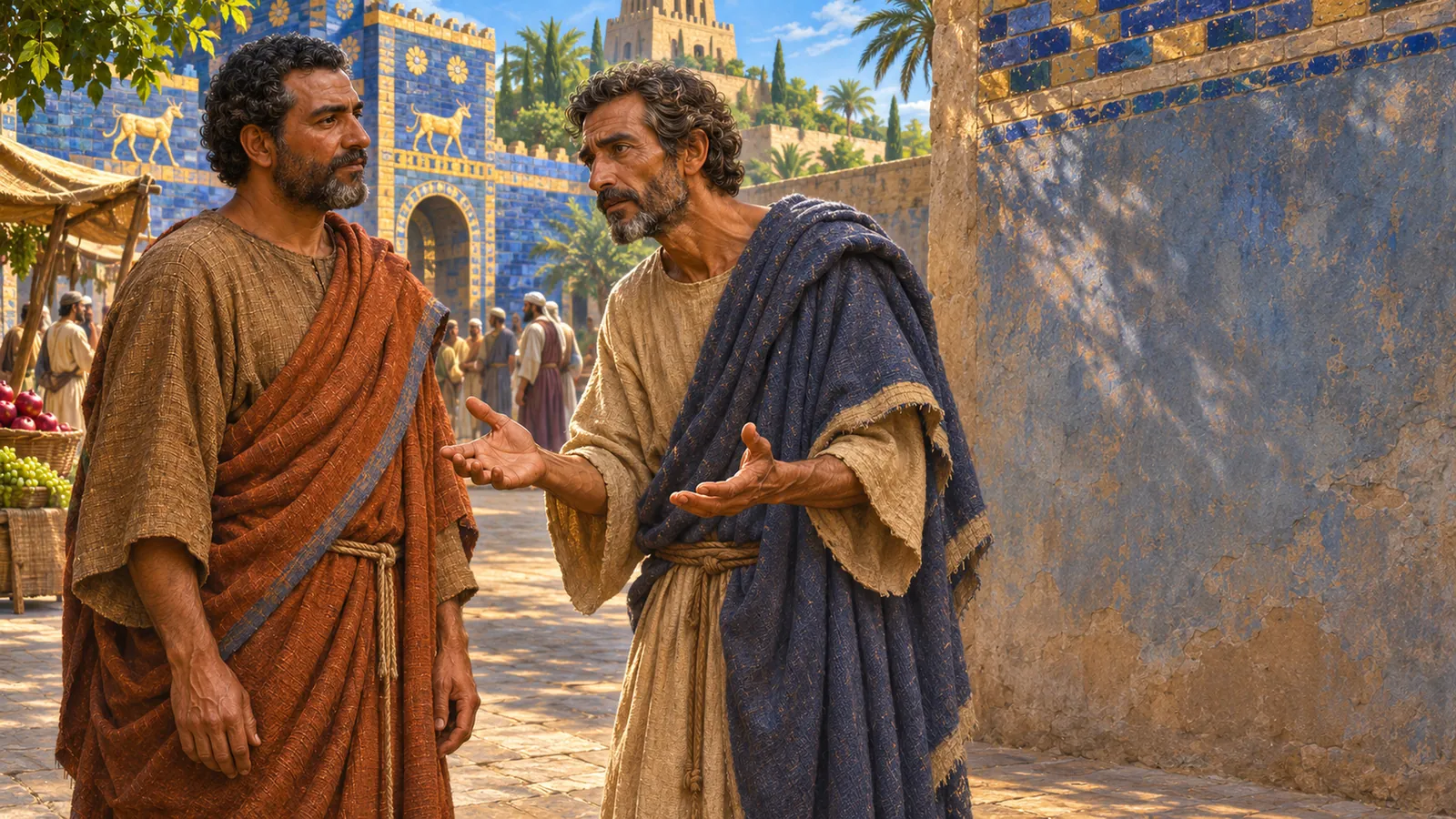
Ajuda-me, meu amigo, diz o homem aflito. Não encontrou ajuda. Diz que atravessava a praça discretamente, falava em voz baixa e recusava lisonjear os seus companheiros.
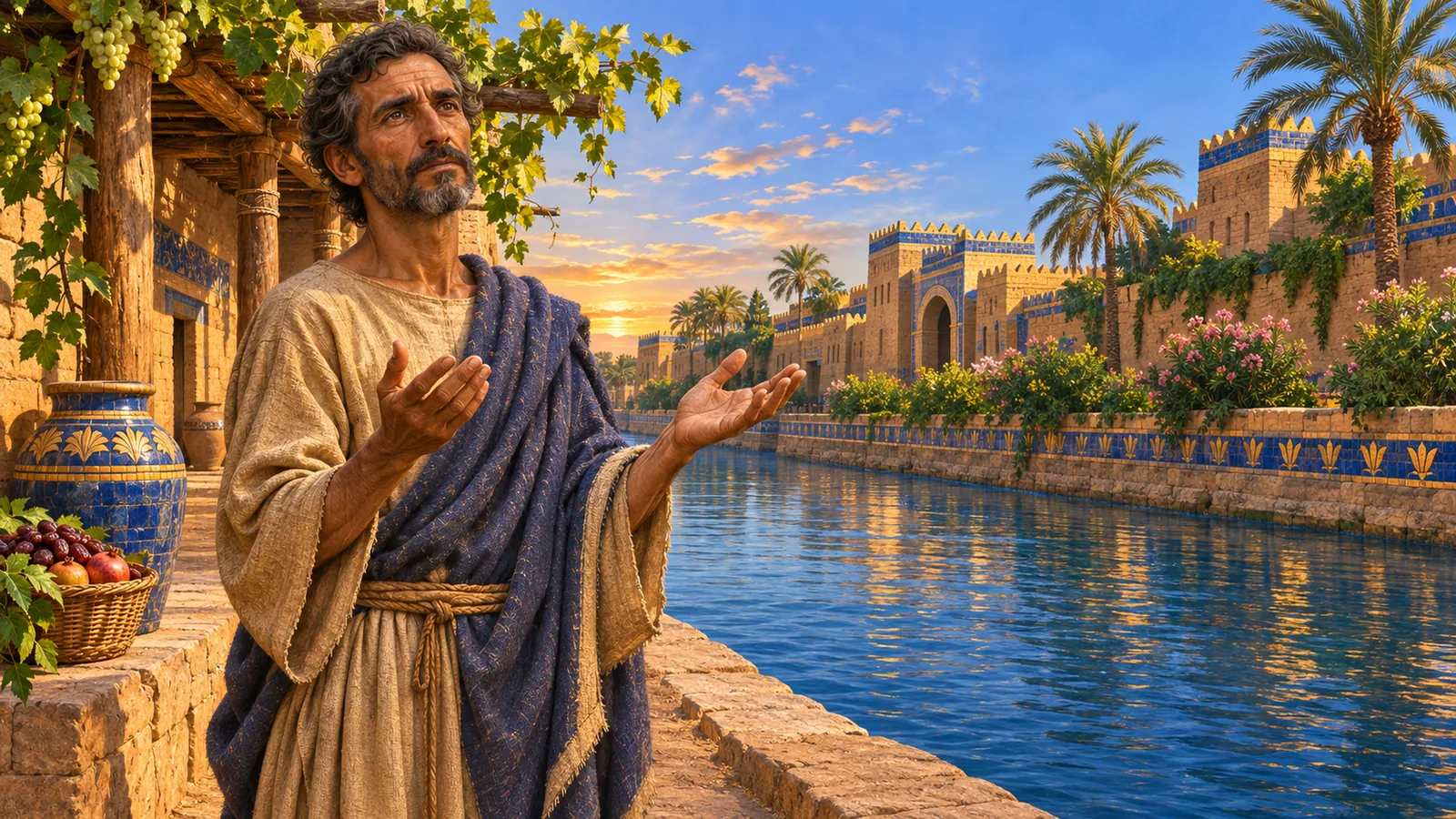
A PRECE
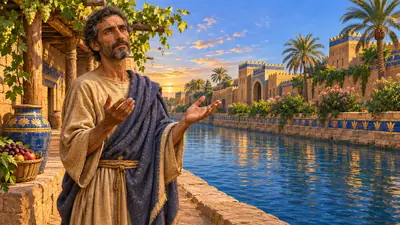
Por fim, pede ajuda ao deus que o rejeitou e piedade à deusa que o abandonou. Pede o seu favor ao pastor chamado Sol do Povo.
Fim do capítulo 1
Todas as páginas
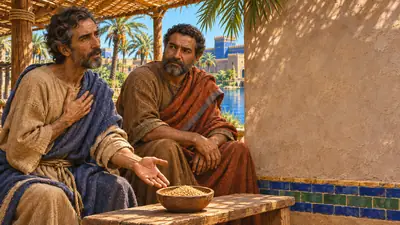
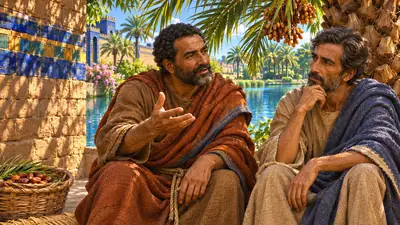
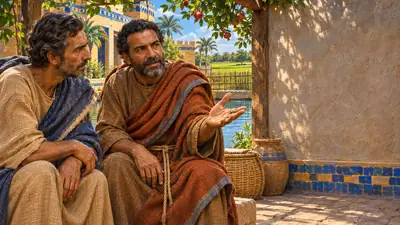
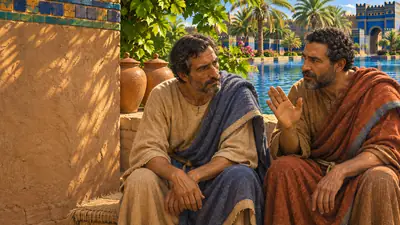
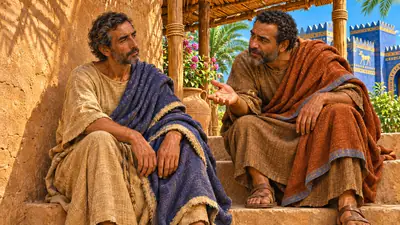
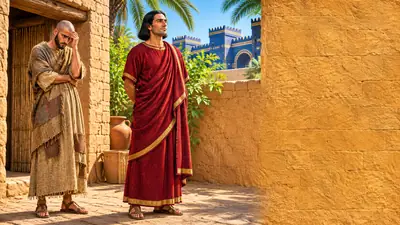
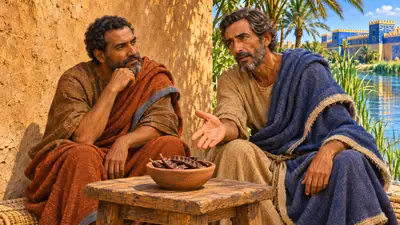
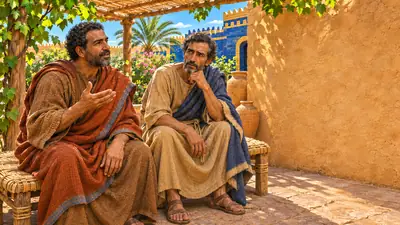
Fontes
The edition credits E. Jiménez as a contributor and lists Benjamin R. Foster, Wasim Khatabe and Wadieh Zerkly for its translations. The line numbers below refer to the English displayed in the Standard Babylonian chapter.
Edições consultadas
- A. C. Heinrich and T. Mitto, Theodicy, Standard Babylonian chapter, electronic Babylonian Library (2022)
- Edition DOI and translation credits
- eBL overview, stanza form, ancient attribution and bibliography
Os versos antigos de cada página
- Page 1: eBL Theodicy, SB, stanza I, lines 1–7
- Page 2: eBL Theodicy, SB, stanza I, lines 8–11
- Page 3: eBL Theodicy, SB, stanza II, lines 12–17
- Page 4: eBL Theodicy, SB, stanza II, lines 18–22
- Page 5: eBL Theodicy, SB, stanza III, lines 23–26
- Page 6: eBL Theodicy, SB, stanza III, lines 27–33
- Page 7: eBL Theodicy, SB, stanza IV, lines 34–38
- Page 8: eBL Theodicy, SB, stanza IV, lines 39–44
- Page 9: eBL Theodicy, SB, stanza V, lines 45–49
- Page 10: eBL Theodicy, SB, stanza V, lines 50–53
- Page 11: eBL Theodicy, SB, stanza V, lines 54–55
- Page 12: eBL Theodicy, SB, stanza VI, lines 56–58
- Page 13: eBL Theodicy, SB, stanza VI, lines 59–62
- Page 14: eBL Theodicy, SB, stanza VI, lines 63–66
- Page 15: eBL Theodicy, SB, stanza VII, lines 67–71
- Page 16: eBL Theodicy, SB, stanza VII, lines 72–77
- Page 17: eBL Theodicy, SB, stanza VIII, lines 78–83
- Page 18: eBL Theodicy, SB, stanza VIII, lines 84–88
- Page 19: eBL Theodicy, SB, stanza IX, lines 89–99
- Page 20: eBL Theodicy, SB, stanza X, lines 100–110
- Page 21: eBL Theodicy, SB, stanza XI, lines 111–121
- Page 22: eBL Theodicy, SB, stanza XII, lines 122–126
- Page 23: eBL Theodicy, SB, stanza XII, lines 127–132
- Page 24: eBL Theodicy, SB, stanza XIII, lines 133–136
- Page 25: eBL Theodicy, SB, stanza XIII, lines 137–139
- Page 26: eBL Theodicy, SB, stanza XIII, lines 140–143
- Page 27: eBL Theodicy, SB, stanza XIV, lines 144–154
- Page 28: eBL Theodicy, SB, stanza XV, lines 155–161
- Page 29: eBL Theodicy, SB, stanza XV, lines 162–165
Broad natural diffuse evening air occupies the left and merges with the land well below the text area, without a hard horizon. - Page 30: eBL Theodicy, SB, stanza XVI, lines 166–171
- Page 31: eBL Theodicy, SB, stanza XVI, lines 172–176
- Page 32: eBL Theodicy, SB, stanza XVII, lines 177–182
- Page 33: eBL Theodicy, SB, stanza XVII, lines 183–187
- Page 34: eBL Theodicy, SB, stanza XVIII, lines 188–198
- Page 35: eBL Theodicy, SB, stanza XIX, lines 199–204
- Page 36: eBL Theodicy, SB, stanza XIX, lines 205–209
- Page 37: eBL Theodicy, SB, stanza XX, lines 210–214
- Page 38: eBL Theodicy, SB, stanza XX, lines 215–220
- Page 39: eBL Theodicy, SB, stanza XXI, lines 221–226
- Page 40: eBL Theodicy, SB, stanza XXI, lines 227–231
- Page 41: eBL Theodicy, SB, stanza XXII, lines 232–238
- Page 42: eBL Theodicy, SB, stanza XXII, lines 239–242
- Page 43: eBL Theodicy, SB, stanza XXIII, lines 243–246
- Page 44: eBL Theodicy, SB, stanza XXIII, lines 247–250
- Page 45: eBL Theodicy, SB, stanza XXIII, lines 251–253
- Page 46: eBL Theodicy, SB, stanza XXIV, lines 254–257
- Page 47: eBL Theodicy, SB, stanza XXIV, lines 258–264
- Page 48: eBL Theodicy, SB, stanza XXV, lines 265–270
- Page 49: eBL Theodicy, SB, stanza XXV, lines 271–272
- Page 50: eBL Theodicy, SB, stanza XXV, lines 273–275
- Page 51: eBL Theodicy, SB, stanza XXVI, lines 276–280
- Page 52: eBL Theodicy, SB, stanza XXVI, lines 281–286
- Page 53: eBL Theodicy, SB, stanza XXVII, lines 287–294
- Page 54: eBL Theodicy, SB, stanza XXVII, lines 295–297
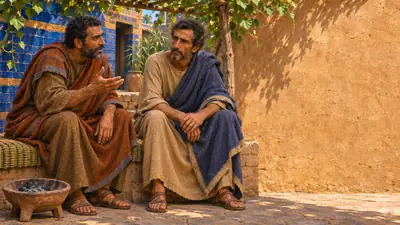
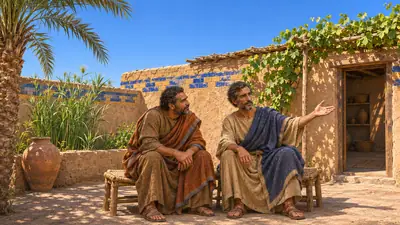
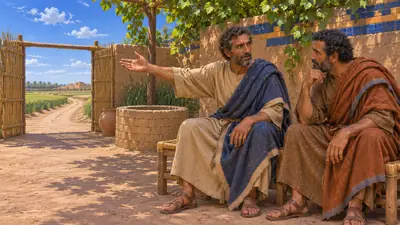
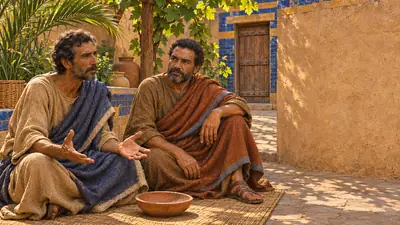
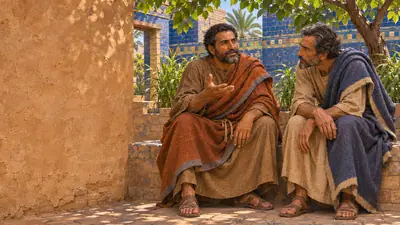
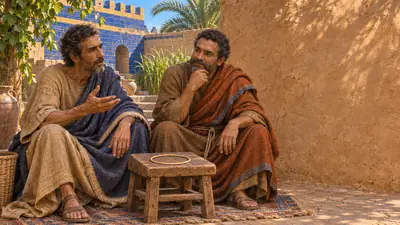
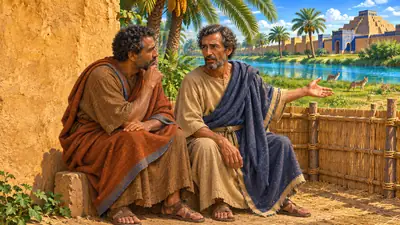
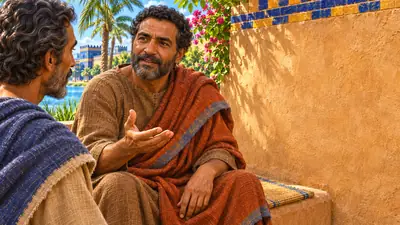
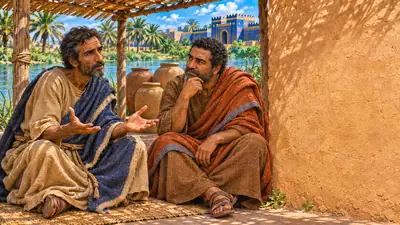
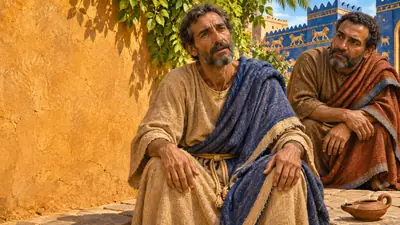
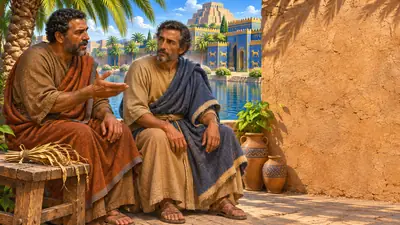
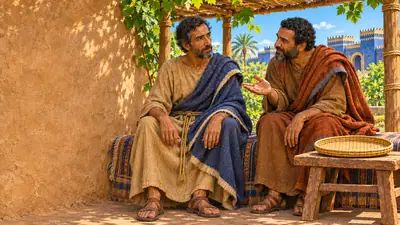
Ilustrações feitas pelo IL Archive com ferramentas de IA; o texto baseia-se nas fontes antigas (veja as fontes no fim de cada capítulo).