Enki e Ninmah Capítulo 1
Os dois desafios
No relato de Thorkild Jacobsen, Ninmah molda seis pessoas em argila, e Enki encontra um meio de vida para cada uma. Os dois deuses trocam de papéis. A leitura acompanha a disputa até ao lamento de Ninmah, ao seu decreto e ao final fragmentário.
FontesVire as páginas com as setas, o teclado ou deslizando o dedo.
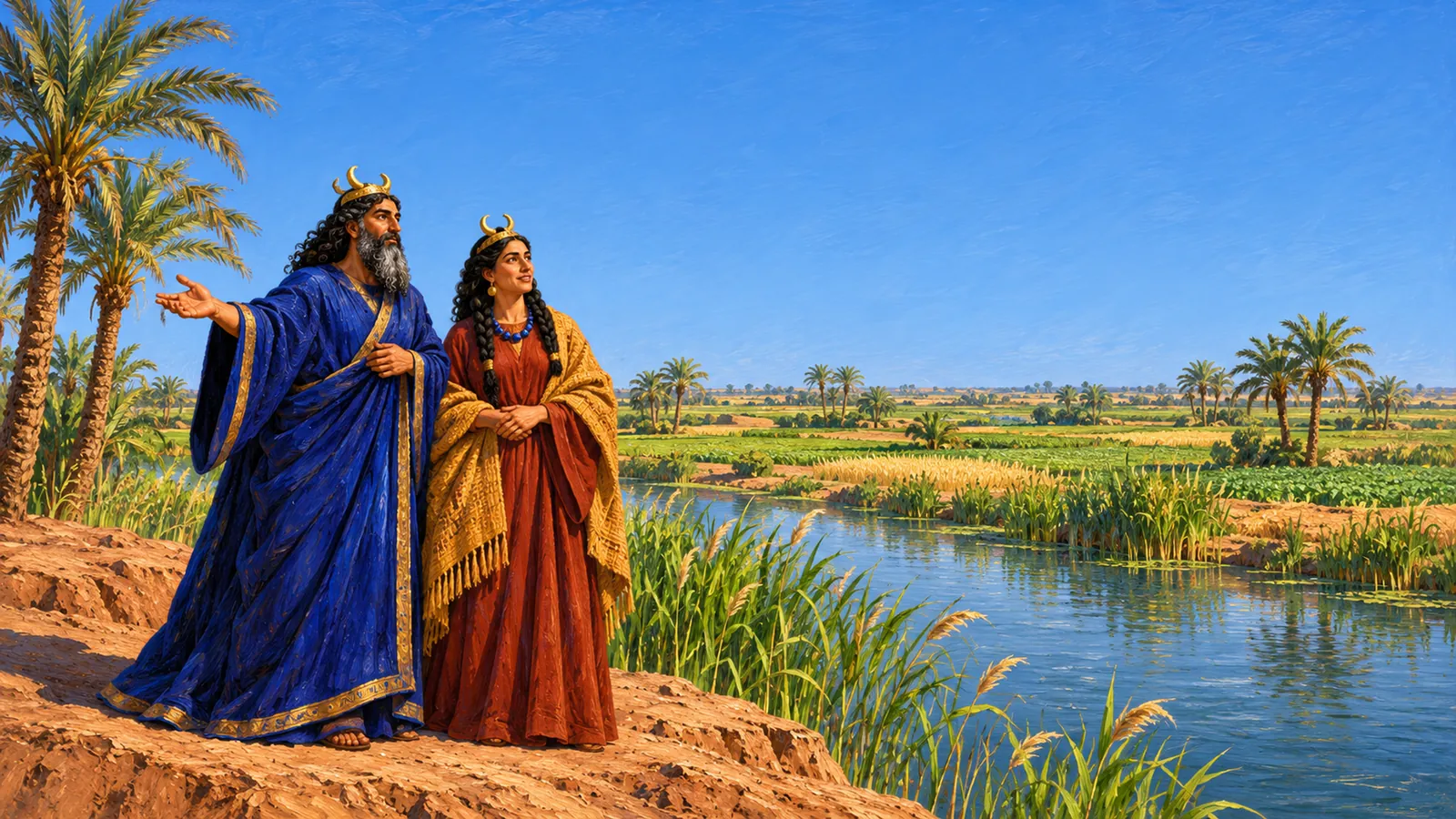
O CÉU E A TERRA
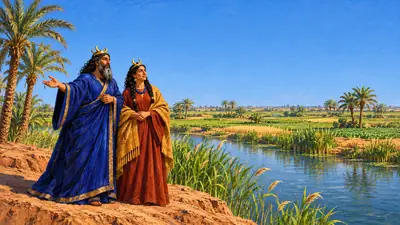
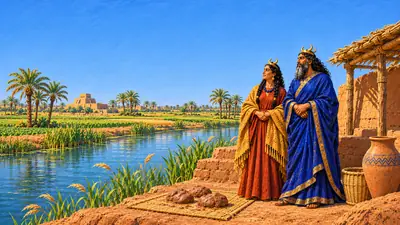
Thorkild Jacobsen apresenta Enki, deus das águas doces, e Ninmah, um nome de Ninhursaga, a deusa da terra. Os primeiros versos situam a história nos dias e nas noites que se seguiram à separação do céu e da terra.
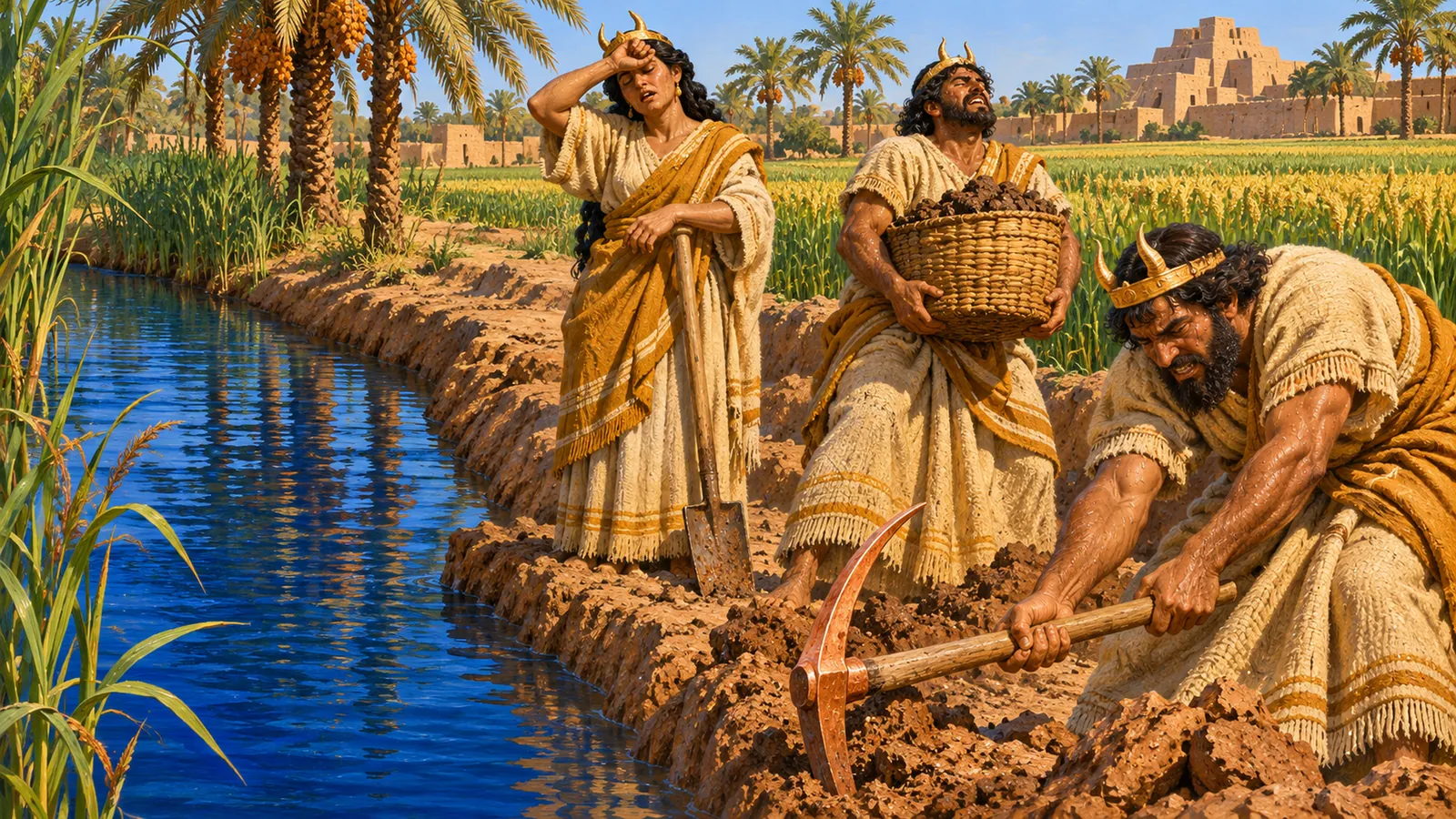
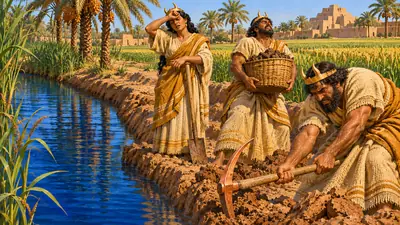
No relato de Jacobsen, os deuses trabalhavam outrora para se alimentar. Usavam foices e picaretas, escavavam canais e detestavam esse trabalho.
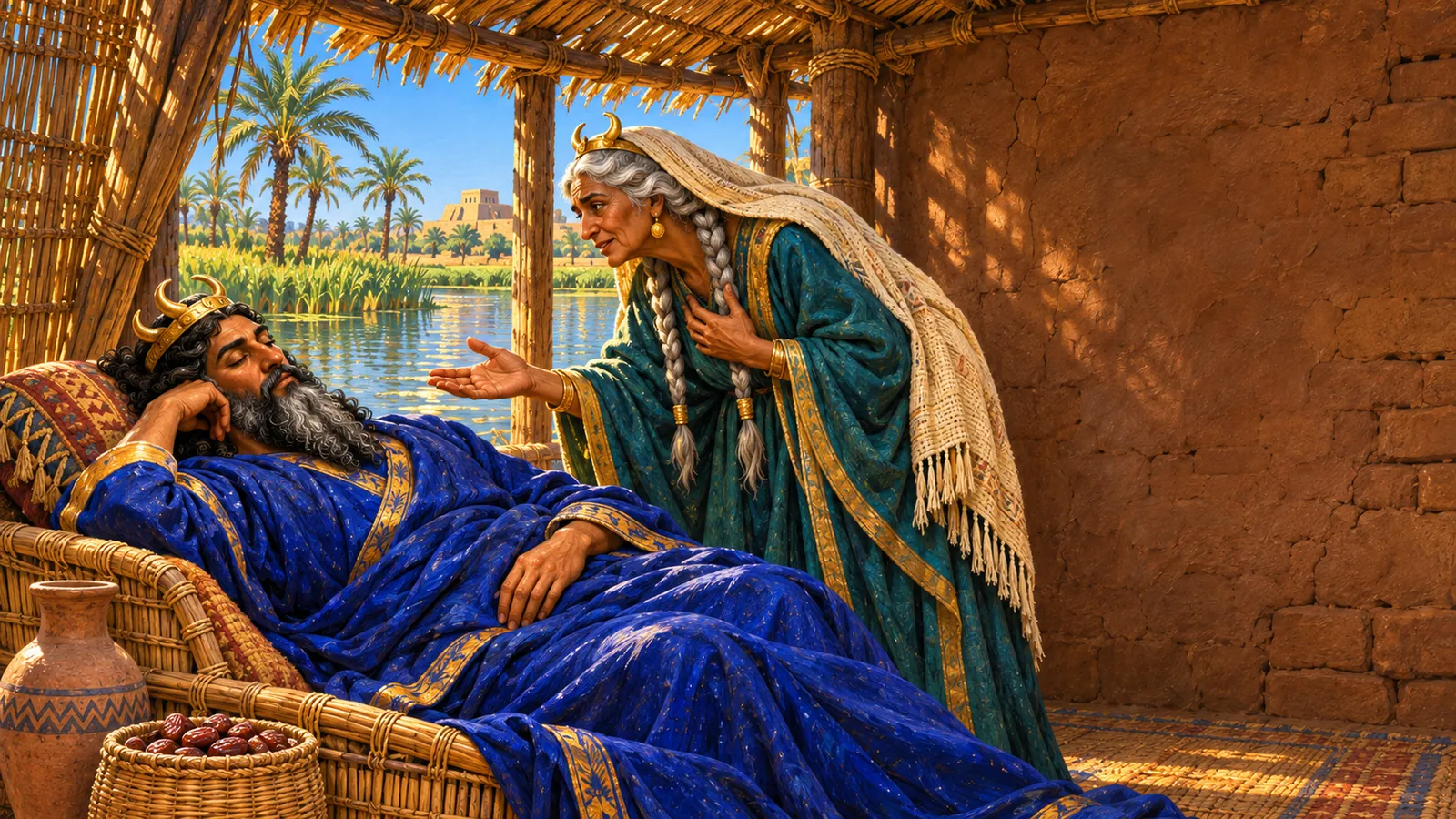
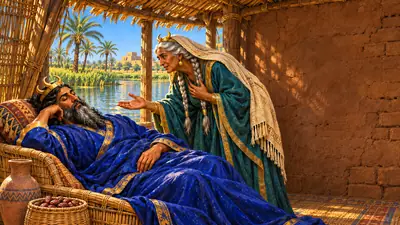
Os deuses recorrem a Enki, que está a dormir. Nammu, sua mãe, que Jacobsen associa às águas profundas, leva-lhe as queixas dos deuses.
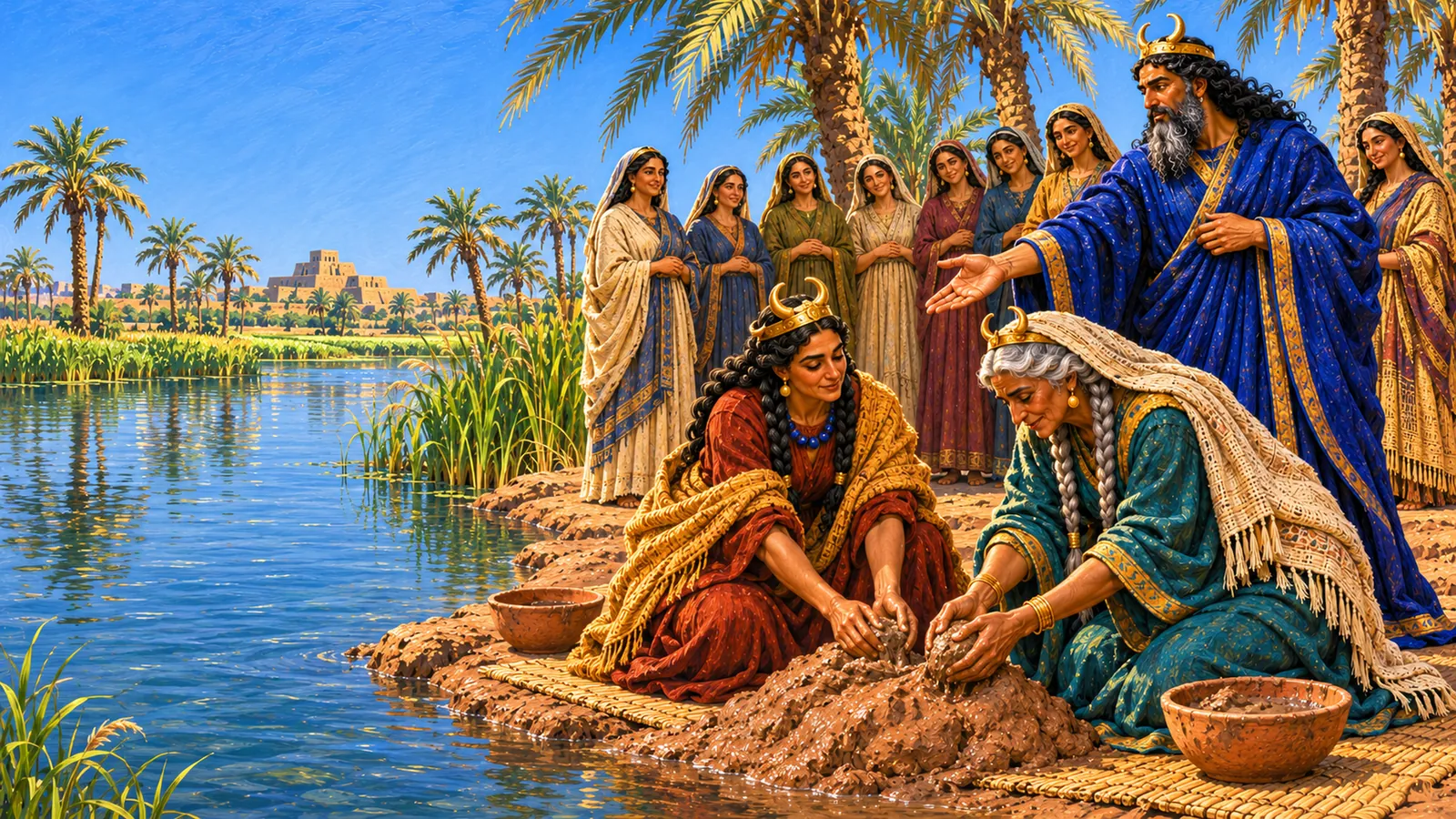
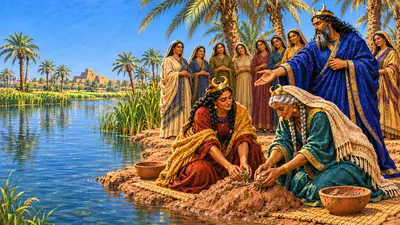
Enki diz a Nammu que se prepare para dar à luz a argila que fica acima do apsu. Jacobsen explica que a argila fica acima das águas subterrâneas e que Ninmah e outras oito deusas devem ajudar Nammu.
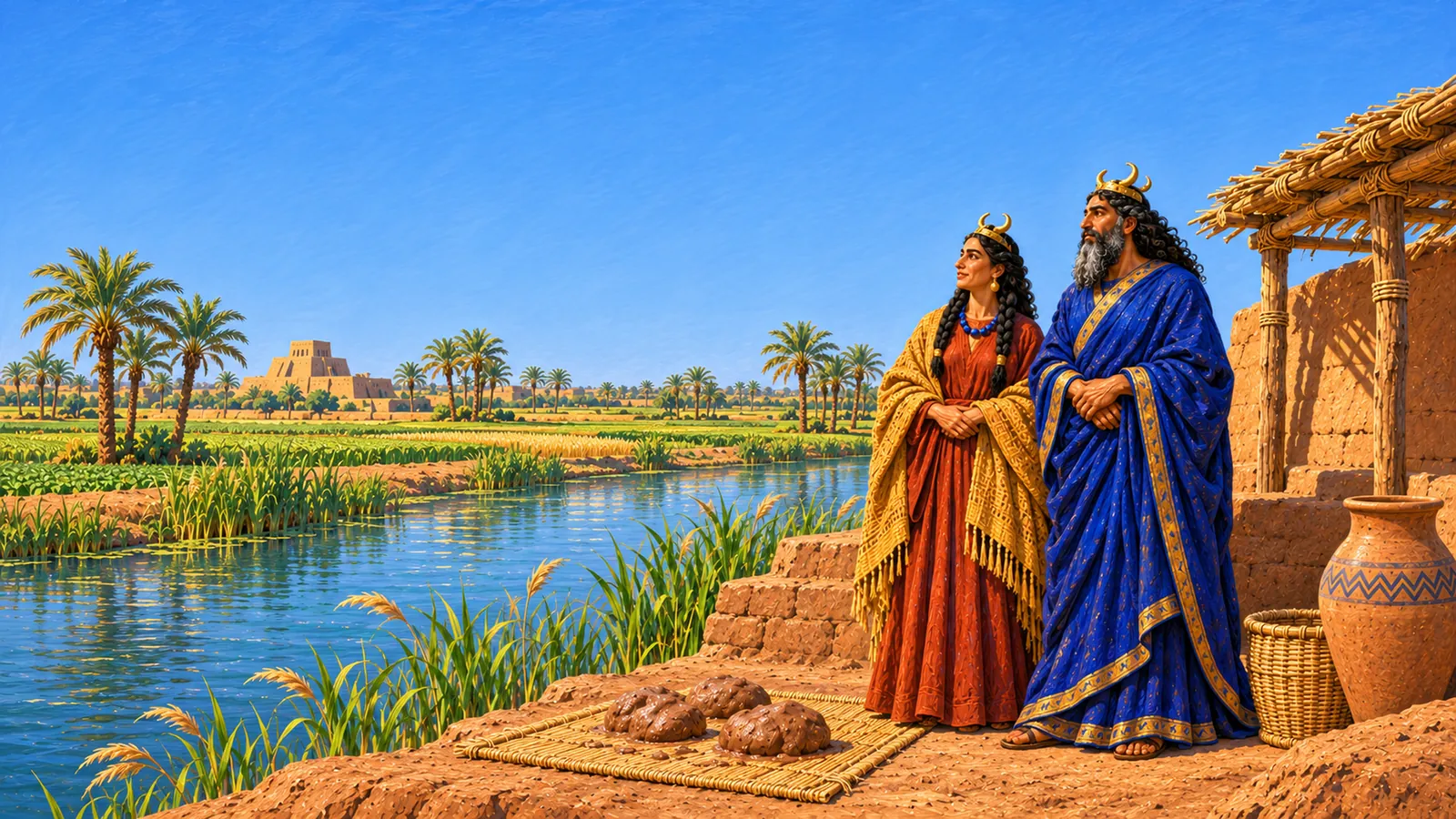
UMA LACUNA
Uma lacuna importante deixa por esclarecer como a humanidade foi criada. Jacobsen supõe que a argila nasceu primeiro e que dela se fizeram os seres humanos.
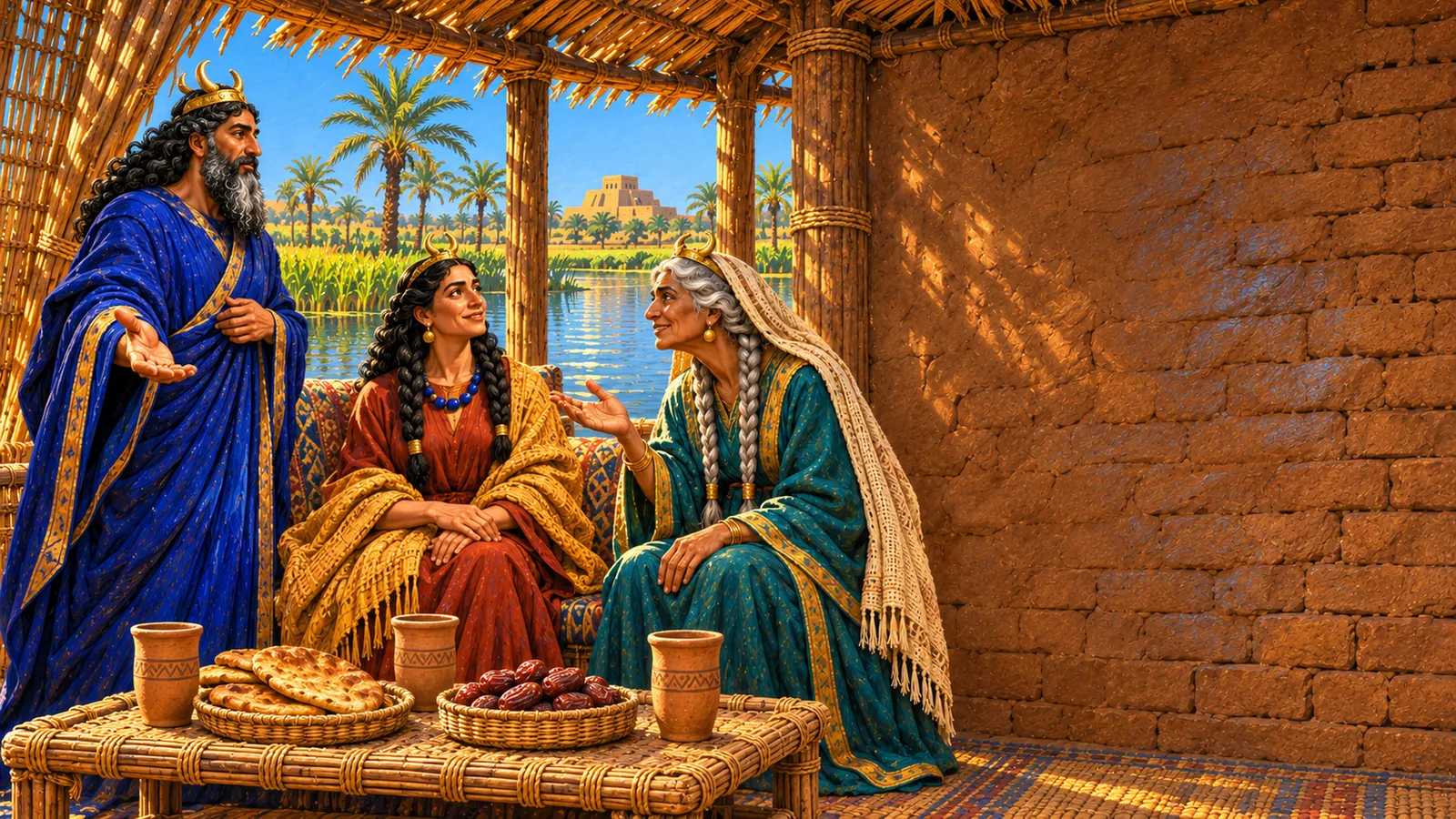
Quando o texto recomeça, Jacobsen descreve Enki a preparar um banquete para Ninmah e Nammu. Os deuses elogiam a sua habilidade, e Jacobsen sugere que o banquete talvez celebre o nascimento.
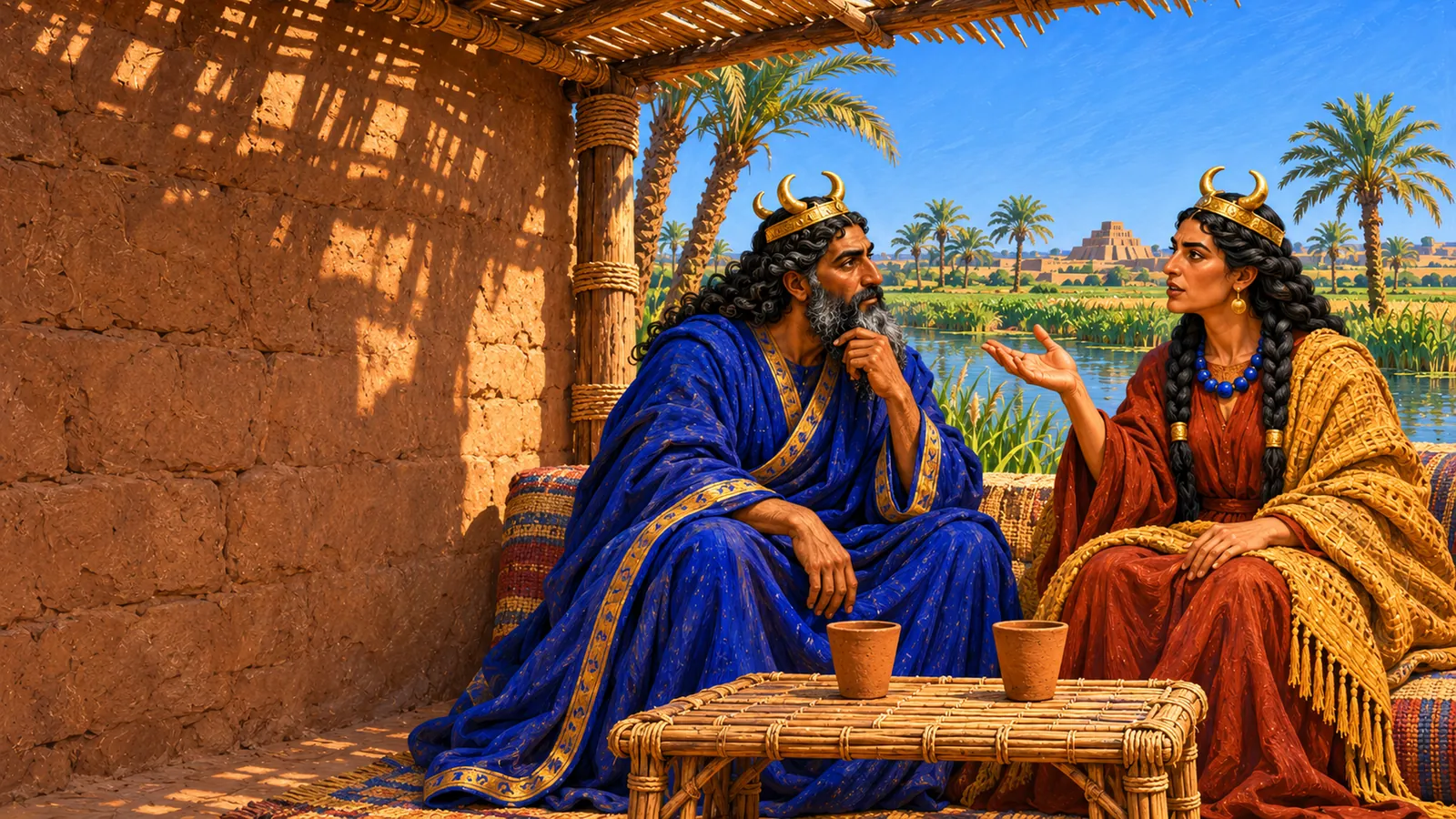
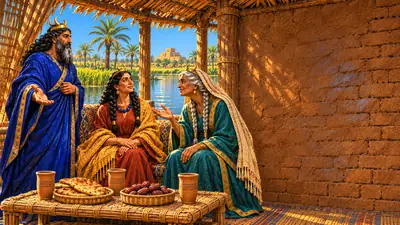
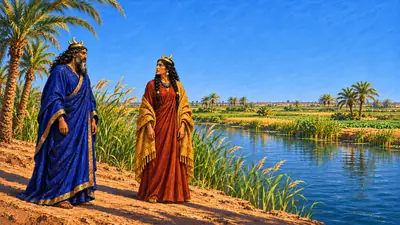
Depois de beber cerveja com Enki, Ninmah pergunta até que ponto pode ser bom ou mau o corpo humano. Diz que pode dar-lhe um destino bom ou mau, conforme escolher.
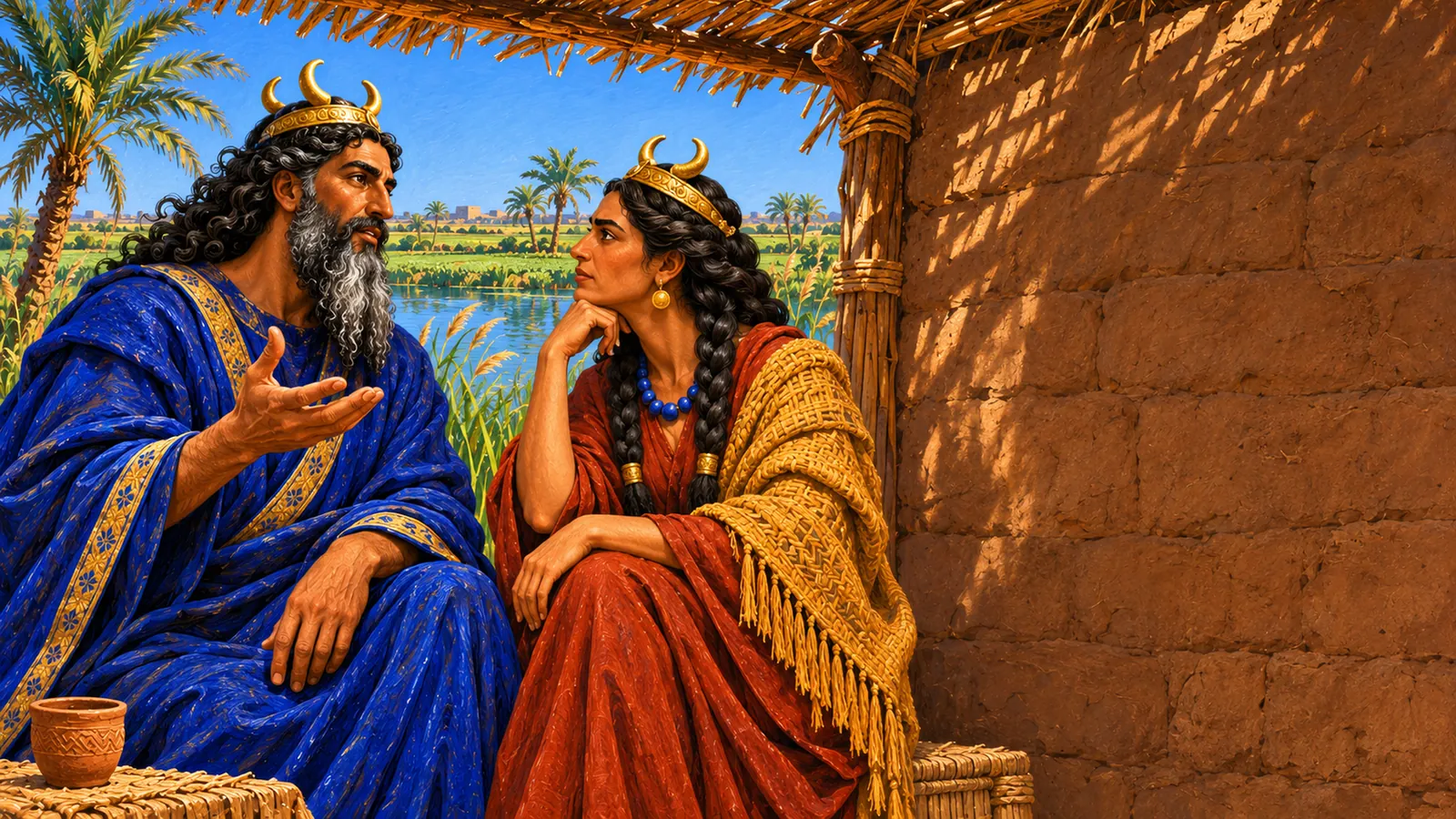
Enki diz que fará frente ao destino que Ninmah escolher, seja bom ou mau. A edição assinala como incerta a tradução do verbo por «equilibrar».
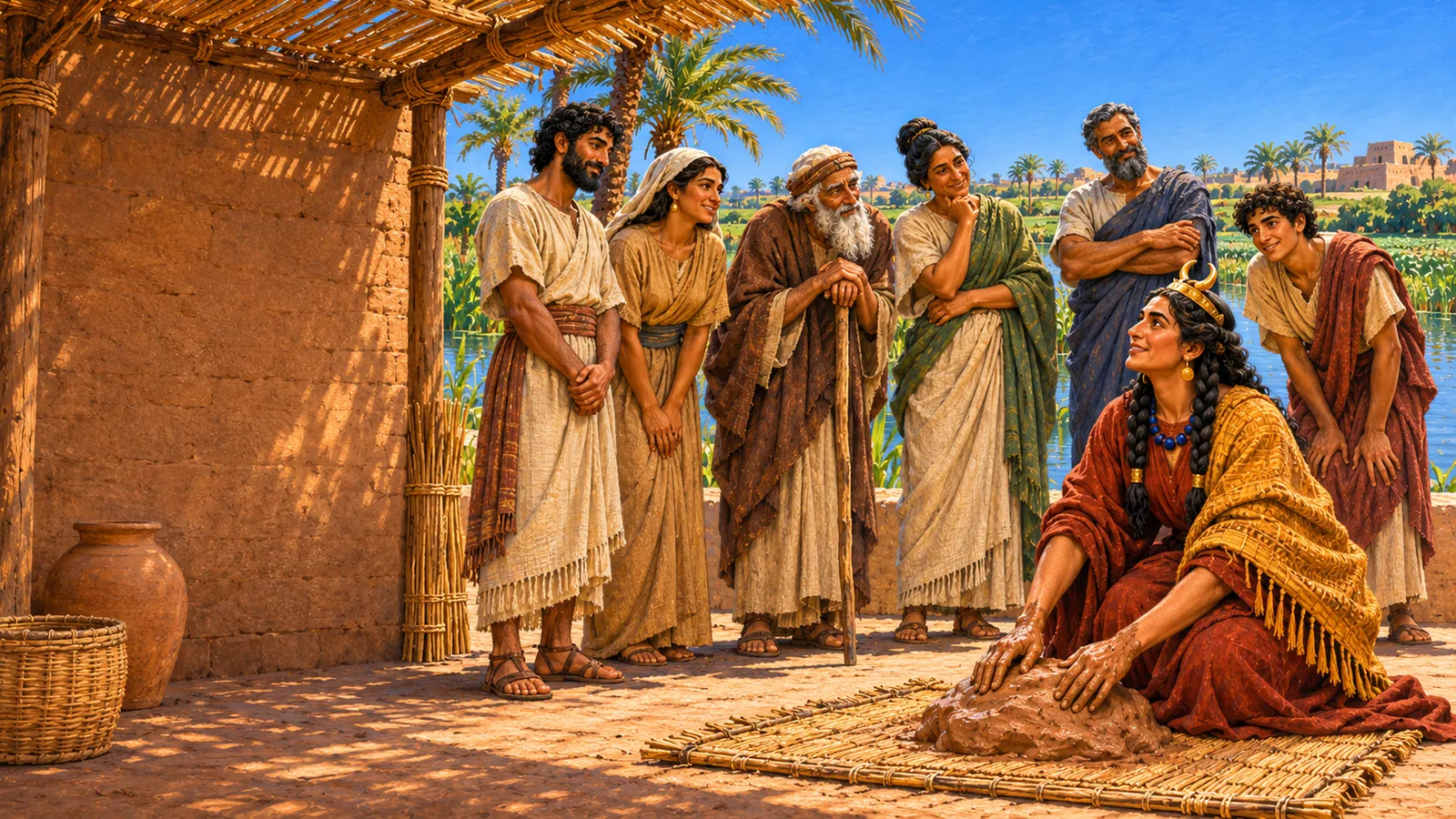
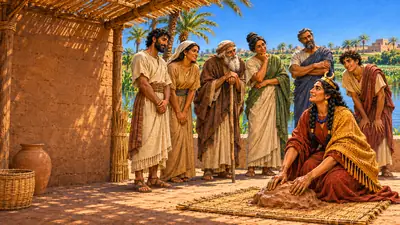
Segundo Jacobsen, Ninmah molda seis pessoas em argila. Entre elas estão um homem que não consegue reter a urina, uma mulher que não pode ter filhos e uma pessoa sem órgãos sexuais masculinos nem femininos.
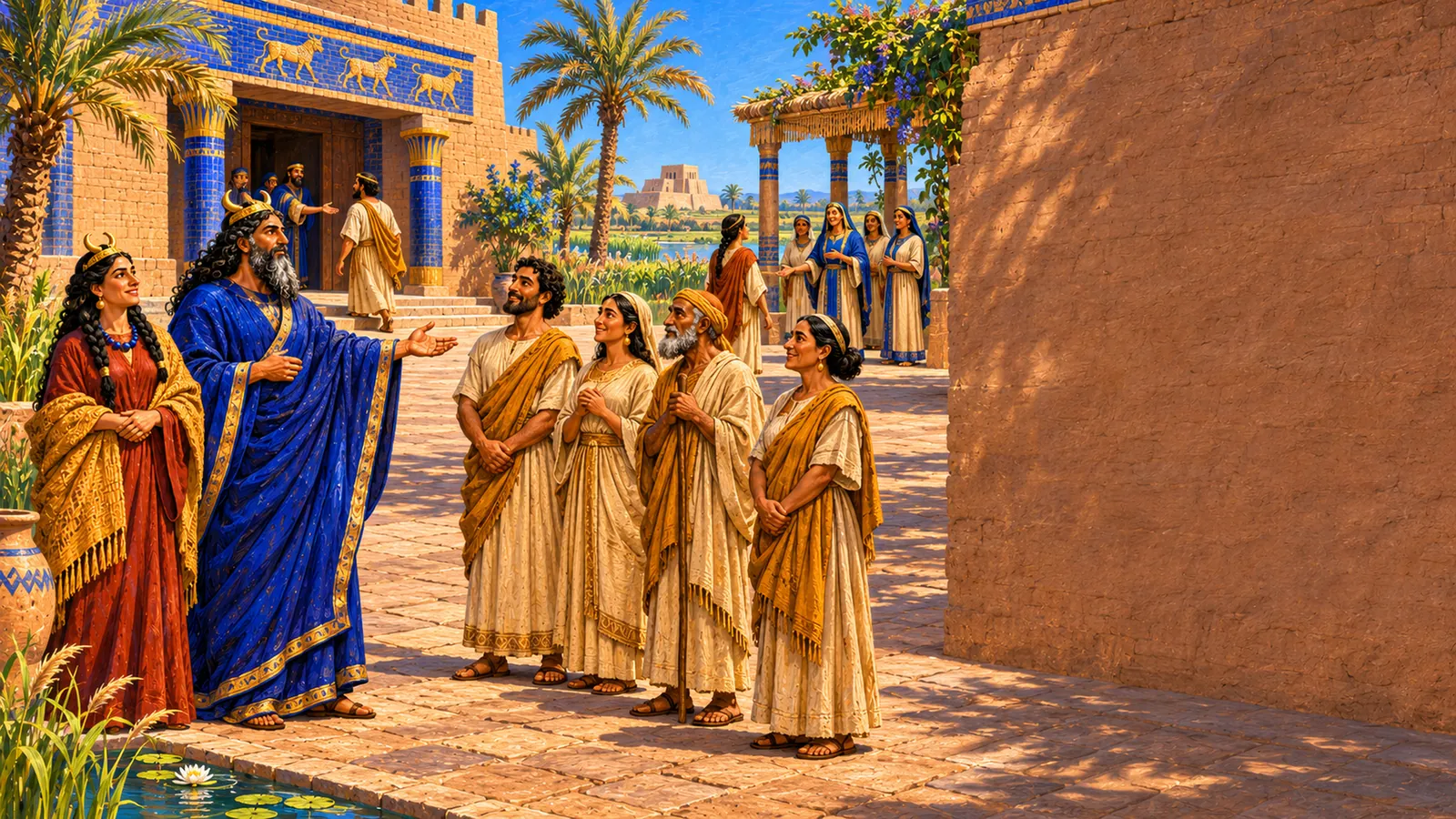
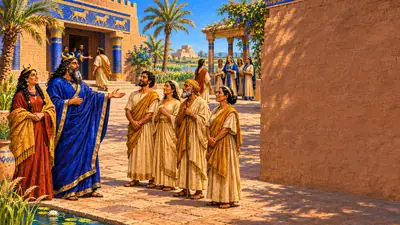
Segundo Jacobsen, Enki encontra para os seis uma maneira de ganhar a vida. Uma das pessoas entra ao serviço do rei e outra junta-se às damas da rainha.
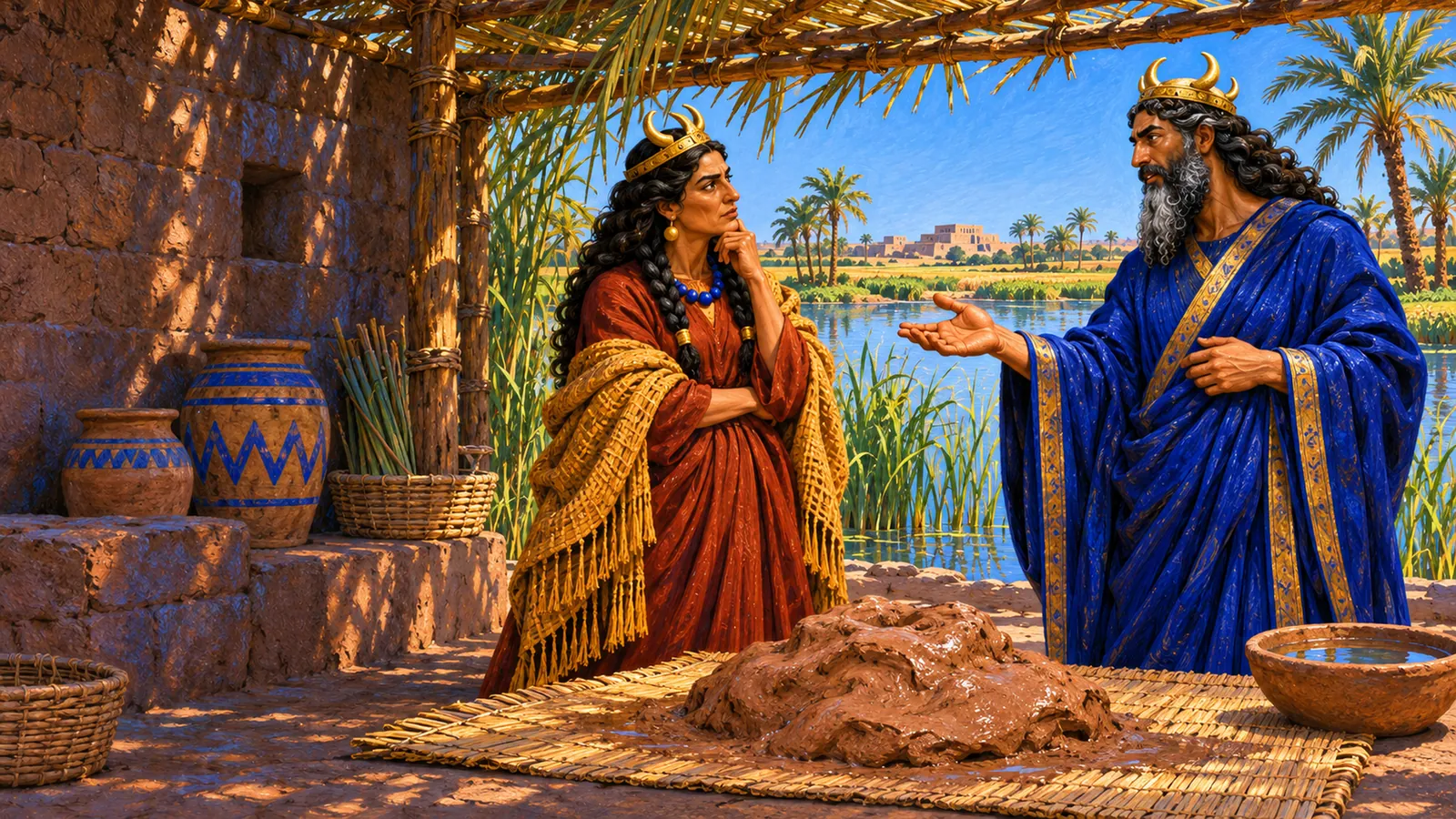
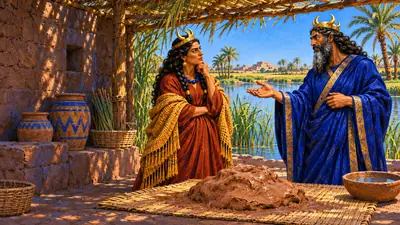
Jacobsen diz que Enki troca de papel com Ninmah e lhe pede que encontre um modo de vida para as pessoas que ele moldar. Uma passagem danificada deixa a primeira tentativa por esclarecer.
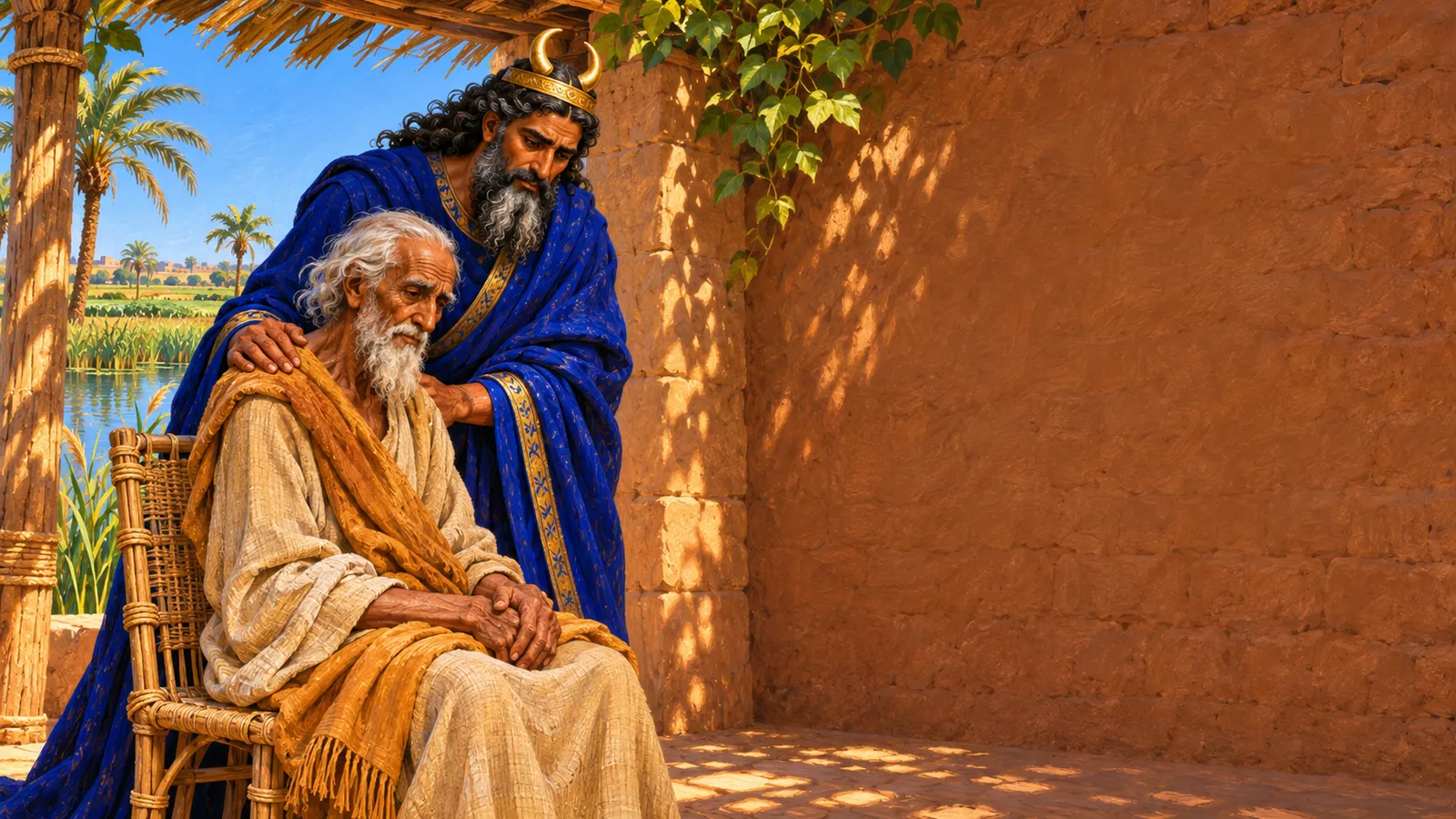
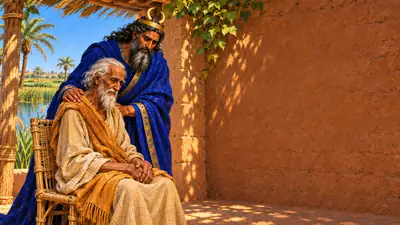
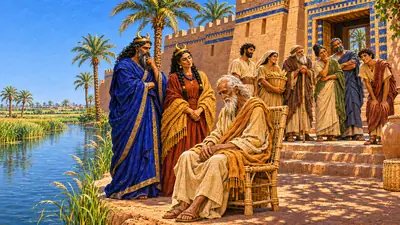
Jacobsen descreve a segunda figura de Enki como um homem muito idoso cujo nome explica como «o meu dia é distante». Descreve uma doença dos olhos, dores no fígado e no coração, mãos trémulas e uma vida a extinguir-se.
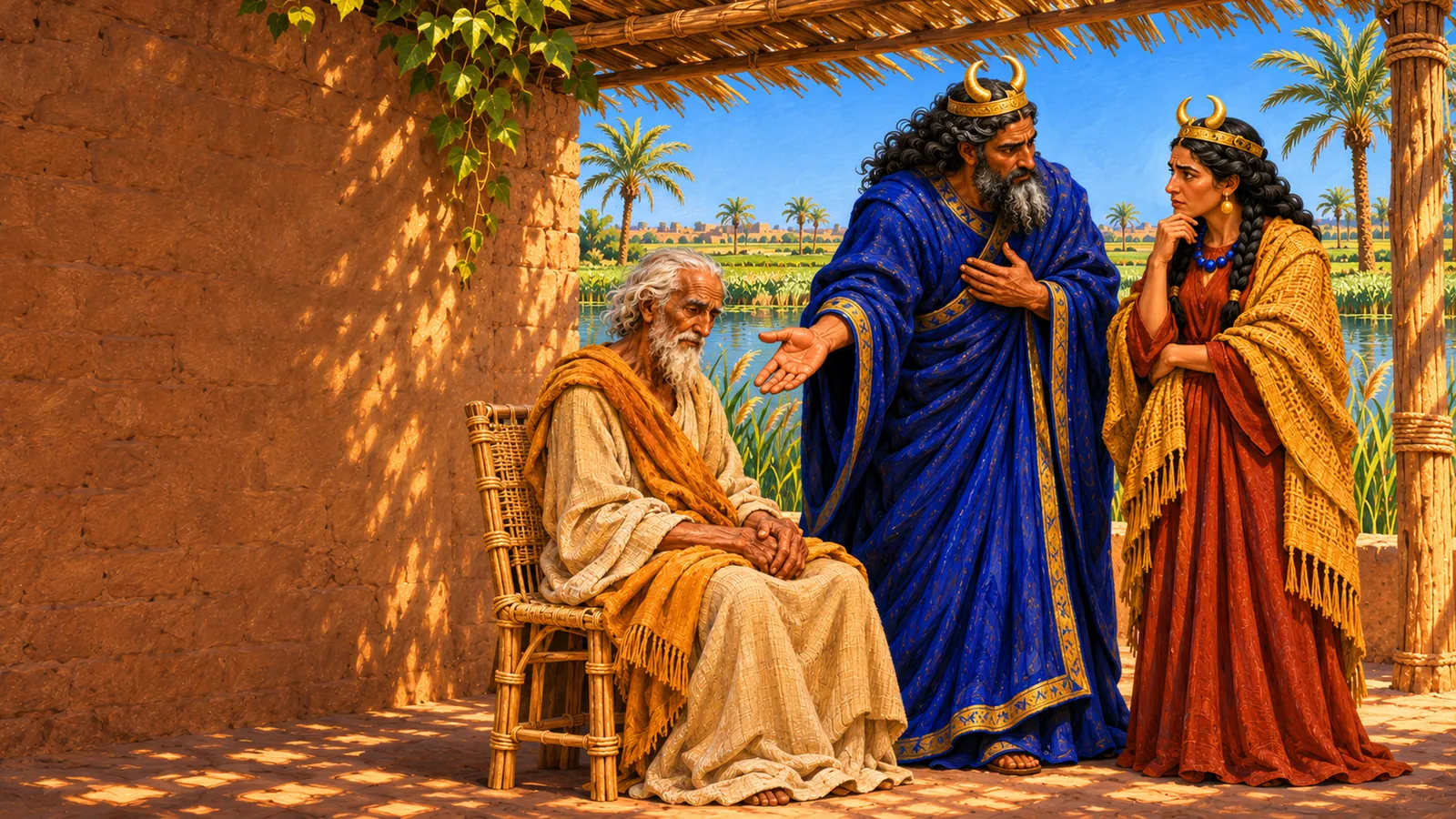
Enki diz que atribuiu às pessoas que Ninmah fez um destino que lhes permitia ganhar a vida. Pede-lhe que faça o mesmo pelo homem que ele fez.
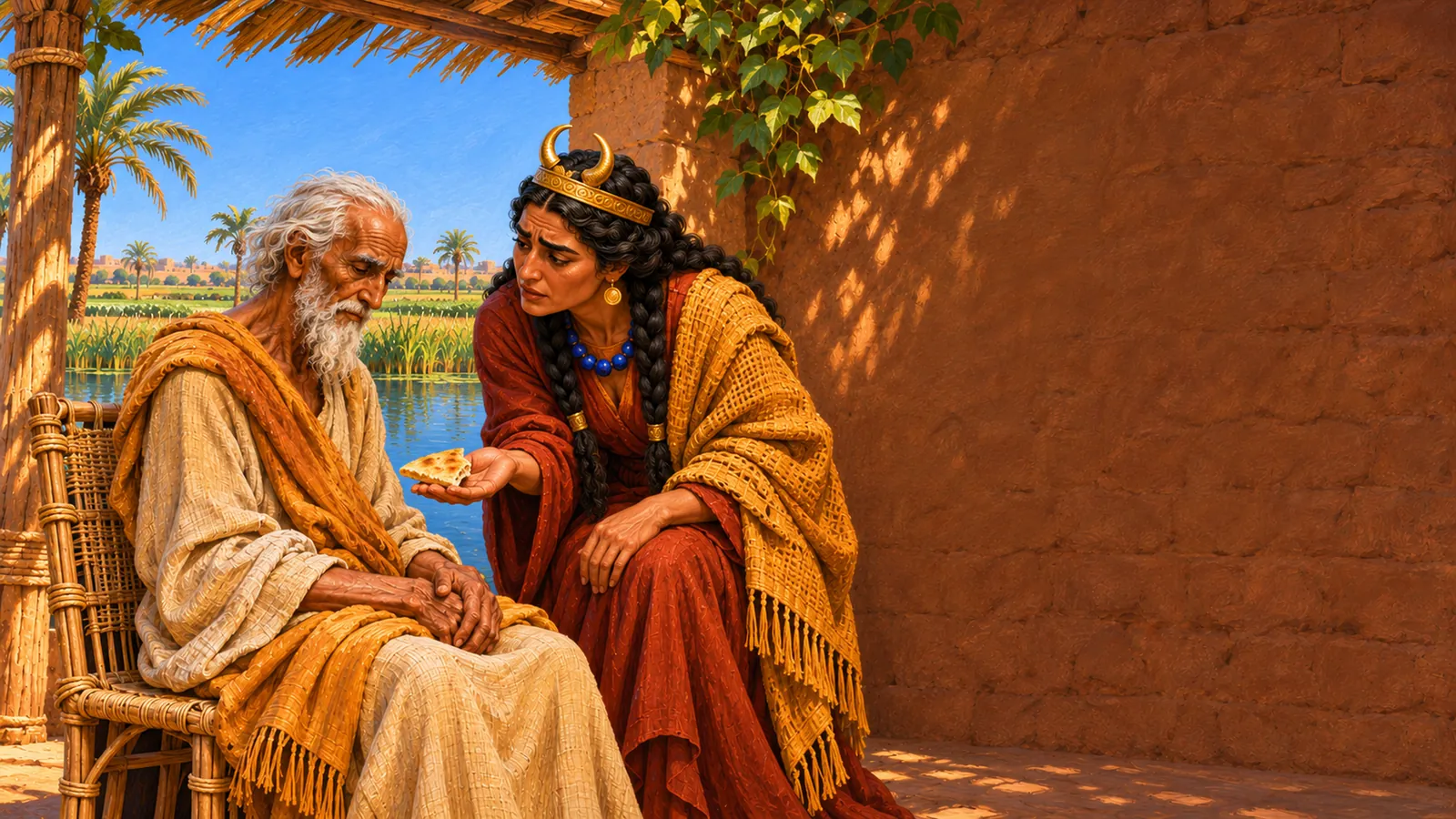
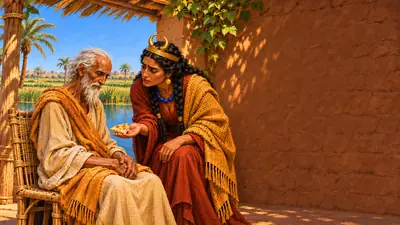
Jacobsen diz que o homem não consegue responder à pergunta de Ninmah. Também não consegue alcançar o pão que ela lhe oferece.
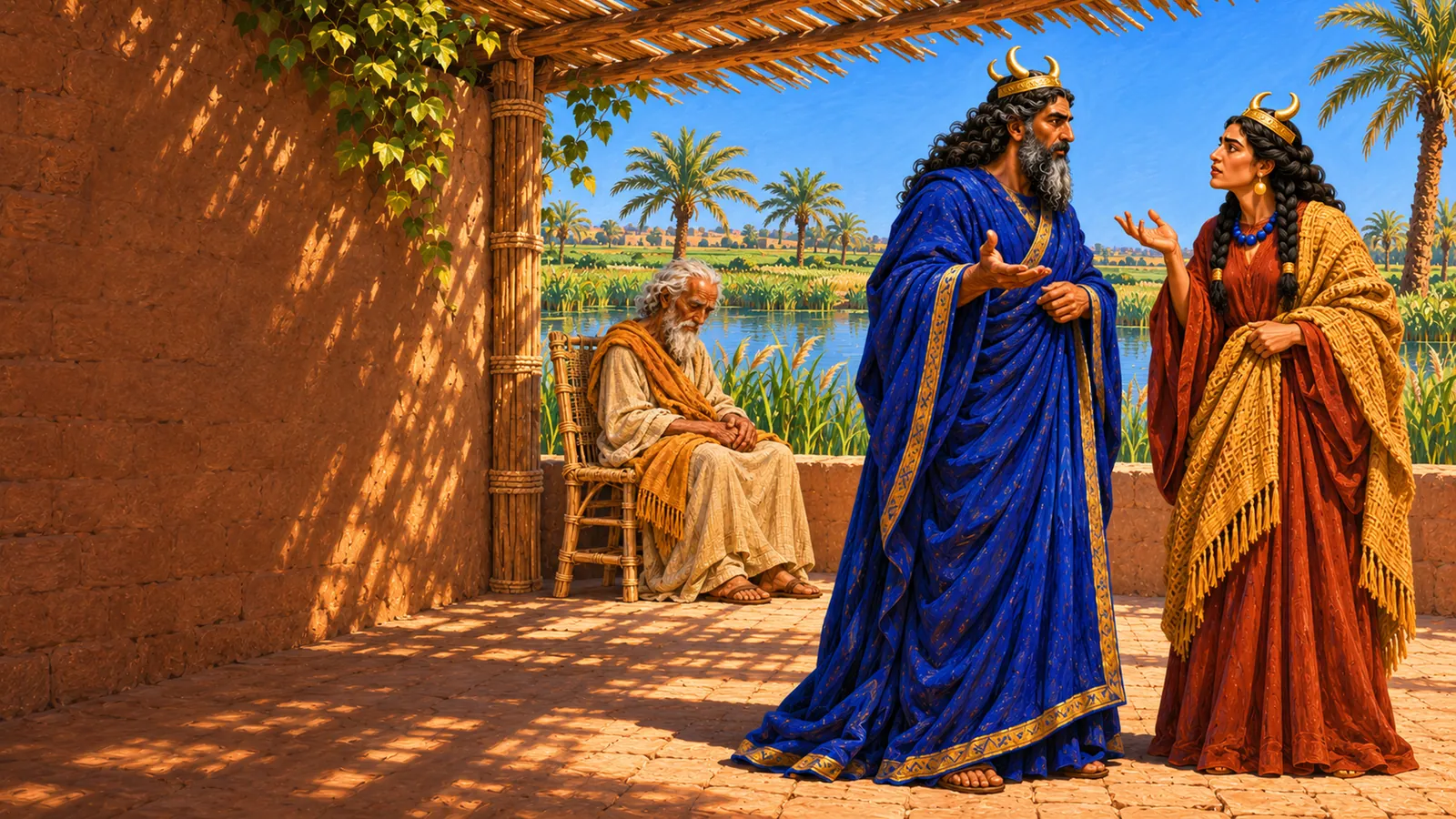
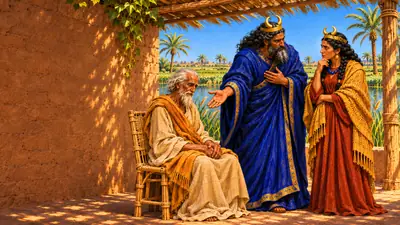
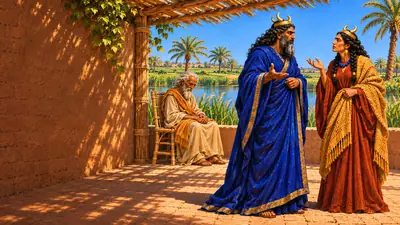
No relato de Jacobsen, Ninmah diz que o homem que Enki fez não está vivo. Enki lembra-lhe que encontrou meios de subsistência para as pessoas que ela fez. Uma lacuna interrompe a disputa.
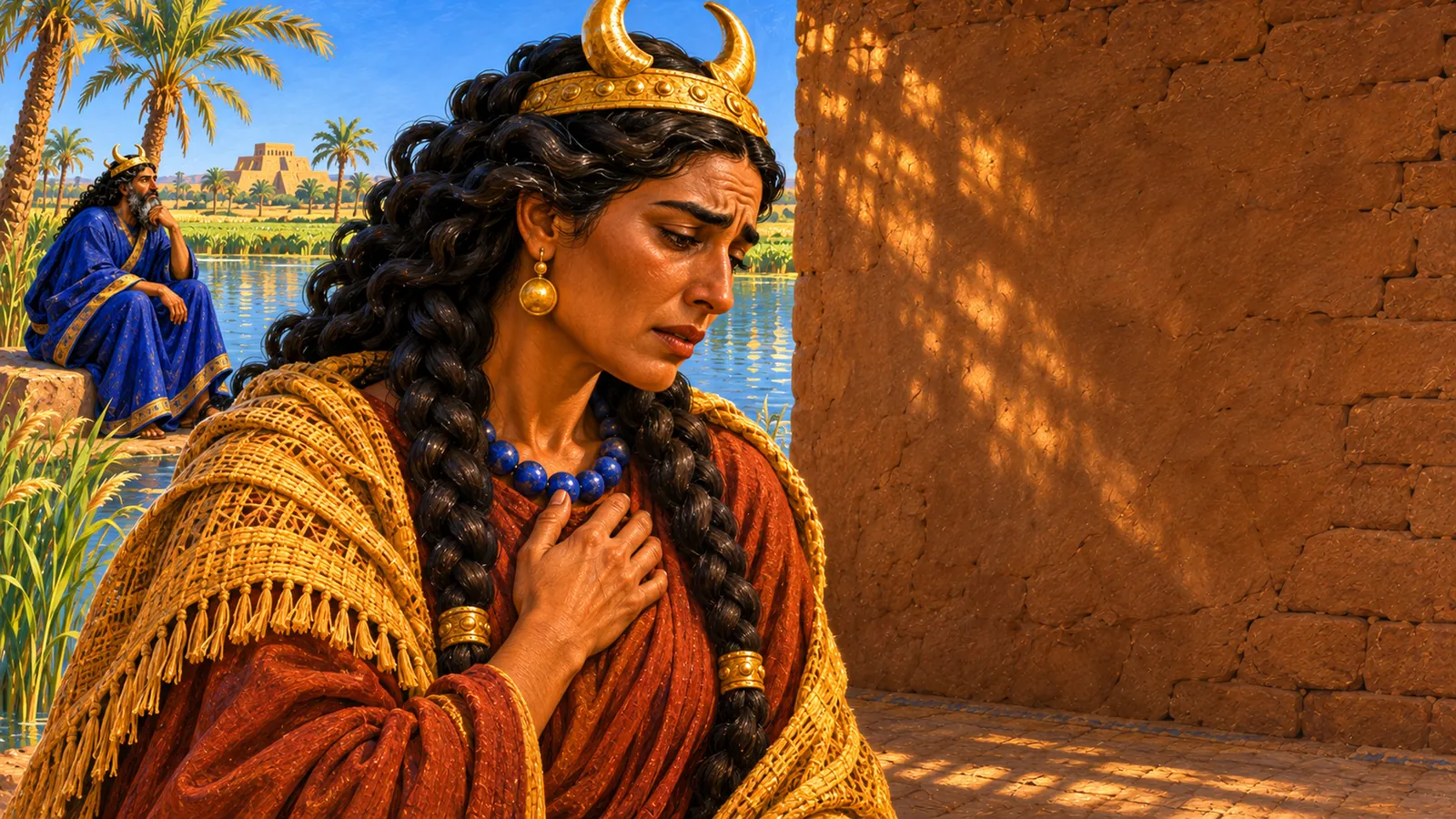
Jacobsen associa a segunda figura de Enki às dificuldades da velhice. Pergunta-se se Ninmah se afligiu com os efeitos das figuras na sua terra e na sua cidade ou se Enki voltou a humilhá-la. As lacunas deixam a causa incerta.
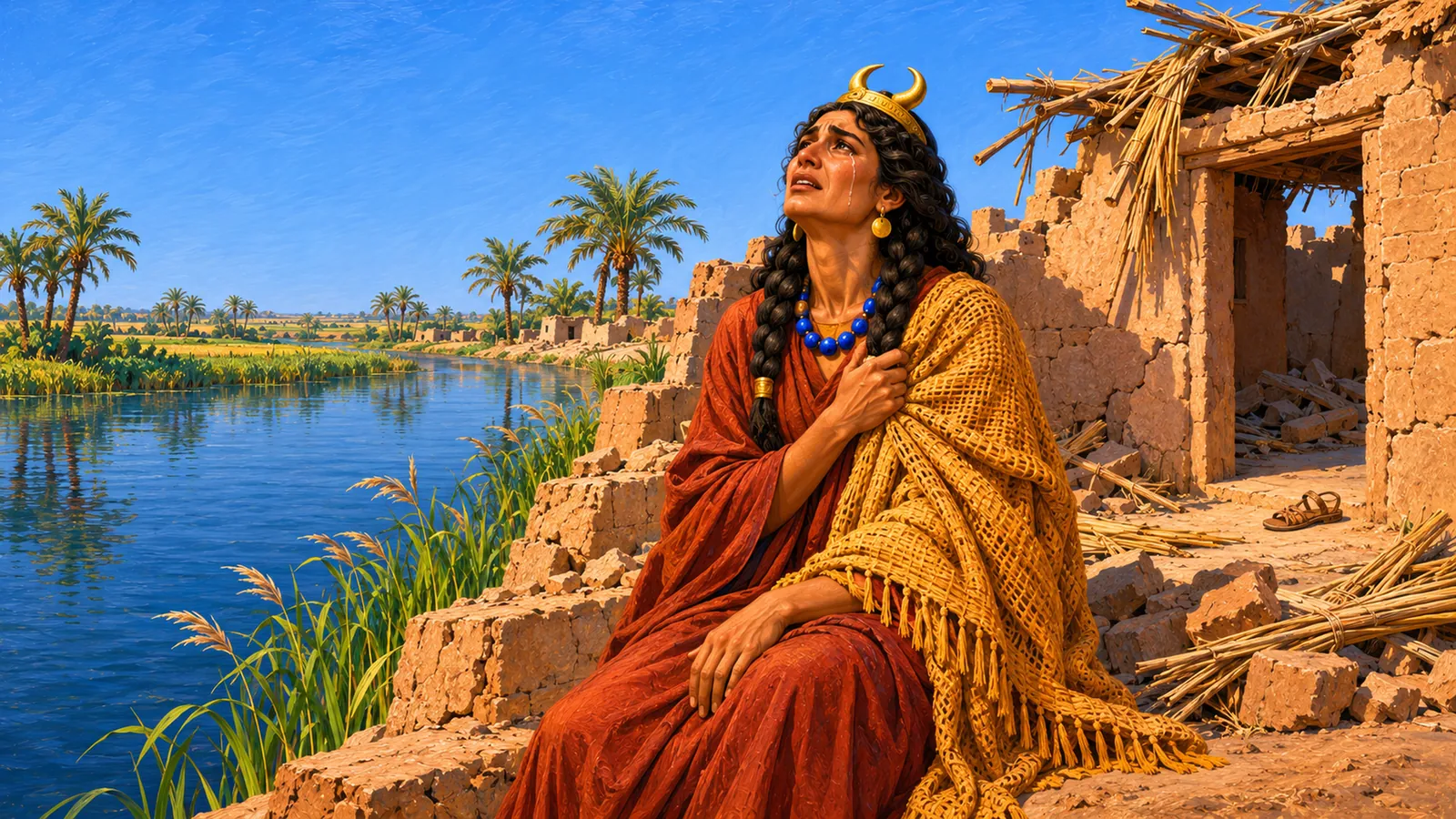
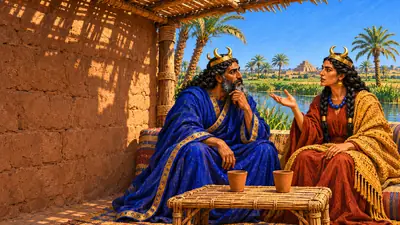
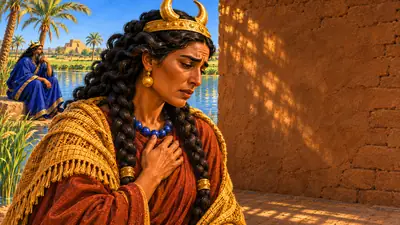
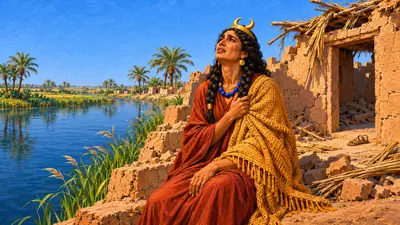
Ninmah diz que a sua cidade foi destruída, a sua casa devastada e os seus filhos feitos cativos. Diz que foi obrigada a deixar Ekur e que ainda não consegue escapar ao poder de Enki. Jacobsen assinala como incerta a sua leitura de «fugitiva».

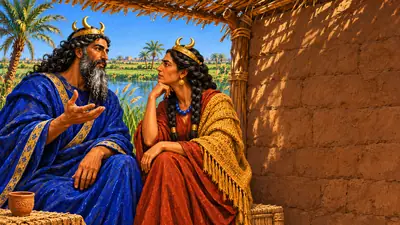
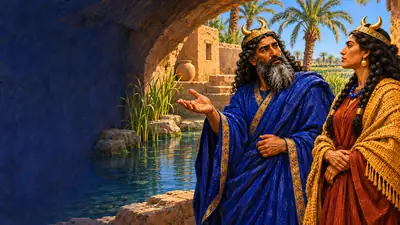
Ninmah proíbe Enki de viver no céu ou na terra. Jacobsen lê a maldição como uma explicação de por que razão as águas doces estão debaixo da terra.
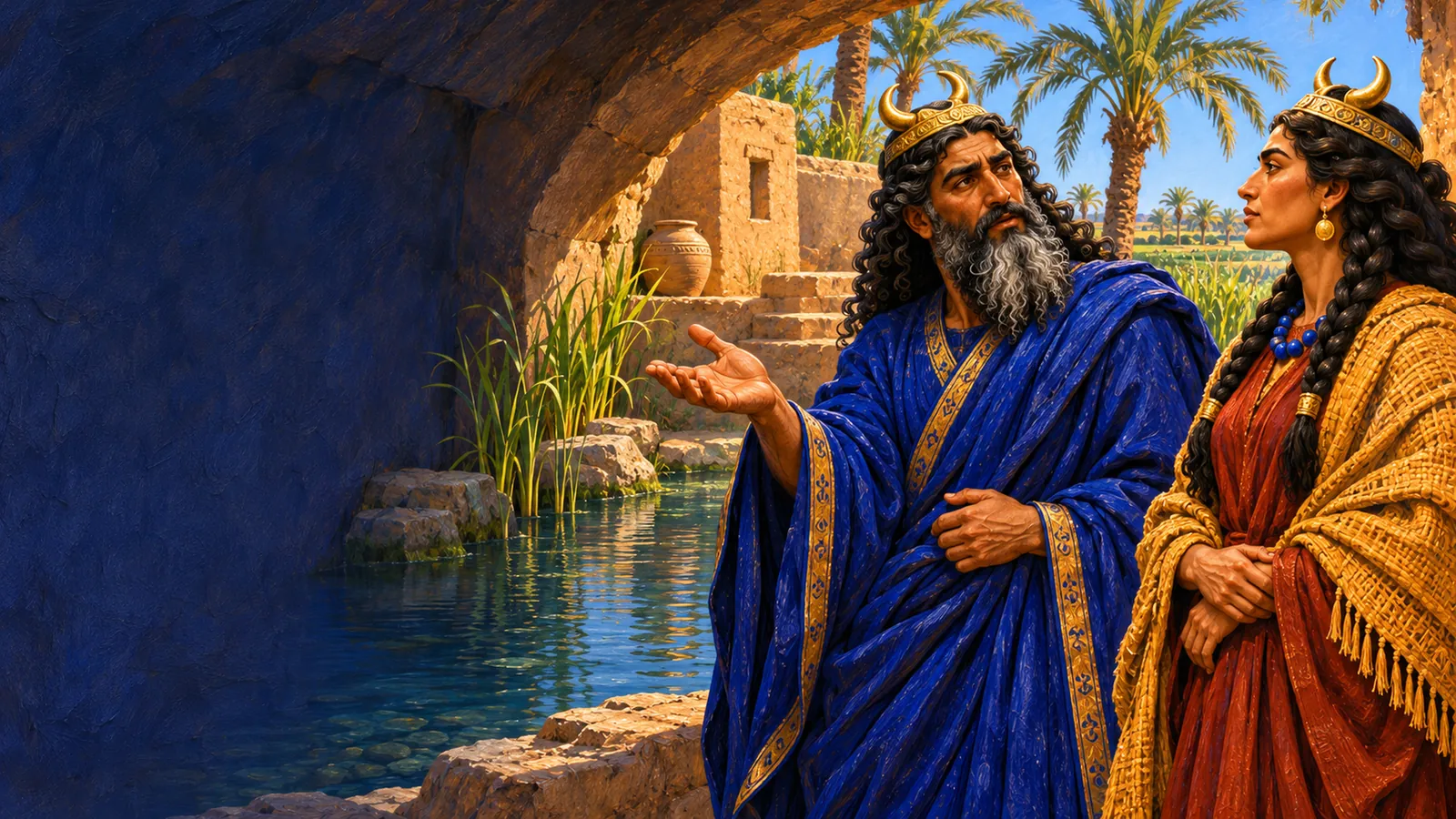
Enki pergunta quem poderia mudar uma ordem vinda de Ninmah. Jacobsen entende que o seu decreto é vinculativo.
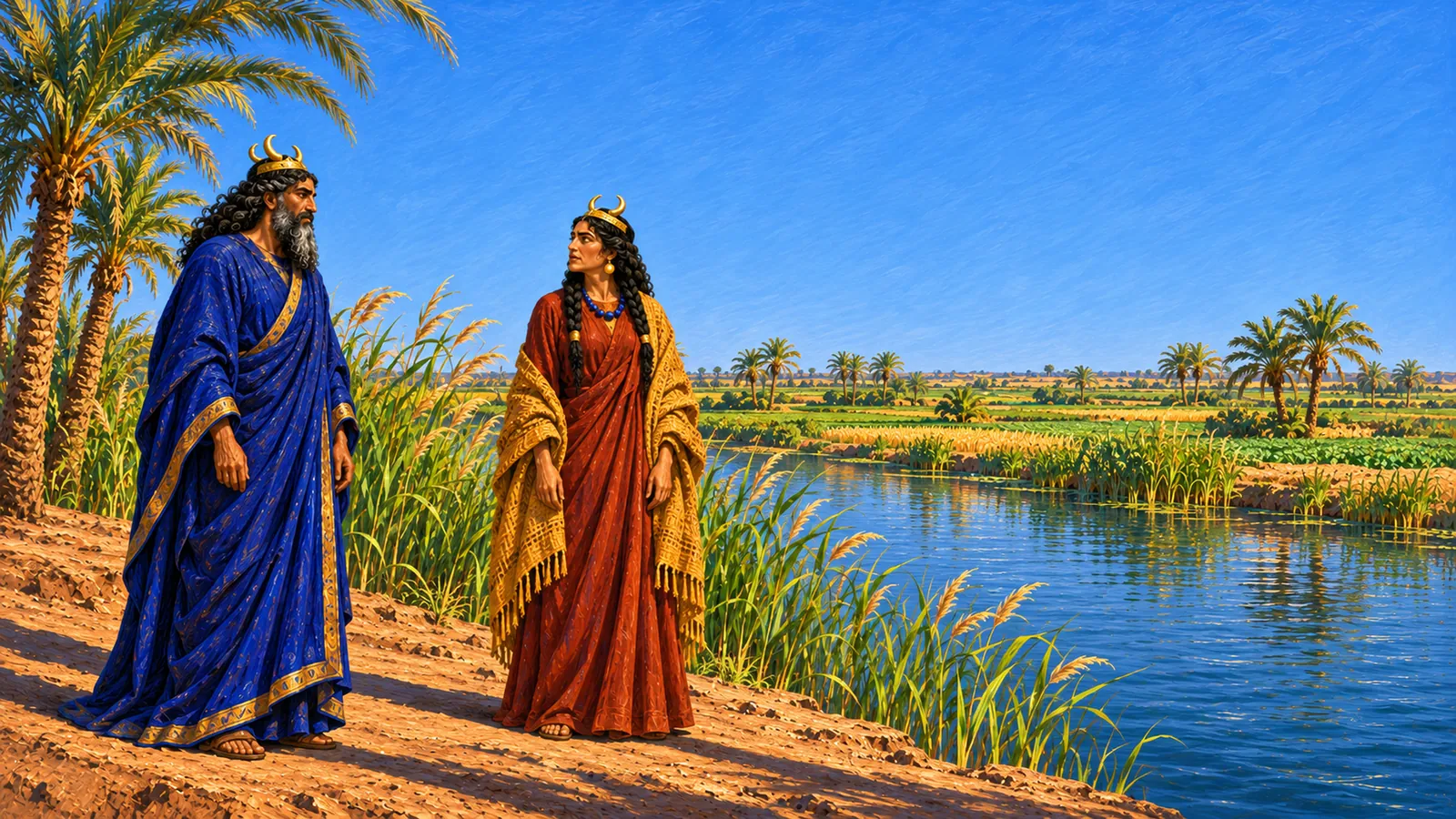
Jacobsen diz que o texto continua, mas é fragmentário e difícil. Sugere que a sentença talvez tenha sido abrandada e que os dois talvez se tenham reconciliado.
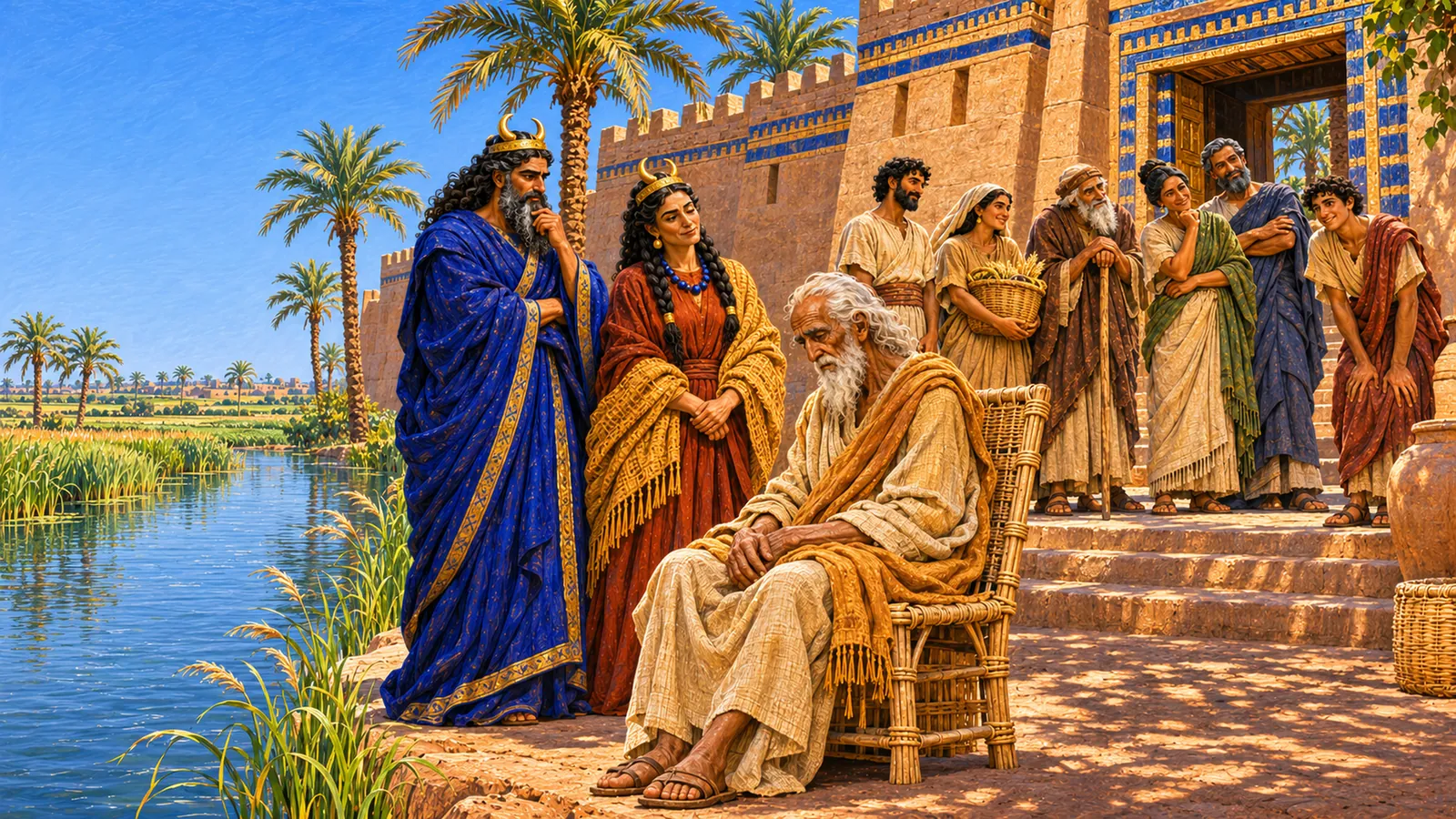
Jacobsen lê a história como uma explicação dos papéis sociais ligados às diferenças físicas e das dificuldades da velhice. Compara os meios de vida que Enki encontrou para as criações de Ninmah com o seu próprio desafio, cujo desfecho permanece incerto.
Fim do capítulo 1
Todas as páginas

Fontes
This reading follows Thorkild Jacobsen’s subsection on Enki and Ninmah in The Cosmos as a State, The Intellectual Adventure of Ancient Man, University of Chicago Press, 1946, first Phoenix edition 1977, pp. 161–165. The book credits H. A. Groenewegen Frankfort for the English poetic form (preface p. vi and p. 184, note 3). Chapter note 26 on p. 184 refers to Kramer’s Mythology, note 73.
Edições consultadas
- University of Chicago, The Intellectual Adventure of Ancient Man
- Jacobsen’s printed subsection, pp. 161–165
- Chapter notes 3 and 26, p. 184
Notas sobre este reconto
Page 1, opening. Jacobsen’s introduction on pp. 161–162 describes Enki as the god of sweet water and gives Ninmah as an epithet of Ninhursaga. The opening translated lines repeat the separation of sky and earth across a pair of lines on days and nights. The book credits H. A. Groenewegen Frankfort with the English form of the poem selections (preface p. vi and p. 184, note 3).
Pages 2–3, labor and Nammu’s appeal. The prose following the opening selection on p. 162 recounts the gods’ agricultural toil, the canals they dig and their appeal to Enki. Nammu is Enki’s mother in the account and Jacobsen associates her with the watery deep.
Page 4, the clay and the apsu. A short quotation within the prose on p. 162 locates the clay above the apsu. Jacobsen glosses this as the level above the underground waters and adds the account of Ninmah and eight other goddesses helping Nammu. His prose compares the severing of the clay to that of a newborn from its mother.
Pages 5–6, the gap and feast. The p. 162 break leaves the making of human beings uncertain. Jacobsen’s suggestion about clay being born before humans are formed is conjectural. The proposed reason for the feast is another conjecture.
Pages 7–8, the first challenge. The printed passage on p. 162 sets the exchange after Ninmah and Enki drink beer. Parentheses mark “really” within her question about the human body. The edition places a question mark after the verb rendered “balance” in Enki’s reply.
Pages 9–10, physical descriptions and livelihoods. Jacobsen’s prose on p. 163 gives three examples among the six people Ninmah forms. The person without male or female sexual organs is assigned to the king’s service, and the woman who cannot bear children joins the queen’s attendants. Jacobsen proposes that the former is a eunuch. That identification is conjectural.
Page 11, reversal and the first attempt. Jacobsen’s prose on p. 163 describes Enki taking up the shaping of people, while Ninmah is asked to determine their lot. The text is damaged where Enki’s first attempt would be described.
Page 12 · p. Jacobsen reads the second as a very old man and glosses his name “my day is remote.” The spoken version uses the clearly readable gloss because the extracted transliteration from the scan is uncertain. Jacobsen’s description mentions eye disease, pain in the liver and heart, trembling hands, and life ebbing away.
Pages 13–14 · p. 163, translated challenge and explanatory prose. Enki says that he assigned the people Ninmah made a lot allowing them to subsist and asks her to find such a lot for the man he made. Jacobsen’s narrative says the man cannot reply to Ninmah’s question or reach for the bread she offers.
Pages 15–16 · pp. 163–164, the interrupted quarrel and Jacobsen’s conjectures. Jacobsen reports that Ninmah says the man is not alive. A break interrupts the quarrel.
Page 17 · p. 164, translated lament. In the printed translation, “fugitive” has a question mark. The still shows an intact doorway.
Pages 18–19 · p. 164, the curse and translated reply. Ninmah forbids Enki from dwelling in heaven or on earth. Jacobsen links this to the sweet waters beneath the earth and compares the decree with one in the separate Tilmun narrative. Enki asks who could alter a command from Ninmah. Jacobsen reads his reply in terms of the binding force of a divine decree.
Page 20 · p. 164, the fragmentary continuation. Jacobsen says that the text continues but is difficult to read. He suggests the sentence may have been eased and a reconciliation may have followed. The wording keeps both as conjectures.
Page 21 · pp. 164–165, Jacobsen’s closing interpretation. His historical interpretation mentions eunuchs and hierodules. It ends before the next category of myths.
Os versos antigos de cada página
- Page 1: Jacobsen, “Enki and Ninmah,” 1977 Phoenix ed., pp. 161–162, framing prose and opening verse
- Page 2: Jacobsen, “Enki and Ninmah,” 1977 Phoenix ed., p. 162, prose on the gods’ work
- Page 3: Jacobsen, “Enki and Ninmah,” 1977 Phoenix ed., p. 162, prose on Nammu and Enki
- Page 4: Jacobsen, “Enki and Ninmah,” 1977 Phoenix ed., p. 162, short translated phrase and surrounding prose
- Page 5: Jacobsen, “Enki and Ninmah,” 1977 Phoenix ed., p. 162, lacuna and Jacobsen’s inference
Dark homogeneous matte mud plaster covers the upper two thirds, undisturbed by the roof edge, doorway lines, or lit seams. - Page 6: Jacobsen, “Enki and Ninmah,” 1977 Phoenix ed., p. 162, Jacobsen’s account of the resumed text
- Page 7: Jacobsen, “Enki and Ninmah,” 1977 Phoenix ed., p. 162, translated feast scene and Ninmah’s challenge
- Page 8: Jacobsen, “Enki and Ninmah,” 1977 Phoenix ed., p. 162, Enki’s translated reply
- Page 9: Jacobsen, “Enki and Ninmah,” 1977 Phoenix ed., p. 163, Jacobsen’s summary of Ninmah’s figures
- Page 10: Jacobsen, “Enki and Ninmah,” 1977 Phoenix ed., p. 163, Jacobsen’s prose on the people’s roles
- Page 11: Jacobsen, “Enki and Ninmah,” 1977 Phoenix ed., p. 163, role reversal and damaged passage
- Page 12: Jacobsen 1977, The Intellectual Adventure of Ancient Man, ch. V, Enki and Ninmah, p. 163, Jacobsen’s prose on Enki’s second figure
- Page 13: Jacobsen 1977, The Intellectual Adventure of Ancient Man, ch. V, Enki and Ninmah, p. 163, translated answering challenge
- Page 14: Jacobsen 1977, The Intellectual Adventure of Ancient Man, ch. V, Enki and Ninmah, p. 163, Jacobsen’s prose on Ninmah’s tests
- Page 15: Jacobsen 1977, The Intellectual Adventure of Ancient Man, ch. V, Enki and Ninmah, p. 163, Jacobsen’s prose and break in the quarrel
- Page 16: Jacobsen 1977, The Intellectual Adventure of Ancient Man, ch. V, Enki and Ninmah, p. 164, Jacobsen’s conjectural bridge
- Page 17: Jacobsen 1977, The Intellectual Adventure of Ancient Man, ch. V, Enki and Ninmah, p. 164, Ninmah’s translated lament
The low wider left area remains even continuous natural lapis-grey shade on matte clay, with no opening line, brick detail, bright spot or shape through the reserve. - Page 18: Jacobsen 1977, The Intellectual Adventure of Ancient Man, ch. V, Enki and Ninmah, p. 164, Ninmah’s quoted curse and Jacobsen’s interpretation
- Page 19: Jacobsen 1977, The Intellectual Adventure of Ancient Man, ch. V, Enki and Ninmah, p. 164, Enki’s quoted reply
- Page 20: Jacobsen 1977, The Intellectual Adventure of Ancient Man, ch. V, Enki and Ninmah, p. 164, Jacobsen’s account of the broken ending
- Page 21: Jacobsen 1977, The Intellectual Adventure of Ancient Man, ch. V, Enki and Ninmah, pp. 164–165, Jacobsen’s closing interpretation
Ilustrações feitas pelo IL Archive com ferramentas de IA; o texto baseia-se nas fontes antigas (veja as fontes no fim de cada capítulo).