Enki e a ordem do mundo Capítulo 1
Enki organiza a propriedade do mundo
Esta adaptação ilustrada segue o relato em prosa de Thorkild Jacobsen, que descreve Enki a cuidar dos rios, das chuvas, dos cultivos, da construção e dos animais. A comparação final é de Jacobsen. Ele aproxima a organização dos diversos trabalhos da administração de uma grande propriedade.
FontesVire as páginas com as setas, o teclado ou deslizando o dedo.
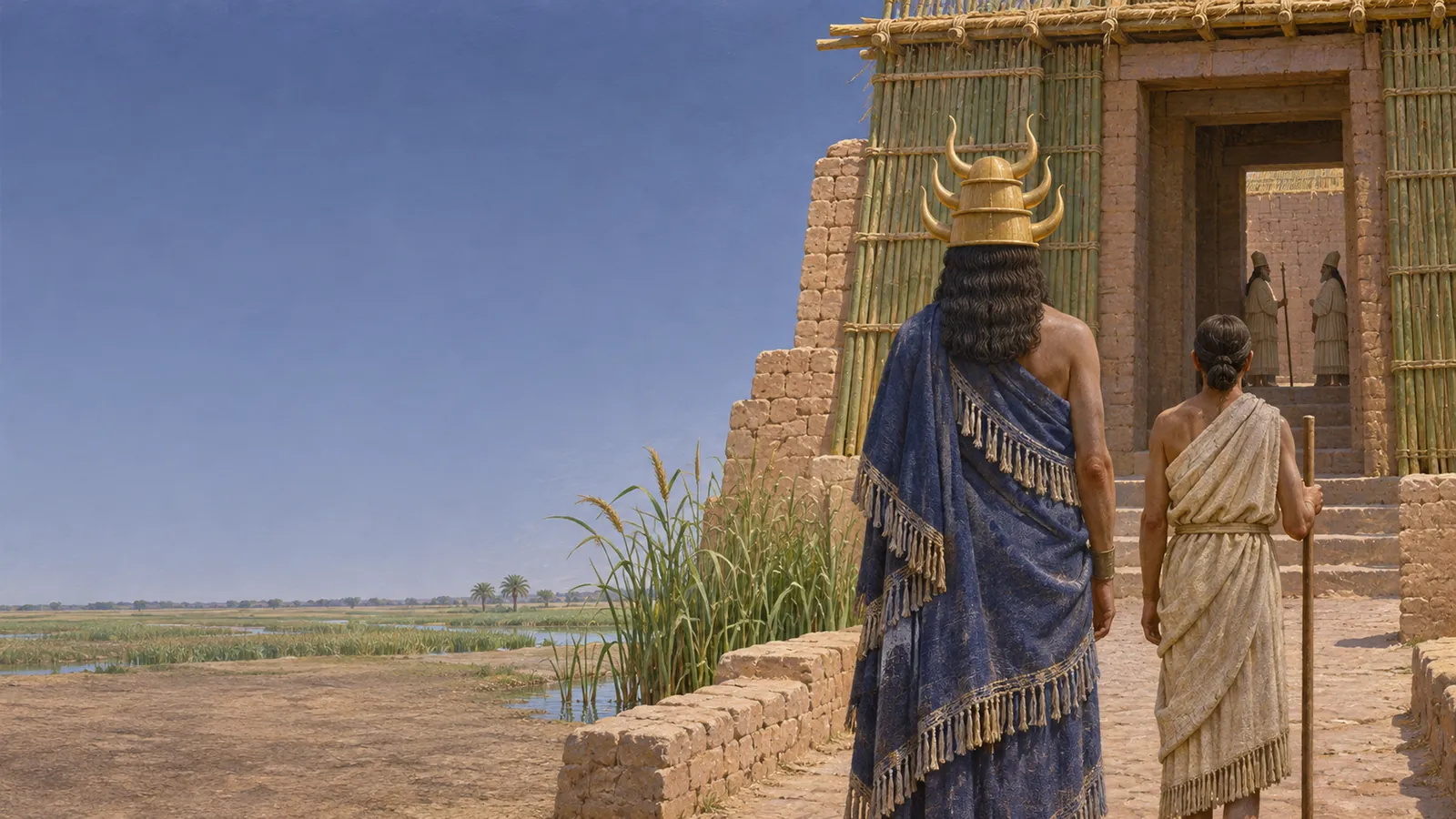
O RELATO DE JACOBSEN
Este episódio adapta o relato em prosa publicado por Thorkild Jacobsen. Jacobsen diz que o início se perdeu e sugere que talvez contasse como Anu e Enlil nomearam Enki.
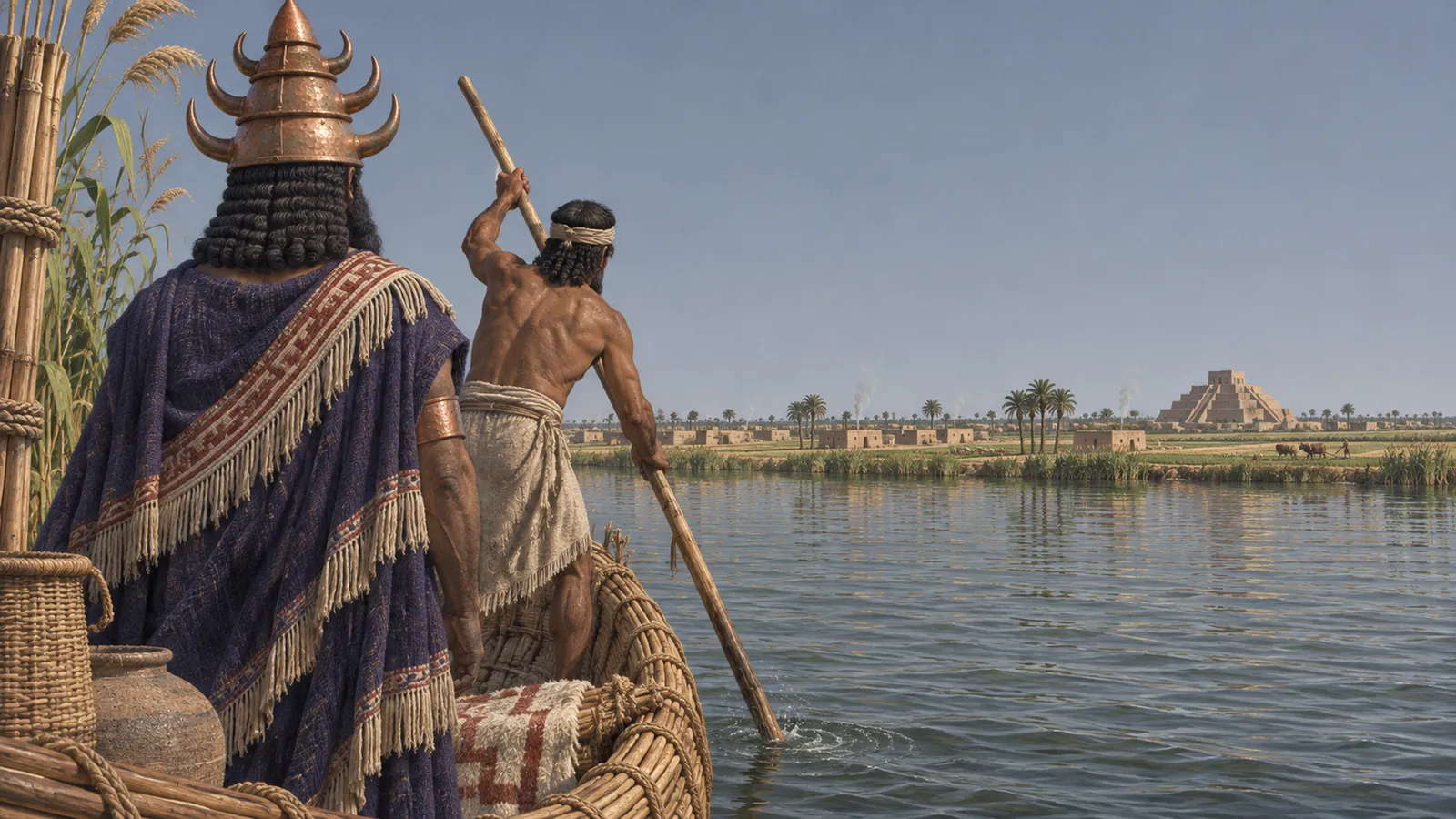
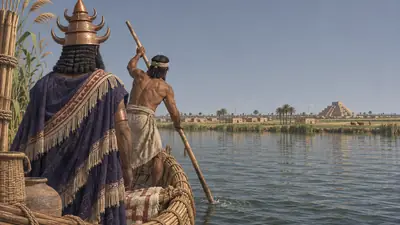
Onde o texto volta a ser legível, Jacobsen descreve Enki a inspecionar o seu território. No relato de Jacobsen, este abrange a maior parte do mundo então conhecido, e Enki visita as suas principais divisões administrativas.
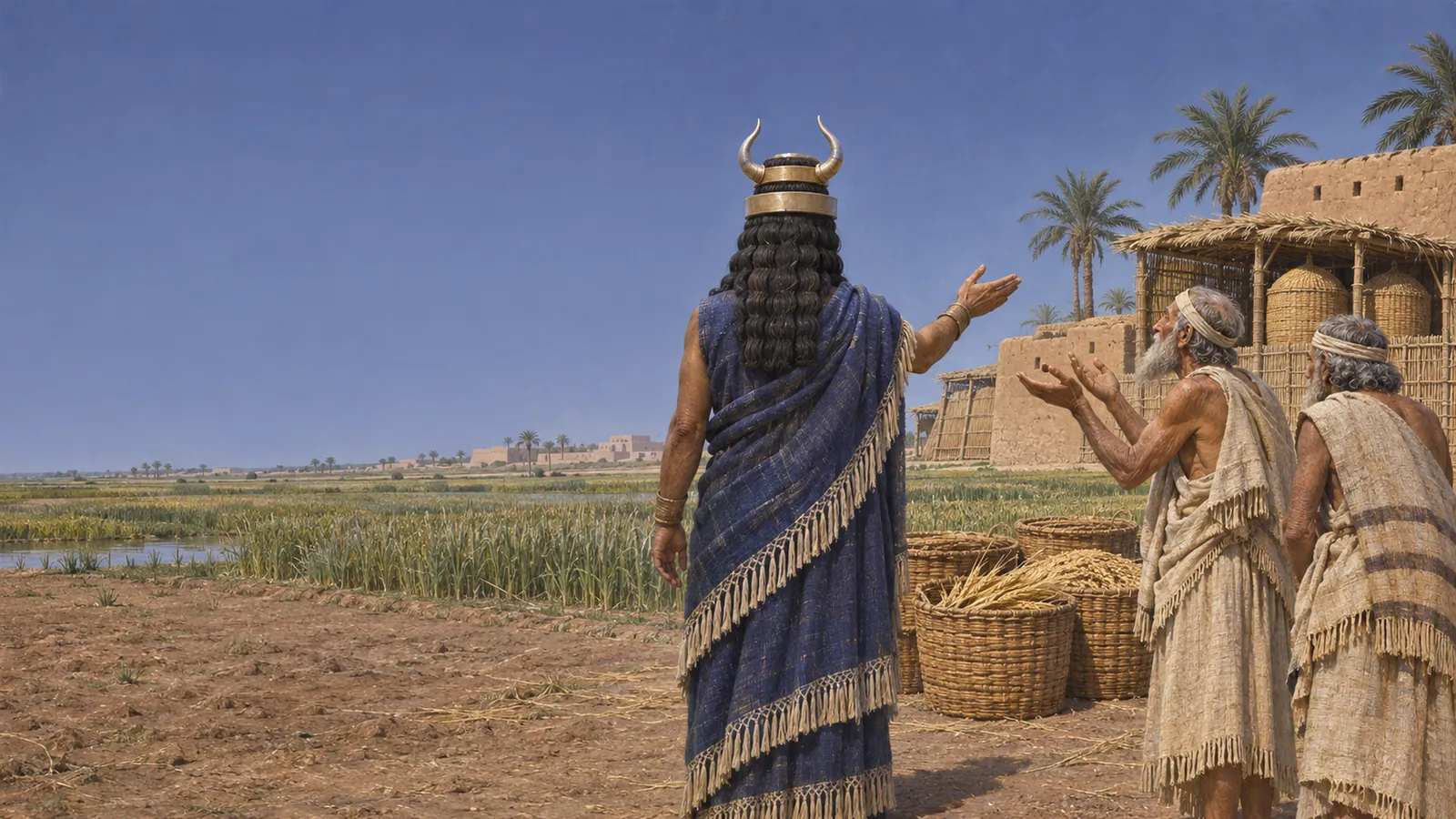
Jacobsen diz que Enki para em cada país e o abençoa. A bênção traz prosperidade ao país e confirma as funções que lhe cabem.
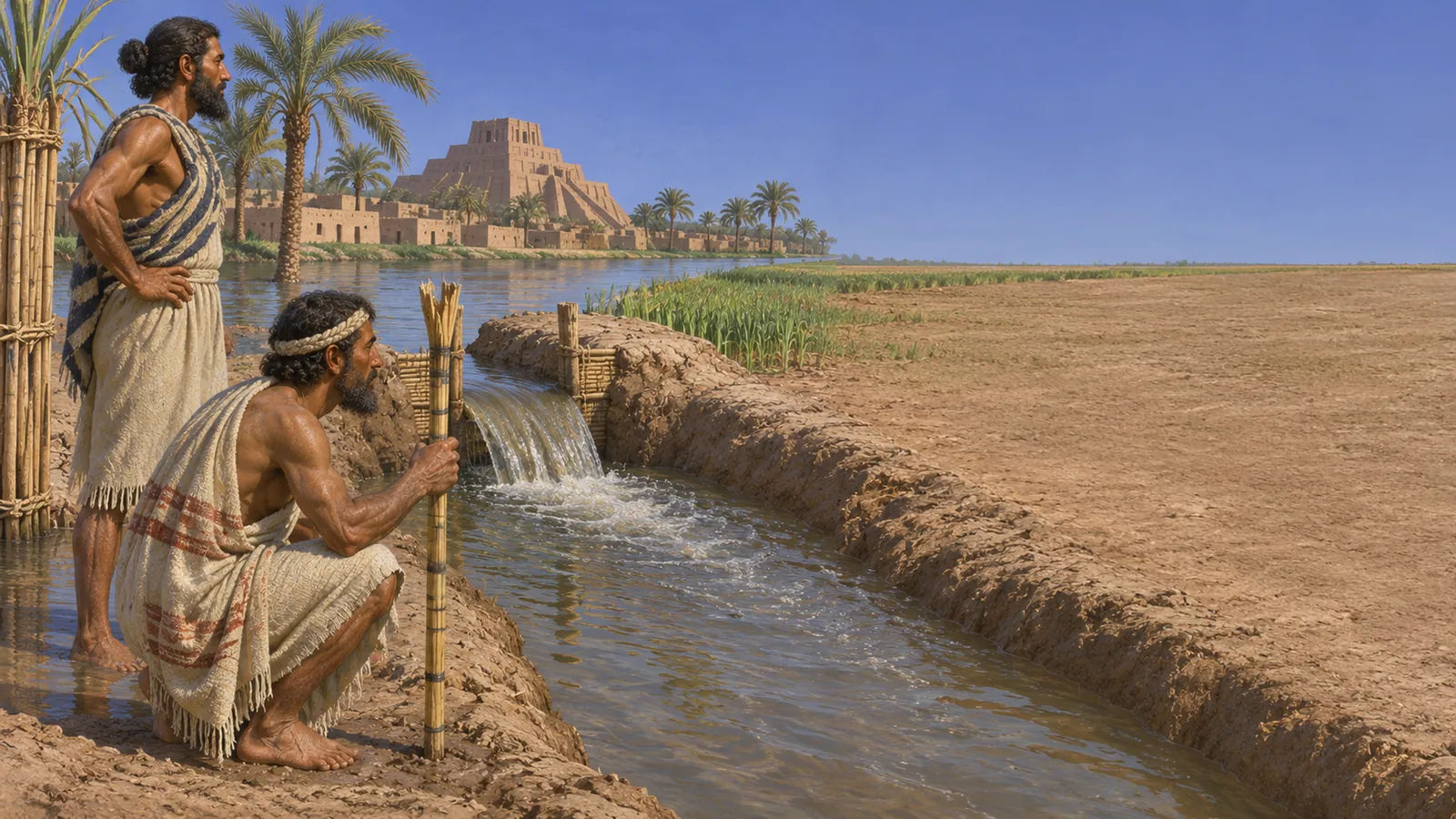
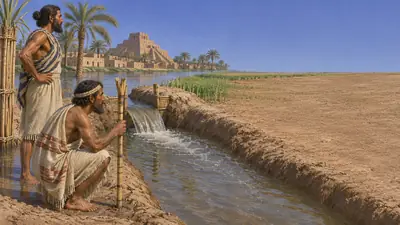
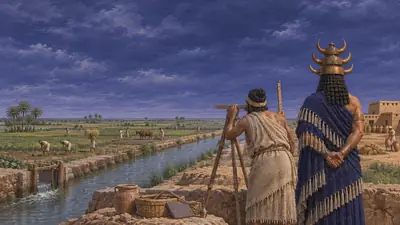
No relato de Jacobsen, Enki passa a ocupar-se da água e daquilo que dela depende. Enche o Eufrates e o Tigre de água límpida e entrega a um deus a supervisão dos dois rios.
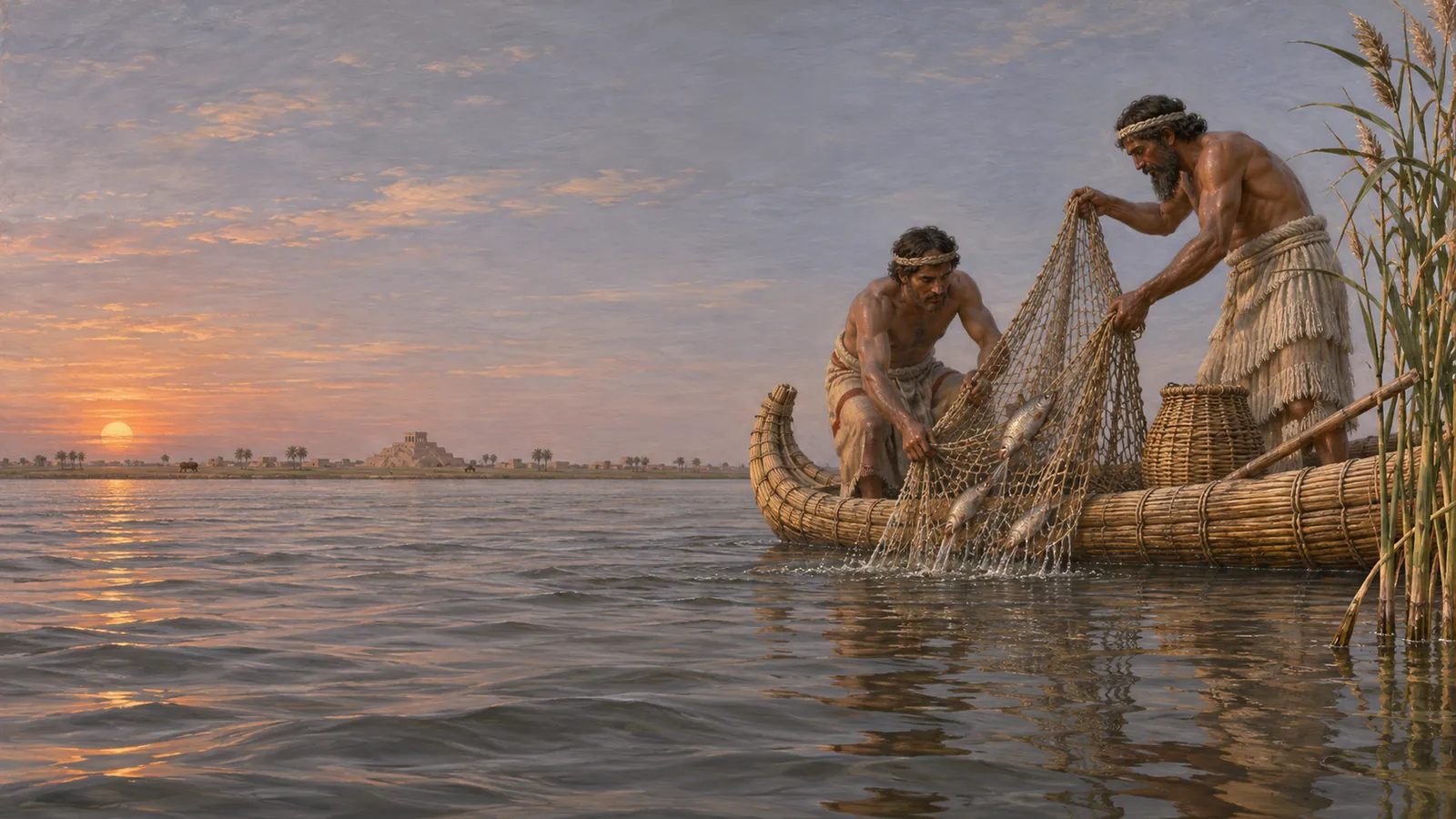
PEIXES E CANAS
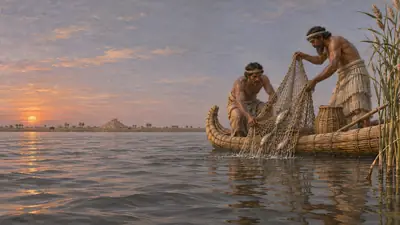
Jacobsen diz que Enki enche os rios de peixes e estabelece maciços de canas. Encarrega outro deus de cuidar dos peixes e das canas.
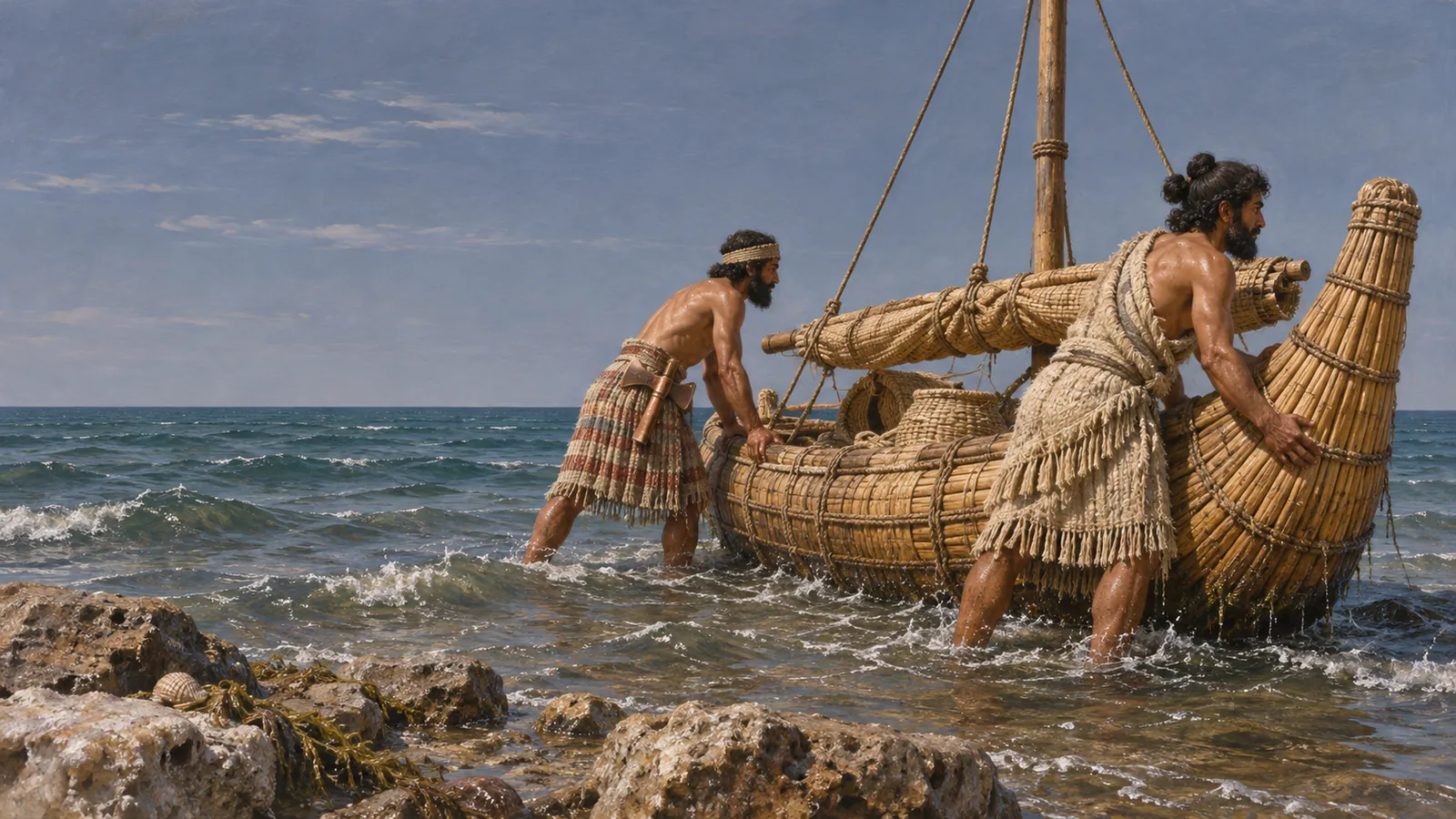
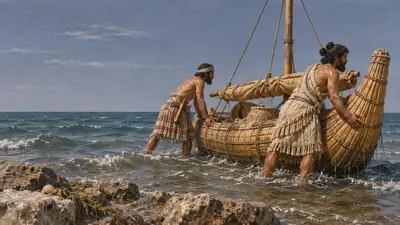
Jacobsen descreve a seguir como Enki põe o mar em ordem e encarrega um deus de o supervisionar. O relato deixa sem nome tanto o mar como o deus encarregado.
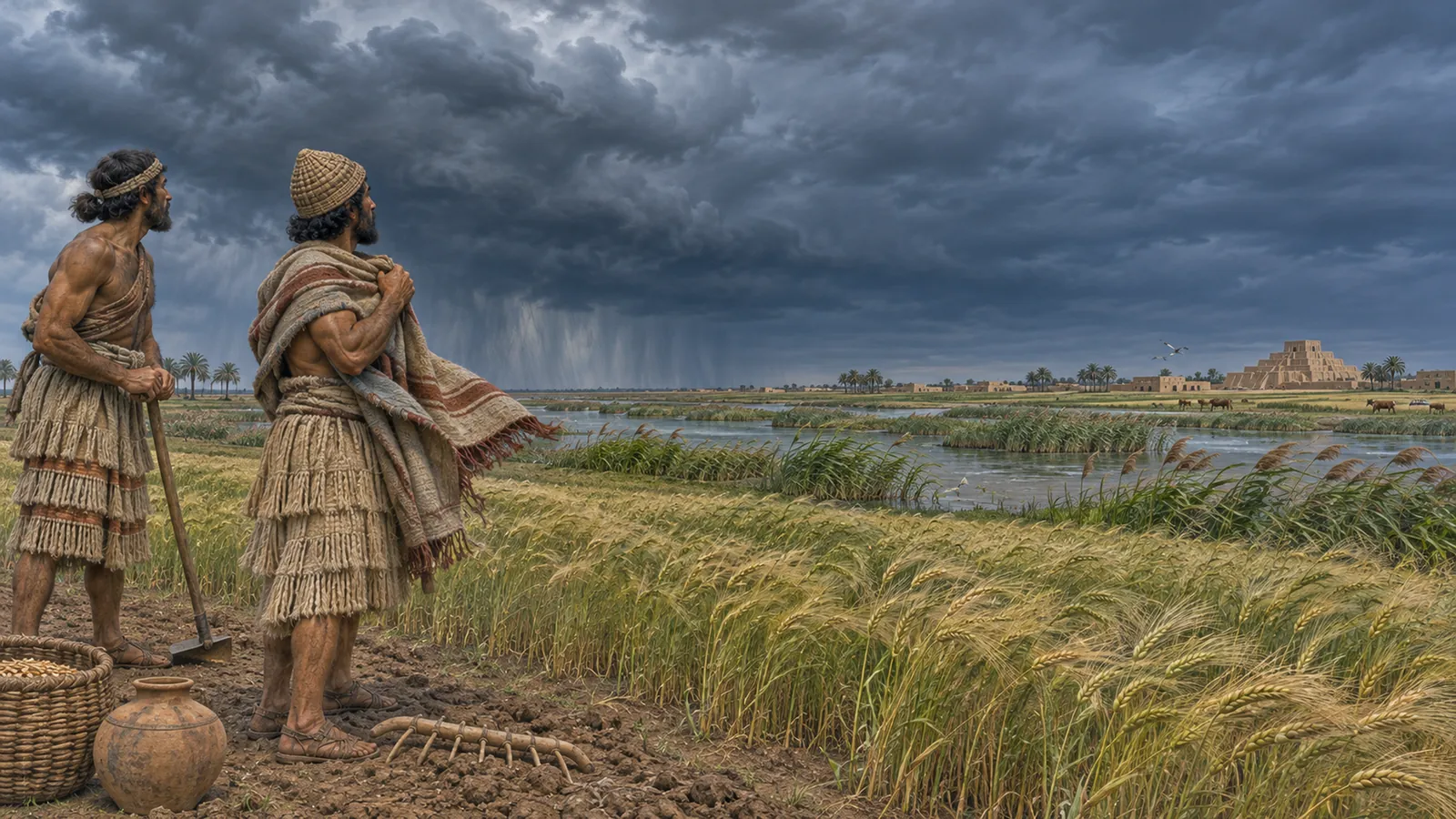
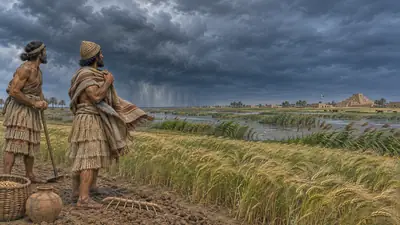
No relato de Jacobsen, depois de se ocupar do mar, Enki volta-se para os ventos que trazem as chuvas.
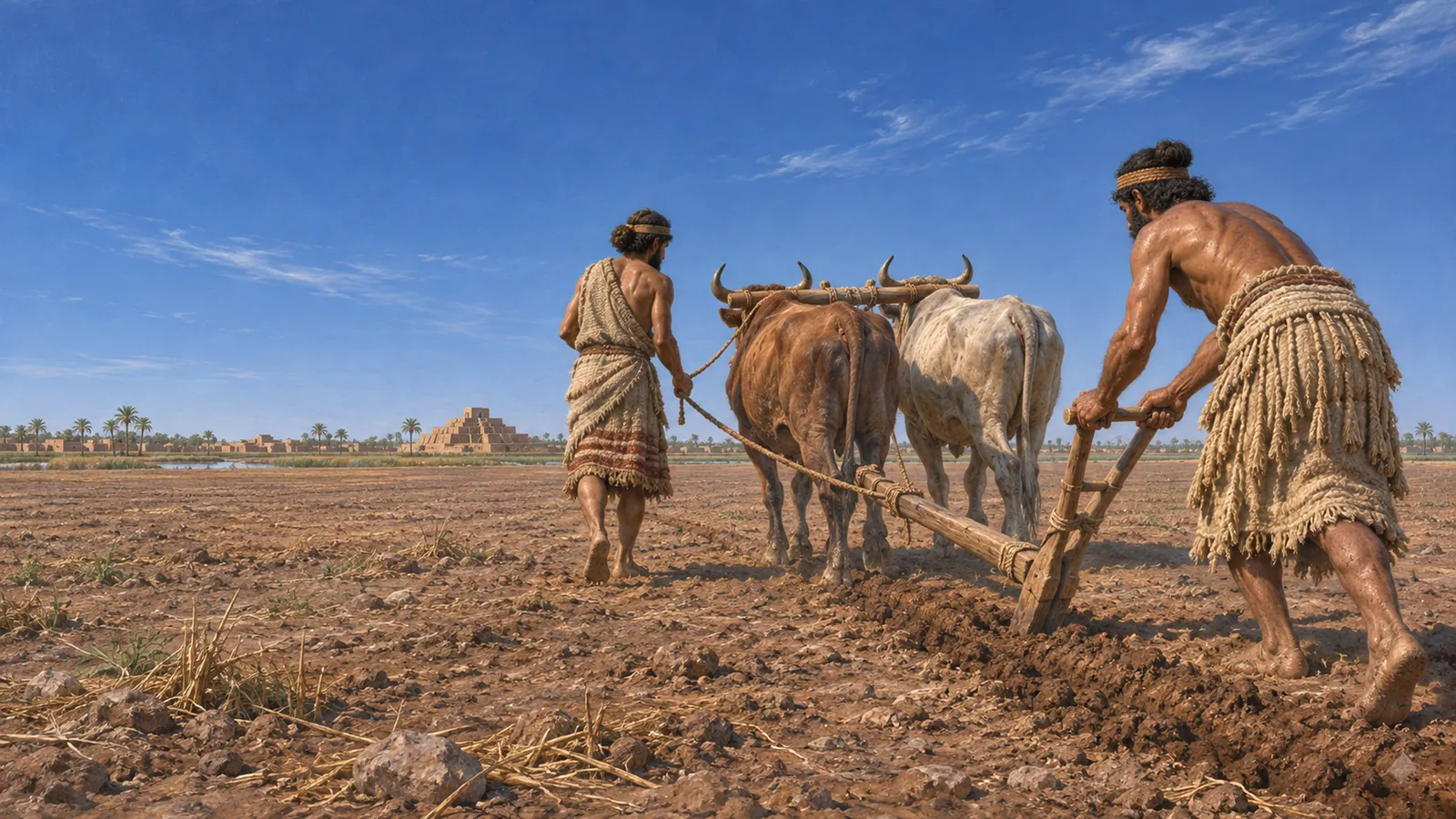
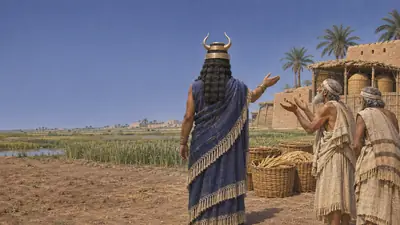
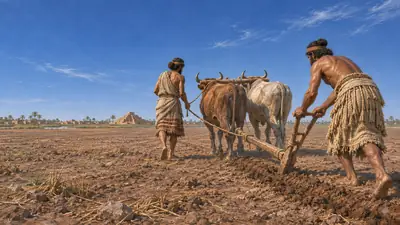
O relato de Jacobsen passa então à agricultura. Enki ocupa-se do arado e abre sulcos nos campos.
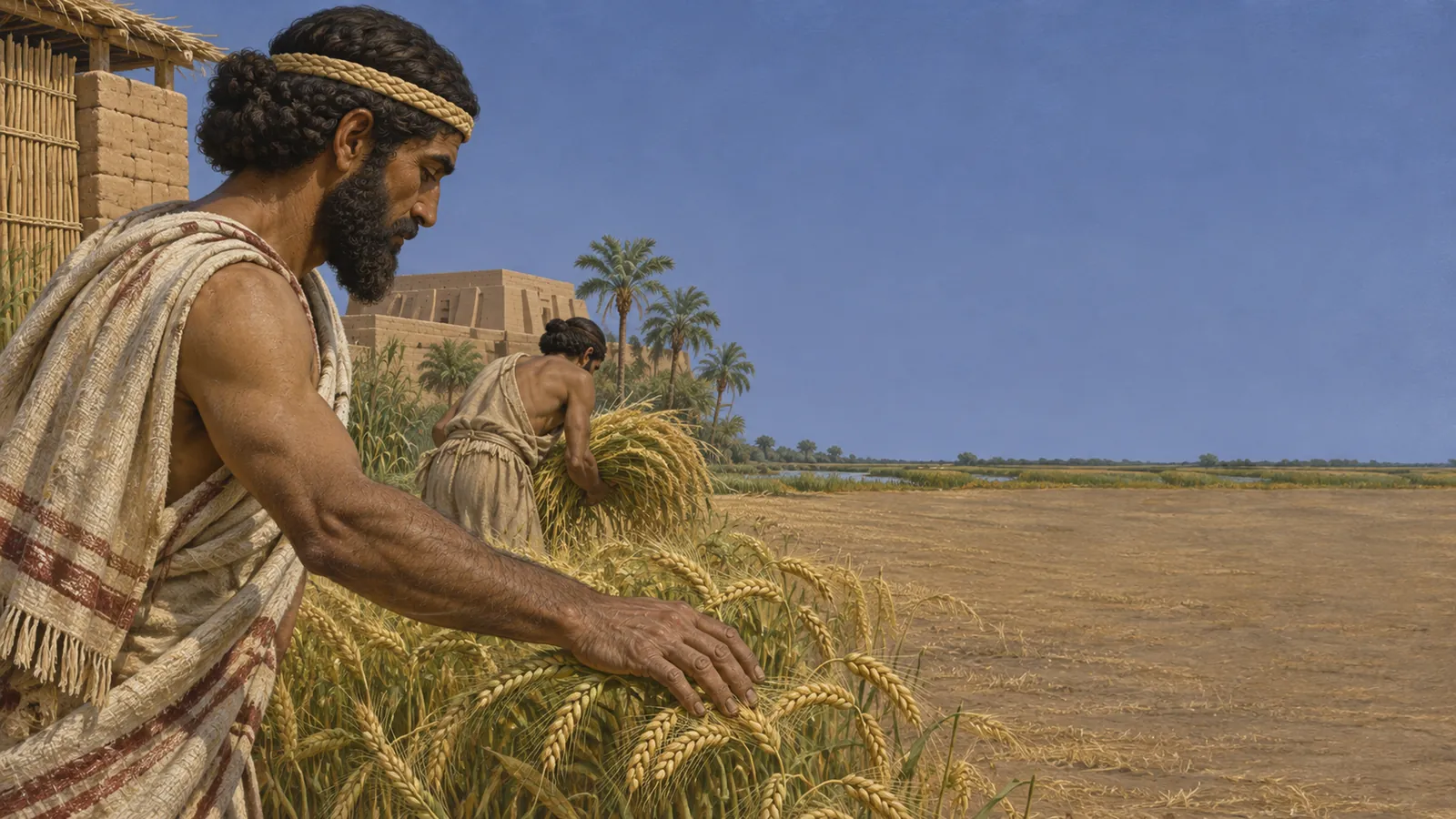
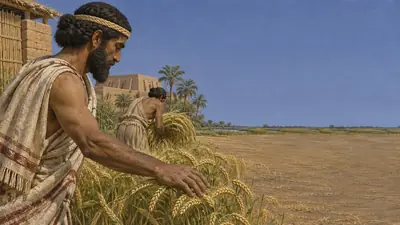
No relato de Jacobsen sobre a organização da agricultura, Enki deixa o cereal crescer no campo.
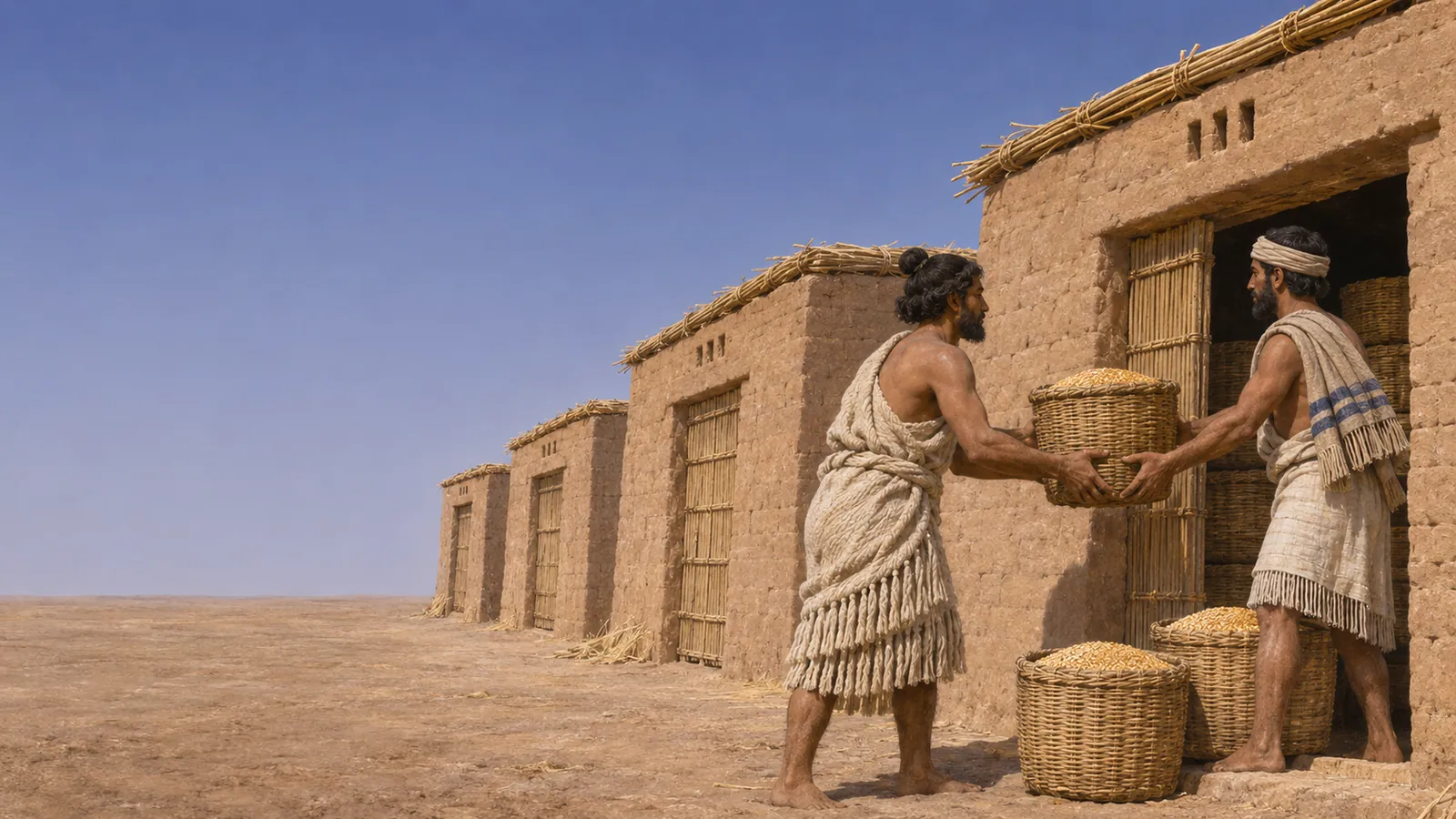
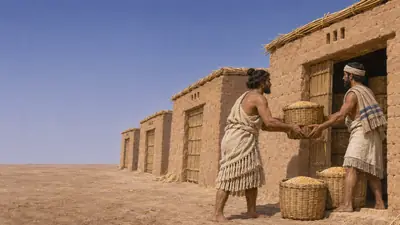
No relato de Jacobsen, a tarefa seguinte é guardar o cereal. Enki dispõe os celeiros em fila.
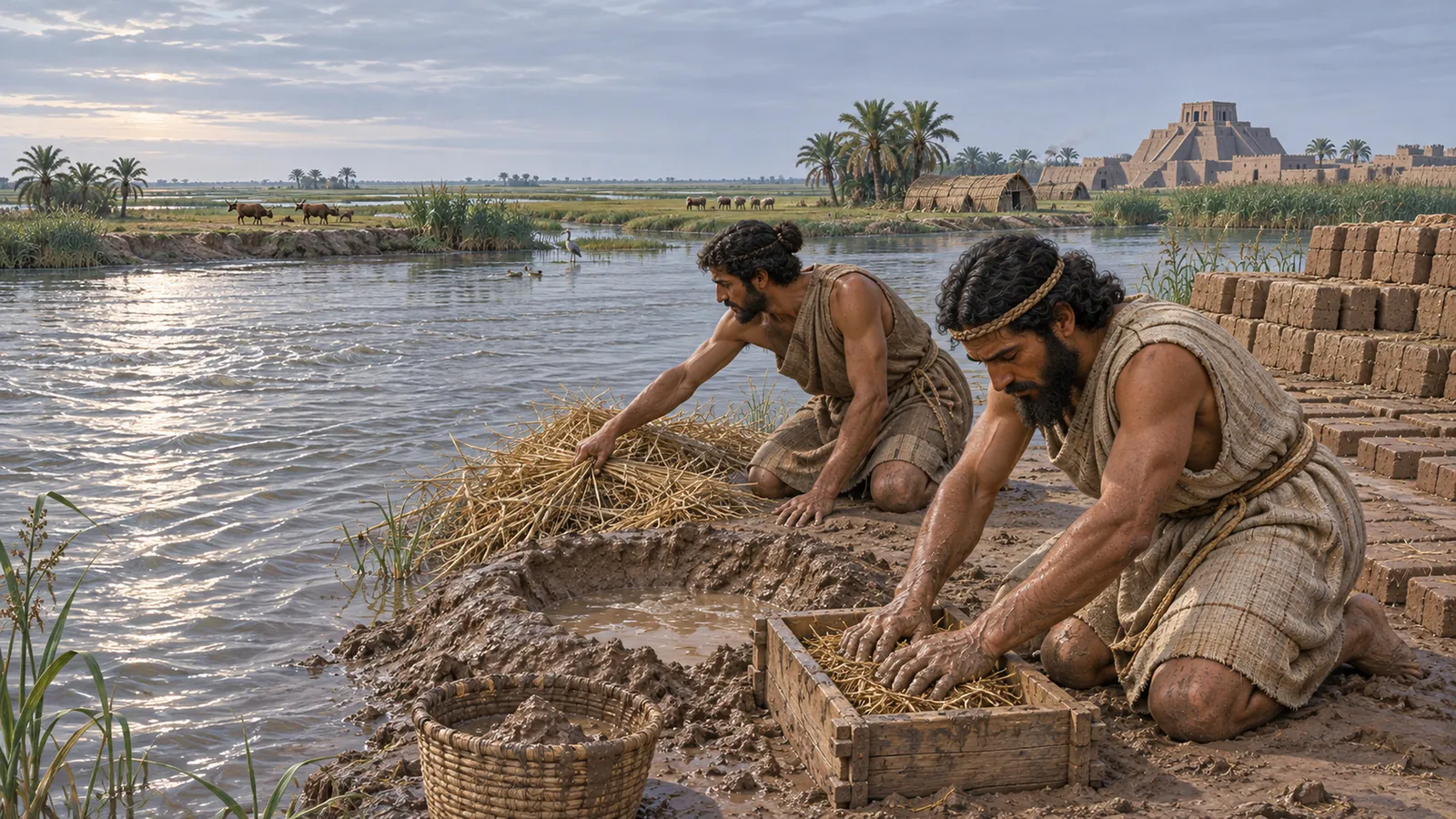
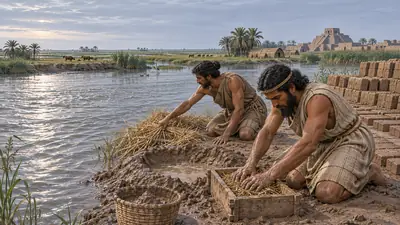
Jacobsen diz que Enki passa dos campos para as cidades e aldeias e encarrega o deus dos tijolos de supervisionar o seu fabrico. O relato não indica um nome próprio para esse deus.
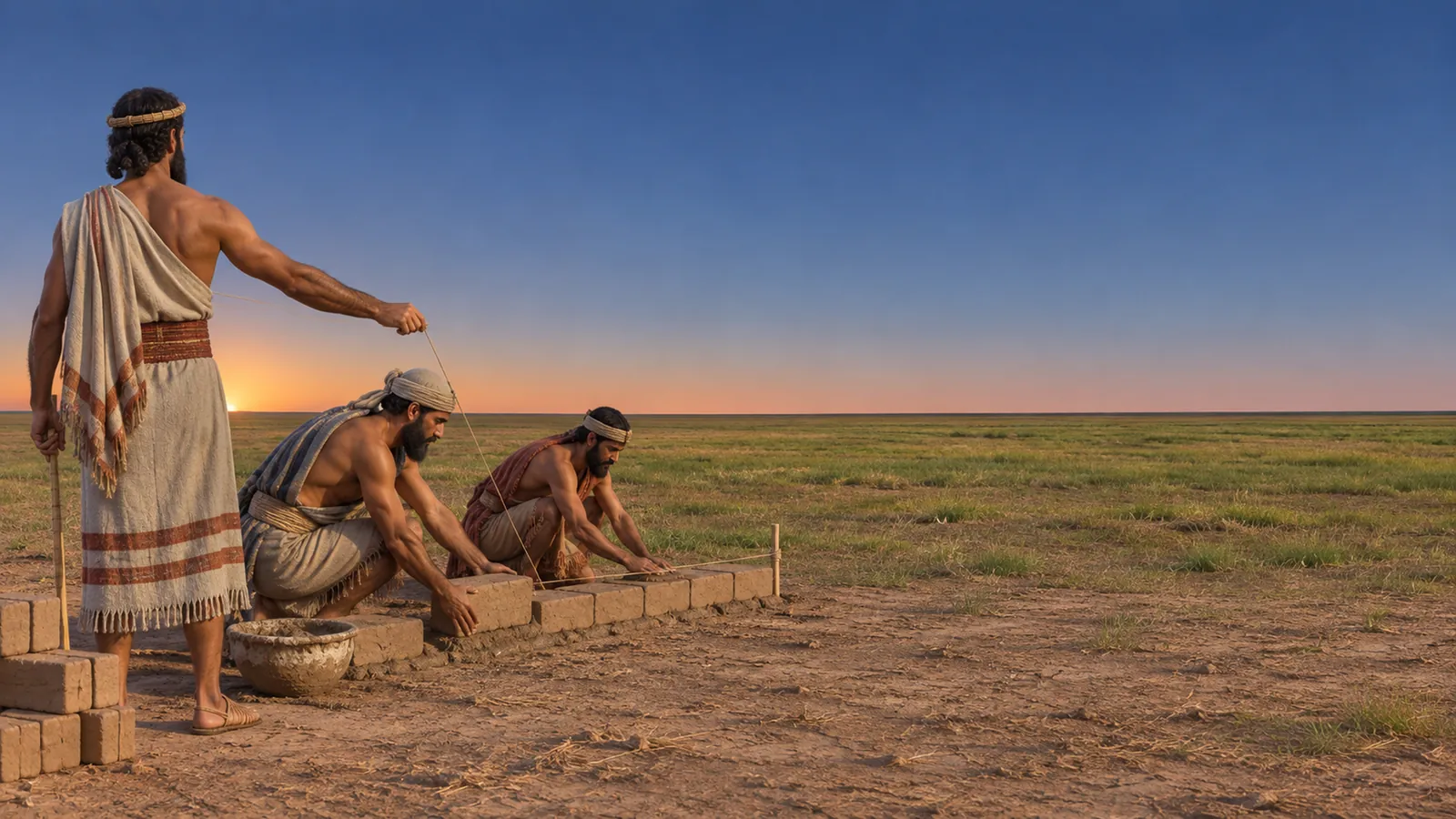
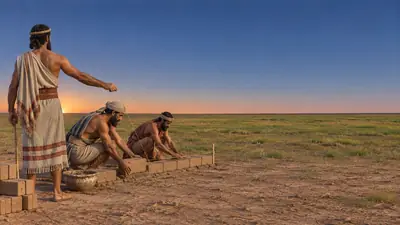
No relato de Jacobsen, Enki lança os alicerces e ergue muros. Nomeia Mushdama, o mestre construtor divino, para supervisionar o trabalho.
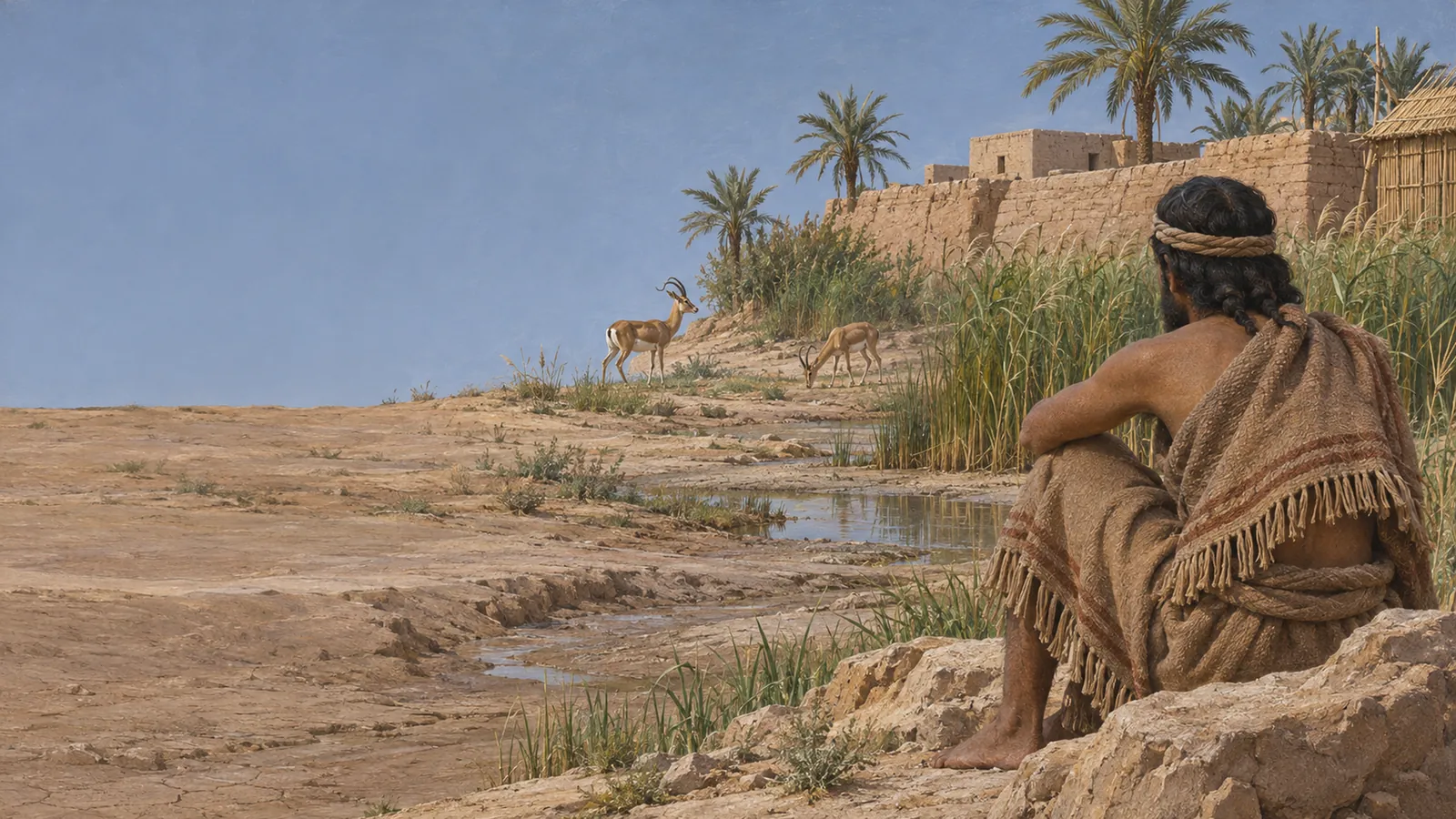
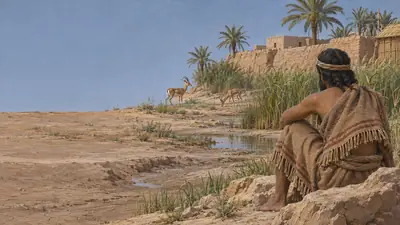
Jacobsen passa depois para o deserto, onde Enki põe os animais selvagens ao cuidado do deus Sumukan.
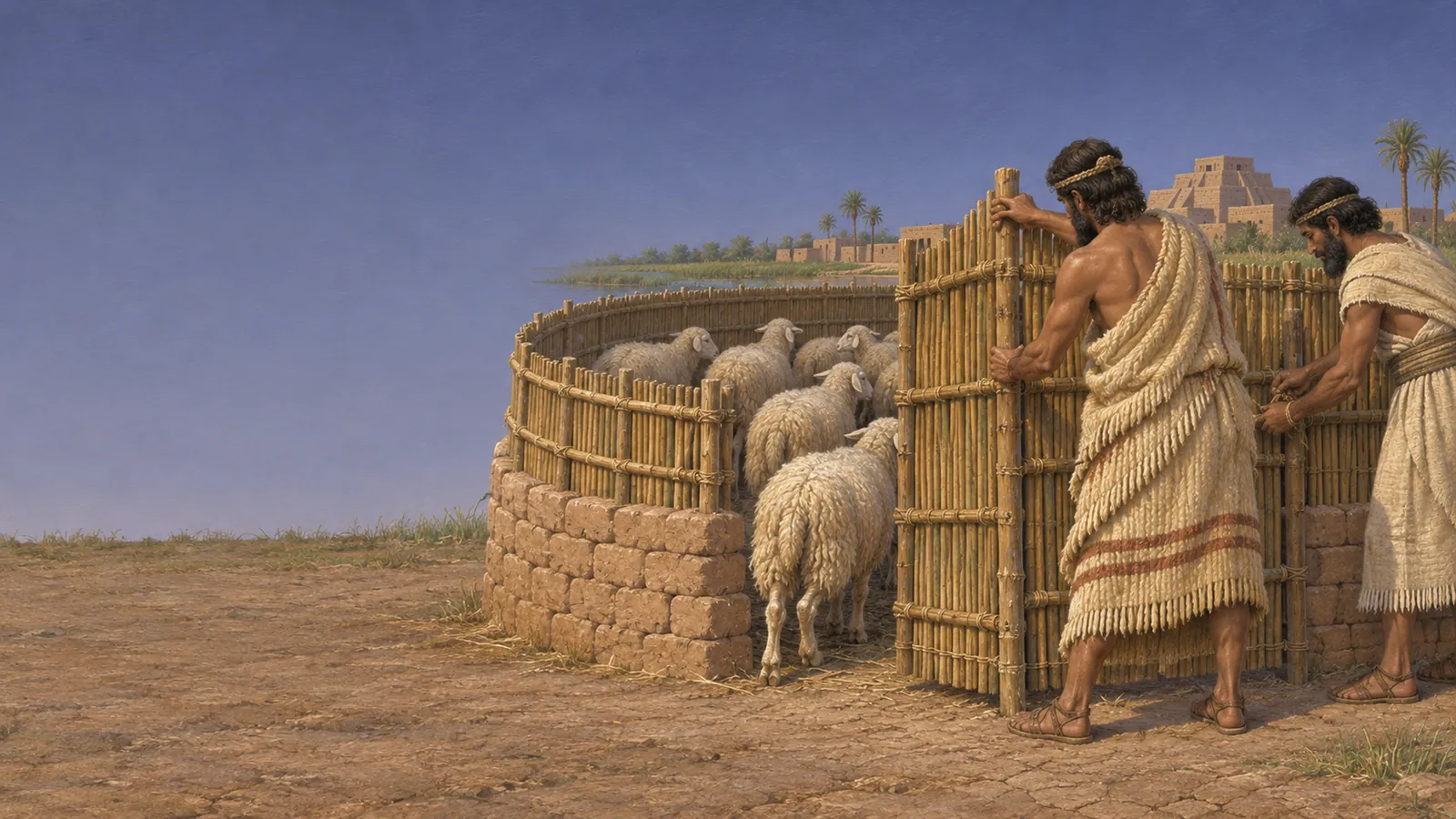
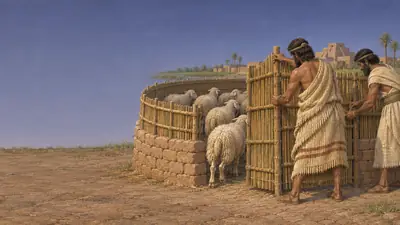
Jacobsen diz que Enki constrói currais e apriscos para os animais domésticos. Confia-os ao deus pastor Dumuzi, a quem Jacobsen também chama Tammuz.
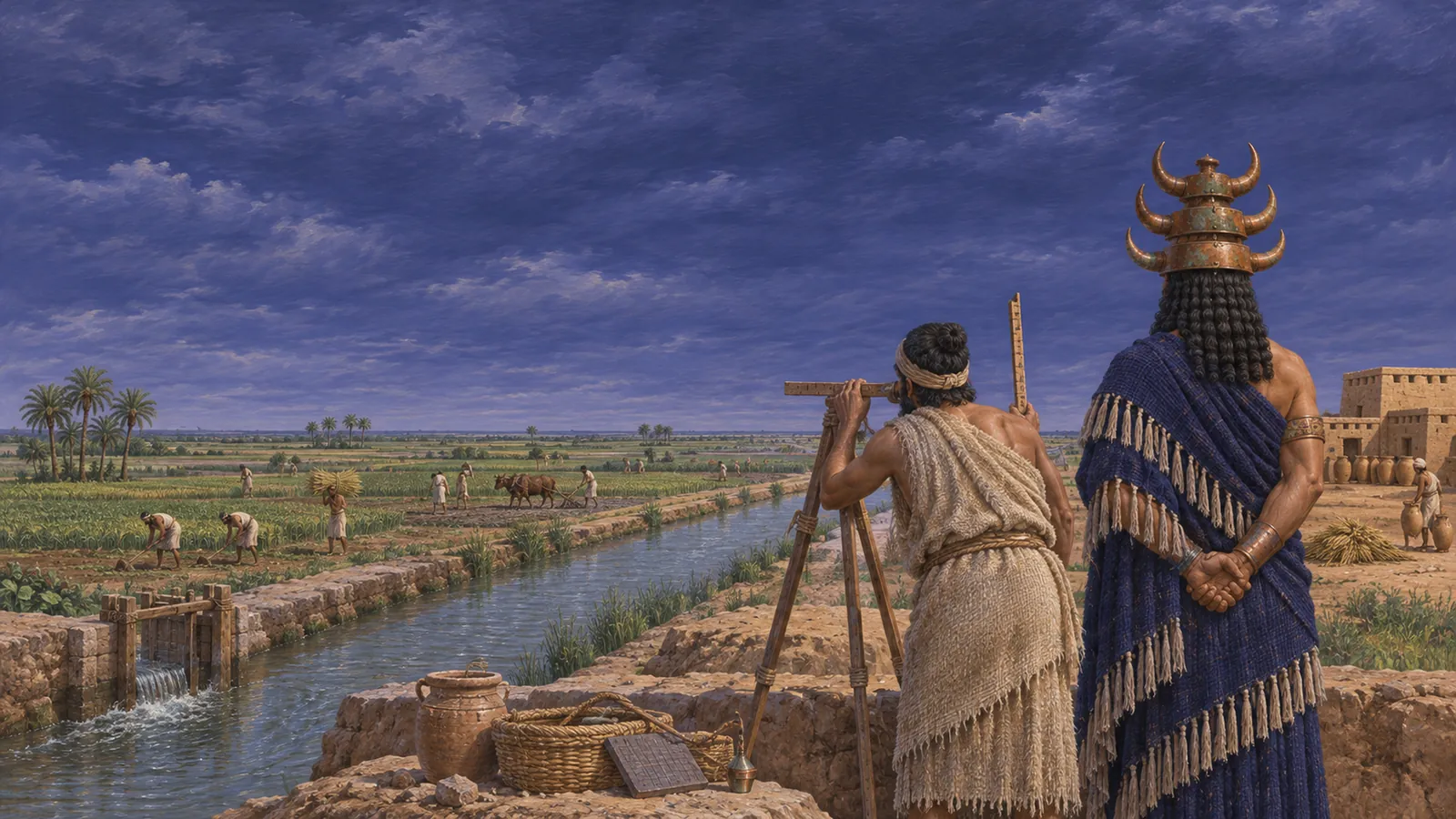
A PROPRIEDADE DO MUNDO
Jacobsen apresenta Enki como aquele que organiza as principais atividades da economia da Mesopotâmia, as põe em funcionamento e nomeia supervisores divinos. Compara esta ordem na natureza a uma propriedade gerida por um administrador competente.
Fim do capítulo 1
Todas as páginas
Fontes
160–161. Chapter note 25 directs readers to Kramer’s Mythology, note 59. Jacobsen’s subsection gives a prose summary and an interpretation. The ancient poem itself has no directly translated verses under this heading. Jacobsen explicitly treats the original opening as conjectural.
Edições consultadas
- University of Chicago, The Intellectual Adventure of Ancient Man
- Jacobsen’s printed subsection, pp. 160–161
- Chapter note 25, p. 184
Notas sobre este reconto
Page 1, attribution and the lost opening. 160. Jacobsen reports that the beginning is lost. He proposes that it probably described how Anu and Enlil appointed Enki. Note 25 on p. 184 refers to note 59 in Samuel Noah Kramer’s *Sumerian Mythology*.
Pages 2–3, territory and prosperity. Jacobsen resumes his account on p. 160 with Enki’s tour and visits to the larger administrative areas. He describes Enki stopping in each country and assigning it prosperity and particular functions by his blessing. The countries and functions remain unspecified in these sentences.
Pages 4–5, rivers, fish and reeds. Jacobsen gives the names Euphrates and Tigris and describes the clear water and one divine overseer. He then separates the stocking of fish and the establishment of stands of cane from the previous act, giving those resources to another overseer. Jacobsen does not supply the names of either overseer here.
Pages 6–7, sea and rain. The sentence across pp. 160–161 gives responsibility for the sea to another divine overseer. Both the sea and its overseer are unnamed. On p. 161, Jacobsen next mentions the winds that bring rain. The passage gives no named season.
Page 8, the plow and the furrows. The summary on p. 161 then turns to Enki’s concern with the plow and the opening of furrows.
p. 161, first paragraph. Jacobsen says that Enki lets grain grow on the field after the work involving the plow and furrows. He sets granaries side by side.
p. 161, first paragraph. Enki moves from the fields to town and village in Jacobsen’s account. He appoints the brick god to oversee brickmaking. Jacobsen gives that god no personal name here. Enki lays foundations and builds walls, appointing Mushdama, the divine master builder, to oversee this work.
p. 161, second paragraph. Jacobsen says the wild animals of the desert are placed under the god Sumukan. Enki builds pens and sheepfolds for the domestic animals and puts them in the charge of the shepherd god Dumuzi, whom Jacobsen also calls Tammuz. These names belong to Jacobsen’s printed account.
p. 161, end of second paragraph. Jacobsen sums up Enki’s work as establishing economic activities in Mesopotamia, getting them started and appointing divine overseers. His comparison interprets natural order as a well-run estate. The selection ends before the heading for the distinct Enki and Ninmah story.
Os versos antigos de cada página
- Page 1: Jacobsen, “Enki Organizes the World Manor,” 1977 Phoenix ed., p. 160, subsection opening and conjecture
- Page 2: Jacobsen, “Enki Organizes the World Manor,” 1977 Phoenix ed., p. 160, first paragraph, Enki’s inspection
- Page 3: Jacobsen, “Enki Organizes the World Manor,” 1977 Phoenix ed., p. 160, second paragraph, visits and blessings
- Page 4: Jacobsen, “Enki Organizes the World Manor,” 1977 Phoenix ed., p. 160, second paragraph, river water and oversight
- Page 5: Jacobsen, “Enki Organizes the World Manor,” 1977 Phoenix ed., p. 160, second paragraph, fish and canebrakes
- Page 6: Jacobsen, “Enki Organizes the World Manor,” 1977 Phoenix ed., pp. 160–161, sentence on the sea
- Page 7: Jacobsen, “Enki Organizes the World Manor,” 1977 Phoenix ed., p. 161, first paragraph, winds and rain
- Page 8: Jacobsen, “Enki Organizes the World Manor,” 1977 Phoenix ed., p. 161, first paragraph, plow and furrows
- Page 9: Jacobsen 1977, The Intellectual Adventure of Ancient Man, ch. V, Enki Organizes the World Manor, p. 161, first paragraph, grain
- Page 10: Jacobsen 1977, The Intellectual Adventure of Ancient Man, ch. V, Enki Organizes the World Manor, p. 161, first paragraph, storage
- Page 11: Jacobsen 1977, The Intellectual Adventure of Ancient Man, ch. V, Enki Organizes the World Manor, p. 161, first paragraph, the brick god
- Page 12: Jacobsen 1977, The Intellectual Adventure of Ancient Man, ch. V, Enki Organizes the World Manor, p. 161, first paragraph, building and Mushdama
- Page 13: Jacobsen 1977, The Intellectual Adventure of Ancient Man, ch. V, Enki Organizes the World Manor, p. 161, second paragraph, desert and Sumukan
- Page 14: Jacobsen 1977, The Intellectual Adventure of Ancient Man, ch. V, Enki Organizes the World Manor, p. 161, second paragraph, domestic animals and Dumuzi
- Page 15: Jacobsen 1977, The Intellectual Adventure of Ancient Man, ch. V, Enki Organizes the World Manor, p. 161, second paragraph, Jacobsen’s closing comparison
Ilustrações feitas pelo IL Archive com ferramentas de IA; o texto baseia-se nas fontes antigas (veja as fontes no fim de cada capítulo).