Enlil e Ninlil Capítulo 1
A lua e os seus irmãos
Em Nippur, a mãe de Ninlil adverte-a sobre o canal. Depois de Enlil violar Ninlil, a assembleia divina bane-o e Ninlil segue-o em direção ao mundo subterrâneo. O relato de Thorkild Jacobsen acompanha a origem do deus da lua e dos seus três irmãos ligados ao mundo subterrâneo. O trecho com o nome do terceiro irmão está danificado.
FontesVire as páginas com as setas, o teclado ou deslizando o dedo.
A LUA E OS SEUS IRMÃOS
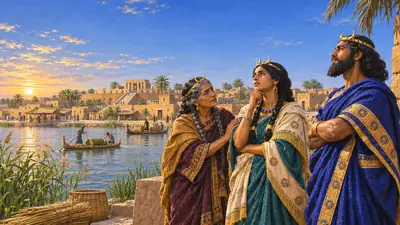
No relato de Thorkild Jacobsen, a história começa em Nippur no princípio dos tempos. Pergunta como surgiu Sin, a lua, e por que razão os seus três irmãos estão ligados ao mundo subterrâneo.
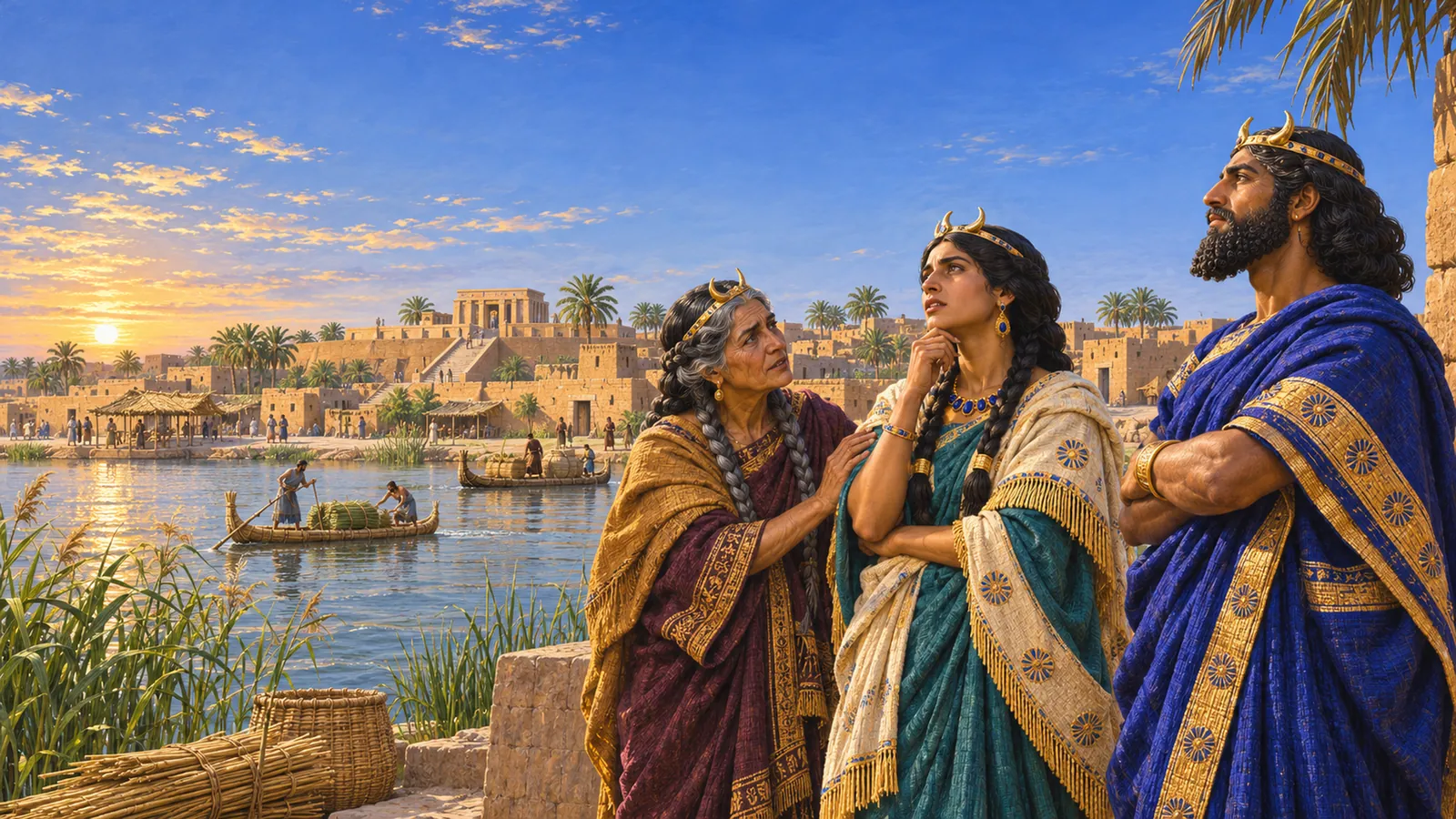
Os versos falam de viver nesta cidade, a que chamam primeiro Duranki e depois Durgishimmar. Jacobsen identifica ambos como nomes de Nippur.
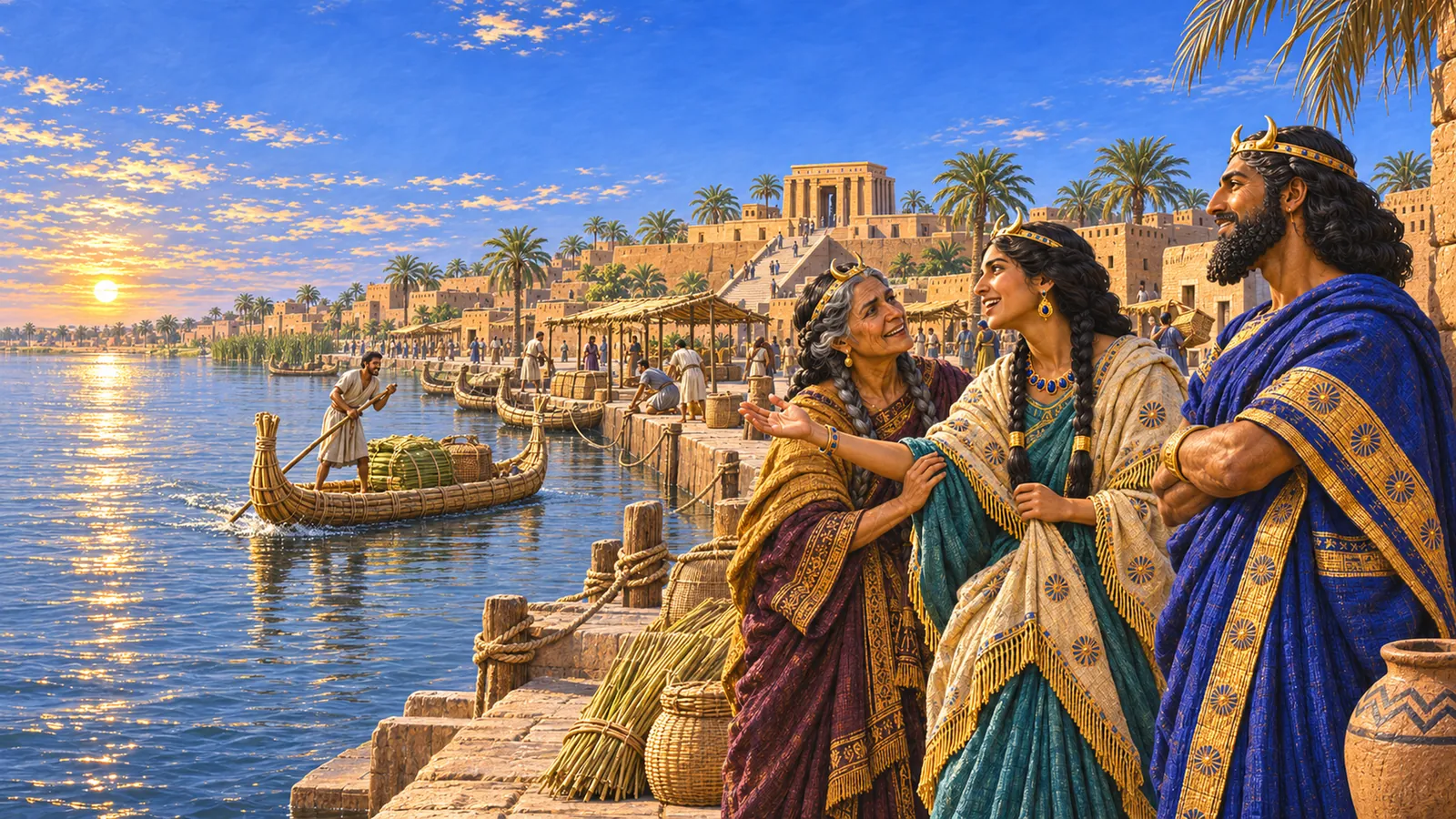
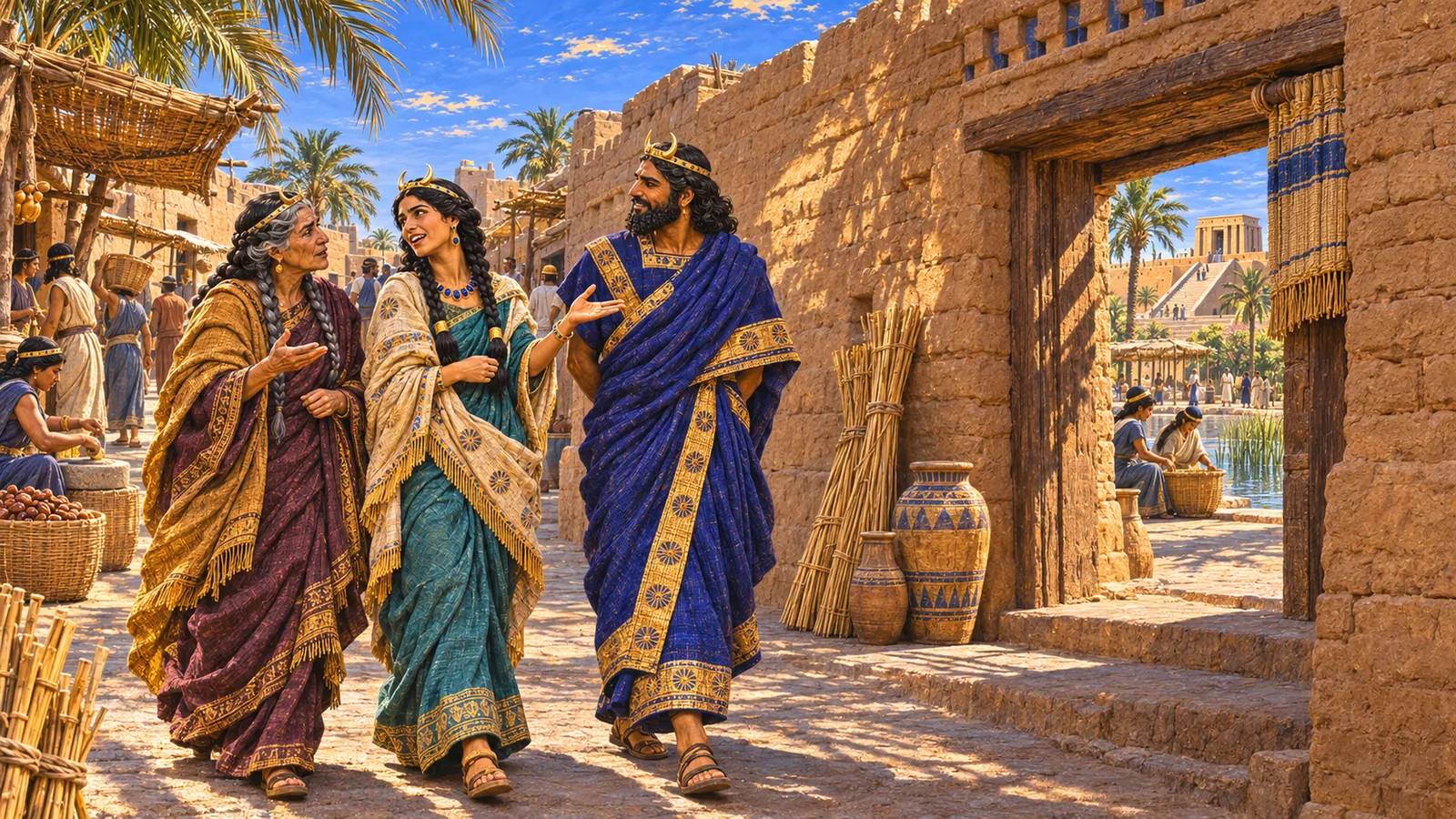
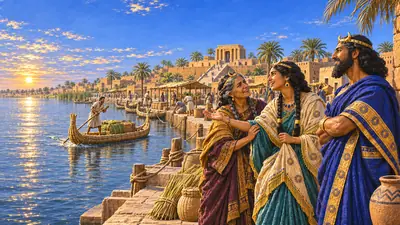
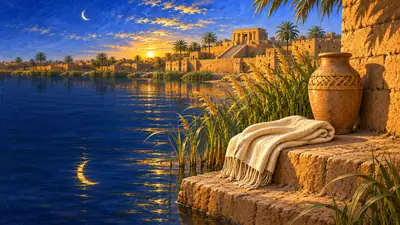
Os versos chamam a Idsalla o rio puro da cidade, a Kargeshtinna o seu cais e a Karusar o seu porto.
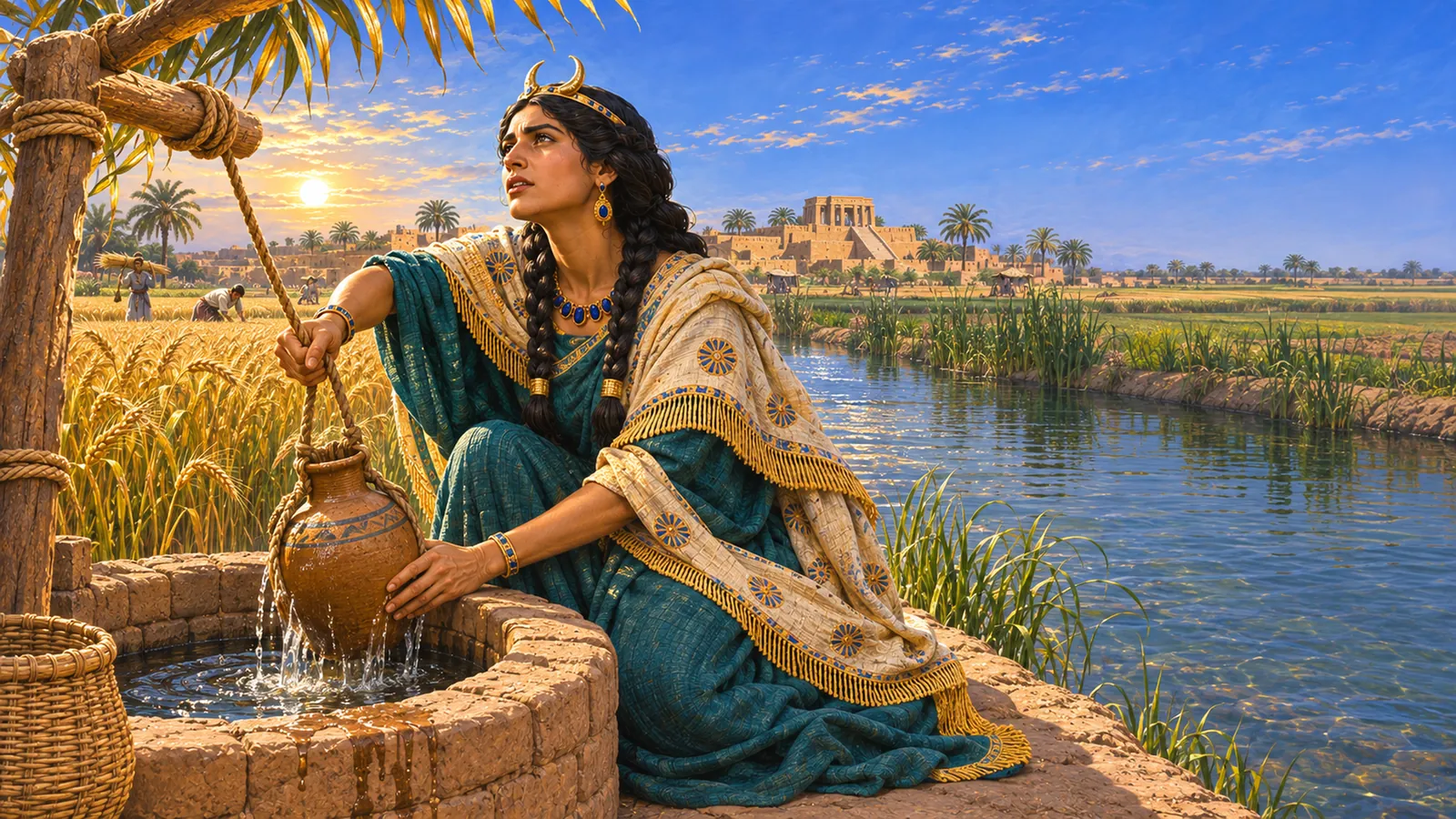
Pulal é o poço de água doce e Nunbirdu o canal cintilante, dizem os versos. Se forem medidos, os campos cultivados têm pelo menos dez iku cada um.
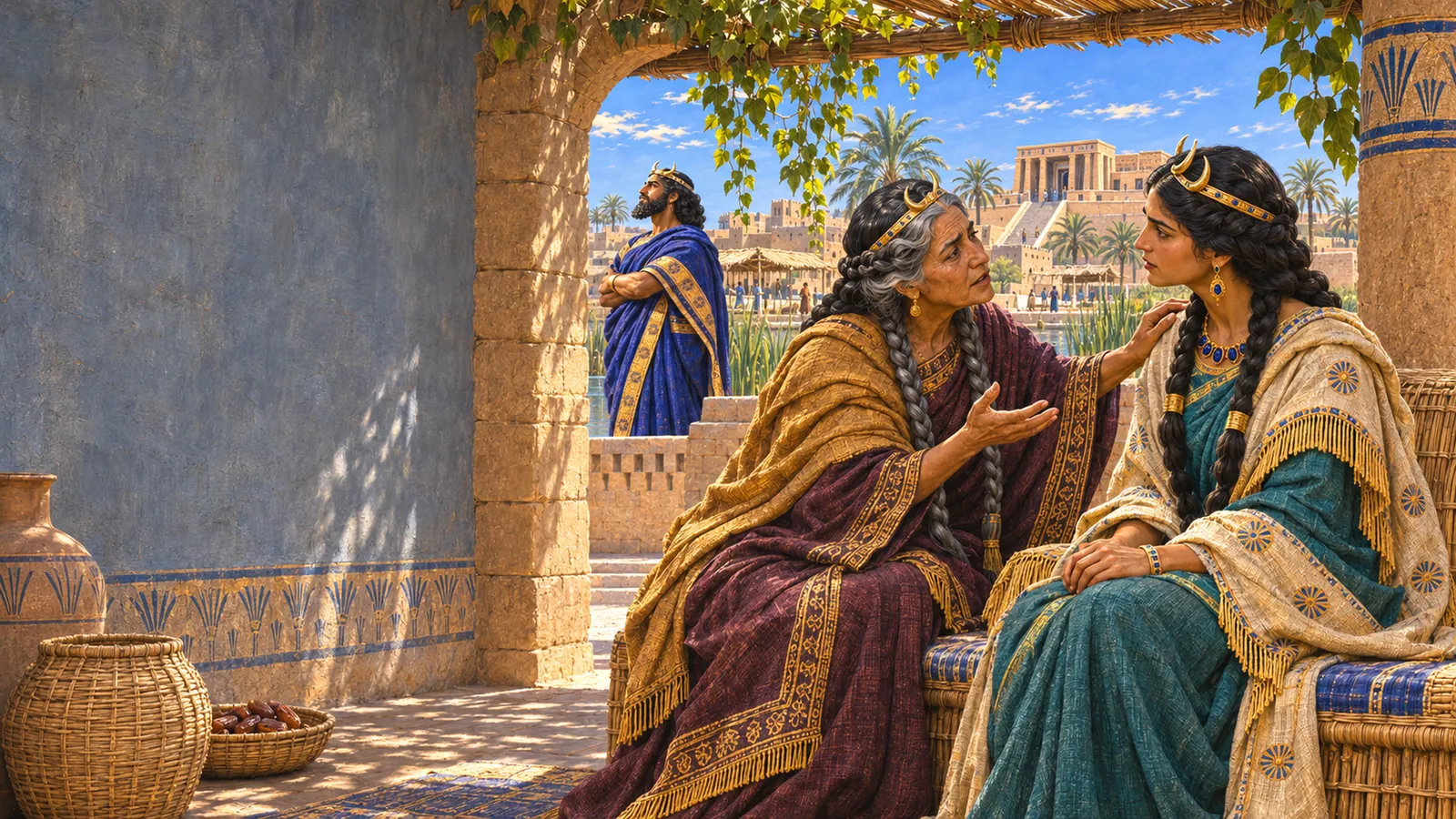
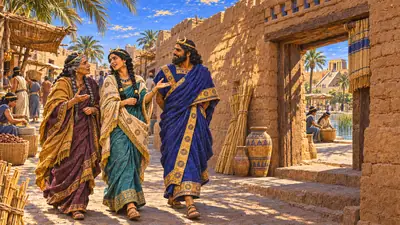
Os versos apresentam Enlil como o jovem da cidade e Ninlil como a jovem. Nomeiam Ninshebargunu como mãe de Ninlil.
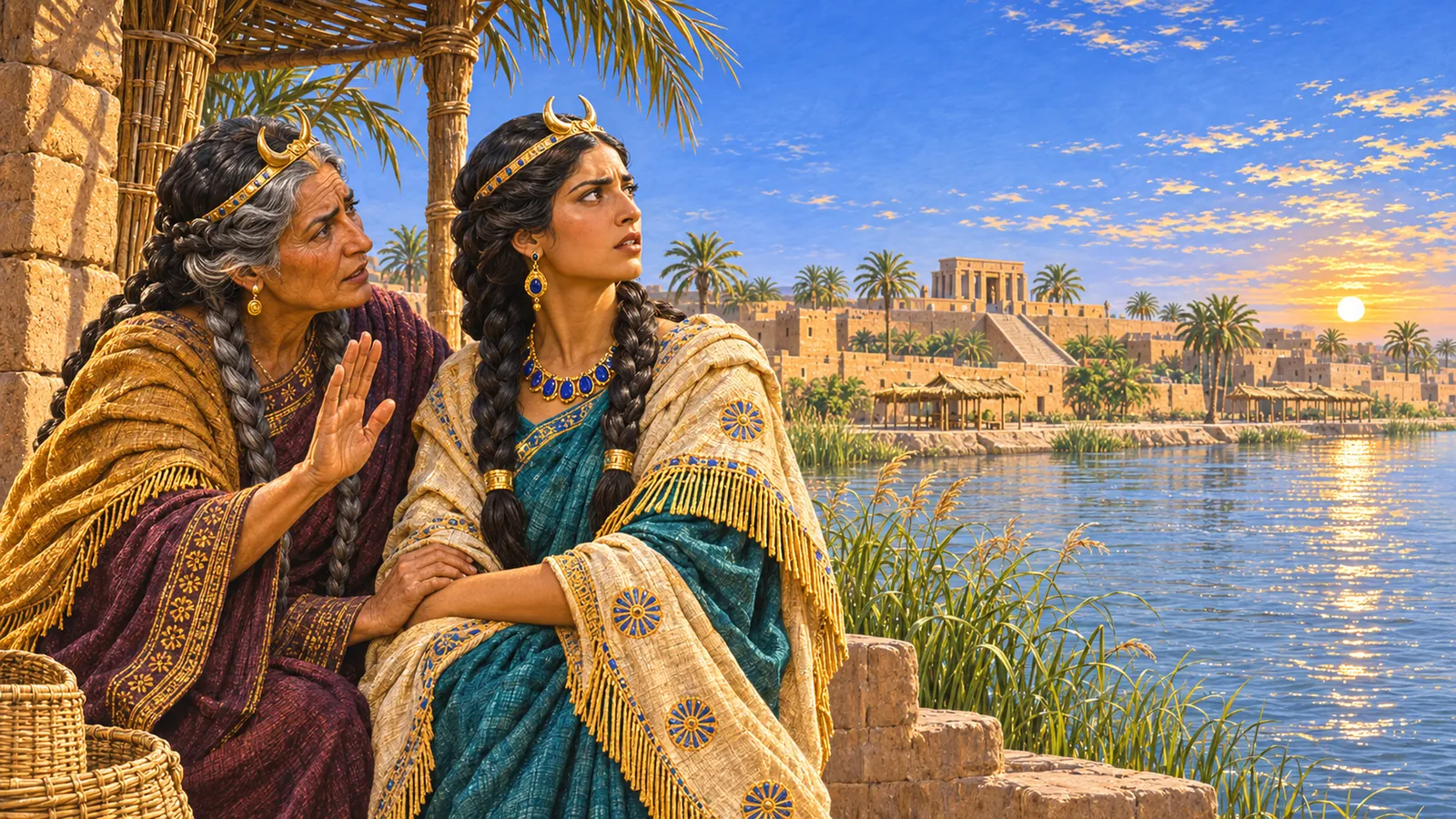
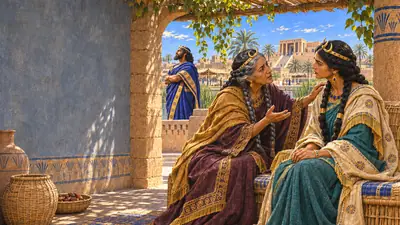
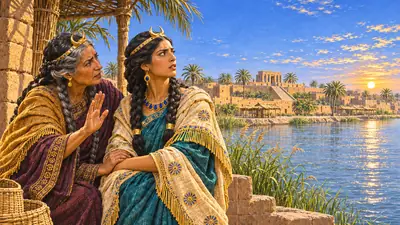
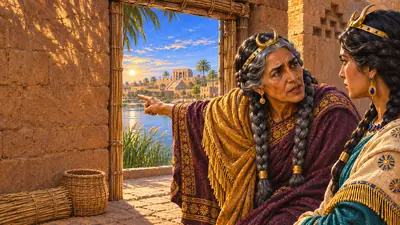
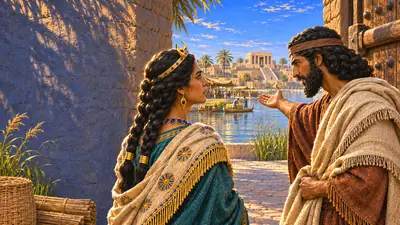
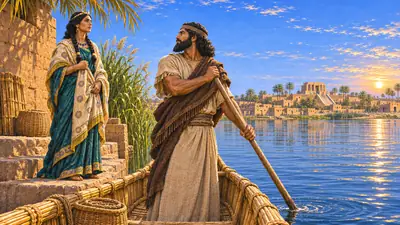
Ninshebargunu avisa repetidamente a sua filha Ninlil para não se banhar na corrente pura. Diz-lhe também que não suba à margem do canal Nunbirdu.
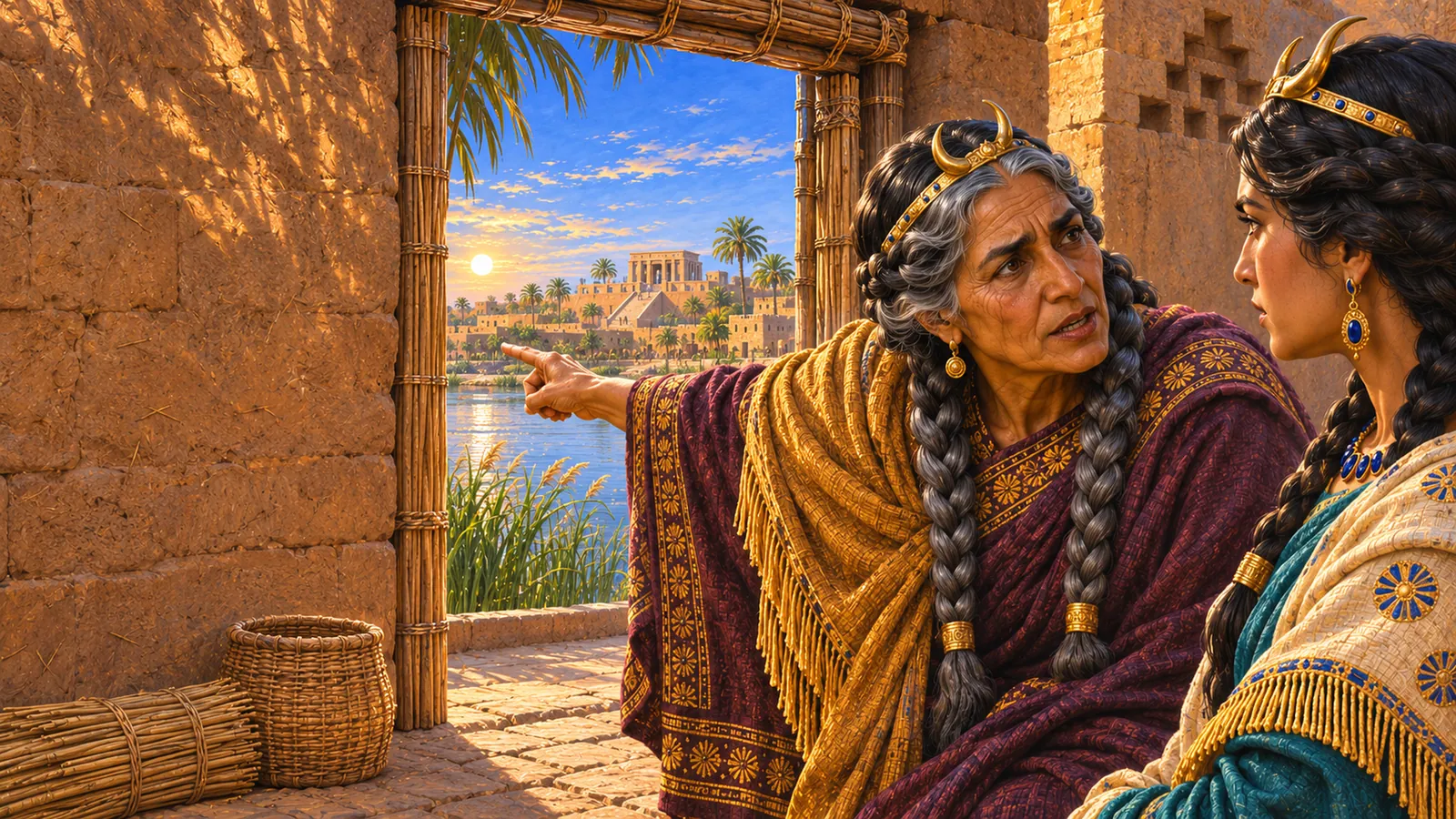
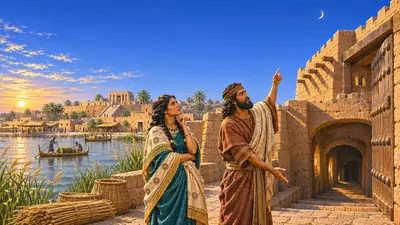
Avisa que Enlil verá Ninlil, a abraçará e beijará. Chama-lhe pai Enlil, a grande montanha e aquele que determina os destinos.
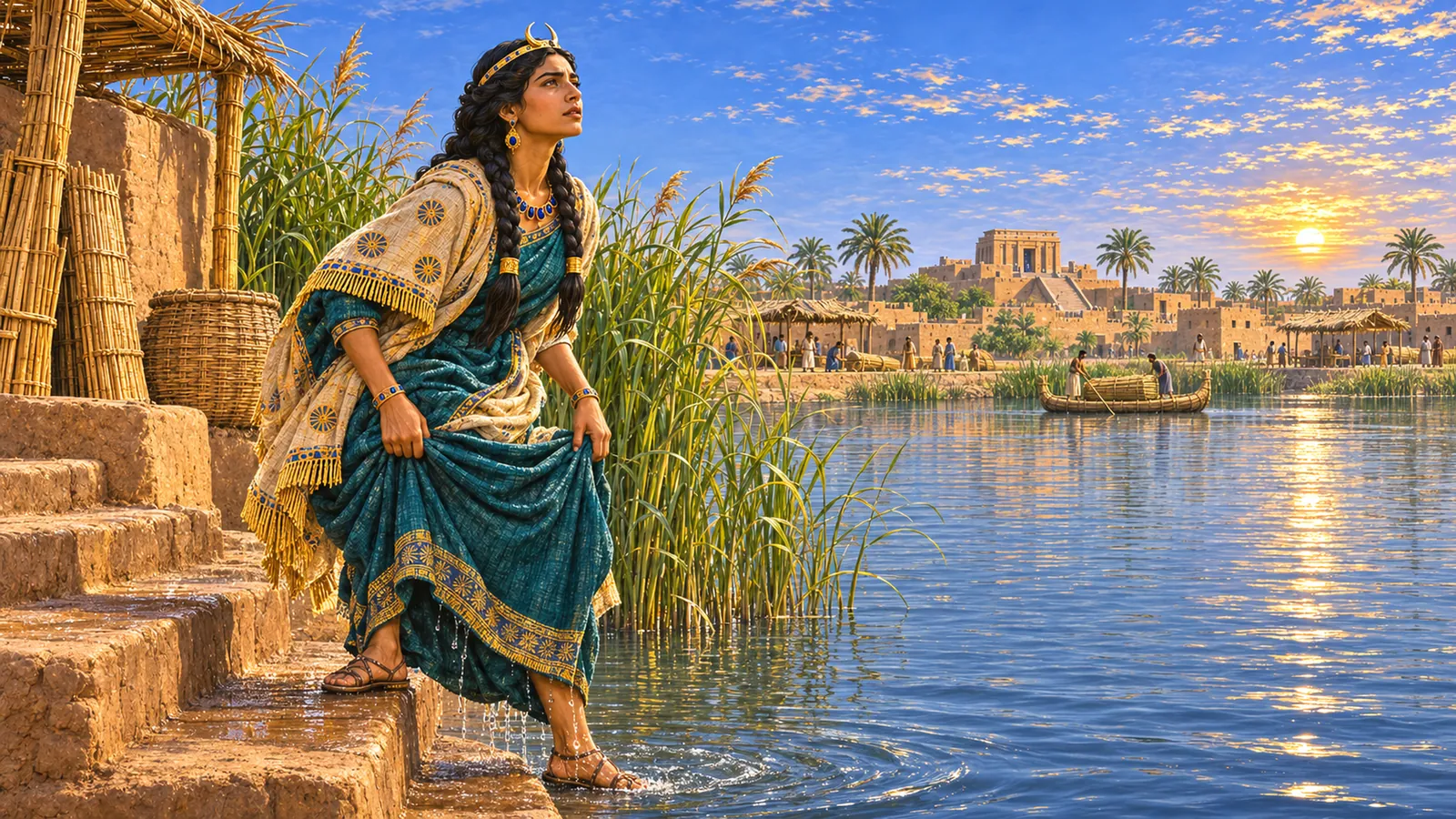
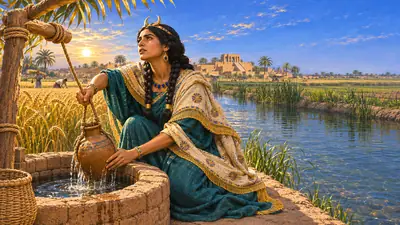
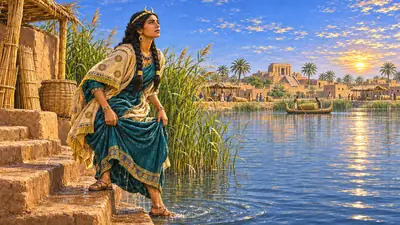
Os versos perguntam se Ninlil ouviu a mãe. Depois dizem que se banha na corrente pura e sobe à margem de Nunbirdu.
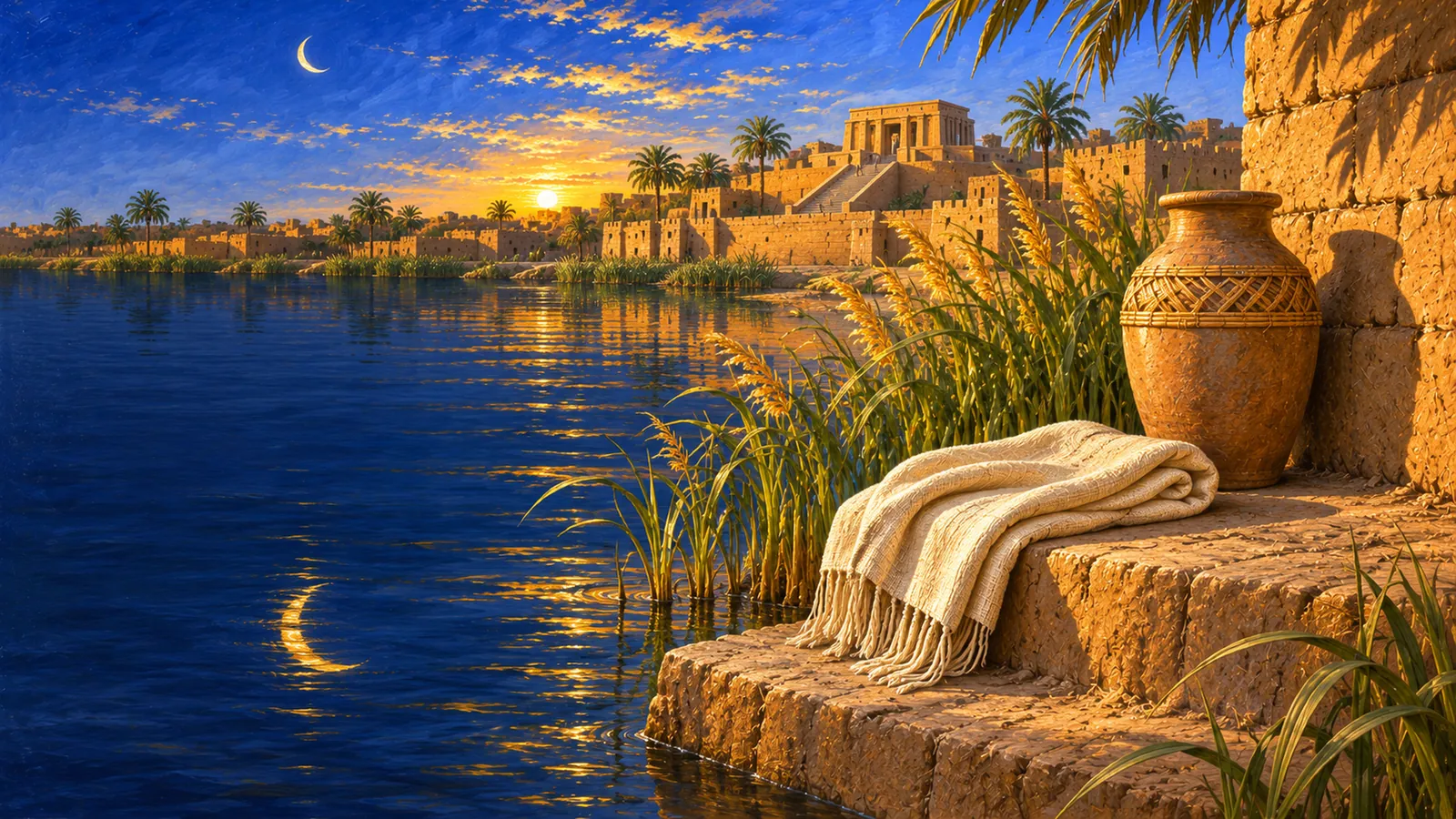
Jacobsen diz que Enlil viola Ninlil depois de ela o recusar e que ela fica grávida de Sin, o deus da lua.
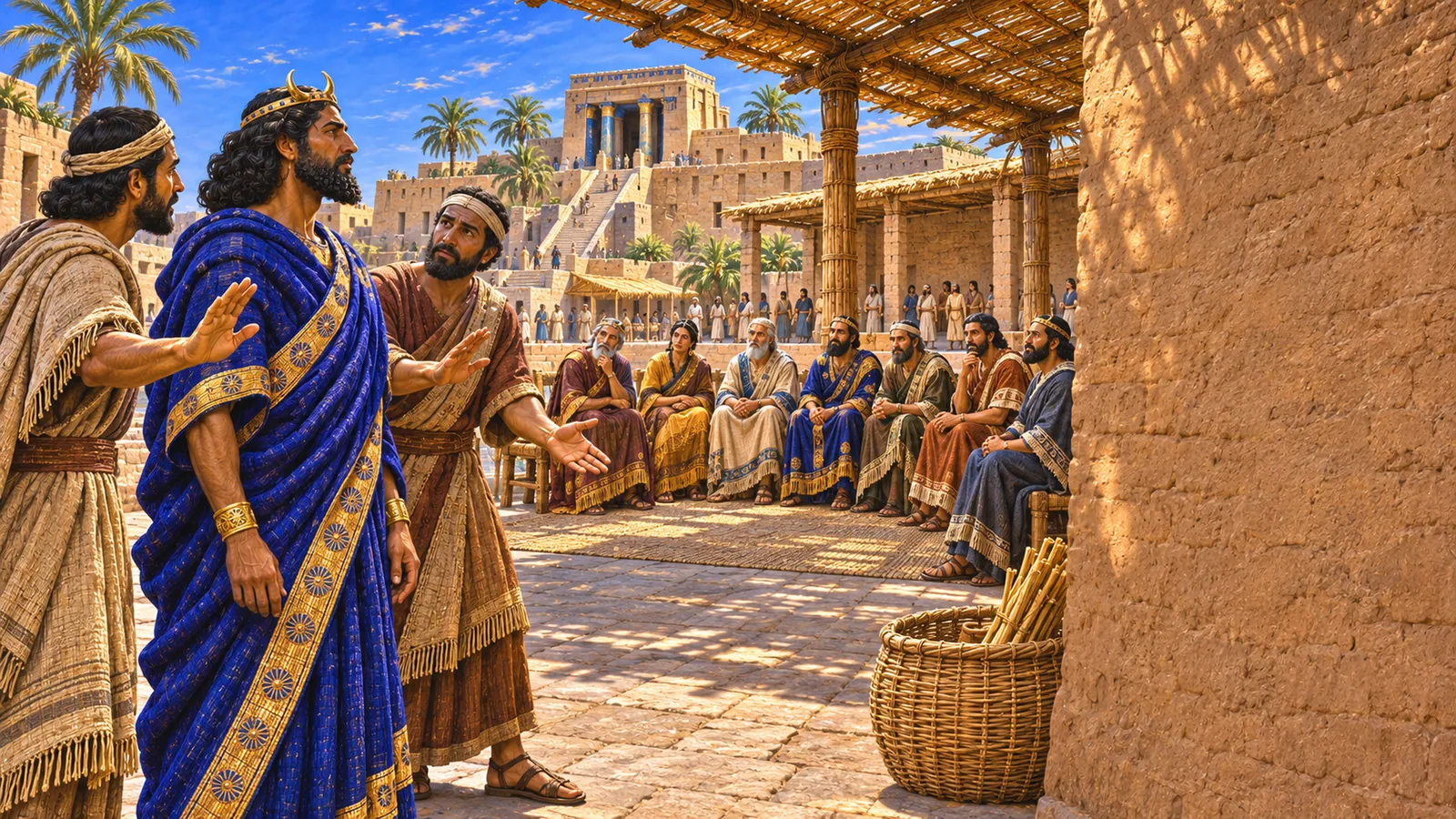
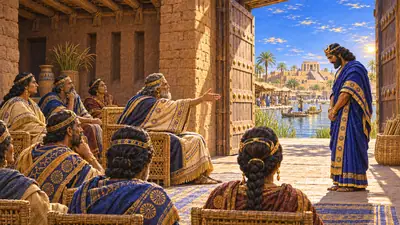
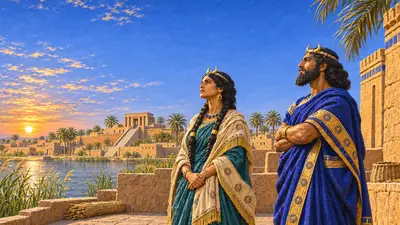
Os versos dizem que Enlil entra em Kiur e é detido ali. Os cinquenta grandes deuses e os sete cuja palavra é decisiva ordenam a detenção.
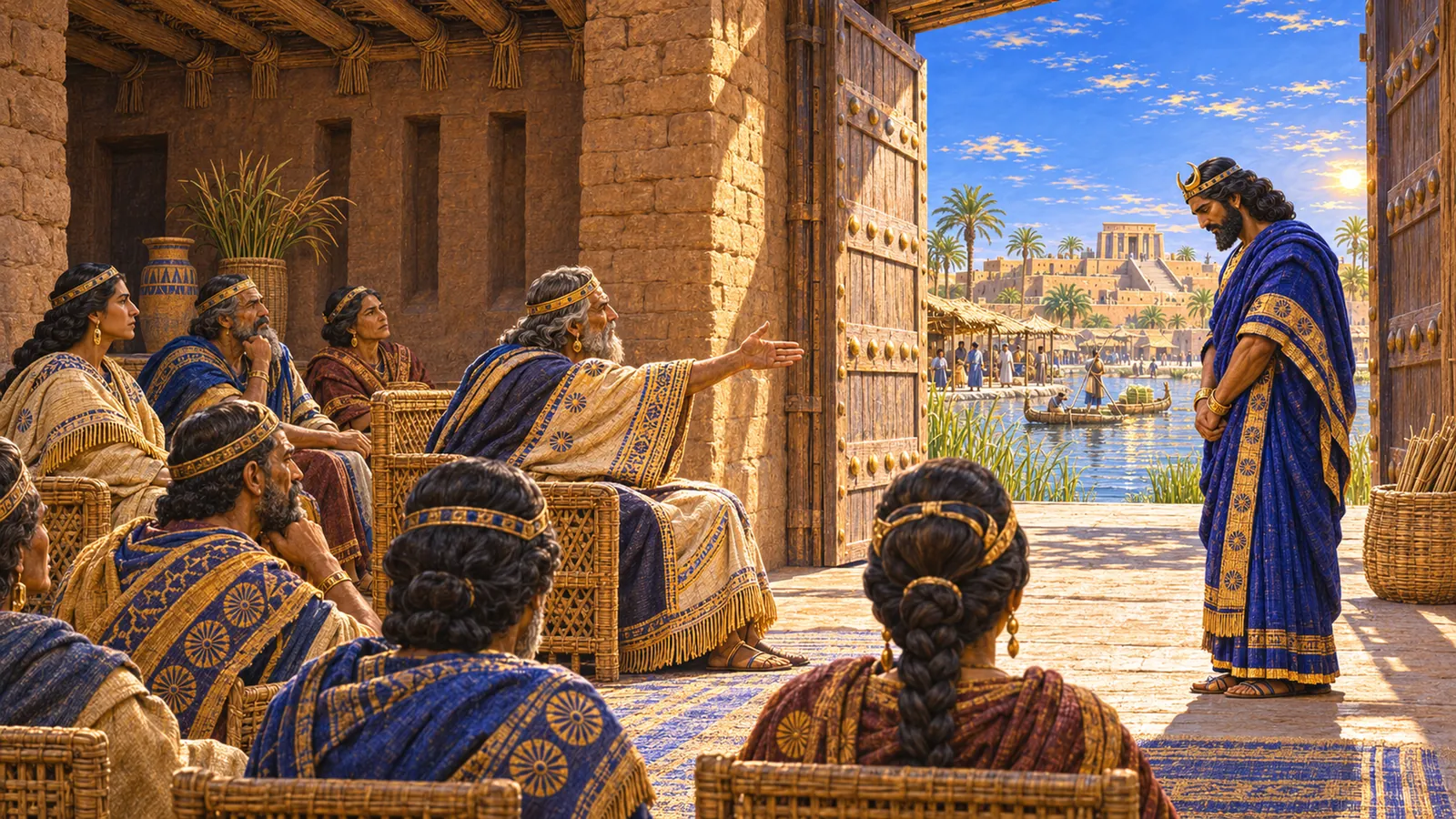
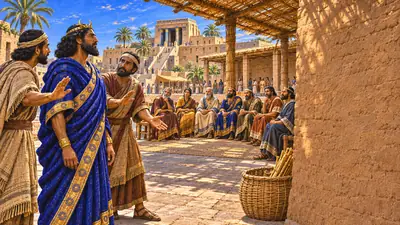
A assembleia diz a Enlil, também chamado Nunamnir, que saia da cidade. Jacobsen explica que a palavra usada designa uma pessoa sujeita a um tabu sexual.
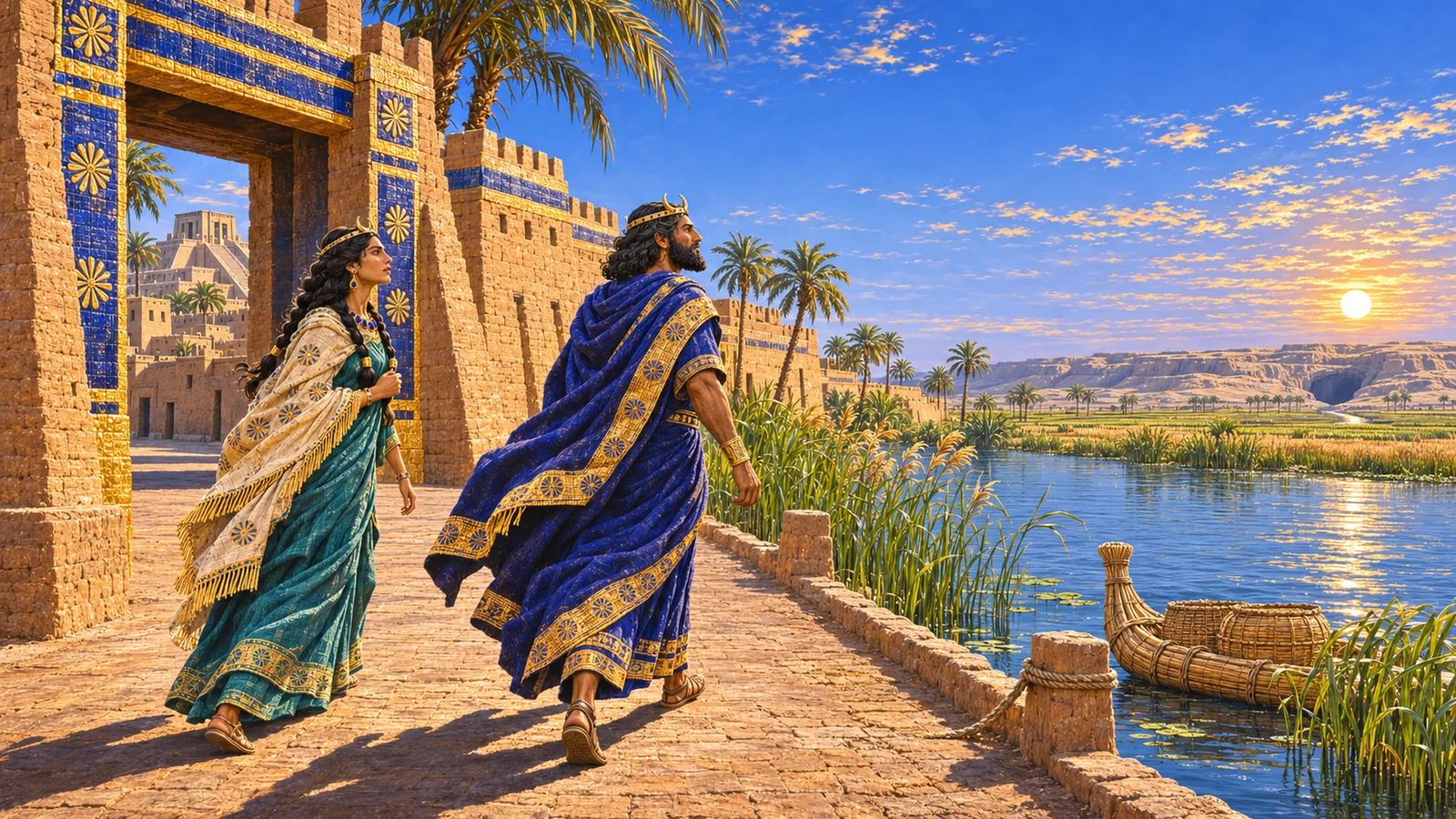
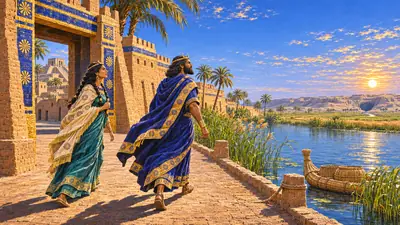
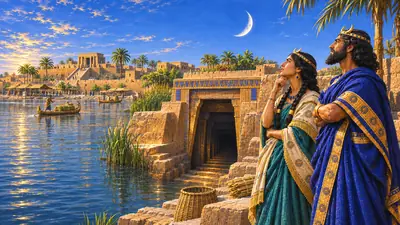
Enlil obedece ao veredicto e parte. Jacobsen diz que segue em direção ao mundo subterrâneo, e os versos dizem que Ninlil o segue.
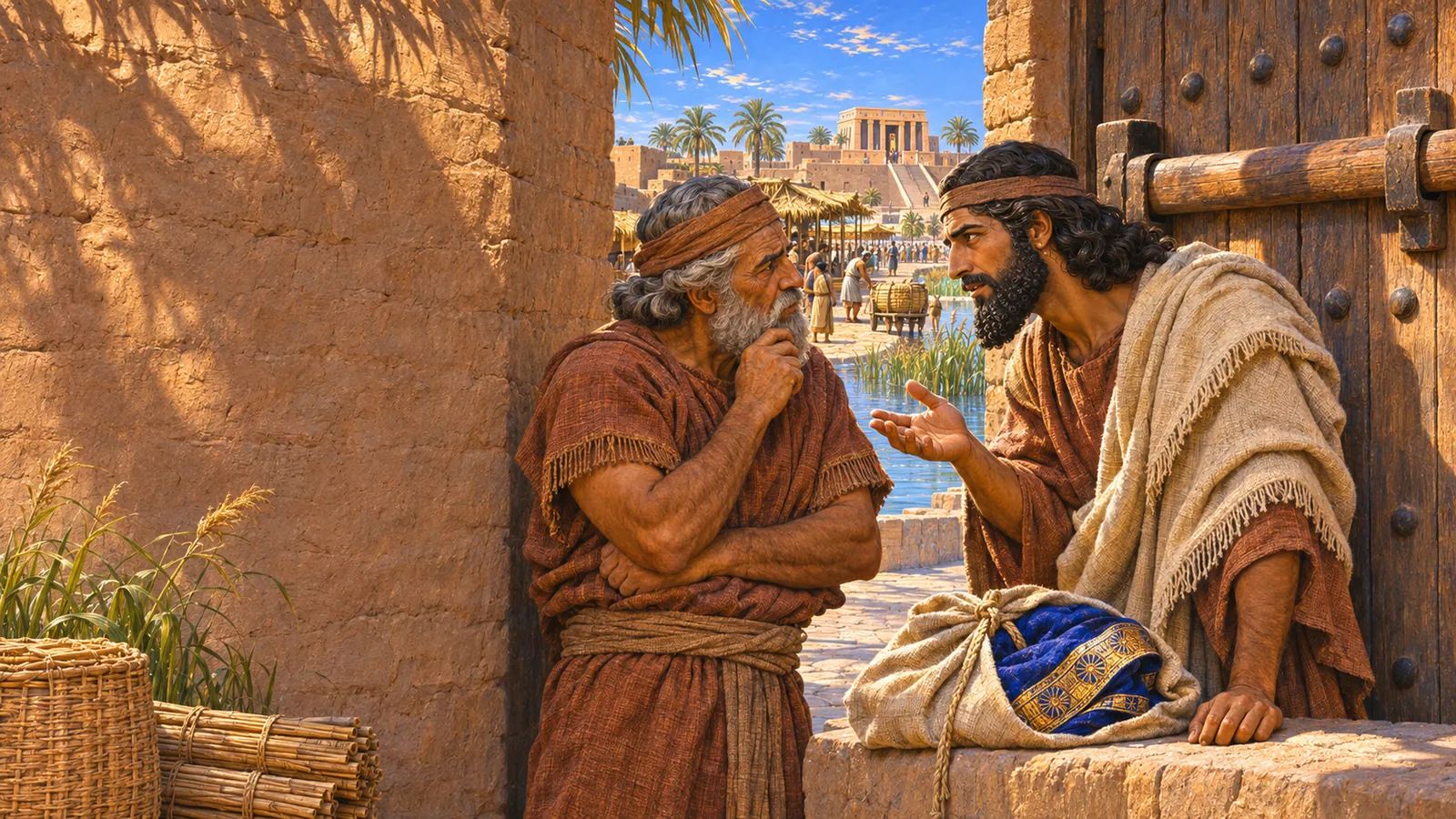
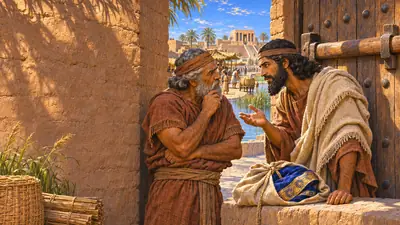
Jacobsen entende que Enlil teme que outros maltratem Ninlil. Diz que Enlil assume o lugar e a aparência do porteiro e lhe ordena que esconda o seu paradeiro.
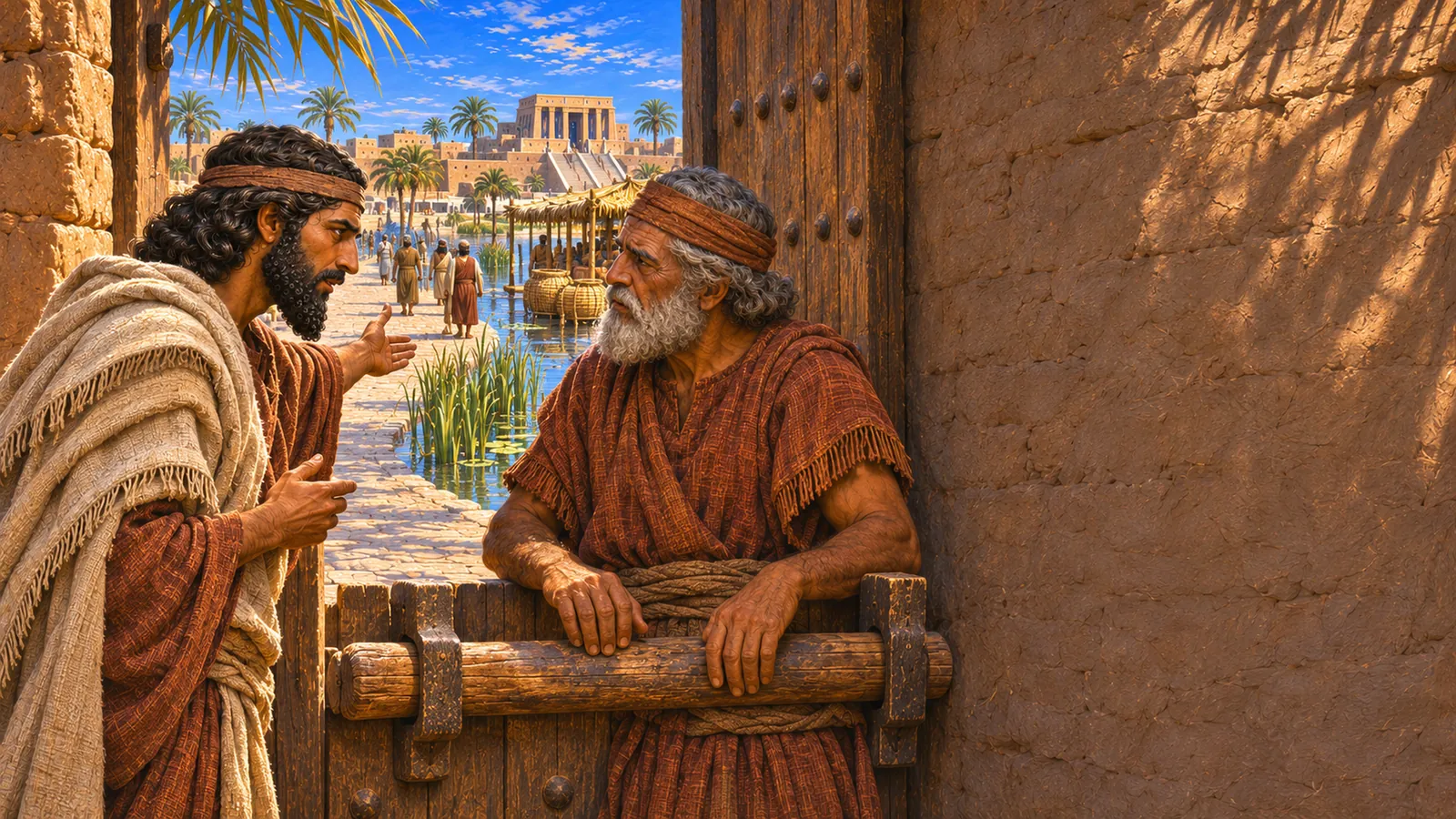
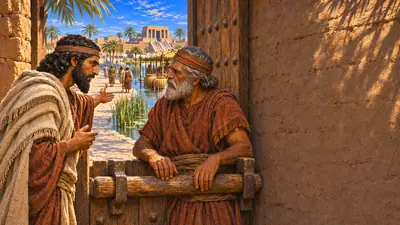
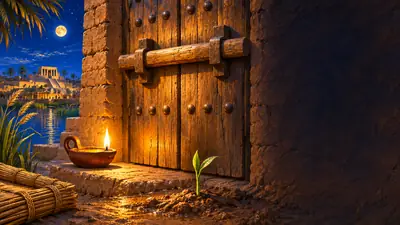
Enlil chama o guardião da porta, da fechadura, do ferrolho e do ferrolho sagrado. A rainha Ninlil vem, e Enlil ordena-lhe que esconda o seu paradeiro se ela perguntar.
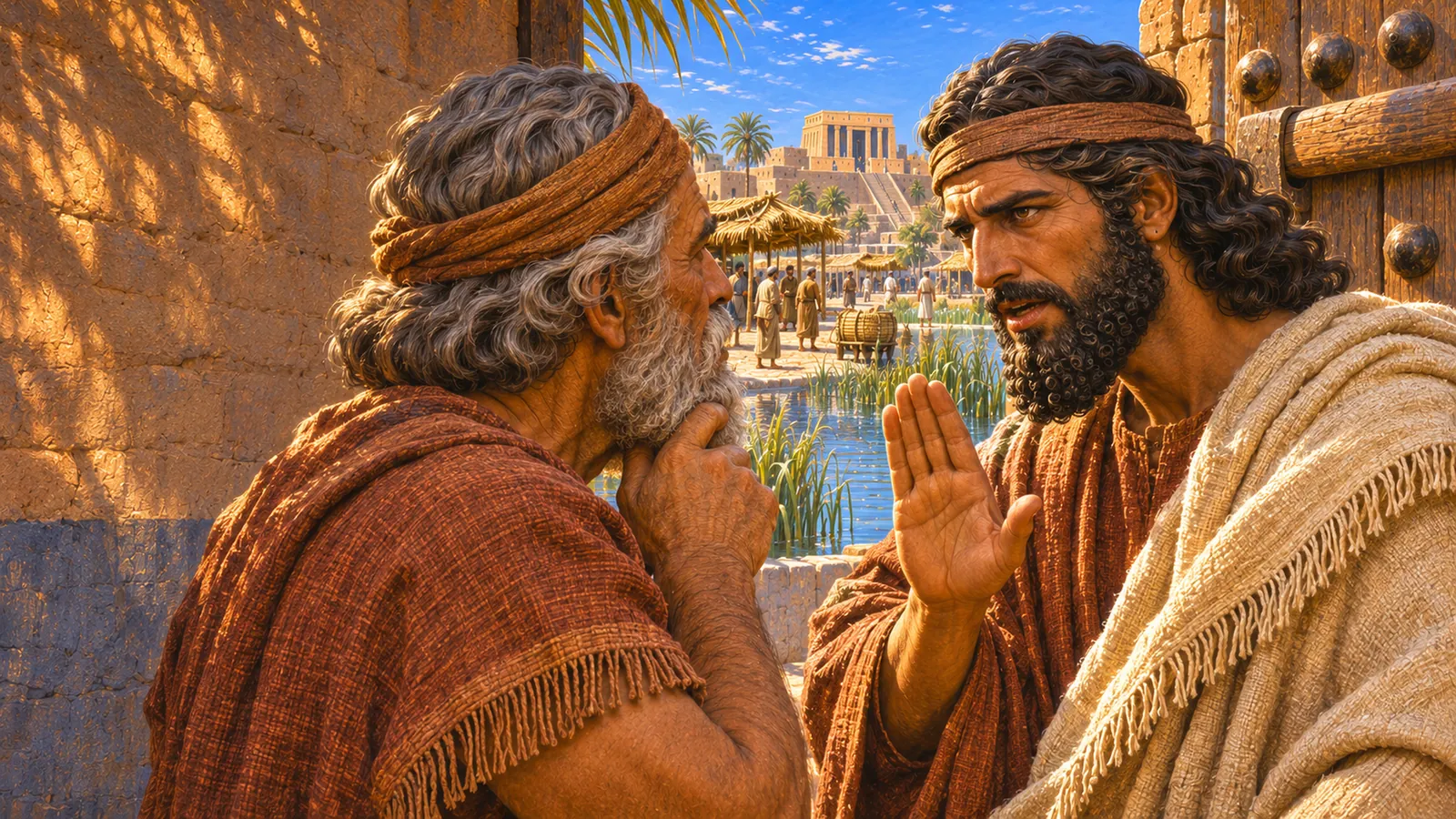
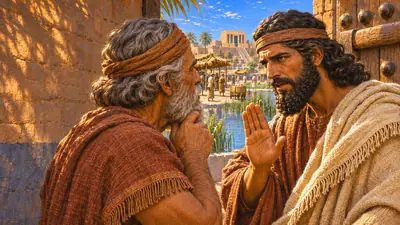
Enlil volta a falar ao porteiro e anuncia que Ninlil vem. Proíbe-o de a abraçar ou beijar. Nas suas próprias palavras, Enlil descreve o seu olhar anterior como um sinal de favor.
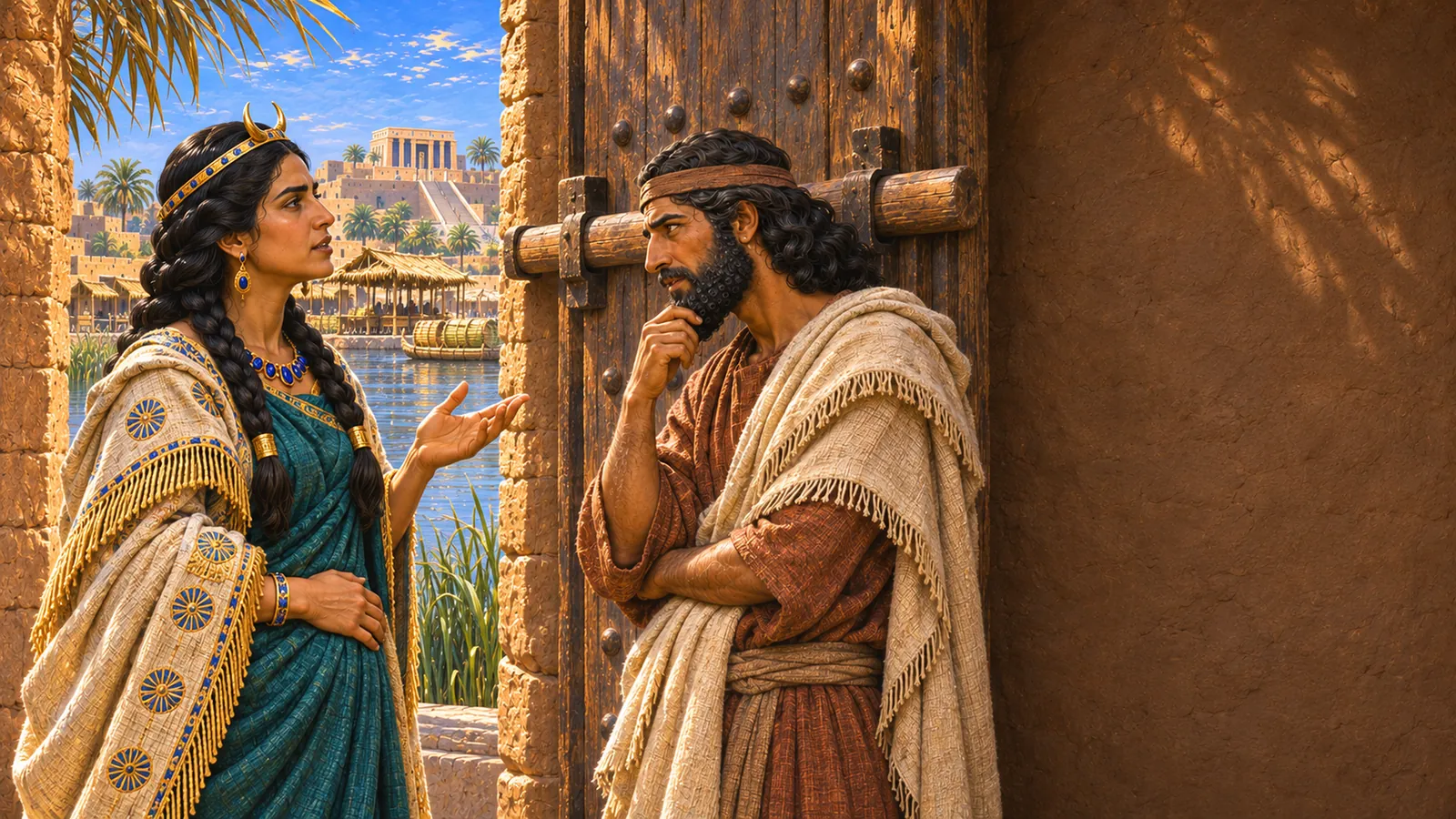
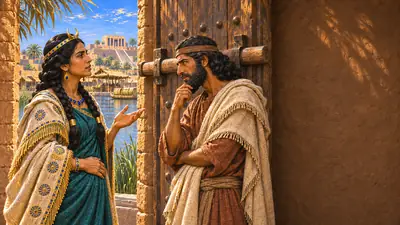
Jacobsen diz que Ninlil toma Enlil disfarçado pelo porteiro. Ele alega que o seu rei a recomendou, e ela responde que é a sua rainha e que traz consigo Sin, o filho de Enlil.
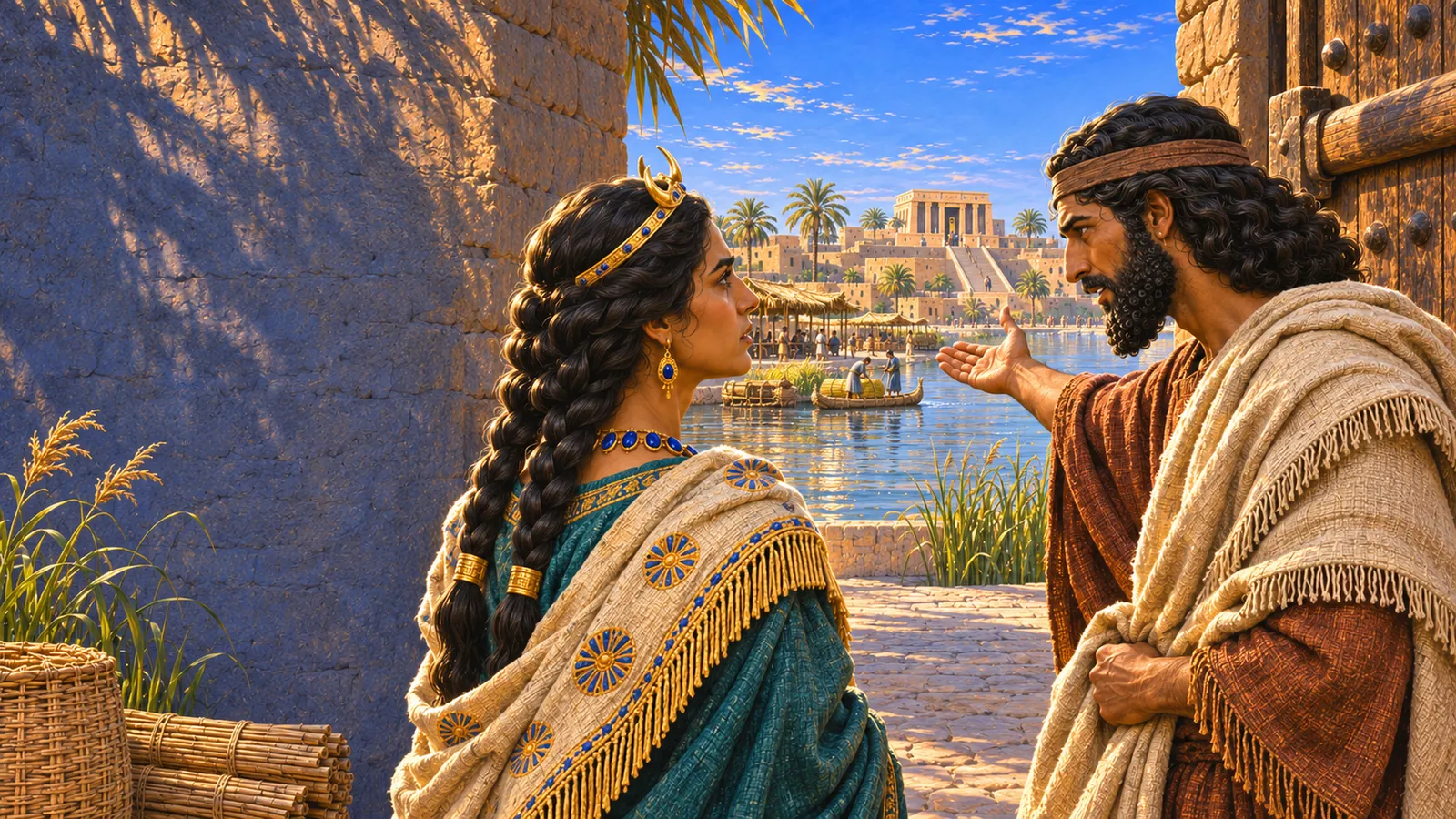
Jacobsen julga que o porteiro disfarçado talvez finja recear por Sin. Propõe que nasça outro filho para o mundo dos mortos em vez do deus da lua.
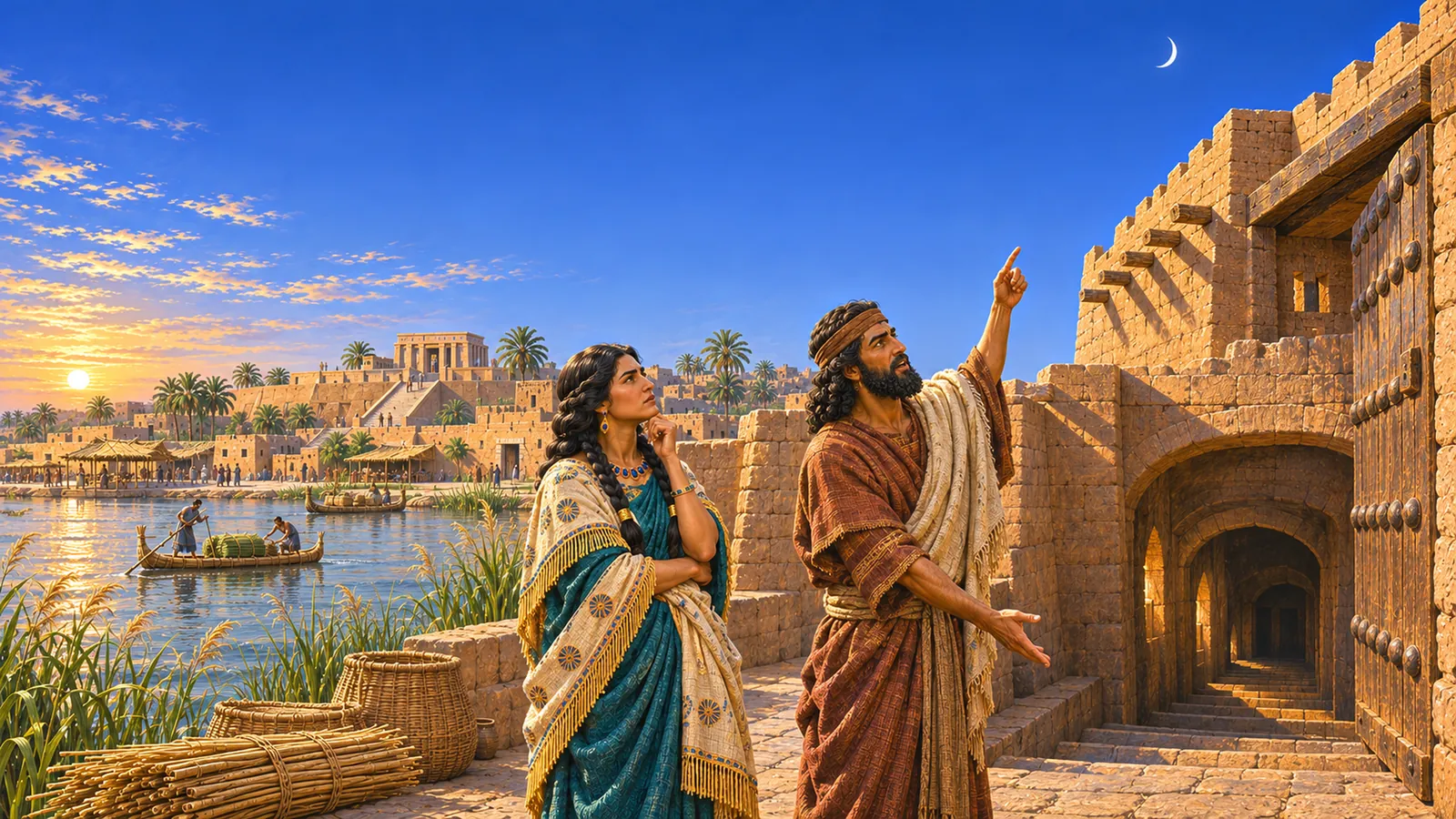
O orador disfarçado deseja que o precioso filho do rei vá para o céu. Diz que o seu próprio filho deve ir para o mundo dos mortos e tomar o lugar da outra criança.
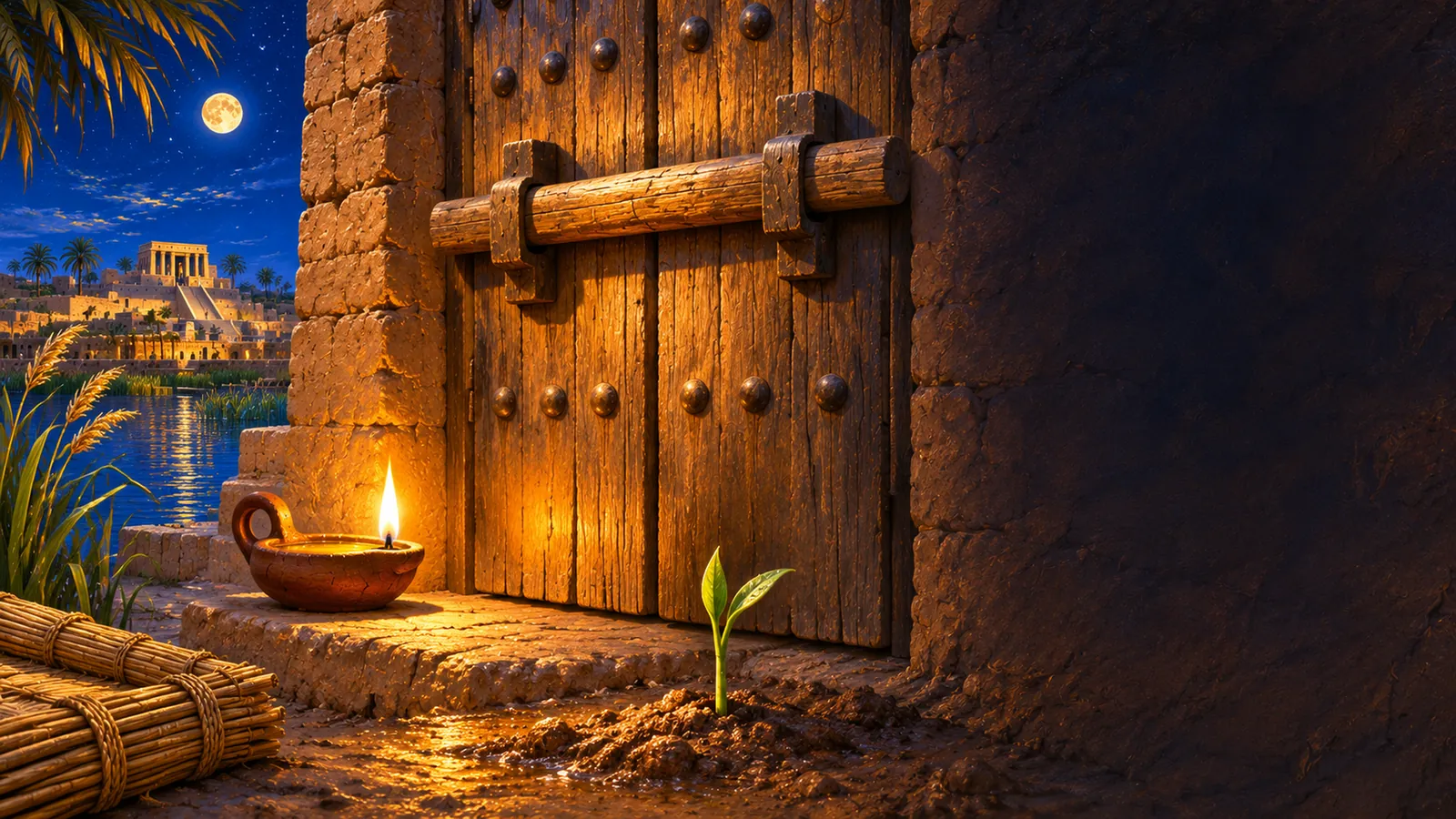
Jacobsen diz que Enlil tem relações sexuais com Ninlil disfarçado de porteiro e que ela engravida de Meslamtaea, que ele identifica como irmão de Sin.
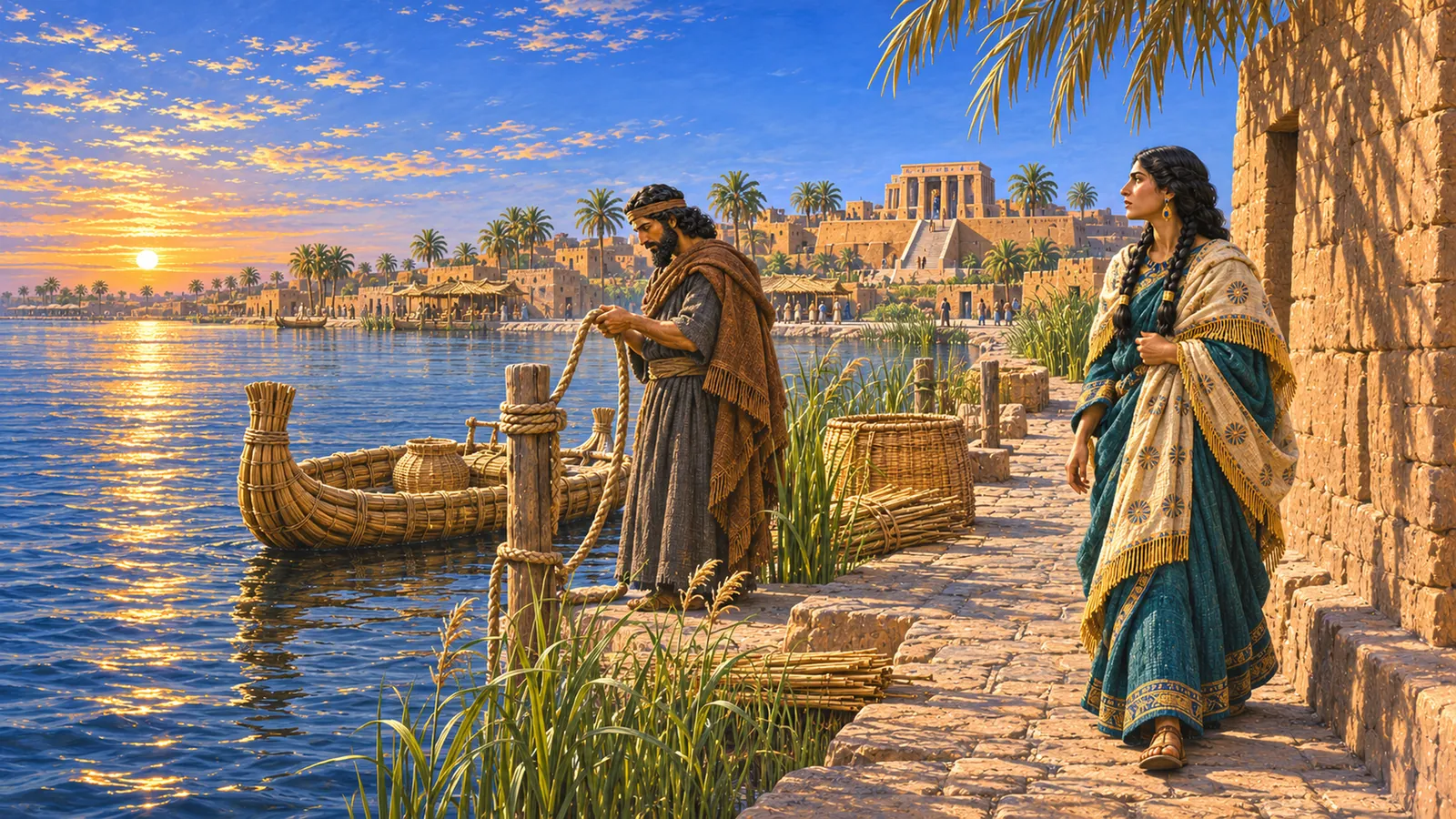
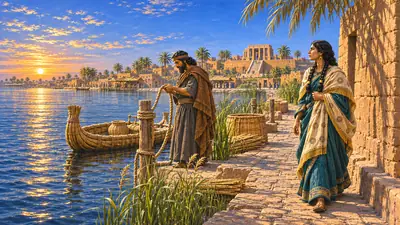
No relato de Jacobsen, Ninlil segue Enlil, que prossegue viagem. Ele assume a aparência do homem do rio do mundo dos mortos, e Ninazu é concebido nesse encontro.
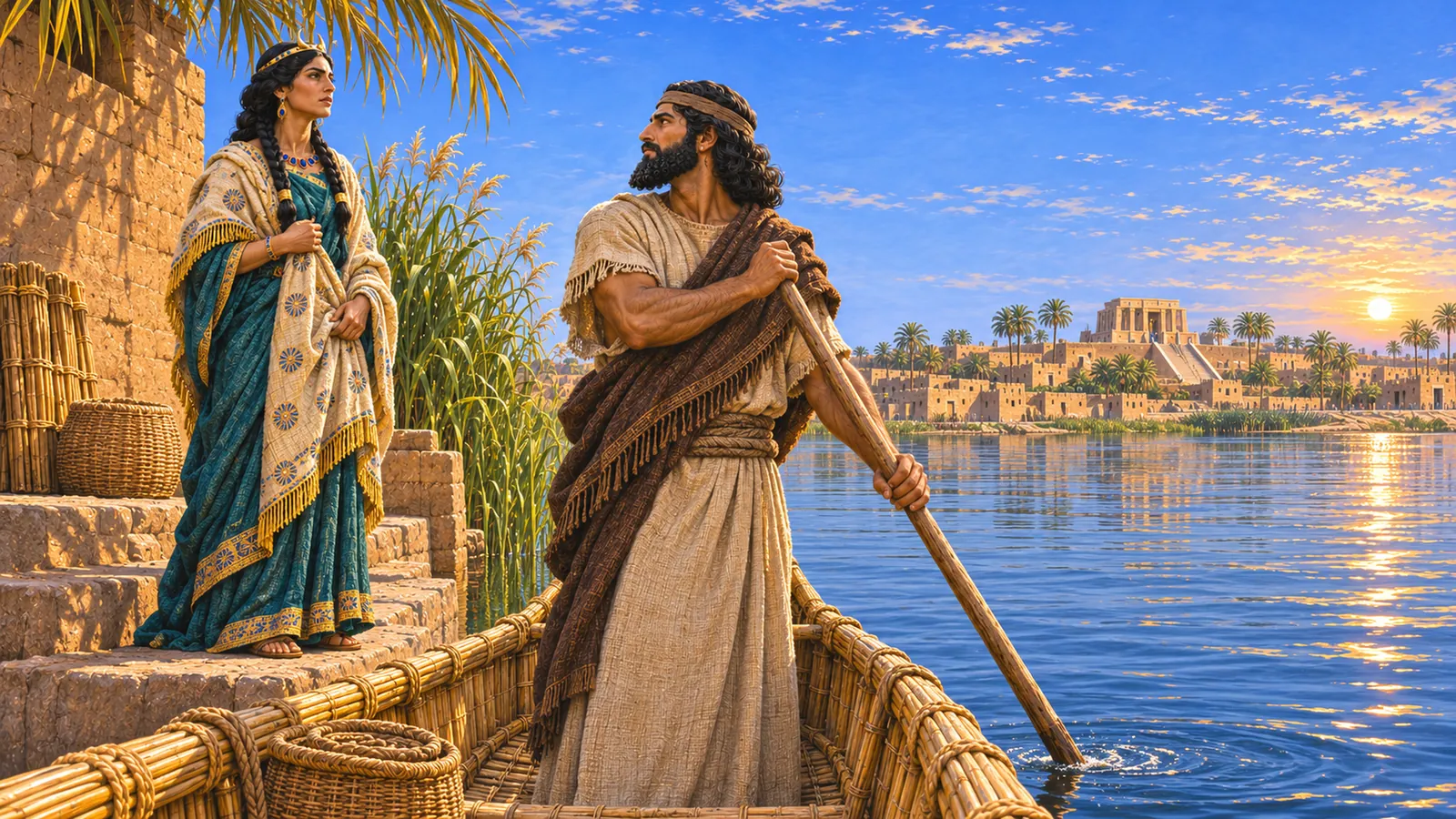
Jacobsen diz que Enlil toma a aparência do barqueiro e que é concebido outro deus do mundo dos mortos. O nome do filho está danificado na sua leitura.
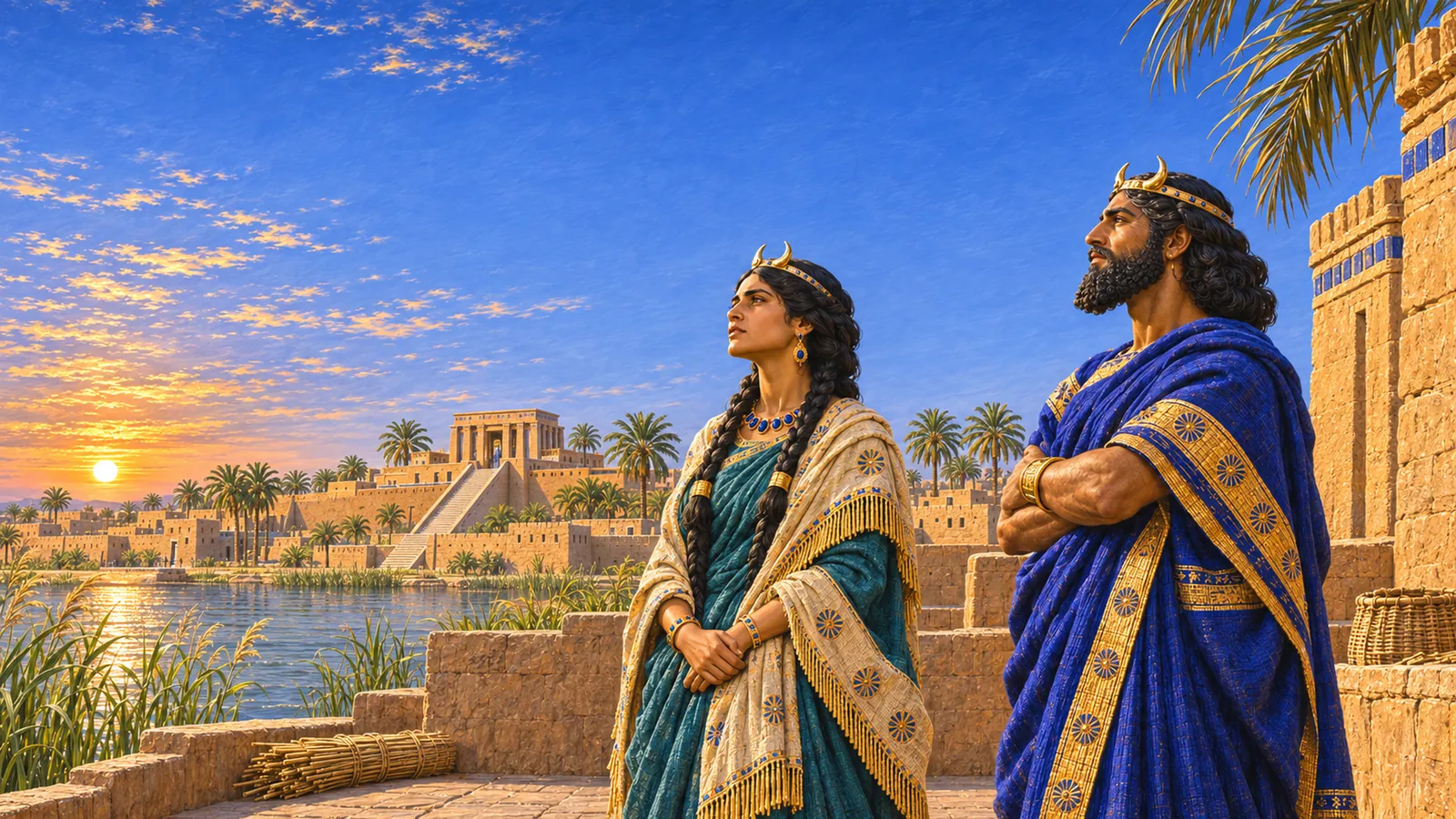
O HINO FINAL
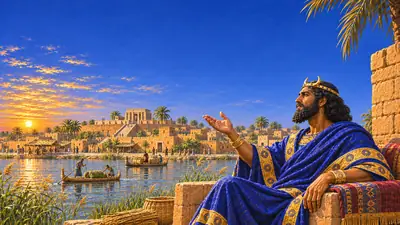
O hino chama Enlil senhor e rei e diz que a sua palavra, mesmo a palavra impetuosa, não pode ser alterada. Termina com louvores à mãe Ninlil e ao pai Enlil.
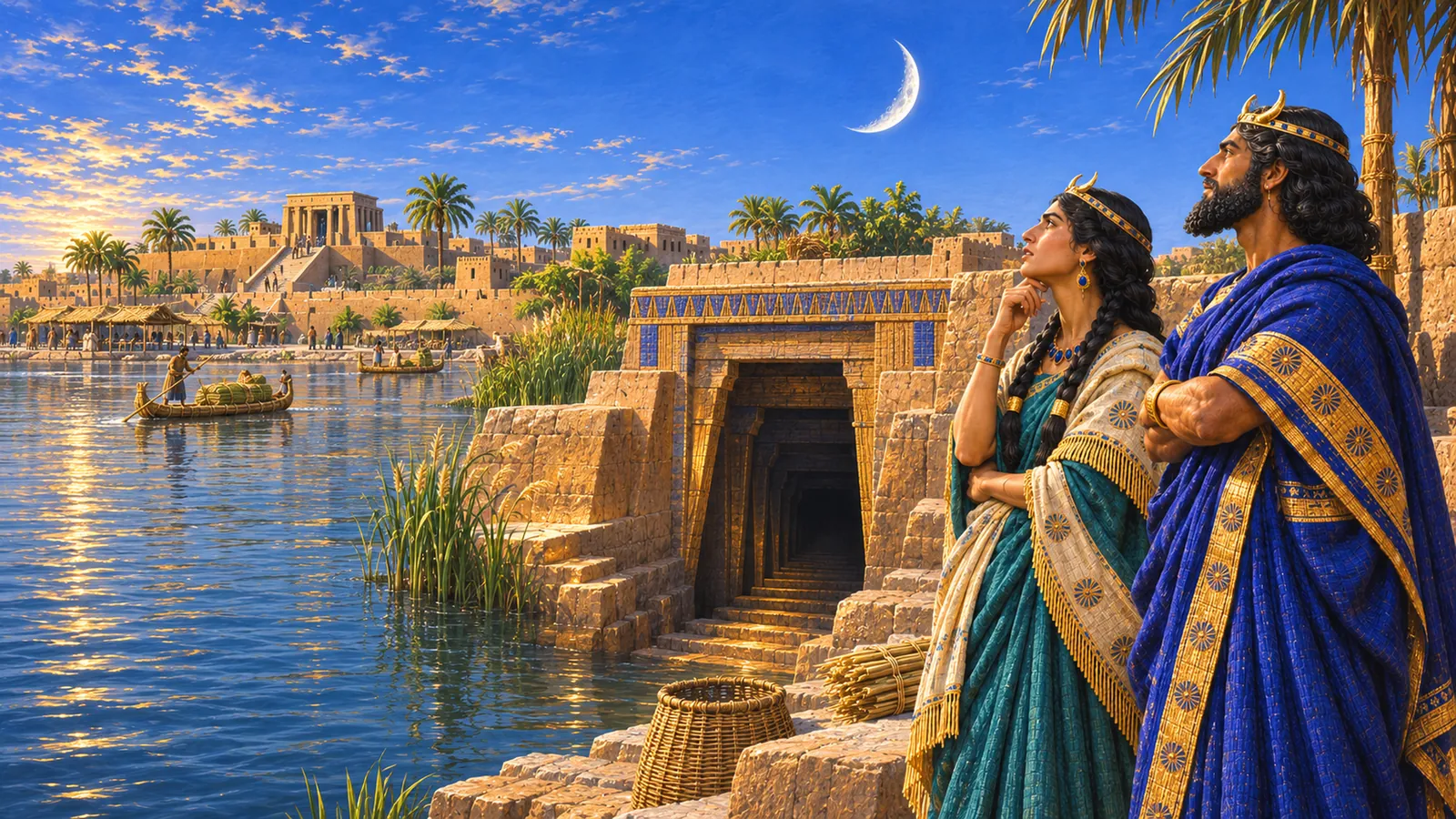
Na leitura de Jacobsen, o relato explica a origem de Sin e dos seus três irmãos. Relaciona os diferentes domínios com o banimento de Enlil e a sua viagem para o mundo dos mortos.
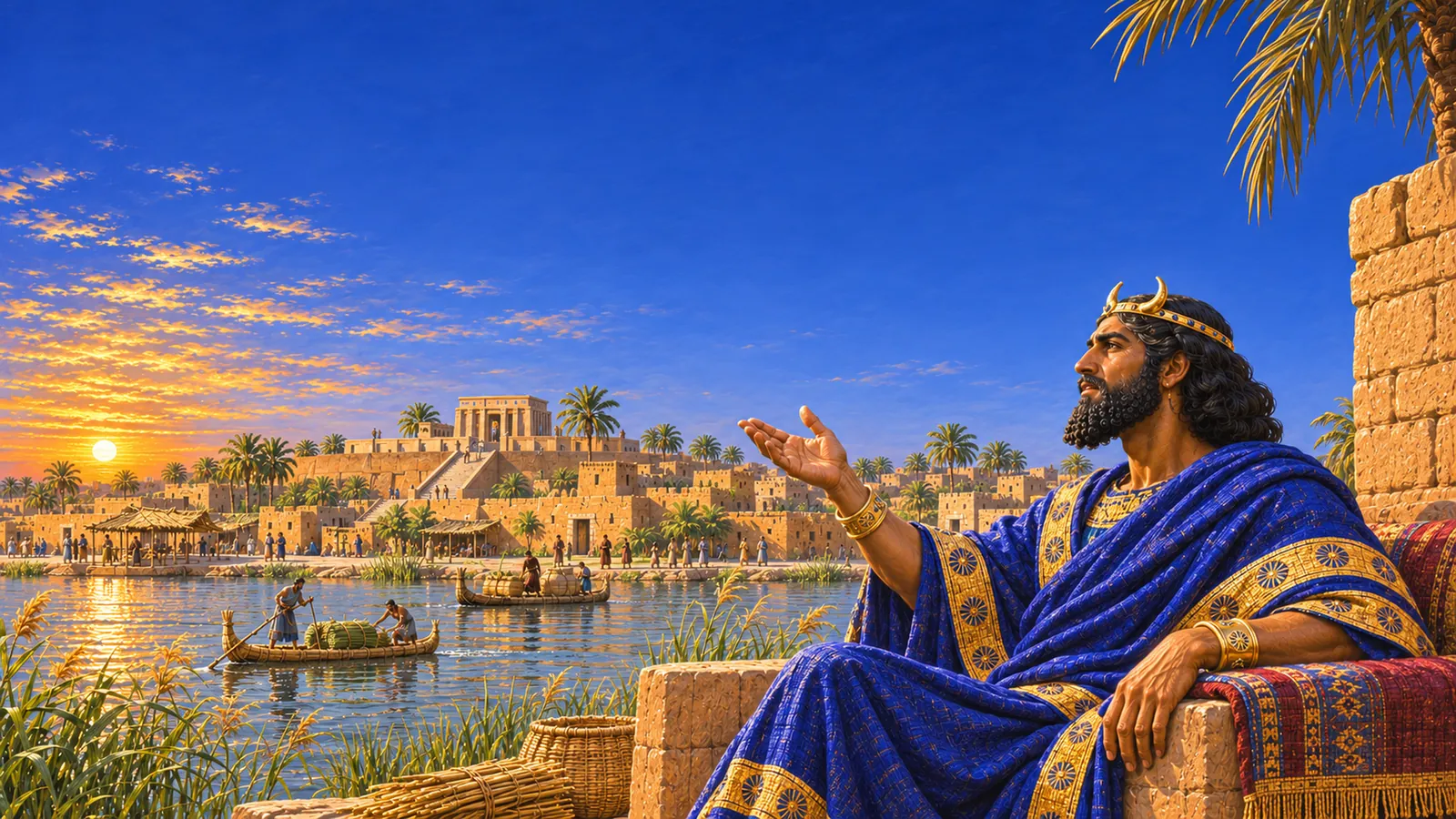
A PALAVRA VINCULATIVA
Jacobsen lê o decreto de Enlil como vinculativo e ouve no hino final um louvor desse poder. Liga o decreto ao que o relato diz do caráter de Enlil.
Fim do capítulo 1
Todas as páginas
Fontes
This reading follows Thorkild Jacobsen’s subsection on Enlil and Ninlil in The Cosmos as a State, The Intellectual Adventure of Ancient Man, University of Chicago Press, 1946, first Phoenix edition 1977, pp. 152–156. The book credits H. A. Groenewegen Frankfort for the English poetic form (preface p. vi and p. 184, note 3). Chapter note 23 on p. 184 refers to Kramer’s Mythology, notes 47 and 48.
Edições consultadas
- University of Chicago, The Intellectual Adventure of Ancient Man
- Jacobsen’s selection, pp. 152–156
- Chapter notes 3 and 23, p. 184
Notas sobre este reconto
Pages 01–02 · p. 152, opening prose and first verse selection. Jacobsen frames the story around the origin of Sin, the moon, and the moon’s three brothers connected with the underworld. He identifies Nippur by the names Duranki and Durgishimmar, which open the verse. The preposition before each name is printed in parentheses.
Pages 03–05 · p. 152, first verse selection. The river is Idsalla, the quay Kargeshtinna, the harbor Karusar, the sweet-water well Pulal and the canal Nunbirdu. The verse gives at least ten *iku* for each tilled field when measured. It introduces Enlil, Ninlil and Ninshebargunu as inhabitants and identifies Ninshebargunu as Ninlil’s mother.
Pages 06–07 · pp. 152–153, second verse selection. Ninshebargunu repeatedly warns Ninlil about bathing and going up to the bank of the Nunbirdu. She predicts Enlil’s gaze and advance. In the verse the title “father Enlil” appears with “great mountain” and the one who determines fates. Printed dots interrupt the accompanying epithet before “shepherd.”
Page 08 · p. 153, third verse selection. The verse asks whether Ninlil listened and says that she bathes and climbs the Nunbirdu bank. Jacobsen prints “young” in parentheses in the bathing line.
Page 09 · p. 153, Jacobsen’s prose. Jacobsen describes the rape after Ninlil refuses Enlil and says she becomes pregnant with Sin.
Pages 10–11 · p. 153, connecting prose and fourth verse selection. The verse describes the arrest of Enlil in Kiur by the fifty great gods and the seven whose words are decisive. Jacobsen renders its term “ravisher” and explains its wider sense as a person under a taboo relating to sexual matters.
Page 12 · p. 153, connecting prose and fifth verse selection. Enlil leaves in accordance with the sentence, going toward the underworld in Jacobsen’s prose. Ninlil follows in the translated verse. The words “in obedience” appear twice in parentheses in the verse.
Page 13, Jacobsen, Phoenix edition, p. 154, Jacobsen’s connecting prose. The setup comes from Jacobsen’s connecting prose. The fear of what others might do is his explanation. He says Enlil takes the gatekeeper’s position and appearance and tells him to say nothing if Ninlil asks.
Page 14, Jacobsen, Phoenix edition, p. 154, first gatekeeper address. The first address names gate, bolt, lock and sacred bolt. The speaker calls Ninlil the gatekeeper’s queen and orders him to conceal where Enlil is if she asks.
Page 15, Jacobsen, Phoenix edition, p. 154, second gatekeeper address. The second address repeats the epithets and the announcement that Ninlil is coming. It calls her sweet and beautiful, forbids embracing and kissing, and uses Enlil’s own words about favor and his shining gaze.
Page 16, Jacobsen, Phoenix edition, p. 154, Jacobsen’s connecting prose. He says that the supposed gatekeeper claims that Enlil recommended her to him. She identifies herself as his queen and says she carries Sin.
Page 17, Jacobsen, Phoenix edition, p. 154, Jacobsen’s connecting prose. Jacobsen marks the possible pretense explicitly. The disguised Enlil proposes that a son belong to the underworld in place of Sin. Distinguish this proposal from the final praise.
Page 18, Jacobsen, Phoenix edition, p. 154, substitution verse. The translated lines include the supplies my and own in parentheses, and the words changeling for. The royal child goes to heaven and the other son to the underworld in the proposed arrangement.
Page 19, Jacobsen, Phoenix edition, p. 154, Jacobsen’s connecting prose. Jacobsen describes the encounter in his prose and says Ninlil becomes pregnant with Meslamtaea. The speaker is Enlil using the gatekeeper’s appearance. The encounter is stated without physical particulars.
Page 20, Jacobsen, Phoenix edition, p. 154–155, Jacobsen’s connecting prose. The prose carries Ninlil’s pursuit across the page break.
Page 21, Jacobsen, Phoenix edition, p. 155, Jacobsen’s connecting prose. Jacobsen then gives the ferryman as the last guise. A further underworld god is conceived. He says damage prevents identification of the name in the text he is using.
Page 22, Jacobsen, Phoenix edition, p. 155, closing hymn. The praise calls Enlil lord and king and repeats the unalterable quality of his word. Jacobsen renders the second mention as impetuous. The translated excerpts end here.
Page 23, Jacobsen, Phoenix edition, p. 155–156, Jacobsen’s interpretation. He relates the difference between the moon god and his three brothers to the place of Enlil’s banishment and later journey. This reading does not resolve Ninlil’s later life.
Page 24, Jacobsen, Phoenix edition, p. 156, Jacobsen’s closing interpretation. Jacobsen connects Enlil’s character to the events prompting his decree. He explains the hymn as affirming the binding word. The story stops within this subsection at the end of printed page 156.
Os versos antigos de cada página
- Page 1: Jacobsen 1977, The Intellectual Adventure of Ancient Man, ch. V, The Myth of Enlil and Ninlil, p. 152, Jacobsen’s opening prose
- Page 2: Jacobsen 1977, The Intellectual Adventure of Ancient Man, ch. V, The Myth of Enlil and Ninlil, p. 152, first verse selection, city names
- Page 3: Jacobsen 1977, The Intellectual Adventure of Ancient Man, ch. V, The Myth of Enlil and Ninlil, p. 152, first verse selection, river, quay and harbor
- Page 4: Jacobsen 1977, The Intellectual Adventure of Ancient Man, ch. V, The Myth of Enlil and Ninlil, p. 152, first verse selection, well, canal and fields
- Page 5: Jacobsen 1977, The Intellectual Adventure of Ancient Man, ch. V, The Myth of Enlil and Ninlil, p. 152, first verse selection, three inhabitants
- Page 6: Jacobsen 1977, The Intellectual Adventure of Ancient Man, ch. V, The Myth of Enlil and Ninlil, pp. 152–153, second verse selection, bathing and bank warning
- Page 7: Jacobsen 1977, The Intellectual Adventure of Ancient Man, ch. V, The Myth of Enlil and Ninlil, p. 153, second verse selection, warning continued
- Page 8: Jacobsen 1977, The Intellectual Adventure of Ancient Man, ch. V, The Myth of Enlil and Ninlil, p. 153, third verse selection, stream and canal bank
- Page 9: Jacobsen 1977, The Intellectual Adventure of Ancient Man, ch. V, The Myth of Enlil and Ninlil, p. 153, Jacobsen’s prose, assault after refusal and pregnancy
- Page 10: Jacobsen 1977, The Intellectual Adventure of Ancient Man, ch. V, The Myth of Enlil and Ninlil, p. 153, Jacobsen’s prose and fourth verse selection, arrest
- Page 11: Jacobsen 1977, The Intellectual Adventure of Ancient Man, ch. V, The Myth of Enlil and Ninlil, p. 153, fourth verse selection, verdict, and Jacobsen’s lexical note
The left is a continuous natural dark blue-grey shaded plain clay surface through the whole reserve with no dividing line, bright patch, objects, shape or marks. - Page 12: Jacobsen 1977, The Intellectual Adventure of Ancient Man, ch. V, The Myth of Enlil and Ninlil, p. 153, Jacobsen’s prose and fifth verse selection, departure and pursuit
- Page 13: Jacobsen, The Cosmos as a State, Phoenix ed. 1977, p. 154, Jacobsen’s connecting prose
- Page 14: Jacobsen, The Cosmos as a State, Phoenix ed. 1977, p. 154, first gatekeeper address
- Page 15: Jacobsen, The Cosmos as a State, Phoenix ed. 1977, p. 154, second gatekeeper address
- Page 16: Jacobsen, The Cosmos as a State, Phoenix ed. 1977, p. 154, Jacobsen’s connecting prose
- Page 17: Jacobsen, The Cosmos as a State, Phoenix ed. 1977, p. 154, Jacobsen’s connecting prose
- Page 18: Jacobsen, The Cosmos as a State, Phoenix ed. 1977, p. 154, substitution verse
- Page 19: Jacobsen, The Cosmos as a State, Phoenix ed. 1977, p. 154, Jacobsen’s connecting prose
- Page 20: Jacobsen, The Cosmos as a State, Phoenix ed. 1977, p. 154–155, Jacobsen’s connecting prose
- Page 21: Jacobsen, The Cosmos as a State, Phoenix ed. 1977, p. 155, Jacobsen’s connecting prose
- Page 22: Jacobsen, The Cosmos as a State, Phoenix ed. 1977, p. 155, closing hymn
- Page 23: Jacobsen, The Cosmos as a State, Phoenix ed. 1977, p. 155–156, Jacobsen’s interpretation
Left is uninterrupted calm dark indigo natural river haze with no glare, fine horizon or lines. - Page 24: Jacobsen, The Cosmos as a State, Phoenix ed. 1977, p. 156, Jacobsen’s closing interpretation
Very wide quiet southern Mesopotamian river horizon at full evening, with short line of weathered stone-and-clay revetment only in lower right.
Ilustrações feitas pelo IL Archive com ferramentas de IA; o texto baseia-se nas fontes antigas (veja as fontes no fim de cada capítulo).