Enmerkar e o senhor de Aratta Capítulo 2
Palavras na argila
Enmerkar envia cevada para Aratta e a rivalidade transforma-se numa disputa de enigmas e exigências. Quando o mensageiro já não consegue repetir as palavras do rei, Enmerkar grava-as na argila. Do fim do poema restam apenas fragmentos.
FontesVire as páginas com as setas, o teclado ou deslizando o dedo.
AMANHECER
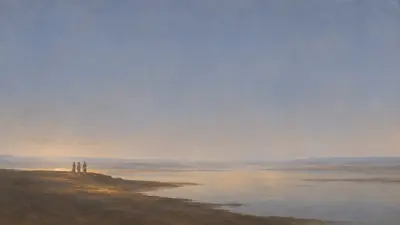
Raiou o dia e Utu ergueu-se. Na imagem que o poema traça daquela manhã, Enmerkar junta as águas do Tigre e do Eufrates.
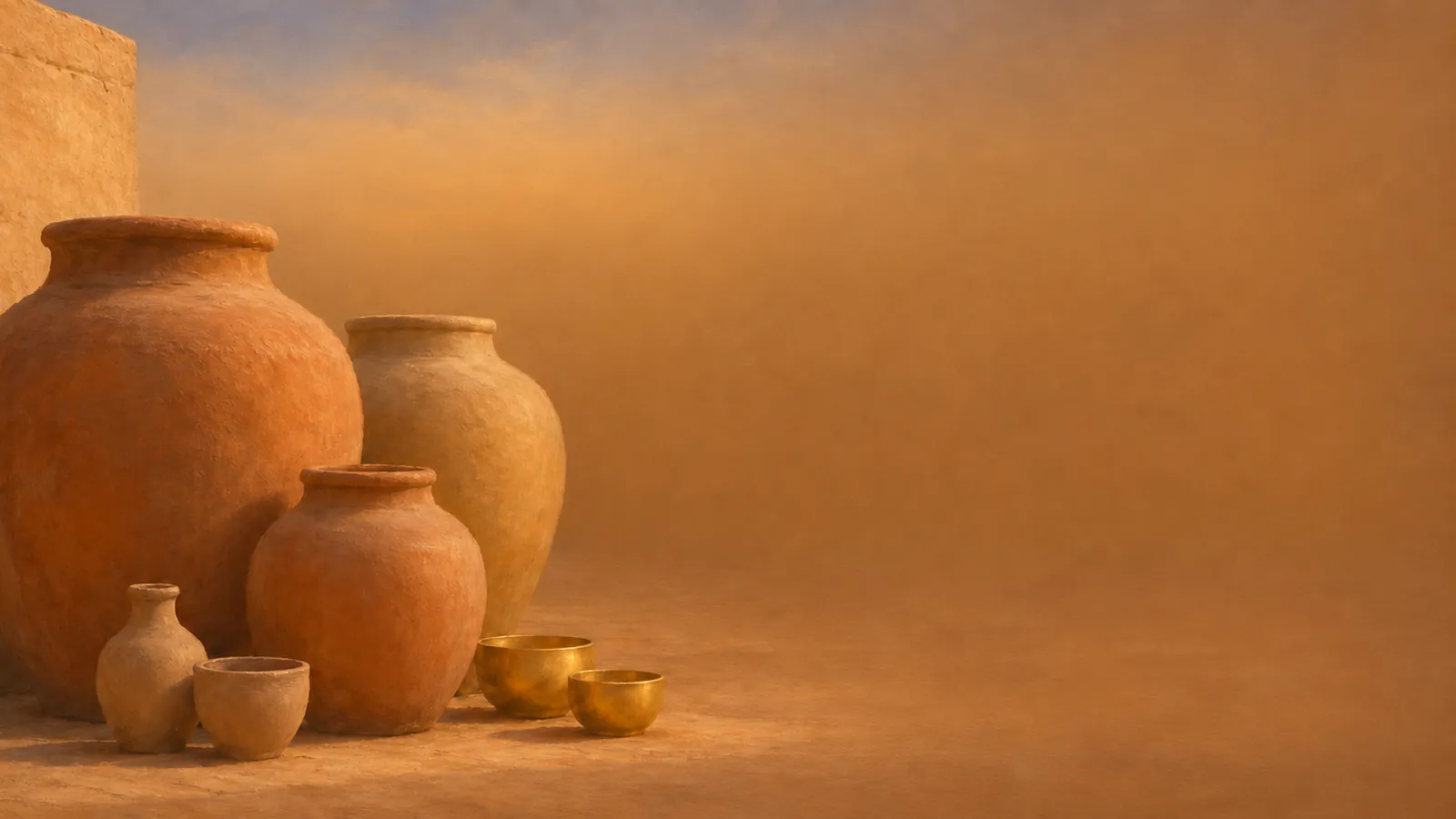
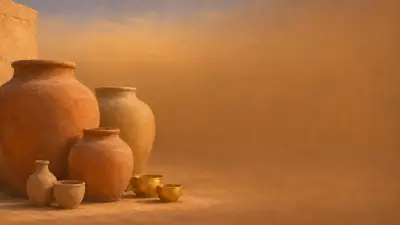
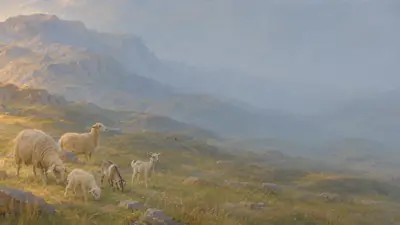
Grandes vasilhas estavam ao ar livre, e ao lado delas as pequenas, como cordeiros na erva. Enmerkar pôs as vasilhas de ouro afastadas umas das outras.
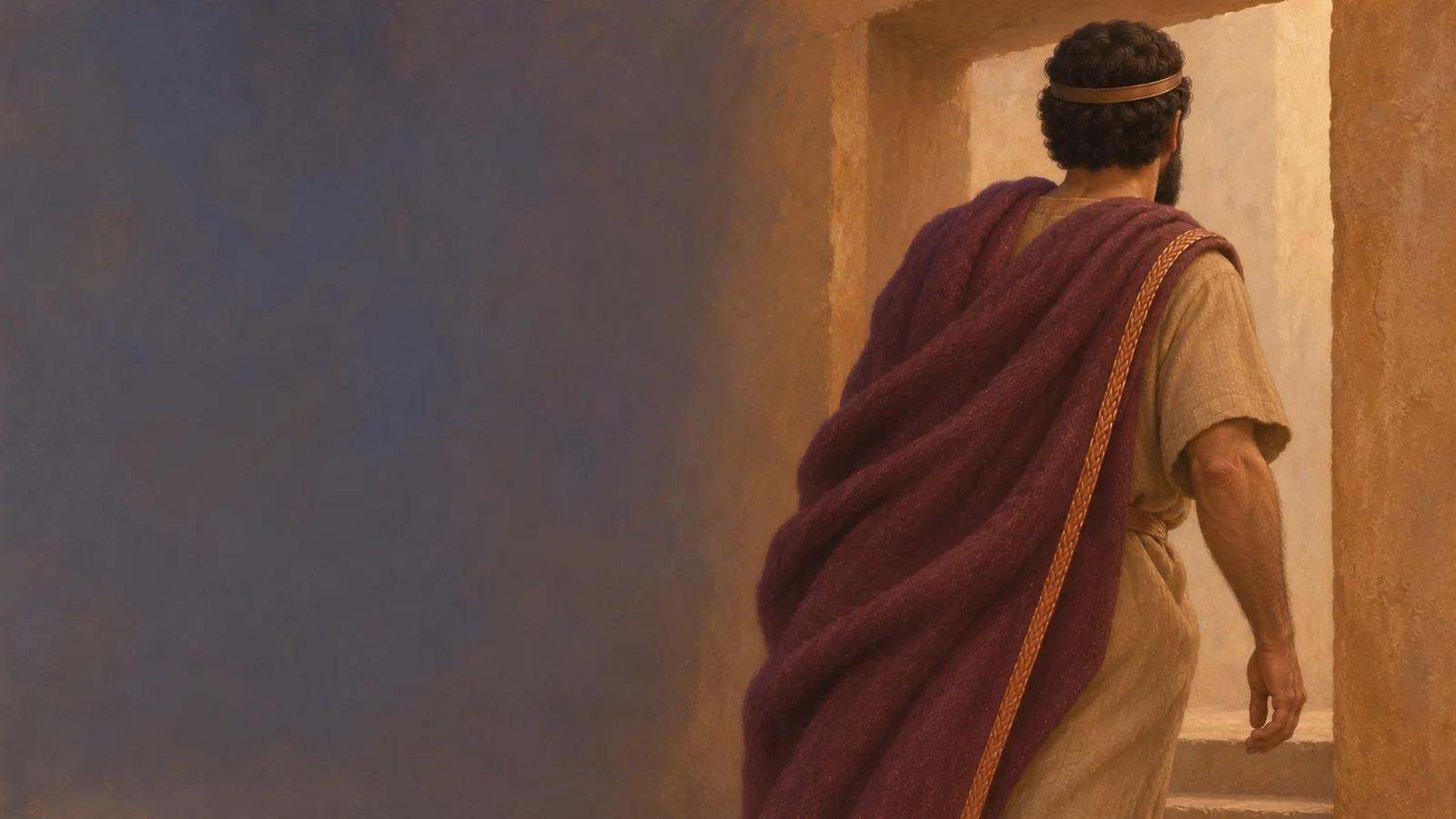
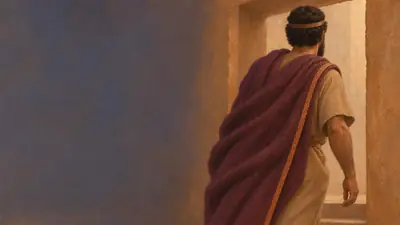
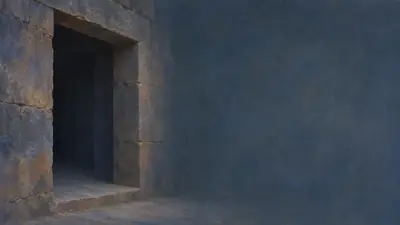
Numa passagem que nos chegou em fragmentos, Nisaba abre a sua casa de sabedoria. Enmerkar entra e presta muita atenção.
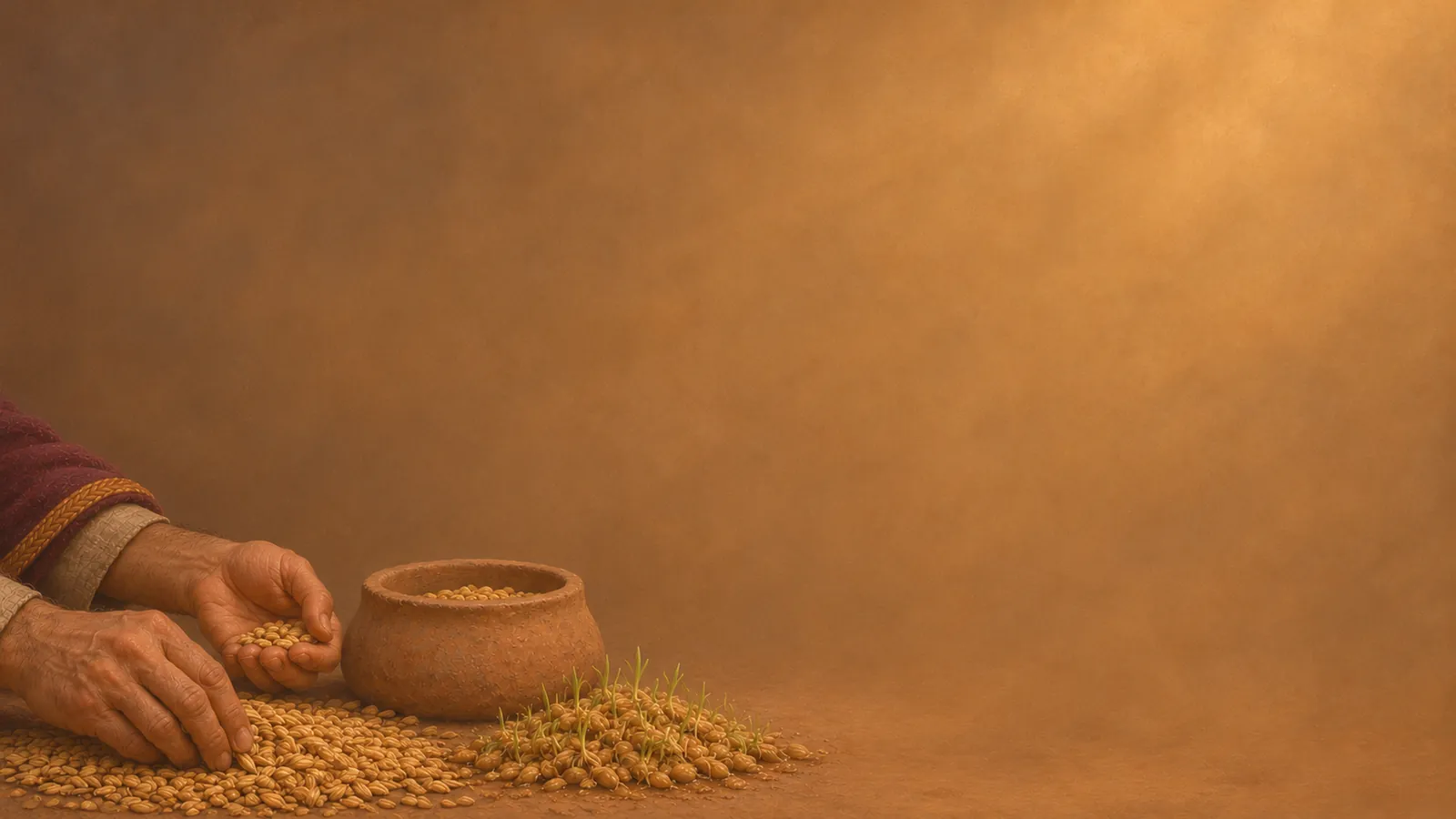
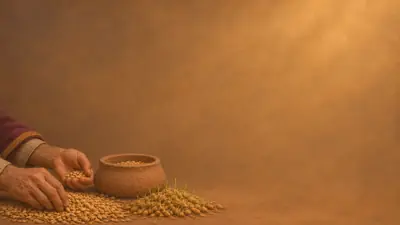
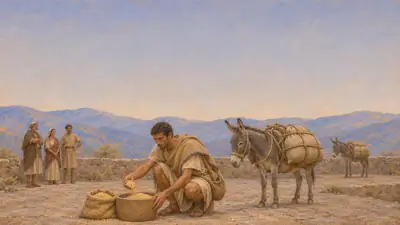
Enmerkar abriu o armazém e pôs uma grande medida no chão. Separou a cevada velha e pôs o malte verde de molho.
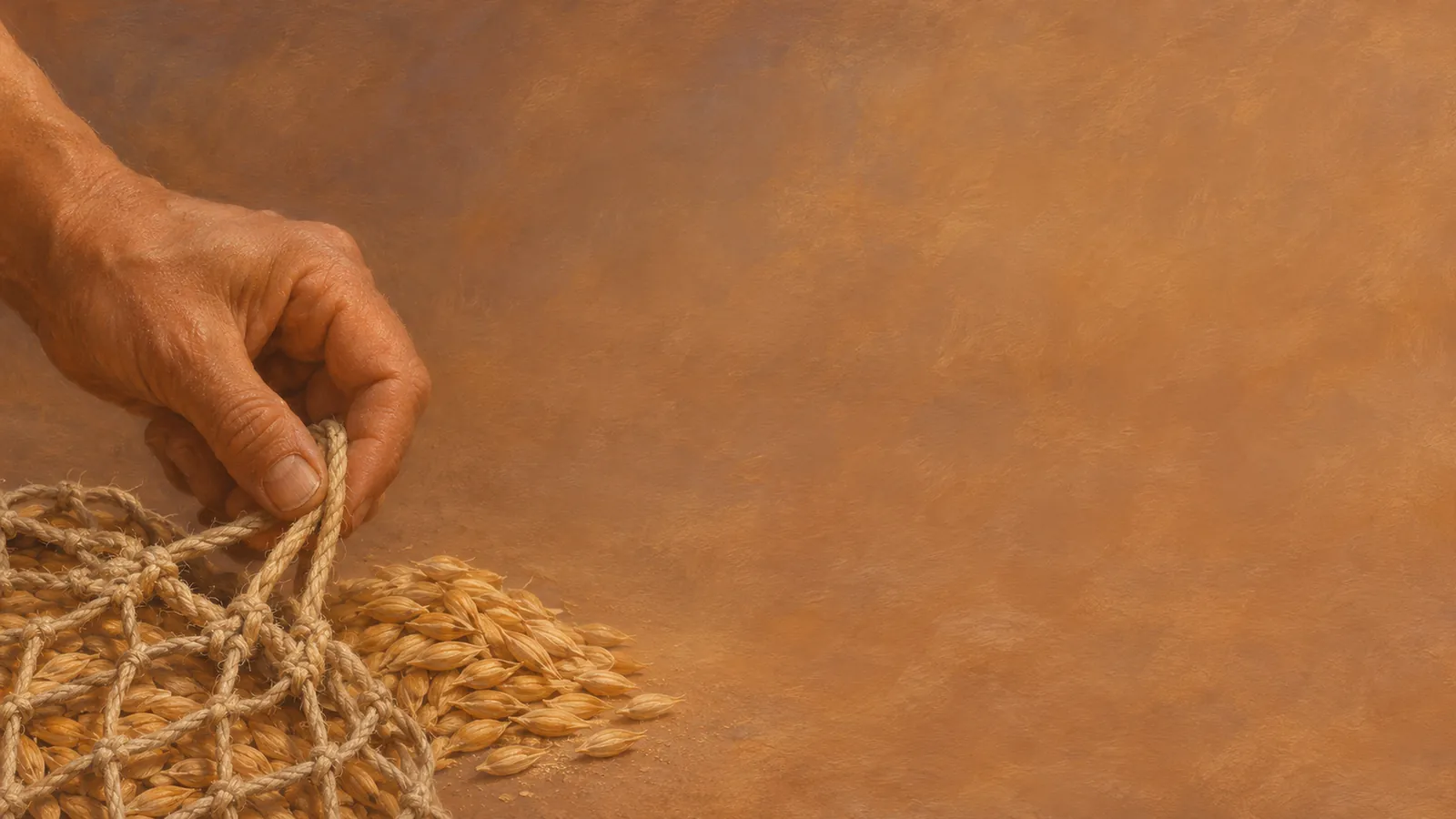
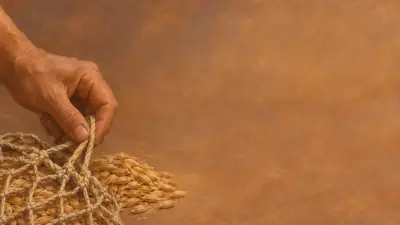
Apertou as malhas das redes de carga. Ao medir a cevada, acrescentou um pouco mais para os gafanhotos.
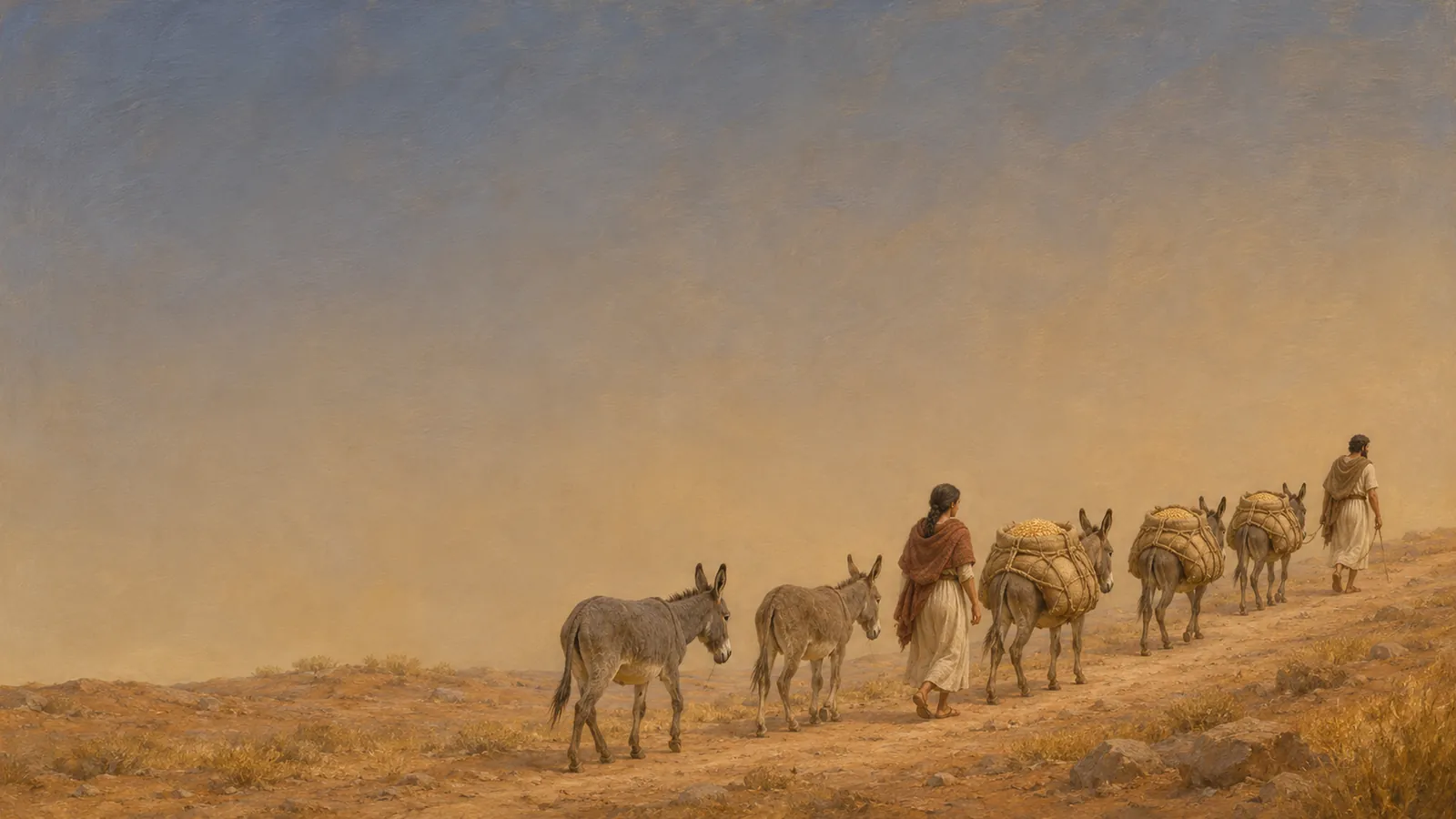
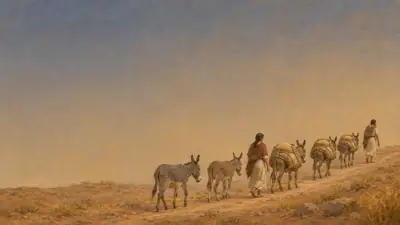
Carregaram a cevada em burros de carga, com animais de reserva ao lado. Enmerkar enviou-os para Aratta e as pessoas saíram como formigas.
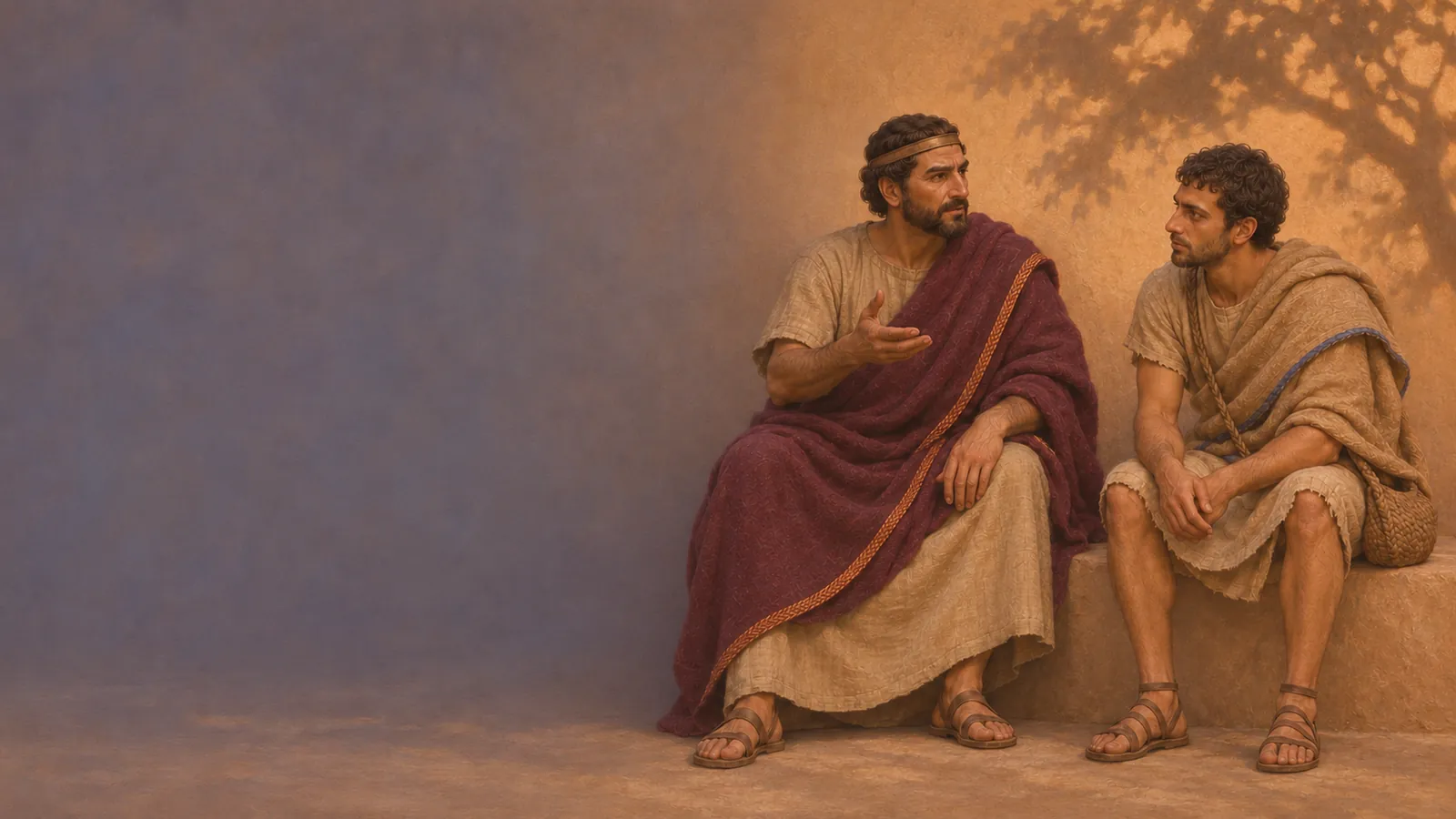
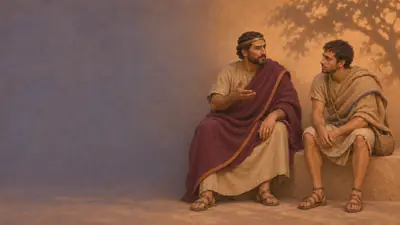
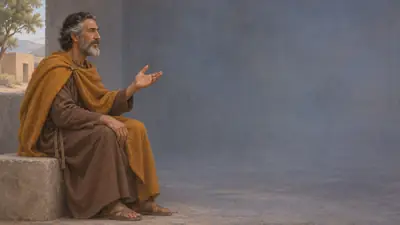
Enmerkar confiou outra mensagem ao mensageiro. Comparou o seu cetro a uma árvore frondosa cuja sombra abrigava Kulaba e chegava a Inanna em E-ana.
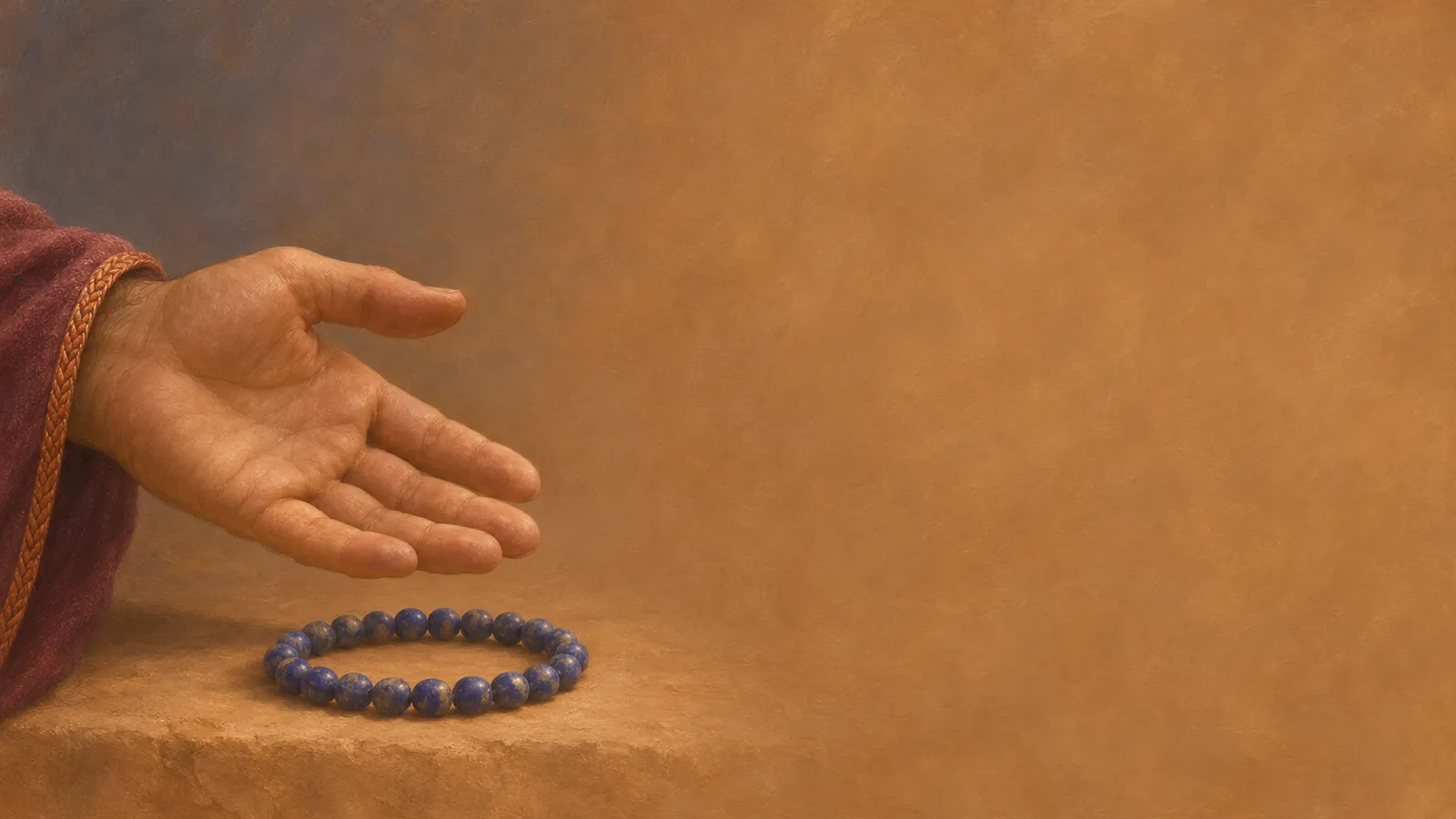
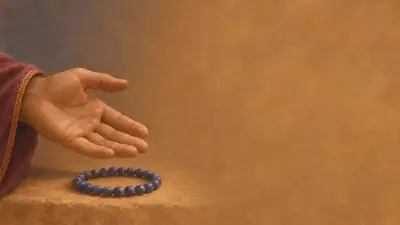
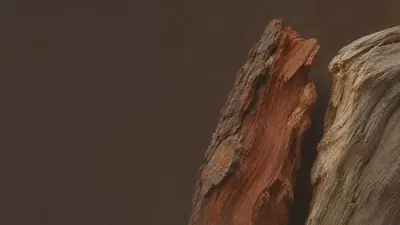
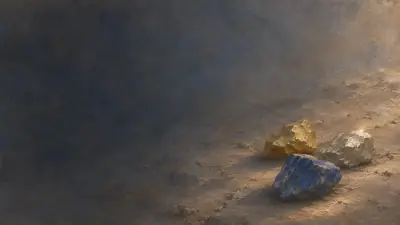
Que o senhor de Aratta parta uma lasca, disse Enmerkar. Que a segure com o cuidado de quem leva um colar de lápis-lazúli e ma traga.
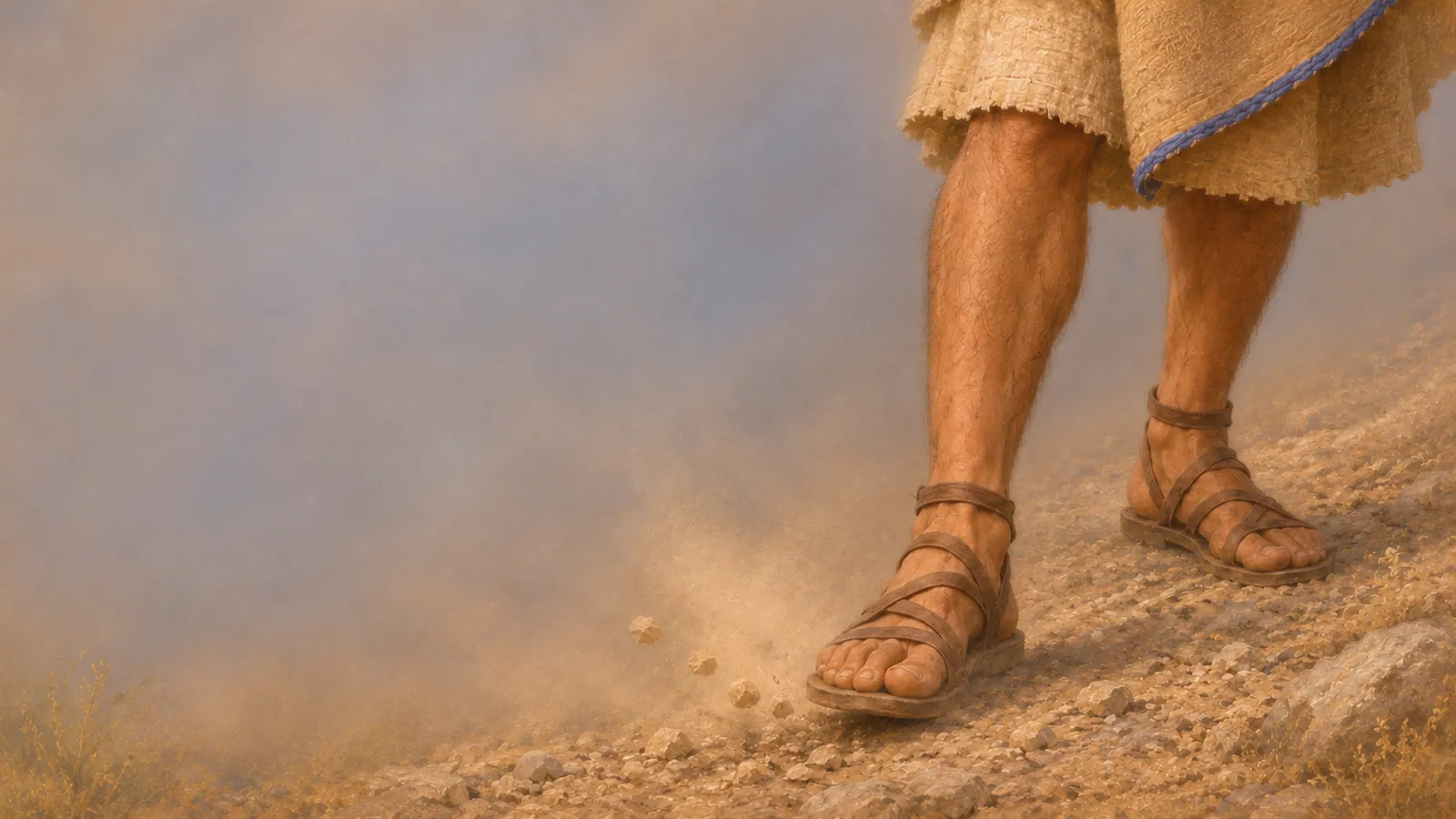
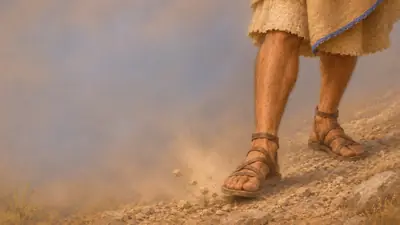
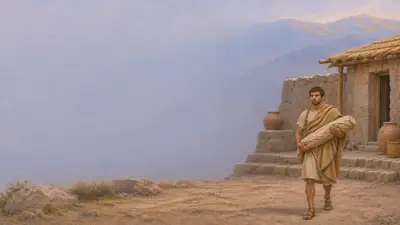
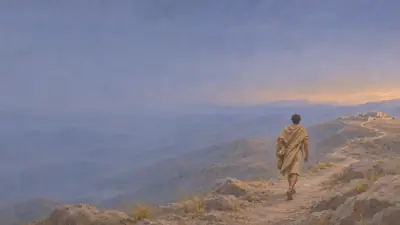
O mensageiro tomou o caminho para Aratta. Os seus pés levantavam a poeira da estrada e faziam rolar pedrinhas pelas encostas.
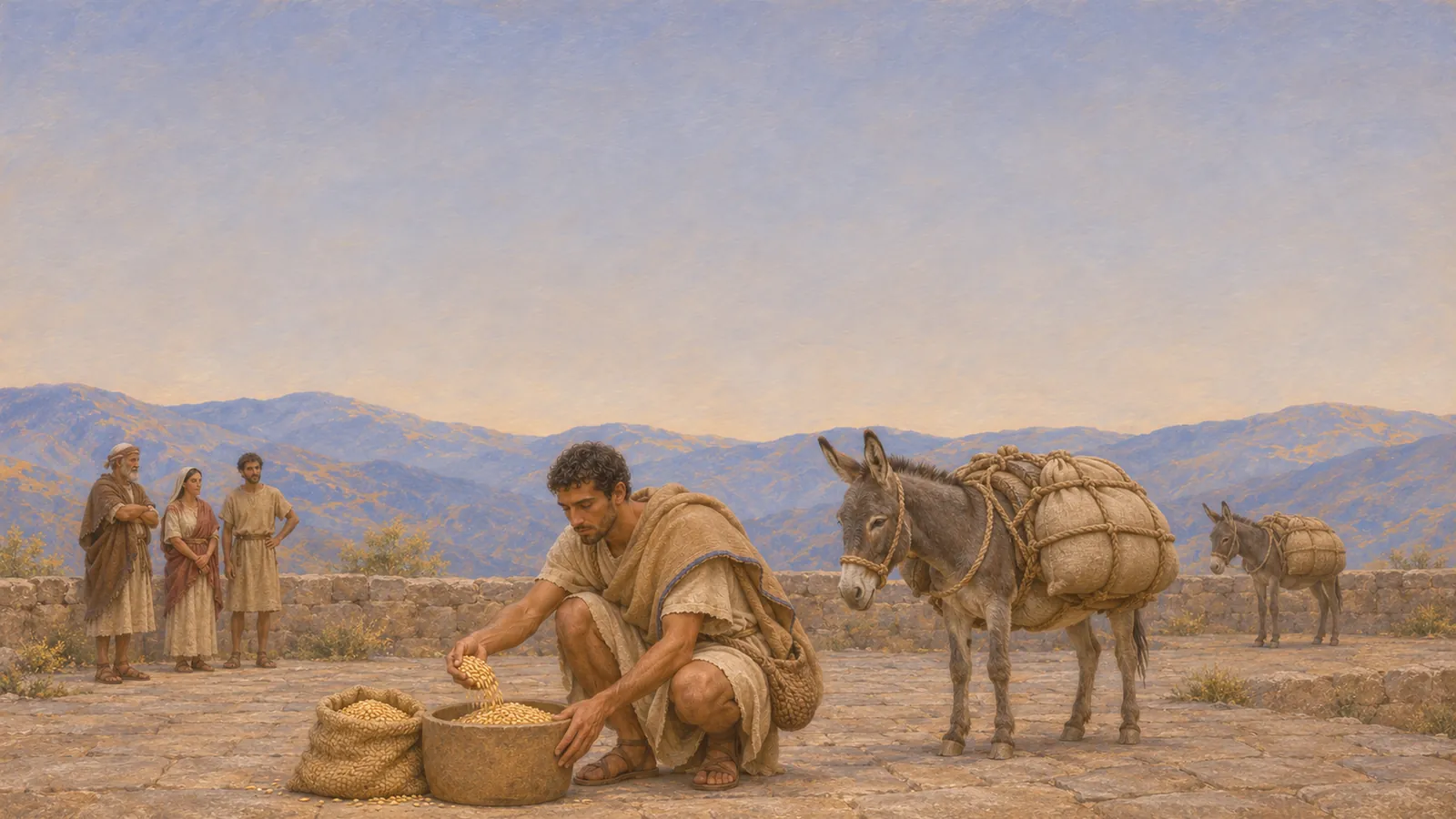
As pessoas aproximaram-se para ver os burros carregados. No pátio de Aratta, o mensageiro mediu a cevada para o celeiro e acrescentou uma parte para os gafanhotos.
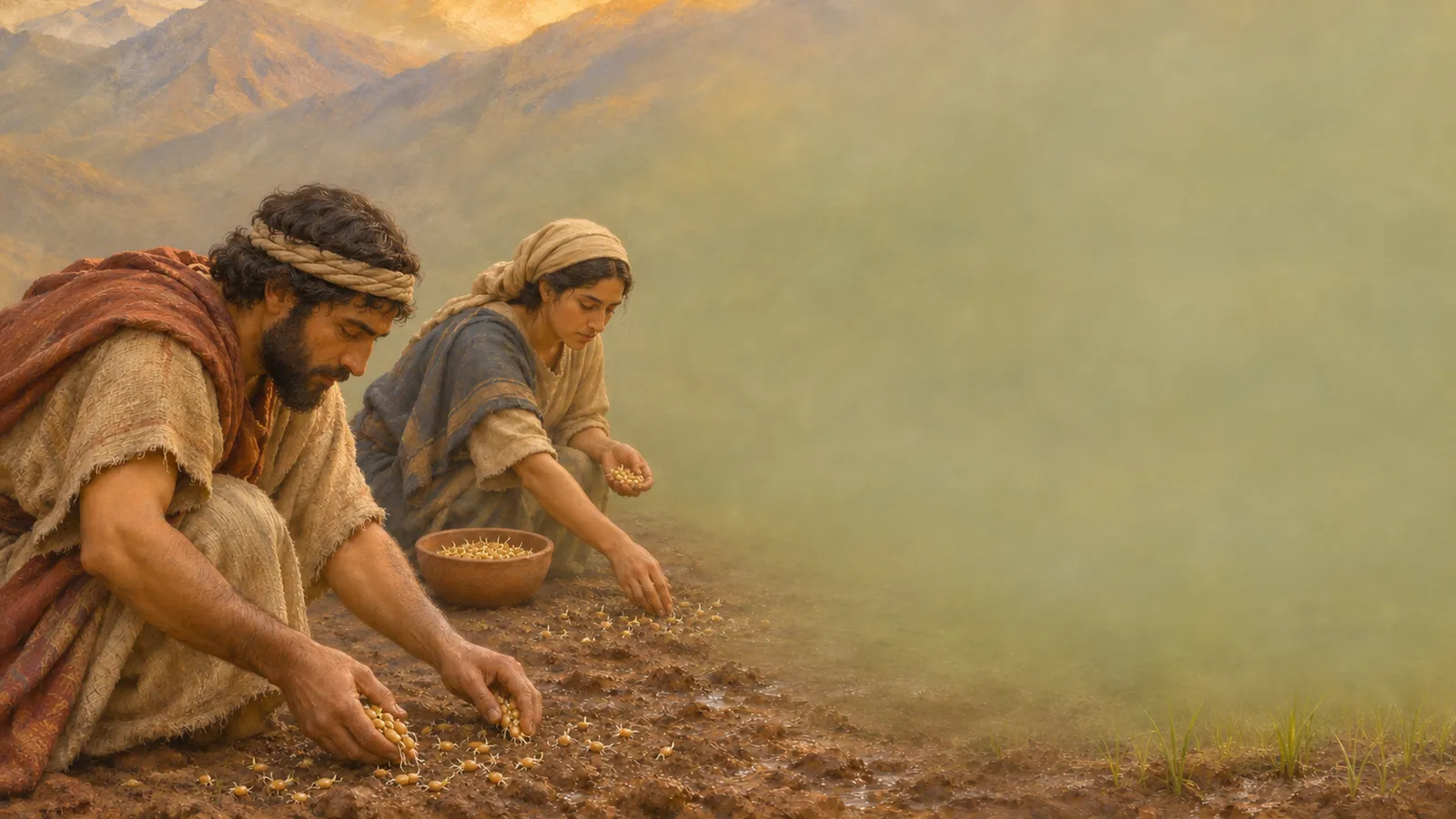
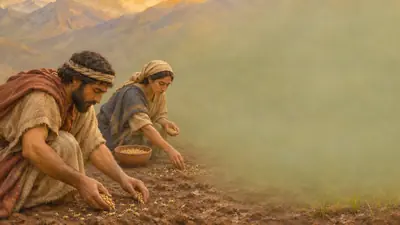
O alimento chegou a Aratta, bem-vindo como a chuva e o sol. A fome abrandou e o povo espalhou malte verde demolhado pelos campos.
O texto interrompe-se ao mencionar os correios e os oficiais. Ainda nomeia o povo de Aratta, mas da conversa restam apenas fragmentos.
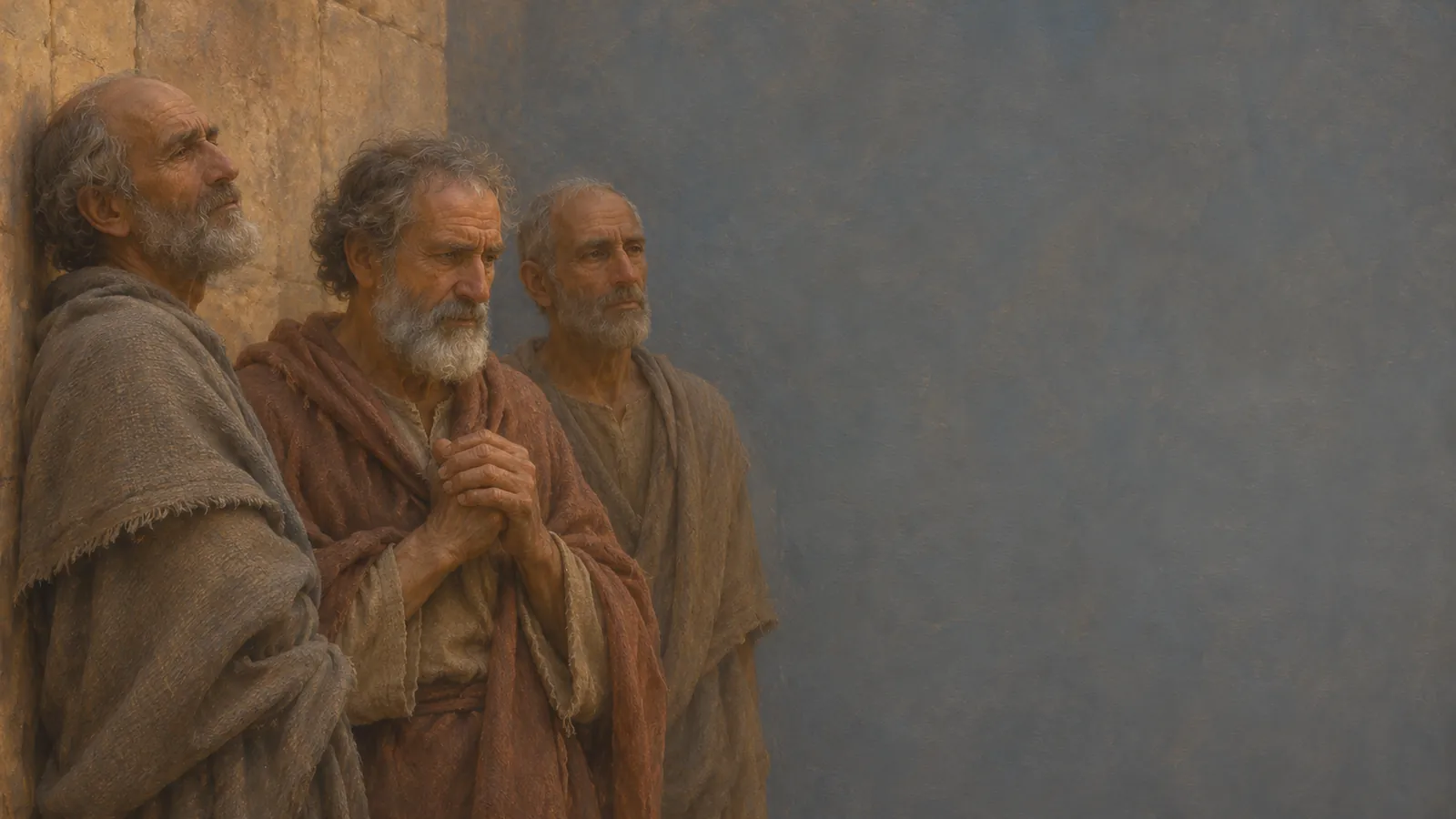
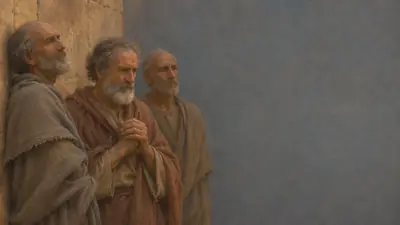
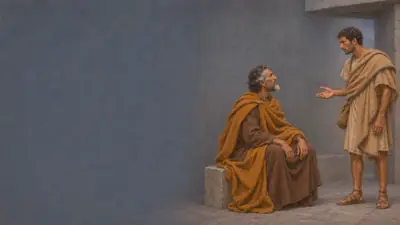
Uma voz na passagem fragmentária pergunta se os famintos se devem submeter a Kulaba. Os anciãos encostam-se ao muro e torcem as mãos.
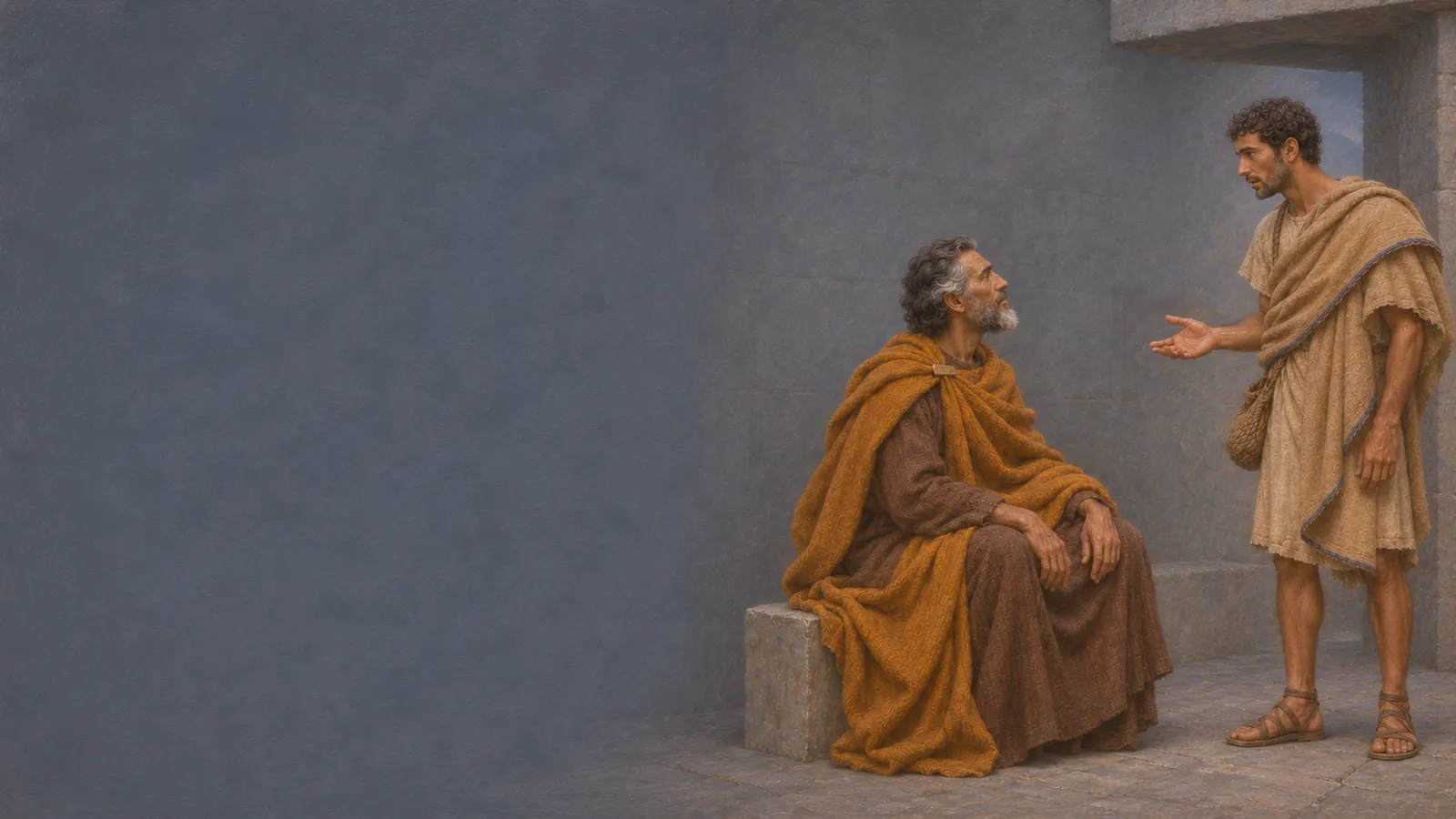
O mensageiro nomeou Enmerkar, filho de Utu, e repetiu as suas palavras sobre o cetro. O senhor de Aratta devia trazer-lhe uma lasca.
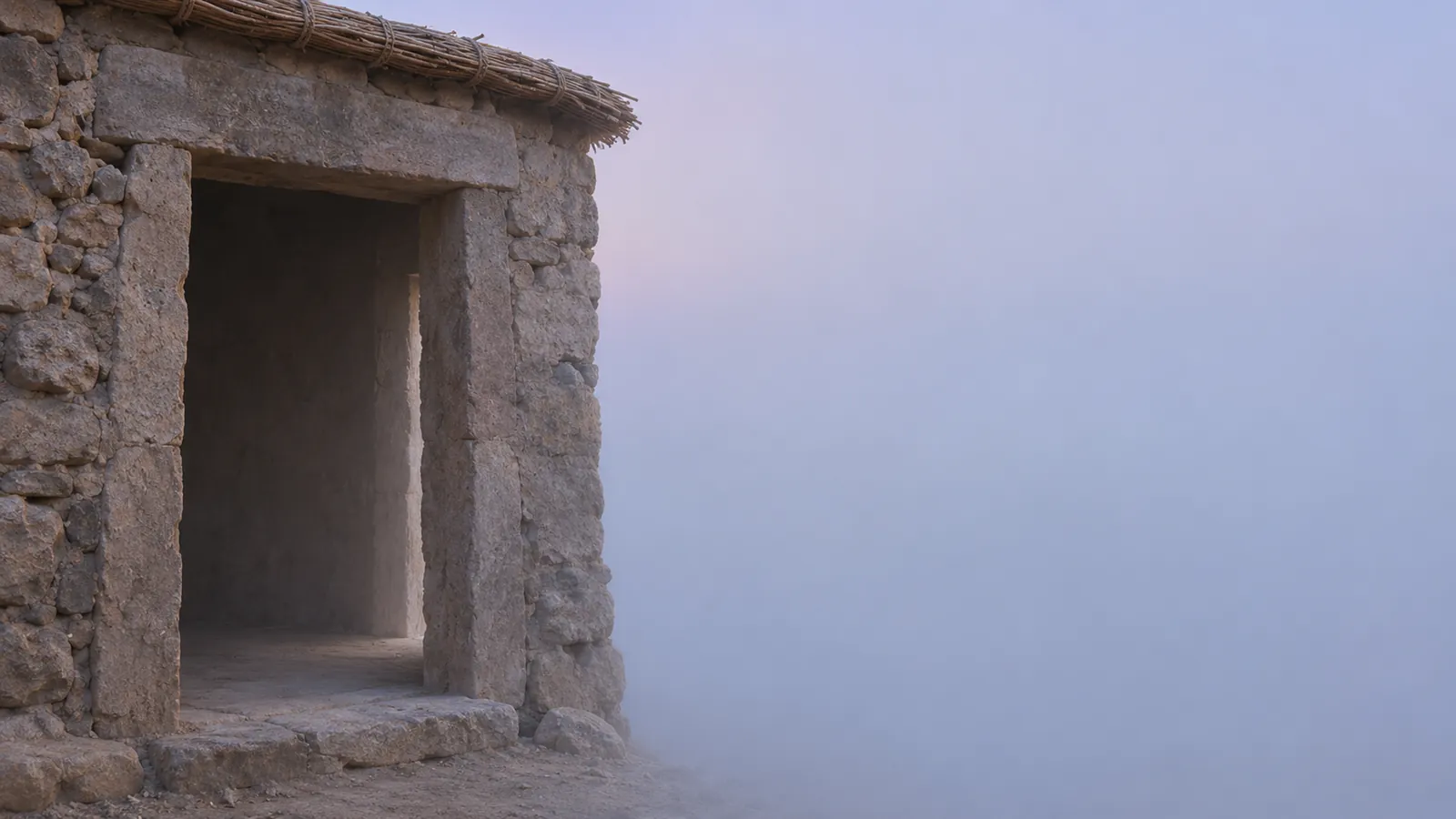
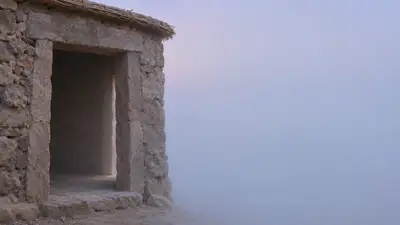
O relato fragmentário conta que alguém entrou no santuário e se deitou para jejuar. Raiou o dia antes de voltarmos a ouvir as suas palavras.
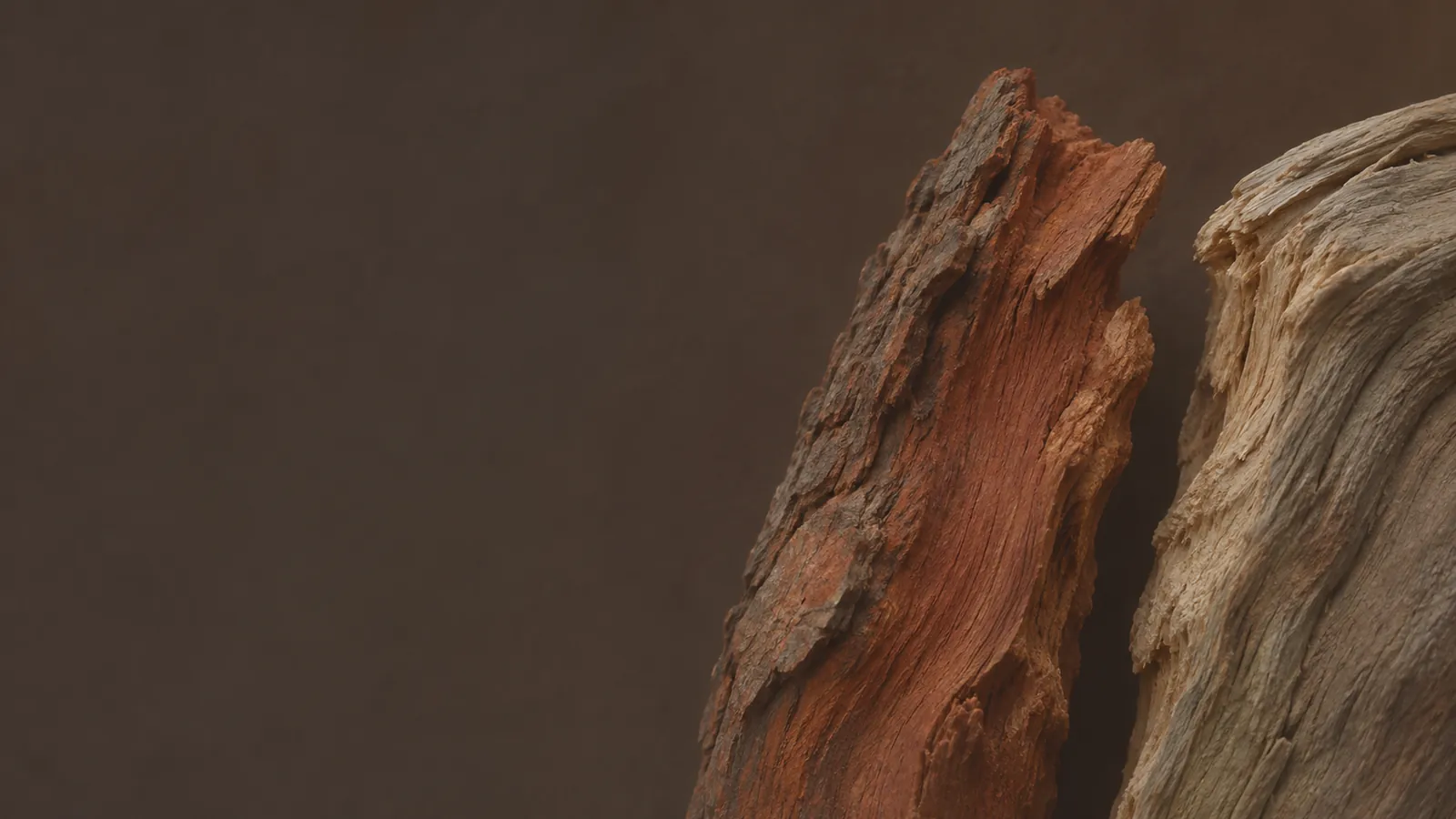
O senhor respondeu a Enmerkar com um desafio. Que trouxesse um cetro sem cedro, cipreste, palmeira ou qualquer das outras madeiras que nomeou.
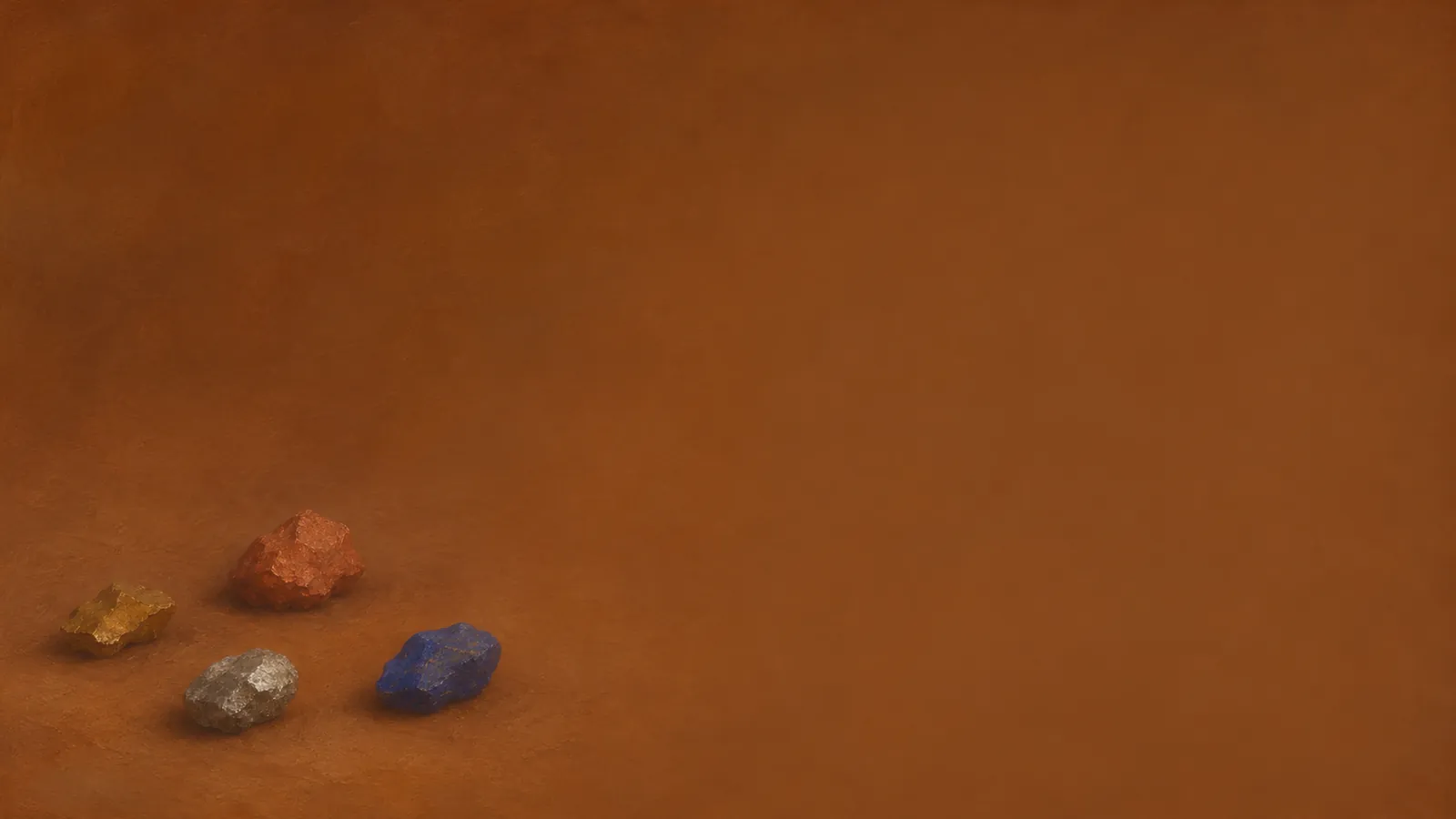
O senhor excluiu também o ouro, a prata, o cobre e as pedras preciosas. Do que restasse, Enmerkar teria de lhe enviar uma lasca.
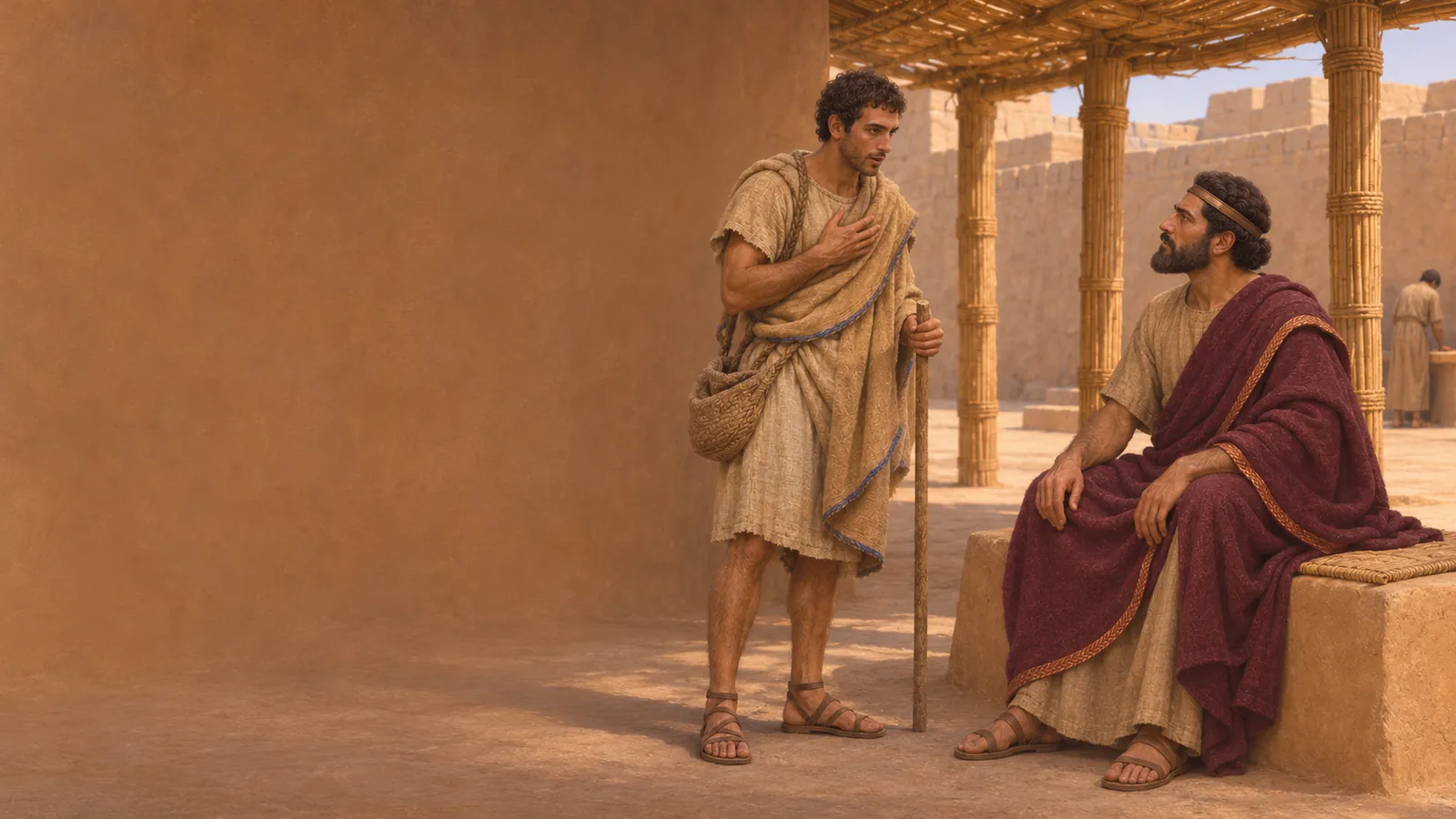
O mensageiro regressou a Kulaba à pressa e repetiu o desafio palavra por palavra. Enki concedeu sabedoria a Enmerkar, e o rei deu instruções ao seu administrador.
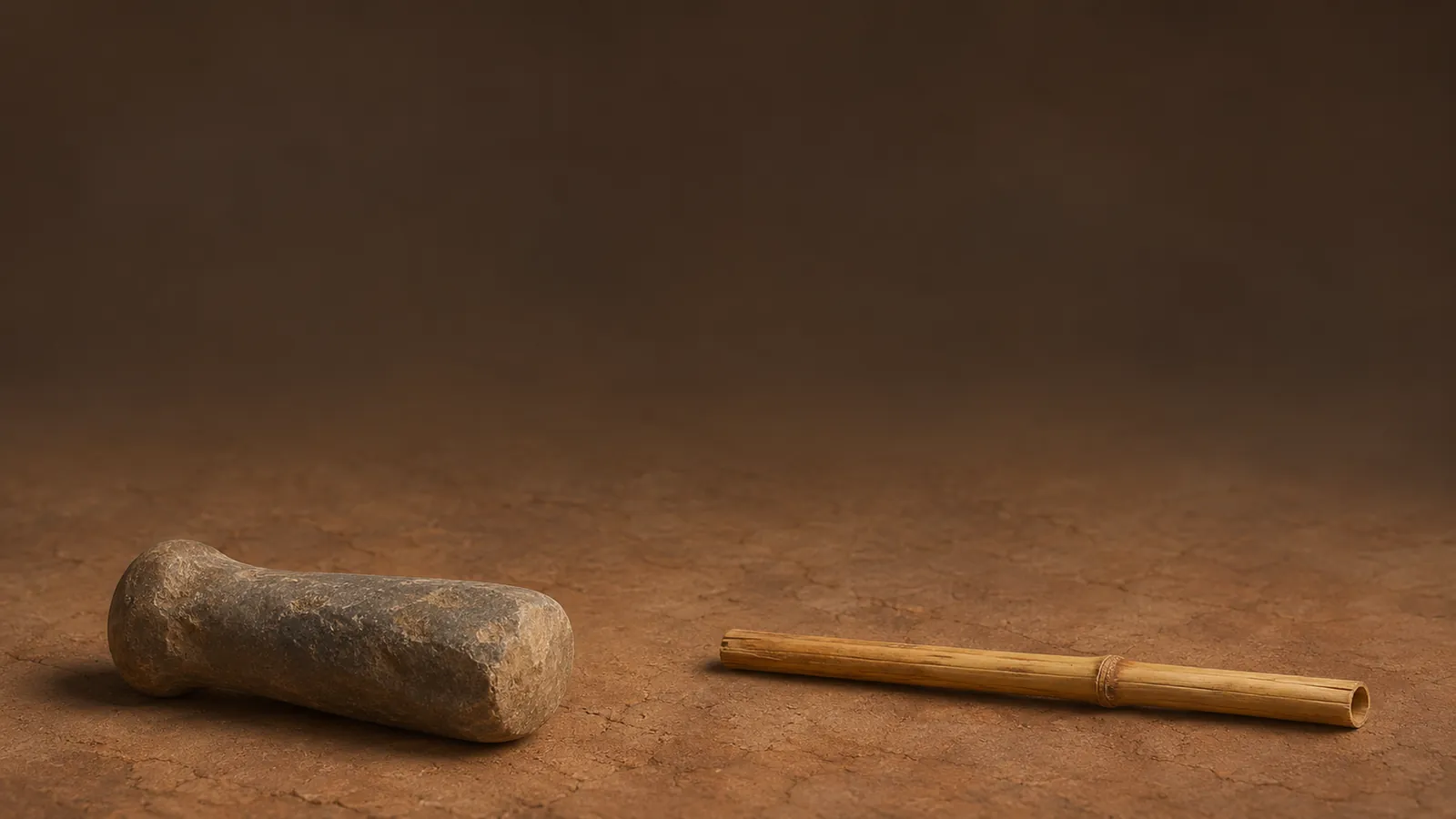
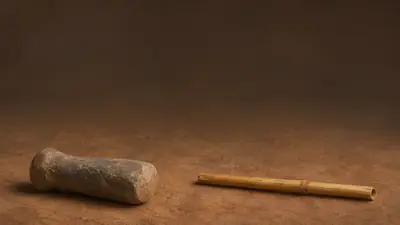
O relato do seu trabalho sobrevive em fragmentos. Ainda se distinguem um pilão, uma cana e algo vertido como óleo.
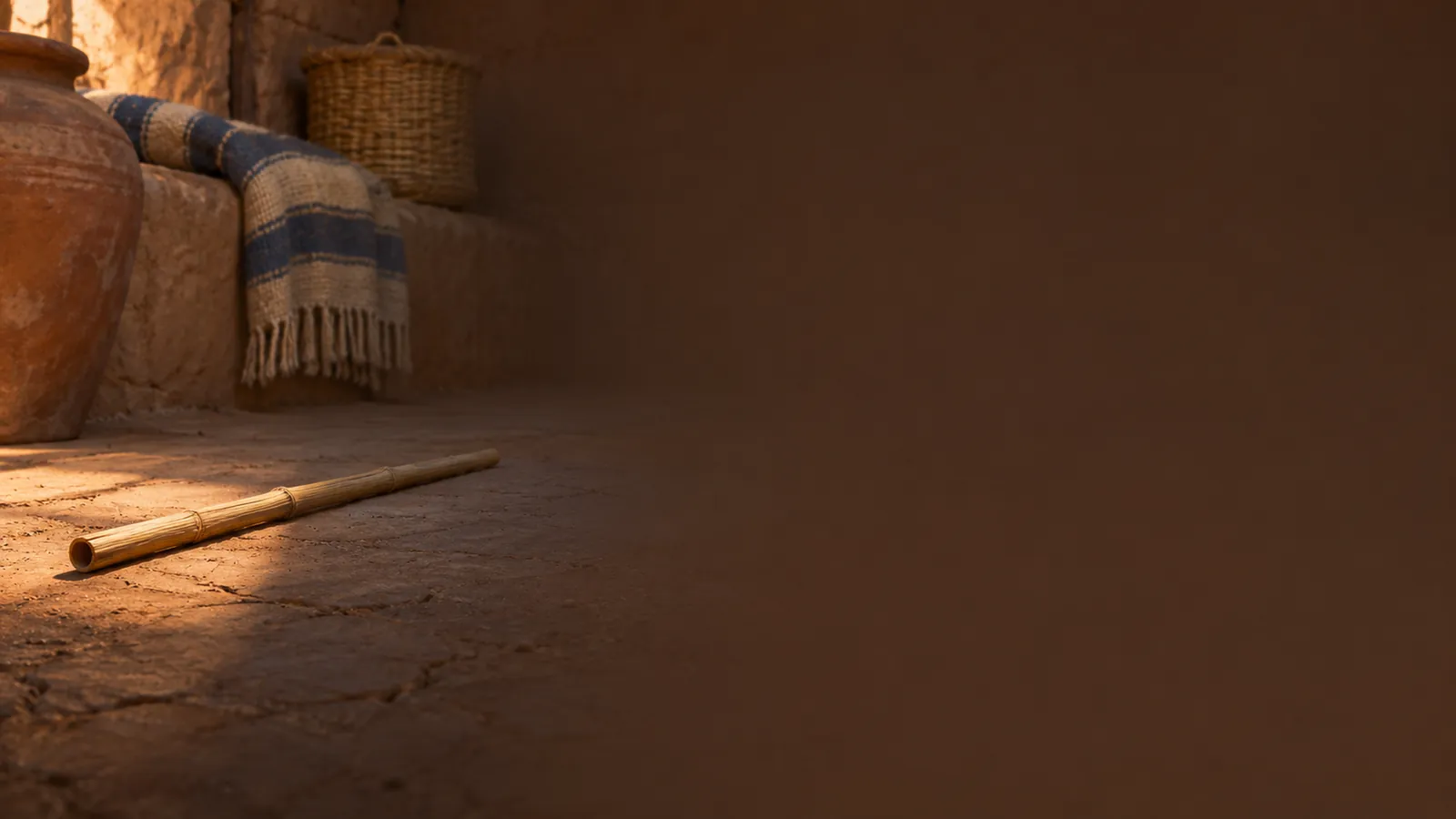
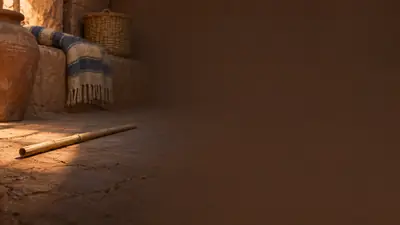
A cana passou do sol para a sombra e voltou ao sol. O poema conta cinco anos, depois dez, antes de contar como a cana foi fendida.
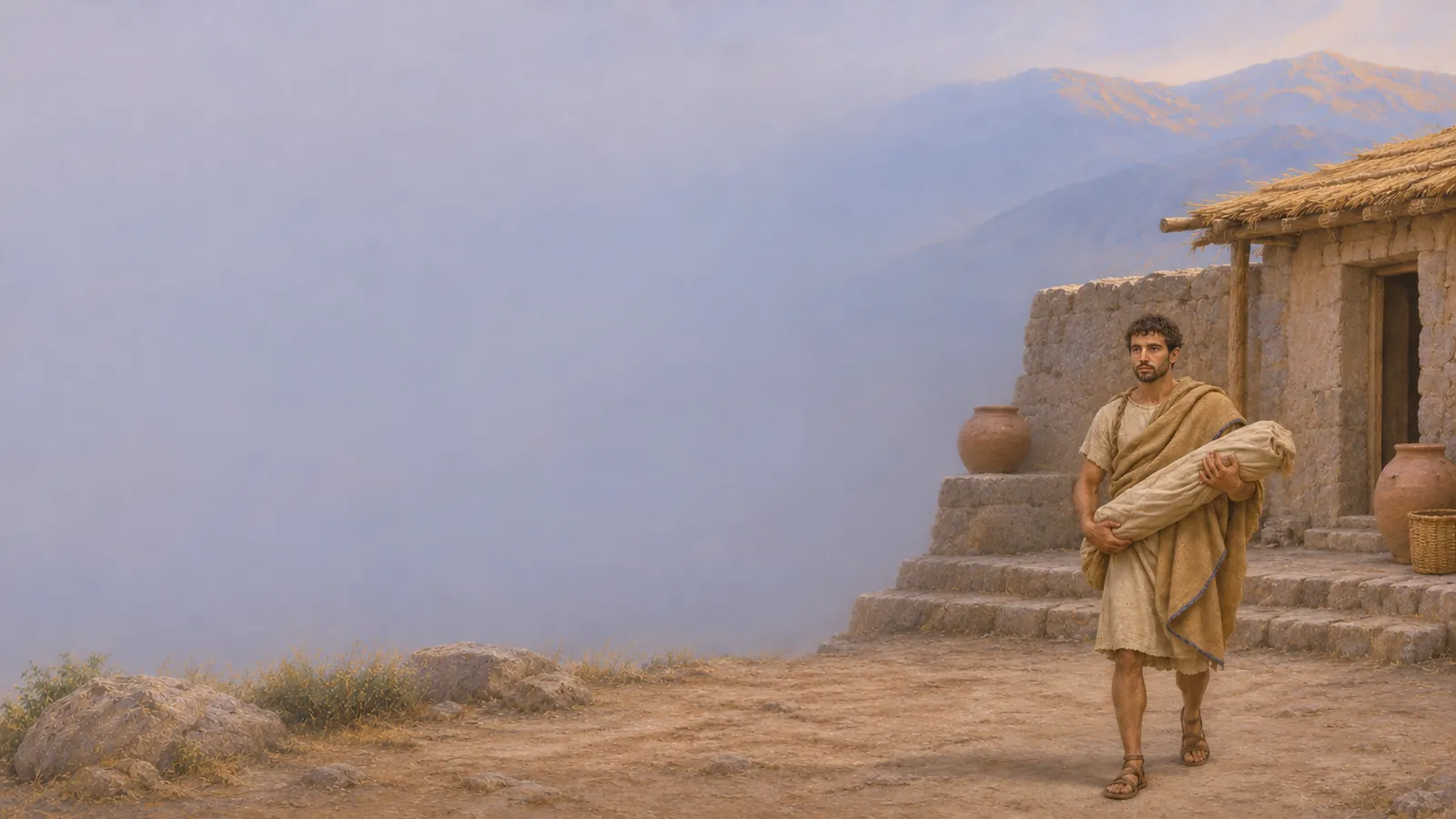
Enmerkar pôs o cetro nas mãos do mensageiro. O homem atravessou as montanhas a toda a pressa e entrou mais uma vez no pátio de Aratta.
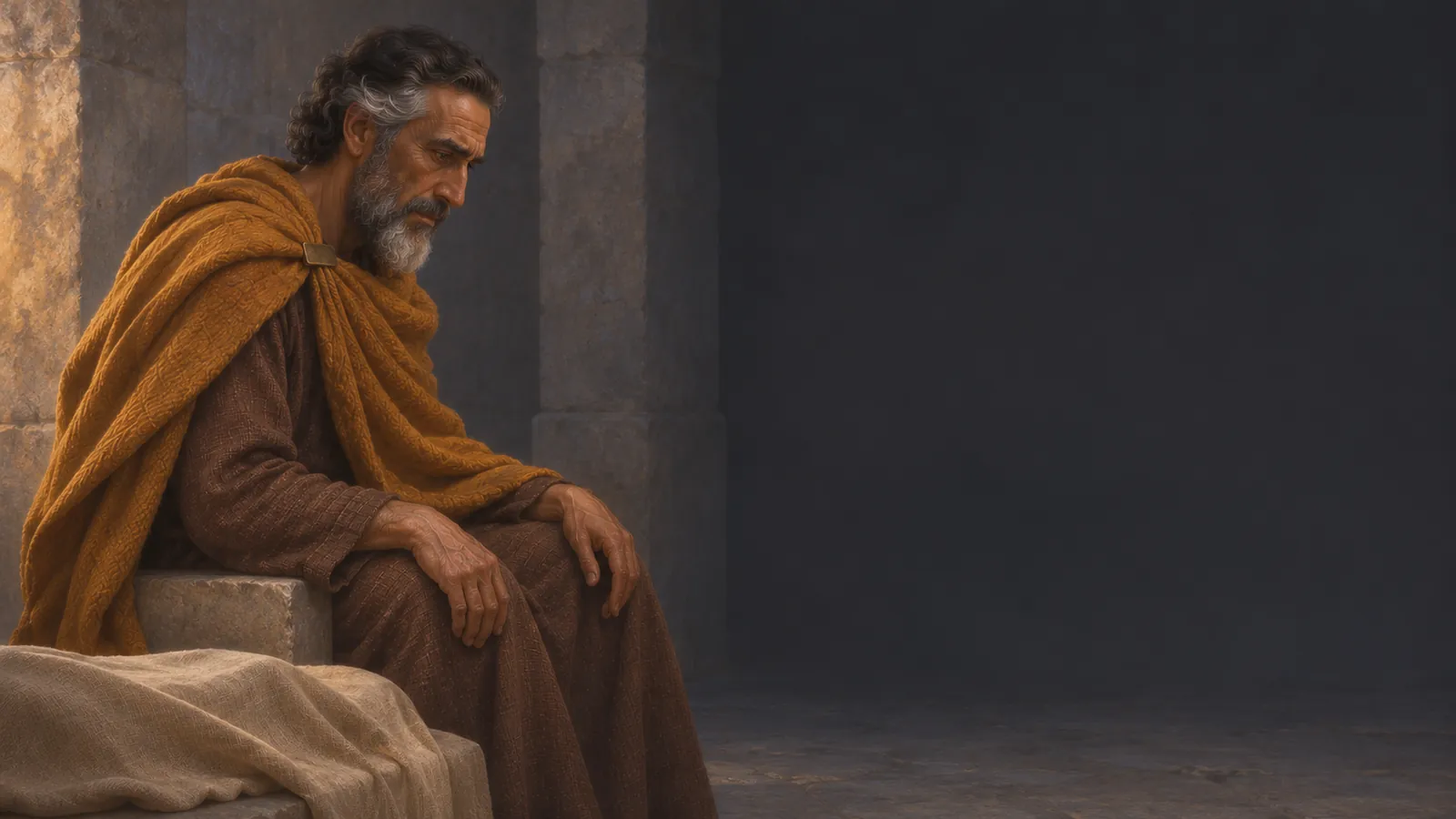
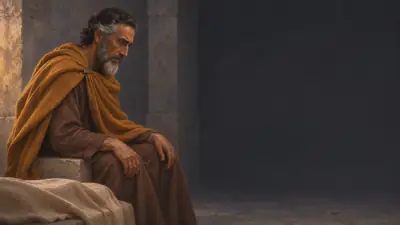
O senhor olhou para o cetro no seu santuário. Receou que Inanna favorecesse agora Kulaba e voltou a falar de fome e submissão.
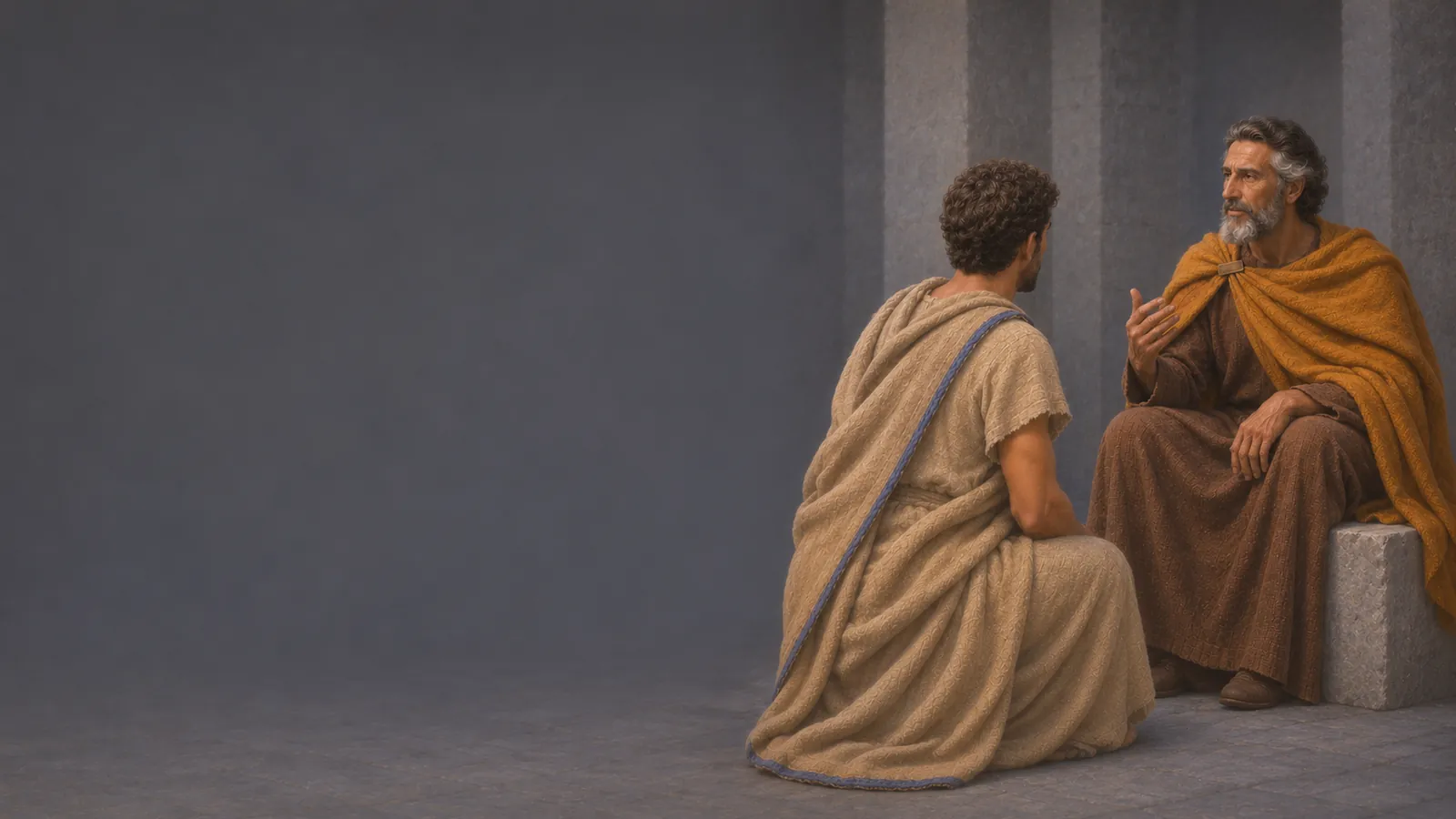
O senhor de Aratta pediu um campeão. Enumerou as cores para as excluir uma a uma e, por fim, pediu que os dois campeões se medissem.
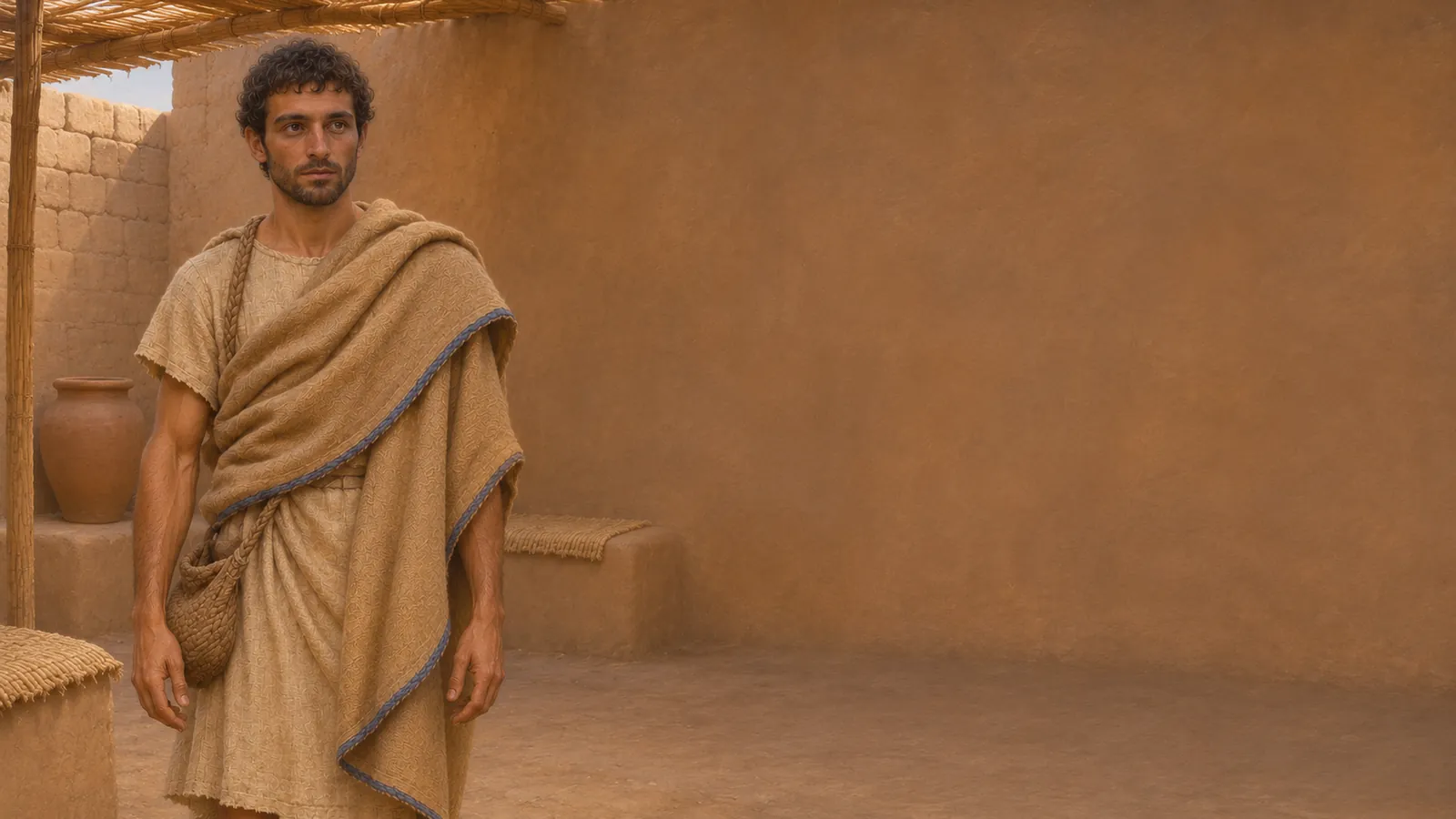
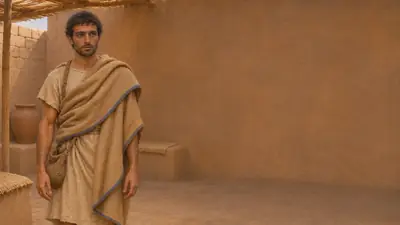
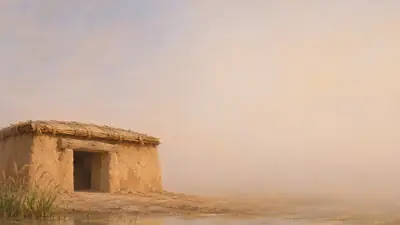
O mensageiro partiu e chegou a Kulaba, construída em tijolo. As linhas da sua chegada estão fragmentadas, mas ouve-se uma voz erguer-se como uma torrente.

Enmerkar disse que enviaria uma veste de uma cor que não constava da lista. Aceitou a disputa e afirmou que o seu campeão tinha o favor de Enlil.
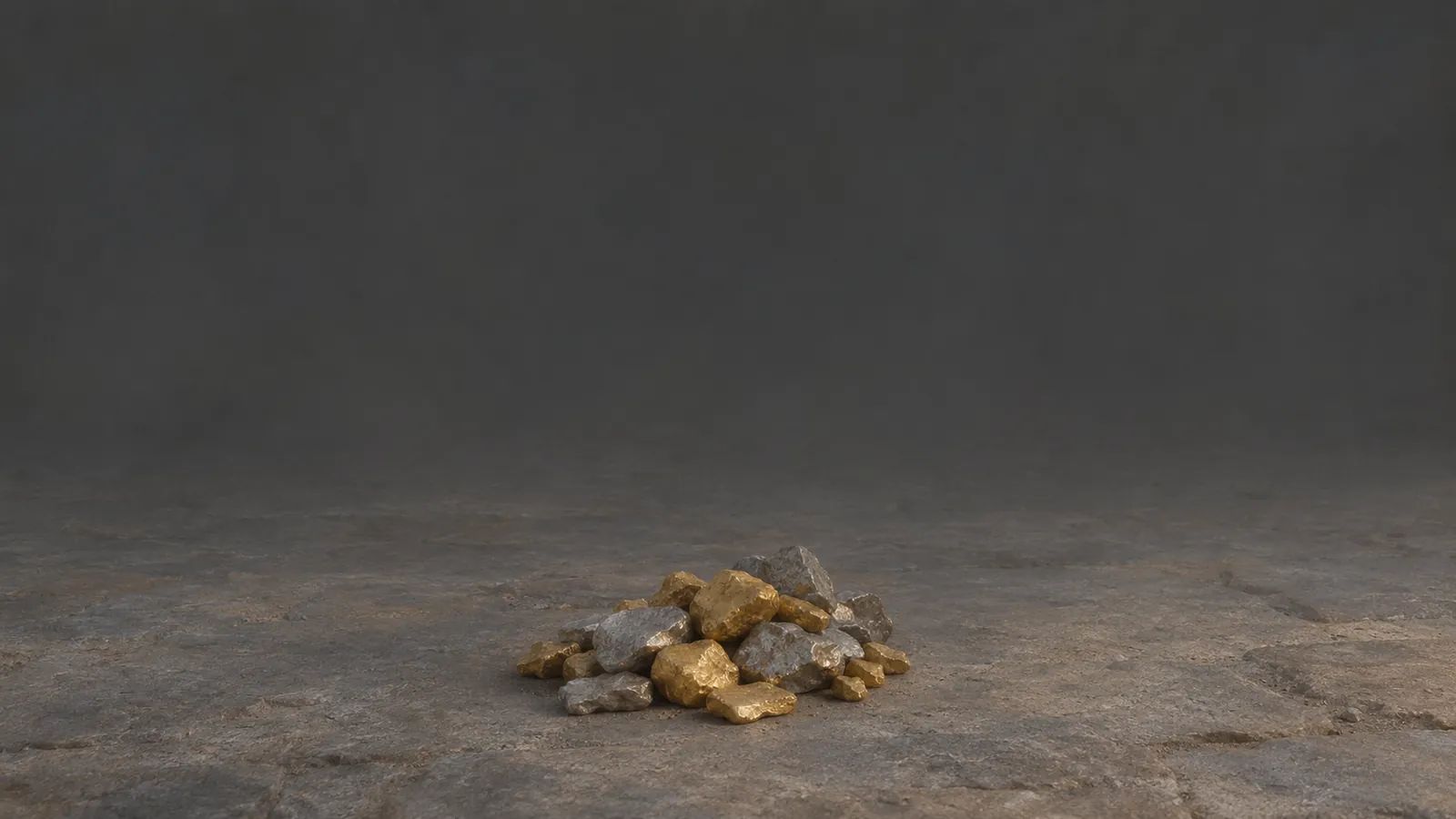
Enmerkar acrescentou outra exigência à mensagem. Que amontoassem o seu ouro e a sua prata no pátio de Aratta para Inanna.
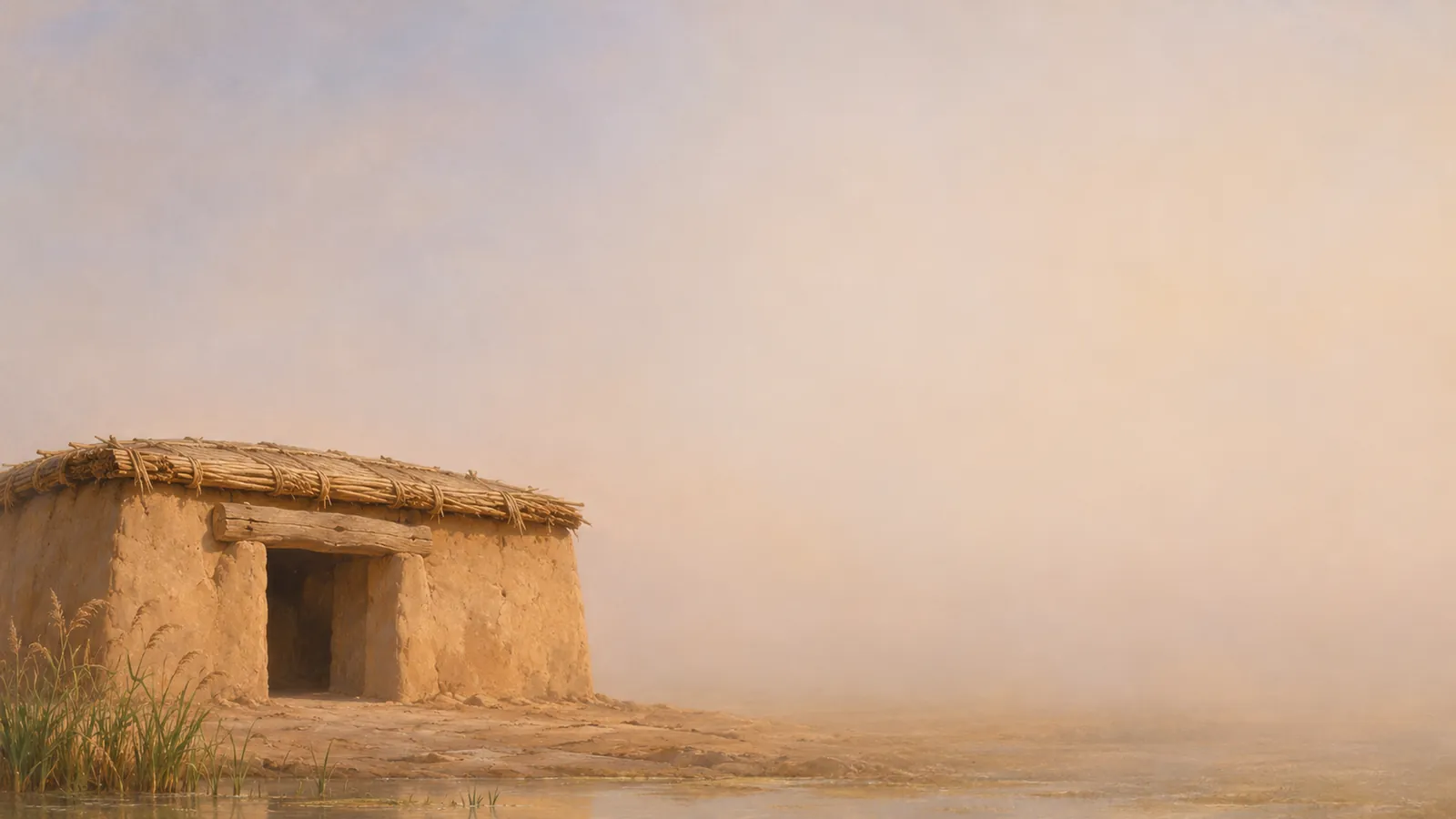
Exigiu pedra das montanhas para reconstruir o grande santuário de Eridu. A ameaça e algumas das palavras seguintes chegaram-nos em fragmentos.
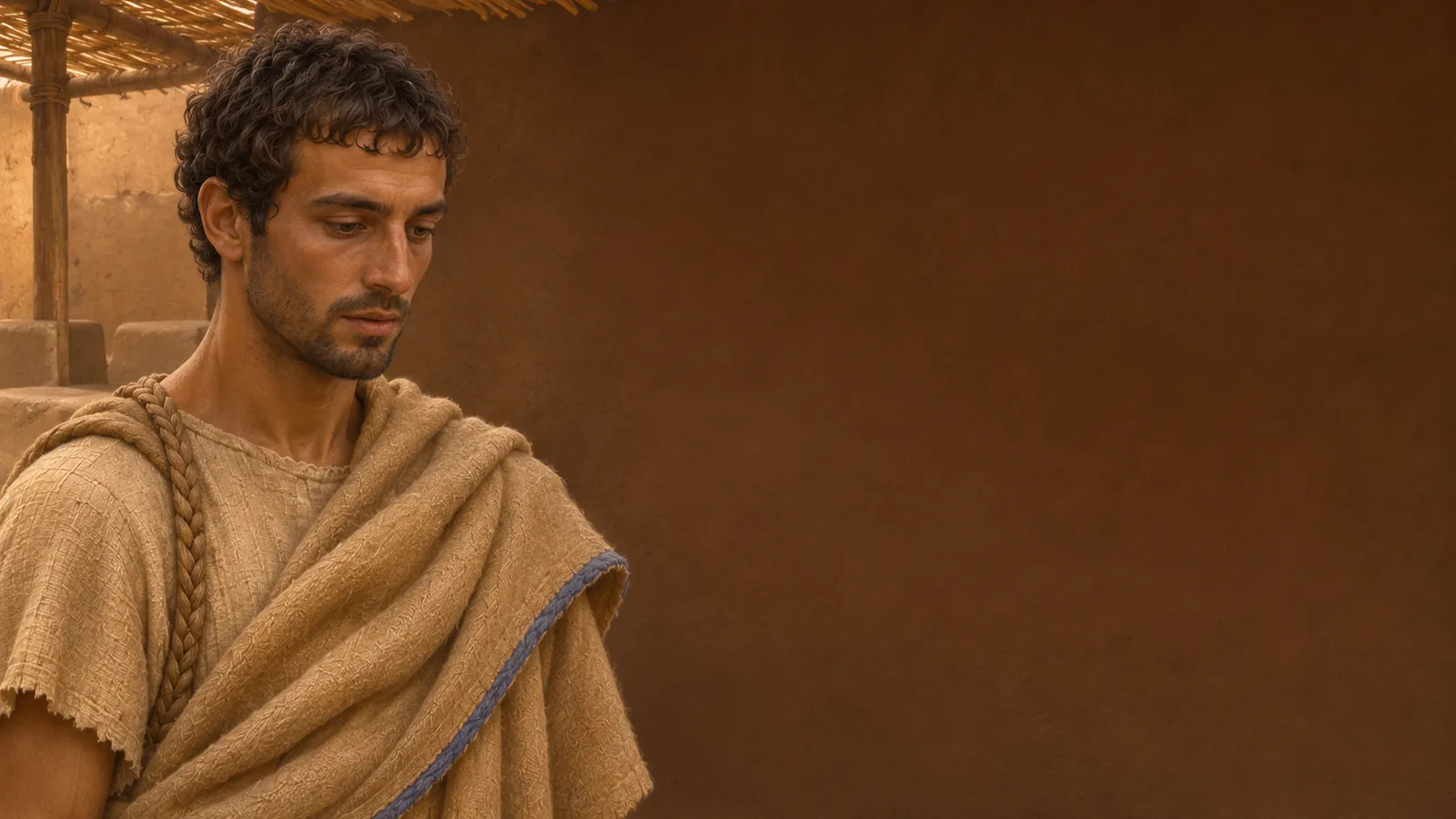
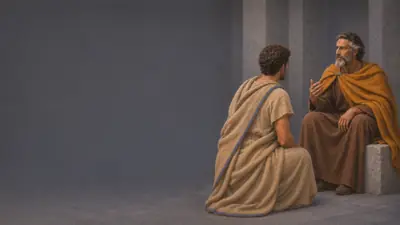
As palavras do rei sucediam-se. A mensagem tinha-se tornado tão longa que o mensageiro, exausto, já não conseguia repeti-la.
ARGILA
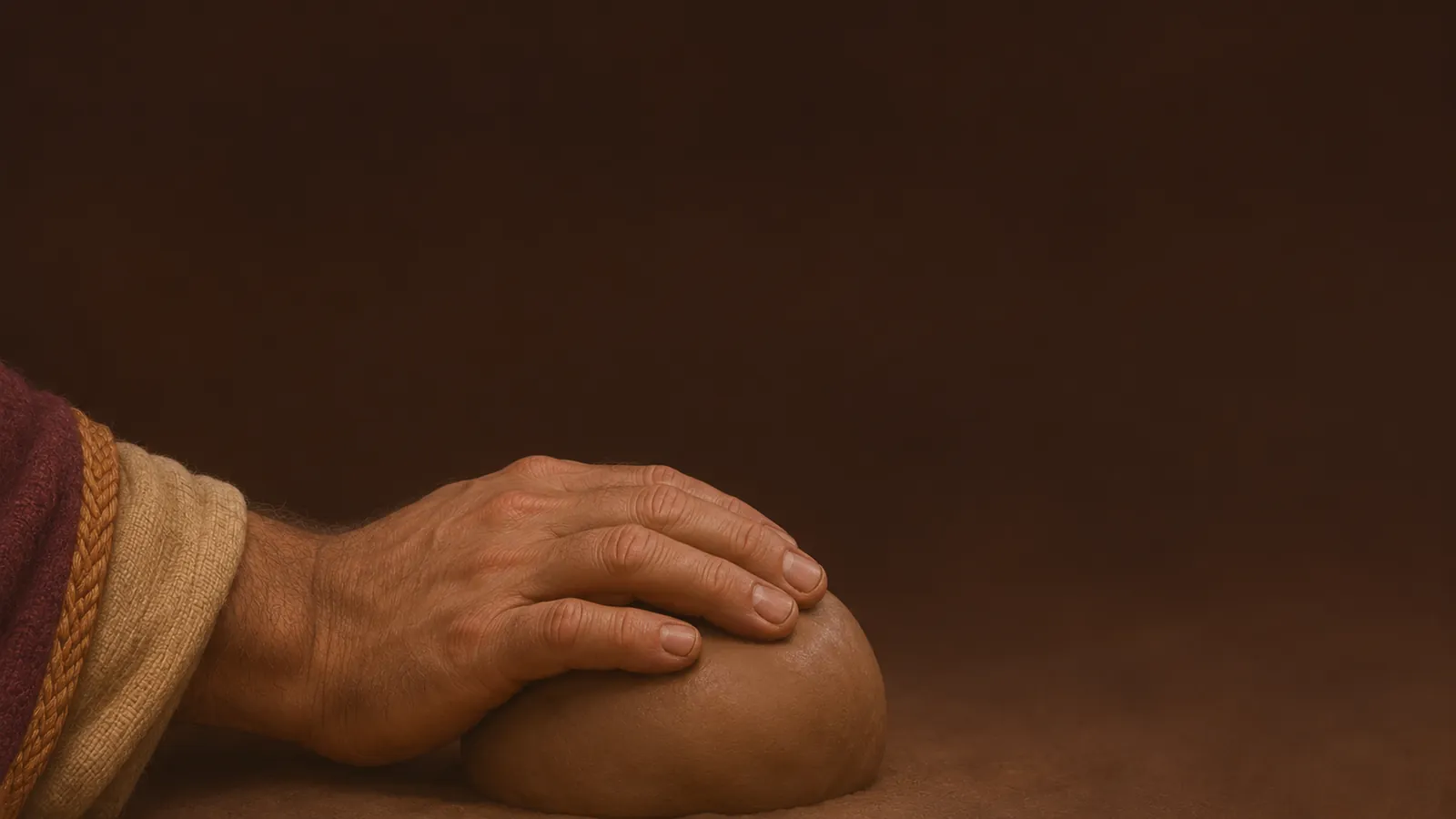
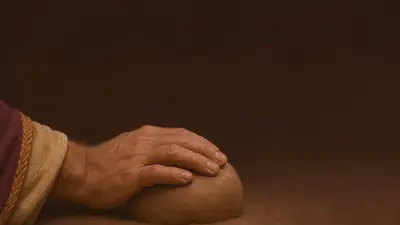
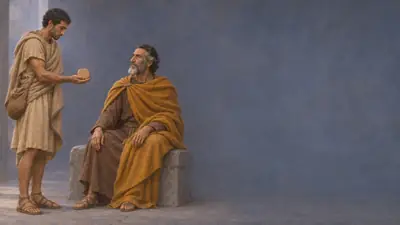
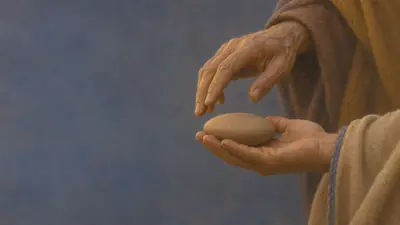
Enmerkar moldou um pedaço de argila e inscreveu nele a mensagem. No poema, a partir daquele dia, uma mensagem podia viajar em argila.
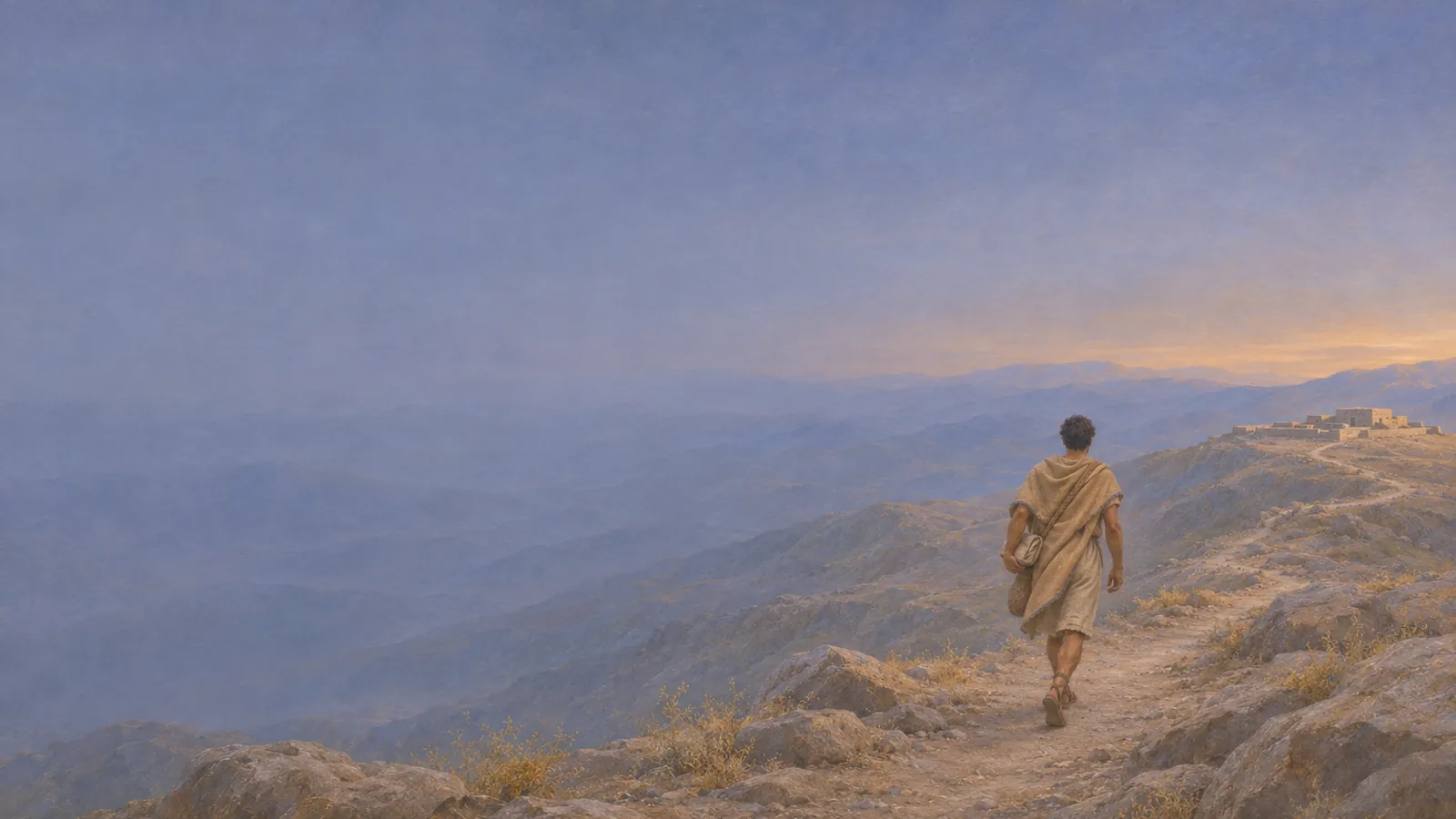
Por cinco montanhas, depois seis, depois sete, voltou a passar o mensageiro. Ergueu os olhos para Aratta e entrou com alegria no seu pátio.
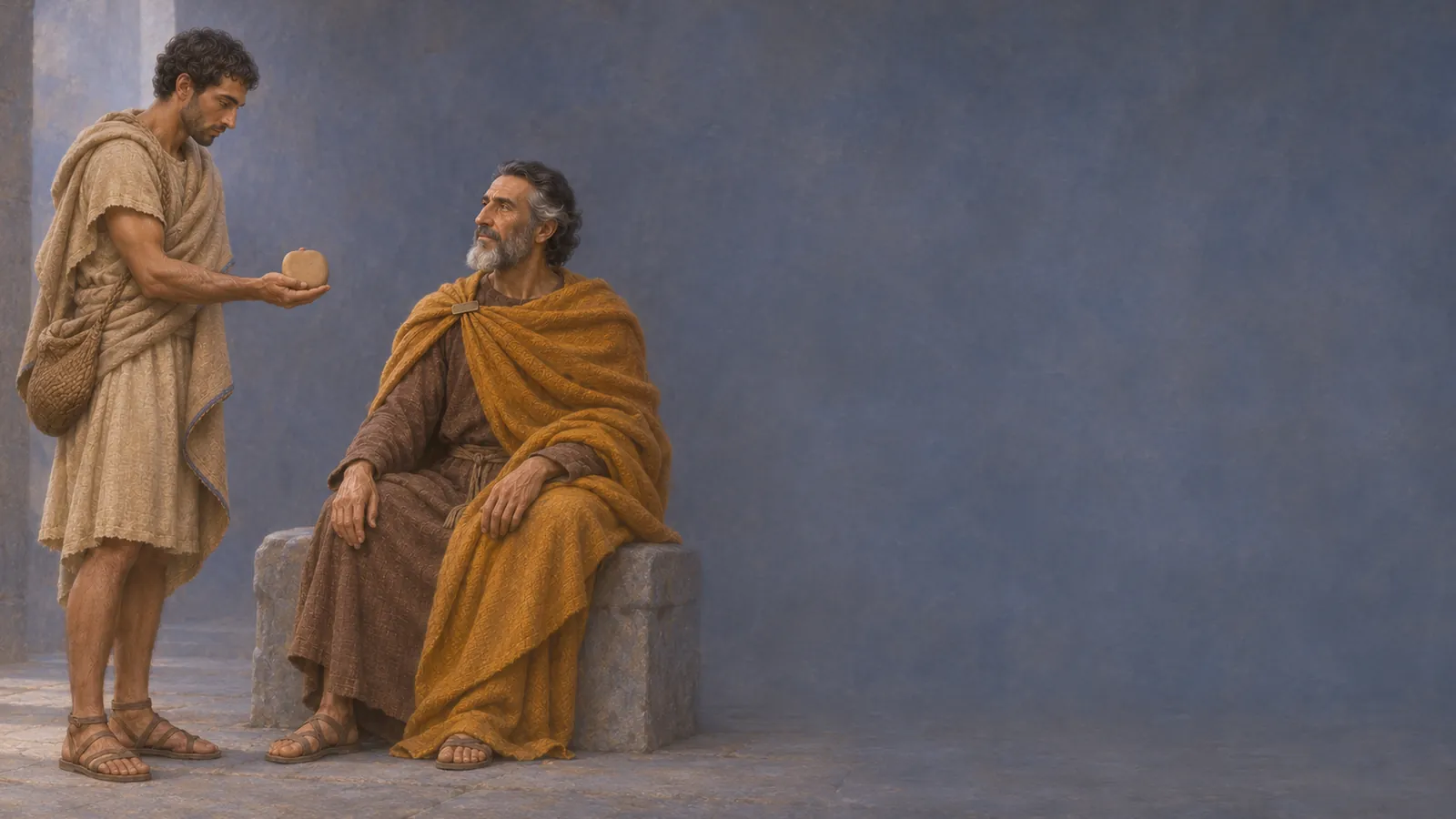
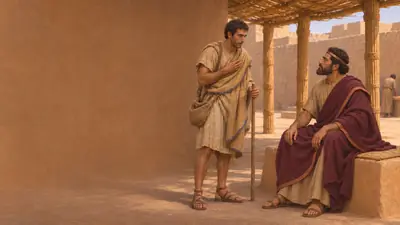
O senhor voltou a perguntar o que dissera o amo do seu visitante. Desta vez, o mensageiro disse-lhe que Enmerkar lhe entregara uma tabuinha de argila.
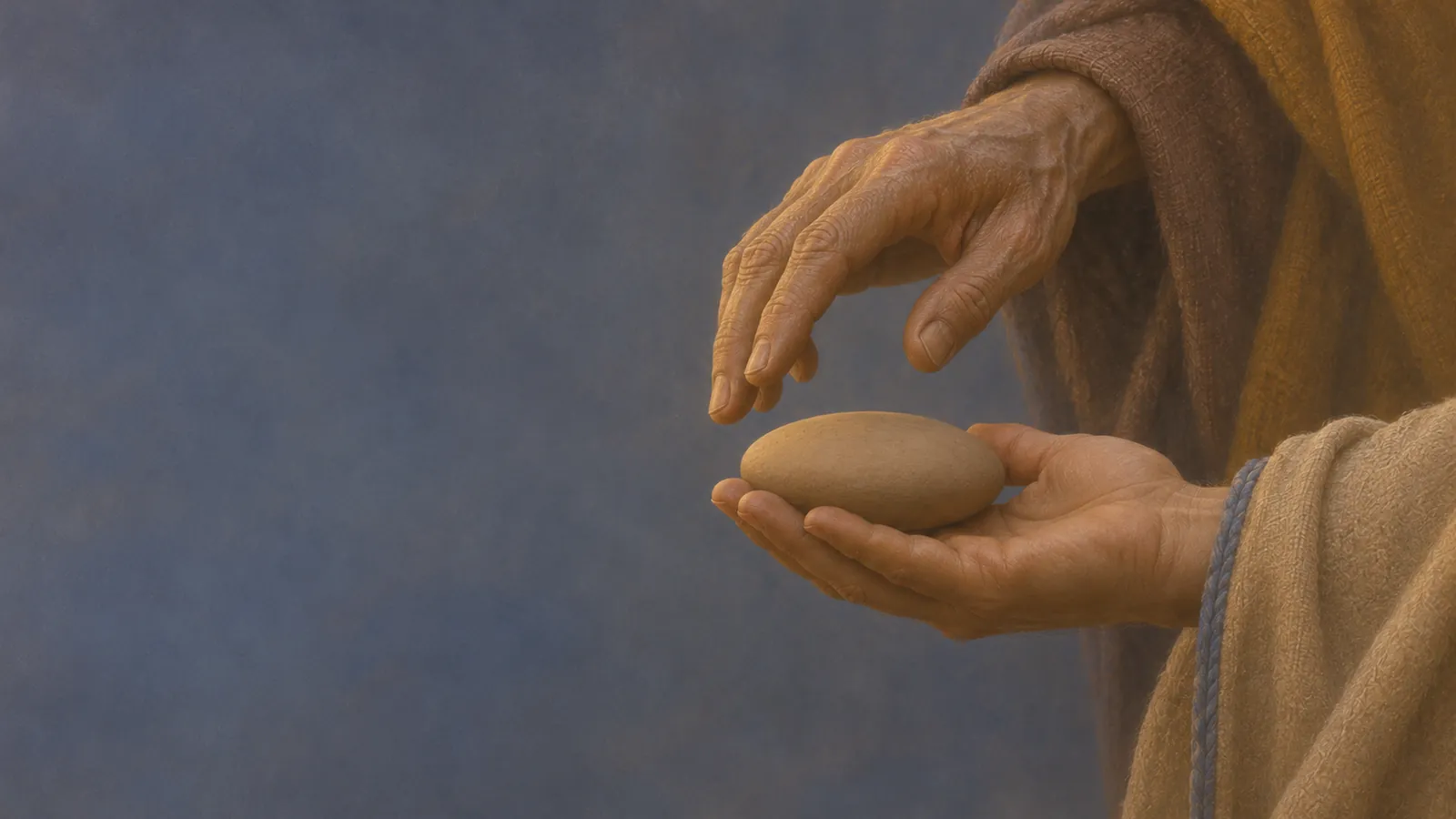
O mensageiro pediu ao senhor que examinasse a argila e percebesse o que dizia. Depois levaria a resposta a E-ana.

O senhor de Aratta pegou na tabuinha de argila cozida e examinou-a. O poema compara a mensagem a pregos, e o senhor encolerizou-se.
TEMPESTADE
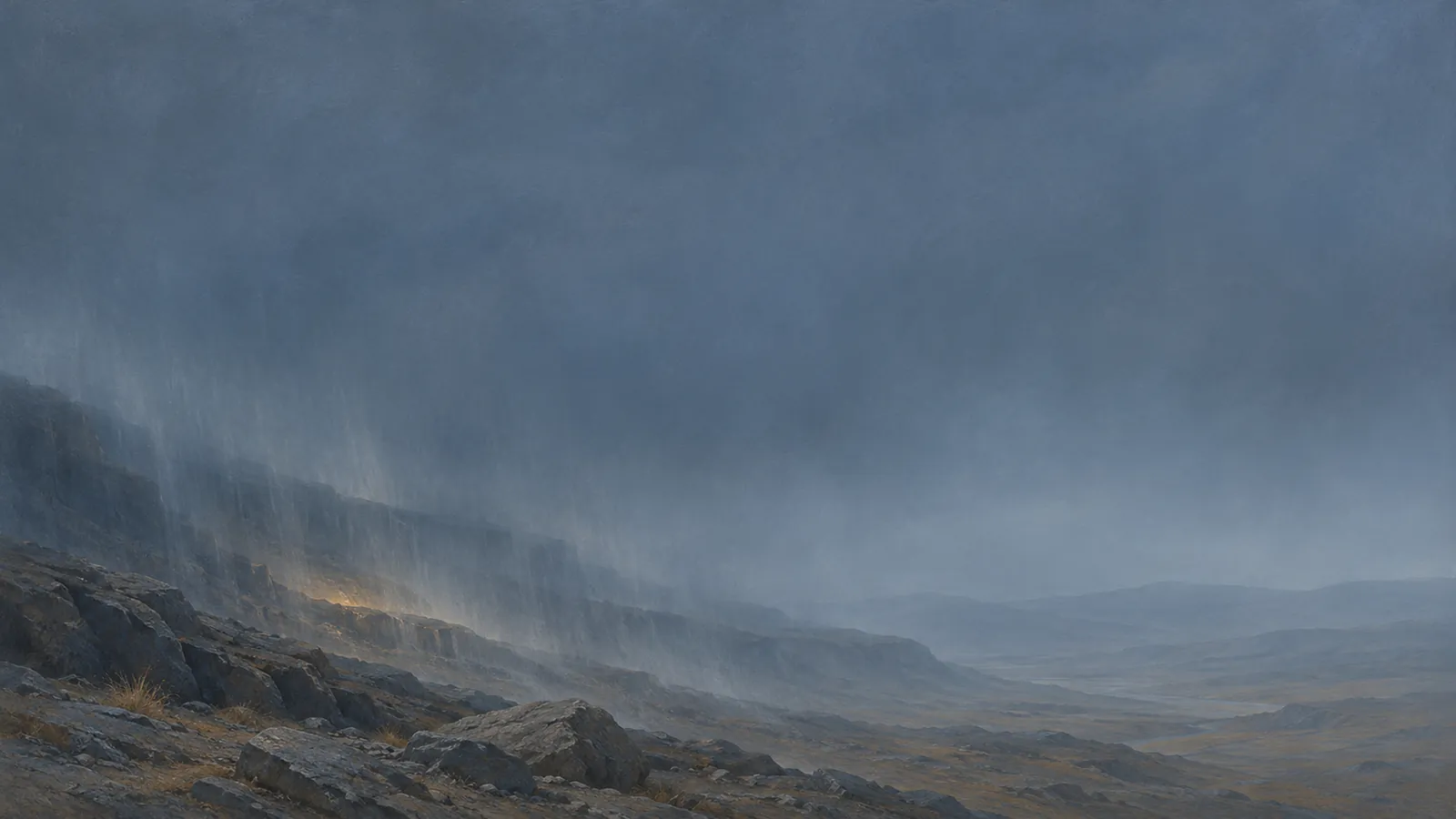
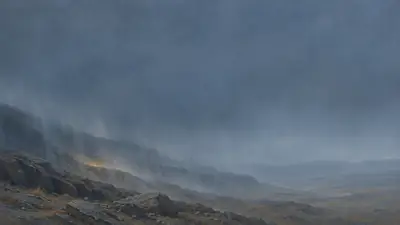
Então Ishkur levantou uma tempestade. O trovão ribombou no céu e na terra, e as montanhas tremeram. Mesmo nos versos fragmentários, a tempestade é violenta.
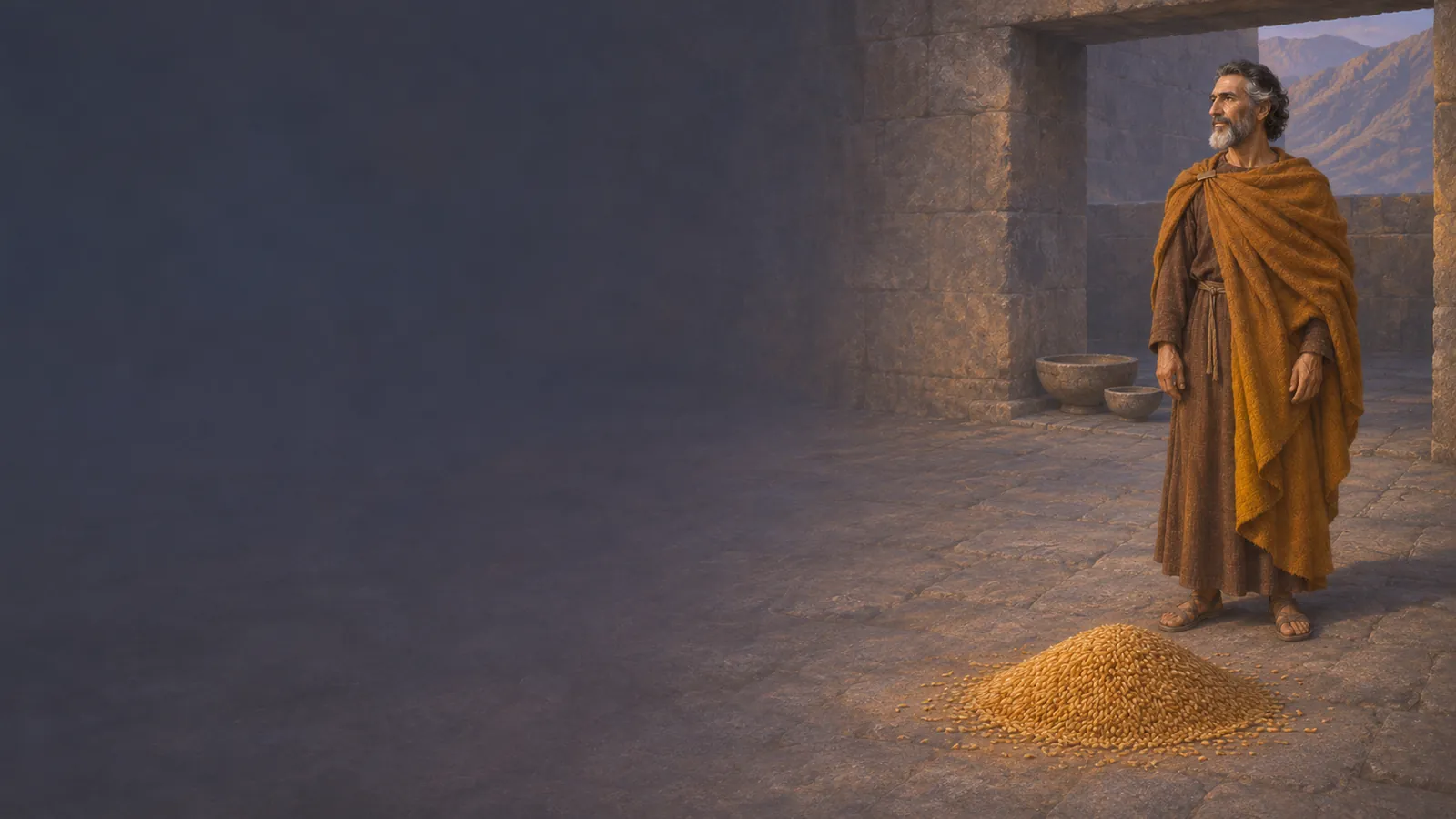
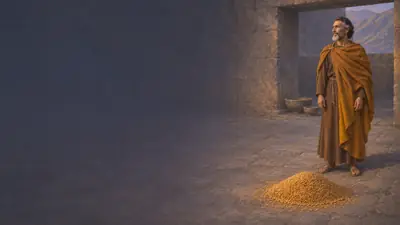
Nas encostas secas de Aratta, o trigo e o grão-de-bico cresceram por si. Levaram o trigo ao senhor e amontoaram-no no seu pátio.
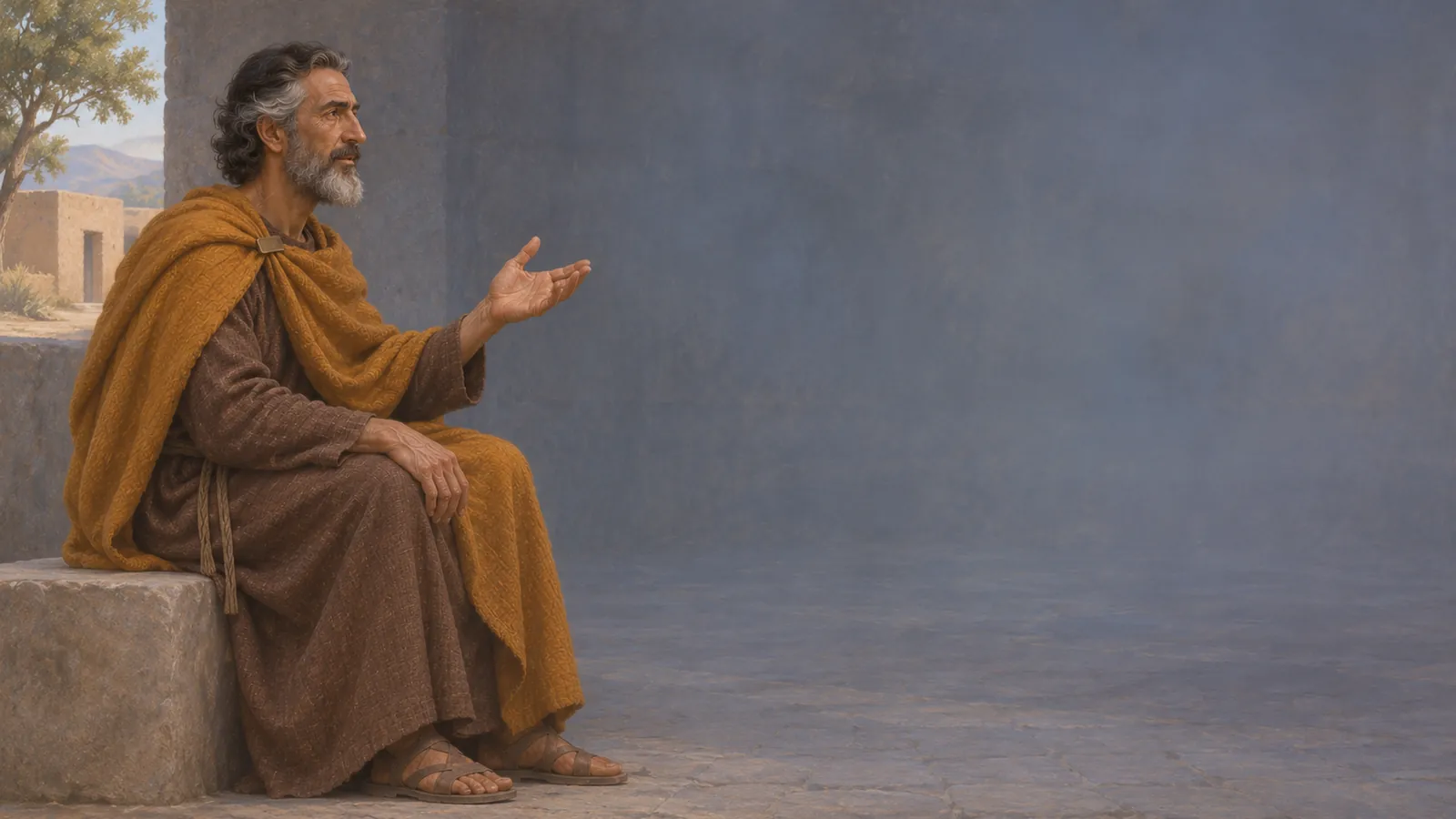
O senhor disse então que Inanna se mantivera fiel a Aratta. Ficara junto do seu santuário de E-zagina, disse ele, e a sua cidade conservava o lugar de honra.
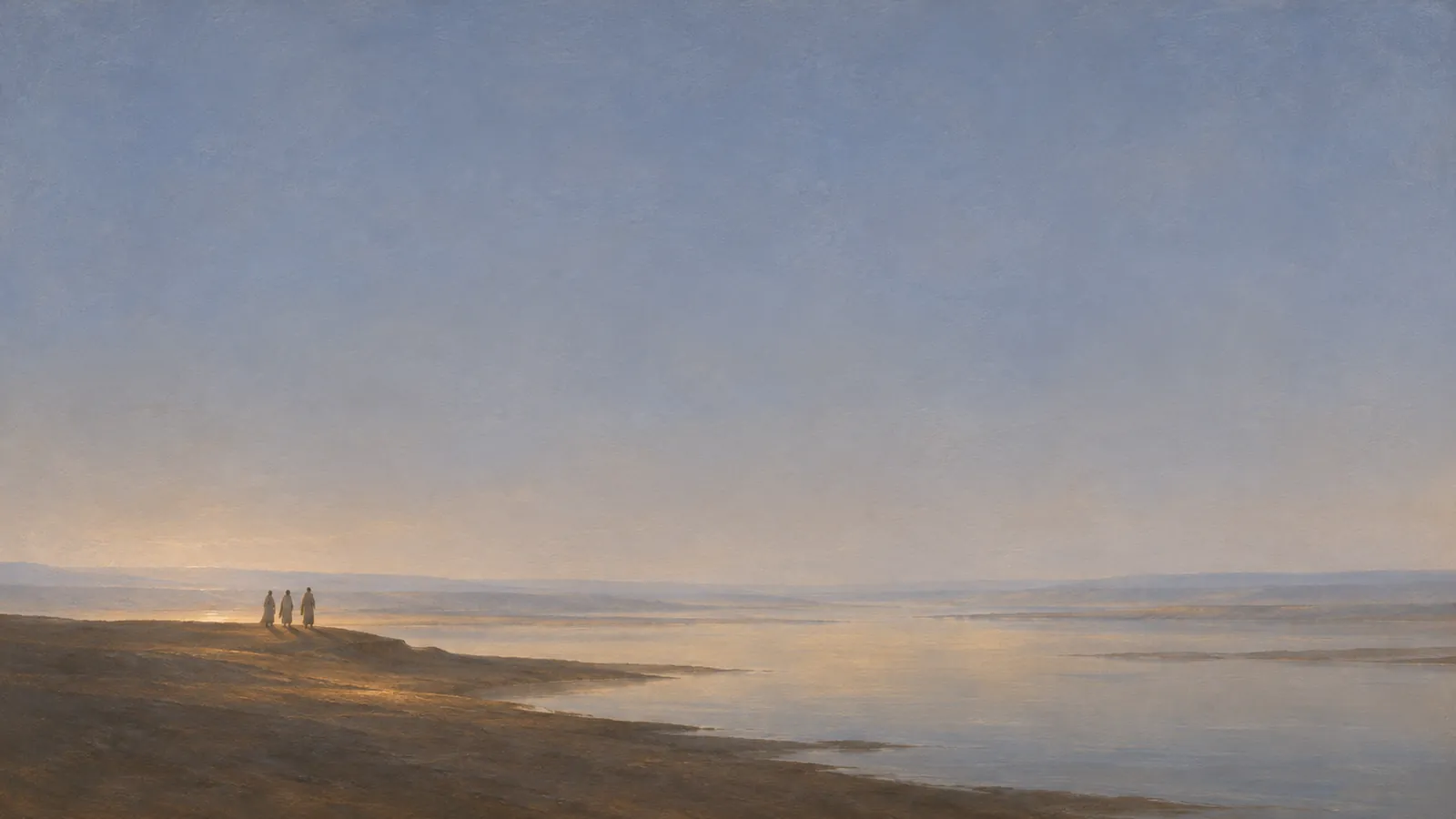
O senhor recordou os que tinham enfrentado um dilúvio. Por amor a Dumuzid, disse ele, Inanna salpicara-os com a água da vida.
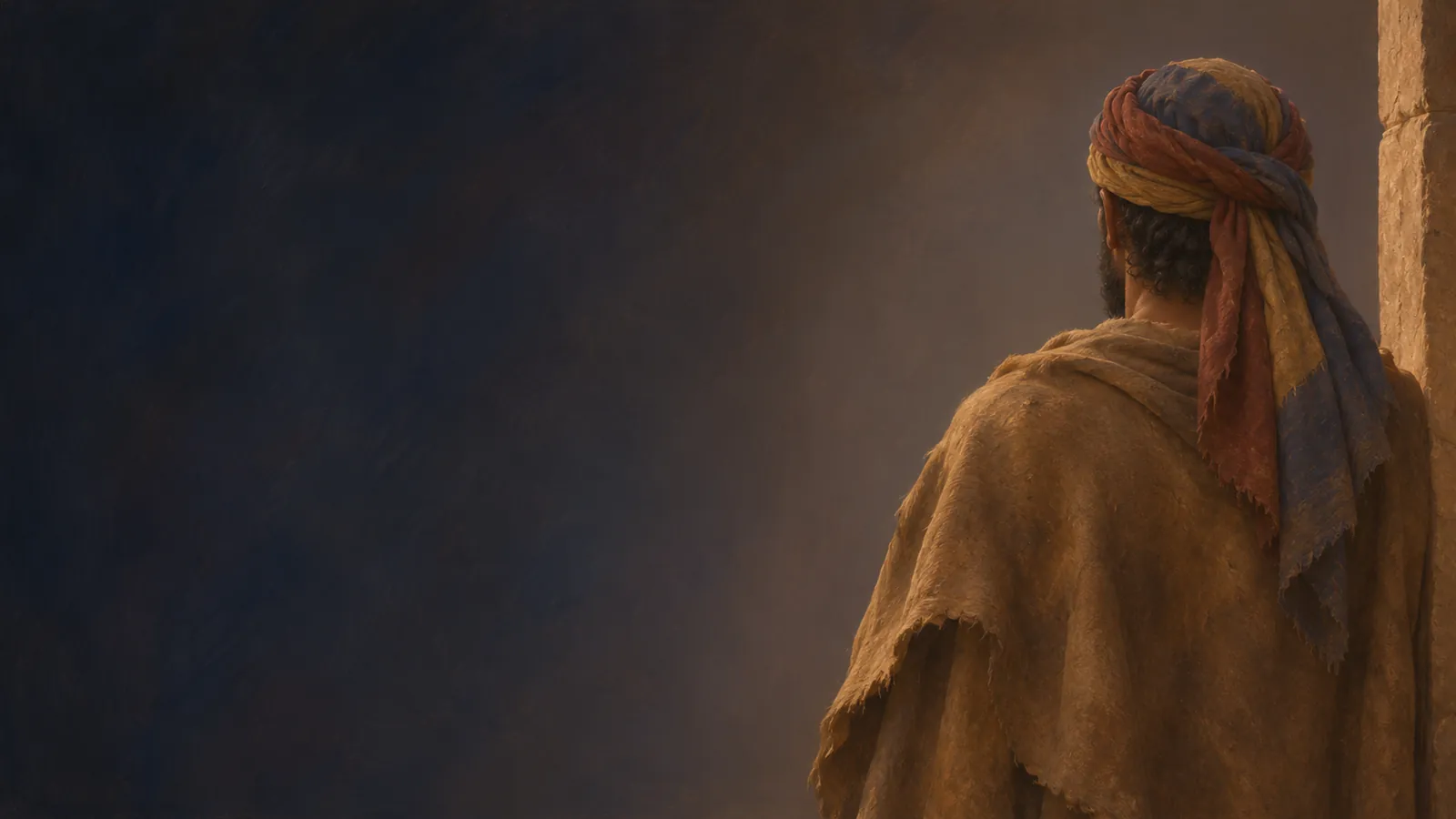
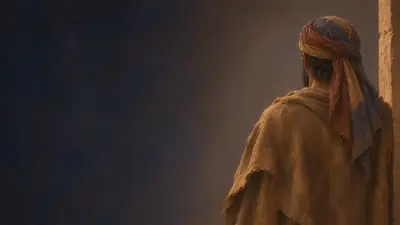
O campeão chegou com um turbante de muitas cores e uma veste de pele de leão. Seguem-se quatro versos obscuros, e o desfecho da disputa escapa-nos.
Os versos fragmentários mencionam Inanna e falam de um canto. Dizem que cantou para Dumuzid e que o canto lhe agradou.
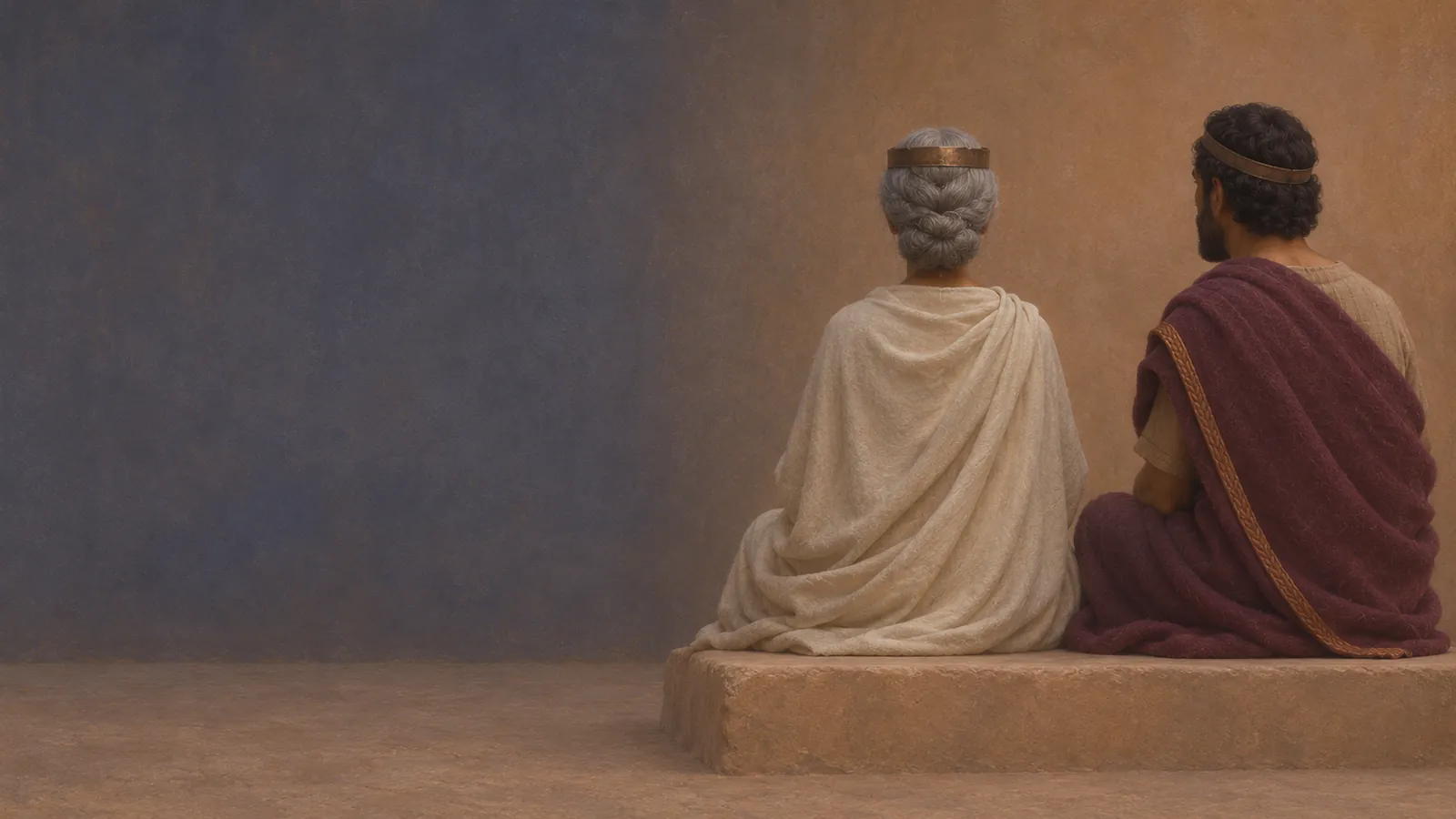
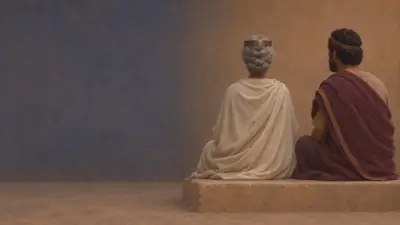
Uma mulher idosa chega de branco, com uma coroa como o luar. Faz Enmerkar sentar-se ao seu lado no estrado. Aqui o poema não a nomeia.
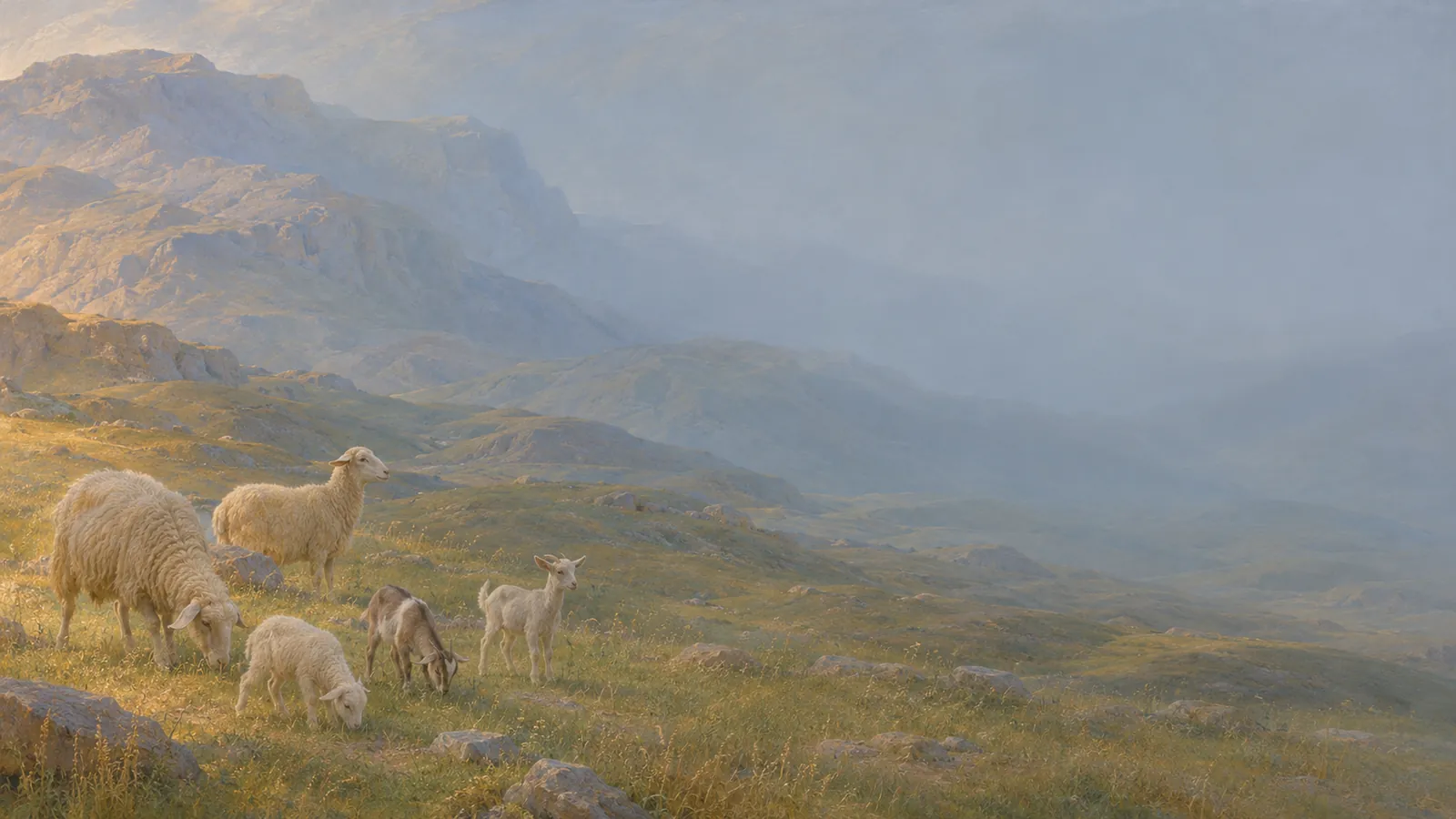
O poema volta a falar de fartura em Aratta. Multiplicam-se os cordeiros, os cabritos, os vitelos e as crias de burro escuras e velozes, e o povo manda amontoar o grão.
O senhor de Aratta volta a ser mencionado, mas o que se passa à sua volta está fragmentado. Depois faltam três versos no texto que chegou até nós.
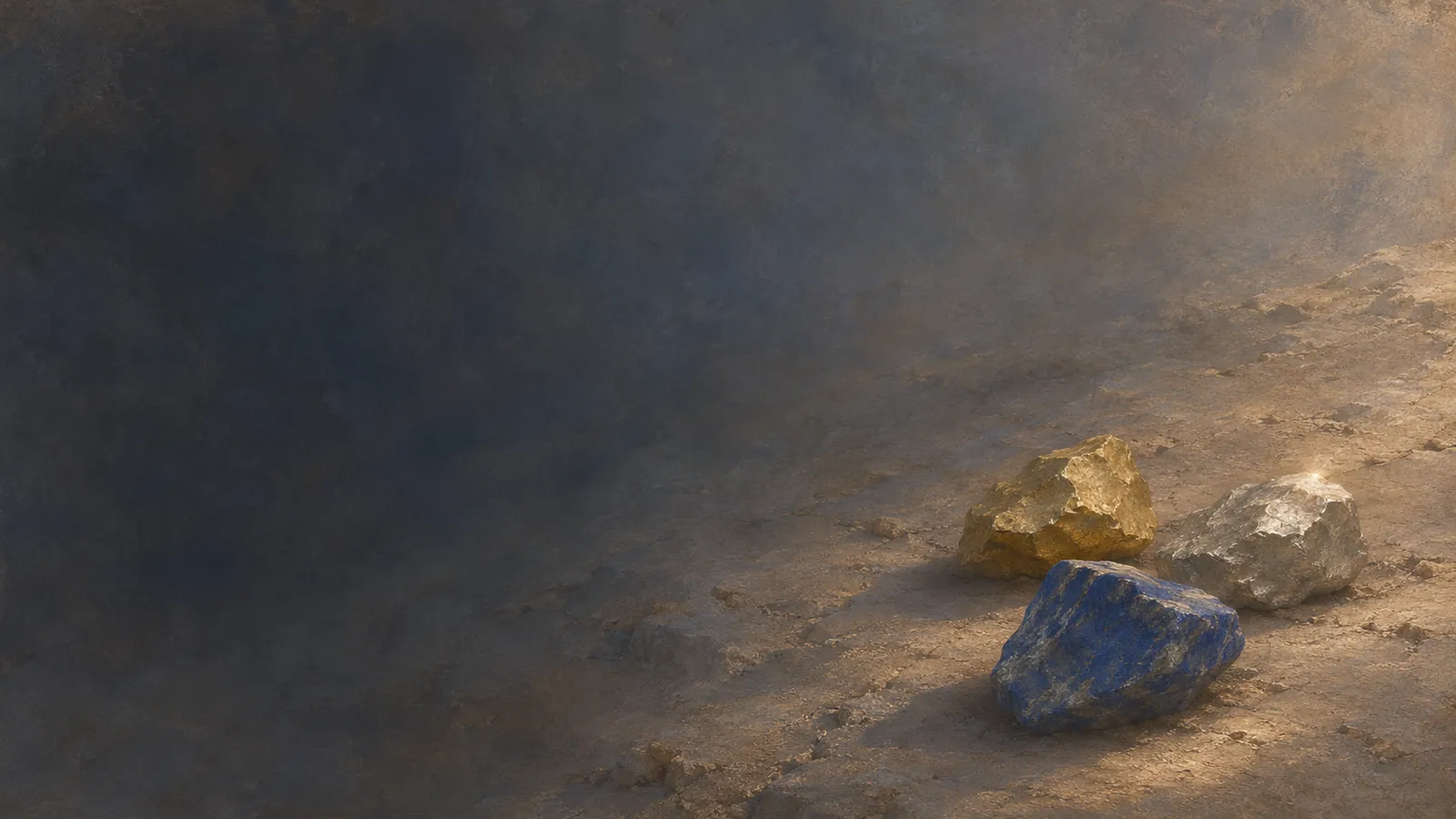
Uma voz fala nos fragmentos, embora não possamos dizer de quem é. Menciona-se Enlil e o trabalho com ouro, prata e lápis-lazúli.
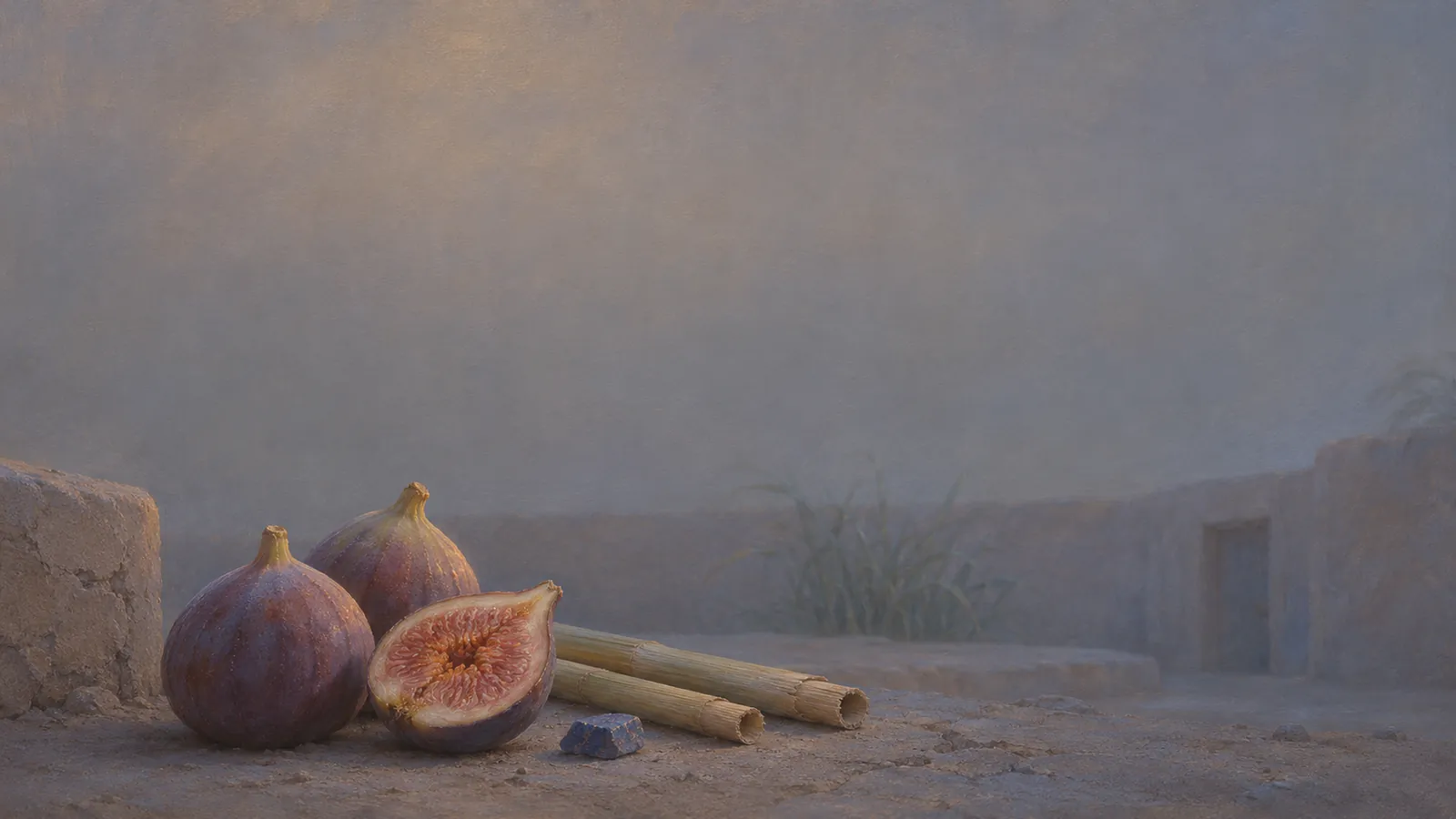
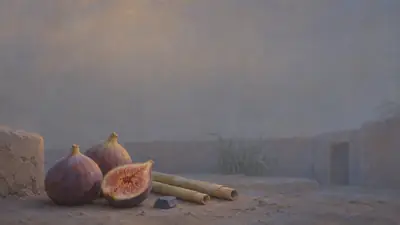
Frutos, canas e lápis-lazúli aparecem nos versos finais. Ainda se entrevê o pátio de E-ana, onde se pede que façam montes em honra de Inanna.
Entre as últimas palavras que conseguimos ler estão uma oferta de conselho, uma reivindicação da realeza e o nome de Geshtinanna.
OS ÚLTIMOS VERSOS
Aqui se interrompe o poema que chegou até nós. Faltam cerca de seis versos, e as palavras que restam deixam por conhecer o desfecho da rivalidade.
Fim do capítulo 2
Todas as páginas



Fontes
Edições consultadas
- Oxford ETCSL 1.8.2.3, translation, lines 308–636 and the final lacuna
- Oxford ETCSL 1.8.2.3, Sumerian composite and manuscript variants
- CDLI, written witnesses to the poem
- IL Archive, Enmerkar and the Lord of Aratta
- Metropolitan Museum of Art, administrative tablet from early Uruk
Os versos antigos de cada página
- Page 1: ETCSL 1.8.2.3 308–311
- Page 2: ETCSL 1.8.2.3 312–316
One of the vessel names is damaged. - Page 3: ETCSL 1.8.2.3 317–322
The text mentions a tablet and stylus amid broken wording. - Page 4: ETCSL 1.8.2.3 323–326
- Page 5: ETCSL 1.8.2.3 327–329
The preceding plant phrase and the wording of the barley measure are uncertain. - Page 6: ETCSL 1.8.2.3 330–338
- Page 7: ETCSL 1.8.2.3 339–343
- Page 8: ETCSL 1.8.2.3 344–346
- Page 9: ETCSL 1.8.2.3 347–351
- Page 10: ETCSL 1.8.2.3 352–356
The exact wording of the barley measure is uncertain. - Page 11: ETCSL 1.8.2.3 357–362
- Page 12: ETCSL 1.8.2.3 363–370
Oxford marks two lines around the officials as unclear. Much of the nearby exchange is damaged. - Page 13: ETCSL 1.8.2.3 371–377
The speaker’s identity and what the elders offered are uncertain. - Page 14: ETCSL 1.8.2.3 378–388
- Page 15: ETCSL 1.8.2.3 389–396
The fasting person’s identity and some details of the exchange are uncertain. - Page 16: ETCSL 1.8.2.3 397–405
The surviving copies give different orders for some of the woods. - Page 17: ETCSL 1.8.2.3 406–411
- Page 18: ETCSL 1.8.2.3 412–421
- Page 19: ETCSL 1.8.2.3 422–426
The account of the work is damaged and leaves the substance and actions uncertain. - Page 20: ETCSL 1.8.2.3 427–432
The poem gives the sequence five years, then ten. The intended duration and the material of the resulting sceptre remain uncertain. - Page 21: ETCSL 1.8.2.3 433–440
The lines describing what happens to the sceptre on arrival are damaged. - Page 22: ETCSL 1.8.2.3 441–453
The lord’s words about Inanna report his own fear at this point in the poem. - Page 23: ETCSL 1.8.2.3 454–461
The expression and the significance of the colors remain uncertain. - Page 24: ETCSL 1.8.2.3 462–469
Several phrases around the messenger’s return are broken. - Page 25: ETCSL 1.8.2.3 470–478
- Page 26: ETCSL 1.8.2.3 479–487
- Page 27: ETCSL 1.8.2.3 488–499
Part of the threat and the following speech are damaged. - Page 28: ETCSL 1.8.2.3 500–502
- Page 29: ETCSL 1.8.2.3 503–506
Archaeological evidence for the beginnings of writing comes from other sources. - Page 30: ETCSL 1.8.2.3 507–514
The series of five, six and seven mountains repeats the poem’s travel formula. - Page 31: ETCSL 1.8.2.3 515–524
- Page 32: ETCSL 1.8.2.3 525–535
- Page 33: ETCSL 1.8.2.3 536–541
- Page 34: ETCSL 1.8.2.3 542–548
The description of the storm has several broken phrases. - Page 35: ETCSL 1.8.2.3 549–556
The granary phrase is damaged. - Page 36: ETCSL 1.8.2.3 557–562
- Page 37: ETCSL 1.8.2.3 563–576
Part of the nearby summons is damaged. - Page 38: ETCSL 1.8.2.3 577–583
Four lines after the champion’s arrival are unclear. An outcome for the contest does not survive in the text. - Page 39: ETCSL 1.8.2.3 584–587
The text mentions the song without preserving its words here. - Page 40: ETCSL 1.8.2.3 588–594
Oxford’s translation leaves the woman unnamed. Her identity is uncertain. - Page 41: ETCSL 1.8.2.3 595–602
- Page 42: ETCSL 1.8.2.3 603–610
Three lines numbered 608–610 are missing in the Oxford composite. - Page 43: ETCSL 1.8.2.3 611–619
- Page 44: ETCSL 1.8.2.3 620–625
The wording is fragmentary around the materials, their preparation and the heaps. - Page 45: ETCSL 1.8.2.3 626–636
Several phrases in the last surviving passage are broken. The speaker’s identity remains uncertain. - Page 46: ETCSL 1.8.2.3, final lacuna after 636
Oxford marks about six lines missing after line 636.
Ilustrações feitas pelo IL Archive com ferramentas de IA; o texto baseia-se nas fontes antigas (veja as fontes no fim de cada capítulo).