A sala que fala Capítulo 1
Os nomes da porta
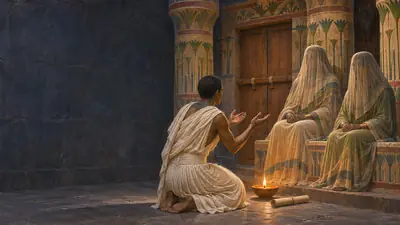
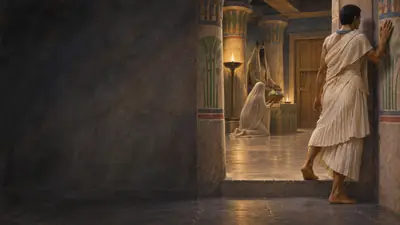
No Papiro de Nu, um falecido dirige uma súplica a quem habita o Salão das Duas Maat e imagina que o convidam a entrar. No limiar, a porta, o chão e um porteiro fazem as suas perguntas. Tot tem um último enigma antes de prometer pronunciar o seu nome.
FontesVire as páginas com as setas, o teclado ou deslizando o dedo.
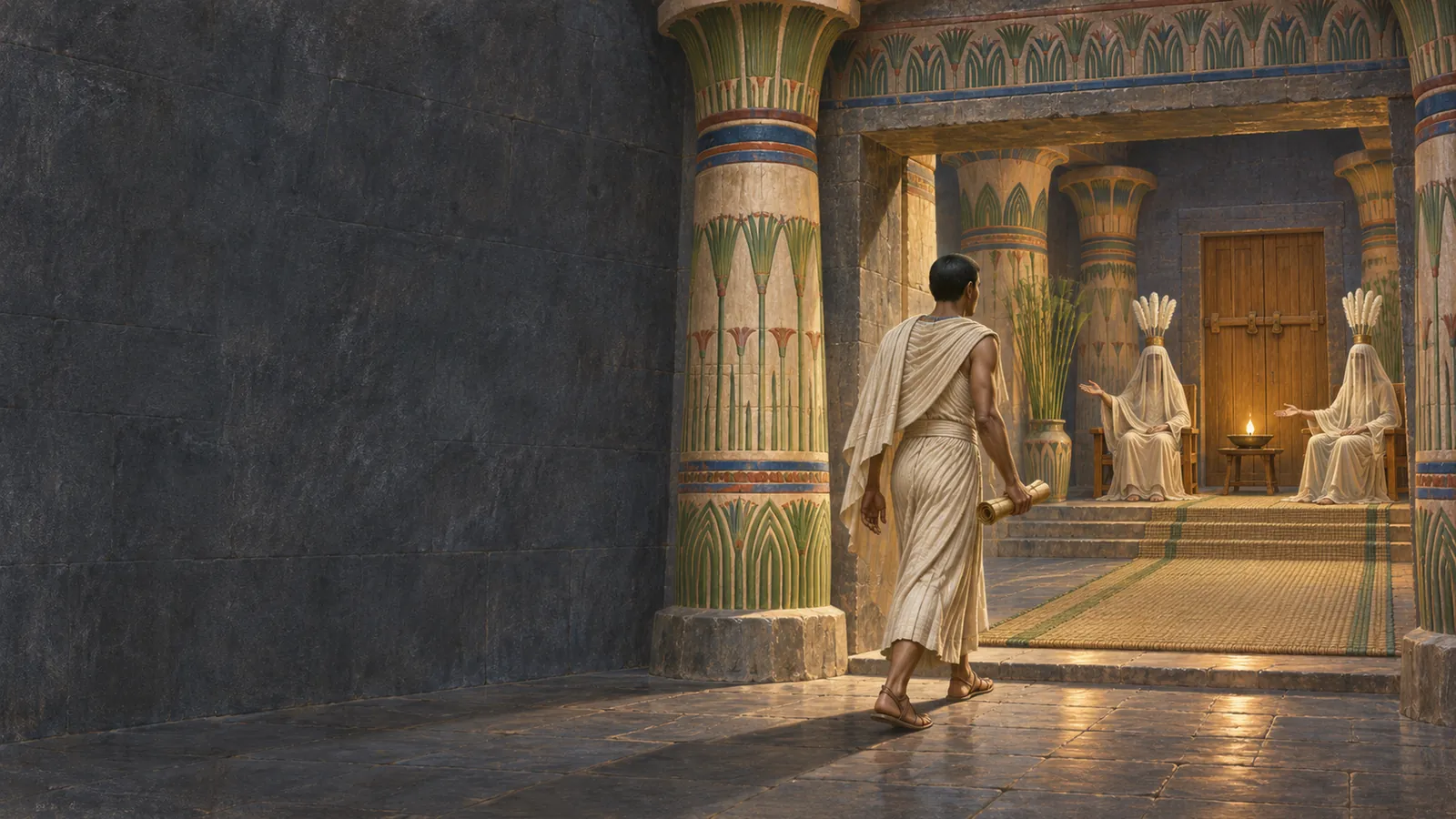
A SALA
No Papiro de Nu, o falecido fala da sala das deusas Maāti. Esta recitação segue a tradução de Wallis Budge, publicada em 1908.
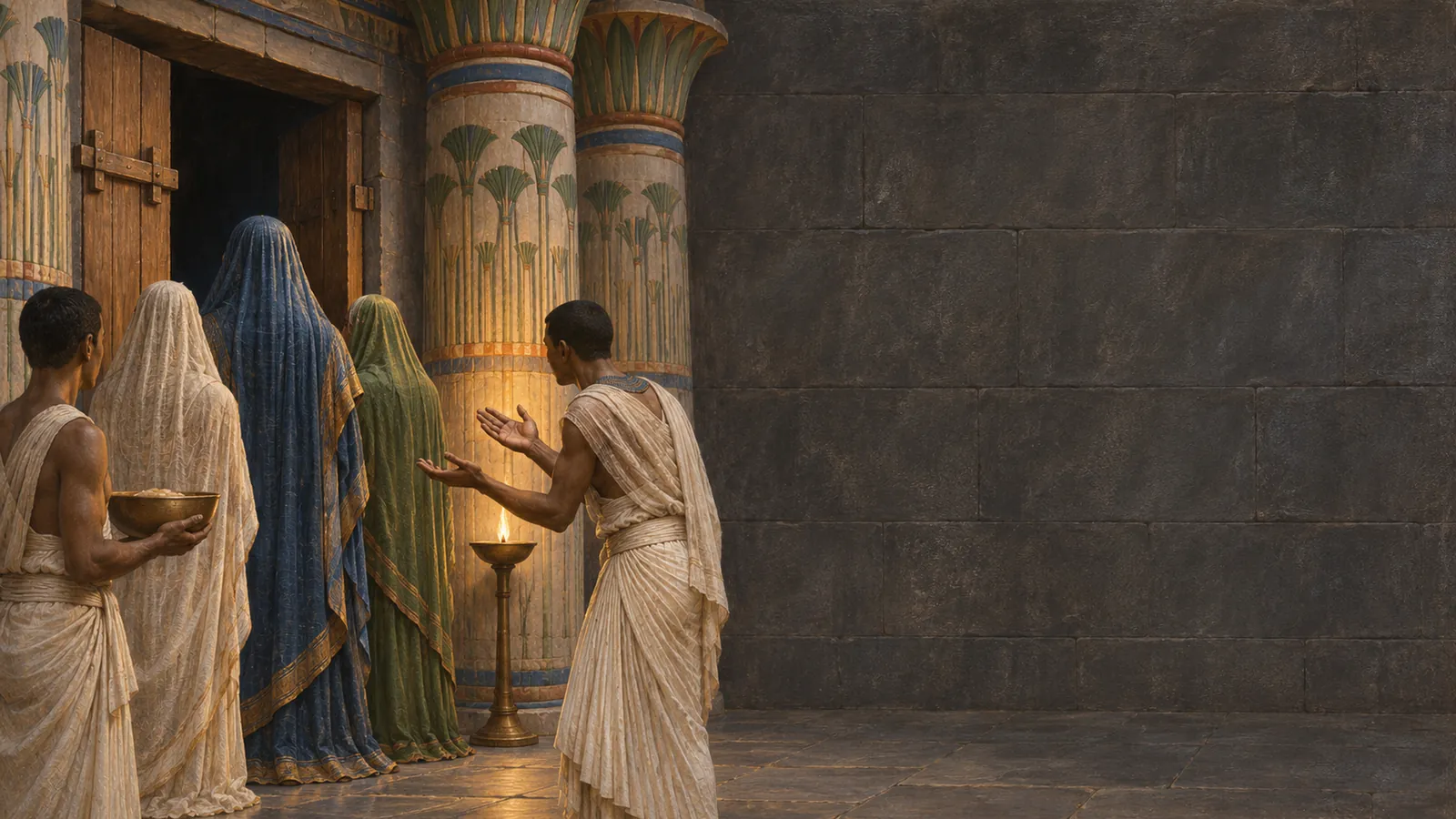
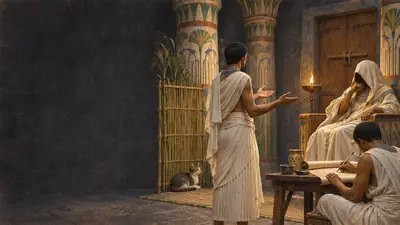
Deuses que habitais nesta sala, conheço-vos e conheço os vossos nomes. Não me deixeis cair sob as vossas facas nem leveis as minhas faltas perante o deus que acompanhais.
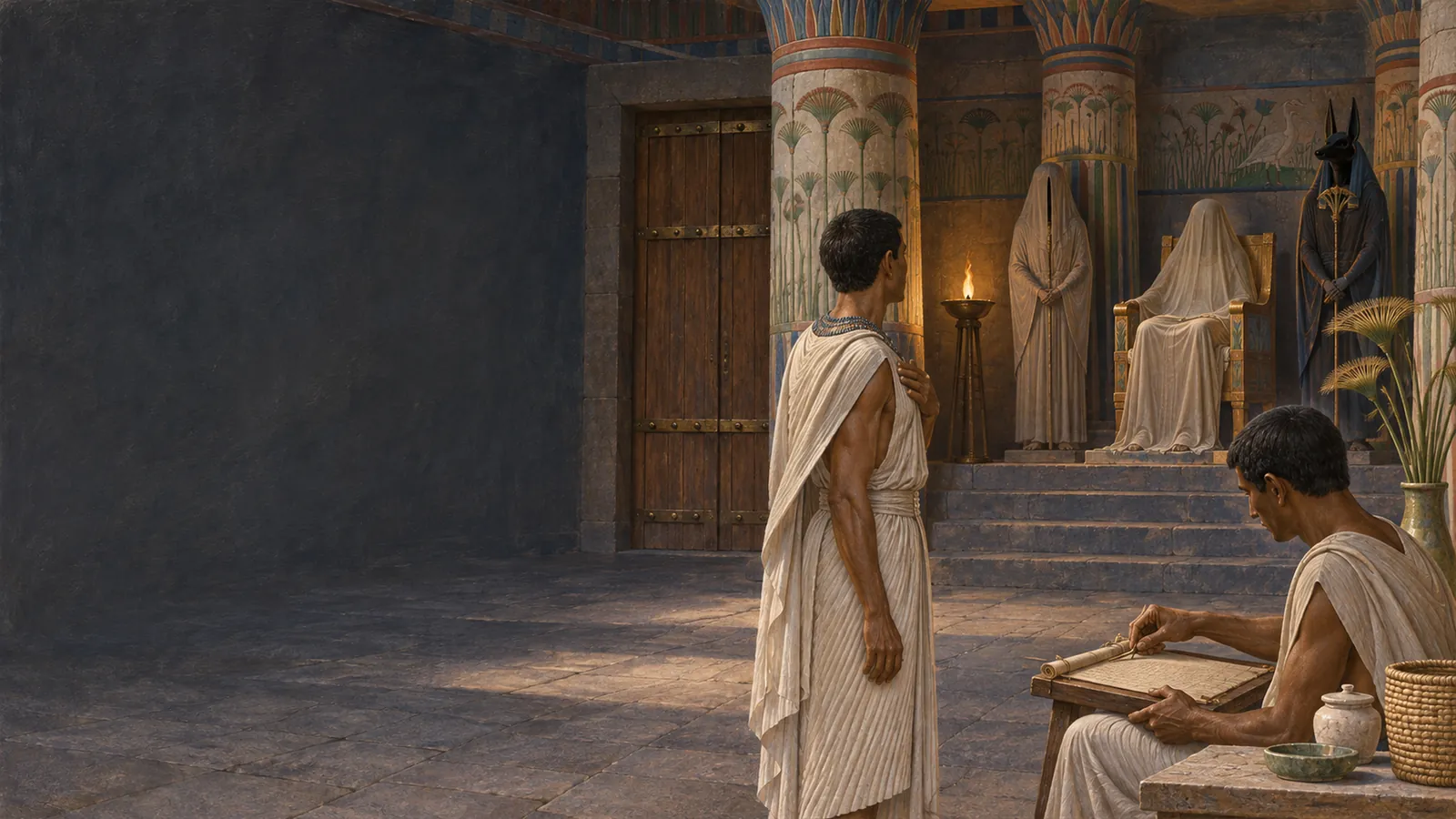
Declarai-me justo de voz perante Neb-er-teber, pois pratiquei no Egito o que é reto e verdadeiro. Não amaldiçoei o deus, por isso que nenhum mal me venha por intermédio do rei.
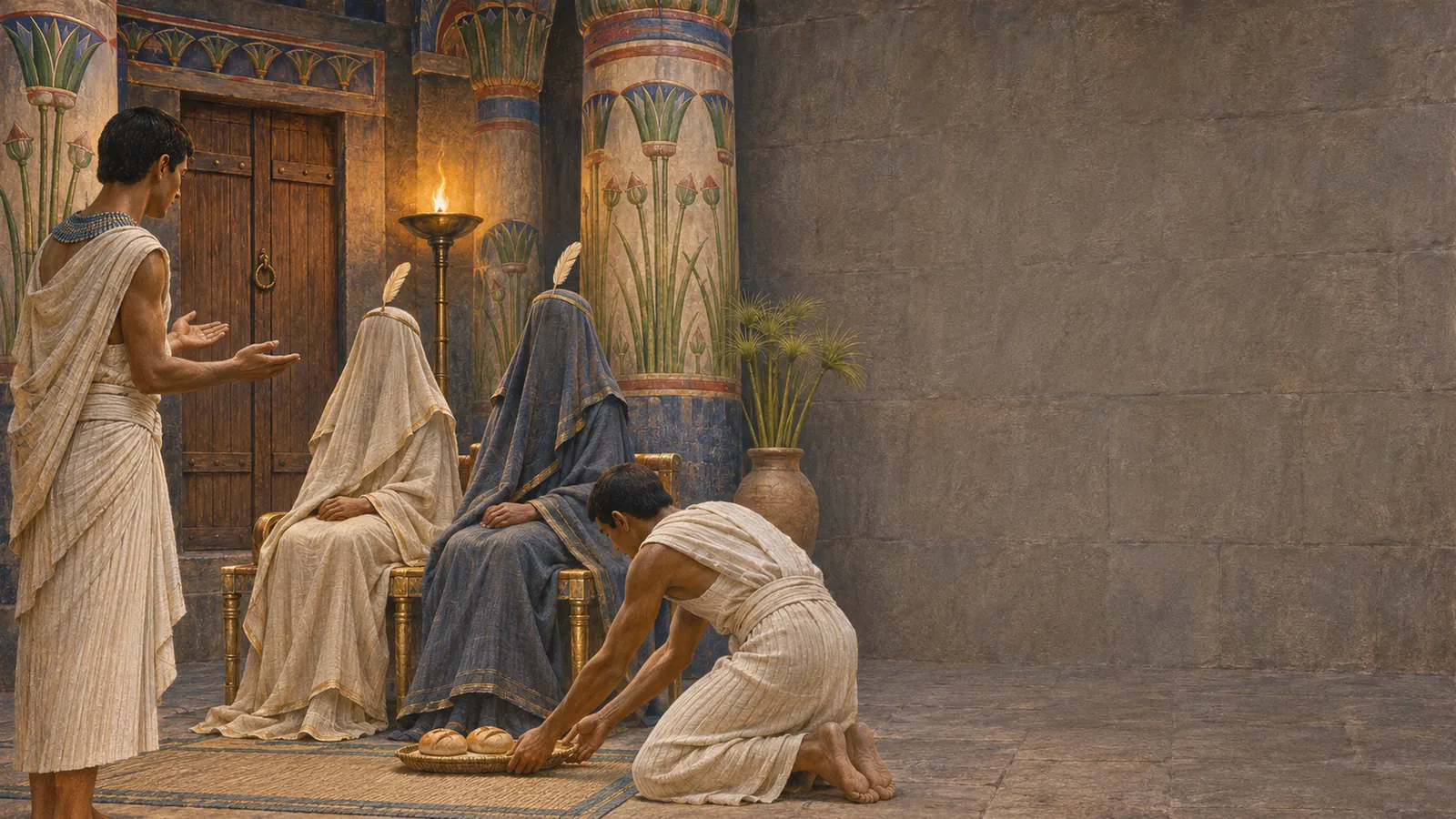
Saúdo-vos, deuses que habitais na sala das Maāti. Estais livres do mal e alimentais-vos do que é reto e verdadeiro na presença de Hórus.
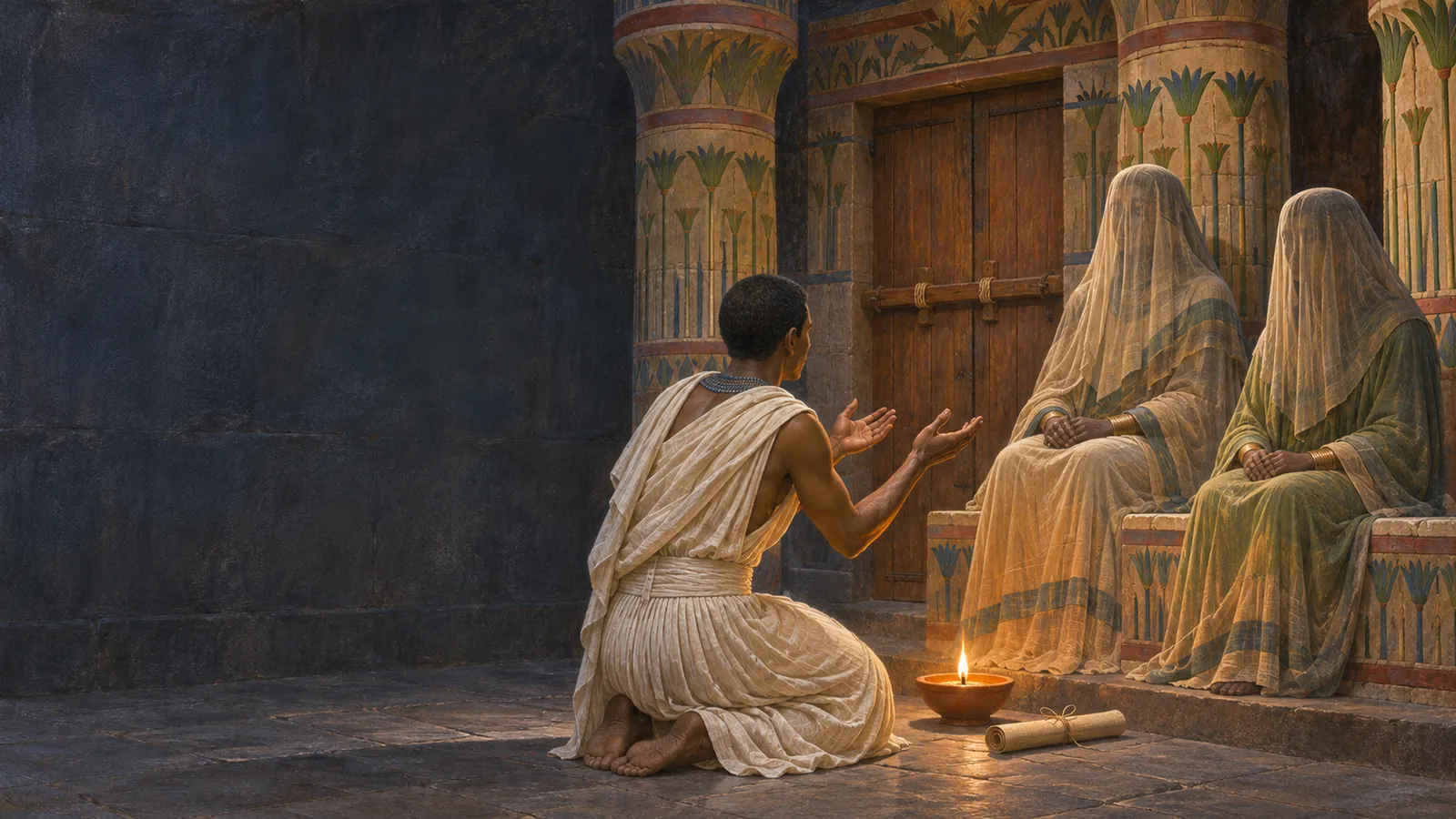
Salvai-me de Baba, que se alimenta das entranhas dos poderosos no dia do acerto de contas. Deixai-me chegar junto de vós, pois não cometi falta nem mal algum e não prestei falso testemunho.
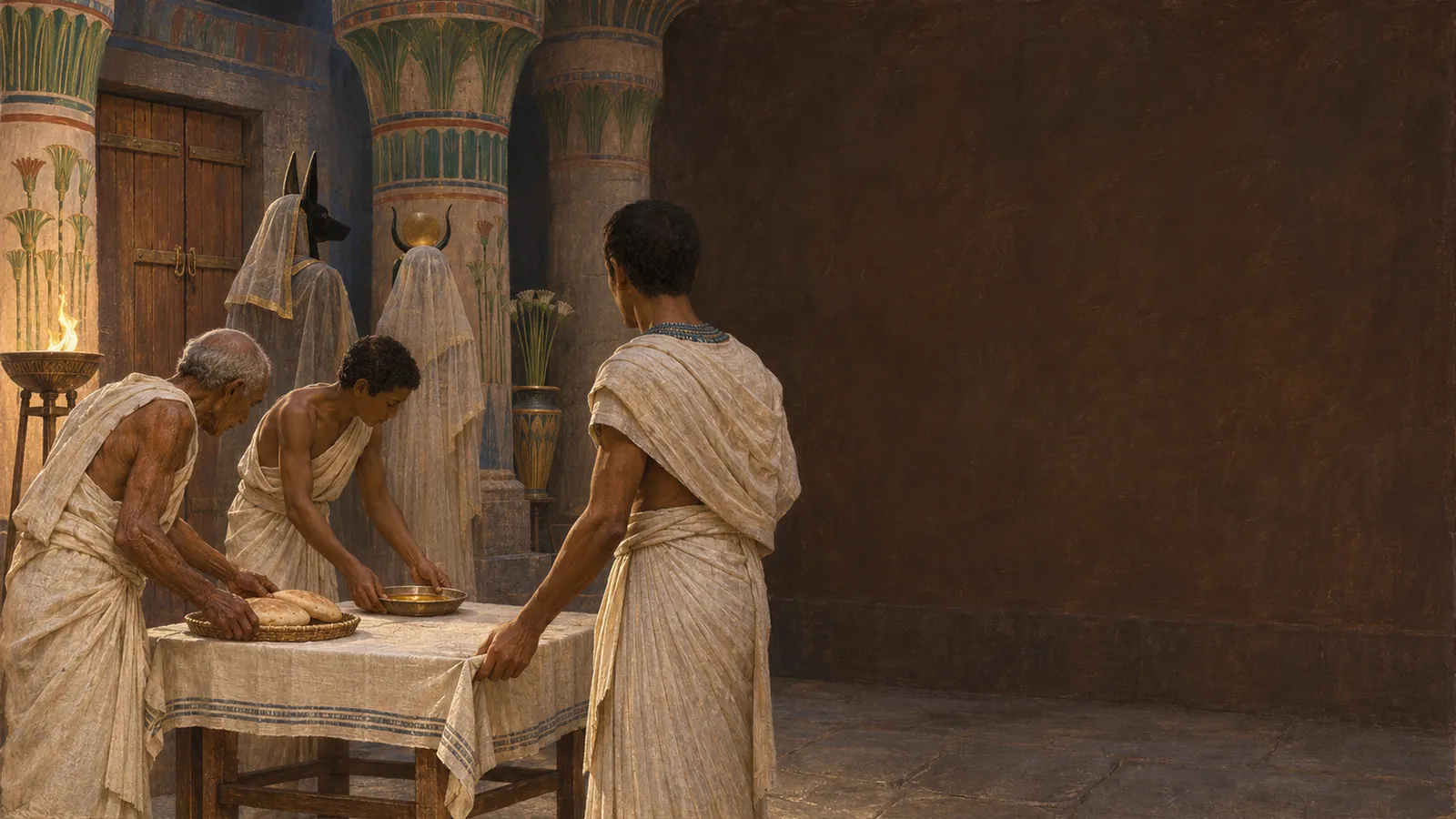
Vivo do que é reto e verdadeiro, e disso me alimento. Fiz o que as pessoas exigem e o que agrada aos deuses.
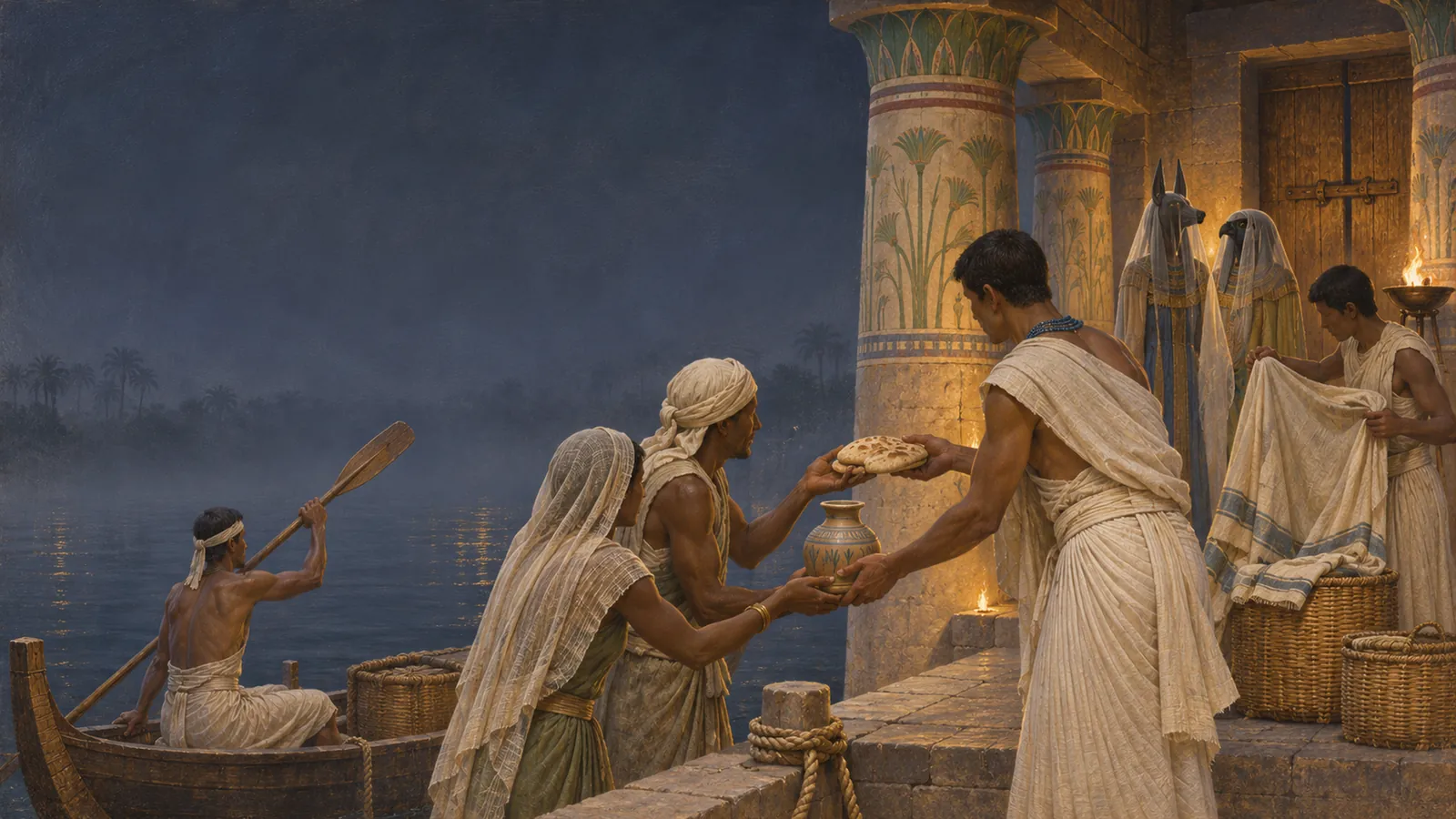
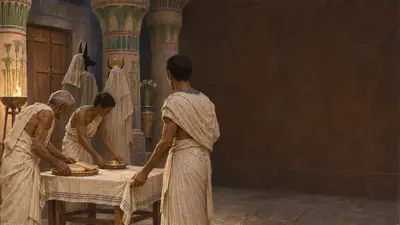
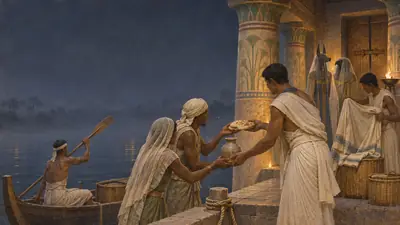
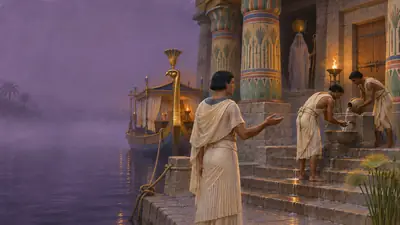
Dei pão a quem tinha fome, água a quem tinha sede, roupa a quem não tinha o que vestir e um barco ao navegante.
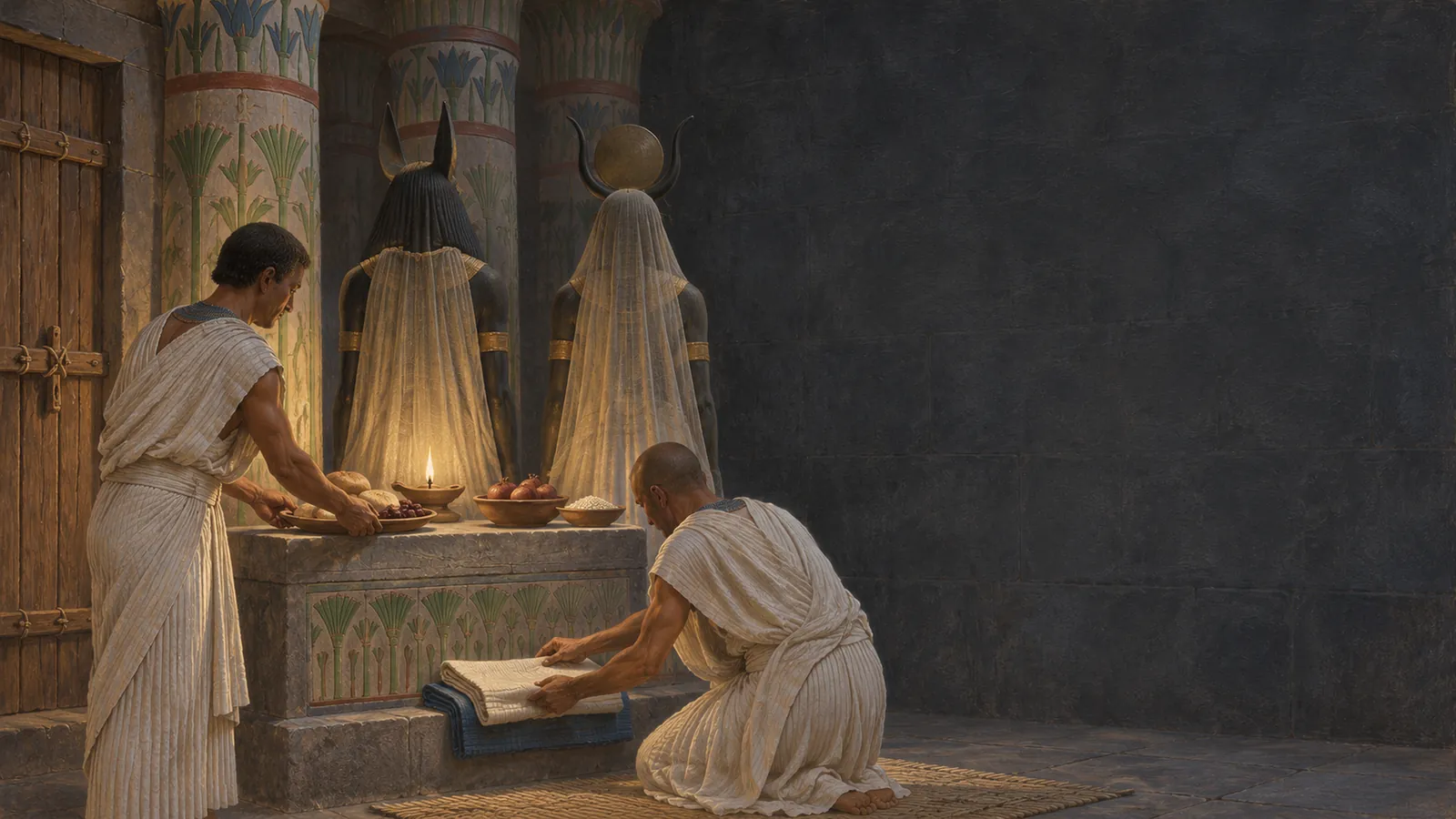
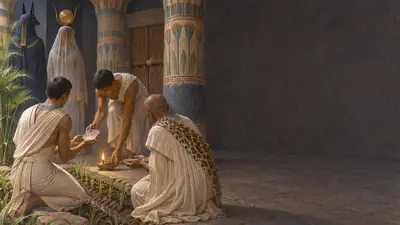
Fiz oferendas aos deuses e preparei refeições para os mortos. Protegei-me e não me acuseis. A minha boca e as minhas mãos estão limpas, que quem me vir me cumprimente em paz.
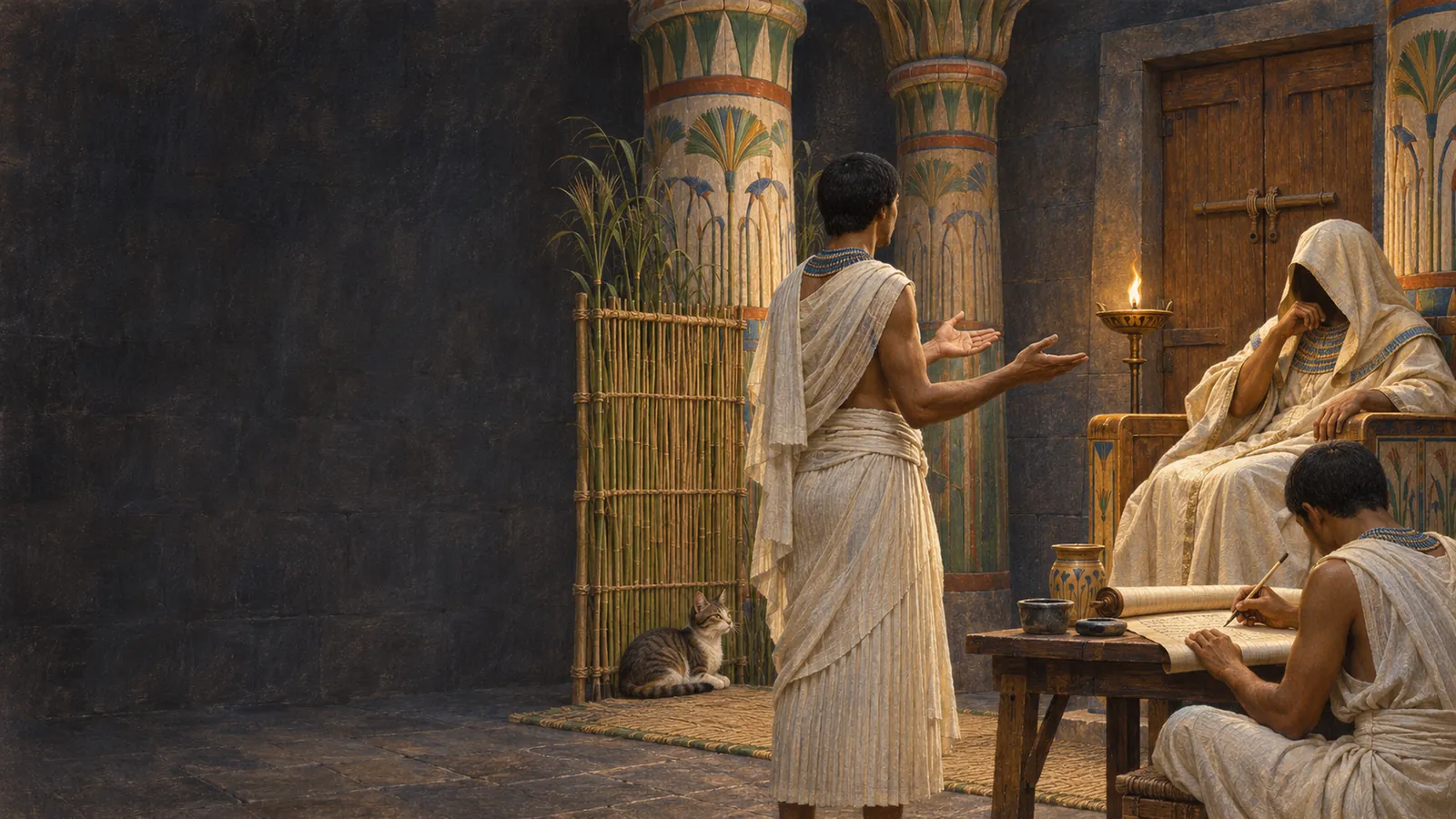
Ouvi a palavra poderosa que os espíritos dirigiram ao Gato na casa de Hapt-re. Prestei testemunho diante de Hra-f-ha-f, e ele tomou uma decisão.
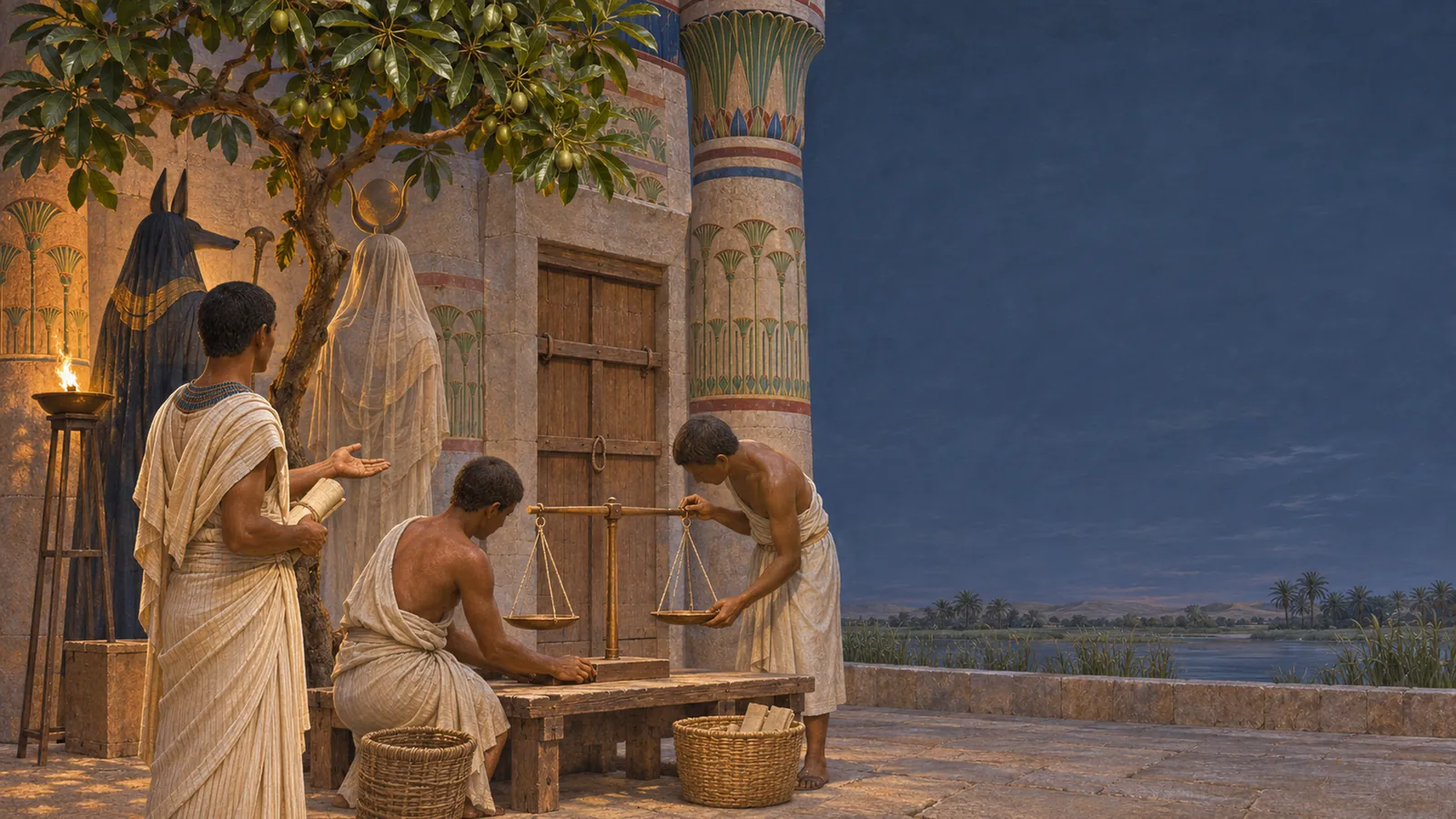
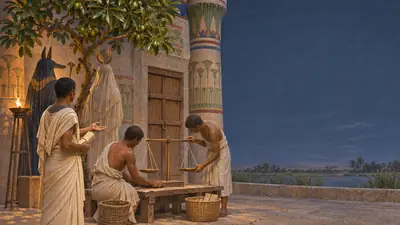
Vi o que a árvore persea abriga em Re-stau. Vim declarar o que é reto e verdadeiro e armar a balança em Aukert.
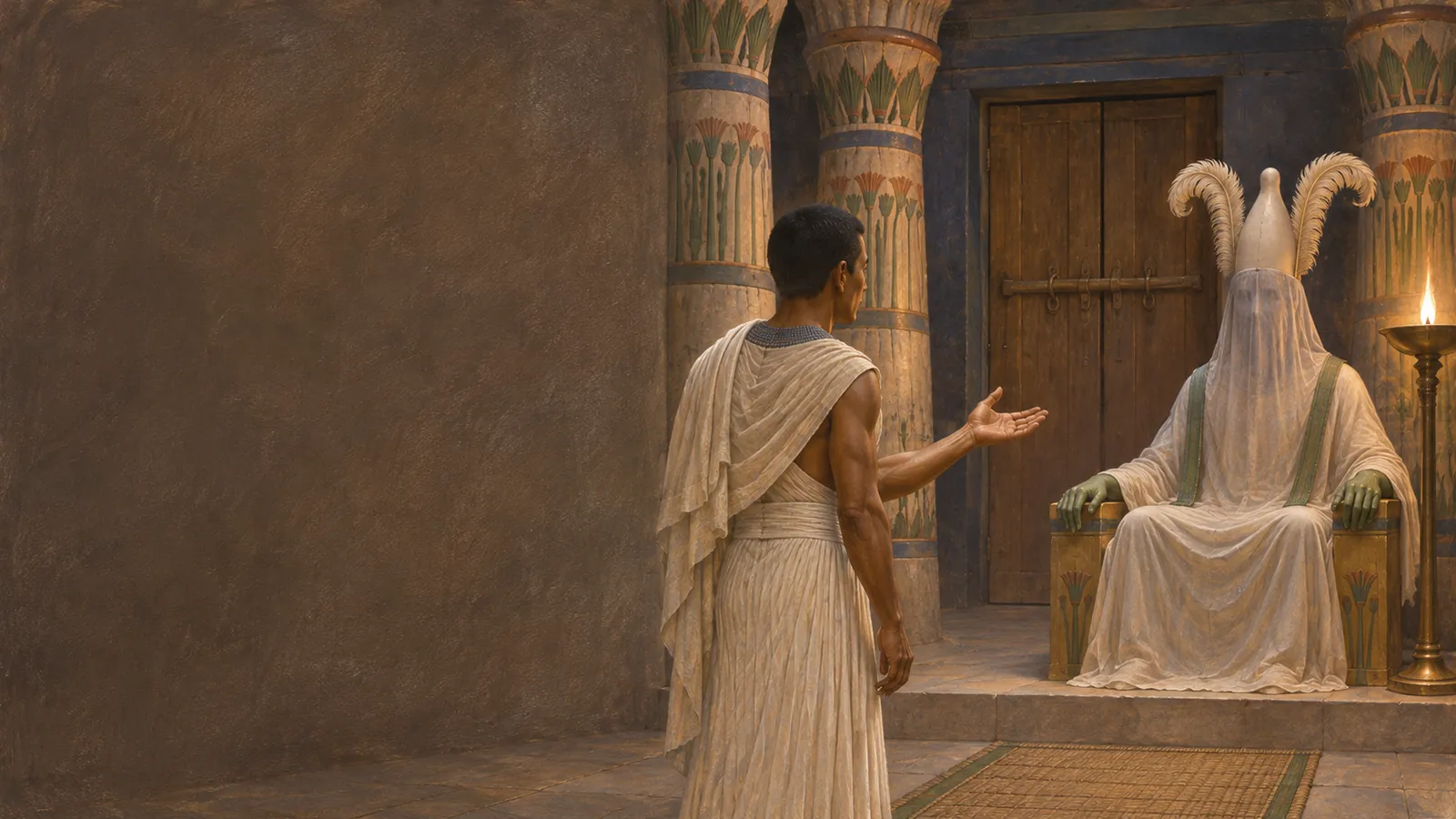
Osíris, Senhor dos Ventos e senhor da coroa Atefu, livra-me dos teus mensageiros que trazem calamidades. Agi com retidão e verdade para o Senhor do que é Reto e Verdadeiro.
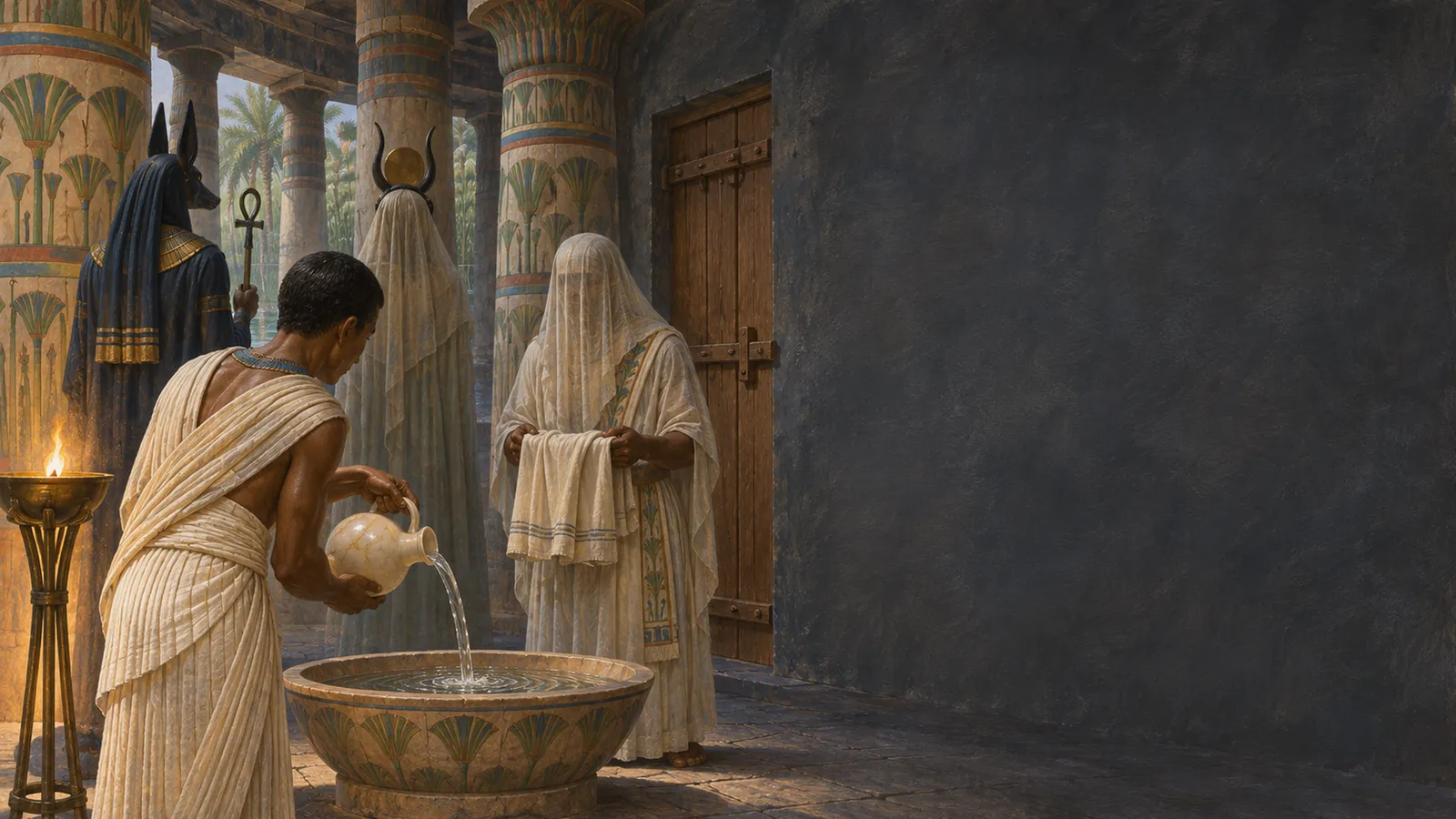
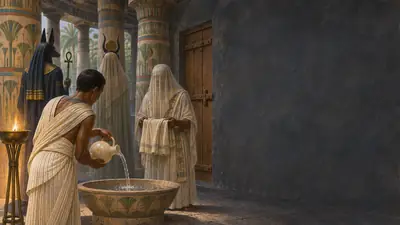
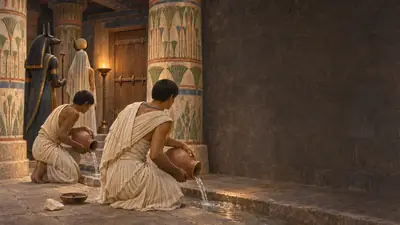
Purifiquei-me com libações, e o tanque do que é Reto e Verdadeiro purificou-me por dentro. O que é reto e verdadeiro preenche todas as partes do meu corpo.
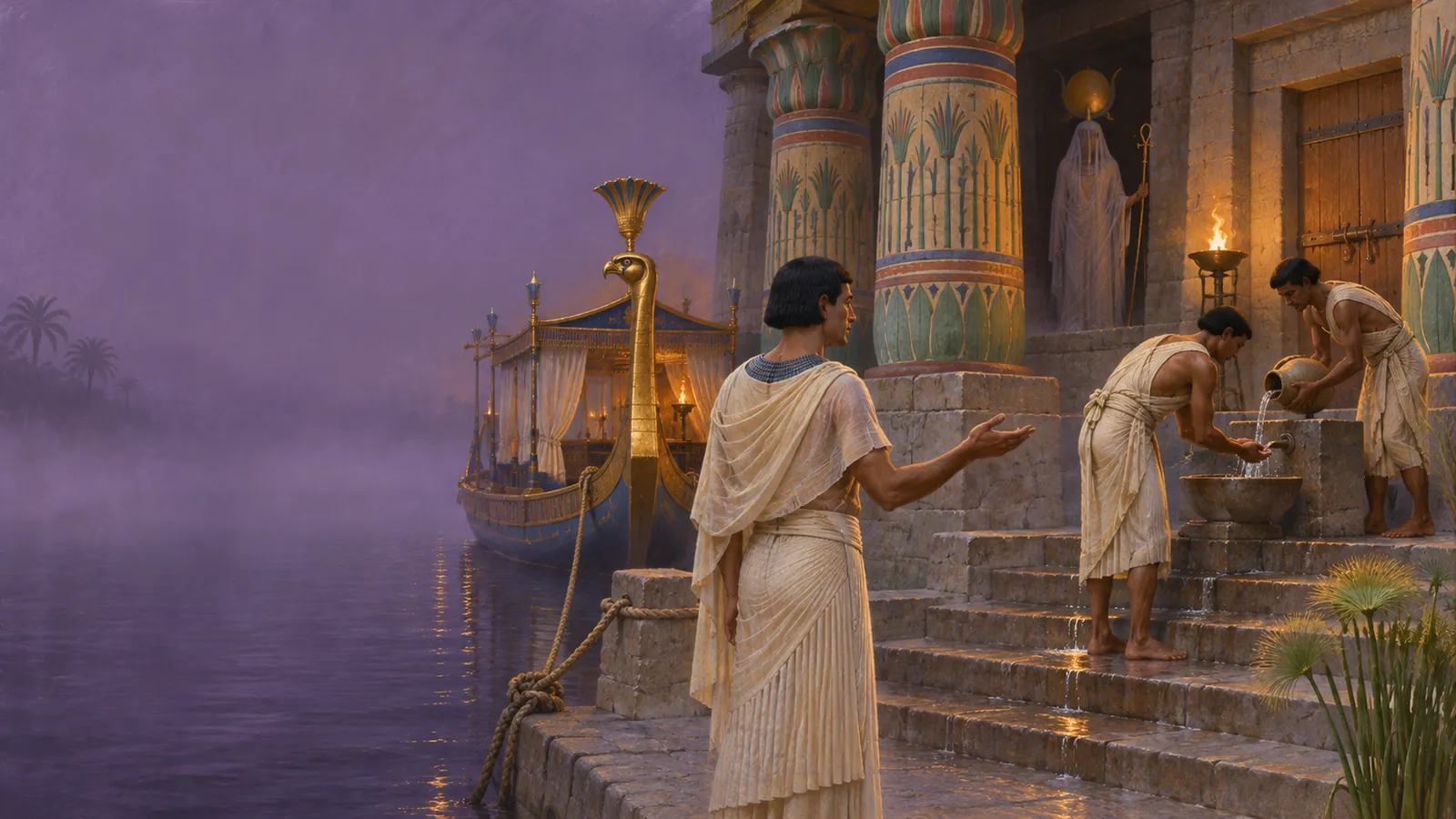
Fui purificado no tanque do Sul e descansei na cidade do Norte. No Campo dos Gafanhotos, os marinheiros de Rá banham-se na segunda hora da noite e na terceira hora do dia.
UM NOME
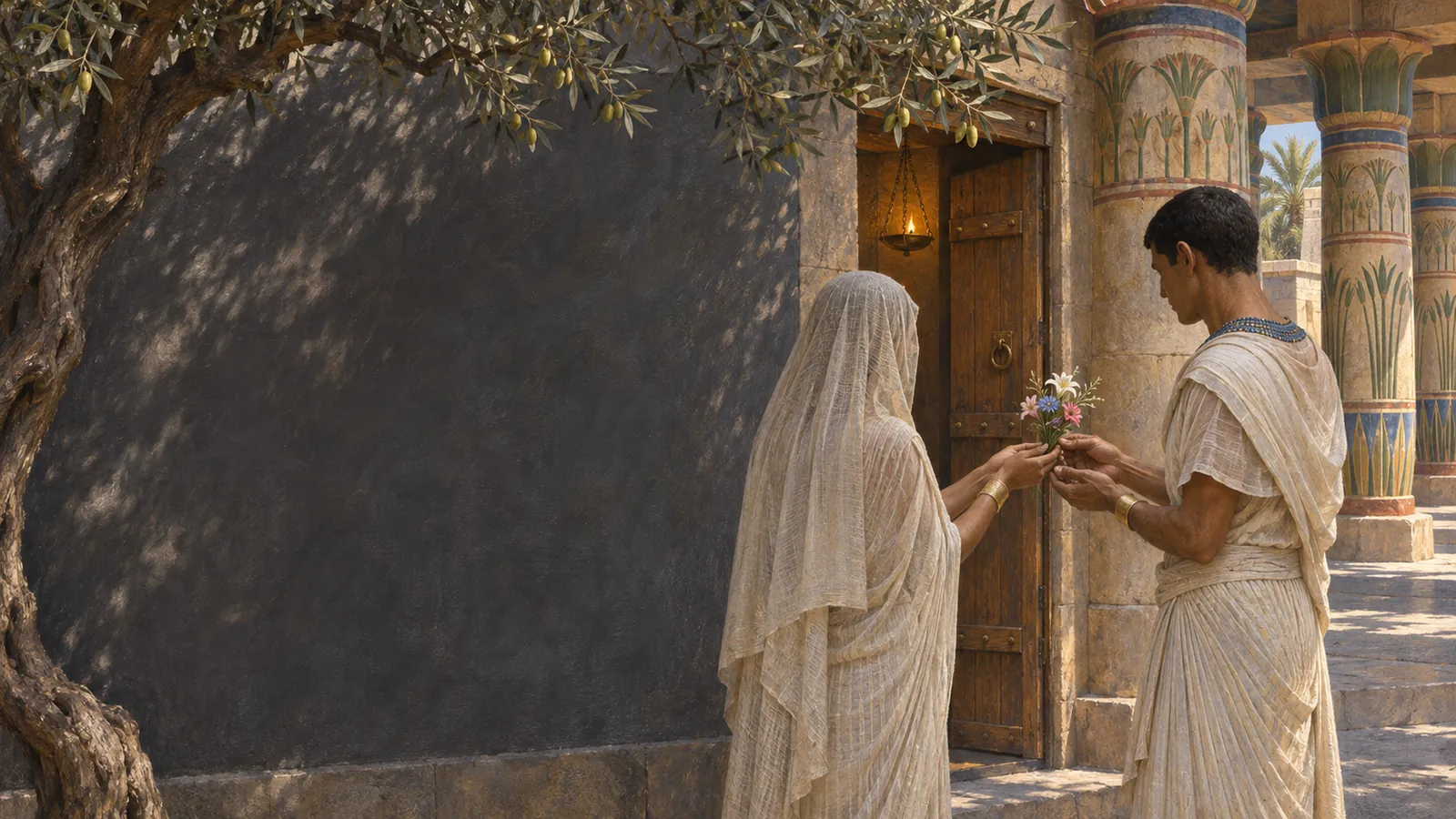
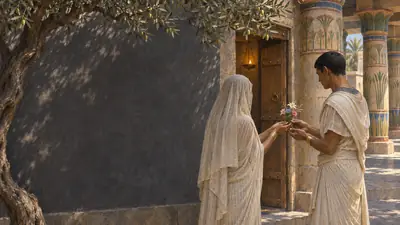
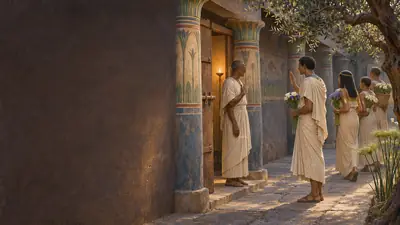
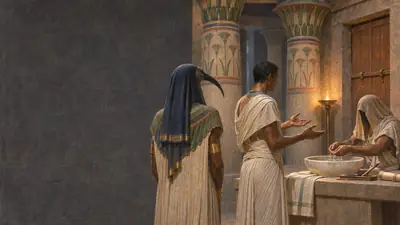
Gostaria que os deuses me perguntassem o meu nome. Responderia que sou Aquele a Quem Dão Flores e Aquele que Habita na Sua Oliveira. Que me digam então para passar.
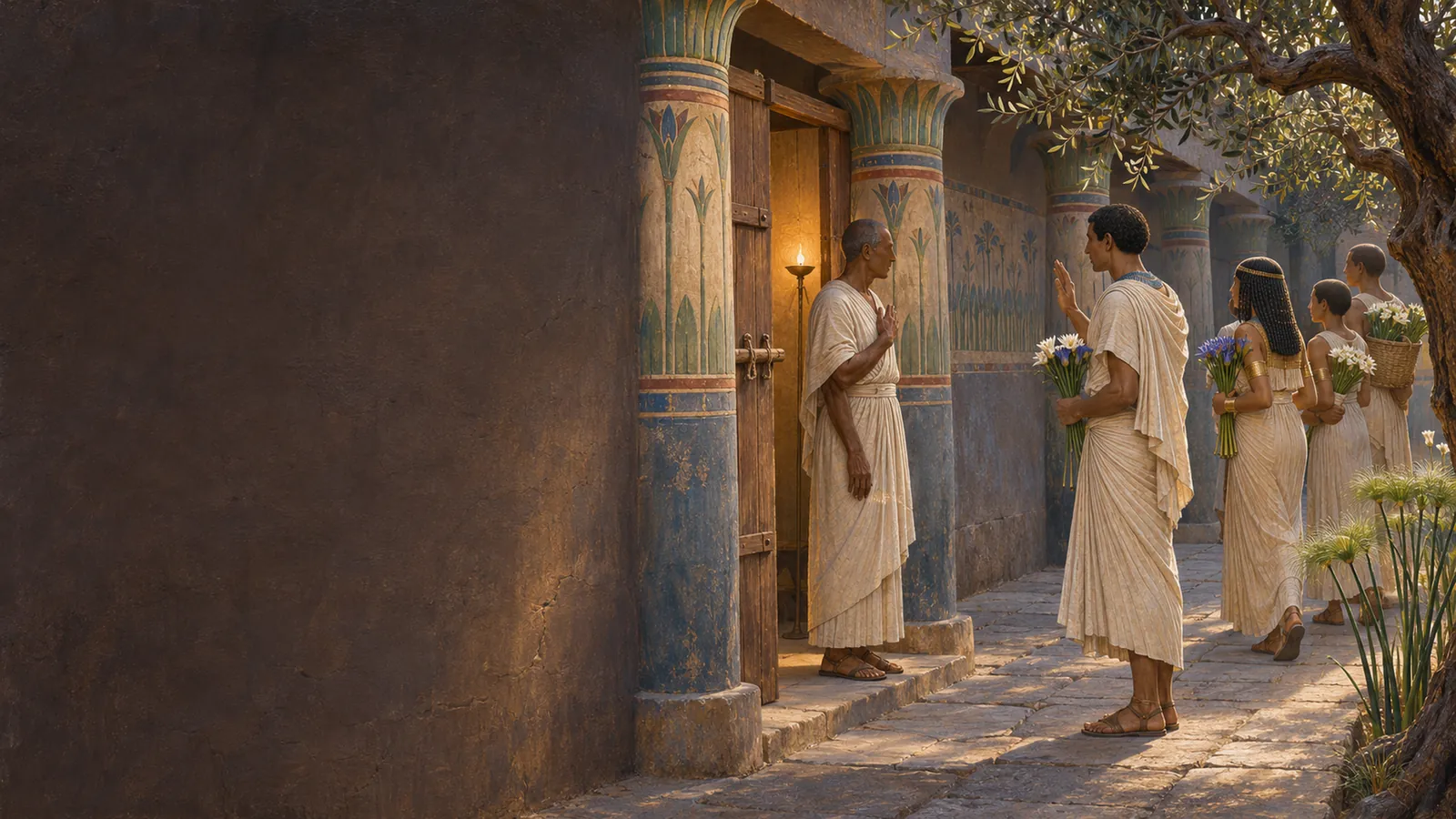
Seguiria para a cidade a norte da oliveira. Se me perguntassem o que lá veria, nomearia a Perna e a Coxa e pediria para ver a alegria na terra dos Fenkhu.
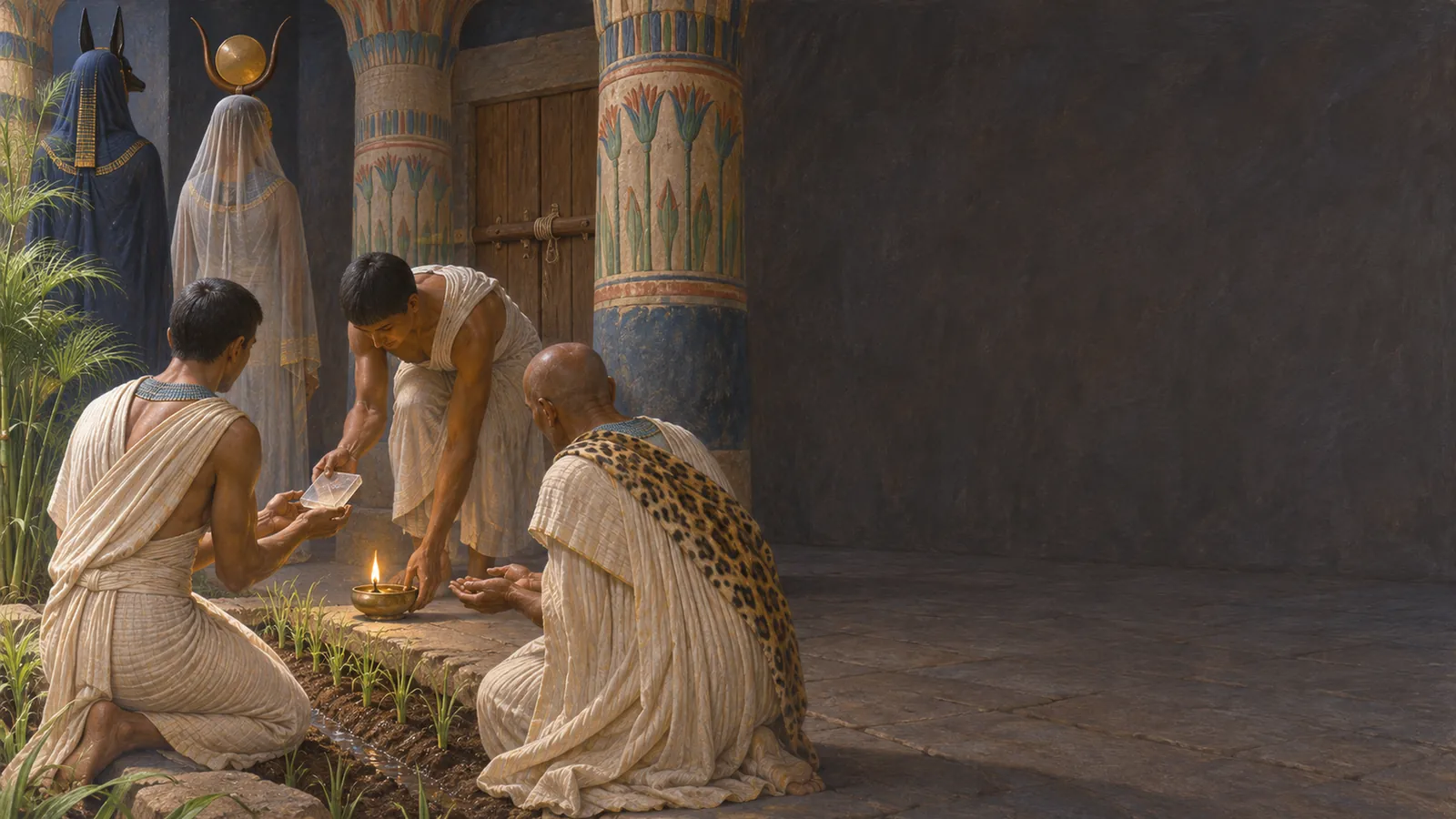
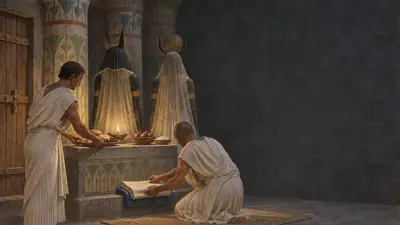
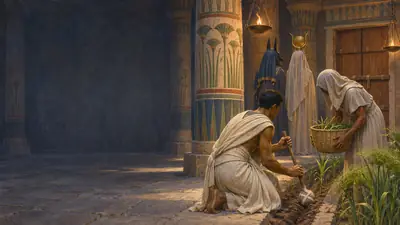
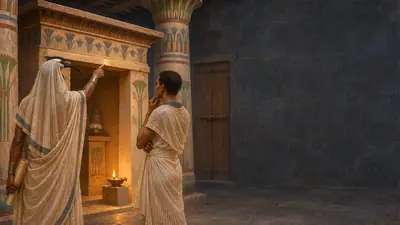
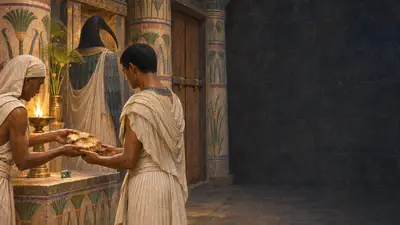
Dar-me-iam uma chama viva e uma tabuinha de cristal. Enterrá-las-ia junto do sulco de Maát como Coisas para a noite.
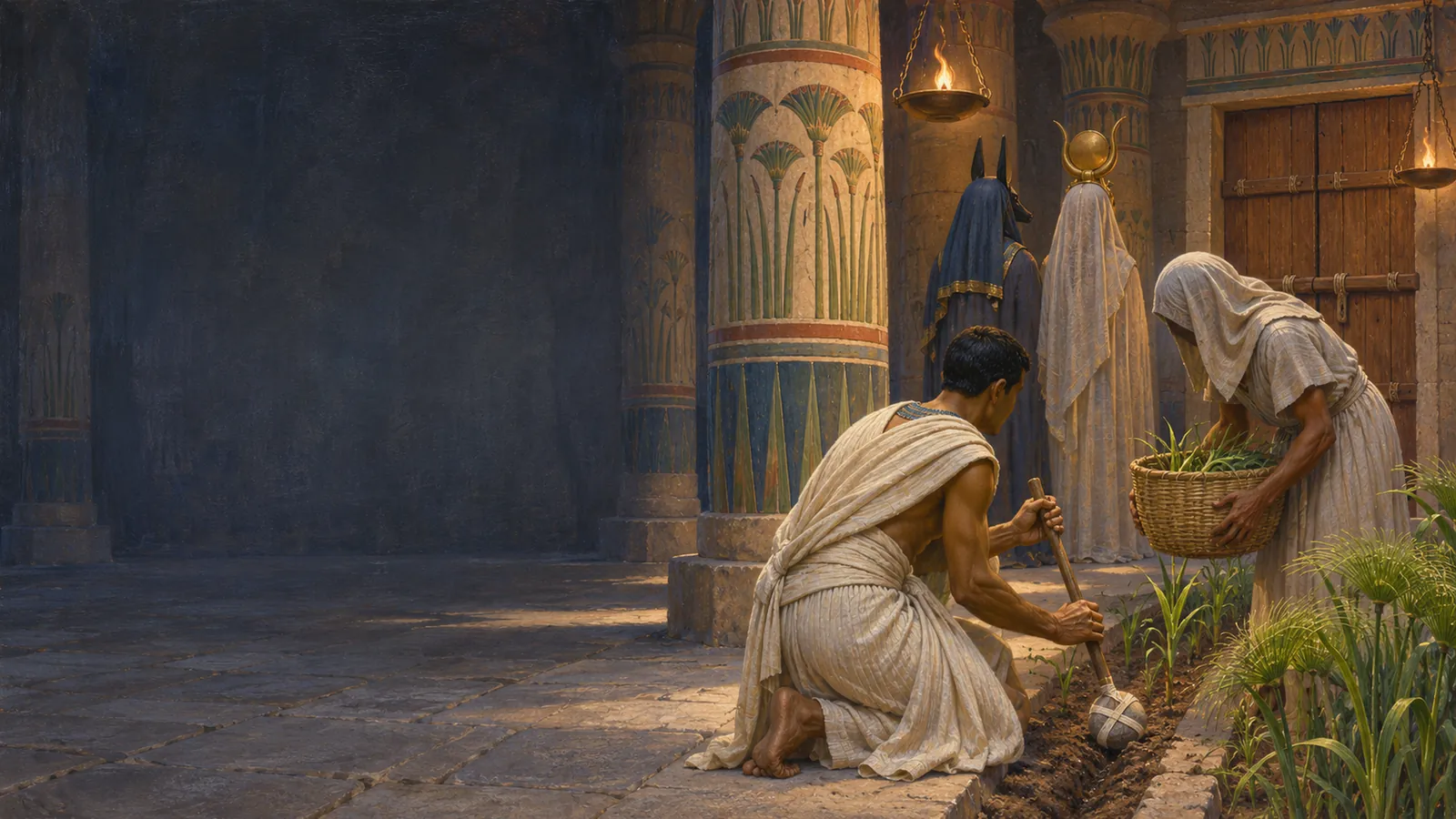
Se me perguntassem o que encontraria junto do sulco de Maát, nomearia um cetro de sílex chamado Dador de Ar.
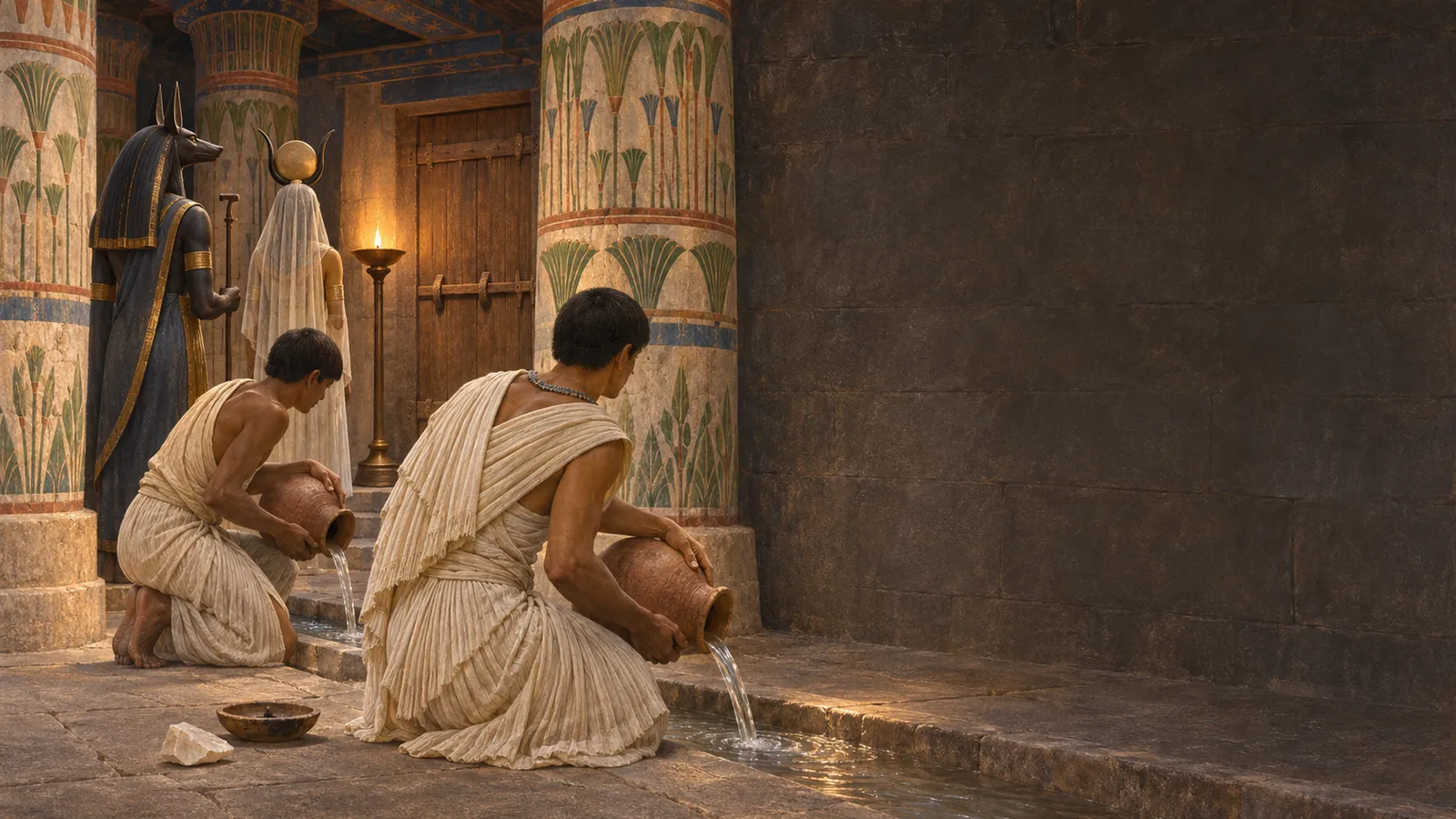
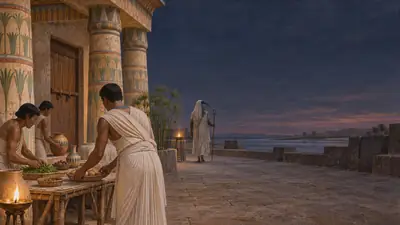
Depois de os enterrar, recitaria palavras sobre eles no sulco. Apagaria o fogo, partiria a tabuinha e faria uma poça de água.
A PORTA
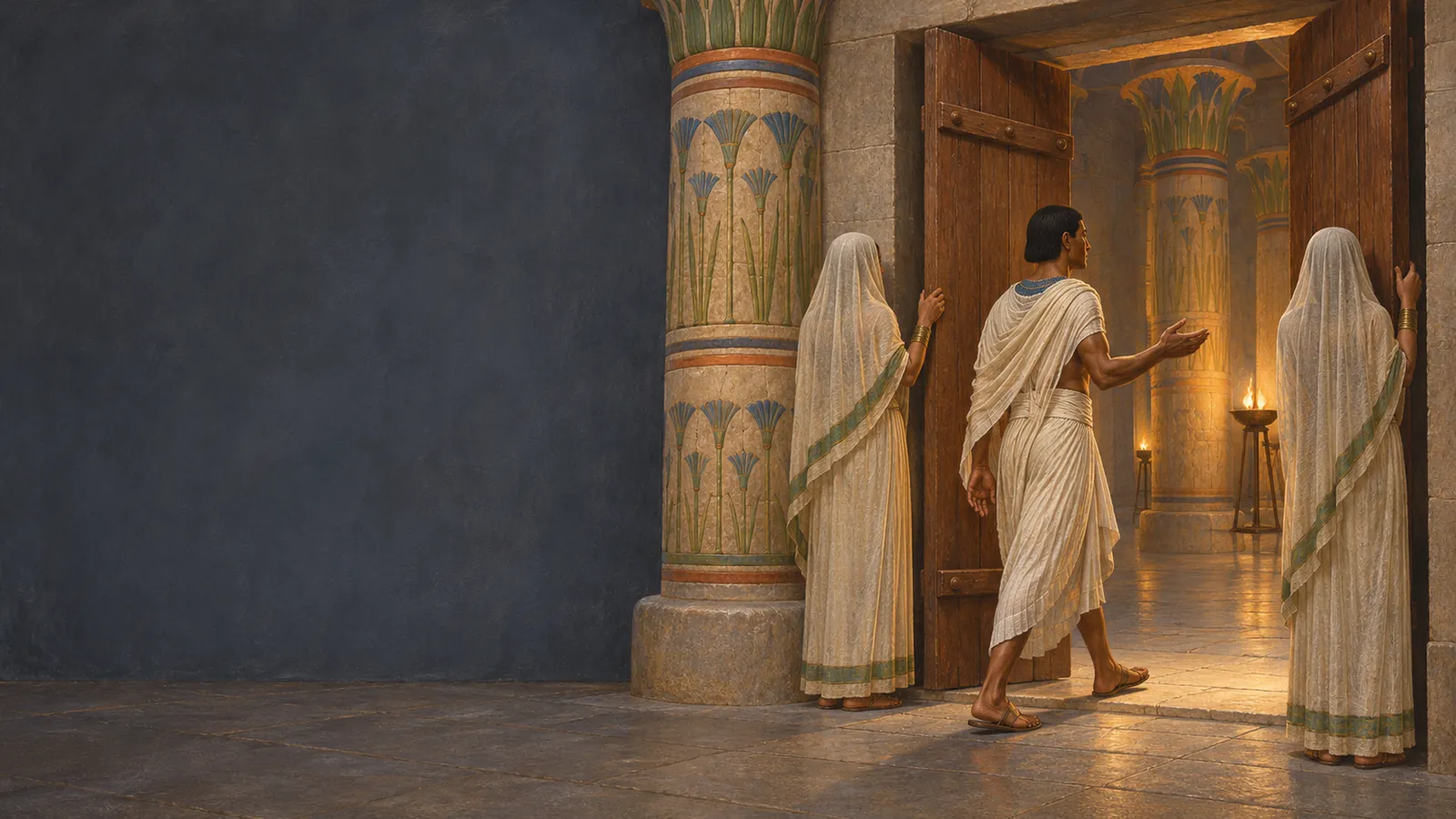
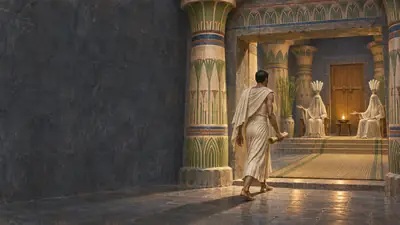
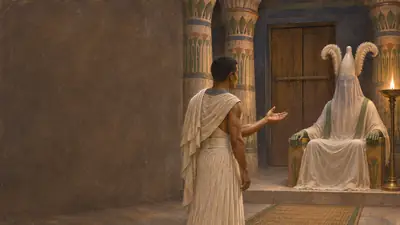
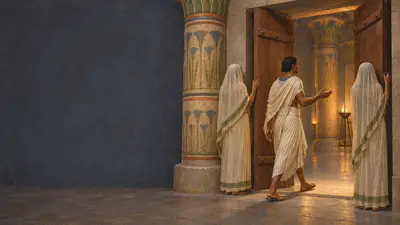
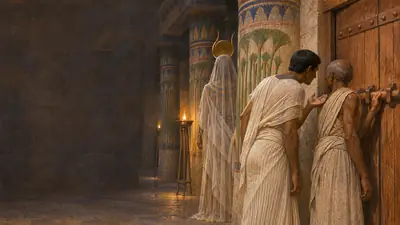
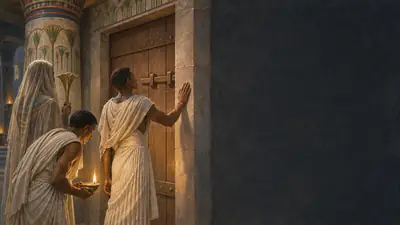
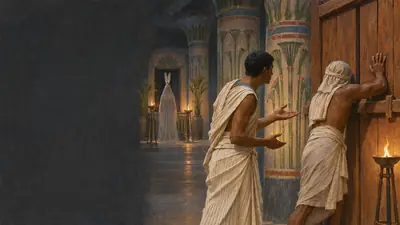
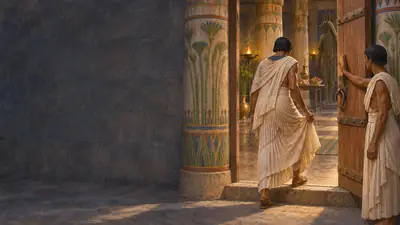
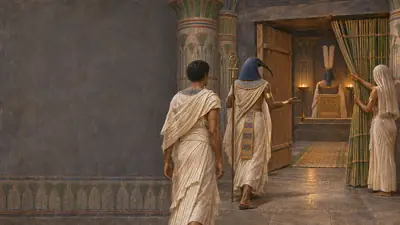
Que os deuses me convidem a entrar pela porta da sala das deusas Maati, pois conheço esses deuses. No diálogo que se segue, falam partes da sala.
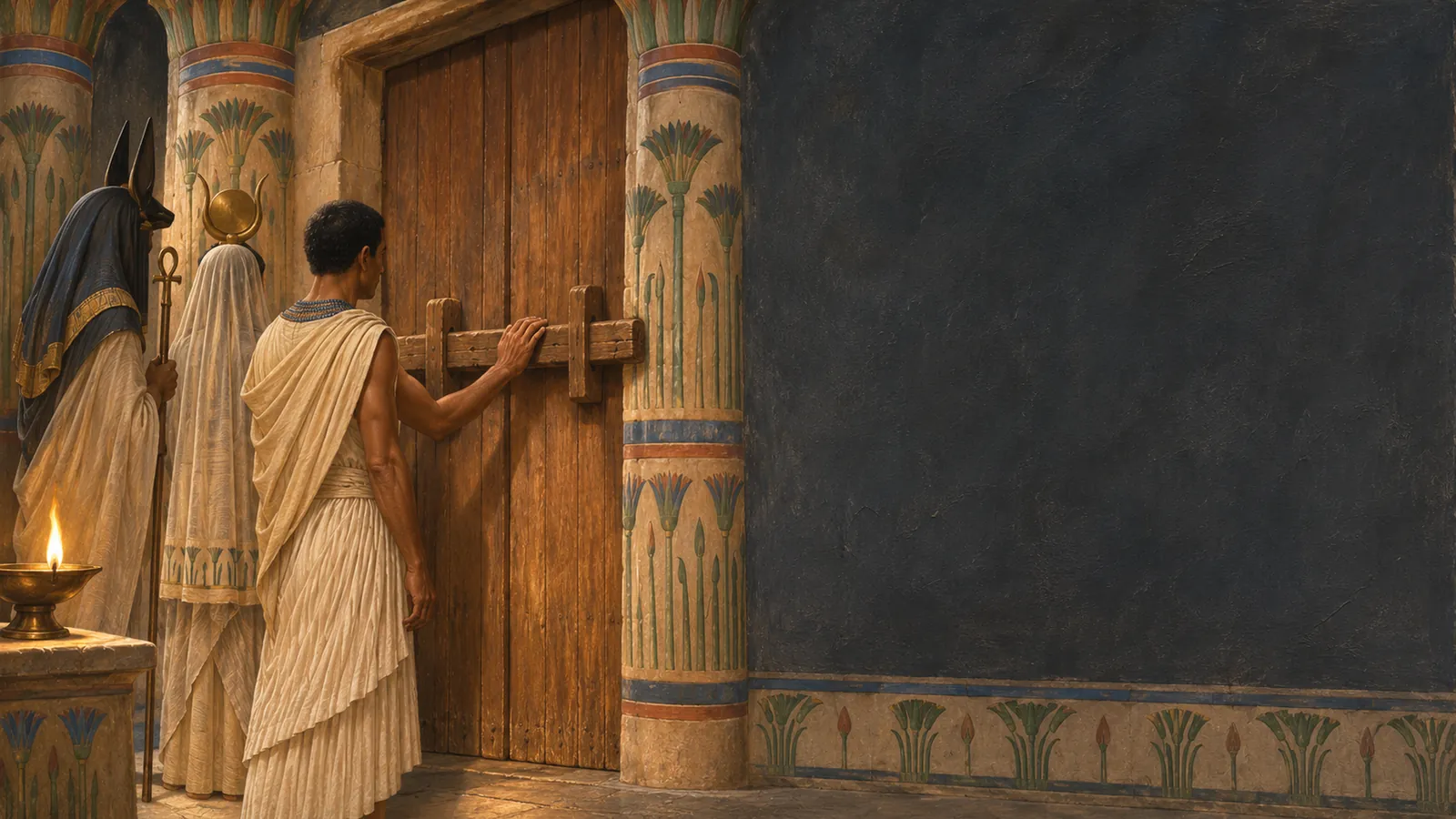
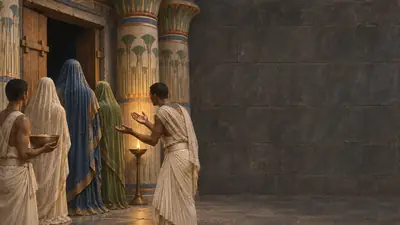
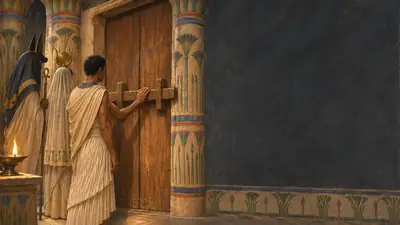
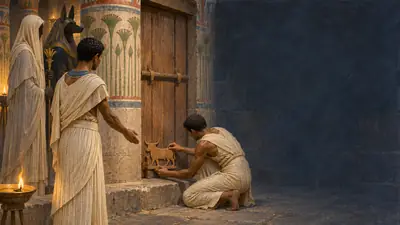
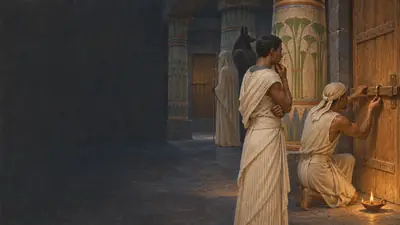
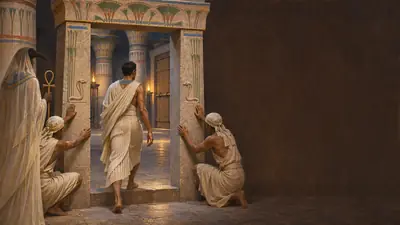
No diálogo, os ferrolhos da porta dizem ao falecido que só poderá passar se disser os seus nomes.
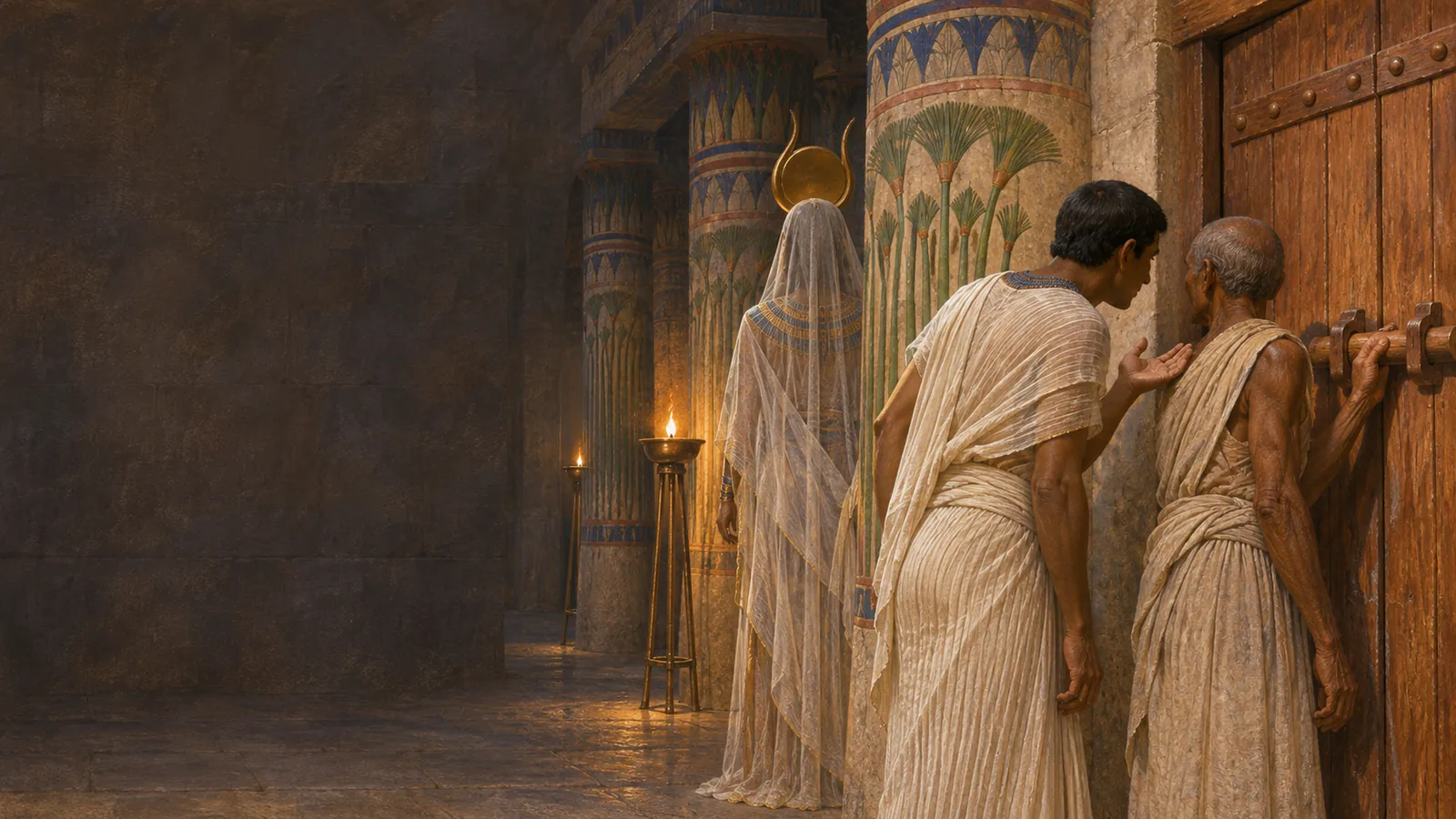
O falecido responde aos ferrolhos da porta. Dá-lhes o nome de Língua do Lugar da Retidão e da Verdade.
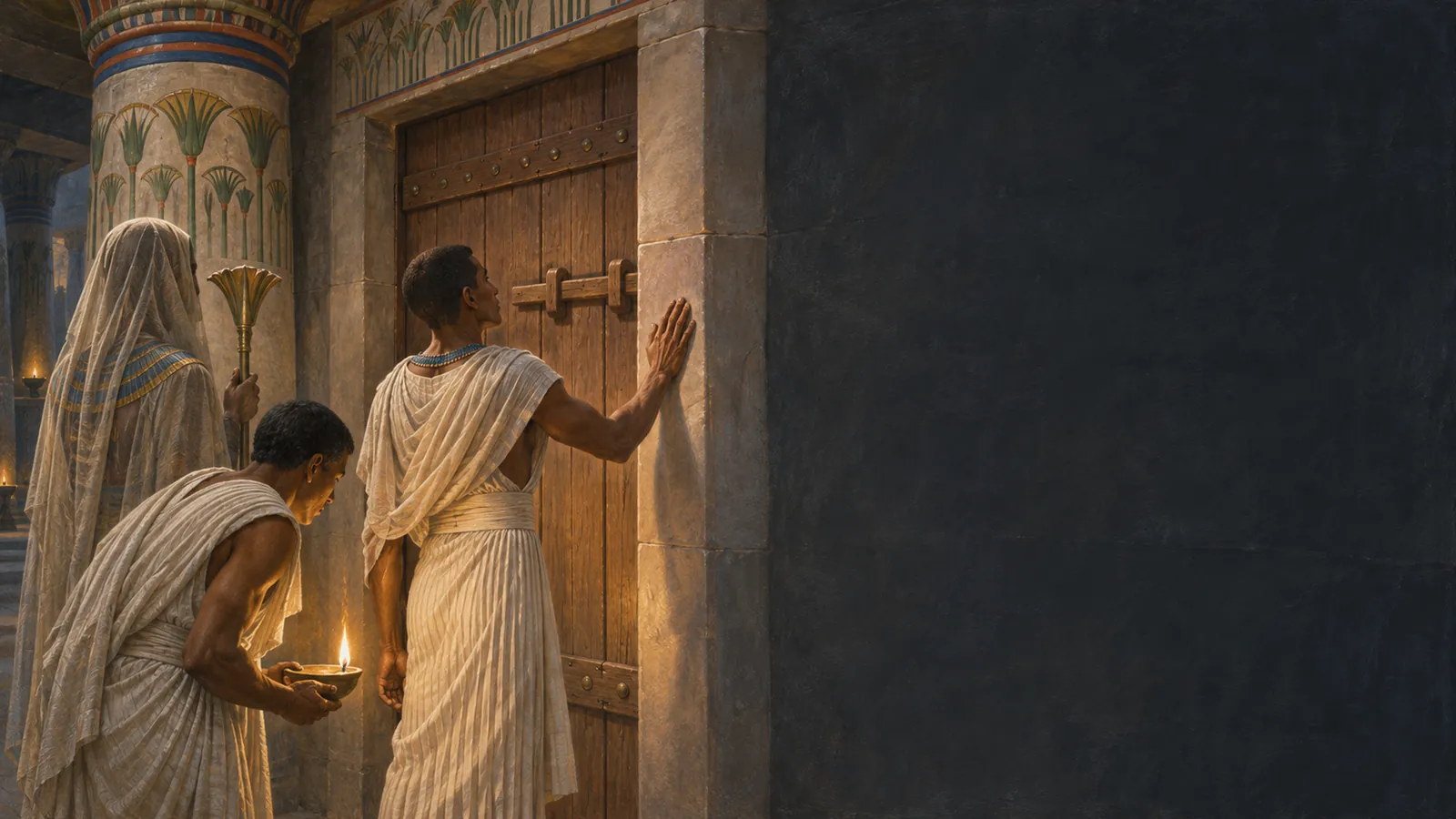
A seguir fala no diálogo a ombreira direita. Diz ao falecido que tem de dizer o seu nome antes de poder passar.
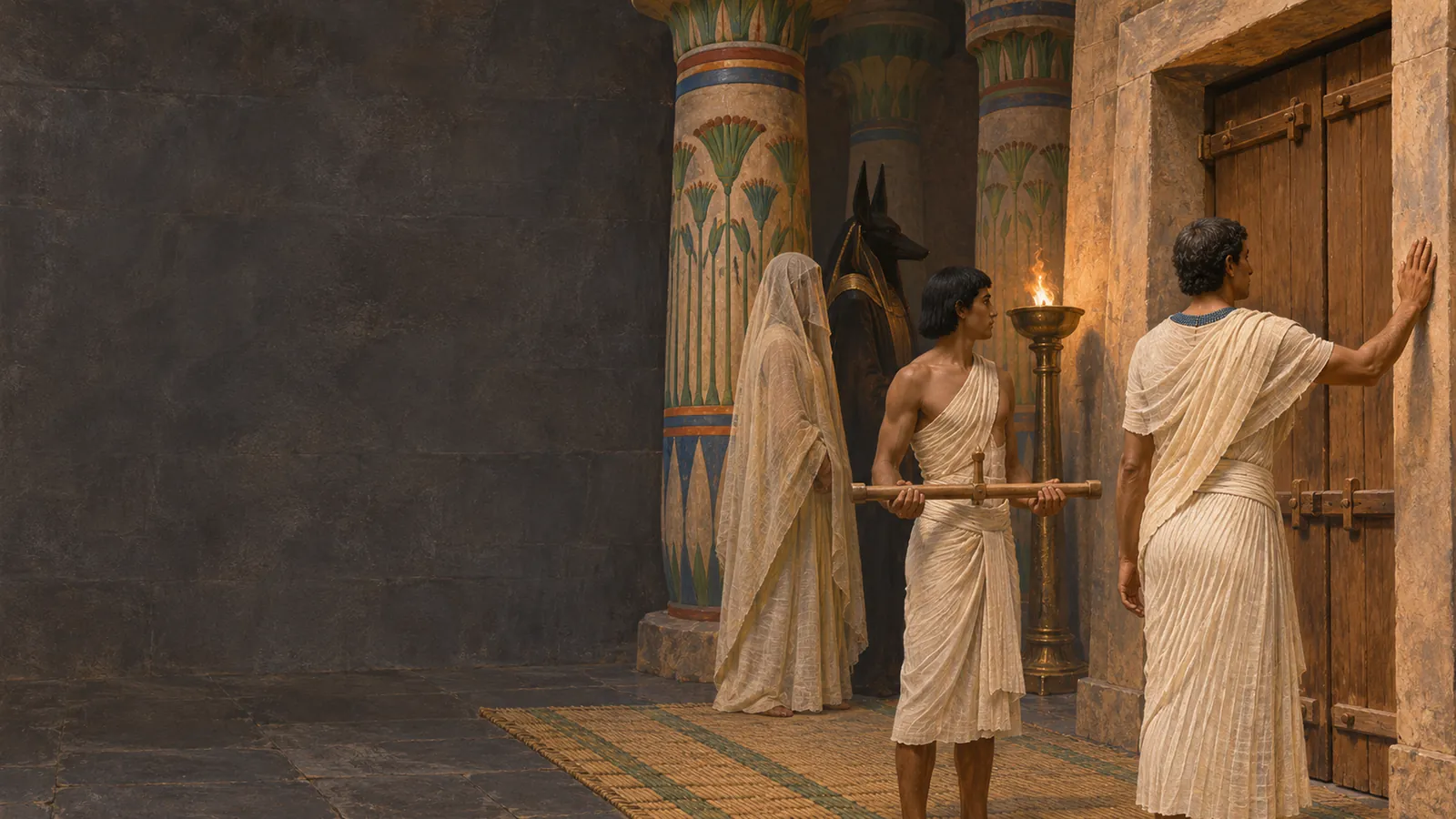
O falecido responde à ombreira direita e chama-lhe Balança Daquele que Eleva a Retidão e a Verdade.
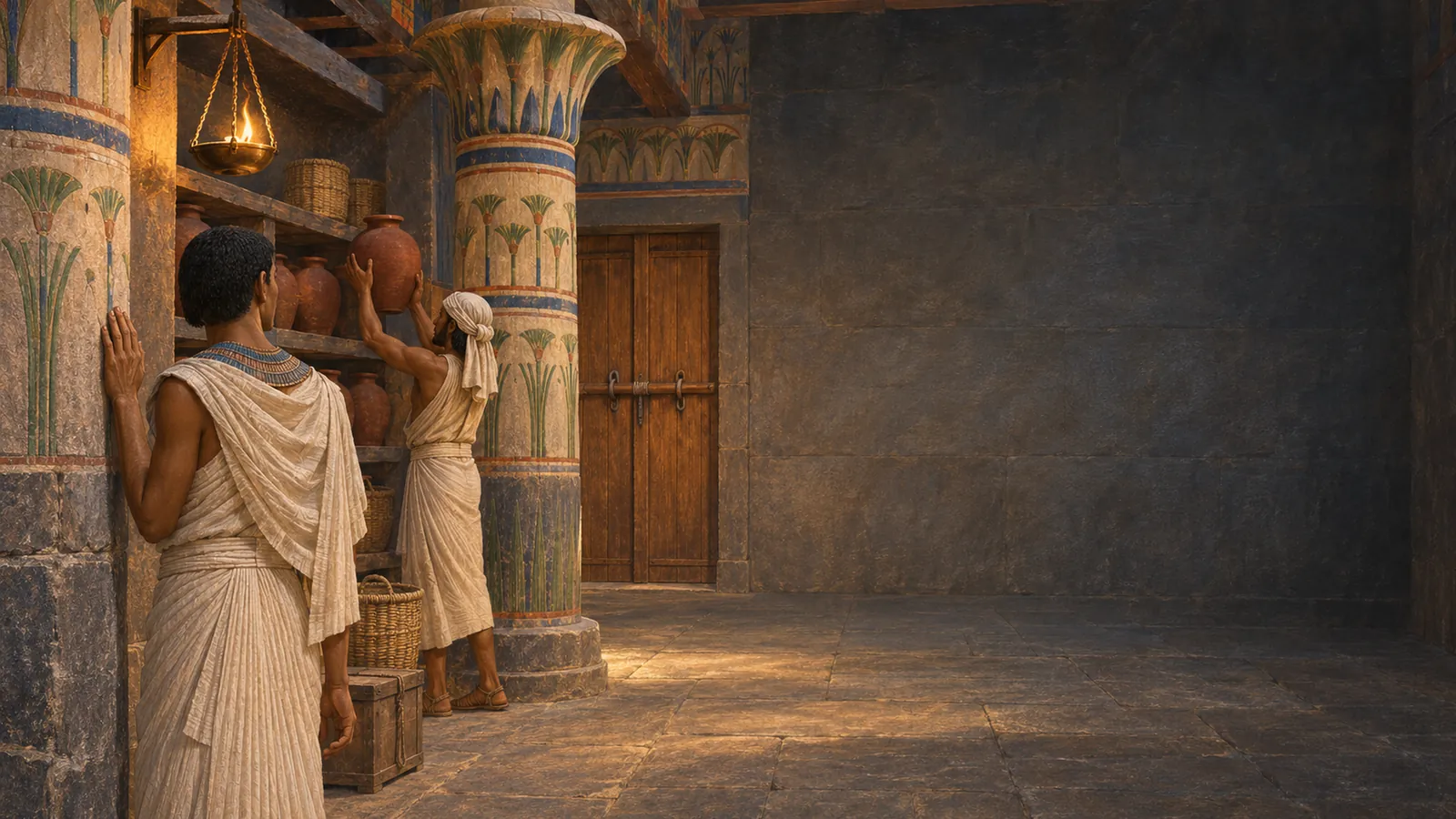
O montante esquerdo pede ao falecido que diga o seu nome antes de o deixar entrar. O falecido responde: «Balança do vinho.»
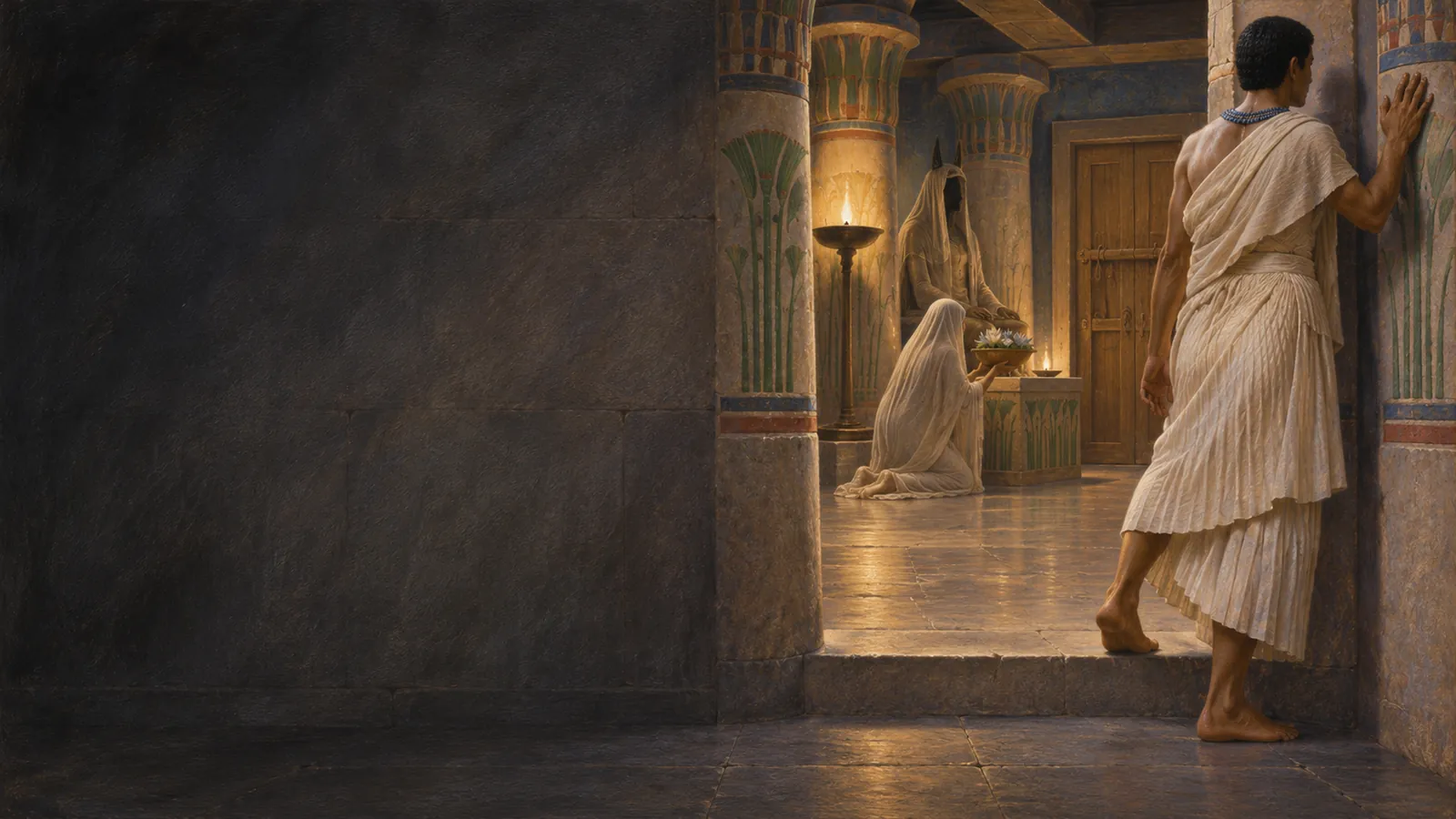
«Não te deixarei passar sobre mim até me dizeres o meu nome», diz o limiar ao falecido.
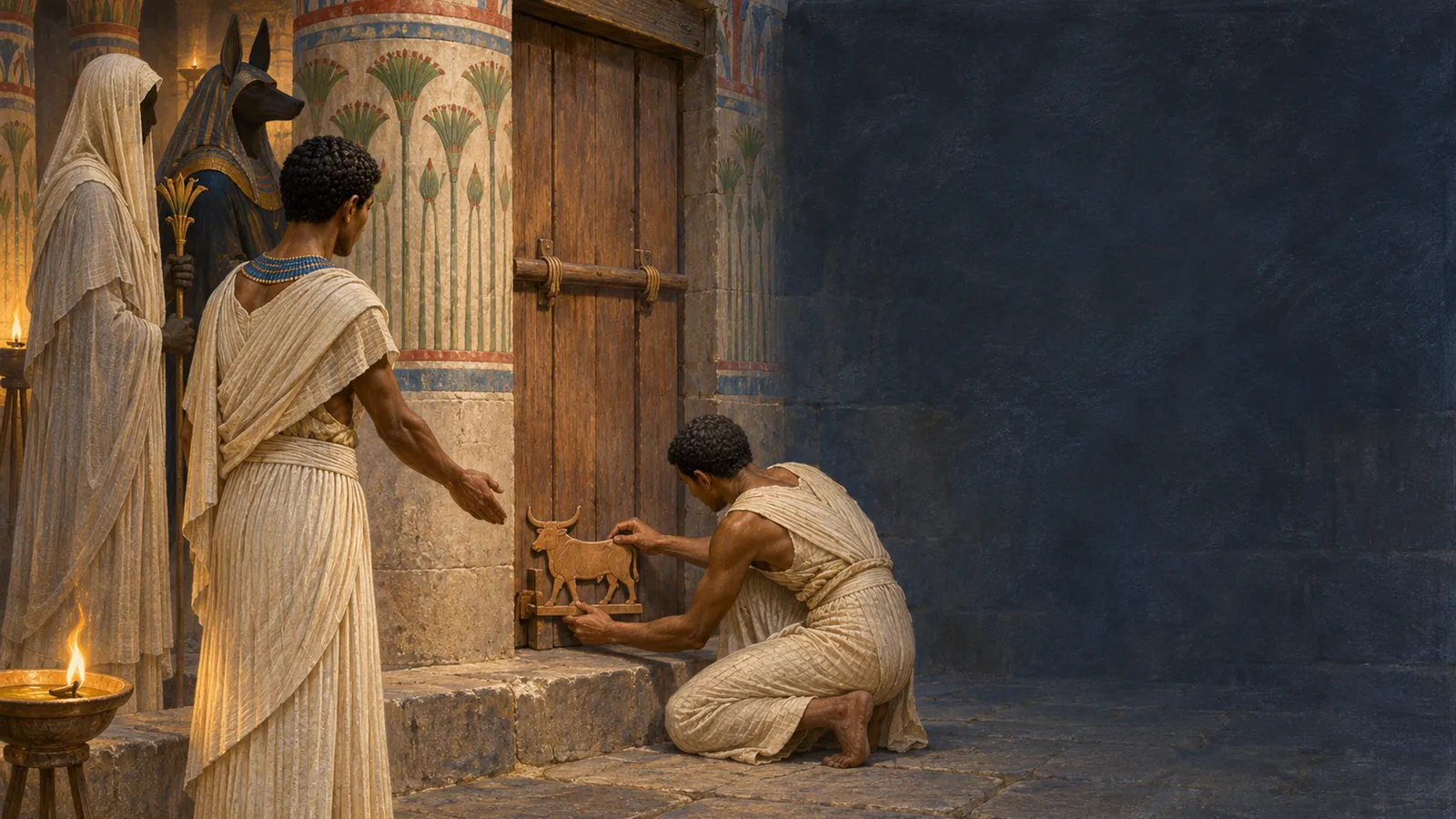
O limiar aguarda o seu nome. O falecido diz-lhe: «O teu nome é Boi do Deus Seb.»
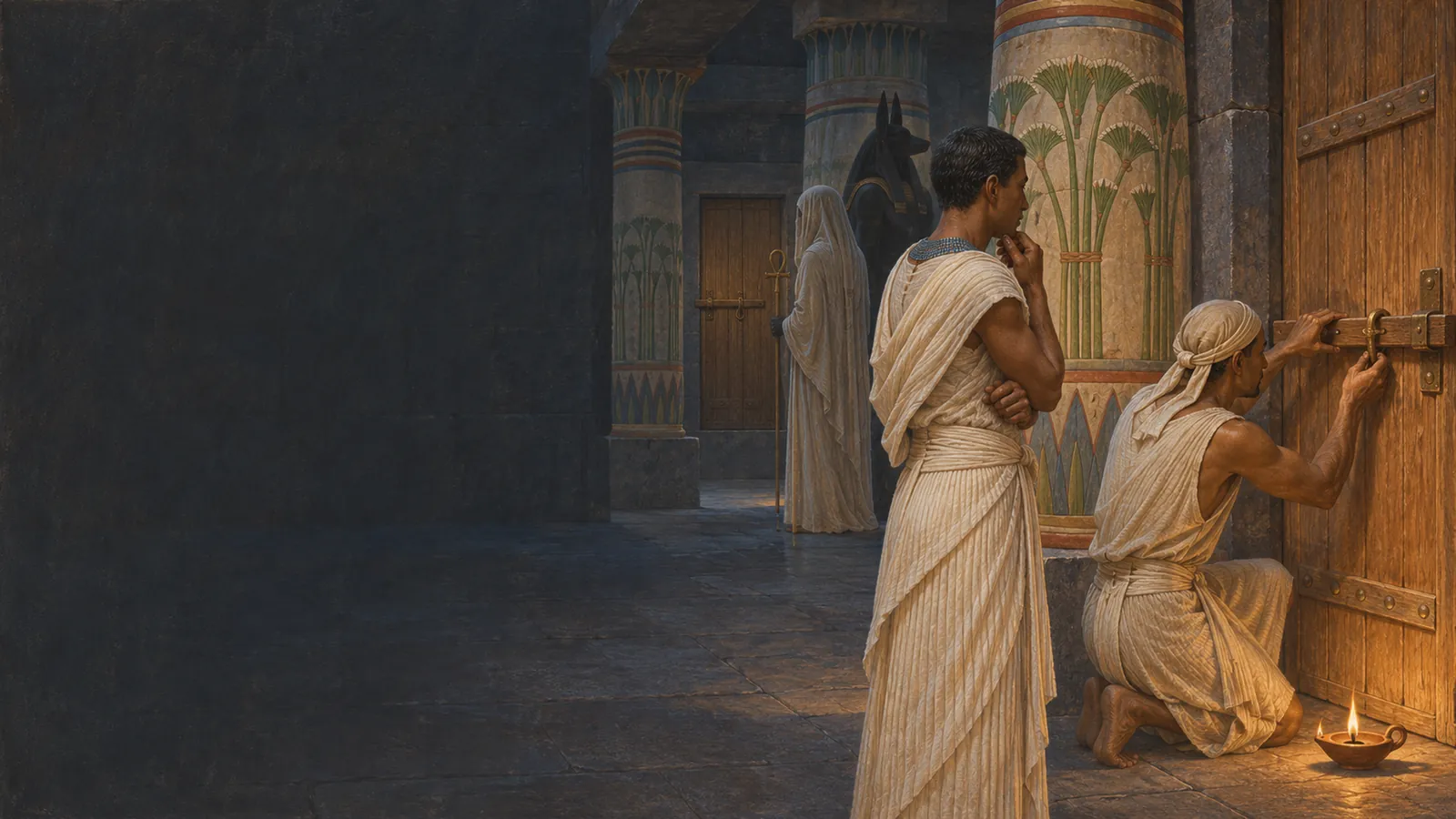
O fecho diz que só abrirá quando o falecido lhe disser o seu nome. O falecido responde: «Osso da perna da sua mãe.»
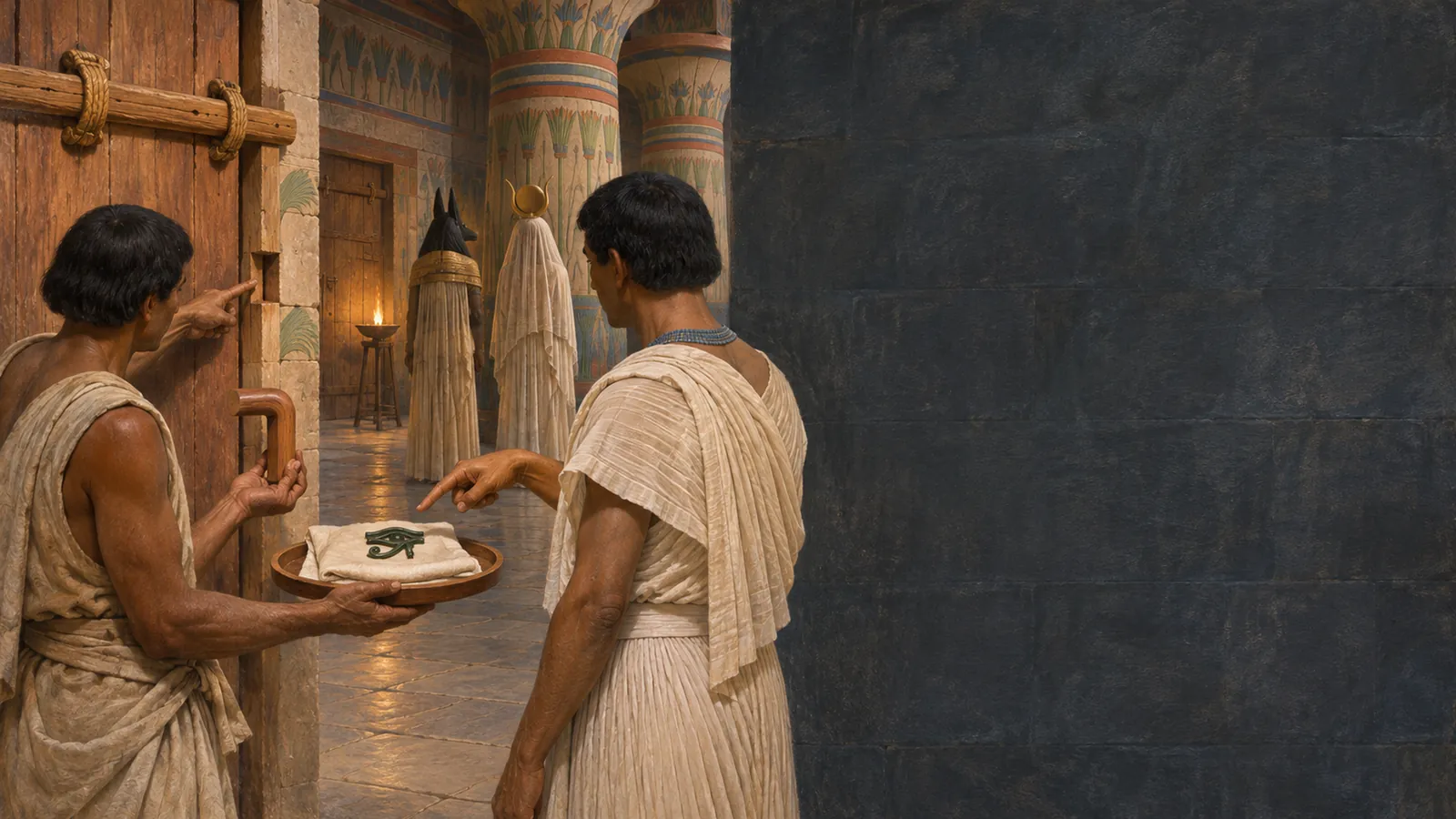
A cavidade diz que não se abrirá sem ouvir o próprio nome. O falecido chama-lhe Olho Vivo de Sobek, senhor de Bakhau.
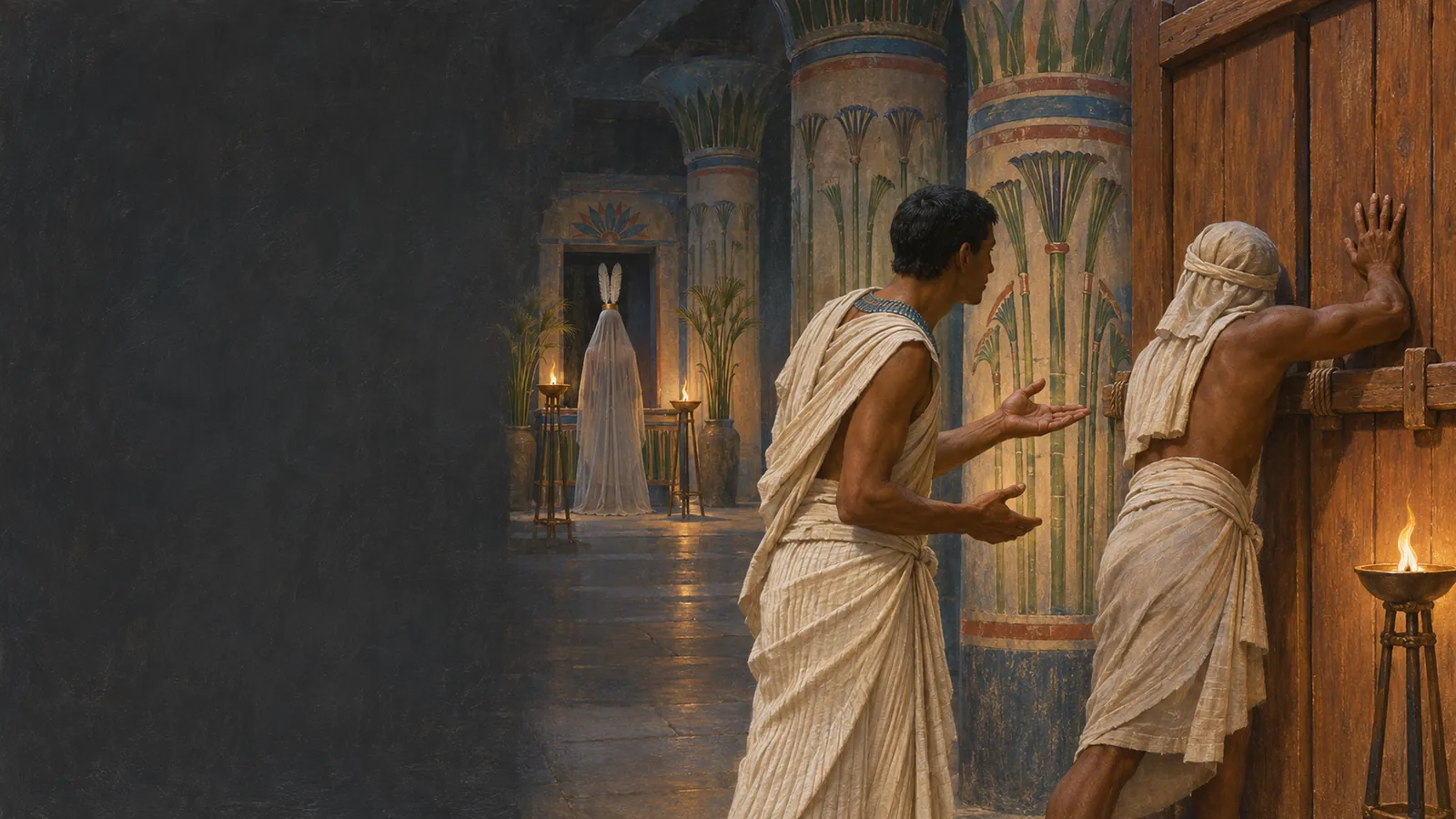
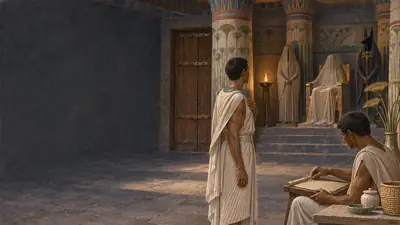
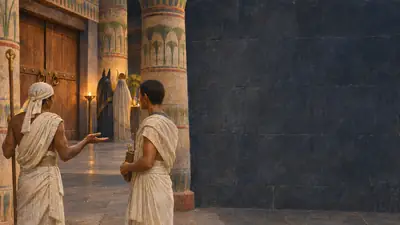
Também o porteiro pede o seu nome antes de abrir. O falecido chama-lhe o Cotovelo de Shu quando ele se coloca para proteger Osíris.
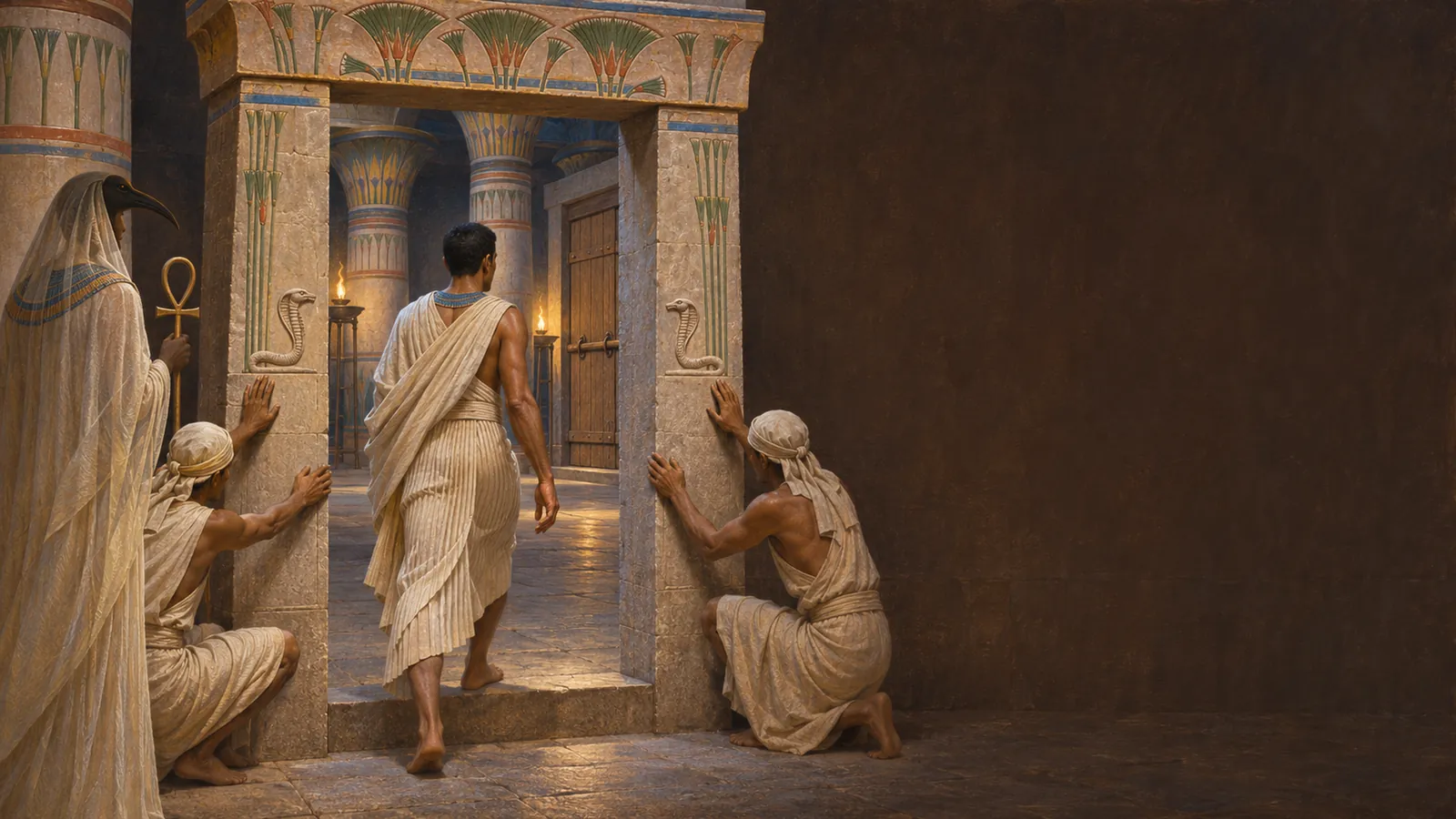
Os montantes laterais falam juntos e perguntam como se chamam. O falecido chama-lhes Filhos das Deusas-Cobra. Reconhecidos pelo nome, dizem-lhe que passe.
O CHÃO
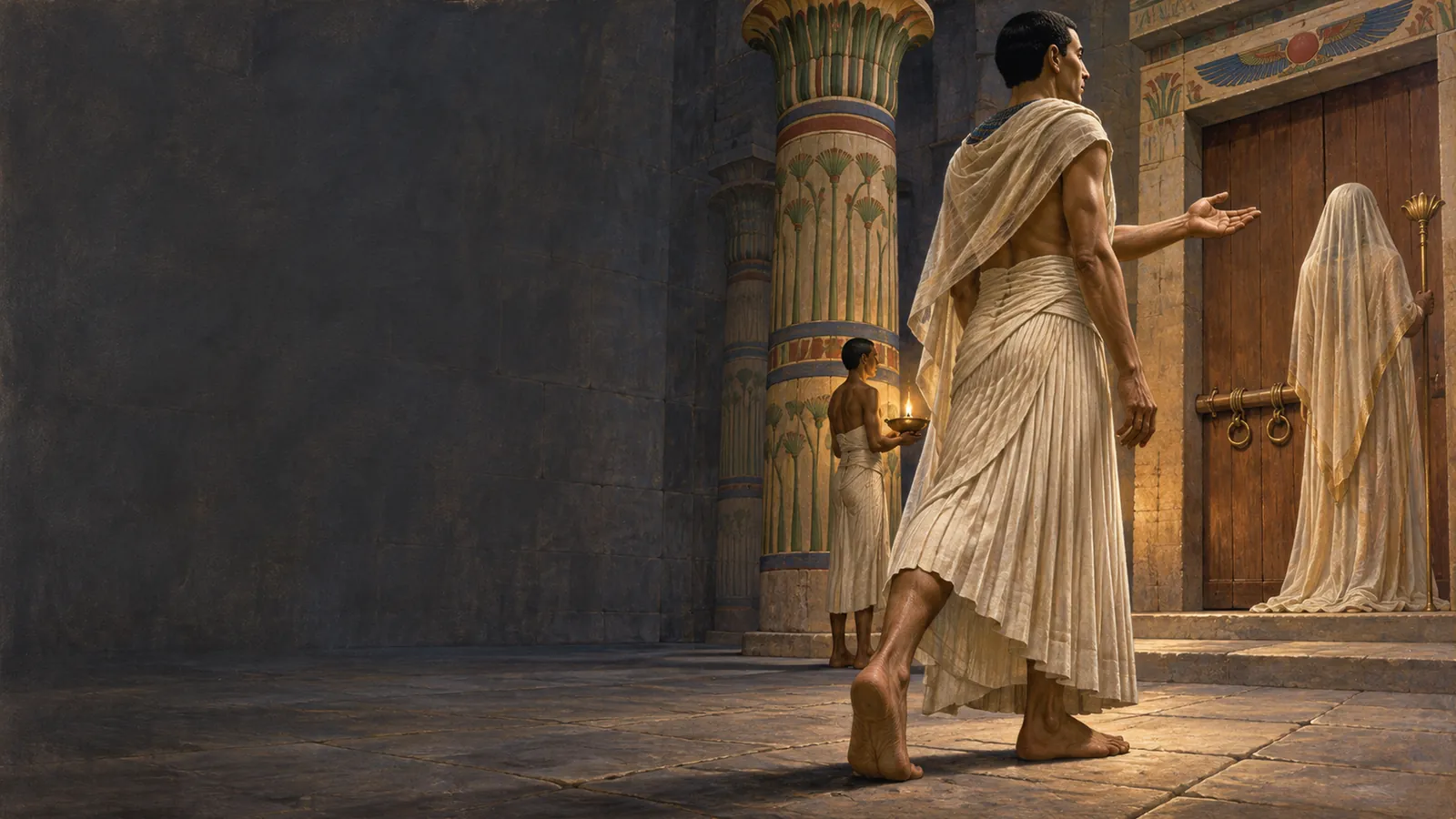
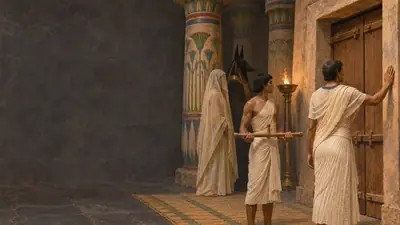
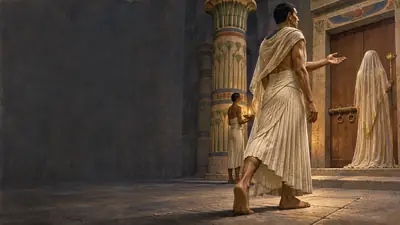
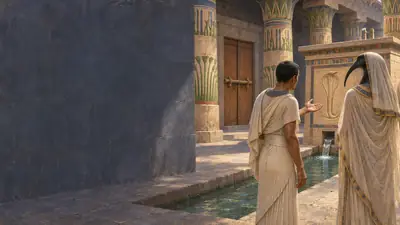
O chão diz que é silencioso e sagrado. Não deixará o falecido pisá-lo enquanto ele não disser o nome de cada pé.
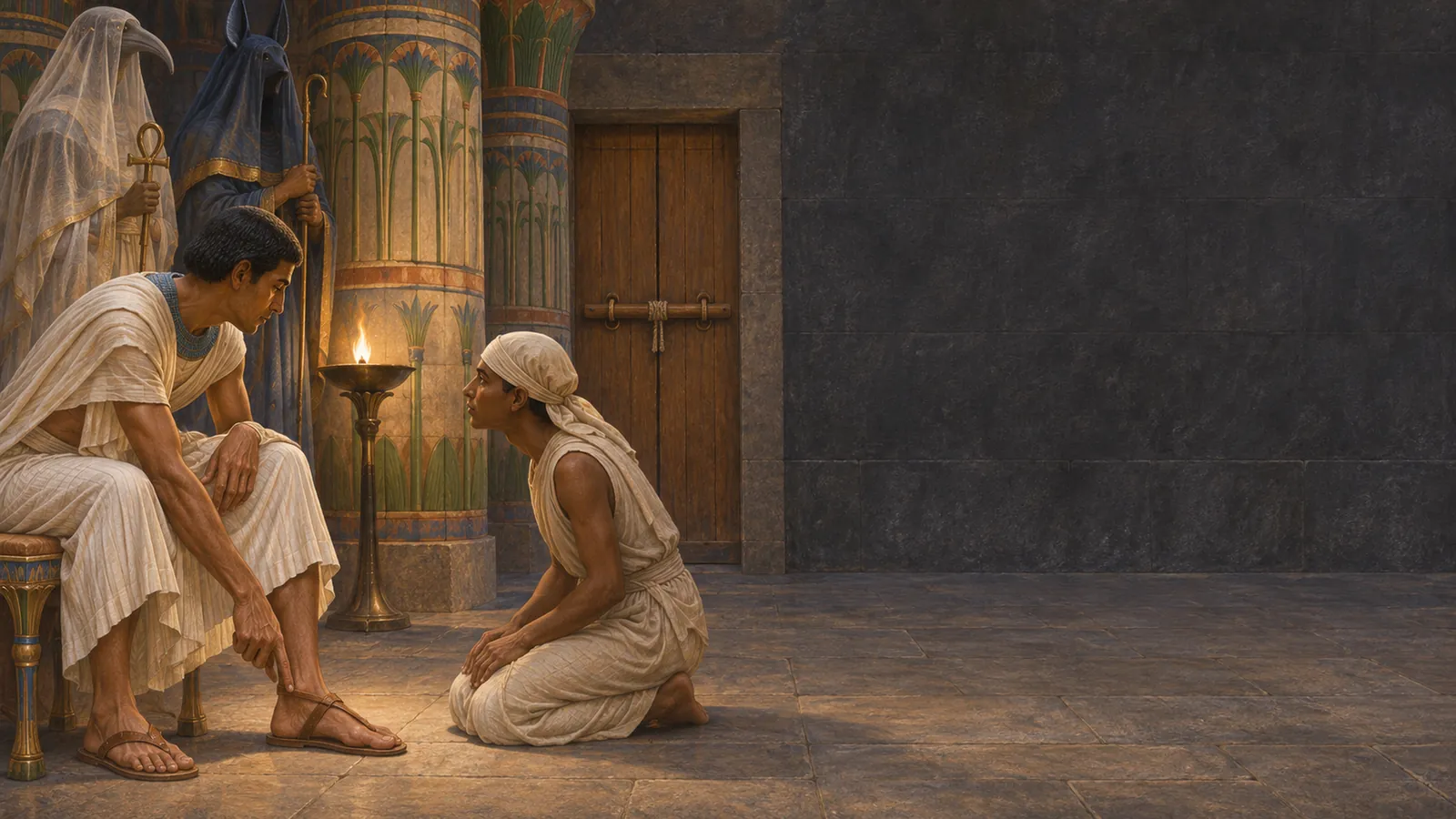
O falecido dá dois nomes ao chão. Chama ao pé direito Viajante do Deus Khas e ao pé esquerdo Bastão da Deusa Hator.
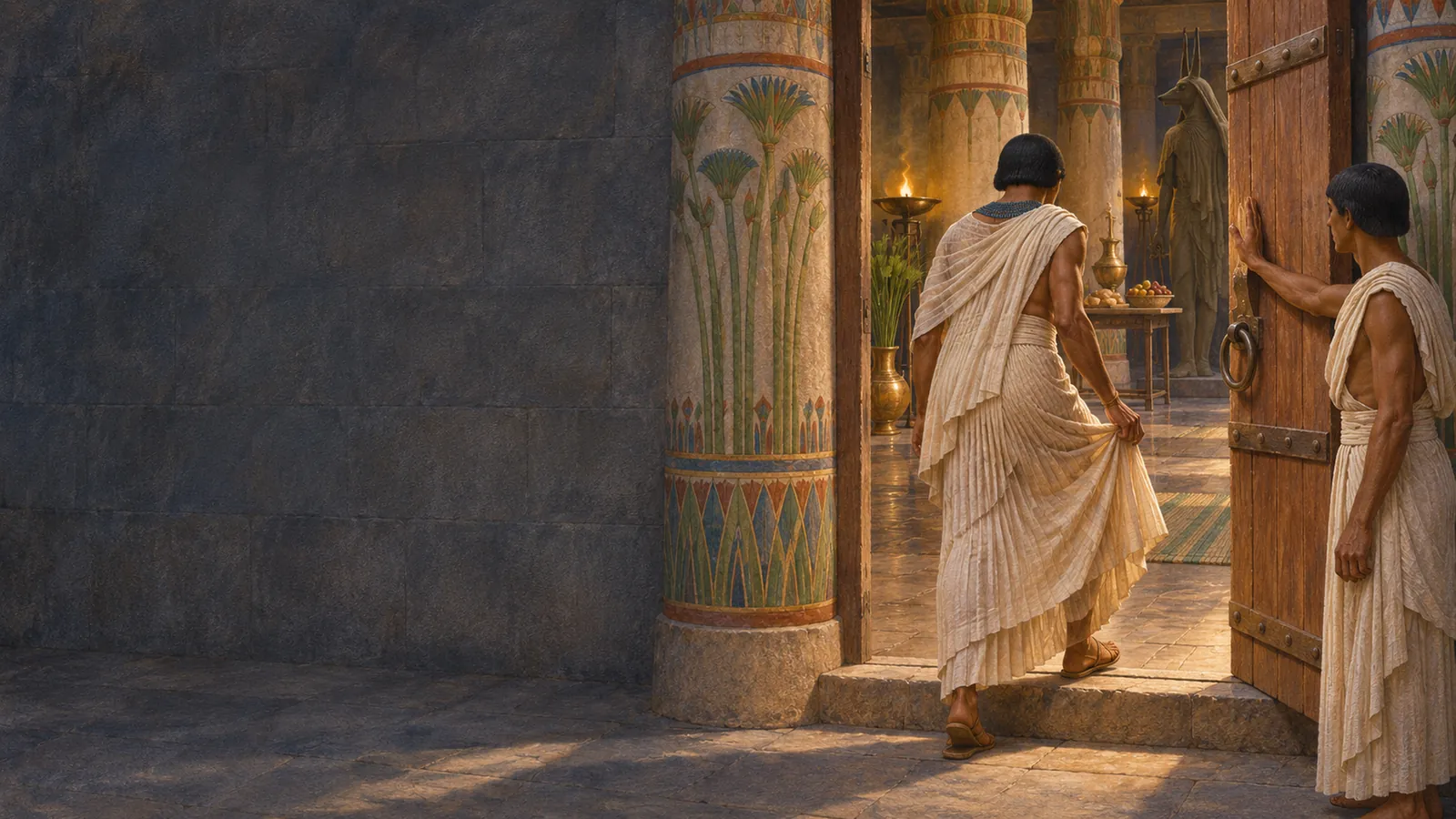
O chão ouviu os dois nomes. Responde ao falecido: «Tu conheces-me. Passa, pois, sobre mim.»
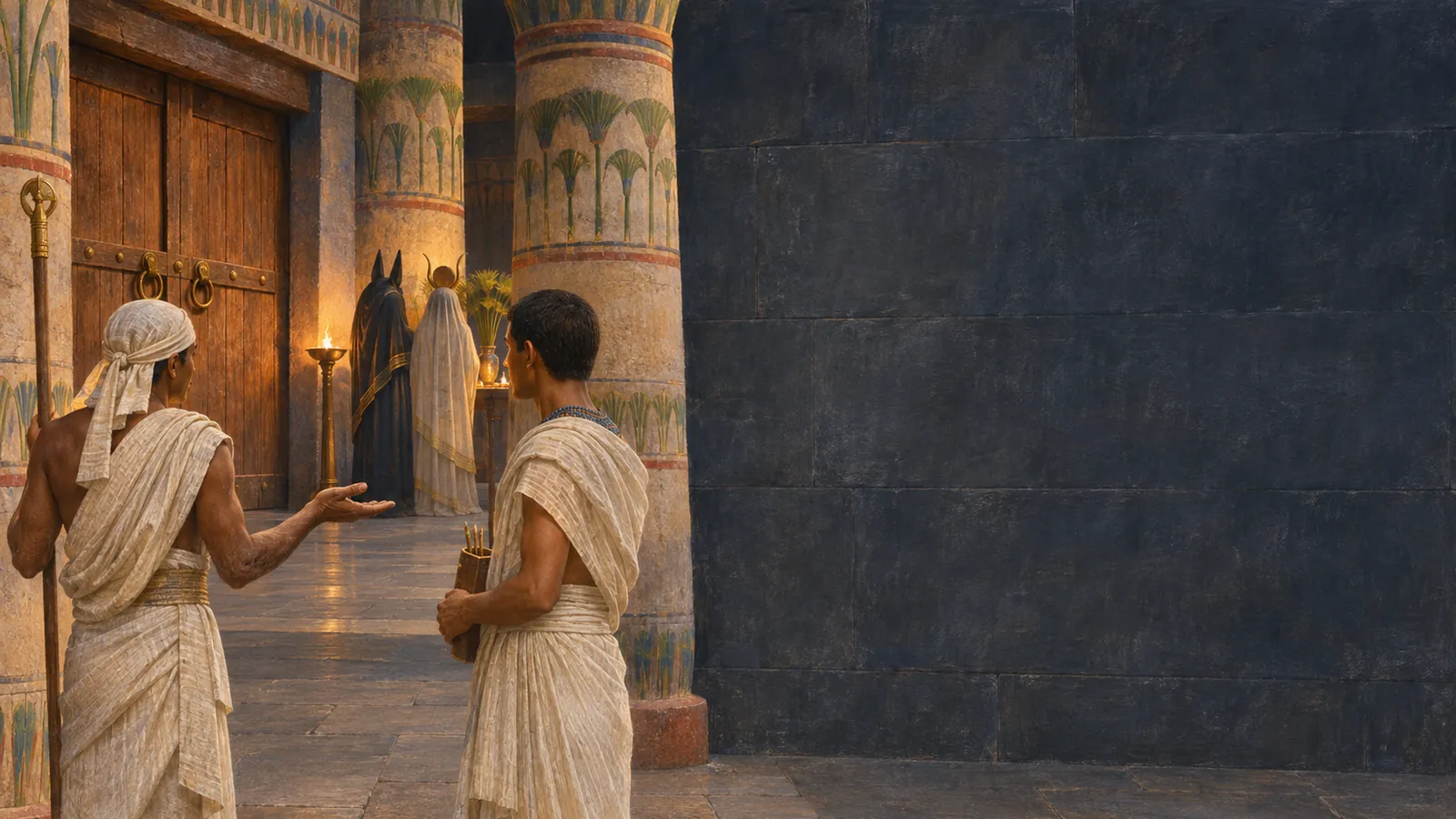
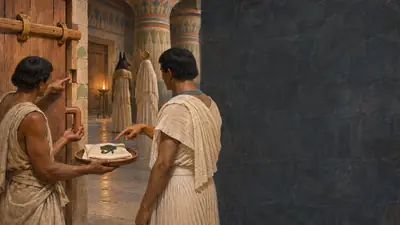
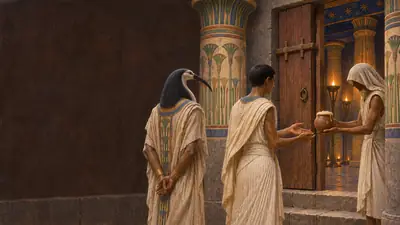
«Não receberei o teu nome até me dizeres o meu», diz o porteiro. «Tu discernes os corações e sondas as entranhas», responde o falecido.
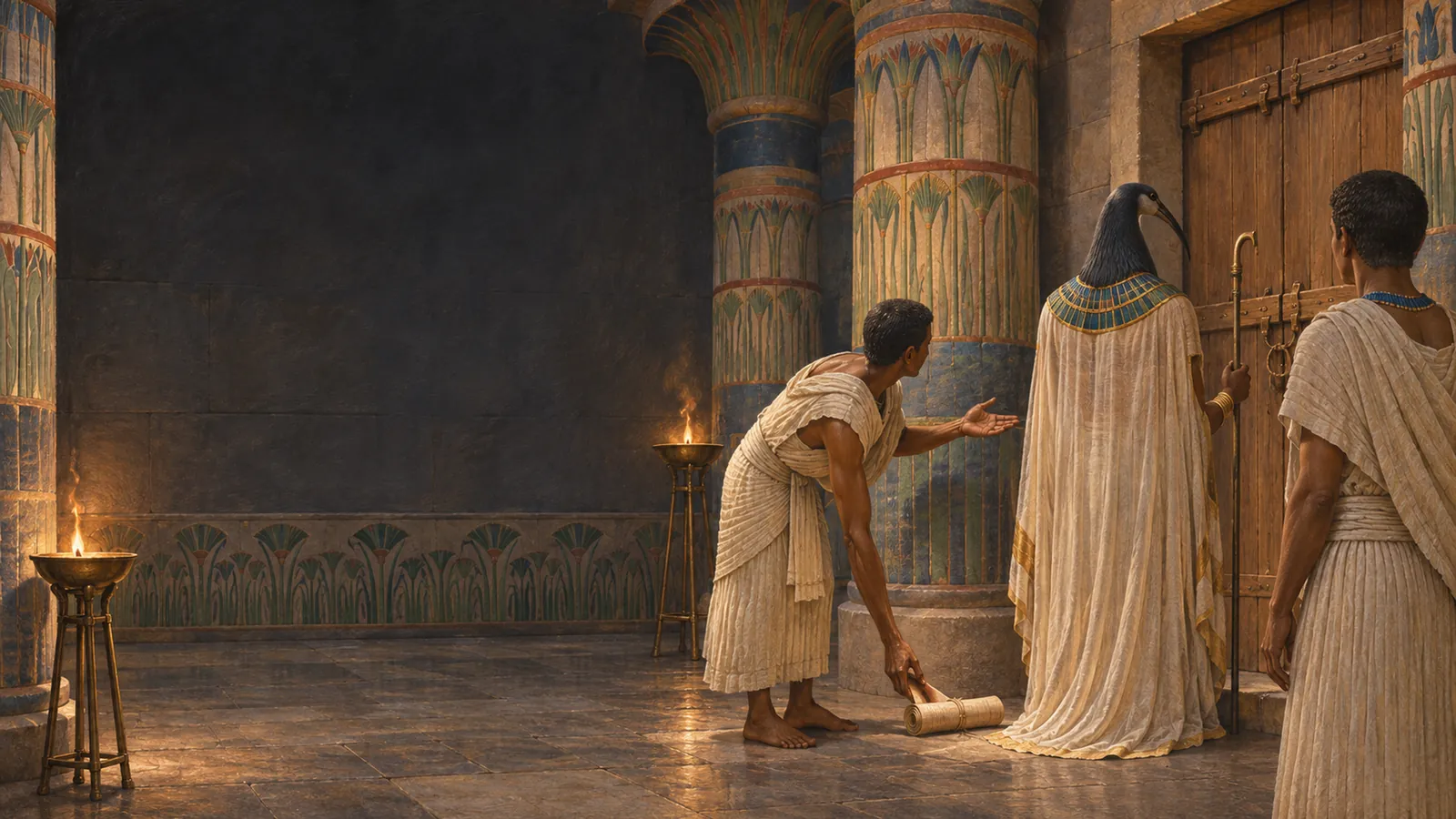
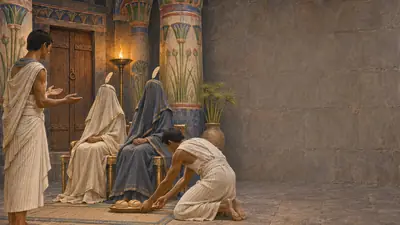
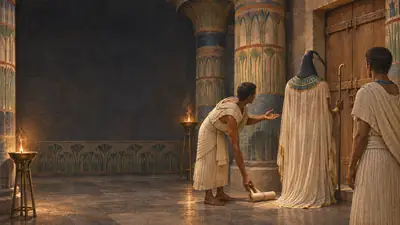
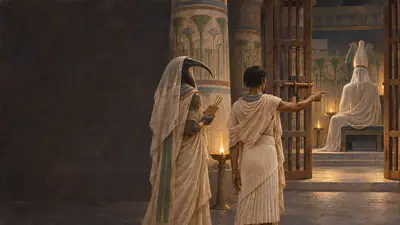
O porteiro pergunta qual deus habita na sua hora. O falecido responde: «Māau-Taui.» Quando o porteiro lhe pergunta quem é Māau-Taui, o falecido diz: «É Tot.»
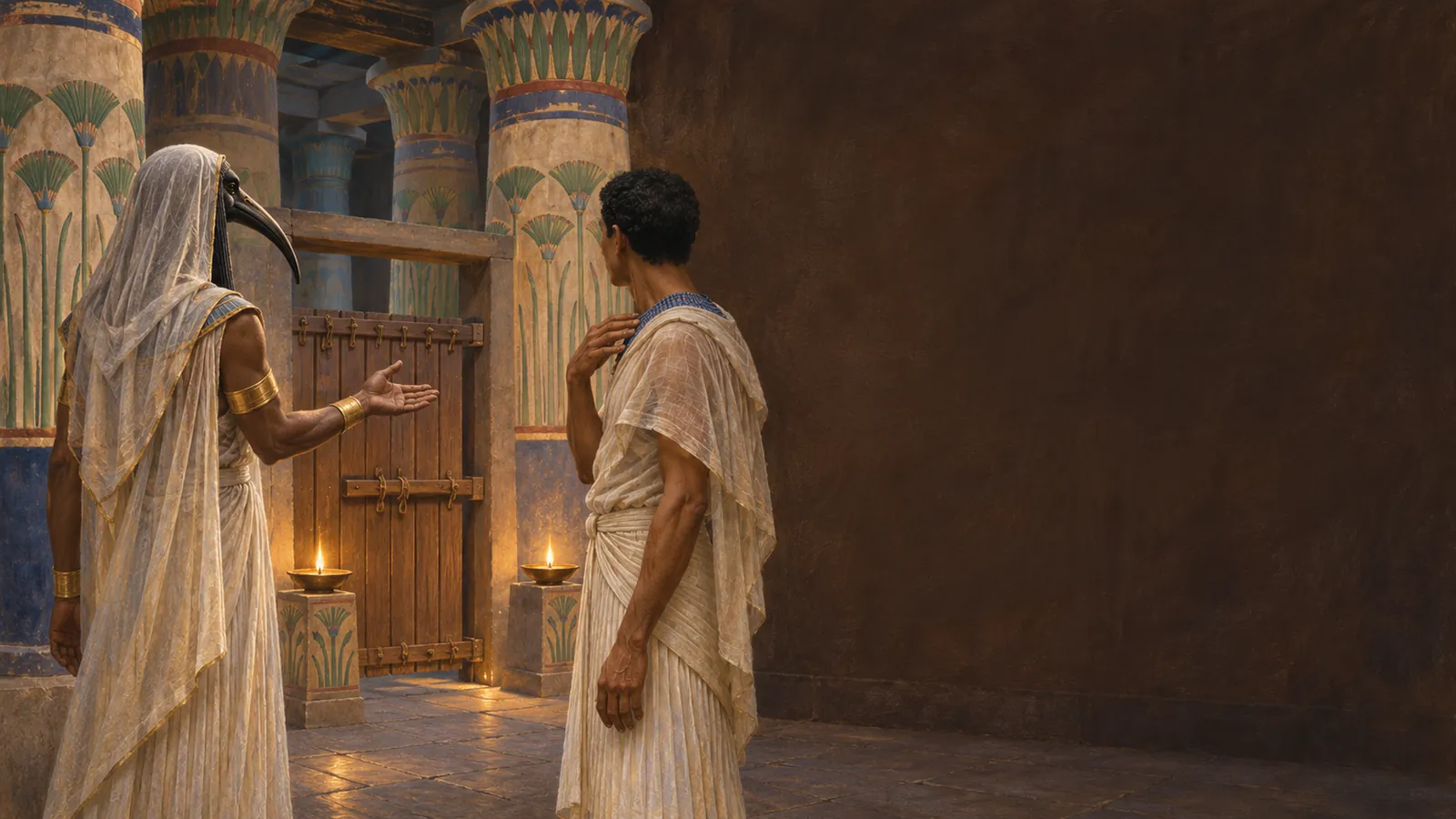
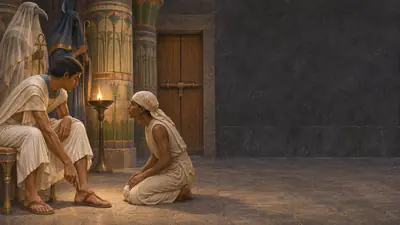
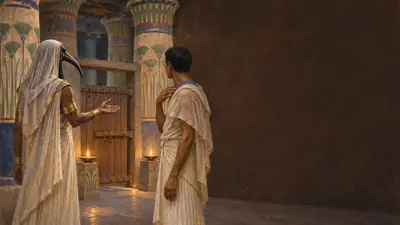
«Aproxima-te», diz Tot. «Por que vieste?» O falecido responde: «Vim e prossigo para que o meu nome seja pronunciado.»
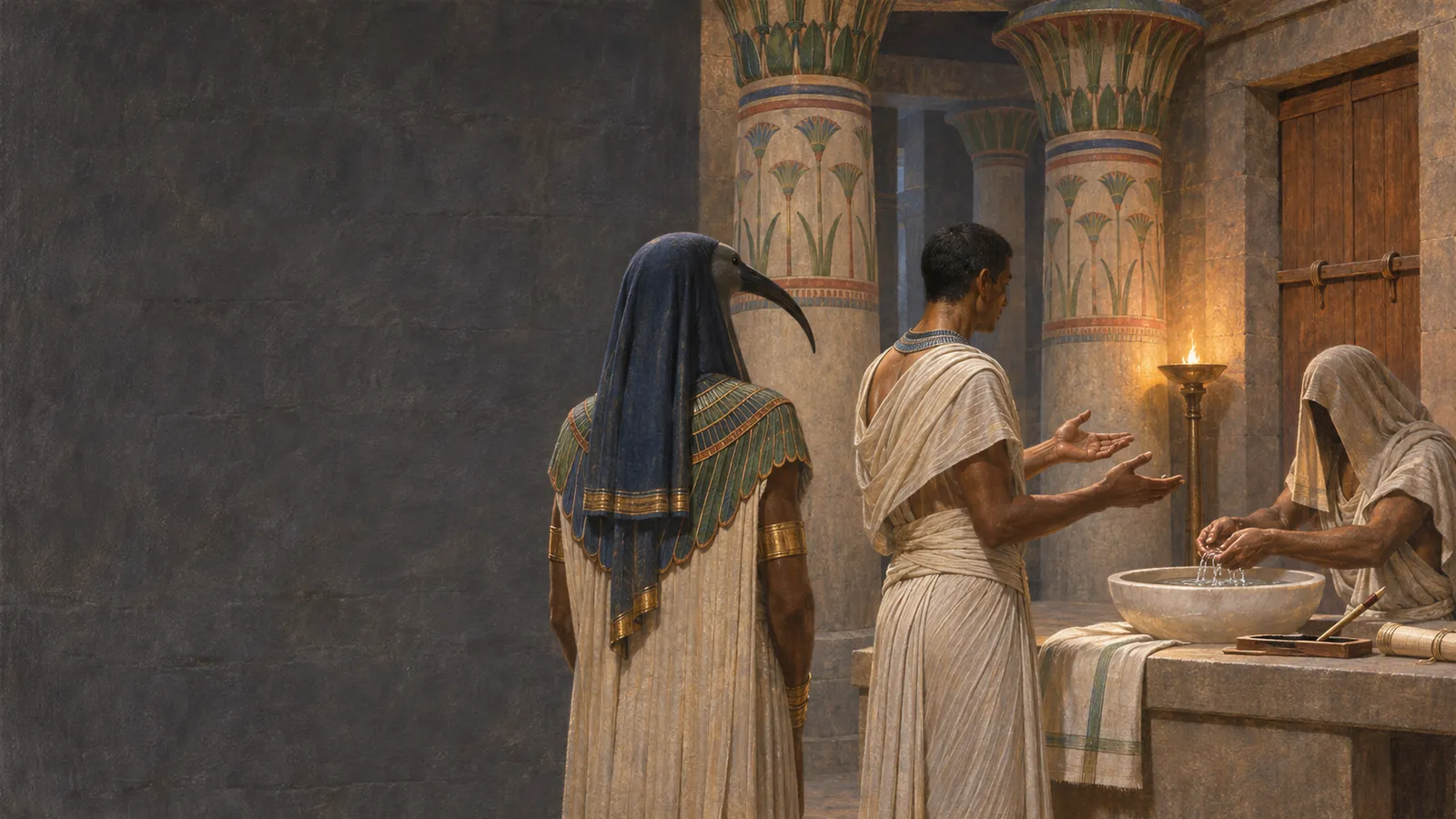
Tot pergunta em que estado ele chegou. O falecido diz que foi purificado e protegido de atos nocivos e que não pertence ao grupo dos que os praticam.
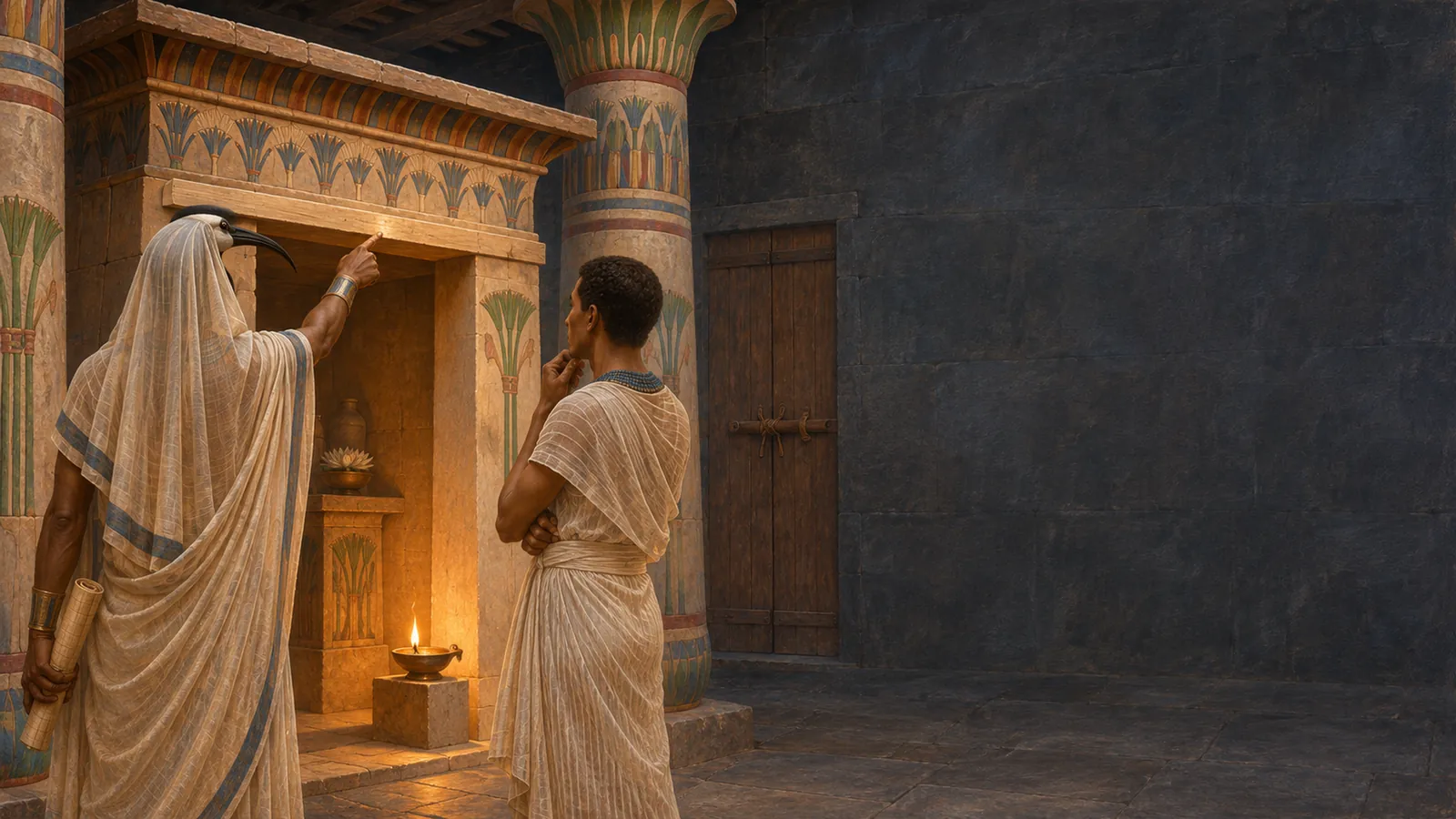
Tot diz que fará menção do nome. Em seguida, pergunta por uma casa cujo teto é feito de fogo.
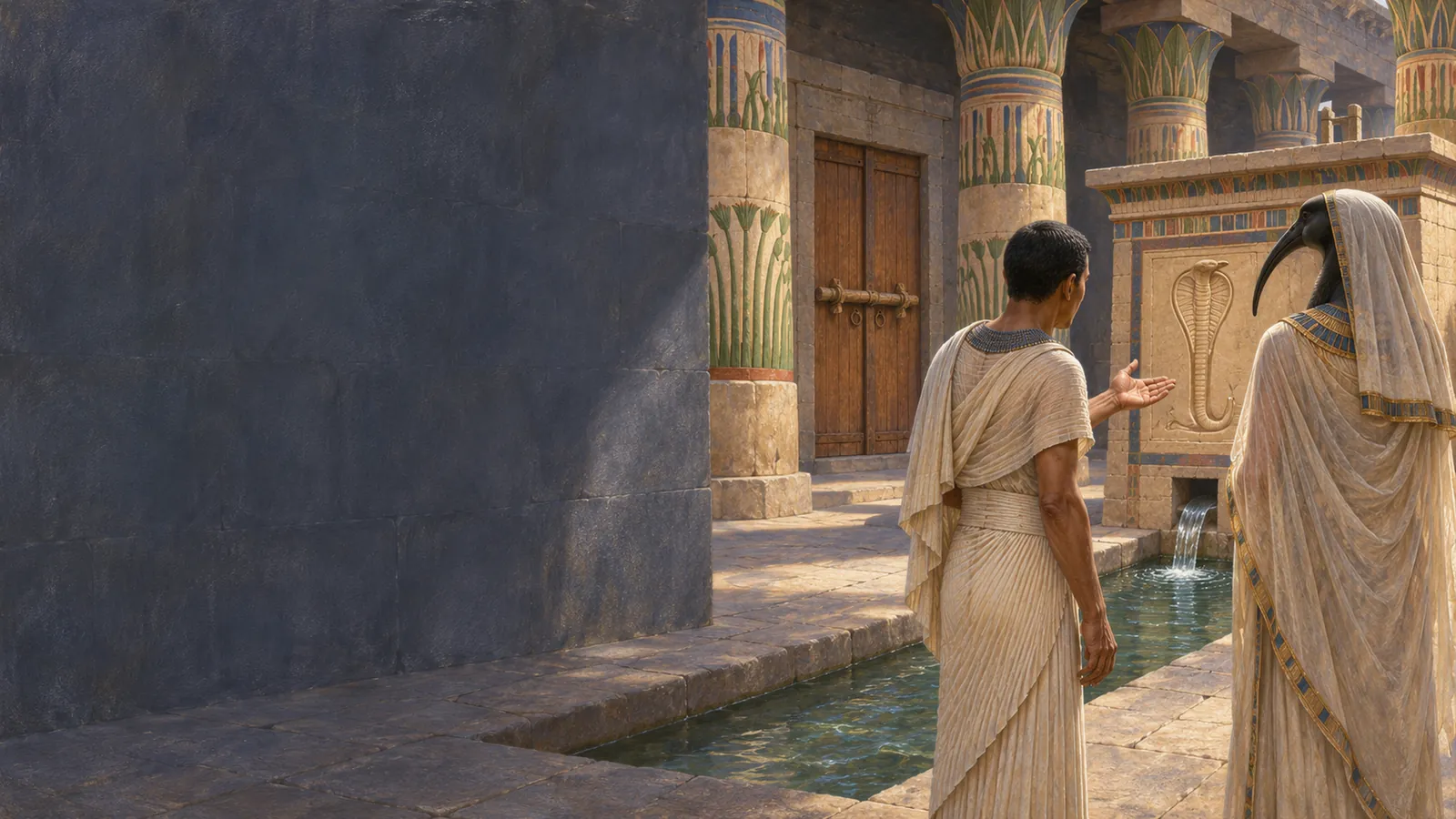
As paredes são cobras vivas, diz Tot, e o chão é uma corrente de água. Então volta a perguntar ao falecido: «Quem é ele?»
OSÍRIS
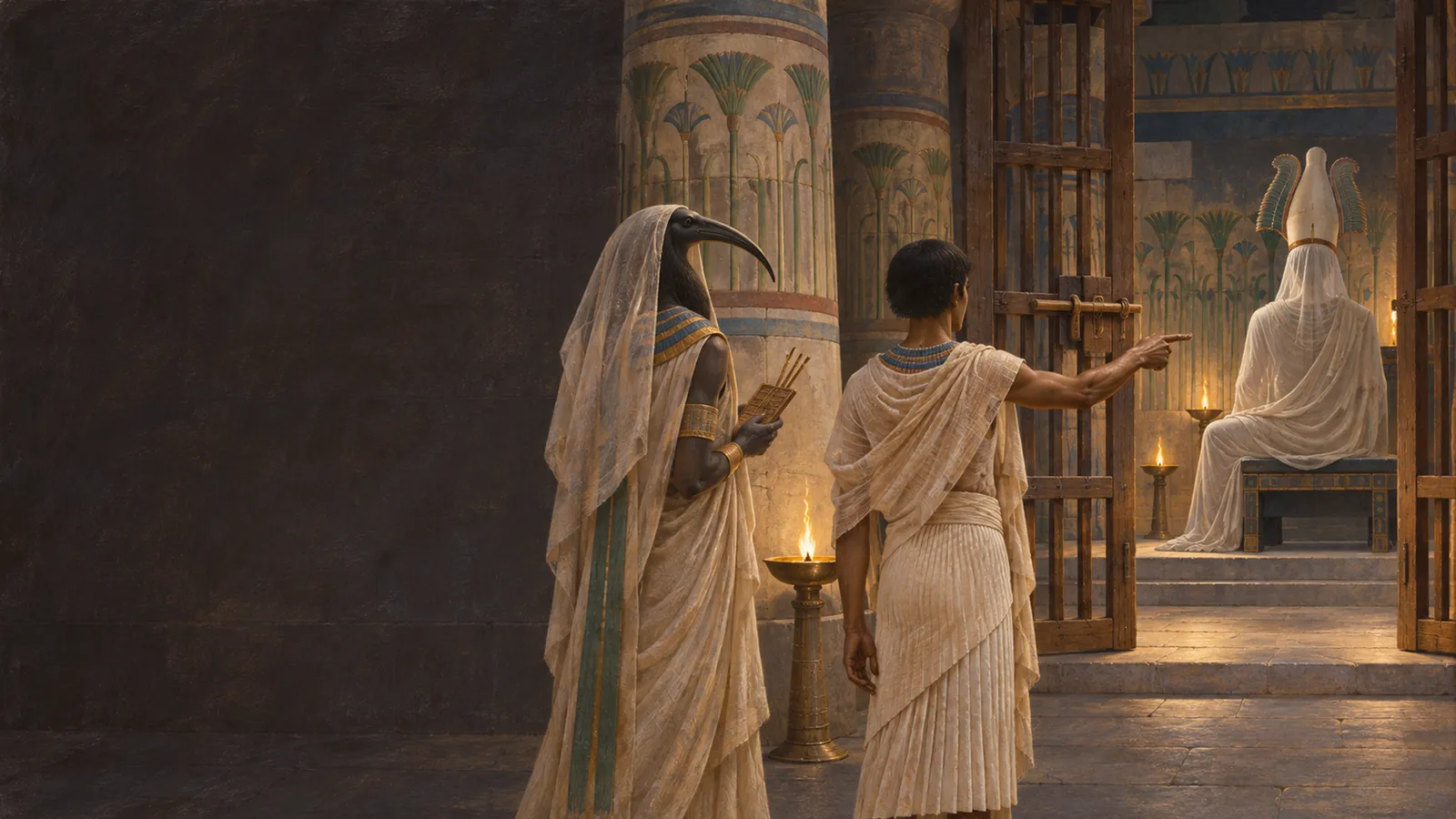
O falecido ouviu o enigma da estranha casa. Em resposta, dá a Tot um único nome: «É Osíris.»
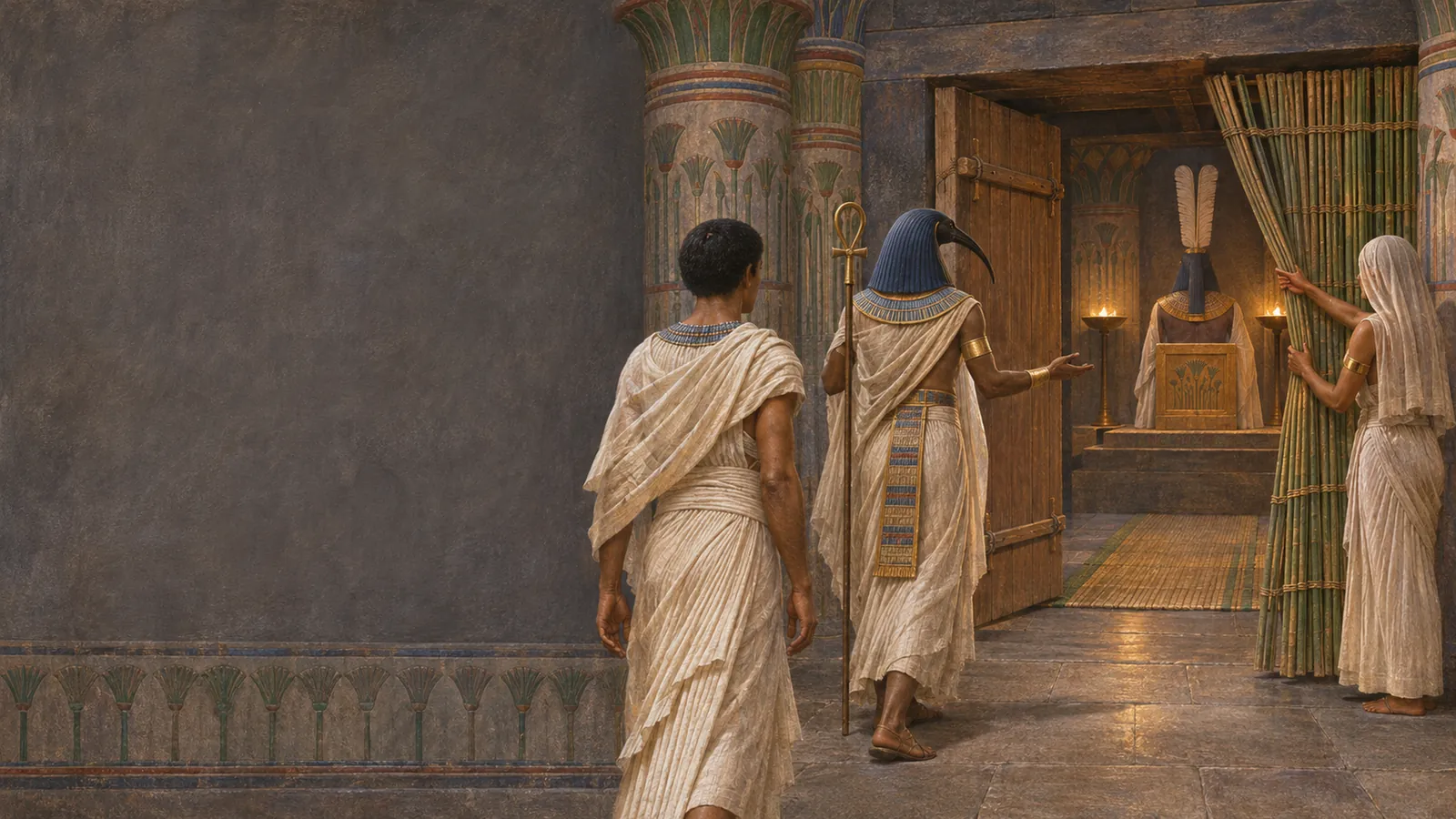
Tot convida o falecido a avançar. Promete-lhe que o seu nome será pronunciado diante de Osíris.
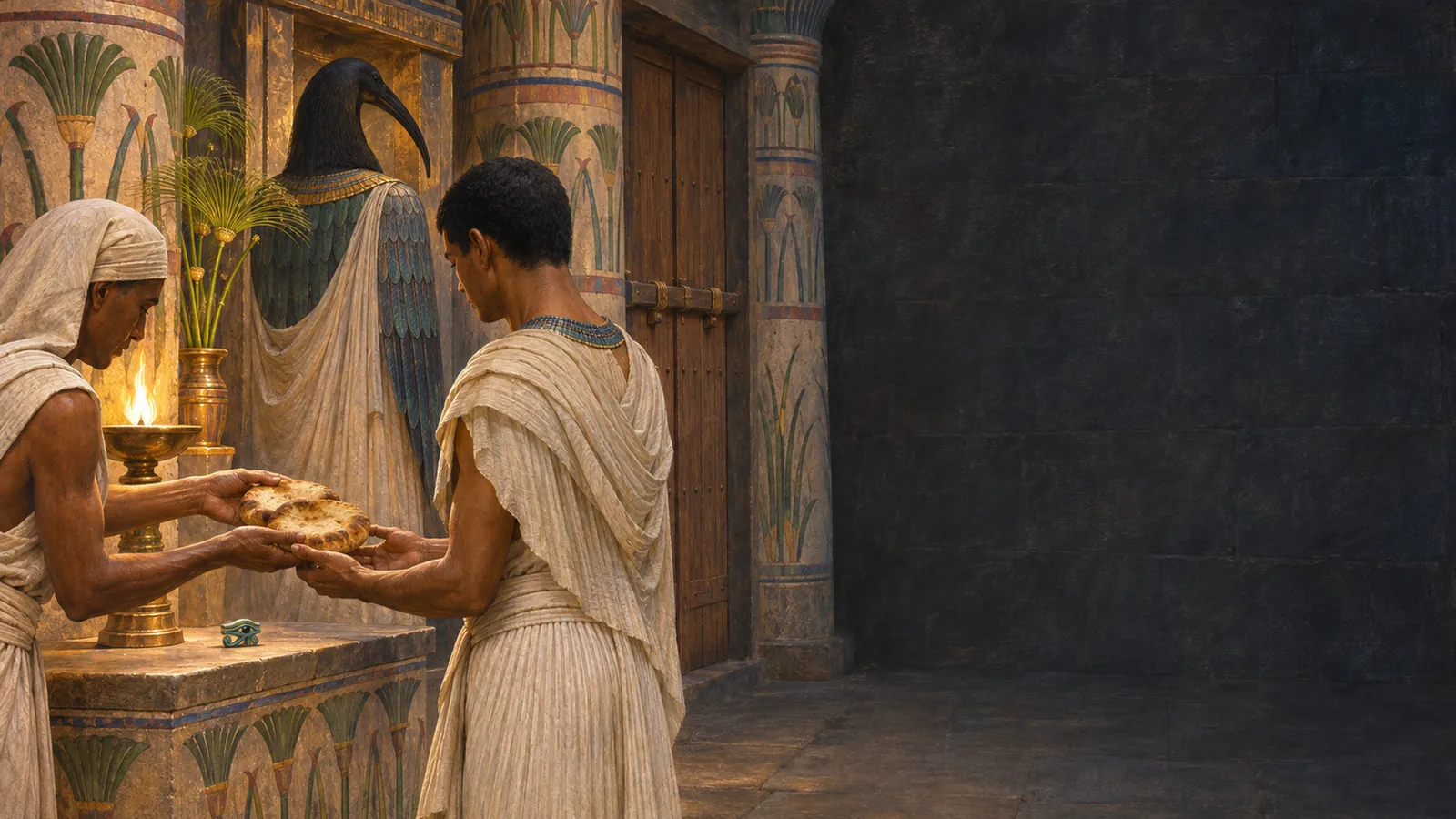
Tot diz agora ao falecido de onde virão os seus bolos de pão. Na sua promessa, a origem deles é o Olho de Rá.
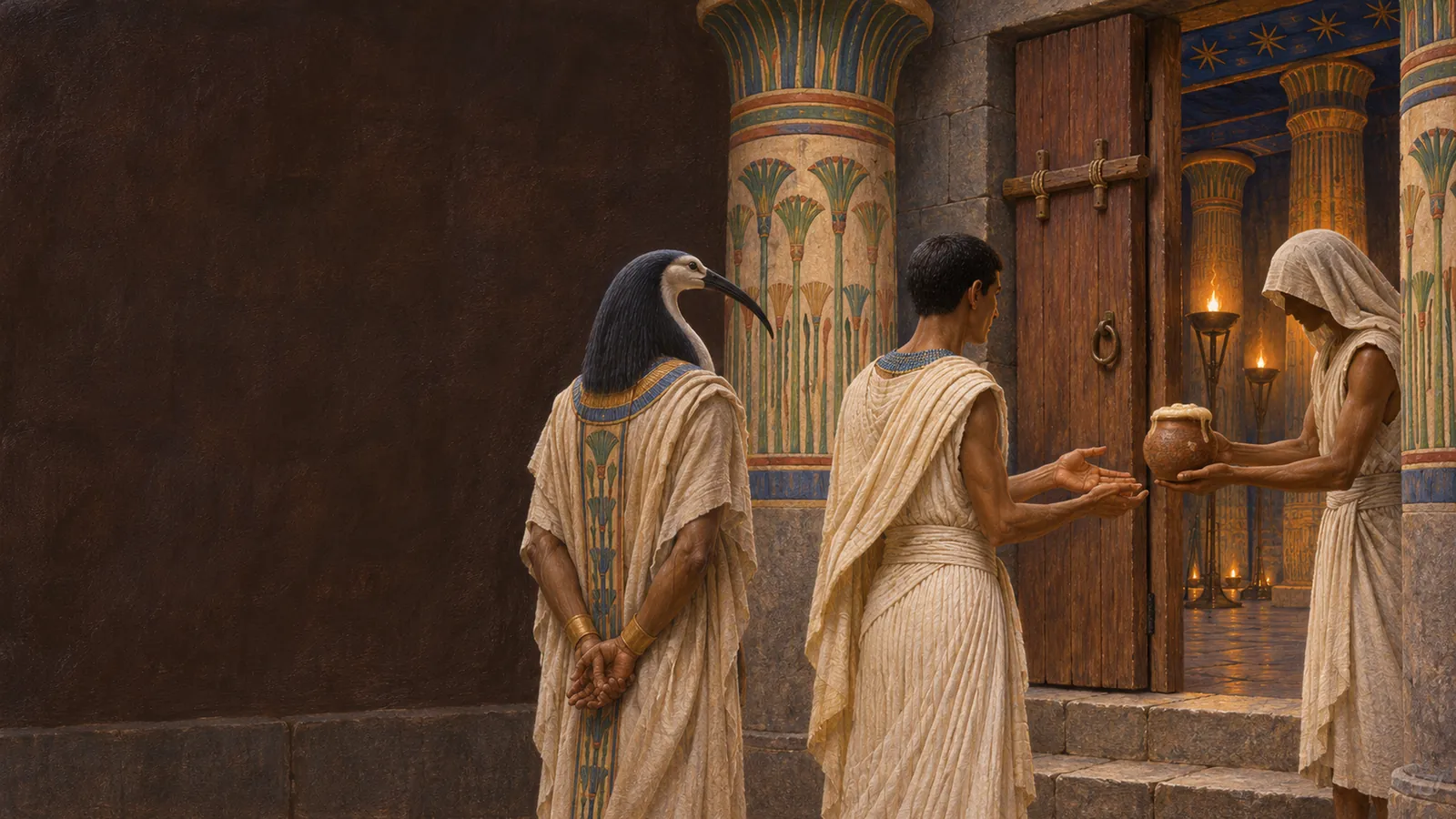
Depois dos bolos de pão vem a promessa da cerveja. Tot diz que esta bebida também virá do Olho de Rá.
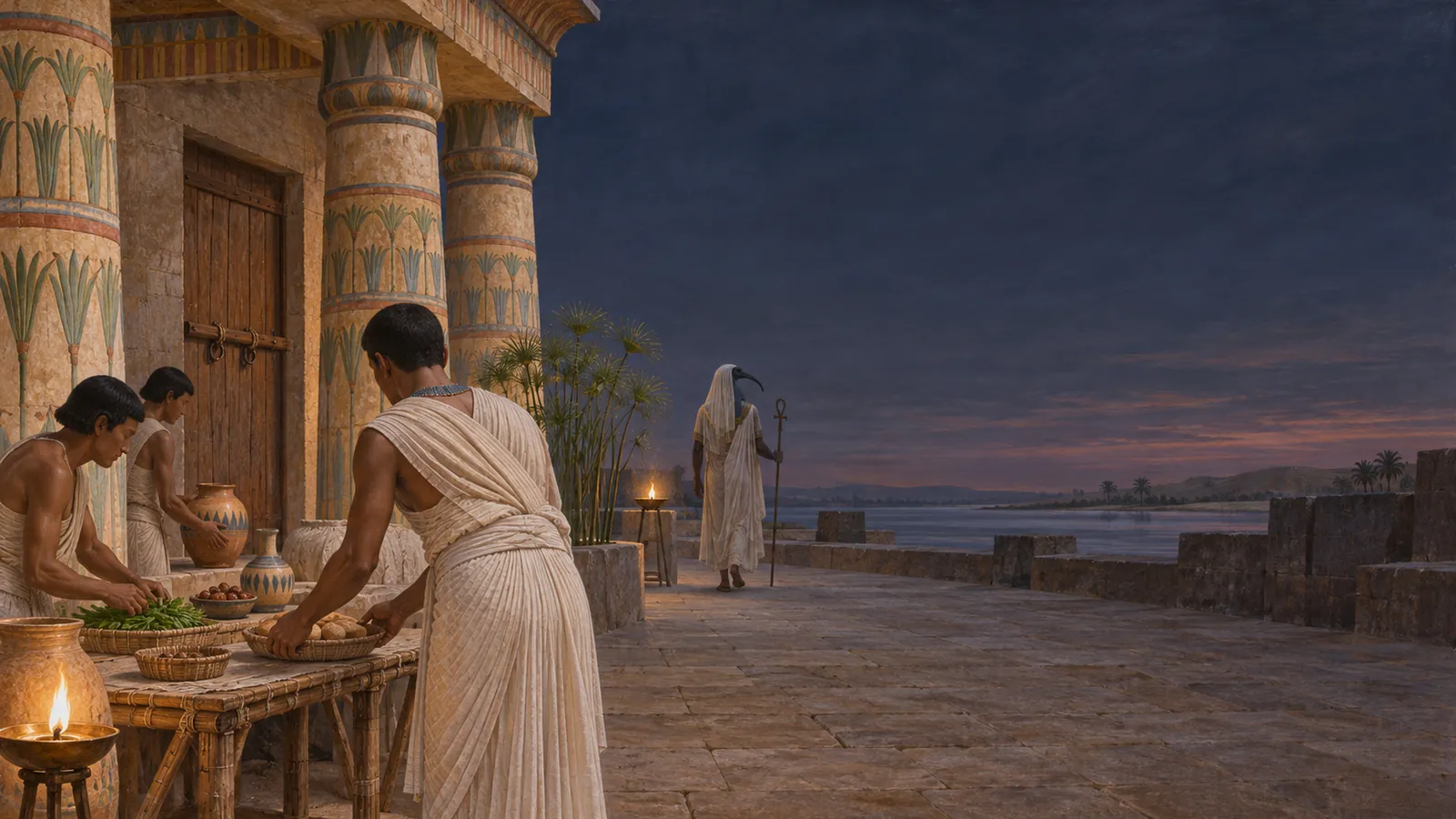
Na sua última promessa, Tot diz que as refeições funerárias do falecido na terra também virão do Olho de Rá. O capítulo termina com essas palavras.
Fim do capítulo 1
Todas as páginas
Fontes
**Edition.** E. A. Wallis Budge, *Egyptian Ideas of the Future Life*, third edition (1908), chapter IV, “The Judgment of the Dead.” Budge identifies the recited speech as a reading from the Papyrus of Nu. [Project Gutenberg ebook 11277](https://www.gutenberg.org/ebooks/11277)
Edições consultadas
- E. A. Wallis Budge, Egyptian Ideas of the Future Life, third edition, 1908, Chapter IV
- The Papyrus of Nu’s concluding speech, in the Project Gutenberg reading
- Budge’s reference for the Papyrus of Nu, British Museum No. 10477
Notas sobre este reconto
The claims, requests and possible replies in the following pages remain the deceased speaker’s words.
**P02, 3635–3639.** The deceased says that he knows both the dwellers and their names.
He names Ta-mera, glossed by Budge as Egypt. He denies cursing God and asks to escape harm through the king.
**P04, 3644–3647.** The gods of the Hall are free of evil and feed on right and truth before Horus. The spoken account condenses Budge’s parallel descriptions of living and feeding on right and truth. Budge places Horus in his divine disk.
**P05, 3647–3654 and footnote 120.** The deceased asks to be rescued from Baba, whom Budge identifies in a footnote as Osiris’s firstborn son. His translation says Baba feeds on the entrails of mighty ones on the day of reckoning. The spoken account keeps that fact and combines the following denials of faults, sin and evil. The final appeal against harm includes a bracketed word in Budge.
**P06, 3654–3660.** The deceased says right and truth sustain him. He describes fulfilling human commands and doing what pleases the gods. Budge brackets wording linking the two and supplies connecting words in the following clause about being at peace with the god by doing his will.
**P07, 3660–3663.** The four gifts are bread, water, clothing and a boat. Budge brackets “shipwrecked” before mariner.
**P08, 3663–3669.** The deceased gives holy offerings to the gods and funerary meals to the beatified dead. It condenses the repeated greeting of peace.
**P09, 3669–3674 and footnote 121.** The deceased says he heard the spiritual bodies speak a powerful word to the Cat at Hapt-re. Budge identifies the Cat as Ra and describes a variant with an ass, identified as Osiris, speaking instead. The deceased says that he testified before Hra-f-ha-f, who gave a decision, with the possessive bracketed by Budge. The decision’s content is unstated here.
“Persea” retains Budge’s tree name without identifying a modern species.
The deceased addresses him as lord of the Atefu crown and Lord of the Winds.
**P12, 3685–3690.** The deceased describes several washings, including the cleansing of his breast and hinder parts. Budge brackets “[immersed]” in the passage about the inward parts and the Pool of Right and Truth. The final claim that right and truth are present throughout his body remains.
Ra’s divine sailors bathe at the second hour of the night and third hour of the day. The spoken account condenses the concluding reference to the gods’ satisfaction.
**P14, 3695–3701.** The deceased imagines being called forward and asked who he is and what his name is. The next page continues the prospective exchange.
Page 15. In the recited exchange, the speaker says he would pass to the city north of the olive tree. His answer names “The Leg and the Thigh,” and he asks to see rejoicing in the land of the Fenkhu.
Page 16. The question is what they would give him and what he would do with it. He names a fiery flame and a crystal tablet. He says he would bury them by the furrow of Māāat as “Things for the night.”
Page 17. When asked what he would find there, he names a flint sceptre called “Giver of Air.” The named object belongs to his reply.
Page 18. The speaker says he would recite words over the flame and crystal tablet in the furrow. He would extinguish the fire, break the tablet and make a pool of water. The verbs are what he says he would do in the prospective exchange.
Page 19. The deceased asks the gods to tell him to enter the Hall of the Māāti goddesses because he knows them. In the invitation he asks to hear, the gods speak of his knowing them. Budge then introduces the dialogue between the Hall’s parts and the deceased.
Page 20. The bolts say they would withhold passage unless the deceased gives their names. The edition identifies the door bolts as the speakers.
Page 21. The deceased gives the plural bolts one name. Budge prints it as “Tongue of the place of Right and Truth.”
Page 22. The right post next asks for its own name as the condition for passage. This is the speaker labelled “Right post” in the edition.
Page 23. The deceased names it “Scale of the lifter up of right and truth.” The scale is a name in his reply.
### The door fittings and the floor
### The Doorkeeper, Thoth, and the last promises
Os versos antigos de cada página
- Page 1: Budge 1908, chapter IV, Papyrus of Nu, Nu attribution, 3629–3631
- Page 2: Budge 1908, chapter IV, Papyrus of Nu, First petition, 3635–3639
- Page 3: Budge 1908, chapter IV, Papyrus of Nu, First petition, 3639–3642
- Page 4: Budge 1908, chapter IV, Papyrus of Nu, Second petition, 3644–3647
- Page 5: Budge 1908, chapter IV, Papyrus of Nu, Second petition, 3647–3654
- Page 6: Budge 1908, chapter IV, Papyrus of Nu, Second petition, 3654–3660
- Page 7: Budge 1908, chapter IV, Papyrus of Nu, Second petition, 3660–3663
- Page 8: Budge 1908, chapter IV, Papyrus of Nu, Second petition, 3663–3669
- Page 9: Budge 1908, chapter IV, Papyrus of Nu, Second petition, 3669–3674
- Page 10: Budge 1908, chapter IV, Papyrus of Nu, Second petition, 3674–3678
- Page 11: Budge 1908, chapter IV, Papyrus of Nu, Third petition, 3680–3685
- Page 12: Budge 1908, chapter IV, Papyrus of Nu, Third petition, 3685–3690
- Page 13: Budge 1908, chapter IV, Papyrus of Nu, Third petition, 3690–3695
- Page 14: Budge 1908, chapter IV, Papyrus of Nu, Third petition, 3695–3701
- Page 15: Budge 1908, chapter IV, Papyrus of Nu, Third petition, 3701–3706
- Page 16: Budge 1908, chapter IV, Papyrus of Nu, Third petition, 3707–3713
- Page 17: Budge 1908, chapter IV, Papyrus of Nu, Third petition, 3714–3717
- Page 18: Budge 1908, chapter IV, Papyrus of Nu, Third petition, 3718–3723
- Page 19: Budge 1908, chapter IV, Papyrus of Nu, Third petition and dialogue heading, 3724–3730
- Page 20: Budge 1908, chapter IV, Papyrus of Nu, concluding dialogue, lines 3734–3735
- Page 21: Budge 1908, chapter IV, Papyrus of Nu, concluding dialogue, lines 3737–3738
- Page 22: Budge 1908, chapter IV, Papyrus of Nu, concluding dialogue, lines 3740–3741
- Page 23: Budge 1908, chapter IV, Papyrus of Nu, concluding dialogue, lines 3743–3744
- Page 24: Budge 1908, Chapter IV, Papyrus of Nu, concluding dialogue, lines 3746–3749
- Page 25: Budge 1908, Chapter IV, Papyrus of Nu, concluding dialogue, lines 3751–3752
- Page 26: Budge 1908, Chapter IV, Papyrus of Nu, concluding dialogue, lines 3754
- Page 27: Budge 1908, Chapter IV, Papyrus of Nu, concluding dialogue, lines 3756–3758
- Page 28: Budge 1908, Chapter IV, Papyrus of Nu, concluding dialogue, lines 3760–3763
- Page 29: Budge 1908, Chapter IV, Papyrus of Nu, concluding dialogue, lines 3765–3768
- Page 30: Budge 1908, Chapter IV, Papyrus of Nu, concluding dialogue, lines 3770–3776
- Page 31: Budge 1908, Chapter IV, Papyrus of Nu, concluding dialogue, lines 3778–3781
- Page 32: Budge 1908, Chapter IV, Papyrus of Nu, concluding dialogue, lines 3783–3785
- Page 33: Budge 1908, Chapter IV, Papyrus of Nu, concluding dialogue, lines 3787–3788
- Page 34: Budge 1908, Chapter IV, Papyrus of Nu, concluding dialogue, lines 3790–3794
- Page 35: Budge 1908, Chapter IV, Papyrus of Nu, concluding dialogue, lines 3796–3803
- Page 36: Budge 1908, Chapter IV, Papyrus of Nu, concluding dialogue, lines 3805–3808
- Page 37: Budge 1908, Chapter IV, Papyrus of Nu, concluding dialogue, lines 3810–3814
- Page 38: Budge 1908, Chapter IV, Papyrus of Nu, concluding dialogue, lines 3816–3818
- Page 39: Budge 1908, Chapter IV, Papyrus of Nu, concluding dialogue, lines 3818–3820
- Page 40: Budge 1908, Chapter IV, Papyrus of Nu, concluding dialogue, lines 3822
- Page 41: Budge 1908, Chapter IV, Papyrus of Nu, concluding dialogue, lines 3824–3825
- Page 42: Budge 1908, Chapter IV, Papyrus of Nu, concluding dialogue, lines 3825–3826
- Page 43: Budge 1908, Chapter IV, Papyrus of Nu, concluding dialogue, lines 3827–3828
- Page 44: Budge 1908, Chapter IV, Papyrus of Nu, concluding dialogue, lines 3829–3835
Ilustrações feitas pelo IL Archive com ferramentas de IA; o texto baseia-se nas fontes antigas (veja as fontes no fim de cada capítulo).