Hinos da aurora e do anoitecer Capítulo 1
No caminho do sol
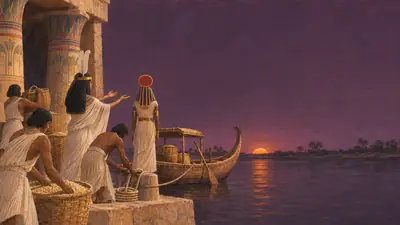
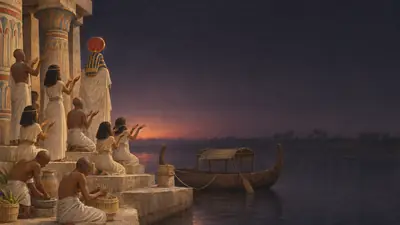
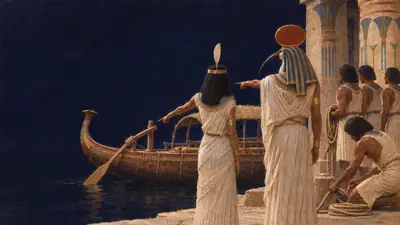
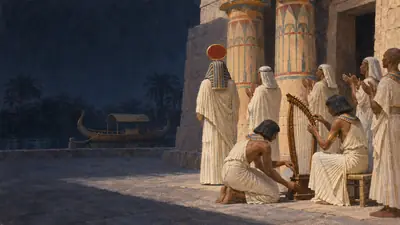
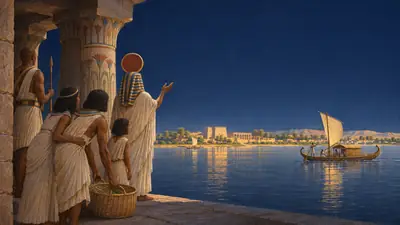
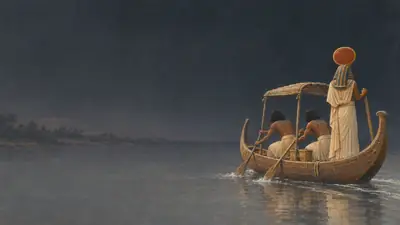
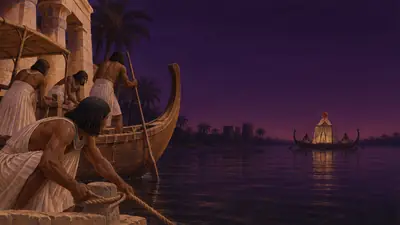
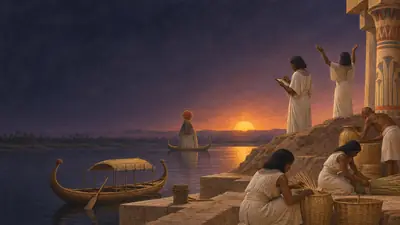
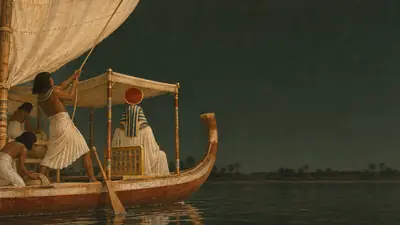
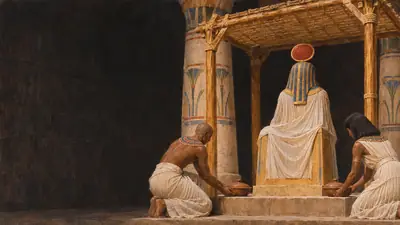
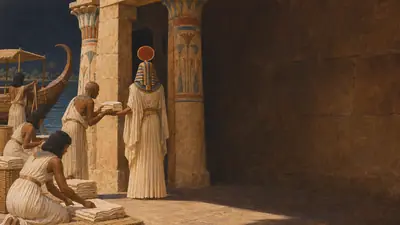
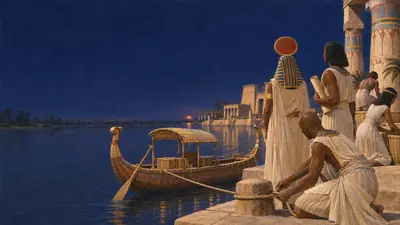
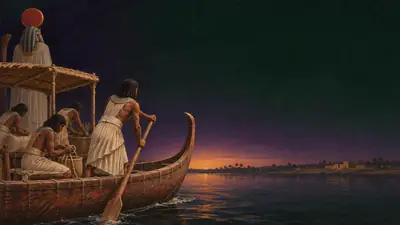
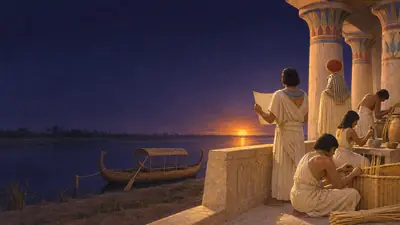
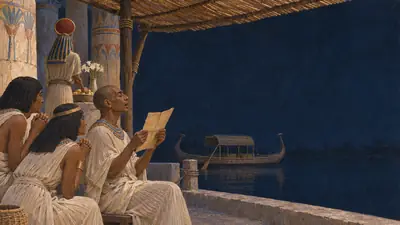
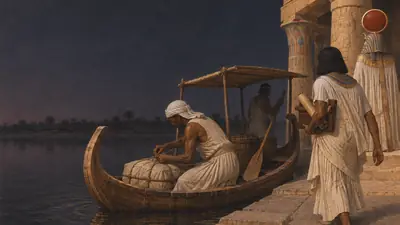
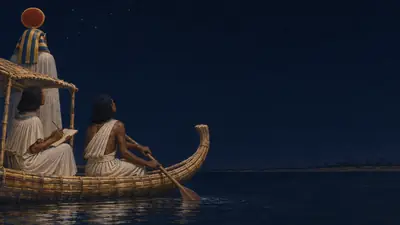
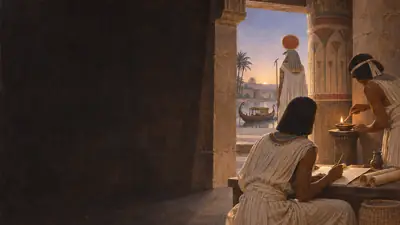
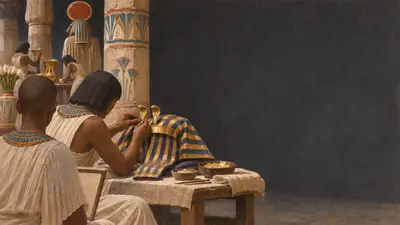
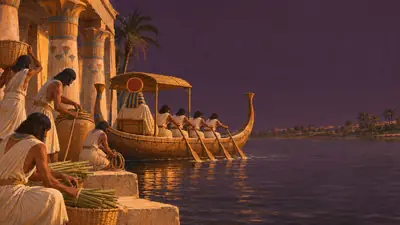
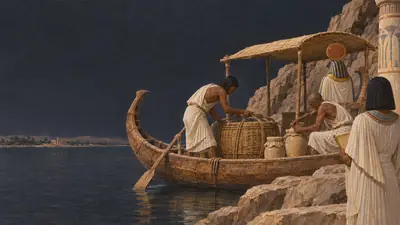
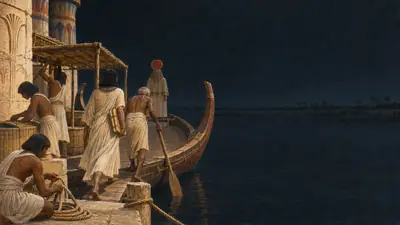
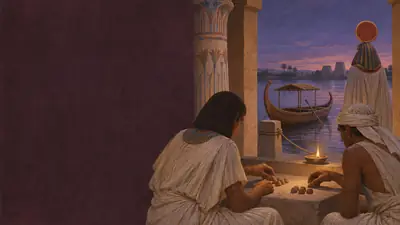
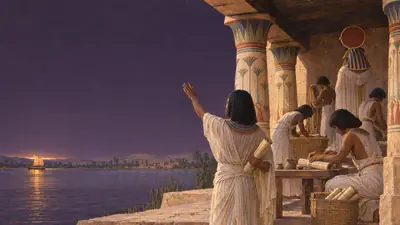
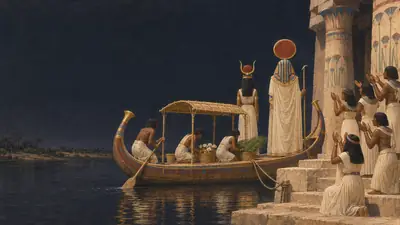
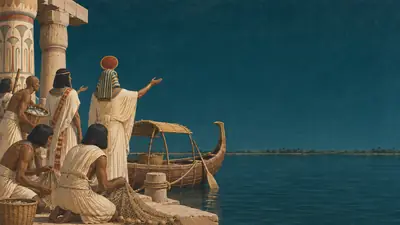
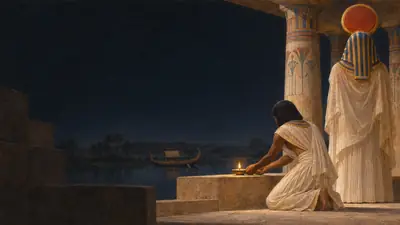
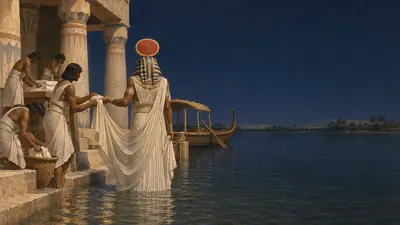
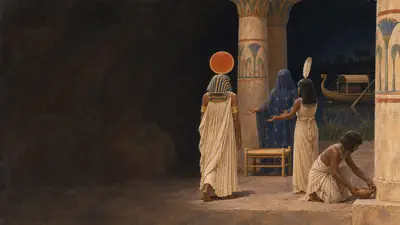
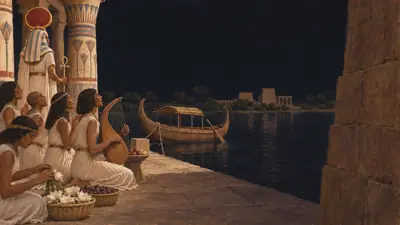
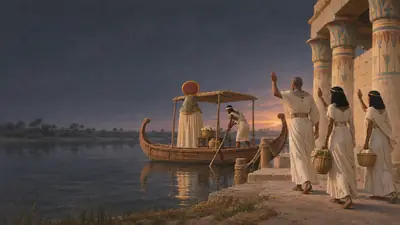
Quatro hinos egípcios dos papiros de Ani, Hunefer e Nekht seguem o sol desde a madrugada na sua travessia do céu. Ani pede para viajar com ele. Na última leitura, a barca do anoitecer chega ao porto e o hino de Nekht termina com alegria no santuário.
FontesVire as páginas com as setas, o teclado ou deslizando o dedo.
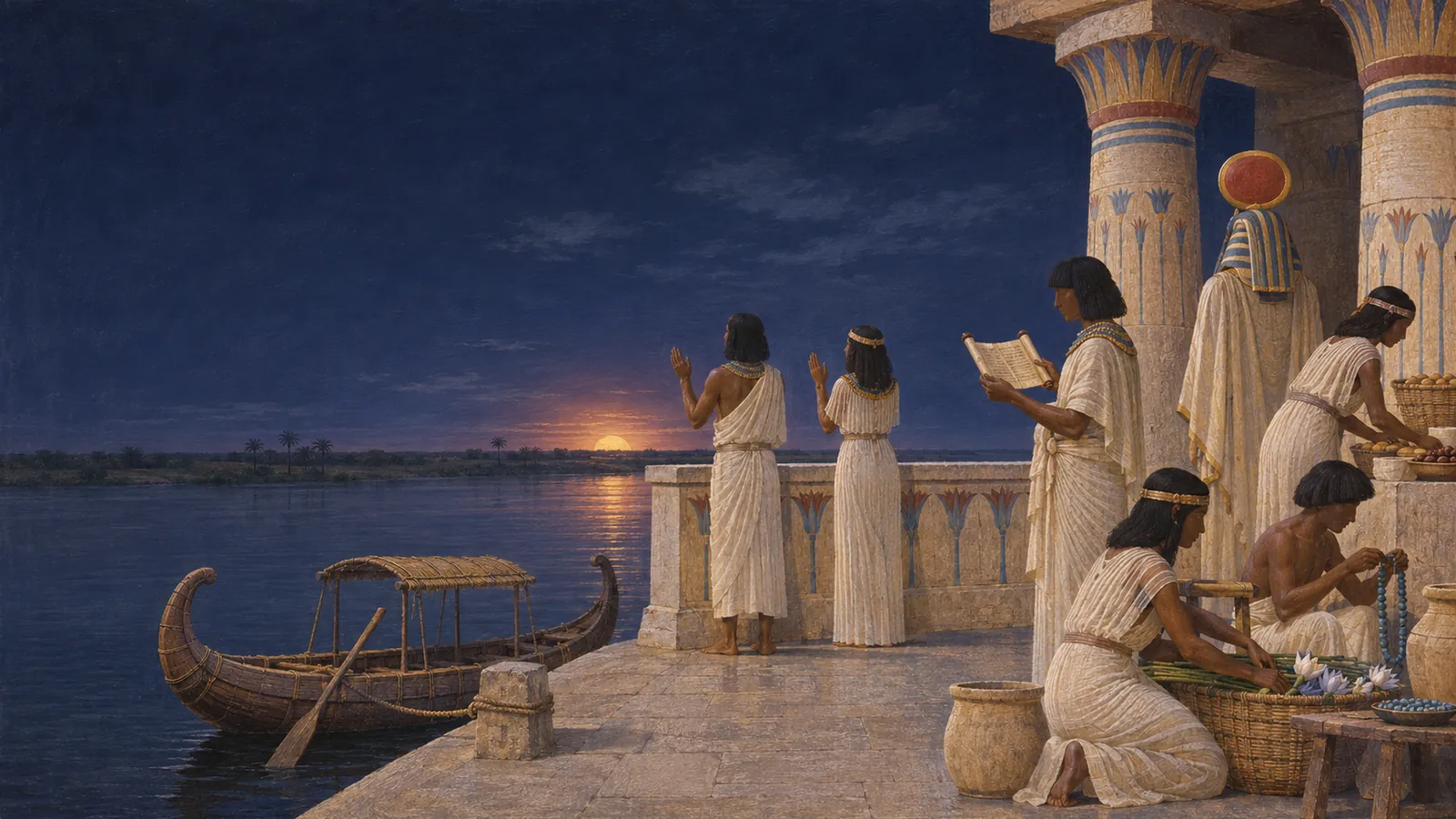
ANI
Quatro leituras de Ani, Hunefer, novamente Ani e depois Nekht seguem o percurso diário do sol. Começamos com o primeiro hino do Papiro de Ani.
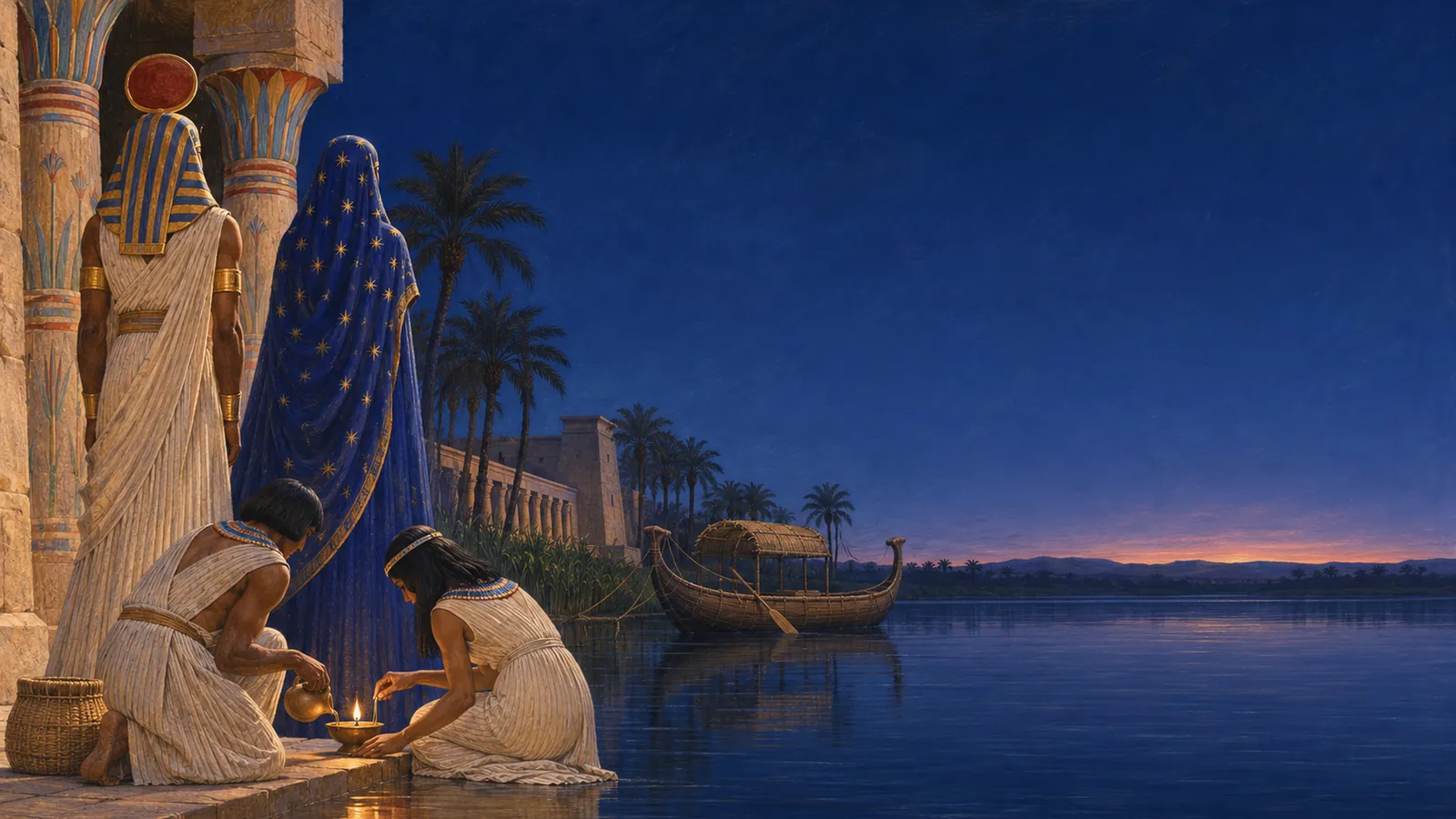
O hino saúda Quépera como criador dos deuses. Nasce e brilha, levando luz à sua mãe Nut, o céu.
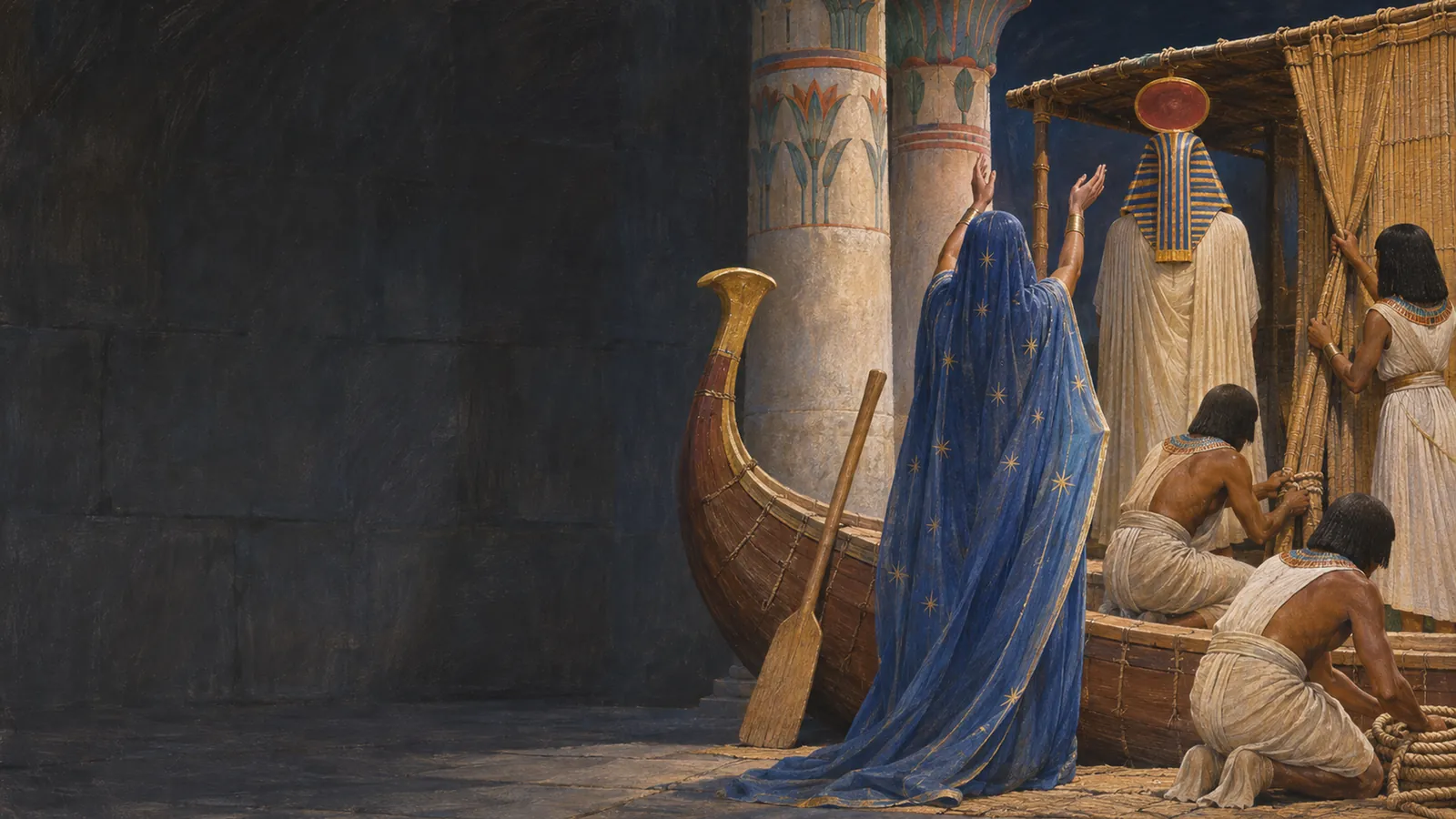
O hino diz que Quépera é coroado rei dos deuses. A sua mãe Nut levanta ambas as mãos para lhe prestar homenagem.
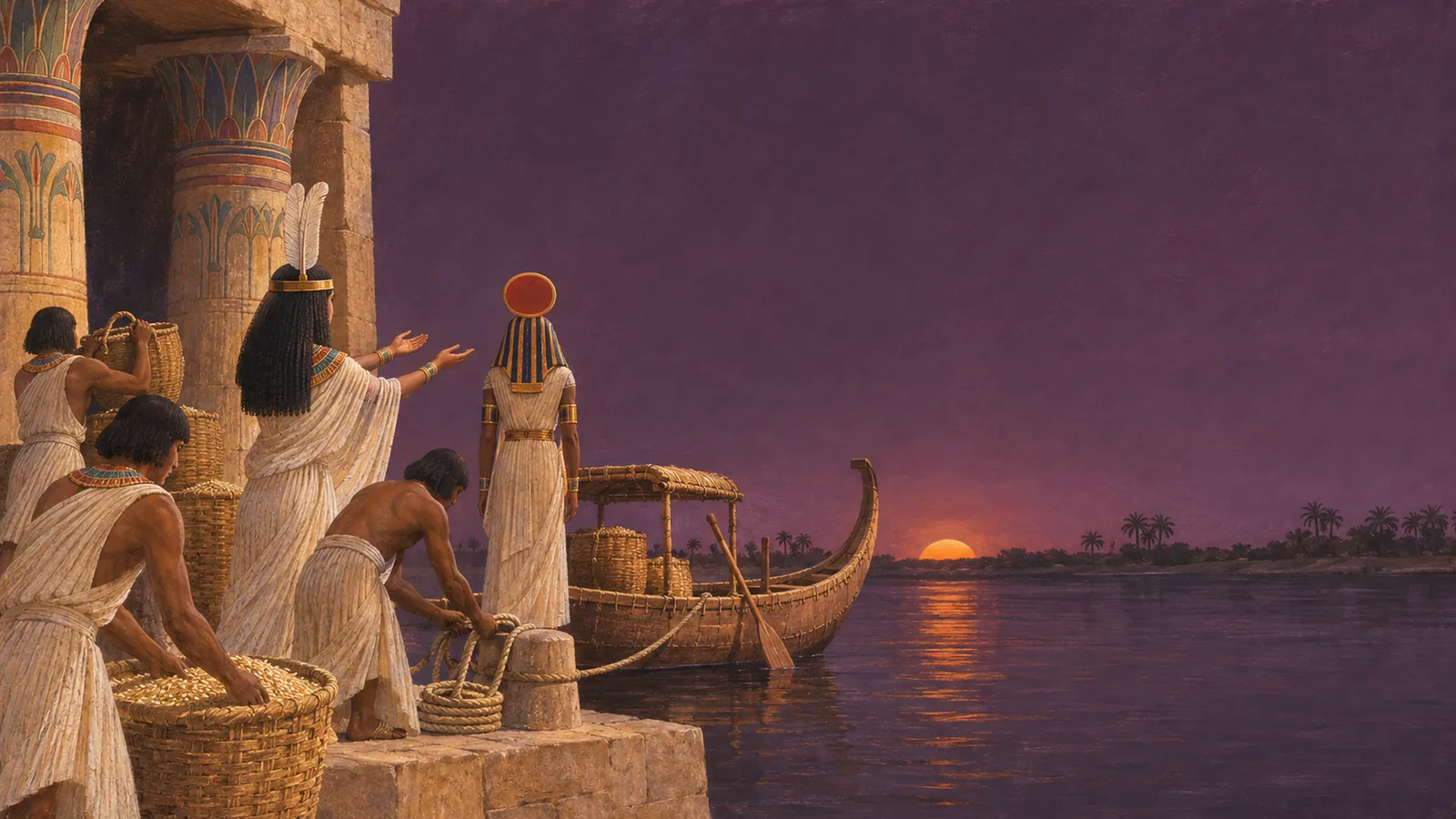
Manu, a terra do poente, recebe-o com alegria. O hino diz que Maet o abraça de manhã e ao anoitecer.
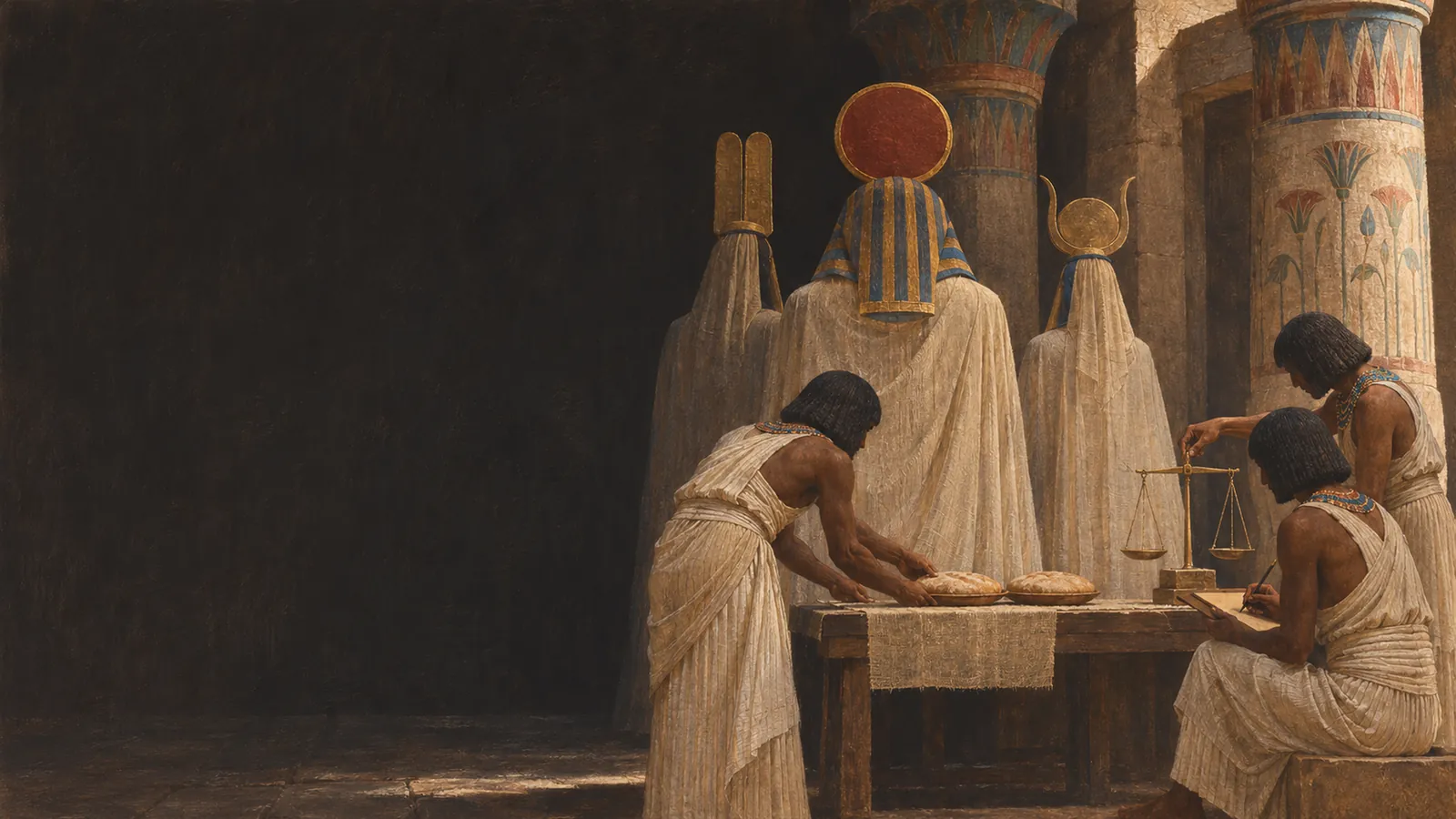
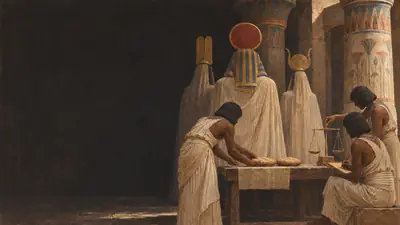
O hino saúda os deuses do Templo da Alma. Diz que pesam o céu e a terra numa balança e fornecem alimento em abundância aos deuses.
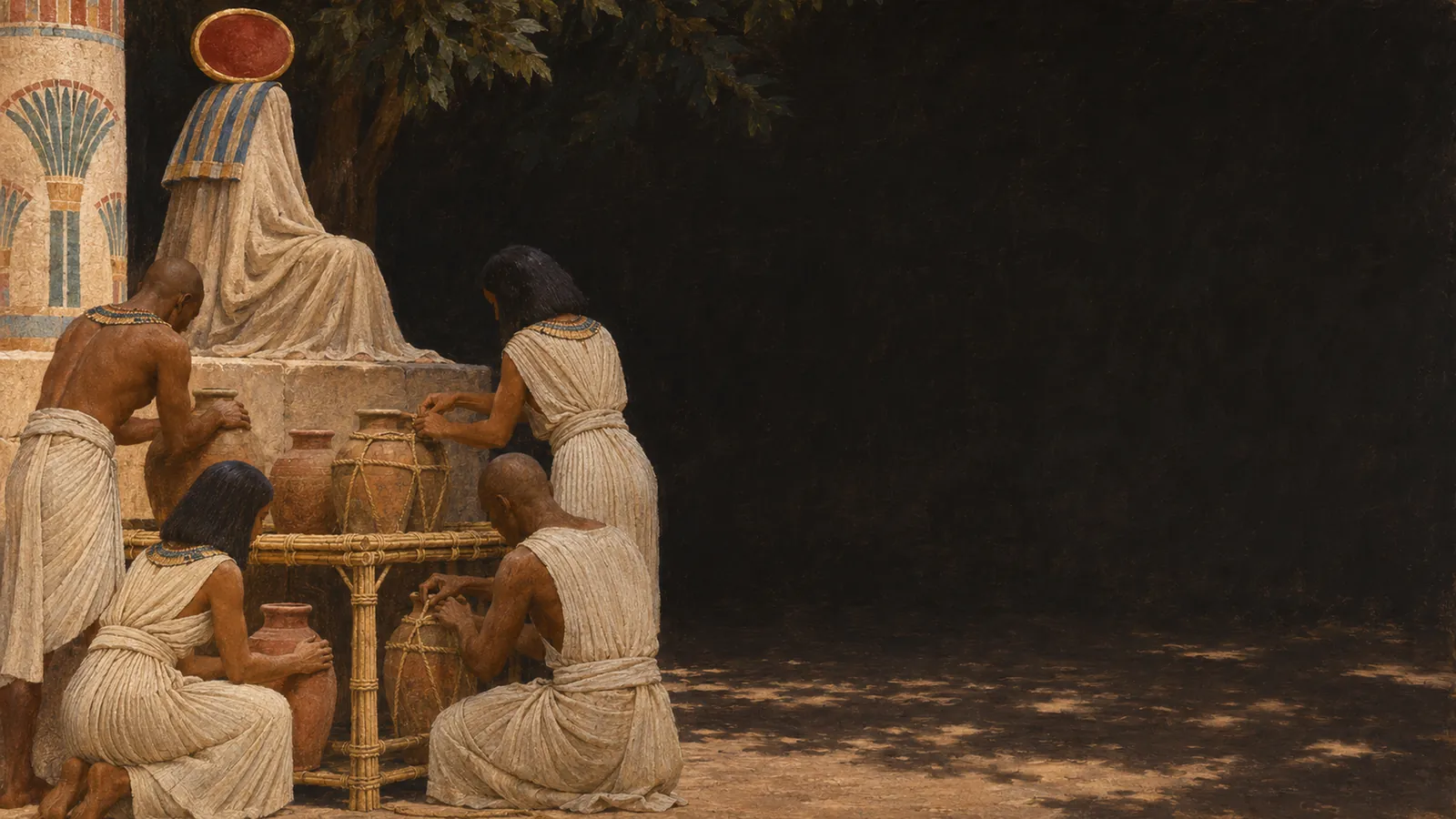
O hino saúda Tatunen como o Único que criou os seres humanos. Diz que formou a substância dos deuses do sul e do norte, do oeste e do leste.
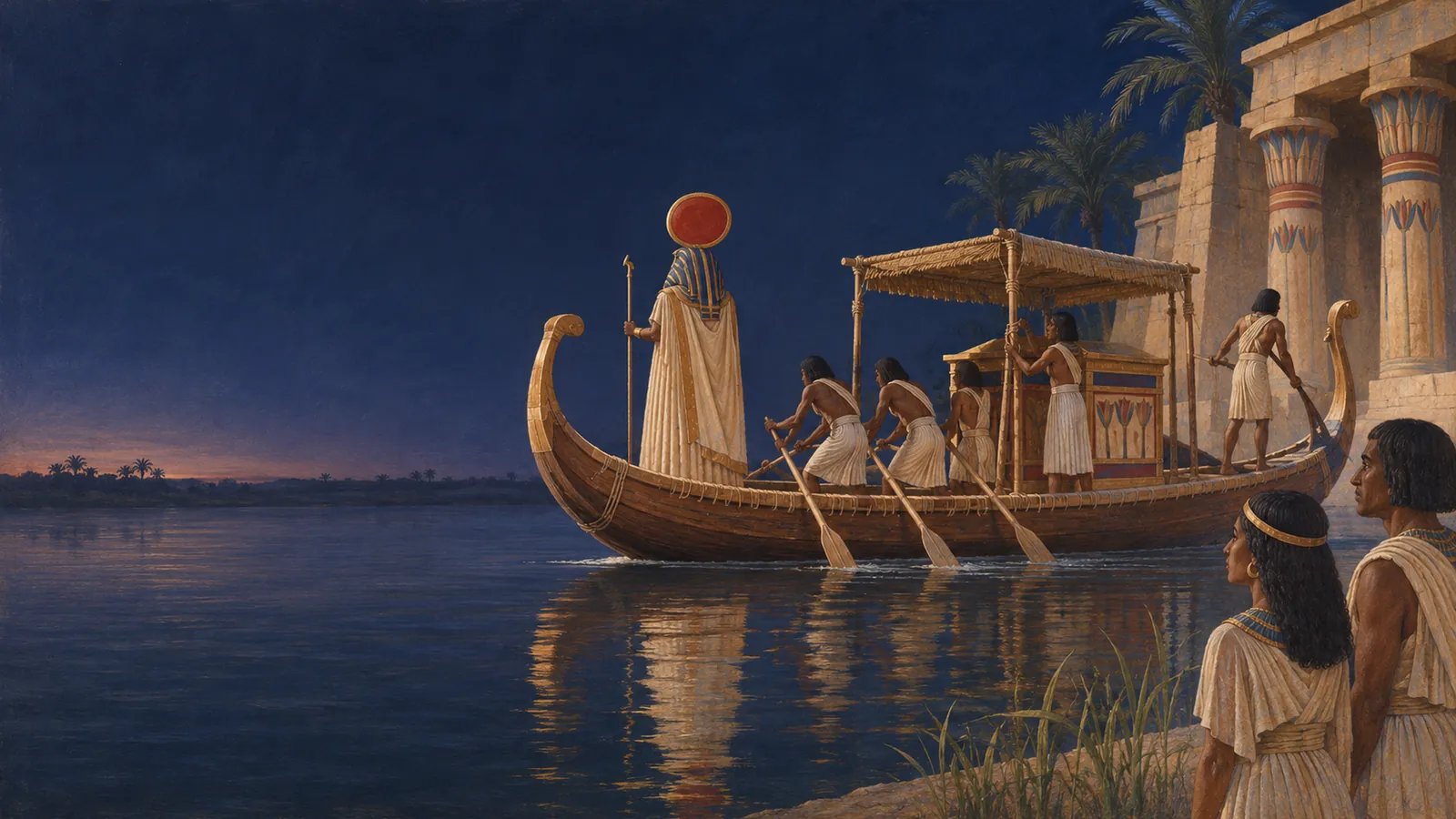
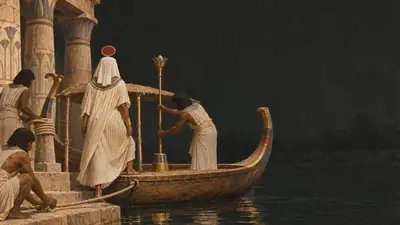
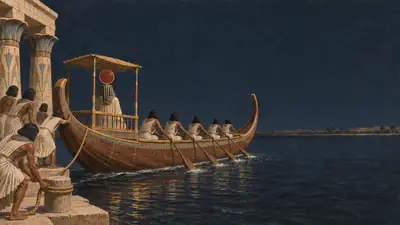
O hino convida a aclamar Rá, senhor do céu e criador dos deuses. Ele chega de manhã na sua barca divina.
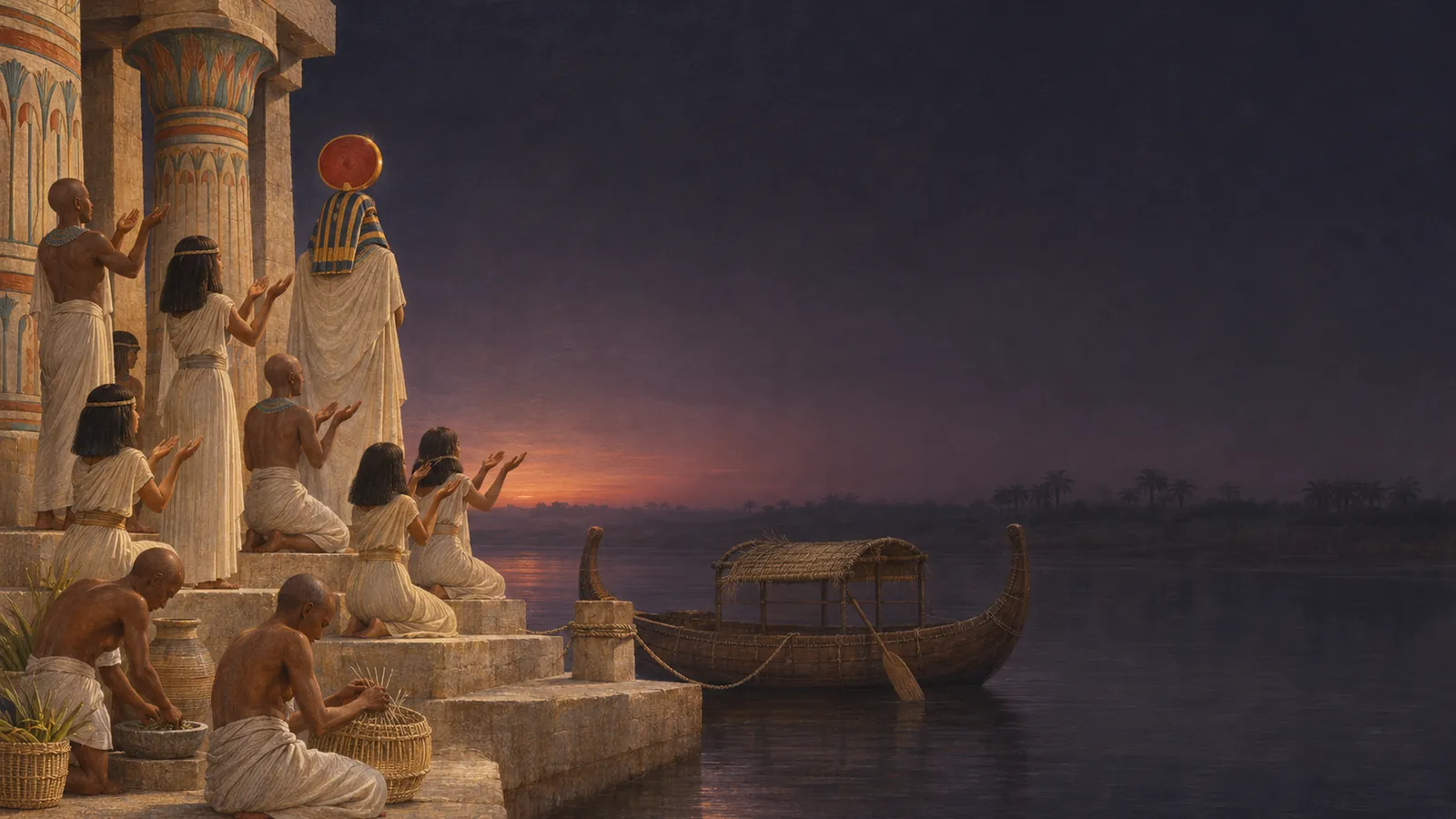
O cantor dirige-se diretamente a Rá. Tanto os que habitam nas alturas como os que habitam nas profundezas lhe prestam homenagem.
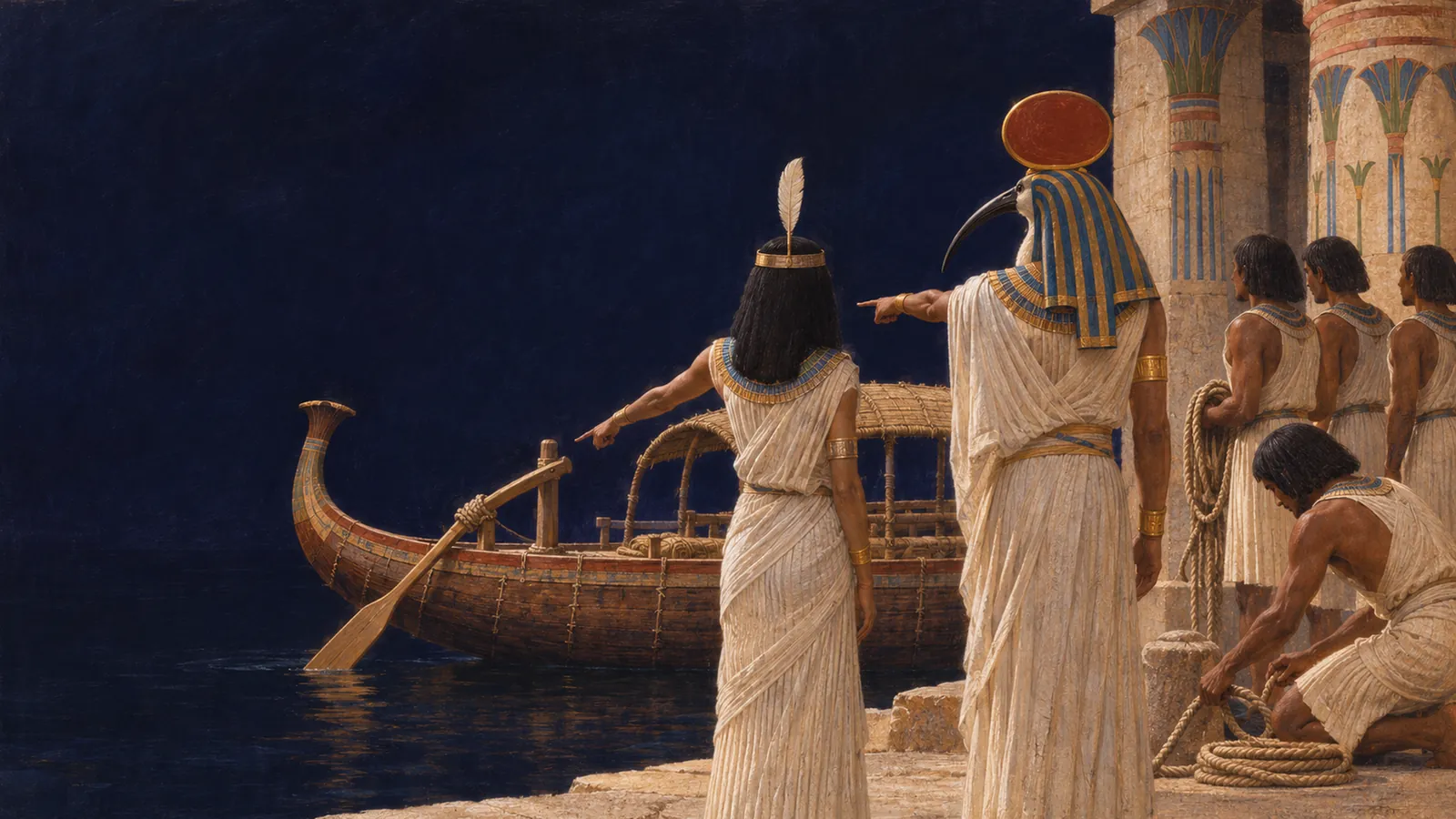
O hino diz que Tot e Maet traçam o percurso de Rá para cada dia.
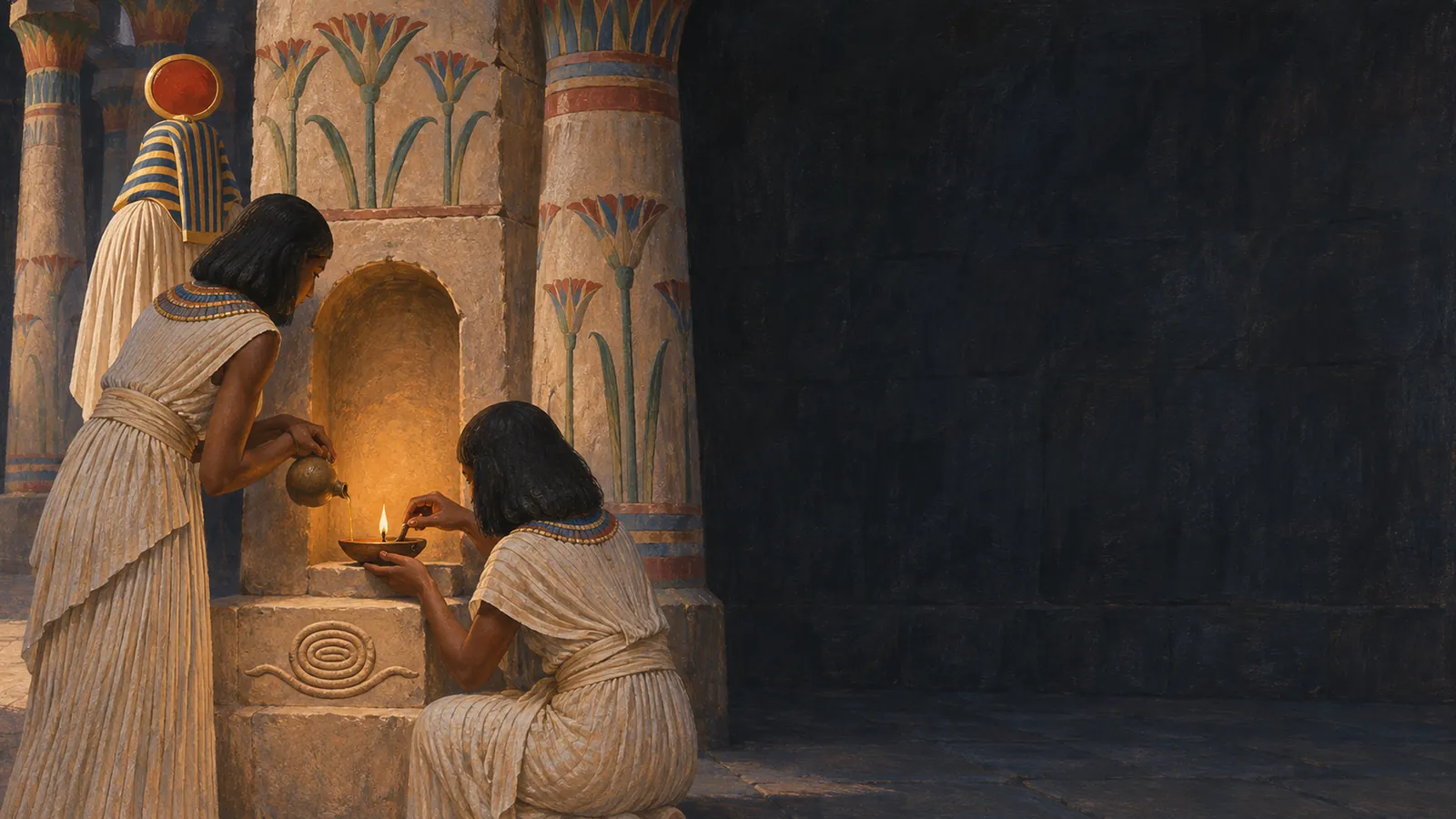
O hino diz que a serpente inimiga foi entregue ao fogo, e que Sebau caiu, foi acorrentado e teve as pernas cortadas por Rá.
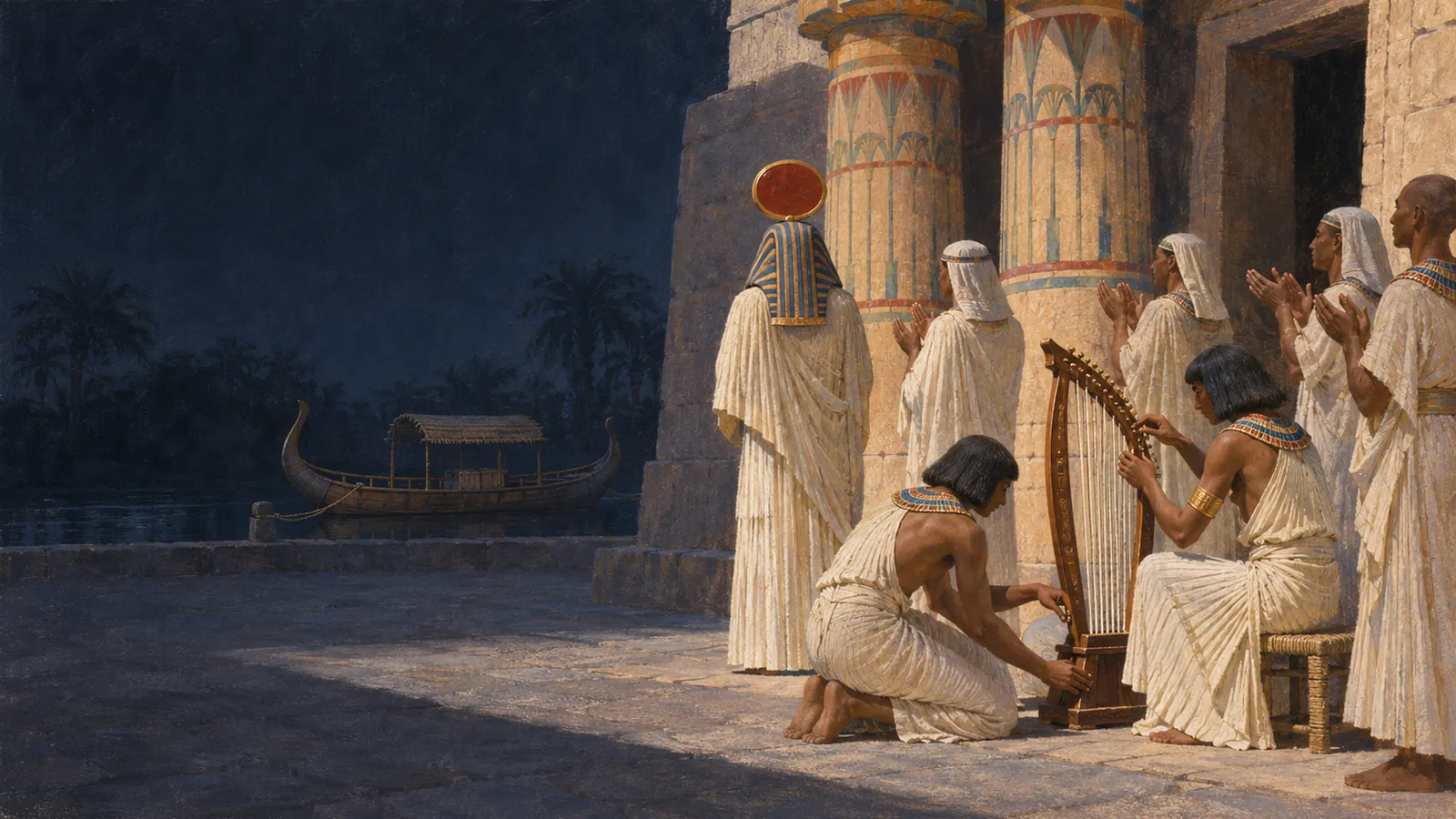
O hino diz que os adversários rebeldes nunca mais se levantarão. O templo do Ancião, que a edição identifica como Rá, celebra uma festa.
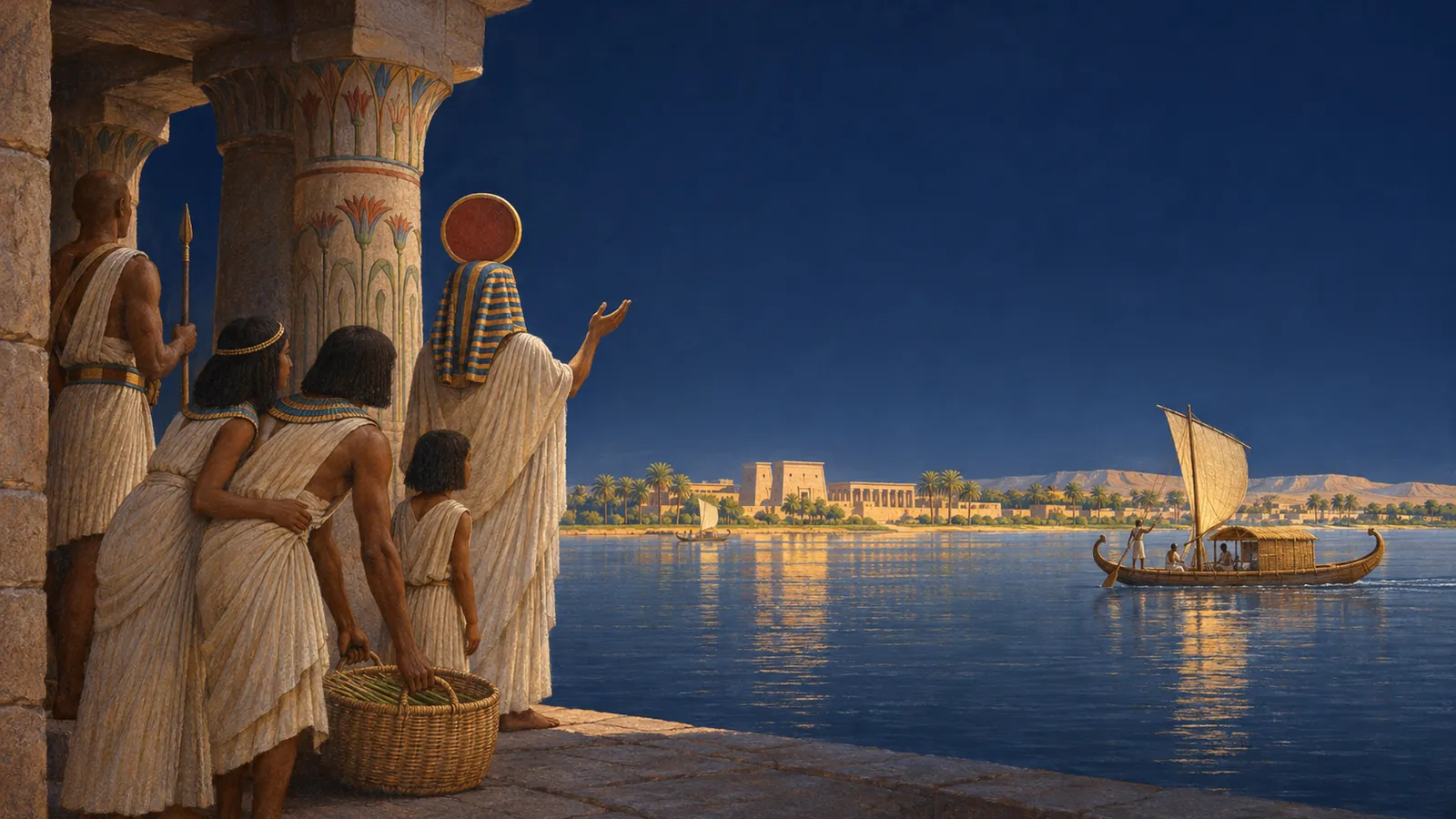
Ouvem-se vozes de alegria na grande morada. O hino diz que os deuses também se alegram quando Rá nasce e os seus raios enchem o mundo de luz.
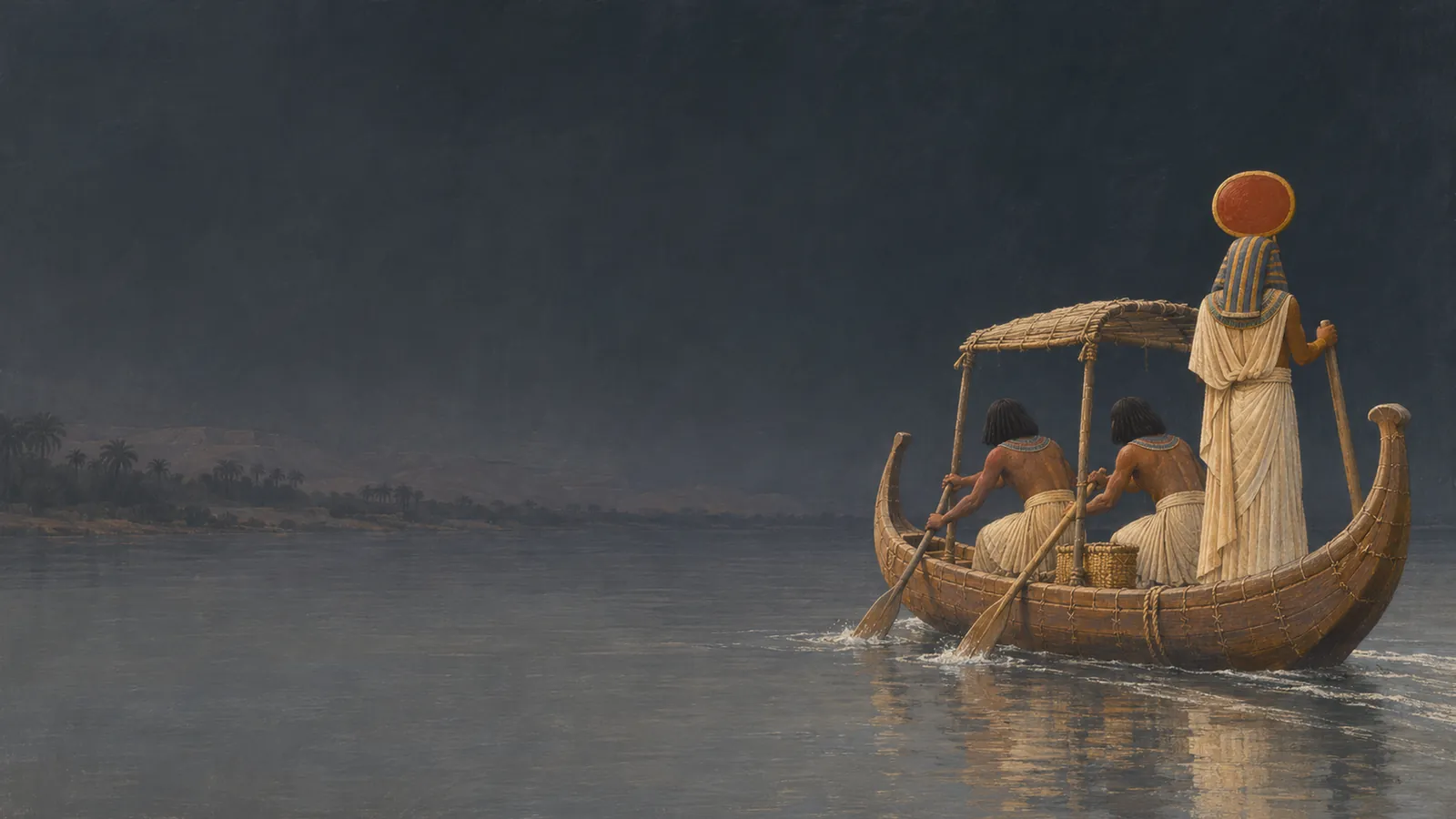
Rá parte e avança até Manu. O hino diz que, ao nascer a cada dia, ilumina a terra.
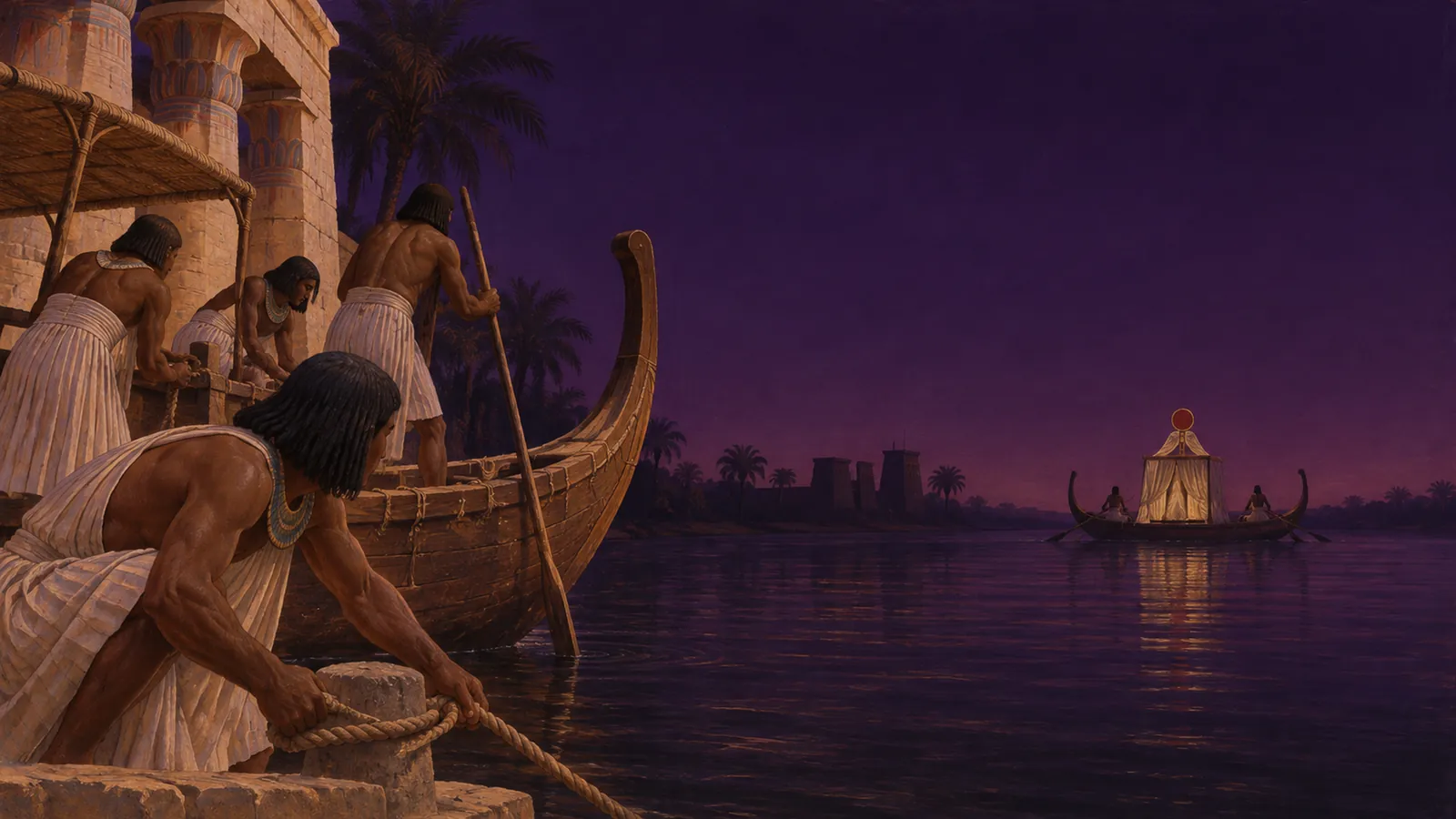
O primeiro hino termina com o regresso de Rá. Prossegue a viagem até ao lugar onde estivera no dia anterior.
HUNEFER
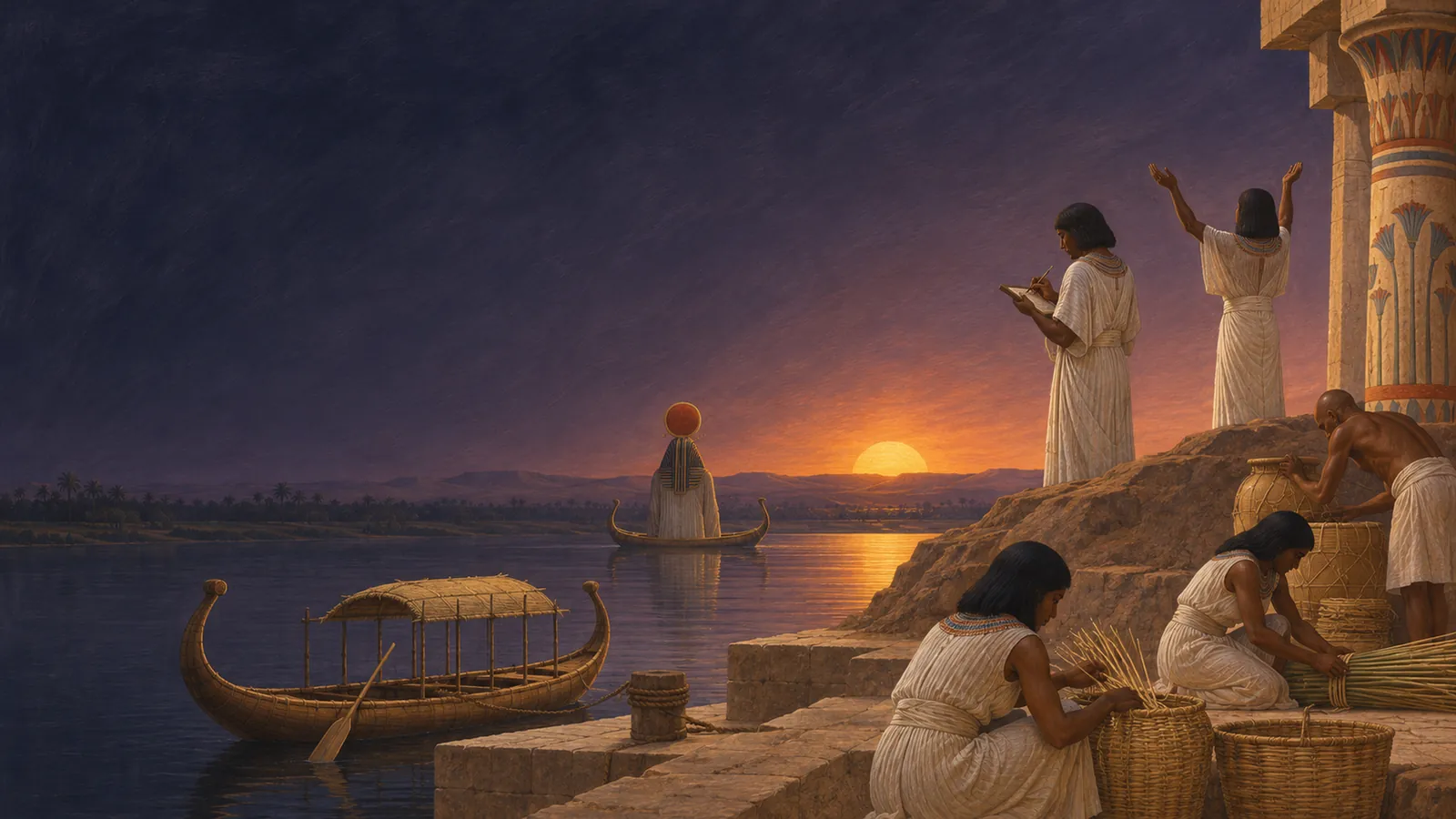
O hino seguinte vem do Papiro de Hunefer. Abre saudando o sol como Rá ao nascer e como Temu ao pôr-se.
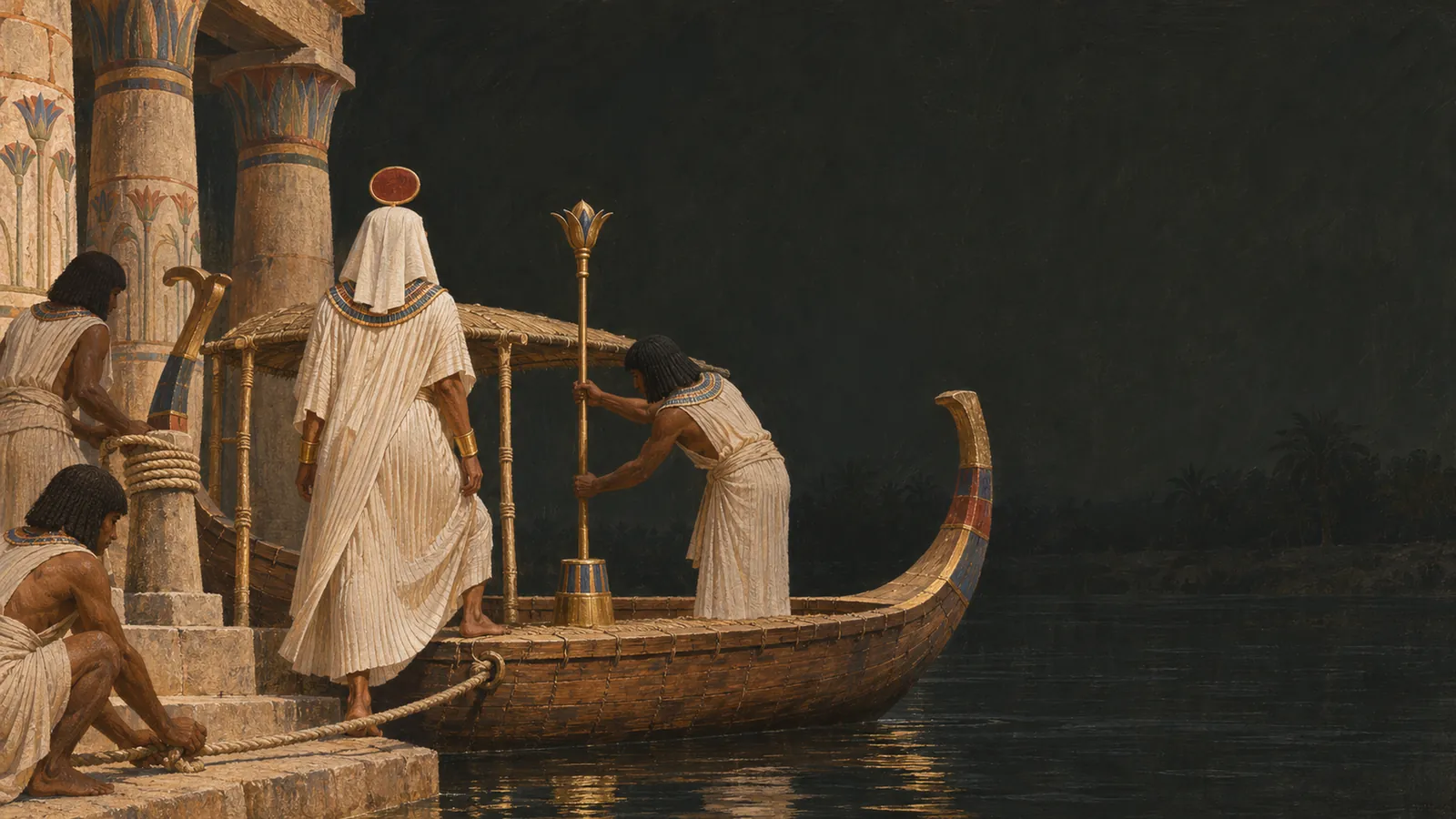
O hino repete que ele nasce e brilha. Saúda-o como rei coroado dos deuses e senhor do céu e da terra.
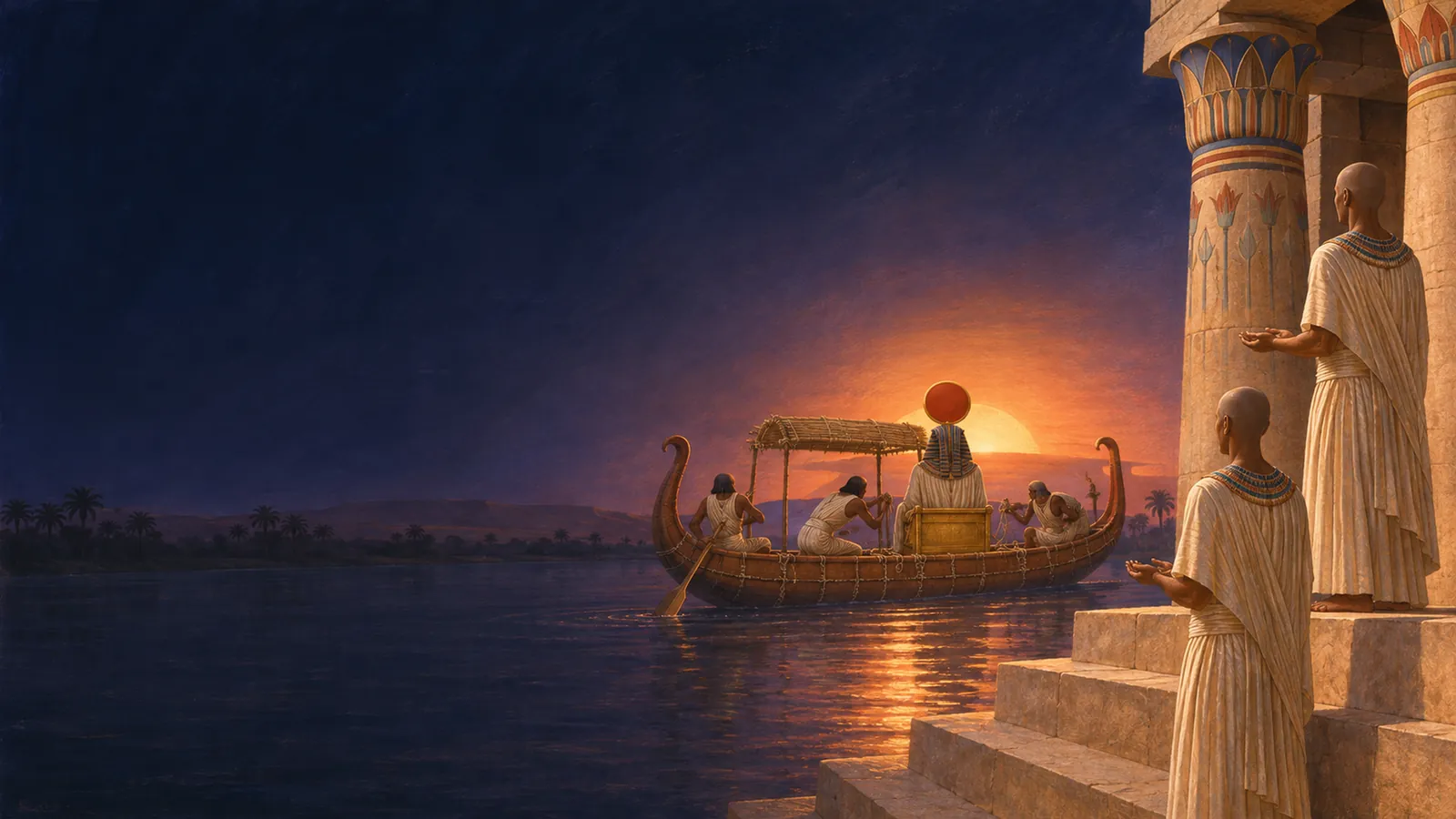
O hino chama-lhe criador dos que habitam as alturas e dos que habitam as profundezas. Diz que o Deus único veio à existência no princípio do tempo.
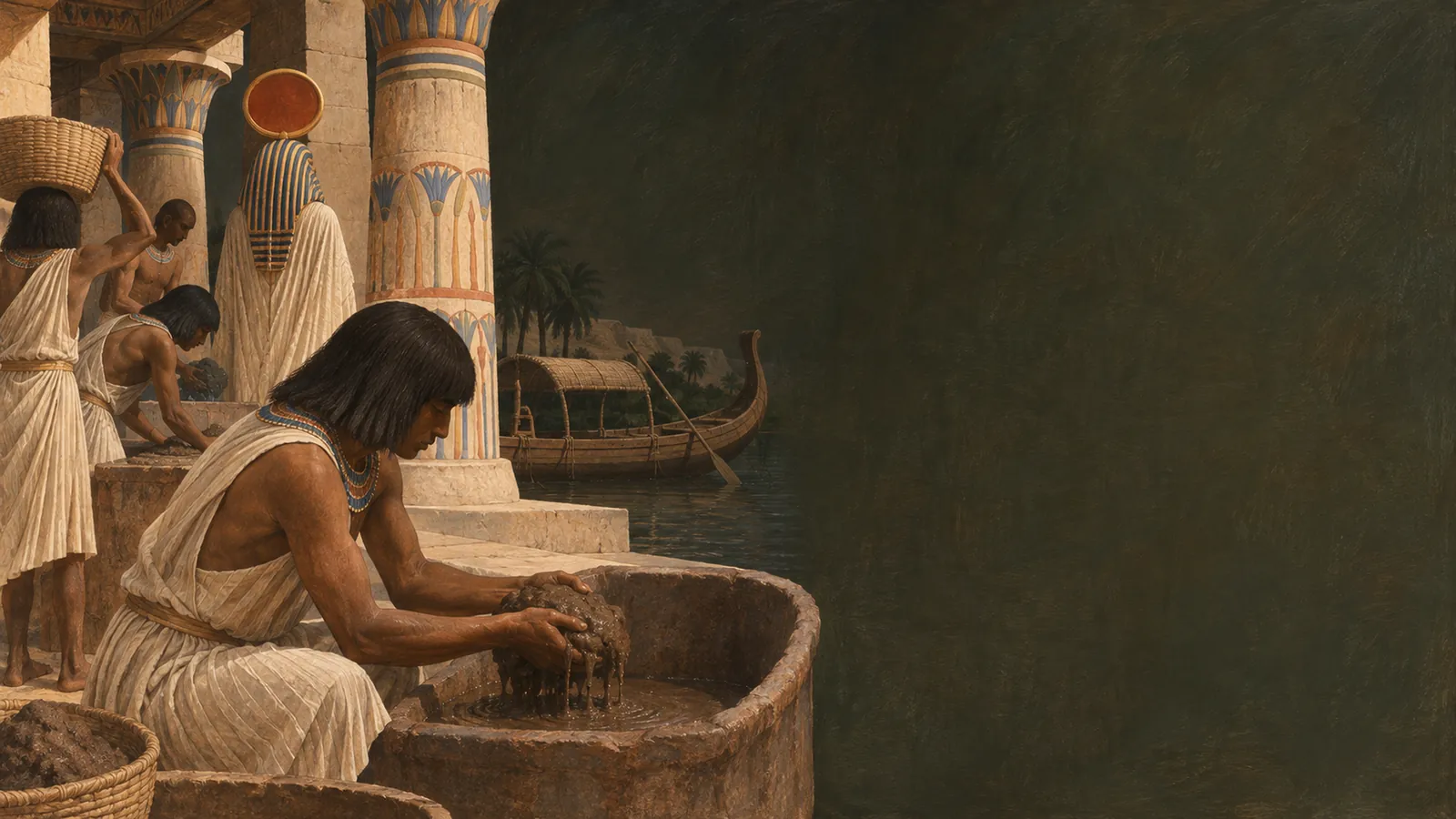
O canto dirige-se a ele como aquele que criou a terra e moldou a humanidade. Diz-lhe também que fez o abismo de água do céu.
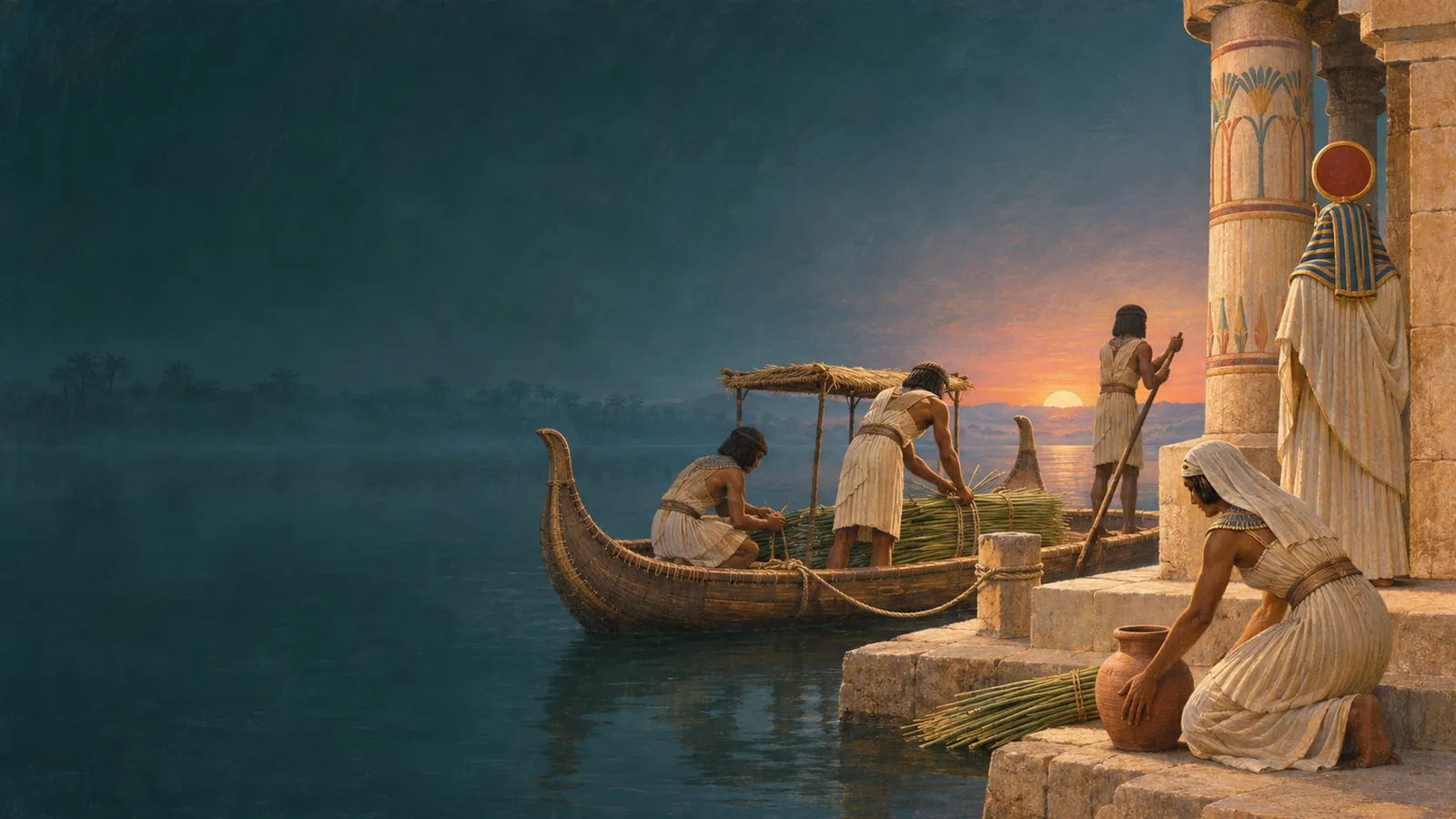
Ele formou Hapi, o Nilo, e criou o grande abismo. O hino acrescenta que dá vida a tudo o que nele existe.
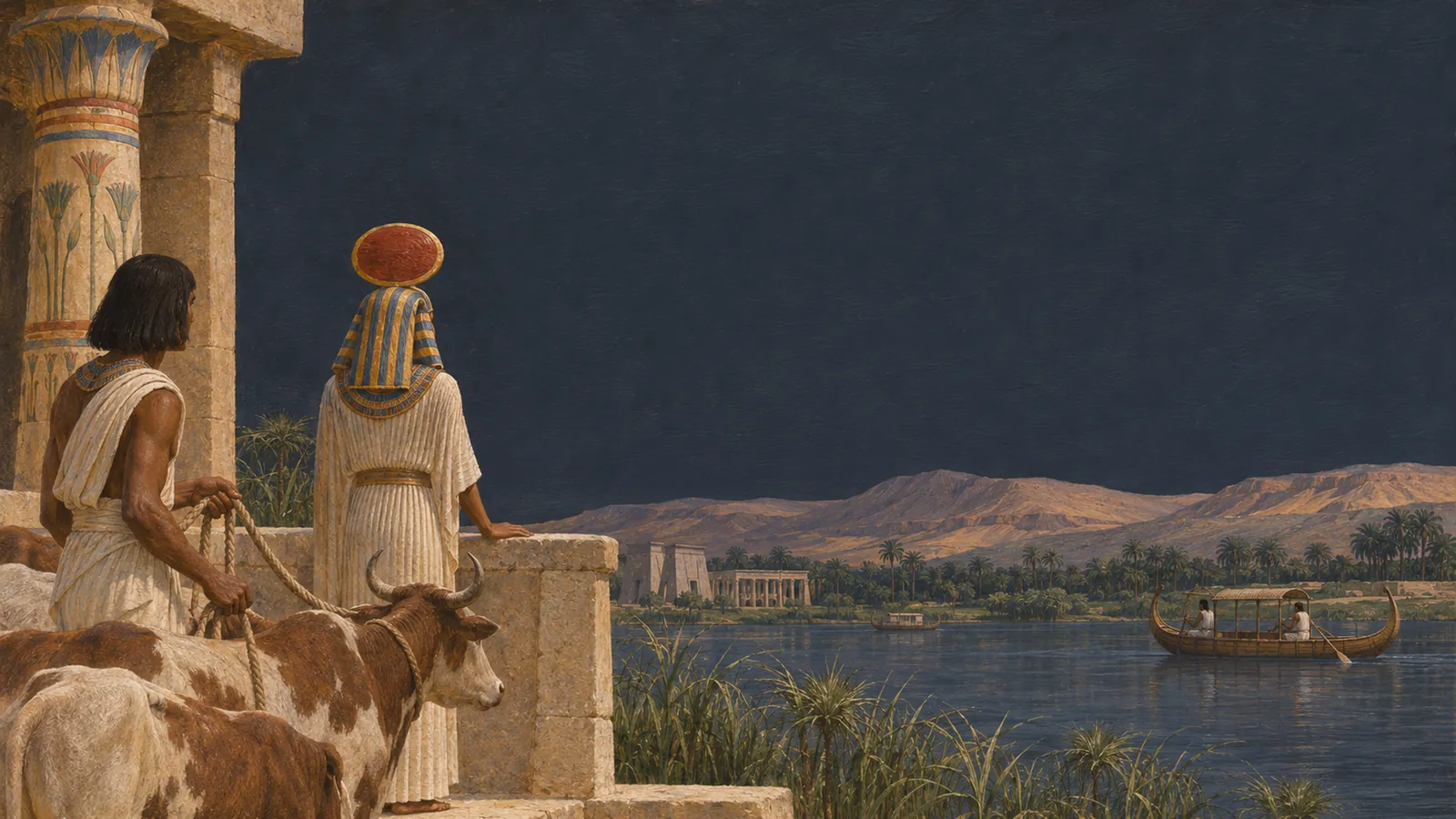
O hino diz que ele uniu as montanhas e trouxe à existência os seres humanos e os animais dos campos. Chama-lhe criador dos céus e da terra.
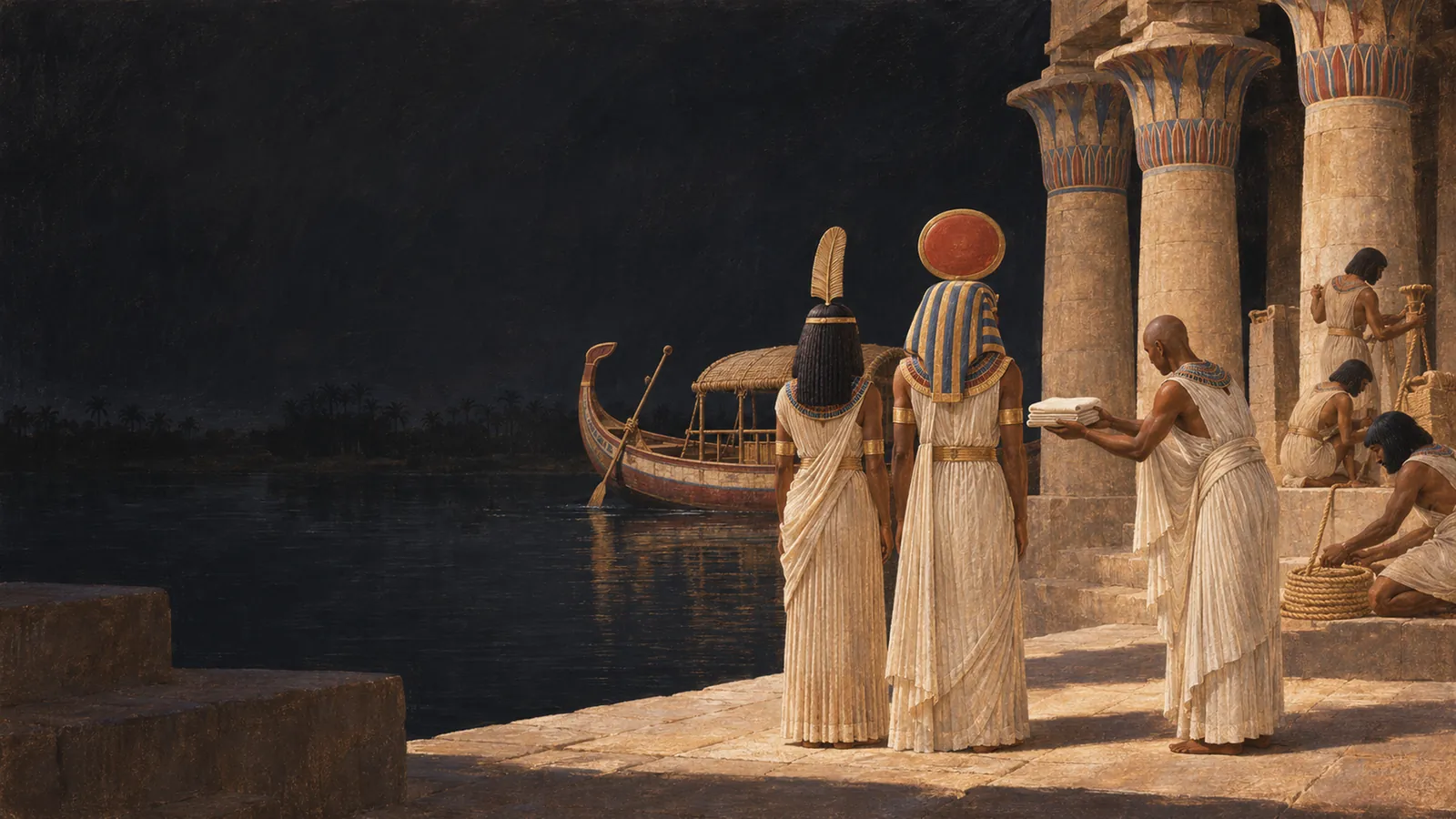
O hino convida a louvar aquele que a deusa Maat abraça. Nomeia tanto a manhã como a tarde como momentos desse abraço.
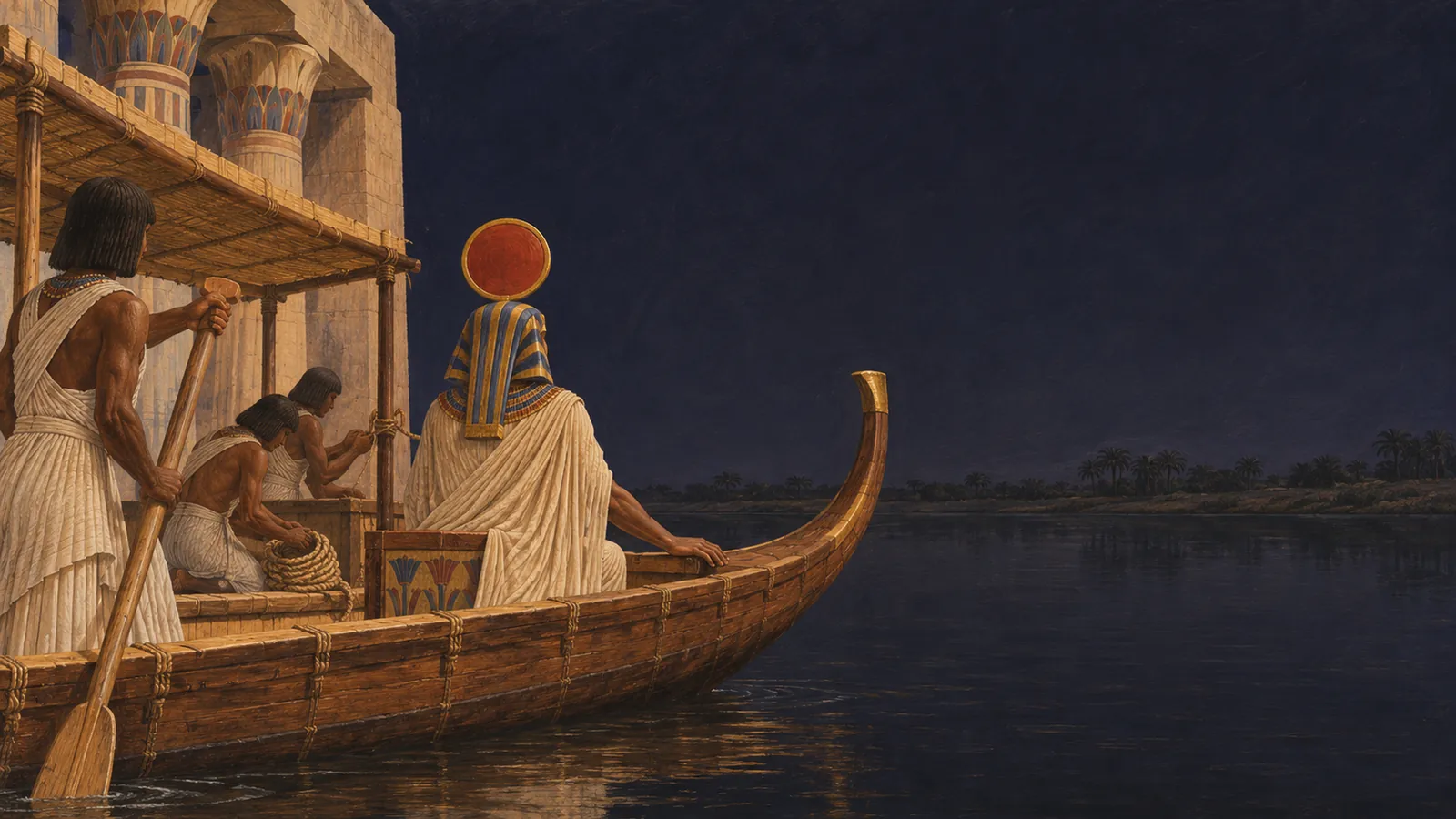
O hino descreve o viajante a cruzar o céu com o coração cheio de alegria. O grande abismo celeste fica contente com a sua passagem.
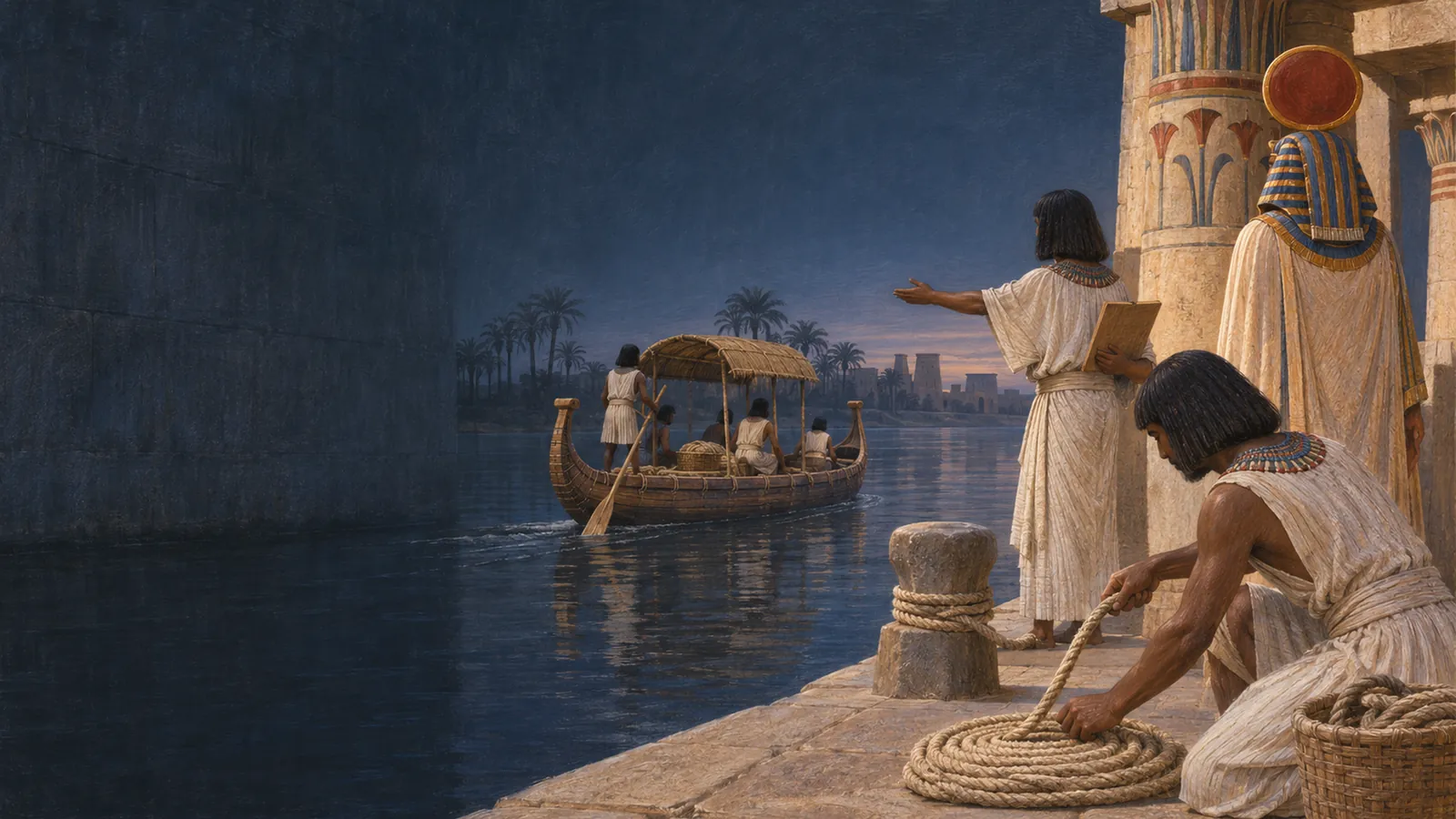
No hino de Hunefer, Nak, o adversário em forma de serpente, cai e os seus braços são cortados. As linhas seguintes retomam a viagem da barca Sektet.
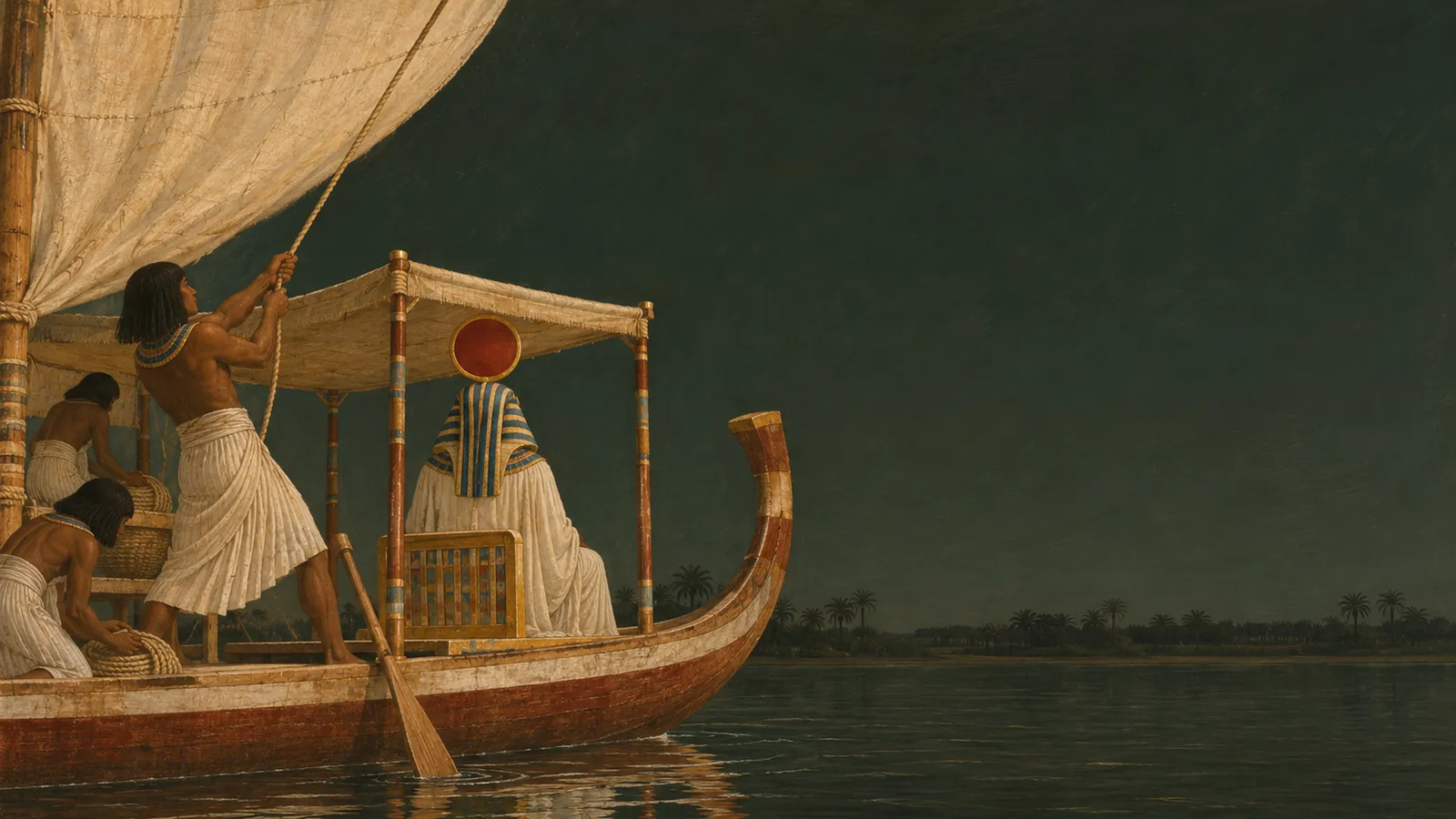
A barca Sektet recebe ventos favoráveis e quem está no seu santuário alegra-se. Budge identifica-a como a barca em que Rá navega do meio-dia ao pôr do sol.
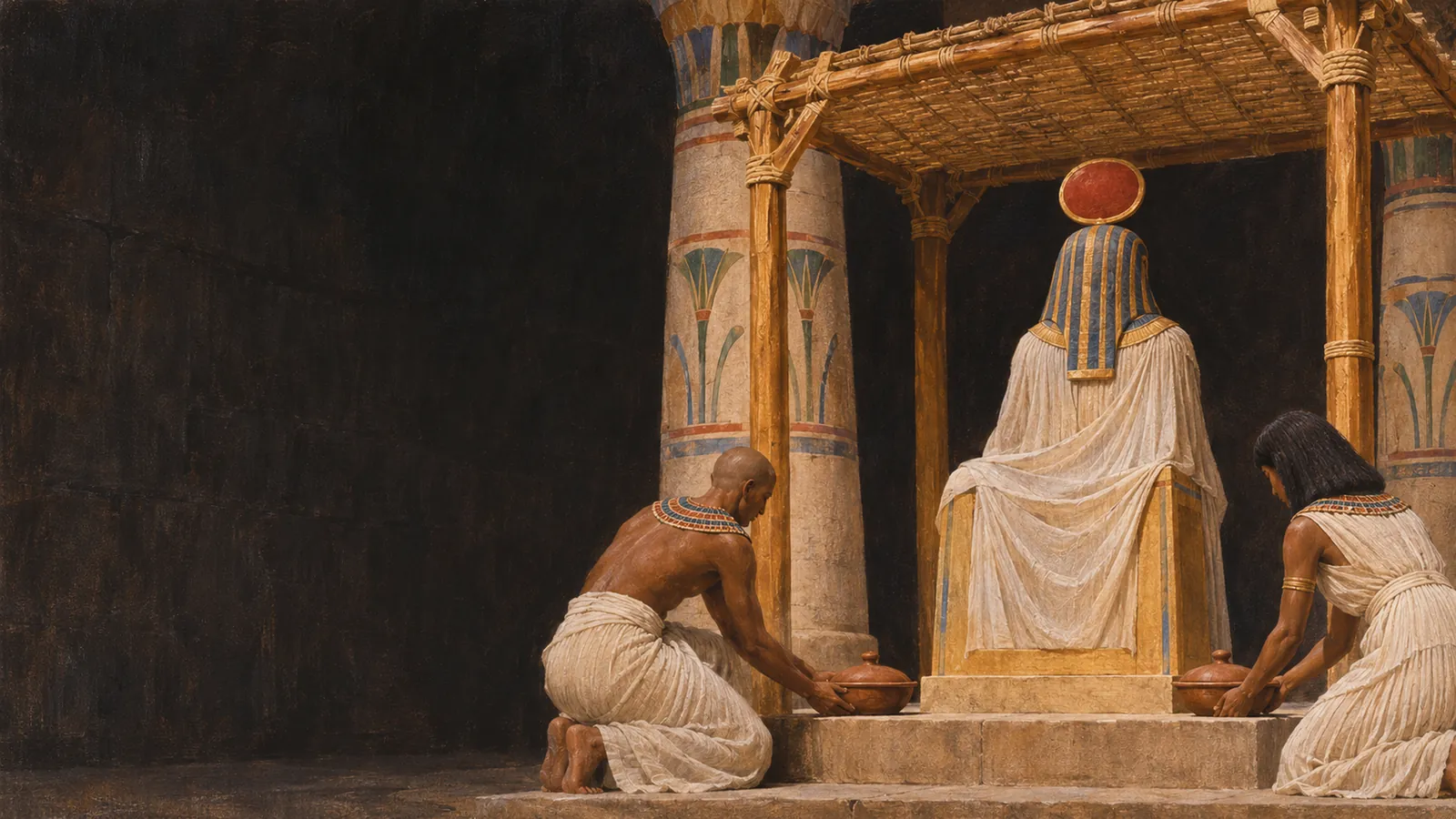
O hino chama-lhe príncipe coroado do céu. Nas palavras acrescentadas por Budge, o Único que aparece no céu está investido de toda a soberania. O hino diz que Rá é justo de voz.
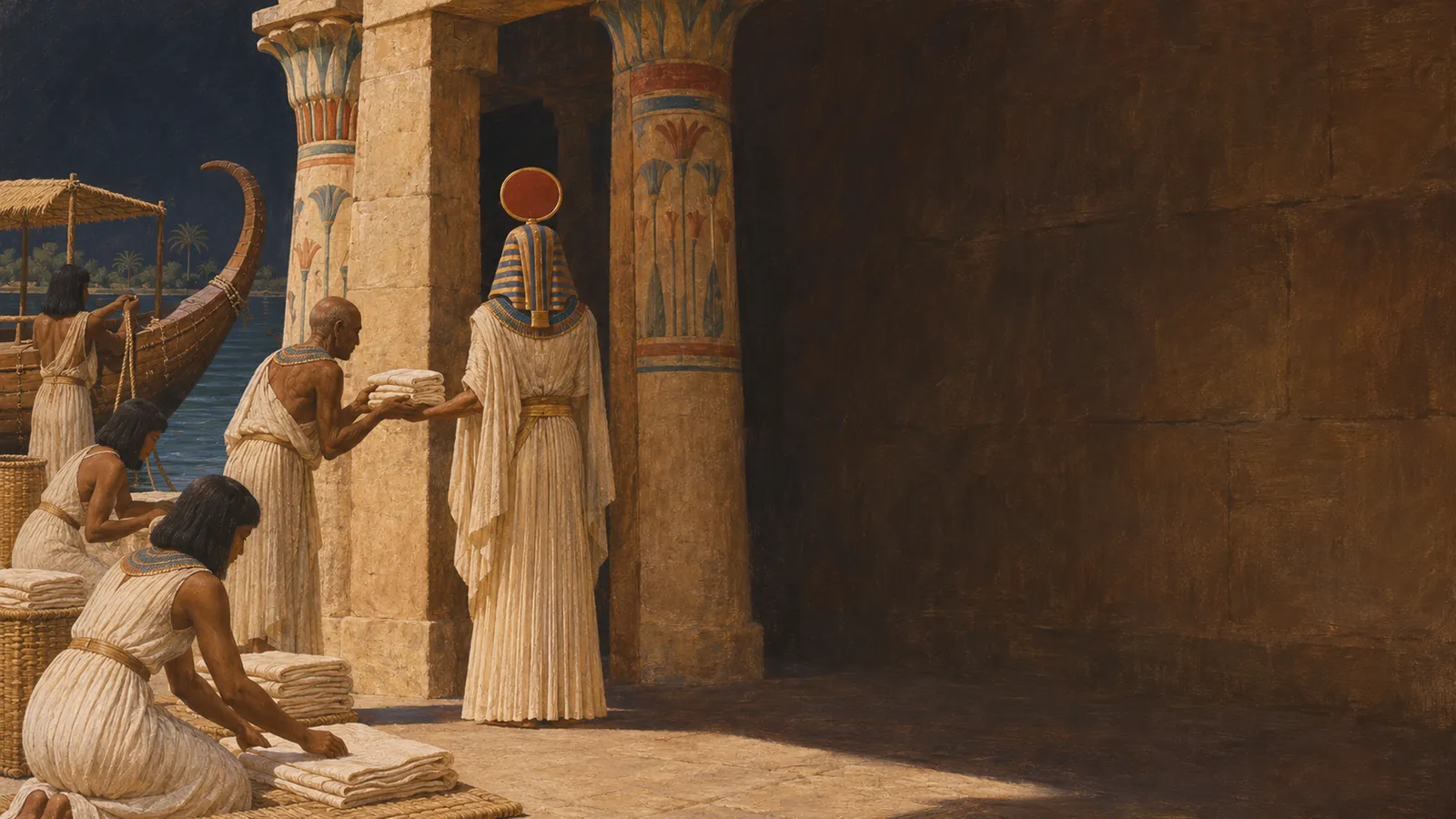
Nesta saudação, o hino chama-lhe jovem divino e herdeiro da perpetuidade. Saúda-o como aquele que deu origem a si mesmo.
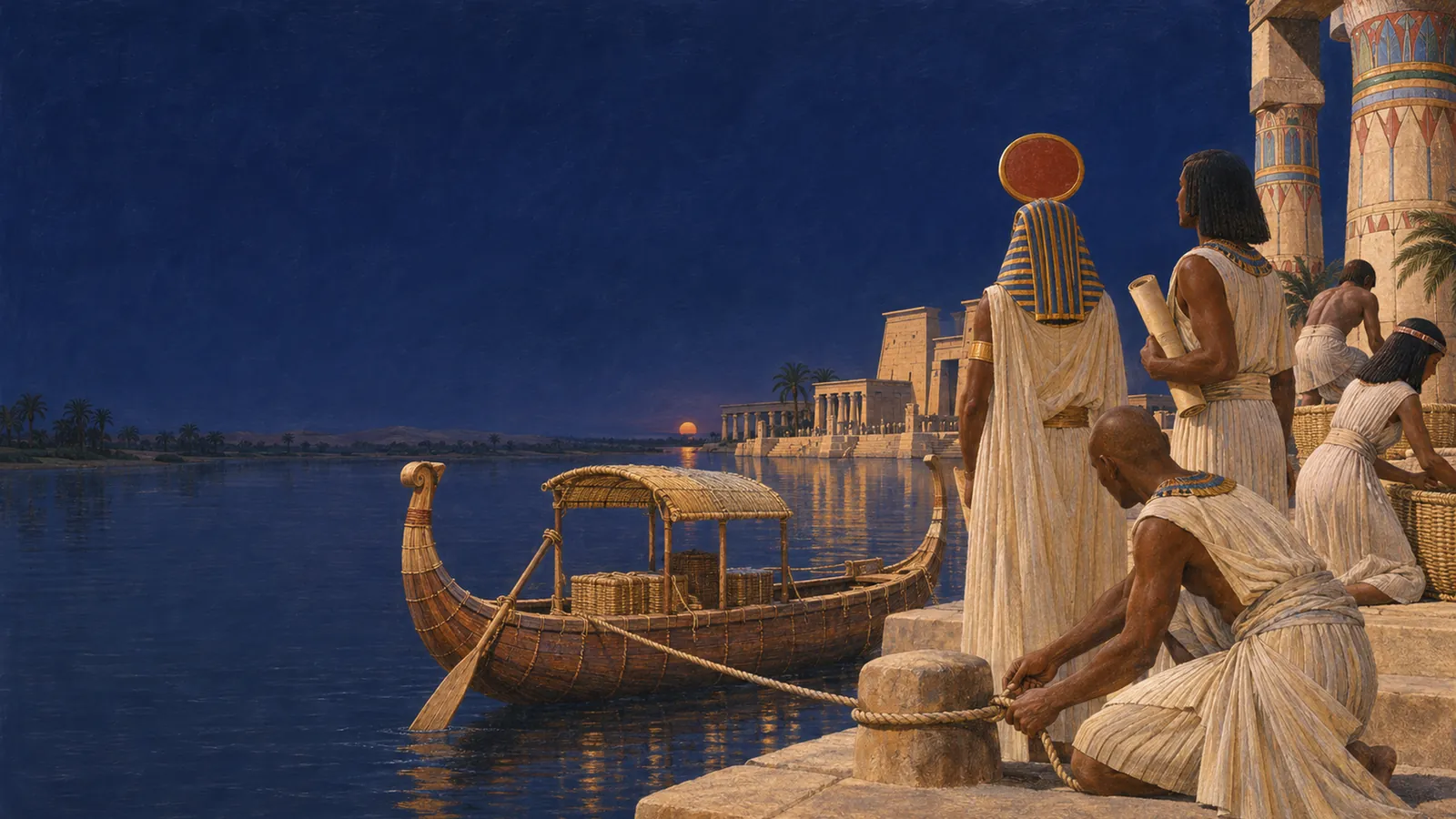
O hino de Hunefer saúda o poderoso Único de inúmeras formas. Chama-lhe rei do mundo, príncipe de Annu, que Budge identifica como Heliópolis, senhor da eternidade e soberano da perpetuidade.
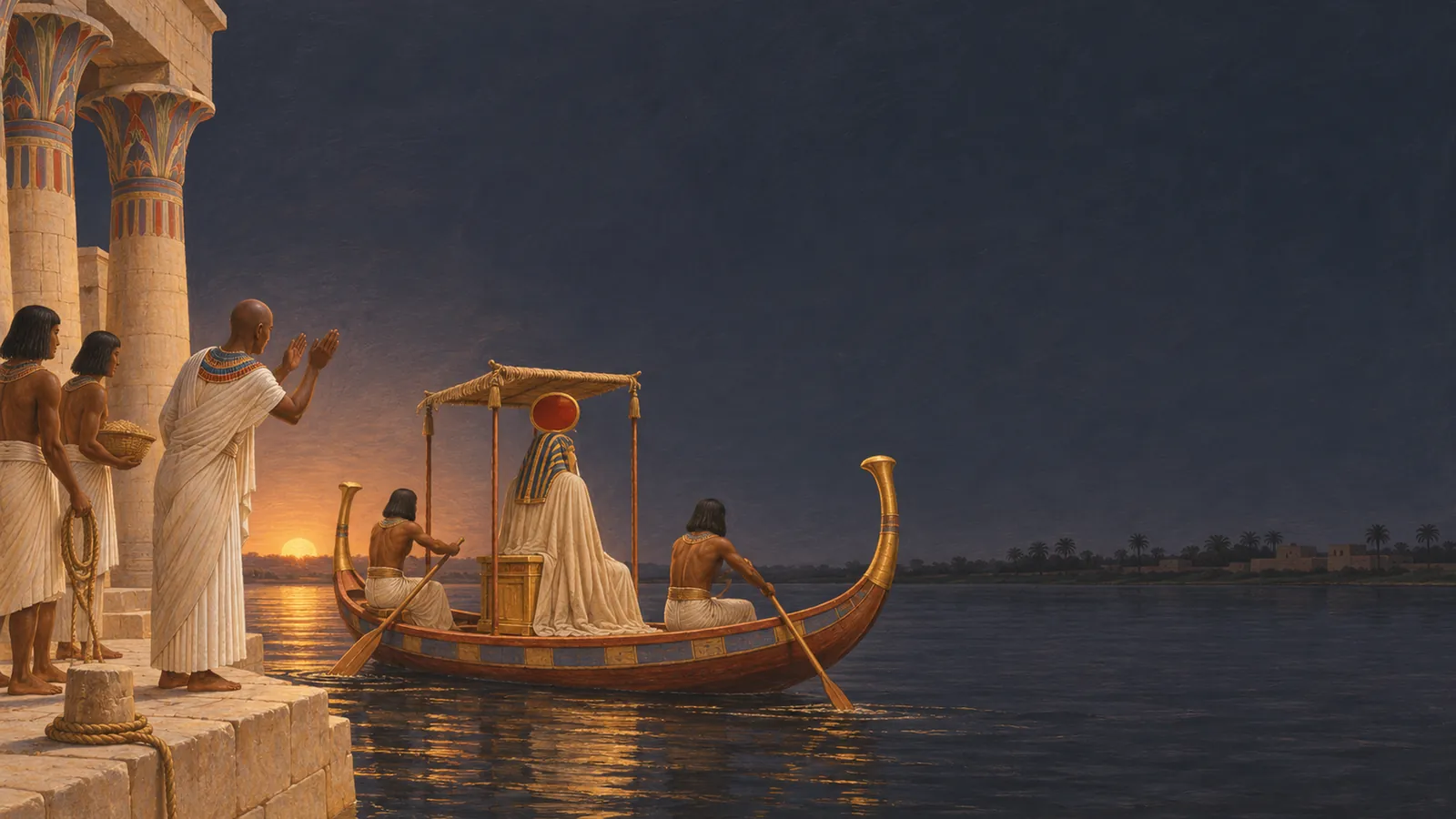
A companhia dos deuses alegra-se quando ele se ergue e navega pelo céu. O hino chama-lhe exaltado na barca Sektet.
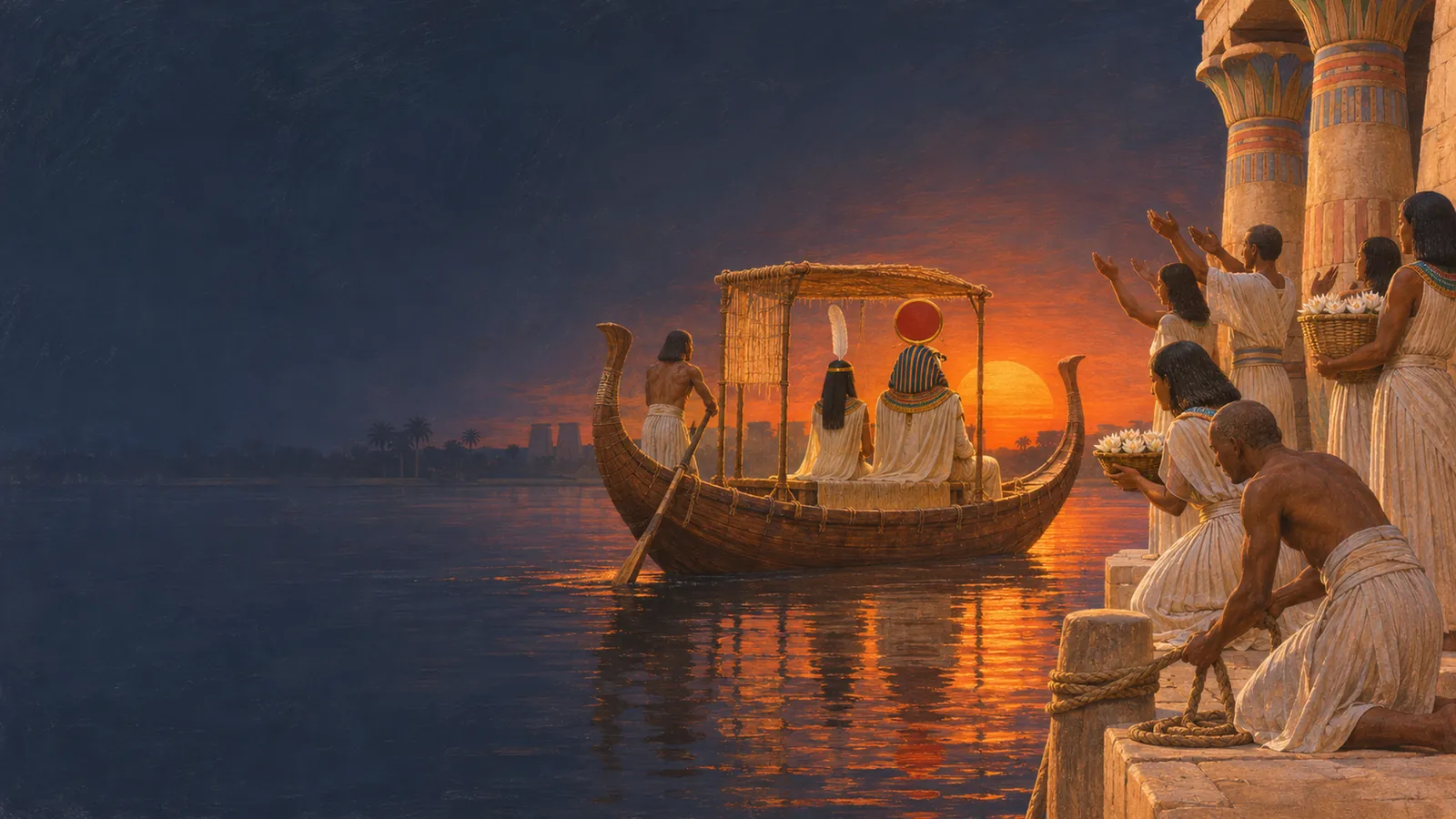
O hino dirige-se agora a Ámon-Rá, que repousa sobre Maat e atravessa o céu. À medida que avança, diz o canto, todos os rostos o veem e recebem os seus raios.
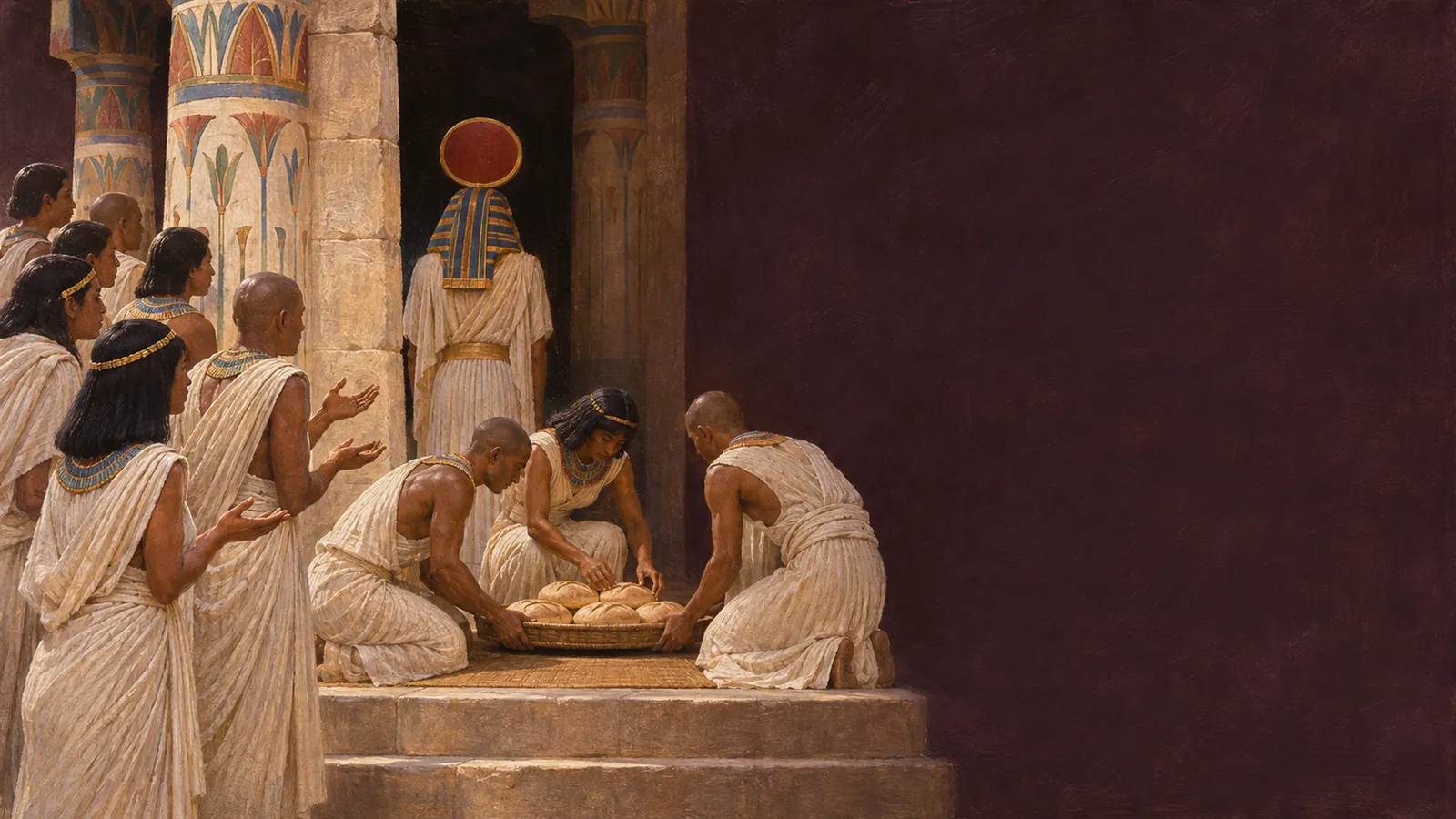
Nenhuma língua pode declarar a sua aparência, diz o hino, e as palavras acrescentadas por Budge reservam-lhe essa capacidade. As pessoas louvam-no e juram por ele como seu senhor. Ele ouve e vê.
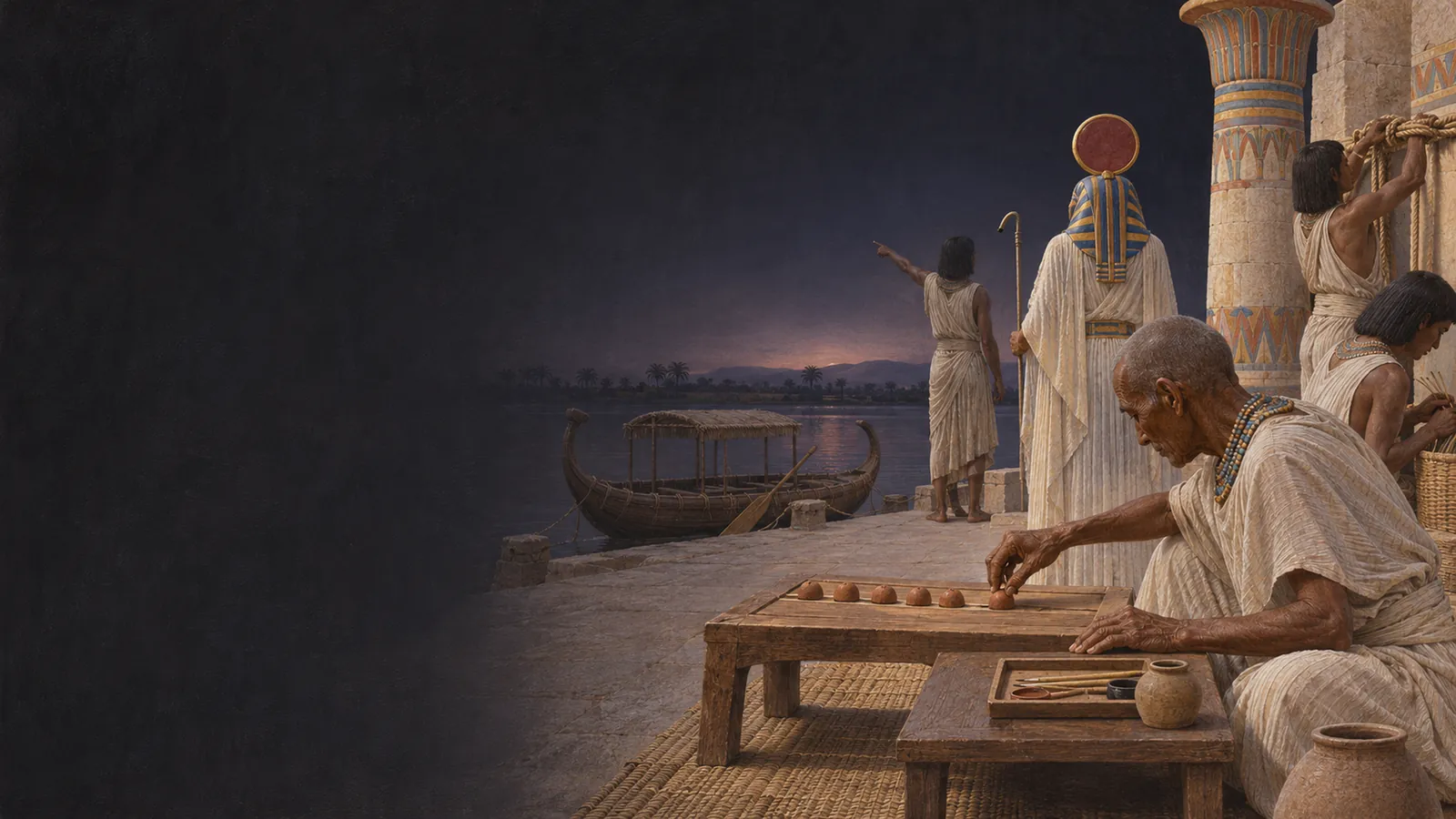
Passaram milhões de anos sobre o mundo, e o cantor não sabe quantos o deus atravessou. Sob o nome de Viajante, o deus decretou um dia de felicidade.
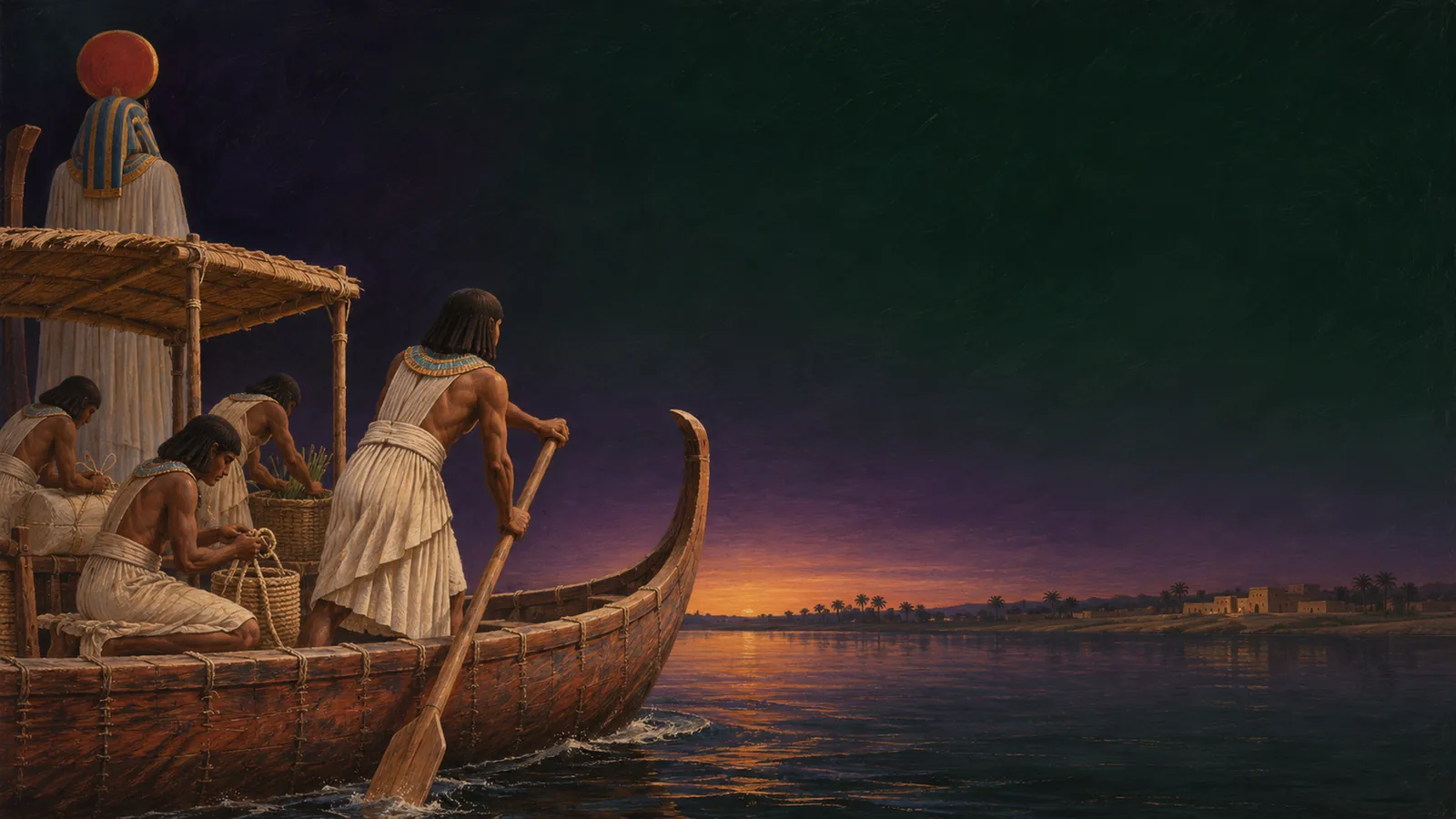
Na tradução de Budge, cruza em paz distâncias que levariam milhões e centenas de milhares de anos a percorrer. Num só instante, atravessa o abismo de água em direção ao lugar que ama. Ele desce e põe fim às horas.
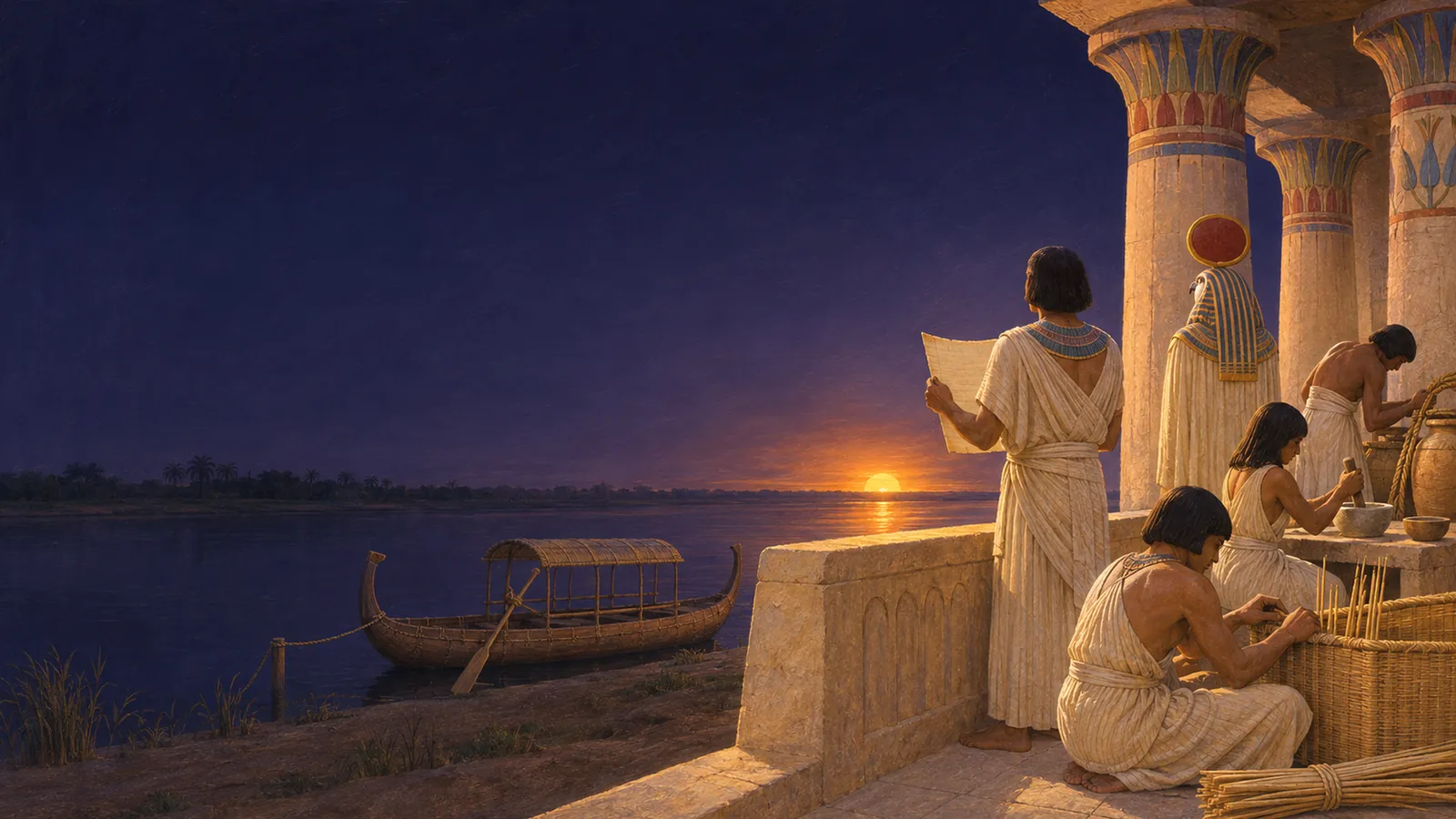
A PRECE DE ANI
Neste hino e prece distintos, Ani saúda o disco que se ergue dia após dia. O papiro chama-lhe Osíris Ani, justo de voz.
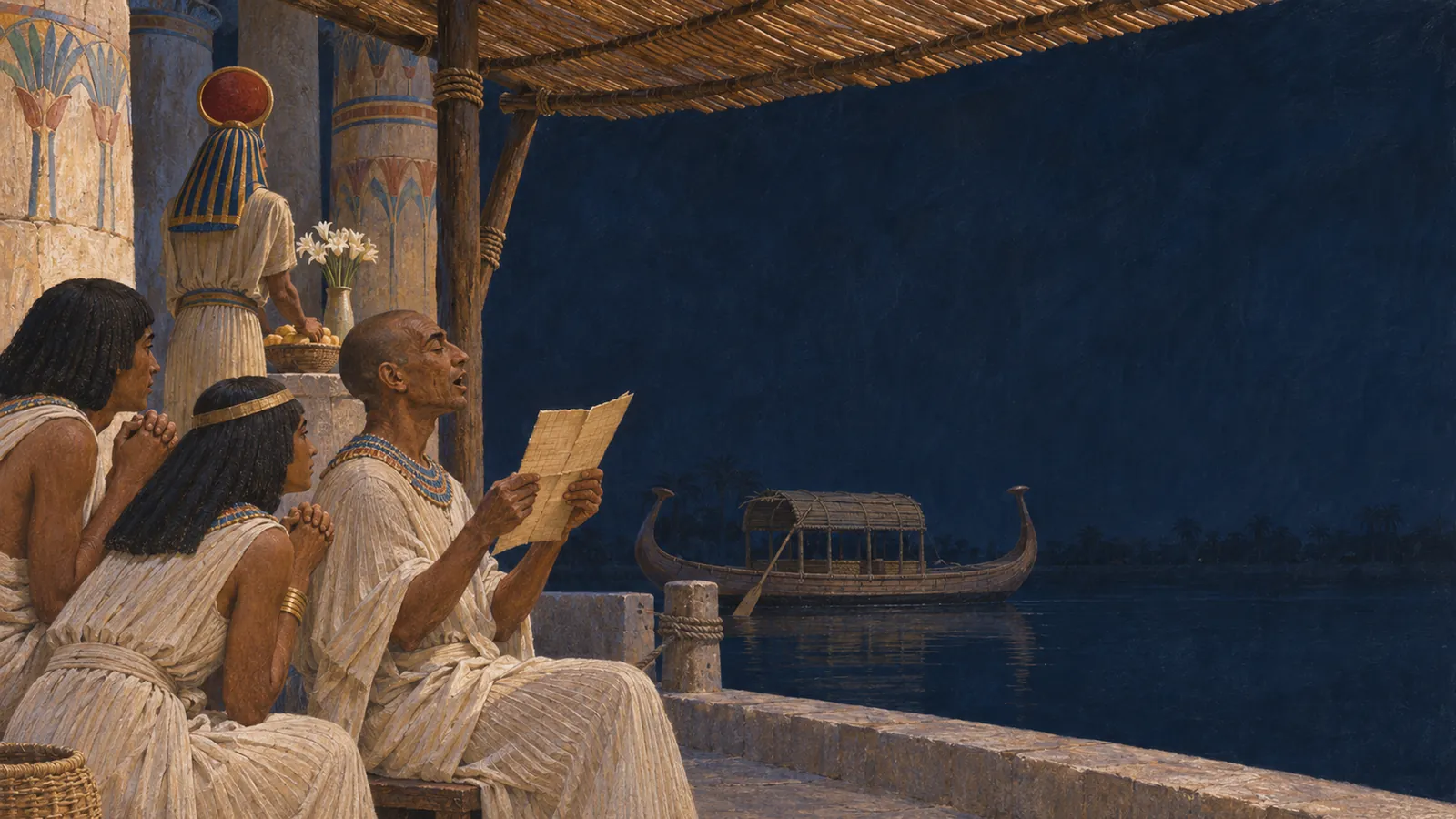
Ani diz que canta hinos de louvor quando o sol nasce de madrugada. Ao anoitecer, acompanha o seu ocaso com palavras de adoração.
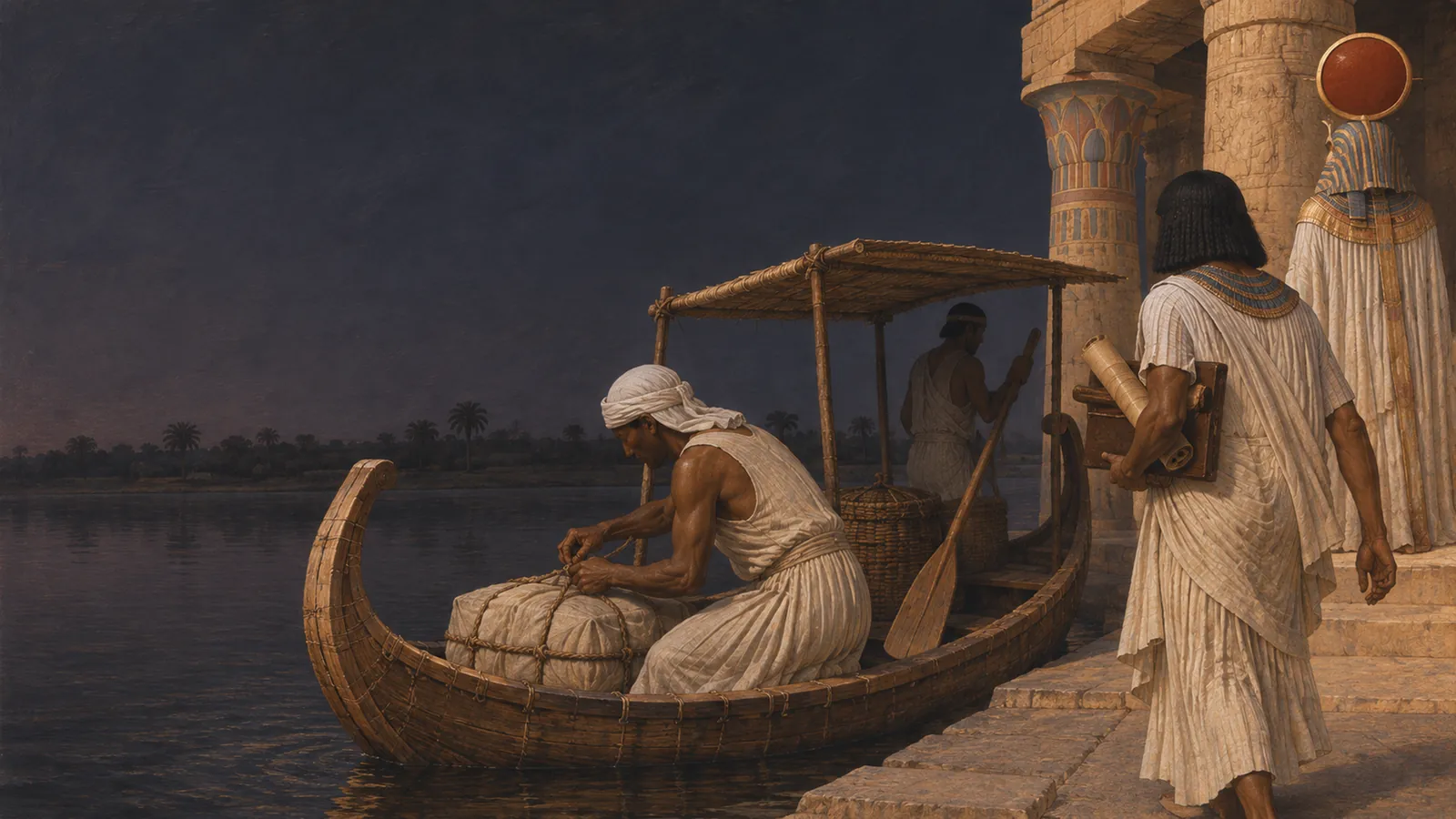
Ani pede que a sua alma possa sair para o céu com o sol. Que parta na barca Mātet e chegue ao porto na Sektet.
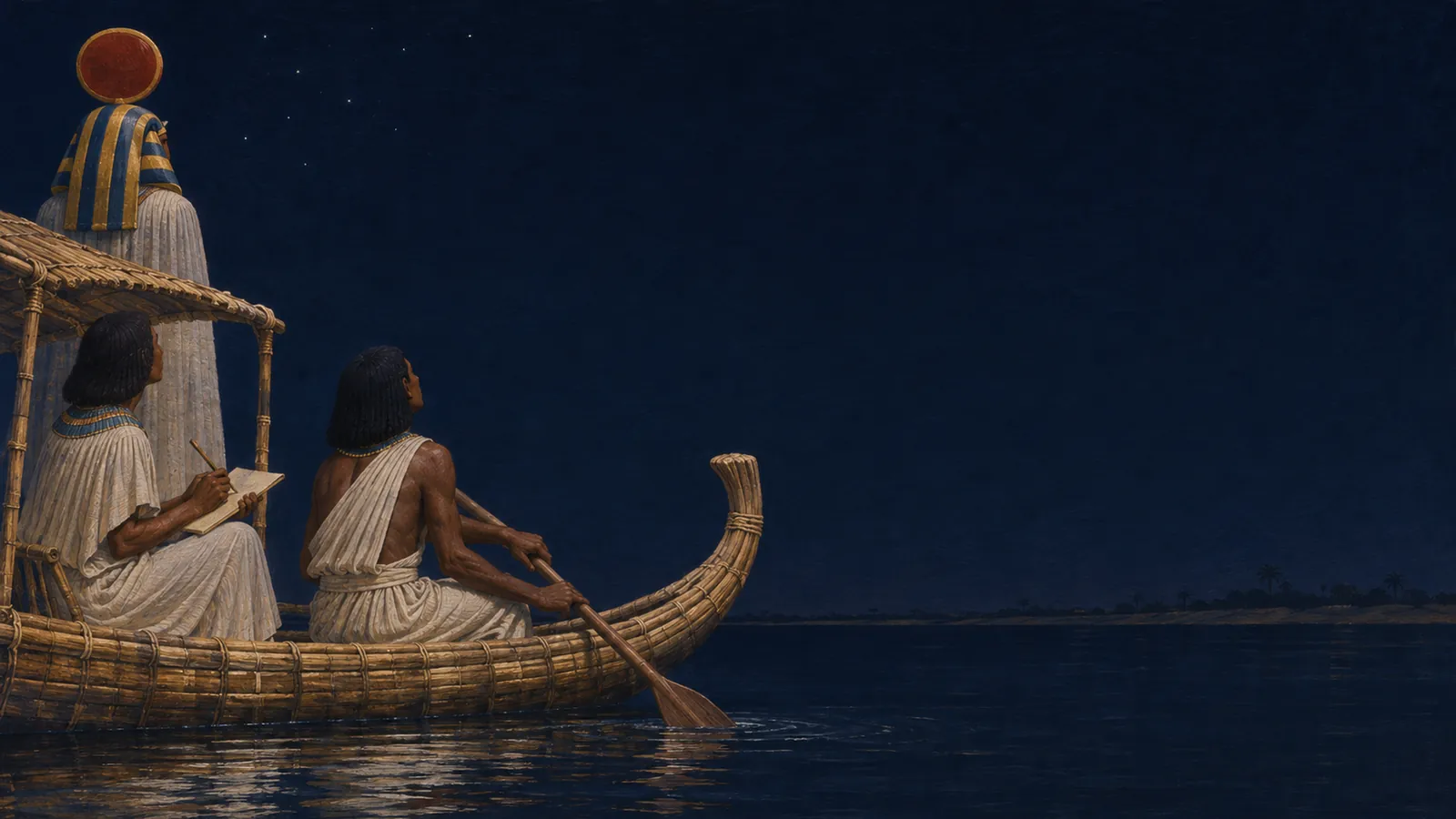
A prece leva a esperança de Ani ao céu noturno. Que encontre um caminho entre as estrelas que nunca repousam.
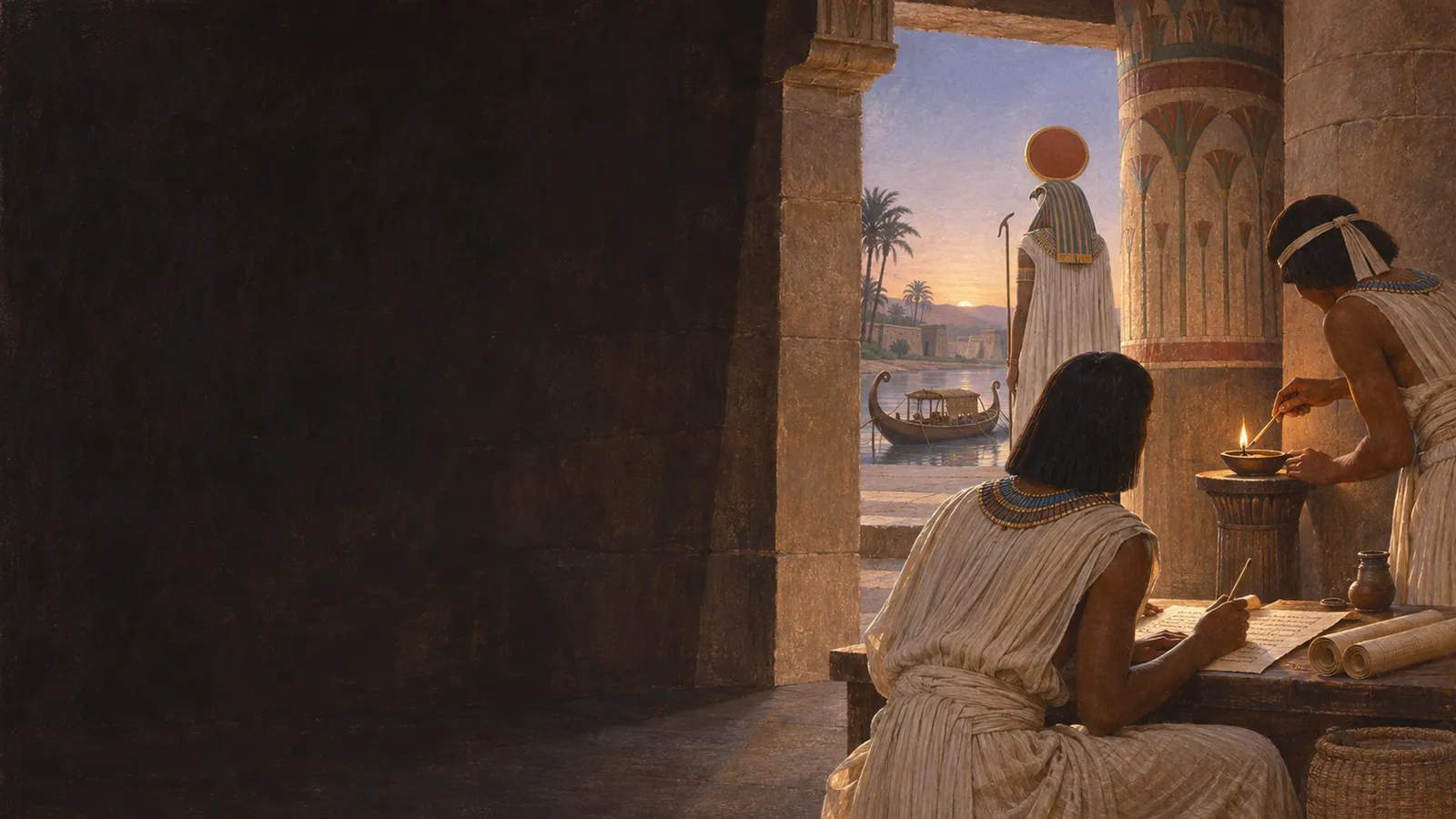
Ani saúda Heru-Khuti como Khepera, que se criou a si próprio. Louva a beleza do deus quando a luz do seu nascer incide nas terras do Norte e do Sul.
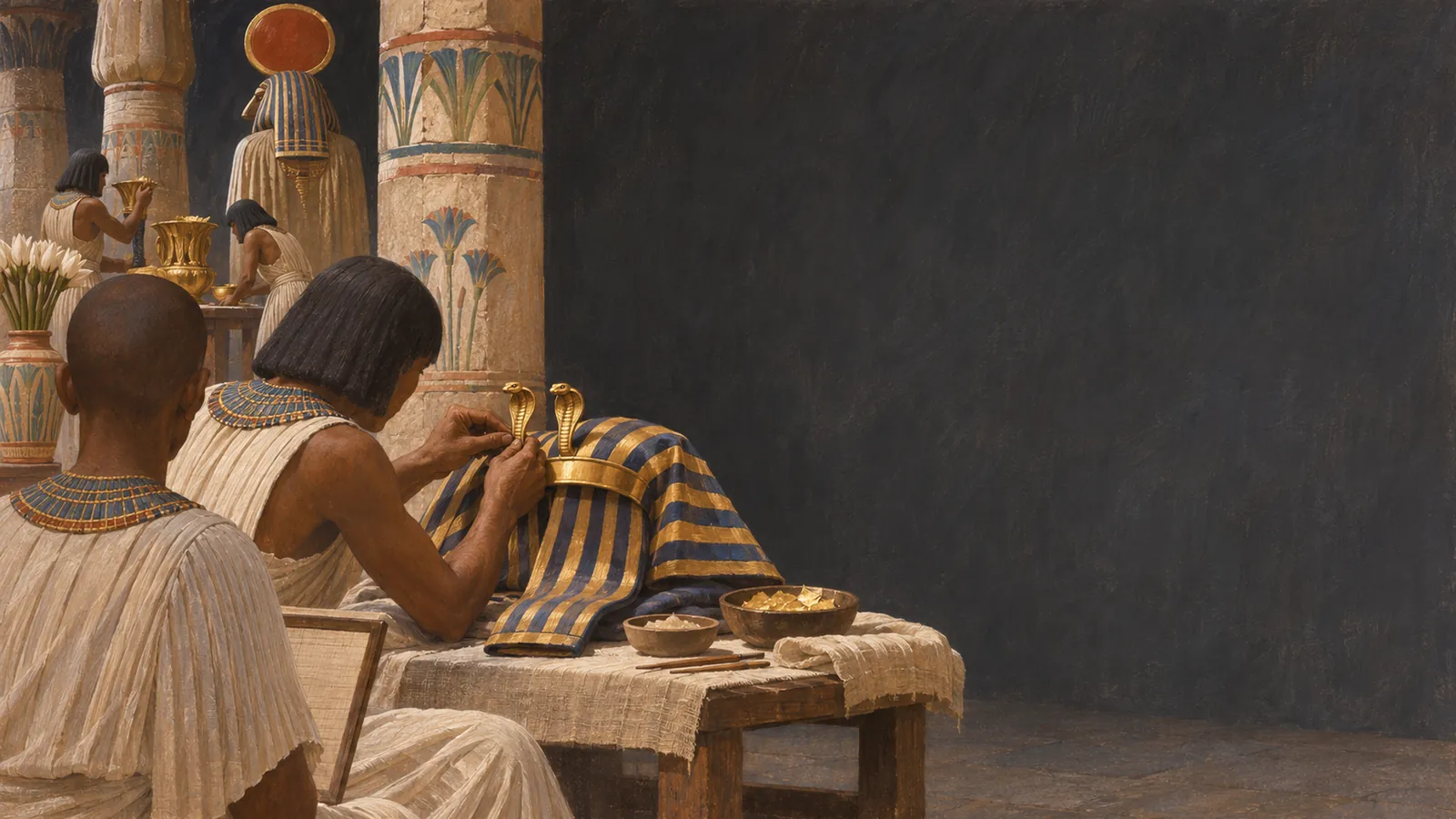
Os deuses alegram-se ao ver o rei do céu. O hino põe Nebt-Unnut sobre a sua cabeça, com os dois emblemas de cobra da deusa na testa, e coloca-a diante dele.
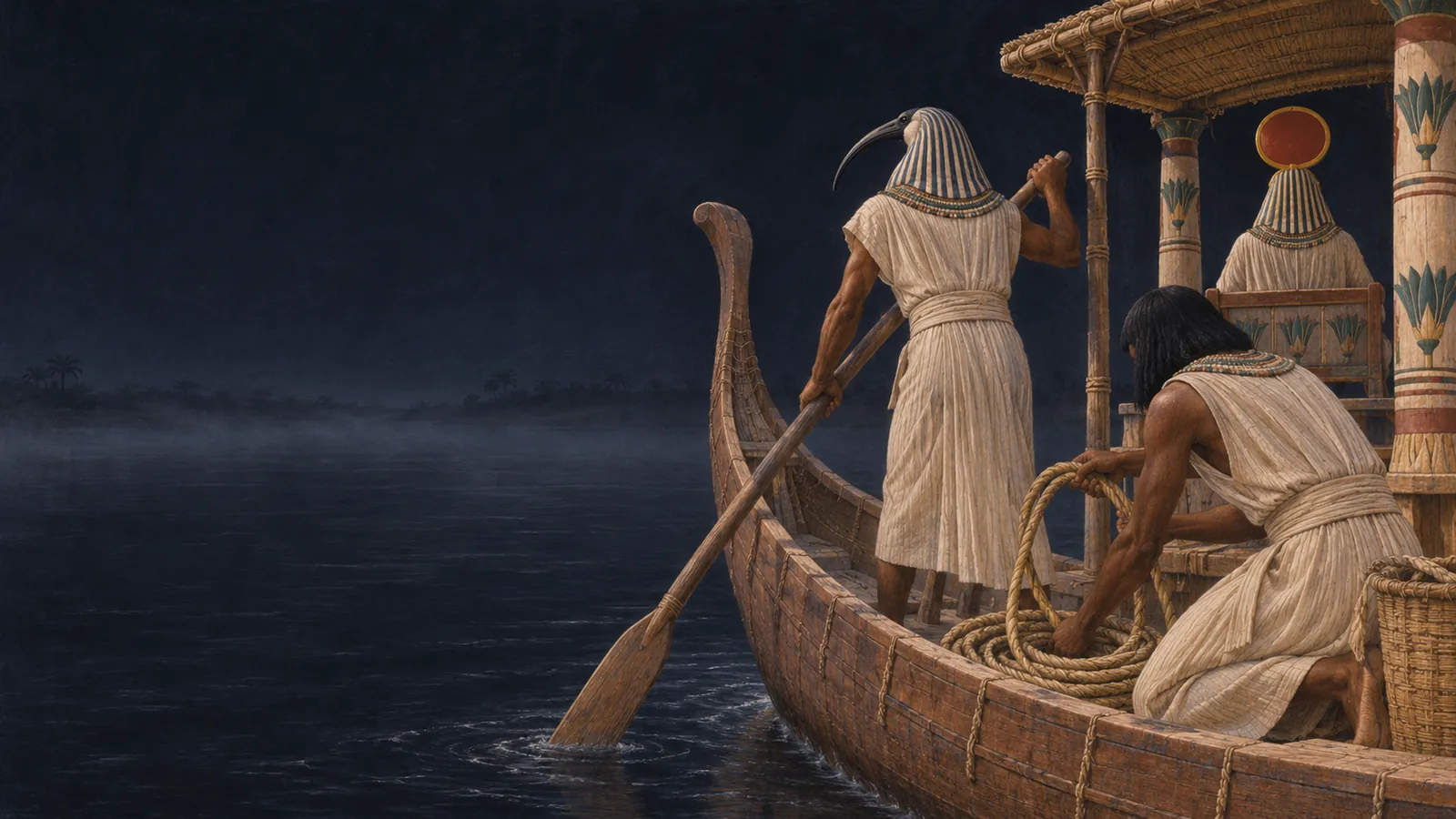
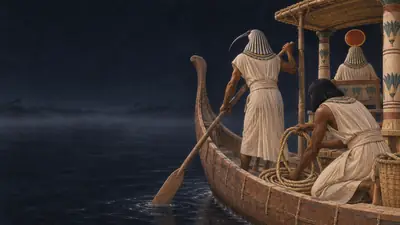
O hino coloca Tot à proa da barca. Diz que ali se encontra para destruir todos os inimigos do sol.
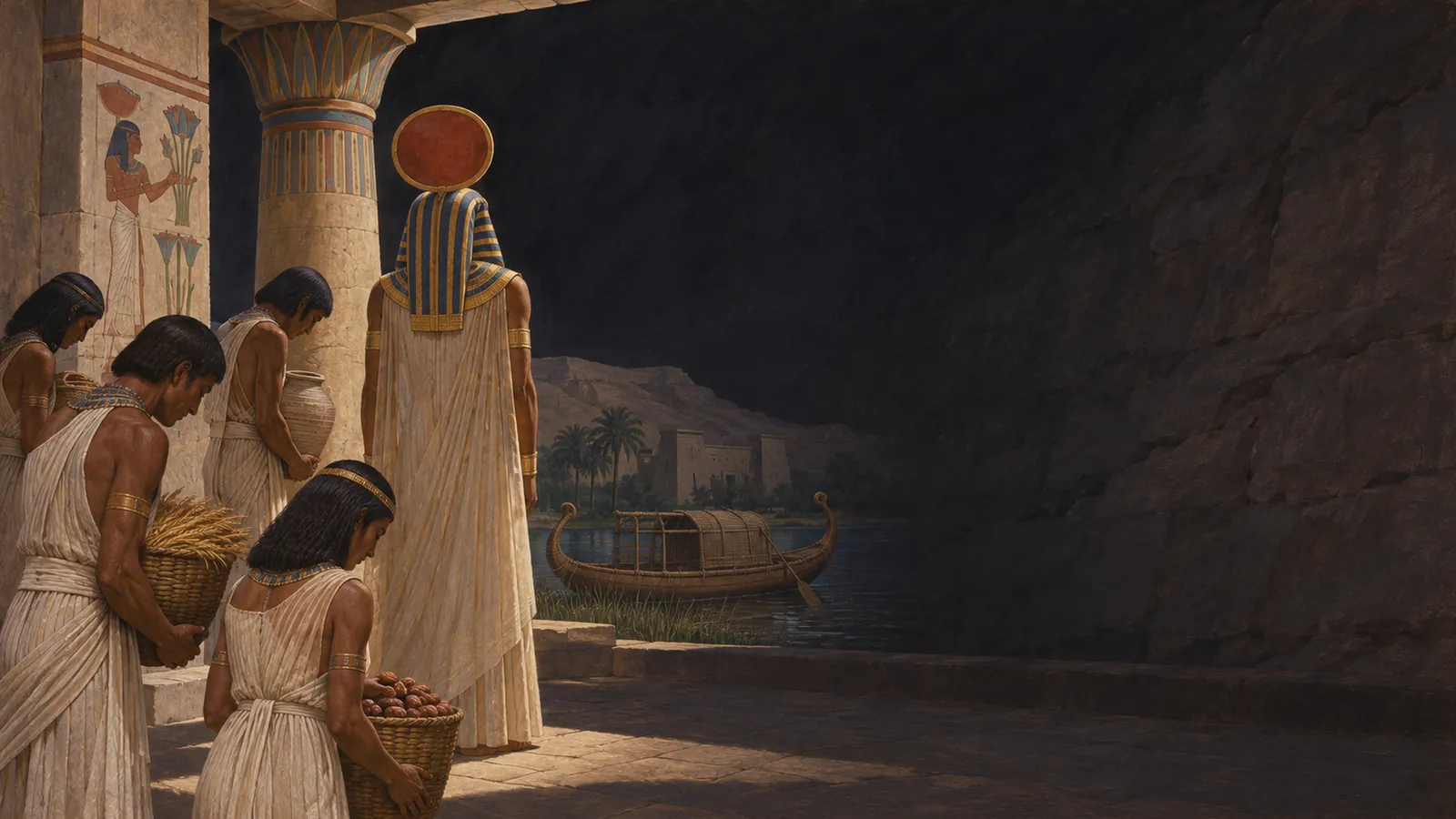
Os que habitam na Duat saem ao seu encontro. O hino diz que se curvam profundamente ao aproximar-se para contemplar a sua bela forma.
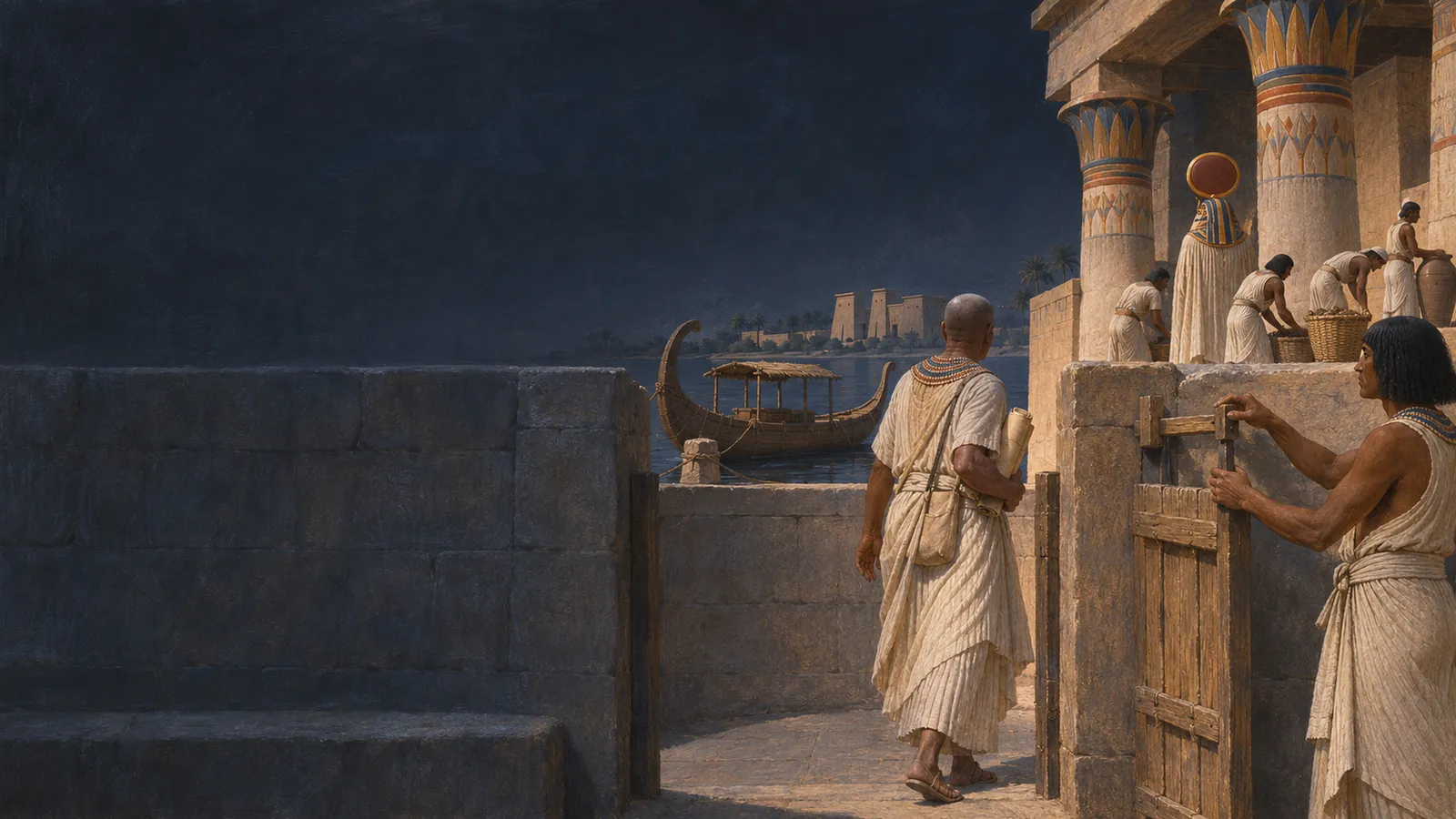
Ani diz que veio para contemplar o disco todos os dias. Pede que não o encerrem nem o mandem voltar.
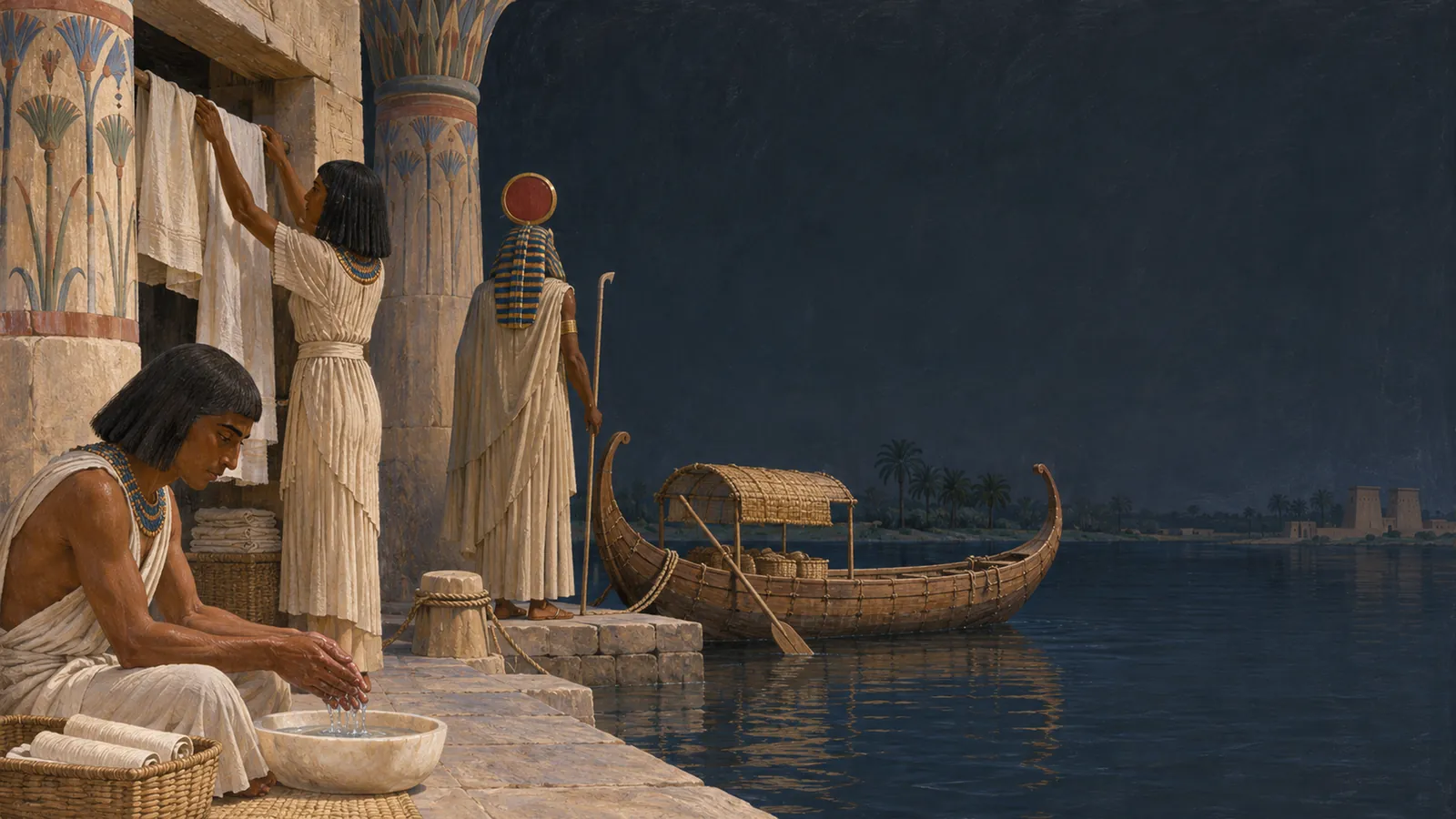
Ani pede que o seu corpo se renove como os dos favorecidos. Venerou o sol na terra e pede agora que possa chegar à terra eterna.
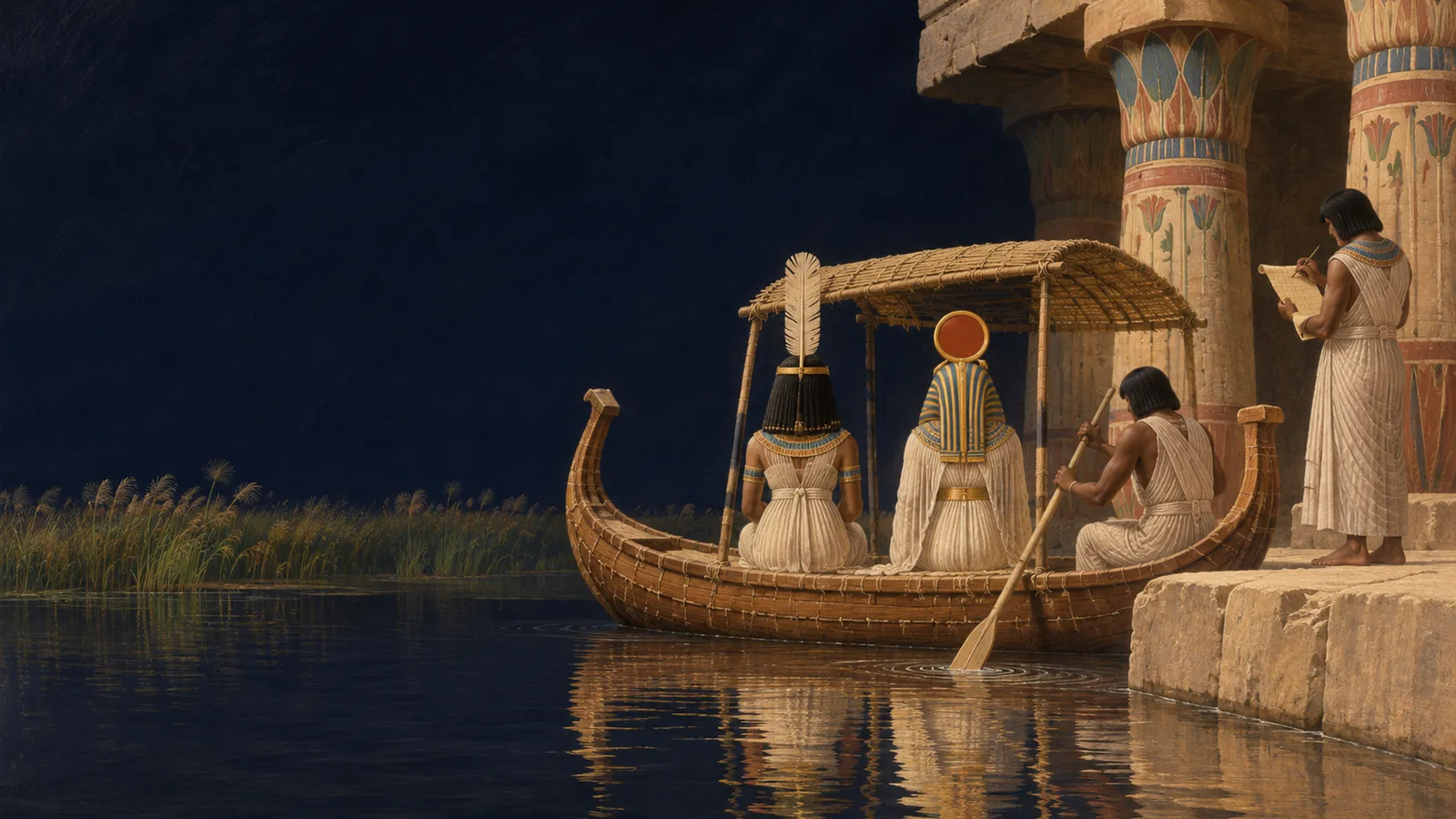
Ani saúda Rá quando se ergue e repousa sobre Maet. Estivera escondido dos olhares, mas mostra-se de manhã e ao anoitecer para que todos vejam o seu curso.
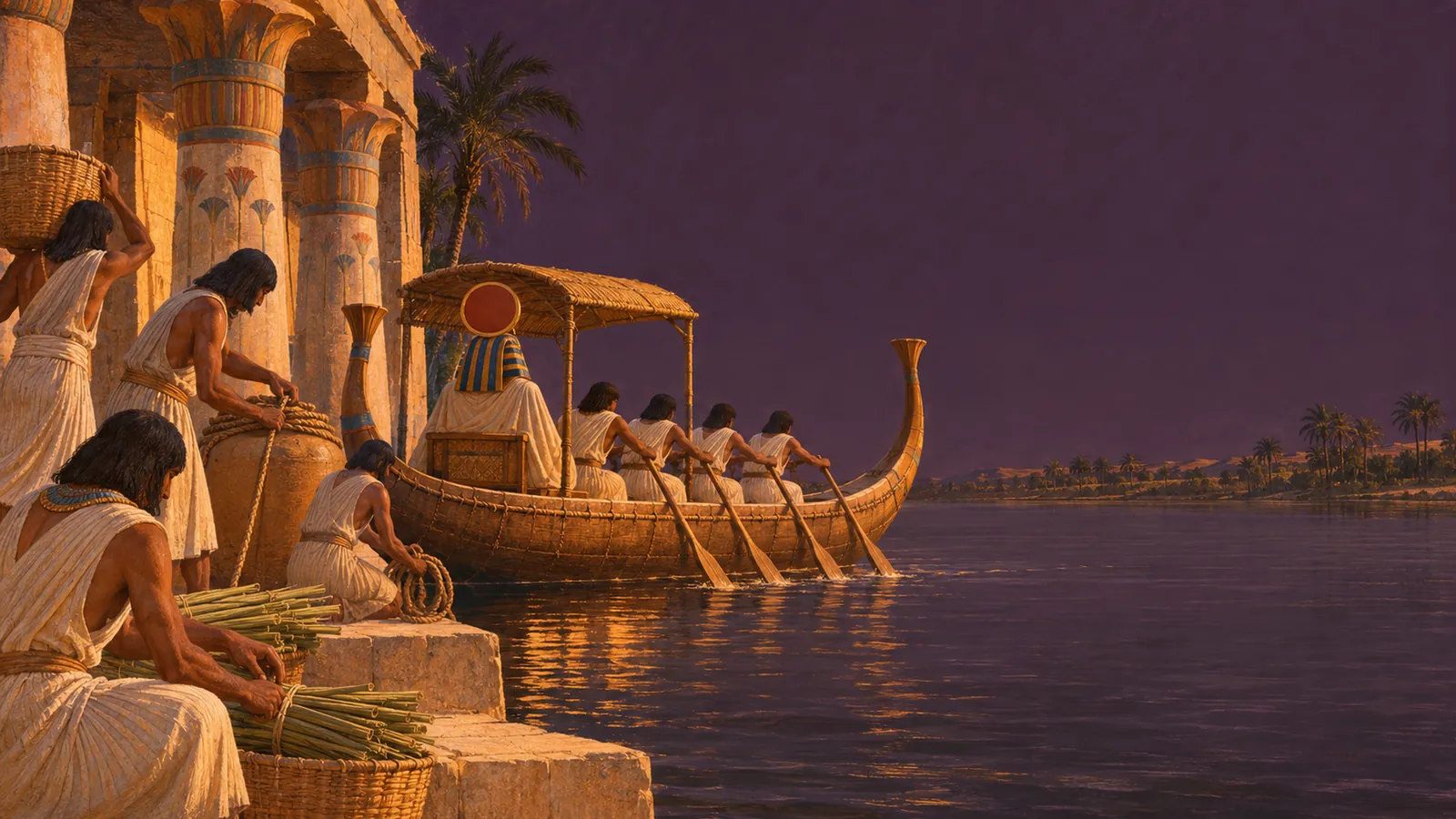
A majestade de Rá avança na barca Sektet. Os seus raios chegam a todos os rostos, e voz alguma consegue dizer o brilho da sua luz vermelha e amarela.
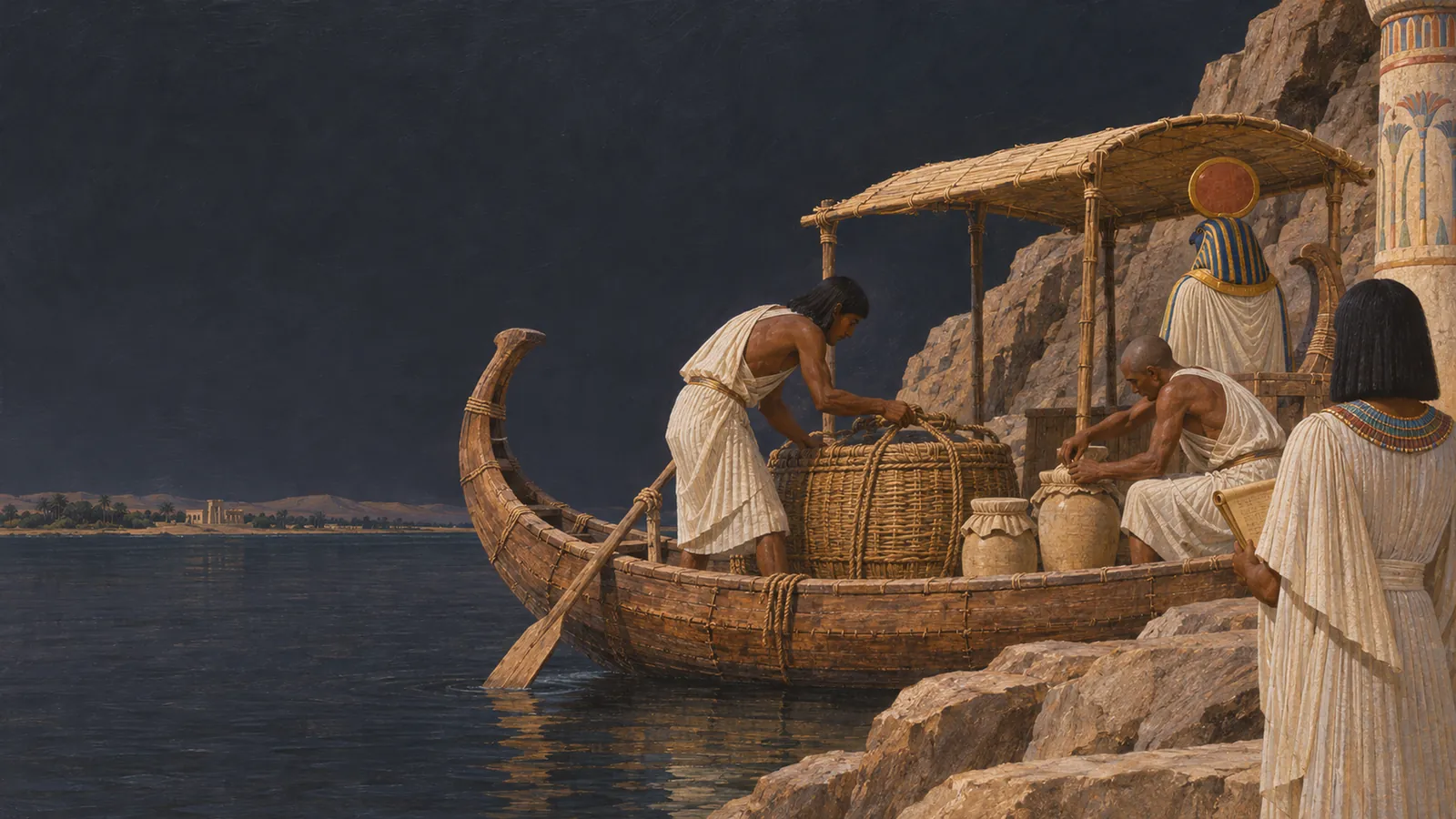
Numa passagem difícil, a prece diz que é preciso ver as terras dos deuses e as terras orientais de Punt antes de medir o que está escondido no sol.
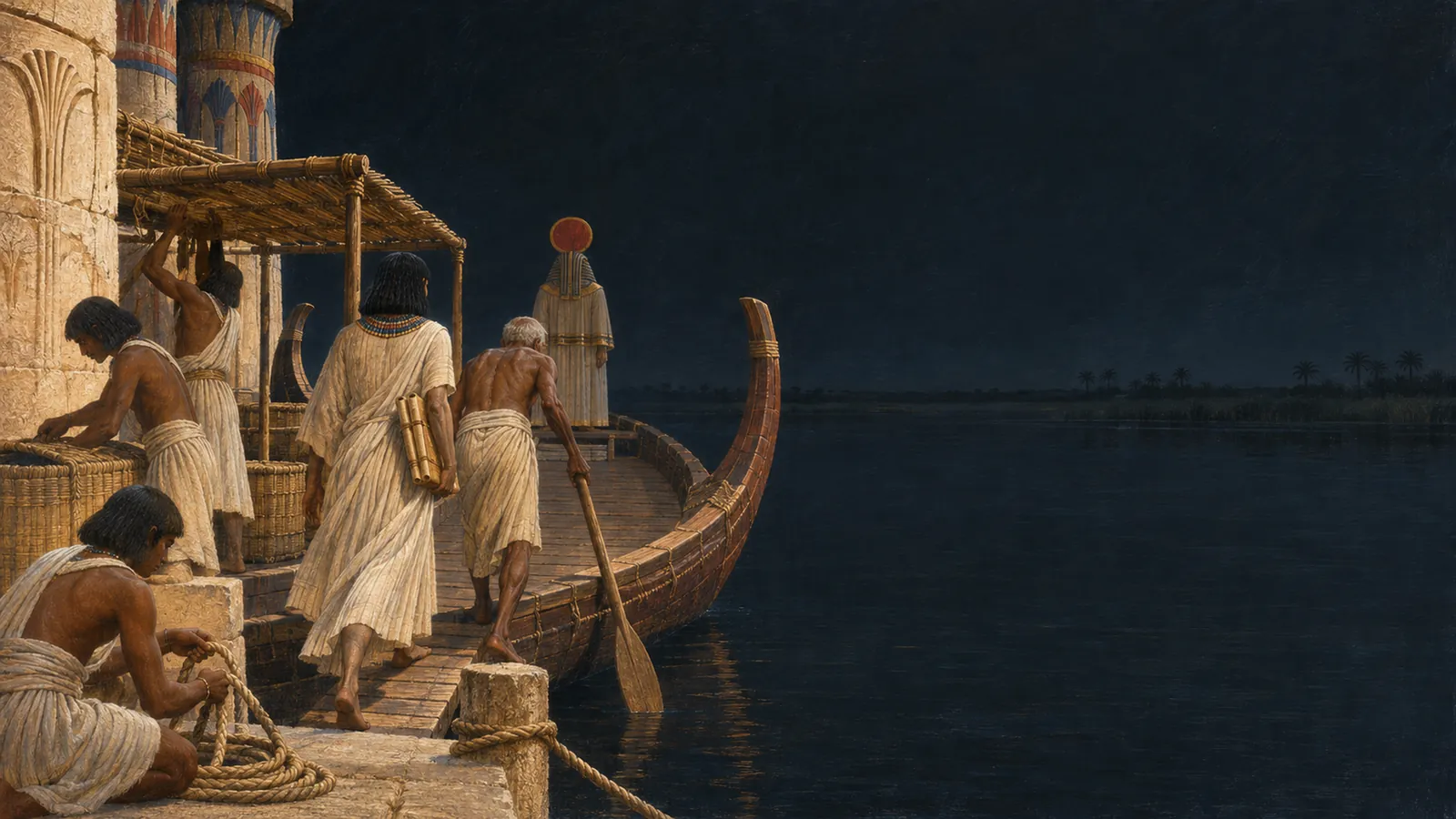
A prece diz que o sol se revela sozinho acima de Nun. Ani pede que possa avançar com ele e continuar tal como ele continua.
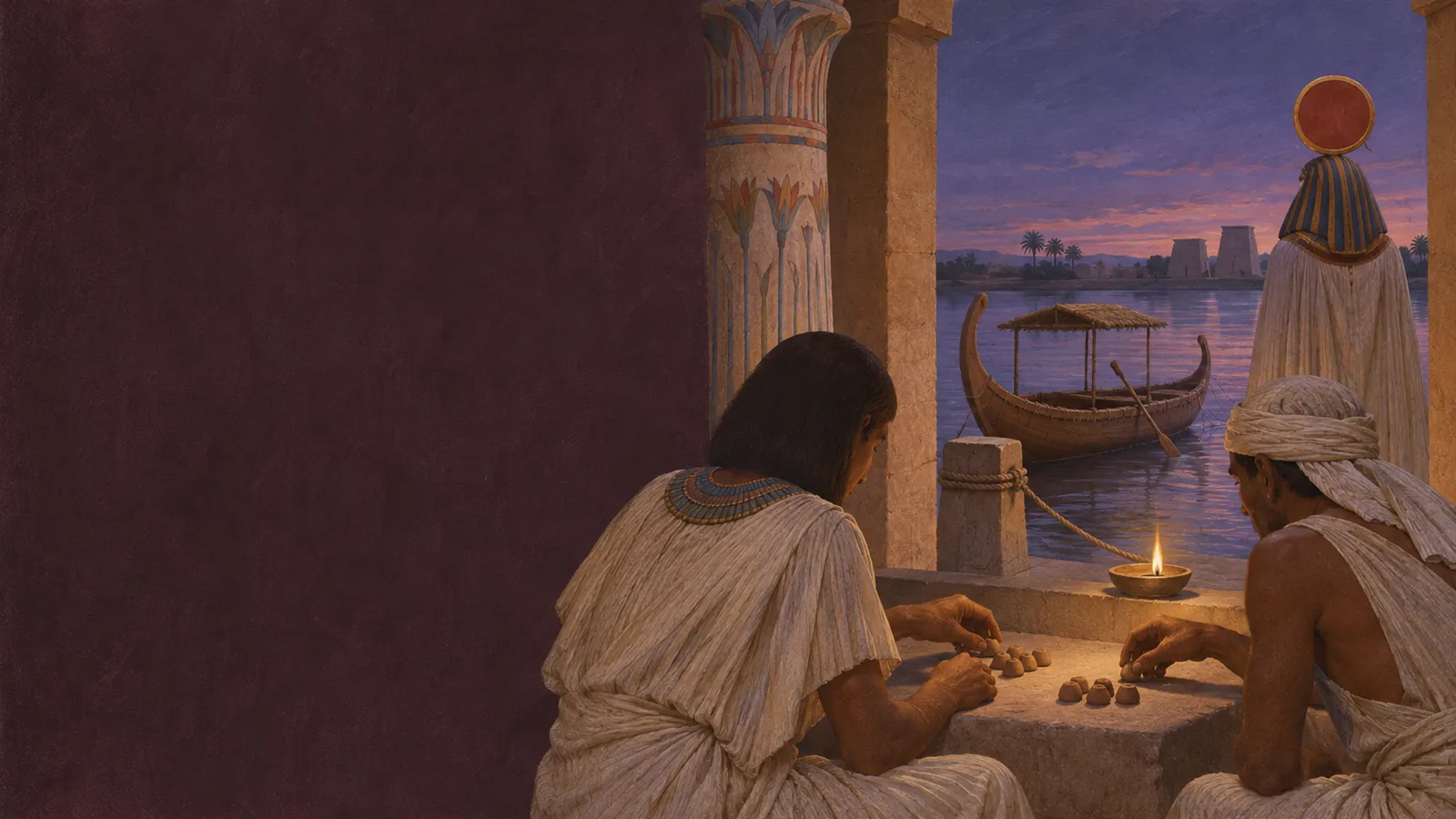
Num instante atravessa distâncias que as pessoas levariam incontáveis anos a percorrer. Desce para repousar, conta as horas da noite e termina-as no tempo determinado.
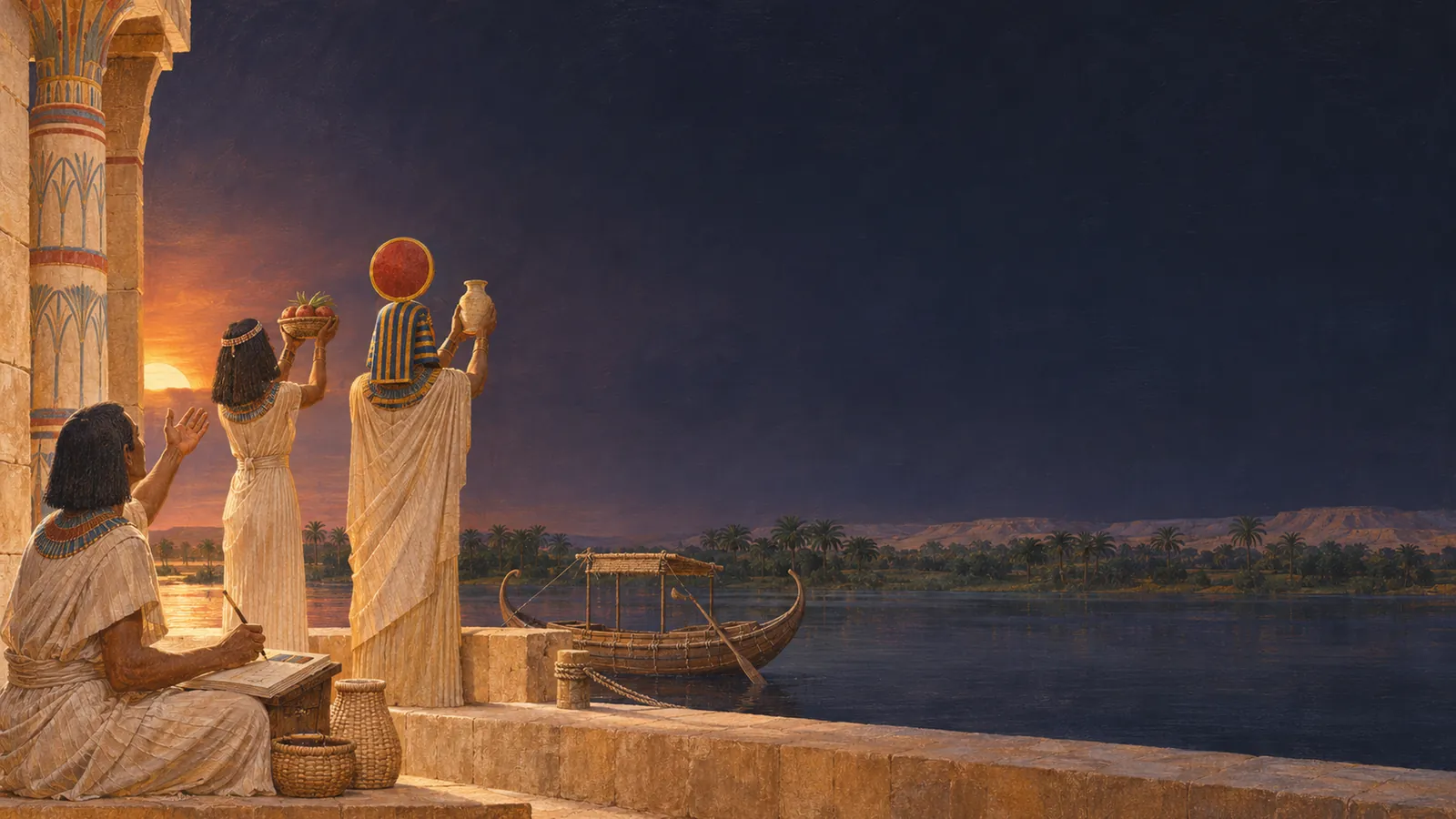
A terra ilumina-se quando o sol se ergue sob a forma de Rá. Ani aclama com alegria o seu nascimento e louva a maneira como ele forma os membros sem dores de parto.
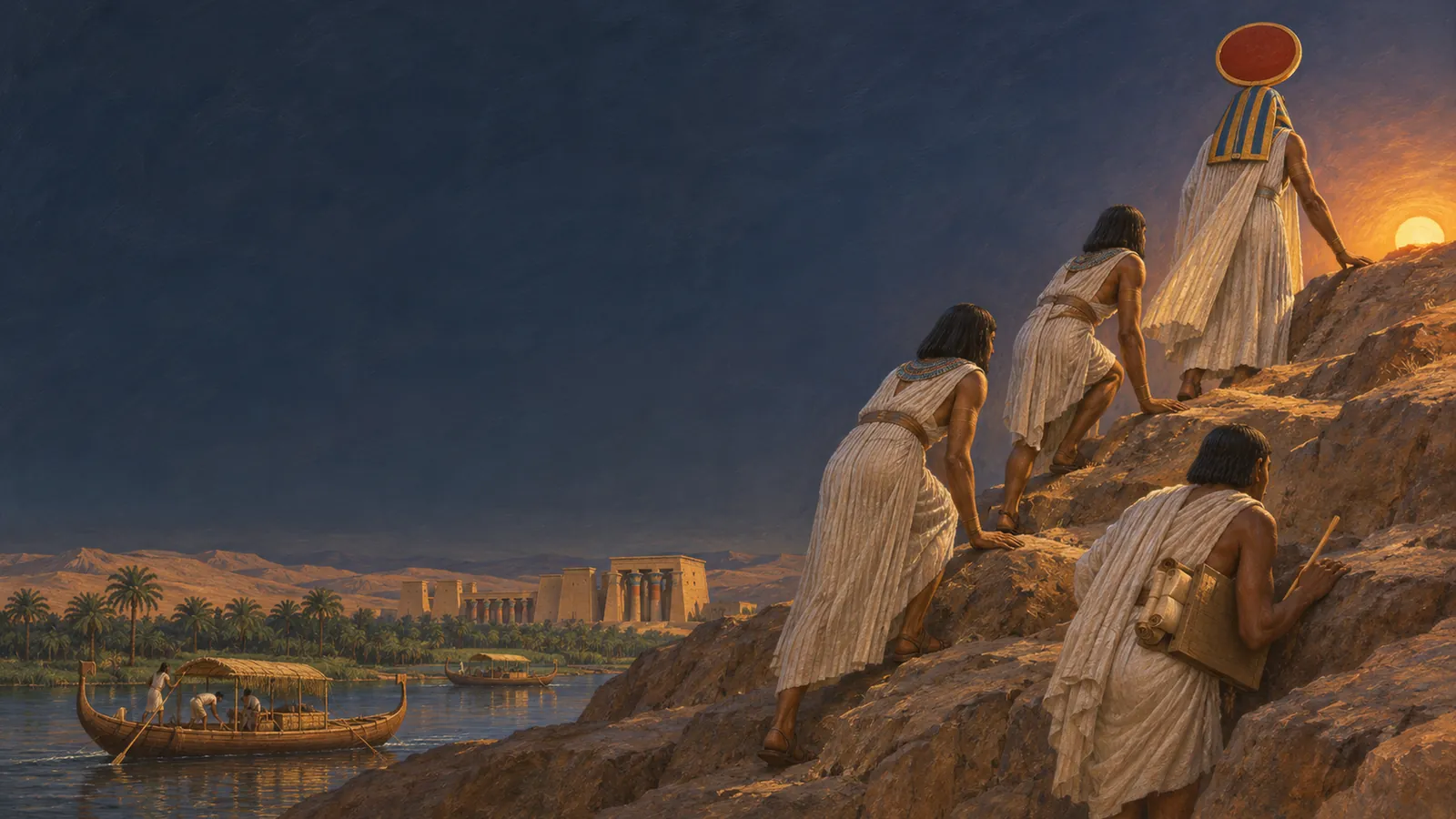
Ani pede que possa alcançar o céu eterno e a montanha dos favorecidos. Espera juntar-se aos seres luminosos do mundo subterrâneo, ver o sol do anoitecer e saudá-lo ao descer a oeste.
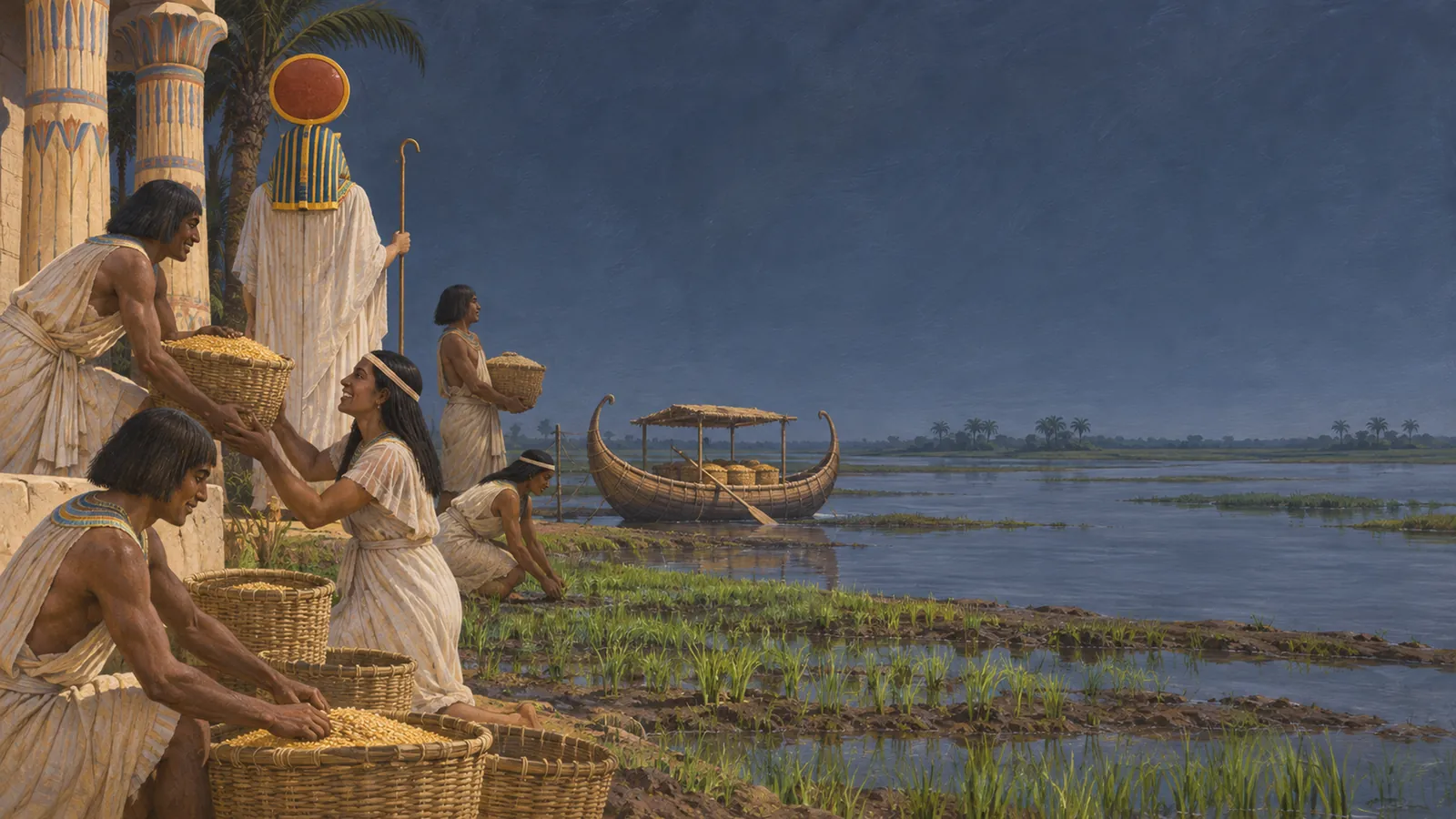
O hino saúda o sol que nasce todos os dias como ouro e inunda o mundo de luz. Louva a cheia do Nilo, pela qual as gerações florescem e a alegria chega às terras, às cidades e aos templos.
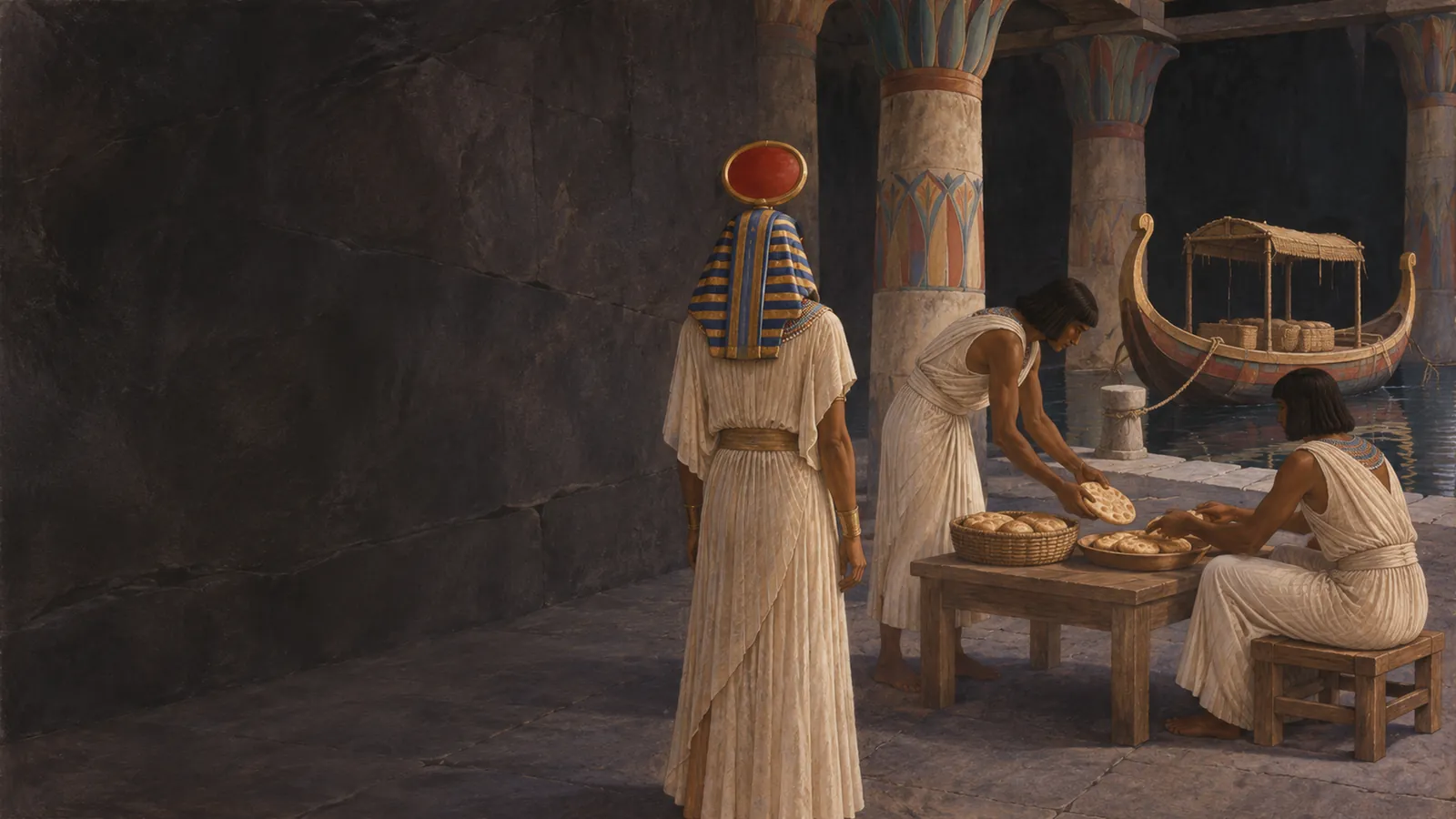
O cantor louva o alimento divino que fortalece o ka do sol e o trono firme contra seres nocivos. Saúda a sua majestade na barca Sektet e o seu poder na Ātet.
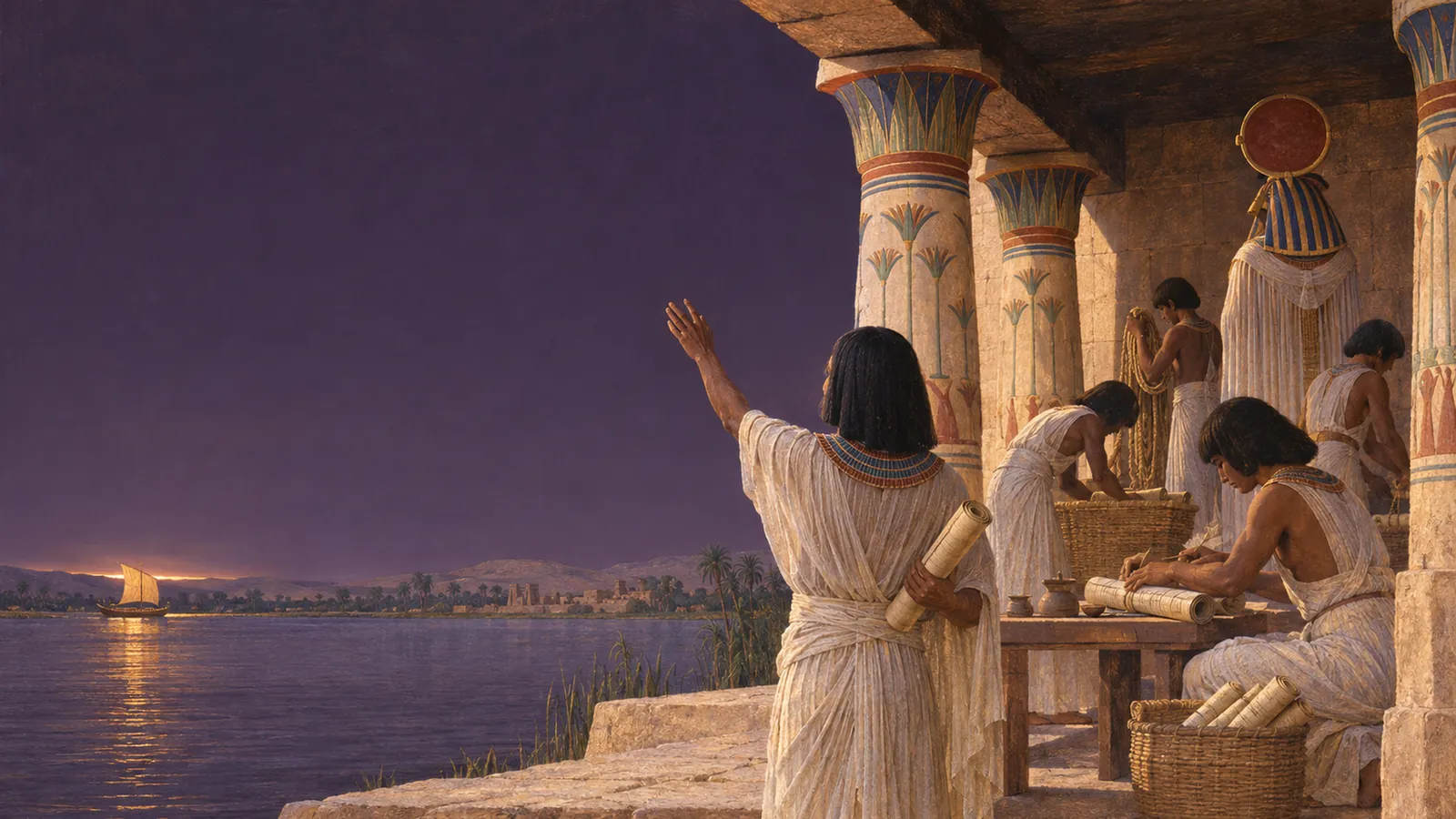
NEKHT
Um hino posterior, preservado no Papiro de Nekht, começa com uma saudação. Acolhe Temu-Harmáquis quando ele se ergue no horizonte.
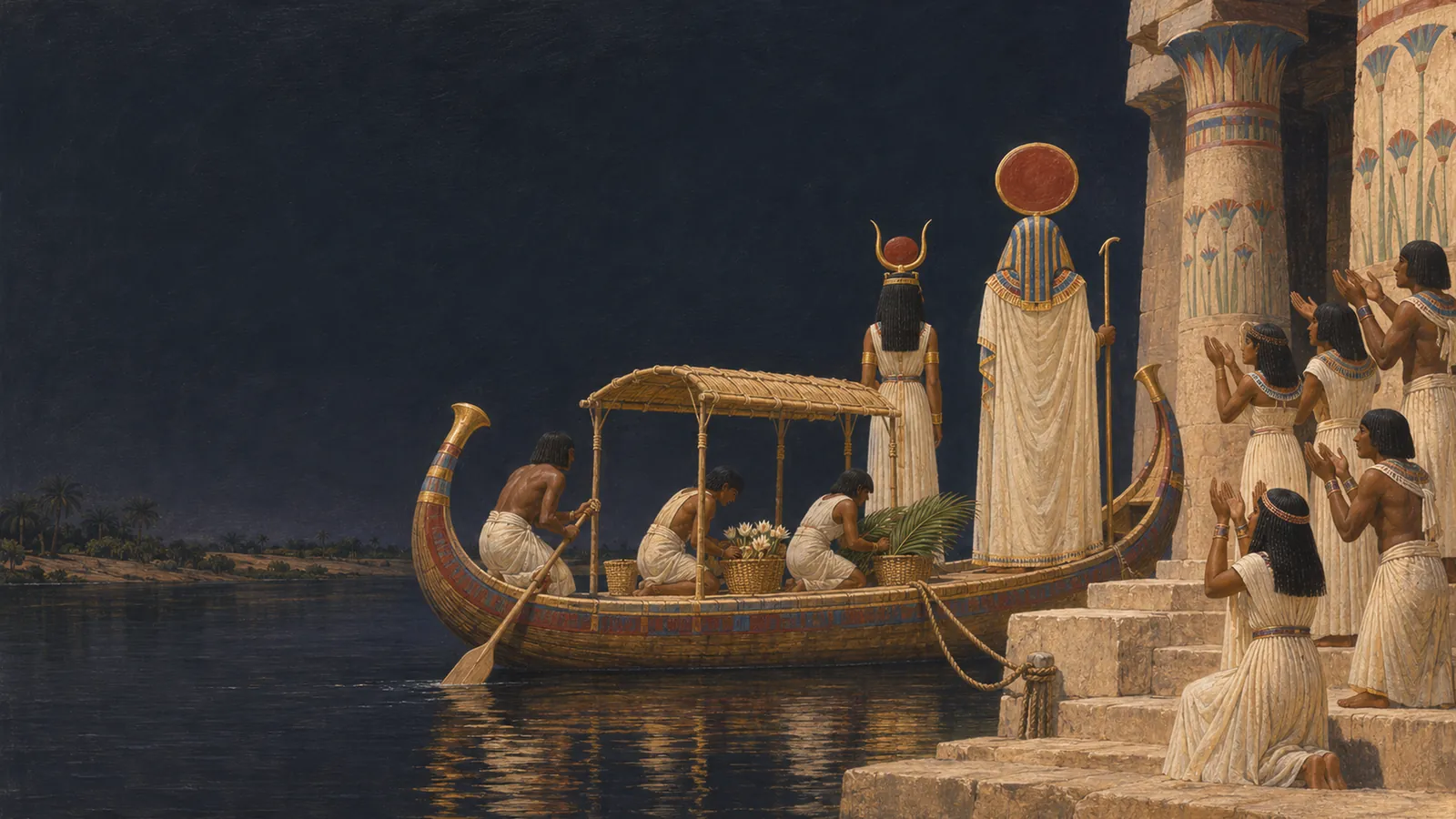
No hino, um grito de alegria vem de todos os povos ao nascer do sol. O sol renova-se na sua estação como disco no seio de sua mãe Hátor.
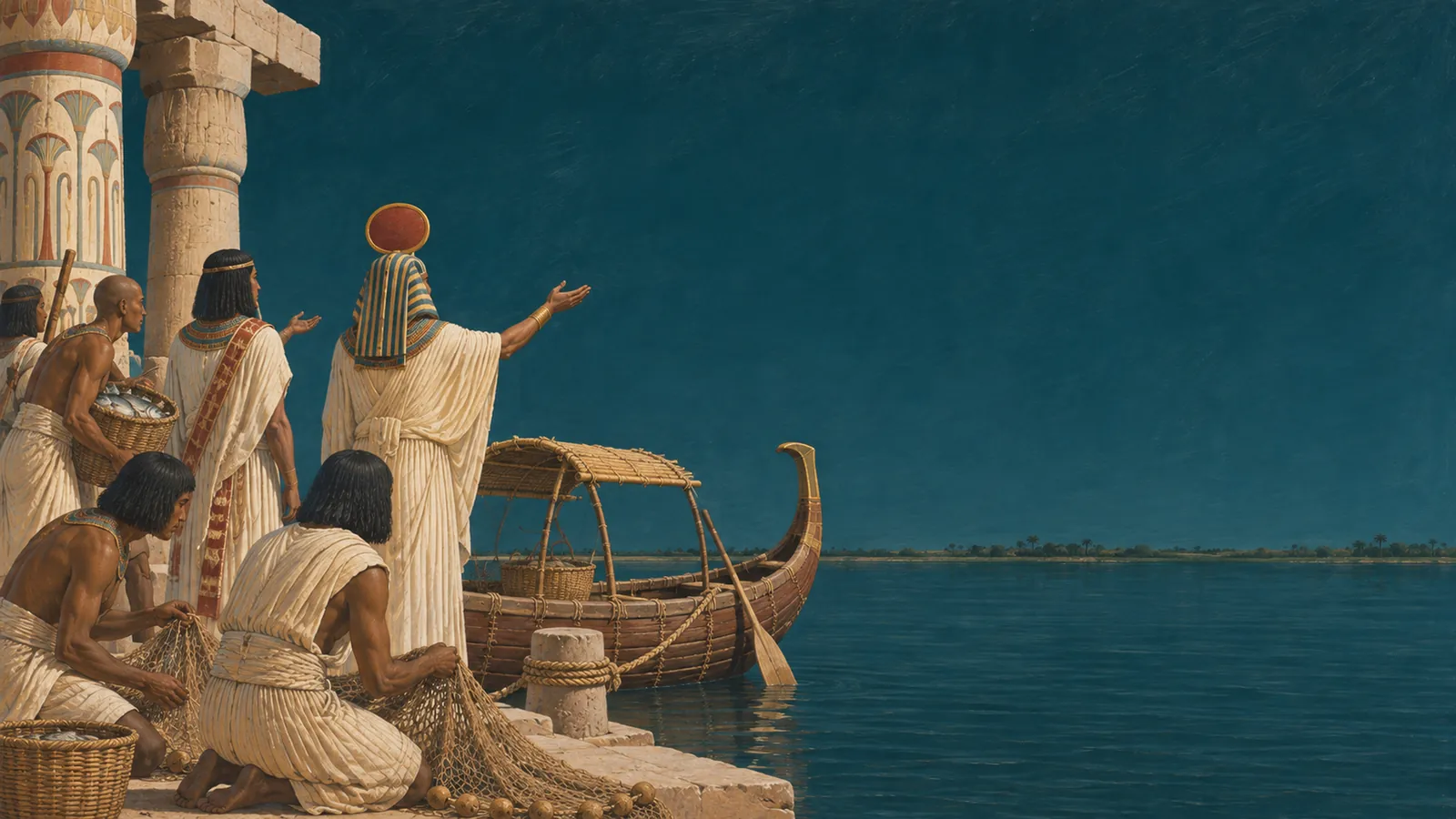
As regiões do Norte e do Sul vêm saudar o sol. Ao erguer-se no céu, ilumina as Duas Terras com raios turquesa.
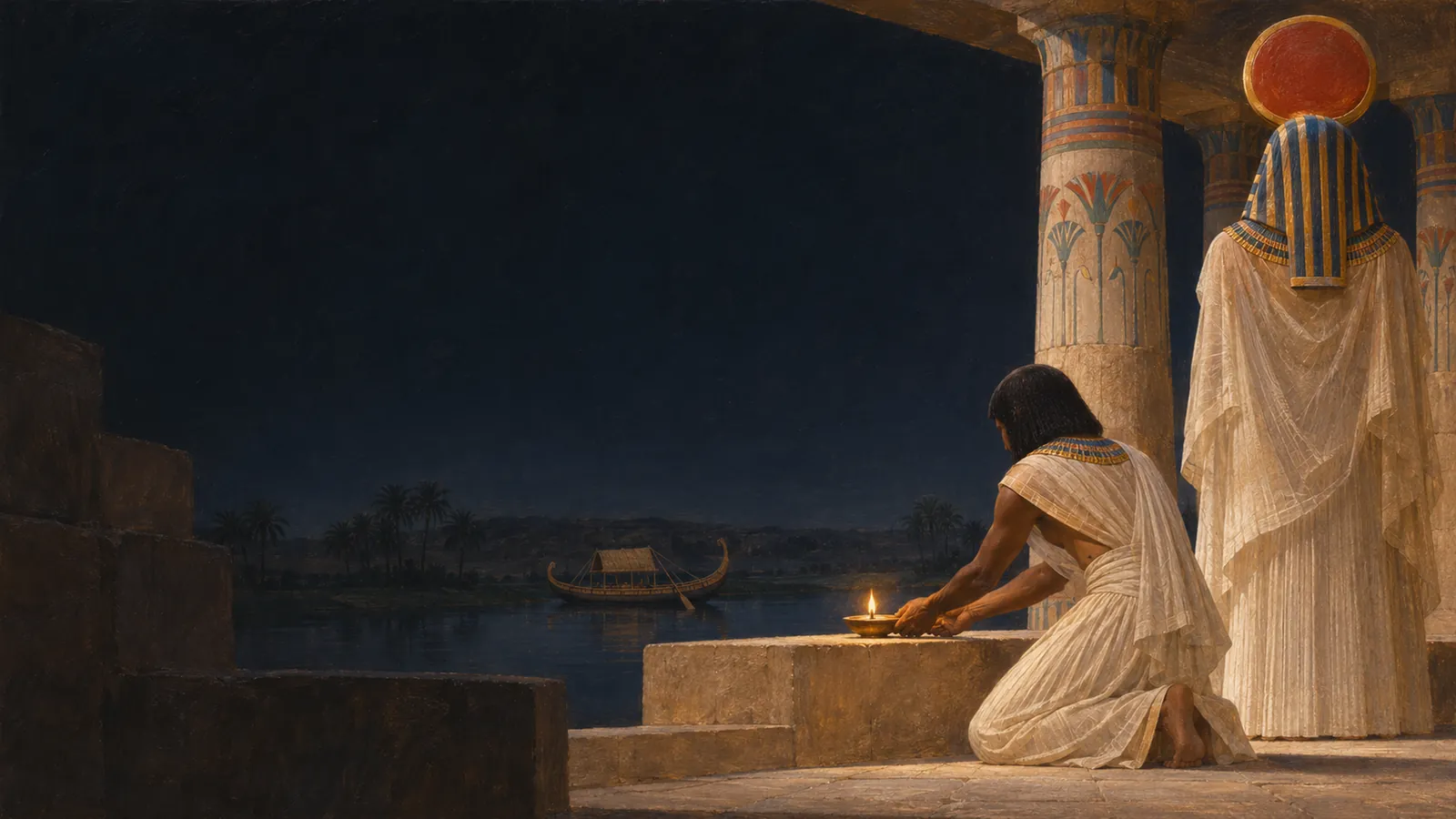
O cantor saúda Rá-Harmáquis como criança divina que se trouxe a si própria à existência. O hino chama-lhe herdeiro da eternidade, rei da terra e governante do mundo subterrâneo.
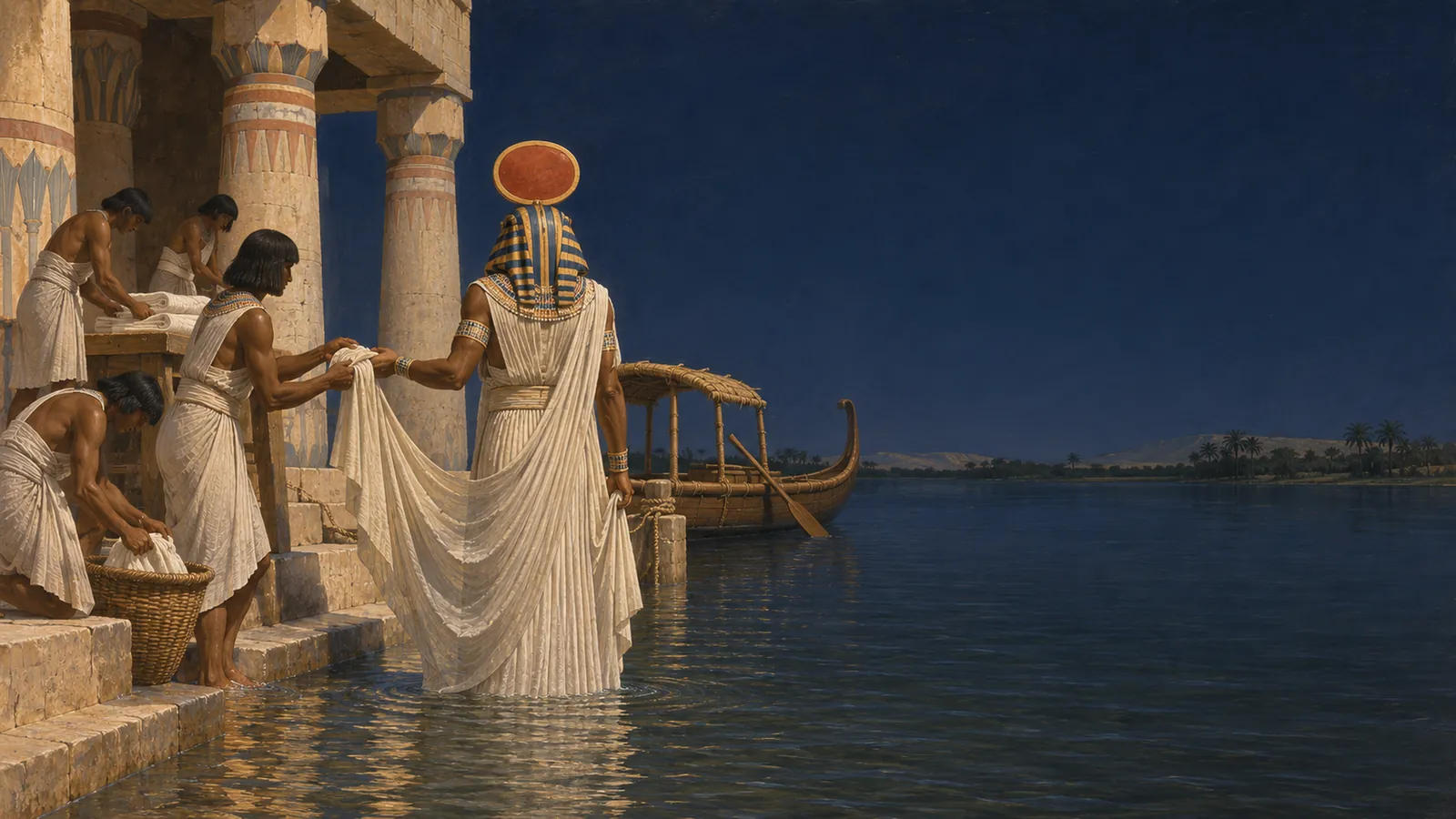
O hino diz que o sol saiu da água. Nasceu de Nun, que cuida dele e põe os seus membros em ordem.
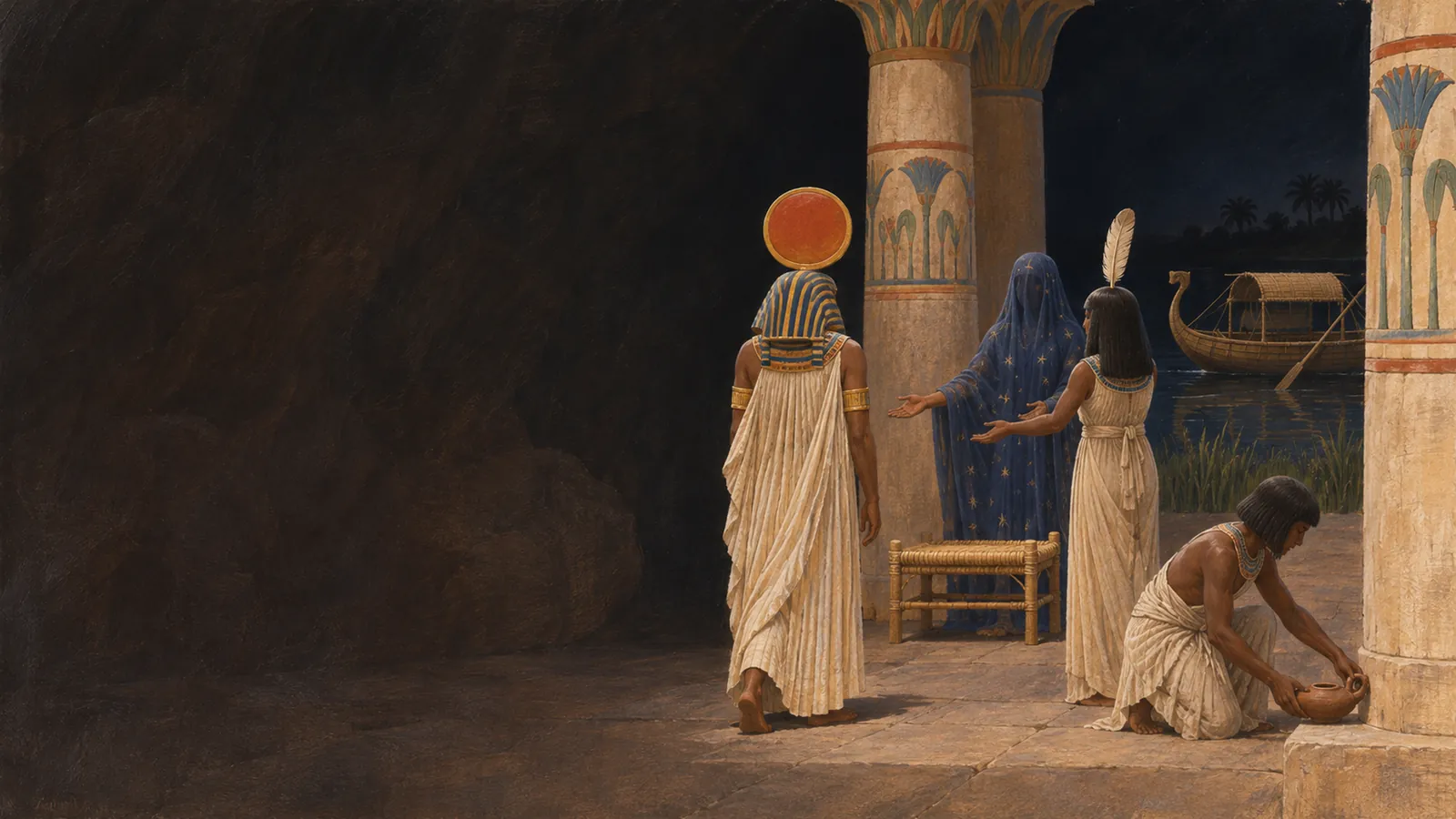
O cantor diz que as pessoas vivem quando o sol brilha. O hino chama-lhe rei dos deuses e diz que Nut lhe presta homenagem enquanto Maet o abraça.
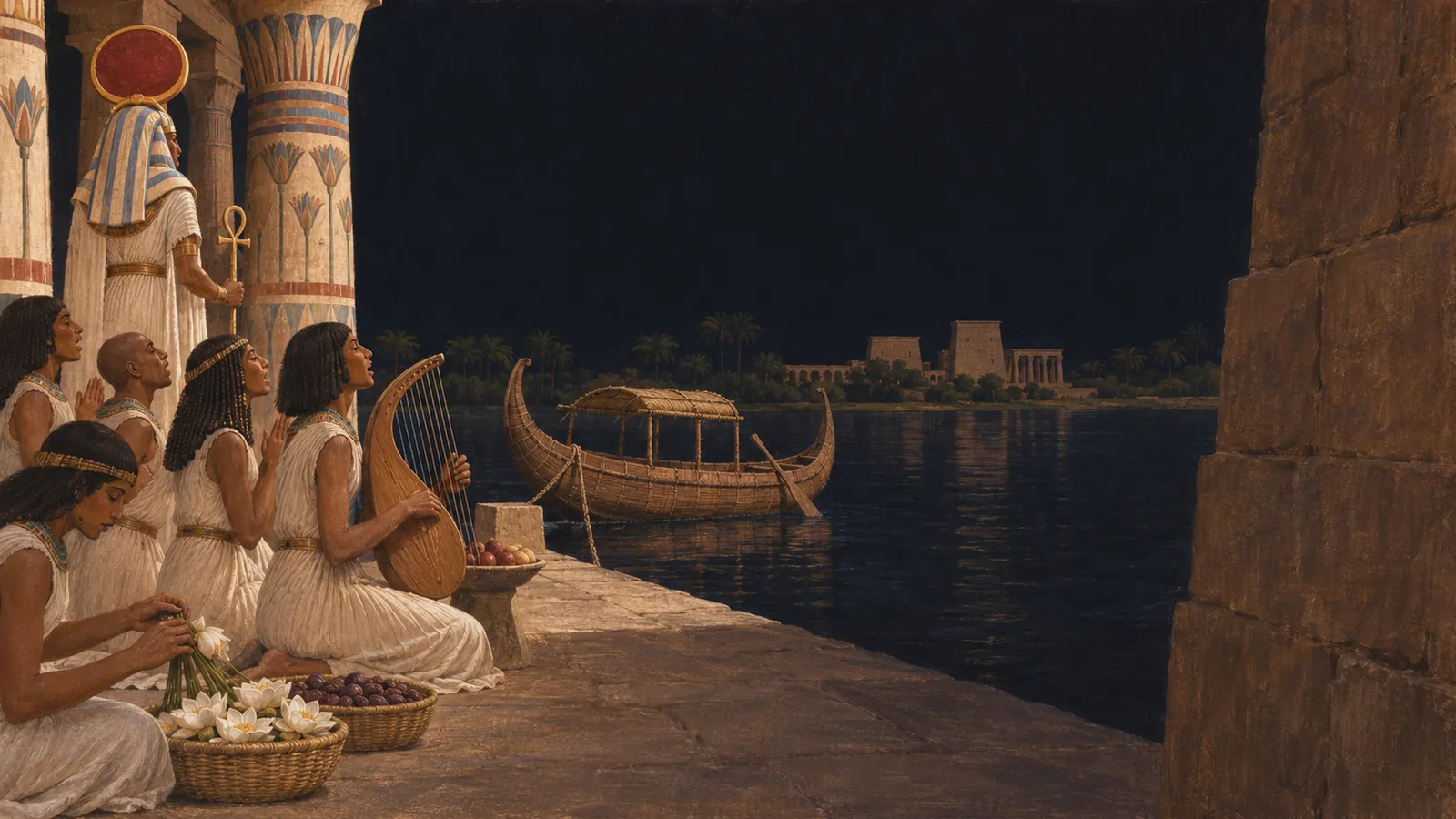
Os seus seguidores cantam-lhe com alegria e curvam-se até ao chão. Saúdam o senhor do céu e da terra, rei da justiça e da verdade e criador do céu.
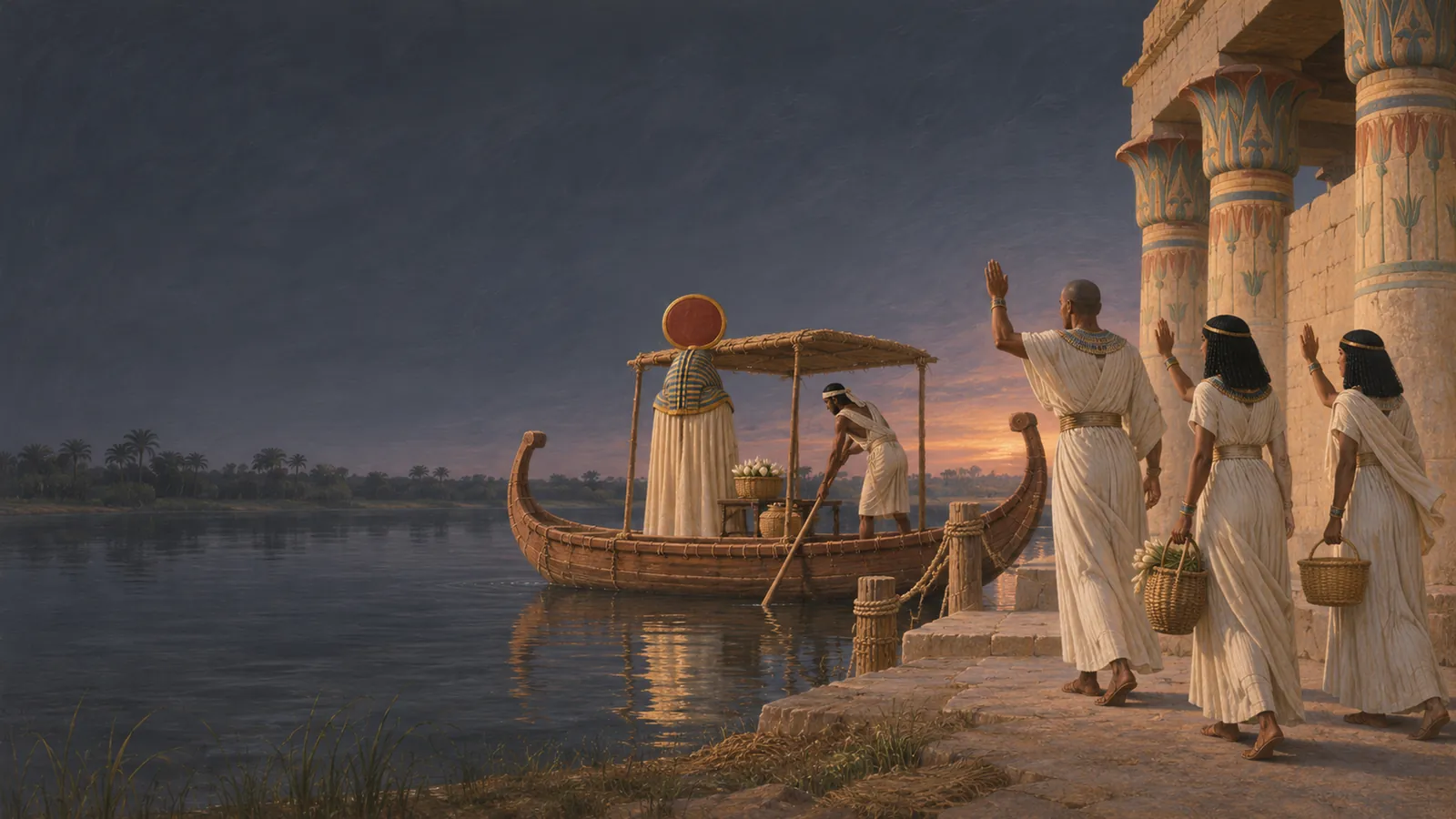
A terra alegra-se quando vê os raios do sol. Nas palavras do hino, até os que morreram há muito saem com gritos de alegria para o ver todos os dias.
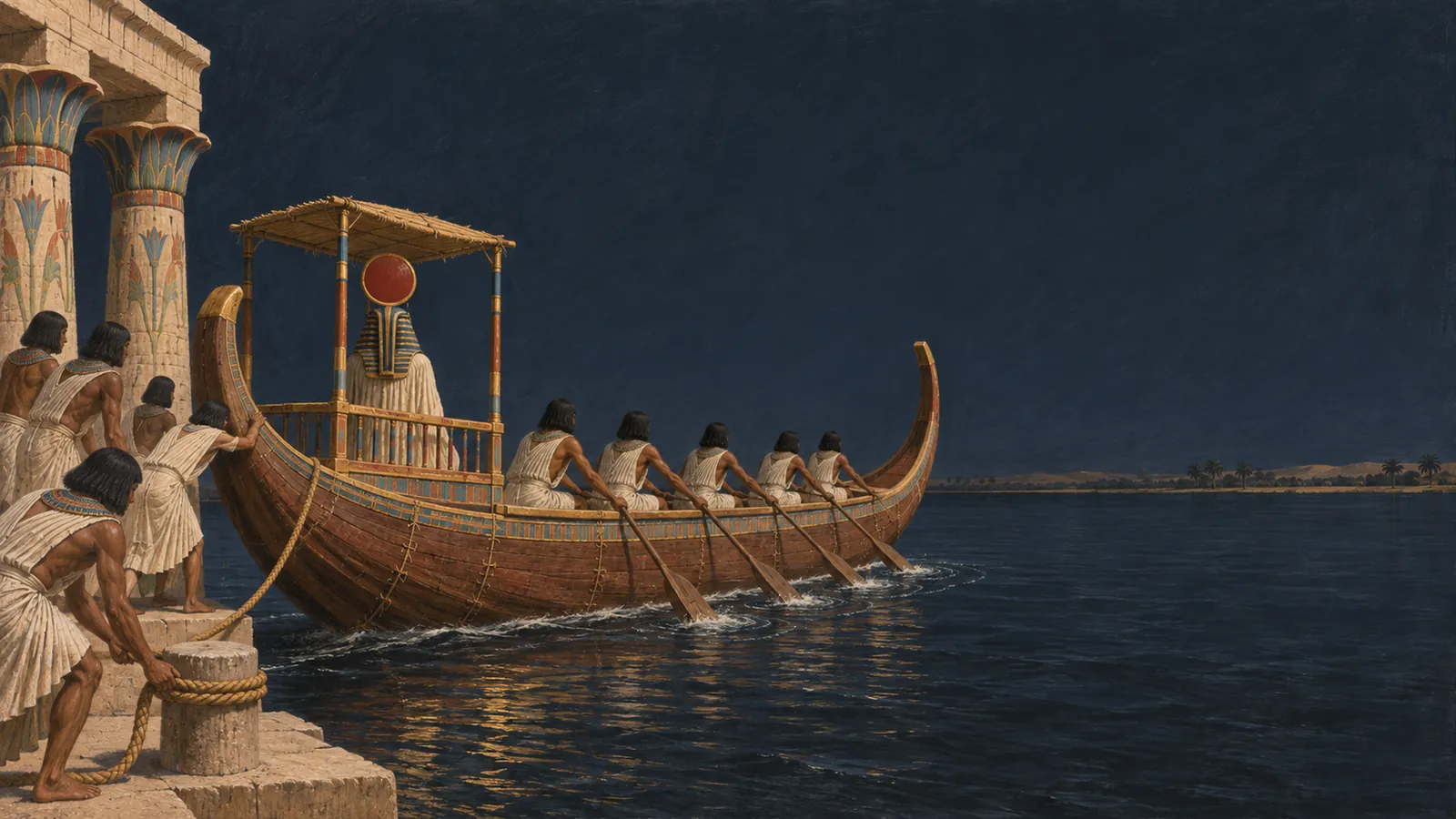
Dia após dia atravessa o céu e a terra, fortalecido por Nut. O seu coração enche-se de alegria ao passar pelas alturas, e as profundezas do céu regozijam-se.
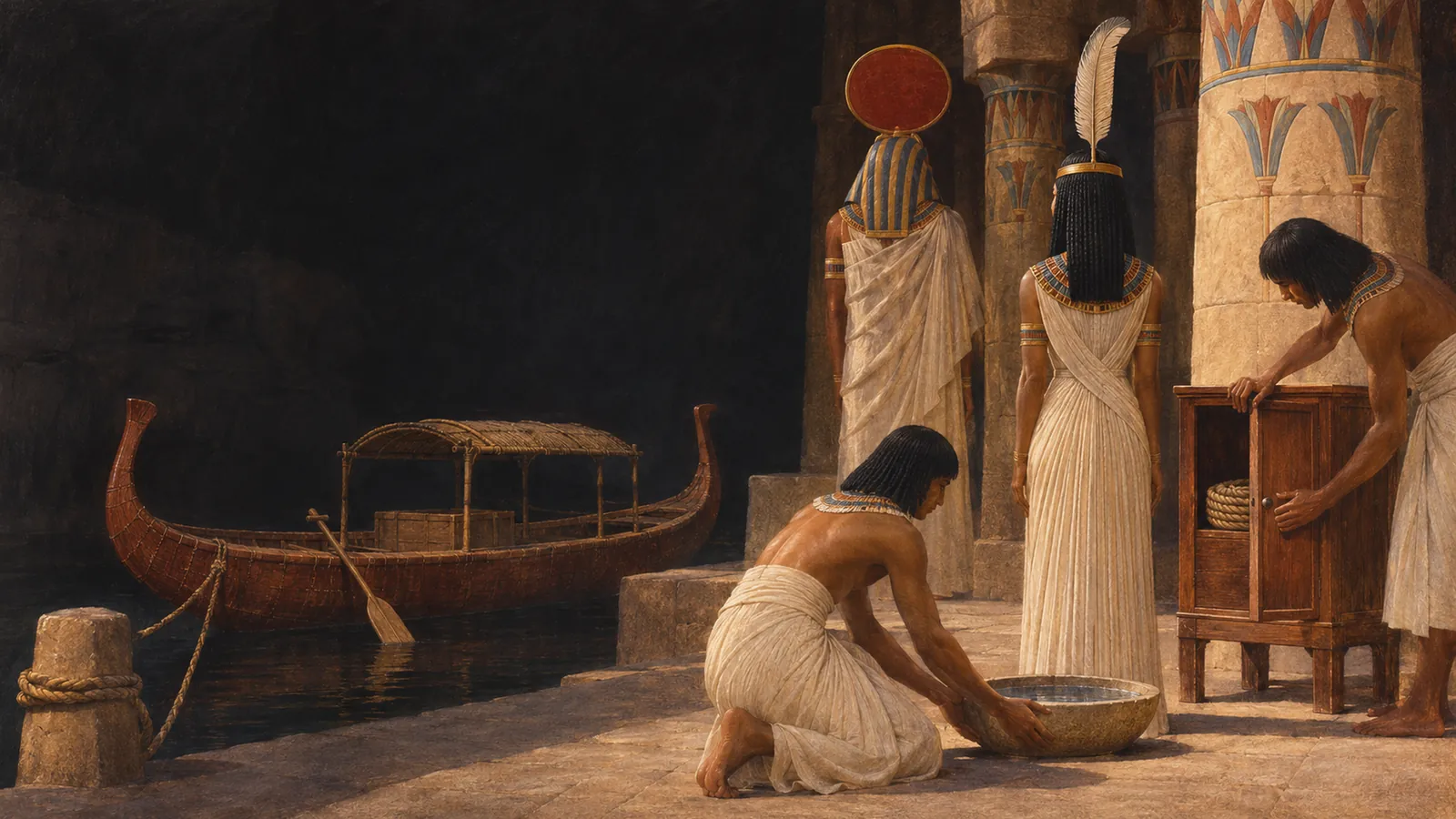
O hino diz que a serpente inimiga caiu, com os braços cortados e as articulações decepadas. Depois declara que Rá vive na bela Maet.
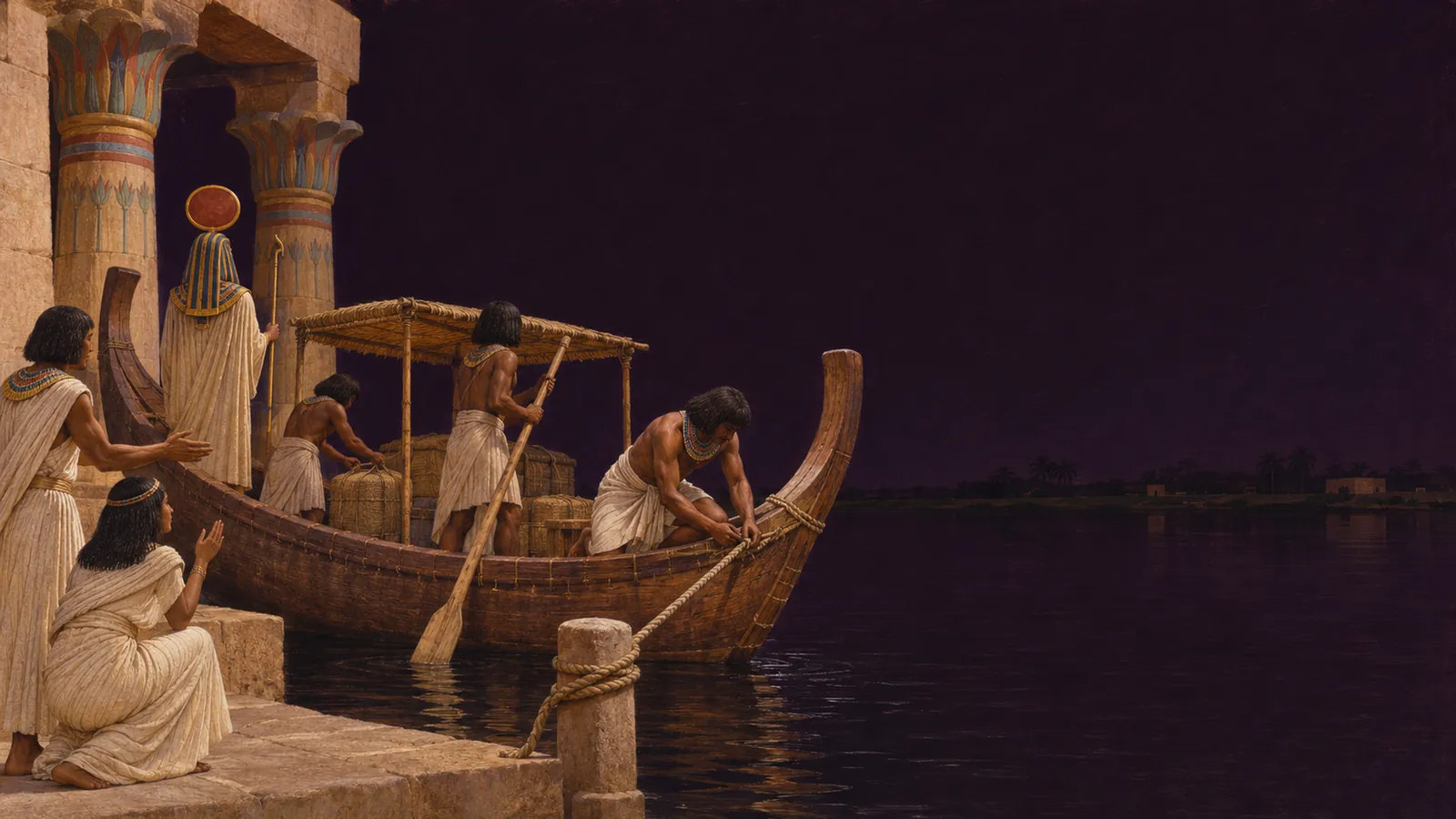
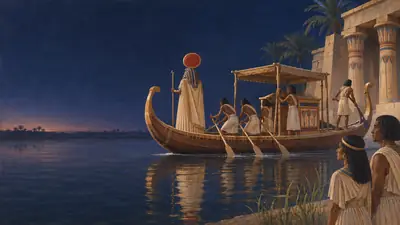
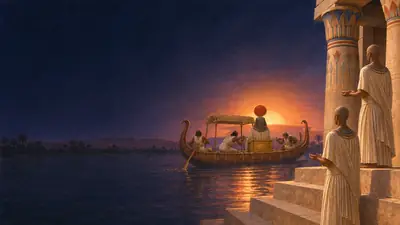
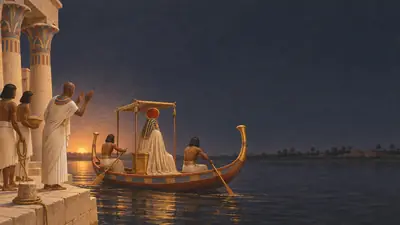
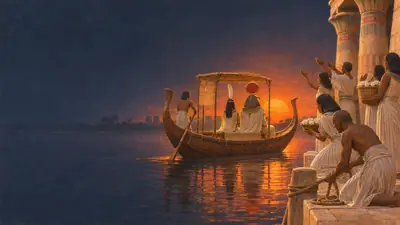
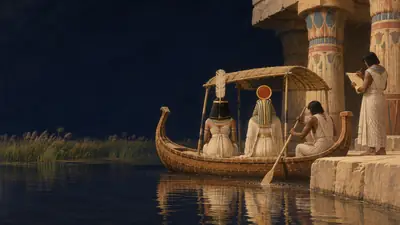
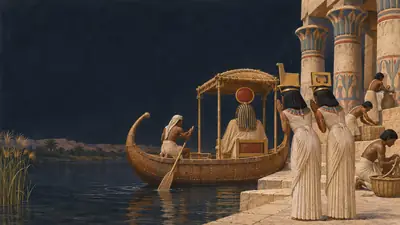
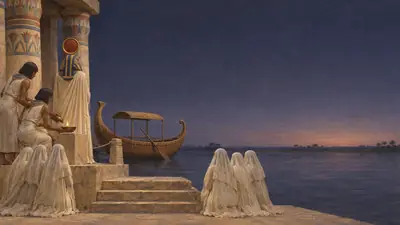
A barca Sektet chega ao porto. O hino ergue do Sul e do Norte, do Oeste e do Leste, o louvor àquele que veio à existência por si mesmo.
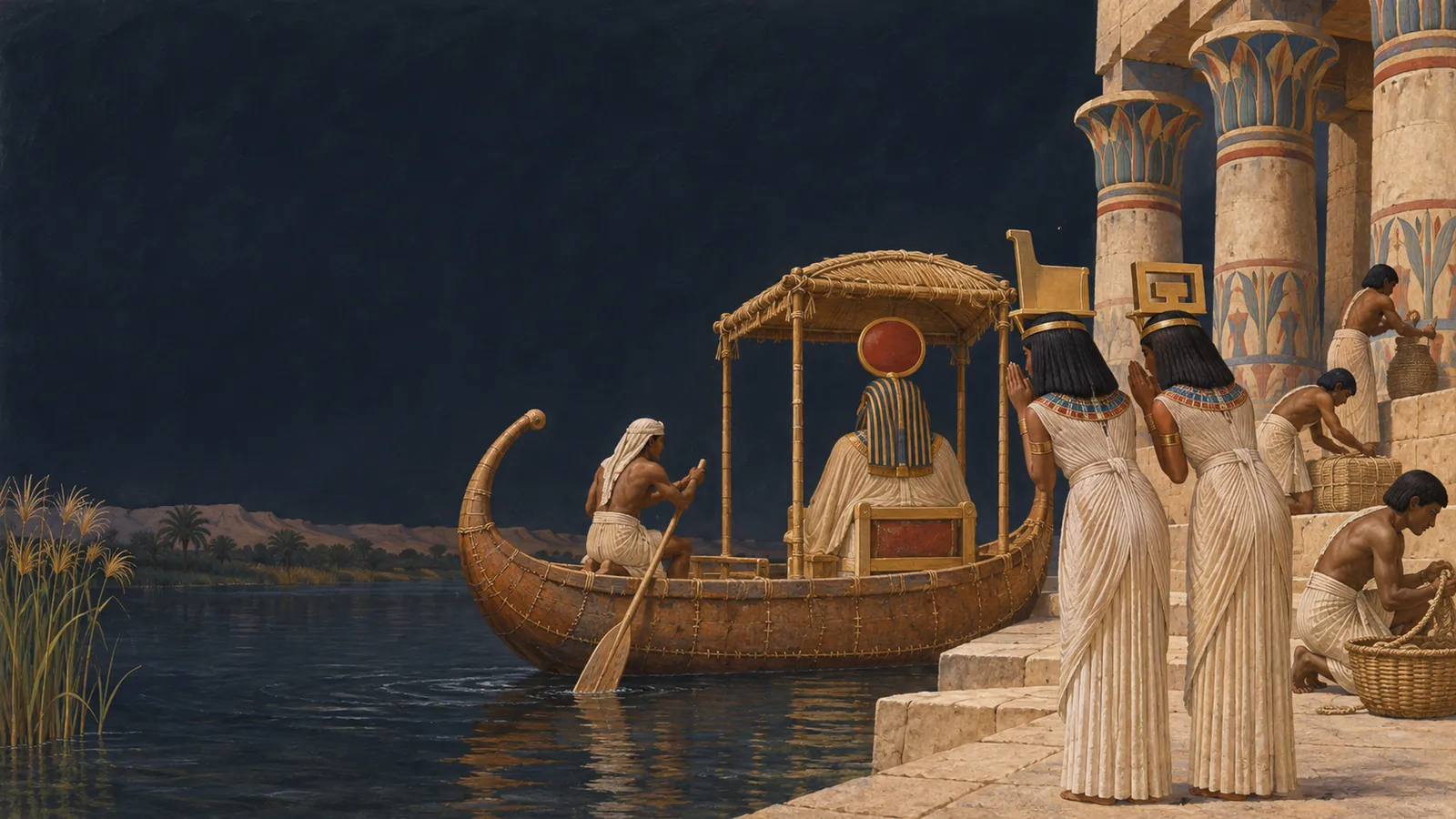
Ísis e Néftis saúdam-no quando ele se ergue na sua barca. No hino, cantam-lhe cânticos de alegria e protegem-no com as mãos.
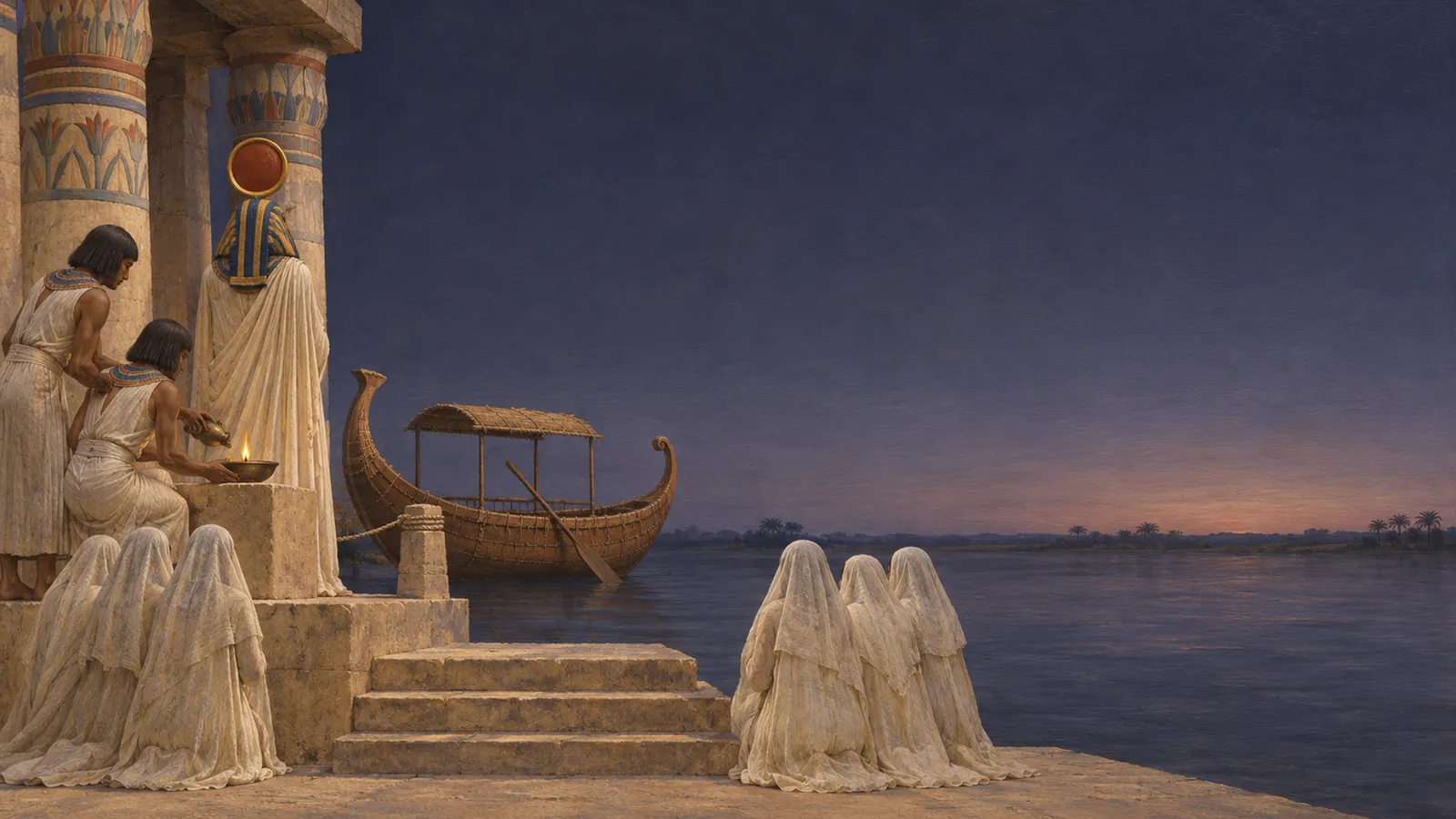
As almas do Leste seguem-no, e as do Oeste louvam-no. O hino diz que Nak, a serpente inimiga, foi condenada ao fogo.
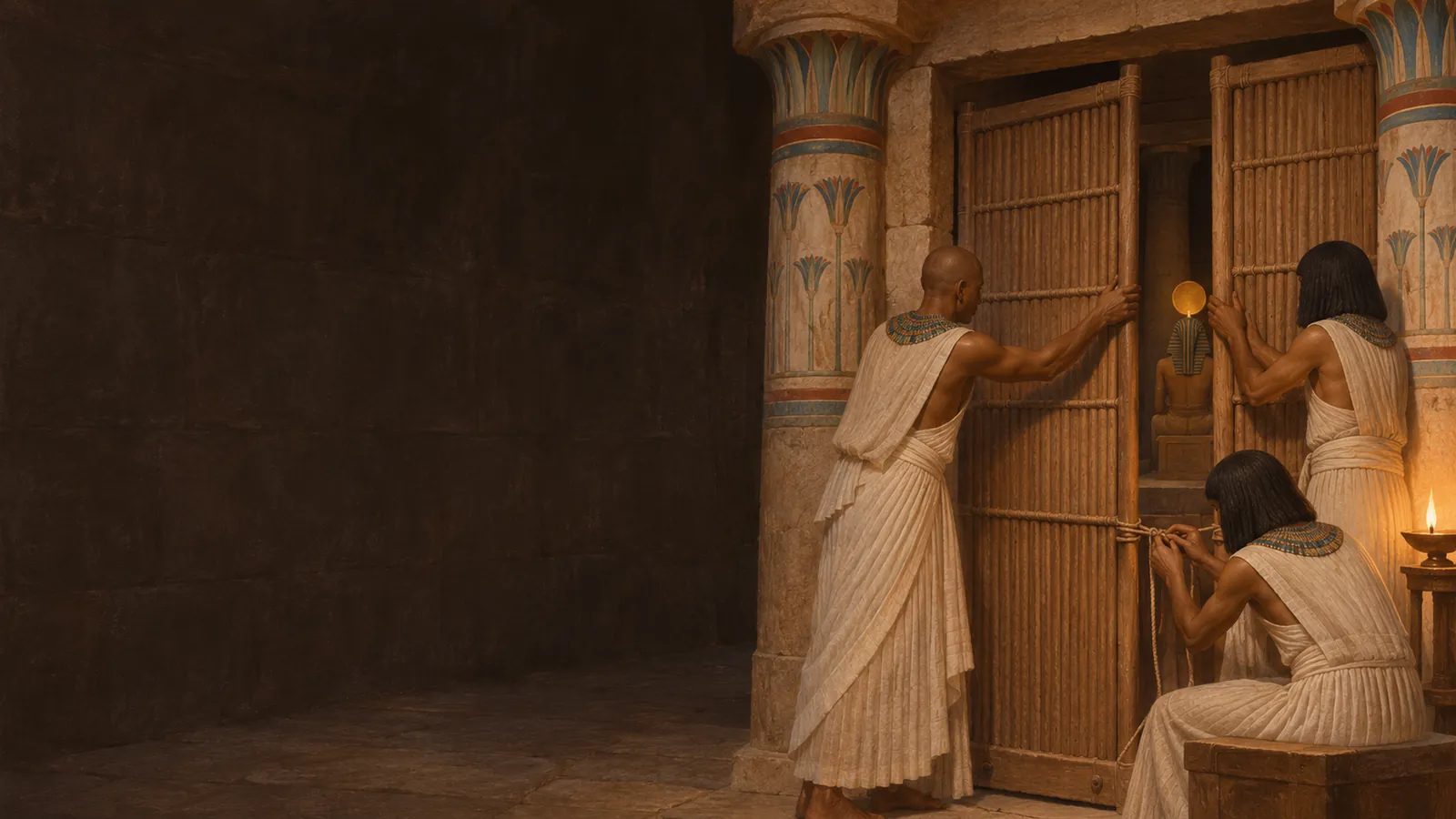
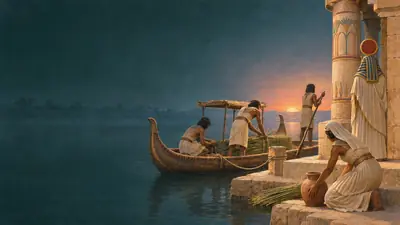
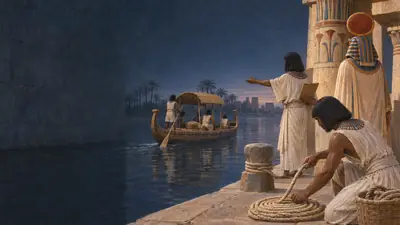
A BARCA DO ANOITECER
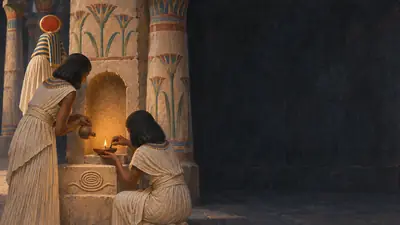
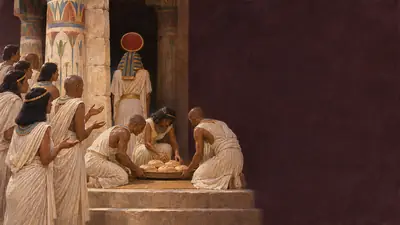
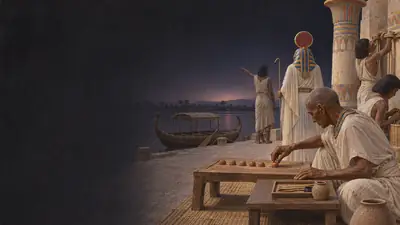
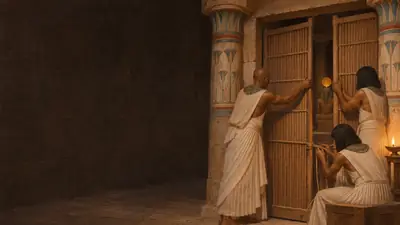
O hino de Nekht termina no santuário. As suas últimas palavras dizem que o coração do governante dos deuses ficará alegre para sempre.
Fim do capítulo 1
Todas as páginas
Fontes
The lines in the notes point into the Project Gutenberg
Edições consultadas
- E. A. Wallis Budge, Egyptian Ideas of the Future Life, third edition, 1908, Chapter I
- Budge’s first Ani hymn and its edition citation
- Hunefer hymn, Papyrus of Hunefer, British Museum No. 9901
- Ani’s separate hymn and prayer, plate 20
- The later hymn, Papyrus of Nekht, British Museum No. 10471
Notas sobre este reconto
**Edition.** E. A. Wallis Budge, *Egyptian Ideas of the Future Life*, third edition (1908), chapter I, first selection under “From the Papyrus of Ani.” The heading is at(https://www.gutenberg.org/ebooks/11277)
Budge introduces the series as hymns to Ra selected from copies of the Theban Recension. The first selection is headed “From the Papyrus of Ani.” The public catalogue record for Ani’s weighing vignette is manuscript context. Budge’s footnote gives the source for the selected hymn.
The hymn gives the crowning as king of the gods and Nut’s homage with both hands.
Budge glosses Manu as the land where the sun sets. The hymn says it receives him with satisfaction and that Maat embraces him at morning and evening. Footnote 24 connects that embrace with orderly timing.
The gods of the Temple of the Soul weigh heaven and earth in a balance and provide abundant divine food. Budge’s footnote 25 links the title to the soul in his preceding account.
The hymn hails Tatunen as One, creator of humankind and maker of the gods’ substance in all four directions.
The hymn invites praise of Ra as lord of heaven and creator of the gods and refers to his beautiful form in the divine morning boat.
The hymn addresses Ra directly and gives homage from dwellers in the heights and the depths.
The hymn credits Thoth and Maat with marking the way for each day.
The hymn says that the enemy serpent was given to fire, that Sebau fell headlong and had his arms bound in chains, and that Ra cut off his legs. This witness gives the name Sebau. Later selections give their own serpent references and names.
The hymn says the rebellious opponents will never rise again and that the Temple of the Aged One keeps festival. Footnote 26 identifies the Aged One as Ra of Heliopolis.
Voices rejoice in the mighty dwelling and the gods exult when Ra rises and his beams flood the world.
The holy god advances to Manu and makes the earth bright at his daily birth.
The selection ends when he travels to the place where he was the previous day. This is the end of the first Ani selection. The next page introduces Hunefer’s different witness.
Pages 15–17 (Budge 1908, chapter I). The heading identifies a separate reading from the Papyrus of Hunefer. Budge’s footnote 27 gives British Museum No. 9901. The printed hymn distinguishes Rā at his rising from Temu at his setting, repeats “Thou risest” and “thou shinest” twice each, and calls him the creator of the inhabitants of the heights and the depths. The line about the One coming into being concerns this witness. Temu is Budge’s form of the name also rendered Atum.
Pages 18–20 (). Budge’s selection distinguishes the watery abyss of the sky, Hapi (glossed in the edition as the Nile), and the great deep. The hymn names the great deep when it says that he gives life to all within it, then joins the mountains, humanity, beasts, heavens and earth in its praise of creation.
Pages 21–22 (). In this hymn, Maat embraces the one addressed morning and evening. The traveller is joyful as he crosses the sky, while the great deep of heaven is content. The later greeting in this same witness says that Amen-Rā rests upon Maat ().
Page 23 (). Budge’s Hunefer translation explicitly says the serpent adversary Nak has fallen and that his arms are cut off. It does not name an agent for that act in this sentence. Footnote 28 separately identifies Nak as a name of the Serpent of darkness.
Pages 24 and 28 (). The Sektet receives fair winds and the heart of the one in its shrine rejoices in the first passage. The company of the gods rejoices at the rising and passage in the second. Budge’s footnote 29 identifies the Sektet with Rā’s journey from noon to sunset. The text does not describe the material appearance of the mythic boat.
Page 25 ().
Pages 26–27 (). The divine youth is the self-begotten one and heir of everlastingness. The next greeting names the One with myriad forms and aspects as prince of Annu, which the edition gives as Heliopolis in parentheses.
Pages 29–30 (). Budge begins a new paragraph with the name Amen-Rā and says that he rests on Maat. An ellipsis follows “Thou art One” in the print witness; the following claims about praise, oaths, hearing and seeing are legible in the edition. Budge’s separate explanatory reading of the line about Maat is in footnote 32.
Pages 31–32 (). After millions of years have gone over the world, the singer cannot count those through which the one addressed has passed. The epithet ‘Traveller’ accompanies the day of happiness he decrees. In the final sentence Budge brackets “[requiring]” and “[to pass over]” when describing the unmeasured distances. The hymn ends with the passage through the watery abyss in one moment to the place he loves, his sinking, and the end of the hours.
### Ani’s hymn and prayer
### The Papyrus of Nekht
Os versos antigos de cada página
- Page 1: Budge 1908, chapter I, Papyrus of Ani
- Page 2: Budge 1908, chapter I, Papyrus of Ani
- Page 3: Budge 1908, chapter I, Papyrus of Ani
- Page 4: Budge 1908, chapter I, Papyrus of Ani
- Page 5: Budge 1908, chapter I, Papyrus of Ani
- Page 6: Budge 1908, chapter I, Papyrus of Ani
- Page 7: Budge 1908, chapter I, Papyrus of Ani
- Page 8: Budge 1908, chapter I, Papyrus of Ani
- Page 9: Budge 1908, chapter I, Papyrus of Ani
- Page 10: Budge 1908, chapter I, Papyrus of Ani
- Page 11: Budge 1908, chapter I, Papyrus of Ani
- Page 12: Budge 1908, chapter I, Papyrus of Ani
- Page 13: Budge 1908, chapter I, Papyrus of Ani
- Page 14: Budge 1908, chapter I, Papyrus of Ani
- Page 15: Budge 1908, chapter I, Papyrus of Hunefer
- Page 16: Budge 1908, chapter I, Papyrus of Hunefer
- Page 17: Budge 1908, chapter I, Papyrus of Hunefer
- Page 18: Budge 1908, chapter I, Papyrus of Hunefer
- Page 19: Budge 1908, chapter I, Papyrus of Hunefer
- Page 20: Budge 1908, chapter I, Papyrus of Hunefer
- Page 21: Budge 1908, chapter I, Papyrus of Hunefer
- Page 22: Budge 1908, chapter I, Papyrus of Hunefer
- Page 23: Budge 1908, chapter I, Papyrus of Hunefer
- Page 24: Budge 1908, chapter I, Papyrus of Hunefer
- Page 25: Budge 1908, chapter I, Papyrus of Hunefer
- Page 26: Budge 1908, chapter I, Papyrus of Hunefer
- Page 27: Budge 1908, chapter I, Papyrus of Hunefer
- Page 28: Budge 1908, chapter I, Papyrus of Hunefer
- Page 29: Budge 1908, chapter I, Papyrus of Hunefer
- Page 30: Budge 1908, chapter I, Papyrus of Hunefer
- Page 31: Budge 1908, chapter I, Papyrus of Hunefer
- Page 32: Budge 1908, chapter I, Papyrus of Hunefer
- Page 33: Budge 1908, Chapter I, Papyrus of Ani, hymn and prayer
- Page 34: Budge 1908, Chapter I, Papyrus of Ani, hymn and prayer
- Page 35: Budge 1908, Chapter I, Papyrus of Ani, hymn and prayer
- Page 36: Budge 1908, Chapter I, Papyrus of Ani, hymn and prayer
- Page 37: Budge 1908, Chapter I, Papyrus of Ani, hymn and prayer
- Page 38: Budge 1908, Chapter I, Papyrus of Ani, hymn and prayer
- Page 39: Budge 1908, Chapter I, Papyrus of Ani, hymn and prayer
- Page 40: Budge 1908, Chapter I, Papyrus of Ani, hymn and prayer
- Page 41: Budge 1908, Chapter I, Papyrus of Ani, hymn and prayer
- Page 42: Budge 1908, Chapter I, Papyrus of Ani, hymn and prayer
- Page 43: Budge 1908, Chapter I, Papyrus of Ani, hymn and prayer
- Page 44: Budge 1908, Chapter I, Papyrus of Ani, hymn and prayer
- Page 45: Budge 1908, Chapter I, Papyrus of Ani, hymn and prayer
- Page 46: Budge 1908, Chapter I, Papyrus of Ani, hymn and prayer
- Page 47: Budge 1908, Chapter I, Papyrus of Ani, hymn and prayer
- Page 48: Budge 1908, Chapter I, Papyrus of Ani, hymn and prayer
- Page 49: Budge 1908, Chapter I, Papyrus of Ani, hymn and prayer
- Page 50: Budge 1908, Chapter I, Papyrus of Ani, hymn and prayer
- Page 51: Budge 1908, Chapter I, Papyrus of Ani, hymn and prayer
- Page 52: Budge 1908, Chapter I, Papyrus of Nekht
- Page 53: Budge 1908, Chapter I, Papyrus of Nekht
- Page 54: Budge 1908, Chapter I, Papyrus of Nekht
- Page 55: Budge 1908, Chapter I, Papyrus of Nekht
- Page 56: Budge 1908, Chapter I, Papyrus of Nekht
- Page 57: Budge 1908, Chapter I, Papyrus of Nekht
- Page 58: Budge 1908, Chapter I, Papyrus of Nekht
- Page 59: Budge 1908, Chapter I, Papyrus of Nekht
- Page 60: Budge 1908, Chapter I, Papyrus of Nekht
- Page 61: Budge 1908, Chapter I, Papyrus of Nekht
- Page 62: Budge 1908, Chapter I, Papyrus of Nekht
- Page 63: Budge 1908, Chapter I, Papyrus of Nekht
- Page 64: Budge 1908, Chapter I, Papyrus of Nekht
- Page 65: Budge 1908, Chapter I, Papyrus of Nekht
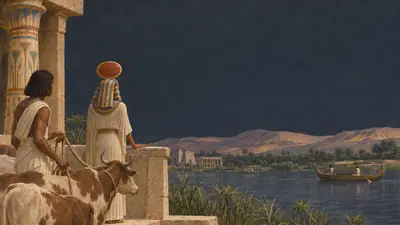
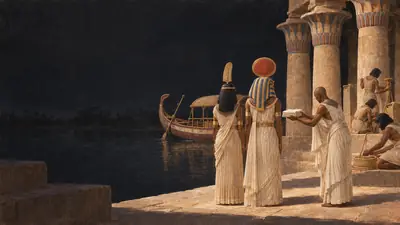
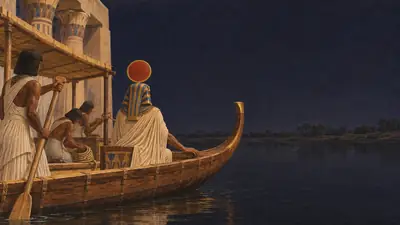
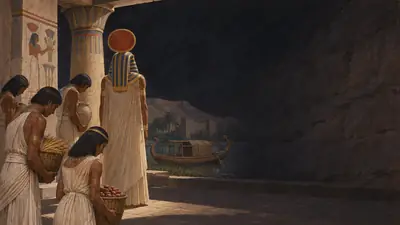
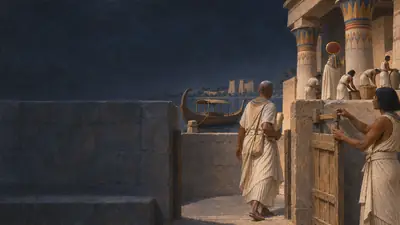
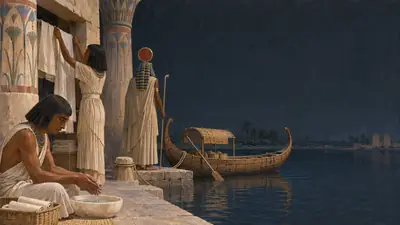
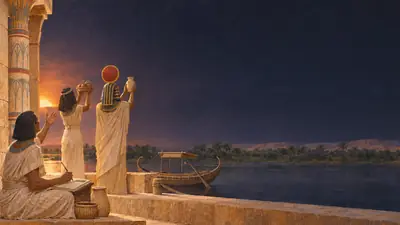
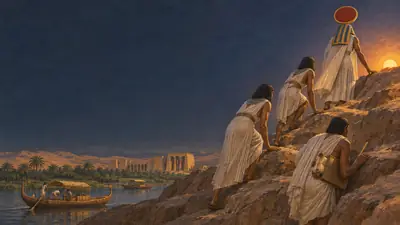
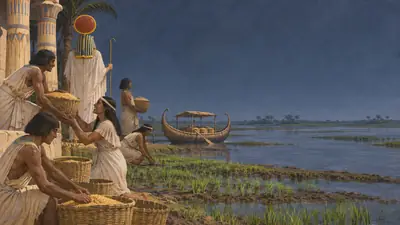
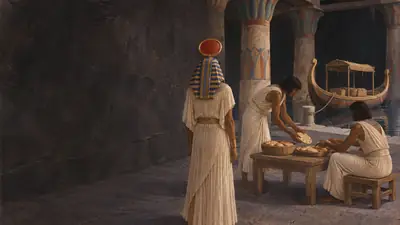
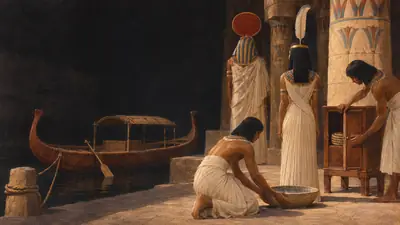
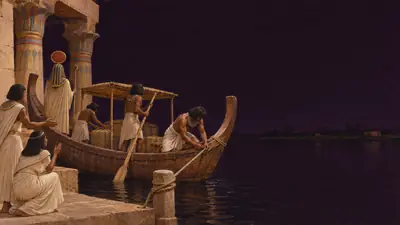
Ilustrações feitas pelo IL Archive com ferramentas de IA; o texto baseia-se nas fontes antigas (veja as fontes no fim de cada capítulo).