Lugalbanda Capítulo 1
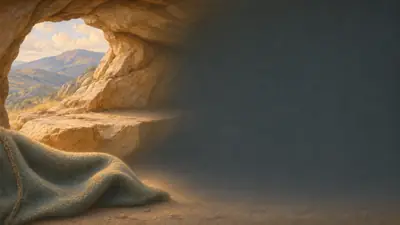
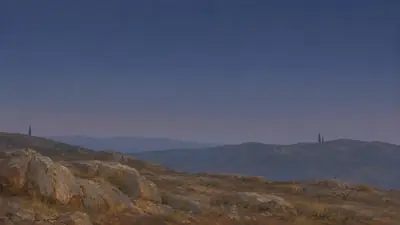
A caverna da montanha
Lugalbanda adoece na marcha pelas montanhas, e os companheiros deixam-no numa caverna com comida e bebida. À medida que recupera as forças, parte sozinho, sonha com uma oferenda e apresenta-a ao nascer do sol.
FontesVire as páginas com as setas, o teclado ou deslizando o dedo.
ORIGENS
O poema começa no tempo remoto em que o céu e a terra se separaram. Das primeiras palavras restam apenas fragmentos.
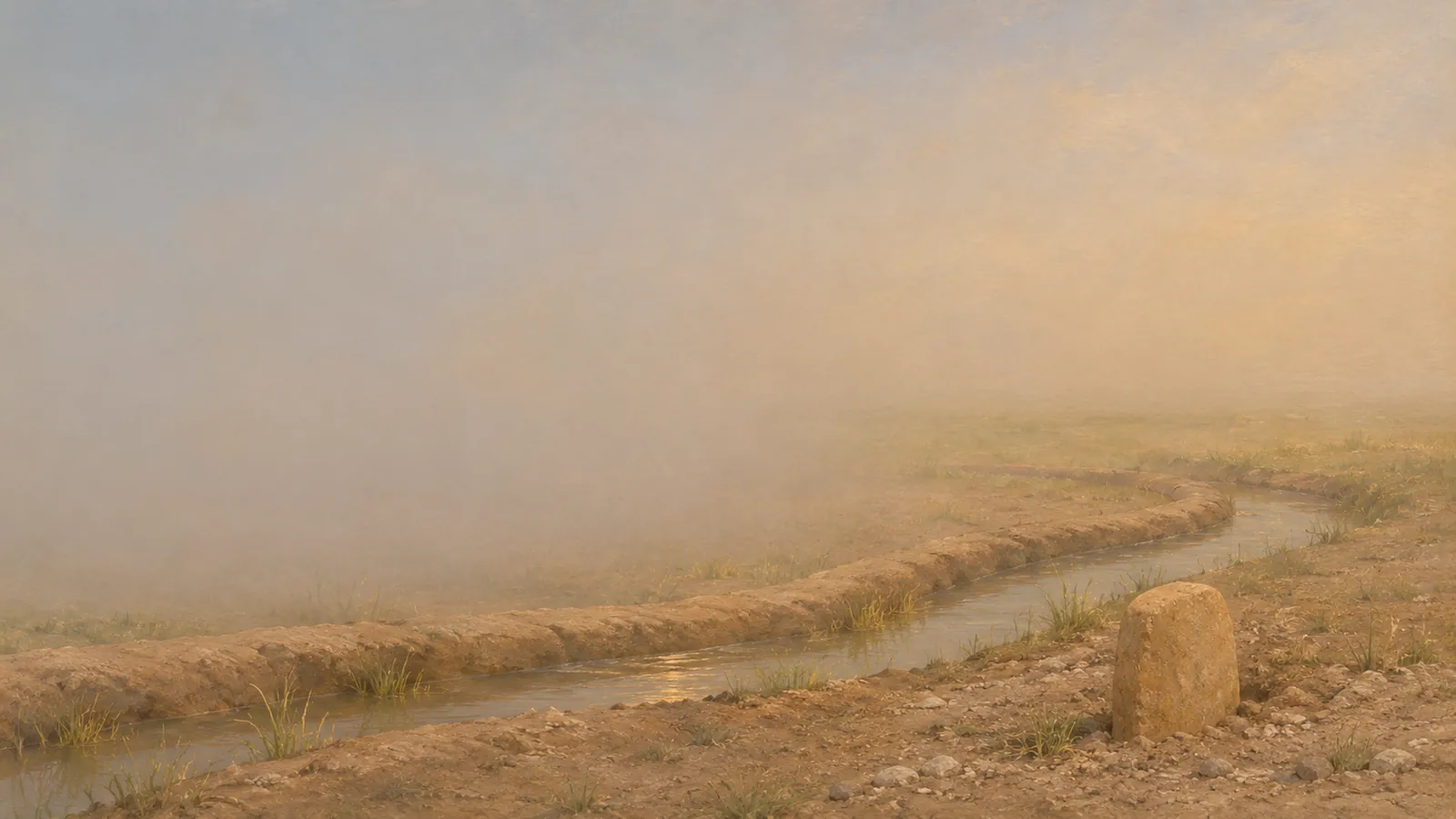
Os versos antigos recordam pessoas que colocavam pedras para marcar os limites. Cuidavam dos diques e dos canais.
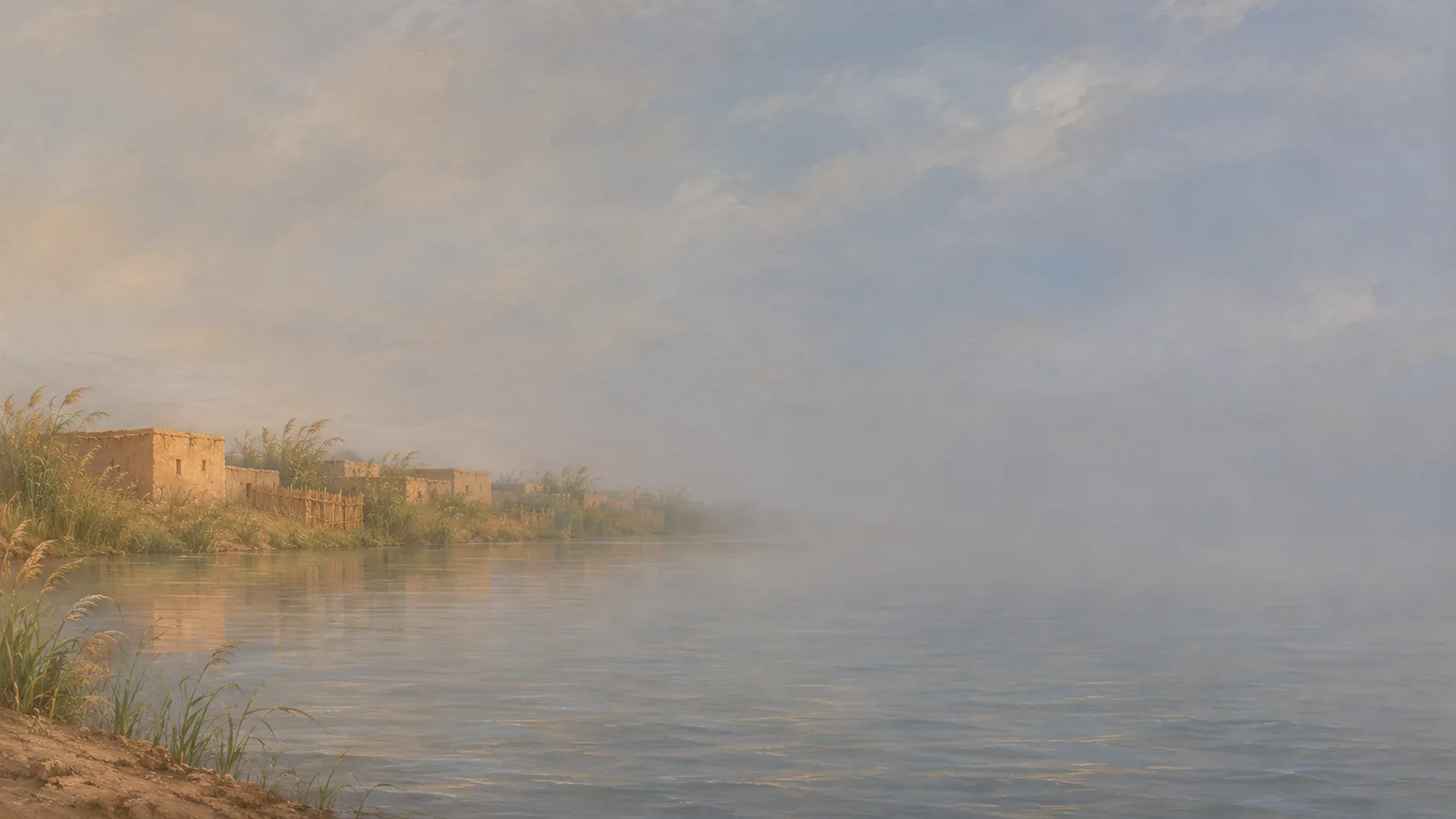
O Eufrates era o rio que sustentava Uruk. Nos anos evocados pelo poema, erguia-se bem alto o cetro real de Kulaba.
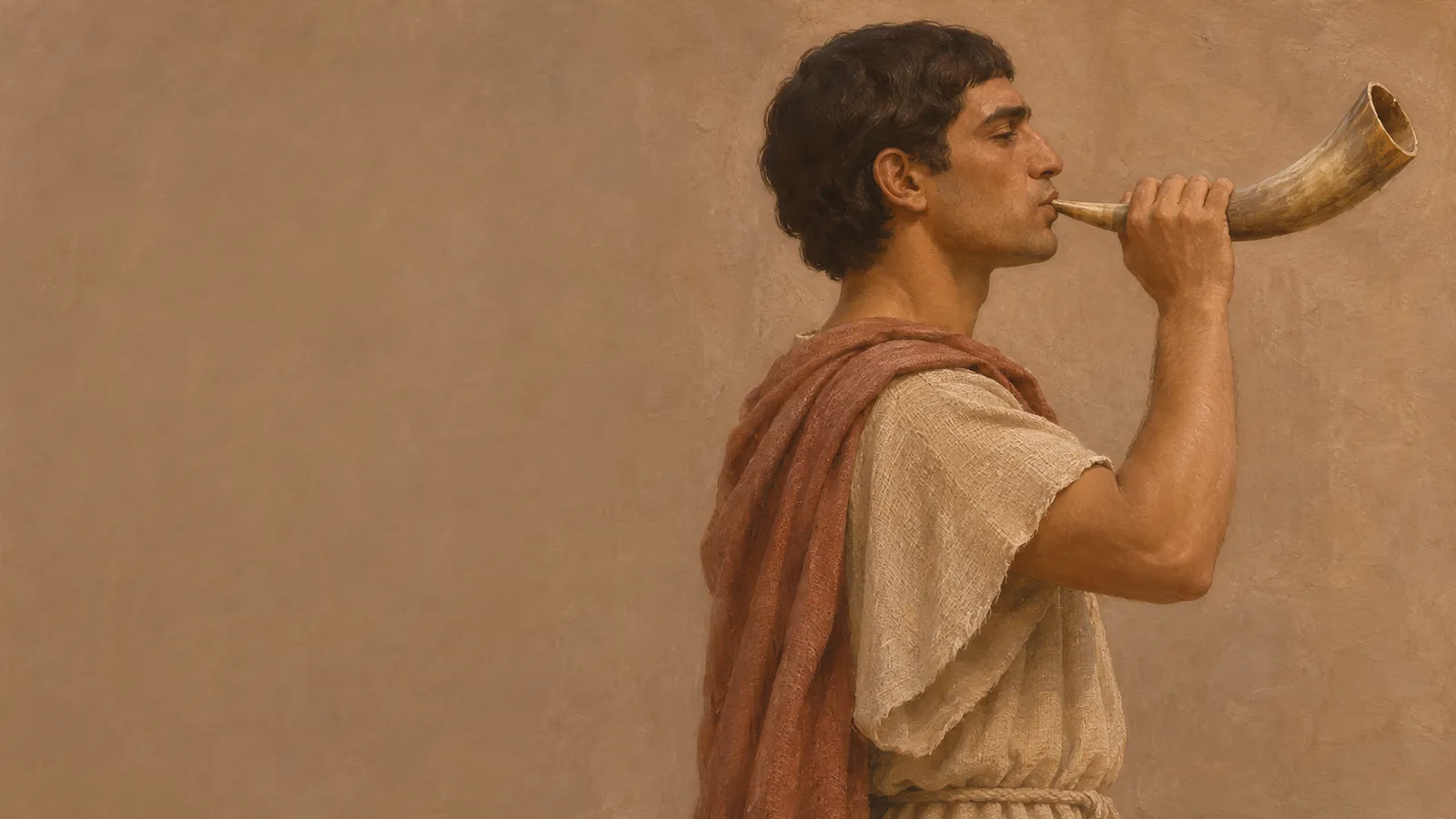
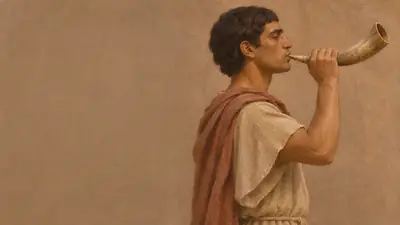
Enmerkar preparou-se para marchar contra Aratta, uma cidade nas montanhas. À sua ordem, o arauto tocou a trompa para convocar o povo.
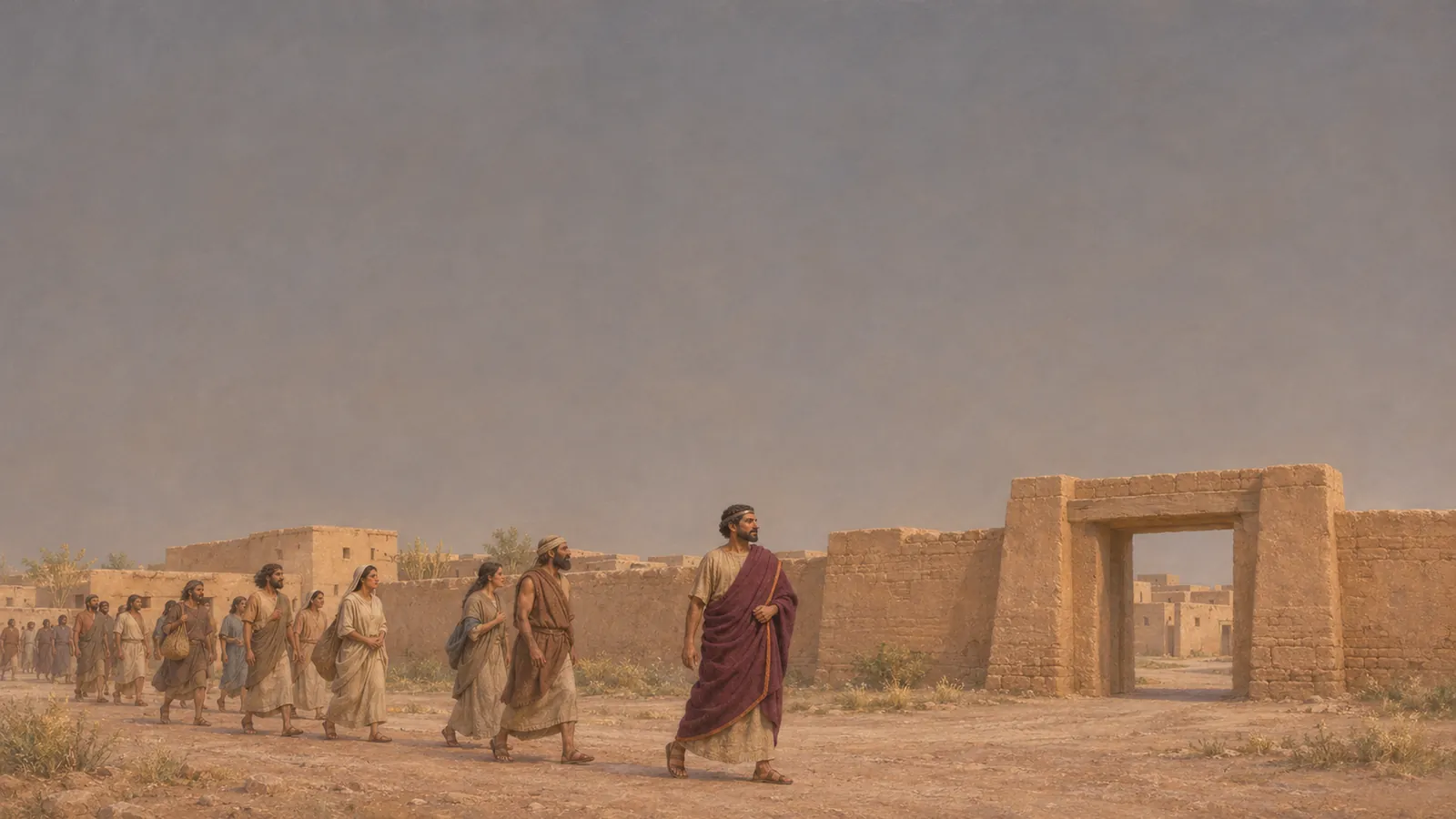
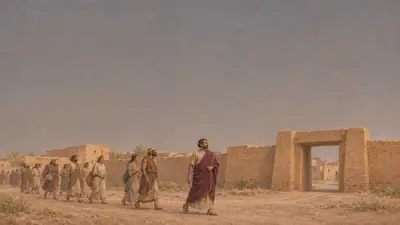
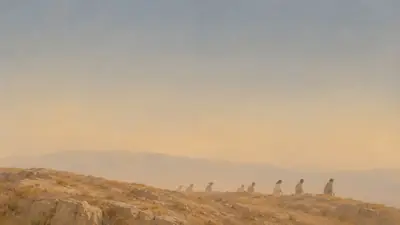
Os homens de Uruk puseram-se em marcha, e Kulaba seguiu Enmerkar. O poema compara a multidão a uma cheia sob um céu nublado.
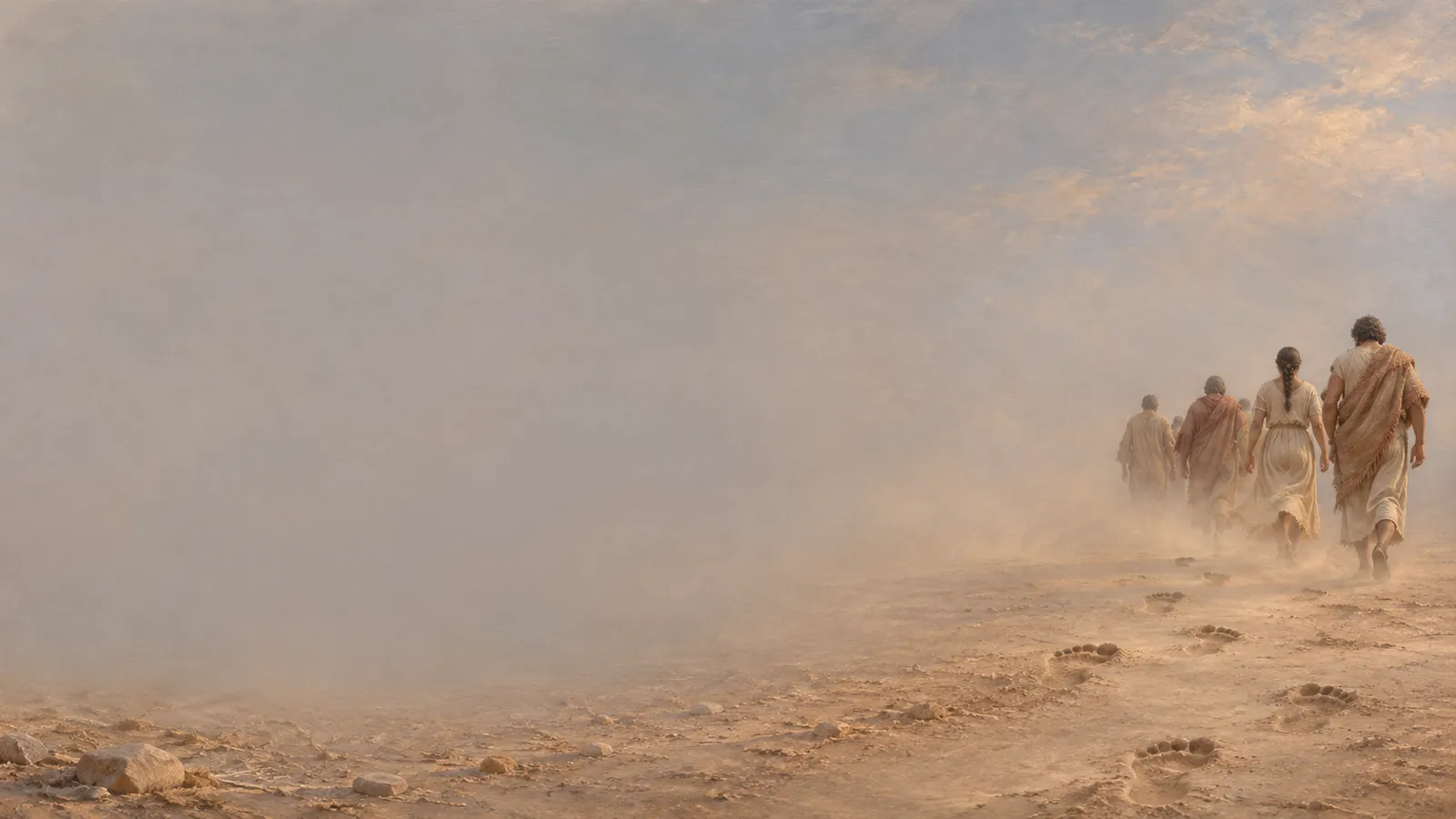
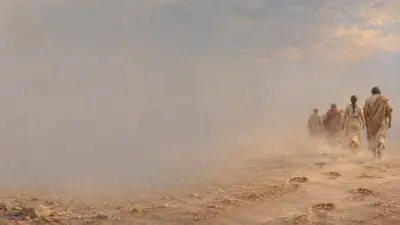
A hoste em marcha cobria a terra como névoa rasteira. O pó subia enquanto os homens passavam o sinal uns aos outros.
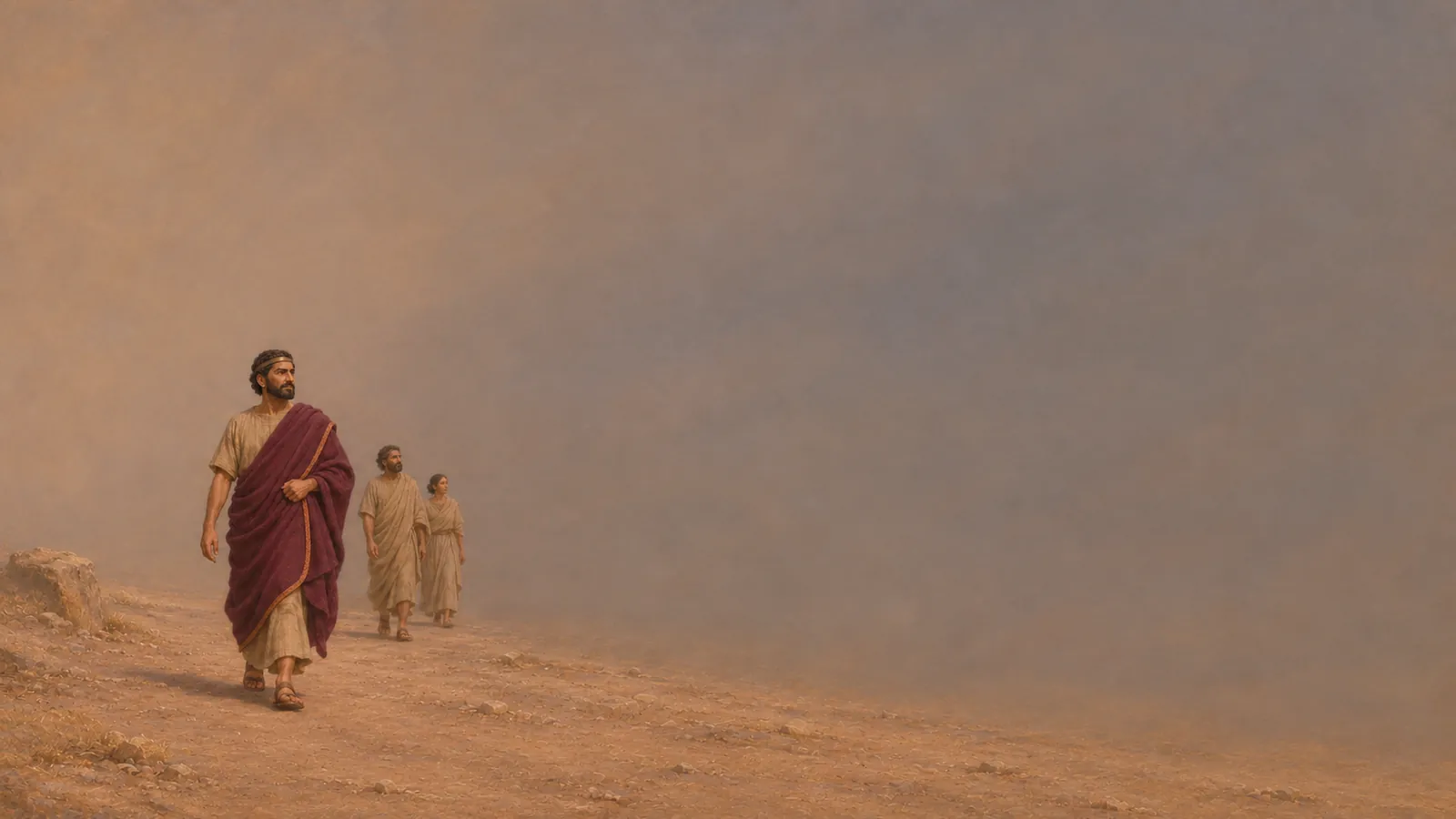
O seu rei caminhava à frente do exército. As palavras que se seguem no relato da marcha estão danificadas.
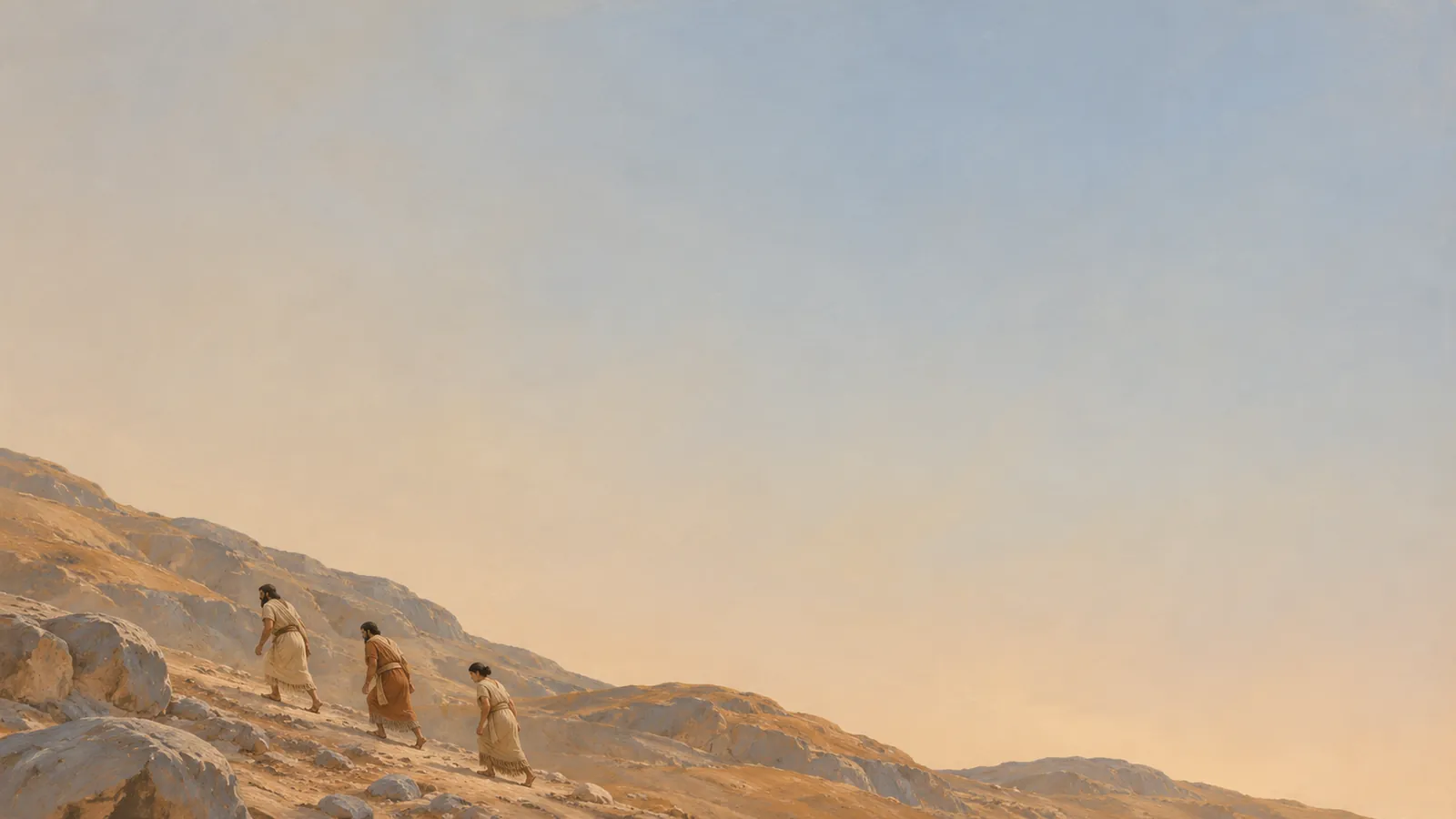
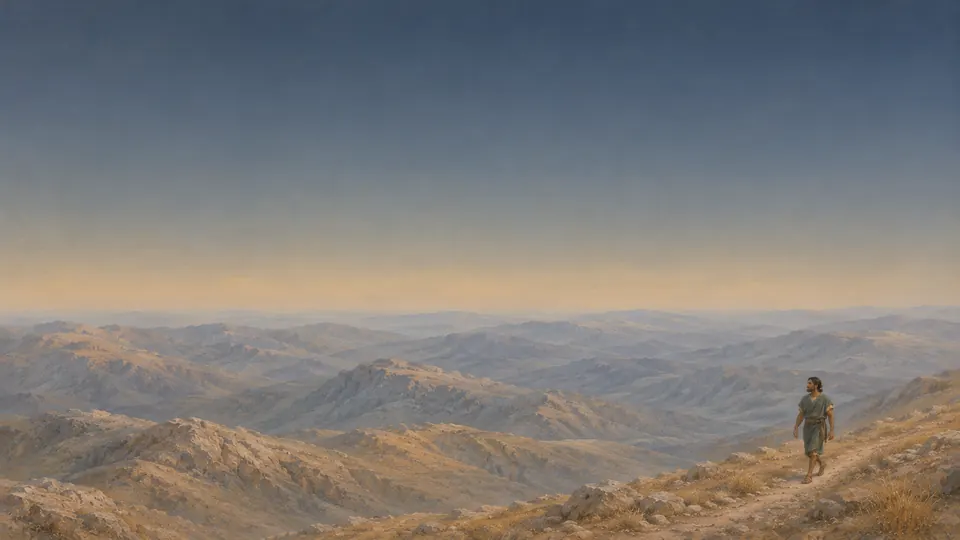
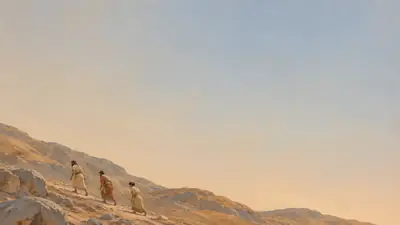
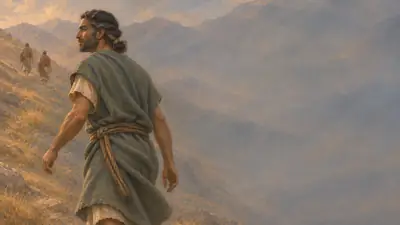
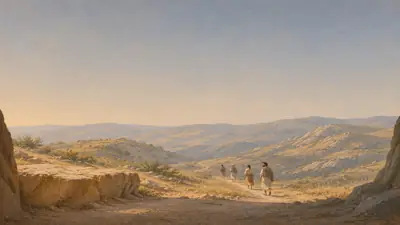
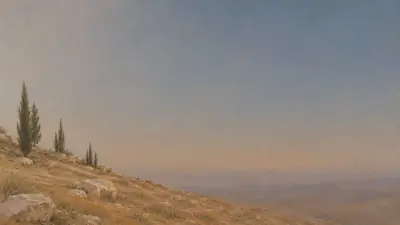
As encostas tornaram-se mais íngremes à medida que a tropa avançava. O relato fragmentário ainda mostra os homens curvados na subida, como ovelhas numa encosta.
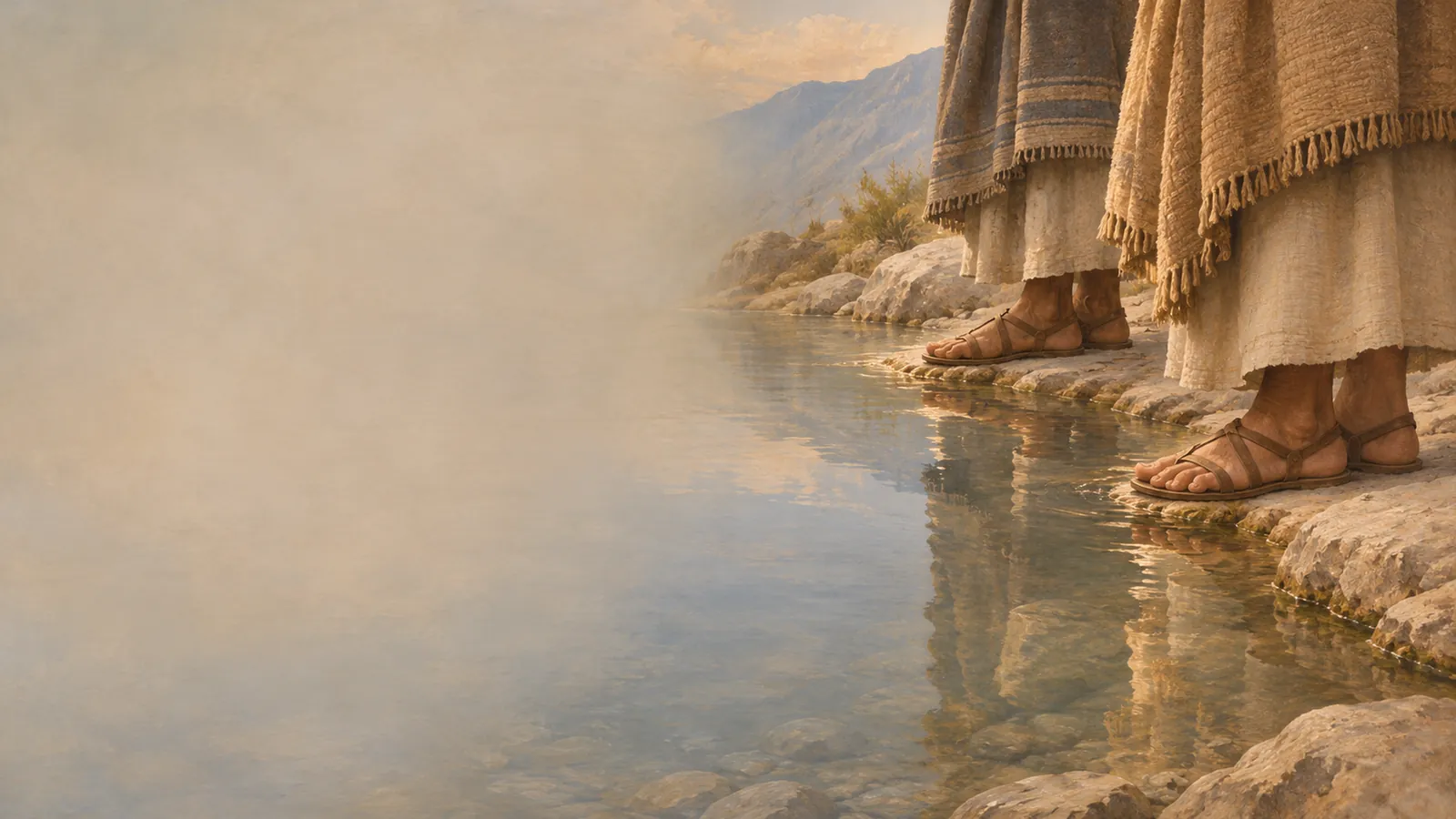
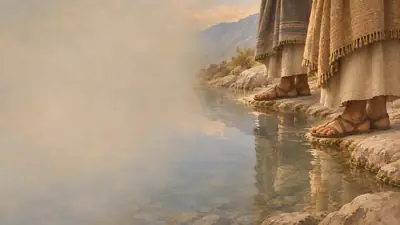
Passaram cinco dias, e os homens banharam-se no sexto. No dia seguinte deixaram os contrafortes para trás e entraram nas montanhas.
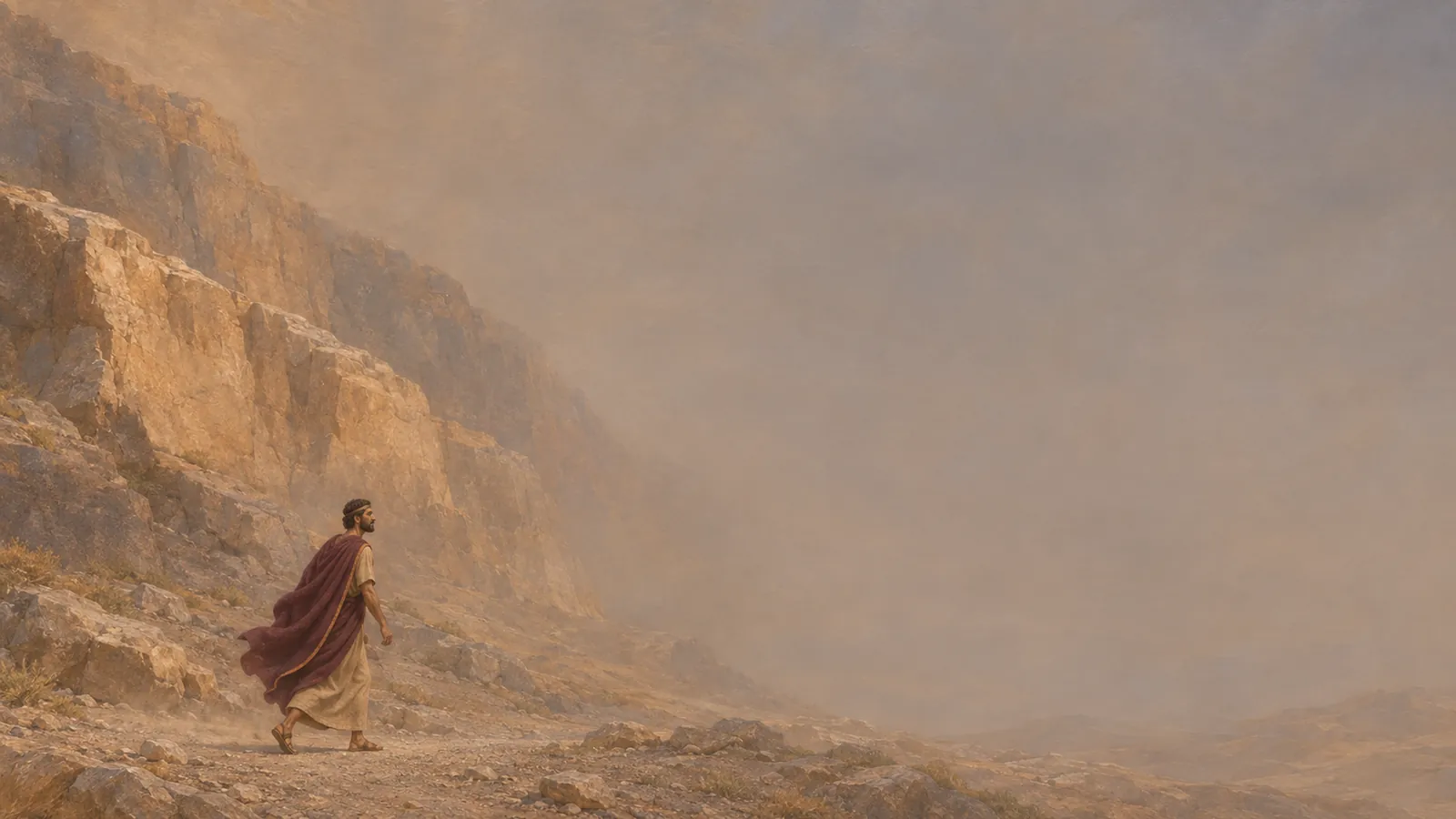
Perderam-se algumas palavras sobre a travessia. Nas que restam, Enmerkar cruza as terras altas com o fulgor e a força de uma tempestade.
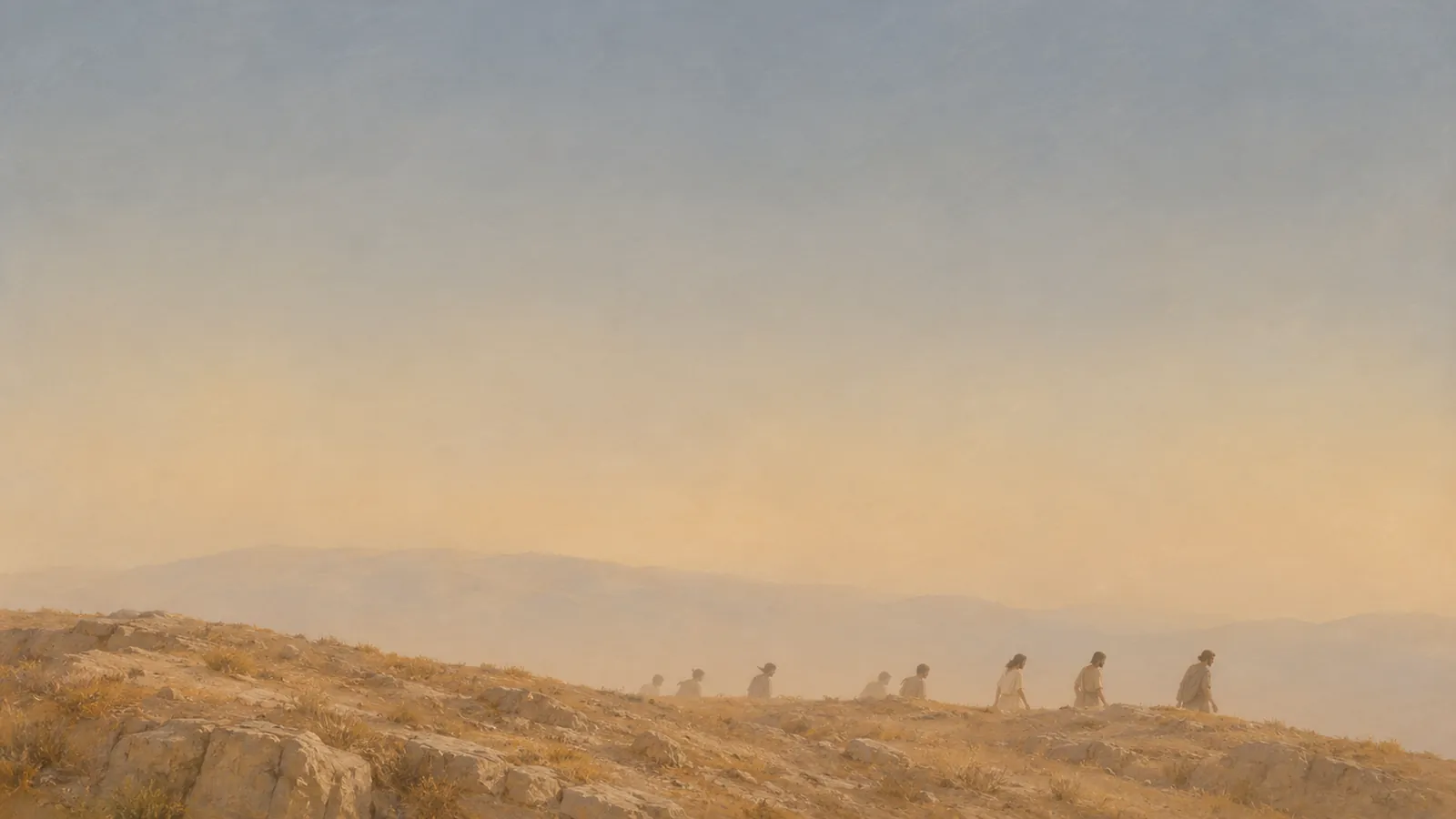
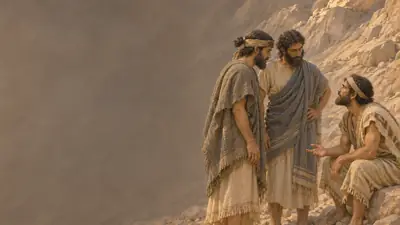
Sete jovens de Kulaba seguiam com a tropa. O poema celebra-os como heróis no pleno vigor da juventude.
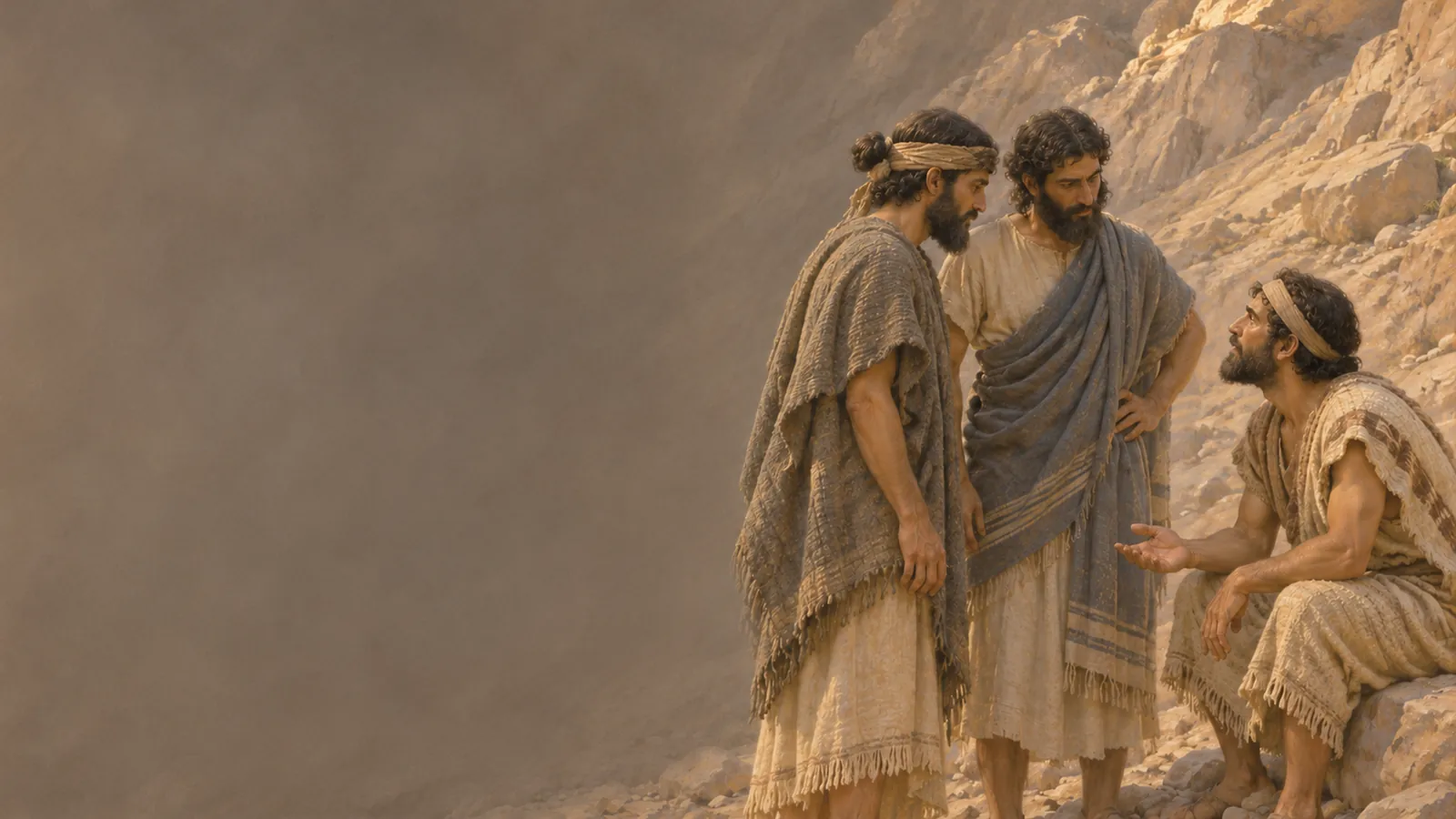
Os sete serviam Enmerkar entre os seus homens de escol. Capitães e intendentes obedeciam-lhes enquanto a hoste avançava pelas montanhas.
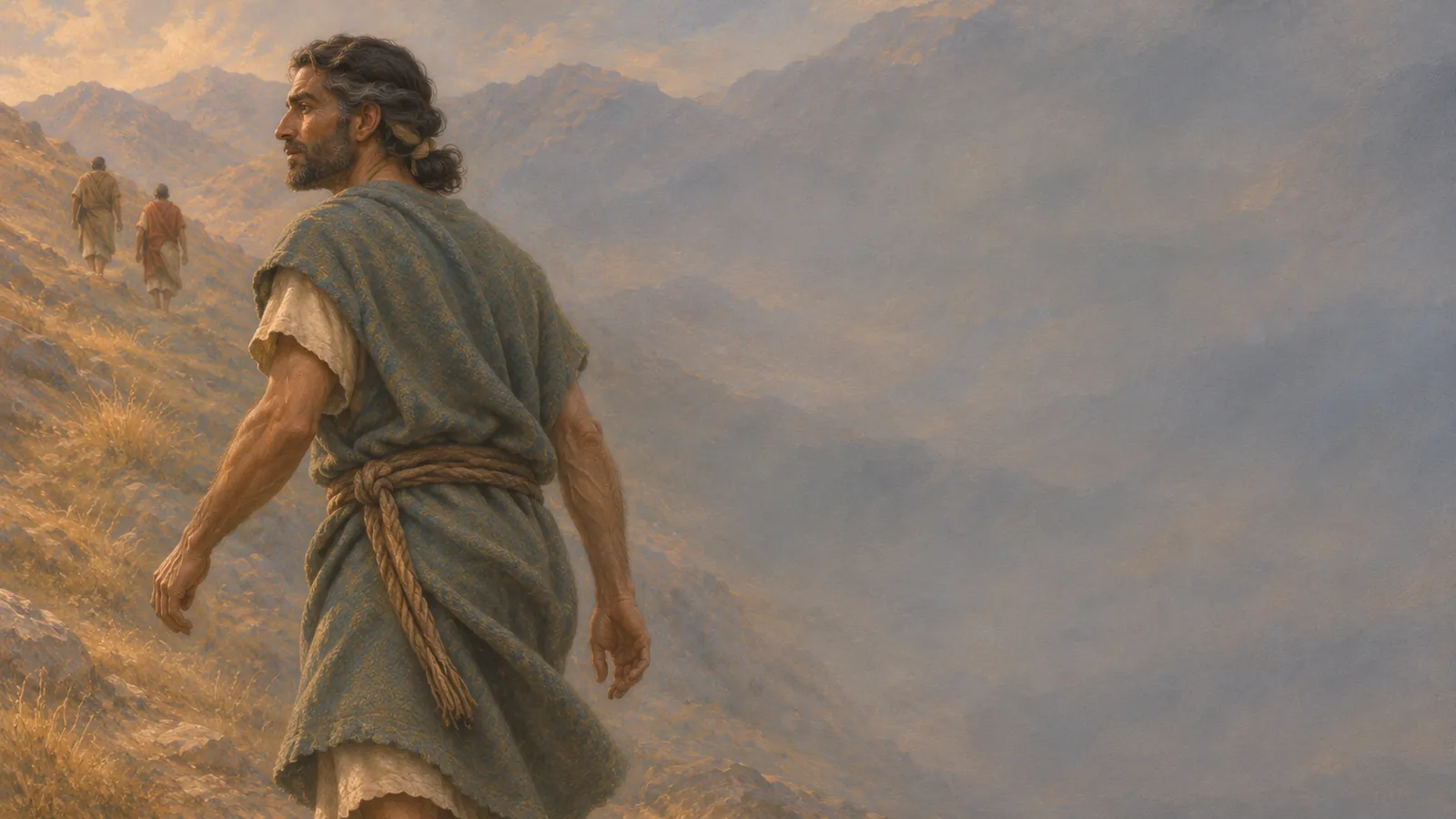
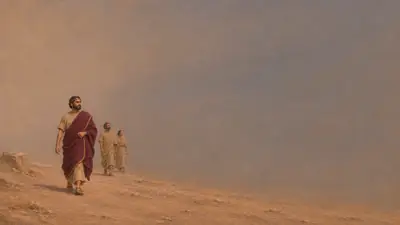
Lugalbanda marchava com a tropa, o oitavo entre eles. Avançava em silêncio, enquanto os outros subiam à sua frente.
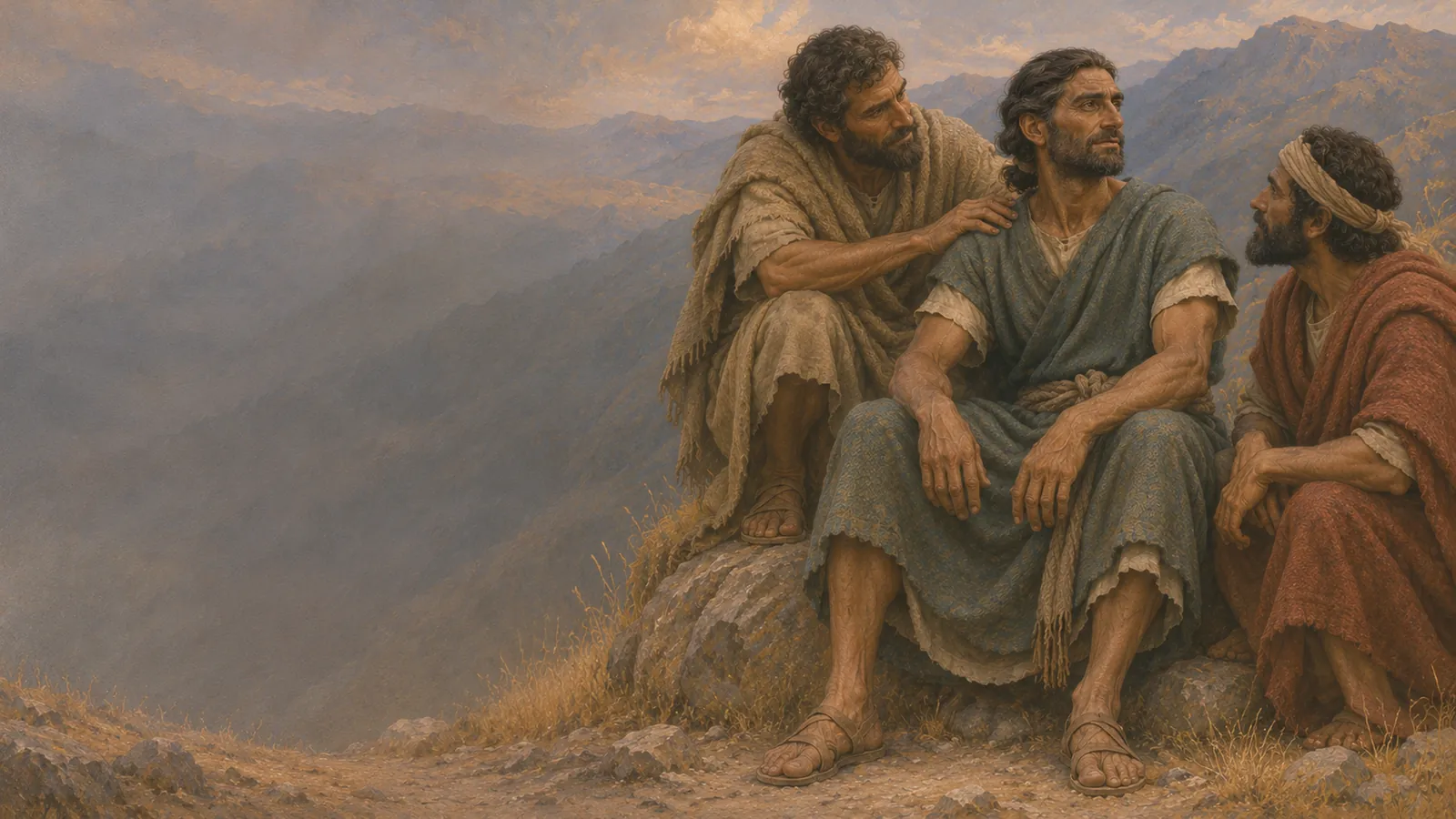
A meio da viagem, Lugalbanda adoeceu. Mal conseguia levantar os pés, e ninguém sabia como levá-lo de volta a Kulaba.
ABRIGO
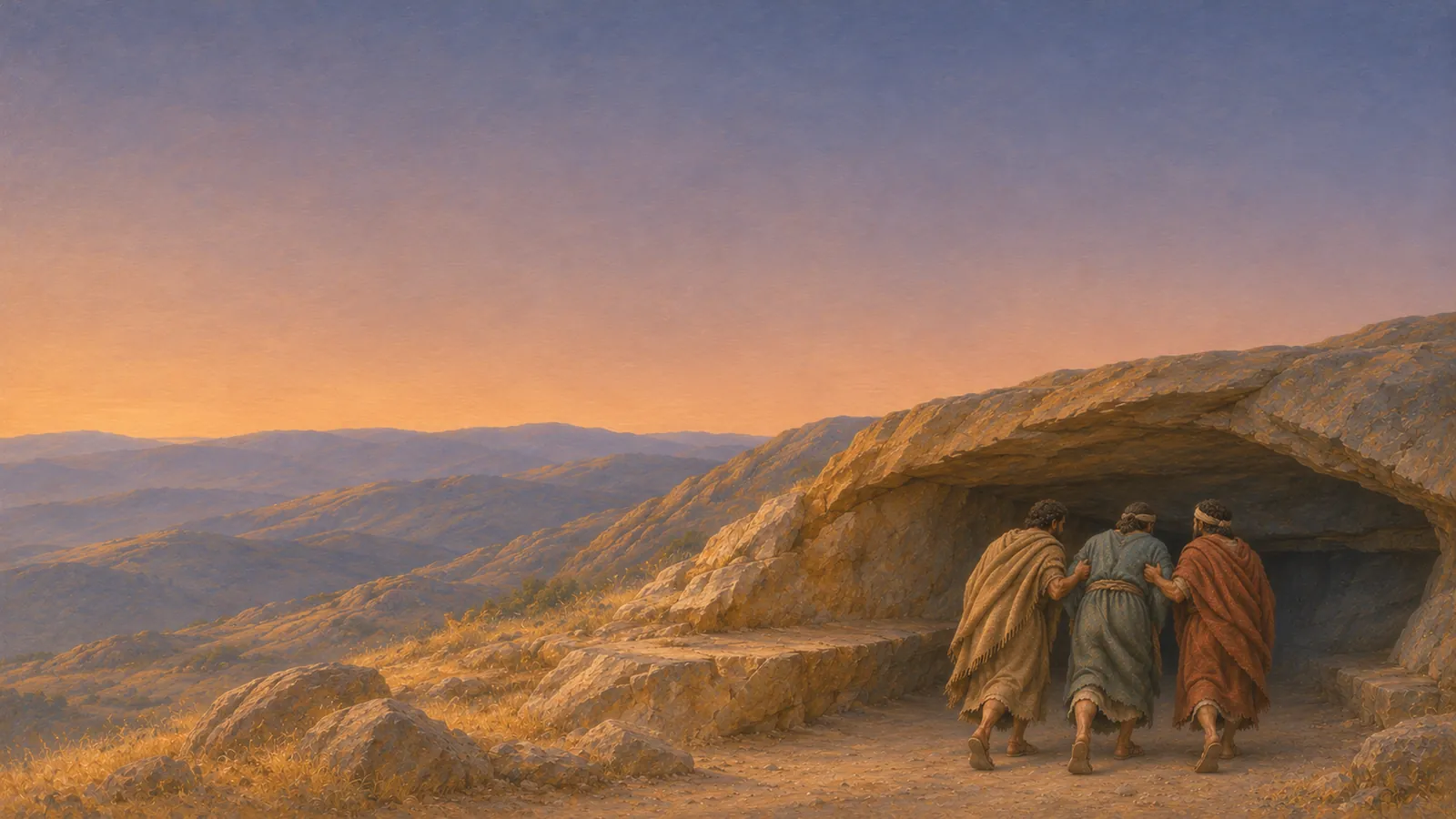
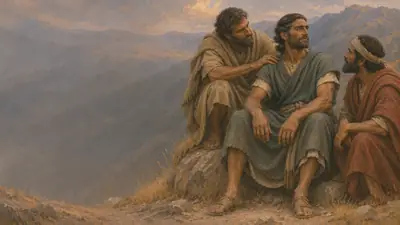
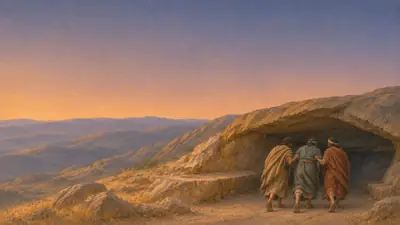
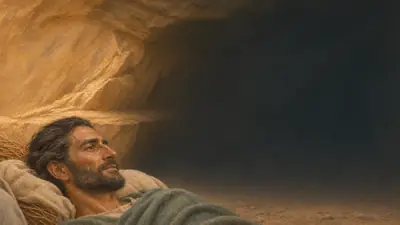
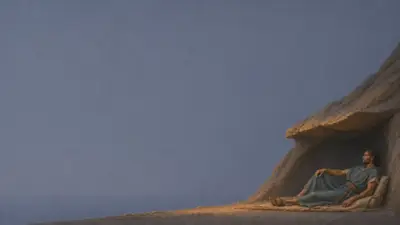
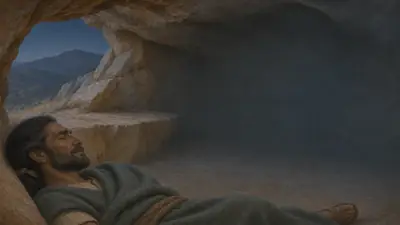
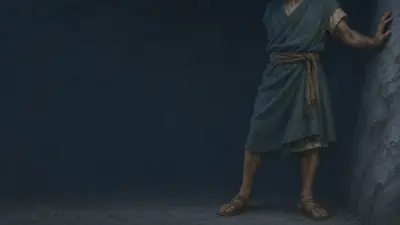
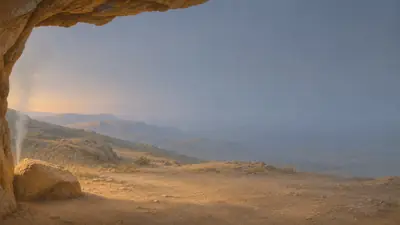
O ar da montanha era frio onde ele jazia. Os companheiros levaram-no para um abrigo, à procura de um lugar onde pudesse aquecer-se.
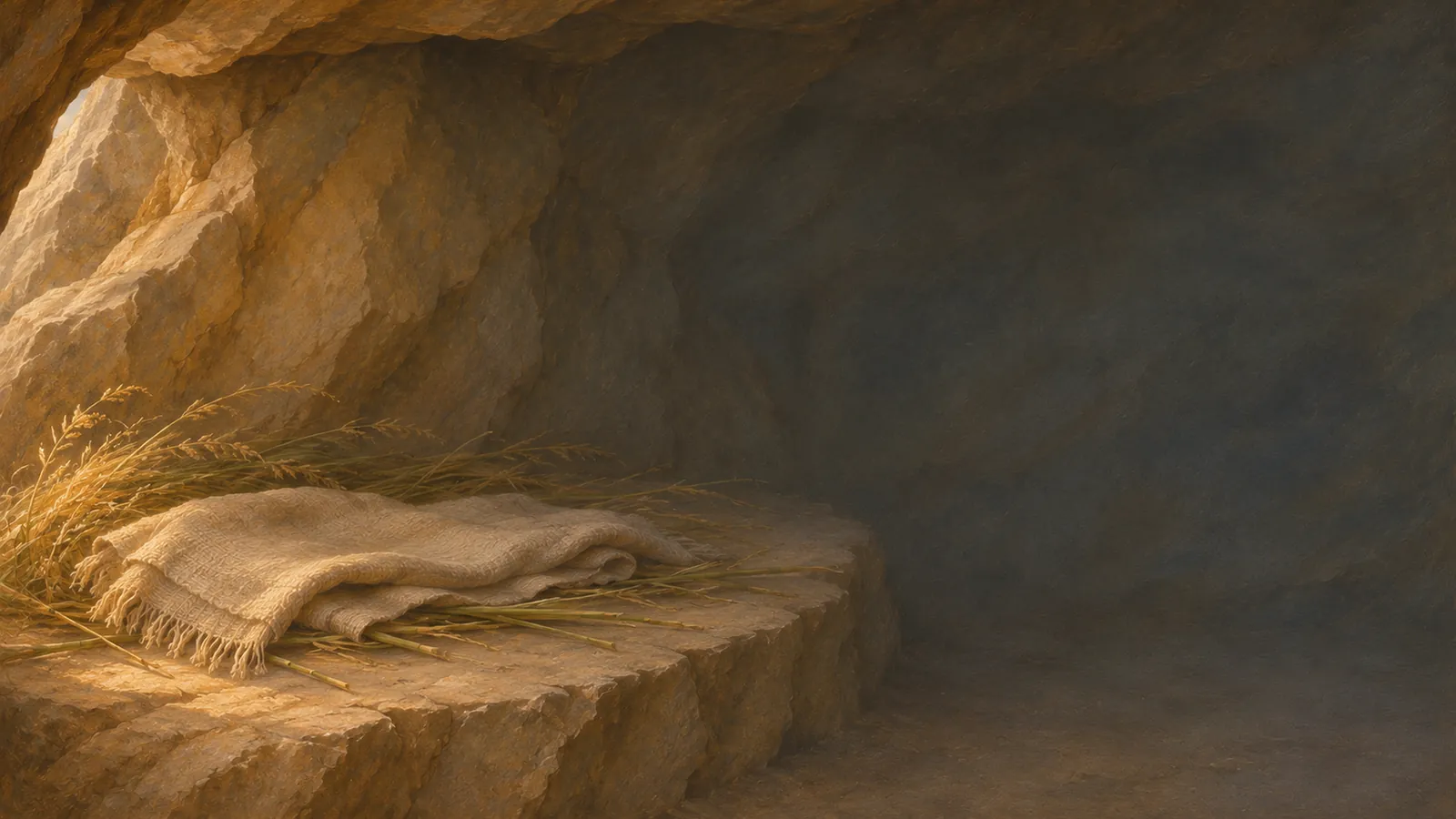
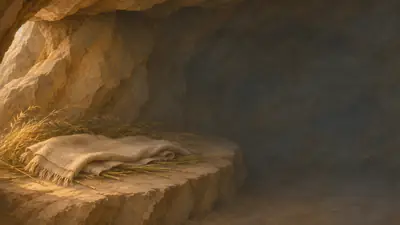
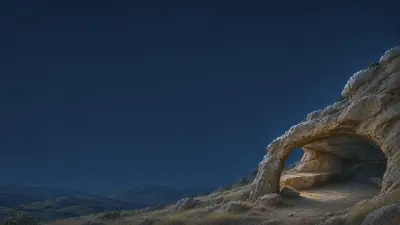
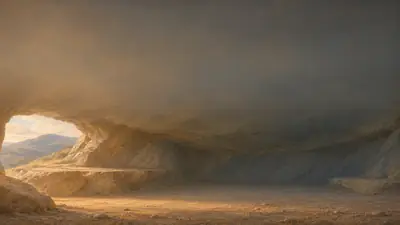
Dentro da caverna da montanha, prepararam-lhe um lugar para descansar. O que resta do verso compara o abrigo a um ninho de ave.
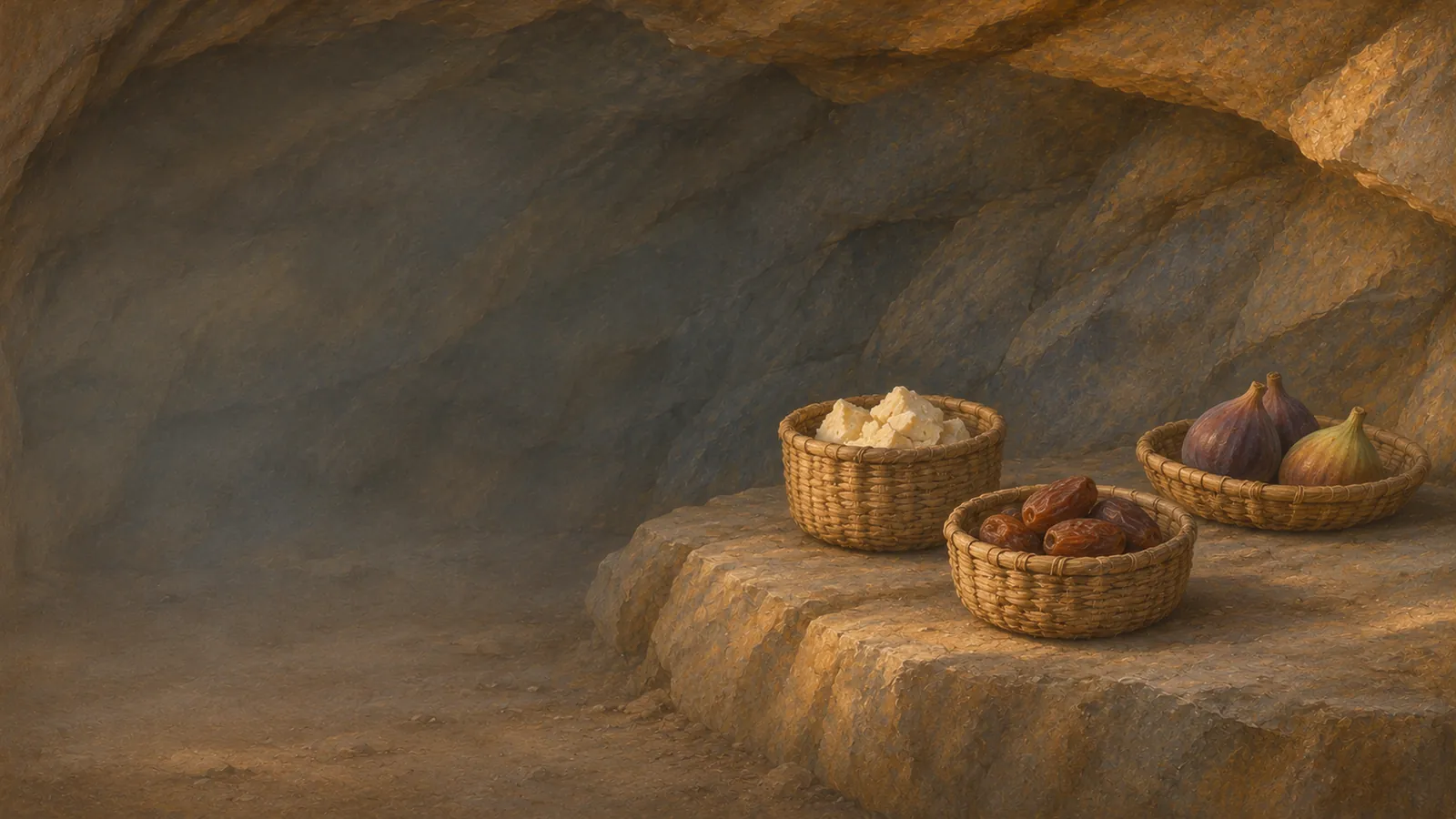
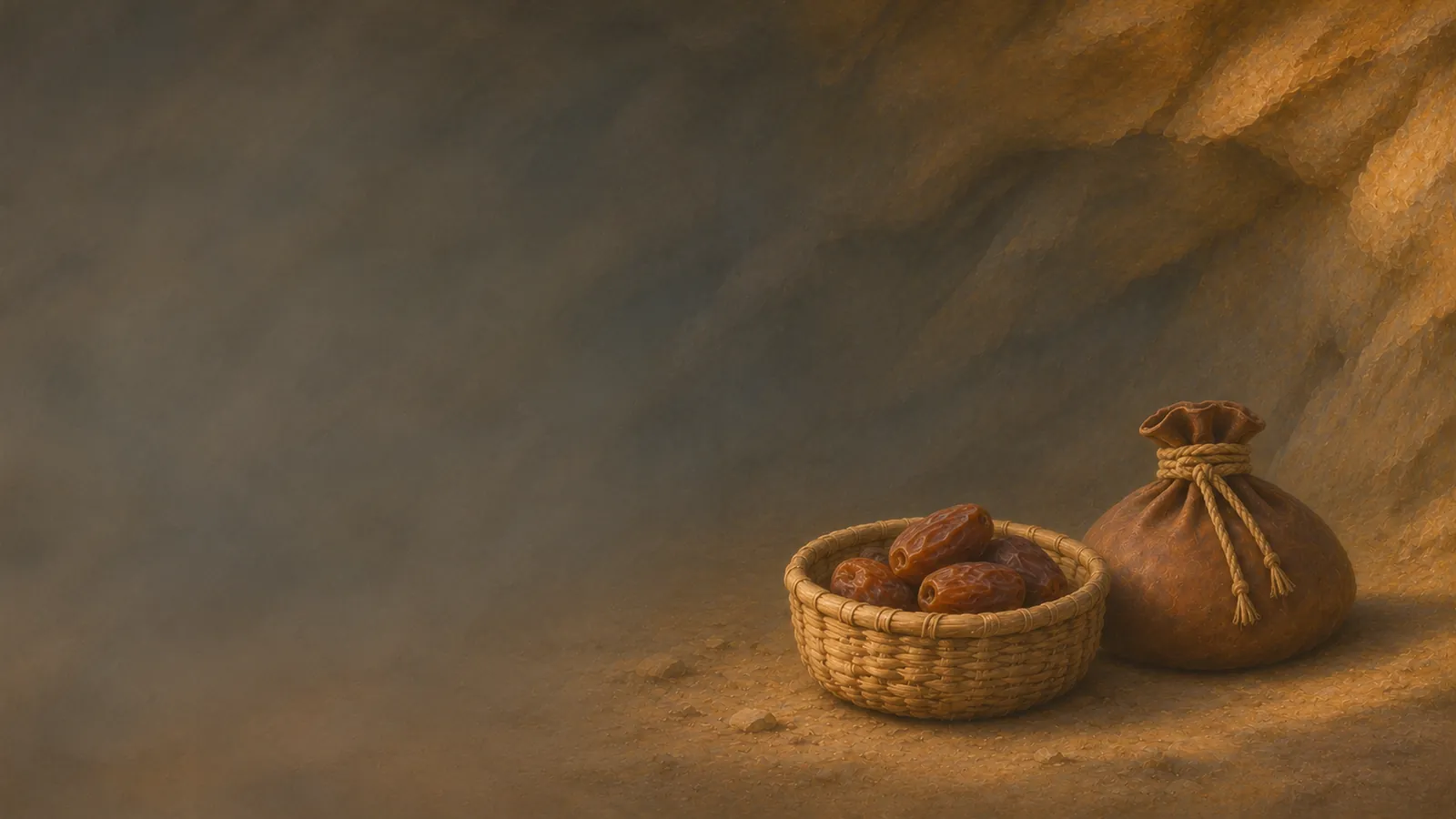
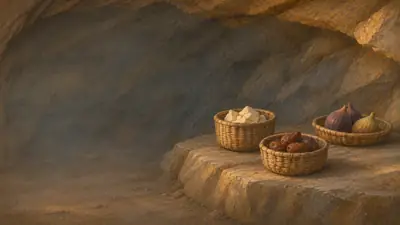
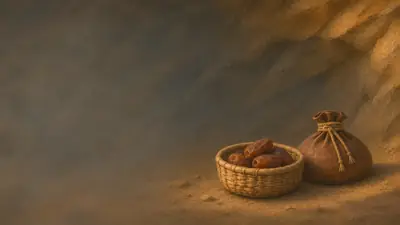
Dispuseram figos, tâmaras, queijo e outros alimentos que um doente pudesse comer. Deixaram tudo ao seu alcance, caso conseguisse sentar-se.
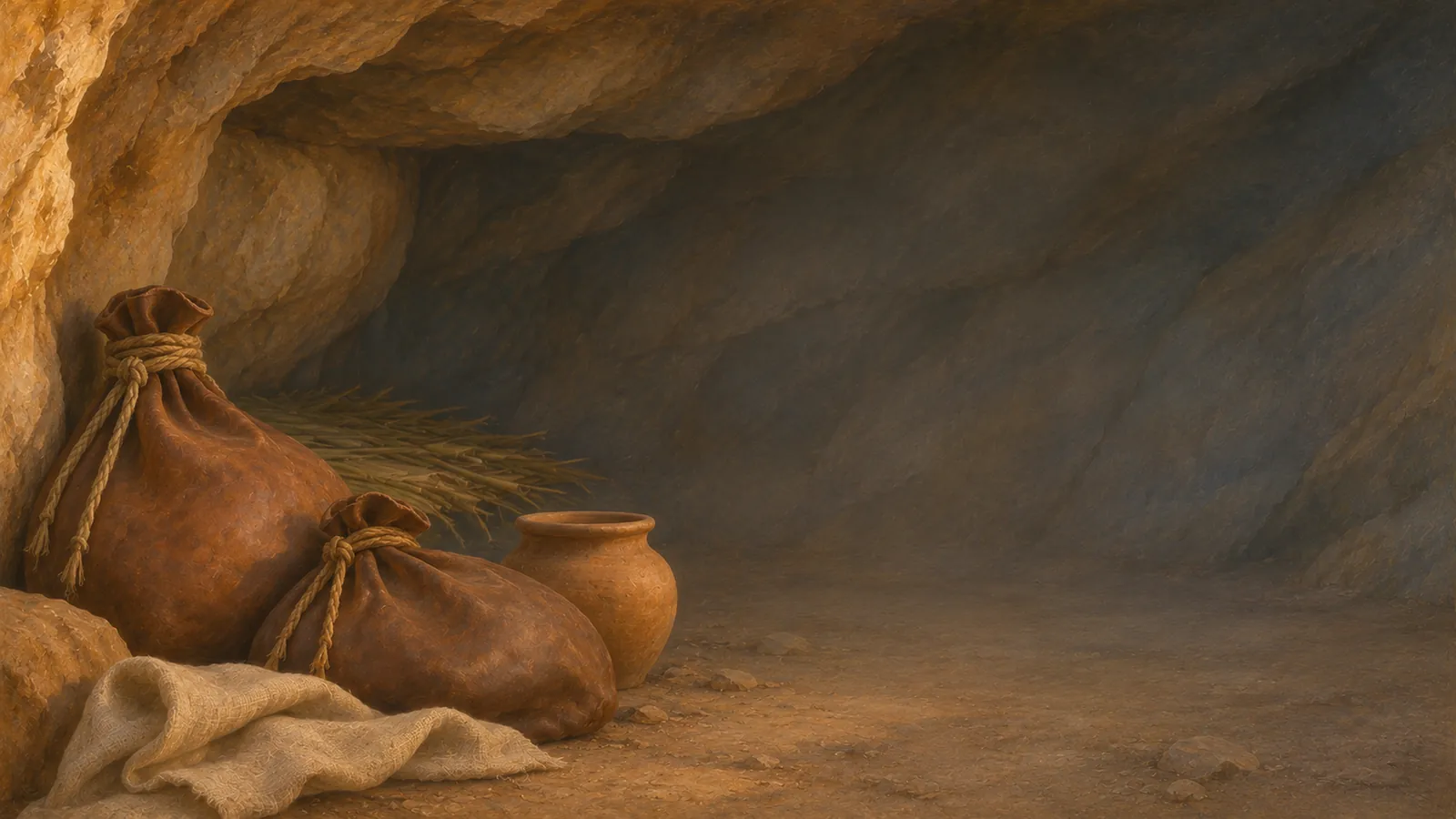
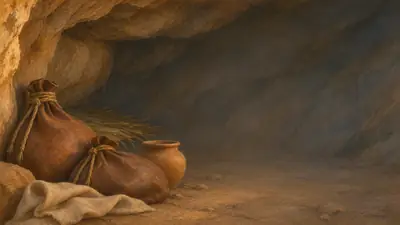
Os companheiros puseram sacos de couro e recipientes junto da sua cabeça. Deixaram-lhe bebidas e as provisões que tinham trazido na marcha.
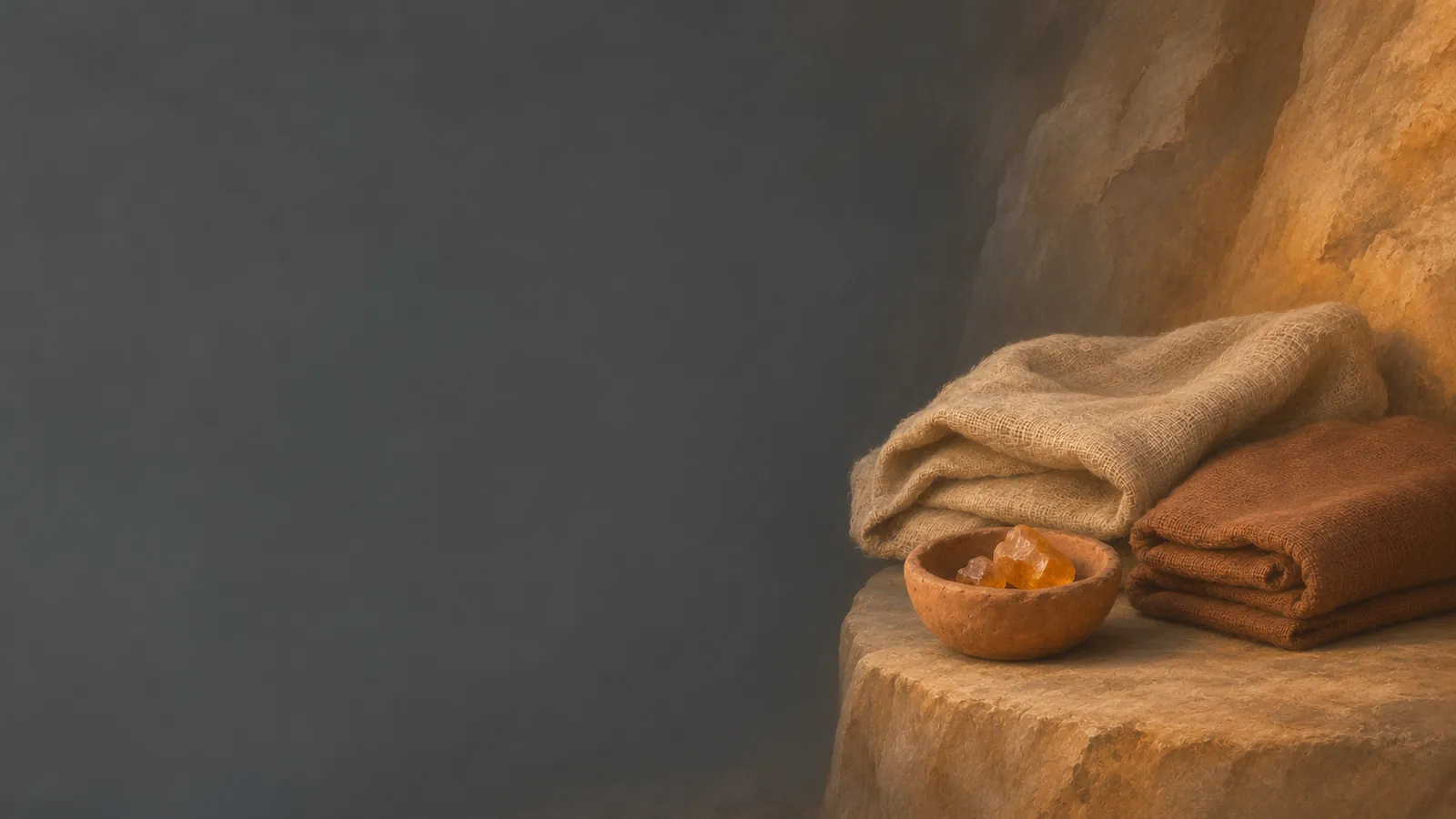
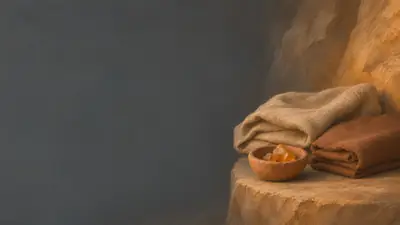
Prepararam resina aromática e deixaram os seus pertences junto dele. Os homens observavam-no no silêncio da caverna da montanha.
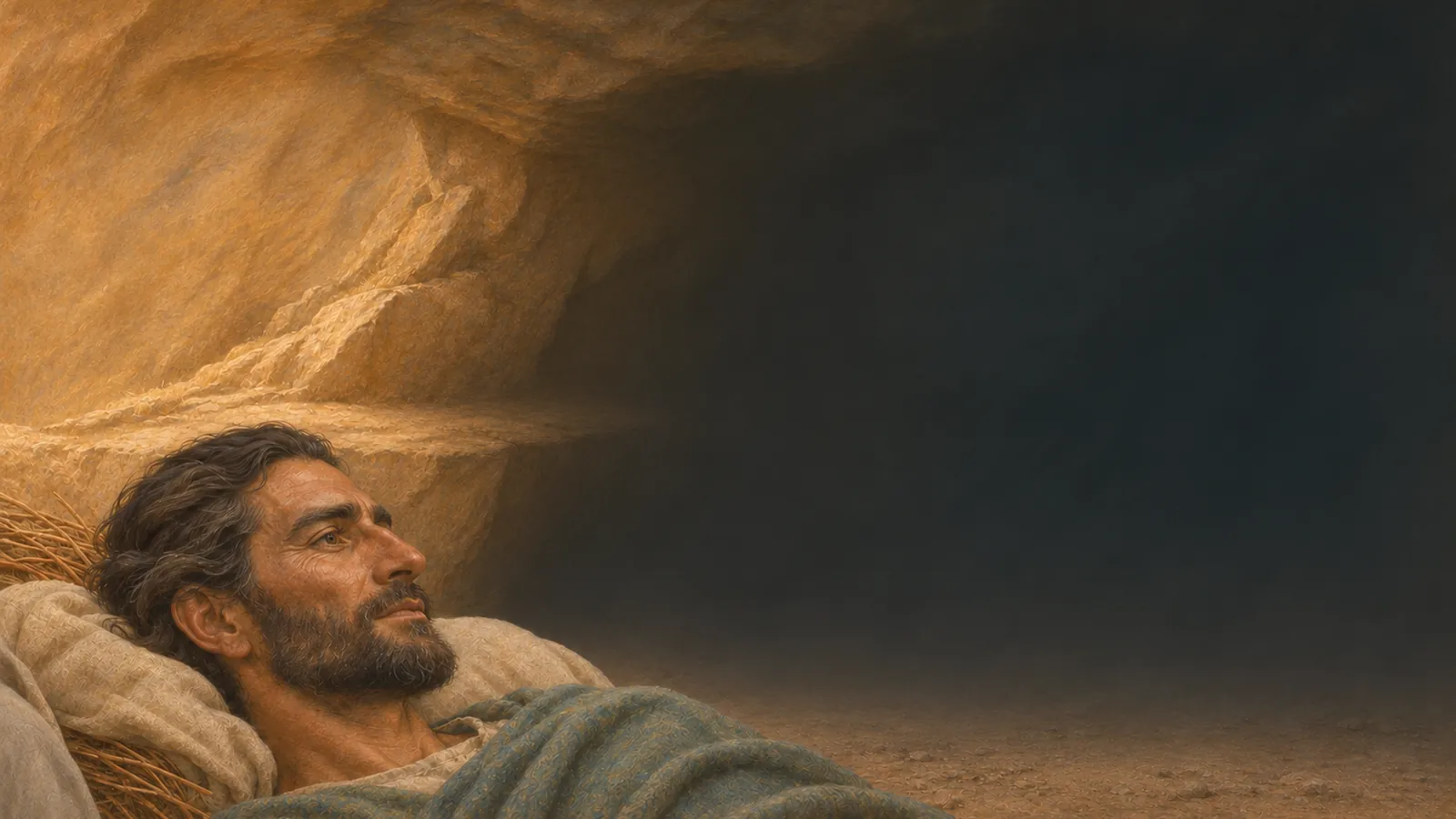
Lugalbanda tinha os olhos abertos, mas não conseguia responder aos irmãos. Quando lhe ergueram a cabeça, mal lhe sentiram a respiração.
Se voltasse a erguer-se, esperavam que a comida e a bebida o ajudassem a pôr-se de pé. Talvez encontrasse então o caminho de volta a Kulaba.
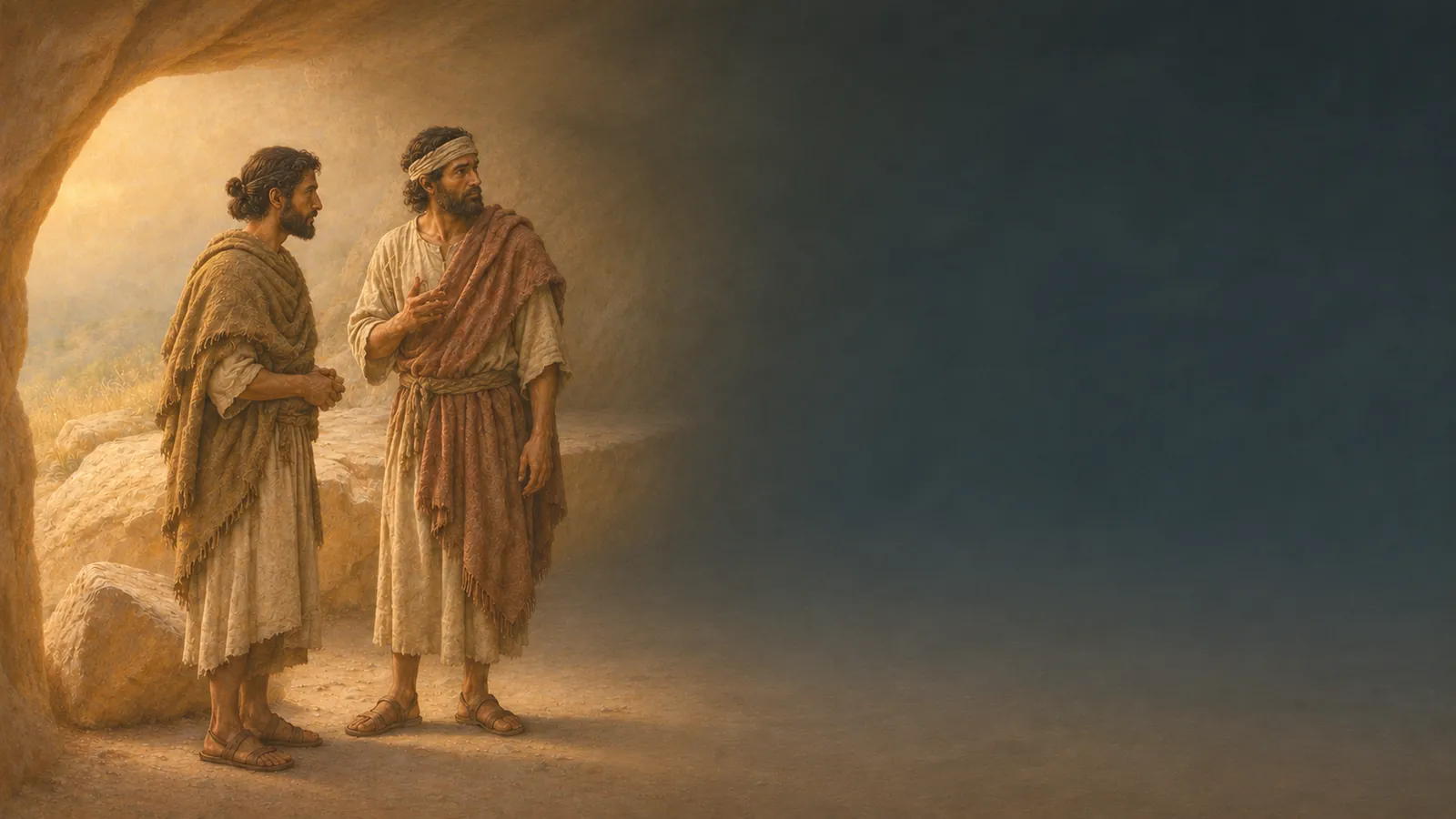
Se morresse, disseram, voltariam para o buscar depois da marcha sobre Aratta. Levá-lo-iam para casa, em Kulaba.
SÓ
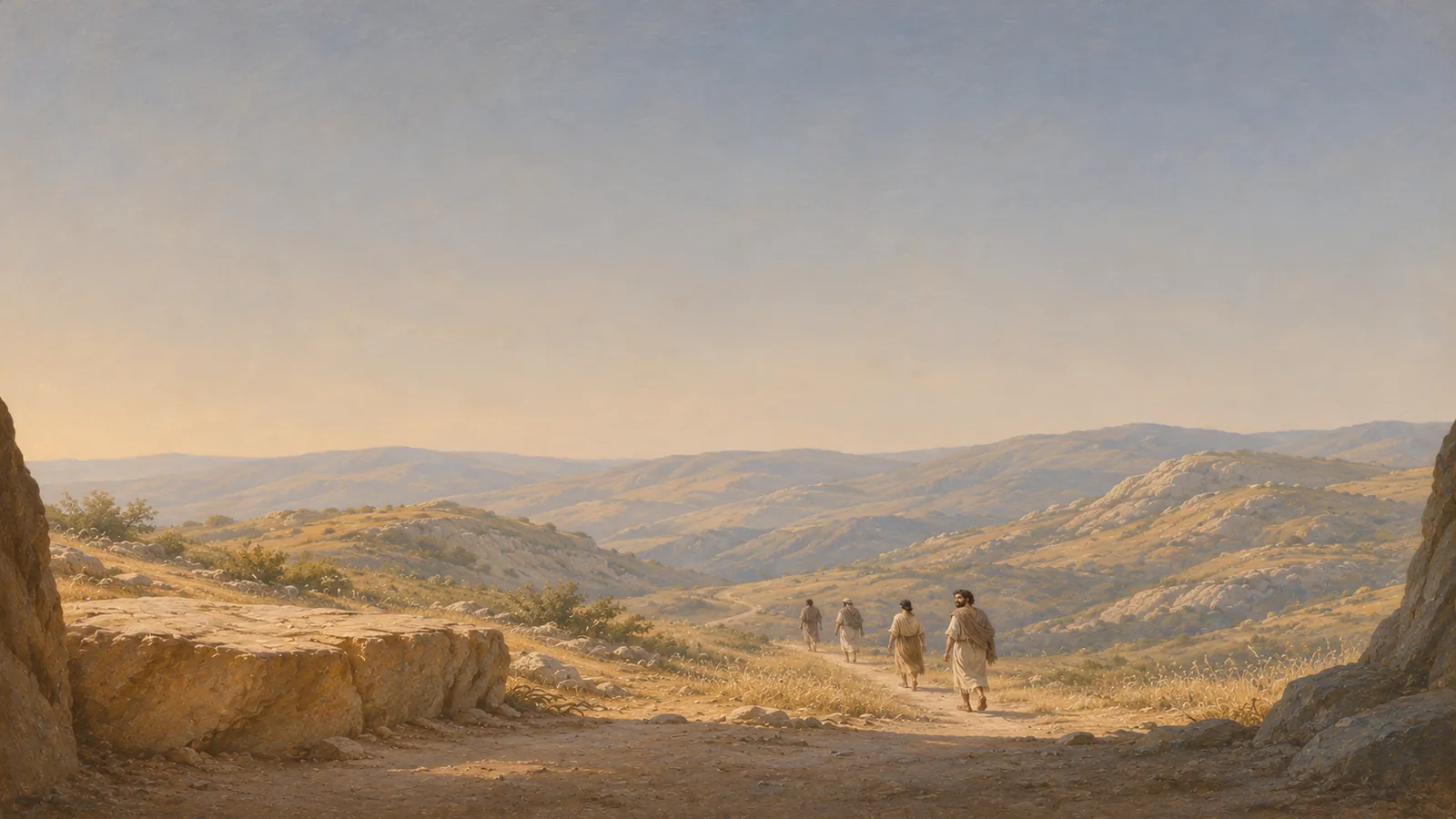
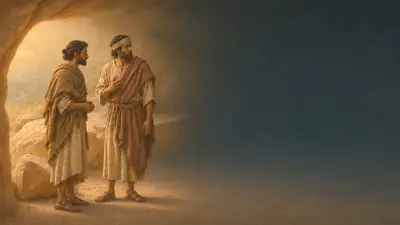
Os irmãos e os companheiros choraram quando o deixaram na caverna. Continuaram a marcha pelas montanhas, e Lugalbanda ficou para trás.
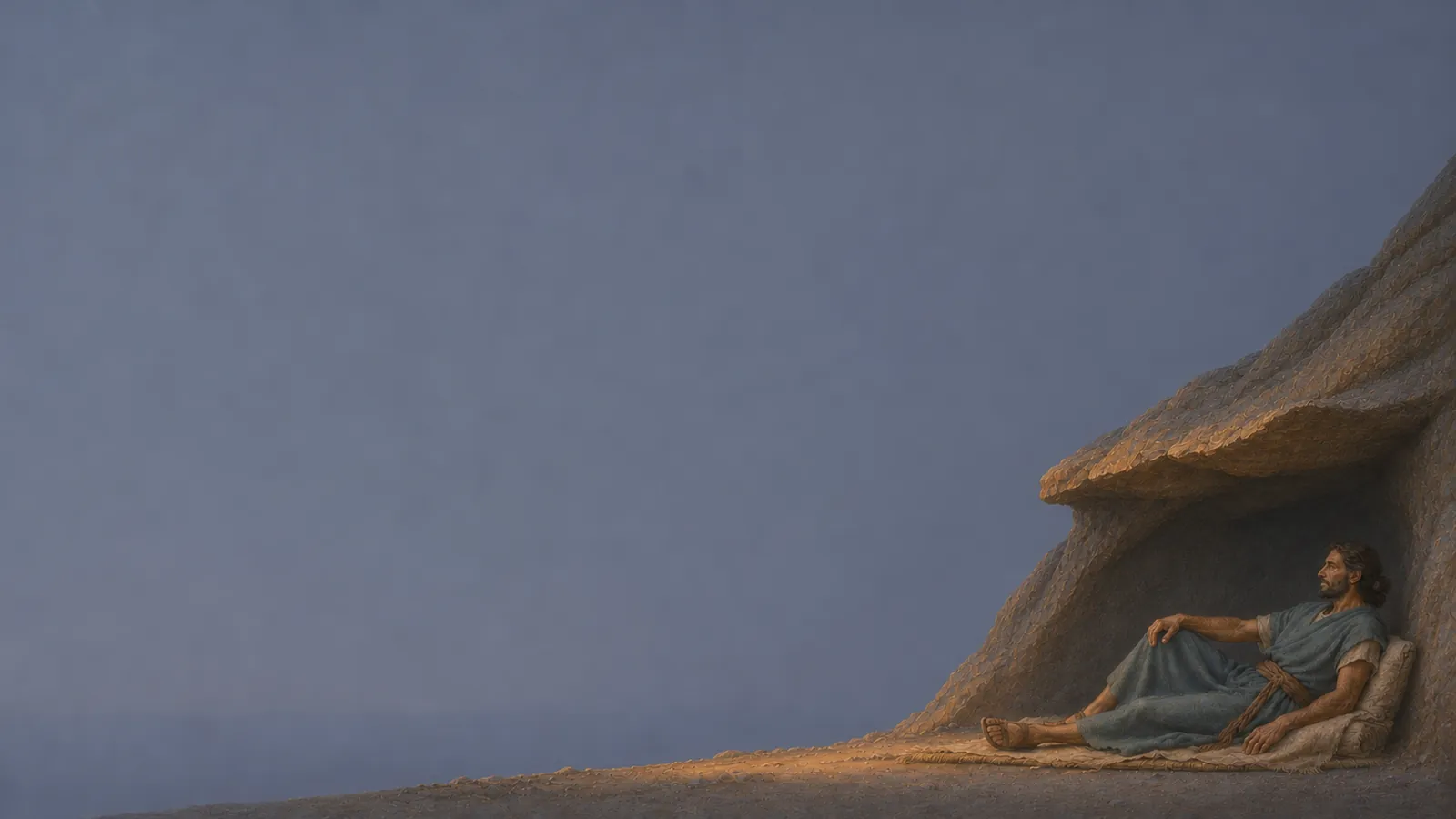
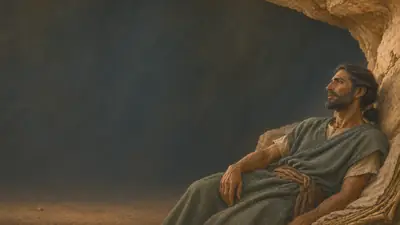
Passaram dois dias e mais meio dia. Na frescura do fim do dia, Lugalbanda sentiu algum alívio, mas a doença ainda não o tinha deixado.
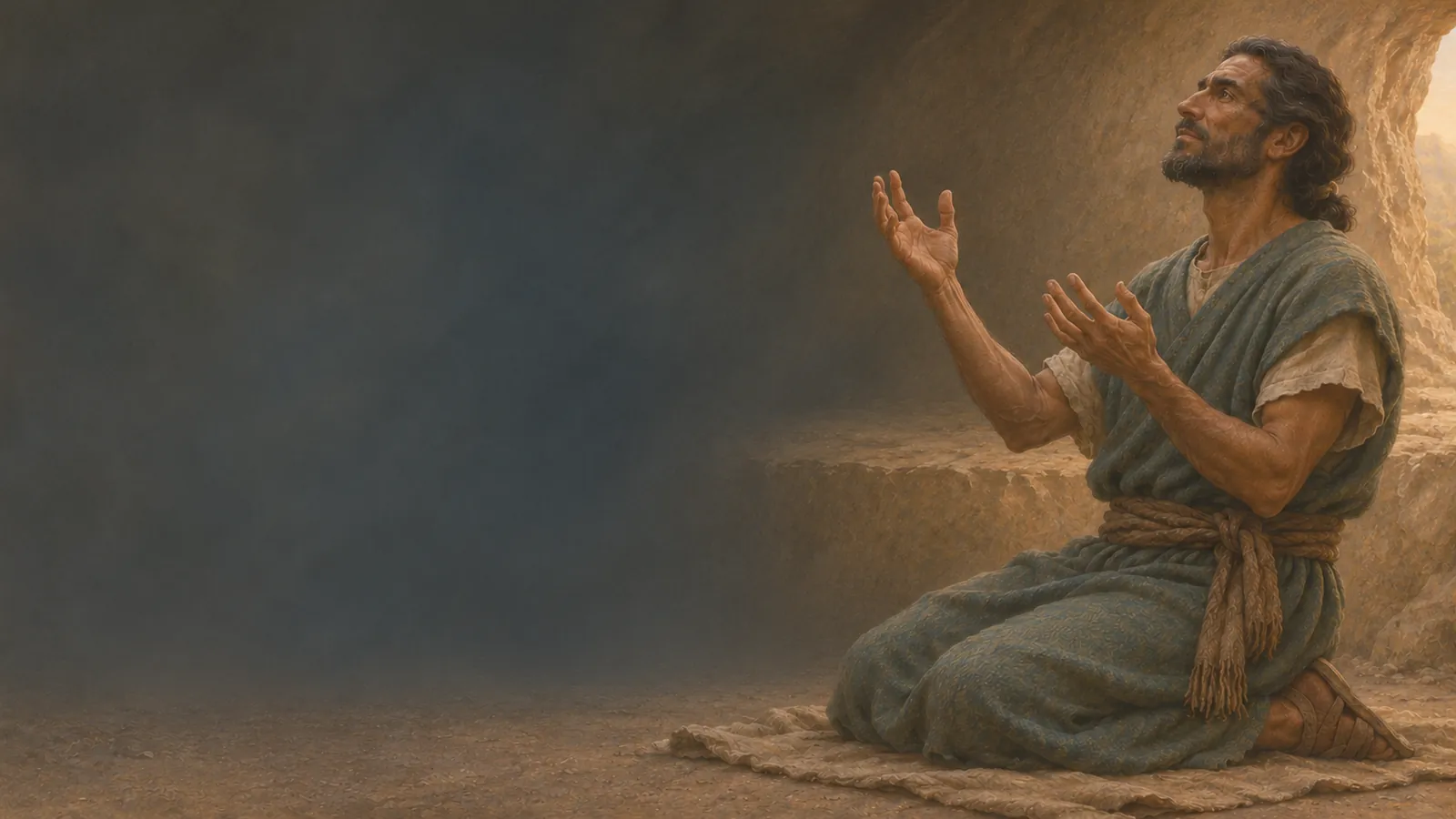
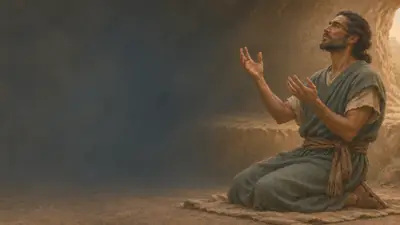
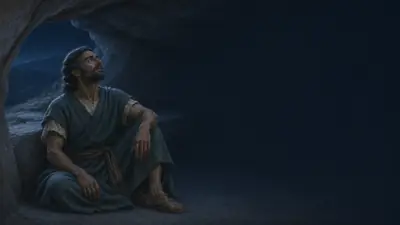
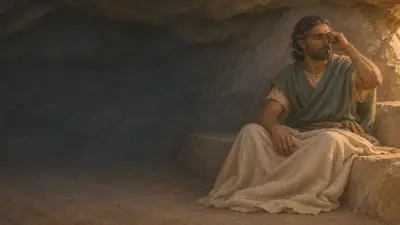
Lugalbanda ergueu os olhos e as mãos. Na sua solidão, chamou por Utu a chorar, como teria chamado pelo próprio pai.
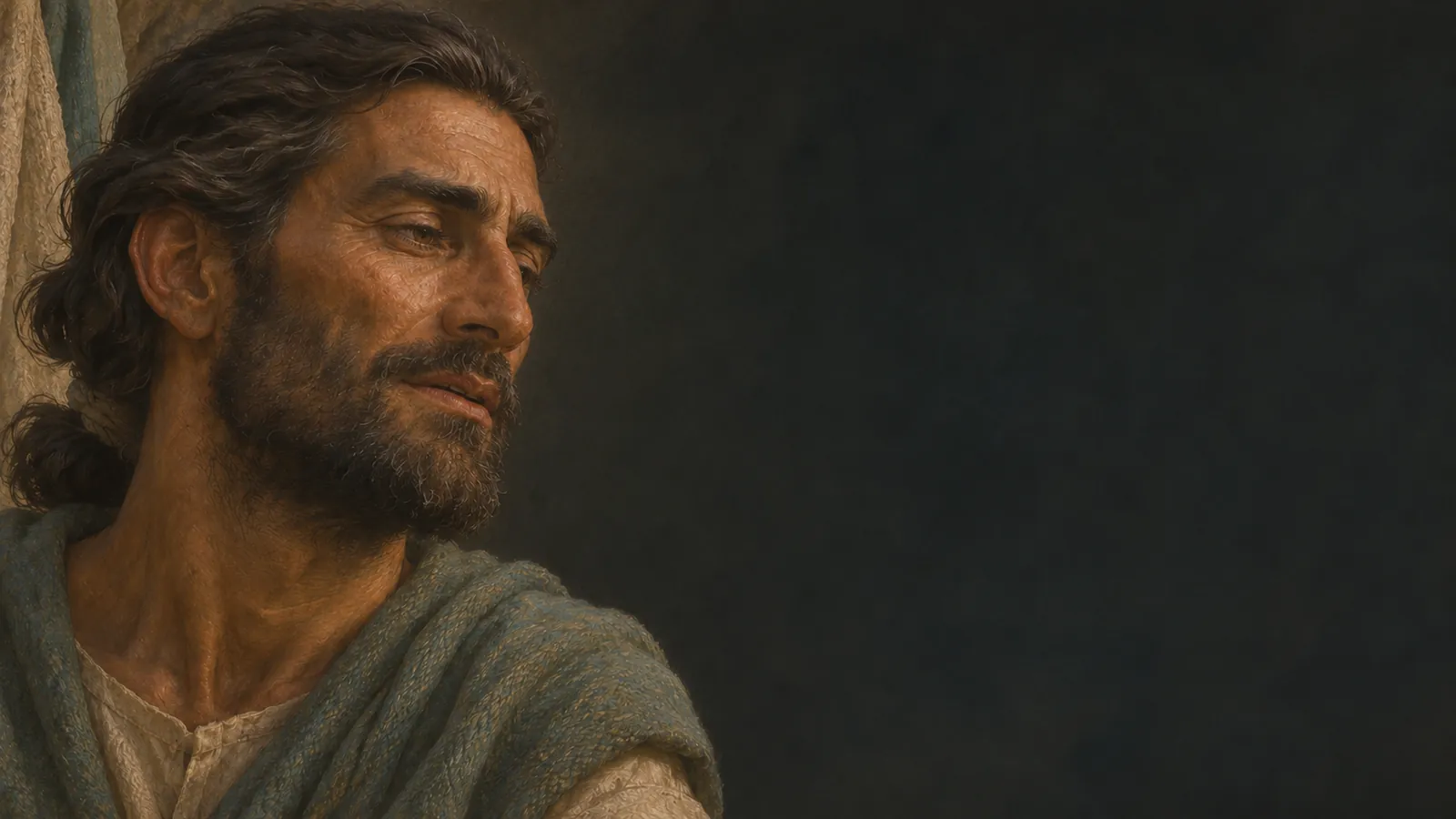
Pediu a Utu que afastasse a doença. Sem ninguém conhecido ao seu lado, temia perecer num lugar desconhecido.

Utu acolheu as suas lágrimas e enviou-lhe ânimo à caverna. No silêncio do fim do dia, Lugalbanda fora ouvido.

Então Inanna apareceu no céu do fim do dia como uma estrela. O seu brilho chegou à caverna, e Lugalbanda voltou a erguer as mãos.
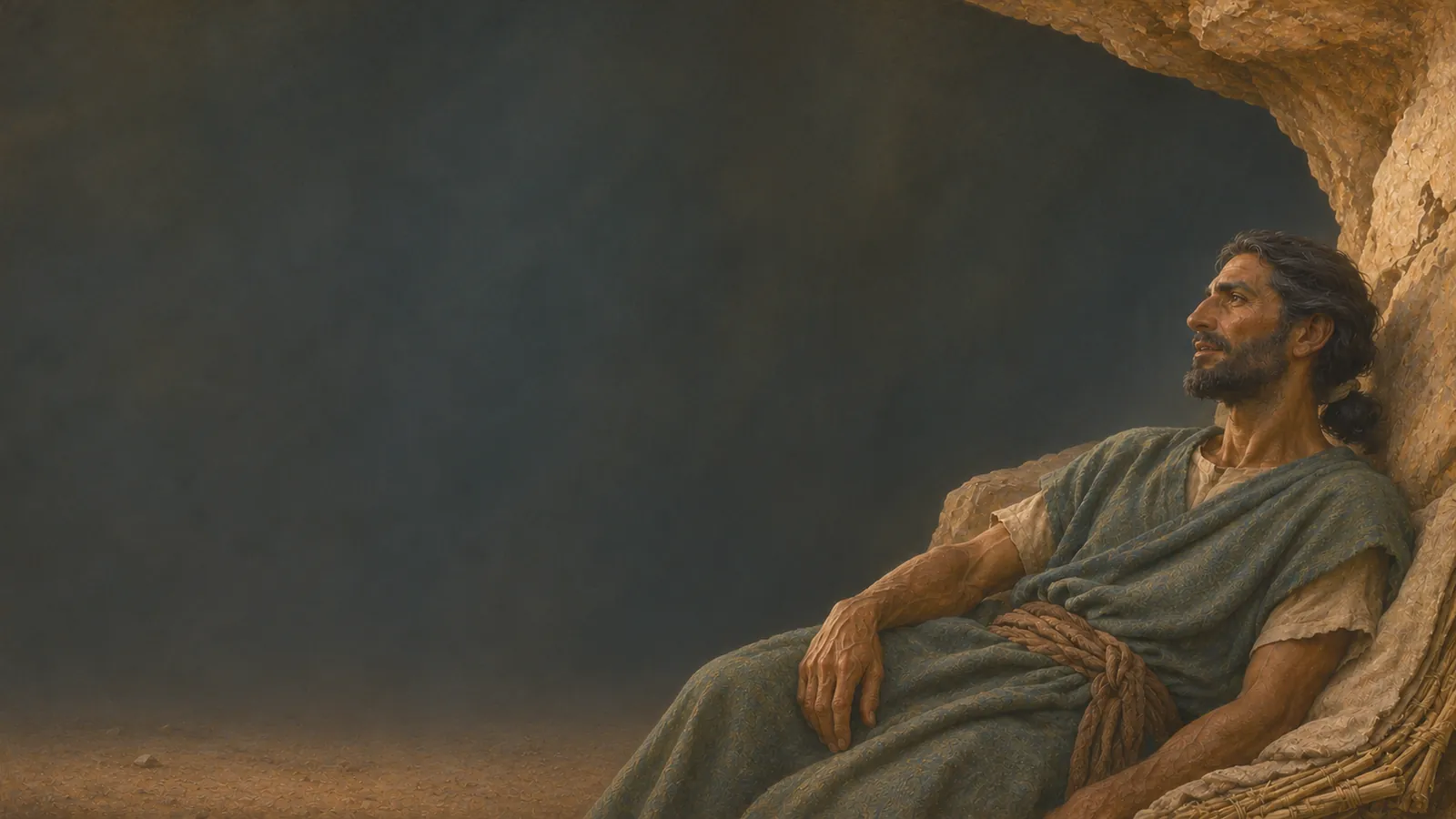
Desejava que o lugar onde jazia fosse Kulaba, a cidade onde a mãe o trouxera ao mundo. Tinha saudades dos seus.
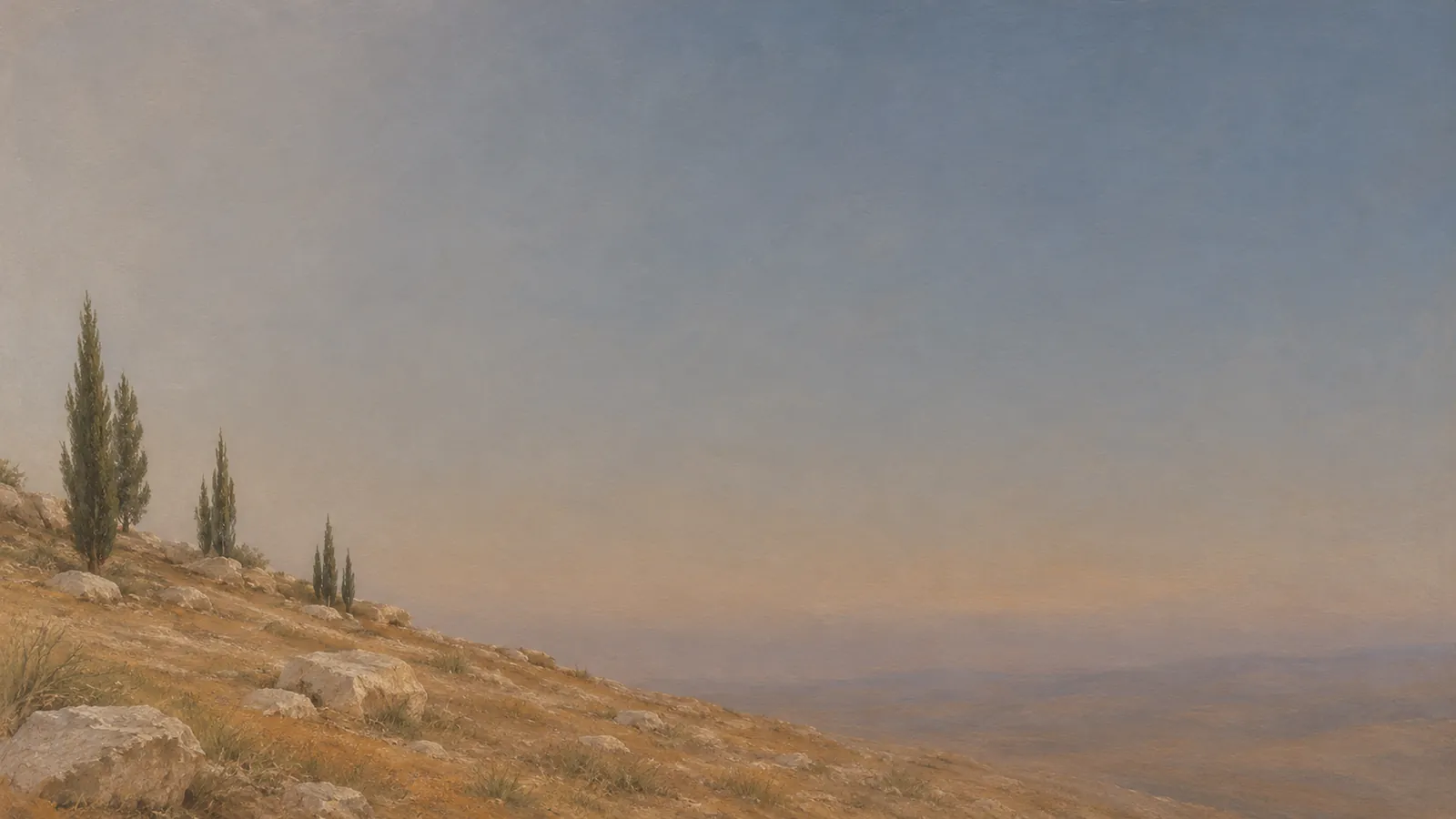
Partes da sua prece são difíceis de ler. Nas palavras que restam, pede para sobreviver nas montanhas onde crescem os ciprestes.
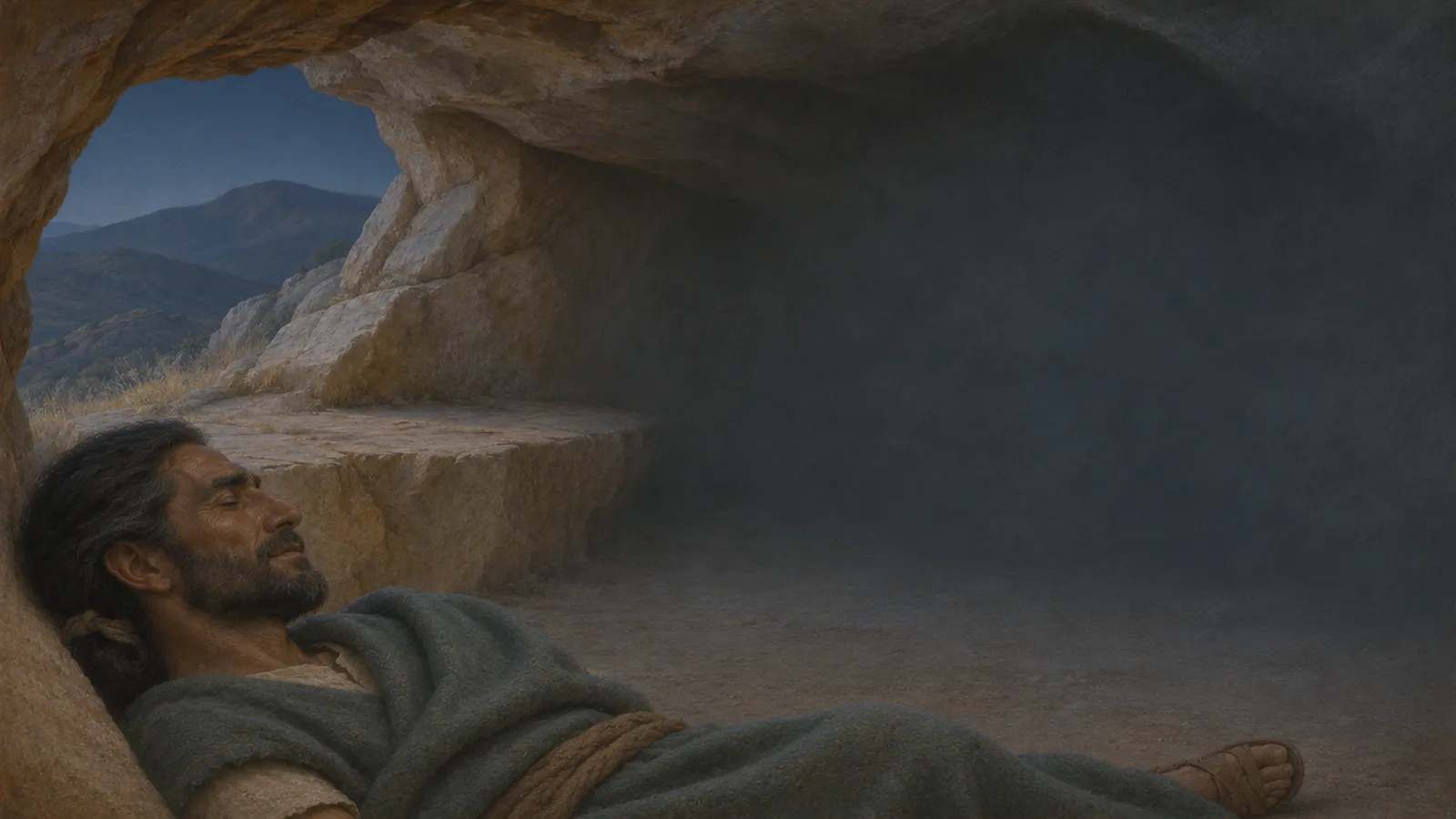
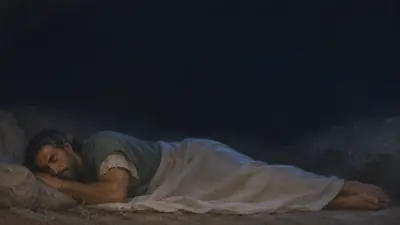
Inanna acolheu as suas lágrimas e deixou-o dormir. O poema diz que o alívio o envolveu como uma veste de lã.
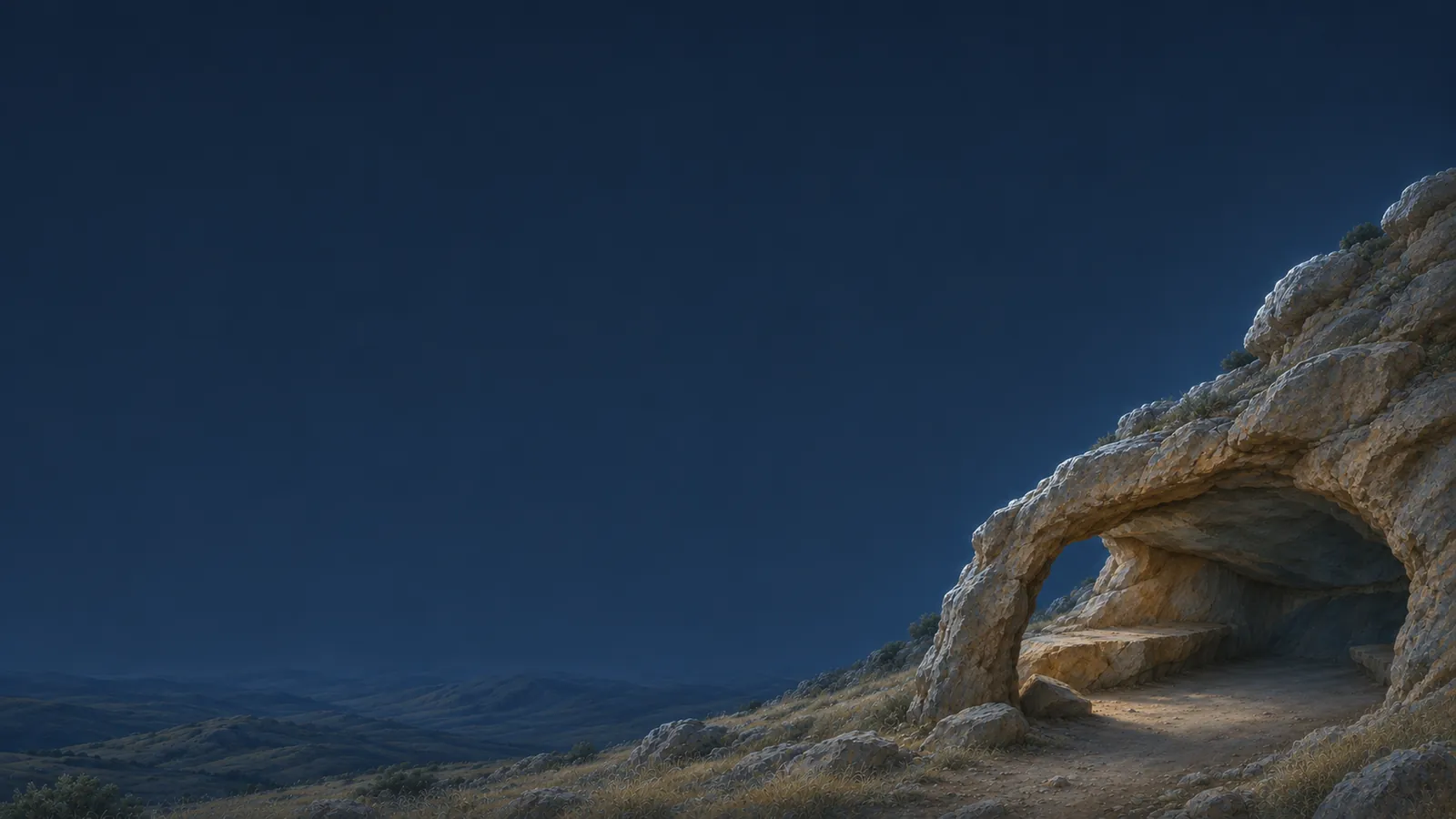
Durante a noite, a luz de Suen chegou à caverna. Lugalbanda olhou para a lua e voltou a erguer as mãos.
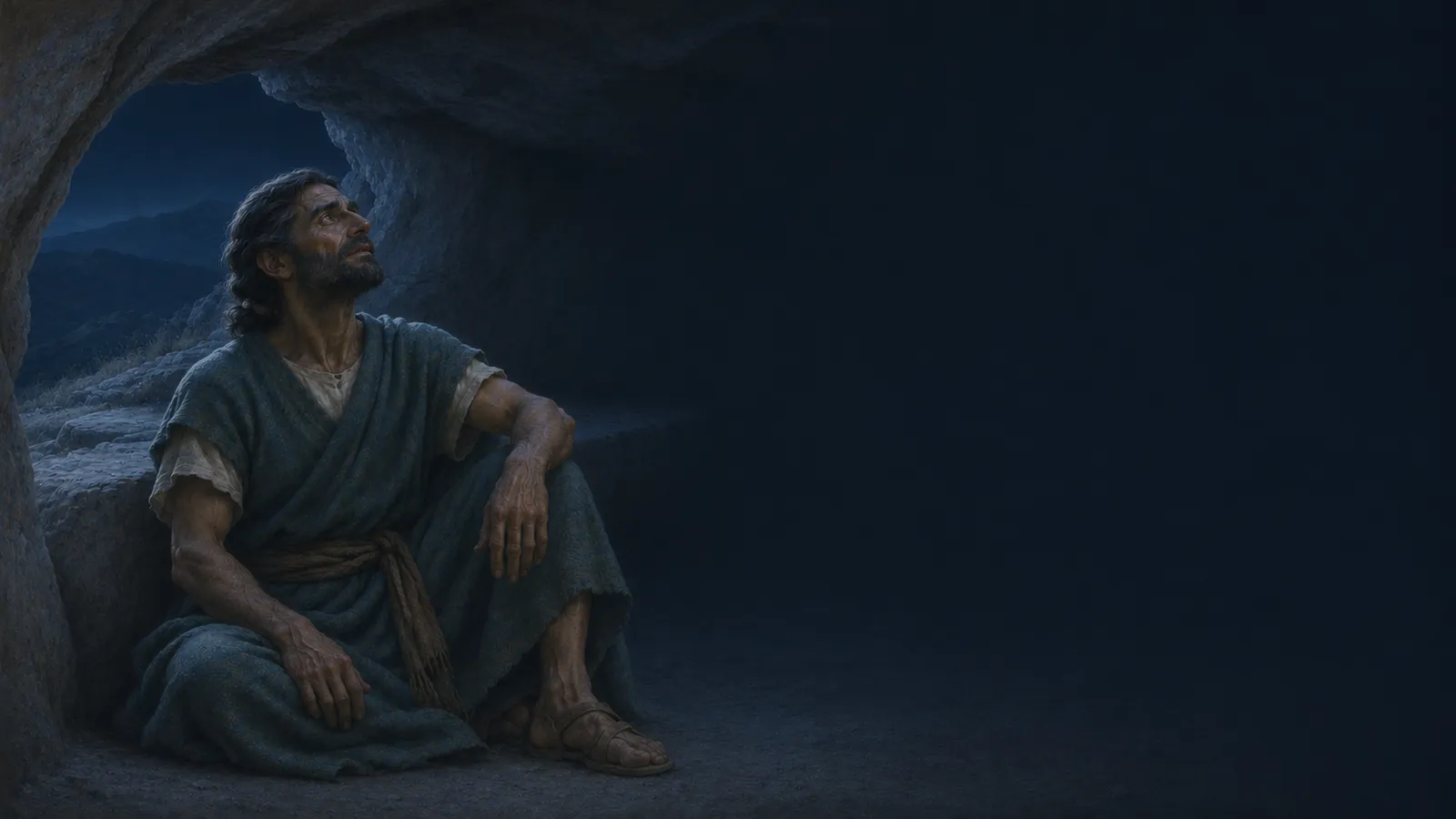
Lugalbanda chamou por Suen no céu distante. Louvou aquele que ama a justiça, e algumas palavras da sua prece estão danificadas.
FORÇA
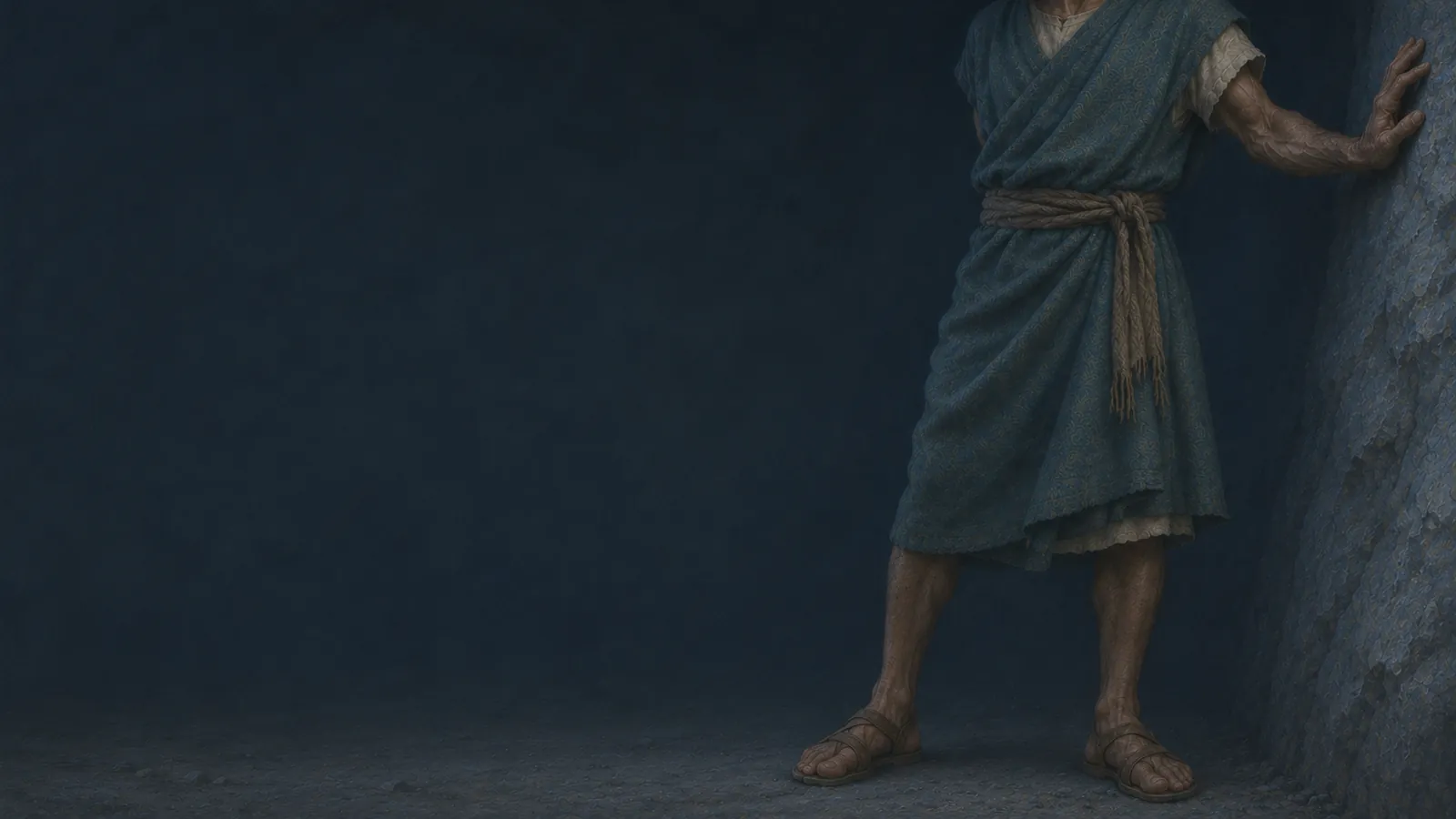
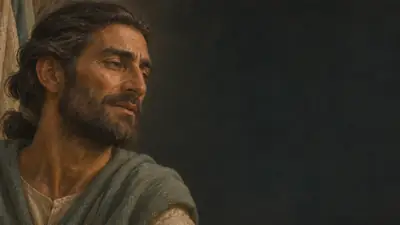
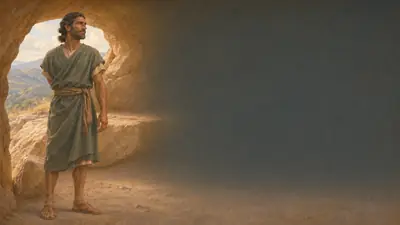
Suen acolheu as suas lágrimas e deu-lhe forças. Por fim, Lugalbanda conseguiu firmar os pés e pôr-se de pé.
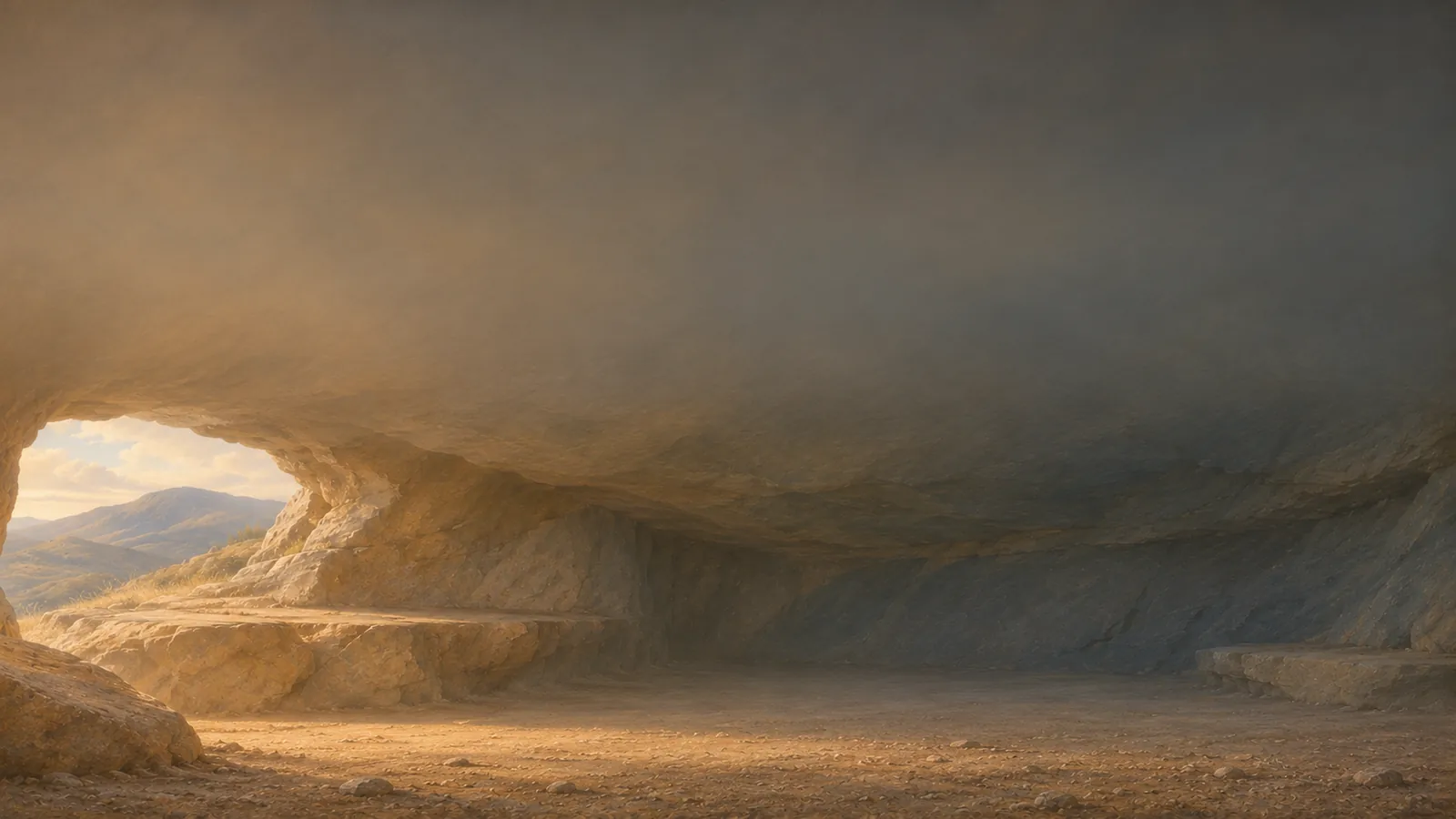
Ao nascer do sol seguinte, a luz de Utu voltou a entrar na caverna. Chegou a Lugalbanda no lugar onde ele passara a noite.
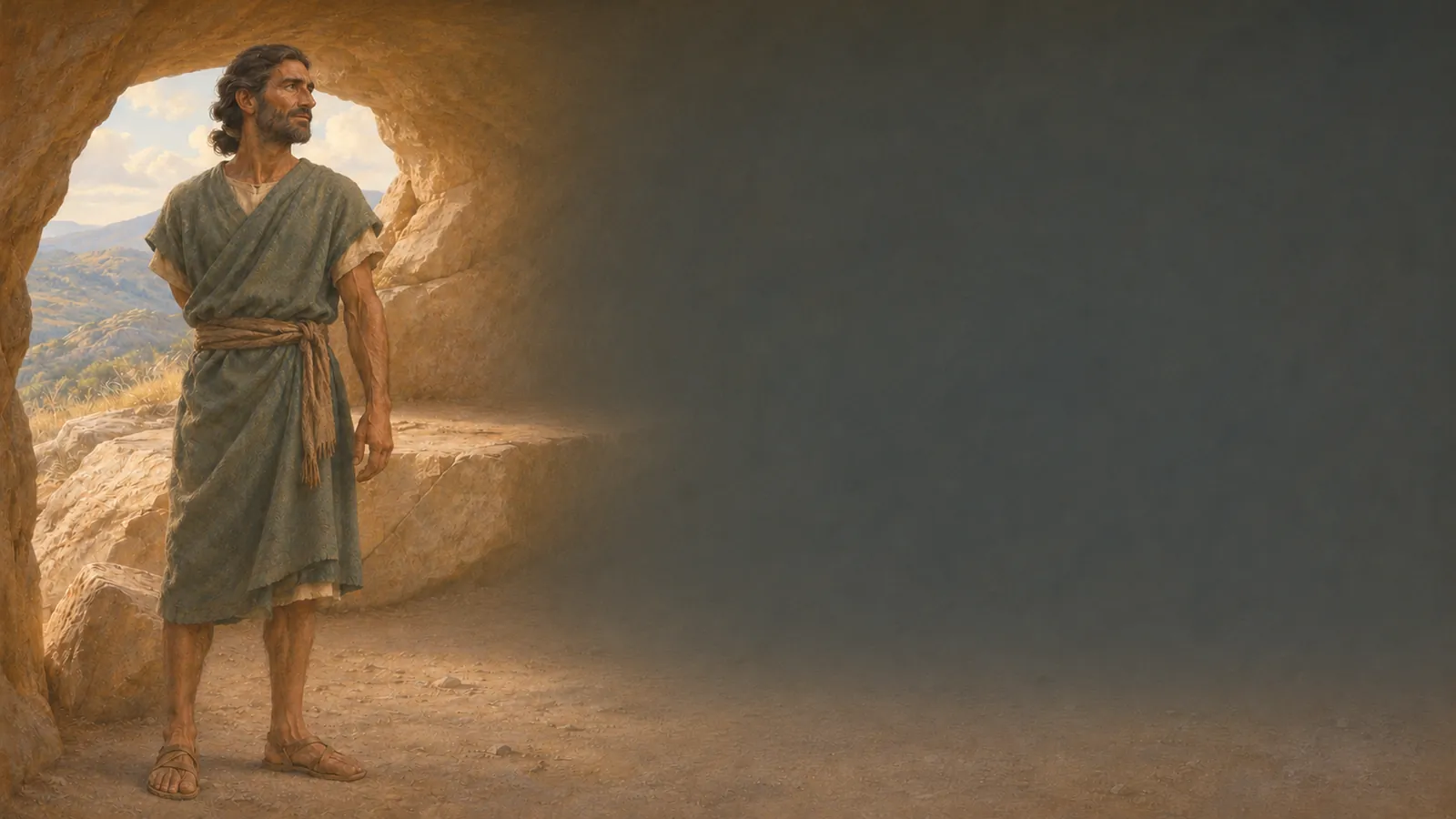
O poema fala de proteção à sua frente e atrás dele. Diz que o poder que lhe trouxera a doença se afastou.
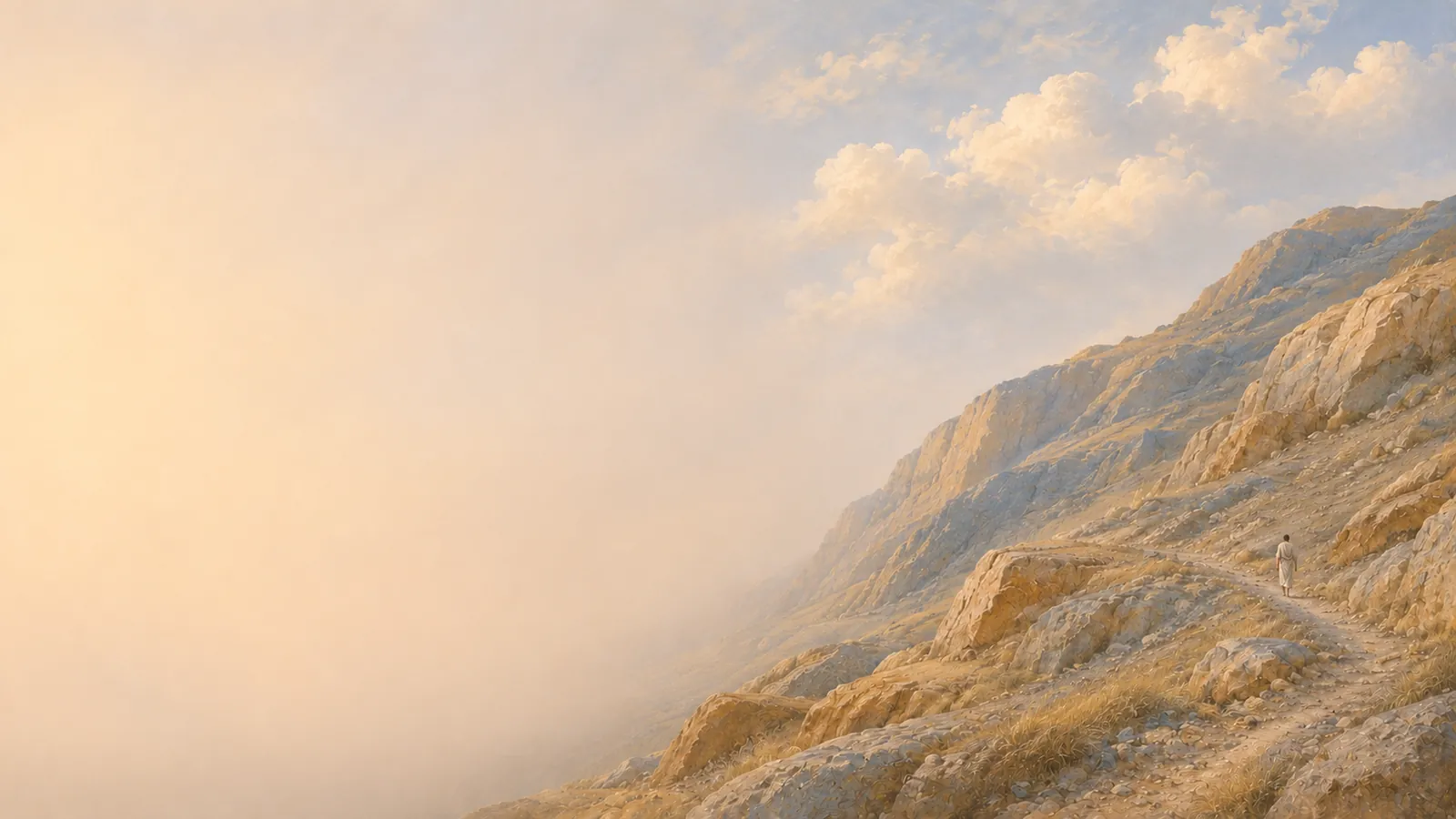
Lugalbanda louvou Utu à luz da manhã. Na sua prece, Utu acompanha como um irmão quem caminha sozinho.
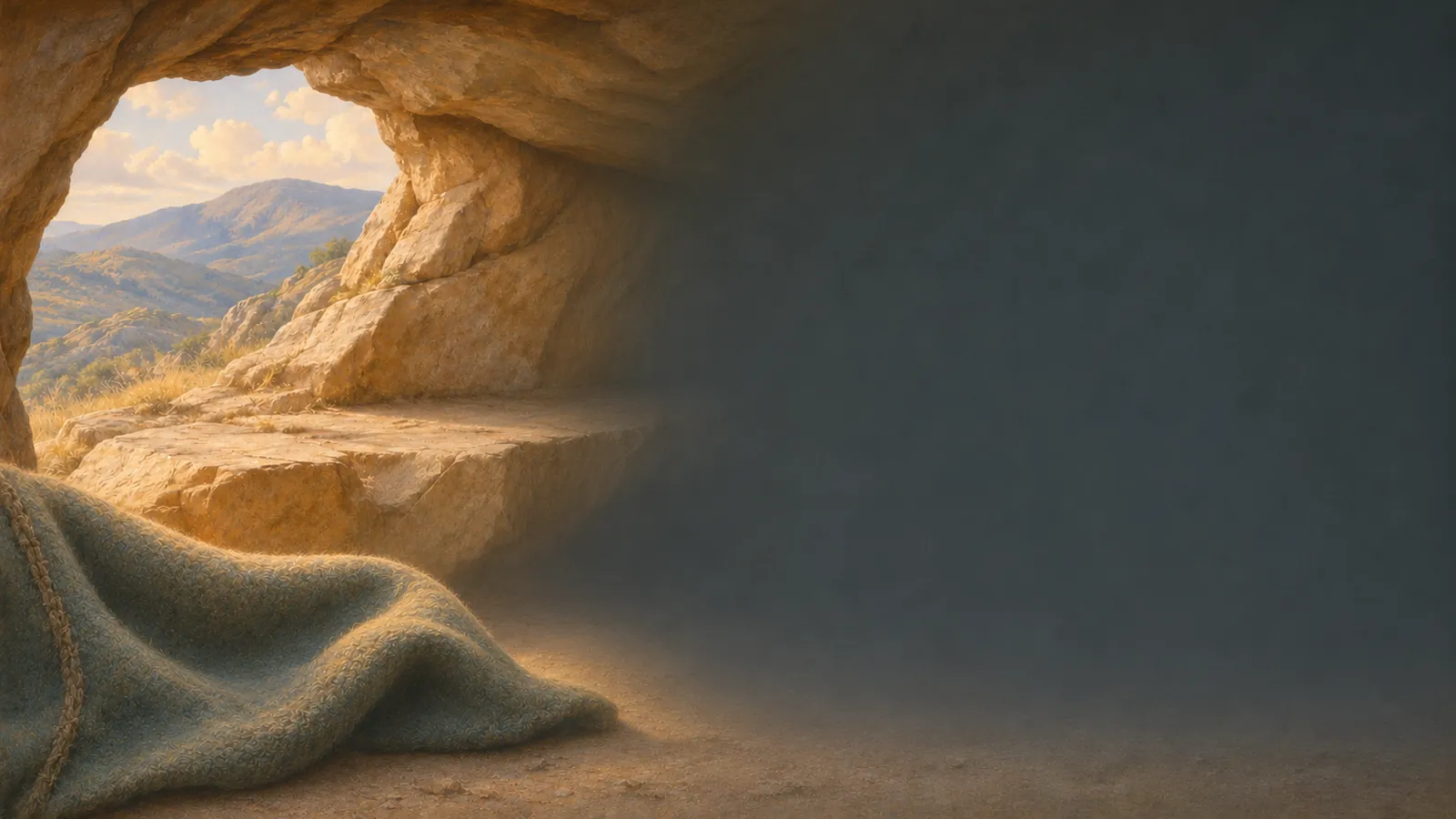
Na prece, a luz do sol veste os pobres com a suavidade da lã. Algumas das últimas palavras de louvor de Lugalbanda são incertas.
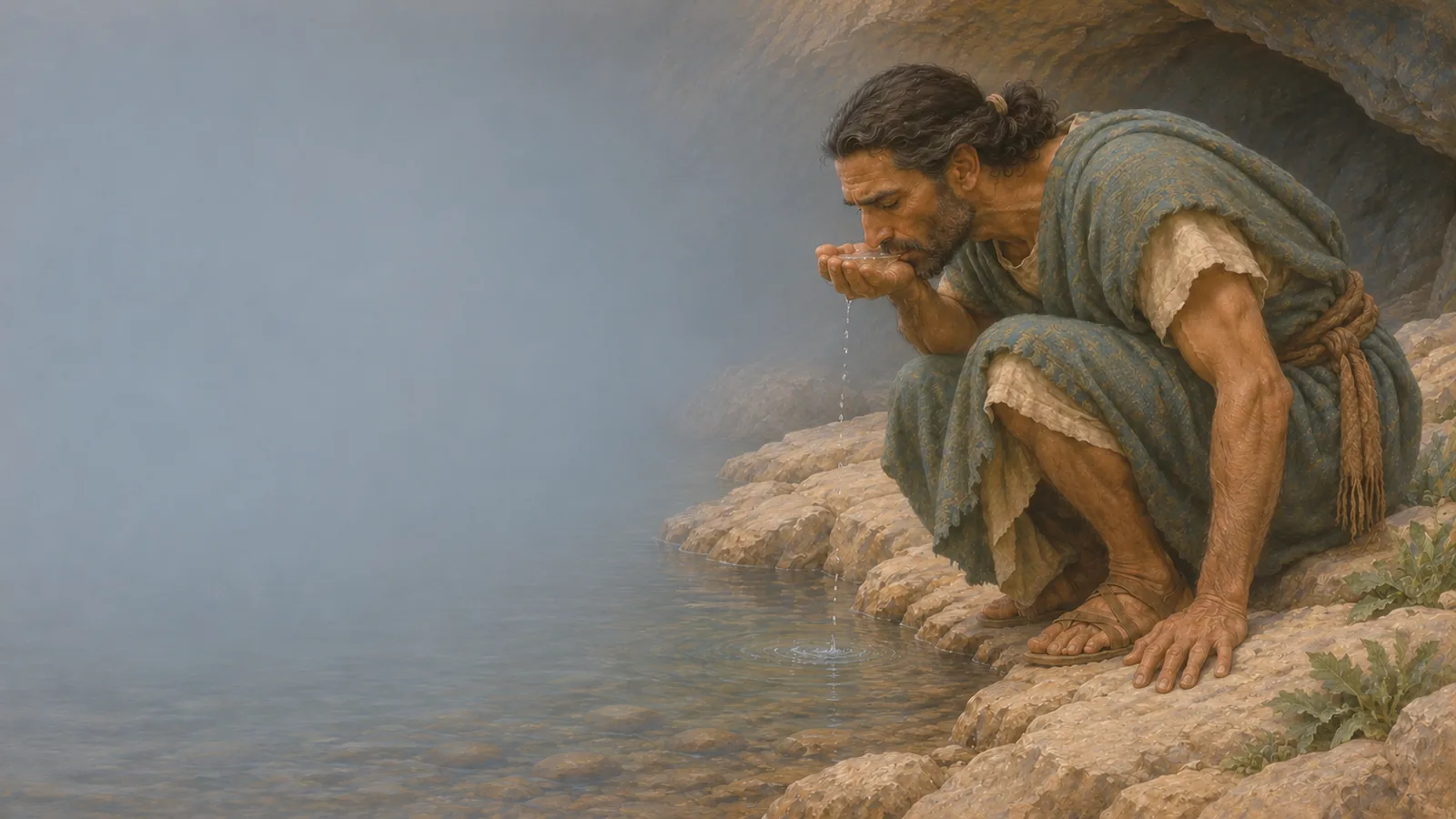
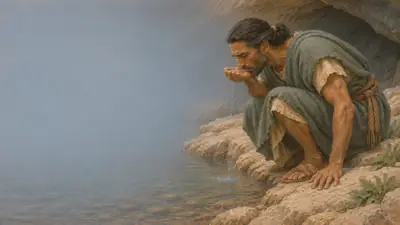
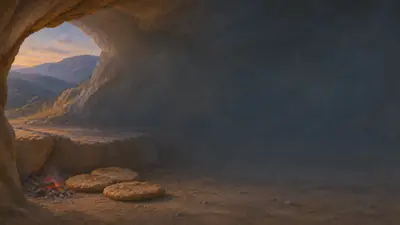
Lugalbanda saiu da caverna. Provou plantas a que o poema chama vivificantes e bebeu água que descia dos montes.
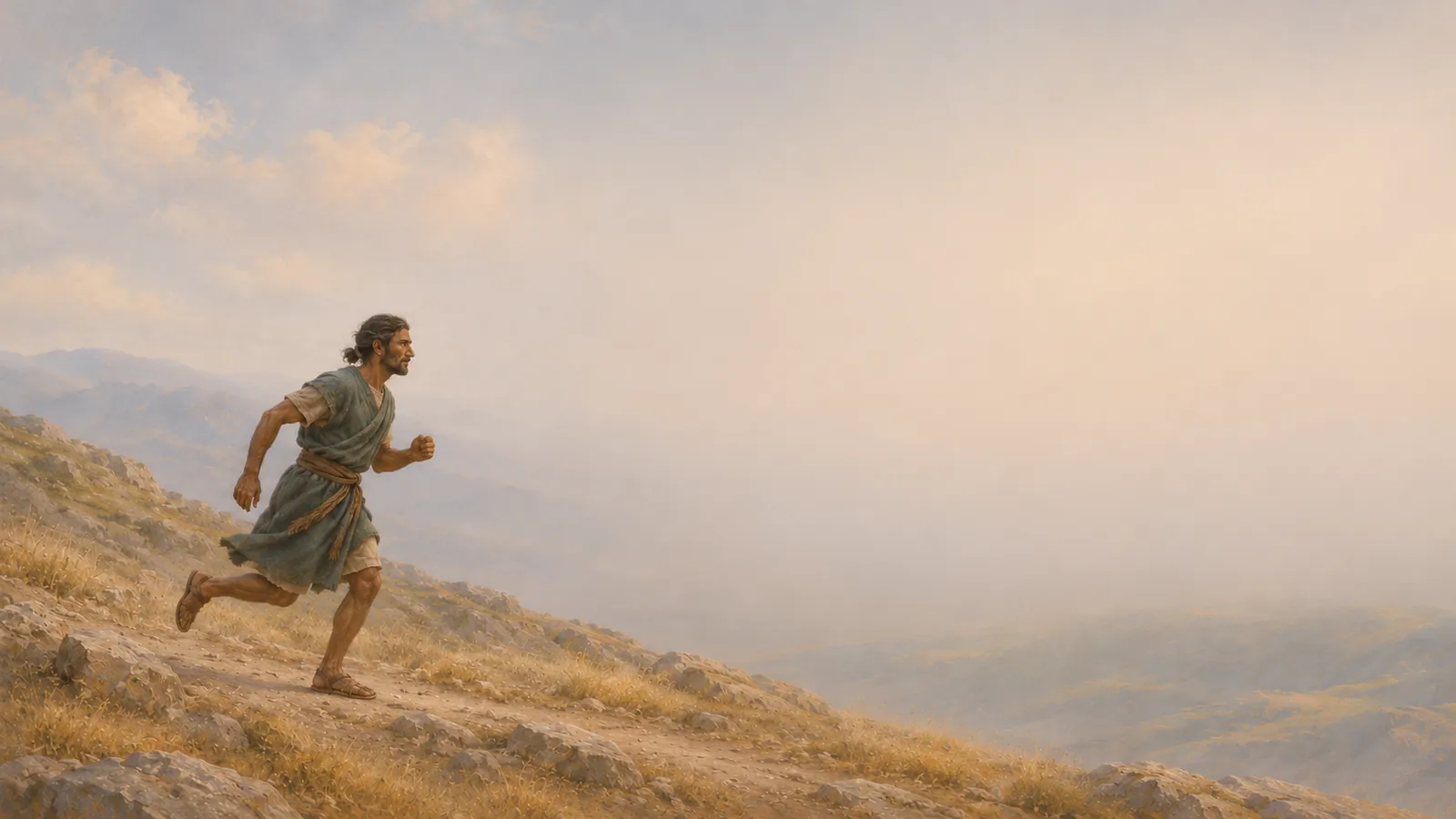
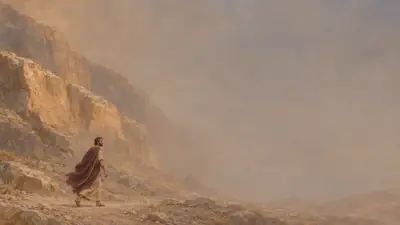
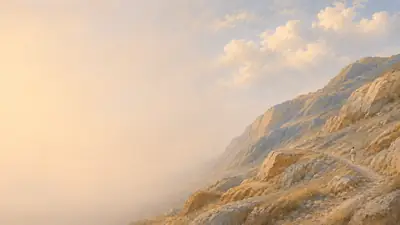
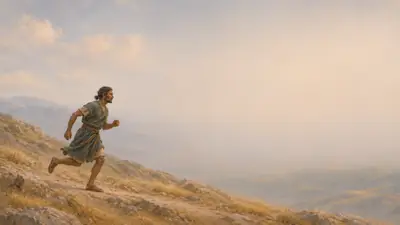
À medida que recuperava as forças, correu pelas montanhas. O poema compara a rapidez dos seus passos à de um burro selvagem.
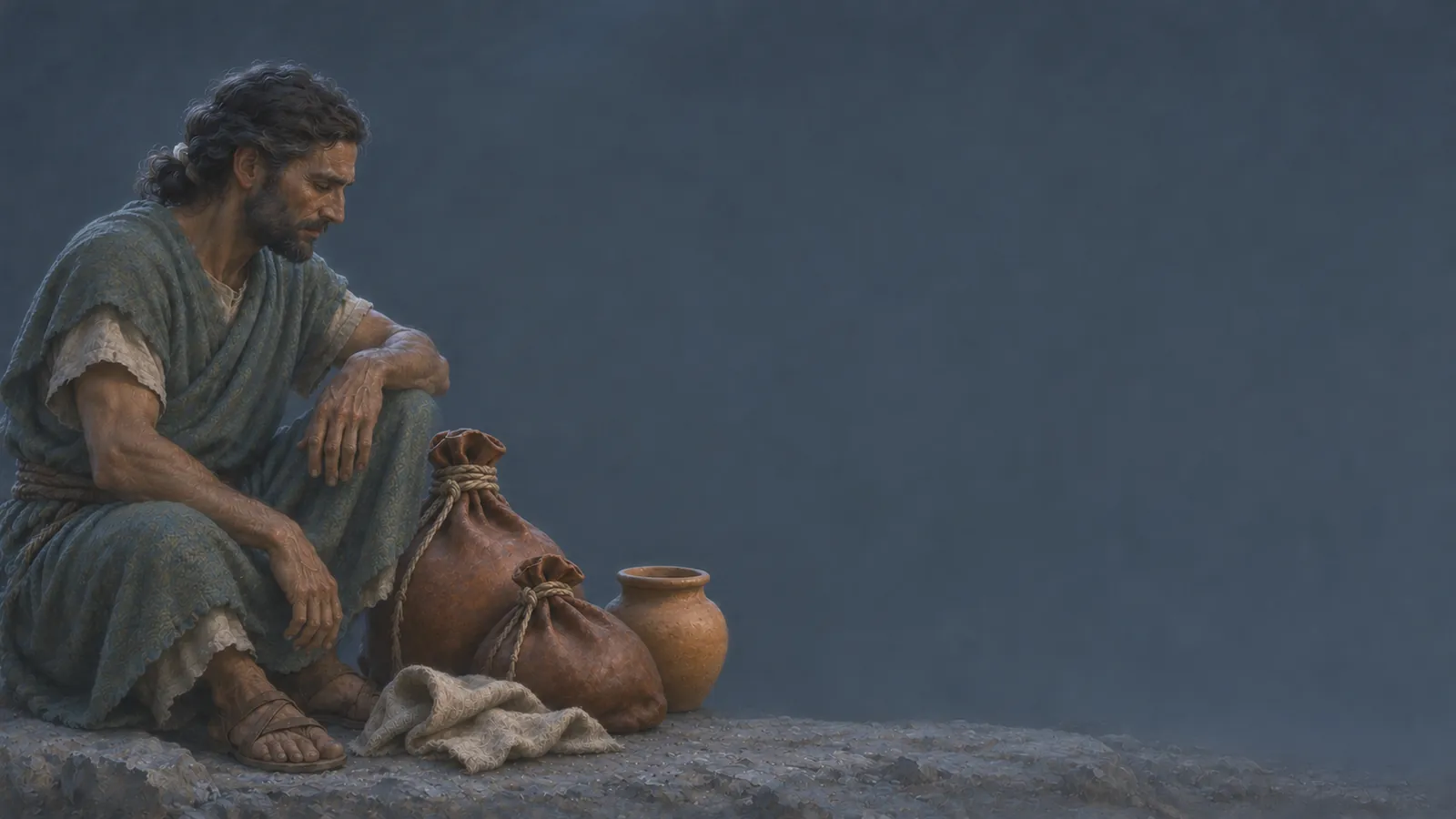
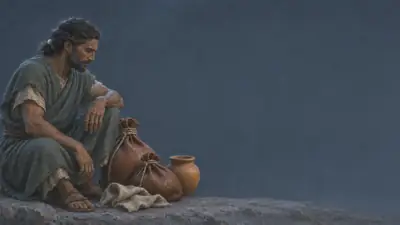
Nessa noite, atravessou sozinho o ermo iluminado pela lua. Pousou as provisões e os recipientes que trazia da caverna.
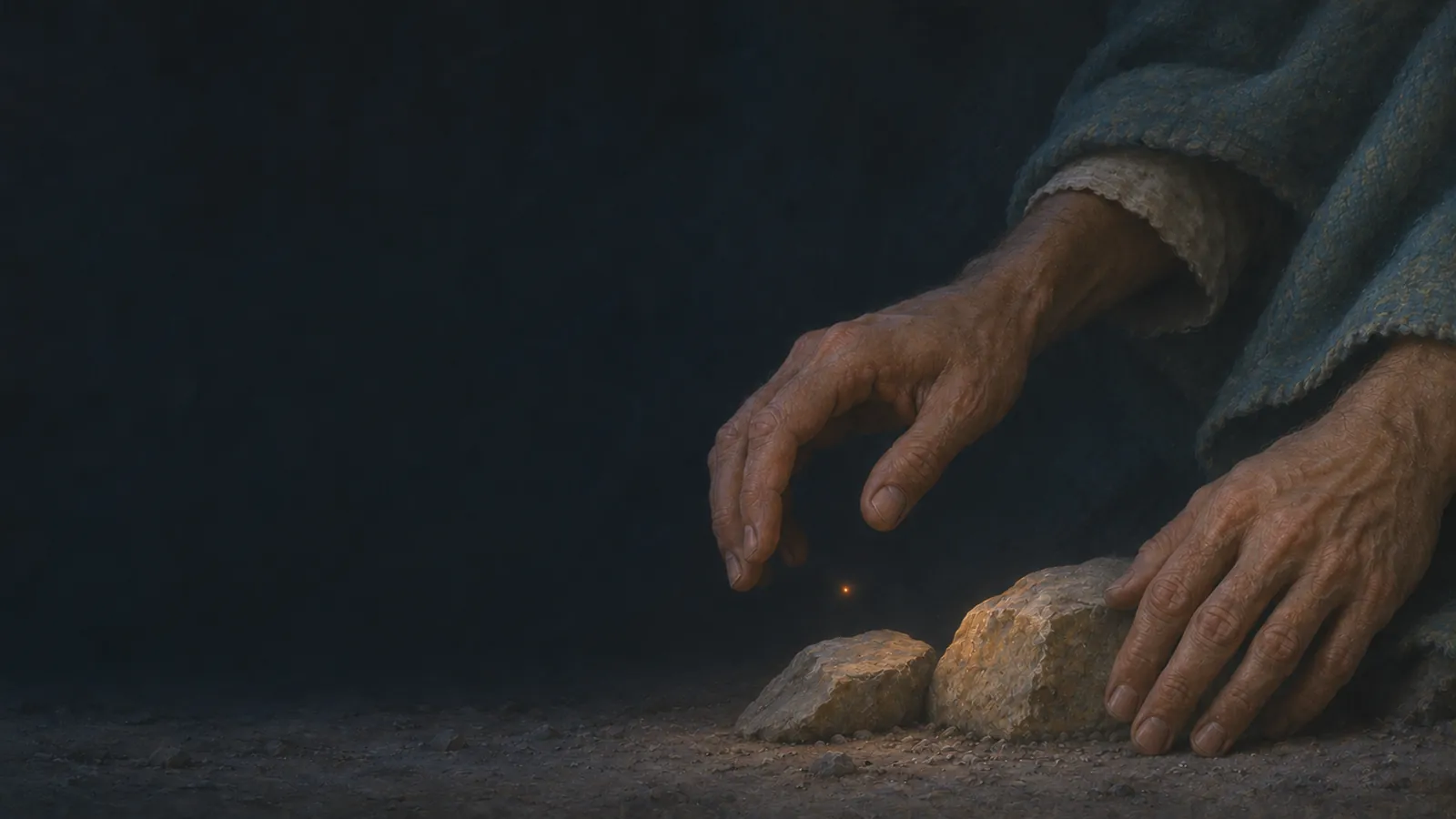
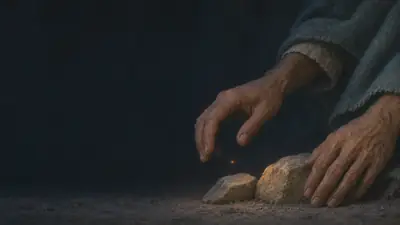
Bateu pedras umas nas outras, e uma faísca de sílex pegou. Um lume pequeno iluminou o ermo onde não via mais ninguém.
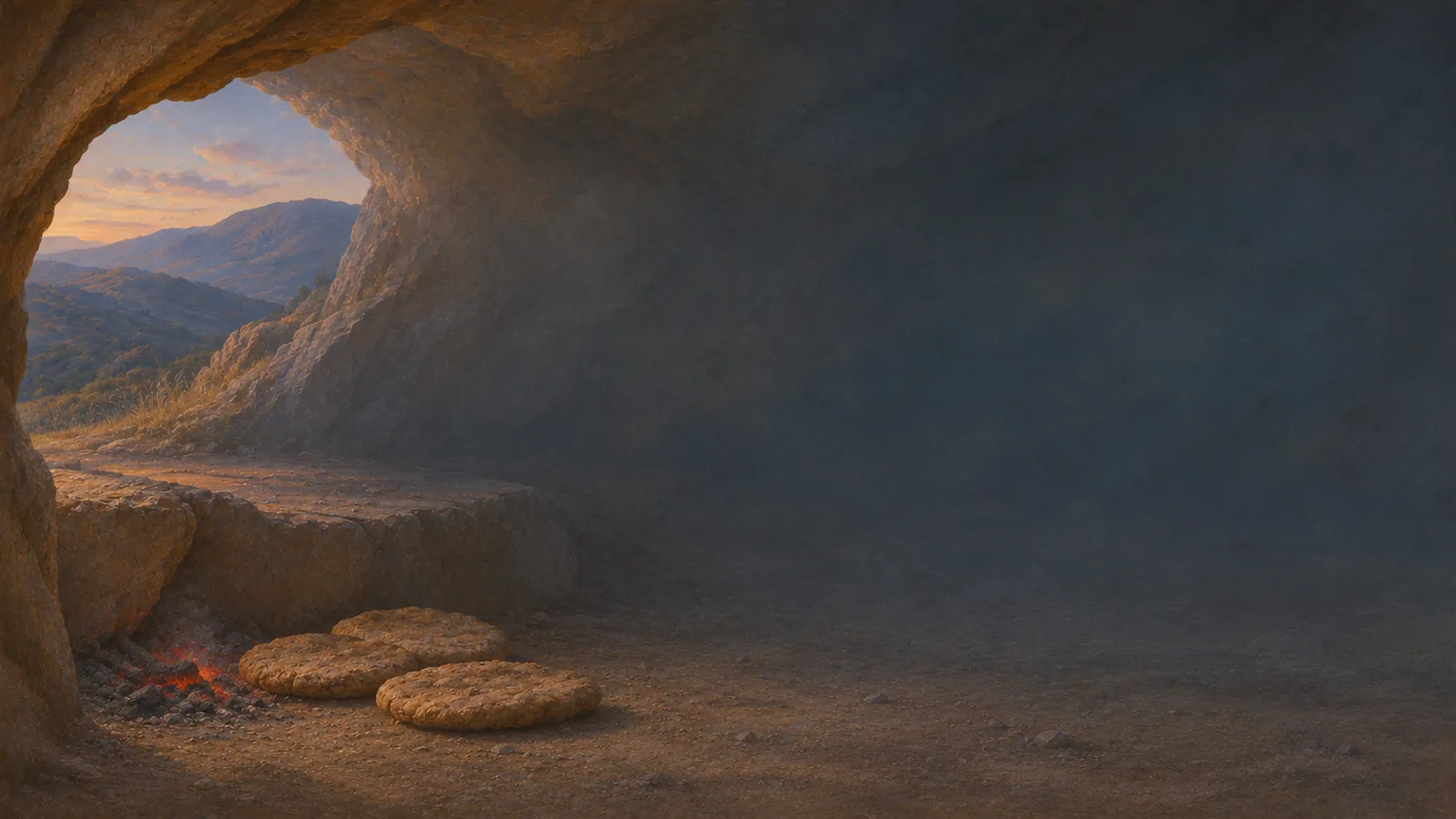
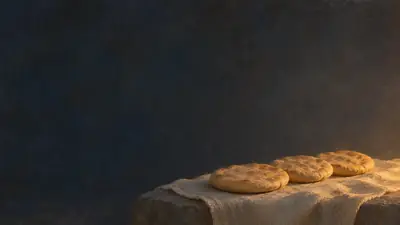
Com umas poucas brasas e sem forno, Lugalbanda cozeu as suas broas achatadas. Adoçou-as com xarope de tâmaras e guardou-as para a viagem.
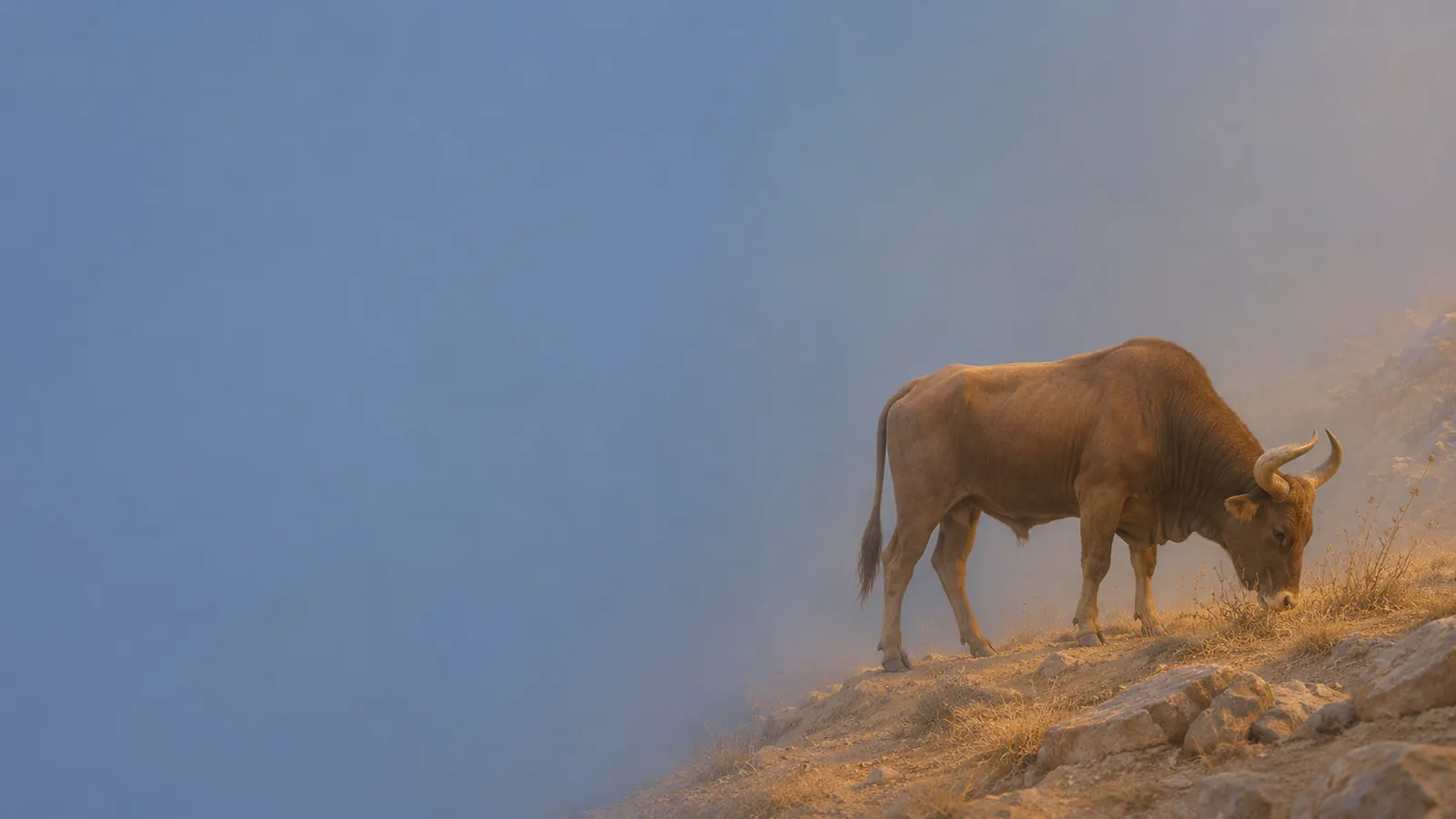
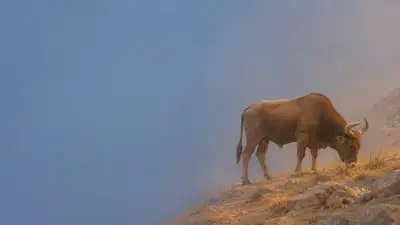
Um touro selvagem castanho pastava entre as plantas e bebia das águas da montanha. O poema diz que Lugalbanda apanhou o animal.
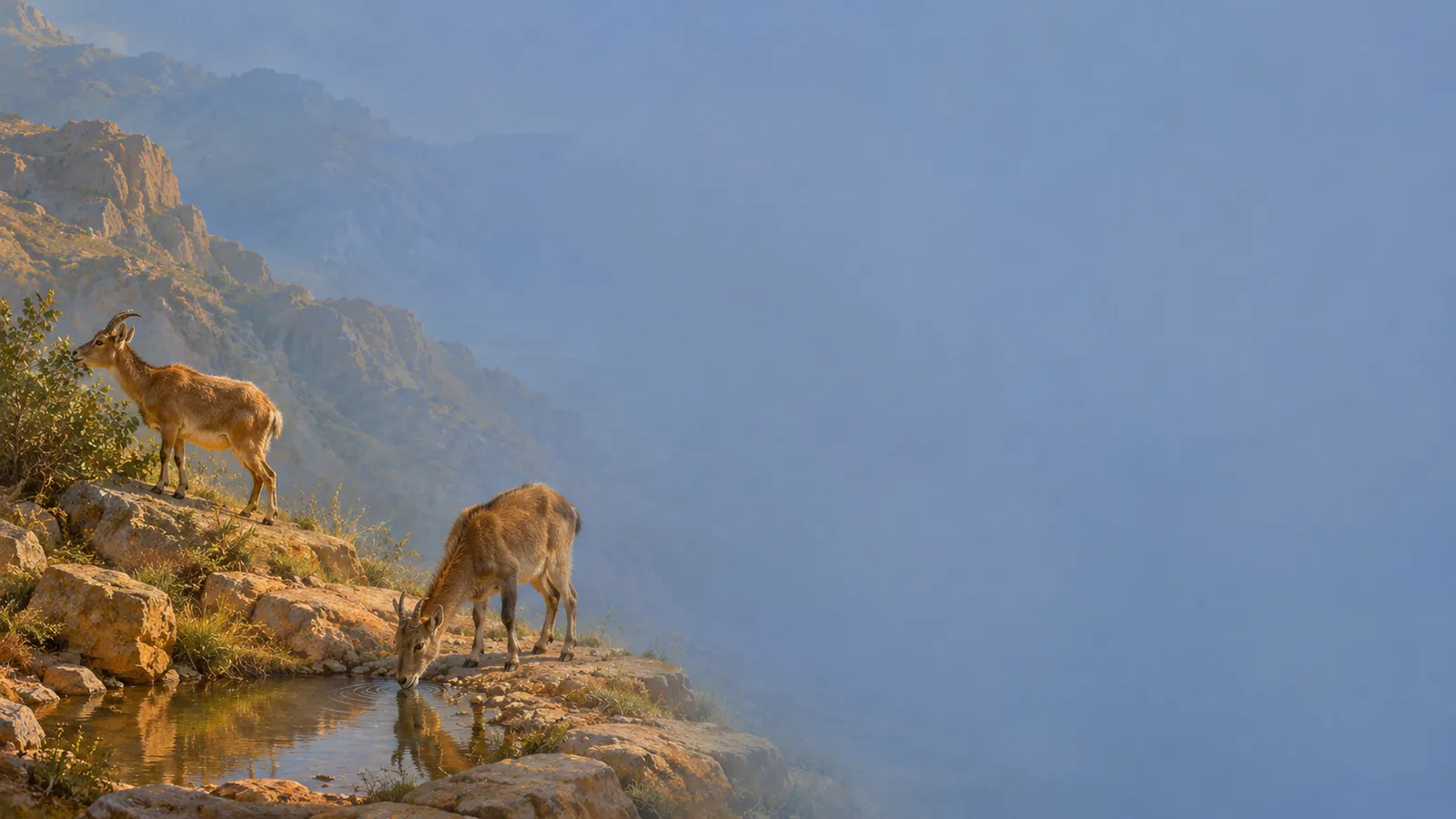
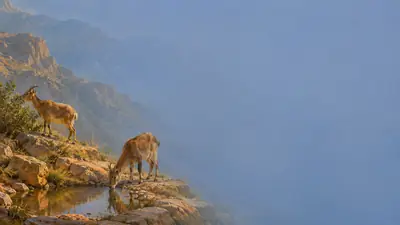
Duas cabras pastavam também entre as plantas da montanha. O poema conta que Lugalbanda as apanhou, embora a maneira como o fez seja incerta.
SONHO
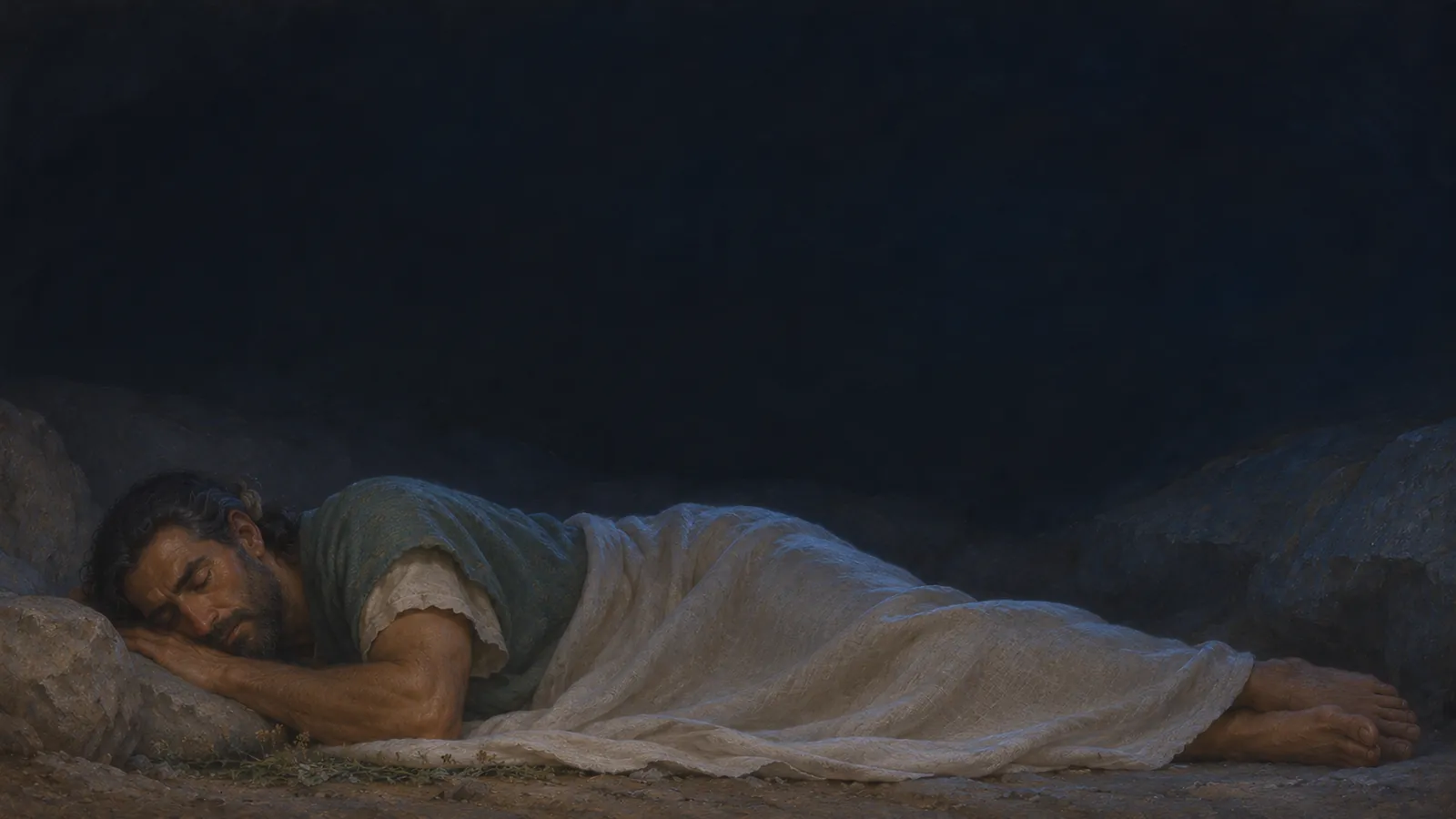
Pôs ervas da montanha debaixo de um pano e estendeu um lençol de linho branco. Depois deitou-se, pronto para sonhar.
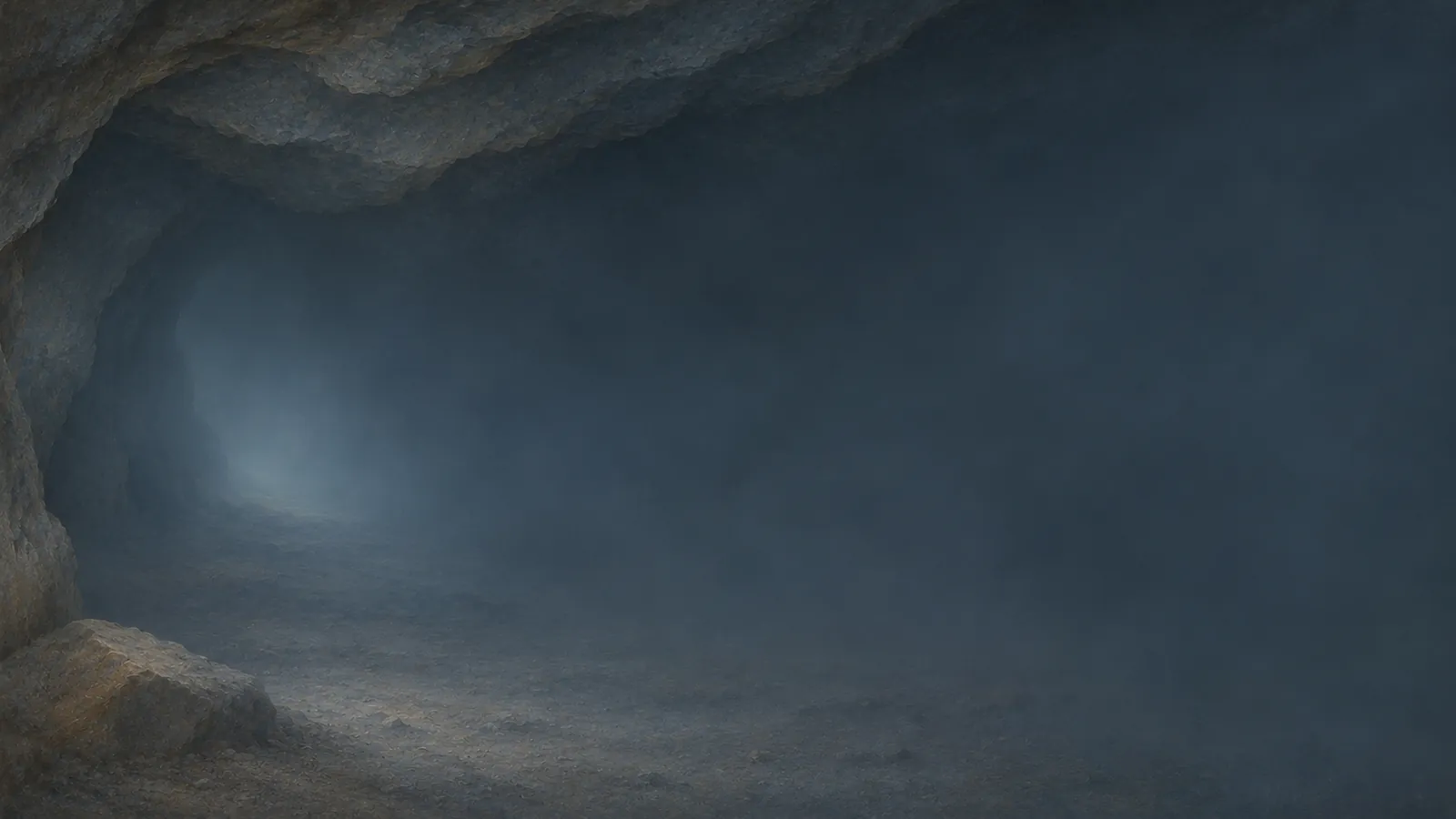
No sonho, falou-lhe uma voz parecida com um mugido. Zangara, o deus dos sonhos, pediu uma oferenda diante do sol nascente.
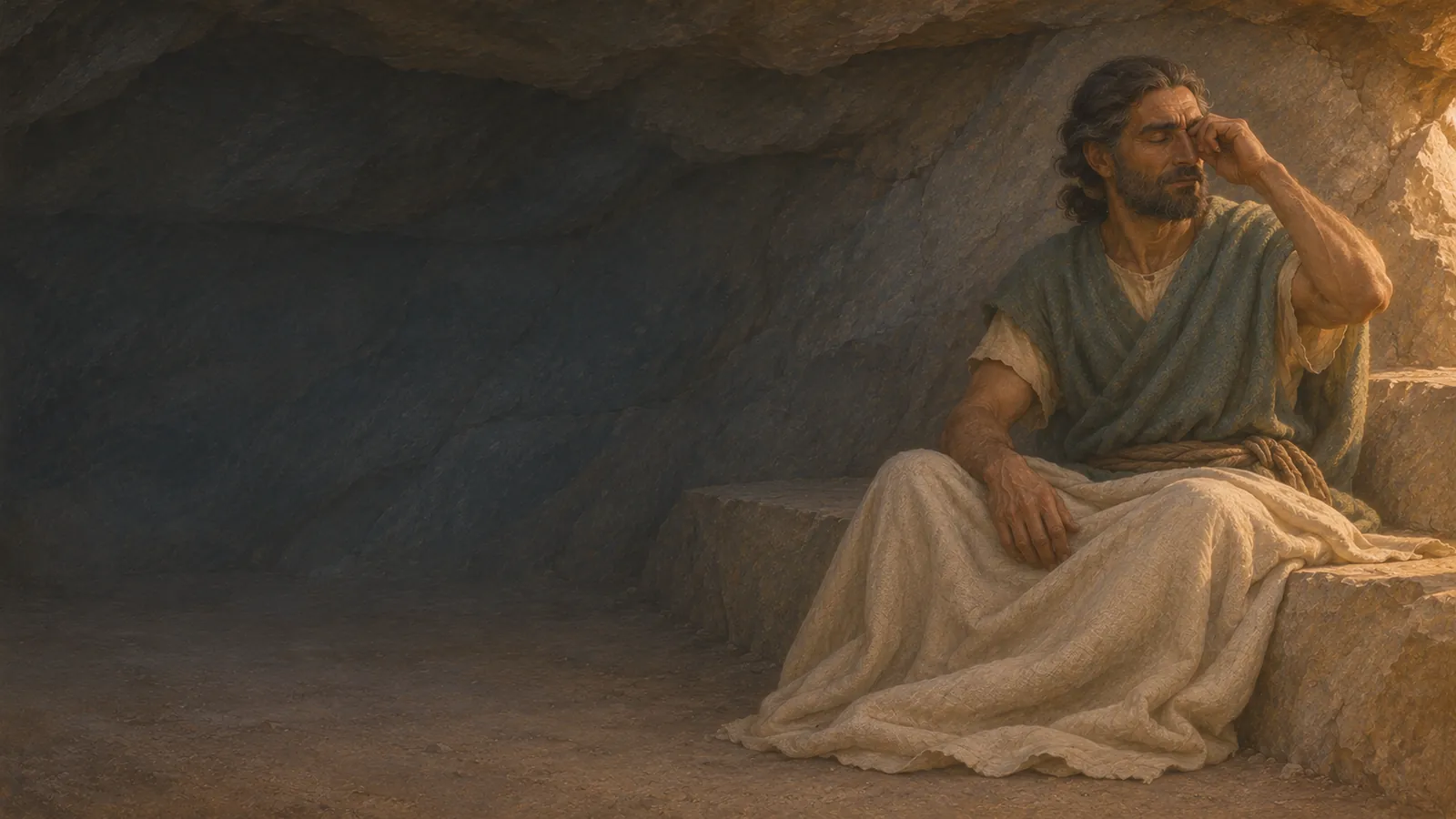
Lugalbanda acordou a tremer. Quando o sol nasceu, sacrificou o touro selvagem e as duas cabras, como o sonho lhe pedira.
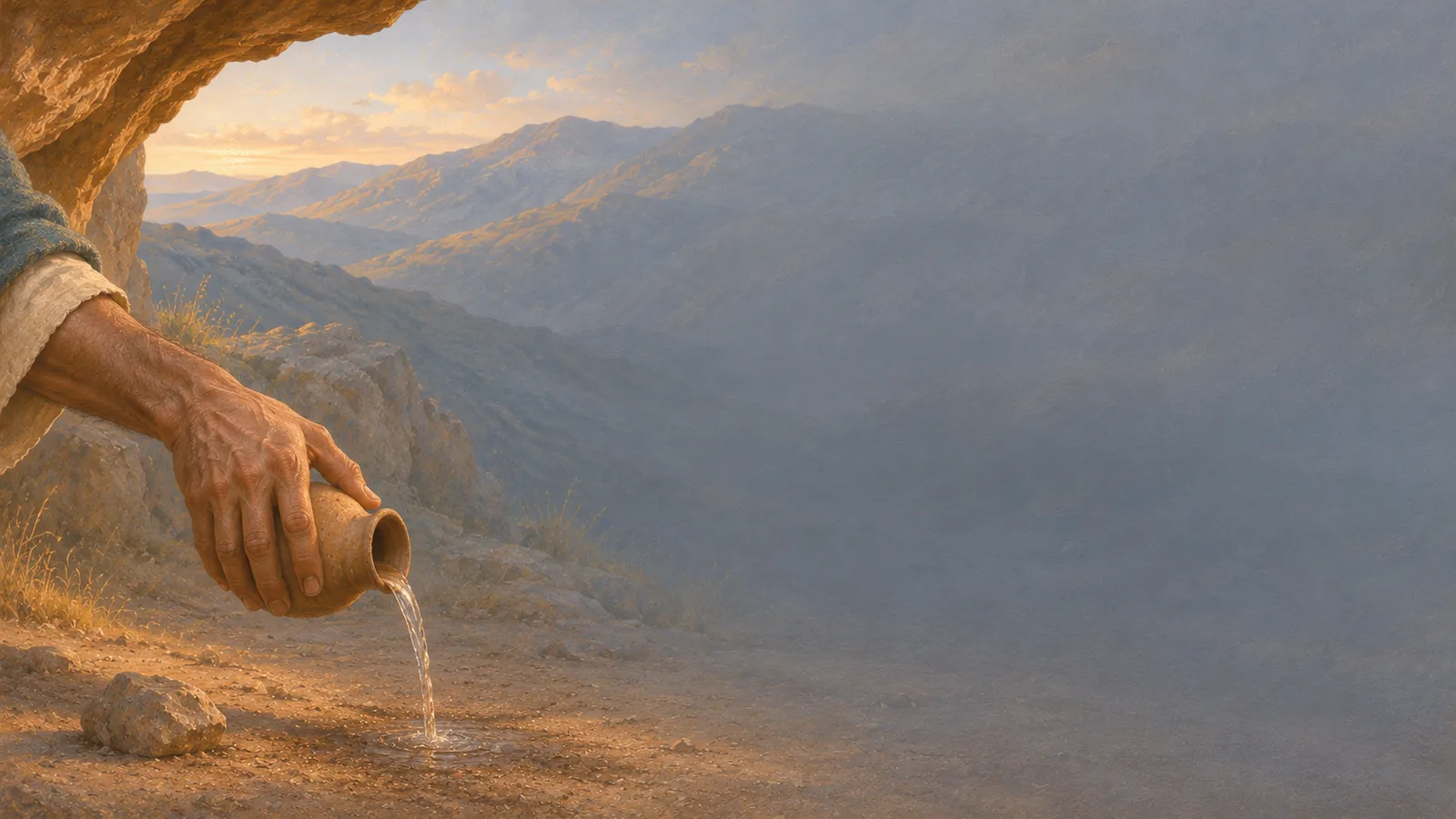
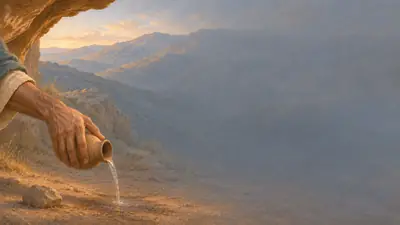
Preparou um lugar para a oferenda nas montanhas. Verteu água fresca sobre a terra nua em libação.
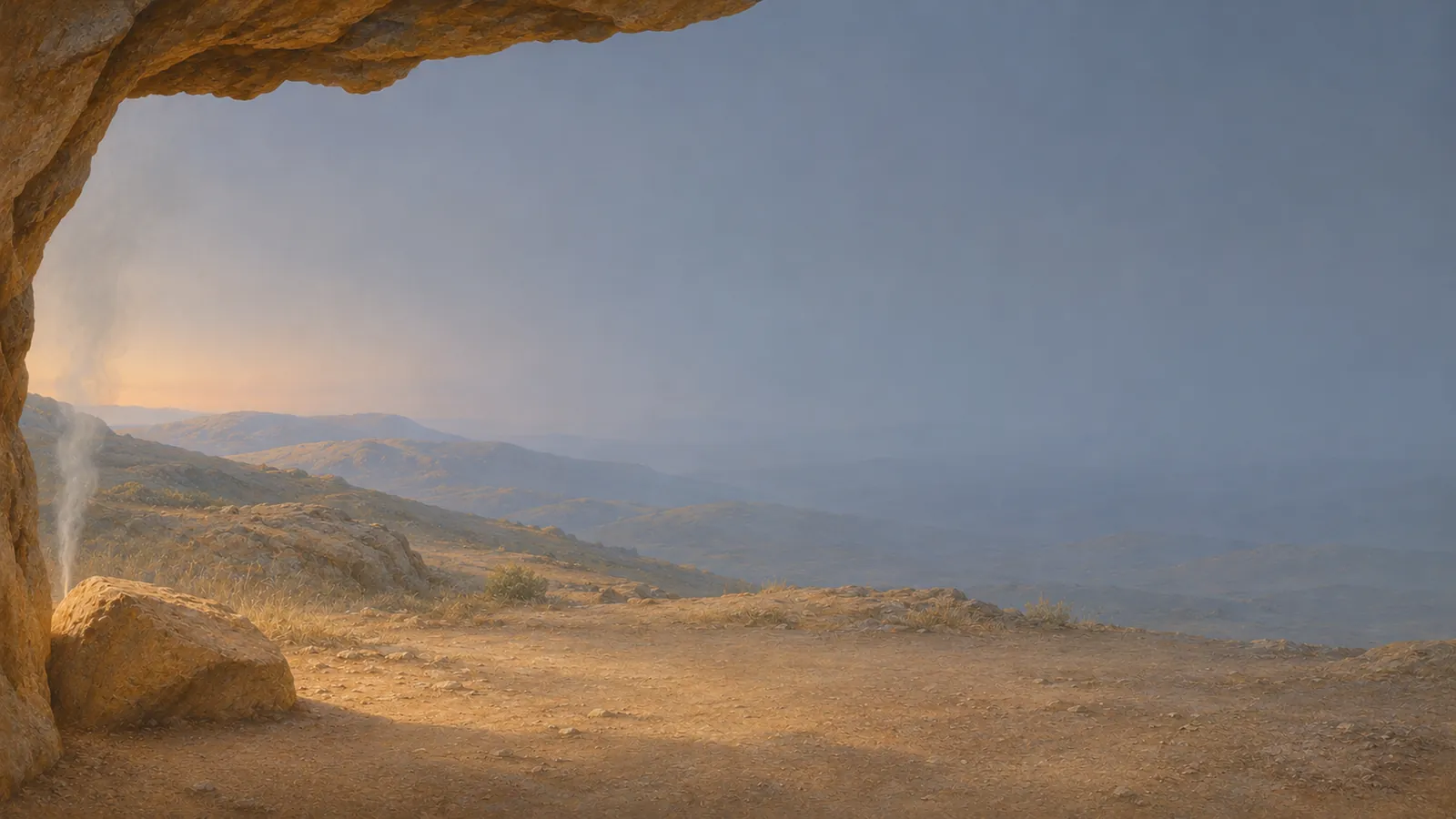
O fumo subiu no ar da manhã. O poema menciona An, Enlil, Enki e Ninhursaja entre os convidados da oferenda.
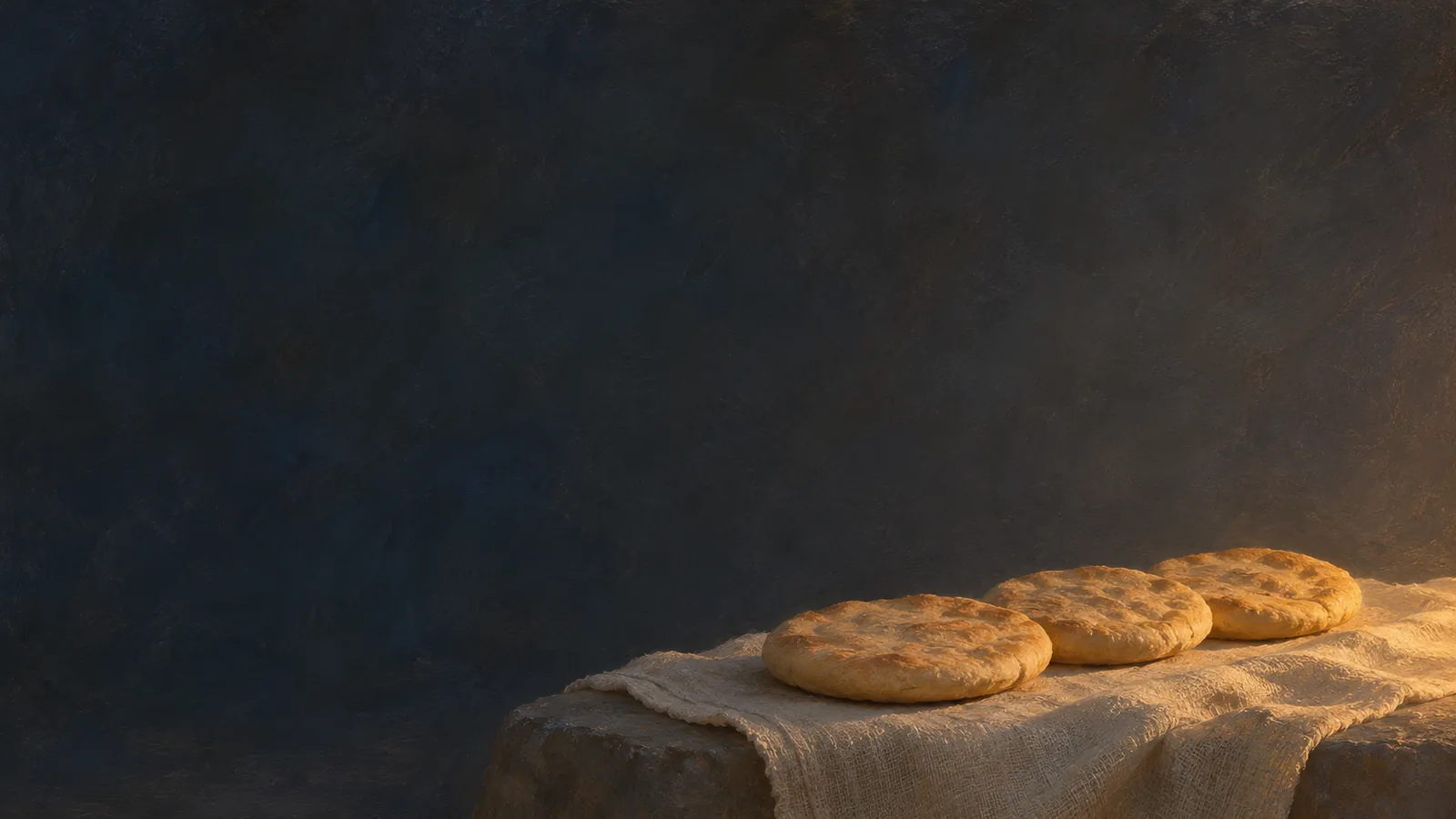
Várias passagens sobre os objetos sagrados estão danificadas. O que se percebe é que Lugalbanda dispôs as broas em ordem no lugar da oferenda.
Na passagem fragmentária que se segue, há vozes na noite e figuras junto às portas. Perderam-se muitas palavras sobre essas presenças.
Algumas palavras conservadas comparam figuras a tochas e a um relâmpago súbito na tempestade. Grande parte do que vem antes e depois permanece incerta.
SILÊNCIO
Perto do fim, resta uma imagem ténue de ciprestes nas montanhas. Depois, interrompe-se o texto conservado desta parte da história.
Fim do capítulo 1
Todas as páginas


Fontes
Pages 48–51: Oxford’s ETCSL translation describes Lugalbanda pouring the animals’ blood into a pit, roasting the livers and heaping up the goats’ heads (ETCSL 1.8.2.1, approximately 361–393).
Edições consultadas
- Oxford ETCSL 1.8.2.1, translation, Segment A 1–499
- Oxford ETCSL 1.8.2.1, Sumerian composite
- Oxford ETCSL 1.8.2.2, the separate Anzud poem
Os versos antigos de cada página
- Page 1: ETCSL 1.8.2.1 A 1–3
The first line is restored and the following words are damaged. - Page 2: ETCSL 1.8.2.1 A 4–7
The opening remains fragmentary. - Page 3: ETCSL 1.8.2.1 A 8–19
Some clauses are broken. - Page 4: ETCSL 1.8.2.1 A 20–25
- Page 5: ETCSL 1.8.2.1 A 26–29
- Page 6: ETCSL 1.8.2.1 A 30–34
- Page 7: ETCSL 1.8.2.1 A 35–38
The words after the king goes at the head are unclear. - Page 8: ETCSL 1.8.2.1 A 39–46
Several journey details are damaged. - Page 9: ETCSL 1.8.2.1 A 47–49
The bathing is mentioned and the next clause is damaged. - Page 10: ETCSL 1.8.2.1 A 50–58
- Page 11: ETCSL 1.8.2.1 A 59–63
- Page 12: ETCSL 1.8.2.1 A 64–70
- Page 13: ETCSL 1.8.2.1 A 71–75
- Page 14: ETCSL 1.8.2.1 A 76–84
- Page 15: ETCSL 1.8.2.1 A 85–86
The reading of the cold detail is uncertain. - Page 16: ETCSL 1.8.2.1 A 87–88
The beginning of this passage is broken. - Page 17: ETCSL 1.8.2.1 A 89–94
- Page 18: ETCSL 1.8.2.1 A 95–106
Some details of the liquids are uncertain. - Page 19: ETCSL 1.8.2.1 A 107–117
The text names weapons among the possessions. - Page 20: ETCSL 1.8.2.1 A 118–122
- Page 21: ETCSL 1.8.2.1 A 123–127
- Page 22: ETCSL 1.8.2.1 A 128–132
- Page 23: ETCSL 1.8.2.1 A 133–140
- Page 24: ETCSL 1.8.2.1 A 141–147
- Page 25: ETCSL 1.8.2.1 A 148–150
- Page 26: ETCSL 1.8.2.1 A 151–170
- Page 27: ETCSL 1.8.2.1 A 171–172
- Page 28: ETCSL 1.8.2.1 A 173–182
- Page 29: ETCSL 1.8.2.1 A 183–196
Several clauses in Lugalbanda’s prayer are damaged. - Page 30: ETCSL 1.8.2.1 A 183–196
Two lines and some surrounding words remain unclear. - Page 31: ETCSL 1.8.2.1 A 197–200
The poem compares his inward relief to a garment. - Page 32: ETCSL 1.8.2.1 A 201–214
- Page 33: ETCSL 1.8.2.1 A 215–225
The prayer’s end is partly damaged. - Page 34: ETCSL 1.8.2.1 A 226–227
- Page 35: ETCSL 1.8.2.1 A 228–239
- Page 36: ETCSL 1.8.2.1 A 228–239
Manuscripts vary in how the affliction withdraws. - Page 37: ETCSL 1.8.2.1 A 240–263
- Page 38: ETCSL 1.8.2.1 A 240–263
The last part of the hymn includes unclear lines. - Page 39: ETCSL 1.8.2.1 A 264–275
- Page 40: ETCSL 1.8.2.1 A 264–275
The possible trap is uncertain. - Page 41: ETCSL 1.8.2.1 A 276–299
- Page 42: ETCSL 1.8.2.1 A 276–299
- Page 43: ETCSL 1.8.2.1 A 276–299
- Page 44: ETCSL 1.8.2.1 A 300–313
The method of catching the bull is uncertain. - Page 45: ETCSL 1.8.2.1 A 314–325
The method remains uncertain. - Page 46: ETCSL 1.8.2.1 A 326–350
The poem uses a royal epithet here. - Page 47: ETCSL 1.8.2.1 A 326–360
The preceding lines name the dream god Zangara. - Page 48: ETCSL 1.8.2.1 A 361–370
- Page 49: ETCSL 1.8.2.1 A 371–379
This part of the offering also names other drinks and leaves some phrases broken. - Page 50: ETCSL 1.8.2.1 A 380–385
The text identifies the guests of the offering. - Page 51: ETCSL 1.8.2.1 A 386–393
This part of the offering is damaged. - Page 52: ETCSL 1.8.2.1 A 394–432
Several lines here are damaged or unclear. - Page 53: ETCSL 1.8.2.1 A 433–484
Multiple lines are unclear. - Page 54: ETCSL 1.8.2.1 A 485–499, break after 499
The edition records an unknown number of missing lines after A 499. Segment B is unclear and of uncertain attribution.
Ilustrações feitas pelo IL Archive com ferramentas de IA; o texto baseia-se nas fontes antigas (veja as fontes no fim de cada capítulo).