Um hino a Nanshe Capítulo 1
A medida da justiça
Este hino sumério louva o cuidado de Nanshe pelo órfão, pela viúva e pelo refugiado, e recorda as provisões para os seus ritos. No Ano Novo descreve a inspeção dos servidores. Seguem-se os julgamentos, as medidas comuns e o louvor final.
FontesVire as páginas com as setas, o teclado ou deslizando o dedo.
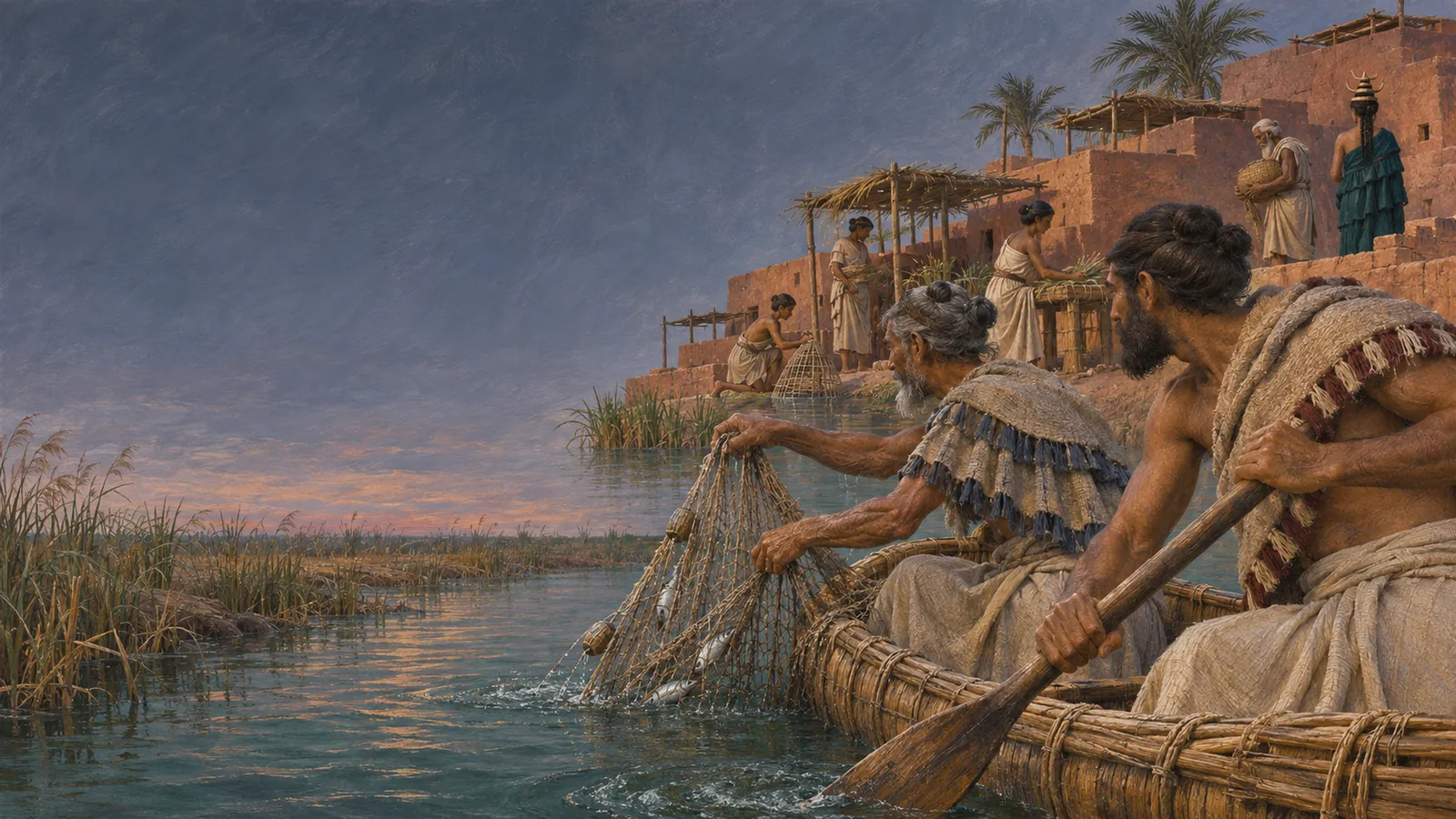
UM HINO A NANSHE
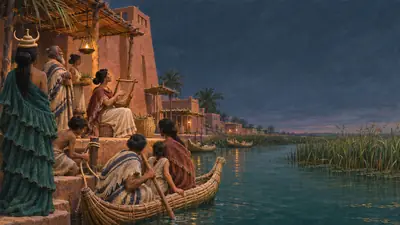
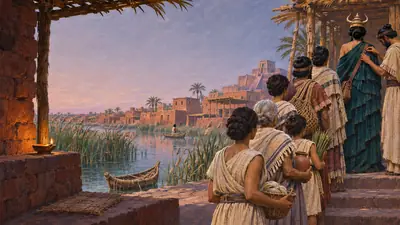
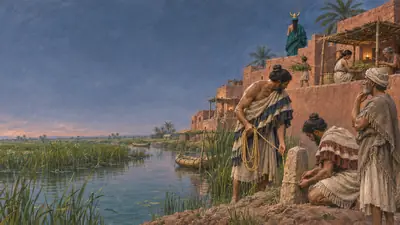
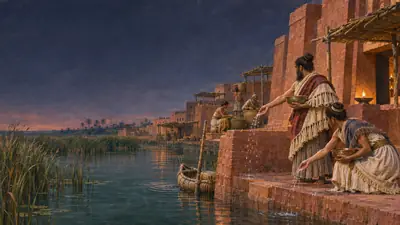
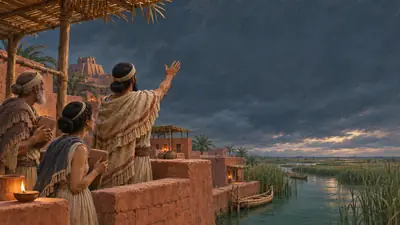
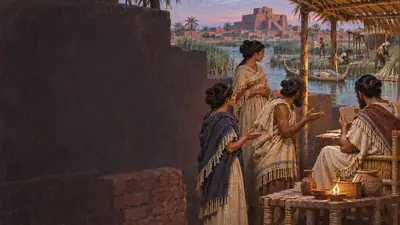
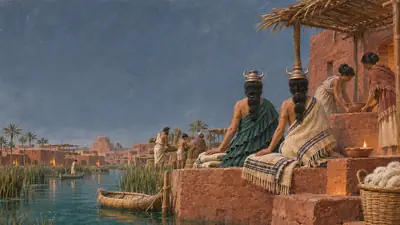
O hino começa na cidade sagrada de Nigin, onde se manifestam os seus poderes. O canto compara-a a uma elevação que sobressai da água.
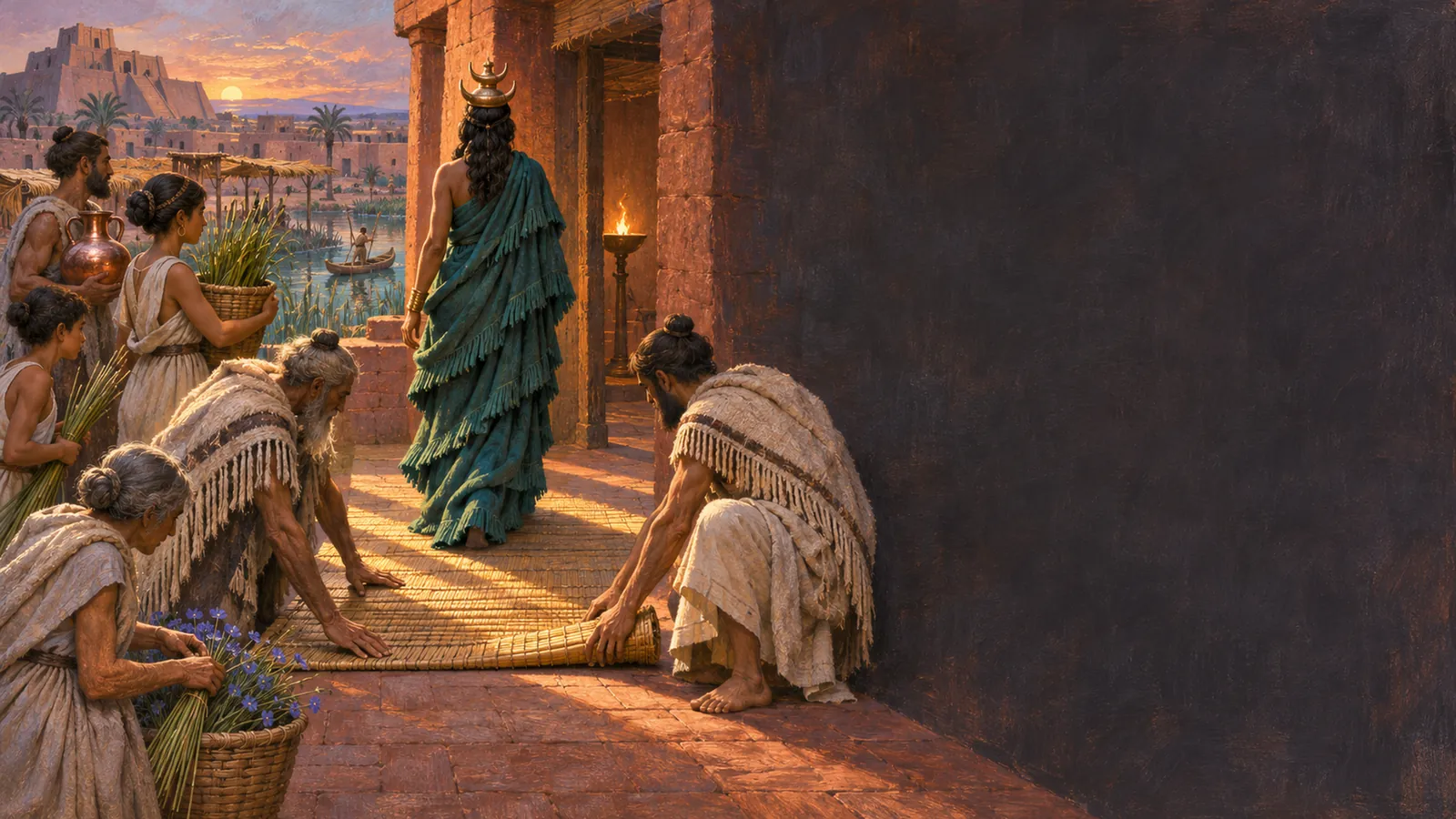
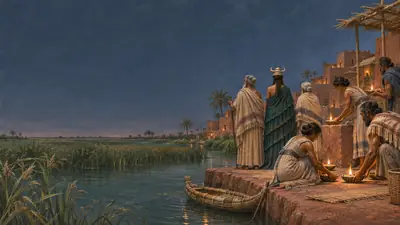
A luz ergue-se sobre o templo seguro de Nigin, onde se cumprem os ritos de Nanshe. O hino anuncia agora a volta da senhora nascida em Eridu.
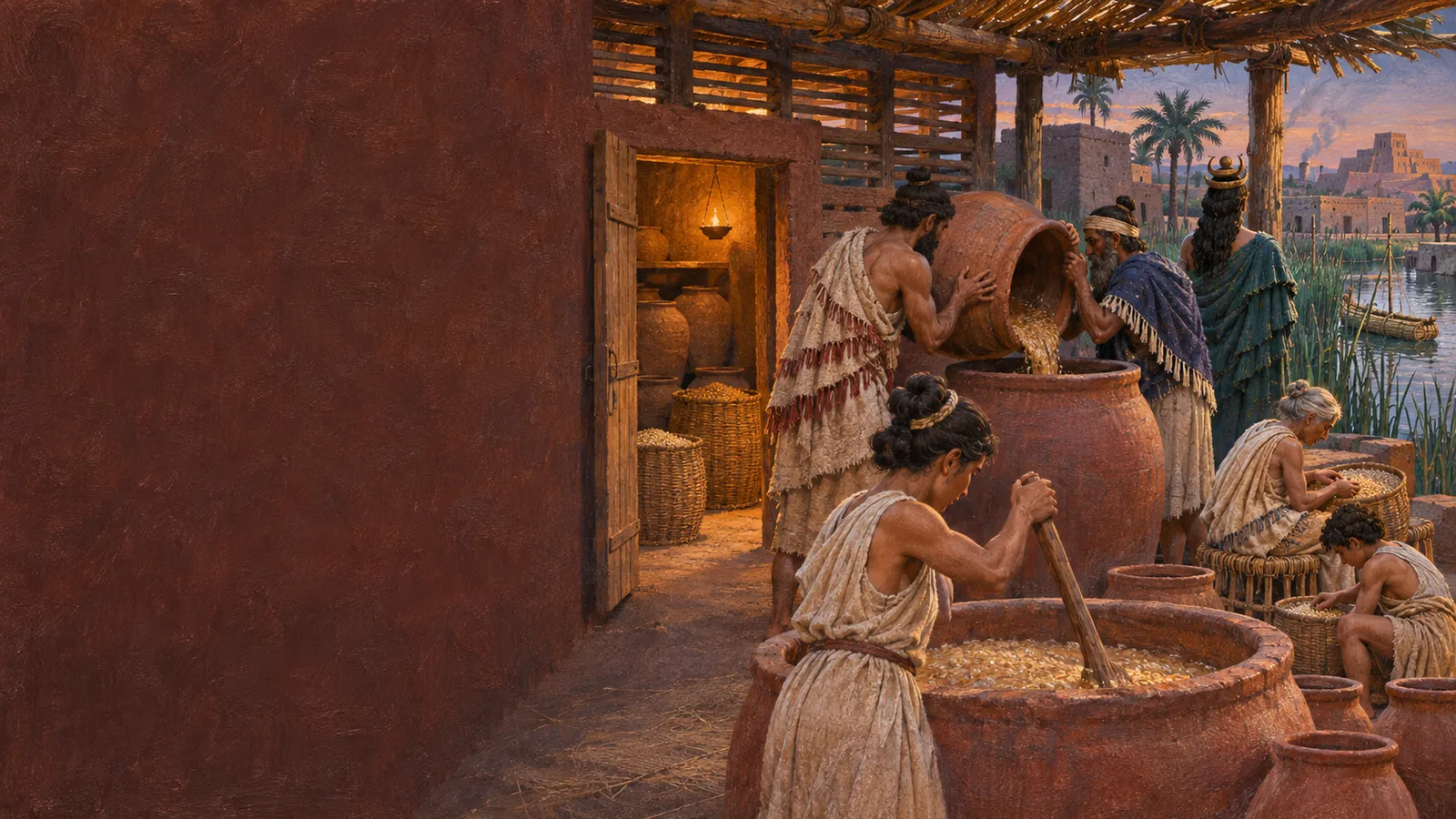
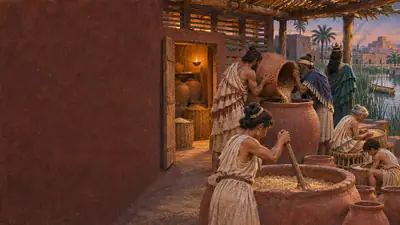
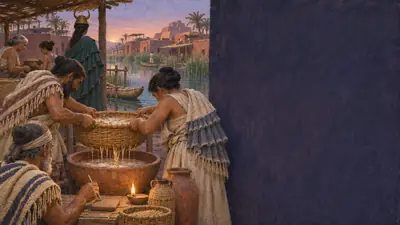
A mistura da cerveja e o fermento surgem em expressões incertas. O hino diz que Nanshe enche os armazéns e traz uma comparação fragmentária entre o mel e a resina.
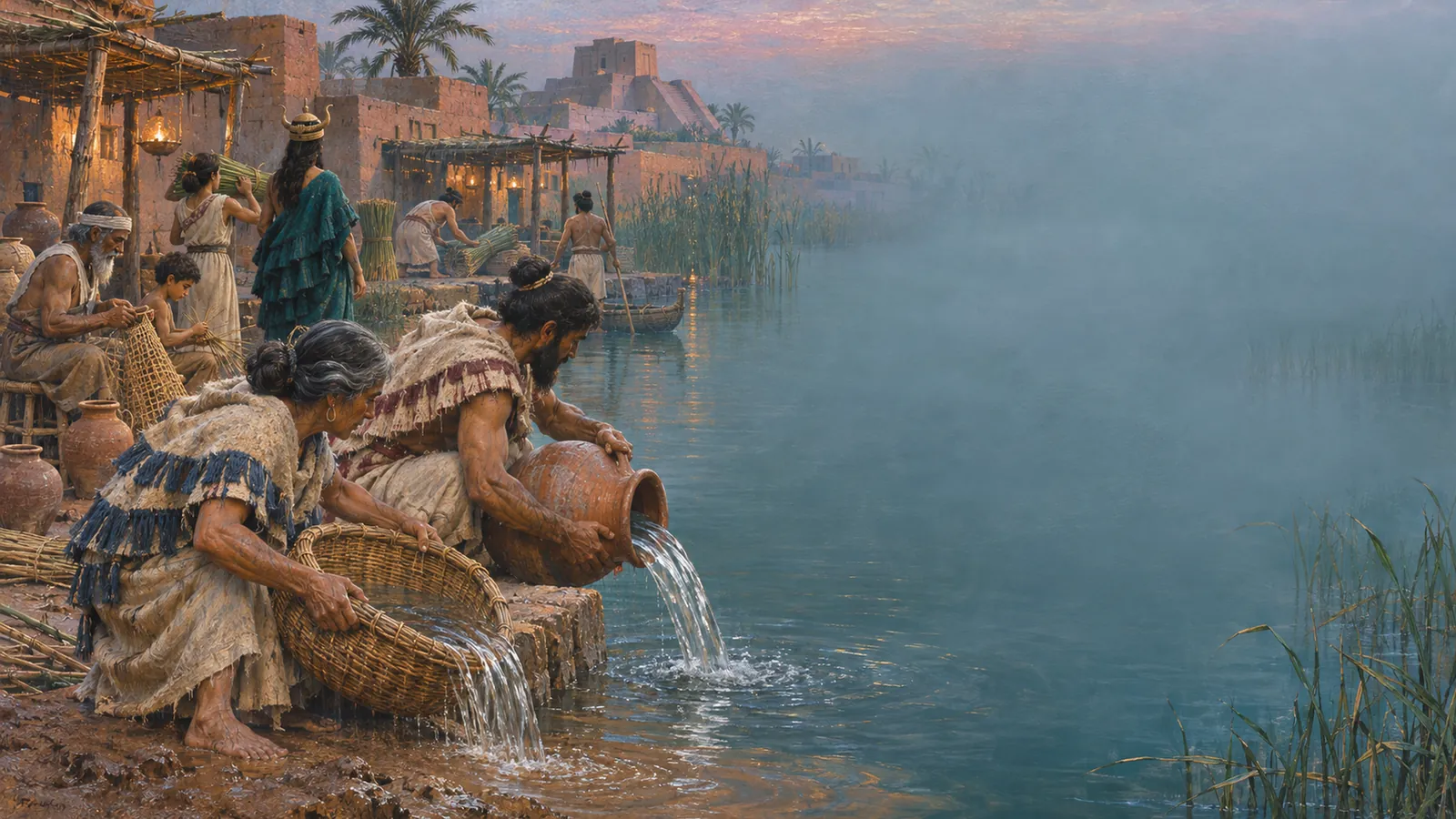
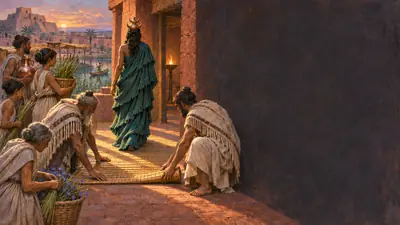
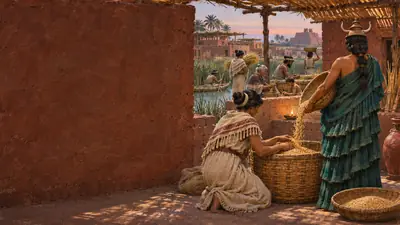
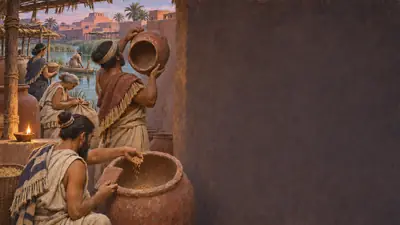
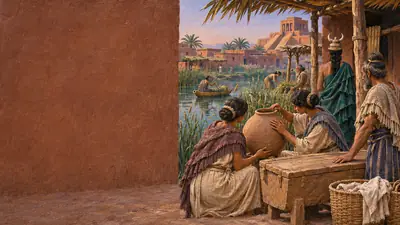
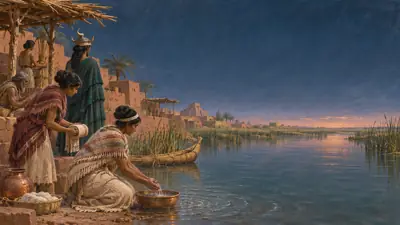
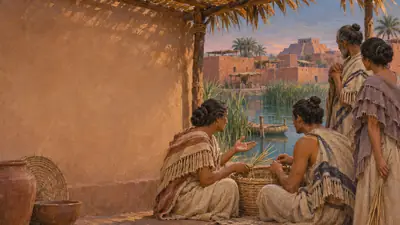
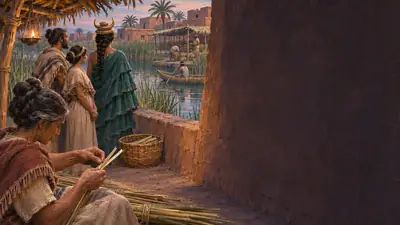
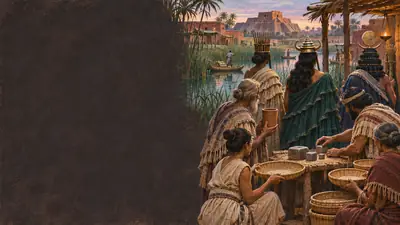
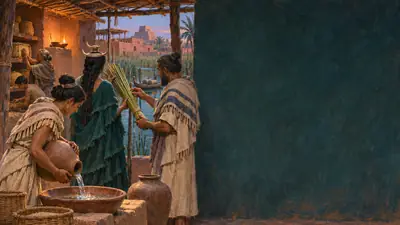
O canto atribui a Nanshe recipientes cuja água corre sem cessar. Cestos com os tesouros da terra cobrem o chão como o limo do rio.
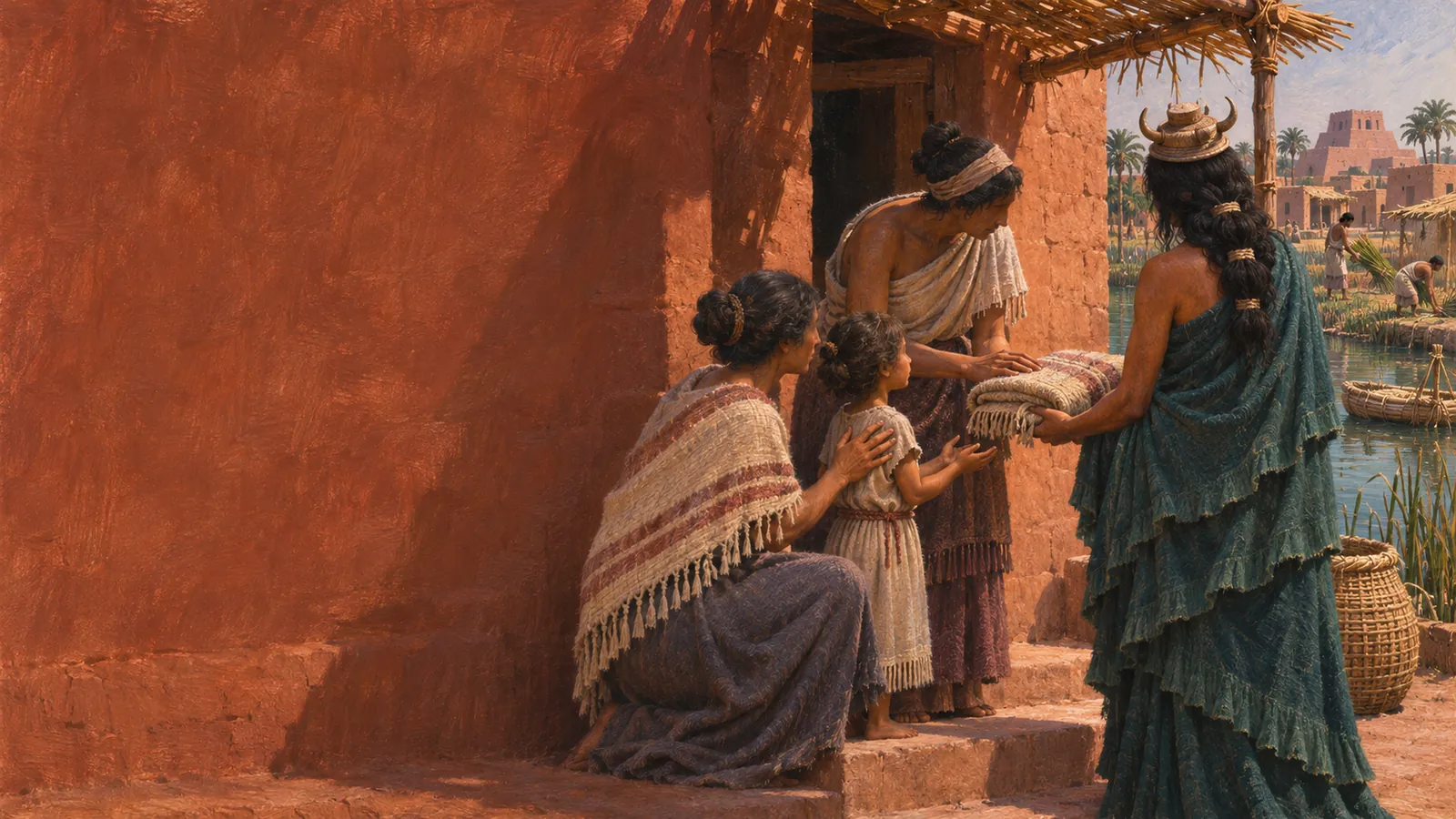
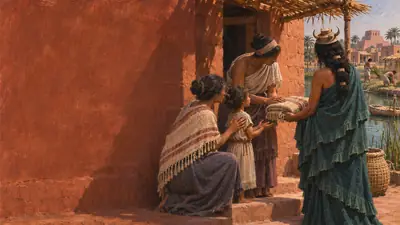
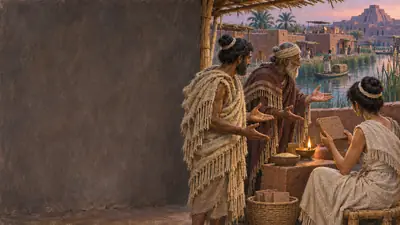
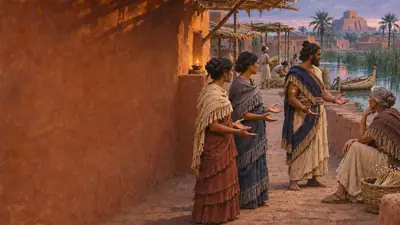
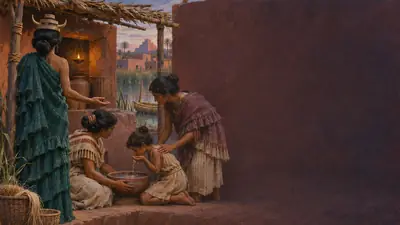
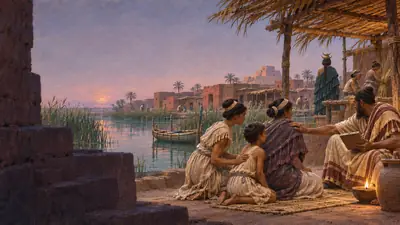
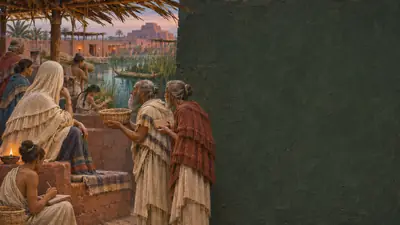
O hino louva Nanshe por cuidar da viúva e ser como uma mãe para o órfão. Talvez diga ainda que se lembra de quem ajuda os outros.
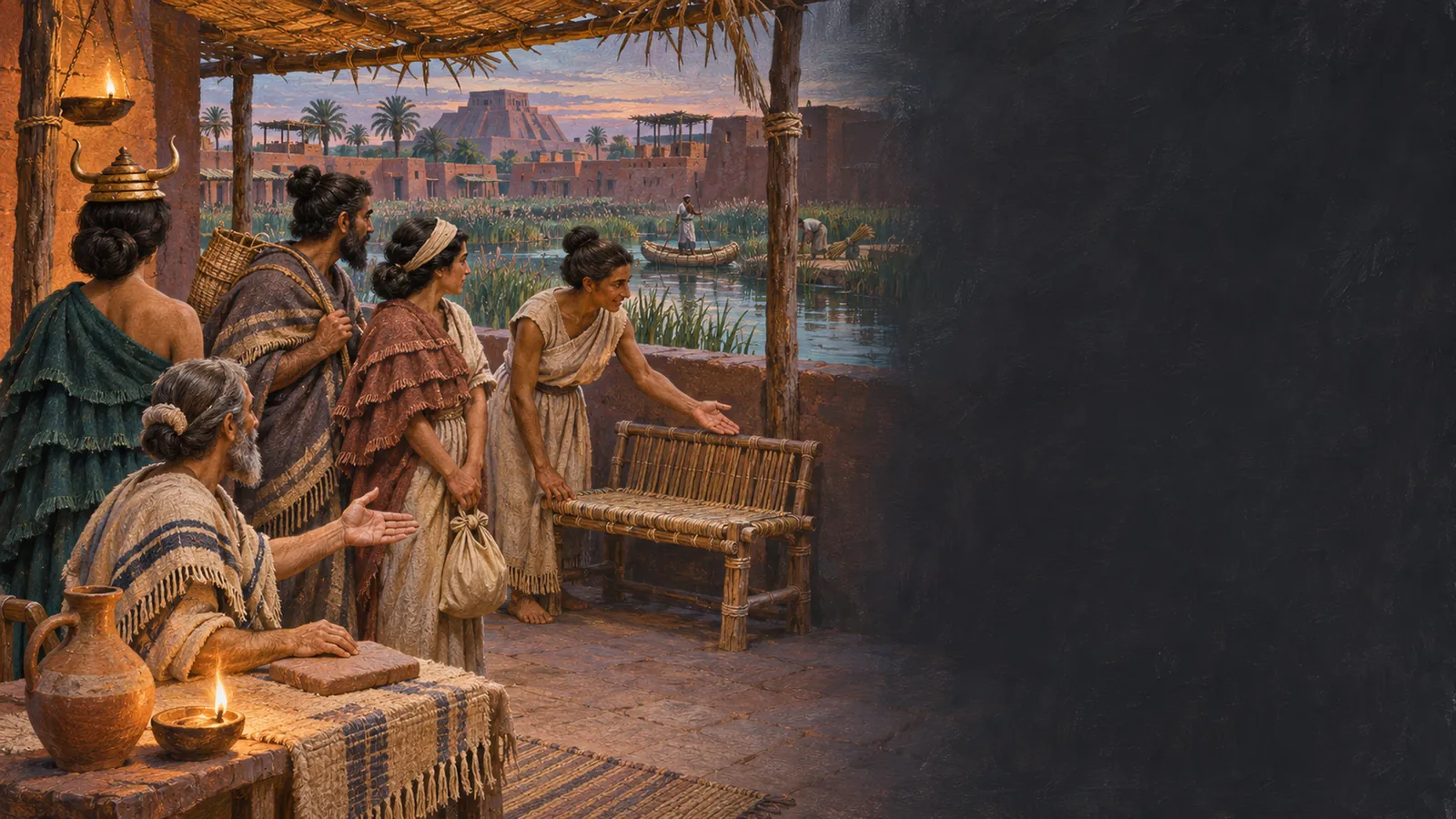
O canto louva Nanshe, que encontra conselho para quem vive em servidão por dívida e dá proteção aos refugiados.
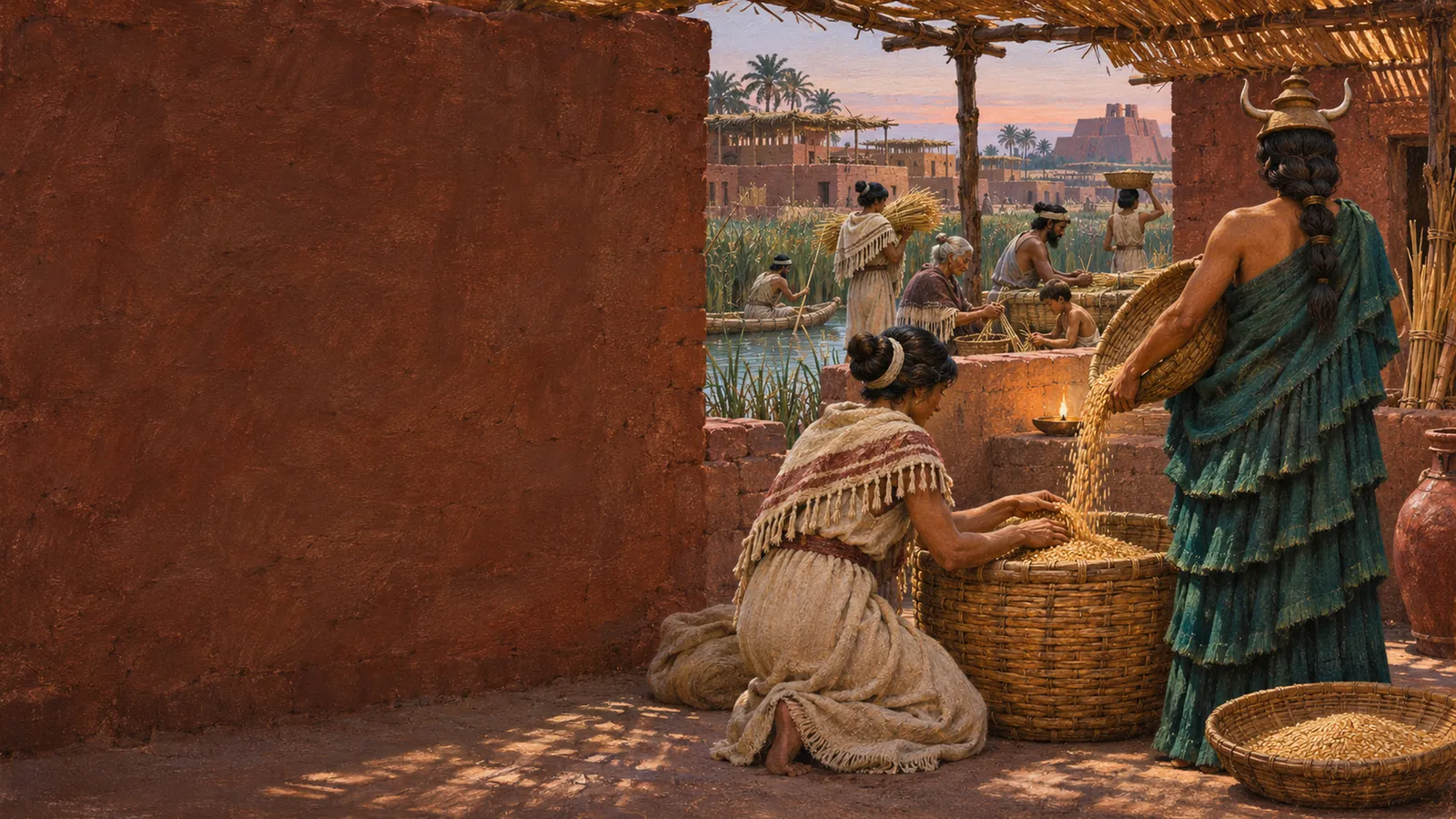
Nanshe procura um lugar para quem é vulnerável, diz o hino. Enche o seu cesto de recolha e faz com que o recipiente lhe traga algum proveito.
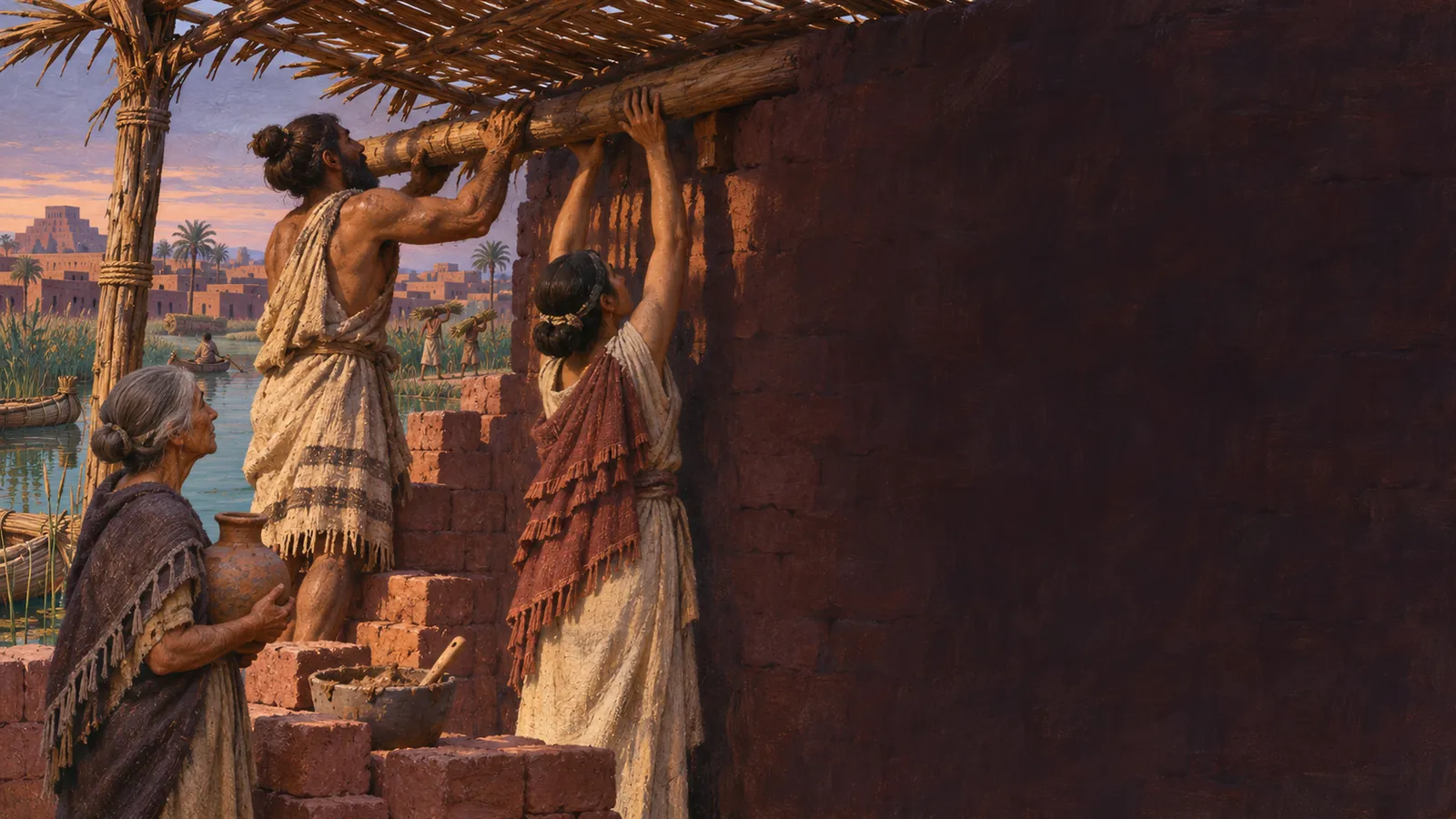
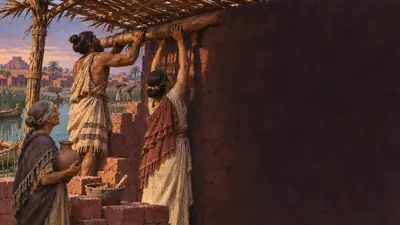
Para a mulher que chama justa e que seguiu o caminho de Nanshe, o hino diz que ela escolhe um jovem com posses. Para a viúva que não pôde voltar a casar, ergue uma casa segura, como um teto que a abriga.
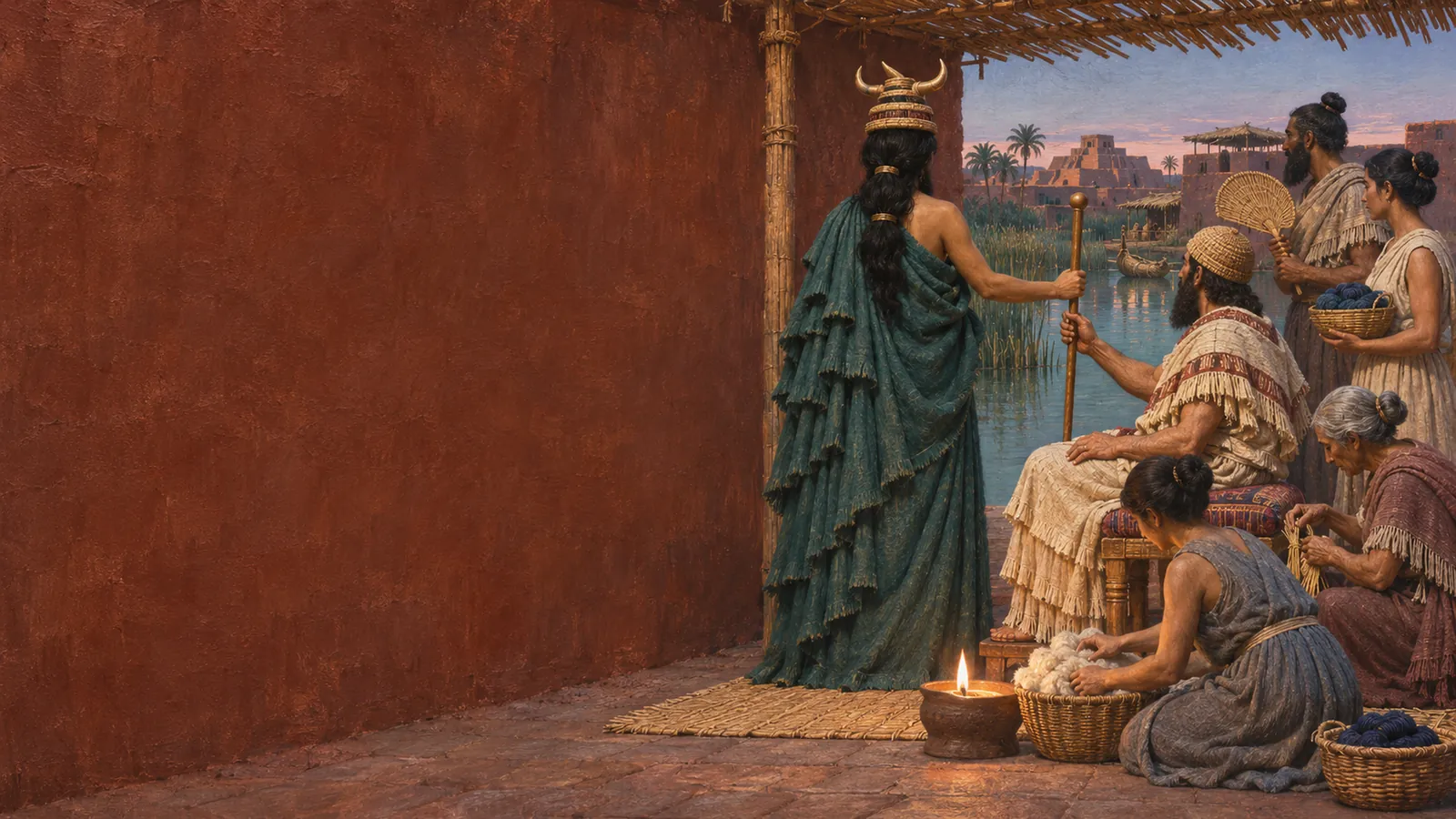
LAGASH
O hino diz que Lagash prospera na abundância na presença de Nanshe. Ela senta Ur-Nanshe no trono e entrega ao pastor um cetro elevado.
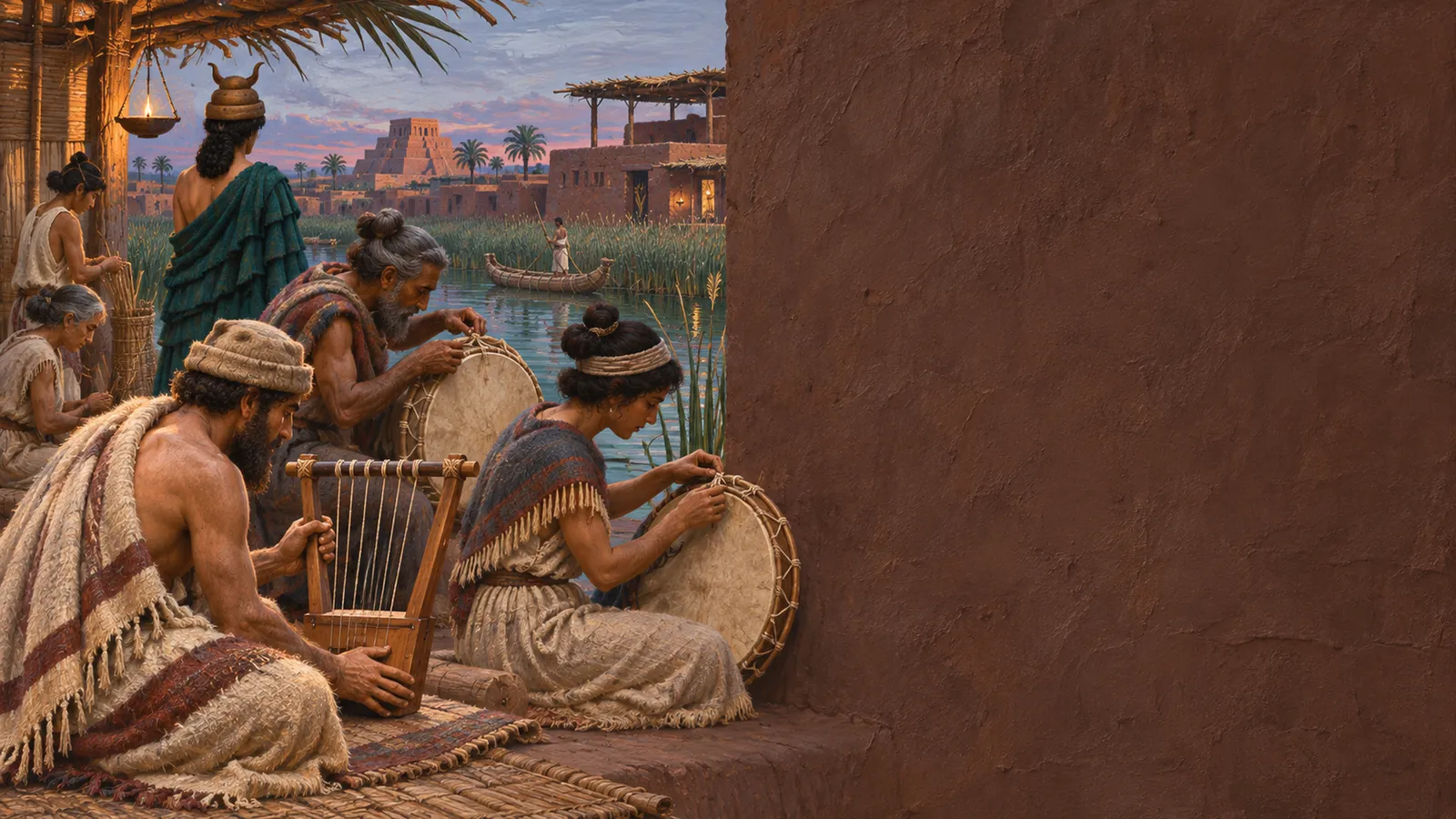
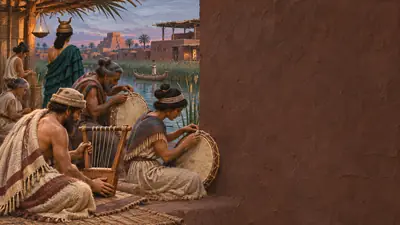
O hino diz que Nanshe concede os seus poderes a Gudea. Ele coloca o instrumento chamado Vaca da Abundância, talvez uma lira, entre os tambores tigi e põe ao lado um tambor balaj.
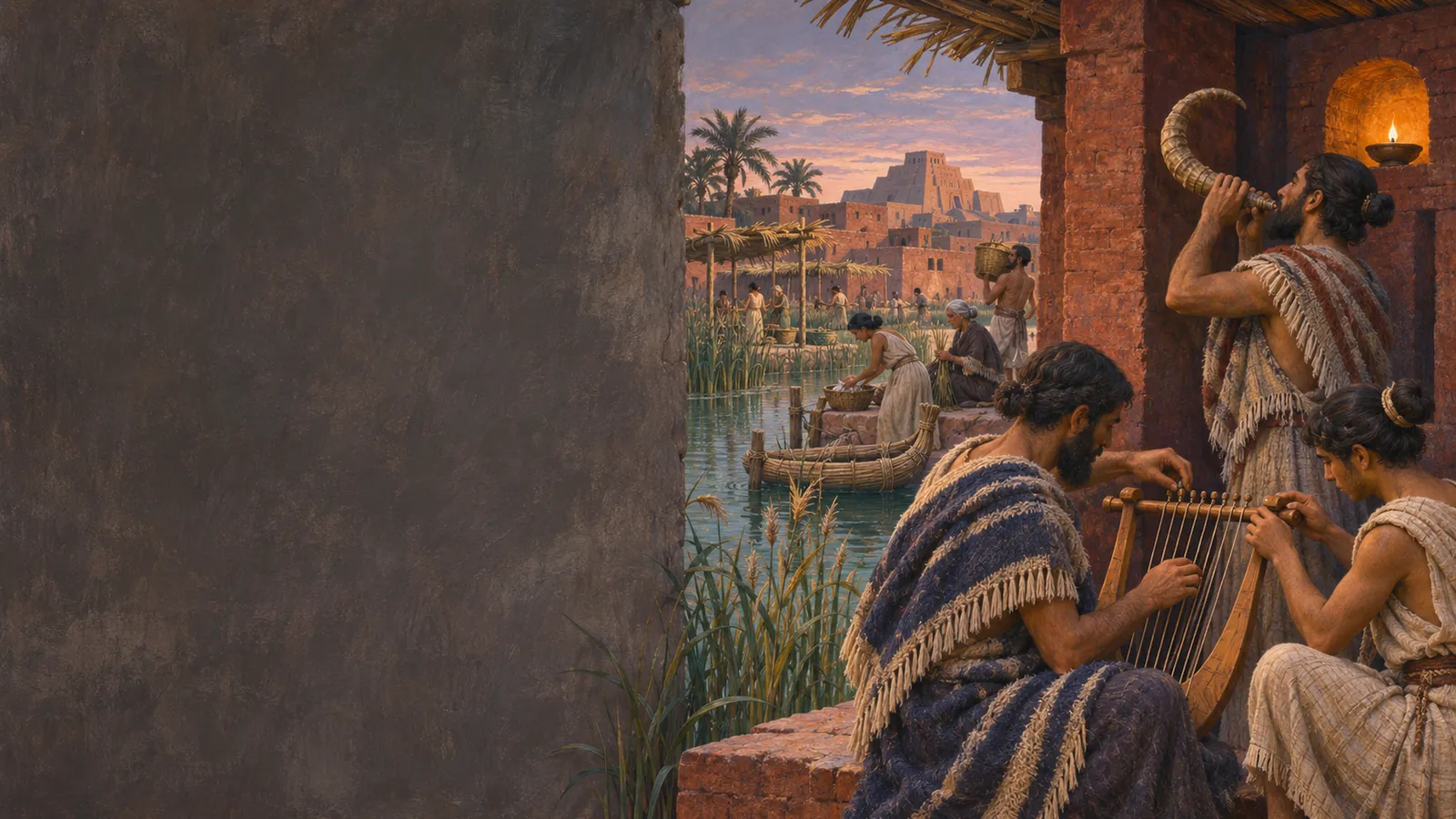
Enquanto soam os cantos sagrados, o instrumento kintur louva o templo. O músico principal toca uma trompa de corno de íbex, e o canto de Sirara celebra os poderes que a sua casa recebe do abzu.
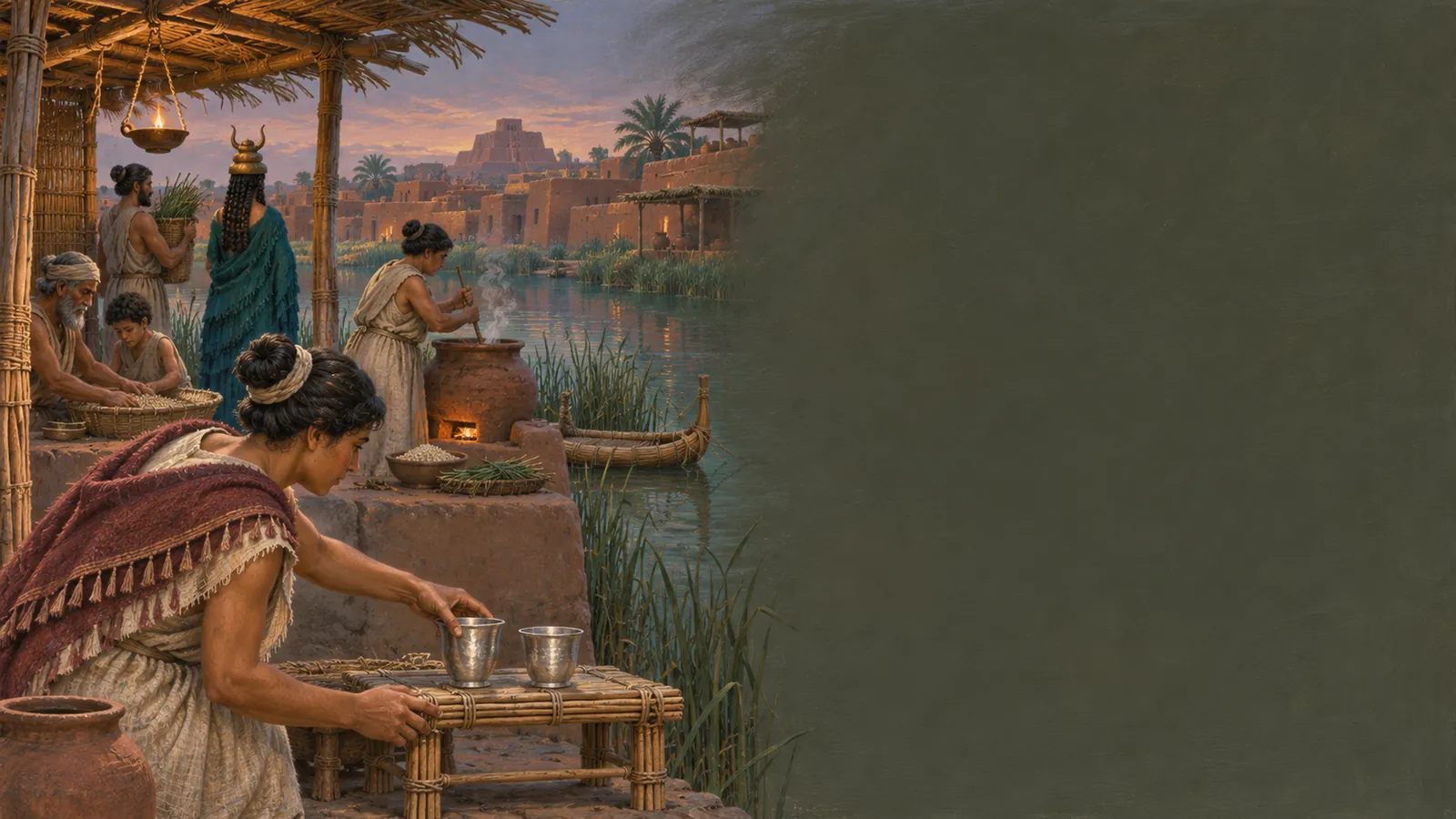
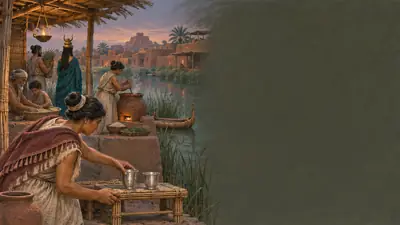
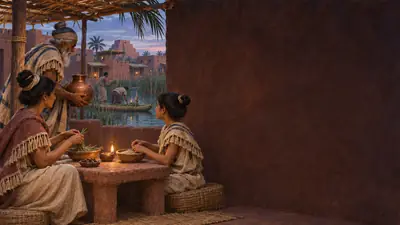
O intérprete de sonhos entra numa câmara do templo e prepara taças de prata brilhantes. Nas linhas danificadas que se seguem, o cozinheiro do templo prepara comida quente e fria.
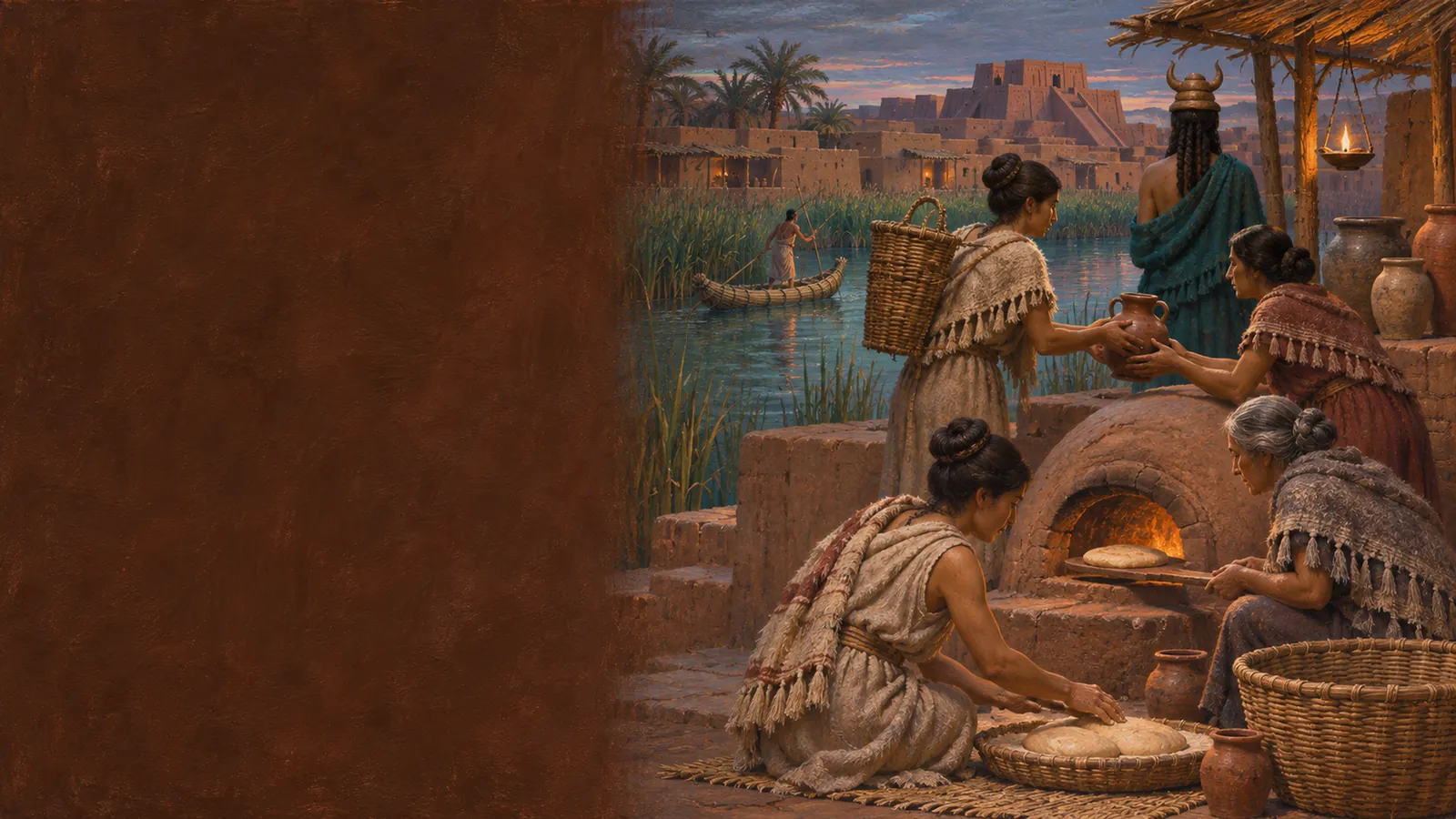
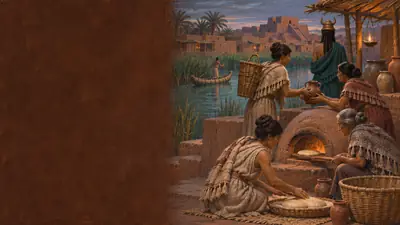
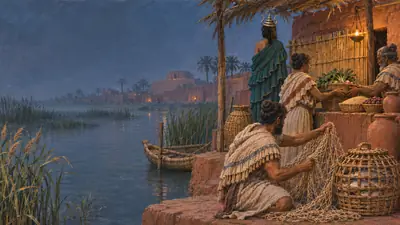
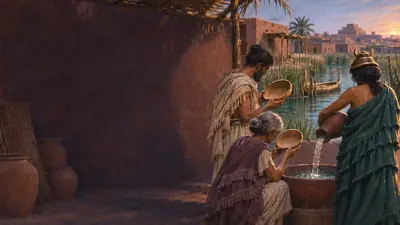
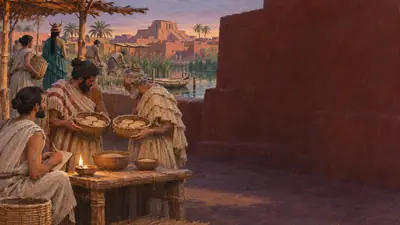
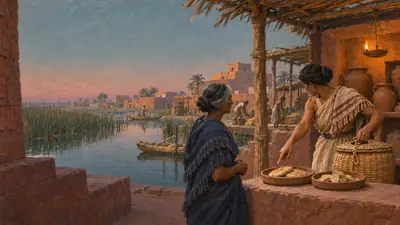
A carne chega em grandes tigelas, a água fresca vem do canal de Sirara, e trazem-se os apetrechos da festa e o vinho do campo. Depois, diz o hino, o grande forno de Nanshe zumbe.
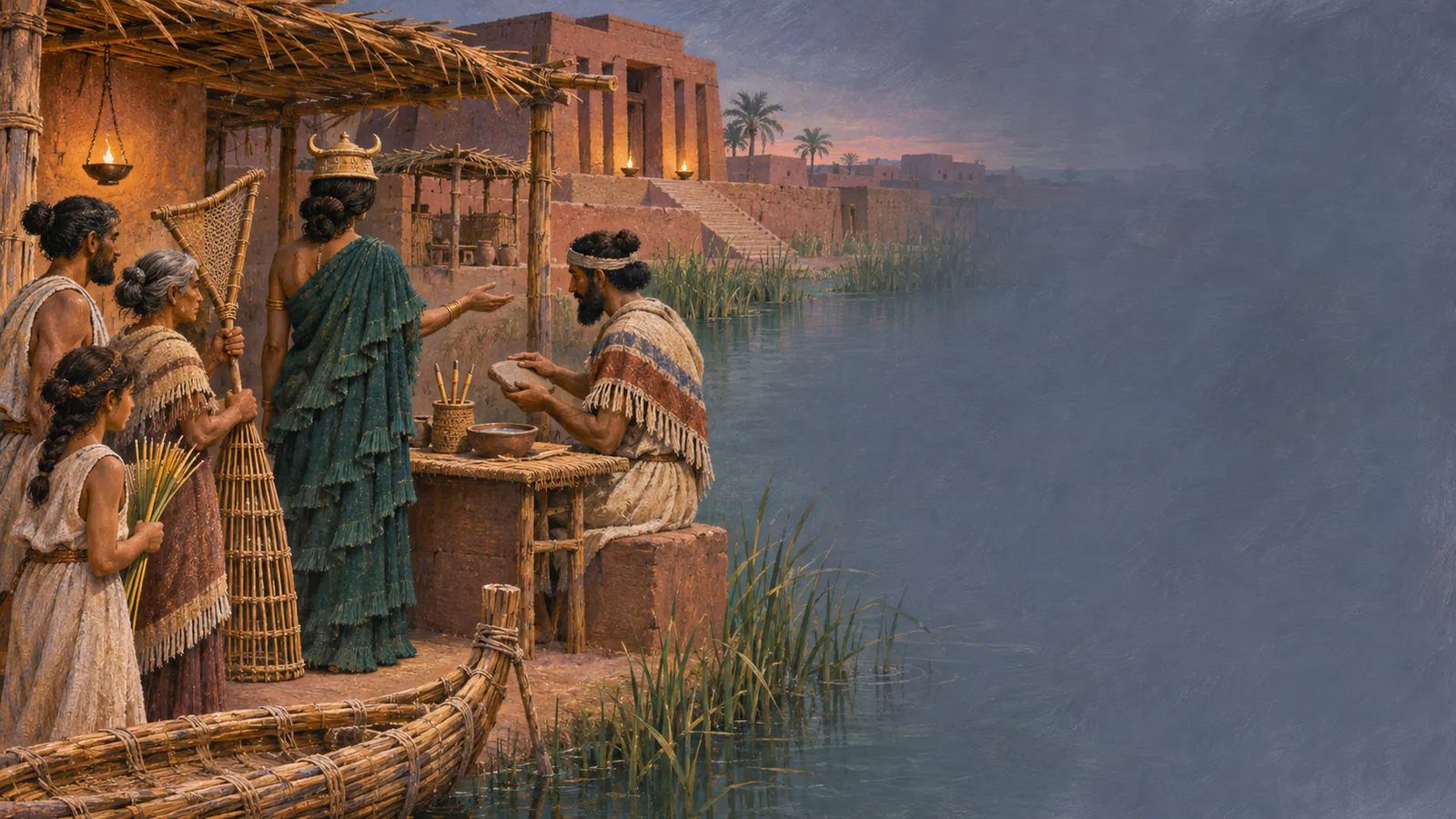
O hino chama a Nanshe a matriarca de Enlil, senhora da abundância e filha de Enki. Diz que cabe a ela fazer as nomeações.
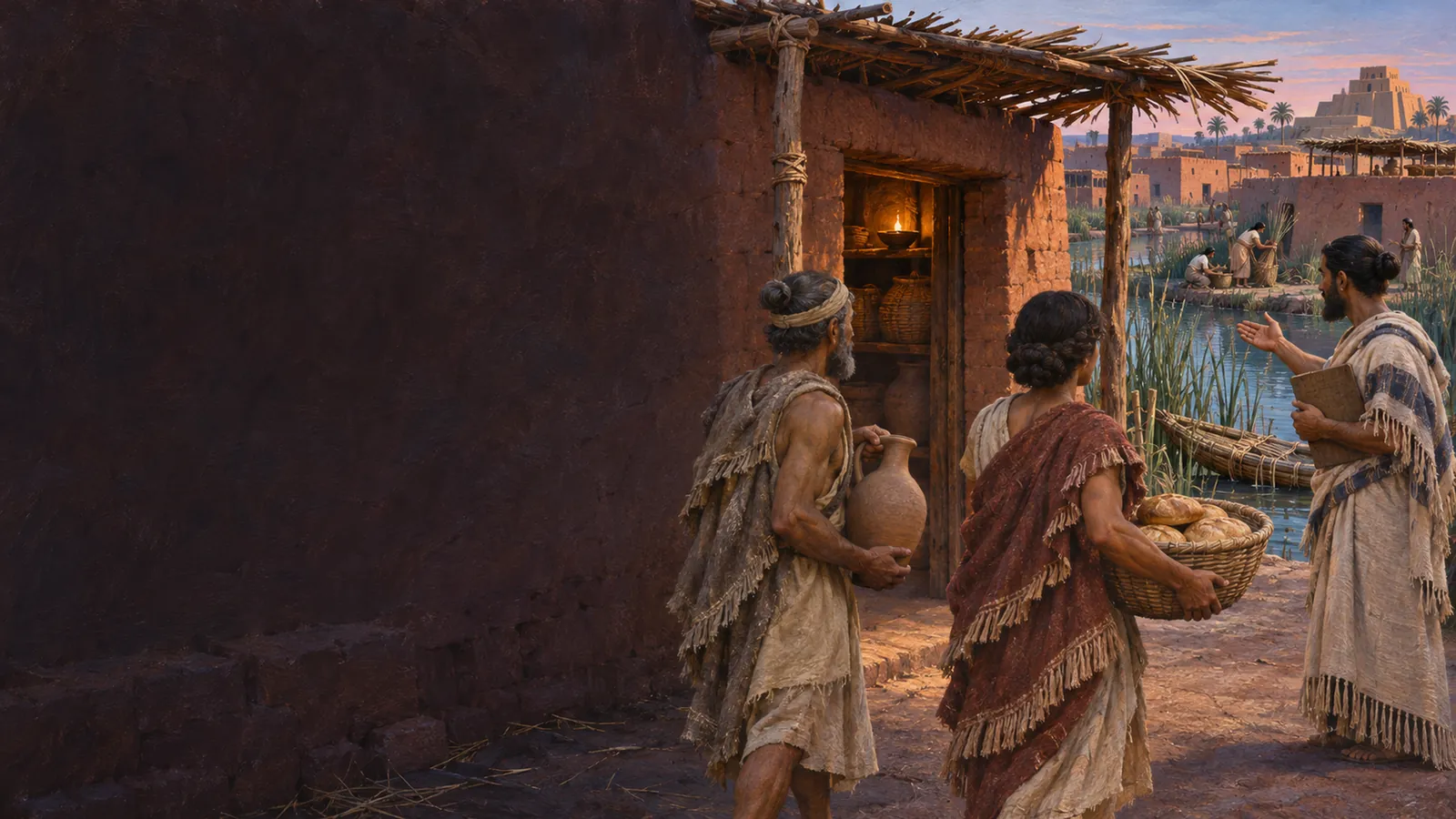
Depois de Nanshe fazer as nomeações, diz o hino, as oferendas regulares e as provisões diárias da casa chegam sempre de Bursaj.
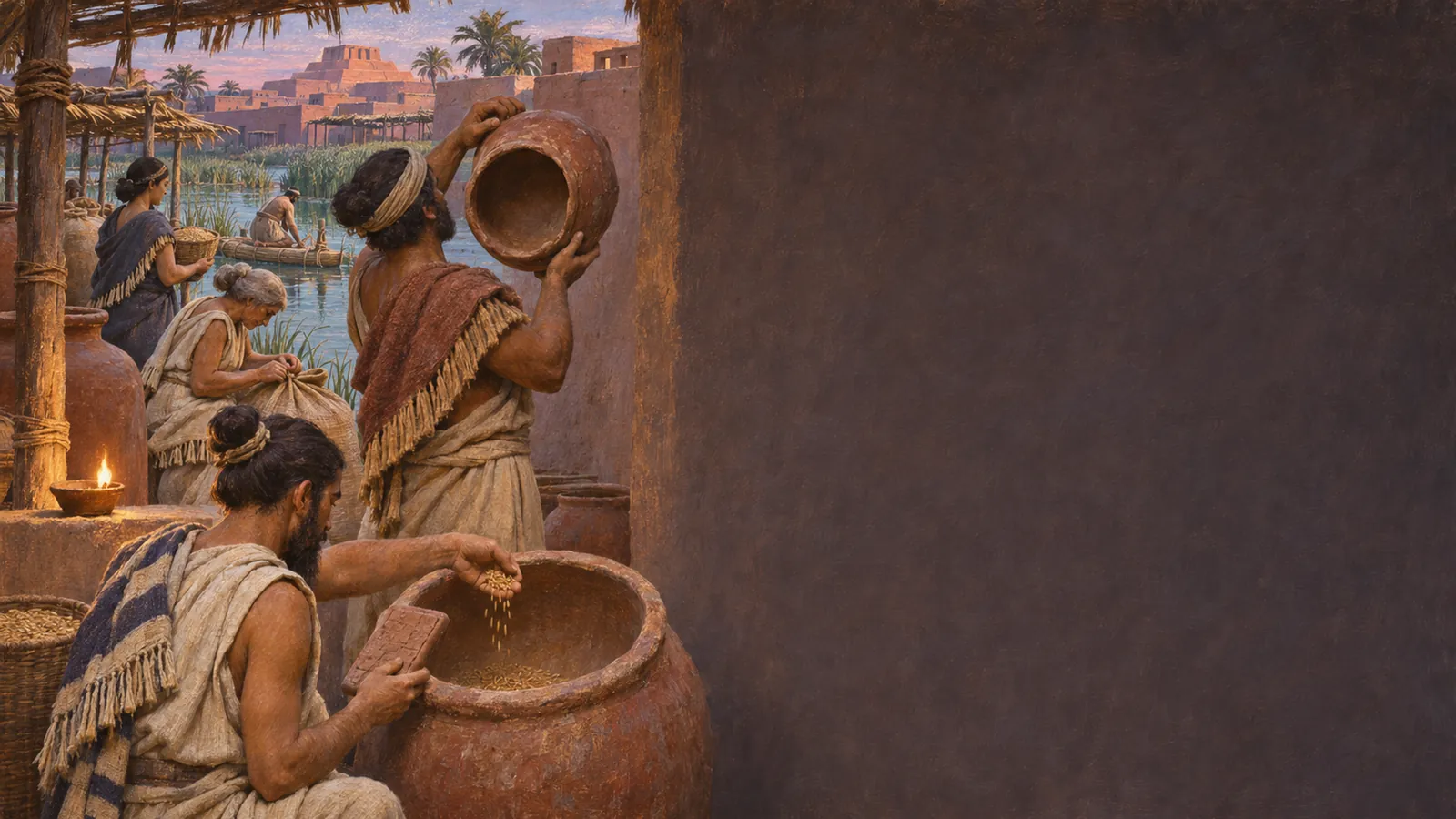
As linhas danificadas falam de uma possível falta de grão e de recipientes sem água. Quem é responsável pelas oferendas regulares não recebe então uma porção adicional.
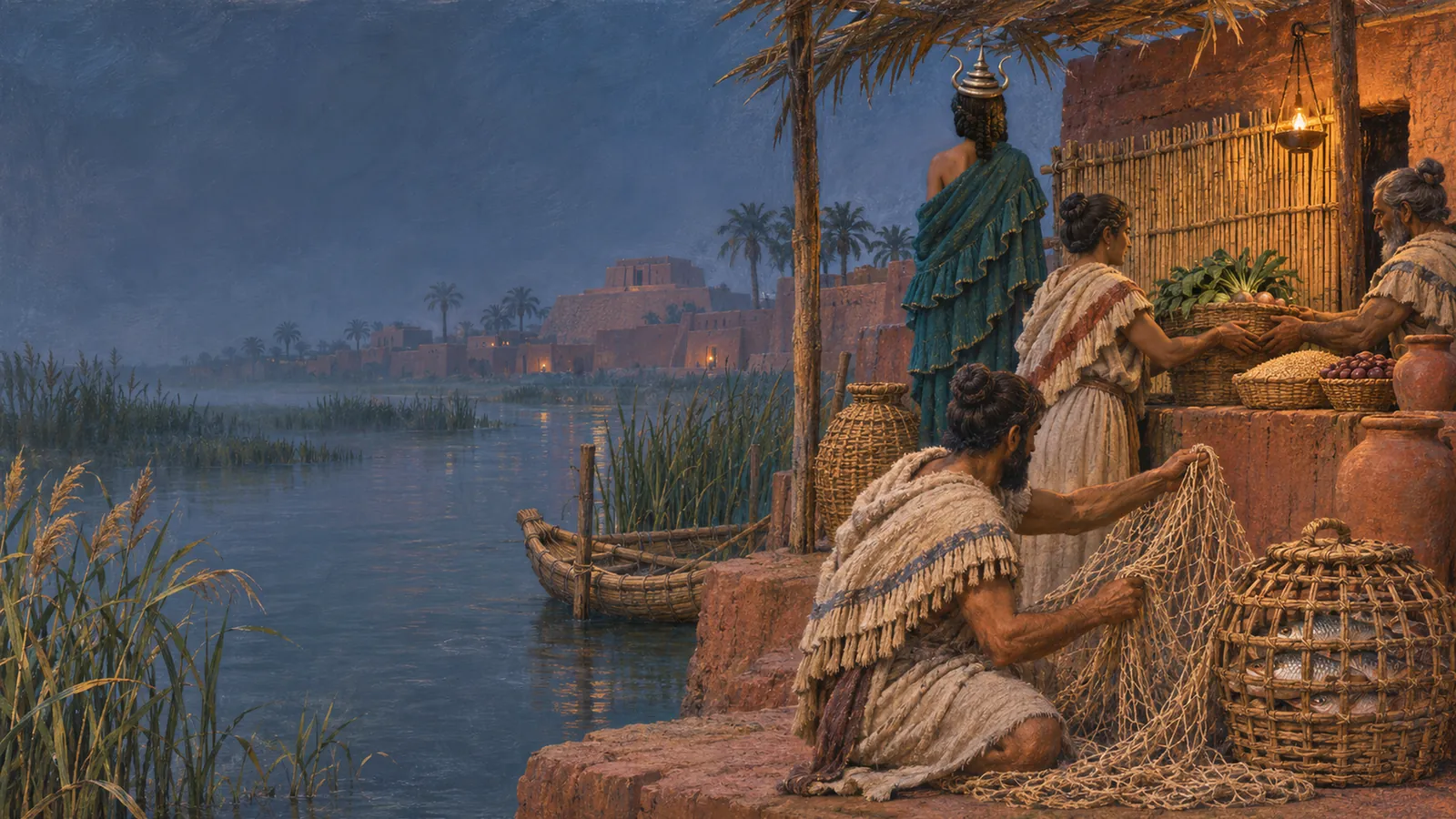
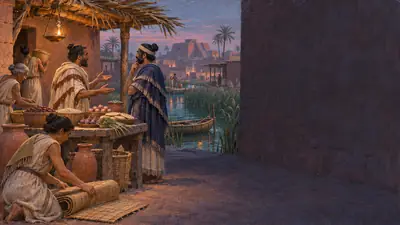
O hino enumera comida e bebida, oferendas não utilizadas, tributos em peixe, canaviais e produtos da horta. É incerta a passagem sobre o que pode tocá-los. Diz que o pão dos santuários não deve ser levado como ração.
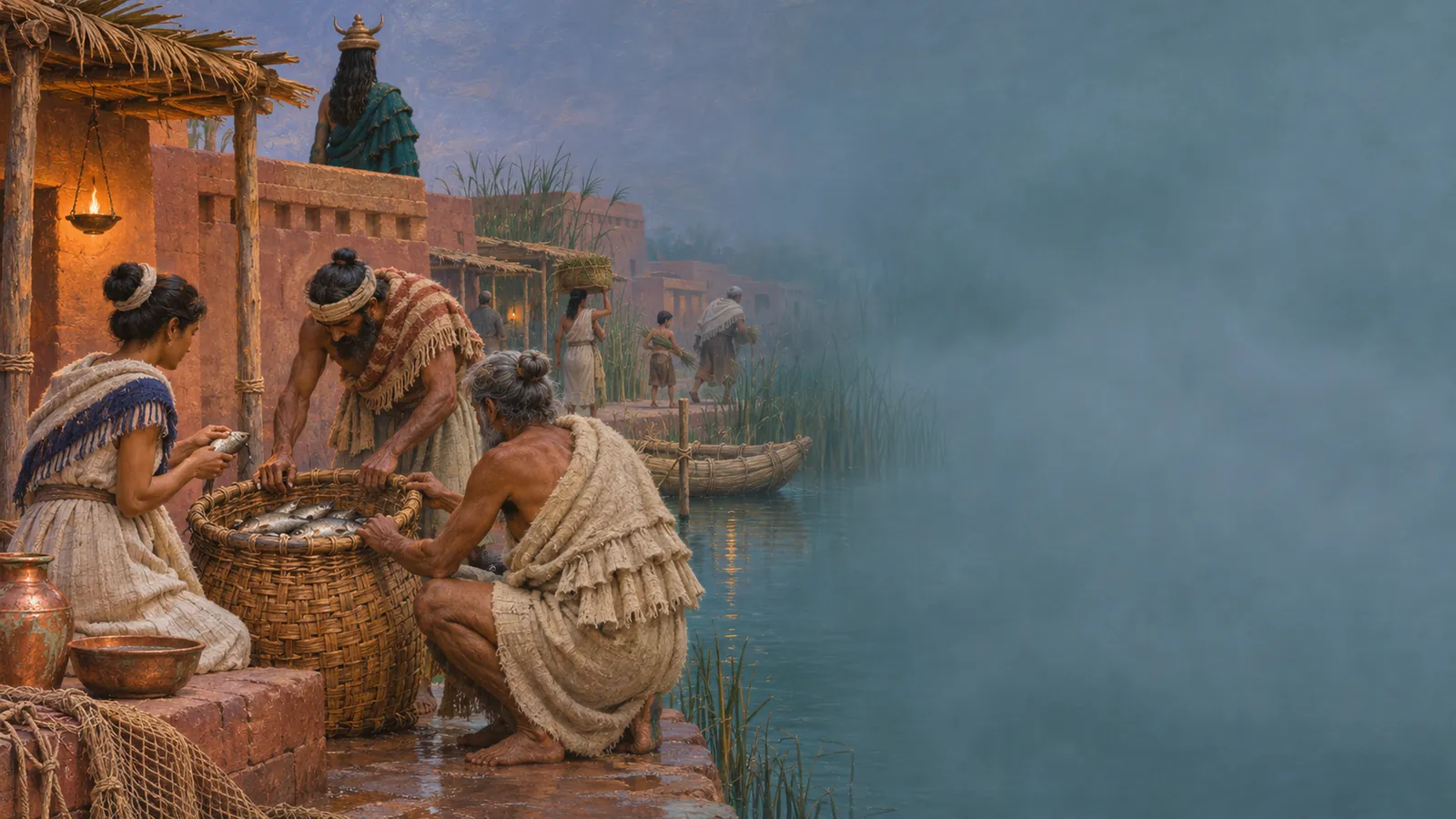
Devem continuar os preparativos para a festa das primícias do templo. O hino pede que se tragam gordura, leite e peixe, e determina que o peixe seja entregue diariamente.
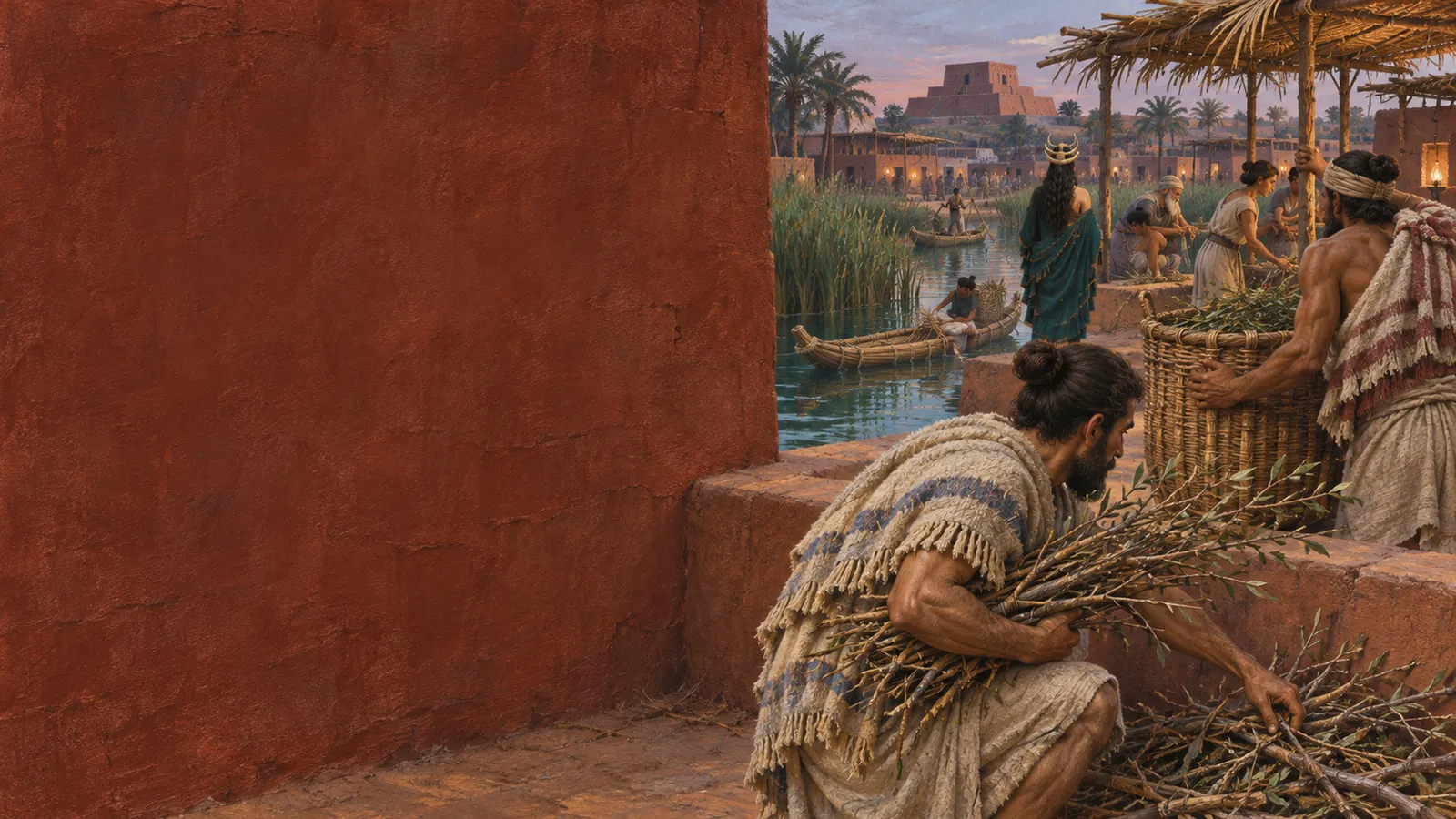
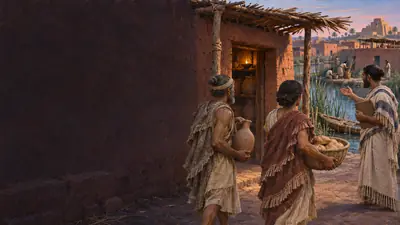
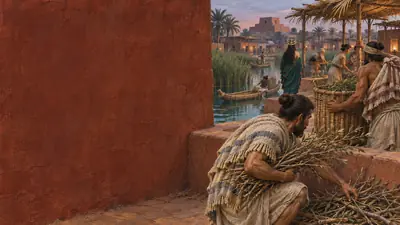
Um carregador traz lenha dos campos abertos. O hino manda que a guarde nos lados e nos cantos da casa.
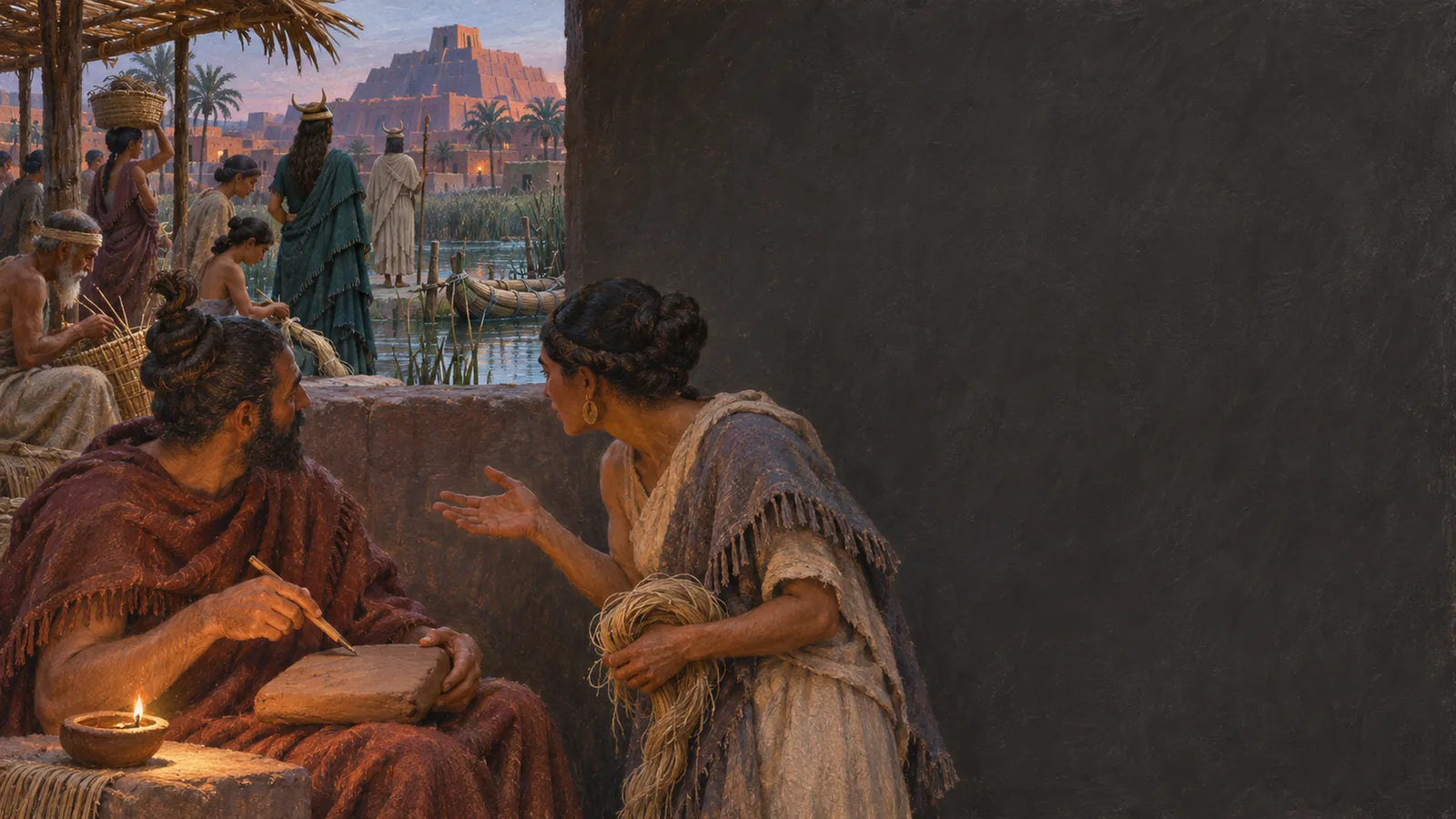
O hino nomeia Hendursaja, nascido de Utu, como guardião da casa de Nanshe. Fala de alguém que confirma ou contradiz o que se diz. As palavras sobre vir de fora são incertas.
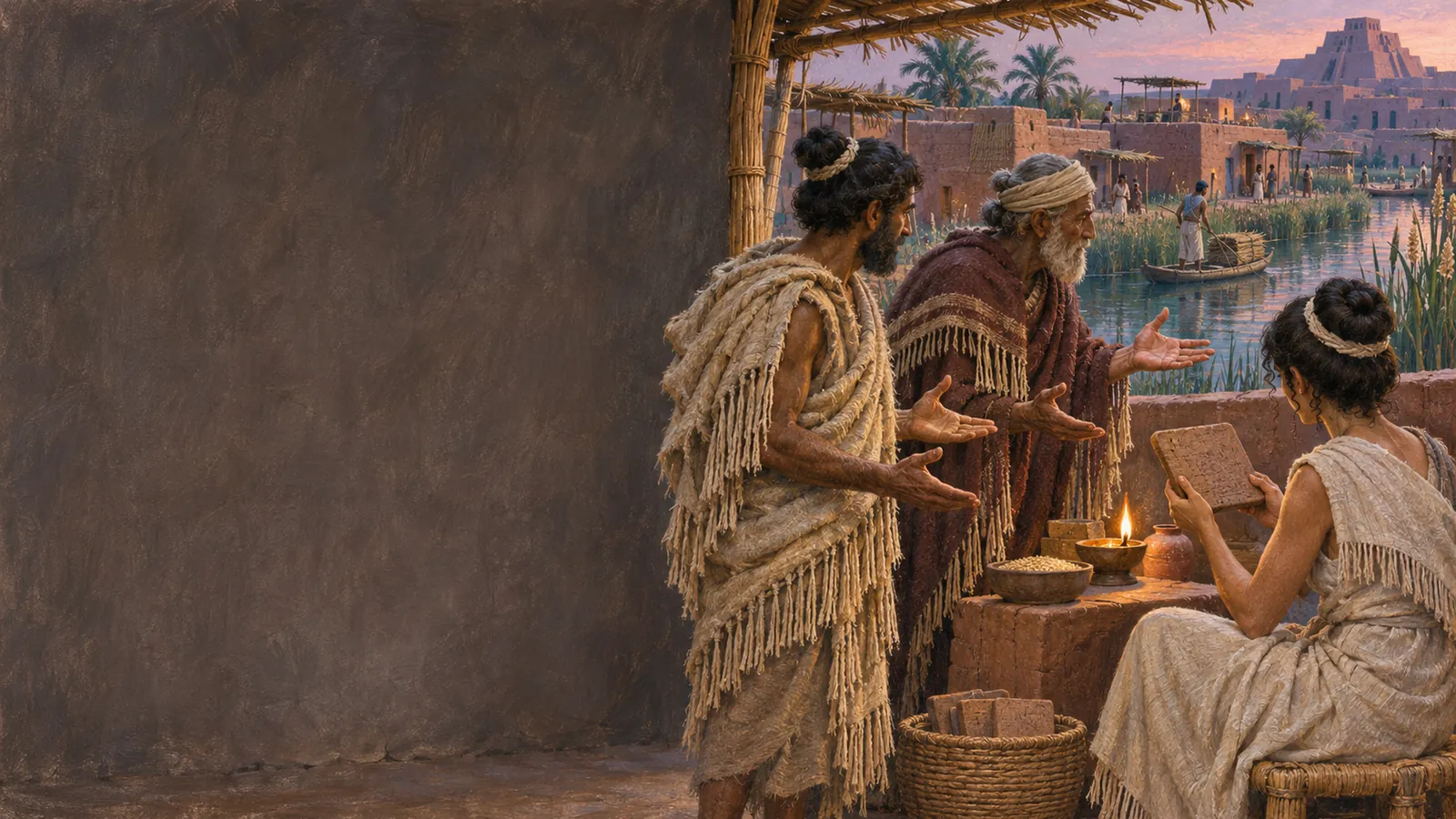
Hendursaja distingue as boas ações das más. As palavras seguintes estão danificadas e conservam apenas parte do nome de uma deusa e uma menção a um filho de Suen.
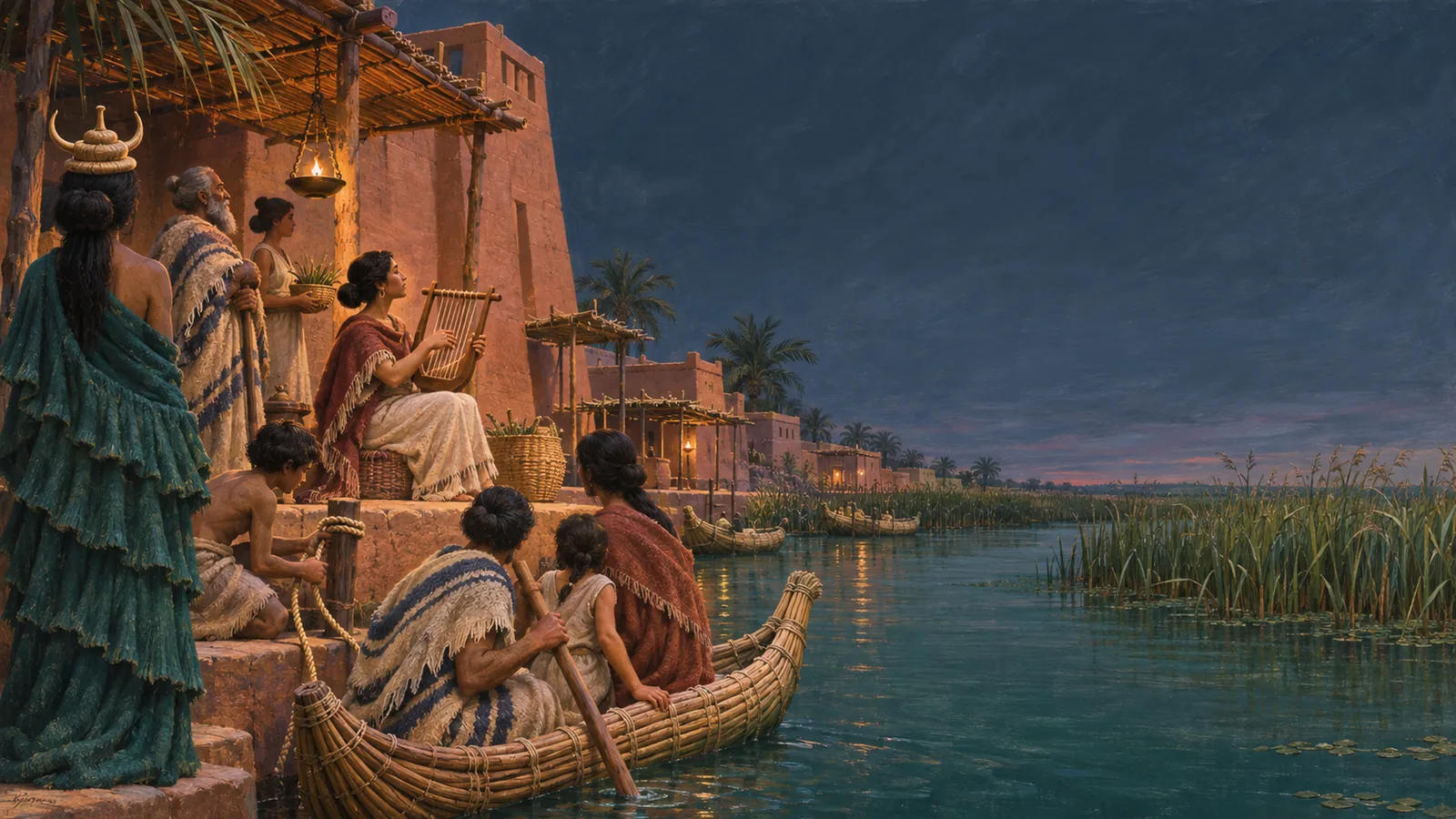
O cantor chama todas as terras a louvar Nanshe, a senhora de ordens justas, a quem ninguém pode tirar os seus poderes sagrados.
ANO NOVO
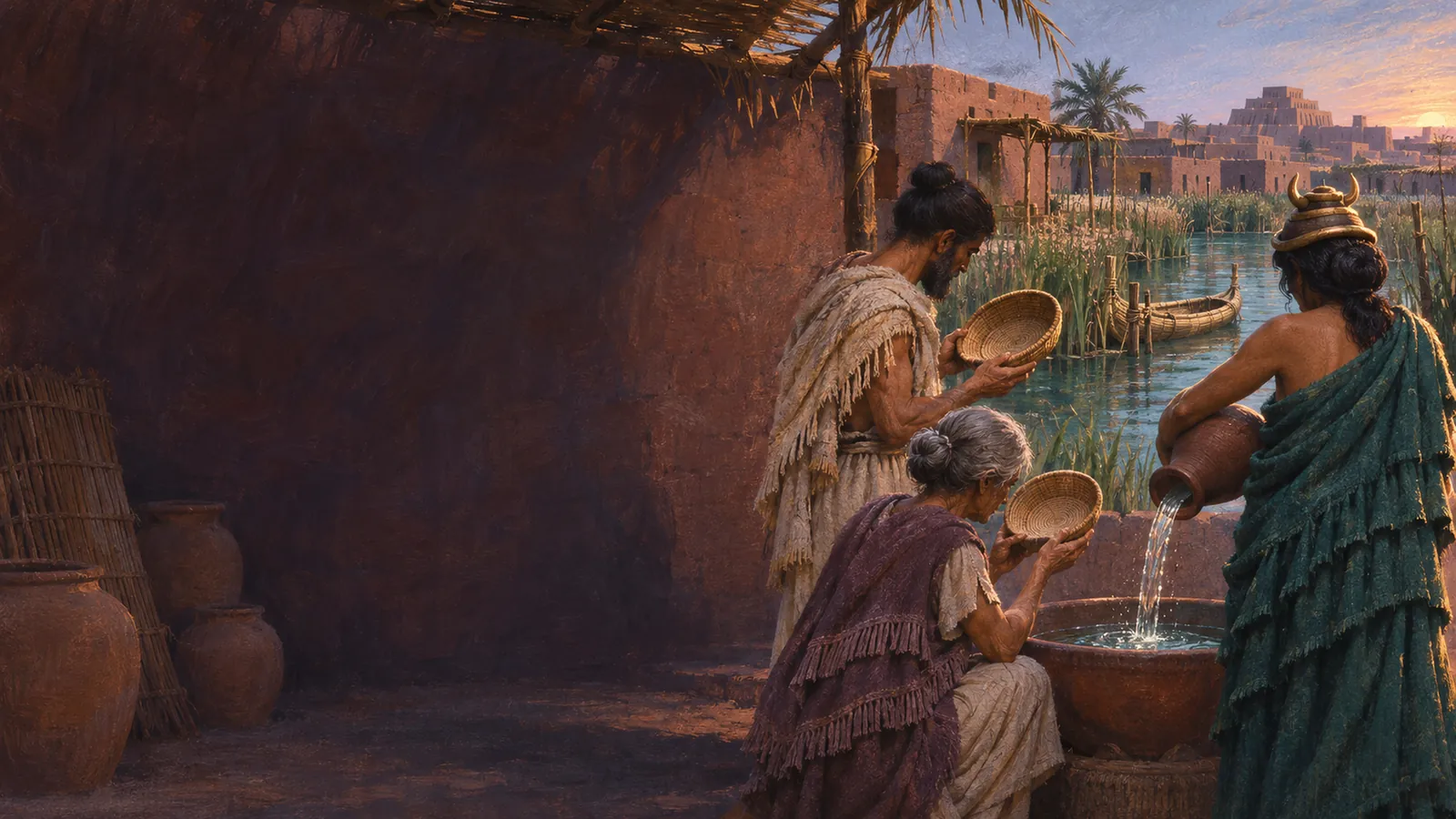
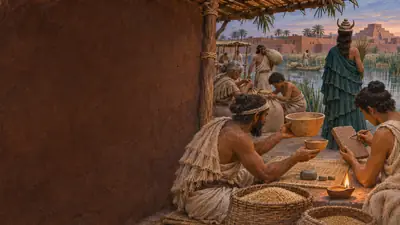
No Ano Novo, Nanshe derrama água, mas perdeu-se parte desse verso. No dia em que se inspecionam as tigelas das rações, ela examina também os servos antes das nomeações.
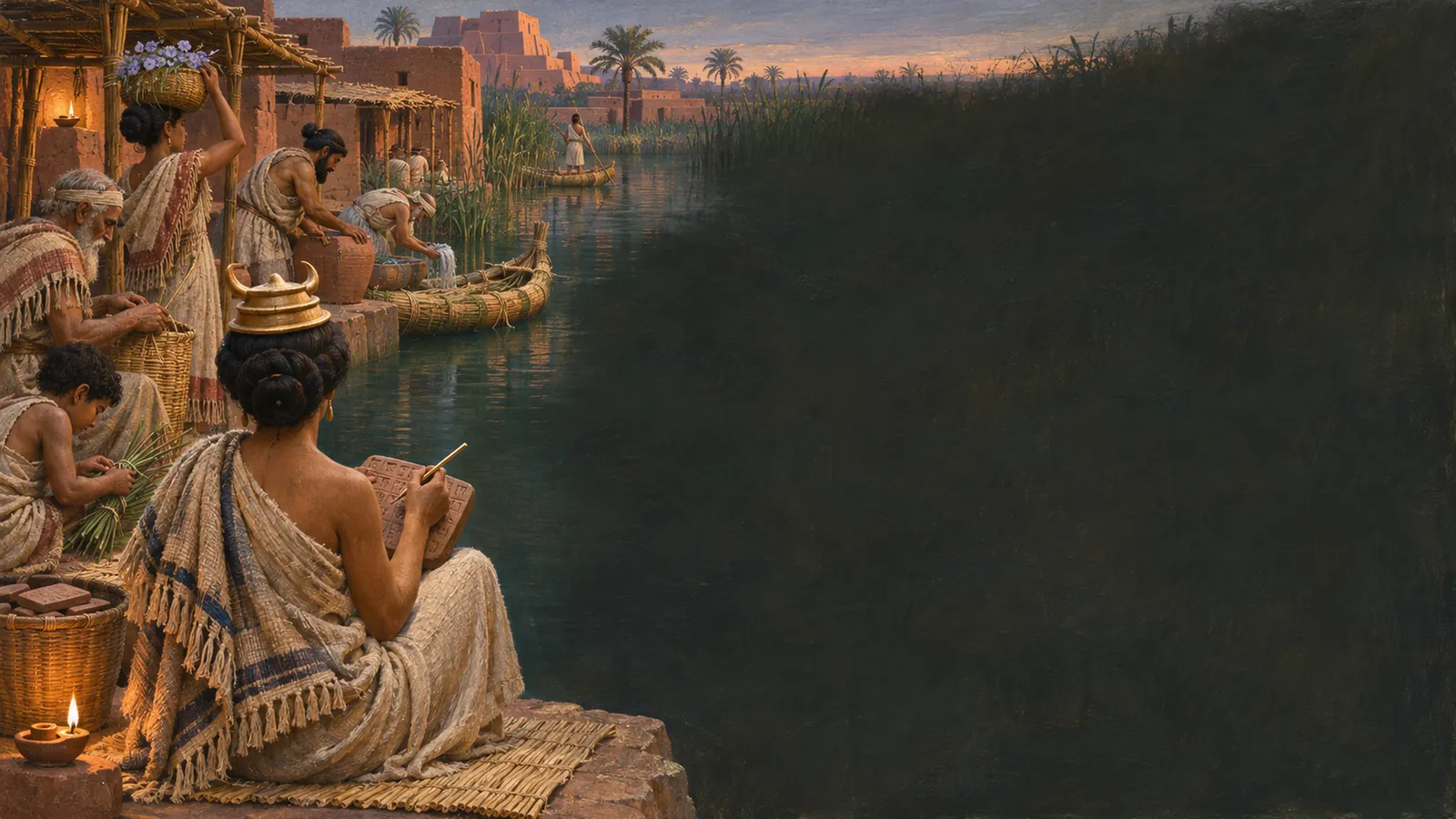
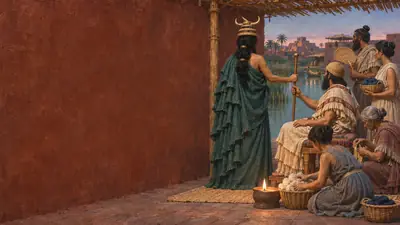
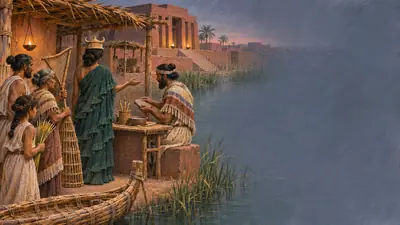
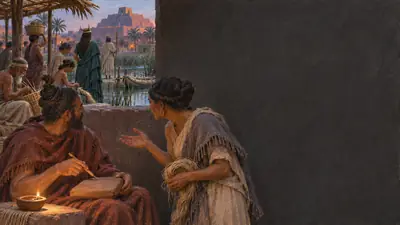
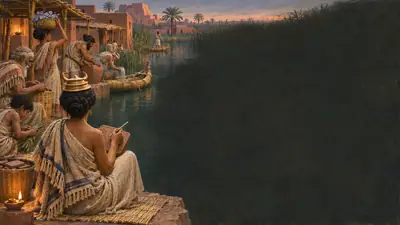
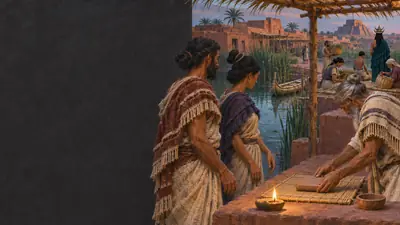
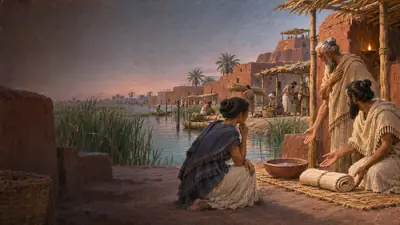
Nisaba, a escriba principal, põe as tabuinhas preciosas nos joelhos e pega num estilete de ouro. Depois dispõe os servos numa só fila diante de Nanshe.
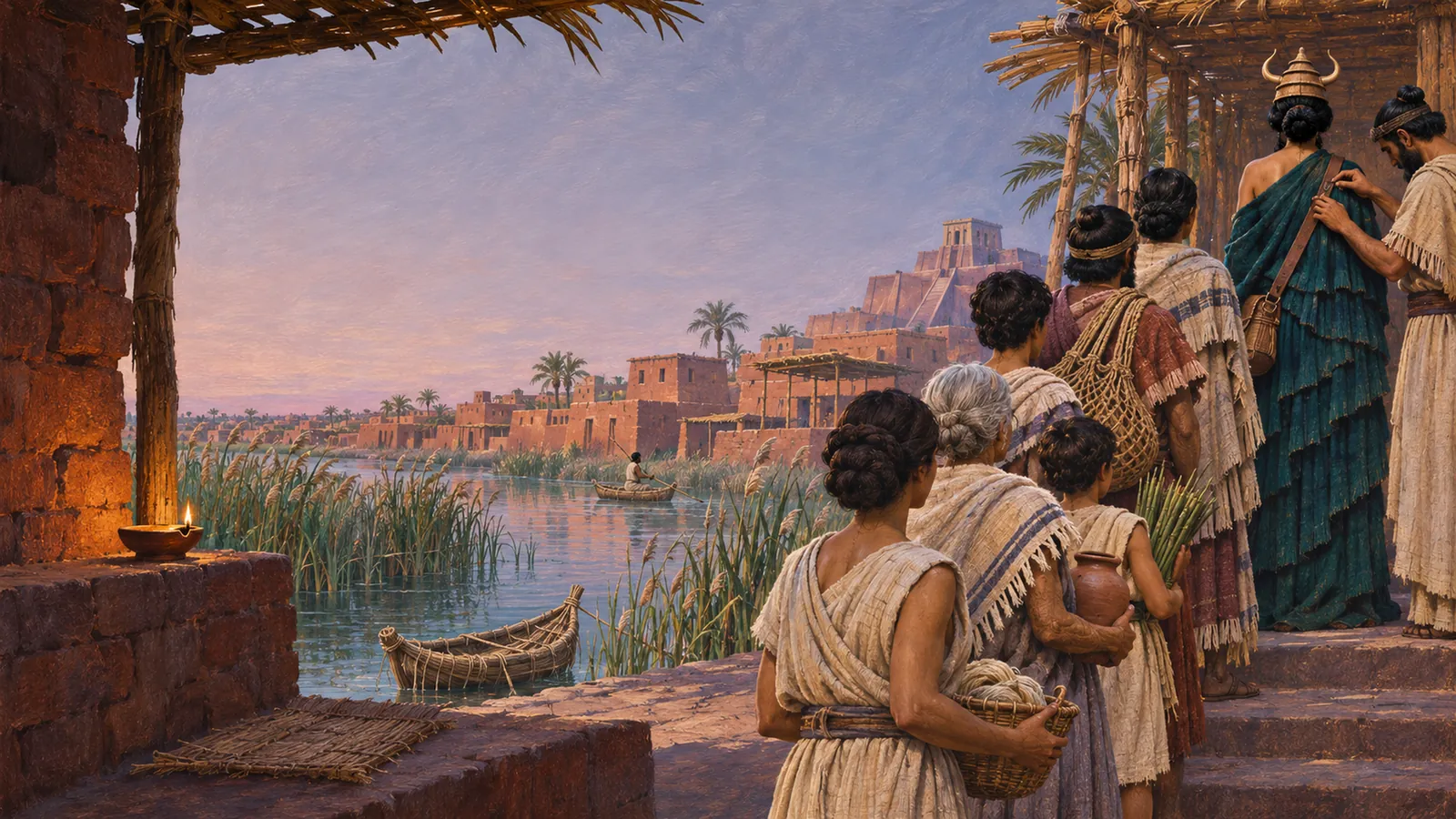
Os servos fazem fila perante Nanshe. Decide-se se quem veste couro pode entrar com ele e se quem veste linho pode passar assim vestido.

Um servo que foi denunciado por fugir perde o seu lugar. Haia regista o servo fiel numa tabuinha e apaga o nome de uma mulher que deixou de ser considerada serva da senhora.
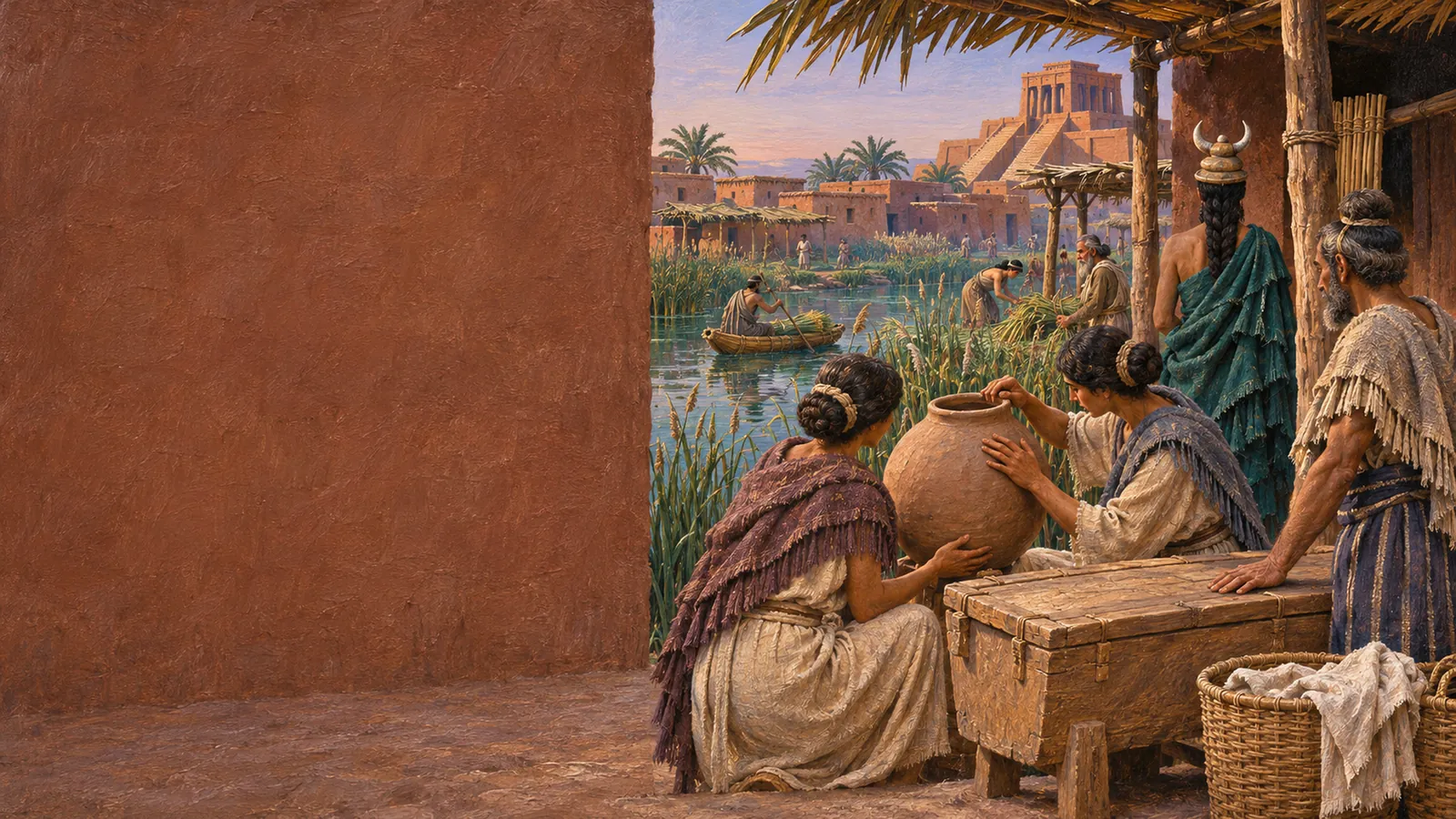
As instruções danificadas mencionam recipientes secos, caminhos em mau estado e uma masseira suja. As passagens sobre fogo e encantamentos estão incompletas. O sacerdote cita-aba em serviço deve ser destituído.
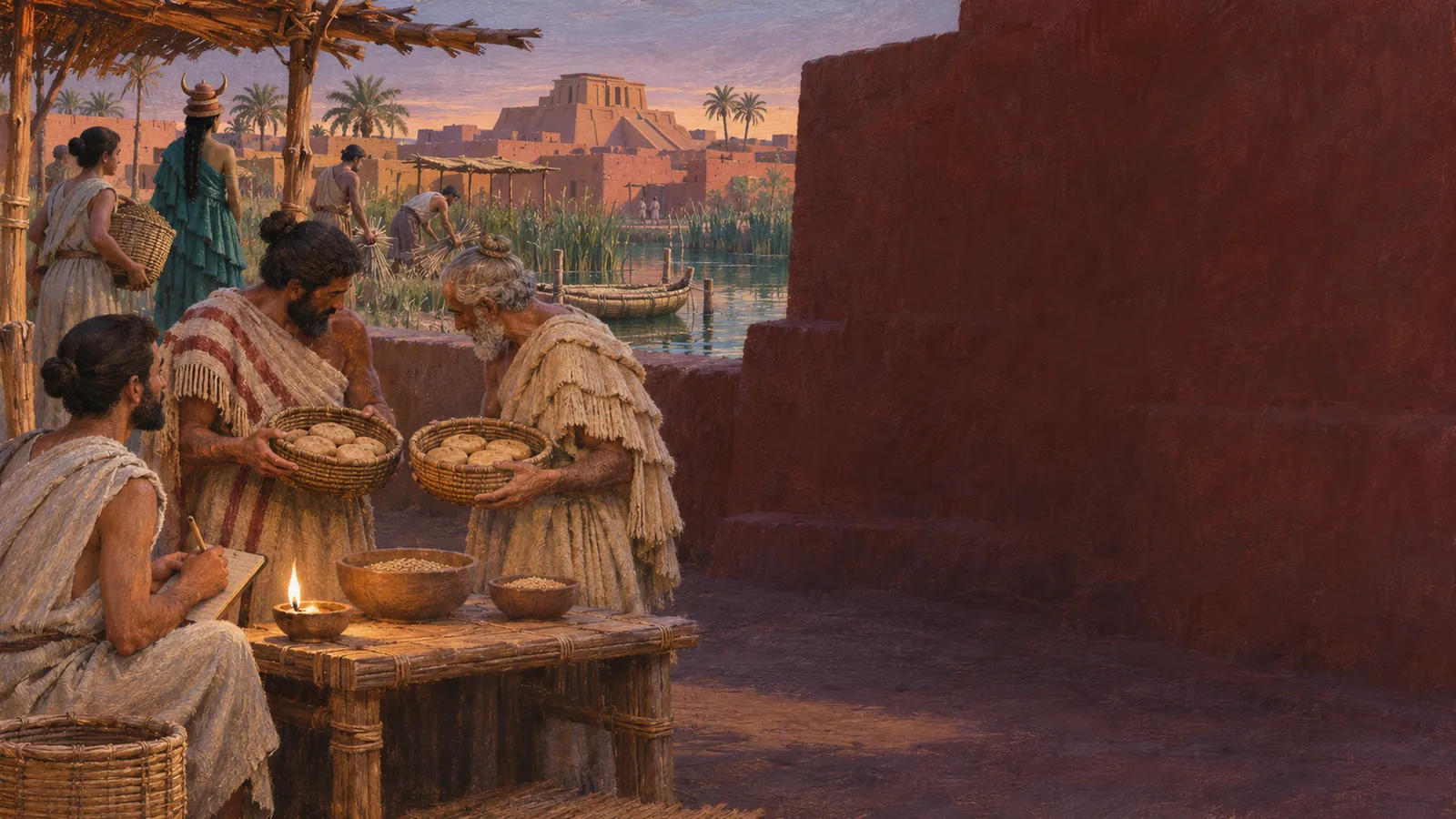
É apresentada uma queixa contra o sacerdote que distribui comida. Outro sacerdote faltou ao seu serviço, numa leitura parcialmente incerta. A passagem diz que se recusam mais rações.
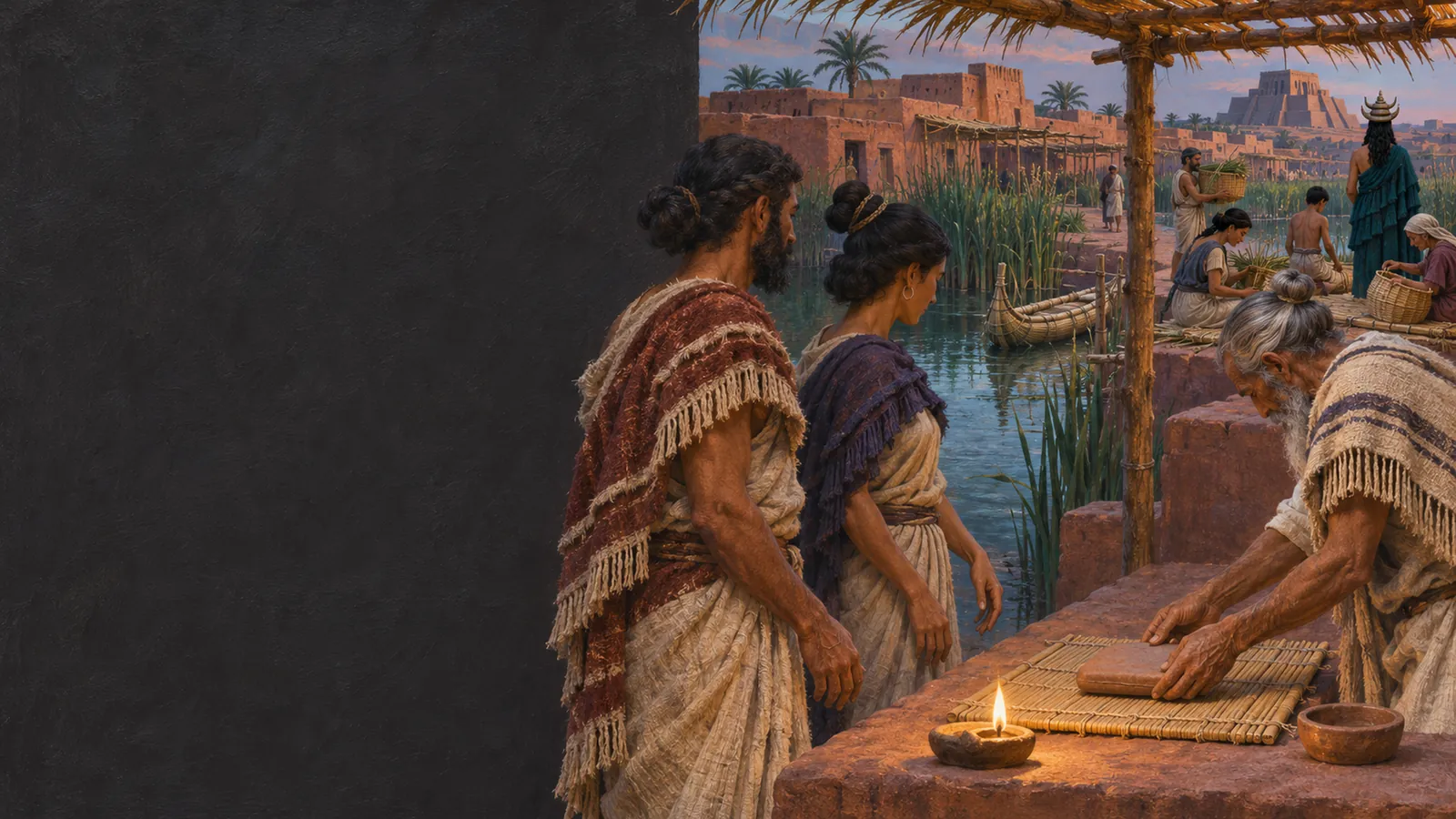
O hino diz que estas instruções são definitivas. Diz que nada se deve acrescentar aos ritos. As últimas palavras da passagem são obscuras.
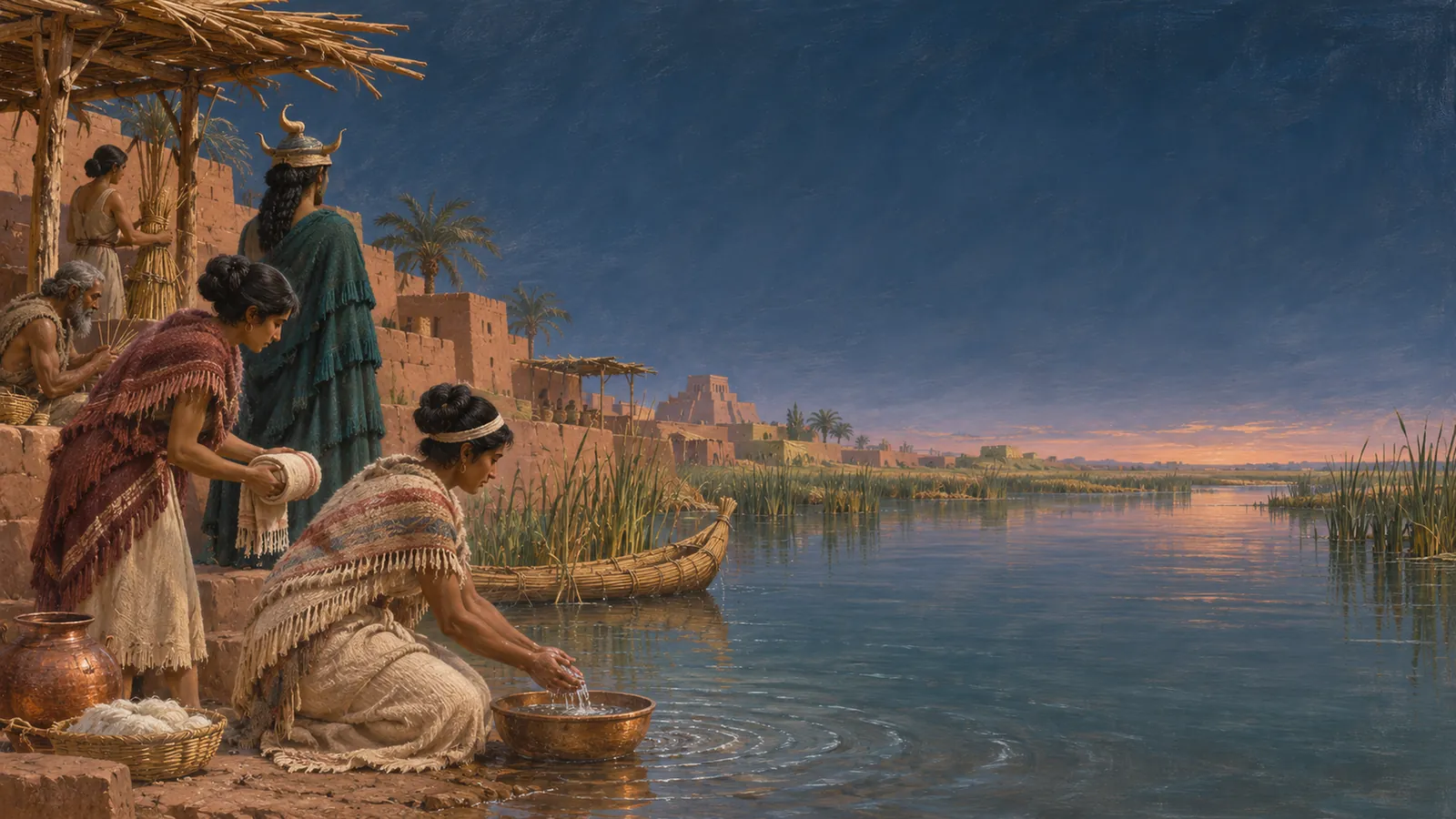
Na casa de Nanshe, diz o hino, o rio da ordália purifica uma pessoa. Fala depois, em palavras incompletas, de mensagens e cânticos que saem do Abzu.
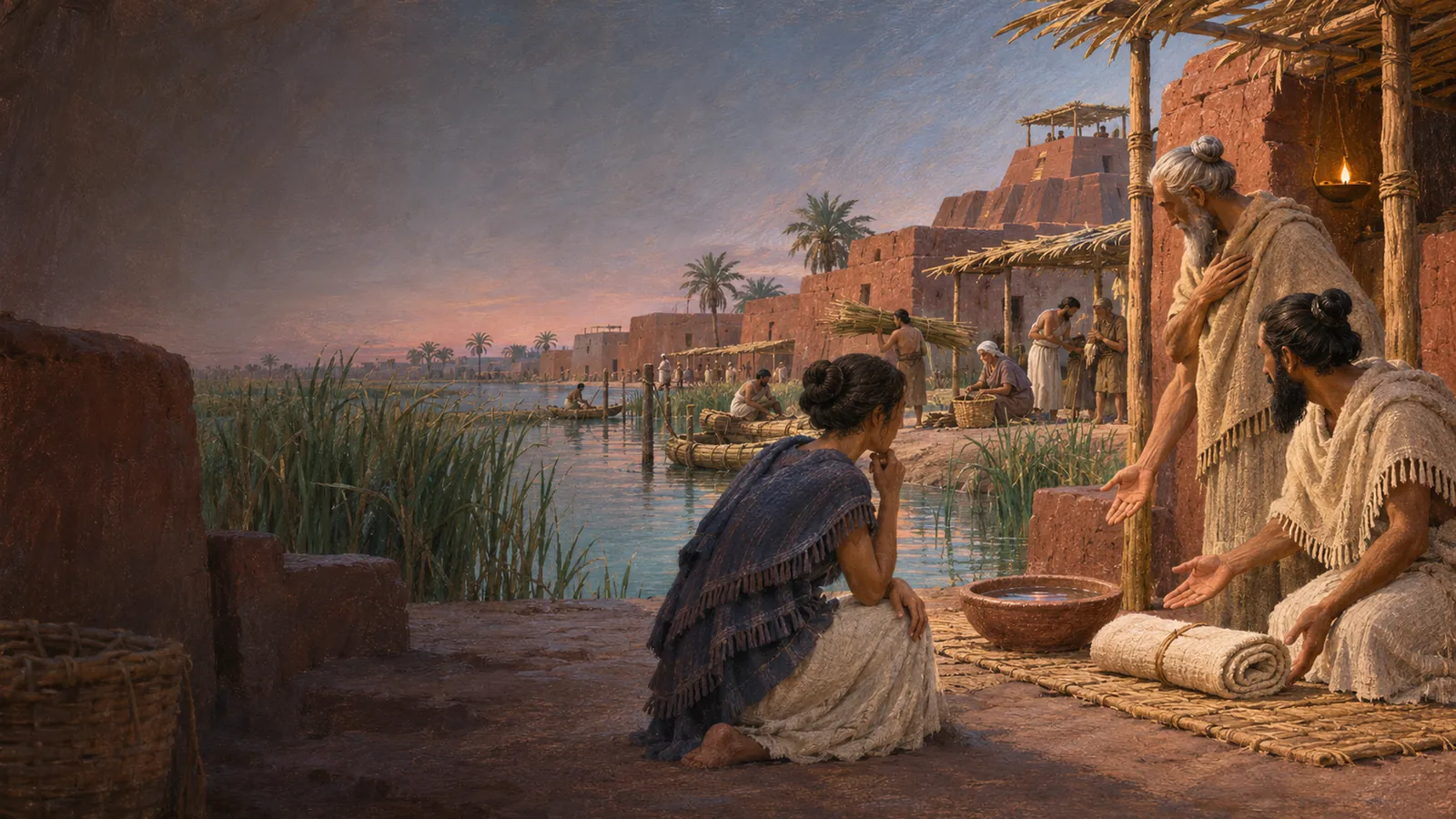
Numa leitura que a edição assinala como incerta, sacerdotes escolhem ritos de purificação. O hino proíbe palavras obstinadas ou ameaçadoras quando regressa aos termos dos ritos.
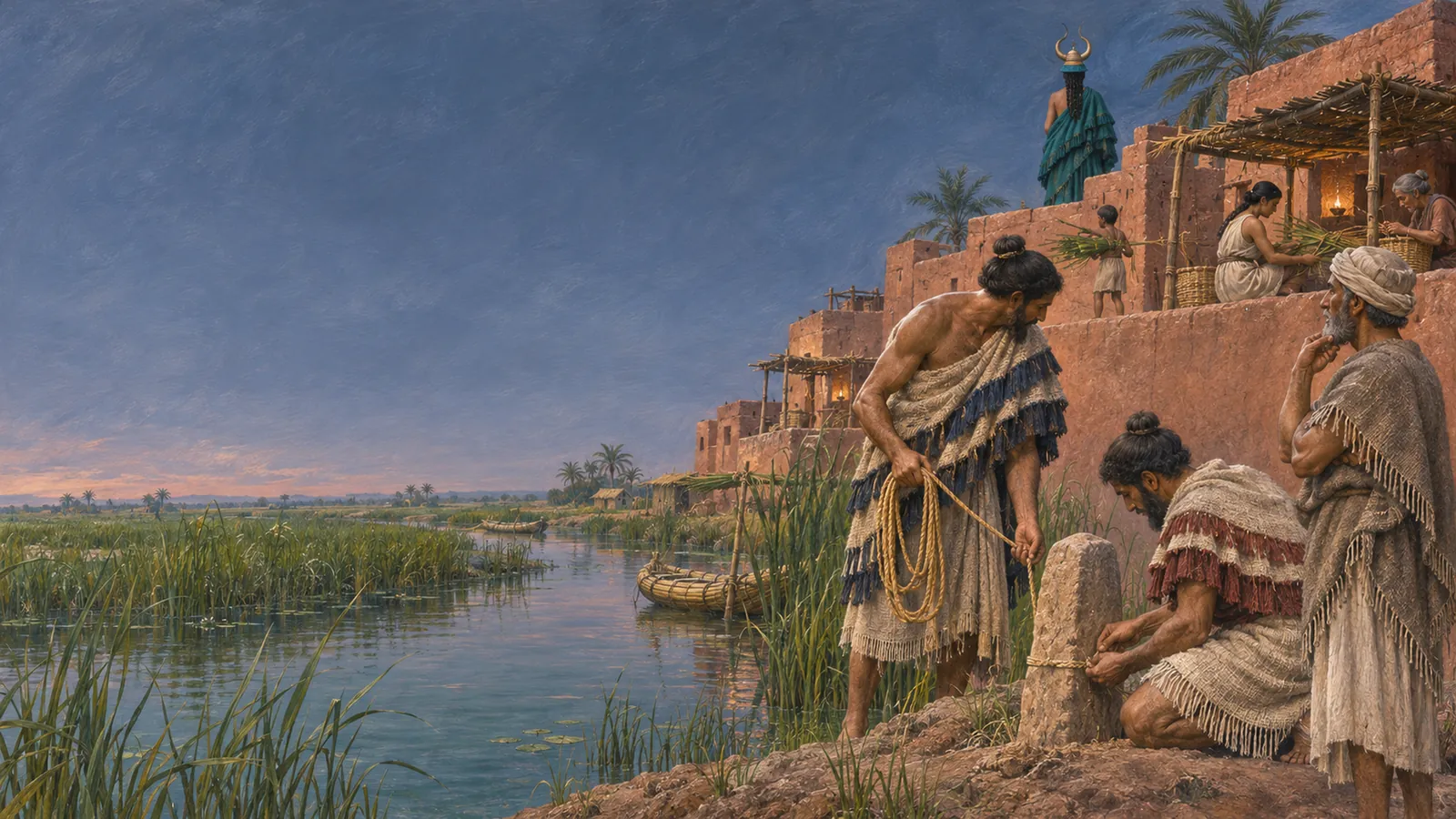
OS LIMITES
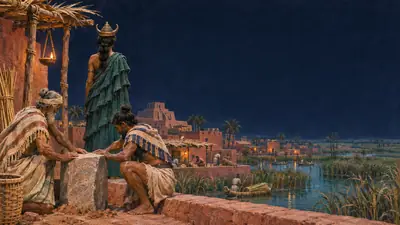
O hino menciona quem pratica violência ou altera um limite traçado. Um fragmento talvez descreva alguém a estender a mão à força. As palavras sobre o alicerce firme e o lugar do juramento estão danificadas.
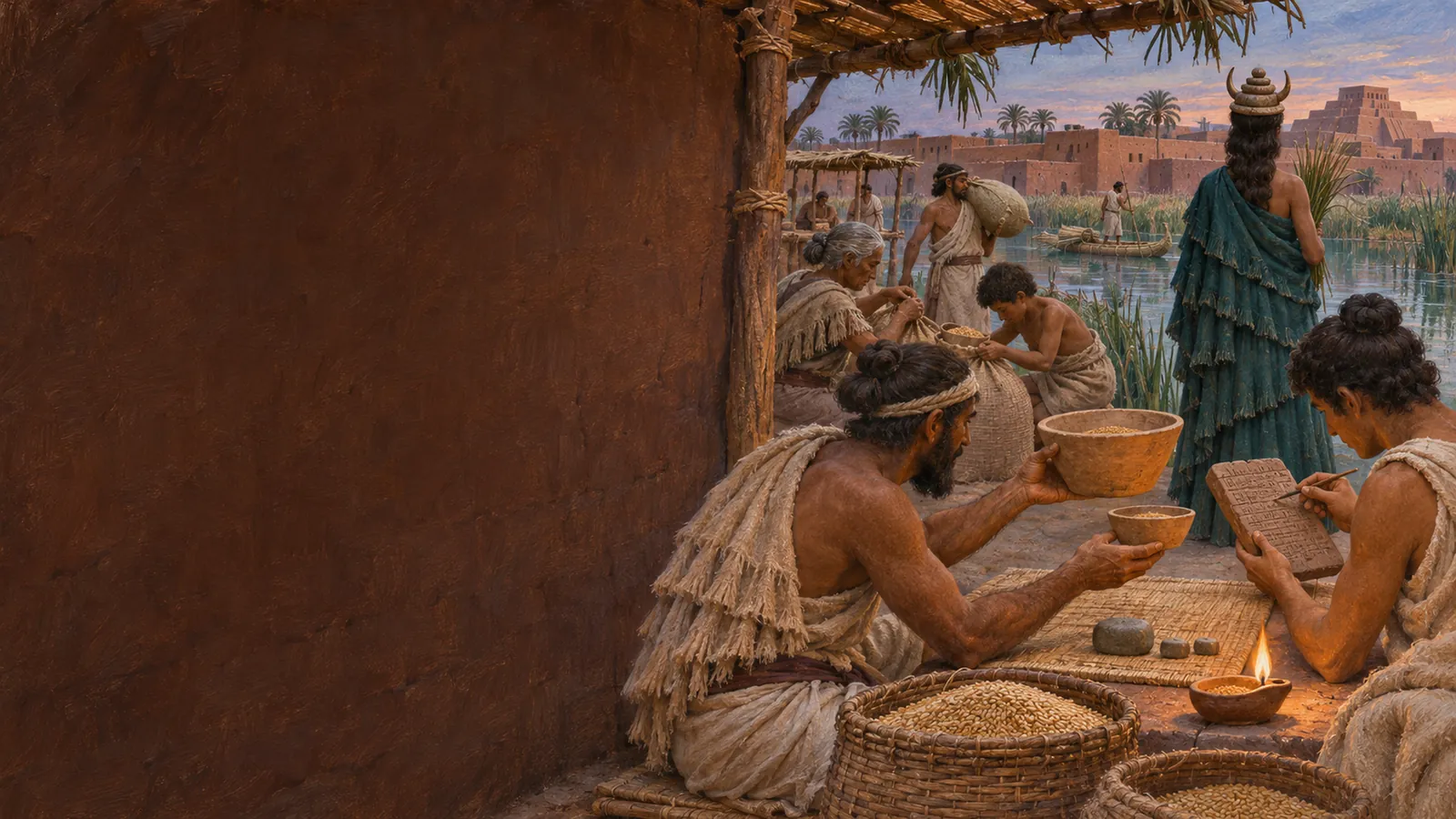
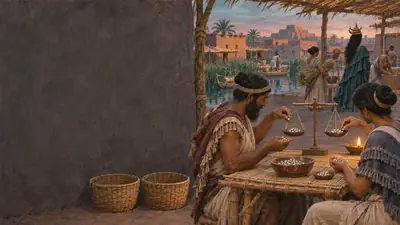
O hino talvez descreva o uso de um peso pequeno em vez de um grande e de uma medida ban pequena em vez de uma grande. Fala também do desejo de obter mais depois de já ter conseguido algo.
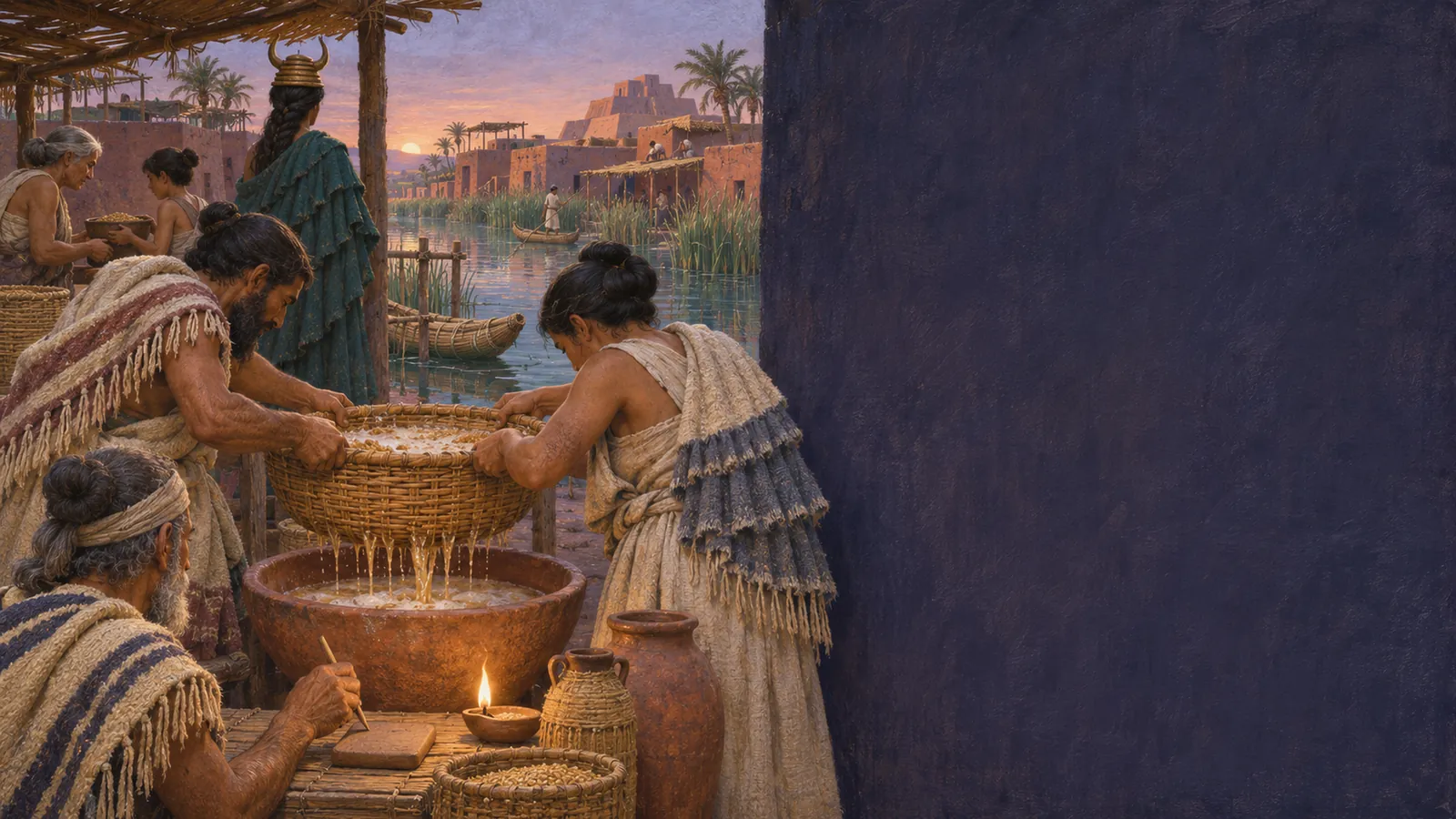
O hino descreve pessoas que comeram ou beberam sem o dizer e depois prometem colocar uma tigela e filtrar cerveja. As frases seguintes, sobre uma serva e uma pessoa indigna de confiança, estão danificadas.
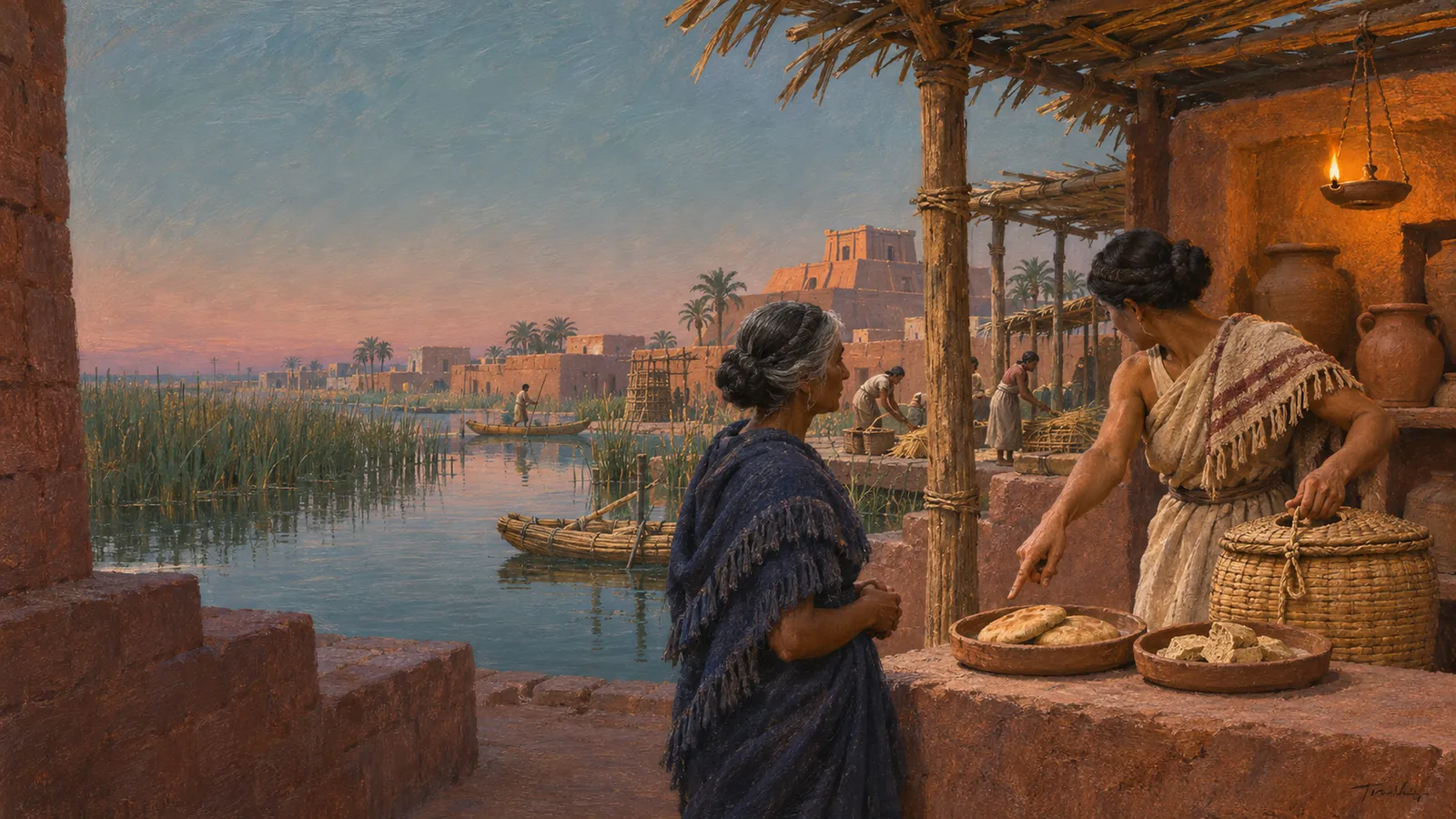
Nesta passagem, uma pessoa pede comida ou bebida, e Nanshe proíbe-lhe o pão com gordura ou os ovos brilhantes. As palavras sobre o serviço e a infração são incertas.
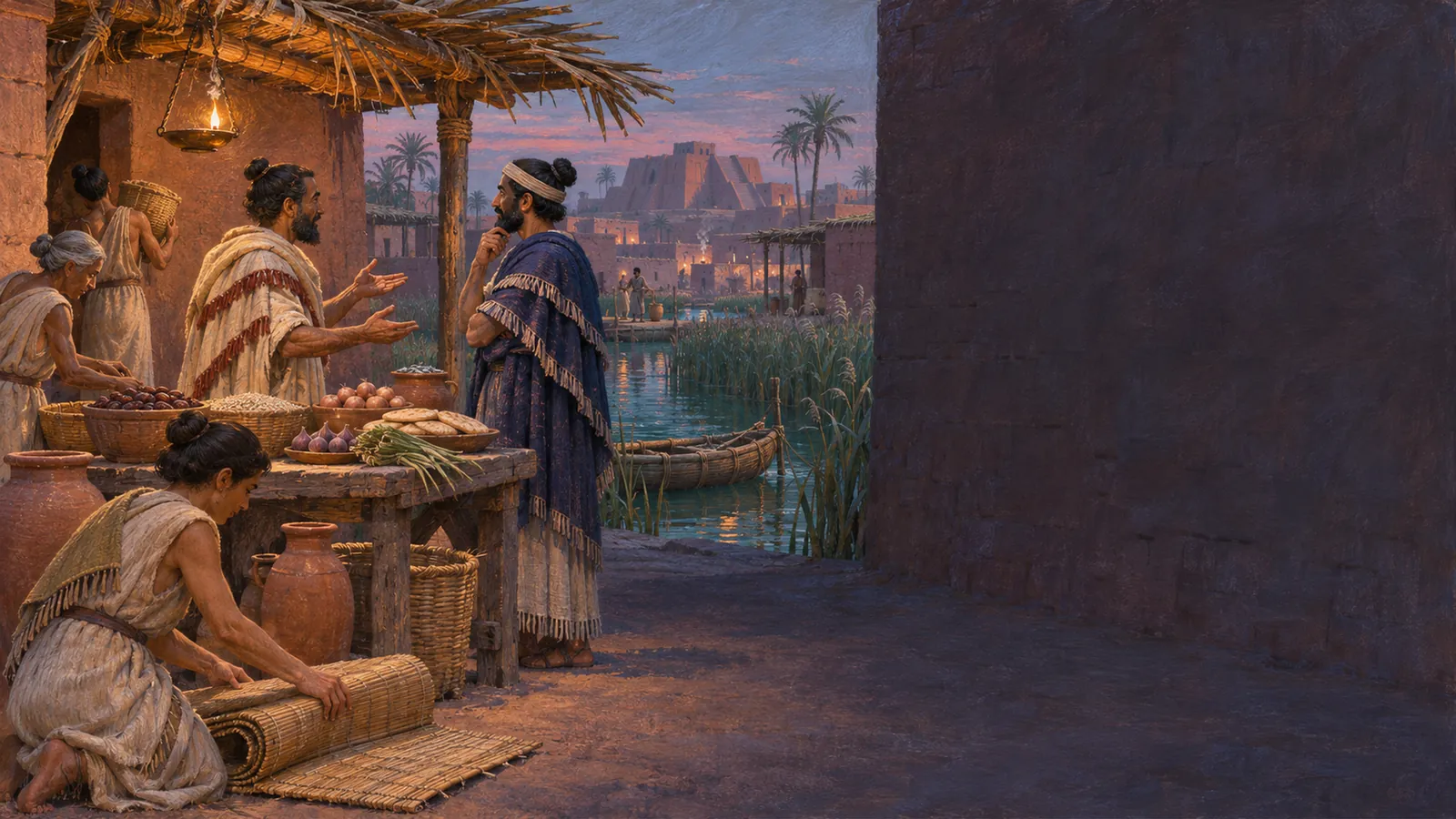
As linhas danificadas referem-se ao que acontece se for permitido comer a uma pessoa que praticou violência. Restam palavras sobre os olhos, uma boca incapaz de se mover e pés que se arrastam.
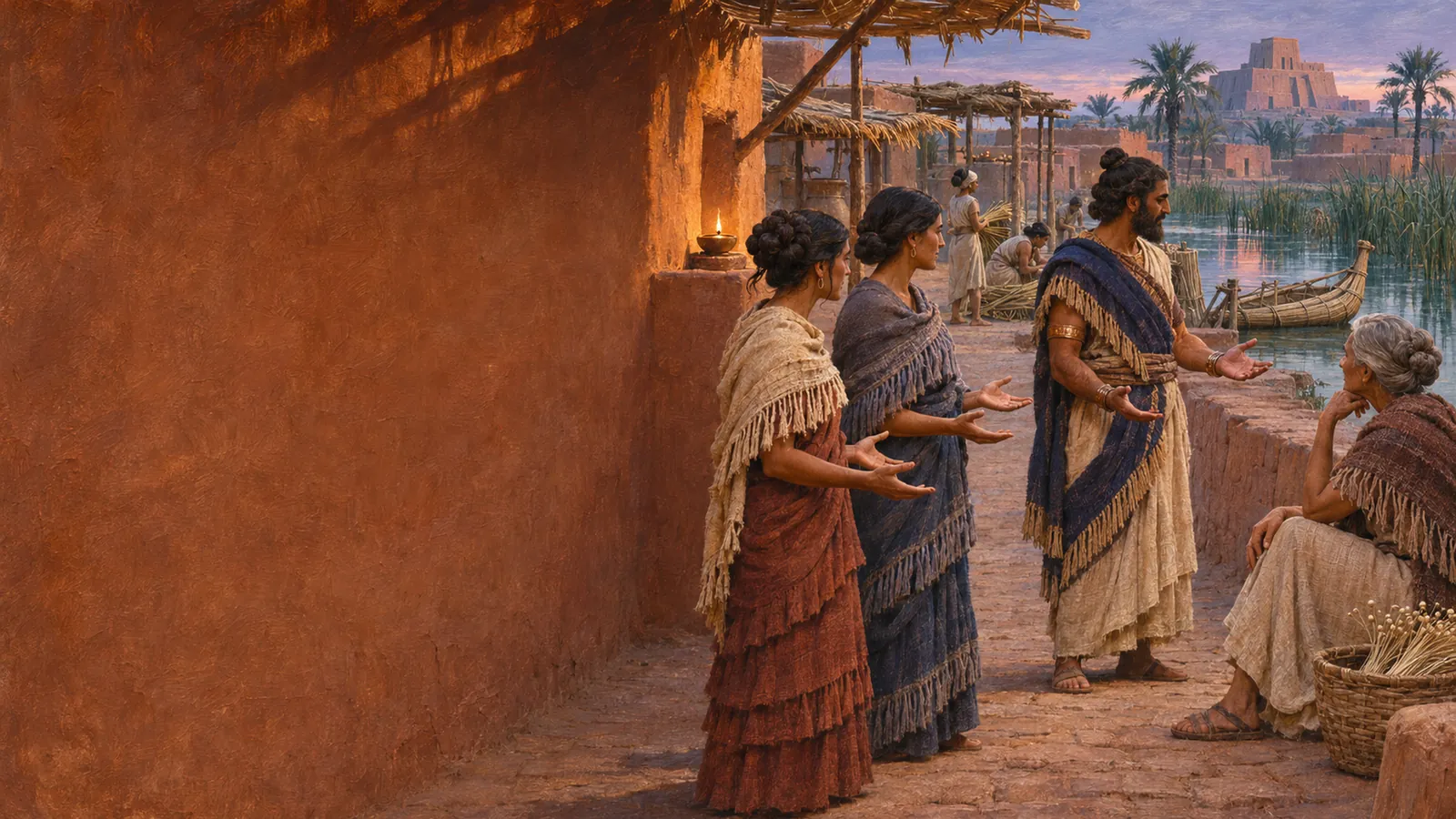
Outras linhas danificadas mencionam uma pessoa poderosa, uma pessoa rica na rua e um homem casado. Mencionam a mulher dele e uma viúva, mas perderam-se as palavras que as ligam. Mais adiante há referências à ira e ao escárnio.
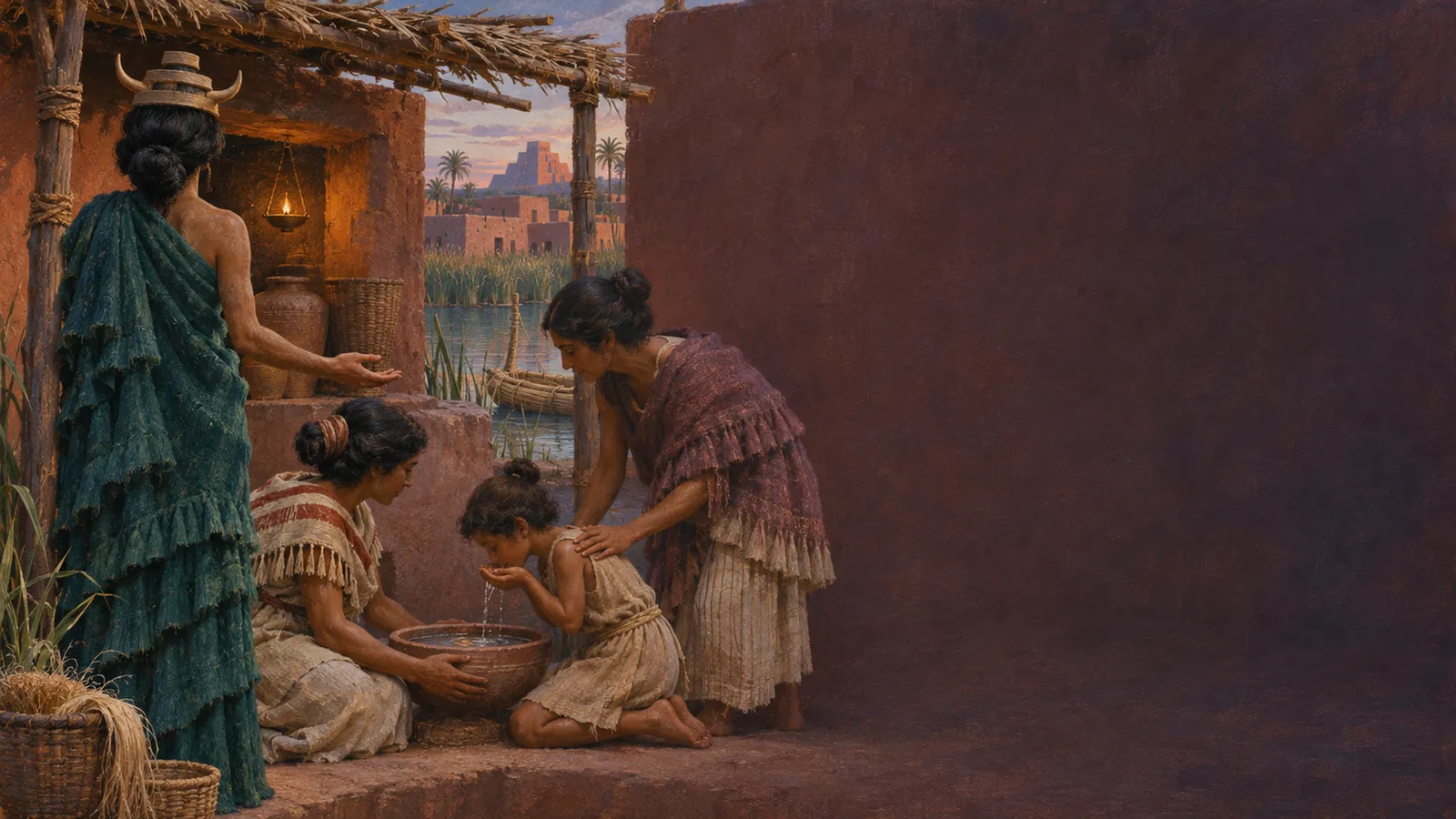
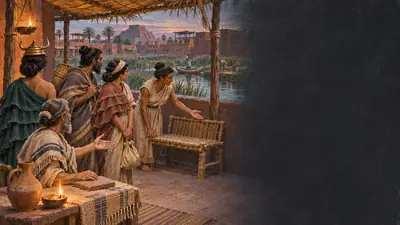
O hino diz que Nanshe vê o que há no coração das pessoas. Linhas danificadas nomeiam um órfão e uma viúva, e falam depois de uma criança desamparada entregue aos poderosos e dos poderosos entregues aos que não têm poder.
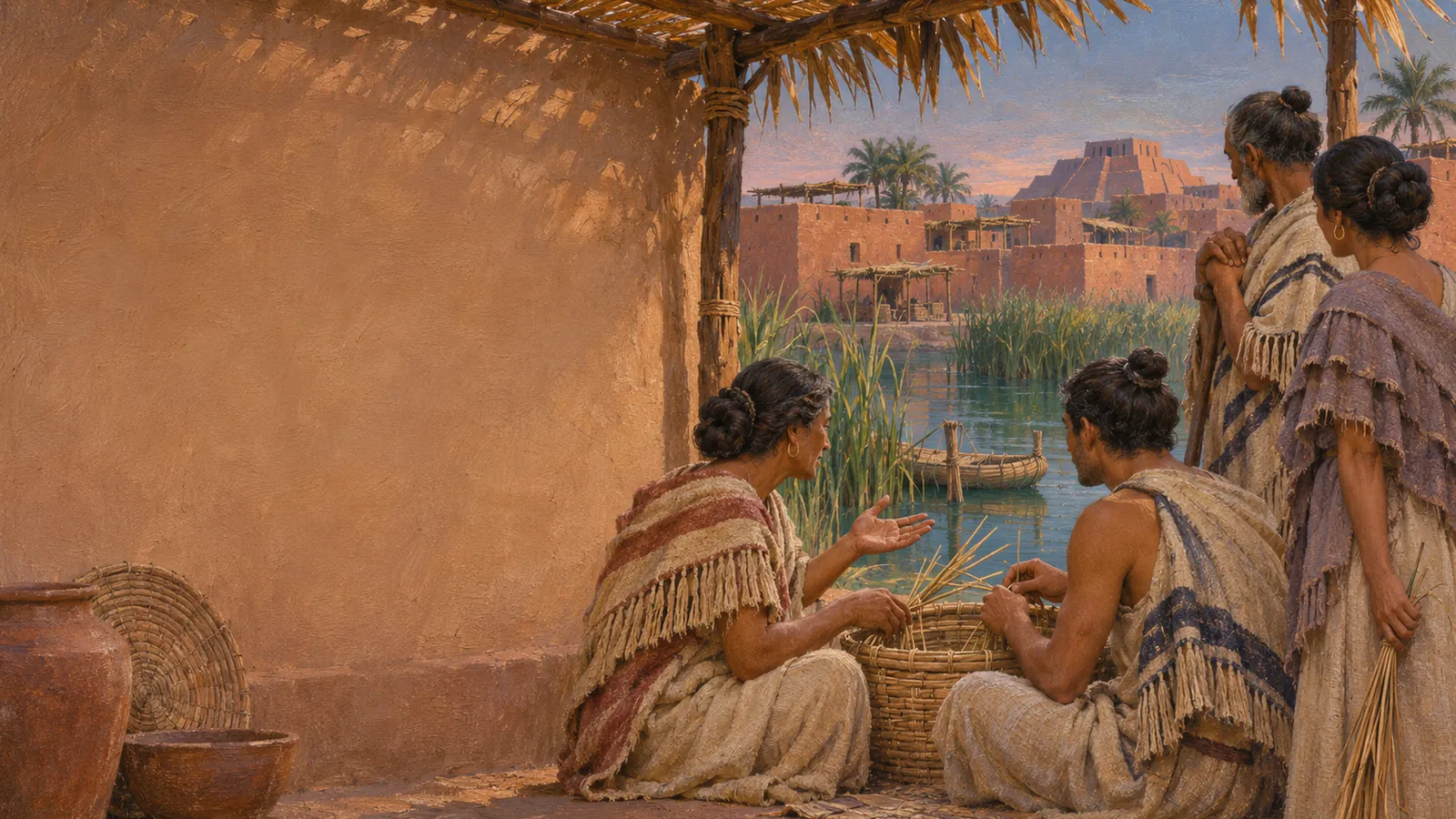
O hino menciona uma mãe que repreende o filho e uma criança que fala com teimosia à mãe. Menciona também um irmão mais novo que fala contra o mais velho ou responde mal ao pai.
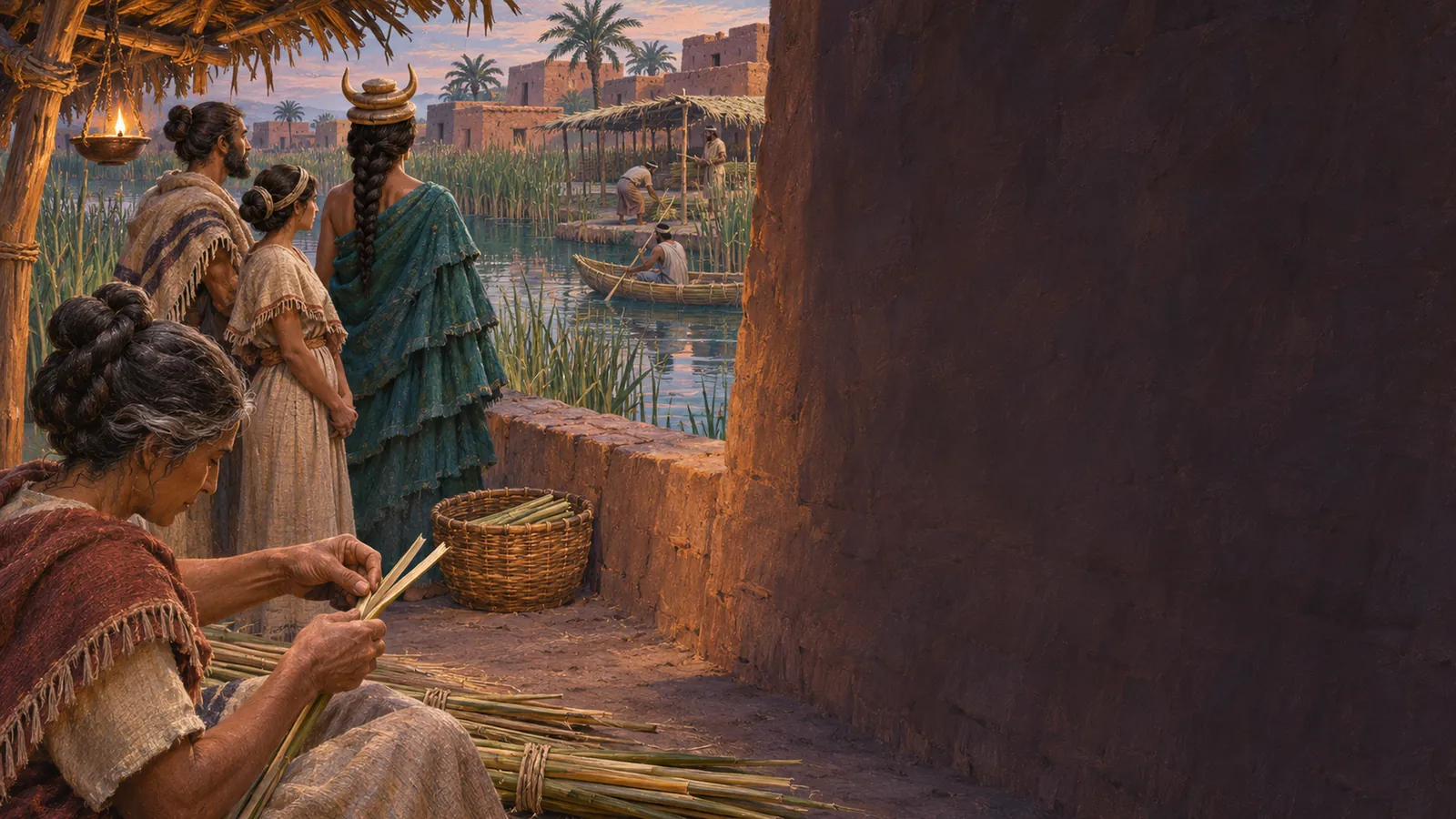
O hino diz que Nanshe vê o coração da terra como se fosse uma cana fendida. A última linha desta passagem é obscura.
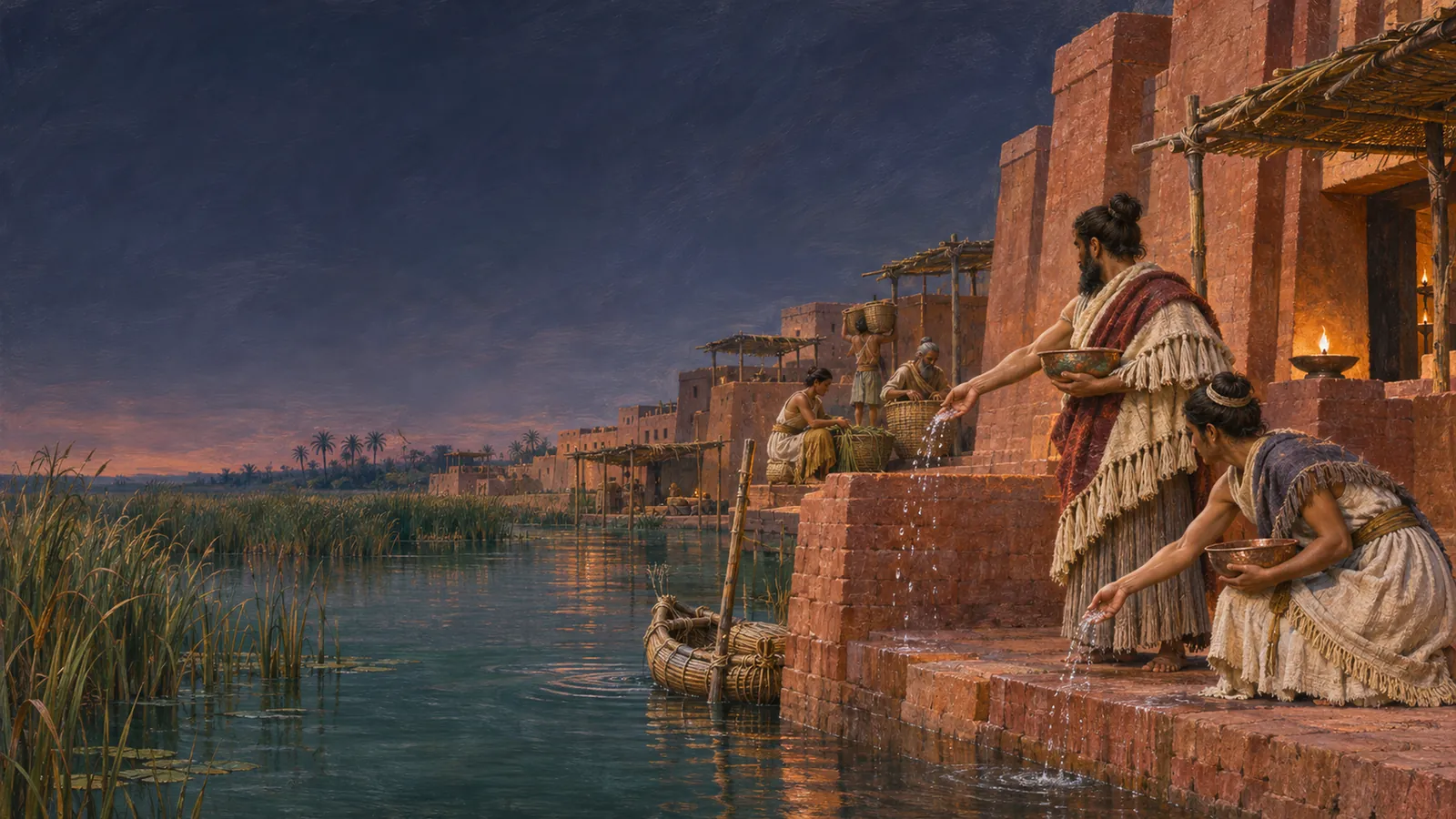
Linhas danificadas nomeiam o arauto Hendursaja e o espírito protetor Dumu-tur-cugi. Mencionam a casa de Nanshe, em Sirara, aspergida com água. Outras palavras sobre o que acontece, talvez à noite, estão danificadas.
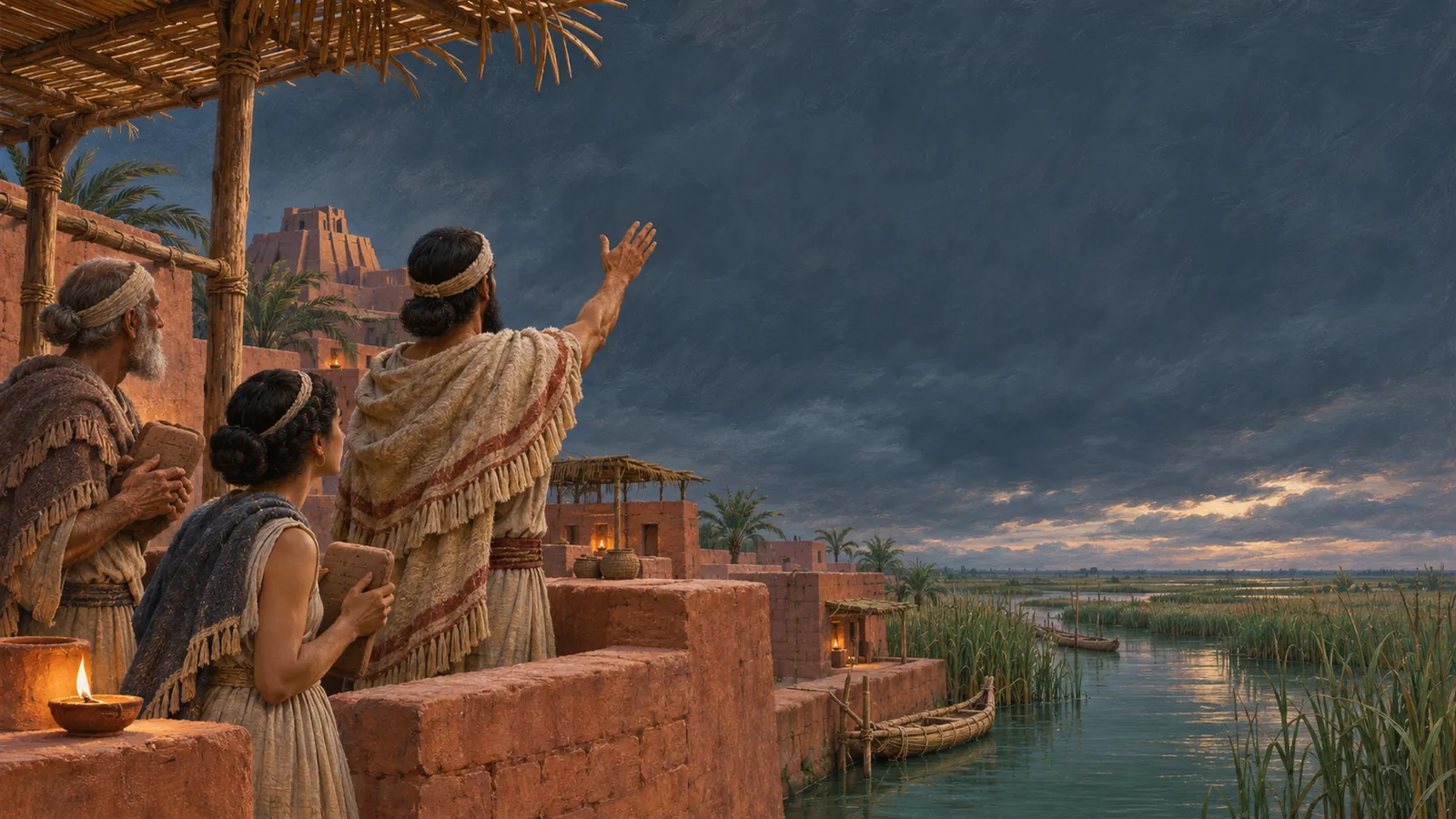
Hendursaja proclama os decretos da casa de Nanshe. O hino compara-os a fumo denso que desce e a nuvens espessas que cobrem o céu, e diz depois que Hendursaja rasga essas nuvens.
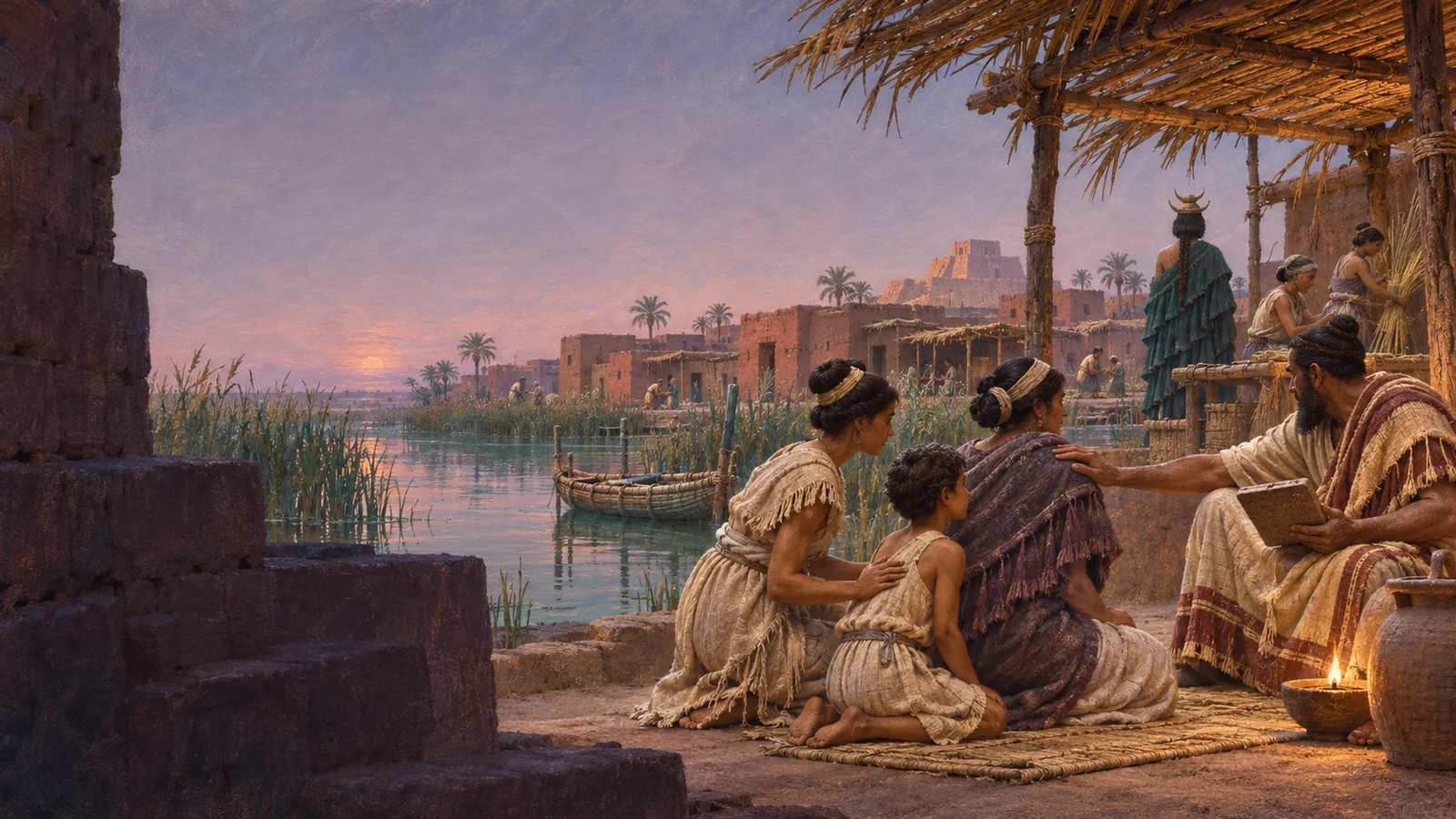
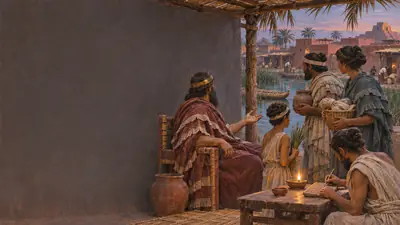
O hino diz que Hendursaja sabe distinguir os justos dos malvados. Louva a sua capacidade de fazer justiça tanto ao órfão como à viúva.
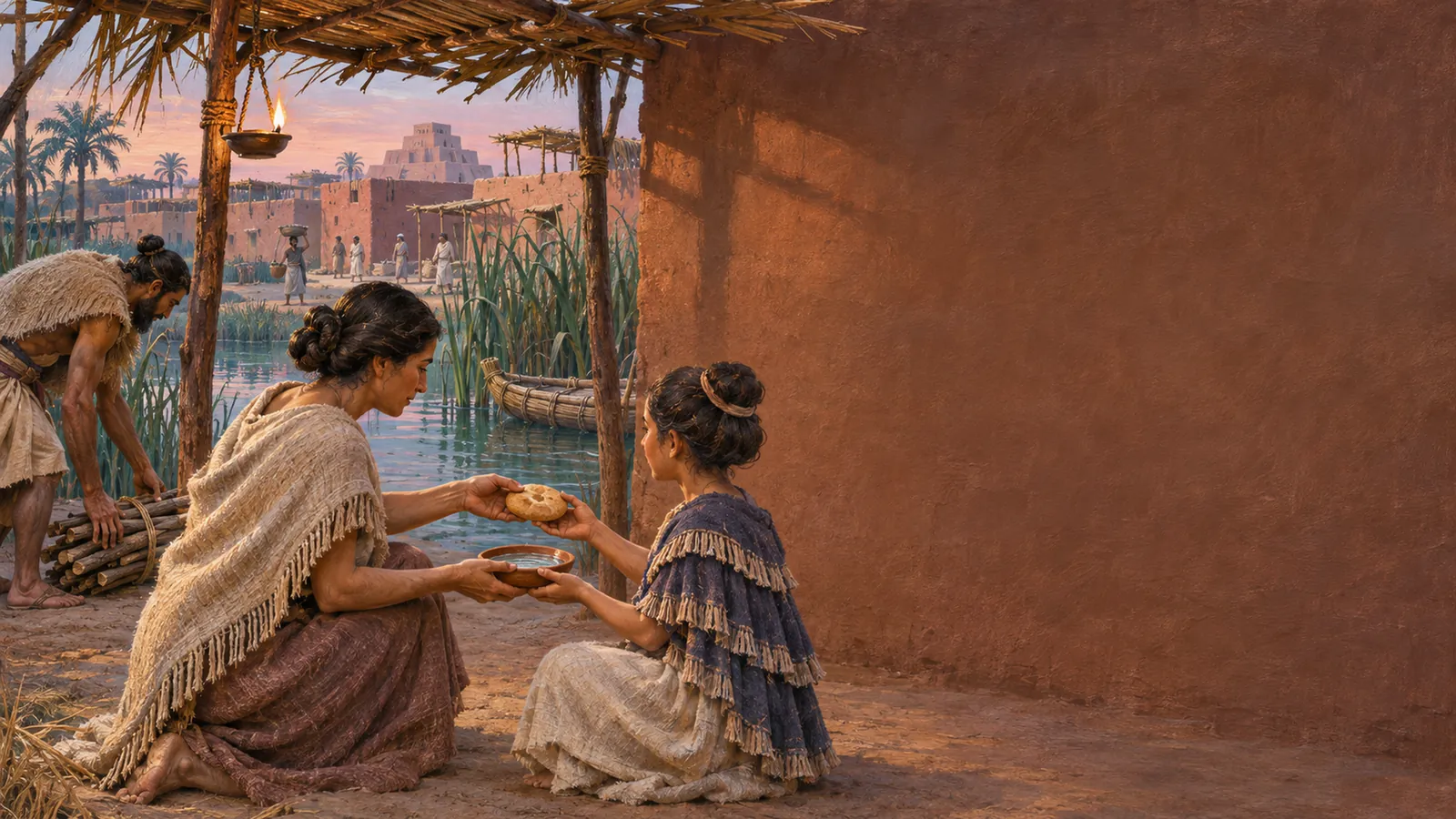
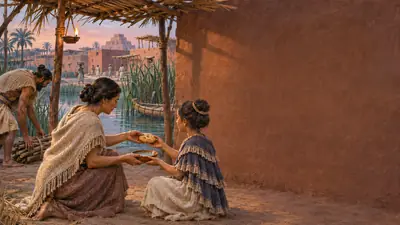
Um caso começa com uma mãe que deu ao filho do que tinha para comer e beber. As palavras seguintes sobre uma entrega de lenha estão danificadas.
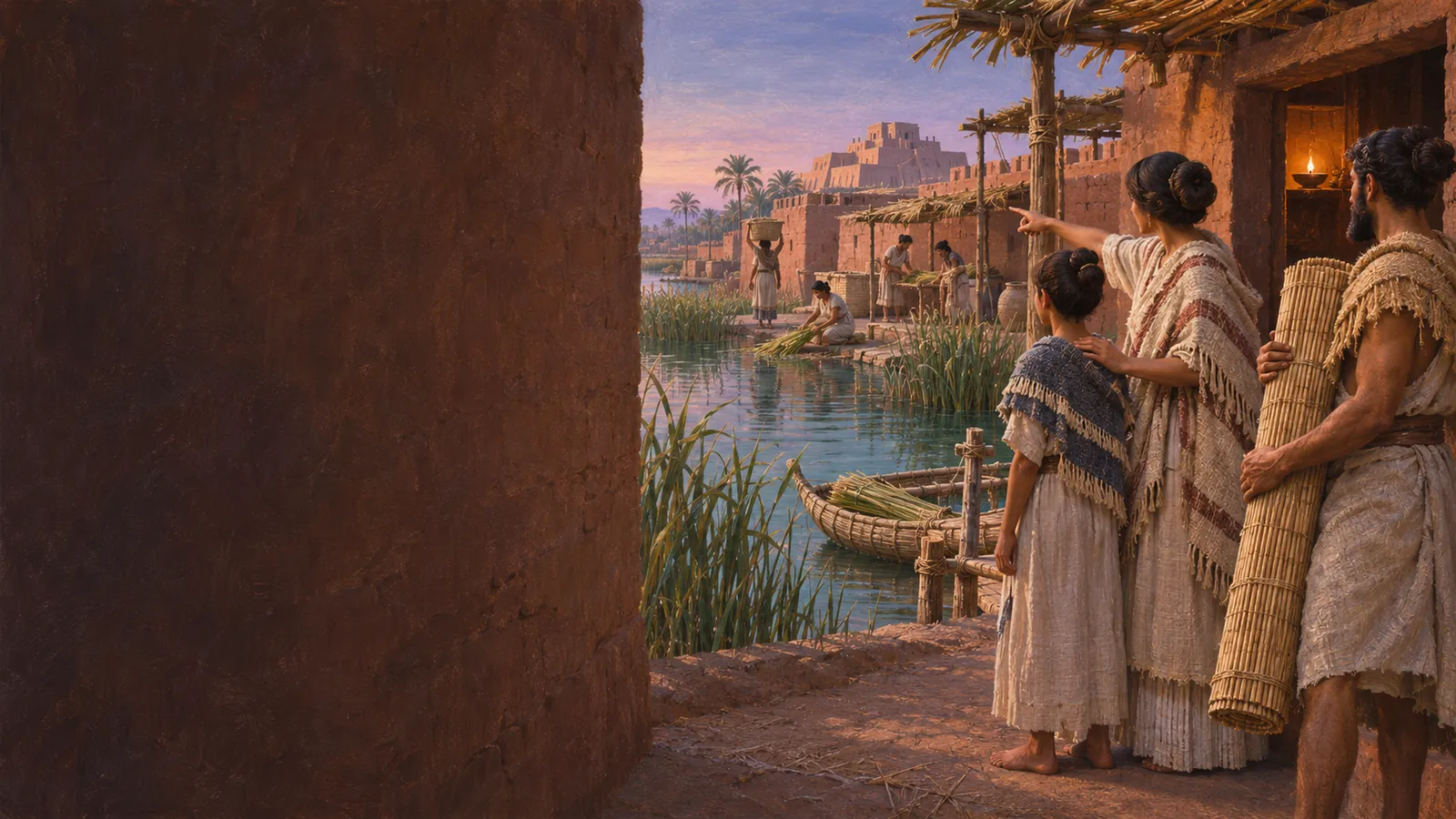
A passagem que resta diz que a criança não falou com ira à mãe. Ela mandou-a ir ao lugar onde acontecera a falta.
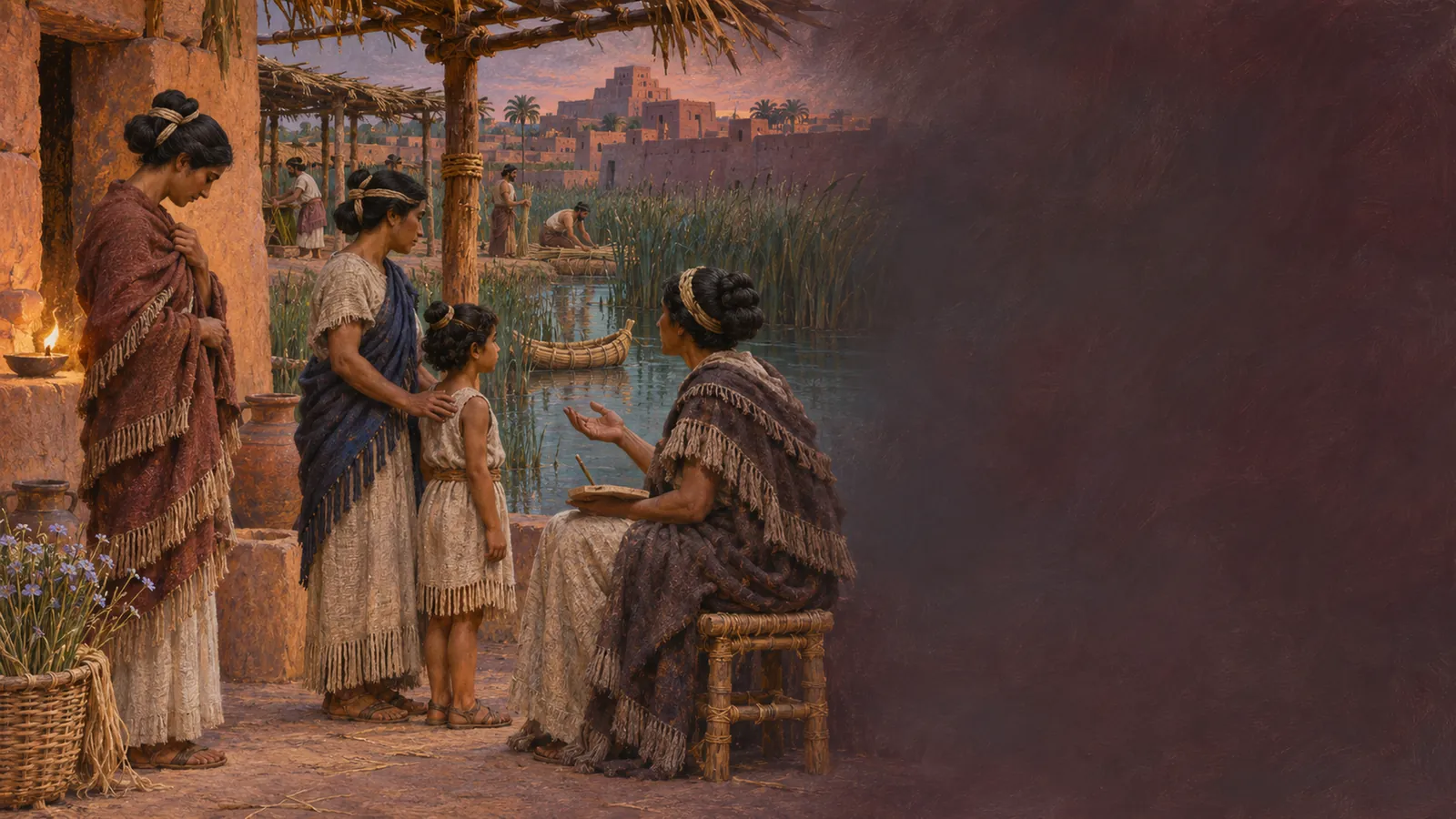
A mãe bateu no filho, e o hino recorda que o tinha amamentado. Falta uma parte do verso que menciona o golpe.
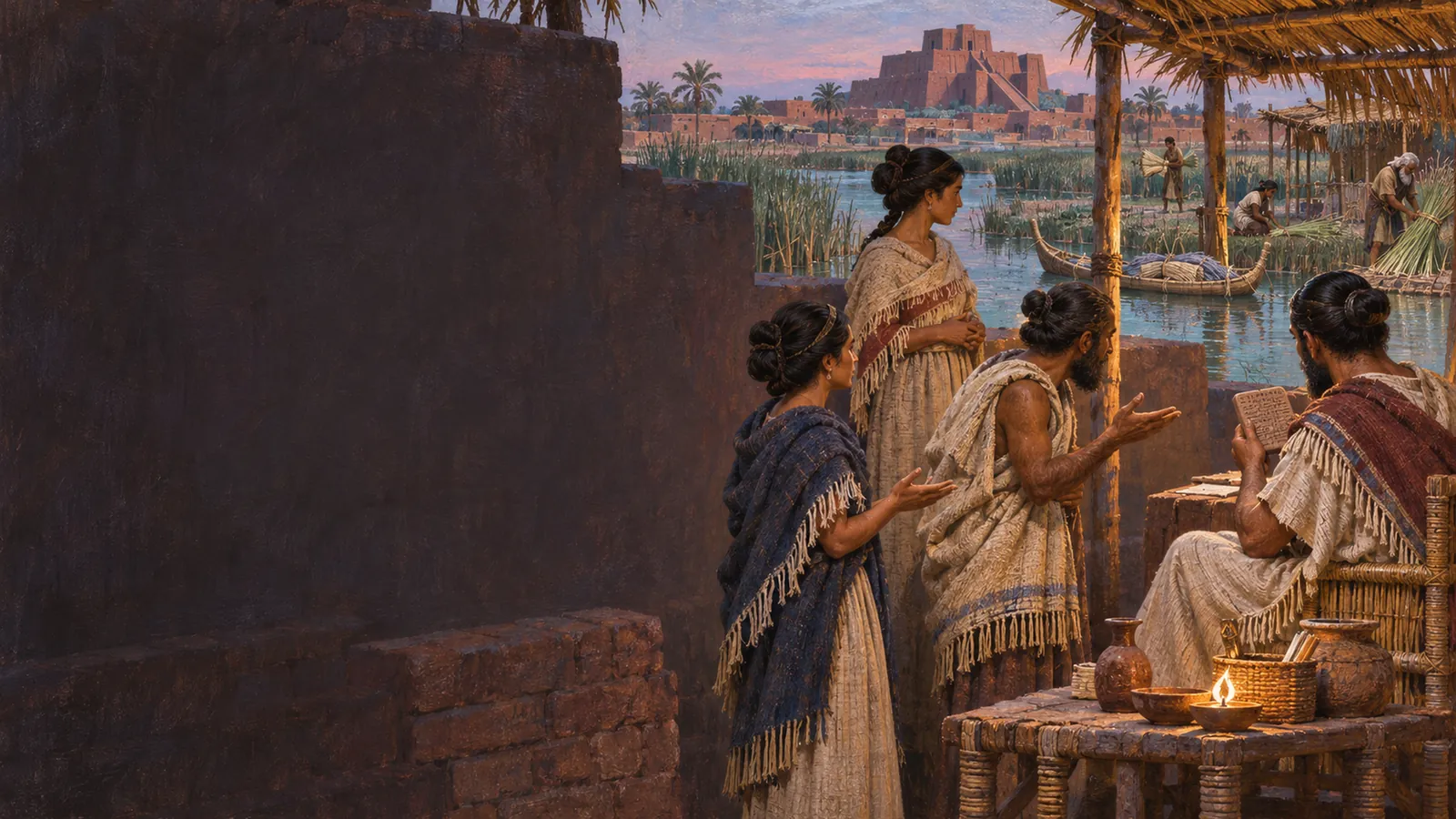
Hendursaja examinou os testemunhos e atribuiu a culpa à mãe. O hino diz que seria difícil suportar o peso dessa culpa e que ela não teria um deus a quem dirigir a sua oração.
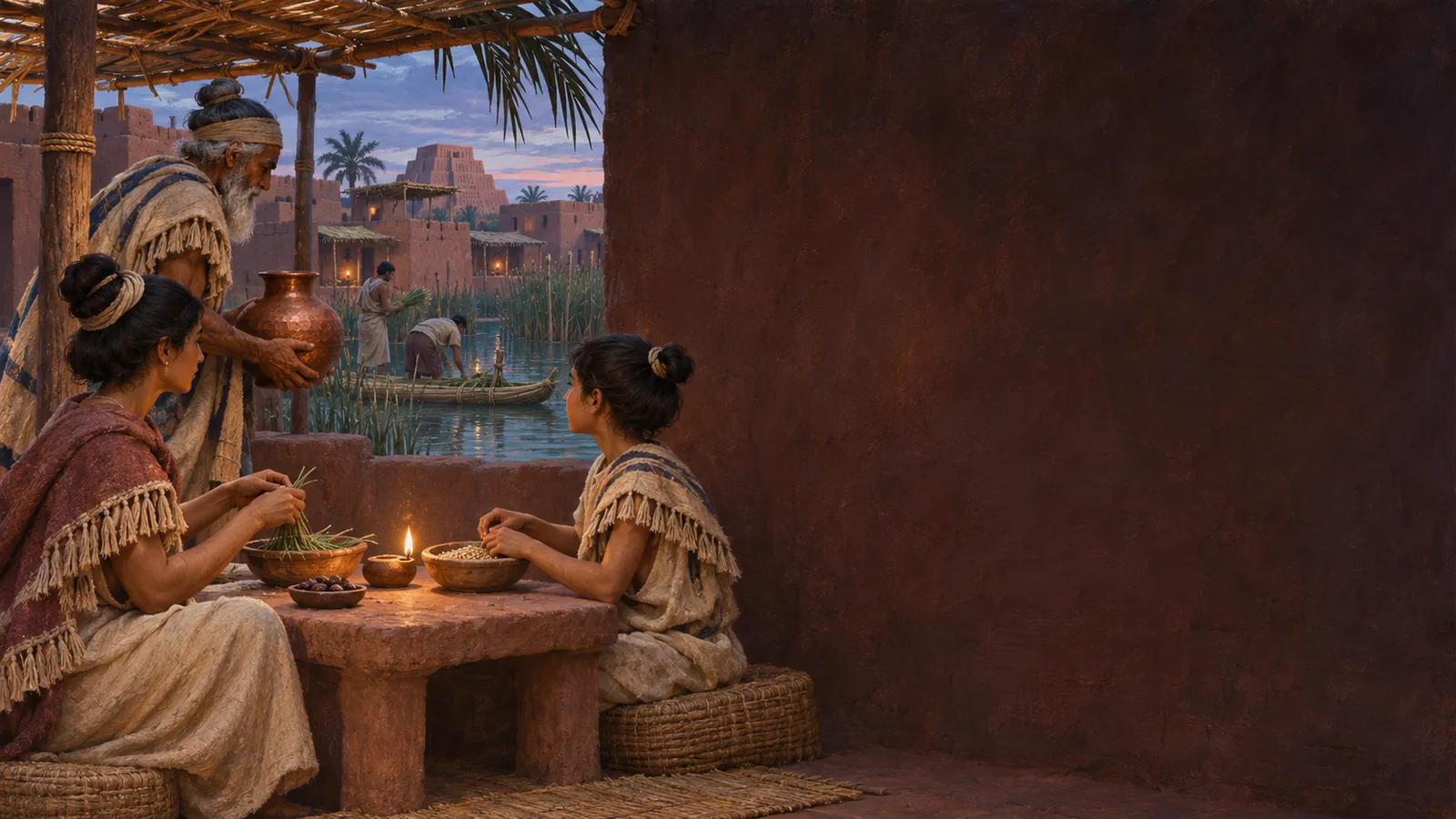
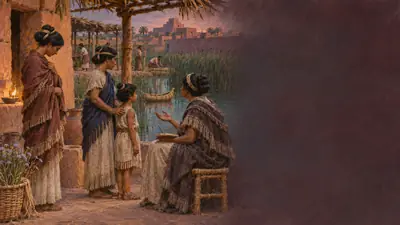
Um segundo caso fala de uma mãe que não deu ao filho do que tinha para comer ou beber. Nos versos conservados, a criança fala-lhe com ira.
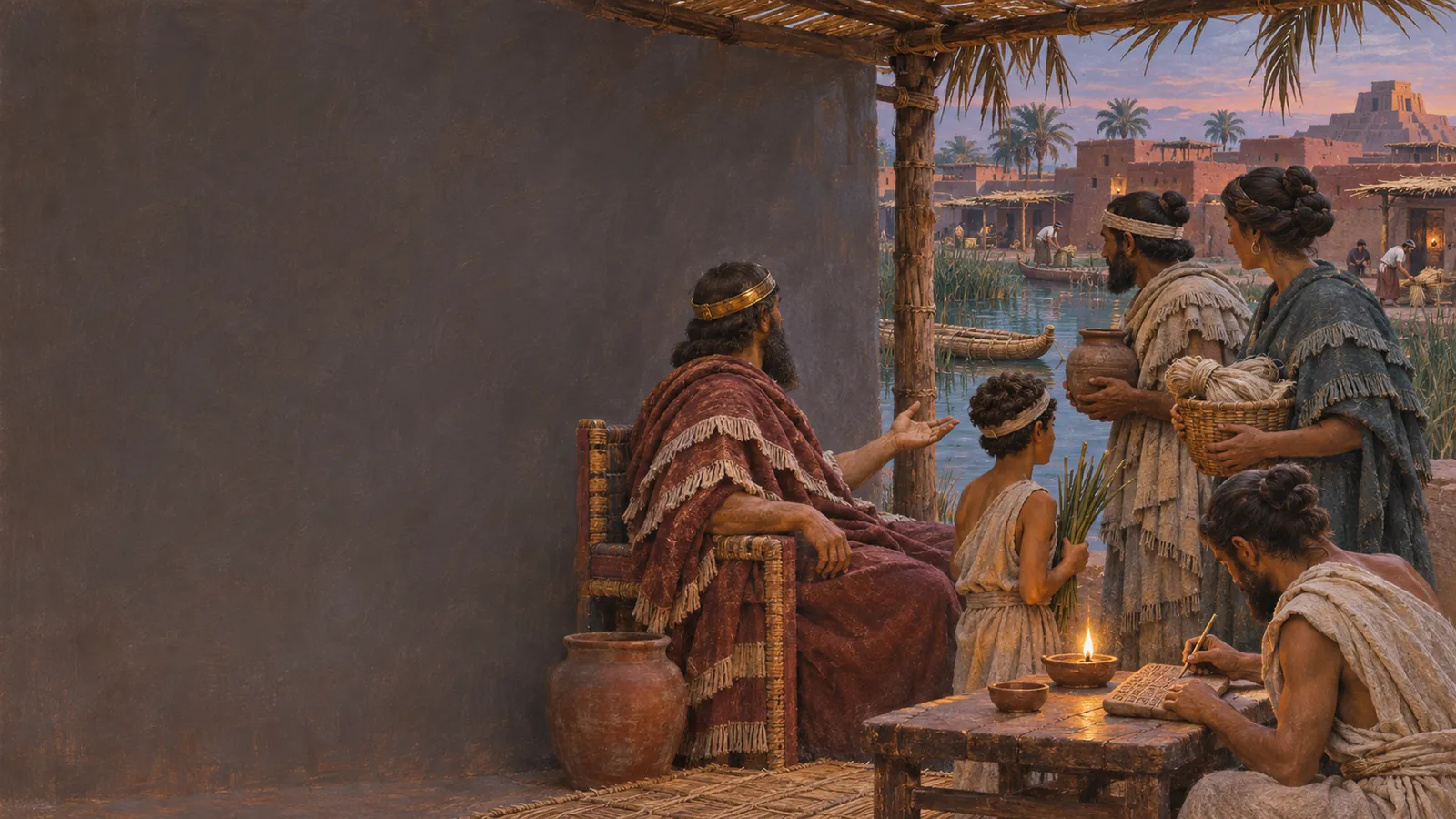
No segundo caso, Hendursaja rejeita a criança por consideração à mãe. O hino compara a pessoa a água num lugar sujo e a rejeição à de um grão em solo ácido.
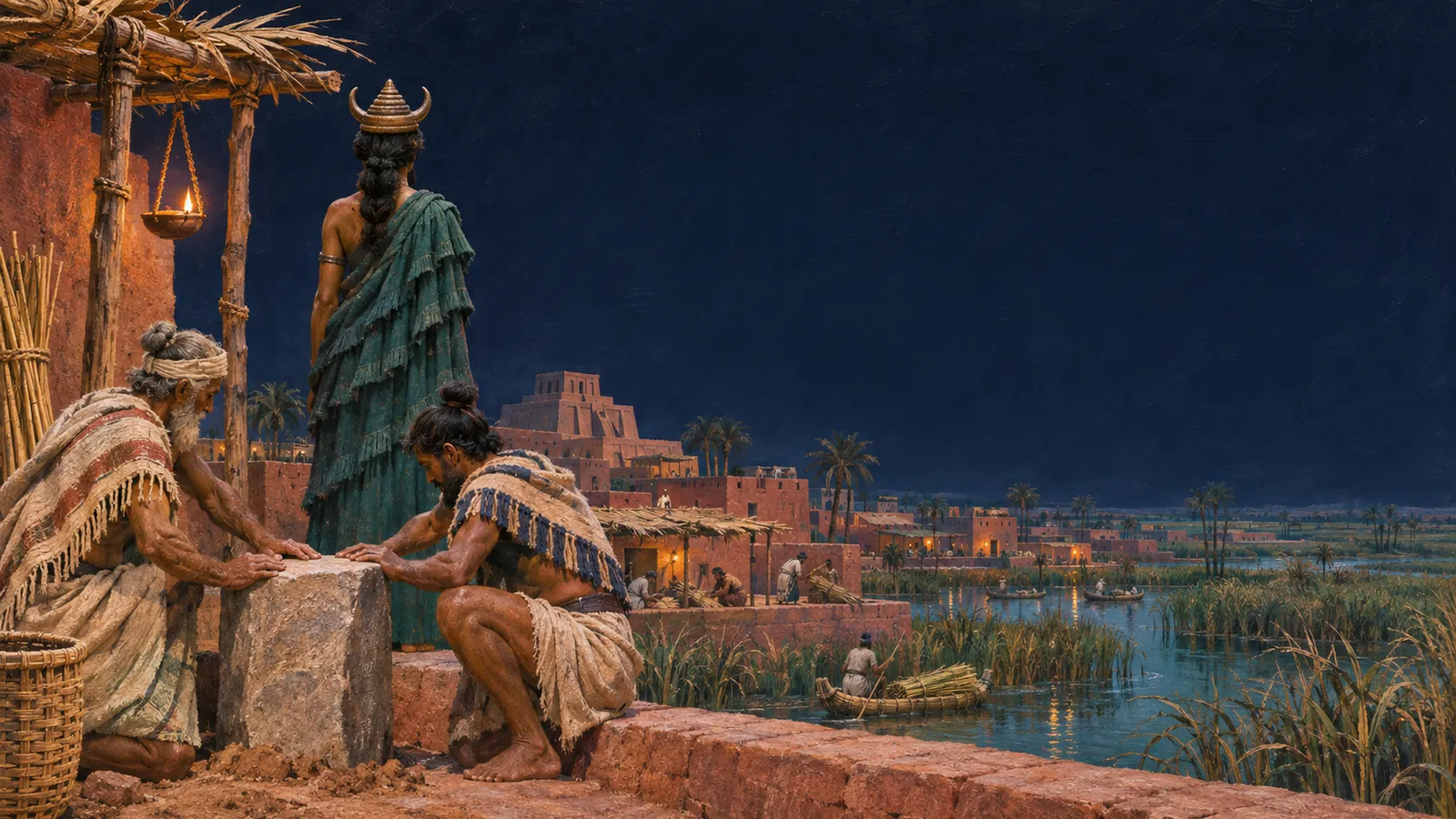
O hino louva uma guardiã dos limites e uma autoridade em palavras justas. Nomeia Lagash e Jatumdug em frases danificadas, e depois apresenta a senhora em Sirara a contemplar os seus poderes.
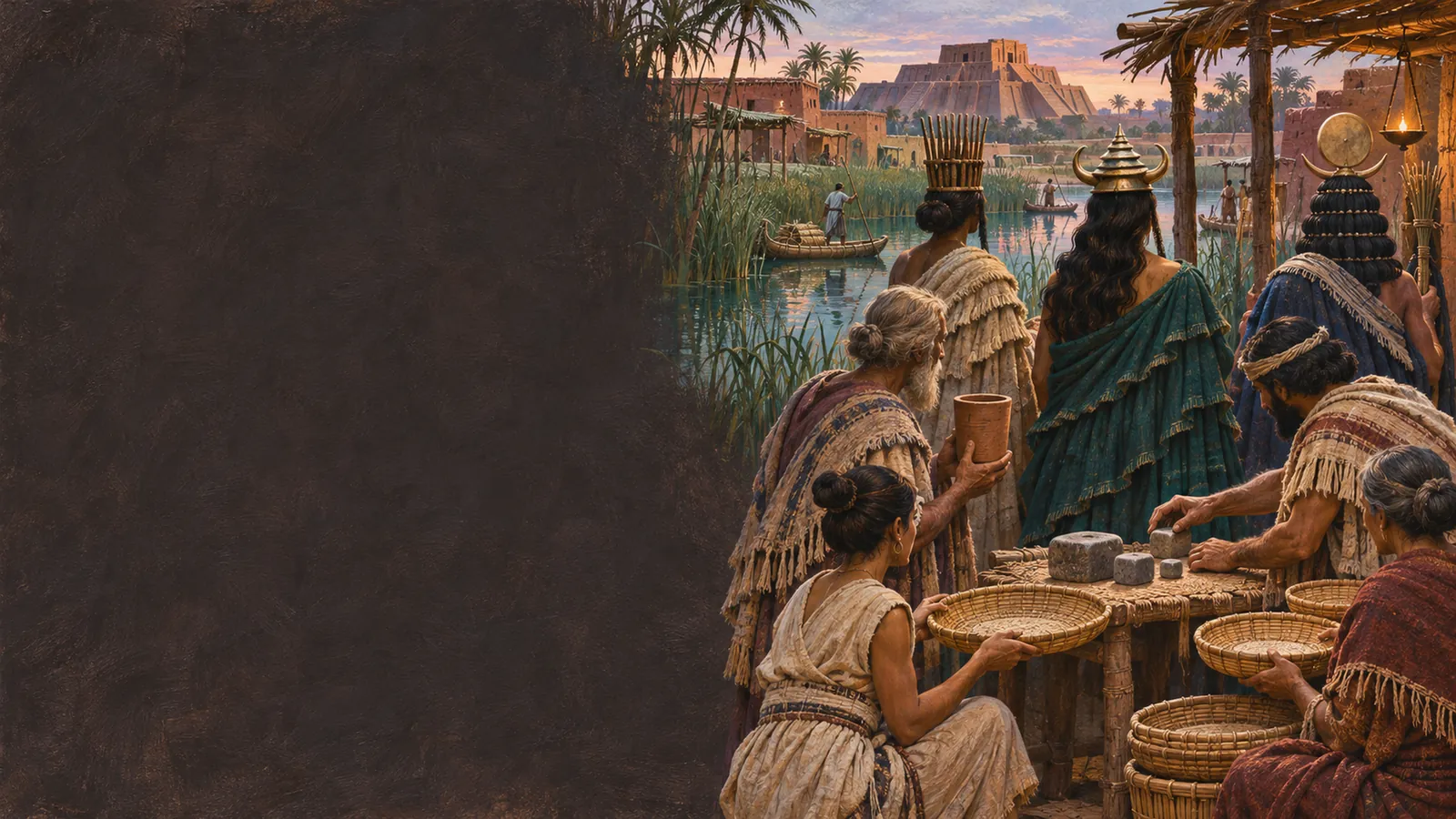
MEDIDA
Em Sirara, os deuses reúnem-se na casa ligada ao Abzu. Fixam pesos para a prata, um tamanho comum para os cestos de junco e uma medida ban acordada.
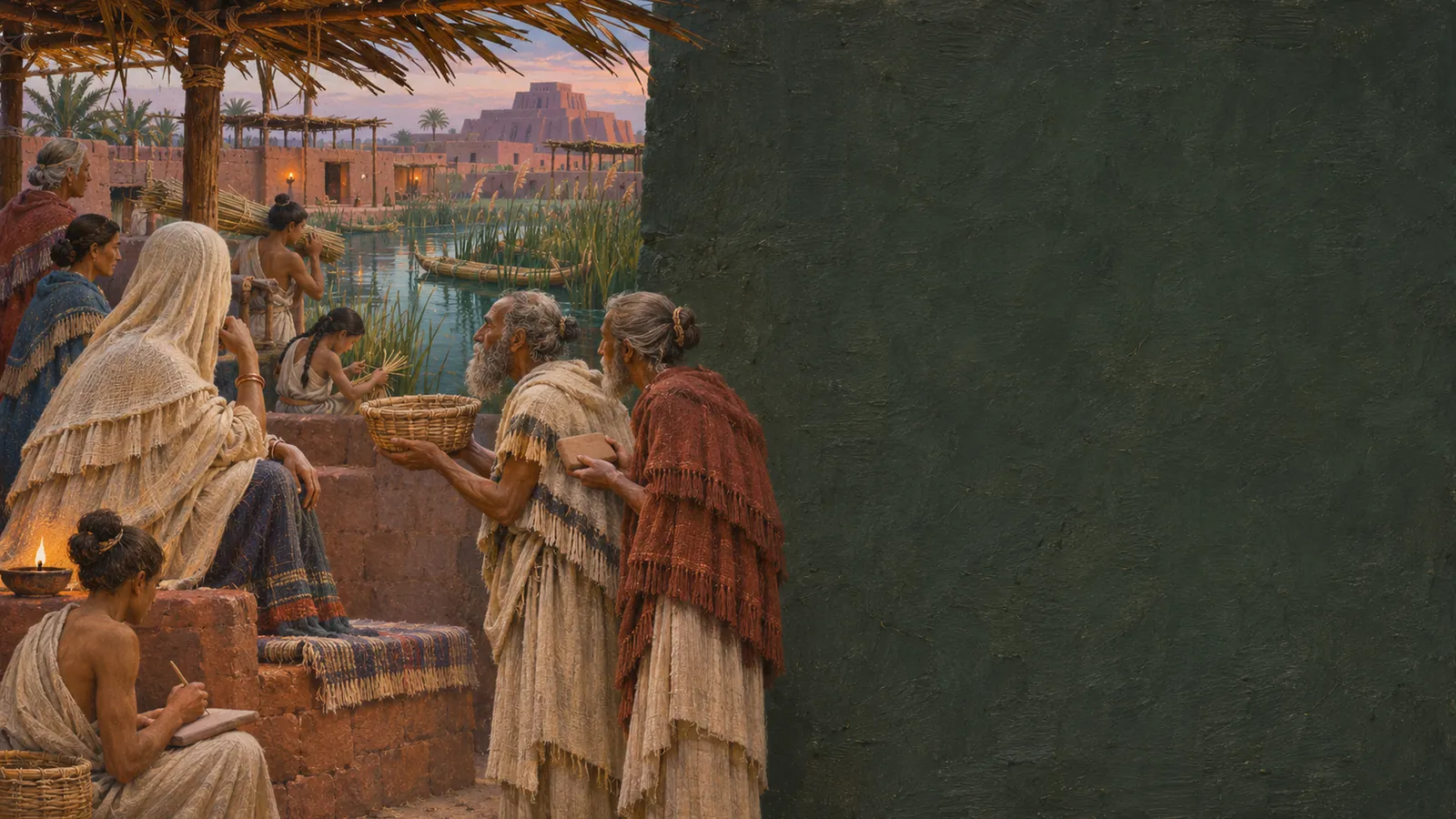
O hino nomeia Ishtaran como juiz justo das disputas. Menciona Ningishzida numa frase danificada, antes de dois versos que a tradução assinala como obscuros.
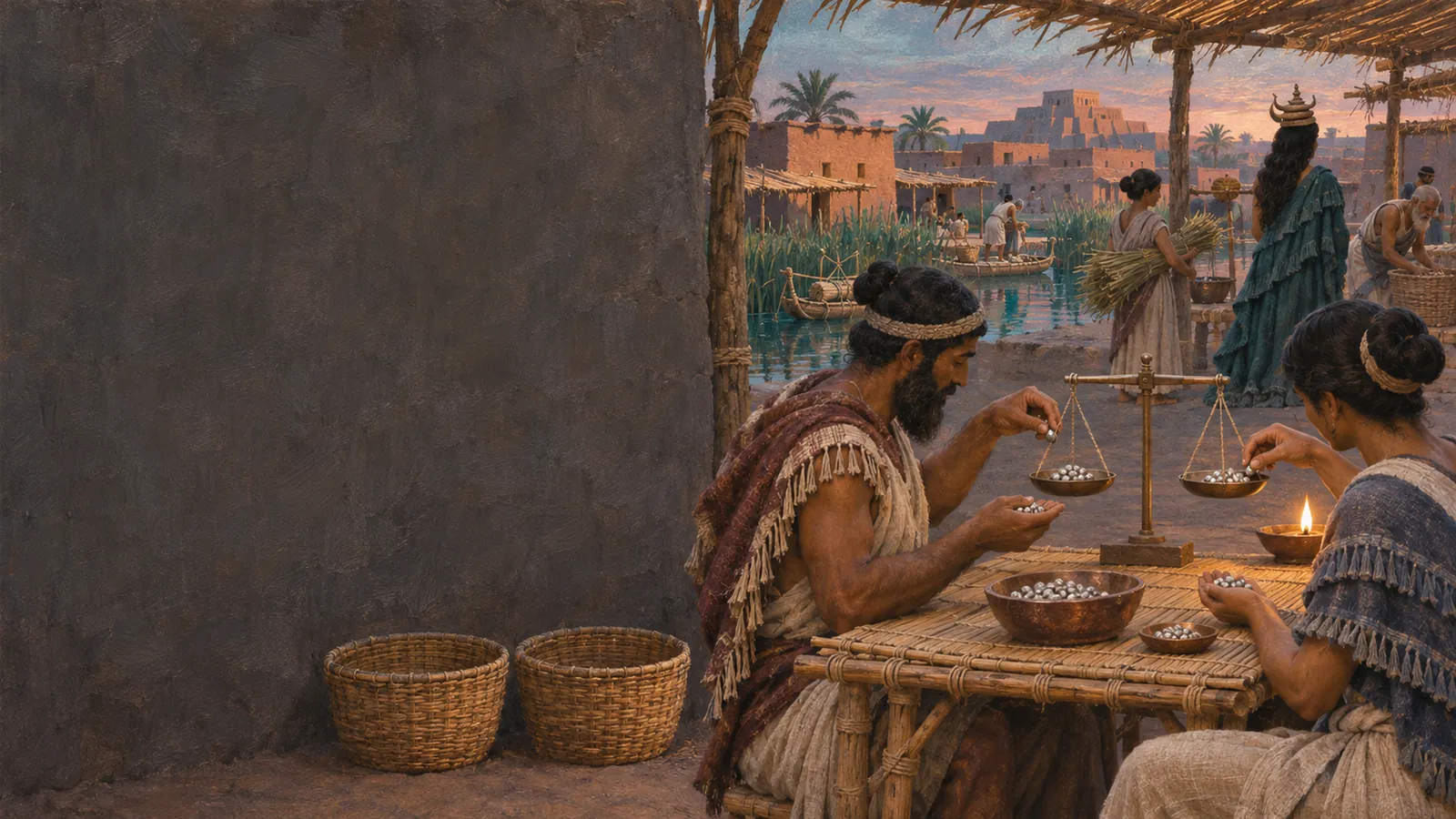
O hino repete o acordo de pesar a prata com os mesmos pesos, fazer cestos de junco de um tamanho comum e usar uma só medida ban em todas as terras.
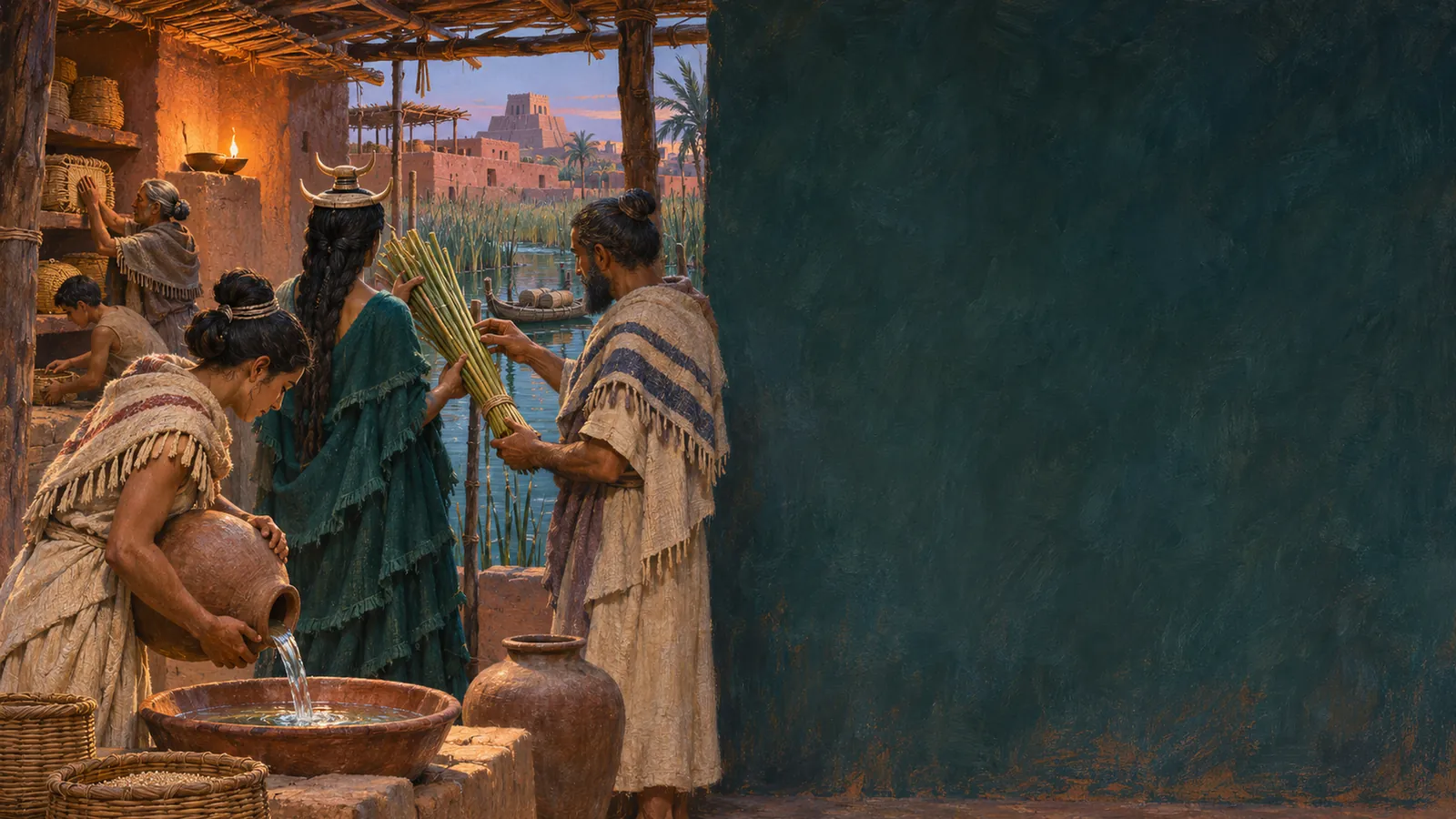
Os versos danificados voltam aos armazéns, à água corrente e aos recipientes de junco que nunca se esvaziam. Nanshe confia uma tarefa a Hendursaja. A tradução deixa incerta a sua formulação exata.
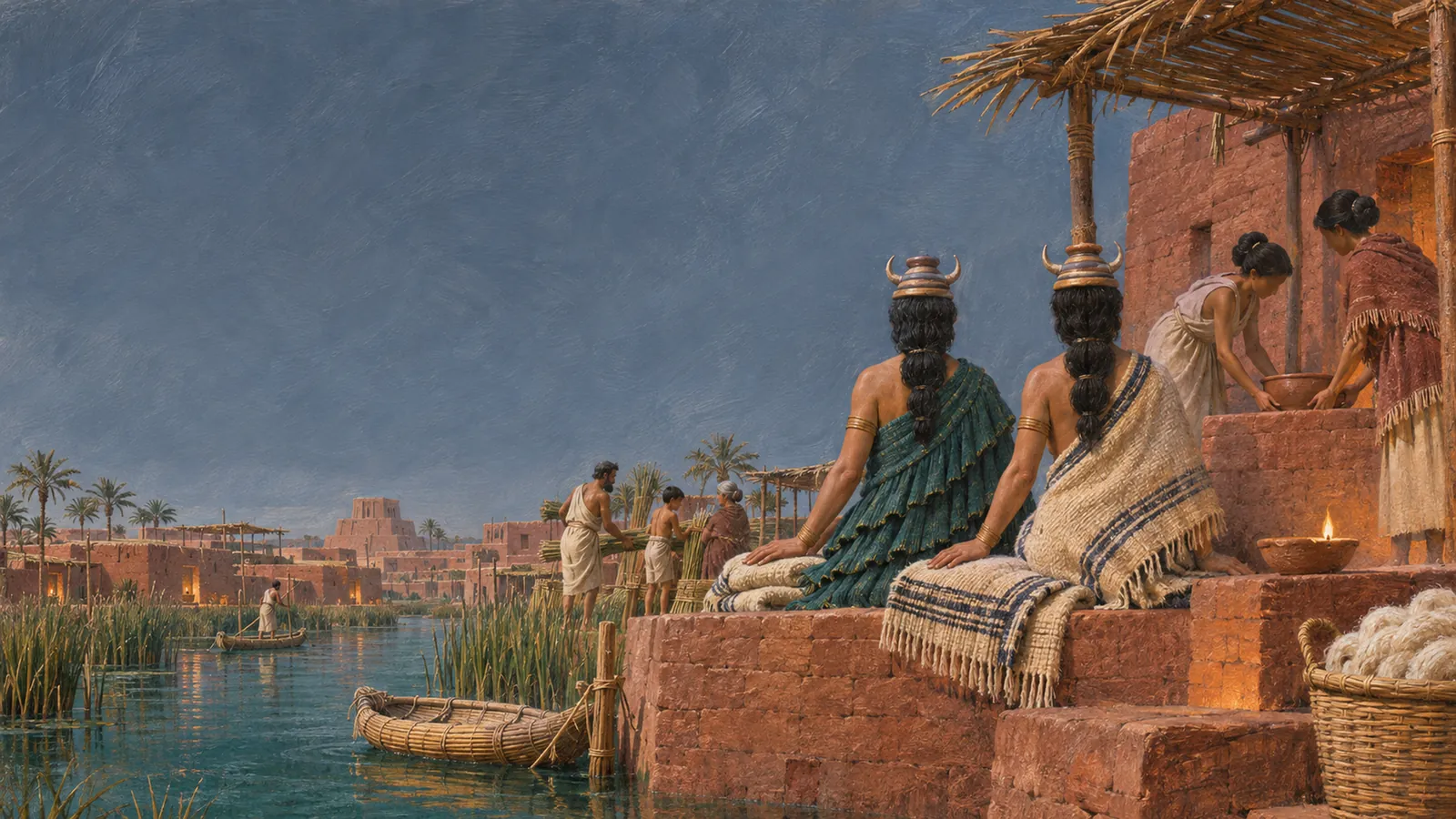
O hino louva os poderes de Nanshe acima de todos os outros. An olha-a com alegria enquanto está sentada com Enlil no estrado onde se determinam os destinos.
LOUVOR
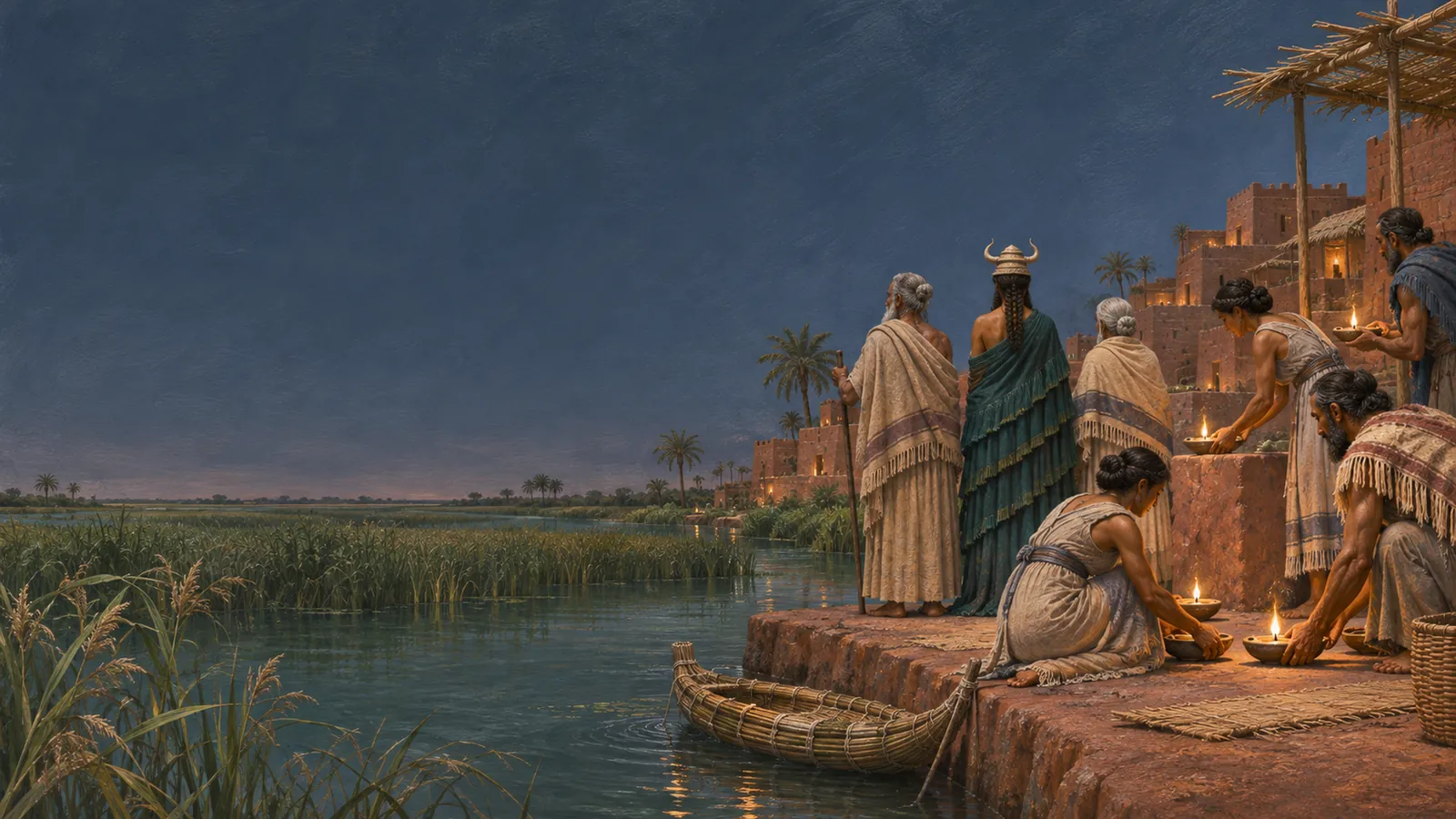
Enki determina um destino para Nanshe. O hino chama-lhe uma última vez a criança nascida em Eridu e encerra com o seu louvor.
Fim do capítulo 1
Todas as páginas





Fontes
Page citations use the printed paragraph ranges. The Oxford translation records variant, broken and uncertain readings, and the printed headings move directly from 212–221 to 223–231. The translation body prints Nance, Nijin, Eridug and Lagac for Nanshe, Nigin, Eridu and Lagash.
Edições consultadas
- Oxford ETCSL 4.14.1, A hymn to Nanshe, English translation
- Oxford ETCSL 4.14.1, Sumerian composite text
- Oxford ETCSL 4.14.1, New Year inspection, lines 94–112
- Oxford ETCSL 4.14.1, first family judgment, lines 193–211
Notas sobre este reconto
Pages 1–2, lines 1–9. The singer likens Nigin to a height rising from the water. The hymn identifies Nanshe as born in Eridu and says she is to return.
Pages 3–4, lines 10–19. Oxford queries the beer mash and yeast expressions. The composite says the storehouses bulge, with one manuscript giving the verb prosper. The honey and resin comparison and the final epithet are broken. The edition marks two unclear lines.
Pages 5–8, lines 20–31. The likely reference to remembering someone who helps others is queried. The hymn gives Nanshe’s care for orphan and widow, advice for a person in debt bondage, protection for refugees and aid for the weak. It describes her choosing a young man of means for the righteous woman on her path and providing a secure house for the widow who could not remarry.
Pages 9–11, lines 32–46. The passage leaves the word cennu untranslated and names Ur-Nanshe and Gudea separately. Cow of Abundance is the instrument that Oxford identifies tentatively as a lyre. Tigi, balaj and kintur retain the edition’s forms.
Pages 12–13, lines 47–58. The silver cups are called ecde cups in the edition. Several phrases about the cook, oven and shovel are broken. The hymn gives the arrival of meat in large bowls, water from the Sirara canal, festival goods and country wine. It compares the humming oven with a great dining hall.
Pages 14–15, lines 59–64. Oxford renders one of Nanshe’s honorifics as matriarch of Enlil and names her as a child of Enki. Another epithet is damaged. Bursaj is the place from which regular offerings and daily provisions come after the appointments.
Pages 16–17, lines 65–75. The opening conditional is queried. The hymn mentions food and drink already distributed, unused offerings, fish dues, a damaged phrase with an iku of reed beds, nuts and greens. The restriction on touching them is uncertain. The prohibition on carrying away shrine bread as a ration is followed by fragmentary mentions of choice beer and cool water.
Page 18, lines 76–82. The hymn specifies deliveries of fat, milk and fish for the ongoing first-fruits festival, and makes the fish courier a daily assignment. The next page follows the source’s next sentence on the delivery of firewood.
Page 19, 76–82. The following rule on the firewood carrier continues the instruction that first-fruit preparations should persist. Firewood goes to the sides and corners of the house.
Pages 20–21, 83–91. Oxford marks the clause about coming from outside uncertain. Hendursaja is named caretaker and child born to Utu, with nearby damage. The continuation has a partly preserved goddess name and a reference to a child of Suen among broken lines about evil utterance.
Page 22, 92–93. The short invocation praises Nanshe’s right commands and inalienable divine powers.
Pages 23–24, 94–112. The libation’s recipient is broken. The ration bowls are inspected and Nanshe examines the servants during appointment. Nisaba handles tablets and a gold stylus.
Pages 25–26, 94–112. The servant line, decisions over leather and linen, and accusations of flight appear in that order. Some status and witness words are queried and the employer-employee language is broken. Haia registers the faithful servant and deletes the entry of a woman regarded as no longer the mistress’s servant.
Pages 27–29, 113–129. Failing provisions and maintenance, opening clauses on fire and incantations, the cited offices and the withholding of further rations belong to the same damaged passage. Oxford names the cita-aba, susbu and sajja roles. The exact failings of the latter include a queried statement about making Nanshe’s songs and thoughts manifest. One unclear line follows the final instructions.
Pages 30–31, 130–136. The text attributes cleansing to the river of the ordeal. It mentions the abzu, oracular messages, holy songs and the enkum and ninkum priests, querying their choice of purification rites. Specific wording is damaged. Neither a specific procedure nor a verdict is assigned.
Pages 32–35, ETCSL 4.14.1, 137–153. The hymn names violence and altering a marked border. The forceful reaching, firm foundation and oath wording have uncertain or broken phrases, followed by an unclear line. The small weights and ban measures are queried. They stand next to more acquisition, a failure to acknowledge eating or drinking, promised hospitality and damaged clauses about a god’s maidservant and an untrustworthy person. The person asking for service is denied bread with fat or shining eggs. The language of service and the reference to a violation are queried.
Pages 36–37, 154–162. A damaged conditional concerns a violent person who is allowed to eat. The eyes are mentioned in a broken phrase, while Oxford gives a paralyzed mouth and shuffling feet. Broken clauses mention the powerful and rich, a married man, his wife, a widow, anger and mockery. The relationships and governing action words are incomplete.
Pages 38–40, 163–174. The hymn praises Nanshe for seeing into hearts. It has damaged clauses about an orphan and a widow, then names a waif delivered to the powerful and the powerful delivered to the powerless. The hymn likens discernment to seeing into the land’s heart as into a split reed. The final line is unclear.
Page 41, 175–180. Hendursaja and Dumu-tur-cugi are named as herald and protector in a damaged sequence. The surviving wording mentions the house in Sirara sprinkled with water. Who does what elsewhere in the passage and the nighttime reading are uncertain.
Pages 42–43, 181–192. Hendursaja’s authority and decrees are described with smoke and cloud comparisons. The hymn says he distinguishes the just and wicked and can bring justice to orphan and widow.
Pages 44–47, ETCSL 4.14.1, 193–211. The first case gives food and drink. An unclear line follows, and words about a firewood carrier are damaged. The surviving speech clause is negative and the descriptive phrase about looks is queried. The mother ordered the child to the place of the offence and struck him at a damaged location. He had been nursed by her. Oxford marks two further unclear lines before the judge evaluates the testimony, blames the mother and gives the closing statement about prayer.
Pages 48–49, 212–221. The second conditional preserves the mother’s failure to give food and drink, an unclear line, broken wood-delivery wording and the child speaking with anger. Hendursaja rejects him for her sake, with uncertain language in the comparison to water and acid soil. The final clause is broken. Oxford’s next printed group begins at 223.
Page 50, 223–231. Relationships among the boundary guarantor, the just words, the foundation of Lagash and Jatumdug are damaged. The later clauses mention the lady at Sirara who determines fates like Enlil and looks at her powers.
Pages 51–52, 232–240. The gods gather in the Sirara house endowed with powers from the abzu. The text names standards for weights, reed baskets and the ban measure. The judge Ishtaran and Ningishzida are printed Ictaran and Ninjiczida by Oxford. The last lines are damaged and two are explicitly marked unclear.
Pages 53–54, 241–250. The first three standards recur in the text. The clauses about the rites, storerooms and the condition of the vessels are damaged. One uncertain reading says Nanshe commissions her herald Hendursaja to make them profitable.
Pages 55–56, 251–255. The speaker directly addresses Nanshe with praise. An, Enlil and Enki are named in that sequence. The last words turn to Nanshe, child born in Eridu.
Os versos antigos de cada página
- Page 1: ETCSL 4.14.1, lines 1–9
- Page 2: ETCSL 4.14.1, lines 1–9
- Page 3: ETCSL 4.14.1, lines 10–19
- Page 4: ETCSL 4.14.1, lines 10–19
- Page 5: ETCSL 4.14.1, lines 20–31
- Page 6: ETCSL 4.14.1, lines 20–31
- Page 7: ETCSL 4.14.1, lines 20–31
- Page 8: ETCSL 4.14.1, lines 20–31
- Page 9: ETCSL 4.14.1, lines 32–46
- Page 10: ETCSL 4.14.1, lines 32–46
- Page 11: ETCSL 4.14.1, lines 32–46
- Page 12: ETCSL 4.14.1, lines 47–58
- Page 13: ETCSL 4.14.1, lines 47–58
- Page 14: ETCSL 4.14.1, lines 59–64
- Page 15: ETCSL 4.14.1, lines 59–64
- Page 16: ETCSL 4.14.1, lines 65–75
- Page 17: ETCSL 4.14.1, lines 65–75
- Page 18: ETCSL 4.14.1, lines 76–82
- Page 19: ETCSL 4.14.1, lines 76–82
- Page 20: ETCSL 4.14.1, lines 83–91
- Page 21: ETCSL 4.14.1, lines 83–91
- Page 22: ETCSL 4.14.1, lines 92–93
- Page 23: ETCSL 4.14.1, lines 94–112
- Page 24: ETCSL 4.14.1, lines 94–112
- Page 25: ETCSL 4.14.1, lines 94–112
- Page 26: ETCSL 4.14.1, lines 94–112
- Page 27: ETCSL 4.14.1, lines 113–129
- Page 28: ETCSL 4.14.1, lines 113–129
- Page 29: ETCSL 4.14.1, lines 113–129
- Page 30: ETCSL 4.14.1, lines 130–136
- Page 31: ETCSL 4.14.1, lines 130–136
- Page 32: ETCSL 4.14.1, lines 137–153
- Page 33: ETCSL 4.14.1, lines 137–153
- Page 34: ETCSL 4.14.1, lines 137–153
- Page 35: ETCSL 4.14.1, lines 137–153
- Page 36: ETCSL 4.14.1, lines 154–162
- Page 37: ETCSL 4.14.1, lines 154–162
- Page 38: ETCSL 4.14.1, lines 163–174
- Page 39: ETCSL 4.14.1, lines 163–174
- Page 40: ETCSL 4.14.1, lines 163–174
- Page 41: ETCSL 4.14.1, lines 175–180
- Page 42: ETCSL 4.14.1, lines 181–192
- Page 43: ETCSL 4.14.1, lines 181–192
- Page 44: ETCSL 4.14.1, lines 193–211
- Page 45: ETCSL 4.14.1, lines 193–211
- Page 46: ETCSL 4.14.1, lines 193–211
- Page 47: ETCSL 4.14.1, lines 193–211
- Page 48: ETCSL 4.14.1, lines 212–221
- Page 49: ETCSL 4.14.1, lines 212–221
- Page 50: ETCSL 4.14.1, lines 223–231
- Page 51: ETCSL 4.14.1, lines 232–240
- Page 52: ETCSL 4.14.1, lines 232–240
- Page 53: ETCSL 4.14.1, lines 241–250
- Page 54: ETCSL 4.14.1, lines 241–250
- Page 55: ETCSL 4.14.1, lines 251–255
- Page 56: ETCSL 4.14.1, lines 251–255
Ilustrações feitas pelo IL Archive com ferramentas de IA; o texto baseia-se nas fontes antigas (veja as fontes no fim de cada capítulo).