O relato sumério do Dilúvio Capítulo 1
Ziusudra e o Dilúvio
Cinco cidades recebem seus nomes, e um aviso dirigido a uma parede chega aos ouvidos de Ziusudra, rei e sacerdote. Depois de sete dias e sete noites sobre as águas, a luz do dia retorna. An e Enlil concedem a Ziusudra uma vida duradoura e o estabelecem em Dilmun.
FontesVire as páginas com as setas, o teclado ou deslizando o dedo.
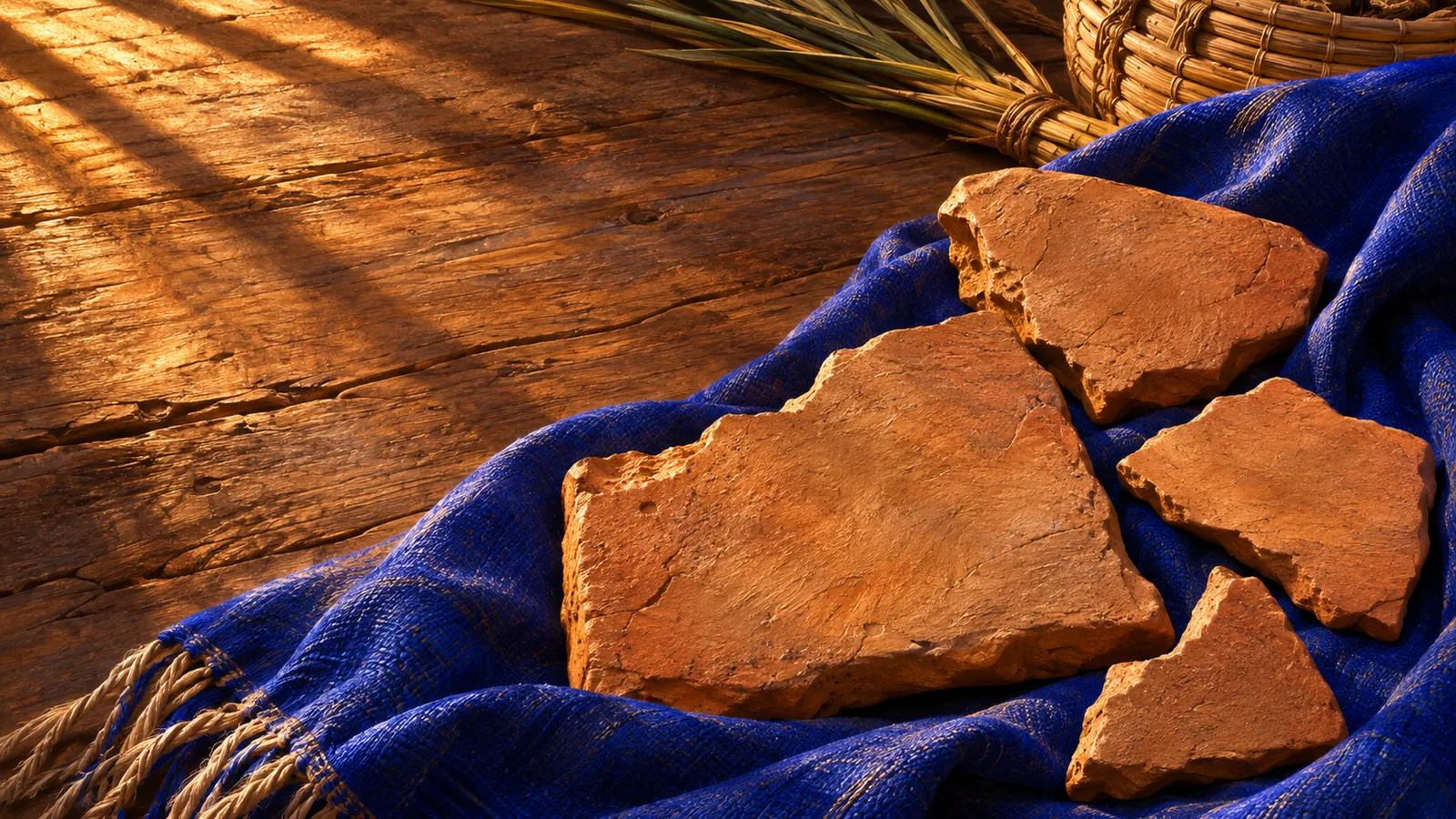
DILÚVIO
O começo deste relato sumério se perdeu. Quando as palavras voltam, uma voz já está falando do povo.
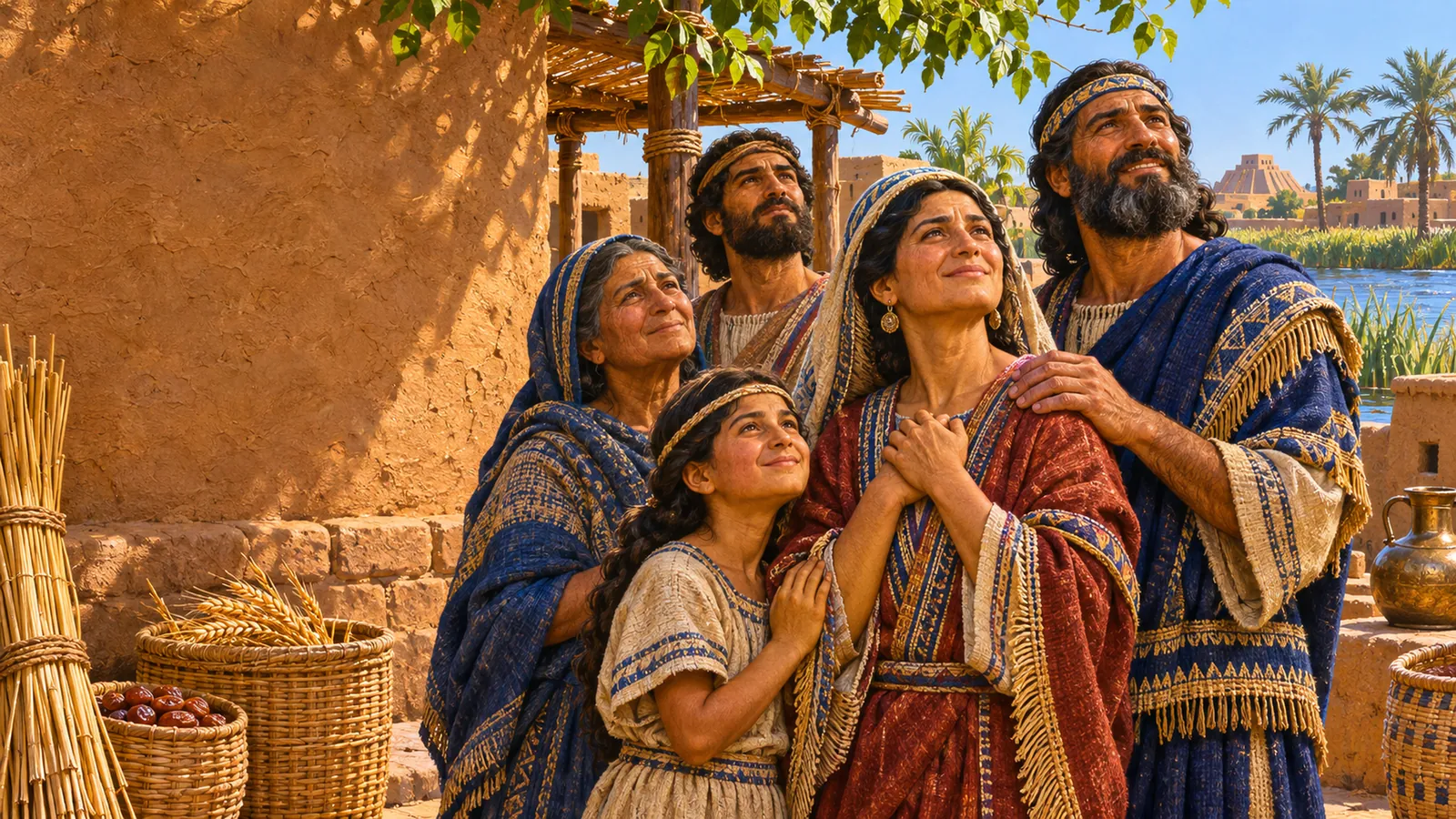
Ao mencionar Nintud, uma voz sem nome promete deter a destruição de suas criaturas. As palavras que restam também falam de trazer o povo de volta.
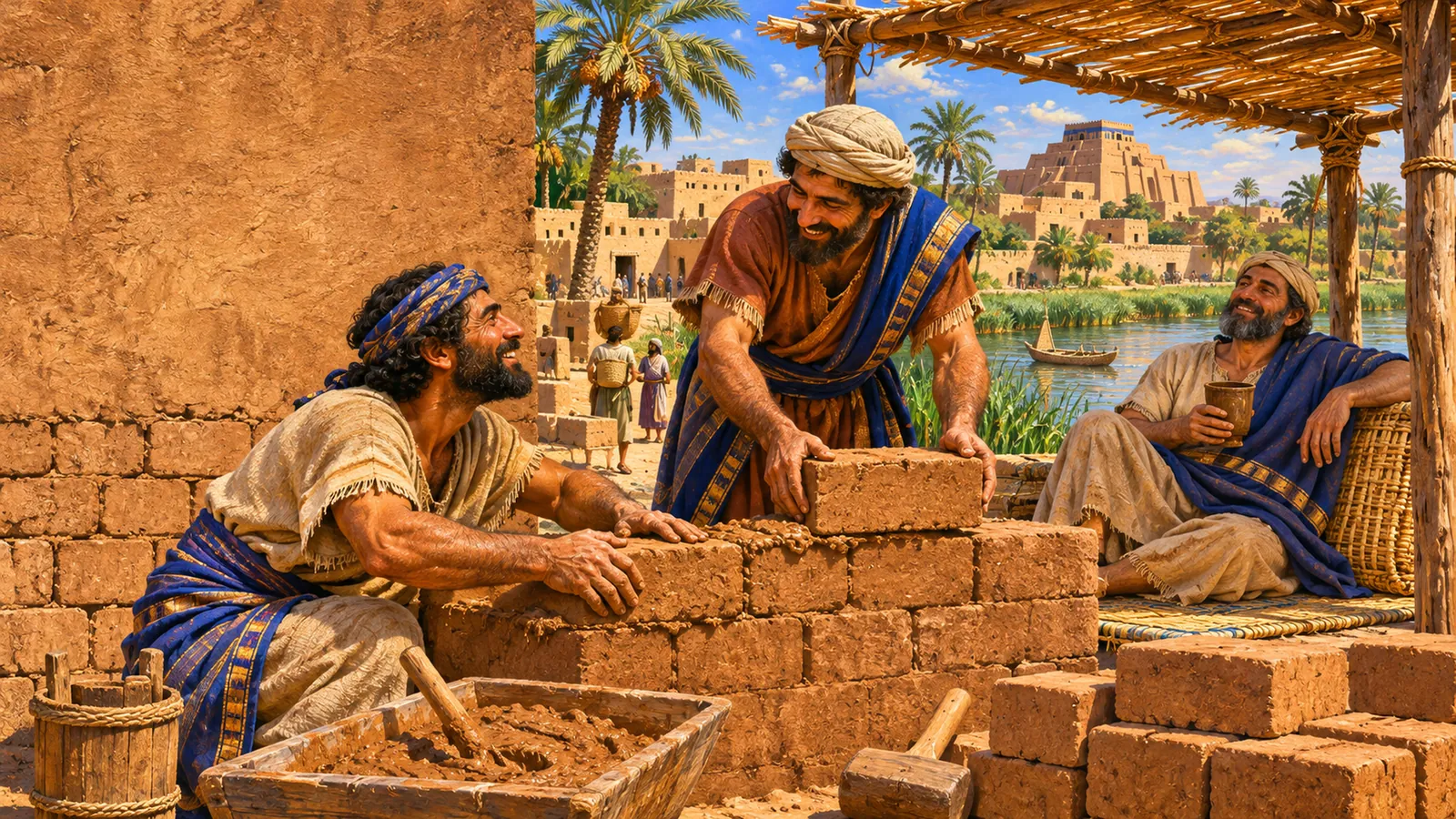
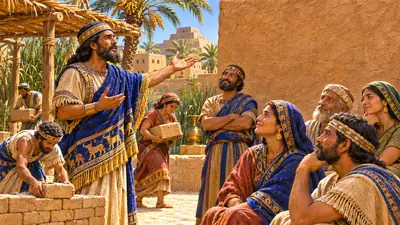
A voz pede que sejam construídas muitas cidades. Fala do descanso que a sombra dessas cidades oferecerá.
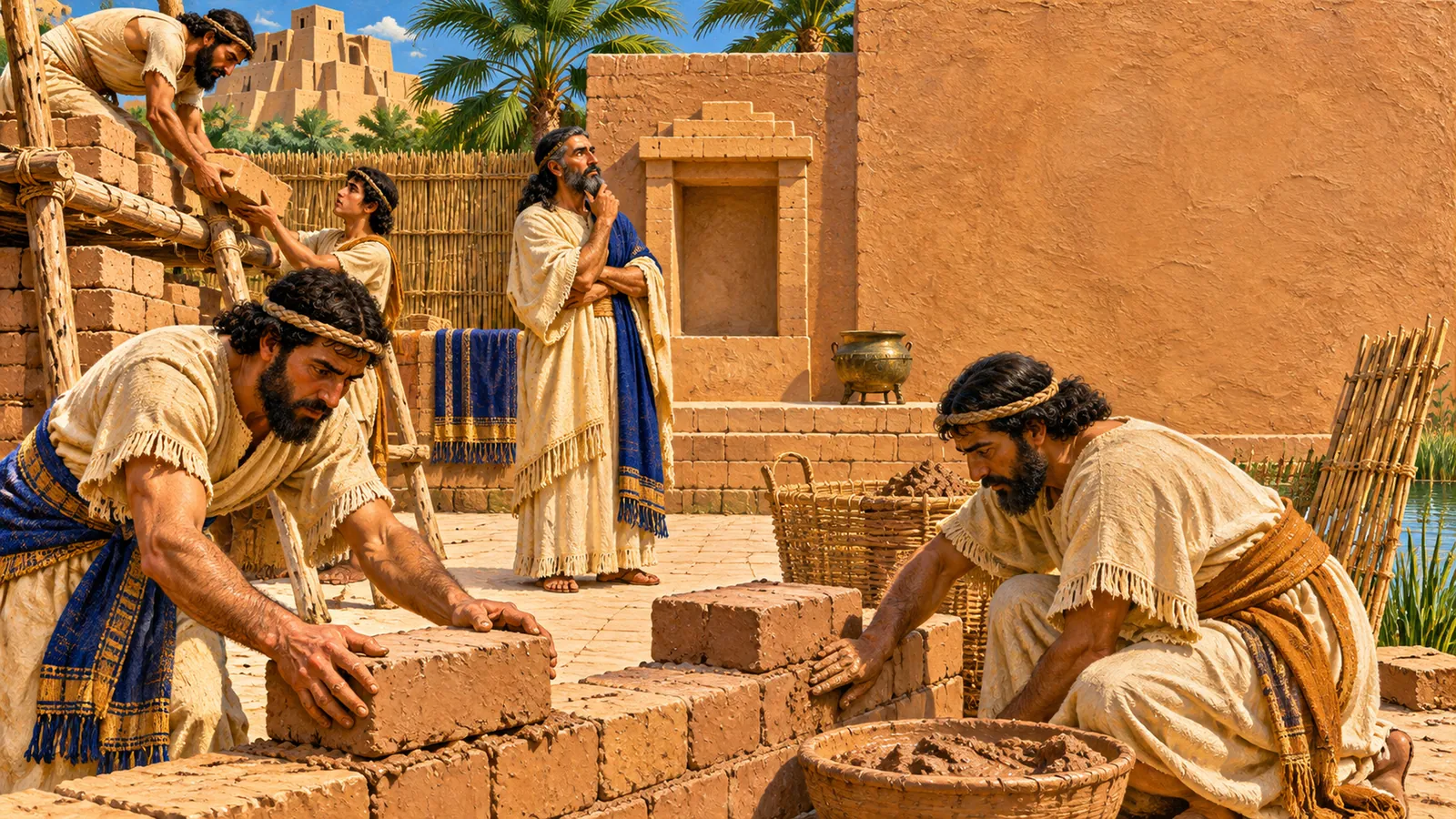
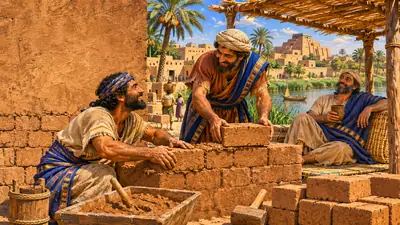
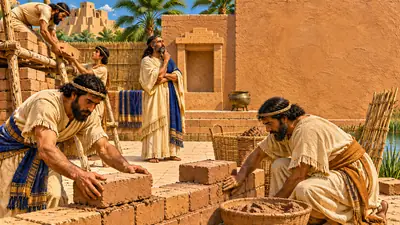
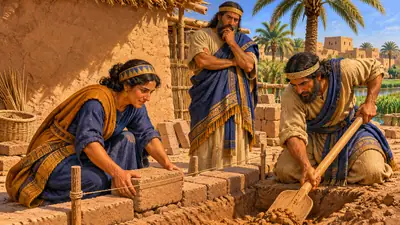
As cidades devem ser construídas com tijolos em lugares mantidos puros. A voz também pede espaços reservados à adivinhação.
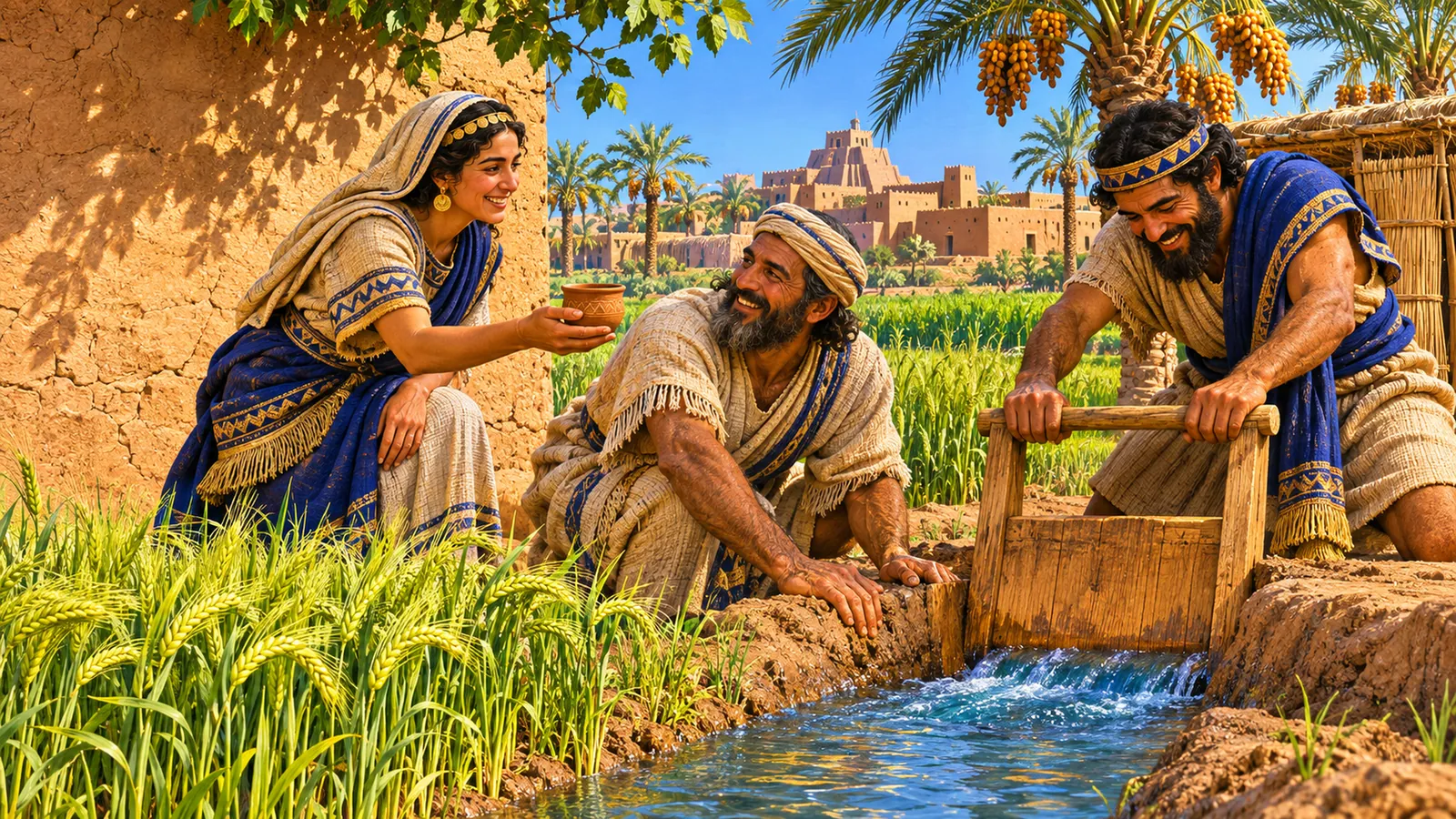
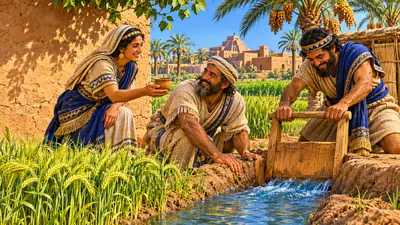
A voz fala de ritos e poderes postos em ordem e de água chegando à terra. Depois promete bem-estar para o país.
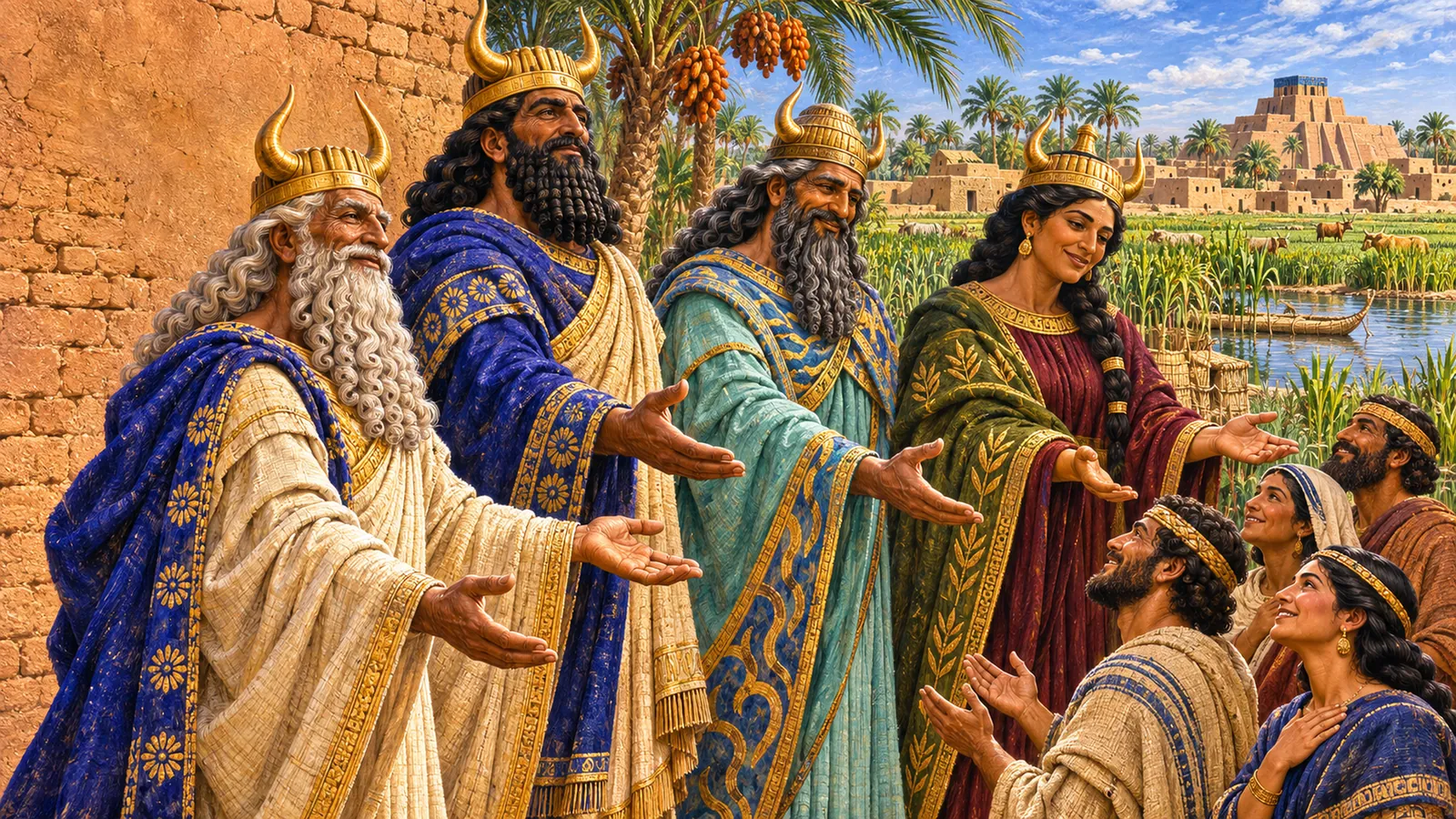
No início da vida humana, diz o poema, os deuses An, Enlil, Enki e Ninhursag moldaram as pessoas.
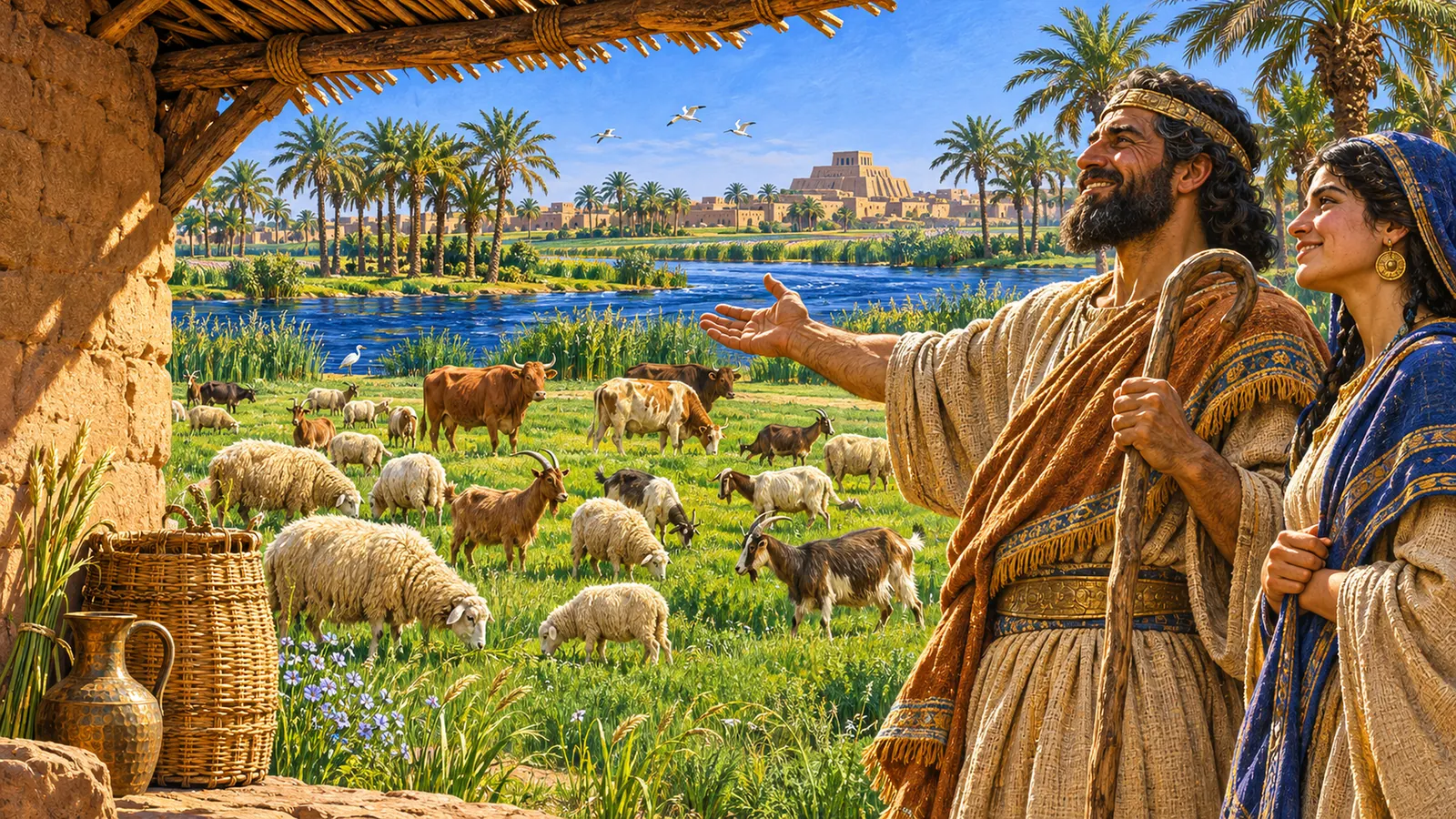
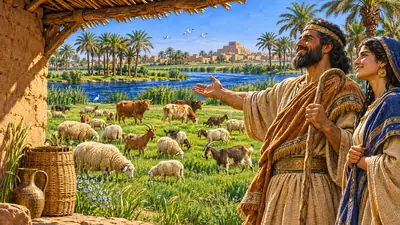
Os deuses também fazem os animais se multiplicarem. Pelas planícies, diz o poema, há rebanhos de animais de quatro patas.

Aqui faltam cerca de trinta e duas linhas. Mais algumas estão fragmentadas demais para serem traduzidas, e então uma voz volta a falar.
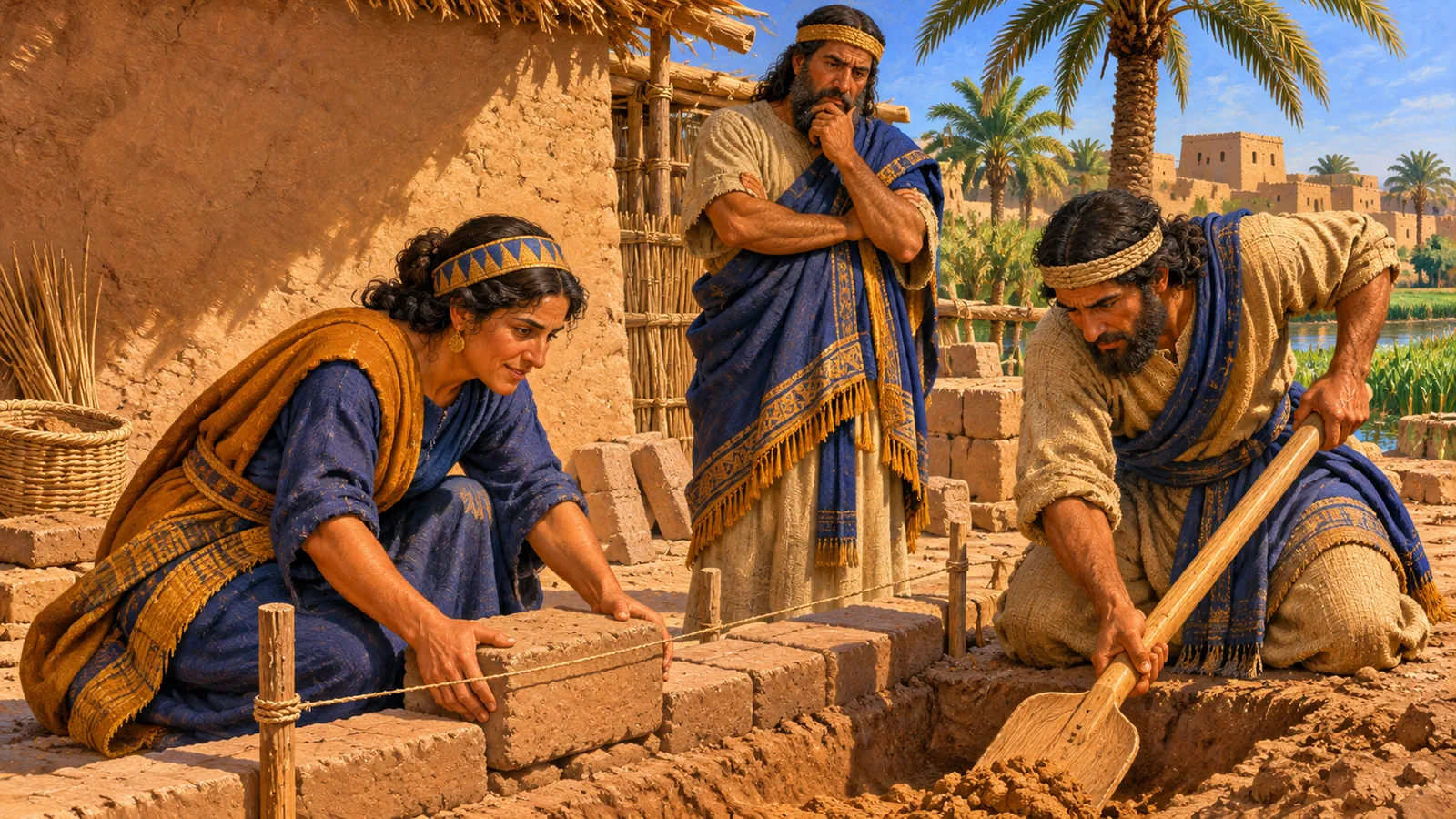
A voz diz que vai supervisionar o trabalho. Pede ao construtor da terra que escave um alicerce firme.
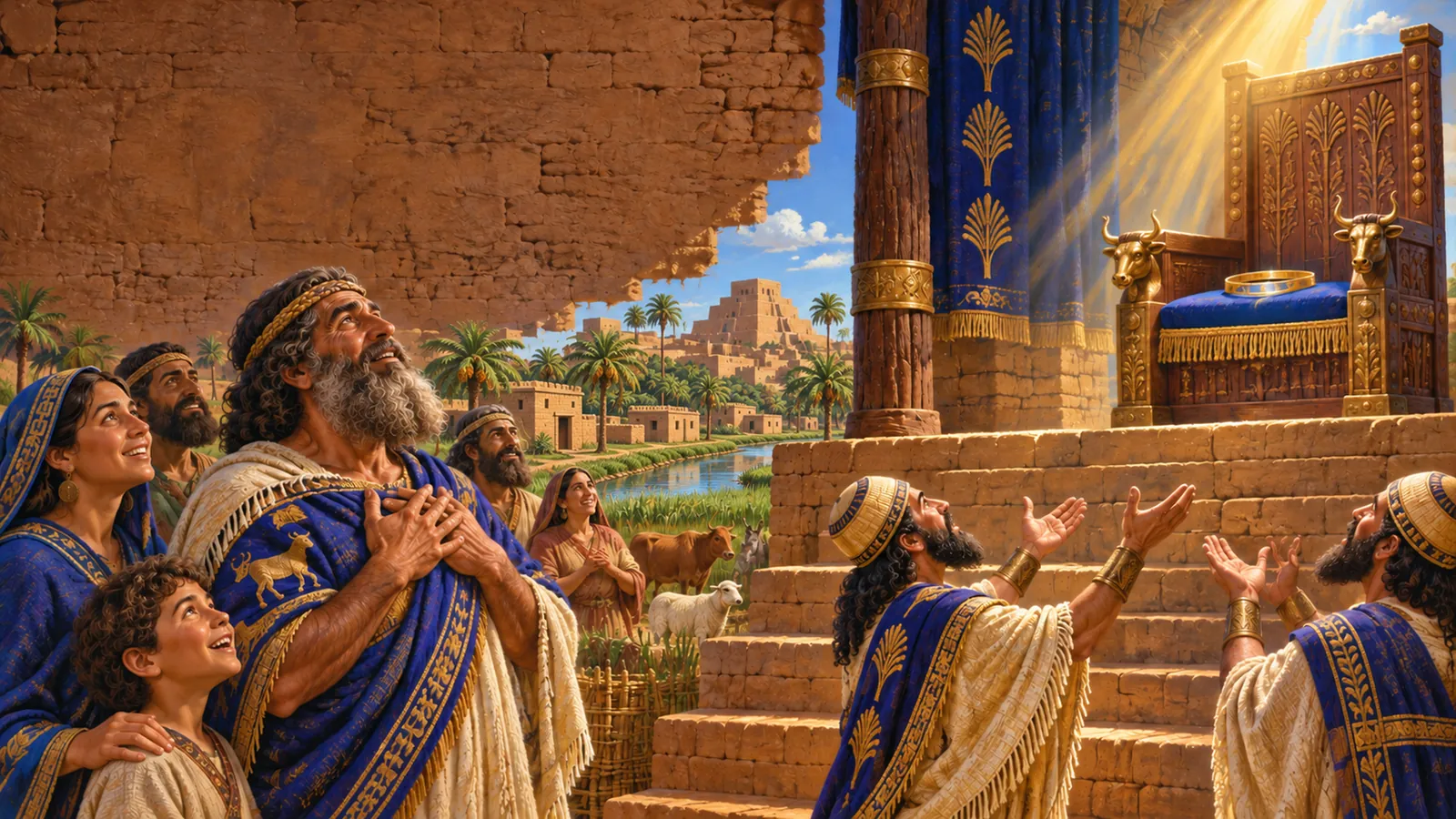
REALEZA
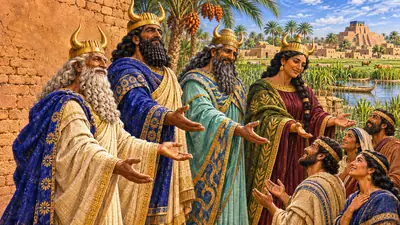
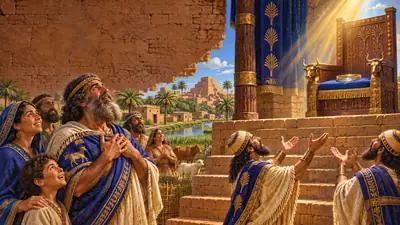
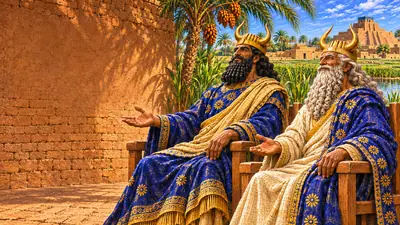
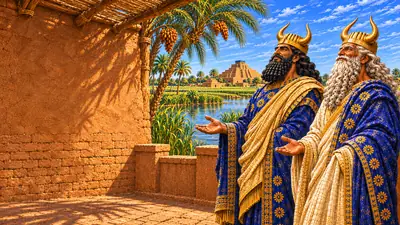
A coroa e o trono da realeza descem do céu quando o relato passa a falar das cidades.
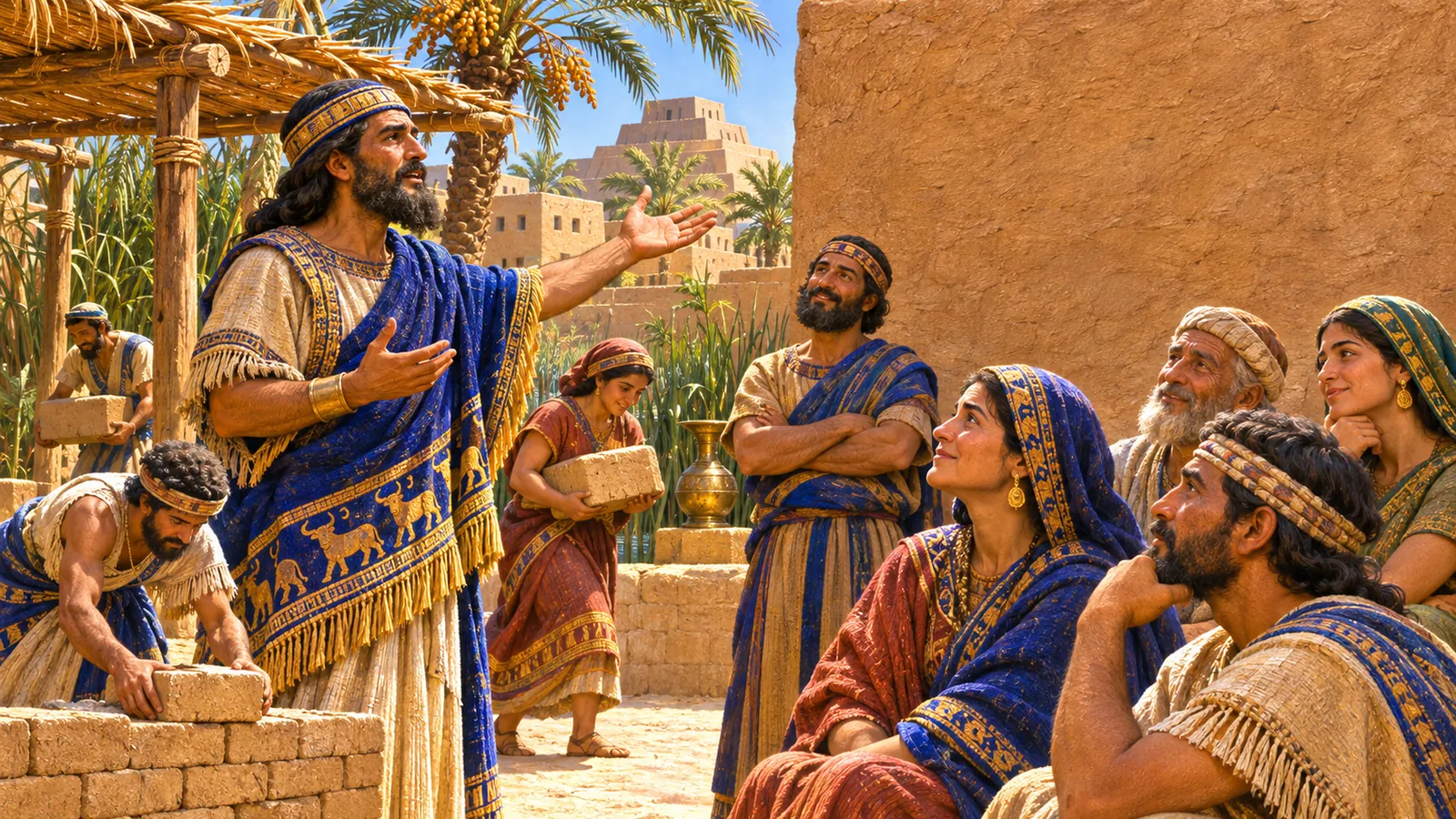
Os ritos e poderes são postos em ordem. Assentam-se tijolos em lugares sagrados e pronunciam-se os nomes das cidades.
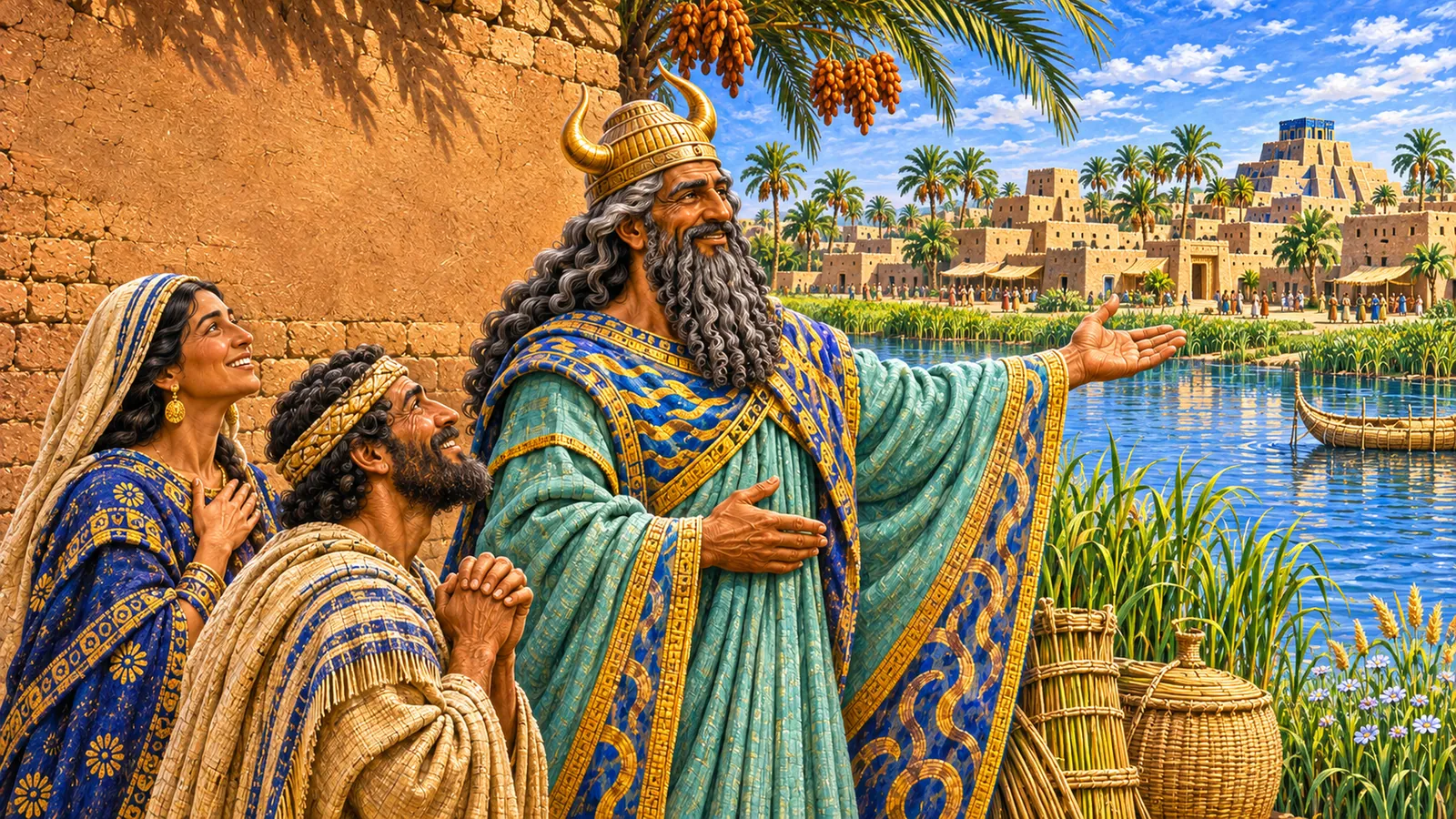
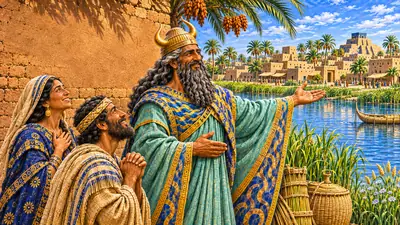
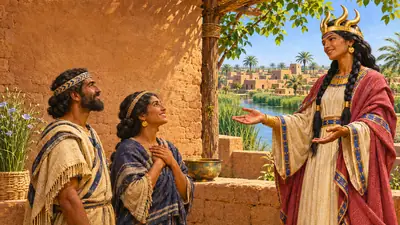
A primeira cidade que o poema nomeia é Eridu. Ela é dada a Nudimmud, um dos nomes de Enki.
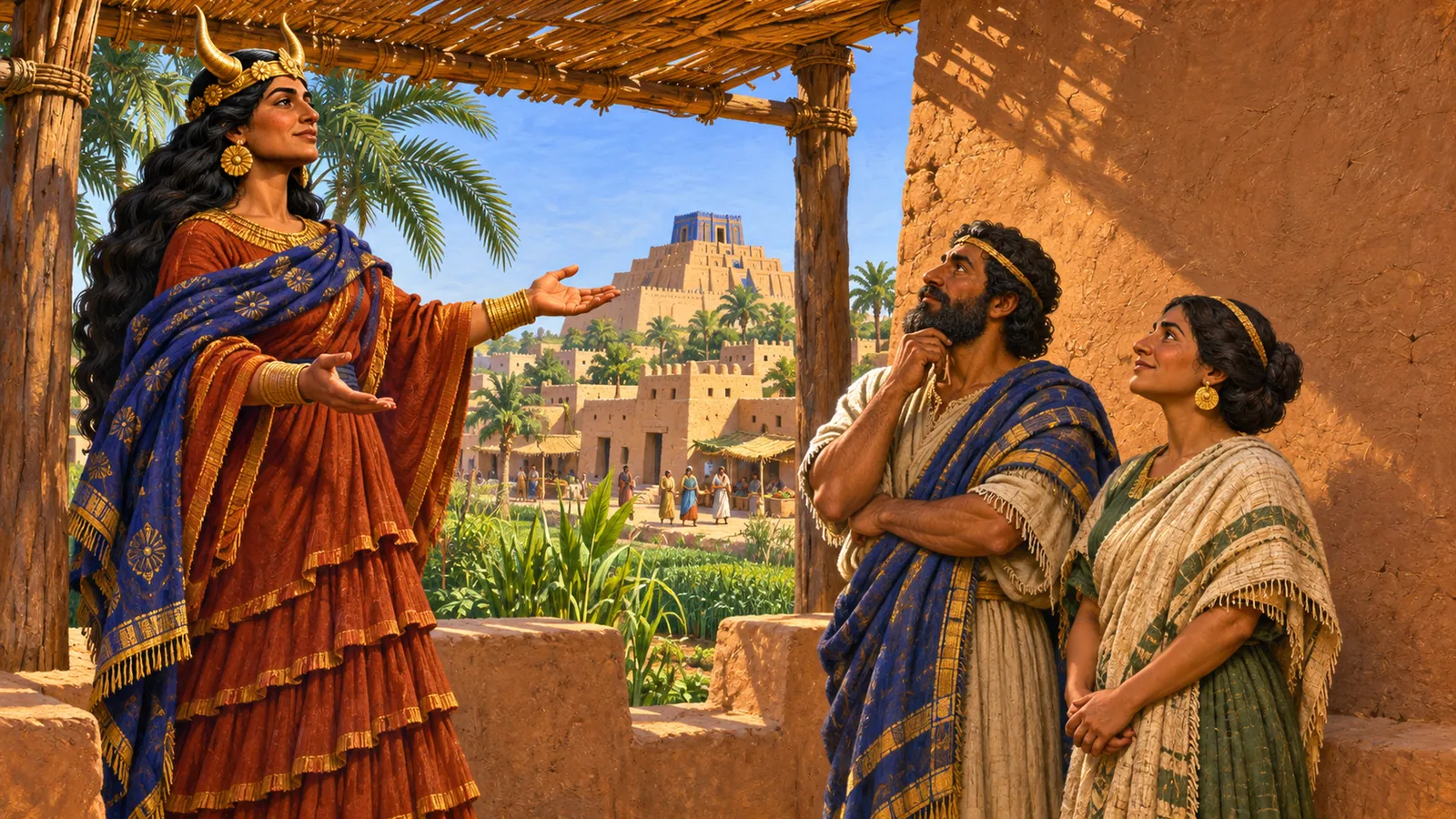
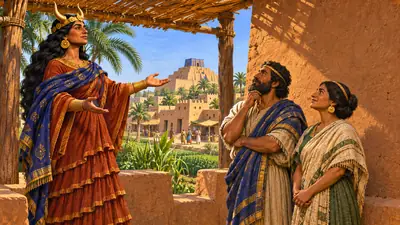
O poema passa a Bad-tibira, a segunda cidade. Ela é dada àquela a quem o poema chama de Senhora.
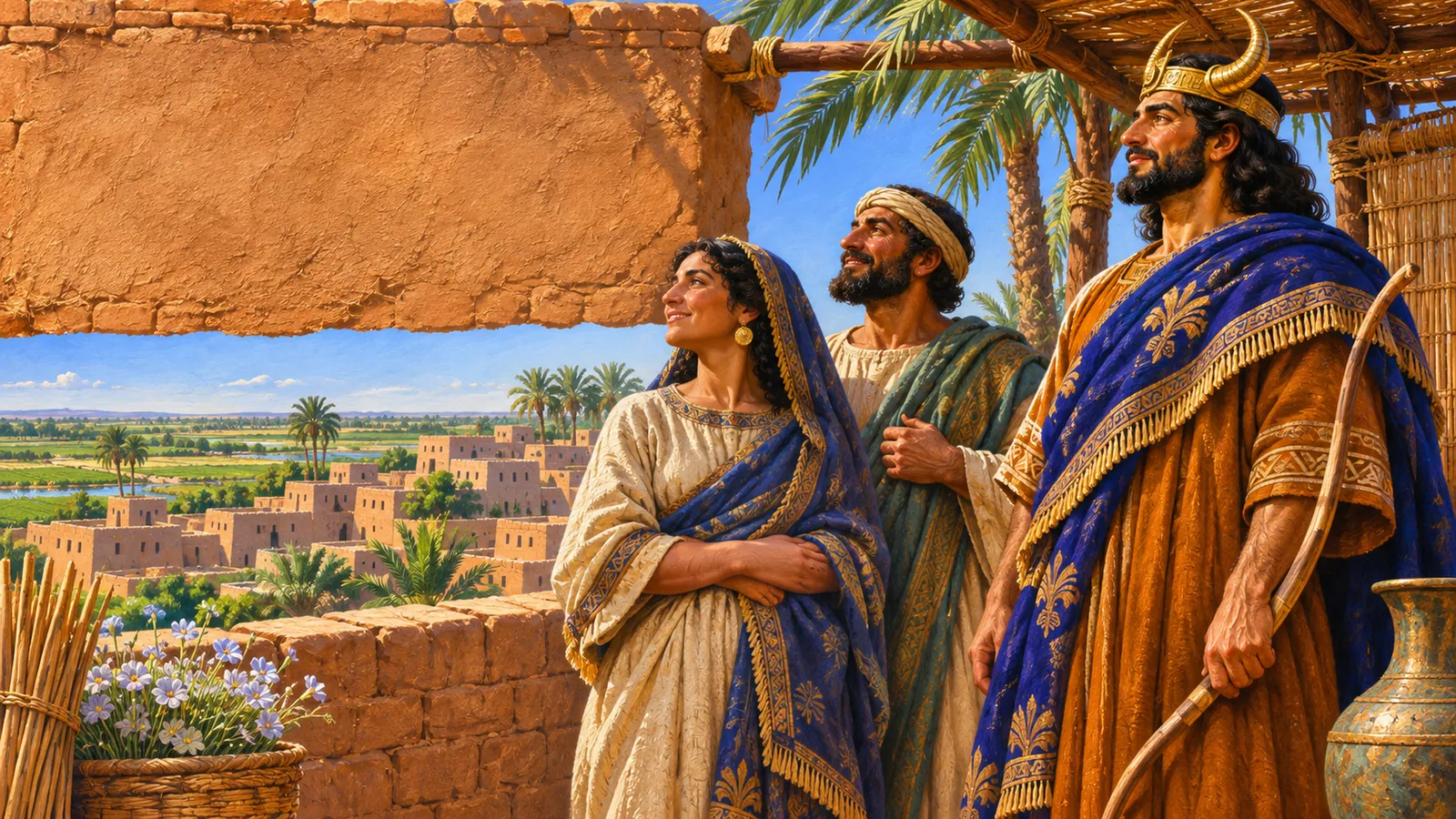
A terceira cidade da lista é Larag. Aqui o relato nomeia Pabilsaj como aquele que a recebe.
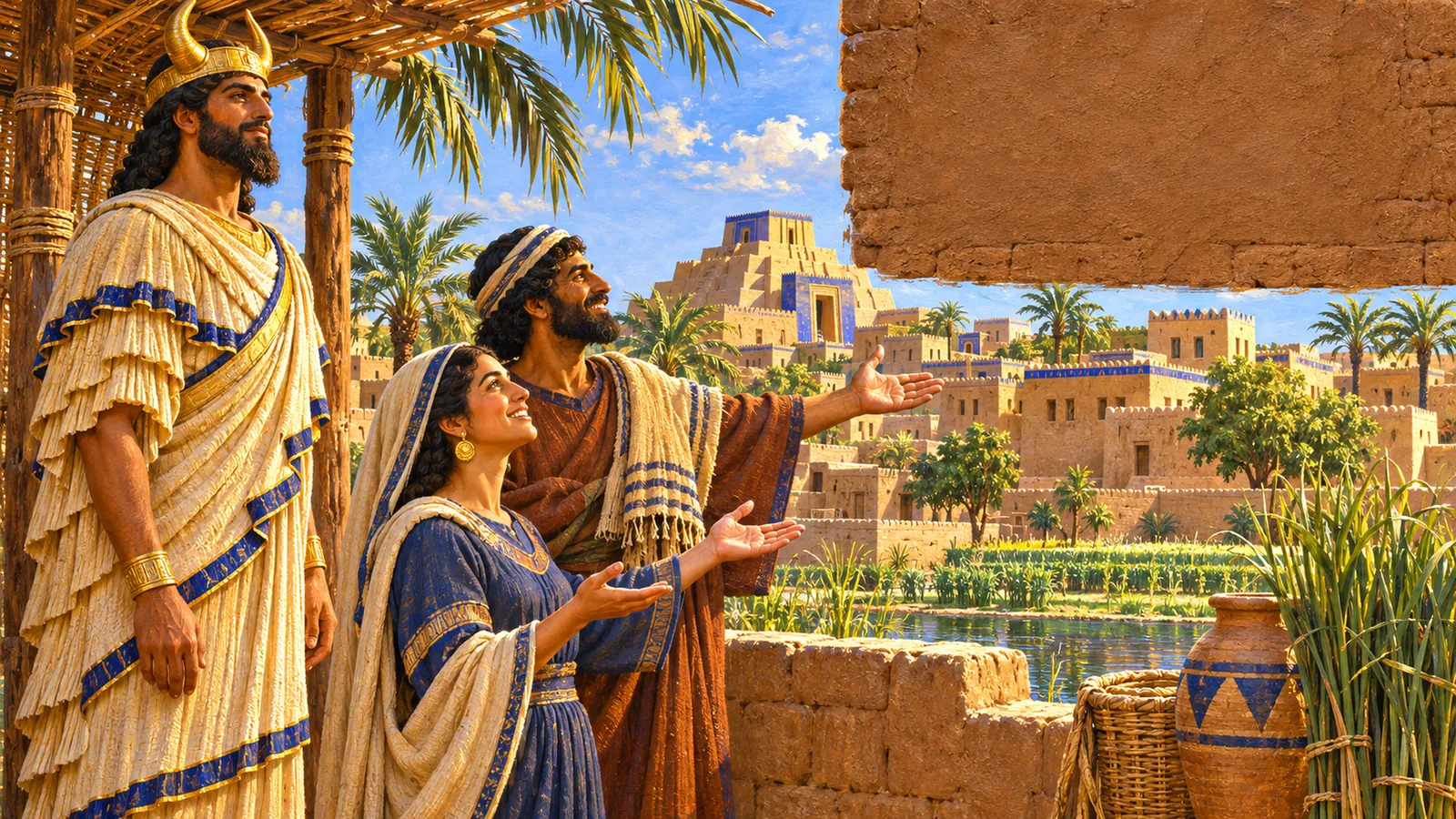
A lista passa então para Sippar, sua quarta cidade. Ela é dada a Utu, a quem o poema chama de herói.
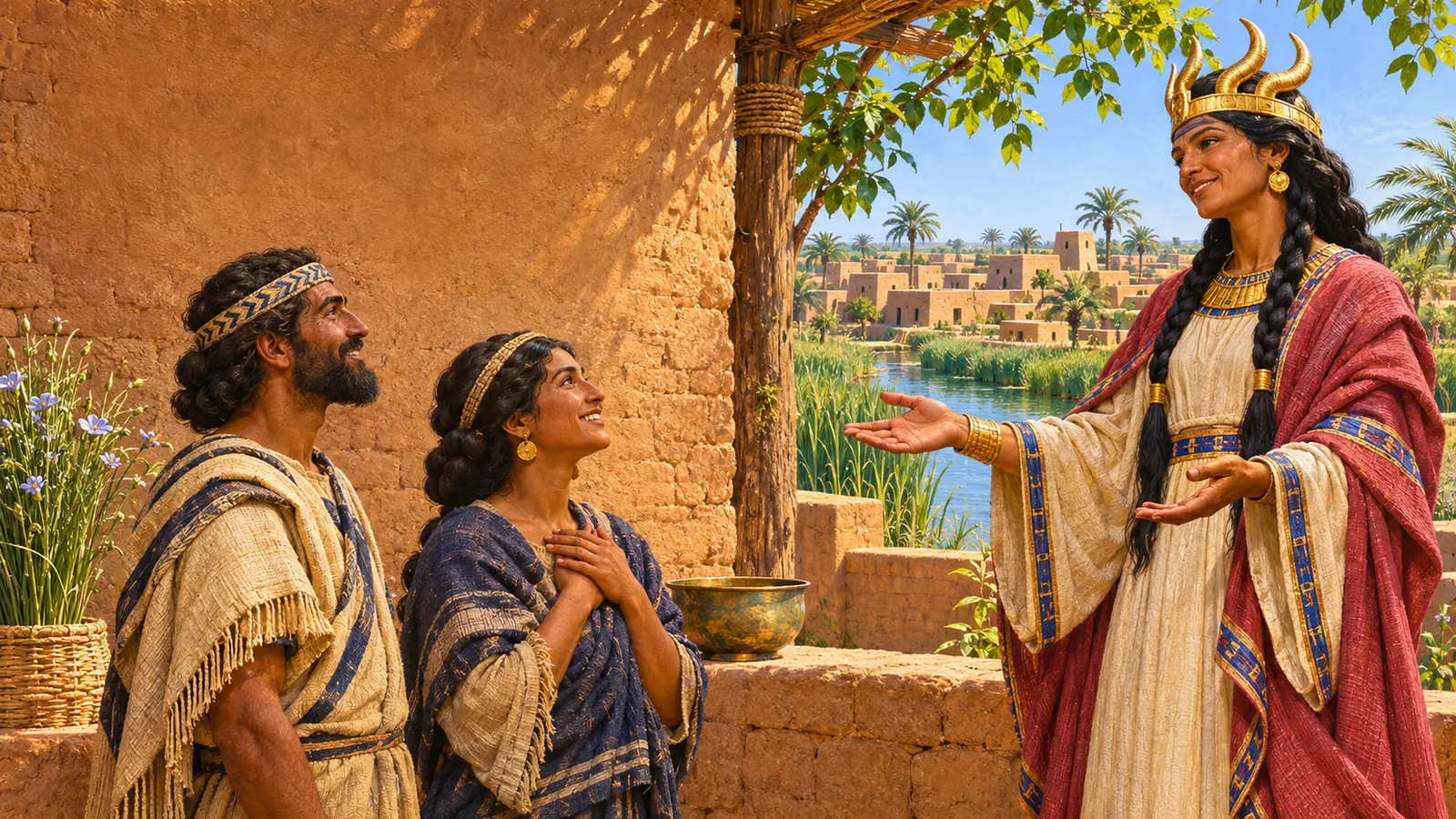
Em quinto lugar vem Shuruppak, que é dada a Sud. Com esse nome, a passagem encerra a lista das cinco cidades.
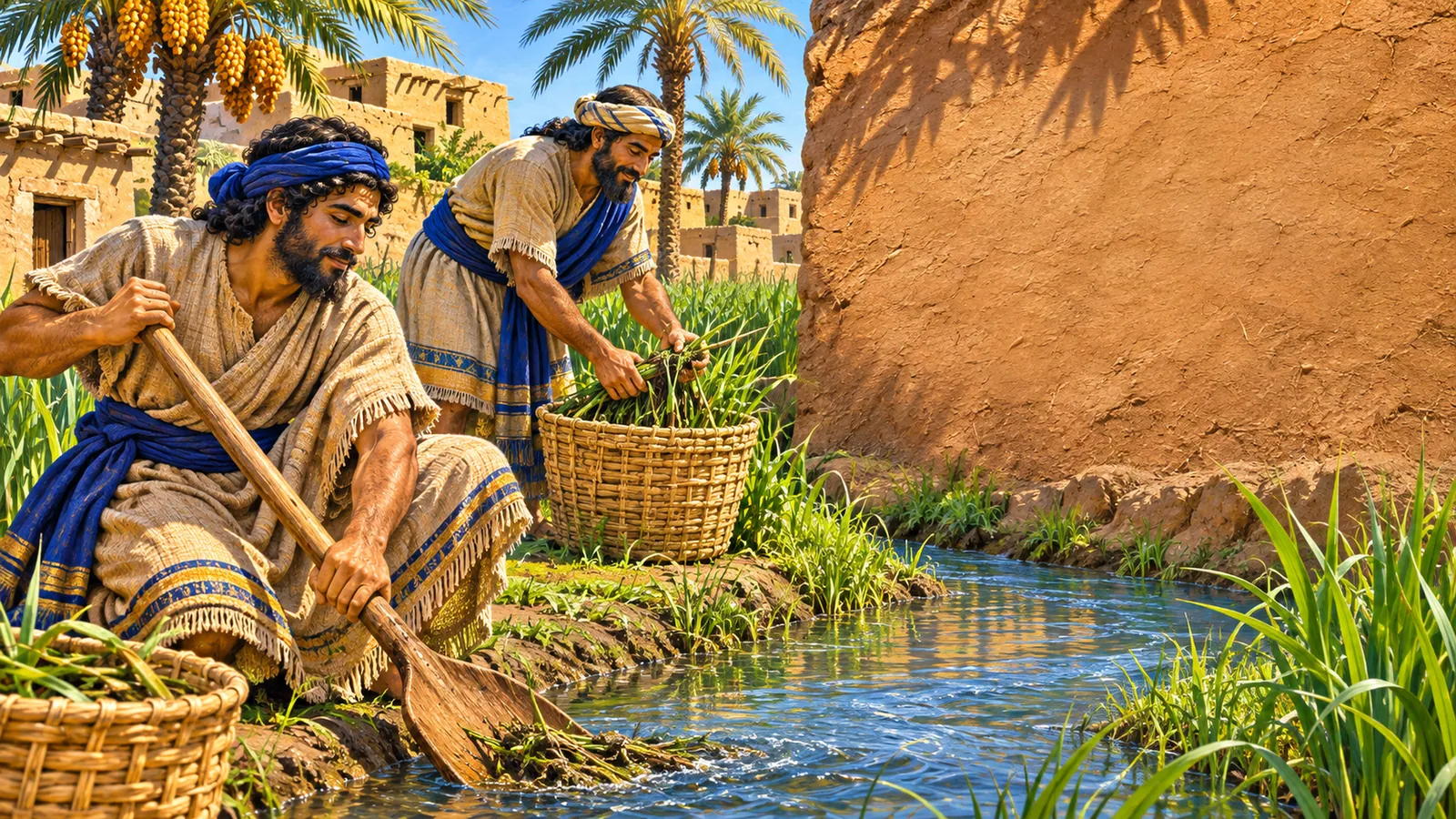
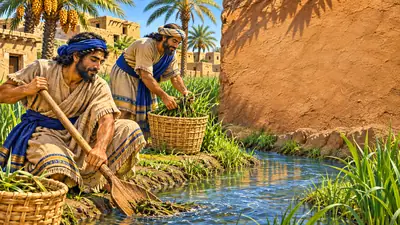
As palavras passam a falar da água. O trecho sobre o rio está danificado, mas ainda se lê a menção à limpeza dos pequenos canais.
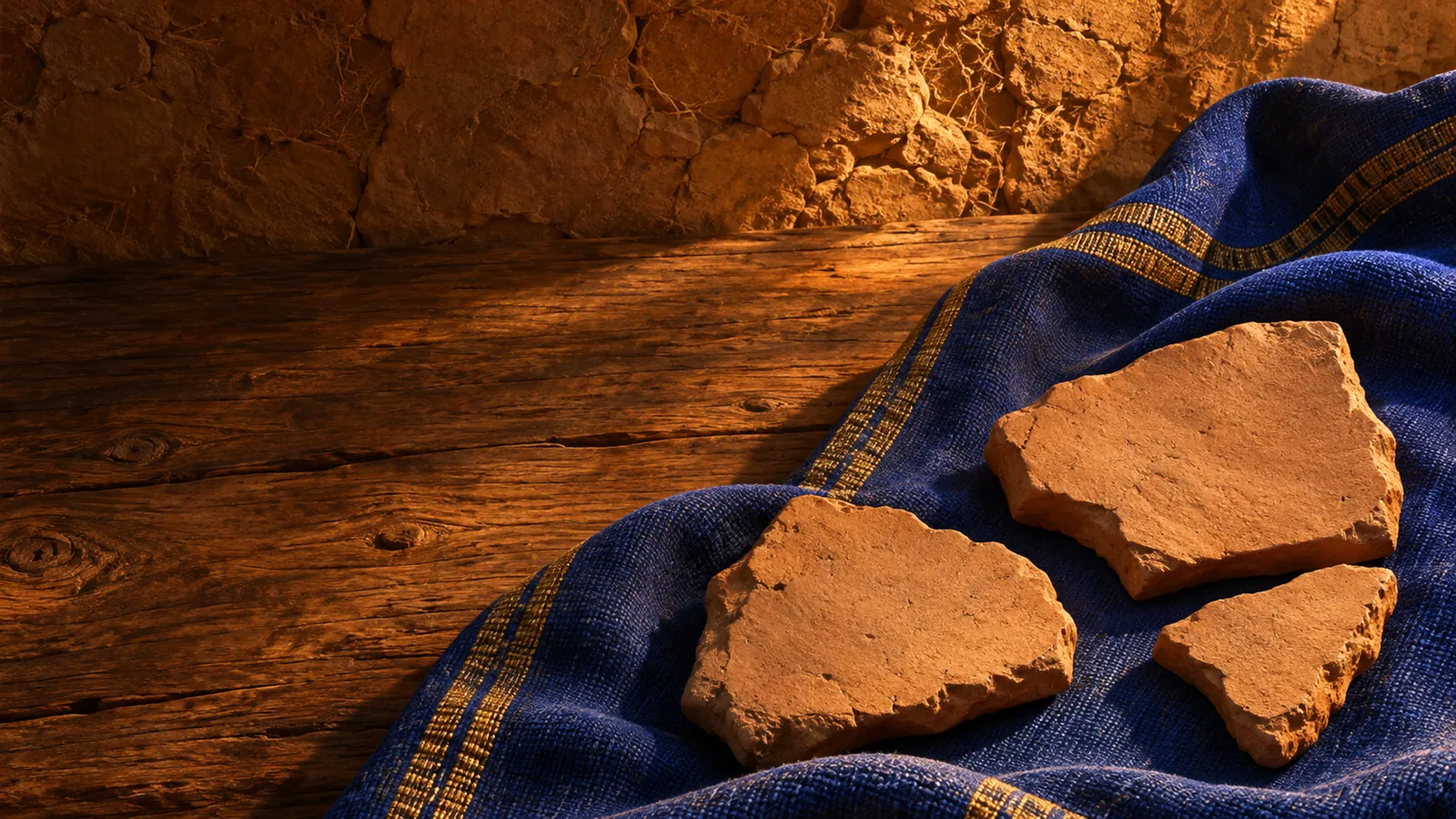
Aqui faltam cerca de trinta e quatro linhas. Quando as palavras voltam, só restam frases interrompidas que falam do céu, do dilúvio e da humanidade.
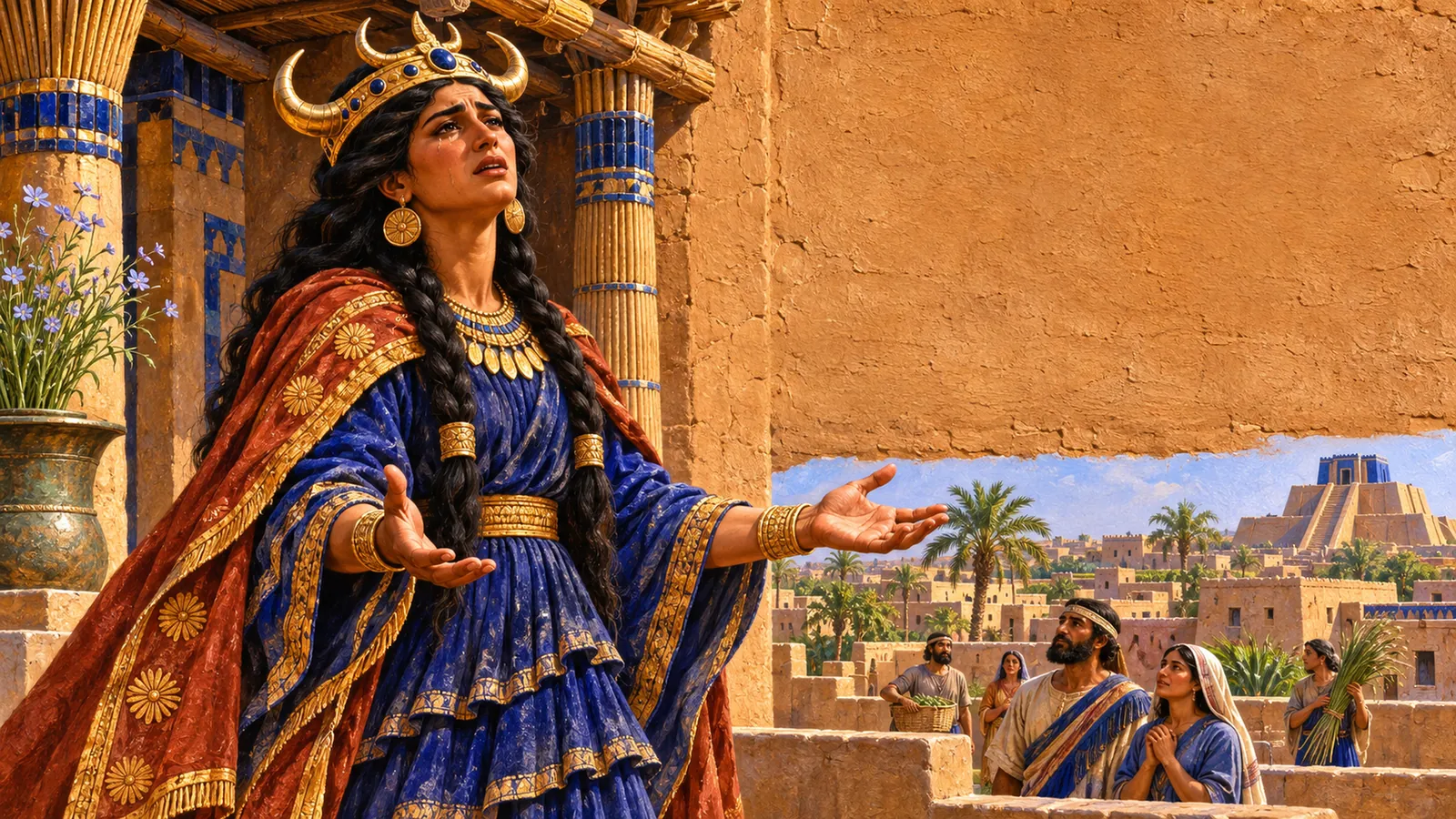
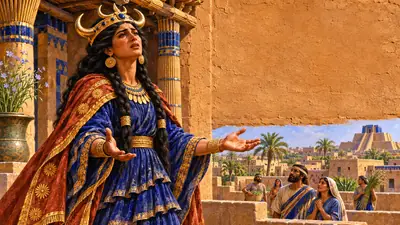
Inanna ergue a voz num lamento pelo povo. É uma das primeiras vozes que voltamos a ouvir com clareza depois da lacuna.
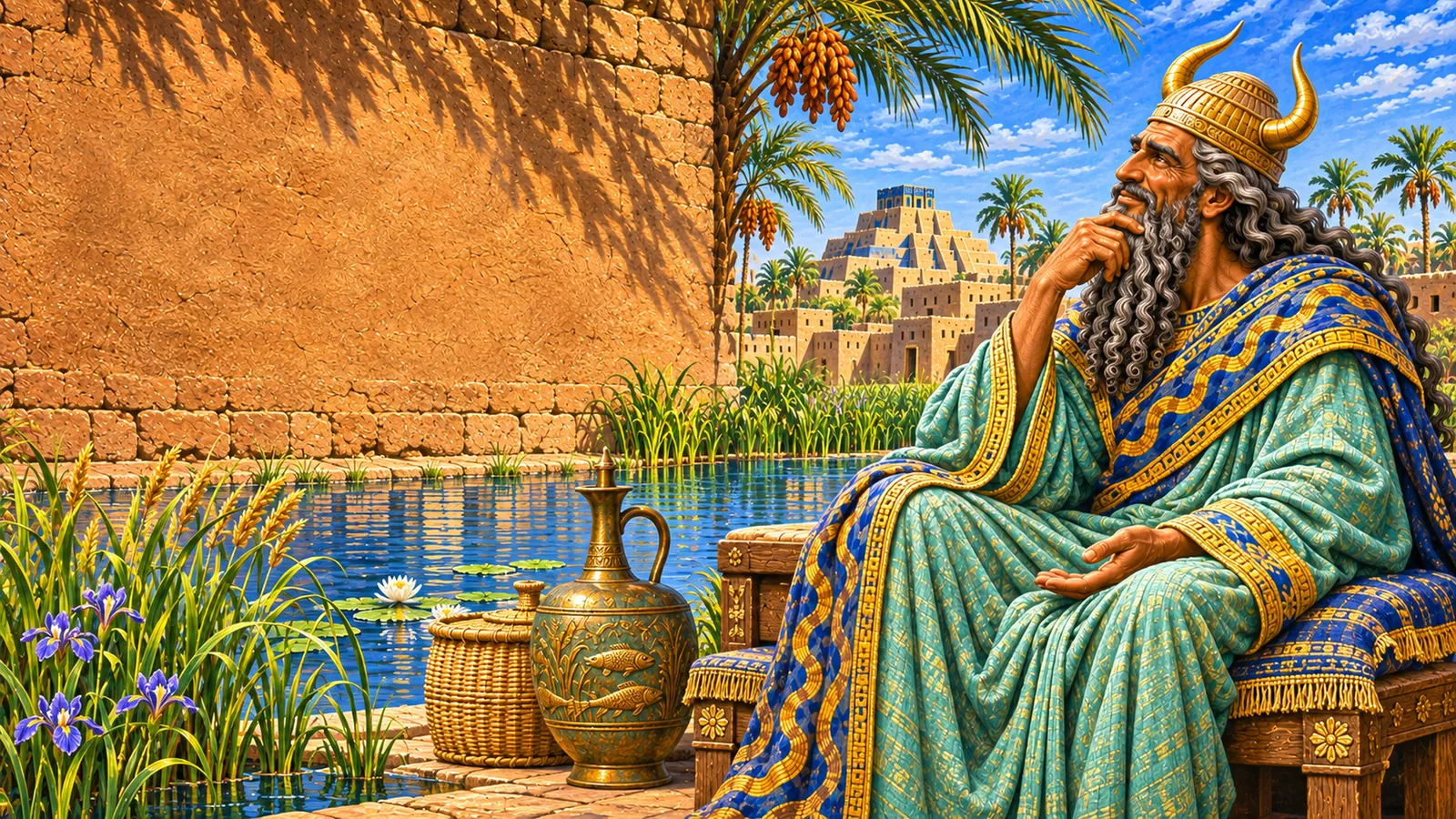
Enki delibera consigo mesmo. A tabuinha diz-nos isto numa frase breve, entre linhas fragmentárias.
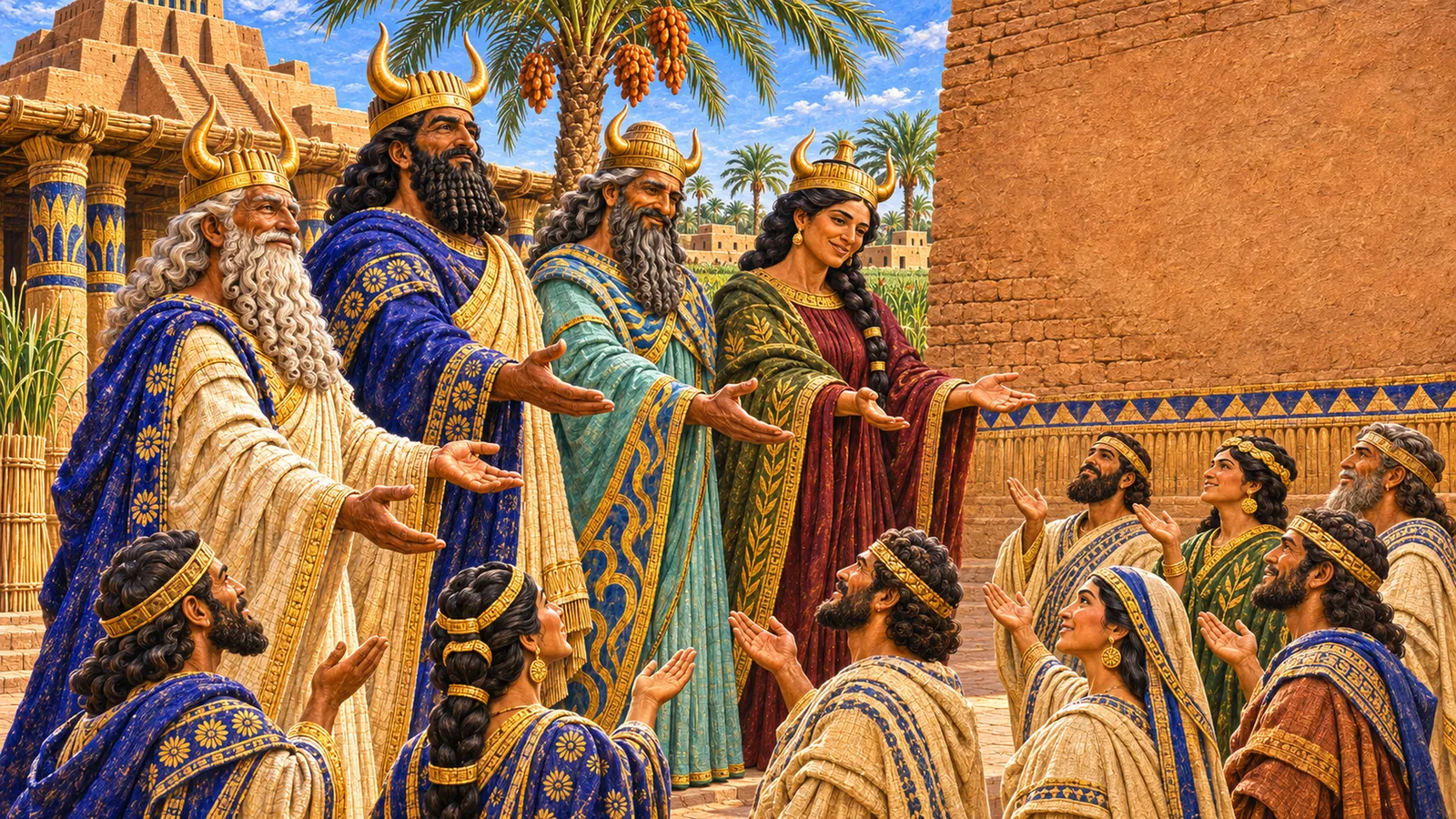
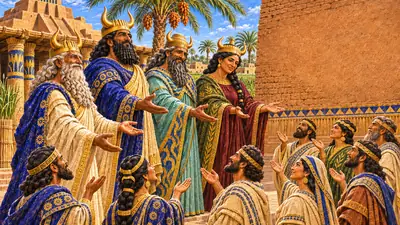
An, Enlil, Enki e Ninhursag fazem os deuses do céu e da terra prestar juramento. Ao jurar, os deuses invocam An e Enlil.
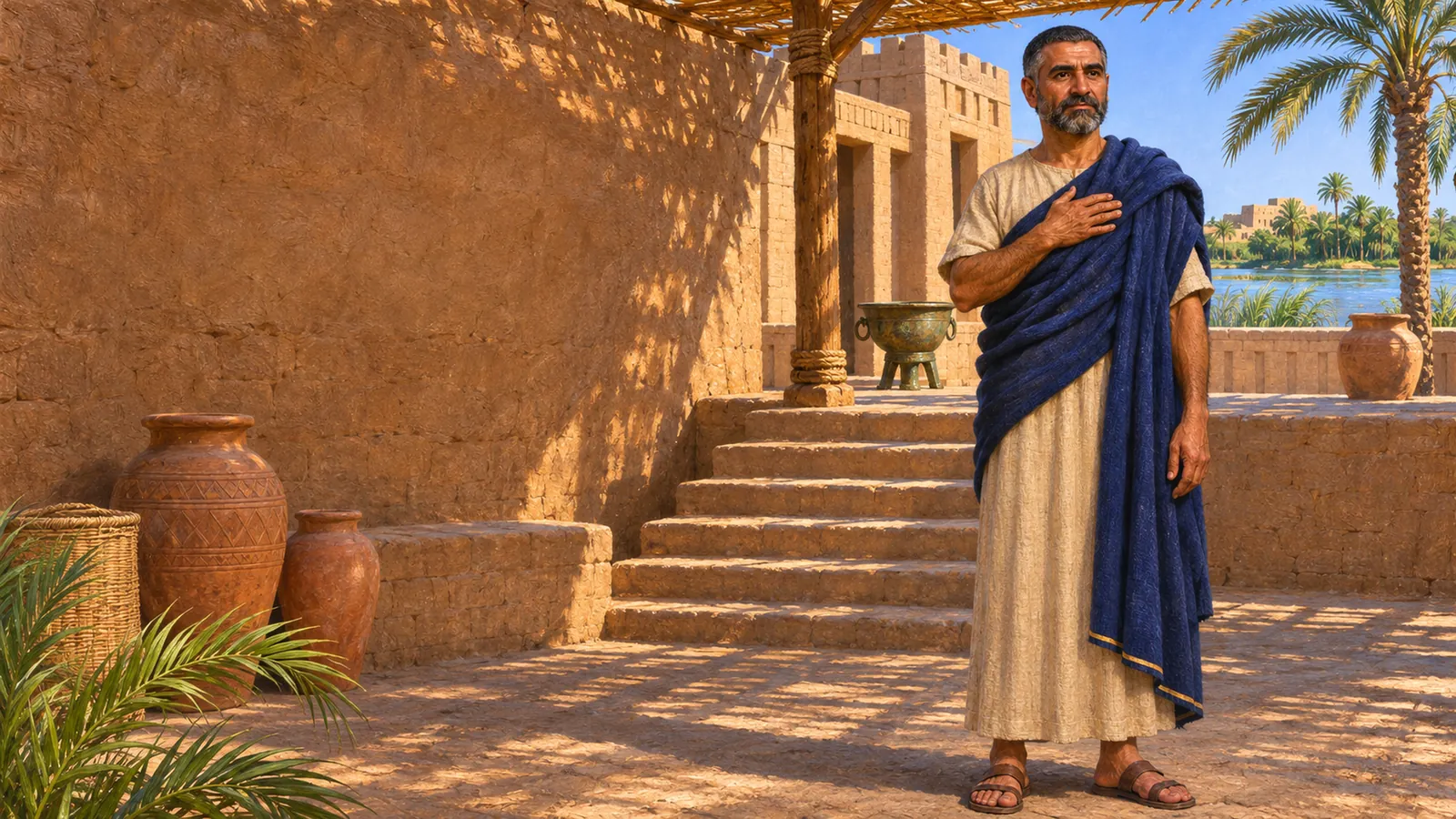
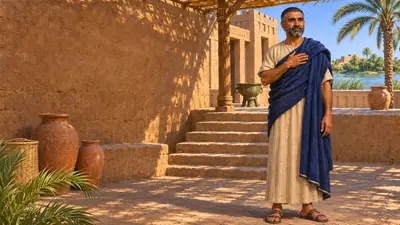
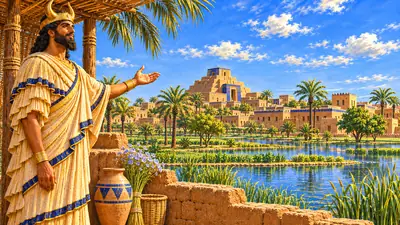
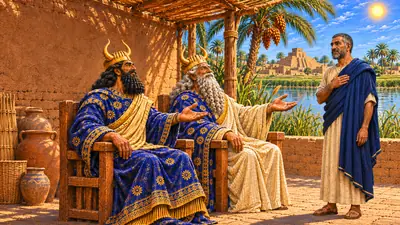
Aqui, a tabuinha nomeia Ziusudra, rei e sacerdote gudu. As palavras sobre o que ele fazia chegaram até nós aos fragmentos.
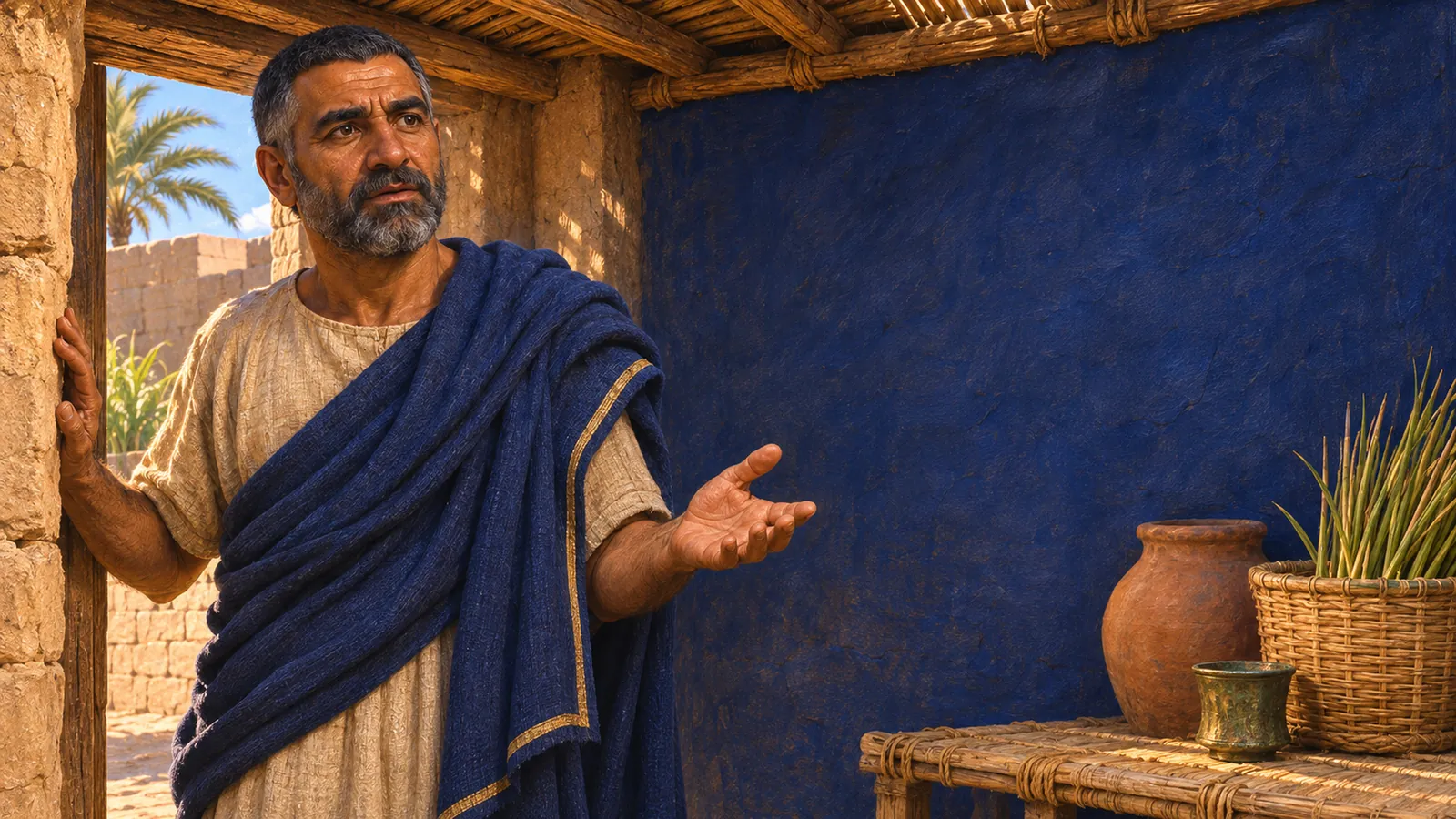
Aparece algo que, segundo o texto, não era um sonho. As linhas interrompem-se antes de sabermos o que apareceu.
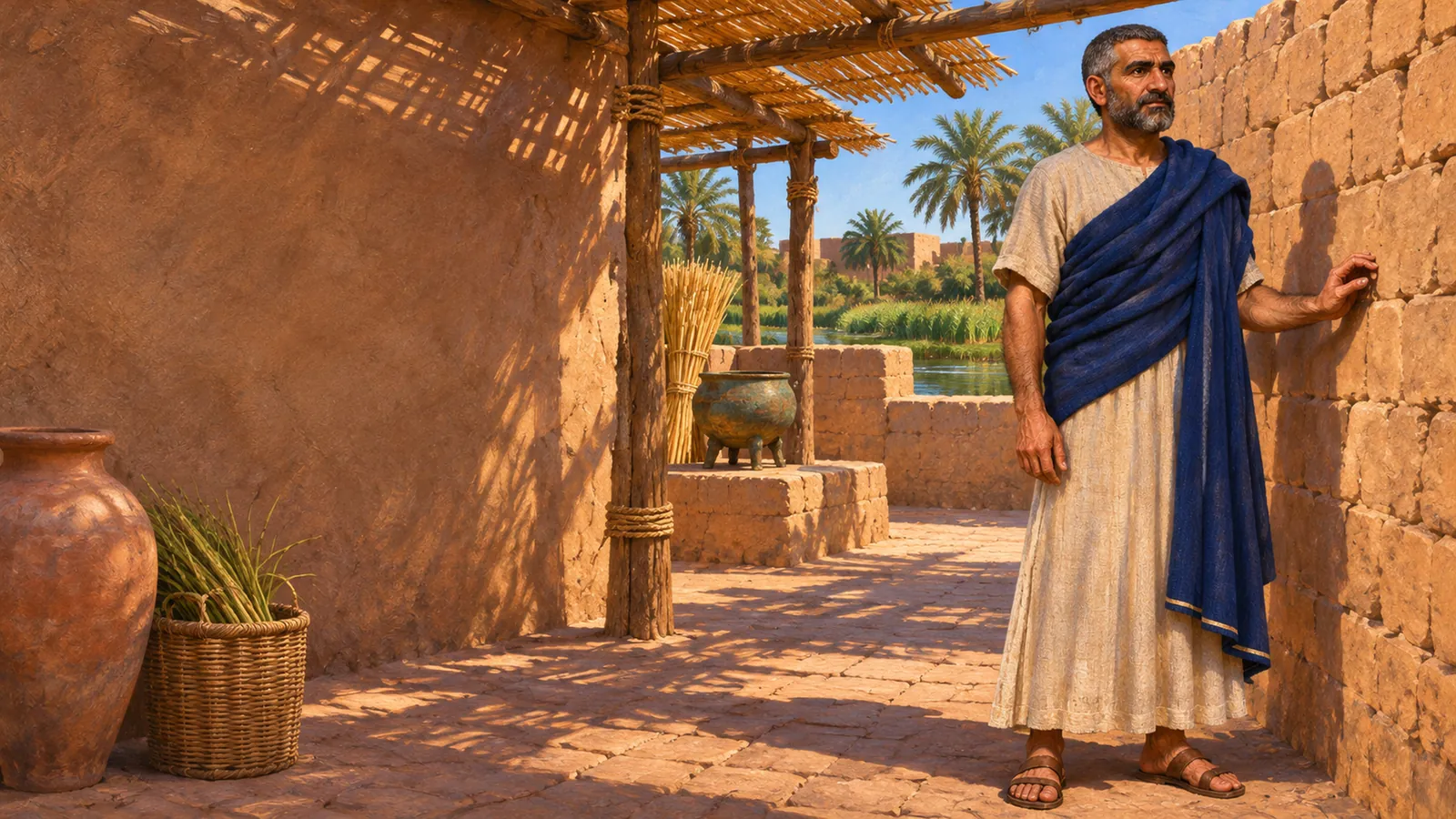
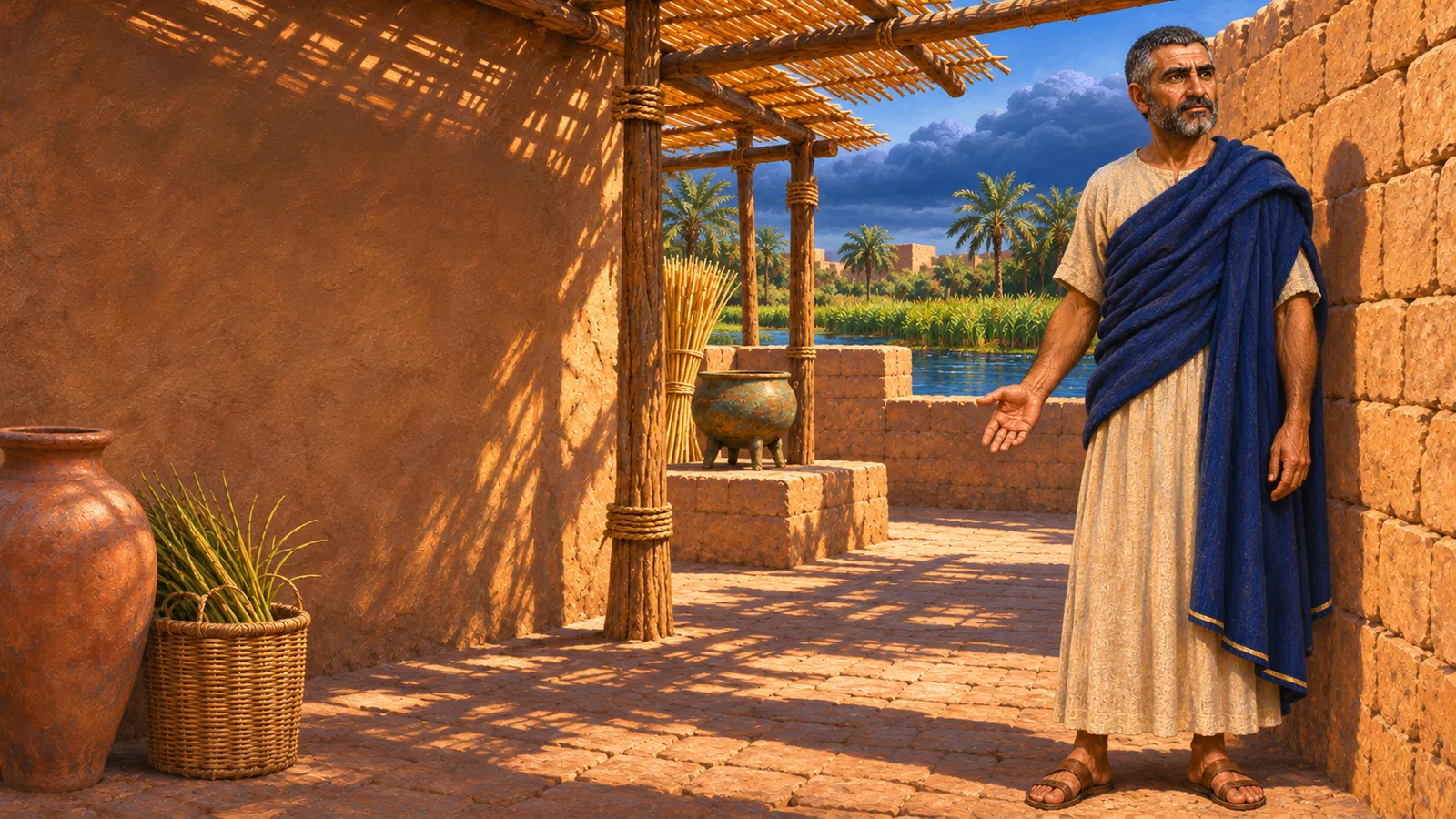
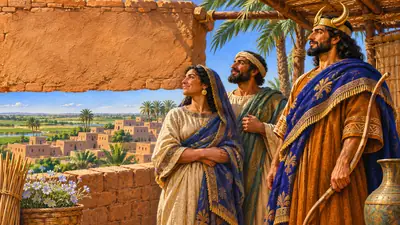
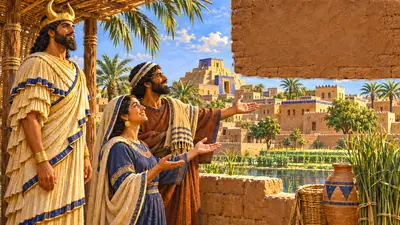
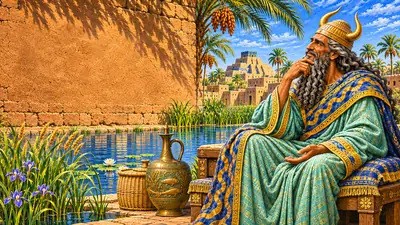
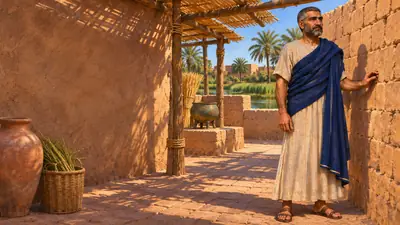
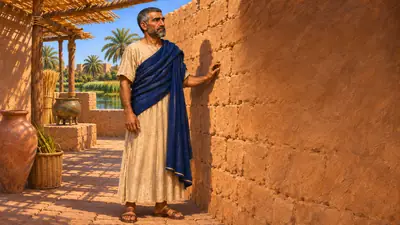
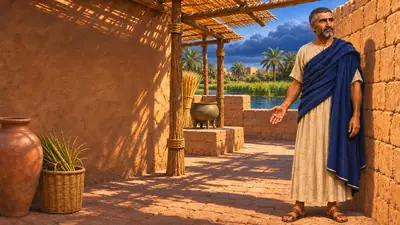
As linhas conservadas nomeiam o Ki-ur. Lá, Ziusudra está junto a um muro, no lugar onde ouvirá o aviso.
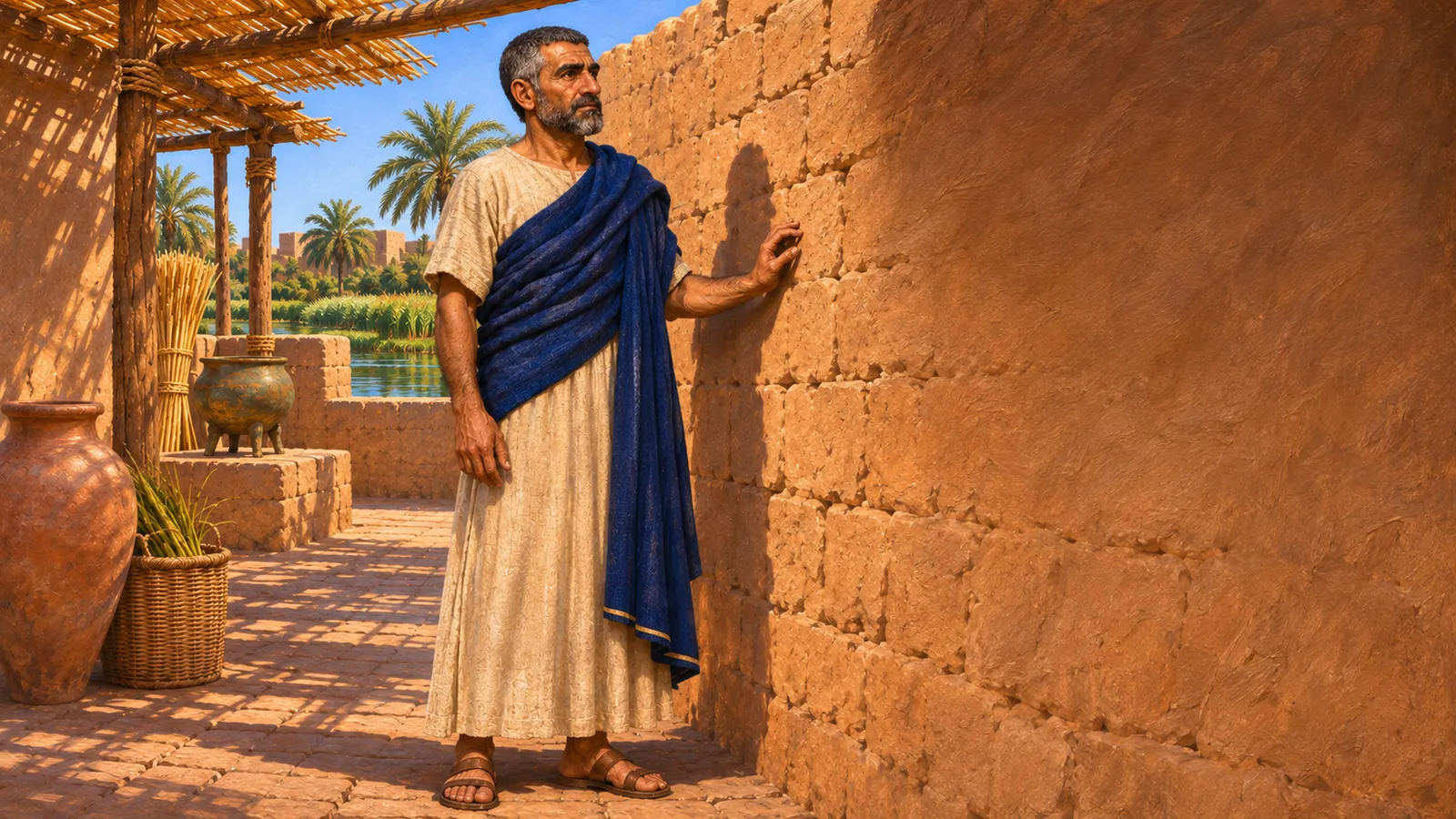
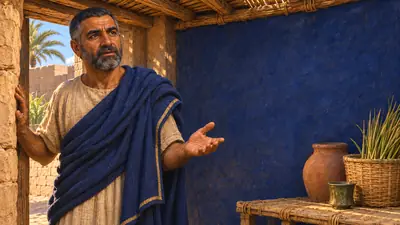
Ziusudra ouve uma voz junto ao muro. A voz dirige-se ao próprio muro, pedindo-lhe que escute com cuidado e esteja atento ao que lhe é dito.
O DILÚVIO
A voz anuncia um dilúvio e diz que a assembleia divina decidiu destruir a humanidade.
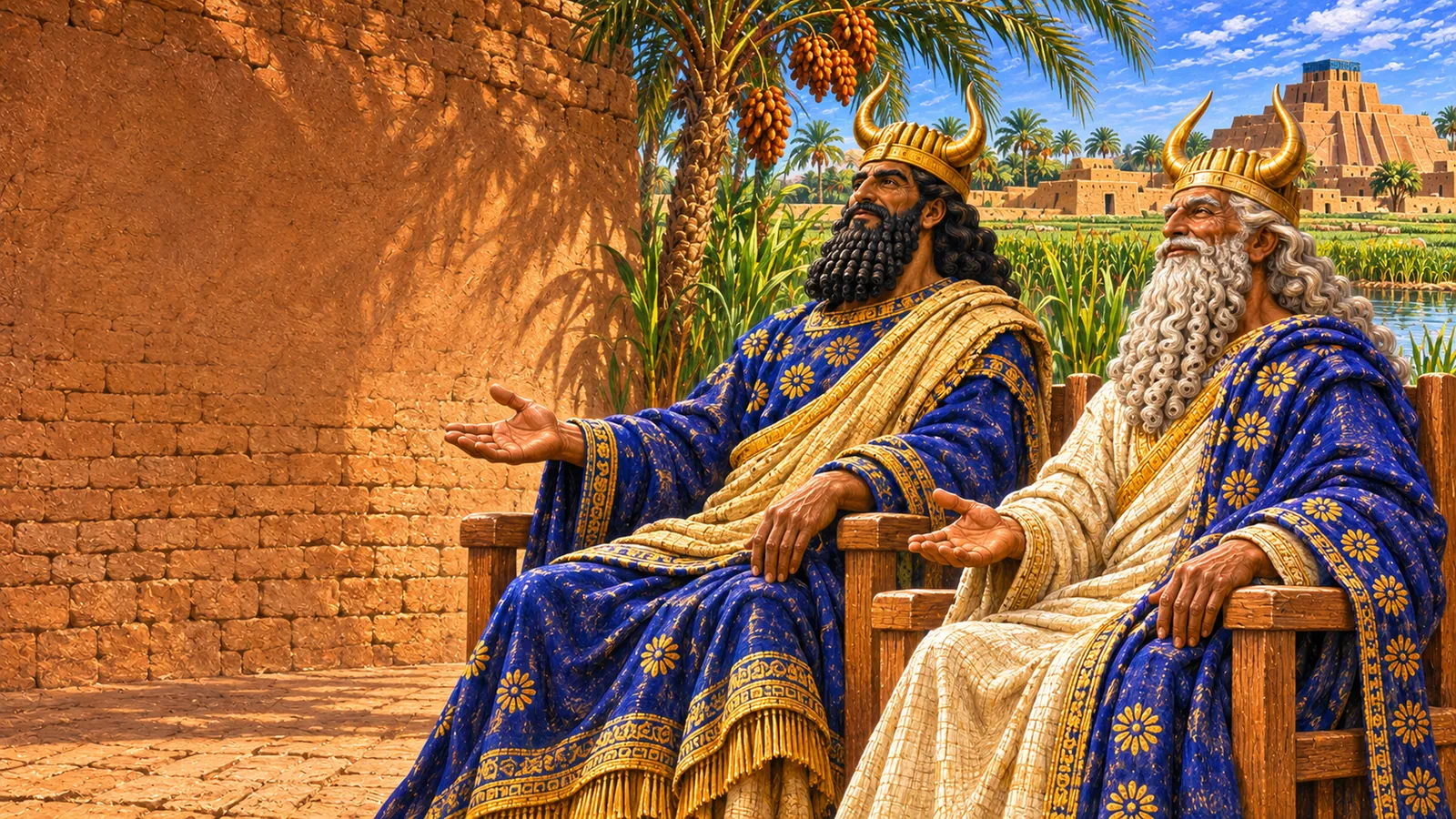
A ordem anunciada por An e Enlil não pode ser revogada. A voz fala do fim de um reinado, mas a passagem em torno dessas palavras está danificada.
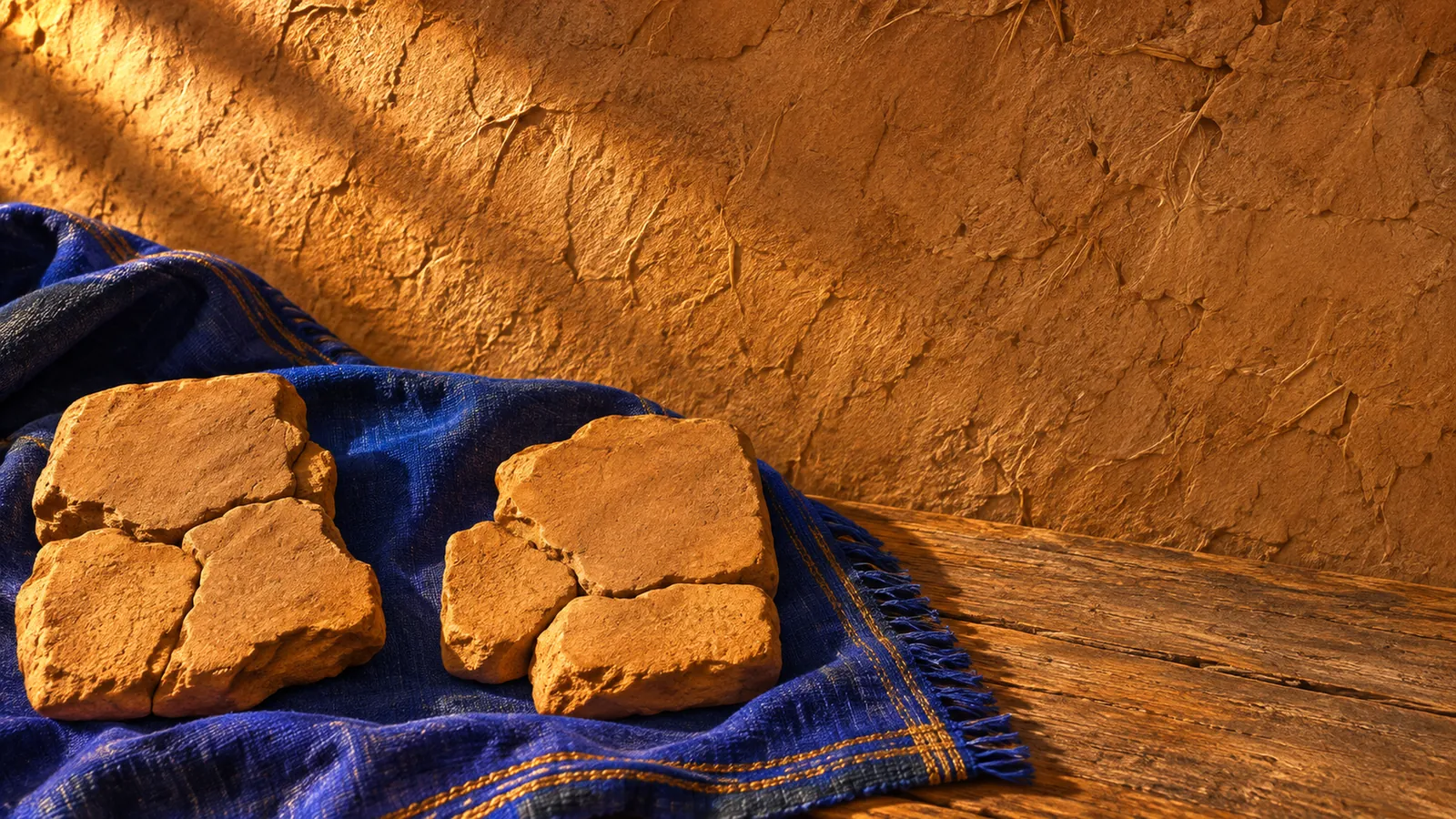
Faltam aqui cerca de trinta e oito linhas. Quando a tabuinha volta a ser legível, o dilúvio já começou e uma grande embarcação já está lá.

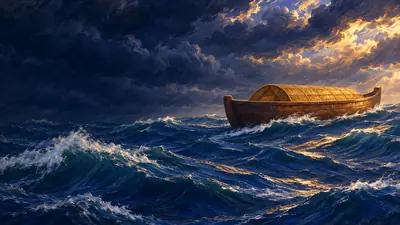
As tempestades e as rajadas levantam-se juntas, e as águas do dilúvio varrem a terra. As linhas conservadas que se seguem falam de uma grande embarcação entre o vento e as ondas.
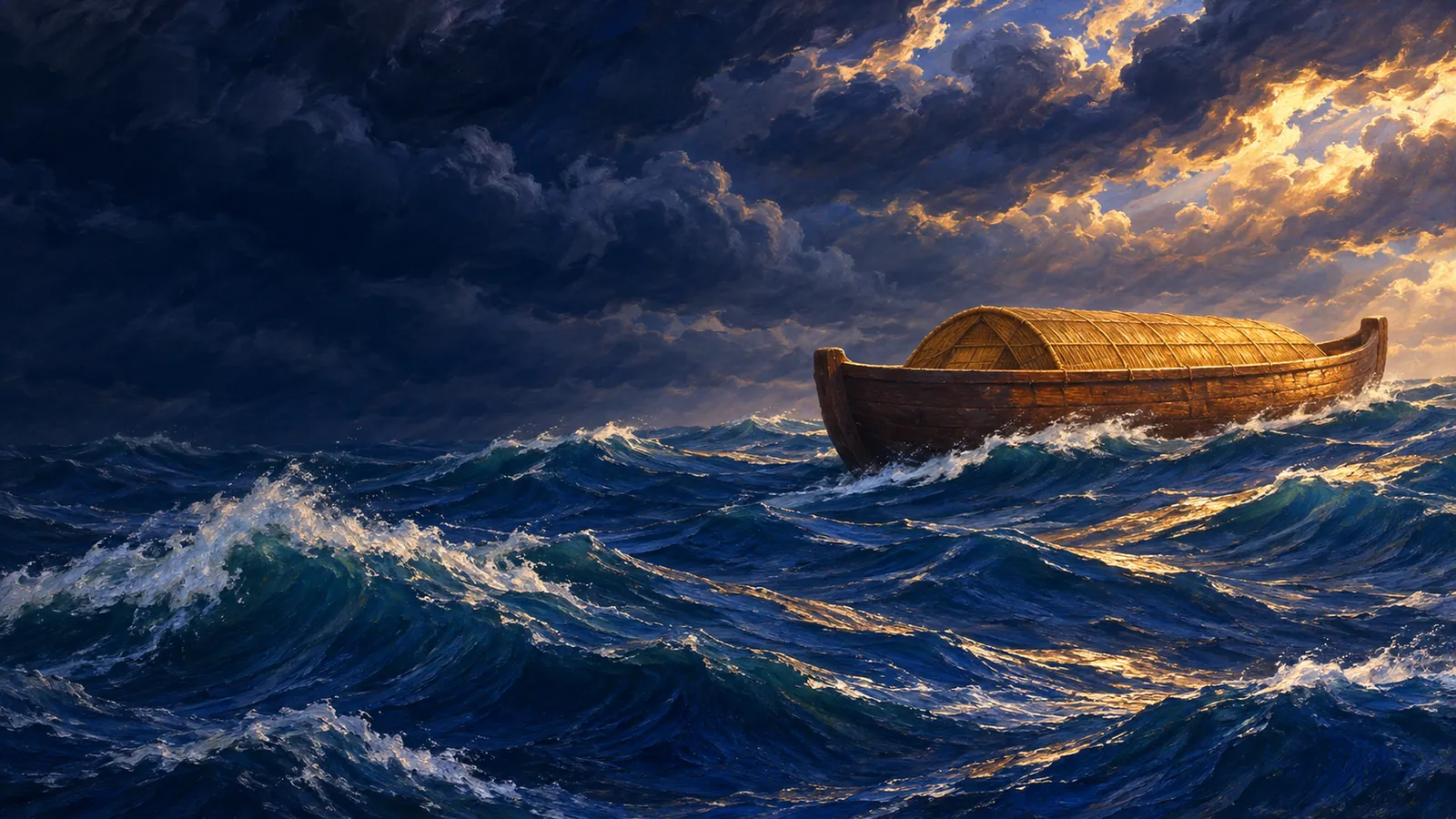
Durante sete dias e sete noites, o vento e as ondas sacodem a grande embarcação. É essa a duração da tempestade que a tabuinha regista.
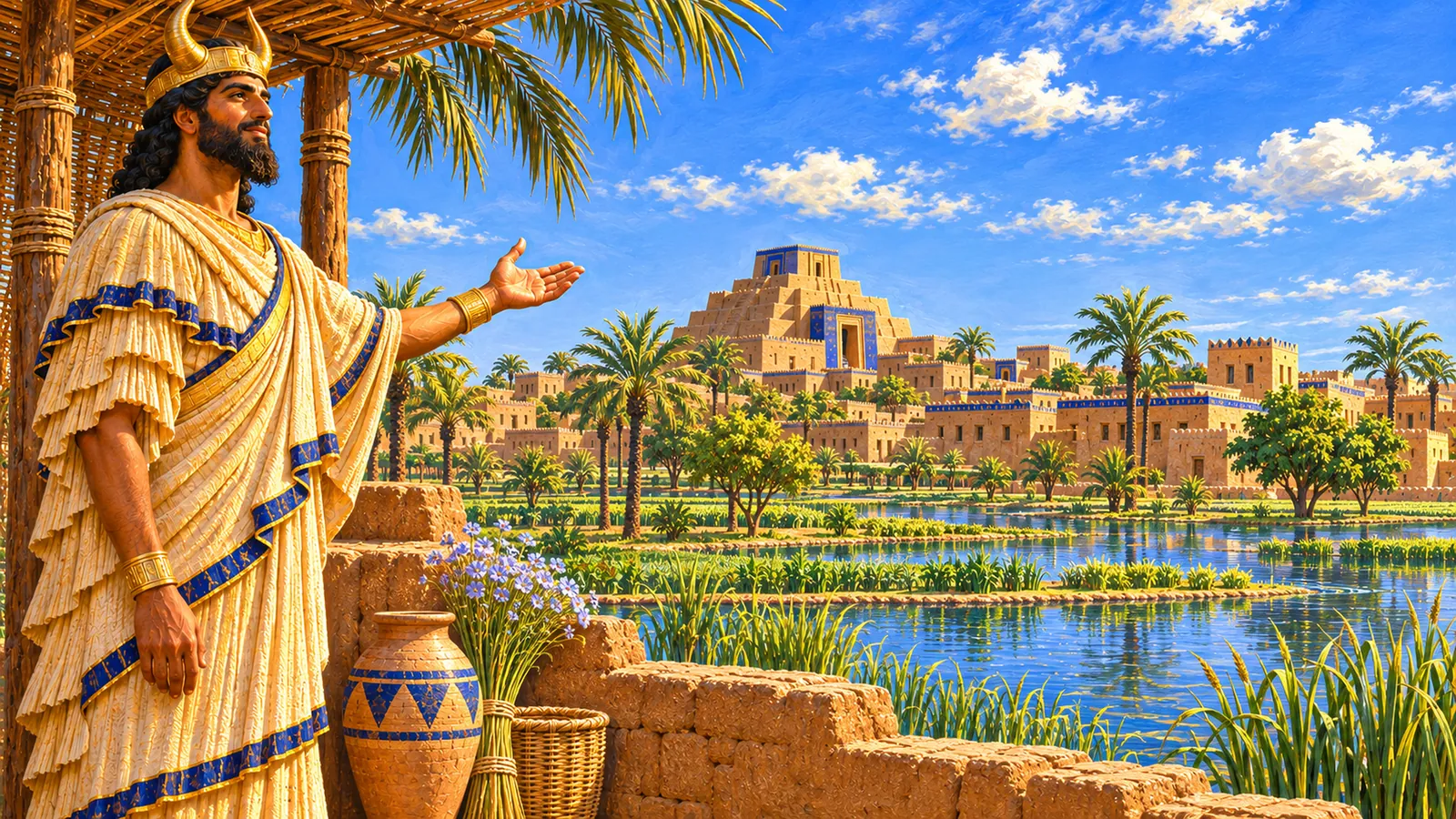
Então surge Utu, o deus do sol, e ilumina o céu e a terra. Depois da longa tempestade, a luz do dia chega à terra inundada.
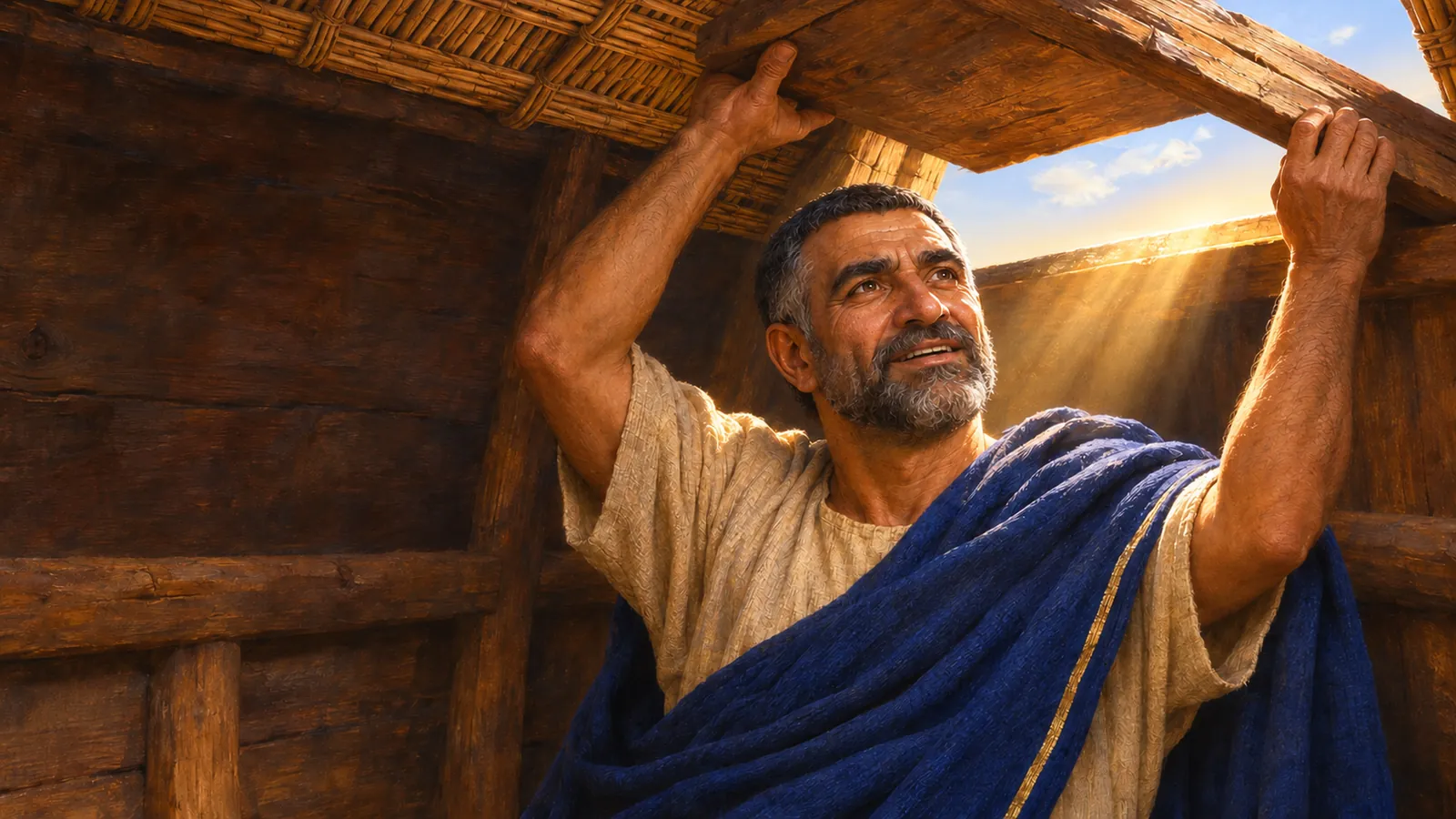
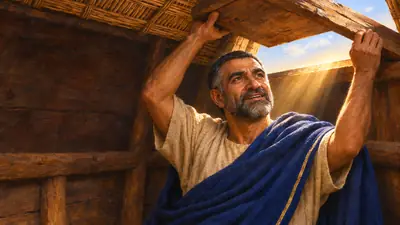
Ziusudra faz uma abertura na grande embarcação. Por ela entram os raios de Utu e chegam ao interior.
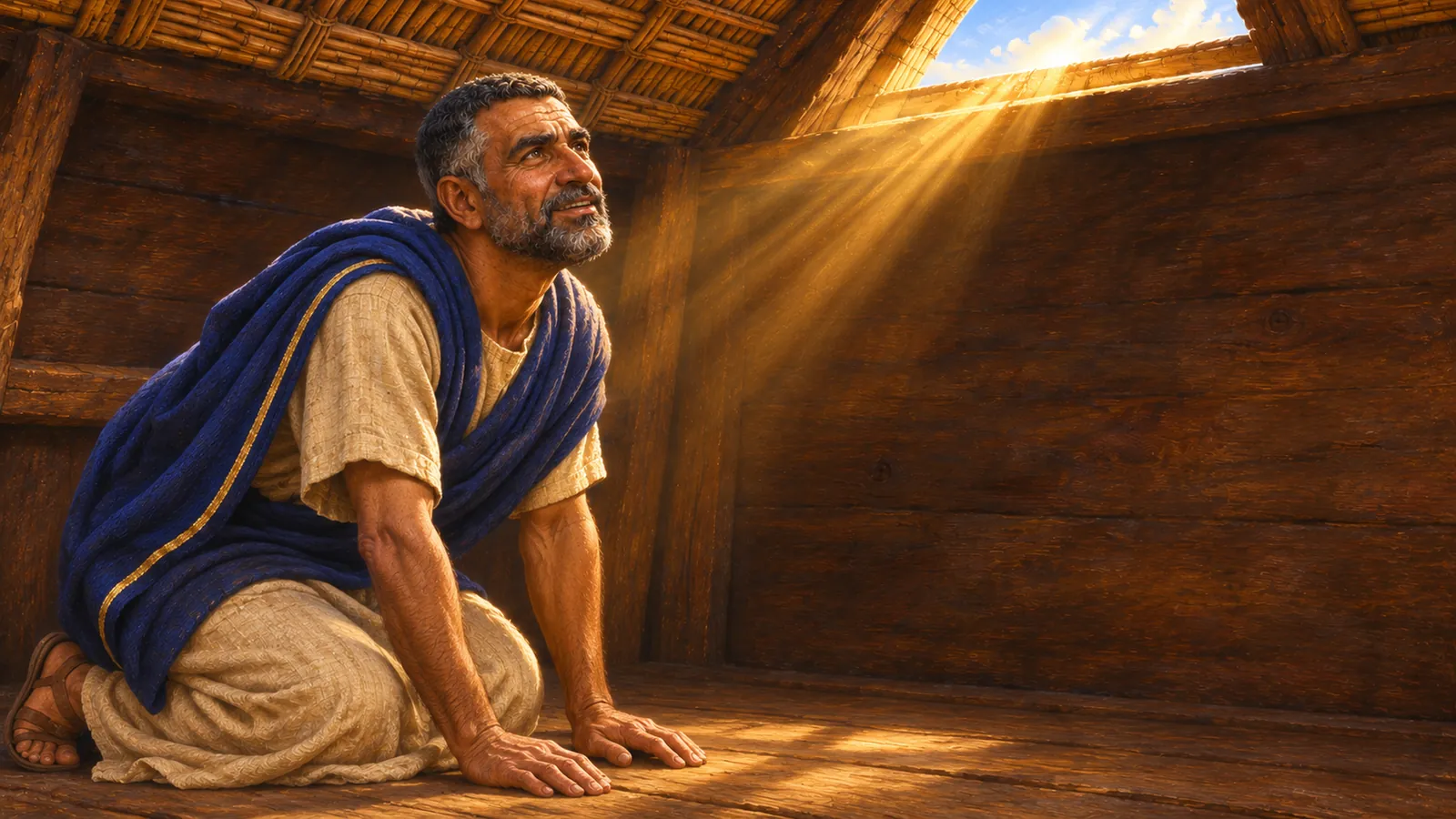
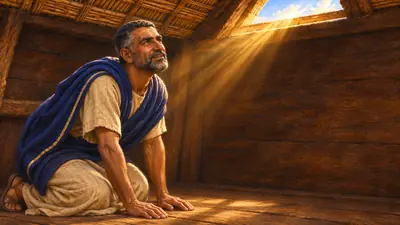
O rei Ziusudra prostra-se diante de Utu, o deus do sol cujos raios entraram pela abertura da embarcação.
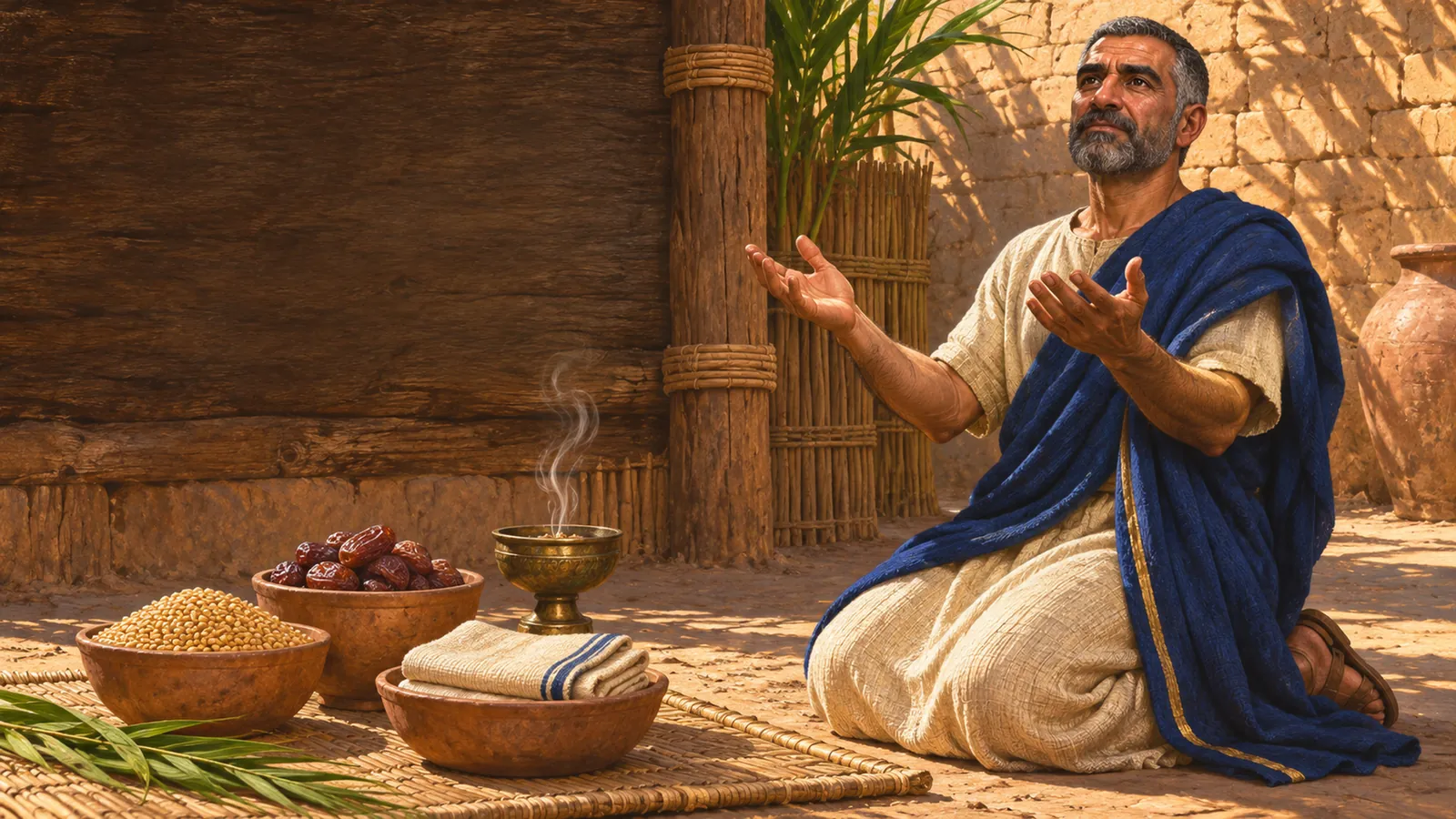
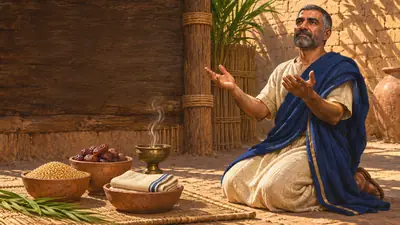
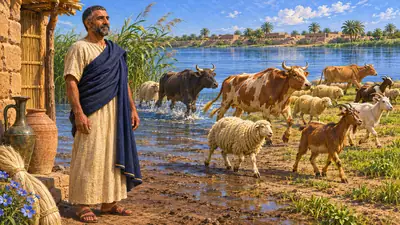
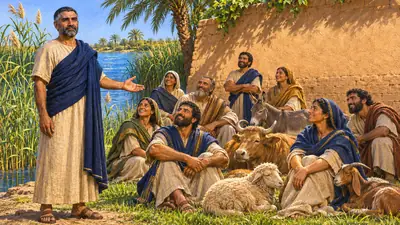
Ziusudra sacrifica bois e oferece muitas ovelhas. A tabuinha regista o que o rei oferece depois de a luz voltar.
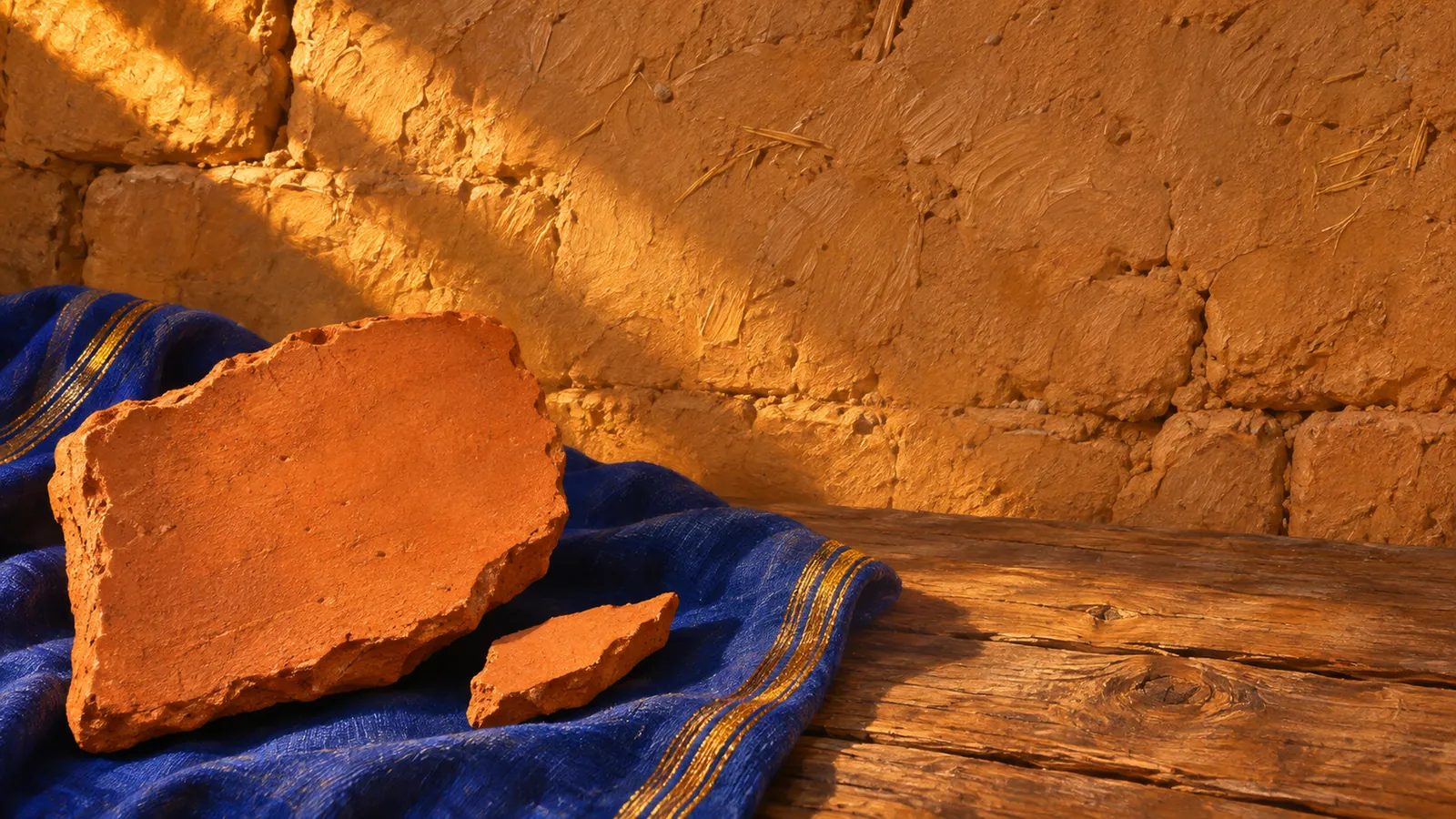
As seis linhas seguintes estão demasiado fragmentadas para serem traduzidas. Faltam mais cerca de trinta e três antes de as palavras conservadas retomarem o fio.
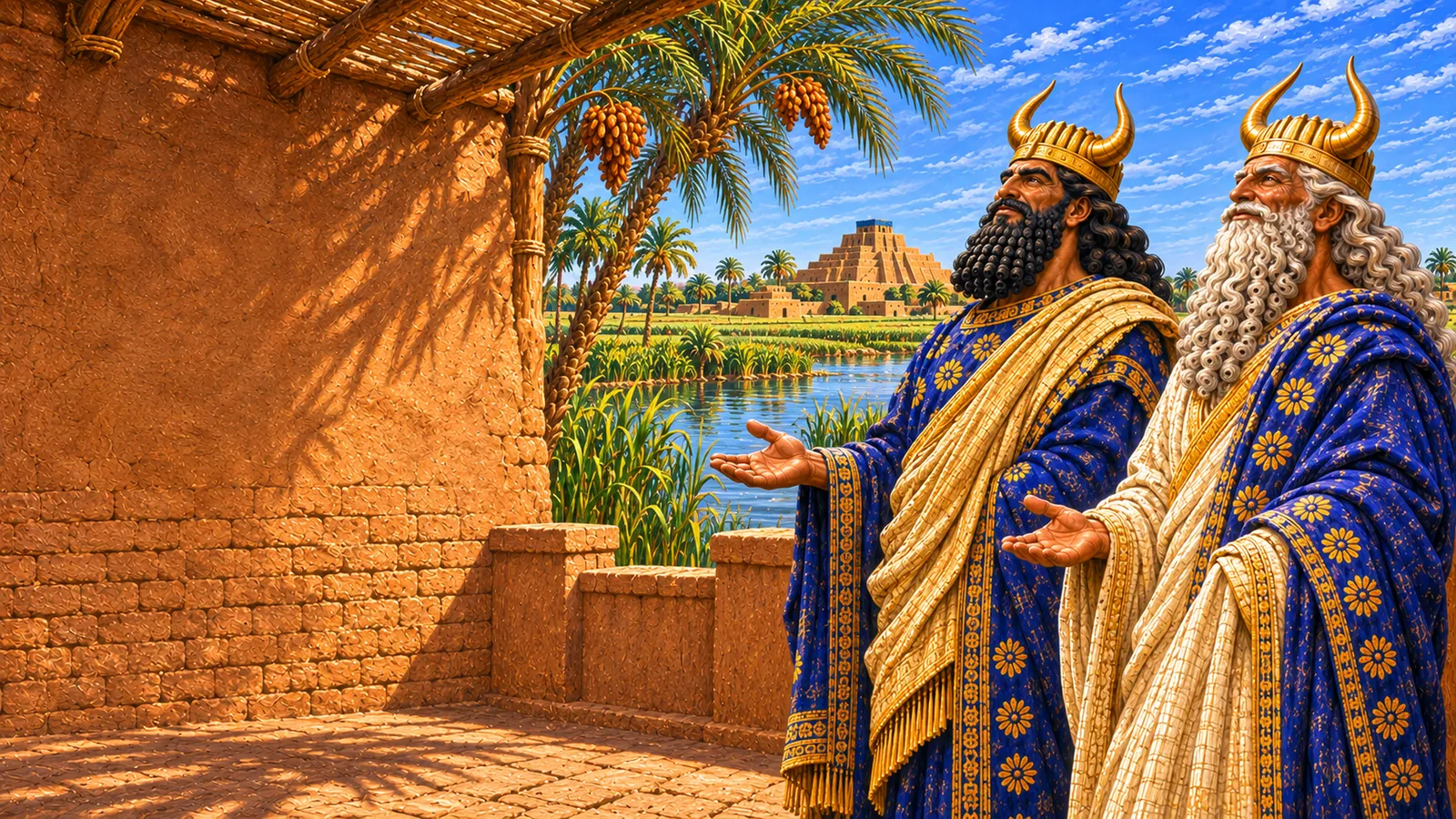
Um discurso fragmentário nomeia An e Enlil e fala de um juramento pelo céu e pela terra. As palavras que rodeavam o juramento perderam-se.
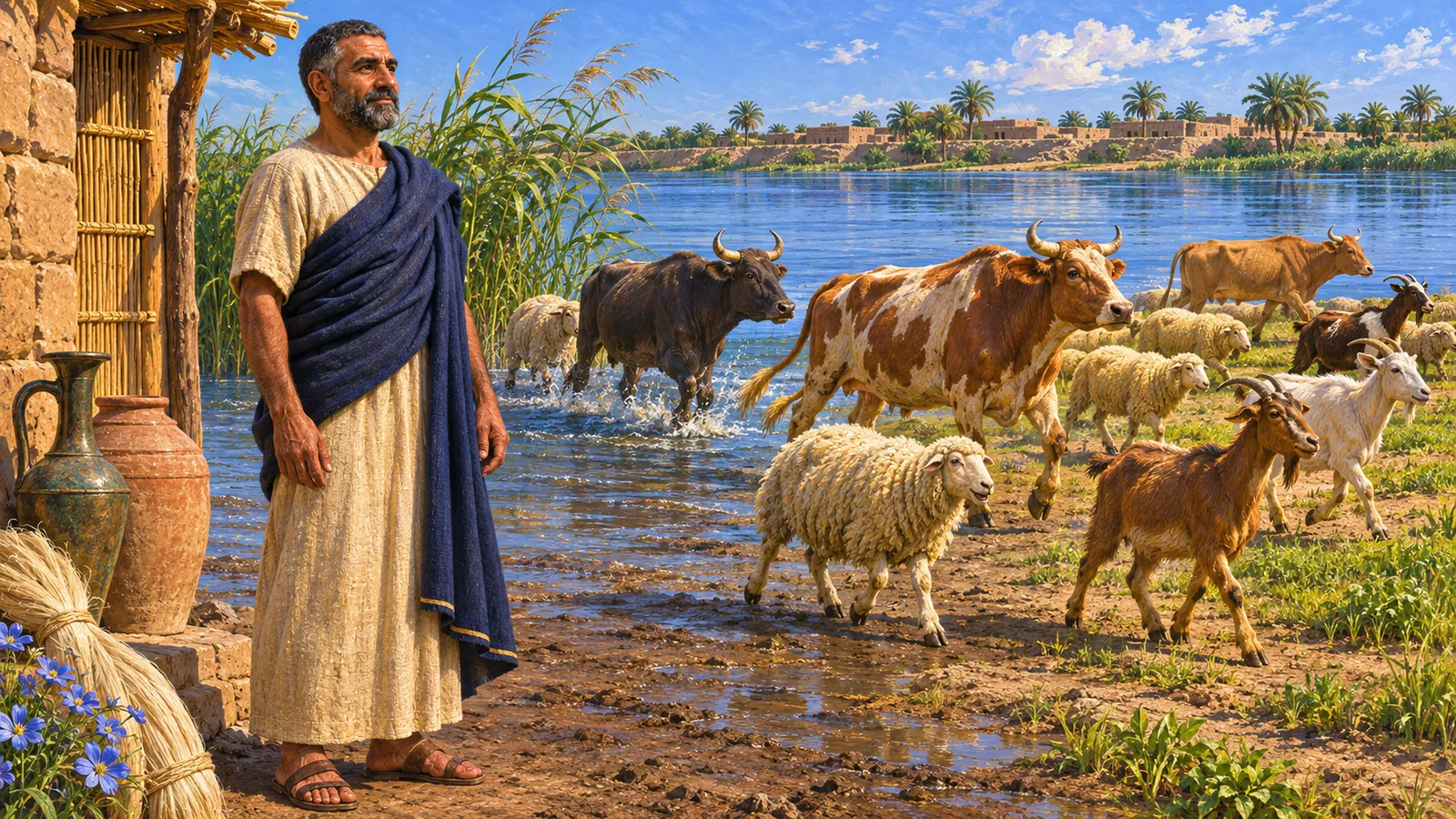
Cada vez mais animais desembarcam. Depois da passagem perdida, a tabuinha retoma o relato com a sua chegada a terra.
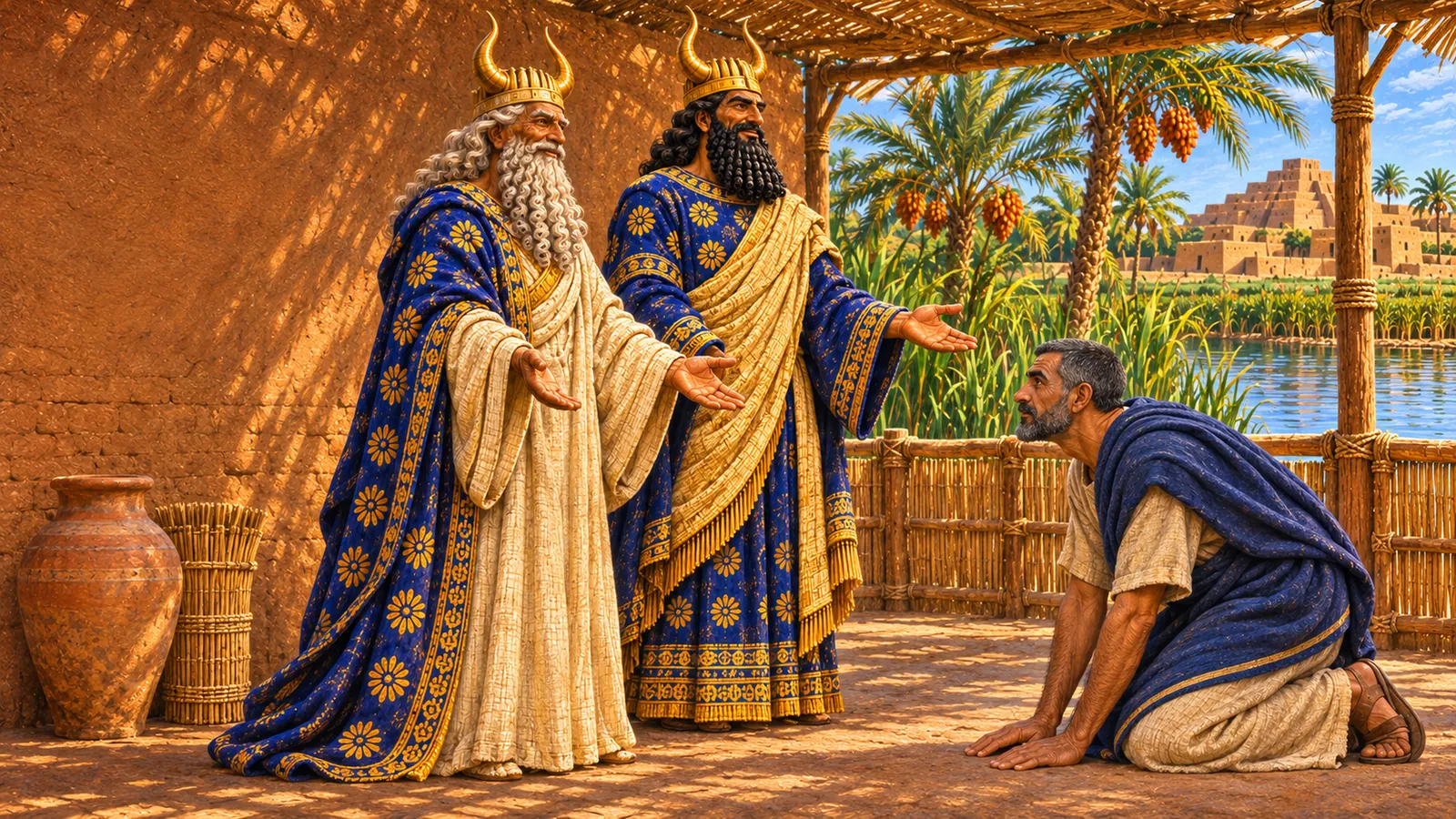
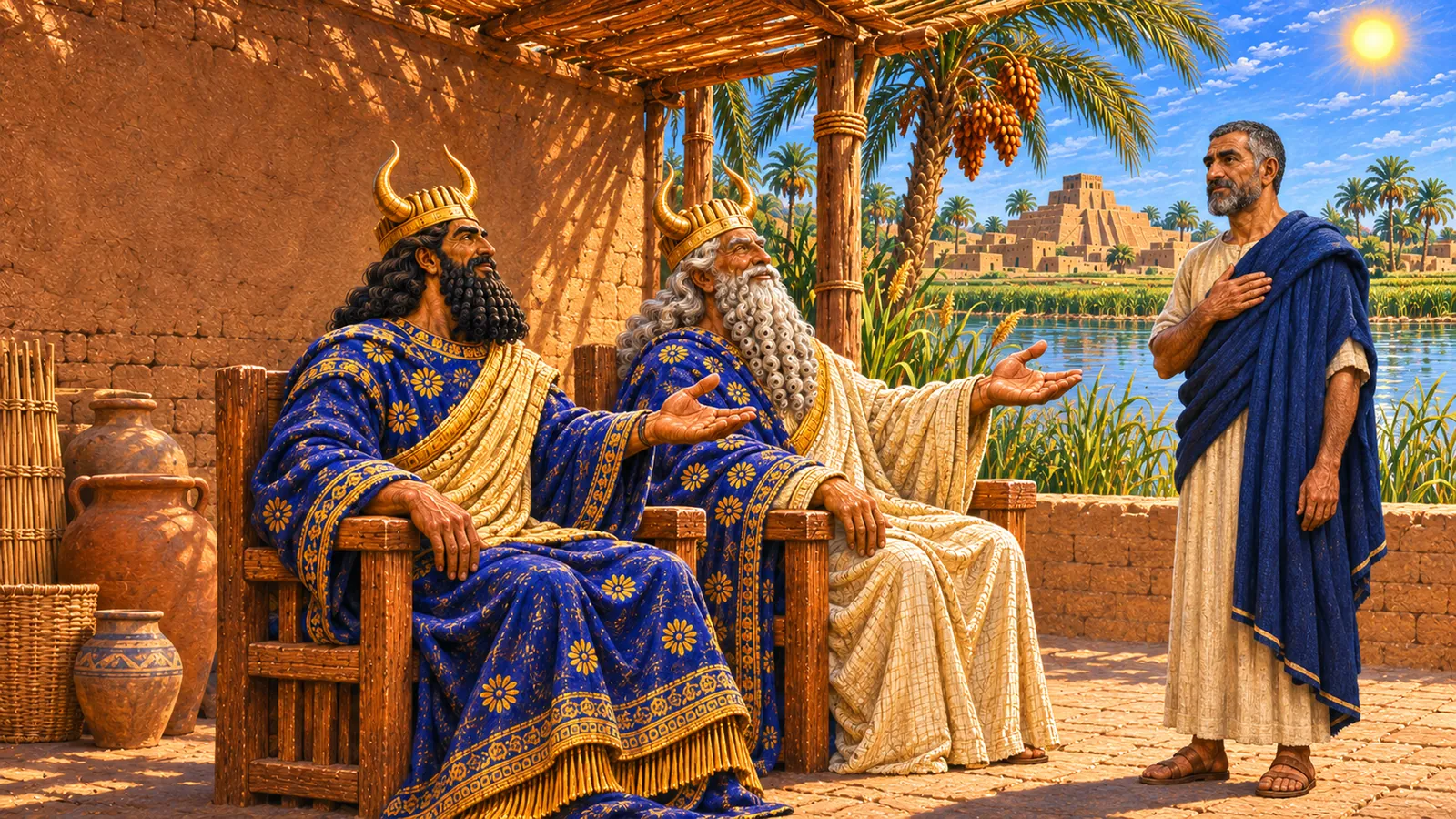
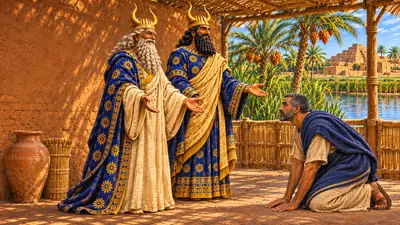
O rei Ziusudra prostra-se diante de An e Enlil. Inclina-se perante os dois cuja ordem a voz junto ao muro tinha anunciado.
A VIDA
An e Enlil tratam Ziusudra com bondade. A tabuinha diz que lhe concedem a vida eterna, uma vida como a de um deus.
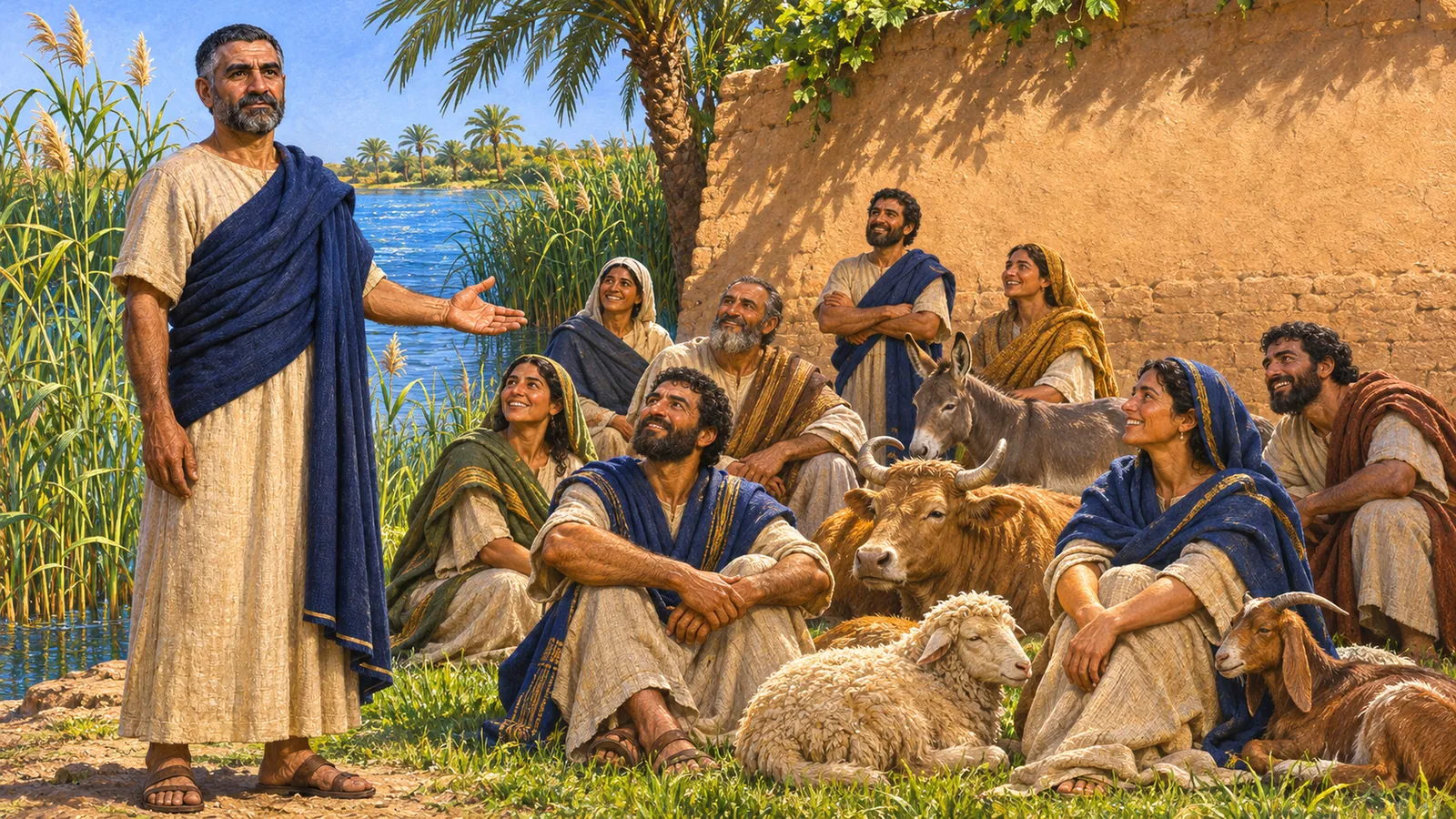
O relato recorda que Ziusudra preservou os animais e a humanidade. É por essa razão que o instalam do outro lado do mar.
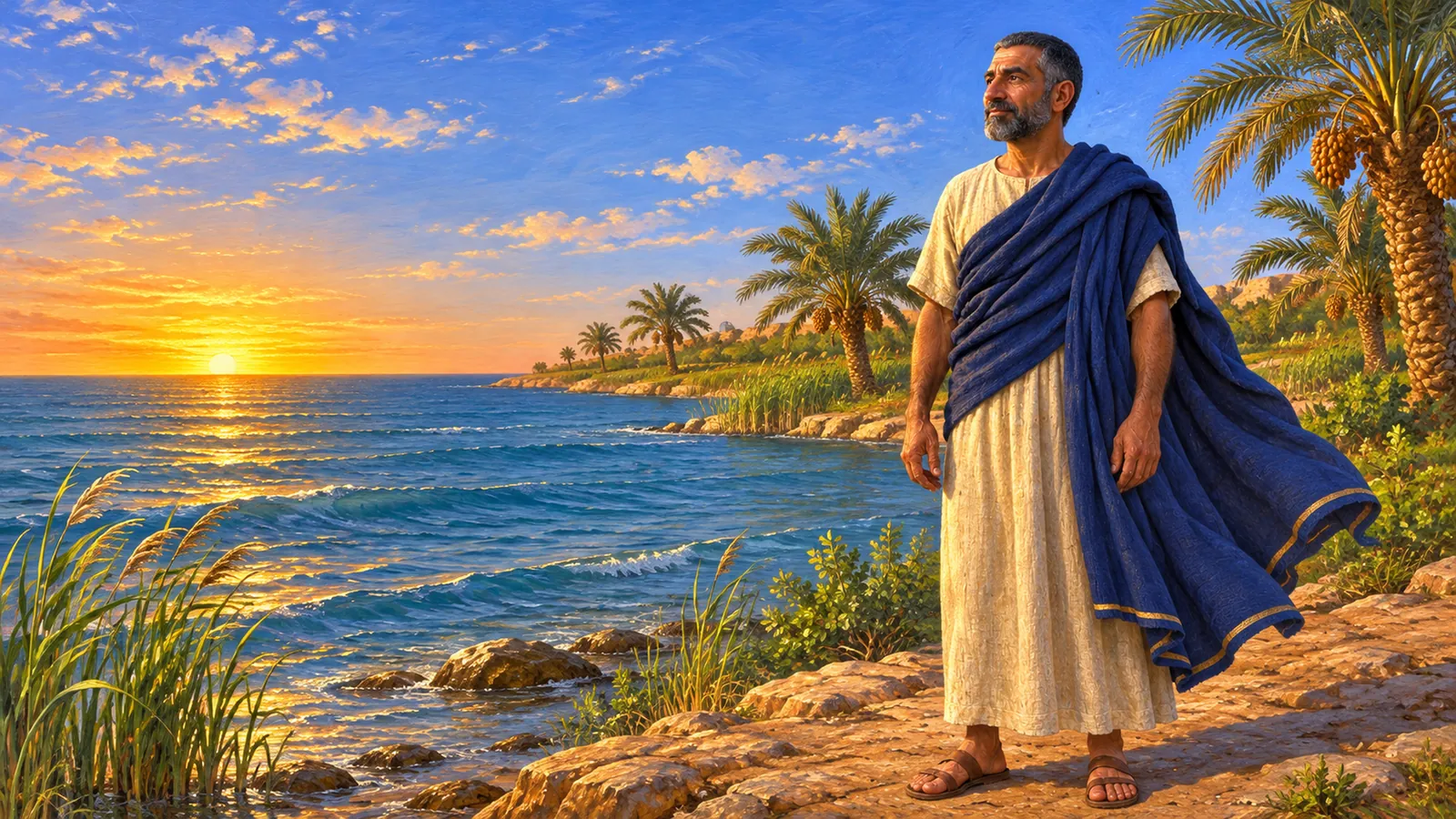
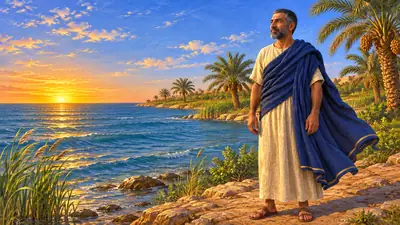
An e Enlil instalam o rei Ziusudra em Dilmun, uma terra do outro lado do mar. É lá que o sol nasce, diz o relato.
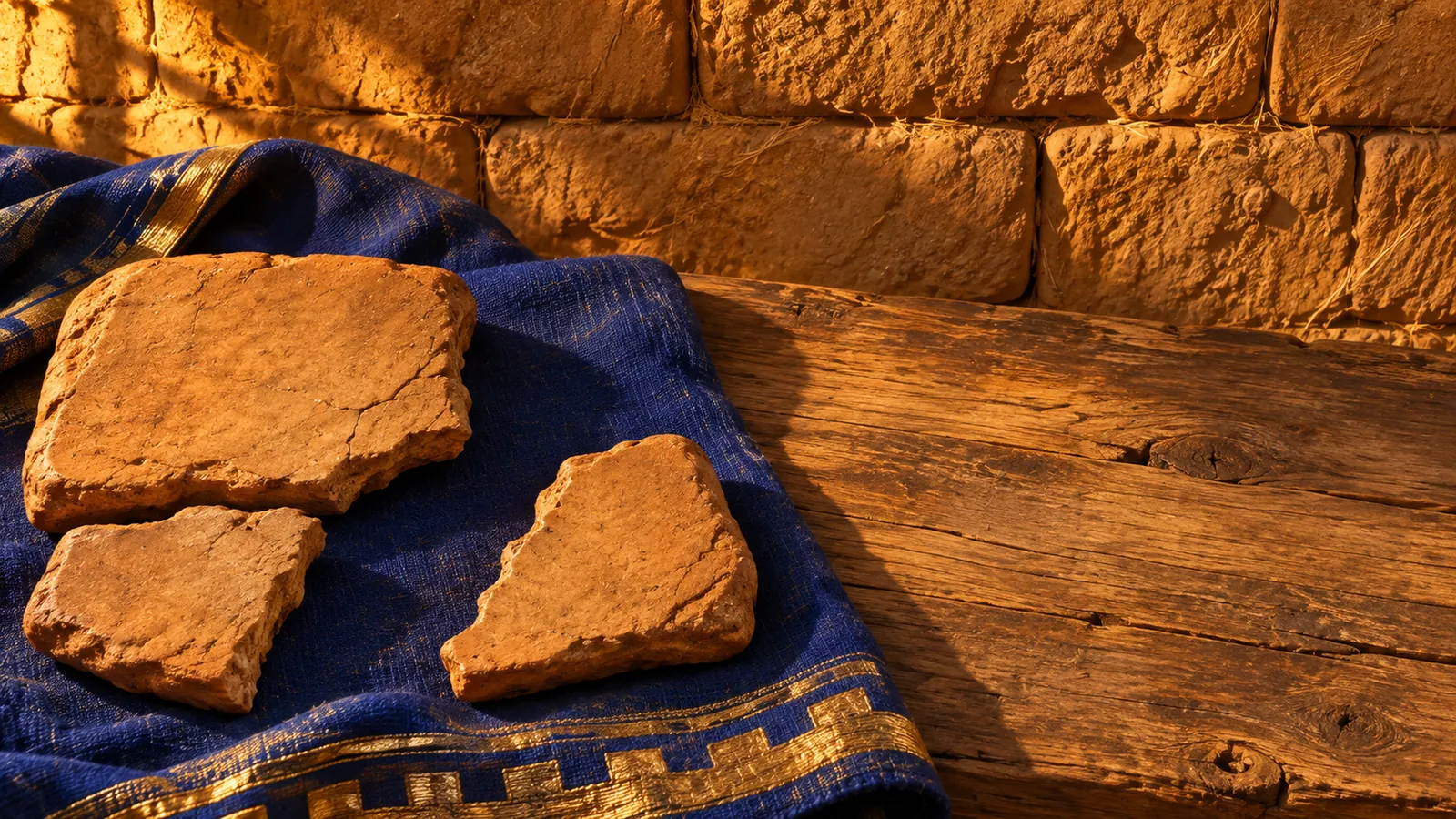
Depois de Ziusudra se instalar, resta um último fragmento de discurso. Faltam depois cerca de trinta e nove linhas, e o resto da história perdeu-se.
Fim do capítulo 1
Todas as páginas


Fontes
On page 5, the words about rites, powers and irrigation follow a damaged phrase about quenching a fire (Oxford ETCSL English translation, A 1–10).
Edições consultadas
- University of Oxford, ETCSL 1.7.4, English translation and segment divisions
- University of Oxford, ETCSL 1.7.4, bibliography and witness numbering
- Penn Museum, catalogue of the Nippur Flood Tablet, CBS 10673
- CDLI P265876, CBS 10673 and its join CBS 10867
- Jeremiah Peterson, N 3514 and its proposed relationship to the Nippur tablet
Notas sobre este reconto
On page 6, the Oxford English translation uses the expression “black-headed people” for those fashioned by An, Enlil, Enki and Ninhursag (A 10–14).
On pages 12–16, the Oxford English translation uses the spellings Eridug, Bad-tibira, Larag, Zimbir and Curuppag (B 6–18). The translation identifies the recipient of Bad-tibira by the title “the Mistress.”
The speaker’s identity remains uncertain in the surviving words.
On pages 29–30, windstorms and gales rise together, floodwater sweeps over the land, and wind and waves rock the large boat for seven days and seven nights (Oxford ETCSL English translation, D 1–11).
On page 34, the text describes Ziusudra sacrificing oxen and offering innumerable sheep (Oxford ETCSL English translation, D 1–11).
On page 42, the last readable speech fragment has the displayed Oxford locator E 12–99. About 39 missing lines follow.
Os versos antigos de cada página
- Page 1: ETCSL 1.7.4, Opening lacuna and A 1–10
- Page 2: ETCSL 1.7.4, A 1–10
An empty place to carry the damaged speech. - Page 3: ETCSL 1.7.4, A 1–10
- Page 4: ETCSL 1.7.4, A 1–10
- Page 5: ETCSL 1.7.4, A 1–10
- Page 6: ETCSL 1.7.4, A 10–14
- Page 7: ETCSL 1.7.4, A 10–14
- Page 8: ETCSL 1.7.4, A/B lacuna and B 1–3
- Page 9: ETCSL 1.7.4, B 4–5
- Page 10: ETCSL 1.7.4, B 6–18
- Page 11: ETCSL 1.7.4, B 6–18
- Page 12: ETCSL 1.7.4, B 6–18
- Page 13: ETCSL 1.7.4, B 6–18
- Page 14: ETCSL 1.7.4, B 6–18
- Page 15: ETCSL 1.7.4, B 6–18
- Page 16: ETCSL 1.7.4, B 6–18
- Page 17: ETCSL 1.7.4, B 6–18
- Page 18: ETCSL 1.7.4, B/C lacuna and C 1–27 (opening)
Simple transition between surviving parts without enacted weather. - Page 19: ETCSL 1.7.4, C 1–27
- Page 20: ETCSL 1.7.4, C 1–27
- Page 21: ETCSL 1.7.4, C 1–27
- Page 22: ETCSL 1.7.4, C 1–27
- Page 23: ETCSL 1.7.4, C 1–27
- Page 24: ETCSL 1.7.4, C 1–27
- Page 25: ETCSL 1.7.4, C 1–27
- Page 26: ETCSL 1.7.4, C 1–27
- Page 27: ETCSL 1.7.4, C 1–27
- Page 28: ETCSL 1.7.4, C/D lacuna
- Page 29: ETCSL 1.7.4, D 1–11
- Page 30: ETCSL 1.7.4, D 1–11
- Page 31: ETCSL 1.7.4, D 1–11
- Page 32: ETCSL 1.7.4, D 1–11
- Page 33: ETCSL 1.7.4, D 1–11
- Page 34: ETCSL 1.7.4, D 1–11
- Page 35: ETCSL 1.7.4, D 12–17 and D/E lacuna
- Page 36: ETCSL 1.7.4, E 1–2
- Page 37: ETCSL 1.7.4, E 3–11
- Page 38: ETCSL 1.7.4, E 3–11
- Page 39: ETCSL 1.7.4, E 3–11
- Page 40: ETCSL 1.7.4, E 3–11
- Page 41: ETCSL 1.7.4, E 3–11
- Page 42: ETCSL 1.7.4, E 12–99 display label and closing lacuna
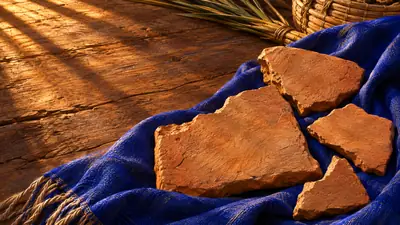
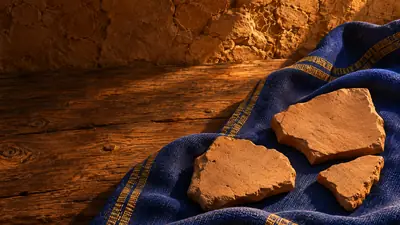
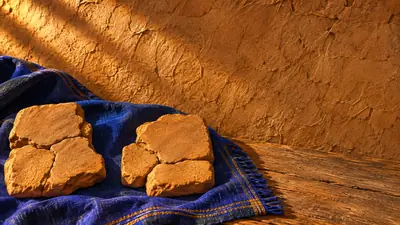
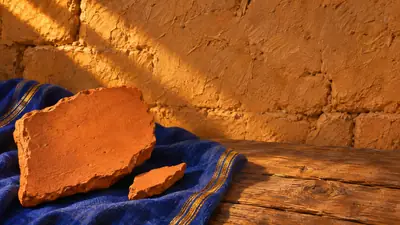
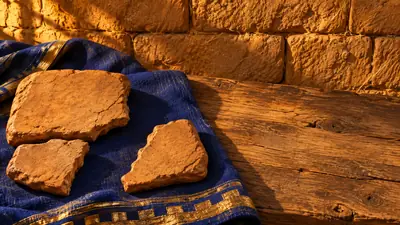
A final editorial still of low, unmarked clay fragments along the very bottom left.
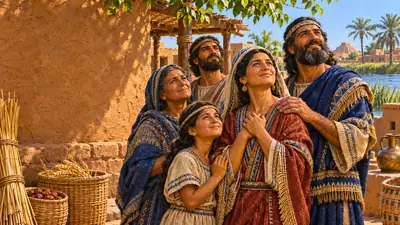
Ilustrações feitas pelo IL Archive com ferramentas de IA; o texto baseia-se nas fontes antigas (veja as fontes no fim de cada capítulo).