Teti e a ascensão até Nut Capítulo 1
O sarcófago e as portas do leste
As fórmulas do sarcófago de Teti falam do seu nascimento, das regiões que Nut lhe concede e da sua herança de Geb. As fórmulas de ascensão passam da abertura das portas e do Campo dos Juncos para uma escada, a viagem do Sol e um lamento final.
FontesVire as páginas com as setas, o teclado ou deslizando o dedo.
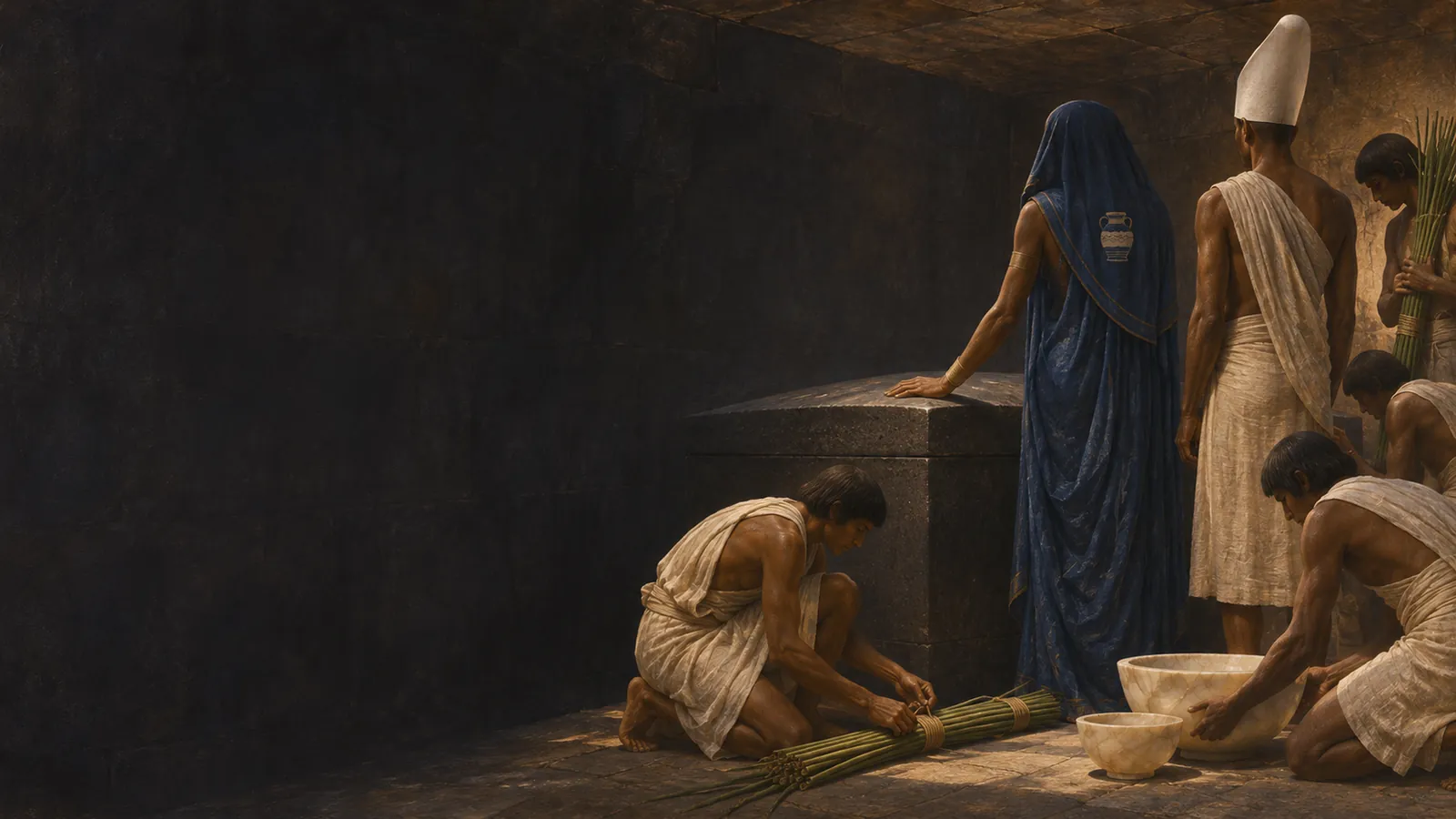
O SARCÓFAGO E AS PORTAS DO ORIENTE
Na tradução de James Allen, as recitações no exterior da tampa do sarcófago de Teti começam com a voz de Nut. A inscrição chama-lhe a Mais Velha e Eficaz, e ela chama a Teti seu filho.
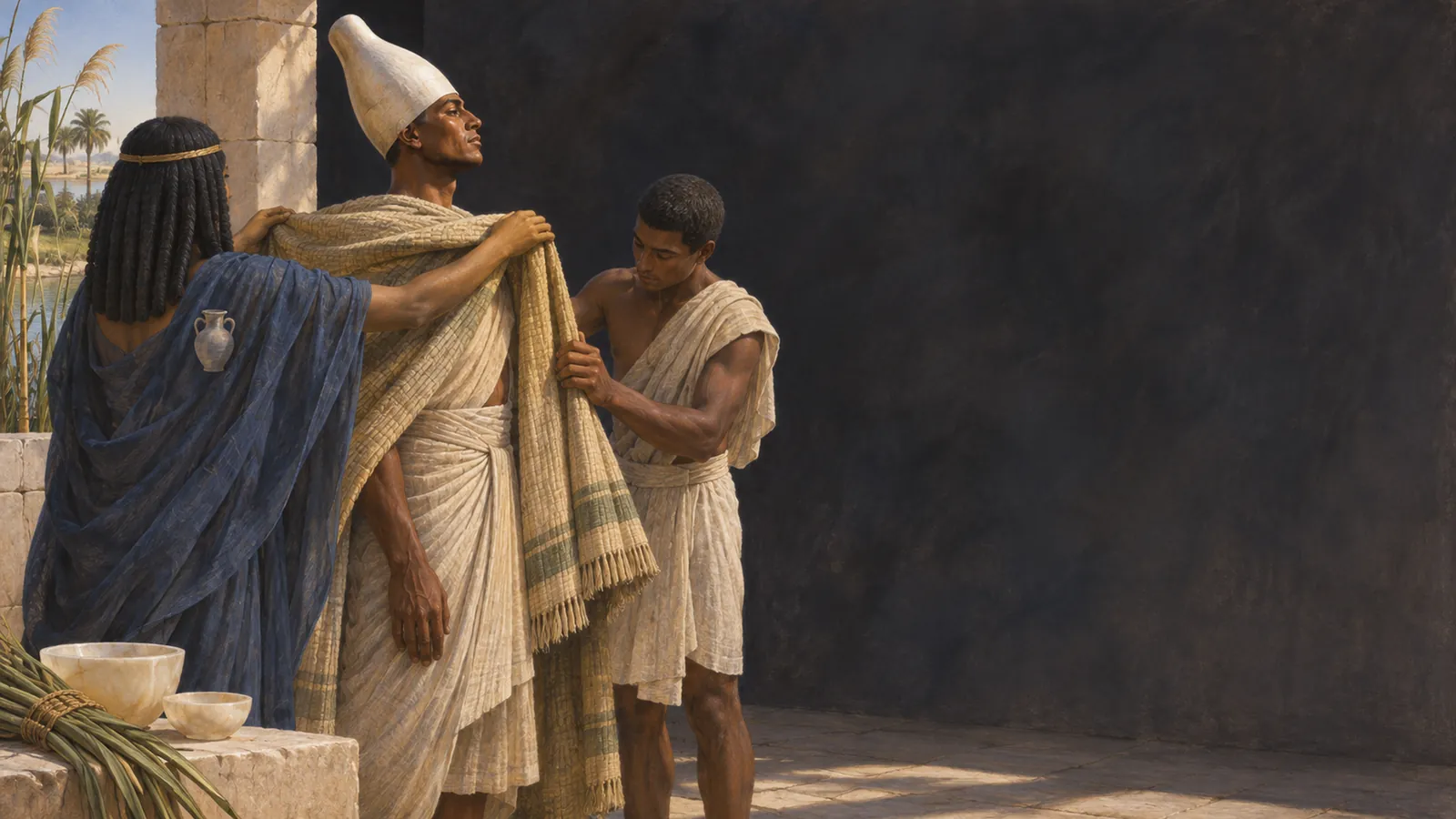
Nut diz que deu à luz Teti e que ele saiu do seu corpo. Diz que é o filho que desejava e com quem se sente satisfeita.
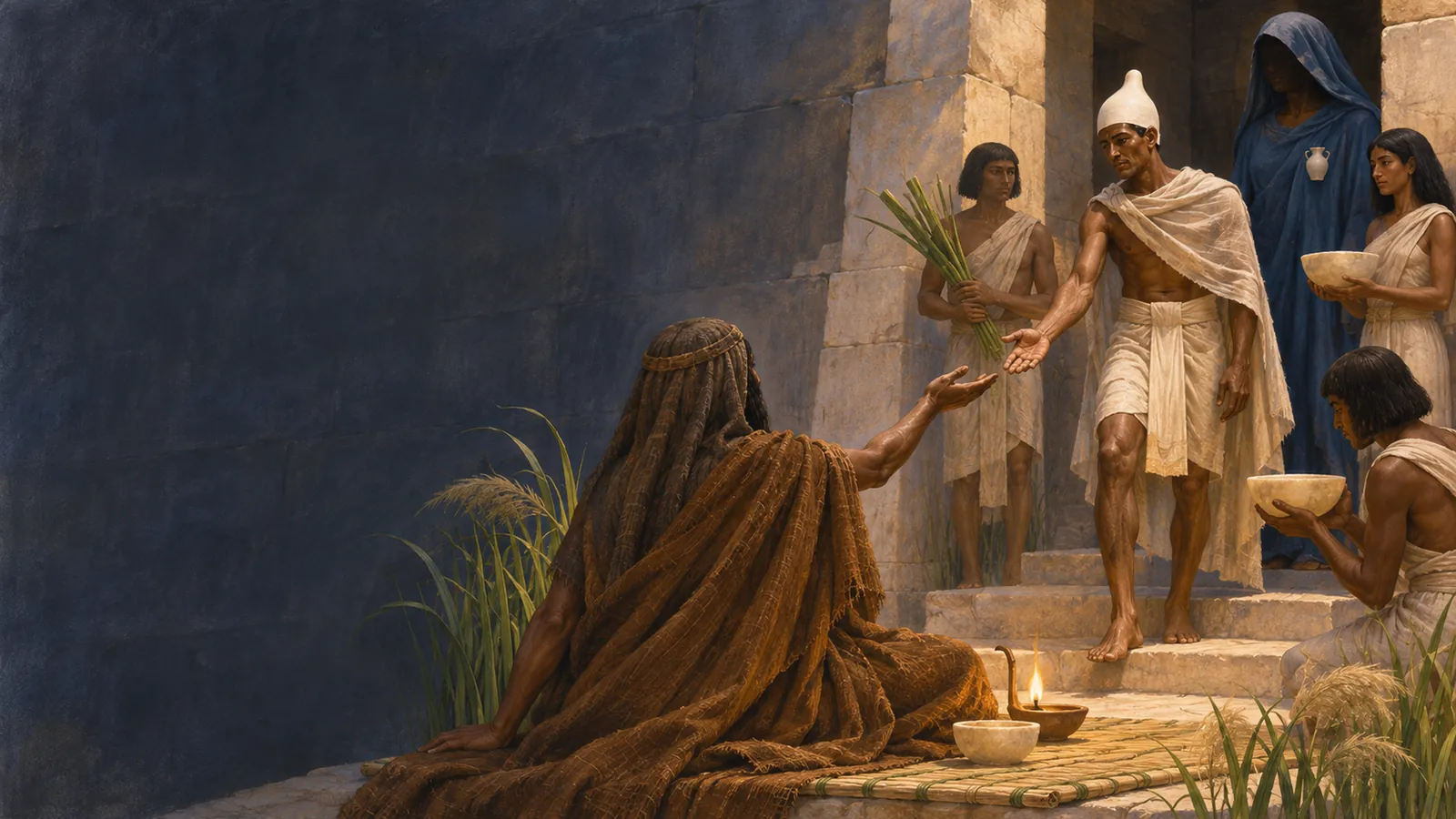
Uma segunda voz, a de Geb, chama a Teti filho do seu próprio corpo. O texto conservado interrompe-se logo depois dessas palavras.
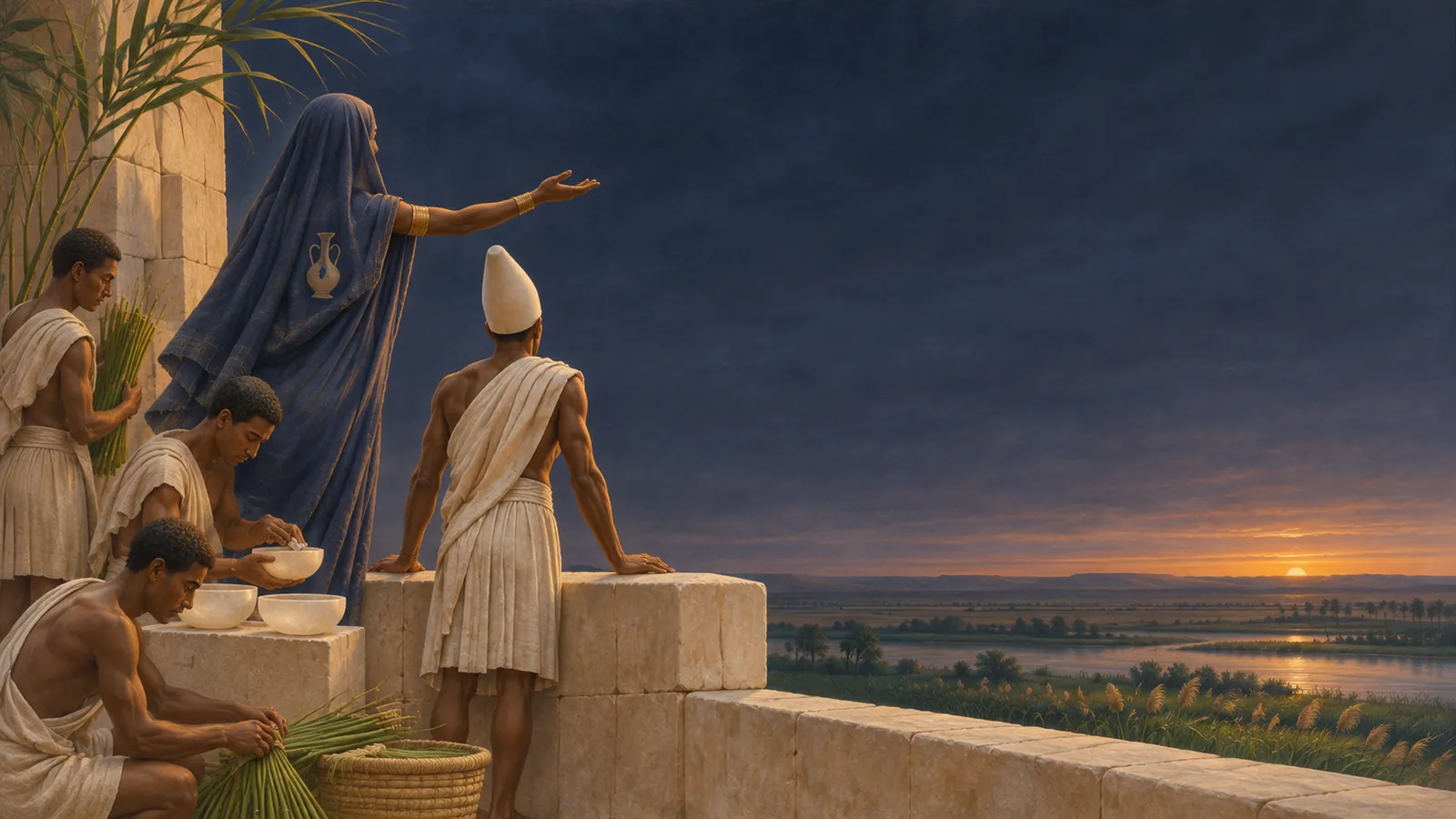
Nut, chamada o Rebento Mais Velho neste feitiço, diz que Teti é o filho que desejava. Diz que lhe deu o Akhet para que o governe como Hórus do Akhet.
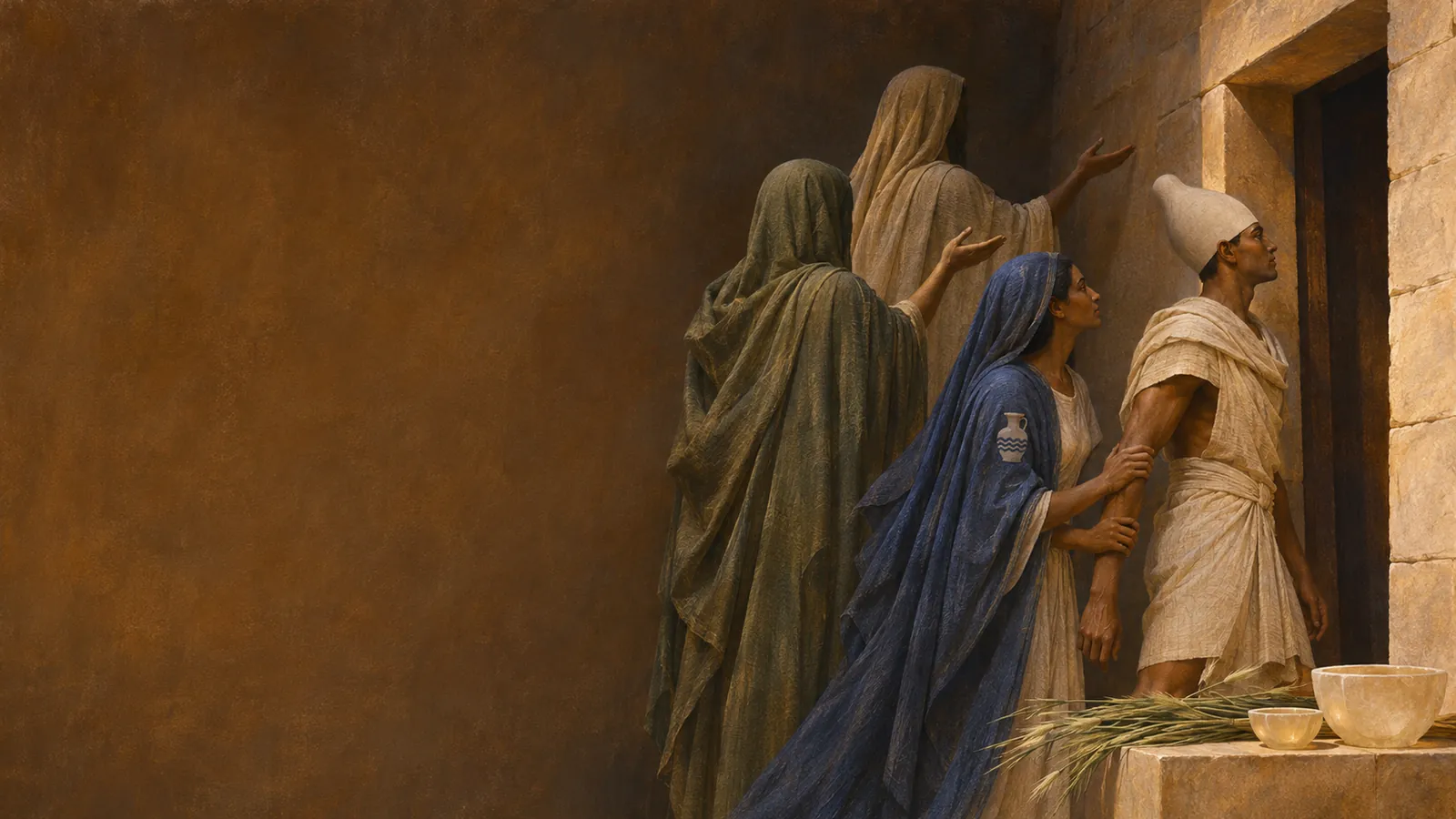
Na recitação, os deuses aprovam a escolha de Nut e dizem que Teti é o filho que ela desejou entre os seus filhos. Pedem-lhe que o acompanhe para sempre.
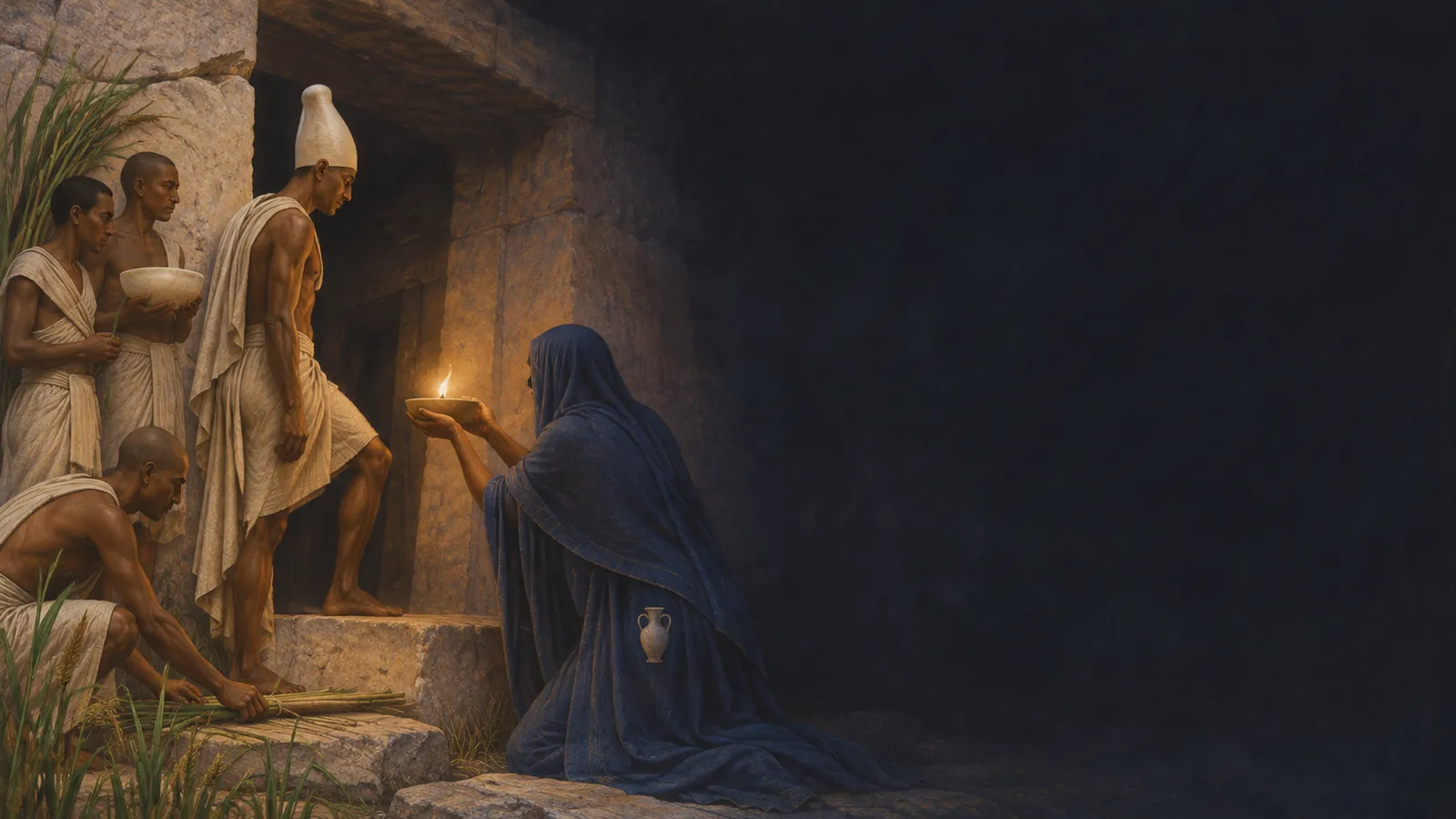
Nut, chamada a Mais Velha no recinto de Shenit, chama a Teti filho da sua própria vontade. Diz que lhe deu a Duat para que ali ocupasse o primeiro lugar como Hórus.
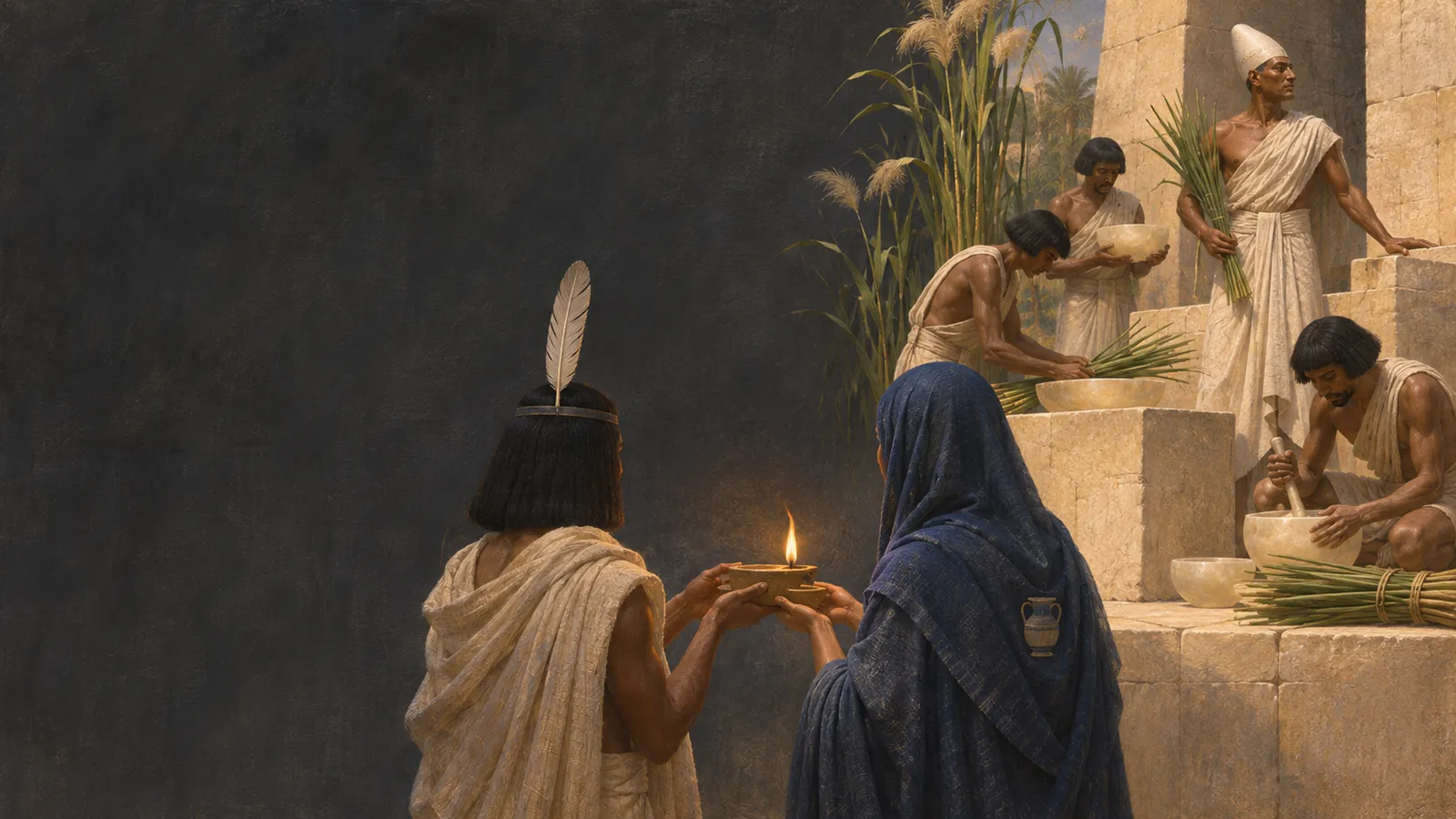
Os deuses dizem que Shu, a quem chamam pai de Teti, sabe quanto Nut ama Teti. Dizem que ela o ama mais do que à sua própria mãe, Tefnut.
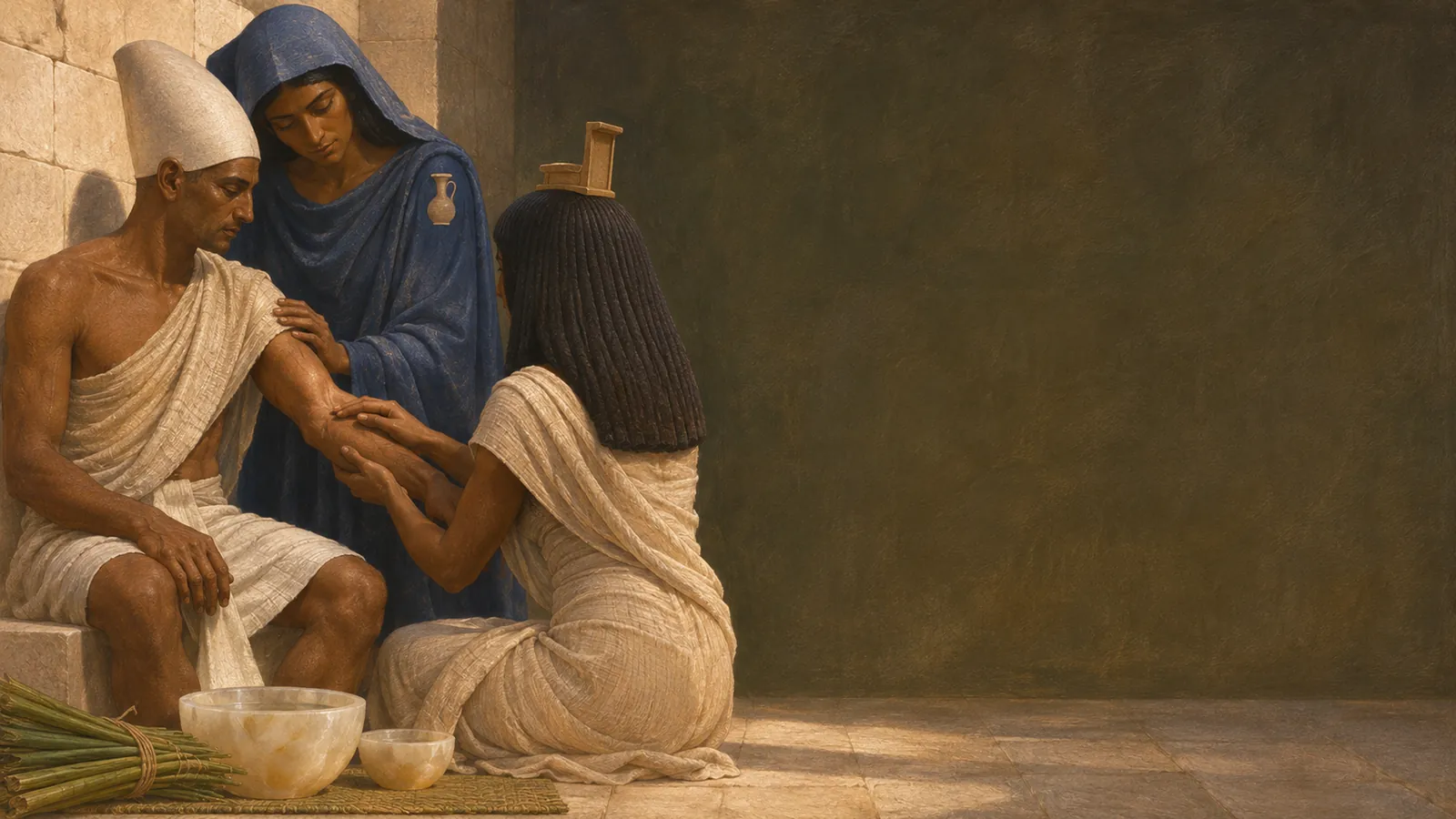
No feitiço seguinte, Nut diz a Teti que lhe deu a sua irmã Ísis. Ísis deve segurá-lo e dar ao corpo dele a sua mente.
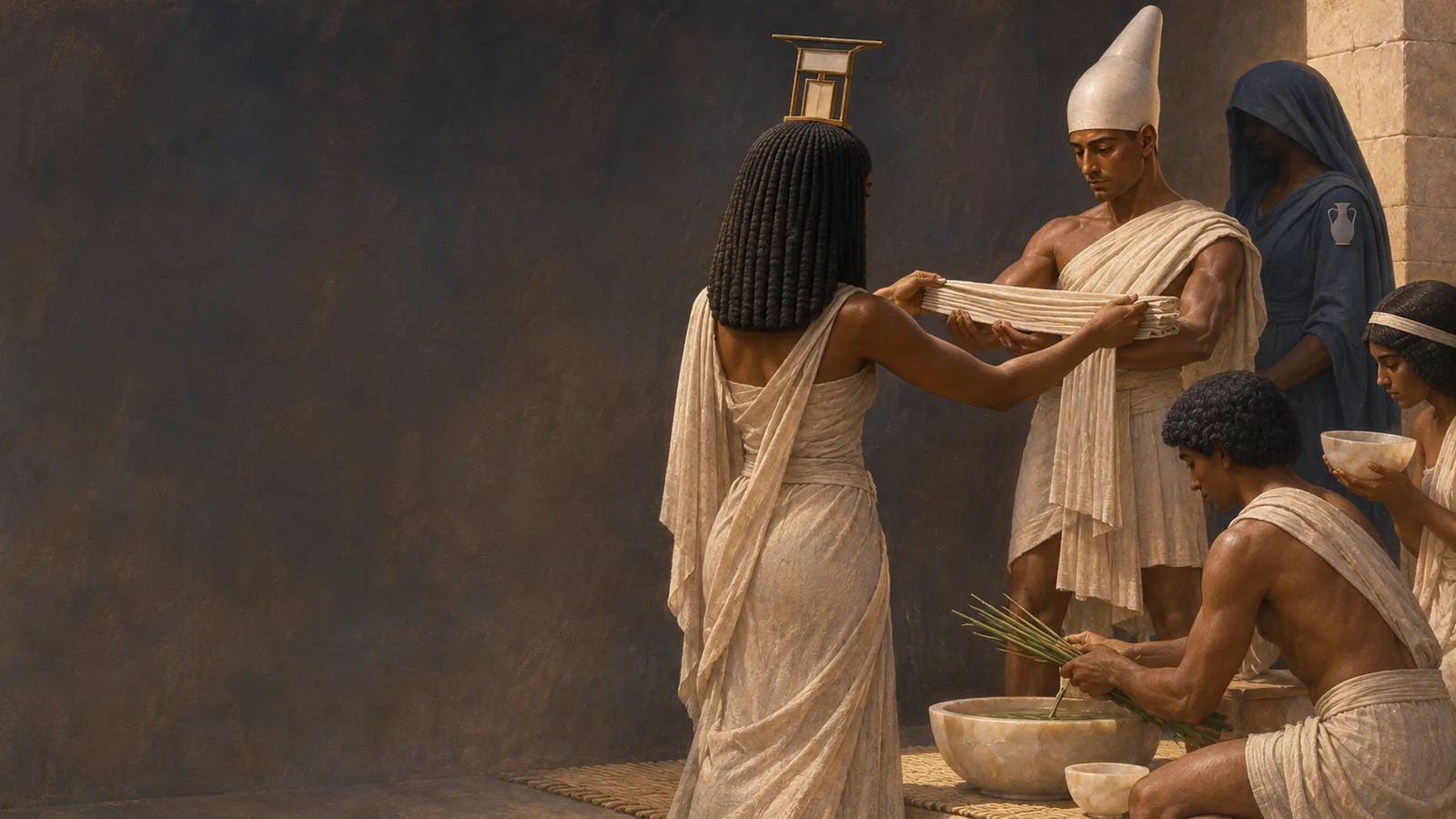
Numa recitação separada, Nut dá a Teti a sua irmã Néftis. Nut confia-lhe a mesma tarefa que a Ísis, segurá-lo e dar ao corpo dele a sua mente.
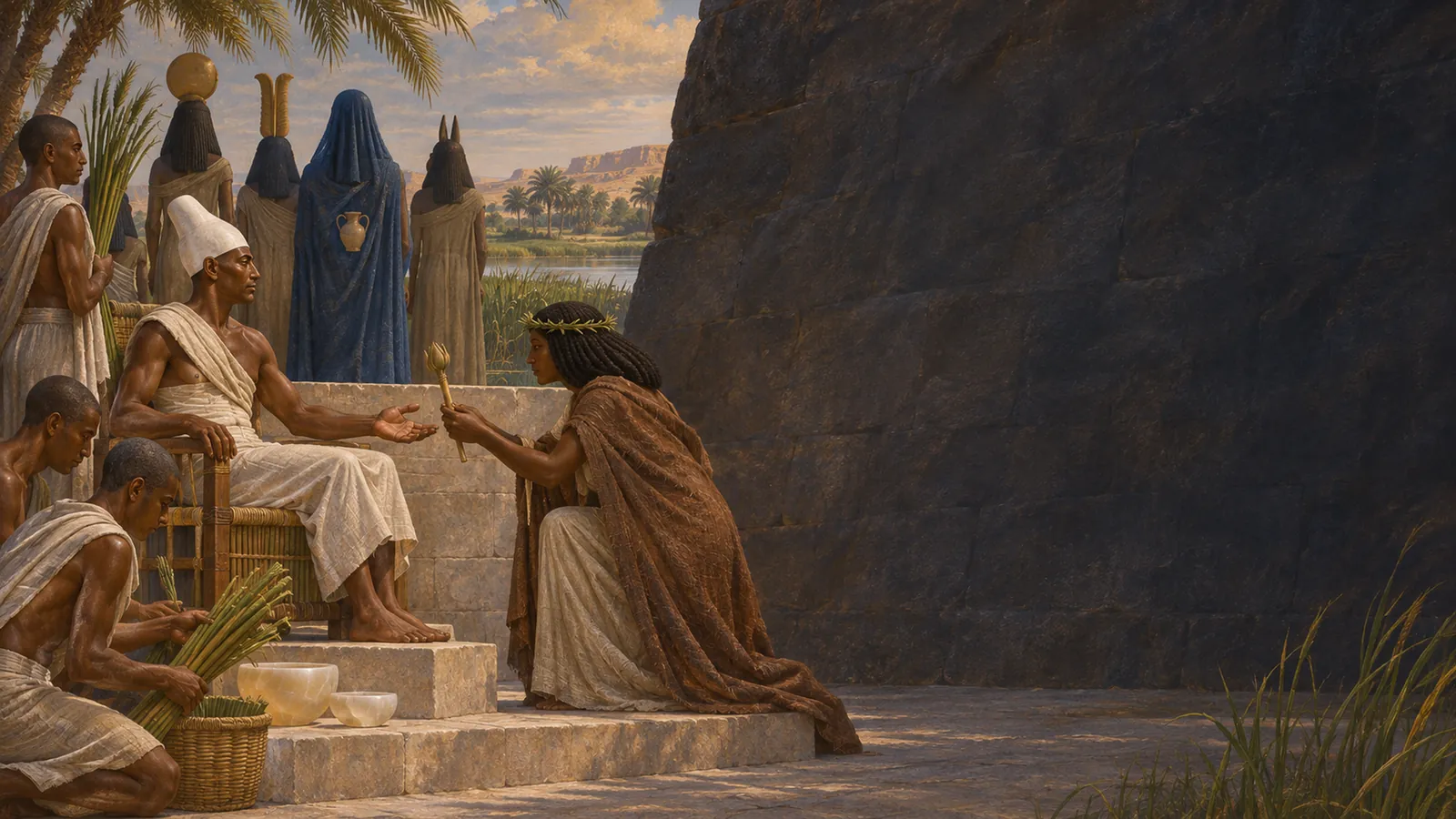
Nut, chamada a Grande do Recinto Inferior, diz que Teti é o filho que desejava e o primogénito no trono de Geb. Diz que Geb está satisfeito com ele e lhe deu a herança perante a Grande Enéade.
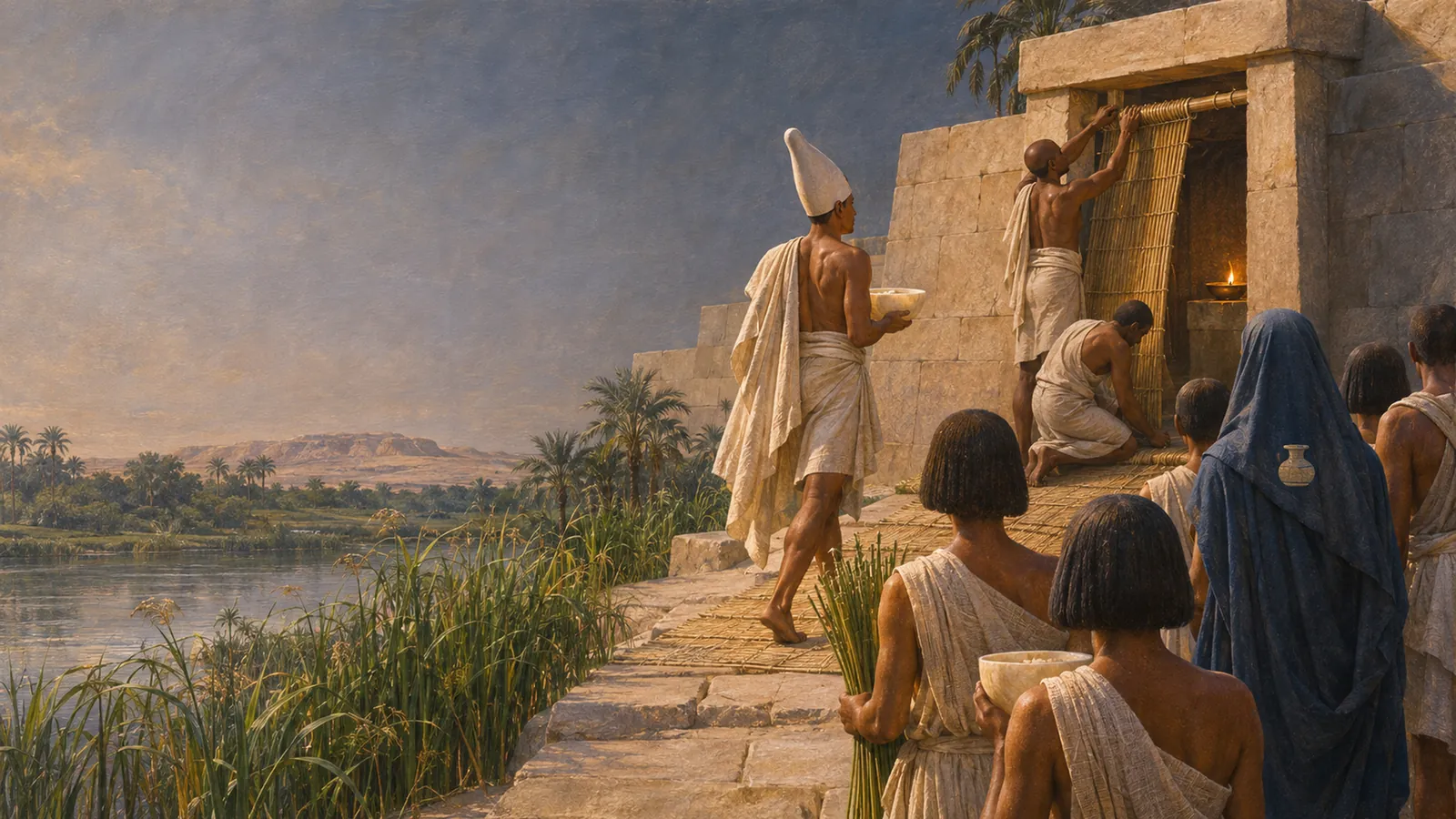
Nas últimas palavras das recitações do sarcófago, os deuses falam com entusiasmo. Exclamam que Teti é feliz porque o seu pai Geb está satisfeito com ele.
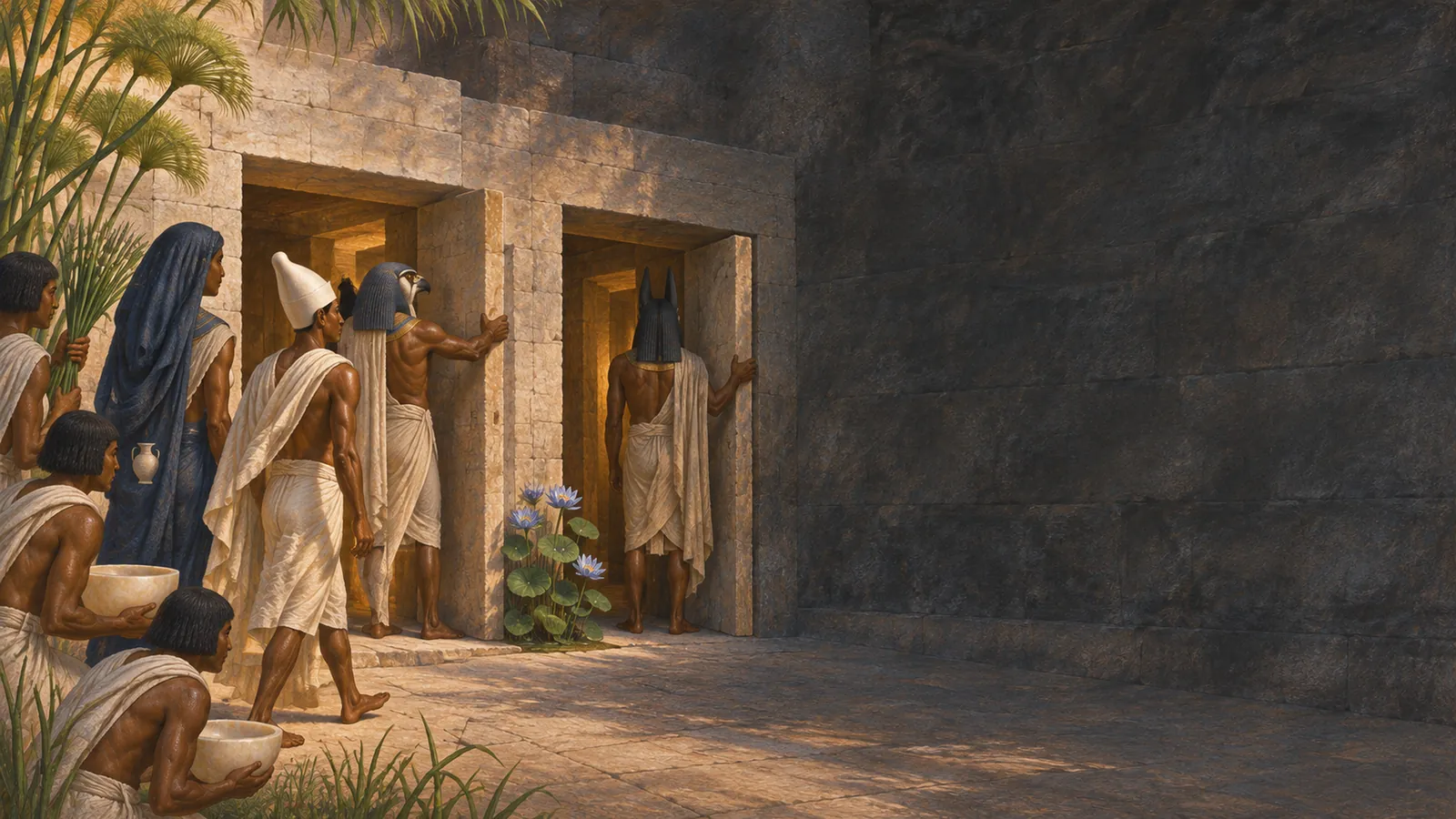
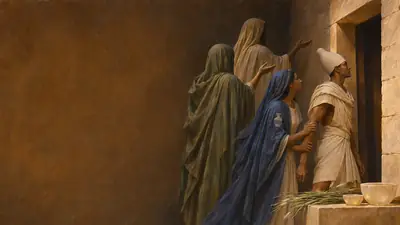
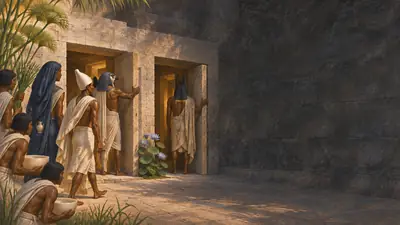
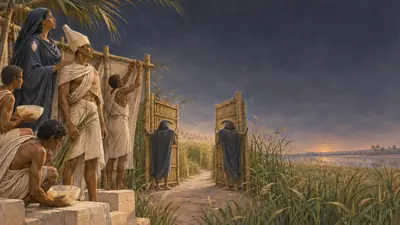
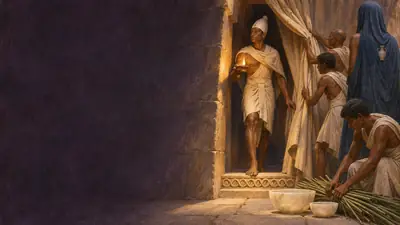
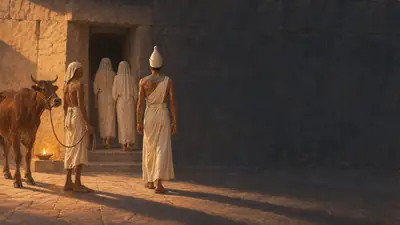
A recitação da subida chama o céu e a terra a abrirem-se. A porta do muro do recinto abre-se para Hórus, e a porta dos lótus abre-se para Seth.
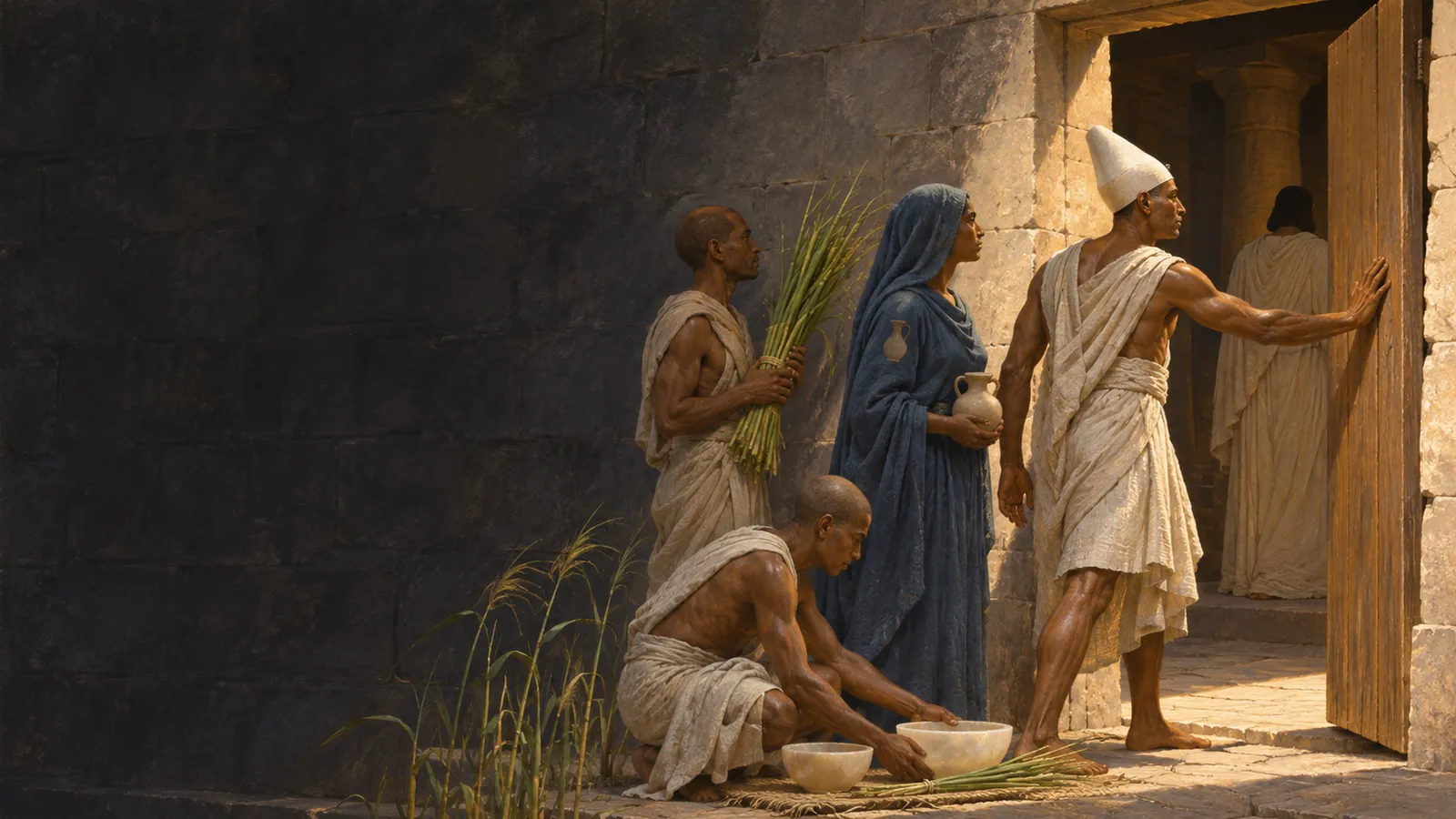
O recitante pede à porta que se vire para ele, como aquele que está na dianteira da sua muralha. Diz ter passado pela porta como Atum.
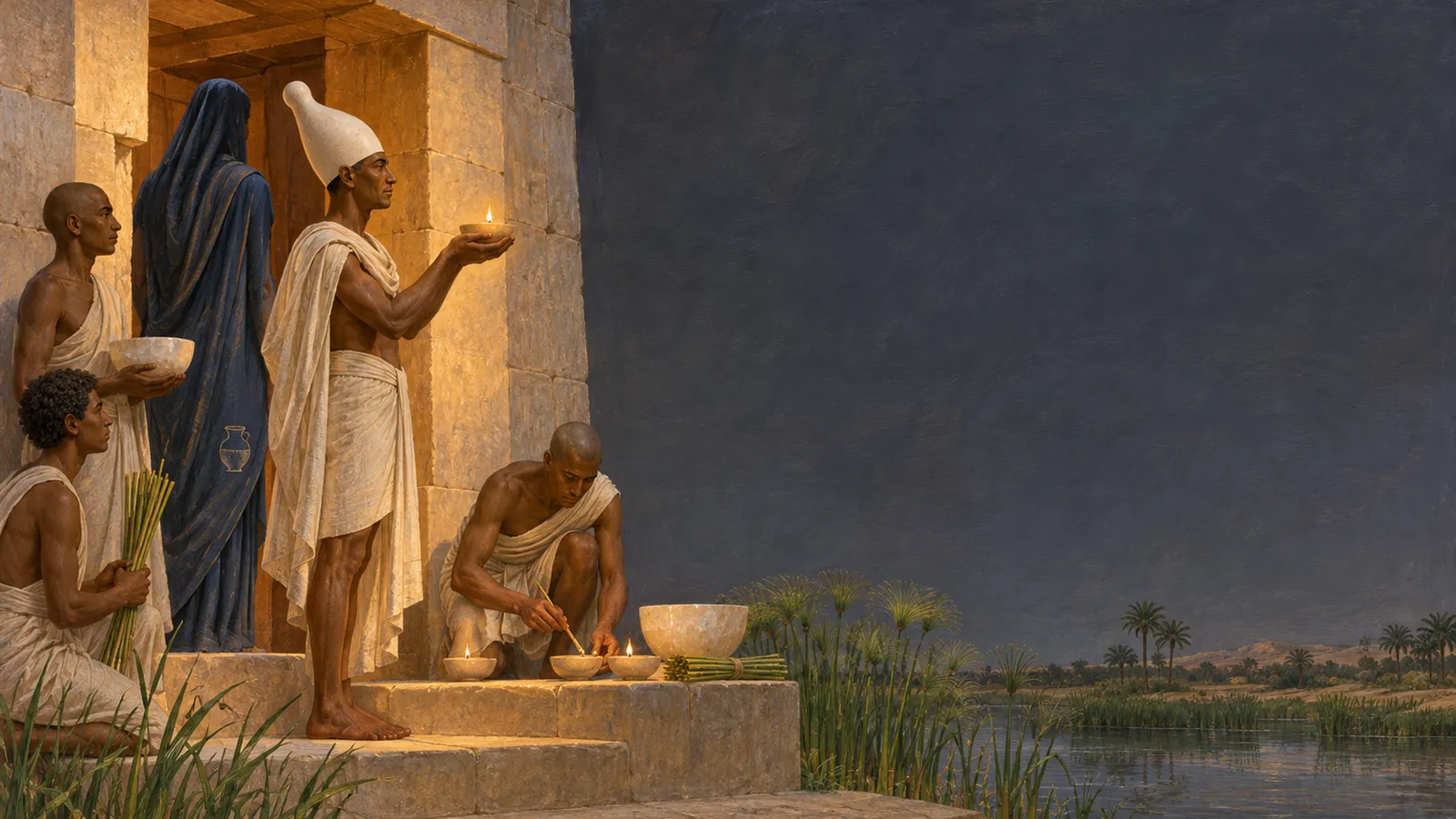
As palavras finais desta recitação chamam ao recitante Aquele que Aparece no Calor e situam-no no meio de Negau.
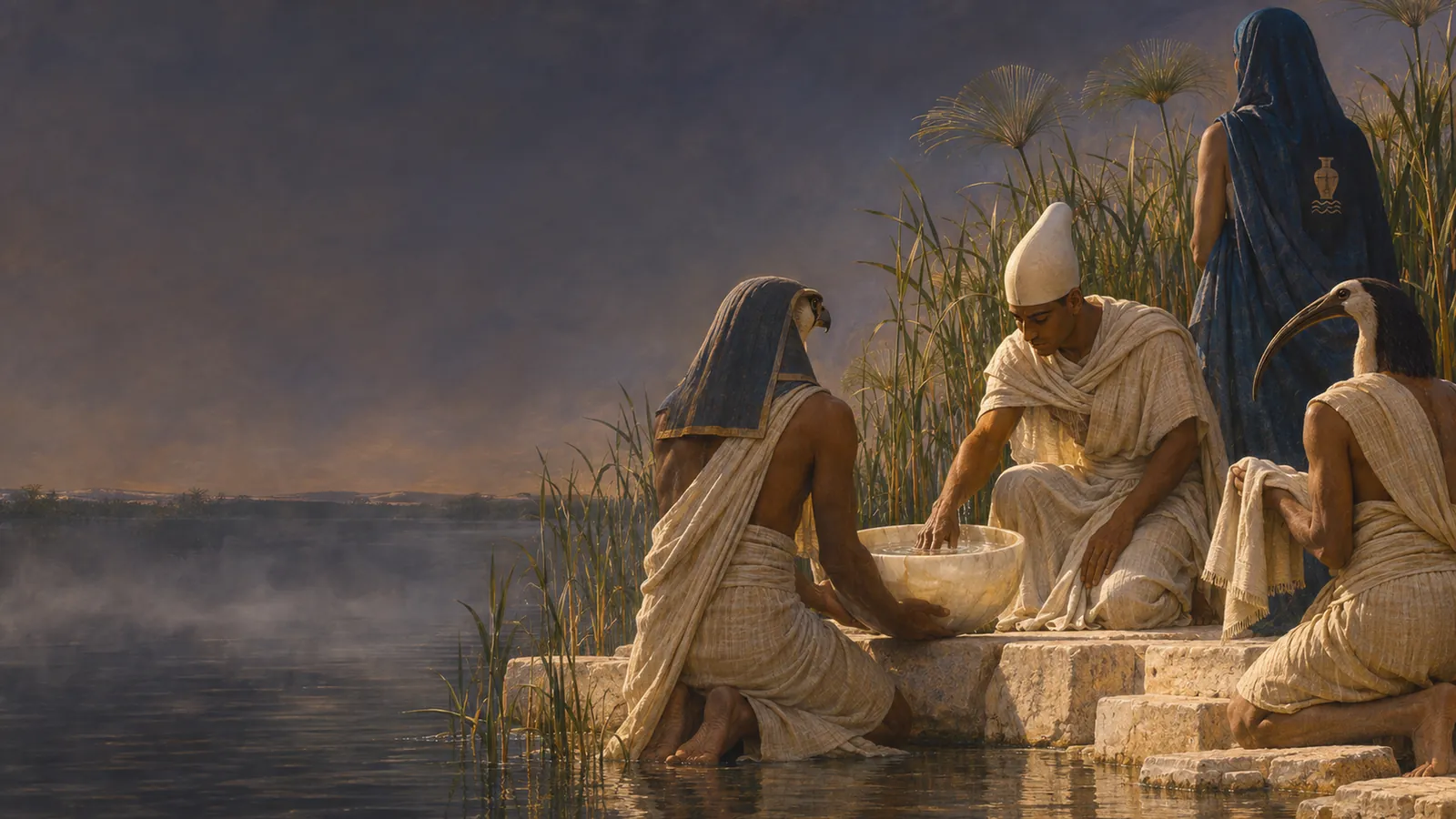
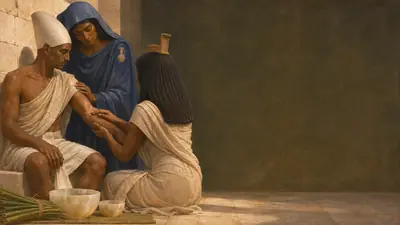
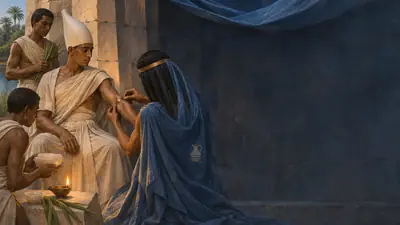
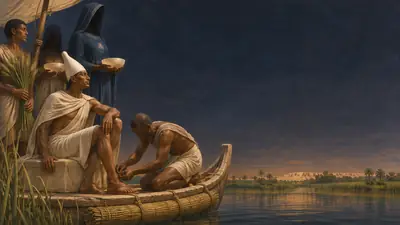
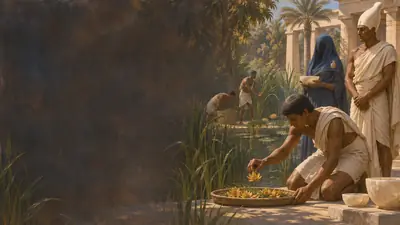
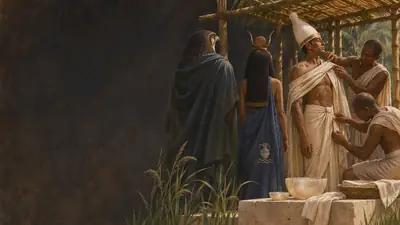
O recitante diz que se purifica com o Sol no Lago dos Juncos. Outra voz diz então que Hórus lhe esfrega a carne e que Tot lhe esfrega os pés.
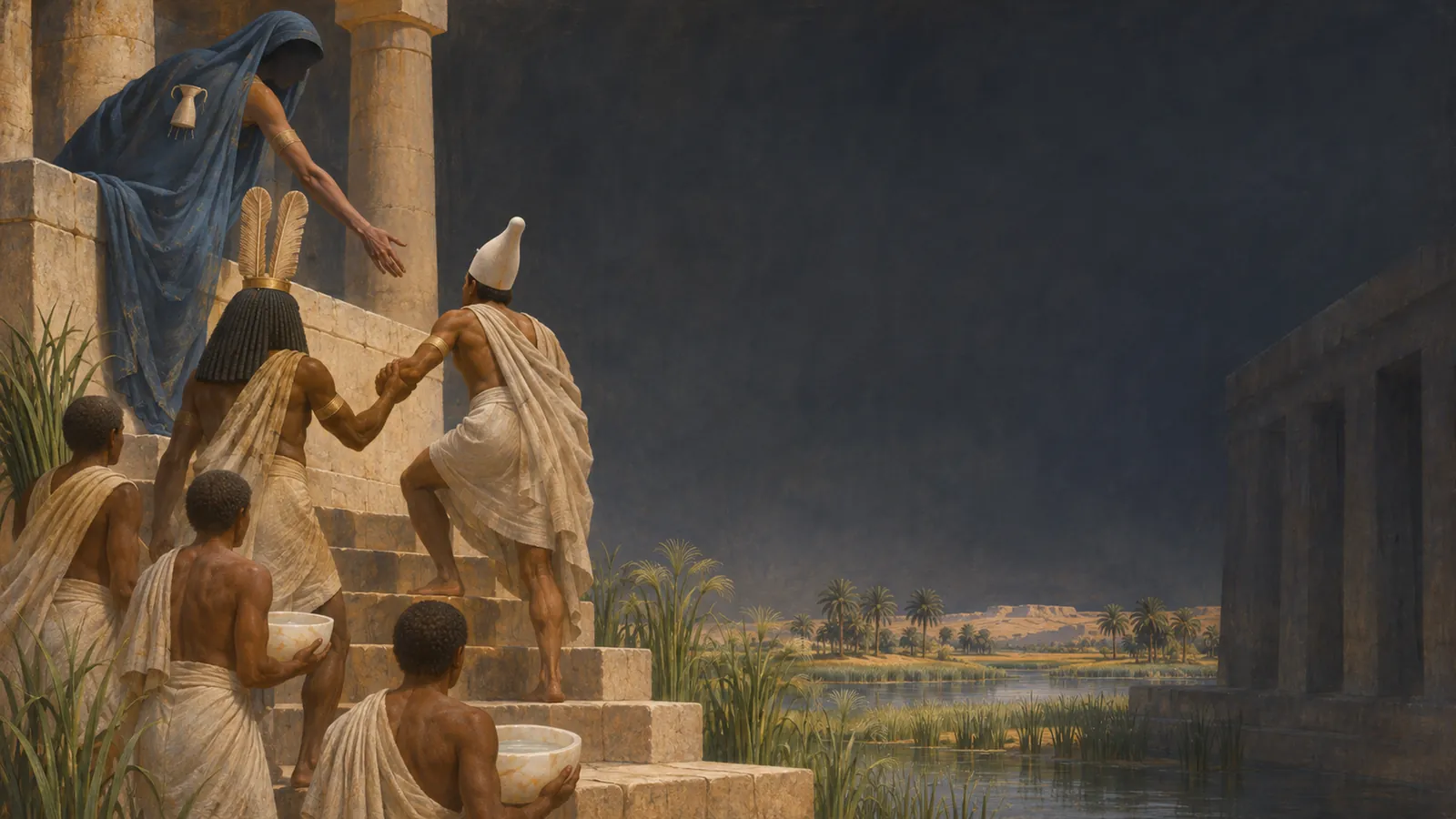
No fim da recitação, o recitante pede a Shu que o eleve. Pede a Nut que lhe estenda o braço.
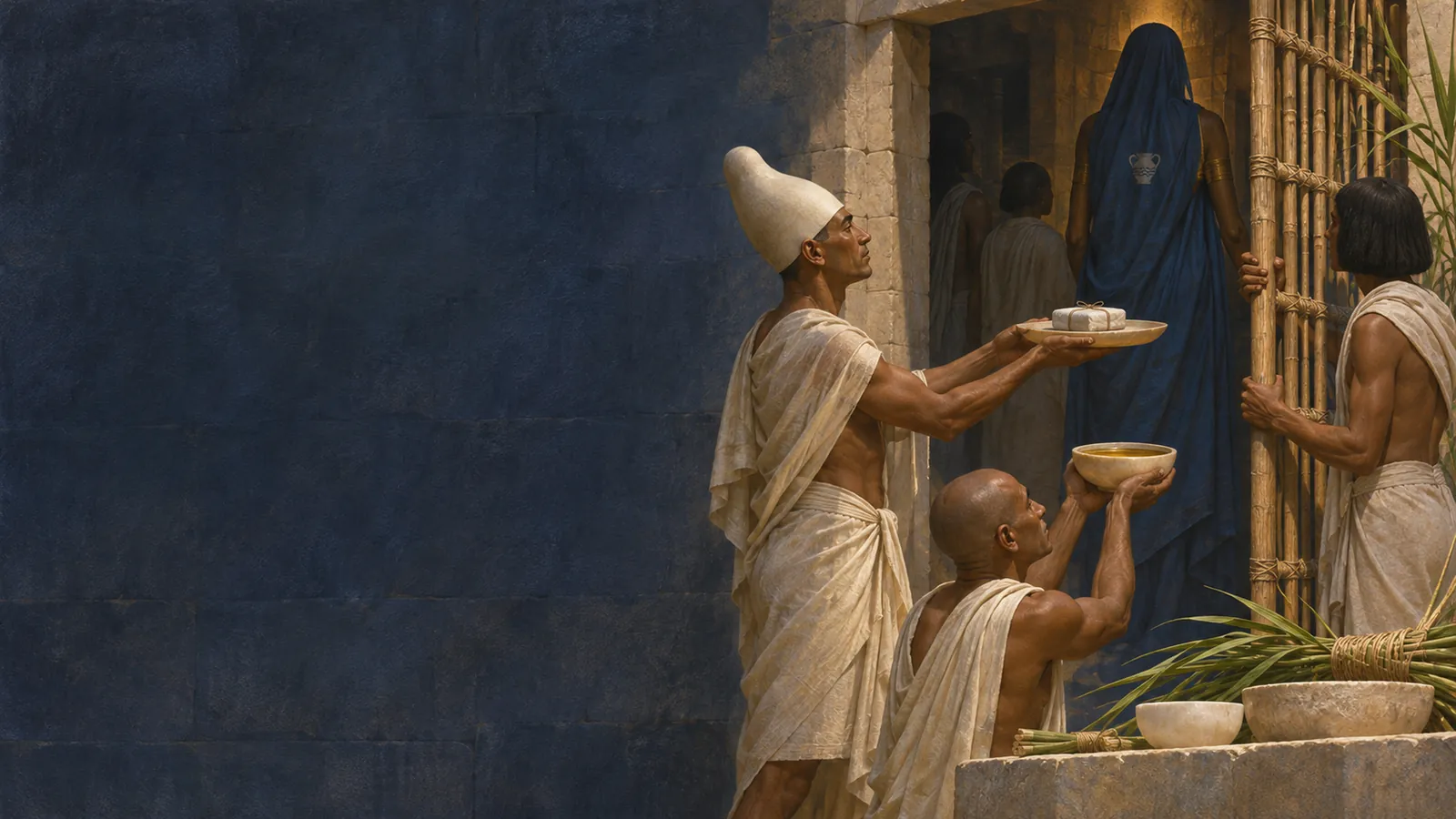
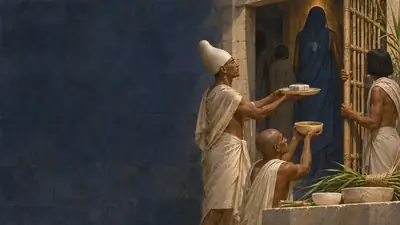
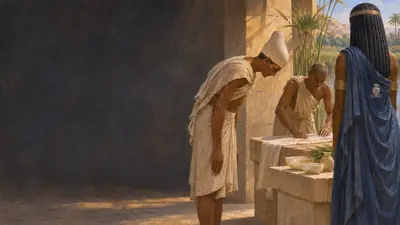
O recitante saúda o porteiro de Hórus e o guardião da porta de Osíris e pede-lhes que digam a Hórus quem ele é. Diz que trouxe o que Allen traduz como saliva para o cabelo.
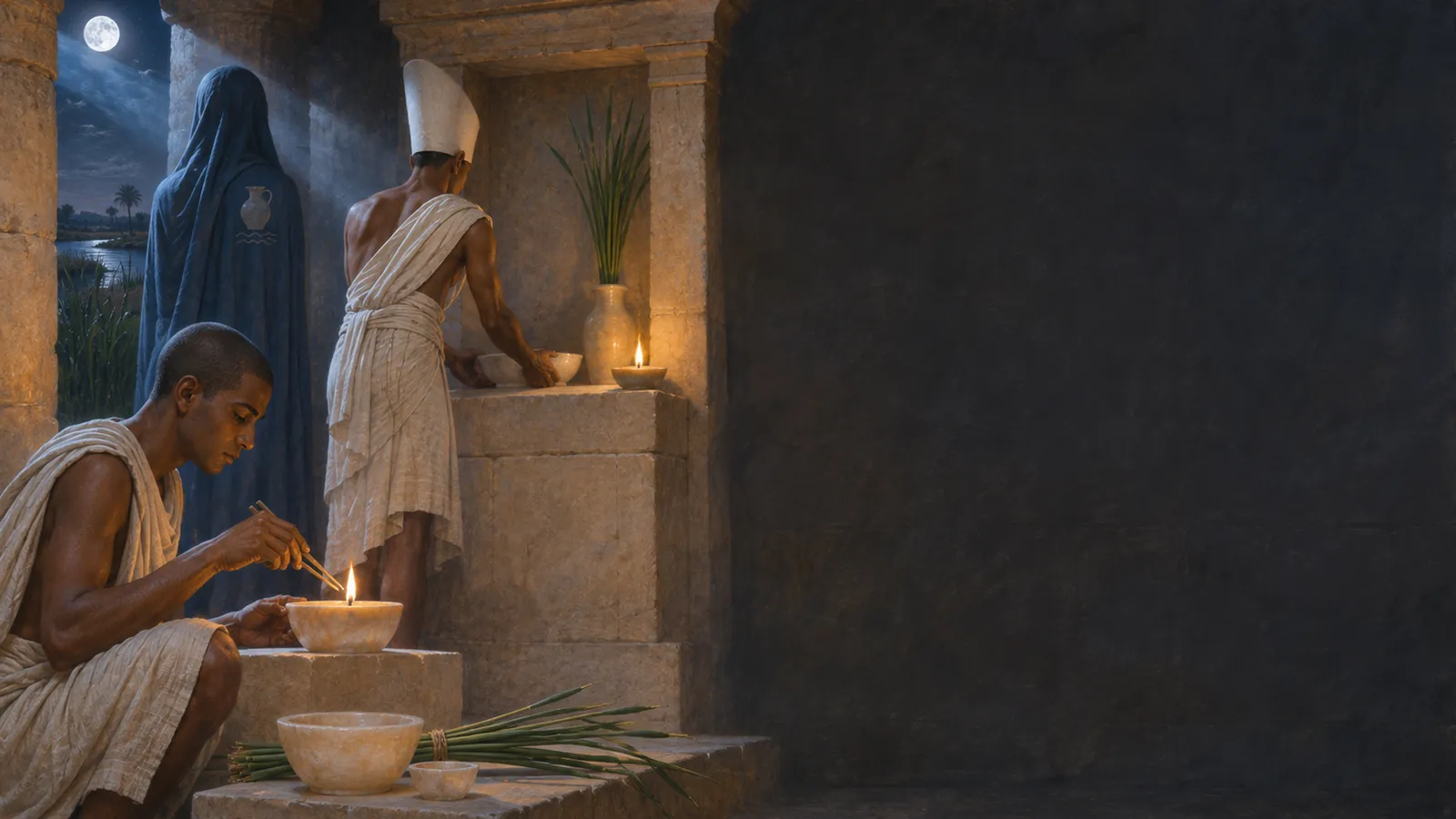
A fórmula diz que o cabelo de Hórus adoece no começo do mês e fica calvo a meio do mês. Uma voz pede ao recitante que o acalme com a magia dos deuses quando ela surge pela primeira vez.
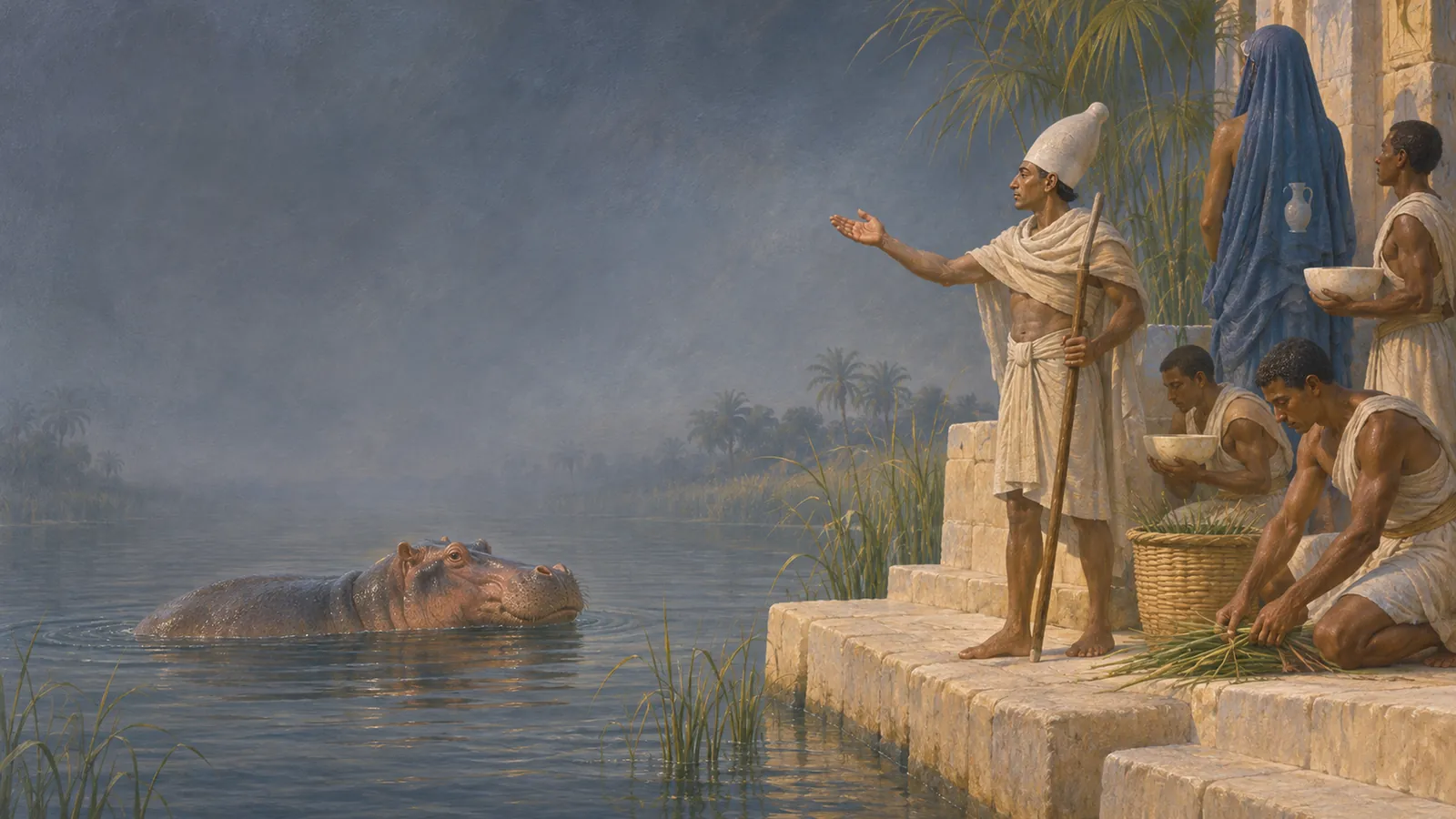
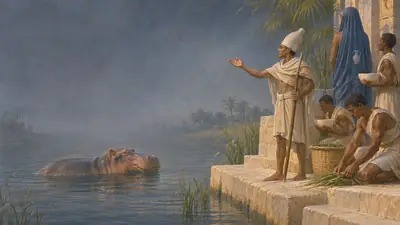
O recitante suplica à fêmea do hipopótamo e diz que ela veio contra ele. Tirou-lhe um dos dois cetros de Hórus e bateu-lhe com ele. Na resposta, ela saúda-o quando ele vem pela primeira vez à existência.
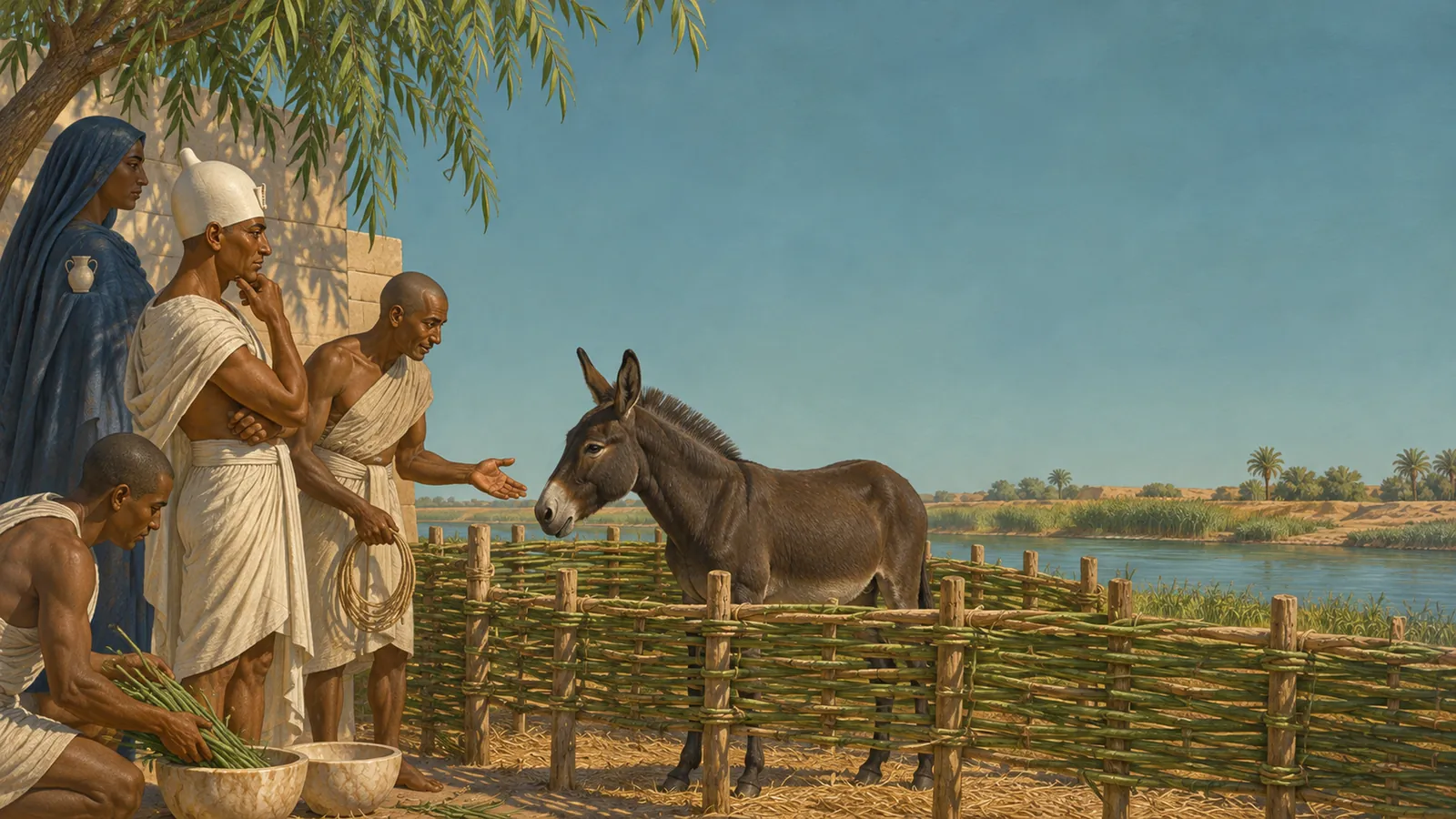
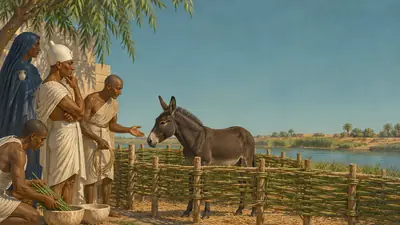
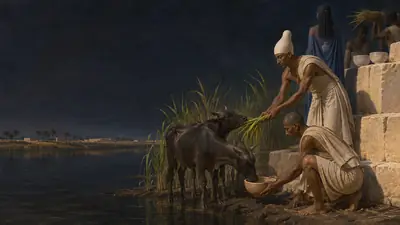
O recitante saúda a burra monstruosa e diz depois que ela veio contra ele. Diz que lhe bateu com uma cauda que cresce no lago de Osíris.
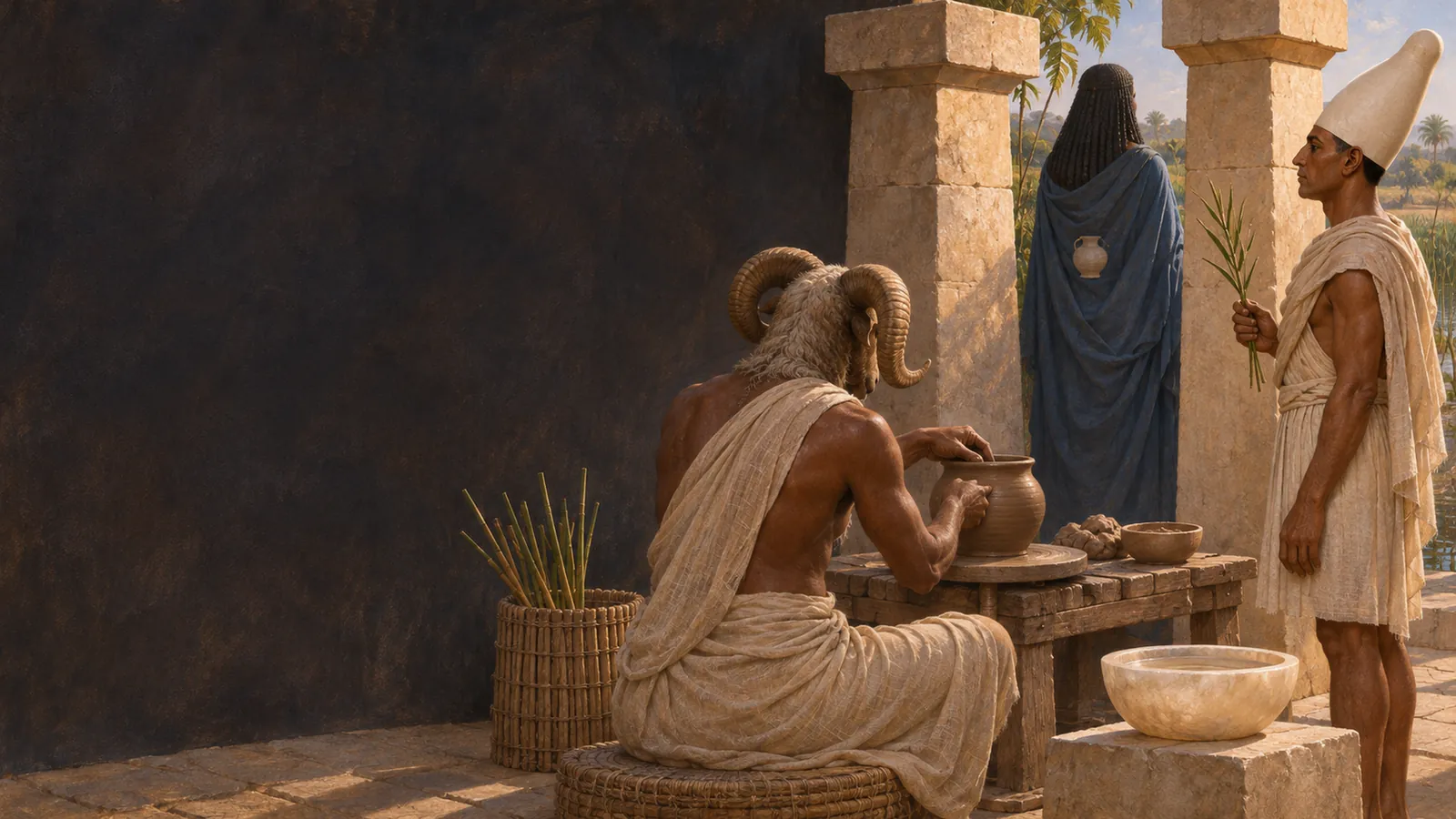
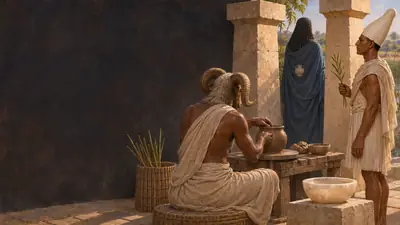
O recitante dirige-se a Khnum, que é obrigado a formá-lo, e compara-o a uma planta ëmë que pisa e que não pode voltar a crescer entre os dedos dos seus pés. Na resposta, o recitante é chamado um dos dois pilares do Grande Recinto.
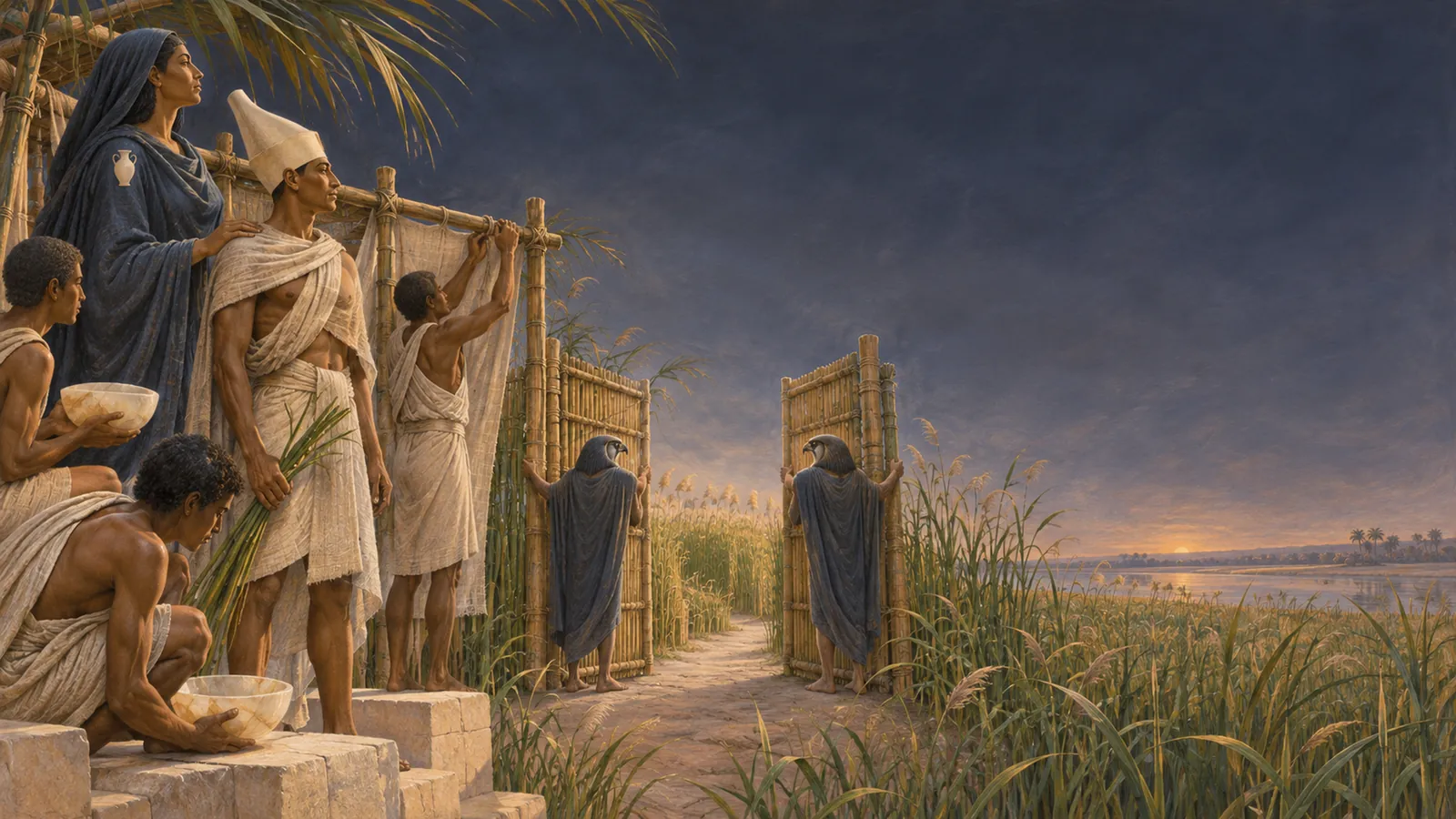
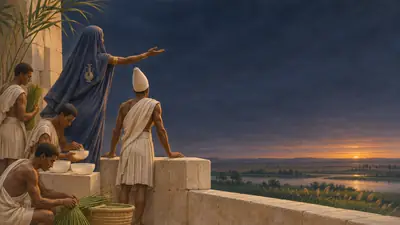
A recitação nomeia Hórus dos deuses, Hórus do Akhet, Hórus oriental e Hórus de Shezmet. Ao amanhecer, a entrada do céu e a porta das Águas Frescas abrem-se para que cada um saia e se purifique no Campo dos Juncos.
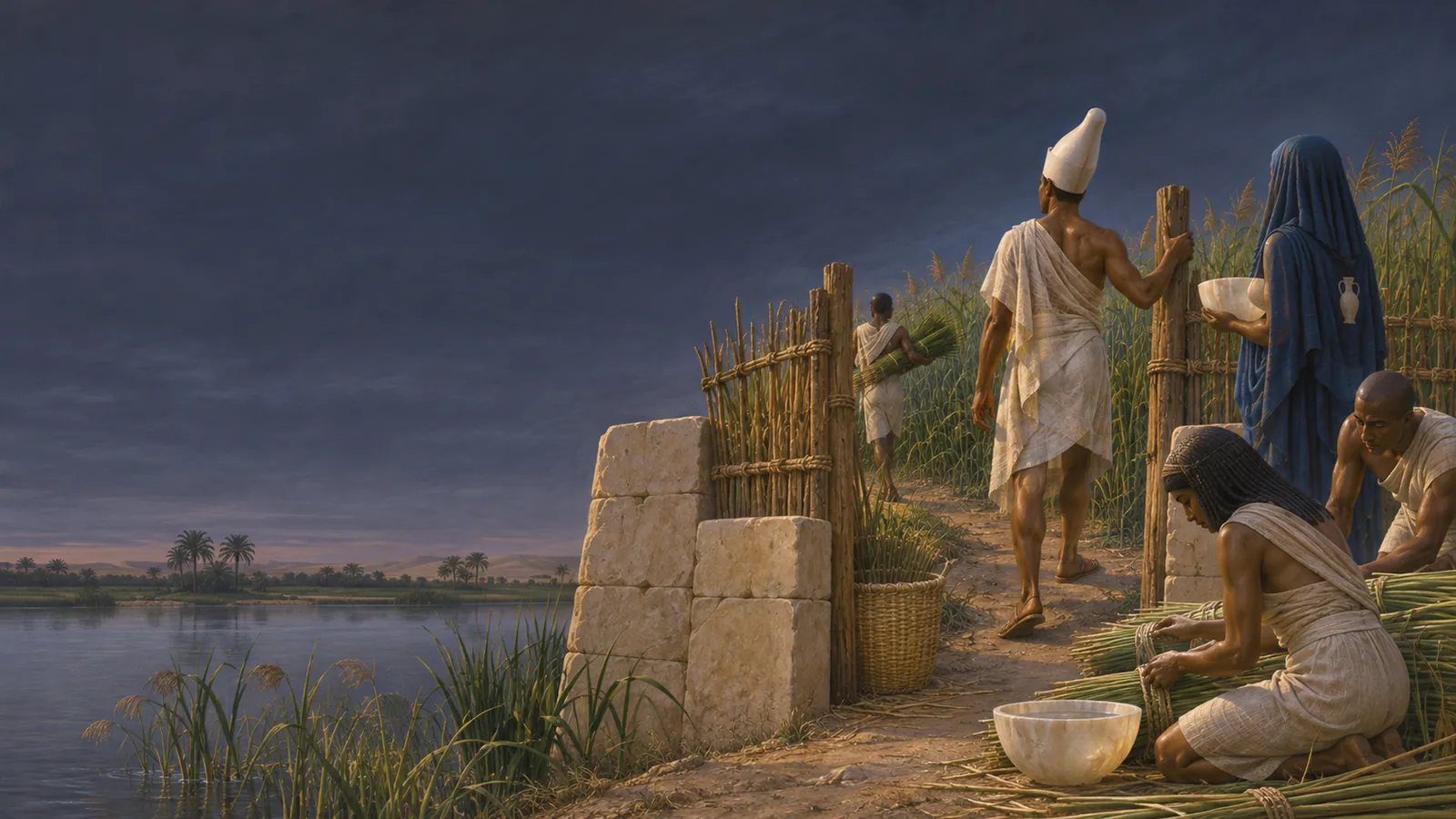
O AMANHECER
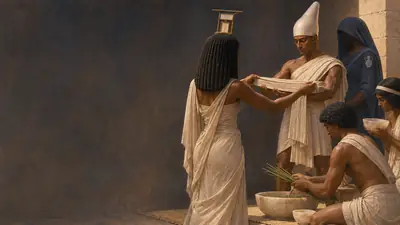
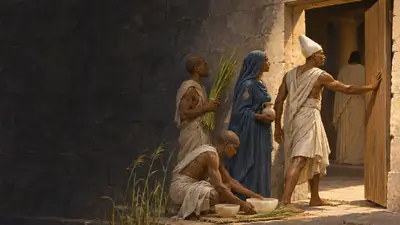
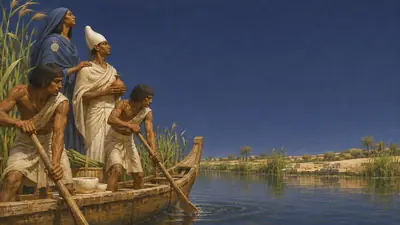
O recitante diz agora que a entrada do céu e a porta das Águas Frescas se abrem para ele ao amanhecer. Há de sair e purificar-se no Campo dos Juncos.
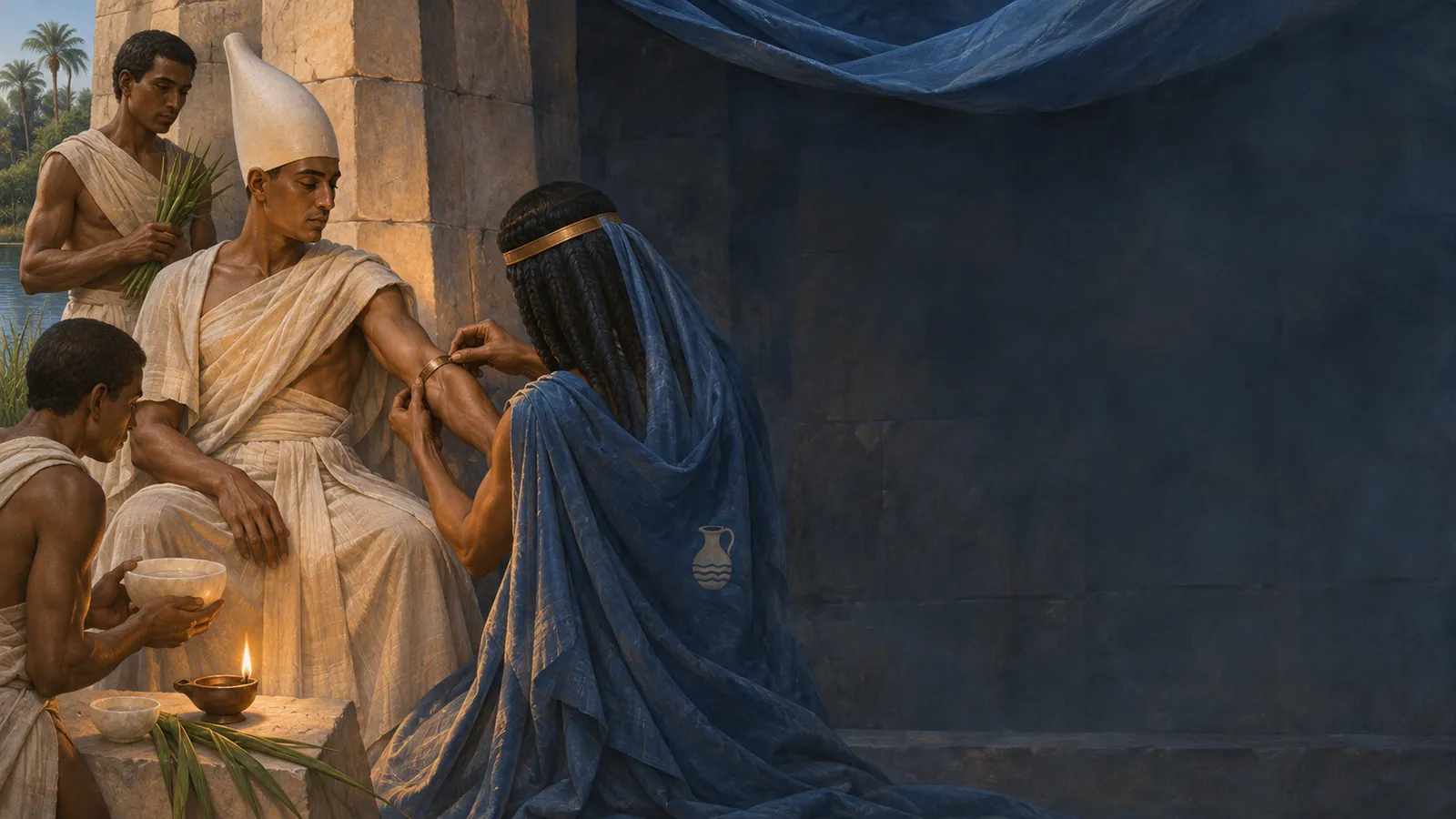
O recitante diz que se purifica e recebe os seus ossos de metal. Diz que estende os seus membros imperecíveis no ventre de Nut, sua mãe.
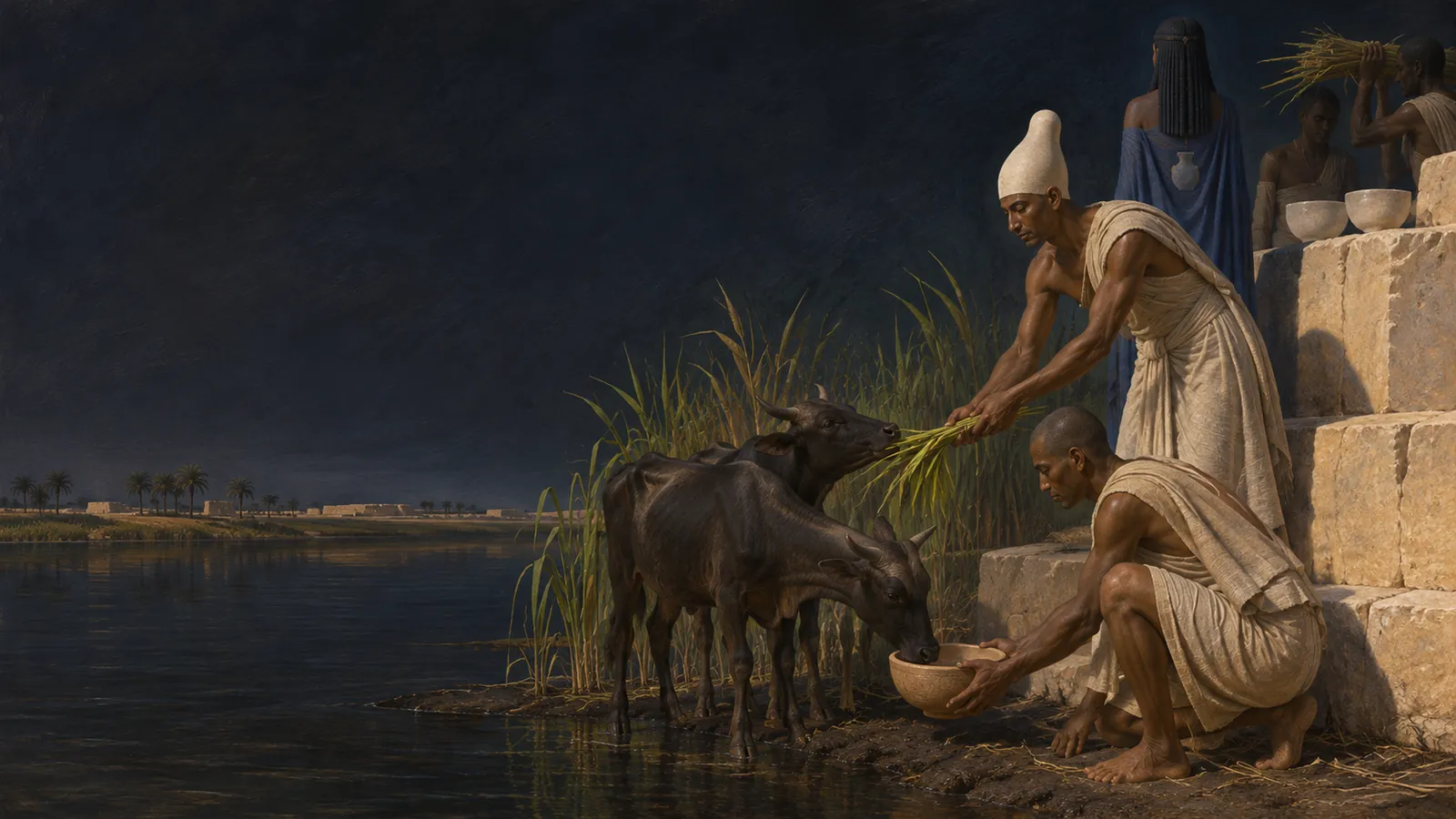
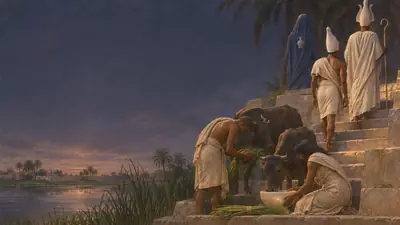
Pede ao Sol que lhe dê os braços para que Shu o aceite como companheiro para sempre. Diz que foi amamentado pelas duas vacas negras que aleitam os bas de Heliópolis.
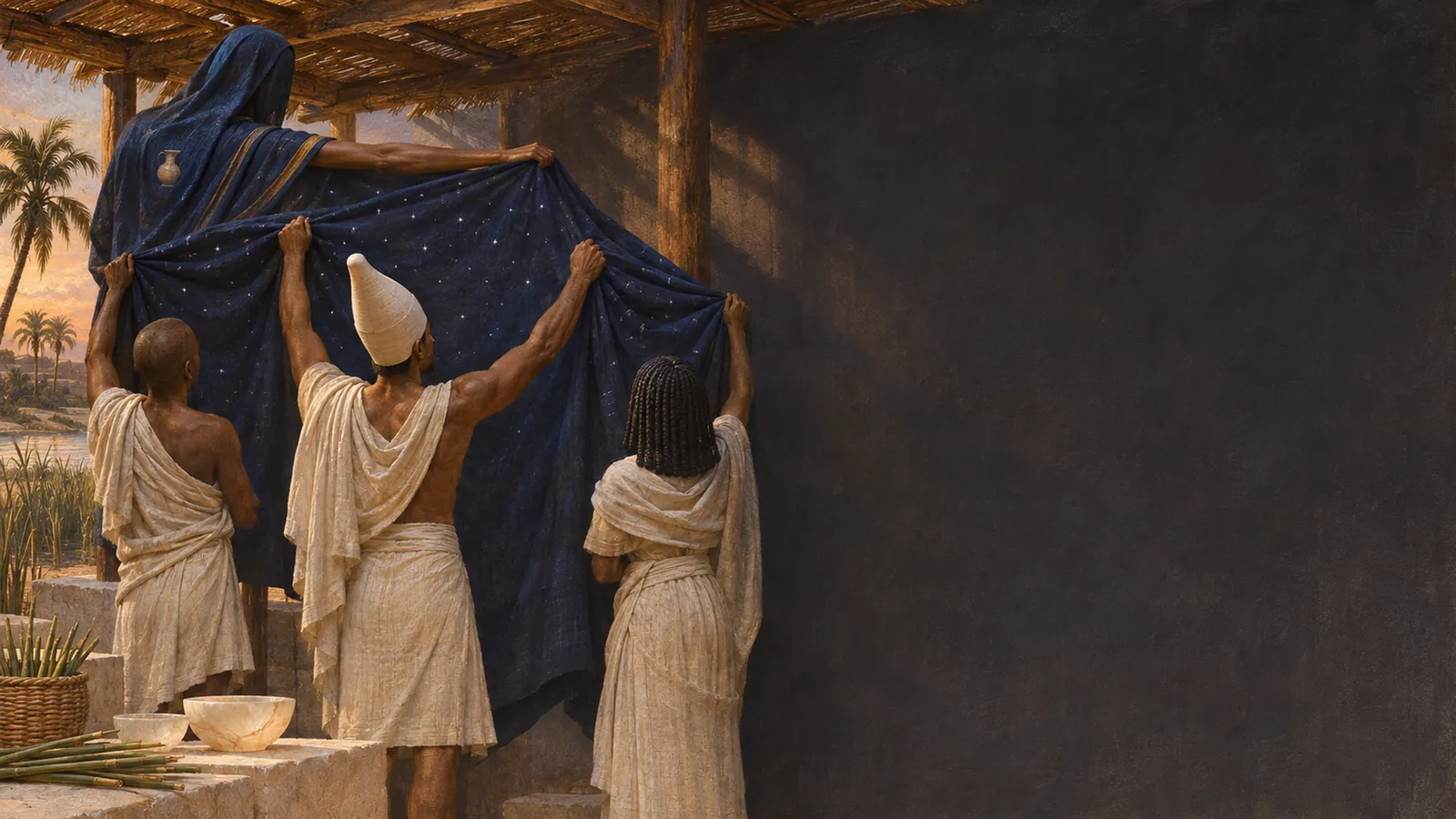
O recitante dirige-se a Hepatj e diz que o ventre do céu se avolumou com a força da semente do deus. Diz que é a semente que se encontra nele.
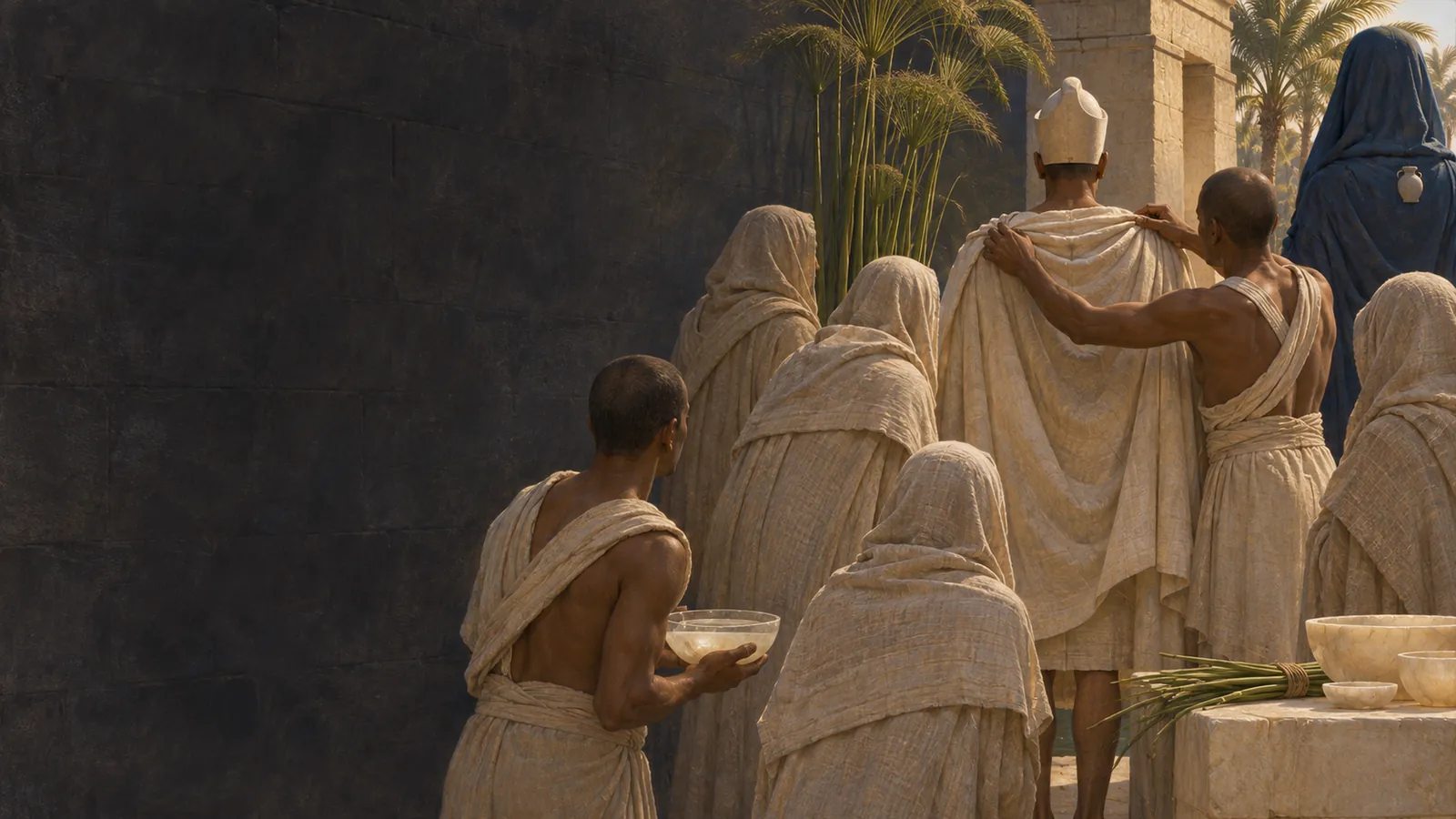
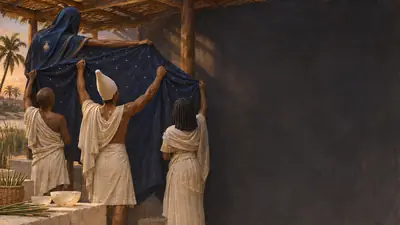
O recitante chama Hepatj, o Ululador e Zemnenu. Diz que o manto recebido o purificou e estabeleceu como deus, e pede que o instalem entre eles.
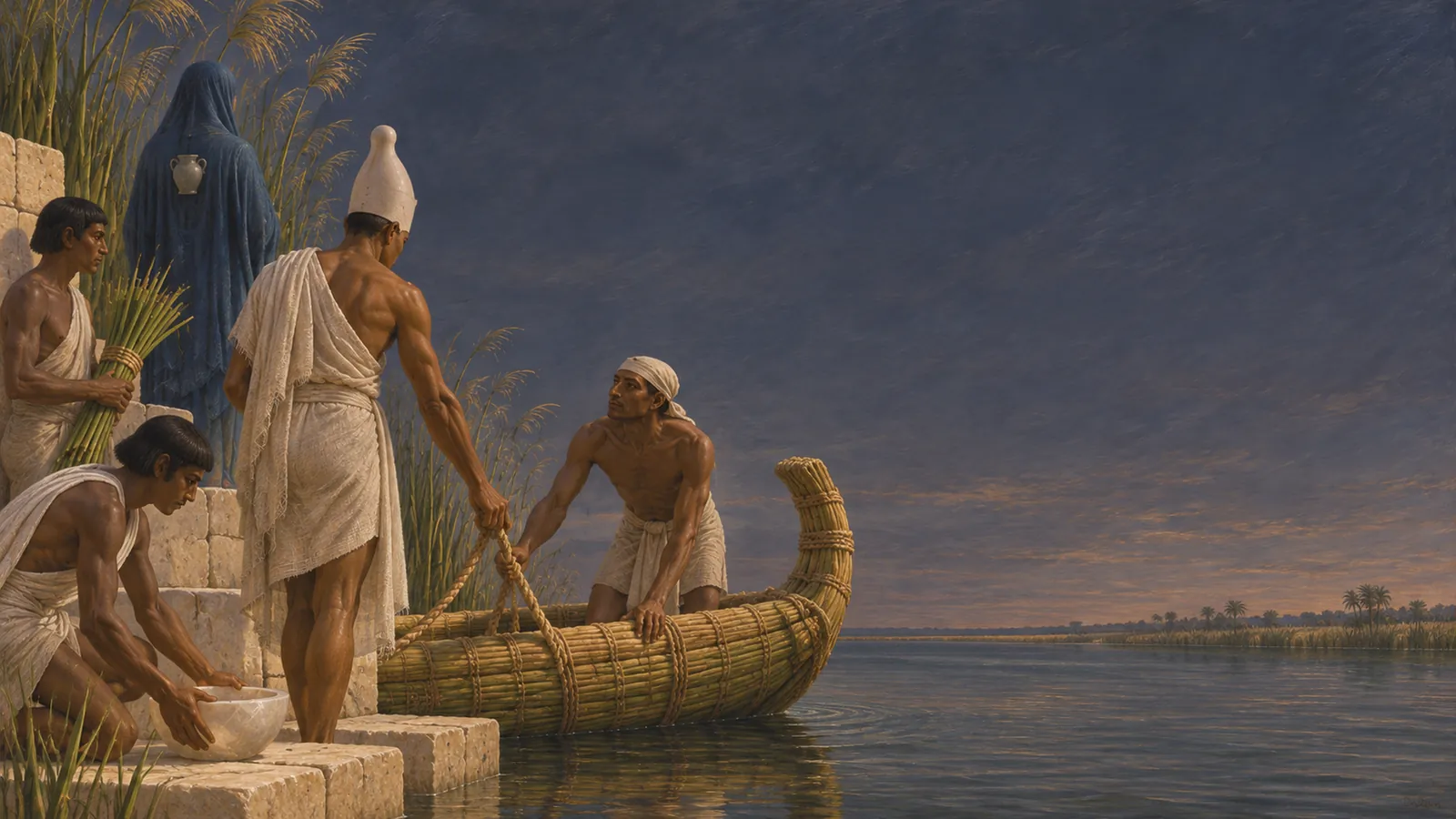
O recitante dirige-se ao nadador do canal de Hórus, de frente escura, que a fórmula coloca no pescoço do Sol. Diz que ambos se destinam ao céu.
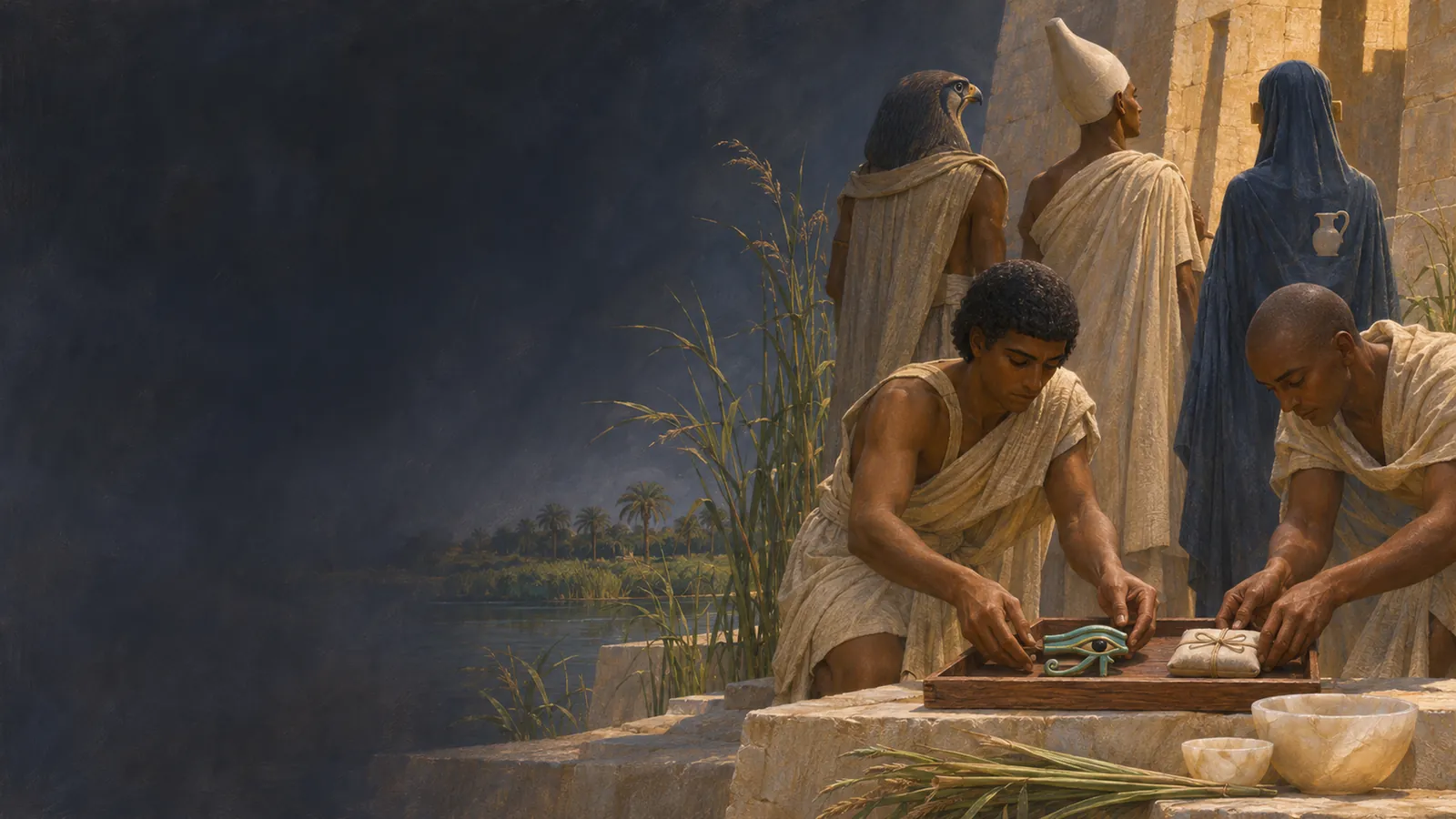
Hórus e Seth procuram o recitante por recuperar o olho de Hórus e os testículos de Seth. Tot também o procura, e Allen preenche a razão, a recuperação dos seus braços, a partir de Pepi II.
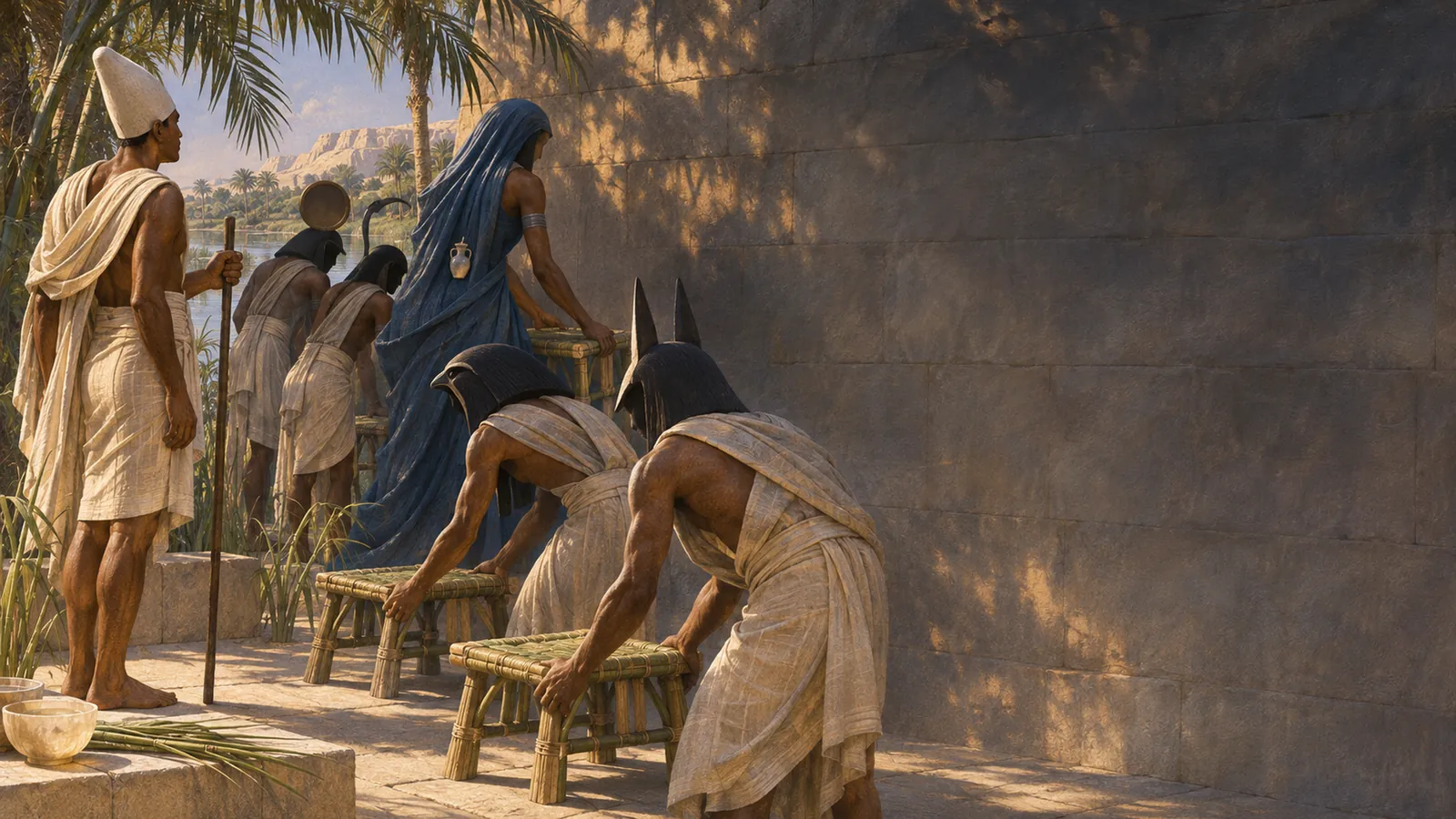
As duas Enéades estremecem diante dos que vêm buscar o recitante. A fórmula diz que o desejam e o levarão a um estado de contentamento.
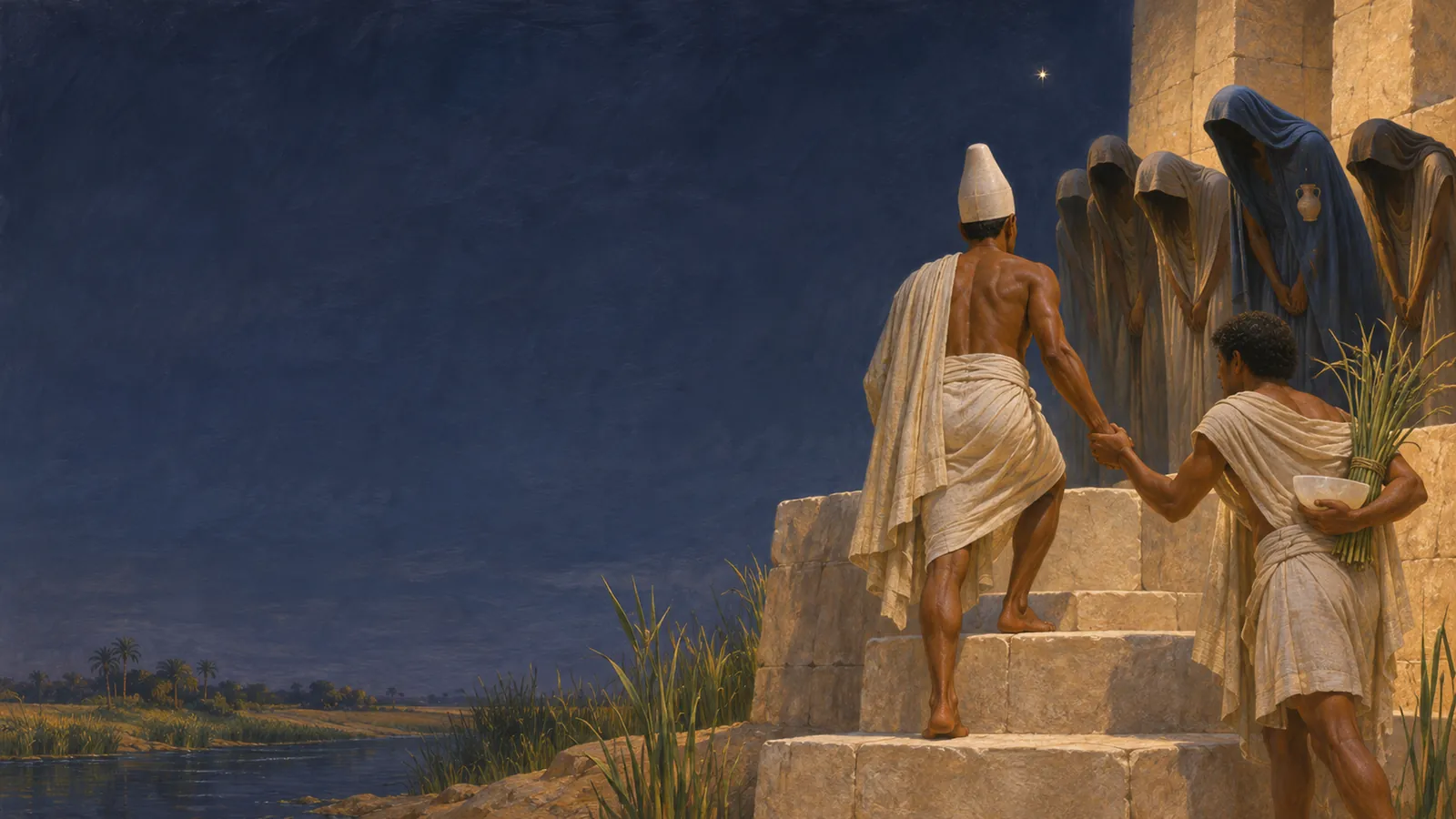
O recitante chama-se duas vezes uma estrela diante da qual os deuses se inclinam e as duas Enéades estremecem. Na primeira fórmula, a sua mão eleva-o. Na segunda, vê a sua subida e respira.
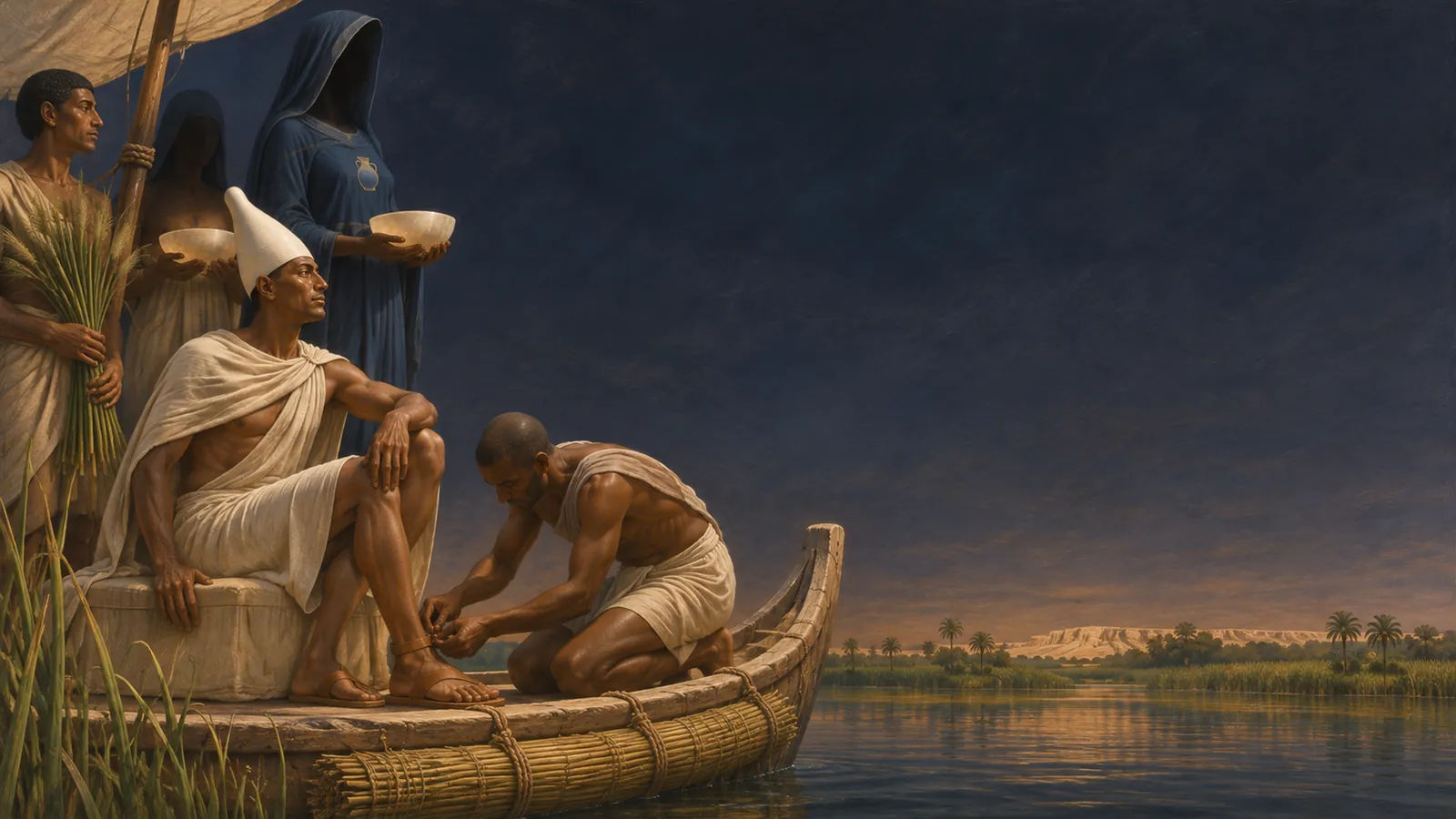
Em duas fórmulas paralelas, o recitante sobe ao céu numa almofada à proa e agarra a sandália do céu. A segunda volta à visão da sua subida e à respiração.
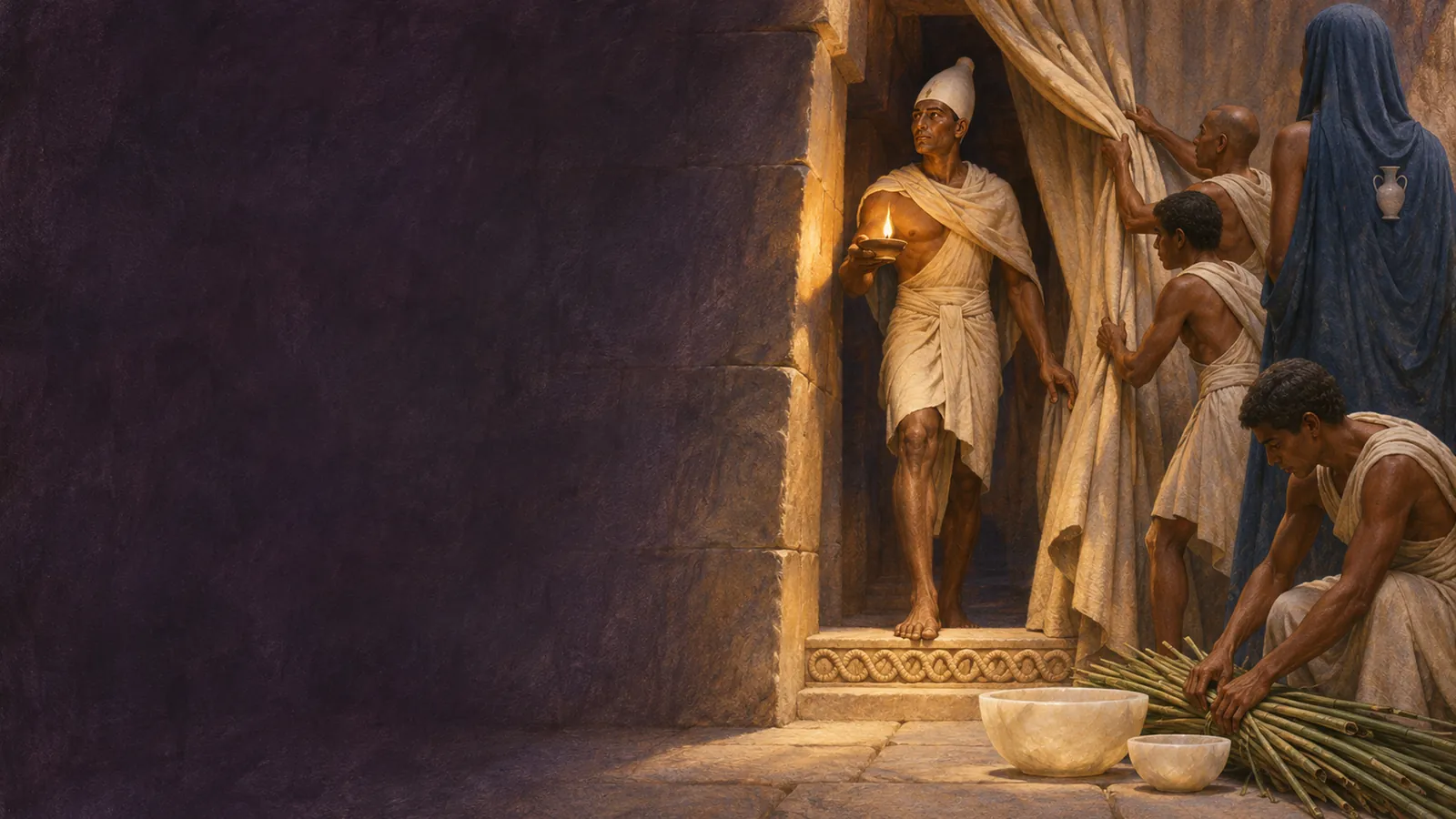
O recitante diz que emergiu daquele a quem Allen chama o Enrolado. Diz que saiu com uma força de fogo que afasta os adversários.
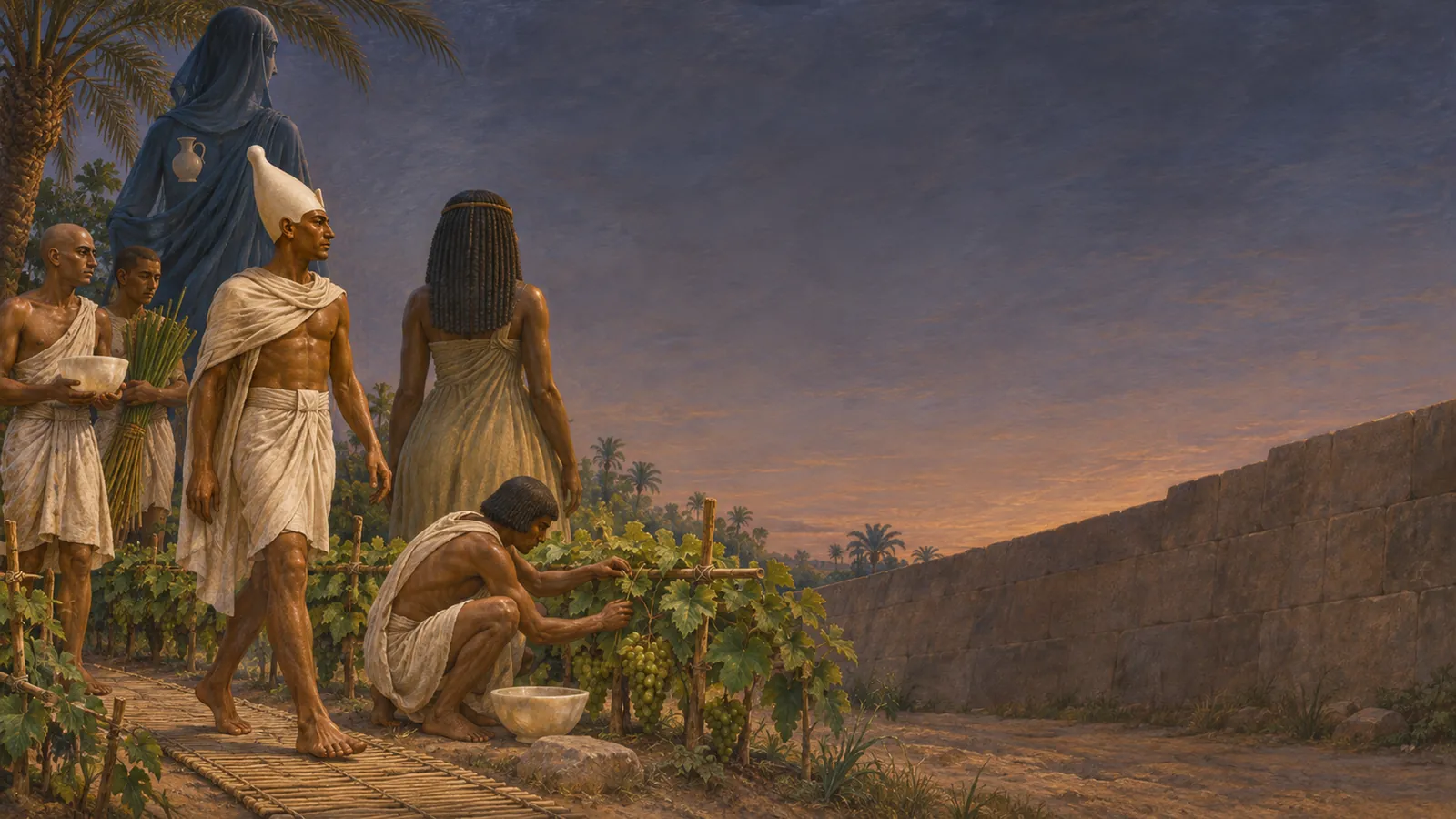
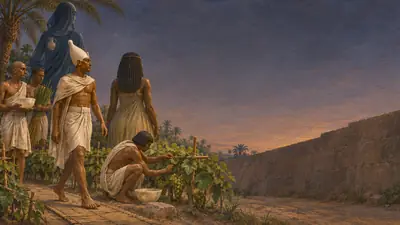
A fórmula diz que os dois céus e as duas terras vieram ter com ele. Pisa a videira verde sob os pés de Geb e percorre os caminhos de Nut.
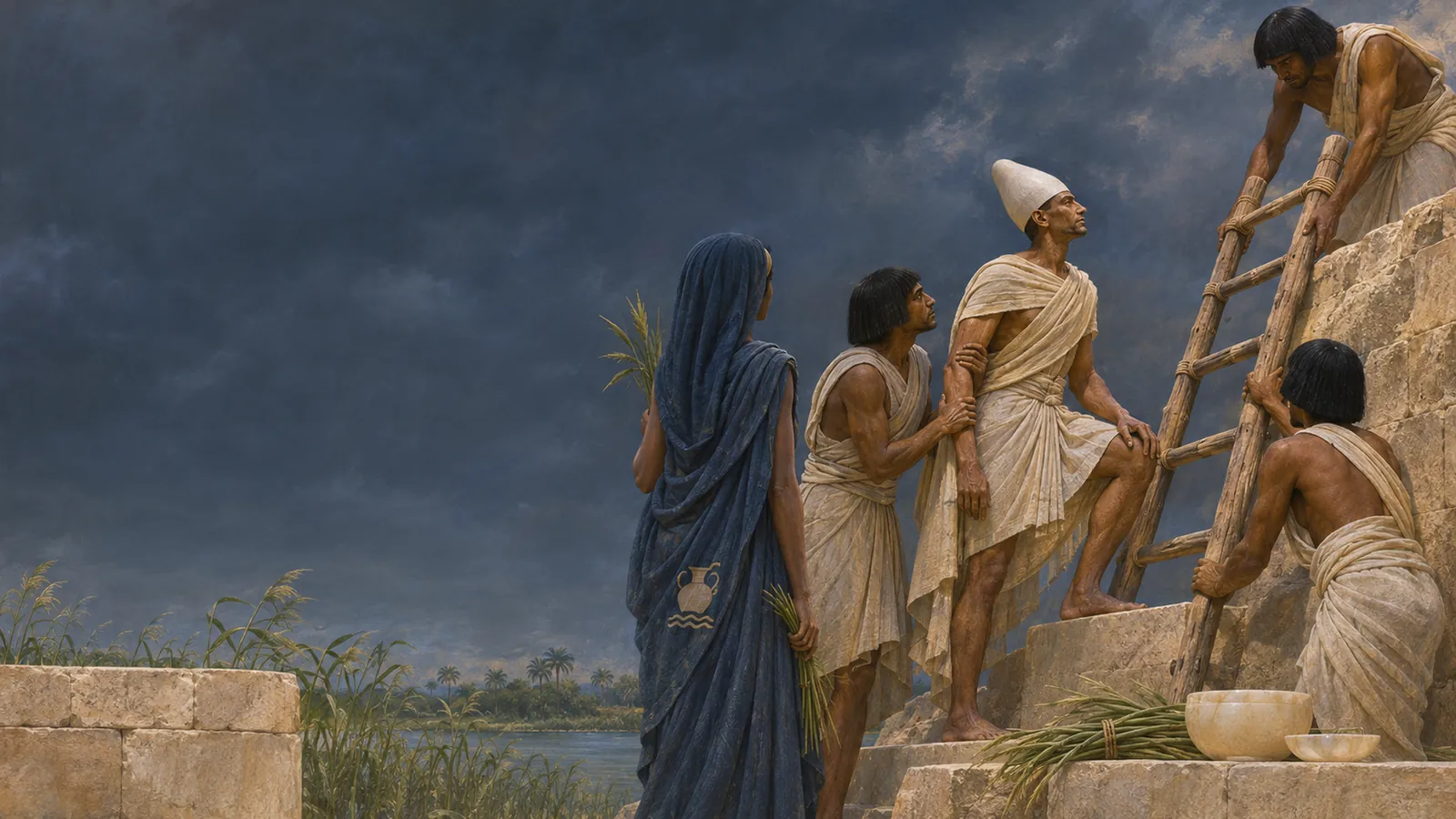
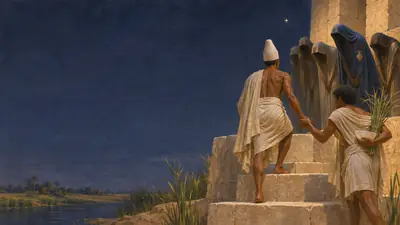
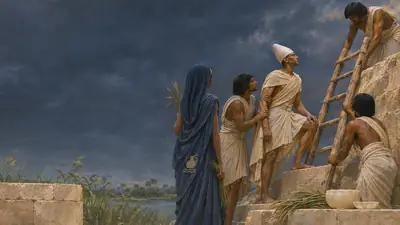
Purifica-se na mesma colina onde o Sol se purificou. Coloca um escadote e ergue uma escada enquanto os do oeste lhe seguram o braço.
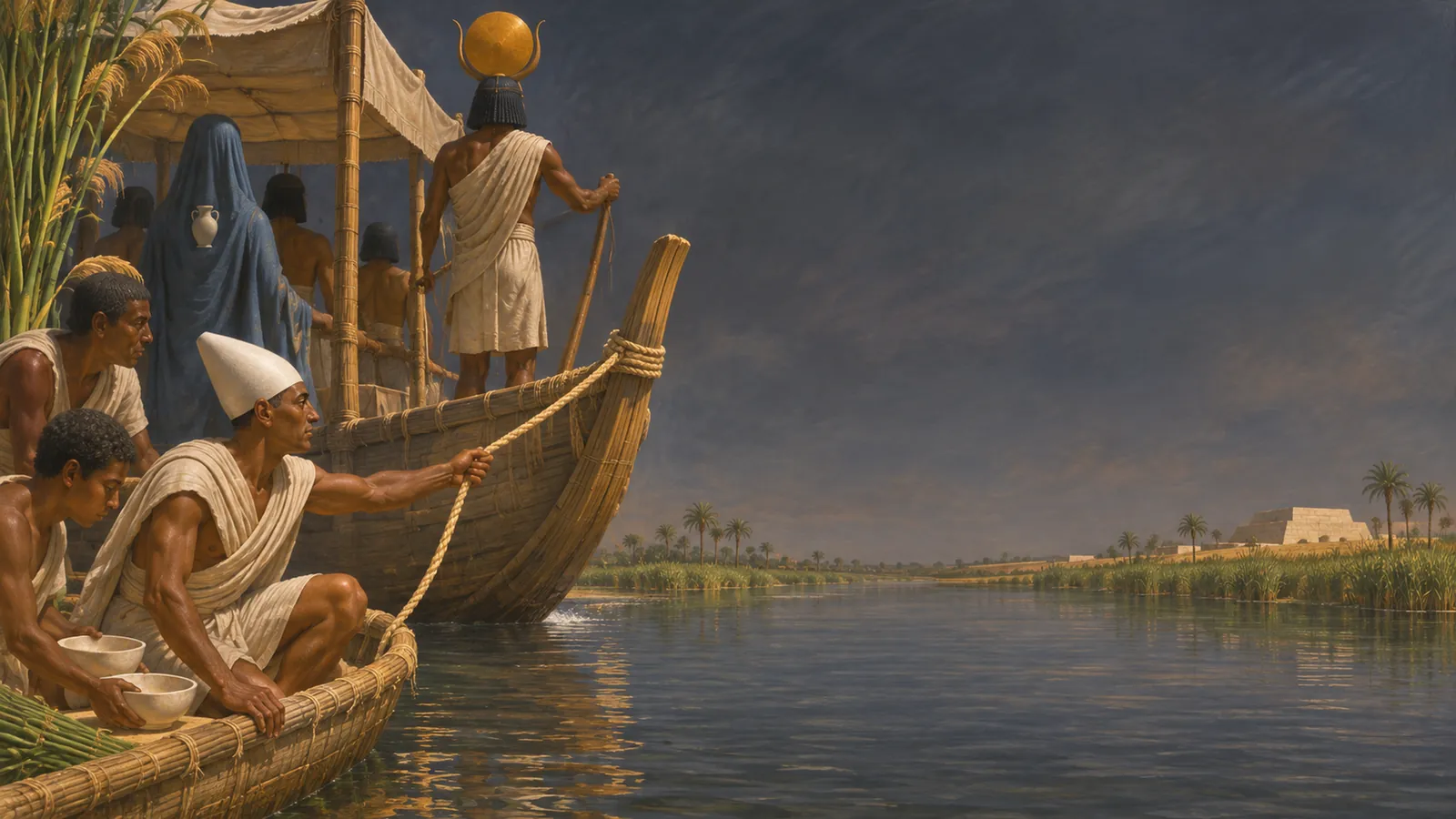
Saúda o Sol ao atravessar Nut e o Canal Sinuoso. Diz que lhe agarrou a cauda, pois é um deus e filho de um deus.
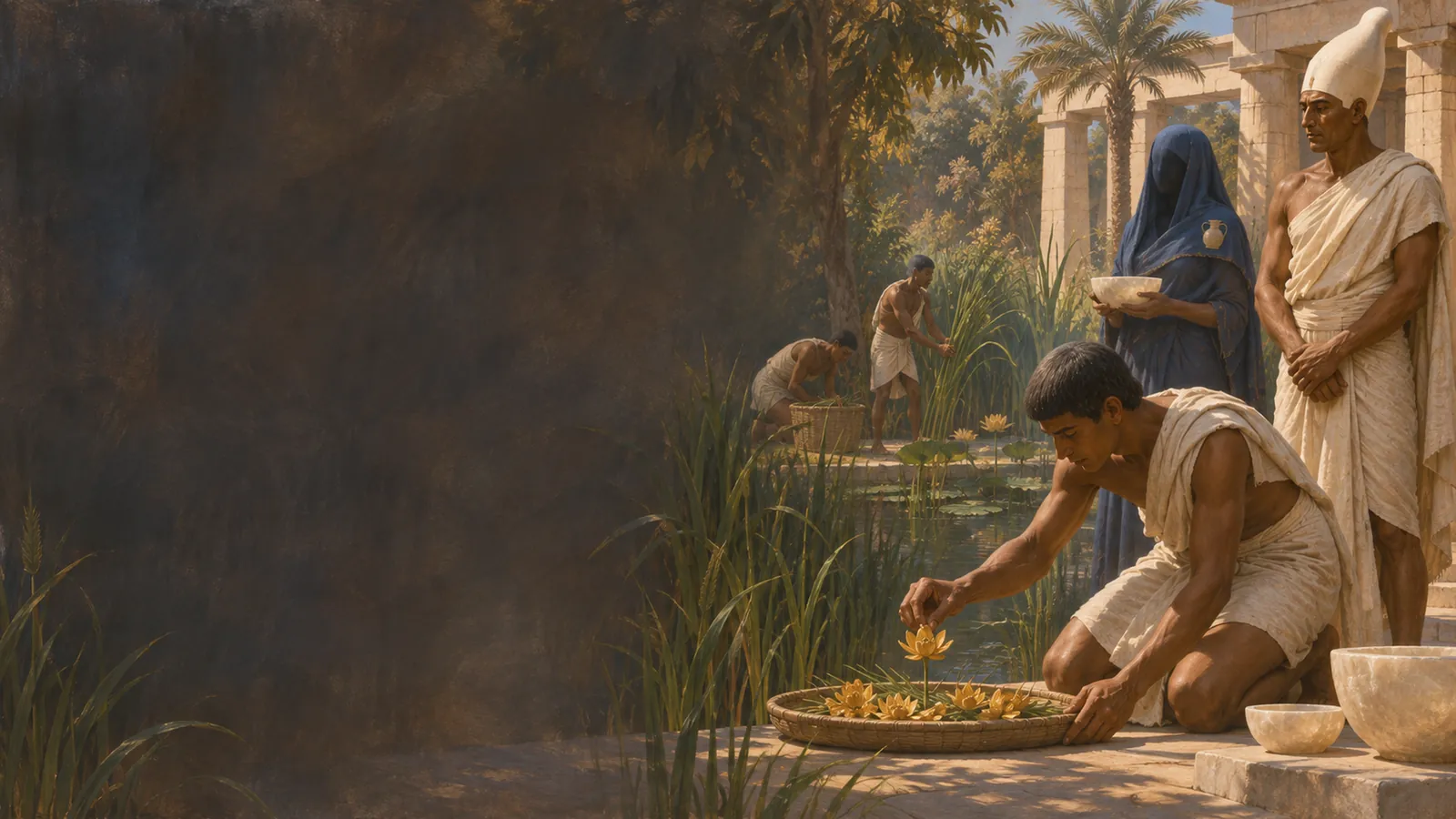
O recitante chama-se a flor que emergiu como um ka. Também se chama a flor dourada que emergiu em Iseum.
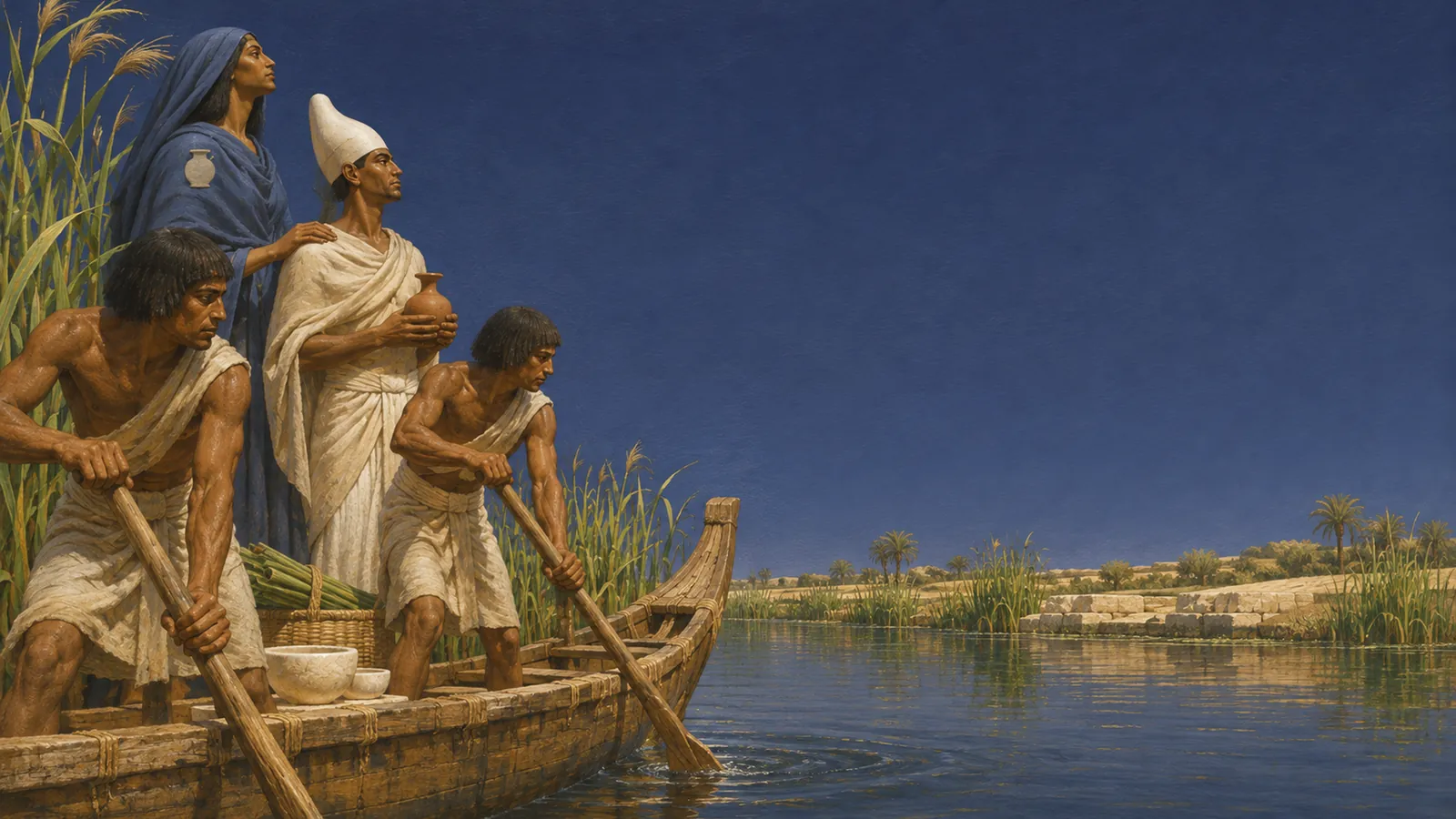
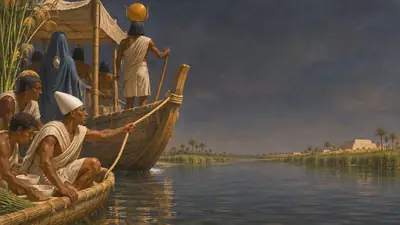
O recitante percorre Pe como o ser do mundo inferior à frente de Nezat e atravessa Kenmut como Shezmu no seu barco do lagar de azeite. Diz que o deus deseja a sua vida mais do que a de Fetekte.
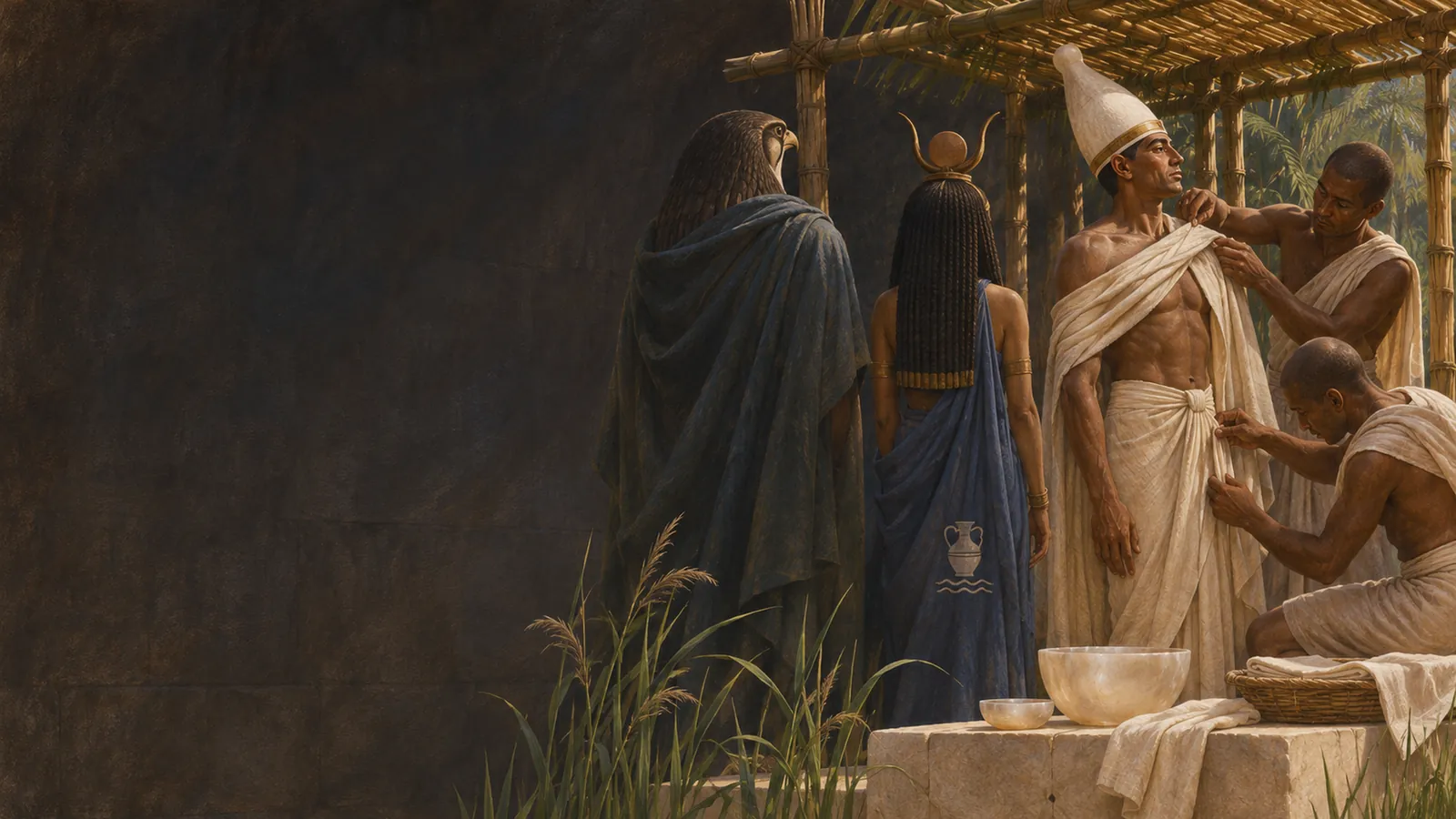
Admira o seu aspeto com uma faixa da fronte do Sol, uma saia de Hathor e a plumagem de um falcão. Sobe ao céu entre os deuses, seus irmãos.
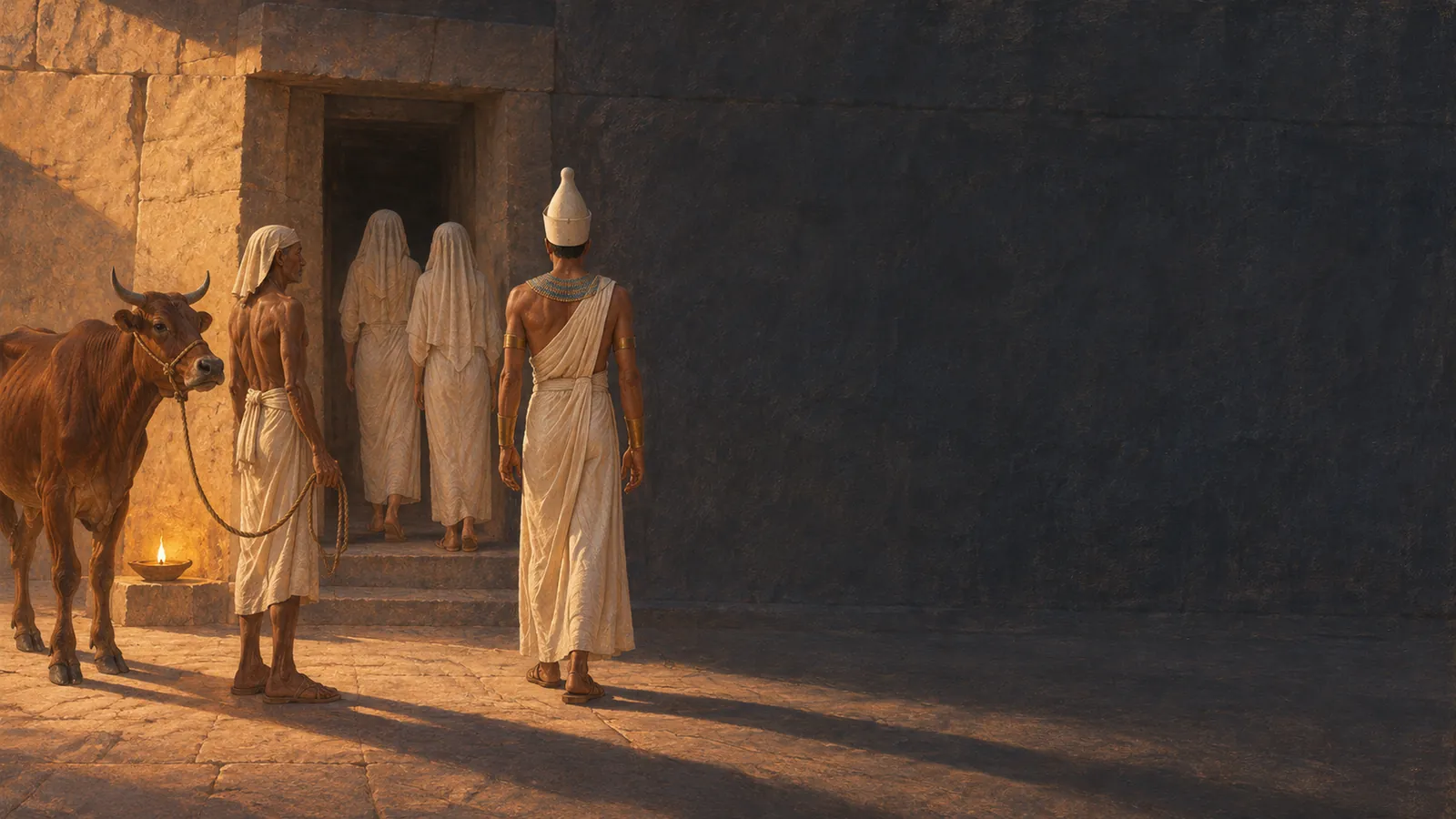
Nesta fórmula, o recitante saúda o novilho que emerge e diz agarrá-lo pela cauda e pela base da coluna. Uma grande deusa vai à frente e outra atrás.
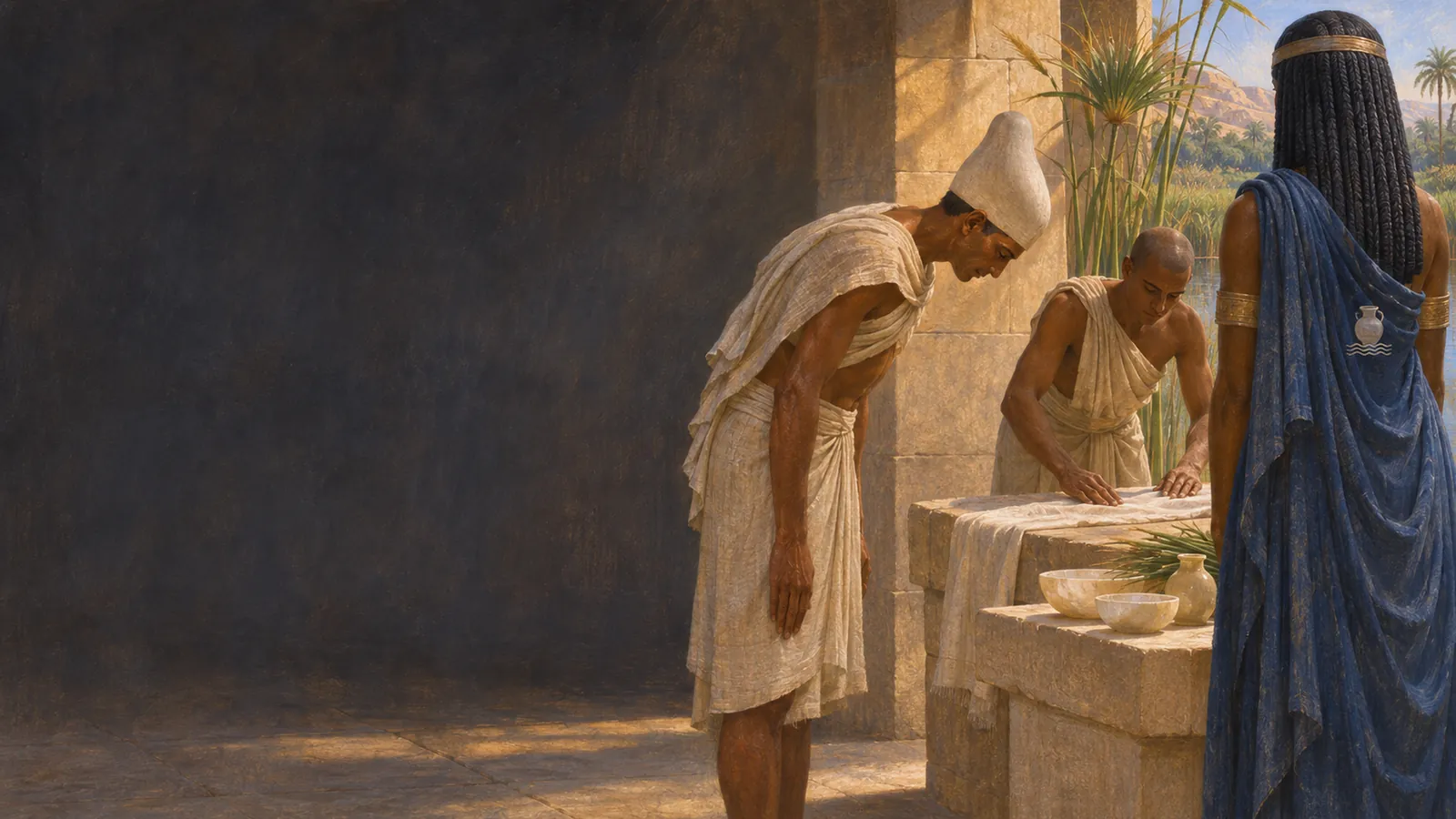
Pede ao maior dos deuses que o receba, pois pertence-lhe. A fórmula compara as partes do cadáver do recitante com as de uma criança.
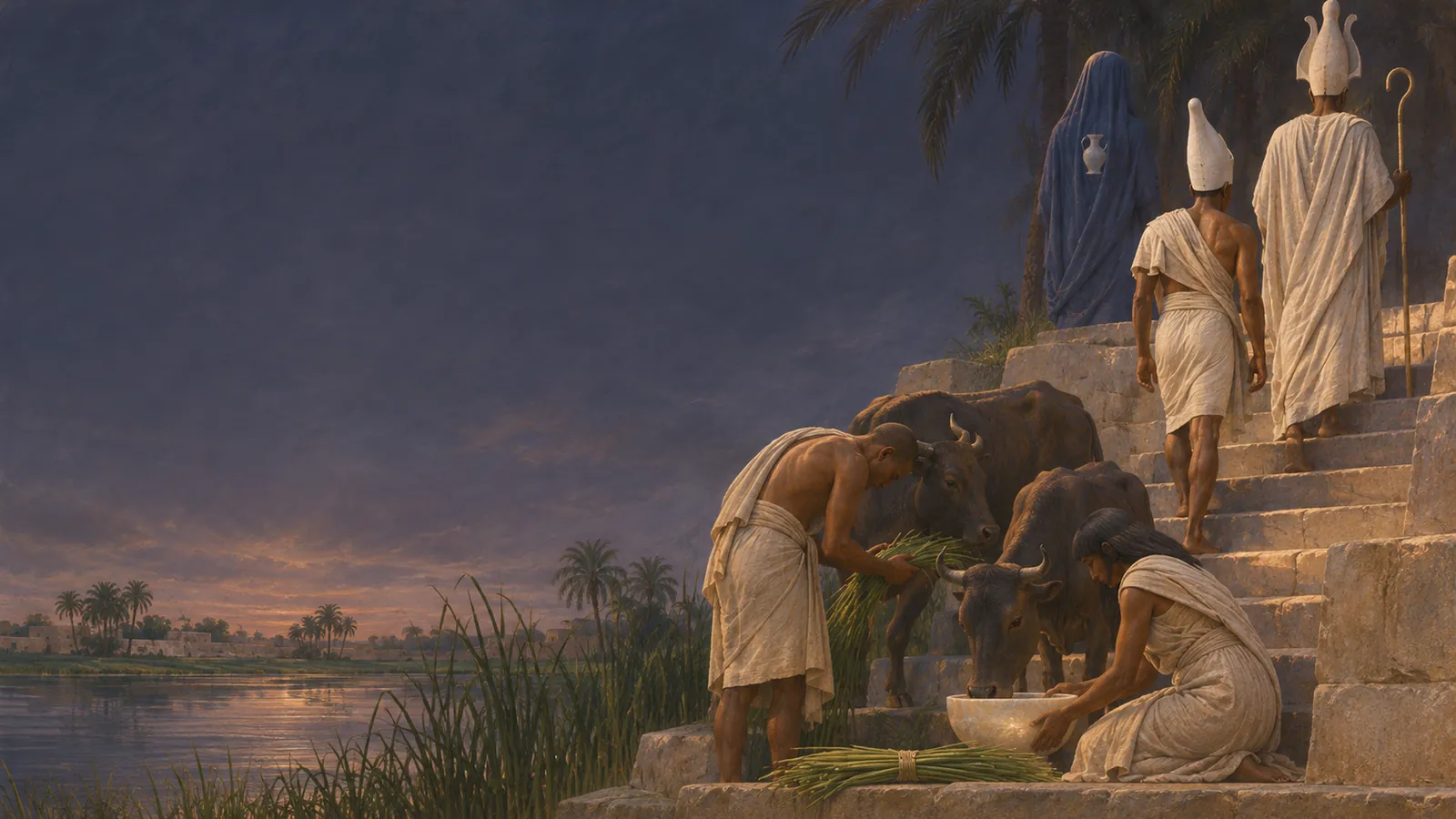
O LUTO NA SUBIDA
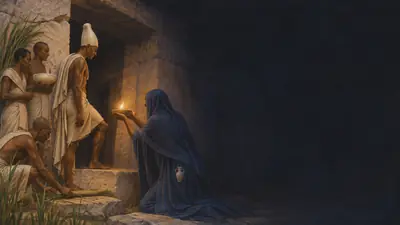
O céu fala e a terra treme quando Osíris emerge. A fórmula chama as vacas que o amamentam a reunir-se, bater no peito e lamentá-lo enquanto sobe ao céu entre os seus irmãos divinos.
Fim do capítulo 1
Todas as páginas
Fontes
Allen’s Teti chapter, The Ancient Egyptian Pyramid Texts, second edition, SBL Press, 2015, pp. 70–74. The sarcophagus spells appear in Teti’s printed order, PT1–2, 6, 7, 4, 5, 3. The west gable runs PT322–337. The first sequence preserves the break after Geb’s opening words. In PT327, Allen takes the reason given for Thoth’s action from Pepi II and prints it in parentheses.
Edições consultadas
- SBL Press, James P. Allen, The Ancient Egyptian Pyramid Texts, second edition
- Teti, printed pp. 70–74, sarcophagus and west gable
- Teti, printed p. 98, notes 2–7
Notas sobre este reconto
PT 1–2. Nut speaks first and identifies Teti as the son she bore. The phrase about his emerging from her body paraphrases the words about opening her belly. Geb calls Teti the son of his own body. The printed brackets mark a break immediately afterward. Allen’s note 2 on p. 98 places PT 1–2 on the exterior of the sarcophagus lid.
PT 6. Addressed as the Elder Bud, Nut says she has given the Akhet to her desired son Teti so he may control it as Horus of the Akhet. The gods tell Nut that her choice is proper and ask her to escort him forever. Note 2 places this spell on the east wall of the sarcophagus interior.
PT 7. Nut is styled the Elder One and associated with the Compound of Shenit. She gives Teti the Duat so that he may be foremost there as Horus. In their reply, the gods call Shu Teti’s father and say he knows Nut loves Teti more than she loves her mother Tefnut. Later in the printed sequence the gods call Geb his father. Note 2 places PT 7 on the west wall inside the sarcophagus.
PT 4 and PT 5. These closely parallel recitations name Isis and then Nephthys. In each, Nut gives a sister to Teti so that she may take hold of him and give his mind to his body. Note 2 places PT 4 on the north wall and PT 5 on the south wall inside the sarcophagus.
PT 3. Nut is associated with the Lower Compound. She calls Teti the firstborn on Geb’s throne and says Geb gives him his inheritance before the Big Ennead. The gods’ exclamation about Teti’s happiness concludes the group. Note 2 places this spell on the bottom inside the sarcophagus.
PT 322, opening. The call for sky and earth to open begins Spells for Ascending to Nut. The compound-wall door opens to Horus and the lotus door opens to Seth.
Pages 13–14, PT 322. Allen supplies “door” in parentheses in the address to it. The words refer to the one at the front of his wall and to passing as Atum. The closing designation “Apparent in Heat” and the location within Negau remain specific to Allen’s reading.
Pages 15–16, PT 323. The speaker says he becomes clean with the Sun in the Lake of Reeds. The final two requests go to Shu and Nut, respectively.
Pages 17–18, PT 324, opening. The speaker addresses the keeper of Horus and the keeper of Osiris. Allen’s rendering “hair-spit” is retained for the thing he says he has brought. The words about hair becoming ill and bald are followed by a response about the gods’ magic. Allen brackets the verb “say” in the attribution of that response.
Pages 19–20, PT 324, two encounters. The speaker addresses the beseeched she-hippopotamus and says that she came against him. Allen brackets the coming verb. The speaker says he took one of Horus’s two scepters from her and struck her. A greeting tied to first coming into being follows, with her speaking marked in parentheses. The second address is to the monstrous she-donkey and gives the tail from the lake of Osiris. The two actions belong to the speaker’s recitation.
Page 21, PT 324, Khnum. The act of stepping on it is bracketed. Allen supplies the identification of the reply’s speaker in parentheses. The reply calls the reciter one of the Big Compound’s two pillars.
Pages 22–23, PT 325, the five openings. The five printed formulas repeat the doors, daybreak, emergence and cleansing. The four forms of Horus appear in the same order as the source and the fifth formula turns to the reciter. Allen brackets the first opening verb and a small preposition in the first formula, the emergence phrase in the fourth, and the preposition before daybreak in the fifth.
Page 24, PT 325, purification. Allen brackets the linking conjunction and the words for extending the limbs to oneself.
Page 25, PT 325, the Sun, Shu and the nurses. Allen calls them the nurses of the bas of Heliopolis.
Page 26, PT 325, Hepatj. The first address to Hepatj links the sky’s swollen womb to the force of a god’s seed. The speaker identifies himself with that seed. This is the speaker’s metaphor within the recitation.
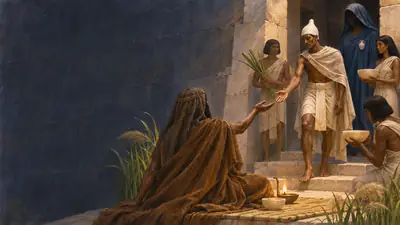
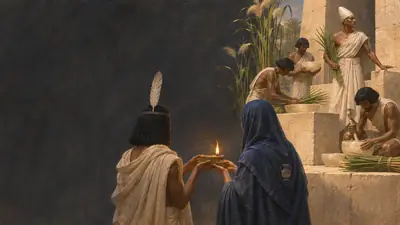
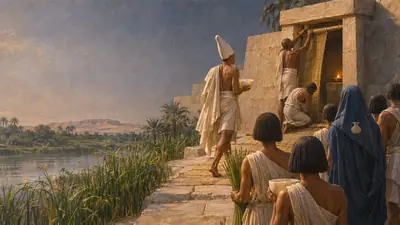
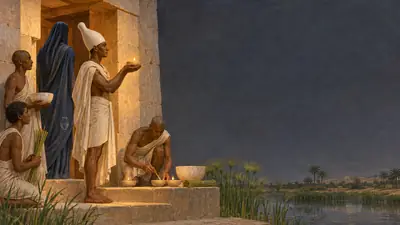
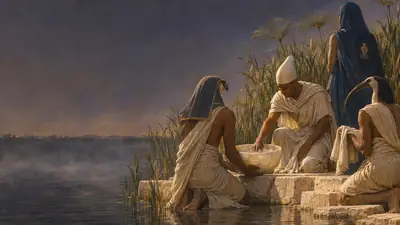
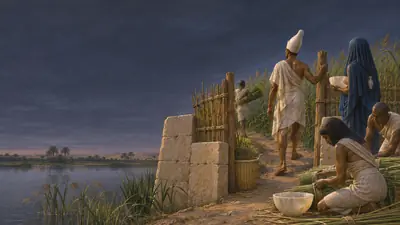
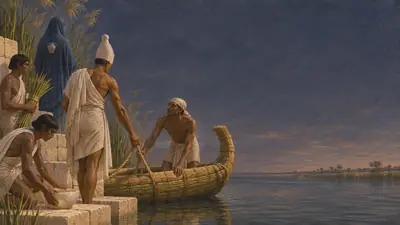
Purification takes place beside the Lake of Reeds.
Page 27, Allen 2015, Teti, p. 72, PT325. The final appeals of PT325 name Hepatj, Ululator and Zemnenu. The recipient attributes purification and divine establishment to the cloak and asks to be taken and settled as one of them.
Page 28, Allen 2015, Teti, p. 72, PT326. PT326 places the dark-fronted canal-swimmer at the Sun’s neck. Allen’s note 3 on p. 98 suggests a possible horizon reference.
Page 29, Allen 2015, Teti, p. 73, PT327, opening. PT327 names what was fetched for Horus and Seth. Allen’s p.
Page 30, Allen 2015, Teti, p. 73, PT327, conclusion. PT327 says the two Enneads shake. Allen supplies with fear in parentheses. The three seek, fetch and will fetch the speaker to contentment in the recitation.
Page 31, Allen 2015, Teti, p. 73, PT328–329. The divine bows and the Enneads shaking occur in both PT328 and PT329. Allen supplies a snake in parentheses in both. PT328 ends with the hand elevating the speaker.
Page 32, Allen 2015, Teti, p. 73, PT330–331. PT330 and PT331 both give the cushion in the prow and the grasping of the sandal. Allen supplies of the standard in PT330. In note 5 the possessor of the sandal is the sky. PT331 adds the repeated breath and sight formula.
Page 33, Allen 2015, Teti, p. 73, PT332, opening. The speaker says he emerged from the Coiled One with a fiery blast that drives opponents away. Allen supplies opponents in parentheses. Note 6 identifies a double reference in the written sign to completing a board game and overcoming the obstructing serpent.
Page 34, Allen 2015, Teti, p. 73, PT332, remainder. The speaker receives the two skies and lands, steps on the green vine under Geb’s feet and tramples Nut’s paths. Note 7 explains the skies north and south of the Winding Canal and the lands as the Nile Valley and Delta.
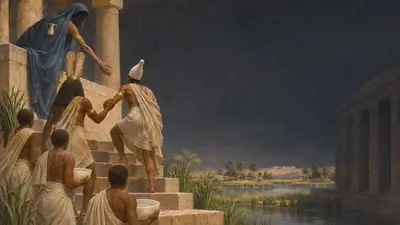
Page 35, Allen 2015, Teti, p. 73, PT333. PT333 locates the speaker’s purification on the Sun’s hill, distinguishes the stepladder and ladder, and says those of the west are grasping his arm.
Page 36, Allen 2015, Teti, p. 73, PT334, opening. The greeting in PT334 addresses the Sun crossing the sky and Nut. The speaker mentions the Sun’s journey on the Winding Canal, grasping its tail and his own divine parentage.
Page 37, Allen 2015, Teti, p. 73, PT334, blossom. The second movement of PT334 makes a paired claim about the blossom that comes forth as ka and the gilded blossom in Iseum.
Page 38, Allen 2015, Teti, p. 73, PT334, crossings. Pe, Nezat, Kenmut, Shezmu and Fetekte remain as printed. The speaker names his two crossings and the boat. This selection gives the stated preference for the speaker’s life without reporting any outcome for Fetekte.
Page 39, Allen 2015, Teti, p. 74, PT335. PT335 lists the headband from the Sun’s brow, the kilt from Hathor and the falcon’s plumage.
Page 40, Allen 2015, Teti, p. 74, PT336, first address. The first address of PT336 greets the steer at emergence and places two great goddesses around it.
Page 41, Allen 2015, Teti, p. 74, PT336, second address. The second address of PT336 asks the greatest god to receive the speaker. The description compares the parts of the speaker’s dead body to those of a child. The line does not describe harm to a child.
Page 42, Allen 2015, Teti, p. 74, PT337. PT337 gives the shaking of the earth and speech of the sky at Osiris’s emergence. The nurse-cows are called to gather and mourn as he goes to the sky.
Os versos antigos de cada página
- Page 1: Allen 2015, The Ancient Egyptian Pyramid Texts, Teti, p. 70, PT 1–2, opening
- Page 2: Allen 2015, The Ancient Egyptian Pyramid Texts, Teti, p. 70, PT 1–2, Nut’s speech
- Page 3: Allen 2015, The Ancient Egyptian Pyramid Texts, Teti, p. 70, PT 1–2, Geb’s speech
- Page 4: Allen 2015, The Ancient Egyptian Pyramid Texts, Teti, p. 71, PT 6, Nut’s speech
- Page 5: Allen 2015, The Ancient Egyptian Pyramid Texts, Teti, p. 71, PT 6, gods’ reply
- Page 6: Allen 2015, The Ancient Egyptian Pyramid Texts, Teti, p. 71, PT 7, Nut’s speech
- Page 7: Allen 2015, The Ancient Egyptian Pyramid Texts, Teti, p. 71, PT 7, gods’ reply
- Page 8: Allen 2015, The Ancient Egyptian Pyramid Texts, Teti, p. 71, PT 4
- Page 9: Allen 2015, The Ancient Egyptian Pyramid Texts, Teti, p. 71, PT 5
- Page 10: Allen 2015, The Ancient Egyptian Pyramid Texts, Teti, p. 71, PT 3, Nut’s speech
- Page 11: Allen 2015, The Ancient Egyptian Pyramid Texts, Teti, p. 71, PT 3, gods’ reply
- Page 12: Allen 2015, The Ancient Egyptian Pyramid Texts, Teti, p. 71, PT 322, opening
- Page 13: Allen, The Ancient Egyptian Pyramid Texts, 2nd ed. (2015), Teti, p. 71, PT 322, middle
- Page 14: Allen, The Ancient Egyptian Pyramid Texts, 2nd ed. (2015), Teti, p. 71, PT 322, ending
- Page 15: Allen, The Ancient Egyptian Pyramid Texts, 2nd ed. (2015), Teti, p. 71, PT 323, opening
- Page 16: Allen, The Ancient Egyptian Pyramid Texts, 2nd ed. (2015), Teti, p. 71, PT 323, ending
- Page 17: Allen, The Ancient Egyptian Pyramid Texts, 2nd ed. (2015), Teti, p. 71, PT 324, errand
- Page 18: Allen, The Ancient Egyptian Pyramid Texts, 2nd ed. (2015), Teti, p. 71, PT 324, hair and reply
- Page 19: Allen, The Ancient Egyptian Pyramid Texts, 2nd ed. (2015), Teti, p. 72, PT 324, first encounter
- Page 20: Allen, The Ancient Egyptian Pyramid Texts, 2nd ed. (2015), Teti, p. 72, PT 324, second encounter
- Page 21: Allen, The Ancient Egyptian Pyramid Texts, 2nd ed. (2015), Teti, p. 72, PT 324, Khnum and reply
- Page 22: Allen, The Ancient Egyptian Pyramid Texts, 2nd ed. (2015), Teti, p. 72, PT 325, first four openings
- Page 23: Allen, The Ancient Egyptian Pyramid Texts, 2nd ed. (2015), Teti, p. 72, PT 325, first-person opening
- Page 24: Allen, The Ancient Egyptian Pyramid Texts, 2nd ed. (2015), Teti, p. 72, PT 325, purification and body
- Page 25: Allen, The Ancient Egyptian Pyramid Texts, 2nd ed. (2015), Teti, p. 72, PT 325, Sun, Shu and Heliopolis
- Page 26: Allen, The Ancient Egyptian Pyramid Texts, 2nd ed. (2015), Teti, p. 72, PT 325, Hepatj and the sky
- Page 27: Allen, The Ancient Egyptian Pyramid Texts, 2nd ed. (2015), Teti, p. 72, PT325
- Page 28: Allen, The Ancient Egyptian Pyramid Texts, 2nd ed. (2015), Teti, p. 72, PT326
- Page 29: Allen, The Ancient Egyptian Pyramid Texts, 2nd ed. (2015), Teti, p. 73, PT327, opening
- Page 30: Allen, The Ancient Egyptian Pyramid Texts, 2nd ed. (2015), Teti, p. 73, PT327, conclusion
- Page 31: Allen, The Ancient Egyptian Pyramid Texts, 2nd ed. (2015), Teti, p. 73, PT328–329
- Page 32: Allen, The Ancient Egyptian Pyramid Texts, 2nd ed. (2015), Teti, p. 73, PT330–331
- Page 33: Allen, The Ancient Egyptian Pyramid Texts, 2nd ed. (2015), Teti, p. 73, PT332, opening
- Page 34: Allen, The Ancient Egyptian Pyramid Texts, 2nd ed. (2015), Teti, p. 73, PT332, remainder
- Page 35: Allen, The Ancient Egyptian Pyramid Texts, 2nd ed. (2015), Teti, p. 73, PT333
- Page 36: Allen, The Ancient Egyptian Pyramid Texts, 2nd ed. (2015), Teti, p. 73, PT334, opening
- Page 37: Allen, The Ancient Egyptian Pyramid Texts, 2nd ed. (2015), Teti, p. 73, PT334, blossom
- Page 38: Allen, The Ancient Egyptian Pyramid Texts, 2nd ed. (2015), Teti, p. 73, PT334, crossings
- Page 39: Allen, The Ancient Egyptian Pyramid Texts, 2nd ed. (2015), Teti, p. 74, PT335
- Page 40: Allen, The Ancient Egyptian Pyramid Texts, 2nd ed. (2015), Teti, p. 74, PT336, first address
- Page 41: Allen, The Ancient Egyptian Pyramid Texts, 2nd ed. (2015), Teti, p. 74, PT336, second address
- Page 42: Allen, The Ancient Egyptian Pyramid Texts, 2nd ed. (2015), Teti, p. 74, PT337
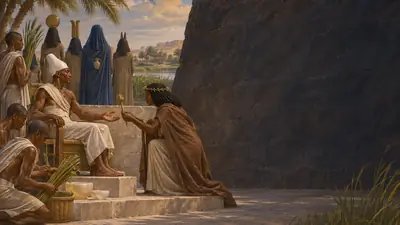
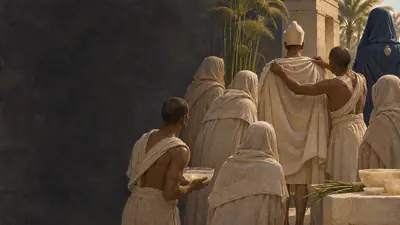
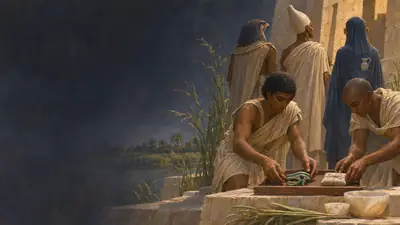
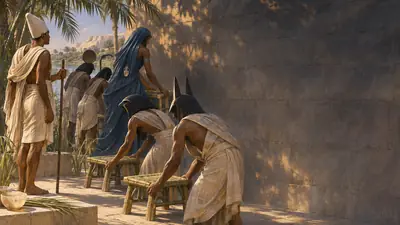
Ilustrações feitas pelo IL Archive com ferramentas de IA; o texto baseia-se nas fontes antigas (veja as fontes no fim de cada capítulo).