Teti e o barqueiro do Canal Sinuoso Capítulo 1
Chamar o barqueiro
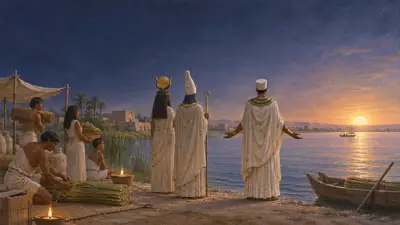
Numa recitação da pirâmide de Teti, o olho de Hórus salta e a voz procura atravessar para o lado oriental do céu. Chama o barqueiro e diz que encontrou o seu lugar vazio na popa da barca do Sol.
FontesVire as páginas com as setas, o teclado ou deslizando o dedo.
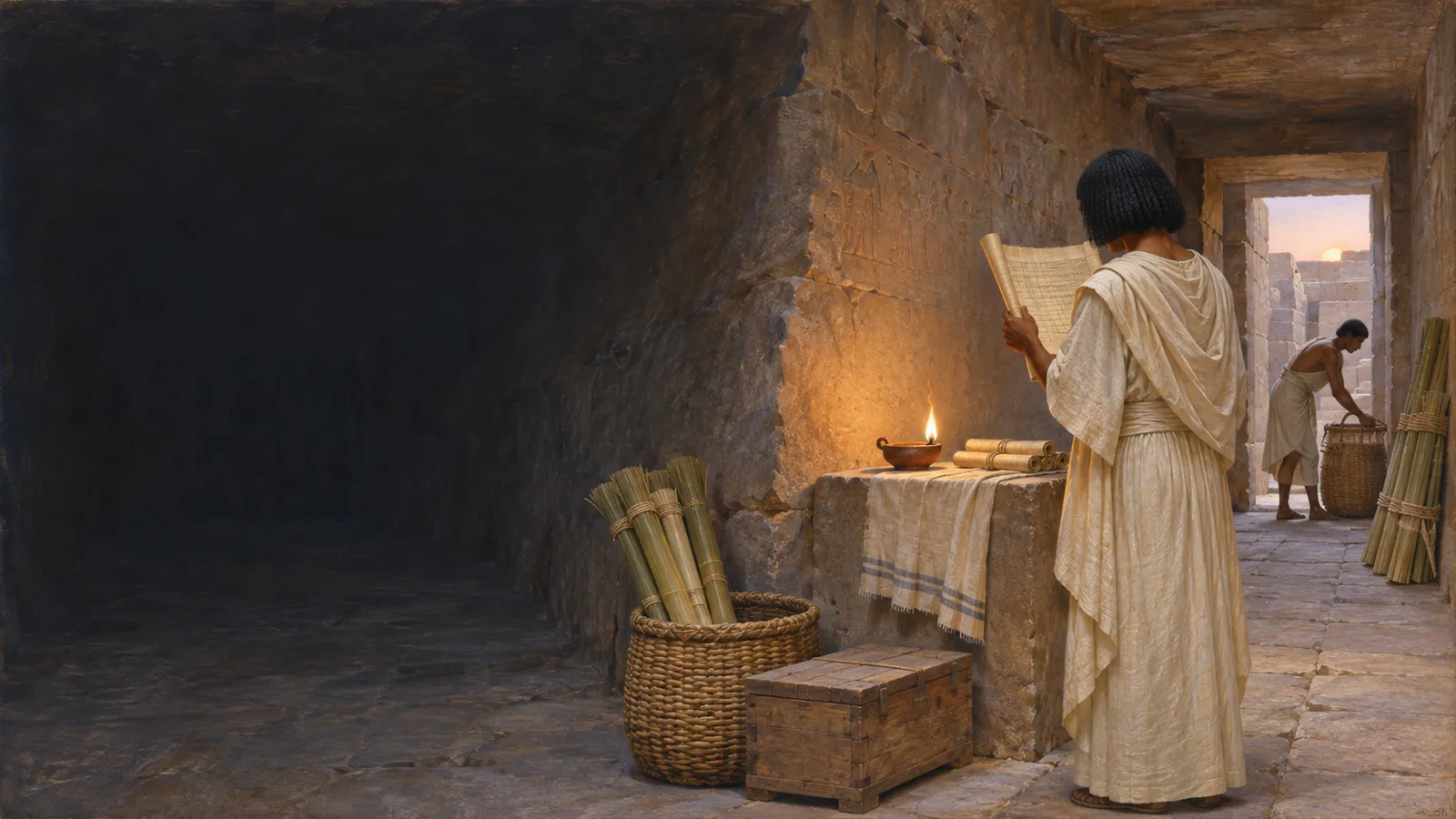
CHAMAR O BARQUEIRO
James Allen traduz esta recitação da pirâmide de Teti. Está gravada na passagem da câmara funerária para a antecâmara, entre as fórmulas para sair da Duat.
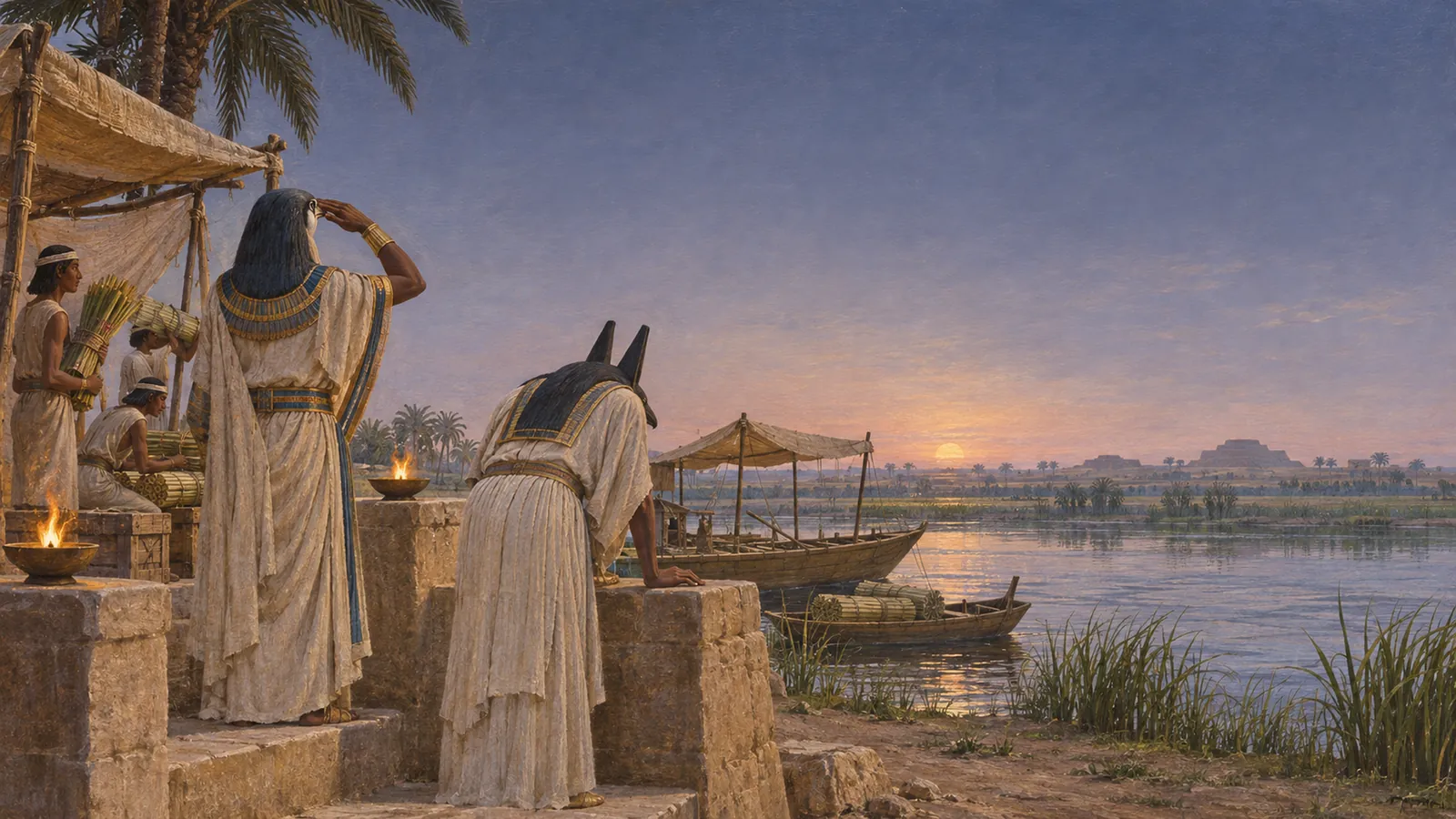
No início da recitação, Hórus grita por causa do seu olho e Seth grita por causa dos seus testículos.
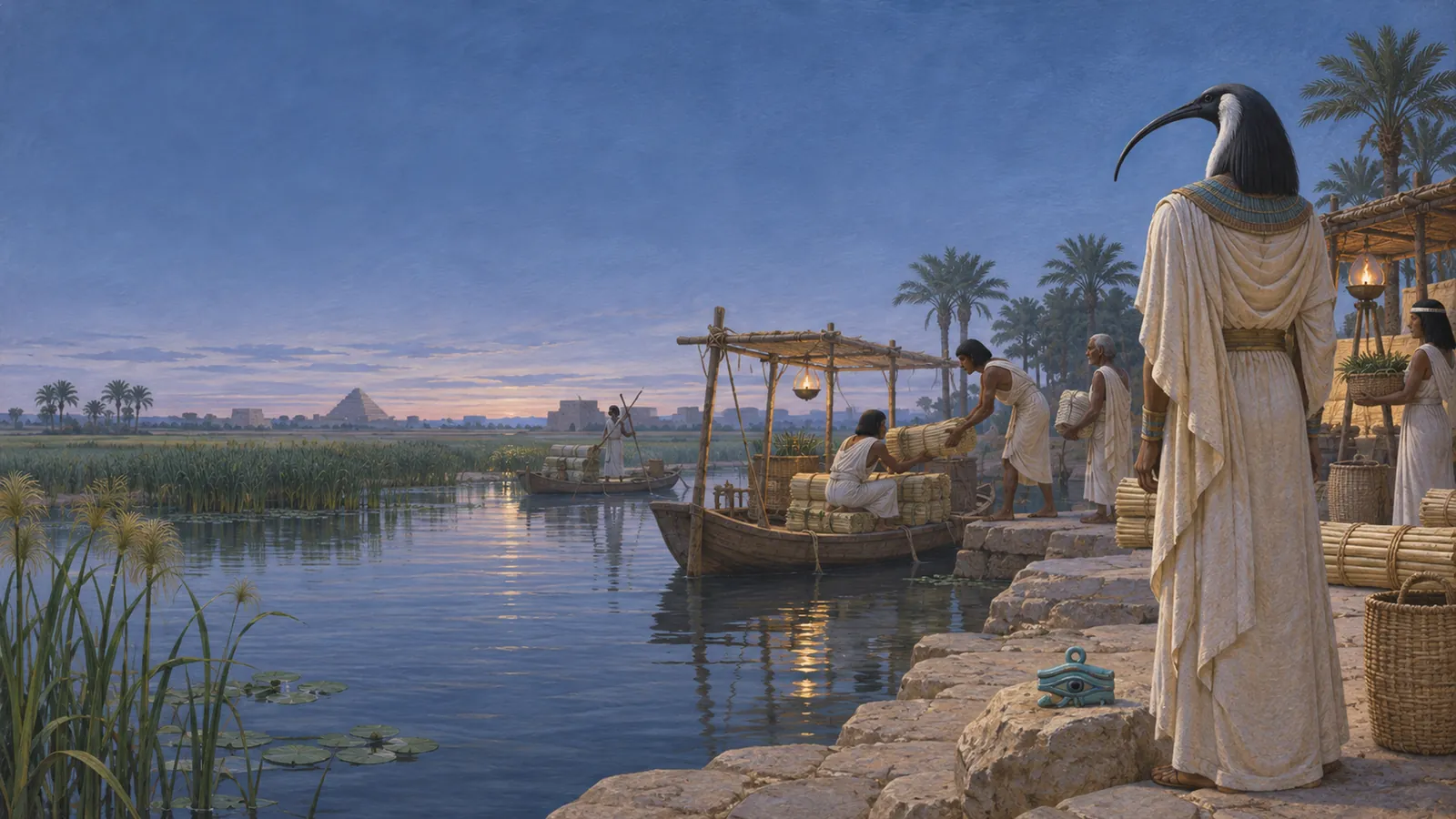
O olho de Hórus salta para escapar a Seth. A recitação relata uma chegada ao outro lado do Canal Sinuoso e diz que Tot tinha sido visto naquela margem.
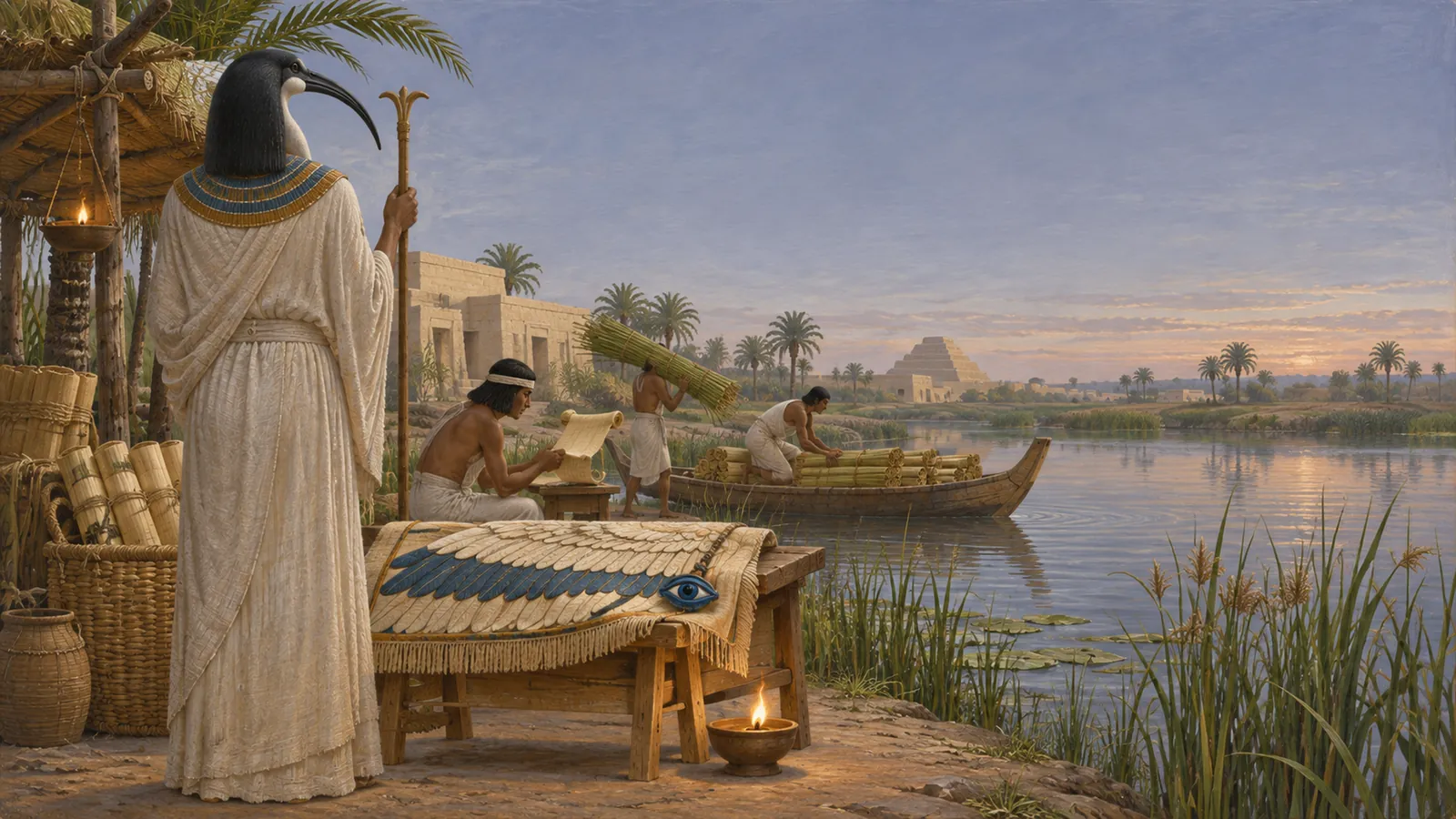
A fórmula diz que o olho de Hórus volta a saltar do outro lado do canal. Depois descreve uma chegada à asa de Tot.
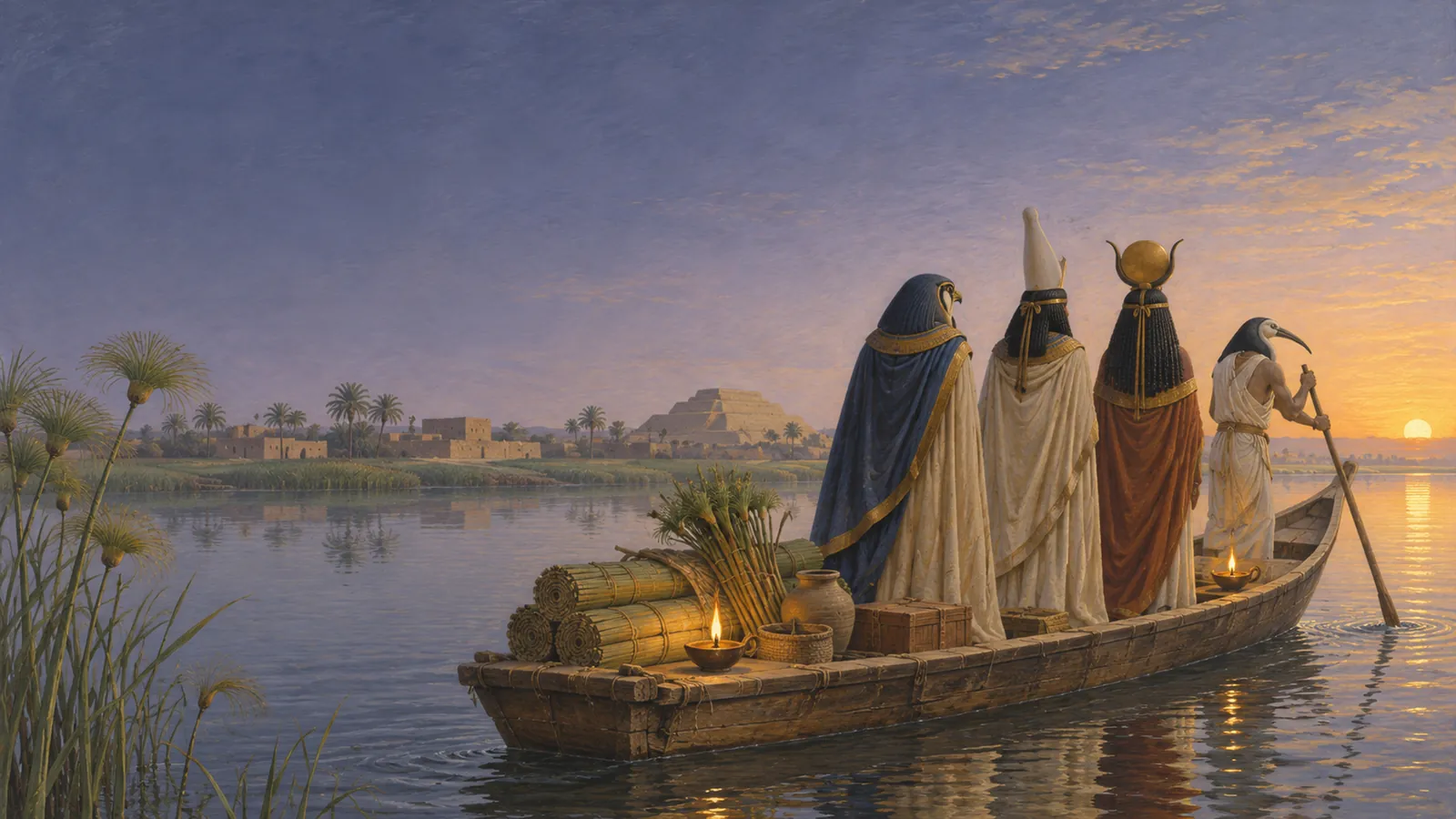
A voz dirige-se aos deuses que atravessam na asa de Tot até ao lado oriental do céu. Atravessam para disputar com Seth o olho de Hórus.
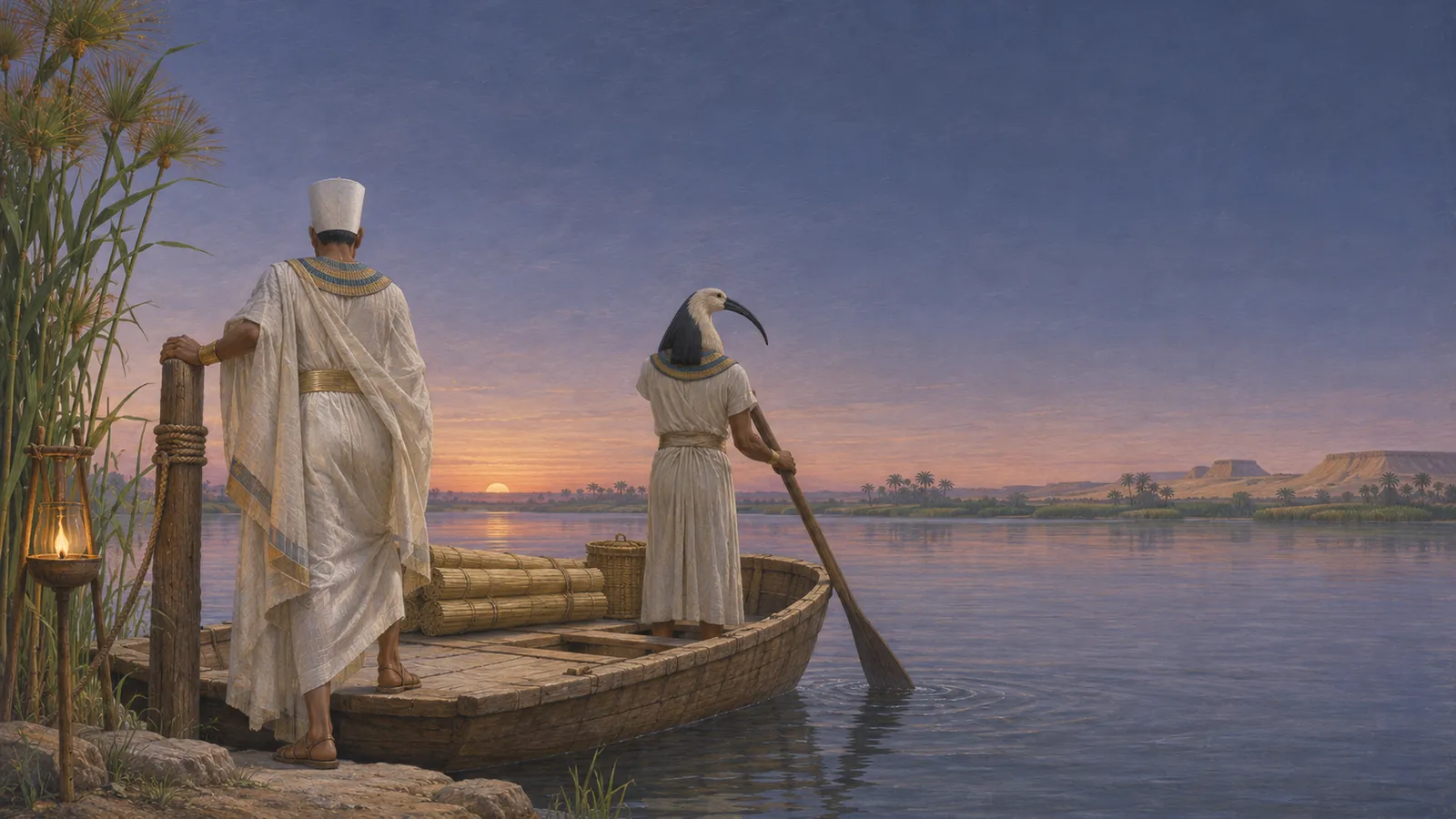
A voz diz que também vai atravessar o Canal Sinuoso, na asa de Tot, em direção ao céu oriental. Diz que vai disputar com Seth esse mesmo olho.
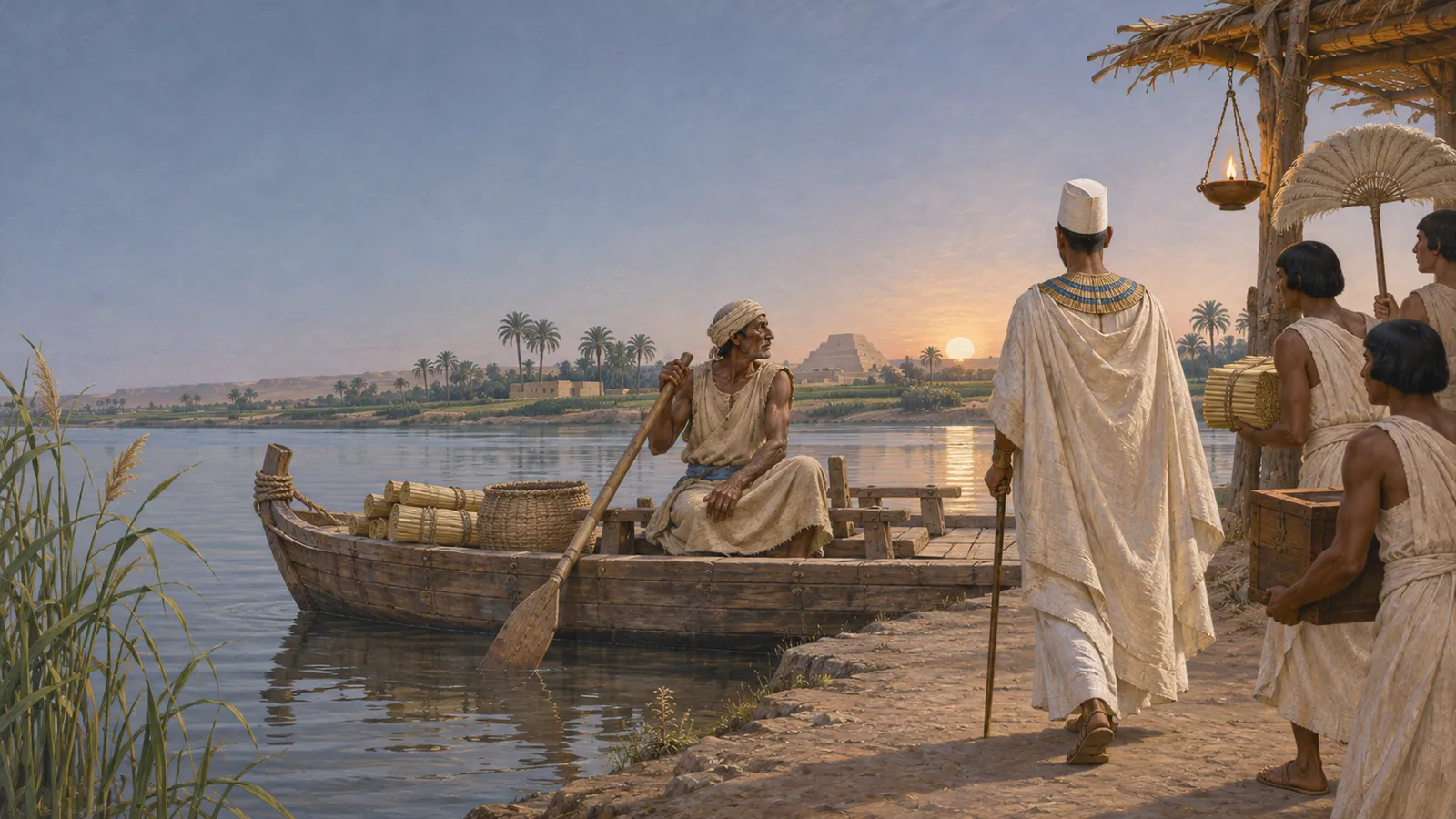
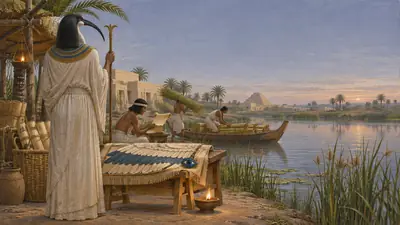
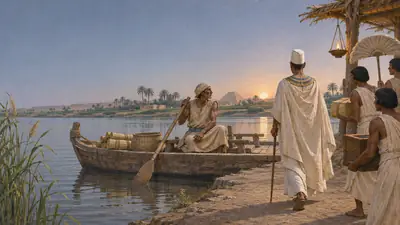
A voz saúda o barqueiro chamado Aquele que vê atrás de si. Também lhe chama remador de Nut e barqueiro do Canal Sinuoso, e deseja-lhe um despertar em paz.
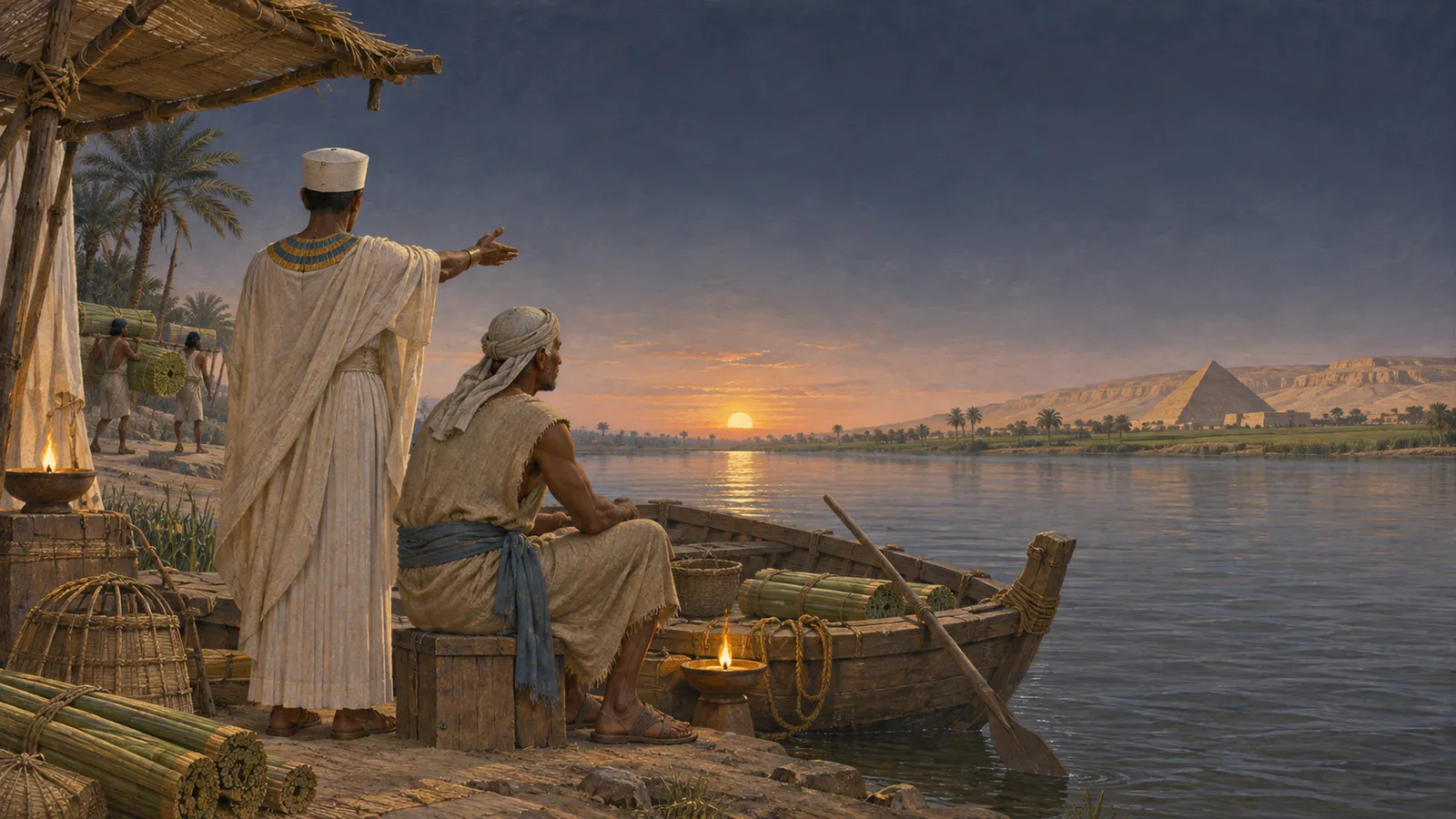
A voz pede ao barqueiro que diga o seu nome ao Sol e que o anuncie junto dele.
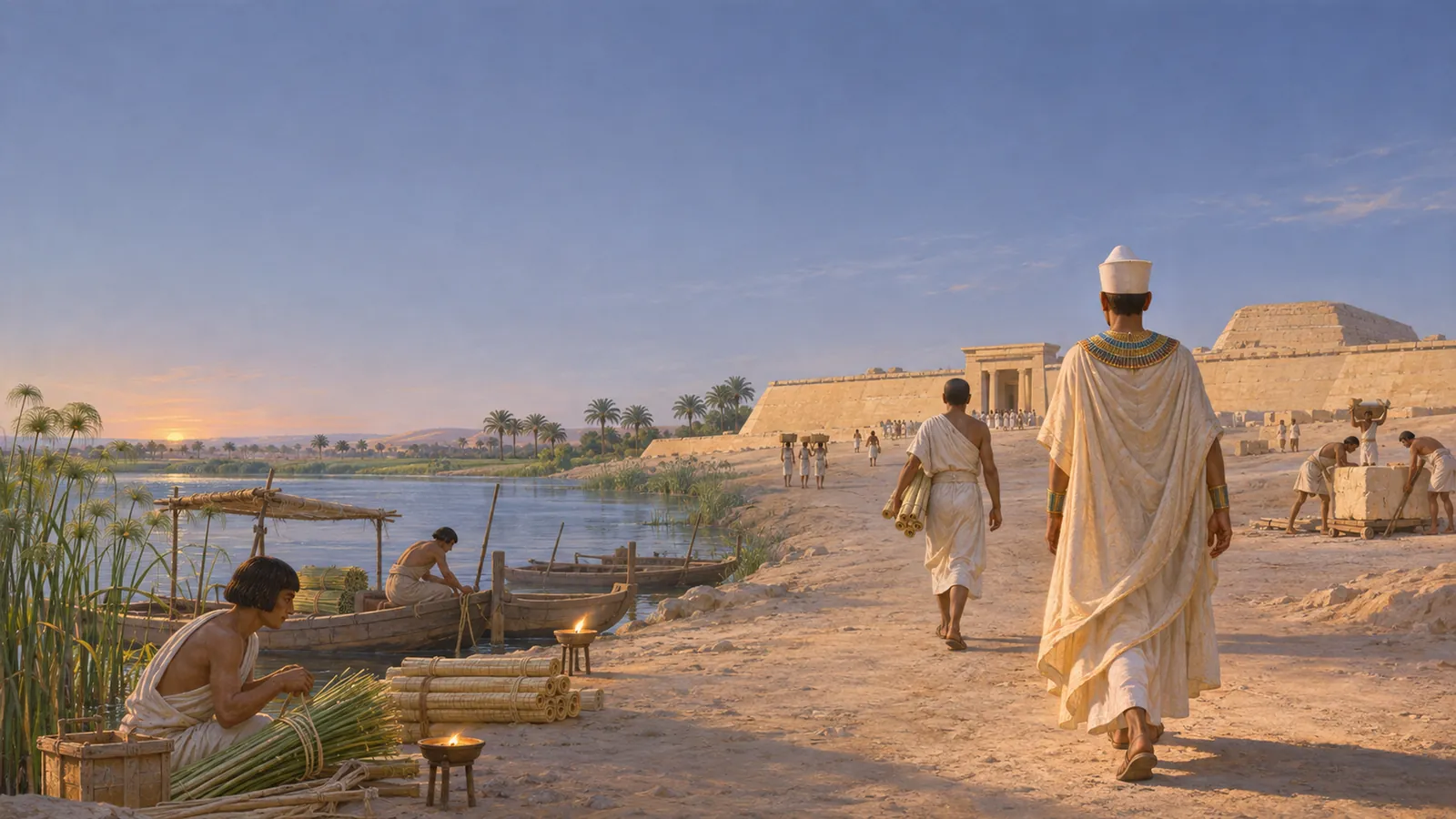
A voz diz que está a caminho do palácio dos senhores dos kas.
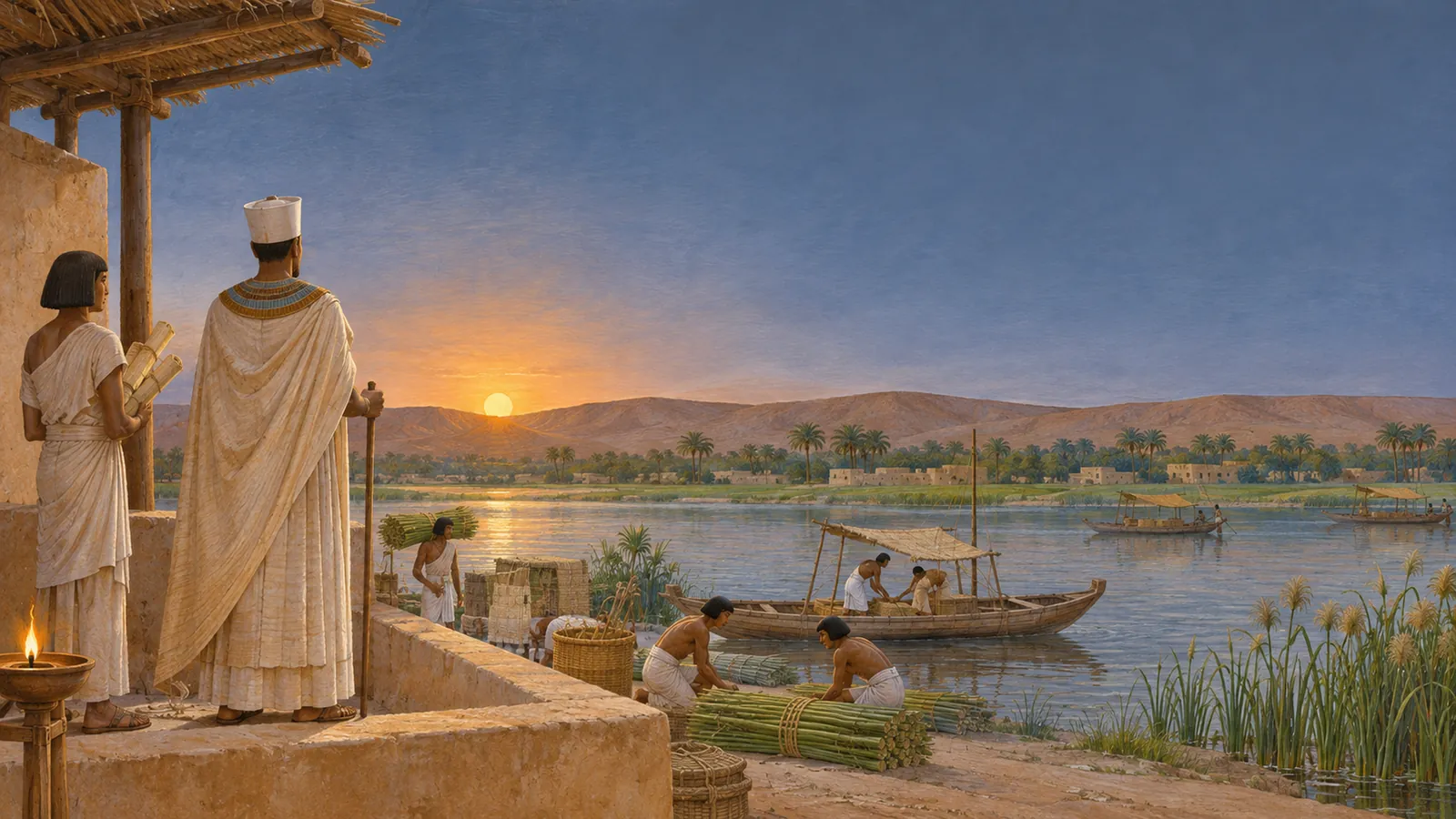
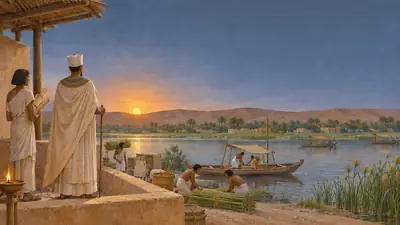
No palácio dos senhores dos kas, o Sol nasce dos montes de Hórus e de Seth. A fórmula chama-lhe deus dos que vão para os seus kas.
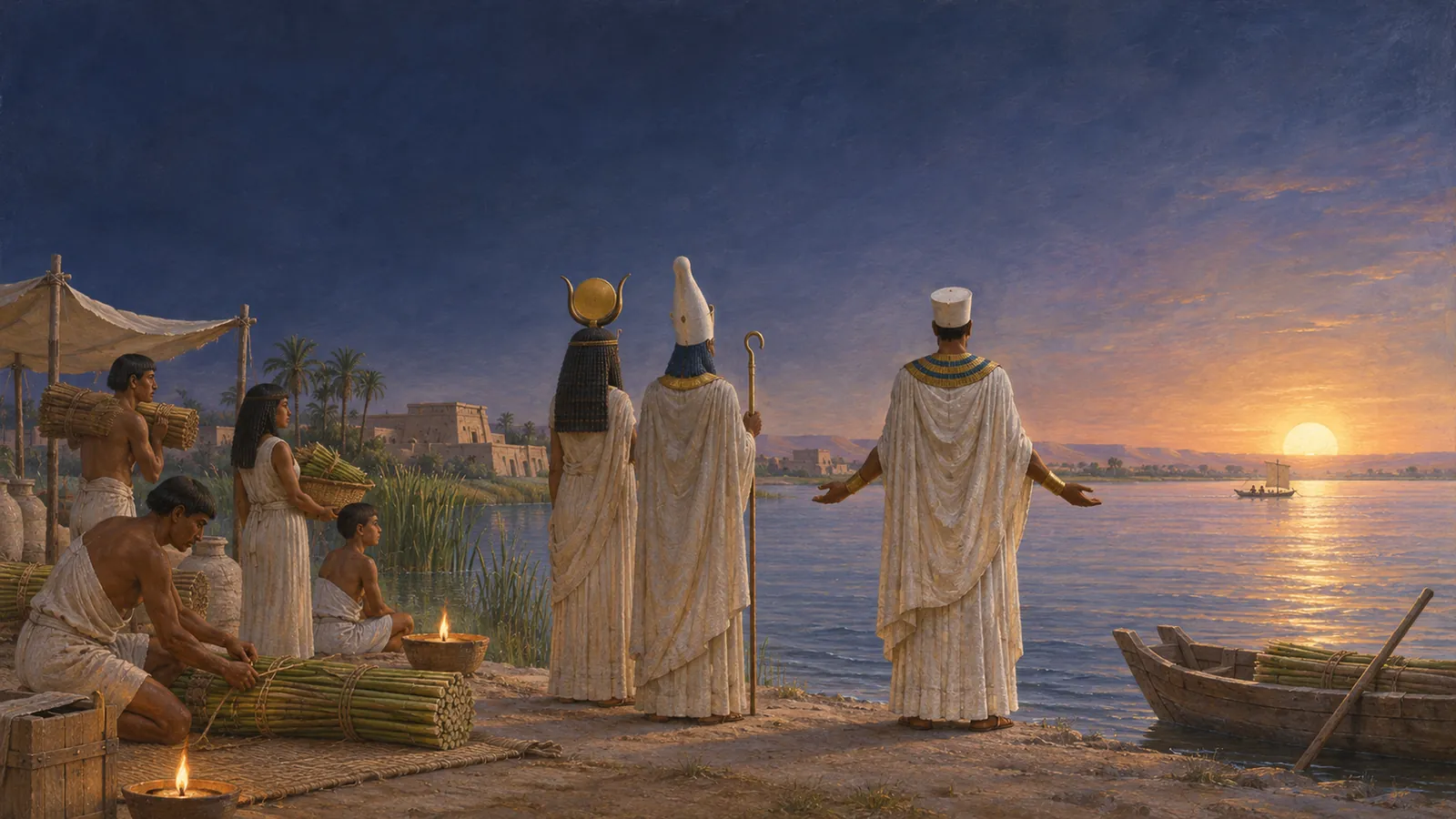
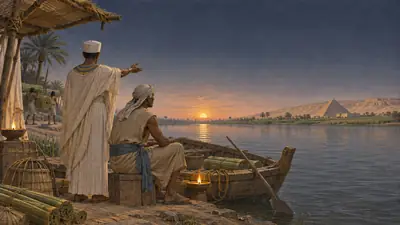
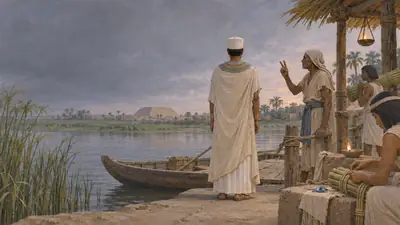
O recitante dirige-se agora ao Sol. Pede que o recomende ao barqueiro do Canal Sinuoso, aquele a quem chamam O Que Vê Atrás de Si.
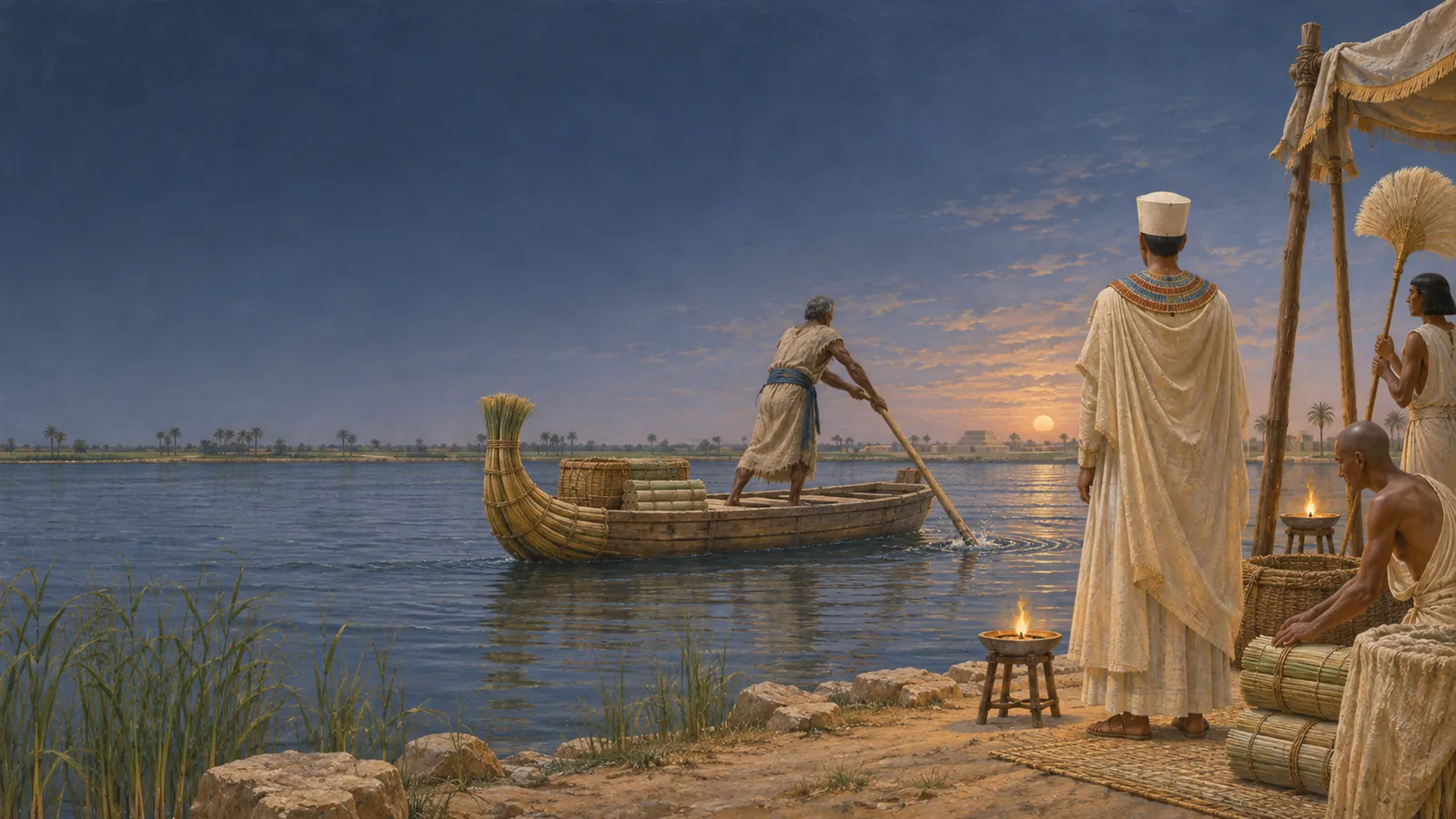
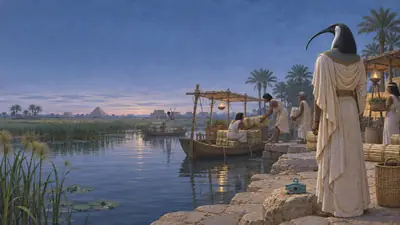
A BARCA DOS DEUSES
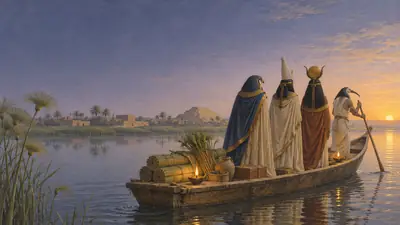
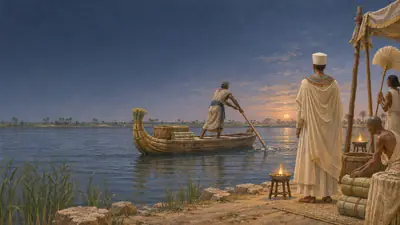
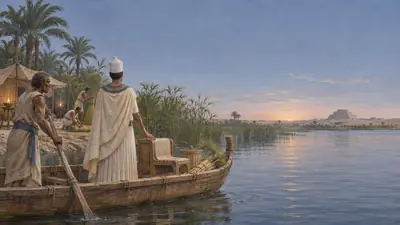
Quer que o barqueiro lhe traga a barca do Canal Sinuoso. É a embarcação que os deuses usam para passar para o lado oriental do céu.
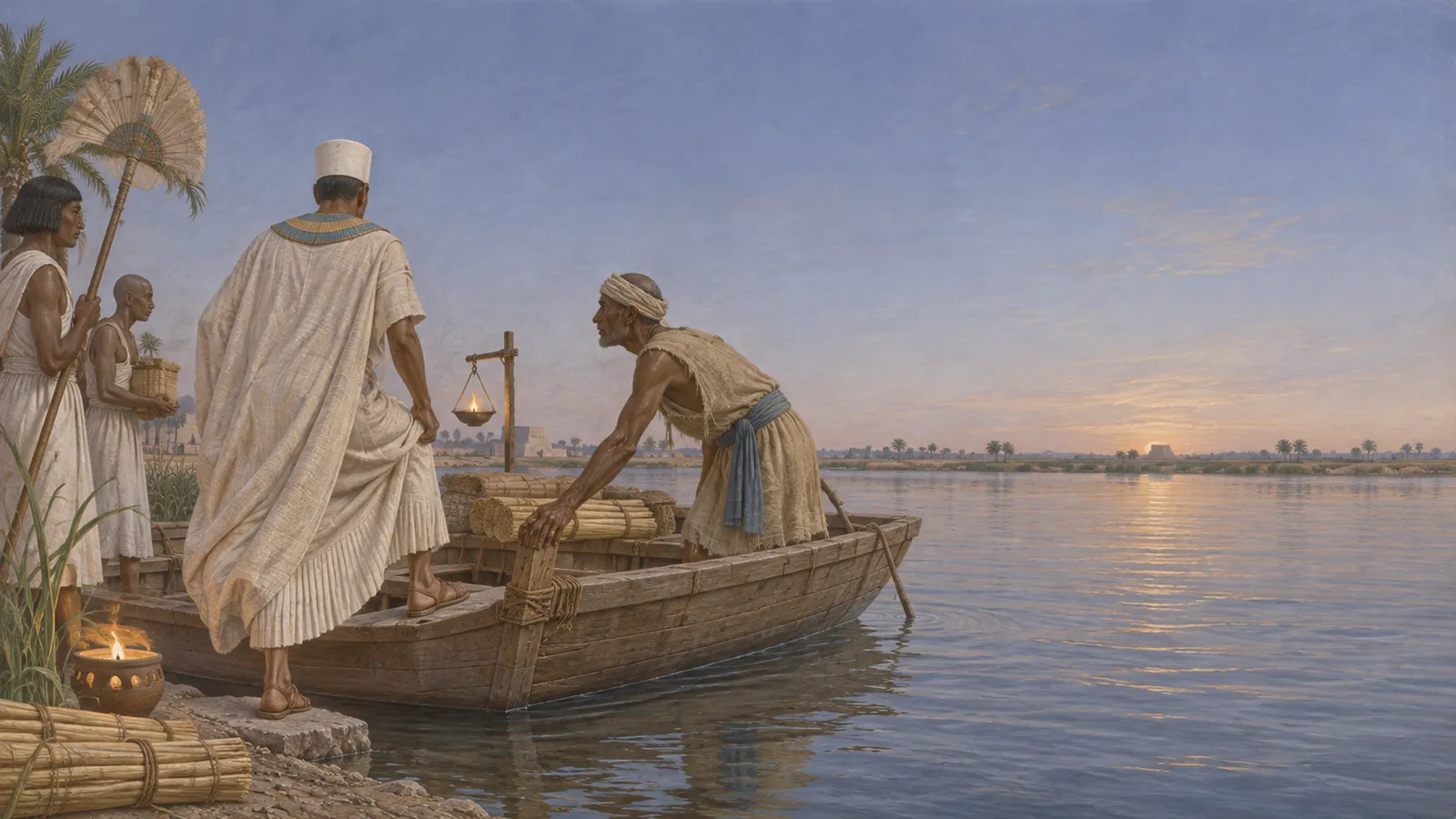
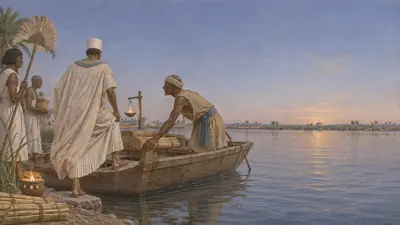
O recitante pede que o levem a ele próprio através do Canal Sinuoso. Nomeia como destino o lado oriental do céu.
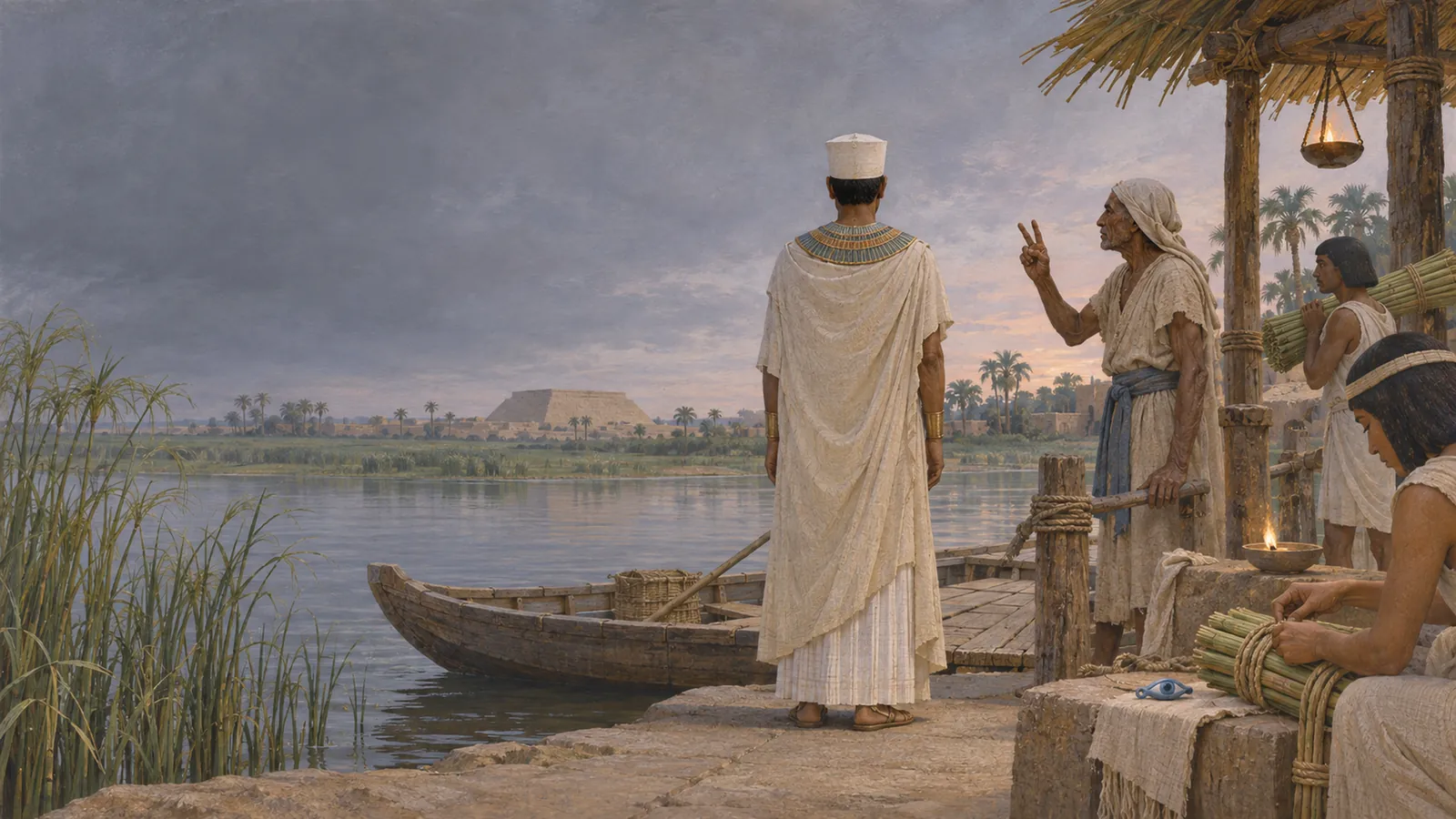
Diz que procura o próprio olho de Hórus. Vai também à contagem dos dedos, que Allen descreve como uma prova para embarcar.
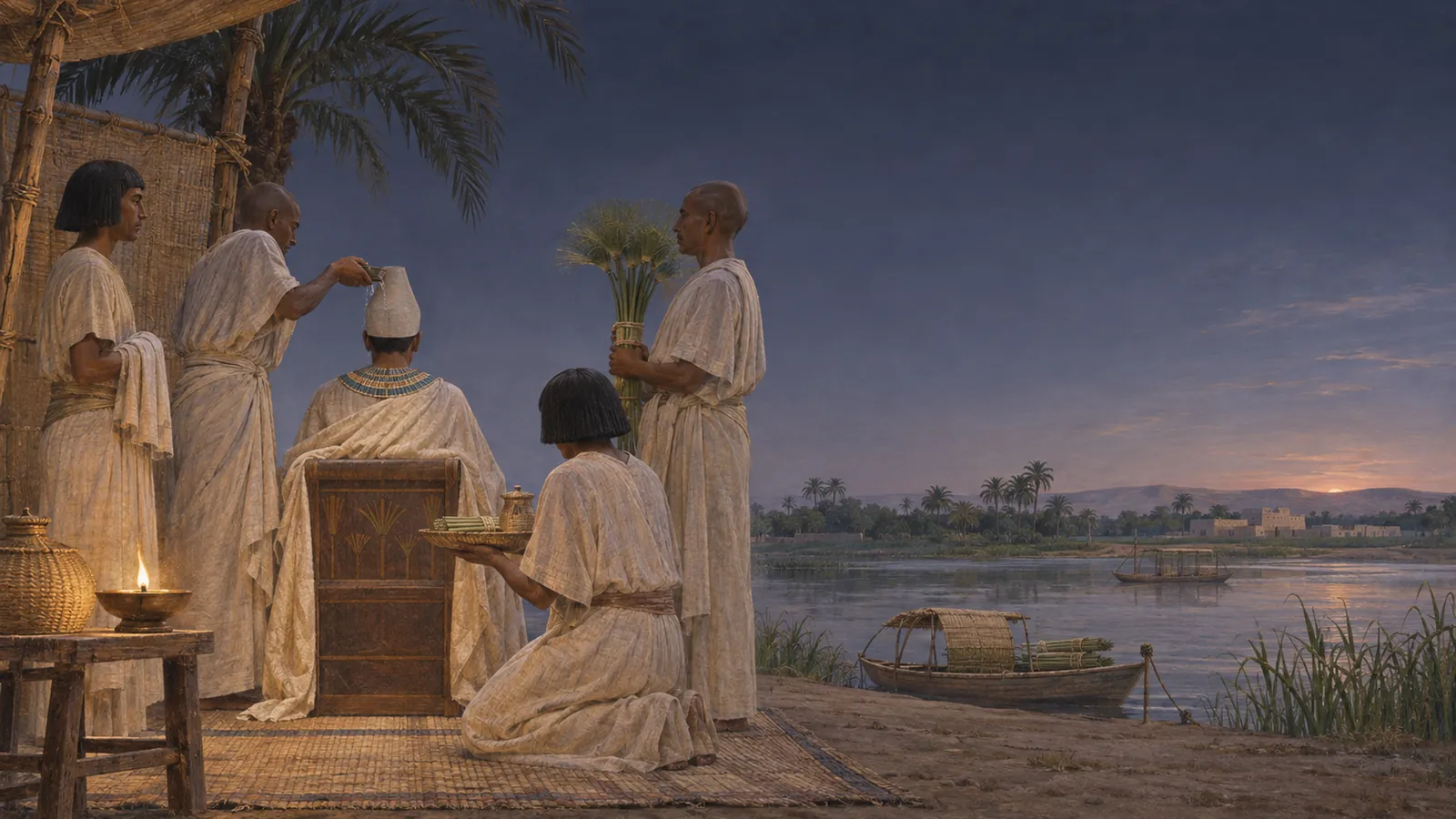
Deuses e deusas lavam-lhe o rosto, diz a fórmula. Ela nomeia Imseti, Hapi, Duamutef e Qebehsenuef para o lado direito, a que chama Hórus.
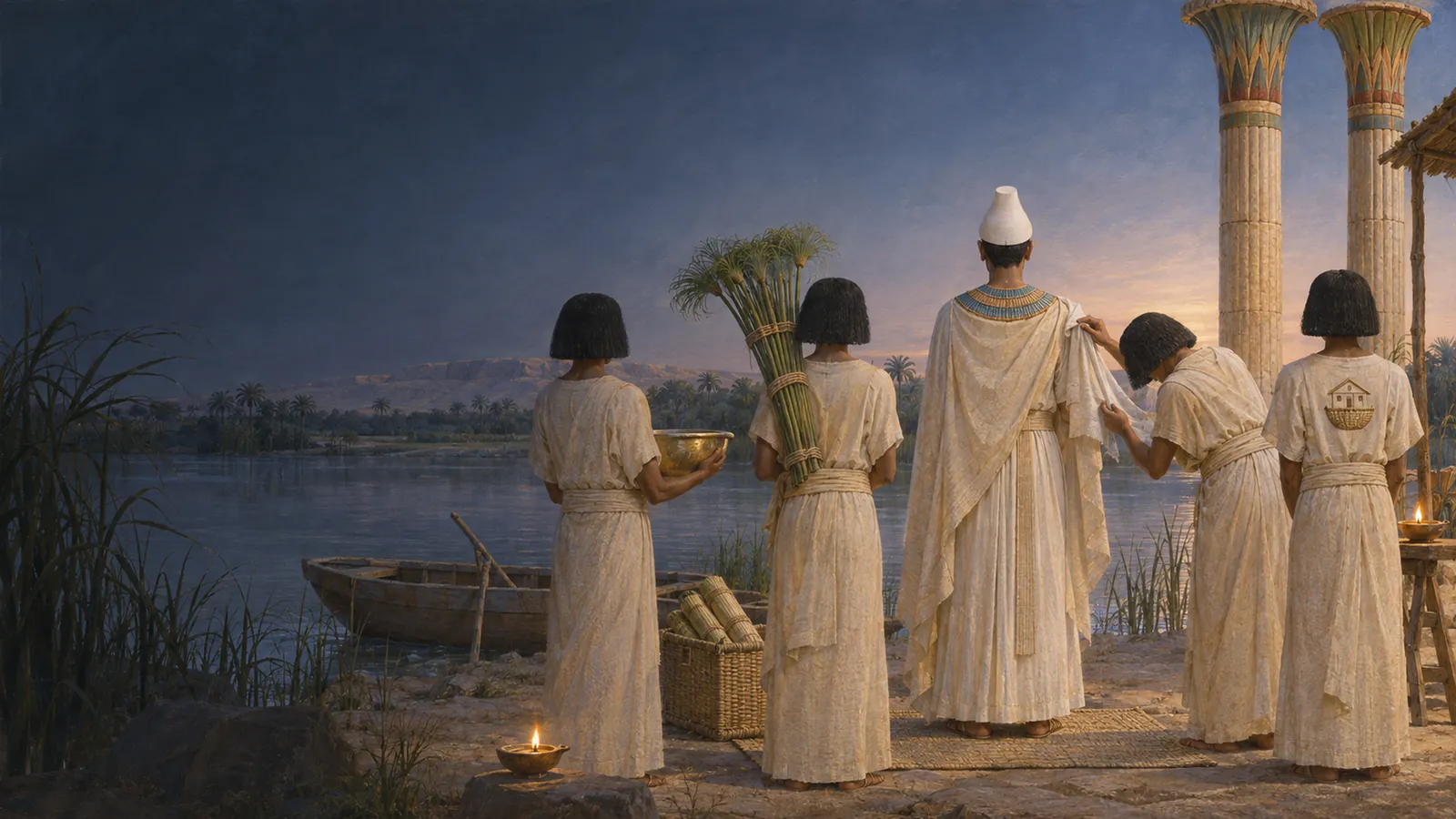
Para o lado esquerdo, a fórmula nomeia o batedor da barca Djenderu, aquele que está diante das suas duas colunas de papiro, Néftis e Olhos-para-a-Frente. Chama Seth a esse lado.
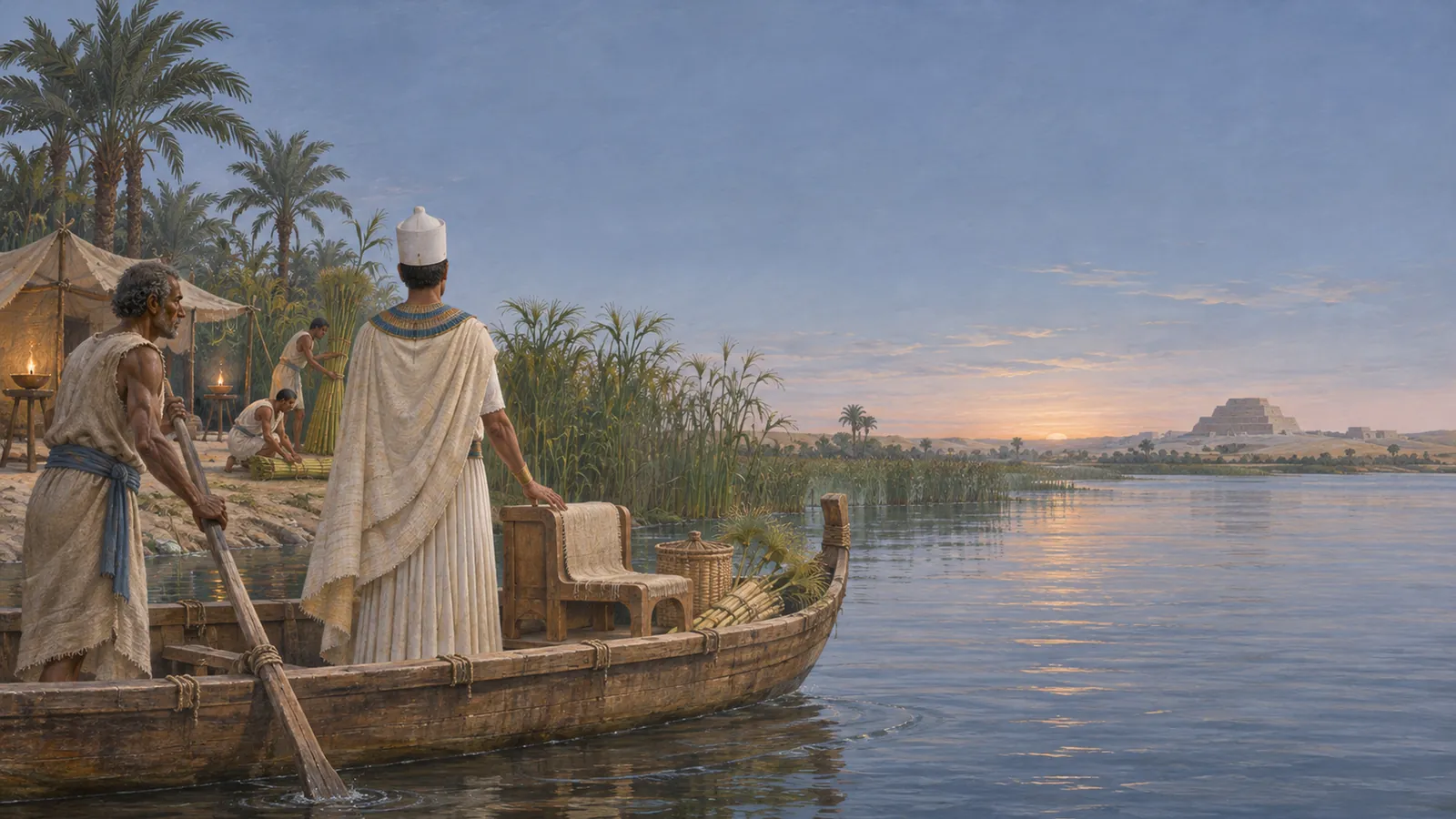
A fórmula regressa à barca nas palavras do recitante. Diz que o seu assento tomou conta dele e que o seu leme o reconheceu.
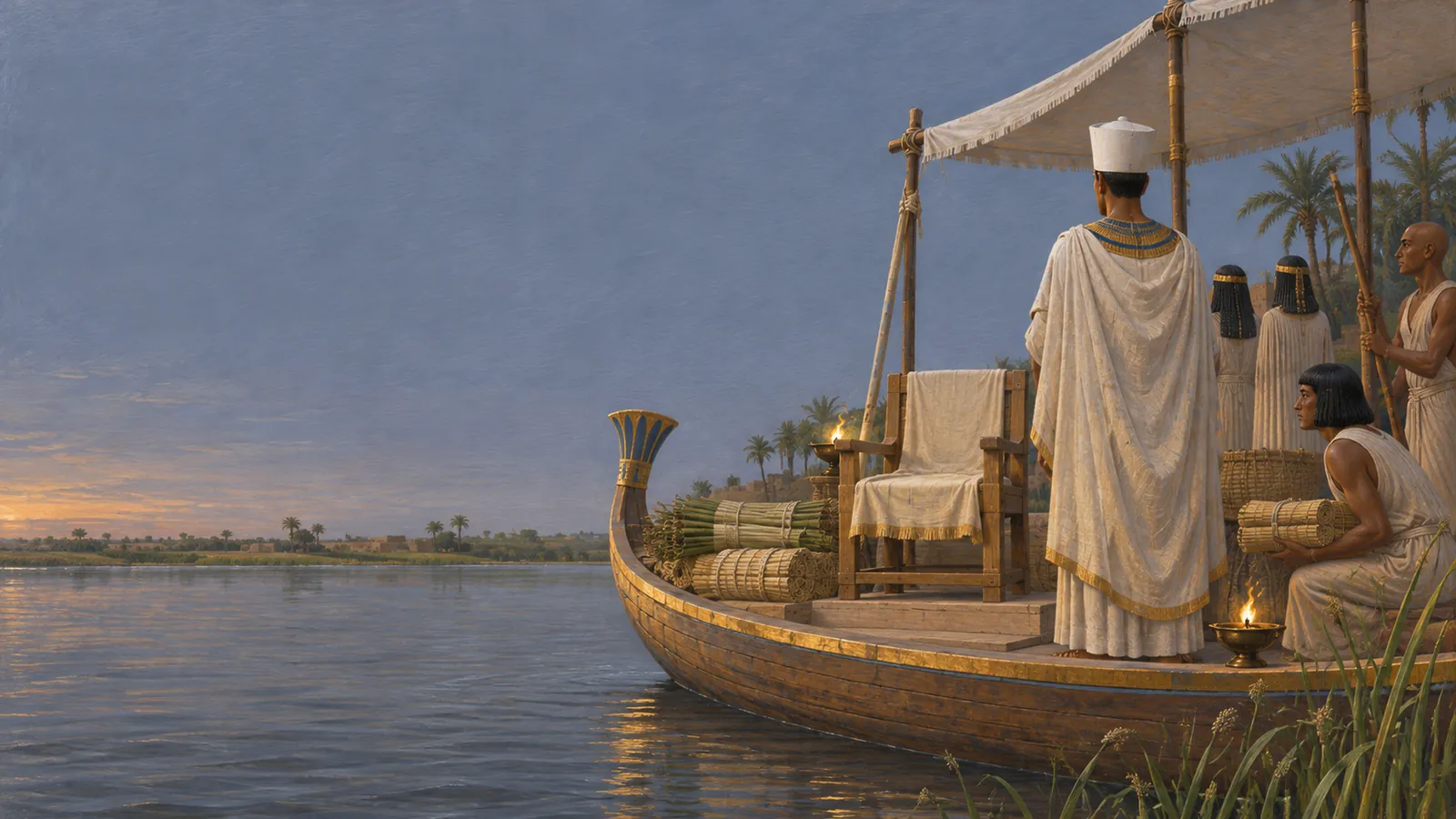
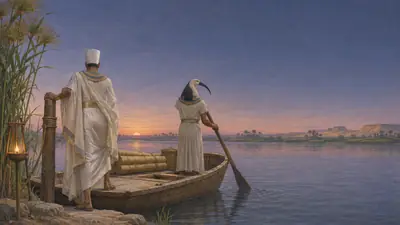
O LUGAR VAZIO
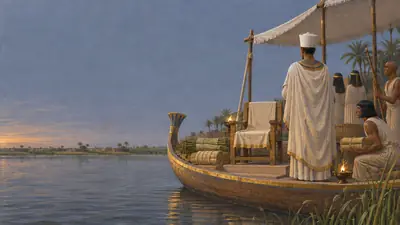
Encontra o seu assento vazio à popa da barca dourada do Sol. A fórmula termina aí, com o seu lugar ainda livre.
Fim do capítulo 1
Todas as páginas
Fontes
The reading paraphrases the complete Teti recitation PT359 under Summoning the Ferryman in James P. Allen’s The Ancient Egyptian Pyramid Texts, second edition, SBL Press, 2015, p. 80. Allen explains the finger-counting as a test of competence for boarding in note 16. The recitation names the test and gives no result. The next heading begins a separate spell at the gate to the Akhet on p. 81.
Edições consultadas
- SBL Press, James P. Allen, The Ancient Egyptian Pyramid Texts, second edition
- PT359 in Teti, printed p. 80, Summoning the Ferryman
- Allen’s note 16, printed p. 99
Notas sobre este reconto
printed pp. 69–70 and 80. The opening identifies the translator and location of the witness. Allen’s introduction places the spells of passage from the Duat to the Akhet in the passage between the burial chamber and the antechamber. The heading on p. 80 locates this spell there.
PT 359, first sentence. Horus cries out over his eye and Seth over his testicles. The text gives no cause in this sentence.
PT 359, first paragraph.
PT 359, second paragraph. The ancient address first describes the gods crossing on Thoth’s wing to the eastern side of the sky. They go to argue against Seth over Horus’s eye. The speaker then says he will join their crossing and argue against Seth over the same eye. His crossing here is stated as an intention.
PT 359, third paragraph. The speaker wishes a peaceful awakening to Sees Behind Him, Nut’s oarsman and the ferryman of the Winding Canal. He asks that his name be told to the Sun and names the palace of the lords of kas as his destination. In this edition, *kas* is a plural of *ka*, an Egyptian term for a vital aspect of a person.
Page 10, Allen 2015, Teti, p. 80, PT359. The Sun dawns from the Horus Mounds and Seth Mounds. The recitation names the Sun as the god of those who go to their kas.
Page 11, Allen 2015, Teti, p. 80, PT359. The speaker addresses the Sun and asks it to commend him to Sees Behind Him. The recitation has already identified him as the ferryman of the Winding Canal.
Page 12, Allen 2015, Teti, p. 80, PT359. The speaker asks for the ferryboat of the Winding Canal. The gods use it to cross to the eastern side of the sky.
Page 13, Allen 2015, Teti, p. 80, PT359. The speaker asks to be ferried to the same eastern side. The recitation states his request at this point.
Page 14, Allen 2015, Teti, p. 80, PT359. The quest is for Horus’s own eye. Allen describes counting fingers as a test of competence for boarding in note 16, p. 99. This passage gives no test result.
Page 15, Allen 2015, Teti, p. 80, PT359. The right side is called Horus. Allen gives Imseti, Hapi, Duamutef and Qebehsenuef. The verb have washed appears in parentheses in this part of the translation.
Page 16, Allen 2015, Teti, p. 80, PT359. The left side is called Seth and the second list names the Djenderu-bark-striker, the one at the front of his two papyrus columns, Nephthys and Eyes-Forward. The note preserves the distinct names for this side.
Page 17, Allen 2015, Teti, p. 80, PT359. The recitation describes the seat taking account of the speaker and the rudder recognizing him.
Page 18, Allen 2015, Teti, p. 80, PT359. The final line finds the seat empty at the stern of the golden bark of the Sun. The selection ends here. The next printed heading on p. 81 begins a different spell at the gate to the Akhet.
Os versos antigos de cada página
- Page 1: Allen 2015, The Ancient Egyptian Pyramid Texts, Teti, pp. 69–70, 80, PT 359 and passage context
- Page 2: Allen 2015, The Ancient Egyptian Pyramid Texts, Teti, p. 80, PT 359, opening laments
- Page 3: Allen 2015, The Ancient Egyptian Pyramid Texts, Teti, p. 80, PT 359, first jump and landfall
- Page 4: Allen 2015, The Ancient Egyptian Pyramid Texts, Teti, p. 80, PT 359, second jump and landfall
- Page 5: Allen 2015, The Ancient Egyptian Pyramid Texts, Teti, p. 80, PT 359, address to the crossing gods
- Page 6: Allen 2015, The Ancient Egyptian Pyramid Texts, Teti, p. 80, PT 359, speaker’s own crossing
- Page 7: Allen 2015, The Ancient Egyptian Pyramid Texts, Teti, p. 80, PT 359, greeting the ferryman
- Page 8: Allen 2015, The Ancient Egyptian Pyramid Texts, Teti, p. 80, PT 359, announcement to the Sun
- Page 9: Allen 2015, The Ancient Egyptian Pyramid Texts, Teti, p. 80, PT 359, destination of the speaker
- Page 10: Allen, The Ancient Egyptian Pyramid Texts, 2nd ed. (2015), Teti, p. 80, PT359
- Page 11: Allen, The Ancient Egyptian Pyramid Texts, 2nd ed. (2015), Teti, p. 80, PT359
- Page 12: Allen, The Ancient Egyptian Pyramid Texts, 2nd ed. (2015), Teti, p. 80, PT359
- Page 13: Allen, The Ancient Egyptian Pyramid Texts, 2nd ed. (2015), Teti, p. 80, PT359
- Page 14: Allen, The Ancient Egyptian Pyramid Texts, 2nd ed. (2015), Teti, p. 80, PT359, and p. 99, n. 16
- Page 15: Allen, The Ancient Egyptian Pyramid Texts, 2nd ed. (2015), Teti, p. 80, PT359
- Page 16: Allen, The Ancient Egyptian Pyramid Texts, 2nd ed. (2015), Teti, p. 80, PT359
- Page 17: Allen, The Ancient Egyptian Pyramid Texts, 2nd ed. (2015), Teti, p. 80, PT359
- Page 18: Allen, The Ancient Egyptian Pyramid Texts, 2nd ed. (2015), Teti, p. 80, PT359
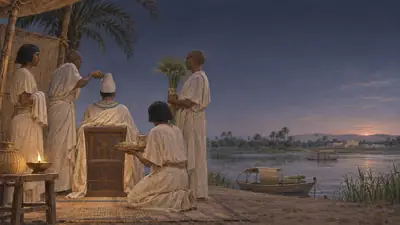
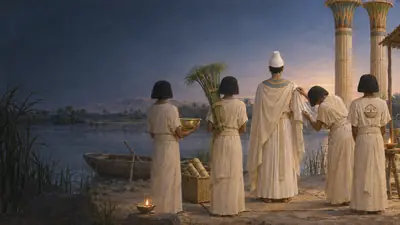
Ilustrações feitas pelo IL Archive com ferramentas de IA; o texto baseia-se nas fontes antigas (veja as fontes no fim de cada capítulo).