A resposta de Mar Capítulo 1
A promessa de paz
Uma voz no papiro Amherst 63 relata as promessas de Mar de salvar o servo e vencer os seus adversários. O oráculo promete paz e termina com uma referência incompleta à casa do servo.
FontesVire as páginas com as setas, o teclado ou deslizando o dedo.
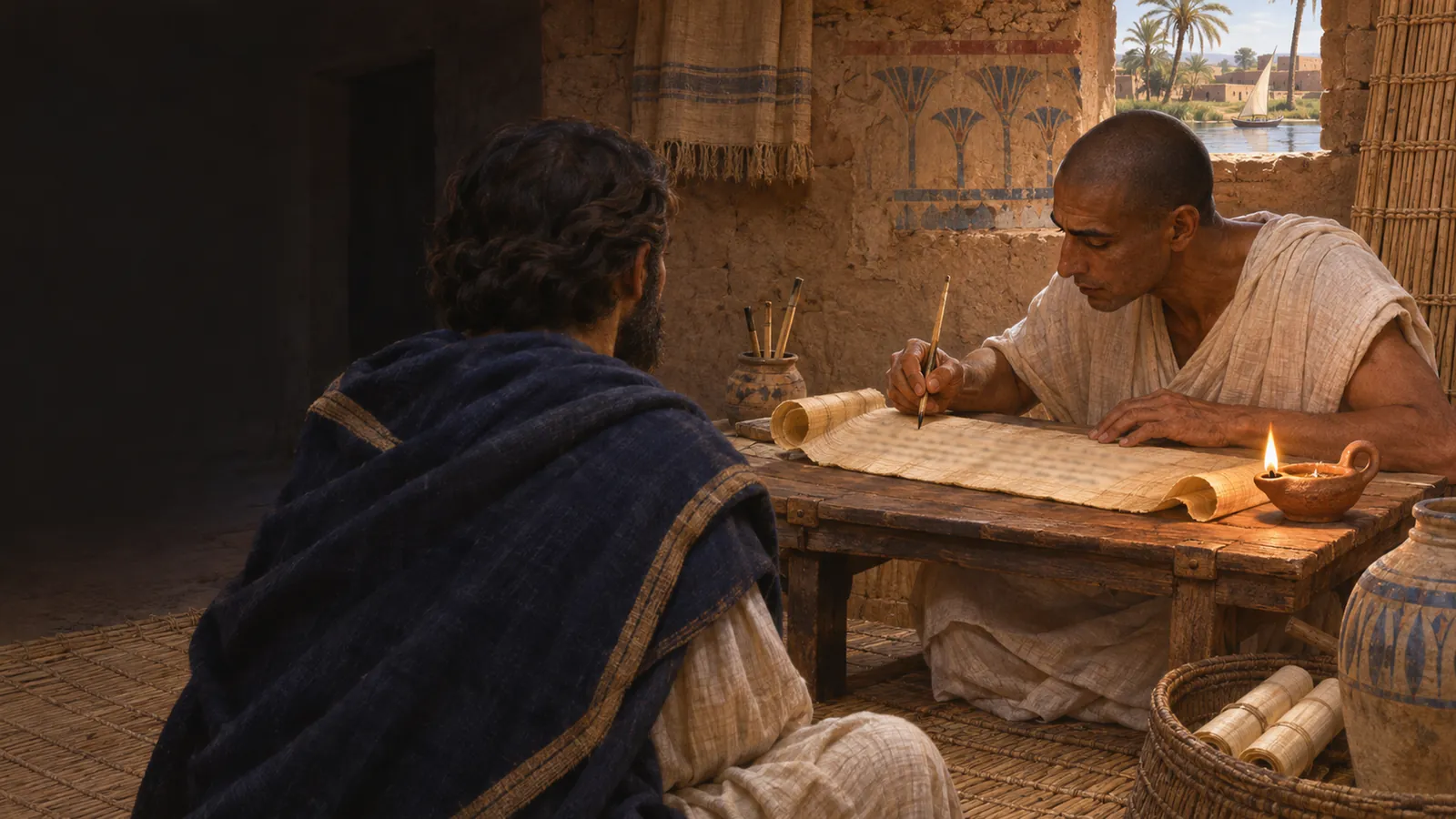
A PROMESSA DE PAZ
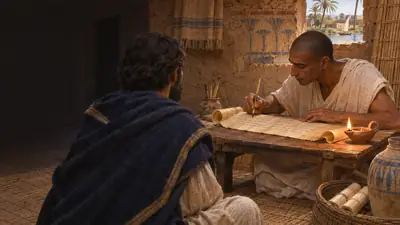
Na tradução de Richard Steiner, uma voz no papiro Amherst sessenta e três diz que Mar lhe falou. O papiro conserva um texto aramaico escrito em demótico egípcio.
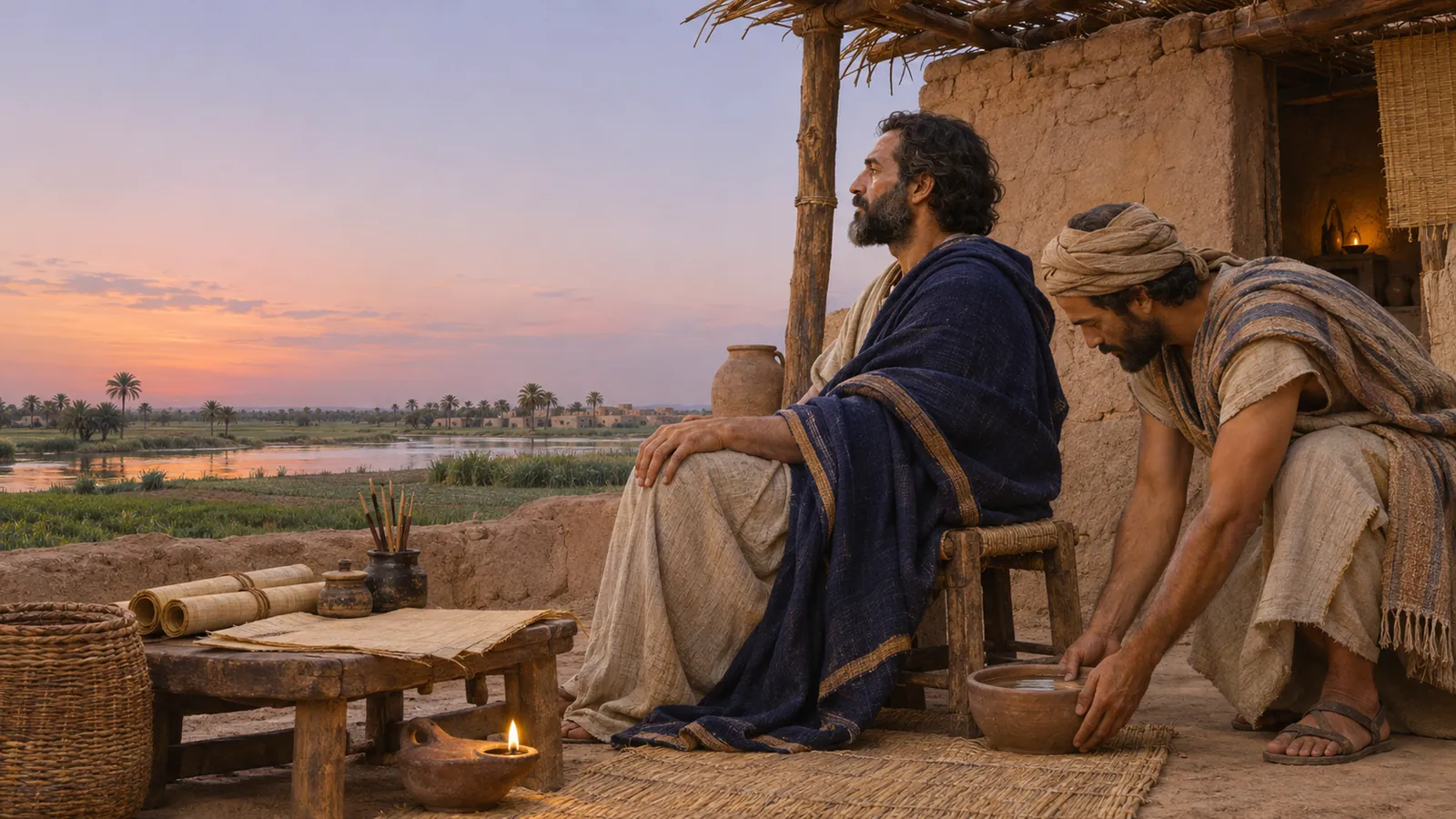
Na leitura de Steiner, Mar chama seu servo à pessoa a quem se dirige e exorta-a a ser forte e a afastar o medo.
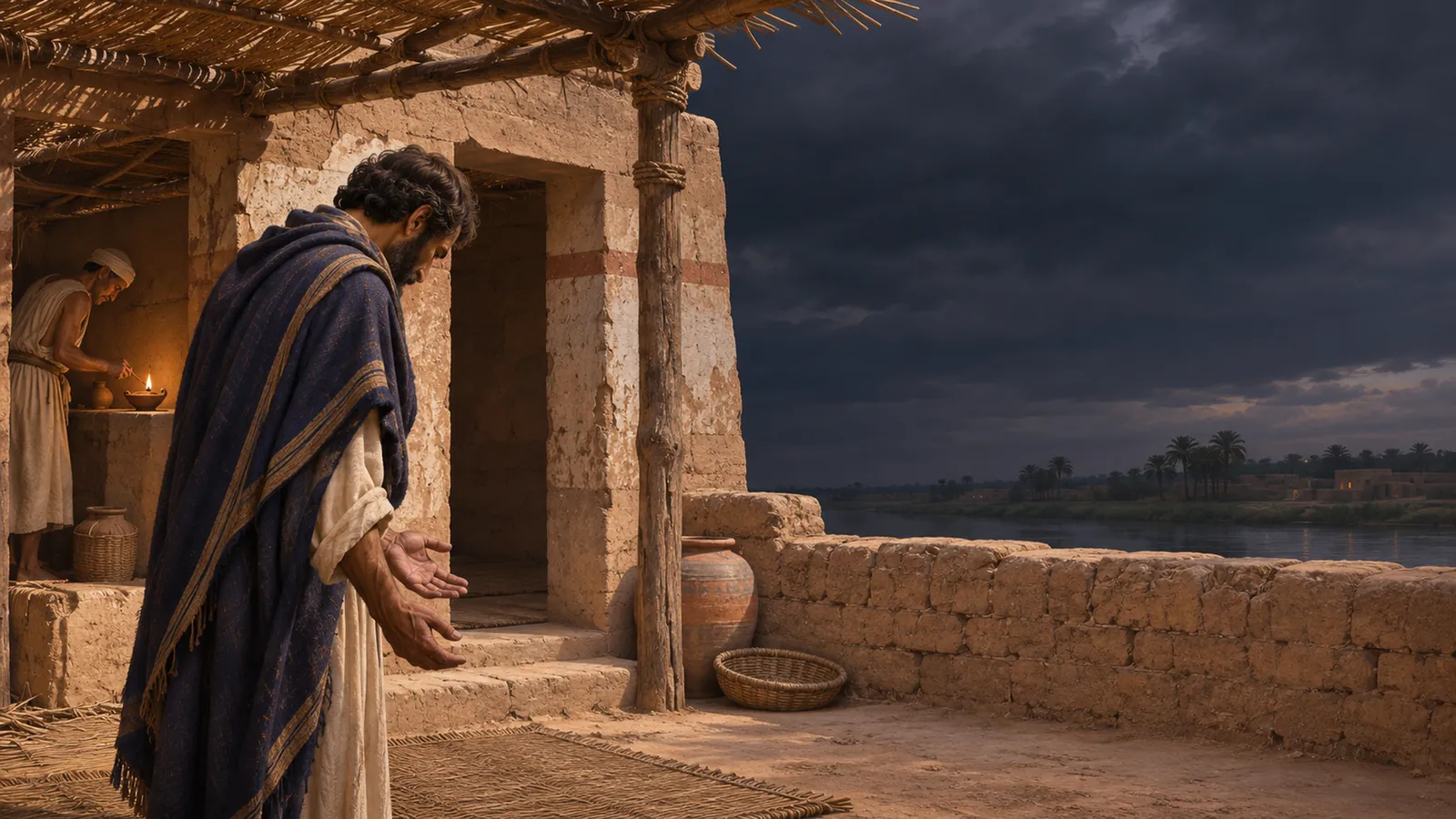
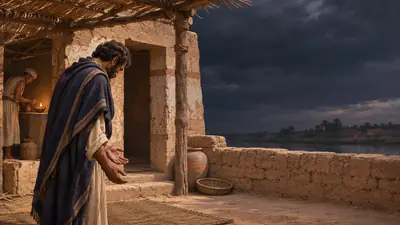
Mar promete salvar o seu servo se ele se inclinar diante de Marah. A tradução nomeia depois Mar e faz referência ao santuário do servo e a Rash.
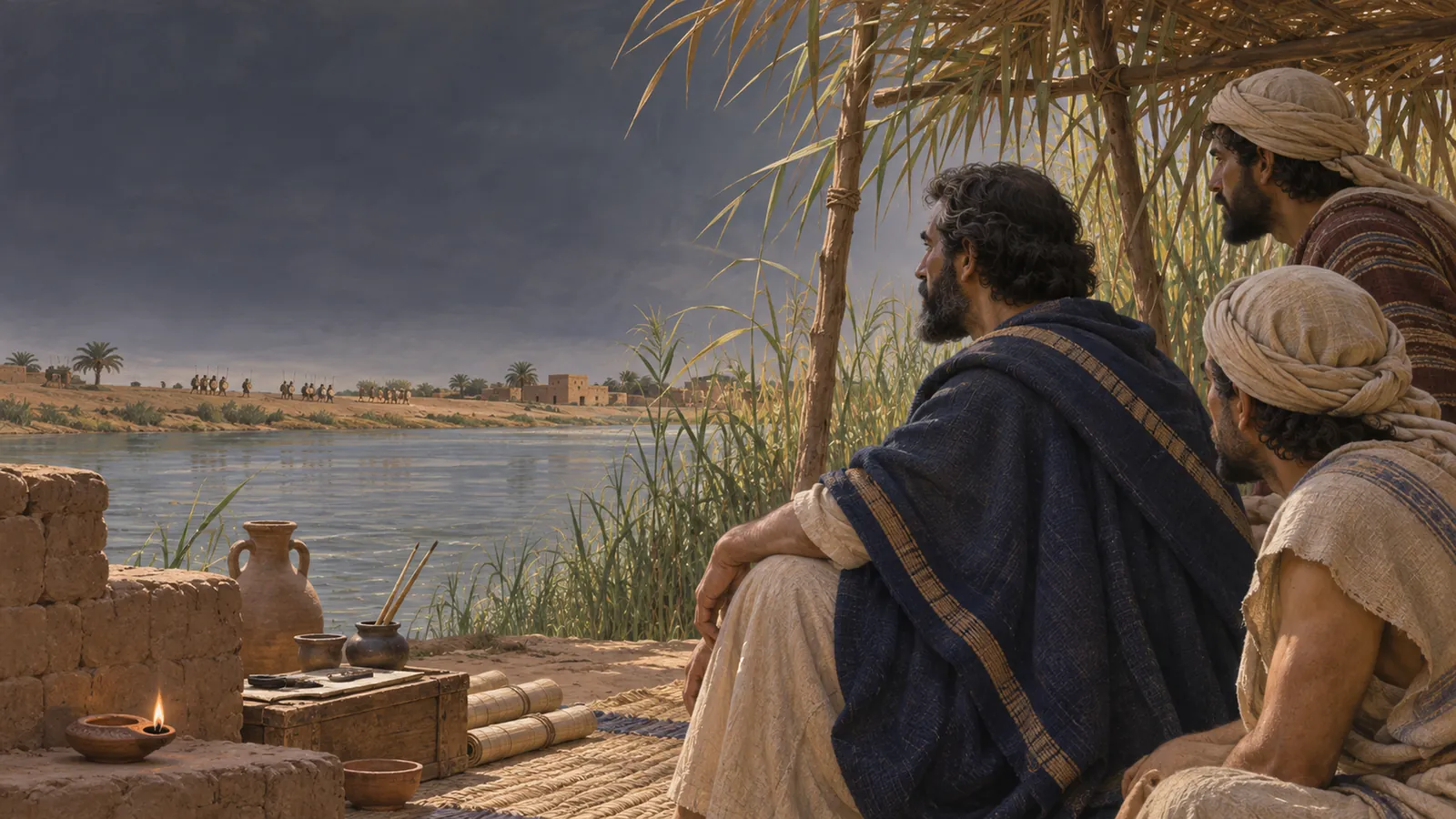
Mar promete destruir o inimigo do seu servo ainda em vida deste. Numa frase paralela, diz que o adversário será atingido durante os seus anos.
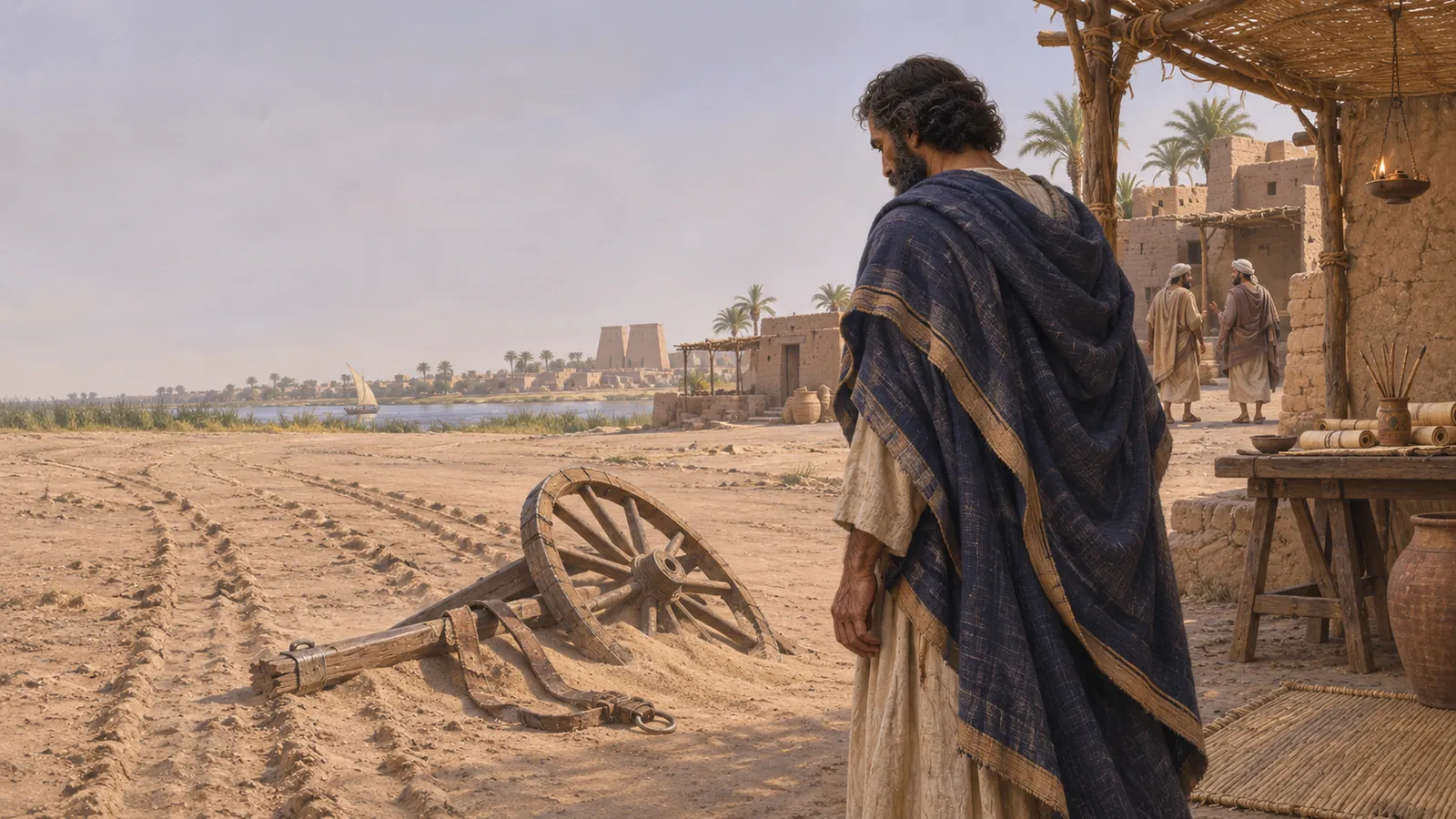
Mar promete pôr fim aos adversários do servo diante dele e diz que o servo porá o pé sobre os seus pescoços.
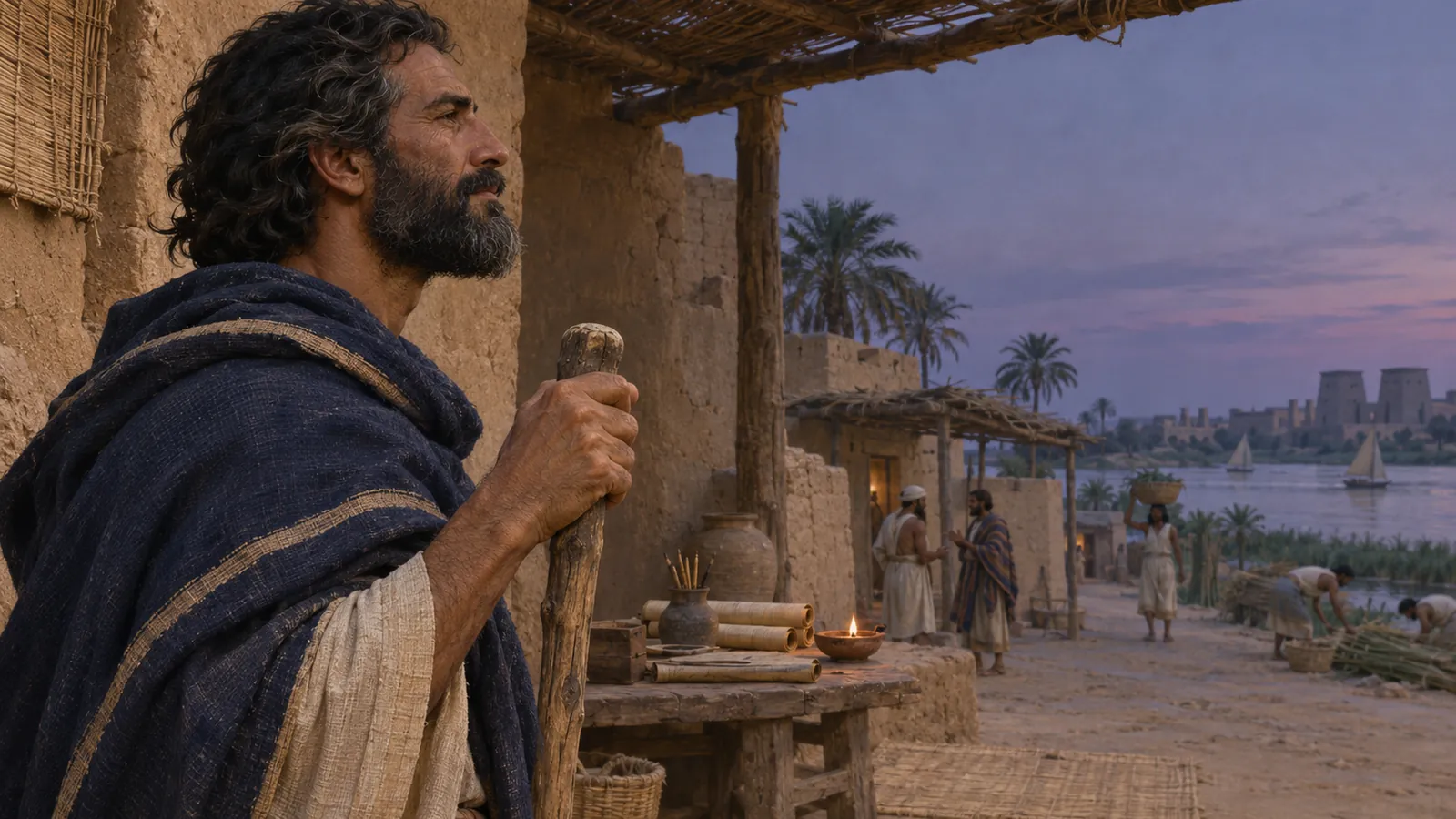
Na frase seguinte da resposta, Mar diz que sustentará a mão direita do seu servo.
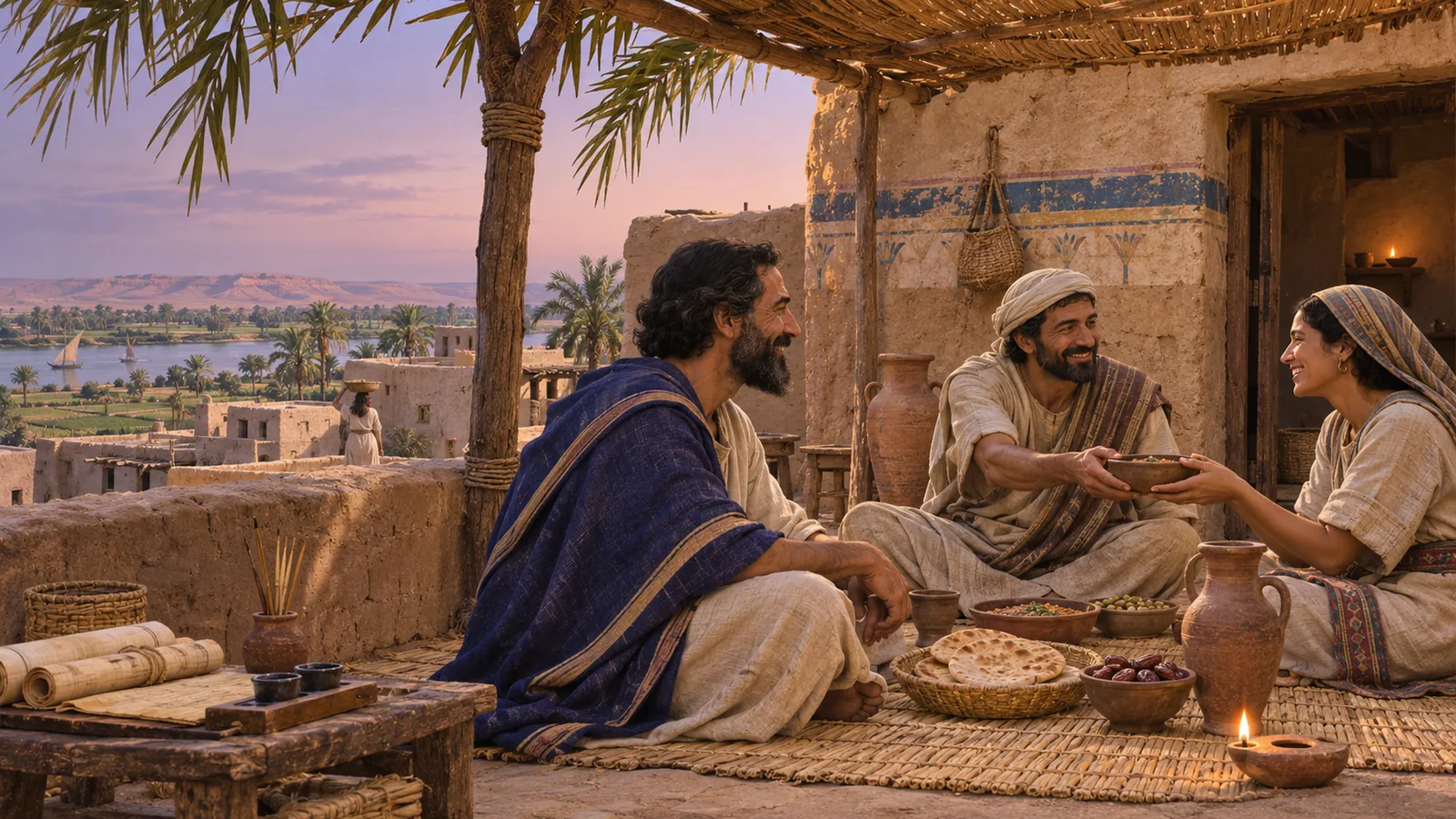
Mar diz que coroará o seu servo de paz. É a última promessa completa do trecho reproduzido.
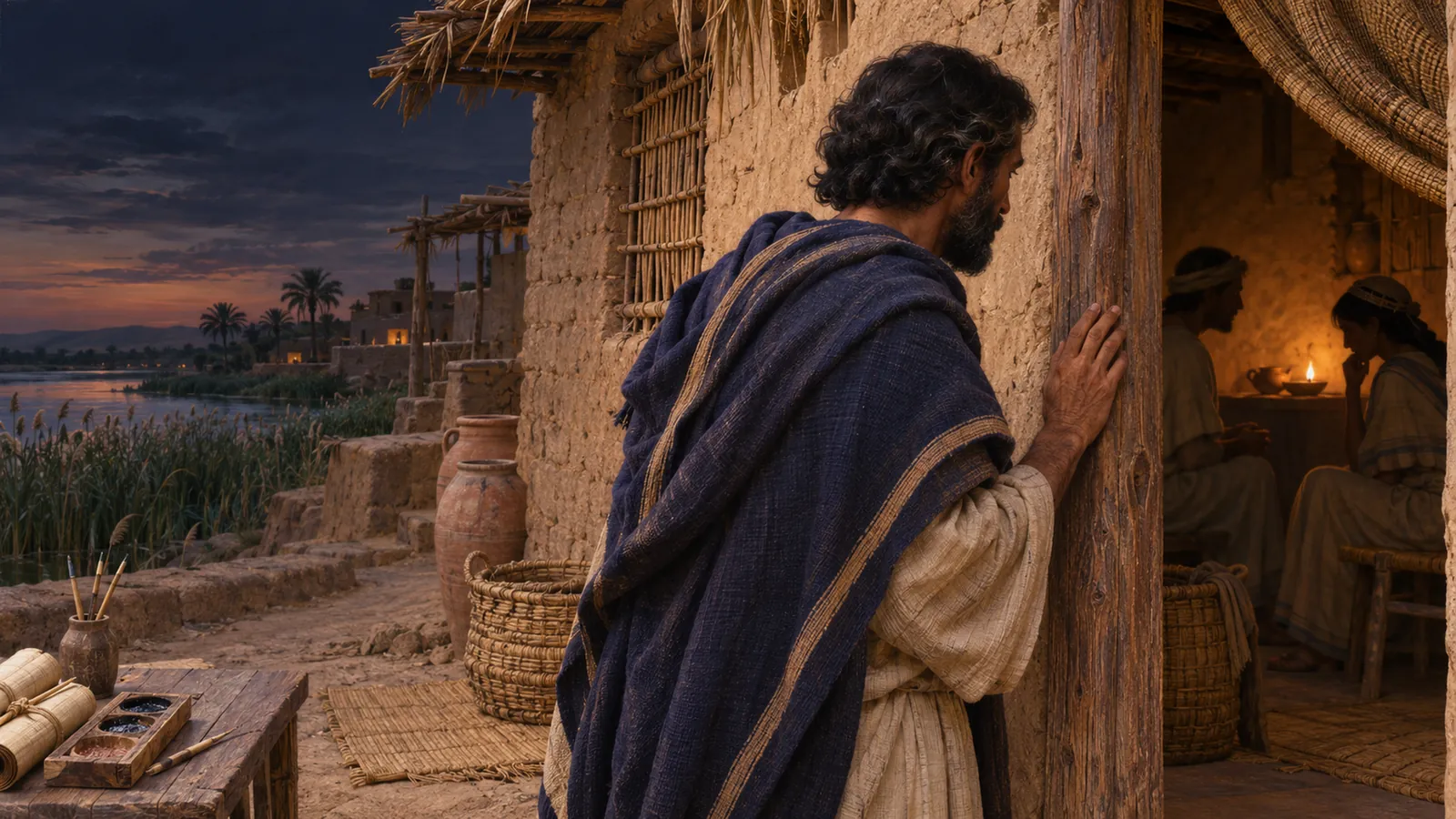
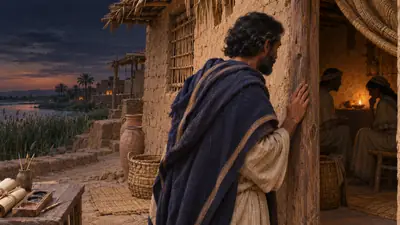
Na leitura de Steiner, as últimas palavras do trecho reproduzido são «a tua casa». Uma lacuna deixa incerta a ligação com a promessa de paz anterior.
Fim do capítulo 1
Todas as páginas





Fontes
This reading paraphrases the displayed passage of Papyrus Amherst 63, column VI, printed on p. 16 in Cornell’s article. His note 45 attributes its translation to Richard C. Steiner. The displayed passage ends at column VI line 16 after a printed break.
Edições consultadas
- Collin Cornell, The Value of Egyptian Aramaic for Biblical Studies, Journal of Biblical and Theological Studies 7.1 (2022)
- Printed p. 16, Papyrus Amherst 63 column VI, Steiner’s later translation as quoted by Cornell
- Printed p. 17, Cornell’s commentary on the oracle
Notas sobre este reconto
opening formula. The person addressed by Mar is unnamed in Steiner’s reading. Cornell treats a king, possibly the king of Rash, as a likely interpretation.
encouragement. Steiner reads an instruction to be strong. Cornell’s note 46 records van der Toorn’s reconstruction of a personal name, Rakib-Bol, and another reading by Vleeming and Wesselius that addresses a group.
rescue and bowing. The passage places a condition after the promise of rescue and names Marah, Mar, a shrine and Rash. Cornell’s note 44 contrasts the earlier Steiner–Nims reading, which understood the difficult section in terms of burning food for Mar and found no oracle of reassurance.
foes and adversaries. The passage promises destruction of the enemy within the recipient’s days and that the foe will be struck during his years. These are the oracle's promises, stated calmly in words.
right hand and peace. Cornell locates the reference to the right hand in ancient line 16. Steiner reads the following complete promise as a peace metaphor of crowning.
A break occurs before the displayed phrase “your house.” As Cornell notes, van der Toorn tentatively connects the house with a statement about ruling it in peace. Steiner’s version leaves a break between the peace promise and the house phrase.
Os versos antigos de cada página
- Page 1: Cornell 2022, JBTS 7.1, p. 16, Papyrus Amherst 63, col. VI (Steiner p. 21), opening frame and speaking formula
- Page 2: Cornell 2022, JBTS 7.1, p. 16, Papyrus Amherst 63, col. VI (Steiner p. 21), encouragement addressed to the servant
- Page 3: Cornell 2022, JBTS 7.1, p. 16, Papyrus Amherst 63, col. VI (Steiner p. 21), rescue and condition
- Page 4: Cornell 2022, JBTS 7.1, p. 16, Papyrus Amherst 63, col. VI (Steiner p. 21), enemy and foe in the parallel lines
- Page 5: Cornell 2022, JBTS 7.1, p. 16, Papyrus Amherst 63, col. VI (Steiner p. 21), adversaries and their necks
- Page 6: Cornell 2022, JBTS 7.1, p. 16, Papyrus Amherst 63, col. VI (Steiner p. 21), support for the right hand, ending area of col. VI line 16
- Page 7: Cornell 2022, JBTS 7.1, p. 16, Papyrus Amherst 63, col. VI (Steiner p. 21), promise of peace
- Page 8: Cornell 2022, JBTS 7.1, p. 16, Papyrus Amherst 63, col. VI (Steiner p. 21), the break before the house phrase at col. VI line 16
Ilustrações feitas pelo IL Archive com ferramentas de IA; o texto baseia-se nas fontes antigas (veja as fontes no fim de cada capítulo).