Unas e as barcas do céu Capítulo 1
Sair do Akhet
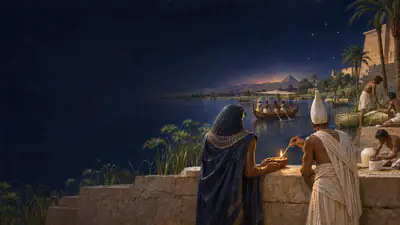
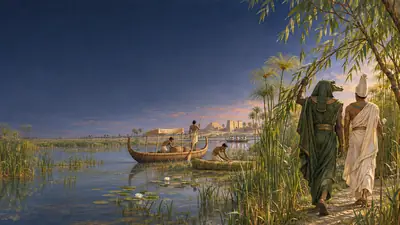
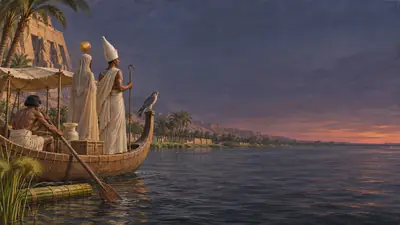
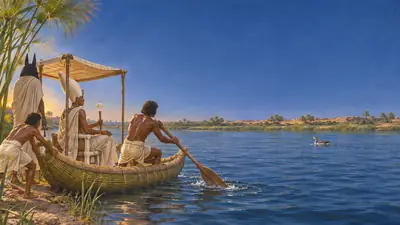
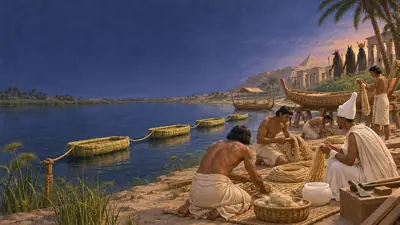
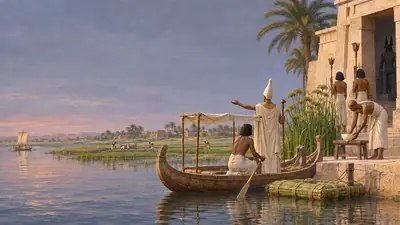
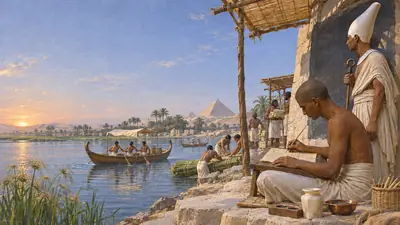
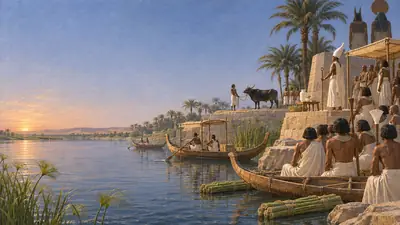
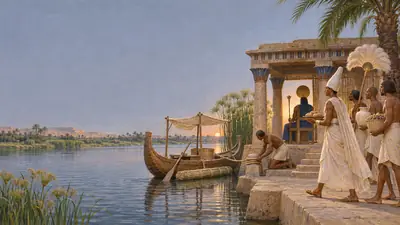
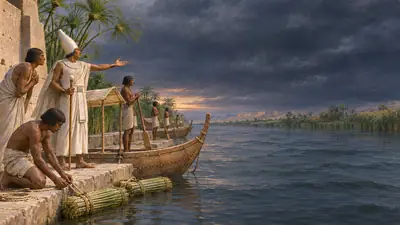
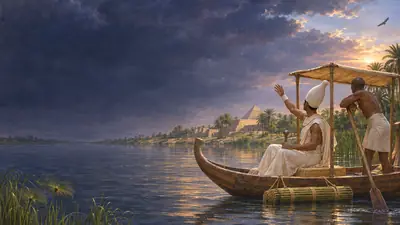
As fórmulas funerárias da pirâmide de Unis começam com o espírito a pedir um barco a um barqueiro. O recitante pede embarcações de junco para atravessar as águas e fala de escadas para o céu. A última fórmula diz que o pão voou para os recintos daquele que está associado à Coroa Vermelha.
FontesVire as páginas com as setas, o teclado ou deslizando o dedo.
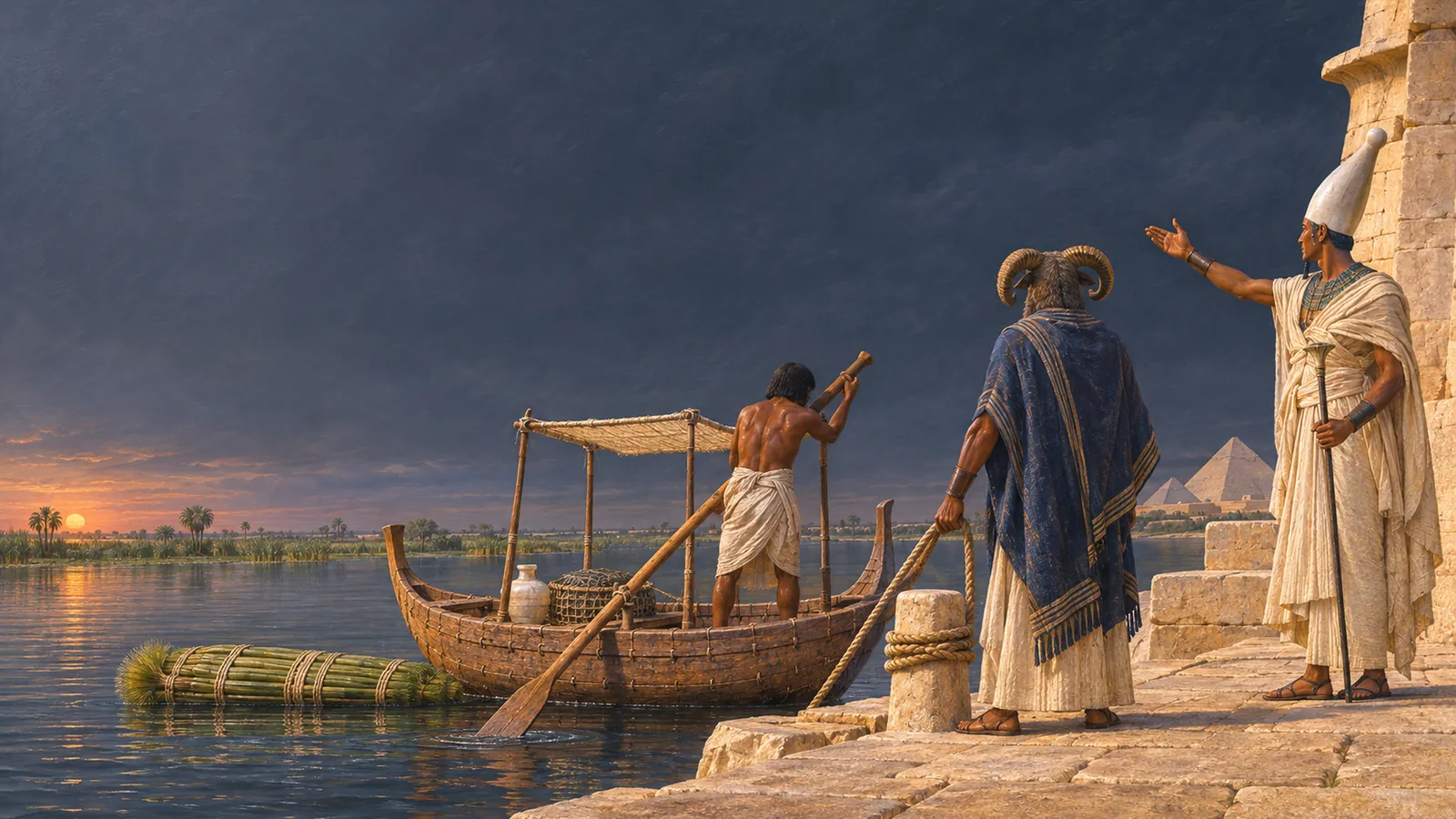
O BARQUEIRO
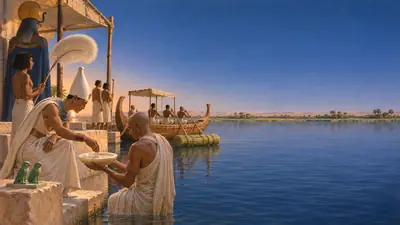
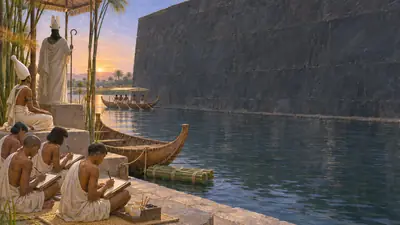
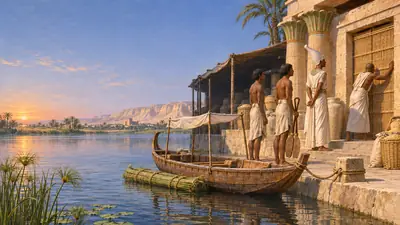
Os Textos das Pirâmides de Unas conservam este pedido de uma barca. O recitante dirige-se a um ser do mundo subterrâneo de Nezat e a um barqueiro cuja embarcação está ligada a Quenum.
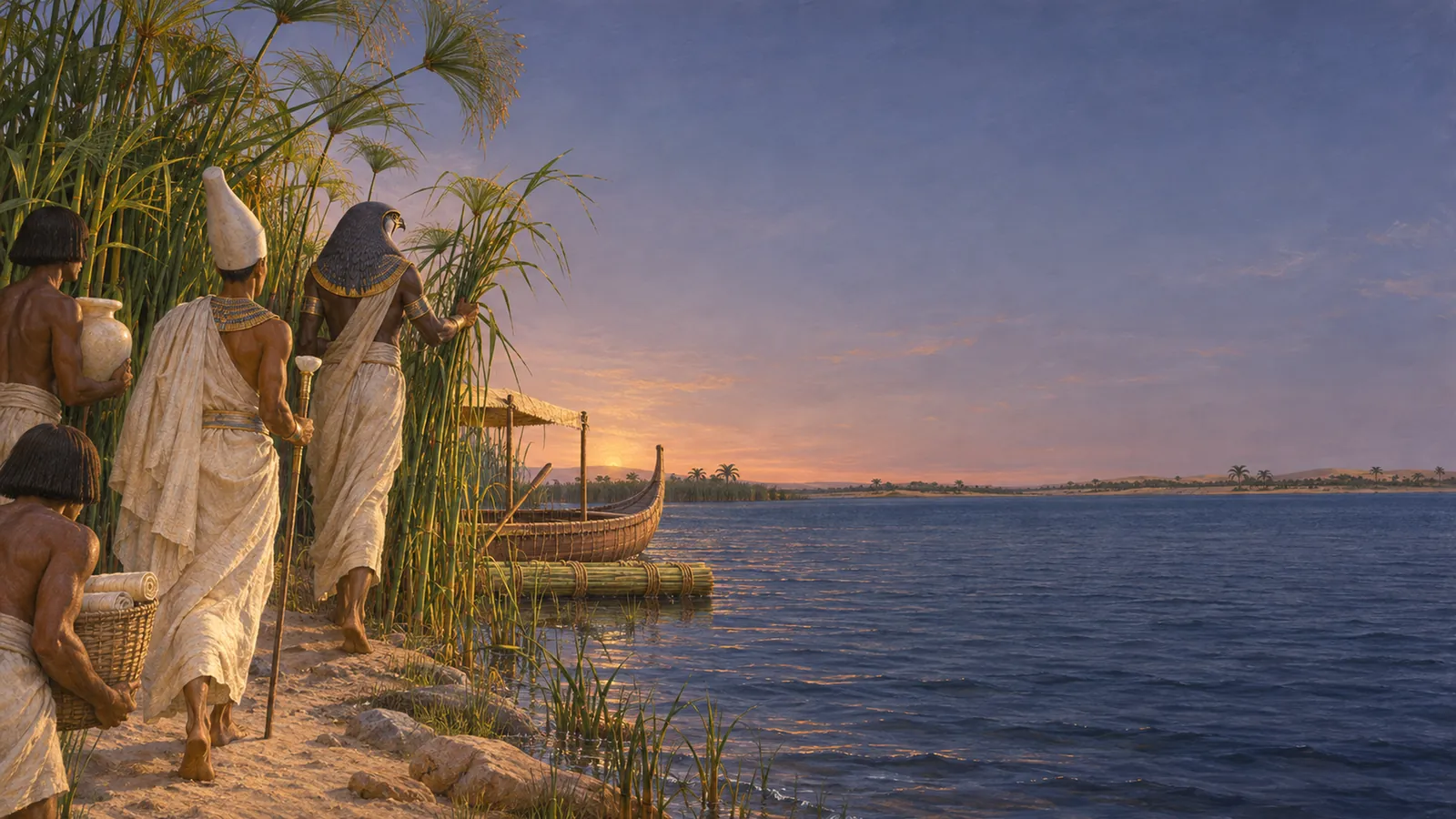
O recitante chama a si próprio Sokar de Rasetjau. Diz que se dirige a Sokar, senhor do Lago Extenso, e pede aos dois seres a quem falou que tragam as extensões do deserto.
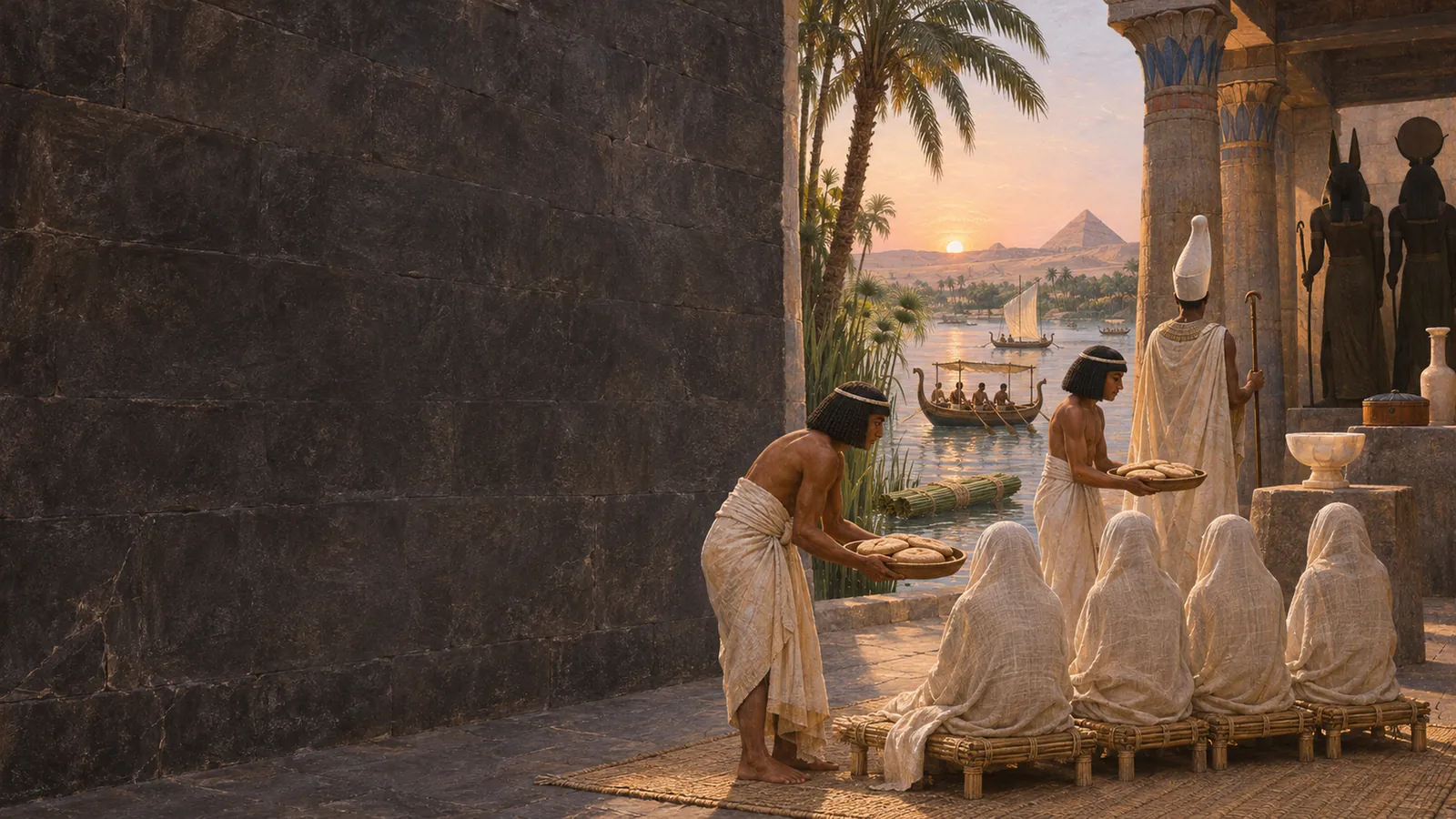
A recitação dá pão primeiro a Nu e ao Céu Inferior, depois a Ámon e Amaunet. Diz que cada par uniu os deuses à sua sombra.
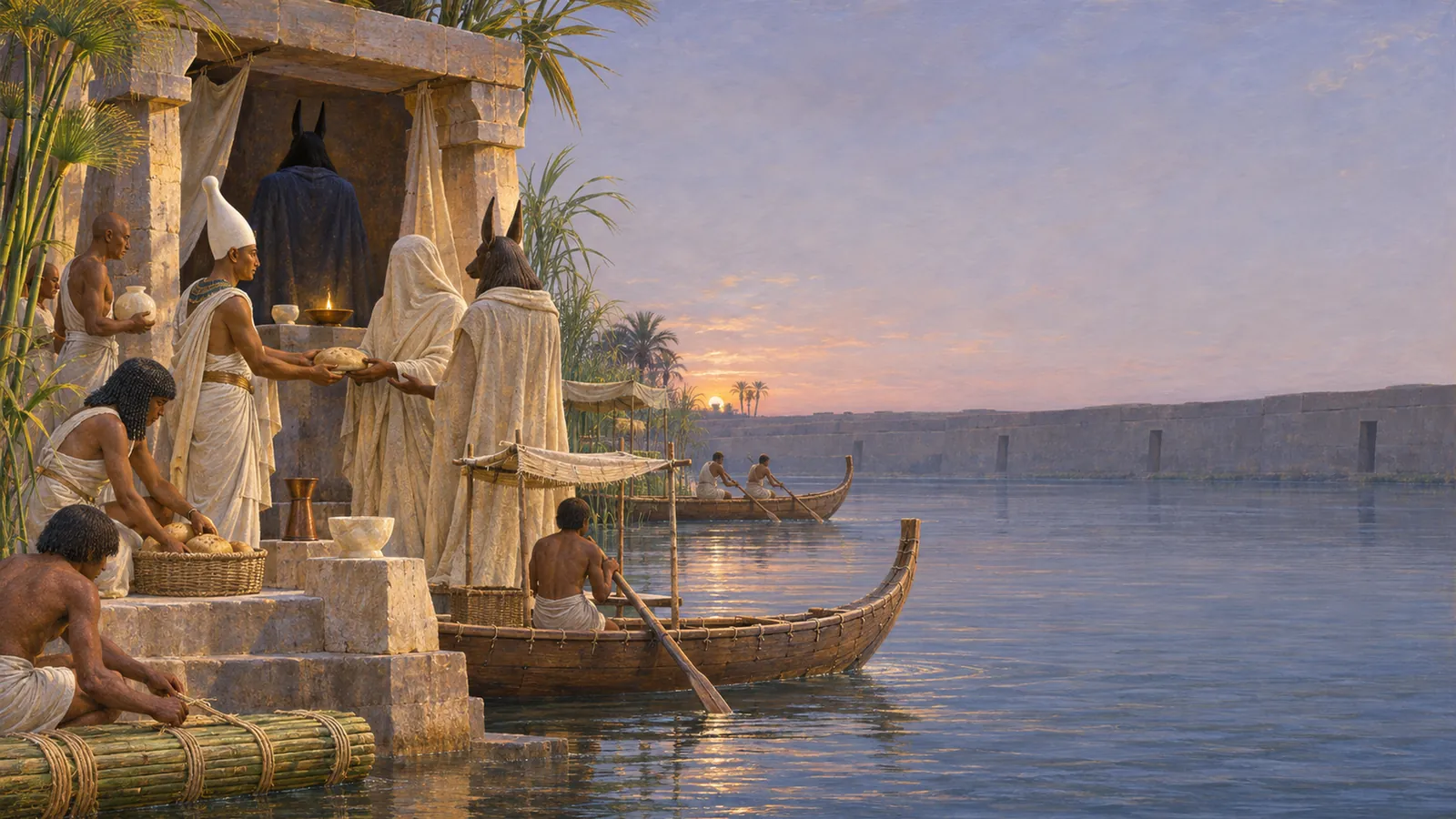
O recitante dá pão a Atum e ao Leão Duplo. A passagem nomeia Shu e Tefnut numa sequência sobre dar origem aos deuses e colocá-los nos seus lugares.
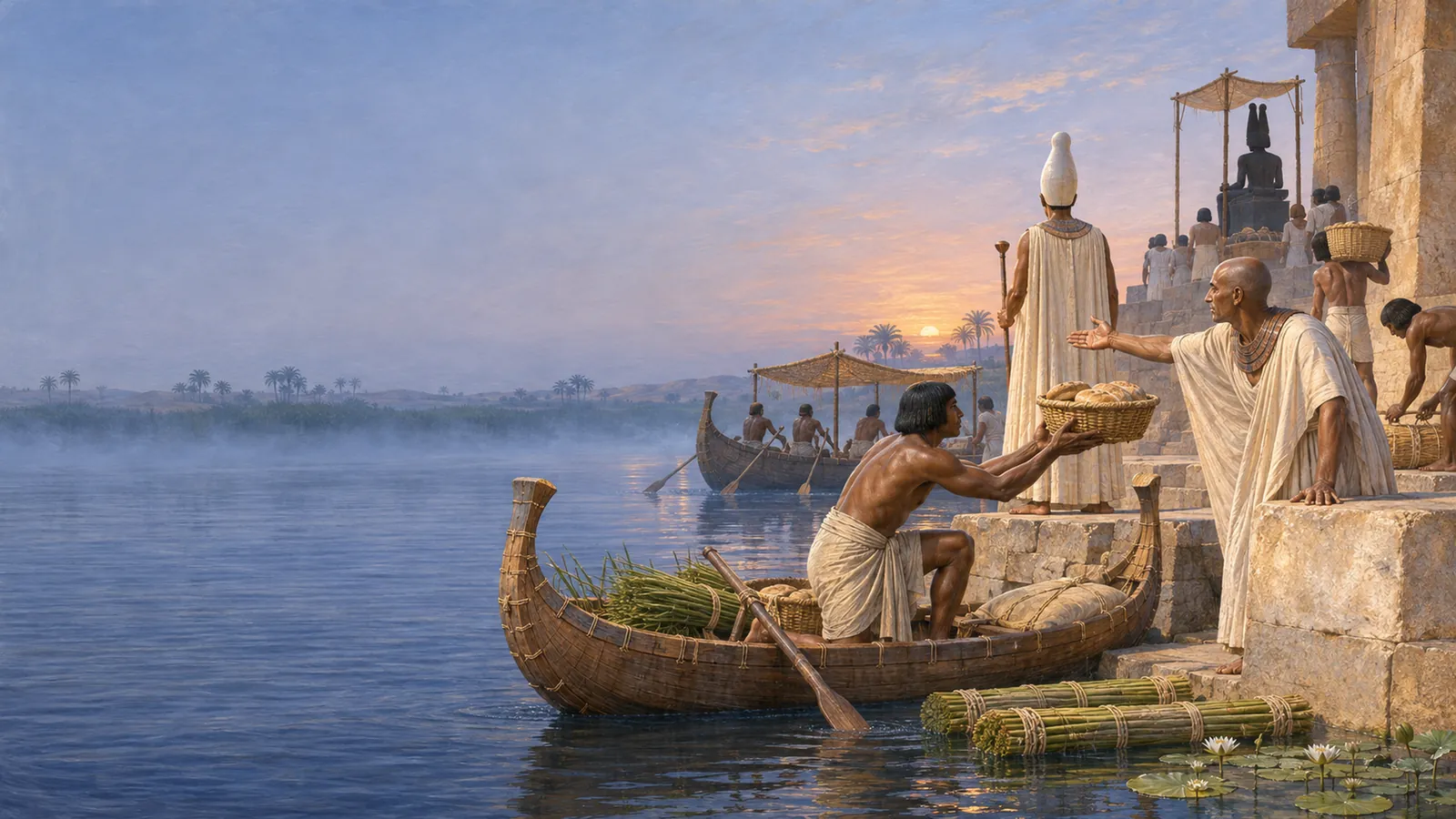
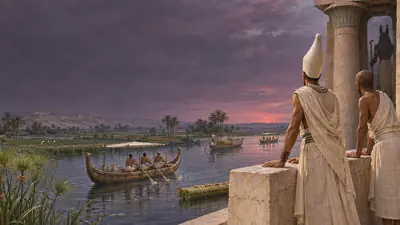
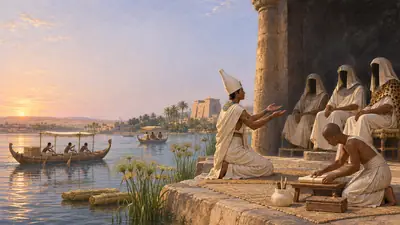
O recitante pede aos destinatários que digam ao pai que lhes levou pão e deu o que lhes pertence. Pede que o deixem atravessar até ao pai no Akhet.
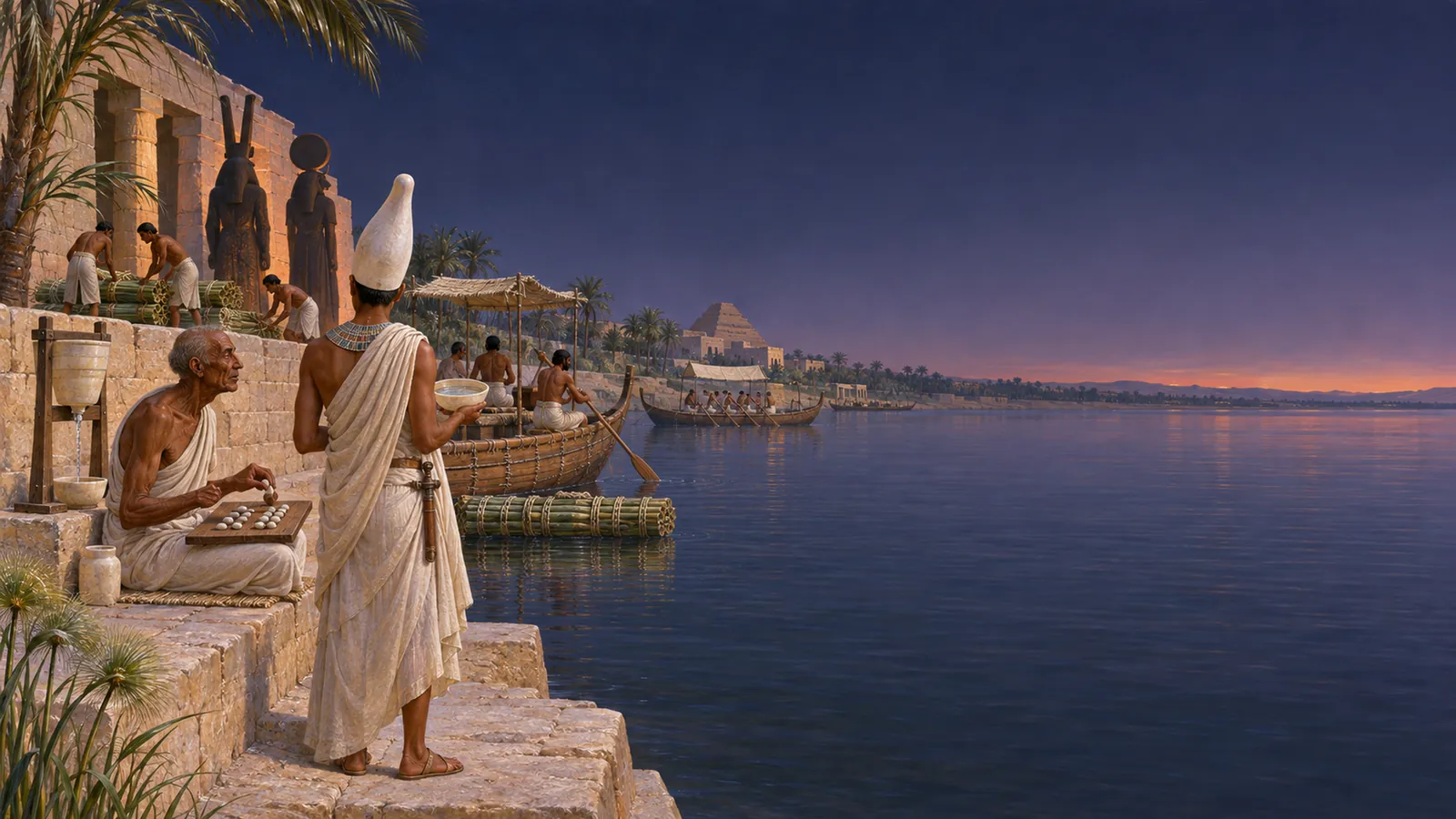
O recitante diz que conhece aquele que vai encontrar. Dá-lhe o nome de Contínuo e chama-lhe senhor do ano.
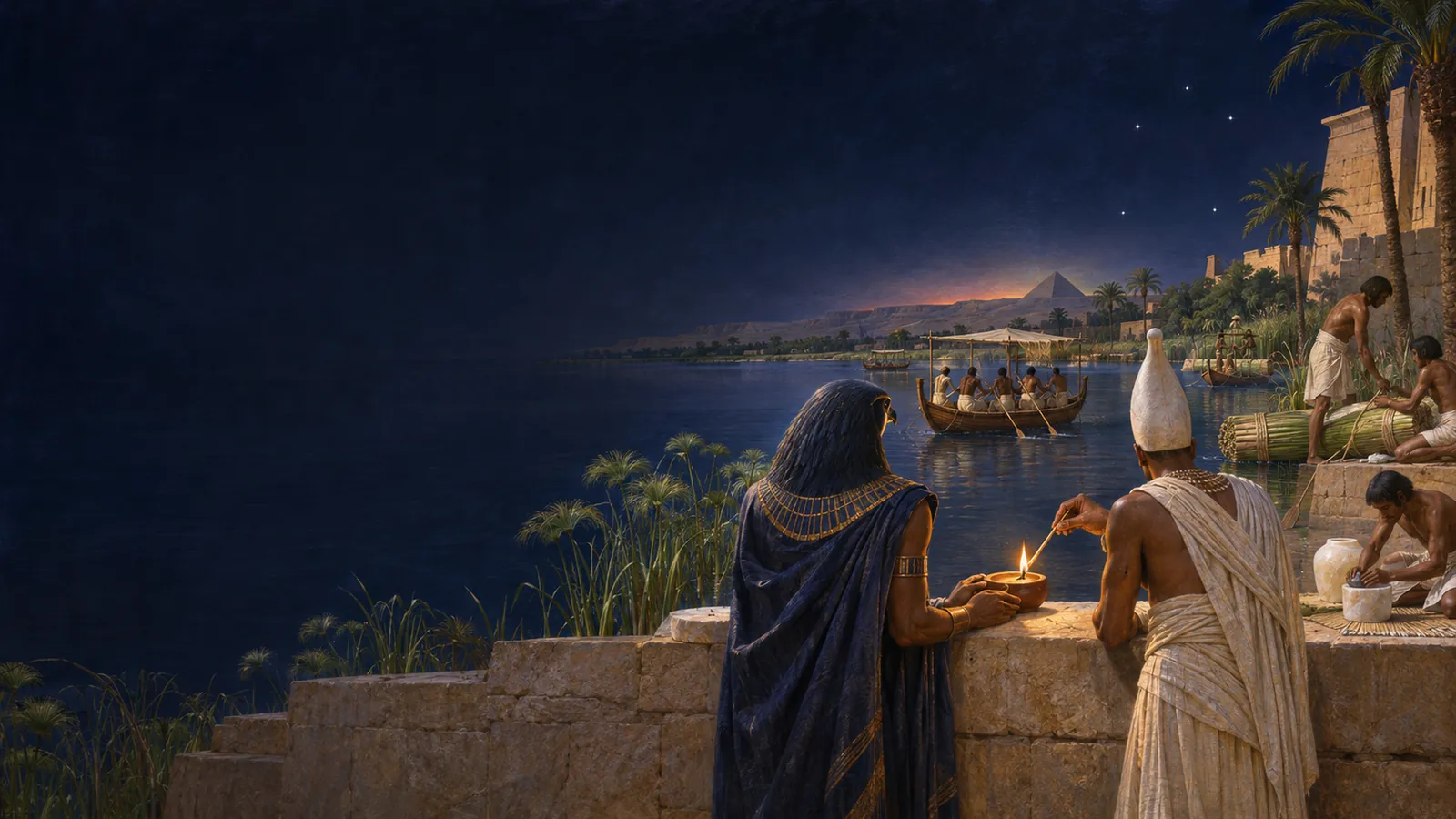
A fórmula coloca Hórus sob as estrelas e descreve os seus braços como uma arma. Ele dá vida ao Sol todos os dias, e o recitante pede-lhe que também lhe dê vida.
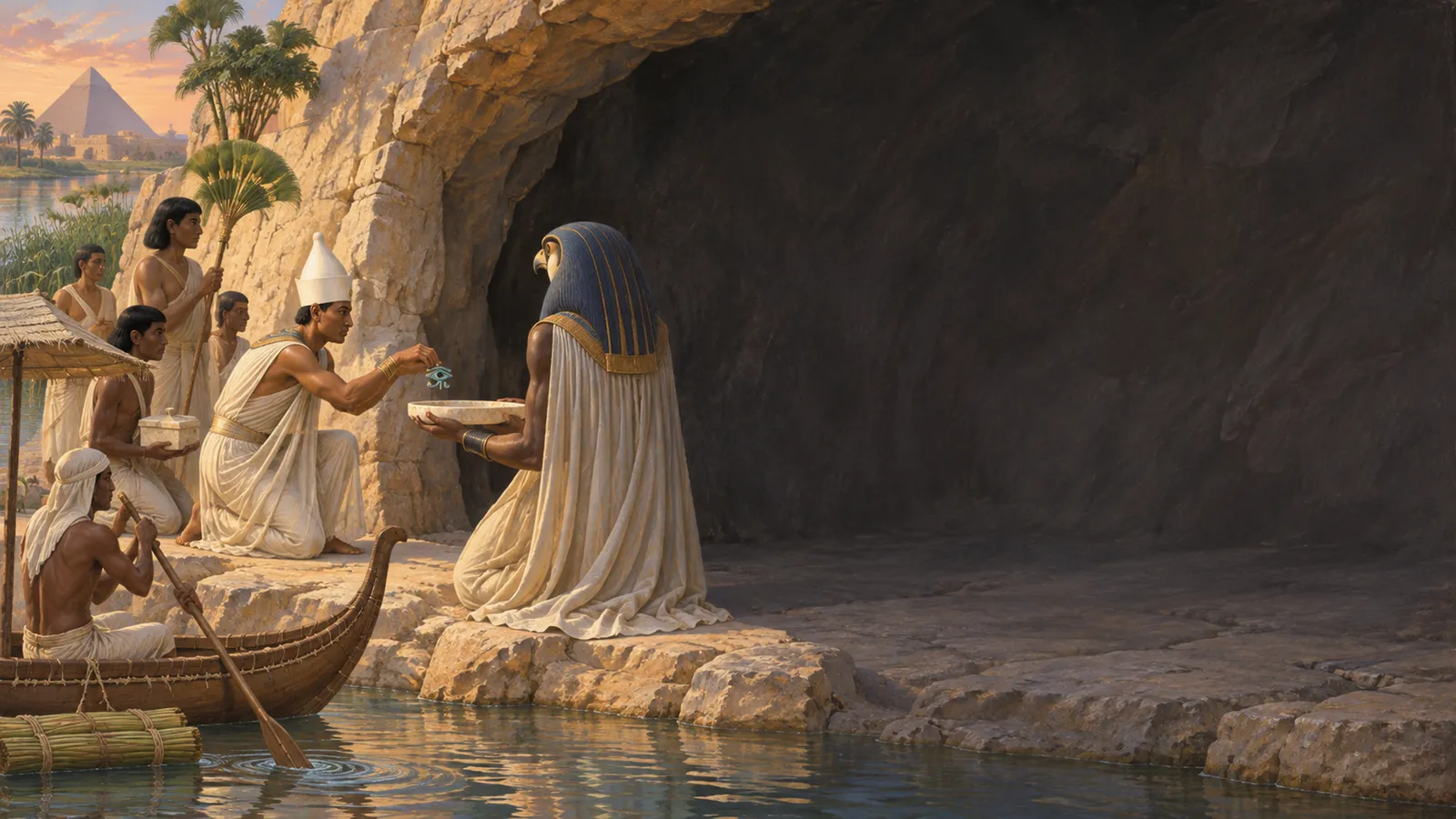
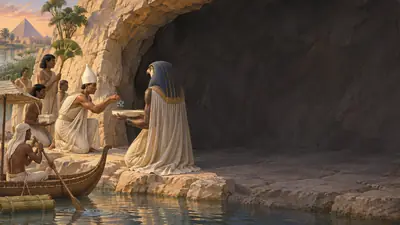
O recitante saúda Hórus de Shat, Hórus de Shezmet e Hórus do leste. Diz que trouxe de uma caverna o grande olho oriental de Hórus.
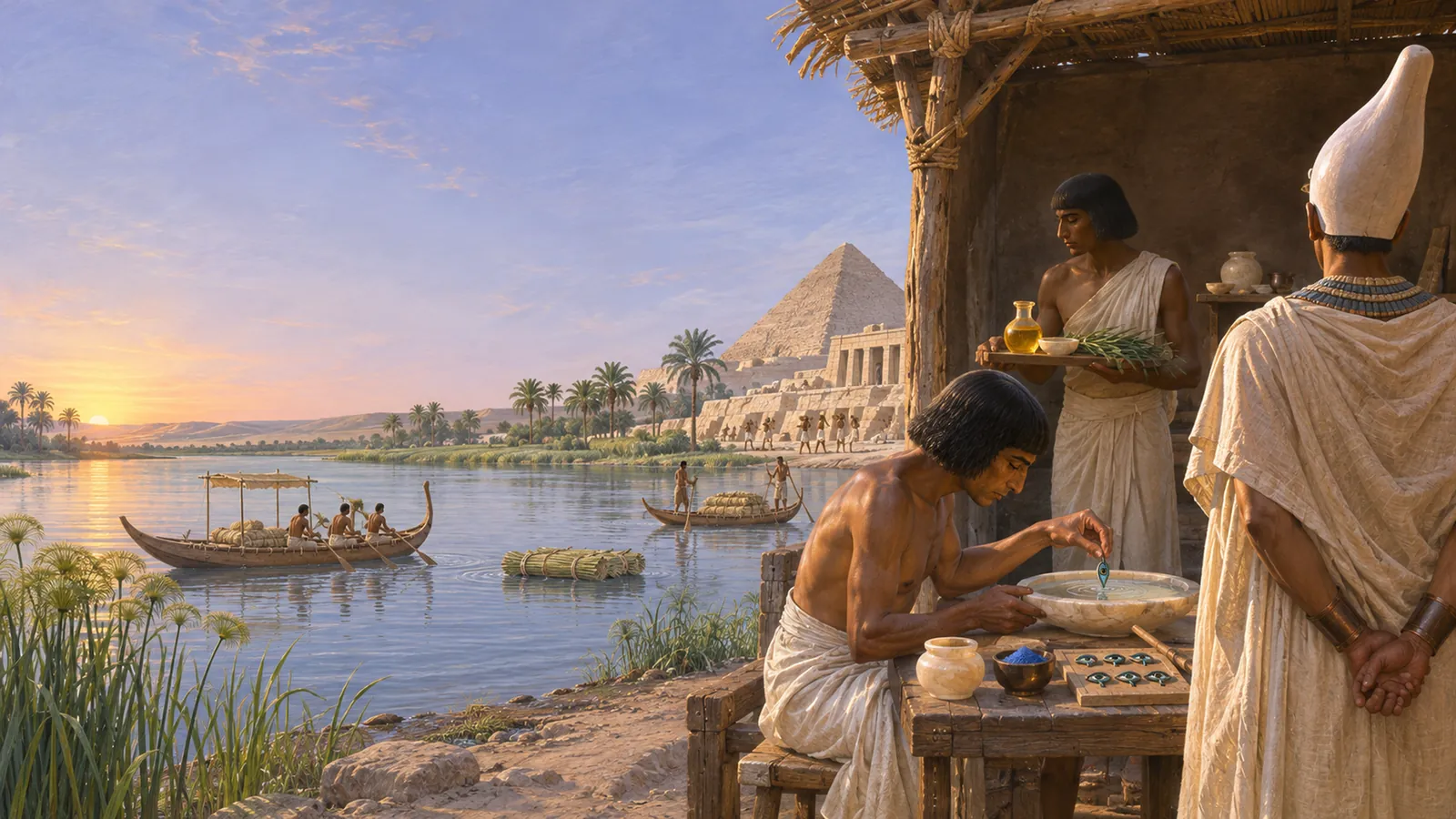
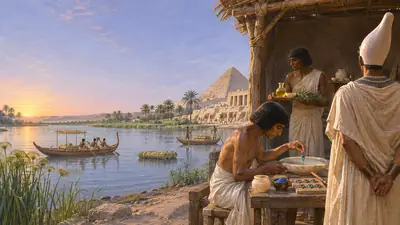
A fórmula associa o olho à água, ao sangue e ao vapor, e depois pede a Hórus que recupere a força por meio de formas como o Sol, o óleo, o salgueiro e a faiança.
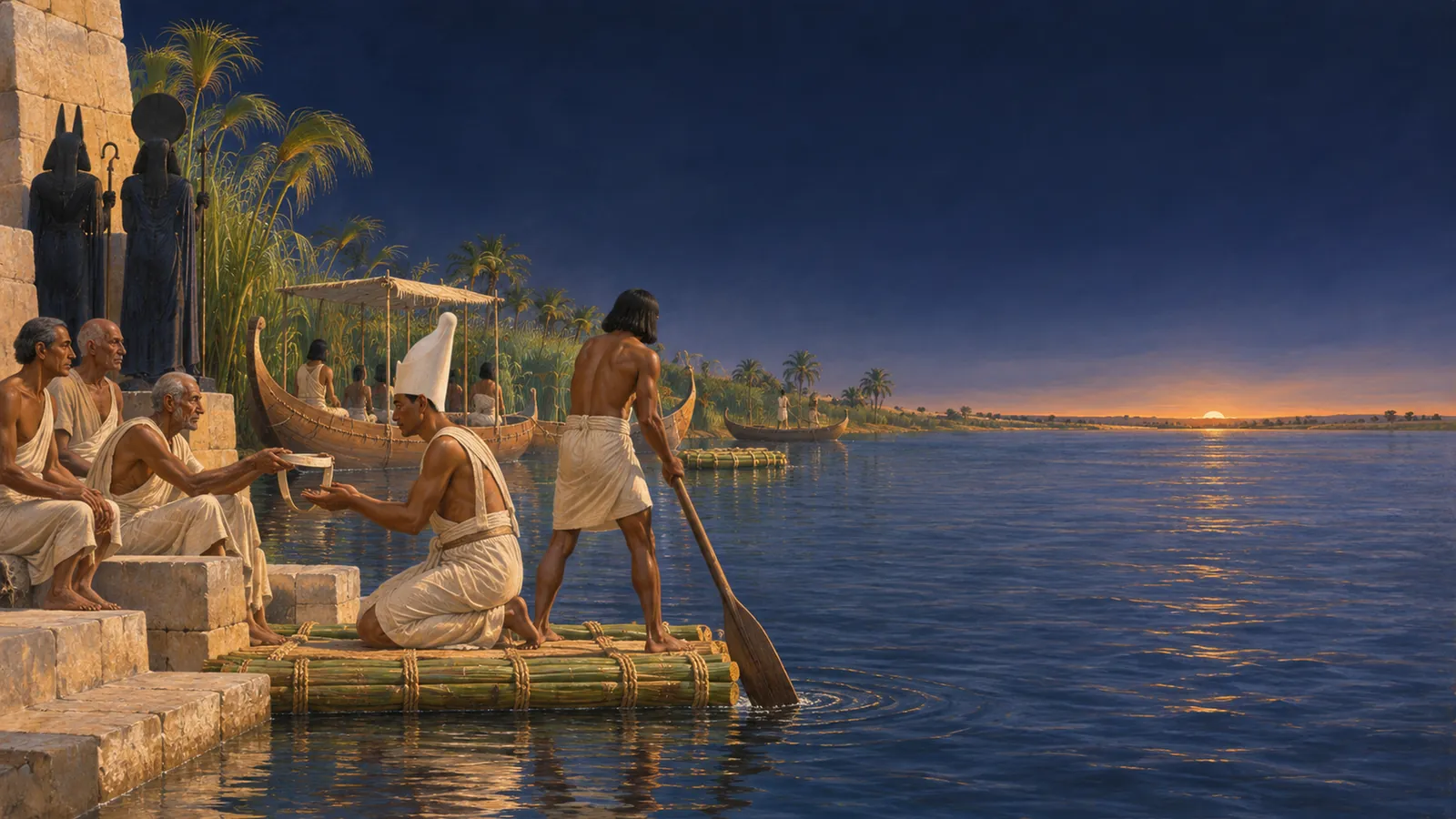
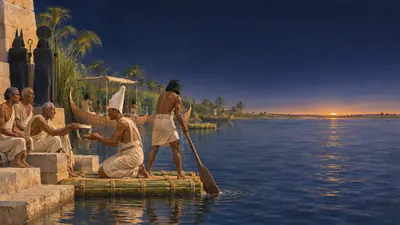
O recitante chama o grande da jangada de junco a erguer-se como aquele que abre os caminhos e a deixar o Akhet. A fórmula diz-lhe que tome uma coroa dos anciãos e dos principais da Líbia.
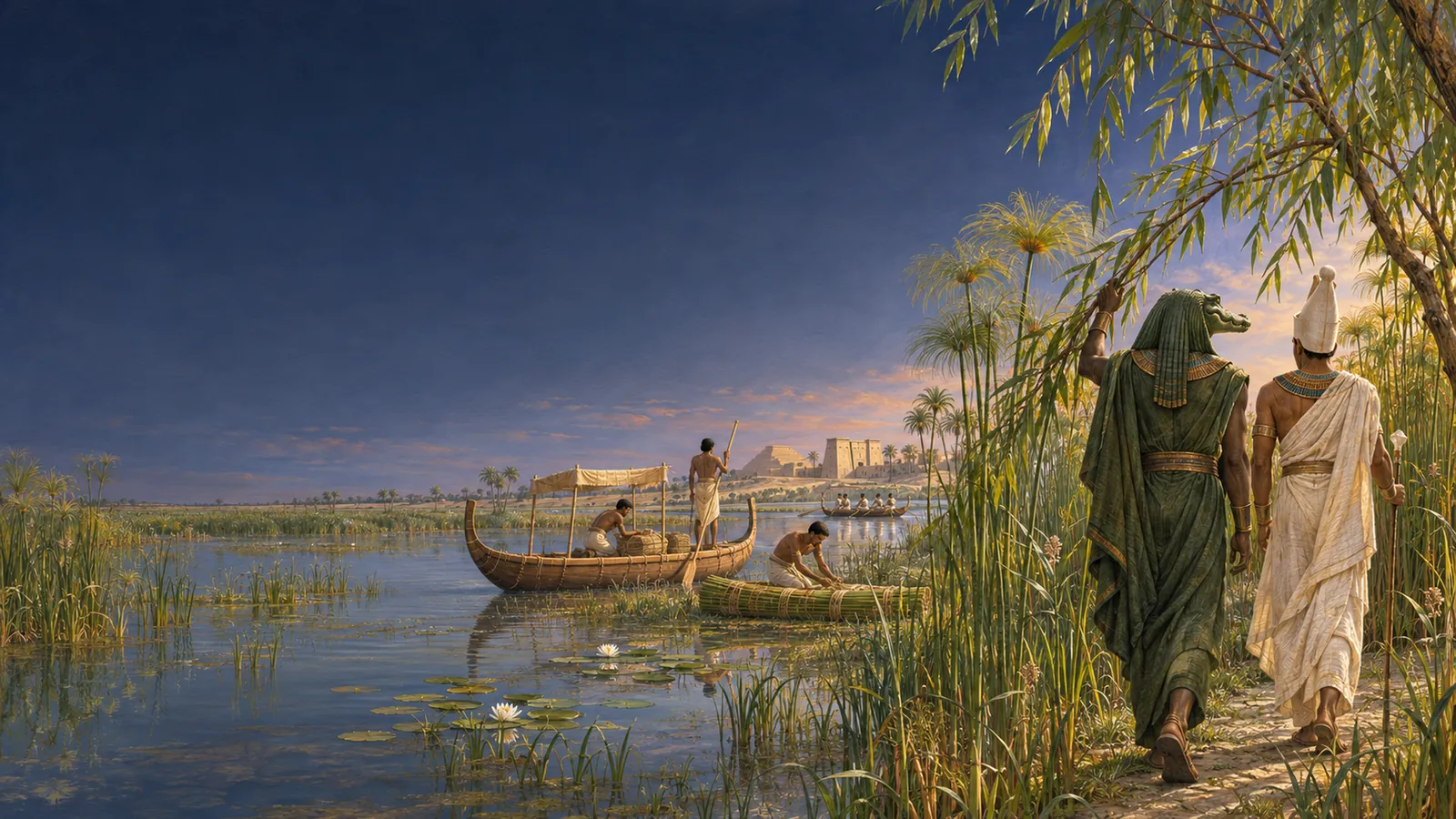
A fórmula dirige-se a Sobek de Bakhu enquanto atravessa os seus campos e mangais. O recitante pede a Sobek que faça subir o seu ka ao seu lado num percurso ascendente semelhante.
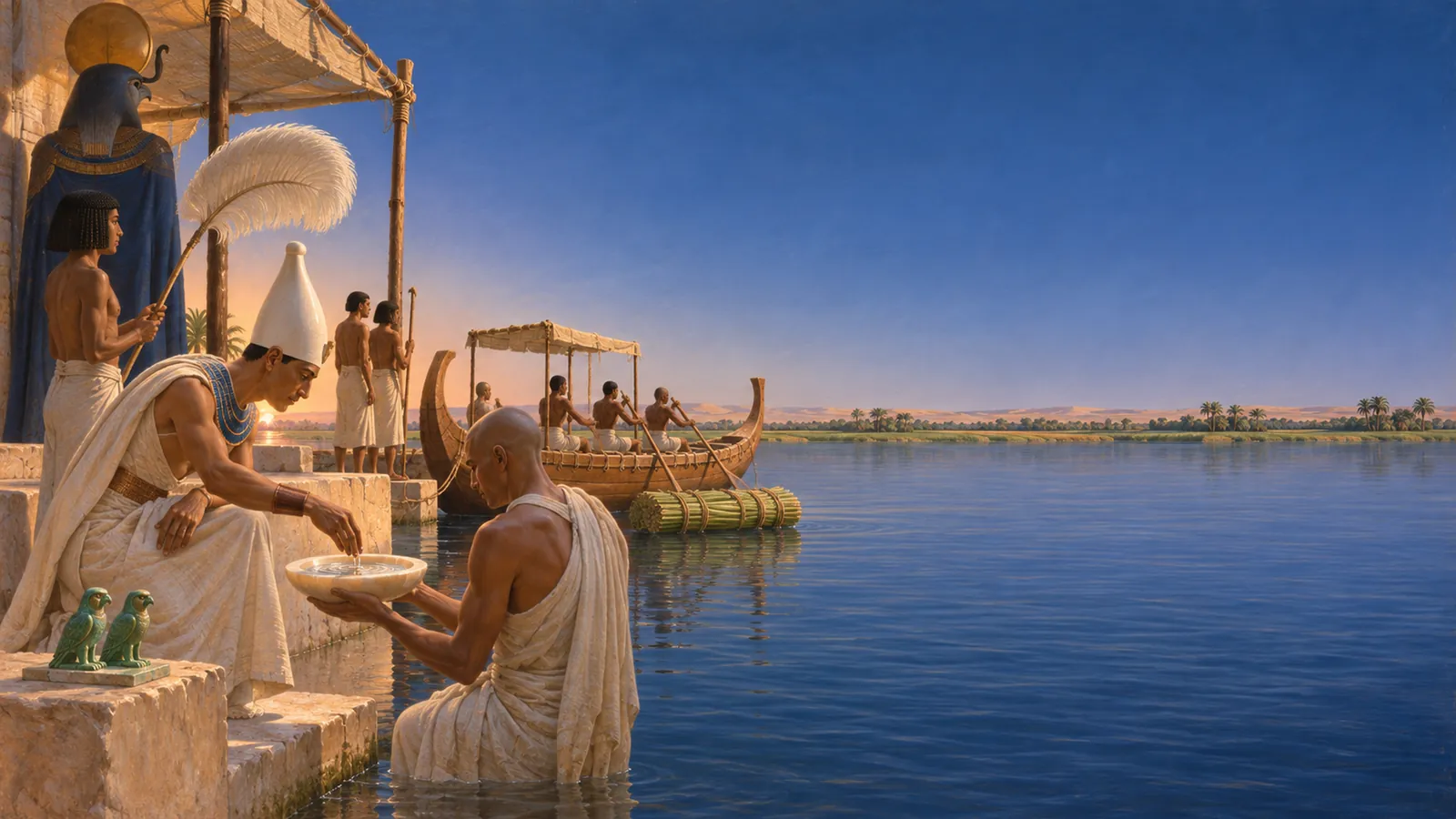
O recitante pede que seja purificado e ganhe brilho no lago do Chacal. A rubrica final especifica quatro recitações e menciona um par de falcões verdes.
SÓTIS
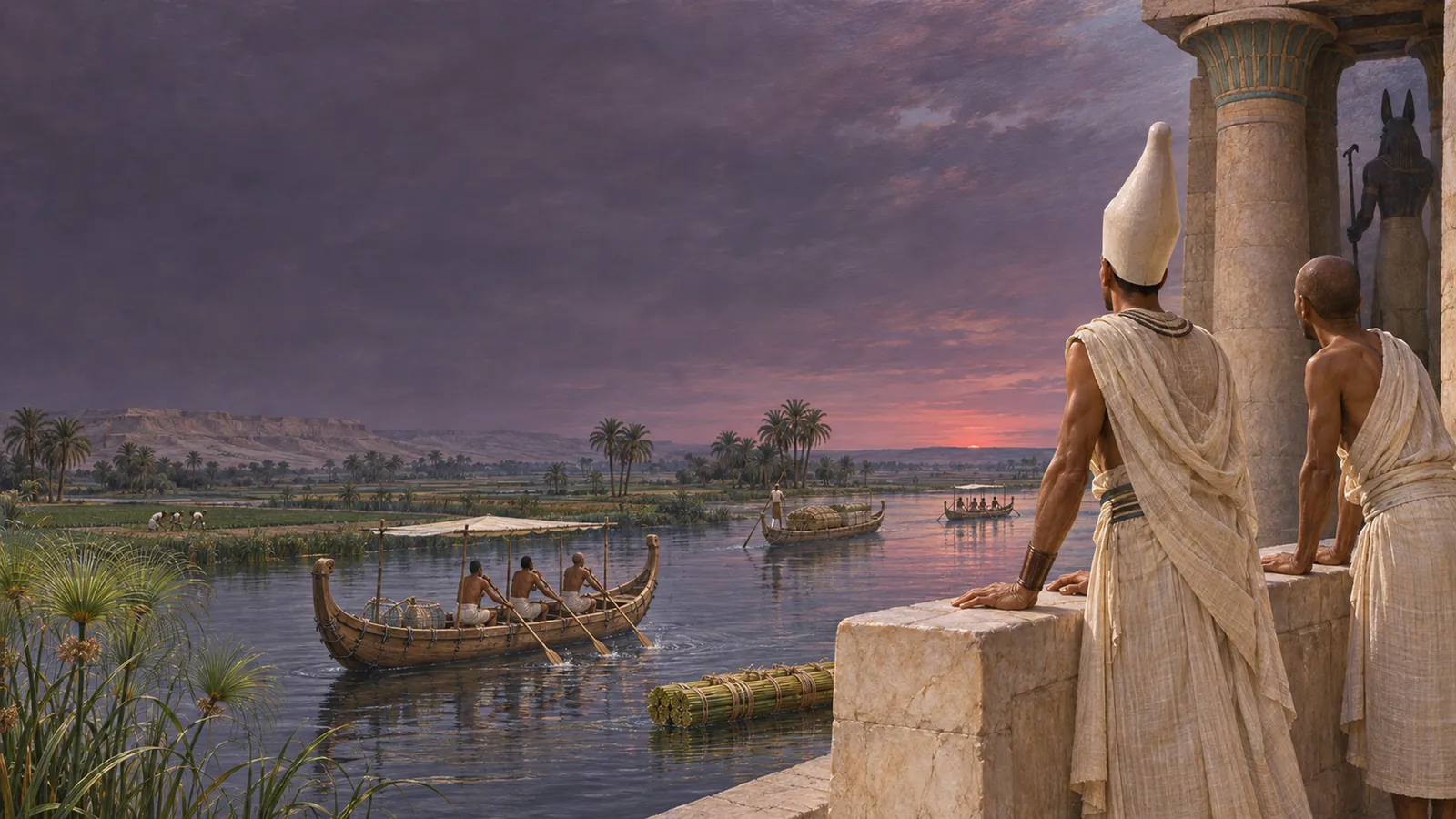
Na fórmula, o céu sangra enquanto Sótis vive. Allen explica a imagem como alusão ao céu vermelho da aurora.
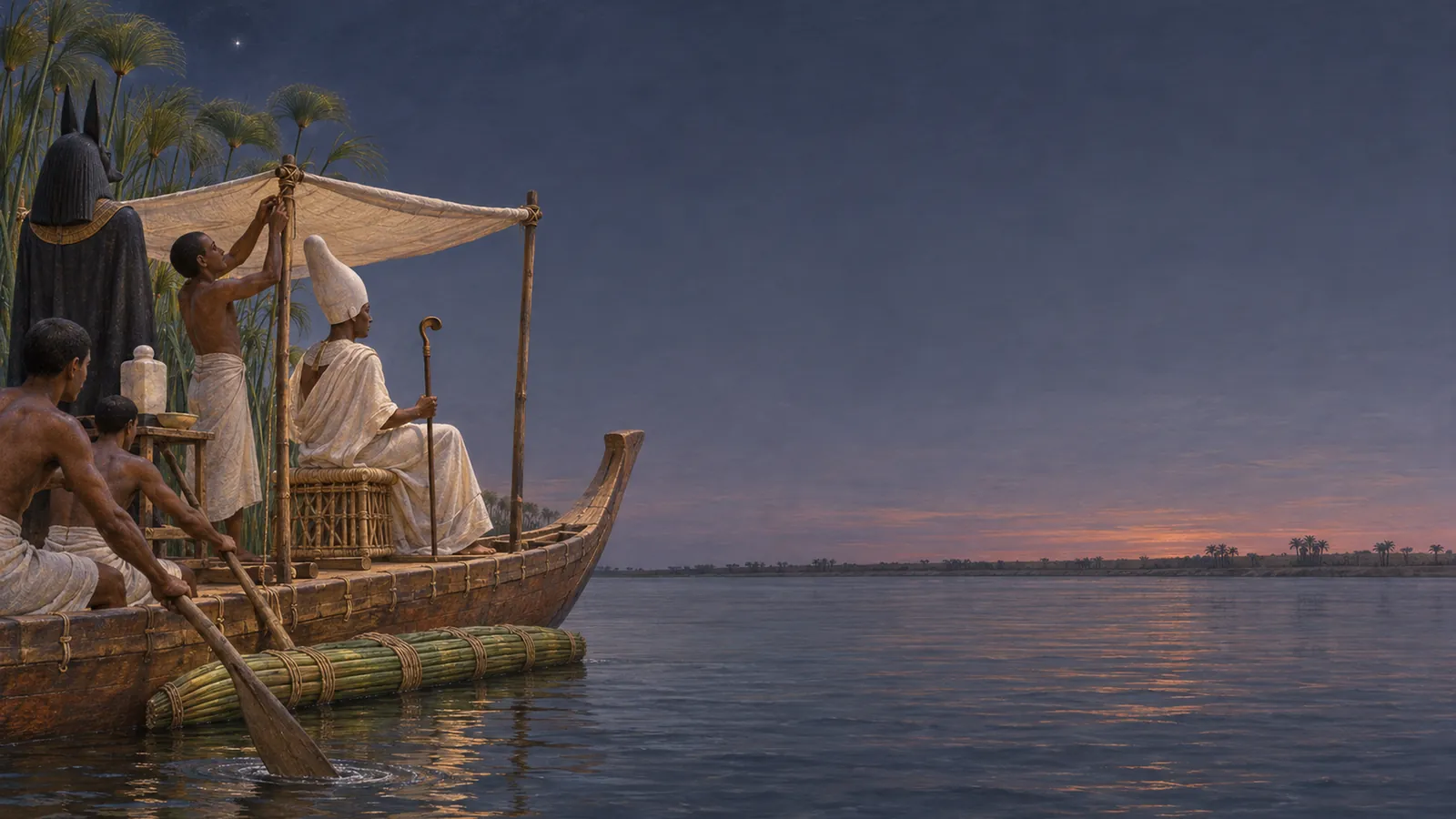
O recitante chama a si próprio filho vivo de Sótis. Diz que a sua morada para o céu não perecerá e que o seu assento para a terra não terá fim.
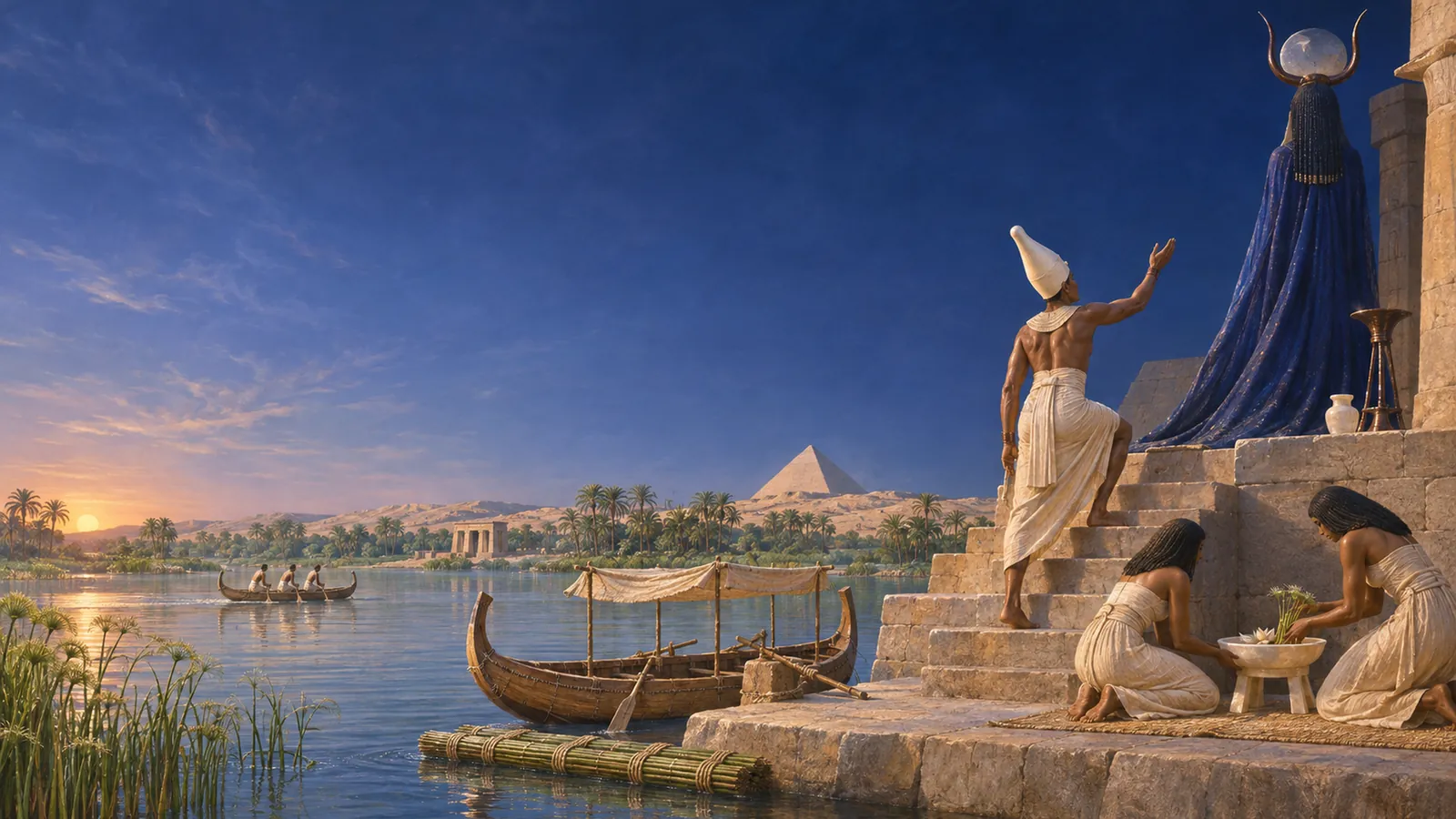
Na fórmula, Sótis leva o recitante até aos deuses e Nut estende-lhe os braços. Dois dos principais bas de Heliópolis ajoelham-se perto do Sol.
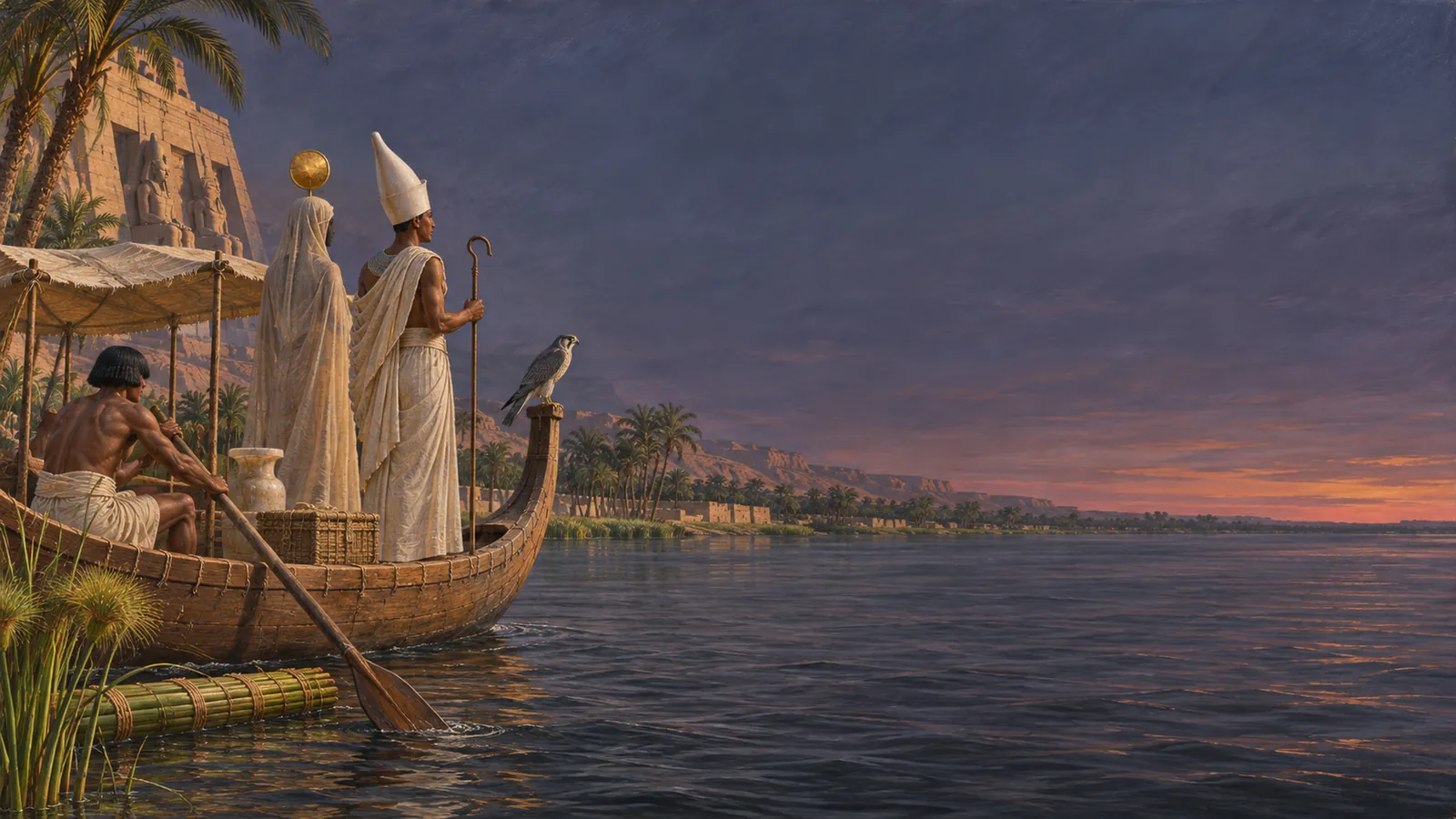
O recitante reivindica um lugar junto do Sol e diz que não o cederá a ninguém. Atribui a sua subida ao Sol e descreve-se com rosto de falcão, asas de ave e garras.
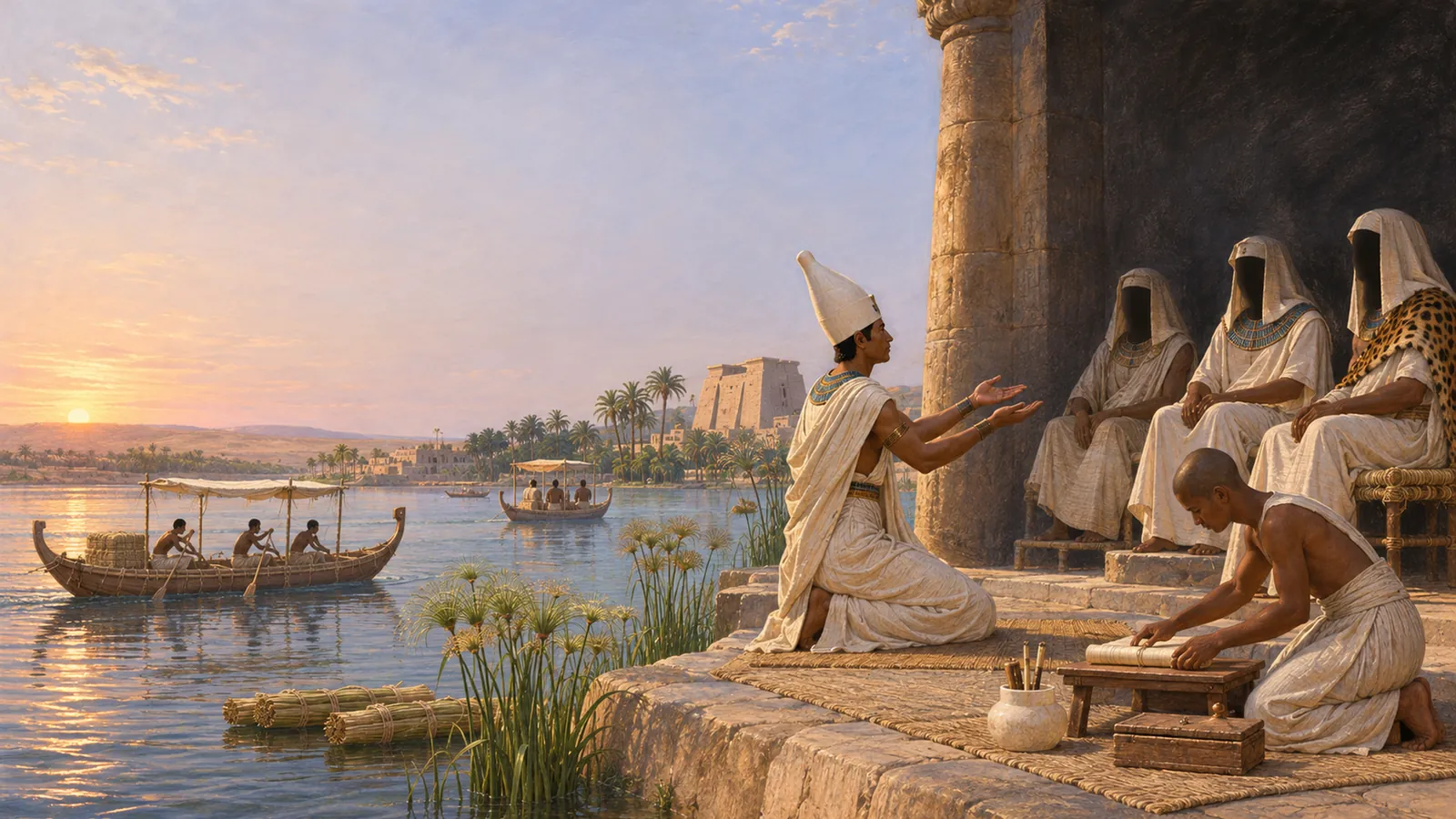
O recitante diz que não há causa contra ele na terra e que os deuses do céu não o declararam culpado. Afirma ter afastado a causa que se opunha à sua subida.
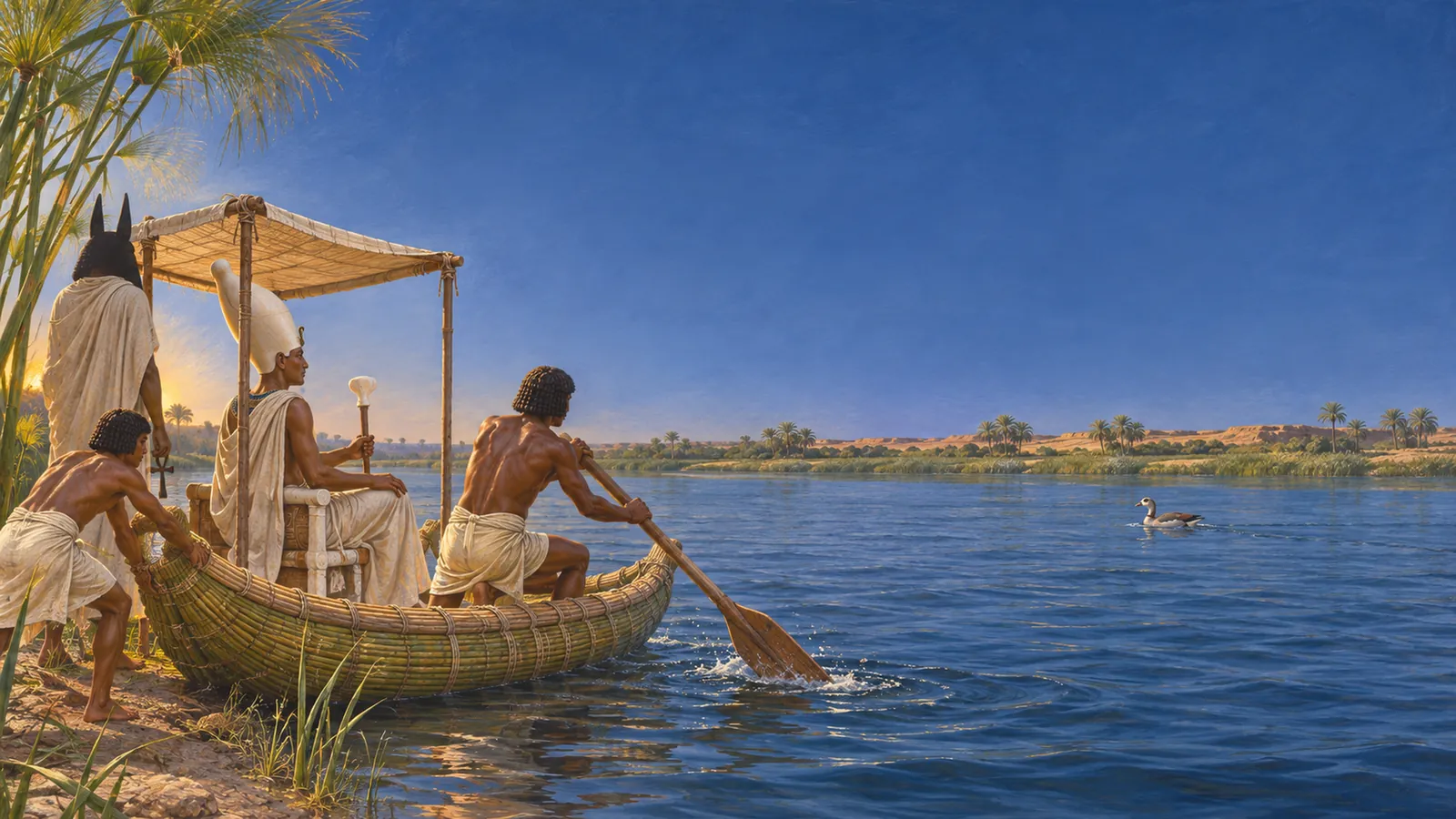
O que abre os caminhos leva o recitante ao céu, entre os deuses. O recitante compara-se a um ganso-do-Nilo e a um milhafre e depois diz às pessoas que se afasta delas a voar.
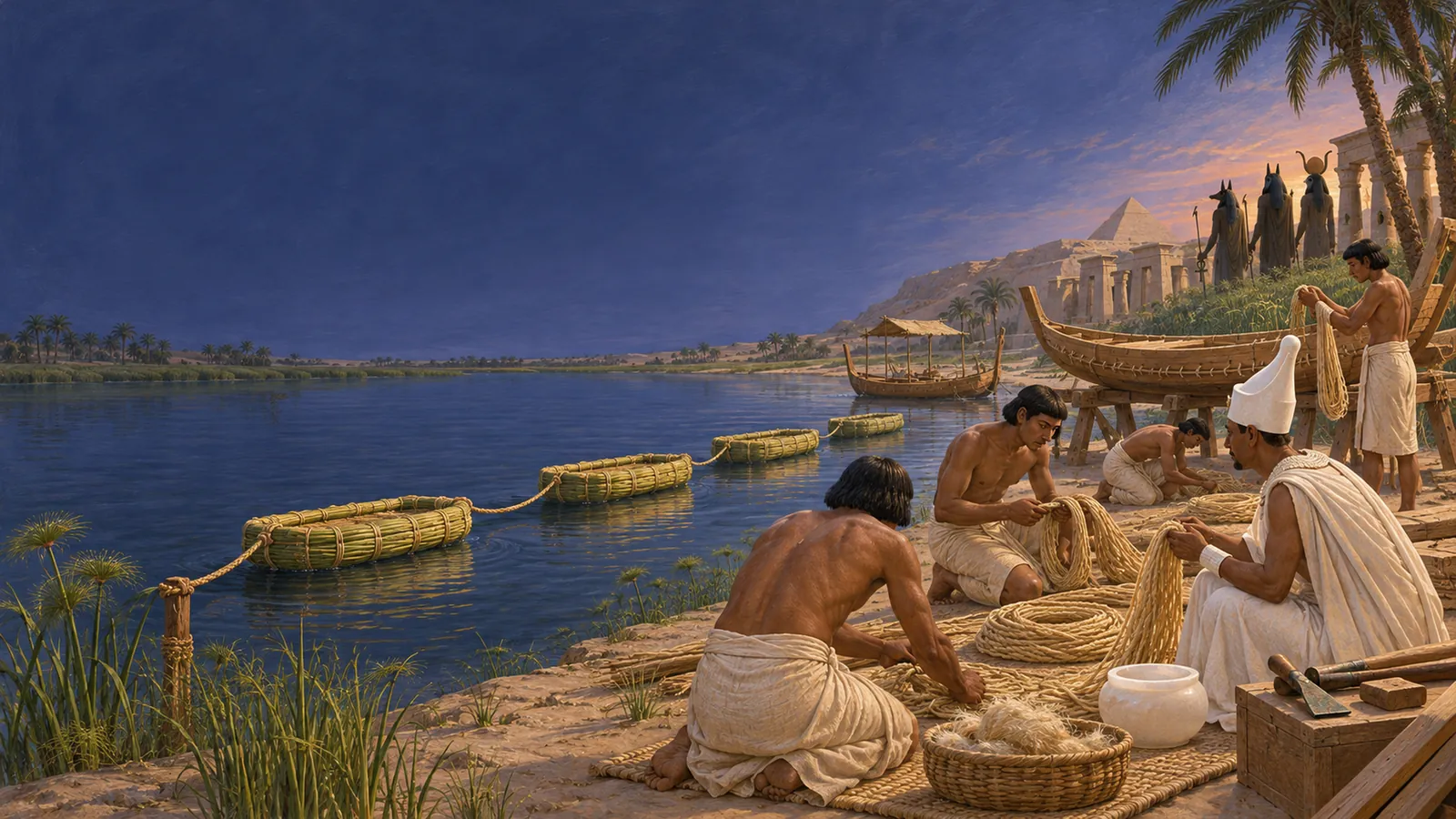
O recitante chama os deuses das quatro direções. Pede as quatro jangadas puras de junco que haviam preparado para Osíris quando atravessou até às Águas Frescas com o filho Hórus.
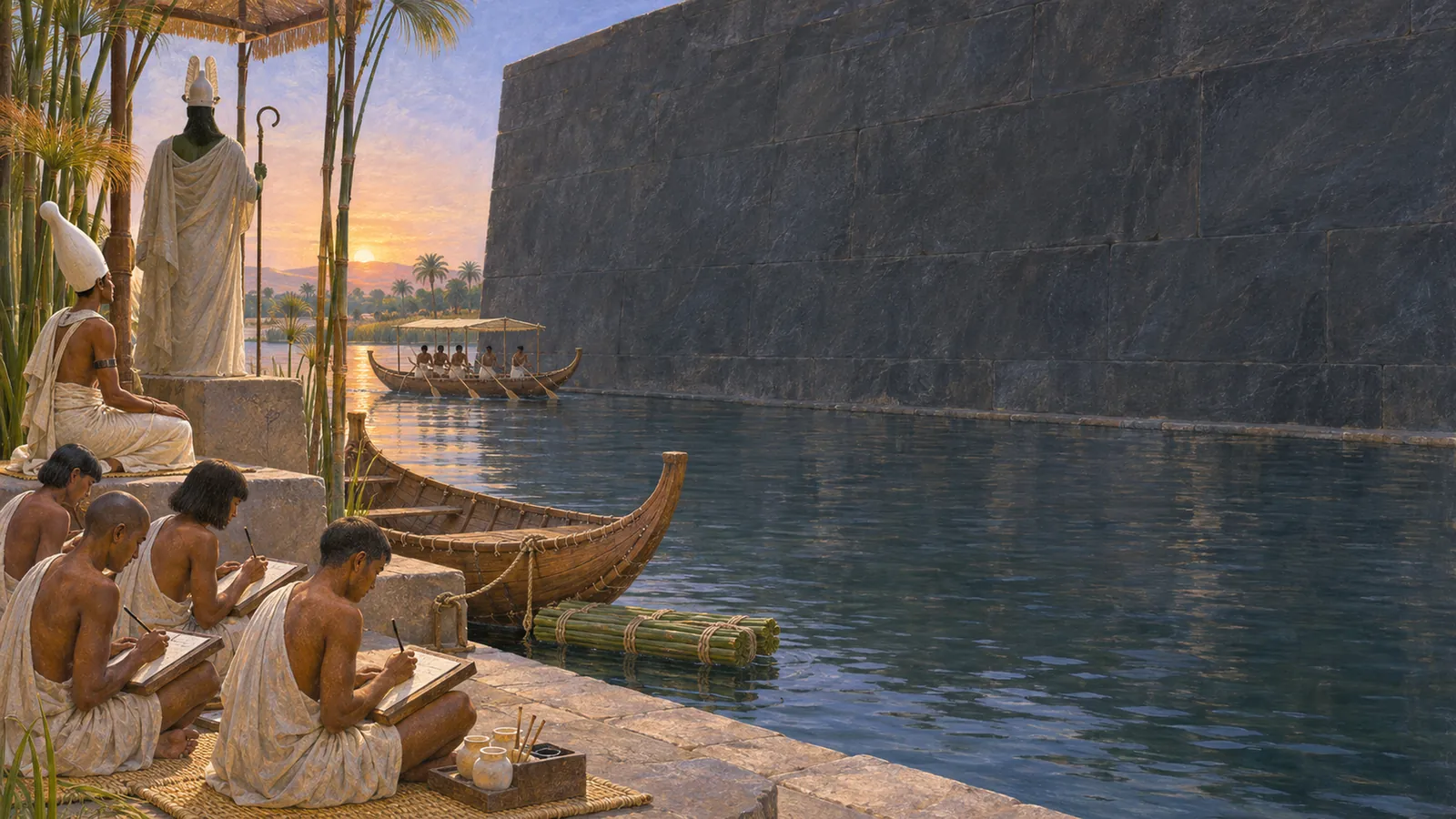
Na resposta dos deuses, é Hórus, filho de Osíris, e também filho de Hátor e descendente de Geb. Osíris ordena que apareça como um segundo Hórus. Quatro akhs de Heliópolis registam a ordem por escrito.
A ESCADA
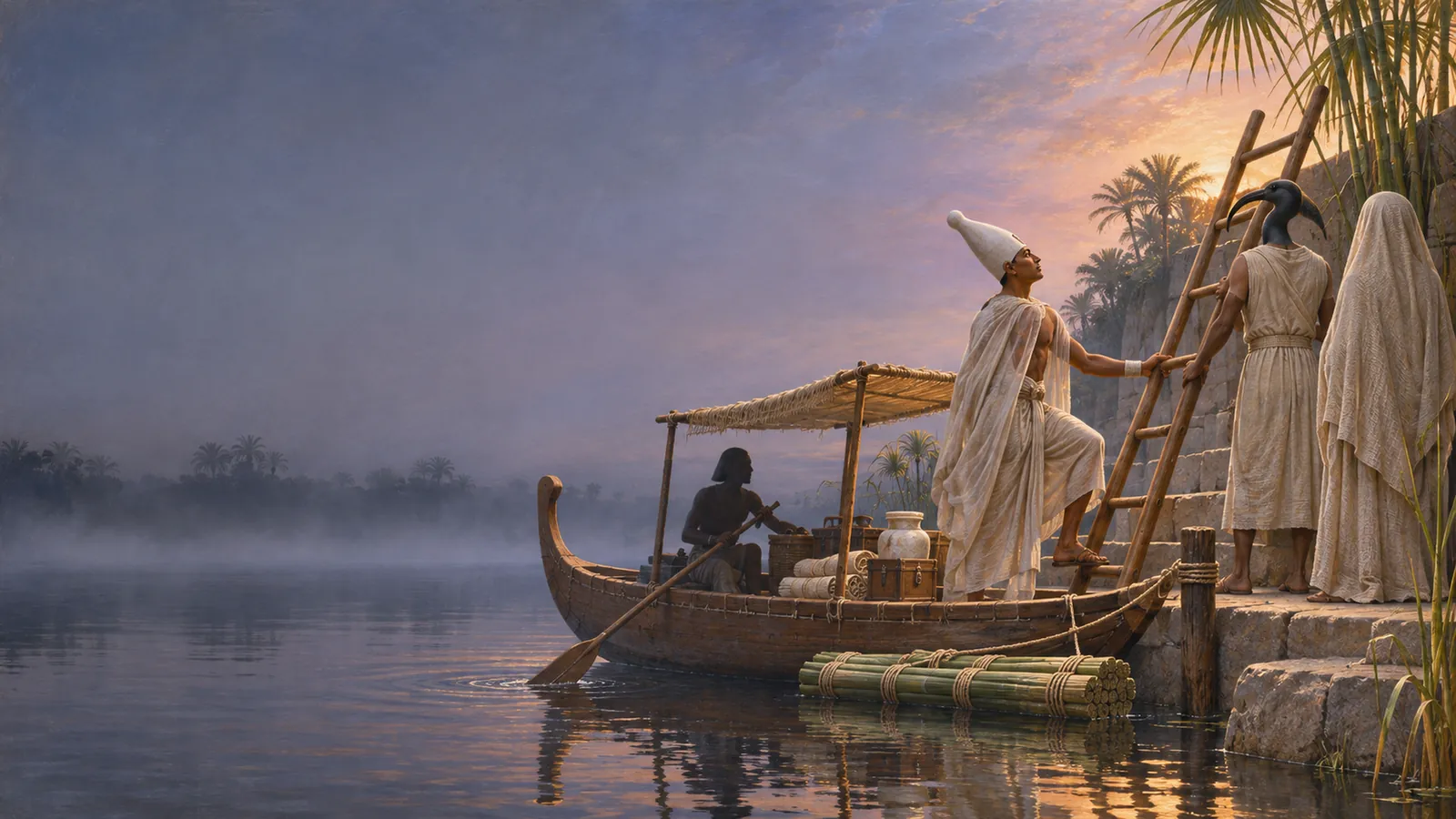
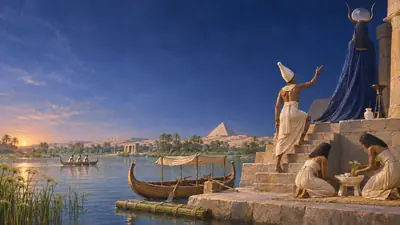
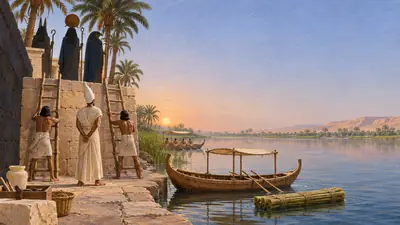
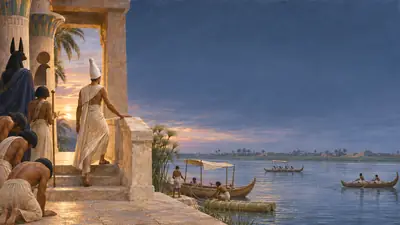
Nas Águas do Olhar no céu, saúda a filha de Anúbis. A fórmula associa-a a Tot junto aos montantes da escada, e o recitante pede-lhe que abra um caminho para ele passar.
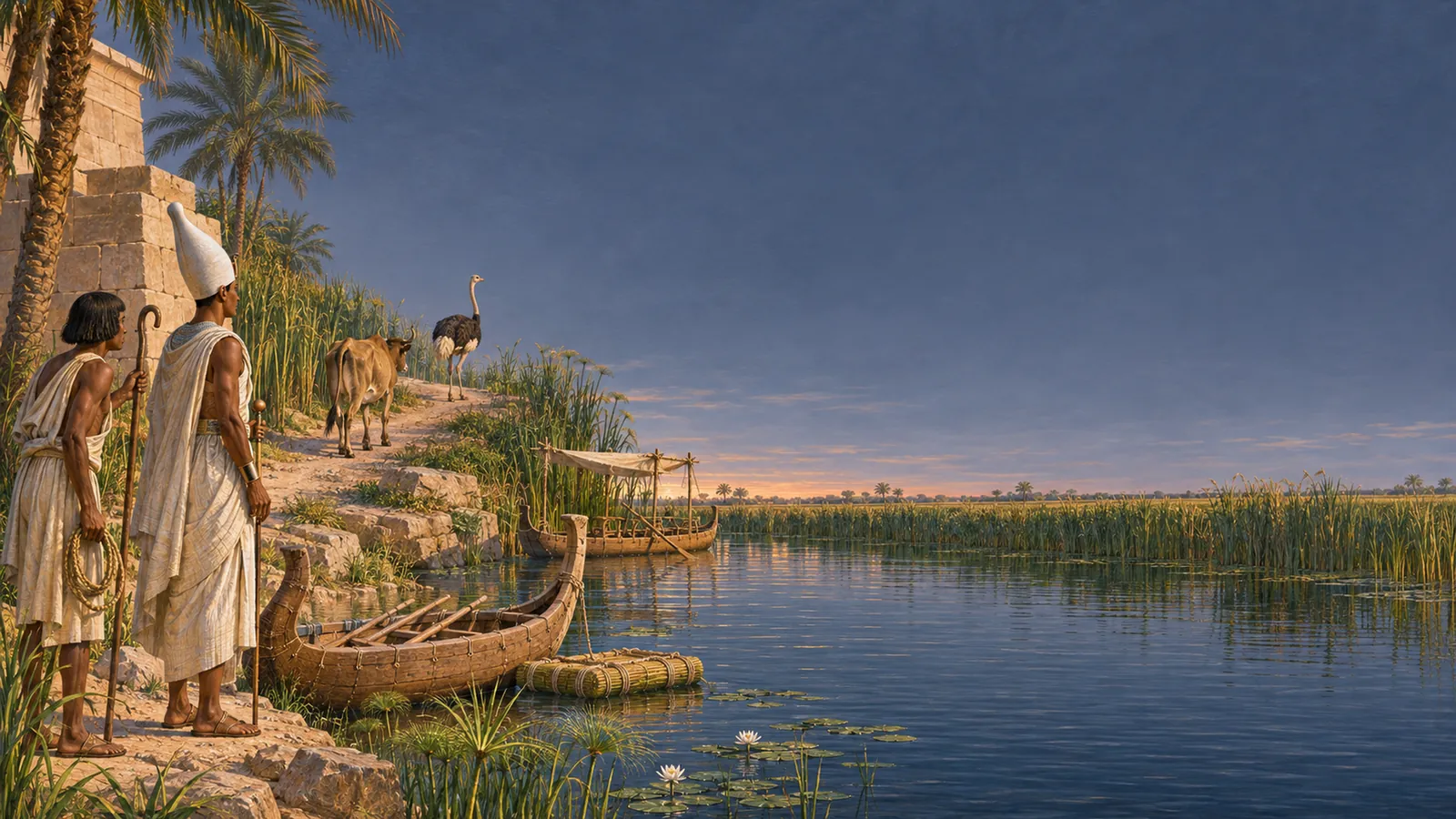
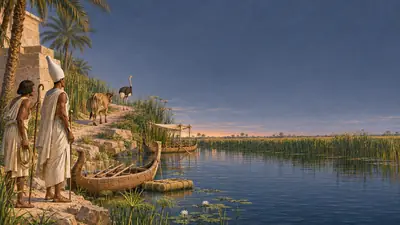
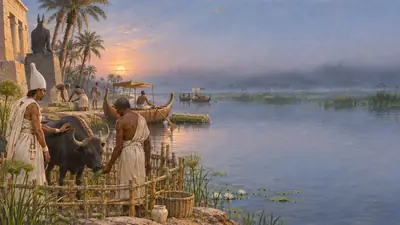
No Canal Sinuoso, o recitante pede a uma avestruz que o deixe passar. Depois dirige-se ao novilho do Sol, cujos quatro chifres apontam para as quatro direções, e pede-lhe que baixe o do oeste.
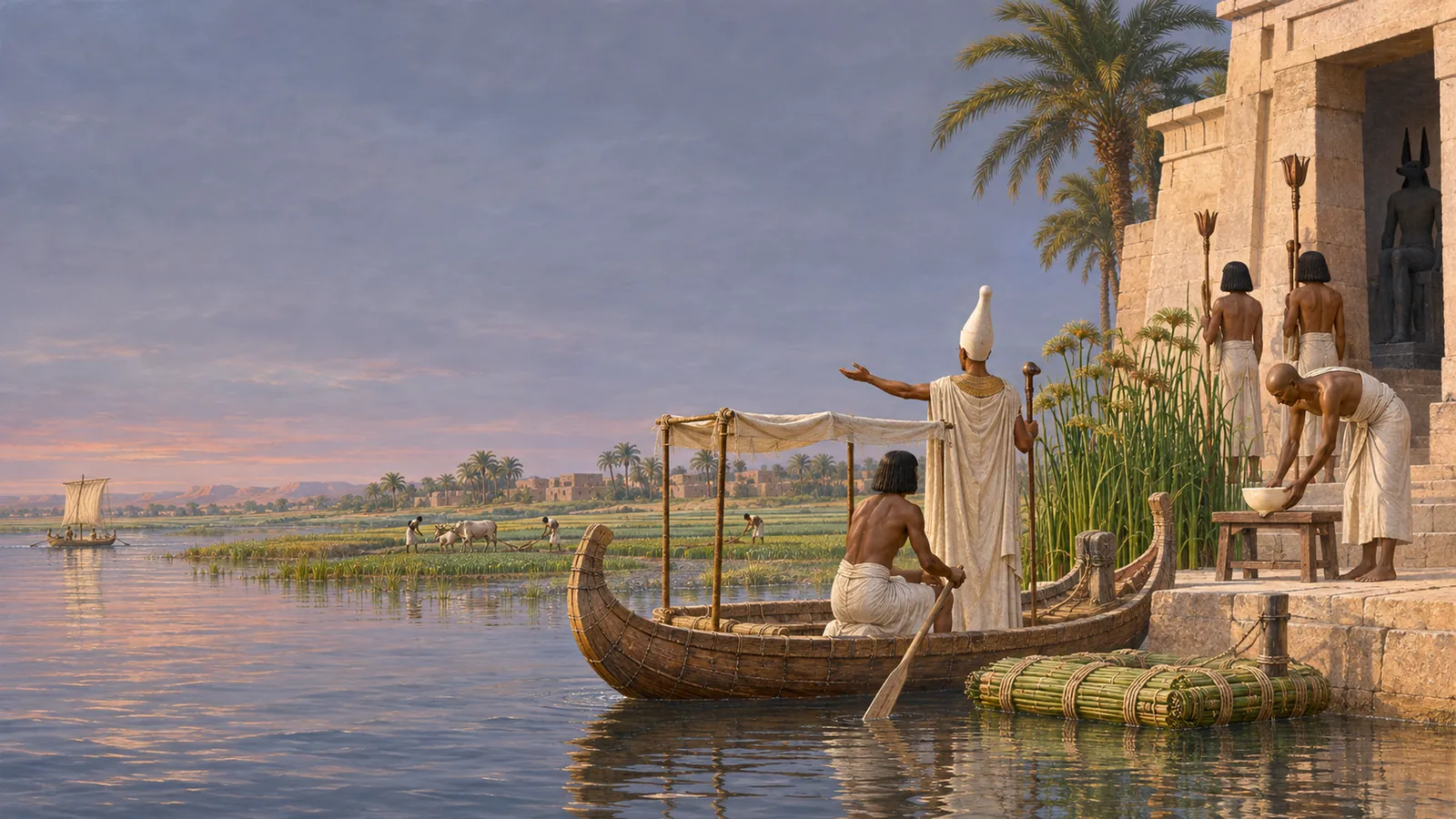
Quando lhe perguntam se é um ocidental puro, o recitante responde que vem da Cidade do Falcão. Depois saúda o Campo do Repouso e diz que a sua vegetação pura lhe pertence.
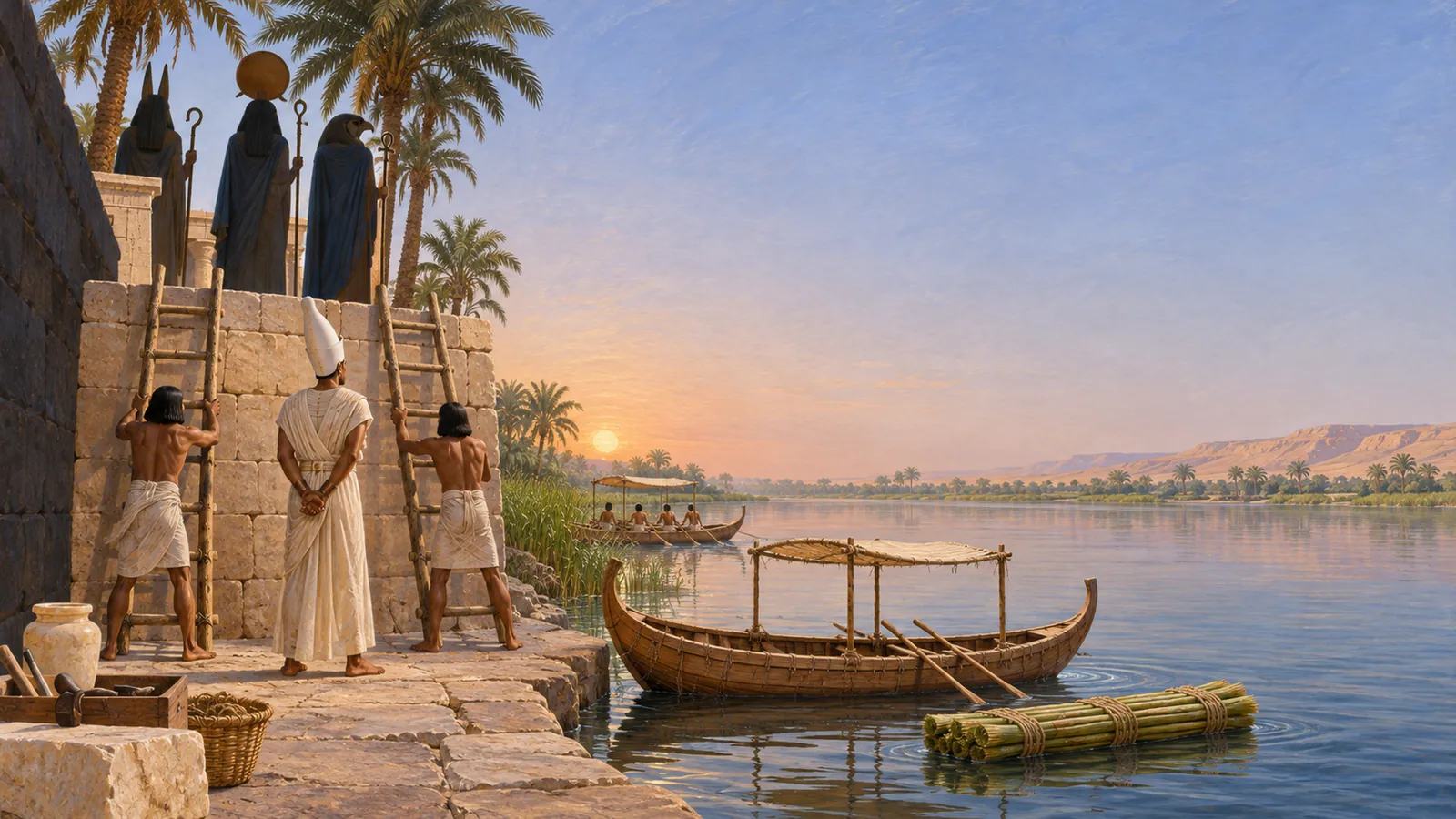
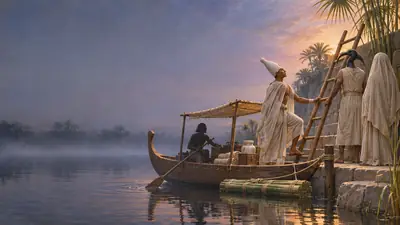
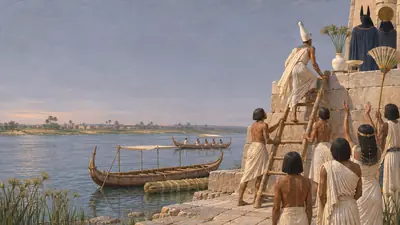
O Sol atou uma escada diante de Osíris e Hórus atou outra diante do seu pai. Com uma escada de cada lado, o recitante diz que está entre as duas.
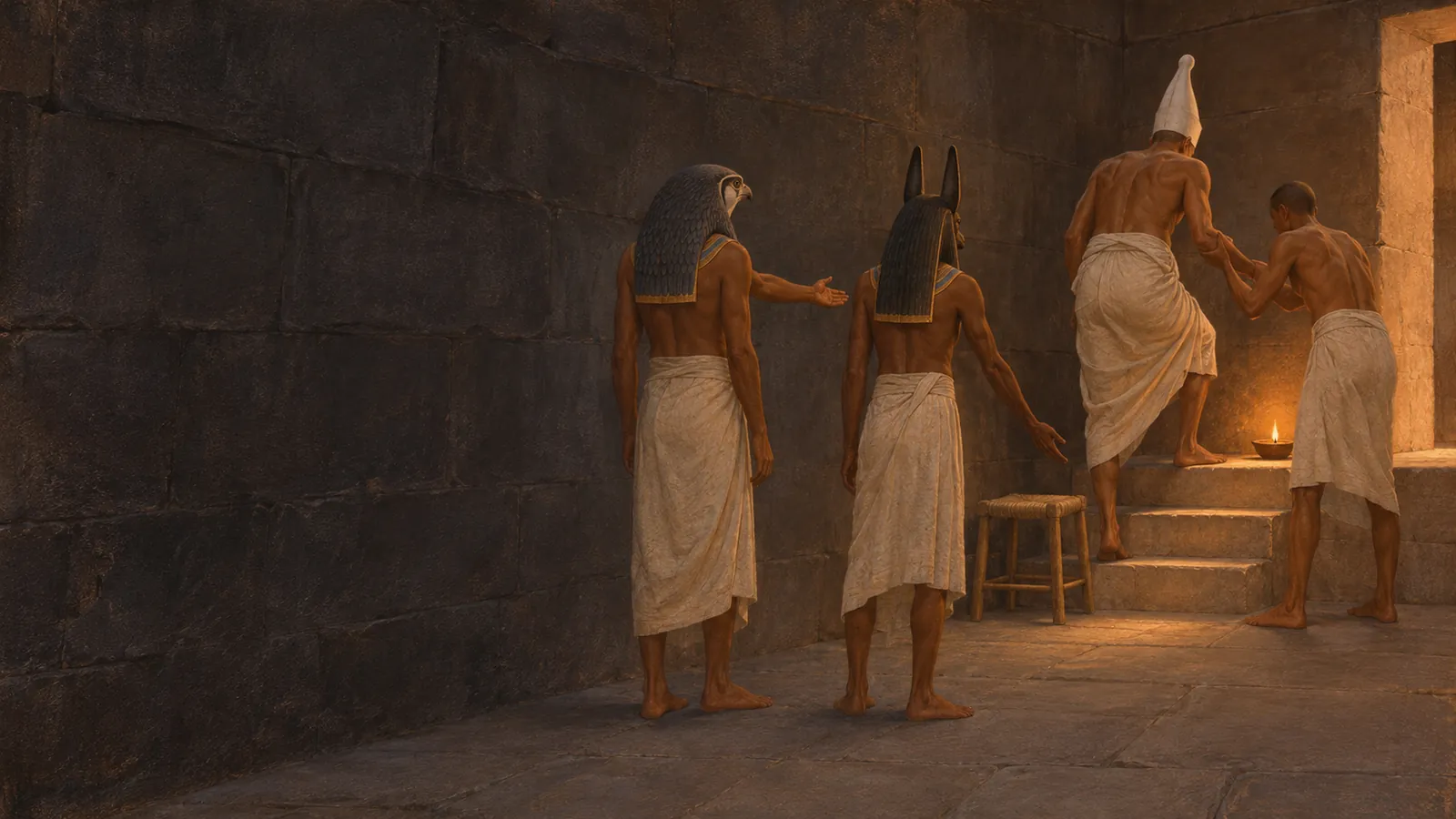
Quando lhe perguntam se é um deus de lugares puros, diz que veio de um lugar puro. Hórus manda-o levantar-se, Set manda-o sentar-se, e o Sol pede que lhe recebam o braço.
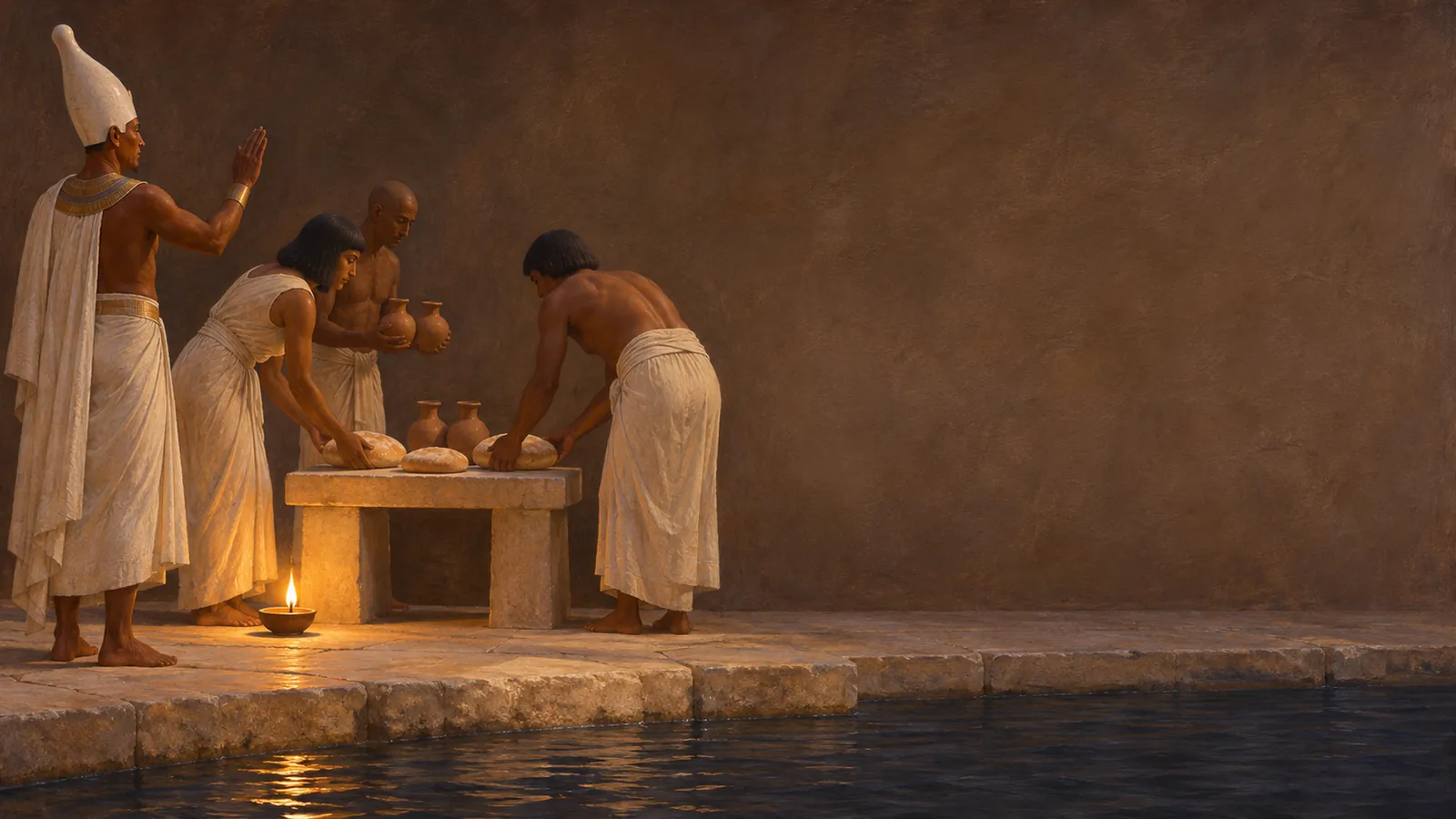
A fórmula encaminha o akh para o céu e o corpo para a terra. Depois menciona mil porções de pão e mil de cerveja da mesa de oferendas do Primeiro dos Ocidentais.
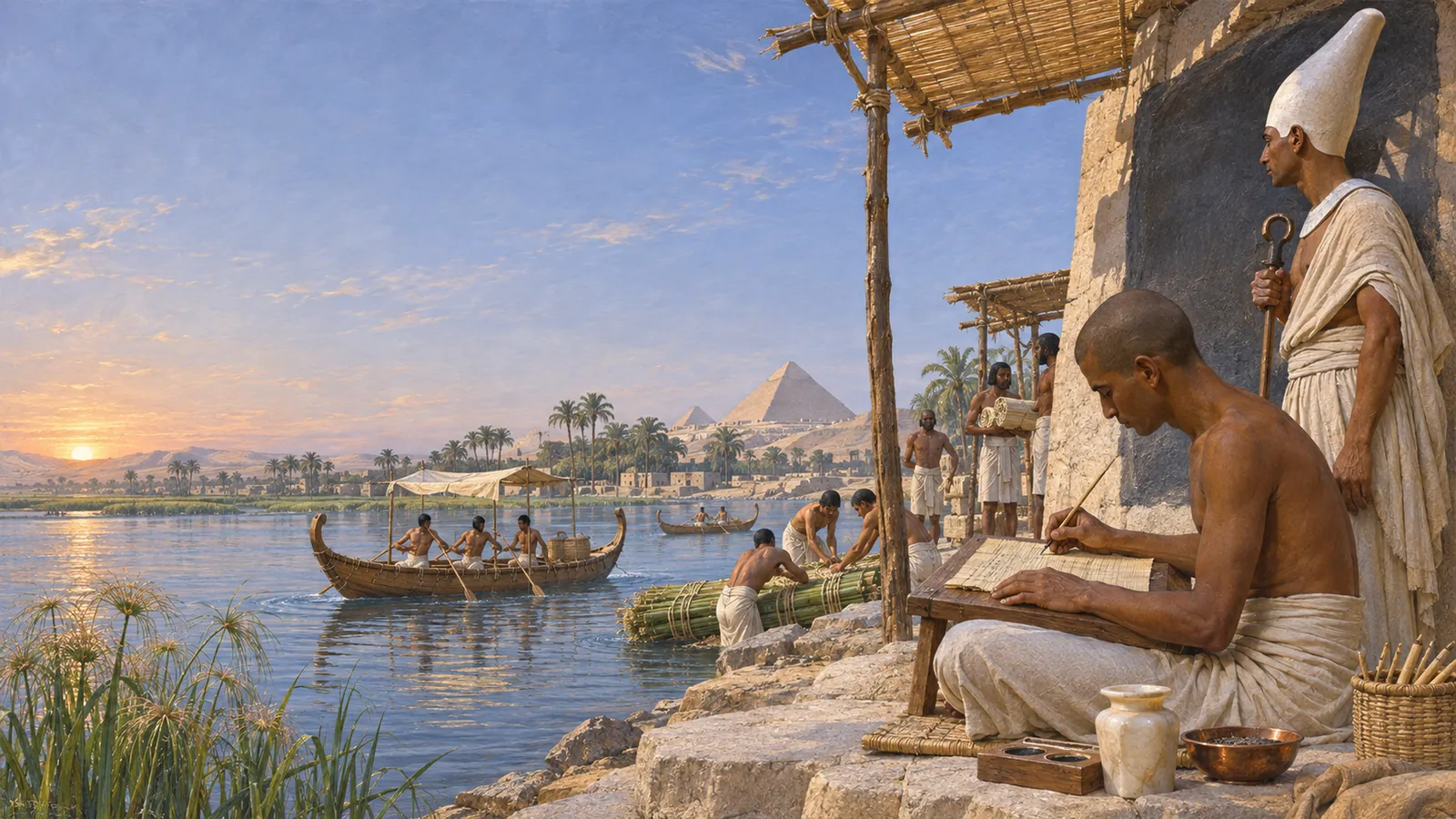
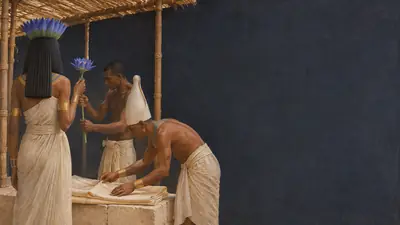
O recitante diz que um herdeiro fica desamparado sem um documento escrito. Acrescenta que escreve com o dedo maior e deixa o dedo pequeno sem uso.
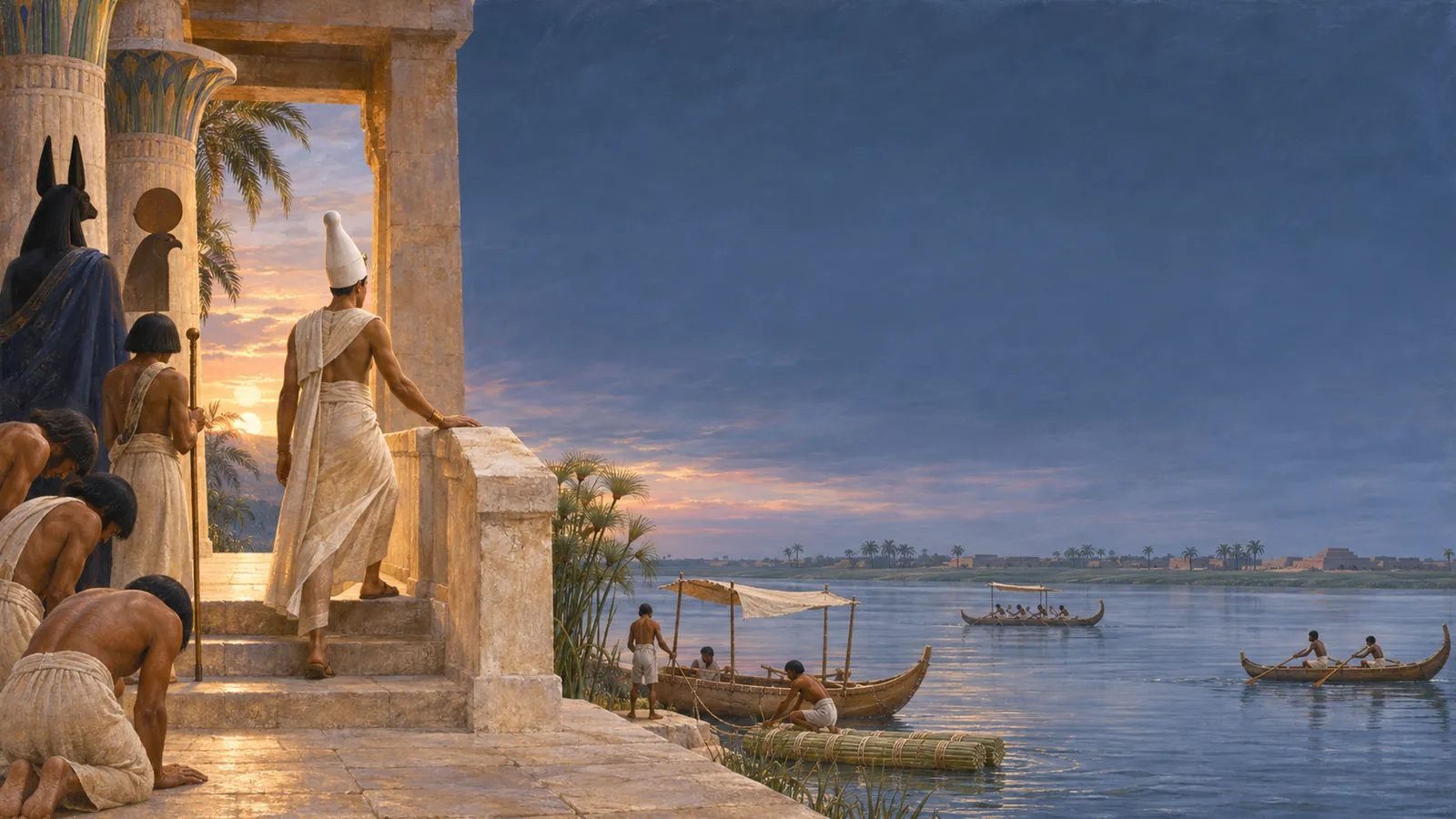
Os deuses aclamam a visão do pai que sai em direção ao céu. Descrevem a sua majestade acima dele, a sua ferocidade aos lados e a sua magia aos pés. Dizem que Geb agiu por ele.
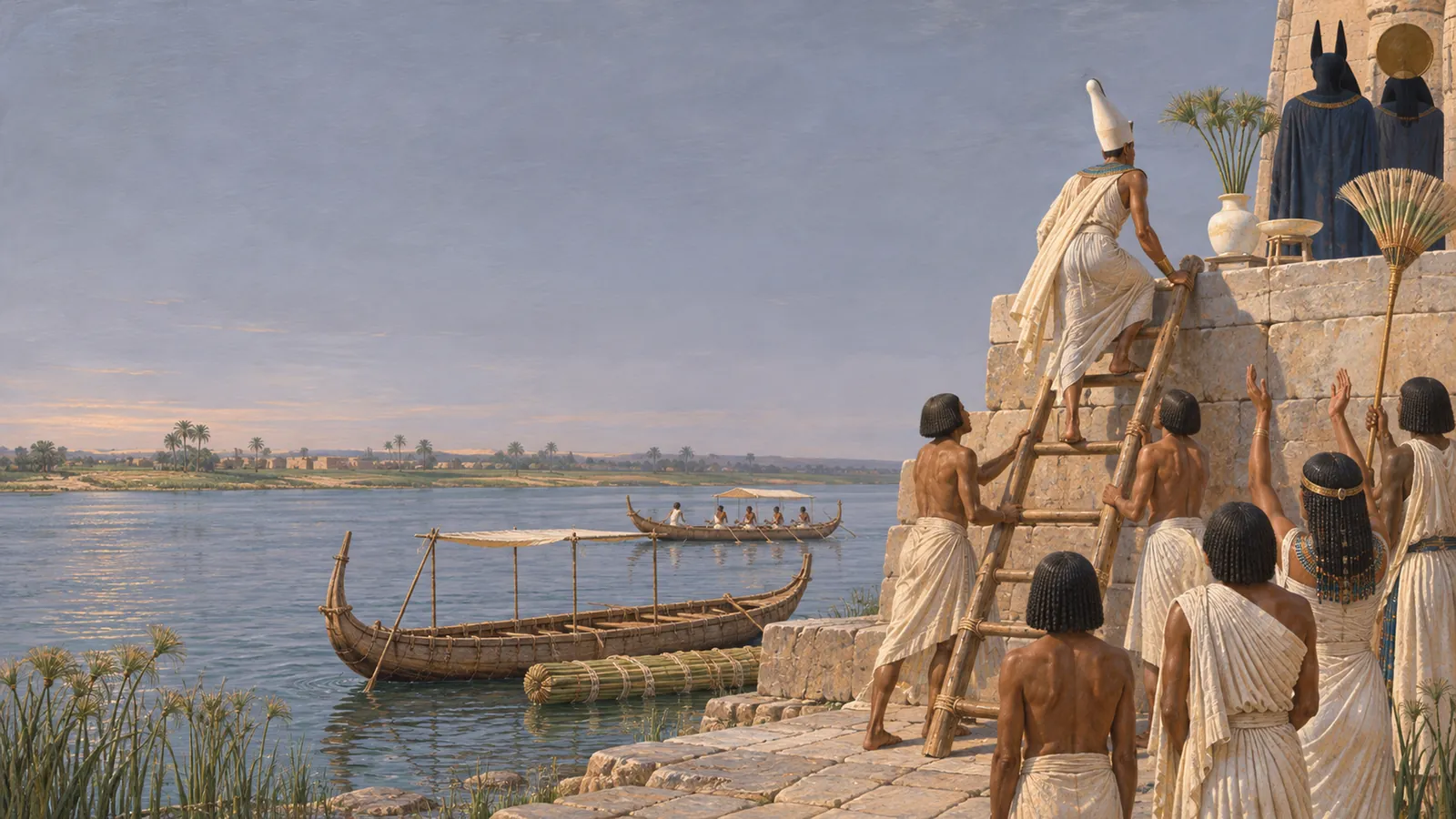
Os espíritos de Pe e de Nequen chegam com os deuses do céu e da terra para transportar quem fala. Ele deverá subir pelo céu, que toma a forma de uma escada.
CÉU E TERRA
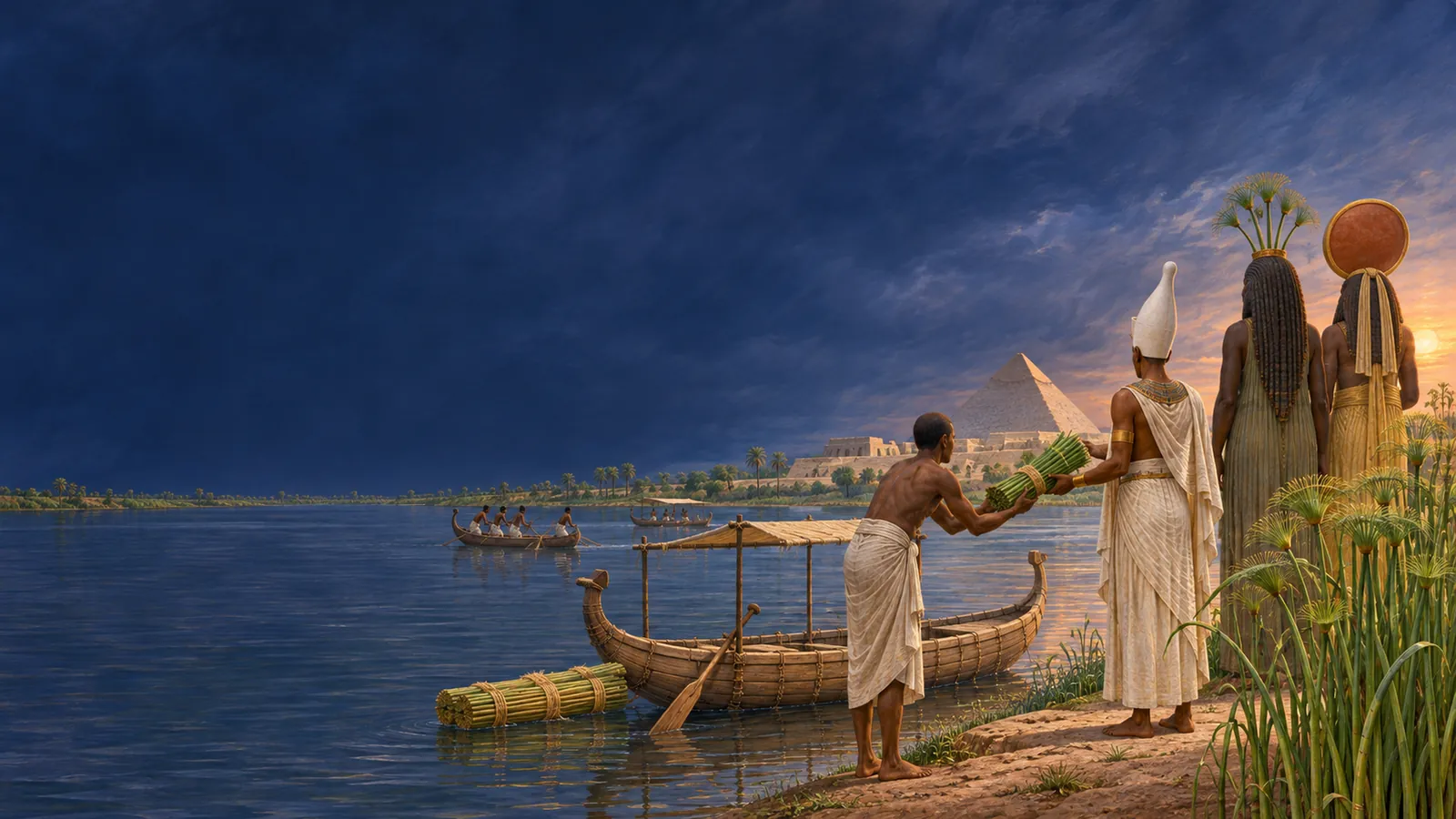
Atum declara que o céu e a terra são dados a quem fala. Geb diz que os montes e o Campo dos Juncos o honrarão como deus da Manhã, tal como Sobek sob os mangais.
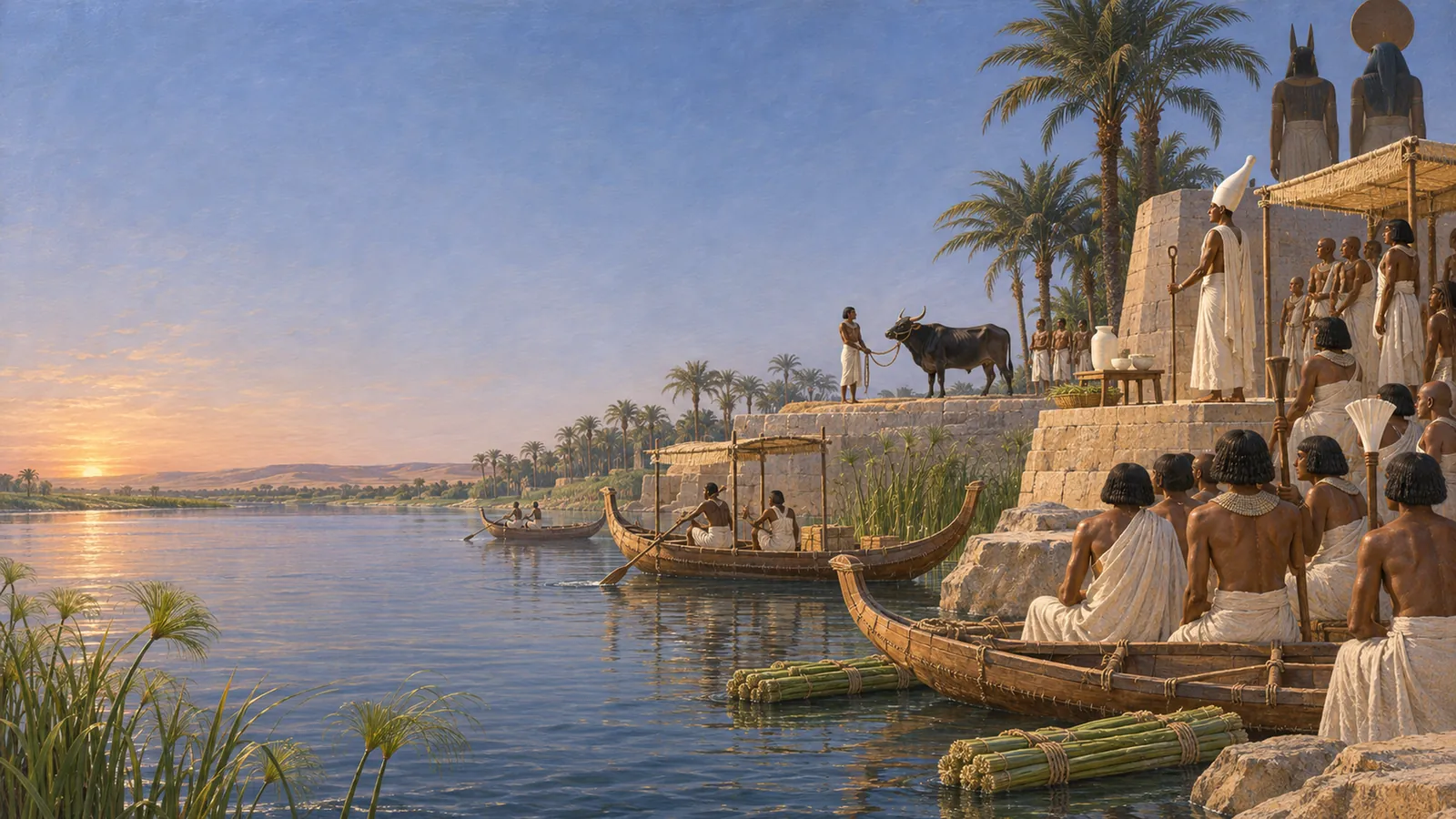
Geb pergunta se Set o matou pensando que morreria. Depois declara que quem fala perdura mais do que Set na forma de um touro selvagem e manda-o manter-se à frente dos akhs.
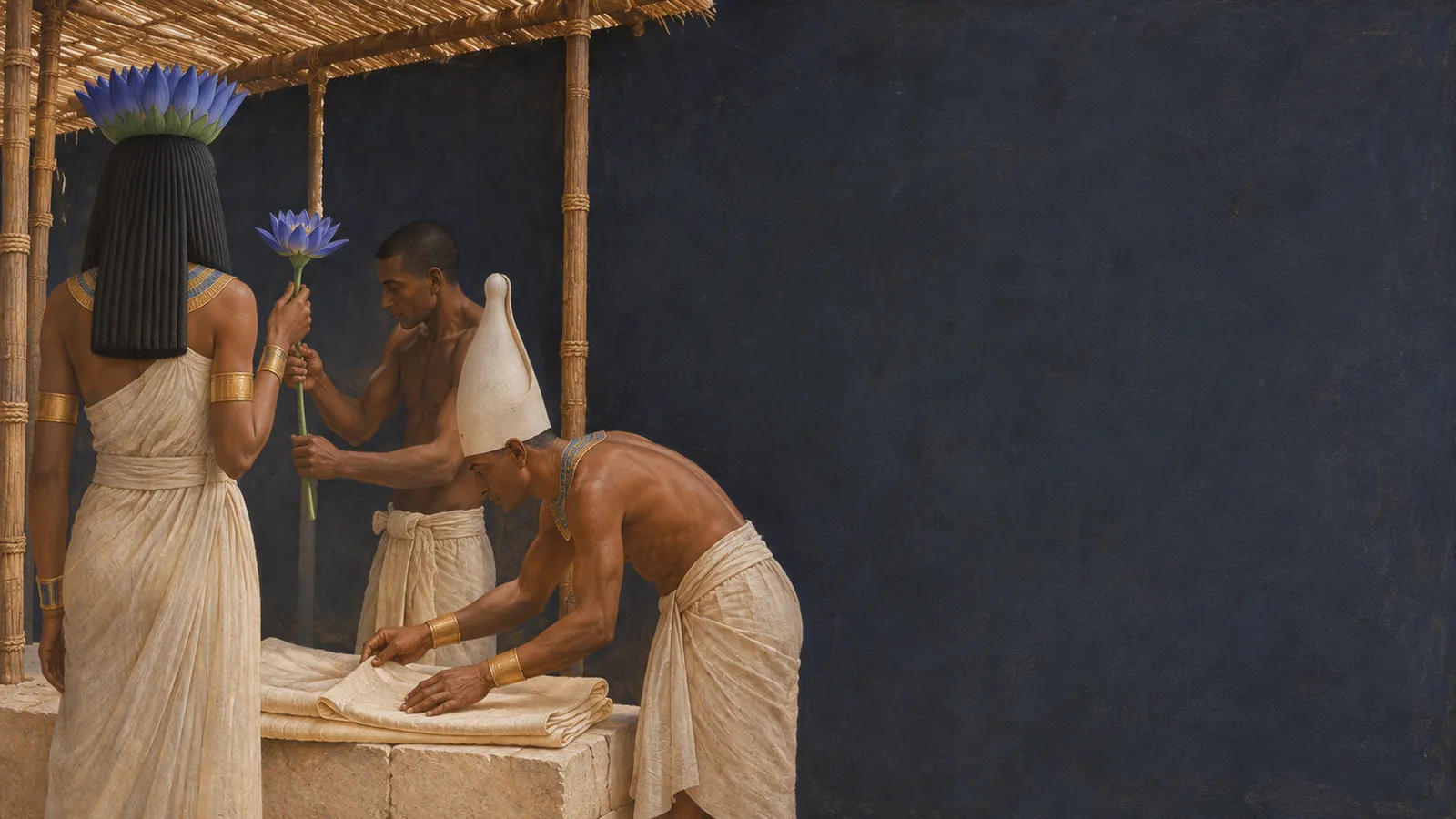
Quem fala diz que os seus pais são de Heliópolis e que lá nasceu. Nomeia-se Nefertem sem igual e herdeiro do seu pai Geb.
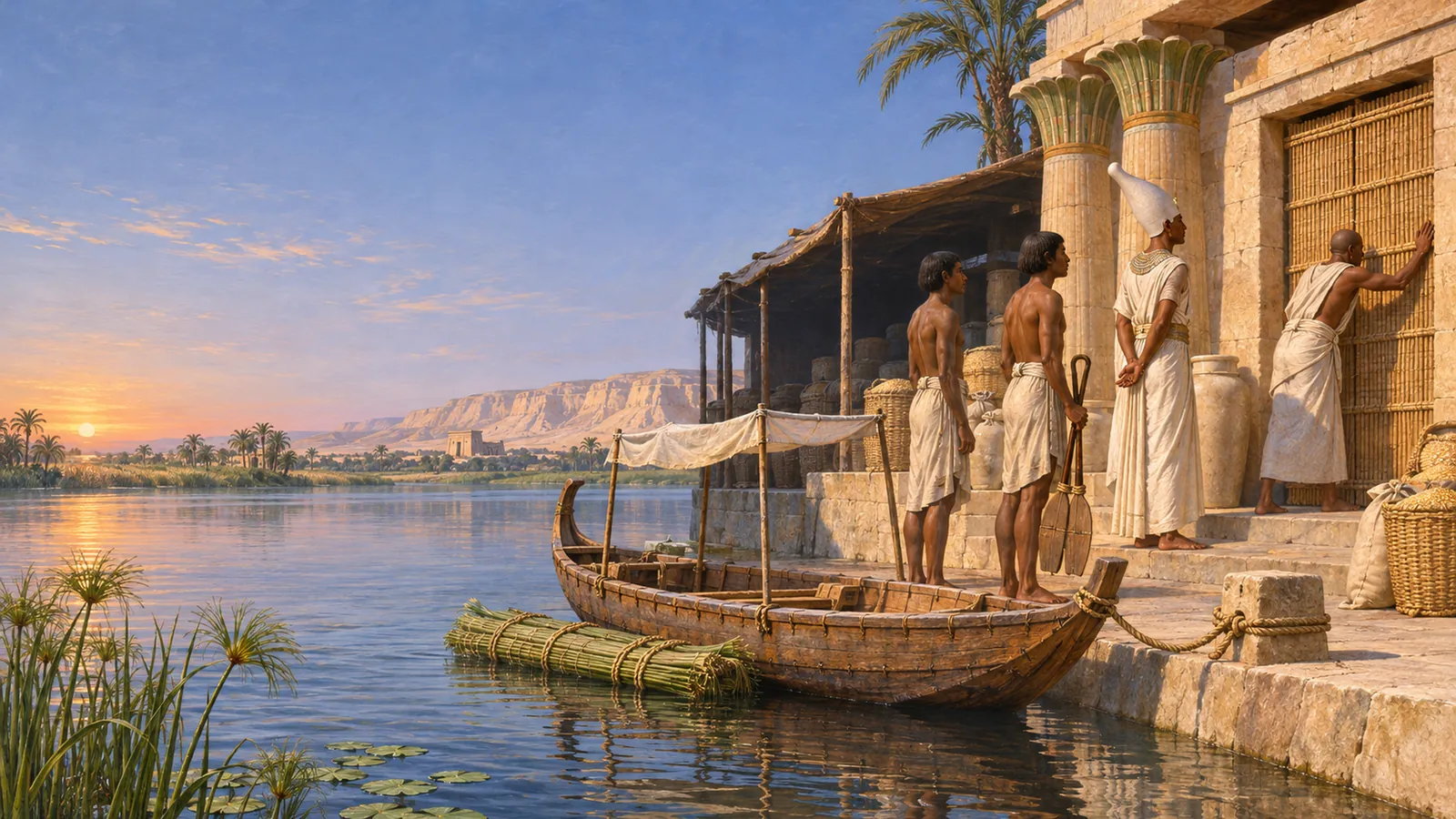
Quem recita avisa qualquer deus que se lhe oponha enquanto se volta para o Sol. Esse deus não receberá alimento, e a barca do dia, a barca da noite e o armazém ficarão fechados para ele.
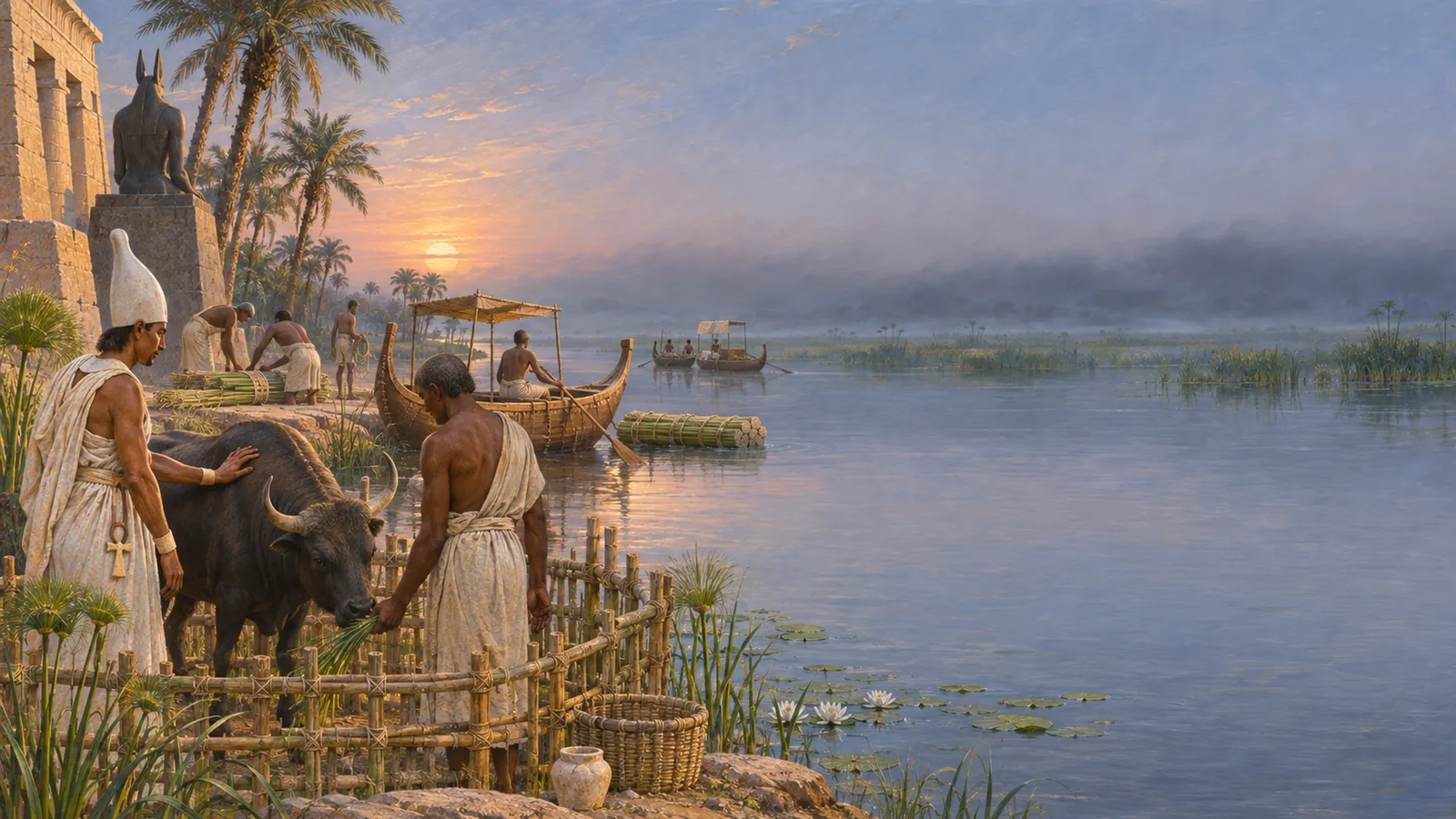
Quem fala chama a si mesmo touro selvagem de Heliópolis. Depois dirige-se a um touro selvagem e diz que lhe deu nascimento e pode fazê-lo de novo.
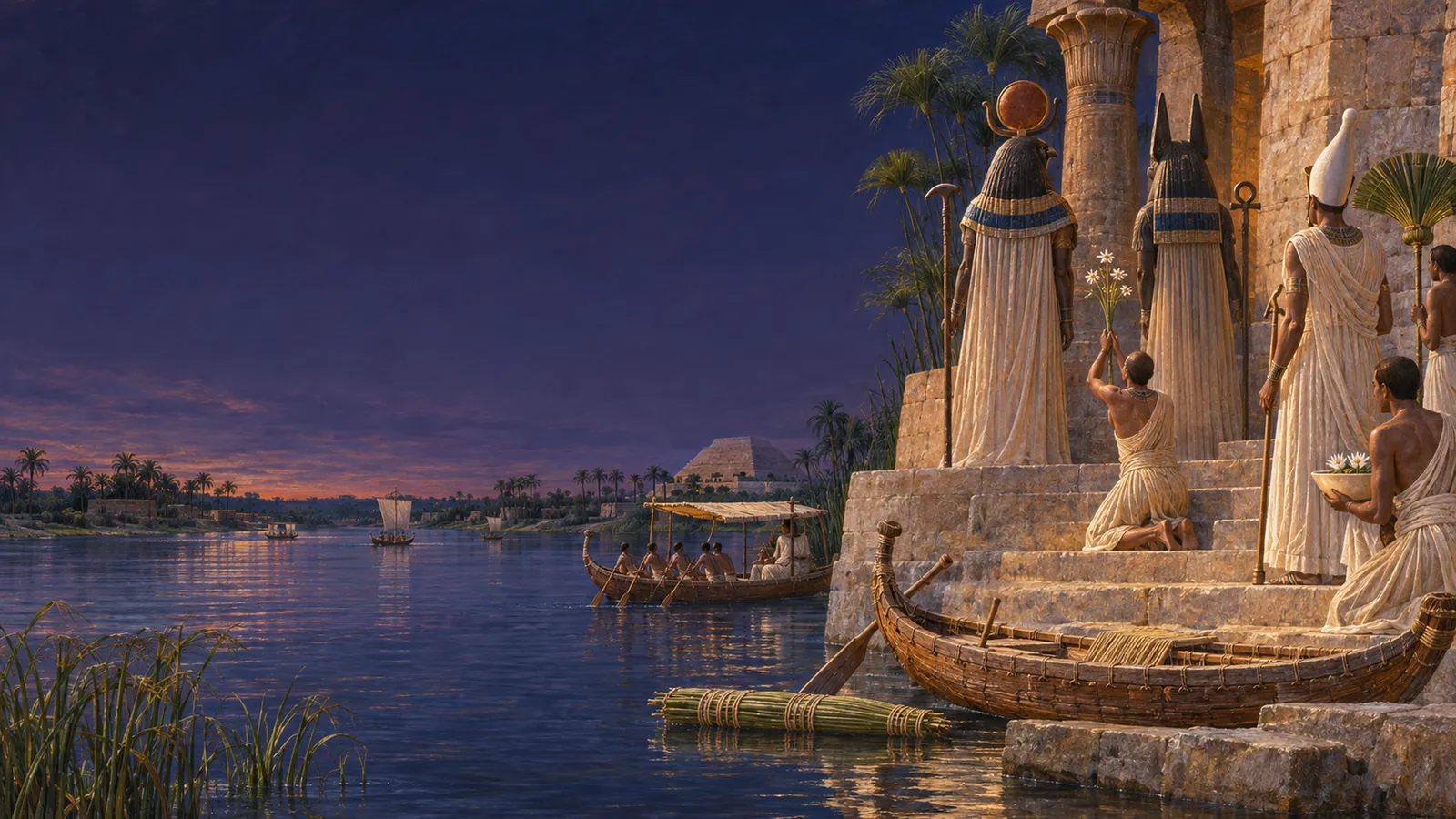
Quem fala saúda Hórus e Set nos seus montes, o junco no Campo dos Juncos e os dois deuses reconciliados. Compara o seu olhar ao de vários encontros entre os deuses.
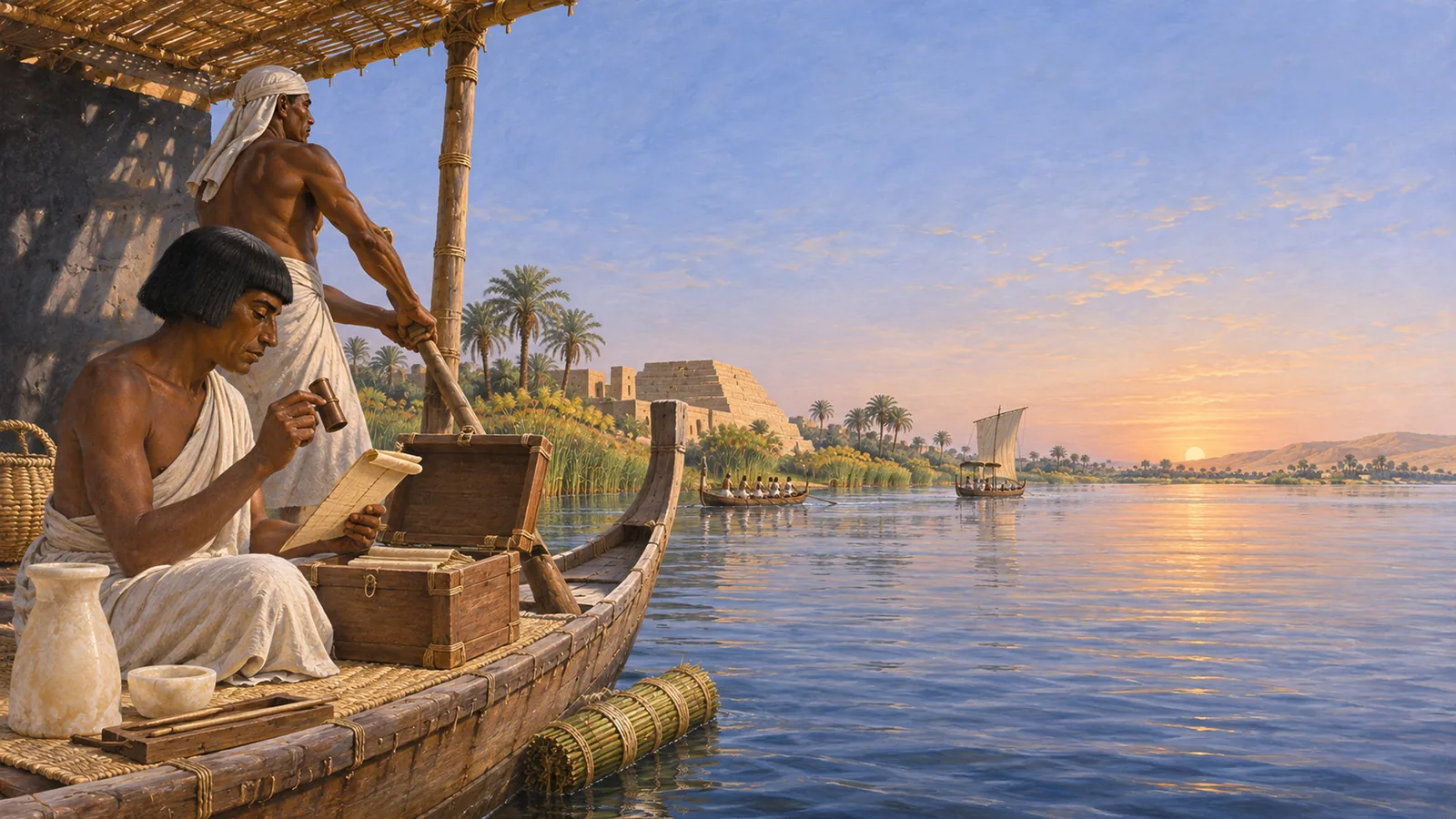
Quem fala chama a si mesmo contabilista dos deuses no recinto do Sol. Diz que aquela que está à proa o deu à luz. Agora serve o Sol, abre os seus cofres e decretos, sela documentos e envia mensageiros.
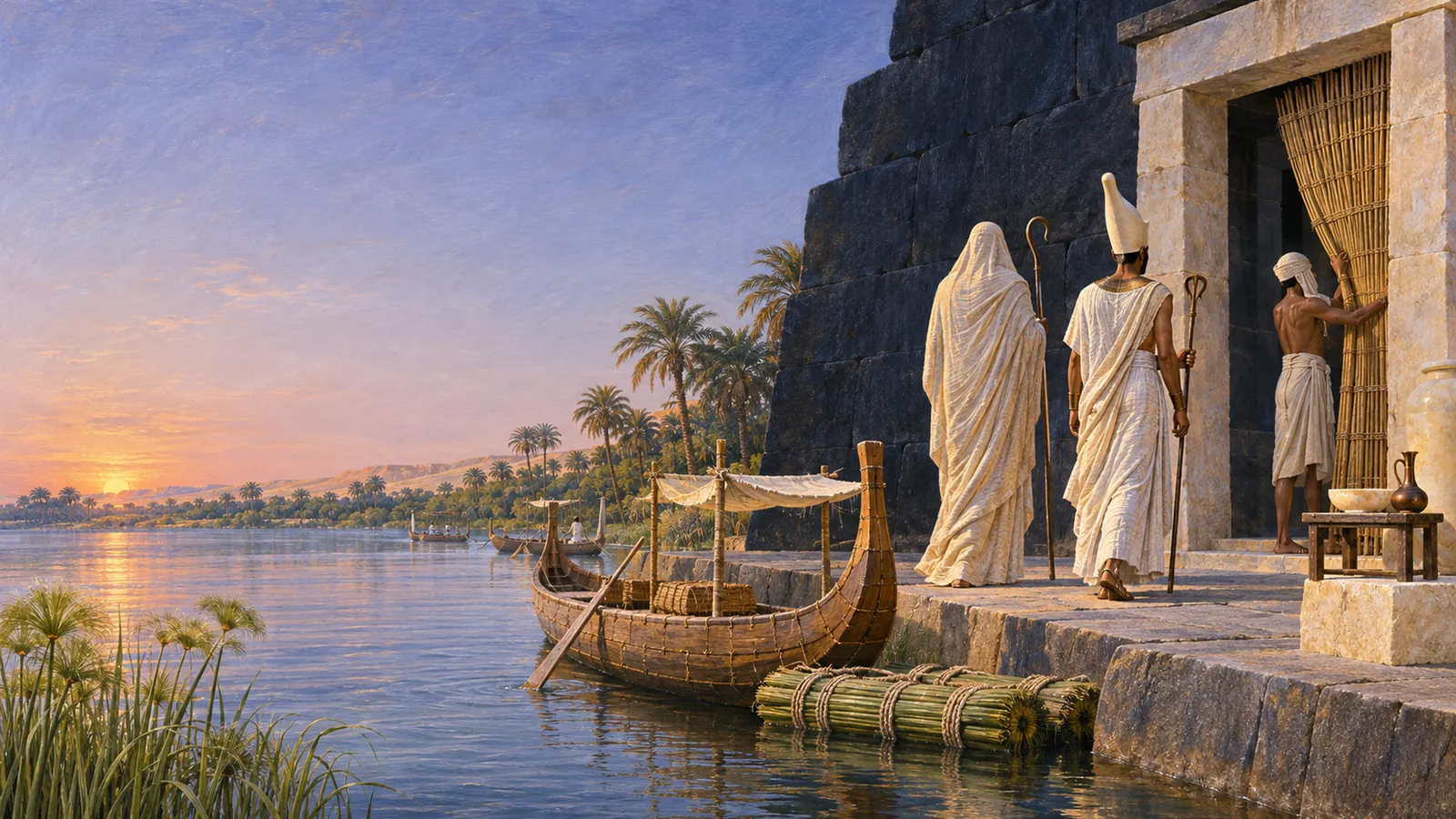
Quem fala diz que toda a maldição, insulto, golpe ou obstáculo levantado contra si recairá também sobre Atum. Fala como Hórus, seguindo o seu pai Osíris.
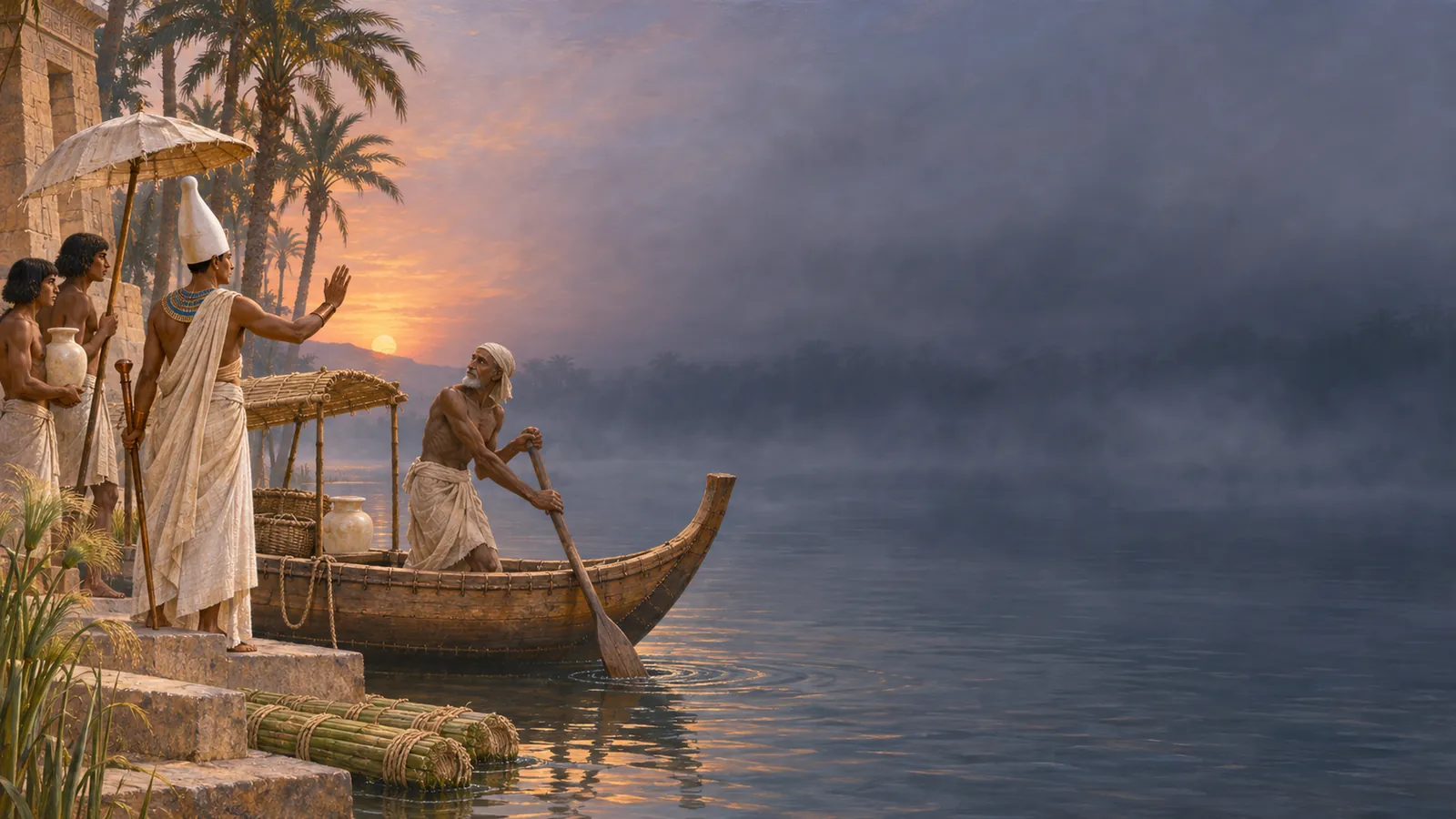
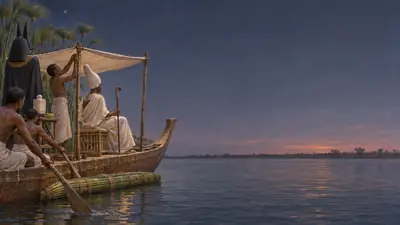
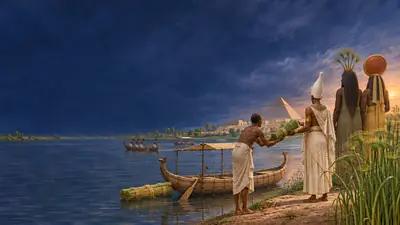
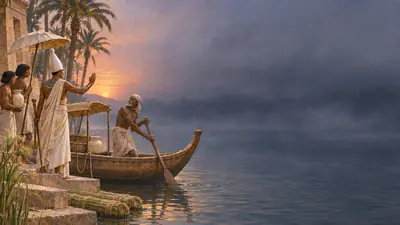
Quem fala pede uma barca ao barqueiro que olha em ambas as direções. Quando lhe perguntam qual, nomeia a que chega a terra de cada vez que voa.
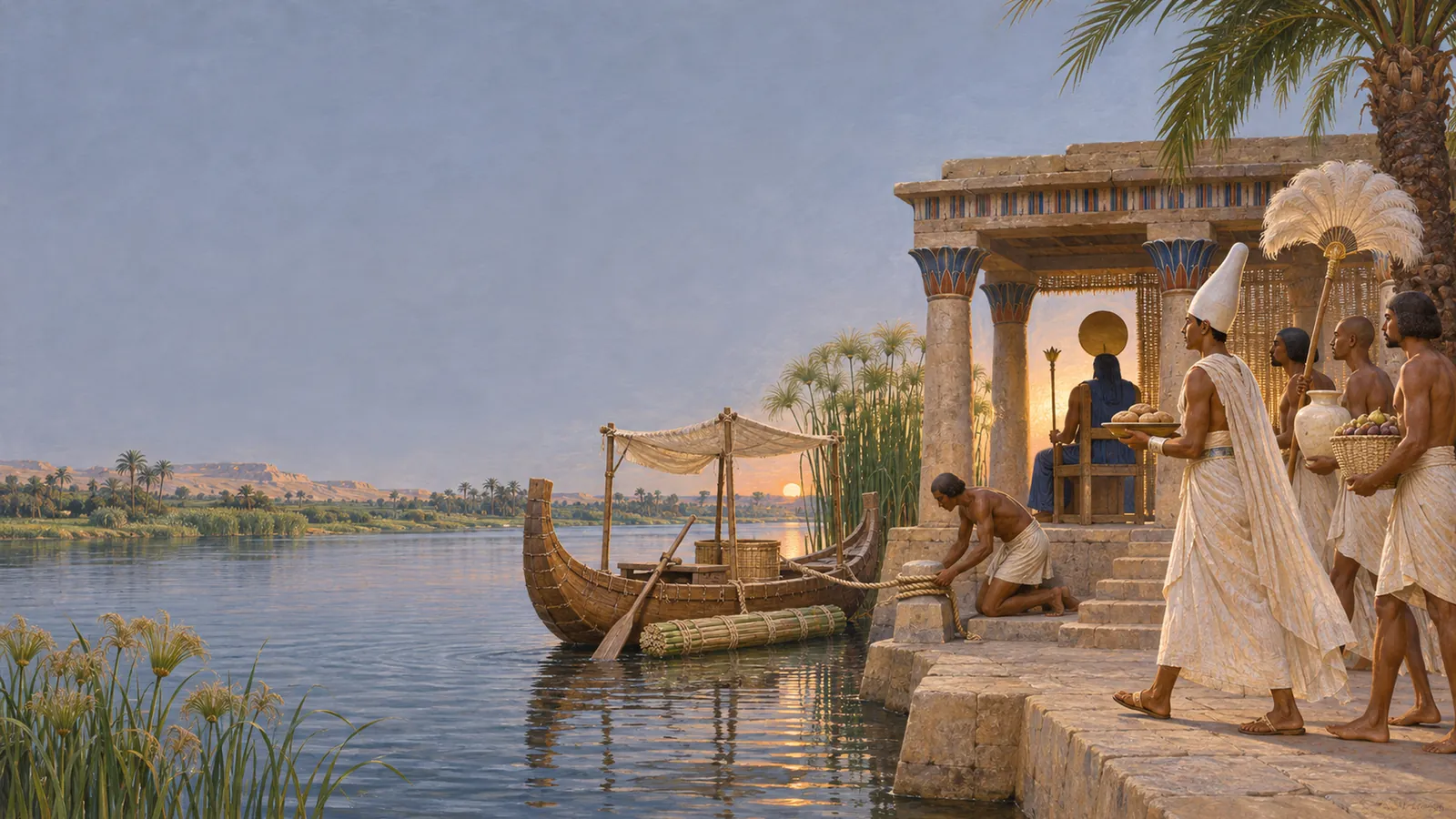
Chama pelo Sol para que o reconheça. Recorda a oferenda ao falar da abertura do Akhet à barca do dia e do pavilhão, nas alturas, onde o Sol embarca na barca da noite.
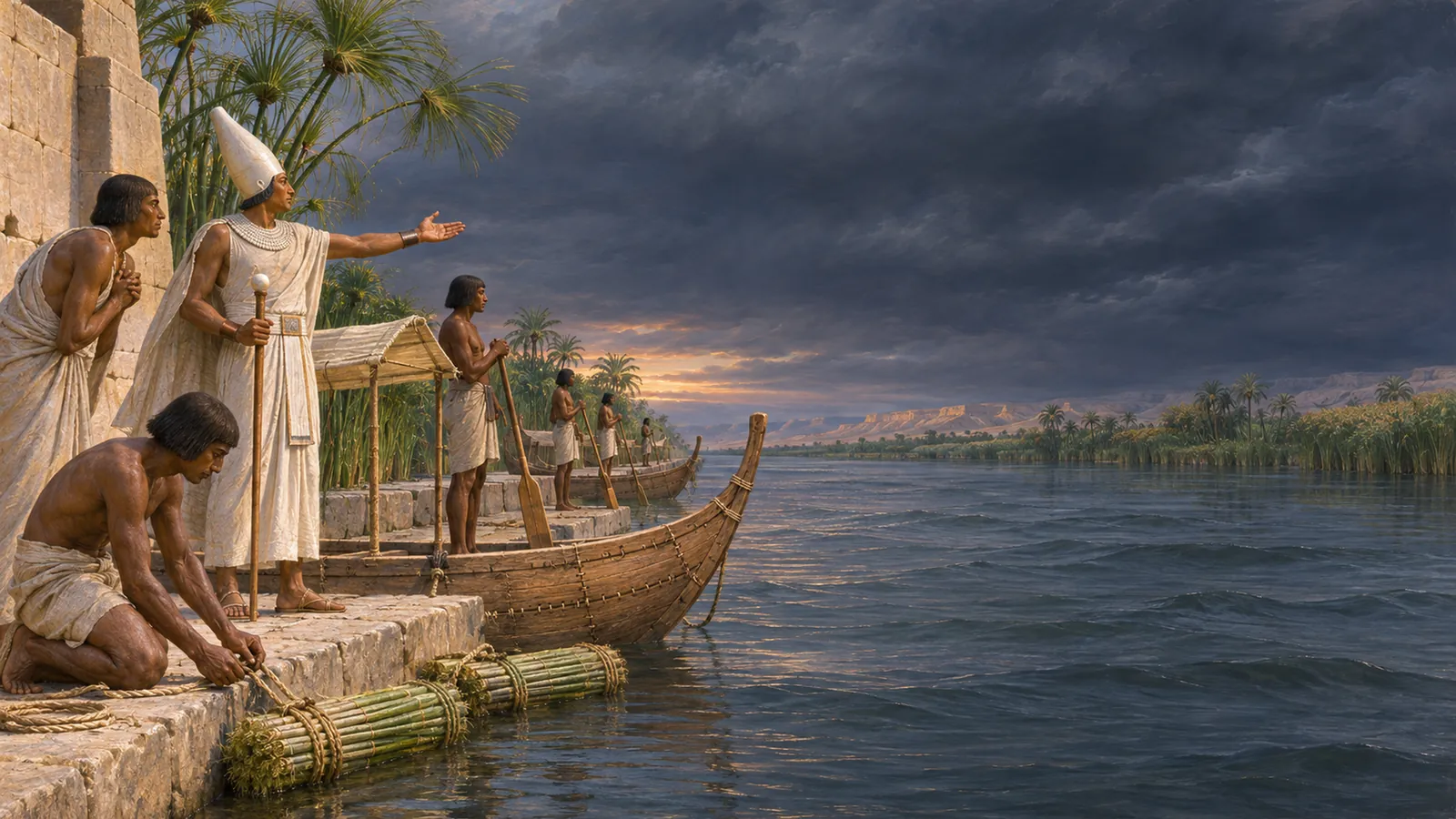
Pede ao Sol que o recomende aos quatro que olham em ambas as direções. A indicação pede quatro recitações sem pausa. Pede licença para se aproximar e falar da grande inundação.
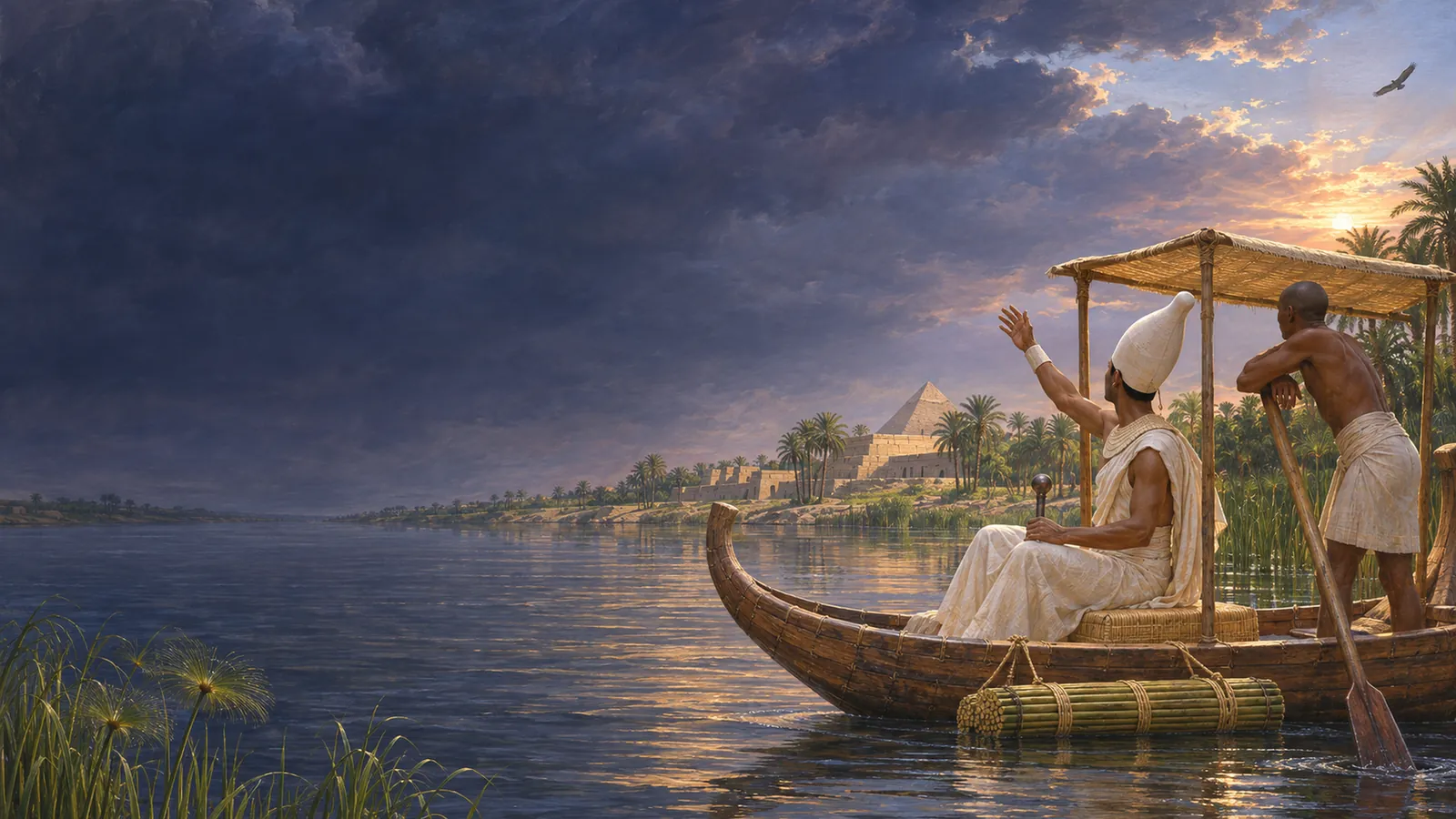
Diz que a escuridão ou não ouvir a voz não lhe retiram a vista nem a audição. Se o levarem, dispersará a cheia, as nuvens e o granizo. Colocado sobre o corpo do abutre, dará louvor após louvor.
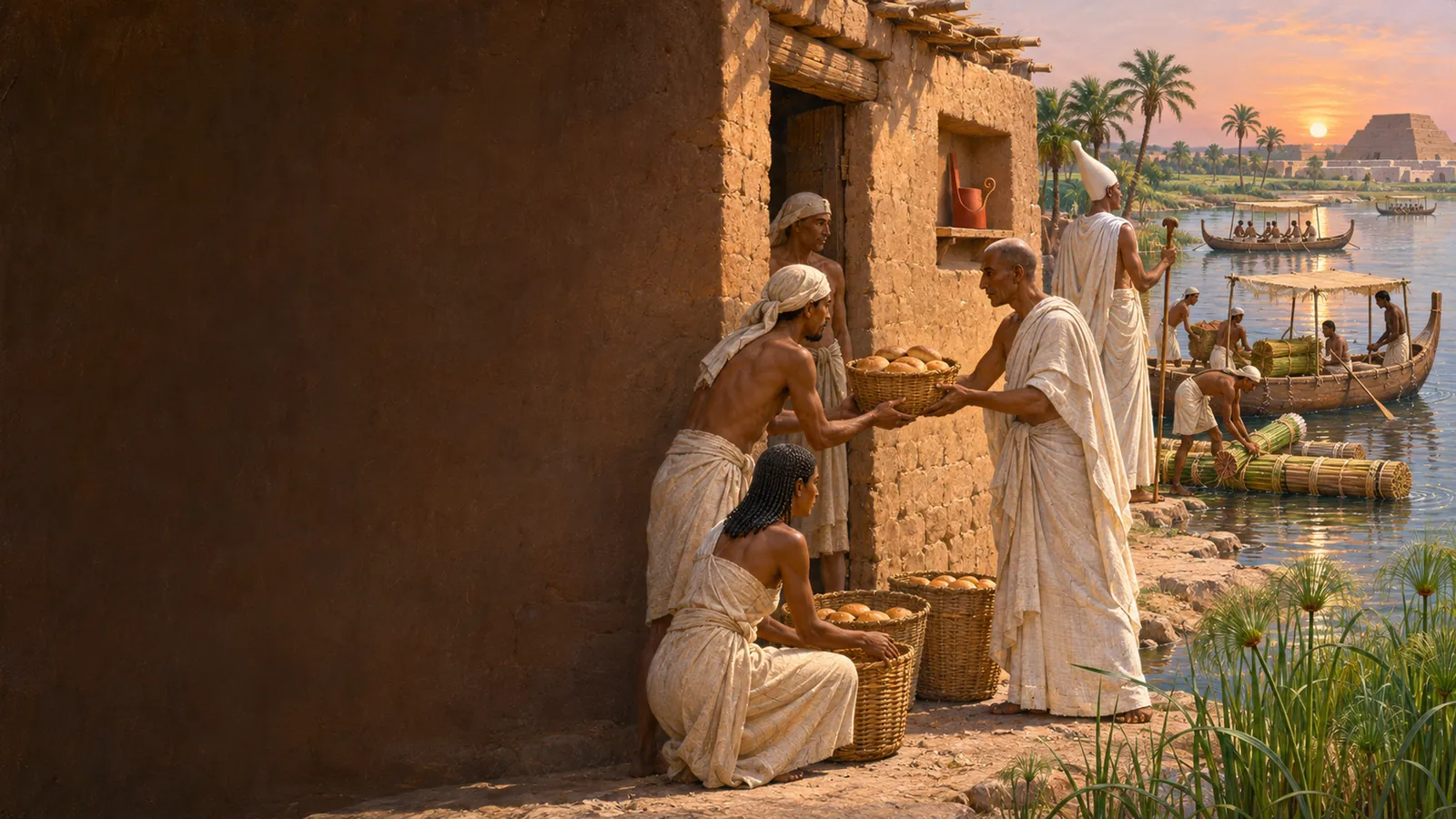
O PÃO VOADOR
Nas últimas palavras desta sequência, diz-se que o pão voou em direção aos recintos daquele que está associado à Coroa Vermelha.
Fim do capítulo 1
Todas as páginas
Fontes
The page notes use the book’s printed page numbering. The decorated corridor sequence beginning with PT 313 is a separate section.
Edições consultadas
- James P. Allen, The Ancient Egyptian Pyramid Texts, second edition, SBL Press, 2015
- Allen, Unis, Spells for Leaving the Akhet, from PT 300, printed page 59
- Allen, Unis, the close of PT 312, printed page 63
- Allen, Unis’s pyramid and the transmission of the spells, printed pages 17–18
Notas sobre este reconto
Pages 01–02 (Allen, The Ancient Egyptian Pyramid Texts, 2nd ed., 2015, Unis, PT 300, p. 59). The recitation addresses the netherworlder of Nezat and separately the ferryman of a craft Khnum made. Allen leaves the craft term jqht untranslated and supplies “ferryboat” in parentheses when the speaker requests it. The speaker names himself Sokar of Rasetjau while announcing that he is going to Sokar, lord of Spread Lake. The short last appeal asks the two addressed to get stretches of desert. Nezat, Rasetjau and Spread Lake mark places within the recitation.
Pages 03–04 (PT 301, p. 59). Nu and Undersky come first, followed by Amun and Amaunet, then Atum and Dual-Lion. The next line about making their two gods and their own body gives Shu and Tefnut as the identification, followed by several expressions for bringing the gods into being. Nu here follows Allen’s edition spelling and refers to the Egyptian primordial waters, whose catalogue entry uses Nun.
Pages 05–06 (PT 301, p. 59). The loaves and the satisfaction they bring lead to the appeal for passage to the addressed pairs’ father at the Akhet. The speaker says he knows him, repeats the name Continual and names him lord of the year. The following invocation addresses Horus.
Pages 07–08 (PT 301, p. 59). Horus’s arms are described as a weapon in the line on the starry sky. The appeal connects Horus bringing life to the sun every day with the reciter’s own daily life. The speaker names Horus of Shat, of Shezmet and of the east, then says he retrieved the eastern eye from a cavern.
Page 09 (PT 301, p. 59). Allen’s translation gives water, gore and vapour in the three short clauses about the eye and being made well. Allen places the repeated verb “receive” in parentheses in the water clause. Further forms name the god’s shawl, the Sun, fine oil, willow, faience and the jubilation oil of Renenutet.
Page 10 (PT 301, p. 59). The great one of the reed float is called to rise as Paths-Parter, effective and emerging from the Akhet. Allen’s line associates the crown with elders and foremost foreigners of Libya, using his English geographic label in an ancient textual context.
Pages 11–12 (PT 301, p. 60). Sobek of Bakhu courses through his fields and mangroves and smells the fumes of Shezmet. The speaker asks for his ka to ascend along with him. In the next appeal the speaker asks to be made clean and bright in the Jackal’s lake, where the gods are cleansed, then addresses Horus as lord of malachite. The printed rubric gives four recitations and a pair of green falcons. The edition supplies no physical identification for those falcons here.
Pages 13–14 (PT 302, p. 60). Allen explains it as the red dawn sky (note 72, p. 67). The speaker then claims an enduring home for the sky and a seat for the earth that will endure.
Pages 15–18 (Allen, The Ancient Egyptian Pyramid Texts, 2nd ed., 2015, Unis, PT 302, p. 60). Sothis carries the first-person speaker among the gods. Nut offers her arms, and the two foremost bas of Heliopolis, who have spent the night mourning the god, kneel near the sun. He says no case or guilty judgment stands against him and that he cleared the case against his ascent.
Pages 19–20 (PT 303, p. 60). The invocation names the four directions and asks for the four clean reed floats prepared when Osiris crossed to the Cool Waters with Horus. That passage adds that Osiris was to foster his son and have him appear as the great god there. The reply identifies the reciter as Horus, Osiris’s son, then as the senior god and Hathor’s son, and as Geb’s offspring. Allen supplies the speech tag identifying the gods. Osiris commands the second-Horus appearance and four akhs in Heliopolis record it in a title for the two great gods of the Cool Waters.
Page 21 (PT 304, p. 60). The greeting joins Anubis’s daughter, Thoth and the uprights of the ladder in the sky’s Looking Waters. Allen says Thoth endowed her. His note 73 (p. 67) reports a later Middle Kingdom title referring to tying a ladder in the necropolis for this spell and PT 305. That later title is evidence from another witness.
Pages 22–23 (PT 304, p. 61). The addresses turn to the ostrich at the Winding Canal and the sun’s steer. The four horns point west, east, south and north. The speaker asks for the western one to bend. Allen supplies the questioning speech tag in parentheses and leaves the questioner unidentified. The reply names Falcon-Town, followed by a greeting to the Field of Rest and the growth the speaker claims as his own.
Pages 24–25 (PT 305, p. 61). The sun and Horus each tie a ladder before Osiris, with a ladder on either side of the speaker. The second clause connects the ladder with going to his akh. The responses remain in sequence. Horus says to stand, Seth says to sit, and the sun says his arm should be received. The telling keeps those voices distinct.
Pages 26–27 (PT 305, p. 61). The formula sends the akh to the sky and the corpse to the earth, then names a thousand of bread and a thousand of beer from the offering table of the Foremost of Westerners. The closing lines describe an heir’s need for writing and contrast the larger and little fingers. Allen reads the document as an inheritance deed in note 74 (p. 67), where he also explains the ritual association of the little finger with curses. The spell names the larger finger without identifying it as the thumb.
Page 28 (PT 306, p. 61). The gods acclaim the departure skyward of the god, whom they call father, and speak of his majesty, fierceness and magic. Their praise precedes the separate lines about those arriving to carry him on page 29.
### The sky ladder and the ferryman
Os versos antigos de cada página
- Page 1: Allen, The Ancient Egyptian Pyramid Texts, 2nd ed. (2015), Unis, PT 300, p. 59
- Page 2: Allen, The Ancient Egyptian Pyramid Texts, 2nd ed. (2015), Unis, PT 300, p. 59
- Page 3: Allen, The Ancient Egyptian Pyramid Texts, 2nd ed. (2015), Unis, PT 301, p. 59
- Page 4: Allen, The Ancient Egyptian Pyramid Texts, 2nd ed. (2015), Unis, PT 301, p. 59
- Page 5: Allen, The Ancient Egyptian Pyramid Texts, 2nd ed. (2015), Unis, PT 301, p. 59
- Page 6: Allen, The Ancient Egyptian Pyramid Texts, 2nd ed. (2015), Unis, PT 301, p. 59
- Page 7: Allen, The Ancient Egyptian Pyramid Texts, 2nd ed. (2015), Unis, PT 301, p. 59
- Page 8: Allen, The Ancient Egyptian Pyramid Texts, 2nd ed. (2015), Unis, PT 301, p. 59
- Page 9: Allen, The Ancient Egyptian Pyramid Texts, 2nd ed. (2015), Unis, PT 301, p. 59
- Page 10: Allen, The Ancient Egyptian Pyramid Texts, 2nd ed. (2015), Unis, PT 301, p. 59
- Page 11: Allen, The Ancient Egyptian Pyramid Texts, 2nd ed. (2015), Unis, PT 301, p. 60
- Page 12: Allen, The Ancient Egyptian Pyramid Texts, 2nd ed. (2015), Unis, PT 301, p. 60
- Page 13: Allen, The Ancient Egyptian Pyramid Texts, 2nd ed. (2015), Unis, PT 302, p. 60
- Page 14: Allen, The Ancient Egyptian Pyramid Texts, 2nd ed. (2015), Unis, PT 302, p. 60
- Page 15: Allen, The Ancient Egyptian Pyramid Texts, 2nd ed. (2015), Unis, PT 302, p. 60
- Page 16: Allen, The Ancient Egyptian Pyramid Texts, 2nd ed. (2015), Unis, PT 302, p. 60
- Page 17: Allen, The Ancient Egyptian Pyramid Texts, 2nd ed. (2015), Unis, PT 302, p. 60
- Page 18: Allen, The Ancient Egyptian Pyramid Texts, 2nd ed. (2015), Unis, PT 302, p. 60
- Page 19: Allen, The Ancient Egyptian Pyramid Texts, 2nd ed. (2015), Unis, PT 303, p. 60
- Page 20: Allen, The Ancient Egyptian Pyramid Texts, 2nd ed. (2015), Unis, PT 303, p. 60
- Page 21: Allen, The Ancient Egyptian Pyramid Texts, 2nd ed. (2015), Unis, PT 304, p. 60
- Page 22: Allen, The Ancient Egyptian Pyramid Texts, 2nd ed. (2015), Unis, PT 304, p. 61
- Page 23: Allen, The Ancient Egyptian Pyramid Texts, 2nd ed. (2015), Unis, PT 304, p. 61
- Page 24: Allen, The Ancient Egyptian Pyramid Texts, 2nd ed. (2015), Unis, PT 305, p. 61
- Page 25: Allen, The Ancient Egyptian Pyramid Texts, 2nd ed. (2015), Unis, PT 305, p. 61
- Page 26: Allen, The Ancient Egyptian Pyramid Texts, 2nd ed. (2015), Unis, PT 305, p. 61
- Page 27: Allen, The Ancient Egyptian Pyramid Texts, 2nd ed. (2015), Unis, PT 305, p. 61
- Page 28: Allen, The Ancient Egyptian Pyramid Texts, 2nd ed. (2015), Unis, PT 306, p. 61
- Page 29: Allen 2015, The Ancient Egyptian Pyramid Texts, Unis PT 306, p. 61
- Page 30: Allen 2015, The Ancient Egyptian Pyramid Texts, Unis PT 306, p. 61
- Page 31: Allen 2015, The Ancient Egyptian Pyramid Texts, Unis PT 306, p. 61
- Page 32: Allen 2015, The Ancient Egyptian Pyramid Texts, Unis PT 307, p. 62
- Page 33: Allen 2015, The Ancient Egyptian Pyramid Texts, Unis PT 307, p. 62
- Page 34: Allen 2015, The Ancient Egyptian Pyramid Texts, Unis PT 307, p. 62
- Page 35: Allen 2015, The Ancient Egyptian Pyramid Texts, Unis PT 308, p. 62
- Page 36: Allen 2015, The Ancient Egyptian Pyramid Texts, Unis PT 309, p. 62
- Page 37: Allen 2015, The Ancient Egyptian Pyramid Texts, Unis PT 310, pp. 62–63
- Page 38: Allen 2015, The Ancient Egyptian Pyramid Texts, Unis PT 310, p. 63
- Page 39: Allen 2015, The Ancient Egyptian Pyramid Texts, Unis PT 311, p. 63
- Page 40: Allen 2015, The Ancient Egyptian Pyramid Texts, Unis PT 311, p. 63
- Page 41: Allen 2015, The Ancient Egyptian Pyramid Texts, Unis PT 311, p. 63
- Page 42: Allen 2015, The Ancient Egyptian Pyramid Texts, Unis PT 312, p. 63
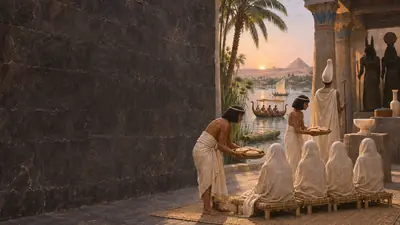
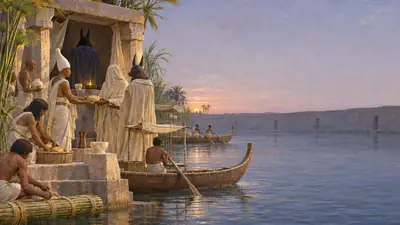
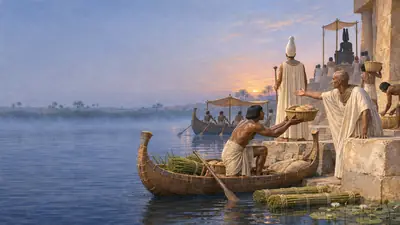
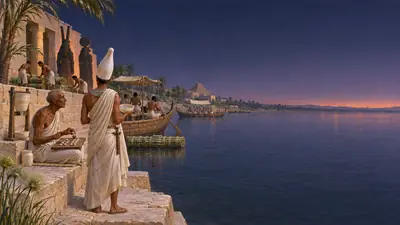
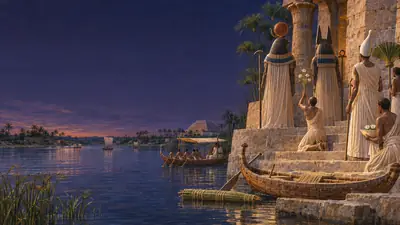
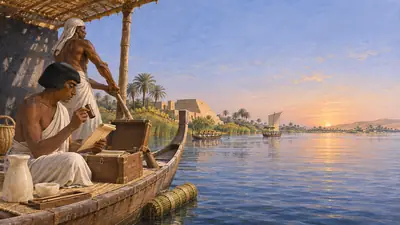
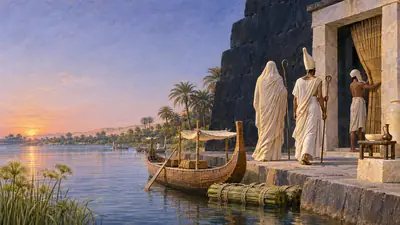
Ilustrações feitas pelo IL Archive com ferramentas de IA; o texto baseia-se nas fontes antigas (veja as fontes no fim de cada capítulo).