Quando um se tornou três Capítulo 1
O primeiro devir
Neb-er-tcher traz-se à existência como Khepera, pronuncia o seu nome e estabelece um fundamento onde não encontrou lugar para se sustentar. Dá origem a Shu e Tefnut e torna-se três. As últimas linhas nomeiam as gerações que se seguem e os filhos que Nut deu à luz.
FontesVire as páginas com as setas, o teclado ou deslizando o dedo.
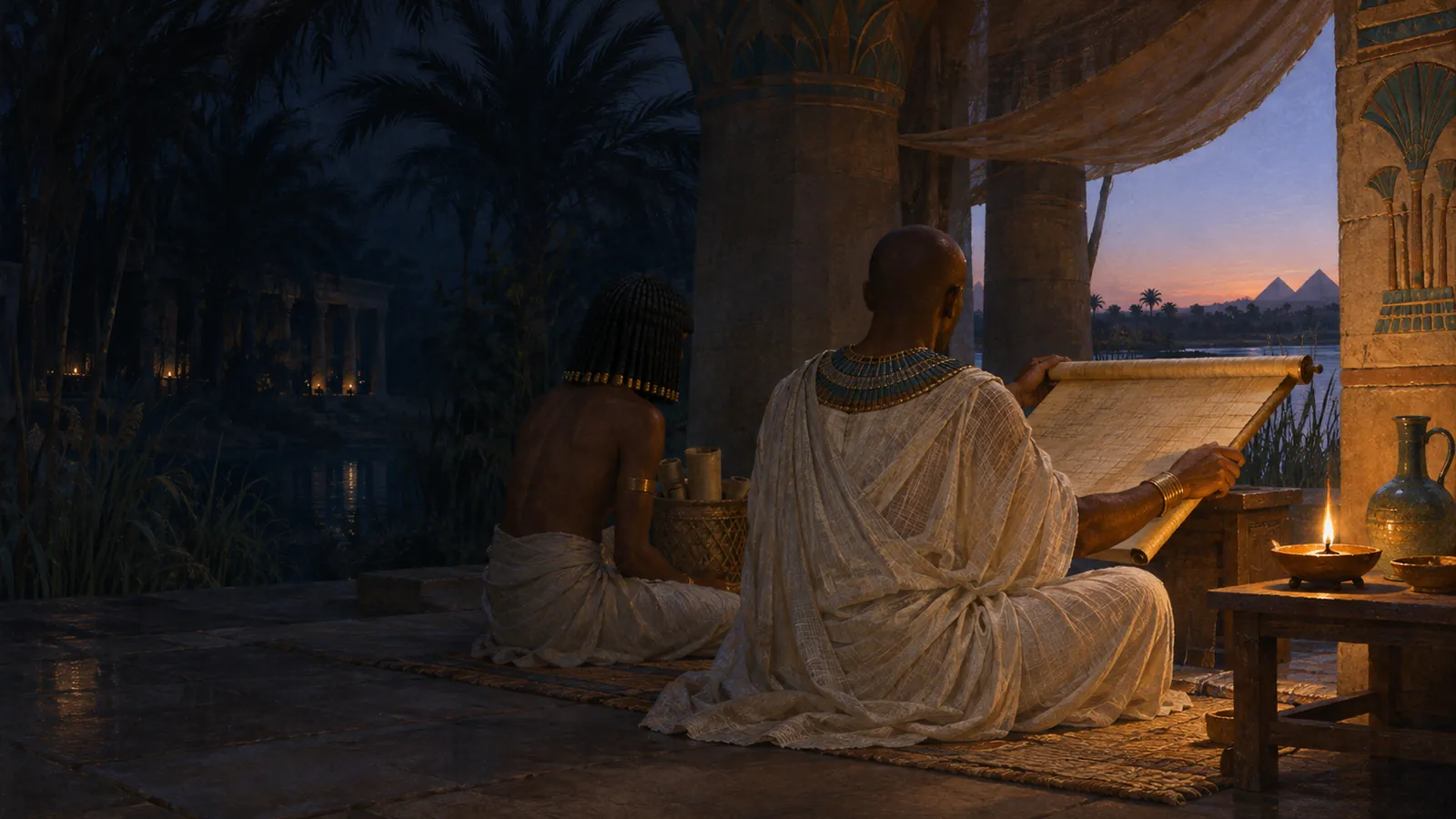
O PRIMEIRO DEVIR
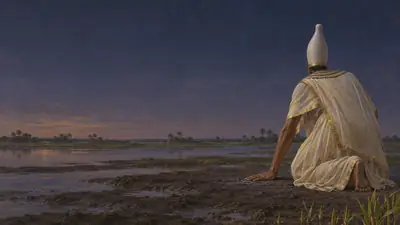
O orador começa por dizer que deu origem ao próprio processo pelo qual as coisas vieram à existência.
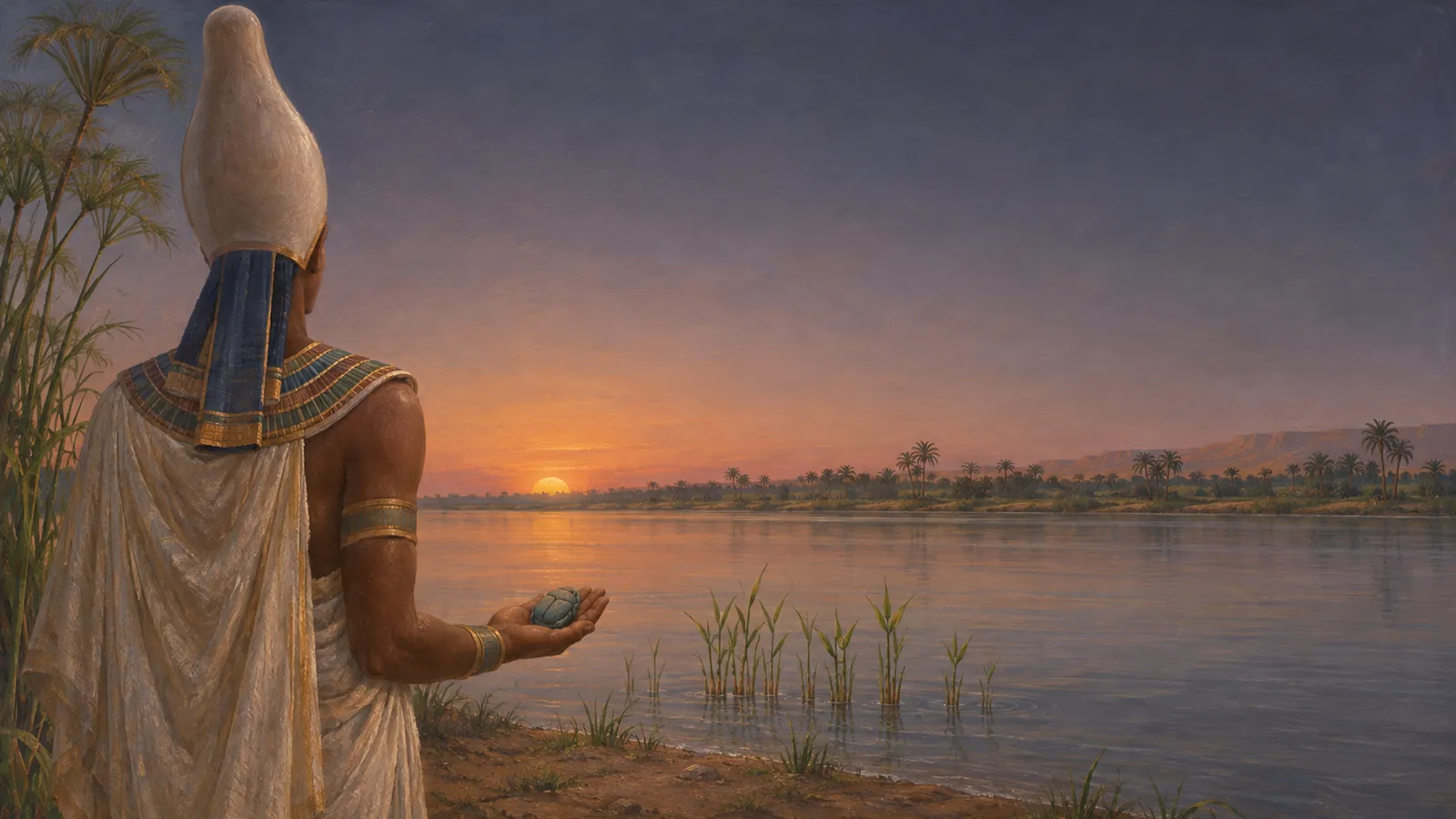
O orador diz que tomou a forma das transformações de Khepera, que surgiram no princípio de todos os tempos. Diz que veio à existência com elas.
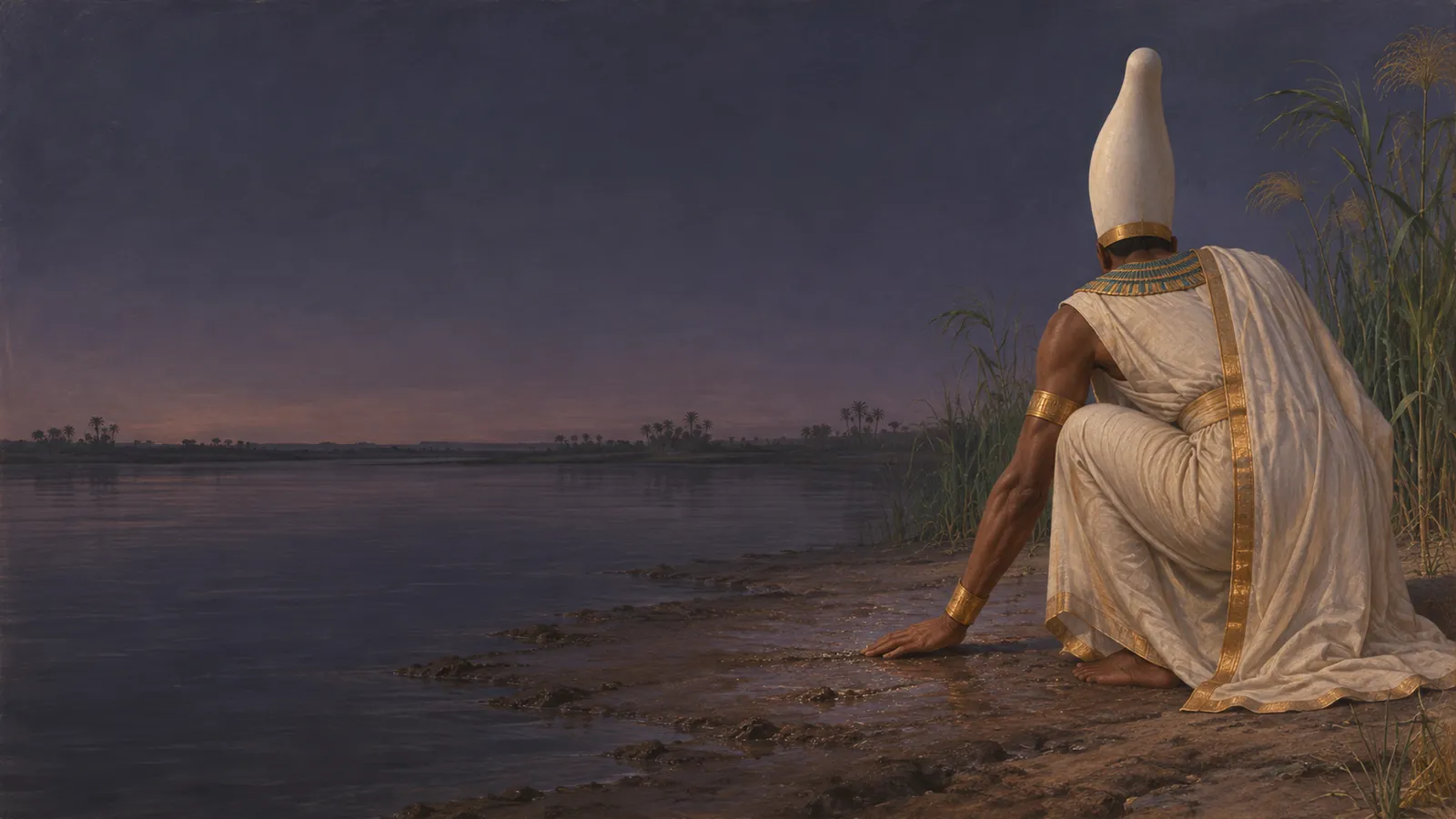
O orador diz que se formou a partir da matéria primordial e que foi ele quem a fez.
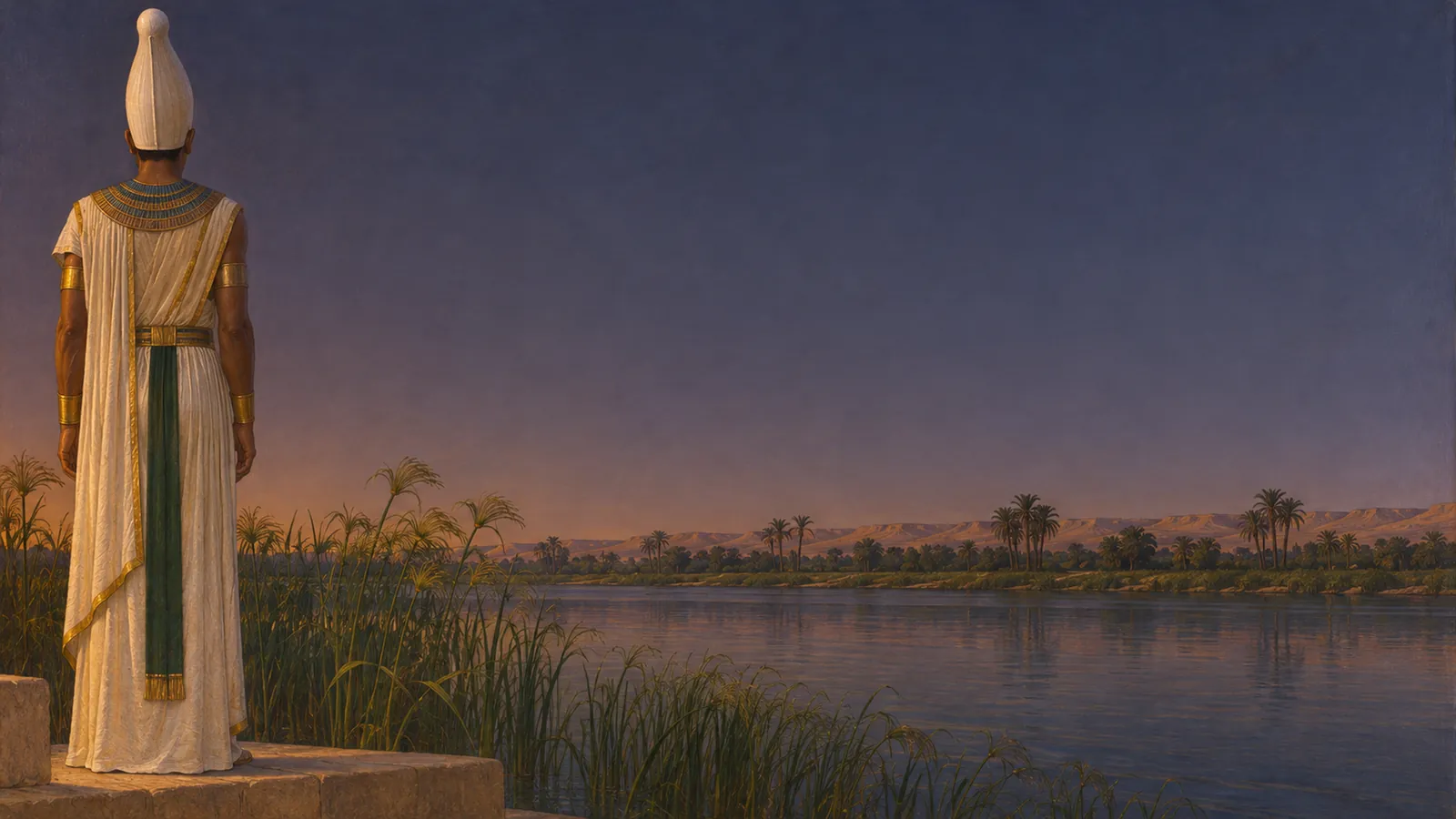
O orador diz chamar-se Ausares, que Budge identifica com Osíris. Chama a si mesmo o germe da matéria primordial.
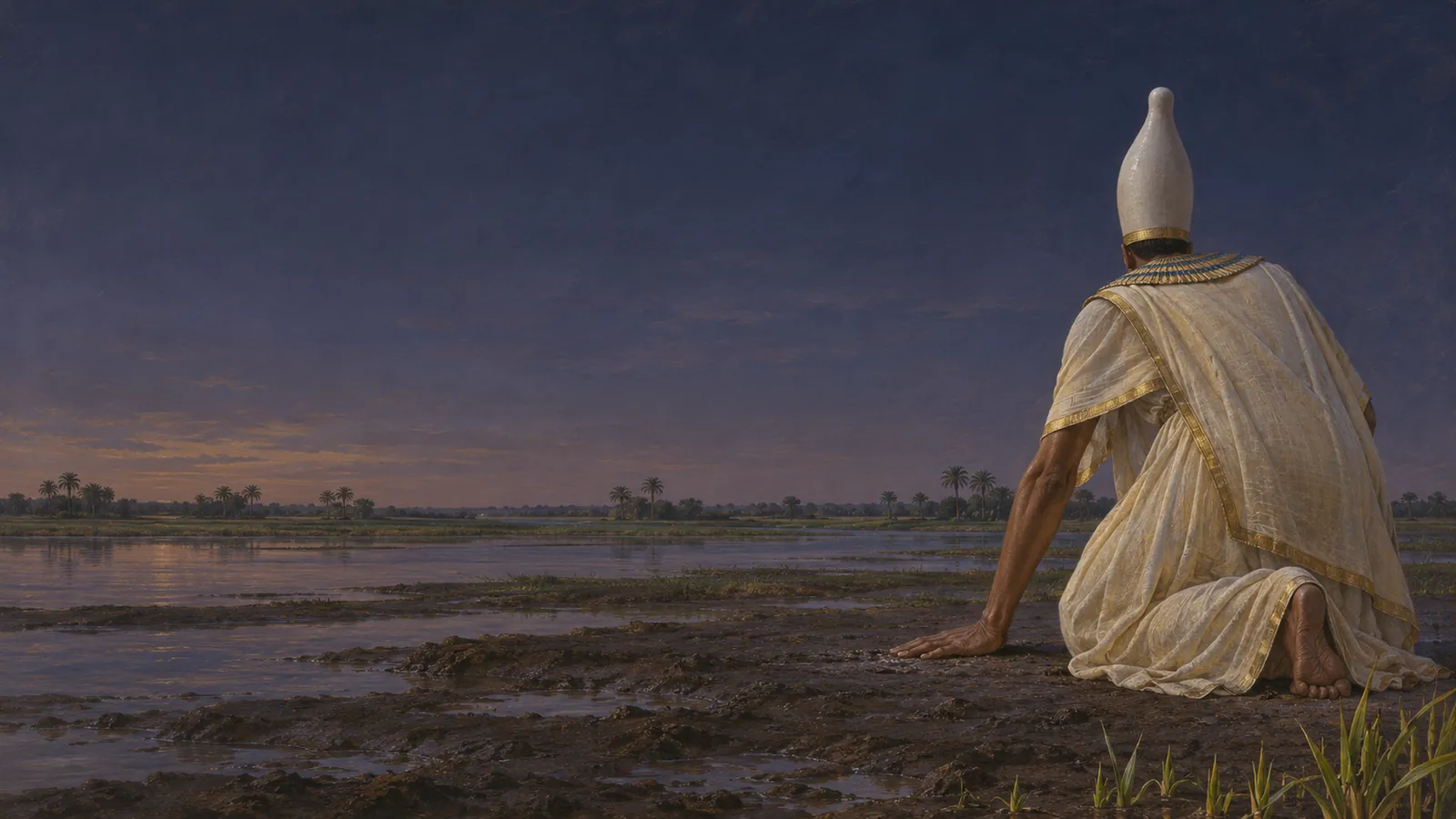
O orador diz que cumpriu a sua vontade na terra, se espalhou e a encheu. Diz que fortaleceu a terra com a sua mão.
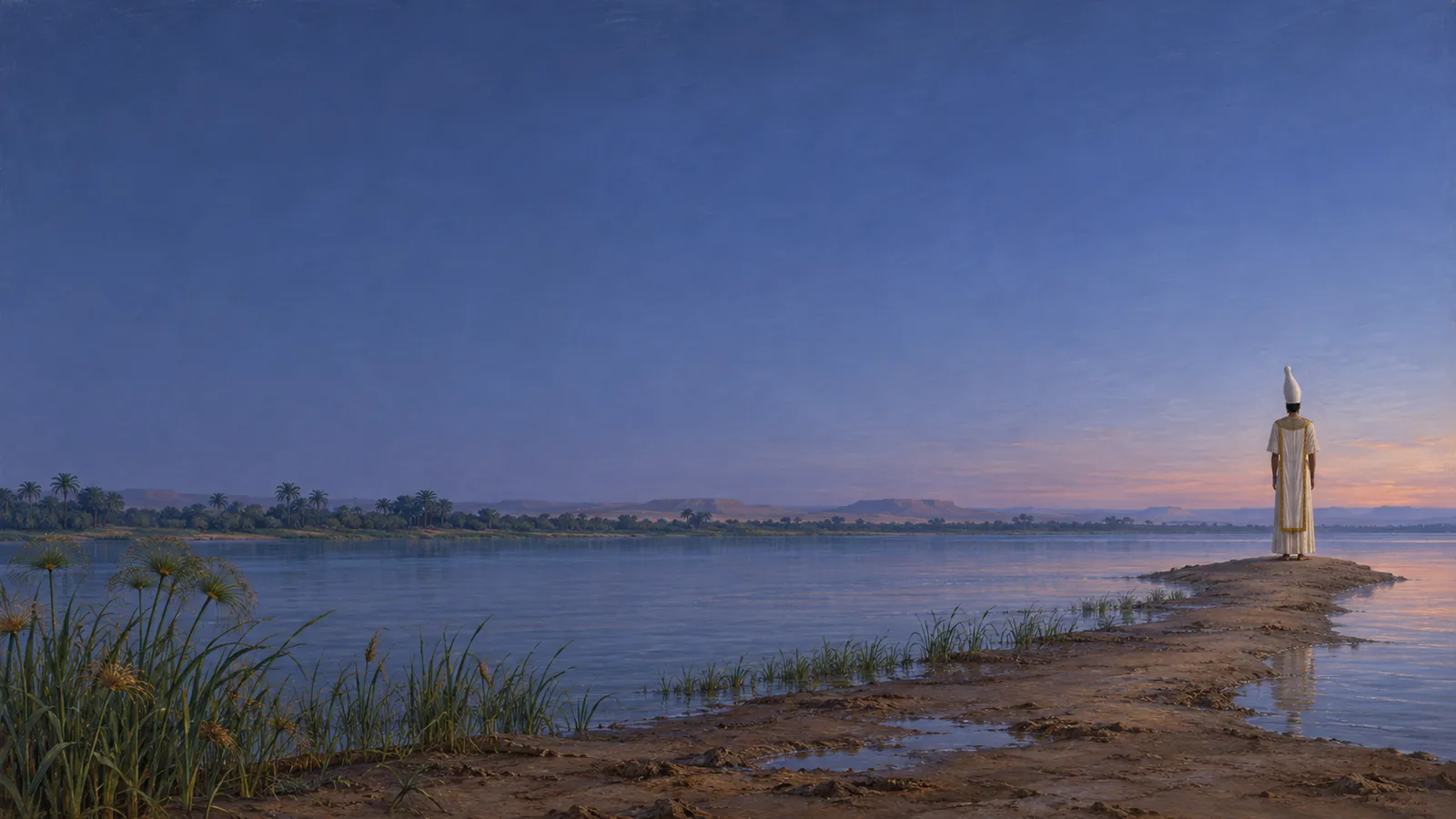
O orador diz que estava sozinho porque ainda nada tinha sido criado. Ainda não tinha feito sair de si Shu nem Tefnut.
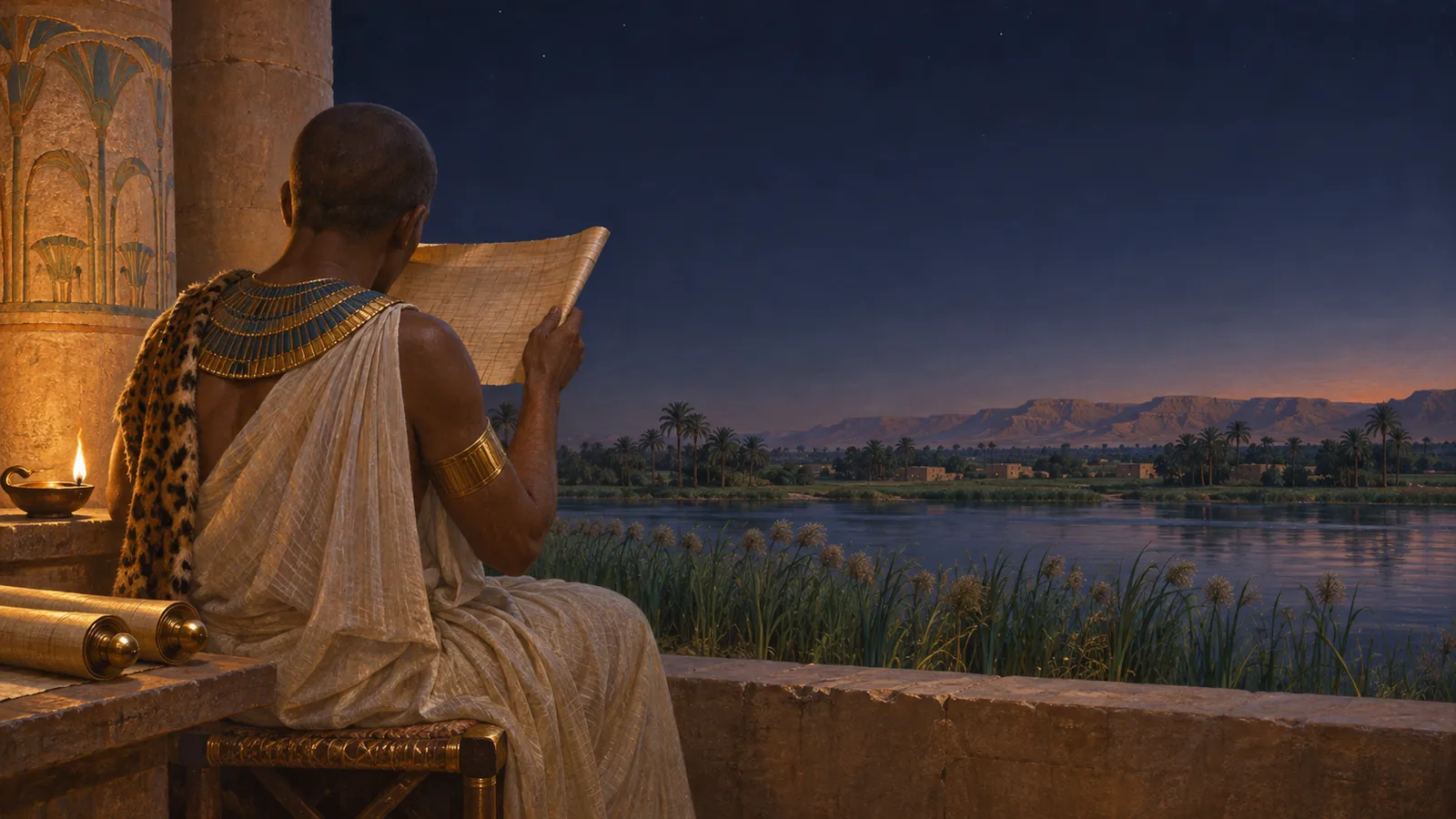
O orador diz que pronunciou o seu próprio nome com a sua boca como palavra de poder e se fez existir de imediato.
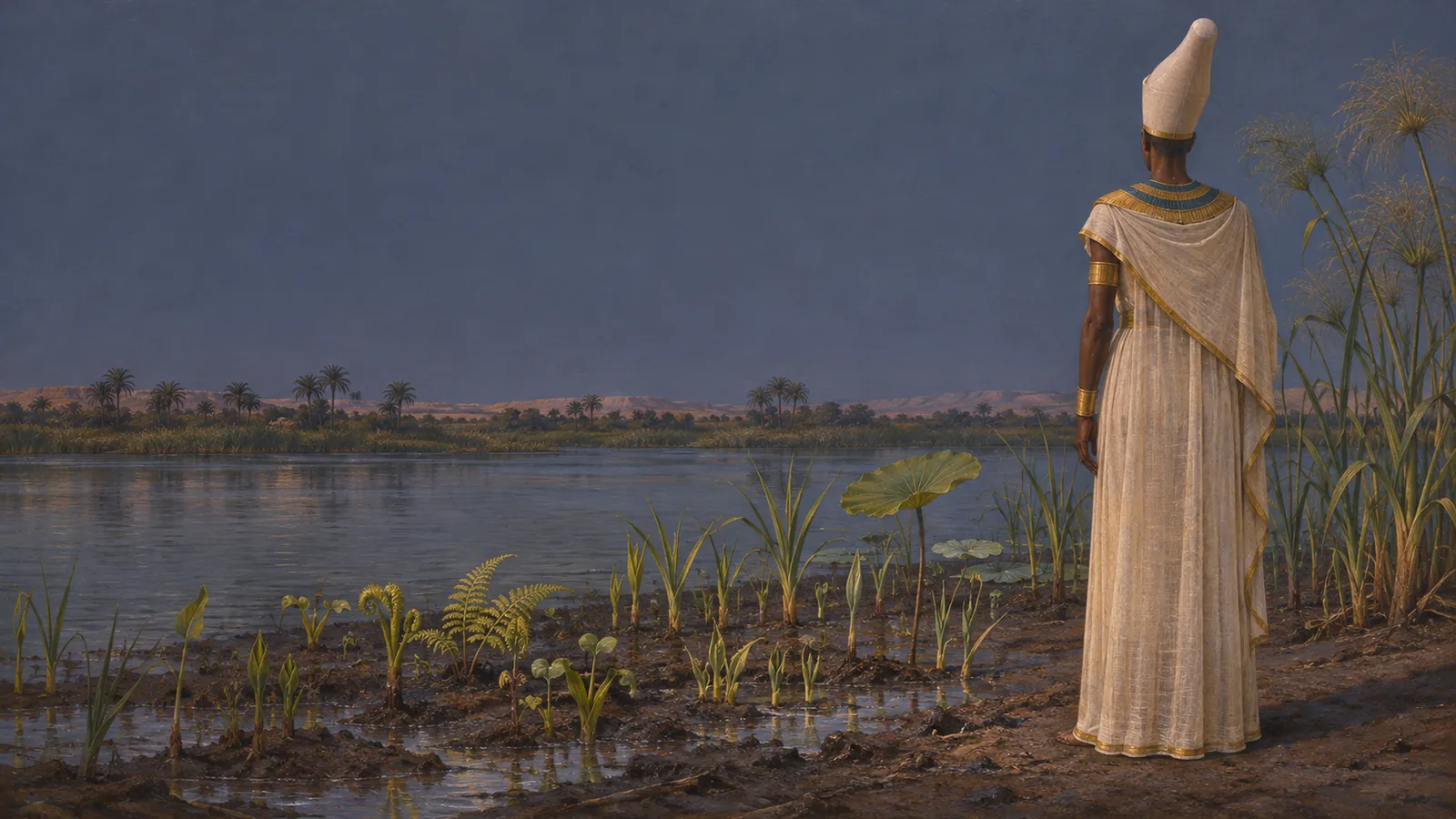
O orador diz novamente que veio à existência sob a forma das transformações de Khepera. Formou-se a partir da matéria primordial, que deu origem a muitas formas desde o princípio dos tempos.
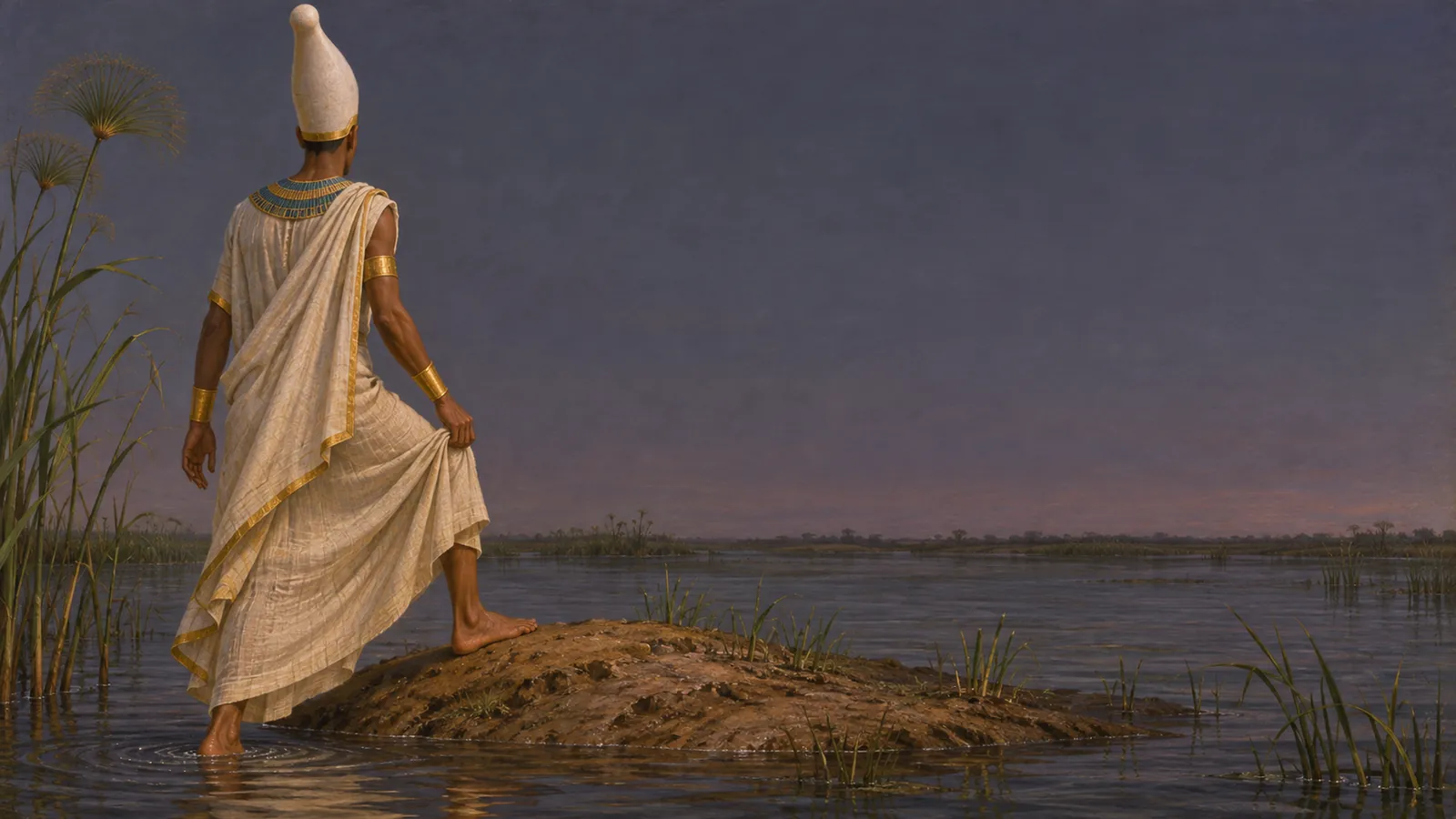
O recitante diz que nada existia na terra. Diz que fez todas as coisas e que, naquele tempo, mais ninguém trabalhou com ele.
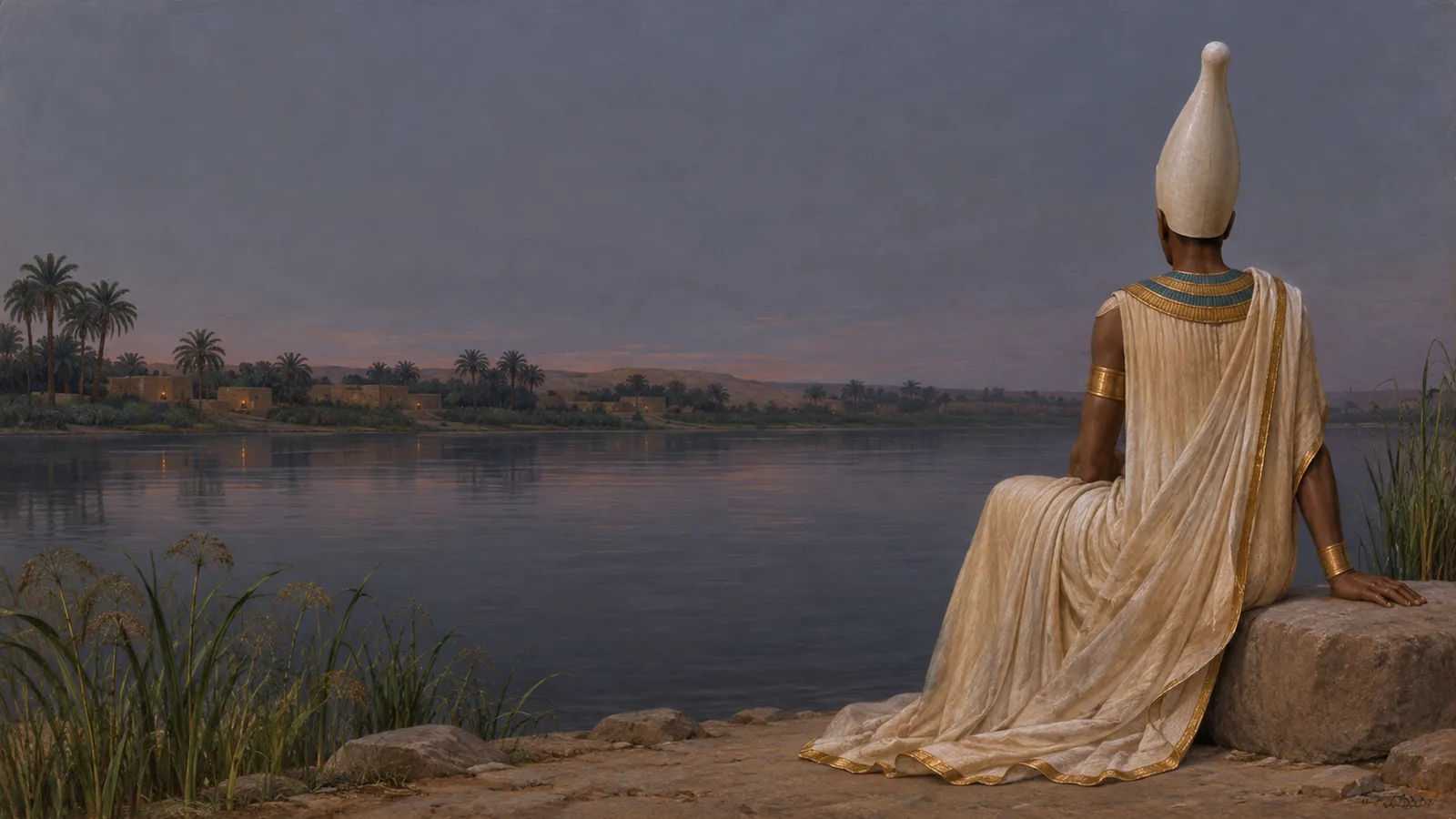
O recitante diz que fez surgir tudo o que veio a existir por meio da Alma divina que moldou. Diz que ela tinha permanecido inativa no abismo das águas.
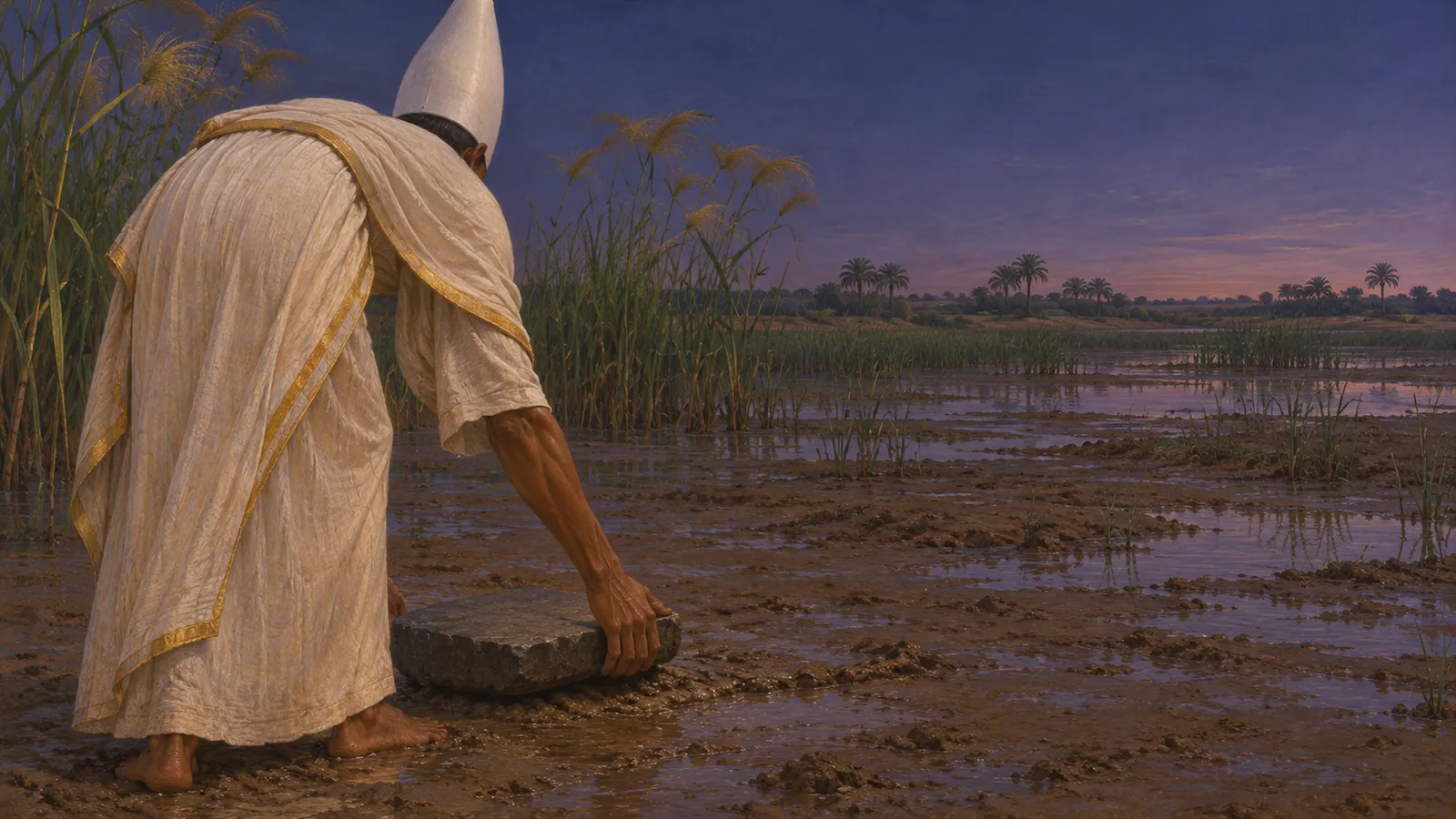
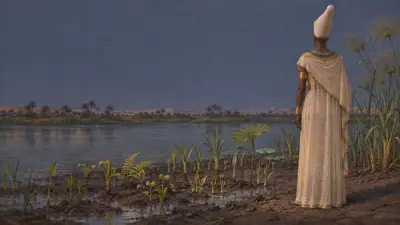
O recitante diz que não encontrou lugar onde se sustentar. Forte no seu coração, criou para si um fundamento e diz que fez tudo o que foi feito.
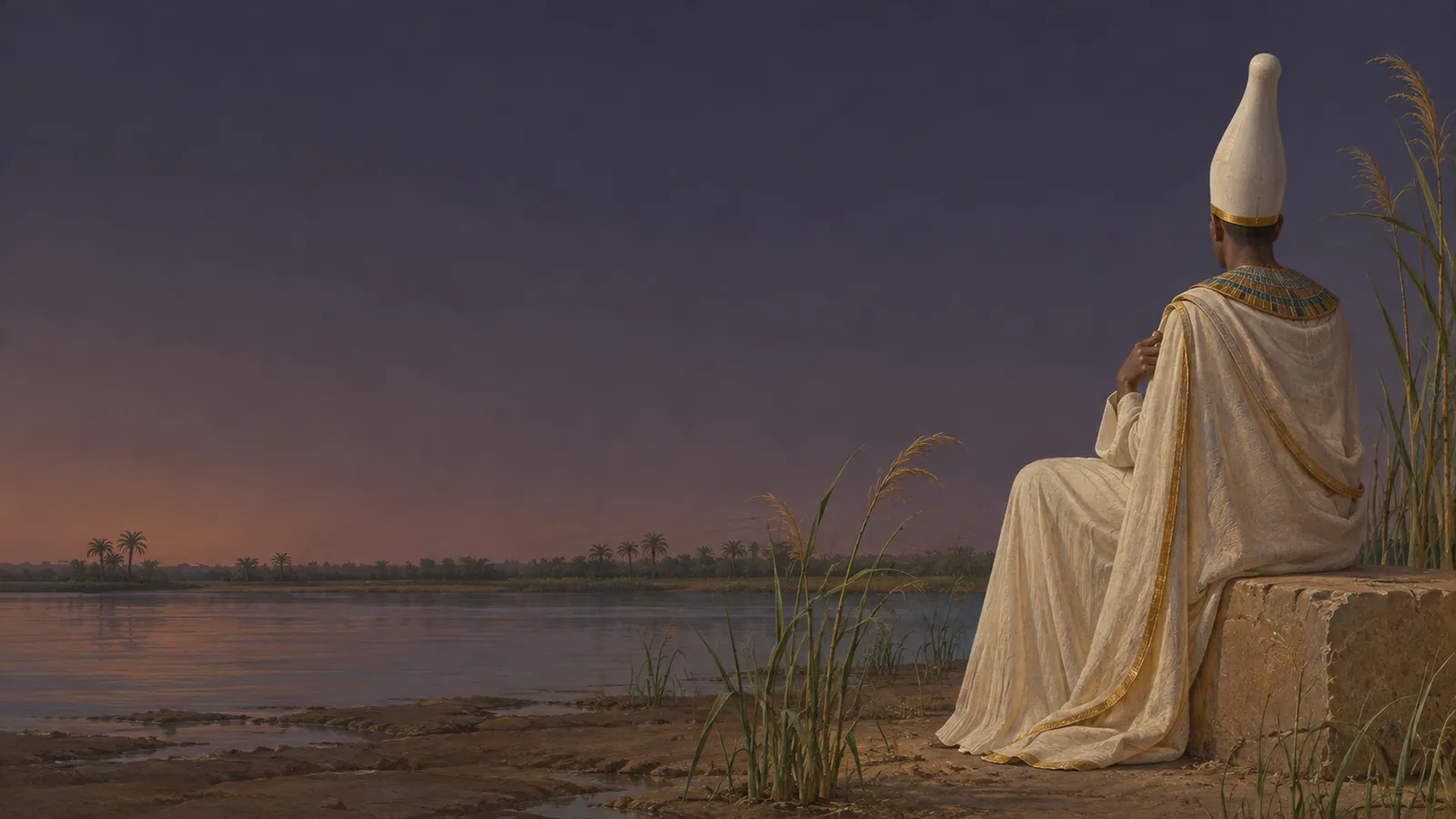
O recitante diz que estava só e criou um fundamento para o seu coração. Budge apresenta vontade como leitura alternativa. O recitante diz depois que criou uma multitude de coisas.
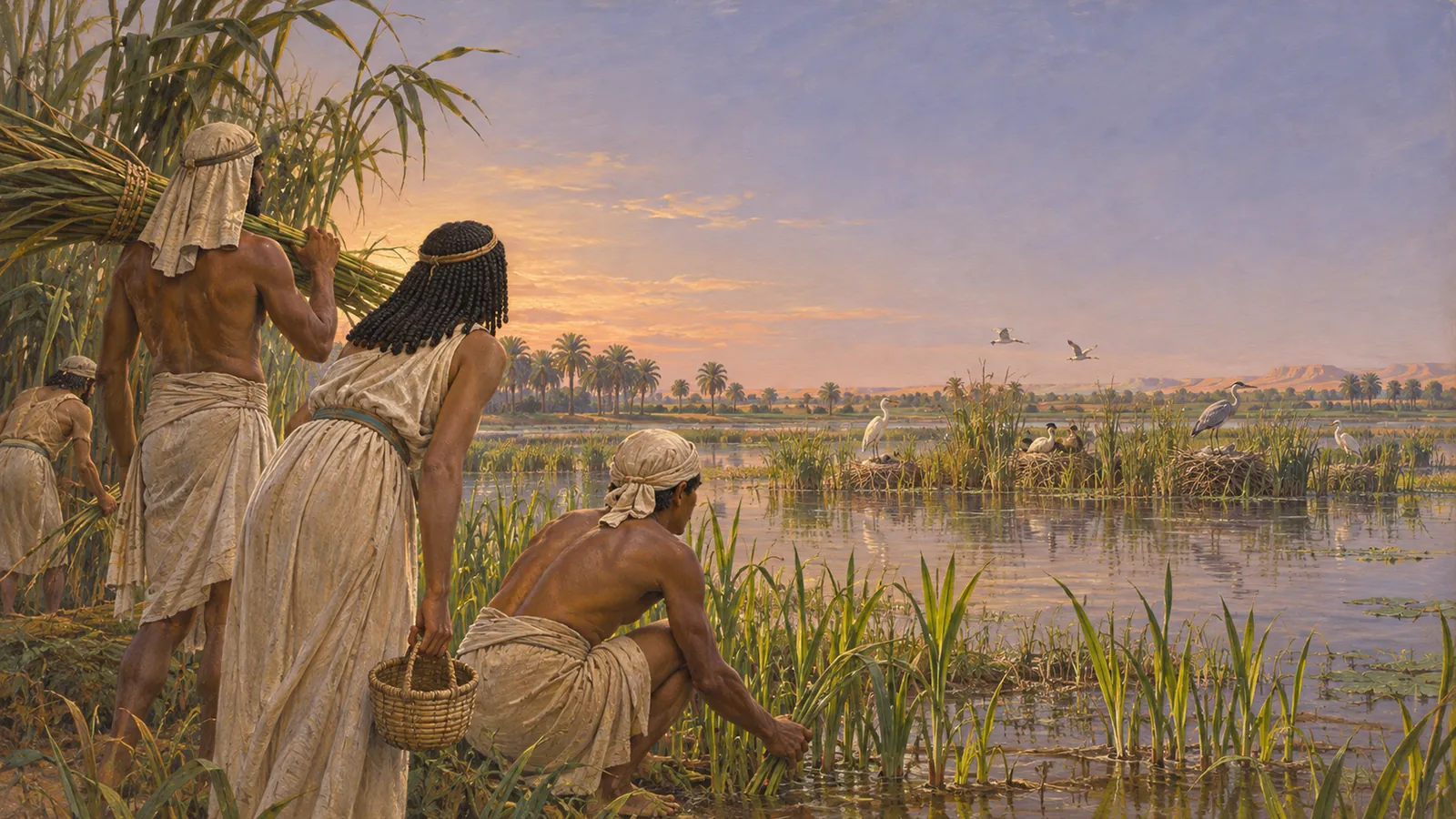
O recitante diz que as coisas que criou se desenvolveram por si mesmas como as formas de Khepera. Diz que os seus descendentes vieram à existência pelos seus nascimentos.
DE UM A TRÊS
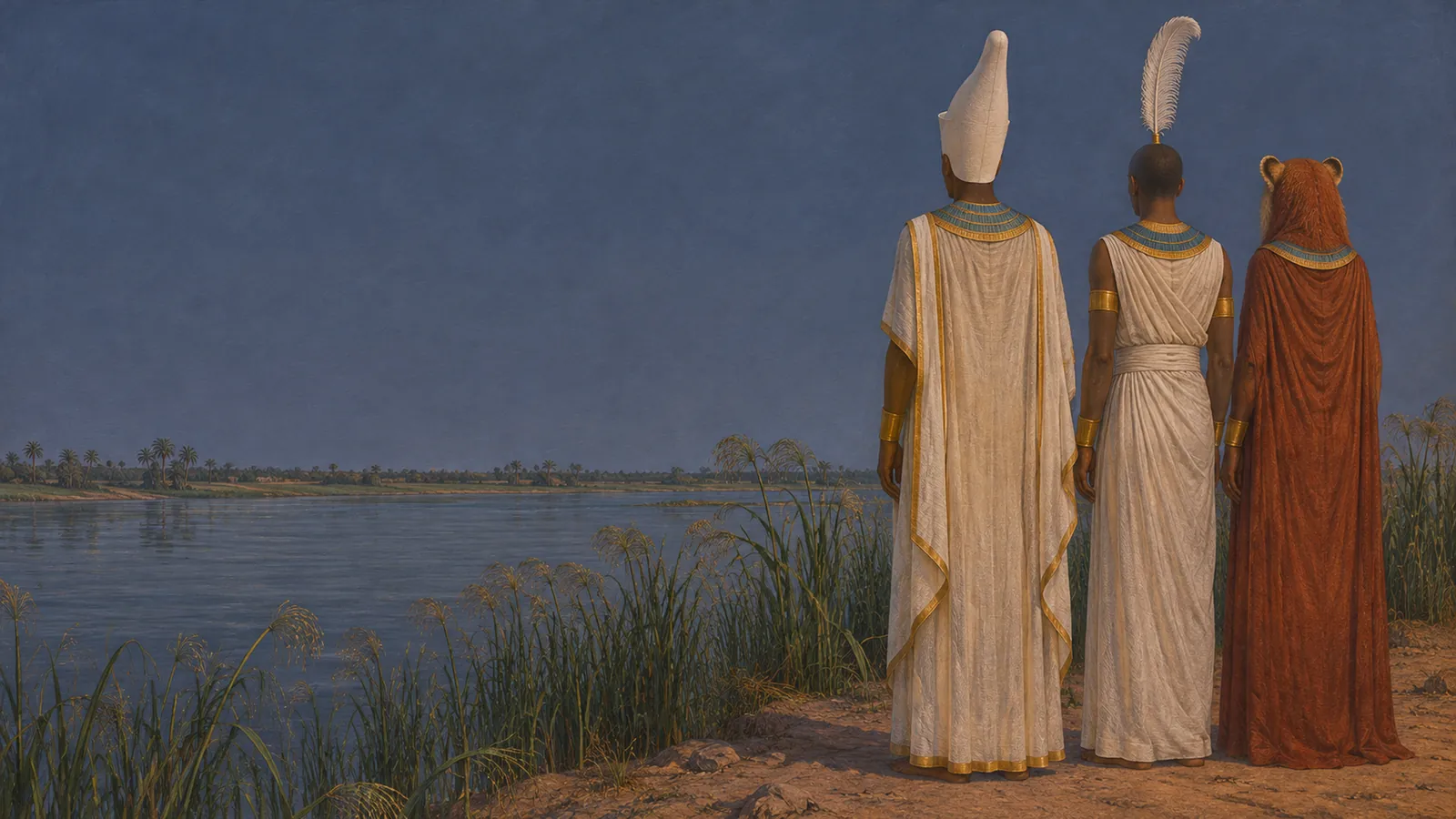
O recitante diz que fez surgir Shu e Tefnut de si próprio e que de um passou a ser três. Ambos nasceram dele e vieram à existência na terra.
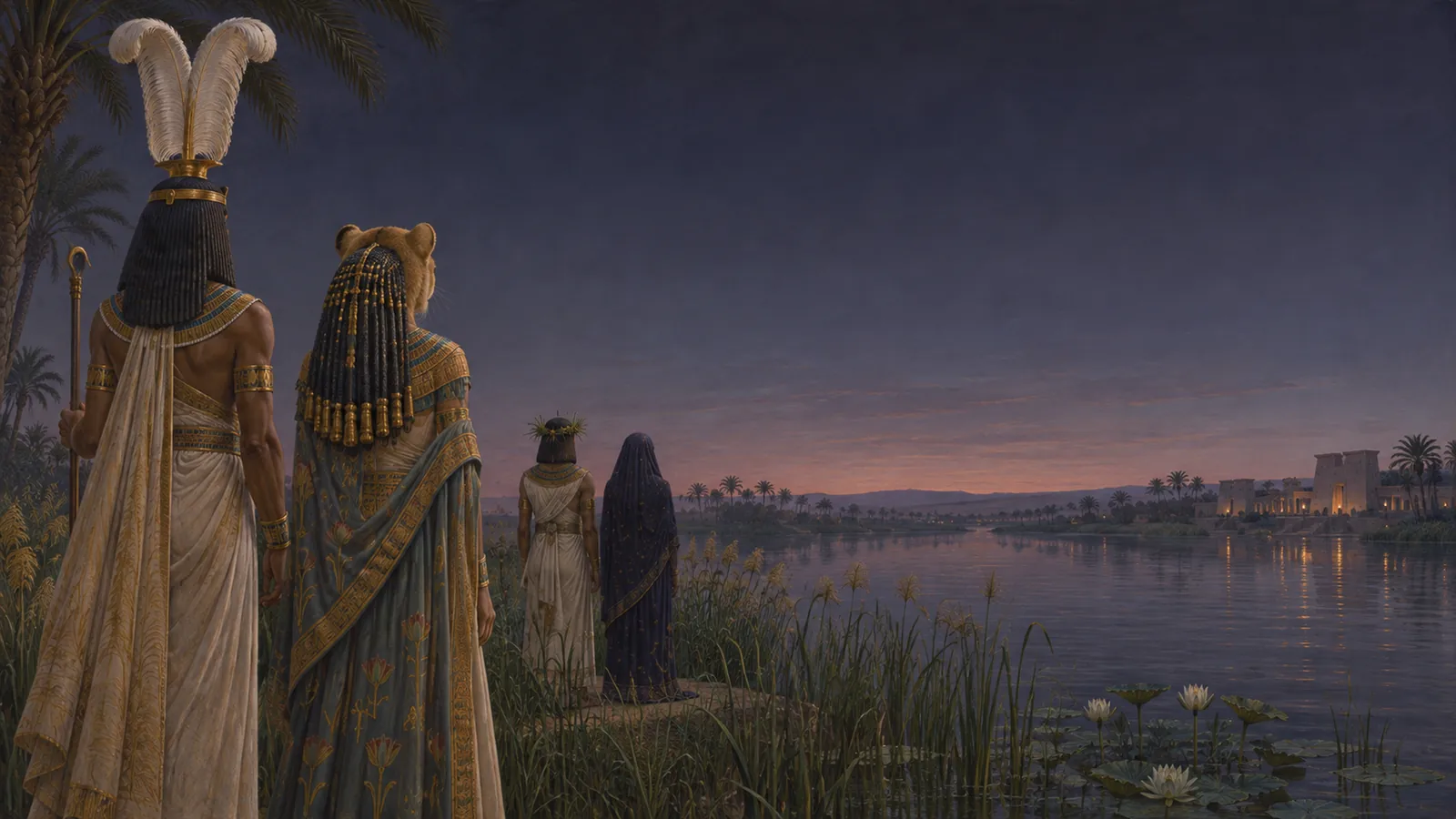
O texto impresso apresenta aqui reticências. Em seguida diz que Shu e Tefnut deram origem a Seb e Nut.
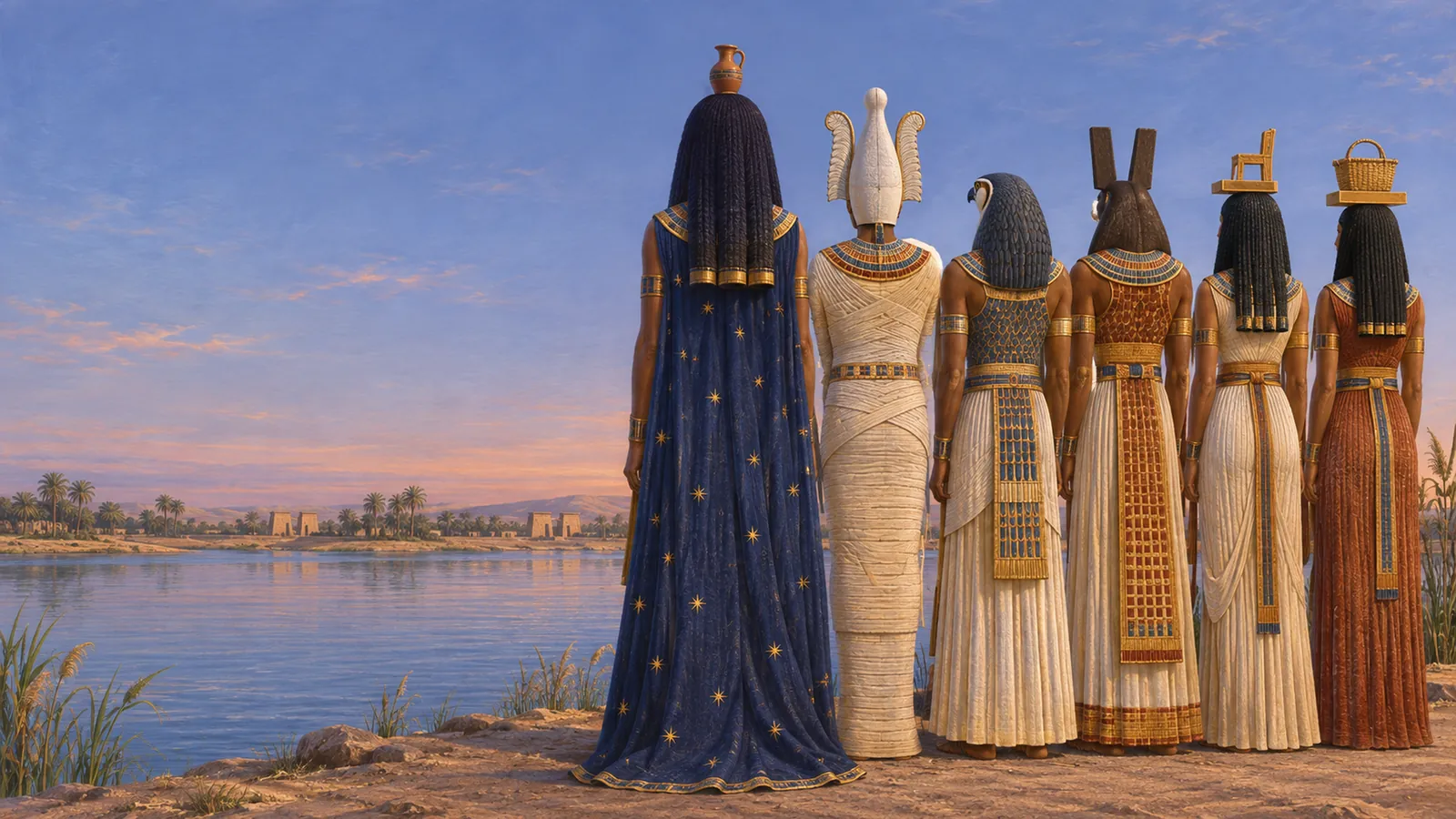
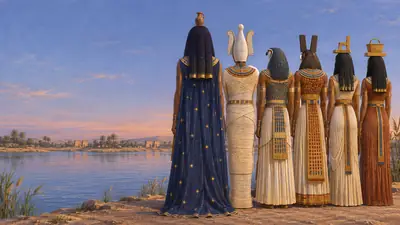
A recitação termina dizendo que Nut deu à luz Osiris, Horus-khent-an-maa, Sut, Isis e Nephthya num só parto.
Fim do capítulo 1
Todas as páginas




Fontes
A. Wallis Budge assigns to section III of the Papyrus of Nesi Amsu in Egyptian Ideas of the Future Life, third edition, 1908. The quoted text begins and ends at transcription lines 749–779. Budge’s introduction identifies the speaker and the papyrus.
Edições consultadas
- Egyptian Ideas of the Future Life, publication record
- Budge’s creation quotation, Chapter I
- Budge’s note 20 identifying British Museum No. 10188
- Budge’s note 21 on the papyrus
Notas sobre este reconto
The speaker’s opening uses Budge’s repeated language of evolving and evolutions. The next clauses say that he assumes the form of Khepera’s transformations, which came into being at the beginning of time, and that he comes into being with them. The paraphrase keeps the opening statement about becoming and both roles of the transformations.
The speaker says twice that he developed from primeval matter, which he says he himself made. He names himself Ausares and calls himself the germ of primeval matter. Budge prints “Osiris” in parentheses after Ausares.
The speaker says he carried out his will in the earth, spread abroad, filled the earth and strengthened it with his hand. Budge brackets “with,” which connects the action to the hand.
The speaker says that he was alone because nothing had yet been brought forth, and that Shu and Tefnut had yet to come from him.
The speaker utters his own name from his own mouth as a word of power. He says he comes into being immediately.
The quotation again names the form of Khepera’s evolutions. It now describes the primeval matter as that which brought forth many forms from the beginning of time.
The speaker says that nothing existed on earth, that he made all things and that no other worked with him. He credits his making of all “evolutions” to the divine Soul he fashioned. This Soul had remained inactive in the watery abyss.
Finding no place to stand, the speaker says he is strong in his heart and makes a foundation for himself. He again claims to have made everything that was made. He then says he was alone and makes a foundation for his heart, where Budge gives “(or will)” as an alternative. The first mention of heart on line 768 has no alternative. The speaker then creates a multitude of things.
The things created develop themselves in the manner of the “evolutions” of Khepera and their offspring come into being through their births. The speaker brings forth Shu and Tefnut from himself, says that from One he became Three, and says that both sprang from him and came into existence on earth.
It resumes with the statement that Shu and Tefnut brought forth Seb and Nut.
Budge prints the names Osiris, Horus-khent-an-maa, Sut, Isis, and Nephthya in that order and says Nut brought them forth at one birth. This is the end of the printed quotation.
Os versos antigos de cada página
- Page 1: Budge 1908, Egyptian Ideas of the Future Life, ch. I, Papyrus of Nesi Amsu, creation quotation (local)
- Page 2: Budge 1908, Egyptian Ideas of the Future Life, ch. I, Papyrus of Nesi Amsu, creation quotation (local)
- Page 3: Budge 1908, Egyptian Ideas of the Future Life, ch. I, Papyrus of Nesi Amsu, creation quotation (local)
- Page 4: Budge 1908, Egyptian Ideas of the Future Life, ch. I, Papyrus of Nesi Amsu, creation quotation (local)
- Page 5: Budge 1908, Egyptian Ideas of the Future Life, ch. I, Papyrus of Nesi Amsu, creation quotation (local)
- Page 6: Budge 1908, Egyptian Ideas of the Future Life, ch. I, Papyrus of Nesi Amsu, creation quotation (local)
- Page 7: Budge 1908, Egyptian Ideas of the Future Life, ch. I, Papyrus of Nesi Amsu, creation quotation (local)
- Page 8: Budge 1908, Egyptian Ideas of the Future Life, ch. I, Papyrus of Nesi Amsu, creation quotation (local)
- Page 9: Budge 1908, Egyptian Ideas of the Future Life, ch. I, Papyrus of Nesi Amsu, creation quotation (local)
- Page 10: Budge 1908, Egyptian Ideas of the Future Life, ch. I, Papyrus of Nesi Amsu, creation quotation (local)
- Page 11: Budge 1908, Egyptian Ideas of the Future Life, ch. I, Papyrus of Nesi Amsu, creation quotation (local)
- Page 12: Budge 1908, Egyptian Ideas of the Future Life, ch. I, Papyrus of Nesi Amsu, creation quotation (local)
- Page 13: Budge 1908, Egyptian Ideas of the Future Life, ch. I, Papyrus of Nesi Amsu, creation quotation (local)
- Page 14: Budge 1908, Egyptian Ideas of the Future Life, ch. I, Papyrus of Nesi Amsu, creation quotation (local)
- Page 15: Budge 1908, Egyptian Ideas of the Future Life, ch. I, Papyrus of Nesi Amsu, creation quotation (local)
- Page 16: Budge 1908, Egyptian Ideas of the Future Life, ch. I, Papyrus of Nesi Amsu, creation quotation (local)
Ilustrações feitas pelo IL Archive com ferramentas de IA; o texto baseia-se nas fontes antigas (veja as fontes no fim de cada capítulo).