
Modern AI-generated conceptual cover: an imagined traveller above an invented river city, walls and temple. Not the historical Gilgamesh, an ancient artifact or an evidence-based reconstruction of Uruk
Entität
A Babylonian literary work with multiple recensions, preceded by separate Sumerian poems on Uruk’s king and Enkidu. Its standard form explores friendship, death, the flood and the limits of seeking eternal life.
Namensvarianten: Epic of Gilgamesh, Gilgamesh epic
Kontext und Quellen →
Person
Italian artist (1727–1804) who depicted the Holy Family resting beside a palm.
Namensvarianten: Giovanni Domenico Tiepolo
Kontext und Quellen →

Modern imaginative depiction of an iron barrier between mountains, evoking Gog and Magog barrier traditions; not a photograph of a known monument or evidence of a historical site
Entität
Names used differently for Magog in Genesis, Gog the invader in Ezekiel, end-time nations in Revelation, and peoples behind a barrier in Syriac and Qur’anic traditions; not a modern ethnic identification.
Namensvarianten: Gog and Magog
Kontext und Quellen →
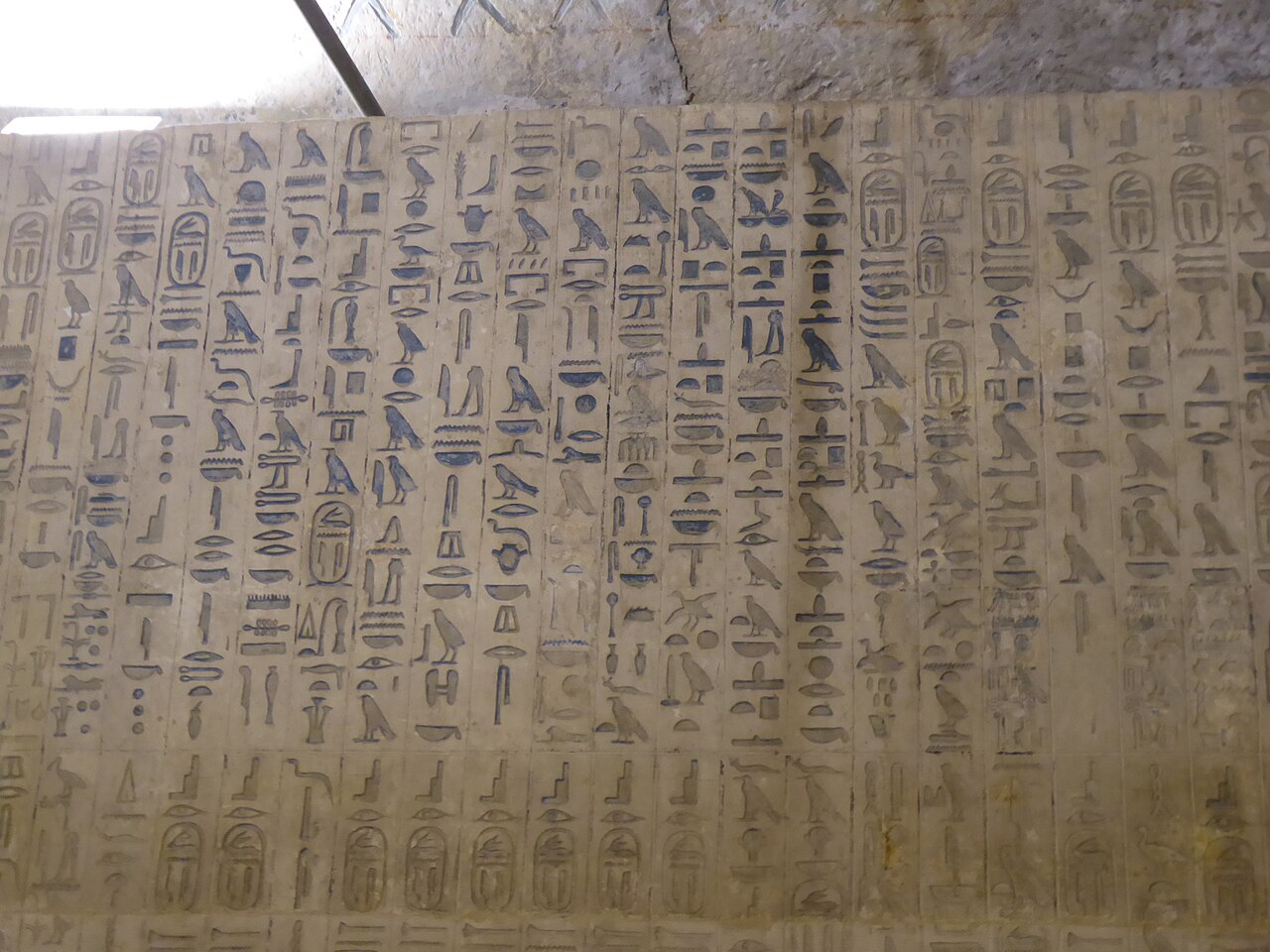
Hieroglyphic texts on the walls of Unas’s pyramid at Saqqara, from the late Fifth Dynasty, around the twenty-fourth century BCE. Photograph taken on 13 October 2017. The image provides context for ancient Egyptian texts used in scholarly comparisons of creation traditions
Person
Old Testament scholar at Dallas Theological Seminary, examining biblical literature and its ancient Near Eastern contexts.
Namensvarianten: Gordon Johnston, Gordon H. Johnston
Kontext und Quellen →
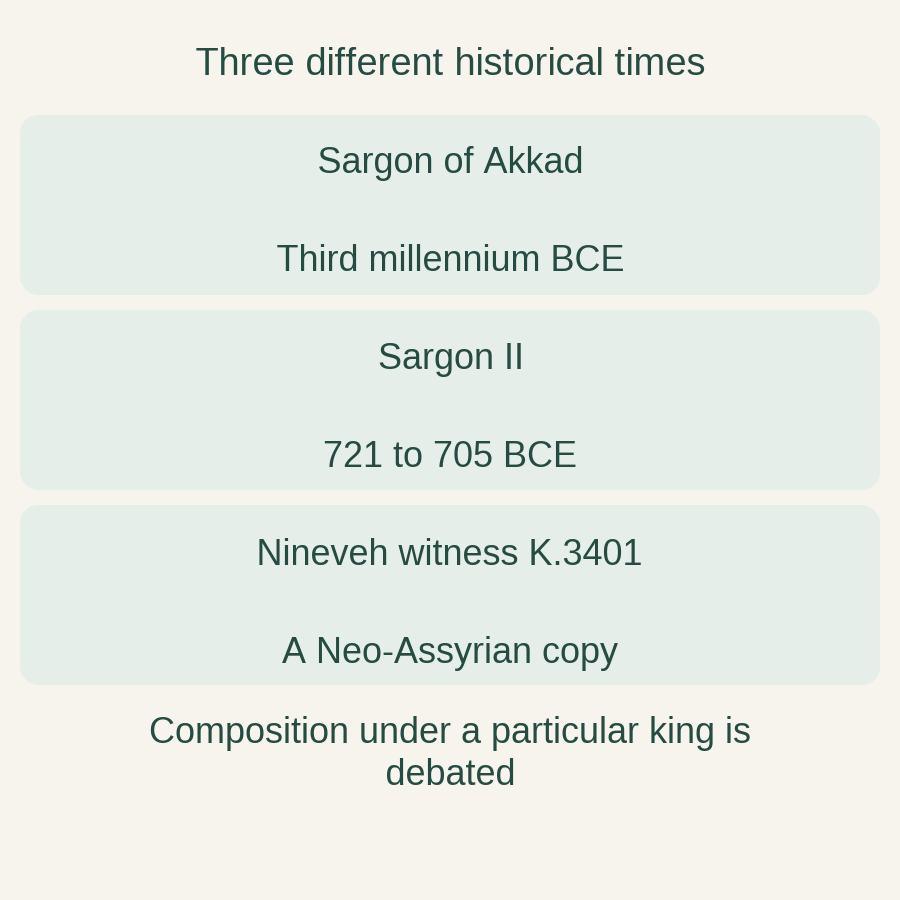
Modern diagram distinguishing Sargon of Akkad, Sargon II and the surviving copy; not a portrait of Frame
Person
Assyriologist and historian of Mesopotamia, editor of Sargon II’s inscriptions in the Royal Inscriptions of the Neo-Assyrian Period project.
Namensvarianten: Grant Frame
Kontext und Quellen →
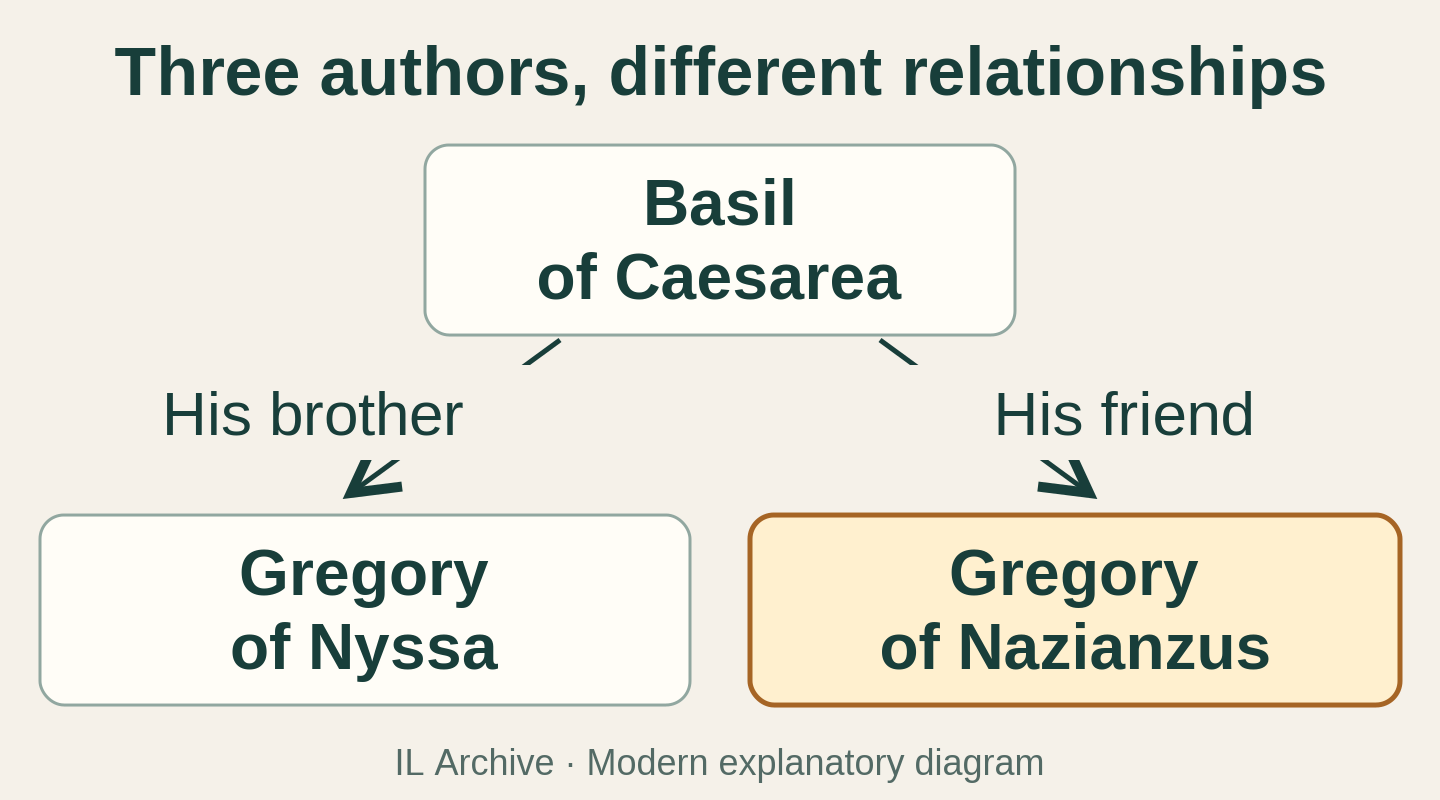
Modern Cappadocian relationship map: Basil is Gregory of Nyssa’s brother and Gregory of Nazianzus’s friend. Highlighting marks Nazianzus, author of Oration 31; the diagram is not a historical portrait
Person
Fourth-century bishop and theologian, one of the Cappadocian Fathers.
Namensvarianten: Gregory of Nazianzus
Kontext und Quellen →
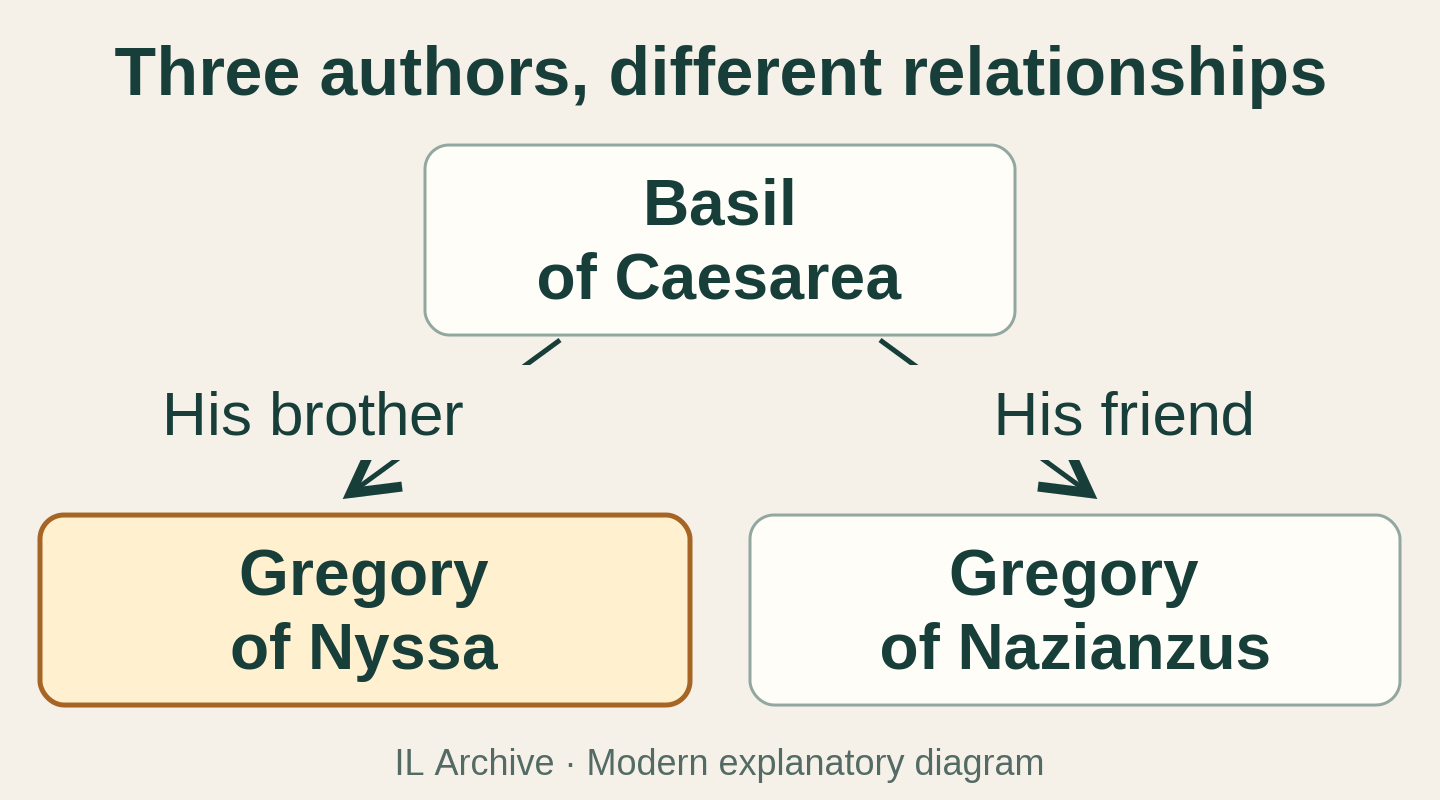
Modern map highlighting Gregory of Nyssa as Basil’s brother and distinguishing him from Basil’s friend Gregory of Nazianzus. The relations clarify author identities without inventing ancient appearances
Person
Fourth-century bishop of Nyssa and theologian, one of the Cappadocian Fathers.
Namensvarianten: Gregory of Nyssa
Kontext und Quellen →

Modern AI-generated interpretive cover: an open book, episcopal emblem and imagined riverside town. It is neither Gregory’s actual manuscript nor a documented reconstruction of sixth-century Tours
Person
Bishop of Tours (573–594) and Gallo-Roman historian; author of ten books of Histories and works on miracles and saints. He rendered the Ephesian Sleepers tale into Latin with a Syrian interpreter, without establishing the source language or later channels of influence.
Namensvarianten: Gregory of Tours
Kontext und Quellen →
Person
Scholar of comparative Semitic linguistics and Ugaritic; professor emeritus at the University of Barcelona.
Namensvarianten: Gregorio del Olmo Lete
Kontext und Quellen →
Person
Debt-service law researcher whose 1989 dissertation compares Exodus, Deuteronomy and Leviticus.
Namensvarianten: Gregory Conrad Chirichigno
Kontext und Quellen →
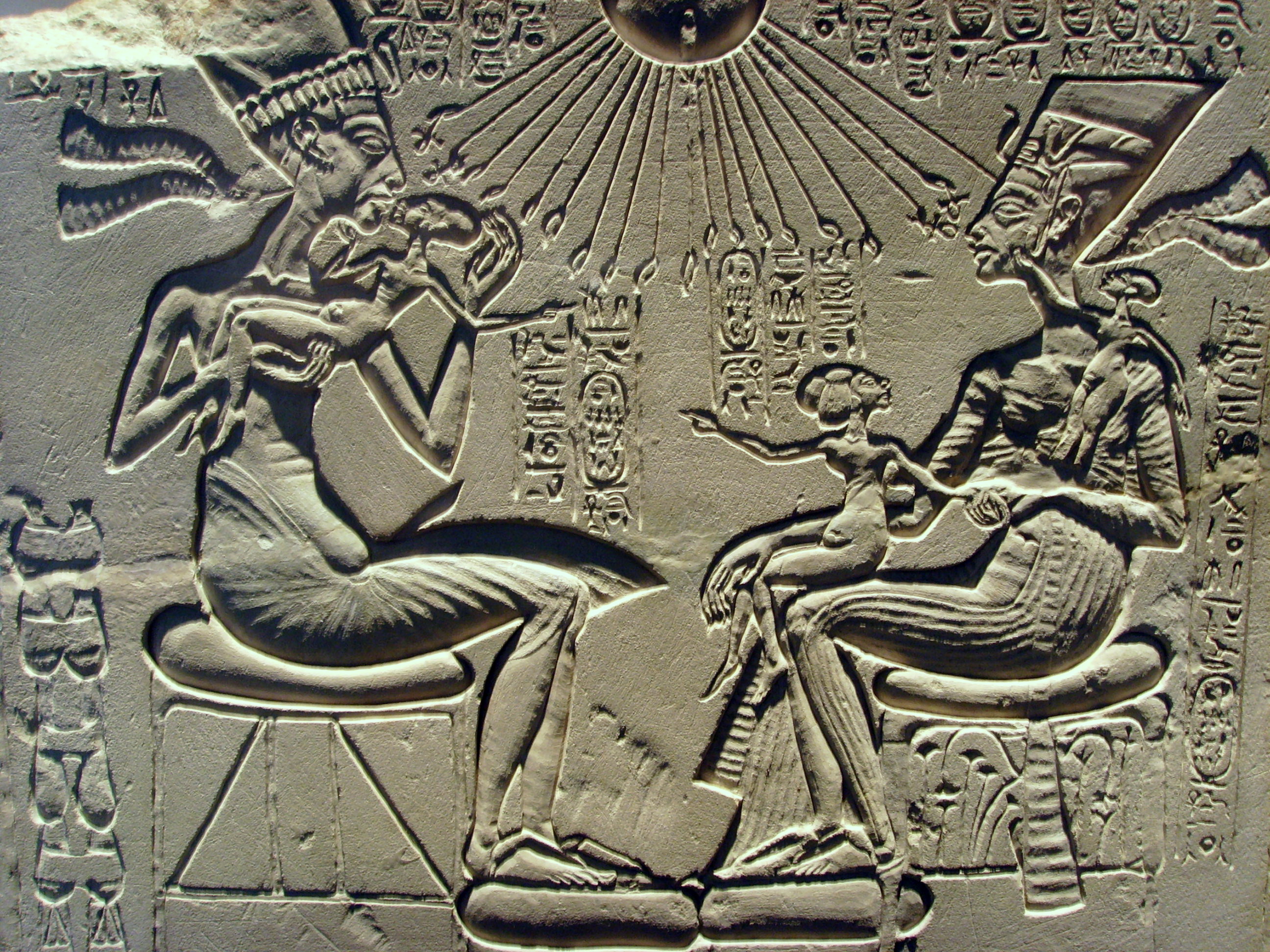
Akhenaten, Nefertiti and three daughters beneath Aten’s rays; limestone household altar, Amarna period, fourteenth century BCE, Berlin ÄM 14145. Context for royal mediation, not the hymn inscription in Ay’s tomb
Antiker Text
Egyptian hymn from Akhenaten’s fourteenth-century BCE reign, preserved in thirteen columns in Ay’s Amarna tomb. It praises Aten as life-giver and privileges royal knowledge; neither personal royal authorship nor Psalm 104’s dependence follows automatically.
Namensvarianten: Great Hymn to Aten, Great Aten Hymn
Kontext und Quellen →
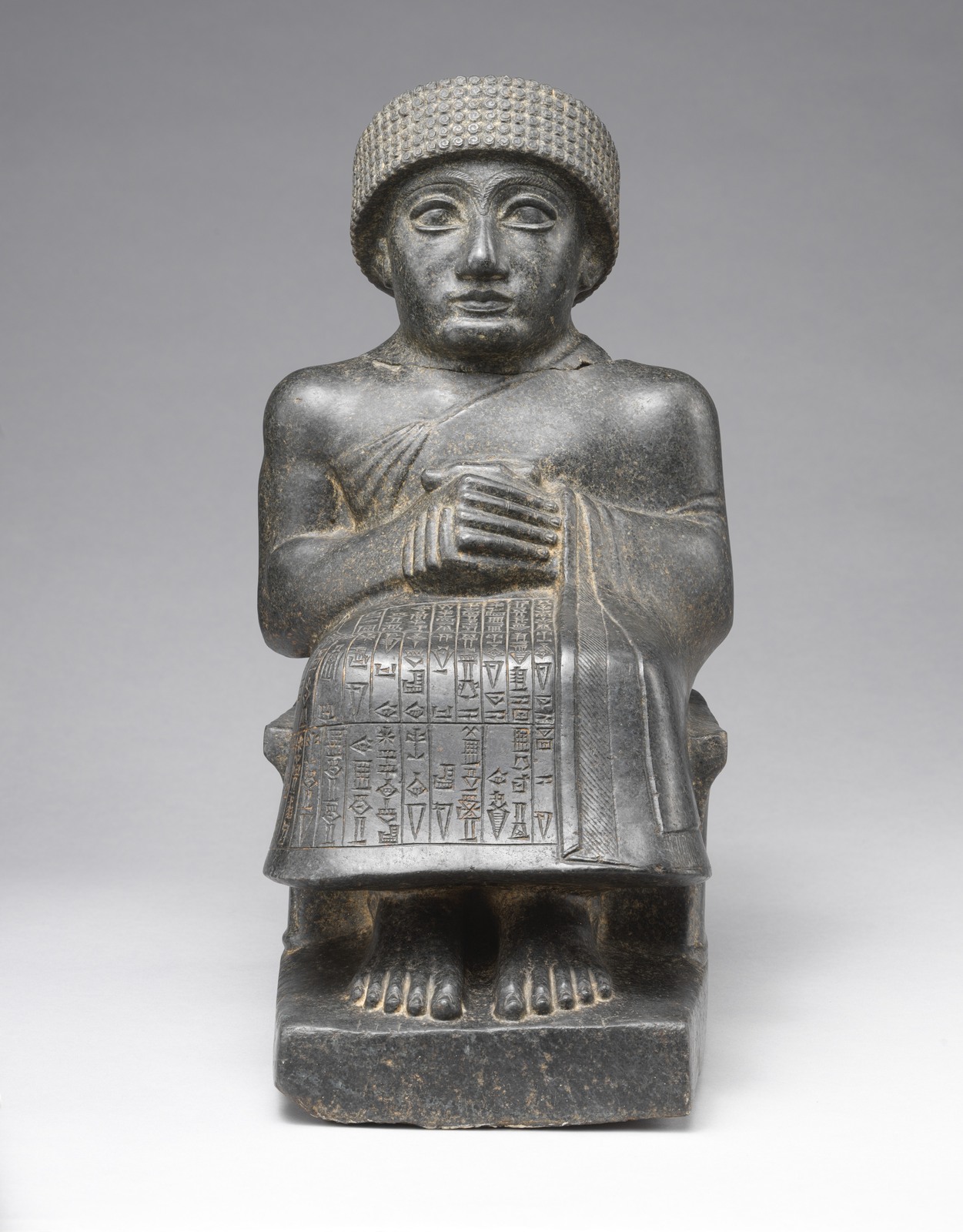
Statue of Gudea, Met 59.2, ca. 2090 BCE. The human ruler of Lagash, not a deity or an image of the Anunna collective
Entität
Ruler of Lagash in the late third millennium BCE, whose inscriptions document temple construction and the name Anunna.
Namensvarianten: Gudea
Kontext und Quellen →
Person
Historian of religions specializing in Indian traditions, professor at Strasbourg since 2019.
Namensvarianten: Guillaume Ducœur
Kontext und Quellen →
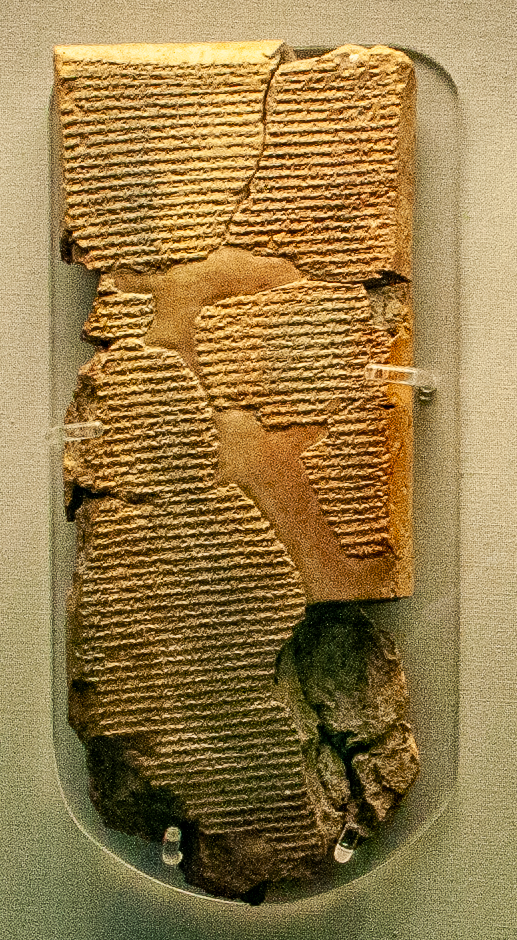
Assyrian tablet of about 660 BCE naming Gyges of Lydia; a written witness, not the king's portrait
Person
Seventh-century BCE king of Lydia in western Anatolia, called Guggu in an Assyrian inscription; his identification with Ezekiel's Gog is unproven.
Namensvarianten: Gyges
Kontext und Quellen →
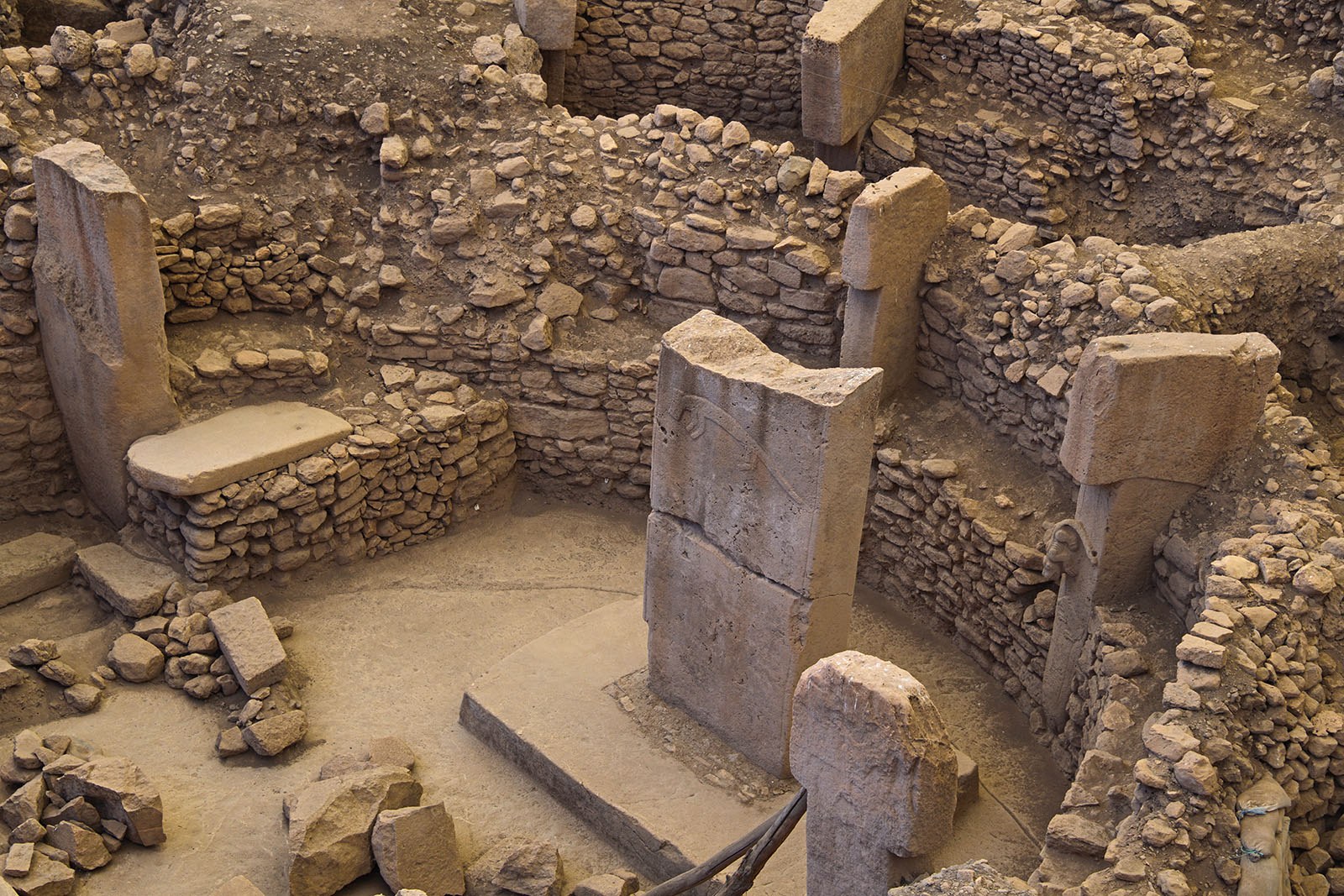
Building C at Göbekli Tepe, southeastern Türkiye, photographed by Dick Osseman in 2019. T-shaped limestone pillars and communal walls are visible in their partly restored excavated condition; this is not a reconstruction of a prehistoric ritual or proof of a divine identity
Stätte
Pre-Pottery Neolithic site near Şanlıurfa with T-shaped pillars and communal buildings. Evidence documents habitation and collective activities alongside a ritual component; the figures’ names are unknown.
Namensvarianten: Göbekli Tepe, Gobekli Tepe
Kontext und Quellen →
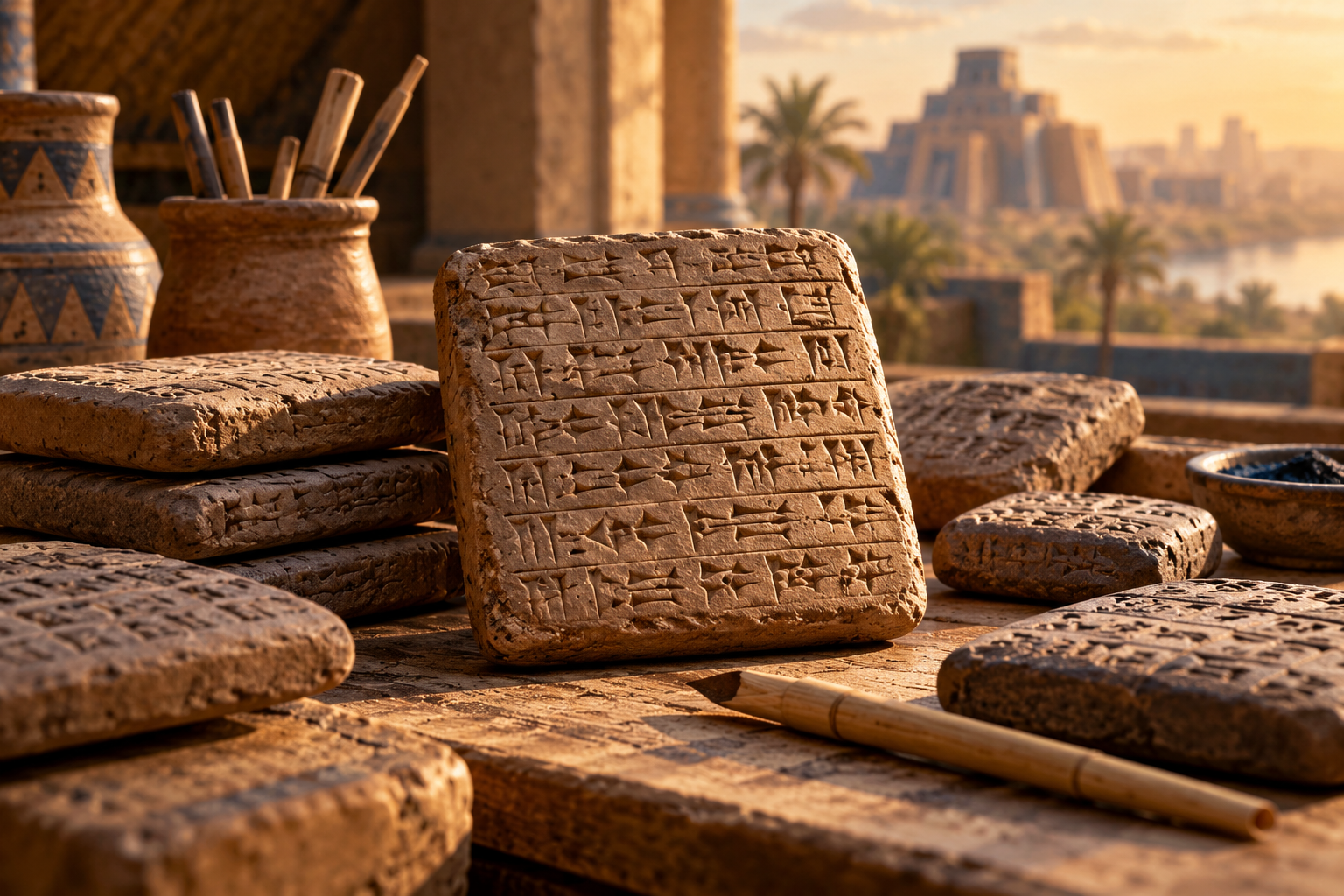
Modern AI-generated imagined cuneiform-writing scene. The illustrated tablets are not documented archaeological objects or a copy of an ancient god list
Entität
Texts collecting divine names for preservation, teaching and classification, with varying theological organization.
Namensvarianten: god lists, god list
Kontext und Quellen →

An imagined celestial council chamber in a modern digitally generated concept illustration; not an ancient artifact or a documented reconstruction of an actual divine assembly
Entität
A divine council is a religious and literary scene in which divine beings gather before a superior authority for discussion, commissioning or judgment; it is not identical to a pantheon list.
Namensvarianten: divine council, divine councils
Kontext und Quellen →

Modern AI-generated symbolic illustration of the question of simplicity and composition; not a depiction of God, an artefact or a historical reconstruction
Entität
The claim that God has no ontological constituents; strong versions deny real distinctions between essence and existence or between God and intrinsic attributes. It is not just numerical oneness or incorporeality.
Namensvarianten: Divine simplicity, Divine metaphysical simplicity
Kontext und Quellen →
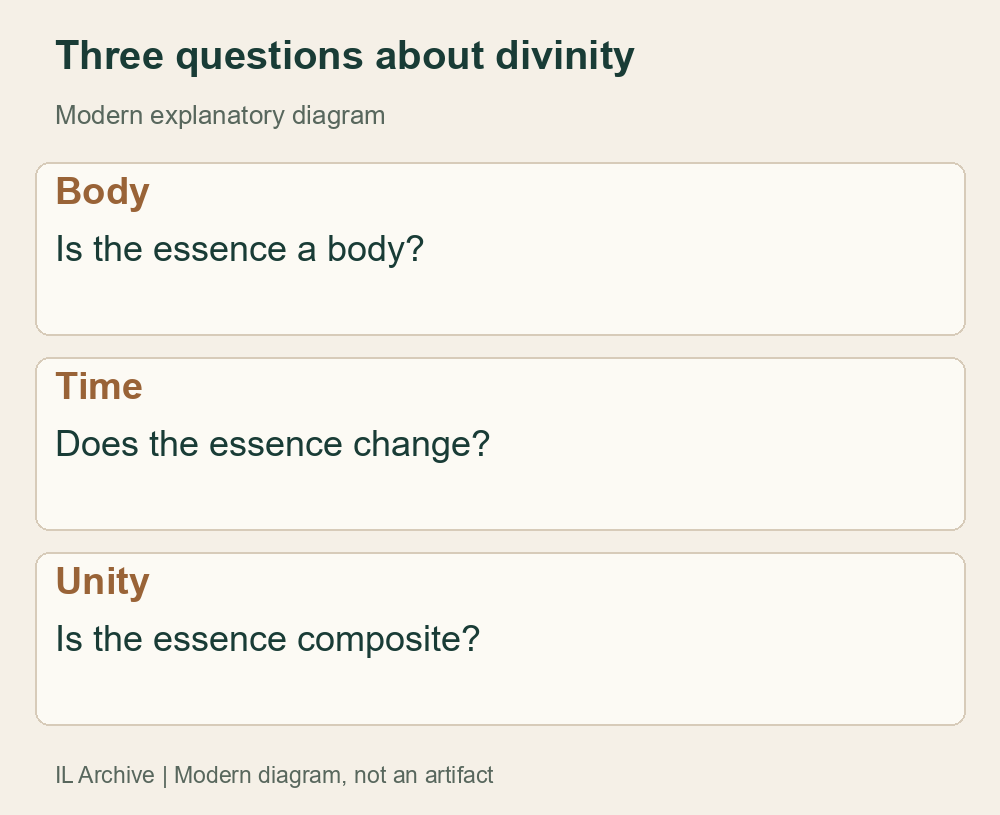
Three distinct axes, not one historical transition or a doctrine shared by every school
Entität
The denial that divine essence is an extended body with parts or spatial occupation; distinct from invisibility and simplicity, with the meaning of body and place varying by school.
Namensvarianten: Divine incorporeality, incorporeality, divine bodilessness
Kontext und Quellen →
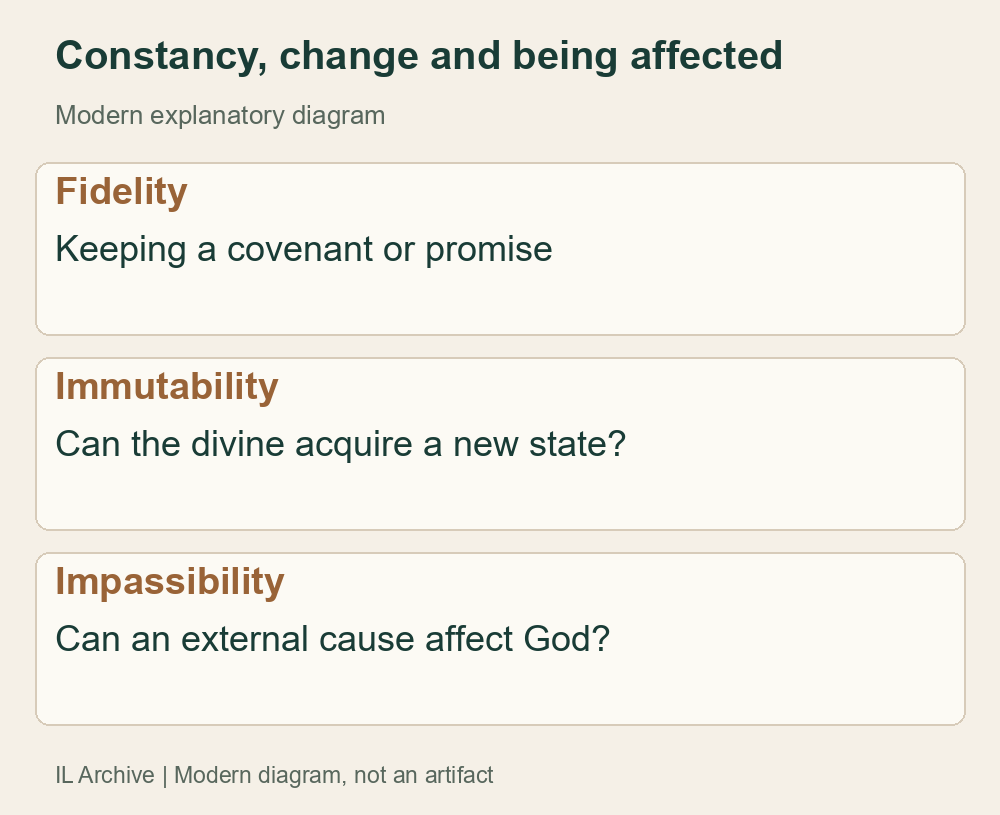
Modern conceptual distinction; connecting the levels requires argument, and terminology alone does not deny love or providence
Entität
The philosophical and theological question of whether divine being, knowledge or will can change; distinct from faithfulness, impassibility and timelessness.
Namensvarianten: divine immutability, immutability of God
Kontext und Quellen →

Modern AI-generated conceptual artwork: a hand-shaped shadow over imagined pages evokes the difference between wording, appearance and interpretation. Not an artifact, real manuscript or depiction of God
Entität
Attribution of human features or feelings, such as hands, face and anger, to God. Language, visions, interpretation and beliefs about corporeality require separate analysis.
Namensvarianten: Divine anthropomorphism, divine anthropomorphic language
Kontext und Quellen →
Person
Austrian scholar of ancient Judaism and rabbinic literature, born in 1940.
Namensvarianten: Günter Stemberger
Kontext und Quellen →
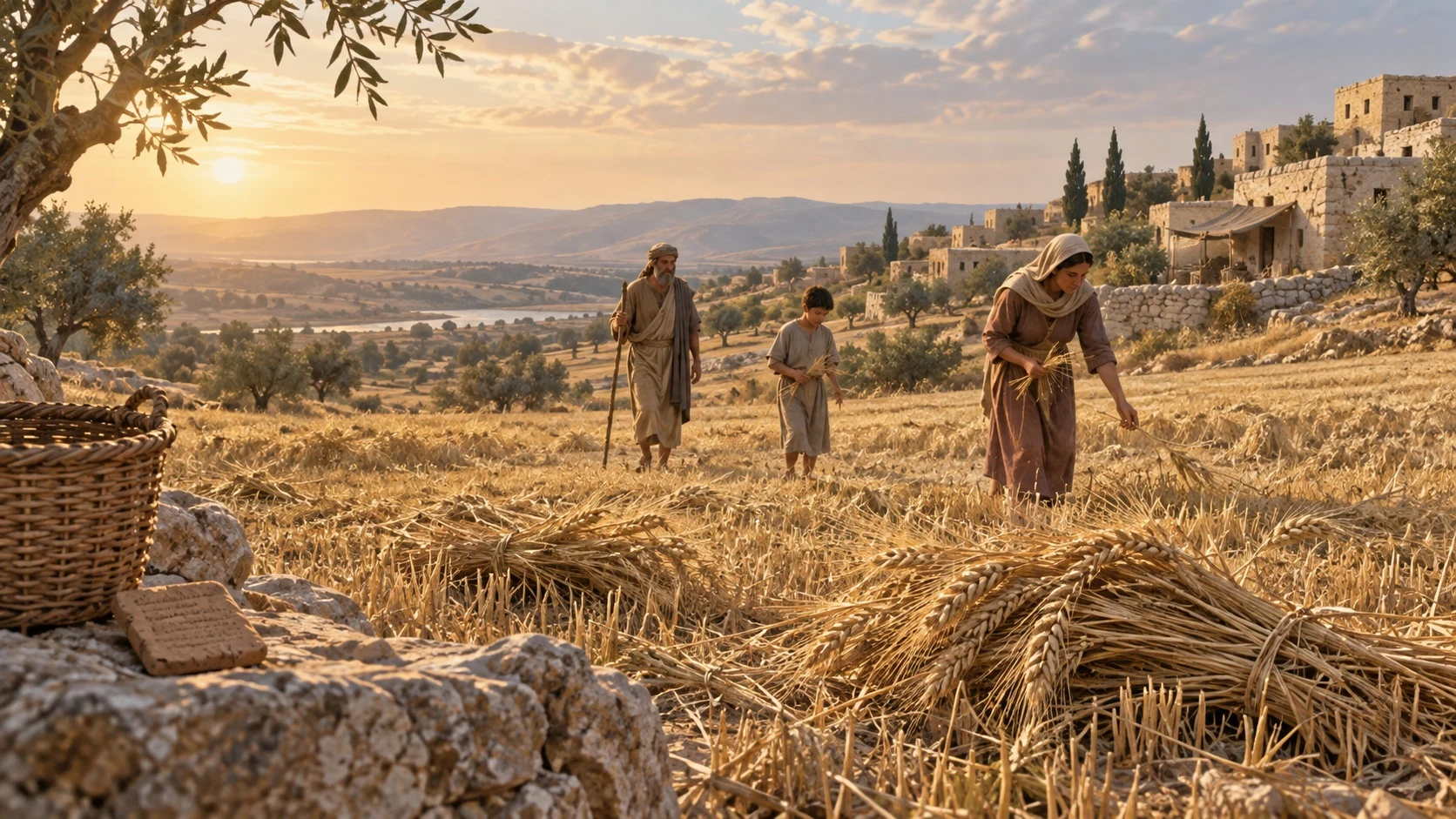
Contemporary conceptual illustration of sheaves left in a harvested field, inspired by Deuteronomy’s harvest rules. Not a record of an identified ancient village or evidence that the rules were enforced; IL Archive / CC0
Entität
The Hebrew gēr is a resident outsider whose protections, work, gleaning and ritual roles differ by text; not simply any foreigner or later convert.
Namensvarianten: ger, gēr, resident alien
Kontext und Quellen →

A newly generated conceptual illustration of a heavenly assembly and a distant figure below, inspired by Job 1–2. Not an ancient artefact, documented historical reconstruction, or verified likeness of ha-satan or Yahweh
Entität
Hebrew “the adversary” in Job 1–2, who challenges Job’s motives with Yahweh’s permission. “Accuser” is a common functional interpretation, but “enforcer” has been argued; later Satan traditions cannot simply be read back into the passage.
Namensvarianten: ha-satan
Kontext und Quellen →
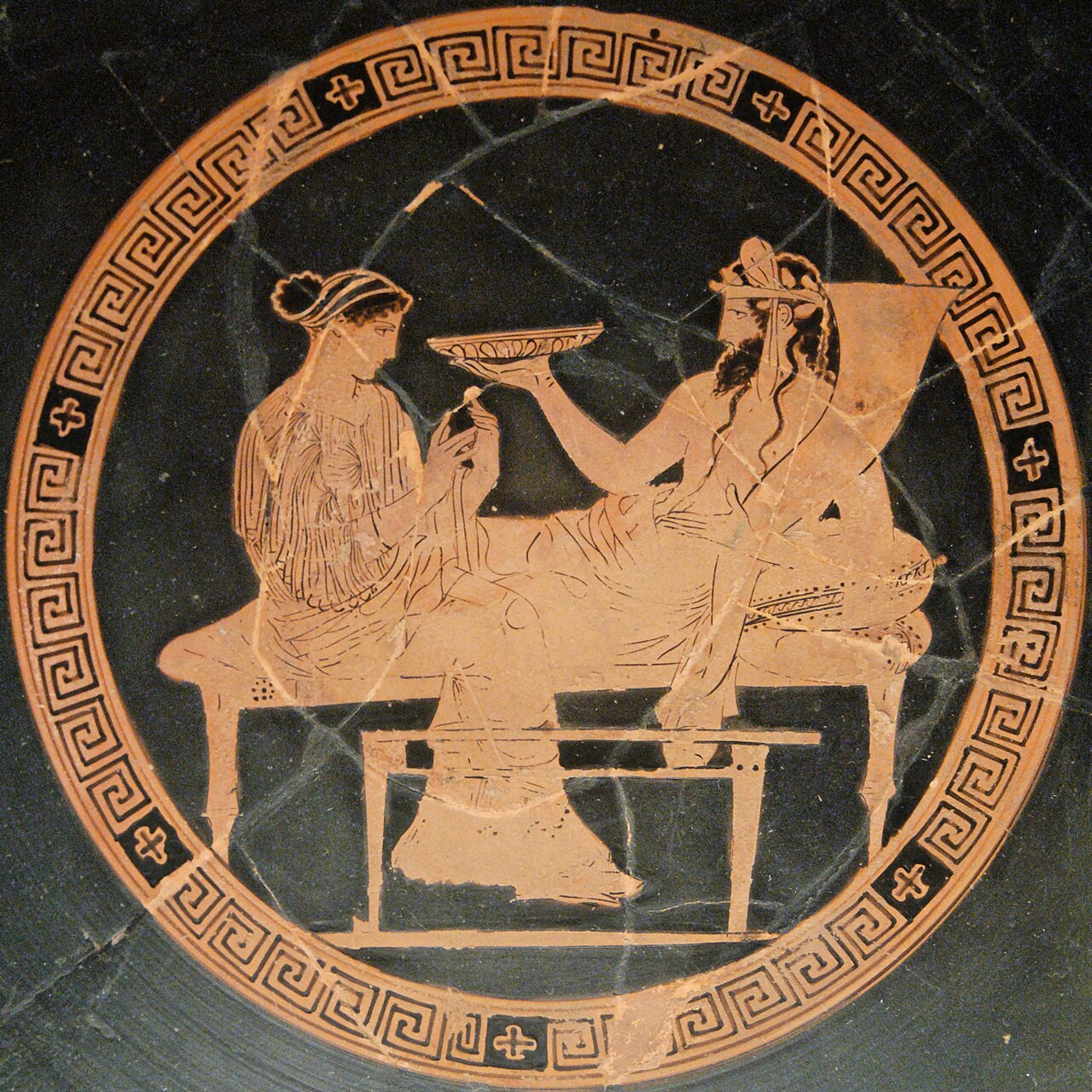
Hades and Persephone inside an Attic cup, about 430 BCE; British Museum 1847,0909.6 / E 82. An ancient artistic representation of the underworld’s rulers
Entität
Underworld god in Greek narratives, and brother of Zeus and Poseidon in the Iliad exchange.
Namensvarianten: Hades
Kontext und Quellen →
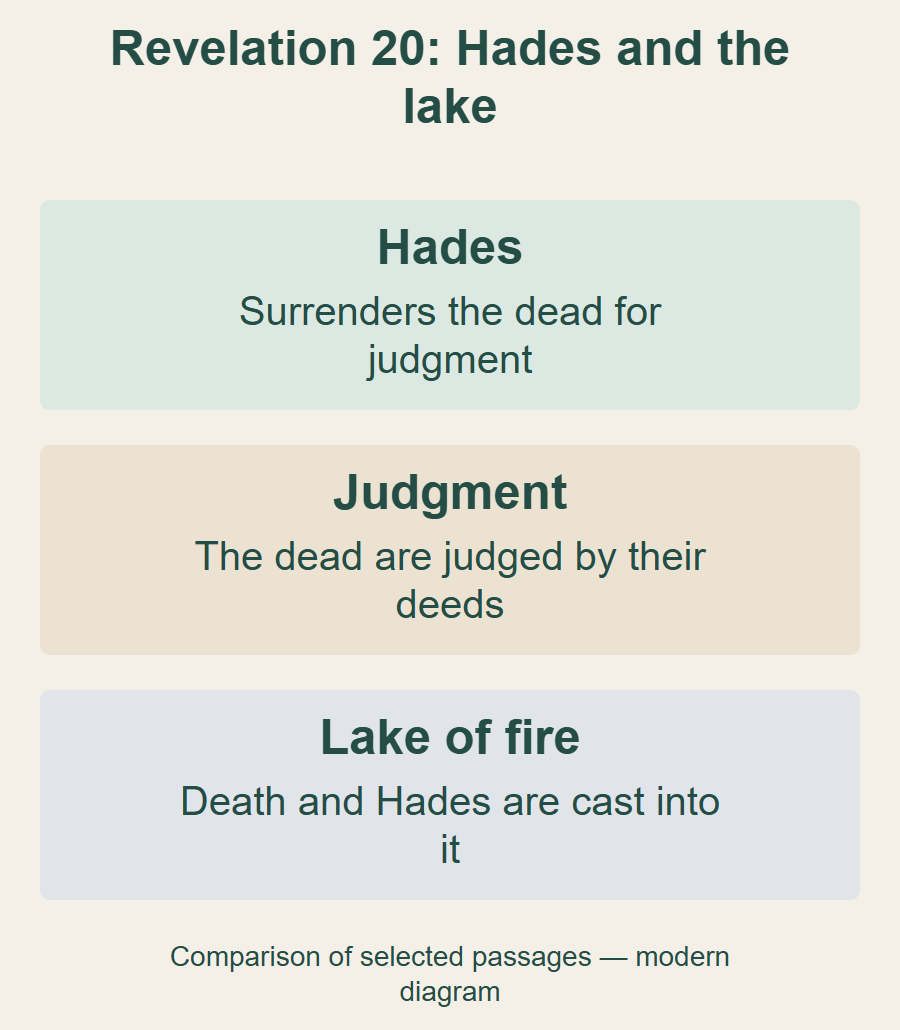
Modern textual sequence of Revelation 20: the dead surrendered, judgment, then death and Hades cast into the lake; distinctions in the text, not an actual afterlife map
Entität
Hades is a Greek name for the abode of the dead, whose function varies with the text.
Namensvarianten: Hades, abode of the dead
Kontext und Quellen →
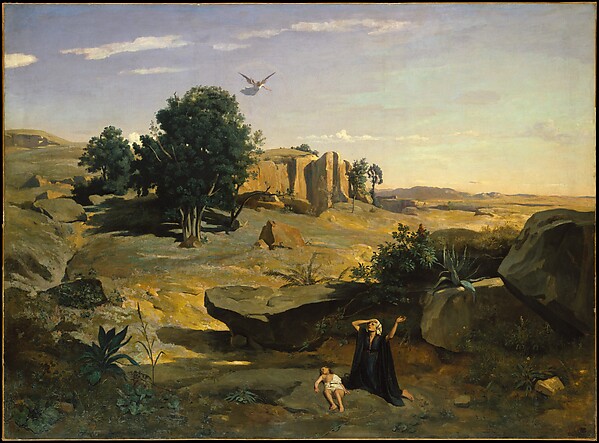
Camille Corot, Hagar in the Wilderness, 1835, The Met 38.64; later artistic depiction of Genesis, not a historical likeness
Person
Figure in Genesis: an Egyptian woman in Sarah and Abraham's household and Ishmael's mother; chapters 16 and 21 narrate her flight and later expulsion and survival.
Namensvarianten: Agar
Kontext und Quellen →
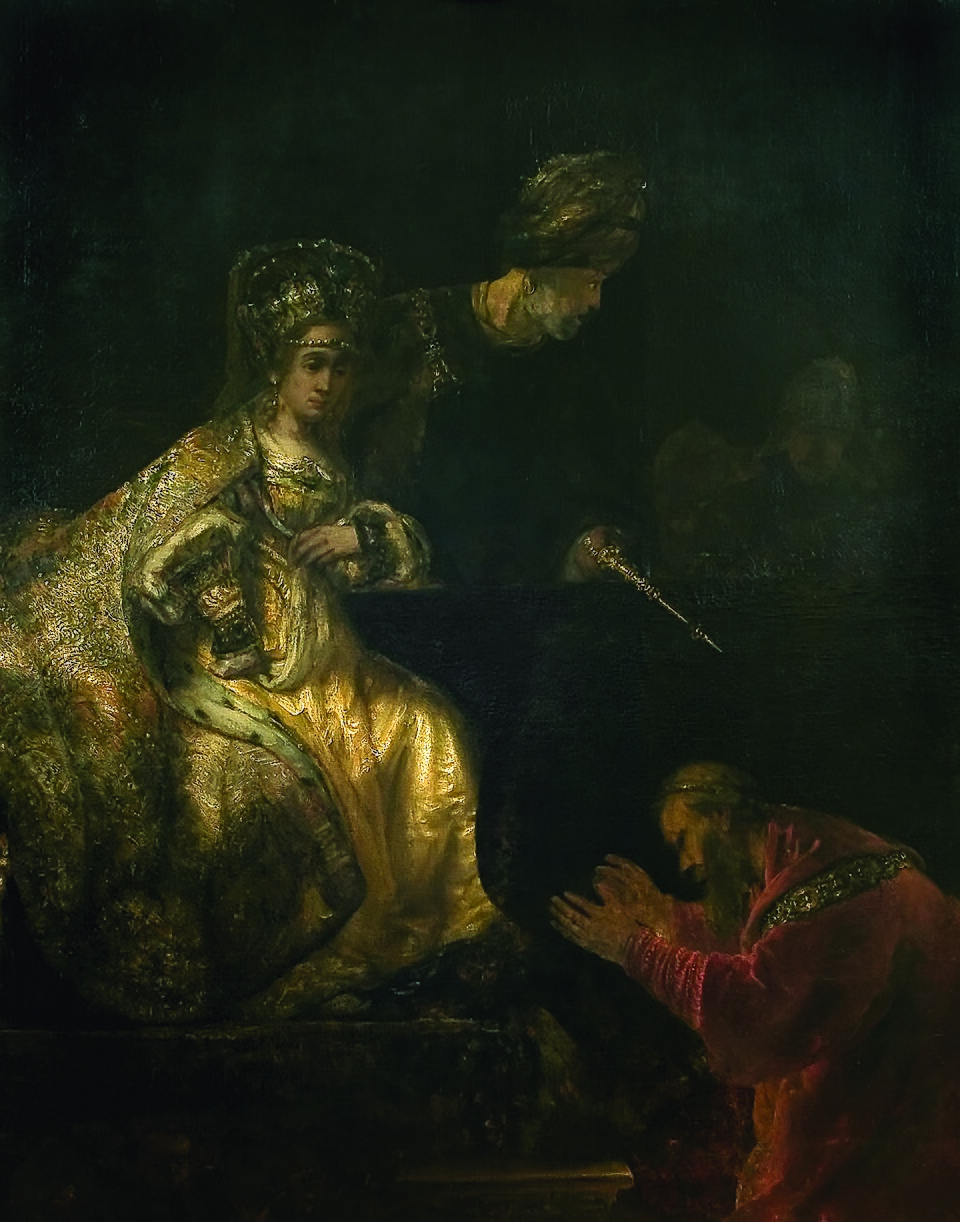
Haman before Esther,attributed to Rembrandt and his studio,1660 s; National Museum of Art of Romania 8187/221. Artistic interpretation of Esther 7, not historical portraits of the characters
Person
The powerful court official opposing Esther and Mordecai, whose scheme to kill the Jews turns against him.
Namensvarianten: Haman in Esther
Kontext und Quellen →
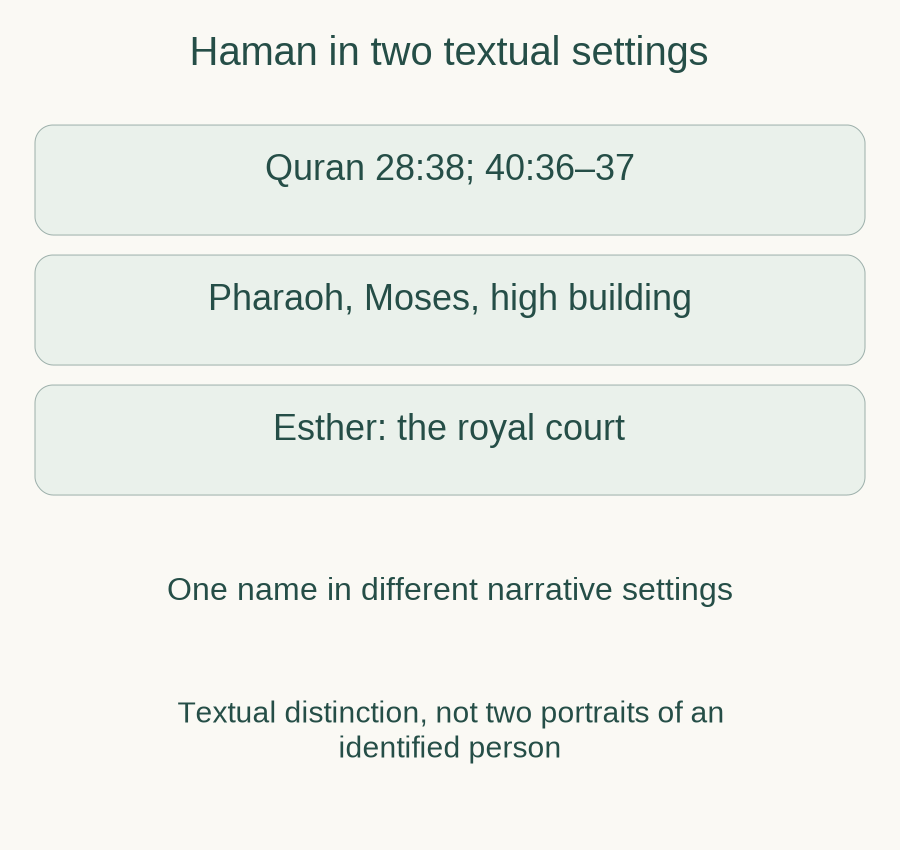
Modern IL Archive explanatory diagram: Haman in two textual settings. Not a reproduction of an ancient artifact
Person
Haman is addressed by Pharaoh in the Quran to build a high structure in Moses’s story; this entry identifies that narrative context.
Namensvarianten: Haman in the Quran
Kontext und Quellen →
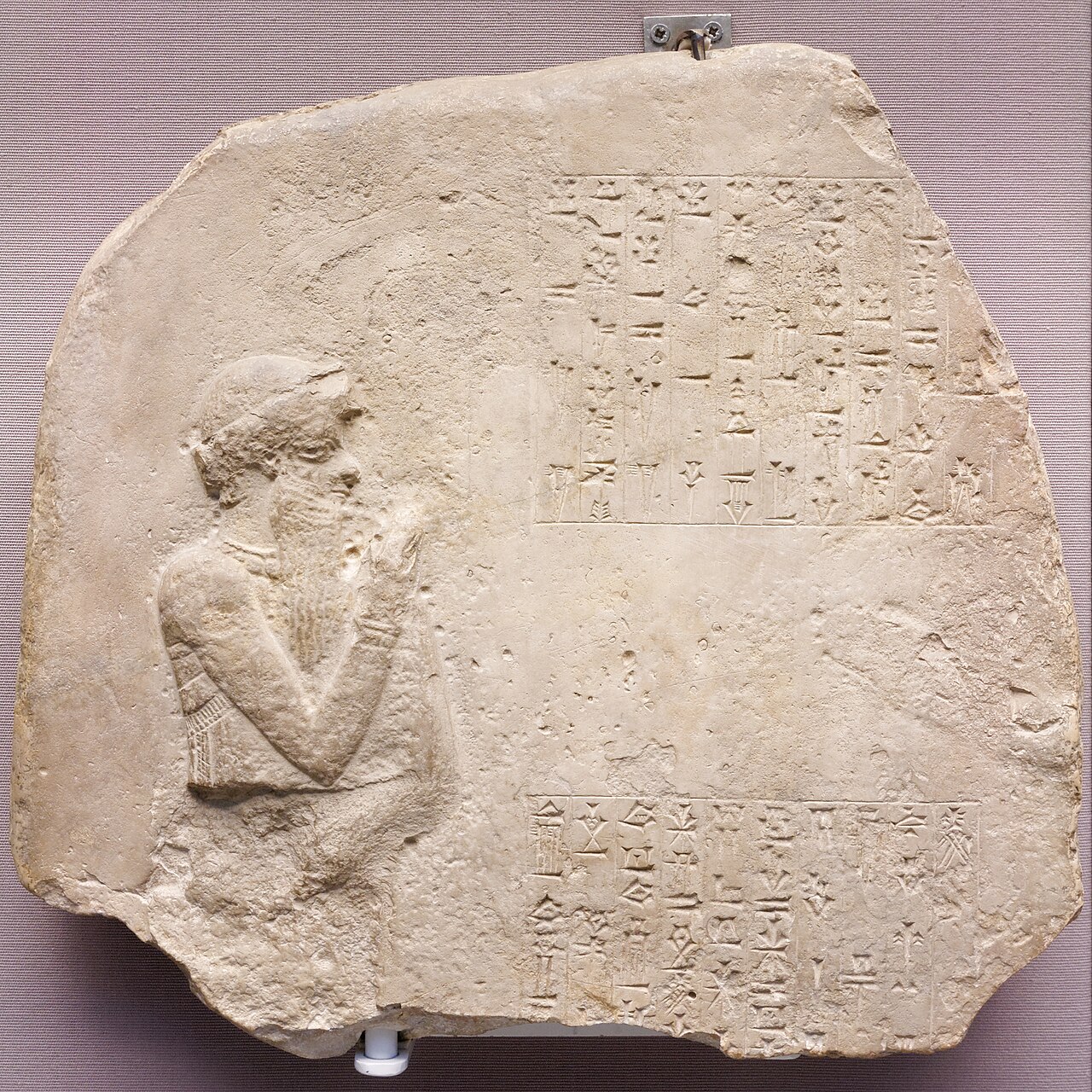
A limestone votive monument from Sippar, showing Hammurabi with his left arm raised. The British Museum dates it to his reign, 1792–1750 BCE; object 22454. Photograph by Marie-Lan Nguyen, 2012
Person
King of Babylon in Mesopotamia, reigning around 1792–1750 BCE. A celebrated legal text preserved on a stele and cuneiform copies bears his name.
Namensvarianten: Hammurabi, Hammurapi
Kontext und Quellen →
Person
Scholar of Hebrew Bible and Jewish exegesis, interpreting sotah through the husband’s jealousy.
Namensvarianten: Hanna Liss
Kontext und Quellen →
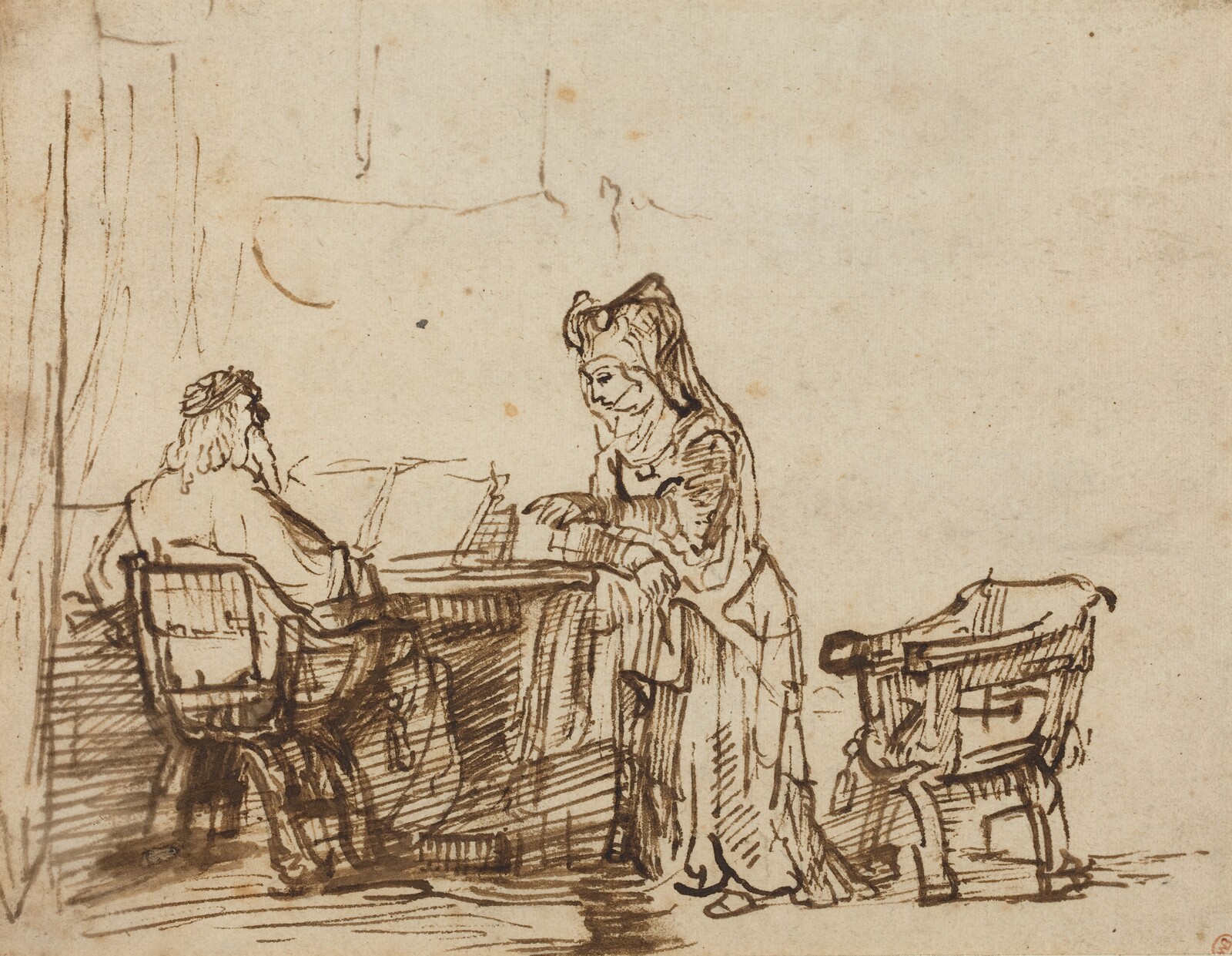
Hannah answering Eli, an anonymous drawing after Rembrandt (1606–1669). A later European rendering, not contemporary portraiture. National Gallery of Art, 1942.9.667
Person
Figure in 1 Samuel who prays for a son and answers Eli’s suspicion of drunkenness; “daughter of Belial” describes conduct in her reply.
Namensvarianten: Hannah, mother of Samuel
Kontext und Quellen →
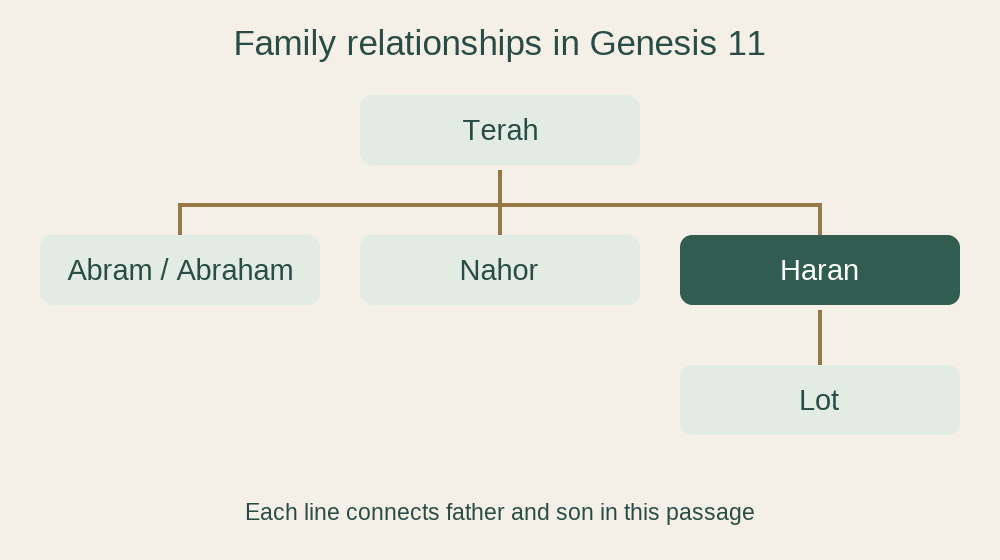
Modern diagram of family relationships in Genesis 11; the highlighted node identifies this entry’s figure. It explains the narrative’s genealogy, not physical likenesses or independent proof of their lives
Person
Terah’s son, Abram’s brother and Lot’s father in Genesis; later narratives explain his death differently.
Namensvarianten: Haran, brother of Abraham, Haran
Kontext und Quellen →
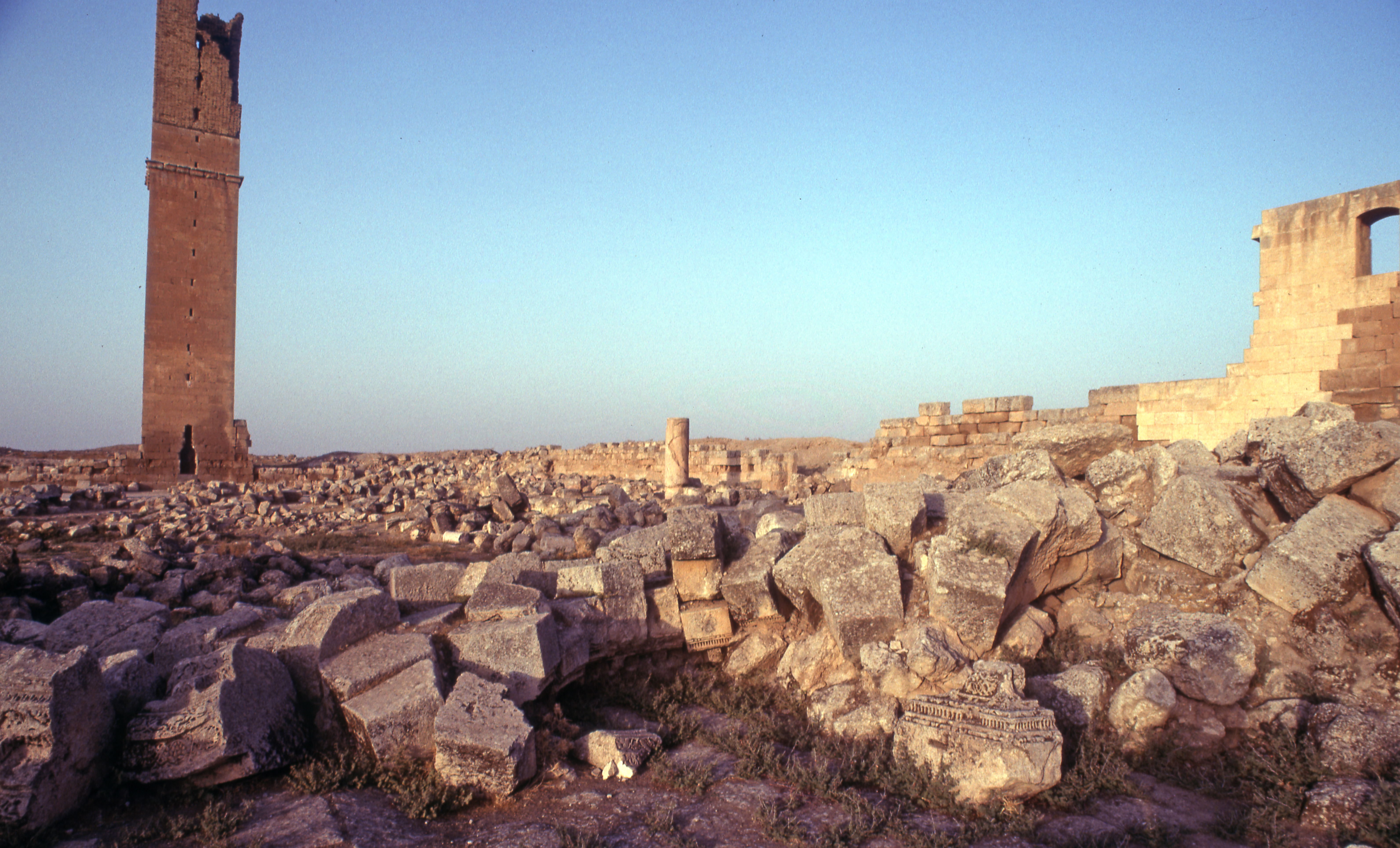
Ruins of Harran’s Great Mosque, founded in the Umayyad eighth century CE, with later building phases. Dosseman photographed this slide in 1997; the file’s 2018 date concerns digitization. The image illustrates the Islamic city’s architecture, not buildings of Abraham’s narrated time
Stätte
Historic city in southeastern Türkiye, south of Şanlıurfa; Genesis places Abraham’s family there on its journey towards Canaan.
Namensvarianten: Harran
Kontext und Quellen →
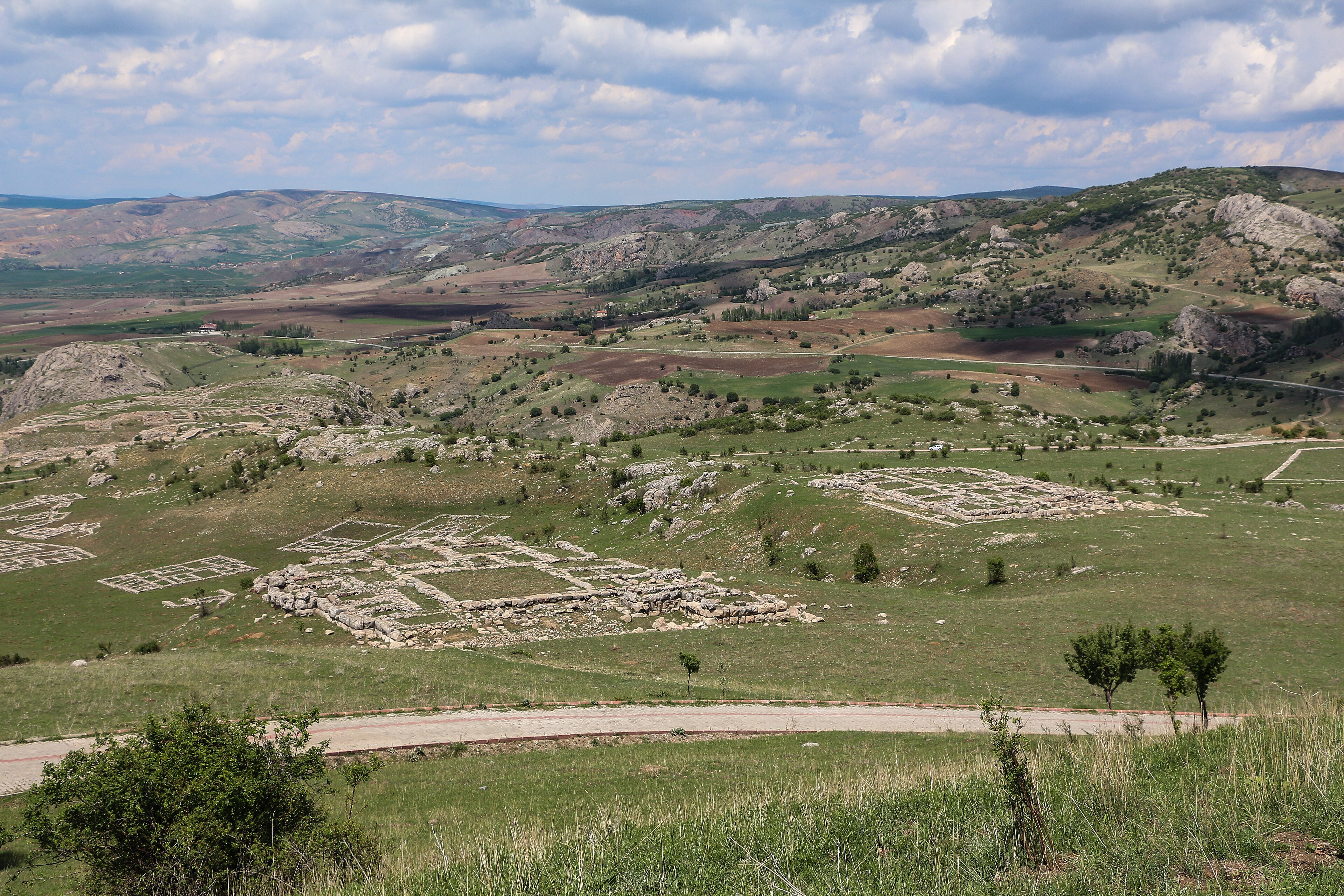
Blick auf die Oberstadt von Hattuscha bei Boğazkale in der Türkei
Stätte
Hittite capital near Boğazkale in present-day Turkey, preserving witnesses to treaty traditions.
Namensvarianten: Hattusha, Hittite capital
Kontext und Quellen →
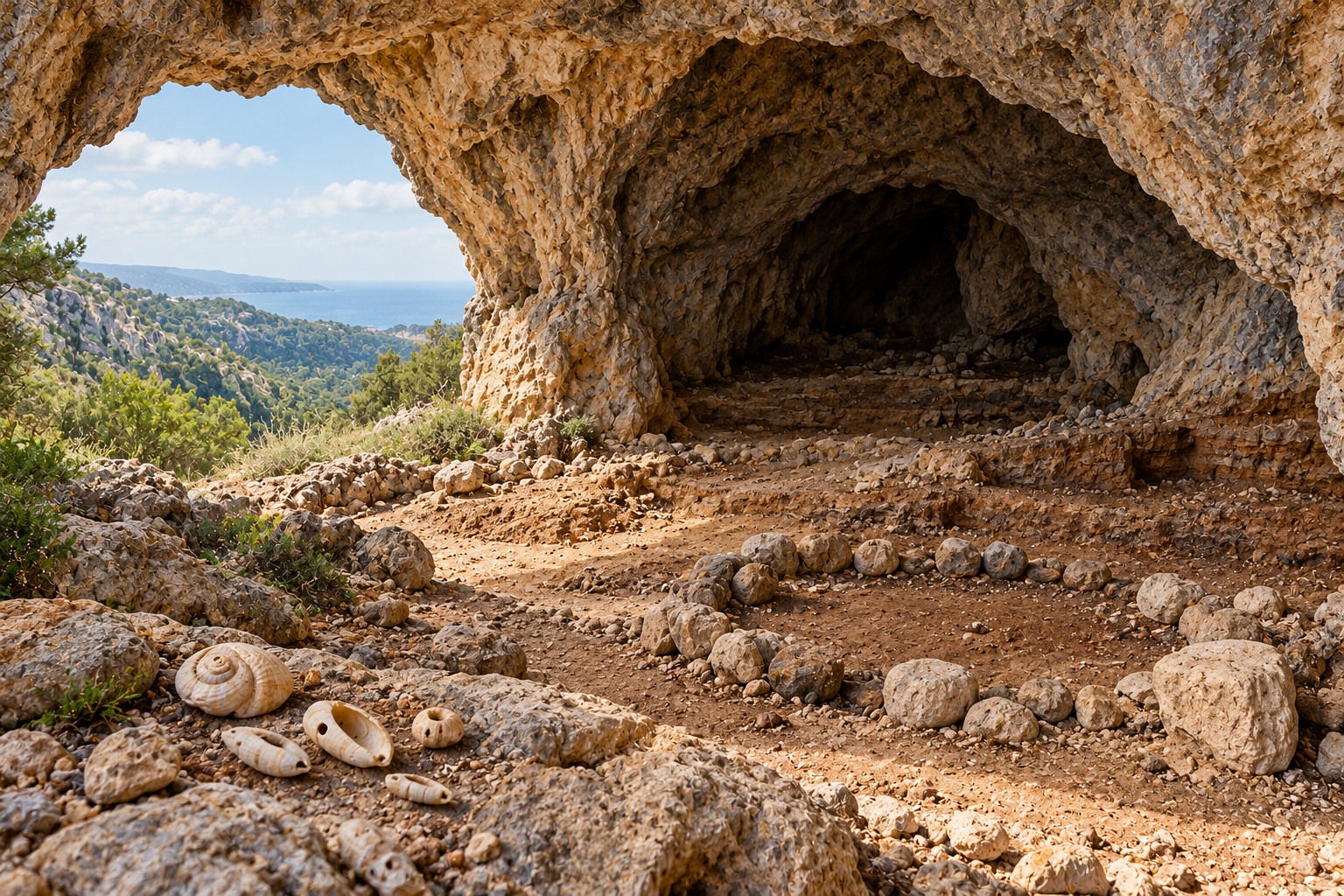
Contemporary imaginative illustration inspired by Galilean caves; not an actual photograph of Hayonim Cave, its graves, or a verified reconstruction
Stätte
A Galilean cave with Natufian graves and ornaments; its long funerary use informs research on identity and place memory.
Namensvarianten: Hayonim, Hayonim Cave
Kontext und Quellen →
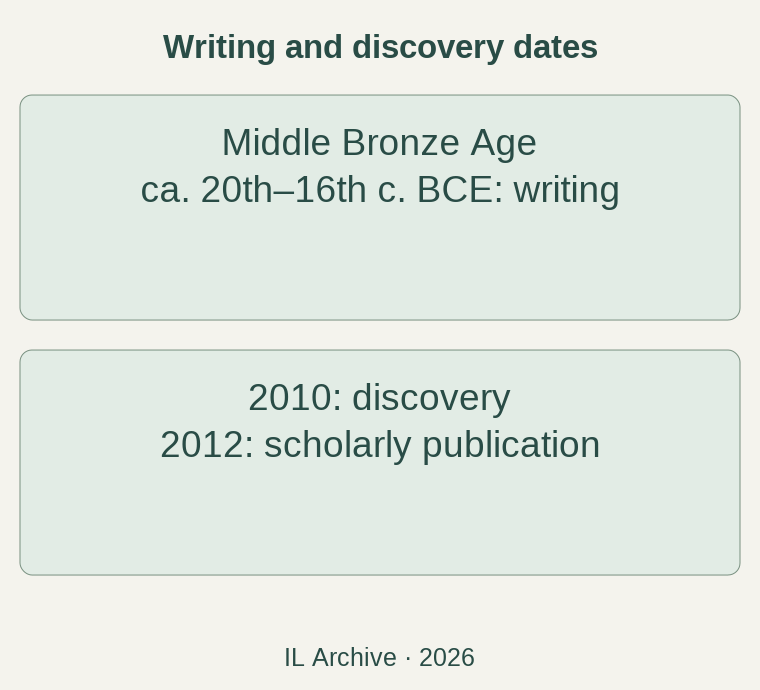
Modern diagram explaining the witness’s specified dates or provisions; not an ancient tablet, building or manuscript photograph
Stätte
Ancient Canaanite city in present-day northern Israel, where Middle Bronze Age legal-tablet fragments were found in 2010.
Namensvarianten: Hazor
Kontext und Quellen →
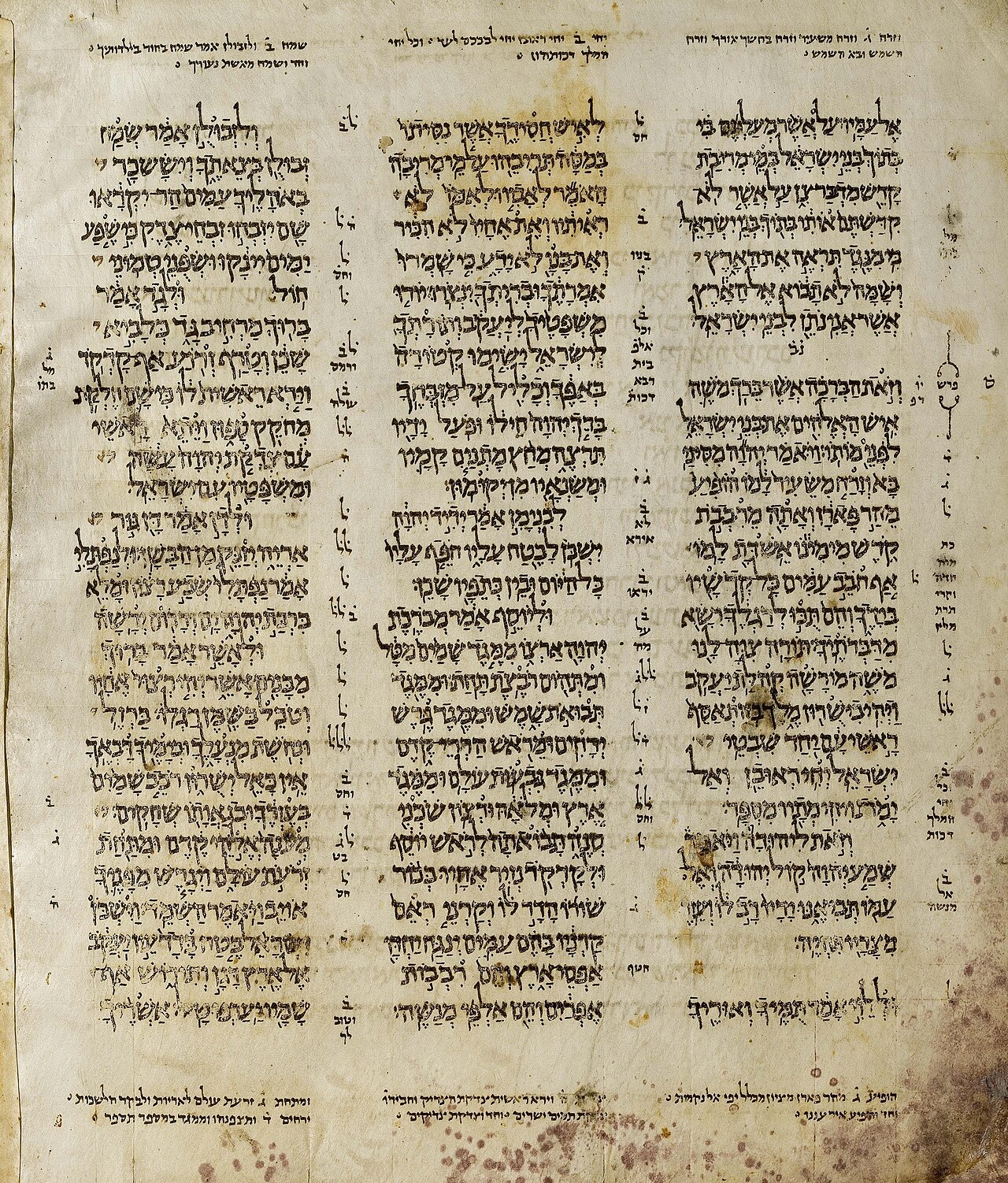
A Deuteronomy page from the tenth-century CE Hebrew Aleppo Codex. Its three columns, vowel and cantillation signs and marginal notes document Masoretic manuscript transmission, not an Iron Age manuscript
Entität
A Northwest Semitic language of the Canaanite group, encompassing Iron Age epigraphy, Biblical, Rabbinic, medieval and Modern Hebrew; its scripts and pronunciations changed over time.
Namensvarianten: Hebrew
Kontext und Quellen →
Modern AI-generated conceptual illustration of textual transmission; not a historical manuscript or an authenticated reconstruction of an artifact
Entität
Hebrew text used by an ancient translator or reflected in a translation. A reading may be partly attested in surviving fragments or cautiously inferred from Greek; retroversion is not a recovered scroll or necessarily a complete edition.
Namensvarianten: Hebrew Vorlage, Hebrew source text
Kontext und Quellen →
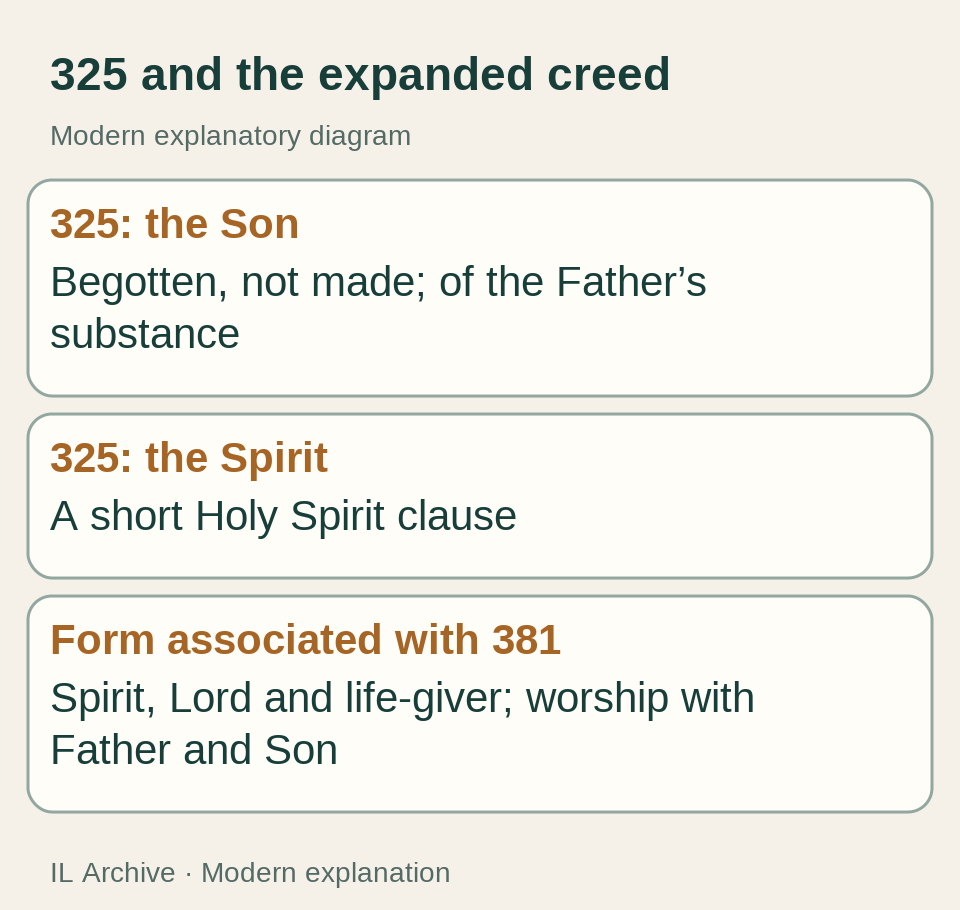
Modern comparison of the Holy Spirit clauses in the 325 creed and the expanded form associated with 381, attested in the acts of 451. The diagram explains differences in textual detail; it does not depict the Spirit or a divine likeness
Entität
Name present in Christian texts and worship, whose relation to Father and Son was defined in Trinitarian formulations.
Namensvarianten: Holy Spirit
Kontext und Quellen →