Person
Markham Geller
Scholar of Semitic languages, cuneiform and Mesopotamian medicine who discussed Dilmun and paradise.
Namensvarianten: Markham Geller
Kontext und Quellen →Ein Lesebegleiter
Kurze Erläuterungen zu Namen, Begriffen und Orten. Öffnen Sie einen Eintrag, um Kontext, Quellen und verwandte Materialien zu lesen.
1047 Erläuterungen
Person
Scholar of Semitic languages, cuneiform and Mesopotamian medicine who discussed Dilmun and paradise.
Namensvarianten: Markham Geller
Kontext und Quellen →Person
Assyriologist and social historian, author of Women in the Ancient Near East.
Namensvarianten: Marten Stol
Kontext und Quellen →Person
German scholar of the New Testament and ancient Judaism, 1926–2009.
Namensvarianten: Martin Hengel
Kontext und Quellen →Person
Scholar of Jewish interpretation and professor emeritus at York University.
Namensvarianten: Marty Lockshin
Kontext und Quellen →Person
Scholar of Zoroastrianism and Iranian languages, 1920–2006, and SOAS professor of Iranian studies.
Namensvarianten: Mary Boyce
Kontext und Quellen →Person
Medieval-literature scholar who studied Jesus and clay birds across traditions.
Namensvarianten: Mary Dzon
Kontext und Quellen →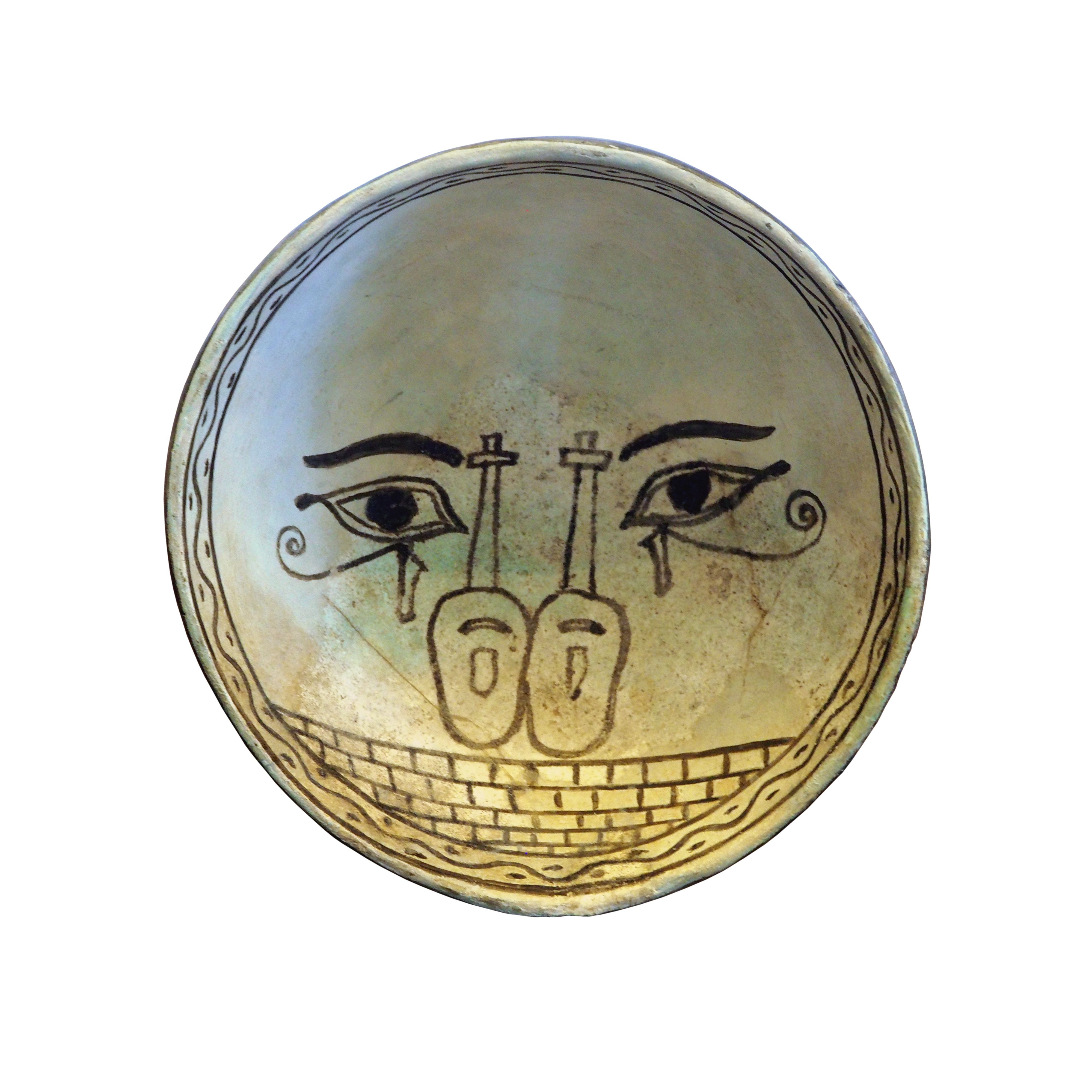
Cup of faience, a glazed silica-based material, with Egyptian signs, from tomb VI at Minet el-Beida, 1400–1200 BCE; Louvre AO 15727 (RS 4.104). Regional material context, not direct evidence that the cup was used in a marziḥu
Entität
A banqueting institution or association in Ugaritic documents, with religious functions not reducible to one ritual.
Namensvarianten: marziḥu, marzihu, marzeaḥ
Kontext und Quellen →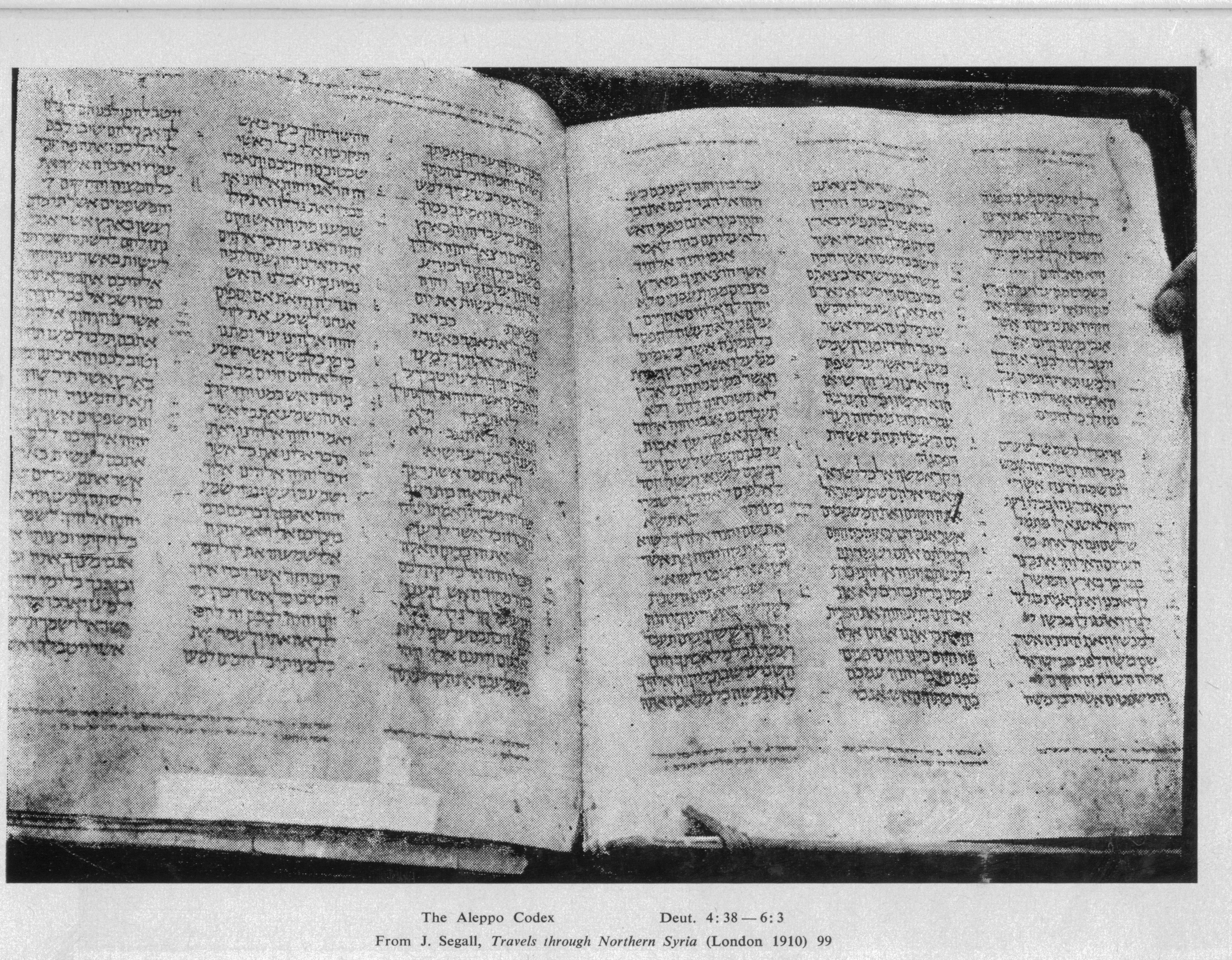
Historical photograph of two pages of the Aleppo Codex, copied around 930 CE. Published in Joseph Segall’s 1910 book, it records Deuteronomy 4:38–6:3 on subsequently lost leaves. It illustrates text and Masorah layout, not Deuteronomy 32:8
Entität
The Hebrew Bible’s transmission tradition combining its consonantal text, transmitted vocalization and accentuation, and Masorah notes. The consonantal text has ancient roots; surviving codices that bring these layers together in their Masoretic form are medieval.
Namensvarianten: Masoretic Text
Kontext und Quellen →
Modern conceptual rendering of confined spirits and a remaining portion in Jubilees 10. AI-generated cover, not an authentic depiction of Mastema, an ancient manuscript, an archaeological site, or a verified reconstruction
Entität
Figure in Jubilees called Mastema or “prince of hostility”; leader of harmful spirits and proposer of trials under divine permission. Not automatically identical with every Satan or Belial tradition.
Namensvarianten: Mastema, Mastêmâ
Kontext und Quellen →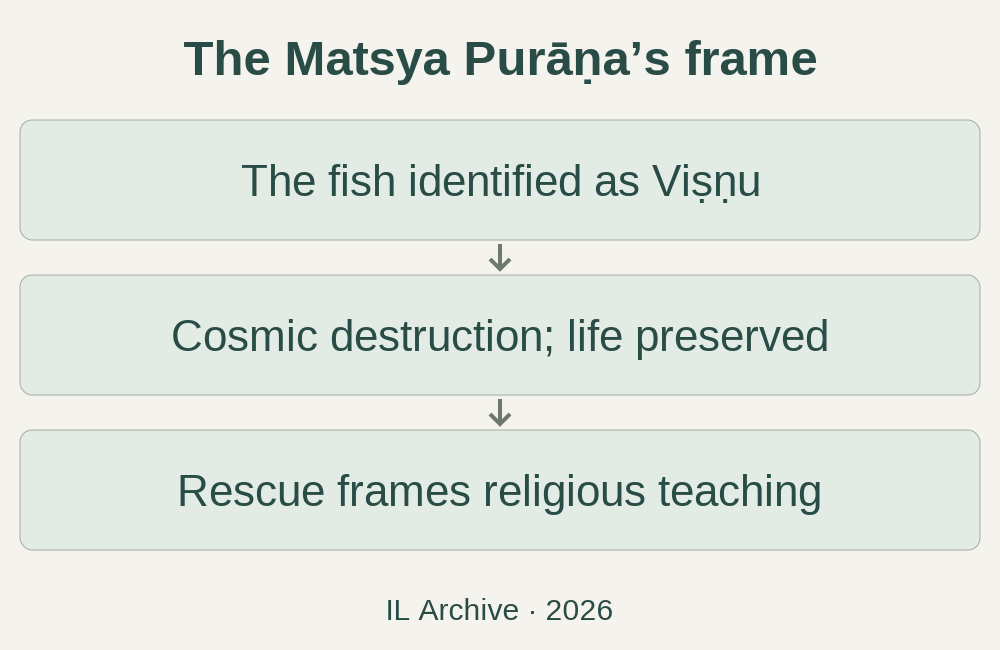
Modern explanatory diagram of narrative sequence and relationships, not a manuscript reproduction or portrait
Antiker Text
Sanskrit Purāṇic text framing religious instruction through the divine fish’s dialogue with Manu.
Namensvarianten: Matsya Purāṇa, Matsya Purana
Kontext und Quellen →
Modern conceptual illustration evoking the boat, horned fish, seeds and mountain in Manu traditions, especially the epic version; not an ancient artifact or documented location. © IL Archive, CC0
Entität
The fish saves Manu from a flood. The Śatapatha Brāhmaṇa does not name its deity; the Mahābhārata calls it Brahmā, while the Purāṇic versions examined identify Viṣṇu and vary in survivors and renewal.
Namensvarianten: Matsya, Matsyāvatāra
Kontext und Quellen →Person
German Old Testament scholar (born 1960), studying Isaiah’s monotheism, its Babylonian context, ancient astronomy and Qumran texts.
Namensvarianten: Matthias Albani
Kontext und Quellen →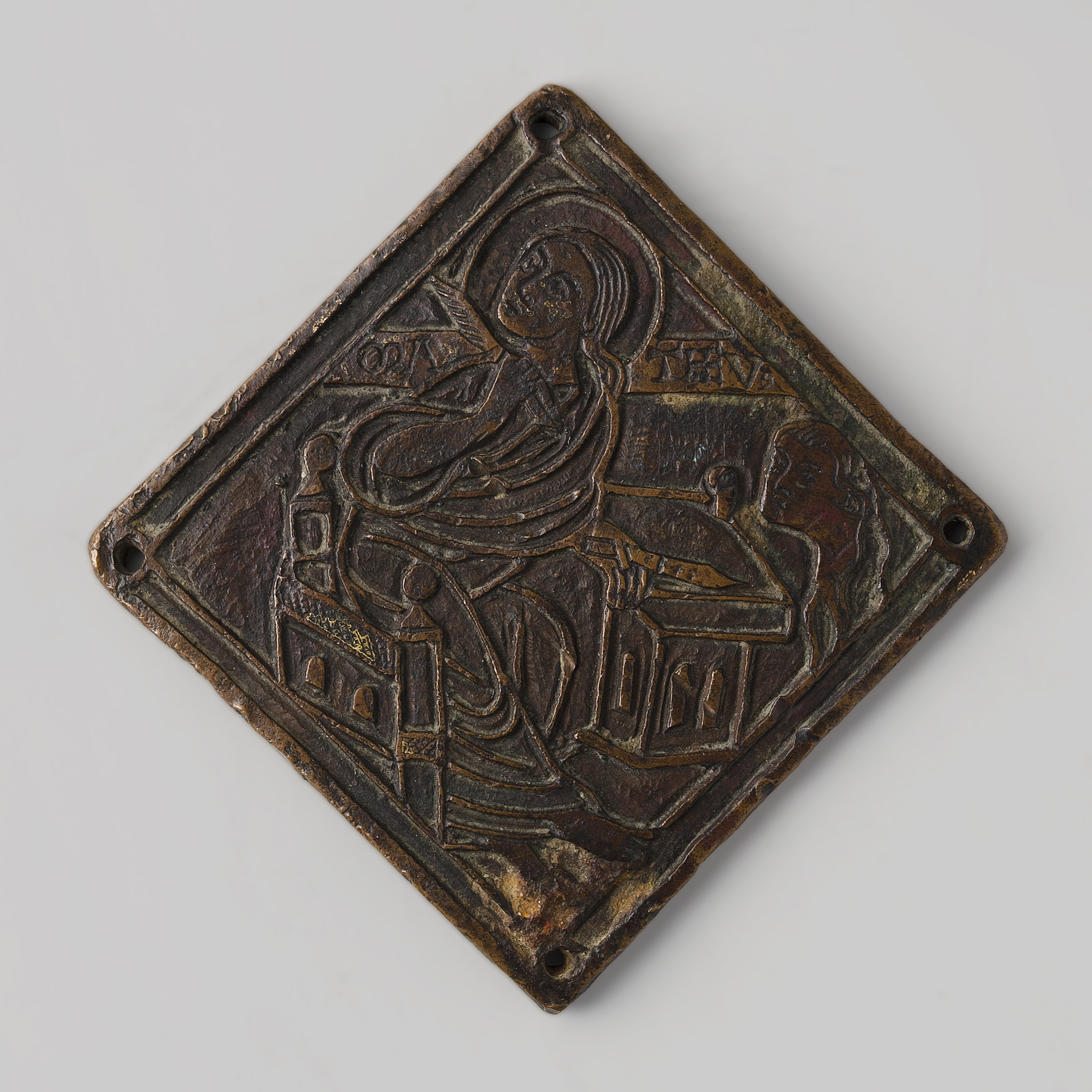
Saint Matthew Writing the Gospel, Mosan,1155–1165, copper alloy and traces of gilding; Met25.120.449. Later artistic reception, not a first-century manuscript or authenticated author portrait
Antiker Text
One of the New Testament’s four Gospels, from the late first century CE, relating inherited law and Jesus’ sayings.
Namensvarianten: Gospel of Matthew
Kontext und Quellen →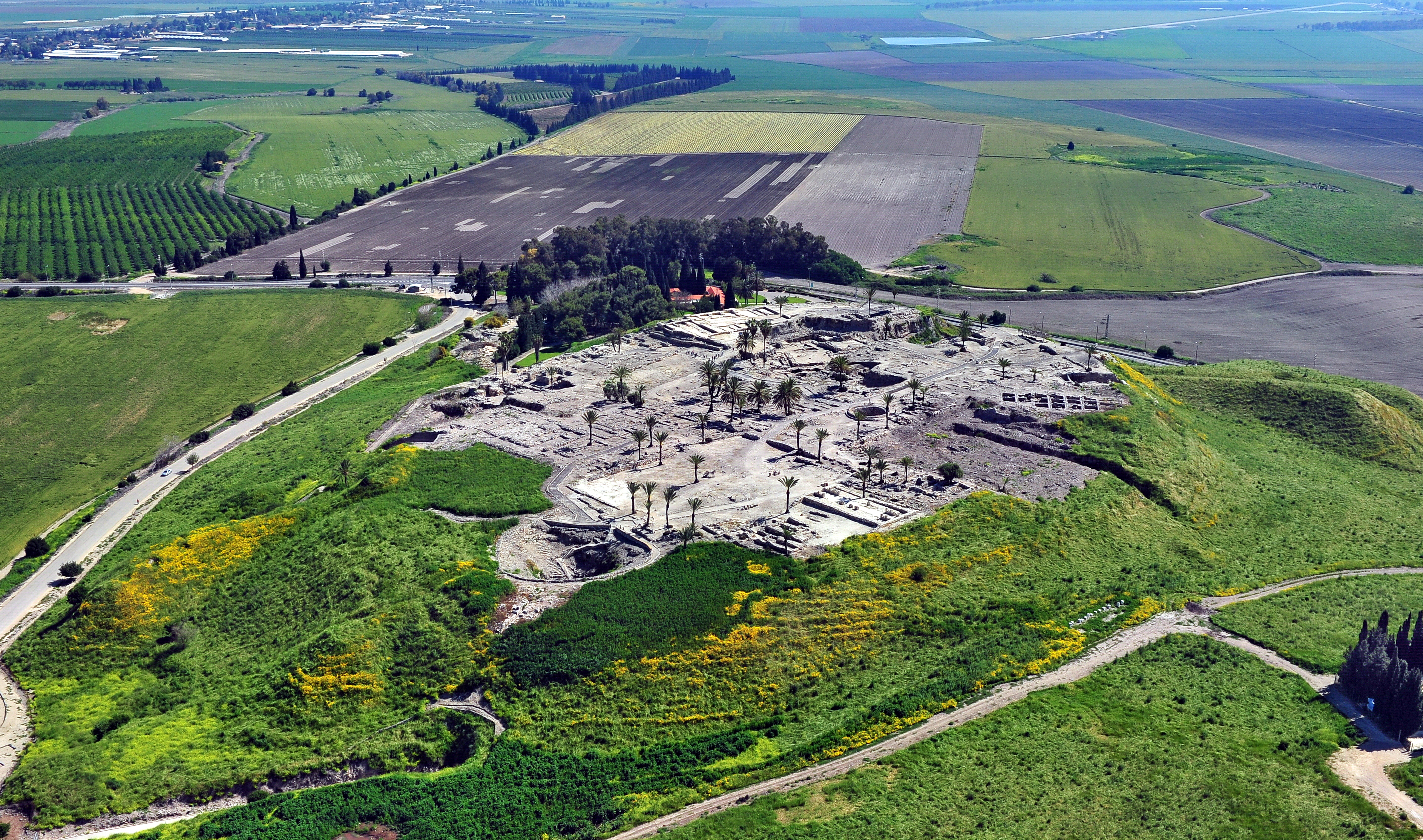
Aerial view of Tel Megiddo, Avram Graicer, 15 April 2011. Visible excavated remains do not identify the findspot of the Gilgamesh fragment
Stätte
Archaeological mound in present-day northern Israel with Bronze and Iron Age cities, associated with a Gilgamesh fragment.
Namensvarianten: Megiddo, Tell el-Mutesellim, Megiddo
Kontext und Quellen →Person
Researcher in ancient texts and ritual, studying Aramaic tradition and Deuteronomic curses.
Namensvarianten: Melissa Ramos
Kontext und Quellen →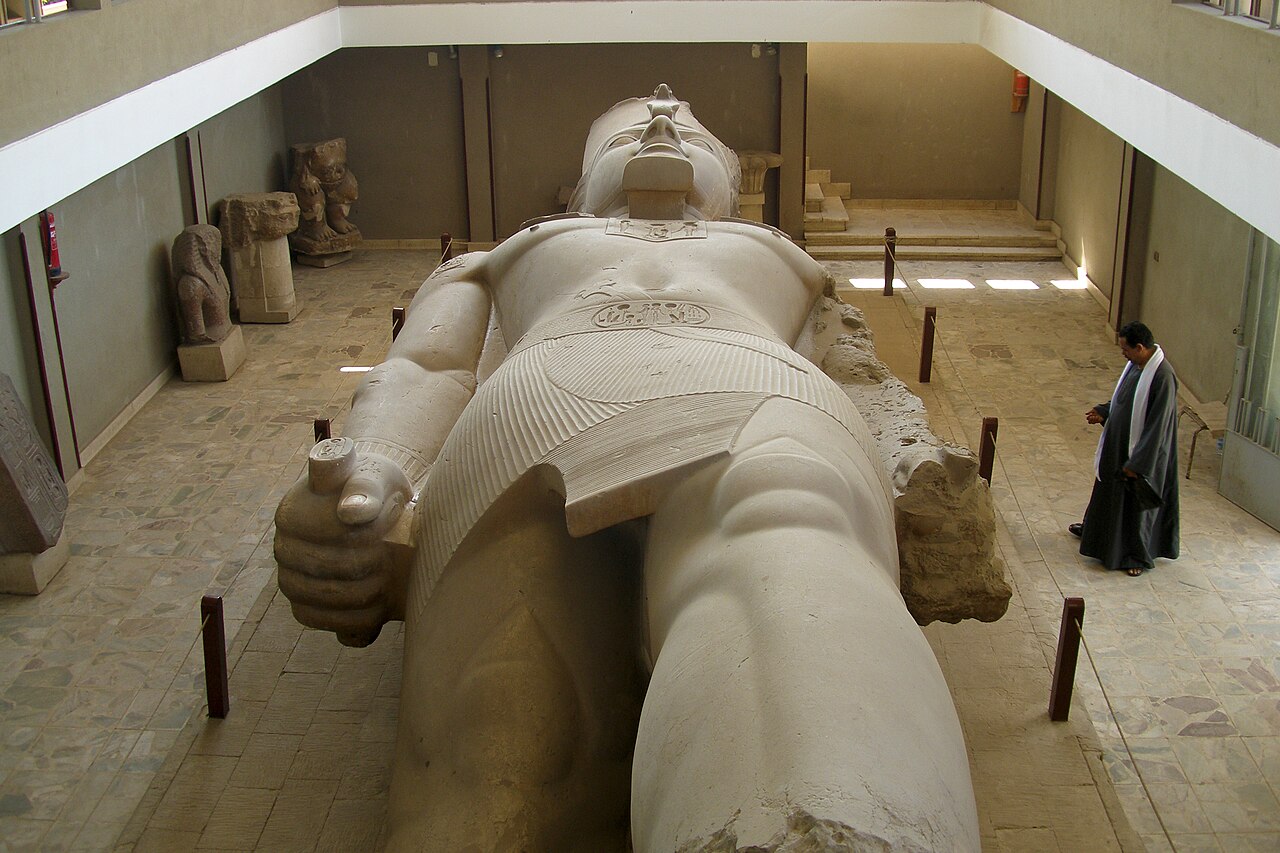
The large statue of Ramesses II at Memphis/Mit Rahina, Egypt, photographed on 17 June 2007. It belongs to the New Kingdom in the thirteenth century BCE, one of the later phases in the city’s long history
Stätte
Memphis is an ancient Egyptian city near Mit Rahina south of present-day Cairo
Namensvarianten: Memphis
Kontext und Quellen →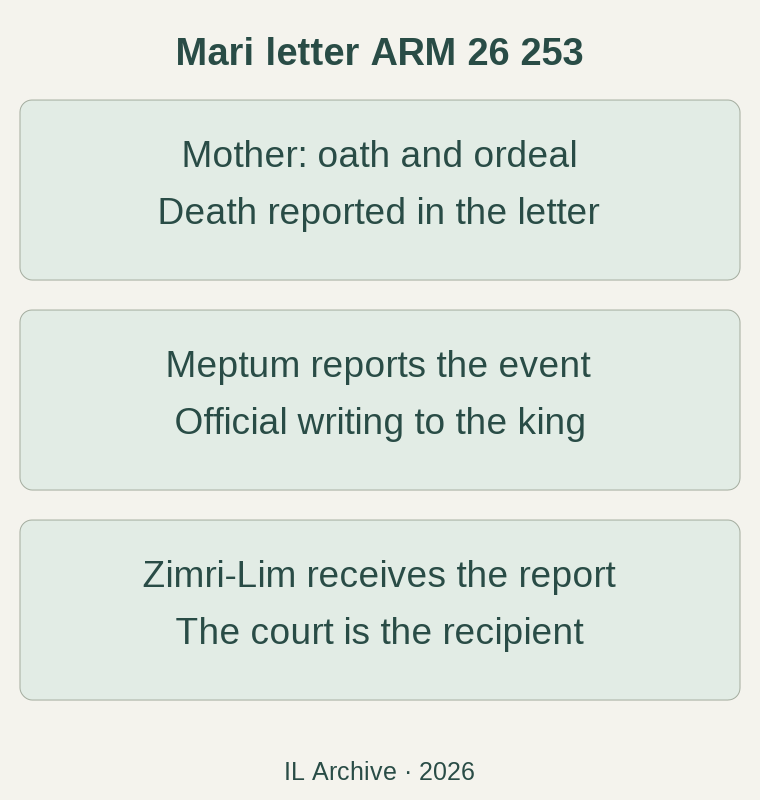
Modern diagram explaining roles in the specified source, not portraits or an ancient tablet. Row order explains relationships rather than reconstructing every ritual step
Person
Official and commander reporting river ordeals in Zimri-Lim’s correspondence.
Namensvarianten: Meptum, Mari correspondent
Kontext und Quellen →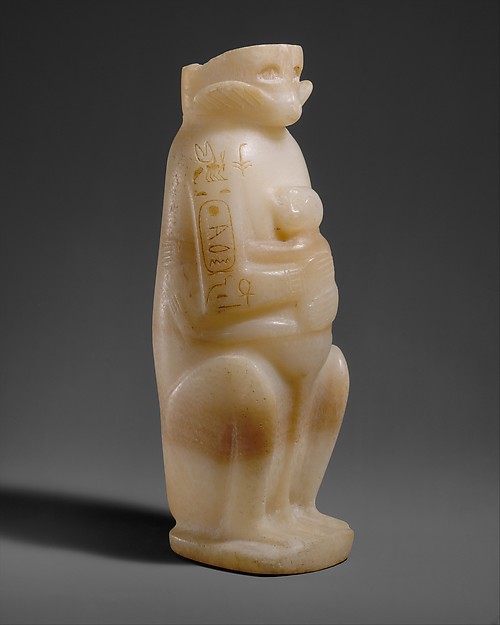
Egyptian-alabaster vase shaped as a mother monkey holding her young, inscribed with King Merenre I’s name. The Met dates it to about 2255–2246 BCE; object 30.8.134. The royal inscription appears on the shoulder
Person
Merenre I was an Egyptian king of the Sixth Dynasty in the late third millennium BCE
Namensvarianten: Merenre I
Kontext und Quellen →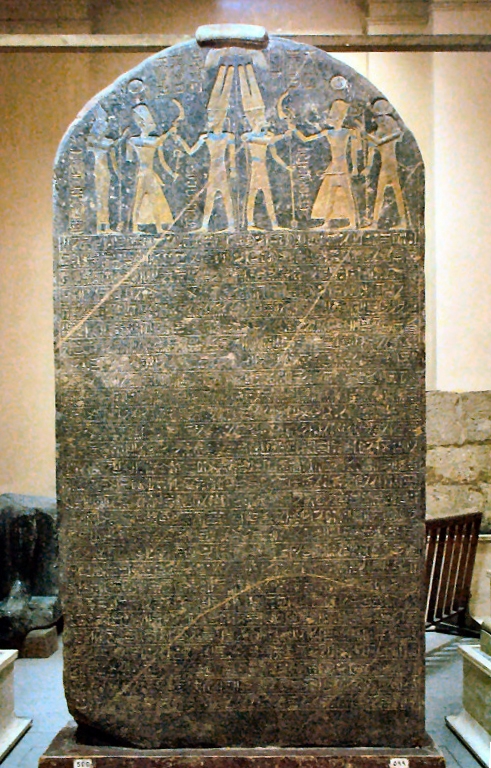
Merneptah Stele, JE 31408; photographed at the Egyptian Museum in Cairo in 2003. Perspective-corrected Wikimedia Commons version, reused unchanged
Artefakt
An Egyptian royal victory inscription of c. 1208 BCE on the reverse of a monument of Amenhotep III; it contains the earliest widely accepted external attestation of the name Israel.
Namensvarianten: Merneptah Stele, Merenptah Stele
Kontext und Quellen →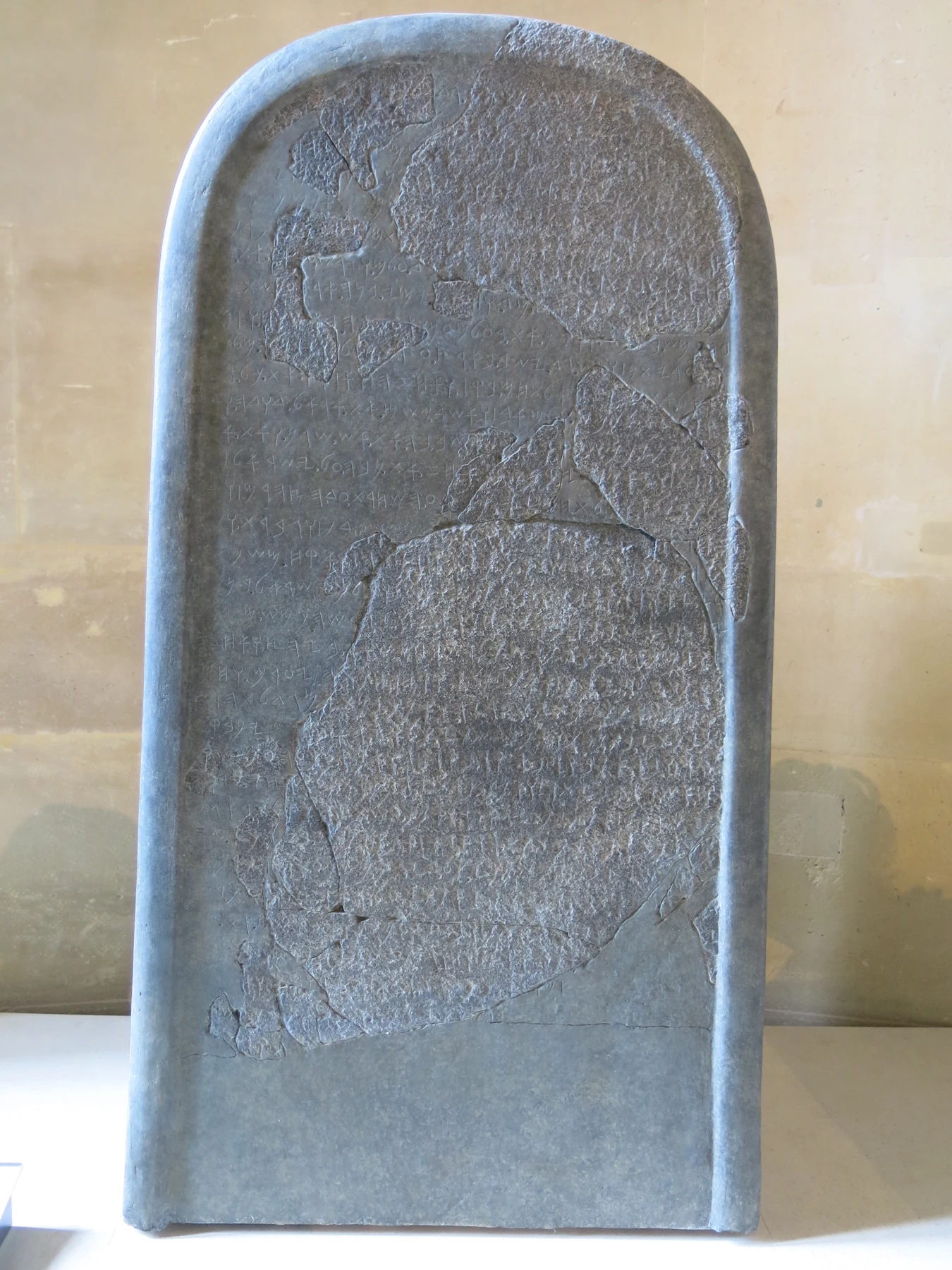
Mesha Stele, ninth century BCE, Louvre AO 5066. Photograph of the reassembled stone with modern infill, not a portrait of the king
Person
Ninth-century BCE king of Moab whose inscription recounts conflict, territorial recovery and construction.
Namensvarianten: Mesha
Kontext und Quellen →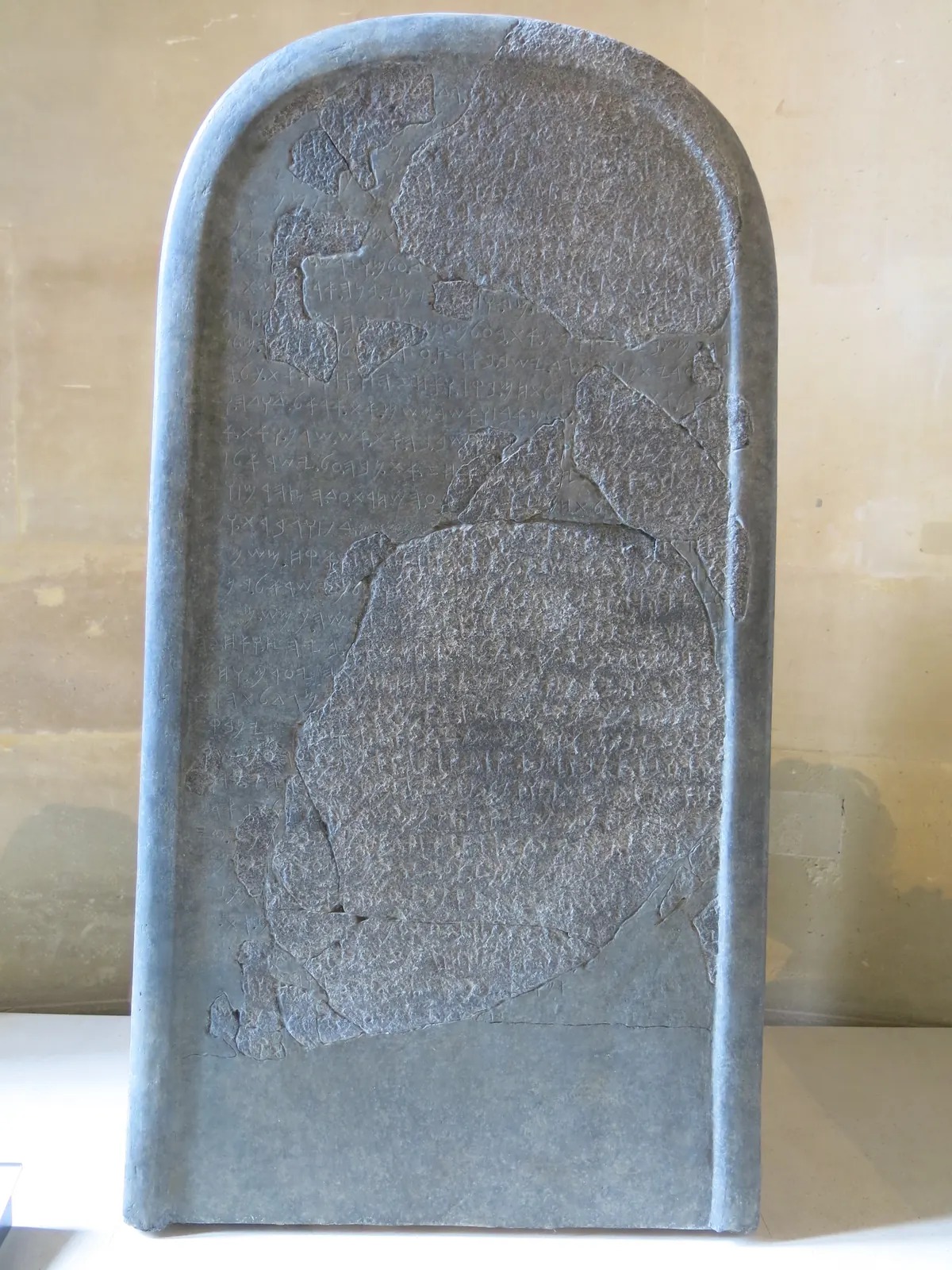
Mesha Stele, basalt, from Dhiban in Jordan, ninth century BCE; Louvre AO 5066 / KAI 181. Broken, reassembled and supplemented. Yahweh occurs in line 18 according to the published reading; no reading from the photograph is claimed
Artefakt
A ninth-century BCE Moabite royal basalt stele at the Louvre (AO 5066; KAI 181). Its inscription names Chemosh, Omri, Israel and YHWH (line 18). A proposed “House of David” reading in damaged line 31 is disputed.
Namensvarianten: Mesha Stele, Moabite Stone, Mesha Inscription
Kontext und Quellen →
Modern conceptual scene of two winding rivers and an alluvial plain, generated by AI; not a geographical map or genuine archaeological photograph of Mesopotamia
Stätte
Historical region associated with the Tigris and Euphrates: Uruk, Ur, Eridu, cuneiform, Sumer, Akkad, Babylon and Assyria, their languages and cults, and the limits of archaeological evidence.
Namensvarianten: Mesopotamia
Kontext und Quellen →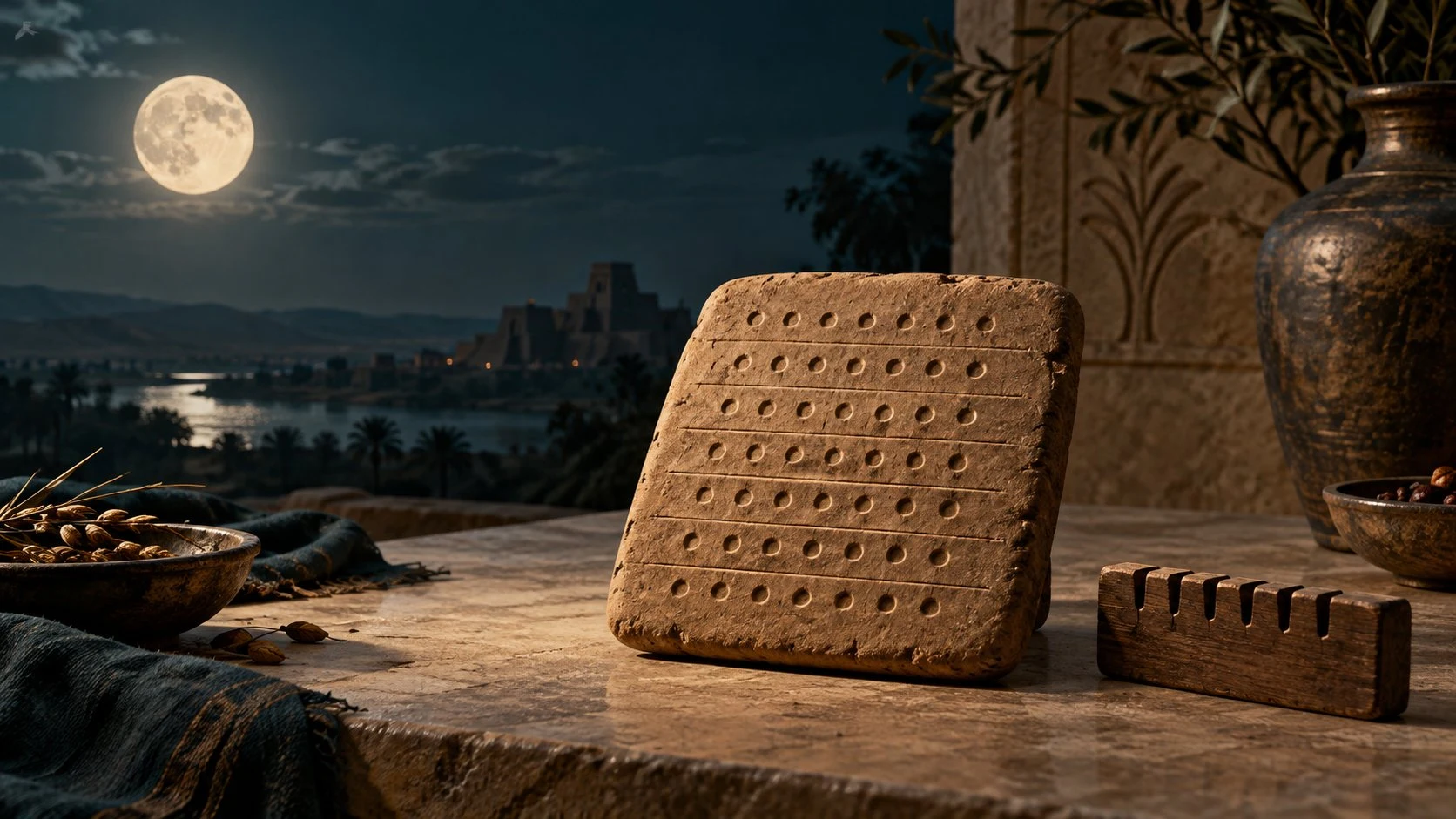
Original conceptual illustration of a mid-cycle moon and tablet calendar; not an artifact photograph or reconstruction of a historical ritual. © IL Archive, CC0
Entität
Mesopotamian hemerologies assess dates for ritual, food, marriage, travel and other activities. The entry studies their witnesses, courtly examples and reception, and explains why cautionary dates are neither a universal calendar nor weekly rest days.
Namensvarianten: hemerology, inauspicious days
Kontext und Quellen →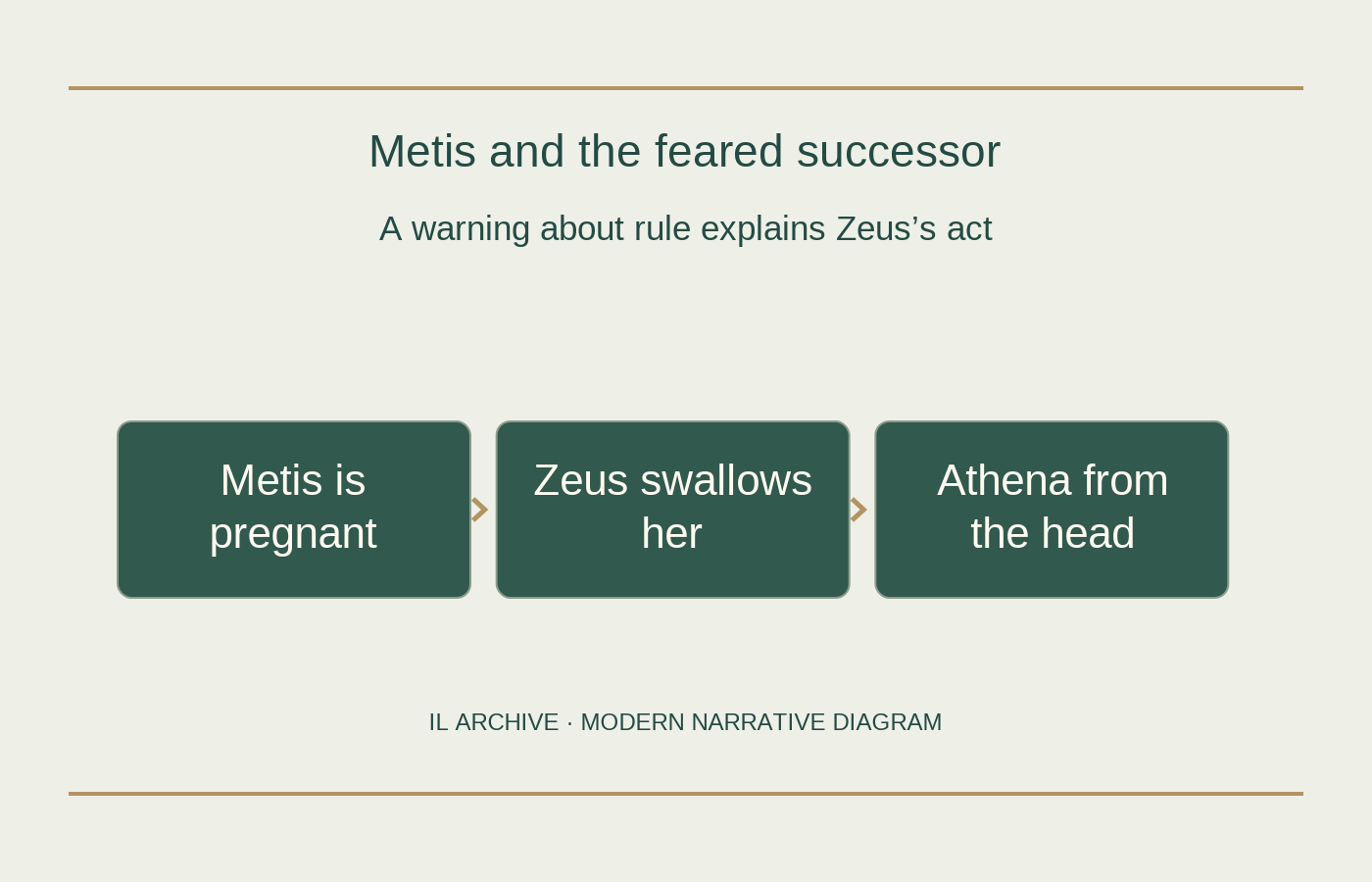
Modern diagram of Metis’s role in Hesiod: pregnancy, a warning about succession, swallowing by Zeus and Athena’s birth from the head. Arrows order events; not an ancient image of the goddess
Entität
Divine figure and Athena’s mother in Hesiod; Zeus swallows her while pregnant to forestall a possible successor.
Namensvarianten: Metis
Kontext und Quellen →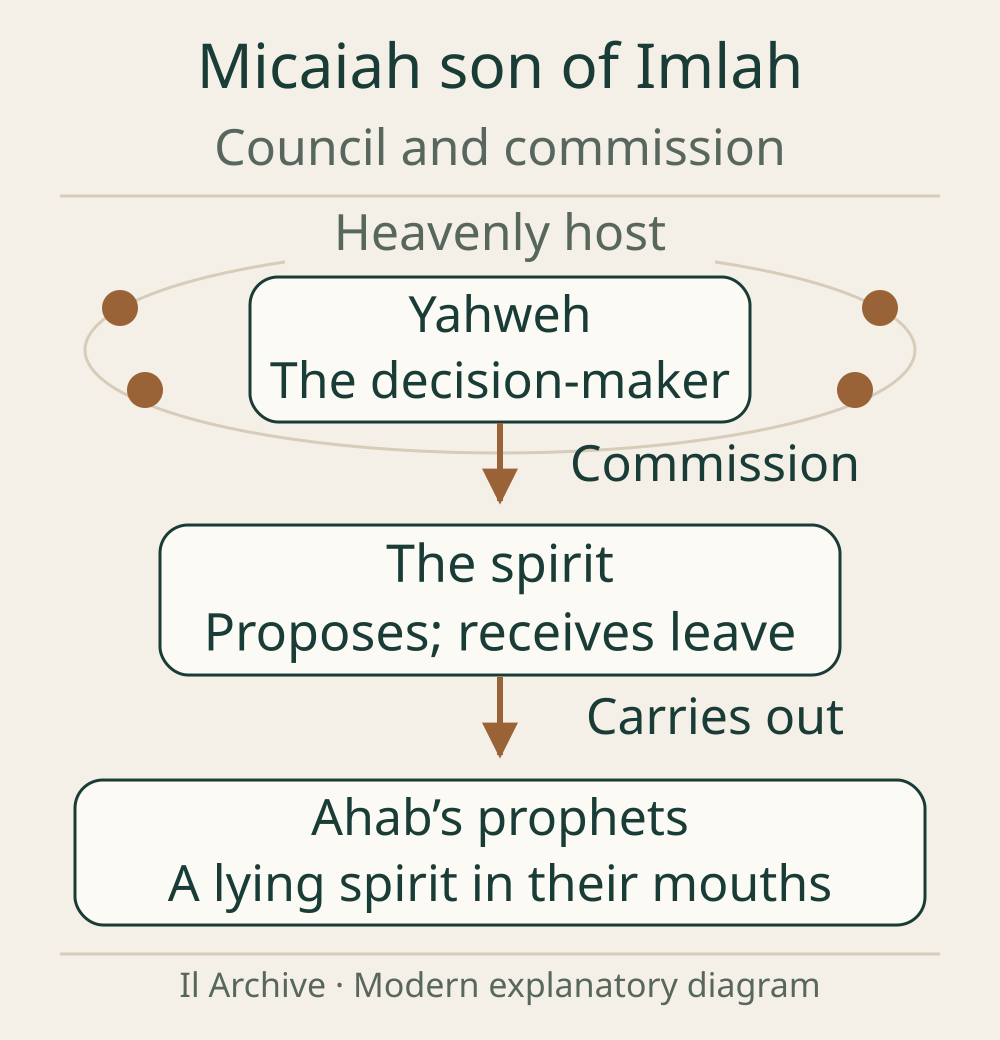
Modern diagram of Micaiah’s vision in 1 Kings 22:19–23: throne and host, with a spirit proposing and receiving a commission. Dots symbolize the group, not its head count. Not a historical depiction of the scene or its figures
Person
The prophet who recounts the throne and heavenly-host scene in 1 Kings 22.
Namensvarianten: Micaiah son of Imlah
Kontext und Quellen →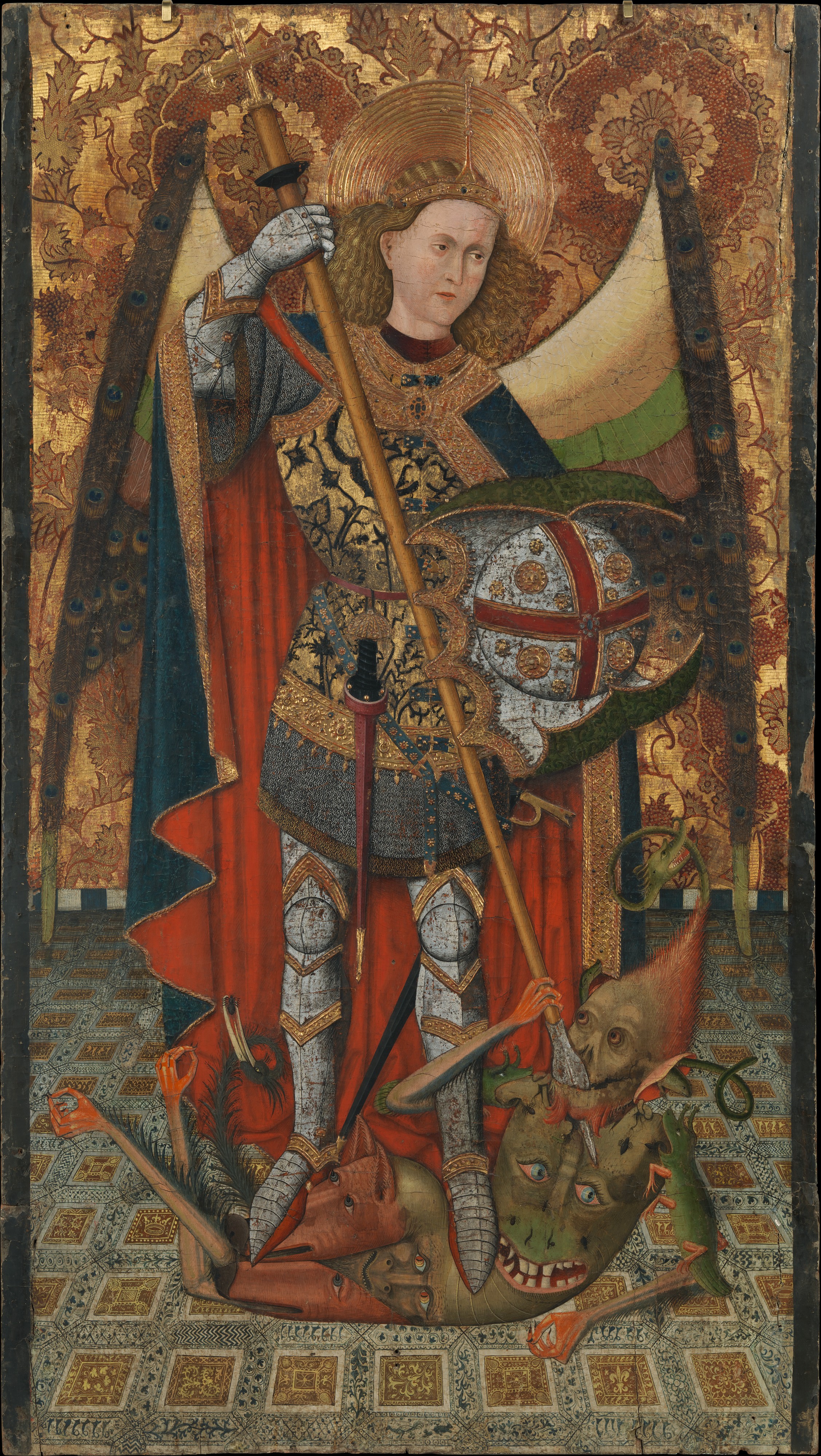
Saint Michael, Master of Belmonte, northern Spain, 1450–1500, tempera and oil on wood (55.120.2). A later Christian image of the heavenly warrior, not a historical portrait or evidence of his appearance in Daniel or the Qurʾan
Entität
A name meaning “Who is like God?”, borne by humans and an angel. The angel protects Daniel’s people, is called archangel in Jude and fights the dragon in Revelation. The Qurʾan names Mīkāl without assigning a task; later traditions develop different roles.
Namensvarianten: Michael, Mīkāl
Kontext und Quellen →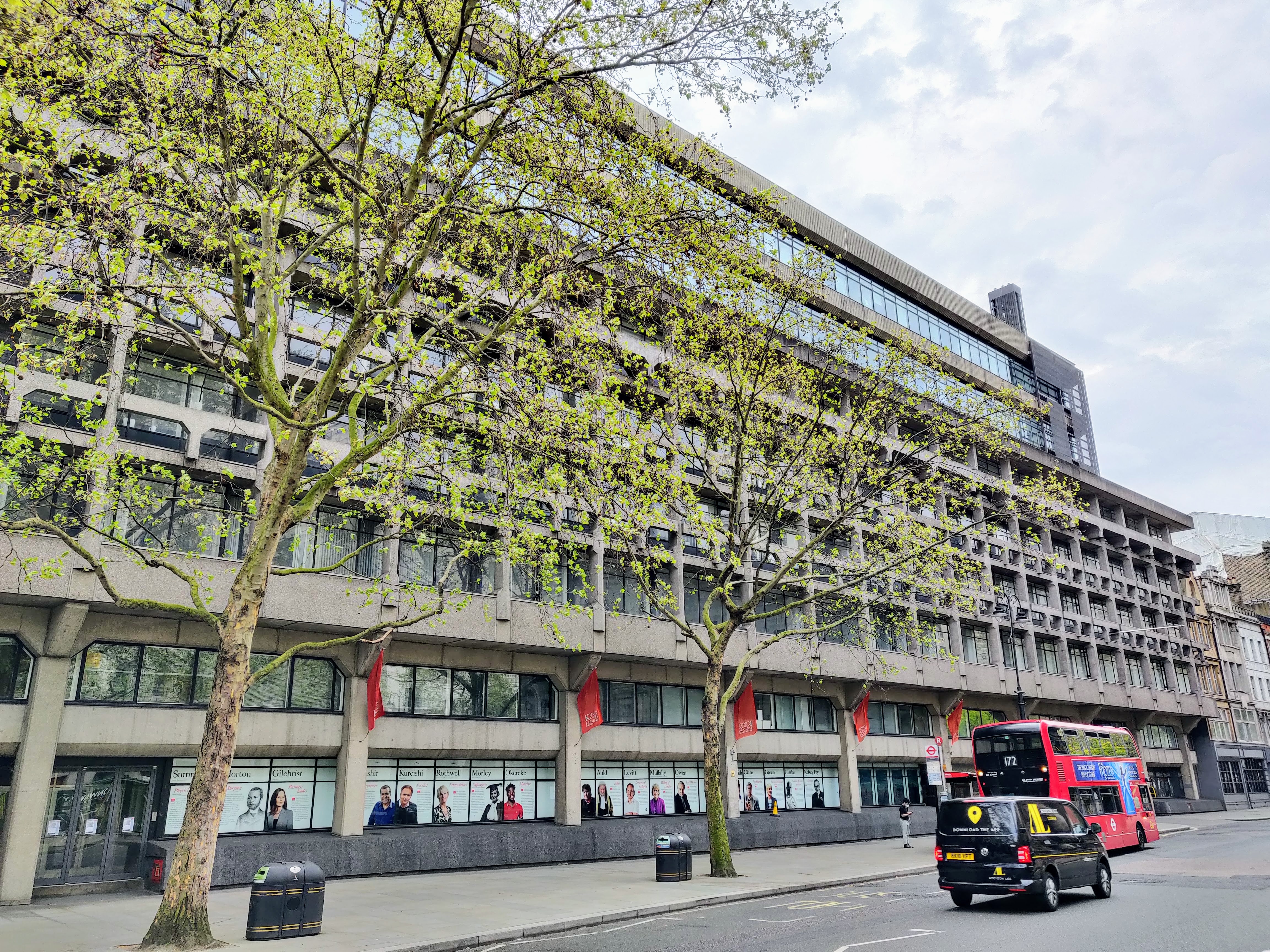
The Strand Building of King’s College London on 17 April 2020. The photograph illustrates the university setting associated with Michael Knibb’s work on the Old Testament and Ethiopic literature. He joined the college in 1964 and retired in 2001
Person
British scholar of early Jewish literature, Ethiopic versions and the Septuagint (1938–2023), known for work on Enoch.
Namensvarianten: Michael Knibb, Michael A. Knibb
Kontext und Quellen →Person
Co-author with Bernard Levinson of a 2013 study of remission and jubilee interpretation in a Qumran manuscript.
Namensvarianten: Michael Bartos
Kontext und Quellen →Person
Scholar of late-antique religions who studies traditions about Mary and Solomon across communities.
Namensvarianten: Michael Beshay
Kontext und Quellen →Person
A scholar of Greek literature affiliated with University College Dublin; his 2025 article examines death, return to life, and dramatic construction in Euripides’ Alcestis.
Namensvarianten: Michael Lloyd, scholar of Greek literature
Kontext und Quellen →Person
Scholar of the Bible and Semitic languages whose work examined the divine council and divine plurality in Hebrew texts.
Namensvarianten: Michael S. Heiser
Kontext und Quellen →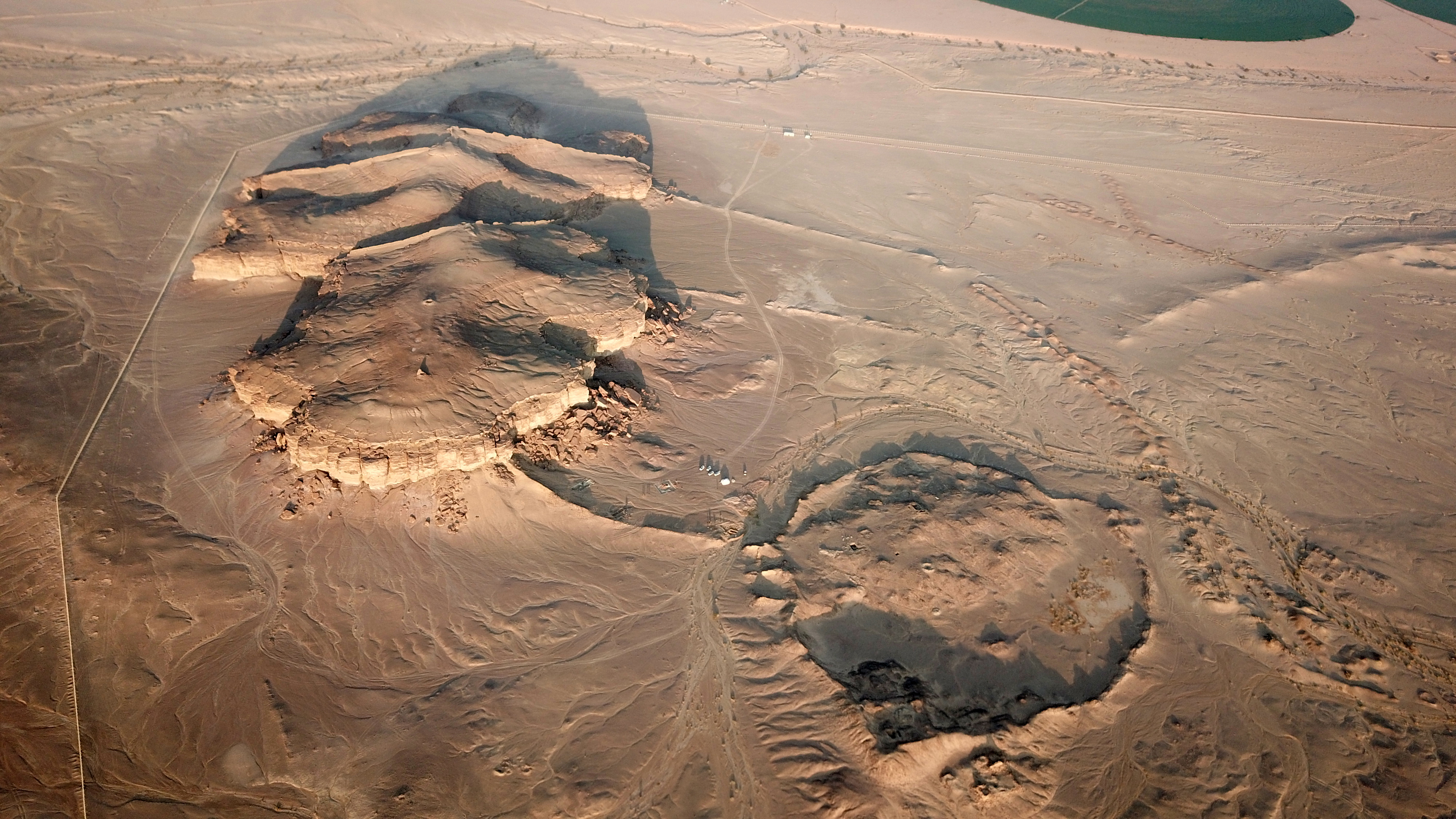
Modern drone photograph of the oasis site of Qurayyah in northwestern Arabia. It illustrates the regional setting of pottery formerly called Midianite, not the location of Moses’s residence or Mount Horeb
Entität
Midian names a region and peoples in northwestern Arabia. Oasis archaeology and textual traditions distinguish the place’s history from hypotheses about the transmission of Yahweh worship.
Namensvarianten: Midian, Midianites
Kontext und Quellen →Person
Egyptologist and translator of ancient Egyptian literature (1914–2004), including the Tale of the Two Brothers.
Namensvarianten: Miriam Lichtheim, Miriam Lichtheim
Kontext und Quellen →Person
Scholar of the Bible and Second Temple literature, examining the Watchers and Asael/Azazel traditions.
Namensvarianten: Dr Miryam Brand
Kontext und Quellen →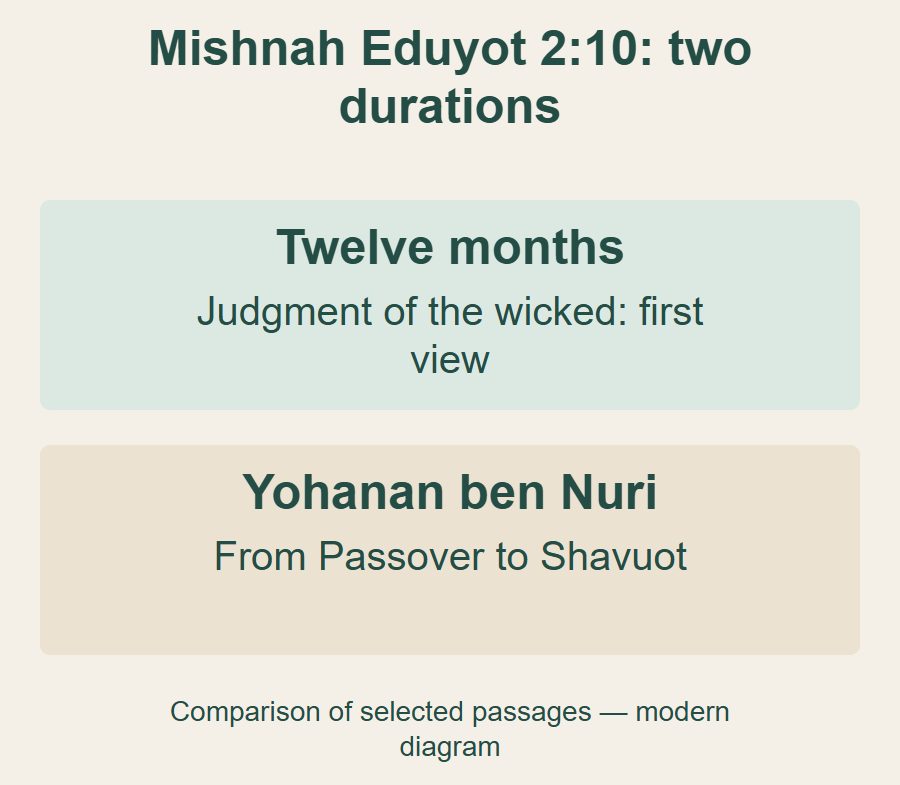
Modern comparison of two durations in Mishnah Eduyot 2:10: twelve months, and Passover to Shavuot in Yohanan ben Nuri’s view; not every rabbinic view of destiny
Antiker Text
The Mishnah is a rabbinic compilation assembled around 200 CE, organizing teachings and discussions by topic.
Namensvarianten: Mishnah
Kontext und Quellen →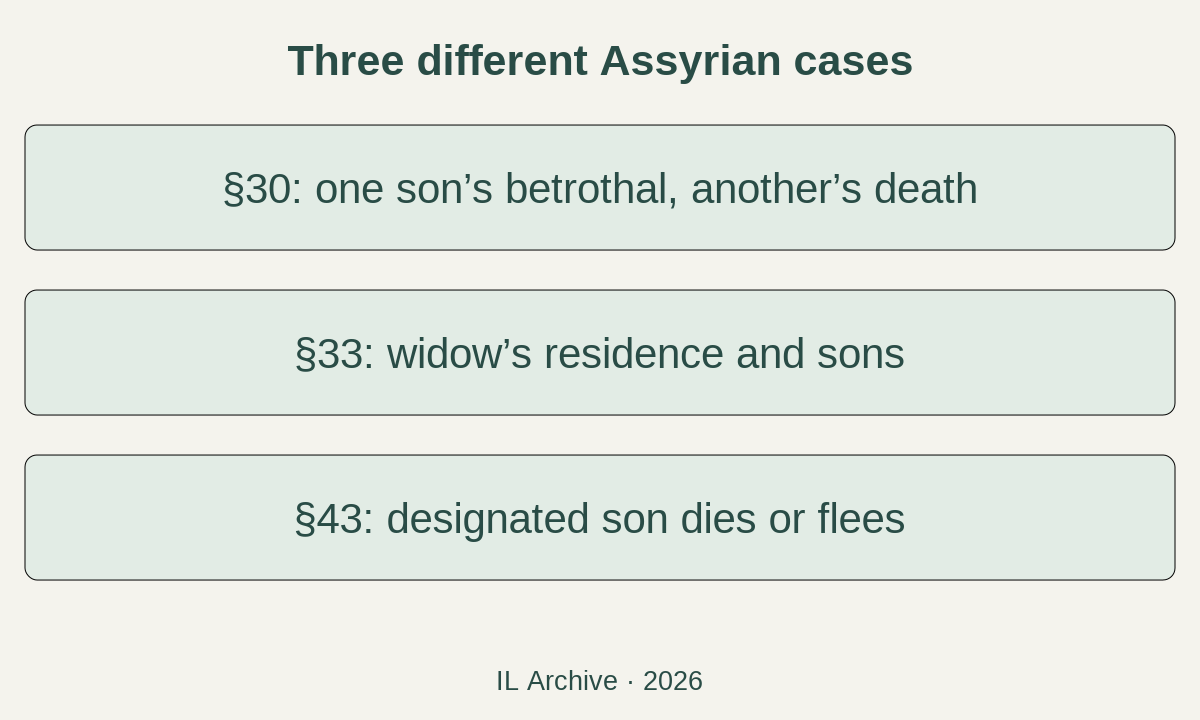
Modern explanatory diagram of relationships or cases in the specified witnesses; not portraits, a legal tablet or an ancient manuscript
Antiker Text
Cuneiform marriage and household provisions distinguishing widowhood, betrothal and residence.
Namensvarianten: Middle Assyrian Laws A
Kontext und Quellen →Person
Mladen Popović studies the Hebrew Bible, ancient Judaism and the Dead Sea Scrolls.
Namensvarianten: Mladen Popović
Kontext und Quellen →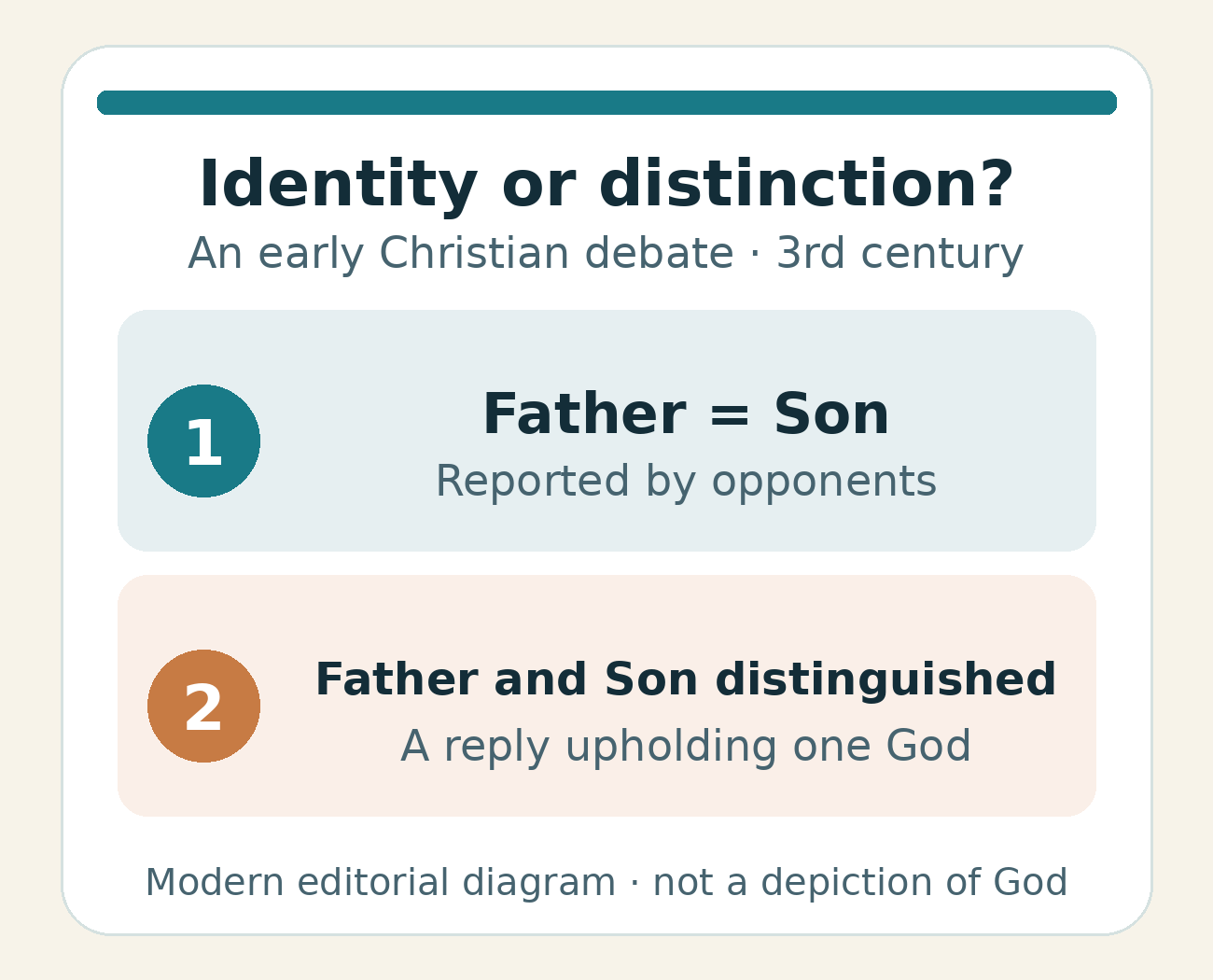
Modern interpretive diagram contrasting a reported identity formula with a distinction maintained within divine unity. It is not a universal account of the ancient positions or an image of God
Entität
Later analytical label for early Christian disputes about divine unity and Father–Son–Spirit relations; not necessarily a single self-attested ancient system.
Namensvarianten: modalism
Kontext und Quellen →
Modern AI-generated conceptual cover: one illuminated circle among other circles, a metaphor for exclusive devotion. Not an artifact, a historical pantheon diagram or a reconstruction of an ancient ritual
Entität
Exclusive worship of one deity, without automatically denying the existence of others; a modern term for allegiance, not necessarily a dated religious stage.
Namensvarianten: monolatry
Kontext und Quellen →
Modern AI-generated imaginary architecture: three pathways converge beneath a single circular opening towards the horizon. A visual metaphor for oneness, not an archaeological object, real location or documented emblem of any religion
Entität
Belief that only one God possesses divinity in its fullest sense. Historically distinct from exclusively worshipping one deity without denying others; its theological forms vary.
Namensvarianten: monotheism
Kontext und Quellen →