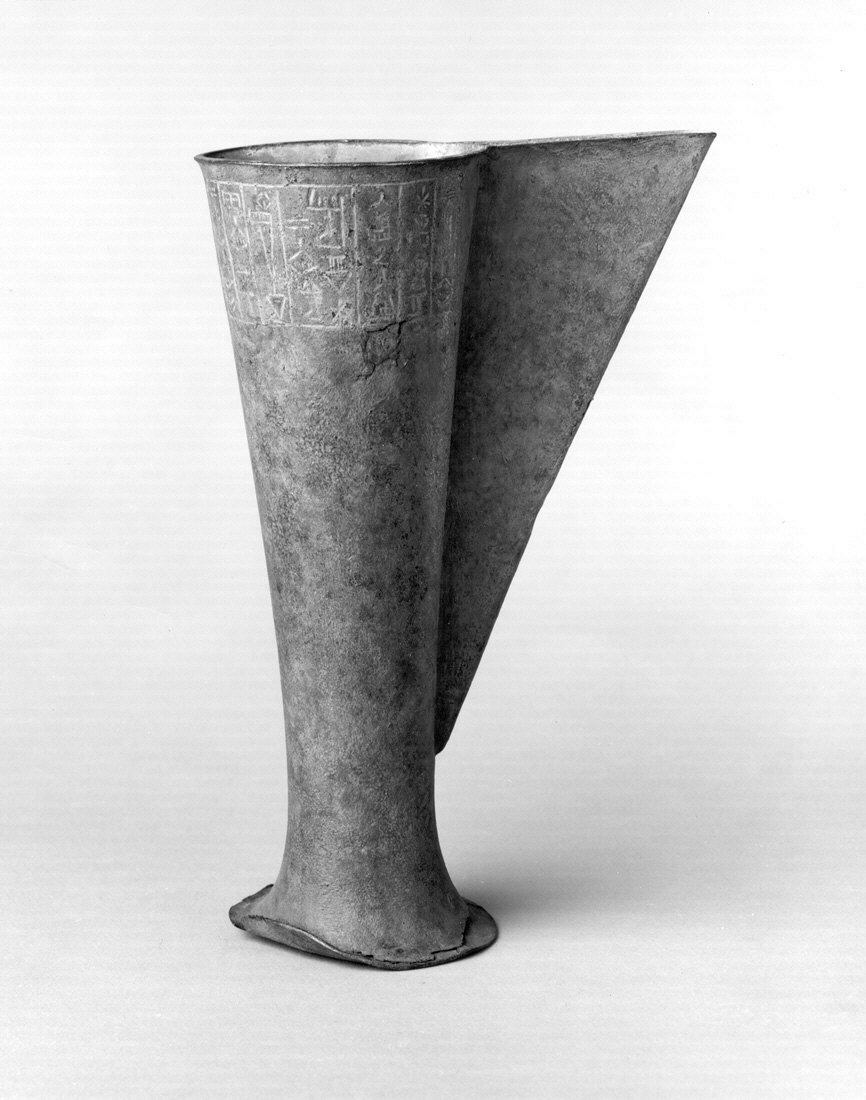
Cult vessel, about 2250–2000 BCE, Met 1994.45; the museum description identifies its dedication to Ninhursag. Evidence for name and cult, not a portrait or poem tablet
Entität
Mesopotamian goddess central to the births and Enki’s healing in Enki and Ninhursaga.
Namensvarianten: Ninhursaga, birth and healing goddess, Ninhursaga, Ninhursag
Kontext und Quellen →
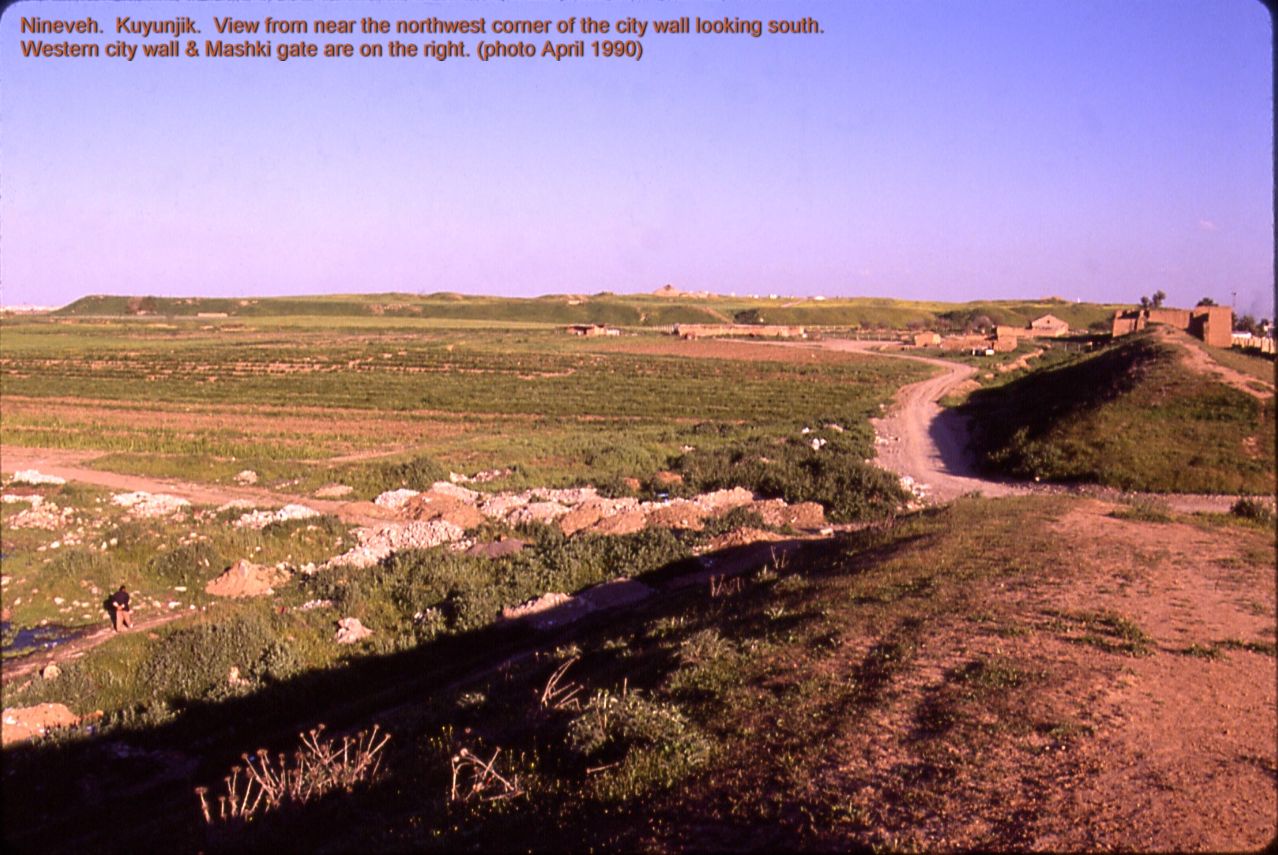
Kuyunjik mound at Nineveh in northern Iraq, in an April 1990 photograph taken near the northwestern corner of the city wall. A dated archival view of the site at that time; the photographer’s original annotation remains in the image
Stätte
Nineveh is an ancient Assyrian city near Mosul in northern Iraq; Kuyunjik is one of its archaeological mounds
Namensvarianten: Nineveh, Kuyunjik, Kouyunjik
Kontext und Quellen →
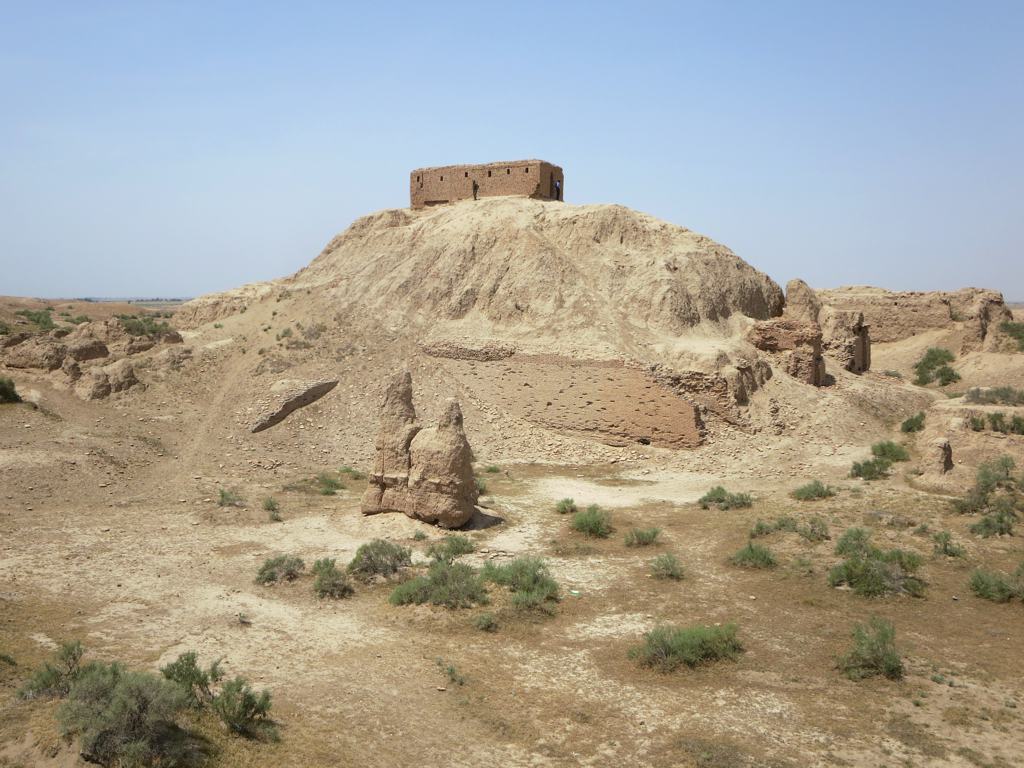
The archaeological site of Nippur, Iraq, photographed in 2016. Context for a city associated with Ninlil’s worship; not an identification of her sanctuary or a depiction of the goddess
Entität
Mesopotamian goddess and consort of Enlil, associated with Nippur, Tummal, destinies and royal ritual. Identified with Sud in literary tradition and known as Mulliltu/Mullissu in Akkadian and Assyrian contexts; her genealogies and roles vary by text and period.
Namensvarianten: Ninlil
Kontext und Quellen →
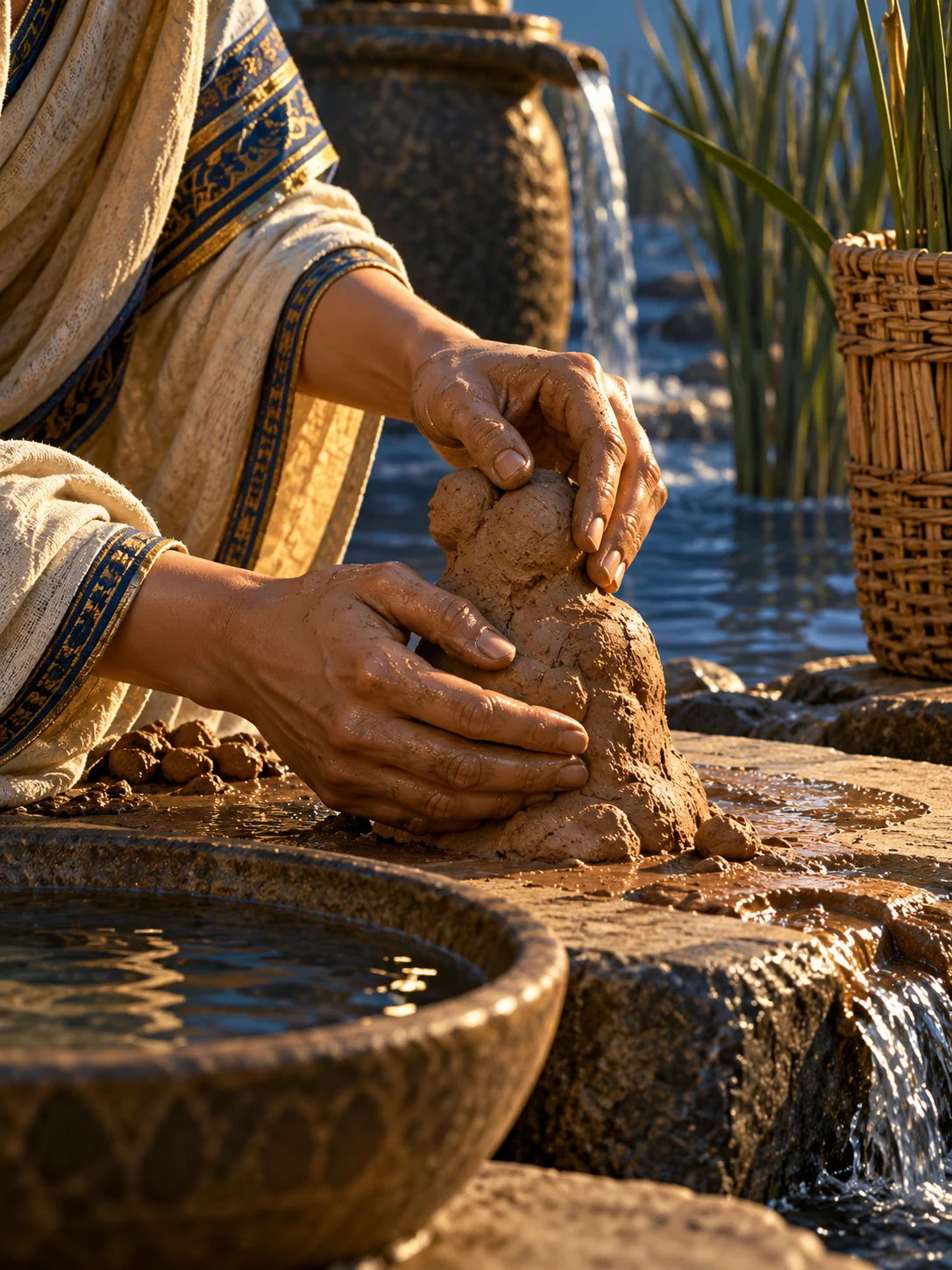
Modern AI-generated interpretive illustration of hands shaping clay beside water, inspired by Enki and Ninmaḫ. Not an archaeological object, a depiction of the goddess, or a verified historical reconstruction
Entität
Sumerian mother goddess who assists human creation and contests Enki over the fates of different fashioned bodies; later Babylonian inscriptions also attest her worship.
Namensvarianten: Ninmah, Ninmaḫ
Kontext und Quellen →

Modern AI-generated symbolic illustration: a passage of light between two realms evokes Ninshubur’s mission of mediation. Not an ancient Mesopotamian artifact or authenticated reconstruction
Entität
Mesopotamian divine messenger and intermediary associated with Inanna in Sumerian narratives and with An in inscriptions and hymns; identity and gender vary by context and must not be equated automatically with Papsukkal.
Namensvarianten: Ninshubur
Kontext und Quellen →
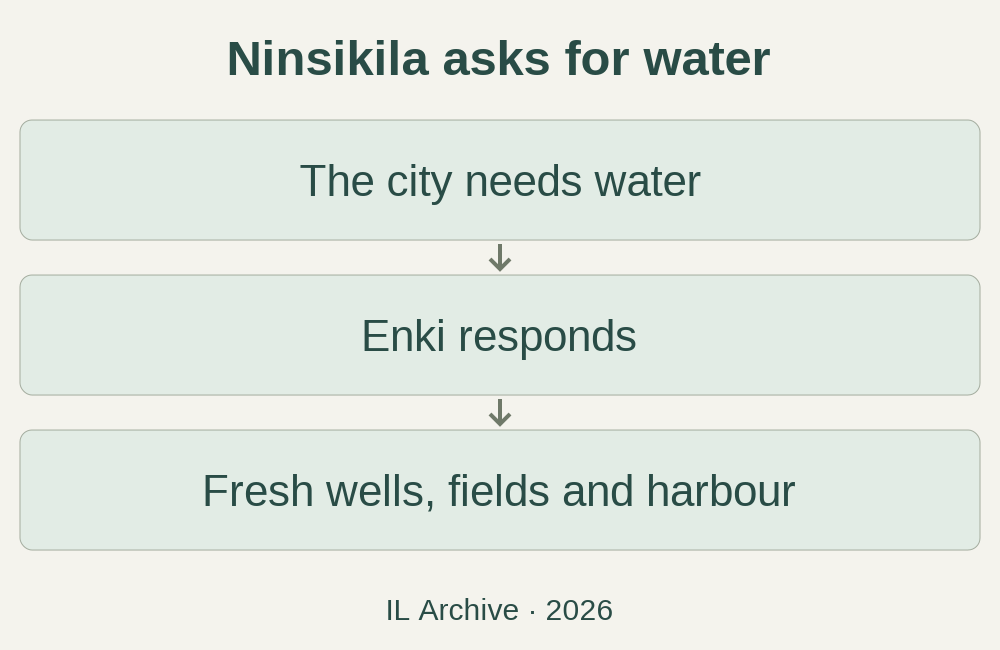
Modern witness-specific explanatory diagram of a sequence or linguistic relationship, not a portrait or fabricated artifact
Entität
Goddess who asks Enki for the water needed by Dilmun’s city in the poem’s opening.
Namensvarianten: Ninsikila, Dilmun’s lady in the poem
Kontext und Quellen →
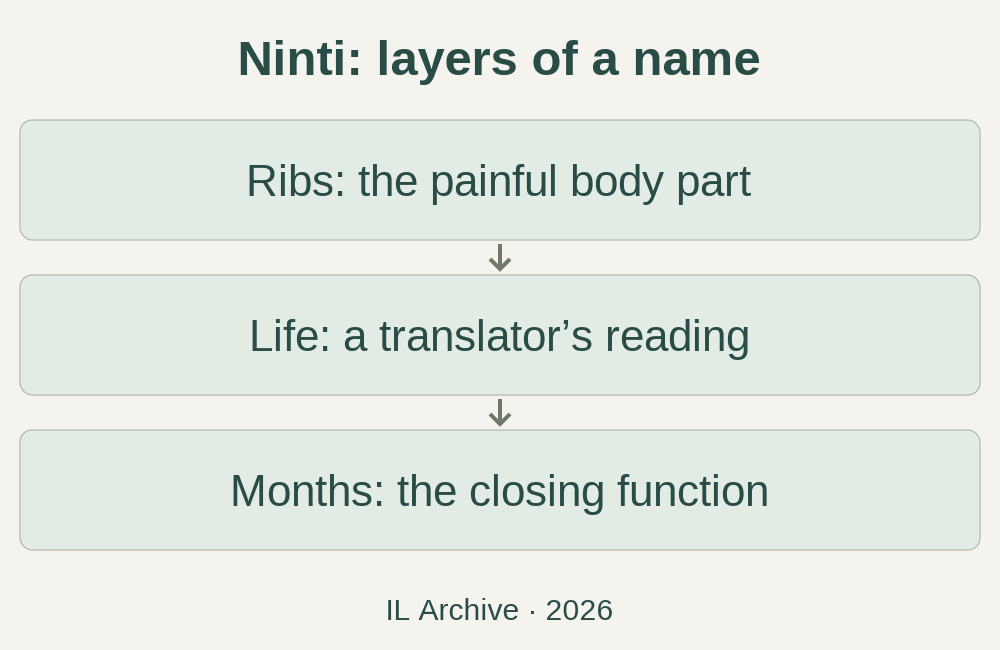
Modern witness-specific explanatory diagram of a sequence or linguistic relationship, not a portrait or fabricated artifact
Entität
Goddess appearing in the healing of Enki’s ribs, whose name permits wordplay involving rib and life.
Namensvarianten: Ninti, rib and life in Sumerian wordplay
Kontext und Quellen →
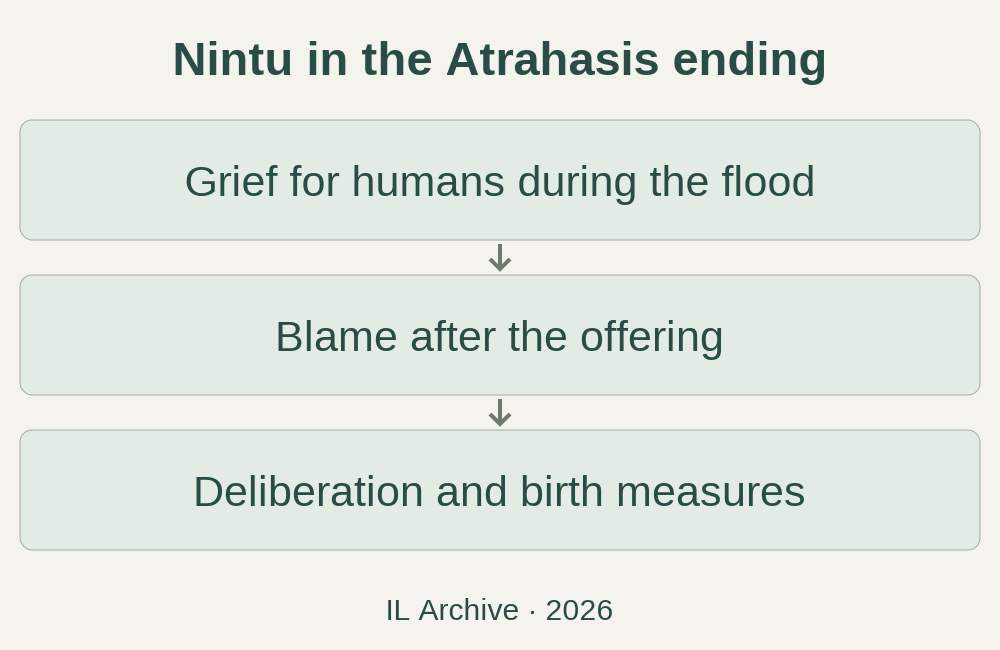
Modern explanatory diagram of the argument or character’s role in the specified passage; not an ancient manuscript or a goddess portrait
Entität
Birth goddess in Atrahasis, grieving for humanity, blaming the flood decision and involved in regulating future births.
Namensvarianten: Nintu, birth goddess in Atrahasis
Kontext und Quellen →
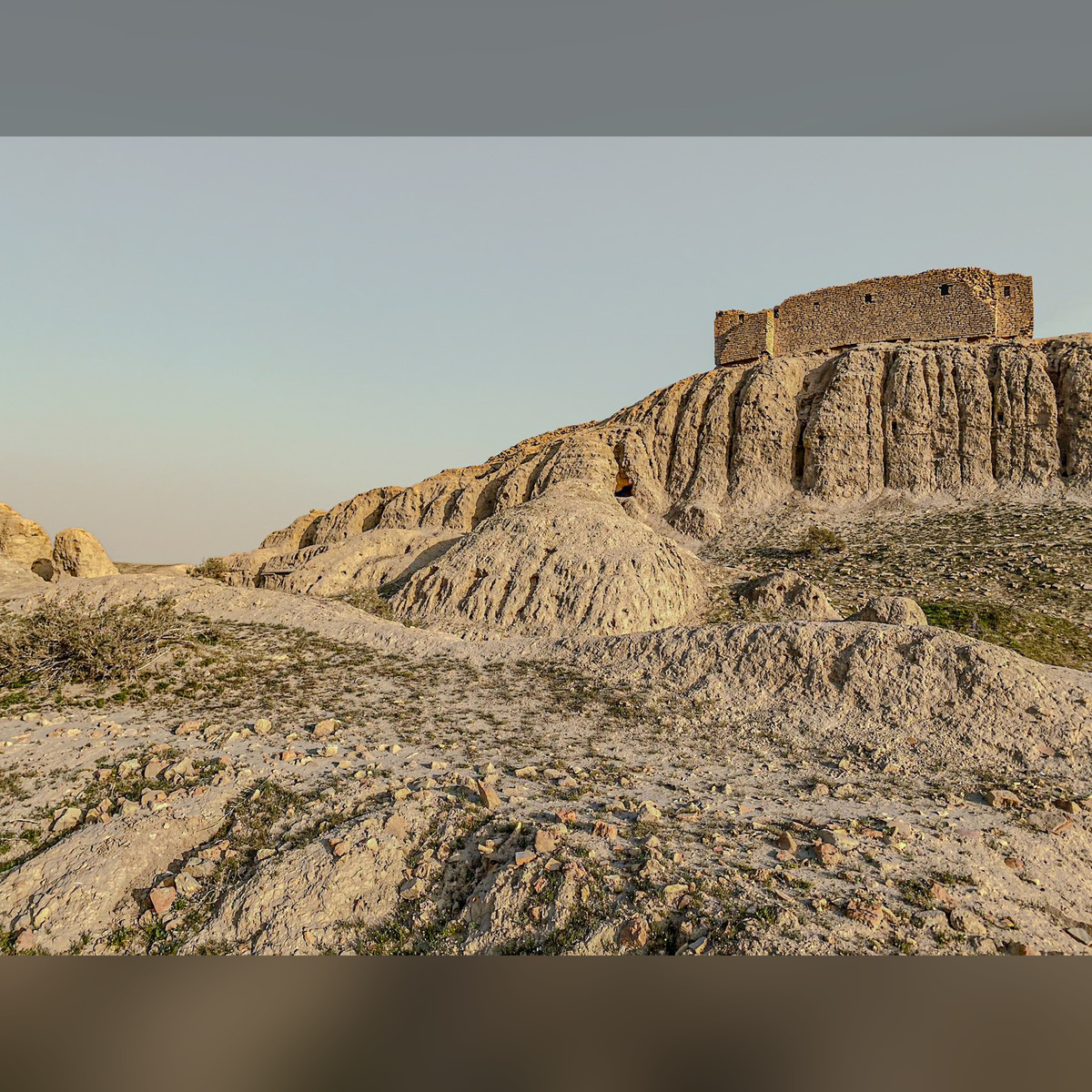
Nippur (Nuffar): ziggurat mound seen from the southwest. Modern photograph framed for a square cover; the structure at the summit belongs to late-nineteenth-century excavations, not to a surviving Sumerian temple
Stätte
Ancient Nippur (modern Nuffar, Iraq), major cult centre of Enlil and Ekur; excavations revealed sanctuaries, houses and thousands of cuneiform tablets across many periods.
Namensvarianten: Nippur, Nuffar, Nibru
Kontext und Quellen →
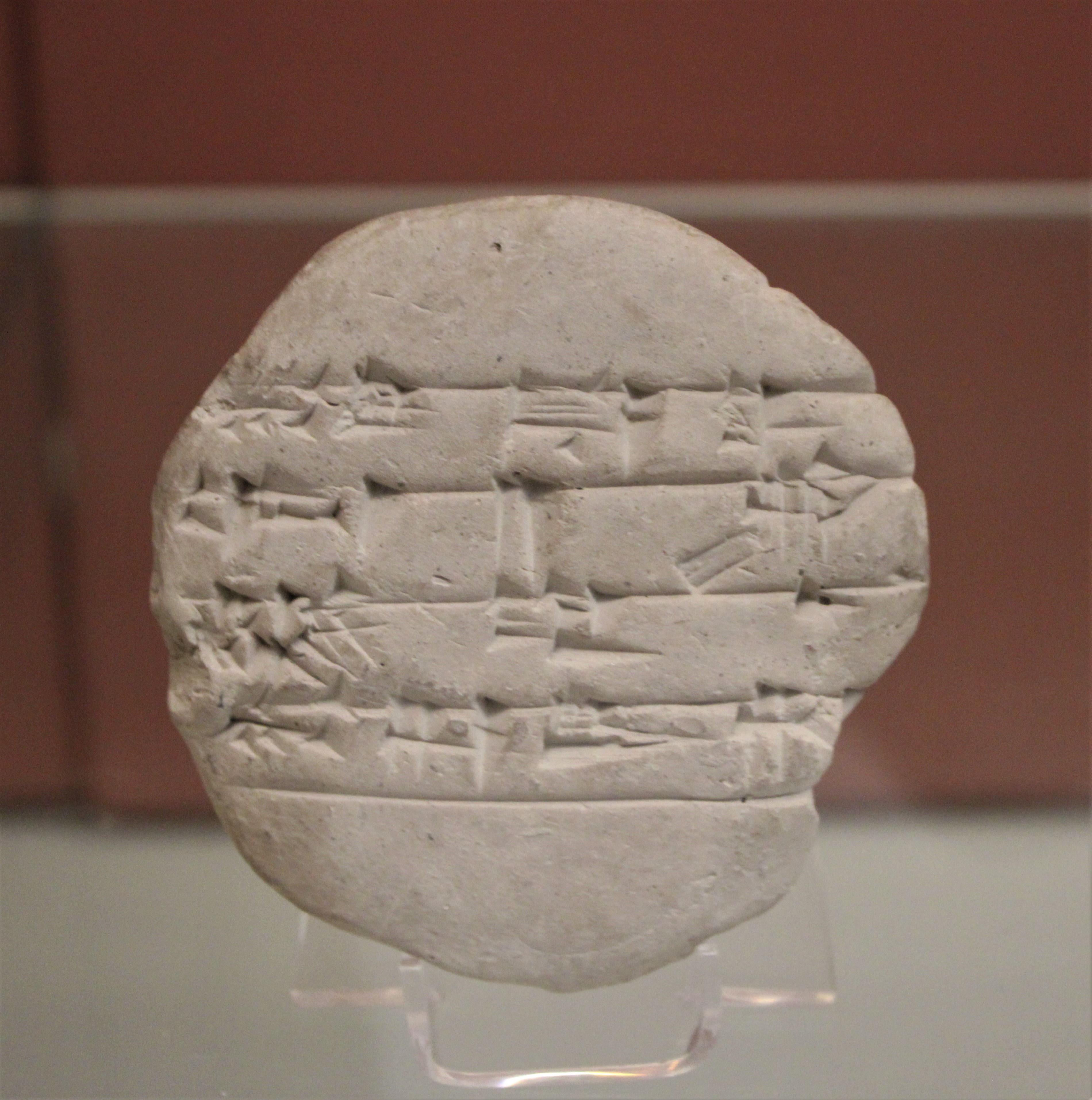
Old Babylonian school tablet bearing a proverb, British Museum BM104096; findspot unknown. Context for scribal work, not a depiction of Nisaba or a copy of her hymn
Entität
Mesopotamian goddess of grain and writing, associated with Ereš and scribes; also called Nidaba.
Namensvarianten: Nisaba, Nidaba, Nissaba
Kontext und Quellen →
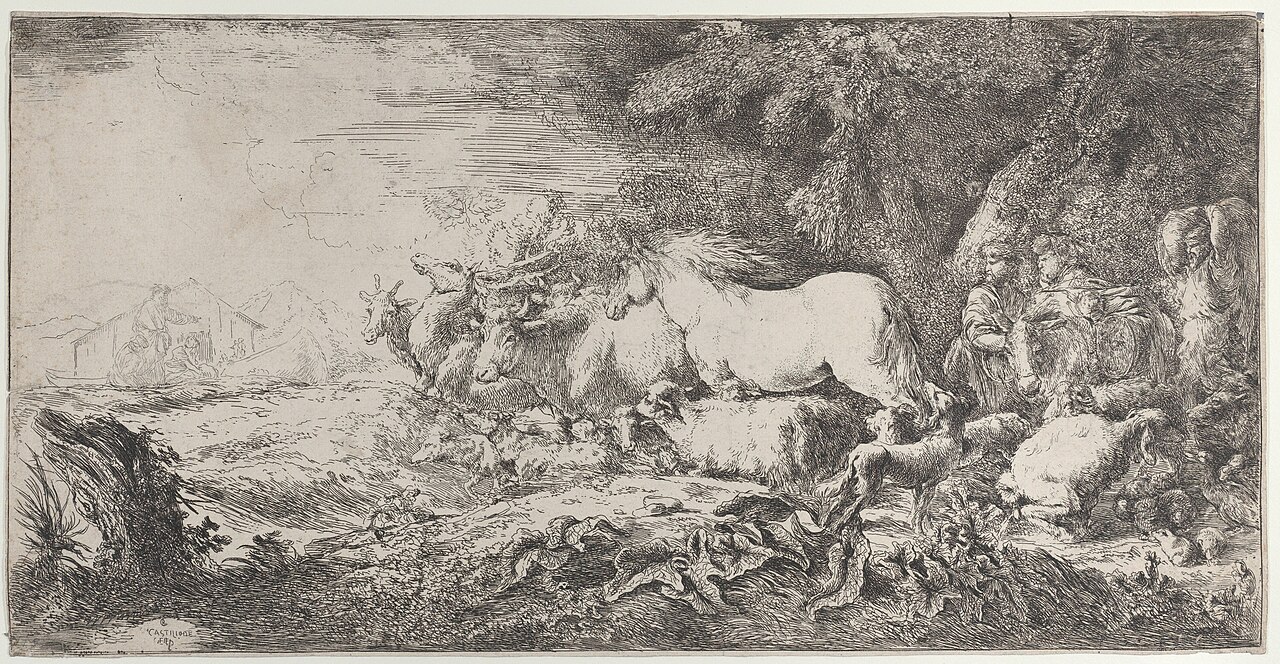
Entry of the Animals into Noah’s Ark, an etching by Giovanni Benedetto Castiglione, around 1650–1655 CE. The Met, 2012.136.525. A seventeenth-century European artistic reading of the story, with the ark visible in the background
Person
Noah is the flood-story figure in Genesis and a prophet in the Qur’an
Namensvarianten: Noah
Kontext und Quellen →
Person
A scholar of Semitic languages and ancient Near Eastern myth; her 2020 essay examines Syro-Anatolian evidence for the sent-away goat rite.
Namensvarianten: Noga Ayali-Darshan
Kontext und Quellen →
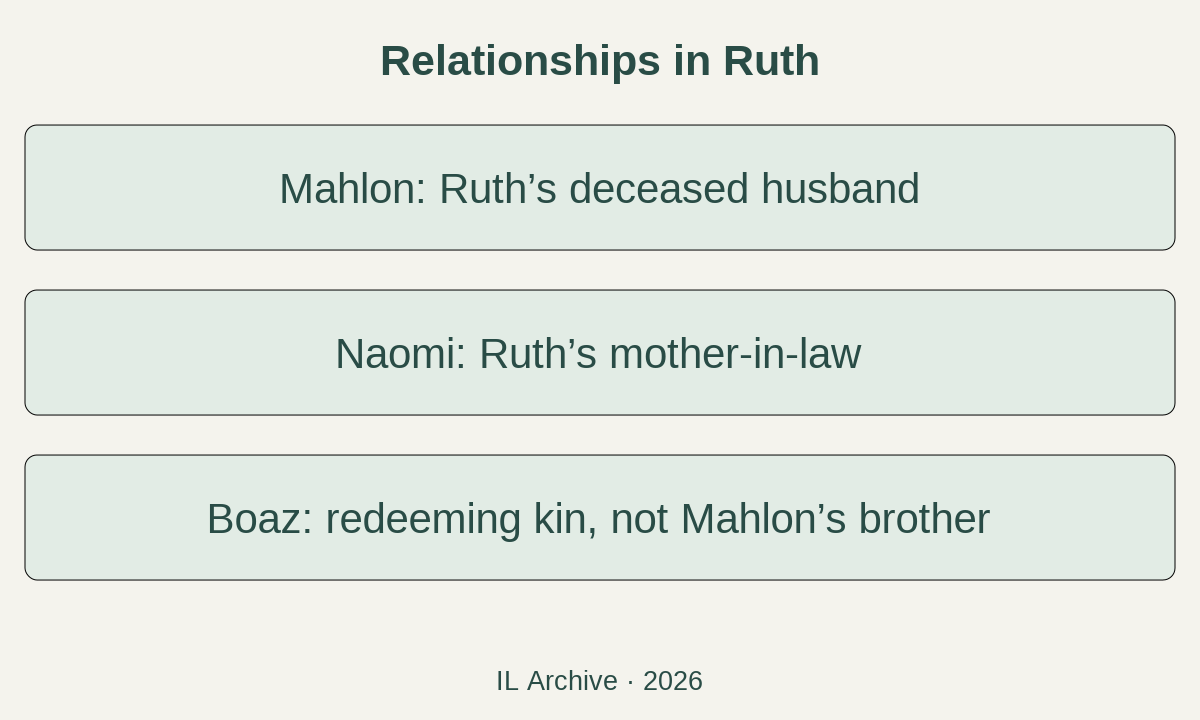
Modern explanatory diagram of relationships or cases in the specified witnesses; not portraits, a legal tablet or an ancient manuscript
Person
Ruth’s mother-in-law, linking land redemption with household continuity.
Namensvarianten: Naomi in Ruth
Kontext und Quellen →
Entität
Research society maintaining a guide to Christian apocryphal texts and witnesses.
Namensvarianten: North American Society for the Study of Christian Apocryphal Literature
Kontext und Quellen →

Modern conceptual illustration of primeval water, an emerging mound and sunrise; neither an excavated Egyptian artifact nor a reconstruction of one text. © IL Archive, CC0
Entität
Primeval waters in several Egyptian traditions, sometimes personified as a god; connected with creation, divine parenthood, and solar renewal, rather than one uniform Egyptian cosmogony or absolute nothingness.
Namensvarianten: Egyptian Nun, primeval Nun
Kontext und Quellen →
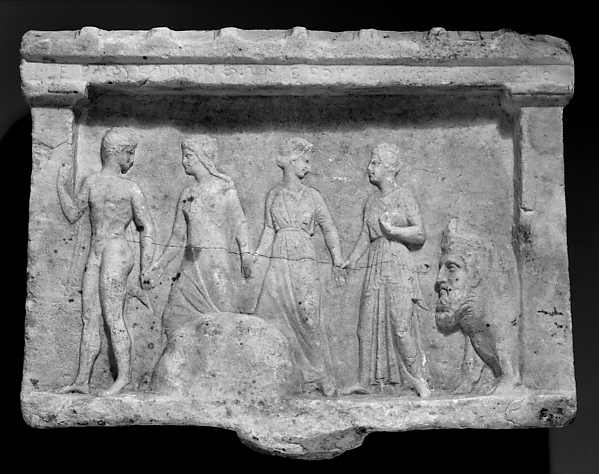
Hermes leading three nymphs, with the river god Acheloös, on a marble relief of about 320–300 BCE; Met 25.78.59. Evidence for nymphs in Greek art and votive practice
Entität
Divine figures associated with natural places in Greek poetry, such as springs and groves.
Namensvarianten: Nymphs in Greek poetry
Kontext und Quellen →
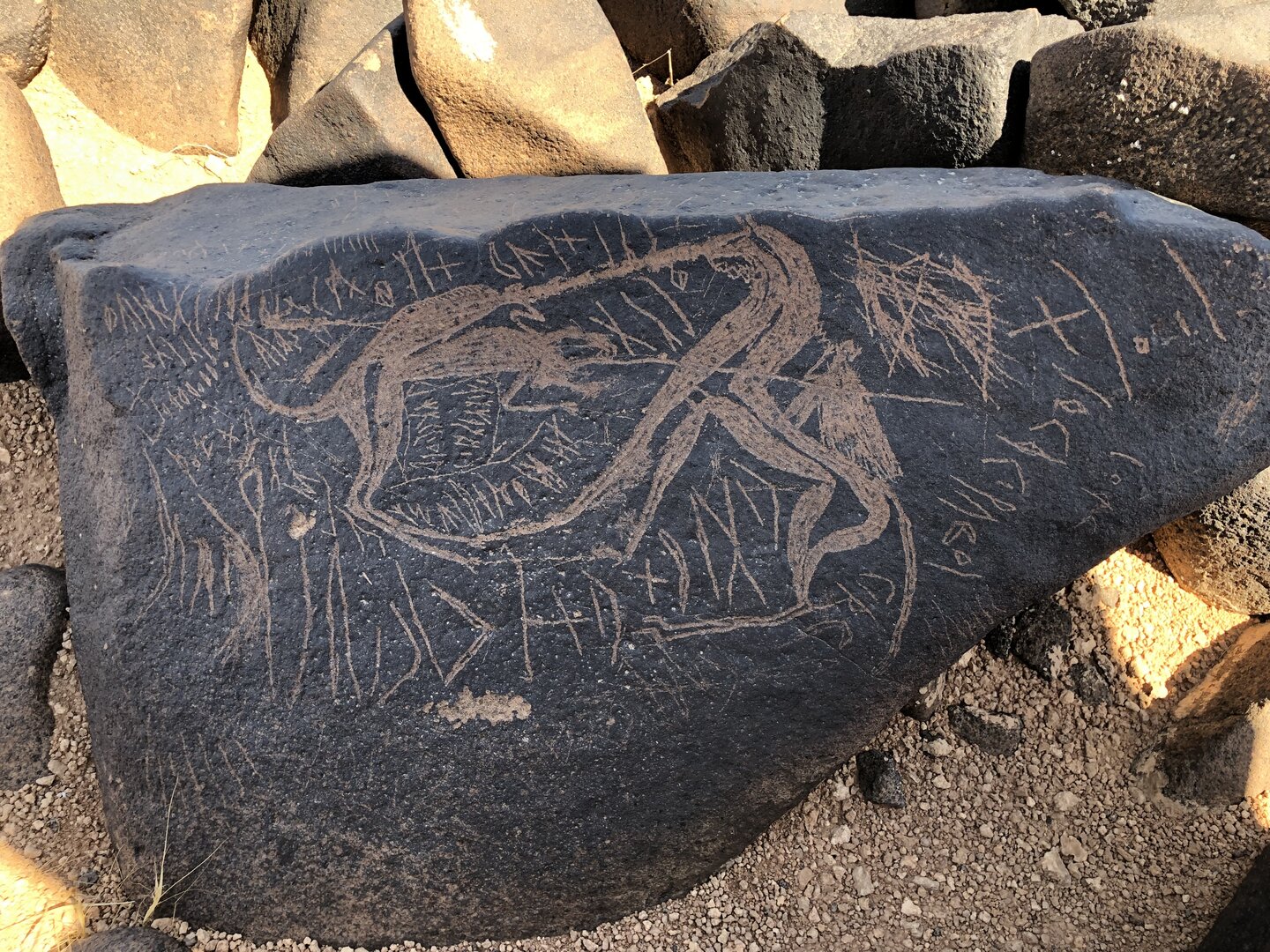
BES19s 77.1, Firʿ Wadi al-Khudari, Mafraq, Jordan. Its reading invokes Allat and then Allah. This photograph shows stone and writing; animal and human drawings are not identified as depictions of these deities. Original preserved without cropping or alteration
Entität
OCIANA is an evolving academic database of ancient North Arabian inscriptions, with edited transliterations, translations, commentary, references, photographs and provenance; not a substitute for the stones.
Namensvarianten: OCIANA, Online Corpus of the Inscriptions of Ancient North Arabia
Kontext und Quellen →
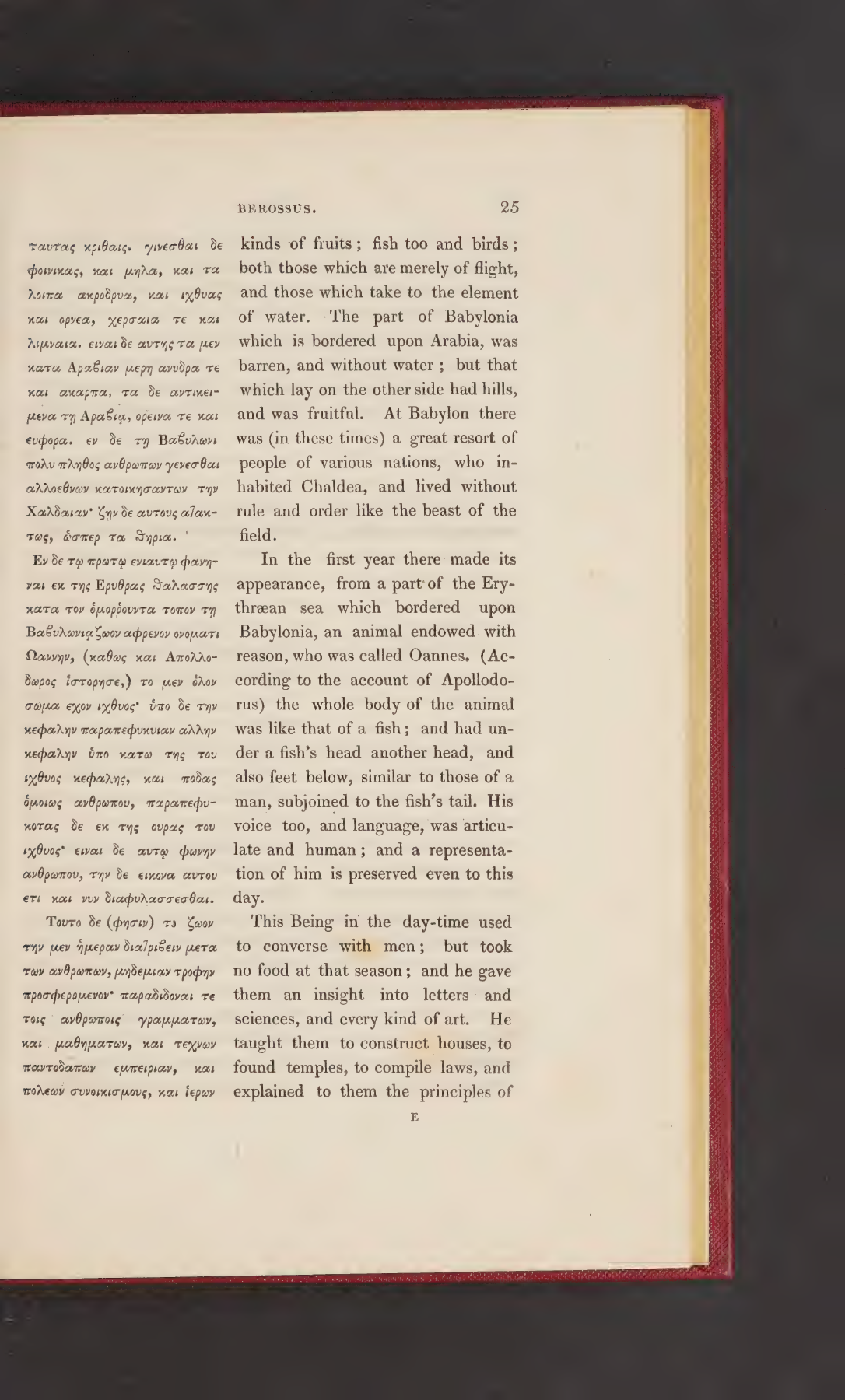
Description of Oannes in the Berossus fragment transmitted through Polyhistor, Cory’s edition, London, 1828, p. 25. A modern Greek-and-English edition of the transmitted text
Person
Oannes is a teacher in the narrative attributed to Berossus, a Babylonian author writing in Greek in the third century BCE. He emerges from the sea in a combined fish-and-human form, teaches writing, arts, laws and agriculture, and returns to the sea at night.
Namensvarianten: Oannes
Kontext und Quellen →
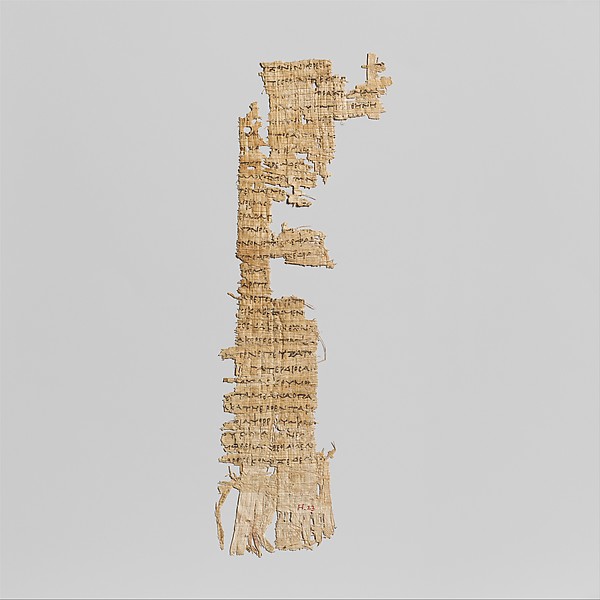
Papyrus fragment of the Odyssey, about 285–250 BCE; Met 09.182.50. It preserves lines from Book 20, rather than the assembly scenes in Books 1 and 5
Entität
Greek epic attributed to Homer, following Odysseus’s return after the Trojan War.
Namensvarianten: Odyssey
Kontext und Quellen →
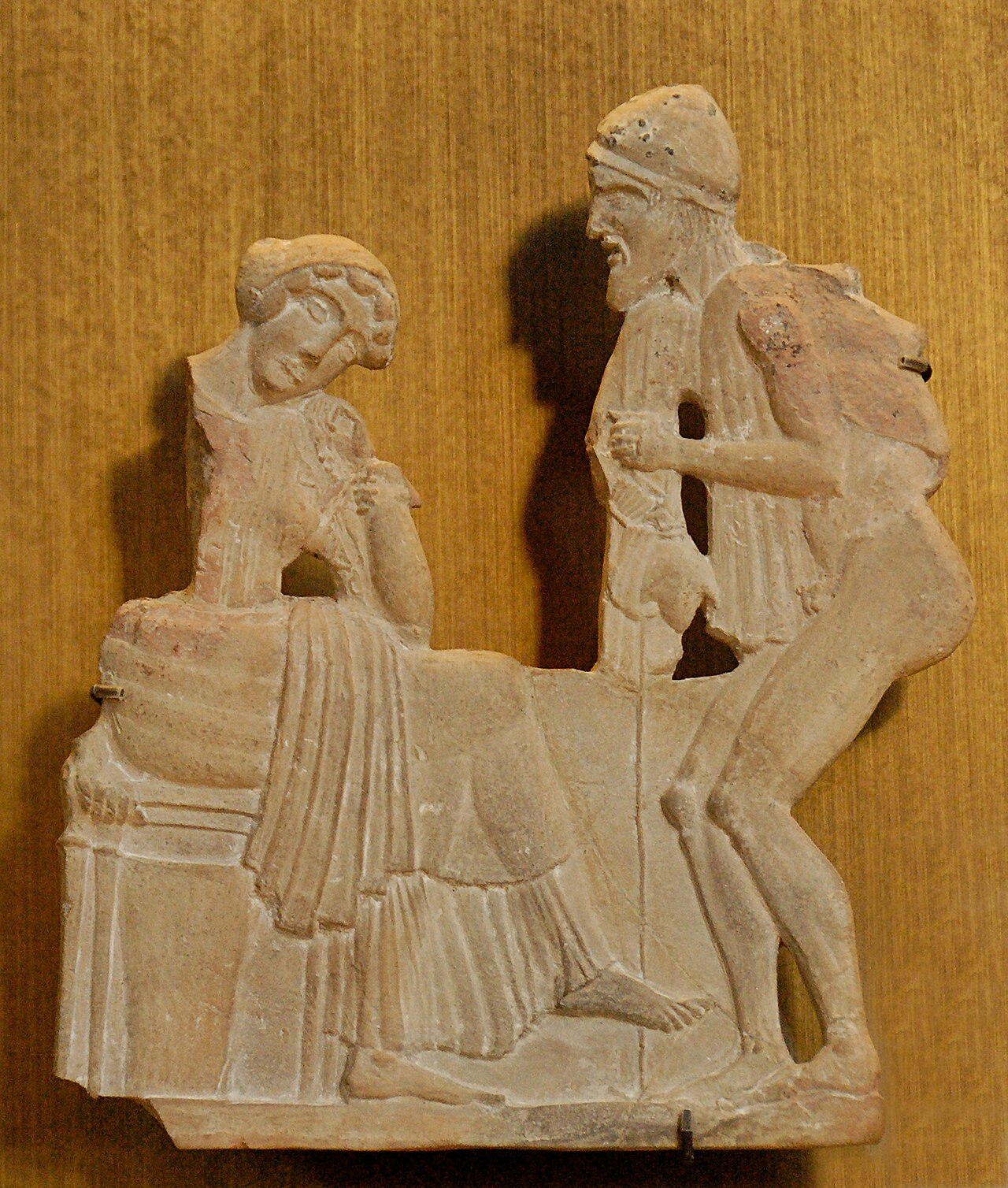
Odysseus disguised as a beggar before Penelope, on a terracotta plaque of about 450 BCE; Louvre CA 860. An ancient representation of epic characters, rather than portraits of historically established people
Person
Greek hero whose attempt to return home after the Trojan War is followed in the Odyssey.
Namensvarianten: Odysseus
Kontext und Quellen →
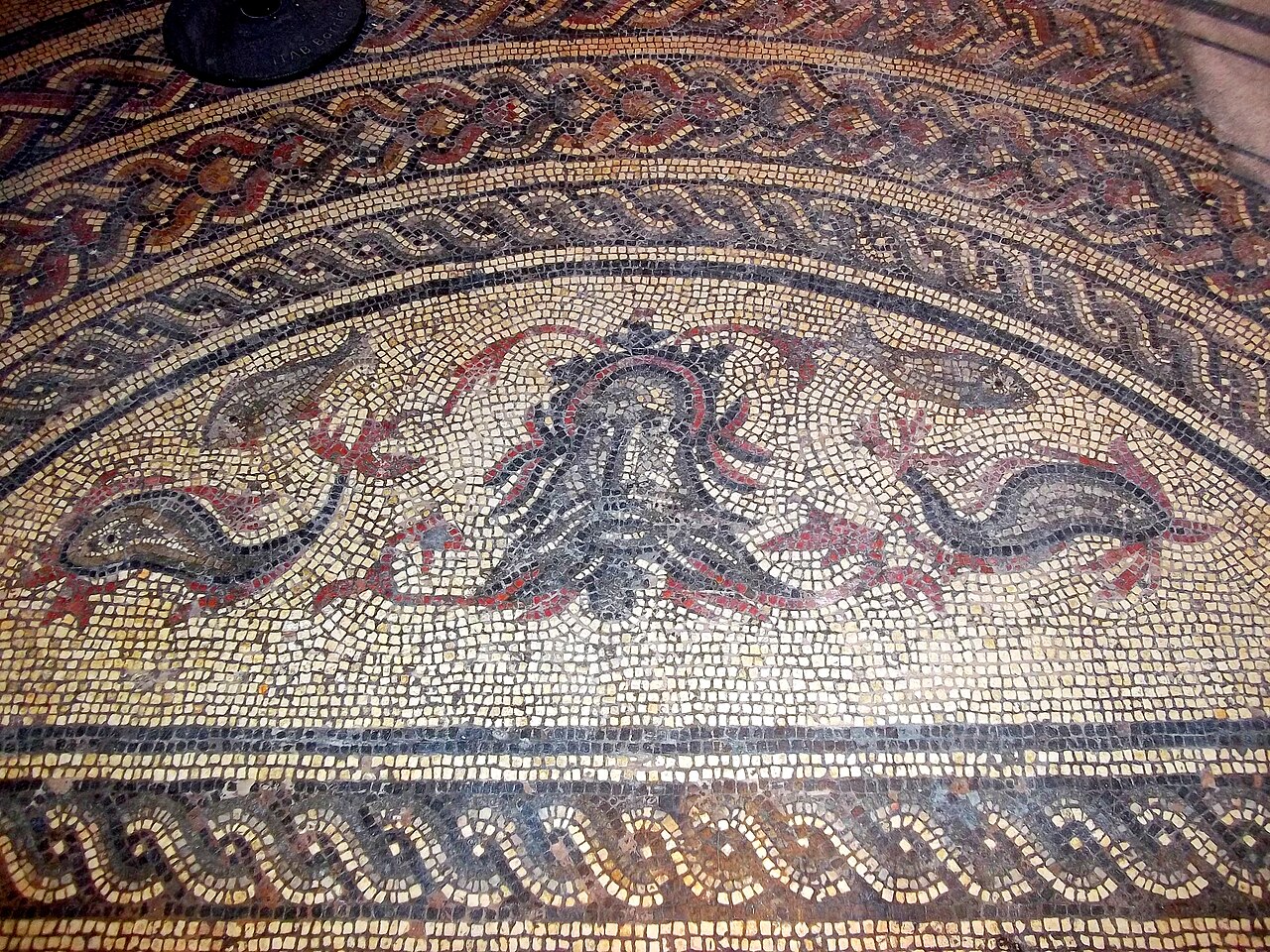
Head of a sea deity in a Roman mosaic from Fordington, usually identified as Oceanus; the heritage record also allows Neptune. Dorset Museum, England. Evidence from Roman art later than the Homeric epics
Entität
Water-related divine figure in Greek poetry, distinguished from the modern geographical use of “ocean.”
Namensvarianten: Oceanus
Kontext und Quellen →

Ola Wikander at the Oslo Book Festival, 18 September 2010. Photograph by decltype; identity and date follow the photographer’s source metadata
Person
Scholar of ancient Near Eastern texts and the Hebrew Bible at Lund University, studying Ugaritic and shared poetic imagery.
Namensvarianten: Ola Wikander
Kontext und Quellen →
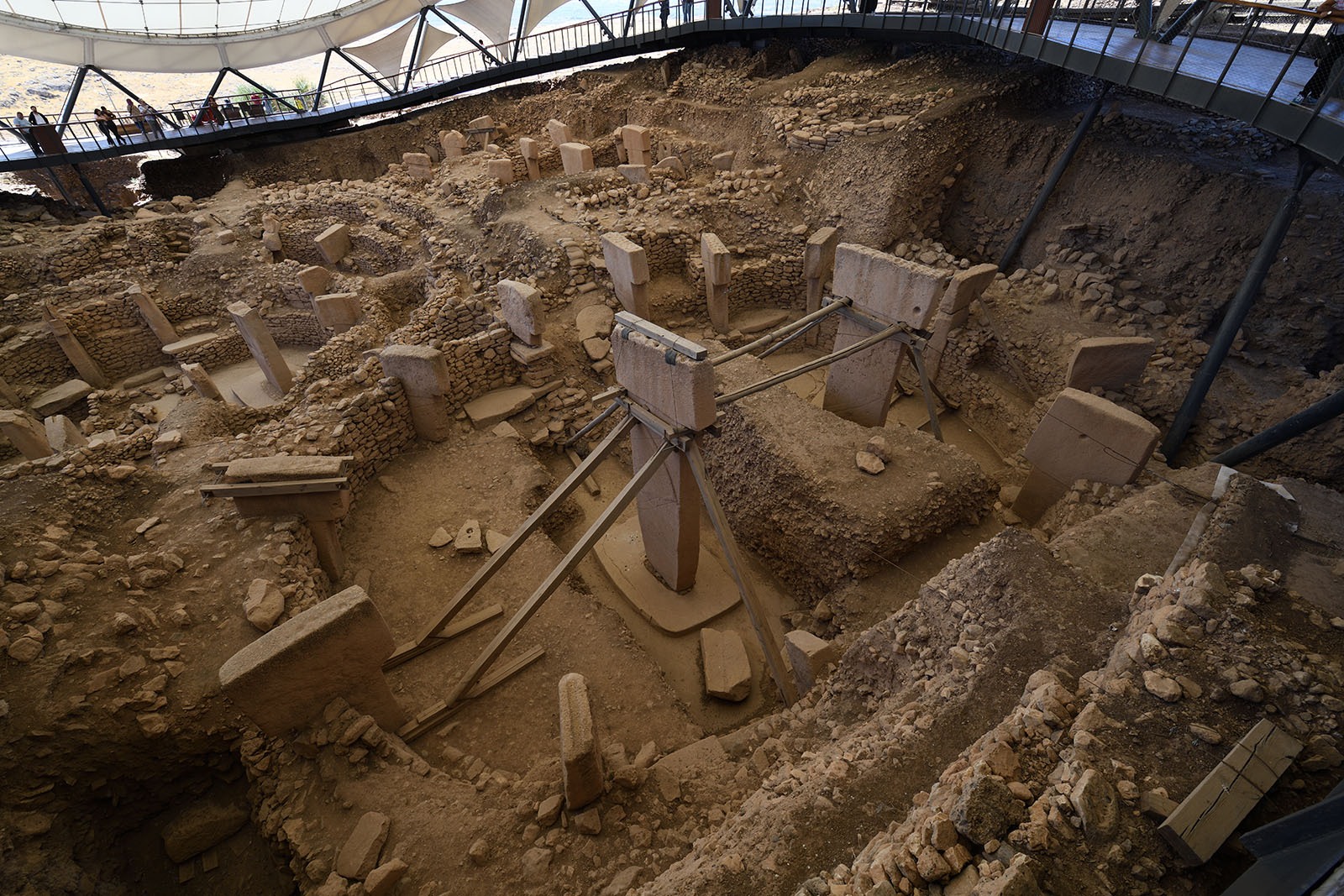
Building D at Göbekli Tepe, one of the buildings whose pillar arrangement Oliver Dietrich discussed. The roof, walkway and braces are modern protective structures. Contextual site photograph
Person
An archaeologist on the Göbekli Tepe project since 2005, writing on its pillars, feasting and Urfa Man.
Namensvarianten: Oliver Dietrich
Kontext und Quellen →
Person
Olof Pedersén is an Uppsala Assyriologist combining cuneiform texts and archaeology in research on Babylon.
Namensvarianten: Olof Pedersén
Kontext und Quellen →
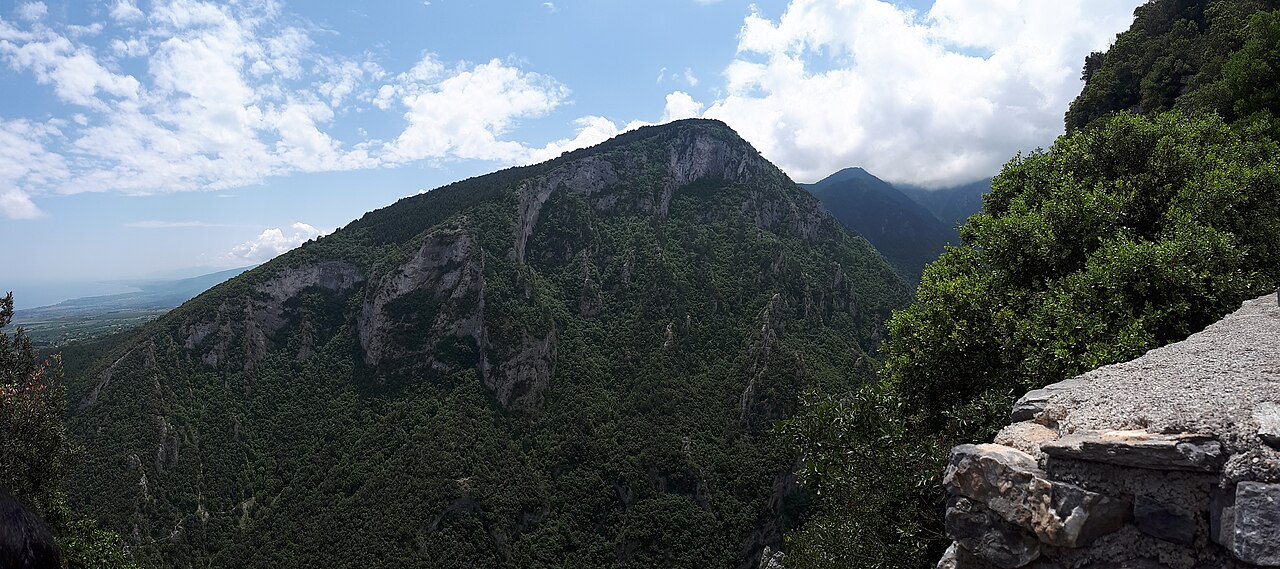
Slopes of Mount Olympus, Greece, photographed in 2018. A geographical view; the gods’ residence in the epics belongs to their poetic representation of the world
Stätte
Mountain in northern Greece associated in ancient traditions with the divine community’s dwelling.
Namensvarianten: Mount Olympus
Kontext und Quellen →
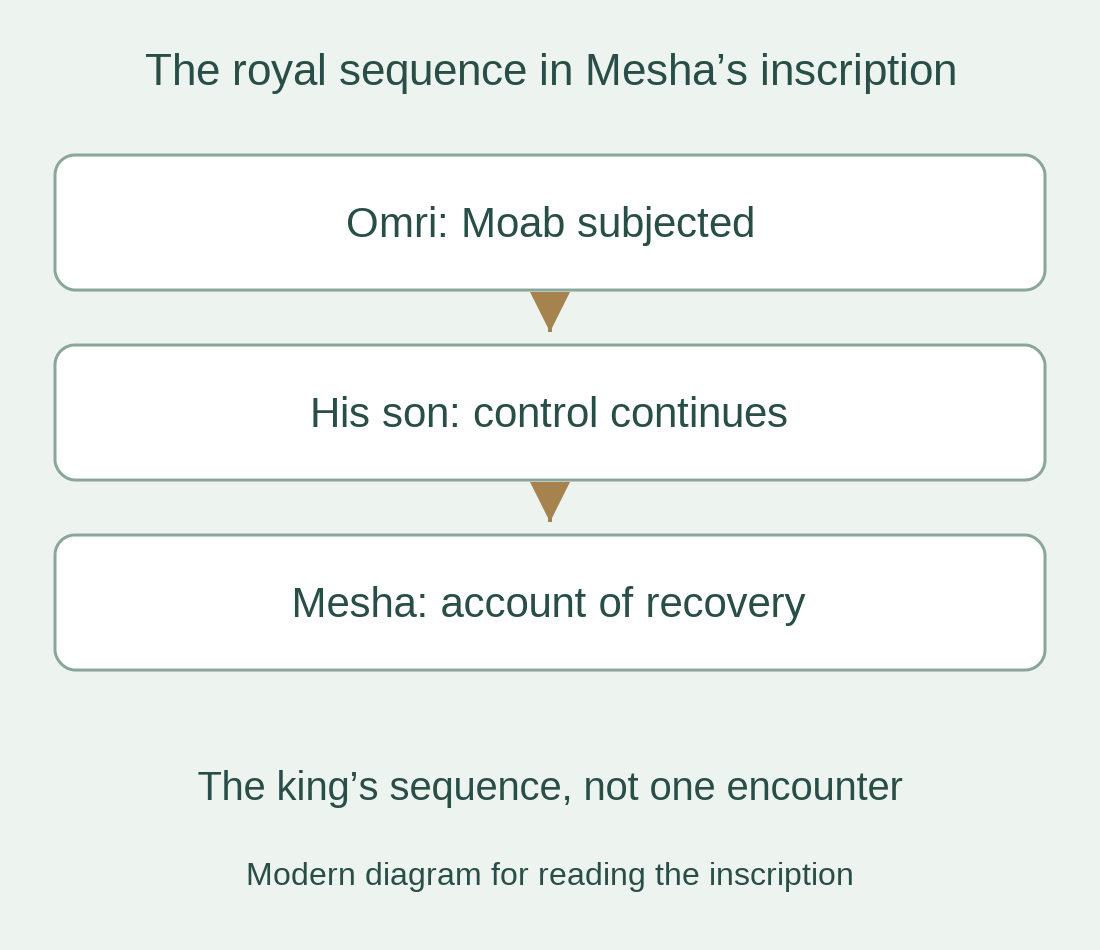
Modern diagram for reading the inscription. The king’s sequence, not one encounter
Person
Ninth-century BCE ruler of ancient Israel, named in the Mesha inscription's account of Moab's subjection.
Namensvarianten: Omri
Kontext und Quellen →
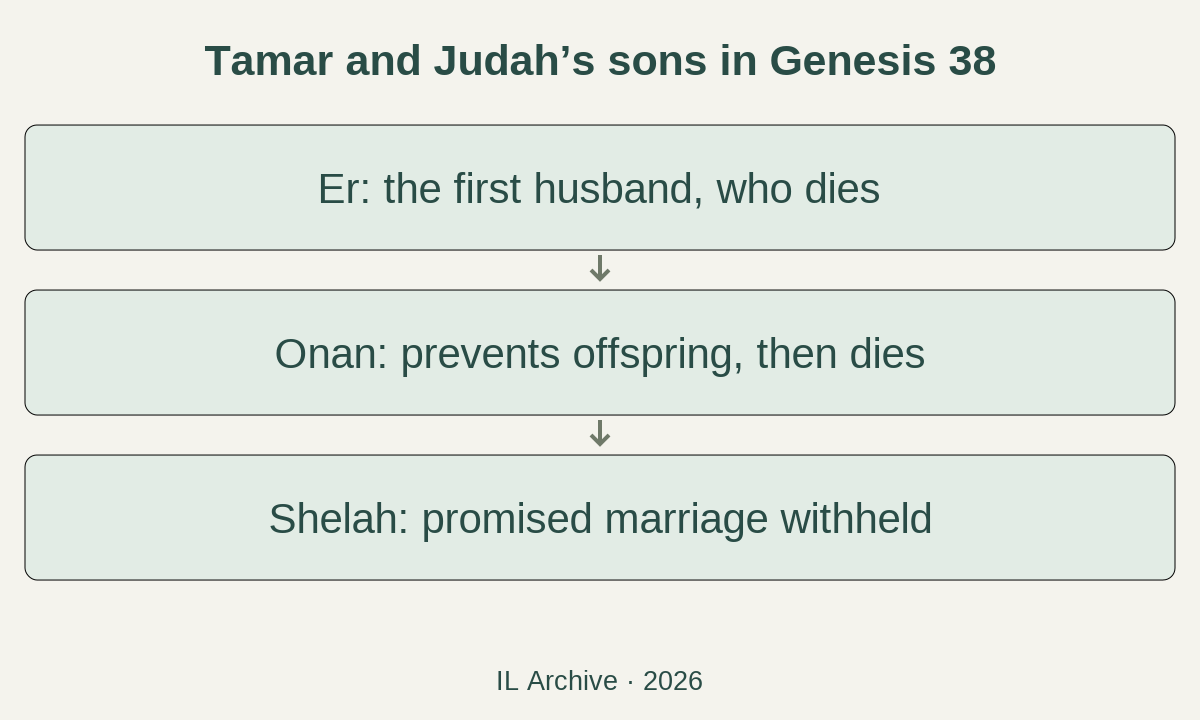
Modern explanatory diagram of relationships or cases in the specified witnesses; not portraits, a legal tablet or an ancient manuscript
Person
Er’s brother, directed to raise offspring for him through Tamar in Genesis 38.
Namensvarianten: Onan, son of Judah
Kontext und Quellen →
Modern AI-generated conceptual illustration of names, identity and writing; the imagined tablets, signs and figures are artistic devices, not identified artefacts or verified reconstructions
Entität
Study of proper names, especially personal and place names, through their forms, languages, histories and social uses; a name alone does not establish its bearer’s identity or religion.
Namensvarianten: onomastics, onomastic analysis
Kontext und Quellen →
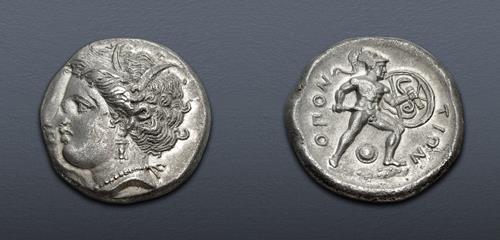
Stater of the Opus mint, about 370–360 BCE; CNG 132 lot 275. Persephone on the obverse, Ajax on the reverse. Civic coinage witness, not Deucalion’s flood
Stätte
Ancient Greek city linked with Deucalion’s genealogies and Pindar’s ninth ode, near present-day Atalanti.
Namensvarianten: Opus, ancient Locrian city, Opous
Kontext und Quellen →
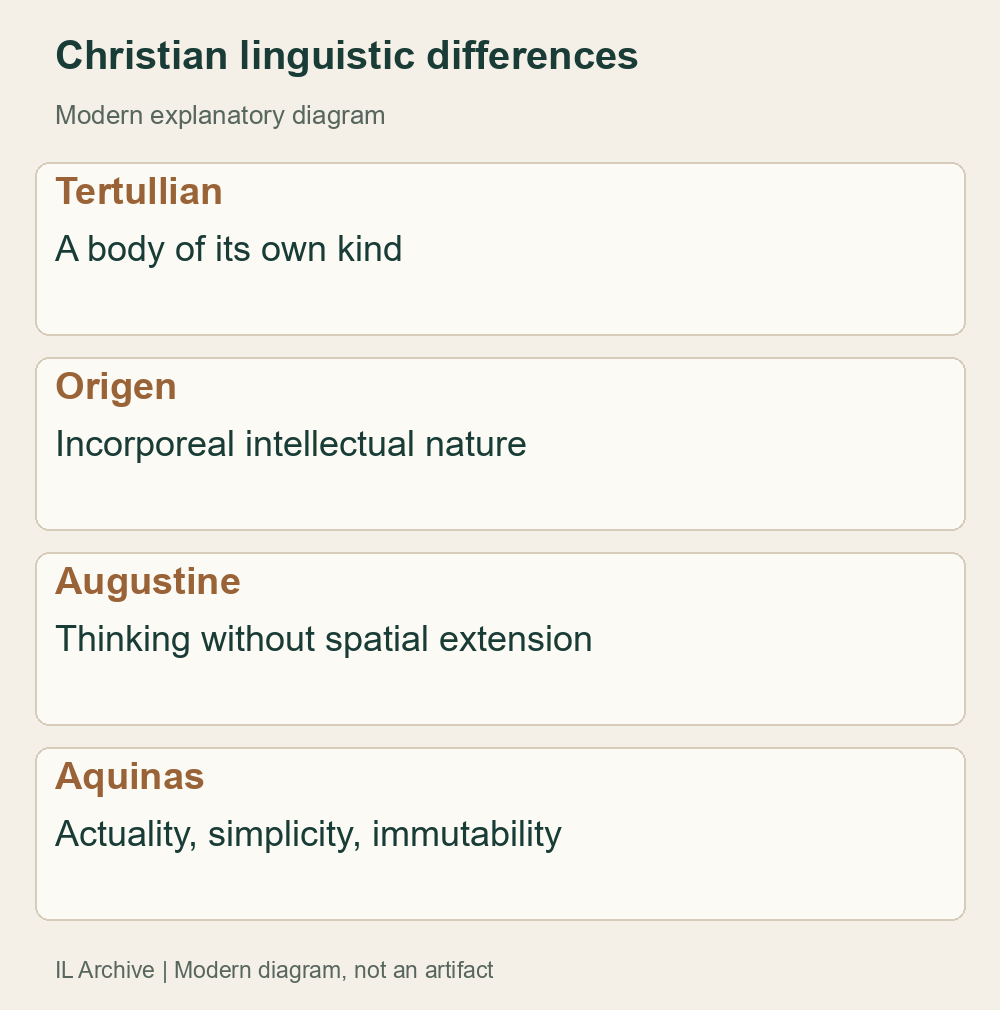
Positions in specific texts, not a consensus of early or later Christianity; no portraits depicted
Person
Christian exegete and theologian from Alexandria (c. 185–253), known for biblical textual comparison, commentaries and On First Principles. His works survive in Greek and through later translations and quotations.
Namensvarianten: Origen, Origen of Alexandria
Kontext und Quellen →
Entität
A harmful spirit named in the Greek Testament of Solomon, whose capture begins the ring-and-Temple narrative.
Namensvarianten: Ornias
Kontext und Quellen →
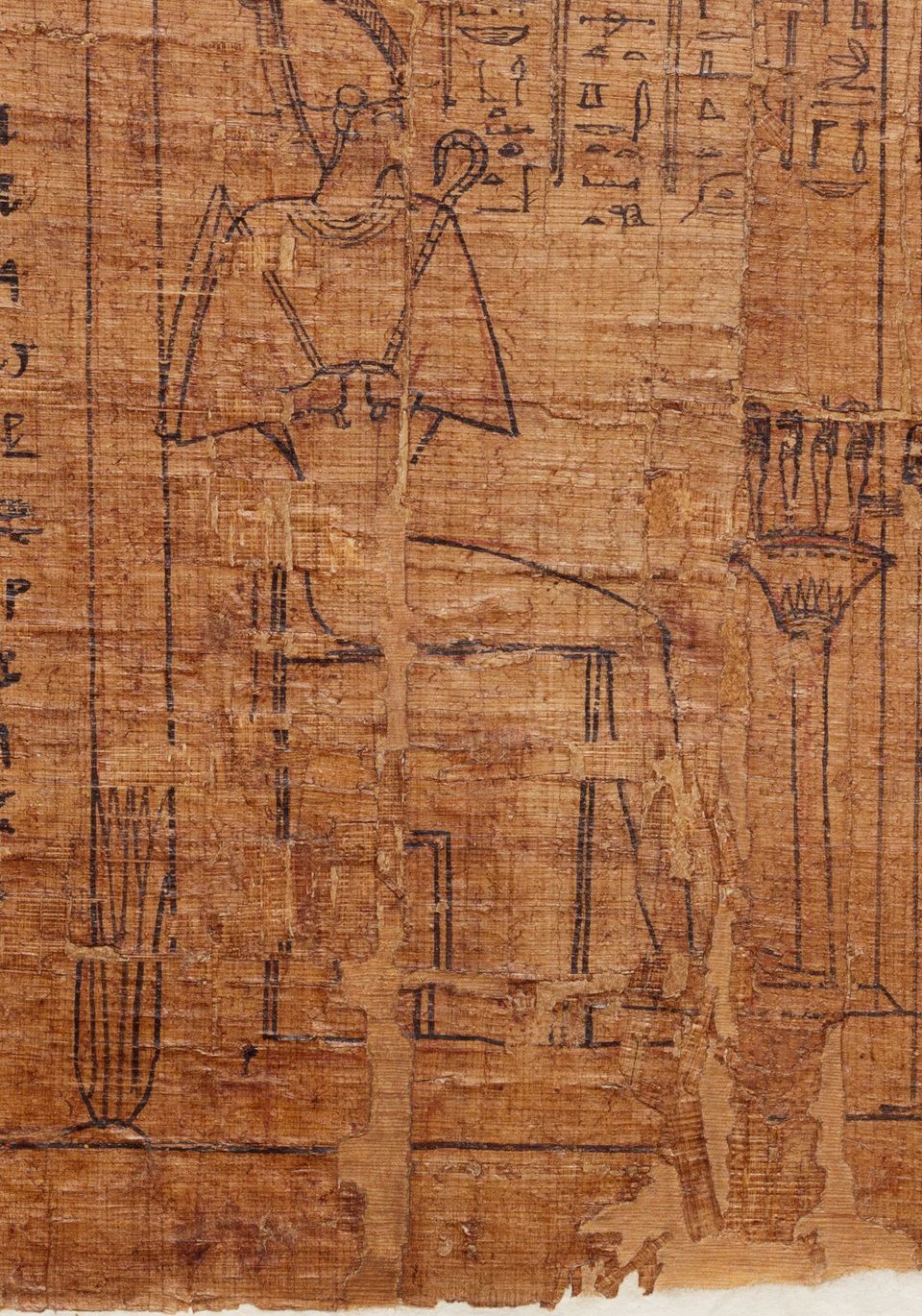
Cropped detail of a Ptolemaic funerary papyrus showing Osiris enthroned in his shrine; Egypt, ca. 230–150 BCE. Met 66.99.142. This is a crop of the artifact, not an image of a historical mythic event
Entität
Osiris was an ancient Egyptian deity associated with the dead, life after death, renewal, and kingship. His roles appear in changing funerary texts, rituals, and judgment scenes, notably the weighing of the heart.
Namensvarianten: Osiris
Kontext und Quellen →
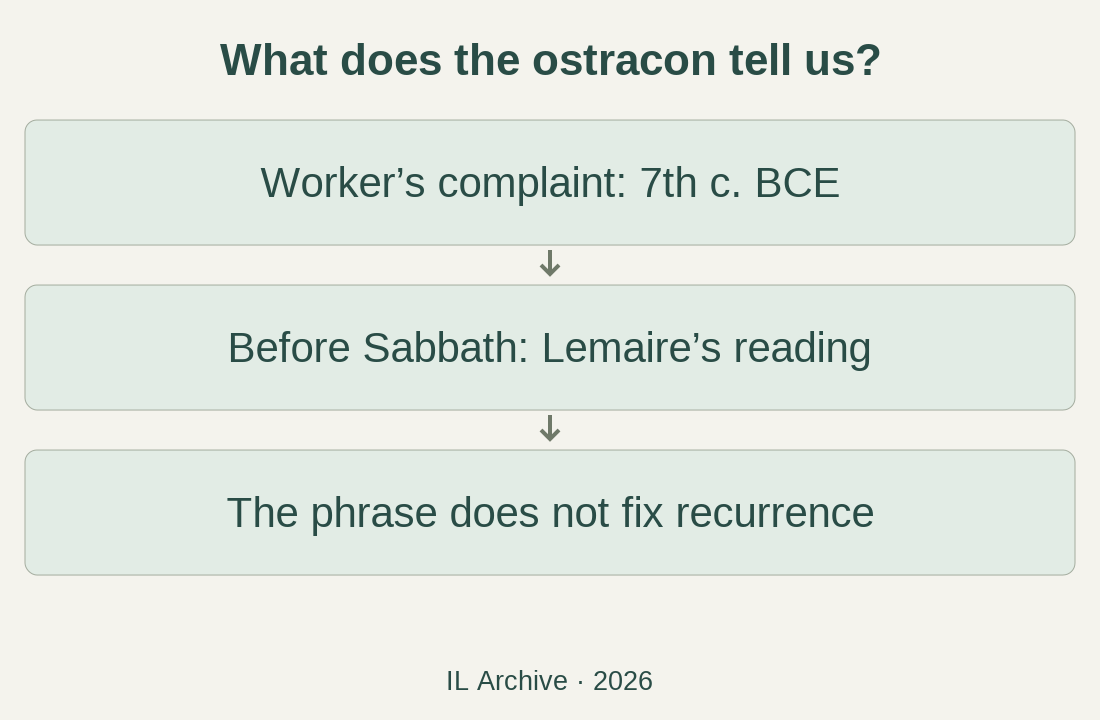
Modern diagram explaining the selected passage’s argument and sequence; not a manuscript image or archaeological reconstruction
Artefakt
Worker’s complaint on a potsherd from a southern Levantine coastal fortress, late seventh century BCE, read as including “before Sabbath.”
Namensvarianten: Meṣad Ḥashavyahu ostracon
Kontext und Quellen →
Person
Hebrew Bible scholar studying the Sabbath commandment’s interpretation, author of Sabbath in the Making, 2020.
Namensvarianten: Ottilia Lukács
Kontext und Quellen →
Person
Scholar of the New Testament and ancient Judaism, 1917–2005.
Namensvarianten: Otto Betz
Kontext und Quellen →
Modern AI-generated symbolic cover: an imaginary portal and luminous abstract forms evoking questions of being and substance, not a documented artifact, manuscript, temple or literal portrayal of divinity
Entität
Ousia (οὐσία): a Greek noun variously translated being, substance, or essence. In later Christian debates it could designate a common divine essence contrasted with distinct hypostases; this meaning is not universal in earlier texts.
Namensvarianten: ousia, οὐσία, essence, substance
Kontext und Quellen →
Person
Ovid was a Roman poet writing in Latin, who lived from 43 BCE to about 17 CE. His best-known works include the Metamorphoses.
Namensvarianten: Ovid
Kontext und Quellen →
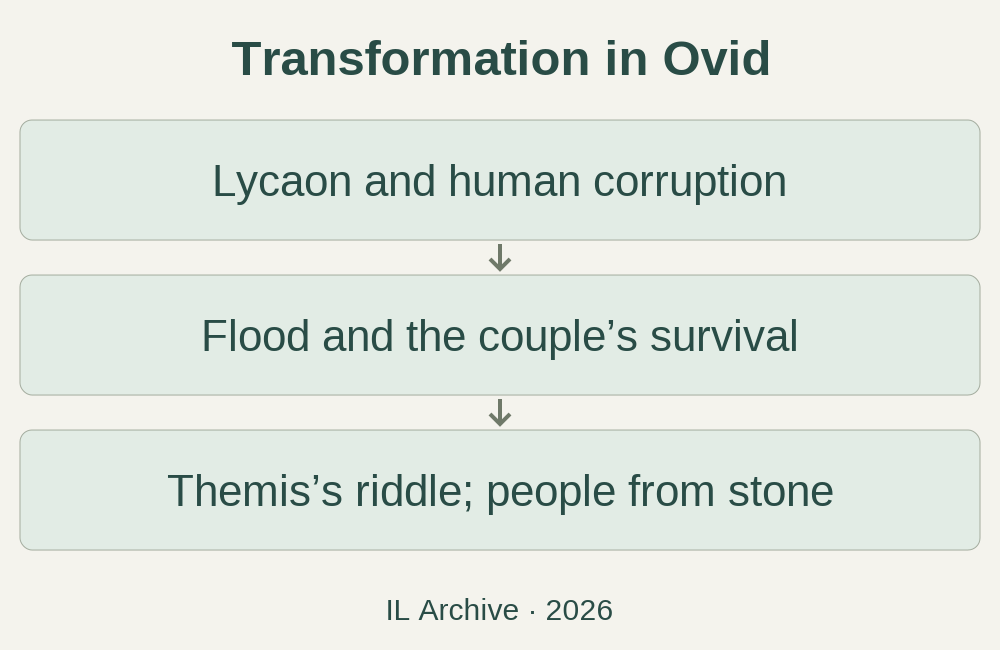
Modern explanatory diagram of one literary witness’s sequence or relationships, not a manuscript, portrait or demonstrated transmission route
Antiker Text
Latin epic from the early first century CE collecting transformations, including Lycaon and Deucalion’s flood.
Namensvarianten: Ovid’s Metamorphoses
Kontext und Quellen →

Modern AI-generated interpretive cover: an imagined transition from marks on stone to abstract strokes. Not a photograph of an ancient inscription or a scholarly facsimile
Entität
Paleo-Arabic denotes an early Arabic-script epigraphic tradition attested from the late fifth century CE, with distinctive letter forms and spelling conventions. It is narrower than Old Arabic as a language written in different scripts, and some traits persisted into early Islamic times.
Namensvarianten: Paleo-Arabic, Palaeo-Arabic, Paleo Arabic script
Kontext und Quellen →
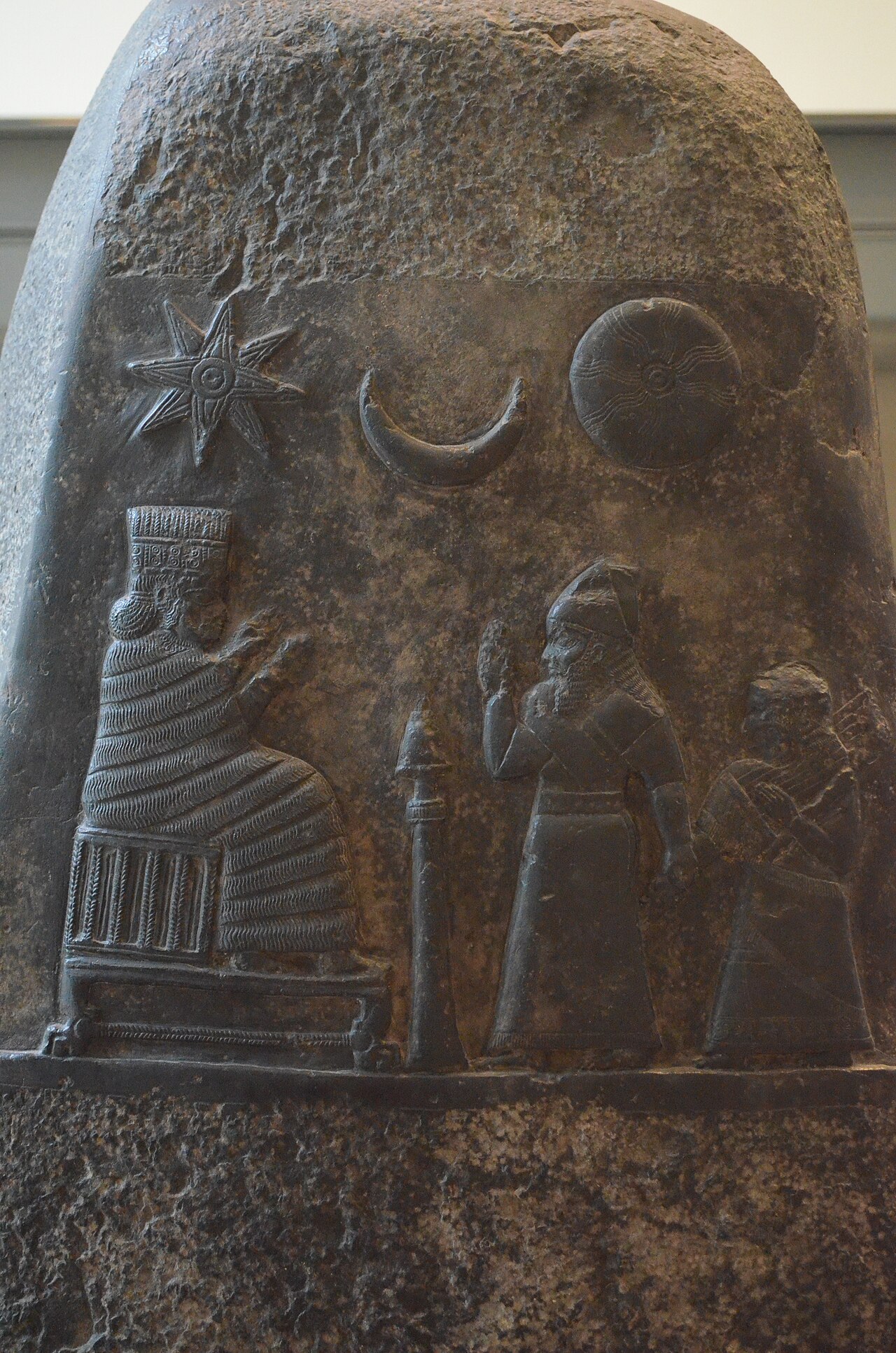
The kudurru of Meli-Shipak II, Louvre SB 23: the king presents his daughter Hunnubat-Nanaya to the seated goddess Nanaya, beneath the star of Ishtar, crescent of Sin, and sun disk of Shamash. This Babylonian monument shows divine emblems, not a complete gathering of the pantheon
Entität
The deities recognized within a given religious tradition, city or period, as reflected in texts and cult. Broader than a divine council, an assembly within a narrative.
Namensvarianten: pantheon, pantheons
Kontext und Quellen →