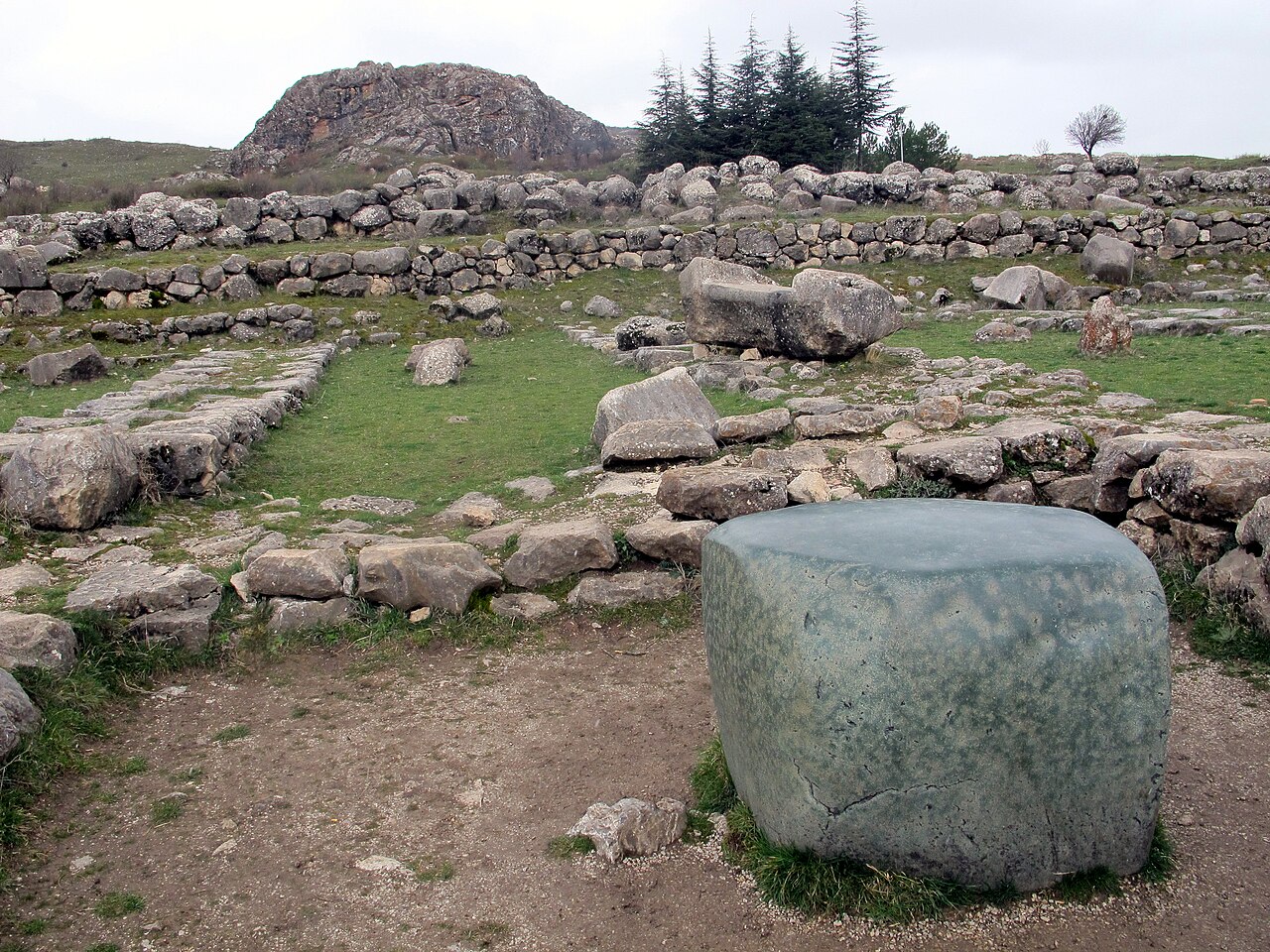
Part of the Great Temple ruins at Hattusha, the Hittite capital, near modern Boğazköy in Turkey. UNESCO dates the temple remains to the thirteenth century BCE. Photograph taken on 17 March 2013, providing context for the city that preserved collections of Hittite rituals
Person
Papanikri is the named ritual specialist associated with a Hittite ritual addressing the omen of a damaged birth stool
Namensvarianten: Papanikri, Pāpanikri
Kontext und Quellen →
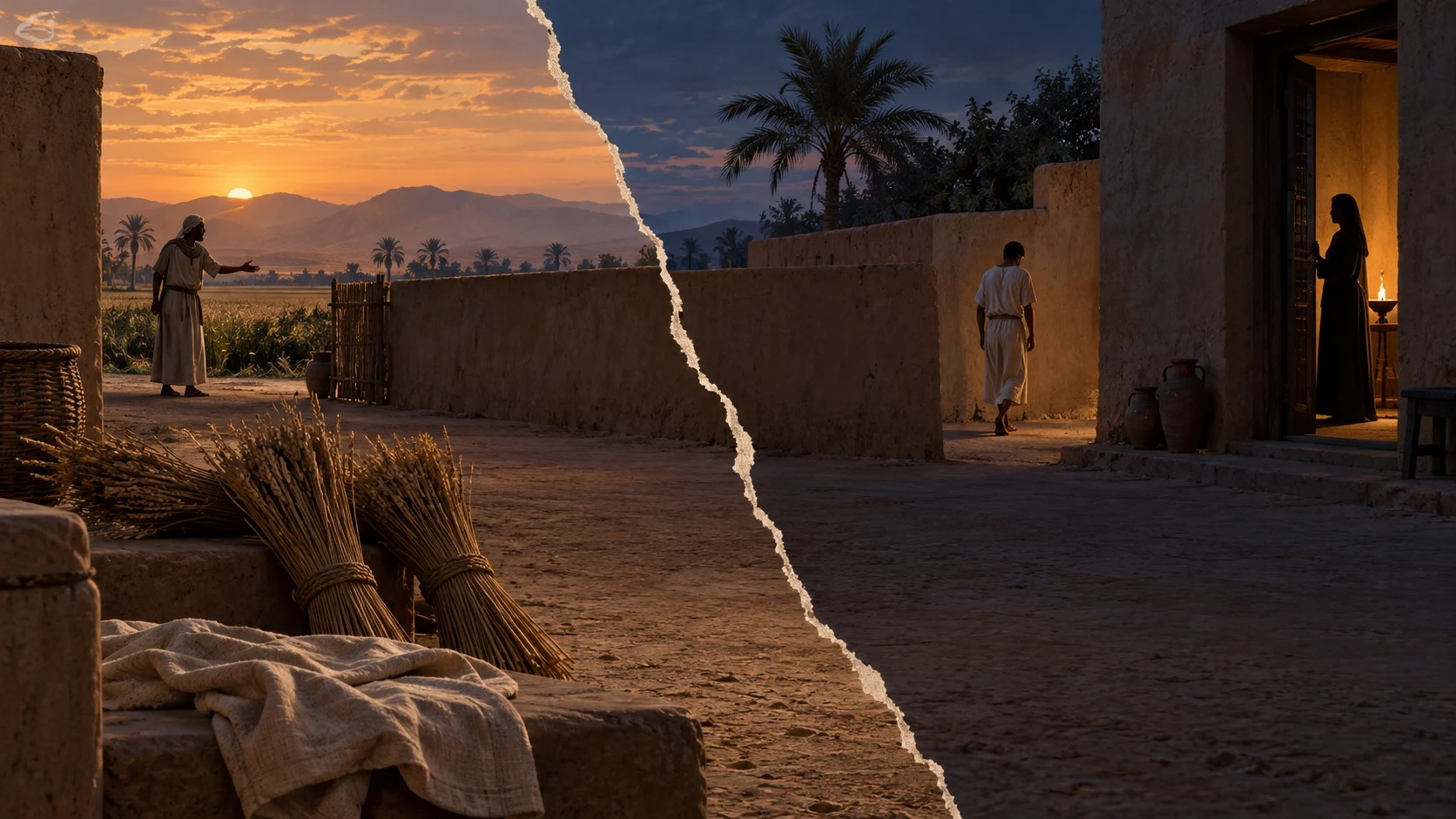
Modern interpretive illustration of a household divided after Bata’s accusation; not a photograph of EA10183 or a verified historical reconstruction
Artefakt
Nineteenth-Dynasty hieratic papyrus (c. 1215 BCE), British Museum EA10183; the sole known manuscript of the Tale of the Two Brothers, copied by Inena.
Namensvarianten: Papyrus D’Orbiney, Tale of the Two Brothers
Kontext und Quellen →
Newly generated conceptual illustration of textual resemblances and differences; its fragments and marks are fictional, not ancient manuscript evidence
Entität
Overstating textual or conceptual parallels and inferring historical dependence without adequate contextual, chronological, or transmission evidence; not a rejection of comparison.
Namensvarianten: Parallelomania
Kontext und Quellen →
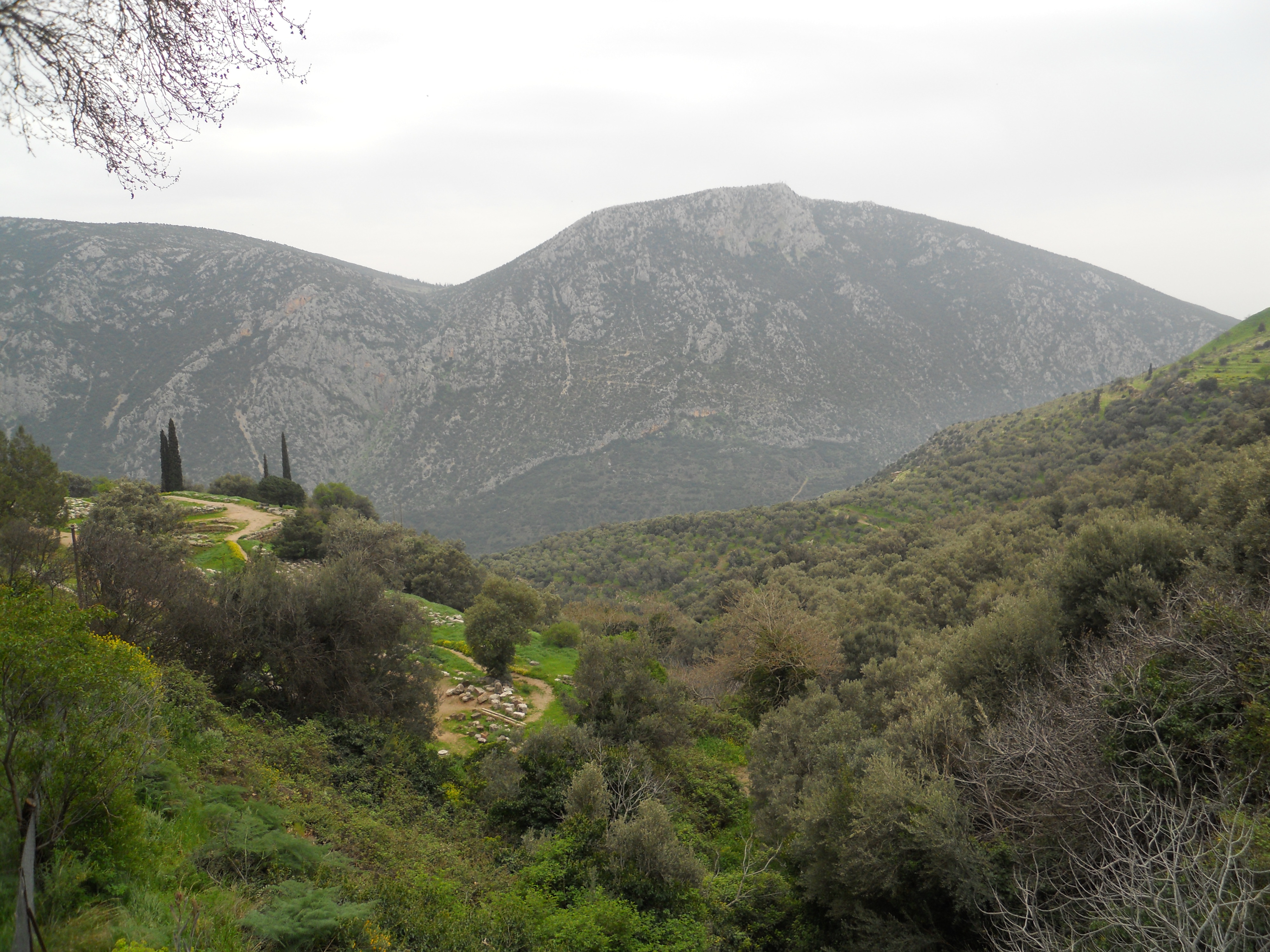
Mount Parnassus, photograph titled by Erik Drost, 23 March 2010; modern mountain landscape from the region. It does not identify the narrative’s landing summit
Stätte
Mountain massif in central Greece near Delphi, associated with Deucalion and Pyrrha’s survival.
Namensvarianten: Mount Parnassus, Parnassos
Kontext und Quellen →
Person
Sumerian language and literature scholar, emeritus professor at the University of Bern.
Namensvarianten: Pascal Attinger
Kontext und Quellen →

Halliburton Tower on the Rhodes College campus in Memphis, Tennessee, on 24 October 2009. The photograph provides context for the institution where Patrick Gray teaches religion, early Christianity and its Greco-Roman setting
Person
Religious studies scholar at Rhodes College, researching the New Testament, early Christianity and biblical interpretation.
Namensvarianten: Patrick Gray
Kontext und Quellen →
Person
Hebrew Bible scholar studying sea imagery, monsters and the literary construction of space.
Namensvarianten: Paul K.-K. Cho
Kontext und Quellen →
Person
Scholar and translator who published Syriac, Arabic and Armenian infancy texts in 1914.
Namensvarianten: Paul Peeters
Kontext und Quellen →
Person
German theologian and writer (1821–1892) whose Esther commentary included an appendix on the Second Targum.
Namensvarianten: Paulus Cassel
Kontext und Quellen →
Person
Paul was a first-century CE Christian letter writer whose letters preserve early Christian formulations.
Namensvarianten: Paul the Apostle
Kontext und Quellen →
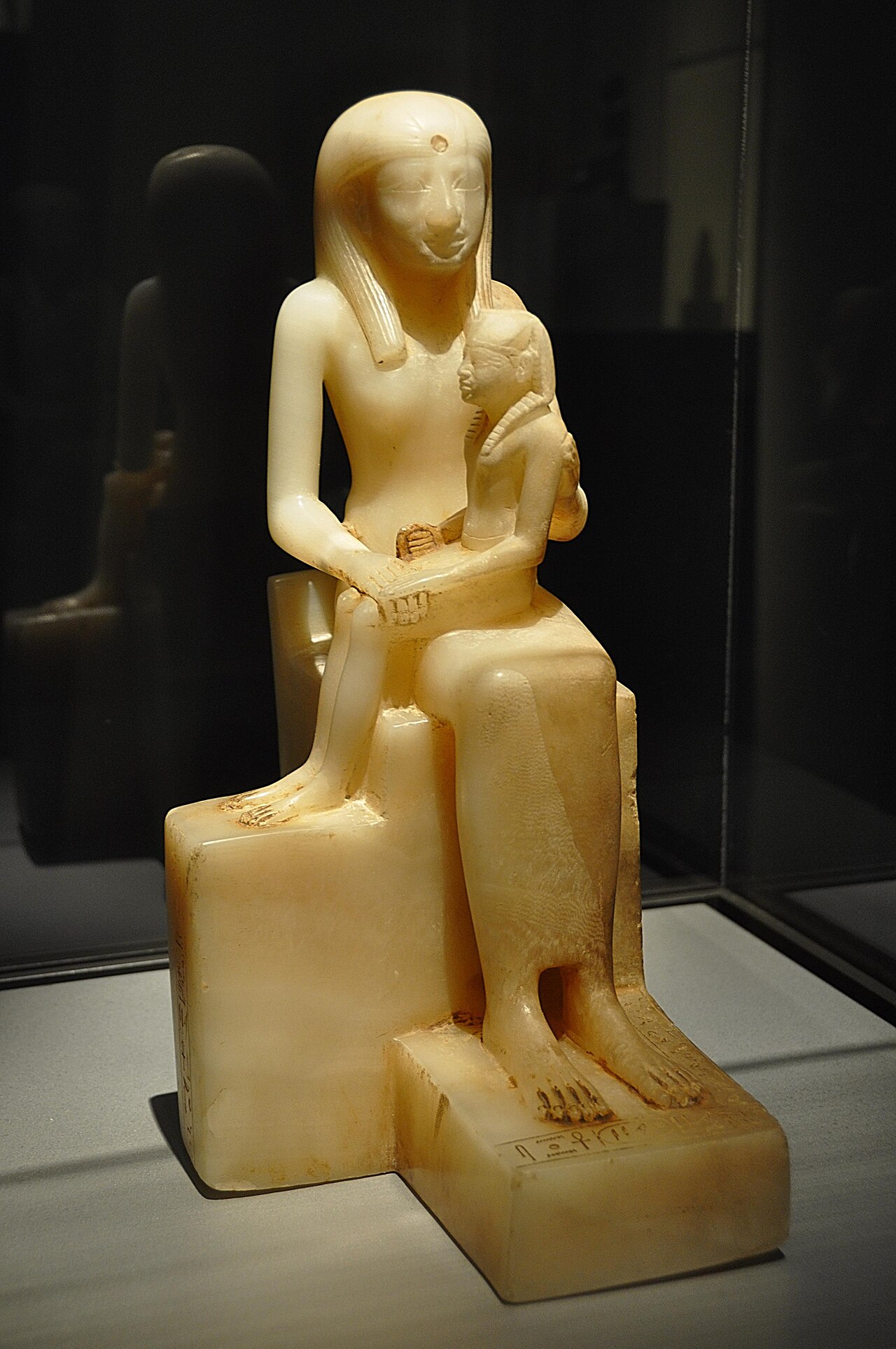
Queen Ankhnes-meryre II with her son King Pepi II on her lap, in an Egyptian-alabaster statuette of the Sixth Dynasty, late third millennium BCE. Brooklyn Museum, 39.119. Photograph by Stephen Sandoval, February 2009
Person
Pepi II was an Egyptian king of the Sixth Dynasty in the late third millennium BCE
Namensvarianten: Pepi II, Pepy II
Kontext und Quellen →
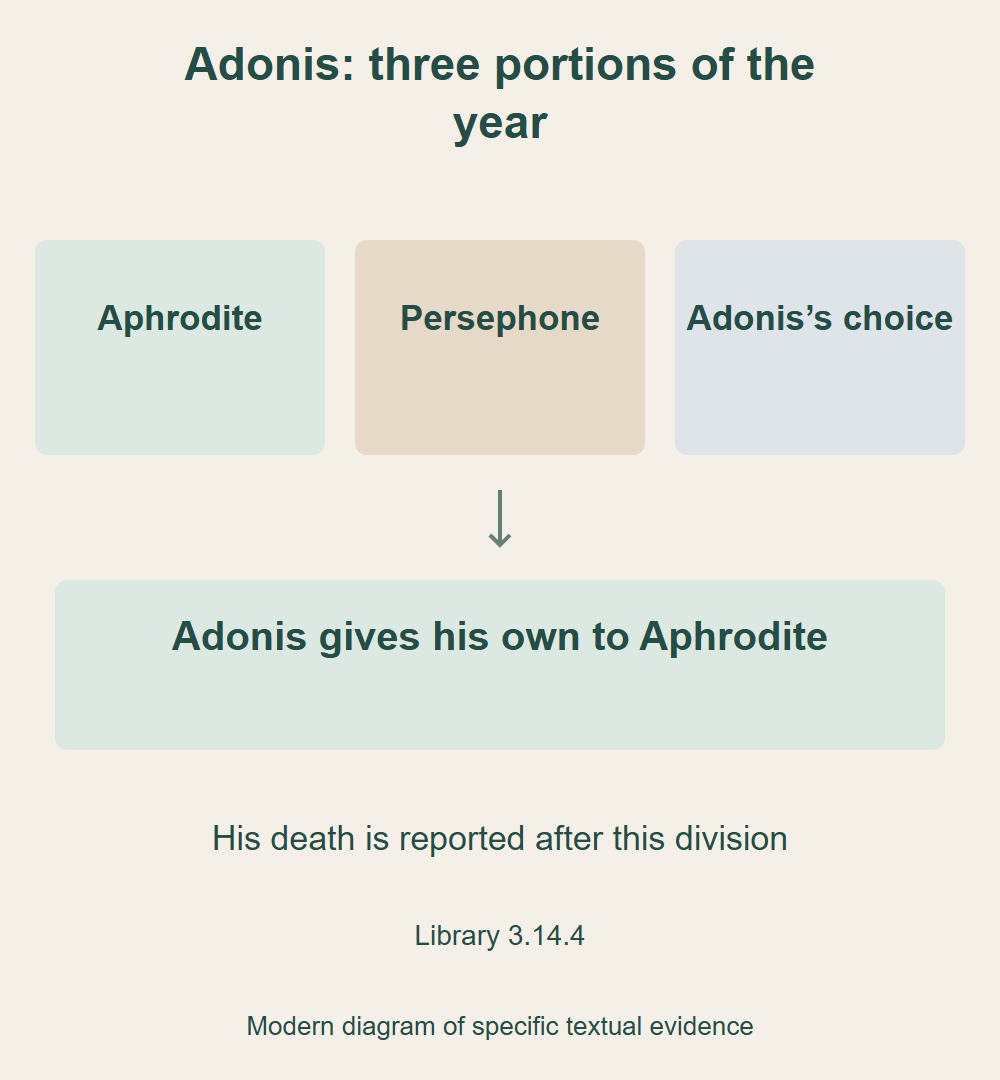
Modern chart of Library3.14.4: three original portions, after which Adonis assigns his own to Aphrodite. The division precedes his death in the narrative
Entität
Persephone is a Greek goddess associated with the underworld and a participant in one account of Adonis’s childhood.
Namensvarianten: Persephone
Kontext und Quellen →
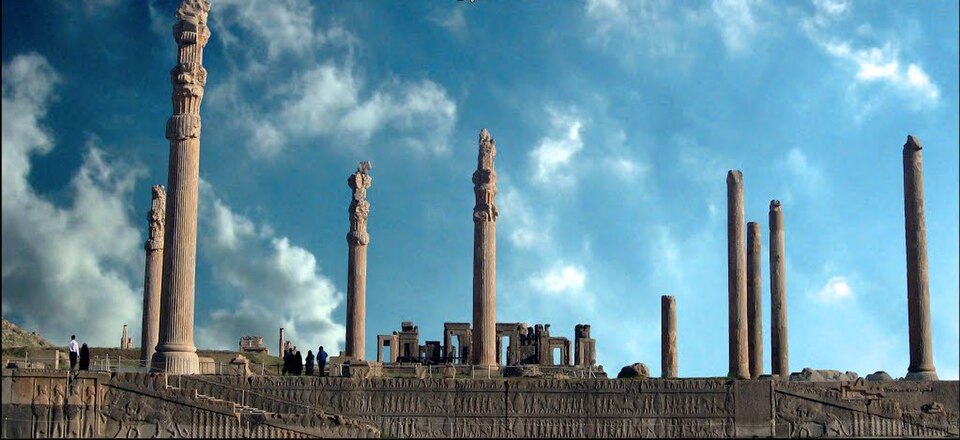
Apadana columns at Persepolis,photographed by Maryam.farhadi 1380,8 October 2018. Modern view of archaeological remains, not a reconstruction of the complete palaces
Stätte
Achaemenid royal center in southwestern Iran, begun by Darius I around 518 BCE.
Namensvarianten: Persepolis, Takht-e Jamshid
Kontext und Quellen →

Newly AI-generated conceptual illustration of a person seeking a deity’s protection. Not an ancient object, inscription, or verified reconstruction of a deity
Entität
A deity associated in some ancient Near Eastern sources with an individual or family for care, protection, and intercession; not necessarily a separate or minor god.
Namensvarianten: personal god, family god
Kontext und Quellen →
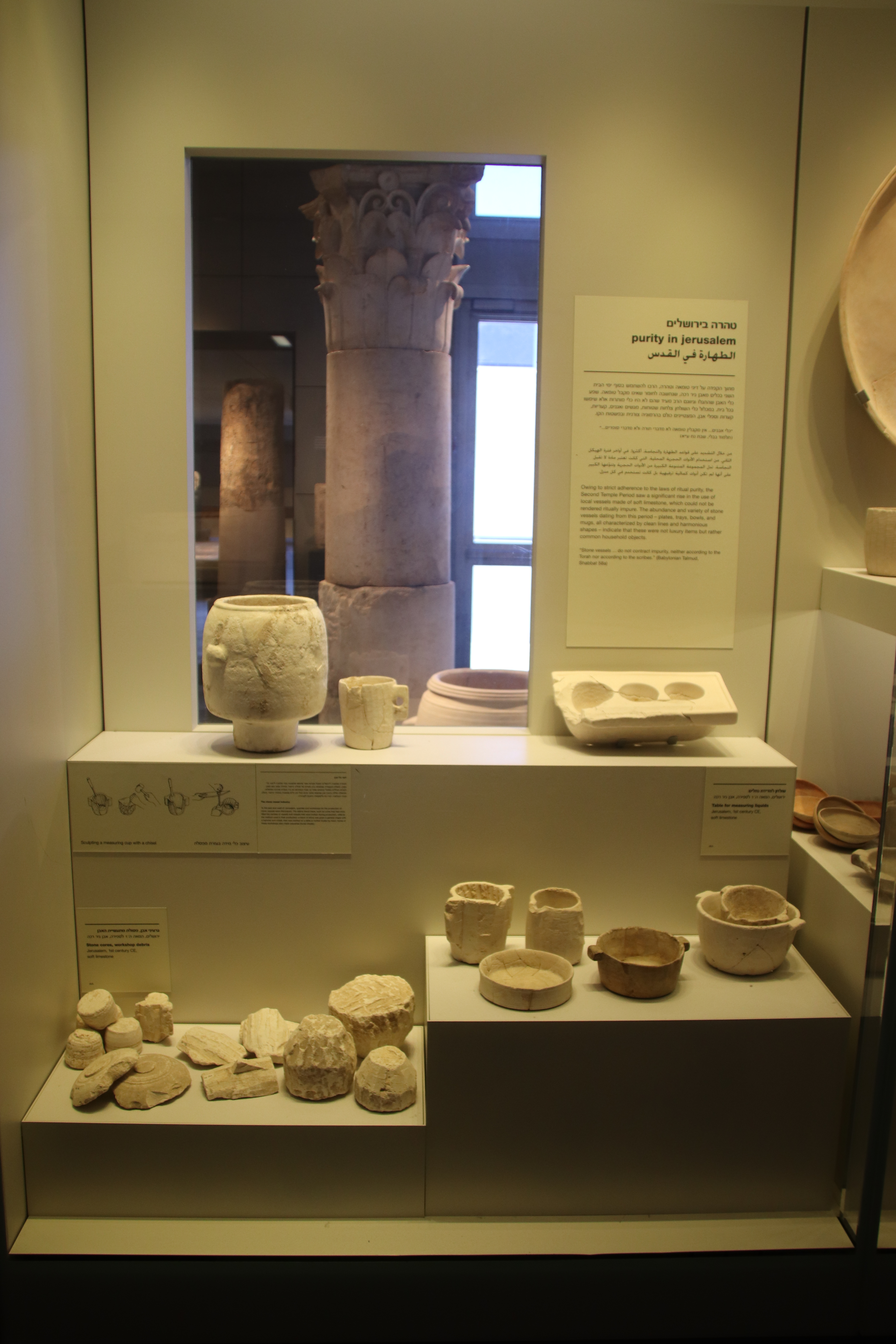
Limestone vessels in the “Purity in Jerusalem” display, Israel Museum. The file title dates the vessels to the first century CE; photograph taken in 2018. Context for Jewish purity practices, not documented Pharisee possessions
Entität
A Second Temple Jewish movement: its influence, ancestral traditions and hopes beyond death, examined through Josephus and the Mishnah’s purity debates.
Namensvarianten: Pharisees, Pharisaic
Kontext und Quellen →
Person
Philippe Gignoux (1931–2023) was a French scholar of ancient Iranian languages and religions.
Namensvarianten: Philippe Gignoux
Kontext und Quellen →
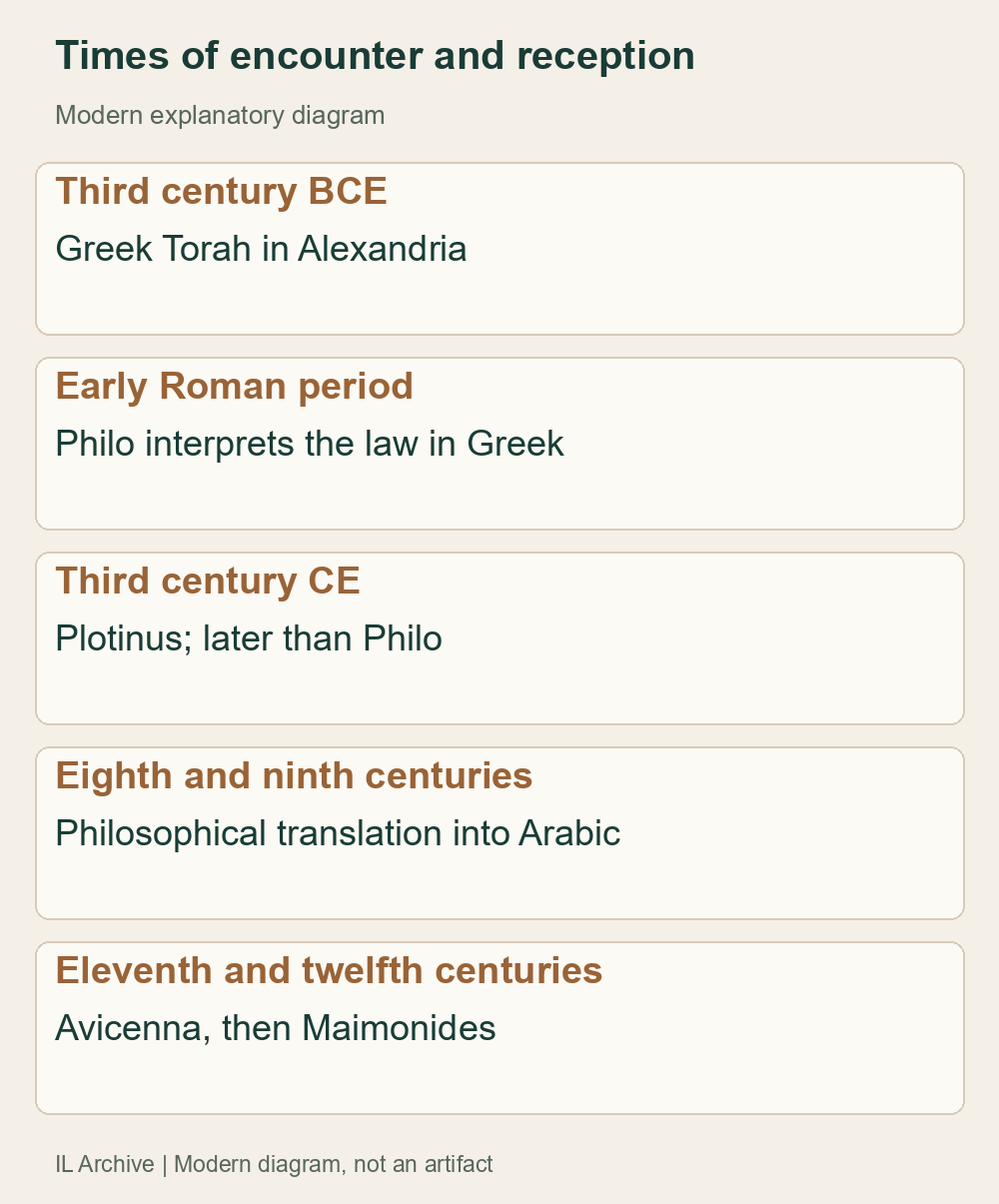
Modern explanatory chronology by IL Archive, situating Philo between the Greek Torah and later philosophies and traditions. Neither a portrait nor an ancient manuscript, and chronological succession does not establish direct borrowing between all the figures shown
Person
Greek-writing Jewish interpreter in Roman Alexandria (roughly first century CE), who read the Torah philosophically while defending its practices; his works survive through Greek copying and Armenian translation.
Namensvarianten: Philo of Alexandria, Philo Judaeus
Kontext und Quellen →
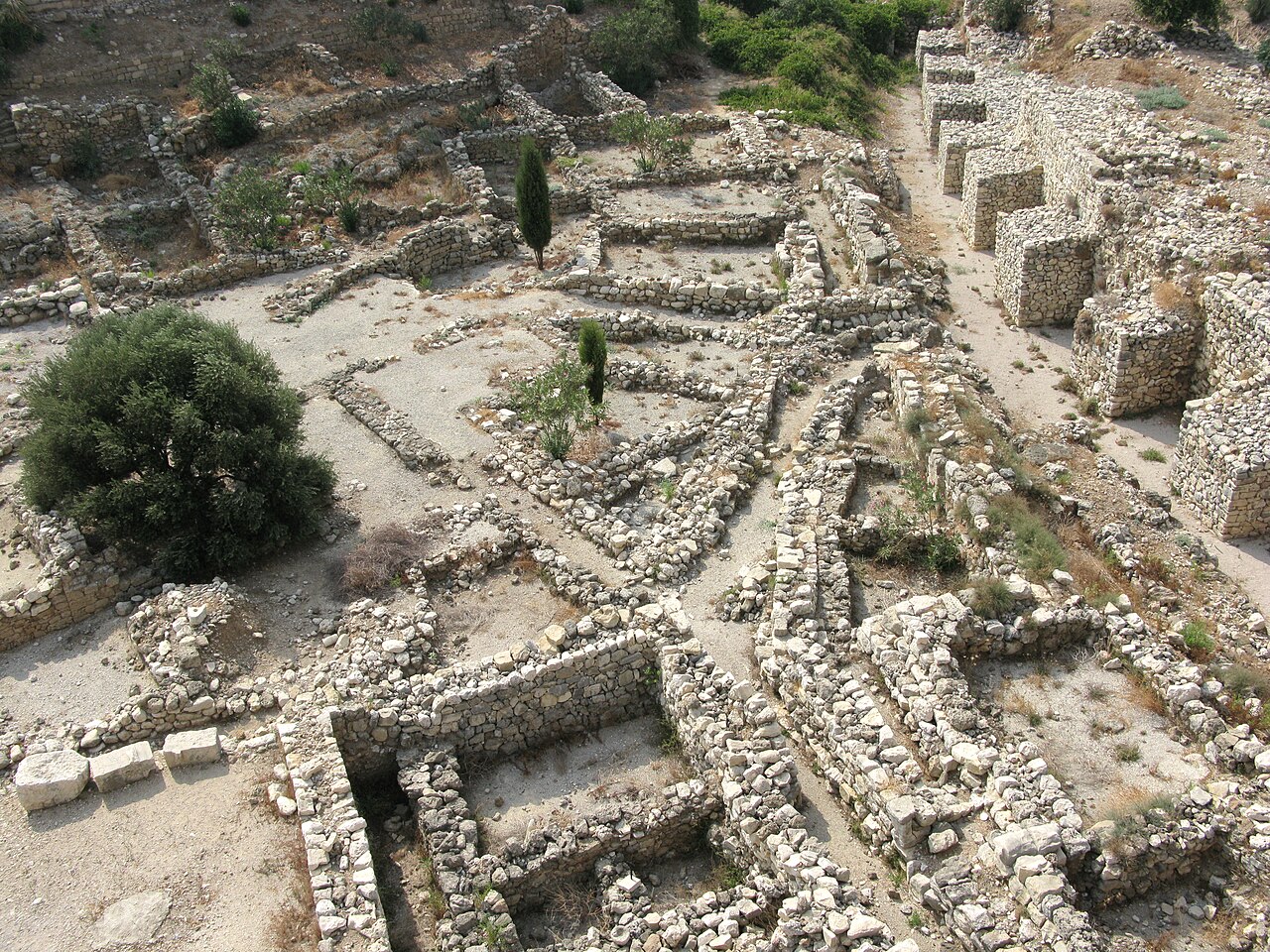
Modern view of the Byblos remains, Lebanon, 4 September 2008. Photograph by Vyacheslav Argenberg; context for Philo of Byblos’s name, not a portrait or identification of his library
Person
Writer of about the first–second centuries CE and author of Phoenician History, distinct from Philo of Alexandria.
Namensvarianten: Philo of Byblos
Kontext und Quellen →
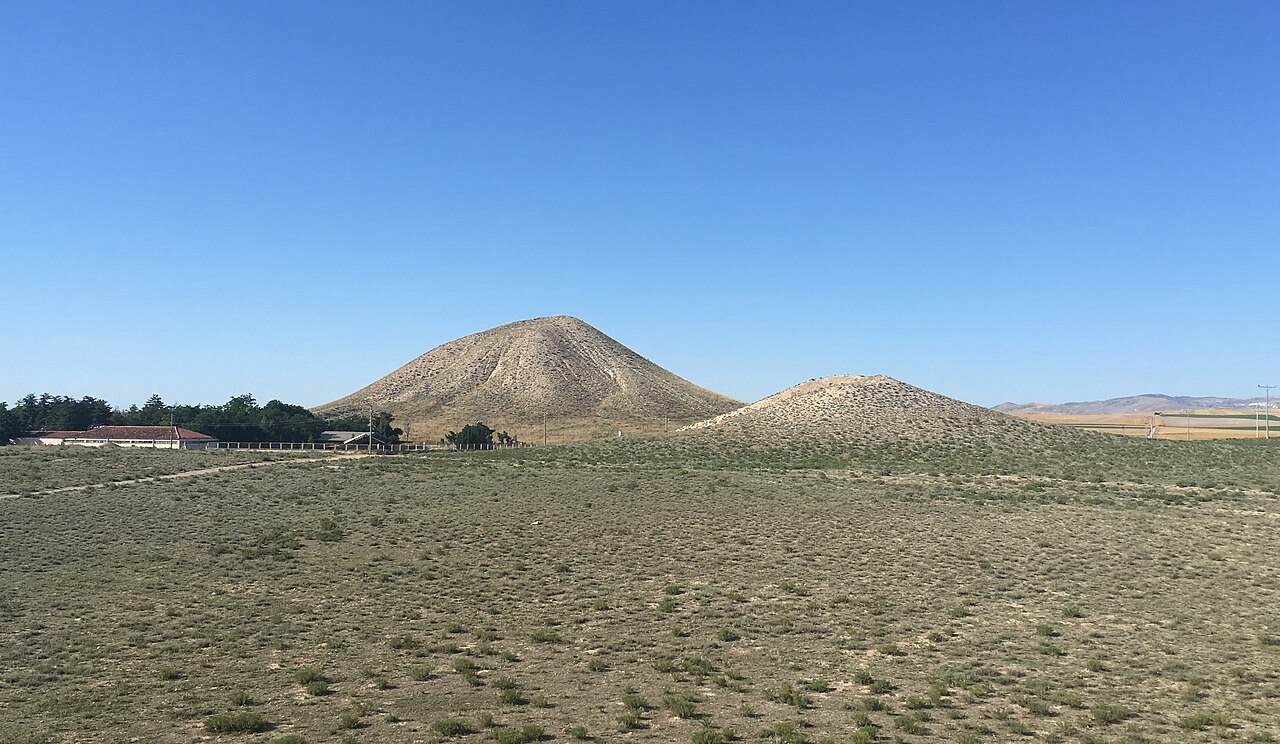
Burial mounds MM and P at Gordion, in modern Türkiye. A view of Phrygian remains by Archaeologist 1950, 2 July 2019; regional archaeological context, not evidence for a specific story’s route
Stätte
Historical inland Anatolian region with an Iron Age kingdom; Gordion was a major center.
Namensvarianten: Phrygia
Kontext und Quellen →
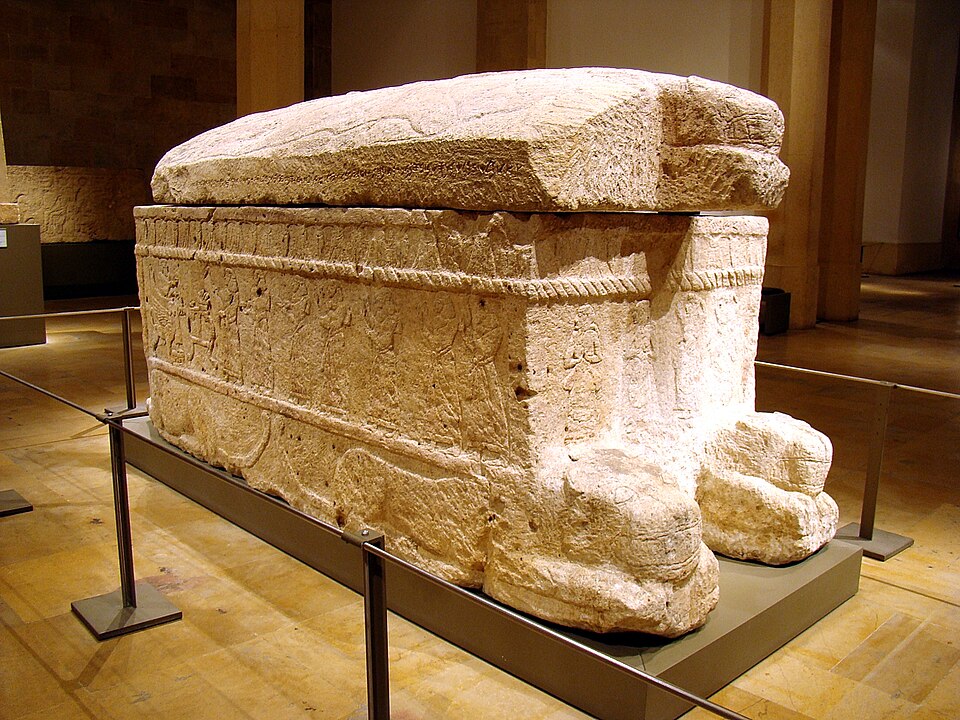
Ahiram’s sarcophagus from Byblos, held by the National Museum of Beirut. Evidence for art and writing on the Levantine coast; the sarcophagus and inscription have debated dates that need not coincide
Entität
Communities of Levantine coastal cities known for Mediterranean contact during the first millennium BCE.
Namensvarianten: Phoenicians
Kontext und Quellen →
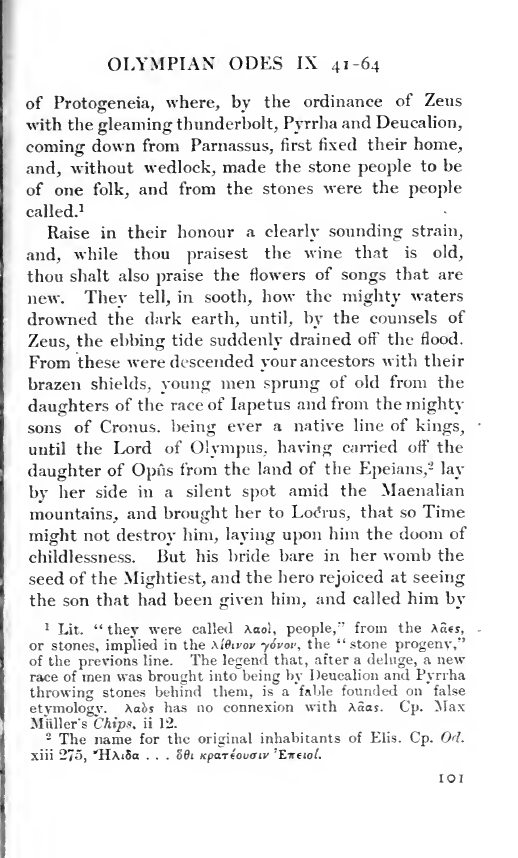
Olympian 9.41–64, John Sandys’s English translation, Loeb 1915, p. 101/PDF 157. A historical modern edition page, not an ancient Greek manuscript
Person
Greek poet, about 518–438 BCE, linking athletic victories with gods, genealogies and cities.
Namensvarianten: Pindar, Greek lyric poet
Kontext und Quellen →
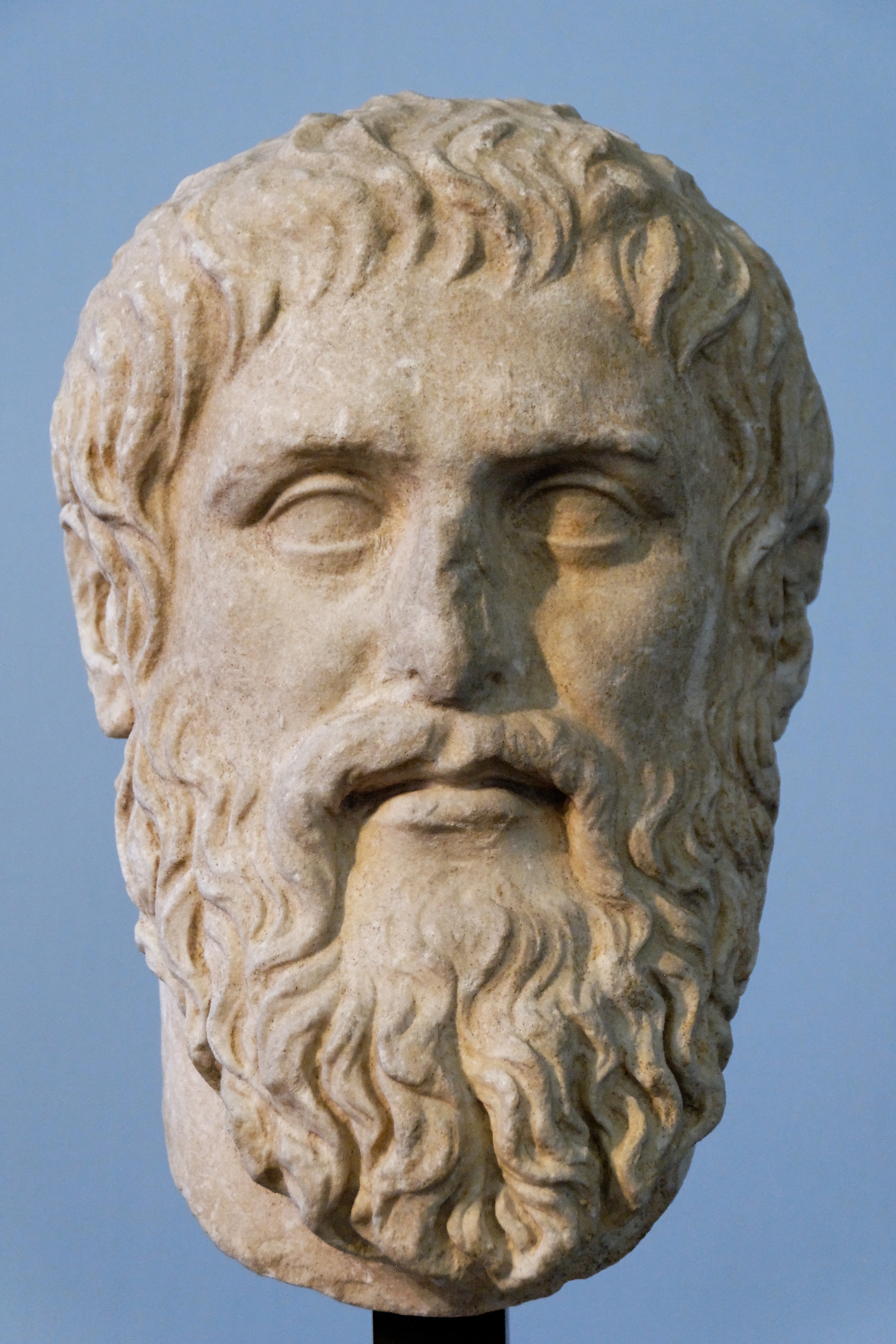
Portrait of Plato, Capitoline Museums, Rome, MC 1377. A Roman marble copy of the first century CE after an older Greek model attributed to Silanion. Photograph by Marie-Lan Nguyen, 2009; the sculpture postdates the philosopher’s lifetime
Person
Plato (approximately 427–347 BCE) was a Greek philosopher who explored goodness, justice and cosmic order through philosophical dialogues.
Namensvarianten: Plato, Platōn
Kontext und Quellen →
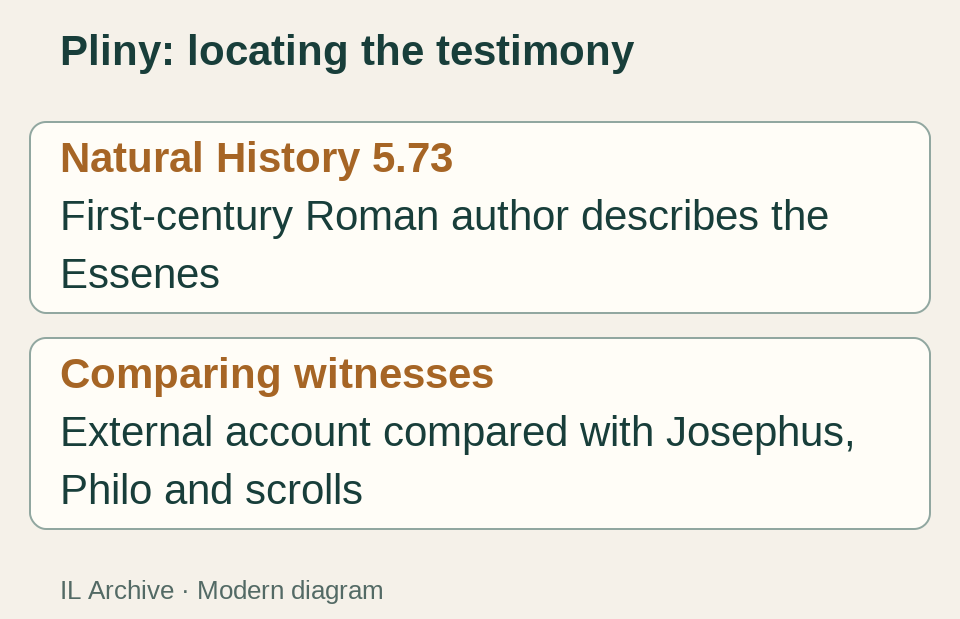
Modern diagram locates Pliny’s Essene description in Natural History 5.73 within his Roman geography, distinct from Josephus, Philo and manuscript witnesses. It is not Pliny’s portrait or an ancient manuscript
Person
Roman writer and statesman, around 23/24–79 CE, author of the Natural History.
Namensvarianten: Pliny the Elder
Kontext und Quellen →
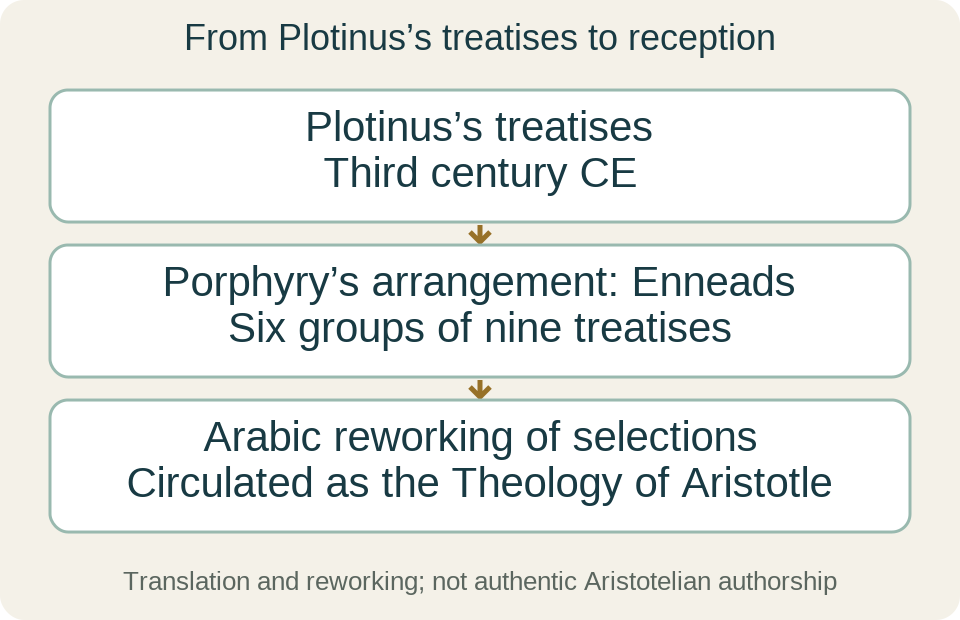
Modern diagram distinguishing author, editor and the Arabic reception title of selected material. Neither a portrait nor an ancient manuscript; it does not imply an Arabic translation of all the Enneads
Person
Third-century CE philosopher central to Neoplatonism, whose treatises were collected as the Enneads.
Namensvarianten: Plotinus
Kontext und Quellen →
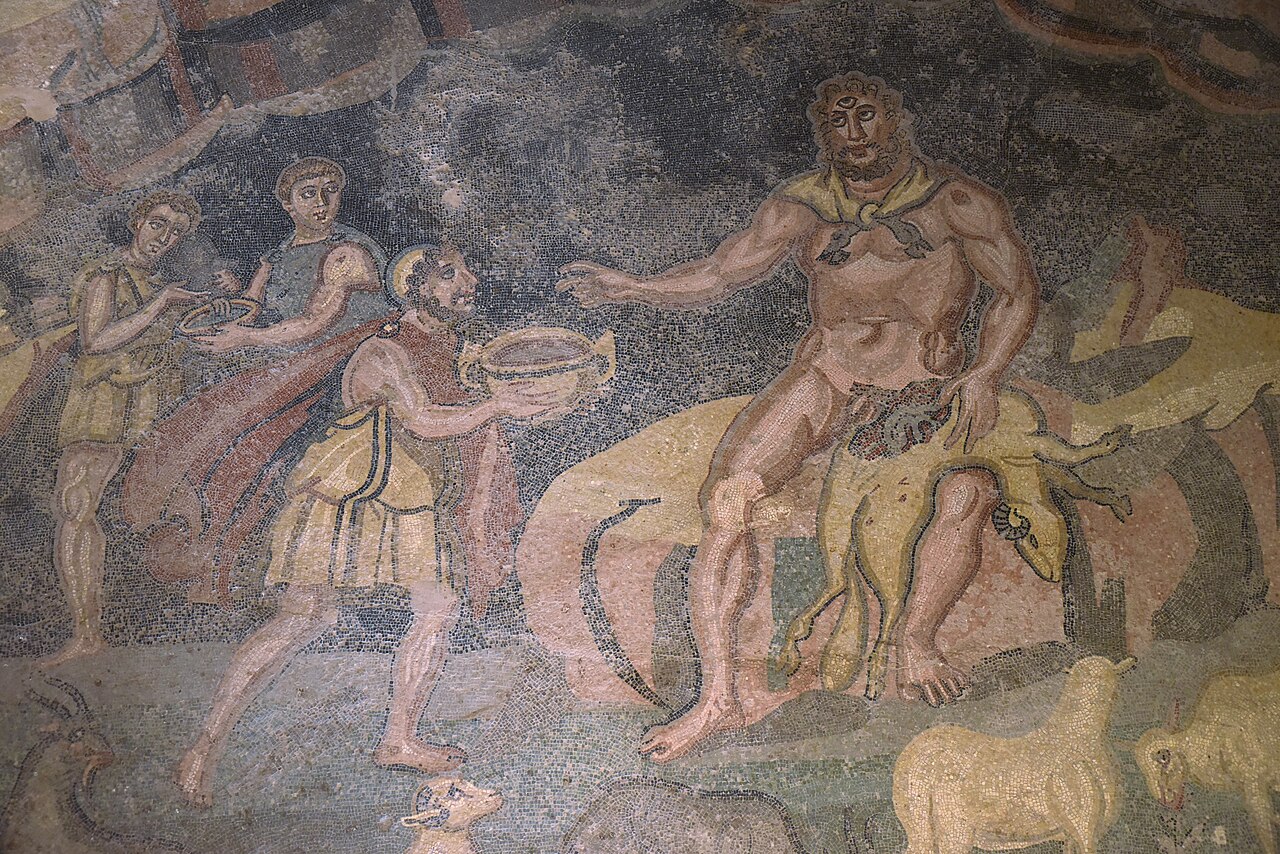
Odysseus offering a drink to Polyphemus in a Roman mosaic at Villa del Casale, Sicily. A later representation of the adventure narrated in Odyssey Book 9
Entität
One-eyed giant in the Odyssey and Poseidon’s son within the narrative.
Namensvarianten: Polyphemus
Kontext und Quellen →
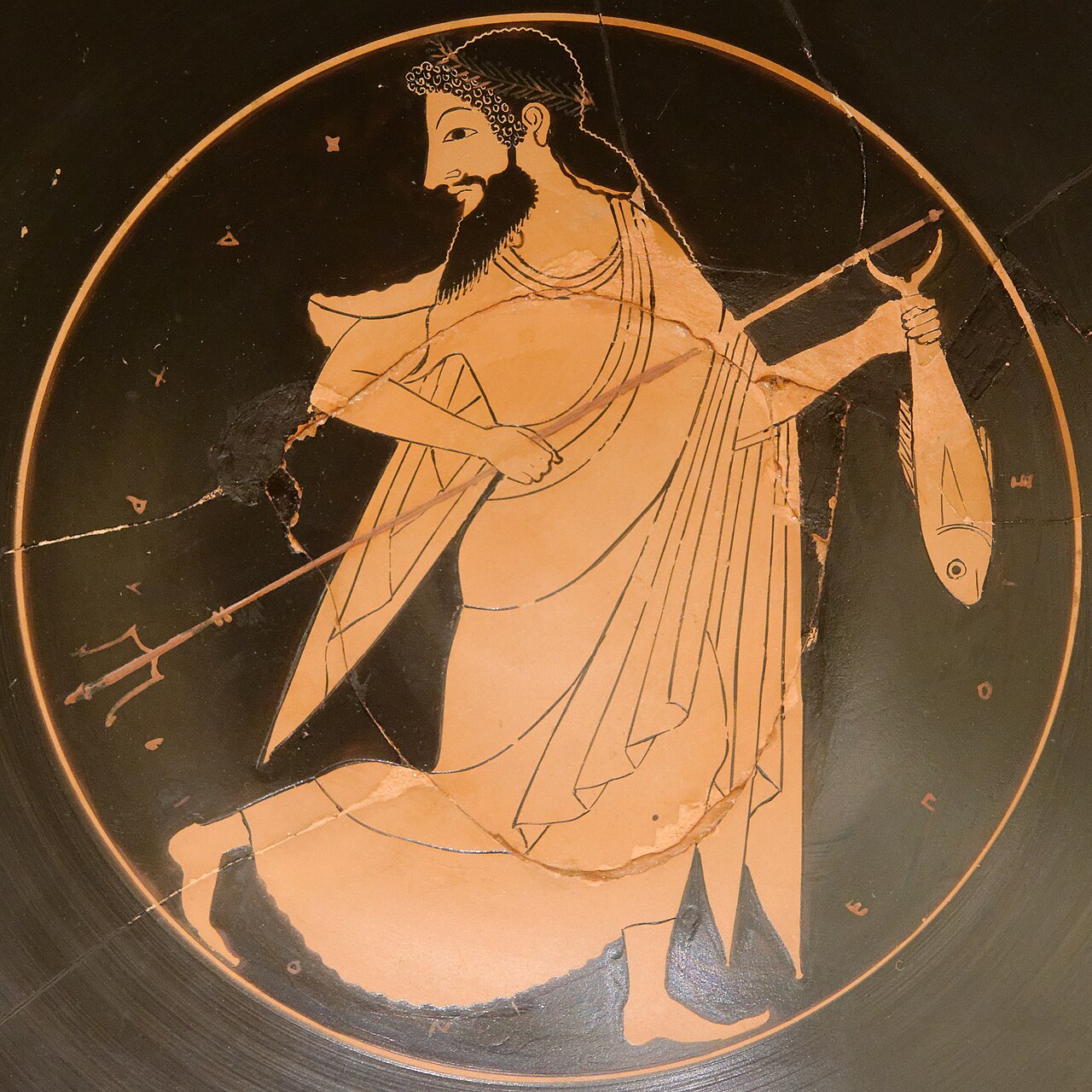
Poseidon with a trident and a fish inside an Attic cup, about 510 BCE; National Museum of Denmark 13407. An ancient representation of the deity
Entität
Sea god in Greek traditions and an influential figure in the Iliad and Odyssey.
Namensvarianten: Poseidon
Kontext und Quellen →
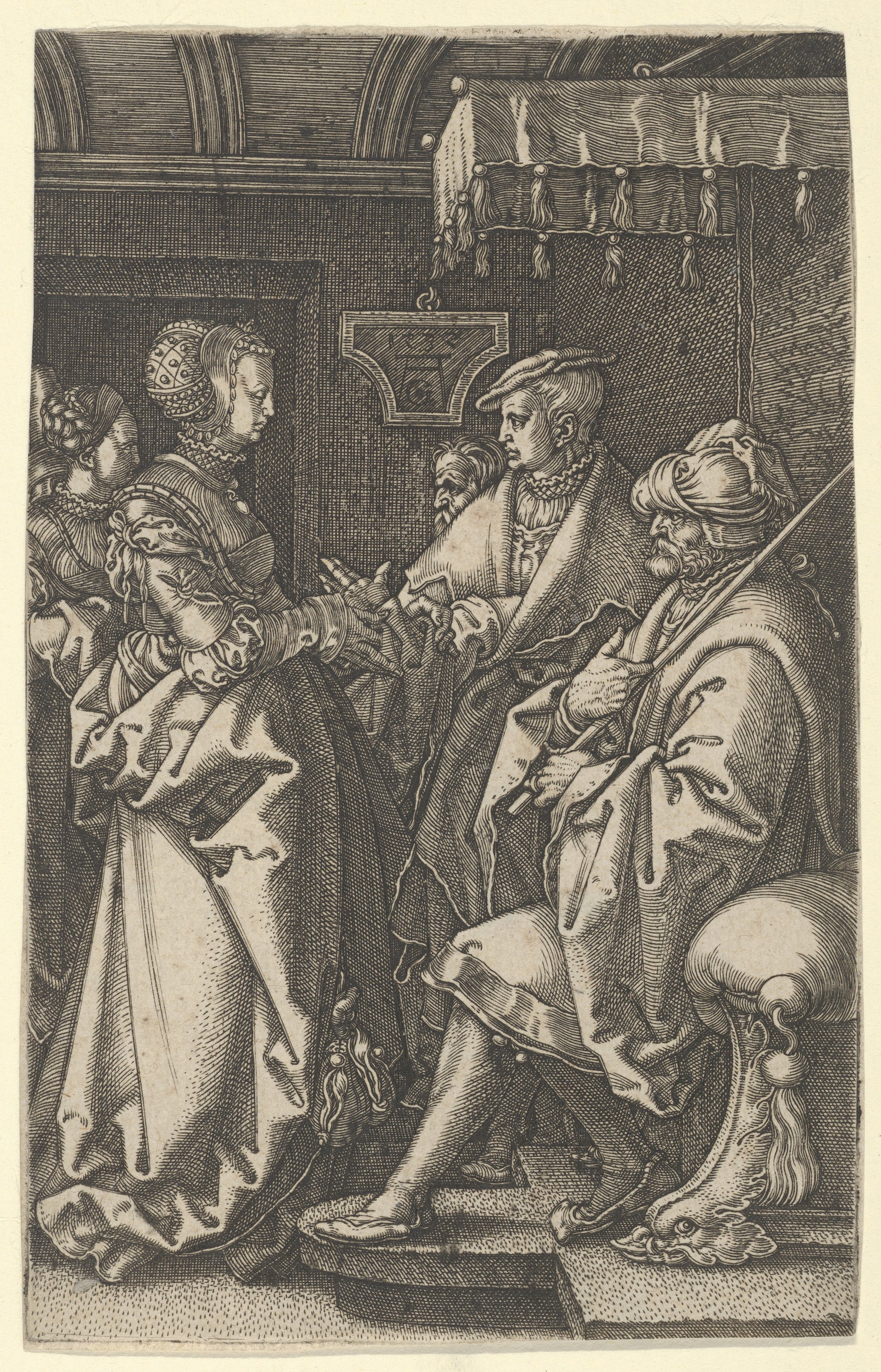
Potiphar’s Wife Accusing Joseph, Heinrich Aldegrever engraving, 1532; Met 49.132.83. Wife at left, seated Potiphar at right, Joseph behind him: artistic reception of Genesis 39:17, not historical portraits
Person
Egyptian official who buys Joseph and places him over his household in Genesis 39.
Namensvarianten: Potiphar in Genesis, Potiphar
Kontext und Quellen →
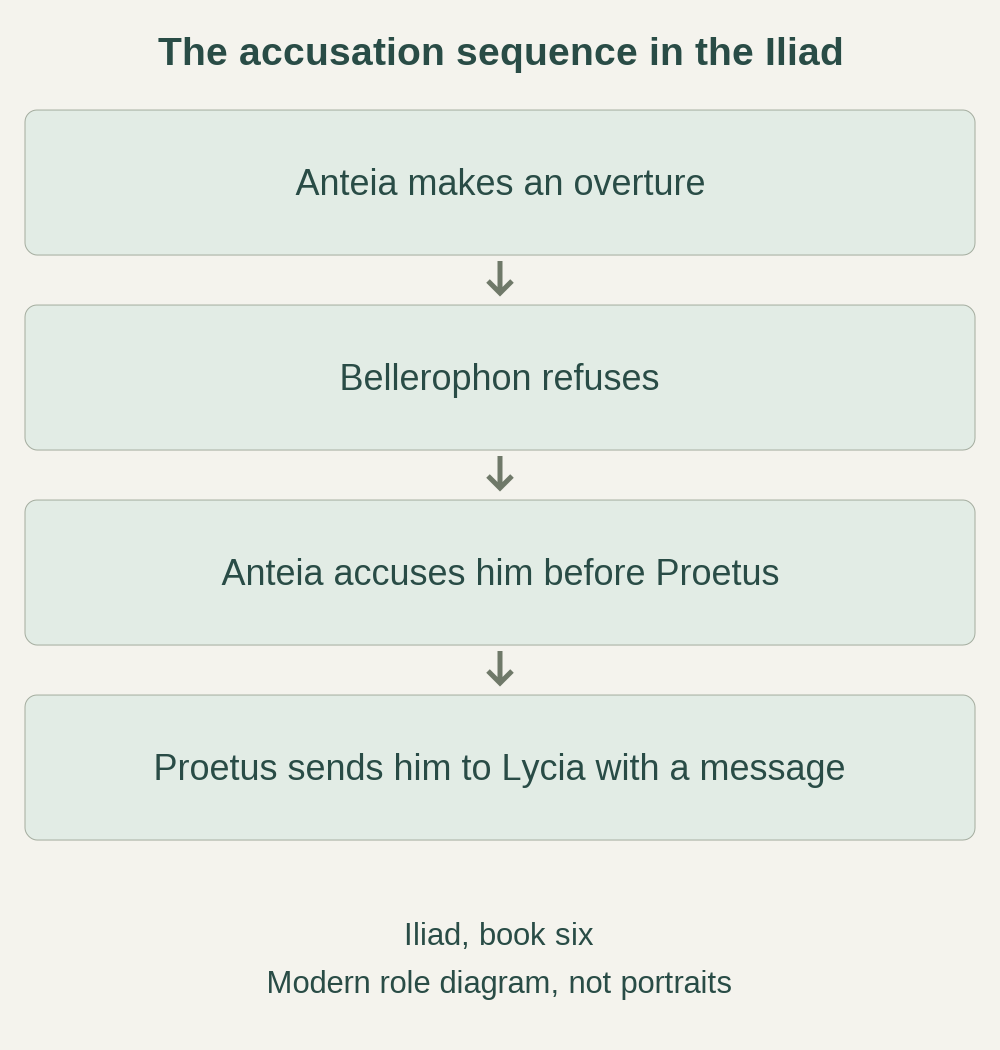
Modern diagram of Anteia, Bellerophon and Proetus in the Iliad episode; explains sequence without deciding other texts’ dependence
Person
King hearing Anteia’s accusation and sending Bellerophon to Lycia with a message threatening his life.
Namensvarianten: Proetus in the Iliad, Proetus
Kontext und Quellen →
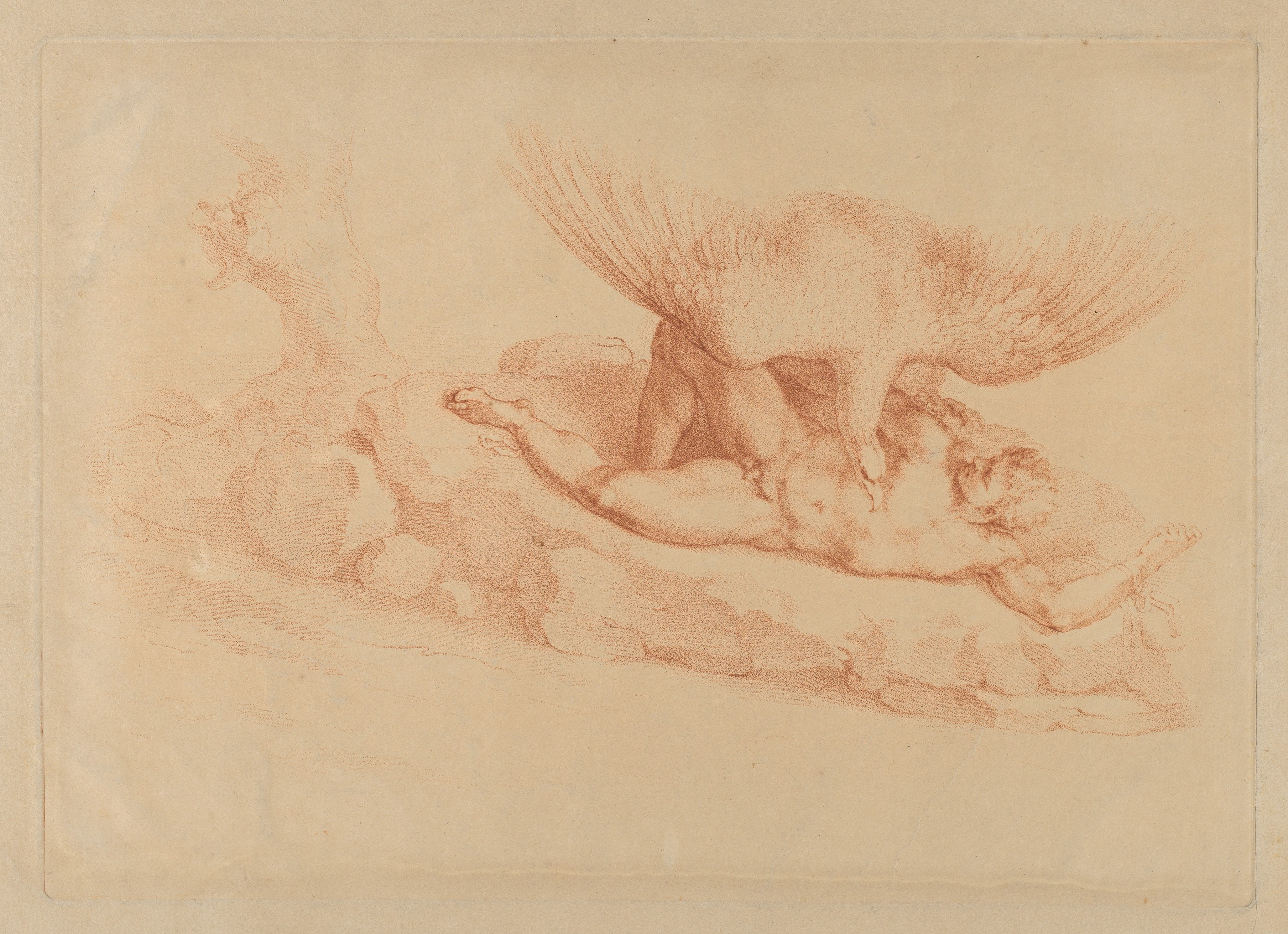
Prometheus chained to a rock beneath an eagle; red crayon-manner print by Francesco Bartolozzi after Michelangelo, 1795, Met 62.557.193. Punishment tradition, not Deucalion’s warning
Entität
Greek divine figure advising and protecting humans in some Deucalion accounts.
Namensvarianten: Prometheus
Kontext und Quellen →
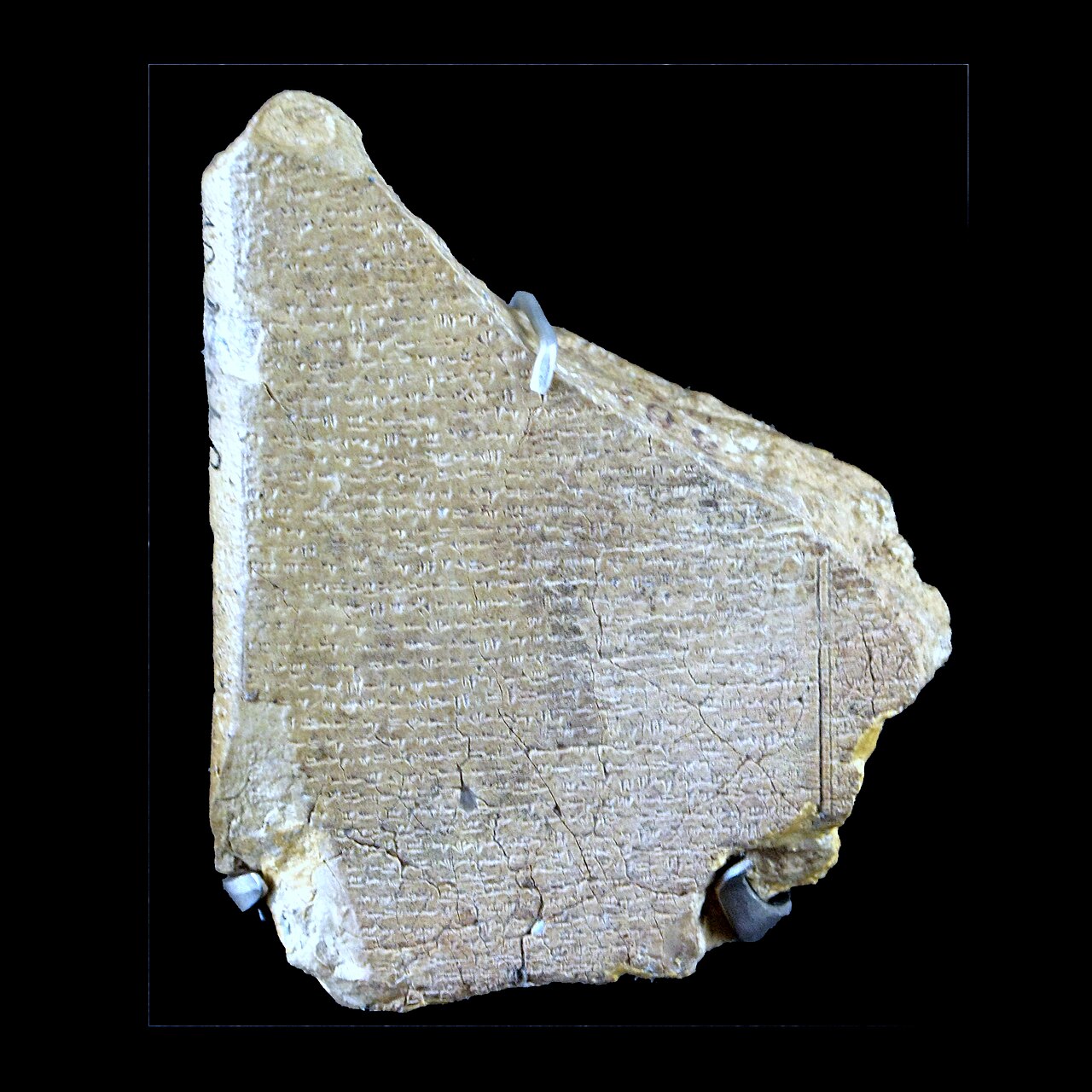
Ugaritic tablet from the Baal Cycle, Ras Shamra, c. 14th–13th centuries BCE; Louvre, AO 16640. An attested Semitic language, not a document in reconstructed Proto-Semitic
Entität
The inferred ancestral language of Semitic, reconstructed from comparative sound, morphological and lexical evidence; no direct Proto-Semitic inscription survives.
Namensvarianten: Proto-Semitic
Kontext und Quellen →
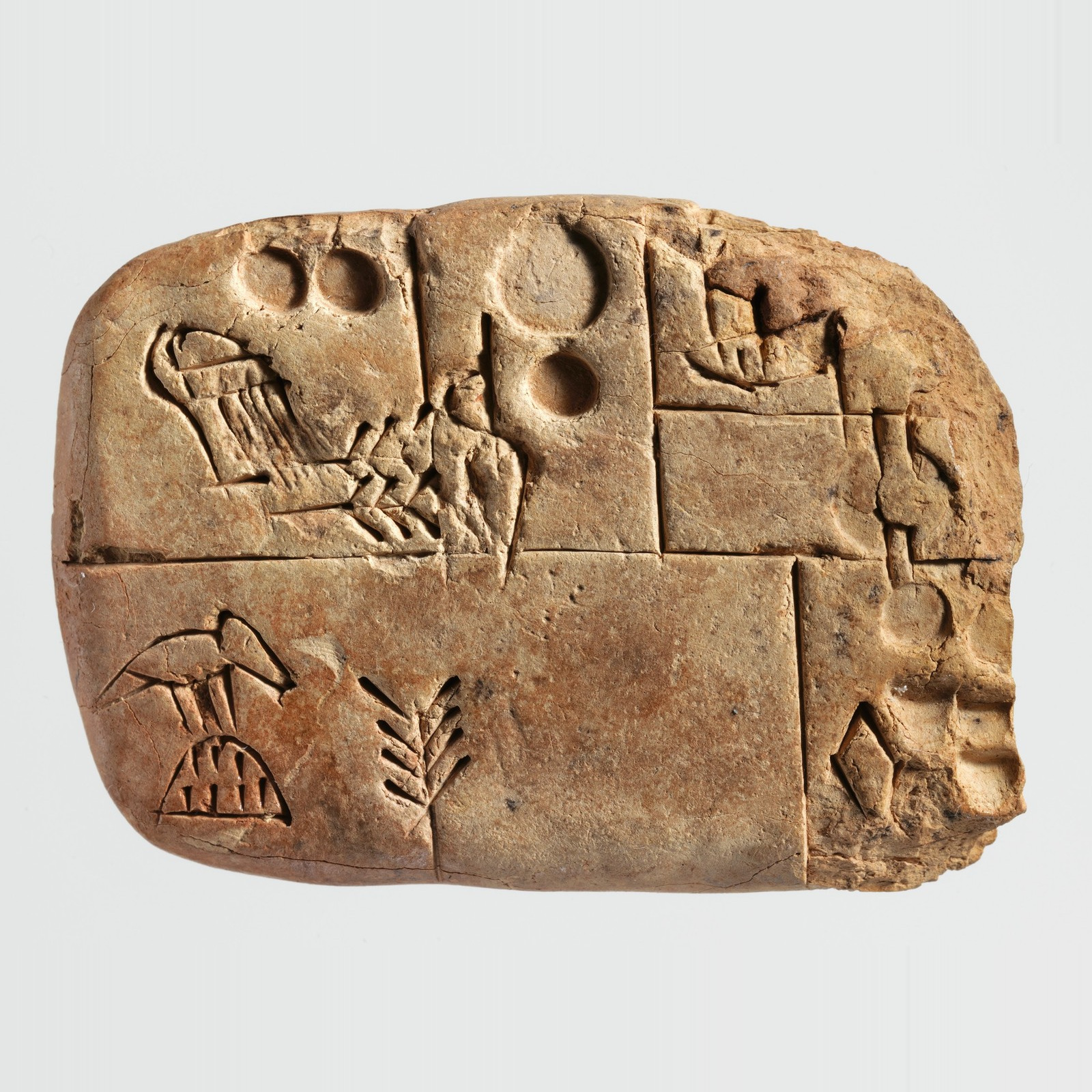
Cover: actual Met clay tablet 1988.433.2, c. 3100–2900 BCE, probably from Uruk. Modern square presentation with extended background margins; no marks changed and no edge of the object cropped
Entität
Early southern Mesopotamian script (c. 3350–3000 BCE): clay tablets with counting systems and signs for commodities, people and offices, as well as lexical lists; not yet a full rendering of speech.
Namensvarianten: proto-cuneiform, proto-cuneiform writing
Kontext und Quellen →
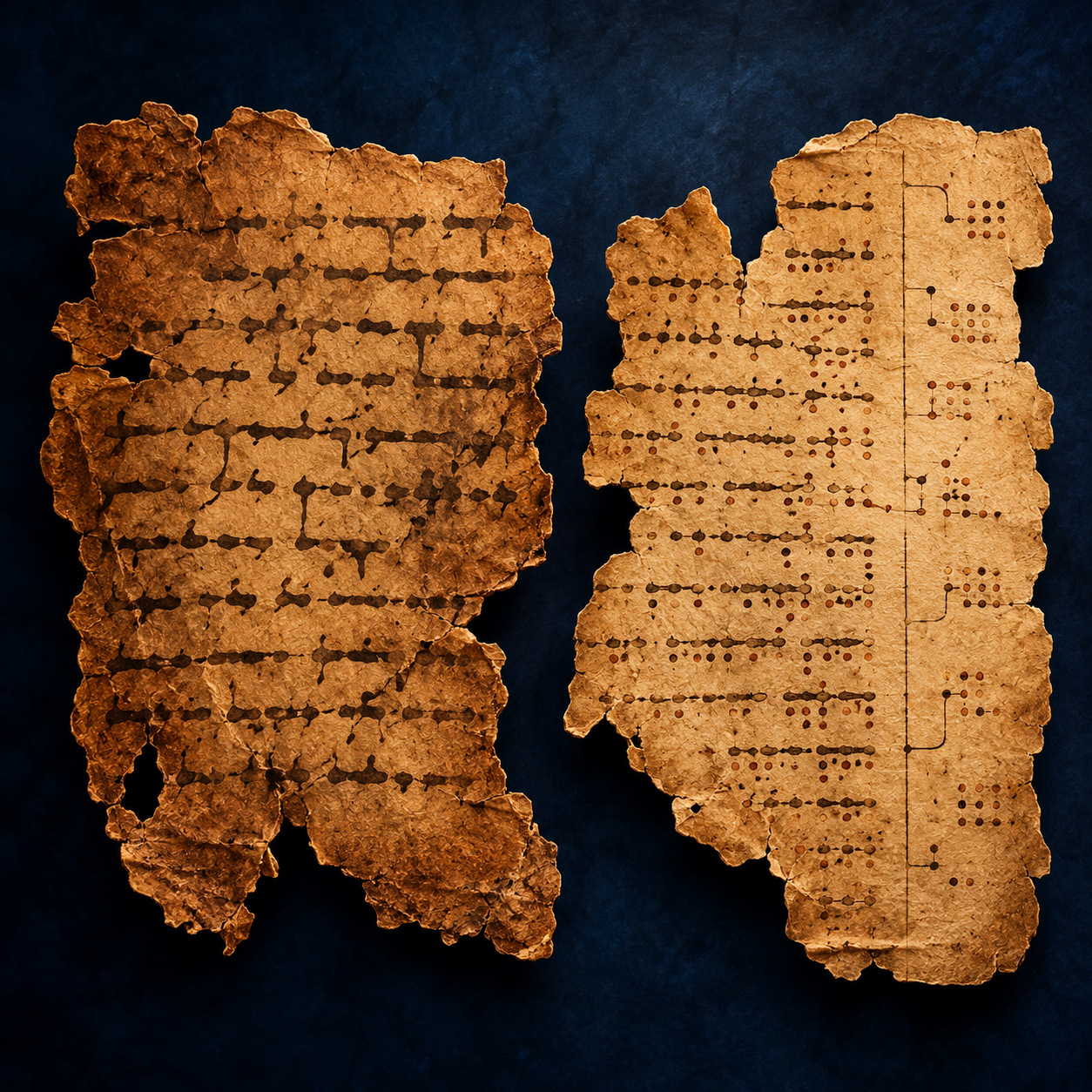
Generated modern conceptual cover: two imaginary parchment fragments contrast consonantal writing with later reading marks. Neither depicts a discovered manuscript or transcribes a real Hebrew reading
Entität
A comparative designation for ancient Hebrew witnesses whose consonants closely resemble the later Masoretic tradition; not one original manuscript, exact identity or medieval vowel and accent notation.
Namensvarianten: proto-Masoretic, pre-Masoretic
Kontext und Quellen →
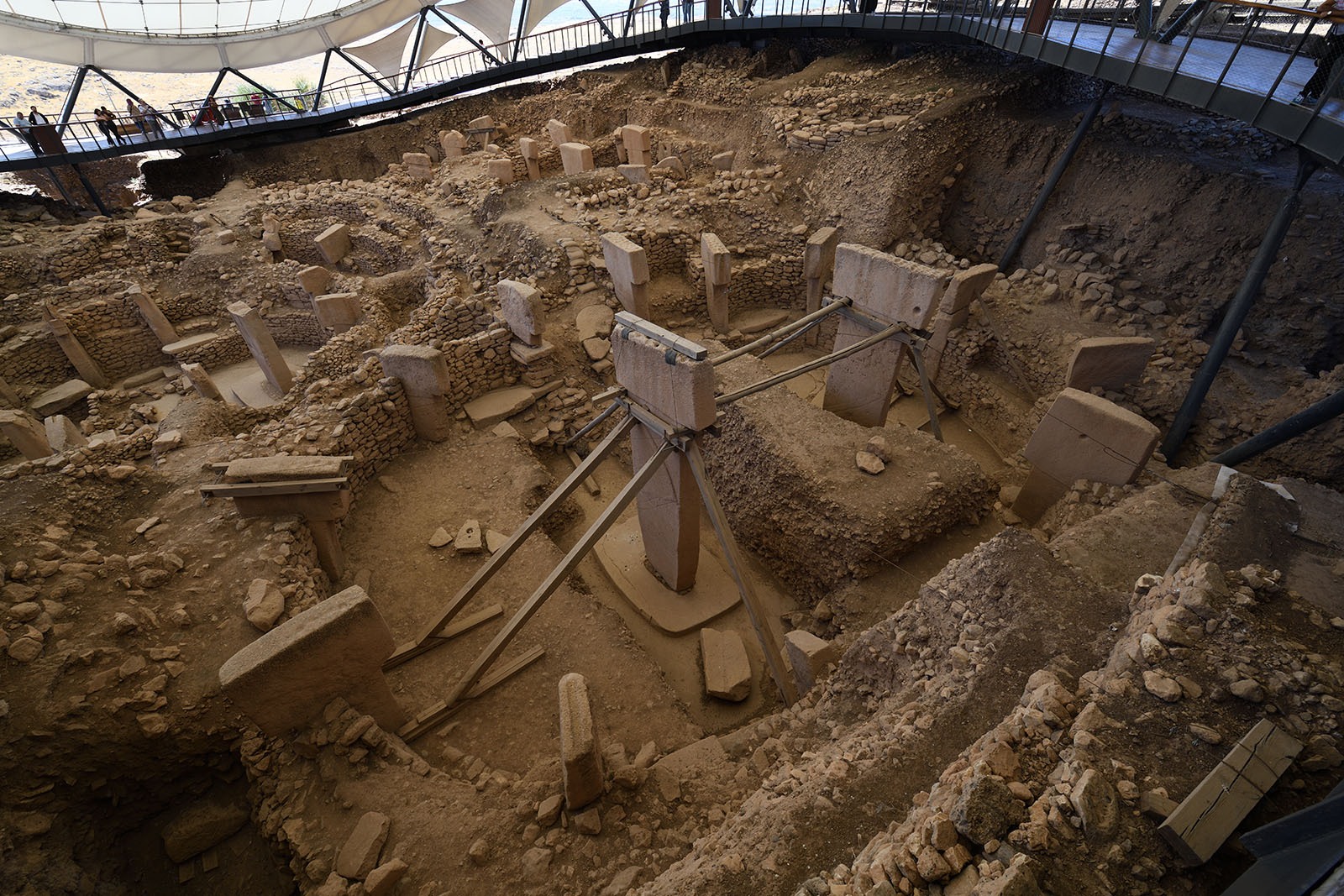
Building D at Göbekli Tepe, photographed in 2019. Central and perimeter pillars show the building’s arrangement. The visible shelter and support braces are modern conservation measures, not a reconstructed ancient roof
Epoche
A regional archaeological framework for early settlement, cultivation and animal management in Southwest Asia before the local spread of pottery vessels; its dates and trajectories vary and it implies no common religion.
Namensvarianten: Pre-Pottery Neolithic, prepottery Neolithic
Kontext und Quellen →
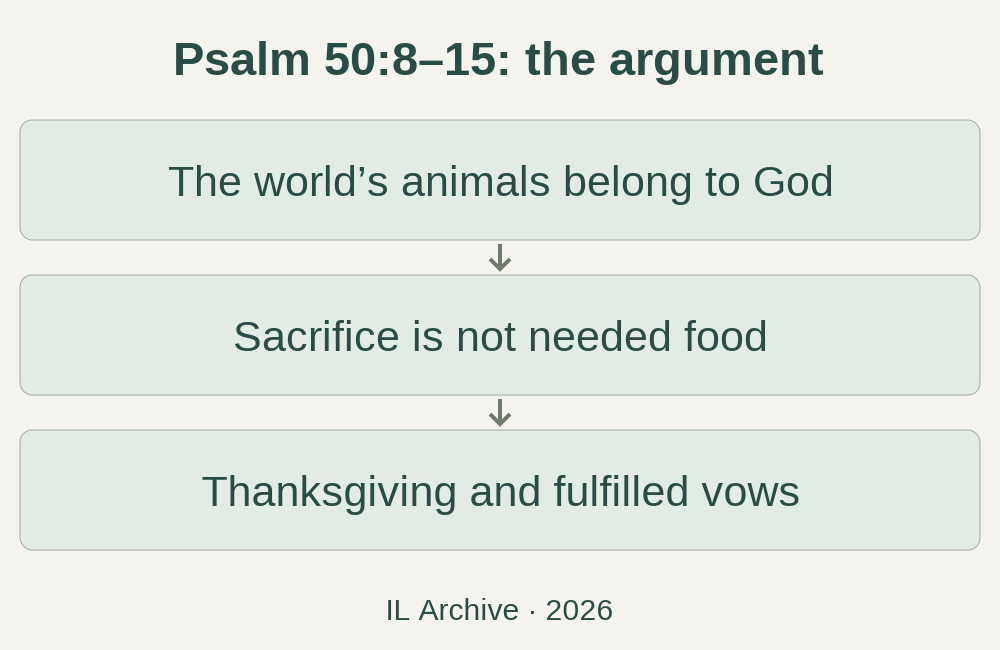
Modern explanatory diagram of the argument or character’s role in the specified passage; not an ancient manuscript or a goddess portrait
Antiker Text
Hebrew poem rejecting divine need for sacrificial flesh and calling for thanksgiving and fulfilled vows.
Namensvarianten: Psalm 50 and sacrifice
Kontext und Quellen →
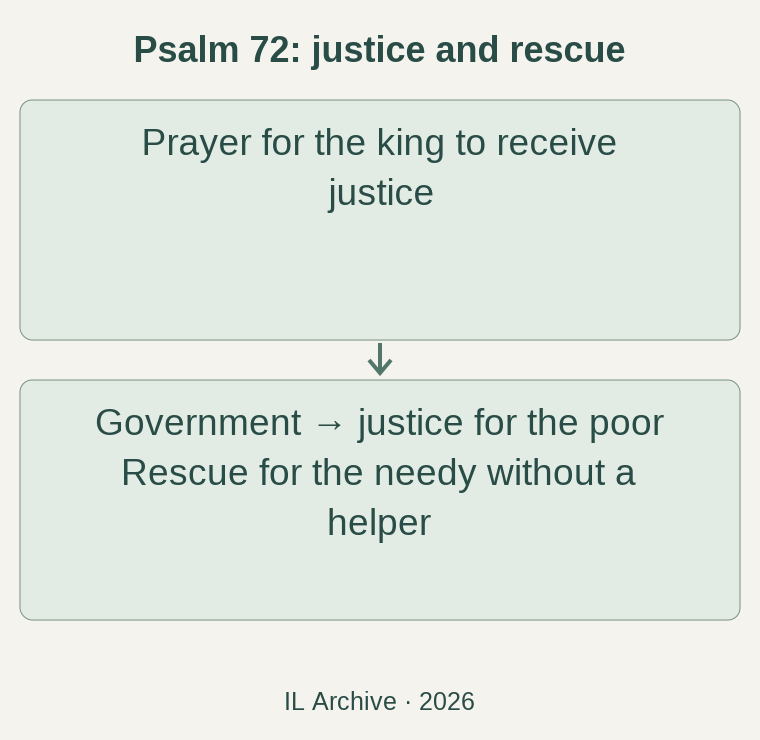
Modern diagram of the relationship or demand in the specified text; not an artifact photograph, a divine likeness or a portrait
Antiker Text
Hebrew prayer for a king who judges the poor fairly and rescues the needy without a helper.
Namensvarianten: Psalm 72 and royal justice
Kontext und Quellen →
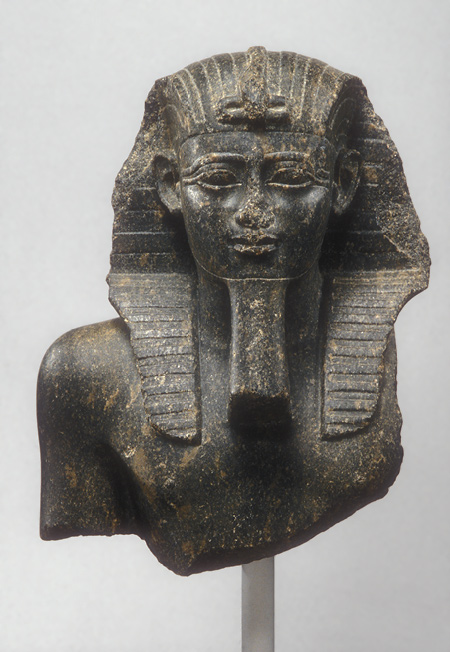
Granite bust from a royal statue dated by the museum to Psamtik I’s reign, about 664–610 BCE, Metropolitan Museum of Art, X.358
Person
Psamtik I was an Egyptian king of Dynasty 26, reigning about 664–610 BCE during the Saite period.
Namensvarianten: Psamtik I
Kontext und Quellen →
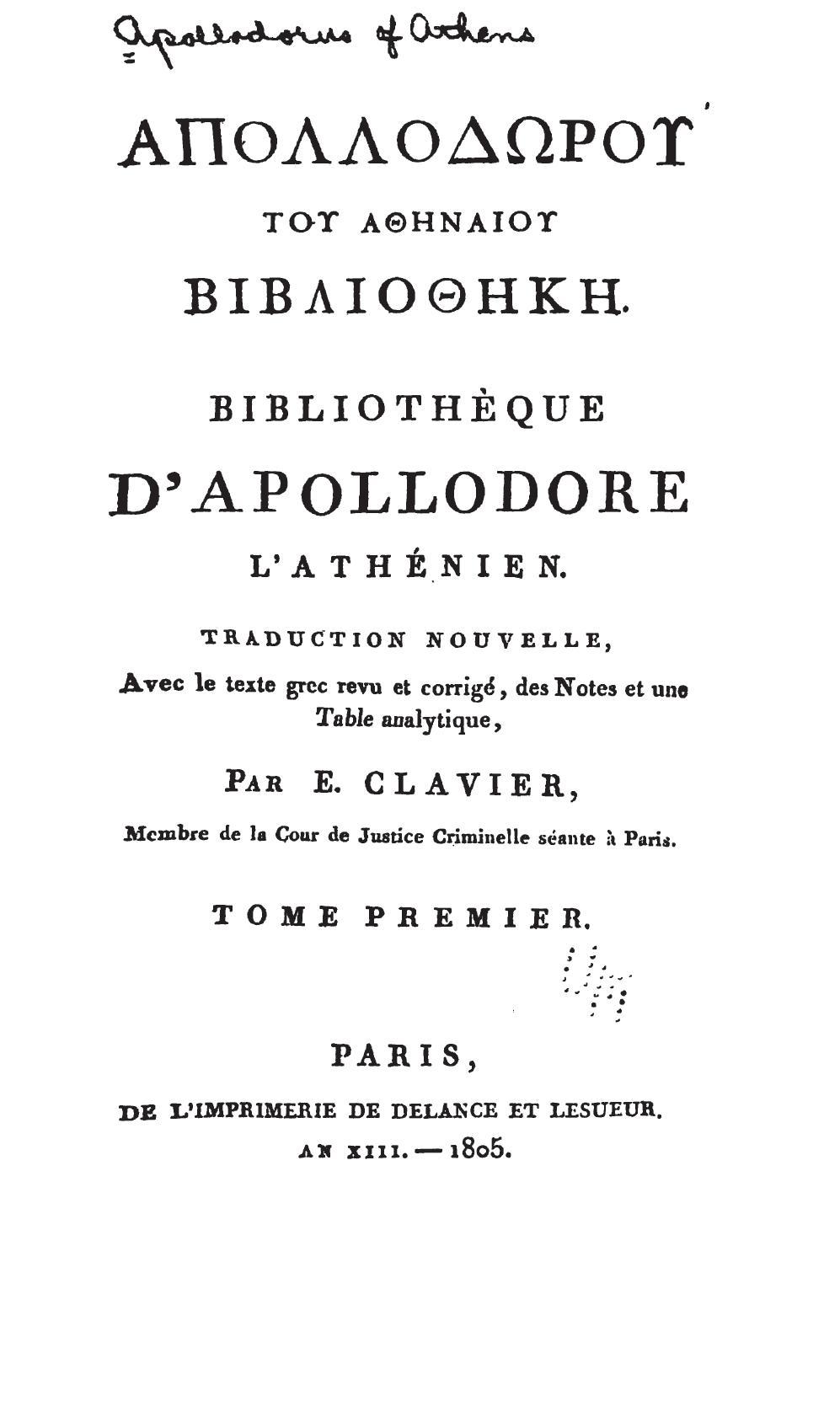
Title page of the Bibliothèque d’Apollodore in E. Clavier’s edition, Paris, 1805, volume I, in Greek and French. It documents a later printed edition; the title’s author attribution is traditional
Person
Name used for the author of the Bibliotheca, a Greek mythographic collection usually dated to the first or second century CE.
Namensvarianten: Pseudo-Apollodorus
Kontext und Quellen →
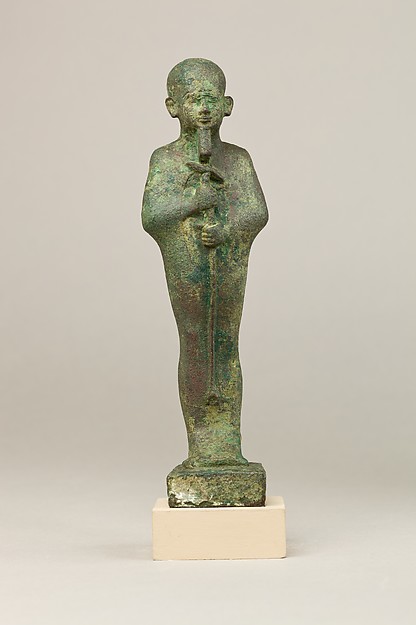
Statuette of Ptah wearing a close-fitting cap, straight beard and enveloping garment. Made of cupreous metal, it is dated by the Met to 664–30 BCE; object 04.2.406
Entität
Ptah is an Egyptian god associated with Memphis, craftsmanship and creation
Namensvarianten: Ptah
Kontext und Quellen →
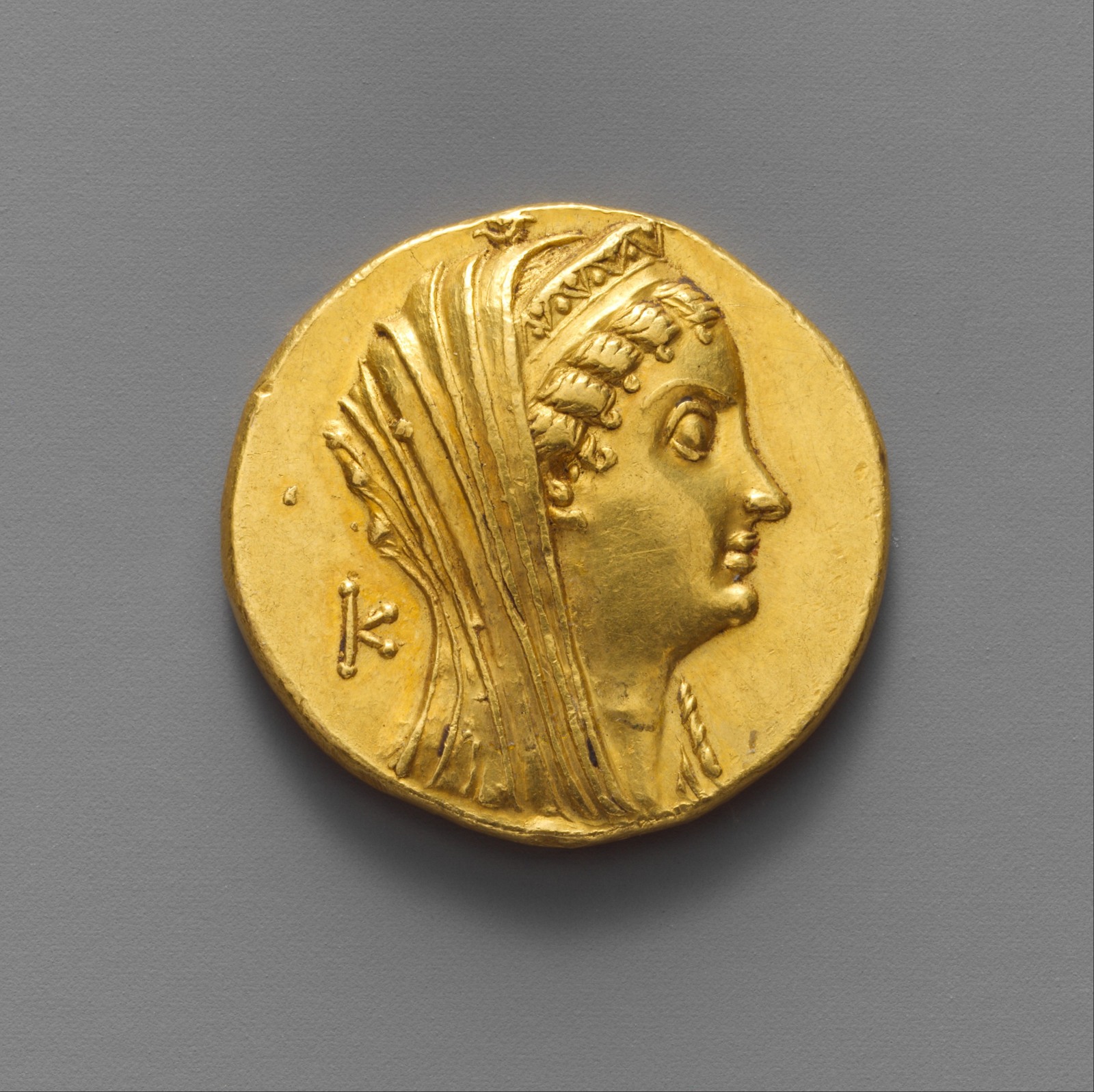
Gold coin obverse, reign of Ptolemy II, Alexandria, c. 261–246 BCE. The portrait is Arsinoe II, not the king. Met 30.115.23. Context for Ptolemaic Egypt, not evidence of Torah translation. Original preserved; resized without cropping
Entität
Ptolemaic ruler of Egypt (sole reign c. 282–246 BCE), linked to Alexandrian cultural patronage and, in the later Letter of Aristeas, the Greek Torah translation; the particulars of royal commissioning remain independently unverified.
Namensvarianten: Ptolemy II, Ptolemy II Philadelphus, Ptolemy II Philadelphos
Kontext und Quellen →
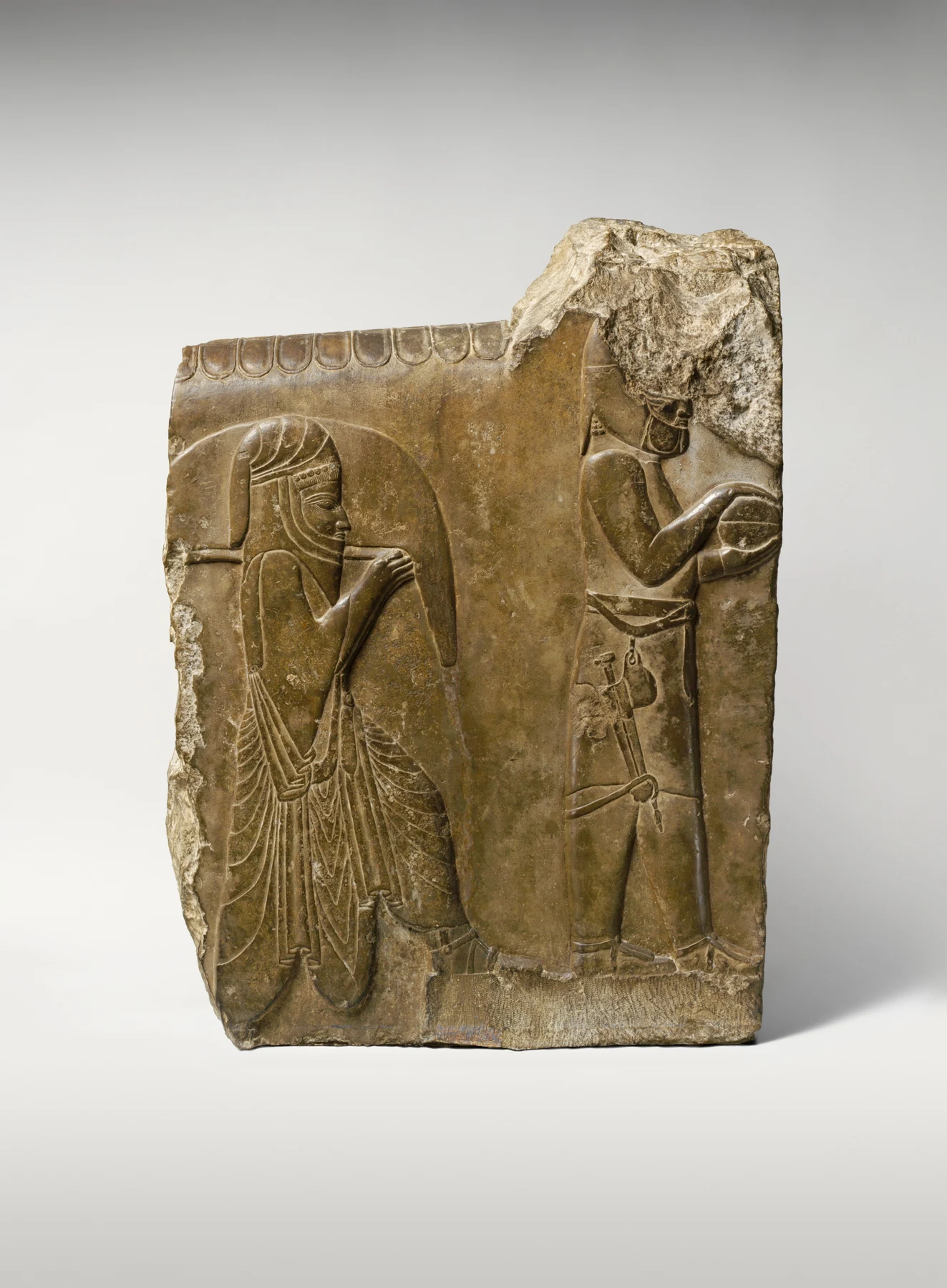
Limestone relief of two servants carrying food and drink, Persepolis, ca. 358–338 BCE, under Artaxerxes III. Metropolitan Museum, 34.158, public-domain photograph. Evidence for the representation of banquet service, not Esther, Haman or a banquet of Xerxes
Entität
Jewish festival connected in Esther with rescue and lots; the book’s explanation alone does not establish the first historical origin of every element.
Namensvarianten: Purim, Purim festival
Kontext und Quellen →